
Can You Get Pregnant When You’re Not Ovulating?
Learn whether pregnancy is possible without ovulation, including rare exceptions and how fertility actually works.





Medically Reviewed By
Dr. Sabiha Anjum
(Gynecologist/Obstetrician)

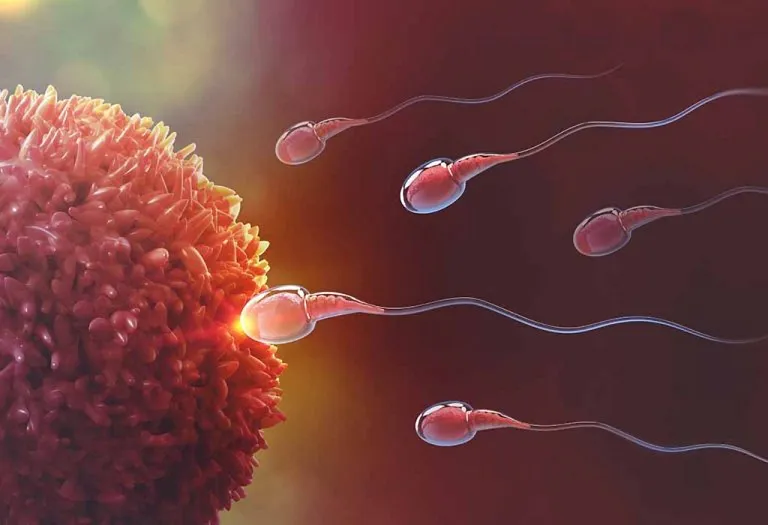
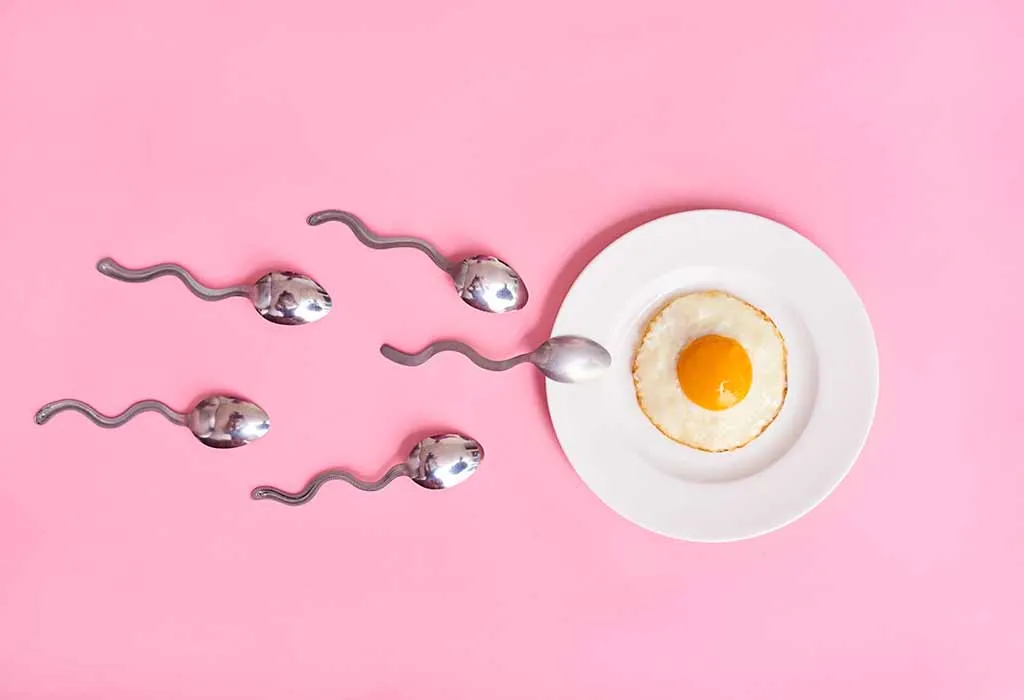
If you are trying to get pregnant but not seeing those pink lines on the kit every time you take the test, you must be wondering where you’re going wrong. If you are struggling to get pregnant, chances are that you might not be ovulating, even after doing everything ‘right’. When a woman ovulates, her body releases an egg or ovum from the ovaries, which makes its way from the fallopian tube, ready to be fertilised by a sperm post intercourse. When the egg is fertilised, it may travel to the uterus and implant to develop into a pregnancy. But what if a woman does not ovulate? Can you get pregnant when you are not ovulating? Find out the answer to a common question: ‘Can you get pregnant without ovulating?’
What Is Ovulation?
Ovulation is a process in a woman’s menstrual cycle when one of the ovaries releases a mature egg. This usually happens around the middle of the cycle, about 12 to 16 days before the next period begins. The released egg travels through the fallopian tube, where it may meet sperm and become fertilised (1).
Ovulation is the most fertile time, making it the best window for conception. If you are planning to conceive, tracking your ovulation days and trying then can give better results of pregnancy. Some women notice signs like mild abdominal pain, changes in cervical mucus, or a slight rise in body temperature (basal body temperature) (2). Understanding ovulation helps in both planning and preventing pregnancy effectively.
Do Women Have to Be Ovulating to Conceive?
The easy answer is yes. You need to be ovulating to get pregnant. Normal, healthy women with a regular menstrual cycle generally ovulate once a month. A woman has to ovulate in order to conceive. You can get pregnant if you have intercourse 5 days before ovulation and 1 day after ovulation. This is because a man’s sperm can survive in the female birth canal for up to 5 days.
But a woman cannot get pregnant if she is not ovulating. Ovulation is necessary for the sperm to be able to fertilize the egg. Many women ask if they can get pregnant if they are fertile but not ovulating. Unfortunately, a woman can’t get pregnant if she is not ovulating. If you are fertile, it means that you will be able to produce eggs, but you can only get pregnant if you have intercourse during the time when you are ovulating.
When Does Ovulation Occur?
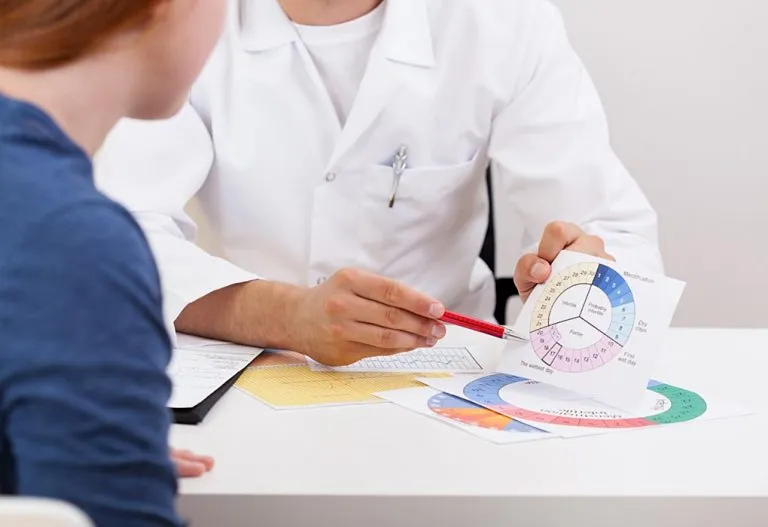
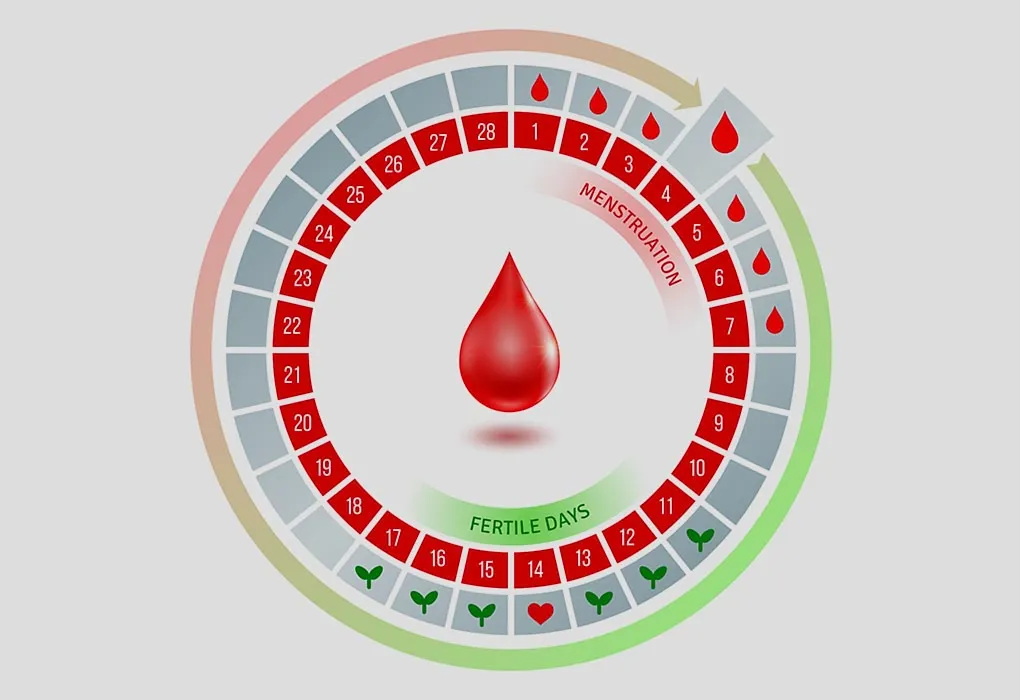
The menstrual cycle of a woman lasts for 28 days on average. In this cycle, the first day of the period is considered day 1. In a cycle of 28 days, ovulation occurs sometime between 11 and 21 days. This is around 14 to 15 days before the next period begins. However, not all women have a 28-day menstrual cycle. The cycle length can vary from 21 to 35 days. For a 21-day cycle, ovulation occurs between day 5 and day 12, and for a 35-day cycle, ovulation occurs between day 18 and day 26 (3).
The exact time of ovulation can be determined by charting the length of your cycles, your basal body temperature, observing changes in the cervix and cervical mucus, and by using ovulation predictor kits available in pharmacies.
What Are the Most Fertile Days?
A woman is most fertile while ovulating. The fertile window of a woman depends on the length of her menstrual cycle, which varies among women. Out of these, 3 days are right before ovulation, 1 on the day of ovulation, and 1 day after ovulation. These days are the most fertile as sperm can stay alive in a woman’s birth canal for up to 5 days and the egg deteriorates between 24 to 48 hours after ovulation. Thus, the most fertile days can be calculated based on cycle length (4).
So, how many days before ovulation can you get pregnant?
You can get pregnant from sexual intercourse that occurs up to five days before ovulation, plus the day of ovulation itself. This six-day fertile window exists because sperm can survive in the female reproductive tract for up to five days, while the egg survives for only 12–24 hours (5).
Is It Possible To Get Pregnant On Non- Fertile Days?
Yes, it is possible to get pregnant on your non-fertile days. Your ovulation time may differ each month and sperm cells can stay alive in the body for some time.
Why Some Women Think They Got Pregnant Without Ovulating?
It is a common hushed topic: ‘Can you get pregnant while not ovulating?’ It may seem surprising, but pregnancy without ovulation isn’t actually possible. Ovulation must occur for an egg to be fertilised. However, many people believe they conceived without ovulating due to confusion around how the cycle works.
One common reason is irregular periods. Women who don’t track their cycles closely may not realise when ovulation happens. In some cases, ovulation can occur earlier or later than expected, especially due to stress, illness, or hormonal imbalances. This makes it feel like pregnancy happened “out of nowhere.”
Another factor is misunderstanding fertility signs. Not all women get clear ovulation symptoms like changes in cervical mucus or slight cramps. Without these signs, ovulation can go completely unnoticed, leading to the assumption that it didn’t happen.
There’s also the role of sperm survival. Sperm can live inside the female body for up to five days. So, if intercourse happens several days before ovulation, fertilisation can still occur later. This delay can make it seem like pregnancy occurred without ovulation at the time of intercourse.
So basically, ovulation always comes first. Although women may not always notice the ovulation signs.
When to Consult a Doctor?
If you are planning on conceiving, you should visit your doctor before you start a menstrual cycle or on day 1 of your periods. This will help you and the doctor track your cycle better and you’ll be able to figure out your fertile window better. You should also consider visiting your doctor if you suffer from anovulation.
FAQs
Here are some frequently asked questions about ovulation:
1. What Are the Signs of Ovulation?
Some prominent signs of ovulation are mentioned below:
- A decrease in basal body temperature before ovulation and a significant increase in temperature after ovulation.
- Changes in the consistency of cervical mucus is a significant sign of ovulation. The cervical mucus turns thick and transparent and looks very similar to egg whites at the time of ovulation.
- At the time of ovulation, you will also notice changes in your cervix. Your cervix will feel wet and soft at the time of ovulation. However, this can be detected accurately by women only after following and examining their cervix for several menstrual cycles.
- Some women also experience other signs during ovulation, such as an increase in libido, mild pain, or cramps on one side of the pelvic area, bloated abdomen, spotting, and an increased sense of smell, taste, or vision.
2. What Are Ovulatory Disorders?
Anything that hampers the normal ovulation process and causes irregular or failed ovulation can be termed as an ovulatory disorder. Anovulation is an ovulatory disorder where there is an absence of ovulation. Oligo-ovulation is a disorder where the ovulation occurs, but not every month. Here the ovulation is irregular.
3. What Is Anovulation?
Anovulation is when a woman’s ovaries do not release eggs during her menstrual cycle. In the case of anovulation, the eggs may not develop properly and may not get released by the ovaries. Some of the causes of anovulation include PCOS, ovarian insufficiency, hypogonadotropic hypogonadism, poor diet, obesity, etc. Anovulation can make it difficult for a woman to get pregnant. Even if a woman ovulates occasionally, the irregular menstrual cycle can make it difficult to time sex.
4. What Are the Causes of Ovulatory Disorders?
Most ovulatory disorders happen because of polycystic ovarian syndrome (PCOS). This is a hormonal disorder which is characterized by ovarian cysts, excessive production of male sex hormones like testosterone, and irregular periods. Other causes of ovulatory disorders are hormonal problems, urinary infections, malfunctioning of endocrine and pituitary glands, over-exercising, obesity, being underweight, and eating disorders like anorexia or bulimia.
5. How Are Ovulatory Disorders Treated?
Treatment of ovulatory disorders depends on their root cause. If a woman has an ovulatory disorder because of the hormonal problem, the doctor may prescribe her medicines to treat the hormonal issue. There are also pills available that increase the level of hormones such as Luteinizing hormone (LH) and Follicle Stimulating Hormone (FSH) that activate ovulation in the body.
6. How Will You Know That You Are Not Ovulating?
In order to check whether or not you are ovulating, first, you will have to start charting your menstrual cycles and your basal body temperature around the time of ovulation. This will help you keep a record of your ovulation cycles. If there is no significant temperature drop in your basal body temperature, then you may not be ovulating. You can learn about your ovulation better by using the ovulation test kits available in pharmacies.
7. Can Ovulation Occur Without Periods?
Ovulation can happen without a period. For example, lactating mothers do not have menstrual periods for a few months after delivery, but they do ovulate and can get pregnant if they have unprotected sex. It is difficult to track ovulation if you do not have menstrual periods and you will need to figure it out by checking your lower basal body temperature and the consistency of your cervical mucus. If you ovulate then the period will come for sure, but by the time you get the period, there will be a gap of 14 days and if you have sex during this 14 days period, you can get pregnant. Hence, lactating mothers should be careful.
8. Is It Possible to Have Periods But No Ovulation?
It is possible to have a menstrual period without ovulating. Some women may experience menstrual bleeding but not ovulate at all. This is called an anovulatory cycle. Anovulation happens because of the decrease in estrogen levels or some accumulation in the uterine lining that needs to be shed.
9. Can Ovulation Occur Right After a Period?
Ovulation can happen early in women who tend to have short menstrual cycles. So it is possible to ovulate soon after a period. And women who ovulate early can get pregnant by having unprotected intercourse soon after a period.
10. Can a Woman Ovulate More Than Once in a Cycle?
Women usually ovulate only once in each cycle. There is no concrete study to prove that women ovulate multiple times in the same cycle. However, a woman can release more than one egg in a single ovulation cycle. This is one of the reasons for multiple pregnancies to occur. If a woman releases two eggs in her cycle and they both get fertilized by sperm, fraternal twins are formed.
11. Can Ovulation Occur During a Period?
Ovulation cannot happen during a menstrual period. This is because a menstrual period happens when the uterus sheds its inner lining around 11 to 15 days post-ovulation. However, some women may experience mild bleeding mid-cycle, and this is called ovulatory bleeding. This happens at the time of ovulation. This is often mistaken for a menstrual period by many women.
Pregnancy without ovulation is not possible as an egg has to be released by the ovaries in order for it to get fertilized by the sperm. In order to conceive, a woman should have unprotected intercourse with her partner around the time of ovulation. So if you want to conceive, find out when you ovulate and have sex with your partner – soon you will hear the good news!
Also Read:
Bleeding during Ovulation
Can You Get Pregnant after Ovulation
Does Ovulation Occur during Pregnancy
Was This Article Helpful?
Parenting is a huge responsibility, for you as a caregiver, but also for us as a parenting content platform. We understand that and take our responsibility of creating credible content seriously. FirstCry Parenting articles are written and published only after extensive research using factually sound references to deliver quality content that is accurate, validated by experts, and completely reliable. To understand how we go about creating content that is credible, read our editorial policy here.
- Author
- Expert Reviewer

Related Articles
-

Fertilization: Signs, Symptoms & When Does It Occur
-
How Long Does It Take to Get Pregnant?
-
15+ Best Home Remedies to Help You Get Pregnant
-
Can You Take a Pregnancy Test at Night? Accuracy, Tips & What to Know
-
Progesterone after IUI – Risks & Side Effects
-
Implantation Bleeding – Signs, Symptoms & When to Worry