

















.svg)
.svg)
.png)


Getting Pregnant



Suggested articles for you
A Guide to Intrauterine Device (IUD)
Birth control options for women have gone through a lot of changes over time. An IUD device is an effective birth control method that is available to women today.
What Is an IUD?
IUD or Intrauterine Device is a birth control method for women. There is a T-shaped device inserted in the womb of the woman to prevent pregnancy. It is an appropriate choice for those who cannot use other forms of contraception like birth control pills. Prior to using this method, you should have a discussion with your doctor to check if IUD is the correct type of contraceptive for you and evaluate all the risks and benefits. You may carry on with your daily life as normal (have sex, exercise, and use tampons).
What Are the Types of Intrauterine Devices?
There are 2 types of IUDs:
1. Copper IUDs (ParaGard)
These are the most commonly used IUDs. A copper wire is tied around the stem of the T shaped device. This can stay for up to 10 years and is a highly effective method of birth control.
2. Hormonal or Levonorgestrel IUDs (Mirena, Kyleena, Liletta, Skyla)
It is supposed to be slightly more effective in preventing pregnancy than the copper IUD. This IUD can prevent pregnancy for up to five years depending upon the type used.
Who Can Use an IUD?
IUD can be used by most women – young women and women who have never had children too. IUDs (especially hormonal ones) are also highly suitable for women having heavy periods.
You may use the IUD in all the following scenarios:
If you have children or never had children
If you are unmarried
IUD can be used at any age (adolescents and women over 40 years)
Have just had an abortion or miscarriage but there are no infections
If you are breastfeeding
If you are into hardcore physical work/activity
Who Shouldn’t Use an IUD
You should not use an IUD if you have abnormal vaginal bleeding
IUD should not be used if you have cervical or uterus cancer
Pregnant women should not use IUD. You can use it after childbirth. In fact, the best time to get an IUD is right after delivery.
You may also not be able to use IUDs if you recently had a pelvic inflammatory disease (PID) or are allergic to copper. Your doctor will assess your suitability for this method of birth control.
How Does an IUD Work?
The intrauterine device is a contraceptive device made of flexible plastic which is inserted into the uterus. It is a highly effective long-term contraception and can be reversed conveniently.
Copper IUDs – Copper acts as a spermicide preventing the sperm from travelling to the cervix and changes the internal lining of the womb, which makes it difficult to conceive.
Hormonal IUD – This IUD releases a hormone progestin, which thickens the mucus in the cervix. It also thins the uterine lining and partially suppresses ovulation and thus prevents pregnancy.
How Effective Is an Intrauterine Device (IUD)?
IUDs are considered to be one of the best methods of birth control and are 99% effective. You do not need to remember to take it (like the pill) or use it incorrectly (like a condom).
The procedure of IUD Insertion
At the time of insertion, your doctor will first clean the vagina with an antiseptic solution. Then a speculum is placed inside the vagina which slowly draws the uterus closer to the vagina. Then the IUD is inserted with the help of an applicator. You may feel a brief pain or cramp which is temporary. The procedure takes about five minutes.
The applicator is then removed, and the arms of the IUD spring open into the T formation. Once the IUD is inserted, you will not feel anything. The strings attached to the end of the IUD will hang through the cervix and protrude slightly into the vagina. You should not fiddle or tug with the strings else the IUD may be displaced.
IUDs remain in the uterus where it has been inserted. In some cases, they might come out due to incorrect insertion. This is a rare occurrence.
How Soon Does an IUD Begin Functioning?
The non-hormonal IUD is effective immediately. If the hormonal IUD is inserted within seven days after the start of your period, it is effective immediately. If inserted at any other time during the menstrual cycle, then you should use some other form of contraception if you plan to have vaginal sex within the 1st week of insertion. Pregnancy protection starts after seven days if inserted after the first week of the menstrual cycle.
What Can You Expect After Treatment?
After the procedure, you may feel a little cramping for a few days. Your doctor might tell you to take some medication (pain killers) to prevent the cramps.
You may need to come back for a check-up after the next period. They will check if the IUD is still inside and check for infections.
There may be some spotting after getting IUD which goes away within six months. Hormonal IUDs cause your periods to become scanty, and you may stop getting periods also. The Copper IUDs cause periods to become heavier. If you feel any discomfort due to the IUD, then you should immediately consult your doctor.
Although there is very little chance of the IUD slipping out, it may happen during the first three months. They are most likely to come out during your period, so you should check your pad or tampon to see if it fell out. After the IUD has been inserted, it is recommended that you use sanitary pads. If you are using a tampon, then it must be changed frequently, and care should be taken while pulling it out so that the strings of the IUD are not tugged or pulled at.
Once the insertion of IUD had been completed, most women feel well enough to resume their normal life. Medication is prescribed to ease out any pain.
In case the IUD falls out, you will not be protected from pregnancy. Hence, you need to visit your doctor or use some other form of contraception in the meanwhile.
How Long Can IUD Last?
The Copper IUD can last up to a period of 12 years, and the Hormonal IUD can last anywhere between three to six years.
However, there is no minimum time frame for the IUD to stay in. You can have it removed any time you wish to.
You will need to keep track of when IUD has to be replaced. IUD placement may seem to have a higher upfront cost. However, it turns out to be cost-effective in the long run because the IUD’s protection can last between 5 to 10 years. They are an inexpensive and reversible form of birth control.
Can an Intrauterine Device Be Inserted Anytime?
It is safe to insert the Intrauterine Device at the end of the cycle and not during the early days of the menstrual cycle. During this time, it is unlikely that the woman is pregnant and the cervix also dilates during the flow. Dilation helps make insertion easier.
What Are the Complications and Risks of IUD?
IUD is one of the most popular forms of birth control across the world. Once inserted, it does not require maintenance and is extremely effective.
Risks of using the intrauterine device:
Copper IUD causes increased menstrual bleeding and cramps accompanied by spotting. Hormonal IUD causes reduction of menstrual bleeding and cramps.
In a few cases, the IUD may get stuck or perforate into the uterus. Perforation is rare; however, it always occurs during insertion of the IUD. The IUD needs to be removed if the uterus has been perforated.
Sometimes, the IUDs are expelled out of the uterus into the vagina in the first year. This can happen during the first few months. There is a high chance of expulsion if the IUD is inserted right after childbirth or in a woman who has never been pregnant.
Hormonal IUD may cause benign cysts which go away on their own.
The hormonal IUD can also cause hormonal side effects like tenderness of breasts, mood swings, headache and acne. These are similar to side effects caused by oral birth control methods. However, they go away after the first few months.
Only a health professional or doctor can remove the IUD. You should never attempt to remove the IUD yourself.
The IUD can cause a genital infection in the uterus leading to pelvic inflammatory disease in the first months after insertion.
You might experience a foul-smelling vaginal discharge at times.
Sometimes, you may have an unexplained fever.
What Are the Advantages of IUD
IUDs are highly effective methods of birth control
They are a very cost-effective method of birth control
Extremely easy to use
IUDs do not interrupt foreplay or intercourse
They do not require the cooperation of your sexual partner or spouse
IUDs are safe to use while you are breast-feeding
Can be removed whenever you face any problems or want to stop using it. Fertility returns with the first ovulation cycle following removal of the IUD
Hormonal IUD can relieve you of heavy menstrual bleeding
Copper IUD can be used as emergency contraception within 5 days of unprotected intercourse
IUDs can be inserted after a normal vaginal delivery, C section, or first-trimester abortion.
How to Ensure IUD Is Still in Place
There are no serious problems that are caused by IUDs. However, sometimes, the strings of the IUD cannot be seen because they are drawn back into the cervical canal. In very rare instances, the missing IUD may be due to pregnancy or uterine perforation or expulsion. Therefore, it is important to know how to check if the IUD is still in place.
If you have an IUD, then you should keep checking the strings on your own once every month. In case you can feel the strings, the IUD is intact. The cervix moves naturally during the periods, so when it moves down, you will be able to feel the device closer to the outside of the vagina.
In case if you are not able to feel it, then the doctor should be consulted.
How Is the IUD Removal Done?
If you want to get the IUD removed, you need to visit your doctor. Please do not try to do it yourself. The doctor will remove the IUD when it has reached its expiration date or if you are facing some medical problem.
IUD removal takes only a few minutes. Women usually find it less painful or uncomfortable than having the IUD inserted. You may want to consult the doctor if you need to take medication in case of cramping later on. In case your IUD has been removed due to an infection in the uterus, and you have been prescribed medicine then ensure that you complete the full course.
The doctor will insert a speculum into your vagina and search for the strings. If they aren’t there, your doctor can insert a thin tool through your cervix to get the strings. He will slowly pull the IUD strings. This will pull the IUD through the cervix and out of the vagina.
Then your doctor will remove the speculum.
Can IUD Affect the Ability to Get Pregnant?
Once you remove the IUD, your fertility levels return to normal at once. IUD does not cause infertility, and once the IUD is removed, you can definitely become pregnant. There are no risks of infertility due to IUD.
If your IUD was non-hormonal, then your fertility was never affected at all. It is similar to using condoms as a method of birth control. Since there are no hormones released in your body, you can get pregnant once you remove the IUD.
In case you were using the hormonal IUD, you can become pregnant during the first cycle without the IUD.
If you are unable to conceive even after the removal of the IUD then you should consult your doctor.
In What Way Will IUD Affect My Periods?
The Hormonal IUD and Copper IUD affect the periods in different ways.
Hormonal IUDs may make the periods lighter. You may even skip your first period after IUD has been inserted. Periods may even stop altogether. In some cases, hormonal IUDs may cause irregular bleeding for the initial three to six months. The pattern of your periods differs when you are using birth control pills or when you shift to IUD. In rare cases, hormonal IUDs can cause the periods to worsen in the long term.
Copper IUDs cause your periods to become heavier, longer, and accompanied by cramps. In this IUD, the uterine lining takes time to adjust to the foreign body so there may be a little bit of inflammation or tissue damage.
What Symptoms May Indicate a Problem
You have to be observant of any unusual symptoms related to the IUD. These include:
If you experience prolonged abdominal pain after IUD has been inserted
Delayed period or if you experience bleeding in between periods
Abdominal pain along with a delayed period
Vaginal discharge, which can be caused by an infection
The length of the IUD string feels shorter or longer than usual
You can feel the hard plastic bottom of the IUD coming out through the cervix
Breathing problem
What Happens if a Woman Gets Pregnant While Having an Inserted IUD
You will still ovulate with the IUD inserted in the uterus, unlike some other methods of birth control.
The IUD can sometimes slip partly or completely out of the uterus. This happens to women during the first year after the device is inserted, and occurs mostly within the first few months.
Sometimes, the IUD may get embedded into the uterus. In some rare cases, the device may pierce the uterus. If this happens, then the device will not work, and it needs to be removed.
Another thing to remember is that while the Copper IUD starts working right after it is inserted, the Hormonal IUD starts working immediately only if inserted during the first 7 days of your period. If the Hormonal IUD is inserted at any other time during the menstrual cycle, then it will take 7 days to be effective. Hence, it is advisable that you use some other form of birth control in the meanwhile. Not doing so can lead to pregnancy.
The women who become pregnant while IUD is inserted face a greater risk of ectopic pregnancy. In this case, the embryo implants outside the uterus.
If pregnancy occurs and the IUD remains inserted into the uterus, then you may have a high risk of severe infection, miscarriage or premature delivery. So, doctors remove the IUD when a woman becomes pregnant.
When Should I Call a Doctor?
The doctor follows the correct process to insert the IUD. However, sometimes, it may be pushed out or displaced due to contractions in the uterus. In case you have excessive bleeding or discomfort, then you should consult the doctor immediately and start using an alternate method of birth control.
These symptoms may signal there is a problem –
Severe pain in the abdominal pain
Experience pain while having sex
When you miss a period or if you sense any sign of pregnancy
Unusual discharge from the vagina with a foul smell
A change in the length or position of the IUD string
FAQs
1. Can I use IUD while breastfeeding a baby?
Yes, the hormonal IUD (Mirena) can be used while breastfeeding.
2. Will I need a backup form of contraception after insertion?
IUDs have a success rate of 99%. However, depending upon the type of IUD, it may not start working immediately and may require you to use alternate contraception. As discussed earlier, if you have used Copper IUD it starts working immediately. Copper IUD may even be used as a form of emergency contraception. In case you are using a hormonal IUD, and it has been inserted within the first seven days of your periods, then it starts to work right away. Else, you will need to use a backup birth control in the meantime.
3. Will my partner feel the IUD?
No, the IUD cannot be felt while having sexual intercourse. In case you feel the device, then you should consult the doctor. You may feel some pain though during sex in the initial days after the IUD insertion has been done.
IUDs are a convenient and economical form of birth control, though IUDs cannot prevent sexually transmitted diseases. Side effects of IUDs occur in less than 1% of women. Discuss with your doctor if you want to start using this form of birth control.
Read more





Progesterone after IUI – Risks & Side Effects
IUI, or intrauterine insemination, is a method of treating infertility. Sperms are placed directly in a woman’s uterus, either when she is naturally ovulating, or according to the schedule of any fertility medication she is taking. And, depending on the type of infertility that the couple is facing, IUI can use either donor sperm or the male partner’s sperm.
In most cases of IUI, women are given progesterone supplements after the sperms have been placed in the uterus. These supplements, which are a form of the natural hormone, will help to promote better embryo implantation, and thus improve the odds of getting pregnant for women who have undergone IUI.
There are several ways to take these progesterone supplements, such as oral methods, vaginal methods, or via intramuscular injections. They are available in oil solutions or as capsule pills. Even though progesterone has many benefits, it can have certain side effects, especially as every woman is different. Therefore, the effect of progesterone after IUI varies from individual to individual. However, most of the side effects are similar to the symptoms of early pregnancy.
What Are Progesterone Supplements?
The hormone progesterone is naturally produced by the ovaries to prepare the uterus for implantation, and also to sustain a healthy pregnancy. Progesterone supplements are hormone medicines that resemble the natural hormone progesterone’s composition. They can enhance the receptivity of the endometrial lining of the uterus. This simply means that the supplements can help increase the likelihood of implantation of the embryo in the uterine wall. Furthermore, the supplements support the pregnancy in the early developing stages, till the placenta starts producing adequate amounts of the natural hormone, which usually happens around the 12th week of pregnancy.
Doctors commonly propose progesterone supplements in cases where women have issues producing progesterone or are undergoing intrauterine insemination or IVF (in vitro fertilization).
Why Are Progesterone Supplements Recommended After IUI?
As mentioned earlier, IUI is a process that involves placing treated sperm right into the uterus, which allows the sperm easy access to the egg and thus increases the chances of a sperm binding with the egg (fertilization). After an IUI attempt, taking progesterone supplements can heighten the possibility of conception, as they help in making the uterus lining more receptive for the embedding of the embryo. They also mimic the signal of the natural hormone progesterone which is released by the ovaries, which stops menstruation to let the pregnancy develop. Scientific evidence submits that progesterone after IUI success can lengthen the uterine lining’s lifespan, which is likely to give an egg added time to implant itself, thus resulting in a pregnancy.
How Is Progesterone Given, and Which Route of Administration Is Best?
Doctors can administer progesterone after IUI (intra-uterine insemination) orally, through the vagina, or by injection.
Vaginal administration is more likely to reach the maximum levels of progesterone in the tissues. Therefore, most doctors prefer prescribing vaginal suppositories or tablets after IUI.
Progesterone given by intramuscular injections tends to be very effective as well.
However, progesterone taken may not be as effective as vaginal application methods.
Most women may like to know when to start progesterone after IUI. The simple answer is that the doctor, depending upon the particular case at hand, may be the best judge to make the decision about the method and medication to be given to the woman.
Are There Any Risks and Side Effects of Progesterone Supplements After IUI?
As we talked about earlier, there can be certain side effects of progesterone supplements after IUI. Let’s take a look at some of the side effects of progesterone after IUI :
1. Breast Enlargement
Progesterone tends to stimulate the development of the breasts’ glandular tissues, causing them to swell and grow. Some women may also experience breast tenderness, owing to enlargement of breasts. Increase in progesterone during pregnancy may also result in expansion of breast size.
2. Gastrointestinal Distress
Progesterone supplements may impact the gastrointestinal system such that you may experience constipation, bloating, nausea, or vomiting. The upsurge in progesterone levels during pregnancy normally affects the stomach and bowels of most women.
3. Psychological Effects
Taking progesterone supplements after IUI can produce some psychological effects like headaches, mood swings, worrying, or even depression. Progesterone can bind with different brain receptors, thus generating such effects. The supplements may also cast a sedative effect, inducing excessive sleep.
4. Skin Reactions
In some cases, when patients were given progesterone by intramuscular injection, skin reactions occurred. The skin might be prone to erupt in bumps, rashes, and redness at the spot of injection. Also, it’s most likely that the injection is injected into the rear, which may cause some pain, and at times, an allergic reaction.
5. Vaginal Leakage or Discharge
Progesterone supplements taken via vaginal suppositories, gels and inserts, although painless and more effective, can result in leakage of the medicines from the vagina, which may be very messy and uncomfortable for the woman. The patient may have to frequently clean up of the discharge. In some instances, women have also reported a negative response to the carrier which contained the progesterone.
FAQ
1. How Soon After IUI Should I Start Taking Progesterone?
Progesterone supplementation can be taken the day after the IUI procedure.
2. What Are the Common Side Effects of Progesterone Supplementation Following an IUI?
Some individuals may experience side effects like mild dizziness, breast tenderness, or changes in mood while taking progesterone suppositories after IUI. These effects are generally temporary and vary from person to person.
Taking progesterone after IUI is essential, as it helps strengthen the uterine lining, making it favourable for implantation of the embryo. However, it is best to get yourself tested, in order to establish if your progesterone levels are low. In case your body is making enough, you may not require supplements. Ultimately, it’s best to seek your doctor’s advice on the necessary course of action!
References/Resources:
1. Intrauterine insemination (IUI); mayoclinic.org; https://www.mayoclinic.org/tests-procedures/intrauterine-insemination/about/pac-20384722
2. Progesterone and Pregnancy: A Vital Connectionl; resolve.org; https://resolve.org/learn/infertility-101/female-reproductive-system/progesterone-and-pregnancy/
3. Karen Peeraer, Thomas D’Hooghe, Pascale Laurent, et.al; Impact of luteal phase support with vaginal progesterone on the clinical pregnancy rate in intrauterine insemination cycles stimulated with gonadotropins: a randomized multicenter study; fertstert.org; https://www.fertstert.org/article/S0015-0282(16)62526-8/fulltext; August 2016
4. Progesterone supplementation; uihc.org; https://uihc.org/educational-resources/progesterone-supplementation
5. IUI (Intrauterine Insemination); my.clevelandclinic.org; https://my.clevelandclinic.org/health/treatments/22456-iui-intrauterine-insemination
6. Taking progesterone in early pregnancy; mayoclinic.org; https://www.tommys.org/baby-loss-support/miscarriage/taking-progesterone-early-pregnancy
7. Progesterone (Oral Route); mayoclinic.org; https://www.mayoclinic.org/drugs-supplements/progesterone-oral-route/side-effects/drg-20075298
8. Female infertility; mayoclinic.org; https://www.mayoclinic.org/diseases-conditions/female-infertility/diagnosis-treatment/drc-20354313
Also Read:
Pregnancy Symptoms After a Successful IUI
IUI Success Tips To Increase Your Chances of Pregnancy
Read more
Assisted Reproductive Technology (ART) – Infertility Treatment
Infertility is a common problem, and many couples find it difficult to conceive naturally. There are many factors that contribute to this issue, such as poor eating habits, lack of exercise, pollution, and lifestyle diseases like diabetes. But there are ways in which infertility can be treated. Assisted reproductive technology (ART) is one such method that can help treat infertility issues. Read on to learn about ART!
What Is Assisted Reproductive Technology?
The procedure or treatment that involves handling a woman’s eggs and a man’s sperm to make embryos is known as assisted reproductive technology (ART). Any couple who has trouble conceiving a child naturally can look towards assisted conception to help them. As science advances, the chances of success also increase.
Reasons for Performing Assisted Conception
There are many factors that contribute to the difficulty in conceiving a child. Here are the three main reasons for assisted conceptions:
Ovulation and egg quality: Under this category are women who have polycystic ovaries, poor egg number and quality, irregular ovulation, or failure to ovulate due to hormonal imbalances. These problems are often age-related and affect women especially those above the age of 35.
Blocked fallopian tubes: A woman could have blocked fallopian tubes due to a previous infection, endometriosis, scar tissue or adhesions that can damage the tubes. Since the egg cannot enter the tube, the sperm cannot get to the egg and fertilise it.
Male factor problems: In men, there could be several factors that could affect fertility. Low sperm count, poor sperm quality, poor sperm motility, no sperm or blockages that prevent the delivery of sperm are some of the reasons.
Other reasons to opt for assisted conception include pelvic inflammatory disease, endometriosis, and other unexplained conditions.
What Are the Different Types of Assisted Reproductive Technology?
There are many treatments and procedures that come under the umbrella classification of assisted reproduction techniques.
In Vitro Fertilization (IVF)
This is probably one of the best-known types of artificial reproductive treatment. Essentially, sperm and eggs are brought together in a petri dish in a lab. Embryologists will observe the fertilization of the eggs and the subsequent cell division. Healthy embryos are then inserted back into the uterus between day 2, 3 and day 5. IVF is best suited for women who have a blocked or damaged fallopian tube. Other reasons to use this method are endometriosis, problems with ovulation, and unexplained infertility issues.
There are many ways in which IVF is done. The most common types include Conventional IVF and Mild IVF. Natural Cycle IVF is when the woman is not given any medication to stimulate the ovaries.
Intracytoplasmic Sperm Injection (ICSI)
This treatment is quite similar to the IVF treatment. However, in this case, the sperm is directly injected into the egg rather than placing the sperm next to the egg. This increases the odds of fertilisation. This procedure is best suited for couples who have a decreased sperm count, low sperm motility, and a high number of abnormal sperm. Other cases where ICSI works wonders are when there are no sperm in the semen, but sperm is found in the testes, high levels of antibodies in the male that affect the sperm’s ability to bind to the egg, and retrograde ejaculation where the sperm travels back to the male’s bladder.
Intrauterine Insemination (IUI)
The sperm cells will be collected and then injected directly into the uterus when the woman is ovulating. Only strong sperm cells are selected for this method. This option is good for when you are having difficulties in intercourse, mild problems with semen, mild endometriosis, and when using a sperm donor.
Frozen Embryo Transfer (FET)
When using artificial reproductive treatments like IVF/ICSI, a couple might be in the position of having more than one good quality embryo. This embryo could be frozen and used at a later date.
Donor Sperm
If the sperm quality is not good enough or no sperms, a couple can opt for sperm from a donor. In India, the potential donor has to go through certain tests including family background checks, drug usage, semen analysis, and medical and genetic tests.
Donor Eggs
Donor eggs can be combined with your partner’s sperm and the resulting embryo transferred inside your womb. The tests that a sperm donor goes through (excluding semen analysis) are similar for an egg donor as well.
How to Prepare for Assisted Reproductive Technology Procedure
Since ART procedures are expensive, you must make sure that you and your partner are prepared for it. Here are a few things you must keep in mind:
Different tests are done during the second or third day of menstruation to measure the Follicle Stimulating Hormone (FSH is produced by the pituitary gland and plays a role in sexual development and functioning), estradiol (female sex hormone that is produced by the ovaries), and AMH (Anti-Mullerian hormone which is a substance produced by the granulosa cells. It is a marker for the ovarian reserve).
Uterine cavity abnormalities like fibroids, polyps, etc., have to be checked for.
Fallopian tube disorders must be corrected during a process called laparoscopy. Surgery can be done to treat fluid-filled and blocked tubes.
The semen must be tested for quality.
Certain lifestyle changes must be made for higher chances of success with ART. This means that you must work towards being close to your ideal weight, and quit smoking, alcohol, and excessive caffeine.
What Are the Complications Associated With Assisted Reproductive Technology?
There is very little evidence to show that using assisted conceptions can have long-term health problems in the mother. Even the fertility drugs used in conjunction with these treatments are consumed under strict supervision for short periods of time.
However, there are risks associated with complications in pregnancy, labour, and birth. One of the main causes of this is that artificial reproductive treatment is mainly used by older women. Also, the chances of multiple pregnancies are much higher. Complications such as miscarriages, gestational diabetes, and pre-eclampsia are common in this demographic and many women may need to have a caesarean section.
Other complications include:
Low birth weight and premature labour
Perinatal morbidity
Ovarian hyperstimulation syndrome is when the abdominal cavity is filled with fluid
Very rarely, risk of damage to the bladder, bowel or artery during extraction of the eggs
Increased stress and anxiety due to fear of failure and financial strain on the couple
What Happens During Female Infertility Treatment?
Ovulation Induction
Essentially, this procedure stimulates the ovary to produce eggs. This is usually done by giving clomiphene or letrozole drug to the woman. It is usually prescribed for women with PCOD where the eggs are not being produced by the ovaries.
In IVF/ICSI treatments, hormonal injections are administered to have several ‘ripe’ eggs. The aim is to control the woman’s menstrual cycle so that multiple eggs can be removed on a particular day.
Egg Collection
When the eggs are ripe, they have to be collected or removed from the body. The procedure is carried out in the operation theatre under short general anaesthesia. A transvaginal ultrasound probe is inserted into the vagina, and a needle attached to it collects the ripe eggs using a suction pump.
In Vitro Fertilization
The ripe eggs are then placed in a petri dish along with sperm from your partner on the same day. An embryologist will check on them after 12-18 hours to check for fertilization. Once that is confirmed, the embryo is inserted back into the womb on day 2, 3 or 5 after the egg picks up. The pregnancy is confirmed after a pregnancy test 12 days later.
What Happens During Male Infertility Treatment?
If a man has a low sperm count or has poor motility, then the ICSI treatment is most suited. The ovulation induction and egg collection procedure are done as usual, but the sperm is injected into the ripe eggs using a thin glass needle. In case there is no sperm in the semen due to a blocked vas deferens or a vasectomy, the sperm can be directly extracted from the testes under local anaesthesia. The sperm collected can then be used to fertilise the ripe eggs using ICSI treatment.
There are methods such as IUI apart from IVF which can be tried to address male infertility.
In IUI, the sperms are placed in the uterus directly in order to facilitate fertilization. It is done to increase the number of sperms that eventually reach the fallopian tube to induce a higher chance of success.
In IVF, the egg is removed from the female’s body and is fertilized with the male sperm under specific, controlled conditions in a laboratory. The fertilised egg which is called an embryo is then returned to the mother’s body, and pregnancy is induced.
What Are the Chances of a Twin Pregnancy?
The procedure of ovulation induction increases the chances of multiple pregnancies. This is because a higher number of eggs are used to increase the chances of conceiving. However, please note that artificial reproductive treatment is not done with the view to have multiple pregnancies. The objective of these procedures is to be able to have one healthy baby. A multiple pregnancy is considered a complication as it can cause significant risks to the mother and baby.
The chances of a multiple pregnancy in natural conception are relatively low. It happens in every one in 65 pregnancies. The same odds are significantly better with artificial reproductive treatment. One in every four IVF deliveries is the case of a multiple conception.
Success Rates of ART
The success of the treatment you opt for is based on the cause of infertility and the woman’s age. Women younger than 35 years of age enjoy a higher success rate. Making sure that you lead a healthy lifestyle can go a long way in increasing your odds. When you consult with a fertility clinic, they will give you their success rate which you can then compare with the national average. However, do not base your decision entirely on this number. Some clinics focus only on women above 40, and others might be focused on treatments that address the very same fertility issues you have. Most experts will tell you that trying three times is the standard before you must look at other options. There is no need to feel disheartened, as reports suggest that there is a 40-45% chance of ART resulting in the birth of a live baby for women under 35 years. The success rate is around 30-35% for women from 35 to 39.
When you opt for artificial reproductive technology, be sure to give your doctor an exhaustive medical history of both of you. Once you conceive, be sure to track all the changes your body goes through and be diligent about going to all your appointments with your doctor.
Explore all the options you have by talking to experts and various fertility clinics. Artificial reproductive treatments can help most couples with their fertility issues and help those couples come closer to their dream of having a family.
Also Read: Best Ayurvedic Treatment to Cure Infertility
Read more

In Vitro Fertilization (IVF) for Infertility Treatment
IVF has come a long way from the days when it was first heralded as a medical miracle. The first IVF baby was born in 1978, and since then, it has given hope to millions of people who couldn’t conceive a child. Unfortunately, it has also created a scenario where many couples turn to this procedure without understanding its implications. An IVF procedure without proper adherence to the rules creates grave risks for the mother and the child. So let’s attempt to demystify this medical marvel and understand its basic concepts.
Video: In Vitro Fertilization IVF for Infertility
What is In Vitro Fertilisation?
Typically, in vitro fertilisation is a biological process that has been made to occur in a laboratory vessel, test tube or other in a controlled experimental setting. In simple terms, in vitro fertilization is a fertility treatment where sperm and eggs are combined in a laboratory to form embryos, and placed in the uterus through the cervix to enable conception of an IVF baby. Nowadays, IVF treatment is considered to be the most commonly used fertility treatment, accounting for more than 99 per cent of assisted reproductive technology procedures.
IVF Treatment Procedure Step by Step
This revolutionary procedure is basically used to treat fertility or genetic problems and help in the conception of a child. You might also go for less invasive treatment options before attempting IVF. These include taking medications to increase the production of eggs, or intrauterine insemination (a procedure in which sperm are placed directly in your uterus near the time of ovulation).
But if you are one of those couples who has failed to conceive after all other treatments and want to try IVF treatment, then you should be aware of the procedures you would be required to follow during the course of the treatment. First, you should know that the procedure is done using your own eggs and your partner’s sperm. It may also involve eggs, sperm or embryos from an anonymous donor. There are cases where a gestational carrier – a woman who has an embryo implanted in her uterus – might also be considered.
But before you proceed with IVF treatment, both partners will have to undergo the following screening tests:
1. Evaluation of Ovarian Reserve
In order to determine the quantity and quality of your eggs, you have to take certain tests determining the concentration of the follicle-stimulating hormone, oestrogen and anti-mullerian hormone in your blood during the first few days of the menstrual cycle. The tests may be combined with an ultrasound of the ovaries to predict the response of ovaries to the fertility medication.
2. Semen Analysis
Your partner might be asked to take a semen analysis test before starting the treatment. This test analyzes the health and viability of sperm, including the number, shape, and movement (or motility). Both of you might also have to take screening tests for infectious diseases, including HIV.
3. Uterine Cavity Exam
This test helps the doctor to examine the uterine cavity or space inside of the uterus. A healthy uterine cavity is essential to conceive and maintain a pregnancy.
There are also some important points to consider as a couple, and discuss them with the doctor before taking the plunge to go through the IVF treatment cycle.
4. Embryos for Transfer
Normally, the number of embryos that will be transferred during the treatment depends on the age and number of eggs retrieved. Since the rate of implantation is lower for older women (above 35 years of age), more embryos are usually transferred to increase the likelihood of conception. This happens except in cases where donor eggs are being used.
However, legislation in a few countries limits the number of embryos that can be transferred in one IVF cycle. This is because some studies indicate that implanting multiple embryos at one time can lead to complications for both mothers and babies, and increase the likelihood of multiple gestations. So you should discuss it with your doctor in depth and decide on the number of embryos to be transferred before the transfer procedure actually happens.
5. Multiple Pregnancies
You should also know that if more than one embryo is transferred to your uterus, the IVF treatment can lead to a multiple pregnancy. To avoid such a situation, in some cases, people opt for foetal reduction. This can help a woman minimise the chances of complications and give birth to a healthy baby. However, this could be a major decision with ethical, emotional and psychological consequences.
6. Extra Embryos
What do you do with the extra embryos during the treatment? They can be frozen and stored for future use. However, there is no assurance that all embryos will endure the freezing and thawing process. It is recommended to discuss the same with your doctor and follow an expert’s advice.
7. Other Issues
You also need to consider the chance of complications arising out of donor eggs, sperm or embryos from a gestational carrier. For this, you should consult a trained counsellor with expertise in donor issues who can thoroughly explain the legal rights of the donor.
How Does the In Vitro Fertilisation Process Work?
There are a number of stages that the couple has to pass through before being able to conceive. Let’s look at the procedure step-by-step to understand the complexities of the process.
1. Ovulation induction
This is the first phase of your treatment. If you’re using your own eggs, then initially you will be treated with synthetic hormones to stimulate the ovaries for producing multiple eggs instead of a single egg that normally develops each month. It is important that multiple eggs are produced as some eggs might not fertilize or develop after fertilization.
For this, the doctor could prescribe medication at different stages of the treatment:
Ovarian stimulation: For stimulation of the ovaries, you may be advised to take injections containing either a follicle-stimulating hormone or a luteinizing hormone, or a combination of both. This will help in producing more than one egg at a time.
Oocyte maturation: After the eggs are formed and follicles are ready for egg retrieval (this typically happens between eight to 14 days) you are prescribed medications to help the eggs mature.
Premature ovulation: You might even be asked to take medications that could prevent the body from releasing the developing eggs too soon.
The lining of your uterus: Another set of medication may be prescribed on the day of egg retrieval or at the time of embryo transfer. You are given progesterone supplements to prepare the lining of the uterus, and make it receptive for implantation.
Your body might take one to two weeks for ovarian stimulation before the eggs are retrieved. But during the course of medication, you will have to be checked every two to three days for blood hormone levels and get an ultrasound for measurements of ovaries. This helps to track the growth of the follicles – the fluid-filled sacs where eggs mature, and to determine if the eggs are ready for collection.
You should know that the IVF cycle at this stage may be cancelled for reasons such as an insufficient number of follicles developing, premature ovulation, or too many follicles creating a risk of ovarian hyperstimulation syndrome. If your cycle doesn’t progress for some reason, then the doctor might recommend changing medication or doses to support a better response in future cycles.
2. Egg Extraction
After the follicles are ready, you are given a trigger shot – an injection that will help the eggs to mature fully and prepare them for fertilization. The eggs are ready for retrieval from 36 hours after the shot is given.
3. Transvaginal Ultrasound Aspiration
Before you undergo transvaginal ultrasound aspiration (the usual procedure of retrieving eggs), you will be first sedated through medication. Normally in this procedure, an ultrasound probe is inserted into your vagina to identify follicles, which is then followed by a thin needle into an ultrasound guide to go through the vagina and into the follicles for retrieving the eggs.
The matured eggs collected are then kept in a nutritive liquid and incubated. Eggs that appear healthy and mature will be infused with sperm to create embryos.
4. Sperm Retrieval
Your partner will be asked to provide a semen sample the same morning when egg retrieval is expected to be carried out. In rare cases, and methods such as testicular aspiration, the needle or surgical procedure is done to extract sperm directly from the testicle. The sperms are then separated from the semen fluid in the laboratory.
5. Fertilisation
Now your eggs will go through the most important phase – fertilisation. It can be carried out through two popular methods. The first is insemination, in which healthy sperm and mature eggs are mixed and incubated overnight. The other is intracytoplasmic sperm injection (ICSI) where a single healthy sperm is injected directly into each mature egg. ICSI is often used in cases when semen quality or number is an issue or if the fertilisation attempts during previous IVF cycles have not yielded fruitful results.
6. Embryo or Blastocyst Transfer
The next critical stage is at the three-day mark when some fertilised eggs will transform into multi-celled embryos. Within two more days, they further metamorphose into blastocysts. At this stage, they develop a fluid-filled cavity with tissues that will ultimately separate into the placenta and baby.
After you have passed through the above stages, you reach the stage where the embryo can be finally transferred into your womb. It is usually done after two to six days from egg retrieval. Here again, you will be given a mild sedative. However, the procedure is generally painless for the patient. The doctor will insert a long, thin, flexible tube called a catheter into your vagina, through the cervix and into your uterus. A syringe containing one or more embryos suspended in a fluid is attached to the end of the catheter. If successful, an embryo will implant in the lining of your uterus is around six to 10 days after egg retrieval.
Why is Fertility Treatment Good for You?
If you have been trying to conceive for a couple of years now, and your efforts have gone in vain, then it’s time you consider IVF treatment. Even those who have not been able to conceive because of problems such as ovulation or egg quality, blocked fallopian tubes, endometriosis, uterine fibroids, unexplained infertility and more can take the treatment. It is one of the best medical procedures available today, which can help you get pregnant and carry your own baby to full term. In fact, it is offered as the primary treatment to treat infertility in women who have crossed over 40 years of age. If your partner has problems with low sperm count, or if you are using donor eggs to become pregnant, then this is one of the best treatments at hand.
What is IVF Treatment for Pregnancy?
IVF has become one of the popular treatments for couples with fertility issues or genetic problems. Both partners can take the treatment depending on the problems diagnosed and go on to become a parent.
How Does IVF Help in Treating a Woman?
It is important to determine the cause of fertility problems in a woman before the treatment can begin. In some cases, the reason or cause could be completely unknown. Find out some of the causes of infertility problems in women and their treatment:
1. Ovulation Issues
If you have problems with ovulation and have been detected with polycystic ovary syndrome then some medications would be prescribed to stimulate your ovaries to release eggs or for treating PCOS.
2. Unexplained Infertility
If any treatment has failed to determine the cause of infertility so far then you may be treated with medications such as Clomiphene, hormone injections, etc.
3. Blocked/Damaged Fallopian Tubes or Fibroids
In the case of blocked or damaged fallopian tubes, treatment may include tubal surgery. If mild to moderate endometriosis has been detected as the primary reason for infertility, then the treatment would include laparoscopic surgery to remove the endometrial tissue growth. Endometriosis is the result of the implantation and growth of the uterine tissue outside the uterus. This affects the function of the uterus, ovaries, and fallopian tubes. You could also have uterine fibroids, which are benign tumours in the wall of the uterus, and could be interfering with the implantation of the fertilised egg.
How Does IVF Help in Treating Infertility Issues in Men?
In men, below-average sperm count, weak movement of sperm, or abnormalities in sperm size and shape can pose a challenge for the sperm to fertilise an egg. If such problems are found, your partner could be recommended to try insemination first wherein their sperms will be collected and then concentrated to raise the number of healthy sperm required for insemination.
How Long Does It Take to Get Pregnant Through IVF?
It takes about four to six weeks to complete one cycle of IVF. Typically 12 days to two weeks after the procedure of egg retrieval is done, you will be asked to take blood tests for determining pregnancy.
What Is the Success Rate of IVF?
For any couple who has decided to take the IVF route to start a family, the primary question is ‘how successful is IVF’. It is difficult to get a conclusive answer to this question as the success rate of IVF treatment varies depending on various reasons including infertility and age. Younger women usually have healthier eggs and higher success rates. The rates decrease steadily once a woman crosses 35 years of age. Besides embryo status, reproductive history, lifestyle factors such as smoking, and obesity are also factors contributing to the success of IVF.
Advantages or Disadvantages of In Vitro Fertilisation
There are always concerns whenever you have to undergo a medical procedure. So, anxiety before taking the IVF treatment is also natural. Hence it is important to understand the pros and cons before you proceed.
Pros of IVF
Scientifically Proven and Popular: In vitro fertility treatment is the oldest assisted reproductive technology procedure and has been validated by researchers through their extensive studies on the children conceived using this method.
Improved Procedures: Since its invention, there have been efforts by researchers to refine and improve the techniques. For instance, with genetic screening – called preimplantation genetic diagnosis or preimplantation genetic screening – you can ensure the foetus used during the treatment is free of known genetic markers.
Control: Due to its highly controlled, medically supervised procedure, IVF allows parents with strict demands on their time due to professional or personal commitments to select the timings of the baby’s conception and birth.
Cons of IVF
Unsuccessful Cycle: Even after you have decided to go through the treatment, don’t pin all your hopes on it being successful. The success of the IVF treatment process is not guaranteed, and you might end up going through more than one cycle of treatment before getting the result.
Expensive Procedure: IVF is an expensive procedure in monetary terms. The best thing is to go ahead with a clear idea of all the costs attached to the treatment.
Lead to Stress: The whole process of testing and administering fertility medications can be emotionally and physically taxing, as you need to visit the doctor several times for the IVF cycle.
What Are the Risks of IVF Treatment?
There are certain risks associated with the IVF treatment such as the following:
1. Multiple Pregnancies
If more than one embryo is placed in the uterus, then there are chances of having twins or more. Although this might seem ideal for some couples wanting to conceive twins, please note that multiple foetuses increase the risk of miscarriage and other complications such as preterm labour.
2. Ectopic Pregnancy
You should be aware that the IVF procedure carries the risk of ectopic pregnancy. This is said to occur when the fertilized egg attaches itself to a place other than inside the uterus. Since the fallopian tubes cannot properly hold an embryo, the fertilized egg cannot develop properly. The risk of ectopic pregnancy increases particularly in women with damaged fallopian tubes.
3. The Risk of Ovarian Hyperstimulation Syndrome (OHSS)
OHSS can happen when a woman’s body shows a severe response to fertility drugs and produces too many eggs, leaving ovaries swollen and painful. In rare cases, it could also be life-threatening, and the woman will require intensive monitoring.
4. Potential Risks for the Baby
There is a belief that babies conceived through IVF may be more likely to be born prematurely or have a low birth weight. However, experts don’t have enough evidence to prove whether the risk stems from infertility issues such as age, or from the treatments.
Side Effects of IVF Treatment
The IVF treatment is not fully devoid of side effects. Expecting parents should be informed about the potential side effects caused by the treatment:
You may pass a small amount of clear or bloody fluid soon after the procedure. This happens due to swabbing of the cervix before the IVF embryo transfer.
You may have tender breasts due to high oestrogen levels, accompanied by mild bloating, cramping and constipation.
The use of injectable fertility drugs for ovulation induction can cause OHSS, in which the ovaries become swollen and painful. You may witness mild abdominal pain, bloating, nausea, vomiting and diarrhoea.
What Is the Cost of IVF Treatment?
IVF costs between Rs 60,000-Rs 1 lakh. It could go beyond that per cycle, including doctor’s fees, injections and medication costs. Since the chances of IVF working the first time are only about 46% in women under the age of 30 and only 12% in women between the ages of 40 and 43, the final cost will depend on the treatment program you chose and the items included in it.
How to Use IVF Calculator for Pregnancy
There are many online IVF calculators that can help in calculating a due date more precisely in IVF. You can simply type in the information which could be the first day of the last menstrual period, the day of ovulation, egg retrieval, or insemination, the date of the 3-day embryo transfer, or the date of the 5-day embryo transfer.
If you want to have a baby, don’t lose hope. You never know, the IVF procedure may work for you. It may just change your life and bring the much-needed happiness that you have been longing to experience for years now.
Also Read:
Caffeine and Fertility
Unexplained Infertility
Gamete Intrafallopian Transfer – Fertility Treatment
Read more
Coenzyme Q10 (CoQ10) for Fertility
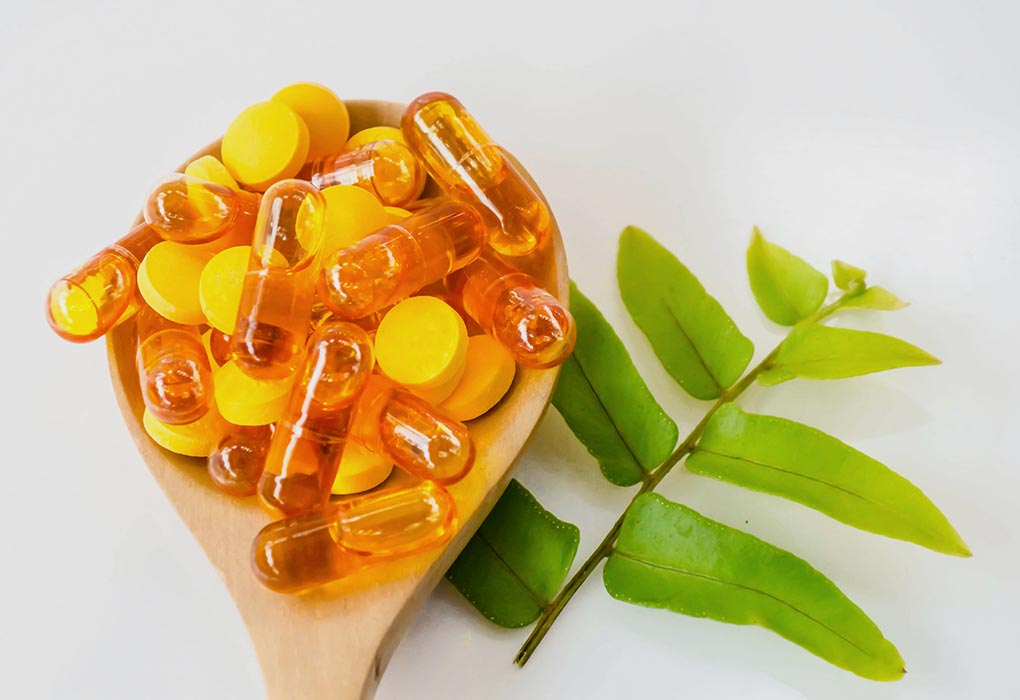
The administration of CoQ10 is usually recommended to many couples who are trying to get pregnant. Coenzyme Q10 for fertility is increasingly popular due to its potential benefits for both men and women. From improving the health of eggs to boosting sperm count, CoQ10 has been known to have multiple effects, as observed in mice and during human trials. This powerful antioxidant helps enhance mitochondrial function, crucial for cellular energy production and overall reproductive health. Even with IVF, it has been observed that the presence of CoQ10 has made it easier to develop healthier embryos. Couples looking to enhance their chances of conception may consider discussing CoQ10 supplementation with their healthcare provider to understand the appropriate dosage and potential benefits for their specific situation. Read on to understand the benefits of CoQ10 for fertility.
What Is Coenzyme Q10 and How Does It Work?
Termed as ‘body supplement’, Coenzyme Q10 is used majorly to help with conditions such as soreness of the muscles, migraines, heart-related issues, and so on. It is also used in many cases for correcting infertility as well.
To understand the effects of CoQ10, it is important to know how our body works in the first place. Every cell within the body is powered by the mitochondria, which play a major role in cell division as well as decay. CoQ10 supports these mitochondria in various ways. When it comes to infertility, CoQ10 is vital to keep the eggs in a woman’s body healthy. In case their quantity is on the lower side, the eggs may not hold themselves when they are fertilized. Many women also tend to experience a miscarriage, menopause that occurs quite early in life, as well as infertility.
Do CoQ10 Levels Fall With an Increase in Age?
Before going ahead with figuring out the benefits of Coenzyme Q10 for male fertility, it is necessary to know whether there is a need to take it externally to supplement the levels in the body. Many doctors have found that the CoQ10 levels in the body start reducing as we age.
It is a natural process of our body to experience less energy as we get older. This causes a drop in the energy that can be supplied to certain essential processes within us. If the mitochondria do not power our cells optimally, the cells interpret the signals as a sign of decay and begin to destroy themselves. This is primarily why many older women experience damage to their eggs or find them to be ineffective.
By intake of CoQ10, the cells would be powered effectively again and result in a probability of better egg health and an overall increase in fertility, too.
How Does CoQ10 Help With Male Fertility?
CoQ10 helps in improving fertility in men as well. Here’s how!
The presence of CoQ10 directly impacts the presence of antioxidants within the body. These pretty much act as a defence of sorts, protecting the sperms from oxidative damage and allowing them to thrive.
The relationship between CoQ10 and male fertility is highlighted by its role in enhancing sperm quality and function. The optimal levels of CoQ10 help boost the sperm count in a man. Similarly, the motility of the sperms also begins to improve, as a result of developing a proper structure that helps them to propel ahead easily A meta-analysis by Lafuente et al. reported improvements in sperms concentration and motility, as well as an increase in seminal CoQ10 levels.
A lot of environmental factors and lifestyle habits such as exposure to the sun, cigarette smoking, and stressful circumstances can affect the body of a man in different ways. Most of those end up in the release of free radicals in the body, which tend to break down healthy cells all around. CoQ10 helps protect the body from these effects as well.
How Does CoQ10 Help With Female Fertility?
With regards to helping women with CoQ10 fertility, egg quality tends to be the major point of focus as the results of its impact. The functioning of CoQ10 itself is the key to making that happen.
On a general basis for all humans, the presence of CoQ10 is highly essential as it helps in supplying the energy that is needed by various cells in our body to carry out their respective functions.
The relationship between CoQ10 and female fertility is particularly important as it influences the energy production necessary for egg development. Age plays a major factor in terms of fertility in women. With the increase in age, the supply and the quality of eggs that are generated within the body begin to dip rapidly. For the eggs to be fertilized successfully, they need to mature up to a certain point so that they can implant successfully and grow into a foetus.
A high amount of energy is required for this process, which is derived from ATP, or adenosine triphosphate. This is where CoQ10 comes in. It helps boost the levels of ATP in the body, which provide the energy that is required by the eggs to mature properly.
Food Sources of CoQ10
Most of the CoQ10 is generated by the body itself so there are few external sources that can provide the same to you. The major ones that can help you with it are:
Meat products
Oily varieties of fish, such as tuna and salmon
Meat items, such as liver or sardines
Nuts like sesame seeds and pistachios
Fruits like strawberries and oranges
Leafy vegetables like spinach, broccoli, cauliflower, etc.
CoQ10 Supplements for Fertility
When it comes to supplements, CoQ10 ubiquinol and ubiquinone are the two options between which you need to choose the one right for you.
Ubiquinol CoQ10 is usually recommended as a better form of the enzyme to be consumed since a smaller dosage of it has the same effect as that of ubiquinone at a higher one. It’s also easier to absorb. Large doses of ubiquinone have been observed to have a better effect, too. But that should only be adhered to if suggested by your doctor or any nutritionist.
How to Know If You Should Take Coq10 Supplements or Not
If you are 30 years of age or older and the health of your eggs are not that great, CoQ10 supplements might be recommended to you as a means of correcting the same.
Recommended CoQ10 Dose for Fertility
In terms of CoQ10 for fertility, it’s highly important to note how much to take before starting off on a dose of the same. Consult with your doctor for the same.
1. For Men
Men may be advised to take 200 mg of ubiquinol to help boost overall sperm health.
2. For Women
Women are usually advised to take ubiquinol, which is mostly available in doses of 100mg or 200mg based on your health and needs.
Cautionary Tips While Taking CoQ10
Understanding CoQ10 fertility side effects are just as important to keep in mind a few cautionary tips before consuming the enzyme.
The enzyme could react with medications used to control your blood pressure.
Any treatments such as chemotherapy and glaucoma can interfere with CoQ10 functioning.
If you’re undergoing parallel fertility treatments, intake of CoQ10 will require a doctor’s approval.
FAQs
1. Can CoQ10 improve fertility in older women?
CoQ10 can potentially improve fertility in older women by enhancing egg quality and mitochondrial function. As women age, the natural levels of CoQ10 in their bodies decline, which can affect the energy production needed for egg maturation. Supplementing with CoQ10 may help counteract this decline, supporting better egg health and increasing the likelihood of successful conception and pregnancy. However, individual results can vary, and it is advisable to consult a healthcare professional for tailored recommendations.
2. How long does it take for CoQ10 to show effects on fertility?
The time it takes for CoQ10 to impact fertility can vary depending on individual circumstances, but studies suggest that it may take approximately three to six months for noticeable improvements. This timeframe allows CoQ10 to accumulate in the body and exert its beneficial effects on cellular energy production, egg and sperm quality, and overall reproductive health. Consistency in supplementation and following a healthcare provider’s guidance can help optimize results.
This was all about Coenzyme Q10 and fertility. The CoQ10 fertility success rate may not be as massive as most of the other treatment procedures out there. However, it is one of the natural ways that allows the body to build up its strength and improve fertility from within, and it can ultimately help a woman get pregnant.
References/Resources:
1. Alahmar. A; The impact of two doses of coenzyme Q10 on semen parameters and antioxidant status in men with idiopathic oligoasthenoteratozoospermia (Clinical and Experimental Reproductive Medicine); National Library of Medicine; https://www.ncbi.nlm.nih.gov/pmc/articles/PMC6736512/; August 2019
2. Xu. Y, Nisenblat. V, Lu. C, Li. R, et. al.; Pretreatment with coenzyme Q10 improves ovarian response and embryo quality in low-prognosis young women with decreased ovarian reserve: a randomized controlled trial (Reproductive Biology and Endocrinology); National Library of Medicine; https://www.ncbi.nlm.nih.gov/pmc/articles/PMC5870379/; March 2018
3. Ben-Meir. A, Burstein. E, Borrego-Alvarez. A, Chong. J, et. al.; Coenzyme Q10 restores oocyte mitochondrial function and fertility during reproductive aging (Aging Cell); National Library of Medicine; https://www.ncbi.nlm.nih.gov/pmc/articles/PMC4568976/; June 2015
4. Akarsu. S, Gode. F, Isik. A, Dikmen. Z, Tekindal. M; The association between coenzyme Q10 concentrations in follicular fluid with embryo morphokinetics and pregnancy rate in assisted reproductive techniques (Journal of Assisted Reproduction and Genetics); National Library of Medicine; https://www.ncbi.nlm.nih.gov/pmc/articles/PMC5427661/; February 2017
5. Izadi. A, Ebrahimi. S, Shirazi. S, Taghizadeh. S, et. al.; Hormonal and Metabolic Effects of Coenzyme Q10 and/or Vitamin E in Patients With Polycystic Ovary Syndrome (The Journal of Clinical Endocrinology & Metabolism); National Library of Medicine; https://pubmed.ncbi.nlm.nih.gov/30202998/; February 2019
6. Ahmadi. S, Bashiri. R, Ghadiri-Anari. A, Nadjarzadeh. A; Antioxidant supplements and semen parameters: An evidence-based review (International Journal of Reproductive BioMedicine); National Library of Medicine; https://www.ncbi.nlm.nih.gov/pmc/articles/PMC5203687/; December 2016
7. Liu. Z; Relative bioavailability comparison of different coenzyme Q10 formulations with a novel delivery system (Alternative Therapies In Health And Medicine); National Library of Medicine; https://pubmed.ncbi.nlm.nih.gov/19284181/
Also Read:
Best Herbs to Boost Fertility
Apple Cider Vinegar to Boost Fertility
Super Effective Ways to be More Fertile
Best Foods That Can Boost Your Fertility
Essential Oils to Boost Fertility in Men and Women
Natural Ways to Increase Fertility in Men and Women
Read more
Unexplained Infertility
When a couple is unable to conceive, they are likely to go for a fertility test, and once the cause of the same is diagnosed, the doctor suggests the appropriate treatment. But what if the doctor is unable to tell you what’s wrong? It could be a case of unexplained infertility and it is pretty common. But unexplained infertility can be downright frustrating for a couple who is looking to get pregnant, but there’s no reason for a couple to lose hope. Here’s what you need to know about unexplained infertility, possible reasons for the same, and treatment options if any.
What Is Unexplained Infertility?
Generally known as UI, this is the most common type of infertility that women could face. The couple fails to conceive despite having unprotected sexual intercourse and no abnormalities are noticed. Unexplained female infertility is responsible for around 30% of infertility cases. Even after the basic infertility medical tests are carried out, the source of infertility remains a mystery. This form of infertility, as known as idiopathic infertility too, occurs when experts in the field of fertility are at a loss when it comes to explaining its actual cause. When such a situation arises, it becomes difficult for the individuals involved to decide what to do next.
Why Does It Occur?
There could be different possible reasons for why unexplained fertility occurs. It could be possible there could be no single concrete reason to promote infertility. In fact, it could be a combination of small anomalies of your reproductive system and its interface in the body. It is indeed an extremely complicated process to succeed at conceiving a baby and during this process, male and female fertility could have a defining impact on each other.
When male and female partners come together, they could either enhance the fertility parameters in a positive manner or it could reduce the fertility potential too. In the case of the latter, it could lead to infertility. It is stressful for most couples to know that together they are unable to conceive but being told that the reasons for this infertility are unknown, can be extremely traumatic.
Reasons That May Lead to Unexplained Infertility
If you’re trying to figure out the possible causes of unexplained infertility, the following passage explains its probable causes and will surely satisfy a lot of doubts:
LUF Syndrome: Certain cases show that while eggs are produced and go on to mature properly too. The follicle inside which the eggs mature, however, does not burst in order to release the eggs and goes on to become a corpus luteum. This causes the eggs to remain trapped inside the unopened corpus luteum and the condition is called Luteinized un-ruptured follicle (LUF) syndrome.
Tubal Defects: There is a possibility of a slight abnormality in the method through which the fimbria picks up the egg during ovulation. There are also chances of improper functioning of the cilia.
Psychological Aspects: Psychological factors too play a critical role in causing infertility. Most couples get stressed about not being able to conceive a baby which leads to various other psychological problems and compatibility issues.
Luteal Phase Abnormalities: The part of the cycle where the egg is released from the ovary is known as the luteal phase. Any inadequacy in this process can give rise to abnormalities. Progesterone is the hormone produced by the corpus luteum and is of high importance to prepare the endometrium for accepting the fertilized egg. In certain cases, the level of this hormone can be low, its output can be slow or it could be producing progesterone in a very short time. A defective endometrium that doesn’t respond well to the hormone can also be a possible cause.
Infections: Unexplained infertility is also the result of certain infections. For example, chlamydia or mycoplasma are present in the body but do not reflect in any clinical tests carried out, due to their low numbers. For this reason, doctors rely on empiric therapy supplemented by antibiotics.
Abnormal Eggs: The regular production of eggs with inherent abnormalities is also seen as one of the causes for a few cases of UI. Such eggs could have chromosomal anomalies or a malformed structure which leads to unexplained infertility.
Immunological Causes: The immune system of the female body is capable of reacting to the sperm cells, causing them to die, stick to each other or immobilize. At times, the sperm does not attach itself to the eggs since the female develops an immune reaction to its coating. This immunity can also prevent the woman’s embryo from implanting, though this theory hasn’t been proven yet.
Sperm’s Inability to Penetrate Eggs: Although the male partner may have a normal sperm count, the sperm is unable to fertilize the egg. The doctor may refer an IVF to make a diagnosis of such cases and if the donor sperm is able to fertilize the egg, it can be confirmed that the male sperm is unable to enter the egg.
Uterine Factors: An abnormal endometrium or uterine lining can prove to be a barrier for implanting the embryo and this factor is often missed out while making a diagnosis. A series of vaginal ultrasound scans can be carried out to understand the endometrium texture and thickness to arrive at the right conclusion. Some infertile women have a thin uterine lining which may be caused as a result of poor oestrogen receptors or an improper blood flow to the area.
What Are the Chances of Getting Pregnant?
After you have been diagnosed with unexplained infertility, the possibilities of getting pregnant without medical treatment will depend upon many factors. The amount of time you have spent trying to become pregnant and not be able to do so is a major factor. If you have spent five years or more trying to conceive or are suffering from UI for a long time, then there is a 10% chance of getting pregnant without medical assistance.
Diagnosis of Unexplained Infertility
Women who are under the age of 35 years and have been trying to get pregnant for a year or over 35 and are trying to conceive for six months and your test results are normal, your doctor may diagnose you with unexplained infertility. For this diagnosis, the doctor may run the following fertility tests:
Laparoscopy for pelvic scarring or endometriosis
Semen Analysis
Blood tests to check your and your partner’s hormone levels
Basic Medical History
Physical examination including a pelvic ultrasound
Hysterosalpingogram (HSG) for a detailed examination of fallopian tubes and the uterus
Ovulation tests
FSH/AMH test to check the egg quality and quantity
Treatment for Unexplained Infertility
Concerned parents who are trying to start a family should understand that unexplained fertility does not mean the end of the road for you. It is only that the cause cannot be determined but that does not eliminate unexplained infertility success completely. You can expect your doctor to try the following to find its cause and treat it accordingly:
Intra-uterine Insemination
During this procedure, sperms are placed directly inside the uterus after they have been washed and concentrated. This process is timed to coincide with the time of eggs being released by the ovaries so they can be fertilized. The doctors help the sperm move into the fallopian tubes so that it fertilizes the egg that the ovaries have released. Intra-uterine Insemination is carried out during the regular monthly cycle or using fertility medicines after the doctor has checked all the causes for UI.
2. Ovarian Stimulation
Every month, during your normal ovulation cycle, one of the eggs reaches maturity. Through ovarian stimulation, it is possible to help the maximum number of eggs to mature every month. Enhanced with medical treatment, this process boosts your chances of getting pregnant. For this, medicine is injected for a period of 8 to 14 days and this helps stimulate the ovaries and produce more eggs. FSH and LH hormones are your natural hormones and they are used to create this medicine for stimulation.
3. Injectable Gonadotropins
The group of hormones secreted by the pituitary glands which help in stimulating the reproductive organs of our body are known as Gonadotropins. Unexplained fertility can be treated by injecting these Gonadotropins into the female body to stimulate the ovaries.
Females who have a dysfunctional pituitary gland or do not have one are injected with this substance. A malfunctioning pituitary gland does not produce enough Gonadotropins while a missing pituitary gland fails to supply this important hormone to the body. Many advanced reproductive technologies like In-vitro fertilization (IVF) and intrauterine insemination (IUI) use Gonadotropins as a part of their treatment. As compared to fertility pills, they are found to be much more effective in their capability to ovaries in women where there is an imbalance of FSH and LH hormones.
4. Clomid Medication
This medicine has been used by doctors to help treat infertility in males and females for over four decades now with positive results. Also known as Clomiphene Citrate, Clomid is helpful for women who do not get regular menstrual periods or monthly ovulating cycles. This drug blocks oestrogen and signals the hypothalamus and pituitary gland in the brain to release hormones for stimulation of ovaries for producing eggs. However, Clomid is limited to use for infertile women below the age of 35 years and is carried out for three to six months to improve the chances of conceiving a baby.
Yoga Poses for Overcoming Unexplained Infertility
Women who are trying to conceive but cannot do so since they are dealing with unexplained fertility can benefit from yoga. Here are a few easy-to-do poses that can prove to be useful:
1. Simple Twist
Sit on the mat with legs crossed before you and place your right palm behind you with the base touching your buttocks. Push your palm downwards to give the spine a stretch. While inhaling deeply, keep your left hand on your right knee. As you slowly exhale, twist your body towards the right beginning with the waist, then chest, shoulder and neck.
2. Squat Pose
Assume a comfortable standing position with your feet apart and hands on the thighs for support. While bending your knees, slowly lower your buttocks downwards. Engage the fingers and palms of both hands together in front of the heart. Then using your elbows, try to spread your knees apart.
3. Butterfly Pose
Sit on a yoga mat and keep your heels and soles together. Bring your feet close to your body and place your hands on the top of your feet. Keep your eyes closed, while focusing on the organs in your pelvic area. You will feel the rush of blood towards the pelvis after which you should gradually relax those internal muscles in the pelvic region.
4. Pigeon Pose
Using the support of the forearms, go down on your knees and while putting the right knee in between your hands, push the right heel towards your left hip. While keeping the top of the foot and knee facing downwards, extend your left leg behind your body. Repeat the same with another side.
5. Pelvic Tilt
Lie down on your back with the soles of your feet touching the floor and knees pointing towards the ceiling. Keep the arms in a resting position at your sides, relax your shoulders while pushing the neck out. Slowly lift your buttocks in mid-air while taking deep and slow breaths. Then slowly lower your spine one vertebrae at a time and come to rest on the floor. Repeat this action for a minimum of five times.
There could be many reasons for a woman’s infertility and although the diagnosis has led to unexplained fertility, there are many ways of dealing with this condition. Speak to your doctor and trust her methods and line of treatment and you could become successful at becoming pregnant soon.
Also Read:
Acupuncture for Infertility: Does It Really Work?
8 Fertility Foods for Men
Read more
Cramping After IUI – Is It Common?
The intrauterine insemination or IUI offers couples who are trying to conceive a good fertility solution. It involves inserting a thin catheter via the cervix which places specially washed sperm cells straight into the uterus of a woman. The procedure is simple and quick and may last for a few minutes only. However, the timing is very important for the success of the treatment. People claim that an IUI done within under six hours of a woman’s ovulation has a better chance of succeeding. But a lot depends on sperm quality as well. Nevertheless, the technique may have many benefits. It injects a considerable amount of concentrated sperm right into the uterus thus making it easier for them to have direct access to the egg which may increase the possibility of conception. Cramping after IUI is also quite common—some women may suffer trifling stomach cramps after undergoing IUI treatment. It usually happens when the doctor has trouble getting to the cervix during the process.
Is Cramping After IUI Normal?
Many women may experience cramping after an IUI which is relatively mild if we talk in terms of intensity of pain. Some women describe the discomfort and irritation similar to a pap smear while others say it feels like slight gas pains pinching below the navel. Some women may feel it even during the process. This is quite normal. However, in case, you continue to experience cramping a week after IUI, contact your doctor right away. Also, if you develop a fever or notice any abnormal vaginal discharge, seek medical assistance.
What Causes Cramping After IUI Treatment?
Some of the causes of cramping after IUI treatment may include the following:
Cramping may occur during the time catheter is introduced through the cervix for the sperm to be injected. This kind of cramping is usually short-lived and may disappear the moment the doctor takes away the catheter.
In some cases, cramping may happen after an IUI. Occasionally the insertion of the catheter can irritate the uterus resulting in mild cramping.
Ovulation can also be a source of abdominal cramping. In case the patient is on medication to induce ovulation, she may be ovulating multiple follicles which can produce ovulation pain or severe cramping after IUI.
Sometimes cramping can be experienced after a few days of undertaking the procedure. Many women are bound to wonder is cramping after IUI a good sign of pregnancy. The answer is that it doesn’t necessarily confirm a pregnancy. Slight Crampy twinges can be a signal of impending menstruation as the body prepares itself for the monthly period. At times it can also be a sign of implantation.
How to Treat Cramping After IUI Procedure?
Certain ways in which you may get relief from cramping after IUI can be:
You can take a pregnancy-safe pain reliever which may help you ease off some of the pain.
Make sure you get as much rest as possible for your body to recover and recoup.
The wait after an IUI may be a time laden with anxiety where staying calm and relaxed is essential. Some women may have concerns regarding cramping after an IUI. But they may have nothing to worry about as it is a minor side effect of a generally safe procedure. Practice self-care and indulge in your support system while hoping for the best results.
Also Read:
Pregnancy Symptoms after a Successful IUI
IUI Treatment: Risks and Side Effects
Tips for Getting Pregnant with Intrauterine Insemination
Read more
Folic Acid for Fertility and Trying to Conceive – Benefits and Food Sources
Proper nutrition is key to a healthy pregnancy. Hence, if you are looking to conceive, it is vital that you take the required supplements to ensure that your body is in the best condition.
One of the substances generally recommended for women trying to conceive is folic acid. It aids in the production of red blood cells as well as DNA. While it is known that are a lot of benefits that come with ingesting folic acid for pregnant women, it is equally beneficial for women trying to get pregnant and for men as well. Read on to learn more about folic acid for fertility.
What Is Folic Acid?
A synthetic form of vitamin B9, folic acid is one of the water-soluble vitamins that aid the fundamental action of cell metabolism. It is one of the eight vitamins that are soluble in water and in its natural form, vitamin B9 is called folate (1). They are found in many foods that are eaten commonly including spinach, pumpkin, oysters, carrots, okra, asparagus, liver and broccoli. There are a lot of other foods that provide the same, including poultry, rice, beans, eggs, nuts, meat and dairy products.
If needed, folic acid can be added to other foods so as to increase their vitamin content. It can be found in nutritional supplements as well if needed and they’re found in bread, pasta, cereals, rice and a lot of other grain-based foods.
How Does Folic Acid Help Increase Fertility?
Folic acid is known to be great for fertility. Here are some ways it can enhance fertility.
Male Fertility
Folic acid plays a role in helping male fertility and increasing the chances of helping the sperm fertilize the egg. Here are some other ways in which it is useful (2):
Higher sperm count: : Folic acid increases sperm count and this can help men gain the necessary supplements in order to help their partners get pregnant. While women need to generally time their cycle correctly and know when they’re ovulating, sometimes; the problems could be with their man. When a man’s sperm count is low, there won’t be enough sperm to travel and fertilize the egg because the pathway is long. This pathway runs via the fallopian tubes from the cervix to the egg and the sperm generally traverses this path. If pregnancy occurs when the man takes 700 mcg of folic acid, then it can be attributed to the folic acid.
Lesser risk of sperm abnormalities : When men consume folic acid, it doesn’t only help with their sperm count but actually helps in reducing their 20 to 30%. This reduces the risk of chromosomal abnormalities which can end up leading to birth defects such as Down Syndrome.While it was believed that babies were born with chromosomal disorders due to egg defects, it has come to light that sperm abnormalities can cause issues as well. Folic acid consumption on a regular basis can help in bringing down these problems and improving fertility in men.
Boosts fertility when taken with other supplements : The best way to make folic acid work for men is to have it with other male fertility supplements such as Vitamin C and zinc. These can help increase sperm count and improve the quality of the sperm as well. When mixed with folic acid, they can help increase the overall motility and usefulness of the sperm. Folic acid boosts fertility in men by around 74% in a study conducted by a Netherlands-based medical University (3).
Female Fertility
Folic acid is crucial in enabling women to increase their chances of pregnancy by improving the fertility conditions in their bodies. Here are some of the ways in which folic acid is beneficial for women:
Working with other vitamins : By working with other vitamins and minerals, folic acid helps women to get pregnant faster by improving conditions for sperm fertilization. There are a lot of other vitamins that aid in the process and folic acid is not the only one required. Women are generally advised to have a folic acid supplement along with a prenatal vitamin that usually has about 400 mcg of the nutrients. A bit of extra folic acid is always recommended along with vitamin C, vitamin B6, zinc, iron and niacin amongst others to help get pregnant.
Increase the egg quality : Similar to how folic acid improves the quality of sperm in men, it also aids in improving the egg quality in women. If women begin having folic acid to conceive a few months before they attempt conceiving, then the chance of a baby born with a chromosomal/birth defect reduces greatly. The folic acid will help in keeping the egg healthy and away from any disease-causing agents.
Improve the quality of the cervical mucus : Consistency in the cervical mucus is very important when it comes to helping women conceive. A lot of women chart their cycles by checking the texture and colour of the cervical mucus but when the ovulation is near, it is important to note that there is a substantial amount of the mucus. This mucus helps the sperm travel and meet the egg.
Prevent anaemia : Women who suffer from even the slightest bouts of anaemia can find it hard to ovulate because the lack of iron can disturb the balance of the hormones. 400 mcg of folic acid is added to other mineral supplements at least 3 months before conceiving is advisable. Iron helps in regulating hormonal regulation and due to this, ovulation will return to expected levels. Folic acid deficiency itself causes folate deficiency anaemia, and it can be avoided through proper medication.
When to Take Folic Acid to Get Pregnant?
To increase your chances of getting pregnant, start taking folic acid daily at least one month before conception and continue through the first trimester, as it helps prevent neural tube defects and supports healthy fetal development; the best time to take it is in the morning with water or as directed by your doctor, ensuring consistent absorption. Folic acid and getting pregnant are closely linked, as folic acid helps prevent birth defects. If you have a history of neural tube defects or certain health conditions, your doctor may recommend a higher dose (4).
Recommended Intake of Folic Acid for Men and Women
The intake levels of folic acid for men and women can be segregated as follows:
For women 14 years and above, as well as for men, 400 mcg is recommended
For breastfeeding women, 500 mcg
For pregnant women, 600 mcg
Enriched bread and cereals are the best way to get your dose of folate and folic acid. Most of the foods are added with extra folic acid, so regular consumption of these should improve fertility levels.
Foods Rich in Folic Acid
Here are a few foods that have rich content of folic acid in them. You can consume them regularly to help your body gain the necessary nourishment (5):
Food
Amount
Beef liver
215 mcg
Spinach
131 mcg
Asparagus
89 mcg
Black-eyed peas
105 mcg
White rice
90 mcg
Romaine lettuce
64 mcg
Brussels sprouts
78 mcg
Avocado
59 mcg
Broccoli
52 mcg
Spinach
58 mcg
Source: https://www.verywellfamily.com/folic-acid-for-female-and-male-fertility-1959878
Is It Safe for Women to Take Folic Acid Supplements?
Folic acid is an important requirement for women and despite it being added to bread and cereals, a lot of women don’t get enough of it. Women who are looking to get pregnant are recommended a daily dose of 400 mcg of folic acid. During pregnancy, around 600 mcg is advised.
A lot of doctors will recommend prenatal vitamins to help women conceive or just a multivitamin to be had daily. As long as the multivitamin includes 400 mcg of folic acid, it is good to go. Folic acid is also a water-soluble vitamin so it needs to be replaced on a daily basis (6).
What Are the Risks of Taking High Doses of Folic Acid?
There are risks involved when you end up having too much folic acid as well and it is important that you only have the dosage recommended by your doctor. The daily intake of folic acid should not exceed more than 1000 mcg. Large doses may mask vitamin B-12 deficiency. However, it is wise that B-12 levels be tested before going ahead and including extra supplements.
Also, high doses can harm the DNA synthesis inside the sperm and it can also interact with other medications. Folic acid can reduce the effectiveness of phenytoin, which is an anti-seizure drug.
FAQs
1. Should I take folic acid even if I eat folate-rich foods?
Yes! Even with a diet high in folate (spinach, lentils, avocados), synthetic folic acid is better absorbed, ensuring you meet the increased needs for pregnancy.
2. Can folic acid reduce the risk of miscarriage?
Research is mixed, but adequate folic acid may lower risks of certain pregnancy complications linked to neural tube defects, though it doesn’t prevent all causes of miscarriage.
This was all about folic acid and fertility. We hope we have answered your question – does folic acid help you get pregnant? Thus, folic acid can play a big role in ensuring that both men and women are able to increase their fertility levels. While they are found in most common foods, an extra dosage of folic acid on a regular basis can help in conceiving. It is recommended that you visit a doctor before going ahead with any extra dosage, as too much of it can cause issues as well.
References/Resources:
1. National Library of Medicine – Folic Acid
2. Fertility and Sterility – Micronutrients intake is associated with improved sperm DNA quality in older men
3. Wiley Online Library – Does folic acid and zinc sulphate intervention affect endocrine parameters and sperm characteristics in men?
4. Nemours Kids Health – Folic Acid and Pregnancy
5. Harvard T.H. Chan – Folate (Folic Acid) – Vitamin B9
6. NHS – How and when to take folic acid
Also Read:
Best Herbs to Boost Fertility
Fertility Treatment Options for Men and Women
Home Remedies to Increase Fertility in Men and Women
Read more

Primary Infertility – Causes & Treatment
If you or your partner have been trying to conceive for over a year without success, then one of you might be suffering from infertility. Due to our fast-paced, stressful life, many couples suffer from infertility or experience difficulty in conceiving a baby. Read on to know more about primary infertility.
What is Primary Infertility?
When a couple is unable to conceive in spite of having unprotected sex for 12 months or more then it is termed as primary infertility.
Primary Infertility and Conception
Primary infertility happens when a couple has never conceived earlier and has been unsuccessful in making a baby. If a couple has conceived in the past but are currently unable to conceive again, then it is termed as secondary infertility.
Causes of Primary Infertility
Causes of infertility in a couple can be broadly classified as:
1. In Men
Causes of primary infertility in men can be due to the following reasons
Low sperm count.
Sperm mobility issues.
Abnormal functioning of the sperm.
Excessive alcohol consumption.
Chain smoking.
Age
Infection in the testicles.
2. In Women
Causes of primary infertility in female can be due to the following reasons
Lack of ovulation or difficulty in ovulation
Hormonal imbalance
Cysts in the ovaries or PCOS
Excessive alcohol consumption
Unable to produce a mature egg
Age
When a mature egg fails to get attached to the lining of the uterus.
Primary Infertility Treatment
Primary infertility treatment differs on a case to case basis. Many factors affect the line of treatment used for primary infertility like the age of both the partners, primary infertility tests, the exact cause of infertility, and how long the couple has been trying to conceive. The primary infertility treatments include:
1. Assisted Reproductive Technology (ART)
ART can be considered as an option when a woman is unable to get pregnant naturally and with the help of fertility drugs. ART helps in artificial implantation in women through the following methods:
In Vitro Fertilization (IVF): IVF is a procedure wherein a woman’s egg is externally fertilized with a man’s sperms, and then the embryo is transferred to the woman’s womb within 3-5 days of fertilization.
Vibratory stimulation or electric ejaculation: Vibratory stimulation is a painless and non-sedative procedure adapted to collect the sperms of men with spinal cord injuries who cannot experience natural ejaculation. Electric ejaculation is used for men who do not respond to vibratory stimulation process. The collected sperm is then transferred to the woman’s uterus for fertilization.
Assisted hatching: Assisted hatching is the latest technology adopted by fertility specialists for couples who have failed the IVF cycles once or twice, and with poor embryo quality. This procedure provides advanced assistance to the embryo to attach itself to the outer lining of the uterus by piercing the outer layer of the embryo.
Intracytoplasmic sperm injection (ICSI): This procedure involves direct injection of a single sperm of the male partner into the eggs of the female for fertilization. Just like IVF procedure, in ICSI, the sperm and egg are collected from both the partners. The only difference is the fertilization process as in IVF the sperms and egg are mixed naturally, and in ICSI the sperms are injected into the egg using a needle.
The success rate of ART procedure depends on factors like age, and overall medical health of both the partners. Women under the age of 35 have high chances of success rate through ART as compared to those above 35 years of age.
2. Fertility Drugs
Fertility drugs help women with ovulation disorders to by stimulating the ovaries to produce a good quality egg. The following drugs are most commonly used to treat infertility:
Clomiphene Citrate: Commonly known as Clomid this drug is used to induce ovulation in women who do not ovulate due to a medical condition like PCOS.
Metformin Hydrochloride: This tablet is generally accompanied with Clomid to induce ovulation in women with PCOS and insulin resistance.
Follistim: This medication is used to stimulate the ovaries to produce more follicles which thereby results in more production of eggs. It is also available under the brand names of Gonal, Bravelle, Puregon, etc.
Side Effects of Primary Infertility Treatments
The major side effects caused by primary infertility treatments include:
1. Stress and Mental Fatigue
Infertility treatments can be really taxing on our mental health and causes a lot of stress, mood swings, headaches, restlessness and depression. This might be caused due to the hormonal imbalance or the medication involved.
2. Multiple Births
Every infertility treatment carries a risk of multiple births, i.e. twins or in rare cases triplets.
3. Birth Defects
Infertility treatments can cause premature delivery accompanied by major birth defects in the babies like cerebral palsy, nervous disorder or heart or gastrointestinal defects.
4. Ovarian Hyper Stimulation Syndrome
Infertility treatments like IVF can cause OHSS in women which results in enlarged ovaries. OHSS causes bloating, pelvic discomfort, dehydration, difficulty in urinating, etc. depending upon its severity.
5. Low Birth Weight
Many times the treatment results in premature births and very low birth weight of the baby.
Why is it Important to Talk Openly with Your Doctor?
Each case of infertility is different from the other. Hence it is extremely crucial, to be honest with your doctor about all your symptoms and problems. The doctor needs to know all the details regarding your reproductive health including any previous miscarriages, or abortions if any. This helps in diagnosis and formulating a correct treatment for infertility.
As a couple, you need to be patient and supportive of each other. Stress and depression will only worsen the matter. Meditation, yoga and breathing exercises are considered to be highly effective when fighting against infertility as well as a great measure to combat stress.
Also Read:
Ayurvedic Treatments to Cure Infertility
Unexplained Infertility
Acupuncture for Infertility
Read more

Secondary Infertility
Conceiving a first child may seem quite a simple and straightforward matter for most couples. When you decide to add a new member to the family, and you find it difficult to conceive, it can come as a shock. It may leave you confused, and you could start having doubts about your capability to give a brother or sister to your child.
What is Secondary Infertility
The couple’s failure to conceive a baby, in spite of being parents of a healthy child, refers to secondary infertility. The first child may be their own or with a different partner. The fact that they have been able to give birth to a child successfully can give rise to many physical and emotional upheavals. It is also because you may not know how common secondary infertility is. The realisation can be pretty disheartening, especially if all your friends have managed to complete their families with a second child.
At such a low time, it is important to know that secondary infertility in women is common. In fact, secondary infertility is more common than being unable to conceive for the first time. About one in seven couples face this problem. As you would have guessed, older women face this problem because of age and fertility issues.
How Long Does it Take to Conceive after Your First Child’s Birth
The amount of time it takes you to conceive after delivering your first baby depends on whether you are breastfeeding yet or not? Ovulation can suppress since breastfeeding and the hormones needed for producing milk possess these qualities. If a woman isn’t breastfeeding her baby, it may take at least six weeks for the ovulation to begin. However, mothers should ideally maintain a gap of a year to 18 months between pregnancies. An earlier attempt to get pregnant can result in premature delivery and low birth weight for the baby.
Causes of Secondary Infertility
There could be many causes of secondary infertility which is why conceiving the second time could be difficult. You may be having a previous complication that may have metamorphosed into a larger one. There is a probability of developing a new infection or a surgical procedure which could have affected your capability to sire children.
A few other issues which could interfere with your fertility are:
Damaged uterus or fallopian tubes due to endometriosis
Blockages due to fibroids
Ovulation disorder caused due to the PCOS-Polycystic ovarian syndrome
Broken fallopian tubes due to an earlier ectopic pregnancy
PID-Pelvic Inflammatory Disorder which happens due to a sexually transmitted infection
Caesarean section during the previous delivery which may have resulted in uterine adhesions or scar tissues
Poor sperm quality
Being underweight or overweight
Tests for Secondary Infertility
Tests for female infertility are helpful in determining if your reproductive tract allows the egg to pass into the fallopian tube and fuse with the sperm. These tests also check if the ovaries are releasing the healthy eggs. Apart from the general gynaecological examinations, you will have to undergo other tests for unexplained secondary infertility. These include:
Hysterosalpingography: This test is carried out to understand the condition of the fallopian tubes and uterus. It also checks for blockages if any. This test is done by injecting X-ray contrast into the uterus, and an X-ray is taken to know if the cavities are filled properly.
Ovulation testing: This is a blood test that determines your hormone levels to know if you are ovulating correctly.
Hormone testing: These tests check the levels of pituitary hormones and ovulatory hormones which are responsible for reproductive processes.
Ovarian Reserve testing: This testing is carried out to check the quantity and quality of eggs needed for ovulation.
Imaging Tests: These tests include a pelvic ultrasound which analyses fallopian or uterine diseases and infections.
Genetic testing: This test is conducted to know if there are any genetic defects which are responsible for infertility.
Laparoscopy: This is a small surgery that helps in identifying any irregularities in fallopian tubes, problems related to the ovaries or uterus, endometriosis and scarring blockages. A small incision is made just below the navel, and an ultra-thin viewing device is inserted to examine the uterus, ovaries and fallopian tubes.
Hysteroscopy: In a hysteroscopy, a tiny lighted device is passed through the cervix to reach the uterus. It is helpful in viewing any abnormalities and can detect uterine diseases.
Treatment
The following are the conventional methods of medications used to address problems related to secondary fertility:
Intrauterine Insemination (IUI)
During this procedure, healthy sperm is inserted directly into the uterus. This is done at the time when the ovary releases the eggs for fertilisation. The IUI timing is usually matched with the regular ovulation cycle and to suit fertility medicines.
2. Fertility Drugs
Women who are infertile due to ovulation disorders are treated with fertility drugs. These drugs helping in inducing and regulating ovulation. You can speak to your specialist about the various types of drugs available and understand the benefits and risks each one carries.
3. Hysteroscopic Surgery
This surgery can successfully treat uterine issues like uterine septum, intrauterine scars and endometrial polyps.
Can Changing Diet and Lifestyle Help
Yes indeed. Your current lifestyle, eating habits, the diet you follow and your sleep patterns can be equally responsible for your secondary infertility. If you have put on weight or lost weight since the time of your first delivery, it may become harder for you to become pregnant. If you and your partner follow a fast lifestyle that includes smoking, drinking and late nights, it is best to curtail them. A healthy lifestyle could make a major difference in your capacity to conceive a baby.
How Can You Deal with Secondary Infertility?
If you are dealing with secondary infertility, there are certain ways of coping with it successfully:
1. Understand the physical and emotional changes since your firstborn
Your body goes through several changes as you age and your egg quality and fertility declines. Medications, weight gain, stress etc can also contribute to the inability to conceive.
2. Create a plan
Plan with your partner about your next steps. You can consider what approach you would prefer, IVF, egg donor or fertility treatments and check if you have the budget for it.
3. Seek medical attention proactively
Visit a fertility specialist if you are concerned about your fertility. Your fertility will keep declining as you age and hence, seeing a doctor can be beneficial to plan remedial measures.
4. Learn about the tests you will undergo
Stay informed about the tests that you may have including ultrasounds, blood tests, X-rays etc to determine the cause of infertility. Your partner may also have a semen analysis which checks the quality and count of the sperm.
5. Plan your logistics if you are planning to undergo treatment
Fertility treatment can require frequent tests and visits to the doctor. During this time, ensure that you have planned ahead to tend to your other commitments, including kids and work.
6. Accept your feelings
It is okay to be angry, sad or frustrated about this. But ensure that you seek help from a professional or join support groups to help you through this.
7. Get ready to answer some tough questions and prepare some stock answers
Prepare your answers for family and friends who ask about when you’d be having another baby.
8. Focus on the moment and enjoy time with your child who is with you now
Don’t let the worry of tomorrow rob you from the pleasures celebrating your little one who’s with you now.
When Should You Visit Your Doctor
You will need to meet up with your doctor if you have been having normal sexual relations with your partner without contraception for a year and you are still not pregnant. Your partner should join you for this visit since it is a joint responsibility. It is also important to treat secondary fertility when you are at a slightly advanced age or are suffering from a condition that could affect fertility. In such cases, you should make a trip to the doctor earlier than you anticipate.
What Are the Chances of Success
More than often, it is the age of the female that is responsible for the likelihood of success. If the female is below the age of 36 then the chances are bright. However, females of age 38 and above may not have similar success. Not giving up after a couple of months of treatment is the key to improving your chances of success. Remember the first time when you were trying to conceive? You didn’t give up after the first few months, did you?
Most of the times a few years have passed since your first child. It is well-known that the older you get, the more difficult it is to conceive. You may have put on weight, had surgeries or your partner’s sperm quality and quantity has deteriorated too. If your sex life is good and yet you are unable to conceive, it is time to meet a good doctor. It is best to sit down together and create a time frame for all that will happen in the next few months. Know how much money you need and what options you will consider.
Also Read: Unexplained Infertility
Read more
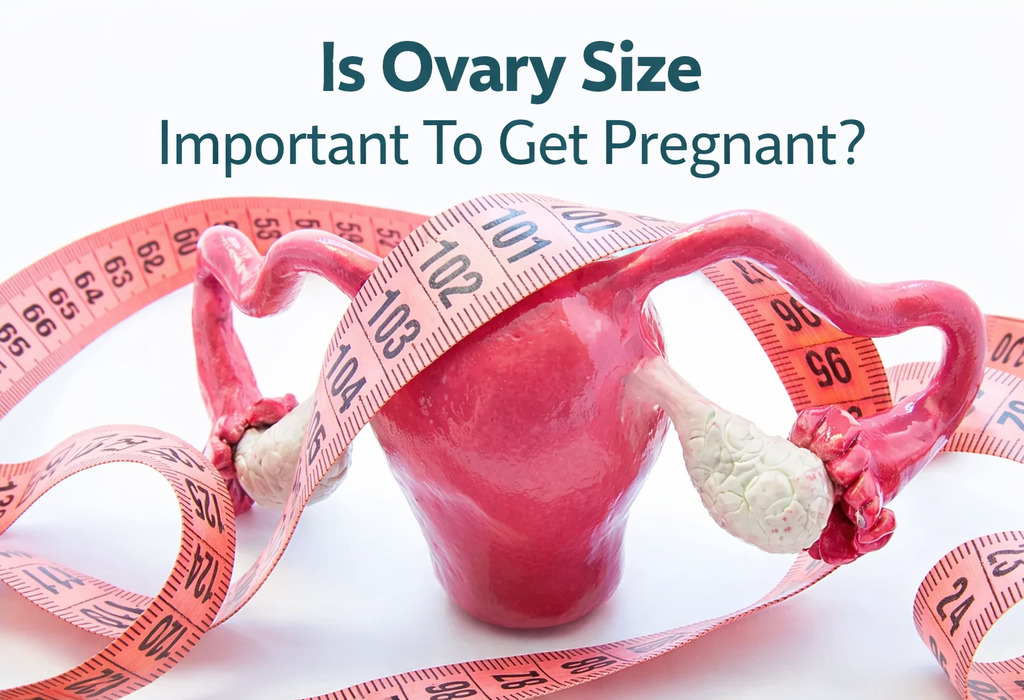
How Important Is Ovary Size When Trying to Get Pregnant?
Is ovarian size really important when it comes to getting pregnant, or is it just another detail that causes unnecessary worry? When you are trying to conceive, it is natural to study every test report and wonder what each number means. Ovary size is one of those details that can quietly raise concern, especially after an ultrasound or a quick internet search. You may begin to question whether your ovaries are too small, too large, or somehow not right for pregnancy. While ovary size can tell doctors something about ovarian function, it does not decide fertility on its own, and it rarely tells the full story. To understand how ovary size fits into the bigger picture of getting pregnant, read the article.
What Is an Ovary?
The ovaries are two small, oval-shaped organs in the female reproductive system that play an important role in fertility and reproductive health. They store and release eggs, usually one each month during the menstrual cycle. The ovaries also produce hormones such as estrogen and progesterone, which help regulate periods, support ovulation, and prepare the body for pregnancy (1) (2). Since the ovaries respond to changes in the body, their size is not fixed and can vary at different stages of life.
Factors That Cause a Change in the Size of Ovaries
The size of a woman’s ovaries can change several times in her life for different reasons. Here are the various factors that can cause a change in the size of the ovaries:
1. Age
Ovarian size changes with age. Ovaries are of the smallest size before a woman reaches puberty, and after menopause; they increase in size during puberty and the pre-menopausal stage in a woman’s life. The average size of a woman’s ovaries is 4 cm in length, 2.5 cm in height, and 1.5 cm in width. Before puberty or after menopause, they measure less than 20 mm in diameter. During the reproductive years, the ovaries are usually larger and can reach up to 6 cm. As women grow older, particularly after menopause, the ovaries gradually shrink and can measure as little as 2 cm (1). Ovaries also become larger when a woman is ovulating or menstruating.
Age (in years)
Volume (cc)
<30
14-15
31-40
13
41-50
11
51-60
5-6
Above 60
4-5
2. Ovarian Disorders
Ovarian disorders and cancer can cause an increase in the size of the ovaries. Conditions such as polycystic ovarian syndrome (PCOS), follicular cysts, and corpus luteum cysts cause the ovaries to become enlarged, resulting in pain and internal bleeding. These disorders make it problematic for women to get pregnant (3) (4) (5).
3. Hormonal Stimulation
Women who have been diagnosed with infertility often undergo fertility treatments to get pregnant. A part of these treatments involves hormonal injections to stimulate the ovaries so that they cause the eggs to be released for fertilisation (6). These treatments can cause the ovaries to become larger during ovulation, and go back to normal size once the ovulation phase is over.
4. Pregnancy
The size of the ovaries increases during pregnancy as they produce the hormones oestrogen and progesterone that aid in pregnancy. However, it is prudent to have your doctor check and ensure that you do not have cysts or fibroids.
5. Hormonal Conditions
An imbalance in the hormones in the body can affect the size of ovaries as well. Women with diminished ovarian reserve or premature ovarian failure have very small, shrunken ovaries, because of which the ovaries don’t release eggs regularly, while those with PCOS have enlarged, white-coloured ovaries.
6. Laparoscopic Ovarian Drilling
Laparoscopic Ovarian Drilling is a minor surgical procedure used to treat ovulation issues in individuals with Polycystic Ovary Syndrome (PCOS) (7). It’s also known as Laparoscopic Electrocauterisation of the ovarian surface. It can temporarily affect ovarian size due to surgical changes and shifts in hormone levels, and in some cases can lead to a reduction in ovarian volume over time.
7. Ovarian Cyst Removal
Ovarian Cyst Removal is a medical procedure primarily employed for benign ovarian cysts. These cysts can form as a result of hormonal imbalances or when an egg doesn’t release from the ovarian follicle, a condition known as a follicular cyst. This type of cyst is the most common variety. Surgical removal of an ovarian cyst can change the size of the ovary. Depending on the size of the cyst and the amount of tissue removed, the ovary may become smaller after surgery, especially as it heals and recovers (8).
Is Ovary Size Related to How Easy or Difficult It Is to Conceive?
Ovarian size is often linked to the number of eggs remaining in the ovaries. When the ovaries are within a normal size range, it usually means they are functioning well. Smaller-than-average ovaries may indicate a reduced egg supply, which can make it more difficult to conceive, especially as a woman gets older (9). Tests such as ultrasounds and blood tests can determine the size of the ovaries and whether they are functioning properly. Technicians can count the number of follicles an ovary has using ultrasound scans. The number of follicles can indicate whether a woman’s egg reserve is normal or low.
Does Having Large Ovaries Increase Your Chances to Reproduce?
Having large ovaries does not mean higher fertility. In some cases, larger ovaries may simply reflect conditions like polycystic ovary syndrome (PCOS), where the ovaries produce more follicles but may not release eggs regularly (10). Women with polycystic ovaries can have ovaries that become as large as 15 cm in diameter.
Fertility depends on regular ovulation, egg quality, hormone balance, and overall reproductive health, not just the size of the ovaries. So bigger ovaries don’t always make it easier to get pregnant. Talk to your doctor to check your ovaries for any such problems if you have difficulty conceiving.
What Is the Normal Size of Ovaries to Get Pregnant?
Want to know about the normal ovary size to get pregnant? There isn’t a single “magic” ovary size that guarantees pregnancy, but ovaries within a normal size range usually indicate healthy function. On average, the right ovary size for pregnancy measures about 3 cm x 2.5 cm x 1.5 cm (11). Ovaries of this size typically contain a healthy number of eggs and support regular ovulation, which is important for conception. But the ovary egg size for pregnancy itself also matters when trying to conceive – the egg should be the correct size for it to be fertile. If the egg is shrunk, it will not develop properly.
It’s important to remember that fertility depends on egg quality, ovulation, hormone balance, age, and overall reproductive health, not just the size of the ovaries. Even if ovaries are slightly smaller or larger than average, many women can still conceive successfully.
There is always a way to boost your ovarian and egg health by eating nutritious food, exercising regularly, maintaining a healthy body weight, and remaining stress-free.
What Is the Size of the Ovaries With Polycystic Ovary Syndrome (PCOS)?
The size of the ovaries can vary from person to person, and this is also true for women with polycystic ovary syndrome (PCOS). One common feature in PCOS is that the ovaries are often enlarged compared to normal ovaries. They can contain multiple small, fluid-filled follicles, often called cysts on ultrasound, but these are actually immature follicles that haven’t released an egg during the menstrual cycle. These ovaries may have a volume greater than 10 cm³ (12). However, it’s important to note that ovary size alone cannot diagnose PCOS, as the condition is defined by a combination of factors including hormone levels, ovulation patterns, and ultrasound findings.
Best Ways to Improve Ovary and Egg Health
Healthy ovaries and good-quality eggs are essential for fertility and overall reproductive health. While factors like age are beyond your control, certain lifestyle changes can help support ovarian function and improve egg health. Here are some of the most effective ways to do so (11) (12):
Maintain a healthy body weight. Being overweight or underweight can affect egg quality and overall fertility. Aim for a balanced weight that supports your body’s natural rhythms and reproductive health.
Exercise regularly. Keeping your ovaries healthy doesn’t mean extreme workouts. Simple activities like an hour of yoga, 30 minutes of jogging, or a brisk walk a few times a week can make a big difference.
Manage stress. Stress can take a toll on your body, including your reproductive system. Try to include at least one relaxing activity you enjoy every day, and give your mind a break from screens, especially an hour before bedtime, to help you rest and reset.
Eat a balanced diet. You don’t need to give up all your favourite foods, but focus on getting a mix of proteins, healthy carbs, good fats, fibre, vitamins, and minerals. If your body is lacking essential nutrients, consult your doctor about supplements. Being mindful of what you eat supports both egg and ovary health.
Avoid smoking and alcohol. Both can negatively impact fertility, so it’s best to quit or minimise consumption.
Stay hydrated. Drinking enough water and fresh juices helps maintain your body’s overall health, including the health of your eggs and ovaries.
FAQs
1. How many ovaries does a woman have?
A woman normally has two ovaries, one on each side of the uterus (2).
2. What should be the size of the follicle for ovulation?
For ovulation to occur, a follicle usually needs to reach about 18-24 mm in diameter.
3. Which ovary, the right or left, is better for pregnancy?
There is no such preference. Both ovaries are equally important and contribute equally to the health of a woman.
4. Can the size of the ovaries impact the success of IVF?
The size of the ovaries can suggest the quantity of eggs available for extraction, but the key factor for the success of IVF is primarily the quality of the eggs and embryos, not the ovarian size.
Ovary size can give you an idea about your reproductive health, but it is not the only factor that determines fertility. What truly matters is the health of your eggs, regular ovulation, and overall reproductive well-being. With the right care, lifestyle choices, and medical support if needed, most women have a good chance of conceiving regardless of ovary size.
Also Read:
Premature Ovarian Failure
Can You Get Pregnant With One Ovary?
Ovarian Follicle and Its Role in Fertility
Chances of Pregnancy Before, During and After Periods
Read more
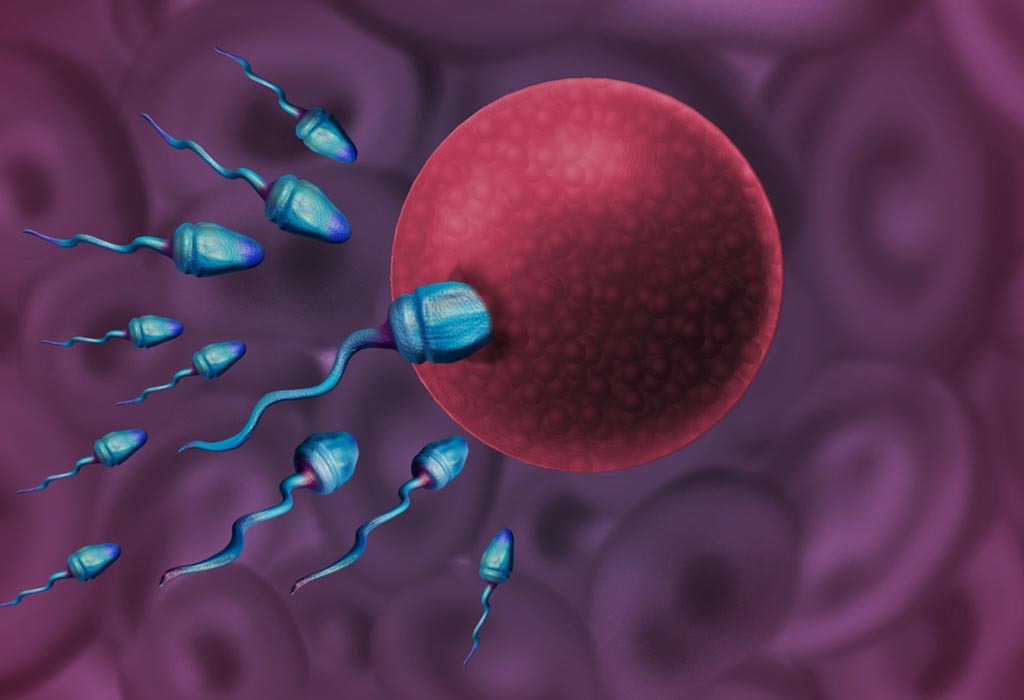
How Are Babies Made – Know the Basics
The magical journey of making babies needs two vital things – an egg and a sperm. An egg is provided by the woman or the female of the species, whereas the sperm is provided by the man or male. New life is a miraculous thing that occurs, and it is marvellous to watch the whole process step by step. In this article, we will learn how to make a baby and some relevant information related to the same. Let’s take a look at how do you make a baby.
What Is Egg Development Process in Women?
Becoming parents is an important decision to be taken, and it all starts with the egg. Hundreds of tiny eggs rest inside a women’s ovaries waiting to move down the fallopian tube and into the uterus. Initially, when a baby girl is born, she will have millions of eggs in her ovaries, but by the time she becomes an adult and reaches sexual maturity, it reduces to a few hundred. In a lifetime, approximately 400 eggs get released during the reproductive years starting with your first period till menopause (menopause is between age 45-55 years).
The ovaries are themselves responsible for the production of egg or ova or oocytes. It is important for the oocytes to travel down the fallopian tube into the uterus where fertilization would occur. Each month, the woman’s body releases one or two eggs into the fallopian tube. During the middle of the menstrual cycle which is somewhere between the ninth to the 28th day of the cycle, the egg gets released. The fallopian tubes which are about 4-inch canals then transport this egg to the uterus. This entire process known as ovulation is the time window for conception to take place. The egg has a lifespan of only 24 hours after ovulation. If the egg meets a sperm, then fertilization can occur for life to begin. Otherwise, the egg dies in the uterus and is dissolved or absorbed back into the body.
What Is the Sperm Making Process in Men?
Just like women, men also have a vital thing required to produce life called sperm. Unlike a woman though, a man makes millions of sperms every day. So a man’s body is constantly at work producing sperms with a sole intention of being able to penetrate an egg. While women are born with the eggs they will use in a lifetime, men produce sperm during their lifetime, and it is not ready-made. It takes between 64-72 days for new sperm cells to develop.
The sperm begins to develop in the testicles of a man, the two glands in the scrotal sac, below the penis. The testicles hang outside the man’s body due to their sensitivity to temperatures. In order to produce healthy sperm, they have to stay around 94 degrees Fahrenheit. The sperms are stored in a place called epididymis in the testicles before mixing with the semen for ejaculation.
Can Having an Orgasm Help Baby Making?
Several studies have shown that orgasm in a woman is helpful in conception. In men, having an orgasm, propels the sperm-rich semen, giving it the head start it needs to reach the egg. The wave-like contractions that a woman has during orgasm help pull the sperm further into the cervix.
Often couples wonder if there is a best position in the baby making process. However, in order to make a baby, the most important thing is that both the partners are ready to begin the journey of parenthood and also share a deep connection. There are positions which allow for deeper penetration, but there has been no evidence to prove that it helps how babies are formed.
Which Sperm Reaches the Egg First?
It is hard to determine which sperm will reach the egg first when a couple wonders how to make a baby? There are not many expectations one can have except hope. After sex, it is helpful to place a pillow behind the woman’s back elevating her bottom to help gravity to do the work and make her comfortable.
While you and your partner cuddle and have a conversation, great things are happening inside the woman’s body. The millions of sperms released have to travel to find the egg and endure a difficult journey. There is also an obstacle which is the acid level in the vagina which can be deadly to the sperm. Then there is cervical mucus which is dangerous except on days when the woman is most fertile. Only the strongest sperm makes it through. The total distance travelled by a sperm is about 7 inches from the cervix through the uterus.
How Does the Egg Get Fertilized?
If the egg isn’t there in one of the fallopian tubes, then fertilization does not take place. Only a few dozen sperms make it to the egg. The rest get trapped, head down the wrong fallopian tube and die. The lucky ones who get through, have to still penetrate the egg’s outer shell and get in before the others. The toughest one who makes it will begin the process of creating life. As soon as sperm is in, the egg changes instantly so that no other sperm can make it through. It builds a protective sheet and locks the sperm inside. This process is called fertilization. This entire process can last up to 3-4 days, but the fertilization itself occurs within 24 hours.
Is Lying on Your Back After Sex Effective in Increasing Chances of Pregnancy?
No scientific evidence supports that a particular sex position increases the chances of conceiving.
The only thing you can do is to make sure you and your partner have a good time and have sex frequently enough to have live sperm in the woman’s reproductive tract during ovulation. You should aim to have sex every two days during the middle of your cycle.
What Happens After Fertilization?
Once fertilization takes place, the cells start dividing rapidly. You are not actually pregnant until that bundle of cells known as the embryo, travels back down the fallopian tube and attaches itself to the wall of the uterus.
However, if the embryo implants itself in the fallopian tube or any region outside the uterus, an ectopic pregnancy takes place. This is dangerous and is not a suitable case. Medication has to be taken to stop it from growing or surgery to prevent the fallopian tubes from rupturing.
The final part of the journey of the fertilized egg takes 3-4 days, but it will take several weeks before you miss your period and realise you may be having a baby. If you miss your period or see any other signs of pregnancy, a home pregnancy test is a must.
What Are the Chances of Increasing the Odds of Getting Pregnant?
You might wonder if certain positions increase the likelihood of conception. However, the truth is that the position during ejaculation doesn’t significantly impact the chances of getting pregnant. The idea of lying on your back after intercourse to aid sperm movement is also unfounded.
Another misconception is that a woman must have an orgasm to conceive. While some believe that uterine and cervical contractions during orgasm might help sperm movement, no scientific evidence supports this theory. Ultimately, finding what works best for you and your partner is the most important factor. You could welcome a baby in about nine months with proper timing and luck!
Things You Can Do to Increase the Chances of Getting Pregnant
While getting pregnant depends on various factors, including individual health and fertility, there are some things you can do to increase your chances of conception.
1. Track Your Menstrual Cycle
Understanding your menstrual cycle is crucial for optimizing your chances of making a baby. Keep track of your menstrual periods and identify your fertile window, which is the time when you are most likely to conceive. The fertile window usually occurs around the time of ovulation, which is when your ovary releases an egg. It typically happens midway through your cycle, but this can vary from woman to woman. There are various methods to track your ovulation, such as using ovulation predictor kits, monitoring changes in cervical mucus, or tracking basal body temperature.
2. Maintain a Healthy Lifestyle
A healthy lifestyle can significantly impact fertility. Here are some key aspects to focus on:
Nutrition – Eat a balanced diet rich in fruits, vegetables, lean proteins, and healthy fats. Proper nutrition can help regulate hormones and improve fertility.
Exercise – Engage in regular moderate exercise, as it can help with weight management and overall well-being. However, excessive exercise may have a negative impact on fertility, so it’s essential to strike a balance.
Weight management – Being either underweight or overweight can affect fertility, so maintaining a healthy weight is important.
Avoid harmful substances – Smoking, excessive alcohol consumption, and illicit drug use can harm fertility, so it’s best to avoid these substances.
Manage stress – High levels of stress can interfere with hormonal balance and ovulation. Practice stress-reducing techniques such as meditation, yoga, or hobbies you enjoy.
3. Have Regular, Timed Intercourse
To increase your chances of getting pregnant, have regular intercourse during your fertile window. It is typically around the time of ovulation. Frequent sexual activity during this period increases the likelihood of sperm meeting the egg, which is how a baby is formed.
What Sex Will a Baby Be?
The sex of the baby is determined by both the sperm and the egg. Each sperm and each egg have what is called the ‘sex chromosome’, one of it to be precise. There are two kinds of sex chromosomes, XY and XX. The egg carries only the XX chromosome whereas the sperm carries the XY. If it is X+X, then it is a baby girl, and if it is X+Y, then it is a baby boy. The different characteristics, features, manners are all a result of what we get from our parents. So your baby will get a combination of both your personalities, making them unique and one of a kind.
Other Ways to Make a Baby
Alternative ways to make a baby exist beyond natural conception. Assisted Reproductive Technologies (ART) offer medical procedures like IVF, ICSI, IUI, GIFT, ZIFT, and egg or sperm donation to aid conception. Surrogacy involves a woman carrying a baby for the intended parents. Adoption is a legal process where individuals or couples become parents of a child not biologically related to them. Fostering entails caring for a child temporarily, usually when they can’t be with their birth family. Same-sex couples may utilize donor sperm or eggs, surrogacy, or adoption to conceive. Each path to parenthood is unique, allowing people to choose the best option based on their circumstances and preferences. Consulting healthcare providers or fertility specialists can provide guidance and support throughout the journey to creating a family.
When to Visit a Specialist?
To enhance the likelihood of starting a family, women and men need to take a proactive approach to assessing their fertility health.
For men, a semen analysis can reveal important information about sperm quality and quantity. On the other hand, women can benefit from hormonal testing and an ultrasound and hysterosalpingogram (HSG) to gain a comprehensive understanding of their chances of conceiving.
Also, if you are experiencing irregular periods, ovulatory disorders, or a history of early menopause or premature ovarian insufficiency, you should see a fertility specialist.
FAQ
1. What Is the Process of an Egg Turning Into Baby?
The process of an egg turning into a baby begins with fertilization. During sexual intercourse, sperm travels to the fallopian tube, where it may encounter and penetrate the egg, resulting in fertilization. The fertilized egg, now called a zygote, starts dividing rapidly as it travels down the fallopian tube towards the uterus. Once in the uterus, it implants into the uterine lining and continues dividing, forming a ball of cells known as an embryo. Over the next weeks and months, the embryo develops into a fetus, growing and developing vital organs and body systems. After about 40 weeks of gestation, the fetus is fully developed and ready for birth, resulting in the birth of a baby.
Mental, physical and psychological preparation is important when thinking about having a baby. Most important for couples though is to share a bond and bring a child into this world with love and compassion.
References/Resources:
1. Female Reproductive System; my.clevelandclinic.org; https://my.clevelandclinic.org/health/articles/9118-female-reproductive-system
2. Male Reproductive System; kidshealth.org; https://kidshealth.org/en/parents/male-reproductive.html.
3. Sperm release pathway; medlineplus.gov; https://medlineplus.gov/ency/anatomyvideos/000121.htm
4. How to increase your chance of getting pregnant; yourfertility.org.au; https://www.yourfertility.org.au/how-increase-your-chance-getting-pregnant
5. How to get pregnant; mayoclinic.org; https://www.mayoclinic.org/healthy-lifestyle/getting-pregnant/in-depth/how-to-get-pregnant/art-20047611
6. How to Get Pregnant – Best Tips to Help You Conceive; americanpregnancy.org; https://americanpregnancy.org/getting-pregnant/how-to-get-pregnant/
Also Read: How to Make a Baby Smart and Intelligent
Read more

Follicular Study – Know When You Are Ovulating
Welcoming a baby home is one of the most difficult, yet most fulfilling things that you can do as a couple. But, it is a given that getting pregnant will not be as easy as it is made out to be. You have to try to conceive at the right time, as the fertile window, during which a woman’s egg is fertile (before it is discarded from her body during her periods), is quite small.
You have millions of eggs which are waiting to be fertilised, one of which gets released every menstrual cycle into the fallopian tube. If fertilisation does not take place, then the egg, along with the extra lining of the uterus (that was built in anticipation of the egg being fertilised) is released through the process of menstruation.
Let us see what follicular study is, and how it can be used to time your efforts to conceive.
What Is a Follicular Study?
A follicle is an aggregation of cells (similar to tissue) that is found in a woman’s ovaries. Each follicle releases 1 egg in a lifetime. Women are born with roughly 400,000 follicles. A follicular study and pregnancy are closely related; a follicular study is carried out in order to understand whether the person is ovulating at the time. Follicular tracking involves the study of the development of the follicle, in order to find out how close to ovulation a woman is. It involves a simple series of vaginal scans which help identify the stage of the menstrual cycle the woman is in currently.
Why Is Follicular Monitoring Done?
Follicular studies are a huge component of fertility treatments, as they are essential to check if the woman is responding to the treatment. If the person is opting for the IVF (in-vitro fertilisation) method of fertilisation, follicular scans are necessary too. The scan determines the health and number of eggs being produced in a single event of ovulation, and the level of concerned hormones. If the levels of hormones are not right, then the dosage of medicines can be adjusted in order to maximise the chances of conception.
How Is Follicular Monitoring Ultrasound Performed?
The method by which the follicular monitoring procedure is done is called ultrasound scanning. The ovarian follicles are examined, and pictures of the internal organs are taken by inserting small plastic probes into the vagina. The process is carried out by certified sonographers. The probes themselves will be extremely hygienic and clean. You will need to lie down in the stirrup position so that the scan can be done. With a sheet covering you from the waist down, the probes are inserted. These probes emit sound waves in the ultrasound frequencies, using which the images are captured. The sonographer will be able to accurately predict the time the egg will be released, based on how the walls of the uterus have thickened. Therefore, you can plan your efforts to conceive in order to maximise your chances. The follicular study process is, therefore, of great use if you trying to have a child.
Who Needs to Get a Follicular Scan Done?
This scanning procedure is recommended for couples who are trying to get pregnant, especially if they have not succeeded after trying for many months. The tracking process is also beneficial for:
Women who do not know when they ovulate, even after using prediction kits for some time
Women who have had unfortunate miscarriages occurring in the early stages of pregnancy, since these scans can help them understand why it occurred
Women who have been taking medication to induce the ovulation process in them, or drugs to counter other conception-based problems
How Long Does Follicular Tracking Scan Take?
The process of scanning itself takes less than a quarter of an hour, but the preparations may have to be started a few hours before the scan takes place. The entire process lasts less than ten minutes if you cooperate with your doctor and maintain a good stirrup procedure to help the sonographer.
How Many Scans Are Carried Out in a Single Cycle?
It is common to carry out four to six scans during a cycle, in order to better ascertain when ovulation will take place. The initial scan is called the baseline scan, and it helps the doctor understand the initial stage of the follicle with great certainty. From there on, the doctor schedules the scans at the best times to follow the development of the uterine follicles. The inner lining of the uterus and the growth of the follicle are checked during each scan, and finally, the doctor gets a clear idea of when the woman will be ovulating. These scans might be carried out within an eleven-day window during the cycle of the woman.
What Else Can Be Detected With This Scan?
Although it is a great tool for couples who want to have a baby, the scan can also determine some other problems which may be the root cause of why you are not getting pregnant.
Using the scan, the doctor will be able to identify the follicles that do not grow properly and rupture at an early stage.
The scan can also detect this condition.
The scan also finds out if the follicles are not growing at all or are not rupturing at the right time to allow the fertilisation of the egg.
Using the scan, the doctor can check if you’re facing any of these conditions, and help you correct or prevent these from occurring.
Are There Any Side Effects of a Follicular Ultrasound Scan?
There are no physical side effects that can occur to you as a result of this scan, but it can be a taxing ordeal for couples. Most couples who are prescribed to this process would have been trying hard to make a baby for a few months, so these scans may cause sexual compatibility problems between them – this eventually almost leads to marital disharmony. As the doctor goes through the follicular study and chances of pregnancy at particular times, they will tell you the exact time of your ovulation. This may result in the woman wanting to have sex only during that particular period of ovulation, which can mess with the libido of her partner. Men may be of the opinion that regular sex is the answer so that the husband is not reduced to the job of a mere sperm donor in this process of conception. Therefore, if you are going to go for follicular monitoring of egg size to conceive, you must ensure that you do not lose sight of what you are trying to achieve – a baby – and not get lost in a haze of egg tracking, ovulation periods and follicular lining in the process.
Follicular tracking is a great method for understanding the process of conception and finding out when the woman is going to ovulate. This is essential for couples who have been trying to get pregnant for an extended period of time, or who are opting for other methods like the IVF. You can time your efforts at the right time and maximise the chances of getting pregnant.
Also Read: Bleeding during Ovulation
Read more

13 DPO – Symptoms and When to Take a Test
The wait to take a pregnancy test to confirm your pregnancy may seem like a never-ending wait! At 13 days past ovulation (13 DPO), you may be wondering whatever you’re feeling is PMS or actual pregnancy symptoms. While some people notice early pregnancy symptoms at this time, such as tender breasts, fatigue, nausea, and bloating, symptoms alone cannot confirm pregnancy because many can also occur before a period. A home pregnancy test is a much more reliable way to find out. So, if you’re at 13 DPO, you could benefit from a guide to all the 13 DPO symptoms you need to watch out for. Read on to know more about pregnancy symptoms 13 days past ovulation and what you can expect!
What Is 13 DPO?
13 days past ovulation, the countdown is on! Did that little egg finally get its happily ever after with a sperm? Well, let’s see what’s going on in your body. Depending on the length of your cycle, ovulation can happen anywhere from 11 to 21 days in. And when it does, boom! Your ovary releases a mature egg ready for fertilization. If all goes well, that fertilized egg will turn into an embryo and implant itself in the uterus.
But what about those pregnancy symptoms at 13 days past ovulation? Some women may be experiencing a rush of hCG (human chorionic gonadotropin) causing early pregnancy signs, while others may feel nothing at all. And let’s not forget, some symptoms can be easily confused with pre-period jitters.
13 DPO Symptoms
Here are some pregnancy signs at approximately two weeks past ovulation or 13 DPO pregnancy symptoms:
1. Cramps
You can experience mild cramping at this stage in your lower abdominal region. These cramps occur because your uterus begins changing post-implantation and, as a result, you may experience cramping. However, these cramps are not as severe as menstrual cramps. But again, we cannot undermine the fact that cramps are also associated with one of the most common PMS symptoms and, thus, this symptom in isolation cannot be termed as a pregnancy symptom.
2. Spotting or Bleeding
It is very normal to experience implantation bleeding at this juncture. 13 DPO brown discharge happens when the fertilised egg travels to the fallopian tube to implant itself in the uterine lining, and as it attaches itself, it leads to displacing some tissue from the uterine lining, which may lead to implantation bleeding, and sometimes it can also occur as 13 DPO spotting! This kind of 13 DPO light pink spotting is usually registered at 7 to 12 days after the process of fertilisation, which can also be close to the date of your period (1). Thus, this bleeding may sometimes get confused with menstrual bleeding. However, unlike menstrual bleeding, implantation bleeding is very light in flow and colour, and may last two to three days!
3. Nausea
Often called morning sickness, you can experience this pregnancy symptom at any time of the day (2). This is because as soon as the egg implants itself, the body starts producing hCG hormone, which starts doubling every 48 hours for the first few weeks and is usually linked to making pregnant women nauseous. It has also been established that women who experience more nausea usually have higher levels of hCG hormone in pregnancy. Therefore, experiencing 13 DPO nausea can be one of the pregnancy signs for you!
4. Fatigue
Fatigue can be one of the early pregnancy signs and symptoms that most women experience. Feeling more tired than usual can be attributed to the changing hormonal levels in the body. As soon as implantation happens, your body starts producing progesterone and higher amounts of this hormone in the body can make you tired and sleepy (3). Also, your blood vessels start expanding to assist the increased blood flow in the body, which may make your blood pressure drop and, thus, make you feel exhausted and tired.
5. Changes in Breasts
Your breasts may not only be tender or sore to the touch, but you may also experience the dark area around your nipples growing in size and your breasts becoming bigger too! Well, all thanks to increased amounts of progesterone in the body that make all these changes (4).
6. Food Cravings
The hormonal changes may make you crave certain foods. However, you may also start disliking or developing an aversion towards certain food items or smells. The good news is that this may not stay for the entire duration of your pregnancy!
7. Mood Swings
The increase in the levels of hormones progesterone and hCG can fluctuate moods, a common indicator of pregnancy. Fluctuating hormones can make you sensitive, irritable, and upset, even at the slightest things.
8. Frequent Urination
If you are visiting the loo more than usual and suspect that you could be expecting, then it is good to note that frequent urination is a common early pregnancy symptom. Higher levels of progesterone cause the bladder to contract more frequently (5).
Is It Too Early To Test?
Well, it’s no secret that the two-week wait after ovulation can feel like a lifetime. Every symptom, twinge, and change in bodily functions is analysed and re-analysed. So, it’s understandable that you might be eager to know if you’re pregnant or not. But when it comes to taking a pregnancy test, timing is key.
If you’re at 13 DPO (days past ovulation) and you’re getting a BFN (big fat negative) on a pregnancy test, it might be too early to test. Most pregnancy tests are designed to detect the hormone hCG in your urine, which starts to increase after implantation of the fertilised egg. Implantation usually occurs 6-10 days after ovulation, so if you’re testing before this, you’re unlikely to get an accurate result. Try to wait a few more days and test again, or consider a test that’s more sensitive to the hormone. The waiting game can be tough, but it’s better to be patient and get an accurate result than jump to conclusions too early!
Can You Take a 13 DPO Pregnancy Test?
Well, if you’re 13 DPO and counting, you’re probably itching to take a pregnancy test to find out if all those baby dreams are about to come true. The good news is, yes, you can take a pregnancy test at 13 DPO. However, it’s important to keep in mind that timing is everything when it comes to pregnancy tests. Most tests work by detecting the hormone hCG in your urine, and this hormone starts to increase after implantation of the fertilised egg. Implantation typically occurs 6-10 days after ovulation, so if you test too early, you’re likely to get a BFN (big fat negative) result. So, if you’re eager to know, it’s best to wait a few more days or consider using a more sensitive test. Remember, a little patience goes a long way!
Testing at 13 Days Past Ovulation
1. How To Check
13 DPO and still no BFP? Don’t worry, let’s take a look at how to check if you’re really “not pregnant”.
First, make sure to use a reliable and high-sensitivity pregnancy test
Take the test first thing in the morning, when your urine is the most concentrated
Follow the instructions on the package carefully to get accurate results
If the test is negative, but you still suspect you may be pregnant, repeat the test in a few days or schedule an appointment with a healthcare provider for a blood test.
Remember, a BFN (big fat negative) at 13 DPO doesn’t always mean you’re not pregnant, so don’t give up hope just yet!
Is It Possible to Get a Positive Pregnancy Test at 13 DPO?
So, you’ve taken a pregnancy test at 13 DPO and got a BFN (big fat negative) result. Don’t fret; it’s not uncommon for some women to have a negative test result at this stage and still be pregnant. According to several research studies, it’s possible to get a positive pregnancy test at 13 DPO, but it depends on several factors such as the sensitivity of the test, the levels of the pregnancy hormone (hCG) in your urine, and even how early you tested. In some cases, a positive result might not show up until a few days later. So, if you’re still feeling pregnant, don’t lose hope just yet and consider retesting in a few days or schedule a visit with your doctor for a blood test to confirm.
Can Implantation Happen at 13 DPO?
Have you heard the buzz about implantation happening at 13 DPO? Well, hold on tight because we’re about to get into the nitty-gritty details. Implantation is the process where the fertilized egg attaches itself to the uterine wall and begins to grow into a fetus. According to medical experts, implantation usually occurs 6-10 days after ovulation, so it’s possible for it to happen at 13 DPO. However, this varies from woman to woman and even pregnancy to pregnancy. So, if you’re feeling the symptoms of pregnancy but got a BFN (big fat negative) result at 13 DPO, don’t give up hope just yet. Implantation can sometimes cause fluctuations in hormone levels, leading to a false negative test result. The bottom line is, every pregnancy is unique and so is every woman’s body, so don’t let the numbers define your journey.
13 DPO and Big Fat Negative Test
If you have been trying to get pregnant, BFP or big fat positive, is something that you would expect from your pregnancy test, but a BFN or big fat negative, can be saddening! But getting a 13 DPO negative test does not mean that you should lose all hope. This is because we know that fertilisation takes place anywhere from 6 to 12 days past ovulation, but in some cases, it may take even as long as 15 days past ovulation. Also, the hCG or human chorionic gonadotropin, which gets you positive results, starts rising in the body 2 to 5 days after implantation. All this may sometimes show a BFN in your pregnancy test at 13 DPO. Therefore, it will be a good idea to wait for 5 to 6 days or until you miss your first-period post ovulation to take a pregnancy test to get a BFP!
What If You Don’t Have Pregnancy Symptoms at 13 DPO?
If you do not experience any pregnancy symptoms at 13 days past ovulation, there is no need to feel disheartened. This may happen if you have ovulated later than usual, which is a very common phenomenon in women who have irregular periods. Also, fertilisation may take longer than usual and, thus, you may exhibit no pregnancy symptoms at 13 DPO.
It is important to remember that every pregnancy is different, even for the same woman! What one woman may feel, the other may not. This means that if some women may experience pregnancy symptoms and get a BFP on their pregnancy test, others may get the same result without showing any symptoms. You can take a pregnancy test at 13 DPO as there are good chances of getting a positive result; however, it will be a good idea to take a test again after a few days to confirm your pregnancy.
The wait to get a positive sign can actually be a nerve-wracking experience. Sometimes, your body may start showing pregnancy signs as early as 13 days past ovulation because the body produces substantial amounts of HCG hormone after implantation, and at 13 DPO, your body may start producing substantial amounts for a pregnancy test to show positive results. However, if you do not feel any symptoms, it is absolutely normal, as every pregnancy is a different experience.
FAQs
1. Can I get a positive pregnancy test at 13 DPO?
Yes, you may get a positive result at 13 DPO if implantation has occurred and hCG has risen enough for the test to detect it. However, a negative result at this stage does not always rule out pregnancy, particularly if ovulation occurred later than estimated.
2. What are the most common 13 DPO pregnancy symptoms?
Possible early pregnancy symptoms include fatigue, tender breasts, nausea, bloating and increased urination. However, these symptoms can also occur before a period, so they cannot confirm pregnancy on their own.
3. Is a faint line at 13 DPO normal?
Yes, it is normal to get a faint line at 13 DPO. Implantation takes place from 6 to 12 DPO. Therefore, your hCG levels may be too low to detect at 13 DPO if the fertilised egg implants closer to the end of that window.
4. What should I do if my 13 DPO pregnancy test is negative?
If your period has not started, wait a few days and test again. Testing too early can produce a false-negative result because hCG may not yet be high enough to detect; pregnancy tests are generally most reliable from the first day of a missed period.
Whether you experience 13 DPO or not, it will be a good idea to take a pregnancy test at this juncture. There is a strong likelihood that the test results will be positive. However, if it isn’t, then it will be a good idea to wait for a few more days to conduct a test again. Meanwhile, if you have any concerns or queries related to pregnancy, you should get in touch with your doctor.
Infographic: 13 DPO Symptoms
Also Read:
Pregnancy Signs at 5 DPO
Pregnancy Signs at 8 DPO
Pregnancy Signs at 10 DPO
Read more
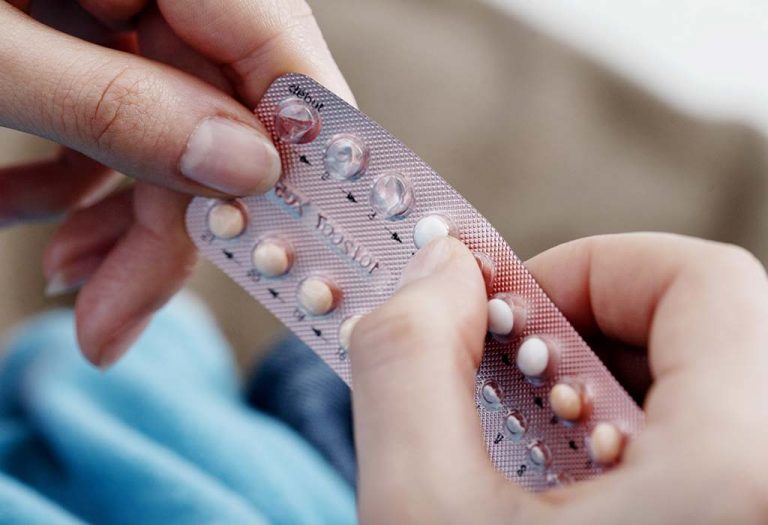
Can Birth Control Make You Infertile? – Know the Facts
Birth control pills are one of the most preferred options in contraceptives to prevent any unwanted surprises. These pills are not only used by women for the prevention of pregnancy sometimes but also for curing PCOS, endometriosis, acne, irregular menstrual cycle, PMS and other such issues. However, many of you, who may have been taking birth control pills for a while now, may wonder if these pills could make conception difficult for you or take a toll on your fertility, in case you plan to get pregnant or even otherwise. We understand your concern, and that’s why we’ve covered all the information you need on birth control pills and its effects on fertility. So, does birth control make you infertile? Read on to know more about this!
Can Birth Control Cause Infertility?
Does contraception make you infertile? There is no strong evidence that birth control causes permanent infertility, as most women regain their fertility soon after stopping hormonal or non-hormonal methods. However, some forms—particularly long-acting contraceptives like injections—may delay the return to normal ovulation for several months. Temporary side effects, such as irregular cycles or hormonal adjustments, can occur post-discontinuation, but these typically resolve within a few months. In rare cases, underlying conditions (like PCOS or endometriosis) may become noticeable after stopping birth control, leading to misconceptions that contraception caused infertility. If conception doesn’t occur within a year (or six months for women over 35), consulting a doctor can help identify any unrelated fertility issues (1).
How Can Birth Control Negatively Impact Your Long-term Fertility?
Birth control methods, both hormonal and non-hormonal, are generally reversible, but some may have temporary or lasting effects on fertility. Here’s how different types of birth control could impact long-term fertility:
1. Hormonal Birth Control (Pills, Patches, Rings, Injections, Implants)
Hormonal Imbalance: Prolonged use can suppress the body’s natural hormone production, leading to delays in ovulation returning after discontinuation. This is a well-known long-term side effect of birth control pills on fertility.
Menstrual Cycle Disruption: After stopping hormonal birth control, some women experience irregular or absent periods for several months before their cycle normalizes.
Changes in Cervical Mucus: Hormonal methods thicken cervical mucus to prevent sperm movement. After stopping, mucus may take time to return to a fertility-friendly consistency.
Ovulation Suppression: Some methods, especially long-acting ones like injections, can delay ovulation for months or longer after discontinuation.
Thinning of Uterine Lining: Progestin-based methods may thin the endometrium, potentially affecting embryo implantation until the lining recovers.
2. Intrauterine Devices (IUDs)
Hormonal IUDs: These release progestin, which can temporarily suppress ovulation and thin the uterine lining. Fertility usually returns quickly after removal, but some women may experience a short delay.
Copper IUDs: Non-hormonal and generally do not affect fertility long-term. However, in rare cases, infections or scarring from insertion could impact reproductive health.
3. Emergency Contraception
High doses of hormones can temporarily disrupt the menstrual cycle, but there is no evidence of long-term fertility effects. Frequent use, however, may lead to hormonal irregularities.
4. Permanent Birth Control (Sterilization)
Tubal Ligation (Female Sterilization): Reversals are possible but not guaranteed, and success depends on the surgical method used.
Vasectomy (Male Sterilization): Reversal success decreases over time, and assisted reproductive techniques may be needed if reversal fails.
Signs of Infertility
Infertility can affect both men and women, and recognizing early signs can help in seeking timely medical advice. While difficulty conceiving after a year (or six months for women over 35) is a key indicator, other subtle symptoms like those below may also suggest potential fertility challenges (2).
Irregular or absent periods
Painful or heavy periods
Hormonal imbalances
Recurrent miscarriages
How Long Does It Stay in Your Body?
The time it takes for birth control to leave your system depends on the type of method used. While some contraceptives clear out quickly, others may have lingering hormonal effects even after discontinuation (3).
1. Short-Acting Hormonal Methods
Birth control pills, patches, and vaginal rings typically leave the body within a few days to a week after stopping. Most women regain normal ovulation within 1–3 months, though some may experience temporary hormonal fluctuations.
2. Long-Acting Hormonal Methods
Injectable contraceptives can remain in the body for several months, with fertility potentially taking 6–12 months (or longer) to return. Hormonal IUDs and implants stop affecting fertility shortly after removal, with most women ovulating again within 1–3 months.
As per a study conducted on women who used birth control pills, it had been observed that approximately 20 per cent of women became pregnant within one month after they stopped taking the pill. And approximately 80 per cent of women conceived within one year after they stopped taking the birth control pill. However, there are some studies available that take into consideration the long-term risks for women who took birth control pills for an extended period of time.
FAQs
1. Can birth control mask underlying fertility issues?
Yes, hormonal birth control can temporarily suppress symptoms of conditions like PCOS, endometriosis, or irregular ovulation. When discontinued, these issues may become apparent, leading some to mistakenly believe birth control caused infertility.
2. Does the age you start birth control affect future fertility?
Early use (like teens/early 20s) doesn’t harm long-term fertility, but stopping birth control later in life (mid-30s+) may coincide with natural age-related fertility decline, creating a false impression of causation (4).
3. Can birth control change your “type” of cervical mucus permanently?
While hormonal methods alter mucus during use, there’s no evidence of permanent changes. However, some women notice differences in consistency post-discontinuation for a few cycles before it normalizes.
If you have stopped taking your pills, your periods must have become normal. But if you are not able to conceive, you must be thinking that it is because of taking birth control pills. Well, that may not be the case because infertility may not result from taking birth control pills. There are many reasons that may cause infertility in both men and women (5).
If you have been facing problems in conceiving after you stopped taking birth control pills, it is recommended that you take your doctor’s advice on the matter and know what may be causing the problem and how it can be treated.
Also Read:
Diaphragm Contraceptive – A Birth Control Method
What Happens When You Suddenly Stop Birth Control Pills
Can You Get Pregnant While on Birth Control Pills
Is It Normal to Have Brown Discharge While on Birth Control Pills?
Read more

My Story of False Diagnosis of Missed Miscarriage (Absent Heartbeat)
I want to share the story of my pregnancy that was declared a missed miscarriage, but now I am the proud mother of a 9-month-old. Maybe my story will give people hope, if they suffer from the same.
During the 4th week of my pregnancy, I did a beta hCG. Being a doctor, I preferred a more accurate method than a home pregnancy test. Also my curiosity made us do a beta hcg. It was 186 – a confirmed pregnancy! As we had done IUI, I was pretty sure about my dates. I made a call to my gynaecologist, and scheduled an appointment for the 5th week.
We went for the check-up at the scheduled time. The doctor did a vaginal sonography. He could not find a gestational sac. So, he asked us to do a repeat hCG. It came to 1500. hCG is a marker of a healthy pregnancy. During a very early pregnancy, if it is getting doubled in 48 days, then the pregnancy is healthy.
We went for a checkup again after 3 days. Again, he performed a vaginal scan, and could not find a sac. He suspected a tubal pregnancy, and suggested surgery. My husband and I were not convinced, so we thought of doing sonograms with a radiologist.
We went to a radiologist the very next day, and by God’s grace, there was a sac. There was no implantation in the tubes. I was very happy. But, happiness does not last long. We had the next USG in 10 days, to check the viability of the pregnancy and to check the foetus heart beat. The day came, and we were very excited to see the tiny heart beating. But, we were shocked when the radiologist said that the baby did not have any cardiac activity (no heartbeat). I could not help crying.
We could not accept it. We went for a second opinion. That doctor asked for a hCG blood test again. She said if it’s increasing, then we can wait, but if not, we must do an abortion ASAP. The report gave us some hope, as the hCG level had increased. She prescribed me hCG 5000 injections once a week for 2 weeks, and to repeat use.
That was the longest 15 days of our life. I tried to be optimistic, but sometimes, I would burst into tears thinking that I might be carrying a dead foetus.
After a long wait, the day came. We went for a USG during the 8th week of pregnancy, with the least hope of a positive result. But, God had planned our happiness, which had no bar when the radiologist touched the probe on my abdomen, and there was a moving dot (heartbeat) on the screen. He said there was cardiac activity, and also it was a healthy pregnancy, though the dates were off by a week. That was not a thing to worry about for us at that moment, as we got what we never expected.
That tiny miracle is 9 months old now. If this happened with us, it could happen with you, too. So, please believe in your motherly instinct. Never lose hope till the end. The doctor too can be wrong. Always seek a 2nd opinion before aborting.
Disclaimer: The views, opinions and positions (including content in any form) expressed within this post are those of the author alone. The accuracy, completeness and validity of any statements made within this article are not guaranteed. We accept no liability for any errors, omissions or representations. The responsibility for intellectual property rights of this content rests with the author and any liability with regards to infringement of intellectual property rights remains with him/her.
Read more

Fertility Drugs for Men – Types, Effectiveness & Side Effects
A man’s fertility depends on the quantity and quality of his sperm. If a man’s sperm quantity and quality are low, he won’t be able to impregnate a woman. Around one in every 50 men have fertility problems, mainly concerning a low sperm count, while only one in every 100 men will not be able to produce sperm at all. Men experiencing fertility issues often turn to fertility drugs as a potential solution to enhance their reproductive health. These fertility drugs for men are designed to address various underlying causes of male infertility, offering hope for individuals or couples striving to conceive. But are they safe? Let’s understand the basics about how these male fertility pills work, how well they work, and what kind of side effects they might bring along.
When Should Men Use Fertility Drugs?
It is best to check with a fertility specialist for fertility drugs. After a study of the individual’s health, medical history, and lifestyle, the specialist/ doctor should be able to suggest or prescribe medicines. As of today, only secondary hypogonadism, which is a hormone-related infertility condition that affects around 2% of men, can be treated with infertility drugs. This condition occurs when the pituitary gland or the hypothalamus does not function properly. The hormone changes stand in the way of the production of normal sperm and testosterone (8).
How Do Fertility Medicines Work in Men?
Not all fertility drugs work the same way. Here are a few ways in which male fertility drugs work:
1. Hormone Production Is Stimulated
The pills and injections used to treat infertility contain substances or synthesised hormones that maintain a balanced level of testosterone by increasing or decreasing its production in males.
2. Quality of Sperms Is Improved
When sperms are of inferior quality (Low motility, abnormal morphology), few drugs may improve their quality
3. Blood Sugar Levels Normalise
There are cases where an increase in blood sugar levels can cause infertility in men and women. For those cases, medication can help to keep the blood sugar levels under control to improve fertility and control diabetes
4. Blood Flow Is Stimulated
Poor blood circulation in the genital area can also cause impotence in men, which can be a cause of infertility. Drugs can improve potency.
5. Increased Libido
As fertility medications also contain some properties of aphrodisiac, the sexual drive of the man can improve as well.
Types of Fertility Drugs Available for Men
Fertility pills for men aim to improve sperm quality, quantity, and motility, thereby enhancing the chances of conception. There are several types of fertility drugs available for men, each targeting different aspects of reproductive health.
1. Hormonal-Based Treatment
Hormonal treatments for male fertility, like testosterone replacement therapy or similar drugs, aim to fix hormone imbalances. By doing so, they can boost sperm production and quality (9).
2. Non-Hormonal Based Treatment
Non-hormonal approaches to male infertility focus on improving sperm quality and motility without directly affecting hormone levels. These treatments may include antioxidants, such as vitamin E or coenzyme Q10, which help reduce oxidative stress and protect sperm from damage.
What Are the Different Fertility Medications Available for Men?
The best medicine for male infertility depends on what is causing infertility in the first place. Here’s a list of different fertility medications for men. Any of the following drugs is not recommended for over-the-counter use. We strongly recommend prescribed medicines.
1. Clomiphene Citrate
This non-steroid can boost testosterone in men by increasing the FSH and LH hormone production. Low testosterone levels result in unhealthy sperm, and this naturally leads to infertility. Since this medication boosts testosterone, it helps to promote healthy sperm that will improve fertility (7).
2. Gonadotrophins
Gonadotrophins and LH stimulate the testes and, therefore, are used to boost the production of testosterone and sperm count (2). They are recommended only in case of secondary hypogonadism.
3. Letrozole
Available in the form of pills, Letrozole helps to restore normal testosterone levels in men with obesity-related hypogonadism. It falls under the category of aromatase inhibitors and helps to improve fertility.
4. Bromocriptine
Infertility caused due to hyperprolactinemia can be treated with this dopamine agonist. It stops the release of the prolactin hormone from the pituitary gland. This medication is best for men who have an abnormal sperm count with hyperprolactinemia (10).
5. Antibiotics and Antifungal Treatments
The reproductive system and semen can sometimes get infected by bacteria or fungi. Using antibiotics and medicines to treat fungal infections can be a solution for infertility for some men who have positive semen cultures.
How Long Do Men Have to Take These Medicines?
Every drug does not have the same course period so that the dosage will depend upon the individual’s case. Here are a few to consider:
1. Letrozole
This treatment requires the pill to be taken only once a week. It may need to take 3 to 6 months
2. Bromocriptine
This treatment is used over four weeks on average. It requires an individual to take five to ten milligrams per day.
3. Clomiphene
Usually taken three times during the week, each of the treatment cycles will run a course of three to six months. The drug can be safely taken in low doses over two years to stabilise the hormone levels and improve fertility conditions.
4. Gonadotrophins
The treatment involves the individual taking two or three injections a week. Most of the time, the treatment will only last for six months, but if the individual shows little or no improvement after this, they will need to continue with the treatment for one or two years with the hMG regimen to bring the hormone levels back to normal (4).
What Are the Chances of Conceiving When Using Male Infertility Medicine?
Sometimes, fertility pills can boost the sperm count to up to 15 million per millilitre of semen. Any number below this is considered a case of low sperm count. Hormonal medications can affect your body, so it is always best to consult a doctor for the correct dosage. The chances of these medications working depend on your health condition and the dosage.
What Are the Side Effects of Fertility Drugs in Men?
Every drug is different and will have its own side effects. Some of these are discussed below.
1. Synthetic Testosterone
Some of the problems that synthetic testosterone can lead to are:
Mood fluctuations
Liver problems
Low energy levels
Enlarged male breasts
Excessive hair growth
Acne
Skin Rashes
Prolonged erections
Water retention
2. Clomiphene
Some of the problems that clomiphene can lead to are (1):
Vision changes
Dizziness
Headache
Nausea
Vomiting
Diarrhoea
Weight gain
Breast enlargement and discomfort
Changes in libido
3. Gonadotrophins
Some of the side effects that gonadotrophins can lead to are:
Acne
Breast enlargement
The site of injection will be sore
Infections in the respiratory tract
Weight gain
Dizziness
Nausea
Moodswings
Discomfort in the pelvic area
4. Bromocriptine
Some of the side effects that Bromocriptine can lead to are:
Hallucinations
Confusion
Liver problems
High blood pressure
Abnormal body movements
Loss of appetite
Headaches
Constipation
Fatigue
Light Headedness
Seizures
Tips to Increase Male Fertility Naturally
Male fertility can be affected by environmental, dietary, and lifestyle choices. Here are some ways you can help boost your fertility by incorporating a few changes in your diet and lifestyle:
1. Regular Exercise
Exercising regularly can boost fertility as it helps increase testosterone levels in the body. Men who exercise daily have a better quality of semen and better testosterone levels. Exercising for about 45 minutes every day for at least five days a week and consuming a healthy and balanced diet do a fantastic job of improving fertility.
2. Balanced Diet
Nutrient deficiency prevents sperm production due to impaired hormonal functioning, which can lead to unhealthy and abnormal sperm. Improving your diet to include more balanced meals will allow your body to get the required amounts of nutrition. Fresh vegetables, whole grains, fruits, nuts, and seeds are great foods to include in your diet to help you get the required nutrients.
3. Nutritional Supplements
Supplements can help improve male fertility by increasing sperm count or motility. Vitamin C and Zinc help increase sperm motility by preventing them from clumping together, allowing them to swim freely; zinc supplements can also help improve sperm count and testosterone levels. The ideal amount of zinc to include in your diet is 100 to 200 mg daily. Some other natural sources of zinc are oysters, turkey, organ meat, wheat germ, legumes, and nuts.
When protein is digested, it produces arginine, which is also needed to produce sperm cells. Arginine is available in foods like fish, poultry, meat, dairy, nuts, and chocolate.
Here are some more nutrients that improve sperm count if taken daily and in the right amounts:
2 mg copper
100 mcg chromium
1000 mcg vitamin B12
9 to 12 grams of essential fatty acids
200 mcg selenium
400 mg of coenzyme Q10
How Can You Prevent Infertility?
Infertility can be prevented in certain ways if it occurs due to factors within the individual’s control. Lifestyle, diet, and health can help avoid infertility. Here are some ways you can prevent infertility:
Sperm motility and morphology are affected by alcohol, nicotine, and other drugs. They should be avoided entirely if you want to have a baby (3).
Putting on too much weight can affect the sperm cell’s morphology. Often, overweight or obese males also suffer from conditions like hypertension, high blood pressure, diabetes, etc., which can also complicate their health condition and make them infertile.
Cycling, using saunas, taking long, hot baths, and wearing tight, confining clothing also raise the testicular temperature, thus affecting fertility (5).
Stress affects sperm production. Meditation and deep breathing exercises can help you calm down.
Avoid exposure to pesticides, heavy metals, and other toxic agents that can affect the body and cause infertility (6). The compounds found in these chemicals are known to have caused mutation in the human body.
Radiations that emit from laptops and mobiles also hurt the quantity and quality of sperm. Try to limit the use of these gadgets.
Plastic can cause hormonal imbalances, and it is always best to avoid storing food in plastic containers.
Choose the unbleached versions of coffee filters, paper, toilet rolls, and tissues. They contain fewer chemicals, which negatively impact fertility, and are safer for use.
Chlorinated tap water can also affect male fertility negatively.
Consume organic food to avoid ingesting any pesticides.
Synthetic cosmetics and deodorants can also cause hormonal imbalances.
Avoid animal products that have too much fat in them.
Fried foods, barbequed, and charcoal-broiled cooking techniques can harm fertility.
FAQs
1. Are there any lifestyle changes or complementary therapies that can enhance the effectiveness of fertility drugs for men?
Alongside fertility drugs, adopting a healthy lifestyle can contribute to improved fertility outcomes. This may include maintaining a balanced diet, regular exercise, avoiding tobacco and excessive alcohol consumption, and managing stress. Some complementary therapies, such as acupuncture or herbal supplements, may also be considered in consultation with a healthcare provider.
2. Do fertility drugs for men have any impact on sperm DNA integrity?
Sperm DNA integrity is crucial for successful conception and healthy embryo development. Research suggests that certain fertility drugs, particularly antioxidants, may help reduce oxidative stress and improve sperm DNA integrity.
3. Can fertility drugs for men be used in conjunction with assisted reproductive technologies (ART), such as in vitro fertilisation (IVF) or intrauterine insemination (IUI)?
Infertility drugs for male are often used in combination with ART procedures to optimise outcomes. For example, medications that enhance sperm production and quality may be prescribed before sperm retrieval for IVF or used to prepare for IUI. Combining fertility drugs with ART can increase the chances of successful conception, especially in cases of severe male infertility.
Fertility drugs for men offer promising avenues for addressing various forms of male infertility, from hormonal imbalances to sperm production issues. While they can significantly improve the chances of conception for couples struggling with fertility challenges, it’s crucial to approach their use under the guidance of qualified medical professionals.
References/Resources:
1. MALE FERTILITY DRUGS; University of Utah Health; https://healthcare.utah.edu/fertility/treatments/male-fertility-drugs#
2. Dabaja. A. A, Schlegel. P. N; Medical treatment of male infertility; PubMed Central; https://www.ncbi.nlm.nih.gov/pmc/articles/PMC4708300/
3. How to improve male fertility; Tommy’s; https://www.tommys.org/pregnancy-information/planning-a-pregnancy/are-you-ready-to-conceive/how-improve-male-fertility
4. Rajkanna. J, Tariq. S, Oyibo. S. O; Successful fertility treatment with gonadotrophin therapy for male hypogonadotrophic hypogonadism; PubMed Central; https://www.ncbi.nlm.nih.gov/pmc/articles/PMC4722247/
5. Low sperm count; NHS; https://www.nhs.uk/conditions/low-sperm-count/
6. Infertility in Men; UCSF HEALTH; https://www.ucsfhealth.org/conditions/infertility-in-men
7. Willets. A. E, Corbo. J. M, Brown. J. N; Clomiphene for the treatment of male infertility; PubMed; https://pubmed.ncbi.nlm.nih.gov/23202725/
8. Kumar. P, Kumar. N, Thakur. D. S, Patidar. A; Male hypogonadism: Symptoms and treatment; PubMed Central; https://www.ncbi.nlm.nih.gov/pmc/articles/PMC3255409/
9. Male Infertility; The Johns Hopkins University; https://www.hopkinsmedicine.org/health/conditions-and-diseases/male-infertility
10. Ozery. M, Wadhwa. R; Bromocriptine; National Library of Medicine; https://www.ncbi.nlm.nih.gov/books/NBK555948/#
Also Read:
Effective Fertility Foods for Men
Fertility Treatments Options for Men
Vitamins and Minerals to Boost Fertility
Male Fertility Tests – How to Check Male fertility?
How to Increase Sperm Count Naturally By Doing Yoga?
Home Remedies to Increase Fertility in Men and Women
Read more

What to Eat to Get Pregnant with Twins Naturally
A baby brings immense happiness; twin babies are twice the fun and make you feel on top of the world. But not all parents feel the same way. Many dread the thought of having twins or multiple babies at once, while others may dream and desperately hope to have twins. Are you and your partner in the second category? Then, this article is just for you! Not only can your genetics influence the likelihood of twins, but your eating habits can play an important role as well. In fact, there are various foods that could increase your fertility. Read on to learn the right foods to get pregnant with twins so that you can have a higher chance of having twins.
Foods to Increase Fertility for Twins
The natural way is the best, and if you plan to have twins, you must make a few changes to your diet. Eating the following foods increases fertility for twins. Here’s the list of foods to increase fertility for conceiving twins:
1. Yam
One of the studies observed that people of the Yoruba tribe in Nigeria have a high rate of twin births. It was established because of the significant amount of yams in their diet (1). Yams are a rich source of progesterone and phytoestrogens, which may lead to hyper-ovulation. Therefore, the high amount of yams in their diet was reported as a probable cause of twin or multiple births.
2. Folic Acid
Folic acid is one of the main requirements of your growing baby, and your doctor may recommend folic acid supplements and other vitamins during your pregnancy. Avocado, spinach, broccoli, and asparagus are good sources of folic acid, too. Apart from this, it is suggested that women trying to get pregnant should consume folic acid regularly to increase their chances of conception. Researchers have also established that taking more folic acid may increase a woman’s chance of having twin babies (2). You may take twice the recommended dosage to heighten your fertility if you are trying to conceive twins. However, make sure to consult your doctor before doing so.
3. Dairy
A study established that women who consume more dairy and dairy derivatives are five times more likely to have twin babies than women who consume less milk or dairy products (3). It was seen that the consumption of milk and other dairy products increases a specific kind of protein in the body, which is called the ‘insulin-like growth factor.’ This protein is present in cow’s milk and can be obtained from other animal products. When you consume more milk, your ovaries have a higher chance of releasing more eggs, increasing the possibility of conceiving twins.
4. Maca Root
Consumption of maca root is very beneficial for men and women who are facing fertility issues. Additionally, consuming maca root is suggested for women who wish to have twin babies, as it can boost their fertility. Though there is not much evidence available that supports this claim, it is worth giving it a shot. This root can be consumed in raw, dried or powdered form.
5. Complex Carbohydrates
Complex carbohydrates are a good option if you want to plan for twin babies. Carbohydrates are great for your body, and it is a good idea to include complex carbohydrates, rather than just simple carbohydrates, in your diet. Food items such as beans, grains, and vegetables, are a great source of complex carbohydrates. You are not only more likely to have twins due to increased fertility with this kind of diet, but a diet rich in complex carbohydrates may even help in preventing neural birth defects in babies (4).
6. Foods Rich in Zinc
Both male and female fertility is enhanced by zinc (5) (6). It makes twin conception simpler by increasing sperm motility and sperm count. Natural sources of zinc include whole grains, beans, shellfish, oysters, crabs, and other crustaceans. Moreover, zinc supplements are sold in shops, which should only be taken after a doctor’s consultation.
7. Pineapple Core
Healthy fruits like pineapples promote fertility and pregnancy. Bromelain, an enzyme that lessens inflammation and encourages blood flow to the uterus, is abundant in the core of the pineapple. A diet high in pineapple may increase your likelihood of having twins.
8. Fruits and Vegetables
Nutrient-rich foods that encourage twin conception include bananas, watermelon, kiwis, mangoes, cruciferous vegetables, and leafy greens. Also, consuming many fruits and vegetables keeps your unborn child healthy.
9. Okra Leaves
Okra leaves are a great source of protein, calcium, iron, fibre, and vitamin C. A soup made with them is served with amala (yam and cassava meal). The Igbo-Ora natives fervently believe that this combination successfully conceives twins naturally (7).
10. Cassava
Cassava, often known as tapioca, is grown for its nutritious root tubers. Vitamin C and folic acid are present in negligible concentrations. The entire, unpeeled tuber is gathered, dried, and combined with white yams in Igbo-Ora to provide a special regional meal.
The cassava root peels are believed to contain compounds that cause hyperovulation, or when women release more than one egg during ovulation, even though there is no scientific evidence to support this.
11. Sweet Potatoes
Sweet potatoes are rich in beta-carotene and complex carbohydrates, both of which can help regulate hormone levels and improve fertility. Regular consumption may support ovulation and increase the chances of conceiving twins naturally. They can be included in your diet baked, mashed, or in soups.
12. Almonds
Almonds are loaded with vitamin E, healthy fats, and minerals that promote reproductive health in both men and women. Including almonds in your daily diet may enhance ovulation and improve overall fertility, making it a helpful addition for couples hoping to conceive twins.
13. Mustard Greens
Mustard greens are a powerhouse of calcium, iron, and antioxidants. These nutrients are known to support reproductive health and hormone balance. Consuming mustard greens regularly may aid in increasing fertility and the possibility of having twins.
Adding the above-mentioned foods to your diet may help you conceive twin babies. However, it is considered that you get in touch with your doctor before making any major dietary changes while trying to get pregnant. Along with adding these foods to eat to get pregnant with twins, it is also recommended to make some lifestyle changes.
If you are underweight, it is suggested that you gain some weight because studies have shown that overweight women have more chances of getting pregnant with twin babies (8). It is also observed that taller women are more likely to give birth to twins than women who are shorter or of average height. If you are breastfeeding and planning on having twins, then it is a good idea to keep practising breastfeeding. This is because breastfeeding increases your chances of having twins by 9 times.
Other Ways to Increase Your Chances of Having Twins
There are certain medical methods to heighten your chances of conceiving twins. However, make sure to consult your doctor when considering these methods:
1. IVF (In Vitro Fertilisation)
During IVF, eggs from the woman are retrieved and fertilised by her partner’s sperm in the lab. Once the embryos are formed, one or more are transferred to the woman’s uterus, hopefully resulting in a positive pregnancy. However, it is seen that transferring multiple embryos may result in multiple pregnancies (or twins). Hence, you could opt for IVF treatment to increase your likelihood of having twin babies.
2. Fertility Medication
Fertility drugs increase the number of eggs the ovaries release to increase the chances of conception. However, this also increases the likelihood of multiple eggs being fertilised, resulting in fraternal twins. As fertility medication can only be taken in a certain amount, depending on your medical and physical health, a doctor must be consulted before trying this method to conceive twins.
FAQs
1. Which herbs increase the chances of conceiving twins?
Evening primrose oil, liquorice, linseed oil, Thai cassava, and maca root are some of the herbs that can assist in improving fertility and the likelihood of having twins.
2. What vitamins help you to have twins?
Pregnant women who supplement with folic acid are more likely to conceive twins. Based on some research, ingesting such supplements and enriched cereal grains fortified with folic acid boosted the rate of twin pregnancies by up to 40%.
3. Could seasonal or tropical fruits influence your chances of twins?
Fruits like pineapples, mangoes, and papayas contain unique enzymes, antioxidants, and phytoestrogens that may subtly support reproductive health. Some fertility experts suggest that including a mix of these seasonal or tropical fruits in your diet could increase the probability of conceiving twins naturally.
This was our list of foods to eat to conceive twins. Undoubtedly, many factors may affect your chances of giving birth to twin babies. But you can try for twin babies by following the abovementioned suggestions for foods for conceiving twins. Contact your doctor if you want to know more about conceiving twin babies. Having twins may also depend on your ethnicity. For instance, African women have a higher chance of giving birth to twins than Caucasian women, whereas Hispanic or Asian women are less likely to have twin babies.
Also Read:
How to Conceive Twins
How to Get Pregnant with Triplets
Getting Pregnant with Twins or Triplets
Read more

Pregnancy After 35: Chances, Risks, and Fertility Tips
Pregnancy after 35 is absolutely possible, although your chances of conceiving naturally gradually decrease with age. According to Johns Hopkins Medicine, female fertility begins to decline around age 35 and drops more rapidly after age 37, but many women in their late 30s and early 40s go on to have successful pregnancies with the right medical care (1).
In this guide, you’ll learn how age affects fertility, your chances of getting pregnant after 35, the possible risks for both mother and baby, warning signs to watch for, fertility-boosting tips, and when it’s the right time to consult a fertility specialist. Whether you’re planning your first pregnancy or expanding your family, this article will help you make informed decisions.
Does Age Factor Affect Fertility?
Yes, age affects fertility levels in both men and women. Age plays an important role in conception. It can affect a woman’s chances of conceiving and having a healthy baby. Furthermore, as one ages, their chances of being exposed to different medical conditions and chronic diseases like diabetes and high blood pressure are also higher (2). Medical conditions can also affect the fertility levels in a couple.
Complications of Pregnancy After Age 35
While many women have healthy pregnancies later in life, the risks of pregnancy after 35 can be higher due to age-related factors and certain medical conditions. Below are some possible complications to be aware of (3) (4).
Chances of giving birth to a low-birth weight baby or a premature baby are higher. There could also be a chance of the baby being born with genetic disorders.
There’s a risk of multiple pregnancy (twins, triplets, and quadruplets) because of ART procedures.
Fertility problems could arise, including having trouble getting pregnant due to fewer eggs in the ovulation phase.
In the case of pre-existing diabetes, which damages different internal organs, can cause fertility problems.
There’s a risk of gestational diabetes and medical conditions like preeclampsia, hypertension, etc.
There’s a chance of stillbirths (when babies die inside the womb after 20 weeks of pregnancy), miscarriage, and birth defects (like babies being born with Down syndrome and chromosomal abnormalities).
What Tests Need to Be Done to Have a Healthy Pregnancy After 35?
Getting a prenatal test and healthcare evaluation are priorities for pregnant mothers. Do not wait until the last moment and make sure you do the following tests before and after your pregnancy.
Before Pregnancy Test
The two main issues that arise during this time are fertility problems or need diet/mental health issues. In these cases, it is imperative that you converse with your local medical professional and get an updated evaluation of your health. A before-pregnancy test will reveal whether or not you’re fit for pregnancy.
Get preconception counselling done and a medical evaluation. Talk to your doctor regarding your medical history. These include genetic health conditions that run in the family. This will be useful in figuring out whether or not your baby will be at risk of having birth defects and chromosomal abnormalities.
In case you are suffering from chronic medical ailments like diabetes, high blood pressure, or depression, you must seek treatment for them before choosing to get pregnant.
Overweight and obese women are at a higher risk of developing pregnancy complications like gestational diabetes and preeclampsia (5). Lose your weight and go on a nutritional diet plan (combined with exercise regimes) to shed those pounds and prepare for a safer pregnancy.
400 mcg folic acid multivitamin supplements are recommended for women who are planning on becoming pregnant. Folic acid promotes proper cell and tissue growth in the body and prevents birth and neural tube development defects in babies (6).
Avoid smoking, overdosing on prescription drugs or using illicit drugs. These not only harm you but can put the health of the foetus at risk. Some of the issues that can crop up because of this include premature and underweight babies (7).
Avoid exposure to unsafe chemicals at home and outdoors, including chemicals from certain cleaning products and detergents. These may lead to birth defects in babies.
After Pregnancy Test
Once you find out you are pregnant, you should get the following tests done.
Go to all your prenatal tests and get a healthcare evaluation even if you feel fine. We recommend cell-free DNA foetal screening and maternal blood screening for mothers who recently became pregnant. Diagnostic tests like chorionic villus sampling and amniocentesis will uncover whether or not your baby is at risk of developing certain birth defects if blood tests are abnormal (8). Ask your trusted health professional whether you need any vaccinations. Women are usually expected to have a flu shot after getting pregnant.
Check with your healthcare provider or doctor regarding any existing medications you take and their dosages after the pregnancy. You may need to alter dosages or change medications depending on how they affect your baby and the overall pregnancy.
Your emotional state matters during a pregnancy. Practice yoga, meditation and participate in stress-free activities which make you feel good and happy. Get plenty of rest and keep yourself mentally and emotionally healthy.
You will need to gain weight during pregnancy. Ask your doctor how much you need to gain and consult with your dietician regarding adding specific supplements and foods to your diet. Make sure you’re not sedentary and stay moderately active for a healthy delivery.
How Can You Lower the Risk of Pregnancy Problems?
If you’re trying to conceive after 35 years of age, here’s what you can do to lower your risk of pregnancy complications (9).
Avoid illicit drugs, caffeine, smoking, and alcohol consumption.
Stay healthy by being active and living on a healthy, nutritionally-balanced diet.
Take care of your emotional and mental wellbeing by being stress-free through yoga, meditation, and regular exercise.
Give it time. Ideally, it takes between 1 to 2 years for older women to conceive, so stay positive and do not expect results immediately.
Maintain a healthy weight since being overweight or underweight affects hormonal functions.
Consider shopping for fertility screening instruments and over-the-counter at-home fertility screening tests. These can be used for checking your basal body temperature, state of cervical fluids and identifying whether your partner has any fertility problems. This will make things go a lot smoother as they will help pinpoint the ideal time for regular intercourse for conception.
Consider taking a supplement that contains DHEA. This will bolster the quality of your eggs during ovulation and increase the chances of fertilisation.
In some instances, you may have tried every method stated above and still can’t seem to conceive after a period of six months. If this is so, then it’s time to visit your healthcare provider or a doctor for undergoing medically-diagnosed fertility tests.
What Women Can Do If They Are Having Trouble Getting Pregnant?
If you’re looking for tips for conceiving after 35, there are several lifestyle changes and medical strategies that can improve your chances of getting pregnant. Here are some practical tips to help increase your chances of conception.
Follow a Healthy Lifestyle: Maintaining a healthy weight, avoiding drugs, and alcohol and eating a healthy diet are everyday choices that you need to make. It can treat your fertility problems and make it easier getting pregnant after 35 naturally. Make sure you’re physically active and that your partner is too.
Rest and Relax: Life can be hectic for you but that shouldn’t stop you from spending the time to relax mentally and emotionally. These are natural therapies for any woman who wishes to have a healthy pregnancy after 35. You can try attending yoga classes, Tai Chi, Qi Gong and try out Art therapy for a dose of relaxation and everyday holistic well-being.
Medical Methods: You can try artificial insemination, IVF and variations including ICSI if you’re having trouble getting pregnant. Hormone therapy is recommended as well. However, keep in mind that none of these methods will guarantee successful conception or pregnancy since success rates vary with age and individual profiles.
The best thing you can do is speak to a doctor you trust to understand what you can do to increase your chances of conception if you are 35 years of age or above.
Things to Remember
Before you lose heart, please remember that it takes time to conceive naturally if you’re 35 years of age or older. Changing your lifestyle and habits into healthier ones are things every woman should strive for before deciding to conceive or have a baby. Discuss with your partner any fertility problems and attend couples’ therapy (if you’re having relationship issues) to make sure that you are both on the same page. After that, make sure to follow up with a fertility specialist before getting pregnant and you’ll be good to go.
FAQs
1. How long should I try to conceive after 35 before seeing a doctor?
If you’re 35 or older and have been trying to conceive for six months without success, it’s recommended that you consult a fertility specialist. Early evaluation can identify any underlying issues and improve your treatment options.
2. Does pregnancy after 35 always require a C-section?
No. Being over 35 does not automatically mean you’ll need a cesarean delivery. Many women have safe vaginal births, although your doctor may recommend a C-section if medical complications arise.
3. Should I take prenatal vitamins before getting pregnant?
Yes. Doctors recommend starting prenatal vitamins at least one month before trying to conceive. Folic acid is especially important because it helps reduce the risk of neural tube defects in the developing baby.
It’s not impossible to get pregnant after 35. In fact, if you live healthily and take good care of yourself, your chances of getting pregnant after 35 might increase. Start preparing early, and you’ll thank yourself down the line.
Also Read:
Full-Term Pregnancy
Unexpected Pregnancy
In Vitro Fertilisation for Infertility Treatment
Read more

Maca Root For Fertility in Men and Women – Benefits & Side Effects
A couple who is planning to start a family but has fertility problems will be asked to maintain a good diet, exercise, and lead a healthy lifestyle in order to improve their fertility levels. However, following a healthy diet and exercising may not work for all couples. They may have to resort to certain herbs which are known for their fertility-enhancing properties. If your fertility issues are still not resolved, after doing enough research, you may have come across the herb ‘maca’, which is known to improve fertility levels, energy, and libido. Rich in essential vitamins, minerals, and unique compounds, this natural adaptogen has been traditionally used for its hormonal-balancing properties, which may support reproductive health in both men and women.
But how does this wonder maca root work for fertility? Let’s find out! In this comprehensive article, we will delve into the science behind maca’s fertility-enhancing properties and its growing popularity among individuals seeking natural ways to boost their chances of conception. We will also read about this herb’s benefits, how to take it, and side effects, if any!
What Is Maca?
Maca, which is also known as Peruvian Ginseng and Lepidium Meyenii, is a cruciferous herb that resembles a turnip. Maca is the only food crop that can grow in extremely harsh conditions. The plant faces harsh winds, intense sunlight, and freezing weather while growing and has been used by the natives of Peru for over two millennia as food and medicine.
Maca is divided into different categories depending on the colour of the root. These can be pink, black, yellow, or red. The yellow kind is the most commercially sought after type of Maca root. Maca contains many different nutrients that offer egg and sperm support, for improving libido and energy as well as help those who have high-stress levels.
Now let’s find out how maca works for fertility.
How Does Maca Work for Fertility?
Maca is nourishing for the endocrine system as it helps the adrenal, thyroid, and pituitary glands and can influence the important hormones in both men and women, though it does not contain any hormones itself. It has 60 different phytonutrients and 31 different minerals and also contains glucosinolates, which is the compound that affects fertility in men and women. This is what makes maca a good choice for infertility.
Benefits of Maca for Boosting Fertility
Here are some ways that Maca benefits fertility:
1. It Acts as an Aphrodisiac
The sterols in maca have been known to boost testosterone and block estrogen production. The natural hormone-balancing properties also aid in this function as the fatty acids, zinc and iodine help balance the sex hormones.
2. Helps Balance the Hormones
Though the root itself does not contain any hormones, it acts as an endocrine adaptogen, as it contains the nutrients required to support healthy and natural hormone production. The hypothalamus and the pituitary glands are known as the master glands in the body, and these get highly nourished by the nutrients present in Maca. When these master glands are balanced, they help restore the balance of other glands such as the thyroid, testicular, ovarian and pancreas glands. Women who are going through menopause, hot flashes or even PMS tend to benefit from this herb.
3. Improves Sperm Count and Regulates Cycles
There have been studies that show that Maca can help improve sperm count, which in turn can enhance fertility in men. For women, it can help regulate their cycles, which improve their fertility.
4. Stress Reduction
Maca acts as an adaptogen, helping the body adapt to stress. By reducing stress levels, it can indirectly improve fertility, as high stress can disrupt reproductive hormones.
5. Enhanced Energy and Stamina
Maca is known to increase energy levels and stamina, which is beneficial for couples trying to conceive by improving their overall vitality and endurance during the process.
6. Enhanced Overall Health
Maca is a nutritional powerhouse packed with essential vitamins, minerals, and antioxidants. Improved overall health can contribute to better fertility outcomes.
Maca root is high in minerals like calcium, potassium, magnesium, zinc, iron, and phosphorous. It also contains sterols, fibre, twenty essential fatty acids, lipids, protein, amino acids, and carbohydrates which can help improve health. Furthermore, maca powder is readily available in many health food stores. It is also available in the form of capsules. Maca powder or capsules are cheaper than most fertility treatments and have a good record of helping people with fertility problems by helping regulate the hormones.
When You Can Take Maca for Fertility?
The following are the best times to take maca root for fertility:
1. Transitioning off Hormonal Birth Control
Maca can be particularly useful for individuals who have recently discontinued the use of hormonal birth control methods. It may assist in restoring hormonal balance and supporting natural fertility.
2. Advanced Age (Over 35)
Maca is an option worth considering for individuals who are over the age of 35 and seeking to conceive. Its hormone-regulating properties can help address age-related fertility challenges.
3. Planning for a Second Child
If you are planning to expand your family with a second child and have previously given birth but are facing difficulties conceiving again (secondary infertility), maca can be a suitable choice to aid in your fertility journey.
How to Take Maca for Fertility?
If you are taking maca for fertility, ensure that you choose the maca that contains only the root and does not have either the leaves or the stem. Maca is available in three forms: powder, capsules and tincture. These three forms in which you can buy maca are discussed below:
1. Maca Powder for Fertility
The powdered form of maca comes in two types. One is raw maca powder, and the other is gelatinized maca powder. The raw powder is just plain maca root that is taken and crushed, while the gelatinised powder first undergoes a vegetarian process where the starch in maca is removed to make it more concentrated, and so that the assimilation is improved. Also, the gelatinized maca powder is easier to digest. Maca powder can be added to smoothies, juice, baked goods, and yoghurt. No animal ingredients are used in the gelatinised powder, so it can be used by both vegans and vegetarians.
2. Maca Capsules
Most people prefer maca root capsules for fertility as they are more convenient and can be consumed at any time with a glass of water.
3. Maca Tincture
This liquid extract of the root has the medicinal properties of the maca and can be added to juice or smoothies. It can also be taken with plain water.
Recommended Daily Intake of Maca for Fertility
The general maca dosage for fertility is 1000 to 3000 mg per day. It can be taken in one dose, or it can be consumed throughout the day in smaller dosages. As maca can be quite stimulating when it comes to energy and tends to give it a boost, it is best taken before 3 pm so that it does not interfere with your sleep at night. Note: Fluid intake is a must with maca. So make sure you drink enough water when taking maca, be it in any form.
Are There Any Side Effects of Consuming Maca for Fertility?
Maca is considered to be very safe for consumption. But some women may experience stomach upsets and spotting initially, i.e;, when they start taking the plain, non-gelatinized maca. They may experience spotting or a change in their menstrual cycles, but this is normal and should not be a cause for concern as it is taken as a sign that the hormones in your body are beginning to balance themselves due to the supporting nutrients and minerals that maca provides.
Maca root and fertility can be associated. Maca is a wonder herb and can improve fertility. It can be used on its own to try and solve fertility problems and also with other herbs that help improve fertility as it is a great superfood, supplement, and tonic. But it should not be taken during pregnancy.
If you’re looking to improve your fertility levels with this herb, we suggest that you check with a doctor and understand the benefits and potential side effects of maca to make an informed decision.
References/Resources:
1. Maca; peacehealth.org; https://www.peacehealth.org/medical-topics/id/hn-4392007
2. Gustavo F. Gonzales; Ethnobiology and Ethnopharmacology of Lepidium meyenii (Maca), a Plant from the Peruvian Highlands; NCBI; https://www.ncbi.nlm.nih.gov/pmc/articles/PMC3184420/; October 2011
3. José Manuel Lozano Sánchez, Zoraida Axtle, Julio Aviles, et.al; Peruvian Maca and Possible Impact on Fertility; https://www.researchgate.net/publication/317569911_Peruvian_Maca_and_Possible_Impact_on_Fertility; June 2017
4. Maca; medlineplus.gov; https://medlineplus.gov/druginfo/natural/555.html
5. Maca – the South American superfood; vitaminexpress.org; https://www.vitaminexpress.org/en/maca-information
6. Shruti Beharry, Michael Heinrich; Is the hype around the reproductive health claims of maca (Lepidium meyenii Walp.) justified?; NCBI; https://pubmed.ncbi.nlm.nih.gov/28811221/#full-view-affiliation-2; August 2017
7. Maca; mskcc.org; https://www.mskcc.org/cancer-care/integrative-medicine/herbs/maca
8. Dongho Shin, Seung Hwan Jeon, Junjie Piao, Hyo Jung Park, et.al; Efficacy and Safety of Maca (Lepidium meyenii) in Patients with Symptoms of Late-Onset Hypogonadism: A Randomized, Double-Blind, Placebo-Controlled Clinical Trial; https://wjmh.org/DOIx.php?id=10.5534/wjmh.220112; July 2023
Also Read:
Feng Shui for Fertility
Best Herbs to Boost Fertility
Does Cinnamon Boost Fertility?
Read more
Tools And Trackers


Sort By
 Latest
 Most Popular
 Trending
Please select atleast one Filter