

















.svg)
.svg)
.png)


Infertility
Suggested articles for you

Frozen Embryo Transfer (FET): Costs, Procedure & Success Rate
Frozen embryo transfer (FET) is an IVF procedure in which a previously frozen embryo is thawed and transferred into the uterus to achieve pregnancy. The process is carefully timed based on ovulation or preparation of the uterine lining. During the FET procedure, the embryo is gently placed into the uterus using a thin catheter, and the transfer usually takes only a few minutes. But what happens before and after the transfer? How successful is FET, and what factors can affect the outcome? In this article, we’ll explain the frozen egg transfer process, its benefits, success rates, preparation, and what you can expect at each stage.
What Is a Frozen Embryo Transfer?
When an embryo created during an IVF cycle and frozen for storage is retrieved and utilised for a pregnancy cycle, it is termed as a FET or a frozen embryo transfer. This saves on undergoing a repeat IVF cycle and injections altogether (1).
Why Would You Freeze an Embryo?
During the process of IVF, there is a possibility of creating multiple healthy embryos. These frozen embryos are stored for later cycles, should the current one fail, or if you choose to get pregnant again at a later stage in life.
When Can You Have Frozen Embryo Procedure?
There is no rush for using frozen embryos since they can retain their potential to no end. A FET can be conducted after an IVF procedure has failed to bear fruit, or even later in life when an IVF cycle does not help obtain healthy eggs (2).
Benefits of Frozen Embryo Transfer
Although frozen embryo transfer may not seem like the most natural way of giving birth, there are a bunch of benefits which may convince you to consider this procedure if you are looking to get pregnant. It is not only good for the mother’s well-being but also helps in making smart decisions when it comes to the future of the child and the family together. Let’s find out what are the benefits of frozen embryo transfer (3) (4).
1. Ability to Plan a Family at a Later Stage
These days couples generally focus on their career and want to achieve success in life and then start with family planning. But as a woman’s biological clock keeps ticking, it may be a tussle for her to establish a balance between her personal goals and the chance to start a family. Making use of frozen embryos can help a woman undergo the procedure and have a child even until she is nearly 50 years old.
2. Genetic Issues Can Be Detected
The news of pregnancy is wonderful. But if your baby is diagnosed with certain problems and your doctor suggests that you do an abortion, it can be extremely disheartening for you. But with the option of external embryo creations, their genetic makeup can be examined. Also, any genetic defects can be determined beforehand. Based on the results, you can opt for the embryo that has the best chances of growing into a healthy child.
3. The Risk of Ovarian Hyperstimulation Syndrome is Reduced
Ovarian hyperstimulation syndrome (OHSS) is usually observed in women who tend to have oestrogen levels way above the safe mark; women who are susceptible to an increased number of follicles; women who gain weight rapidly during pregnancy, and so on (5). If a woman with such signs gets pregnant, the embryos can be opted for frozen storage to avoid any risks. Pregnancy can be executed later on when the conditions are suitable for it.
4. The Risks in Pregnancy When Progesterone Levels are High are Avoided
Medical sciences and research have made observations that have established a link between high progesterone levels and embryo implantation. The lining of the uterus, termed as the endometrium, does not portray a favourable response to the embryo for implantation when the progesterone levels in a woman are high. In such a case, opting for freezing the embryos can help you avoid a loss of pregnancy later on.
5. The Procedure is Very Convenient
Compared to many other procedures, many women tend to favour and opt for a frozen embryo transfer, or FET, once they know the details. Primarily, the entire procedure is surgery-free, including the obtaining of the eggs. No anaesthesia needs to be administered and it is painless. Hence, it a convenient and painless option for pregnancy.
6. The Cost of Undergoing a Frozen Embryo Transfer is Less Than Creating Fresh Embryos
The cost of fertility treatments, particularly in-vitro fertilization, are usually high. Compared to those, opting for a frozen embryo transfer to continue a pregnancy is much cheaper than generating embryos all over again.
7. The Existence of an Opportunity to Have Additional Cycles Without Going from Scratch
Once you undergo the stimulation from the medicines and other procedures of the in-vitro fertilization, the embryos that are created from the eggs obtained in that cycle can be frozen and stored for later use as well. This allows you to have a repeat pregnancy later in life, or even resume an interrupted one.
How and Where Are Embryos Frozen?
Embryos are frozen using a technique called vitrification. They are stored within plastic trays placed within glass goblets. Once frozen, these are stored in cryopreservation chambers that make use of liquid nitrogen to keep the embryos safe (6).
Frozen Embryo Transfer Procedure
To begin a frozen embryo transfer cycle, the embryos are thawed and prepared for implantation. Based on the stimulation medicines and the woman’s optimal date, the embryos are transferred via the vagina and allowed to implant within the uterus.
Foods to Eat and Avoid During Embryo Transfer
A balanced, nutritious diet can support your overall health before and around an embryo transfer, although no specific food can guarantee implantation or pregnancy. Let’s look at the foods you can include in your diet and those you may want to avoid before embryo transfer.
Foods to Eat Before Embryo Transfer
Here are some nutritious food choices that can help you maintain a well-balanced diet before your embryo transfer:
Leafy green vegetables: Spinach, kale, broccoli, and other greens provide folate, iron, and antioxidants.
Fresh fruits: Berries, oranges, apples, and other fruits provide fibre and essential vitamins.
Protein-rich foods: Eggs, lentils, beans, lean poultry, and well-cooked fish can help meet your protein needs.
Whole grains: Oats, brown rice, quinoa, and whole-wheat foods provide fibre and important nutrients.
Healthy fats: Avocados, nuts, seeds, and olive oil provide unsaturated fats that can be part of a balanced diet.
Low-mercury fish: Salmon, sardines, and other low-mercury fish provide protein and omega-3 fatty acids.
Adequate fluids: Water should be your main source of hydration, unless your fertility specialist has advised otherwise.
Foods to Avoid Before Embryo Transfer
Along with choosing nutritious foods, it is helpful to limit or avoid certain foods and beverages that may carry food-safety risks or are best consumed in moderation.
High-mercury fish: Avoid fish known to contain high levels of mercury, such as shark, swordfish, king mackerel, and marlin.
Raw or undercooked animal foods: Avoid raw eggs, undercooked meat, poultry, and seafood because of the risk of foodborne infections.
Unpasteurised foods: Avoid unpasteurised milk, cheese, and other products that may carry harmful bacteria.
Excessive caffeine: Keep caffeine intake within the limit recommended by your fertility specialist; many guidelines advise limiting it during pregnancy to about 200 mg per day (7).
Alcohol: Avoid alcohol when trying to conceive and during fertility treatment unless your healthcare provider advises otherwise (8).
Highly processed foods: Limit foods high in added sugars, unhealthy fats, and excess sodium, such as processed meats, sugary drinks, and frequent fast food.
What Is the Success Rate of Frozen Embryo Transfer Procedure?
The success rates of pregnancy with a FET process are the same as that of a fresh cycle via IVF. Women who are 35 years old or less can expect a 60% success rate. However, it plummets as a woman’s age increases (4).
Factors That Affect the Success Rate of Frozen Embryo Transfer
For many years, the success rates associated with a frozen embryo transfer were quite erratic. But in recent years the factors that govern the success of the FET procedure were determined. There are two major ones that play a vital role in that regard.
1. The Technique Used to Freeze the Eggs
In recent years, the cryopreservation process has been replaced with a smarter, modern one. This is called vitrification. Quite contrary to cryopreservation, vitrification makes use of freezing in a flash, by suddenly cooling down the embryos to a freezing point within a matter of seconds. It also makes use of certain substances that protect the embryos, avoiding the formation of ice crystals. This has ramped up the survival rate of the embryos to nearly 95%.
2. The Quality of the Embryos Procured
Embryos were being created in labs for many years, but their chances of surviving in those conditions were extremely low. Even if they were transferred successfully, the implantation within the uterus would fail. In recent years, techniques and equipment have improved considerably. Now, embryos are known to survive for nearly a week at the blastocyst stage, the point where an embryo transfer has the highest chance of success in matters of implantation and continued pregnancy.
How Soon After a Frozen Embryo Transfer Can You Take Pregnancy Test?
Similar to an IVF cycle, it is recommended to wait for at least a couple of weeks before undertaking a pregnancy test. Any earlier than that could result in a false positive. The tests should be repeated again after a few days for confirmation.
Can Anything Go Wrong With a Frozen Embryo Transfer?
As advanced as frozen embryo transfer might be, there are a few possibilities that can make a transfer go wrong (9).
1. Presence of Fluid in the Uterine Cavity
While the uterus is constantly producing and leaking fluid, some of it might be stored in the cavity, reducing the chances of embryo implantation. It could also indicate the presence of blocked fallopian tubes, which can be corrected with surgery. But if that isn’t the case, draining the cavity is a challenge and might require cancelling the FET altogether.
2. Wrong Time to Carry out the Transfer
Some women ovulate earlier than expected, shifting the implantation window to a different zone. Medical testing can help determine the right timing of the window and adjust the transfer accordingly.
3. Ovulation at an Unexpected Time
Progesterone supplements that are taken to prepare the endometrium for implantation are used as a marker to determine the right timing for transfer. A shifted ovulation can cause progesterone levels to rise early on and make it difficult to transfer correctly. Certain medications can also be administered to prevent ovulation from taking place.
4. Presence of a Thin Endometrial Lining
Even after medication and treatment, the endometrium may not be as thick as needed for successful implantation. This can substantially reduce the success rate of a FET. Doctors usually strengthen the medication to counter this issue and carry out the FET anyway or cancel the procedure completely.
5. FET Problems Due to Undetermined Factors
The entire process of implantation depends on numerous factors that are beyond hormones levels and endometrial strength. While research is being conducted to determine more dependencies that are present, a FET may continue to fail even when the conditions seem to be optimal.
What Are the Risks of Frozen Embryo Transfer?
A frozen embryo transfer surely has many benefits but it has its risks too. The benefits are absolutely feasible but so is the possibility of things not going ahead as expected. Know what are the risks of frozen embryo transfer:
1. Multifetal Pregnancy
There are multiple embryos that are transferred during FET to help with implantation. At times, many embryos among those could be implanted successfully causing you to be pregnant with triplets or even more babies. This might require you to undergo fetal reduction to ensure a better chance of completing the pregnancy successfully (10).
2. Failure of Medical Equipment
All medical equipment used in fertility clinics and for the FET procedure is kept to a high standard of functioning. Despite that, there are chances of malfunction that could lead to a total loss of obtained eggs and frozen embryos. This may call for undergoing an IVF procedure again.
3. Ectopic Pregnancy
When FET is being conducted, some embryos may not be ready for implantation and may continue to stay outside the uterus. At times, these could float towards the fallopian tubes and enter them, causing them to be implanted inside those. Such an ectopic pregnancy can be harmful to the mother and needs to be terminated immediately (11).
How Long Can Embryos Be Frozen and Still Be Viable?
The frozen embryos can retain their potential for nearly an infinite time. They can be utilised at any point in your life whenever you want to get pregnant.
What to Do with Leftover Embryos?
The leftover embryos could either be allowed to thaw and terminate naturally. Alternatively, you could donate them to other people or allow them to be used for scientific research.
What Is the Storage Cost of Frozen Embryo?
The cost of storing a frozen embryo depends from clinic to clinic. However, it starts from one lakh at the very least.
What Is the Cost of Frozen Embryo Transfer?
Embryo transfers can be covered by certain medical insurance policies. If not, the entire process can cost in the range of 1.5 to 2 lakhs, excluding any medication that might be required.
FAQs
1. What is the difference between fresh and frozen embryo transfer?
In a fresh vs frozen embryo transfer, the main difference is timing. A fresh embryo transfer usually takes place during the same IVF cycle in which the eggs are retrieved and embryos are created, while a frozen embryo transfer uses an embryo that was frozen and stored for later use.
2. Is frozen embryo transfer painful?
Most people experience little or no significant pain during FET, although mild cramping or discomfort may occur. A thin catheter is passed through the cervix into the uterus to place the embryo, and routine anaesthesia is generally not recommended for improving IVF outcomes.
3. What happens after a frozen embryo transfer?
After FET, you can generally return to normal daily activities unless your fertility specialist advises otherwise. Your clinic will provide instructions about medications and the timing of a pregnancy test; bed rest has not been shown to improve embryo-transfer outcomes.
Knowing the correct frozen embryo transfer implantation timeline is key to achieving a successful pregnancy from the procedure. Understanding the long-term benefits of FET can help you plan your family in the manner of your choosing.
Also Read:
Egg Freezing
Embryo Donation and Adoption
Implantation Cramping – What Is It
Read more




A Guide to Zygote Intrafallopian Transfer (ZIFT) – Infertility Treatment
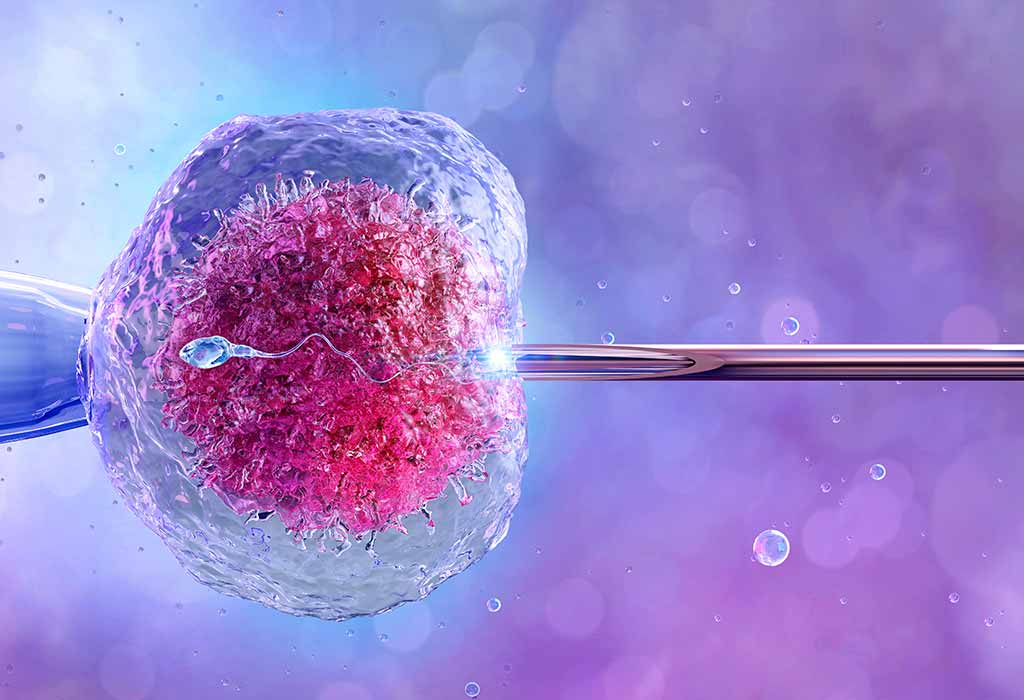
Zygote Intrafallopian Transfer (ZIFT) is a fertility treatment that may be offered to couples who require help conceiving through assisted reproductive technology (ART). Doctors may recommend this treatment in those cases where the fallopian tubes are blocked, thereby preventing the fertilisation of the sperm with the egg. This procedure, though not as popular as in vitro fertilisation (IVF), is quite similar to it. The only difference is, in ZIFT, the eggs are first fertilised in a lab, and then the fertilised embryo is directly implanted in the fallopian tubes and not the uterus. The fertilised eggs are known as zygotes. Zygotes are embryos that are single-celled as they still haven’t started dividing into further cells. Zygote Intrafallopian transfer is also called “Tubal Embryo Transfer” (TET), as the fertilised egg is directly placed into the fallopian tubes. ZIFT is often compared to another fertility treatment named Gamete intrafallopian transfer (GIFT). Research opines that ZIFT may have a higher success rate than GIFT as doctors have better chances of making sure that the egg fertilizes during the ZIFT procedure.
What Is Zygote Intrafallopian Transfer?
Zygote Intrafallopian transfer is an assisted reproductive technology treatment. This process involves the fertilisation of the eggs with the sperm in the lab. After fertilisation, the egg is laparoscopically placed into one of the fallopian tubes. The fertilised egg then travels through the fallopian tubes to reach the uterus, where it may get implanted, leading to pregnancy. Zygote Intrafallopian Transfer is considered to be a very invasive procedure as it involves laparoscopic surgery, wherein small incisions are made in the abdomen. Therefore, it may not be a preferred option for childless couples.
Who Is Treated With ZIFT?
Doctors may advise ZIFT if other means of treatment have failed. A woman with healthy fallopian tubes or even with one open fallopian tube has more chances of conceiving through the ZIFT process. Zygote intrafallopian transfer cannot be performed if there is significant damage to the tubes, blockage in the tubes or severe uterine impairment. This procedure may be recommended in cases where the sperm count of the man is low, and the woman has problems with ovulation. ZIFT may most effectively help women who are in their early 30s or younger. The success rate of the treatment and its possible health risks to the expecting mother may rise with the increasing age of the woman. If the sperm count of the man is really low, ZIFT may be performed in combination with Intracytoplasmic Sperm Injection(ICSI), a process which enhances the fertilisation rate by directly inserting the egg with a single sperm.
ZIFT Procedure
The stepwise procedure of how ZIFT is performed is as follows:
Stimulation of the Ovary: Doctors prescribe fertility medications to be taken at the start of the menstrual cycle. This is done so that ovaries get stimulated to release more mature eggs and prevent them from producing the eggs prematurely.
Development of Follicle: Doctors will then constantly monitor the eggs and the development of follicles through ultrasounds. Blood hormone levels are also regularly checked.
Collecting the Eggs: On maturing, the eggs are collected by inserting a thin needle into the vaginal wall.
Fertilisation: The mature eggs are then combined with the husband’s sperm and fertilised in the lab. After a day or so, the successfully fertilised eggs develop into zygotes (one-celled embryos).
Surgery: The fertilised embryo or zygote is transferred directly to the fallopian tube. This entails a small surgery. The surgery involves making a small incision in the abdomen after administering anaesthesia to the patient. The doctor, by using a laparoscope, then places 1 to 5 zygotes in the fallopian tubes. Any additional zygotes may be frozen for later use.
Implantation: The zygote journeys down the fallopian tube to reach the uterus, where it may get implanted and develop into a foetus.
Pregnancy Test: About two weeks after the surgery, the doctor may take a blood test to determine if the procedure has resulted in a successful pregnancy or not.
How Long Does Zygote Intrafallopian Transfer Take?
One procedural cycle of ZIFT, beginning with fertility drugs till the pregnancy test, may take about 4 to 6 weeks. This is because the eggs may take some time to mature. Thereafter, a day is required to collect and fertilize the eggs. Another visit becomes necessary to transfer the fertilised eggs into the fallopian tubes. The surgery is a small one, and the patient may go home the very same day.
Success Rate of ZIFT
The success rate of ZIFT largely depends on factors like the kind of fertility issue a couple has and also on the health and age of the couple seeking the procedure. A woman in her early 30s or even younger may generally produce healthier eggs and, therefore, have a greater rate of success. Studies have established the success rate of the ZIFT process to be between 25% and 40%. This implies that about one in every three ZIFT treatments leads to positive pregnancy results.
Advantages
Certain advantages of ZIFT can be listed as follows:
The ZIFT process seems more encouraging as the doctor gets to confirm the fertilisation of the eggs before inserting them into the fallopian tubes.
The process involves a more natural procedure as the embryo passes through the fallopian tubes to reach the uterus by itself.
According to new research, there is no possible link between fertility medications and cancer.
Disadvantages
On the other hand, ZIFT has a few disadvantages as well. They are as follows:
ZIFT is an invasive procedure as it involves a small surgery.
ZIFT process may lead to multiple pregnancies or births, which can pose greater complications during pregnancy like premature birth, miscarriage, or decisions to be made regarding partial abortion, keeping in mind the best interest of the mother’s health.
ZIFT procedure is an expensive treatment as it entails costly fertility medications, surgery, lab tests and ultrasounds.
ZIFT requires the doctor to choose the best embryo from the multiple zygotes, which implies discarding the remaining ones. Some couples are not comfortable with this selection process.
Similarities and Differences Between ZIFT and IVF
The similarities between ZIFT and IVF are:
ZIFT and IVF are artificial fertility treatments which may be offered to couples who are not able to conceive naturally.
In both methods, embryo culture is done.
Both processes empower the doctor to choose the best embryos for implantation.
ZIFT procedure is often compared to IVF. The key differences between the two methods are:
In ZIFT, the fertilised egg is placed in the fallopian tube, from where it journeys to the uterus on its own and in IVF, the fertilised embryo is directly transferred to the uterus.
ZIFT requires a small invasive surgery, whereas IVF doesn’t need any surgery.
Cost of ZIFT
ZIFT procedure is a costlier treatment when compared to IVF and GIFT. It may prove more expensive, depending on the nature of the fertility problem, the place where the couple resides and whether the insurance policy offers any aid to meet the cost of the treatment. The treatment may cost anything around 1.5 lakhs to 2 lakhs for each cycle of ZIFT.
ZIFT procedure offers childless couples a considerable chance of realising their dream of getting pregnant. It is always advisable to consult your doctor at length for proper guidance and knowledge about each aspect of the treatment before opting for it.
References/Resources:
1. Gamete And Zygote Intrafallopian Transfer (GIFT And ZIFT); NewYork-Presbyterian; https://www.nyp.org/healthlibrary/other-details/gamete-and-zygote-intrafallopian-transfer-gift-and-zift
2. Zygote Intrafallopian Transfer: ZIFT; American Pregnancy Association; https://americanpregnancy.org/getting-pregnant/infertility/zygote-intrafallopian-transfer/
3. Zygote Intrafallopian Transfer; International Encyclopedia of Public Health (Second Edition), 2017; https://www.sciencedirect.com/topics/medicine-and-dentistry/zygote-intrafallopian-transfer
4. Zhu. T; Zygote Intrafallopian Transfer; The Embryo Project Encyclopedia; https://embryo.asu.edu/pages/zygote-intrafallopian-transfer; January 2011
5. Tournaye. H, Devroey. P, Camus. M, Valkenburg. M, et al.; Zygote intrafallopian transfer or in vitro fertilization and embryo transfer for the treatment of male-factor infertility: a prospective randomized trial; Fertil Steril.; PubMed Central; https://pubmed.ncbi.nlm.nih.gov/1633900/; August 1992
Also Read:
Unexplained Infertility
Acupuncture for Infertility
Primary Infertility – Causes & Treatment
Assisted Reproductive Technology (ART) – Infertility Treatment
Read more

Male Infertility: Causes, Symptoms, Tests & Treatment
It is estimated that 15% of all couples experience difficulties conceiving because of infertility. Unfortunately, women have been made to bear the brunt as they are held responsible, but that isn’t always the case. Male infertility is a topic that is largely avoided by men due to the social stigma attached and due to the patriarchal nature of our society. Often, the inability to conceive is due to problems with sperm production, ultimately relating to male infertility.
What Is Infertility in Men, and How Common Is It?
When men are unable to impregnate a woman for at least one year of unprotected intercourse, it is termed male infertility. This could be due to various reasons, from hormonal issues to lifestyle factors. Regarding infertile couples, it is thought that as many as 50% of the cases are because of male infertility.
Causes of Male Infertility
90% of all male potency problems are due to low sperm count, poor sperm quality or both. Age is also a factor that could lead to male infertility. Male partners at the age of 40 or older have a hard time impregnating their female partners. Below are some of the medical, environmental and other reasons for male infertility:
1. Medical Causes
Varicocele: This is the enlargement of the veins within the scrotum and can cause a reduction in the sperm count.
Tumours: Growth of tumours in the testicles can affect male fertility as it interferes with sperm production.
Undescended Testicles: Descended testicles have a lower temperature than the body. Undescended testicles hinder sperm count as optimal production is only at a temperature slightly below the body.
2. Environmental Causes
Radiation: Radiation can reduce the ability of the testes to produce sperm or damage the structure of the sperm. People undergoing cancer treatment may be subjected to radiation, resulting in infertility.
Industrial Chemicals: Studies have shown that chemicals like lead reduce fertility in men. Men who live in communities close to factories may be subjected to irresponsible disposal of industrial waste and may be subjected to chemicals, such as lead and benzene. Other toxic chemicals, like fungicides, insecticides, and pesticides, are also known to hinder male fertility.
3. Health, Lifestyle and Other Causes
Alcohol: Drinking more than 20 units of alcohol weekly can decrease the odds of a successful conception.
Tobacco: A study conducted on Indian men showed that tobacco consumption decreased the quality of sperm and led to infertility.
Stress: Studies have shown that unpleasant experiences can have a negative impact on the ability of testicles to produce sperm.
Symptoms
While there are no obvious physical signs of male infertility, the below-mentioned signs and symptoms may indicate it.
Sexual dysfunction, like difficulty in getting an erection
Swelling of testicles
Reduced hair growth on the face or other parts of the body
Reduced sexual activity
Testicles that are small in size
Testicles that are hard and lumpy
Low sperm count
Ejaculation has negligible semen
Sperm that has a weird shape
Poor quality of sperm
Large twisted veins on the scrotum
Dull pain in the testicles
Inability to smell
Less body or facial hair
Diagnosis and Tests
Fertility tests in men can be done by checking the blood for hormones, a physical exam or inspecting the semen. While semen analysis continues to be the primary method for assessing male infertility, there have been significant advancements in diagnostic tests to enhance the evaluation of sperm quality and function. These innovative tests have been introduced to enhance the accuracy of diagnoses and improve the overall management of male infertility.
Blood Test: A blood test for male infertility examines the levels of follicle-stimulating hormones known as the Luteinising hormone. Low amounts of the hormone have been attributed to hypogonadism, whereas high amounts are known to cause abnormalities in sperm production. Both the
Semen Leukocyte Analysis: This test checks for any white blood cells in the semen. Its presence indicates a genital infection that can affect fertility.
Seminal Fructose Test: A negative test for this indicates that the individual has no sperm in their semen.
Post-Ejaculate Urinalysis: This test studies the urine after ejaculation to see if the semen is flowing into the bladder instead of going through the urethra.
Kruger Morphology: This test analyses the sperm structure to check for defects or abnormalities. An improper sperm structure has been attributed to poor fertility.
Anti-Sperm Antibodies Test: This test is used to check if there are any antibodies present in the semen that kill the sperm. This sometimes happens when there is an injury in the testicles.
Sperm Penetration Assay (SPA): This test is used to test the ability of the sperm to penetrate a woman’s egg.
Ultrasound: This is used to examine the testes to see if there are any abnormalities that could cause infertility.
Biopsy: A small tissue of the testicles is removed to check for cancerous cells. These cells hinder the ability of the testes to produce sperm.
Vasography: It is an X-ray to detect any blockages that may lead to poor sperm production.
Possible Male Infertility Complications
Male infertility is not life-threatening but can cause significant emotional damage. What makes male infertility difficult is that the treatment can often cause minor issues. Below are some of the associated complications men are likely to experience:
Emotional stress due to the inability to conceive
Marital discord
Feeling of hopelessness due to long treatment duration which prompts many men to discontinue treatment
Financial stress due to expensive treatments such as Gonadotropin treatment
Varicocele that has been left untreated for a long time cannot be corrected even with surgery
Feeling a loss of masculinity that leads to depression
Possible testicular damage while retrieving sperm for assisted reproductive techniques
Ridicule by relatives and society can lead to a man becoming introverted
Treatment
Below are some of the methods on how to cure male infertility.
Intracytoplasmic Sperm Injection: The sperm is directly into the egg for fertilisation.
Regulated Sex Life: Reducing the number of times that copulation takes place can improve the sperm count and improve the chances of conception.
Drug Therapy: Medicine for male fertility works at a hormonal level. For example, Clomid is given to activate the pituitary gland to produce sex hormones.
Electro-Ejaculation Therapy: This is a way of acquiring sperm in men who have neurological impairments. Small electrical jolts are given to the prostate and seminal vesicles to kickstart ejaculation.
Diet: Consuming the herbs and food items listed below can help improve male fertility.
Home Remedies to Improve Male Fertility
Going to a fertility clinic can be expensive and an unpleasant experience. Below are some natural medicines that can improve your fertility naturally.
Ashwagandha: A natural Viagra, it can not only increase the libido in a person but also increase the sperm count by more than 160%
Garlic: A natural treatment for male infertility, garlic helps reduce erectile dysfunctions and thus improves male potency.
Green Tea: The presence of epigallocatechin gallate in green tea is known to have a positive effect on sperm quality.
Ginko Leaves: Most erectile dysfunctions, which are a cause of male infertility, are because of cardiovascular issues. Ginko leaves have been known to increase blood flow and, as a result, improve male potency.
Oysters: Apart from being a powerful aphrodisiac, they are packed with zinc, which helps in sperm production.
Flaxseed Oil: One of the important ingredients for a male infertility diet is flaxseeds, which helps in prostrate health. It helps overall sperm upkeep with its rich reservoir of fatty acids and helps improve blood flow to the penis.
Other Medicines for Male Infertility
One of the main drugs for male infertility is Clomid. Though it is used by women, it can also be used by men. Male infertility supplements such as CountBoost and FertilAid are packed with vitamins and minerals that improve sperm health.
How to Manage Emotional Stress?
Learning about infertility can leave a man in shock. This is followed by anger, anxiety and a range of other emotions. Some of the methods to manage that emotional stress include:
Consider treatment options. A discussion with the partner is crucial to narrow down what method works best for both
Talking to a sexual therapist or counsellor can help reduce any tensions in the marriage/civil union
Picking up a hobby can help channel the negative energy
Talking to your spouse
Prevention
Avoid tight-fitting underwear
Avoid hot water showers
Good personal hygiene
Avoid excessive consumption of alcohol
Increase your intake of zinc and folic acid
Do yoga
Stay fit, as obesity has been known to affect sperm quality
Avoid multiple sexual partners prior to marriage, as STDs like genital warts can affect fertility
A moderate amount of sex to improve the sperm count
Cryopreservation for cancer treatment
When to Consult a Doctor?
While there are no outward signs that can detect male infertility, one can go to the doctor when
There is a low sexual drive
Inability to conceive a child even after trying for a year
Pain in the testicles
Prior surgery in the testicles may have reduced fertility, and treatment may be needed.
Male fertility can be challenging to deal with, but the success rates have been good, with more than 65%. Even in those situations where conventional methods don’t work, one can always opt for assisted reproductive methods or adoption.
References/Resources:
1. Leslie. S. W, Soon-Sutton. T. L, Khan. M. A. B; Male Infertility; NCBI; https://www.ncbi.nlm.nih.gov/books/NBK562258/; January 2023
2. Male infertility; Mayo Clinic; https://www.mayoclinic.org/diseases-conditions/male-infertility/symptoms-causes/syc-20374773
3. What is Male Infertility?; Urology Care Foundation; https://www.urologyhealth.org/urology-a-z/m/male-infertility
4. Male Infertility; Johns Hopkins Medicine; https://www.hopkinsmedicine.org/health/conditions-and-diseases/male-infertility
5. Male Infertility; Cleveland Clinic; https://my.clevelandclinic.org/health/diseases/17201-male-infertility
6. Infertility in men; Better Health Channel; https://www.betterhealth.vic.gov.au/health/conditionsandtreatments/infertility-in-men
7. Male Infertility; MedlinePlus; https://medlineplus.gov/maleinfertility.html
8. How common is male infertility, and what are its causes?; NIH; https://www.nichd.nih.gov/health/topics/menshealth/conditioninfo/infertility
9. Male Infertility; American Pregnancy Association; https://americanpregnancy.org/getting-pregnant/infertility/male-infertility/
10. Infertility; WHO; https://www.who.int/news-room/fact-sheets/detail/infertility
11. Male Infertility; Urologic Clinics of North America, 2020; https://www.sciencedirect.com/topics/medicine-and-dentistry/male-infertility
12. Agarwal. A, Baskaran. S, Parekh. N, et al.; Male infertility; The Lancet; https://www.thelancet.com/journals/lancet/article/PIIS0140-6736(20)32667-2/fulltext; January 2021
13. 10 reasons for male infertility; FIGO; https://www.figo.org/news/10-reasons-male-infertility
Also Read:
Male Fertility Tests
Azoospermia (No Sperm Count)
Male Fertility – Foods That Can Increase Sperm Count
Read more
Chromopertubation – Procedure, Risk, and More
Chromotubation, also called chromopertubation, is a procedure performed medically. The process involves the introduction of a blue-coloured dye into the uterine cavity through the cervix. As the dye flows through the fallopian tubes, it provides a visual confirmation of whether the tubes are open or blocked, which is crucial for women experiencing infertility. While this test is done to understand the causes of failing to conceive, you should conduct extensive research before getting this procedure done. In this article, we will walk you through the procedure in detail, including its purpose, step-by-step process, potential risks, and benefits.
What Is Chromotubation?
Chromotubation is part of a slight invasive surgery called laparoscopy. Chromotubation is a process of determining infertility issues. A block in the fallopian tubes could be one of the many causes of not getting pregnant. Chromotubation is a medical procedure performed under general anesthesia and can also determine other underlying issues possibly hindering chances of becoming pregnant (1).
Why Chromotubation Is Done?
The chromotubation procedure is performed to determine the reason for difficulties in getting pregnant during an infertility evaluation. During any blockages in the fallopian tube, the eggs cannot pass from the ovary to the uterus. This again prevents the eggs from reaching the sperm, which will not result in a pregnancy. Similarly, if both fallopian tubes are found blocked, infertility can be diagnosed (2).
What Happens During Chromotubation?
A surgical device equipped with a camera is placed in the abdominal opening via a small cut, vaguely just below the belly button. This helps the doctors to examine the internal organs- the fallopian tubes in this instance. Before placing the laparoscope, a uterine manipulator, a camera-like device, is placed through the vagina and the cervix in the uterus.
Then, a catheter is used to inject a dye into the uterus, and the fallopian tubes are monitored with the help of a laparoscope camera to see if the dye spills from the other end of the tube. There is no blockage if the dye comes out of the other end easily. However, if the dye does not come out, it indicates a blockage. It can indicate scarring or endometriosis (3).
Chromotubation Risks
Chromotubation is performed as a part of laparoscopy. As with any surgical procedure, it requires anaesthesia and does involve some risks, that include:
Injury to organs in the abdomen
Loss of blood
Damage to nerve
Allergic reactions to anesthesia
Blood clots
Scarred tissue
To separate the organs and clear visibility, gas is injected into the abdomen during the surgery. This gas could be one of the most common causes and common after-effects of the procedure. The shoulder is the part of the body that gets hit by the gas pressure at the top of the abdomen.
Chromotubation could be falsely indicated if a patient has an injury in the abdomen, any previous complication from surgery, or allergic reaction to anesthesia.
Chromotubation Treatment
If a laparoscopy with chromotubation is performed and a blockage is detected, minor treatments and procedures can help with the treatment.
1. Tube Resection
Often, surgeons can rectify the blockage during laparoscopic surgery. Endometriosis or linkages that are blocking the tubes could be resected. However, this does not necessarily guarantee fertility. Often, damage in the tubes that cannot be repaired could result from the cause of blockages. It could also be due to the blockage resulting from pressure built in the tube due to the block. Even if the tubes are resected at the time of surgery, it may not always work in the long run as scarring could return even post the healing process.
2. Removal of Fallopian Tube
If the surgeon believes that the tubes have internal damage after performing the chromotubation, the surgeon may suggest removing the tube as it may never function normally again (4). Removal of the tube does not mean that the patient cannot get pregnant. They will, however, have to undergo in-vitro fertilization to conceive. With the help of IVF, the sperm and eggs meet in the petri dish in the lab, where the embryo is placed directly in the uterus (5).
Other Testing Options
Given that chromotubation is a surgical procedure, many patients over the years have chosen non-invasive and non-surgical methods to determine any blockage. A few options are Hysterosalpingogram and Sonosalpingography. Both these procedures take less than 10 minutes and do not require anesthesia or surgery.
1. Hysterosalpingogram
A hysterosalpingogram is a procedure that uses contrast that is infused into the uterus before an X-ray. The X-ray reveals if the contrast is spilling out of the tube or not (6).
2. Sonosalpingography
A sonosalpingography is where air bubbles are infused into the uterus. Once this is done, a sonogram is taken to see if the bubble comes out of the tube (7).
While determining a couple’s fertility through investigation, it is imperative to determine whether the fallopian tubes are blocked. There are various ways to do this, and laparoscopy is one of the best ways. Apart from assessing the tubes, the laparoscopy procedure examines the organs of the pelvis that include the uterus, ovaries, and other surrounding organs. Endometriosis and scarred tissues are conditions that can be determined through laparoscopy. A laparoscopy with chromotubation ascertains the cause of infertility and is a diagnostic procedure to determine more about the fallopian tubes.
FAQs
1. Does chromotubation hurt?
There may be some pain around the area where incisions have been made on the abdomen. There could be slight bruising around the lower abdomen. It is also common to experience discomfort on the right shoulder or around the neck.
2. How do I know my fallopian tube is blocked?
The chromotubation procedure is performed by sedating the patient using general anesthesia. The laparoscope is inserted using a small cut on the skin with a tiny camera attached to it. A metal or plastic tube is placed into the uterus through the cervix, and a blue dye is passed through this tube. This passes through the uterine cavity and the fallopian tubes. If the tubes have no blockage, then the dye can be seen as spilling out of the ends of the tubes, which will be visible through the laparoscope camera. However, if the dye does not flow back into the uterus cavity, then it is evident that there is a block in the tube. Apart from evaluating the blockage in tubes, a laparoscopy with chromotubation also identifies other causes of infertility like endometriosis and scarring of tissues in the pelvic region.
3. Can I get pregnant after a laparoscopy?
It is advisable not to try to get pregnant immediately after a laparoscopic chromopertubation. Post-chromotubation recovery can take some time. It takes a few weeks to recover from the pain and bloating you would experience after the laparoscopy. So, surgeons advise giving it a few weeks to try getting pregnant after the laparoscopy procedure.
It is essential to recover before engaging in any physical activity, and that includes intercourse. This could vary from a few days to many weeks. It is vital to listen to your body and stay safe from any complications. Plenty of rest and ample nutrition is vital for a faster recovery. If you experience any pain during intercourse, stop and give your body time to heal. If pain continues, consult a doctor.
4. How long does a laparoscopy and dye take?
The procedure of laparoscopy with chromotubation is performed under general anesthesia. The entire procedure should take about fifteen minutes.
As with any medical intervention, it’s important to ensure that it aligns with individual health needs and circumstances. For women struggling with infertility, chromotubation procedure can provide essential information, guiding doctors toward the most effective treatment options.
References/Resources:
1. PubMed Central – Fertility Improvement of Hysteroscopy with Chromopertubation in the Management of Infertile Women with Hysterosalpingography Evidence of Abnormal Tubal Patency: A Prospective Comparative Study
2. Tampa General Hospital – Chromopertubation
3. INTERNATIONAL INSTITUTE OF ANTICANCER RESEARCH – Chromopertubation – Presentation of a Modification of the Standard Technique
4. Healthdirect – Salpingectomy
5. Cleveland Clinic – IVF (In Vitro Fertilization)
6. Cleveland Clinic – Hysterosalpingogram
7. International Society of Ultrasound in Obstetrics and Gynecology – Sonosalpingography
Also Read:
Treatment of Primary Infertility
Ovulation Induction Therapy for Infertility
Intrauterine Insemination Process for Infertility
Gamete Intrafallopian Transfer (GIFT)
Read more

An Unforgettable Journey – From PCOD to Motherhood
Motherhood is a blessing that most female eagerly waits for. But sometimes it is just a dream which is far from reality for a few females.
PCOD/PCOS is becoming common nowadays and is happening to every 1 in 5 girls. It is such an issue, and if it is not addressed at the right time, then this could lead to infertility.
I was diagnosed with PCOD after a couple of months of my marriage in the year 2017. Our world suddenly turned upside down when I learned about this disorder. I consulted many doctors in Delhi but all in vain. They all suggested that I must get an IVF, and were least interested in treating the condition.
My husband and I were not in favour of this and started looking for another doctor. Luckily, we found one who not only cured the disorder but assured us that we would conceive naturally.
After two long years of medications, the day I had been waiting for finally arrived, and the doctor said that I had been cured completely of PCOD. These words were sheer poetry to my ears. That day was the beginning of good days in our lives.
Months passed and out of nowhere, I realised that I had missed my period. I then checked and found the result to be “positive”.
We were over the moon after getting to know that we are pregnant!! Nothing in the world can be compared to the joy and happiness of having able to carry a baby within you.
I felt blessed that I could experience this beautiful phase of motherhood.
The start was rough, but the ending was just amazing. We welcomed our angel on 04 Jan 2020. Soon she will be turning a year old. This journey of the first year has been wonderful. I wish all the luck to all those who are expecting and those who are planning. Those who have welcomed their kids, good luck to them as well.
STAY SAFE!!
Disclaimer: The views, opinions and positions (including content in any form) expressed within this post are those of the author alone. The accuracy, completeness and validity of any statements made within this article are not guaranteed. We accept no liability for any errors, omissions or representations. The responsibility for intellectual property rights of this content rests with the author and any liability with regards to infringement of intellectual property rights remains with him/her.
Read more

My Story of False Diagnosis of Missed Miscarriage (Absent Heartbeat)
I want to share the story of my pregnancy that was declared a missed miscarriage, but now I am the proud mother of a 9-month-old. Maybe my story will give people hope, if they suffer from the same.
During the 4th week of my pregnancy, I did a beta hCG. Being a doctor, I preferred a more accurate method than a home pregnancy test. Also my curiosity made us do a beta hcg. It was 186 – a confirmed pregnancy! As we had done IUI, I was pretty sure about my dates. I made a call to my gynaecologist, and scheduled an appointment for the 5th week.
We went for the check-up at the scheduled time. The doctor did a vaginal sonography. He could not find a gestational sac. So, he asked us to do a repeat hCG. It came to 1500. hCG is a marker of a healthy pregnancy. During a very early pregnancy, if it is getting doubled in 48 days, then the pregnancy is healthy.
We went for a checkup again after 3 days. Again, he performed a vaginal scan, and could not find a sac. He suspected a tubal pregnancy, and suggested surgery. My husband and I were not convinced, so we thought of doing sonograms with a radiologist.
We went to a radiologist the very next day, and by God’s grace, there was a sac. There was no implantation in the tubes. I was very happy. But, happiness does not last long. We had the next USG in 10 days, to check the viability of the pregnancy and to check the foetus heart beat. The day came, and we were very excited to see the tiny heart beating. But, we were shocked when the radiologist said that the baby did not have any cardiac activity (no heartbeat). I could not help crying.
We could not accept it. We went for a second opinion. That doctor asked for a hCG blood test again. She said if it’s increasing, then we can wait, but if not, we must do an abortion ASAP. The report gave us some hope, as the hCG level had increased. She prescribed me hCG 5000 injections once a week for 2 weeks, and to repeat use.
That was the longest 15 days of our life. I tried to be optimistic, but sometimes, I would burst into tears thinking that I might be carrying a dead foetus.
After a long wait, the day came. We went for a USG during the 8th week of pregnancy, with the least hope of a positive result. But, God had planned our happiness, which had no bar when the radiologist touched the probe on my abdomen, and there was a moving dot (heartbeat) on the screen. He said there was cardiac activity, and also it was a healthy pregnancy, though the dates were off by a week. That was not a thing to worry about for us at that moment, as we got what we never expected.
That tiny miracle is 9 months old now. If this happened with us, it could happen with you, too. So, please believe in your motherly instinct. Never lose hope till the end. The doctor too can be wrong. Always seek a 2nd opinion before aborting.
Disclaimer: The views, opinions and positions (including content in any form) expressed within this post are those of the author alone. The accuracy, completeness and validity of any statements made within this article are not guaranteed. We accept no liability for any errors, omissions or representations. The responsibility for intellectual property rights of this content rests with the author and any liability with regards to infringement of intellectual property rights remains with him/her.
Read more

50 Uplifting Infertility Quotes for Tough Times
The journey to parenthood can be full of challenges and for some couples, these challenges can start right from the moment when they consider planning for a baby. A couple who is trying to get pregnant for a while now but not getting the good news may wonder what’s wrong with them. One of the reasons for not being able to conceive could be infertility, but there’s no need to lose hope. There are various treatments available that could help one get pregnant and bring their bundle of joy in their lives. And here’s something for you that will inspire you to stay strong while you try to get pregnant. We bring you positive infertility quotes that will help you stay strong on this hard journey.
Inspirational Quotes About Infertility
This collection of infertility motivational quotes will help you and your partner stay positive throughout the journey! You will learn, through these motivational quotes for infertility that hope is everything.
1. “You may have to fight a battle more than once to win it.” — Margaret Thatcher
2. “Courage doesn’t always roar. Sometimes courage is the little voice at the end of the day that says I’ll try again tomorrow.” — Mary Anne Radmacher
3. “I am learning to trust the journey even when I do not understand it.” — Mila Bron
4. “Doubt kills more dreams than failure ever will.” — Suzy Kassem
5. “Hope is the thing with feathers – That perches in the soul – And sings the tune without the words –And never stops – at all.” — Emily Dickinson
6. “I was taught the way of progress is neither swift nor easy.” — Marie Curie
7. “Life is tough, my darling, but so are you.” — Stephanie Bennett-Henry
8. “And you begin again and sometimes you lose, sometimes you win, but you begin again. Even though your heart is breaking, in time the sun will shine and you will begin again.” — Barry Manilow
9. “A strong woman looks a challenge dead in the eye and gives it a wink.” — Gina Carey
10. “Above all, be the heroine of your life, not the victim.” — Nora Ephron
11. “Not everyone will understand your journey. That’s fine. It’s not their journey to make sense of. It’s yours.” ― Zero Dean
12. “People cry not because they’re weak but because they’ve been strong for too long” — Johnny Depp
13. “Just because your path is different doesn’t mean you’re lost.” — Gerard Abrams
14. “You always pass failure on your way to success.” — Mickey Rooney
15. “You never know how strong you are until being strong is your only choice.” — Bob Marley
Hopeful Quotes on Infertility
When the journey feels long and uncertain, hope can be the light that gets you through. These fertility quotes are gentle reminders to keep believing, even on the hardest days.
1. “People talk about the miracle of birth. No. There’s the miracle of conception. I did IVF, but nothing happened. So I began to think of adoption, and then I got pregnant. It was definitely a miracle.” —Iman
2. “It always seems impossible until it’s done.” — Nelson Mandela
3. “Let your hopes, not your hurts, shape your future.” — Robert H. Schuller
4. “Never confuse a single defeat with a final defeat.” — F. Scott Fitzgerald
5. “Love recognises no barriers. It jumps hurdles, leaps fences, penetrates walls to arrive at its destination full of hope.” — Maya Angelou
6. “Hope is the only thing stronger than fear.” — Robert Ludlum
7. “Faith is taking the first step, even when you don’t see the whole staircase.” — Martin Luther King, Jr.
8. “No matter how your heart is grieving, if you keep on believing, the dream that you wish will come true.” — Cinderella
9. “Hang on to your hat. Hang on to your hope. And wind the clock, for tomorrow is another day.” — E.B. White
10. “Hope is being able to see that there is light despite all of the darkness.” — Desmond Tutu
Infertility Quotes About the Desire to Have a Baby
The longing to hold a baby in your arms can be overwhelming. These quotes for infertility speak to that deep desire and the love you already carry in your heart for the child you’re dreaming of.
1. “However motherhood comes to you, it’s a miracle.” — Valerie Harper
2. “Infertility is this huge emotional roller coaster. If you want in your heart more than anything to have a baby, it’s the hardest thing you will ever go through physically, emotionally, and financially.” — Cindy Margolis
3. “Oh, what a power is motherhood, possessing a potent spell. All women alike fight fiercely for a child.” — Euripides
4. “Parenting begins the moment you make any conscious effort to care for your own health in preparation for enhancing your child’s conception.” — Carista Luminare-Rosen
5. “Even miracles take a little time.” — Fairy Godmother, Cinderella
6. “There is purpose in your season of waiting.” — Megan Smalley
7. “As long as we are persistent in our pursuit of our deepest destiny, we will continue to grow. We cannot choose the day or time when we will fully bloom. It happens on its own.” — Denis Waitley
8. “A goal without a plan is just a wish.” — Antoine de Saint-Exupéry
9. “Whatever the struggle, continue the climb. It may be only one step to the summit.” — Diane Westlake
10. “Believe me, the reward is not so great without the struggle.” — Wilma Rudolph
Infertility Quotes for Those Struggling to Conceive
Trying to conceive without success can be an emotional rollercoaster. These quotes are for the moments when you need to feel seen, understood, and supported.
1. “After a while, when you’re not successful, you start to associate the word ‘failure’ every time you pee on a stick and it doesn’t come out the right colour. What starts out as a dream becomes a project that’s all-consuming — everywhere you look, women are pregnant, and every song on the radio seems like it’s all about being pregnant! It becomes a very frustrating, frightening place.” — Brooke Shields (Down Came the Rain)
2. “Going through years-long infertility struggles is not for the faint of heart. It can either make or break your marital relationship. Make the determined commitment that no matter what happens, you and your husband were…and are a couple first.” — Cheryl
3. “Infertility often comes with grief and loss. You have to let go of the vision of how long the journey will be and learn to flow and become stronger through the process.” — Halle Tecco
4. “I found that each time a test was negative, it stopped the dreaming and hoping for a while. Taking the test was a way of puncturing the balloons of hope because if I didn’t, they would lift and lift without any evidence, and their falling back down every month was too painful. Essentially, I took all these tests to keep myself from hoping, because the hoping was breaking my heart.” — Shauna Niequist (Bread and Wine: A Love Letter to Life Around the Table with Recipes)
5. “I learned that all pain and loss is, in fact, a gift. Having miscarriages taught me that I had to mother myself before I could be a mother to someone else.” — Beyonce
6. “The English language lacks the words to mourn an absence. For the loss of a parent, grandparent, spouse, child or friend, we have all manner of words and phrases, some helpful, some not. Still, we are conditioned to say something, even if it is only “I’m sorry for your loss.” But for an absence, for someone who was never there at all, we are wordless to capture that particular emptiness. For those who deeply want children and are denied them, those missing babies hover like silent ephemeral shadows over their lives. Who can describe the feel of a tiny hand that is never held?” — Laura Bush
7. “Anyone that’s been in the place of wanting another child or wanting a child knows the disappointment, the pain, and the loss that you go through trying and struggling with fertility.” — Nicole Kidman
8. “The life an infertile person seeks comes to her not by accident and not by fate but by hard-fought choices. How to put together the portfolio of photographs. How to answer at the home study.” — Belle Boggs
9. “For those who deeply want children and are denied them, those missing babies hover like silent ephemeral shadows over their lives. Who can describe the feel of a tiny hand that is never held?” — Laura Bush, Spoken From The Heart
10. “It is one thing, I was discovering, to think, “Maybe I won’t have kids” and quite another to be told, “Maybe you can’t.” This is how impatience turns to desperation.” — Peggy Orenstein
11. “They don’t get the particular nature of this grief, how it’s less about the loss of a potential child than it is about the endless possibility that there may yet be an actual child.” — Alexandra Kimball
12. “Women often endure infertility, pregnancy, infant loss, miscarriages and stillbirths in isolation, because while sadness is a socially palatable response to these often life-altering events, rage, frustration, jealousy and guilt are not.” — Soraya Chemaly
13. “The world was selfish, unjust. How could so many undeserving people be given the opportunity to raise children they didn’t even want while so many worthy individuals didn’t get the chance?” — Brittainy C.
14. “Is there anyone dearer than the children of people you love, especially when you don’t have your own?” — Lisa Unger
15. “There’s a unique pain that comes from preparing a place in your heart for a child that never comes.” — David Platt
FAQs
1. How can I emotionally cope with infertility?
Infertility can bring grief, isolation, and anxiety. Seeking support from a therapist, joining a support group, journaling, or simply talking with loved ones can help. Give yourself permission to grieve, feel, and rest.
2. Can reading inspirational quotes really help my mindset?
Yes. While they’re not a solution to infertility, uplifting quotes can shift your focus, bring emotional relief, and give you something positive to hold onto, especially on the days that feel heavier than others.
Your journey to parenthood might be full of challenges, but do not lose hope. The moment you feel low, read these quotes to fill positivity in you. On your fertility journey, it is important to realise that hope is everything. There’s a thin line between giving up and pressing forward to reaching your goal. Keep your hope alive through this list of inspirational infertility quotes, and take good care of your health, eat nutritious food, and exercise regularly, and soon you will have your little one who will bring happiness in your lives!
Also Read:
Best Parenting Quotes
Pregnancy Quotes and Sayings
Rainbow Baby Quotes and Sayings
Encouraging Quotes for New Mom
Read more

Can Chlamydia Cause Infertility in Men and Women?
Sexually transmitted diseases or STDs may sometimes impact your fertility and chlamydia is one such STD that may sometimes affect male and female fertility! However, can chlamydia cause infertility problems and affect your chances of getting pregnant or the possibility of having a baby, well, read on the following post to know more about this condition, its causes, symptoms, diagnosis, treatment options, and other associated aspects!s
What is Chlamydia?
Chlamydia is one of the most common STDs and this ailment can aptly be called a silent killer because it does not show any outward or evident symptoms. Chlamydia is caused by a bacterium known as Chlamydia Trachomatis. This bacteria may get transferred during unprotected sex without the use of condoms. People infected with the condition may not know for weeks, months or even years, that they are infected with the condition and may infect others too. This disease infects approximately 3 million people every year with the higher per cent found in the age group of 18 to 24 years of sexually active adults.
Causes of Chlamydia
Chlamydia transmits through the bodily fluids of an infected person through vaginal, anal, or oral sex. The bacterium enters the body through the cervix, urethra, rectum, or throat. Men who are infected can acquire and transmit the infection even without ejaculating.
A pregnant woman who has chlamydia may infect her baby during the vaginal birth. The baby infection may have pneumonia (infection in the lungs) or conjunctivitis (infection in the eyes), as a result.
Can Chlamydia Lead to Infertility in Men and Women?
Sexually transmitted diseases such as chlamydia that are caused by pathogenic bacteria may lead to pelvic inflammatory disease. Under such a condition, bacteria may enter the reproductive tract, fallopian tubes, or uterus, leading to inflammation and scarring. This, in turn, may lead to chronic pain, ectopic pregnancy, or also increase the chances of being infertile. If a woman is suffering from chlamydia, she is at a high risk of developing HIV too. However, chlamydia may not lead to such severe complications in men.
Symptoms of Chlamydia
The strangest fact is that there are not any evident signs and symptoms of this condition and this can be a cause of concern because you may have it and not even know about it. Approximately 70 per cent of women and 50 per cent of men suffering from chlamydia may not show any symptoms. However, those who experience may often mistake it for infection in the cervix or urethra. Here are some signs of this condition:
Experiencing pain during sexual intercourse.
Experiencing pain or a burning sensation while urinating.
Abnormal or strong-smelling vaginal discharge.
Experiencing pain in the lower belly.
Watery or milky discharge from the penis.
Experiencing bleeding between periods.
Discharge, pain or even bleeding from the anus.
Experiencing tenderness or swelling in the testicles.
Long Terms Effects of Chlamydia in Men and Women
Following are some long-term effects of this condition in men and women:
In Men
Here are some of the long-term effects of chlamydia on men:
Chlamydia can lead to pelvic pain and infertility.
It can cause epididymitis, a condition that is characterised by inflammation in the epididymis, which is a tube that carries the sperm.
In Women
Some of the long-term effects of chlamydia include the following:
It can lead to ectopic pregnancy, a condition where the embryo develops outside inside of inside the womb.
It can cause inflammation in the cervix, also known as cervicitis.
It can cause pelvic inflammatory disease or PID.
It can cause blockage in the Bartholin glands, which helps in lubricating the vagina.
Who is at a Higher Risk?
Well, it is established from the above section that chlamydia can have long effects on both women as well as men. However, this condition is more prevalent in younger women, who are under the age of 25 years. Also, women who are on oral contraceptive pills, coil, implants, or other such methods of contraception other than condoms, are at an increased risk.
It is very difficult to establish the symptoms of this disease, which means if you have it then you can easily spread it to the person you have sex with. The risk is highest in people with more than one sexual partner, incorrect or inconsistent use of condoms, or who have a history of any kind of sexual disease.
Also, in women who have a condition where the cervical cells are on the outside, also known as cervical ectropion, there is an increased risk of catching infections like chlamydia.
How Long Does it Take for Chlamydia to Cause Infertility in Males and Females?
Women who get infected with this condition may be affected with a PID or pelvic inflammatory disease (may happen in 10 to 40 percent cases). PID is a condition that can scar the fallopian tubes, ovaries, and womb of the infected woman and if the condition has been there for long then it may lead to scarring and blockage in the fallopian tubes. If such a condition occurs in men, then it may hamper the sperm to get to the egg. This means that if this condition develops in PID, it may lead to infertility.
Chlamydia may affect male fertility also a great deal by affecting the quality of the sperm and also by reducing the sperm count. This condition also increases the chances of infection in the tube that carries sperms, which is also known as epididymitis. This may lead to scarring in the male reproductive parts and, thus, leads to infertility. However, there are no definitive parameters to establish a chlamydia infertility timeline. In simple words, it is difficult to establish how long will it take for this condition to cause infertility is not clearly known. If you are wondering how to know if chlamydia has caused infertility, it mainly depends on the extent of infection and it helps in determining whether or not it may lead to infertility. Therefore, in order to be safe, it is better to treat it as soon as you establish any signs or symptoms of the disease.
Again, just because you have chlamydia for a really long time does not necessarily mean that you are infertile or if you are thinking that chlamydia can make you infertile forever, that may not be the case. This is because there are many men and women who have this condition but did not develop any severe complications.
Diagnosis
Chlamydia shows very mild symptoms which may sometimes go neglected or associated with other STD infections, therefore, the best way to confirm whether or not you have this condition is by getting a lab test done. Usually, your doctor will advise you to get yourself tested if you are sexually active and are of 25 years age or younger, you are a pregnant woman (and tested positive during the first prenatal visit) or you fall in the high-risk category of men and women (those who have multiple sexual partners, have had STD before, etc.). The testing or screening for this condition is fairly simple. Your doctor will ask to get your urine tested to check for any infection. A swab test can be conducted for antigen or culture tests of chlamydia.
If your test results are positive and you will be treated for the same, your doctor may recommend a re-test after three months to establish whether there are any traces of the infection or not.
Treatment
The treatment of this STD is very simple and a course of antibiotics can help treat the condition. Your doctor can prescribe a one-time dose or prescribe medicine that needs to be taken twice or thrice a day for a stipulated period of time. You will be advised against sexual intercourse during the course of treatment. Your sexual partner will also need to take medicines, even if they show no signs, or else the infection may keep transmitting back and forth.
The best way to keep this condition at bay is by practising safer sex and also by using condoms to reduce the chances of catching the infection. Make sure you get yourself regularly tested if you are sexually active.
Also Read:
Reasons of Infertility in Males & Females
Azoospermia (No Sperm Count)
Ovulation Induction Treatment for Infertility
Read more

Getting PGS and PGD Before IVF Treatment
Genetic testing methods like PGS and PGS when combined with IVF treatment reduce the possibility of passing on genetic diseases to the child, risk of recurring miscarriages, and also improve the odds of getting pregnant.
Both these genetic screening technologies require IVF and are different in the way they are used. Both these treatments also differ in their methods of application. They do not guarantee a healthy birth but can be helpful for those couples trying to get pregnant without much success. You can decide if PGS/PGD with IVF is suited for your family. But before that, you must understand the procedure, its impact, costs and risks associated with each of these technologies. Read on to find out more in detail about these genetic testing methods that are being used by fertility doctors to help couples have a healthy pregnancy.
What Is Preimplantation Genetic Screening (PGS)?
Preimplantation genetic screening (PGS) does not look for specific genes but the overall chromosomal makeup of the embryo. Embryos are classified into two types: euploidy and aneuploidy. Under normal circumstances, the egg and sperm both contribute 23 chromosomes each. Together, they create a healthy embryo with 46 chromosomes and this is what is called an aneuploid embryo.
In some cases, if an embryo happens to have an extra chromosome or misses one it is called aneuploidy. Aneuploidy embryos, in most cases, fail to implant or result in a miscarriage. In exceptional circumstances, it can result in pregnancy and birth, and the child born may be born with mental or physical disabilities. Down’s Syndrome is an example of an additional chromosome. PGS testing results can identify this prior to the embryo being transferred to the uterus. PGS can also determine the genetic gender of the embryo. Comprehensive Chromosome Screening (CCS) is a technique used in PGS that identifies whether the chromosome is XY ( male) or XX (female). This is done to avoid any particular gender-linked disorder or to balance family.
To Whom is PGS Recommended?
PGS is recommended to those parents who do not have a history of known genetic abnormalities. It is also recommended to patients who meet the below criteria:
Couples who wish to know the sex of the baby.
The female partner is over 38 years of age.
Couples who are interested in single embryo transfer.
Couples who have a history of miscarriages.
Couples who have a record of failed IVF treatment or implantation.
Reasons for Considering Preimplantation Genetic Screening
Listed below are a few common reasons why PGS may be used with infertility treatment.
It may improve the chances of success for a single embryo transfer.
With an elective single embryo transfer, doctors transfer just one healthy embryo through IVF. This improves the odds of pregnancy, reduces the risk of miscarriages and also the risk of multiple births, which can be a risk to the mother and babies.
2. To identify the gender of the baby.
PGS can help detect the gender of the baby and thereby reduce the risk of gender-based genetic diseases.
3. It may help lower the risk of miscarriage.
Miscarriage is common in 25% of pregnancies. Having recurrent miscarriages (three times in a row) is not a good sign. It could be detrimental to the mother’s health and also reduce the chances of getting pregnant. PGS helps to reduce the odds of having a miscarriage.
4. Increasing the chances of pregnancy through IVF
Fertility doctors recommend IVF to enhance the chances of getting pregnant especially where there is male infertility, repeated failed attempts of IVF implantation and women who are beyond maternal age. There are some clinics who offer PGS mandatorily with IVF to all patients.
PGS IVF Procedure
PGS testing for IVF is done in two methods. There are several methods to screen the presences of 24 chromosomes and it is called Comprehensive Chromosomal Screening ( CCS). The most common methods for CCS are Array-Comparative Genomic Hybridization ( aCGH) and Next-Generation Sequencing (NGS). Both these methods are performed on several cells on an embryo that is 5-6 days old. In some cases, it is done on some cells on embryos that are 3 days old too. The steps involved are performed by experts and laboratories:
Embryos are produced with conventional IVF or intracytoplasmic sperm injection (ICSI) and these fertilized embryos are cultured for 3-5 days.
Embryo biopsy is performed on the third or fifth day of development. On day 3, embryo biopsy involves removing one or two cells for testing.
Once the biopsy of cells is completed, it is placed in test tubes and transported on the same day to reference laboratories for analysis.
The cells are analysed to check for any inconsistencies.
The results of the analysis take about 24 hours, so the embryos have to be frozen by a method called vitrification.
Finally, the embryos are thawed. A single embryo with a normal PGS result is picked and the embryo is transferred back into the uterus in the subsequent IVF procedure.
Cost of PGS
Different clinics charge different rates for PGS treatment. The cost of PGS treatment is over and above the cost of IVF treatment. Typically, PGS treatment will cost about $3000 -$5000 in addition to the IVF treatment. Each clinic will differ in their charges depending on the number of embryos they test. Over and above, you may also need to pay for the frozen embryo transfer cycle too.
PGS Accuracy
The PGS normal embryo success rate in combination with IVF treatment depends on the result of the number of embryos produced in the IVF cycle. As per research, there is a 60%-80% chance of a live birth rate when the chosen frozen embryo is transferred in an IVF cycle. This data has a positive bearing on women who undergo PGS and IVF and are over maternal age, at risk of miscarriages and have had previous IVF failure. There is always a chance of no embryos being suitable for transfer to the womb for the following reasons:
Failure to produce enough eggs or less unfertilized eggs.
Damage to the embryos while removing the cells.
All the embryos are aneuploid.
What Is Preimplantation Genetic Diagnosis (PGD)?
PGD is more of a diagnosis. PGD is used to identify a specific disease or a set of genetic diseases in an embryo. This is to avoid passing on the genetic disease. There are times when both PGD and PGS are needed. It can also be done when a couple has a genetic disease and they do not want to pass it on to the child. PGD does not test one single embryo for all possible diseases. It tests for one specific disease and does not tell you any other possible genetic diseases that could be present. PGD is suited for anyone who knows they are at risk of passing a chromosome abnormality or genetic disease to the child. Through this process, the laboratory determines the embryos that are unaffected and suitable for uterine transfer. Couples opting for PGD also conduct genetic tests like amniocentesis and chorionic villus sampling during pregnancy.
To Whom Is PGD Recommended?
PGD is recommended to couples who have a particular genetic tendency. It is done to ascertain the probability of passing on the abnormality. The following are those who could get it done:
Couple with a family history of aneuploidy (imbalance in a number of chromosomes) resulting in miscarriage, Down’s syndrome, and birth defects.
Families with single-gene defects like sickle cell, anaemia, muscular dystrophy, and cystic fibrosis.
Reasons Why Preimplantation Genetic Diagnosis Maybe Recommended
The possible reasons why a doctor may recommend PGD are:
To prevent the specific genetic disease from getting passed on to the baby.
The most common reason is to determine the likelihood of whether a genetic disease is likely to be passed on to the child.
2. To detect abnormalities in the embryos.
PGD is useful to detect abnormalities in chromosome numbers, translocations, hereditary cancer and genetic mutations.
For gender selection.
Many couples choose to use PGD to select the gender of their child.
PGD IVF Procedure
PGD is performed during the IVF procedure. Eggs are fertilized in a petri-dish and placed in a special incubator. Eggs grow for up to 5-7 days until they reach the size of hundred cells which is called a blastocyst. At this stage, doctors perform ‘trophectoderm biopsy’ by removing cells from the area which forms the placenta (cells developing into the foetus are not used in PGD). The embryo is held under a microscope using a pipette. A hole is created in the shell around the embryo using a laser and another pipette draws out a few cells away from the embryo. While doctors perform genetic testing on the extracted cells, the embryos are frozen. Doctors carry a genetic probe based on the genes of the parents and the disease they carry. This probe is then used on the biopsied cells to locate the embryos which have the disease, may carry it or are normal. Normal embryos are thawed and transferred to the uterus to complete the IVF procedure.
Cost of PGD
PGD costs about $3000-$5000 over the IVF treatment which costs $12,000.The PGD cost includes the fertility boosting medications and it increases the total cost of the treatment by a few thousand dollars. The costs vary according to the type of tests and the number of tests performed. Some insurance companies may cover the cost of the treatment.
PGD Accuracy
PGD is able to diagnose the presence of genetic defects and the accuracy is up to 98% in most cases. Post undergoing PGD, prenatal testing like amniocentesis and chorionic villus sampling (CVS) will be recommended to confirm the results of PGD diagnosis. The revelation of genetic defects prior to pregnancy reduces the risk of a foetus being affected significantly.
Difference Between Genetic Testing and PGD/PGS Testing
PGS and PGD testing take place during preimplantation. Prenatal testing is done when implantation has occurred and is done once pregnancy is established.
CVS and amniocentesis identify chromosomal abnormalities in the unborn foetus letting the couple decide whether they wish to terminate the pregnancy.
PGS and PGD are not final determinants of the existence of genetic defects. Doctors, very often, recommend prenatal testing in addition to PGS/PGD in case there is an error.
Risks Involved With PGS/PGD Testing
Any IVF treatment involving PGS and PGD comes with the associated risk of conventional IVF treatment. There are additional risks involved for those considering PGD/PGS:
Birth rates will not be similar to those of age-similar peers. The main reason being some embryos may not survive the process and some may come back with negative results.
Biopsy done on day 5 embryos carries the risk of identical twinning.
The chances of errors are more. Embryos tested as abnormal may be ‘normal’ and vice versa. This could result in healthy embryos being discarded.
If all the embryos test negative then there will be no transfer resulting in loss of money, time and mental trauma.
Vitrification and thawing can lead to the loss of healthy embryos.
A few healthy embryos may not stay alive until day 5, when the eggs are retrieved.
Conducting biopsy on day 3 of the embryos may lead to the embryos not developing.
PGD/PGS is not a guaranteed success. A child may still be born with genetic diseases which are why doctors recommend prenatal testing in addition to PGS/PGD for additional assurance.
Both PGS/PGD testing along with prenatal tests do not guarantee a baby with no physical or mental disability.
PGS aids in reducing the odds of a miscarriage but there is still an element of risk involved.
The wait for results and the need to make a decision about embryos that come with inconsistent results can be emotionally draining.
The technology is relatively new and we do not know what long-term effect PGS/PGD and IVF treatment can have on children post their birth.
Genetic screening tests have made families with genetic disorders or chromosomal translocations get a better chance of having a healthy baby. It has also helped the lives of doctors by helping them select healthy embryos. By reducing the chances of miscarriage and the chance of a healthier baby, these assistive technologies are helping the lives of many childless couples and bringing a ray of hope in their lives.
Also Read:
Effective Success Tips for IVF
Side-Effects and Risks of IVF
IUI vs IVF: Which One is Right for You?
Read more

Azoospermia (No Sperm Count) – Causes, Symptoms, and Treatment
If you and your partner are having unprotected sex for a while now (a year, to be precise) in order to conceive, and not getting the ‘good news’, chances are that you could be infertile. For a couple who is eager to have a baby, hearing that they are infertile can obviously be disheartening and intimidating. After trying to conceive for a year now, you may suspect that you could have infertility issues and may wonder what you should do next. The first thing that you need to know is that you’re not alone. Many couples face infertility issues and half of these cases can be attributed to male infertility, and one of the possible reasons for the same can be azoospermia.
In this article, we will tell you about this infertility condition that affects men, its types, causes, treatment, and more.
What Is Azoospermia?
Azoospermia is a male infertility condition where there is no sperm found in the ejaculate or the semen after the orgasm. Though it is a very rare condition, however, zero sperm count or azoospermia is a very severe form of infertility condition that may affect 1 in 10 men experiencing male infertility. Men who suffer from this condition have usually normal semen volumes or fluids and they may not be aware until or unless they get themselves tested. If your spouse has infertility issues, azoospermia could be a cause for the same. Nevertheless, there are treatment options available that may help him father your child.
Types of Azoospermia
The types of azoospermia can be classified in two ways. Either by determining at what juncture in the reproductive cycle the glitches occurred or has it occurred as a result of blockage or not. Well, if we talk about the reproductive cycle, azoospermia can be classified into three parts:
1. Pre-testicular azoospermia
If your spouse suffers from this condition, it means that the testicles are normal but his brain may not be able to send signals to produce healthy sperms. This occurs when the endocrine glands present in the brain are unable to guide the body to assist healthy sperm development.
2. Testicular azoospermia
In this condition, infertility occurs because of the problem present in the testicles. The testes may not respond to the hormones released by the brain for healthy sperm development. Testicular azoospermia may also occur if there is some problem in the cellular development of sperm.
3. Post-testicular azoospermia
In this condition, the testicles produce normal sperm but either some kind of blockage or ejaculation dysfunction hampers it from getting out.
The above-mentioned are the types of azoospermia according to the reproductive cycle. However, this condition is commonly characterized by a blockage or no blockage. In this context, your doctor will tell you whether your spouse has obstructive (which happens when the sperm cannot get into the semen because of issues with ejaculation or blockage) or non-obstructive azoospermia (which occurs either due to hormonal issues or some kind of issues with healthy sperm development).
Causes of Azoospermia
Mentioned below are the possible causes of obstructive and non-obstructive azoospermia:
Obstructive Azoospermia
Obstructive azoospermia may occur due to any of the following reasons:
1. Infection or inflammation in the male reproductive tract
Sometimes infections or inflammation that may be present due to untreated sexual disease or non-sexually transmitted diseases such as childhood diseases (mumps, etc.) may lead to this infertility condition.
2. Congenital anomaly
Sometimes genetic reasons such as congenital anomalies may lead to blockage in one or both sides of the male reproductive tracts.
3. Retrograde ejaculation
Sometimes no or low sperm count can be a result of retrograde ejaculation. In this condition, the semen moves backwards to the bladder rather than getting out of the urethra.
4. Surgery or Trauma
A surgery that may have been performed in the male reproductive part may lead to unintentional injury or scarring, which may become a cause of obstructive azoospermia. Also, certain traumas to the male reproductive parts may lead to scar tissue, blockage or damage to the epididymis or ejaculatory duct leading to this condition.
Non-Obstructive Azoospermia
Here are some causes of non-obstructive azoospermia:
1. Hormonal imbalance
A disrupted hormonal level in the body can lead to non-obstructive azoospermia. A right hormonal balance is important to healthy sperm production.
2. Toxin exposure, radiation, or chemotherapy
Any kind of exposure to toxins may lead to permanent or temporary non-obstructive azoospermia. Also, if any direct radiation therapy has been performed to cure any kind of cancer treatment, this condition may occur. Again, chemotherapy may also lead to this condition, however, it may or may not get better post-therapy.
3. Chromosomal or genetic anomalies
Non-obstructive azoospermia can be caused by genetic or chromosomal anomalies such as Kallmann syndrome, Klinefelter syndrome, etc.
4. Side effects of certain medication
Certain medicines may cause temporary or long-term side effects that can lead to this condition. Some of these drugs are Cyclophosphamide, Chlorambucil, Colchicine, etc.
Signs of Azoospermia
The signs and symptoms of azoospermia may go unnoticed until a couple fails to get pregnant even after having unprotected sex for more than a year. Azoospermia as such has no prominent or evident symptoms, however, infertility can be one of the indications. In some cases of azoospermia, there can be some noticeable symptoms, such as:
Pain while urinating
Cloudy urine after sexual intercourse
Low ejaculation fluid or having a dry orgasm
Pain in the pelvic region
Undescended or small testicles
Swollen testicles
Experiencing low sex drive
Abnormal or delayed puberty
Lesser male hair growth
Difficulty in erection or ejaculation
Muscle loss
Smaller penis
There is a likelihood that a man may have none of the above-mentioned symptoms but he may still suffer from azoospermia.
How Is Azoospermia Diagnosed?
If your doctor suspects that a person has azoospermia, he may be asked to get the semen analysis done. Your spouse will have to deposit the semen sample in a cup, which will then be sent to the lab for testing. If there is no sperm count present in the sample, there is a strong possibility that he may have azoospermia. However, the doctor may like to repeat the test after a couple of months to be sure that there is no sperm count. Apart from testing the semen samples, the doctor may also like to conduct a few more tests that may include the following:
Conducting a physical exam to check the testicles
Conducting some blood tests to establish FSH and testosterone levels. The doctor may also check estrogen and prolactin levels
Checking the medical history to know of any childhood illnesses or any previous history of sexually transmitted diseases
Conducting TRUS or Transrectal ultrasound to check for any blockage in the reproductive tract
Conducting Karyotype testing and in some cases, even genetic testing to establish any inheritable genetic condition that may have led to congenital azoospermia
In some cases, the doctor may recommend getting a testicular biopsy
Your spouse may not be required to undergo any invasive tests such as testicular biopsy if other above-mentioned procedures or tests may have helped in diagnosing the condition. After the diagnosis is complete, the doctor will suggest the correct treatment option based on the cause of the condition.
Azoospermia Treatment
The treatment or azoospermia cure majorly depends on the cause of the condition. Some cases of azoospermia respond well to medication such as retrograde ejaculation. Apart from taking medicines for azoospermia, hormonal therapies sometimes are fruitful in stimulating sperm development.
If your spouse is suffering from obstructive azoospermia, the doctor may suggest microsurgical treatment options to correct severed or blocked connections. Surgeries are often helpful in curing retrograde ejaculation or even for treating or removing varicocele.
In the case of retrograde ejaculation, if treatment is not possible, the doctor may suggest extracting sperm from post-ejaculate urine and according to the number of sperms available or whether or not there are any female fertility problems, the doctor may suggest IVF or IUI treatment.
Natural Remedies for Azoospermia
Men with low sperm count can also try some natural remedies such as making dietary changes or consuming certain herbs, however, these kinds of natural remedies may not work that well in case of azoospermia. Here are some of the things that men can try:
Eat a well-balanced and nutritious diet that can help in the production of sperm.
Exercise on a regular basis, doing so may help in boosting the testosterone levels.
Practice mindfulness by doing meditation and yoga. Doing so can help in keeping a tab on cortisol, a stress hormone, which is responsible for impacting the testosterone production.
Consider some supplements or herbs that are known to promote male fertility such as horse chestnut, zinc, black seed, folic acid, etc.
Prevention Tips
If azoospermia has occurred by taking certain kinds of medication, injury, or other such reasons, the good news is that there are tips that may help in preventing it. Here are some tips that can come handy:
Limiting exposure to any kind of radiations.
Staying away from activities or sports that may harm or injure the testicles or reproductive organs.
Refraining from doing activities that may lead to exposing testes to high temperatures such as steam baths and saunas.
Azoospermia is a rare male infertility condition but if your partner is diagnosed with this condition, do not lose hope. It is still possible for him to be a biological father. However, it is imperative to understand the cause of the condition. Once the doctor establishes the cause, measures can be taken to cure the problem or come up with a correct treatment plan. On the other hand, the procedures of IUI or IVF have been helpful in getting pregnant. You can always consider foster parenting or adopting a child if you wish to be parents.
Coping with the condition and weighing your options can be overwhelming for some couples. You should get in touch with a professional counsellor and seek support from family and friends to sail smoothly through this phase!
Also Read:
Fertility Foods Which Can Help Increase Your Sperm Count
Ways To Increase Your Sperm Motility Fast
Effective Tips for Dealing with Stress of Infertility
Read more

How Much Does IVF Cost – A Complete Guide to Pricing & Expenses
Pregnancy is an expensive affair, and more so if one has to opt for fertility treatments. IVF, which is an often sought-after fertility treatment by many couples wanting to be parents, is pricey. If you’re giving serious thought to the IVF procedure and trying to calculate the real cost of the IVF procedure, then you must know that its cost depends on various factors such as the state you are in, the clinic you choose, etc. The overall price of the treatment will also vary from state to state in the US. While some of the insurance companies provide insurance coverage for an IVF procedure, most of them don’t. Let’s try to understand how much an IVF procedure can cost.
What Is the Average Cost of IVF?
The average cost of In Vitro Fertilization (IVF) is anywhere between $12,000 and $15,000. The average cost for one IVF cycle is somewhere around $10,000 to $12,000. This figure excludes the cost of medicines for the treatment per cycle, which is approximately $ 1,500 to $ 3,000. The approximate cost, including all out-of-pocket expenditures for a couple, is around $19,500 for the first cycle and $7,000 for each additional cycle.
Does IVF Cost Vary From Clinic to Clinic?
Yes, an IVF cycle cost can vary significantly from clinic to clinic. That is to say, suppose you get a quote of $14,000 from one clinic and $8,000 from another; in such a case, you may consider not only the price but also the hospital’s quality and the treatment provided. This is because the IVF cost and success rates are positively correlated. Another important aspect is to ensure that all costs are included in the clinic’s lower-priced quote.
What All Benefits Can Be Covered Under the IVF Cost Provided By a Clinic?
Once you get a quote for an IVF cycle from a clinic, make sure that you thoroughly understand what all costs and benefits are included in the quoted price. Ask the clinic if the quoted price includes the cost of the following:
All the medicines and fertility drugs are to be used for the treatment.
Consultation fees and any fertility testing prior to the IVF cycles. (Sometimes the doctors may require repeating the tests which have already been conducted previously.)
Ultrasound scans, check-ups, and follicular monitoring.
Mock embryo transfer fees.
hCG beta blood test or pregnancy blood test.
Any other extra embryos than the cryopreservation cost of the same.
Annual storage fees for the frozen embryos.
Depending upon your case, you may need some assisted reproductive technology such as assisted hatching, ICSI, PGD, testicular sperm extraction, etc. Whether this cost is included or not.
Another important expenditure to note is that, in case you live far off from the hospital, you must also consider the travel, stay, and time off expenditures as well.
What All Items the IVF Quote May Not Cover?
Generally, the quote provided by well-known clinics is all-inclusive. But it’s always better to ask for confirmation rather than assume things. Sometimes, the IVF quotes may not cover the following expenses:
Fertility drugs and IVF medicine cost.
Blood tests post and pre-pregnancy.
Ultrasound scans and follicular monitoring.
Pre-IVF tests.
Can You Choose Mini IVF or Micro IVF Instead of Full IVF, As It Costs Less?
Mini IVF, also known as Micro IVF, is slightly different from traditional IVF treatment. In mini IVF, the fertility medications used are of lower doses, and this procedure involves comparatively less monitoring of the growing embryos, which are to be transferred. Mini IVF costs are much lower than Full IVF, around $5,000.
Minimal stimulation in vitro fertilization (mini-IVF) with single embryo transfer lowers the chances of ovarian hyperstimulation syndrome, the rates of multiple pregnancies, gonadotropin consumption, and expenses, all while maintaining high live birth rates (1) (2). What else makes mini IVF great is that it uses less medication and fewer injections, resulting in fewer eggs, but of higher quality (3).
Mini IVF is generally recommended for couples trying for IUI treatment. Mini or Micro IVF is not suitable for everyone, so you must discuss it with your doctor before arriving at a conclusion and selecting the best treatment option suited for you.
However, there are some benefits to the Mini IVF treatment, such as the chances of conceiving twins or multiple pregnancies are comparatively less as compared to IUI treatment. As in IUI, there is no control over the follicles growing and fertilising, but in Mini IVF, you may choose to transfer just one embryo.
Since it has recently been developed, the success rate of a mini IVF treatment is still not clear, and if a conventional IVF treatment is what you need, then you must go for it.
What All Extra Expenses Will You Face If You Need Additional Assisted Reproductive Technologies?
As mentioned earlier, the basic cost of an IVF cycle will be around $10,000 to $12,000. However, if you need additional assisted reproductive technologies, then you may have to incur additional expenses.
For instance, if you opt for an ICSI treatment, a single sperm is injected into the egg, which would cost around $1,000 to $2,500.
PGD or genetic testing of embryos may incur an additional cost of $3,000 or more.
Embryo freezing, which includes initial freezing and storage, may cost an additional $700, and yearly storage fees will be around $200 to $800.
If you are planning for donor eggs, the IVF cost in total will be very high at around $25,000 to $30,000 for each cycle.
If you need a sperm donor, then the cost can go up from $200 to $3000 extra per cycle.
Utilising a gestational carrier is the most expensive treatment option. All costs, including payment to the gestational carrier, legal fees, agency fees, IVF costs, etc., will range from $50,000 to $1,00,000.
An embryo donor cycle is the best cost-effective option instead of going for an individual egg donor or sperm donor and creating a specific embryo for your cycle, which is quite expensive. An embryo donor cycle will cost anywhere between $5,000 to $7,000.
Modes of Payment for IVF
Most of the clinics have introduced friendly payment programs to help make the IVF process more affordable. Speak with your doctor to know more about the options available to you. Some of the payment options for an IVF treatment include the following:
Opting for a health savings plan, HAS funds, or a flexible spending account (FSA).
Checking with your insurance policy, some plans may cover part or all of the expenditure of IVF treatment costs.
Opting for medical, personal, or home equity loans.
Borrowing from the credit card funds.
Application for a grant.
Taking a loan from your retirement savings scheme also considers the additional taxes and penalties involved.
Other payment options may include borrowing from families and friends.
Does Insurance Cover Your IVF Cost?
Some insurance companies do cover the cost of IVF treatment, but most of them don’t. So, confirm and check if your health insurance policy covers fertility treatments like IVF. At times, even if the policy doesn’t cover IVF treatment costs, it may cover fertility diagnostic procedures. In any case, if you want to take advantage of your insurance cover, you must select a hospital that is covered in your insurance plan. Also, consider going through the state fertility insurance laws to see how they affect your case.
Do Clinics Refund IVF Money?
Some clinics offer refund programs for IVF treatment. Under a refund programme, you have to pay a set fee of $20,000 to $30,000, and the clinic will refund part of your payment if you do not get pregnant even after three to four cycles. However, not all couples will qualify for the refund program. They may not consider your request if, according to the medical reports, they think that your chances of conceiving quickly are very rare.
Although it’s not a full refund, the pros of this scheme are that in case you don’t get pregnant, you may get at least part of the money back. Another calculation will show that in case you don’t conceive after three to four cycles, the overall cost you would have paid per cycle will be much lower than the cost of the refund program. And, on the contrary, if you get pregnant in the first cycle, then you would end up paying much more than necessary. It is also important to note that the rules for IVF refund money may vary with the healthcare facility.
Opting for an IVF treatment can be extremely distressing, not just financially but mentally and emotionally as well. The cost of IVF treatment is mostly a major cause of concern for many couples. So, make sure that you take your time and do your research well before finally making a decision.
Also Read:
IVF Diet – Foods to Eat and Avoid
Helpful and Effective IVF Success Tips
Side-Effects and Risks oF IVF
IUI Vs. IVF – Which is Best For You?
Read more

Intrauterine Insemination (IUI) Process for Infertility Treatment
You must have heard about artificial insemination, which you probably think of as modern technology, but did you know that it has been around since the late 19th Century? Yes, that’s right! The very first implementation of the technology was carried out in 1884 and was documented in a medical journal after 25 years. While the methodology has improved leaps and bounds, the basic procedure remains the same.
In this article, we shall talk about intrauterine insemination (IUI), which is a type of artificial insemination. Today, it is considered as one of the best infertility treatments to help women conceive. Read to know more.
Video: Intrauterine Insemination IUI Process for Infertility Treatment
What Is Intrauterine Insemination (IUI)?
As mentioned earlier, IUI or intrauterine insemination is a type of artificial insemination treatment. It has gained a lot of popularity of late and is considered one of the most effective ways to conceive artificially. IUI treatment includes separating high-quality sperm from sluggish or non-moving ones and then injecting them directly into the womb. The sperm used for this process might be a refined version of the partner’s sperm, or a donor sperm, in which case the process is known as donor insemination.
Who Could Benefit From Intrauterine Insemination?
Artificial insemination treatment is beneficial for those who are not able to conceive by natural means. Although the reasons for opting for IUI could vary, here are some of the most common ones:
Couples with fertility issues.
Single women or same sex-couples who are not suffering from any fertility issues, but desire to have a baby.
Couples unable to have vaginal intercourse or finding it difficult to do so for various reasons, like physical disability or psychosexual issue.
Couples with medical issues who need some help to conceive, like in the case of an HIV positive partner, who could pass on the disease to their partner or unborn baby.
An important thing to note here is that IUI or Intrauterine Insemination is not the same as IVF or Invitro Fertilisation. IUI works better for women who do not have very serious fertility issues.
During IUI, the best quality sperm is selected, separated and then injected into the uterus manually instead of via sexual intercourse (where the same process would take place naturally). The sperm will then fertilise the eggs naturally. IUI is less invasive than IVF and is less expensive too. One cycle of IUI (explained below) is approximately worth a quarter of what you would pay for an IVF cycle!
Intrauterine Insemination Procedure
So, how does the IUI method to get pregnant work? Well, the two basic requirements for IUI are a naturally released egg in the woman’s fallopian tube, and a sample of semen with healthy sperms, whether it’s the partner’s or a donor’s. In this treatment, any attempt of IUI made in the woman’s body is referred to as a ‘cycle’, which is the time from the day she starts ovulating, followed by insemination, to about a fortnight later (when a pregnancy test is taken to detect its success).
Here is a detailed procedure of the IUI process.
1. Production of Eggs
Whether it is natural or induced by fertility drugs, production of an egg is vital for IUI. Women typically release only one egg a month, but in such a case, fertility drugs might be prescribed to produce multiple healthier eggs together so that the chance of insemination can be higher.
2. Tracking the Eggs
Tracking the ovulation is also very important, as it is necessary to time the insemination properly, which is also a factor that determines the success rate of the treatment. Production and growth of eggs can be tracked or monitored by an ovulation kit or ultrasound. Women who are not able to produce an egg can be put on medication and observed until it is time for the next step.
3. Picking and Washing the Sperm
While the woman is getting monitored for eggs, the male partner or the donor, at some point, has to give a sample of sperm. The sperm sample is picked and then ‘washed’; which implies that the best sperm is concentrated together to a much smaller amount of fluid.
4. Inseminating the Patient
After an egg is produced and the best sperm is concentrated, it is time to inseminate the woman. A thin and long tube known as the catheter is used to place the concentrated or ‘washed’ sperm directly in the uterus through the vaginal opening.
5. Testing for Success
After insemination, the woman has to wait for almost two weeks to take a pregnancy test. A post-insemination checkup also follows to confirm whether the process is successful or not.
Now that you know how IUI is carried out, let’s look at the advantages and disadvantages of IUI. These pros and cons might help you make a decision soon.
Advantages and Disadvantages of IUI
Advantages
Although it is a technique of artificial insemination, the procedure only requires inseminating sperm with the help of a tube. The rest of the procedure is all-natural; the sperm is inseminated into the woman’s body and left to fuse with the egg in a natural way.
IUI is less invasive than other procedures like IVF.
It costs much lesser as well, almost 1/4th the price of an IVF cycle.
In case of male fertility problems, IUI can work very well.
Disadvantages
The reaction time is very less. The doctor needs to be intimated as she must start the insemination as soon as the woman releases an egg, which might be a window of 24 to 36 hours.
This procedure may not be an option for women above the age of 40.
One may have to go through several cycles for success.
Side Effects/Complications of IUI Treatment
There are chances of developing an infection in the uterus or the fallopian tubes due to bacteria transmitted through the semen sample, the catheter or other equipment used. That is why this should be done in a reputed clinic which is hygienic and cleans the cervix before the insemination procedure.
Another main worry for women undergoing IUI is a high chance of multiple pregnancy if iui is done after ovarian stimulation. It can carry serious health risks to both the mother and the babies. Babies born in multiples also have a higher chance of being premature or not making it before or after delivery. Such pregnancies are usually high risk too.
Precautions to Take After IUI Treatment
While the procedure of Intrauterine Insemination is not that complicated, there are certain things you must keep in mind so that the chances of a successful pregnancy become higher. Here are some of them:
Manage your stress well. Not being able to conceive can take quite a toll on women, and reducing stress through meditation or other means can be helpful.
Make sure you eat healthy and stay hydrated.
Increase lean proteins in your diet.
Cut down on smoking and alcohol.
Cutting or limiting your caffeine intake is also recommended.
Taking an expectorant, but only under medical prescription, can help thin out your cervical mucus, and help the sperm sustain.
Do some low-intensity exercises. Yoga is highly recommended!
FAQs
1. For Whom Is IUI Treatment Beneficial?
IUI is usually used for those opting for surrogacy or by same-sex couples, ladies in particular. It is also the first line of treatment in cases where the woman is unable to conceive, due to explained or unexplained factors like:
Infertility
Cervical scarring or other abnormalities
Couples unable to have sex
Ejaculation or erection problems
HIV patients
Semen allergy cases
2. Is the IUI Process Painful?
The procedure sounds painful, but it actually isn’t. Mild cramping is reported by some women, but for most, it’s pretty similar to the discomfort during a pap smear.
3. How Long Does an IUI Procedure Take?
The process of insemination doesn’t take long. It takes only a few minutes; however, it is the planning that goes on longer. One might be on fertility drugs for about a week before ovulation. Since success is not guaranteed, multiple cycles of IUI might be required to get pregnant successfully. If a woman is still unable to conceive, she might be recommended IVF treatment right after one or two failed IUI cycles, especially in the case of women above the age of 35.
4. How to Have a Successful IUI Treatment?
Timing is crucial for artificial insemination, as is the quality of the sperm and egg. The insemination should be carefully timed to the T, as it should occur slightly before the time of ovulation. It is important to note here that the female eggs are viable for only about 12-24 hours after ovulation. The IUI must be attempted strictly within this duration when the eggs are still viable. If the timing is nailed, that by itself can double the chances of a successful pregnancy.
5. What Is the Success Rate of IUI?
The success rate for IUI depends on a lot of factors, the age of the woman and the exact nature of the couple’s fertility problem being the most important. In couples with unexplained infertility, research puts the pregnancy rate at about 4 to 5 percent per cycle. When fertility drugs are used, the success rate rises to about 7 to 16 percent.
6. How Soon After IUI Can I Take a Pregnancy Test?
One must wait for at least 2 weeks to take a pregnancy test after IUI to confirm whether the pregnancy was successfully established or not, but an eye can be kept out for the signs of pregnancy after IUI treatment.
7. What Care Do I Need to Take After IUI Treatment?
You must avoid strenuous activities and stress to increase your chances of pregnancy. Some doctors might recommend complete bed rest for about 5 days after the procedure, to conserve the body’s energy for conception. You may stick to light walking and yoga if you need some exercises.
8. How Much Does an IUI Treatment Cost?
IUI in India is pretty affordable, as compared to IVF. One cycle can cost as much as Rs 3,000, depending on where you get it done. However, the total cost might come up to somewhere between Rs 5,000 and 10,000 including drugs and tests. In the case of donor sperm IUI, the cost might increase.
By now, you should be in a position to decide if you want to get an IUI treatment. Here are some success stories that will keep you motivated through your IUI journey.
IUI Success Stories
X says, “We attempted medicated cycles (Clomid) at first. It was an epic failure. So then, we moved onto IUI, and the first cycle worked! My advice would be to do your research and choose a reproductive endocrinologist you feel most comfortable with. Hopefully, it’s someone who has a good reputation with cases similar to yours. We only had one egg when all was said and done, but that one egg fertilized and became our daughter. Believe them when they say that all you need is one!”
Y says, “We attempted IUI three times, with the third ending in an ectopic pregnancy. We took a break and thought we’d come to grips with our position. Three years later, we decided to give IUI one more try. We ended up with a triplet pregnancy! One faded, and now we have two healthy babies.”
Z says, “I have severe polycystic ovary syndrome (PCOS). My left ovary doesn’t work at all, and my pelvis is tilted. We were trying to conceive for two years, with eight rounds of Provera and Clomid, plus trigger shots. It never worked. So, we did an IUI round with the same protocol and got pregnant. I started bleeding at five weeks, was placed on bed rest at 15 weeks, and stayed there until I had an emergency cesarean delivery at 38 weeks. My miracle IUI baby is now 5 years old, healthy, and perfect.”
We hope the information and the success stories will help you decide and go about the treatment. However, we still recommend that you speak to a specialist you trust and are most comfortable with. Be positive and visualise a successful pregnancy and you shall have a new member in your family soon.
References:
Mayoclinic
WebMD
Healthline
Also Read: Pregnancy Symptoms after IUI
Read more
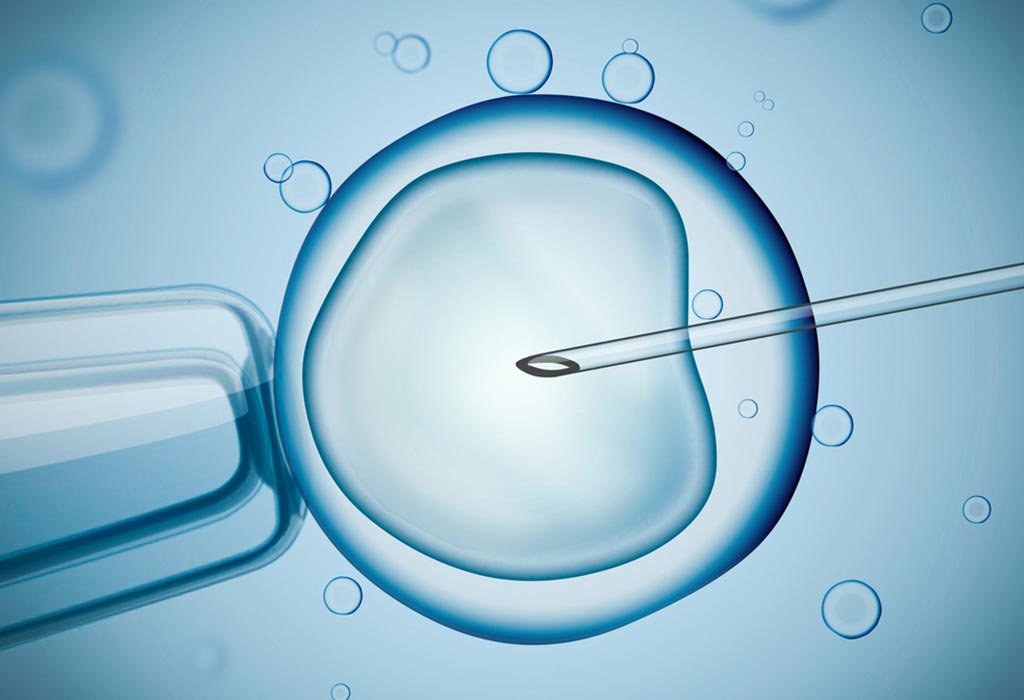
11 Tips for IVF Success
In vitro fertilisation is one of the methods resorted to by couples who can’t conceive naturally. As the odds of conceiving through this procedure are just 15-20%, knowing how to make IVF successful in the first attempt can benefit your pocket and expedite your journey towards pregnancy.
11 Tips To Increase Your Chances of IVF Success
Here are some helpful IVF success tips:
1. Do Your Homework
Selecting a good IVF centre is key to improve your chances of a pregnancy. Clinics differ on the basis of their technicians’ skills, conditions in which the embryo grows, etc. Make a list of clinics that offer IVF and find out these details before settling upon one:
Pregnancy ratio per embryo transfer
Pregnancy rates for couples your age and your fertility problem
Accreditation of the clinic and board-certification of the physicians
Cost of the procedure
How long the embryos can be stored
How many successful pregnancies are twins or multiple births
2. Avoid Ejaculation to Augment Sperm Count
The male partner shouldn’t ejaculate for three to four days before the sperm donation. Refraining from sexual intercourse and masturbation will increase the sperm count and thus, the chances of a successful IVF. It’s also important to get the semen analyzed before the process as the sperm quality can change over time.
3. Eat Plenty of Good Fats
A recent study by the Harvard School of Public Health found that eating foods rich in monounsaturated fats could help women trying to get pregnant through IVF methods. These “good fats” are already known to protect the heart, lower inflammation in the body and improve fertility. So eat plenty of foods rich in monounsaturated fats such as avocados, nuts and seeds, sunflower oil and olive oil. Along with improving fertility they are also much needed for the development of the foetus. In contrast, other research has shown that women on a diet rich in saturated fats found in butter and red meat produced fewer eggs that were healthy enough for use in fertility treatment. Therefore add these as part of your IVF success tips diet. This is not guaranteed to give you IVF success, but can definitely boost your chances of a successful attempt.
4. Meditation and De-stressing
Stress adversely affects the reproductive system and lessens the chances IVF success. It’s normal to worry about whether the fertility treatment is working or not; however, you need to find time every day to de-stress, too. Meditation that involves gentle breathing techniques can greatly reduce stress and allow your body to function to the optimum.
5. Avoid Low Glycemic Index Foods, Alcohol and Caffeine
The glycemic index (GI) is a ranking system to classify foods depending on how easily they are digested by the body. Lower the GI, the slower they are digested, thereby ensuring a gradual yet steady supply of energy. This is crucial for maintaining healthy blood glucose levels and reducing weight. Legumes, whole grains, low-fat dairy products, broccoli, sweet potato and mushrooms are some of the foods in this category. Processed foods and their associated oils and sugars have a high GI and are bad for the body. They elevate inflammation, affect hormone levels in the body and negatively affect the immune system. Alcohol is a teratogen (substance or factor that induces malformations in the foetus) and severely detrimental to the development of the foetus, therefore it must be avoided at all costs. Also on the list of things to avoid is smoking. If you have an addiction toward it, talk to your doctor before going for IVF treatments. Caffeine is also found to adversely affect the developing foetus. No more than 200mg should be taken per day during pregnancy. Ideally, it is better to avoid it during and after your IVF treatment.
6. Talk To a Counsellor
Your mental health significantly affects your chances of conception. IVF can take a toll on your emotional well-being so be prepared for the roller-coaster ride. Talk to a counsellor about your hopes, and fears. Ensure that your spouse, close friends and family support you throughout the entire process.
7. Avoid Vigorous Exercise
While it is essential to work out and maintain good health, strenuous exercise can reduce fertility levels in women and decrease their rates of conception. Heavy exercise is also twice as likely to cause implantation failure and pregnancy loss. Therefore go easy around your IVF procedures and opt for low-intensity exercises such as walking, yoga or swimming.
8. Get Plenty of Sleep
Your sleep cycle should be normal for at least two weeks preceding the IVF appointment. Go to bed early and ensure that you get at least eight hours of sleep a day. Sleeping in total darkness helps to regulate the melatonin levels in the body improve your physical and emotional well-being.
9. Maintain a Healthy Weight
Your Body Mass Index (BMI) influences your chances of IVF success. Being obese (BMI>35) or underweight (BMI<19) can increase the difficulty of conception by 2 and 4 times respectively. Being overweight can also lead to complications with the procedure. If you fall on either ends of the weight spectrum, making changes to your diet and lifestyle and enrolling in a cardio weight loss program can help you become a mother quicker.
10. Quit Smoking
Smoking affects the quality of the egg and the sperm. It drastically brings down the chances of conception through IVF. With support from family and friends, it’s possible to quit smoking for good.
11. Take the Prescribed Supplements
You can talk to your doctor and ask him/her to prescribe useful supplements. Medication such as DHEA and CoQ10 can improve the quality of both the sperm and the egg. Vitamin D supplements are helpful, too.
Taking good care of your physical and emotional well being around your IVF treatments can boost your chances of a successful pregnancy.
Also Read:
Know your Chances of Twins with IVF
Side-effects and Risks of IVF
Read more
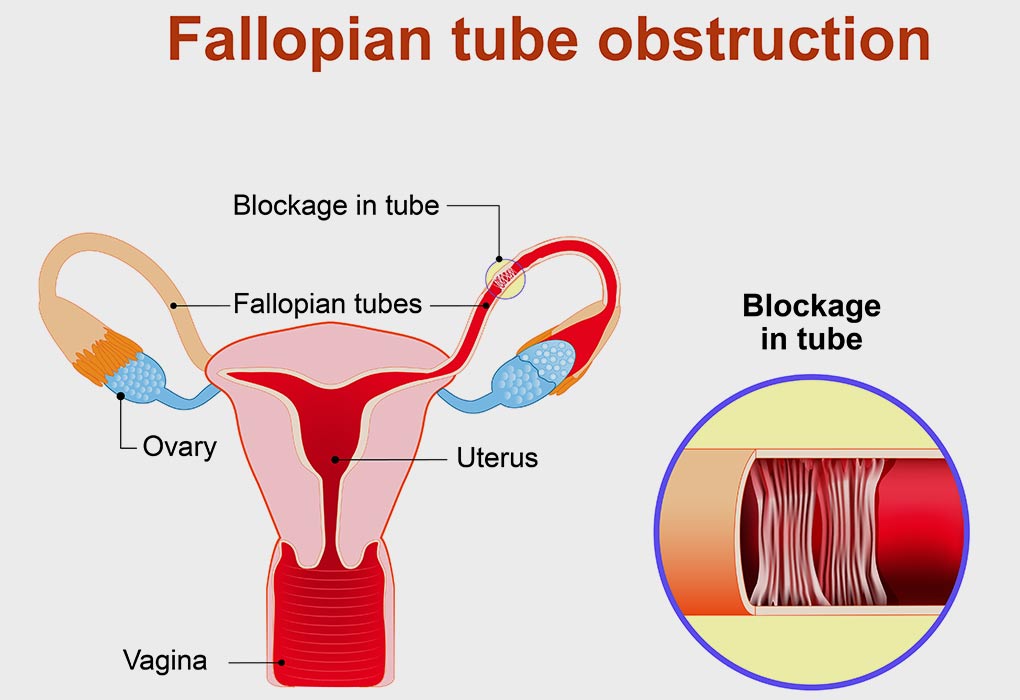
Hydrosalpinx Treatment – How to Unblock Fallopian Tubes Naturally
One of the major causes of infertility in women is blocked fallopian tubes. These tubes are the pathway for the egg to reach the uterus, and whenever they are blocked, it can prevent conception. A blockage in the fallopian tubes may happen because of numerous reasons, such as damage, inflammation or twisting. Such things can be caused by a variety of conditions, such as an ectopic pregnancy, pelvic inflammatory disease, uterine fibroids, etc. However, there are several natural remedies to treat blocked fallopian tubes. While there are several natural treatments for blocked fallopian tubes, many of them are not proven scientifically and thus require a doctor’s consult.
Causes for Blocked Fallopian Tubes
Fallopian tubes can become blocked due to several reasons. These include having had:
a previously burst appendix
endometriosis
a history of pelvic infection
STDs such as gonorrhoea or chlamydia
swelling at the end of the fallopian tube
Having blocked fallopian tubes doesn’t result in any visible symptoms, and it may often only become clear once you experience difficulties while conceiving. Apart from this, some women experience pain around the pelvic region or the belly. This can either happen closer to the time of their period or can be constant as well.
How Do You Know Whether Your Fallopian Tubes Are Blocked or Not?
Certainly, your physician might opt for hysterosalpingography (HSG), a form of X-ray examination utilized to identify blocked fallopian tubes. This procedure involves introducing a contrast dye into your uterus and fallopian tubes, which aids in highlighting any blockages that might be present when observed through X-ray imaging.
Your doctor could also do a laparoscopy to diagnose blocked fallopian tubes, although the preference often leans toward utilizing an HSG as the initial diagnostic step. Laparoscopy is a minimally invasive surgical procedure involving small incisions.
Top 17 Home Remedies for Blocked Fallopian Tubes
The fallopian tubes get blocked because of many problems. It is one of the most common reasons for female infertility. If you have been diagnosed with blocked fallopian tubes, here are some home remedies that can provide some relief. The remedies given below are done in a few other forms of treatment apart from medical treatments. However, you must know that they do not guarantee positive results.
1. Quit Smoking and Drinking
When you are going to try natural remedies to unblock your fallopian tubes, you need to start by eliminating variables that are known to cause health problems. Smoking and drinking have been established to be the cause of a range of diseases, and quitting them will improve the overall quality of your life. Alcohol and tobacco have been proven to wreak havoc on women’s fertility, with the failure to conceive due to blocked fallopian tubes being one of the effects. If you are a habitual smoker or have a habit of drinking, it’s best to quit before you try to conceive.
2. Include Vitamin C-rich Foods in Your Diet
Vitamin C boosts immunity and is essential for the absorption of iron in our foods. Fallopian tube blockages caused by infections can heal with the intake of sufficient Vitamin C-rich foods. Citrus fruits such as oranges and lemons are rich in Vitamin C. Apart from these, you can also eat grapefruit, strawberries, bell peppers, broccoli, green peppers, and kiwi.
3. Meditate to De-Stress
Stress is a major contributor to health problems, and it is a major cause of infertility in women. Certain meditation techniques are effective in calming down your body and balancing hormone levels and bodily functions. Therefore, find time every day to meditate a little bit to ease your mind and body. Mornings and evenings are ideal to meditate. Meditation is certainly a top and ideal natural treatment for blocked fallopian tubes.
4. Increase Your Consumption of Garlic
Herbs are mainly categorised on the basis of their ability to perform certain functions, such as balancing hormones, or their antibiotic and anti-inflammatory properties. Garlic is a natural antibacterial agent and fights microbes to boost the immune system. It is also helpful in preventing blood clots and platelet aggregation, effectively improving blood circulation. It also reduces scabs and scars from forming, thereby aiding the mucous membrane and keeping the fallopian tubes open.
5. Increase Consumption of Ginger, Cinnamon and Turmeric
With benefits and effects similar to that of garlic, these are also known to reduce inflammation, increase blood circulation, and prevent the blockage of the fallopian tubes. You can make tea out of these herbs or add them to your diet every day to gain the benefits.
6. Yoga
Yoga is a holistic approach to good health and healing. Although there are no studies to prove that yoga can help, there is no harm in trying the exercises given below, but only without getting your hopes up. That being said, yoga, with its gentle stretching exercises, can promote healing stress but cannot treat a blocked fallopian tube.
‘Viparita Karani’ is an exercise that works on the abdomen. It is also known as the ‘legs on the wall pose’. It involves lying on your back next to a wall with one of your sides in contact with the wall. Raise the leg that’s on the same side as the wall to an angle of 90 degrees. Pause for 2 seconds and lower it gently.
‘Setu Bandhasana’ or the ‘supported bridge pose’ is another effective exercise for the abdomen. Start by lying on your back and folding your knees at right angles. Using the muscles of the lower back and abdomen, slowly lift your pelvis up as you inhale. Bring it down while you exhale, going back to the starting position.
7. Fertility Massage
Massages work by improving blood flow to an affected area, which promotes faster healing of tissues and reduced inflammation. However, it is still not medically proven if fertility massages can work for a blocked fallopian tube. You may, however, try them by consulting a therapist who specialises in abdominal massaging.
8. Use Castor Oil
Castor oil is great for massages and is used in the treatment of many ailments in the body because it has some medicinal properties that affect the circulatory and lymphatic system by promoting good circulation. Massaging with castor oil on the lower abdomen could be one way to allow the stimulation of the lymphatic system around your uterus. However, just as several of the remedies given above, including fertility massages, there’s no medical backing that this remedy can improve the condition.
9. Stretching
Stretching is a natural exercise to improve circulation. It makes the body more compliant and helps treat injuries. Regular stretching as part of your daily exercise may have some healing effect on your body by restoring the blood flow, but it doesn’t guarantee a complete treatment of blocked fallopian tubes. Nonetheless, it is a great relaxing exercise to reduce pain in the pelvic and abdominal region.
10. Acupressure
Acupressure is similar to acupuncture, but there are no needles used when it comes to this treatment. The theory behind this alternative medicine technique is to clear blockages of energy flow in the body by applying pressure on what are known as pressure points on the body. Most of such treatments are not medically proven. There may be some cases where there was an overall improvement in the condition; however, there is no medical proof of it.
11. Fertility Cleanse Program
This is a body-cleanse regimen that is done for twenty-eight days to rid the body of substances that may hinder fertility. It includes following a healthy diet with herbs and gives you a detox of the kidney, colon, liver, and gallbladder, and rids the body of parasites and heavy metals. This technique could help the body to absorb nutrients better and improve overall health, but again, it does not assure treatment of a blocked fallopian tube.
12. Systematic Enzyme Therapy
The systematic enzyme therapy is a treatment that helps the body clear excess tissue, cleanse the blood, break scar tissue, lower immunological response, and increase circulation to the reproductive organs. The therapy uses systemic enzymes (enzymes that naturally occur in our bodies) to heal the body by reducing inflammation and scar tissue build-up. Traditionally, systemic enzymes were used by elderly people to reduce the effects of arthritis. It is also believed to reduce scar tissue in the fallopian tubes by dissolving the fibrin in it. It is looked upon as a viable treatment for curing infertility, but it does not have medical backing, or the results are not medically proven. Talk to your fertility specialist if you are planning on taking this treatment, as it may hinder your medical treatment for fertility, which you might be taking simultaneously.
13. Go on an Antioxidant-Rich Diet
Junk food is loaded with chemicals that resemble some of our hormones, particularly estrogen. These are bad for women as they often cause hormonal imbalances and are particularly worse for women with blocked fallopian tubes. An antioxidant-rich diet can combat the negative effects of junk food. Fresh fruits and vegetables are loaded with antioxidants, especially the colourful types, such as berries. Vegetable oils such as sunflower oil, safflower oil, mustard seed oil and coconut oil are high in antioxidants and good for use in cooking. Tea and coffee are also high in antioxidants. Additionally, cinnamon, chocolate, soy, and oregano also have necessary antioxidants. You can include carrots, eggs, papayas, mangoes, spinach, and zucchini in your diet for your overall health.
14. Lodhra
Lodhra is an Ayurvedic practice that is known to unblock fallopian tubes and boost fertility. However, there is no scientific evidence to back its safety and efficacy. Therefore, it is necessary to consult a doctor before starting Lodhra to open fallopian tubes.
15. Mugwort
Mugwort, scientifically known as Artemisia vulgaris, is an ancient herb popularly used across different continents, mainly in Chinese medicine, to deal with several reproductive and health issues. While it is known for turning the breech baby, no scientific research has evidence of it treating the blocked fallopian tubes. Therefore, a consult with a doctor prior to the use of mugwort is essential.
16. Dong Quai
Dong quai, a plant with a significant presence in Chinese herbal medicine, is known for treating reproductive issues, including removing blockage of fallopian tubes. In light of a comprehensive meta-analysis conducted in 2015, Chinese herbal medicine exhibits the potential to twofold pregnancy rates among women dealing with infertility. However, it’s worth noting that there is a lack of specific research dedicated to the efficacy of dong quai in alleviating fallopian tube blockages.
17. Vaginal Steaming
Vaginal steaming is popular for treating a number of health and reproductive issues, including fertility and menstrual cramps, and is also recommended for unblocking fallopian tubes. It is important to note that there is little to no evidence backing the safety or efficacy of this remedy.
When to See a Doctor?
Blockage in fallopian tubes could lead to infertility issues and damage the self-confidence of couples trying to conceive. if there is severe damage in the fallopian tubes, it could result in pelvic pain. Here are the following cases in which you should consult a doctor:
If you are below 35 years of age and are unable to conceive for over a year of trying.
If you are above 35 years of age and are unable to get pregnant within 6 months of trying.
If you experience continuous pelvic pain.
FAQs
1. How Much Time Does It Take to Unblock the Fallopian Tubes?
Fallopian Tube Catheterisation (TCTC) is a surgical procedure that involves unblocking fallopian tubes through a catheter that passes through the tubal canal near the cervix (neck of the womb). The whole procedure is about 20-40 minutes, and the patient is under anaesthesia, so they experience only a tingling feeling.
2. Is There Any Medical Treatment to Unblock Fallopian Tubes?
There are certainly different medical treatments to unblock fallopian tubes, and one such is laparoscopy. A surgeon can also remove the fallopian tubes’ damaged parts and connect the remaining healthy parts together. These medical treatments have a higher success rate but are expensive on the pocket.
These natural treatments may be used alongside other treatments for unblocking fallopian tubes and improving fertility. You can try out these natural methods upon consulting a medical expert and getting a go-ahead from him/her.
References/Resources:
1. Ried. K; Chinese herbal medicine for female infertility: An updated meta-analysis; Complementary Therapies in Medicine, Volume 23, Issue 1, Pages 116-128; ScienceDirect; https://www.sciencedirect.com/science/article/abs/pii/S0965229914001915; February 2015
2. Goyal. M, Singh. S, et al.; Meditation Programs for Psychological Stress and Well-being A Systematic Review and Meta-analysis; JAMA Intern Med.; https://jamanetwork.com/journals/jamainternalmedicine/fullarticle/1809754?__hstc=3584879.822a9c3981f04695664b9dc054b5f524.1523145601970.1523145601971.1523145601972.1&__hssc=3584879.1.1523145601973&__hsfp=1773666937; March 2014
3. Lee. M. S, Kang. J. W, Ernst. E; Does moxibustion work? An overview of systematic reviews; BMC Research Notes; https://bmcresnotes.biomedcentral.com/articles/10.1186/1756-0500-3-284; November 2010
4. Yoga: What You Need To Know; NIH; https://www.nccih.nih.gov/health/yoga-what-you-need-to-know
5. Dong Quai; Drugs.com; https://www.drugs.com/npp/dong-quai.html
Also Read:
Unexplained Infertility
Acupuncture for Infertility
Ayurvedic Treatments to Cure Infertility
Read more
IUI Success Signs: Pregnancy Symptoms After IUI
If you’ve gone through an intrauterine insemination (IUI) procedure, there’s nothing quite like the waiting period that follows. The anxiety and anticipation can feel overwhelming, yet the thought of a positive result brings incredible hope and excitement. Every milestone and tiny kick that follows a successful conception becomes a reminder of the beautiful journey you and your little one are about to share.
After undergoing IUI, it’s completely natural to be curious about potential IUI success symptoms day by day. Taking a pregnancy test after IUI can provide reassurance, but paying attention to your body’s subtle changes may also offer early hints. While every woman’s experience is unique, some common signs can suggest successful conception and implantation. Keep reading to explore what these symptoms mean and find answers to your most common IUI-related questions.
What Is an IUI Pregnancy?
Pregnancy through IUI is an option for couples with trouble conceiving naturally. In this procedure, the sperm is directly inserted into the uterus to increase the chances of fertilisation. A catheter is used to place the sperm in the woman’s uterus. This method has been successful in many cases and is one of the best ways of artificial insemination available. For most women, pregnancy test after IUI results are positive (1).
Also Read: In Vitro Fertilization (IVF) for Infertility Treatment
When Is IUI Treatment Used?
IUI (Intrauterine Insemination) treatment is a fertility technique used in various scenarios to increase the chances of pregnancy. Here are a few situations where IUI treatment may be recommended (2) (3):
Unexplained Infertility: When there is no identifiable cause for a couple’s infertility, IUI can be attempted as a less invasive option before considering more advanced treatments.
Male Factor Infertility: IUI can help overcome certain male fertility issues, such as low sperm count or motility, by directly placing the sperm into the uterus.
Cervical Factor Infertility: If the cervix poses a barrier to sperm reaching the fallopian tubes, IUI bypasses this obstacle by placing the sperm directly into the uterus.
Mild Endometriosis: For women with mild endometriosis, IUI can be a viable treatment option to enhance the chances of conception by optimising the timing of insemination.
How Successful Is IUI?
The success rate of pregnancy through IUI depends on various factors, including the age of the woman, serious fertility-related issues that probably haven’t been diagnosed, whether fertility drugs were used, and so on. Hence, the rate of success does differ from woman to woman. On average though, a woman who is under 35 years of age has a 10-20% chance of getting pregnant with each IUI. A woman around 40 years of age, on the other hand, has a 9.8% chance of getting pregnant with IUI.
When Do You Start Experiencing the Symptoms of Pregnancy?
Some women may see early signs or symptoms of pregnancy after the treatment. However, this is usually due to the intake of drugs that contain progesterone, which leads to a feeling of tenderness in the breasts, bloating, and fatigue. Actual pregnancy symptoms usually appear after two weeks.
Pregnancy Symptoms After the IUI Process
Implantation symptoms after an IUI procedure are similar to those of a normal pregnancy. Some of the IUI success symptoms include (4):
1. Implantation Bleeding
One of the first signs of implantation is implantation bleeding. While not every woman experiences this, it is considered normal either way. Implantation bleeding happens when the egg deposits itself in the uterus lining, causing a small vaginal discharge that can be easily mistaken for periods. Cramps can often accompany this. It is usually observed around six to twelve days after conception. Spotting and cramping are the most obvious symptoms of IUI success (5).
2. Menstrual Delay
A delay in periods is a big hint toward the possibility of conception. While spotting or light bleeding may be noticed in between, there is very likely nothing to be worried about. You can always consult a doctor if you notice any unusual bleeding worrying you.
3. Tenderness in Breasts
You may be headed towards pregnancy if your breasts feel heavy, sensitive, and slightly sore. Swelling and tenderness in the breasts are symptoms that are common during periods as well. However, if this symptom persists even after a delay in your periods, it would be wise to take a pregnancy test.
4. Nausea
Common symptoms also include nausea or morning sickness. This may be triggered due to an intense odour, an aversion to a particular food, or sometimes, for no reason. This happens due to an increase in the hormone oestrogen levels in your body.
5. Fatigue
You may feel very tired during this time due to a high progesterone level in your system, as this hormone induces sleep. In addition, your blood pressure and blood sugar levels also decrease. This expends a lot of energy and contributes to the feeling of fatigue.
6. Cravings and Aversions
You may develop an intense, almost unnatural craving for certain foods while at the same time, not being able to stand certain smells. This is a symptom of pregnancy that can stay with you for quite a while, even up until the end of childbirth. Your food cravings may often have you searching for food at odd times! These cravings and aversions toward smells and foods are caused due to hormonal changes in the body.
7. Consistently High Body Temperature
An increase in the level of progesterone can raise your body temperature. If you’ve noticed a rise in your body temperature for over 20 days, then it is a good sign, and you might just be pregnant.
Other Symptoms After IUI (Intrauterine Insemination)
Although an IUI is almost non-invasive, you may want to look out for any symptoms indicating something is wrong. One would be inquisitive about knowing what happens after IUI day by day. Although complications due to IUI are uncommon, it may help you to know about the signs of the same (6).
Bright red period-like bleeding from the vagina
Severe cramping in the abdomen or pain in the neck and the legs
Fever
Dizziness or fainting
These may be an indication of tubal pregnancy or infections. In such cases, you should consult your doctor immediately and seek the right relief measures.
When Should You Take a Pregnancy Test?
Many women find themselves eagerly wondering how long after IUI can you test for pregnancy, especially during the anxious two-week wait that follows the procedure. Although IUI involves placing sperm directly into the uterus, fertilisation still takes time. Once the egg is fertilised, it usually takes about four to six days for the zygote to travel to the uterus, and another five days or more for implantation to occur. After that, hCG levels, the hormone detected by pregnancy tests, need a few additional days to rise. For the most accurate result, it’s best to take a pregnancy test about two weeks, or 14 days, after the procedure (5) (7).
How to Confirm Pregnancy After IUI (Intrauterine Insemination)?
Confirming pregnancy after intrauterine insemination (IUI) can be exciting for couples trying to conceive. To alleviate the uncertainty, there are several methods to confirm pregnancy following an IUI procedure. Here are four to five points to consider:
Wait for a Missed Period – One of the simplest ways to confirm pregnancy after IUI is to wait for a missed period. If your menstrual cycle is usually regular, a delay in your period can strongly indicate pregnancy.
Take a Home Pregnancy Test – Home pregnancy tests are widely available and can be taken about two weeks after the IUI procedure (6). These tests detect the presence of human chorionic gonadotropin (hCG), a hormone produced during pregnancy. Follow the instructions on the test kit carefully for accurate results (8).
Confirm With a Blood Test – A blood test, often called a quantitative hCG test, can provide more precise results than a home pregnancy test. This test measures the levels of hCG in your blood, which can indicate pregnancy even in its early stages (7).
Monitor Pregnancy Symptoms – Pay attention to any early pregnancy symptoms you may experience, such as breast tenderness, fatigue, nausea, or frequent urination. While these symptoms are not definitive proof of pregnancy, they can be encouraging signs.
Schedule an Ultrasound – An ultrasound, typically performed around six to eight weeks after the IUI procedure, can visually confirm pregnancy. This imaging technique allows healthcare professionals to observe the presence of a gestational sac and a developing embryo.
FAQs
1. Are IUI babies healthy?
Yes, babies conceived through intrauterine insemination (IUI) have the same potential for good health as babies conceived naturally. The baby’s health primarily depends on various factors, such as the overall health of the parents, any underlying medical conditions, and prenatal care received during pregnancy.
2. Can you have twins with IUI?
Yes, the chances of having twins or multiple pregnancies are slightly increased with IUI compared to natural conception. This is because multiple embryos may be transferred during the procedure. However, fertility medications can further increase the chances of multiple pregnancies with IUI (1).
3. What are the symptoms of failed IUI?
The IUI failure symptoms are similar to those of a regular menstrual period. These may include cramping, breast tenderness, mood swings, and a normal menstrual flow. It’s important to note that experiencing these symptoms does not guarantee a failed IUI, as pregnancy symptoms can vary from person to person.
4. Can I get pregnant in the first cycle of IUI?
Yes, it is possible to achieve pregnancy in the first cycle of IUI. The success rates of IUI vary depending on factors such as the woman’s age, the cause of infertility, and the overall health of both partners. Discussing the success rates and specific factors related to your situation with your healthcare provider is recommended.
5. Is it normal to be pregnant with no symptoms after IUI?
Yes, it is possible to be pregnant with no symptoms after IUI. Not all women experience early IUI symptoms; the absence of symptoms does not necessarily indicate a problem. Each woman’s experience with pregnancy is unique, and symptoms can vary widely.
6. Does travelling affect a pregnancy after IUI?
Generally, travelling does not have a significant impact on pregnancy after IUI unless there are specific complications or concerns identified by your healthcare provider. It is important to discuss your travel plans with your healthcare provider to ensure it is safe for you and your pregnancy.
7. What are the symptoms of IUI after 3 days?
Most women don’t notice clear pregnancy signs just three days after IUI. Some may have mild cramping, slight spotting, or bloating from the procedure or medications, but many feel no changes at all.
8. Is cramping after IUI a good sign?
Yes, mild cramping is common and can be due to the IUI procedure itself or early implantation. However, if the cramps become severe or are accompanied by heavy bleeding, consult your doctor (5).
Waiting for confirmation about your pregnancy after the IUI procedure may be stressful and emotional. However, you need to keep calm and avoid stressing over it. Confide in your partner and support each other during this crucial phase and try putting off taking a home pregnancy test for at least two weeks. And when the time is right, the best way to determine whether you are pregnant is to get a blood test done, as it ensures an accurate result.
Also Read:
Progesterone After IUI
Side Effects and Risks of IUI Treatment
IUI Success Tips to Increase Chances of Pregnancy
IUI (Intrauterine Insemination ) vs IVF (In Vitro Fertilization): Which One Is Best for You
Read more

Keys to a Successful IUI: 10 Tips to Improve Your Chances of Pregnancy
Everybody wants children at some point, but conceiving a child can be just a dream for some couples. When a woman can’t conceive naturally, it becomes an emotional struggle for the family. A couple’s inability to conceive causes conflict within their family. Such couples now have cause for optimism, nevertheless. With advancements in medical sciences, various methods of conception are now available. One is IUI, Intrauterine Insemination, which we shall discuss in depth. The following IUI success tips can help couples who want to have a family enhance their chances of conception. The couple’s age, sperm count, and tubal patency (the state of the fallopian tubes being open) are all keys to a successful IUI.
How Does IUI Work?
Intrauterine Insemination (IUI) is a fertility treatment that involves transferring semen from the male partner into the female partner’s uterus. The goal is to increase the number of sperm that reach the fallopian tubes and, in turn, increase the chances of fertilisation (1).
First, the female partner’s eggs are closely monitored. Ovulation-stimulating medicines may also be administered. When ovulation is near, the IUI procedure is performed. The semen is separated from the seminal fluid and, with the use of a catheter, inserted into the uterus. It takes just a few minutes.
Who Can Opt for IUI?
IUI can be opted for by (2):
Women who have abnormalities in their cervical muscles and patent fallopian tubes.
Men who suffer from ejaculation dysfunction.
Lesbian couples.
IUI works for some and doesn’t for others because it depends on the individual’s biological condition. So, it’s best to reach out to an expert to get an idea about your odds.
Who Shouldn’t Opt for IUI?
IUI is not recommended in the following cases:
Your fallopian tubes are severely affected.
You have a medical history of pelvic infections.
You suffer from moderate or severe endometriosis.
The success rates of IUI are 10% – 30% (3). If you’ve decided to go ahead with IUI, here are some useful tips and suggestions to improve your IUI success rate.
What Are the Symptoms of Infertility?
You should be aware of the following infertility signs (4):
You’ve been trying to conceive for six months and are 35 years of age or older.
After engaging in unprotected sexual activity for a year, you are under 35 years old and have not become pregnant.
You’ve had at least two consecutive miscarriages.
The most typical signs of infertility in women include irregular or heavy periods, no periods, pain during intercourse, and painful periods.
Changes in sexual desire, pain or swelling in the testicles, issues sustaining an erection, and small, hard testicles are typical indicators of male infertility. You ought to see a doctor if you experience any of the symptoms.
Things to Expect Before IUI
Starting your IUI (Intrauterine Insemination) journey can feel both exciting and a little overwhelming, especially if you’re unsure about what lies ahead. Here are a few key things to expect before undergoing IUI (2):
1. Initial Consultation and Testing: The process begins with a detailed assessment, including fertility tests and discussions to design a personalised treatment approach.
2. Ovulation Induction (if needed): You may be advised to take medications early in your cycle to help stimulate the development and release of eggs (5).
3. Cycle Monitoring: Mid-cycle visits are scheduled to track follicle growth through ultrasound and sometimes blood tests to determine the optimal timing.
4. Timing the Procedure: Based on monitoring results, your doctor will identify the most suitable window for performing the IUI procedure.
Tips and Suggestions to Make IUI Successful
Not every artificial insemination technique works on every woman who wants to have a baby. Some factors like age, health condition and stress levels play an important role in the success of IUI. Here are some tips you can follow to make your IUI pregnancy successful:
1. Meet a Fertility Expert
The IUI process is governed by a reproductive endocrinologist who can even cancel cycles if too many eggs are produced. Sometimes, experts suggest other ways of conception, so make sure you’re reaching out to the right person for treatment.
2. Do Your Research
If you’ve chosen IUI because of infertility, then you should go for easy-on-the-pocket options such as IVF. For women above 40 years of age, IVF is more effective than IUI.
3. Eat Healthily
Your diet influences the success rate of IUI. Add more protein-rich foods to your plate and cut down on carbs. In fact, even if you’re struggling with Polycystic Ovary Syndrome (PCOS), switching to a healthier diet can increase the chances of conception. A good diet always makes way for a better pregnancy (6).
4. Start Exercising
Moderate exercise is also good after IUI. However, rigorously working out isn’t recommended by experts. You just need to be active and not sit in a stationary position for long.
5. Avoid Smoking
As per research, women who smoke need more gonadotropin doses for ovarian stimulation. This negatively affects the IUI success rate. Hence, quit smoking.
6. De-stress and Control Anxiety
Don’t stress yourself out. Going through IUI may lead to an emotional upheaval, but learn to relax and have realistic expectations. This will make your body react positively to IUI (6).
7. Try Acupuncture
Acupuncture practitioners/ authorities recommend acupuncture therapies to increases the flow of blood and eventually improve the quality of the egg. Although allopathy doesn’t recommend it, acupuncture authorities state the therapy could increase chances of getting pregnant.
8. Take Prescribed Supplements
Coenzyme Q10 (Co Q10) and DHEA are supplements that are quite helpful as they improve fertility, and indirectly improve IUI. Bear in mind that these medicines must be prescribed by your doctor.
9. Have Sex After IUI
Doctors say that having sex after IUI actually helps (7). This is because, during sex, the uterus begins to contract, and pushes the sperm towards the fallopian tubes, making the process more efficient.
10. Be Happy
Do things that make you feel happy and content. Those who believe in the Law of Attraction say that you attract what you imagine. So, when you want to get pregnant, your life must reflect the joy of having a baby.
What Can I Eat After IUI for Success
IUI pregnancy success rate is influenced by what you eat. You need to eat fewer carbohydrates and foods higher in protein. A healthy diet can increase your chances of getting pregnant and also comes under good tips for successful IUI with PCOS. Therefore, a healthy, balanced diet always contributes to a better pregnancy. Let’s talk about the best foods to eat following IUI.
Foods to Eat
Some foods to eat for better and more successful IUI are as follows:
Consume a lot of dry fruits.
Eat as many leafy veggies as you can.
Consume only homemade, fresh food.
Avoid processed foods.
Avoid consuming fish with high mercury levels.
Take six little meals per day or six tiny meals in total.
Increase your intake of quinoa, brown rice, and other complex carbohydrates.
Avoid eating hot, spicy foods or foods high in acid or that could cause irritable bowel syndrome.
Fruits, like grapes, papaya, and pineapple, should be avoided because they might cause bleeding or break down the endometrial barrier, which can lead to miscarriage (8).
What Are the Risks of IUI?
IUI has its downsides as well. These are (9):
You may become pregnant with multiples if fertility medication is taken during IUI.
There is a risk of infection after the procedure.
Some couples can’t conceive naturally. Earlier, women who couldn’t give birth were rejected and shunned. However, over the years, things have changed. Thanks to science and technology, it’s now possible for couples to conceive and have a baby despite all the roadblocks that may come their way.
Questions to Ask Your Doctor
Preparing for IUI (Intrauterine Insemination) involves not just physical readiness but also asking the right questions to feel confident about your treatment plan. Here are some important questions to ask your doctor:
1. What are my chances of success with IUI?
2. Will I need fertility medications?
3. How many cycles of IUI do you recommend?
4. Are there any risks or side effects?
When to Consult a Doctor?
While following tips to improve your chances of success with IUI (Intrauterine Insemination), it’s equally important to know when professional guidance is necessary. Here are some key situations when you should consult a doctor during your IUI journey:
If your body isn’t responding well to fertility medications or you experience noticeable side effects, it’s important to seek medical advice.
If you notice any severe pain, abnormal bleeding, or unusual physical symptoms, you should consult your doctor without delay.
If multiple IUI attempts haven’t resulted in pregnancy, your doctor may need to reassess your treatment approach.
FAQs
1. How can you keep sperm alive for IUI?
It’s advisable to wait two to three days between ejaculation and collection to get better outcomes. Only a few days during the sperm cycle will mature sperm inside the male body. They then start to decompose and are destroyed by white blood cells.
2. What foods should be avoided after IUI?
Let us help you with some IUI treatment success tips. After IUI, stay away from processed foods, sugary drinks, alcoholic beverages, spicy and difficult-to-digest dishes, as well as too much seafood (since it contains mercury). Consult your doctor before eating fruits, like papaya and pineapple, since some medical professionals think they can thin the blood and damage the endometrial layer.
3. How long does IUI sperm stay alive in the uterus?
Combining IUI with sexual activity may improve coverage because sperm can live up to 5 days in fertile mucus, with 2-3 days being frequent.
4. Can I eat curd after IUI?
We often ask ourselves, “what can I do to help IUI”. a diet high in whole milk, cream cheese, yoghurt, and other full-fat dairy products may enhance fertility.
5. Should I drink lots of water before IUI?
Drinking water before IUI is great; by doing so, the uterus might lean back, making it simpler to insert the IUI catheter.
Achieving success after IUI requires a balanced approach that includes proper care, medical guidance, and patience. While these after IUI success tips can help support your journey, it’s important to remember that every individual’s experience is different. Staying consistent with your doctor’s advice and maintaining a healthy lifestyle can make a positive impact. With the right mindset and support, these after IUI success tips can help you move closer to your goal of pregnancy.
Also Read:
Progesterone after IUI
IUI vs IVF: Which One is Best for You
Side-Effects and Risks of IUI Treatment
Pregnancy Symptoms after a Successful IUI
Read more
In Vitro Fertilization (IVF) for Infertility Treatment
IVF has come a long way from the days when it was first heralded as a medical miracle. The first IVF baby was born in 1978, and since then, it has given hope to millions of people who couldn’t conceive a child. Unfortunately, it has also created a scenario where many couples turn to this procedure without understanding its implications. An IVF procedure without proper adherence to the rules creates grave risks for the mother and the child. So let’s attempt to demystify this medical marvel and understand its basic concepts.
Video: In Vitro Fertilization IVF for Infertility
What is In Vitro Fertilisation?
Typically, in vitro fertilisation is a biological process that has been made to occur in a laboratory vessel, test tube or other in a controlled experimental setting. In simple terms, in vitro fertilization is a fertility treatment where sperm and eggs are combined in a laboratory to form embryos, and placed in the uterus through the cervix to enable conception of an IVF baby. Nowadays, IVF treatment is considered to be the most commonly used fertility treatment, accounting for more than 99 per cent of assisted reproductive technology procedures.
IVF Treatment Procedure Step by Step
This revolutionary procedure is basically used to treat fertility or genetic problems and help in the conception of a child. You might also go for less invasive treatment options before attempting IVF. These include taking medications to increase the production of eggs, or intrauterine insemination (a procedure in which sperm are placed directly in your uterus near the time of ovulation).
But if you are one of those couples who has failed to conceive after all other treatments and want to try IVF treatment, then you should be aware of the procedures you would be required to follow during the course of the treatment. First, you should know that the procedure is done using your own eggs and your partner’s sperm. It may also involve eggs, sperm or embryos from an anonymous donor. There are cases where a gestational carrier – a woman who has an embryo implanted in her uterus – might also be considered.
But before you proceed with IVF treatment, both partners will have to undergo the following screening tests:
1. Evaluation of Ovarian Reserve
In order to determine the quantity and quality of your eggs, you have to take certain tests determining the concentration of the follicle-stimulating hormone, oestrogen and anti-mullerian hormone in your blood during the first few days of the menstrual cycle. The tests may be combined with an ultrasound of the ovaries to predict the response of ovaries to the fertility medication.
2. Semen Analysis
Your partner might be asked to take a semen analysis test before starting the treatment. This test analyzes the health and viability of sperm, including the number, shape, and movement (or motility). Both of you might also have to take screening tests for infectious diseases, including HIV.
3. Uterine Cavity Exam
This test helps the doctor to examine the uterine cavity or space inside of the uterus. A healthy uterine cavity is essential to conceive and maintain a pregnancy.
There are also some important points to consider as a couple, and discuss them with the doctor before taking the plunge to go through the IVF treatment cycle.
4. Embryos for Transfer
Normally, the number of embryos that will be transferred during the treatment depends on the age and number of eggs retrieved. Since the rate of implantation is lower for older women (above 35 years of age), more embryos are usually transferred to increase the likelihood of conception. This happens except in cases where donor eggs are being used.
However, legislation in a few countries limits the number of embryos that can be transferred in one IVF cycle. This is because some studies indicate that implanting multiple embryos at one time can lead to complications for both mothers and babies, and increase the likelihood of multiple gestations. So you should discuss it with your doctor in depth and decide on the number of embryos to be transferred before the transfer procedure actually happens.
5. Multiple Pregnancies
You should also know that if more than one embryo is transferred to your uterus, the IVF treatment can lead to a multiple pregnancy. To avoid such a situation, in some cases, people opt for foetal reduction. This can help a woman minimise the chances of complications and give birth to a healthy baby. However, this could be a major decision with ethical, emotional and psychological consequences.
6. Extra Embryos
What do you do with the extra embryos during the treatment? They can be frozen and stored for future use. However, there is no assurance that all embryos will endure the freezing and thawing process. It is recommended to discuss the same with your doctor and follow an expert’s advice.
7. Other Issues
You also need to consider the chance of complications arising out of donor eggs, sperm or embryos from a gestational carrier. For this, you should consult a trained counsellor with expertise in donor issues who can thoroughly explain the legal rights of the donor.
How Does the In Vitro Fertilisation Process Work?
There are a number of stages that the couple has to pass through before being able to conceive. Let’s look at the procedure step-by-step to understand the complexities of the process.
1. Ovulation induction
This is the first phase of your treatment. If you’re using your own eggs, then initially you will be treated with synthetic hormones to stimulate the ovaries for producing multiple eggs instead of a single egg that normally develops each month. It is important that multiple eggs are produced as some eggs might not fertilize or develop after fertilization.
For this, the doctor could prescribe medication at different stages of the treatment:
Ovarian stimulation: For stimulation of the ovaries, you may be advised to take injections containing either a follicle-stimulating hormone or a luteinizing hormone, or a combination of both. This will help in producing more than one egg at a time.
Oocyte maturation: After the eggs are formed and follicles are ready for egg retrieval (this typically happens between eight to 14 days) you are prescribed medications to help the eggs mature.
Premature ovulation: You might even be asked to take medications that could prevent the body from releasing the developing eggs too soon.
The lining of your uterus: Another set of medication may be prescribed on the day of egg retrieval or at the time of embryo transfer. You are given progesterone supplements to prepare the lining of the uterus, and make it receptive for implantation.
Your body might take one to two weeks for ovarian stimulation before the eggs are retrieved. But during the course of medication, you will have to be checked every two to three days for blood hormone levels and get an ultrasound for measurements of ovaries. This helps to track the growth of the follicles – the fluid-filled sacs where eggs mature, and to determine if the eggs are ready for collection.
You should know that the IVF cycle at this stage may be cancelled for reasons such as an insufficient number of follicles developing, premature ovulation, or too many follicles creating a risk of ovarian hyperstimulation syndrome. If your cycle doesn’t progress for some reason, then the doctor might recommend changing medication or doses to support a better response in future cycles.
2. Egg Extraction
After the follicles are ready, you are given a trigger shot – an injection that will help the eggs to mature fully and prepare them for fertilization. The eggs are ready for retrieval from 36 hours after the shot is given.
3. Transvaginal Ultrasound Aspiration
Before you undergo transvaginal ultrasound aspiration (the usual procedure of retrieving eggs), you will be first sedated through medication. Normally in this procedure, an ultrasound probe is inserted into your vagina to identify follicles, which is then followed by a thin needle into an ultrasound guide to go through the vagina and into the follicles for retrieving the eggs.
The matured eggs collected are then kept in a nutritive liquid and incubated. Eggs that appear healthy and mature will be infused with sperm to create embryos.
4. Sperm Retrieval
Your partner will be asked to provide a semen sample the same morning when egg retrieval is expected to be carried out. In rare cases, and methods such as testicular aspiration, the needle or surgical procedure is done to extract sperm directly from the testicle. The sperms are then separated from the semen fluid in the laboratory.
5. Fertilisation
Now your eggs will go through the most important phase – fertilisation. It can be carried out through two popular methods. The first is insemination, in which healthy sperm and mature eggs are mixed and incubated overnight. The other is intracytoplasmic sperm injection (ICSI) where a single healthy sperm is injected directly into each mature egg. ICSI is often used in cases when semen quality or number is an issue or if the fertilisation attempts during previous IVF cycles have not yielded fruitful results.
6. Embryo or Blastocyst Transfer
The next critical stage is at the three-day mark when some fertilised eggs will transform into multi-celled embryos. Within two more days, they further metamorphose into blastocysts. At this stage, they develop a fluid-filled cavity with tissues that will ultimately separate into the placenta and baby.
After you have passed through the above stages, you reach the stage where the embryo can be finally transferred into your womb. It is usually done after two to six days from egg retrieval. Here again, you will be given a mild sedative. However, the procedure is generally painless for the patient. The doctor will insert a long, thin, flexible tube called a catheter into your vagina, through the cervix and into your uterus. A syringe containing one or more embryos suspended in a fluid is attached to the end of the catheter. If successful, an embryo will implant in the lining of your uterus is around six to 10 days after egg retrieval.
Why is Fertility Treatment Good for You?
If you have been trying to conceive for a couple of years now, and your efforts have gone in vain, then it’s time you consider IVF treatment. Even those who have not been able to conceive because of problems such as ovulation or egg quality, blocked fallopian tubes, endometriosis, uterine fibroids, unexplained infertility and more can take the treatment. It is one of the best medical procedures available today, which can help you get pregnant and carry your own baby to full term. In fact, it is offered as the primary treatment to treat infertility in women who have crossed over 40 years of age. If your partner has problems with low sperm count, or if you are using donor eggs to become pregnant, then this is one of the best treatments at hand.
What is IVF Treatment for Pregnancy?
IVF has become one of the popular treatments for couples with fertility issues or genetic problems. Both partners can take the treatment depending on the problems diagnosed and go on to become a parent.
How Does IVF Help in Treating a Woman?
It is important to determine the cause of fertility problems in a woman before the treatment can begin. In some cases, the reason or cause could be completely unknown. Find out some of the causes of infertility problems in women and their treatment:
1. Ovulation Issues
If you have problems with ovulation and have been detected with polycystic ovary syndrome then some medications would be prescribed to stimulate your ovaries to release eggs or for treating PCOS.
2. Unexplained Infertility
If any treatment has failed to determine the cause of infertility so far then you may be treated with medications such as Clomiphene, hormone injections, etc.
3. Blocked/Damaged Fallopian Tubes or Fibroids
In the case of blocked or damaged fallopian tubes, treatment may include tubal surgery. If mild to moderate endometriosis has been detected as the primary reason for infertility, then the treatment would include laparoscopic surgery to remove the endometrial tissue growth. Endometriosis is the result of the implantation and growth of the uterine tissue outside the uterus. This affects the function of the uterus, ovaries, and fallopian tubes. You could also have uterine fibroids, which are benign tumours in the wall of the uterus, and could be interfering with the implantation of the fertilised egg.
How Does IVF Help in Treating Infertility Issues in Men?
In men, below-average sperm count, weak movement of sperm, or abnormalities in sperm size and shape can pose a challenge for the sperm to fertilise an egg. If such problems are found, your partner could be recommended to try insemination first wherein their sperms will be collected and then concentrated to raise the number of healthy sperm required for insemination.
How Long Does It Take to Get Pregnant Through IVF?
It takes about four to six weeks to complete one cycle of IVF. Typically 12 days to two weeks after the procedure of egg retrieval is done, you will be asked to take blood tests for determining pregnancy.
What Is the Success Rate of IVF?
For any couple who has decided to take the IVF route to start a family, the primary question is ‘how successful is IVF’. It is difficult to get a conclusive answer to this question as the success rate of IVF treatment varies depending on various reasons including infertility and age. Younger women usually have healthier eggs and higher success rates. The rates decrease steadily once a woman crosses 35 years of age. Besides embryo status, reproductive history, lifestyle factors such as smoking, and obesity are also factors contributing to the success of IVF.
Advantages or Disadvantages of In Vitro Fertilisation
There are always concerns whenever you have to undergo a medical procedure. So, anxiety before taking the IVF treatment is also natural. Hence it is important to understand the pros and cons before you proceed.
Pros of IVF
Scientifically Proven and Popular: In vitro fertility treatment is the oldest assisted reproductive technology procedure and has been validated by researchers through their extensive studies on the children conceived using this method.
Improved Procedures: Since its invention, there have been efforts by researchers to refine and improve the techniques. For instance, with genetic screening – called preimplantation genetic diagnosis or preimplantation genetic screening – you can ensure the foetus used during the treatment is free of known genetic markers.
Control: Due to its highly controlled, medically supervised procedure, IVF allows parents with strict demands on their time due to professional or personal commitments to select the timings of the baby’s conception and birth.
Cons of IVF
Unsuccessful Cycle: Even after you have decided to go through the treatment, don’t pin all your hopes on it being successful. The success of the IVF treatment process is not guaranteed, and you might end up going through more than one cycle of treatment before getting the result.
Expensive Procedure: IVF is an expensive procedure in monetary terms. The best thing is to go ahead with a clear idea of all the costs attached to the treatment.
Lead to Stress: The whole process of testing and administering fertility medications can be emotionally and physically taxing, as you need to visit the doctor several times for the IVF cycle.
What Are the Risks of IVF Treatment?
There are certain risks associated with the IVF treatment such as the following:
1. Multiple Pregnancies
If more than one embryo is placed in the uterus, then there are chances of having twins or more. Although this might seem ideal for some couples wanting to conceive twins, please note that multiple foetuses increase the risk of miscarriage and other complications such as preterm labour.
2. Ectopic Pregnancy
You should be aware that the IVF procedure carries the risk of ectopic pregnancy. This is said to occur when the fertilized egg attaches itself to a place other than inside the uterus. Since the fallopian tubes cannot properly hold an embryo, the fertilized egg cannot develop properly. The risk of ectopic pregnancy increases particularly in women with damaged fallopian tubes.
3. The Risk of Ovarian Hyperstimulation Syndrome (OHSS)
OHSS can happen when a woman’s body shows a severe response to fertility drugs and produces too many eggs, leaving ovaries swollen and painful. In rare cases, it could also be life-threatening, and the woman will require intensive monitoring.
4. Potential Risks for the Baby
There is a belief that babies conceived through IVF may be more likely to be born prematurely or have a low birth weight. However, experts don’t have enough evidence to prove whether the risk stems from infertility issues such as age, or from the treatments.
Side Effects of IVF Treatment
The IVF treatment is not fully devoid of side effects. Expecting parents should be informed about the potential side effects caused by the treatment:
You may pass a small amount of clear or bloody fluid soon after the procedure. This happens due to swabbing of the cervix before the IVF embryo transfer.
You may have tender breasts due to high oestrogen levels, accompanied by mild bloating, cramping and constipation.
The use of injectable fertility drugs for ovulation induction can cause OHSS, in which the ovaries become swollen and painful. You may witness mild abdominal pain, bloating, nausea, vomiting and diarrhoea.
What Is the Cost of IVF Treatment?
IVF costs between Rs 60,000-Rs 1 lakh. It could go beyond that per cycle, including doctor’s fees, injections and medication costs. Since the chances of IVF working the first time are only about 46% in women under the age of 30 and only 12% in women between the ages of 40 and 43, the final cost will depend on the treatment program you chose and the items included in it.
How to Use IVF Calculator for Pregnancy
There are many online IVF calculators that can help in calculating a due date more precisely in IVF. You can simply type in the information which could be the first day of the last menstrual period, the day of ovulation, egg retrieval, or insemination, the date of the 3-day embryo transfer, or the date of the 5-day embryo transfer.
If you want to have a baby, don’t lose hope. You never know, the IVF procedure may work for you. It may just change your life and bring the much-needed happiness that you have been longing to experience for years now.
Also Read:
Caffeine and Fertility
Unexplained Infertility
Gamete Intrafallopian Transfer – Fertility Treatment
Read more
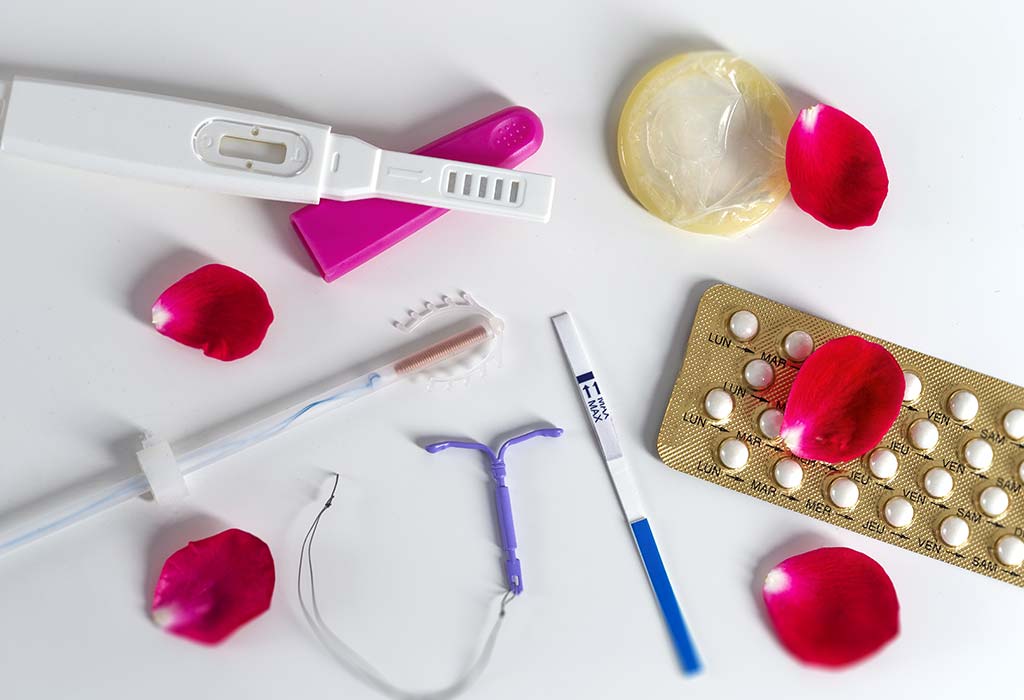
Does Birth Control Affect Your Fertility Later in Life?
Considering that you’ve spent years trying to ensure that you didn’t get pregnant, it’s natural to be a little concerned regarding your chances of conception when it’s time to start a family, and you may be apprehensive of the result of using birth control for years. There are a lot of half-baked truths floating around – you may receive contradictory answers on how contraceptives like the IUD, the pill, and Depo-Provera influence fertility. But the writing on the wall reveals that right after you stop birth control methods, your fertility will return to the state it was in before as if you were never on birth control. However, there are a few exceptions.
Can Birth Control Cause Infertility?
Research shows that birth control does not cause infertility. However, some myths around birth control causing infertility do exist. Some women can experience certain postponement in restarting ovulation and periods, following continued birth control use. It can take a few months for the menses to resume after discontinuing birth control. When a woman is using the pill for some time, the added hormones can cover ovulatory issues while affecting her menstrual cycle. Alterations in the body owing to increased weight or stress, which can impact a woman’s menstrual cycle, often get masked by pill use.
Furthermore, the level of fertility usually depends on several factors which may not be related to using birth control. For instance, you are not the same age you were when you started the birth control pill – if you were 20 then and are 30 now, the likelihood of getting pregnant may have reduced owing to your age.
It is true that many hormonal contraceptive methods can have risks. However, infertility may not feature as one of them. Several studies suggest that your chances of conception after stopping birth control are as high or low as that of a woman who never used any. There can be a small wait period between the time you discontinue birth control and the return of fertility, which is generally short.
Having said that, new evidence in the form of smaller studies has emerged that raise alarms regarding longstanding risks to contraceptives for some women. However, you may want to take this research with a pinch of salt.
1. Hormonal Birth Control
Some of the common hormonal birth control methods include:
Birth Control Pills
Oral contraceptives depend on the hormones oestrogen and progesterone (some have both, while others contain only progesterone) to stop pregnancy.
How Does it Affect Fertility?
The pill is a popular method of birth control. Research indicates that both short-term, as well as long-term users, of the pill can experience a brief delay in fertility, as compared to users who discontinue barrier contraceptives like diaphragms or condoms. But after the temporary wait spell, the monthly fertility odds are similar to those of females ending other means of birth control. About 20 percent users achieved pregnancy in their initial cycle after stopping the pill, and 80 percent within a year or so.
Interestingly, research reveals that the long-term use of the pill can enhance the possibility of pregnancy. Women who used the pill for about five to six years were found to be more fertile as compared to those who used them for merely two years. But there is a contrasting theory which states that hormonal contraceptives like the pill can mess up fertility when used for a very long time (10 years or more). Such an extended use can thin a woman’s endometrium lining of the uterus which may impact implantation. In other words, she can conceive but may not be able to maintain the pregnancy.
IUD
Intrauterine Device or IUD is a tiny piece of T-shaped plastic. It releases a small quantity of the hormone, progestin, into the body which is very much like the hormone progesterone that a woman’s body naturally produces. Progestin blocks the sperm cells from reaching the eggs by thickening the mucus on the cervix. Also, it prevents eggs from leaving the ovaries, thus, deterring pregnancy.
How Does it Affect Fertility?
Studies reveal that non-IUD users and IUD users have comparable pregnancy rates. In most cases, normal fertility is re-established within a few months after the removal of IUD, with maximum women conceiving in a year. The International Journal Of Women’s Health arrived at a parallel conclusion in 2009. Its report stated the contraceptive effects of IUD reversed soon after elimination of the device.
Vaginal Ring
The vaginal ring (NuvaRing) is a transparent, soft ring implanted into the vagina, which delivers a measured release of hormones progesterone and oestrogen in the body for about three weeks. It stops the release of eggs every month, thickens cervical mucus and thins the womb lining to prevent pregnancy.
How Does it Affect Fertility?
Not much is known about the influence of NuvaRing on fertility. The few studies conducted in this regard point to a woman’s capability to instantly ovulate, though not necessarily conceive, after doing away with the NuvaRing. The most investigation is based on statistics obtained from studies done a long time back.
2. Non-Hormonal Birth Control
Following are the hormone-free means of birth control:
Tubal Ligation
Tubectomy or tubal ligation is a surgical procedure wherein the fallopian tubes of a woman are sealed, cut or clipped, which hinders eggs from travelling to the uterus for embedding. It is a one-time, permanent method of birth control. Another technique of prohibiting conception is a tubal implant, which involves the insertion of a tiny, spring-like coil into the fallopian tubes to block them.
How Does it Affect Fertility?
Both the methods are irreversible, which means a woman is not likely to conceive again.
Fertility Awareness Methods
Such methods comprise natural techniques of birth control such as tracking the menstrual cycle, taking the body temperature or observing the cervical mucus to predict ovulation. A couple may abstain from having intercourse on days when a woman is most fertile or ovulating.
How Does it Affect Fertility?
Fertility awareness methods do not encompass medical interventions or variables like a foreign object or added hormones. They solely rely on natural practices. Therefore, it is highly unlikely that they bear any risk to fertility.
Copper IUD
The copper IUD or ParaGard is a T-shaped device formed of copper and plastic inserted into the uterus. It releases copper ions that are toxic for the sperm, prohibiting them from reaching the eggs.
How Does it Affect Fertility?
Copper IUD can be removed at any time, thus, giving you a quicker return to normal fertility. Studies disclose that non-IUD users and copper IUD users who discontinue its use as they desired pregnancy, both displayed comparable pregnancy rates. Also, there was no noticeable variation in the total time taken by women from both the groups to get pregnant.
Barrier Methods
Barrier methods include the use of diaphragms, sponges, cervical caps or condoms, which physically stop the sperm from fertilising the egg.
How Does it Affect Fertility?
In the case of barrier methods, you can regain your fertility the moment you don’t use them. They work merely for the time they are in the body. Condoms can help the cause of fertility by offering protection against STDs (Sexually Transmitted Diseases) like gonorrhoea, chlamydia which may cause infertility. Although your doctor may advise you to go in for a complete check-up like basic blood tests, start vitamin supplements, discuss lifestyle changes like losing weight or quit smoking if required, to increase the odds of conception.
Spermicide
People generally use spermicide along with one of the barrier methods to intensify its effectiveness against protecting pregnancy. Spermicide contains Nonoxynol-9, a chemical that not only blocks sperm but also slows or kills them before they can reach the egg. It commonly comes as a foam, cream or gel.
How Does it Affect Fertility?
Nonoxynol-9 can erode the cell membranes which can enhance the risk of sexually transmitted infections and genital lesions. It can also cause changes in the vaginal bacterial flora, which may result in the occurrence of vaginosis or other microbiome imbalances. It can have an adverse effect on sperm health as well as irreversible and permanent damage, thereby, affecting fertility. But doctors continue to be confused about this issue. It is yet to be established by substantial medical research. However, medical professionals agree on the potentially harmful effect of lubricants on sperm health, which can jeopardise a couple’s fertility.
Every woman’s body is different. It may respond differently to birth control and can work diversely to regain health after birth control to become pregnant naturally. The truth of the matter remains that several mechanisms in medicine still need to be explored to identify how exactly birth control can impact a woman’s fertility. A lot of dedicated and detailed research is required to recognise the full scope and degree by which different means of birth control are likely to affect fertility.
Also Read:
Birth Control Pills Intake before IVF Treatment
Is It Normal to Have Brown Discharge while on Birth Control Pills?
Read more

Laparoscopy for Infertility Treatment
If you have been trying to get pregnant for some time without any success, chances are, you have some fertility problems. The good news is that there are many options available to treat infertility, and laparoscopy is one such method that may improve your chances of getting pregnant. Although there is no defined period to try to conceive naturally, there is a general rule of thumb to follow. If you have been following a regime of unprotected intercourse on days that you have established are within your fertile period for over one year and have not seen success, it’s a good idea to schedule a visit to your doctor. A lot of factors can affect fertility or the lack thereof, and it’s best to make sure that both you and your partner get a clean bill of health. In case there are any issues, identification early on will save you a lot of effort and disappointment, and you have the option of taking stock of your options and then charting your course armed with the right information. Also, remember that if you are over the age of 35, you may want to wait for a shorter time before scheduling that check-up. The good news is that there are many options available to treat infertility, and laparoscopy is one such method that may improve your chances of getting pregnant.
What Is Laparoscopy?
Laparoscopy is an invasive method used to diagnose and subsequently treat the problem of infertility. Your doctor may make two to three small incisions in your abdominal region in this surgical procedure. A laparoscope is used for this process – it is a very thin surgical instrument with a camera and light fitted on it. This helps the doctor identify and potentially correct the problem. In some cases, the doctor may even make bigger incisions for the surgery, and you may have to stay in the hospital for a few days
When Is Laparoscopy Procedure Recommended?
Laparoscopy is not the first course of treatment for infertility. Your doctor may recommend this after trying various other methods or suggesting other infertility options. Here are some of the reasons your doctor may advise you to get a diagnostic laparoscopy for infertility:
If your doctor establishes an ectopic pregnancy, which is a fatal condition.
If your doctor suspects pelvic adhesions or pelvic inflammatory disease.
If your doctor diagnoses moderate or severe endometriosis.
In many cases, your doctor may treat the problem during the laparoscopic procedure (though not in all cases). The following are some infertility issues for which your doctor may recommend laparoscopic surgery:
If you have PCOS or polycystic ovarian syndrome. In such a case, your doctor may recommend ovarian drilling. Polycystic ovarian syndrome hampers ovulation; to correct this, your doctor may puncture the ovaries at various places to drill.
If you have a fibroid that causes intense pain or blockage in the fallopian tubes (which also affects the uterine cavity).
If you have ovarian cysts blocking the fallopian tubes and causing severe pain. However, removal or drainage of large endometrial cysts may adversely affect your ovarian reserves.
If endometrial deposits are the cause of infertility, your doctor may recommend removing them. While some doctors are of the view that the removal of deposits improves your chances of conception, others feel it should be removed only if they are causing intense pain and discomfort.
Your doctor may recommend surgery if your fallopian tubes are blocked. However, the success rate for laparoscopy in treating infertility through tubal repair varies to a great extent. If you are considering IVF after a laparoscopy, your doctor may recommend skipping this procedure and proceeding with IVF directly.
In case your doctor suspects hydrosalpinx- a condition where the fallopian tube has developed a specific kind of blockage – your doctor may recommend removing the tube or clipping them.
What Are the Benefits of Laparoscopy for Infertility?
Here are some of the benefits of laparoscopy for infertility:
Certain infertility defects can only be established through laparoscopy.
It helps the doctor take a comprehensive and detailed look inside your abdominal region to identify various issues that may be causing infertility.
Laparoscopy is also effective in treating some causes of fertility, which may increase your chances of getting pregnant by natural means or by other infertility treatment options.
It helps in getting rid of pelvic pain and discomfort.
It also helps in removing endometrial deposits, scar tissue and fibroids.
This surgical method is less invasive in comparison to open surgery, which means less pain, lower blood loss, smaller incisions and faster recovery.
How Is Laparoscopy Performed?
Once your doctor recommends a laparoscopy, you will be told about the procedure in detail. You may have to prepare for the surgery in advance.. You will be told not to eat for at least 8 to 10 hours before the surgery. The procedure is performed under general anaesthesia. Before the procedure begins, you will be put on an IV will through which various medicines will get administered.
Once the anaesthesia takes effect, your doctor will begin with the procedure. A number of small incisions will be made in your abdominal region. After the incisions are made, carbon dioxide is pumped into the incision to create space for the insertion of the laparoscope. Once the volume of carbon dioxide is sufficient, the doctor will insert the laparoscope to look at your pelvic organs. In some cases, your doctor may extract some tissue for a biopsy. Apart from the pelvic organs, your doctor may also want to check other abdominal organs, and may make a few more incisions for this. Your doctor will carefully look for scar tissue, cysts, fibroids or endometrial deposits. Your reproductive organs will be observed internally to detect abnormalities or defects.
In addition, your doctor may inject some dye from the cervix to check for any kind of blockages in the fallopian tubes. Your fallopian tubes are likely to be examined as well.
Is the Procedure Painful?
The laparoscopic procedure is performed under the effect of general anaesthesia, which means you will not feel anything during the entire procedure. However, once the effect of anaesthesia subsides after the surgical procedure is over, you may feel sore at the incision site. If your doctor removes tissue for biopsy, then the area it was removed from may feel tender too. Because of the carbon dioxide in your abdominal region, you may feel bloated and may experience pain around your shoulders. Your throat may also pain due to the tube that will have been inserted into your throat to facilitate your breathing during the procedure. These are very common things you may experience after the surgery, which will subside in a few days.
Recovery Time of Laparoscopy Surgery for Infertility
Post surgery, you may get discharged the same day if there are no complications involved. Your doctor will recommend rest for at least two to three days. However, you may take a couple of weeks to recover completely. You will be given various medicines for a speedy recovery, which may include antibiotics and painkillers. Get immediate medical help if you experience:
Pus or intense pain at the site of the incision.
Fever, which is 101 or higher.
Severe abdominal pain and discomfort.
Risks and Side Effects of Laparoscopy for Infertility
In case a tissue is extracted during laparoscopy, it will be given for further tests. Just like any surgical procedure, there are some risks and side effects associated with laparoscopy. Out of 100, 1 or 2 women, on average, may develop some or the other kind of complication after laparoscopy. Here are some commonly experienced surgery complications:
Irritation of skin at the incision site
Bladder injury
Adhesions
Infection at the site of incision
The occurrence of hematomas in the abdominal walls
These are some lesser-known complications that may arise after the surgical procedureSevere allergic reaction
The occurrence of blood clots
Severe damage to the blood vessels or abdominal organs
Urine retention
Damage to the nerves
Complications associated with general anaesthesia
Death (though very rare)
What If the Results Are Abnormal?
Here are some kinds of abnormalities that may be seen during the laparoscopic procedure:
Detection of fibroids, infection of tubes, and patency
Adhesions or surgical scars
Inflammation of the intestines or appendicitis
Presence of tumours or cysts
Some trauma or injury to a particular internal organ
An abnormal condition where the uterine lining grows outside the uterus instead of growing inside, also known as endometriosis
Infection of reproductive organs or Pelvic Inflammatory Disease
Cancer
Can Laparoscopy Affect My Ability to Conceive?
No. The good news is that a laparoscopy rarely impacts your ability to conceive and usually causes no hindrance in getting pregnant. In fact, in some cases, it may even increase your chances of conception.
Laparoscopy is a safe option to consider when you’re having trouble conceiving. Once the procedure is over, your doctor will discuss your chances of getting pregnant naturally and other associated options.
Also Read: Common Causes for Not Conceiving
Read more
Ovulation Induction (OI) Treatment for Infertility
An irregular menstrual cycle makes it difficult for a couple to conceive a baby. If you’ve been trying for a baby with no success, we have good news. Ovulation induction is a treatment that can improve the chances of pregnancy. You can opt for ovulation induction drugs or Ayurvedic medicines for ovulation induction.
What Is Ovulation Induction?
Nearly 40% of infertile women have problems with ovulation. But, there are remedies for this problem. Oral or injectable medications can help to stimulate the development of oocytes or eggs. The goal of ovulation induction is to increase the likelihood of conception by producing multiple eggs. Several forms of fertility treatments also use ovulation induction such as Intrauterine insemination (IUI) and In vitro fertilisation (IVF).
Normally, the process of ovulation produces just one egg. Ovulation induction stimulates multiple follicles in the ovaries and results in several eggs maturing at the same time. Ovulation induction in PCOS is a common treatment for the condition which is characterized by many ovarian cysts, irregular or missed periods and excess levels of androgens.
Women undergoing ovulation induction are frequently evaluated by the doctor using ultrasound and blood tests to monitor the development of follicles and the right time for egg retrieval or insemination.
Who Is Suitable for Ovulation Induction Therapy?
Ovulation induction is suitable for women who have an absent or irregular ovulation cycle.
It is the most common treatment for women with PCOS, a condition that interrupts ovulation.
Women undergoing IVF are also treated with ovulation induction so that multiple eggs can be released for harvest and use in lab fertilisation.
Women who experience unexplained infertility but have a regular ovulation cycle are also treated with ovulation induction to improve their odds of conceiving.
Doctors usually go through a number of factors before deciding on the use of ovulation induction. Some of these are:
Disorders such as PCOS that directly interfere with normal ovulation
Levels of hormones such as FSH, AMH and LH
Conditions that have an indirect impact on ovulation such as obesity, eating disorders and thyroid disorders
Amount of physical exercise
If women continue to experience irregular ovulation after the ovulation induction treatments, superovulation may be tried as the next step. Superovulation involves the use of human chorionic gonadotropin (hCG) hormone to release mature eggs.
What Is the Procedure of Ovulation Induction?
The ovulation induction procedure has four steps:
1. Assessment
The ovulation cycle is assessed by a fertility specialist using blood tests. Ultrasound scans are used to observe follicle development in the ovaries along with the appearance of the uterine lining and its thickness.
2. Stimulation
Medication is used to stimulate the ovaries to prompt the growth of follicles containing eggs. The specialist decides the most appropriate medication or a combination of it and discusses it with the patient undergoing the treatment.
3. Monitoring
The cycle is monitored closely for follicle development using ultrasound and blood tests. This step is important to lower the chances of multiple pregnancies.
4. Artificial Insemination or Timed Intercourse
As the ovulation day approaches, the specialist performs artificial insemination. This is a relatively simple procedure that involves introducing sperm into the uterus. Alternatively, the couple can have sexual intercourse just before ovulation to maximise the chances of pregnancy.
What Medications Are Used for Ovulation Induction?
Medications used in ovulation induction treatments regulate the reproductive hormones and improve a woman’s chances of ovulation. Some of the most commonly used ones are:
Clomiphene citrate or Clomid is used to stimulate ovulation in case the pituitary gland is functioning normal but monthly changes in the hormones do not occur. Clomid works by making the body think that the estrogen levels are inadequate, in turn prompting the pituitary gland to release Follicle Stimulating Hormone (FSH) and Luteinizing Hormone (LH) to the ovary. This stimulates the development of follicles and egg maturation. After Clomid usage is stopped, the LH surge will cause ovulation after 36 hours.
Aromatase inhibitor, also known as Letrozole or Femara, is another medication used for OI. Letrozole works similar to Clomiphene citrate, hence it is often used as an alternative for the latter. Letrozole is also highly effective in women with PCOS.
Gonadotrophin ovulation induction happens through two important hormones – Follicle Stimulating Hormone (FSH) and Luteinizing Hormone (LH). These hormones are normally produced by the pituitary gland and regulate egg production. Since their role in egg development is so crucial and powerful, gonadotrophin administration requires frequent monitoring compared to Letrozole and Clomiphene citrate. Gonadotrophins also carry with them the risk of multiple pregnancy and OHSS.
Insulin-sensitizing agents, popularly known as metformin, are useful for PCOS patients who suffer from diabetes.
What Are the Benefits and Side Effects of Ovulation Induction?
Like all procedures, there are benefits and side effects to ovulation induction as well.
Benefits
Ovulation induction, being a non-invasive treatment, is the first option used for the treatment of infertility. It is low-cost as compared to other treatments such as IVF which can burn a hole in your pocket with medication, lab testing, simple procedures and lab work. Ovulation induction can also boost the success rates of treatments such as intrauterine insemination (IUI), IVF, etc.
Risks and Side Effects
It’s also important to know that much time needs to be devoted to the treatment in the form of appointments with the doctor for ovulation induction injections, lab work and maintaining strict schedules to take the medications on time. A major risk of the treatment is Ovarian Hyperstimulation Syndrome (OHSS). OHSS can have mild to severe side effects which usually disappear in a few weeks on their own. These include:
Nausea
Bloating
Loss of breath
Headache
Weight gain
Hot flashes
Blurry vision
Tenderness in the pelvic region
What Is the Success Rate of Ovulation Induction?
The success rate of healthy and fertile couples is generally 20% – 25% every month. In sharp contrast, couples who have infertility problems have a success rate of 2% – 10% per month. Factors such as diagnosis, patient’s age and duration of infertility also play a role. In some women, depending on the type of condition, the treatment can even restore fertility rates by 20% – 25%.
Ovulation Induction significantly improves the chances of pregnancy in women experiencing infertility. It also boosts the fertility rate for those couples using IVF and IUI.
Also Read:
Unexplained Infertility: Causes, Diagnosis and Treatment
Effective Ayurvedic Treatments for Infertility
Acupuncture for Infertility: Does it Really Work?
Read more
Sort By
 Latest
 Most Popular
 Trending
Please select atleast one Filter