

















.svg)
.svg)
.png)


Food & Nutrition
Suggested articles for you

Living With In-Laws – Is It a Boon or a Bane?
It is actually a boon if the in-laws can understand at least 10% compared to what our parents understand us. I would like to categorise in-laws as –
Educated
Uneducated But Understanding
Now, the first category is for the in-laws who are educated. It is definitely a big boon to a girl. Here are some more pros:
If you are working, then they can understand your goals and dreams, and will definitely support you in your future plans.
If you are working and have kids, they can take care of your kids’ studies, also care for their own health.
If you had to attend something important other than work, they are understanding, and you can just go ahead and be rest assured that somebody is there to take care of your kids.
If you want to spend some quality time with your partner, they know its importance and respect your privacy.
If both you and your partner were occupied with something important and had to reach home late, everything will be taken care of at home, including your kids.
If you have any misunderstandings between you and your partner, they will definitely help you solve the problem. They actually are the backbone for your family.
Some of your kids’ responsibilities can be shared by the in-laws if you are a working woman.
Let’s take a look at the second category – Uneducated but Understanding.
All of the above pros apply even though the in-laws are not educated. But only one thing is you have to put some extra effort into your kids’ studies.
Believe me; it’s a boon. More importantly, kids can learn so many valuable things from elders at home.
There will be a difference between kids who grow with their grandparents and parents, than those who grow only with parents, or those who are raised by their grandparents alone.
However, in my opinion, educated understanding in-laws make for the best parents and grandparents. Whoever is reading this whether it’s a married woman or unmarried, please make decisions maturely and wisely. Give equal importance to your in-laws as you give to your parents.
Disclaimer: The views, opinions and positions (including content in any form) expressed within this post are those of the author alone. The accuracy, completeness and validity of any statements made within this article are not guaranteed. We accept no liability for any errors, omissions or representations. The responsibility for intellectual property rights of this content rests with the author and any liability with regards to infringement of intellectual property rights remains with him/her.
Read more




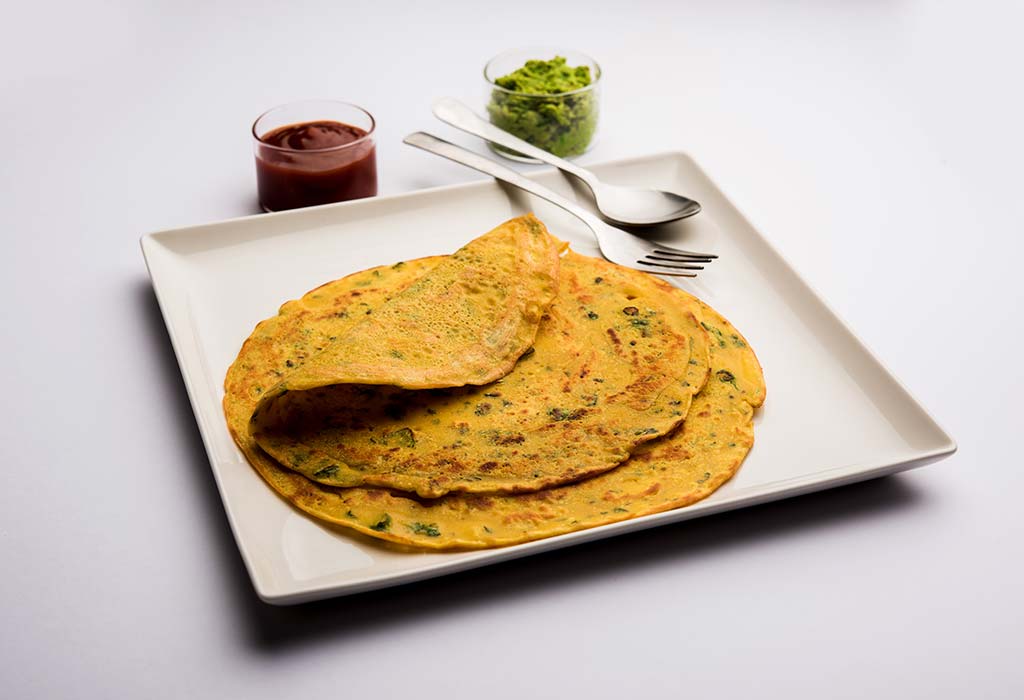
10 Healthy Recipes That You Can Make With Your Kids!
Do you always wonder what you will cook for breakfast or snacks for your kids. It can be hard to think of a new recipe daily. But if you’re willing to try some new recipes, I have some suggestions for you. The recipe that I have compiled here are tasty, healthy, and can be made in no time. These are quick, tried and tasted by my toddler and he even enjoys cooking these nutritious dishes with me. You can adjust the measurement as per number of people you are cooking for.
1. Rava Oats Chilla
Mix equal quantities of rava and powdered oats with curd. Add 1 chopped onion, salt to taste, half a teaspoon each of garam masala and coriander powder. Keep aside for 20 minutes. Then use the batter to make instant chilla non stick pan.
2. Green Moong Dal Chilla
Soak green moong dal overnight in water. Rinse moong dal and grind with ginger and salt. Add water as required to adjust the consistency and use this batter to make moong dal chilla.
3. Poha
Wash poha in a seive and keep aside. Chop one onion and one potato. Heat some oil in a pan, add mustard seeds, saunf, kadhi patta, few groundnuts/green peas, chopped onion, chopped potato and little salt. Put a lid and let it cook until potato is soft. Till then mix turmeric, little sugar, and salt in poha. Remove the lid and add turmeric to veggies. Add poha and mix again. Cover and switch off the gas. Keep for 5 minutes then serve. Garnish with freshly chopped coriander leaves and a dash of lemon juice.
4. Rava Appam
Mix rava and curd and keep aside for 10 minutes. Chop 1 onion, 1 capsicum, some coriander leaves, and keep aside. Grate 1 carrot and some ginger, and keep aside. Add the chopped and grated veggies to the batter and add water as required and salt. Use this batter to make instant appam for breakfast.
5. Besan chilla
Mix a cup of besan and some rava in a mixing bowl. Add some chopped coriander leaves, 1 chopped tomato and onion, some salt, ajwain, garam masala/kanda lehsun masala in the besan and rava mix. Add water and make batter. Keep aside then mix well. Use this batter to make besan chilla.
6. Pancakes
You will need 1 egg to make 2 small pancakes. Break one egg, add 1 heap spoon wheat flour, a pinch of salt, half a spoon sugar, and 2 spoons of milk. Mix well. Take non stick pan and put some butter. Pour half the batter and cover with lid. Cook for 30 seconds and flip. Cook thoroughly and serve pancakes with maple syrup or honey.
7. Bread Omelette
Whisk one egg in a bowl, add salt and black pepper. Grease non-stick pan with butter. Dip a bread slice in egg batter and put on the pan. Pour remaining batter over the bread and cover the lid. Flip after 10 seconds. Cook thoroughly and serve with ketchup.
8. Gud Paratha
Mix wheat flour and gud powder and 1 spoon of ghee. Make dough with water. Make paratha with ghee. Serve hot.
9. Cheese Tomato Sandwich
Take a whole wheat bread slice. Take finely chopped tomato and add little salt and pepper to it. Grate cheese over the bread slice then put finely chopped tomatoes on top then cover with other slice. Now make sandwich with butter. Serve with ketchup.
10. Chicken Strips
Take boneless chicken breast piece. Slice it into thin strips. Mix chicken strips, 1 egg, little olive oil, salt, black pepper, ginger garlic paste in a mixing bowl. Heat a non-stick pan and pour extra virgin olive oil to cover base of the pan. Now on low flame, place the strips one by one and cover the lid. Cook for two minutes then flip. Cook for another 3 minutes. You will see a change in colour and the chicken pieces will turn soft. Do not overcook. Serve hot!
Disclaimer: The views, opinions and positions (including content in any form) expressed within this post are those of the author alone. The accuracy, completeness and validity of any statements made within this article are not guaranteed. We accept no liability for any errors, omissions or representations. The responsibility for intellectual property rights of this content rests with the author and any liability with regards to infringement of intellectual property rights remains with him/her.
Read more
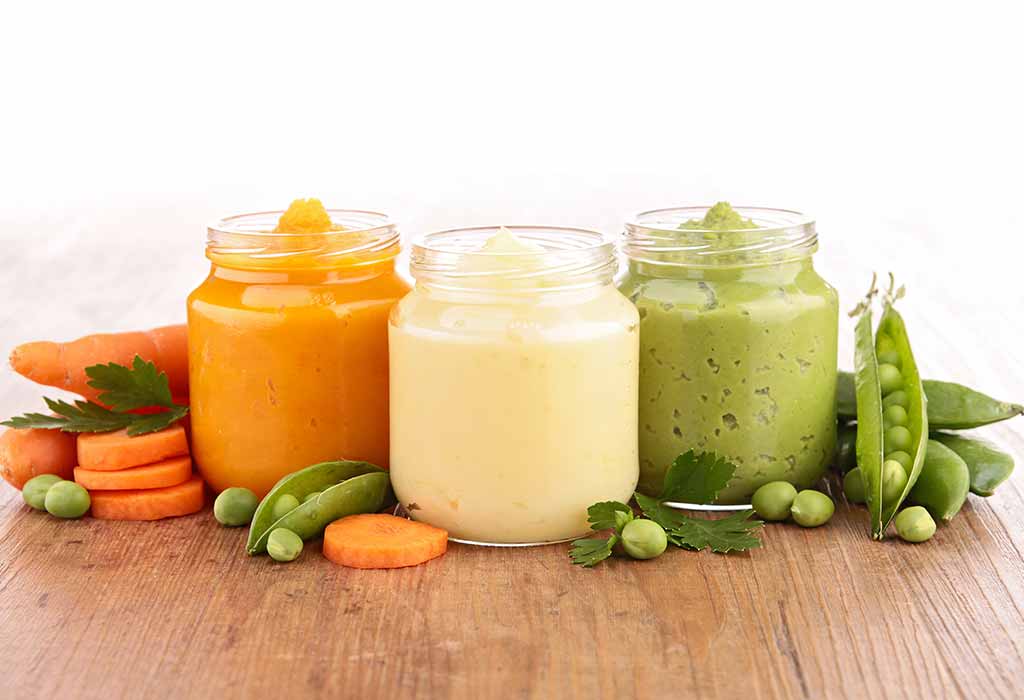
Weight-Gaining and Nutritious Recipes for Babies Aged 6 Months and Older
Babies are a bundle of joy! Until six months of age, they will be consuming only breast milk, so there won’t be much worry surrounding their nutrition. The real dilemma comes when we introduce solid foods. Here, I am going to share a few recipes that you can try feeding your little ones. These are the recipes which I give to my baby; you can take ideas from here, and prepare the dishes according to your preference. As the days pass, you will definitely know what your baby likes to eat, and prepare accordingly!
1. Mashed Green Peas
Ingredients:
5 to 6 tbsp green peas
Unsalted butter/ghee
Preparation:
Boil the green peas until fully cooked. After cooling, grind to a smooth paste. Add a teaspoon of ghee or unsalted butter. A pinch of jeera (optional) is good for digestion and prevents flatulence.
2. Ragi/Finger Millet Porridge
Ingredients:
2 tbsp of ragi
1/2 tsp of chickpeas (chole) or sprouts
Few pieces of beetroot or carrot
1/4 tsp of jaggery or palm jaggery
1 tsp of ghee or clarified butter
Preparation:
Take the ragi in a bowl. Add a little water, and mix it firmly so as to avoid lumps. Add the sprouts and vegetables. Place in a cooker for two whistles. You can even boil the ragi and veggies separately. It should be cooked well. After it cools, add the jaggery or palm jaggery. It is a rich source of calcium. Grind to a smooth paste, then finally add ghee.
3. Tasty Apple Puree
Ingredients:
Few pieces of apple
Unsalted butter
Preparation:
Peel the apple skin first. Boil the apple pieces until fully cooked. After cooling, grind into a paste. To this, you can add unsalted butter or ghee. No need of adding any sweetener to this.
4. Ragi Porridge With Banana
Ingredients:
2 tbsp of ragi millet
One small banana
Preparation:
Mix the ragi millet in the same way as said in the second recipe. After cooling, grind to a smooth paste. Add a banana, and grind again. Add a teaspoon of ghee. Banana gives a natural sweetness to it.
5. Mixed Dal/Lentils With Rice or Veggies
Ingredients:
2 tbsp of lentils (green gram/yellow lentils/red lentils, etc.)
2 tbsp of rice (optional)
Jaggery and ghee
Preparation:
Add well-cooked lentils to cooked rice. Mash or grind to a smooth form. Add a small piece of palm jaggery, and ghee. You can also add two boiled spinach leaves or any other leafy vegetables of your choice.
You can also give separate purees of fruits, like mashed banana, apples, musk melon, and so on.
Some nutritional information about the above recipes:
I have mentioned ghee and jaggery in all the recipes, as they are rich sources of nutrients.
Ghee or butter is very beneficial for brain development. It also helps to boost metabolism. Ghee is rich in omega-3 fatty acids.
Jaggery, especially palm jaggery, is a rich source of calcium, which is very essential for the overall growth of babies.
Green leafy vegetables are rich in fibre. They are very good for avoiding constipation.
Lentils are a rich source of proteins.
Rice provides the required carbohydrates to the body.
Disclaimer: The views, opinions and positions (including content in any form) expressed within this post are those of the author alone. The accuracy, completeness and validity of any statements made within this article are not guaranteed. We accept no liability for any errors, omissions or representations. The responsibility for intellectual property rights of this content rests with the author and any liability with regards to infringement of intellectual property rights remains with him/her.
Read more
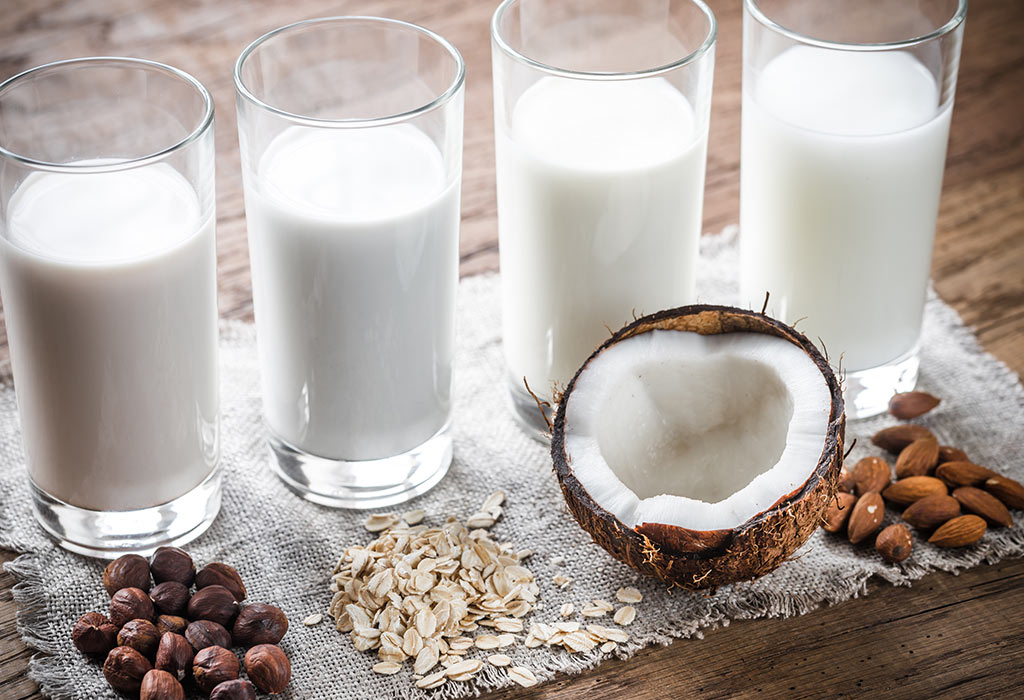
Milk Alternatives for Toddlers
As per the ‘old-school’ way of parenting, giving cow’s milk or buffalo’s milk to toddlers is common, especially in India. Whenever a mother decides to wean her baby off breast milk, she is usually suggested to introduce cow’s milk as the main drink to her toddler, and for good reasons, of course. Milk is known to strengthen the bones and teeth in children and is a very nutritious drink. But many new parents today consider giving milk alternatives to their kids for various reasons. And medical reasons might make milk alternatives necessary, however, the worry of balanced nutrition is pretty real in parents’ minds. Not every milk alternative can provide the same nutrition that a child can get from cow’s milk, but if you have to give milk alternatives to your child for one reason or the other, find out what milk alternatives would be the best.
When to Give Milk Alternatives to Your Child
Doctors usually suggest milk alternatives for toddlers with allergies or lactose intolerance. Kids who are allergic to milk proteins or are lactose intolerant may have trouble synthesizing the nutrition present in the milk, and can even face various side effects. In these cases, parents may have no choice but to give milk alternatives to their toddlers.
Best Milk Alternatives for Toddlers
Today, you will find a range of options in milk alternatives to choose from and it can be difficult for you to decide which would be the best for your child. Each alternative has some benefits to offer over traditional milk, but they are not a complete solution and might fall short in different ways. We have suggested some milk alternatives for toddlers (with their pros and cons to help you make an informed choice), which you can consider after checking with your child’s paediatrician.
1. Rice Milk
This type of milk is a popular milk that is derived from the grains of rice.
Pros
For children who suffer from numerous allergies and are susceptible to reactions from different types of milk, rice milk is the safest option in that regard. There are extremely rare chances of any child developing any allergy towards rice milk. Furthermore, the majorly neutral taste that it has allows it to be used in various preparation as well.
Cons
Rice milk doesn’t have any particular taste as such and hence kids may throw tantrums when rice milk is offered to them. At the same time, when compared with the same quantities of other milk alternatives, rice milk has a far larger amount of carbohydrates but quite a low amount of fat and proteins.
2. Coconut Milk
Coconut milk is a popular option in India. Coconut milk is acquired from grating and pulping a matured coconuts.
Pros
Coconut milk is a great choice for kids who suffer from traditional milk allergies. This creamy milk is rich in calcium, magnesium, and manganese.
Cons
While coconut milk is rich in fats and other vitamins, the proportion of proteins and calcium in its constitution is not as much as it should be, when compared with the traditional milk. This can put kids at a risk of deficiency, which makes it necessary to complement the intake of coconut milk with other sources that provide the missing elements.
3. Almond Milk
A highly prized type of milk-based on plant sources, almond milk, is generally obtained by blending almonds and water.
Pros
The ease of preparation of almond milk is the greatest advantage it brings. If you want to give it to your child, you should give homemade almond milk.
Cons
Since the only source of nutrition in this milk is from almonds, there is a huge gap when it comes to satisfying the daily requirement of proteins and even saturated fats. While many commercial milk brands fortify their products with these elements, it becomes essential to complement them via other sources in the child’s diet.
4. Soy Milk
Soy milk is one of the highest-selling and popular alternatives to traditional milk. Soybeans are soaked and ground together, then boiled and filtered to obtain the milk.
Pros
The popularity of this milk has made it the go-to choice for many people, and its ease of availability makes it easy to give it to your child at any point in time. The constitution of this milk is quite close to that of the traditional milk from the cow, which is why many families opt for using this milk in other preparation items as well.
Cons
Soy allergies are not unheard of, and if your child suffers from it as well, this milk will obviously be a bad choice. Although many brands fortify their soy milk products with calcium and Vitamin D, the amount of fortification may not be enough for your kid. Checking the value on the label should help you ascertain what’s right for your child.
5. Lactose-Free Milk
By introducing an enzyme in traditional milk that helps break down that protein, lactose-free milk is obtained easily.
Pros
There is barely any difference between cow’s milk and the lactose-free equivalent of it. The nutritional constitution is identical, and the taste is usually a tad sweeter than the original.
Cons
Many commercial brands market their milk products as “lactose-free” but make use of plant-based sources or other elements for the actual milk. Furthermore, this milk is not useful for children who are allergic to other elements present in the milk or are lactose-intolerant.
How to Decide Which Is the Best Milk Alternative for Toddlers
When deciding the right type of milk alternative for your little one, here are some factors you should keep in your mind.
The nutritional requirement based on his age
The typical diet of the child
Financial choice of opting for fortified milk
Choosing among different milk alternatives for babies or toddlers should be governed by the very reason why you are opting for one. It is best to go with a choice that is as close as possible to the cow’s milk. The best option would be consulting a nutritionist or doctor for the same and making the right choice for your child.
Also Read: How to Make your Child Drink Milk?
Read more
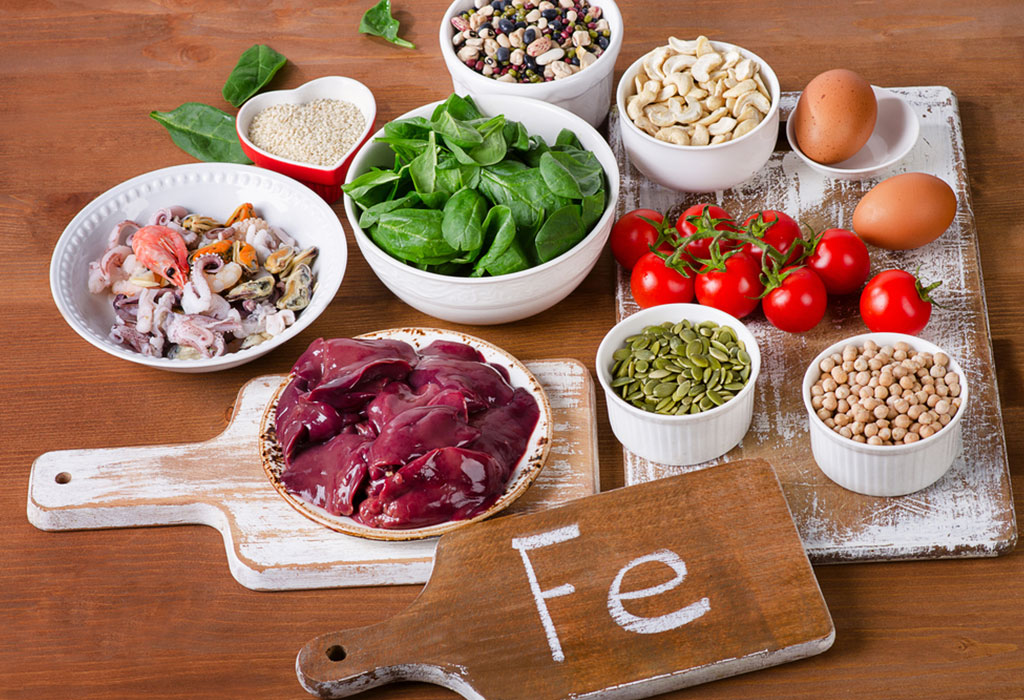
14 Iron Rich Foods for Babies and Toddlers
The beneficial properties of iron for babies are many. From promoting adequate growth and development to keeping anaemia at bay, iron is an essential nutrient that ensures proper health and well-being. Most babies do not need any kind of iron supplements until they are at least four months of age. This is because all babies get plenty of iron from their mothers during the final trimester of pregnancy. If your baby is born prematurely, then there is a possibility that he may suffer from an iron deficiency. This can also happen if you were diabetic or had poor nutrition during pregnancy.
Importance of Iron for the Body
Iron is an essential nutrient needed for proper growth and development. It aids proper functioning of the body by helping the blood transport oxygen from the lungs to the rest of the body and the muscles to store and use oxygen. Essentially, iron is the main component of healthy blood, and a deficiency in iron can cause anaemia, which affects core functions in the child’s body.
Symptoms of an Iron Deficiency
You may notice the following symptoms if your child has an iron deficiency.
Pale skin
Poor appetite
Constant fatigue
Abnormal breathing
Delayed growth and development
Frequent illnesses
How Much Iron Do a Baby and Toddler Need?
You will be surprised to know that babies are born with a reserve of iron, which they get from their mother’s blood while they are in the womb. For the first six months after delivery, the breastfed babies get everything they need from their mother’s milk. If breastfeeding is not an option for your baby, you can also use store-bought iron-fortified infant formula for the first 9 to 12 months. This formula should be cow’s milk-based. Once your little one starts eating solid foods, the amount of iron they need depends on their age, which is:
Age
Amount of Iron per say (Recommended Daily Allowance)
7 to 12 months
11 mg
1 to 3 years
7 mg
Iron-Rich Foods You Can Include in Your Baby and Toddler’s Diet
There are two categories of iron-rich foods – heme and non-heme. Heme originates from haemoglobin and is usually found in animal products, especially poultry and meat. Heme-iron is absorbed by the body quicker than non-heme iron. There are plenty of non-vegetarian and vegetarian iron-rich foods for babies to try out. Here is a compilation of iron-rich food for babies and toddlers.
1. Meat and Poultry
These are great sources of heme iron, especially red meats and liver. Try to remove all the fatty parts of the meat before cooking, as they do not contain any iron. You should cook the meat well before feeding it to your baby. Else, it can be difficult for them to chew and digest easily. Furthermore, meat and poultry should be included in a baby’s diet only after he turns 8 months of age.
2. Egg Yolks
Yet another of the good sources of iron for toddlers and infants alike, eggs are easily available and easy to cook and eat. Try to incorporate egg yolks into various recipes. This guarantees that your child gets a healthy dose of iron regularly without having to eat the same thing every day. Caramel custard or custard flan are some delicious options for desserts that include egg yolks. If you do want to include egg yolk in your child’s diet, do it after he turns 10 months of age.
3. Red Rice
Excellent sources of non-heme iron-rich foods for infants, these varieties of rice might not appeal to your child if simply cooked. Try to add some flavour to it by stirring in vegetables, eggs, or meat depending on your food habits.
4. Beans
Almost all varieties of beans are rich in iron. Lentils, kidney beans, chickpeas, and soybeans are just some examples. You can steam the beans and flavour them with some salt and mild spices before offering them to your child. You can also mix them with meat or rice.
5. Sweet Potatoes and Potatoes
In order to retain most of the iron in potatoes, be sure to cook them with the skin on. Baked and steamed potatoes or sweet potatoes are a favourite with most children. You can also slice them to resemble french fries, as this will also help your child grip them easily when self-feeding. Mashed potatoes are another favourite.
6. Seafood
There is no denying that seafood is a source of various nutrients essential to your child including iron. Tuna, clams, and shrimp are the best sources of iron. You can cook these in a variety of ways and feed them to your child on a regular basis. However, be aware that some children can be allergic to specific seafood, so introduce these to your child with care.
7. Peanut Butter
A favourite with a large number of kids, peanut butter, is packed with iron. Using it with whole bread will make it a healthy snack at all times. You can also try out peanut butter cookies for a special treat. Using enriched flour or oatmeal helps you increase the healthy-eating quotient.
8. Tofu
A great meat substitute for vegetarians, tofu contains a significant amount of iron. You can cut tofu into strips and sauté them before offering it to your child, alongside a dip. It can also be consumed by children who are lactose-intolerant.
9. Prune and Cranberry Juice
These are some of the few fruit juices with rich iron content. Their sweet taste is bound to appeal to children, but be sure not to give them more than one glass per day. These juices are also good for urinary tract health and prevent constipation. They contain no fat or cholesterol.
10. Dried Seeds
A great snack during travel or after playtime, dried seeds are fun to munch on. Sunflower, pumpkin, and sesame are just some of the seeds that contain iron in significant amounts. You can also try to make a granola bar out of these or use them as garnishing in puddings and other sweet treats to make it interesting.
11. Dried Fruits
Dried dates, apricots, prunes, and raisins all contain a large amount of iron. They make for extremely healthy snacks to chew when your child is hungry or simply wants something to munch on. Encouraging your child to reach for dried fruits whenever they want a snack is one good habit you might want to continue into adulthood.
12. Green Leafy Veggies
You might find it difficult to get your children to finish up green veggies when served raw or steamed. Spinach, broccoli, collards and kale are rich in iron and many other essential nutrients. You could blend these into a paste and use them in gravies, soups or dips. Add some flavour with spices if required.
13. Tomatoes
If your child refuses to eat fresh tomatoes cut into nice little cubes, try drying it under the sun or inside an oven. Then you can make sauces and soups out of it. Spaghetti with tomato sauce and mildly-flavoured tomato soup are sure to be a hit with your child.
14. Green Peas
Peas are one of the kids’ favourite foods as they love to pick them up using their little fingers and put them in their mouths. This green vegetable is an excellent source of protein, fibre, iron, and other nutrients. You can prepare several dishes using green peas for your child.
Best Iron-Rich Food Recipe Ideas for Babies and Toddlers
Once your child is about six months old, you can start giving them solid foods. Make sure to choose foods that contain iron. Here are some iron-rich food recipes for your little one.
Breakfast or Snack Ideas
Simple and easy to prepare iron-rich breakfast or snack ideas for kids.
1. Apple and Oats Pancake
Ingredients:
Apple puree
Rolled oats
Milk
Baking powder
Maple syrup
Vanilla
Baking soda
Instructions:
Blend oats until fine.
Add the remaining ingredients and again blend until smooth. Make sure the mixture is thick.
Drop some batter onto a medium-heat greased pan.
Look for bubbles to burst on the surface, and then flip the pancakes.
Once done, remove the pancake from the heat and add maple syrup on the top and serve.
2. Chickpea and Oat Crackers
Ingredients:
400g chickpeas
1 cup rolled oats
2 cloves garlic
1 tablespoon lemon juice
Salt
¼ cup olive oil
Instructions:
Rinse and drain the chickpeas and add to a food processor. Blend until smooth.
Add the rolled oats and continue to blend properly.
Add garlic, lemon juice and salt to it for seasoning.
Gradually add olive oil and continue to blend until everything comes together as a ball.
Place the dough on a baking tray and press it with your hands to start flattening it.
Place a second piece of baking paper on top of it, using a rolling pin, and roll until it is evenly spread.
Score the dough into cracker-shaped pieces and prick the centre of each cracker using a fork.
Bake it at 180 degrees Celsius for 40-50 minutes until golden brown.
Leave it to cool and serve.
3. Zucchini Slice
Ingredients:
Eggs
Zucchini
Bacon
Flour
Baking powder
Onion
Cheese
Instructions:
Preheat the oven to 180 degrees Celsius and add baking paper to the container.
Whisk the eggs in a bowl and add the flour and baking powder to it, and whisk.
Add finely dice the onion to the mixture.
Grate the zucchini and remove the excess liquid from it. Add it to the mixture.
Add diced bacon and grated cheese to the mixture.
Pour the mixture into the lined container and bake for 40-45 minutes.
Cut it into slices and serve.
Lunch or Dinner Ideas (Non-Vegetarian)
Simple and easy to prepare iron-rich non-vegetarian lunch or dinner ideas for kids.
1. Spinach Crepes
Ingredients:
3 eggs
¾ cup arrowroot powder
¼ brown rice flour
1 cup plant-based milk
1 tbsp coconut flour
30g baby spinach
1 tbsp olive oil
1 tsp sea salt
Olive oil
Instructions:
Crack the eggs into a blender and process.
Add the other ingredients and process on high until completely smooth.
Pour this batter into a jug and leave it in the fridge for 20 minutes.
Heat a frying pan over medium-high heat and add a few drops of olive oil.
Whisk the batter and add around ¼ cup of the mixture into the pan.
Flip it over once cooked from one side and let the other side turn golden brown.
Serve.
2. Korma Egg Curry With Spinach and Chickpeas
Ingredients:
2 tbs canola oil
1 brown onion, peeled and diced
1/3 cup korma curry paste
1/3 cup tomato paste
1 1/4 cups water
1/3 cup light coconut cream
400g can chickpeas, rinsed and drained
120g baby spinach leaves
8 hard-boiled eggs
Instructions:
Place a saucepan over the heat and add oil and onion. Cook it for about 5 minutes or until softened.
Add curry and tomato paste to it and cook gently for 1-2 minutes.
Add water, coconut cream, and chickpeas and cook for 5 minutes.
Stir in the spinach and cook until it’s wilted.
Add the eggs to the curry and stir gently to coat them.
Garnish with coriander and serve with roti.
3. Lamb Lollipop
Ingredients:
16 lamb riblets
3 tbs parmesan
1/2 cup cornflour
3 eggs
1 cup panko-dried breadcrumbs
1/4 cup parsley and mint
Olive oil
Instructions:
Cut between the rib bones on your riblet rack and scrape away some of the fat nearest to the bottom of the bone on each rib bone.
Peel the lamb up the bone to form a little ball at the end of the rib.
Combine the parmesan, cornflour, panko crumbs and parsley in a bowl.
Lightly whisk eggs in a separate bowl.
Dip each lollipop into the whisked egg and then cover in the crumb.
Fry the lamb lollipop until golden brown and serve.
Lunch or Dinner Ideas (Vegetarian)
Simple and easy to prepare iron-rich vegetarian lunch or dinner ideas for kids.
1. Pumpkin Dhal
Ingredients:
1 tbs olive oil
1 onion, diced
2 cloves garlic, crushed
2cm cube ginger, grated
1/2 long thin red chilli, finely sliced
1/2 tsp cumin seeds
1/2 tsp ground turmeric
1/2 tsp ground coriander
1/2 tsp garam masala
1/2 small butternut pumpkin, cubed
1 x 400g can no-added-salt chopped tomatoes
1 cup red split lentils, drained and rinsed
3 cups water
Instruction:
Heat oil in a pan and add onion, garlic and ginger to it. Cook for 2-3 minutes.
Add in chilli and spices.
Add pumpkin, tinned tomatoes, lentils and two cups of water. Let it cook for 18 minutes.
Use the back of a spoon to break apart pumpkin cubes.
Add one cup of water and stir through to warm up.
Serve immediately, dolloped with yoghurt.
2. Sweet Potato, Broccoli, Zucchini Mash
Ingredients:
2 tsp olive oil
350 g sweet potato
1 potato
1 small parsnip
1 large zucchini
100 g small broccoli florets
Instructions:
Heat the oil and add in sweet potato, potato and parsnip.
Add 1/2 cup of water and bring to the boil. Simmer it for 10 minutes.
Add zucchini and broccoli to it and stir well. Let it cook until the vegetables are tender.
Remove it from heat and mash to desired consistency, and serve.
3. Spinach Muffins
Ingredients:
Flour
Spinach
Applesauce
Oil or butter
Milk
Maple syrup
Spices
Baking soda and powder
Salt
Instructions:
In a bowl, add the dry ingredients.
Whisk the flour, baking soda and powder, salt, and cinnamon until well incorporated.
In a blender, add the spinach, milk, applesauce, oil, and maple syrup.
Blend everything until completely smooth.
Pour the above spinach mixture into the dry ingredients and stir until combined. Do not over mix.
Scoop the batter into muffin tins and bake for 12-14 minutes.
Serve hot.
FAQs
1. Does Your Baby Need to Take Iron Supplement?
A breastfeeding baby, for the first four months, does not need any additional iron. The iron in a baby’s body at birth is enough for its initial growth.
At four months of age, babies who are partially or completely breastfeeding should be supplemented with 1 mg per day of oral iron until appropriate iron-containing complementary foods are introduced into their diet.
2. Can Babies Get Enough Iron From Vegetarian Food/Diet?
Yes. There are many vegetarian sources of iron that are great for babes. Potato, broccoli & peas are some of the super vegetarian sources of iron.
3. Should You Worry If Your Baby or Toddler Getting Too Much Iron?
Excessive iron intake can be toxic to babies or toddlers and can cause serious health problems. These problems include decreased growth, increased illness, altered gut microbiota to more pathogenic bacteria, increased inflammatory markers, and impaired cognitive and motor development. Therefore, only the recommended daily intake of iron should be given to a baby or a toddler.
Babies who are being breastfed or given infant formula fortified with iron do not require any iron supplements. Toddlers who eat a well-balanced diet, with enough iron sources included, also do not need any supplementation either. Poor iron content in children can lead to distracted focus and causes them to feel tired and weak. So, try to incorporate at least a couple of iron-rich food into your baby’s daily diet.
Resources/References:
1. Iron needs of babies and children; National Library of Medicine; https://www.ncbi.nlm.nih.gov/pmc/articles/PMC2528681/; April 2007
2. Iron; cdc.gov; https://www.cdc.gov/nutrition/infantandtoddlernutrition/vitamins-minerals/iron.html
3. Where We Stand: Vitamin D & Iron Supplements for Babies; healthychildren.org; https://www.healthychildren.org/English/ages-stages/baby/feeding-nutrition/Pages/Vitamin-Iron-Supplements.aspx
4. Vegetarian and vegan feeding guide for babies; pregnancybirthbaby.org.au; https://www.pregnancybirthbaby.org.au/vegetarian-and-vegan-feeding-guide-for-babies
5. Excess iron intake as a factor in growth, infections, and development of infants and young children; Bo Lönnerdal; National Library of Medicine; https://www.ncbi.nlm.nih.gov/pmc/articles/PMC5701711/; October 2017
Also Read: Finger Foods for Babies
Read more

Foods to Eat & Avoid During Cold and Cough for Babies, Toddlers and Kids
If your bundle of joy has a cold and cough, it must be really hard for you to see him suffer. Your child may have a poor appetite during this time and he may even refuse to eat. But not getting adequate nutrition can slow down his body’s natural response to fight infection. You must make sure that he eats the right food to get him immune system back on track. Read this article to find out which foods you can give (and avoid) to your child when he has a cold or cough.
Video: Foods to Eat or Avoid During Cold and Cough for Babies and Kids
Recommended Foods for Cough and Cold for Infants, Toddlers and Children
Giving nutritious foods to a baby which can be digested easily by him would be the best option. Here are some foods you should include in your child’s diet if he has a cough or cold:
1. Breast Milk
If you have a newborn or a baby below six months of age, breast milk will be the only source of nutrition for him. Breast milk, being a good source of antibodies, can strengthen the immune system of a child. Check to see if your baby is congested before you start feeding your child, as congestion can prevent your infant from feeding adequately.
2. Barley Water
Suitable for infants who are at least six months old, barley water is a great remedy for fever, cold, and cough. However, it is not suitable for children with gluten allergy and caution must be exercised if a family member has such an allergy. This is because the allergy might have been passed on to your child and you could be still unaware of this fact.
3. Applesauce
Also known as stewed apples, these are easy-to-digest and can help a baby stay hydrated. They come in handy during a cough and cold as they replenish the body’s fluid supply.
4. Rice Water or Gruel
Recommended for babies who are above six months of age, rice gruel is a soothing home remedy for a cough and cold. Rice water boosts the immunity of a child thereby helping him combat any infection.
5. Sweet Potatoes
Sweet potatoes are a rich source of nutrients and strengthen the immune system. They also help the body in producing white blood cells. Sweet potatoes can be consumed in the form of porridge or you can mash and puree them for your little one aged six months and above.
6. Carrots
Carrots have medicinal properties and eating carrots can enhance the immune system and keep away bacteria and viruses. You can steam and mash the carrots to give it to your baby. You can also puree them or make carrot soup. However, give it your baby only if he is above six months of age.
7. Pomegranate Juice
The antioxidants in pomegranate juice can help subdue your child’s cold. Make pomegranate juice and add a bit of pepper powder and dry ginger powder to it. Give it to your baby if he is 6 months or older. This juice will help provide him relief from a cold and cough.
8. Moong Dal Porridge
Moong dal porridge is a wholesome and filling food for babies suffering from cold. It can be given during lunch or dinner. Suitable for children seven months and older, it is a soothing dish that you little one will enjoy.
9. Curd Rice
If your child is over eight months of age, you can feed him curd rice with a little seasoning of ginger and cumin seeds any time he is unwell. If your child has a cough or a cold, ensure that the curd you serve him is at room temperature and not too cold or sour.
10. Idli and Dosa
Steamed idli and dosa make great comfort food and can be given to kids when they are unwell and don’t feel like eating. You can give idli or dosa at any time of the day to your child if he is eight months or older. You can also offer chutney or some homemade jam as a dip.
11. Sabudana Porridge
Sabudana is also known as sago; it is a good source of starch and can give your child a dose of energy. As it easy to digest, it is a preferred choice for children when they are sick. You can make sabudana porridge, serve it with vegetables, or you can simply give the water. It is good for babies aged seven months or older.
12. Broccoli
Rich in antioxidants, broccoli is a good pick for combating infections. It energizes the body’s immune system and is suitable for children over eight months of age. You can make broccoli soup or puree for your little one. He will soon feel better.
13. Tomato Soup
Almost all of us like tomato soup; it is tasty and healthy. And the good thing is that it can be even given to children older than eight months of age. It constitutes a healthy dose of Vitamin C – you can mix some mashed rice in it before offering it to your baby.
14. Mashed Potatoes
Mashed potatoes taste delicious and can be quite filling for a baby. Made from boiled potatoes, they usually appeal to children of all ages and can be introduced from eight months onwards.
15. Dalia
Being soft food, it can be swallowed easily, especially if a child has a throat irritation or pain. It can be made without milk to speed up the digestion process when a baby is sick. Dalia can be given to babies who are eight months and older.
16. Citrus Fruits
Drinking orange juice or lemon juice can help prevent cell damage while easing congestion and thinning out mucus. Make the juice with lukewarm water and add a dash of honey. It is generally recommended for children who are one year or above.
17. Turmeric Milk
A little turmeric powder mixed in warm milk with a dash of pepper acts as a natural antibiotic and can cure a cold as well as throat infection in babies who are one year or above.
18. Mushroom Soup
The health benefits of mushrooms are plenty, and their ability to keep infections away is well known. You can give warm mushroom soup to your baby; it is great comfort food for toddlers with a cold and cough. It is usually given to children who have attained the age of one.
19. Poha or Beaten Rice
It is soft and can be chewed by babies easily. Poha is also easy-to-digest and makes for a filling meal, especially for a child who is unwell. You can give poha to your child if he is 1 year or older.
20. Tulsi Water
Tulsi or Indian basil can provide relief from a cold and cough. Boil a few leaves of tulsi in half a litre of water for about 5 minutes. Strain and give it to your child. You can give it to babies above 6 months of age.
21. Garlic Lentil Soup
Just like rice water, dal ka pani is good for babies. But if your baby has a cold and cough, you can give him garlic and lentil soup. Garlic has antiviral properties and can boost the immune system. Its antiviral properties can prevent infections and speed up the healing process.
22. Ajwain Water
Giving ajwain water can also relieve cough and clear chest congestion. Boil a tablespoon of carom seeds in water for some time. Let it cool then strain the liquid, then give it to your baby at regular intervals.
23. Bone Broth
Bone broth is made by simmering bones and connective tissue for several hours. It is rich in nutrients like collagen, which can help to support a healthy immune system. Bone broth can be served independently or used as a base for soups and stews.
24. Soup With Turmeric
Turmeric contains a compound called curcumin, which has anti-inflammatory and immune-boosting properties. For flavour and health benefits, you can add turmeric to soups, stews, and other dishes.
25. Oats
Oats are a good source of fibre, which can help to boost the immune system and reduce inflammation. They are also a good source of zinc, which is important for immune function. Serve warm oatmeal with cinnamon and honey for added flavour.
26. Chicken Soup
Chicken soup is a time-tested remedy for coughs and colds in adults and children. It is believed to reduce inflammation, soothe the throat, and provide essential nutrients that can help the body fight off infections. Chicken soup is easy to digest and provides much-needed hydration.
27. Ginger Tea
Ginger is known for its anti-inflammatory and immune-boosting properties. Ginger tea can help to soothe a sore throat, reduce coughing and congestion, and ease nausea. Simply steep fresh ginger in hot water and add honey to taste.
28. Honey
Honey is a natural cough suppressant that can help to soothe irritated throats and reduce coughing. It also has antimicrobial properties that can help to fight off infections. Add a teaspoon of honey to warm water or tea for children over one.
29. Yoghurt
Yoghurt contains live cultures that can help boost the immune system and fight infections. It is also a good source of protein, which is essential for building and repairing tissues. Choose plain yoghurt and add fresh fruit for flavour.
30. Berries
Berries such as strawberries, raspberries, and blueberries are rich in antioxidants that can help to reduce inflammation and boost the immune system. They are also a good source of vitamin C, which is important for a healthy immune system.
31. Cherry
Cherries are important for a healthy immune system. They are also a good source of fibre, which can help to reduce inflammation. Include cherry in your diet for good immunity.
32. Quinoa
Quinoa is a good source of protein, which is important for building and repairing tissues. It also contains fibre and vitamins that can help to support a healthy immune system. Serve quinoa as a side dish for dinner.
These are some recommended food for kids during cold and cough, which you can give and relieve.
Foods to Avoid During Cold and Cough
You should avoid including certain foods in your child’s diet if he has a cold and cough. This is because some fruits and vegetables are likely to have a cooling effect and can lead to respiratory infections. These include:
1. Refined Sugar and Sweets
Too much sugar is not good for anyone, especially for babies and toddlers. Hence, sugar and sweets laden with sugar should not be given to a child with a cold or cough.
2. Dry Fruits and Nuts
Your child may find it hard to chew or swallow dry fruits and nuts if he has a cold or cough. There is also a risk of sticking pieces in his throat if he coughs while eating. So it’s best not to give dry fruits and nuts. However, you can give them in powdered form – add the powder to his milk and porridge when he is sick.
3. Spicy and Oily Foods
Spicy or oily food can irritate the throat and worsen your child’s cough and cold. Thus, it is best not to give them to your kiddo.
4. Dairy Products
Dairy products like milk, cheese, and yoghurt can thicken mucus and worsen cough and cold symptoms. Avoid giving dairy products to children who are experiencing cold and cough.
5. Processed Foods
Processed foods like chips, crackers, and pre-packaged snacks are often high in salt and preservatives, dehydrating the body and worsening cough and cold symptoms. Choose whole, unprocessed foods instead.
6. Fried Foods
Fried foods are high in fat and can be difficult to digest, worsening cough and cold symptoms. Avoid fried foods instead of baked, grilled, or steamed foods.
7. Sugary Drinks
Sugary drinks like soda and juice can dehydrate the body and weaken the immune system, making it harder for the body to fight off infections. Avoid sugary drinks and, instead, opt for water or herbal tea.
The above-mentioned food for babies in cold and cough should be avoided, and you will be good to go!
Tips to Feed a Child Suffering From a Cough and Cold
If your munchkin is unwell, he is bound to get cranky and may fuss while eating. Here are a few things you should keep in mind to make sure he gets the required nourishment:
Babies six months and younger should be breastfed or given formula if they have a cold and cough.
Babies 6 months and above should have frequent small meals instead of big meals thrice a day.
If your baby’s doctor prescribes oral rehydration solution (ORS) to your toddler, give it to your child as and when required.
If your baby does not want to eat something, give him what he wants. Do not force-feed your sick child.
If your baby is above six months old, ensure he stays hydrated. Offer him different types of fluids. These can include water, milk, broth, and fresh fruit juice made with slightly warm water.
You should follow these general guidelines if your child is down with a cold or cough. However, if there are symptoms like wheezing or ear pain, it is best to consult a doctor immediately, as it can be an ear infection or something more serious. Also, do not introduce new foods when your baby is ill, as these can aggravate the symptoms or cause allergies, worsening the matter. Consult your doctor if your child’s condition doesn’t improve over a few days. Since dehydration is possible because of infections, keep an eye on your child; note these early signs to ensure you can get your child the help he needs immediately.
References/Resources:
1. Colds in children; PubMed Central; https://www.ncbi.nlm.nih.gov/pmc/articles/PMC2722603/; October 2005
2. Foods and Drinks to Avoid or Limit; Centers for Disease Control and Prevention; https://www.cdc.gov/nutrition/infantandtoddlernutrition/foods-and-drinks/foods-and-drinks-to-limit.html; May 2022
3. Mayo Clinic Staff; Cold remedies: What works, what doesn’t, what can’t hurt; Mayo Clinic; https://www.mayoclinic.org/diseases-conditions/common-cold/in-depth/cold-remedies/art-20046403; June 2022
4. Sanu. A, Eccles. R; The effects of a hot drink on nasal airflow and symptoms of common cold and flu; Rhinology; PubMed; https://pubmed.ncbi.nlm.nih.gov/19145994/; December 2008
5. Rennard. BO, Ertl. RF, Gossman. GL, et al.; Chicken soup inhibits neutrophil chemotaxis in vitro; Chest; PubMed; https://pubmed.ncbi.nlm.nih.gov/11035691/; October 2000
Also Read:
How to Deal with Dry Cough in Babies
Home Remedies for Children’s Colds and Flu
Cold and Cough Medicine for Infants and Children
Read more
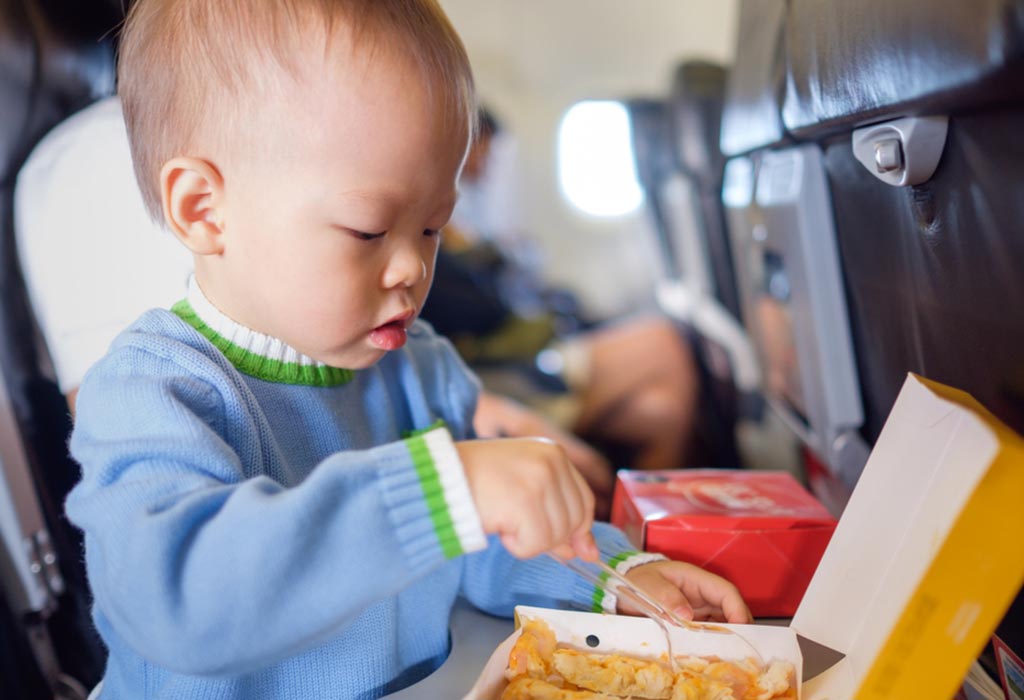
Baby and Toddler Foods To Carry & Avoid While Travelling
Travelling with a baby in tow may seem challenging, but the key to ensuring a smooth journey that both you and the baby enjoy is to be prepared for anything you may need. A major part of travelling with your baby is having the right food around, as babies stomachs are delicate, and can’t handle outside food. Many parents are unsure about what kind of food to carry when travelling with a baby and toddler. To keep your baby’s hunger satiated and her mood happy, it is important to carry food that is both, travel-friendly and delicious. Here are some baby and toddler travel food ideas.
Video: Travel Foods for Babies and Toddlers (What to Carry and What to Avoid)
Food for Babies While Travelling
Babies between six to 12 months old are fairly new in the process of being introduced to solids, so it essential to be smart about the type of food you carry along for them. Here are some travel foods for babies.
1. Baby Food
Baby food is nutritious, yummy, and quite easy to prepare while travelling. This kind of food is generally given to infants above six months. There are various baby food premixes that are easily available and travel-friendly.
2. Milk
This is a complete food for babies and toddlers, due to the rich nutrients it contains. You can rely on breastfeeding the baby if you are travelling in a private vehicle, but it can be an issue in public places. Store breast milk beforehand, using a breast pump, and feed your baby during meal times. Formula milk is a great option, as it needs water and formula powder to make the mix.
3. Fruit Purees
These are wholesome, loaded with essential nutrients, and easy to prepare when travelling. This can be prepared on-the-spot since all you need is fruit, milk, a bowl, and a fork. Mash the fruit add milk and feed it to your tiny tot.
4. Carrot Cake
Travel isn’t fun without something sweet, right? Carrot cake is soft, healthy and delicious. You can always substitute flour and sugar with healthier ingredients such as whole wheat and jaggery or honey. Your child will be super happy when you bring out the carrot cake you’ve packed.
5. Porridge Mix
If your baby is over 6 months, you can carry easy-to-make porridge for him. Some easy and delicious porridges made out of sattu or ragi are easy to prepare as you simply need to pour hot water and mix. They are nutritious, easy to carry and a sure hit for your child.
6. Vegetable Puree
Boil vegetables like broccoli and carrot, and mash them until they reach a puree consistency. These can be seasoned and fed to your baby during travel to ensure his nutritional intake is sufficient for the day. Vegetables purees are easy to feed your child, and he will surely love the taste.
Food for Toddlers While Travelling
Between the ages of one to three, toddlers are now more accustomed to eating solid food, but require non-spicy, hygienic, and well-cooked dishes. Here are some food ideas for toddlers when travelling.
1. Yoghurt
This superfood is easy to carry while travelling and is packed with essential nutrients such as calcium. Kids love the tasty flavours of yoghurt, which is light on the stomach. Ensure you pack yoghurt in travel-friendly jars for an easy feeding session. Ensure that you store yoghurt in a cool environment.
2. Cereal
Choose O-shaped cereals while shopping for your trip, and it can prove to be an ideal travel food for one-year-old children and above. Slide them onto his fingers and let him enjoy this engaging activity while travelling. You can add dry fruits to make it healthy and enhance the flavour too.
3. Eggs
This superfood is rich in calories and helps to boost the immune system. The unsaturated fats in eggs help in developing the brain. As you’re travelling, you can stick to serving them hard-boiled eggs, as they are the least likely to create a mess.
4. Hummus
This Middle Eastern dish is rich in iron, which can prevent anaemia. Its thick texture means that kids are unlikely to spill it, and can be eaten with pita bread, which is filling. Make sure to refrigerate it before carrying and store it in a cool environment.
5. Thepla
Parathas are filling, delicious, and can be prepared according to your baby’s tastes. You can prepare theplas at home and pack them for your journey, and your baby is sure to love them. Ensure that you let them cool completely before packing them.
6. Granola Bars
You can make soft energy bars or granola bars at home, loaded with healthy ingredients that are nutritious. They provide your little one with energy throughout the trip and are delicious and filling as well.
7. Chikkis
Date and dry fruit chikkis, rajgira or peanut chikkis are a good option for toddlers while travelling. These are healthy and stay fresh for a longer time.
8. Baked/ Roasted Makhana or Jowar Puffs
These are delicious, healthy, and filling, and a great option when travelling with toddlers. You can also add some milk flavours to them, which your child is sure to love.
9. Cheese
Who doesn’t love cheese? Definitely not your toddler! Carry cheese cubes or cheese sticks and simply pass them to your child as finger food during the journey. It will keep him entertained and satiated for a while.
10. Cookies
You can bake healthy cookies out of ragi flour and jaggery before your journey and pack them. These are a great snack for long journeys as they are sweet and delicious, and last for long when packed well.
11. Idli
If you have a long journey, pack some idlis with sugar or jaggery for your little one. These are filled with nutrition and easy to hold and eat, so you can avoid any mess while travelling. For an extra zing, add spinach puree or beetroot extract to the idli batter to dye them green or purple.
12. Instant Upma or Poha
You can dehydrate some veggies and make a poha or upma mix with very little oil. Once the dry base is prepared, you can pack it along and simply add hot water when it’s time for your baby to eat. These are easy to make and nutritious too.
Foods to Avoid While Travelling With Your Baby or Toddler
There are certain kinds of foods to be avoided when you are travelling with a baby in tow. Strike them off your travel list to ensure you and your baby have a hassle-free trip:
Oily snacks (especially the ready-made variety) should be avoided, as they can lead to issues like heartburn and obesity.
Soft drinks are rich in sugar and can erode the enamel of your kids.
Cereals that are high in sugar can lead to early diabetes.
Thin liquids are easy to spill and cause a mess. Kids have less control over their motor functions and can easily spill and drop food.
Foods that are relatively small can get lodged in the windpipe and are a choking hazard.
New and untried food which may not agree with your baby’s tummy
Travelling with your baby should be special for you and your baby. Feeding your baby or toddler during an outstation trip should not cause any stress. All you require is effort and loads of patience, so the journey becomes enjoyable with food and feeding times are the least of your worries.
References/Resources:
1. Feeding your baby: 6–12 months; UNICEF; https://www.unicef.org/parenting/food-nutrition/feeding-your-baby-6-12-months
2. Prohibited Item List; Airports Authority of India; https://www.aai.aero/en/airports/security-info/kullu-manali
3. Travel Recommendations for Nursing Families; Centers for Disease Control and Prevention; https://www.cdc.gov/nutrition/infantandtoddlernutrition/breastfeeding/travel-recommendations.html; July 2021
4. Foods and Drinks to Avoid or Limit; Centers for Disease Control and Prevention; https://www.cdc.gov/nutrition/infantandtoddlernutrition/foods-and-drinks/foods-and-drinks-to-limit.html; June 2023
5. When, What, and How to Introduce Solid Foods; Centers for Disease Control and Prevention; https://www.cdc.gov/nutrition/infantandtoddlernutrition/foods-and-drinks/when-to-introduce-solid-foods.html; August 2021
Also Read:
Papaya for Babies: Benefits and Recipes
Iron Rich Foods for Babies and Toddlers
Healthy Weight Gain Foods for Babies and Children
Read more
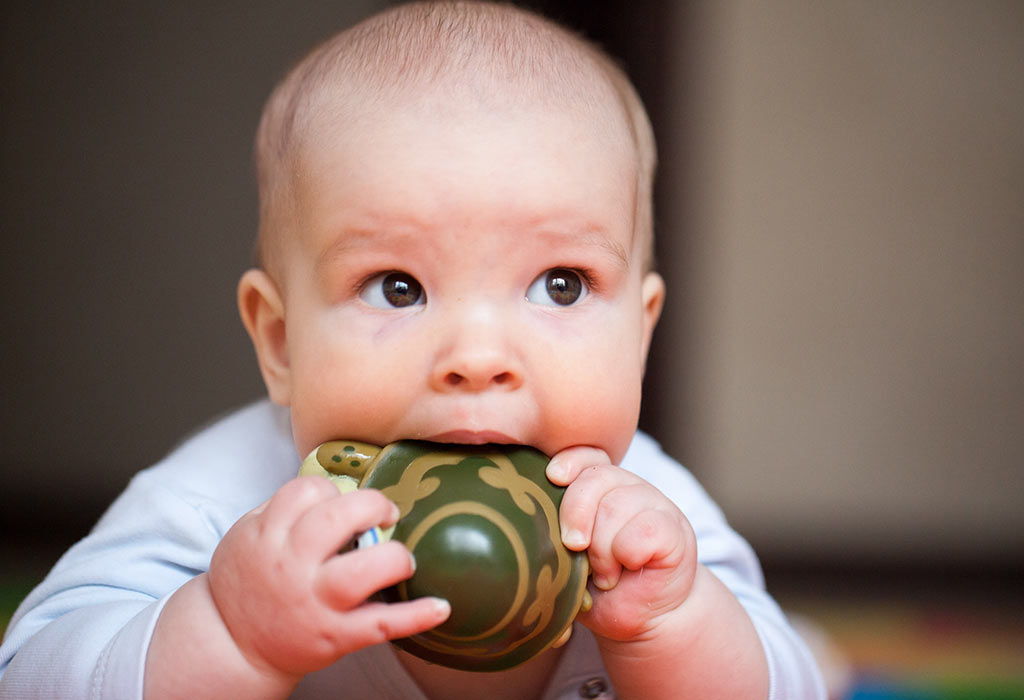
How to Teach a Baby to Chew Food – A Guide for Parents
If you’re a parent to a toddler, one of the biggest challenges that you face must be getting your independent toddler to chew food. An act that seems natural to us might not be the same for the little ones who are just getting used to the concept of eating solid food items. There will be days when you might lose your patience while trying to feed your child and force him to chew food. But you know well that using force (or exhibiting anger) is not the ideal solution to get children to listen to you. Here’s how to teach a baby to chew.
What Is Chewing?
In simple terms, the act of breaking down food in the mouth by crushing and grinding it, as a way to stimulate the digestive process, is termed chewing.
When Can a Baby Start Chewing Food?
When do babies start chewing? Babies start experimenting with their mouths by using their fingers and other toys. The act of chewing mainly begins when they are close to completing a year. This is precisely why most parents are advised to introduce new food items in this phase, to encourage that chewing activity. The coordination of the tongue, jaws, and swallowing is the core part of the act of chewing food properly.
Factors to Consider When Teaching Your Baby to Chew
Teaching a baby to chew is an important developmental milestone that lays the foundation for healthy eating habits. It requires patience, attention, and consideration of the following factors to ensure the process is safe and effective.
1. Age
According to the Cleveland Clinic, babies typically begin to swallow solid foods around six months old (1). Therefore, the development of chewing skills coincides with the ability to consume solids.
2. Extrusion Reflex
An innate mechanism called the extrusion reflex prompts babies to push out any solid food placed on their tongues, minimizing the risk of choking. As per NHMRC’s Infant Feeding Guidelines, this reflex typically diminishes by the age of six months (2), marking an initial step towards chewing proficiency.
3. Gag Reflex
Similar to the extrusion reflex, the gag reflex serves as a protective mechanism against choking by prompting babies to expel solid food placed near the back of their tongues. According to the Royal Children’s Hospital Melbourne, this reflex diminishes after approximately six months (3), facilitating the progression towards chewing abilities.
4. Practice
Chewing can commence even before the appearance of teeth. Introducing soft and pureed baby foods after six months provides opportunities for babies to practice chewing motions. Gradually varying the texture of foods offered allows babies to develop their chewing skills, utilizing different parts of the mouth.
5. Teething
Teething plays a crucial role in the development of chewing as teeth enable babies to break down firm foods into smaller, manageable pieces. By the time babies start teething, they have already gained some familiarity with basic chewing motions, facilitating their transition to more solid foods.
Can Babies Chew Food Without Teeth?
Most of the chewing activity is conducted by the molar teeth in the jaw. While your little one might not have molars until he is around 1.5 years or so, the gums are healthy enough for light chewing activities. The chewing movement and technique are all that’s left to learn.
Why Does Your Baby Refuse to Chew?
Is your baby not chewing food? All infants are equipped with a reflex known as the “tongue thrust,” aiding in the movement of the tongue during breastfeeding or bottle feeding. This reflex also assists in pushing objects, such as food, forward and out of their mouths as a safety measure against choking.
Around the ages of 4 to 7 months, the tongue-thrust reflex begins to integrate, coinciding with the introduction of solid foods. Initially, you may observe that your baby frequently spits out food, indicating that they may not have chewed it adequately or that it’s too large to swallow. However, with consistent practice, most babies enhance their abilities and develop new techniques for manipulating food in their mouths.
If your baby shows reluctance to consume any solids (whether purees or soft finger foods) by 9 months of age, or if they solely consume purees by 12 months, it’s advisable to consult your pediatrician for potential referrals to healthcare professionals who can provide assistance.
Why Is Chewing Food a Problem for Some Toddlers?
No child can start chewing food right away. Every child has his own learning curve and most kids start chewing food when they reach the toddler stage. At times, a few kids can pose numerous problems around it, which are primarily due to a few significant reasons.
1. Lack of Interest in Food
Some children might be exposed to a meal plan that has similar food items repeating quite often. At times, they also have an affinity for easy-to-chew foods making them lose their interest in attempting to try foods with different tastes and textures.
2. An Absence of Lumpy Foods in Early Stages
By the time a child turns nearly a year old, it is recommended that different tastes and textures of foods be introduced to him. For a child purely dependent on breast milk by this age, chewing can be quite a difficult task to handle later in life.
3. Delayed Introduction to Solid Foods
Chewing is a skill that needs development pretty early in life. If you choose to introduce solids only after he has grown up, your child may experience difficulty in accepting such food items and would prefer to drink milk all the time.
Tips to Teach a Baby to Chew Food
Your child may have some difficulty chewing his food as he begins to learn it initially and it is normal. With a few tips, you can make that more comfortable for him as well as peaceful for you, too.
1. Keep Yourself Calm
Before you even attempt to start teaching your little one how to chew, there needs to exist an atmosphere of peace and calm. If your little one is upset and is not in the mood, it’s not going to be easy for you to get him to chew food, and as a result, you might lose your patience. Your own stress can counteract the appetite of the child and prevent him from any attempts at chewing his food. So you must ensure that you don’t lose your calm while trying to get your child to eat and chew food. Make mealtimes a fun activity.
2. Pick Appropriate Food Items
While it is essential that you introduce a variety of foods to your child to help him meet nutritional requirements, you must note that he should be able to chew whatever you feed him. Giving him grapes or popcorn might not be a great choice if he can’t chew them well. The risk of food being lodged in his throat and causing him to choke is quite real.
3. Feed Him When He’s Hungry
Children find chewing to be a needless activity and would do everything they can to avoid it. A child with his stomach full will barely even touch any food item that requires chewing. Therefore, turn the tables by offering those items when your child’s hunger is at its peak. He might resist initially but the hunger will soon take over and leave him no choice but to eat the food by chewing it well.
4. Let Him Eat On His Own
Children who refuse to chew are usually self-driven and want to do things their way. You can use this quality to your advantage as well. Set up his mealtime with the foods in a bowl and give him a small spoon. He will do everything he can to use the spoon properly, even if it involves eating foods that require him to chew them properly. Don’t fret if he manages only a few bites. That’s a pretty good start on its own.
5. Opt for a Fruit Feeder
Fruits are quite essential for toddlers but it’s difficult for most toddlers to chew them. Some children tend to slurp on them to get the flavour and leave the fruit as is while others may refuse to eat the fruit. If your toddler, refuses to eat the fruit, you should get a fruit feeder. These are mesh bags that hold the fruit pieces together. Since they are FDA-approved, kids can use them to lick and feel the fruit, as well as bite them comfortably.
6. Prepare Small Food Items That Are Soft
As your little one grows, he will reach a stage, where he will be able to eat and chew food of different tastes and textures. But while he is young, you need to be easy on him and take it slow (4). You can make healthy and tasty finger foods for him that he can easily chew on. Prepare something that is easy to chew on and melts in the mouth soon enough.
7. Allow Your Child to Use a Grabber Toy
Apart from chewing on foods, children also take their time in understanding how to use their hands to feed themselves. With a variety of food textures, there will be instances where your toddler may fail to pick up a fruit from the plate or let it slip out of his hands. Getting a grabber toy can help. It will stimulate his motor senses and give him the confidence to experiment with chewing.
8. Model Chewing Behavior
Demonstrate proper chewing techniques by eating meals together as a family. Your baby will imitate your actions and learn from observing how you chew different foods.
9. Provide Oral Stimulation
Offer teething toys or safe objects for your baby to chew on between meals. According to the American Dental Association, this not only helps alleviate teething discomfort but also strengthens their jaw muscles and encourages the chewing motion (5).
10. Offer Frequent Opportunities
Provide frequent opportunities for your baby to practice chewing throughout the day, such as offering snacks or finger foods between meals. Regular practice helps reinforce chewing skills and builds confidence in their ability to eat solid foods.
11. Monitor Progress and Adjust
Continuously monitor your baby’s progress in chewing and adjust your approach accordingly. Pay attention to their reactions and adapt the texture or size of food items as needed to support their development. Regularly reassess their chewing abilities to ensure they are advancing at an appropriate pace.
Things to Do When Your Baby Learns to Chew
As your baby learns to chew, it’s crucial to provide guidance and support. Here are some key actions to consider:
Encourage self-feeding with appropriate utensils and finger foods.
Offer a balanced diet with a variety of nutritious foods.
Supervise meal times closely for safety.
Foster positive eating habits by creating a conducive mealtime environment.
A Word of Caution
Even if your child shows rapid progress, it is important to keep away from hard food items like chocolates or salads until he can learn to chew properly. These can even harm the gums, at times, let alone the choking hazard they pose.
FAQs
1. At what age should I start teaching my child to chew food?
It’s typically recommended to start introducing solid foods and encouraging chewing skills around 6 months of age when your baby shows signs of readiness, such as sitting up independently and showing interest in reaching for food.
2. What are some safe foods to begin teaching chewing skills?
Soft and easily mashable foods like mashed vegetables, soft fruits, cooked grains, and finely shredded meats are good options to start with. As your child progresses, you can gradually introduce foods with more textures and firmness.
3. How can I help my child who refuses to chew?
Encourage your child to chew by offering a variety of foods in different textures and shapes. Be patient and provide positive reinforcement when they make attempts to chew. Consulting with a pediatrician or feeding specialist can also provide valuable guidance.
4. Are there any signs that indicate my child is ready to progress to more challenging textures?
Signs of readiness include improved coordination and jaw strength, increased interest in exploring different textures, and the ability to move food from the front to the back of the mouth for chewing.
5. What should I do if my child frequently gags while learning to chew?
Gagging is a normal part of the learning process as children explore new textures and learn to manage food in their mouths. However, if gagging is excessive or accompanied by other concerning symptoms like baby swallowing food without chewing, consult with a healthcare professional for further evaluation and guidance.
Once you know how to teach your baby to chew food, your little one’s mealtimes won’t be hectic. And before you know it, your child will be picking food from your plate and enjoying it too!
References/Resources:
1. When Can Babies Start Eating Baby Food?; Cleveland Clinic; https://health.clevelandclinic.org/when-can-babies-eat-baby-food/
2. Infant Feeding Guidelines; NHMRC; https://www.eatforhealth.gov.au/sites/default/files/files/the_guidelines/n56_infant_feeding_guidelines.pdf
3. Feeding development and difficulties; The Royal Children’s Hospital Melbourne; https://www.rch.org.au/feedingdifficulties/casescenarios/Ava/
4. Feeding and Eating Chewing Practice; The Royal Children’s Hospital; Melbourne; https://www.rch.org.au/uploadedFiles/Main/Content/speech/200101%20FandE%20Chewing%20Practice%20A4%20FSheet_FA_WEB.pdf
5. Teething; American Dental Association; https://www.mouthhealthy.org/all-topics-a-z/teething/
6. Developing chewing and swallowing skills; Te Whatu Ora — Health New Zealand; https://info.health.nz/pregnancy-children/food-choking/chewing-and-swallowing/
7. Oral Reflexes and Feeding; Physical, Speech, Occupational Therapy and Nutrition for Children; https://sensorysolutions.org/home/blog/oral-reflexes-and-feeding/
Also Read:
Baby Drooling
Baby Stick Tongue Out
Baby Putting Hands in Mouth
Read more
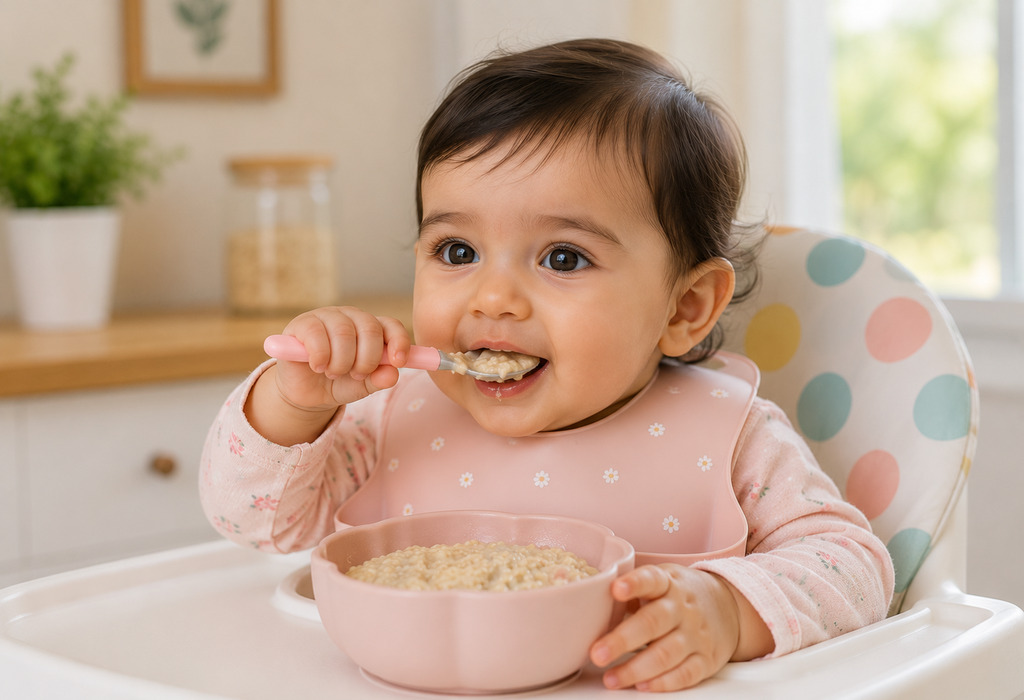
Oats for Babies – When to Introduce, Benefits, and Precautions
Until six months of age, it is ideal for your baby to be exclusively breastfed, as breast milk provides all the essential nutrients required for growth during this stage. However, once your baby reaches the six-month mark, they are not only ready to explore new foods but also need them for proper growth and development. Many parents begin by introducing fruits and vegetables to their babies. However, combining these foods with energy-rich options can considerably enhance their nutritional value. Oats for babies are one such nutritious food that can be a valuable addition to their diet. Read on to learn more about oatmeal for babies.
Is Oats Good for Babies?
Oats are considered a good food option for babies as they are rich in minerals, vitamins, fibre and antioxidants. They are thus a good source of energy for your baby. Oats also aid digestion and are very light in comparison to rice. It has been found that oats are the only cereal that the least number of children are allergic to (1). However, it is still recommended that you consult a paediatrician before you start feeding oats to your baby to rule out any adverse reactions.
When Can You Start Feeding Oats to Your Baby?
You can start feeding oats to your baby once he turns seven months. Begin with simple oat recipes like oats porridge. When your baby is comfortable with oats porridge, add flavours by adding fruits and veggies. But, ensure that you introduce only one additional ingredient at a time to gauge his likes and dislikes, and to check for allergies.
Can Babies Eat Oats Everyday and How Much They Should Eat?
You can give oats to babies once they are six months old. They are packed with magical benefits, and you can add a few tablespoons of oatmeal to your baby’s solid diet every day. In fact, three to four tablespoons of oats for babies every day can provide adequate fibre and nutrition to them.
Health Benefits of Oats for Infants
Oats are packed with nutrition, and have many health benefits, particularly for infants. Here are some of the oats benefits for babies:
1. Bone Development and Neurological Functioning
Oats contain minerals like calcium, iron, zinc, phosphorous, potassium, sodium and magnesium that are essential for the development of your baby. Here’s a brief on how each mineral contributes towards the growth and development of your little one (2).
Calcium and phosphorous build bone strength, so that your baby has strong bones.
Iron maintains the levels of haemoglobin and helps tackle anaemia.
Potassium and sodium are known to aid in developing the neurological functions in the body.
Magnesium helps generate energy and improve dental and bone health in infants.
2. Enables Healthy Growth
The presence of vitamins like folate, vitamin B6, vitamin K, vitamin E, thiamin, riboflavin, and niacin make oats an essential supplement for the growth and development of your baby (3).
3. Lowers the Risk of Attack by Free Radicals
Oats has a healthy amount of antioxidants that can lower the risk of attack by free radicals in the body and should, therefore, be an essential part of a baby’s diet (4).
4. Provides Energy
Every 100 grams of oatmeal provides 382 kcal of energy for babies (5). This energy is essential for infants in their developmental stage as it aids their growth spurts.
5. Eases Digestion
Oats have a high amount of dietary fibre which is required for a proper bowel movement (6). Because your baby’s digestive system is still developing, oats can aid digestion without putting any strain on your baby’s system.
Side Effects of Oats for Babies
While oats are generally safe and nutritious, some babies may experience mild side effects after consuming them. The high fibre content may cause gas, bloating, or digestive discomfort, especially when oats are first introduced. In rare cases, babies may have an allergic reaction to oats, resulting in symptoms such as a skin rash, vomiting, or swelling (7).
To reduce the risk of discomfort, introduce oats in small quantities and monitor your baby for any unusual reactions. Consult a paediatrician if any concerning symptoms appear.
Nutritional Value of Oats
Oats are rich in nutrients vital for your baby. Here is a complete list of nutrients that oats contain (5).
Type of nutrition
Quantity
(per 100 g serving)
Type of nutrition
Quantity
(per 100 g serving)
Vitamin K
4.1 mg
Energy
382 kcal
Protein
11.08 g
Total Lipid (fat)
9.5 g
Carbohydrates
68.5 g
Fibre
10 g
Sugars
3.8 g
Calcium
54 mg
Iron
2.5 mg
Magnesium
106 mg
Phosphorous
610 mg
Potassium
420 mg
Sodium
9.5 mg
Zinc
5.39 mg
Thiamin
0.8 mg
Riboflavin
3.313 mg
Niacin
1.0 mg
Vitamin B-6
0.563 mg
Folate
56 ug
Vitamin E
0.1 mg
Difference Between Oatmeal and Rice Cereal
The biggest difference between the two is that oatmeal is made from oats, while rice cereal is made from rice grains. If we get more into the details, oatmeal can have a nuttier and earthier flavour, whereas rice cereals are very bland and do not have much flavour at all. Also, oatmeal cereals are usually very finely ground, and the texture of rice cereal is quite smooth, and it can be made to be thick or very liquid, resembling breastmilk.
If we talk in terms of nutrition and digestion, oatmeal is generally considered a healthier choice as compared to rice cereal for babies. Oatmeal has some wonderful nutritional value, like vitamins and minerals, such as iron and B6, and is also high in fibre. These differences aren’t major, but they are important enough to be considered when you are debating on rice cereal vs oatmeal for baby.
Types of Oats Your Baby Can Eat
There are several types of oats that are safe for babies to consume. Knowing which oats is good for baby can help parents choose a suitable option based on their baby’s age and dietary needs. Here are some of them:
Type of Oats
Texture
Suitable Age
Preparation Time
Instant Oats
Very soft
6+ months
2-3 minutes
Rolled Oats
Soft
7+ months
5-6 minutes
Steel-cut Oats
Chewy
10+ months
10-15 minutes
So, now you know which oats to feed your little one, let’s take a look at how to select them and how to store them.
How to Select and Store Oats?
While your baby can eat most kinds of oats, it is best to refrain from giving him instant oatmeal or anything that is over-processed as it will be left with little to no nutrition to offer. Hence, the best move is to find steel-cut or regular oats for your baby. Store them in airtight containers and keep them in a cool and dry place to make them last longer. If your house is warm, you can keep the container in the refrigerator.
How Can You Process Oats for Babies?
Read below to learn how to process oats for babies:
1. Cooking Infant Oatmeal for a Baby
Soak oats in water for a minute and cook them for 10-15 minutes. Add water or milk to adjust the consistency. Then cool it down and blend it to prepare an oatmeal porridge for the baby.
2. Cooking Steel-cut Oats for Babies
For 10 minutes, boil the steel-cut oats and let them soak in boiled water overnight. The next day, boil the oats again on a medium flame for 15-20 minutes. Keep stirring in between, and once cooked, let it cool down. Blend it to make porridge.
Can Oats Be Allergic to Baby?
A baby may be allergic to oats and can cause stomach pain. Though oats are naturally gluten-free, but they sometimes become contaminated by gluten during processing, triggering an allergic response to gluten. The symptoms of oats allergy can range from mild to moderate and affect the airways, skin, and gut.
Things to Remember While Feeding Oats to Your Baby
Before you introduce oats to your baby, you must remember a few things to ensure your baby gets the most benefits of this food item.
Only start solids after six months of regular breastfeeding in order to avoid any adverse reactions to the food.
Select the right kind of oats that are semi-processed or steel-cut.
Boil the oats properly for about 20 to 30 minutes or a little longer till they are soft enough for the baby to digest them easily.
Give your baby plain cooked oats the first time and check if he has an allergic reaction. You can feed your baby oats pudding with additions of fruits if there are no allergies. However, if there is one, consult the doctor immediately.
Oats Recipes for Babies
If you plan on introducing oats to your baby, here are some simple recipes that can help you.
1. Apple Oats Porridge Recipe
Ingredients
1/4th cup of regular oats
1 cup of water
One apple, peeled and grated or pureed
Method
Boil the oats in 1 cup of water. You may powder the oats and then boil them for a smoother consistency.
Keep stirring regularly to prevent it from getting burnt.
Once the oats are cooked, add the grated/pureed apple and stir well.
You may cook the mixture for a couple more minutes.
Let it cool completely before feeding it to your baby.
2. Simple Oats Porridge Recipe
Ingredients
1/4th cup of oats
1 cup of water
1/4th cup of breast milk
Method
Boil the oats in a cup of water. Ensure you cook them thoroughly.
Mix this porridge with breast milk.
Bring it to room temperature before feeding your baby.
3. Baby Oatmeal and Banana Bars Recipe
This recipe is great finger food for older babies.
Ingredients
1/2 cup ground oats
1 mashed banana
Method
Combine the cooked oats and mashed bananas.
Press this mixture into shapes of your choice.
Keep them on a baking tray.
Bake at 180 degree Celsius for 10 to 15 minutes.
If you want to keep the bars chewy, you may bake them for a shorter period.
4. Banana and Oats Recipe
Ingredients
1/4th cup of oats
1 cup of water
1 banana, pureed
Method
Cook the oats in a cup of water till they are soft.
Add pureed banana and stir well.
Serve when cooled.
5. Vegetable Oats
Ingredients
2 tablespoon diced carrots
2 tablespoon diced potatoes
1/2 cup rolled oats
2-3 cups of water
A pinch of salt (optional)
Method
In a pan, pour some water and boil the vegetables till they are soft.
Add the oats and boil it till it is cooked properly.
You may add more water if needed.
Add salt to taste.
Let the dish cool down before feeding it to your baby.
6. Creamy Oatmeal With Pears
Ingredients
1/2 cup rolled oats
1 cup water
1 pear, peeled and cut into small chunks
Milk (optional)
Method
Add oats, water, and pear chunks to a pan.
Put it on a medium flame and bring it to a boil for five to seven minutes. Stir in between.
Transfer it into a blender and blend to get the desired consistency. Add milk if required.
FAQs
1. Should you choose organic oats over regular oats?
Yes. You can choose organic oatmeal for babies over regular oats, as both have the same nutritional information and benefits.
2. Does oatmeal cereal cause gas in babies?
Usually, oats are not something to be feared for babies. But it can sometimes cause an allergic reaction like bloating.
3. Do oats cause choking hazard in babies?
No. Cooked oats and oatmeal generally do not pose a particular risk of choking in babies.
4. Are instant oats safe for babies?
Plain instant oats can be suitable for babies when cooked to a soft consistency. Choose varieties without added sugar, salt, artificial flavours, or other unnecessary additives.
Oatmeal for babies is a great supplement once they are ready to try solid foods. Remember to introduce new foods to your baby gradually and after proper consultation with a paediatrician. As much as possible, try providing organic food items to your baby for best benefits.
Also Read:
Brown Rice for Babies
Porridge Recipes for Babies
Healthy Oats Recipes for Babies
Read more

What Are Prebiotics, and How Do They Serve as Food for the Beneficial Bacteria in the Gut?
From the very first days of a baby’s life, a fascinating community of microbes begins to take root in their digestive systems. Among them, beneficial strains like Bifidobacterium and Lactobacillus play a vital role. Prebiotics act as the fuel that helps these good microbes flourish. When nourished properly, they multiply, support the immune system, aid digestion, and provide protection against common infections. But when this delicate balance is disrupted, babies may face challenges such as colic, diarrhoea, allergies, or even a higher risk of autoimmune issues (1).
Before we deep dive into how prebiotics benefit babies, let’s have a quick round-up on the basics.
What Are Prebiotics?
They are non-digestible plant fibres (like certain carbohydrates) that our bodies can’t break down, but gut microbes can.
How they work: They pass through the digestive system and reach the colon, where beneficial bacteria such as Bifidobacteria and Lactobacillus feed on them.
Why they matter: By nourishing these good microbes, prebiotics help improve digestion, strengthen the immune system, reduce harmful bacteria, and even support nutrient absorption (2).
For babies, prebiotics are found naturally in human breast milk (as prebiotic human milk oligosaccharides, HMOs) and fortified infant formulas (3).
How Prebiotics Benefit Babies
Below are key areas where research has shown prebiotics make a difference, especially in early life.
1. Balancing the Gut Microbiome
The gut is home to trillions of microbes — some act like helpful citizens, while others can be troublemakers. Prebiotics nourish the beneficial bacteria (such as Bifidobacteria), helping them thrive and keeping the harmful microbes in check.
Research shows that infants fed nutritional solutions enriched with prebiotics develop a gut microbial community more similar to that of breastfed babies — particularly in the composition of their faecal microbiota and the number of beneficial bacteria (4).
Early microbiome balance is crucial for maintaining a healthy digestive system. It can influence the risk of gastrointestinal issues, allergies, obesity, and other immune-related conditions later in life (5). While the evidence is still growing, numerous studies suggest that a healthier early gut microbiome is associated with better outcomes.
2. Building a Strong Gut Foundation
The lining of the intestine (epithelial barrier) is the first line of defence. It helps in the absorption of nutrients—especially calcium, magnesium, iron, and zinc—vital for growing children, while keeping pathogens and toxins out.
A well‐balanced microbiome, supported by prebiotics, promotes the development and maintenance of the gut lining. Without this, babies may be more susceptible to infections, leaky gut, or inflammation. Research shows prebiotic, probiotic, and synbiotic supplemented formulas notably modified intestinal antibody production and improved bowel movements in babies (6). So yes, prebiotics are a win-win!
3. Boosting Immunity
The makeup of the gut microbiome in infants can indicate the likelihood of disease risk and its progression. A healthy gut microbiome, supported by prebiotics, helps teach the immune system which threats are serious (pathogens) and which are benign (such as food and harmless bacteria).
Establishing a symbiotic relationship between the immune system and the gut microbiome, with the help of prebiotics, significantly influences the chances of developing or preventing diseases in the future (7). This means fewer infections, better vaccine responses, and stronger overall immunity.
Sources of Prebiotics for Babies
1. Breast milk
Breast milk is the gold standard for nutritional requirements for developing babies. It hosts a diverse mix of human milk oligosaccharides (HMOs), which serve as prebiotics, with a majority of beneficial microbiota, especially Bifidobacterium species (4). For many benefits, exclusive breastfeeding is recommended for the first 6 months (8).
2. Nutritional Solutions With Prebiotics
Several baby feeds come supplemented with prebiotics, such as galacto-oligosaccharides (GOS), fructo-oligosaccharides (FOS), and polydextrose (9). Research suggests that the addition of prebiotics to infant feeds can beneficially influence the gut microbiome, especially by increasing levels of Bifidobacterium, without any negative effect on growth (10).
Prebiotic-supplemented babies have a better stool consistency, higher concentration of Bifidobacteria in their intestine, and lower stool pH compared to babies on a non-supplemented standard diet. Prebiotics, being safe for infants and babies, bring supplemented infant feeds closer to breast milk, which is considered the gold standard (9).
3. Dietary Transitions
As solids are introduced (at around 6 months), including fibre-rich, prebiotic foods (in age-appropriate forms) helps continue supporting gut health. For example, cooked and cooled apples, bananas, and oats.
Timing: When It’s Most Important
The early life period (birth to about 2-3 years) is critical. Microbial colonisation happens rapidly. The gut, immune system, and brain are all developing in coordination. Interventions (breastfeeding, prebiotic supplementation, and reduction of unnecessary antibiotics) during this time have larger effects.
While prebiotics are generally safe, they should not replace medical advice. Some infants have digestive sensitivities; too much fibre/prebiotic at once may cause gas, bloating, or discomfort. Formula changes must be guided by paediatricians.
Secondly, quality matters. Not all supplements are made equal. Dose, type of prebiotic, purity, and how it is processed—all influence the effectiveness of a formula. Parents should choose baby supplements vetted by certified paediatricians.
FAQs
1. Is breastfeeding enough to provide prebiotics?
Yes, human breast milk naturally contains HMOs, which are among the most potent prebiotics for infants. However, when breastfeeding isn’t possible (or only partly possible), nutritional solutions with added prebiotics can help babies develop to a great extent.
2. When should babies start getting prebiotics (or prebiotic-rich foods)?
Breast milk and prebiotic-nutritional solutions are primary sources of prebiotics that babies are introduced to from birth. 6 months+ babies can be introduced to prebiotic fibres in the form of pureed or soft foods under paediatric guidance.
3. How do prebiotics differ from probiotics? Do babies need both?
Prebiotics are the food for gut microbes, whereas probiotics are live beneficial microbes themselves. Babies benefit from both prebiotics and probiotics.
4. Are prebiotics included in all infant nutritional solutions, and how to choose a good one?
Not all baby feeds include prebiotics. Therefore, when choosing:
Look for products that mention GOS, FOS, or other clinically studied oligosaccharides.
Check whether there are research or clinical trials showing benefits, especially in full-term infants.
Talk with your paediatrician about any special needs (premature baby, allergies, digestive issues).
Prebiotics are far more than a buzzword on parenting blogs or baby product labels. They play a vital role in shaping an infant’s gut microbiome, strengthening the gut lining, aiding in nutrient absorption, supporting digestion, and helping the immune system learn and adapt. For today’s millennial parents, who are often inundated with health advice, understanding prebiotics is key, as early gut health lays the foundation for lifelong wellness.
Every baby is unique, and there’s no one-size-fits-all approach. The most crucial step is to personalise care — working closely with your paediatrician, observing how your baby responds, and making thoughtful, gradual adjustments. By doing so, you’re helping build one of the strongest possible foundations for your child’s future health.
Also Read:
Homemade Baby Food
Healthy Food Pyramid for Kids
Finger Foods for Baby to Eat and Avoid
Best Baby Foods You Should Give to Eat
Baby Nutrition – List of Essential Nutrients to Feed Your Baby
Read more
Understanding Baby Food Labels – Easy Guide for Parents on How to Read & Use
Are you an informed parent who makes their food choices by reading the ingredients and nutrition facts label at the back or the one who picks items from the shelves influenced by the front claims and discounts? Our point is that if you are being the latter, you are missing a load on your family’s health and safety by not reading food labels. With more and more consumers becoming health-conscious, manufacturers are getting one step ahead by tweaking information and convincing people to buy their ultra-processed products. This is where knowing how to correctly read food labels help so you can make an informed choice for your sunshine’s health and safety.
What Are Food Labels?
A food label or nutrition label is an important piece of information printed on the packaging of the product. It provides consumers with useful information about the product, from what it contains to how long it is safe for consumption so that consumers can make the right choice and safeguard their health. Almost all FMCG products are required to have labels, but the information and format may vary depending on the type.
Food labels at the front, side, or back of the packaging boast information, including:
The type of food
Manufacturers’ and marketer’s details and address
Ingredients
Nutrition information
Allergens and additives
Weights and measures of product
Manufacturing date
Validity for consumption
Directions for use and storage
Any nutrition and health claims
Things to Look Out on Nutrition Facts Label
Centers for Disease Control and Prevention (CDC) says that a nutrition facts label helps anatomise information about the vitamins, fats, calories, etc., per serving, making it easier for parents to compare the nutrition provided by similar products. For instance, if you are looking to buy tomato ketchup, you may compare the food ingredient list on food label, such as sugar content and calories, to make the right choice.
However, decoding nutrition facts labels can be tricky. Here’s what you should check in the nutrition labels for food. (1) (2) (3) (4) (5) (6).
1. Serving Size and Calories
It’s important to pay attention to the serving size and the number of calories listed. These values are usually highlighted to show their significance and prevent unintentional calorie consumption.
For example, if a small bag of potato chips says it has 100 calories per serving, which may be 10 grams or 100 grams, you might think the whole bag is one serving. But sometimes, the bag actually contains more servings than you might expect. So, if you eat the entire bag, you’re actually consuming more calories than you realise.
2. Total Carbohydrates
Carbohydrates provide energy. The total carbohydrates include total sugars, added sugars, and fibre. Look for products with sugars, especially added sugars. If the quantity of added sugars is more, avoid that product.
3. Added Sugars Underneath the Section of Total Sugars
Many processed foods these days have added sugars in addition to natural sugar. Knowing the existence and amount of added sugar when you are concerned about your child’s health can help a lot when buying.
For instance, plain yogurt may contain 10 grams of Total Sugar per cup with zero Added Sugars. At the same time, a blueberry-flavoured yogurt may contain 20 grams of Total Sugar with 10 grams of Added Sugar.
4. Fats
Fats provide energy. In a label, the Total Fats indicate the amount of fat in a single serving of food. Total Fats are categorised under trans fats (bad for health), saturated fats (bad for health), and unsaturated fats (good for health). Avoid products with high trans fats or saturated fats.
5. Sodium
Sodium is an element found in salt. It helps with fluid balance is the body, but the excess can cause high blood pressure. Since foods also have naturally occurring sodium in them, look for foods with less sodium content.
6. Dietary Fibre
Dietary fibre plays a huge rule in maintaining gut health and bowel movement. It also helps lower cholesterol and the risk of colon cancer. Select foods that are rich in fibre.
7. Protein
From muscle and organ building to keeping the immune system intact, protein makes up most of the body. Select foods rich in protein.
8. The % Daily Value
The Daily Value (DV) tells how much of a certain nutrient you should consume daily. When you see a Percent Daily Value (%DV) listed on food packaging, it shows you the proportion of that nutrient present in one serving of the food compared to your daily requirement.
For example, if a food item has a Daily Value of 20% for iron, it means that one serving of that food provides 20% of the iron you need in a day. So, checking the %DV can help you understand how much of a nutrient you’re getting from the food you eat.
9. What to Limit and What to Take
Total Carbohydrate uncovers sugar and fibre content. You should buy food that has more fibre, vitamins, and minerals in its nutrition facts label and avoid that is low in calories and high in sodium, saturated fat, trans fat, and added sugars.
The expert Dr. Minal Acharya says, “Consciously reading the food labels before making food purchases is an important aspect of healthy eating. As per the findings of the survey by the National Institute of Nutrition, most consumers prioritise brand name over nutritional value when making food purchasing decisions. This highlights the need for increased education and awareness regarding the significance of reading and comprehending food labels to make informed dietary choices.”
Manufacturing, Expiration, Best-Before & Use-by Dates on Food Labels
Ever felt confused when sometimes it is ‘Best Before’ and sometimes it is ‘Use By?’ We’ve been there, too. Food safety labelling requires manufacturers to provide date for foods with a shelf life of less than 2 years to help consumers know when the food is safe and unsafe. Let’s break down the terminology.
1. Use By
Use by date on food labels refers to the date till which the food is safe to consume. Foods cannot be sold once the use by date passes. This type is usually used for perishable goods, like meat, fish, and dairy.
2. Best Before
According to Harvard, the ‘best before’ date tells you the date by which food is at its good quality if stored in the recommended way (3). Even after the best-before date, the food might still be okay to eat, but it might not taste as good or have all its nutrients.
Stores can sell products after the best-before date if they’re still safe to eat (7).
3. Packaged On
‘Packaged on’ or ‘Baked on’ is typically used for highly perishable goods like bread to indicate its freshness.
What Do Food Labels Claim?
Manufacturers often lure customers by making the front packaging attractive and adding claims like ‘100% cholesterol–free,’ ‘organic,’ ‘fat-free,’ ‘high fibre,’ ‘low sodium,’ ‘reduced fat,’ and more. Food and Drug Administration controls some of the common claims, and manufacturers must abide by the guidelines to make attractive claims (8) (9) (4).
‘Cholesterol-free’ means there’s no cholesterol in the product, but it could still have fat.
‘Fat-free’ means there’s very little fat, less than 0.15%.
‘Lite or light’ might just mean it’s light in flavour or texture, so it’s important to check the fat content.
‘Organic or certified organic’ means different groups check and approve it as organic, but their rules might vary.
‘Oven baked, not fried’ could still have fat from spraying or coating of oil.
‘Reduced fat or salt’ means it has at least 25% less fat or salt than the original, but it might still be high in those.
‘Sugar-free or no added sugar’ means it doesn’t have table sugar but could still have other sugars like stevia or be high in calories, salt, or fat.
How to Avoid Allergies By Reading Food Labels?
The authorities require manufacturers to mention food allergens that have been used or exposed in their products’ food allergy labels, even if the amount is minimal. Many children develop intolerance or allergies toward certain products. Reading this will help mitigate the instances.
Common food allergens as per the FDA include (10):
Milk
Wheat
Fish
Peanuts
Tree nuts
Shellfish
Eggs
Soybeans
Lupin
Sesame
The information can be presented in different ways, like:
Contains egg
Albumin (egg)
Whey protein
Contains casein – refers to the milk protein
May contain traces of – a warning if the food is prepared in the same equipment as with food allergens
May contain milk
If your child is allergic or intolerant to any of the food allergens or you have a family history of allergies, it is always better to consult your paediatrician or dietician to find out about the hidden ingredients and what foods to watch out for while label reading.
How to Use the Percentage % Daily Value on Food Labels?
As we mentioned before, the per cent Daily Value (%DV) shows you how much of that nutrient you’re getting from that food compared to what you need for the whole day. So, if you see something with a ‘20% DV’ for calcium, it means that serving gives you about a fifth of the calcium you need for the day.
Remember to check the percentage labelling of the characterising ingredient(s) or component(s) on the back of the product when comparing food labels. For example, a packet of cupcakes might say 45% milk solids, while another might say 75% milk solids.
Here’s the trick according to the Food Safety and Standards Authority of India (FSSAI) and Harvard (3) (2):
If a food has 5% or less of the Daily Value for a nutrient, it’s not giving you much of that nutrient. In this, all the baddies like trans fats and sodium should come.
If it has 20% or more, it means it is high in that nutrient. Look for calcium and vitamins in this percentage.
Compare the % Daily Value for similar foods, and decide.
5% Daily Value or less
20% Daily Value or more
Aim for this percentage if planning a heart-healthy diet
Aim for this percentage if planning for good bone health and structure
Saturated fats
Calcium
Trans fats
Fibre
Sodium
Iron
Cholesterol
Vitamins A and C
Potassium
Guide to Reading Ingredient Lists for Healthier Food Choices
Manufacturers may play wisely when marketing products as ‘healthier’ and ‘less sugar’, all the while including a different form, like dextrose or monosaccharides, that may contribute to fats and sugars in products. Screenshot the chart below, keep this handy while shopping, and become a labelling wizard (7).
Saturated and other added fats
Sugars
Salt
(terms like ‘oven fried,’ ‘baked,’ or ‘toasted’ imply that fat is used in the food preparation)
(Look for ingredients ending in ‘-ose’ or ‘-tol’)
Beef fat
Sucrose
Sodium
Butter
Sorbitol
Rock Salt
Mayonnaise
Dextrose
Sea salt
Coconut
Fructose
Seasoning
Coconut oil or palm oil
Glucose
sodium bicarbonate
Cream
Brown sugar
monosodium glutamate (MSG)
Vegetable oils and fats
Corn syrup
Garlic salt
Hydrogenated oils
Fruit juice concentrate/fruit paste
Onion salt
Egg
Deionised fruit juice
sodium metabisulphate
Mono-, di- or triglycerides
Disaccharides
sodium nitrate/nitrite
Full-cream milk powder
Honey
Stock cubes
Sour cream
Lactose
Celery salt
Lard
Malt
Meat or yeast extract
Dipping
Molasses
Baking powder
Shortening
Maple syrup
Booster
Copha
Monosaccharides
Xylitol
Golden syrup
Maltose
Mannitol
Raw sugar
Maltodextrin
Crystalline fructose
Galactose
Which Food Additives Can Affect Your Child?
Food additives are extra ingredients put into food to improve their taste, quality, or shelf life. Additives added directly to products come under the ingredients, often with their chemical names, like sodium chloride for salt, ascorbic acid for vitamin C, or Blue #2 or Yellow #5 for artificial colours. Indirect additives used in processing or packaging, like plastic, dyes, and different types of coatings, can severely impact a child’s health.
The American Academy of Pediatrics (AAP) policy, ‘Food Additives and Child Health,’ has identified that many food additives may interfere with children’s hormones, growth, and development (11) (12).
Chemical
Food-related Use
Health Issues
Synthetic artificial food colours (AFCs)
Food colour commonly used in children’s processed foods and beverages
Impacts children’s behaviour and attention
Nitrates and nitrites
Preservative and colour enhancer for meats, fish, and cheese
Carcinogenicity, thyroid hormone disruption
Bisphenol A (BPA)
Plastic containers and beverage cans
Imbalances nervous and immune systems, changes puberty timing, increases body fat
Phthalates
Clear plastic food wrap
Increases obesity, affects cardiovascular function, affects male genital development
Perfluoroalkyl chemicals (PFCs
Grease-proof paper and paperboard
Decreased birth weight, supresses immune system, increases obesity
Perchlorate
Food packaging
Thyroid hormone disruption
Nutrition Labels on Front and Side or Back-of-Package
Before you get to reading food labels, you must know how the packaging of the product works.
1. Front of Packaging (FOP)
The front of the packaging is the influencing side of the product that prompts a purchase. Food manufacturers use eye-catching graphics and symbols to highlight their products’ health USPs, like ‘fewer calories’ and ‘low sugar’ to effectively target their customers.
2. Side and Back-of-Packaging
The side and back of packaging contains all sorts of information from ingredients and nutritional value label to allergy information, food license number, authority logo, and dates.
Nutrition Information Panels (NIP)
The nutrition information panel (NIP) is the tabular panel that includes food components — energy (kilojoules), total fat, saturated fat, protein, total carbohydrates, sugar, sodium, and sometimes fibre and calcium—in a standard per 100 grams or 100 ml weight or serving sizes. Please remember that serving sizes may vary with brands when comparing labels. The best choices generally have less bad stuff like saturated fat, sodium, and sugar, and more good stuff like fibre.
Shopping Tips for Food Products
Understanding nutrition labels is not rocket-science. We have simplified some wise shopping tips to ensure a healthier you:
Don’t get fazed by the front packaging and make decisions based on the food tags or claims at the front.
Take a quick look at the nutrition labels. Look out for details about energy, fat, saturated fat, sugars, and salt.
Many labels use colours like red, amber, and green: green means good to go, amber means okay, and red means stop or be cautious. So, aim for more greens and ambers and fewer reds for a healthier choice.
Be sceptical of products with a long list of ingredients, as they may contain many additives.
FAQs
1. What are compound ingredients?
Compound ingredients are those ingredients that are made up by a mixture of other ingredients. For instance, in a chocolate chip ice cream, ingredients may include milk, sugar, chocolate, and so on. If the chocolate is sourced directly, it will be listed as it is; if it is made by mixing ingredients, then it could be listed as Ingredients: milk, sugar, chocolate (cocoa powder, cocoa butter, sugar).
2. How does the ordering of the ingredients list work?
Ingredients are always listed in descending order of weight, so the most used ingredient comes first. If sugar and butter come first before flour in a brownie’s ingredient list, it means it is likely to be a high-fat brownie (13).
Disclaimer:
The content provided in the article is for educational purposes only and does not intend to provide personal medical advice. The information is sourced from several food authorities in different nations. The nutritional advice for food preparation and packaging may vary with different safety standards and statutory bodies. It is requested to take the above information for broader educational purposes and consult the authority or a doctor for any doubts you may have regarding a medical condition. Refrain from replacing or disregarding professional medical advice with the information provided here.
The nutrition label on food packages is designed to help us make informed choices about what we eat and drink. By paying close attention to the ingredients and staying up to date and open-eyed on food claims, food label nutrition facts, and allergen information, you can save a lot of trouble and ensure a healthier version of you and your family.
References/Resources:
1. Food Labels; CDC; https://www.cdc.gov/diabetes/managing/eat-well/food-labels.html
2. How to Read Labels; FSSAI; https://eatrightindia.gov.in/how-to-read-label.jsp
3. Understanding Food Labels; Harvard T.H. Chan; https://www.hsph.harvard.edu/nutritionsource/food-label-guide/
4. Reading Food Labels; Humana; https://kidshealth.org/HumanaLouisiana/en/parents/food-labels.html
5. Parent Tips: How to Use the Nutrition Facts Label; NIH; https://www.nhlbi.nih.gov/health/educational/wecan/downloads/nutritionlabel.pdf
6. Do You Eat Right; FSSAI; https://fssai.gov.in/upload/knowledge_hub/852185f89a7fc009c5Book_Do_You_Eat_Right_16_10_2020.pdf
7. Food labels; BetterHealth Channel; https://www.betterhealth.vic.gov.au/health/healthyliving/food-labels#what-are-compound-ingredients
8. Nutrient Content Claims; FDA Reader; https://www.fdareader.com/blog/2018/12/13/product-claims
9. Title 21; Code of Federal Regulations; https://www.ecfr.gov/current/title-21/chapter-I/subchapter-B/part-101/subpart-A#101.13
10. Food Allergies: What You Need to Know; FDA; https://www.fda.gov/food/buy-store-serve-safe-food/food-allergies-what-you-need-know
11. Food Additives: What Parents Should Know; American Academy of Pediatrics; https://www.healthychildren.org/English/healthy-living/nutrition/Pages/Food-Additives.aspx
12. Trasande. L, Shaffer. R. M, et al.; Food Additives and Child Health; AAP Publications; https://publications.aap.org/pediatrics/article/142/2/e20181408/37584/Food-Additives-and-Child-Health?autologincheck=redirected; August 2018
13. Food labels; NHS; https://www.nhs.uk/live-well/eat-well/food-guidelines-and-food-labels/how-to-read-food-labels/
Also Read:
Best Healthy Foods for Kids
Essential Nutrients Your Baby Needs
Baby Foods You Should Give Your Child
Read more
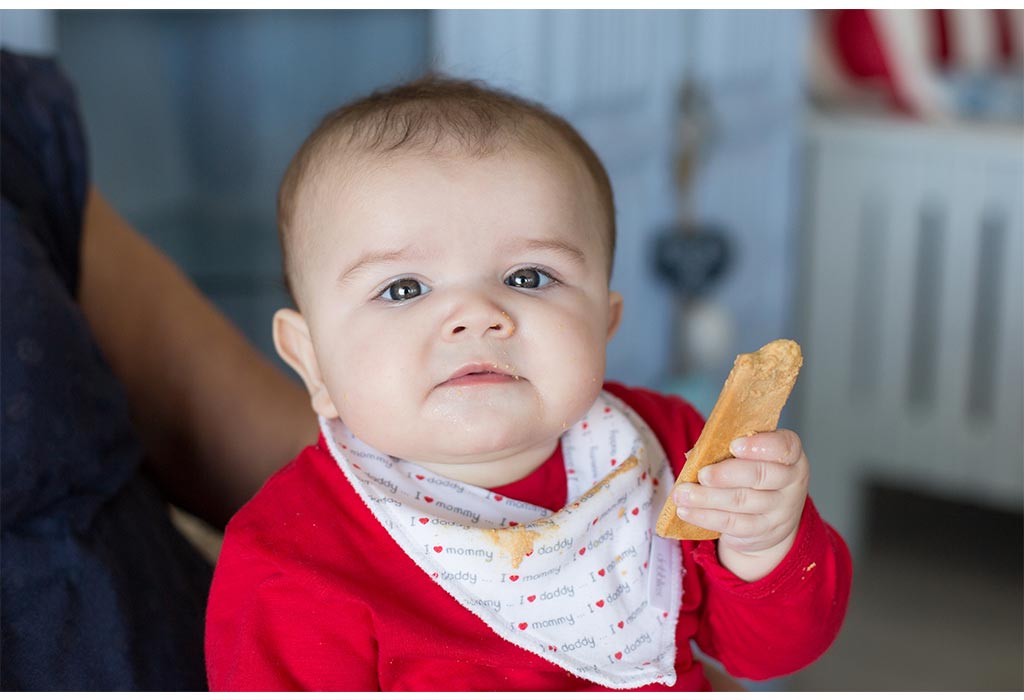
Baby Teething Biscuits – Benefits and Recipes
Teething is one of the important milestones associated with the growth of a baby. When a baby starts teething, parents should be glad that their child is moving in the right direction, and a few months down the line, you can introduce solids to him. Generally, teething varies in babies across different months, but taking care of the dental area is extremely important right from the start. Using teething biscuits for a 7-month-old baby to keep the feelings of discomfort in check is a popular way that many parents around the world are adopting. Though feeding teething biscuits is a convenient option, preparing the baby teething biscuits properly and being aware of the risks is also important.
When Should You Give Teething Biscuits to Infants?
Every baby is unique in his own way; some babies may meet their development milestones in time, while others may not. A few babies have been known to begin teething as early as the age of 3 months, while others might take a year for the same. The typical age for teething in babies is between 6 and 8 months old.
In any case, if a baby has just started teething, it is not recommended to introduce teething biscuits immediately. Once the baby is around 10 months old or more and his control over the jaw is better, you can give him hard biscuits that he can gnaw on safely. However, make sure your baby eats a biscuit under your supervision to prevent him from choking.
Benefits of Teething Biscuits for Babies
The reason why teething biscuits are generally recommended for babies over any other alternatives to alleviate the teething sensation is due to the advantages they bring when babies start using them.
By simply gnawing and attempting to chew on the biscuits that are made from nutritious ingredients, your baby is at a higher chance of receiving certain substances that support his health indirectly. This isn’t possible if you use teething toys or any other options.
Teething biscuits taste good, which indicates to the child that it is food. Hence, your child will begin learning to handle the biscuits properly in his hand, thus teaching himself the techniques to eat food items or hold the bottle without your support.
The uncomfortable sensation of teething can be satisfied only when there is a good amount of pressure on the gums. The teething biscuits ensure that this happens in a properly distributed manner, which is also safe and natural for the kid.
Are There Any Risks of Giving Teething Biscuits to a Child?
Parents who are thinking of getting teething biscuits for their babies often wonder if teething biscuits are safe for babies. Well, there are certain risks associated with it, which one definitely needs to be aware of.
Leaving your child alone with teething biscuits could put him at risk of choking on the biscuits by himself. Letting him do so while lying down further increases the chances that the biscuits will crack into pieces and suffocate him.
Preparing the biscuits with the right ingredients is necessary. Using inappropriate ingredients could introduce certain substances into your baby’s body, which could make him react adversely to them.
Opting for teething biscuits that are sweet or make use of sugary substances puts your child at risk of early tooth decay and cavities since he is exposed to sugary items early in life.
Giving your child store-bought teething biscuits is not safe, as a recent FDA Total Diet Study revealed high levels of lead in teething biscuits. Therefore, only homemade teething biscuits are safe.
Using Teething Biscuits Ingredients That Are Not Recommended for Babies Less Than 6 Months old
While preparing teething biscuits for your child, there are certain ingredients that are not good for babies less than six months old. If you are including them in the preparation, you need to make sure your baby is older than six months and that the child is not allergic to them. These are generally not recommended for babies, and it is better to prepare biscuits without them.
1. Dairy Products
On an extremely generic level, a tiny amount of milk or other products derived from it seem to work for a child when used in a bakery product. However, it is best avoided at all times. Giving your child cow’s milk in any form is ill-advised, especially when the child is less than a year old. At the same time, making sure that lactose intolerance is not a condition your child is suffering from is a necessity as well.
2. Salt
There are specific recipes for preparing teething biscuits for babies that make use of salt as a necessary ingredient. The proportion of it is absolutely minimal, especially in those biscuits that make use of eggs, so as to keep all the ingredients together in a homogenous nature and support the baking. Elsewhere, adding salt to the recipe should be avoided at all costs. Instead, flavour the teething biscuits with
3. Wheat
Generally, most doctors are against the idea of introducing any wheat-based products or items that include gluten in a baby’s diet until he is more than 6 months old. Even that should be undertaken after checking for any previous incidents of gluten-based intolerance in family members. There are numerous recipes for teething biscuits that are wheat-free or make use of alternatives as well.
4. Sugar
The inclusion of sugar in most recipes is common since it is a primary ingredient that provides the structure to the biscuit. If you wish to avoid sugar, then opt for syrup of brown rice, a pinch of jaggery or dates syrup to sweeten the baby biscuits. Stay away from honey at all costs since it is not good for babies under 1 year of age.
5. Eggs
Eggs form a core part of various biscuit recipes. However, there are established links of egg-related allergies in young babies, which may still happen even after subjecting the eggs to different preparation procedures. Certain teething biscuits use baking powder as a substitute for egg, but make sure that the powder itself does not contain egg derivatives.
Which Cooking Oil Should Be Used in Teething Biscuit Recipes?
Since teething biscuits are usually used for babies that are roughly between the ages of 8 months and one year, there are specific cooking oils that ought to be used. The best one is corn oil, which can be used without worry. Using vegetable oil is not a problem as well, but it is generally advised to use fat-based vegetable oil in minimal quantities. When it comes to olive oil, use the extra-virgin variant so that the smell of the oil is kept in control. If the biscuit itself has a strong aroma to it, you can use the traditional one.
Easy Teething Biscuit Recipes
To make it easy to introduce your baby to teething biscuits, here are recipes that are easy to make, safe to use, and quite interesting for your little one as well.
1. Oats Drops
This is one of the best teething biscuits, as it does not contain any wheat or eggs, making it extremely safe for your child.
Ingredients:
Corn oil
Vanilla extract
Mashed bananas
Baking powder
Nutmeg
Cardamom
Salt
Ground Oats
Quick Oats
How to Prepare?
Mix the dry ingredients in a large bowl.
Mix the wet ingredients in another bowl. Now, add these ingredients to the larger bowl containing the dry ones.
Once all the ingredients are thoroughly mixed, use a spoon to place the exact proportion of the mixture on a baking sheet greased with oil. Keep the shapes small so that they can be easily held by your child but not swallowed.
Once placed, put this on a baking tray and set it in the oven. Bake the biscuits at 180 degrees for around 20 minutes or so.
2. Eggless Cereal Cookies
A nutritious alternative to help your child with a teething problem.
Ingredients:
Cold ice water
Cooking oil
Dry rice cereal with banana mix
Flour
How to Prepare?
Prepare the oven by heating it to 220 degrees.
Mix together the cereal along with the flour in a bowl. Add oil to it and stir well. Follow it up with some ice water until the entire mixture begins to roll like a ball.
Form cookie shapes with it and place them in the oven to bake for around 10 minutes.
3. Thin Wheat Cookies
As this recipe contains wheat, it is not suitable for babies less than six months of age. Wheat-based cookies are best for babies who are more than 8 months old; these cookies also do not contain eggs.
Ingredients:
Water
Oil
Sugar
Wheat germ
Whole wheat flour
Oatmeal
How to Prepare?
In a bowl, mix all the ingredients and roll a large portion onto a sheet.
Use a cutter to cut out various shapes and place them in a baking tray.
Leave them for 15-20 minutes in an oven at 180 degrees.
Let it cool, and your biscuits are ready.
4. Nutritious Biscuits
These biscuits make use of egg yolk instead of whites, which is comparatively safe and imparts a great flavour to the biscuits. However, since this is an egg-based recipe, it is best to give it to older babies who are more than 6 months of age and that too, after consulting a doctor.
Ingredients:
Dry milk
Wheat germ
Soy flour
Whole wheat flour
Oatmeal
Oil
Vanilla
Egg yolk, beaten
How to Prepare?
Mix together all wet ingredients first and then add the dry ingredients to the mixture to make a dough.
Roll out the dough and cut it out into the shapes of your choice.
Place the cut cookies in a baking tray and let them sit in the oven at 180 degrees for about 15-20 minutes.
5. Banana Breadsticks
A small twist on traditional biscuits, with a different shape and a different taste. This recipe also uses wheal flour so check for an allergy before giving it to your baby.
Ingredients:
Baking soda
Baking powder
Whole wheat flour
Mashed bananas
Eggs
Oil
Brown sugar
How to Prepare?
Make a smooth batter using all the ingredients and pour it into a pan.
Place it in the oven at 180 degrees for an hour or so to bake.
Once cooled, cut the portion into sticks and bake them again at 65 degrees for an hour until they are hard.
Homemade baby teething biscuits are always a better choice than any other commercially available teething options. Healthy, homemade products can be beneficial for your baby’s development. Making use of teething biscuits with timely supervision can relieve him of the teething discomfort and introduce him to the world of various tastes and flavours, too.
References/Resources:
1. Arsenic in baby food is all too common, but there is a solution; PIRG; https://pirg.org/articles/arsenic-in-baby-food-is-all-too-common-but-there-is-a-solution/; September 2022
2. FDA Total Diet Study (TDS): FY2018-FY2020 TDS Elements Report; FDA; https://www.fda.gov/media/159745/download?attachment; July 2022
3. Teething; MedlinePlus; https://medlineplus.gov/ency/article/002045.htm
4. Teething Tots; Nemours KidsHealth; https://kidshealth.org/en/parents/teething.html
5. Baby teething symptoms; NHS; https://www.nhs.uk/conditions/baby/babys-development/teething/baby-teething-symptoms/
Also Read:
Late Teething in Infants
Common Baby Teething Symptoms
Effective Baby Teething Remedies
Read more

Soy Formula For Babies – Is It Safe?
Hello, dear parents and caregivers! One of the most essential choices you’ll make for your little one is what they’ll eat in their first year. At the same time, breast milk is generally considered the gold standard; not all families can or choose to use it. Enter soy formula, a plant-based option that has stirred both interest and controversy. But the big question is, “Is it safe for your baby?”
What Is Soya Formula?
Soy formula is a type of infant formula derived from whole soybeans (7). It’s lactose-free and considered an alternative to cow’s milk formula, especially for babies who are lactose intolerant or have a cow’s milk allergy (3). The primary protein source is the soybean, while the carbohydrates come from corn or sucrose.
Why Is It Used?
Choosing the right baby soy formula can be challenging. Soy formula has been introduced as an alternative to cow’s milk-based formula for several reasons.
1. Lactose Intolerance: For lactose-intolerant babies, soy formula is a lactose-free option (4).
2. Cow’s Milk Allergy: Some babies are allergic to cow’s milk; soy formula provides a suitable alternative.
3. Dietary Preferences: Some parents choose soy formula to align with vegetarian or vegan lifestyle choices.
4. Special Medical Conditions: Certain gastrointestinal issues may make soy formula more easily digestible for some babies.
Types of Soya Formula
There’s no one-size-fits-all when it comes to baby formulas. Here’s a look at the types of soy formulas available in the market (6):
1. Ready-to-Feed: These are convenient but are generally more expensive.
2. Powdered: These are cost-effective and have a longer shelf life.
3. Concentrated Liquid: Like powdered form, it is liquid concentrated.
Is Soy Formula Good for Babies?
The safety of soya formula for babies is a topic that has been studied widely and is still a matter of debate among healthcare professionals.
While soy based baby formula meets the nutritional requirements set by the FDA for infant formula, it’s best to consult your paediatrician before switching your baby to a soy-based formula. Based on their specific health conditions, some babies may benefit from it, while others might not react well.
Nutritional Value of Soy Formula
The nutritional profile of soy infant formula is designed to be as close as possible to that of breast milk.
Soy formulas contain all the essential amino acids, vitamins, and minerals that your baby needs. They are fortified with nutrients like calcium and Vitamin D, which are naturally found in cow’s milk but not in soybeans.
Are There any Health Benefits of Soy Formula for Babies?
Beyond meeting basic nutritional needs, soy formula has some specific health benefits.
1. Nutritional Profile
Soy formula is often fortified with essential nutrients such as calcium, vitamin D, and iron, providing a balanced diet for babies who cannot consume dairy-based formulas.
2. Lactose Intolerance
Babies who are lactose intolerant or have difficulty digesting lactose may benefit from soy formula as it is lactose-free.
3. Allergy Management
Soy formula is an alternative source of protein for infants with cow’s milk protein allergy (CMPA), reducing the risk of allergic reactions (1).
4. Vegetarian or Vegan Families
Families following a vegetarian or vegan diet may prefer soy formula as it aligns with their dietary choices while providing necessary nutrients for their baby’s growth and development.
5. Reduced Cholesterol Levels
Some research suggests that soy-based products contribute to lower cholesterol levels later in life. However, more studies are needed to confirm this effect, specifically in infants consuming soy formula.
6. Digestive Health
Soy formula contains prebiotics and probiotics that can promote healthy gut flora in infants, potentially reducing the risk of digestive issues such as constipation or diarrhoea (8).
Comparing Soya Formula With Other Formulas
It is essential to understand how soy formula compares to other options, mainly cow’s milk-based and specialised formulas.
Soy formula is designed to be equivalent to cow’s milk-based formula in terms of nutritional content. However, the proteins are plant-based, which could be a pro or con, depending on your child’s needs and underlying health issues.
Concerns About Soya Formula
Soy baby formula pros and cons are topics of ongoing research and discussion among experts.
Concerns about soy formula revolve around its phytoestrogen content, which is said to mimic the hormone estrogen in the human body (5). The long-term effects of this still need to be fully understood.
Are Soy Isoflavones Dangerous To Infants?
One of the most debated topics regarding soy formulas is the presence of soy isoflavones, a type of phytoestrogen. While there is no conclusive evidence that soy isoflavones harm infants (2), consulting a healthcare provider for personalised advice is essential.
When Should a Baby Avoid Consuming Soy Formula?
Soy formula isn’t a universal fit for every infant. While it serves as an alternative for many families, there are certain situations where its use might not be advisable. Here are some specific instances when a baby should avoid consuming soy formula.
Soy Allergy: If your baby has a diagnosed soy allergy or shows signs of an allergic reaction after consuming soy products, soy formula is a definite no-go.
Galactosemia or Other Metabolic Disorders: Babies with metabolic disorders like galactosemia can’t correctly process certain sugars, making soy formula unsuitable.
Premature Birth: Premature infants often have different nutritional needs, requiring higher amounts of certain nutrients, such as calcium and phosphorus, which are usually lower in soy formulas.
Certain Gastrointestinal Conditions: Some digestive disorders might be exacerbated by the components in soy formula. In such cases, specialised formulas might be recommended.
Family History of Hormone-Sensitive Cancers: Due to the phytoestrogens in soy, some healthcare providers might advise against using soy formula if there is a family history of hormone-sensitive cancers. However, research in this area is inconclusive.
Always consult your paediatrician before significantly changing your baby’s diet, especially when switching to or from soy formula.
Things to Keep in Mind While Switching Your Baby to Soy Formula
Transitioning to soy formula is a significant step that should be taken with seriousness. While you may have your reasons for considering this alternative, it’s essential to approach the switch with proper guidance and caution. Here are some critical things to remember when changing your baby’s formula to soy-based.
Consult Your Paediatrician First: This should be your first step. Your child’s doctor can provide advice tailored to your baby’s unique health needs and conditions.
Transition Slowly: It’s advisable to introduce the new formula gradually. You can start by mixing it with the formula your baby is already used to. During this phase, observe for any allergic reactions or digestive issues.
Choose Fortified Versions: Always choose a soy formula fortified with essential nutrients like iron, calcium, and vitamin D to ensure your baby receives all the nutrients it needs.
Monitor for Allergic Reactions: Watch for signs of an allergic reaction, such as hives, a runny nose, or digestive discomfort. Consult your paediatrician immediately if you notice any adverse reactions.
Check the Expiry Date and Packaging: Always check the expiry date and ensure the packaging is intact before using a new formula. A damaged or compromised package can risk contamination.
Remember, your child’s well-being is of the utmost importance. Make informed decisions by consulting healthcare professionals and relying on verified information.
What Is the Difference Between Soy Milk and Soy Formula?
Soy milk and soy formula are different and should not be used interchangeably. Soy formula is fortified with the essential nutrients babies need for growth and development, while soy milk is not. Soy milk is for older children and adults and lacks the vital nutrients a baby requires during their first year.
So there you have it! Whether considering soy formula as an option or just exploring, remember that every baby is unique. Always consult your paediatrician to tailor the best nutritional plan for your little one. We hope this comprehensive guide has helped shed light on the safety, benefits, and concerns surrounding soy formula for babies. Happy parenting!
References/Resources:
1. Concerns for the use of soy-based formulas in infant nutrition; Paediatrics Child Health; https://www.ncbi.nlm.nih.gov/pmc/articles/PMC2661347/; February 2009
2. Russell. J. M, Belinda. H. J; Safety of Soy-Based Infant Formulas Containing Isoflavones: The Clinical Evidence; The Journal of Nutrition; https://www.sciencedirect.com/science/article/pii/S0022316623027906; May 2004
3. Formula Feeding FAQs: Some Common Concerns; Nemours KidsHealth; https://kidshealth.org/en/parents/formulafeed-concerns.html
4. Fuchs III. G. J, Abrams. S. A; Choosing a Baby Formula; American Academy of Pediatrics; https://www.healthychildren.org/English/ages-stages/baby/formula-feeding/Pages/choosing-an-infant-formula.aspx
5. Bhatia. J, Greer. F; Use of Soy Protein-Based Formulas in Infant Feeding; American Academy of Pediatrics; https://publications.aap.org/pediatrics/article/121/5/1062/73488/Use-of-Soy-Protein-Based-Formulas-in-Infant?autologincheck=redirected; May 2008
6. Jana. L, Shu. J; Forms of Baby Formula: Powder, Concentrate & Ready-to-Feed; American Academy of Pediatrics; https://www.healthychildren.org/English/ages-stages/baby/formula-feeding/Pages/Forms-of-Baby-Formula.aspx
7. Types of formula; NHS; https://www.nhs.uk/conditions/baby/breastfeeding-and-bottle-feeding/bottle-feeding/types-of-formula/
8. Lönnerdal. B; Nutritional aspects of soy formula; PubMed; https://pubmed.ncbi.nlm.nih.gov/7841612/
Also Read:
Soy Milk for Babies – Benefits and Side-Effects
Soy Allergy in Babies – Symptoms, Management and Safety Tips
Read more
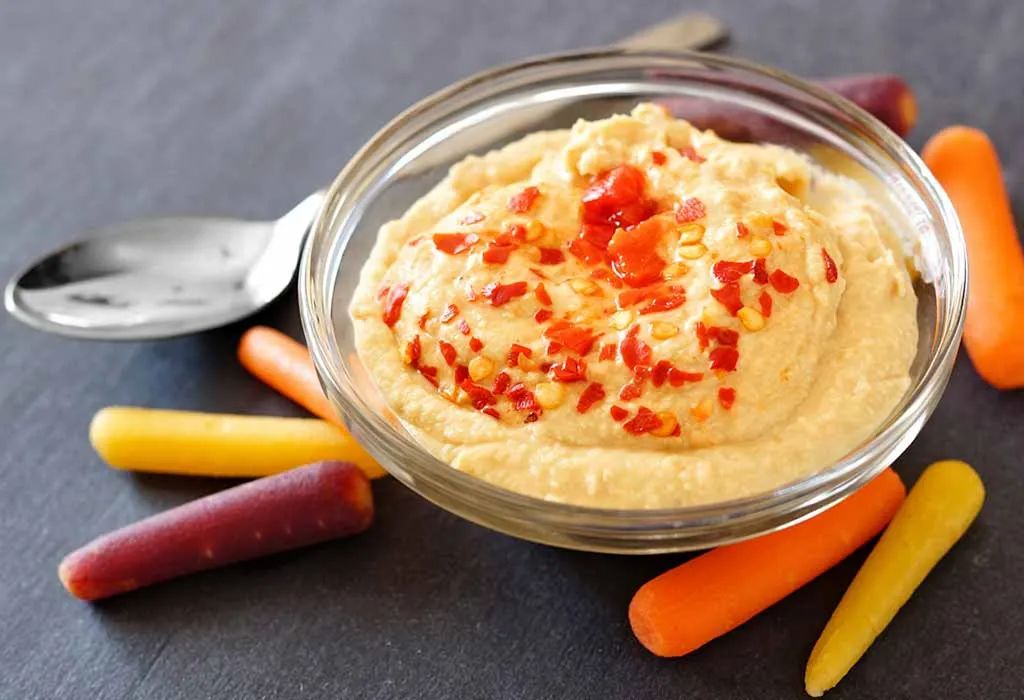
Can Babies Eat Hummus – What You Must Know?
Hummus is a highly nutritional creamy dip that is not only delicious but also packed with health benefits. Parents looking to diversify their baby’s palate might wonder, “Can babies have hummus?” Given its rich contents of protein, fiber, and healthy fats, hummus for baby can indeed support energy production and improve heart health.
However, it is essential to know the right time and method to introduce hummus into a baby’s diet. Questions like, “When should you start giving hummus to your baby?” and “How should you introduce it to your baby’s diet?” are crucial. The introduction of new foods to infants should be done with caution to monitor potential allergic reactions or digestive problems.
What Is Hummus?
Hummus is a dip made from nourishing and creamy chickpeas. It originated in the Middle East and is used to add flavor, nutrition, and taste to other dishes. The main ingredients for making a very tasty and nutritious hummus are chickpeas, garlic, tahini paste, salt, lemon juice, and olive oil. Other ingredients like cumin, spinach, beets, and spices can be used to improve its flavor.
Is Hummus Safe for Babies?
Hummus can be healthy, but is it safe for babies? Yes. It is safe for babies if you prepare it yourself at home from scratch and is not store-bought. Shop-bought hummus contains too much salt content, which is not suitable for babies. Home-made hummus tastes equally delicious.
When to Introduce Hummus to a Baby’s Diet?
Now, you might have questions such as ‘When can you give hummus to your baby?’ If you are indeed wondering, make sure to give your baby hummus when they are 8–9 months old and not anytime before, as babies’ intestinal organs are not completely developed at this point. They might have digestion problems as it contains some spicy ingredients. Also, an important thing to remember when introducing hummus to your baby is to make sure it is bland.
Nutritional Value of Hummus
Gradually introducing hummus to your baby’s diet shouldn’t be an issue. Many nutritional benefits come along with hummus, such as:
Rich In
Benefits
Chickpeas
Lower cholesterol levels
Tahini paste
Prevents and heals anemia
protein
Helps in body growth and repair
B vitamins
Provide energy and also supports the nervous system
Fiber
Helps in healthy digestion
Zinc
Strengthens the immune system
Iron
Combats with anemia and low energy levels
Magnesium
Provides energy and also increases bone health
Folate
Maintains healthy red blood cells (RCB) and avoids anemia
Calcium
Helps in maintaining strong teeth and bones
Olive oil
Anti-inflammatory properties
Garlic
Helps in reducing pain in inflammatory diseases, such as osteoarthritis.
Health Benefits of Hummus for Babies
There are various health benefits of hummus that might help your baby to have a more healthy and nutritious diet,
Healthy growth is what every parent wishes for, and hummus can improve your baby’s growth rate and repair system.
Babies are exposed to allergens and irritants that may cause inflammation; hummus can help prevent this as it contains anti-inflammatory properties.
For a body to grow out to be healthy, a baby would need strong bones and teeth; hummus can help you with it.
Hummus can also help improve digestion and strengthen the immune system, which all parents want their growing loved ones to have.
Hummus provides energy for the baby and supports the nervous system.
Hummus can also help maintain healthy RBCs (red blood cells).
It helps prevent, heal and avoid anemia.
Can Babies Be Allergic to Hummus?
While the contents in hummus are typically harmless, take it gently to avoid allergies or sensitivities. So, the answer is yes. Babies can sometimes be allergic to hummus due to certain ingredients. For instance, tahini paste is made out of sesame seeds and is one of the very common foods known to cause allergies.
Along with tahini paste, garlic, pepper, and lemon are used to flavor the hummus. Although the ingredients aren’t common allergens, they can cause allergies in rare cases. Even the main ingredient, chickpeas, can cause allergies.
Signs of allergies in your baby include sore, red and itchy eyes, cough, wheezing, shortness of breath, swollen lips, rashes, itchy skin, blocked or running nose, itchy throat, and tongue. If your baby shows any of these symptoms, they are less likely to have an allergy and are advised to take them to your health visitor as quickly as possible.
Ways to Serve Hummus to Babies
Introducing hummus to your baby’s diet can be both exciting and nutritious. Here are some simple and baby-friendly ways on how to serve hummus to baby:
As a Dip: Start with plain hummus without any added salt or garlic. Use it as a dip for soft, baby-friendly vegetables like cooked carrot sticks, steamed broccoli florets, or cucumber slices.
Spread on Toast: Spread a thin layer of hummus on a small piece of soft whole-grain toast or an unsalted rice cake. This can make a manageable snack for older babies.
Mixed with Purees: For younger babies, mix a small amount of hummus with vegetable or fruit purees to introduce new textures gradually.
As a Pasta Sauce: Blend hummus with a little olive oil or water to thin it out and use it as a sauce over soft-cooked pasta. This can be a creamy and tasty alternative to traditional pasta sauces.
In Yogurt: Stir a small amount of hummus into plain, unsweetened yogurt to increase the protein content and introduce new flavors to your baby.
Precautions to Take While Giving Hummus to Babies
Some of the precautions to follow while introducing hummus into your baby’s diet include:
Tahini is derived from sesame seeds, which are nuts and might cause allergic responses in some babies.
Add probable allergy-causing items to the baby’s diet one at a time to figure out whether your baby is allergic to any of the potential allergens.
Excess salt in the diet might impair a baby’s growing kidneys, so use it sparingly or leave it out entirely while making hummus for your infant.
Since certain legumes might trigger allergic responses, check for allergies before eating chickpeas for maybe the first time.
Keep a bottle of Benadryl syrup available to treat any sudden allergic reactions.
Both chickpeas and garlic can cause gas difficulties in newborns. If your infant develops colic or other digestive disorders, stay away from it.
Hummus Recipes for Baby
Thinking about how to make hummus for the baby? Here are some recipes that you can follow to make hummus for your babies:
1. Simple Hummus Recipe
This is a classic hummus dip that’s made of chickpea and takes 5 minutes to prepare
Ingredients
1 x 400g tin of chickpeas, drained
1 heaped tbsp tahini
1 clove of garlic, peeled and roughly chopped
Juice of 1/2-1 lemon just for added flavoring
2 tbsp extra-virgin olive oil
How to Make
In a food processor, blend all ingredients until fine, then add water to soften to the right consistency.
Season with salt and pepper to taste.
If you’re serving newborns and toddlers, split the dish in half and season only the adult share.
2. Hummus Recipe Without Tahini Paste
A recipe without tahini paste means no sesame seeds; no sesame seeds mean you cut off the major concern of allergic reactions, so it’s a safe recipe to start with or for regular use.
Ingredients
Chickpeas in a can (drained and rinsed)
2 tbsp olive oil (extra virgin)
2 tbsp water that has been boiled and cooled
1 teaspoon of lemon juice
1 clove of garlic
3/4 teaspoon cumin powder
A quarter teaspoon of salt
How to Make
In a food processor, combine all ingredients and mix till smooth and creamy.
Adjust the salt to preference; however, it’s wise to keep the salt to a minimum for smaller babies.
For smaller babies, leave out the lemon juice, clove, and cumin.
3. Homemade Hummus Recipe for Babies
If you follow baby-led weaning and are looking for a recipe like ‘hummus recipe baby-led weaning,’ this recipe might be for you. This recipe for homemade hummus for newborns includes all of the ingredients in classic chickpea and tahini dips, except for salt. It’s perfect for toddler snacks, baby lunches, and baby-led weaning.
Ingredients
240 g drained and rinsed canned chickpeas (one regular 400 g tin)
1 lemon, freshly squeezed
1 smashed garlic clove (optional)
2 tablespoons of tahini paste
2 tablespoons extra virgin olive oil
Salt for seasoning (optional)
Extra olive oil, oregano, paprika, and zaatar for seasoning (optional)
How to Make
To make the hummus a milder flavor for newborns, briefly saute the garlic in olive oil before adding it to the hummus. You may remove the skins from the chickpeas if you like, but it’s not necessary.
Combine the chickpeas, lemon juice, garlic, tahini, and olive oil in a blender. Blend until completely smooth.
Blend in one tablespoon of water once more. Gradually add the remaining tablespoon until you get the desired consistency.
If desired, serve with a drizzle of extra virgin olive oil and a sprinkle of oregano, zaatar, or paprika.
FAQs
1. How can I make hummus safer for my baby?
To make hummus safer for your baby, prepare a simple version at home with minimal ingredients. Avoid using ingredients like garlic and lemon juice, which might be harsh for a baby’s palate and digestive system. Also, ensure there are no added salts or preservatives. You can also blend the hummus to a smoother consistency to make it easier for your baby to eat.
2. Can hummus help my baby’s development?
Hummus can be beneficial for your baby’s development as it is rich in protein, which is vital for growth, and fiber, which can aid in digestion. The fats in hummus, primarily from olive oil and tahini, are healthy fats important for brain development. However, it’s essential to serve it as part of a balanced diet that includes a variety of other nutrient-rich foods.
3. Can I use store-bought hummus for my baby?
It’s generally safer to make homemade hummus for your baby rather than using store-bought varieties. Store-bought hummus often contains added salt, garlic, lemon juice, and preservatives, which might not be suitable for a baby’s sensitive digestive system. When making homemade hummus, you can control the ingredients to ensure it’s mild and baby-friendly. If you choose to use store-bought hummus, look for products with low salt content and without other additives that might cause irritation or allergic reactions. Always start with a small amount and watch for any signs of discomfort or allergies in your baby.
To conclude, hummus added to your baby’s diet can add a lot of nutrition and be a fun snack. Ensure your baby is not allergic to any of the ingredients to stay healthy.
References/Resources:
1. Sesame allergy common among children with food allergies; National Institutes of Health; https://www.nih.gov/news-events/nih-research-matters/sesame-allergy-common-among-children-food-allergies
2. Malunga. L, Dadon. S, Zinal. E, Berkovich. Z, et. al.; The potential use of chickpeas in development of infant follow-on formula (Nutrition Journal); National Library of Medicine; https://www.ncbi.nlm.nih.gov/pmc/articles/PMC3913840/; January 2014
3. Chickpeas (Garbanzo Beans); Harvard T.H. Chan; https://www.hsph.harvard.edu/nutritionsource/food-features/chickpeas-garbanzo-beans/
4. Starting Solid Foods; American Academy of Pediatrics; https://www.healthychildren.org/English/ages-stages/baby/feeding-nutrition/Pages/Starting-Solid-Foods.aspx
5. Chickpea; Solid Starts; https://solidstarts.com/foods/chickpea/
6. Sesame; Solid Sarts; https://solidstarts.com/foods/sesame/
7. Wallace. T, Murray. R, Zelman. K; The Nutritional Value and Health Benefits of Chickpeas and Hummus (Nutrients); National Library of Medicine; https://www.ncbi.nlm.nih.gov/pmc/articles/PMC5188421/; November 2016
Also Read:
Greek Yogurt for Infants
Can Babies Have Pickles?
Health Benefits of Oats for Baby
Is It Safe To Give Ghee To Baby?
Read more

When Do Babies Stop Drinking Formula – The Right Age for Transition
The consumption of formula milk by children under the age of one has been phased out, and they may now drink whole milk. Toddlers are not always willing to drink milk; if this is the case with your child, do not force her to drink it. Although toddlers require the minerals found in milk, namely calcium and protein, you can obtain these nutrients from various other sources. It is common for babies between the ages of 9 and 12 months to lose interest in bottle feeding, making this an excellent time to begin weaning your baby from the bottle. Pediatricians and pediatric dentists recommend newborns to be weaned off the bottle by 12 months, but no later than 15 months. Like all others in child-rearing, the following rule is not set in stone and may change depending on the situation.
Numerous signs point to a fast resolution concerning the queries related to how long do babies need formula. Let’s learn all about transitioning from formula to milk!
Should Babies Transition to Cow Milk?
The American Academy of Pediatrics suggests giving a combination of solid foods and breastmilk or formula (or both) to infants under 12 months of age (1). The experts advocate introducing whole cow’s milk into the diet after one year. Following are the health-related issues that a toddler might face owing to transitioning a baby older than 12 months to whole milk:
Cow’s milk deficits in iron, vitamin C, and other minerals essential for babies’ growth and development.
It contains an excessive amount of proteins and minerals for your baby’s kidneys to process, as well as an insufficient amount of nutrients for growth and development.
Cow’s milk may increase the risk of intestinal bleeding in your child if they are under the age of 12 months at the time of first solid food introduction.
In addition to being difficult for babies to digest, cow’s milk’s high protein and mineral content place a significant strain on a newborn’s developing renal system.
When Can Your Baby Start Switching From Formula to Milk?
As a general rule, experts recommend weaning your child off of formula and switch to full-fat dairy milk when they are approximately 12 months old. Only specific considerations should be considered when transitioning a baby more aged than 12 months to whole milk. One-year-olds require 16 ounces of milk every day to grow and develop properly. Most infants fed formula are ready to transition from formula to whole cow’s milk on average one year after birth. If your child was born prematurely or breastfed with soy formula, you should immediately seek medical attention.
How to Transition From Formula to Milk?
Switching from formula to milk is an important milestone in your child’s development, typically occurring around their first birthday. However, it’s essential to approach this transition thoughtfully to ensure your child’s nutritional needs are met and to make the process smooth for both of you.
1. Timing the Transition
The American Academy of Pediatrics recommends introducing whole cow’s milk (or an appropriate alternative) at around 12 months of age (2). Before this, a baby’s digestive system may not be ready to process cow’s milk effectively. Start by replacing one formula feeding with milk and gradually increase the amount over a week or two. This slow transition helps your child adjust to the new taste and texture while minimizing digestive discomfort.
2. Choosing the Right Milk
Whole milk is typically recommended for toddlers under two years old because it provides the necessary fat content for brain development (3). If your child has a milk allergy or intolerance, consult your pediatrician for alternatives like fortified soy milk or other plant-based options. Avoid low-fat or skim milk until your child is older, as they need the calories and nutrients from whole milk for proper growth. Always ensure the milk is pasteurized and safe for consumption.
Signs That Your Baby Is Ready to Transition Off Formula
Here are some signs that your baby may be ready to transition from formula to milk:
Age-Appropriate: Your baby is around 12 months old, as most pediatricians recommend waiting until this age to introduce cow’s milk.
Eating Solid Foods Well: Your baby is consuming a variety of solid foods and getting most of their nutrition from meals rather than formula.
No Digestive Issues: Your baby shows no signs of lactose intolerance or milk allergies, such as diarrhea, vomiting, or rashes after consuming dairy products.
Interest in Cow’s Milk: Your baby shows curiosity about the milk you or others are drinking and may try to reach for it.
Reduced Interest in Formula: Your baby is drinking less formula or seems less interested in bottle feedings.
Good Overall Health: Your baby is growing well, meeting developmental milestones, and has no underlying health concerns that might delay the transition.
Signs That a Baby Is Not Ready to Transition Off Formula
Here are some signs that your baby may not be ready to transition from formula to milk (4):
Under 12 Months Old: Babies under one year typically lack the digestive maturity to process cow’s milk effectively.
Digestive Issues: Signs like diarrhea, constipation, or vomiting after trying cow’s milk may indicate intolerance or an immature digestive system.
Allergic Reactions: Symptoms such as rashes, hives, swelling, or breathing difficulties after consuming dairy could signal a milk allergy.
Poor Weight Gain: If your baby is not gaining weight appropriately, they may still need the specific nutrients provided by formula.
Reliance on Formula for Nutrition: If your baby is not eating enough solid foods and still depends heavily on formula for their primary nutrition.
Fussiness or Refusal: Your baby may refuse cow’s milk or become fussy after drinking it, indicating they’re not ready for changing from formula to milk.
Developmental Delays: If your baby has not yet reached key developmental milestones, they may need the tailored nutrition of formula for a bit longer.
Which Is More Nutritious – Formula or Whole Milk?
Experts have not identified convincing evidence that toddler formula is a healthier option than whole milk when it comes down to it. Parents often express at what age do babies stop drinking formula. The vast majority of people are concerned about the transition away from the nutritionally dense benefits of breast milk or infant formula, which they believe to be detrimental.
Consequently, toddler formula contains significantly higher vitamins, minerals, and nutrients than breast milk and infant formula, making it an excellent substitute for picky eaters who may be nutritionally deprived. The fact that cow’s milk contains a high concentration of protein and minerals that can be difficult for your baby’s developing kidneys to process is something you should keep in mind.
As a result of its low concentration of iron, vitamin C, and other nutrients, cow’s milk is unsuitable for consumption by nursing mothers and their infants. Finally, cow’s milk is deficient in the essential fats required for the growth of newborn babies. Increasing solid food intake one ounce at a time while decreasing milk or formula intake is essential.
How to Wean Baby Off Formula?
Weaning your baby off formula is a gradual process that requires patience and attention to their nutritional needs. By following a structured approach, you can ensure the shift is smooth and comfortable for both you and your baby (5).
1. Introduce Cow’s Milk Gradually
When switching infant formula to milk, begin by mixing a small amount of whole milk with formula, gradually increasing the ratio of milk to formula over 1-2 weeks. This helps your baby adjust to the new taste and texture without causing digestive discomfort.
2. Replace One Feeding at a Time
Start by replacing one formula feeding with milk, such as the midday bottle. Once your baby adjusts, replace additional feedings one by one until they are fully transitioned to milk.
3. Offer Milk in a Cup
Encourage your baby to drink milk from a sippy cup or straw cup instead of a bottle. This helps them develop independent drinking skills and reduces reliance on bottle feeding.
4. Ensure a Balanced Diet
As you reduce formula, make sure your baby is eating a variety of solid foods to meet their nutritional needs. Include iron-rich foods, fruits, vegetables, and proteins to support their growth.
5. Monitor for Reactions
Watch for signs of lactose intolerance or milk allergies, such as digestive issues, rashes, or fussiness. If any concerns arise, consult your pediatrician for guidance.
6. Be Patient and Flexible
Every baby is different, so adjust the pace of weaning based on your child’s readiness and comfort. If they resist, take a step back and try again in a few days or weeks.
What Is the Difference Between Weaning Off From Breast Milk and Formula?
Transitioning from formula is not the same as transitioning from breast milk. Breastfeeding doesn’t need to end when your baby reaches their first birthday. Many breastfed children continue nursing well into their toddler years, and experts often recommend breastfeeding until at least age two if possible. Beyond nutrition, breastfeeding can also provide comfort and emotional support for your toddler.
On the other hand, formula is no longer necessary after your baby turns one, as they can obtain all the nutrients they need from cow’s milk and solid foods. If you’re combining breastfeeding with formula, you can continue breastfeeding while replacing formula with cow’s milk served in a cup.
Another key difference between weaning from breast milk and formula is that formula-fed babies may find it easier to switch to a sippy cup or toddler cup since they’re already accustomed to drinking from a bottle. If your baby is still nursing, you can try offering expressed breast milk in a cup to help them get used to drinking from it, making the eventual transition to cow’s milk smoother.
Best Milk Alternatives for Toddlers
Your child’s bones require specific vitamins and minerals to develop correctly, such as vitamin D and calcium. Vitamin D can be found in pasteurized cow’s milk (plain whole milk) and enriched soy beverages that have the appropriate warning label attached to them. In the United States, most cow’s milk sold in grocery stores has been fortified with vitamin D to increase its nutritional value. Vitamin D and calcium are abundant in dairy products such as cow’s milk and fortified soy beverages.
Whole milk is one of the most recommended drinks for toddlers aged one and older, whereas non-fat (skim) or low-fat (1% fat) milk is recommended for children two years and older. Choose ones that are unflavored or have a mild flavor. You may add sugars to many products, including flavored cow’s milk and fortified soy beverages.
Soy, coconut, rice, and nut (cashew, almond) milk are among the most popular milk substitutes today. Hemp milk, oat milk, and milk made from pea protein are examples of dairy alternatives to cow’s milk that are available (2). The majority of these can be found in cartons next to the cow’s milk in your refrigerator, but some can also be found in boxes in the beverage section of your local grocery store, depending on your location.
If possible, opt for ones that are flavorless or have a mild flavor. There are many products to which sugar can be added, including flavored cow’s milk and fortified soy beverages. Your child does not require any additional sugary treats.
Why Cow Milk Is Avoided Before Baby’s 12 Months?
The mother can breastfeed her child even if she is not using formula milk, as babies need this for the protein in their diet. Here is a list of issues faced by babies concerning the consumption of cow milk (6):
When infants are exposed to cow’s milk before their first birthday, they are at an increased risk of being born anemic, getting diarrhea or vomiting, and developing an allergic reaction to the milk. The proteins in milk are more numerous than those in other milk products, such as yogurt.
Cow’s milk is incredibly taxing on a newborn’s immature renal system due to its high protein and mineral content. It may result in severe sickness in situations of heat stress, fever, or diarrhea.
Additionally, cow’s milk is deficient in iron, vitamin C, and other minerals necessary for babies’ growth and development.
You should not give cow’s milk to a newborn until they reach the age of 12 months since it does not provide enough nutrition for your kid. When your infant is exclusively breastfed, they will need vitamin D supplements as well (or mostly breastfed).
FAQs
1. Can I delay the transition beyond 12 months?
Yes, you can delay the transition if your baby isn’t ready or if you prefer to continue formula for a bit longer. Some parents choose to extend formula use if their child is a picky eater or has specific nutritional needs. However, by 12 months, most babies can thrive on cow’s milk and solid foods, so delaying should be a decision made in consultation with your pediatrician.
2. What if my baby has a rare metabolic disorder?
For babies with metabolic disorders like galactosemia or phenylketonuria (PKU), transitioning to regular cow’s milk is not an option (7). These conditions require specialized formulas or milk alternatives that are free from specific components (e.g., lactose or phenylalanine). Always work closely with a pediatrician or metabolic specialist to determine the safest transition plan.
3. What if my baby refuses cow’s milk but loves cheese and yogurt?
Some babies may reject cow’s milk but happily consume dairy in other forms, like cheese or yogurt. If this happens, you can rely on these dairy products to meet their calcium and vitamin D needs while gradually introducing milk in small amounts. Alternatively, you can mix milk into smoothies or cereals to make it more appealing.
4. Is it safe to transition to milk if my baby has a history of severe reflux?
Babies with a history of severe reflux or gastrointestinal issues may need a more cautious approach when transitioning to cow’s milk. Some parents find that milk can exacerbate reflux symptoms. In such cases, a pediatrician may recommend starting with smaller amounts, using lactose-free milk, or delaying the transition until the baby’s digestive system matures further.
When it comes to their child’s health, new parents should take extra precautions by learning everything they can about their baby’s formula’s peculiarities to keep track of them and ensure that they do not pass the problems on to their children. By the time you’ve finished reading this article, you’ll most likely have a better understanding of what should be included in your infant’s formula and what should be avoided.
References/Resources:
1. Why Do Infants Need Baby Formula Instead of Cow’s Milk?; American Academy of Pediatrics; https://www.healthychildren.org/English/ages-stages/baby/formula-feeding/Pages/Why-Formula-Instead-of-Cows-Milk.aspx
2. Cow’s Milk Alternatives: Parent FAQs; American Academy of Pediatrics; https://www.healthychildren.org/English/healthy-living/nutrition/Pages/milk-allergy-foods-and-ingredients-to-avoid.aspx
3. Nutrition Guide for Toddlers; Nemours Kids Health; https://kidshealth.org/en/parents/toddler-food.html
4. Baby Steps: Tips to Transition From Formula to Milk; Cleveland Clinic; https://health.clevelandclinic.org/transition-from-formula-to-milk
5. Making the Switch to Cow’s Milk for 1-year-olds; Children’s Hospital of Philadelphia; https://www.chop.edu/news/making-switch-cow-s-milk-1-year-olds
6. When It’s Safe for Your Baby To Have Cow’s Milk; Cleveland Clinic; https://health.clevelandclinic.org/when-is-it-safe-to-give-cows-milk-to-my-baby
7. Galactosemia; Cleveland Clinic; https://my.clevelandclinic.org/health/diseases/24062-galactosemia
Also Read:
Cup Feeding to Baby
Causes of Baby Not Eating Food
When to Stop Breastfeeding a Baby
Read more
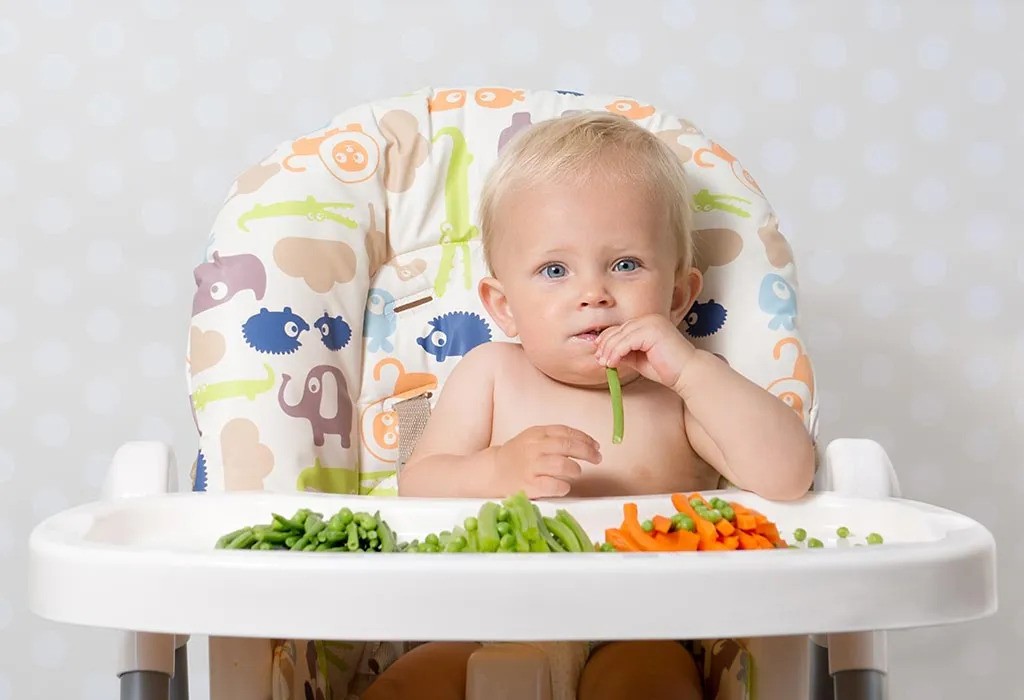
Green Beans for Babies – When to Introduce, Benefits and Recipes
Green beans have an American heritage, originating in Central America. They are referred to by several other names, such as snap beans, French beans, or string beans. Green beans are rich sources of antioxidants and keep free radicals at bay. Low in saturated fat and even lower in cholesterol, green beans are an excellent source of fibre, magnesium, potassium, folate, and Vitamins A and C. So, can we include green beans in babies’ diets? The American Academy of Pediatrics states that one can introduce any food to your baby’s diet after they turn six months old. There is no constructive reason why vegetables like green beans or meat cannot be offered before cereal. Green beans can be included in babies’ diets as they can be an excellent source of nutrition. Let’s continue with the post to get answers to all possible questions on green beans for baby diet.
When to Introduce Green Beans to Babies?
Green beans can be introduced into a baby’s diet after they turn six months old. It is not recommended to include green beans in their diet before three months as the naturally occurring nitrates in green beans could negatively impact the baby’s health. Green beans can be hard to puree as they have high fibre content, and the ideal age to introduce green beans in mashed or pureed form is between 8-10 months. Owing to their high nitrate content, they can deplete iron reserves and cause anaemia. However, the European Food Safety Authority and the American Academy of Pediatrics generally consider nitrates in vegetables safe for most healthy children. The benefits of including these vegetables in a varied diet usually outweigh the risks of nitrate exposure (1) (2).
Are Green Beans Safe and Healthy for Babies?
Green beans are safe and healthy for babies after the age of six months. They are not considered safe for babies under six months because of their high nitrate levels. The high dietary fibre content in green beans makes it challenging to puree. It is recommended to be safe and healthy for babies only after eight months. Green beans are also an excellent source of Vitamin K and play a key role in blood clotting. They contain Vitamin A, which is good for eyesight, and Vitamin C, which helps absorb iron from plant-based food, which is vital for babies (3). Green beans also refuel the body with protein that helps work the digestive tract due to the pods’ large amounts of fibre.
Nutritional Value of Green Beans
Below is the table that shows the nutritional Value Per 100g of green beans:
NUTRIENT
UNIT VALUE PER 100G
Energy
31kcal
Carbohydrates
6.97g
Natural sugars
3.26g
Fiber
2.7g
Protein
1.83g
Fat
0.22g
Calcium
37 mg
Iron
1.03mg
Magnesium
25mg
Phosphorus
38mg
Potassium
211mg
Sodium
6mg
Manganese
0.216mg
Copper
0.069mg
Zinc
0.24mg
Selenium
0.6µg
Fluoride
19µg
Vitamin C
12.2mg
Vitamin B1 (Thiamin)
0.082mg
Vitamin B2 (Riboflavin)
0.104mg
Vitamin B3 (Niacin)
0.734mg
Vitamin B5 (Pantothenic acid)
0.225mg
Vitamin B6
0.141mg
Vitamin B9 (Folate)
33µg
Choline
15.3mg
Vitamin A
35µg
Vitamin E
0.41mg
Vitamin K
43µg
Benefits of Green Beans for Infants
Green beans contain several benefits for infants. Read on to find some benefits:
1. Vitamins
Rich in beta carotene, green beans are a precursor compound needed to form Vitamin A in the body. It helps keep the retinal cells intact, prevents the premature degeneration of the eyes, and can help to improve vision.
2. Minerals
Green beans are rich in Vitamin A, manganese, potassium, calcium, carotenoids, and several other vitamins, vital for developing a healthy immune system.
3. Suited for Infants With Gluten Allergies
Infants with gluten allergies could be at the risk of a Vitamin B deficiency. This can harm their health. Green beans can substitute grains and contain the same amount of Vitamin B as grains. The other vitamin contents also help in the growth and development of babies.
4. Source of Dietary Fiber
One hundred gms of raw beans are proven to provide 31Kcal and 2.7 gms of the total dietary fibre that improves the chances of a wholesome meal. Experts recommend including green beans in a baby’s diet to cut the risk of childhood obesity in the future.
5. Source of Antioxidants
The fibre and antioxidants present in green beans help cells function and reduce the risk of cancers. It keeps cell metabolism on track and stimulates a baby’s healthy growth. Green beans also contain phytic acid, an anti-nutritional compound that binds free minerals, making them unavailable to the body for absorption. Boiling or cooking green beans after soaking reduces the concentration of phytic acid and improves the availability of minerals.
Are Babies Allergic to Green Beans?
Green beans belong to the legume family that comprises pulses and beans often associated with allergies (4). If a baby is allergic to other legumes, there is a high chance of being allergic to green beans. However, an allergy to green beans is rare. The symptoms of allergies to green beans may include any other food allergy symptoms, like hives, swelling, breathing problems, skin rashes, irritation, etc (5). Enterocolitis syndrome is an extreme form of allergic reaction caused by protein-induced food like green beans. A few common symptoms of allergy are:
Symptoms of Green Bean Allergy
Hives: Red and itchy bumps that are found in the baby after consuming an allergen. These disappear within a few minutes but re-appear if allergens are not stopped.
Flushed skin: Baby’s skin may become flushed after consuming the allergen
Eczema or skin rash: Skin may develop bumps with liquid in it, and eczema could make the skin dry, scaly, and itchy.
Coughing, wheezing, difficulty breathing, or sore throat: Allergy could trigger a cough, difficulty breathing, or wheezing as the low airways in the lungs may be swollen. Babies could also develop a sore throat, which could hurt while eating.
Loss of consciousness: Baby may lose consciousness after consuming green beans
Swelling of lip, tongue, or face: The baby may develop swelling in the face, tongue, or lip after consuming green beans
Dizziness, vomiting, nausea, or diarrhoea: Bay may start to feel dizzy and nauseous. They could also develop vomiting or diarrhoea.
If the infant displays these symptoms, you must consult a doctor for immediate diagnosis and treatment.
How to Select and Store Green Beans for Babies?
A few tips on how to select and store green beans:
1. Selection
Choose beans that are bright in colour and have no blemishes. Chuck the ones with holes in them. Hold the beans between your hands and bind them, and if you feel any resistance, it indicates they are supple and fresh. Fresh beans break with a crispy snap. Avoid beans that bend easily and do not break, as they taste bad.
2. Storage
Wash beans once you buy them. Cut the stalk and the tough ends at the bottom. Store them in a plastic zip-lock bag in a refrigerator. Green beans will stay fresh for up to five days, and it is best to cook them within a few days of purchase. Avoid frozen beans for baby food as there is a risk of contamination, and the nutritional element is lesser.
How to Prepare Green Beans for Babies?
The tips below could help parents understand how to serve green beans at age-appropriate stages. Bear in mind, though, that each child has their own pace. Speak to your paediatrician before beginning any weaning techniques and discuss any concerns you have about your child’s skills to chew, swallow, or other abnormalities.
1. For 6-Month-Old
Well-cooked, whole green beans must be offered to your baby to be able to grasp and gum. If your baby has trouble holding the beans in the pan, add them to the baby cereal, making it more edible.
2. For 9-Month Old
Once you notice your baby displaying a pincer grasp, cut the cooked beans into tiny pea-sized pieces to pick up.
3. For 12-Month-Old And Older
A 12-month-old child can be offered completely cooked and softened whole or cut green beans.
How to Cook Green Beans for Babies?
From steaming to puree, green beans for the baby can be cooked in many ways, primarily depending on one’s preference. A few ways to cook them are:
1. Boiling
One of the most convenient ways is that boiled beans are edible and nutritious.
Wash beans, chop them and transfer to a pan with enough water to cook.
Cook until they are well boiled for 15-30 minutes.
Alternatively, pressure cook them in less water for 2-3 whistles.
2. Steaming
You can steam either in a steamer basket or microwave.
Cook chopped beans in a steamer basket and place them in a cooking vessel.
Cook for about ten minutes.
Alternatively,
Place beans in a microwaveable bowl and add some water.
Cover the bowl with a lid and microwave on high power for two minutes.
Stir the beans and cook for another five minutes.
3. Shallow Fry
Ideal for cooking small quantities, just chopping the beans finely and shallow frying or stir-frying them in little oil for five minutes until the beans become tender.
4. Baking
Baking makes the beans quite crispy and ideal for serving as finger food.
Place chopped beans on a baking tray and drizzle it with vegetable oil.
Preheat the oven to 425°F and bake for ten minutes.
Just spread the beans and bake for another ten minutes.
Combination of Green Beans Baby Food
What to mix with green beans for a baby diet? Below are some interesting green bean baby food combinations to make some tasty baby food recipes:
Vegetables: Green beans go well with almost any vegetable, especially root and tubers like carrots and potatoes.
Meat: Boiled green beans and chunks of meat make for great finger food.
Cereals: Green beans can help to add the edible quotient of bland food like cereals like oats, rice, semolina, and quinoa.
Precautions to Take When Feeding Green Beans to Infants
Before you include green beans in your little sunshine’s diet, here are some precautionary measures you must remember:
Always buy fresh produce of green beans instead of canned ones. Organic green beans are preferable.
Because of hard fibre, green beans can be difficult for babies to chew completely in the beginning. Therefore, make sure that green beans are well-cooked and mashable when you serve them.
First and foremost, before feeding, an allergy test to green beans is a must.
If anyone in the family is allergic to green beans, then remember to consult your doctor whether you should introduce green beans to your baby.
Feed your baby green beans only when they are above six months of age and have already started trying different textures.
If your baby develops an intolerance or allergy to green beans, stop it immediately and consult your doctor.
Once they are able to handle finger foods, you can give them a single string of beans so they can bite and chew themselves. Overseeing is a must for how much they bite.
Yummy Green Bean Recipes for Babies
If you are looking for recipes on how to make green bean baby food, then try the ones below:
1. Green Beans and Peas Puree
A delight packed with protein, fibre, and vitamins.
Ingredients
One cup of chopped green beans
One cup of green peas
Five cups of water
Total Time: 45 minutes
Instructions
Boil peas separately for 25 minutes in a cooking vessel until mushy.
Boil green beans in a vessel with shallow water on a low flame.
Once cooked, let it cool and blend both peas and beans in a blender upto desired consistency.
2. Green Beans and Rice Porridge
A delicious porridge that makes a wholesome meal.
Ingredients
Two cups rice
One cup of chopped green beans
Five cups of water
Total Time: 45 minutes
Instructions
Cook rice separately until well cooked while cooking the green beans in a separate vessel.
Let it cool, and blend both in the blender to a coarse paste.
FAQs
1. Is it good to boil green beans for baby food?
It is best to offer babies food that is boiled and steamed. Babies have a delicate digestive tract and may not be able to digest food in raw form until they are one year old.
2. Can green beans cause constipation in babies?
Are green beans suitable for babies, or can they cause constipation? Experts mention that green beans can be effective in fighting constipation.
3. Are green beans gassy for babies?
The amount of green beans that your baby will consume will decide whether you will develop gas. The gas is usually caused due to its high fibre content. It is advisable to feed your baby in smaller quantities initially and increase it slowly.
4. Can green beans be choking hard for babies?
Raw and firm vegetables are a top choking hazard for babies under four. Green beans must be chopped and cooked until soft and served according to their age. It is important to supervise a baby while they are eating and make them sit upright and face forward during mealtimes (6).
5. How to prepare green beans for baby-led weaning?
Green beans as food introduced for weaning must be cooked well. It is advisable to puree it for babies between 6-8 months, cooked and boiled until mushy for nine months and above. For accurate consistency, homemade green bean baby food must be squished between two fingers.
6. Is nitrate in green beans a big health concern for babies?
Nitrates are naturally occurring compounds in certain vegetables, including green beans, arugula, beets, carrots, lettuce, spinach, and squash. They can affect oxygen levels in the blood only if consumed in large amounts (7). Babies under three months and those with health issues may be more sensitive to nitrates. Since you are only going to feed green beans to your baby after they have completed six months, then there is no need to worry.
Green beans are the storehouse of nutrition and can be given to babies as solid foods. It is essential to wash, chop, clean and cook them well before serving them to your baby. Each infant has its own development pace, and one must always watch it before introducing any food to their diet.
References/Resources:
1. Nitrites and nitrates added to food; European Food Safety Authority; https://www.efsa.europa.eu/sites/default/files/corporate_publications/files/nitrates-nitrites-170614.pdf
2. Llyod. L. J, et al.; INFANT METHEMOGLOBINEMIA : The Role of Dietary Nitrate; AAP Publications; https://publications.aap.org/pediatrics/article-abstract/46/3/475/46309/INFANT-METHEMOGLOBINEMIA-The-Role-of-Dietary?redirectedFrom=fulltext; September 1970
3. Friel. J, Qasem. W, Cai. C; Iron and the Breastfed Infant. Antioxidants (Basel).; PubMed Central; https://www.ncbi.nlm.nih.gov/pmc/articles/PMC5946120/; April 2018
4. Igea. J. M, Fernandez. M, et al.; Green bean hypersensitivity: an occupational allergy in a homemaker; Journal of Allergy Clinical Immunology; PubMed; https://pubmed.ncbi.nlm.nih.gov/8027496/; July 1994
5. Food Allergy Reactions; American Academy of Pediatrics; https://www.healthychildren.org/English/ages-stages/baby/feeding-nutrition/Pages/Food-Allergy-Reactions.aspx
6. Do’s and Don’ts for Baby’s First Foods; Academy of Nutrition and Dietetics; https://www.eatright.org/health/pregnancy/babys-first-foods/dos-and-donts-for-babys-first-foods
7. Brkić. D, Bošnir, J, et al.; NITRATE IN LEAFY GREEN VEGETABLES AND ESTIMATED INTAKE; Afr J Tradit Complement Altern Med.; PubMed Central; https://www.ncbi.nlm.nih.gov/pmc/articles/PMC5412236/; March 2017
Also Read:
Beans for Infant
Chickpeas for Babies
Benefits of Peas for Babies
Health benefits of Dalia for Babies
Read more
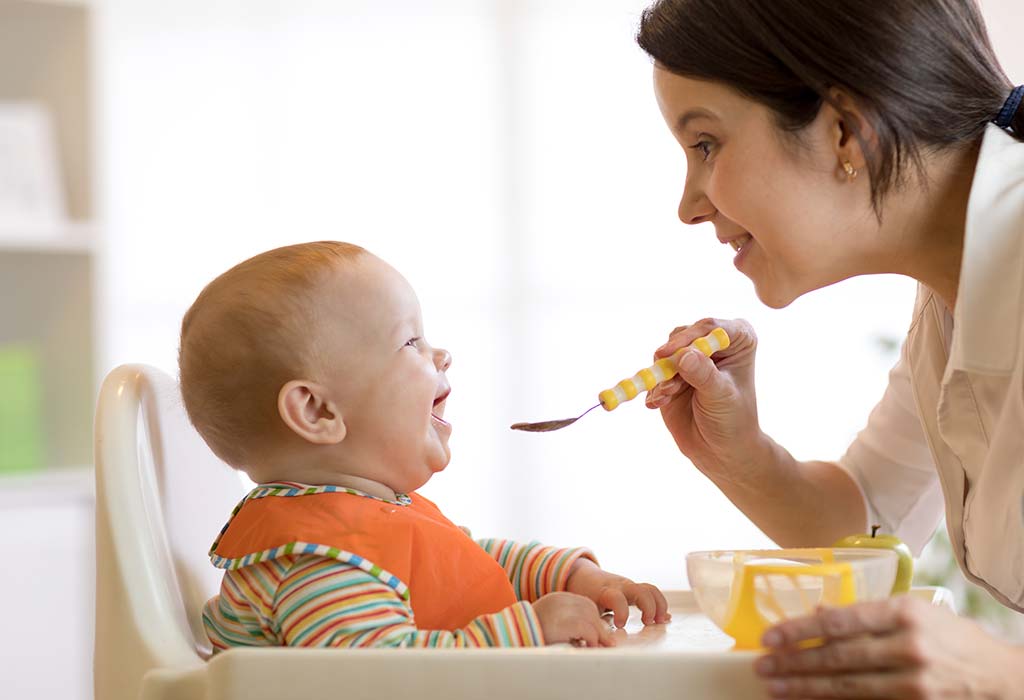
Heavy Metals in Baby Food – What Parents Should Know & Do
As a parent, one would only want the best for their child, especially when it comes to food. So it is perfectly right to consider findings from reports that suggest that several baby products could contain elevated levels of metals like mercury, lead, cadmium, and arsenic. High levels of heavy metals in baby food have been a major cause of concern in recent years.
Data about products from major food companies by the US subcommittee of Economic and Consumer Policy requires stricter regulations and considerations about baby food products and responsibilities from manufacturers. Infants and baby babies are sensitive to contaminants like lead and arsenic. Exposure to small amounts of these metals has been linked to neurodevelopmental disorders, autism, and attention deficit hyperactivity disorder.
Studies have linked it to cancer, reproductive problems, diabetes, and cognitive issues when consumed over time. While parents have reason to be concerned, it is also impossible to expect to eat a completely contaminant-free diet as these exist in the environment.
What Do Heavy Metals Do to Babies?
New reports indicating the presence of heavy metals in infant food can leave a lot of parents baffled and worried. Regardless of whether in low or high quantities, the presence of heavy metals in newborn food can be a cause for concern. Toxic metal exposure of any kind, especially internal, could have damaging effects on the development of the brain in babies. Consumption of food containing metal content has been linked to problems with children’s behavior, learning, and cognition.
Although genetic, social, and environmental factors play a key role in the development of the brain, any parent would question if heavy metals in baby food harm my baby? The answer is yes. There is a certain amount of risk involved in consuming food that contains metal to the development of the brain in a baby. Studies have also linked food consumption with heavy metals to cancer risk and delay in growth and development.
Which Foods Contain Heavy Metals
Heavy metals can be found in water, soil, and the air we breathe. Plants consume these metals as they grow, and we as human beings can end up consuming them. Human bodies do need a certain amount of heavy metals like zinc, iron to function effectively. However, certain heavy metals like arsenic and lead could be harmful. Certain crops like rice could absorb these harmful metals compared to others and build up in the body over time. Consumption of these metals could lead to problems in behavior, attention span, and learning.
Some companies that manufacture baby food add vitamins and minerals along with food additives that could contain heavy metals. Research has proven that certain kinds of baby food contain higher levels of heavy metals than others. Some of these baby foods that contain heavy metals are:
1. Infant Rice Cereal
Rice is often considered to contain metals like arsenic. It is said that this occurs due to the water content used for irrigation.
2. Infant Rice Puff Snacks
Again, snacks that contain rice carry the same danger of containing arsenic because of how the rice is cultivated.
3. Teething Biscuits and Rice Rusks
Teething biscuits are made with additives that help to relieve pain that occurs as a natural process. This, in turn, could be detrimental to the health of the baby.
4. Fruit Juice
Many canned juices contain heavy metals. Apart from contaminated elements, they also increase the risk of cavities and obesity.
5. Carrots and Sweet Potatoes
Tubers also tend to contain metals that occur owing to growing under the ground.
Toxic metals in baby food can be found in organic baby foods, too; however, the crucial phrase to be noted here is “high levels.” Certain foods with low levels are not considered harmful by the Food and Drug Authority. However, when the levels exceed the permissible limit, it is considered dangerous to the baby’s development.
How Do Heavy Metals Get Into Baby Food?
Now that you are aware that certain foods contain heavy metals, you may also wonder what causes the heavy metal in baby food? If metals are found in the earth, air, and water, how do they make their way into baby food? Well, there are many ways in which it can get into baby food. Metals are released into the environment via pollution and can contaminate food.
Metals can also get into food via manufacturing and packaging. Even if a particular food is organic, it does not mean that it is free of heavy metals. Heavy metals can make their way even in the organic soil. Contaminated water is one of the main reasons for metal presence in soil. Materials used in packaging and food processing can also cause food contamination, and heavy metals can enter into food products.
How to Avoid Heavy Metals in My Baby’s Diet
Even though one cannot eliminate the presence of metal content in baby food, there are a few things that one can do as a parent to avoid the consumption of heavy metals. A few handy tips are:
1. Eat a Healthy and Varied Diet
Root vegetables like carrots, potatoes, and sweet potatoes are packed with carbohydrates and other essential nutrients, but because they grow in the soil, they can also contain higher levels of heavy metals. It is important to substitute their food plate with different vegetables, especially leafy greens, avocados, and fresh fruits like berries.
2. Restrict the Amount of Rice
Rice products often test high on arsenic content. Try to limit the intake of rice cereal or teething biscuits, which are made from rice. This will reduce the risk of exposure.
3. Check and Read Labels
Make sure to read the ingredients before offering them to your baby. Foods with multiple ingredients are a good option, but some could have the same first and second ingredients. Foods with different blends of flavor could have potatoes as their first ingredient. So the best thing is to read the label before offering it to your baby.
4. Mix and Match Grains
Fortified infant cereals are a good source of nutrition, but rice cereal does not need to be the only one to be offered. Rice grains tend to absorb more arsenic from groundwater than any other crops. So, you could include a variety of grains in your baby’s diet – try to include barley, oat, quinoa, bulgur wheat, farro, and couscous. Opt for multi-grain infant cereals. Avoid rice milk or brown rice syrup, which tend to be used as sweeteners in processed foods for toddlers.
5. Test Your Water
Food is not the only way that your baby will consume heavy metals. Water is also a potential source and carrier of lead. Old pipes can contain lead which can contaminate your drinking water. Try to get your pipes inspected and make the necessary arrangements to get them changed. If you are using the water for cooking food for your baby from scratch, that could cause concern, as it could carry metals into the food while being cooked.
6. Go for Healthy Fish Options
Fish is very good for your baby and contains all the essential nutrients for the overall development of the brain. Some fish can, however, contains mercury. Try not to consume large, predatory fish that live long, like albacore tuna, shark, and swordfish. Choose fish like light tuna, Pollock, salmon, and cod.
What Brands of Baby Food Have Heavy Metals?
The Food and Development Authority report about heavy metals in baby food was based on information on reports from products of four major companies or brands. The brands identified were Beech-Nut, Gerber, Hain, and Nurture. Lead, cadmium, and arsenic were found in the baby food manufactured, packaged, and sold by these companies. Mercury was found in baby products sold by Nurture.
Such reports do sound scary. But pediatricians have said that there is no major cause for worry. While findings highlight the need for stricter regulations and controls, it is still believed that store-bought baby food is quite safe and healthy. Switching from store-bought or processed food to completely homemade food does not guarantee a meal entirely free from metals and chemicals. Metals and unwanted chemicals do make their way into our food through the environment and packaging. The key is not to panic, and one must try to strike a balance in the food offered to the baby. It is vital to say “no” to the foods which could be potentially harmful and try to improve the variety of food offered to babies.
Also Read:
Introducing First Food to Baby
Introducing Solid Food to Infants
How to Prepare & Store Baby Food at Home
Read more
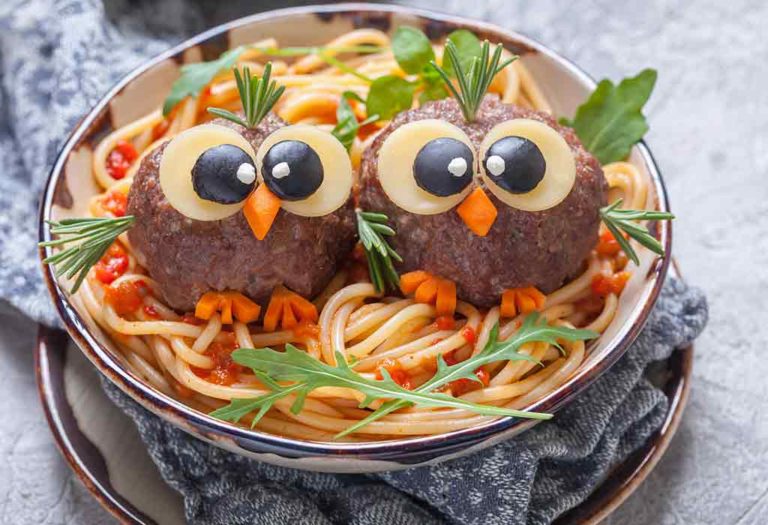
Meatballs for Babies – Recipes, Health Benefits and Precautions
Meat is an amazing source of nutrition for babies and toddlers as it can be first introduced as semisolids and then as a great start with solids. Meatballs are excellent finger foods for toddlers as they start their weaning and venture out into different food types. Meatballs for babies can be adapted to include a range of textures and flavors that encourage your child to show interest in finger foods. So, how do you introduce meatballs to your child? What is the right time to introduce meatballs to your child? What are some of the good meatball recipes? Continue reading to find out!
Are Meatballs Safe for Babies?
Meatballs with simple ingredients are generally safe for most babies unless they are allergic to the ingredients. Like introducing any new food, it is always better to test each ingredient separately before adding it to the recipe. It is best to consult your baby’s pediatrician before starting it for the first time.
The second point of concern, apart from allergies, is regarding meatballs being a choking hazard. Meatballs prepared with hard ingredients chopped into large chunks pose a risk of choking and must be avoided. Any serving of meatballs for babies must be soft and easy to swallow (1).
When Can Babies Start Eating Meatballs?
Experts believe that meatballs are a choking hazard in the early months as babies do not develop advanced chewing skills until nine months. However, if your recipe is safer and approved by the pediatrician, you can introduce meatballs with their first puree and semisolid foods. If you take the baby-led weaning approach, you can also cut the meatballs into bite-sized pieces and offer them as finger foods earlier than nine months of age (2). It is ideal to use fresh meat to make the meatballs for the baby as frozen, processed meats or delis pose a risk.
Nutritional Information About Meatballs
If you are preparing chicken meatballs for baby boys and girls, here is the approximate nutritional information for one serving of 28 grams.
Nutrient
Amount
Total energy
70 calories
Energy from fat
38 calories
Total carbohydrates
2.2g
Total fat
4.3g
Sodium
125mg
Potassium
147mg
Fiber
0.2g
Protein
5.8g
Health Benefits of Meatballs for Babies
Here are the benefits of feeding meatballs to your baby:
1. Meatballs Are an Excellent Source of Protein
Meat is a good source of high-quality proteins that are readily absorbed by the body. Toddlers require about 11 to 13 grams of protein a day in their diet, which meatballs can easily meet (3). Proteins are needed for the growth and maintenance of the body’s cells. Animal protein sources are more readily absorbed as it is more bioavailable, making them a good source of high-quality protein.
2. A Source of Varied B-Vitamins
Meats are sources of several B vitamins such as vitamin B1, B2, B3, B6, and B12 (4). These vitamins play an important role in several bodily processes involving growth and development.
3. A Source of Essential Nutrients
Animal meats are a rich source of essential minerals such as iron, zinc, calcium, potassium, etc. The body more readily absorbs the heme iron present in meats than the non-heme iron making it a high-quality mineral source. The rest of the minerals are needed to maintain the growth and development of the body.
Best Ways to Cook Meatballs for Infants
Consider these tips before you start preparing meatballs for your baby:
1. Use Fresh and Well-cooked Meats
For the best nutrition, taste, and safety, it is better to offer fresh meats to your baby. The meatballs also need to be well-cooked to ensure they can be easily chewed and swallowed. Undercooked meat is harder to swallow and poses a choking risk while also being a risk factor for bacterial infections. Use a food thermometer to check the meat’s temperature and stick to accurate cooking times to maintain consistency when in doubt (5). If you find any hard or undercooked portion in the meatball, remove it before feeding your child.
2. Mix With Herbs and Vegetables for Flavor
Mixing meat with vegetables with herbs improves the taste and the nutritional quality of the meatballs. For better texture, you can also include bread crumbs or whole wheat or oat flour. Start the meatball recipes with simple herbs to avoid any overpowering flavors and test for allergies before making meatballs with plenty of ingredients.
3. Feed in Small Portions
The trick to making it work is to keep the portions small, so your baby can easily hold on to the meatballs and nibble on them. The meatballs should also have a soft consistency, which comes apart without effort when your child bites on them. It is best for babies under nine months of age to keep the meatball recipe simple and have all the ingredients finely mashed. For toddlers over a year old, harder ingredients such as boiled and diced vegetables can be added; however, they need to be minced finely.
Things to Consider While Feeding Meatballs to Babies
Introducing meatballs to your child is as simple as introducing other foods with some precautions. Here are some things you need to consider before introducing meatballs to your child’s diet:
1. Consult Pediatrician
To stay on the safe side, consult a pediatrician, especially if you doubt your baby’s chewing skills and allergies. Meatballs can be introduced soon after your baby can enjoy minced or chopped meat as part of their regular diet. Ask the pediatrician to check for allergies to specific food items before going ahead with introducing new items.
2. Prepare Fresh at Home
Start with soft meatballs for baby boys and girls that are prepared freshly at home. Keep the sodium and preservative levels low by buying fresh meat rather than frozen meats or deli meats. Freshly prepared meats give you full control over the meal and are healthy.
3. Maintain Hygiene
Microbial contamination is a major risk when it comes to the handling and storage of meat (6). Never store raw and cooked meat together in the refrigerator. Always wash your hands clean after handling raw meat. The same rule applies to utensils used to handle raw meat.
4. Keep the Ingredients Simple
Start feeding meatballs that have simple ingredients that you know are safe for your baby. This is a good way to test new ingredients for allergies. Having too many new ingredients increases the chances of allergies and makes it harder to pinpoint the particular ingredient. Keeping the ingredients simple also makes it easier for your baby to digest the meatball.
5. Watch for Signs of Allergies
If your baby shows symptoms such as rashes on the skin, bloating, discomfort, or diarrhea, it could be a sign of an allergy. The risk of such an allergy is higher when the meatballs are loaded with different types of protein that come with cheese and eggs. In such a case, eggless meatballs for babies can be tried to make it simpler for their digestive system before reverting to full ingredients at a later date (7).
6. Do Not Leave Babies Unsupervised
Meatballs carry a slightly higher risk of choking; therefore, never leave your baby unsupervised when eating meatballs (8). This also applies to older babies since choking can occur in several different ways and not only through larger pieces of vegetables.
7. Always Give Fresh Meatballs
Since meat spoils easily, never refrigerate half-eaten meatballs. A batch of meatballs refrigerated soon after preparation without contamination is relatively safe.
8. Ensure Proper Texture for Age
For younger babies (around 6–8 months), meatballs should be very soft, finely minced, or pureed to prevent choking. As your baby grows and develops better chewing skills, you can gradually increase the texture to small, tender pieces. Avoid tough or dense meatballs that may be hard to gum or chew.
9. Avoid Added Salt and Spices
Babies under 1 year should not consume added salt, as their kidneys are still developing. Avoid using strong spices, garlic powder, or onion powder in large quantities, as these may upset their stomach. Instead, use mild herbs like parsley or basil for flavor.
10. Pair with Easy-to-Digest Foods
Serve meatballs with familiar, easy-to-digest sides like mashed sweet potatoes, avocado, or steamed carrots. This ensures a balanced meal while helping your baby adjust to the new protein. Avoid pairing with other high-allergen foods (like dairy or nuts) if your baby hasn’t tried them yet.
Meatball Recipes for Infants and Toddlers
Looking for baby meatball recipes? Here is how to make meatballs for infants and toddlers:
1. Cheese Meatballs
These delicious meatballs are suited for babies who are 6 months and older.
Ingredients
Baby oats fortified (1/2 cup)
Formula/breast milk (1/2 cup)
Medium ground beef (1¼ lb)
Finely grated cheddar cheese (1 cup)
1 Beaten egg
Dried oregano (1 tsp)
Dried thyme (1 tsp)
Black pepper powder (1/2 tsp)
How to Make
Grease the baking sheet and keep it aside—preheat the oven to 400 F.
In a large bowl, mix the oats with milk and allow the mix to sit for 10 minutes.
Afterwards, add the cheese, beaten egg, ground beef, and spices and mix well.
Scoop a tablespoon full of the mix, form it into small meatballs, and place them on the baking sheet.
Place the baking sheet in the oven and bake for 15 minutes until the meatballs turn crisp and golden brown.
Remove the baking sheet and place it on a wire rack to cool down.
Serve the meatballs cut into pieces or mashed in the way your baby likes.
Image Credit : AI Generated Image
2. Meat and Vegetable Meatballs
This recipe is for toddlers 9 months or older who can chew comfortably.
Ingredients
Minced beef (200g)
½ Finely chopped red onion
½ Coarsely grated zucchini
½ Peeled and coarsely grated carrot
Boiled and mashed green peas (1/4 cup)
Mozzarella cheese (1/4 cup)
Mixed herbs (1 tsp)
Canola oil
How to Make
Combine all the ingredients in a large bowl and mix well using your hands.
Scoop a tablespoon of the mix and roll it into tiny meatballs.
Refrigerate the meatballs in an airtight container for about 30 minutes until they are cool.
On a large frying pan, heat two tablespoons of canola oil on medium-high flame.
Place meatballs over the frying pan and allow them to fry, and occasionally turn until they are evenly fried on all sides for about 10 minutes.
Serve the meatballs whole or cut them into small pieces.
Image Credit : AI Generated Image
3. Turkey Meatballs
Turkey meatballs for kids are simple and delicious. It is suitable for toddlers over 12 months old.
Ingredients
Minced turkey (100g)
Tinned tomatoes (300g)
2 finely chopped garlic cloves
Mixed dried herbs (1 tsp)
Olive oil (1 tbsp)
1 finely chopped onion
How to Make
Add the minced turkey and mix with 1/4th of chopped onions, tomatoes, garlic, and herbs into a bowl and mix uniformly.
Scoop a tablespoon of the mixture and roll it into small balls using both hands.
Heat the olive oil over a frying pan and place the meatballs on the pan.
Fry the meatballs while occasionally turning until all the surfaces are fried and golden brown.
Add the rest of the onions and the remaining ingredients to the pan along with 200ml of water.
Allow the mixture to boil and thicken on simmer for 30 minutes. Set the pan aside after the boil and allow it to cool.
Serve the meatballs warm with the sauce.
Image Credit : AI Generated Image
4. Beef & Oatmeal Meatballs
Soft, iron-rich first meatballs, perfect for introducing protein.
Ingredients
Lean ground beef (1/2 lb)
Baby oatmeal or rolled oats ground into flour (1/4 cup)
Grated zucchini (water squeezed out) (1/4 cup)
Breast milk/formula (2 tbsp)
Olive oil (1 tsp)
How to Make
Put all ingredients in a bowl – ground beef, oatmeal, squeezed zucchini, milk, and oil. Mix everything together well with clean hands.
Take small spoonfuls of the mixture and roll them gently between your palms to make little balls about the size of a grape.
To cook, you can either:
– Bake at 375°F for 15 minutes on a lined baking sheet
– Steam in a steamer basket for 10 minutes (this makes them extra soft)
After cooking, test one meatball by cutting it open to make sure there’s no pink meat left inside.
Let the meatballs cool completely, then mash them with a fork or cut into tiny pieces before serving to your baby.
Image Credit : AI Generated Image
FAQs
1. Can I use bone broth instead of milk in meatball recipes?
Yes! Bone broth adds iron and collagen while keeping meatballs moist. Use low-sodium, homemade broth (strained and fat-skimmed) for babies under 12 months. Replace milk 1:1 in recipes.
2. Why do my baby’s meatballs turn out rubbery?
Overmixing or using lean meat causes toughness. Gently mix ingredients and add moisture (grated apple or broth) for a softer texture.
3. Can meatballs help a baby’s constipation?
Yes, if made with ground turkey/chicken and fiber-rich add-ins like oats or mashed prunes. Serve with water or pear puree for best results.
This was all about how to make meatballs for baby. Meatballs are loaded with proteins, fats, and several essential vitamins and minerals. After being advised by your pediatrician, soft-cooked meatballs can be offered to babies younger than nine months of age. When prepared with the right ingredients, they are sure to become your baby’s favorite food.
References/Resources:
1. American Academy of Pediatrics – Starting Solid Foods
2. Solid Starts – Beef (ground)
3. Physicians Committee for Responsible Medicine – Nutrition for Kids
4. Frontiers – Modeling the Contribution of Meat to Global Nutrient Availability
5. USDA – Cooking Meat? Check the New Recommended Temperatures
6. CDC – Preventing Listeria Infection
7. American College of Allergy, Asthma & Immunology – Meat Allergy
8. American Academy of Pediatrics – Choking Prevention for Babies & Children
Also Read:
Fish for Infants
Tuna for Babies
Chicken for Infants
Protein for Babies & Toddlers
Read more
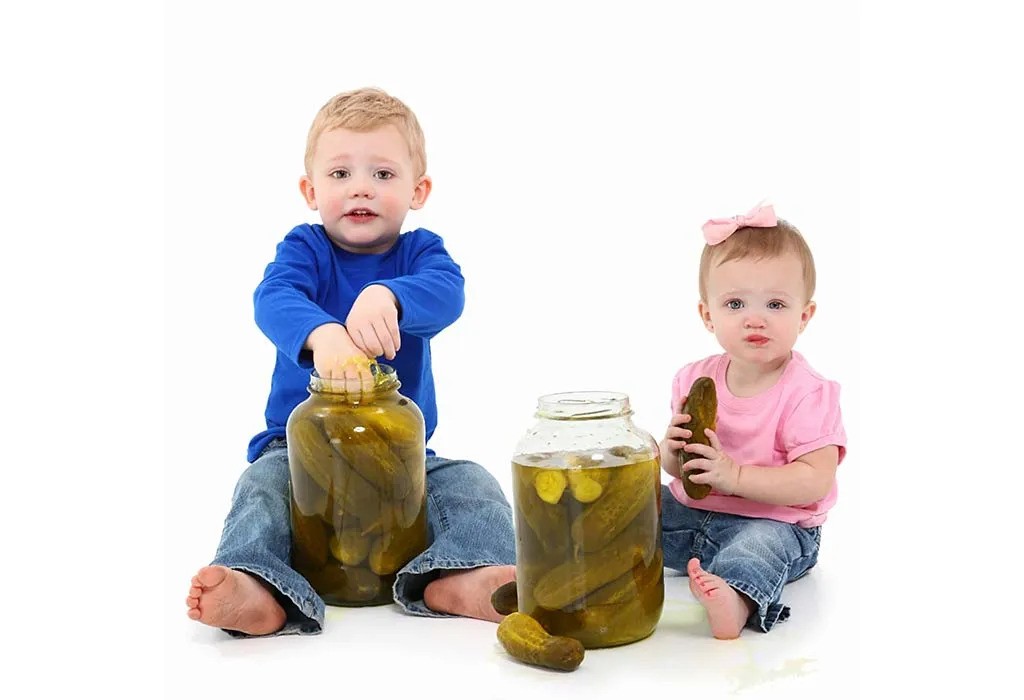
Can Babies Eat Pickles – What You Must Know
When you hold your newborn baby in your arms, life as you know it changes, and you second-guess everything you do because your baby’s health and safety are at the forefront of your mind. Everything, from the clothes they wear to the things they eat, is analysed before being introduced to your precious angel. This is particularly true with food. One such concern might be the safety of feeding pickles to babies.
Pickles are tangy, crunchy, fermented foods with various nutrients and gut-friendly microorganisms that promote healthy digestion, support gut health, and boost immunity. They are sour-tasting and enjoyed by many people. So, if you are wondering, “Can babies eat pickles?” here’s what you need to know!
How And When To Introduce Pickles In Your Baby’s Diet?
When can babies eat pickles is a commonly asked question. You can give your baby pickles to eat when they are ready to eat solid food, usually at six months (1). Still, if you are indecisive about using pickles for your child, it is suggested to consult a paediatrician. Once the doctor acknowledges feeding pickles to your baby, give them in small quantities. For example, a baby can be given a small piece of pickled vegetable during his teething phase to nibble and chew. This will soothe their swelling gums and relieve them from the pain and soreness. Supervising the babies trying pickles for the first time is essential as pickles are raw and chewy, creating potential choking risks. So, to prevent this, always serve them tiny pieces of pickles. Pickles with low sodium content are always preferable. Dietitians also state babies can eat pickles when they start solids at around six months. It can be advantageous to initiate babies to various tastes and shapes; pickles are incomparable in both features.
Can An Infant Be Allergic To Pickles?
Pickle Allergy cases are not well-attested. Yet, like any other food, pickles, too, may lead to allergic reactions among sensitive babies. Additives such as preservatives added to pickles are primarily responsible for pickle allergy rather than pickled food. Inklings of pickle allergy are akin to that of food allergy. If you have wondered, “Are pickles safe for babies?” then yes, they are safe if given in small quantities with no new food introduced concurrently. You should observe the baby for three to five days to see any signs of allergy. If the baby feels uncomfortable after ingesting the pickle, immediately consult the doctor. Pickles with the lowest sodium content should be given while introducing them to the baby.
Pickles are fermented foods that may elevate the microbiome and benefit health over time. Introducing your baby to different flavours and textures is a great way to help ward off picky eating later in life. Pickled vegetables are one of those foods with unique flavours. While the baby enjoys the new texture and taste, stay vigilant for signs of allergy and intolerance.
Benefits of Pickles For Babies
Pickles might not be the right choice for every child due to the high sodium content, but they are not a devil’s food. There are various advantages associated with them. The process of fermentation prepares Pickles to make them acidic. This type of food is connected with healthy gut flora, which helps with better digestion (2). However, it is important to note that pickles fermented with salt and not vinegar contain these probiotics (3). It also boosts immunity. Pickles also provide cooling vibes that can be comforting to the teething gums of infants. It gives them a revitalising feeling, and a couple of bites are enough to redirect the younger one from his gum ache. Letting the baby taste different savoury and touch can have a lifelong pragmatic result. Later in life, it opens up a more significant nutrient intake and dietary assortment. Pickles are great for baby-led weaning or to chew while the baby is teething.
1. Teething Snack
Pickles for teething babies serve as a great snack to chew and can help soothe their gums with their cooling effect (4).
2. Baby-led Weaning
Pickles can serve as good finger food. Finger food is used to hone a baby’s pincer grasp, which is essential for effective baby-led weaning (5).
Side Effects and Health Concerns of Feeding Pickles To Babies
Commercially made pickles are loaded with almost 400 mg of sodium, which may be detrimental if the baby is fed pickles daily. The most common side effects of pickles are as follows:
1. Pickles lead to kidney damage
Pickles with too much salt will cause the kidneys to overwork and might even damage them (6).
2. Risk of heart and non-communicable diseases
Excessive salt can also raise babies’ risk for heart disease and stroke. Overconsumption of salt can also lead to non-communicable diseases such as asthma, diabetes, cancer, and obesity (7).
3. Pickles are a cause of addiction
Salt is an addictive substance. Feeding babies with too much salt will breed a negative cycle (8).
4. Pickles can generate acid reflux and upset stomach
Few babies can experience digestive problems due to pickle brine. It can upset tummies and make babies sick.
5. Pickles can cause diaper rash
Pickles are acidic and can cause diaper rashes or irritate baby skin. Lactonic acid bacteria in pickles absorb sugars and manufacture lactic acid, which converts the pickle into its acid form (9). Pickles may irritate their skin and create rash around their lips, mouth, and buttocks in a few sensitive babies. Infants should consume less sodium due to undeveloped kidneys. They cannot steer the high amounts of sodium intake, but this does not mean that you should remove salt entirely from the diet of the infants. Pickles are rich in sodium, so you should not serve them daily. Different pickles have different types of sodium content, so check their nutrition facts label before consuming or serving to the child.
Sometimes, babies are subjected to acidic foods like pickles. Those foods can shoot up flatulence. Thus alternatively, you can prepare pickles at home with different foods such as vegetables, fruits, meat, eggs, dairy, and fish. Babies should be fed pickles occasionally and in minimum quantities of up to a tablespoon, whether homemade or commercially made. Besides, premature introduction to salty foods may change a baby’s taste preferences later in life. Excessive salt intake can lead an individual to chronic diseases like high blood pressure and cardiovascular diseases. Under such circumstances, one should seek the advice of the doctor immediately.
Pickles can mean two things. It either means the act of picking, which is another word for fermentation, or it means pickled cucumber. You can pickle any vegetables out there. In recent times, pickles have been a good treat for infants. They are relatively safe to eat and are good options for weaning. The funky taste can make your kids make picture-perfect, funny faces! However, too many pickles can be harmful to babies. Excessive salt can provide a route to health issues affecting a child in the long run. Acidity is something worth mentioning. Pickles are acidic and can upset some babies’ stomachs.
FAQs
1. Are pickles with vinegar healthy for babies?
Pickles or pickled cucumbers, as they are also called, have benefits. Cucumbers pickled in salt contain healthy probiotics that might benefit babies, while cucumbers pickled in vinegar don’t.
2. How much pickle can you feed a baby?
Before feeding pickles to your baby, consult your paediatrician on the recommended quantity. Additionally, feed your baby a small quantity to check for any possible allergies before feeding them. You should ideally feed pickles in a small quantity as finger food because the high sodium content of pickles can pose a risk.
In many countries, pickles are served as a side dish and snack. They are tasty, crunchy, flavour-packed, and can be a tangy treat for taste buds. They are nutritious and can provide a few health benefits, including probiotics, antioxidants, and blood sugar control. Last but not least, moderation matters the most. Thus, pickles are suitable for babies if given at times.
References/Resources:
1. When Can My Baby Start Eating Solid Foods?; Nemours Kid’s Health; https://kidshealth.org/en/parents/solid-foods.html
2. Fermented foods for better gut health; Harvard Health Publishing; https://www.health.harvard.edu/blog/fermented-foods-for-better-gut-health-2018051613841
3. Sanders, B.O.; Fermented Foods for Gut Health; U Mass Medical School; https://www.umassmed.edu/nutrition/blog/blog-posts/2019/6/fermented-foods-for-gut-health/
4. 6 Teething Relief Methods That Really Work; Healthy Women Organisation; https://www.healthywomen.org/content/article/6-teething-relief-methods-really-work; 2014
5. Weaning; NHS Better Health; https://www.nhs.uk/start-for-life/baby/weaning/what-to-feed-your-baby/from-around-6-months/
6. Lin, C.W., Chen, IW, Lin, Y.T., Chen, H.Y., and Hung, S.Y.; Association of unhealthy dietary behaviors with renal function decline in patients with diabetes; BMJ Open Diabetes Res Care; https://www.ncbi.nlm.nih.gov/pmc/articles/PMC6954781/; January 2020
7. Sodium: Too Much of a Good Thing; Poison Control National Capital Poison Center; https://www.poison.org/articles/sodium-too-much-of-a-good-thing
8. Alan, Y.; Culture fermentation of Lactobacillus in traditional pickled gherkins: Microbial development, chemical, biogenic amine and metabolite analysis: J Food Sci Technol; https://www.ncbi.nlm.nih.gov/pmc/articles/PMC6675860/; August 2019
Also Read:
Lemon for Babies
Carrot for Infant
Benefits of Garlic for Babies
Introducing Ginger to Babies
Read more
Arsenic In Babies Food – What Parents Should Know and Do
Even though it is a relatively safe element when consumed in small amounts, arsenic has been shown to cause anemia in children. It can also cause liver cancer when consumed in large quantities. High levels of arsenic in baby food have been prohibited since it is believed to cause terrible illnesses. Following this decision, many foods containing high levels of arsenic have been removed from the market due to the consequences. Continue reading to learn more about this topic.
What Does Arsenic Mean?
Arsenic is a metalloid that may react with other elements to create a range of poisonous chemicals. The same, when mixed with other factors, produces a wide variety of hazardous compounds. Nature includes traces of this element, which occurs mainly in combination with oxygen and chlorine and sulfur and chlorine. Arsenic available in nature refers to the ‘inorganic arsenic compounds.’ Arsenic interacts with hydrocarbons in animals and plants to produce arsenic trioxide, which is toxic. As a consequence, the term ‘organic arsenic’ is often used to refer to it. According to most scientists, organic arsenic in baby food products is considerably less hazardous than inorganic arsenic.
Is Arsenic Bad for Babies?
A question might cross your mind – Does the presence of arsenic in baby food harm my baby? Yes, arsenic is poisonous to children, especially newborns, and should not be consumed in high quantities. Known carcinogens and long-term effects on children’s learning ability have been linked to the same chemical in question. Arsenic can be found in rice, baby cereals, and a few other food products. Rice cereal is the most common way most infants get exposed to arsenic. Since infants are less fed with rice, their chances of contracting arsenic poisoning are reduced. A well-balanced meal for a baby may help reduce the amount of arsenic they are exposed to.
How Does Arsenic Get Into Baby Food?
Infant food manufacturers are believed to be adding excessive amounts of hazardous toxic substances into their formulations, violating industry standards. Since large amounts of vitamins and nutrients are added to infant meals during their manufacturing process, a higher concentration of toxic metals may be present. Besides being high in arsenic and a common ingredient in infant meals, rice has also been shown to contain significant amounts of arsenic and other toxic substances. Paddy cultivation requires water, and according to scientists, when arsenic from the earth comes into contact with water, it melts and contaminates the rice. Arsenic in infant food is found in rice, but it is not found in other plants. Rice contains arsenic, which comes from the earth.
How Do I Avoid Arsenic in My Baby’s Diet?
Arsenic is a chemical found in organic (typically non-toxic) and inorganic forms in the natural environment. Arsenic is available in both organic and inorganic forms in our natural environment. According to the Environmental Protection Agency (cancer-causing), it has been determined that inorganic arsenic is harmful to human health and carcinogenic to animals when consumed in large quantities, according to the Environmental Protection Agency (cancer-causing). Inorganic arsenic exposure is associated with the greatest risk to the health of both the mother and the child. In particular, this is true during pregnancy, infancy, and the developmental stages of a child’s first year.
Here we list some signs and symptoms of arsenic and how contamination can occur in your baby’s food.
1. Breastfeeding
The American Academy of Pediatrics (AAP) recommends breastfeeding your child for the first six months of their birth. It is recommended that nursing be continued for at least 12 months after the child is given solid foods. Breastfeeding can be continued after the 12-month mark if it is beneficial to both you and your child. During your child’s first year of life, you should consult with your child’s doctor about vitamin D and iron supplements for your child.
2. Experiment with different foods to add to your child’s diet
While iron-fortified rice cereal is a good source of nutrients, it should not be used as the only or first source of nourishment—the reason being the presence of arsenic in rice baby food. Parents may give their children oat, barley, and multigrain cereals in addition to rice. According to the American Academy of Pediatrics (AAP), you should introduce new meals gradually, and any adverse effects should be monitored.
3. Fruit juices should be given in moderation
As a result of discovering arsenic in juice products in 2012, there was a worldwide outcry and investigation. According to the American Academy of Pediatrics, which has long advocated for consuming all sugary beverages in moderation, including juice, this recommendation continues to be supported. To establish healthy eating habits in children at the earliest possible stage in their lives, parents should encourage infants to consume whole, mashed, or pureed fruits from the time they are first introduced to the fruits. Toddlers and young children may benefit from consuming whole fruits rather than juice concentrate.
4. Avoid brown rice syrup
Brown rice syrup is said to be avoided when preparing meals for children under the age of three. According to recent research, the arsenic content of rice syrup, which is commonly used to sweeten toddler snacks and puffs, has recently been discovered to be extremely high.
5. No dairy recipes should use rice milk
When it comes to recipes that call for dairy products, rice milk as a substitute for cow’s milk is strongly discouraged. It is often preferable to provide alternative calcium sources to dairy-sensitive children rather than a highly processed dairy replacement.
Baby feeding items have been found to contain arsenic and toxic metals found in baby foods. However, while the FDA works to have them wholly banned, you can take steps to reduce your child’s exposure to these chemicals. Selecting fruits and vegetables for your infant’s first solid meal is critical when starting them on solids. Limiting the consumption of certain vegetables and liquids, such as carrots, sweet potatoes, and rice products, and other grains, is a good idea.
FAQ
1. Is Organic Baby Food Better?
When organic baby food is compared to non-organic baby formula, organic baby food is considered a slightly safer choice between the two. Many health experts believe that the avoidance or minimization of a child’s early exposure to hazardous chemicals and other poisons found in food can aid in the development of a stronger immune response later in life.
2. Should My Baby Be Tested for Heavy Levels of Arsenic?
Heavy metal testing is not recommended due to the inherent dangers involved. The results can be difficult to interpret for heavy metal testing in blood, hair, and nails because reference ranges are not always established as they are with other laboratory procedures. Lead screening is the only exception to the rule for heavy metal testing in children and adolescents. As even low levels of lead have been proven harmful, AAP recommends lead exposure tests for children between 24 months and 36 months.
Baby food items have been found to contain arsenic and toxic metals. However, while the FDA works to have them wholly banned, you can take steps to reduce your child’s exposure to these chemicals. Selecting fruits and vegetables for your infant’s first solid meal is critical when starting them on solids. Limiting the consumption of certain vegetables and liquids, such as carrots and sweet potatoes and rice products, and other grains is a good idea.
Also Read:
Best Foods for Babies
Is Salt and Sugar Good for Your Baby
Foods You Should Avoid Feeding Your Baby
Read more
Sort By
 Latest
 Most Popular
 Trending
Please select atleast one Filter