

















.svg)
.svg)
.png)


Health
Suggested articles for you

Living With In-Laws – Is It a Boon or a Bane?
It is actually a boon if the in-laws can understand at least 10% compared to what our parents understand us. I would like to categorise in-laws as –
Educated
Uneducated But Understanding
Now, the first category is for the in-laws who are educated. It is definitely a big boon to a girl. Here are some more pros:
If you are working, then they can understand your goals and dreams, and will definitely support you in your future plans.
If you are working and have kids, they can take care of your kids’ studies, also care for their own health.
If you had to attend something important other than work, they are understanding, and you can just go ahead and be rest assured that somebody is there to take care of your kids.
If you want to spend some quality time with your partner, they know its importance and respect your privacy.
If both you and your partner were occupied with something important and had to reach home late, everything will be taken care of at home, including your kids.
If you have any misunderstandings between you and your partner, they will definitely help you solve the problem. They actually are the backbone for your family.
Some of your kids’ responsibilities can be shared by the in-laws if you are a working woman.
Let’s take a look at the second category – Uneducated but Understanding.
All of the above pros apply even though the in-laws are not educated. But only one thing is you have to put some extra effort into your kids’ studies.
Believe me; it’s a boon. More importantly, kids can learn so many valuable things from elders at home.
There will be a difference between kids who grow with their grandparents and parents, than those who grow only with parents, or those who are raised by their grandparents alone.
However, in my opinion, educated understanding in-laws make for the best parents and grandparents. Whoever is reading this whether it’s a married woman or unmarried, please make decisions maturely and wisely. Give equal importance to your in-laws as you give to your parents.
Disclaimer: The views, opinions and positions (including content in any form) expressed within this post are those of the author alone. The accuracy, completeness and validity of any statements made within this article are not guaranteed. We accept no liability for any errors, omissions or representations. The responsibility for intellectual property rights of this content rests with the author and any liability with regards to infringement of intellectual property rights remains with him/her.
Read more




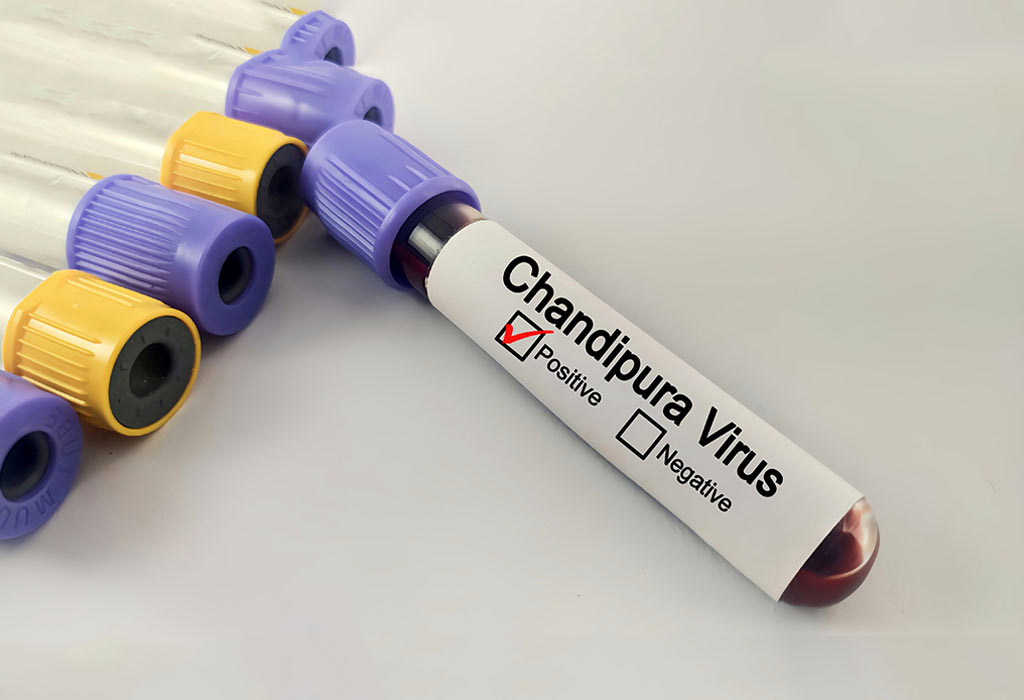
Chandipura Virus Infection – Symptoms, Causes, and Prevention
A relatively rare but potentially life-threatening infection, Chandipura virus (CHPV) primarily affects young children and can rapidly progress from a flu-like illness to severe encephalitis (brain inflammation). Chandipura virus is spread by infected sandflies, and has been linked to multiple outbreaks across the country. First identified in India, the virus has caused multiple outbreaks over the years. In July 2026, the virus resurfaced in Gujarat, where 7 children tested positive and 3 child deaths were reported, raising fresh public health concerns.
Since the infection can worsen within hours, parents should be aware of its symptoms, causes, transmission, and preventive measures. Keep reading to learn everything you need to know about Chandipura virus infection and how to protect your child from this potentially fatal disease.
Expert Says
“Clean environment and avoiding mosquito bites are the two most important factors to prevent this illness”
– Dr. Vandan H Kumar
What Is the Chandipura Virus?
Chandipura virus (CHPV) belongs to the genus Vesiculovirus of Rhabdoviridae family, similar to the rabies virus. It was first identified in the Chandipura village in nagpur India in 1965. It is a virus that causes severe encephalitis, an inflammation or swelling of the brain. While sandflies (the ones which are also the vectors for Kala Azar and Japanese encephalitis) mainly transmit the virus, there have been occasional reports suggesting that mosquitoes, specifically Aedes aegypti, might also play a role in transmission.
It is a significant health concern, particularly in India’s western, central, and southern regions, especially during the monsoon season. While the virus has been known since 1965, it gained significant attention due to several outbreaks in various areas of India (1).
Chandipura Virus Outbreak 2026
As of mid-July 2026, Gujarat has reported 7 laboratory-confirmed Chandipura virus cases out of 19 tested samples, with 3 child deaths. Health authorities are also investigating 27-32 suspected cases, primarily from Sabarkantha and Panchmahal districts.
Whom Does the Chandipura Virus Affect?
Chandipura virus primarily affects children, particularly those under the age of 15. While adults can also be infected, children are more susceptible to the severe neurological symptoms associated with the virus. Pregnant women are also at potential risk, as infections during pregnancy can pose additional health challenges, affecting the mother and the developing fetus (3).
Why Does It Mostly Affect Children?
Chandipura virus primarily affects children for several reasons:
1. Immune System Development
The immune systems of children are still developing, which makes them less capable of mounting a strong defence against new and emerging pathogens like the Chandipura virus.
2. Behaviour and Exposure
Children are more likely to play outside and engage in activities that increase their exposure to sandflies, the primary vectors of the virus. Their behaviour and close contact with the environment where sandflies breed heighten their risk of infection.
3. Lack of Immunity
Adults might have some level of immunity either due to past mild infections or repeated low-level exposure to the virus or related pathogens, whereas children, especially in areas where the virus is newly emerging, may lack such immunity.
How Is CHPV Transmitted?
Chandipura virus (CHPV) is primarily transmitted through the bite of infected sandflies, particularly the species Phlebotomus papatasi. These sandflies become carriers of the virus after feeding on an infected host’s blood, allowing the virus to replicate within them. When an infected sandfly bites a human, the virus is transmitted through the sandfly’s saliva into the human bloodstream.
Sand flies were considered to be responsible because they inhabit cracks in walls or home parts made up of sand or mud. Transmission is more common in rural and semi-urban areas, especially during the monsoon season when sandfly populations surge due to favourable breeding conditions (4).
Animal reservoirs: various mammals, including cattle, rodents, and bats, may act as reservoirs
Notably, there is no evidence to suggest that CHPV spreads directly from person to person, with the primary mode of transmission remaining through the bite of infected sandflies.
Is CHPV Contagious?
No, Chandipura virus (CHPV) is not contagious and does not spread from person to person through casual contact, coughing, or touching. The virus is primarily transmitted through the bite of infected sandflies, although mosquitoes and ticks may also play a role in its transmission.
Symptoms of Chandipura Virus
Chandipura virus (CHPV) infection can lead to severe and rapid-onset symptoms, particularly in children. Here are some of the key symptoms to watch for (2):
High Fever (102-106F)
Severe Headache
Vomiting
Persistent Weakness
Diarrhea
Seizures
Altered Mental Status
Coma (in severe cases)
The symptoms typically surface within 2-4 days after being bitten by an infected sandfly. Usually the disease has rapid Progression from mild symptoms to severe neurological manifestation within a short period. The fatality rate of Chandipura virus infection can be high, especially in children, with death within 48 -72 hours of onset of symptoms with some outbreaks reporting mortality rates of up to 50-75% (5) (7).
Diagnosis:
Since CHPV does not present with any specific clinical picture, it may not be possible to diagnose the disease simply on the basis of physical examination.
To diagnose Chandipura viral encephalitis cases, some serological, molecular, and tissue culture-based methods are available.
What Is the Treatment of the Chandipura Virus?
There is no specific antiviral treatment for Chandipura virus (CHPV). Management primarily focuses on supportive care to alleviate symptoms and prevent complications. In severe cases, hospitalisation may be required for close monitoring and care.
Treatment typically involves using medications to manage symptoms, such as fever and pain while maintaining adequate hydration and nutrition. Early diagnosis and prompt medical attention are essential for improving outcomes and effectively managing the disease (6).
How to Prevent Your Child From Getting the Chandipura Virus?
Chandipura virus prevention in children involves taking proactive measures to minimise exposure to the virus’s primary vector, sandflies. By implementing these measures, you can help reduce the risk of infection and safeguard your child’s health.
1. Use Insect Repellent
Apply insect repellent on your child’s exposed skin and clothing to protect them from sandfly bites. Choose an insect repellent with DEET, picaridin, or other effective ingredients (8).
2. Wear Protective Clothing
Dress your child in long pants, long-sleeved shirts, and socks, especially when sandflies are most active at dusk and dawn. Light-coloured clothing is preferable, as it is less attractive to sandflies.
3. Install Bed Nets
Bed nets treated with insecticide can provide additional protection while your child sleeps. Ensure that the net is tucked in properly and free of holes.
4. Keep Indoor Spaces Secure
Sand flies inhabit cracks in walls or home parts made up of sand or mud.
Identify sandfly breeding places: Breeding sites includes holes & crevices in wall,holes in trees, dark rooms , stable & store rooms.
Keep air and ventilation in houses. Cleaning of the collected water places and garbage control. To prevent sandflies from entering the home, make sure the doors and windows have screens.
5. Maintain Clean Surroundings
Remove standing water, keep the environment clean, and dispose of garbage properly to eliminate sandfly breeding sites around your home. Also, regularly clear vegetation and debris where sandflies might thrive (9).
6. Community Awareness and Action
Participate in community efforts to control sandfly populations, such as insecticide spraying and public health campaigns. Educating neighbours and local communities about preventive measures can help reduce the overall risk of Chandipura virus transmission.
What Are Doctors Saying About This Virus?
Experts emphasise the importance of vector control, hygiene, and awareness in combating the spread of the Chandipura virus (CHPV). Dr. Atul Goel from the Directorate General of Health Services and other health specialists highlight that comprehensive studies are essential to understanding the epidemiology and environmental factors contributing to CHPV outbreaks. They stress that reducing exposure to sandflies, the primary vector, and improving public health measures and community education efforts are essential (10).
When to Consult a Doctor?
Consult a doctor immediately if you or your child experiences:
Sudden high fever
Severe headache
Persistent vomiting
Drowsiness or unusual sleepiness
Confusion or altered mental state
Seizures (fits)
Loss of consciousness
FAQs
1. What actions has the government taken to address the Chandipura virus outbreak?
The government has implemented vector control programs to reduce mosquito populations and has conducted awareness campaigns to educate the public about prevention methods. Additionally, efforts are being made through health departments to monitor and manage outbreaks.
2. Are there any vaccination options available for the Chandipura virus disease?
Currently, no specific vaccine is available for the Chandipura virus. Prevention primarily relies on reducing mosquito exposure and following protective measures.
3. What should I do if my child shows symptoms of the Chandipura virus?
If your child exhibits a high fever, rash, or seizures, seek medical attention immediately. Early diagnosis is important to manage the disease effectively.
4. Does every sandfly bite cause Chandipura virus infection?
No. Only sandflies carrying the Chandipura virus can transmit the infection. Most sandfly bites do not result in CHPV infection.
5. Is Chandipura virus the same as Japanese Encephalitis?
No. Although both can cause encephalitis, they are caused by different viruses and are transmitted by different insect vectors. Chandipura virus is mainly spread by sandflies, while Japanese Encephalitis is transmitted by infected mosquitoes.
By implementing effective preventive measures and staying informed about the latest recommendations, you can significantly mitigate the risk of Chandipura vesiculovirus. Your efforts to stay informed and act make a big difference in keeping your child healthy and safe.
Also Read:
Cold vs Flu in Children
Dengue Fever in Kids
Malaria in Children
West Nile Virus in Kids
Chikungunya in Children
Zika Virus Infection in Kids
Rubella (German Measles) in Babies and Kids
Read more
12 Home Remedies for Ear Pain in Kids
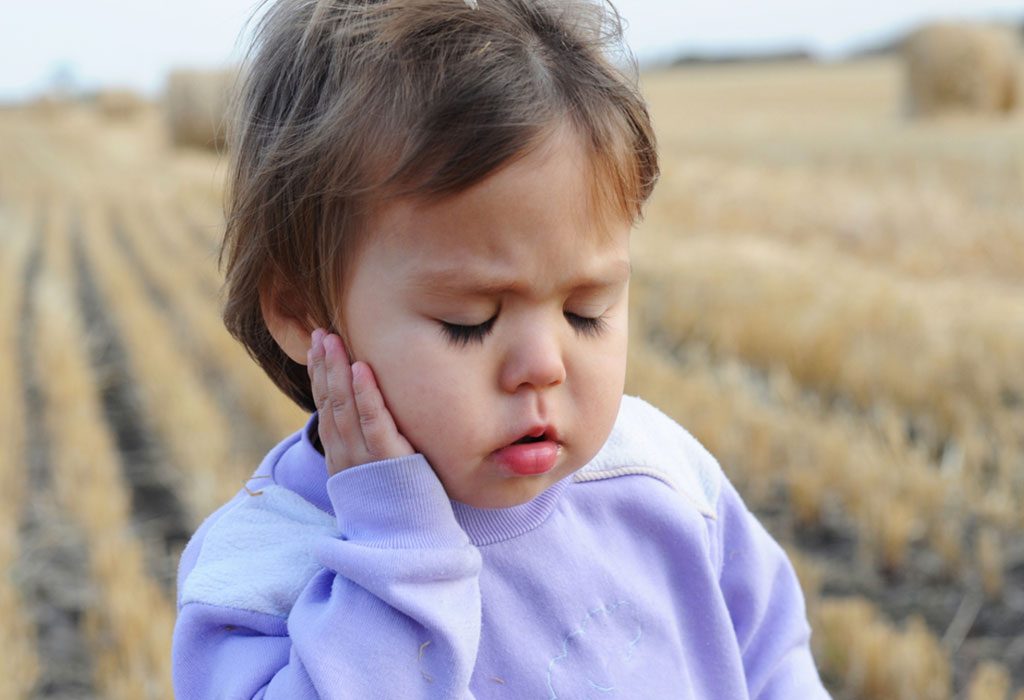
Earache is a common cause of pain and discomfort for everybody. In children, it becomes a bigger cause of worry as the child may be too small to tell the reason for the pain. Therefore, it is up to the immediate caretakers, i.e., parents, to spot the cause of their child’s discomfort and see how the pain can be alleviated. Earaches can happen anytime without any warning. There are many reasons for earaches, such as infection, perforated eardrum, cold, tooth problem, fluid in the ear, boils, allergies, or any injury (1) (2). It is important to identify the cause of the earache and find a suitable remedy for it. Before resorting to any earache remedies for kids, it is essential to consult a doctor to ensure no side effects or further discomfort to the child. Continue reading the post to learn about safe and effective natural remedies for child earache.
Natural Remedies for Earache in Kids
If a child is constantly crying, looks restless, or keeps moving his ears away from you, he could be having an ear infection.
The following are simple home remedies for ear pain in kids.
1. Warm Compress
Use a warm towel compress to reduce pain around the ear and neck area. You can warm up a clean towel or a washcloth by dunking it in warm water, wriggling it, and gently pressing it against your little one’s ear (3). There can be a lot of squirming involved, as your child can find it uncomfortable. Do not get angry or irritated with this, but try to talk him into it firmly to put the child at ease.
2. Cold Compress
If the warm compress is not helping, use a cold compress instead. Be cautious and avoid putting the ice directly on the skin of your child, as it can stop the blood flow. Soak up a clean towel or washcloth in ice water and gently press it against your child’s ear (3).
3. Basil Leaves
It is essential to keep this simple and inexpensive remedy always handy. Basil is known for its unequivocal medicinal properties. Crush the basil leaves; extract its juice and put a few drops in the ear.
4. Ginger
Ginger is known for its anti-inflammatory properties that may help reduce the swelling due to earache. You may apply a few drops of ginger juice around the outer ear to get some relief from earache. Remember not to put the ginger juice into the ear canal or do not let it go inside the canal, even accidentally (4).
5. Garlic
Crush a couple of garlic cloves and heat it with some sesame/olive oil. Strain using a clean cloth and apply this garlic oil in and around the affected ear.
6. Eucalyptus Oil and Medicated Cotton Balls
Pour a few drops of diluted eucalyptus oil on a cotton ball and dab it on the infected ear to relieve pain. Repeat this process every day until the pain subsides.
7. Mustard Oil
In most cases, the ear naturally expels excess earwax to avoid a build-up. However, when this doesn’t happen, it can lead to hardening of the earwax. This can cause a blockage and lead to an infection. Put a few drops of warm mustard oil in the infected ear to reduce the blockage; continue this process for a week. Some of the softer wax will come out by itself, and some more oil can be used to remove the rest of the wax. Mustard oil cleans the infected area by removing wax and small foreign objects. You can use a flashlight to inspect the ear and see if it has cleared up. Below are the steps you can follow to remove earwax:
Pour a capful into the affected ear
Wait for a few minutes
Cover your ear with a tissue
Tilt the head to remove the fluid
8. Eucalyptus Oil Massage
Never use eucalyptus oil in its original form as it is strong and pungent. Dilute it with coconut oil, sesame oil, or olive oil. Warm it slightly using a clean utensil or microwave it. Massage the area around the ear and neck in a downward movement, reheating whenever the oil becomes cold.
9. Breast Milk
This is a good option for lactating mothers. Put a few drops of fresh breast milk into the infected ear. It is a well-known remedy for treating ear infections in infants, as it contains antibodies. Caution should be taken so as not to infect the milk by taking it in a dirty container. Also, it should not be administered directly from the breast as the pressure will be too much to take for an infant’s ear. The best approach is to collect the breast milk in a clean container and use ear droppers.
10. Salt
You can use coarse salt as a home remedy for treating an ear infection in kids. Microwave a cup of coarse salt for a minute. Mix it and reheat for another minute. This can be put in a cotton sock and tied on the open end. Put it over the infected ear for 10 minutes and repeat if needed.
11. Onions
Keep the infected ear in an elevated position to reduce the rush of blood. Chop a small onion or a shallot, heat it over a low flame to soften it, and extract its juice. Put a few drops into the ear. Its anti-bacterial quality will help fight the infection and reduce the pain.
12. Tea Tree Oil
Tea tree oil is also used for the treatment of an earache in kids. Mix a few drops of diluted tea tree oil with olive oil; warm it till it is at body temperature. Use a clean dropper to put a few drops in each ear. Be gentle and do not use force as the ear is a sensitive organ.
When to Call the Doctor?
The CDC suggests consulting a doctor without any delay if you see any of the following signs in your child (5):
High fever above 100.4°F (38°C) in babies under three months of age and over 102.2°F (39°C) in babies above three months of age.
Discharge from ears – pus or blood
Moreover, get immediate consultation for any of the following signs:
An injury to the ear
Loss or change in hearing
Swelling or redness around and behind the ear
Confusion
Drowsiness
Severe headache
Something stuck in the ear
The ear seems like it is pushed forward
Continue keeping an eye on your baby’s ear infection symptoms; if there seems no improvement in the symptoms after three to four days of treatment, you should consult the doctor again.
FAQs
1. What should you avoid doing when alleviating your child’s ear pain?
Giving children aspirin for ear pain without a doctor’s consultation, using over-the-counter ear drops or herbal ear drops, and using Q-tips to remove ear wax or anything stuck in your child’s ear should be strictly avoided. All these measures can further put your child at health risk.
2. What else can I do to reduce my child’s ear pain?
Head elevation is a popular home remedy for child ear pain at night. Elevating the child’s head properly with pillows may reduce pressure in the ear by causing the fluid in the middle ear to drain, especially while sleeping (6). However, this method should not be tried for babies under the age of 1. Secondly, if there is ear pain due to fluid or ear pressure, feeding the child plenty of fluid may help, too. Staying hydrated ensures the clearing of middle ear infections faster. Experts suggest giving acetaminophen and ibuprofen to treat mild to medium ear pain in children caused by a middle ear infection or otitis media after consultation (7) (8).
3. How can you prevent ear infections in babies?
Although there are many ear infections that cannot be avoided, here are some steps to reduce the risk of such infections (1):
Keep your child’s vaccinations, including flu vaccination and pneumococcal conjugate vaccine (PCV), up-to-date (9).
Breastfeed for 6-12 months minimum to provide antibodies that help babies fight ear infections.
Hold the baby in a semi-upright position while bottle-feeding so that the formula milk does not flow into the eustachian tubes. Also, avoid propping up the bottle.
Do not smoke near your baby. Keep them away from second-hand smoke.
Ensure a healthy and hygienic environment during peak infection or flu days to keep germs away from your child.
Earache is usually a symptom rather than a malady. Cold, flu, and congestion are the main causes of this pain in children. These are simple home remedies for quick relief, but it is important to identify the cause. The mentioned remedies work well and can also offer instant relief.
However, not all earaches can be solved through home remedies. Issues such as a perforated ear and extensive infection can permanently damage hearing. This is why you should take your child to a paediatrician if the pain is unbearable or continues for more than a week.
References/Resources:
1. How to Handle an Earache; Nemours KidsHealth; https://kidshealth.org/en/parents/earaches-sheet.html
2. Pediatric Otitis Media (Middle Ear Infection); Children’s National; https://www.childrensnational.org/get-care/health-library/otitis-media-middle-ear-infection
3. The Power of Home Remedies: Effective Solutions for Ear Infections in Kids; Penn Medicine Becker ENT & Allergy; https://www.beckerentandallergy.com/blog/home-remedies-ear-infections-kids
4. Home Remedies for an Ear Infection: What To Try and What To Avoid; Cleveland Clinic; https://health.clevelandclinic.org/home-remedies-for-ear-infection
5. Ear Infection Basics; CDC; https://www.cdc.gov/ear-infection/about/index.html
6. What Is the Best Treatment for an Ear Infection for Children?; Scripps; https://www.scripps.org/news_items/6148-what-is-the-best-treatment-for-an-ear-infection-for-children
7. Lieberthal. A. S, Carroll. A. A, et al.; The Diagnosis and Management of Acute Otitis Media; AAP Publications; https://publications.aap.org/pediatrics/article/131/3/e964/30912/The-Diagnosis-and-Management-of-Acute-Otitis-Media?autologincheck=redirected; March 2013
8. Bertin. L, Pons. G, et al.; A randomized, double-blind, multicentre controlled trial of ibuprofen versus acetaminophen and placebo for symptoms of acute otitis media in children; Fundamental & Clinical Pharmacology; https://onlinelibrary.wiley.com/doi/abs/10.1111/j.1472-8206.1996.tb00590.x?sid=nlm%3Apubmed; July‐August 1996
9. Coker. T. R, Chan. L. S, et al.; Diagnosis, Microbial Epidemiology, and Antibiotic Treatment of Acute Otitis Media in Children A Systematic Review; JAMA Network; https://jamanetwork.com/journals/jama/fullarticle/186896; November 2010
Also Read:
Home Remedies for UTI in Kids
Home Remedies for Fever in Children
Safe Home Remedies for Cough in Kids
Read more
Personal Hygiene for Kids
Teaching children as they grow is a very engaging and challenging process. Those tiny little hands are always reaching out to grab everything they see. Although this may be a part of their growth and development when they are babies, it is not quite safe for children to come in contact with everything they see. Things like mud, door handles, food from outside and even toys can be unhygienic and could pose problems with transmittable diseases. Therefore, teaching healthy habits from a young age is essential to ensure your children remain safe and healthy.
In this article, we shall discuss personal hygiene for kids in detail and provide tips to help you teach your kids its importance. Let’s start with the most basic question—why is it required? Read on to learn more.
Why Is Personal Hygiene Important for Kids?
Following proper health and hygiene practices for and by children is extremely crucial and helps keep germs and diseases at bay. Whenever they touch dusty areas, deadly microorganisms can transfer onto their hands, food, and eventually into their stomachs, causing diseases.
Certain habits can be practised as a foundation to ensure health and hygiene for kids. The best way to get your child to understand this is by teaching them how to practice early. Here are some common practices that can help in teaching the best personal hygiene practices to children:
12 Best Healthy Personal Hygiene Habits for Children
Teaching children healthy personal hygiene habits is essential for their well-being and helps prevent illness. Here are 12 of the best habits to teach your child:
1. Food Hygiene for Kids
Unhealthy food habits can cause food poisoning and lead to conditions like diarrhoea, vomiting, or stomach pains. As a parent, you need to ensure hygiene is intact when preparing, serving, or feeding food to your child.
When teaching your child about food hygiene, start with the basics and tell them about the germs and bacteria that cause diseases. Let your child understand how these germs can infect their bodies and spread from their hands to their food. Also, stress upon the habits that can help them prevent diseases. Here’s what you can follow and teach your child.
Cooking Food: If you’re the one doing most of the cooking, make it a habit to follow these hygiene practices:
Always use an apron and tie your hair.
Roll your sleeves up to avoid having grease or stains on your clothes.
Don’t cough or sneeze into the food. Always turn away whenever you have to avoid contaminating the food with germs. Sanitise/wash your hands thoroughly before touching the food again.
Food Storage: Healthy food habits also include proper storage. Teach your child how to segregate and store food in the refrigerator. Also, inform them which foods can be left outside and which must go in the fridge. Don’t leave any food uncovered; keep the lids clean to avoid contracting bacteria.
Washing hands: Make sure you wash your hands thoroughly and teach your child how to wash their hands properly with soap and water. We shall talk a little more about this practice in the next point. Ensure you do this activity before and after every meal. Additionally, provide your child with a clean wiping cloth to wipe their hands. The cloth should be washed/changed frequently.
2. Hand Hygiene for Kids
Washing hands frequently can reduce the chances of contracting diseases such as diarrhoea. The simplest way to practise hand hygiene is to teach your child how to wash hands thoroughly. Show your child a step-by-step demonstration and ensure he/she gets all the steps right.
Wet your hands with water.
Apply soap to your hands and rub to form a lather.
Ensure your child cleans even between the fingers and under the nails.
Wash the soap away entirely with clean water.
Hygiene for kids includes keeping their hands clean at all times. Let your child form a habit of washing their hands every time they (3):
Use the bathroom
Play outside
Clean the house
Touch an animal
Meet a sick friend
Sneeze or cough
Are about to eat something
Are done eating their food
Come home from outside, whether at school or at the park.
3. Sleep Hygiene for Children
Sleep is essential for children and adults as the body uses this time to regenerate its cells and record memories. Sleep hygiene includes everything that helps your child get a good night’s sleep. It enables you to create an ‘awake during the day and resting during the night’ pattern so your child can fit in enough sleep at night so they can remain active during the day. You can also teach the importance of sleep to get your child more interested in learning its benefits. Following are a few ways in which you can inculcate good sleeping habits in them (7):
Avoid letting your child fall asleep at odd hours during the day so that they sleep well at night. However, some kids have a short nap in the afternoons, which is alright.
The bed should only be used for sleeping, not watching TV or doing homework.
Create a relaxed environment. You can have dim lights that let your child rest. You can also try singing a lullaby.
Keep gadgets and alarms away from children to avoid waking them up.
Put your child to bed every day at a fixed time.
Have the same sleeping hours, whether school nights or weekends.
Don’t let your child sleep hungry. A light snack like milk and cookies is good. Heavy meals within an hour or two of bedtime interfere with sleep.
Avoid products containing caffeine, like caffeinated sodas, tea, coffee, and chocolates several hours before bedtime.
Make sure your child spends time outside every day.
Keep a comfortable temperature in the room. i.e. 24-26 degrees.
Don’t use the bedroom for time out or punishment.
4. Vocal Hygiene for Children
You and your child can use these methods to help them get a modulated voice. Most children can develop a habit of shouting a lot. If they aren’t given attention and ignored, your child’s vocal cords can experience excessive stress and damage. Here’s how you can help your child understand and deal with vocal hygiene:
Keep your child hydrated by giving them enough water to drink every day.
Avoid giving your child cold drinks or ice creams often.
Encourage your child to speak in one tone during a conversation.
Kids can sometimes clear their throat, affecting the way they sound. Always discourage them from doing so.
Keep them from shouting or whispering too much, as it stresses the vocal cords.
5. Oral Hygiene
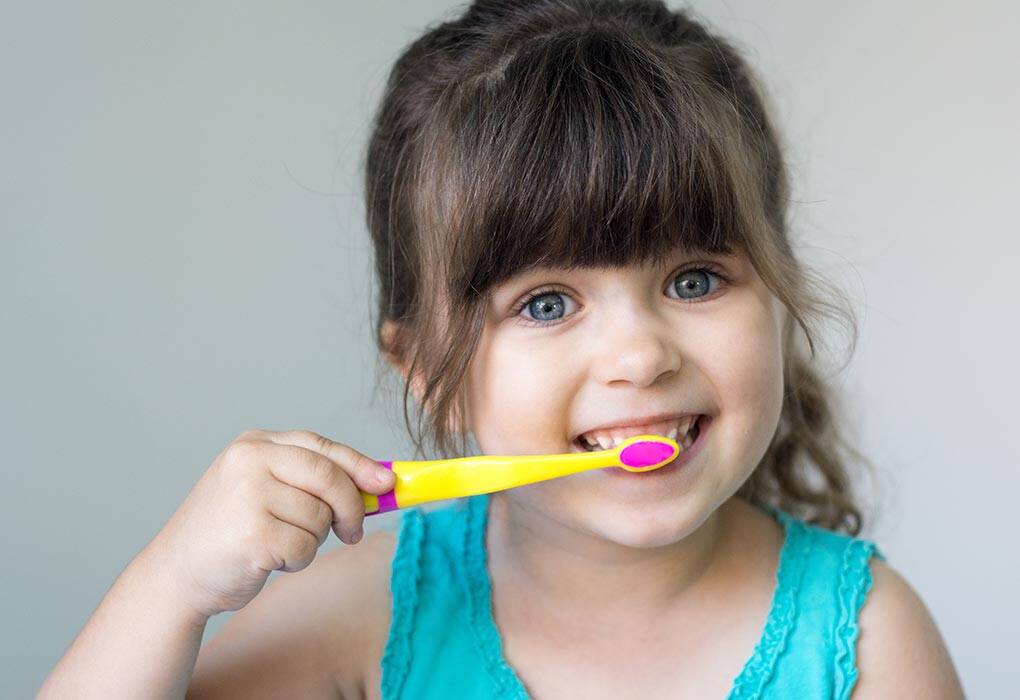
You must also take care of your child’s mouth and teeth. Without proper care, your child can develop cavities, bad breath, and other oral diseases. Although baby teeth eventually fall out, they help your child chew food and assist in speech development. Here are some ways you can keep your child’s teeth healthy (4):
Ensure your child brushes their teeth at least two times a day.
Always use a child’s toothbrush as they’re smaller and soft on the developing gums.
In the first 12 months, only wipe the child’s gums with a clean cloth. When the first set of teeth appears, wipe the surface gently with a toothbrush and some water.
Let your child start using toothpaste when they are around two years old.
Sweet food shouldn’t linger around the teeth too long as it can cause cavities.
If the child has wiggly teeth by age 6, let them wiggle the tooth so it falls off without much pain or bleeding.
If you are wondering how to teach your little one to brush their teeth, here’s some information that can help. In the beginning, brush their teeth yourself and slowly teach them the right way to do it.
Keep the brush angled at 45 degrees to your child’s gums.
Move the brush back and forth gently.
Brush all the surfaces of your child’s teeth (outer, inner and chewing areas).
To clean the inner surface thoroughly, you can hold the brush vertically and move it up and down.
Brush the tongue to remove any bacteria.
You can also include the use of dental floss to ensure that your child stays away from cavities.
Take about 18 inches of floss and wrap both ends on either of your middle fingers.
Hold the floss between your thumb and forefingers and insert the floss inside your child’s teeth.
While holding the floss in a C-shape, gently rub it while pressing it against the tooth.
Ensure you floss all the teeth and get the jaw teeth, too.
6. Hair Care
Poor hair hygiene in your child can cause problems like dandruff, lice, and scalp infections. Your child can get these when playing with their friends or other kids. Your child should be taught to care for their hair and scalp to avoid this (6).
Wash your child’s hair at least two times a week to keep it free from grease and dirt.
When your child is old enough to wash their hair, supervise or assist them in applying the shampoo and rinsing with water.
If your child has head lice, make sure you treat it immediately.
If your child has long hair, encourage her to keep it tied up mostly to prevent it from getting dirty.
Teach your child to avoid sharing their comb, pillow, hats or caps with other children.
7. Nail Hygiene
Children’s nails accumulate a lot of dirt and microbes as they play outside, in the sand, mud, or simply dirty grounds. Children and adults use their limbs extensively, which causes nails to get injured or contaminated. Use the following tips to inculcate nail hygiene in your child:
Kids tend to bite their nails. Discourage them from doing so, as they can ingest the microbes under their nails.
Cut your child’s nails frequently.
Teach your child to scrub and wash under their nails thoroughly to ensure they are always clean.
Also, pay attention to your child’s toenails and cut them regularly.
8. Bathing Hygiene
The best way to keep your child clean and healthy at all times is by bathing them regularly. Some bath hygiene habits include:
Teach your child to bathe twice a day – before they go to school and after they return.
Encourage them to scrub their armpits, groin, legs, and feet gently.
Ensure that they apply soap every time they take a shower.
Ensure your child takes extra care when cleaning their face, as the facial skin is more delicate.
9. Foot Hygiene
When bacteria acts along with sweat on your child’s feet, they can get smelly. This happens if your child wears shoes all day, especially without socks. This causes a lot of dirt and bacteria to accumulate on your child’s feet. Some personal hygiene habits for kids can help keep these smelly feet away:
Ensure that your child washes their feet every time while taking a bath.
Keep the feet clean by scrubbing them with soap and rinsing them with clean water.
Always clean between the toes, on the underside of the foot, and under the toenails to keep microbes away.
Teach your child to keep their footwear clean to avoid contracting germs.
Use a moisturiser to keep the feet soft at all times.
10. Toilet Hygiene
The bathroom or toilet is one of the places in the house that contains the most germs. As long as you keep the bathroom clean and teach your child the right toilet hygiene, you can avoid all the diseases likely to spread by using an unclean bathroom.
Teach your child to wipe or wash after passing stool.
Teach them how to flush on their own.
Remind them to wash their hands every time they use the bathroom.
A good way to help them learn is to stay with them and guide them through the whole process. Also, have your child look at the wipe every time they wipe after potty.
11. Coughing and Sneezing Hygiene
You can’t always protect your child, and a few illnesses here and there can help improve immunity, so there is an upside to illnesses, too. Sometimes, your child can get infected with a common cough or a cold. Here’s what you can do to help them heal faster and prevent the disease from transmitting to others.
Prevent your child from spreading infections by teaching him/her to cover his/her mouth and nose when sneezing or coughing.
Also, encourage your kids to use a handkerchief instead of their hands. If they do not have a handkerchief, teach them to use their sleeve or elbows instead. This avoids the spreading of germs from their hands.
Praise them subtly whenever they use their sleeve, “I saw that you used your sleeve. Thank you for doing that”.” This will help them remember to do this again in the future.
12. Home Hygiene
Apart from all the types of hygiene mentioned above, your child should also practice some hygiene at home, as this can also build up your child’s etiquette.
Teach your child to wear clean clothes every day. If your child likes a particular dress, teach them to wear it only when it is clean.
Inculcate the habit of cleanliness.
Teach your child to pick up their dish after eating, put it in the sink, and wash their hands.
If your child spills something in the house, teach them to clean it. If they are too young to do so, help them clean it.
Here are some more tips to help your kid understand personal hygiene and make it a part of their everyday life.
Tips to Teach Your Kids Personal Hygiene
You can’t teach your child all the habits mentioned above overnight. Teaching personal hygiene to kids will require patience. Some accidents might happen here and there, but avoid scolding your child as they are still learning. Here are some tips to follow when teaching your child about hygiene:
Explain the Difference: Start by explaining all the good and bad habits. You can start with something your child already knows.
Explain the Purpose: Explain to your child why they should maintain good hygiene and why something is bad.
Praise and Encourage: Praise your child when they do something good. It can be as simple as washing hands or sneezing into a handkerchief.
Start With the Basics: Have your child wash his/her hands first, and then move on to bigger things like brushing, bathing, food hygiene, etc.
Practice Before You Preach: Children are smarter than we think they are. They are observant and know when you are trying to trick them. Always ensure you practice all the hygiene habits yourself before teaching them any. Most of the time, children watch you and learn, so you won’t have to teach them the habits separately (5).
Educate Them: Tell your child about the germs and microbes that cause diseases. Also, explain what happens if he/she is affected by germs.
Make Learning Fun: This will help them remember better. Try including games and other fun activities whenever you teach them about hygiene.
Things to Avoid While Teaching Hygiene to Your Child
These are a few things you must avoid when teaching your little one hygiene. These tips will help you convey the point, inculcate a habit, and even strengthen your bond.
Do Not Scold – Do not scold your child, as it worsens the situation. Some children take more time to learn something new. Be patient but persistent when teaching hygiene to your child.
Do Not Compare – Comparing your child with someone else will make your little one feel inadequate. Let him/her take some time to adjust to the new way of life and avoid comparing him/her with anyone else.
Do Not Punish – Punishing children is another thing parents should avoid. Children appreciate it when their parents take the time to explain something and help them through it. If your child doesn’t understand or obey, do not punish him/her. You may try to seek alternatives instead to explain to your little one the same point.
FAQs
1. At what age should children start learning about personal hygiene?
Children can learn basic personal hygiene habits, like washing hands and brushing teeth, as early as age 2 or 3. It’s important to model and gradually teach these behaviours as they grow.
2. How can I help my autistic child tolerate hygiene activities they find uncomfortable?
Introduce hygiene tasks in small steps. Use sensory-friendly products like unscented soaps or soft toothbrushes to create a calming environment. Visual schedules and social stories should help them understand what to expect (2).
3. Can children use deodorant?
Deodorant is usually not necessary for young children. However, as children approach puberty, typically around age 9 or 10, it may be helpful to introduce deodorant to manage body odour (1).
Although health and hygiene for kids are better inculcated early on, children won’t pick them up at the first go; be patient and keep explaining their importance. Teaching your child about hygiene can help them care for themselves even when you are not with them.
References/Resources:
1. Deodorant Use for Kids and Teens; Nemours KidsHealth; https://kidshealth.org/en/parents/deodorant.html
2. Helping a Child with ASD Develop Good Hygiene Habits; May Institute; https://www.mayinstitute.org/news/acl/asd-and-dd-child-focused/helping-a-child-with-asd-develop-good-hygiene-habits/#
3. Personal hygiene for children; Healthdirect; https://www.healthdirect.gov.au/personal-hygiene-for-children
4. Dental health; NHS; https://cambspborochildrenshealth.nhs.uk/feeding-and-eating/dental-health/
5. Hygiene; NHS; https://cambspborochildrenshealth.nhs.uk/child-development-and-growing-up/hygiene/
6. Personal Hygiene; Nationwide Children’s Hospital; https://www.nationwidechildrens.org/family-resources-education/health-wellness-and-safety-resources/helping-hands/personal-hygiene
7. Sleep Hygiene for Children; Children’s Hospital of Orange County; https://choc.org/wp-content/uploads/2016/04/Sleep-Hygiene-Children-Handout.pdf
Also Read:
Good Manners To Teach Your Kids
Tips to Establish a Morning Routine for Children
Good Habits That Parents Must Teach Their Kids
Essential & Must-Have Healthy Habits for Children
Read more
Body Mass Index (BMI) for Children
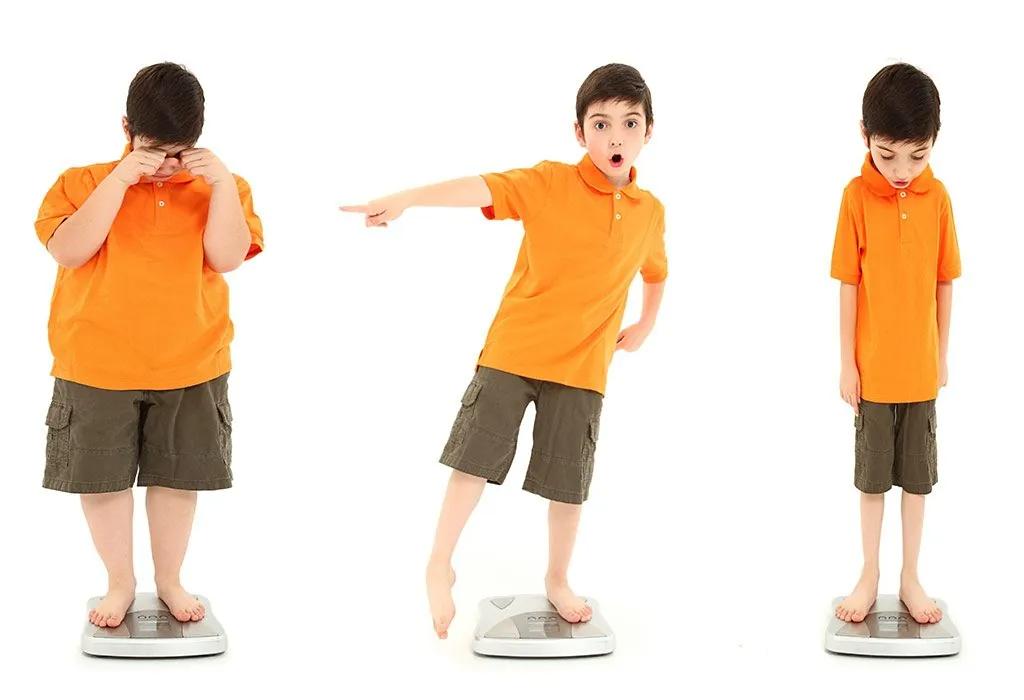
Obesity is a growing cause of concern for parents all over the world today. A healthy weight during childhood is needed for healthy functioning of the heart and for the prevention of any cardiovascular diseases. Heart disease is not the only risk related to obesity. According to the American Heart Association, obesity can also cause other lifestyle illnesses like Type 2 diabetes, asthma, sleep apnea, and psychological problems owing to the social stigma of appearance (1). Therefore, it is very important to keep the BMI of children in check. There are several percentiles of BMI for kids of different ages. You can check which BMI percentile is ideal for your children, observe, and take action accordingly.
What Is BMI?
Body Mass Index (BMI) is the measure of the weight of the person in kilograms divided by the square of the height measured in metres. The calculation helps doctors determine whether the child is healthy, underweight, or overweight (2). For children and teenagers, BMI is age and gender-specific and referred to as BMI-for-age. Being overweight and underweight during childhood can pose a risk and can lead to health issues.
How Is BMI Calculated for Kids?
Body Mass Index is a calculation of a child’s weight in relation to their height to assess body fat and diagnose any potential weight-related issues. Calculating the BMI for children involves tracking the BMI of other children of the same gender and age in charts to present a detailed picture over a period of time. A smooth curve reflects healthy growth. Track the progress, but make sure to consult your doctor to take regular BMI measurements. Once you finish calculating, use the BMI chart to track children’s progress. How to calculate BMI for kids? It’s quite easy. Follow the below table.
Body-Mass Index Formula
How to Calculate?
Example
Multiply their weight (in pounds) by 703
184 × 703 = (A) 129,352
Multiply their height (in inches) by itself
69 × 69 = (B) 4,761
Divide (A) by (B)
129,352 ÷ 4,761 = 27.2 (BMI Score)
Source: American Academy of Paediatrics (2)
Below is the BMI chart for kids, provided separately for the girl child and the boy child.
BMI-for-age and Growth Chart for Girls
Source: CDC (3)
BMI-for-age and Growth Chart for Boys
Source: CDC (4)
You can also look at the Revised IAP growth charts and Body Mass Index (BMI) for 5 to 18-year-old Indian children here at the Indian Paediatrics website (5). Here, the BMI chart for children by age is presented for easy understanding.
How to Track Your Child’s BMI?
Your doctor will determine routine BMI check-ups starting from when your child is 2 years old. These measurements will be plotted on a chart to compare them with kids of the same sex and age. Doctors plot BMIs of kids on standard growth charts, separate ones for boys and girls. This helps to account for differences in growth rates and the amount of body fat as age matures.
The information recorded on your child’s medical record will be monitored and tracked to see the progress over several visits. This information helps to identify kids and adolescents at risk of being overweight as they grow older. By closely monitoring these kids, doctors can take the required action needed to prevent any issues that may arise in future.
What Is BMI Percentile and How Should It Be Interpreted?
BMI calculated for children and teens is expressed as a per centile, plotted on the growth charts to obtain a percentile ranking. Percentiles are commonly used as an indicator to assess the size and growth patterns of children. The percentile is a comparative yardstick to other kids of the same age and sex. Weight and height change during growth and development, and so does their relation to body fat.
What Is Normal BMI for Children?
BMI numbers for different ages and genders have different interpretations. A comparison with other children is mandatory as children develop muscles with age, and boys tend to have more muscle than girls. A healthy BMI for children in the percentile lies between the 5th percentile and the 85th percentile. Normal child BMI range for boy’s ranges from 13.8-16.8 for a 5-year-old, 14.2-19.4 for a 10-year-old and 6.5-23.4 for a 15-year-old. Normal BMI range for girls ranges from 13.6-16.7 for a 5-year-old, 14-19.5 for a 10-year-old and 16.3-24 for a 15-year-old. So, what is the healthy BMI for kids? Let’s learn.
As per the CDC, BMI percentiles are divided into distinct weight categories (6):
Below 5th Percentile >> Underweight
5th to 85th Percentile >> Healthy Weight
85th to 95th Percentile >> Overweight
Above 95th Percentile >> Obese
How Is BMI Used for Kids?
BMI is not a diagnostic tool for kids but a screening measure for any weight-related issues. Suppose a child’s graph indicates a high BMI. In that case, doctors will recommend further direct measures like skinfold thickness measurements, diet evaluations and other health screening to determine if excess fat is a problem.
Is BMI Interpreted the Same Way for Children As It Is for Adults?
Although BMI is calculated based on weight and height and their relation to body fat, it needs to be expressed in relation to other children of the same sex and age. It needs to be done on a comparative basis with children as they develop and mature with age. For adults, BMI is interpreted as a category of weight status that is independent of sex and age. The BMI calculator for children and teenagers should not be used for children aged 18 years and above. There are different calculators for adults and children to measure the BMI (7) (1).
Weight Categories for Kids
As soon as a child’s BMI is ascertained, it can be seen where it falls within the expected range. The weight categories are mentioned below:
Underweight – A category where the BMI is less than the 5th percentile.
Normal Weight – A category where the BMI is between the 5th percentile to the 85th percentile.
Overweight – A category where the BMI is more than the 85th percentile to below the 95th percentile.
Obese – A category where the BMI is greater than or equal to the 95th percentile.
Health Risks of Having a High and Low BMI Percentile
There are several health problems in a child if the BMI is not in check. Some of the health issues children could face in case of overweight and underweight are (1):
Risks associated with obesity
High blood pressure
High Cholesterol
Type 2 diabetes
Sleep apnea and asthma
Liver diseases
Problems in joints and muscles
Stress, depression and other behavioural problems owing to low self-esteem
Risks associated with being underweight:
Respiratory disorders
Weak Immune system
Prone to injuries
Nutritional deficiencies
FAQs
1. How can I ensure a healthy BMI for my child?
As parents, you should always ensure that your child receives the necessary nutrients from their meals rather than supplements, which should include leafy green vegetables and rich-protein sources like eggs and lean meat, and hydration and minerals from fruits. Additionally, it is also important to reduce giving them highly processed or sugary items as snacks. Add at least one hour of physical activity to their daily routine.
2. How to reduce weight in overweight children?
The first and foremost thing to remember while controlling overweight children’s weight is that you must NOT cut off their diet altogether. You need to reduce their portion slightly. For example, instead of 10 crackers, give them seven or eight. Focus on hydration more. Additionally, do not reward them with food. Many children also do not release when they are full. Teach them signs to notice when the tummy has had enough.
3. What do I do in case of an underweight child?
Cleveland Clinic suggests adding nut butter with fruits and vegetables like peanut butter with apple sticks, starchy foods like potatoes, and heart-healthy oils like olive oil to an underweight child’s diet (8). You can also include high-calories drinks and meals like milkshakes or smoothies, porridge with milk, cheese, yoghurts; sandwiches, etc., as per the NHS (9).
BMI cannot be used to diagnose a health issue but is an effective screening tool to delve deeper to probe any underlying issues. It provides a glimpse to determine any weight-related issues that a child may have or could be prone to in the future.
References/Resources:
1. Body Mass Index in Children; American Heart Association; https://www.heart.org/en/healthy-living/healthy-eating/losing-weight/bmi-in-children
2. Body-Mass Index (BMI) in Children; American Academy of Pediatrics; https://www.healthychildren.org/English/health-issues/conditions/obesity/Pages/Body-Mass-Index-Formula.aspx
3. 2 to 20 years: Girls, Body mass index-for-age percentiles; CDC; https://www.cdc.gov/growthcharts/data/set1clinical/cj41l024.pdf; May 2000
4. About Child & Teen BMI; CDC; https://www.cdc.gov/healthyweight/assessing/bmi/childrens_bmi/about_childrens_bmi.html
5. Khadilkar. V, Yadav. S, Agrawal. K. K, etc.; Revised IAP Growth Charts for Height, Weight and Body Mass Index for 5- to 18-year-old Indian Children; Indian Pediatrics; https://indianpediatrics.net/jan2015/jan-47-55.htm
6. BMI Percentile Calculator for Child and Teen; CDC; https://www.cdc.gov/healthyweight/bmi/calculator.html
7. Calculate your body mass index (BMI) for children and teenagers; NHS; https://www.nhs.uk/health-assessment-tools/calculate-your-body-mass-index/calculate-bmi-for-children-teenagers/
8. A Dietitian’s Best Advice If Your Child Is Underweight; Cleveland Clinic; https://health.clevelandclinic.org/dietitians-best-advice-child-underweight; September 2020
9. How to help your child gain weight; NHS; https://www.nhs.uk/live-well/healthy-weight/childrens-weight/how-to-help-your-child-gain-weight/
Also Read:
How to Lose Weight for Kids
How to Increase Height in Kids?
How to Calculate Height in Children?
Best Foods to Increase Height in Children
Healthy Foods for Brain Development in Kids
Read more
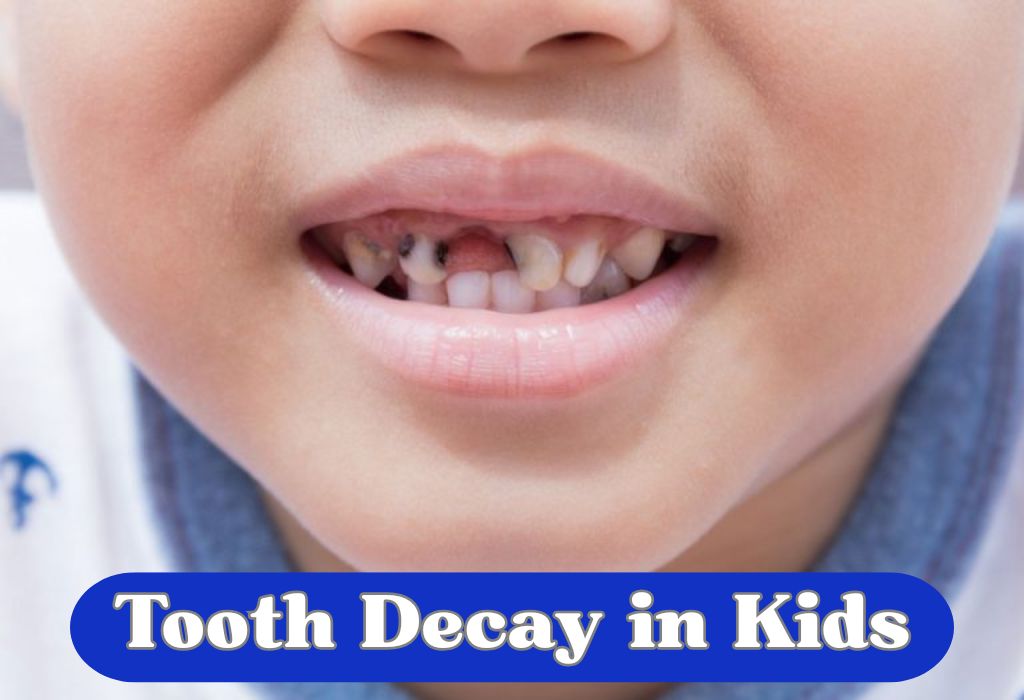
Tooth Decay (Caries or Cavities) in Kids: Causes, Signs, & Treatment
Children love sweets, chocolates, and other sugary treats, but these can sometimes make parents worry about their little one’s dental health. Tooth decay in children, also known as dental caries in children, occurs when harmful bacteria in the mouth produce acid that attacks the teeth. This process weakens the enamel and may eventually lead to cavities, causing pain, infections, and even tooth loss if untreated. Understanding the causes, signs, and treatments of tooth decay can help parents protect their child’s smile. Kids with tooth decay often face self-esteem and confidence issues later in their lives. Thus, it is essential to maintain proper dental hygiene from the beginning so that the likelihood of such issues is reduced.
What Is Tooth Decay in Children?
Tooth decay in children is a common dental problem in which the tooth’s surface (enamel) is damaged due to acid attacks from bacteria. When food particles, especially sugars and starches, remain on the teeth, bacteria feed on them and produce acids. Over time, these acids erode the protective enamel, leading to cavities (1).
If untreated, cavities can deepen, causing sensitivity, pain, and even infection in the surrounding tissues. Tooth decay doesn’t just affect the ability to chew but may also impact speech development, nutrition, and self-confidence in children. Early dental checkups and good oral hygiene habits, such as brushing and flossing, play a key role in preventing tooth decay.
What Causes Tooth Decay in Kids?
Every minute, a sticky layer called ‘plaque’ is formed naturally on the tooth. If we do not brush properly, the layer builds up. In addition, when we eat food, particles from the food get stuck in the teeth, adding bacteria in the mouth. These bacteria feed on the sugar made available from the food and produce acids. These acids attack the teeth, causing damage to the enamel, which results in tooth decay (2). Some of the causes of tooth decay are:
Food Habits: Tooth decay in children is caused by changing food habits. Excessive sugar content in children’s food can affect their teeth. Children usually enjoy sweets, chocolates, ice cream, candies, biscuits, and other treats. They have a high sugar content and are typically sticky in nature. Moreover, the frequency of consuming these types of foods also plays a significant role. When eaten in excess, or when eaten frequently, i.e. multiple times a day, these foods make the teeth more susceptible to tooth decay.
Drinks: The intake of juices, soft drinks, sports drinks, and flavoured milk can cause cavities as well. The kids who drink these beverages frequently are more prone to tooth decay as they are aerated and/or contain high sugar levels. The aerated drinks cause the enamel layer to erode, making it easier for bacteria to settle on, and the sugar provides the bacteria with food. Both of these factors cause cavities.
Medical Conditions: Certain medical conditions can also increase the risk of cavities. If your child is suffering from chronic allergies, they may opt for mouth breathing, which can interfere with the flow of saliva. When the flow of saliva decreases, the mouth becomes dry. One of the many roles of saliva is to flush out bacteria that accumulate on the teeth. With a decrease in saliva, the chances of cavities increase.
Bedtime Feeding: When infants are given milk bottles at night filled with milk, juice, and other sugar-containing liquids, these liquids sit on their teeth for hours, allowing bacteria to feed. The same can happen to toddlers when they drink from a sippy cup filled with these liquids.
Deficiency of Fluoride: Fluoride is a natural mineral which helps in avoiding cavities and reverses the effect of tooth damage in the initial stage. This mineral is used in public water supplies, toothpaste, and mouth rinse. The availability of fluoride in home care and professional care in an adequate and timely manner can help prevent tooth decay.
Signs of Tooth Decay
Signs of tooth decay may not be experienced in the early stage. Here are some of them (3):
Holes in teeth
Change in colour of the teeth
Sensitivity in teeth
A toothache which occurs while eating or biting food items
Recurrent pain during the day
Spontaneous pain at night
Bad breath
Swelling of the gums
If your child is experiencing any of the above signs and symptoms, consult a pediatric dentist immediately. If you don’t get it treated, the decay will progress, leading to irreversible tooth damage.
Diagnosis of Tooth Decay in Kids
Dentists use different methods to check for early or advanced signs of tooth decay. Some common approaches include:
Visual Examination: Checking for white spots, discolouration, or holes on the tooth surface.
Dental X-Rays: Identifying hidden cavities or decay between teeth that are not visible to the naked eye.
Exploring with Dental Tools: Using special instruments to detect soft areas on the enamel.
Symptom Discussion: Asking parents and children about tooth pain, sensitivity, or chewing discomfort.
Treatments for Tooth Decay In Children
The treatment procedures for tooth decay depend upon the condition of the tooth. Frequent check-ups can help diagnose problems in their early stages and prevent severe damage. Several child tooth decay treatment options
options are available, such as the ones given below:
1. Fluoride Treatment
Fluoride treatment helps restore damaged enamel. Enamel damage is the initial stage of tooth decay, as you can see spots on the teeth during this stage. The fluoride gel or varnish is used to cover the spots and provide the necessary minerals for the teeth.
Fluoride toothpaste will be prescribed to repair the tooth and reverse the effect of the decay. Although fluoride is good for teeth, excess ingestion of fluoride during the development stage of teeth can cause changes in enamel structure, including dental fluorosis. Thus, the CDC recommends that children under 3 years of age should use a smear the size of a rice grain, and children above 3 to 6 years of age should use fluoride toothpaste not more than a pea-sized amount (4).
2. Fillings
Fillings are used to fill cavities that have progressed beyond the initial stage. The damaged portion is removed and filled with tooth-coloured or silver filling material. Fillings are composed of various materials, including dental amalgam and tooth-coloured composite resin or porcelain (5).
3. Crowns
Crowns are used for severely damaged teeth. In this procedure, the dentist drills and removes the decayed part and fills it with a filling material. Then an appropriately-sized crown, which is selected from a commercially available preformed crown kit, is fitted. The crown can be silver-coloured (stainless steel crowns) or tooth-coloured (zirconia crowns).
4. Root Canals
The tooth decay enters the inner layer of the tooth called the pulp. Once the pulp is damaged, root canal treatment must be performed. In this procedure, the infected pulp is removed and replaced with a medicament. Root canal treatment is followed by the placement of a crown to protect that tooth and restore its full function.
5. Teeth Extraction
If the tooth is damaged to the extent that it can’t be restored, it must be extracted. It may lead to further damage to the underlying permanent teeth if you ignore the issue. When a milk tooth is extracted, it should be followed by a space maintainer to keep the space for the permanent tooth if needed, as suggested by your pediatric dentist. If a permanent tooth is extracted, it has to be replaced with a suitable replacement.
How to Prevent Child Tooth Decay
Prevention of tooth decay in children can be done by following the methods suggested below (6) (7):
Maintain your oral health during pregnancy, which will reduce the risk of transferring infections and promoting bacterial growth.
Stop sharing spoons with your child. Infants don’t have any bacteria in their mouths from birth. By sharing spoons while checking the taste of food, you inadvertently transfer bacteria to your kid’s mouth.
Experts recommend using silver diamine fluoride for young children with sensitive teeth, particularly those with developmental disabilities. This liquid medication is applied to cavities and helps slow down the growth of cavities quickly (8) (9).
Use fluoridated water to protect your child’s teeth from infection. Drinking water contains this mineral naturally. If you are using non-fluoridated water, consult your dentist to get a supplement of fluoride.
An infant’s mouth should be cleaned by wiping it with a clean and smooth cloth. Once they start developing teeth, clean them with a wet cloth or brush them with a soft baby toothbrush, using water (when the first few teeth come out) and then mild fluoride toothpaste.
Don’t let your baby sleep with a bottle or food in their mouth. This will lead to exposure of teeth to sugars, resulting in infection and tooth decay.
Don’t give your child sugary drinks like milk for long periods to drink from a sippy cup or bottle. Instead, give them water.
Habituate your child to drink liquids from a cup or glass as early as possible after completing one year of age. Taking liquids from a cup or glass will decrease the risk of cavities.
Regular brushing can help reduce the formation of plaque and germs in the mouth, which in turn lowers the risk of cavities. Habituate your child to brush twice a day, in the morning and at bedtime.
Keep control of the sugary foods your child eats regularly. Foods like chips, candies, jellies, cookies, and fruit rolls contain sugars, and these foods pose a threat if consumed in excess.
Consult your pediatric dentist when your child is one year old or when his/her first tooth erupts.
Does Making Changes in My Child’s Diet Help in Preventing Tooth Decay?
Some of the dietary changes that can be made include:
Give fruits and vegetables to your child instead of carbohydrate-rich foods. Pears, melons, celery, and cucumbers are best to give as they are rich in fibre and low in sugar. Bananas and raisins contain sugars, so use them in limited quantities.
Cheese can be added to your child’s diet plan as it helps stimulate the production of saliva. It can be given with the lunch items.
Skip sticky and chewy foods as they are likely to spread bacteria in the mouth. If your child eats these foods, brush their teeth immediately afterwards.
Tips for Oral Hygiene
For healthy teeth, here are simple tips for oral hygiene.
Regular Brushing
Selecting a proper brush
Regular flossing
Using mouthwash
Proper cleaning of the brush
Changing your toothbrush after three months
Using a tongue scraper to keep your tongue clean
Stop frequent snacking
Avoid sharing of utensils and cutlery with other children
Avoiding foods with high sugar content
Avoiding late-night snacking after they have brushed their teeth
Taking your child to the dentist every three months if possible
FAQs
1. What causes tooth decay in children?
Tooth decay is mainly caused by bacteria in the mouth that produce acids after feeding on sugars and starches. Poor oral hygiene and frequent snacking on sweets increase the risk.
2. What are the early signs of tooth decay in kids?
White spots, tooth sensitivity, mild pain, or visible pits on the teeth are common early signs. Bad breath and discomfort while chewing may also indicate decay.
3. Who is at risk of tooth decay?
Risk factors, including poor oral hygiene, high levels of bacteria causing cavities, Water supplies with limited or no fluoridation, sugary and starchy diet, and reduced salivary flow in the mouth, can increase the risk of tooth decay in a child (10).
4. When should your child first visit the dentist?
The American Dental Association suggests a child’s first dental visit be after the appearance of their first tooth and no later than their first birthday (11).
5. Can cavities transmit from one person to another?
The Cleveland Clinic states that cavities are not contagious, but the bacteria that cause cavities can pass from one individual to another, for instance, from kissing, and lead to tooth decay and other dental issues (12).
Tooth decay may seem inevitable, but proper dental care and treatment can help your child maintain his dental health. Ensure you get your little one’s teeth checked by a good dentist, and teach him the importance of dental hygiene and health.
Also Read:
Braces for Kids Teeth
Broken Teeth in Kids
Common Teeth Problems in Children
Read more
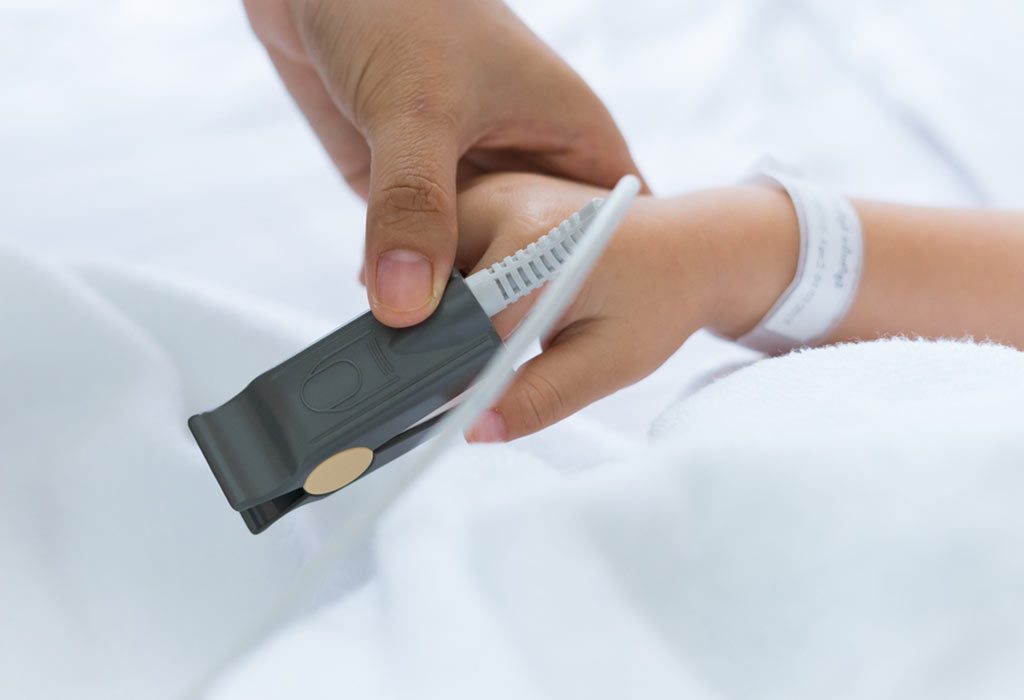
Heart Rate for Children – What's Normal, What's Not?
The heart has a particular rhythm that keeps it healthy and enables it to function the way it is meant. However, sometimes, due to various reasons, the rhythm of the heart, or the rate of heartbeat varies, which may indicate an underlying issue. The condition is also referred to as arrhythmia. While it is not uncommon to see the heartbeat rate fluctuate in children, if it persists for a long duration, your child may need medical attention. Before this, important to know what the normal heart rate for kids is.
This article will provide some knowledge about arrhythmia, and things parents need to remember should their little ones’ need immediate medical attention. Let’s begin with understanding what the normal heart rate in children is.
What Is Normal Heart Rate in Children?
Wondering what the average child’s heart rate is? The normal heart/pulse rate for children varies as per their age. It is also known to slow down a little during sleep. Childrens heart rate is also dependent on the activity of the kid. If your child has been physically active right before taking the pulse rate, then it is bound to be a little higher. Overall health and the emotional state of the child may also contribute to the pulse rate.
Below is a chart of the normal heart rate for kids in different age groups:
Age
Rate While Awake
(beat per minute)
Rate While Sleeping
(beat per minute)
Under 28 days
100-205
90-160
1 month to 1 year
100-190
90-160
1 to 2 years
98-140
80-120
3 to 5 years
80-120
65-100
6 to 11 years
75-118
58-90
12 to 15 years
60-100
50-90
What Is Arrhythmia?
An arrhythmia is an irregularity in the rhythm of the heart. It is caused due to an abnormality of the electrical signals that control contractions of the heart muscles. The occurrence of certain kinds of arrhythmia in children is usually no cause for concern and may not require medical care as it may be based on the activity they engage in. But if it is found that the heart rate of the child doesn’t correlate with the activity and is too high or too low for the activity being performed, then it may be wise to seek a diagnosis from a doctor.
Who Is at Risk of Developing Arrhythmia?
The condition may be prevalent in children who are suffering from congenital heart diseases, are born with narrow hearts or any other heart conditions. Infections, diabetes and sleep apnea can cause damage to the muscles around the heart, which may also put such kids at risk of developing arrhythmia. Also, if your kid has had heart surgeries, is under medication or suffers from a chemical imbalance, then there may be chances of an irregular heart rate.
Types of Arrhythmia
Arrhythmia is categorised based on the variation in the heart rate. There are many types of arrhythmia; most are harmless, but some may be life-threatening.
If the kids heart rate speeds up and becomes too fast, it is known as Tachycardia. If it slows down considerably, it is called Bradycardia. Both conditions are explained in detail below:
1. Tachycardia
Tachycardia is characterised by a faster than normal heart rate and may be caused due to an underlying heart condition, medications or some changes in the physiology. It doesn’t last long enough to cause any serious damage to the organs. There are two significant types of tachycardia.
Ventricular Tachycardia
Ventricular tachycardia originates in the ventricles or the lower chambers of the heart. These are not very common in children and might be the result of a serious heart condition.
Supraventricular Tachycardia (SVT)
Supraventricular tachycardia is triggered in both the upper chambers (atria) and the lower chambers (ventricles) of the heart. SVT causes the heart rate to go at an abnormal rate of over 220 per minute. It is also known as paroxysmal atrial tachycardia and begins and ends abruptly.
SVT may be caused due to Wolff-Parkinson-White Syndrome, where there is an extra pathway in the heart’s electrical system, which can result in tremors, dizziness, and problem breathing.
There are several types of SVT, which include the following:
Atrioventricular Reentry Tachycardia (AVRT) – AVRT is caused due to the presence of an additional pathway because of which the electrical signals do not pass through the AV node that controls heart rate. The heart rate increases as two pathways carry electrical signals at the same time.
Atrioventricular Nodal Reentry Tachycardia (AVNRT) – This condition is similar to AVRT, but the electrical signals here pass through the AV-node.
Atrial Flutter – The condition is the result of an irregular conduction circuit in the atria causing it to beat very fast. It can prevent blood from being pushed into the ventricles and prevent blood flow to the body cells.
Atrial Ectopic Tachycardia – Caused as a result of the electrical impulse being originated from a different part (an abnormal cluster of cells) than its usual origin (sinus node), it can result in the untimely contraction of the atrium and a faster heartbeat.
Junctional Ectopic Tachycardia – In this case, the impulse originates from the abnormal cluster of cells that are located near the AV-node, causing the ventricles to contract before they are due. This results in a faster heartbeat.
There is also a term called Sinus tachycardia which is a natural increase in the heart rate caused by physical activity or change in activity levels. Here the sinus node, which is known as the pacemaker of the heart due to its function of generating electrical impulses, shoots out faster impulses causing a spike in the heart rate.
2. Bradycardia
Bradycardia is characterised by a drastic drop in the heart rate of the child (in most cases, below 50 beats per minute). This can be due to faulty electrical circuits or can indicate that the sinus node isn’t functioning in the supposed manner. In some cases, since the heart rate drops quite low, the heart will not be able to pump blood into the cells, causing a deficiency that may result in life-threatening situations.
Causes of an Irregular Heartbeat
Irregular heartbeat is caused by various reasons including heart conditions like congenital heart disease, chemical imbalances in the body, any kind of trauma to the chest, heart surgery, fever or infections. It can also be due to cardiomyopathy, which is the disease of the muscles of the heart.
Signs and Symptoms of an Abnormal Heart Rate
Recognising the signs and symptoms of an abnormal heart rate is important, especially for younger children who will not be able to communicate what they feel. Amongst infants and toddlers, it may be visible as irritability, paleness, and lack of interest in eating. Older children may be able to tell you if they feel dizzy or feel like their heart has skipped a beat. Some of the common symptoms of an irregular pulse rate are
Dizziness
Weakness or fatigue
Tremors
Chest pain
Fainting
Sweating
Irritability and paleness in infants
Shortness of breath
Diagnosis of Arrhythmia in Children
Doctors use various methods to diagnose an abnormality in the heart rate of the child. It is important that you know your child’s medical history and necessary documents so that the doctor can evaluate it and conduct a physical exam to determine whether a further test is necessary.
Here are some of the tests:
1. Electrocardiogram (ECG)
This test measures the electrical activity of your child’s heart. It is painless and can be done in as a resting ECG or an exercise ECG. A resting ECG measures the heart when your child is resting, preferably lying down. An exercise ECG measures the child’s heart rate during an activity like walking or running on a treadmill.
2. Holter Monitor
This is an ECG test that is done over a period of 24 hours or more. The ECG electrodes and attached to the chest of the child and the measurements are taken using a portable recorder. The child is encouraged to engage in normal daily activities. Care should be taken to keep the electrodes from getting wet for the duration of the test.
Holter monitoring includes two kinds of test:
Continuous monitoring where the ECG is being recorded for the entire duration.
Event monitoring where the ECG is recorded when an abnormal heart rate is detected.
3. Electrophysiology Study
In this invasive test, a catheter is inserted into the blood vessel that leads to the heart through the arms or the legs of the child. This helps in determining the origin of arrhythmia in the heart and also helps the doctor choose relevant treatments methods.
4. Tilt Table Test
Tilt table test is recommended for children who have instances of fainting that is caused by irregular heart rate. The test measures the variations in heart rate, oxygen supply, and blood pressure in the child during a change in his or her position, like sitting, lying down and standing.
Some doctors may also suggest a chest X-ray, MRI or blood tests for your child if required.
Treatment of Arrhythmia in Children
The treatment for arrhythmia in children is based on the age of the child, the type of arrhythmia, the symptoms, and the frequency of its occurrence. Some of the common courses of treatment include (1):
Medicines: Anti-arrhythmic medications are prescribed to the child based on the condition and the age to correct an abnormal heart rate.
Pacemakers: These devices mimic the electrical signals produced by the sinus node. They are surgically implanted into the child’s body (usually near the collarbone) to regulate the heart rate effectively.
Defibrillator: An implantable cardioverter-defibrillator (ICD) is inserted near the collarbone with wires running from it to the heart. When an abnormal heart rate is detected, the device restores it to a normal heart rate.
Catheter Ablation: The procedure involves the insertion of a catheter through a blood vessel that leads to the heart. It detects and narrows down the area of the heart where the irregularity is generated, and freezes or destroys those defective cells.
Surgery: If all other options do not give results, surgery is recommended where the child is put under anaesthesia, and the tissue causing the arrhythmia is surgically removed.
When and How to Check Your Child’s Pulse Rate?
It is good to have an idea of how to check your child’s pulse rate for emergencies. If your child has a heart condition, your doctor may already have instructed you on the ways to check the pulse. However, even if your child doesn’t have a heart condition, it is good to know how to check the pulse rate, especially when you notice one of the following signs:
Pain in the chest
Tremors
The child turns pale or blue suddenly
Shortness of breath
You may follow the steps below to check your child’s pulse rate:
Know the pulse points: The points where the artery is closest to the skin, like the neck and the wrist, and the best pulse points.
Make sure that your child is rested for at least 10 minutes before taking the pulse rate.
Place your index and middle finger together on the pulse point at the wrist to feel the pulse.
Count the total number of beats for 15 seconds.
Multiply the total number of beats by 4 to get the pulse rate.
Avoid using your thumb to feel the pulse, as the thumb also has a pulse point.
How to Take Care of Your Child?
If your child is diagnosed with arrhythmia, it is important that you follow a strict routine to take care of his health.
Take your child to the doctor for check-ups regularly.
Check the pulse rate frequently.
Follow a healthy diet with low cholesterol and fat for a healthy heart.
Ensure that your child exercises regularly to regulate heart rate.
Keep track of developments in the treatment of arrhythmia.
When to Consult a Doctor?
Most children have irregular heart rates after intense physical activity. However, if you notice a fast or slow heart rate in your child that does not correlate with the activity, you will need to consult a doctor to avoid complications later on.
FAQs
1. How does a child’s pulse rate change with age?
As children grow, their pulse rate changes. Newborns typically have a higher pulse rate, ranging from 100 to 160 beats per minute (bpm). As they grow older, the rate gradually decreases. For toddlers (1-3 years old), the normal range is 90 to 140 bpm. By the time children reach the age of 10, their pulse rate usually settles between 60 to 100 bpm, similar to adult ranges.
2. How does dehydration affect a child’s pulse rate?
Dehydration can lead to an increased pulse rate in children. When a child is dehydrated, there is less fluid circulating in their body, which means the heart has to work harder to pump blood and maintain blood pressure. This can result in a higher pulse rate. Recognizing the signs of dehydration and ensuring the child stays hydrated is important to maintain a healthy pulse rate and overall well-being.
Children usually tend to engage in a lot of physical activity which may cause variations in the heart rate. It is important for parents to be well-informed about the symptoms to recognise the need to seek help for irregular heart rate in their child.
References/Resources:
1. Arrhythmias Treatment; NIH National Heart, Lung, and Blood Institute; https://www.nhlbi.nih.gov/health/arrhythmias/treatment
2. Sharma. R, Balhara. Y, Sagar. R, Deepak. K, Mehta. M; Heart rate variability study of childhood anxiety disorders (Journal of Cardiovascular Disease Research); National Library of Medicine; https://www.ncbi.nlm.nih.gov/pmc/articles/PMC3144619/
3. Types of Arrhythmia in Children; American Heart Association; https://www.heart.org/en/health-topics/arrhythmia/about-arrhythmia/types-of-arrhythmia-in-children#.WMJ1l1V97IU
4. Palpitations in children and young people; NHS James Paget University Hospitals; https://www.jpaget.nhs.uk/departments-services/children-young-peoples-services/the-cove-childrens-clinic/cardiology/palpitations-in-children-and-young-people/
5. Fast Heart Rate; C.S. Mott Children’s Hospital; https://www.mottchildren.org/health-library/aa73824
6. Pickering. D; How to measure the pulse (Community Eye Health); National Library of Medicine; https://www.ncbi.nlm.nih.gov/pmc/articles/PMC3756652/
7. Helping Children With Congenital Heart Disease Stay Healthy, Active & Fit; American Academy of Pediatrics; https://www.healthychildren.org/English/health-issues/conditions/heart/Pages/Helping-Children-With-Congenital-Heart-Disease-Stay-Healthy,-Active-&-Fit.aspx
Also Read:
Respiratory Rate in Kids
Braces for Children’s Teeth
Heart Murmur in Babies & Children
Read more

Excessive Blinking of Eyes in Children
It is difficult for parents with little medical knowledge to identify health issues their child may be facing. While the symptoms of fever and cough are easily noticeable, the same cannot be said for excessive blinking in children. It’s crucial to observe the context surrounding the blinking—such as changes in environment or stressors—and consult a healthcare professional if the behavior persists. Regular eye check-ups and open communication with your child about any discomfort or vision changes can help address concerns proactively. Parents should trust their instincts and seek professional guidance when needed.
What Is Excessive Eye Blinking?
Blinking is how our eyes protect themselves from the strain. A child blinks 3 – 17 times per minute on an average. Anything beyond this is considered excessive blinking and could be a sign of discomfort or an eye problem. Excessive blinking can be due to a range of reasons – anything from a facial tic to extreme dryness in the eyes.
Causes of Excessive Eye Blinking
Your child may be blinking excessively due to:
1. Tics
Facial tics can cause excessive blinking. Tics are muscle spasms that affect the muscles in and around the eyes. Short-tempered children are prone to facial tics. If this is the case, talk to a child psychologist about your child’s behaviour (1).
2. Near-Sightedness
A common reason for excessive blinking is near-sightedness. Visit an eye specialist and get your child’s eye checked.
3. Allergy
If your child is blinking too much, has watery eyes or has excessive discharge around the eyes, it could be an allergy.
4. Dryness
When your child suffers from extremely dry eyes, she may develop excessive blinking and burning/itchy eyes. Make sure your child doesn’t rub her eyes if this is the case. Doctors usually prescribe teardrops or hydrating eye drops to help ease the irritation (2).
5. Strain
Eye strain can cause excessive blinking. Reading in low light, too much time spent looking at a screen and lack of sleep can cause strain.
6. OCD
Obsessive-Compulsive Disorder (OCD) is a psychological condition that affects many children but often goes undiagnosed. This psychological condition can also cause excessive blinking or facial tics (3).
7. Blepharitis
Blepharitis is a bacterial infection in the eyelids. It is one of the causes of excessive blinking in children (4).
8. Strabismus
Excessive blinking in children may be linked to strabismus, commonly known as crossed eyes or squint. This occurrence might be associated with conditions like extreme farsightedness or weakened eye muscles (5).
Diagnosis of Excessive Eye Blinking
Most conditions that lead to excessive blinking can be diagnosed through a routine physical examination. If the reason is an imbalance of power, your child may need glasses. In case it’s a psychological issue, your child may need to visit a therapist for regular sessions.
To assess your child’s eye movement, the doctor will conduct specific examinations, including:
1. Frontal Eye Examination
Using a slit lamp and a powerful light microscope, the ophthalmologist scrutinizes the cornea and other structures at the front of the eyes to identify any abnormalities.
2. Visual Acuity Testing
Tests assessing visual acuity help determine the quality of a child’s vision. If any disorders are identified during the examination, appropriate treatment will be recommended.
3. Eye Alignment Analysis
The physician evaluates the movement and alignment of both eyes. Detecting subtle squints may require multiple eye exams before determining the course of treatment to address this condition.
Treatment for Excessive Eye Blinking
There are a number of ways to treat excessive blinking eyes in children. Based on the diagnosis, the different treatment options include:
1. Hydrating and Anti-inflammatory Eye Drops
Treatment for eye dryness involves prescribing eye drops to compensate for insufficient tear production. In cases of eye infection, the ophthalmologist may recommend antibiotic eye drops, and in persistent infections, steroid eye drops might be advised.
2. Glasses
Corrective glasses are prescribed for children with vision problems. A comprehensive eye test helps determine the appropriate eyeglasses for correcting refractive errors. The doctor may also suggest vision therapy, exercises, or, in rare instances, surgery for improvement (6).
3. Psychological Therapy
If excessive blinking stems from a tic or compulsive habit, counseling with a child psychologist may be recommended, as tics often resolve spontaneously (7).
4. Antihistamines
Allergy-related excessive blinking may be addressed with antihistamines.
5. Eye Patch
The ophthalmologist might also recommend an eye patch to prevent continuous use of the affected eye, or in cases of ingrown eyelashes, suggest electrolysis for removal.
For more treatment plans and information, contact an ophthalmologist.
How to Prevent Your Kid From Excessive Blinking?
Here are some tips you should consider:
1. Protect Her Eyes
Using protective eyewear will guard your child’s eyes against dust, sunlight and other irritants.
2. Prevent Dry Eyes
Foods containing Omega-3 fatty acids help to prevent dryness in the eyes by stimulating the tear glands and reducing inflammation.
3. Manage Stress
Help your child manage academic stress with activities like meditation, relaxation techniques and yoga.
4. Adopt a Healthy Diet and Lifestyle
Make your child eat nutritious food, and drink plenty of water. This will help to maintain her eye health.
5. Keep Her Eyes Clean
Tell your child to wash her eyes frequently with clean water, especially when she has come from outside.
6. Pay Attention to the Lighting
Ensure your child always reads, watches TV or works on a computer in a well-lighted room.
7. Let Her Get Adequate Rest
Ensure your child sleeps for 8-10 hours a day.
8. Monitor Her Screen Time
Monitor the time your child spends watching TV or your mobile.
9. Allow Her to Play
Make sure she gets some exercise.
What Are the Warning Signs?
Excessive blinking in children is not fatal. If you spot these signs, take your child to a doctor immediately:
Your child rubs her eyes frequently.
She struggles to open her eyes after waking up in the morning.
She squints her eyes to read something within arm’s length.
Her eyes are often red.
Your child blinks more than 17 times per minute.
Your child loses her temper frequently.
She tends to panic and can’t sit still if everything in the room isn’t organised.
Children should undergo an eye exam every 3-4 months. If your child wears glasses, visit your eye specialist and get a new pair every 3 months.
FAQs
1. Are There Any Home Remedies for Excessive Blinking in Kids?
Home remedies for excessive blinking in kids may include ensuring proper lighting, limiting screen time, and addressing possible irritants like allergies.
2. Is Excessive Blinking in Children Always a Sign of a Serious Eye Condition?
Excessive blinking in children isn’t always a sign of a serious eye condition. It can be caused by various factors, including fatigue, stress, or habits like eye rubbing.
3. Can Excessive Blinking in Children Go Away On Its Own?
Excessive blinking in children can resolve on its own, especially if related to temporary factors. However, persistent or worsening symptoms should be evaluated by a healthcare professional.
Don’t panic if you notice excessive blinking in your child. Whether it’s mild or severe, follow your paediatrician’s instructions and monitor your child closely for changes. You should neither self-medicate nor attempt to diagnose her by yourself. Don’t miss the doctor’s appointments and follow their instructions to the T.
References/Resources:
1. Tourette Syndrome; Nemours Kids Health; https://kidshealth.org/en/kids/k-tourette.html
2. Are We Missing Dry Eye in Children?; American Academy of Ophthalmology; https://www.aao.org/eyenet/article/are-we-missing-dry-eye-in-children
3. OCD and Tourette Syndrome: Re-examining the Relationship; International OCD Foundation; https://iocdf.org/expert-opinions/ocd-and-tourette-syndrome/
4. What Is Blepharitis?; American Academy of Ophthalmology; https://www.aao.org/eye-health/diseases/what-is-blepharitis
5. Strabismus (crossed eyes); American Optometric Association; https://www.aoa.org/healthy-eyes/eye-and-vision-conditions/strabismus?sso=y
6. Glasses for Children; American Association for Pediatric Ophthalmology & Strabismus; https://aapos.org/glossary/glasses-for-children
7. Jung. H, Chung. S, Hwang. J; Tic disorders in children with frequent eye blinking; National Library of Medicine; https://pubmed.ncbi.nlm.nih.gov/15088052/; April 2004
8. Eye Exam: What to Expect; Cleveland Clinic; https://my.clevelandclinic.org/health/diagnostics/10738-eye-exam-what-to-expect
Also Read:
Conjunctivitis (Pink Eye) in Babies & Kids
Most Effective Eye Care Tips for Children
How to Improve Weak Eyesight in Kids?
Read more

How to Deal With Dandruff in Kids?
Dandruff, a common scalp condition of flaky skin, can also affect children. It is typically harmless and not a cause for major concern, but it can be bothersome and may cause discomfort or embarrassment for the child as it causes irritation and itching on the scalp. Kids generally play outdoors, making them more susceptible to dust and dust-related skin issues, including dandruff. Parents might want to know if they can use an anti-dandruff shampoo and remove the flakes. But dust is not the only reason why kids could get dandruff. Symptoms of dandruff in children include white or yellowish flakes on the scalp, itching, and a dry or scaly scalp. Sometimes, dandruff can also appear on the eyebrows, eyelashes, or other body parts. These symptoms may come and go, varying in severity from mild to more pronounced. In this article, we shall discuss more about dandruff, its various causes, symptoms and treatment. Read on to know more.
What Is Dandruff?
Dandruff is dead skin found on the scalp or in a person’s hair, normally resulting in white flakes or even itchiness. But serious conditions such as seborrheic dermatitis may occur in some rare cases, leading to scalp inflammation.
Below, we shall discuss some more causes of dandruff in children.
Causes of Dandruff in Children
Various causes of dandruff in kids include-
1. Improper Shampooing
Sometimes when we shampoo our kids’ hair, dead skin cells, which should have been rinsed, stay back due to improper head washing. This causes an accumulation of dead skin on the scalp, leading to dandruff.
2. Malnutrition
Malnutrition in kids is the most common reason for dandruff. Kids prefer to eat more unhealthy snacks or junk food rather than a fully nutritious diet, leading to scalp itching or dandruff.
3. Sensitivity to Hair Products
Sometimes, your hair product may not suit your kid well, leading to dandruff issues. Try to change the product, but prefer to do so only after consulting a doctor.
4. Malassezia
It is a yeast-like fungus, which, when it grows rapidly, leads to disturbance in the natural growth of cells. This, in turn, leads to dandruff and scalp itching. Certain illnesses or hormonal changes in kids generally are the cause of the emergence of such fungi.
5. Seborrhoeic Dermatitis
This disease is also known as eczema, which results in inflammation of the skin. This type of skin disorder does not go away easily, but dandruff is a milder form of this condition in children with less serious implications.
6. Allergic Reactions
Children can develop dandruff-like symptoms due to an allergic reaction to certain hair care products, such as shampoos, conditioners, or styling products. Ingredients in these products, such as fragrances or preservatives, may irritate the scalp and lead to flaking.
7. Hormonal Changes
Hormonal fluctuations can also affect dandruff development, especially during puberty. These changes can affect the oil production in the scalp, leading to an increased risk of dandruff. Hormonal dandruff is often temporary and tends to improve as the body adapts to the hormonal changes.
Dandruff Signs and Symptoms in Children
The signs and symptoms of dandruff in children include –
Visible dry white flakes on your child’s scalp or outfit.
Presence of oily flakes on the scalp.
Continuous itching of the scalp area.
Red patches on the scalp are either caused due to itching or excessive dandruff.
The combination of dandruff, excess oil, dead skin cells, and certain bacteria or fungi on the scalp can result in an odour.
Dandruff in children can sometimes extend beyond the scalp, leading to flaking in other areas of the body, such as eyebrows, eyelids and face.
Can Dandruff Harm the Child’s Scalp?
In most cases, mild dandruff irritates your child and doesn’t affect the scalp area much. But the scalp area gets inflamed and turns red in certain rare cases, like seborrheic dermatitis, eczema, Malassezia or psoriasis. In such cases, consulting a skincare specialist for effective relief is essential.
Dandruff Treatment for Kids
Are you wondering how to treat dandruff in kids? Here are a few tested and tried methods-
1. Using a Medicated Shampoo
The use of medicated shampoo can treat dandruff in kids to a great extent. Do not go with shampoo; consult a skincare specialist who will recommend an effective medicated shampoo based on your kid’s situation.
2. Staying Hydrated
Tell your kids to drink as much water as they can. If they do not drink by themselves, give them water or juice in measured quantities to meet their daily need regularly. Keeping them hydrated can reduce dandruff.
3. Brushing Before Shampooing
Brush your kids’ hair properly before rinsing them with the medicated shampoo. Brushing will help eliminate the flakes to some extent, which in turn, will help better cleaning of the scalp after shampooing.
4. Using Separate Combs and Towels
Maintain separate combs and towels for your kids as germs on common towels and combs may lead to more dandruff issues.
5. Proper Nutrition
Green and leafy vegetables are a must for children dealing with dandruff issues. Proteins, carbohydrates and the other required nutrients lead to moist and healthy skin, which in turn reduces or completely removes dandruff.
6. Oiling of the Scalp
Oil your kid’s scalp regularly or even on alternate days will help keep the scalp moist and thus make it dandruff-free.
7. Do Not Apply Any Harmful Hair Products
Kids are most susceptible to skin problems, and for the same reason, hair gels or creams should not be applied to kids’ hair as it may lead to dandruff or other hair-related issues.
8. Frequent Shampooing
Shampoo your kids’ hair on alternate days. Frequent shampooing helps prevent dust, the main cause of dandruff in kids. Shampooing every day, however, is not recommended.
Home Remedies for Dandruff in Children
Home remedies for treating dandruff in kids include –
1. Baking Soda
Baking soda acts as an incredible scrub that helps exfoliate the scalp. You need to add a bit of baking soda to your regular shampoo and apply it normally on the scalp before rinsing it thoroughly.
2. Tree Oil
Tree oil has anti-fungal properties, which help in soothing a dry scalp. Mix a few drops of tree oil with almond or olive oil. Mix the oils thoroughly and apply on the scalp with the help of cotton. Keep it on for half an hour and then rinse your scalp thoroughly.
3. Curd
Curd helps to keep your scalp moist and soft. Apply curd on the scalp and keep it for half an hour before washing it off.
4. Lemon
Lemon contains Vitamin C that helps in treating scalp issues such as dandruff. Apply lemon juice with a cotton ball, and keep it for half an hour before washing.
5. Neem
Neem is also effective in treating dandruff. Mix coconut oil with neem juice and massage properly on the scalp.
6. Fenugreek Seeds
Fenugreek seeds have anti-fungal and scalp-soothing properties. Make a paste of grounded fenugreek seeds and curd and apply it on the scalp before shampooing.
7. Aloe Vera Juice
Aloe vera is a cooling agent which contains anti-fungal properties. Extract aloe vera gel directly from the plant and apply it on the scalp before shampooing.
8. Eggs
Eggs also help to keep the scalp moist. Just beat an egg and apply it on the scalp before shampooing.
9. Apple Cider
Apple cider is efficient in clearing clogged hair pores. Mix apple cider with water in equivalent quantities and apply it on the scalp, before shampooing.
10. Coconut Oil
Coconut contains anti-fungal properties and also acts as a good scalp moisturiser. Apply coconut oil directly on the scalp, and keep it for a while before shampooing.
11. White Vinegar
White vinegar is one of the best solutions to the dandruff issue. It avoids fungal growth and also helps provide relief from itching. Mix white vinegar with water to wash your kids’ hair.
12. Garlic
One needs to overlook garlic’s bad odour but focus on its anti-fungal properties. Mix grounded cloves in water and apply it on your kids’ scalp before shampooing.
13. Butter
Take an ample amount of butter and rub it on your hair. Keep the butter for one hour. Then wash it off with plain water. It dissolves dandruff and eliminates most of the flakiness.
14. Amla/Indian Gooseberry
Amla can be dried and turned into a paste which can be applied to the scalp. It helps eliminate dandruff efficiently.
15. Tea Tree Essence
Tea tree oil is known for its antifungal and anti-inflammatory properties, which can be beneficial in treating dandruff. Dilute a few drops of tea tree essence with a carrier oil, such as coconut or almond. Massage this mixture gently onto your child’s scalp and leave it on for about 30 minutes before shampooing.
16. Beetroot Juice
Beetroot juice is known for its nourishing properties and can help promote a healthy scalp, reducing dandruff. Gently massage it in and leave it on for about 30 minutes. Then, rinse off the juice with lukewarm water.
Can Dandruff in Kids Go Away on Its Own?
Dandruff in kids can sometimes go away on its own, depending on the underlying cause and severity of the condition. In mild cases, dandruff may be temporary and resolved without specific treatment. Factors such as hormonal changes, scalp sensitivity, or temporary scalp dryness can contribute to self-resolving dandruff in children. It’s crucial to prioritise proper scalp hygiene, uses mild shampoos suitable for children, and avoid harsh chemicals or excessive washing, as these can exacerbate dandruff symptoms.
By seeking timely medical advice and adopting suitable treatments, the child’s dandruff can be effectively managed, promoting a healthier scalp and reducing the discomfort associated with dandruff.
How to Prevent Dandruff in Children?
Preventing dandruff in children is important to maintain a healthy scalp and minimise discomfort. Here are some tips to help prevent dandruff in children:
Encourage regular hair washing: Ensure your child washes their hair regularly with a mild shampoo suitable for their age.
Maintain good scalp hygiene: Teach your child to gently massage their scalp while washing to remove excess oil, dirt, and dead skin cells.
Use a gentle shampoo: Opt for mild and pH-balanced shampoos without harsh chemicals that can irritate the scalp.
Avoid excessive heat styling: Minimize using heat styling tools such as hair dryers, curling irons, or straighteners, as excessive heat can dry out the scalp.
Keep the scalp moisturised: Apply a gentle, child-friendly moisturiser or oil to the scalp to keep it hydrated and prevent dryness.
Ensure a balanced diet: Provide your child with a nutritious diet rich in essential fatty acids, vitamins, and minerals to promote a healthy scalp.
Limit exposure to harsh chemicals: Avoid exposing your child’s scalp to harsh chemicals in certain hair products or treatments.
Regularly clean hair accessories: Clean combs, brushes, and hair accessories to prevent the accumulation of dirt and oil that can contribute to dandruff.
Encourage stress management: Help your child manage stress through exercise, relaxation techniques, or hobbies, as stress can contribute to dandruff.
These preventive measures can significantly reduce the likelihood of dandruff in children and promote a healthy scalp.
When to Consult a Doctor?
In case your kids’ scalp starts to show redness or blood clots, it becomes important to seek immediate medical assistance due to excessive itching and dandruff.
Having looked at the facts and treatments related to dandruff issues in kids, we are sure that you’re now equipped with what it takes to beat dandruff in your child. With a little bit of hygiene and care, dandruff can be treated to promote a healthy scalp and healthy hair.
References/Resources:
1. Gellner. C; WHAT TO DO ABOUT YOUR CHILD’S DANDRUFF; Health care utah; https://healthcare.utah.edu/the-scope/kids-zone/all/2017/10/what-do-about-your-childs-dandruff; October 2017
2. Dandruff; UMICH; https://uhs.umich.edu//dandruff
3. Dandruff; UOFMhealth; https://www.uofmhealth.org/health-library/tm6353spec
4. Rudramurthy. SM, Honnavar. P, Dogra. s, et al.; Association of Malassezia species with dandruff; https://pdfs.semanticscholar.org/109b/2da76700543e5700019fd77d8ad04d85d2f6.pdf; November 2012
5. Causes and Diagnoses of Dandruff; NM; https://www.nm.org/conditions-and-care-areas/dermatology/dandruff/causes-and-diagnoses
6. Home Remedies for Dandruff; Jamaica Hospital; https://jamaicahospital.org/newsletter/home-remedies-for-dandruff/; July 2016
Also Read:
Scalp Problems in Children
Home Remedies for Head Lice in Kids
Premature White and Grey Hair in Children
Read more
11 Home Remedies for Cold and Flu in Babies & Kids
Cold and flu are infections caused by viruses. Children under six cannot be given over-the-counter cold and flu medication so alternate home remedies can alleviate cold and flu symptoms in babies and children. Before we start with the list of home remedies for children’s colds and flu, you are advised not to try all of these remedies at once or simultaneously, and you should take care that your child does have allergic reactions to any ingredient. Also, consult with your paediatrician before trying these remedies, and remember to keep the baby’s age in mind before using any of them.
Before we move on to the remedies, you must know the symptoms of cold and cough in babies.
Video: 8 Home Remedies for Cold and Flu in Babies & Kids
Before we move on to the remedies, you must know the symptoms of cold and cough in babies.
Symptoms of Cold and Flu in Babies
Knowing the signs your baby may show when he has a cold will help you soothe the condition better. Here’s what you should look for :-
Mildly running nose
Mild cough
Sore throat
Stuffy or blocked nose
Loss or decrease in appetite
Restlessness
Mild fever
To treat the cold in babies, it is important that parents try first to comfort them so that they feel better. Fever causes dehydration, and the baby might not always feel thirsty or comfortable drinking. However, it is essential that you encourage him to consume more fluids. Look out for signs of dehydration and feed your baby fluids accordingly.
Here are some signs of dehydration in babies who are under 3 months of age:
Dry and chapped lips.
Sunken soft spots on the skin.
Baby appears less active.
Frequent urination (3 to 4 times in 24 hours).
Let’s take a look at some home remedies to treat the cold and flu in kids.
Home Remedies for Cold and Flu in Babies and Kids
These home remedies are safe, gentle and effective in helping babies feel better when they are suffering from cold or flu.
1. Breast Milk
Breast milk contains antibodies which make the body immune to all kinds of germs and viruses, including the cold and flu viruses. Along with this, breast milk also provides hydration. This is one of the best natural remedies for flu in infants. Breast milk can be fed to babies that are under 6 months of age who do not require any other medication.
2. Garlic and Ajwain Pouch
Garlic and ajwain are powerful cures for cough and cold as they contain anti-bacterial and anti-viral properties. This mixture is one of the best herbal remedies for the cold in children. Take 2 garlic cloves and 1 spoon of ajwain and dry roast them. Once cooled, put them in a muslin cloth and tie them tight. Place this pouch at a safe distance from the baby’s cot (not on the cot or under the bedding) so that the aroma provides comfort to the baby. This pouch should help clear any blockage the baby might have owing to a cold. Alternatively, you can also rub this pouch on the soles of the baby’s feet to achieve results.
3. Carrot Juice
Carrots contain essential nutrients and vitamins that help boost the immune system. This is one of the best home remedies to treat cold in toddlers. Carrots can be steamed, mashed and diluted with some room-temperature water for babies aged 6 months and above (babies who have been introduced to solids). For older kids who can digest fresh fruit juices, you can go for fresh carrot juice.
4. Saline Drops
Nasal or saline drops are a quick and safe option to provide your baby with some relief from congestion. One can use a dropper to administer the saline drops. Then use a nasal suction bulb to remove the mucus.
5. Use a Humidifier
A humidifier will help provide some relief from cough and cold by moistening dry air. A humidifier can be used in the baby’s room while he is asleep. Ensure that you clean the humidifier regularly or they begin to house mould and bacteria, which can affect your child’s health.
6. Steam Therapy
Run a hot shower and let some steam accumulate in the bathroom. Sit your baby in the steam for 10 to 15 minutes. The steam will loosen the mucus and will relieve the baby from congestion. Make sure your baby is adequately hydrated before and after the steam room treatment, as he will lose a lot of fluids.
7. Lemon Water Mixed With Honey
Lemons are rich in Vitamin C, which effectively fights a cold. Squeeze some lemon juice in warm water, and add honey for taste. This remedy is only for children above 1 year, as honey should not be given to children under 1 year.
8. Gargling
Older kids can gargle with salt water to relieve the cold and sore throat. Gargling helps in breaking down the mucus and reducing swelling. Make the baby gargle a few times during the day.
9. Raise Your Kid’s Head
Your child’s body repairs itself at night when asleep, which is why deep, uninterrupted sleep is important for the infection to subside. Raising your kid’s head will prevent the mucous from returning to his system and allow him to breathe easily. Simply take a towel and fold it. Put this towel under your child’s head to elevate his head. You can do so with a soft pillow too. Ensure that the pillow’s height is optimum, as your child may have neck trouble if the pillow is too elevated.
10. Warm Honey and Ginger Tea
A soothing and natural remedy that combines honey’s antibacterial properties with ginger’s congestion-relieving effects. Give your child 1-2 teaspoons of warm honey and ginger tea to ease cold and flu symptoms.
Please Note: If your baby is less than 1 year old, this recipe should be strictly avoided as honey is avoided for babies under 1 year old. Babies and toddlers above 1 year old can have this remedy.
11. Eucalyptus Oil Chest Rub
Create a homemade chest rub using eucalyptus oil, which has decongestant properties. Gently massage the rub onto your child’s chest to help relieve congestion and promote easier breathing during cold and flu episodes.
When you follow these remedies, you must also remember to ensure your baby doesn’t develop other issues. Let’s take a look at the precautions you must take.
Precautions to Take While Using Remedies for Cold and Flu in Babies and Kids
Avoid trying any home remedy that involves consuming an oil, herb, or medicine for babies below 6 months of age.
Ensure that the baby gets 18 hours of sleep, and toddlers or older kids get at least 8 hours of sleep when they have a cold and cough.
Do not use honey for children who are less than 1 year old. This could lead to infant botulism (a form of poisoning).
Toddlers and older kids should be encouraged to use a handkerchief and wash their hands to avoid infection.
Wash your and your baby’s hands frequently during this time to avoid infections. 80% of infections spread through touch.
Ensure that your child is not allergic to any ingredient you will be using in your home remedy.
Breastfeed as much as you can. Breast milk has a lot of antibodies that build immunity.
Do not forcefully give food to your baby. Loss of appetite is common during colds and flu.
Your baby’s clothing during a cold and flu should be in accordance with the weather. Keep your baby warm by clothing him in layers.
Keep your child away from daycare or school when he is unwell, especially if he has a fever.
Feed only boiled and cooled water to prevent any other infections in the baby.
Try the recipes on yourself before using them on the baby.
Keep your house clean so no one else falls ill. It is a good idea to disinfect objects that are used frequently.
Try to feed the baby warm fluids that will help flush out the mucus, hydrate him, and relieve him from the cold.
In case, despite trying these remedies, your baby’s health doesn’t show signs of improvement, you must take him to a paediatrician immediately. Read on to know when you must consult a doctor.
When to Consult a Doctor?
You must also observe your child for the symptoms below when using home remedies. If the symptoms persist, you must immediately take your little one to a doctor.
Runny nose and cough with thick, greenish and yellowish secretions.
Sore throat and difficulty swallowing.
Inflamed tonsils.
Increased respiratory rate.
Fever greater than 101 or 104 degrees for more than two consecutive days.
A high fever (100.4 degrees or higher) in babies under 3 months old.
Has a fever that does not subside after taking acetaminophen.
Extremely drowsy or fatigued.
Refuses to eat or drink.
Has breathing issues or is wheezing.
All the above symptoms are indicative of something other than the common cold and would require immediate medical attention.
The above-mentioned remedies will help provide your little one relief from the cold. You could take a trial-and-error approach where you can observe which treatment your baby responds to the best. You must go into prevention mode once your child recovers from the cold and flu.
References/Resources:
1. Ashkin. E, Mounsey. A. PURLs; A spoonful of honey helps a coughing child sleep; J Fam Pract.; PubMed Central; https://www.ncbi.nlm.nih.gov/pmc/articles/PMC3601686/; March 2013
2. Caring for Your Child’s Cold or Flu; American Academy of Pediatrics; https://healthychildren.org/English/health-issues/conditions/flu/Pages/caring-for-Your-childs-cold-or-flu.aspx
3. Coughs and Colds: Medicines or Home Remedies?; American Academy of Pediatrics; https://www.healthychildren.org/English/health-issues/conditions/chest-lungs/Pages/Coughs-and-Colds-Medicines-or-Home-Remedies.aspx
4. Cold medicines for kids: What’s the risk?; Mayo Clinic; https://www.mayoclinic.org/healthy-lifestyle/childrens-health/in-depth/cold-medicines/art-20047855
5. Should You Give Kids Medicine for Coughs and Colds?; USDA; https://www.fda.gov/consumers/consumer-updates/should-you-give-kids-medicine-coughs-and-colds
6. Saketkhoo. K, Januszkiewicz. A, Sackner. MA; Effects of drinking hot water, cold water, and chicken soup on nasal mucus velocity and nasal airflow resistance; https://pubmed.ncbi.nlm.nih.gov/359266/; October 1978
7. Paul. LM, Beiler. JS, King. TS, et al.; Vapor Rub, Petrolatum, and No Treatment for Children With Nocturnal Cough and Cold Symptoms; PubMed Central; https://www.ncbi.nlm.nih.gov/pmc/articles/PMC3600823/; November 2018
Also Read:
Safe Home Remedies for Cough in Children
Foods to Eat & Avoid during Cold and Cough for Babies, Toddlers and Kids
Read more
Acid Reflux (GERD) in Children
A well-balanced diet and nutrition are crucial for your child’s optimal growth and development. However, if your child consistently refuses to eat, experiences frequent vomiting, complains of stomach aches, exhibits recurrent sore throats, or displays other similar symptoms, then it is something to worry about. There is a possibility that your child may be grappling with acid reflux, also known as gastroesophageal reflux disease (GERD). So, what is GERD? This condition occurs when the stomach’s contents, including acidic digestive juices, flow back up into the oesophagus, causing discomfort and a range of unpleasant symptoms. To effectively manage GERD in your child and alleviate their distress, it is essential to understand the causes, symptoms, and treatment options available for acid reflux in kids.
What Is Acid Reflux?
Acid reflux, or gastroesophageal reflux disease (GERD), is a digestive ailment that may affect babies and children equally. In most cases, this problem may get better by the time your child turns three years old. However, some children may keep battling with it for a longer period, and this may affect the growth of the child, and cause harm to the oesophagus.
How Common Is It in Children?
Acid reflux in children is not uncommon, and it can affect children of various ages, from infants to teenagers. In infants, it’s often referred to as gastroesophageal reflux (GER) or infant reflux, and it typically resolves on its own as the child grows. In older children, it can still occur but may be less common than in infants.
The prevalence of acid reflux in children can vary, but it’s estimated that around 5-10% of infants and children may experience symptoms of acid reflux at some point. If you suspect your child has acid reflux, it’s important to consult a healthcare professional for proper evaluation and management.
What Causes Gastroesophageal Reflux in Children?
You may wonder why your child is suffering from this problem. Most babies develop this condition due to an immature digestive system, but in older babies and children, this is due to a weaker and lower oesophagal sphincter or LES. Following are some reasons or causes of lower LES in children:
Taking certain medications (for example, painkillers, and antihistamines to treat asthma)
More pressure on the abdominal region because of excessive weight or by engaging in strenuous physical activity
Developmental or neurological disorders
Any kind of abnormality in the stomach, which may cause acid to run back to the oesophagus
Consuming spicy and heavy meals and then lying on the back or bending down from the waist
Consuming food with high acidic content
Eating meals just before going to bed or late at night
What Are the Symptoms of Acid Reflux in Kids?
Here’s a list of GERD symptoms in kids. If your child is complaining or exhibiting any of these symptoms, you should consult your doctor:
Foul smell from your child’s mouth or bad breath
Feelings of nausea or vomiting after consuming meals
Constant refusal to eat
Experiences of pain or difficulty in swallowing food
Choking or wheezing sound when the food enters your child’s windpipe
Complaint by your child of a sour taste in his mouth, usually after waking up in the mornings
Experiencing constant bouts of heartburn, and burning sensation in the stomach, or complaints of pain in the chest by your child
All these above-mentioned symptoms are indicative of the fact that your child may be suffering from gastroesophageal reflux disease. Therefore, you should seek medical help for the same, and get your child’s symptoms under control.
How to Diagnose GERD in a Child?
In case your child is of the age where he can talk about his problem with the doctor, then the doctor will ask various questions to your kid, do a physical examination, and ask about various other symptoms, too. All this information will help the doctor decide the correct course of treatment for your kid. However, if your baby or younger child is the victim of this problem, then your doctor may conduct the following examination to confirm the diagnosis:
Milk Scans: Milk scan or gastric emptying study involves adopting X-ray techniques to monitor the liquid in the child’s stomach. This test helps establish if the liquid is getting inhaled into the lungs, or stomach is acting slowly in emptying the liquid.
Upper GI Test or Barium Test: This is a test that shows how the oesophagus reacts to barium. It helps in detecting any abnormalities or irritation in the oesophagus.
pH Probe Or 24-hour Impedance-Probe Study: This is an invasive technique in which a thin flexible tube inserted through the nose into the oesophagus to check acid levels.
Upper GI Endoscopy: In this procedure, a tiny camera is used to see directly into the oesophagus, stomach, and the small intestine to check for the probable cause of acid reflux.
Possible Complications of Paediatric GERD
GERD or gastroesophageal reflux disease may sometimes cause serious complications in children. Following are some of the complications that may arise:
It may cause breathing problems in children. This may happen when the stomach’s contents enter the trachea, nose, or lungs of the child.
Sometimes GERD may cause bleeding in the oesophagus.
Some children may develop esophagitis, a condition resulting from irritation and redness of the oesophagus.
In some cases, children may develop scar tissue in the oesophagus. This may make swallowing extremely difficult for the child.
Treatment for GERD in Kids
If your child is suffering from gastroesophageal reflux disease, your doctor may advise you various acid reflux treatments for the child, with options based on the severity and symptoms of your child’s condition. Here are some of the treatment options available to treat gastroesophageal reflux disease in children:
The doctor may prescribe antacids to stop acid formation.
The doctor may give Proton pump inhibitors such as Prevacid and Nexium.
The doctor may prescribe Histamine-2 blockers, which reduce the formation of acid.
Apart from the above medicines, your doctor may recommend the following changes in your child’s diet and lifestyle to reduce the symptoms of GERD:
Avoiding fatty, starchy or fried food items
Refraining from acidic fruits and vegetables, carbonated beverages and other such food items that irritate the tummy
Eating smaller and more frequent meals throughout the day
Losing weight if your child is obese
Keeping the head in a higher position or elevated state while lying down and sleeping
Avoiding tight and uncomfortable clothes
Natural Remedies for Acid Reflux in Children
Apart from the above-mentioned treatment options, there are many effective natural home remedial measures that may control the symptoms of acid reflux in children. Here are some effective natural remedies:
1. Yoghurt
You can give yoghurt to cure acid reflux in your child. Yoghurt has alkaline properties, which are very effective in soothing the oesophagus and maintaining the pH balance of the body. Yoghurt is also very safe, and unlike most antacids, it does not hamper protein absorption by the body.
2. Fennel Seeds
The presence of an enzyme called anethole in fennel seeds is very beneficial in controlling gastrointestinal spasms, and thus very good in treating GERD in children.
3. Coconut Oil
Having coconut oil on a daily basis reduces the symptoms of GERD to a great extent. This is because coconut oil has anti-inflammatory properties that soothe the stomach and reduce acid reflux.
4. Apple Cider Vinegar
Apple cider vinegar is very beneficial in keeping the pH balance of the body. You can give one tablespoon of ACV mixed in half a glass of water on a daily basis to your kid to keep GERD at bay.
5. Basil Leaves
Basil leaves are also effective in treating the symptoms of GERD in kids. Take a glass of water and add a few basil leaves to it. Boil till it reduces to one-third the amount, cool it, and then give it to your child to drink in the morning.
6. Aloe Vera
Aloe vera is very beneficial in controlling acid reflux in children. You can take a fresh aloe vera leaf and scrape out the gel, and boil this gel with some water. Give this concoction to your kid before every meal to avoid acid reflux.
7. Ginger
Ginger juice mixed in some warm water works wonders to prevent acid reflux in children. You should give this concoction on an empty stomach.
8. Baking Soda
The alkaline property of baking soda is very effective in maintaining the pH balance of the body. You can take a teaspoon of baking soda and mix it in a glass of water. Give this mixture to your kid to alleviate the symptoms of acid reflux.
9. Aniseed
Aniseed is a great treatment option for an upset and troubled stomach. Give a spoonful of aniseed to your kid to chew after every meal. Alternatively, you may soak it in water for three to four hours and give it to your kid after straining. You may add some sugar to the water for some taste.
10. Chewing Gum
Chewing gum is also one of the many effective home remedial measures to treat severe acid reflux in the child. Chewing helps in stimulating saliva, which helps in neutralizing the acids in the stomach.
11. Banana
Bananas are a gentle and natural remedy for acid reflux. They are low in acid and can help coat the esophagus to provide relief from the discomfort associated with acid reflux. They also contain natural antacids that can help buffer stomach acid.
Foods to Prevent Gastroesophageal Reflux Disease in Your Child
There are many triggers of an acid reflux, and knowing about them will help you keep your kid’s problem at bay. Here are some food items that you should not let your child have to prevent gastroesophageal reflux:
Oily, spicy and fatty food items
Chocolates and sugary foods
Mint or peppermint
Any citrus fruits such as organs, lemons, sweet limes, etc
Tomatoes, and any dish prepared with tomatoes
Caffeinated beverages
Onions and garlic
When to Consult a Doctor?
Though with proper care and medical help you can easily control GERD in your child, sometimes certain complications may arise that may require immediate medical intervention. Following are some of the complications that you should immediately report to your child’s doctor:
If your kid looks dehydrated
If he is losing weight
If he is vomiting a lot
If the colour of his vomit is green or yellow or has blood stains in it
If he experiences trouble breathing after vomiting
If you notice any of these symptoms, or other alarming symptoms, it is advised that you call your doctor for assistance. Timely treatment can ward off any major complication.
FAQs
1. Are Foods Like Bananas or Milk Good for Acid Reflux in Children?
Bananas are generally considered good for acid reflux in children due to their low acidity and natural antacid properties. However, the effect can vary among individuals. Milk is also sometimes used to relieve symptoms, but it’s not recommended for everyone, as it can trigger reflux in some children. It’s best to consult a healthcare professional for personalized dietary recommendations.
2. Why Does GERD Get Worse at Night in Children?
GERD (Gastroesophageal Reflux Disease) can worsen at night in children for several reasons. When a child lies down, gravity is no longer helping to keep stomach acid down, and acid can more easily flow into the esophagus. Additionally, nighttime GERD symptoms may be related to delayed stomach emptying and altered sleep patterns. Elevating the head of the child’s bed and avoiding large meals before bedtime can help mitigate nighttime GERD symptoms.
Make sure you serve light, home-cooked meals to your kid at regular intervals. As soon as you notice any GERD symptoms, start with the home remedial measures. However, it is best to consult your kid’s doctor before you give any home remedy to your kid.
References/Resources:
1. GERD Diet: Foods That Help with Acid Reflux (Heartburn); Johns Hopkins Medicine; https://www.hopkinsmedicine.org/health/wellness-and-prevention/gerd-diet-foods-that-help-with-acid-reflux-heartburn
2. Why Does Your Heartburn Always Seem Worse at Night?; Cleveland Clinic; https://health.clevelandclinic.org/why-does-your-heartburn-always-seem-worse-at-night/
3. Symptoms & Causes of GER & GERD in Children; National Institute of Diabetes and Digestive and Kidney Diseases; https://www.niddk.nih.gov/health-information/digestive-diseases/acid-reflux-ger-gerd-children/symptoms-causes
4. GERD and Sleep; Sleep Foundation; https://www.sleepfoundation.org/physical-health/gerd-and-sleep#
5. Yeh. A, Golianu. B; Integrative Treatment of Reflux and Functional Dyspepsia in Children; National Library of Medicine; https://www.ncbi.nlm.nih.gov/pmc/articles/PMC4928719/; August 2014
6. Badgujar. S, Patel. V, Bandivdekar. A; Foeniculum vulgare Mill: A Review of Its Botany, Phytochemistry, Pharmacology, Contemporary Application, and Toxicology (BioMed Research International); National Library of Medicine; https://www.ncbi.nlm.nih.gov/pmc/articles/PMC4137549/; August 2014
7. Gastroesophageal Reflux Disease (GERD)/Heartburn; Cedars Sinai; https://www.cedars-sinai.org/health-library/diseases-and-conditions/g/gastroesophageal-reflux-disease-gerdheartburn.html
8. Poddar. U; Diagnosis and Management of Gastroesophageal Reflux Disease (GERD): An Indian Perspective; Indian Pediatrics; https://www.indianpediatrics.net/jan2013/jan-119-126.htm
Also Read:
Indigestion in Kids
Gastritis in Children
Irritable Bowel Syndrome (IBS) in Kids
Read more
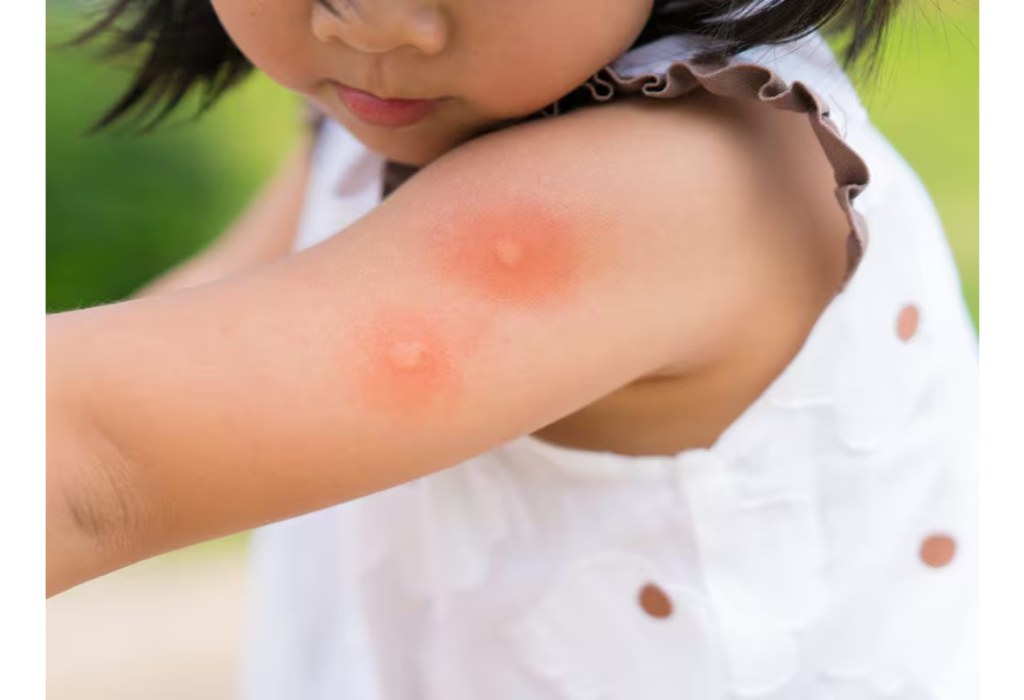
Dengue Fever in Children – Symptoms, Treatment and Prevention
More than 500 million people worldwide are affected by mosquito-borne diseases, which result in approximately 2.7 million deaths each year. Among the most dangerous and widespread illnesses transmitted by mosquitoes are malaria, Zika virus, chikungunya, yellow fever, and dengue fever. Dengue fever, in particular, is a major public health concern in tropical and subtropical regions. Fortunately, while dengue can be severe, it is often treatable with proper medical care and has a relatively low mortality rate when detected early. However, dengue fever in children tends to spike during peak transmission seasons, making it crucial for parents to recognize dengue symptoms in kids and seek prompt treatment. This article provides essential information to help you understand dengue fever, its symptoms, treatment, and prevention methods to keep your family safe.
What Is Dengue?
Dengue fever is carried by the female Aedes mosquito. This mosquito species can be identified by a striking striped pattern on its abdomen, giving them the name tiger mosquitoes. Usually found in warm, tropical and humid climates, these mosquitoes thrive in the presence of stagnant water (1). This makes dengue far more prevalent at the peak of the monsoons. Interestingly, the Aedes mosquito attacks during the day, unlike other disease-carrying mosquitoes. These mosquitoes usually bite in the early morning and the evening right before and after sunset, according to WHO (2).
It is important to note that the mosquito is simply a carrier, known as the disease vector. The cause of dengue in children as well as adults is not the mosquito itself but rather a viral pathogen known as the dengue virus. There are five strains of dengue viruses, any of which can cause the disease. However, dengue caused by one of the strains will grant total immunity to the disease caused by that particular strain but only partial resistance to the other viruses.
How Does It Spread?
The disease spreads when an infected mosquito bites an individual, transferring the dengue virus into the bloodstream. The virus then attaches itself to the white blood cells, slowly penetrating them as they are carried throughout the body. After replicating inside the white blood cells, they emerge and infect other organs such as the liver, bone marrow, skin, and so on. The disease usually passes in two to ten days as the body sets off an immune response that kills all the viruses. However, in around five per cent of all cases, a more dangerous version of dengue fever can arise, known as Dengue Haemorrhagic Fever. This case has far more complications and requires immediate treatment.
While dengue is not usually present in newborns, mothers with the disease are liable to pass the infection during labour. The virus can also be transmitted through blood transfusion and organ transplants but cannot spread from one person to another (3).
The prevalence of dengue is tricky to calculate, as most cases of the disease are unreported. According to WHO, around three million dengue people are infected with dengue every year, but the actual number might be more than 400 million.
How Long Does It Last?
Dengue fever in kids typically lasts 7 to 10 days, with symptoms like high fever, headache, body aches, and fatigue appearing 4–7 days after a mosquito bite. In mild cases, children recover within a week, but severe dengue (dengue hemorrhagic fever or dengue shock syndrome) may prolong illness and require hospitalization.
Types of Dengue in Kids
Dengue in kids can classified into four categories, including:
1. Dengue Fever
This type is one of the most commonly observed types of dengue fever. The signs and symptoms are detailed in this article. Do not ignore the warning signs of dengue fever in a child.
2. Dengue Fever With Warning Signs
This type of dengue fever accompanies warning symptoms, including severe abdominal pain, bleeding, and persistent vomiting.
3. Dengue Shock Syndrome
This is one of the most dangerous type of dengue fever where the blood pressure drops critically low, leading the individual into shock (4).
4. Dengue Hemorrhagic Fever
If not given prompt treatment, this type of dengue fever can cause shock, bleeding, and even death. It usually occurs in children below 15 years (5).
Stages of Dengue Fever in Kids
Dengue fever progresses through distinct stages in children, each with varying symptoms and risks. Recognizing these phases helps parents provide timely care and prevent complications. Below are the three key stages of dengue fever in kids.
1. Febrile Phase (Days 1-3)
The illness begins with a sudden high fever (104°F or higher), accompanied by headaches, muscle pain, joint pain, and flushed skin. Some children may also experience nausea, vomiting, or a mild rash. Proper hydration and fever management are crucial during this stage.
2. Critical Phase (Days 4-7)
The fever may drop, but this is the most dangerous stage due to the risk of plasma leakage, leading to severe dengue (hemorrhagic fever or shock syndrome). Warning signs include severe abdominal pain, persistent vomiting, bleeding gums, rapid breathing, and fatigue. Immediate medical intervention is essential to prevent life-threatening complications.
3. Recovery Phase (Days 7-10+)
If managed properly, kids gradually recover as their platelet count rises and symptoms improve. Weakness, fatigue, and a lingering rash may persist, but energy levels slowly return to normal. Continued hydration and a nutritious diet support full recovery.
Causes of Dengue in Children
Dengue fever in children is caused by the dengue virus, which is transferred to humans when the infected Aedes mosquitoes bite human flesh. Aedes aegypti and Aedes albopictus are the most common vectors known to spread the dengue virus (6).
Dengue Symptoms in Children
Dengue fever is usually asymptomatic in nearly eighty per cent of all cases, even babies and small children. However, the younger the child is, the more severe the symptoms are, which usually materialise around four days after the infection. Here is a list of dengue symptoms in babies that you should keep an eye out for (7):
1. Flu-Like Illness
In most cases, dengue fever in infants begins with the symptoms associated with viral influenzas, such as high-temperature fever, runny nose, cough, and fatigue.
2. Change in Behaviour
Your child might exhibit more agitation and irritability than usual, even without an apparent reason. He is also likely to cry often and throw tantrums. His appetite will drop, and his sleeping pattern will change drastically. This is because of the fever and flu-like symptoms that your child is experiencing.
3. Physical Discomfort
Affected children might experience muscle and joint aches, dull throbbing pain behind their eyes, back pain, splitting headaches, and so on. The pain feels like the bones are being broken. Dengue, therefore, is also known as “Breakbone Fever”.
4. Gastrointestinal Problems
Your child might complain of shooting pains in the abdomen along with nausea, vomiting, and diarrhoea, which can be mistaken for symptoms of gastroenteritis. Vomiting is an early sign that the child may develop complications; hence he needs to be closely monitored.
5. Skin Problems
A common symptom of dengue is an itchy skin rash that appears in patches. It has been described as a measles-like rash that resembles white islands in the sea of crimson. Another symptom to look out for is a constant itch that appears on the soles of the feet. However, the rash is transient and may disappear even before you see it.
6. Bleeding
Children experience bleeding from their gums or noses due to a drop in the platelet count. The virus slows down the clotting rate of blood, resulting in bleeding. At times, bleeding can also occur in the gastrointestinal tract. However, this happens in complicated cases only and is not experienced by everyone suffering from dengue.
As mentioned above, in rare cases, dengue can turn into far more dangerous conditions, such as Dengue Haemorrhagic Fever and Dengue Shock Syndrome. The symptoms associated with these diseases are listed below.
Abrupt and excess blood loss due to tears in the blood vessels.
A rapid shock that occurs due to the bleeding.
A drastic fall in blood pressure.
Possible organ failure leading to coma.
If you have observed your child showing some or all of these symptoms, you must take him to a medical practitioner immediately. However, if you can’t consult a doctor, the next sub-head should help you out.
Things to Do If Your Child Shows Symptoms of Dengue
There are several things to keep in mind if you observe any of the symptoms given below. Here’s what you must do.
Put your child to bed, so that he doesn’t get exhausted, and gets the rest that he needs. He might need to be on bed rest for a certain period of time, depending on the severity of their symptoms.
Give him whatever he likes to eat. Give more liquids than usual and check his urine. Urine should be light and clear.
If your child is still being breastfed, make sure you do not skip his feeds. Breast milk is nutritious and provides enough fluids to the baby. For older kids, you’ll need to ensure they drink enough water. Oral Rehydration Therapy (ORT) is also recommended to help balance the electrolytes. If you aren’t sure about feeding your little one ORT, you may check with a paediatrician. Oral rehydration salts, which are available at most pharmacies, can be mixed in filtered/boiled water to make the solution. You may feed it to your child all through the day to hydrate him. Other natural ways to rehydrate include tender coconut water and citrus fruit juices. All liquids help in improving the condition.
In case the baby has a high fever, in addition to paracetamol, soak a cloth in cold water and place it on his head. This will help reduce his body temperature.
Avoid medicating your child with over-the-counter painkillers like ibuprofen or similar drugs that work to reduce swelling. This is because these medications can lower the platelet count further and can potentially lead to more blood loss.
When you do consult a medical practitioner, your baby will be checked thoroughly for signs to confirm dengue. Here’s how the diagnosis will be made.
Diagnosis of Dengue in Children
As mentioned earlier, if you think your child is exhibiting any of the signs or symptoms as described above, consult a paediatrician as soon as possible. This is especially important if your child shows signs of fatigue, fever, joint pain, and rash. The doctor will conduct a physical examination and blood tests to identify the symptoms. They might ask for your child’s medical history and details about their vaccinations. Further, the paediatrician will ask about the places you have visited with your child. This is because several regions in the country and the world are known to be hotbeds for dengue. If your child has travelled in these regions, the paediatrician will be able to evaluate the situation better. Post this, your baby’s blood sample will be sent to a diagnostic lab to test for the presence of the dengue virus (8).
If dengue is confirmed, the doctor will be able to begin a treatment protocol, which we shall talk about in the next section.
Treatment of Dengue Fever in Children
When it comes to dengue treatment in kids, currently, there is no medication for dengue fever; however, dengue has a very low mortality rate and tends to resolve in a few days to a month by giving symptomatic treatment (9) (10). Only in complicated cases is the mortality rate high. However, there are ways you can reduce the discomfort caused by dengue and speed up your baby’s recovery from the illness.
Make sure your child drinks enough water and fluids along with healthy meals. He must sleep well, too, as it is important for his recovery. So, try to keep him on a sleep schedule, and ensure he doesn’t get worn out. A healthy diet and rest will help strengthen his immune system and destroy the virus.
If the muscle and joint aches get unbearable, they can cause unnecessary distress to your child. Ask the paediatrician to prescribe analgesic medications like acetaminophen, which, unlike ibuprofen, do not bring about a drop in the blood platelet count.
If your child’s symptoms do not improve even after getting enough rest, the paediatrician needs to be notified. There is a chance that it could be Dengue Haemorrhagic Fever. In that case, your child might have to be admitted to a hospital for intravenous (IV) therapy to provide fluids and salts lost due to vomiting and diarrhoea.
The paediatrician may prescribe oxygen therapy, too, and continue monitoring your baby’s blood pressure frequently.
If the symptoms of dengue do not resolve even after hospital treatment, the paediatrician might recommend a series of blood transfusions, which will compensate for the blood lost during the disease.
While most children recover when they are diagnosed with dengue, there are some cases wherein the child may suffer from complications, mainly due to dengue hemorrhagic fever.
Complications Due to Dengue Hemorrhagic Fever
Dengue, if not managed well in time, could lead to a severe condition called Dengue Hemorrhagic Fever, which further could lead to health complications such as:
Blood clots
Seizures
Damage to the heart, liver, lungs and brain
Shock due to excess blood loss
Death
Clearly, dengue can create quite a havoc, especially when it affects a baby. But there are ways you could prevent your little one from contracting the disease. Read on to know more.
Ways to Prevent Dengue Fever
Prevention is better than cure in the case of dengue fever. There are several ways you can avoid getting your baby bitten by mosquitoes that could carry the dengue virus. Here are a few ways to protect both yourself and your family from this illness:
Mosquitoes prefer stagnant water so get rid of any still water lying around your house or locality. Join forces with your neighbours if necessary as this is a public hygiene matter. This will help avoid other mosquito-borne illnesses as well.
Remove any objects that could hold water, such as mugs, buckets, basins, pots, etc. This includes draining sinks and bathtubs. Ensure you remove all the water and wipe them dry.
For standing water that cannot be removed, such as drains, fountains and ponds, you can add small amounts of kerosene to the water to prevent mosquitoes from laying eggs in it. Kerosene is toxic for mosquitoes. It floats over water and prevents oxygen from entering the water, thus killing hatched larvae, if any, in the water.
Pest control professionals could fumigate your house and neighbourhood. Take care that you and your family are not around when this is being done, as the fumes could be harmful. For a natural alternative, burning coconut husks and shells or neem leaves has been known to drive mosquitoes away.
Have your child wear clothing that covers his body entirely for personal safety. This includes long-sleeved shirts, pants, socks and even gloves if the weather permits.
Ensure your family performs basic hygiene practices such as showering, as body odour is believed to attract mosquitoes.
Use mosquito nets while sleeping, even during the day. They are a safe alternative to mosquito sprays and vaporisers, which may affect your child’s breathing and even cause problems with the functioning of his nervous system.
Mosquito-repellent creams are a good choice if protective clothing and nets are unavailable. Ensure they are safe for children before applying them on exposed skin.
You can also install screen meshes on your window and door frames to keep the mosquitoes out. Buy good quality ones that are less likely to rip as mosquitoes can enter through the smallest openings. Remember to fix any tears in the mesh as soon as possible.
Reduce his outdoor time during the rainy season; instead, introduce him to fun indoor activities like board games, video games and so on. If he does go out to play, teach him to avoid areas with bushy foliage and stagnant water.
When to See a Doctor
Dengue can progress quickly in children, making early medical care crucial. Watch for these warning signs and seek immediate help if they appear.
High fever (104°F/40°C or above) lasting more than 24–48 hours
Severe stomach pain or persistent vomiting
Bleeding (nosebleeds, bleeding gums, or blood in vomit/stool)
Cold, clammy skin or extreme fatigue/irritability
Difficulty breathing or rapid pulse
Refusal to eat/drink or signs of dehydration (dry mouth, no tears, reduced urine)
Drowsiness, confusion, or seizures (indicates severe dengue)
FAQs
1. What is the most common way of diagnosing dengue in children?
The most common and typical way to detect the incidence of dengue in children is through blood tests, which look for either the virus or the antibodies produced in response to the virus.
2. How do you differentiate between dengue and similar other illnesses?
Dengue can be distinguished from other illnesses by specific symptoms such as severe headache, eye pain, and joint pain, especially if the person has been exposed to mosquito bites in areas where dengue is common.
3. Are dengue vaccines safe for children?
There are vaccines available for dengue. However, the availability and the jurisdiction vary with the country and the requirements of the healthcare providers. It is best to consult your doctor for personal guidance on the requirements of the dengue vaccine.
4. Can dengue in children be treated at home?
Home remedies can be undertaken to mitigate and soothe the effects of dengue in children. However, it is best to consult a doctor for proper and timely treatment.
5. Are rashes severe in dengue?
Dengue rashes in kids are one of the common symptoms that come with the infection and go away with the help of treatment.
Dengue is common in tropical zones where the climate allows mosquitoes to thrive. The epidemic is also more likely to spread in third-world countries where public sanitation is given little or no importance. Therefore, it is imperative that you take the required precautions to prevent your child from contracting the disease, especially due to the lack of a cure. Interestingly, there is a vaccine available for dengue fever in some Southeast Asian and Latin American countries, but it remains only partially effective. Research to develop a vaccine for all five types of dengue viruses is still ongoing.
References/Resources:
1. Mayo Clinic – Dengue fever
2. WHO – Dengue: How to keep children safe
3. KidsHealth – Dengue Fever In Children
4. ScienceDirect – Dengue Shock Syndrome
5. National Library of Medicine – Dengue and dengue hemorrhagic fever
6. CDC – Dengue
7. Health New Zealand Te Whatu Ora – Dengue
8. Nemours Kids Health – Dengue Fever
9. WHO – Dengue and severe dengue
10. American Academy of Pediatrics – Dengue Vaccine & Kids: FAQs for Families Who Live Where Dengue Disease Commonly Spreads
Also Read:
Norovirus in Children
Measles(Rubeola) in Kids
Dengue in Babies and Toddlers
Home Remedies of Dengue for Kids
Respiratory Syncytial Virus (RSV) in Kids
Read more
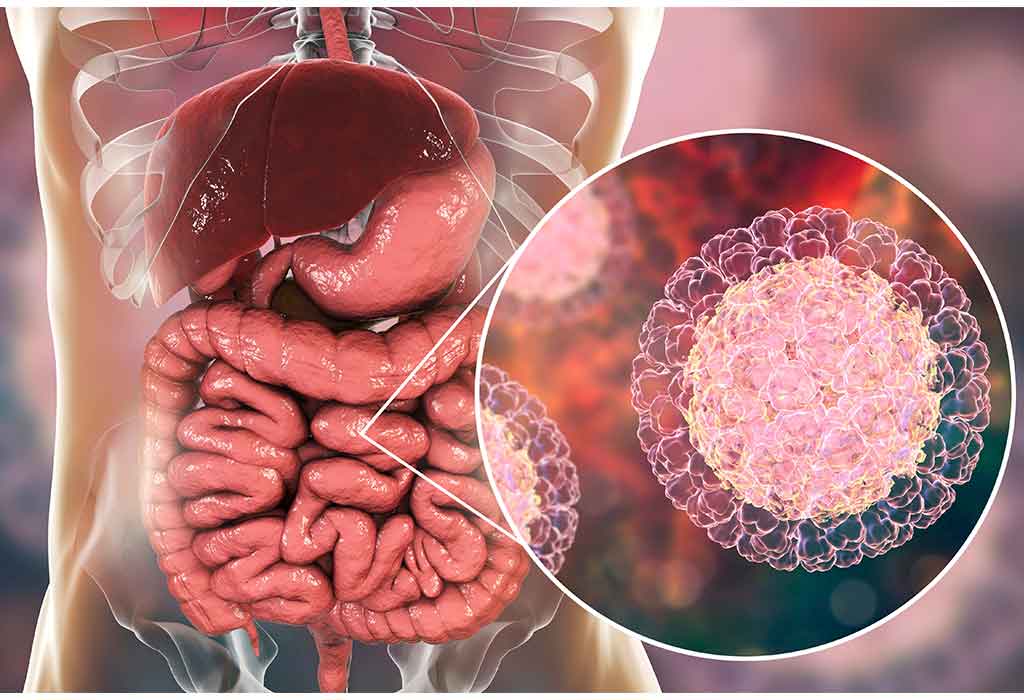
Rotavirus (RV) Vaccine – Benefits, Schedule and Side Effects
If you are a parent or about to become one, you may hear of rotavirus. A major culprit behind infants and young children’s vomiting and diarrhoea, rotavirus can lead to dehydration, hospital visits, and sometimes worse. Rotaviruses are the leading cause of dehydrating diarrhoea in children aged below 5 years worldwide. In low-income countries, about 80% of rotavirus infection can be seen in infants less than 1 year old, whereas in high-income countries, the infection can be seen until the age of 2–5 years. The good news is that delayed babies can be protected from this pesky virus by vaccinating them on time with the rotavirus vaccine.
What Is Rotavirus?
Rotavirus is a viral infection that commonly affects babies and young children and causes diarrhoea, vomiting, and fever (1). Vomiting and diarrhoea may last for 3 to 8 days. The virus is highly transmissible and is found in the stool of infected people, which spreads by coming into contact with the virus by touching contaminated surfaces, including hands, dirty diapers, changing tables, doorknobs, or toys. Thus, the disease commonly spreads in hospitals, childcare centres, and homes.
Rotavirus is a serious and tough virus. Since the virus stays viable for quite a long time until it is killed by a disinfectant, it can continue transmitting. Many times, disinfectants and hand washing aren’t able to prevent rotavirus.
Some young children get so sick that they are required to go to the hospital. Childcare outpatient centres are common sites of rotavirus outbreaks. Typically, children get better in a few days. However, in severe cases, dehydration may worsen, and children may need hospitalisation. Rotavirus can be life-threatening, but in very rare cases.
Thus, timely vaccination for babies is recommended to stop frequent infections.
What Is Rotavirus Vaccine?
The rotavirus vaccine is a routine childhood vaccination that protects against rotavirus, a frequent cause of vomiting and diarrhoea, especially among infants and young children. The rotavirus vaccine is a live attenuated vaccine. This means it contains a weakened form of the virus (2) (3).
Is Rotavirus Vaccine Safe?
Yes, the rotavirus vaccine is very safe for infants and babies in preventing rotavirus disease. Rotarix® and RotaTeq® have been tested with over 70,000 volunteers, and millions of children worldwide have been administered the vaccine safely during routine use (4). As per Health New Zealand, a government platform by the New Zealand Government, Rotarix has an excellent safety record (5).
Why Is Rotavirus Vaccination Important for Your Baby?
Rotavirus vaccine benefits are plenty for children, such as (6):
Rotavirus can cause serious diarrhoea in children, which can lead to dehydration. Extreme dehydration can result in hospitalisation, which can be very deadly, especially for infants and young babies. Administering the vaccine to babies protects them from this potentially serious disease.
Vomiting, diarrhoea, and stomach pain due to rotavirus are a nuisance and discomforting. The vaccine prevents it from happening.
Frequent illness caused by rotavirus hinders children’s childcare as well as parents’ work. The rotavirus vaccine ensures children stay safe and protected from the virus and grow healthily.
Types of Rotavirus Vaccines
There are two types of vaccines available for use in infants and young babies in the United States (6):
RotaTeq® (RV5) – Three doses required
Rotarix® (RV1) – Two doses required
While RotaTeq® (RV5) is given at the ages of 2 months, 4 months, and 6 months, Rotarix is given at the ages of 2 months and 4 months. Both rota vaccine types are administered orally by giving drops in the baby’s mouth. They are NOT given through an injection.
What Is the Schedule for Rotavirus Immunization?
What is the rotavirus vaccine time for babies? Rotavirus vaccine comes in a liquid form and is given orally, i.e., by mouth. The vaccine is administered in a series of two to three doses, starting at the age of 2 months. The first dose is administered at the age of 2 months (8 weeks old) and the second at 4 months (12 weeks old) (7). Some children might get the vaccine again at 6 months, depending on the vaccine’s brand (2).
Rotavirus Vaccine Dose
Child’s Age at Immunisation
1st dose
2 months
2nd dose
4 months
The rotavirus vaccine is safely given to children at the same time as other vaccines. If your little one has missed their rotavirus vaccinations, consult your paediatrician without any delay. The NHS suggests that if your baby’s first dose is missed, they can have it up to 15 weeks old (by the third month), and if the second dose is missed, they can have it up to 24 weeks after 5 months (8).
The requirement and schedule of rotavirus vaccination for babies varies with the brand of the vaccine and the country in which it is administered. Thus, it is suggested to consult your paediatrician about the number of doses and the schedule.
How Is the Rotavirus Vaccine Given to Babies?
The rotavirus vaccine comes in liquid form and is administered to infants and young babies by putting drops in their mouths. They are NOT injectable vaccines. The American Academy of Pediatrics suggests that the rotavirus vaccine should be included as part of the routine immunisations given to babies.
Rotavirus vaccine can be safely administered with other vaccines, like the DTaP vaccine, the Hib vaccine, the polio vaccine, the hepatitis B vaccine, and the pneumococcal conjugate vaccine.
Which Babies Can’t Get the Rotavirus Vaccine?
Generally, most babies are eligible for the rotavirus vaccine. While minor cold or other illnesses don’t prevent or delay vaccination, your doctor may reschedule the vaccine if your little one has some serious illness.
The following cases limit babies from getting the rotavirus vaccination (8):
If the child has had a severe allergic reaction to an earlier dose of the rotavirus vaccine or any ingredient in the vaccine, including latex.
If the child has a rare genetic disorder called severe combined immunodeficiency (SCID), which affects the immune system.
If the child has conditions like fructose intolerance, glucose-galactose malabsorption or sucrase-isomaltase insufficiency.
If the child has had a bowel blockage (intussusception) in the past or has any problems with bowel management, they are vulnerable to intussusception.
If the child’s mother took biological medicines during pregnancy or breastfeeding, it would weaken the immune system.
Side Effects of Rotavirus Immunization
Like any other vaccine, rotavirus vaccine side effects include:
Diarrhoea
Vomiting
Fever
Irritability, crying
With the rotavirus vaccine, the risk of serious side effects is extremely low, but possible, including (9):
Allergic reaction to the drug
Intussusception might happen within a week of administering the first or second dose, which may cause persistent vomiting, diarrhoea, and irritability.
If your child’s symptoms do not get better on their own or worsen, please get medical assistance without delay.
How to Take Care of Your Child After Rotavirus Immunisation?
If your child has a fever after getting the rotavirus vaccination, you can give your little one ibuprofen or acetaminophen only after consulting with your paediatrician.
If your child has diarrhoea or vomiting, you can give amounts of liquids (breastmilk or formula) often. Also, watch out for signs of dehydration. If your child pees less than usual, it means they are dehydrated.
When to Call the Doctor?
You should consult your doctor if:
Your child has missed their dose.
You are not sure whether to avoid or postpone the vaccination.
Your little one experiences problems after the vaccination.
Call your doctor immediately or go to the hospital if you notice any of the following signs of intussusception in your baby (2):
Vomiting
Extreme stomach pain with uncontrollable crying
Blood or mucus in the poop
Weakness, drowsiness, or fussiness
FAQs
1. How long does the rotavirus vaccine protect?
The protection coverage of the rotavirus vaccines is at least three years (10).
2. My baby is ill. Can I get him the routine rotavirus vaccination?
While mild colds or other mild illnesses don’t hinder vaccination, in some cases, doctors prefer delaying rota vaccine for newborns and children. If your child is sick, please consult your paediatrician for proper guidance (10).
3. What types of Rotavirus vaccines can be found in India?
At present, three live oral RV vaccines are approved and marketed in India: the Human monovalent live vaccine (ROTARIX), the Human Bovine pentavalent live vaccine (ROTATEQ), and a vaccine derived from Indian neonatal strains, 116E (ROTAVAC). All three vaccines have demonstrated similar levels of protection against rotavirus illness in clinical studies (4).
4. Is the rotavirus vaccine painful?
There is no rotavirus injection. Rotavirus vaccination is administered orally to children.
5. What happens if my baby misses a rotavirus vaccine dose?
If your child has missed the rotavirus vaccination, it is suggested to consult with your paediatrician and complete the vaccination schedule as early as possible. Basically, the first dose of the rotavirus vaccine must be given before your baby turns 15 weeks old, and the second dose should be administered before the baby is 25 weeks old (6). If too much time has passed, the series might not be continued. Consult with your paediatrician for proper guidance.
6. Can the rotavirus vaccine be given with other vaccines?
Yes. The rota vaccine for infants is safe to administer alongside other routine childhood vaccines.
While Rotavirus may not seem life-threatening, it quietly wreaks havoc on children’s health worldwide in the form of vomiting and diarrhoea. Thankfully, the rotavirus vaccine is a proven, safe, and effective tool to fight it. Secure your child’s health and future by making sure your child gets it right on schedule. Consult with your paediatrician for proper guidance and doses to be administered to your child.
References/Resources:
1. Mayo Clinic – Rotavirus
2. Nemours KidsHealth – Your Child’s Vaccines: Rotavirus Vaccine (RV)
3. MSD Manual – Rotavirus Vaccine
4. Immunize India – Rotavirus Vaccination
5. Health New Zealand – Rotavirus vaccine
6. CDC – Rotavirus Vaccination
7. HealthLinkBC – Rotavirus vaccine (Rotarix®)
8. NHS – Rotavirus vaccine
9. HealthHub – Rotavirus Vaccine
10. RIVM – Rotavirus vaccination
Also Read:
Polio Vaccination
Meningococcal Vaccination
Flu Vaccine for Babies and Children
Childhood Vaccinations for Various Diseases
Read more

Guillain-Barre Syndrome (GBS) in Children – Symptoms, Causes and Treatment
Imagine waking up to see your enthusiastic, playful child suddenly struggling to walk or complaining of unusual weakness. This can be scary and confusing as a parent, especially if it seems to come out of nowhere. How could this happen? What could be wrong? For many parents, this is the frightening reality of Guillain-Barre Syndrome (GBS). This rare condition can cause sudden weakness and even temporary paralysis, making it crucial for parents to know what to look for.
In this article, we’ll look at the mystery of Guillain-Barre Syndrome in children. What causes it? What warning signs should parents look out for? And most importantly, what treatments are available for GBS in infants? Please stick with us as we break it all down step by step, making sure you have the information you need to face this challenge head-on.
Expert Says
“GBS, when diagnosed on time and treatment started early, has full recovery. So keep a watch and reach out to your doctor early.”
– Dr. Gunjan Baweja
What Is Guillain-Barre Syndrome (GBS)?
Guillain-Barre Syndrome (GBS) is a rare autoimmune disorder in which the immune system mistakenly attacks the peripheral nervous system, the network of nerves outside the brain and spinal cord. The condition often develops rapidly and can cause muscle weakness, numbness, and, in severe cases, paralysis (1).
Types of Guillain-Barre Syndrome in Children
There are different types of GBS, each with unique characteristics that can affect how it develops and how it is treated. Let us take a closer look at the main types to understand them better (2).
1. Acute Inflammatory Demyelinating Polyneuropathy (AIDP)
This is the most common form of GBS in children. It happens when the body’s immune system attacks the myelin sheath, the protective covering of nerves, causing weakness, tingling, and sometimes difficulty moving.
2. Acute Motor Axonal Neuropathy (AMAN)
AMAN is a type of Guillain-Barre Syndrome that damages the axons of motor nerves, which are responsible for controlling muscle movements. This leads to sudden weakness or paralysis without affecting sensation, like numbness or tingling. It is seen more often in some parts of the world, like Asia and Central America.
3. Miller Fisher Syndrome (MFS)
Miller-Fisher Syndrome is a rarer form of GBS. It mainly affects eye muscles, causes loss of reflexes, and leads to problems with balance and coordination (3).
Is GBS Common in Children?
Guillain-Barre Syndrome (GBS) is rare in children, affecting only about 1 to 2 kids per 100,000 each year worldwide. While it can happen at any age, it is most seen in children between 1 and 5 years old (4).
Which Children Are at Risk of GBS?
Some children are more likely to develop Guillain-Barré Syndrome than others. Here are the main factors that might make a child more vulnerable to GBS.
Gender: Boys may have a slightly higher risk of developing GBS compared to girls (5).
Infections:Children who have recently had a cold, respiratory infection, or virus (such as the flu) are at increased risk of developing GBS.
Immunisations: Although extremely rare, certain vaccines may occasionally trigger GBS in children.
Causes of GBS in Children
Have you ever wondered what might cause a condition as mysterious as GBS in children? Below are some of the most common reasons for Guillain-Barre Syndrome in kids (6) (7):
Infections (Viral or Bacterial): Many cases of GBS in children are preceded by an infection, most commonly viral infections like the flu or respiratory viruses (e.g., Epstein-Barr virus, Cytomegalovirus) or bacterial infections like Campylobacter jejuni.
Vaccinations: Although rare, GBS can develop after certain vaccinations, including those for the flu. The risk remains low, but it is still monitored.
Genetic Factors: A family history of autoimmune disorders might contribute to a child’s risk of developing GBS (8).
Recent Surgery or Injury: In some cases, children who have recently undergone surgery or been injured may develop GBS afterward.
Signs and Symptoms of GBS in Children
GBS can be a frightening condition for parents, especially when it affects children. Since the symptoms can progress quickly, it is important to recognize the warning signs early. Check the list below for common GBS infant symptoms, and if you notice any of the following signs, reach out to a doctor right away (1) (9).
1. Muscle Weakness
Muscle weakness, usually starting in the legs and spreading upwards, is one of the first signs of GBS. This weakness may make it difficult for the child to walk or stand.
2. Loss of Reflexes
Children with GBS may experience reduced or absent reflexes, particularly in the knees and ankles, leading to impaired movement and coordination.
3. Tingling or Numbness
A child may report tingling or numbness in their hands and feet, which can progress to other body parts.
4. Difficulty Breathing
In severe cases, GBS can affect the muscles involved in breathing, leading to shortness of breath or respiratory distress.
5. Facial Weakness
Facial muscles can also be affected by GBS, which may make it hard for your child to smile, eat, or speak clearly.
Complications of Guillain-Barre Syndrome in Children
Guillain-Barre Syndrome can be tough for children, not just because of the symptoms but also because of the complications it may cause. It can sometimes affect the autonomic nervous system, which controls vital functions like heart rate, blood pressure, and digestion. When GBS interferes with these automatic processes, it can lead to serious and life-threatening complications. Some of the most common issues that may arise include (1):
Cardiac arrhythmias
Unstable blood pressure
Gastrointestinal issues
Bladder control issues
Are There Any Long-Term Concerns?
For most children, Guillain-Barré Syndrome is a temporary challenge, and they recover fully with time and proper care. However, some may face lingering issues such as weakness, fatigue, or difficulty with coordination that can persist for months or even years. It’s also tough emotionally, especially when a child must rely on others for everyday tasks (10). The good news is that with consistent follow-up care and rehabilitation, many children overcome these hurdles and lead active, healthy lives.
How Is GBS in Children Different from Adults?
GBS affects both children and adults, but there are some important differences in how it impacts each group. The symptoms of GBS in children are very similar to those in adults, including weakness, tingling sensations, and muscle pain. However, in children, these symptoms often start in the legs and then spread to the upper body, making it difficult to walk or move their arms.
Adults may experience these symptoms as well, but sometimes, the symptoms can be more severe, affecting their ability to breathe and requiring immediate medical care. Children tend to have a somewhat lower risk of developing severe breathing problems (4), though they still need medical attention as GBS can progress quickly.
One of the biggest differences is recovery. Children often start to improve within weeks of treatment, while adults may take months or even years to fully recover. GBS is serious for both children and adults, but kids usually have a better chance of recovering (4).
Diagnosis of GBS in Children
Diagnosing Guillain-Barre Syndrome (GBS) in children can be tricky because it is a rare condition with symptoms that can easily be mistaken for other illnesses. Here’s a look at the main steps involved in the diagnosis of GBS in kids (9) (10):
1. Physical Examination
A thorough physical examination is essential to assess the strength of the child’s muscles, reflexes, and coordination. The doctor will test for any signs of muscle weakness or difficulty with movement.
2. Nerve Conduction Studies (NCS)
This test measures how well the nerves are sending signals to the muscles. In children with GBS, the nerve signals may be slower than usual, indicating nerve damage.
3. Lumbar Puncture (Spinal Tap)
A lumbar puncture involves taking a small sample of cerebrospinal fluid (CSF) from the spinal cord to check for abnormalities. In GBS cases, the CSF may show elevated protein levels without an increase in white blood cells.
4. Blood Tests
While there is no specific blood test for GBS, blood tests can help rule out other conditions with similar symptoms, such as infections or autoimmune disorders.
5. MRI
MRI scans can be useful in ruling out conditions that may present with similar symptoms, such as spinal cord issues or other neurological disorders.
How Is Guillain-Barre Syndrome Treated?
When a child is diagnosed with GBS, it is natural for parents to feel concerned about what comes next. While there is no cure, the good news is that effective treatments for Guillain-Barre Syndrome are available to manage symptoms and support recovery. Here are a few of the treatment options that doctors use to help children through this challenging condition (11) (12) (13):
Intravenous Immunoglobulin: IVIg is one of the most common treatments for GBS. It involves administering antibodies from healthy blood donors through an intravenous (IV) infusion. This helps reduce inflammation and blocks the harmful antibodies attacking the nerves.
Plasma Exchange (Plasmapheresis): This procedure removes harmful antibodies from the bloodstream that are attacking the nervous system.
Pain Management: Medications are given to ease nerve pain or discomfort, which is common in children with GBS.
Physical Therapy: Gentle exercises and therapy help rebuild strength, improve coordination, and speed up recovery.
Breathing Support: In severe cases, ventilators may be used to help children breathe if their chest muscles are affected.
How Long Does It Take for a Child to Recover From GBS?
Recovery from Guillain-Barre Syndrome takes time and is different for every child. Children often show signs of improvement within 2 to 4 weeks after treatment, but it can take several months to a year for a full recovery (14). The good news is that children usually bounce back better.
Can Guillain-Barre Syndrome Be Prevented in Children?
Guillain-Barré Syndrome (GBS) is a rare condition, and unfortunately, it is not always preventable. While there is no guaranteed way to prevent GBS in children, there are a few steps that can help reduce the risk (1).
Wash your hands regularly, as it helps reduce the spread of infections.
Stay away from people who have infections, especially the stomach flu or respiratory illnesses.
Eating a balanced diet and exercising can strengthen the immune system, helping to fight off infections.
Ensure your child is up-to-datewith vaccinations.
When to Consult a doctor?
It is important to consult a doctor if you notice any signs or symptoms of Guillain-Barré Syndrome (GBS) in your child. Early intervention can make a big difference in treatment and recovery. You should seek medical help if:
Your child experiences sudden weakness or tingling in their legs or arms.
They have trouble walking or moving their body as usual.
They feel numbness or a loss of sensation in any part of their body.
Your child has difficulty breathing, swallowing, or speaking clearly.
FAQs
1. Is GBS contagious?
No, GBS is not contagious. It is an autoimmune condition, meaning the body’s immune system mistakenly attacks its own nerves (7).
2. Can Guillain-Barré Syndrome (GBS) occur in newborns?
GBS in newborns is extremely rare but can occur in exceptional cases. It is often triggered by factors such as maternal infections, perinatal infections, or, in rare cases, recent vaccinations (15).
3. How can parents support a child recovering from GBS?
Supporting your child emotionally, keeping up with doctor visits, and helping them with physical therapy can make a big difference in their recovery. Encouragement and a positive atmosphere at home are important to help them rebuild their strength and confidence (9).
Guillain-Barré Syndrome can be a frightening diagnosis for children and their families, but the road to recovery is often successful with the right treatment and support. Most children go on to lead healthy, active lives, and with time, the challenges of GBS become a distant memory.
References/Resources:
1. Guillain-Barré Syndrome; Cleveland Clinic; https://my.clevelandclinic.org/health/diseases/15838-guillain-barre-syndrome
2. Guillain-Barré Syndrome; Boston Children’s Hospital; https://www.childrenshospital.org/conditions/guillain-barre-syndrome
3. Cabrero. F. R, Morrison. E. H; Miller Fisher Syndrome; National Library of Medicine; https://www.ncbi.nlm.nih.gov/books/NBK507717/
4. Nasiri. J, Ghazavi. M, Yaghini. O, Chaldavi. M; Clinical Features and Outcome of Guillain-Barré Syndrome in Children; PubMed Central; https://pmc.ncbi.nlm.nih.gov/articles/PMC5904738/
5. McCombe. P. A, Hardy. T. A, Nona. R. J, Greer. J. M; Sex differences in Guillain Barré syndrome, chronic inflammatory demyelinating polyradiculoneuropathy, and experimental autoimmune neuritis; PubMed Central; https://pmc.ncbi.nlm.nih.gov/articles/PMC9780466/
6. Guillain-Barré Syndrome in Children; Cedars-Sinai; https://www.cedars-sinai.org/health-library/diseases-and-conditions—pediatrics/g/guillain-barre-syndrome-in-children.html
7. Guillain-Barré Syndrome; Centers for Disease Control and Prevention; https://www.cdc.gov/campylobacter/signs-symptoms/guillain-barre-syndrome.html
8. Khanmohammadi. S, Malekpour. M, Jabbari. P, Rezaei. N; Genetic basis of Guillain-Barre syndrome; PubMed; https://pubmed.ncbi.nlm.nih.gov/34246981/
9. Guillain-Barré Syndrome; Nemours KidsHealth; https://kidshealth.org/en/parents/gbs.html
10. National Institutes of Health; Guillain-Barré Syndrome; https://www.ninds.nih.gov/health-information/disorders/guillain-barre-syndrome#toc-how-is-guillain-barr-syndrome-diagnosed-and-treated-
11. Guillain-Barre Syndrome in Children; Children’s Hospital of Philadelphia; https://www.chop.edu/conditions-diseases/guillain-barre-syndrome-children#treatment
12. Guillain-Barré Syndrome; The Johns Hopkins Medicine; https://www.hopkinsmedicine.org/health/conditions-and-diseases/guillainbarr-syndrome
13. Guillain-Barré syndrome; NHS; https://www.nhs.uk/conditions/guillain-barre-syndrome/
14. When Your Child Has Guillain-Barré Syndrome (GBS); Saint Luke’s; https://www.saintlukeskc.org/health-library/when-your-child-has-guillain-barre-syndrome-gbs
15. Meshram. R. M, Bhongade. S. D, Gajimwar. V. S; Guillain Barre Syndrome: A Rare Cause of Floppy Neonate; PubMed Central; https://pmc.ncbi.nlm.nih.gov/articles/PMC7900717/
Also Read:
Chandipura Virus
Cold vs Flu in Children
Dengue Fever in Kids
Malaria in Children
West Nile Virus in Kids
Chikungunya in Children
Reye’s Syndrome in Children
Zika Virus Infection in Children
Read more
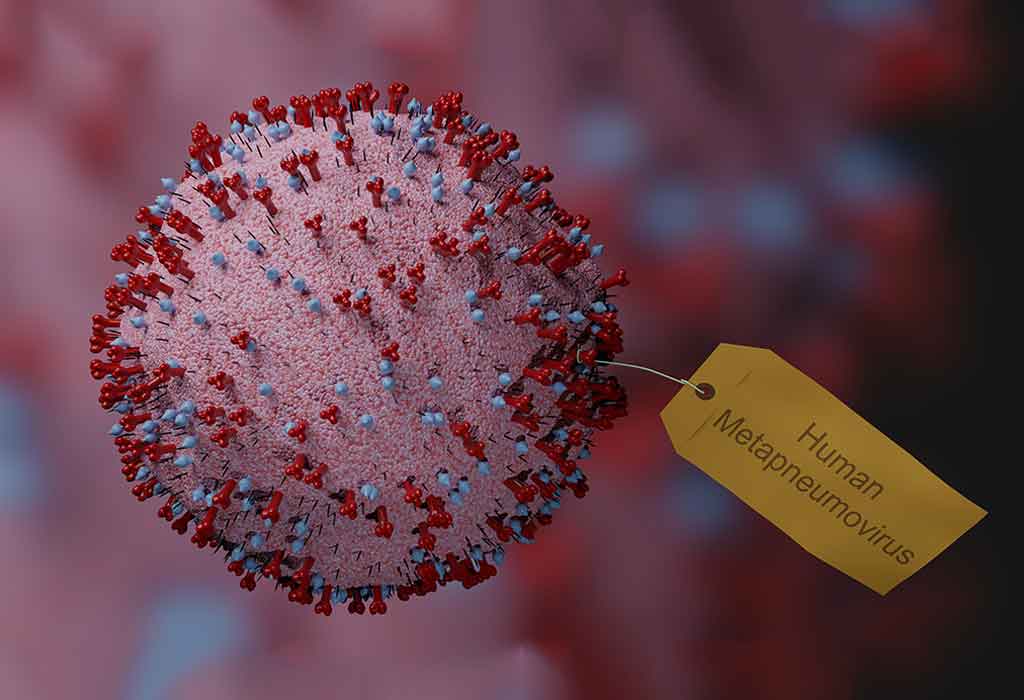
Human Metapneumovirus (HMPV) Infection – Could Your Child Be at Risk?
There are certain viruses that share similar traits but aren’t the same. Symptoms like wheezing and nasal congestion are often informally diagnosed as a cold or a flu. Human metapneumovirus, or HMPV, is a virus that causes acute respiratory infections in people similar to a common cold or RSV (1). The viral infection tends to circulate rapidly during spring and winter, coinciding with the spread of other respiratory infections, like flu or RSV. Even though the symptoms are mild and mimic flu and COVID-19, there is a difference, which makes it essential for parents to be aware of this infection.
Expert Says
“At present, there’s nothing to panic as the virus has been in circulation since long, and the symptoms are similar to other respiratory viruses. Take the precautions, especially in children below 5 years, and visit your doctor when any symptoms arise.“
– Dr. Gunjan Baweja (Pediatrician)
What Is Human Metapneumovirus (HMPV)?
Human metapneumovirus, commonly known as the HMPV virus, is a single-stranded RNA virus from the Paramyxoviridae family, which often causes upper respiratory infections, and in some cases, elevates lower respiratory infections, such as flaring up of asthma, worsening chronic obstructive pulmonary disease (COPD), or pneumonia. HMPV belongs to the same group of viruses that cause respiratory syncytial virus (RSV) and measles and mumps, but they are not the same.
HMPV infections are commonly observed in the early spring and winter. It is important to note that most individuals get HMPV infection before the age of 5. According to the Cleveland Clinic, children experiencing the HMPV infection the first time are more likely to develop severity than those getting it again. This is one of the reasons young babies and children are at a high risk of developing serious illness (5). Since it is a communicable infection, infants, young children, and adults can get it again, but the severity reduces in the subsequent infections.
How Common Is Human Metapneumovirus?
According to the Cleveland Clinic, HMPV is responsible for about 10 to 12% of respiratory diseases in children. While most cases are mild, about 5-16% of children have a chance of developing lower respiratory infections like pneumonia or bronchiolitis.
Who Is at Risk of Getting an HMPV Infection?
While HMPV infection affects both children and adults, it is commonly seen in children below the age of 5. Thus, young children, adults over the age of 65, and individuals with weakened immune systems are the most vulnerable to contracting severe HMPV infection.
Is Human Metapneumovirus Contagious?
Yes, human metapneumovirus is highly contagious, similar to cold and RSV. The incubation period of HMPV is about three to five days. This means a person may be contagious even if they don’t show any symptoms yet (7).
How Is HMPV Transmitted?
HMPV is easily transmitted in children and adults by coming in direct contact with the mucus or saliva of the infected person or touching things or surfaces contaminated with the virus (1).
Instances include:
Breathing in droplets when the infected sneezes or coughs on them
Shaking hands, kissing, or hugging
Sharing utensils or food
Touching keys, door handles, toys, sports equipment, phones, tissues, or menu cards contaminated with the virus
Risk Factors for HMPV Virus Infection
HMPV is a common virus that can infect anyone in general. Nevertheless, the quantum of risk factors in children, particularly young children and infants, is high, and it is more likely to develop into severe respiratory conditions, like pneumonia, bronchitis, or bronchiolitis. The following categories are at a high risk of developing severe illness due to human metapneumovirus:
Premature infants
Young children under 5
Elderly people above the age of 65
People with asthma or chronic obstructive pulmonary disease (COPD)
Individuals with weakened immune systems (such as those battling autoimmune disorders, cancer, or HIV, having medications that suppress the immune system, or recovering from organ transplants)
HMPV Symptoms
Metapneumovirus symptoms are usually mild and cold-like but can cause various symptoms that range in severity. Since the infection primarily infects the lungs and airways, some people may experience a flare–up due to their weakened immunities.
The symptoms of HMPV include:
Cough
Runny or stuffy nose (cold)
Fever
Sore throat
Rash
Shortness of breath (dyspnea)
Wheezing
Fever and runny nose usually begin three to five days after contracting HMPV infection. If it persists, children may develop other symptoms like wheezing, cough, and shortness of breath. For infants and young babies below the age of 6, the infection could manifest as severe respiratory distress, along with the symptoms of apnea.
Also Read: Ways to Increase Immunity in Children
HMPV Vs COVID
Human metapneumovirus and COVID-19 are respiratory illnesses with similar symptoms, like coughing, a runny nose, nasal congestion, fever, sore throat, and shortness of breath. Both are contagious and usually spread in the same fashion through close contact with people or touching contaminated surfaces or things. In serious cases, both infections could lead to hospitalization. However, there are some differences, which are as follows:
Unlike COVID-19, human metapneumovirus does not have a specific antiviral medication or vaccines.
While HMPV is seasonal and mostly prevalent during spring and winter, COVID-19 is annual due to the circulation of new variants year-round.
It has come to notice that the cases of HMPV have increased three-fold in some countries after the COVID-19 pandemic. Due to preventive measures like quarantine, the transmission of various respiratory infections was reduced, but after the ease of preventive measures, infections like HMPV surged.
Is Human Metapneumovirus Infection Same as Respiratory Syncytial Virus (RSV) Infection
HMPV and RSV belong to the same genus and can result in similar symptoms. However, they are not the same. While HMPV causes severe illness in babies aged between 6 and 12 months, RSV typically causes severe illness in infants and young babies under 6 months.
What Are the Complications of Human Metapneumovirus?
The complications and risks in kids, particularly infants and those under the age of 5, are higher than in older children and individuals. While the HMPV infections are usually mild, children and vulnerable classes may progress to more serious conditions and lead to hospitalization. The complications include (10):
Pneumonia
Bronchitis
Bronchiolitis
Acute Respiratory Distress Syndrome (ARDS)
Ear infection (otitis media)
How Long Does It Take to Recover From Human Metapneumovirus?
A majority of HMPV cases are mild and last a few days to a week. If the infection is slightly severe, it may take a little longer to recover. Symptoms like cough may linger for some time.
Also Read: Immunity Boosting Foods for Kids
Diagnosis
To diagnose HMPV infection, the doctor will take note of your physical symptoms and health history. They might take a sample from your nose or throat and order a swab test along with other lab tests to confirm the identity of the virus causing the infection. Tests are usually not done unless doctors identify the severity or the need for hospitalization. Individuals showing severe or persistent symptoms may be recommended a bronchoscopy or a chest X-ray to check the situation of airways in the lungs and detect viruses.
Treatment for HMPV Infection
There is no specific antiviral medication that offers metapneumovirus treatment. Since most HMPV cases are mild and go away on their own, doctors recommended symptomatic care to manage the symptoms and prevent flare-ups, such as:
Over the counter (OTC) medications, such as acetaminophen and ibuprofen, to control fever and pain
Decongestants for nasal congestion
Inhaler for wheezing and coughing
If the child is severely ill and experiencing breathing problems, they may be hospitalized. Healthcare professionals may provide:
IV fluids: The infection’s symptoms, like fever and cough, can cause dehydration. Doctors may recommend the administration of IV fluids to keep the patient hydrated.
Oxygen Therapy: Doctors may provide extra oxygen through a tube or mask for children or individuals having breathing difficulties.
Corticosteroids: Steroids are often used to reduce inflammation in the body.
How to Prevent HMPV?
There is no vaccine to prevent human metapneumovirus (HMPV) infection. Since it transmits like other viral infections through close contact, there are some ways to prevent its spread and reduce the getting the HMPV infection.:
Avoiding contact with infected people and maintaining distance from them.
Washing hands thoroughly with soap and water for at least 20 seconds. If soap isn’t available, an alcohol-based sanitizer can be used.
Covering the nose and mouth with a tissue, handkerchief, or your elbow—and not your bare hand — when sneezing or coughing.
Wearing a face mask when in public areas or crowded spaces.
Avoid frequently touching your face, mouth, nose and eyes with bare hands.
Refraining from sharing food or eating together in or with the same utensils with others.
Ensuring all the vaccinations are up to date.
Also Read: How to Boost Baby’s Immunity System?
Protecting Your Child From HMPV
To ensure your child remains safe and protected against the viral HMPV virus, make sure of the following:
Ensure they wash their hands thoroughly before and after eating as well as after visiting the washroom and coming from outside.
Keep them hydrated by offering them plenty of fluids, like water and electrolytes.
Refrain from taking your child to crowded places.
Limit their contact with infected people, either in the family or outside.
Make sure you take all hygiene precautions, as you could act as a silent infection spreader and infect your child even if you don’t show any symptoms.
Is There Any Case of HMPV Detected in India?
Recently, India has seen a few of HMPV incidences. Noted by the Indian Council of Medical Research (ICMR), the cases were found at Karnataka’s Bengaluru’s Baptist Hospital. The situation has been closely monitored by the Ministry of Health and Family Welfare. According to the Union Ministry, the surveillance mechanisms are in place, which currently indicates no unusual surge in cases.
The Ministry has urged people to follow basic hygiene practices and eat healthily to stay safe and fit during the winter season.
When to Seek Medical Help?
In a majority of cases, medical intervention is not needed since the infection goes away in a few days to a week with symptomatic care. However, if the symptoms worsen or your child develops the following conditions, you must seek immediate medical attention:
High fever
Shortness of breath
Wheezing
Severe cough
Bluish skin, lips, or nails
Questions to Ask Your Doctor
As an informed parent, you can ask the following questions about human metapneumovirus in kids:
How do I treat HMPV infection at home?
How long will it take for my child to feel better?
What over-the-counter medications are safe for my child?
Which severe symptoms should I be aware of?
When should I go to the emergency room?
FAQs
1. Are antibiotics required for treating human metapneumovirus (HMPV)?
No, antibiotics are not required for treating HPMV as they only treat bacterial infections. Since human metapneumovirus causes a viral infection, antibiotics won’t be of use. In some cases, infected individuals may develop secondary infections like a bacterial infection the same time they get pneumonia from HMPV. In those situations, the doctor may prescribe antibiotics to treat any secondary infections.
2. How long does it take to recover from the HMPV virus?
Mild HMPV infections take about three days to a week to recover, and symptoms like cough could last longer. If the infection persists for more than a week, please contact your doctor.
3. Can you get HMPV infection more than once?
Yes, it is possible to get HMPV infection twice or more than once. In subsequent infections, the severity reduces, and the infection gets milder as the body builds immunity to it.
People with chronic respiratory diseases, such as asthma, pulmonary fibrosis, or COPD, remain at high risk of contracting infections like HMPV or influenza.
References/Resources:
1. Human metapneumovirus fact sheet; NHMRC; https://www.nhmrc.gov.au/about-us/publications/staying-healthy-guidelines/fact-sheets/human-metapneumovirus
2. Abdullah Brooks. W, et al.; Human metapneumovirus infection among children, Bangladesh; Emerging Infectious Diseases; PubMed Central; https://pmc.ncbi.nlm.nih.gov/articles/PMC2851498/; October 2007
3. Principi. N, et al.; Human metapneumovirus in paediatric patients; Clinical Microbiology and Infection; https://www.sciencedirect.com/science/article/pii/S1198743X14615962; April 2006
4. Holzemer. N. F, et al.; Human Metapneumovirus Infection in Hospitalized Children; Respiratory Care; http://rc.rcjournal.com/content/65/5/650; May 2020
5. Human Metapneumovirus (HMPV); Cleveland Clinic; https://my.clevelandclinic.org/health/diseases/22443-human-metapneumovirus-hmpv
6. Heikkinen. T, et al.; Human metapneumovirus infections in children; Emerging Infectious Diseases; PubMed Central; https://pmc.ncbi.nlm.nih.gov/articles/PMC2600144/; January 2008
7. Human Metapneumovirus; IDPH; https://dph.illinois.gov/topics-services/diseases-and-conditions/diseases-a-z-list/human-metapneumovirus.html
8. Simon. A, Manoha. C, Müller. A, et al.; Human Metapneumovirus and Its Role in Childhood Respiratory Infections; Current Pediatrics Reports; https://link.springer.com/article/10.1007/s40124-014-0048-6; May 2014
9. Edwards. K. M, et al.; Burden of Human Metapneumovirus Infection in Young Children; The New England Journal of Medicine; https://www.nejm.org/doi/full/10.1056/NEJMoa1204630; February 2013
10. Human Metapneumovirus (hMPV) Symptoms and Diagnosis; American Lung Association; https://www.lung.org/lung-health-diseases/lung-disease-lookup/human-metapneumovirus-hmpv/symptoms-diagnosis
11. Bhatia. R; Respiratory Syncytial Virus (RSV) Infection and Human Metapneumovirus Infection; MSD Manual; https://www.msdmanuals.com/home/children-s-health-issues/respiratory-disorders-in-infants-and-children/respiratory-syncytial-virus-rsv-infection-and-human-metapneumovirus-infection
12. Kimberlin. D, et al.; Human Metapneumovirus; Red Book: 2021–2024 Report of the Committee on Infectious Diseases (32nd Edition); American Academy of Pediatrics; https://publications.aap.org/redbook/book/347/chapter-abstract/5754213/Human-Metapneumovirus?redirectedFrom=fulltext; 2021
13. About Human Metapneumovirus; CDC; https://www.cdc.gov/human-metapneumovirus/about/index.html
Also Read:
Viral Infection in Kids
Cold vs Flu in Children
Dengue Fever in Kids
Malaria in Children
West Nile Virus in Kids
Chikungunya in Children
Zika Virus Infection in Kids
Rubella (German Measles) in Babies and Kids
Chandipura Virus – How to Protect Your Child!
Read more
Seasonal Changes and Flu Risks – The Power of Annual Flu Vaccination!
It happens every year. Whenever the monsoon or winter season comes, somebody in the family gets under the weather. This is followed by headaches, uncontrollable sneezes, and medications. Children end up missing school, activities, and celebrations, while adults forfeit work and family time. Have you ever wondered why this is an annual episode?
Meet the seasonal flu!
If you’ve been scratching your head for an explanation and a solution, you are at the right place. Ahead, we discuss why and how seasonal changes compromise people’s health, what seasonal influenza is, and how to prevent it!
What Causes Illnesses Among People During Seasonal Changes?
The correlation between changes in seasons and people getting sick is very subtle. The change in temperature is not what causes people to get sick. Instead, it’s the group of viruses and allergens that flourish when the temperature shifts.
Like rhinovirus and coronavirus, the influenza virus also replicates faster and spreads when the air is cool and dry. That is the reason many people have a runny nose, cold, and flu in monsoons and winters.
What Is Seasonal Influenza or Flu?
Influenza, most commonly known as the flu, is an infectious respiratory illness that infects the host’s throat, nose, and lungs. It is caused either by the influenza A or B viruses (1). The flu is transmitted through inhaling airborne droplets containing flu viruses, being in close contact with the infected person, or touching surfaces that are contaminated with the flu virus (2).
Highly transmissible, it can lead to mild to severe illness and, at times, hospitalisation or death. The best way to reduce the risk and severity of this illness is by getting vaccinated each year (3).
Why Is It Important to Take the Influenza (Flu) Vaccination?
The WHO recommends influenza vaccination as an established and efficient tool for preventing and reducing serious outcomes caused by the influenza virus, particularly for those at high risk. Flu vaccination in pregnancy protects pregnant women and their infants until they are ready for the vaccine.
What Are the Types of Seasonal Influenza Viruses?
There are two main types of seasonal influenza viruses: Influenza A and Influenza B. Both types are known for causing outbreaks in people yearly. Influenza A virus is responsible for infecting humans and animals, whereas influenza B virus affects only humans. Both the virus types can cause mild to severe complications in all age groups (2).
Signs and Symptoms of Influenza
Unlike the common cold, flu is more sudden and has more pronounced symptoms that last for around 5-7 days. Some common symptoms of flu are (1):
Chills and sweats
Fever
Cough
Sore throat
Stuffy or runny nose
Tiredness and breathlessness
Headache
Muscle or body aches
Vomiting/Diarrhoea – it is more common in children than in adults
Remember, not everyone with flu will experience fever.
Who Is Likely to Develop Complications From Seasonal Influenza?
Influenza can affect anyone, spanning all age groups, but there are certain people who are at a high risk of contracting the flu and developing serious complications. Such people include (4):
Young children below 5 years
Elderly individuals above 65 years,
Pregnant women and their infants
Immuno-compromised individuals and those with chronic health issues, such as blood disorders, asthma, diabetes, heart disease, and liver disease.
Healthcare professionals
Complications of Influenza
A person with influenza might experience severe complications, such as bacterial pneumonia, inflammation of the heart, encephalitis, ear infections, and sinusitis. It can also exacerbate pre-existing health issues, including diabetes, asthma, multi-organ failure, and heart failure (5) (6).
For pregnant women, the potential complications can include premature labour and fetal distress.
How Can You Prevent the Influenza Disease?
One of the best forms of protection from flu is influenza vaccination (7). Flu vaccination has shown positive results in reducing flu-related illnesses and the risk of hospitalisation and death. Besides vaccination, here are a few practices that can help prevent flu (8):
Steer clear of people who are ill, particularly during the peak of flu season. Keep a distance of at least 6 feet from others.
Wash your hands frequently and thoroughly using soap and water. If water is not available, use a hand sanitiser.
Cover your nose and mouth with a tissue or a sleeve when you cough or sneeze. Do not reuse the tissue.
Refrain from touching the eyes, nose, or mouth often with unclean hands.
Avoid unhealthy street food.
If you catch the flu, stay home for at least 24 hours after your fever has gone down. Also, avoid self-medication.
How Does Annual Flu Vaccinations Help?
Influenza viruses change, and new strains circulate every year. Every year, a new vaccination formula is created to tackle the viruses that are likely to cause more harm in the current season. (9) In addition to that, the immunity from the flu vaccination reduces after a year. Hence, annual influenza vaccination is recommended even if the strains are not changed much.
Annual flu vaccination is highly recommended for children between 6 months and 5 years, those aged above 65 years, and those with comorbidities or chronic medical conditions, such as diabetes and asthma.
Types of Seasonal Influenza Vaccinations
Two types of seasonal flu vaccines are available:
Flu Shot: A flu shot or injectable vaccine uses inactivated flu virus to develop antibodies. It is given as an intramuscular injection to children 6 months and above. The vaccine causes slight pain in the injected area and mild side effects.
Nasal Spray: Nasal spray or intranasal vaccine uses live viruses that have been weakened or attenuated to develop antibodies. It is given as a spray into the nostrils of children 2 years and above. The vaccine is painless and causes mild side effects, such as runny nose and wheezing.
Where Can You Get the Seasonal Flu Vaccination?
Seasonal Influenza vaccination should be taken before the start of peak flu season. Quadrivalent vaccines are recommended by the WHO for use during the influenza season in the Northern Hemisphere, including India.
In regions where flu peaks in the monsoon season from July to September, vaccination should be given from April to May. In areas where winter is the peak season for influenza, the vaccine should be given during September-October.
Consult your doctor or the nearest immunisation provider for the influenza vaccination.
Who Should Get the Influenza Shot?
Influenza vaccination is recommended for all people aged 6 months and above who do not have a contraindication to the flu vaccine (10).
Pregnant women in their third trimester and young children are recommended to receive the vaccination as soon as it is available.
Who Should Get Annual Flu Vaccination?
Everyone aged 6 months and above (even healthy adults) is recommended to receive the annual flu vaccination. However, it is extremely important for children between 6 months and 5 years and individuals with comorbidities and chronic medical conditions to receive the annual flu vaccination (11).
Who Should Avoid Getting the Vaccination?
In general, flu shots can be given to anyone except:
Young children below 6 months of age.
People with a history of a life-threatening allergic reaction to an earlier dose of flu vaccine and any component of the vaccine.
The nasal spray vaccine should not be administered to children below 2 years, pregnant women, adults aged 50 years and above, and those with weakened immune status.
Individuals allergic to eggs should consult their doctor before getting the flu vaccination.
Are There Any Side Effects?
Not everyone taking the flu vaccination will experience side effects. However, some commonly noted side effects of the flu vaccine include:
Soreness or redness at the injection site (only in case of injectable vaccine)
Mild fever
Fatigue for a day or two
Muscle ache
Nausea
Headache
Runny nose and wheezing (only in case of the nasal spray)
When to See a Doctor
If you fall in the category of high-risk individuals and catch flu, contact your doctor as soon as possible for symptomatic treatment.
If adults experience any of the following signs and symptoms, they must see the doctor right away:
Difficulty in breathing
Seizures
Chest pain
Continuous dizziness
Severe muscle pain
Worsening of existing medical conditions
If children experience any of the following signs and symptoms, they must get medical care right away:
Difficulty in breathing
Worsening of existing medical conditions
Chest pain
Blue lips
Muscle pain
Seizures
With the help of little changes in your life, such as annual flu vaccination, a healthy diet, regular physical activity, use of a humidifier when seasons change, and being mindful of standard hygiene practices, you can succeed in keeping illnesses at bay!
References/Resources:
1. Signs and Symptoms of Flu; CDC; https://www.cdc.gov/flu/signs-symptoms/index.html
2. Influenza: Questions and Answers; Immunize.org; https://www.immunize.org/wp-content/uploads/catg.d/p4208.pdf
3. Seasonal Flu Vaccine Basics; CDC; https://www.cdc.gov/flu/vaccines/?CDC_AAref_Val=https://www.cdc.gov/flu/prevent/flushot.htm
4. People at Increased Risk for Flu Complications; CDC; https://www.cdc.gov/flu/highrisk/index.htm
5. Flu Complications: Risk Factors, Symptoms and Prevention; Nationwide Children’s; https://www.nationwidechildrens.org/family-resources-education/700childrens/2020/01/flu-complications
6. Influenza; Johns Hopkins Medicine; https://www.hopkinsmedicine.org/health/conditions-and-diseases/influenza
7. 2024-25 CT Influenza Vaccination Clinics; DPH Immunizations; https://portal.ct.gov/immunization/knowledge-base/articles/general-public/vaccine-information-by-population/2024-25-ct-influenza-vaccination-clinics?language=en_US
8. Influenza (flu); Mayo Clinic; https://www.mayoclinic.org/diseases-conditions/flu/symptoms-causes/syc-20351719
9. Recommendations announced for influenza vaccine composition for the 2022-2023 northern hemisphere influenza season; WHO; https://www.who.int/news/item/25-02-2022-recommendations-announced-for-influenza-vaccine-composition-for-the-2022-2023-northern-hemisphere-influenza-season
10. Seasonal Flu Vaccine Basics; CDC; https://www.cdc.gov/flu/vaccines/?CDC_AAref_Val=https://www.cdc.gov/flu/prevent/flushot.htm
11. Who Needs a Flu Vaccine; CDC; https://www.cdc.gov/flu/vaccines/vaccinations.html
Also Read:
Meningococcal Vaccination
Child Immunization & Vaccination Schedule
Childhood Vaccinations for Various Diseases
Flu Vaccine for Babies and Children
Should Your Child Get the Flu Shot? Top FAQs Answered
Read more
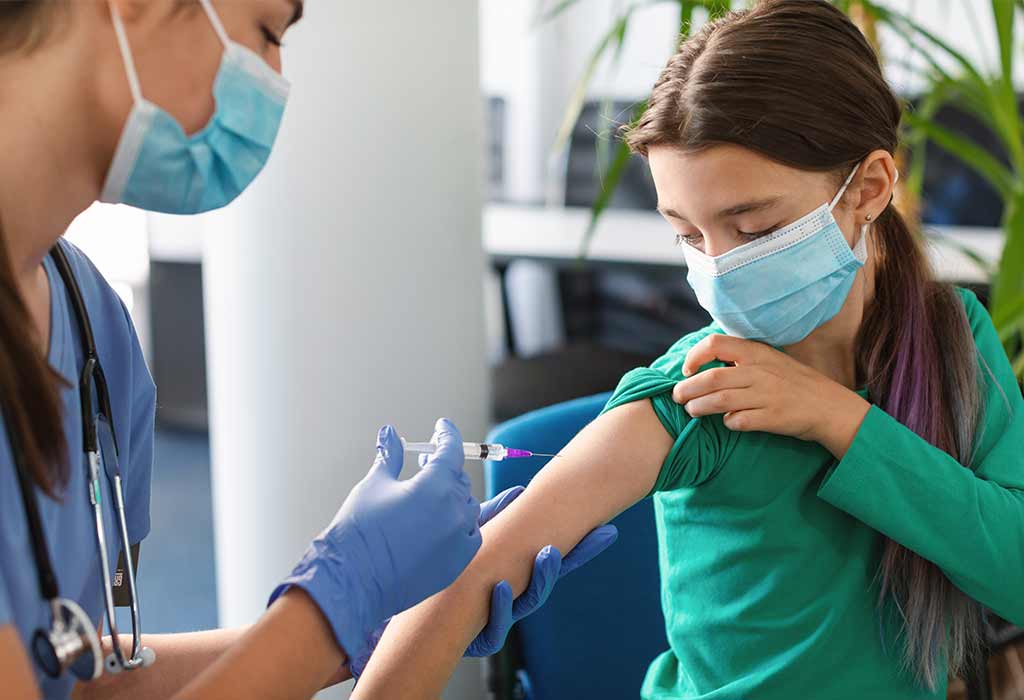
Should Your Child Get the Flu Shot? Top FAQs Answered
Whenever we have a drippy nose or blocked senses, questions like these, “Is it a cold or a flu?” “Am I down with the flu?” always pop up. According to the CDC, the flu or influenza is a contagious respiratory illness caused by the influenza virus. The symptoms include fever, cough, stuffy nose, sore throat, fatigue, muscle aches (1). It could cause severe complications in a child, such as pneumonia, bronchitis, and ear and sinus infections, if not treated properly (2). With timely flu shots, you can prevent the severity of this disease. However, many parents are hesitant about the safety of flu vaccinations, while some are simply unaware of it.
Ahead, we have answered some frequently asked questions about influenza vaccination for children that will help you keep track of your child’s health and immunity.
Is the Flu Vaccine Safe for Children?
Yes, flu vaccination is absolutely safe for children over 6 months old. It is one of the best forms of protection from the influenza virus.
Children under 5 are highly susceptible to catching the influenza virus and developing severe complications. This applies to all kids, not just those with existing medical conditions. The Indian Academy of Pediatrics recommends that children between 6 months and 5 years receive the annual flu vaccination (2).
Why Should You Give the Flu Shots to Kids?
The Centers for Disease Control (CDC) suggests that an average of 20,000 children under 5 years are hospitalised annually because of flu complications. Young children are not immune to environmental factors and easily contract the flu, developing complications. Children with chronic health issues, including diabetes, asthma, and other severe respiratory issues, can develop serious complications from the flu. Hence, flu vaccination for children is beneficial.
An influenza vaccination can benefit a child in several ways, some of which are discussed below:
The flu vaccination reduces the risk of fatality and hospitalisation in children.
It decreases the severity of the infection among vaccinated children who get sick with the flu (3).
Immunisation reduces the chances of developing serious complications if the child is less than 5 years old.
The vaccinated child will not be able to miss school, childcare, or any other academia just because of the flu.
Vaccination also reduces doctor visits, and you will have more time to spend with your child.
Immunisation also prevents the spread of flu infection from sick children to individuals who come in contact with them, especially young babies below 6 months, as they are too vulnerable and young to get a flu vaccine.
What Types of Flu Vaccination Are Available for Kids, and How Do They Protect?
Two types of flu vaccination are available for kids: the flu shot (injectable vaccine) and the intranasal vaccine (4).
Flu Shot: This vaccine is administered to a patient via a sterile injection into the muscles. It causes slight pain and mild side effects, such as soreness or a mild rise in temperature in the injected individual. This vaccine can be given to children above 6 months (5).
Intranasal Vaccine: The intranasal vaccine is a human live attenuated flu vaccine administered via the nasal tract. It is administered as a spray into the nostrils so it does not cause pain or allergy. This type of vaccine can be given to children two years of age and above.
Both types of vaccinations create antibodies in the host to fight off the influenza virus when it enters the body. While the flu shot only protects from antibodies in the blood, intranasal vaccination protects from the virus at two levels: the nasal tract (local level mucosal immunity) and the blood.
Each vaccine dose contains four influenza virus strains (Influenza A and Influenza B) (2). Talk to your healthcare professional about the best type of flu vaccination suitable for your child.
When Should Children Get the Flu Shot or Influenza Vaccination?
The best time for children to get their annual flu shot is right before the beginning of the flu season, which usually comes in monsoon and winter. The timeline varies with geography, differing from country to country.
In Indian regions where monsoon is the peak season for influenza from July-September, the vaccination should be given pre-monsoon, i.e., during April-May (6). On the contrary, the vaccine should be given during October-November in the regions where winter (January-March) is the peak season for influenza (Jammu, Kashmir, Tamil Nadu, etc.) (7)
Make appointments with your paediatrician and get your child vaccinated with the flu vaccine as soon as the new annual flu vaccine is available.
Where Can Children Get Vaccinated With Flu Shots?
Flu shots are available in public and private hospitals and clinics. You can book an appointment with your child’s paediatrician and discuss your little one’s medical history before getting your child the flu vaccine.
Should Children Get Flu Vaccination Every Year?
Yes, children below 5 years of age should get influenza or flu vaccination every year. This is because flu viruses mutate continuously and circulate every flu season. The renewal of the vaccination formula keeps up with the mutated flu viruses that are likely to cause the most illnesses. Moreover, the flu vaccination’s efficacy wears off with time. Hence, an annual flu vaccination will protect the child from the coming flu season (8).
Who Should Not Get the Flu Shot?
The following children should not receive the influenza vaccination:
Children below 6 months of age as the flu vaccination for this age group has not yet been produced.
Children with a history of allergic reactions to the dose of flu vaccination or any component of the vaccine.
Children suffering from a nervous system disorder called Guillain Barré Syndrome.
Children with a mild allergy to eggs (only rashes) can be administered the flu vaccination with a 30-minute observation in clinical care.
It is recommended that you consult your doctor to rule out any possible life-threatening allergies before giving your child a flu vaccination.
What Are the Side Effects of Flu Shots on Children?
The side effects of the flu vaccination on children are usually mild and temporary. Some of the common side effects include (9):
Soreness or redness at the injection site
Mild fever
Fatigue for a day or two
Muscle ache
Nausea
Headache
In the case of intranasal vaccination, runny nose and wheezing are some of the commonly observed side effects, except soreness at the site of injection.
Can Flu Vaccination Cause Flu to My Child?
No, flu vaccination does not cause flu in children (8). Flu shots are made with inactivated influenza viruses or use only a single gene from a flu virus (not the whole virus) to produce antibodies to fight against the flu.
Babies and children may feel a bit unsettled after a day or two of vaccination, but that is normal. Mild side effects from the vaccination, such as a mild fever, indicate that your child’s immune system is responding to the vaccine.
It is also important to remember that a flu vaccination takes around two weeks to be effective in an individual after immunisation, and the individual may contract flu in that period. Therefore, you should take precautions after the vaccination.
FAQs
1. How long does influenza vaccination protect my child?
As the flu strains change every season, the protection from the influenza vaccination lasts only for the current season. That is the reason it is important to get the flu vaccination every year.
2. Can my child get influenza vaccination and COVID-19 vaccination at the same time?
Yes, if your child is eligible for the COVID-19 vaccine, they can get any routine vaccination, including the influenza vaccination, at the same time as the COVID-19 vaccination or one after the other. Consult your paediatrician before getting your little one the flu vaccination, among other immunisations.
3. What if my child tested positive for COVID-19? Should they get the flu vaccination?
Children can receive the flu vaccination after they have recovered from the COVID-19 illness. It is important for the child to get vaccinated to prevent further illness.
Influenza vaccination or flu shots are the best line of defence when it comes to protecting children from catching infections due to their weakened immune systems. Along with immunisation, proper hand hygiene, maintaining distance from sick people and crowds, wearing masks when ill, and eating healthily also contribute to safeguarding children from potential infectious diseases. Watch your child grow into a healthy individual with immunised protection and healthy habits.
For any more information on flu vaccination, consult your paediatrician.
References/Resources:
1. About Influenza; CDC; https://www.cdc.gov/flu/about/index.html
2. Influeza (Flu) Vaccines; ACVIP; https://iapindia.org/pdf/vaccine-information/INFLUENZA-FLU-VACCINES.pdf
3. Children’s flu vaccine; NHS; https://www.nhs.uk/vaccinations/child-flu-vaccine/
4. The Flu Vaccine; Nemours KidsHealth; https://kidshealth.org/en/teens/flu-shot.html
5. Does my child need a flu shot this year?; Mayo Clinic; https://www.mayoclinic.org/healthy-lifestyle/infant-and-toddler-health/expert-answers/flu-shots/faq-20058448
6. M. S, Potdar. V. A, et al.; Dynamics of influenza seasonality at sub-regional levels in India and implications for vaccination timing; PLoS One.; PubMed Central; https://pmc.ncbi.nlm.nih.gov/articles/PMC4418715/; May 2015
7. Koul P. A, Broor. S, et al.; Differences in influenza seasonality by latitude, northern India; Emerg Infect Dis.; PubMed Central; https://pmc.ncbi.nlm.nih.gov/articles/PMC4193176/; October 2014
8. Flu (Influenza); ACVIP; https://acvip.org/parents/columns/flu.php
9. Child flu vaccine; NHS Inform; https://www.nhsinform.scot/healthy-living/immunisation/vaccines/child-flu-vaccine/
Also Read:
Flu Vaccine for Babies and Children
Meningococcal Vaccination
Vaccinations for Newborn Baby
Painless Vaccination for Babies
Child Immunization & Vaccination Schedule
Childhood Vaccinations for Various Diseases
Optional & Mandatory Vaccines for Babies and Children in India
Read more
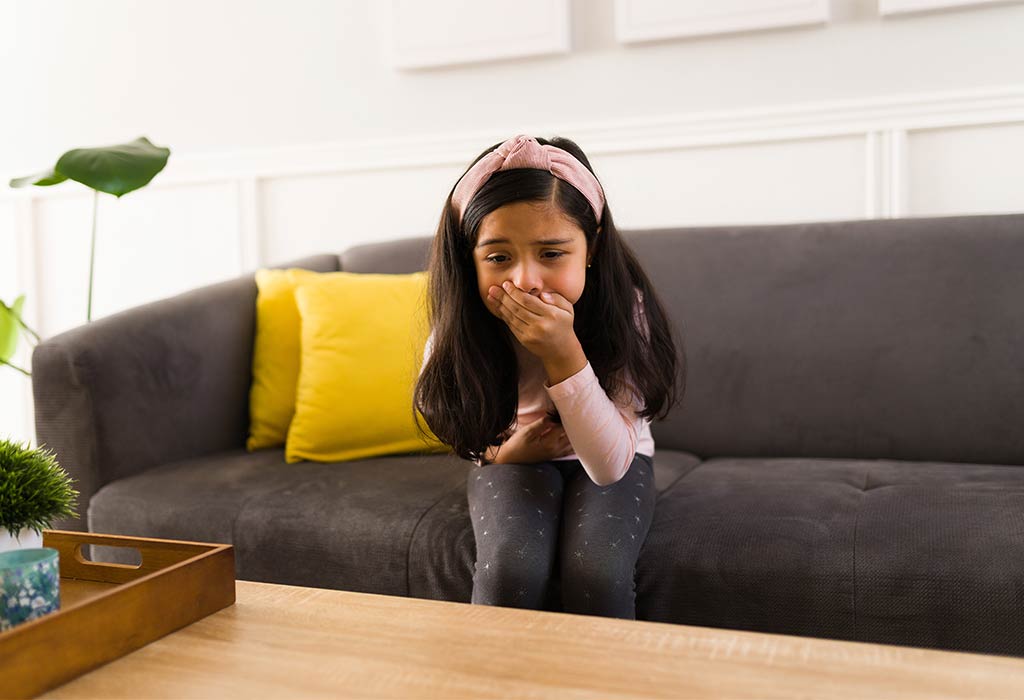
Child Is Throwing Up With No Fever – Causes and Treatment
Seeing your child throw up can be distressing, especially when there’s no fever to suggest a common illness like the flu. It leaves many parents puzzled and worried about what could be causing the sudden vomiting. Is it something they ate? A sign of stress? Or perhaps an underlying issue that needs attention? While vomiting without a fever can often be harmless and resolve quickly, understanding the causes and knowing how to manage it at home can bring much-needed peace of mind.
So, what could be causing your child’s discomfort, and how can you help them feel better quickly? Keep reading, and let’s untangle the mystery behind why your child is vomiting with no fever because a little knowledge and the right care can make all the difference.
Causes of Vomiting With No Fever in Child
While infections are a common cause of vomiting, there are many other possible triggers that don’t involve a fever. Below are some possible causes of kids throwing up with no fever to consider:
1. Gastroesophageal Reflux (GERD)
Acid reflux is common in babies but can also affect older children. Stomach acid backing up into the oesophagus can cause irritation, leading to frequent vomiting, especially after meals or at night (1).
2. Food Poisoning
Spoiled or contaminated food can cause vomiting in children, sometimes without fever. Bacteria like Salmonella, E. coli, or Staphylococcus can produce toxins in undercooked or improperly stored food. Symptoms often appear within hours of eating and may include nausea, stomach cramps, and diarrhoea (2).
3. Food Allergies and Intolerances
Some children may have an allergic reaction to proteins in foods like dairy, nuts, eggs, or shellfish. Symptoms can range from mild nausea and vomiting to more severe reactions, such as swelling or difficulty breathing. If your child has repeated vomiting episodes after eating certain foods, keeping a food diary can help identify the trigger. Severe allergic reactions require immediate medical attention (3).
4. Motion Sickness
Children who experience nausea and vomiting while travelling in cars, boats, or aeroplanes may have motion sicknesses. This occurs when the brain receives mixed signals from the inner ear and eyes. To prevent symptoms, encourage your child to look at the horizon, ensure good ventilation, and consider giving them light snacks before travelling (4).
5. Emotional Stress and Anxiety
Vomiting can sometimes be triggered by psychological factors like stress, fear, or anxiety. Children experiencing school-related stress, social pressure, or major life changes may develop nausea and vomiting as a response. Helping them relax through deep breathing, reassurance, and open conversations can reduce symptoms (5).
6. Medication Side Effects
Certain medications, such as antibiotics, pain relievers (like ibuprofen), iron supplements, or chemotherapy drugs, can cause nausea and vomiting. If your child starts vomiting after taking a new medication, check with their doctor to see if an alternative is available or if the dosage needs to be adjusted (6).
7. Ear Infections
Middle ear infections (otitis media) can cause nausea and vomiting due to pressure buildup in the ear. Symptoms often include ear pain, irritability, and difficulty sleeping. If your child has a suspected ear infection, consult a doctor for proper treatment, which may include antibiotics or pain relief medications.
8. Gastritis and Acidic Foods
Eating spicy, greasy, or acidic foods can irritate the stomach lining, causing vomiting. Gastritis can also result from viral infections or excessive use of certain medications like aspirin. Providing bland foods, keeping the child hydrated, and giving liquid antacids (if recommended by a doctor) can help relieve discomfort.
9. Intestinal Blockages
Serious conditions like volvulus (twisting of the intestine) or pyloric stenosis (narrowing of the stomach outlet in infants) can cause repeated vomiting. In such cases, vomiting is often forceful or projectile and may be accompanied by severe abdominal pain, bloating, or constipation. These conditions require urgent medical attention (7).
How Can You Help Your Child Recover From Vomiting?
Watching your child struggle with vomiting is never easy; it’s exhausting for both of you. You just want them to feel better, but figuring out what helps (and what doesn’t) can be tricky. The good news? Here’s how you can help your little one feel better faster with home remedies and, if needed, medical treatment.
Home Remedies
1. Keep Your Child Hydrated
Vomiting can quickly lead to dehydration, so it’s important to keep your child sipping fluids. Offer small amounts of water, oral rehydration solutions (ORS), or clear broths. Avoid sugary drinks or sodas, as they can make things worse. If your child refuses to drink, try giving tiny spoonfuls every few minutes (8).
2. Stick to Simple, Bland Foods
Once the vomiting settles, ease your child back into eating with gentle foods like plain toast, bananas, or rice. Stay away from anything greasy, spicy, or heavy on dairy—these can upset their stomach all over again (9).
3. Give Them Plenty of Rest
Let your child relax in a quiet, cosy space. Sleep helps the body heal, and too much movement can trigger nausea again. A comfy couch, a favourite blanket, and some quiet time can work wonders (9).
4. Try Natural Remedies
For older kids, a bit of ginger tea or peppermint may help soothe nausea (10). A spoonful of honey in warm water can also be comforting. Just be sure to check with your doctor before trying any home remedies.
Medical Treatment
1. Antibiotics (Only If Necessary)
If your child’s vomiting is caused by a bacterial infection, such as food poisoning or certain stomach infections, a doctor may prescribe antibiotics. However, antibiotics are not effective for viral infections (such as stomach flu) and should only be given if specifically recommended by a doctor.
2. Anti-Nausea Medication (If Prescribed)
If vomiting persists and your doctor recommends it, anti-nausea medication may help. However, never give your child over-the-counter medicines without consulting a healthcare professional first (9).
3. Intravenous (IV) Fluids for Severe Dehydration
If your child is unable to keep fluids down and shows severe dehydration symptoms, a doctor may recommend IV fluids. This helps restore hydration quickly and prevents complications.
When to Consult the Doctor?
While occasional vomiting is common in children, there are times when medical attention is necessary. Contact a doctor if your child experiences any of the following (8):
Persistent vomiting for more than 12–24 hours
Signs of dehydration (dry mouth, no tears, fewer wet diapers)
High fever above 102°F (39°C)
Severe stomach pain
Blood in vomit
Unusual drowsiness or confusion
Vomiting after a head injury
FAQs
1. When can my child eat normally again?
Once they go a few hours without vomiting, slowly reintroduce regular foods. Avoid greasy, spicy, or dairy-heavy meals at first.
2. What if vomiting happens only in the morning?
If a baby or toddler throws up with no fever in the morning, it could be due to acid reflux, postnasal drip, or even anxiety. If it happens frequently, consult a doctor.
3. How can I prevent vomiting in the future?
Ensure proper handwashing, avoid spoiled food, don’t let your child overeat, and identify any food intolerances or triggers that may be causing the issue (10).
4. Is it normal for a newborn to vomit?
Yes, newborn vomiting is quite common and often happens due to an immature digestive system, reflux, or overfeeding. In most cases, it’s harmless and improves as the baby grows.
Child vomiting with no fever treatment includes proper hydration, offering mild foods, and monitoring for any worsening symptoms. If you ever feel unsure, don’t hesitate to reach out to a doctor. Seeing your child unwell is never easy, but kids bounce back quickly with a little care, patience, and plenty of snuggles. Your love and attention are the best medicine, and before you know it, your little one will be back to their playful, happy self!
References/Resources:
1. Nemours KidsHealth – Gastroesophageal Reflux (GER) in Kids and Teens
2. Healthdirect – Vomiting in children
3. Nemours KidsHealth – Food Allergies
4. NHS – Motion sickness
5. Anxiety in Children – Cleveland Clinic
6. Nemours KidsHealth – Medicines: Using Them Safely
7. University of California – Volvulus (Twisting of the Colon)
8. Saint Luke’s – What to Do When Your Child Is Vomiting
9. Nationwide Children’s Hospital – Vomiting
10. Nemours KidsHealth – What to Do About Vomiting
Also Read:
Recurrent Fever in Children
Child Vomiting at Night
Effective Home Remedies for Vomiting Child
Read more

Laughing Gas (Nitrous Oxide) for Kids: Safety & Uses in Pediatric Dentistry
A trip to the dentist can be stressful for a child, and even more so for the parent watching from the side. After all, no one likes to see their little one worried or uncomfortable. To ease that stress, dentists sometimes suggest laughing gas for kids, a mild sedative that helps them relax while staying awake and aware. The idea sounds simple enough, but it leaves parents with one pressing question: Is laughing gas really safe for kids? If you want the truth without the sugar coating (the dentist already has enough of that), read on.
What Is Laughing Gas and When It is Used?
Laughing gas, or nitrous oxide, is a colourless gas with a slightly sweet smell that has been used in medicine and dentistry for more than a century. It is mixed with oxygen and inhaled through a small mask placed over the nose, helping patients feel calm and at ease without putting them to sleep (1).
Dentists often use laughing gas for kids during procedures like fillings, extractions, or cleanings when a child is especially nervous (2).
Is It Safe to Use Laughing Gas for Kids?
Nitrous oxide has been used safely in dentistry for many decades. When given in proper doses by a trained professional, it is considered safe for children. One of its biggest advantages is that it leaves the body quickly once the mask is removed, so there are rarely any lasting effects (3). Some kids may feel lightheaded, giggly, or slightly tingly during the process, but these sensations usually fade within just a few minutes, leaving them feeling back to normal almost right away (4).
How to Prepare Your Child for Laughing Gas?
When children are scheduled to receive laughing gas (nitrous oxide) at the dentist, a bit of preparation helps them feel calmer and more comfortable. Here are some steps parents can take to help their child feel at ease:
1. Explain Simply
Tell your child that the dentist will give them a soft mask that lets them breathe in “happy air.” Use age-appropriate words and keep the explanation short. Avoid complicated medical terms or alarming details.
2. Avoid Giving Heavy Meals
Depending on your dentist’s instructions, it may help if your child has only a light meal before the visit. This reduces the chance of an upset stomach.
3. Provide Comfort
Bring a favourite toy, blanket, or small item from home to help them feel secure in the chair.
4. Stay Close
Let your child know you will be nearby the entire time. This reassurance can greatly reduce anxiety.
How Is Nitrous Oxide Administered to Children?
The process of giving nitrous oxide to children is simple and carefully monitored by the dentist. Here’s how it usually works (2):
1. Pre-Procedure Check
Before using laughing gas, the dentist reviews the child’s medical history and current health to make sure it’s a safe option. This step ensures there are no underlying conditions that could interfere with the treatment.
2. Helping the Child Feel Comfortable
The dentist explains the process in simple, friendly terms with the parent present, easing any fear and creating a calm environment for the child.
3. Giving the Gas
A small mask is placed over the child’s nose, and the dentist adjusts the flow of laughing gas. Within just a few breaths, most children start to feel relaxed, some notice a light, tingly, or even “floating” sensation.
4. Dental Treatment
Once the child is calm, the dentist begins the procedure, carefully monitoring their comfort throughout and adjusting the gas if needed.
5. Quick Recovery
At the end, the child breathes pure oxygen for a few minutes, which clears the laughing gas from their system. Most children return to their normal selves almost immediately and can continue with their day as usual.
How Does a Child Feel After Receiving Laughing Gas?
Children usually remain awake and able to respond while under the effect of nitrous oxide. They may feel light, tingly, or slightly warm. Some describe it as floating. Laughter or giggling can happen, which is why it is called “laughing gas.” Once the mask is removed, the feeling fades quickly (4).
Benefits of Laughing Gas
Nitrous oxide in paediatric dentistry is one of the most popular and effective ways to make dental visits easier for children. Here’s why laughing gas is a favourite tool for making dental trips easier and even a little fun for kids (1) (2):
It helps children feel calm and comfortable within minutes, reducing fear and tension in the dental chair.
Unlike stronger sedatives, laughing gas does not put children to sleep. They remain awake, can talk, and can respond to the dentist.
The level of nitrous oxide can be increased or decreased at any time, allowing the dentist to tailor it to the child’s needs.
It has gentle pain-relieving properties that support the effect of local anaesthetics.
Does not require an injection to administer.
The effects wear off quickly once the mask is removed and oxygen is given. Most children return to normal activities right after the appointment (5).
Parents often feel more at ease knowing their child is relaxed and not distressed during the visit.
Side Effects of Laughing Gas
Many parents are curious about the side effects of laughing gas at the dentist. While most children experience no problems after laughing gas, side effects can happen. They are usually mild and short-lasting (2) (3).
Short-Term Effects
Drowsiness or light-headedness
Mild nausea, especially if the child has eaten a heavy meal
Brief headache after treatment
Long-Term Effects
Long-term effects are very rare. Nitrous oxide leaves the body within minutes after the mask is removed. No lasting problems are expected when it is used properly (2) (3).
When Is Laughing Gas Not Recommended for a Child?
Although safe for most children, laughing gas is not suitable in every case. A dentist may avoid it if (1) (2) (6):
The child has a severe cold, congestion, or breathing difficulty.
Children with severe asthma or chronic bronchitis.
The child is unable to keep the mask in place.
The child has certain medical conditions that require specialist care.
FAQs
1. Can a child eat before laughing gas?
In most cases, children can eat normally before receiving laughing gas. However, some dentists may recommend avoiding a heavy meal right before the procedure to reduce the risk of nausea or discomfort (5).
2. How is the laughing gas dosage determined?
The dentist adjusts the gas based on the child’s age, weight, and anxiety level to ensure comfort and safety throughout the procedure.
3. Can laughing gas be used for children with special needs?
Laughing gas can be a big help for children with special needs, as it can reduce anxiety and make dental treatment more manageable.
4. Can laughing gas be used for very young children?
Yes, it can be used for younger children, but the dentist will assess their ability to cooperate and safely tolerate the mask before administering it.
So if you’ve been wondering whether laughing gas for kids’ dental treatment is the right choice, think of it as a tool to take the stress out of the visit. Trust in the process, ask your dentist any questions you have, and know that laughing gas can turn what might have been a stressful visit into something far more manageable.
Also Read:
Bad Breath in Kids
Braces for Kids Teeth
Dental Care for Children
Common Children’s Teeth Problems & Solutions
Read more
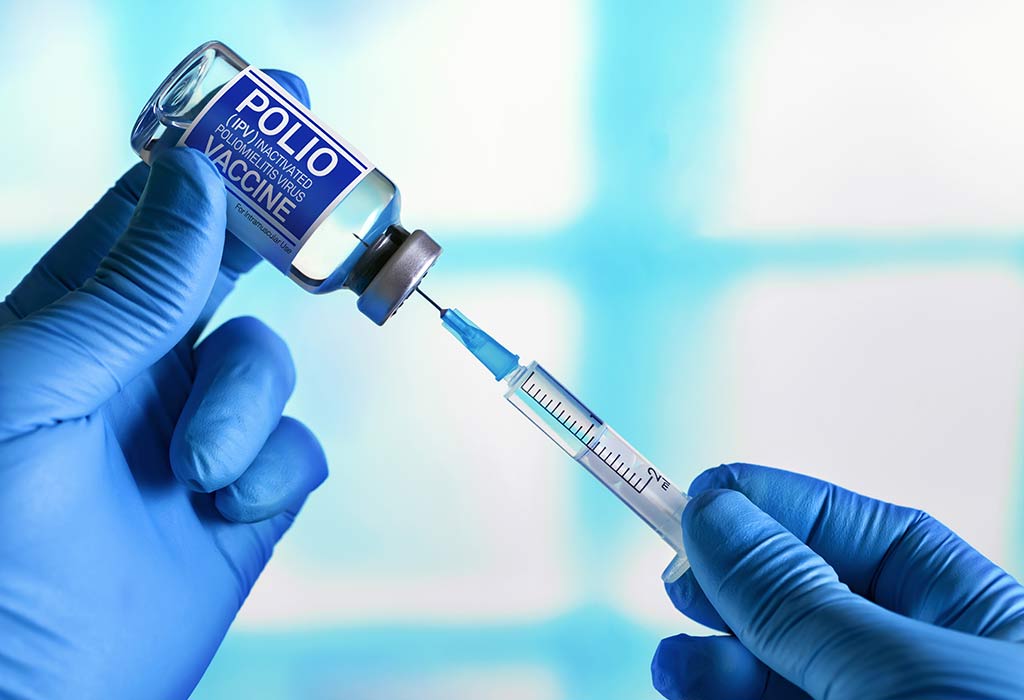
Polio Vaccination: Importance, Dosage, Side Effects and More
Polio vaccine is necessary for preventing the spread of poliovirus, which can lead to paralysis and, in severe cases, death. Recently, Tikrikilla, Meghalaya, reported a case of polio in a two-year-old child. Health experts have clarified that this case is due to a vaccine-derived strain, not the wild poliovirus, primarily affecting those with low immunity. This incident highlights the need to understand how polio vaccines work and the importance of proper dosing. Although the vaccine has successfully reduced polio worldwide, knowing its benefits, side effects, and the correct vaccination schedule is still essential.
Keep reading to learn about the different types of polio vaccines, their importance, and how to ensure complete protection against polio.
What Is Polio (Poliovirus) Vaccine?
The polio vaccine is an active immunisation agent that protects against poliomyelitis, a disease caused by the poliovirus. It works by helping the immune system produce antibodies against the virus. When a person receives polio shots, their immune system learns to recognise and fight the poliovirus if they are exposed to it in the future.
Also Read: Child Immunization & Vaccination Schedule
Is the Polio Vaccine Safe and Effective?
The vaccine is very safe, with only temporary side effects like redness and soreness at the injection site. Serious side effects are extremely rare. Years of research and use have confirmed that the vaccine is highly effective in preventing polio and has been essential in reducing and almost eradicating the disease worldwide (1).
Types of Polio Vaccine
There are two types of polio vaccines. These vaccines work differently and are used worldwide based on their effectiveness (2).
1. Inactivated Poliovirus Vaccine (IPV)
This vaccine is made from killed or inactivated polioviruses. It is administered through an injection and helps protect against polio by stimulating the immune system to produce antibodies against the virus.
2. Oral Poliovirus Vaccine (OPV)
This vaccine is made from live, weakened polioviruses and is given orally, usually as drops. It is no longer licensed or available in the United States but is still used in many parts of the world.
Between the OPV and IPV, IPV has been the only polio vaccine in the United States since 2000 (3).
Who Should Get the Polio Vaccine?
The polio vaccine is vital for various groups of people to ensure protection against poliomyelitis. These include (4):
Infants and young children should receive the polio vaccine in their routine immunisation schedule.
Travellers who travel to regions where polio is still common.
Laboratory workers who handle specimens that may contain polioviruses.
Healthcare experts who are in close contact with patients infected with poliovirus.
When Should Children Get Polio Vaccination?
The recommended polio vaccine dose includes five shots of the Inactivated Polio Vaccine (IPV) or Oral Polio vaccine (5):
First dose at 6 weeks
Second dose at 10 weeks
Third dose 14 weeks
First booster dose at 18 months
Second booster dose at 4-6 years
The schedule may vary in different countries, and you should follow as advised in your country.
How Is the Polio Vaccine Given?
The poliovirus vaccine is given in different ways depending on its type. The Inactivated Polio Vaccine (IPV) is given through an injection, typically in the leg or arm, depending on the patient’s age. On the other hand, the Oral Polio Vaccine (OPV) is given orally, usually as drops.
Who Should Avoid the Polio Vaccine?
Certain people should avoid the polio vaccine or consult their doctors before receiving it (6):
Those with a severe allergic reaction to any component of the polio vaccine.
Those who have had a severe allergic reaction to a previous dose of the Inactivated Polio Vaccine (IPV).
Risk and Side Effects of Polio Vaccine
The polio vaccine is generally safe, though it may have minor and temporary side effects like swelling and redness at the injection site. In very rare conditions, OPV can lead to vaccine-associated paralytic poliomyelitis (VAPP), a form of polio that results from the weakened virus in the vaccine mutating (7).
How to Care for Your Child After IPV Immunisation?
After your child receives the IPV immunisation, proper care can help ensure their comfort and well-being. Here are some steps to follow (8):
Check for common side effects, these are temporary and should be resolved on their own.
To alleviate soreness, you can apply a cool, clean cloth to the injection site. Medicines, such as acetaminophen or ibuprofen, may also be used, but consult your doctor for appropriate dosages.
Allow your child to rest after the vaccination, especially if they seem tired or irritable.
FAQs
1. What should I do if my child misses a scheduled polio vaccine dose?
If a scheduled polio vaccine dose is missed, it is important to get back on track as soon as possible. Contact your doctor to reschedule the missed dose and ensure your child completes the vaccination series.
2. Can the polio vaccine be given with other vaccines?
Yes, the polio vaccine for babies can be given alongside other vaccines. It is commonly given as part of a combination vaccine schedule that includes other routine immunisations for children, such as those for diphtheria, tetanus, and pertussis (DTaP) or Haemophilus influenzae type b (Hib) .
3. What are the signs that indicate a serious reaction to the polio vaccine?
Severe reactions to the polio vaccine are rare but can include high fever, severe allergic reactions, or extensive swelling at the injection site. If any of these symptoms occur or if you notice any other unusual signs, it is crucial to seek medical attention promptly.
Polio immunisation is crucial for fighting poliomyelitis and keeping us safe. The importance of timely and complete vaccination cannot be overstated, particularly in light of recent news about vaccine-derived polio cases. Stay informed about vaccinations to ensure a healthier future and contribute to the ongoing fight against polio.
References/Resources:
1. CDC – Polio Vaccine Effectiveness and Duration of Protection
2. Children’s Hospital of Philadelphia – Polio: The Disease & Vaccines
3. CDC – Polio Vaccination
4. CDC – Polio Vaccine Recommendations
5. CDC – Routine Polio Vaccination
6. CDC – Contraindications and Precautions for Polio Vaccination
7. WHO – Polio Global Eradication Inititaive
8. Nemours KidsHealth – Your Child’s Vaccines: Polio Vaccines (IPV, OPV)
Also Read:
Pneumococcal Vaccine
Typhoid Vaccine for Kids
Flu Vaccine for Babies and Children
Childhood Vaccinations for Various Diseases
MMR Vaccine – Everything You Need to Know
Meningococcal Vaccination: Types, Schedule & Side Effects
Optional & Mandatory Vaccines for Babies and Children in India
Read more
Sort By
 Latest
 Most Popular
 Trending
Please select atleast one Filter