

















.svg)
.svg)
.png)


Preschooler






Suggested articles for you

15 Easy Dessert Recipes for Kids
Kids love sweets, and that’s an undeniable fact. It powers them with fuel, supplies them with calories, and makes their days so much brighter. If you dislike the processed foods industry and want to give your kids some healthy homemade options, you’ve come to the right place. Easy dessert recipes for kids can be both nutritious and delicious, using simple ingredients like fruits, yogurt, and whole grains. These treats are quick to prepare, making them perfect for busy parents and eager little helpers.
Don’t worry—even you will enjoy these recipes guilt-free and join in on the fun (er, tasting). From no-bake energy bites to fruity parfaits, there’s something for every sweet tooth. Plus, involving kids in the kitchen fosters creativity and healthy eating habits early on.
15 Quick Children’s Dessert Recipes
Here’s a list of our top 15 kid-friendly dessert recipes. Try these out and watch their faces light up once they have a bite!
1. Classic Chocolate Chip Cookies
These timeless, buttery cookies with melty chocolate chunks are perfectly chewy with crisp edges – an ideal first baking project for little chefs.
Image Source : AI Generated Image
Ingredients Needed
1 cup all-purpose flour
½ tsp baking soda
¼ tsp salt
½ cup softened butter
½ cup brown sugar
¼ cup white sugar
1 egg
1 tsp vanilla extract
1 cup chocolate chips
How to Make
Whisk flour, baking soda, and salt in a bowl.
Beat butter, brown sugar, and white sugar until fluffy (2–3 minutes). Add egg and vanilla; mix well.
Gradually add dry ingredients to wet, mixing just until combined. Fold in chocolate chips.
Refrigerate 30 minutes (for thicker cookies).
Preheat oven to 350°F (175°C). Scoop dough into balls; bake for 10–12 minutes.
Let cookies rest on the tray for 5 minutes before transferring to a rack.
2. Whole Wheat Halwa
Halwa is a traditional Indian dessert recipe and one of our favorites. Here’s how you make it.
Ingredients Needed
½ cup whole wheat flour
1⁄3 cup canola oil
½ cup of brown sugar
2 cups of water
¼ cup of raisins
2 tbsp fresh organic almonds (sliced)
1 tbsp pistachios (to garnish)
½ tsp ground cardamom powder
How to Make
Get a pan and boil the water and brown sugar on medium flame until the sugar dissolves. Set that aside and heat up the canola oil in a non-stick frying pan.
Add in the whole wheat flour and roast until it turns golden brown.
Add in the dissolved sugar and stir slowly. Make sure you see no lumps and after that. Add in the rest of the ingredients except the almonds and pistachios.
Stir until you are happy with the consistency, set aside, and let the mixture cool.
Garnish with almonds and pistachios and serve fresh.
3. Strawberry Shortcake Cups
Individual portions of fluffy biscuits layered with sweetened strawberries and pillowy whipped cream create a mess-free version of this beloved summer dessert.
Image Source : AI Generated Image
Ingredients Needed
1 cup diced strawberries
1 tbsp sugar
1 cup whipped cream
1 package (8 oz) pre-made biscuit dough (or homemade)
How to Make
Toss strawberries with sugar; let sit 15 minutes to release juices.
Separate biscuit dough into cups; bake per package instructions (or homemade recipe). Cool completely.
Split biscuits in half. Layer bottom halves with whipped cream and strawberries.
Replace biscuit tops; add more cream and berries.
Serve immediately (or refrigerate up to 1 hour).
4. Coconut Laddoos
Coconut laddoos are one of the few Indian vegan milk desserts for kids that are perfect for those who are lactose-intolerant. Here’s the recipe.
Ingredients Needed
1 ½ cup freshly shredded coconut
1 cup coconut cream or coconut milk (low-fat)
1⁄3 cup jaggery powder
Grounded cardamom powder
A pinch of Himalayan pink salt
How to Make
Get a skillet and put it on medium flame. Add in the shredded coconut and cook until it turns golden brown. Mix in coconut cream and cook for another two minutes.
Stir in the salt and sugar now, eventually adding in cardamom powder.
Cook until the toasted coconut shreds soak in the milk an there is no creamy texture left when you press with a spoon.
Cool this blend at room temperature and shape up into balls for serving.
If you’re storing these laddoos in an airtight container inside the refrigerator, it will last a whole week.
5. No-Bake Peanut Butter Bars
These energy-packed bars mimic the flavors of peanut butter cups with an oat-based crust, offering a healthier homemade alternative to store-bought candy.
Image Source : AI Generated Image
Ingredients Needed
1 cup peanut butter
½ cup honey
2 cups rolled oats
¼ cup mini chocolate chips
1 tsp vanilla extract
How to Make
Grease an 8×8″ baking dish or line with parchment paper.
In a bowl, combine peanut butter, honey, vanilla, and oats until sticky.
Firmly press the mixture into the pan. Sprinkle chocolate chips on top.
Refrigerate 2+ hours until set.
Cut into bars. Store in the fridge.
6. Orange Kheer
Orange kheer is a unique spin on the classic Indian kheer recipe. The vitamin C boost gives a great kick.
Ingredients Needed
1 cup orange segments (chopped and de-seeded)
2 tbsp cornflour
¼ cup cold milk (full-fat version)
4 ¼ cups milk (full-fat)
½ cup white sugar
½ tsp cardamom powder
How to Make
Get a medium-sized bowl and blend the cold milk and cornflour well.
Set aside and boil the regular cups of milk on high heat for 6 to 7 minutes roughly.
Add in sugar to the boiled milk along with the cornflour and cold milk. Blend well and cook on low heat for 10 minutes, stirring throughout.
Mix in the cardamom powder.
Let the resulting blend or mixture cool.
Add in the orange segments when cooled down and refrigerate for 2 to 3 hours.
Serve chilled.
7. Microwave Brownie in a Mug
A single-serving chocolate indulgence ready in minutes, featuring a fudgy center and crackly top – perfect for sudden dessert cravings.
Image Source : AI Generated Image
Ingredients Needed
2 tbsp flour
2 tbsp sugar
1 tbsp cocoa powder
1 tbsp oil
2 tbsp milk
1 tbsp chocolate chips
How to Make
In a mug, whisk flour, sugar, and cocoa powder.
Stir in the oil and milk until smooth. Fold in chocolate chips.
Cook on high for 1 minute (check at 50 seconds—times vary).
Let it sit 1–2 minutes before eating (it firms up as it cools).
8. Sandesh With Pineapple
Sandesh is a traditional Bengali sweet, but when you spruce it up with pineapple, it becomes even more delicious!
Ingredients Needed
4 cups whole milk
3 tbsp lime juice
3 tbsp refined sugar
¼ tsp cardamom powder
6 slices of canned pineapple
2 tbsp pistachios
How to Make
To make the paneer, mix in the milk and lime juice and bring them to a boil in a pan.
As the curd forms, the whey will come out. Drain that using a muslin cloth and wrap the curd in it.
Squeeze the curd to turn it into paneer after rinsing with cold water.
For the Sandesh, roll the paneer into a soft and smooth dough.
Add in sugar and cardamom powder, and start kneading it.
Your sandesh is ready – it’s time to add in the pineapples.
Dry the pineapple slices by patting with a towel and layer them on top of the sandesh evenly.
Use pistachios for garnish and refrigerate for an hour.
Serve chilled.
9. Homemade Fruit Popsicles
Customizable frozen treats bursting with real fruit flavors and creamy yogurt layers, offering a cool, nutritious alternative to store-bought ice pops.
Ingredients Needed
1 cup blended strawberries
1 cup vanilla yogurt
1 tbsp honey
How to Make
Fill popsicle molds halfway with yogurt. Freeze for 30 minutes.
Pour blended strawberries mixed with honey on top.
Freeze 4+ hours or overnight.
Run warm water over molds to release popsicles.
10. Mango Panna Cotta
One of the best sweet recipes for kids, mango panna cotta is sure to hit the spot.
Ingredients Needed
1 can of fresh coconut milk
¼ cup refined sugar
1 tsp vanilla essence
1 tsp agar-agar powder
1 ½ cup mango puree
2 tsp lime juice
¼ cup sugar (for the mango layering)
1 ½ tsp agar-agar powder (for the mango layering)
How to Make
There are two elements to this recipe – the cream and the layer of mango topping.
For the cream, boil coconut milk and sugar for 3-4 minutes on medium flame. Dissolve the agar-agar powder in lukewarm water and add it into the milk, along with the vanilla essence. Let this boil for two minutes and stir until you see no lumps. Whisk the milk and transfer into another bowl, allowing it to sit for 25 minutes.
For the mango topping, blend the puree, sugar, and lime juice in a pan and boil for two to three minutes. Mix in agar-agar with lukewarm water and transfer that to the pulp. Boil for a few minutes until you find zero lumps. Remove the pan from the heat and whisk this mix for a while.
Pour this mango puree topping over the cream layer and refrigerate for 3 hours.
Slice it, if needed, into equal-sized portions, and serve chilled.
11. Cinnamon Apple Nachos
Sliced apples transformed into a fun, shareable dessert with drizzles of peanut butter and honey, topped with crunchy granola for texture contrast.
Image Source : AI Generated Image
Ingredients Needed
2 apples (thinly sliced)
2 tbsp peanut butter (melted)
1 tbsp honey
¼ tsp cinnamon
1 tbsp granola
How to Make
Spread slices on a plate in a single layer.
Warm peanut butter and honey; drizzle over apples.
Dust with cinnamon and granola.
Serve immediately (apples brown quickly).
12. Rainbow Jello Cups
Vibrant, jewel-toned layers of wobbly Jello create an eye-catching dessert that teaches kids about patience while building excitement with each colorful layer.
Image Source : AI Generated Image
Ingredients Needed
3-4 boxes of different flavored Jello (e.g., strawberry, lime, blueberry, orange)
1 cup boiling water per flavor
1 cup cold water per flavor
Whipped cream (optional)
How to Make
Dissolve 1 Jello packet in 1 cup boiling water. Add 1 cup cold water. Pour into clear cups (fill ¼ way). Refrigerate 1 hour or until firm.
Repeat with next flavor, gently pouring over the set layer. Chill each layer 1 hour before adding the next.
Top with whipped cream after all layers set (4+ hours total).
Serve chilled with spoons.
13. Mini Doughnut Hole Pops
Bite-sized baked doughnuts on sticks, dipped in chocolate and sprinkles – all the fun of fair food without the frying mess.
Image Source : AI Generated Image
Ingredients Needed
1 cup flour
1 tsp baking powder
¼ cup sugar
½ cup milk
1 egg
1 tbsp melted butter
½ tsp vanilla
¼ cup melted chocolate (for dipping)
Sprinkles
How to Make
Whisk flour, baking powder, and sugar in a bowl.
Stir in milk, egg, butter, and vanilla until just combined.
Scoop teaspoon-sized balls onto a greased baking sheet. Bake at 350°F (175°C) for 8–10 minutes. Cool completely.
Dip tops in melted chocolate, add sprinkles, and insert lollipop sticks.
Let set on parchment paper (15 minutes).
14. Banana Split Bites
All the classic banana split flavors condensed into adorable skewered bites, combining chocolate-dipped bananas with cherry toppings for portion-controlled indulgence.
Image Source : AI Generated Image
Ingredients Needed
2 bananas (sliced into 1-inch chunks)
½ cup melted chocolate
¼ cup crushed peanuts
6 maraschino cherries (halved)
Whipped cream
How to Make
Thread banana slices onto toothpicks.
Coat half of each banana in melted chocolate.
Roll chocolate-dipped ends in crushed peanuts.
Add a tiny dollop of whipped cream and a cherry half.
Freeze 10 minutes to set.
15. Magic 5-Minute Chocolate Pudding
Image Source : AI Generated Image
Rich, velvety homemade pudding that transforms basic pantry staples into a comforting dessert with far superior flavor to instant mixes.
Ingredients Needed
¼ cup cocoa powder
¼ cup sugar
2 tbsp cornstarch
¼ tsp salt
2 cups milk
1 tsp vanilla
How to Make
In a saucepan, mix cocoa, sugar, cornstarch, and salt.
Gradually whisk in milk until smooth.
Heat on medium, stirring constantly, until thick (4–5 minutes).
Remove from heat; stir in vanilla.
Pour into cups and refrigerate 1 hour (or eat warm!).
FAQs
1. Can I use frozen fruit straight from the freezer in no-bake desserts?
Yes! Frozen fruit (like berries or mango) can be blended directly into yogurt pops or smoothie bowls without thawing—it makes desserts colder faster. However, avoid using frozen fruit in recipes where excess moisture can ruin texture (e.g., no-bake bars).
2. How do I stop kids from over-mixing batters without making it complicated?
Over-mixing leads to tough desserts because it develops gluten. A simple trick is to let kids stir with a fork instead of a whisk to naturally slow them down. Another fun method is the “10-second rule” – have them mix only until the timer goes off, teaching them when to stop while keeping the batter light.
Try out these recipes at home and make dessert time more fun!
Also Read:
Simple and Easy Chocolate Recipes for Kids
Quick and Easy Cake Recipes for Children
Healthy and Easy Baking Recipes for Kids
Read more




Should You Send Your Child to an Overnight Camp?
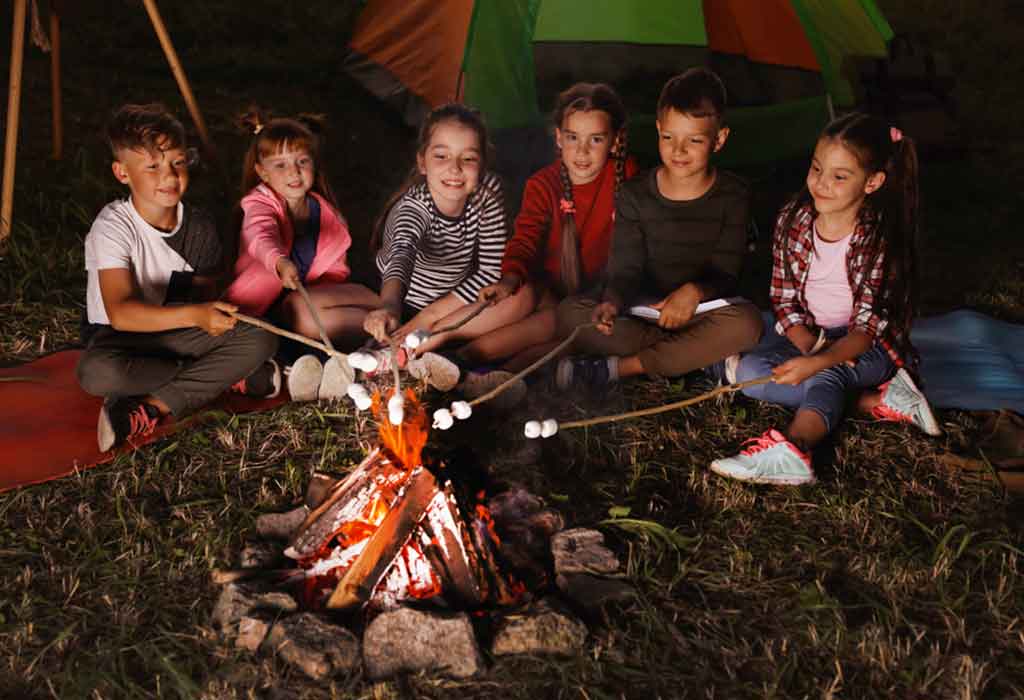
Every summer, parents consider sending their children to overnight camps as spending time away from home and learning life skills can be an experience of a lifetime for kids. There are enough and more benefits of sending children to overnight camps. If this year, you’re planning to send your child to an overnight camp, you will want to find out the best option for your child and also confirm with the authorities about what skills they would be learning, and more. Not sure where to start? Read this article to learn about overnight camps, its benefits, and which type of camp would be right for your child.
What is an Overnight Camp?
Overnight camps, also known as sleepaway camps, provide children with the perfect opportunity to spend some time away from home, make new friends, learn life skills, and have an adventurous experience. These are traditionally situated away from the city, in rural areas, so that campers are exposed to the best of cabin life and the great outdoors. Though children are away from home during overnight camps, they are still surrounded by the camp community all day and night. Children in camps learn both how to cooperate with others and how to live on their own. Summer camps are not only fun, but they also help children discover their personal strengths and weaknesses.
What Type of Overnight Camp is Best for Your Kids?
Choosing the best overnight camp is relatively simple when you know what you and your children want. Overnight camps may be single-gender or co-ed, secular or religious, or they would focus on catering to specific preferences. Your child’s age and maturity level can also help in determining which camp is the right fit.
In most overnight camps, camping officials focus on exercise and physical activities, and if your child loves sports (or would love to learn a specific sport) or is athletic, then you could choose a speciality camp that provides training in the sport (like overnight basketball camps). If your child has an interest in arts and theatre, you could send him to ‘performing arts’ camps. Children who want to learn new skills and information can head to an education overnight camp that teaches computer, math, science, or other subjects.
Amazing Benefits of Sleepaway Camps for Children
Here’s how attending a sleepaway camp can be beneficial for children. Read the benefits of overnight camps, and if you want to make your child’s summer fun and exciting, send him to a summer camp!
1. Children learn to slow down.
Since a lot of overnight camps do not allow cell phones, electronic devices, and other gadgets, children have no other option but to communicate with other kids, take in nature, and slow down. Living a slow-paced life can help your child make new hobbies, appreciate the beauty of the things around them, and even discover the wonders of reading.
2. Children become independent.
Overnight camps provide children with the perfect opportunities to learn to do things on their own, without the help of an adult. Since parents are not there to remind their children to brush their teeth, make their bed, or eat healthy foods, they will have to remind themselves to do all that on their own. Even the most dependent children will start relying on themselves for their needs when they spend some time away from home.
3. Children learn to work together as a team.
Most summer camps arrange for activities that children would have to do together in groups. Therefore, when in overnight camps, children will learn to work together and get along with other children, coming from a variety of backgrounds. For instance, children will have to work together to keep their cabin or tent clean, work to help each other learn new sets of skills, and get along with teammates to win a camp-wide competition. As a result, sleepaway camps can help kids hone their cooperation skills and leadership skills.
4. Children learn new skills.
One of the most important benefits of overnight camps is the new skills they would learn. No matter which camp your children choose, sports, adventure, music, or educational, your child will definitely learn something new. This experience can sometimes even help children find a life passion or a hobby, they would have otherwise not considered.
5. Children begin to appreciate little things in life.
A week or two away from home is enough for kids to appreciate all the comforts of their home, be it a refrigerator full of snacks, a warm bed, watching television, a separate bathroom, etc. Overnight camps will definitely convince your children that life at home is not as bad as they thought. A resident camp will make your child realise and be grateful for the things you do for him. They will value and appreciate the things that matter such as a warm bed to sleep, a few good friends, healthy food, and loving parents and family members to help guide them to the future.
6. Children begin to appreciate their parents’ efforts.
A lot of children take their parents for granted and assume that the things they do for their kids or the sacrifices they make are a part of their duties. But once they spend a few nights away from home, they start appreciating everything their parents do for them. Even the little things like driving them to and from soccer practice or preparing their favourite dish would suddenly be appreciated by your child.
7. Children learn to make their own choices.
Overnight camps can encourage your children to make their own choices. With little decision-making opportunities like “What should I have for lunch?” or “Should I participate in volleyball or swimming?”, they would get all the practice they need for their teen years ahead.
8. Children make new friends.
Though it can be hard for children to go to a camp where they do not know anyone, they will soon be able to make friends at the camp. Camp friendships may sometimes not last a lifetime but the camp still does offer children the opportunity to get out of their friend circle and learn to connect with new people!
Overnight Camping Experience for Kids
Every activity in the camp, from sleeping and eating to playing and learning, is done in the companionship of other campers. Kids not only have fun at the camp, but they also learn invaluable life lessons and management skills. When children attend a camp, they become a part of a greater family and this special family not only consist of fellow campers, but also consist of instructors, counsellors, and camp directors. Everybody gathers together as a unit for thrilling activities and mundane chores including preparing food, cleaning cabins, and collecting firewood for the evening campfires. Moreover, the fun spirit of the camp will definitely create a memorable bond between all the campers.
Most overnight camps limit or prohibit the use of electronic gadgets like cellphones, making it extremely challenging for contemporary children. However, this forces children to slow down and finally open their eyes to the beautiful world and talk to fellow campers. At home, children are always thinking of playing the latest online game, most campers will jump to the opportunity to create a bonfire or play with a bow and arrow. In addition to these advantages, overnight camps also help children appreciate their family and parents, and the comforts of living at home.
Overnight camps can be very beneficial for a child. So if you’re planning to send your child to an overnight camp, consider the types and send him to a camp which you think would be right for him. And be ready to hear your child talking about his adventures, the friends he made, and the variety of foods he tried at the overnight camp!
Also Read:
Benefits of Summer Camp for Children
Ideas to Keep Children Occupied While Camping
Read more
Universal Children's Day 2025 – History, Facts, Themes and Activities
It’s that time of the year again; the time that kids look forward to the most; You guessed right, it’s Children’s Day! With this fun-filled occasion upon us, you’re probably wondering how you can celebrate with your munchkins. But before we get into the celebrations, does your child know why this day is celebrated and how it came to be? Read on for some fun facts on Universal Children’s Day, right from history, themes, and more. Not to forget, of course, some interesting ways to celebrate the occasion with your loved ones.
When Is Universal Children’s Day Celebrated?
In 1954, Universal Children’s Day was decided to be celebrated on the 20th of November each year. This also marks the anniversary of the date when the declaration and convention on children’s rights were adopted by the UN General Assembly. Though most countries celebrate Children’s Day on the 20th of November, some countries have adopted other dates for the occasion. India celebrates Children’s Day on the 14th of November, Australia celebrates the occasion on the fourth Wednesday in October, and the United States holds a similar occasion on the first Sunday in June.
History of Universal Children’s Day
The UN General Assembly first announced the concept of Children’s Day in 1954 to bring children of all races, castes, and creeds together and for the welfare of children across the world. UNICEF World Children’s Day celebrates the youngest minds of the world by encouraging brotherhood and fraternity and highlighting the importance of the well-being of children. Over the years, Children’s Day around the world has promoted a number of causes, such as eradicating HIV/Aids, promoting the education of all children, and more. On November 20th 1989, the UN General Assembly signed a treaty to protect the social, civil, economic, health, cultural, and political rights of children to deal with child-specific needs for children across borders and act in their best interest.
Significance of Universal Children’s Day
Universal Children’s Day is a huge part of the work carried out by UNICEF (United Nations Children Fund) to raise awareness of the welfare of kids around the world. Here’s why this is more than just a holiday.
1. Children Are the Future
Today’s kids are tomorrow’s world leaders, healthcare providers, inventors, and more. Ensuring a safe and positive future for the world starts with educating and caring for the kids of the present, which is the goal of Universal Children’s Day.
2. Focuses on the Rights of Children
It is a general assumption that the rights of people are given to adults. However, the UN focuses on the rights of children by signing treaties and documents that guarantee medical care, education, and protection from violence and discrimination, among others, for children.
3. Spotlight on Problems Faced by Children
Whether or not these problems are evident as you go through life, children in lower economic areas suffer from various financial and health problems and don’t have access to education or medical opportunities. Universal Children’s Day reminds people not to overlook these issues and to join the UN in taking steps towards eradicating them.
Things You Can Do on Universal Children’s Day
There are a number of Universal Children’s Day activities you can do along with your kid. Ask your child if he has any particular activity in mind. After all, it’s his day. If not, here are some fun ideas to help you get started.
1. Pamper Your Child
Go shopping with your kid and grab a meal afterwards to spend time with him and pamper him. Kids love new clothes and toys, and of course, the opportunity to eat some yummy outside food, so you’re sure to have a blast together.
2. Make a Donation
There’s nothing like making a donation to a cause for World Kids Day. Include your child in the process, so that he understands the importance of helping those in need from a young age.
3. Take Your Kid to the Zoo or Park
Visit a nearby zoo or park with your little one. Kids love animals, and you could also sneak in some fun facts about the various animals and birds you spot.
4. Spend Quality Time With Your Kid
Spend the day bonding with the kids around you. Play with them, cook some yummy food, and take them to the movies, beach, or some outing of their choosing.
5. Bond Over Craft
There’s nothing like spending a few hours doing something creative with your child. You can bond over making some creative decorations or pieces to display at homes, such as frames, pinwheels, and more.
6. Have a Movie Night
Movie night calls for popcorn, pizza, and an interesting movie with kids at the centre of it. Choose some cult favourites like ‘Mr. India’, ‘Slumdog Millionaire’, ‘Home Alone’, and ‘Little Miss Sunshine’ or latest ones like ‘The Sky is Pink’ and ‘The Addam’s Family’.
Universal Children’s Day Theme
Universal Children’s Day has a unique theme each year to focus on a certain aspect of their efforts and highlight pressing issues. The theme for this year is “My Day My Year”.
This theme listening to children and empowering them to express what their lives are like and what they want for the future.
Interesting Universal Children’s Day Facts
No information is complete without some fun facts and trivia. Here are some Universal Children’s Day facts to share with your kid.
1. Instead of Children’s Day, France celebrates Family Day on January 6th.
2. Children’s Day is a national holiday in some places, like Turkey and Argentina.
3. Children’s Day is celebrated on 14th November in India to pay respect to Jawaharlal Nehru, the first Prime Minister of India, who was immensely fond of kids.
4. Australia celebrates ‘Children’s Week’, starting from the Saturday before Universal Children’s Day and ending on the following Sunday.
5. International Children’s Day was proclaimed in Geneva, Switzerland, on June 1st,1925.
6. In Japan, Children’s Day, known as “Kodomo no Hi,” is celebrated on May 5th, wishing for the health and happiness of children.
7. Mexico celebrates “El Día del Niño” on April 30th, honoring children with special activities, gifts, and cultural events.
8. The theme of Universal Children’s Day in 2025 is “A Better Future for Every Child,” emphasizing the global commitment to building a brighter tomorrow for all children.
9. Universal Children’s Day encourages activities that promote the well-being and rights of children, including educational workshops, art exhibitions, and community service projects.
10. Established in 1925, Universal Children’s Day has played a pivotal role in raising awareness about children’s rights and advocating for their well-being on a global scale.
Interesting Universal Children’s Day Quotes
Here are some interesting Children’s Day quotes that perfectly encapsulate what this day is about.
1. Every child comes with the message that God is not yet discouraged of man.’- Rabindranath Tagore
2. ‘Children are the world’s most valuable resource and its best hope for the future.’- John F. Kennedy
3. ‘Make it a rule never to give a child a book you would not read yourself.’ – George Bernard Shaw
4. ‘A child can ask questions that a wise man cannot answer. ‘- Anonymous
5. ‘If you want your children to be intelligent, read them fairy tales. If you want them to be more intelligent, read them more fairy tales.’ – Albert Einstein
6. “The laughter of a child is the light of the home, illuminating hearts with pure joy.” – Unknown
7. “In the eyes of a child, we glimpse the promise of a better world, full of endless possibilities.” – Unknown
8. “Children are like seeds; with nurture and care, they grow into the forests of our future.” – Unknown
9. “The smallest hands can hold the biggest dreams. Let us nurture them with love and guidance.” – Unknown
10. “Every child is a story yet to be written, a canvas of potential waiting to be painted.” – Unknown
Happy Universal Children’s Day to all the kids around the world. This year, share this information with your child and let him know about the matter of his rights. And, of course, take a day off and celebrate this day with your little one to make him feel special. After all, your time is the most valuable gift you can give your child!
Also Read:
Children Day Craft Ideas
Children’s Day Gift Ideas
Children’s Day Quotes, Wishes and Messages
Read more

Blindness in Children – Causes, Signs and Treatment
It can be argued that seeing is the most important out of our five senses, as life without sight is something that any of us would dread. Sight is something to cherish lifelong and may slip away if you do not take care.
Blindness or vision impairment has been observed in many children, as they grow older. Living without sight can be hard to adjust to, but it has to be done if the child wants to live as normally as possible. If you feel that your child is not responding as they should to light or moving objects, it could be an indication of the onset of vision impairment. So in this article, let us take a look at what blindness is, what its causes are and how it can be treated.
What is Vision Impairment?
Vision impairment covers a lot of conditions, and it does not necessarily mean that the child cannot see anything. Vision impairment may refer to complete loss of vision, or partial loss of vision (so that children are able to see to some extent but maybe not clearly) or even to colour blindness and related disorders. It can occur at any age – the onset does not have to be from a young age. In many cases, the problems last only for a short while and then vanishes, but in other cases, they may stay or even deteriorate as time passes.
There are two types of vision impairments:
1. Low Vision
Low vision means that the child can still see something, but cannot see all the things that a child of his age is supposed to be able to see. This can refer to blurriness, reduction of the field of vision or reduction of sight. Colour blindness also comes under low vision, and it means that the child will not be able to see some specific colours.
2. Blindness
In legal terms, children with blindness are not able to see at 6 m what a child with no vision problems can see at 60 m, or if the field of vision is less than 20 degrees in diameter. Compared to that, a normal person can see up to 180 degrees.
How Does Your Kid See?
The organ of sight is the eye, which consists of various parts like the retina, cornea, lens, iris and the optic nerve among many others. All of these parts have a function to carry out, and when they work in tandem with the brain to collect images by focusing light, the child can see. If any of these parts are faulty, it results in loss of vision, either complete or partial, in the child.
Causes of Childhood Blindness
There can be many causes of blindness in children, ranging from accidents to genetics. Some of these are:
In premature babies, blindness can occur because the brain was deprived of oxygen for a time. This causes the death of the brain cells that are responsible for controlling vision resulting in blindness.
If there occurs any bleeding in the brain, blindness can occur.
Vitamin A is very important for the eyes to work well, so a deficiency in that can cause loss of vision. However, this kind of vision loss is reversible.
If the optic nerve has not developed well enough in the child, blindness can occur.
Genetics can be a reason too and blindness can be passed to the child hereditarily.
Accidents in which foreign object come in contact with the eye can also cause blindness.
Congenital cataract is one of the leading causes of treatable blindness in children.
An early onset of diabetes in the child can result in conditions like diabetic retinopathy, which can cause a gradual loss of vision.
Signs and Symptoms of Blindness in Kids
It can be hard for children to explain at a young age that they cannot see properly, so looking for symptoms can help you understand if the loss of vision has occurred. Some of the symptoms are given below.
The pupils of the child may be unequal in size.
The pupils may have white colouring, rather than the black colour.
If you place an object or in go in front of the child, his eyes may not move.
Eyes crossing frequently when that did not occur earlier.
Eyes do not seem to focus on anything.
The eyes of your child bulge, or move in rhythmic, uncontrolled movements.
The child has become clumsier, with him knocking things over or bumping into stiff with increasing frequency.
Your child seems to avoid tasks that require concentration and good vision.
Your child squints and blinks too frequently.
Your child may seem to sit too close to the TV or keep a book to close to his face in order to read it.
How is the Diagnosis Done?
If you come to the conclusion that your child may be becoming visually impaired, it is important that you go visit a doctor right away. In order to stop or possibly reverse the situation, you have to get a diagnosis as quickly as possible. You need to pay a visit to the general practitioner or the paediatrician with your child so that the doctor can check the eyes of your child. He might then refer you on to a children’s eye specialist, or a paediatric ophthalmologist. The eye doctor will do more tests on your child, and try to lay a hand on what the problem is. In case the doctors say that there is nothing wrong with your child but you still cannot get rid of that nagging feeling, there is no harm in getting a second opinion.
Effect of Blindness on a Child
Blindness does not just affect the eyesight of your child- it can influence other areas of his personality, too. Some of the effects of loss of sight in children are given below.
He might have difficulty communicating, as it is difficult for him to see people waving or gesturing.
Socialising becomes difficult too, as he cannot play because of clumsiness associated with loss of vision.
He might be unable to tell the difference between day and night.
Your child might not try to move, as he cannot see the interesting objects placed in front of him.
Learning to write and read becomes difficult, too.
Treating Blindness in a Child
Loss of eyesight is common in children, so it is extremely important that you start treating it from an early stage. You need to keep a few things in mind during treatment, though.
Pay the doctor a visit if you suspect something off with the eyesight of your child, and definitely remember to go for routine check-ups.
Be sure to mention all the signs that made you feel that your child may be going blind to the doctor.
In some cases, surgery might be the answer to the problem. In many others, contact lenses or glasses might be the solution.
Nutritional deficiencies can also cause partial loss of vision, so always provide a healthy diet for your child.
Raising a Kid with Blindness
Partial blindness is not something that should concern parents too much, as the solution is glasses or laser surgery in most cases. In case the child is totally blind, then it can be harder to raise your child- the condition is usually untreatable. You should always be supportive of your child- you have to remember that your child has no problems in other areas of life or development. You just need to care for your child a little more.
Blindness is a serious problem, so you should always visit the doctor as soon as you think there is something wrong. A healthy diet, glasses and surgery can solve most problems in this area- but if your child is completely blind, you have to ensure that no other part of his life gets collateral damage due to his condition.
Also Read: Excessive Eye Blinking in Kids
Read more

Ways to Improve Your Child’s Iron Intake
Iron is essential at every stage of development, especially for children, as it plays a crucial role in their growth. Since the body regulates iron levels through absorption and transport, getting the right amount through diet is important.1
Heme vs. Non-Heme Iron: What Moms Need to Know
Iron in food comes in two types: heme and non-heme. 1,2
✔ Heme iron – Found only in animal foods like meat, fish, and poultry. It is absorbed more easily by the body.
✔ Non-heme iron – Found in plant-based foods like fruits, vegetables, beans, nuts, grains, and also in meat. However, it is not absorbed as efficiently as heme iron.
Ensuring including enough iron-rich foods in the daily diet is key to preventing deficiency.
How the Body Absorbs Iron
You will be surprised to know that most of the iron in food (about 90%) is non-heme iron, found in plant-based foods. However, the body doesn’t absorb it easily, and its absorption depends on other foods eaten at the same time and the body’s iron levels.2
On the other hand, heme iron, found in animal foods like meat and fish, makes up only 10% of dietary iron but is absorbed much more easily and is less affected by other foods.2
It is important to know that an unavoidable effect of the poor absorption of dietary iron is that it mostly remains unabsorbed and so passes into the lower gut where it is possibly available to the gut microbiota.3 This leads to an increase in the bad bacteria or pathogens in the gut.
Prebiotics, when provided through fortified milk improves iron absorption in infants.3 Prebiotics are dietary fibre that help good bacteria grow and thrive in the gut, supporting digestion, better absorption of minerals and in overall health.4,5
Balancing both types of iron in your child’s diet can help ensure they get enough for healthy growth!
Helping Your Child Get the Most Out of Iron
As a mother, you want to make sure your child gets enough iron for healthy growth and development. But did you know that some nutrients help iron absorption while others block it?
Let’s take a look at how you can make the most of iron in your child’s diet.
✔ Iron boosters: Vitamin C improves iron absorption, helping the body use it more efficiently. Pairing iron-rich foods with vitamin C can make a big difference.2
✖ Iron blockers: Calcium, phytates, and polyphenols can reduce iron absorption, so it’s important to be mindful of food combinations.2
Simple Tips to Help Your Baby Absorb More Iron from Food
Vitamin C rich foods (amla, lemon, tomato,) are necessary for iron absorption.6
Avoid giving iron and calcium together as calcium is known to inhibit iron absorption.2
Use iron rich and/or iron fortified foods.6
Green leafy vegetables, carrots, pumpkin, and seasonal fruits such as papaya, mango, chikoo, and banana are important sources of vitamin s and iron.6
Also Read:
Vitamin B for Kids
Protein for Kids
Vitamin A for Kids
Gummy Vitamins for Kids
Vitamin C Dosage for Children
Best Vitamins and Minerals for Kids
Read more
List of Birds That Start With L
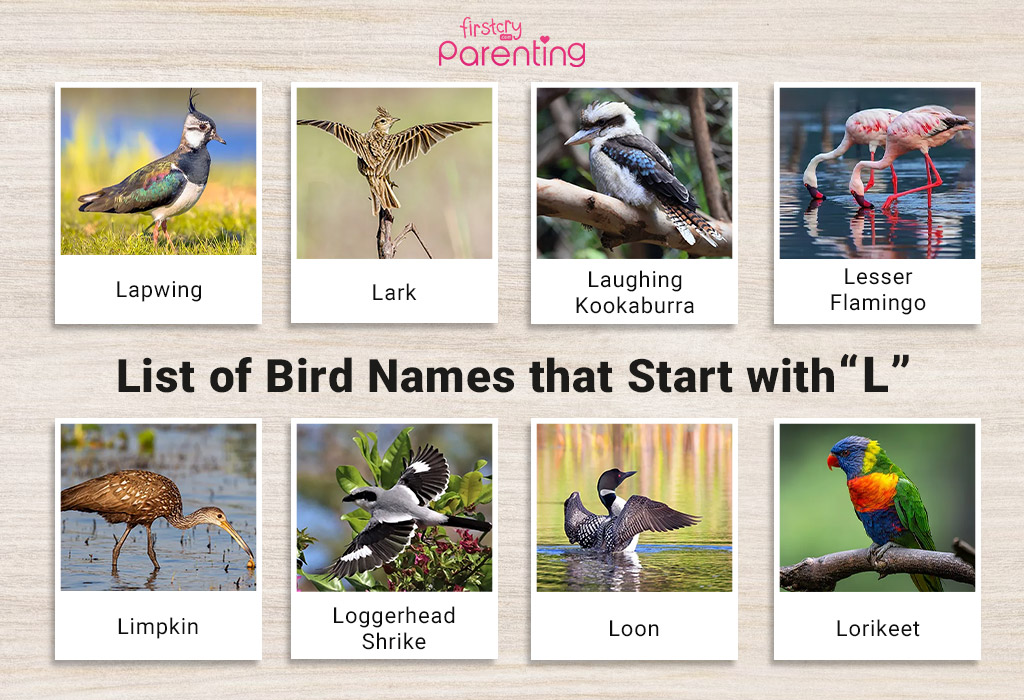
Bird watching has become one of the most delightful pastimes for adults and children alike. A wide range of colourful and exotic birds await to be discovered, some of which may surprise even the most experienced birdwatchers. Expanding your vocabulary and that of the young ones has never been more fun, especially when delving into bird names that start with the letter L. For parents and educators, introducing L-letter bird names for preschoolers and kids can be an exciting way to enhance kids’ vocabulary and foster a love for nature. In this guide, we will unveil the fascinating world of birds, starting with our feathery friends whose names begin with the letter ‘L’.
List of Common Birds That Start With L
Birds are beautiful creatures, each with its unique beauty and charm. Among the vast species, birds beginning with the letter L hold a special allure for birdwatchers and nature enthusiasts alike. Here’s a curated list to help you delve into the world of bird names with ‘L’.
1. Lapwing
Scientific Name: Vanellus vanellus
Where is it Found: Grasslands, wetlands, and coastal areas across Europe and Asia
Lapwings are striking birds known for their iridescent green or purple back feathers and distinctive crests on their heads. Their underparts are mainly white, and they have long legs suited for wading. Lapwings are medium-sized birds known for their peewit call, which gives them another common name—the Peewit.
Interesting Facts:
Lapwings are ground-nesting birds.
They perform elaborate aerial displays during the breeding season.
Their eggs have a unique pear shape that prevents them from rolling away.
2. Loggerhead Shrike
Scientific Name: Lanius ludovicianus
Where is it Found: North America, especially in open areas with short vegetation
The Loggerhead Shrike is a songbird with a unique hunting style. It has a grey head, white underparts, and black wings. Its distinctive feature is the black “mask” across its eyes. Despite its small size, it’s known as a fierce predator, feeding on insects, small mammals, and birds.
Interesting Facts :
This bird has a curious behaviour called “lardering,” where it pins its prey on sharp objects like thorns or barbed wire for later consumption.
3. Lark
Scientific Name: Alaudidae (family name)
Where is it Found: Larks inhabit various regions worldwide, with many species spread across Europe, Asia, and Africa.
Larks are small to medium-sized birds with a stout build. Their brownish plumage provides camouflage against predators. Larks are well-known for their melodic songs, which they often sing while in flight.
Interesting Facts:
Larks have been immortalized in poetry and songs for centuries, celebrating their uplifting and melodic songs.
Some species, like the Skylark, can sing non-stop for hours!
4. Lorikeet
Scientific Name: Trichoglossus (genus name)
Where is it Found: Native to the eastern coast of Australia, Papua New Guinea, Indonesia, and surrounding islands.
Lorikeets are small, brightly coloured parrots. Their brush-tipped tongues help them feed on nectar from flowers. Their vibrant plumage includes shades of green, blue, red, and yellow.
Interesting Facts:
Lorikeets have a special bond with certain trees.
The birds help pollinate the trees by transferring pollen while feeding on nectar, showcasing a beautiful relationship between nature.
5. Loon
Scientific Name: Gavia (genus name)
Where is it Found: Lakes and wooded lakeshores in Northern North America and Northern Eurasia
Loons are large, aquatic birds known for their eerie, haunting calls that resonate across northern lakes. They have sharp beaks, red eyes, and a black-and-white checkered pattern on their backs. They are excellent divers and can remain submerged for several minutes.
Interesting Facts:
Loons are powerful swimmers, but on land, they’re pretty awkward due to the placement of their legs towards the back of their body.
Their bones are denser than other birds, which assists in diving.
6. Limpkin
Scientific Name: Aramus guarauna
Where is it Found: Freshwater marshes and swamps of Florida, the Caribbean, and Central and South America.
Limpkins are wading birds with long legs and a slightly curved bill. Their plumage is a rich brown with white streaks and spots, giving them a somewhat streaky appearance. They primarily feed on apple snails, using their specialized bill to extract the snail from its shell.
Interesting Facts:
Their name, “Limpkin”, is derived from their peculiar limping-like flight.
The Limpkin’s cry is often used in movies to depict tropical or jungle settings, even in places where Limpkins don’t reside!
7. Lesser Flamingo
Scientific Name: Phoeniconaias minor
Where is it Found: Lakes and alkaline lagoons in parts of Africa and India.
Lesser Flamingos are the smallest of the flamingo species. They possess a beautiful pinkish-white plumage with black-tipped wings. Their long, lean neck, legs, and curved beaks give them a distinctive silhouette.
Interesting Facts:
Flamingos get pink colouration from the beta-carotene in the algae and crustaceans they eat.
Lesser Flamingos are known to form large colonies, sometimes numbering in the millions!
Also Read: Fun Facts About Flamingos for Children
8. Laughing Kookaburra
Scientific Name: Dacelo novaeguineae
Where is it Found: Forests and woodlands of Eastern Australia.
The Laughing Kookaburra is the largest member of the kingfisher family. It has a chunky appearance with a brownish back, white underparts, and a distinctive ‘laughing’ call, which sounds like echoing human laughter.
Interesting Facts:
Their laughing call is often used to establish territory.
Contrary to popular belief, they don’t eat fish as much as other kingfishers. Instead, they prey on insects, small reptiles, and even rodents.
9. Long-Tailed Tit
Scientific Name: Aegithalos caudatus
Where is it Found: Forests, woodlands, and gardens across Europe and Asia.
As the name suggests, Long-tailed Tits have exceptionally long tails in comparison to their small bodies. Their plumage is black, white, and pink, making them look delicate and attractive.
Interesting Facts:
These birds are known to form close-knit groups during winter.
They huddle together, forming a row, to conserve heat during cold nights.
10. Lyrebird
Scientific Name: Menura (genus name)
Where is it Found: Rainforests of Southeastern Australia.
Lyrebirds are ground-dwelling birds known for their impressive tail feathers, which resemble a lyre (a musical instrument). They also have strong legs and claws for digging.
Interesting Facts:
They are among the world’s best mimics.
Lyrebirds can imitate chainsaws, camera shutters, car alarms, and other birds’ calls.
During the mating season, the male uses this talent and displays its tail feathers to attract females.
11. Lazuli Bunting
Scientific Name: Passerina amoena
Where is it Found: Western North America, especially in brushy areas and along woodland edges.
This small, vibrant songbird is truly a sight to behold. Males are adorned with a brilliant blue head and back, offset by a white belly and chestnut-coloured wings. Females sport a more muted brownish-green hue but are still elegant.
Interesting Facts:
The Lazuli Bunting’s bright colours make it a favourite among birdwatchers.
During courtship, the male often flies up into the air while singing, then parachutes back down with wings spread and tail splayed.
12. Lanner Falcon
Scientific Name: Falco biarmicus
Where is it Found: Across Africa, Southeast Europe, and into Asia. Prefers open habitats, from desert to light woodland.
The Lanner Falcon possesses a sleek grey-blue back and a rufous crown, with a notable creamy underbelly streaked with darker shades. Renowned for its speed and agility, this falcon is adept at catching prey mid-flight.
Interesting Facts:
Historically, Lanner Falcons were used in falconry due to their outstanding hunting skills.
They have a distinctive courtship display involving fast and agile flying manoeuvres.
13. Leach’s Storm-Petrel
Scientific Name: Oceanodroma leucorhoa
Where is it Found: Open ocean across the Northern Hemisphere, often far from the coast.
A small seabird, Leach’s Storm-Petrel has dark plumage, long wings, and a slightly forked tail. It flits gracefully over the water’s surface, often without flapping its wings, picking small food items from the ocean’s surface.
Interesting Facts:
Unlike many seabirds, storm petrels are nocturnal in their breeding colonies to avoid predators.
Their name, “Petrel,” is derived from “Peter” due to their ability to seemingly walk on water, similar to the biblical story of Saint Peter.
14. Lewin’s Honeyeater
Scientific Name: Meliphaga lewinii
Where is it Found: Coastal Eastern and Southeastern Australia.
Lewin’s Honeyeater is distinguished by the distinctive yellow patch around its ear. Its plumage is primarily dark green, and it feeds primarily on fruits and nectar but will also eat insects.
Interesting Facts:
They have a unique and loud “machine-gun” like call, which they use to establish territories.
These birds play a crucial role in pollinating flowers, especially those of the native Australian trees.
15. Little Owl
Scientific Name: Athene noctua
Where is it Found: Across Europe and parts of Asia and North Africa. They prefer open countryside with patches of woodland.
As the name suggests, Little Owls are relatively small. They have stout bodies with mottled brown and white plumage, and their fierce yellow eyes and flat-faced appearance make them unmistakable.
Interesting Facts:
These owls are diurnal, meaning they’re often active during the day, especially in the early morning and late afternoon.
Despite their small size, they have a loud call and can be pretty territorial.
16. Little Egret
Scientific Name: Egretta garzetta
Where is it Found: Wetlands, lakes, rivers, and coastal areas across Europe, Asia, and parts of Africa.
A striking, medium-sized bird with pure white plumage, the Little Egret is most identifiable by its black legs and contrasting bright yellow feet. This wader gracefully strides through shallow waters, searching for fish and invertebrates.
Interesting Facts:
Once hunted extensively for their delicate plumes, Little Egrets faced drastic reductions in numbers.
Protective measures and changed fashion trends have since allowed their populations to rebound.
Their feathers, once a luxury item in women’s hats, played a role in the early conservation movement.
17. Linnet
Scientific Name: Carduelis cannabina
Where is it Found: Open landscapes, farmlands, and heathlands across Europe and parts of Asia.
Linnets are small finches, with the males showcasing a lovely crimson forehead and breast, contrasting their brown upperparts. Females are more muted in colour, primarily brown with streaks. Both sexes have a delightful, melodious song.
Interesting Facts:
Linnets derive their name from their preference for flax seeds used to produce linen.
They often form large flocks outside the breeding season, providing a beautiful spectacle.
Other Birds Beginning With L
Apart from the detailed birds we’ve previously discussed, there’s a plethora of avian species whose name starts with the letter L. Each bird, whether big or small, colourful or muted, plays a vital role in the ecosystem and adds to the mesmerising beauty of the avian world. Here’s a quick list to quench your curiosity:
Lanceolated Warbler
Lapland Longspur
Large-billed Tern
Large-tailed Nightjar
Laughing Dove
Leadbeater’s Cockatoo
Least Bittern
Least Flycatcher
Least Grebe
Least Sandpiper
Least Tern
LeConte’s Sparrow
Lesser Black-backed Gull
Lesser Cuckoo
Lesser Frigatebird
Lesser Goldfinch
Lesser Nighthawk
Lesser Scaup
Lesser Spotted Woodpecker
Lesser Whistling Duck
Lewis’s Woodpecker
Light-mantled Albatross
Lilac Kingfisher
Lined Seedeater
Little Auk
Little Bee-eater
Little Blue Heron
Little Bronze Cuckoo
Little Brown Bat (Not a bird but often included due to its name)
Little Corella
Little Crake
Little Crow
Little Cuckoo-Dove
Little Curlew
Little Forktail
Little Friarbird
Little Grebe
Little Gull
Little Penguin
Little Pied Cormorant
Little Ringed Plover
Little Shearwater
Little Stint
Little Tern
Little Wattlebird
Long-billed Corella
Long-billed Curlew
Long-billed Dowitcher
Long-billed Thrasher
Long-crested Eagle
Long-eared Owl
Long-legged Buzzard
Long-tailed Broadbill
Long-tailed Duck
Long-tailed Hermit
Long-tailed Jaeger
Whether you’re a budding birdwatcher or a seasoned ornithologist, there’s always something new to discover. With every bird that starts with the letter L, you’re one step closer to appreciating the vast diversity and beauty of the avian world.
FAQs
1. How can I attract birds beginning with the letter L to my garden?
Planting native trees and shrubs, providing fresh water sources, and offering bird-friendly foods in feeders can attract various birds, including those that start with the letter L, to your garden.
2. Are any of the birds that start with the letter L endangered?
Several birds that begin with the letter L are listed as endangered or vulnerable, such as the Long-billed Curlew and the Lesser Flamingo. Awareness and support of conservation efforts to protect these species is essential.
The fascinating world of birds starts with the letter L and offers a diverse array of species, each with unique charm and significance. Exploring and learning about these avian wonders enriches our knowledge and underscores the importance of conserving their habitats for future generations.
Birds Names That Begin With (A to Z)
A
B
C
D
E
F
G
H
I
J
K
L
M
N
O
P
Q
R
S
T
U
V
W
X
Y
Z
Read more
8 Tips to Handle Potty Training Regression and Get Your Child Back on Track
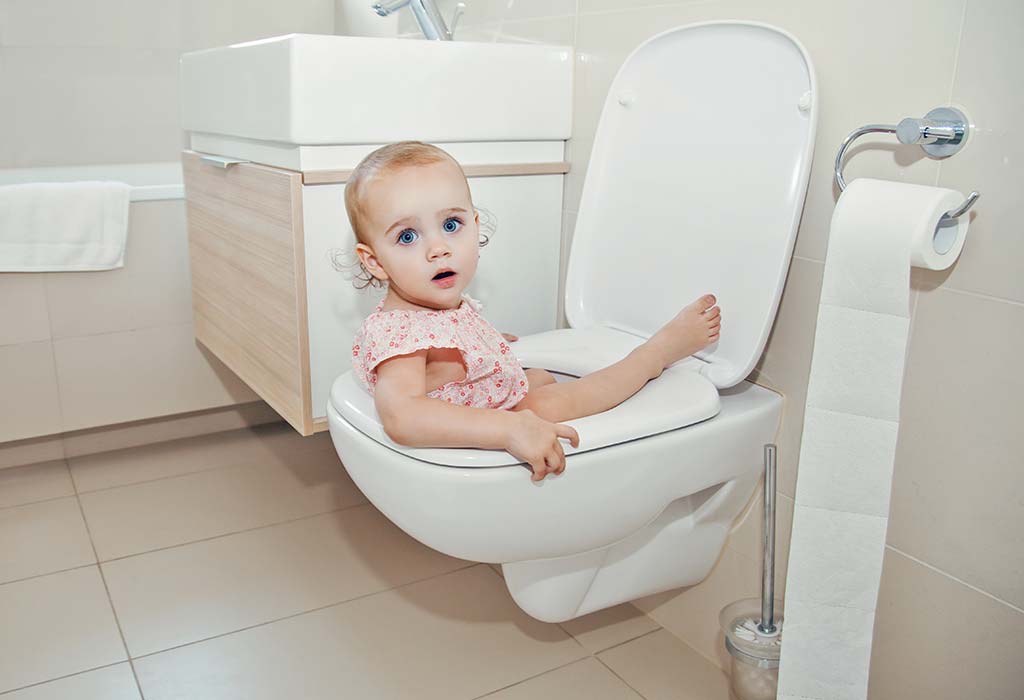
Just when you thought your child’s potty training days were over and you didn’t have to spend extensively on diapers, your baby starts backsliding! You may feel disheartened and lose your patience too, but it is a very normal phenomenon for kids to experience or go through potty training regression. Well, there are no fixed reasons for the same, and every child may experience a setback because of a different reason. However, what is important is to get your kid back on track, and if you are thinking how to go about it, well, this article discusses that in detail, read this article to know more!
Why Do Children Regress?
Well, no specific or single reason can explain this phenomenon. But the main reason could be the inconsistency and lack of motivation. Sometimes parents may not even realise that in their eagerness and efforts to train their child, they may hurry up with the process but in reality, their kid may not be ready yet, thus leading to regression. Apart from the parent’s approach, sometimes it may be the child’s negligence or change in diet that may trigger the regression.
What Can Trigger Regression?
As discussed above, not a single reason is responsible for the regression. Here are some common reasons that may lead to toilet training regression in kids:
The child may be suffering from UTI or urinary tract infection.
There may be a new addition in the family, baby brother or baby sister.
If the child has faced some unpleasant toilet experience.
If the child has recently joined a daycare or kindergarten.
If the child is suffering from any kind of anxiety or stress.
If there is some abrupt or sudden change in the child’s routine.
If there is some major change in the child’s life such as change of place or house.
If the child is being bullied or severely disciplined at school or daycare.
These are some of the reasons that can shake your child emotionally, and thus potty training regression could appear as one of the side-effects of such scenarios.
Tips To Deal with Potty Training Regression
Do not feel disheartened, because there are ways to correct potty-training regression. We bring you some tips that may help you to deal with your kid’s potty-training regression:
1. Be Positive about It
The first and foremost thing for you to understand is that is it absolutely okay for kids to experience this kind of situation. Being positive about the situation will help both you and your kid, however, if any kind of negativity crops up it will only discourage your kid, and this means slow or no progress at all.
2. Be Consistent
Do not worry if you could not achieve it on the first go, there is always a second time. Make sure you are consistent with your efforts, and this means making it a habit and using positive re-enforcement to achieve the same. Also, after you feel your child has been trained, keep sticking to the basics until it becomes a habit for your kid. Never skip or be lenient with your rules.
3. Make Changes in Your Kid’s Diet
One of the main reasons of regression could be constipation, and young children dread to pass a hard stool. They may not want to do potty fearing that it will hurt them. Make sure you include a lot of fibre in your child’s diet. Also, ensure that your kid is drinking enough water and also takes other kinds of liquids too. Refrain from giving more liquids close to bedtime.
4. Watch For Some Medical Issue
Sometimes it may not be you or the child who may be at fault, but it may be some underlying medical issue because of which your kid may be experiencing a setback. It is very common for children to have threadworms, stomach infections, bladder infections or type-1 diabetes and thus experience toilet mishaps. Get your child thoroughly examined to know the exact cause.
5. Do Not React
It is how you react to a situation that may sometimes prove to be helpful to your child or do just the opposite too. If your child exhibits this behaviour, do not make a big fuss out of it. Instead, deal with it calmly. It is quite possible that such mishaps are just a one-time thing and kids bounce back to their progress. However, if you make a big deal out of it, your kid may get adversely affected and may keep repeating the same mistake.
6. Never Punish
Never punish or get angry at your child. It is the worst thing that you can do to your kid. This may scare the child, and sometimes it may cause so much fear that the child may begin resenting going to potty. This may further lead to health complications like constipation and other issues too. Try and understand that it is not in your child’s control and such accidents are common happenings.
7. Reward Your Child
When your child starts showing progress after the episode of regression, you must reward your child. You may shower your kid with some words of appreciation or treat him with his favourite food. Let your child understand that his efforts are appreciated and he is doing a good job.
8. Sympathise with Your Child
Let your child know that you understand their plight and state of mind. Tell them that you are there and you will help them deal with this situation. You can also narrate or share your personal experiences or talk about the similar experiences of the siblings. This will help the child understand that he is not the odd one out and it is normal to experience what he may be going through.
We hope these tips help you in getting your child back on track with his potty training!
Also Read:
How to Prepare Toddler for Potty Training
Potty Training Ideas for Toddler
Potty Training Problems with Young Kids
Read more

The Sign of the Great Twins – Things You Should Know About a Gemini Child!
Did you know during the early history of Mesopotamia, information about the celestial objects was recorded on Sumerian tablets that date back to 1000 BCE? One of these tablets has an interesting story to share about the two minor Gods, Castor and Pollux, who are the two brightest stars of the Gemini constellation. The brothers, despite having two different fathers, were considered inseparable. When the mortal brother, Castor, died, Pollux, the immortal one, went distraught. His father Zeus helped him by making Castor immortal and turning them both into the two brightest stars of the Gemini constellation.
Fun story, right? Geminis are those born between May 21st and June 21st. Because the sun sign is associated with the Great Twins, Geminis are often considered to have twin personalities, but there’s more to them than that! If you’ve been wondering what the characteristics of a Gemini are, you’ve come to the right place. Your Gemini baby Girl or Gemini baby boy is more likely to have the following personality traits.
Personality Traits of a Gemini Child
Here are some common traits Gemini kids share.
1. Learning Stimulates Them
Gemini kids are immensely observant and are constantly learning. Things and people that stimulate their minds always attract them. Your Gemini baby loves it when you interact with her. She cannot have a dull moment ever, and she reciprocates well when you interact with her through sounds and words. Some Gemini babies enjoy noise, and sometimes chaos too!
2. Creative Seekers
Their minds are always occupied with creative ideas and thoughts because they are generally observant. A Gemini child will most likely hang out with equally creative friends because she finds them like-minded and motivating.
3. Unpredictability
They are unpredictable too. You wouldn’t know what your Gemini baby would be up to the very next moment. This trait might make her come across as eccentric, but it’s her way of not getting caught in the ordinary, and juicing up her life.
4. This or That?
Some Gemini kids might find making a choice between two or more things difficult. When given options, they will keep going back and will take forever to choose one. This could seem like a concerning Gemini personality trait, but when well-wishers she can trust surround a Gemini baby, making a decision is easier for her.
5. Loyal Friends
Gemini kids are extremely loyal, supporting, and encouraging as friends. They are incredibly social, make friends in a jiffy, and somehow understand how important it is for them to maintain their friendship. Therefore, they tend to be extremely loyal to their pals.
6. Little Pranksters
Gemini kids dislike a dull and boring life. Their creative minds can make them the little pranksters you always ran away from when you were a child. As they grow, they develop an incredible sense of humour and love to pull a practical joke once in a while.
7. Complaints Make Them Impatient
Your fun-loving, creative, and intelligent Gemini baby is on a constant search for stimulating, adventurous, and even weird things. They can’t tolerate stagnancy and boredom. Therefore, when there’s scope for improvement, they need a mentor, not someone who will make them feel bad about their choices. A little gentle guidance will go a long way.
8. Conflicts? Keep them away!
As is the case with complaining people, they also dislike conflicts and always try to avoid them. But, they won’t think twice before retaliating if they are cornered. The intelligent Gemini baby knows when to strike, and seldom would let anyone walk all over her.
9. Blunt and Honest
Gemini kids are never afraid to share their thoughts and feelings. They know no other way to tell the world what affects them. Gemini kids are often the spokesperson for their grade in school, who can put their observations systematically in front of the faculty to make learning interesting for kids.
10. They are Independent
They can handle most things independently and don’t often ask for help. Your Gemini baby is a keen observer. She will see what you and the others in the family do and pick it up. If you have the right environment at home, you’ll be surprised at how soon and how well-behaved she would turn out to be!
Tips on Raising a Gemini Child
Parents are constantly under the pressure of raising their kids right. Thoughts about Gemini personality traits would vary from person to person. But, instead of dwelling on whether a trait is positive or not, parents should focus on how to discipline their Gemini child if some of these traits are affecting their behaviour. All of us are human, after all, and kids need special attention to know what’s best for them. These tips will help you handle your Gemini baby with care.
As your Gemini baby grows, she can manage most things independently, but given that she is only a child, it’s better to keep an eye out for her and help when it is really needed.
Talking and communicating can help your Gemini baby improve her literacy skills, which will be very useful to her in the future. The not-so-chatty parents can set some time apart for their Gemini chatterboxes to communicate with them and the rest of the family, instead of shutting them down.
Your little keen observer, with her bluntness, could put you in a tricky spot. You may have to watch your actions for a while, but when your Gemini baby is a little older, you can start teaching her the difference between personal and private things, and share only specific information wisely.
Practical jokes could get out of hand if your Gemini kid is not taught the importance of safety. Her mind-boggling sense of humour need not be tamed, but it can be timed, and enjoyed with your guidance.
Give your child access to books and activities that can keep her mind stimulated for all the right reasons.
Gemini kids are loyal friends; therefore, they seldom do anything that could hurt their friends. This trait could be misinterpreted and used by others to influence your child into incorrect activities. Therefore, always keep a watch on your child’s whereabouts and stay connected with her friends and their parents.
Every star in the Gemini constellation is different. By the way, 85 of those stars are visible from our planet with the naked eye. Gemini babies, too, will have different characteristics that define them. However, their personalities also depend on how they are raised. As much as these traits come handy and prove entertaining, what matters, in the end, is the love, care, and discipline you inculcate in your little star.
Also Read:
Things That You Should Know About an Aries Child
Things You Should Know About a Taurus Child
Things That You Should Know About a Sagittarius Child
Read more

Healthy Weight Gain Foods for Babies & Kids
While weight gain in children is a primary concern for most Indian mothers, it is important to remember that your aim should be to ensure a balanced diet that provides your child with all the nutrition she needs to grow and stay healthy. This will automatically help the child attain a healthy weight. Offer your child three healthy, balanced meals daily and healthy snacks in between. A varied diet also ensures that she gets enough nutrients, various vitamins, and all the minerals required for the overall development of her brain and physique. In this article, we shall see the best and most effective baby weight gain food.
Also Read: Best High Calorie Foods for Babies
Video: 8 Healthy Weight Gain Foods For Babies and Toddlers
Why Is It Important for Your Kid to Eat Healthy?
The initial years of life are important to build healthy eating habits in kids. When you introduce your child to healthy food habits at an early age, they are likely to stay with her for life. It will also ensure less fights and fussy faces during mealtimes as she grows up. It will make your life easy when you’re travelling or eating out. Whether she should form a liking towards junk food or fruits and salads is for you to decide at this stage – of course we know what you would rather have your child choose! Besides healthy eating, you should also ensure that your kids are active and have enough time to play, especially in the sun. This helps build immunity and ensures fewer doctor visits.
How to Increase Weight in Children?
As per the US Centers for Disease Control and Prevention study,the ideal weight for children Or teens can be measured using their BMI-for-age percentile growth charts. Some kids do not seem to gain weight, and there could be multiple reasons. One reason is the genetic constitution of the underweight child’s parents. The baby may share similar physical attributes if both the mother and the father are lean. Metabolism also plays an important part in a child’s weight gain pattern. If your child is otherwise active and healthy, she will eventually meet the weight milestone for her age.
You can consider keeping a food diary for your child, noting likes, dislikes, preferences and allergies, and preparing weekly menus to make mealtimes fun and tantrum-free. Here are a few tips you can try to boost weight gain in your child:
Ensure that the child gets adequate exercise and indulges in physical activities so that her appetite is healthy.
Focus on providing a healthy, well-balanced, and nutritious diet and don’t just concentrate on weight gain.
As the child grows, introduce her to sports such as swimming, cycling, etc. Active participation in sports will help her work up an appetite and also help develop her physique.
Also Read: High Fiber Rich Foods For Babies
Best Foods for Weight Gain in Babies and Toddlers
While planning meals for babies and toddlers, parents will need to keep the child’s nutritional requirements in mind. Children must consume a well-balanced diet that will provide substantial and healthy calories. Parents also need to make mealtimes interesting so that their child looks forward to it and doesn’t become a fussy eater.
Some parents feed sugar-laden sweets to increase weight in babies; however, it is unhealthy and will eventually do your child more harm than good. There are plenty of healthy options that you can turn to, to increase your child’s weight. Here are the best foods for weight gain in babies and toddlers that you should include in their diet:
1. Breast Milk
Let’s start off with the most obvious suggestion there is – feed your child breast milk! It is recommended that a baby is exclusively breastfed during the first 6 months after birth. This is the most nutritious, easily digestible, perfectly balanced, and healthiest superfood that can build your child’s immunity for life. It also fosters the bond between mother and child. If your baby is active, looks healthy, is free of allergies, passes 4-6 stools a day, and wets 6-8 diapers, it indicates that she is getting enough breast milk. After 6 months of age, you can introduce liquids and semi-solid foods to your baby’s diet along with breast milk.
2. Bananas
This fruit is rich in potassium, Vitamin C, Vitamin B6 and carbohydrates. It is also loaded with calories, making it a great food for your baby to eat to gain weight. Mash bananas or serve them in a smoothie or shake. Steamed Kerala bananas can be mashed and fed to babies for great results. It can be a part of your baby bag while travelling and makes for a convenient snack.
3. Sweet Potatoes
Sweet potatoes are easy to boil and mash. They are tasty, nutritious, easy to digest, and healthy. They are also rich in Vitamin A, Vitamin C, Vitamin B6, copper, phosphorus, potassium, and manganese – the best nutrients to help kids gain weight.
Sweet potatoes are also loaded with dietary fibre. You can make tasty purees and soups from this vegetable.
4. Pulses
Pulses are full of nutrients. They are rich in proteins, magnesium, calcium, iron, fibre, and potassium. After 6 months of age, you can introduce dals in the form of soup or daal paani, which is one of the most popular weight gain drinks for children.
You can also feed well-mashed khichadi. Moong daal is easily digestible and is a good option for babies. Cook pulses with rice and/or vegetables for a nutritious and fibre-rich meal.
Around 7–9 months is the appropriate time to introduce your baby to some more new flavours and textures. Start feeding semi-solids, chunky, and mashed food. You can start giving your baby homemade porridge or cereals available as a ready mix in the market. For homemade cereals, you can wash daal, millets, pulses, and rice and sun-dry them. Afterwards, mildly roast the same and grind these in the mixer. Prepare multiple powders and store in labelled bottles for quick meal options. Use as and when required.
5. Ragi
Also known as finger millet or ‘nachani‘, this superfood is perfect to boost weight gain and the development of the baby. It is rich in dietary fibre, calcium, iron, proteins, and various other vitamins and minerals.
It is easily digestible and can be introduced to babies in the form of idli, dosa, porridge, malt, or cereals. Toddlers can have the same in the form of their favourite cakes, cookies, and puddings (made healthier, of course!).
6. Ghee
Ghee or clarified butter has high nutritional value. Introduce it around the 8th month of your baby’s life. A few drops of ghee can be added to porridge or sprinkled on top of mashed khichadi or daal soup.
Homemade ghee from milk or malai (cream) is the best option for you if you are worried about adulteration. It is a great food to help your baby gain weight in a healthy way. Remember to use ghee in moderation as consuming it in excess can upset the baby’s tummy.
7. Dairy
It will be appropriate to add dairy products like yoghurt to your child’s diet after age one. Yoghurt provides fat and nutritious calories for healthy weight gain in the baby. It also improves digestion, increases immunity and helps with gastric troubles. It can be made interesting by making yoghurt smoothies or shakes with added chunks of fruits in them.
Packed milk, butter, cheese, etc., should be introduced after 12 months of age or after taking the paediatrician’s opinion. Butter and cheese make food interesting for toddlers and add to the fat content required for healthy weight gain. Add a dollop of butter or a slice of cheese to enhance the taste of a dish served to your child.
Cow’s milk should only be introduced to your baby after she turns one. Ensure you include at least 2 glasses of milk daily in your kid’s diet until she reaches her teens. Milk can be made interesting by adding dry fruits or health mixes available in various flavours in the market. Overeating or eating less of dairy products must be considered, as too much or too little can cause trouble for your child. If your child has lactose intolerance or gastric problems after consuming dairy products, please consult the paediatrician.
8. Eggs
This protein powerhouse should be introduced to your baby only after she turns one. Eggs are rich in saturated fats, proteins, vitamins, and minerals; you can make several tasty dishes with them, omelettes, scrambled eggs, boiled eggs, egg rice, or French toast being a few options.
Care should be taken to check for allergies and to procure good quality, disease-free farm eggs to avoid health issues. Families who prefer non-vegetarian food can introduce meat or fish to the child’s diet after consultation with the paediatrician.
9. Dry Fruits and Seeds
Almonds, pistachios, walnuts, apricots, cashews, raisins and seeds like sesame, pumpkin, flax, etc., provide kids with adequate nutrients to gain weight. They can be added to food in many interesting ways. Powder them and add to your child’s milk or sprinkle the powder on top of cereals. You can also simply give them a handful of nuts and seeds to eat.
Peanut butter or almond milk are other tasty and healthy options your child will love. Almond milk especially is ideal for kids who cannot drink cow’s milk due to a dairy allergy or lactose intolerance. Dates syrup added to milk will make it an iron-rich food option for kids. It is often used as a weight gain drink.
10. Avocados
They are a rich source of Vitamin B6, E, C, K, folate, copper, dietary fibre, and pantothenic acid, and also have a high percentage of fat. Served as dips or spreads, avocados are an irresistible addition to any meal. You can even make a delicious and nutritious milkshake with avocados.
11. Chicken
Chicken is a rich source of easily digestible protein. Easily available and affordable, it helps your child build muscle mass and thus, gain healthy weight. Chicken is a versatile meal option and can be served in any form, be it in curries, as kebabs, or in salads too.
12. Tropical Fruits and Vegetables
Rich in natural sugars, essential vitamins, and immunity-building minerals, tropical fruits and vegetables are a must in every child’s diet chart. These include papaya, mangoes, and pineapples. Toss steamed vegetables in some butter or put together a colourful fruit salad for your child to tuck into at snack time.
13. Quinoa
This nutrient-rich grain is an excellent protein, fibre, and essential amino acid source. Cooked quinoa can be mashed or added to purees to increase calories and promote weight gain.
14. Makhana (Fox Nuts)
Makhana, also known as fox nuts or lotus seeds, is a nutritious, low-calorie snack. They are rich in carbohydrates, fibre, and minerals, making them an excellent choice for promoting weight gain in young children. Makhana can be roasted and crushed into a powder to sprinkle on dishes or given as finger food for toddlers.
15. Sattu
Sattu is a traditional flour from roasted grams (chickpeas or barley) commonly used in Indian cuisine. It is high in protein, fibre, and essential nutrients. Sattu can be mixed with water, milk, or yoghurt to make a nutritious drink or incorporated into porridge or baked goods to increase calorie intake.
16. Nut Butter
Natural nut butter, such as almond or cashew, are packed with healthy fats and protein. They can be spread on toast, mixed into porridge, or used as a dip for fruits, providing extra calories and nutrients.
17. Coconut Milk
Full-fat coconut milk is a creamy and nutritious alternative to cow’s milk. It contains healthy fats that can help promote weight gain in babies and toddlers when used in cooking or added to smoothies.
18. Chia Seeds
These tiny seeds contain healthy fats, fibre, and essential nutrients. They can be added to yoghurt, smoothies, or oatmeal to increase calorie intake and provide a nutritional boost.
19. Nutritional Yeast
Often used as a cheese substitute, nutritional yeast is a deactivated yeast that offers a savoury flavour and is a good source of protein and B vitamins. Sprinkling a small amount of nutritional yeast on dishes can enhance the calorie content and provide additional nutrients.
20. Camel Milk
Camel milk is an excellent alternative to cow milk with unique nutritional benefits. It is rich in proteins, healthy fats, vitamins, and minerals. Camel milk is also easier to digest for some individuals and may be suitable for babies and toddlers who have difficulty tolerating cow milk. It can be consumed as a standalone drink or used in recipes as a substitute for cow milk.
Remember, it is important to consult with a paediatrician or a qualified healthcare professional before introducing any new foods to your baby’s diet.
Age Wise Breakdown of Weight Gain for Kids
* Image Courtesy – www.parentinginshort.com
The weight gain pattern differs from baby to baby, and there is no absolute way to compare. However, doctors use a weight chart created on the basis of the average weight of Indian babies. Ideally, your child should follow the pattern, and her weight should be in a range similar to that indicated by the chart. Parents should refer to this chart as a general guideline only and to remember that the paediatrician’s advice is the best for any special requirement of your child.
1. Baby – 0 to 12 months
Your child will grow up fast in the first few months of infancy. Every month, your baby will gain weight and increase in height. You will be shopping for clothes quite often. Do ensure that your child gets enough sleep and is well fed, vaccinated as per schedule and is taken for regular check-ups. The baby is recommended to be exclusively breastfed during the first 6 months of her life and eventually introduced to other liquids or semi-solid foods while still being fed breast milk. Ideally, The baby should double her birth weight by 4-6 months.
2. Toddler – 12 to 36 months
This is an active phase in your baby’s life, and lots of development happens during this age regarding emotional and social growth. Your child will start exploring the world and will be exposed to other children in daycare or when you take her for a stroll in the neighbourhood. Immunity and food habits that were built up in the first year will now be even more important. The weighing scales will show fluctuations based on various factors and emotional state of mind, anxiety of separation from parents, new environments, and changes in diet and food habits.
3. Preschoolers – 4 to 6 years
The qualities, habits, and other developmental aspects the child picks up at this age will last for a lifetime. Your preschooler’s hectic schedules and active lifestyles will call for an increased calorie intake and a variety of nutritional food. On average, she will put on about 2 kilograms per year.
4. Children – 7 to 12 years
As she moves from being a preschooler into the age group of preteens, your child’s nutritional requirements will increase, and her weight gain will stabilise. She’ll gain about 3 kilograms per year during this phase. She will have the same food as other family members at this age.
Diet Chart for Children to Gain Weight
Diet charts can be in the form of weekly menus or meal plans that cover all the required nutrients to be included in a kid’s diet. They can be put up with interesting pictures of food on your refrigerator. You can ensure that both you and your child (if she’s old enough) participate in making the menu exciting and mealtime fun. Every week, you can introduce new food and expand the options available to your child.
The diet chart changes with every age group. Ensure you include portions of fruits, vegetables, dairy, starch, and proteins to make it a well-balanced meal.
How to Get Kids to Eat Healthy?
Your kid will follow in your footsteps. Therefore, you must lead by example for your child to follow healthy eating habits. For example, if you survive on packaged junk food, you cannot restrict your child from doing the same. Here are some things you can try to make your child develop a taste for healthy foods.
Healthy Eating Tips
Make mealtimes interesting and pleasant by introducing colourful plates, cutlery, music, etc. You can occasionally take your child outdoors to the park for a picnic meal.
Do not rush feeding time. Have patience, and, if required, have other family members take out the time to feed your child. Not only will this help foster healthy relations between them and the child, but it will also take some of the stress off of you, so that you can do other things as well.
Sometimes, kids refuse to eat. Don’t force-feed your child or get angry. Patience is key; you will have to try introducing the food on another day or another way.
Keep track of allergies the kid might develop. It could be to nuts, gluten, fish, or she could develop lactose intolerance. Seek immediate medical assistance, and do not try to resolve it through self-medication.
Have set mealtimes so that the child’s body cycle is set accordingly. Do not feed her in between mealtimes.
If at all your little one is hungry but it isn’t time for a meal yet, tide her over with healthy snacks, like raisins or fruits.
Overeating as well as eating too less, should be discouraged.
Keep your child well-hydrated. Often, it could be thirst that makes your child think that she’s hungry. Provide her with a glass of water if she complains of hunger at odd times or between meals.
Provide your baby with homemade meals. While travelling, stick to healthy options like fruits rather than junk or unhygienic food.
As your child grows, include her in choosing meal options and let her help you with cooking. She will be more accepting of the food served to her if she has a hand in choosing or preparing it.
Junk food gets a lot of positive marketing, making it quite appealing for kids despite all its negative effects. Healthy food, on the other hand, doesn’t get enough praise! Well, that’s up to you to change. When you take your child shopping for food and produce (which you should do regularly), tell her of all the advantages she can gain by choosing an apple over a chocolate bar. Make it fun and entertaining, just the way kids like it, so that the next time you go shopping, your child runs to the healthy foods section because she wants to!
Introduce new foods at weekly intervals along with her favourite foods. Appreciate her when she tries out something new.
FAQs
1. Do Children Gain Weight Before Growing in Height?
Yes, it is common for children to gain weight before experiencing a growth spurt in height. During periods of growth, the body undergoes various changes, and weight gain often occurs due to the body preparing for increased height. These changes include muscle mass development, bone density, and an increase in overall body size. Weight gain is a natural and necessary part of growth and is usually followed by a growth spurt in height. However, the timing and rate of growth can vary among individuals.
2. Why Is My Baby Not Gaining Weight Quickly?
There could be several reasons why a baby is not gaining weight quickly. Some possibilities include inadequate calorie intake, digestive issues, medical conditions, or poor feeding habits. It is important to consult a healthcare professional to determine the underlying cause and appropriate steps to address the issue and help baby gain weight faster.
Do remember that maintaining healthy eating habits in children is more important than having them reaching a target weight. Let your child consume a healthy and wholesome diet, and she will eventually reach a healthy weight. If you are concerned about your child not putting on weight despite trying the above tips and foods, consult the doctor. He will be able to evaluate the situation and prescribe weight gain supplements for children if required.
References/Resources:
1. About Child & Teen BMI; CDC; https://www.cdc.gov/healthyweight/assessing/bmi/childrens_bmi/about_childrens_bmi.html
2. Nutritional Value of Milk; Food and nutrition; https://www.moh.gov.sa/en/HealthAwareness/EducationalContent/Food-and-Nutrition/Pages/milk.aspx
3. Yogurt, Greek, plain, nonfat; U.S Department of Agriculture; https://fdc.nal.usda.gov/fdc-app.html#/food-details/330137/nutrients
4. Avocados, raw, all commercial varieties; U.S Department of Agriculture; https://fdc.nal.usda.gov/fdc-app.html#/food-details/171705/nutrients
5. Sweet potato, raw, unprepared (Includes foods for USDA’s Food Distribution Program); U.S Department of Agriculture; https://fdc.nal.usda.gov/fdc-app.html#/food-details/168482/nutrients
6. Market Intelligence Report: Makhana; agrieexchange; https://agriexchange.apeda.gov.in/Weekly_eReport/Makhana_Report.pdf
7. Patient Education Resources; St. Jude Children’s Research Hospital; https://together.stjude.org/en-us/patient-education-resources.html
Also Read:
Best Finger Foods for Babies
Introducing Solid Food to Infants
Healthy Indian Winter Foods for Babies with Recipes
Read more
Parent Talk: How Two Indian Moms Manage Their Kids' Screen Time
As parents, we understand that children and TV go hand-in-hand – there’s always a good song, a good movie, or a funny advertisement that catches the child’s attention, and from there on, it’s a battle to take the child’s eyes off the screen! With so many new kiddie shows and films coming out, it’s getting tougher for parents to set rules and restrictions. Having screen time for kids is beneficial in its own way, but how does one draw a line? How much screen time is bad, and how much is good?
Studies conducted by the American Academy of Paediatrics (AAP) show that spending too much time in front of screens has been linked to kids not getting enough sleep, getting poor grades, and being more prone to obesity.
Now, we know how much simpler it is to hand a wailing toddler a phone to shut him up than to plan an elaborate distraction every single day. So, how do moms in India tackle screen time issues? Let’s find out.
We spoke to two mothers – Sandhya Lal Challapalli from Mumbai, a mom to a seven and a ten-year-old, and Arwa Saifuddin from Pune, a mom to an almost-four-year-old – and got some interesting insights into what it’s really like to have kids in the age where screens and TV are omnipresent. One of the most important things we learnt from these interviews is that each mom thinks and works in accordance with how her child is, so every mom’s experience is subjective.
That said, let’s see what these moms had to say!
1. Arwa Saifuddin, Pune
Arwa works from home and is a mom to a creative and independent 4-year-old who enjoys watching shows on YouTube. As a mother, Arwa faces just one challenge – feeding her fussy-eating child nutritious food without the presence of a screen. What are her opinions on screen time? Read on!
1. For how long do you allow your child to watch TV or use a smartphone?
Arwa: My daughter usually doesn’t watch TV because I don’t watch TV myself – it’s just a piece of furniture in my house because I prefer reading. But we usually connect the phone to the TV using Chrome and allow her to watch her favourite cartoons or nursery rhymes. She mostly watches these shows while having her meals because it helps her eat well. So, divided into 15-20 minute schedules, she watches TV for about an hour every day.
2. How do you get your child to follow limited screen time?
Arwa: We have already told her that she will get to watch her shows for a limited time. She obviously doesn’t want to give the phone back – I just take it away from her. She does throw tantrums for 5-10 minutes after that, but we don’t pay any attention to her. She forgets within that much time, gets distracted, and starts playing with her toys.
3. How do you manage your child’s tantrums when you limit screen time?
Arwa: I ignore her tantrums, so she calms down on her own. She knows she isn’t going to get any attention after a point, so she diverts her mind and starts playing with her toys instead.
4. Do you ever let your child binge-watch their favourite shows every once in a while?
Arwa: Yes! She loves watching Peppa Pig – that’s her favourite. But most often, she plays her favourite nursery rhymes and jumps and dances around the house, so there’s less watching involved.
5. Are you worried about the amount of time your child spends watching TV or using screens?
Arwa: Not really, because we don’t allow her much screen time to begin with. She also understands at this point that she will not get to watch her shows for longer than a certain amount of time. After a minor meltdown, she gets distracted on her own and finds other ways to entertain herself.
6. Do you believe that screen time is a problem for kids these days?
Arwa: I think it’s a problem if kids are addicted to it. And I feel that a lot of kids these days are addicted – after all, it’s so easy to access because we have televisions, iPads, and smartphones everywhere, and kids are really smart! But I feel that sometimes screen time is also a boon. For example, my daughter is a fussy eater, but she eats well when she’s watching her favourite shows. Kids are also getting to see and learn new stuff on YouTube like rhymes, songs, etc. But of course, I always keep an eye on what she’s watching.
7. What shows do you allow your child to watch?
Arwa: She usually watches Peppa Pig as it is her favourite show, but she also watches a lot of play-doh videos – she has clay at home so she watches the show and tries to make things with her clay. She also watches other things like sand-play videos and dollhouse videos. I make sure to keep such videos handy so that when she accesses my phone, these kinds of videos are all she can see.
8. There are so many gadgets, apps, etc. available for kids today. Do you think they help kids in any way?
Arwa: They do, I feel. For instance, my daughter was watching some ‘kitchen set video’ and told us that she wanted it. We bought it for her, and she loved playing with it – now she has begun to understand that I cook, so she sometimes tries to imitate me in her own little kitchen. She has also started helping with serving dinner! In some videos, she’s also seen kids pick up their toys after play, and has also started doing that. She has also learned lots of new words and phrases. So, there are also some very real benefits to some of the stuff she watches.
9. How do you think your child will react if you impose a ‘no screen time’ rule for a week?
Arwa: I think she’ll throw too many tantrums! That is mostly because she is a fussy eater and won’t eat if her favourite show isn’t on. So, she may just refuse to eat!
10. How do you think the problem of screen time can be solved by parents?
Arwa: We have always made sure to keep the habit of going outdoors to play alive in our daughter – that is one thing parents can do. I think that because she watches me and sees that I don’t watch much television, she too isn’t fascinated by it. I also think that she prefers drawing and writing more than screens– she keeps coming to me and asking me for papers to draw on. I let her do what she wants, even if she’s making a mess. Also, now there are so many activity boxes for kids that keep them occupied. I know a lot of moms who get these boxes for their kids. I think these are great to keep your child away from the screen. I think kids should be encouraged to go out to play. Today, there are so many activity classes out there as well, where parents can enrol their kids and keep them away from unnecessary screen time.
11. Lastly, just for a day, would you take up a No Screen Day Challenge? If yes, why?
Arwa: I would definitely give it a try and not allow my child any screen time for a day and see how it works!
Click here to take the #NoScreenDay pledge and see how many moms have pledged to keep their kids off screens for an entire day!
2. Sandhya Lal Challapalli, Mumbai
Sandhya, also a working mom, has two active children aged 10 and 7. With both her kids growing up and becoming more conscious of the content they are consuming, Sandhya’s outlook is a tad different. Kids today are learning how to use smartphones to excel in academics aside from other things – how does a mom draw a balance in such a scenario? Read on!
1. For how long do you allow your child to watch TV or use a smartphone?
Sandhya: If it’s a school day and they don’t have any homework, they get to watch TV for about half an hour. Smartphones are a complete no-no because of the small screen and the radiation that is not good for the eyes. If they do want to watch a programme from YouTube or something, I cast it on the TV via Chrome. That also gives them the option of changing the programme, and the Internet has a lot more options than our TV does.
2. How do you get your child to follow limited screen time?
Sandhya: They know they have a certain limit, and as soon as the time is over, I take away the phone. Sometimes I need some peace of mind to work, or maybe if we’re on a holiday – then I let them watch TV or use the smartphone. There’s a system that has been established – they know that if they don’t give the phone back, they won’t get it back the next time they ask. As a parent, it’s important to stick by your words.
3. How do you manage your child’s tantrums when you limit screen time?
Sandhya: If I ask for the phone back, they know they have to give it back, no questions asked.
4. Do you ever let your child binge-watch their favourite shows every once in a while?
Sandhya: Yes, but mealtimes are the only times when they are not allowed to watch TV. That’s a rule in our house, and this was something I followed even when I was a child. We use this time to eat together and talk. When there’s no TV, the child pays attention to the food she is eating. Even we as adults don’t keep our phones next to us or use them during mealtimes. But of course, there will be days when the child is sick and needs some distraction. Then, it’s okay.
5. Are you worried about the amount of time your child spends watching TV or using screens?
Sandhya: Yes, it does get a parent upset. In today’s day and age, everything is going digital, but there’s very ltitle you can do about it. My daughter’s school has an app that students can use to reinforce the concepts they are learning in class. They provide the students with a phone but no SIM card, and they encourage them to use the app at the end of the school day – they call it ‘mobile learning’. But it’s not so much about the time they spend watching, but what exactly they watch that concerns me. It’s the age of information overload. It’s tough to constantly monitor what your child is watching.
6. Do you believe that screen time is a problem for kids these days?
Sandhya: The phone has become a kind of babysitter for a lot of kids. It’s scary because a lot of them are getting addicted to it. Even if we don’t always see it, kids also can be stressed – they de-stress by watching shows. Sometimes parents are too busy to be available for their kids, and so, handing over a gadget keeps the child occupied. I also believe that kids often emulate what their parents are doing. If you’re doing it too much, your child will see no wrong in doing it too much.
7. What shows do you allow your child to watch?
Sandhya: I let them watch songs, music videos, DIY videos on arts and crafts. Sometimes, we watch educational videos that are relevant to what they are studying in school. Videos like those are very helpful because kids pick up visuals really fast. They watch certain cartoons they like as well. I try not to let them watch too many Hindi films or item songs because I feel like the content is not suited for them. They can listen to the songs, but not watch them.
8. There are so many gadgets, apps, etc. available for kids today. Do you think they help kids in any way?
Sandhya: Some of the things are really helpful because a lot of kids don’t pick up concepts in the usual way it is taught in schools. For example, my Hindi isn’t great so I have a Hindi app for my daugther who uses it to understand and repeat the basics of the language. She picked it up much faster and it was interesting because it would teach her to outline the alphabet as well. So, it’s not just viewing but also doing. YouTube Kids is good because I know there is no inappropriate content on it.
9. How do you think your child will react if you impose a ‘no screen time’ rule for a week?
Sandhya: They would get very upset and not know what to do! But they’ve managed without screens in the past – like when we went on a holiday. They had something to constantly keep them occupied, because of which they didn’t touch the phone or the TV for one whole week!
10. How do you think the problem of screen time can be solved by parents?
Sandhya: Parents have to spend time with their children – that’s one way to solve this problem. Also, they must give their children alternate things to do. My younger daughter loves playing with her Lego toys, so I encourage her by adding to her collection. Maybe a child likes to paint, colour, write, or read – find out what your child likes and give them the opportunity to do that. Give them papers, colours, books, or something else to keep them busy. If they see you doing other things aside from using your phone, they will follow suit.
11. Lastly, just for a day, would you take up a No Screen Day Challenge? If yes, why?
Sandhya: Yes, I will – I would love to take it up! It’s difficult for me not to use screens for a day because of work, so to tell my kids not to use it would be really challenging! I would take up this because it would be as much a challenge for me as it will be for my kids!
All said and done, the Internet definitely has its advantages when it comes to learning activities. Both moms seem to think so as well – as long as there’s a limit to how much children consume in a day. The age-old ways of spending time – dancing, singing, writing, painting, or simply playing with toys need to make a comeback because, let’s be real, those are some great ways to make childhood memories! These activities can keep children at a healthy distance from information and sensory overload. Most importantly, parents need to spend time with their children so as to nurture a bond that can outlast any Internet fad.
So, would you take up the #NoScreenDay Pledge with your child? Click here to take the pledge!
Read more

Tonsillitis in Children
When learning the parts of the body, most of us remember having heard about tonsils. But very few people know what function the tonsils serve. The only time they do arise in a conversation is when they get infected, causing tonsillitis. At times, tonsillitis in children under five years of age may make us wonder how that came to be. So if your child has tonsillitis, does it also mean he has to undergo surgery? Read everything you need to know about tonsillitis in this article before you consult a paediatrician.
What Is Tonsillitis?
When the tonsils in the back of the mouth swell and get inflamed, such a condition is termed as tonsillitis. Tonsils usually sit at the back of the throat, hanging down, and doing their best to filter out any germs that might find their way into the body.
There are two types of tonsillitis –
Chronic Tonsillitis: In such a case, the condition of tonsil swelling continues to stay unabated for up to a period of 12 weeks or even more.
Recurrent Tonsillitis: When tonsillitis stays for a shorter time, but keeps occurring multiple times within a single year, the condition could be termed as recurrent tonsillitis.
Causes of Tonsillitis in Kids
Here are some causes of tonsillitis in kids:
Most tonsillitis is caused by common bacteria that inadvertently end up infecting the throat and the tonsils. The primary ones in this category are the Group A streptococcus bacteria. These have the tendency to cause strep throat as well, which is why many people end up spreading the bacteria to others before they can even realise that they have an infection. In extreme cases, Group A streptococcus bacteria have been known to be responsible for causing rheumatic fever.
At times, viruses do end up inside the body and in the process result in tonsillitis. These are generally the ones that are also known to cause influenza or even the common cold. When they end up infecting the tonsils, the symptoms or effects might be slightly less than that of a bacterial infection. However, it is extremely rare to be able to tell apart the actual microbe that has caused tonsillitis.
In severe cases, certain viruses such as the Epstein-Barr virus is known to cause glandular fever or mononucleosis in children, which is also accompanied by marked signs of tonsil infection in the child.
Signs and Symptoms of Tonsillitis in a Child
A bacteria or virus can infect the tonsils and tonsillitis can set in causing issues in the throat and swelling all around. Common symptoms for that are:
Immense difficulty and pain while swallowing food
Your child refusing to eat since swallowing is painful
Constant pulling of the ear since the throat and ear are connected
A sore throat that shows no signs of reducing or going away
Pain in the neck or the jaw
Extremely bad breath that is uncomfortable
Breathing through the mouth when sleeping or even occasional snoring
Fever of high temperature and trembling sensations
Enlargement of the glands present in the neck
Having trouble while speaking and losing voice
An intense headache
Constant drooling at the mouth
How Is Tonsillitis Diagnosed?
The quickest way a doctor can diagnose tonsillitis is by taking a look inside the mouth of the child and observing the appearance of the outer layer of the tonsils. Redness with visible inflammation and pus blobs or a white layer over the tonsils are strong signs of tonsillitis.
This will be followed by the doctor checking for swelling present in the surrounding areas. He might check the area below the jaw and around the neck, trying to ascertain if the lymph nodes have swollen, too. Since the pus and lymph nodes are a part of the combative measure taken by the body’s immunity system, their presence or swelling indicates the presence of an infection.
Based on these observations, your doctor will opt for taking a throat swab and look for bacteria in it. The primary aim is to check if strep bacteria are present that cause strep throat to happen.
For reddened, inflamed tonsils, or tonsils with white patches or pus, the doctor will go ahead and prescribe a dosage of antibiotics. Most doctors get that done anyway if they suspect strep to be present. A complete uninterrupted course of antibiotics that stretches beyond a week is absolutely necessary to completely remove the infected bacteria. Improvement might be visible in the initial days itself, but that does not mean that the bacteria have been eliminated. In case antibiotics bring no relief, then the infection is termed to be viral.
Throughout this period, it is important for your child to get as much rest as possible and stay at home for his own benefit and to avoid spreading the infection to others.
Tonsillitis Treatment for Kids
There are several approaches to treat tonsillitis in kids. Some of them include,
1. Antibiotics
Antibiotics for tonsillitis in a child is recommended only when the doctor is absolutely sure that the reason behind the infection is bacterial. Many times, temporary medication might be administered until any lab reports or test results are acquired that can help confirm a bacterial diagnosis. If there are strong signs of a high fever, there are pus type entities on the tonsil, an absence of cough, and the lymph nodes have swollen and become sensitive, a primary dosage of antibiotics might be prescribed right away.
2. Acetaminophen
Taking enough rest and drinking lots of fluids is the way to go when recovering from tonsillitis. Supplementary medication that accompanies it is usually ibuprofen or acetaminophen. They help in controlling the fever and bring relief to your child.
Also, ensure that your child does not consume ASA or acetylsalicylic acid when the infection is viral. It has been noted that consumption of ASA could result in the child developing the Reye’s syndrome, which was known to cause damage to multiple internal organs, including the liver and even the brain.
3. Tonsillectomy
Antibiotics and ibuprofen work together in combating the infection of tonsillitis and keeping the fever down. But if tonsillitis keeps occurring repeatedly, doctors might suggest getting a family checkup done to look for signs of Group A streptococcus carriers. If so, then antibiotics might be administered to those family members as well. This will ensure that your child doesn’t fall prey to yet another tonsillitis attack.
At times, even after all precautions, a child may keep getting tonsillitis rather frequently. Or a particular tonsillitis infection might be quite severe, causing an intensive quinsy condition to form on it. In these scenarios, and when medication fails to treat the condition, doctors might recommend removing the tonsils, termed as tonsillectomy.
How Long Does It Take to Recover After Tonsillectomy?
Both processes take place under general anaesthesia. Tonsillectomy recovery time is usually very low, and most people return back home the same day itself.
How Can You Care for Your Child After Surgery?
In tonsillectomy, a throat undergoes quite a substantial surgery. This usually results in pain in the throat, as well as the ears, since the entire system is interconnected. Your child might be cranky, crying constantly, and in pain.
Doctors will definitely prescribe painkillers in the right dosage to reduce the pain. Even if slight fever might onset post the surgery, most doctors avoid giving ibuprofen since there is a good chance that the area of surgery might start bleeding. Aspirin, as always, is a strict no-no.
Since your child will have difficulty swallowing and the area will be sensitive, resort to feeding him with some warm broth that can soothe the area and is easy to swallow as well. At the same time, ice cream is a great choice, too, that will keep the area cold and make your child happy. Soft foods or apple juice are good choices to give your child after the surgery. Keep chips away, though, since their sharp texture could harm the surgery area. Similarly, raw food items or carbonated drinks should be avoided.
Throughout the recovery, let your child stay at home for at least a week, and avoid any kind of intensive physical games for a couple more weeks. Even if he starts feeling better in a few days, the entire medication cycle and rest is necessary to recover fully and prevent imminent infection again.
Risks and Complications of Tonsillitis in Children
A little bleeding, once the surgery is done, is normal. However, if bleeding continues and in substantial amounts, you should contact your doctor immediately. At times, vomiting might also occur. But if it continues with a high frequency, that is a risk to be mitigated soon.
If this is further followed by intensive dehydration, a high fever crossing 102 degrees for many days, severe pain in the ear and breathing difficulties, rush your child to the emergency room as soon as possible.
Home Remedies for Tonsillitis
The natural remedies mentioned below can be tried out to reduce the infection or get some relief from the pain before opting for a doctor’s visit or choosing to carry out tonsillectomy.
1. Using Turmeric With Some Milk
This remedy is the ultimate recipe of every household to counter any illness. In the case of tonsillitis, this is even more effective. Boil a cup of milk, add 1 to 2 pinch of turmeric powder to it when it is still hot. Then, add a pinch of pepper powder and give it a good mix. Let your child sip on it before going to bed. This remedy is quite potent in healing the inflamed tissues and can provide some relief pain, too.
2. Using the Flowers of Banapsha Tree
The flowers of banapsha, or neelpushpa, as they are also called can provide relief from the tonsillitis pain. Add a few flowers to some milk and boil it. This remedy is a natural way to bring relief from the pain.
3. Using the Juice of Carrots
Apart from the health and nutritive benefits that carrots provide, the juice of carrots also contains anti-toxin elements that help fight the infection causing tonsillitis in the first place. Also, it contains carminative properties, and therefore, relieves constipation.
4. Using Alum With Water
This is yet another age-old remedy that has been passed down from earlier generations, and with good reason. Take a block of alum and powder it down. Mixing it with some warm water, and using the same for gargling, has shown good results in bringing down the inflammation of the tonsils and reducing the pain from the infection as well.
How to Prevent Your Child from Getting Tonsillitis?
Make sure the usual hygiene steps are followed where the child washes hands regularly before eating anything. A balanced diet in keeping a strong immunity plays a good role in preventing tonsillitis.
Tonsillitis cannot be prevented easily, and most kids do get it once in their lifetime. But taking the right treatment can prevent the chances of having to undertake a tonsillectomy. By keeping the immunity intact and keeping a balanced diet, a healthy future is not difficult to attain.
Read more
20 Fun Trust Building Activities for Kids
Trust is the most important part of any relationship. If you find your kid shying away from trusting people around him or he wants you around him all the time, it is quite likely that your kid may be suffering from trust issues. There are many things that you can do to encourage your kid to trust people around him, and one of them is getting your kid involved in trust-building activities. If you feel that your kid needs to build trust in people so that he does not face any social or emotional issues later in life, you can involve your kiddo is some of these fun activities.
20 Amazing Trust Building Activities for Children
Usually, people associate trust-building with corporate retreats but is it seldom realised that these activities are a great way to build trust at any age! Here are some fun and exciting trust activities for kids that you can try!
1. The Buddy Walk Activity
An exciting group activity that helps instil the feeling of trust in the partner. Here is what you have to do:
Instructions
Pair up kids, so that each kid has a partner.
Place obstacles like chairs, tables, toys, etc. randomly in the place the activity will be conducted.
Blindfold one kid in each pair. Let the other kid in the pair walk his buddy safely through the obstacles to the other side.
Once the pair reaches the other side, blindfold the other partner and let his partner walk him safely back to the other side.
2. The Trust Fall Activity
One of the most exciting and thrilling trust activities for preschoolers’, this activity can help in building confidence and trust in each other. This is what you need to do:
Instructions
Divide the kids into pairs.
Let one kid from each pair stand facing away from the partner and the other kid standing a few meters behind him as he faces his partner.
Ask the kid facing the other side to gently fall backwards and ask the partner to catch him as he falls.
As the kids start getting comfortable with each other, the distance between them can be increased gradually.
Change the partners’ places and repeat the activity.
3. Willow in the Wind Activity
This activity is a variation to the trust fall activity; however, this activity may get a tad bit trickier. The kids have to be vigilant and careful at all times. Here’s how to conduct this activity:
Instructions
Make all the kids stand in a close circle as one kid stands in the middle.
The kid in the centre has to keep his body stiff.
The kid in the centre has to fall backwards in any direction, and the kids in the circle have to be ready at all times to catch their friend.
As they catch him, he should gently be pushed around the circle towards the other kids.
4. Draw the Twin Activity
This activity with pen and papers is great for building trust and understanding in kids. This is what has to be done:
Instructions
Divide the kids into pairs.
Handover the paper, pens, and colours to everyone.
Now ask one partner from each group to draw anything they like while the other partners are made to sit at a distance.
Once they finish drawing, ask the other partner to sit with the drawing material and start drawing the same thing that their partner drew as their partner’s start giving them instructions.
The catch is not to give clear instructions and still help the partner copy the drawing.
5. The Helium Stick Activity
This exciting activity helps the kids to form strategies and trust each other. Here are the steps that you need to follow:
Instructions
Make the kids stand in a circle with their hands extended in front, parallel to the ground.
Ask them to make fists with their hands as they extend only the index finger out.
You can place any object such as a stick, hula hoop, etc. on the index finger and ask the kids to lower that object to the ground gently.
This is a challenging activity as the kids are neither allowed to lose contact with the object nor drop it.
6. The Tie-Untie Activity
This thrilling activity is one of the most popular fun group engaging activities, which is also called Human Knot activity. Here are the directions for the same:
Instructions
Ask the kids to form a circle and stretch their arms in front as their hands touch each other’s hands.
Tell them to close their eyes and hold each other’s hands.
Ask them to open their eyes and form a circle without letting go off the knot or each other’s hands.
7. Pass The Hula Hoop Activity
One of the most engaging and exciting trust games for kids, this activity can help in building stronger and trusting bonds. These are some instructions that you need to follow:
Instructions
Ask all the kids to form a circle.
Take a hula hoop and place it over the arm on any one child and then ask them to join their hands.
The kids have to think of ways to move the hula hoop from one child to another without letting go.
8. The Moth and the Bat Activity
One of the most fun trust exercises for children, this activity involves role-playing. Here are the rules that you need to keep in mind:
Instructions
Ask the kids to form a big circle.
Blindfold two kids and ask them to stand in the centre of the circle. One would act as a moth and the other as a bat.
The ‘Bat Kid’ will say ‘Bat’ loudly, to which the ‘Moth Kid’ will have to say ‘Moth’ aloud. They will keep repeating the voice commands until the bat catches the moth.
9. The Rush Hour Activity
Another activity that requires blindfolding to take the fun to the next level. This is what needs to be done:
Instructions
Pair up kids and blindfold one partner.
Ask the other partner to navigate their partner through the traffic as the facilitator keeps announcing the traffic directions such as red light, school zone, speed breakers, etc.
10. The Four Up Activity
A great communicating and trust-building activity that requires kids to make strategies and plans. Here’s what you need to do:
Instructions
Make the kids sit on chairs in a circle.
Ask them to act like beings from different planets and thus communicate only through signs and actions.
Four players will be standing at any given point of time, and only 10 seconds will be given to communicating with each other.
A fun activity for the kids to interact effectively.
11. Get to Know Your Balloons
A fun question-and-answer activity for kids, where children can write down fun questions to be answered by others in the room.
Instructions
Give each child a balloon and a blank piece of paper.
Write a fun question on the paper and put it in the balloon.
Blow the balloons up and toss them around the room.
When each child has caught one, pop it and have them answer the question aloud.
12. Line Up
This simple activity will help kids to get to know each other in a fun way.
Instructions
Ask the children to line up according to their birthdays.
Next, each child has to say their date of birth loud enough to be heard by others in the room.
13. Space Balls
A simple game that will make any day a fun day.
Instructions
Make the children stand in a circle.
They have to describe the weight, shape, and size of their imaginary space ball.
Next, they will pass their imaginary ball around the circle, and the next child must maintain the size and shape of the ball!
14. Relay Race
Relay races are fun games and great trust-building activities for children. Here are the instructions for the same.
Instruction
Children have to work together to pass the batons.
Make pairs of children and then make one from each pair stand before the starting mark.
The children have to run on whistle and pass the baton to their partner, who will be waiting for them at some distance.
The pair to reach the finishing point first will win the race.
15. The Marble Game
A fun game that will keep the kids busy for a while, while fostering bonding between them.
Instructions
Children will have a few marbles and a plastic tube each.
Working together, they have to ensure their marbles stay inside the plastic tubes.
Make sure that the children stand at different heights.
They must move the marbles around the circle without dropping them.
16. Rock, Paper, Scissors, Tag
A fun and simple game for children that requires no materials.
Instructions
Break children into pairs and line up facing each other.
When you say, go, opposing members face off in a game of rock, paper, scissors.
Whoever wins must chase and tag the other team member before the time runs out.
17. Marshmallow Tower
This activity is perfect for kids as it requires them to work on collaboration skills by having teams compete to build the tallest tower.
Instructions
Give every team an equal number of marshmallows and toothpicks.
Give teams 15-30 minutes to design and assemble their towers before measuring.
The team with the tallest tower wins the game.
18. Cup Stacking Game
Children love to see adults playing with cups. So, here is a game for them using the cups that are great for team-building activities.
Instructions
Using cups, string, and rubber bands, have groups of 3 children work together to stack the cups into a pyramid.
Give the children 10 minutes to stack up the cups.
The group with the highest pyramid at the end wins the game.
19. Hula Hoop Pass
A great team activity to practice and work on listening, coordinating, and strategising skills at the same time.
Instructions
Make the children stand in a circle, joining their hands.
Ask them to work together to get the entire circle through the hula hoop without breaking their hand chains.
20. The Human Knot Game
We all played this game in our childhood, and now, it’s time to introduce the same to our little ones.
Instructions
Children should stand shoulder to shoulder in a circle and put their hands in the middle.
Then they have to grab a random hand and move around.
Next, they have to attempt to unknot the group without letting go of their partners’ hands.
FAQs
1. When Does a Child Start to Trust?
Children begin learning about trust and distrust around age three but cannot apply that sense of distrust until around age five.
2. How Can I Teach My Child to Trust?
To teach your child about trust, you must cuddle, talk, play, sing and read to them. Everyday nurturing interactions strengthen attachment, and children stimulate brain development.
Try some of these fun and entertaining trust-building activities with your kids. However, make sure that you choose age-appropriate activities for your kid. Also, if at any given point of time, you feel that any kid is uncomfortable or nervous, do not force or pressurise the child to participate. The main aim is to facilitate trust and bonding and not scare the kids; therefore, make sure that you provide a secure and conducive environment for the activities!
Also Read:
Team Building Activities for Kids
Exciting Creative Activities for Children
Group Games and Activities for Kids
Amazing Extracurricular Activities for Children
Read more

Buying Bunk Bed for Kids – Benefits, Risks and Safety Tips
Your child’s room is a highly functional space, and with a study table, cabinet, bookshelves, wardrobes, beds, and other such equipment, this space may sometimes get too restricted for the kids! There is no doubt that kids require a lot of space, and if you are looking to optimize space in your kids’ room, then a bunk bed can offer a viable option! If you are concerned about how beneficial are bunk beds for kids, their various risk factors, safety tips, and other related aspects, we recommend browsing this post as it discusses all these topics and more in detail!
What Are Bunk Beds or Loft Beds?
Before you get a bunk bed, it is important to understand what exactly these beds are! In simple or layman’s language, a bunk bed or loft bed is a kind of bed where one bed is stacked on top of the other. This means there are two beds in the same frame or stack, but they occupy the space of one bed rather than two beds. These kinds of beds are often seen in military establishments, ships, hostels, camps, and other such places, where putting a large number of beds is not feasible because of space constraints.
These beds accentuate the adventure quotient of your kids’ room and get a perpetual cheer to the room’s décor. However, make sure you consider the following factors before placing a children’s bunk bed in your kid’s room!
Benefits of Bunk Beds for Kids
Here are some of the many advantages of bunk beds:
Placing safe bunk beds for kids offers more space in the room, as there is only one bed in place of two. This offers more space for kids to play and do other stuff.
When siblings stay together in a room, they tend to bond better as they play together, share their interests, and do other such activities together.
If the bed comes with a convertible option, then you can convert it into two beds or back to one as per your requirement and convenience.
Sometimes bunk beds come with additional storage space, which means added space to accommodate kids’ stuff.
Bunk beds can foster a sense of independence and responsibility in kids, especially when they learn to safely climb up and down the ladder.
They are a fun and exciting addition to a child’s room, often making bedtime more enjoyable and encouraging kids to sleep in their own beds.
Bunk beds can be a cost-effective solution for families with multiple kids, as they reduce the need for buying separate beds and mattresses.
Some bunk beds come with built-in study desks or play areas, making them a multifunctional furniture piece for small rooms.
Disadvantages of Bunk Beds for Kids
While bunk beds are a popular choice for saving space and adding fun to a child’s room, they also come with certain drawbacks. Parents should consider safety, comfort, and practicality before opting for bunk beds.
Climbing up and down the ladder can be dangerous, especially for younger kids, increasing the risk of falls and injuries.
The child sleeping on the lower bunk may feel cramped due to the limited space between the beds.
Changing sheets and arranging blankets on the top bunk can be challenging and inconvenient.
Most experts recommend bunk beds only for children above 6 years, leaving toddlers and preschoolers at higher risk.
If siblings share the bunk bed, they may have little personal space compared to separate beds.
Some bunk beds cannot be separated into individual beds, limiting flexibility if room arrangements change.
How One Can Choose the Right Bunk Bed for Kids
There are various options available when it comes to bunk beds, well, the following tips can prove to help choose the one that is suitable for your child:
The age of the child: If you are picking up a bunk bed for teenagers, then the bed can be bigger with a sleek design. However, for younger kids, you should pick up standard-sized beds with side railings.
The height of the bed: Choosing a bed with the right height is of utmost importance. Firstly, you must choose the height as per your room’s dimensions (mainly the height of the ceiling). Also, if your kids are taller, then you need to pick up beds with more height.
The material: Choose a sturdy material for the bed, preferably wood or metal, as they are solid and firm. They may cost a bit more, but they will also last longer.
Weight capacity: Check the maximum weight limit of the bunk bed to ensure it can safely support your child’s weight, especially if multiple kids will use it or if an adult occasionally needs to access the top bunk.
Safety features: Look for essential safety elements such as guardrails on the top bunk, secure ladders or stairs, and rounded edges to prevent injuries.
Storage and additional features: Some bunk beds with storage come with built-in drawers, shelves, or even study desks—ideal for maximizing space in smaller rooms.
Ease of assembly and maintenance: Choose a bunk bed that is easy to assemble and clean. Removable, washable covers or smooth surfaces can make maintenance hassle-free.
Bunk Bed Risks and Dangers for Kids
Here are some potential risks and dangers for the kids:
More than half of the bunk bed-related mishaps occur in children who are under the age of six years.
Most injuries are minor and often result from falling from the bed; however, there are some severe cases where the structure of the bed caused entrapment, suffocation, strangulation, and even death, in a few cases.
Bunk Bed Related Injury Facts
Here are some bunk bed-related injury facts for kids (1):
Injuries sustained from bunk beds are more severe than those from usual or standard beds.
The most common injuries include bumps, bruises, and broken bones.
Children often tend to hurt their heads or necks from bunk bed injuries.
In most cases of bunk bed injuries, the injuries occur from a fall while playing or sleeping.
Safety Tips for Bunk Bed
Bunk beds can be a fun and practical solution for kids’ rooms, but safety should always come first. Follow these safety tips for bunk beds to help prevent accidents and ensure your child sleeps securely:
Do not allow playing: Bunk beds may appear like a perfect place for the kids to have fun and make memories. And these loft beds are sturdy, but it may not be advisable to let kids play on them because kids, especially boys, tend to jump, push or do other such vigorous activities that may not be suitable for this style of bed.
Do not hang stuff: As tempting as it may appear to hang stuff on a bunk bed, such as belts, jump ropes, scarves, etc., due to limited closet space. However, it is strictly recommended to avoid doing so because they can pose a safety hazard for your child and increase the chances of injuries.
Make use of a night light: Place a night light in your kids’ room, or you can also place it on your kids’ bed so that it can be switched on whenever the child feels like descending from the bed. This way, the child will not be navigating through sheer darkness, but he will be able to see his surroundings and be less prone to any kind of mishaps, such as slipping from the ladder.
Check the mattress foundation: Before you allow your child to sleep or get on the bed, make sure that you check the sturdiness of the foundation. The mattress foundation should not be unstable, wobbly, or rickety. Ensure that the bunk bed mattress and the foundation are in sync; otherwise, it may easily get stuck or roll off.
Keep the child’s age in mind: Bunk beds, especially the top beds, are ideally suitable for kids who are more than six years of age. Therefore, do not allow children younger than six years of age to sleep on the top level. If you want your toddler or a younger child to start using bunk beds, make sure you buy safe bunk beds for toddlers! This means that you must keep the bed’s size in mind and make toddlers sleep on the lower level or low bunk beds.
Make use of guardrails: One of the best and most important safety measures when it comes to bunk beds is using guardrails. These rails are necessary for the top bed and should be placed on both sides of the bed to prevent any fall from rolling over during sleep or otherwise. Even the lower bed can have guardrails if you have a toddler or younger child sleeping on it. The guardrails should extend at least be five inches more from the top of the mattress. The bunk beds nowadays come with guardrails, but the older versions may not have these railing. Therefore, if you have an old one at home or purchase a second-hand bunk bed that does not have guardrails, you can install separate guardrails.
Do not allow more people on the top of the bed: Kids often love to do stuff together like playing games, reading, or simply hanging out, and they sometimes prefer their bed for all these activities. Well, the bottom level is a great option for all these activities but make sure that more than one child does not get on the top level for any such activities or otherwise. This can be one of the firm rules that you can talk to your children about.
Make safety rules: Children need to be told from day one that they have to understand and follow safety rules when it comes to using bunk beds. Even if friends come over, they should be aware of the rules and regulations concerning the bunk bed. There should be no leverage or leniency on the rules whatsoever, as these rules will help ensure the utmost safety and security of your child.
Bunk beds are great options for your children’s room, especially if you are looking for some added space. They also add to the aesthetics of the room, and if safety rules are followed properly, bunk beds can help make a safe and cozy haven for your kids.
Bed Bunk Construction Guidelines
One of the biggest bunk bed risks is falling from it, leading to minor to major injuries in kids. Therefore, a bed with guardrail barriers is essential, even if one side of the bed is flush against the wall. Almost two decades ago, in the year 2000, the US Consumer Product Safety Commission came up with a strict set of specifications and requirements for bunk beds manufactured in the country (2). In addition to guardrail rules, the manufacturer should also provide information regarding the age limit restrictions, mattress size information, model number, and other important information and specifications.
Where to Safely Place a Child’s Bunk Bed
Keep the following points in mind while placing a bunk bed in your child’s room:
Make sure the bed is placed at a safe distance from the light fixtures, windows, or ceiling. The child should sit comfortably on top of the bed without hitting the head on the ceiling.
Ensure that there are guardrails on each side of the child loft bed. These rails should ideally extend 5 inches or more above the mattress height, and any kind of gap or opening in these rails should not be more than 3 to 3 and a half inches.
Check for any loose parts or cracks after you have finished assembling the bed.
FAQs
1. Does a bunk bed collapse?
Well, as scary as it sounds, if not fitted or fixed properly, a bunk bed may collapse. Therefore, make sure that you ensure and double-check that all the parts are properly fitted and tightened. Also, check that there are no loose or missing pieces. You can also push and shake the bed to check for its sturdiness before your kiddo hops on it.
2. What is the maximum recommended weight limit of a child using a bunk bed?
Bunk beds are not only safe for kids, but they are also a great option for adults too and for this reason, these are also placed in dormitories, hostels, and other such places with space constraints. However, if you have any concerns about the weight limit, do check the details provided on the bed regarding the weight limit or check the kid’s bunk bed size details before picking up one for your kids!
3. Are bunk beds a good option for siblings with an age gap?
Kids can use bunk beds as old as two years of age. Also, it is a great option for siblings with little or considerable age differences. However, make sure that the child sleeping on the top level is more than six years of age. Also, ensure that kids make use of the ladder to get up and down the bed.
4. Can we add cushions to the ladder?
Though most manufacturers pay heed to make the ladders well suited for the kids, however, if you feel the need to place extra padding or cushioning to the ladder, you can do so. This will help in providing a better grip, more safety and may help in preventing slipping.
Bunk beds are safe for your children’s room, and if proper precautions and safety measures are taken, then your kids can enjoy sleeping on a bunk bed and enjoy being together in the same room with their siblings. There are also many options available in bunk beds that you can choose from! For families with multiple kids, triple and twin bunk beds offer smart space-saving solutions, while full bunk beds provide extra sleeping space for older children. So, do consider all the above points of consideration before you make a decision to get one for your children’s room!
References/Resources:
1. Nationwide Children’s Hospital – Bunk Bed Safety
2. U.S. Consumer Product Safety Commission – Bunk Beds Business Guidance
Also Read:
Toddler Bed vs Twin Bed
How to Get Kids Fall Asleep Fast
How Much Sleep Do Children Need
How to Set Up a Montessori Bedroom for Your Child
Read more

How to Raise a Happy Child – Effective Parenting Tips
Raising children is hard, and raising them in a way that they grow up to be happy and content is even harder. As parents, you want to give the best of the best to your child and ensure they develop a positive attitude towards life, but there’s no one definitive way to do it. There’s no single parenting style or technique that guarantees your child will grow up exactly as you hope. Parenting is a journey filled with countless decisions, each contributing to your child’s development. The way you respond to challenges, the values you instill, and the support you provide will all shape who they become. While there may be no perfect formula for parenting, there are certain helpful tips and strategies you can follow to raise a happy little individual. Remember, the key to successful parenting lies in your ability to stay flexible, patient, and consistent, adapting as you and your child grow together.
What Makes a Child Happy?
A child’s happiness is deeply influenced by the environment they grow up in and the emotional support they receive. While toys and gifts can bring momentary joy, true happiness stems from feeling secure, valued, and loved. Creating a nurturing and positive atmosphere can help foster their emotional well-being and overall contentment. Here are a few key factors that contribute to a child’s happiness:
Quality Time Together: Spending meaningful time with your child helps build a strong emotional bond and makes them feel loved and important.
Encouragement and Praise: Celebrating your child’s efforts and achievements boosts their self-esteem and motivates them to explore new things.
Opportunities for Play: Play is essential for children to express themselves, explore their interests, and develop social skills.
Consistent Routines: Having predictable daily routines provides stability and a sense of security, which helps reduce anxiety and builds confidence.
Benefits of Raising a Happy Child
Raising a happy child is essential not only for their immediate well-being but also for their long-term development. The benefits of nurturing happiness in children extend to various aspects of their lives, influencing their emotional, social, and physical health.
1. Better Emotional Regulation
Raising a happy child helps them develop better emotional regulation skills. They learn to manage their emotions effectively, leading to healthier ways of coping with stress and challenges. This emotional maturity allows them to handle setbacks and frustrations with greater patience and composure.
2. Higher Self-Esteem
Happy children tend to have higher self-esteem. When they feel loved, supported, and valued, they develop a positive self-image, which boosts their confidence in trying new things. As they grow, this sense of self-worth helps them navigate social situations and handle criticism constructively.
3. Stronger Social Skills
A happy child is more likely to engage positively with others developing strong social skills. They are better at building friendships, cooperating, and resolving conflicts in healthy ways. These skills are critical for their future success in relationships, teamwork, and leadership roles.
4. Improved Academic Performance
Children who are emotionally well-adjusted often perform better academically. Happiness fosters a positive mindset, helping them stay focused, motivated, and persistent in their studies. Additionally, happier children tend to have better problem-solving skills and creativity, enhancing their learning experience.
5. Enhanced Resilience
Happy children tend to be more resilient in the face of adversity. Their positive outlook helps them bounce back from failures and challenges, preparing them for life’s ups and downs. This resilience builds a strong foundation for mental toughness, enabling them to handle difficult situations as they grow older.
6. Healthier Relationships
Raising a happy child contributes to healthier relationships throughout their life. Their emotional well-being makes them more empathetic, compassionate, and understanding in personal interactions. These qualities foster meaningful connections with friends, family, and future partners, promoting long-lasting, positive relationships.
7. Better Physical Health
A positive emotional state can also benefit a child’s physical health. Happy children may experience lower stress levels, better sleep, and a stronger immune system, contributing to overall well-being. Their reduced anxiety and stress also lower the risk of developing physical health issues later in life.
Tips to Help You Raise a Happy Child
It becomes necessary to know what makes a child happy if you want to see him grow normally. Here’s how you can ensure that your child grows up happily.
1. Use Positive Reinforcement
Kids need a lot of validation. For children, parents are the first moral support they have to know whether they are doing a certain thing right or not. Positive reinforcement is necessary to raise a confident and happy child. This is why it is important that you appreciate your child whenever he does something right. But do not praise him when he is wrong. False praise can be harmful; he may look for words of appreciation all the time, which could cause motivation-related issues later in life.
2. Teach Your Child to Be Patient
Children are primed to be powered by instant gratification. And in today’s world, with everything being available at the snap of a finger, the need to satisfy any need at a moment’s notice is increasing day by day. It is important to let your kids understand the benefits of long-term enjoyment and just the basic fact that everything takes its own time. By inculcating the values of patience, your kids will stop being their own enemies and won’t feel sad and dejected.
3. Help Your Child Form Good Relationships
Family and friends bring a lot of happiness as well as memorable moments to cherish forever. Kids might bond easily with family and even with their friends. But parents need to teach them to do that with acquaintances or even neighbours. Your own love for your child should not come with a ‘conditions apply’ tag since he needs to rely on you in various matters. By developing relationships with others, it can further empower him in his identity.
4. Teach Your Child to Be Kind
Kids might be possessive in the early days and may not care about others in their life, except for immediate family. Over time, it is necessary for your kids to know that there is more to their life than just themselves. By cultivating empathy and kindness for others, they will begin to discover the happiness of a unique kind that only ever emerges from this. Have honest conversations with your child when he tends to behave in a manner that is unbecoming of him. That will help him establish his own moral compass in the right way and gradually be kind.
5. Make Your Child Independent
Some parents are overprotective about their children and tend to be a helicopter parent. This behaviour can make kids irritated or make them excessively dependent on their parents. Rushing to stop your child from doing something that’s wrong can be harmful to him in the long term, as long as the activity does not have consequences. If your child falls while playing, let him fall and cry for a while. He will gradually learn to dust himself up and start playing again.
6. Establish Proper Routines
At a young age, your child’s mind can be all over the place with the amount of stimulation he receives. That could get him confused and lose focus, causing him to constantly keep wondering what he’s doing. By helping establish a routine, your child can instantly know when to wake up, brush, eat, sleep, study, play, and more. Having a routine also helps him develop a sense of achievement where he has done everything he needs to do in the day. A routine helps repeat activities beneficial to him, and this repetition helps manifest it into a good habit.
7. Work Towards Developing an Interesting Skill
Your child might seem to have a keen interest in a particular thing in his life. It could be as minuscule as collecting different types of leaves to something as complex as understanding how astronauts go into space. He could also be trying his hand at the piano or emulating dance moves by watching videos. Whatever it might be, allow him time to pursue it and guide him in getting better at it. They might not pursue the same skill later on in life, but they would know how to keep at it and get better. Having a hobby will only make them happy and busy!
8. Spend Fun-Filled Moments Together
Your child will cherish the memories spent with you the most. Make time to spend with him in various fun-filled activities. If he likes playing video games, join him in a match and play with each other as well as against each other. Try to disconnect from the role of a parent and an adult and instead become a child and his friend while simply enjoying the time with him. That will further strengthen the bond that you have, help develop trust between you both and make him open up to you more often.
9. Ensure That You Listen to Your Child
Many children do communicate their emotions to their parents. However, these are mostly looked at as the usual childhood rants or tantrums and are easily ignored. Your child might then begin to develop a sense of not being wanted or an inferiority complex. He needs to know that he can talk to you about anything, and you will truly understand what he’s going through. Give him time, drop what you’re doing for a moment and listen to him even when he’s telling you what happened in his favourite cartoon episode.
10. Let Your Child See That You Are Happy Too
No amount of games, parties, or activities will work if you are an unhappy person yourself. Children tend to sense that a lot quicker than others and will tend to think that’s how life usually is. They might feel guilty if they do have something to be happy about. Happiness is contagious, so if you are happy, your child will be happy with you. So stay happy and let your child see that despite various problems that life throws at them when they grow older, they can always find a reason to be happy.
11. Encourage a Growth Mindset
Teach your child to see challenges as a chance to learn and grow. Instead of focusing only on their results, praise their effort and hard work. This helps them become more resilient and face new challenges with a positive attitude, understanding that mistakes are just part of the learning process.
12. Incorporate Mindfulness Practices
Introduce simple mindfulness activities, like deep breathing or meditation, to help your child stay calm and manage their emotions. These activities can reduce stress and help them feel more aware of themselves and their feelings, leading to greater happiness and emotional balance. Teaching them to take a moment to pause and think can be helpful when they face tough situations.
FAQs
1. Can limiting screen time make a child happier?
Yes, limiting screen time can contribute to a child’s happiness. Excessive screen time, especially on social media or video games, can lead to overstimulation, sleep issues, and feelings of isolation. Encouraging other activities like reading, playing outside, or spending time with family can help children develop stronger emotional connections and a more balanced sense of joy.
2. Does a child’s diet affect their happiness?
A child’s diet directly impacts their mood and emotional well-being. A balanced diet rich in fruits, vegetables, and whole grains provides essential nutrients that support brain health and energy levels. Deficiencies in certain vitamins, like B12 or magnesium, can lead to irritability or mood swings, so ensuring proper nutrition is important for raising a happy child.
3. Does learning a musical instrument contribute to a child’s happiness?
Learning a musical instrument can significantly enhance a child’s happiness by building self-confidence and providing a sense of achievement. Music helps children express their emotions, improve focus, and reduce anxiety. The process of mastering an instrument also promotes patience and perseverance, which can lead to long-term emotional satisfaction.
This was all about how to raise a successful and happy child. Raising a child to be a responsible young person and have a happy mindset is not an easy task. The right kind of feedback, interaction, and moderate guidance can help you make your child grow up to be a happy individual. Being a parent, a team player, a friend, and a person he can always rely on will help your child develop his inner personality in a stronger way and make him an adult that you will be extremely proud of.
References/Resources:
1. How Influential Are We as Parents; Children’s Minnesota; https://www.childrensmn.org/educationmaterials/parents/article/12702/how-influential-are-we-as-parents/
2. Childhood Depression: What Parents Need to Know; Nemours Kids Health; https://kidshealth.org/en/parents/understanding-depression.html
3. Mehler-Wex. C, Kölch. M; Depression in Children and Adolescents (Deutsches Ärzteblatt International); National Library of Medicine; https://www.ncbi.nlm.nih.gov/pmc/articles/PMC2696739/; February 2008
4. Depression; NIH: National Institute of Mental Health; https://www.nimh.nih.gov/health/publications/depression
5. About Adverse Childhood Experiences; CDC; https://www.cdc.gov/aces/about/index.html
6. Giving thanks can make you happier; Harvard Health Publishing; https://www.health.harvard.edu/healthbeat/giving-thanks-can-make-you-happier
7. Izzo. F, Baiocco. R, Pistella. J; Children’s and Adolescents’ Happiness and Family Functioning: A Systematic Literature Review (Int J Environ Res Public Health); National Library of Medicine; https://www.ncbi.nlm.nih.gov/pmc/articles/PMC9778774/; December 2022
Also Read:
How to Teach a Child to Share
How to Teach Your Kid to Behave Well
Personality Development Tips for Kids
Ways For Raising A Well Rounded, Successful and Smart Kid
Read more
Buck Teeth in Kids – Causes and Treatment
Buck teeth can be a cause of embarrassment and low morale amongst kids. Unfortunately, kids can be mean, and make fun of those who have buck teeth. A lot of people choose to live with it, of course, but many also prefer to fix it while they’re still young. Some famous people with misaligned teeth include musicians Freddie Mercury and Madonna. They chose to live with their misalignments, because it made them who they are. However, for the people who decide that they want to fix it, there are treatments available.
What Are Buck Teeth?
Buck teeth is a form of misalignment of teeth that can be mild, but in some cases, it can be severe. When the top front row of teeth overlap the bottom row, it is known as an overbite. Buck teeth usually refer to the front two teeth on the top row that slightly overlap or could protrude such that the person may not be able to close their lips over the teeth. Kids with buck teeth can often have issues with self-confidence, as this glaring feature can lead to other kids making fun of them.
What Causes Buck Teeth in Children?
Although buck teeth are mostly natural and should not be made fun of, there are some causes that can lead to kids having buck teeth.
1. Heredity
Buck teeth are hereditary, much like the shape of your jaw, hair, and even skin quality. In case one or both of your parents had buck teeth when they were young, the possibility of their offspring having it becomes high. This is natural, and one should not feel ashamed of it.
2. Thumb Sucking
Habits such as sucking your thumb and using a binkie can exacerbate symptoms and lead to buck teeth as well. Parents must be careful with the amount of time that their baby spends with a binkie or sucking its thumb.
3. Tongue Thrusting
Thrusting your tongue constantly against the back of your teeth can also lead to buck teeth. This can take the form of a subconscious act, and you may not even realize that it’s happening.
4. Teeth Size
Sometimes, large teeth size can lead to buck teeth. The size of individual teeth determines the mouth structure and smile. In case the front two teeth are naturally large, it may give the appearance of buck teeth.
5. Missing and Impacted Teeth
Spacing between the teeth or even crowding can lead to other teeth getting misaligned. This can also lead to your front two teeth getting pushed outwards, which leads to the appearance of buck teeth. Crowding or impacted teeth can also lead to alignment issues, as there are too many teeth in too little a space.
6. Tumors or Cysts
Tumors and cysts can change the alignment and shape of your jaw, which in turn changes the alignment of your teeth. When a persistent growth around your jaw is applying constant pressure, it can lead to your teeth getting pushed outwards. This is not only a health hazard, but can also lead to pain and sores.
Health Risks of Overbite in Kids
Overbites can be a nuisance, and can also lead to some health risks amongst kids. Depending on the severity, children with buck teeth can have issues such as:
Speech issues
Respiratory problems
Issues with chewing
Changes in appearance and face
Damage to gums and other teeth
Treatment Options for Buck Teeth
Fortunately, thanks to science, there are multiple treatment options available for those who think that their buck teeth issue is getting out of hand. Depending on the severity, you can opt for different treatment options.
1. Braces
Braces have been used for aligning teeth for many decades now. It has helped fix millions of people’s teeth around the world, be it adults or children. This is a popular treatment option for overbite correction in children.
2. Advanced Braces
These are a kind of functional appliance that work in such a way that they help push in the buck teeth and push out the lower teeth, so that they are almost aligned. The doctor may choose to replace them with braces once they have reached a stage where the teeth start to look somewhat aligned.
3. Invisalign
In this process, the doctor makes transparent plastic aligners from the mold of the patient’s teeth. Gradually, over time, the teeth change their position. This is a slightly more expensive option, when compared to braces.
4. Expansion of Palate
This is a suitable option for kids or early teens; it helps to expand the palate for those whose upper jaw is too small to make room for adult teeth. An expander is attached to the top two molars, and an expansion screw helps to move them apart and widen the palate.
5. Jaw Surgery
For people whose teeth misalignment is severe and the buck teeth protrude too much, leading to associated issues, jaw surgery might be the only option. Since kids continue growing, there could a small hope of their teeth aligning later in life, but for adults, in case the jaw alignment is completely off, surgery is the best option.
Can Buck Teeth Be Treated at Home?
As tempting as it might be to use home remedies for buck teeth, we suggest not indulging in that, and visiting a medical professional instead. In order to realign teeth, constant pressure, and the right amount of it, is required. It is very easy to cause more damage and hurt the teeth, if you try to fix the issue at home. In fact, for severe issues, one should definitely seek out a doctor, because surgical intervention might be required in order to fix it.
How to Live with Buck Teeth in Case You Choose Not to Get Treated
It is definitely possible to live with an overbite or buck teeth. It just depends on how severe it is, and whether the person would like to do something to fix it. In case you do decide to live with buck teeth, make sure to follow these tips:
Brush your teeth regularly.
Visit the dentist on a regular basis.
In case of tongue thrust, use a mouth guard while sleeping.
Make sure to wear a mouth guard while indulging in a contact sport.
Having buck teeth is not a big deal, unless it is severe and requires medical intervention. If your buck teeth misalignment is mild, you can definitely continue living with it, and, in fact, make them a big part of your personality. However, in case you are not comfortable, there are multiple treatment options that are available, depending on the severity of the misalignment that needs to be fixed. Make sure not to indulge in home remedies. Consult a doctor to get the best advice. All the best!
Also Read:
Tooth Discoloration In Children
Broken Teeth In Children
Tooth Decay In Kids
Read more
What Degree of Organizing and Sorting is Normal for Kids?
Your little ones birth has already brought a lot of happiness and it is surely bringing more every day. Right from the birth your baby starts understanding the world outside and perceives things accordingly. Your baby’s birth chart is also line up with some milestones. These are nothing but developmental pit stops that would help you track your baby’s development. There are defined milestones that your baby should have crossed to mark a positive development.
However, at times while you are monitoring all activities of your baby and tracking the milestones, there could be something that you might notice which may be a little unusual or too good for your child at that age. Experts say anything unusual should be discussed with your doctor immediately. One such behavior often observed is organizing and sorting things. Your kid might show signs of organizing and sorting things out of their way. This can often turn into an obsession and you might freak out.
So, is organizing and sorting normal for your kids?
The answer to the one above is tricky, as this behavior is not something unusual. In essence, you should feel proud that your little one knows to keep things organized. It will also give an idea of your kid being so learned about the environment that he wants things handy and sorted out. So, what are the benefits of organizing and sorting activities?
1. Cognitive skills
The above activity will increase your kid’s cognitive health by enhancing the hand eye coordination. Sorting out activity will also encourage your kid to observe and assess the similarities between the two separate set of stuff present. This activity will also help your kid organize things in such a manner that your little one can access the same with an ease.
2. Team Work
Often, you may find that your child is instructing others on the way to carry out sorting & organizing. At the end, they all will find that their effort was worth. The stacked and organized toys will give them access to all of them at once and they will feel very happy.
3. Physical Activity
In the pursuit of organizing and sorting, your kid will have a lot of physical activity. This in turn will give a lot of exercise and your kid will be all the more happy doing it. The direct impact will be on muscles and ligaments that will grow stronger.
So, why are you now worried of organizing and stacking? Is it necessary?
Well, there is no reason to worry about this. In essence, this is all the more normal and you should be happy that your kid is so well brought up. It is perfectly normal that your kid loves to be organized and sorted. In fact, this is the systematic approach for better life. Do not panic and learn some new ways of sorting from your kid.
Read more
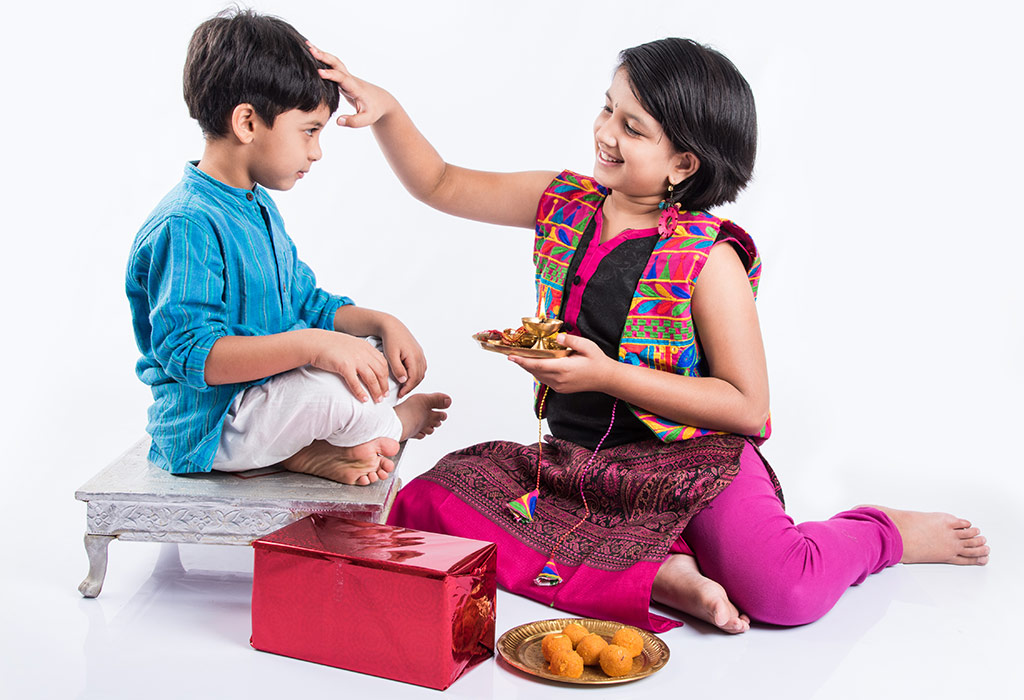
30 Best Raksha Bandhan Gift Ideas for Brother and Sisters
Raksha Bandhan is a Hindu festival that celebrates the bond and pure relationship of a brother and sister. The sacred thread or Rakhi binds a brother and sister in an inseparable bond of affection and trust. All brothers and sisters argue and fight and are partners in crime, but deep down they have a lot of love and respect for each other. Raksha Bandhan celebrates this amazing bond between them. Raksha Bandhan is the perfect occasion to tell your brother or sister how much you mean to them and what better than an amazing gift to show your love? So, we have a list of Raksha Bandhan gifts for kids to help you choose one.
Choosing a right gift for the joyous occasion of Raksha Bandhan can be a perfect gesture of warmth, understanding and appreciation that brothers and sisters have for each other. One may want to strike a balance between gifting something which is not only memorable but also practical.
Rakhi Gifts for Brothers
Raksha Bandhan is the best time to select a special gift for your loving brother who is always your prank partner. Here are some amazing Rakhi gifts for brothers.
1. A Watch
Boys love watches. Your brother will love a cool, trendy watch based on his favourite superhero character with extraordinary features like a night light, water resistance, alarm, etc.
Price Range : Rs 600 onwards
2. Gadgets
Boys are crazy about gadgets too. With the kind of options available in the market like remote-controlled cars, monster trucks, headphones, Bluetooth speakers, fidget spinners, you’d be spoilt for choice. So, go ahead and buy any gadget…your brother will surely love it.
Price Range : Rs 500 onwards
3. Activity Boxes
Activity boxes can make for interesting gifts for boys. A single box may include different activities rolled into one box. These activities help in the proper growth and development of your child. You can buy these activity boxes online as well.
Price Range : Rs 900 onwards
4. A Play Tent
No boy can resist an adventure! You can gift your brother a play tent which he can use for camping indoors as well as outdoors. Play tents come in different bright colours and shapes with easy to follow set of instructions.
Price Range : Rs 1000 onwards
5. Accessories
You can prepare an attractive gift hamper for your brother. Include his favourite pair of sunglasses, belts, caps, wallet and so on.
Price Range : Rs 400 onwards
6. A Wooden Certificate
Now, this gift may seem more like a personalised photo frame, but your brother is sure going to love it. A wooden frame with a heartfelt message engraved on it is a gift that your brother will love receiving from you.
Price Range : Rs 400 onwards
7. Chocolates
Boys love chocolates too. If your brother has a sweet tooth, you can always get him a box of chocolates that he loves. You can always ask him to share those chocolates with you.
Price Range : Rs 200 onwards
8. A Diary and Pen
Get a personalised diary and pen for your brother, and he won’t be able to thank you enough for such a thoughtful gift. Depending on his choice, you can either buy him a diary with a leather cover or one with cute and quirky cover. One thing’s for sure – he will love scribbling and writing down his thoughts in it.
Price Range : Rs 300
9. Board Games
If your brother loves to play indoor games such as board games, you can gift him a chessboard, a ludo board, a soccer board game, a monopoly game, etc. He will thank you for such an amazing gift!
Price Range : Rs 200 onwards
10. A Backpack
Your brother will love receiving a cute backpack from you. It’s a thoughtful and useful gift and surely your brother will love carrying it around. So get a backpack for him with a design or print you think he will love!
Price Range : Rs 500 onwards
11. Art Supplies
Assemble any set of art supplies like watercolours, acrylic paints, a set of brushes, a palette, and so on in a fun basket, and gift it to your brother this Raksha Bandhan. This is the perfect gift if your brother loves to draw and paint!
Price Range : Rs 500 onwards
12. Personalized Message Jar
Create a jar filled with small chits, each carrying a heartfelt message or a fond memory you share with your brother. It’s a touching and personalized gift that will make him feel loved and appreciated.
Price Range : Rs 300 onwards
Rakhi Gifts for Sisters
Every brother knows his sister well, but picking a gift for girls can be tricky. So, if you need help, here are some suggestions for a Rakhi gift. Some of the Rakhi gifts for sisters can be:
1. Personalised Backpacks/Handbags
Your sister will love to own a cute handbag. Make sure you don’t forget her favourite colour when buying that handbag for her; you can even get a personalised bag, by getting her name printed or embroidered on it. You can also consider gifting her a personalised backpack.
Price Range : Rs 200 onwards
2. Jewellery and Accessories
Girls are fond of jewellery. You can buy a beautiful jewellery box and fill it up with a collection of fancy earrings, multicoloured neckpiece, attractive rings, and colourful bangles. You can also add accessories like headbands, bracelets, hair clips, rubber bands. She will love this gift and will always thank you for such a thoughtful gift.
Price Range : Rs 200 onwards
3. Art Supplies
Art supplies like washable crayons, glittery markers, paints and brushes, and pencil sets make for great gift items. You can also include a 3D colouring book which brings the coloured pictures to life. This magical gift is sure going to blow away your sister’s mind.
Price Range : Rs 300 onwards
4. Chocolates
You can treat your sister to some divine chocolates by gifting her a jarful of her favourite chocolates. You can also go in for a box of assorted chocolates which are available in fancy gift packings along with a memorable card expressing your feelings for her.
Price Range : Rs 400 onwards
5. A Doll Set/Dolls
Your sister must be having lots of dolls, but those are never enough. Girls love playing with dolls. So, contribute to her collection of dolls by buying her favourite doll, clothes for her dolls, and accessories too. You can even get doll furniture to enhance her playtime experience.
Price Range : Rs 750 onwards
6. Personalised Cushions
Your sister will love this unique gift. A cushion with her name printed on it will definitely win her heart and she will cherish this special gift for years to come. You can get a cushion with flower prints, cartoon characters print, and more. Pick one you think your sister will love and surprise her!
Price Range : Rs 400 onwards
7. Soft Toys
Little girls love soft toys and they can never have enough of them. Your sister must be owning enough soft toys but she won’t mind receiving another one, especially when she gets it from her dearest brother. You can buy her an elephant soft toy, a panda soft toy, or any other soft toy of her choice.
Price Range : Rs 350 onwards
8. Personalised Photo Frames/Tile
Photo frames or photo tiles never go out of style. Whether it’s adults or kids, everyone loves receiving a photo frame, especially if it has a photograph that speaks of best memories. So this Rakshabandhan, get a personalised photo frame for your sister and a childhood photograph. Your sister will love this thoughtful gift and she will cherish it forever.
Price Range : Rs 300 onwards
9. A Pretty Watch
A cute and colourful watch is sure going to win your sister’s heart. You will find enough and more designs, colours, and patterns in watches for girls, so picking one for your favourite sibling shouldn’t be a problem. Here’s a suggestion though: pick a watch of colour that your sister loves and you’re sorted!
Price Range : Rs 400 onwards
10. Personalised Mugs
Sisters are a blessing. They are cute and adorable and sometimes annoying, but you love it when they annoy you, no? This Rakshabandhan let your sister know how much you love her by gifting her something personalised like a personalised mug. You can have her picture printed on one side and on the other side there can be cute and funny quotes like, “You’re the Best Sister Ever!” or “You can be Annoying, But I Love You, My Sister.”
Price Range : Rs 250 onwards
11. Plants
Indoor plants or cute succulents can be really beautiful gifts for your sister when it comes to Raksha Bandhan. Plants are known to promote harmony and can also lead to a calmer relationship between you and your sister. You can buy a plant that needs less maintenance like succulents, and watch as your sister takes care of it with love!
Price Range: Rs 100 onwards
12. Books
If your sister is into reading, you can gift her some amazing books that she can read in her free time. Show your sister some love by gifting her the story, adventure books, magic books, etc.
Price Range : Rs 100 onwards
13. Customized Name Necklace
Gift your sister a beautiful customized name necklace with her name or initials. This piece of jewelry will be a unique and stylish addition to her collection, and she will cherish it as a token of your affection.
Price Range : Rs 700 onwards
Homemade Raksha Bandhan Gift Ideas
Do you want to do something special for your sibling this Rakshabandhan? How about you make a homemade gift for them! If you want to make something special for them this Rakhi, here are some ideas for you.
1. A Bottle or Sipper
You can buy a new bottle and use an old one and decorate it as per your choice. Using a few art supplies, you can give a fancy look to an ordinary-looking bottle.
2. A Greeting Card
Greeting cards never go out of style, do they ever? This Rakshabandhan, make a beautiful greeting card for your sibling and write a heartfelt message on it. This is a gender-neutral gift. It can be given to both boys and girls.
3. Indoor Plants
If your sibling is a nature lover, you can gift him/her indoor plants. This may not seem homemade, but here’s an idea. You can design the pot and plant the sapling in it and gift it to your sibling.
4. A Comic Strip
It’s a gift your sibling will cherish and will be oh-so-proud of you for your creativity and thoughtfulness. Let your creative juices flow and come up with an interesting comic strip featuring you and your sibling. You can include your childhood memories with your siblings in this comic strip. He/she will love this customised gift.
5. A Gift Basket
A gift basket with an assortment of cool gifts like chocolates, stationery items, dry fruits and nuts, and more will make for a perfect gift for your sibling. You can make a basket at home and stuff it with these items and gift it to your sibling.
These were some Raksha Bandhan gifts suggestions for kids. Make the event of Raksha Bandhan all the more extraordinary and unforgettable by picking a remarkable gift that may be cherished and treasured for years to come.
Video : 10+ Best Raksha Bandhan Gift Ideas for Kids (Gifts for Sister and Brother)
Also Read:
Story Behind Raksha Bandhan
Rakhi Making Ideas for Kids
Raksha Bandhan Quotes,Wishes and Messages
Read more
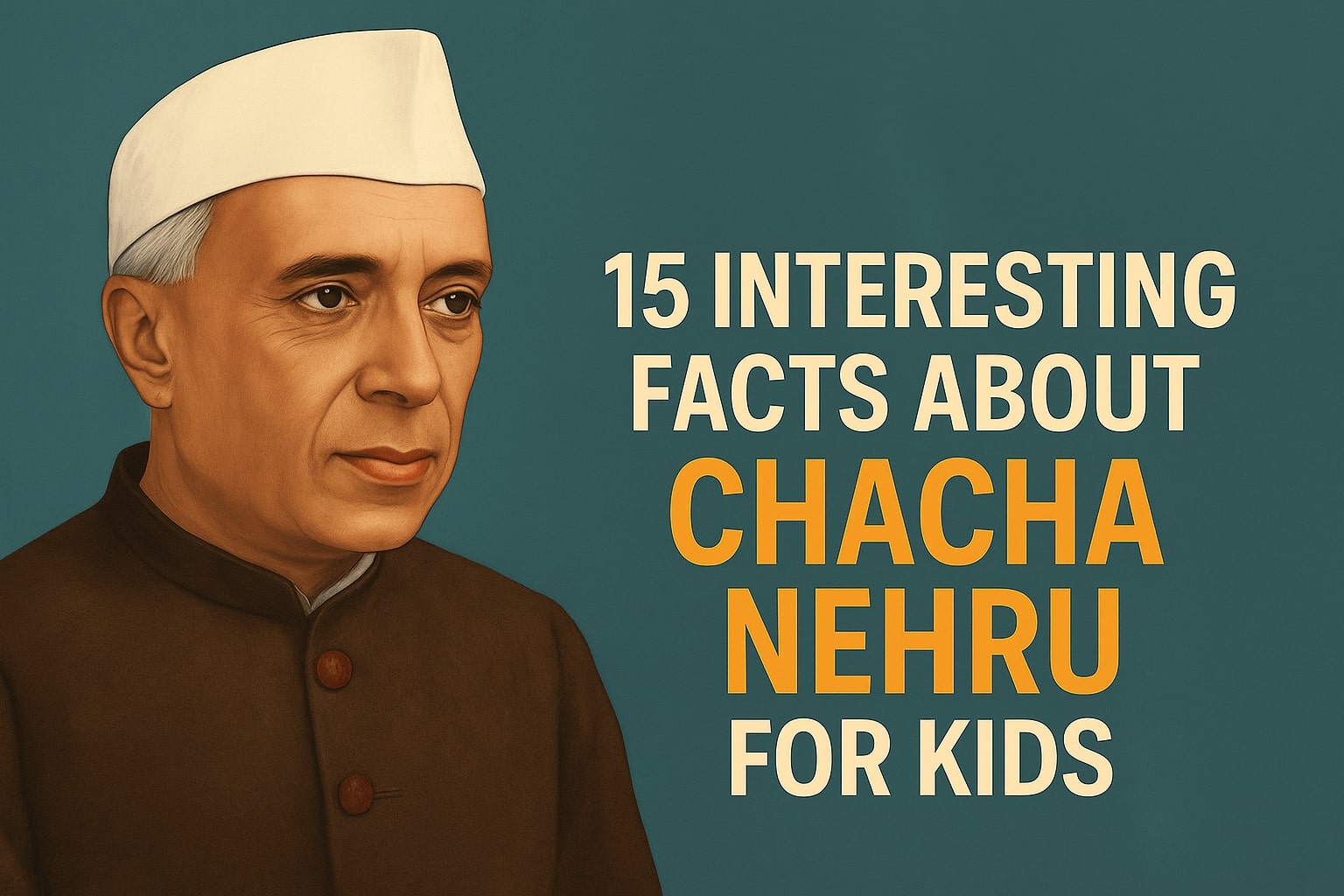
20 Interesting Facts About Chacha Nehru to Teach Your Kids This Children's Day
Every Indian child looks forward to a special day (apart from their birthday!) when they’ll be showered upon with love and wishes, much pomp and show, and gifts and sweets! You guessed it right – it’s Children’s Day, which falls on the 14th of November, and is celebrated to commemorate the birthday of Jawaharlal Nehru, fondly known as ‘Chacha Nehru’. On this occasion, amidst the celebrations, take some time to teach your kids these interesting facts about Jawaharlal Nehru.
20 Interesting Facts About Chacha Nehru
Before we delve into facts about the man himself, did you know that 14th November wasn’t always the date that India celebrated Children’s Day? The occasion was observed on the 20th of November in India since 1959, which was the date observed by the United Nations as Universal Children’s Day. It was after Jawaharlal Nehru’s death in 1964 that a decision was made to observe Children’s Day or Bal Diwas in India on his birthday. Jawaharlal Nehru was immensely fond of children, and marking his birthday to celebrate kids also helped to stress on the importance of care, education, and rights of children everywhere in India.
1. Jawaharlal Nehru was born on the 14th of November, 1889, in Allahabad, to affluent and well-known parents, Motilal Nehru and Swaruprani Thussu. He had two younger sisters, Vijaya Lakshmi and Krishna Hutheesing, who grew up to become prominent personalities as well; the former became the first female president of the United Nations General Assembly and the latter, a famous author.
2. Nehru grew up in the famous Anand Bhavan, which his father bought in the year 1930 for his family’s residence. In the year 1970, Jawaharlal Nehru’s daughter, Indira Gandhi, donated Anand Bhavan to the Indian government, and it’s known as a historic house museum today.
3. As a child, Nehru was very observant and thoughtful. He was homeschooled until his teenage years, after which he pursued further studies abroad. He was well-read and well-versed in many different subjects, graduating with Honours in Natural Science, and then pursuing law in London. He returned to India in 1912, practising as an advocate in Allahabad, and qualified to become a Barrister.
4. In the year 1916, he married Kamala Kaul. Their daughter, Indira Gandhi, was born the next year. She would grow up to become the first (and till date, the only) female Prime Minister of India.
5. Nehru had developed an interest in Indian politics right from his days as a student in Britain. Within a short time since his return to India, his interest in practising law began to dwindle; he was keener on participating in political activities. He was inspired by Mahatma Gandhi’s principles of fighting without non-violence, and was the among the first to suggest the idea of complete independence from the British.
6. He was imprisoned for the first time ever in 1929.
7. He participated and led several marches and demonstrations, and was imprisoned several times. His passion to establish an independent India with equality for every individual was strong enough to make him persevere through his times in jail.
8. The very first speech Nehru made as the first Prime Minister of independent India, titled ‘Tryst with Destiny’, is considered to be one of the greatest speeches of the 20th century.
9. Some of the most eminent institutes in our country, including the All India Institute of Medical Sciences (AIIMS), the Indian Institutes of Technology (IITs), the Indian Institutes of Management (IIMs) and the National Institutes of Technology (NITs), were established under his leadership. He also made several reforms and changes to existing laws to eradicate social injustices, and maintain harmony and peace among India’s diverse communities.
10. Nehru’s classic clothing style is still present and followed till today, with the ‘Gandhi cap’ and ‘Nehru Jacket’ being easily identifiable pieces. He was called Pandit Jawaharlal Nehru because of his roots in the Kashmiri Pandit family.
11. Nehru has authored books such as The Discovery of India, Glimpses of World History, as well as his autobiography, Towards Freedom. A collection of his letters to his daughter when she was 10 years old and away at boarding school has been compiled and published as the book Letters from a Father to a Daughter.
12. Following his death on 27th May 1964, around 1.5 million assembled in Delhi’s streets the next day to mourn their beloved Jawaharlal Nehru.
13. Jawaharlal Nehru was fondly called “Chacha Nehru” by children all over India. He had a great love for children and believed that they were the future of the nation.
14. Nehru played a crucial role in India’s struggle for independence against British rule. He was a close associate of Mahatma Gandhi and worked tirelessly for the freedom of the country.
15. On August 15, 1947, India gained its independence from British rule. Jawaharlal Nehru became the first Prime Minister of India and served in this position for 17 years, making him the longest-serving prime minister in the history of India.
16. Nehru was a strong advocate of world peace and disarmament. He consistently voiced opposition to nuclear weapons and promoted peaceful coexistence among nations.
17. One of Nehru’s notable contributions was laying the foundation of a secular state.
18. He believed that religion and governance should remain separate for the unity and integrity of a diverse country like India.
19. Jawaharlal Nehru, along with leaders like Josip Broz Tito of Yugoslavia and Gamal Abdel Nasser of Egypt, co-founded the Non-Aligned Movement during the Cold War.
20. Nehru strongly believed that science and technology were essential for a nation’s progress.
There you go, some basic and interesting facts about the man whose birthday we happily observe every year as Children’s Day! This November 14th, celebrate the occasion with fun games and activities, and give your kids the gift of knowledge with these fun facts as well!
Happy Children’s Day!
Also Read:
Essay on Children’s Day
15 Best Children’s Day Gift Ideas for Children
20 Interesting Celebration Ideas and Activities for Children’s Day
Read more

Independence Day Speech for Students and Children
On the occasion of Independence Day, some schools take special efforts for children to know and learn about our independence struggle against British Colonial Rule. As a nation, India had to overcome some great obstacles and challenges to win its independence. The sacrifices and the suffering of the earlier generations are difficult to understand for those born in an Independent India. Parents, teachers and the elderly rightly believe that the lessons of colonialism should not be forgotten and the value of independence be cherished by the coming generations. Children should not only learn about our independence movement but also speak about its importance amongst their peers.
Many schools ask students to prepare a speech on this special day. In this article, we will look at all the aspects of preparing a suitable speech to commemorate Independence Day. This article, will cover all the essential aspects and provide valuable tips and insights to prepare an 15 august speech in english for kids.
10 Lines Speech on Independence Day
Here’s a 15 August speech in English for lkg students to help them understand the significance of this day in a simple way.
1. Good morning everyone!
2. Today, we celebrate Independence Day on 15th August.
3. On this day, India gained freedom from British rule in 1947.
4. This day is full of pride and joy for all Indians.
5. Great leaders like Mahatma Gandhi, Subhas Chandra Bose, and many others fought for our freedom.
6. They sacrificed everything so we could live in a free country.
7. Independence Day reminds us of the importance of unity and peace.
8. We are proud to live in a country full of diverse cultures and traditions.
9. As kids, it’s our responsibility to love and care for our nation.
10. Happy Independence Day to everyone, and let’s keep our country proud!
1 Minute Speech on Independence Day
Good morning everyone!
Today, we celebrate Independence Day, a day when India became free from British rule on August 15, 1947. This freedom was earned through the sacrifices of brave leaders like Mahatma Gandhi, Bhagat Singh, and Subhas Chandra Bose, who fought for our rights and freedom. Today, we enjoy the freedom they worked so hard to give us. As we celebrate, let’s remember the importance of unity, peace, and respect for all. Let’s promise to make our country proud by being responsible citizens and helping to build a better India.
Happy Independence Day!
2 Minute Speech on Independence Day
Good morning, everyone!
Today, we gather to celebrate one of the most significant days in India’s history – Independence Day. On this day, August 15, 1947, India gained freedom from British rule after years of struggle, sacrifices, and determination. This is the day we honor the brave leaders and freedom fighters who fought relentlessly to make India a free nation.
Independence Day is not just about celebrating freedom, but also about remembering the values of unity, equality, and peace. People of different religions, languages, and cultures came together to achieve independence, and it’s a reminder that unity is our strength. As children, it is our responsibility to carry forward this legacy by respecting and caring for each other. On this day, we also remember the sacrifices of our soldiers who continue to protect our freedom, and we salute their bravery. We must always cherish and protect the freedom we have, because many gave their lives for it.
As kids, we can contribute to our country’s growth by staying curious, learning, and being good citizens. Whether it’s through helping others, respecting our heritage, or contributing to our community, each small step matters.
Let’s promise to respect our country and work together to make it stronger. As we celebrate today, let’s remember the importance of our freedom, our unity, and our responsibility as the future leaders of this great nation.
Jai Hind
Independence Day Short Speech
Good morning respected teachers, parents, and my dear friends,
Today, we have gathered here to celebrate one of the most important days in the history of our country Independence Day. Every year, on August 15, we come together to remember the day when India broke free from British rule and became an independent nation. It was on this day in 1947 that our country gained freedom after years of struggle, sacrifice, and courage by countless heroes who fought for our rights and freedom.
Independence Day is not just a day to celebrate with flag hoisting, parades, and sweets, but it is also a day to reflect on the values of freedom, unity, and peace that our nation stands for. It is a day when we honor the brave freedom fighters who gave their lives so that we could live in a free and democratic country.
People like Mahatma Gandhi, Subhas Chandra Bose, Jawaharlal Nehru, and Bhagat Singh—to name just a few—played crucial roles in our struggle for freedom. Mahatma Gandhi’s philosophy of non-violence inspired millions across the world, while leaders like Subhas Chandra Bose fought courageously to rid India of colonial rule. Their dreams and efforts are what paved the way for the country we are proud to call our own today.
Finally, as we celebrate today, let us remember the sacrifices of those who came before us. Let’s honor their memory by making our country proud in everything we do.
Jai Hind!
Long Speech on Independence Day
Good morning everyone!
Today, we gather here to celebrate one of the most important days in our country’s history – Independence Day! On this very day, August 15th, back in 1947, India won its freedom from British rule. It’s a day full of pride, joy, and most importantly, gratitude.
So, what does Independence Day mean to us?
It’s a reminder of the freedom we now enjoy, a freedom that was hard-earned. It’s a day to honor the brave souls who sacrificed everything for our independence. These were people who didn’t think about themselves but about a future where all of us could live free and happy.
Let’s talk about the struggle for independence.
Our freedom didn’t come easily. It took years of struggle, courage, and determination. Great leaders like Mahatma Gandhi, Jawaharlal Nehru, Subhas Chandra Bose, Bhagat Singh, and so many others stood up for us. Gandhi Ji, for example, taught us about Ahimsa – the power of non-violence. He showed us that peaceful protest could be a powerful tool. All of these leaders gave up their homes, their families, and even their lives so that we could live in a free country today.
We must remember their sacrifice. And that is what we celebrate today – the freedom they fought for, the hard work they put in to make sure we could have the lives we do today.
Now, let’s look at India today.
India is a proud, democratic, and diverse country. We are home to many cultures, languages, religions, and traditions. We may come from different backgrounds, but we are united by our love for India. Our country is growing every day, and our children – YOU – are the future of this nation. It’s up to you to continue the legacy of our freedom fighters and help make India stronger, better, and more peaceful.
On this Independence Day, let’s commit to working together, respecting each other, and loving our country. We are the future, and together, we can build a brighter tomorrow.
Happy Independence Day to all!
How to Prepare an Independence Day Speech?
It can be a task to write a great speech and an even bigger task to deliver it. While helping your child prepare for an Independence Day speech for children in English, here are a few things you can keep in mind.
1. Know the History
India’s independence struggle is unique as compared to the independence struggle of other nations. India’s independence struggle was not only political but had facets of ideology and spirituality. For example, the non-violence philosophy initiated by Mahatma Gandhi. Your child should know and understand the history of the independence struggle, its trials, tribulations, sufferings, and sacrifices before you help him prepare a 15th August speech in English for children.
2. Help the Child With Facts
Those who participated in the freedom struggle dreamed of a great nation with values that guaranteed equal rights to its citizens. Much of these ideas were based on modern western democratic values. Your child should be familiar with such ideals and aspirations.
3. Famous Quotes
A quote can be summarised in a few words. Many of the freedom fighters have written motivational speeches that embody the dream of a great nation. Quotes taken from these speeches can help make a better speech by understanding what the leaders held in high regard.
4. The Value of Liberty
It is also important for your child to understand why a nation and its people should have a right to self-determination and have a body of representatives elected from amongst their own people for governance. A foreign power would ultimately be interested in the well being of its own nation.
5. Patriotic Values
If it wasn’t for the patriotism of the freedom fighters, we would perhaps never have our freedom. Patriotism is the attachment that one feels to his motherland, its people and its culture. A speech prepared without patriotic fervour would not inspire much in terms of an emotional attachment one feels for the nation and its people.
6. Practice Sessions
Delivering a great speech often requires great practice. Motivate your child to memorise the speech, as it is better to speak from memory than to read from paper. Teach your child to stand straight, maintain his composure, emote, and speak in a firm unwavering tone. The child should be able to make eye contact with the audience and not stare blankly away from them. Several practice sessions may be required before the final day.
7. Content is King
The content of a speech is not only about how well the topic is covered. It is also important that the content in a speech is in keeping with the audience. An Independence Day speech prepared for servicemen would differ in content from a speech written for school students.
8. Content Flow and Timing
Content flow should be divided into sub-headings clearly having a start, a middle portion, and a conclusion. Once you have compiled a list of subheadings, begin writing content for each sub-heading, keeping in mind a predetermined time for each sub-heading.
9. Opening Address
The opening address of the speech should address teachers, fellow students, and guests of honour and explain the importance of Independence Day and the reason for coming together on this day. A reference should be made on the importance of Independence Day, its importance in 1947 and its relevance today.
10. The Vision and Aspirations of the Founding Fathers
The nation’s founding fathers yearned for independence because they envisioned a great nation and believed in the skills, aspirations, and collective potential of its people. We should cherish the memory of the founding fathers by aspiring to live up to the ideals they cherished in an independent India; ideals that included tolerance, democracy, equality, inclusiveness, and unity in diversity.
Tips to Prepare Your Child for an Independence Day Speech
Help your child practice to deliver a great speech and also use the following tips to help build confidence. This can prepare him to face the gathering on the day.
1. Understand the Content
Help your child understand the content of the speech thoroughly. A good understanding of the topic will not only enhance his confidence but also allow him to improvise if he forgets a line or two during the presentation. Discuss the history and significance of Independence Day, and the roles of different leaders, to make the speech more interesting and engaging.
2. Memorise the Speech
Coax your child to memorise the speech and practice it several times over. If your child can confidently deliver the speech without reading from a piece of paper he will appear more convincing and confident. Also, teach him a few techniques to overcome his stage fear if he has any of that, like staring at a distant object and the like.
3. Dress up your Child
Many of our leaders and freedom fighters had unique taste and choice in clothes. Some dressed very modestly, while others had a distinct style. Some styling cues can be taken from our leaders to dress your child in a way that would be reminiscent of great leaders from our past.
4. Incorporate Visual Elements
Integrating visual elements into the speech can greatly enhance its impact. Suggest your child to include relevant images, placards, or even tangible artifacts that align with the speech’s theme. Not only does this make the presentation more compelling for the audience, but it can also serve as a useful mnemonic device if your child momentarily forgets their lines. Remember, effective communication often relies on more than just words; sometimes, an image can convey a complex idea far more powerfully.
Independence Day is a very important and significant day for India. If your child is selected to deliver a speech this day, it is a matter of great pride. Follow the tips above to prepare a suitable speech for this day.
Also Read:
Independence Day Activities for Kids
Easy Independence Day Craft Ideas for Children
Indian Independence Day Information for Kids
Indian National Flag Facts & Information for Children
Read more

The Reasons Behind Your Grown Child's Disrespectful Behavior And Coping Tips
With time you might have noticed that there has been a lot of change in your child’s behavior as they are growing. Nowadays, grown-up children are becoming more and more disrespectful with each passing day. When your grown child is disrespectful towards you or any other person, it becomes a matter of concern. You must assist your child and help them in their ups and downs. It’s not always their fault, but sometimes circumstances force them to act in this way. However, it would be best if you patiently guided your child. Let’s see what to do when your grown child disrespects you?
What is Disrespectful Behaviour?
Disrespectful behavior is when one person does not treat another with the respect they deserve. They make fun of the other individual and act aggressively towards them. In simple terms, disrespect is defined as behaving in a way that is offensive to others. Disrespect is defined as acting casually with a lack of regard.
Causes of a Grown Child’s Disrespectful Behaviour:
Sometimes disrespect is so hard for parents to handle and deal with in general. Instead of figuring out what’s causing the problem and dealing with it gradually, they get hostile with their child. The following are some of the most common causes that may help you understand your child’s behavior:
1. Home Environment
In some cases, parents or guardians may behave in ways that are harmful to children. It could be an unintentional rage outburst or quarreling with a spouse or other people. Even if you don’t remember such incidents, your child is likely to remember them because it had a significant impact on them. Because of these confusing circumstances, they might not treat you with respect.
2. Mental Hygiene
If your child is disrespectful towards you, there might be a reason for an underlying psychological problem. They may be under stress as a result of the new or unexpected events in their daily lives. Tension and despair could be significant factors as well because of academics or work life.
3. Not Getting Enough of Parent’s Love
This is one of the leading causes of why a grown-up child shows disrespectful behavior towards others. Slowly observe your actions and your child’s reaction when you deny something. They might feel something unreasonable without knowing what is right or wrong. The disrespectful behavior can also trigger the gain of more attention from parents because of the lack of love.
4. History
Your child might have faced something in the past that is troubling them, resulting in disrespectful behavior. Grown-ups learn by noticing their friends and family. If you tend to blow up or act indifferently around others in new or unpleasant situations, chances are your child will do the same.
5. Bad Friend Circle
Grown-ups make friends easily. They find it easy to share everything with people of their age. But a bad friend circle can influence your child to do unwanted things. Make sure you know enough about your child’s friend circle.
6. Bad Influences
It’s possible that your grown-up child’s hatred for you is being nurtured by someone else in their life. It’s also possible that someone has put pressure on them to distance themselves from you.
7. Pressurization
Your child may be taking too much pressure for something like future, career, etc. Because of too much pressure, they might fear that they will not achieve their goals. Their worries and pressures can make them disrespectful young adults.
8. Chemical Abuse
Dependence on liquor or medications because of low confidence, past injuries, stress, and disappointment can cause indifference. Your cross-examination on such a tendency could help you find out about your child’s habits. Presently, this sort of habit has been a significant issue in adults these days.
Impact of a Grown Kid’s Disrespectful Behavior
Self-harm: Disrespectful behavior will harm an individual sooner or later. It will make the person more rebellious and aggressive, which can cost them their career and life.
Social harm: A person who has no understanding of treating others might offend those in the public areas. These activities can lead other people to socially distance themselves from your child because of their awful behavior.
Harm in the workplace: Unruly behavior makes it challenging to communicate and work together. It undermines employee confidence, increases invalidation, and increases absenteeism. This type of behavior produces an unpleasant environment and can lead to some people quitting their jobs.
Problems in teamwork: Disrespectful behavior makes it difficult to work in a group. People might hesitate to ask questions and solve their queries. In this type of issue, teammates might have conflicts among them. As a result, the team will be inefficient and less effective.
How to Deal With a Disrespectful Grown Child
1. One Step at a Time
To deal with your grown-up child’s behavior, take some steps that will help him know the value of people around them. But, be sure to take one step at a time and understand them as well.
2. Listen to Your Child
To deal with a disrespectful child, you have to know about them first. Make sure you listen to your child and understand their problems without reacting to them. It is important to understand what your child is thinking of in order to take suitable measures to solve them.
3. Home Environment
To make your child act in a desired manner, the first thing you have to do is check your home environment. The home environment matters a lot to the child as they learn by seeing their adults. If the environment of the house has a negative approach towards everything, no doubt, the child will be disrespectful.
4. Therapists
If your hard work towards your child’s behavior does not show any result, you can choose therapy sessions. Therapy works wonders and will surely help your child to know the importance of good communication. It might affect their thinking capacity and give a new perceptive towards the ongoing things.
5. Spend Some Time With Them
Giving time to your child can sometimes be the best solution. Spend some time with your child. This will help you in understanding what they think about others and the reason behind their thinking. Try improving their skills and communication.
6. Talk in a Respectful Manner
If you want respect, then you must give respect, it’s as simple as that! We must be aware that our child learns habits from us. Likewise, if you want them to learn to speak softly and respectfully, you must talk with them similarly.
7. Help Them Realize Their Self-Worth
Please help your child in realizing what makes them more worthy. Help them find out their inner creativity and skills. Do some creative tasks with them to know more about their interest and knowledge areas. By helping them realizing their worth, they will learn from you and follow your actions.
8. Be Patient
Do not hurry and expect the results to show quickly. It will take time to change their approach and thinking power. Teach them with patience and help them with dedication. Applaud for them after the completion of every step so that they also learn to enjoy small wins.
9. Do Not Compare
Comparing your child with another one is the worst idea ever! Everyone has their strengths and weakness. Instead of comparing, please help your child in knowing their strengths and weakness. By comparing, you will make them feel more insecure about themselves. Make sure your actions make them confident enough to talk respectfully.
10. Praise Your Child
Praise your child in every little success; this will make them more confident and soon they will start showing positive results. Do not let your child belittle themselves, and make sure they are happy with their achievements.
11. Don’t Be a Savior
As a parent, you may have done all that could and be within reach to show them their great qualities. However, time will come when you’ll need to allow them to sort out their problems on their own. Ignoring this truth might lead to an over-protective and over-involved caring approach, which can suffocate your child.
12. Correct Them
Try to be communicative when your youngster disregards you or anybody. The more you ignore such an approach, the probability is that they will consider it alright to disrespect others. Take a stand against indecent behavior and inform them of the consequences of their actions.
13. Elective Ways
At the point when your kid shows disrespect, stop them and examine the other ways that you can take. Possibly your child doesn’t realize that there could be more approaches to handle such circumstances. Try acting delightfully around them so that they begin to see things in a positive light.
14. Understanding Their Feelings
You ought to understand that your kid is an extraordinary individual with a perspective. Please pay attention to their viewpoint and approve their sentiments. Please help them to understand why people feel the way they do.
15. Past Issues
Try not to comment on the past, instead teach them how to learn from it and move forward. Find out how your child is feeling right now. Help your child if they want you to assist them or need any guidance.
16. Discussing Things Out
At a point when your child has quit something in life, sit with them and talk about it. It will lessen the burden on your child, and they will also understand that you are there to support them no matter what.
17. Decision-Making Allowance
Parents always try to make decisions for their children to lead a bright, healthy, and wealthy future. However, this decision-making of parents burdens the child, and they start taking everything for granted. So, let your child make decisions on their own. If they fail in their process, help them out.
A disrespectful grown-up child won’t be considered worthy by society and might deal with numerous issues later. As a parent or guardian, you should pay attention to them. Rather than becoming aggressive, you can be more complacent and try to understand their problems. Your child may be dealing with something that you don’t have a clue about. Allow them to settle on their choices gradually. Try not to be a savior, and let them tackle their problems on their own.
If you need help dealing with complex sentiments that a disrespectful child can cause, you may find it helpful to speak with a specialist or other guardians who have gone through a similar problem. After all, great people are a reflection of great parents!
Also Read:
How to Teach Child to Behave Well
Good Moral Values You Must Teach Your Child
Teaching Your Kids About Character Traits
Read more
Tools And Trackers


.svg)


Sort By
 Latest
 Most Popular
 Trending
Please select atleast one Filter