

















.svg)
.svg)
.png)


Prenatal Care
Suggested articles for you
Pregnancy Acne – Cause, Treatment, and Prevention
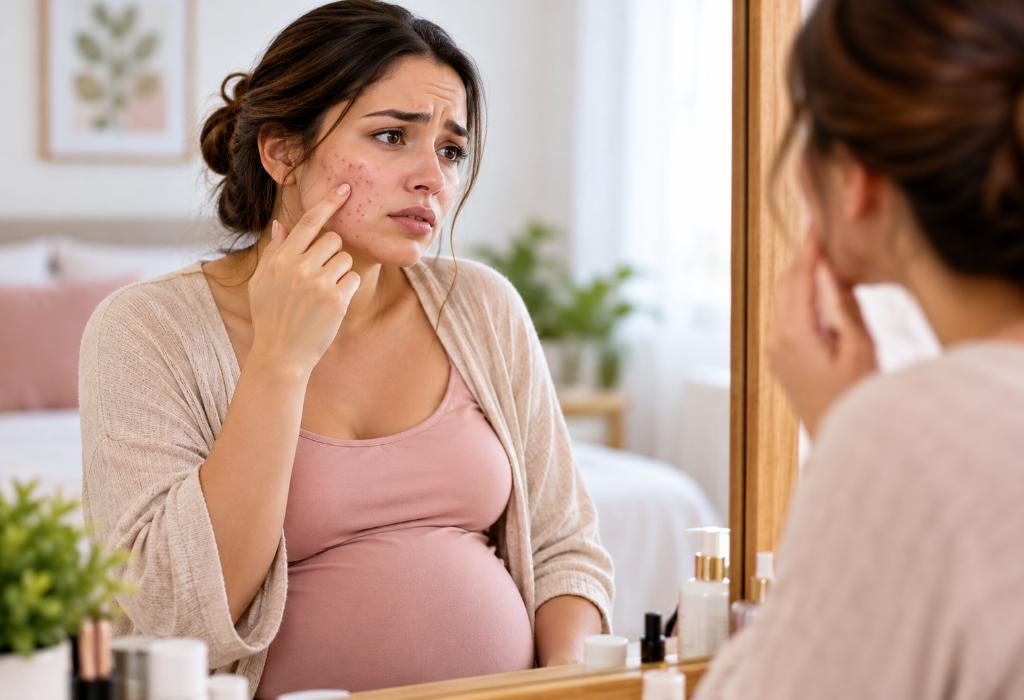
Pregnancy acne is a common occurrence due to hormonal changes in the maternal body that bring a whole set of unexpected skin changes. These develop when the hormonal fluctuations increase the excess production of sebum in the sebaceous glands, causing the pores to become clogged and leading to inflammation and pimples. The American Academy of Dermatology notes that generally used acne medications might not be suitable during pregnancy, so extra caution is necessary (1).
If you’ve been having trouble with pregnancy acne lately, you might wonder whether these breakouts are normal, how long they may last, and what you can safely do about them. Read on as we discuss how to deal with acne and pimples in pregnancy’s first, second and third trimesters.
Is It Common to Have Acne During Pregnancy?
Yes, it is fairly common to have acne during pregnancy. Most cases are mild and do not require treatment; however, some can be severe and require medical attention. Although the hormonal changes during pregnancy are largely considered responsible for pregnancy acne, there are other reasons as well that are interrelated and can lead to acne on the face. Let’s take a look at them below.
What Causes Acne and Pimples During Pregnancy?
Pimples and pregnancy together may not be a happy welcome, but learning what causes them can provide some relief and a window to treatment and prevention. Here’s what causes acne and pimples during pregnancy:
1. Hormonal Fluctuations
The primary cause of pregnancy pimples is hormonal fluctuation, especially an increase in the hormone progesterone, which stimulates the skin cells to produce more natural oils. When the excess oil buildup mixes with dead skin cells and bacteria, it clogs the pores and leads to breakouts.
2. Change in Diet
One should choose healthy, non-oily foods during pregnancy. Oily and junk foods badly affect the skin and can trigger acne. Include plenty of fresh fruits and vegetables and always have freshly made, home-cooked, nutritious food that can help you keep your energy levels high, your digestion proper, and your skin healthy.
3. Genetic Pattern
Acne might be hereditary, too. You are more likely to have it if your parents had it. Pre-existing acne might exacerbate during pregnancy.
4. Medication
Your doctor will only advise necessary medications during pregnancy. However, some may have unwanted side effects, including acne. You can get your medications changed if you experience acne as a side effect.
5. Stress
Pregnancy can induce a lot of stress, especially for first-time mothers. Stress can aggravate your acne. Simple yoga or meditation exercises can help beat stress.
As most health issues can be managed, you would think if there is a way to manage acne during pregnancy too. Well, there is, but it may or may not show positive results. In the rest of the article, we will talk about safe and unsafe ways to treat acne during pregnancy. While you may try the safe remedies, it is best to avoid unsafe ways as it could affect your child’s health.
What Do Pregnancy Acne and Pimples Look Like?
Being pregnant with pimples is not a good boost to morale. Pregnancy acne can look much like ordinary acne, although hormonal changes may make breakouts more noticeable in some women. Pregnancy, Birth and Baby notes that pregnancy acne can appear as (2):
Small red or skin-coloured bumps on the face, particularly around the forehead, cheeks, chin and jawline
Whiteheads and blackheads
Red, swollen pimples that are tender and painful
Pus-filled inflamed pimples with a white or yellowish centre.
Picking or squeezing these spots can worsen inflammation and increase the chance of scarring.
Safe Treatments for Acne During Pregnancy
Acne during pregnancy is a natural condition that usually resolves after childbirth. So, the safest course of action is good skincare. But severe cases may need medical attention. Read below to learn about some safe treatments for acne.
The American College of Obstetricians & Gynecologists (ACOG) states that over-the-counter (OTC) products, including topical benzoyl peroxide, topical salicylic acid, glycolic acid, and azelaic acid (3).
Prescription medicines containing erythromycin or azelaic acid. These medications are believed to be safe during pregnancy and do not pose an increased risk of birth defects. However, make sure never to self-medicate without first discussing it with your doctor.
If you do not want to take medicines for pregnancy acne, you may try the natural remedies given below.
Natural Home Remedies for Pregnancy Acne & Pimples
These natural remedies are simple and safe for pregnant women. However, your body could read a little differently than before, so bear in mind that these natural remedies may not always show good results.
1. Apple Cider Vinegar
Mix 4 parts of vinegar and 1 part distilled water to make a cleanser high in alpha hydroxyl acids. This combination also has natural enzymes. Use a cotton ball to apply apple cider vinegar on the acne. This remedy makes the skin oil-free, thus helping in the treatment of acne.
2. Citrus Fruit Extract
Citrus fruits are rich in hydroxy acids. When applied on the skin, the extract can help open blocked skin pores and get rid of the dead cells. It also works as an exfoliant due to its antibacterial properties. Use a cotton ball to apply directly obtained extract. Allow it to dry for some time, and then rinse off with water.
4. Honey
Honey has antiseptic and antibacterial properties. It is also skin-soothing. Before you apply honey, wash your face with lukewarm water. Then, apply honey to the affected regions and keep it for 20 to 30 minutes before you wash it off with plain water.
5. Oatmeal and Cucumber
Oatmeal and cucumber have cleansing, cooling and soothing properties. They can help cleanse the accumulated oil and reduce the appearance of pregnancy pimple. Grind a few slices of cucumber and about a teaspoon of oatmeal. Adjust the ingredients so that you get a smooth paste that can be applied directly on the acne. Keep the paste on for 15 to 20 minutes and then wash off with clean room temperature water.
7. Lemon juice
Lemon juice is rich in vitamin C and has antiseptic properties too. It can be applied to the affected areas of the face after diluting it in some water. Leave the juice on for 5 to 10 minutes and then wash your face with some clean water.
8. Aloe Vera Gel
Aloe Vera has many medicinal properties and is frequently used in cosmetic products. Aloe acts as a coolant for itchy skin and also hydrates dry skin. It can be a great replacement for your store-bought moisturiser during pregnancy.
9. Turmeric
Turmeric is one of the simplest, oldest, and most trusted remedies for pimples during pregnancy. Take a pinch of turmeric, add a few drops of rose water and apply the paste to your pimples. Let it dry before washing your face.
Treatments Unsafe for Pregnancy Acne
Pregnancy is a critical time, and expectant mothers should not try anything that could put their and their little one’s health at risk. Therefore, you must avoid these treatments at any cost during pregnancy.
1. Hormonal Therapy
Pregnancy pimples are usually due to hormonal changes – excess male hormone (androgen) or low levels of the female hormone (oestrogen). Hormonal treatment for acne includes supplementing the “female” hormone (oestrogen), the anti-androgen flutamide, and spironolactone. However, these treatments may be unsafe for the developing foetus and are best avoided during pregnancy.
2. Oral Tetracyclines
This treatment includes antibiotics such as tetracycline, doxycycline and minocycline. However, they can inhibit bone growth and discolour permanent teeth. Tetracycline and oral isotretinoin, both of which are contraindicated (i.e. not advisable for treatment), can cause birth defects. Therefore, it is advisable to avoid most systemic medications during pregnancy.
Note: Erythromycin is considered safe for pregnancy acne treatment.
3. Topical Retinoids
The American Academy of Dermatology advises strictly avoiding topical retinoids like Retin-A, tretinoin, isotretinoin, and tazarotene, and spironolactone as all these are unsafe during pregnancy (1). This is because skin absorption and secretion into breast milk have been reported and can cause birth defects in babies (4). The safety of topical beta-hydroxy acid (BHA) and salicylic acid has also not been clearly shown in pregnant women. Therefore, all of these are better avoided.
Here’s a quick overview of what is safe and what is unsafe during pregnancy (4).
Ingredient/Chemical
Safe/Unsafe
Topical benzoyl peroxide
Safe, in moderation
Topical salicylic acid
Safe, in moderation
Topical glycolic acid
Safe, in moderation
Tretinoin
Unsafe; avoid
Clindamycin phosphate (topical)
Safe, after doctor’s consultation
Erythromycin (oral or topical)
Safe, after doctor’s consultation
Hydroquinone
Unsafe; avoid
Isotretinoin
Unsafe; avoid
Topical retinoids (tretinoin, adapalene, isotretinoin, tazarotene)
Unsafe; avoid
Oral isotretinoin
Unsafe; avoid
Oral tetracycline antibiotics
Unsafe; avoid
Oral spironolactone
Unsafe; avoid
How to Treat Pregnancy Acne Without Using Drugs?
To treat pregnancy acne safely and successfully, start with self-care. Here’s what Mayo Clinic suggests you can do (5):
Use a gentle cleanser: Wash your face with mild soap and warm water twice a day. Avoid using chemical products which may irritate the skin and subsequently worsen your acne. Excessive washing and scrubbing of the face may increase your irritation.
Shampoo your hair: You can consider doing this more frequently if you have a problematic scalp. Many times, dandruff is the main culprit.
Tie your hair: Dirt and oils from the hair can also trigger acne. Keeping them away from the face and cleansing your face can help you prevent acne.
Do not prick or pull acne: Doing this may cause inflammation.
Avoid skin irritants: Oily cosmetics and sunscreens can also trigger acne. Prefer natural alternatives that are less likely to cause acne.
How to Prevent Acne and Pimples During Pregnancy?
Here are some simple tips you can use to avoid acne during pregnancy:
Do not touch or squeeze any acne. It causes local inflammation and scarring.
Ensure adequate hydration. Keep away from caffeine, bottled water, and sweet beverages.
Eat loads of vegetables and fresh fruits. Avoid packaged foods.
Get adequate rest. Stress may be a reason for acne.
Change your bedding and linen often.
Avoid repeated touching of the face.
Practice regular hand washing.
Prefer using oil-free make-up, which is less likely to trigger acne. Do wash your face before you go to bed.
Do not self-medicate. Ingredients like salicylic acid and Vitamin A could be unsafe during pregnancy.
Avoid touching your face unnecessarily, especially with unclean hands. Do not rest your face on your palms.
Hydrate yourself by drinking a lot of water. Water flushes your system and helps clear the skin.
When to Consult a Doctor?
You should consult your obstetrician about pregnancy acne if:
your acne still persists or worsens even after using non-prescription medicines.
you were on acne medication before getting pregnant and should confirm whether to continue the medication
FAQs
1. When do pimples appear in pregnancy?
You may get pimples about 6 to 8 weeks into your pregnancy or sometime later as well.
2. Are pimples during pregnancy harmful to the baby?
No, pimples or acne during pregnancy do not harm the fetus.
3. Can I use salicylic acid for acne during pregnancy?
Yes, low-strength, over-the-counter topical salicylic acid is safe to use for pregnancy pimples.
4. Can I use benzoyl peroxide during pregnancy?
Yes, mild, topical benzoyl peroxide can be used to treat pregnancy pimples.
5. What over-the-counter (OTC) products can I use to treat my acne during pregnancy?
Topical benzoyl peroxide, topical salicylic acid, glycolic acid, and azelaic acid are safe to use during pregnancy for acne (1). However, moderation and a doctor’s consultation before using any product are important.
6. Can I use retinoids during pregnancy to treat my pregnancy acne?
No. Topical retinoids like Retin-A or adapalene are not safe during pregnancy and should be completely avoided.
7. Which vitamins help improve skin health during pregnancy?
Vitamin C, E, and B generally help support skin health by boosting collagen and reducing inflammation. However, it is not advised to take any supplements or topical treatments without consulting your doctor.
Pregnancy pimples, though disturbing, are a common and normal occurrence. General hygiene with healthy eating habits can help prevent them from occurring, but even if they do occur, remember that they will go away after childbirth if you keep your diet healthy. Overtreatment with drugs is best avoided at this time as it may pose a risk for your baby.
Also Read:
Boils in Pregnancy
PUPPP Rash in Pregnancy
Salicylic Acid while Pregnant
Skin Changes during Pregnancy
Read more




Cryptic Pregnancy – Symptoms, Causes, and Risks
Key Takeaways
Cryptic pregnancy is a rare condition in which approximately 1 in every 2,500 pregnant women don’t notice they have cryptic pregnancy.
A cryptic pregnancy is a type of pregnancy in which the individual is unaware of the pregnancy.
The typical pregnancy symptoms are so mild that they are mistaken for general weakness or gut issues.
The hCG levels are low in cryptic pregnancy, due to which common pregnancy tests often fail to detect one.
Lack of knowledge of pregnancy can lead to health and developmental issues for the developing baby.
A cryptic pregnancy is when you are pregnant but don’t know that you are pregnant. Imagine feeling a sudden wave of labour pain, only to learn you have been pregnant all along. The Cleveland Clinic says that in most cases of cryptic pregnancy, women don’t realise they are pregnant until they have labour pains (1). While it may seem unbelievable, cryptic pregnancy is a rare pregnancy occurrence, but it is experienced by about 1 in 475 pregnant women (1) (2). Women whose pregnancies are cryptic have very irregular, mild symptoms of pregnancy that can be easily mistaken for something else or no symptoms at all. In this article, we look at the meaning of cryptic pregnancy, what may cause a cryptic pregnancy, the subtle signs, and the risks of cryptic pregnancy.
What Is a Cryptic Pregnancy?
As per the American Pregnancy Association, a pregnancy is termed ‘cryptic’ or ‘stealth’ when a woman remains unaware of her pregnancy (3). In most of the cases, the pregnancy is discovered late in the pregnancy, around 20 weeks of gestation, during labour pains, or after the birth of the baby (4). In cryptic pregnancy, as the hCG levels are low, the pregnancy goes undetected.
In cryptic pregnancy, the symptoms are very mild or there are no symptoms at all. Add to that, the conventional testing methods also fail to detect the pregnancy. A population study carried out for over 1 year in Berlin reported the occurrence of cryptic pregnancy as 1 in 475 pregnancies at 20 weeks and 1 in about 2500 pregnancies at term (5).
How Common Is a Cryptic Pregnancy?
Cryptic pregnancies are not a common occurrence, with research indicating that approximately 1 in every 475 pregnancies remains undetected until around the 20-week mark of gestation. Furthermore, an even rarer occurrence is observed, where approximately 1 in every 2,500 pregnancies goes unnoticed until the moment of delivery.
What Causes a Cryptic Pregnancy?
Here are some reasons why cryptic pregnancy happens:
1. Polycystic Ovarian Syndrome (PCOS)
Small cysts on the ovaries can cause a hormonal imbalance in women. PCOS creates hormonal imbalances and irregular periods (7).
2. Recent Pregnancy
It’s possible for a woman to get pregnant after a pregnancy. In such a case, skipped periods might be mistaken for postpartum recovery. A woman may fail to realise that she’s pregnant again.
3. Perimenopause
Perimenopause is a condition wherein the female body exhibits symptoms of menopause, such as weight gain and hormonal fluctuations. When women fail to distinguish a pregnancy from perimenopause symptoms, it becomes cryptic.
4. Low Body Fat
For athletes or women with low body fat, hormonal levels may fluctuate, resulting in missed periods. This also makes it harder to detect a pregnancy.
5. Birth Control Pills
Those who use birth control pills and IUDs are usually confident of pregnancy not being a possibility. However, these contraceptive methods don’t guarantee a 100% success rate and can result in pregnancy.
6. Stress
Nowadays, we face a lot of stress due to work or family problems. Stress is one of the major factors of fluctuating hormone levels, especially in women.
What Are the Symptoms of a Cryptic Pregnancy?
In a majority of cases, women are not able to detect the cryptic pregnancy signs as they are usually mild until they experience labour-like symptoms. The American Pregnancy Association lists out some symptoms that you can use to detect a cryptic pregnancy (3):
Missed period in cases of women who regularly experience irregular periods.
Occasional spotting that resembles a regular menstrual cycle and is mistaken for a light period (8)
Nausea and vomiting that is mistaken for other normal health conditions
Fetal movement in the uterus mistaken for gas or indigestion
Negative results of urine and blood tests due to fluctuating hormone levels, especially when done very early
Early labour contractions that feel like period cramping
No sign of pregnancy in early ultrasounds
Light baby movements mistaken for a rumbling-like sensation due to gas or upset stomach
How Long Does a Cryptic Pregnancy Last?
The majority of individuals typically become aware of their pregnancy around the 20-week mark. Nevertheless, it is possible for someone to remain oblivious to their pregnancy throughout the entire 40-week duration. Instances have arisen where individuals experiencing pelvic discomfort seek medical attention in an emergency setting, only to realise that they are, in fact, in the midst of labour.
Does a Cryptic Pregnancy Affect Fetal Development?
Since you are unaware of the development of a baby in a cryptic pregnancy, there is a lack of antenatal care, which results in adverse outcomes for the mother and fetus, including preterm birth, poor nutrition for the fetus, pre-eclampsia, small for gestational age babies, or untreated diabetes (6). Lack of prenatal care, such as excessive smoking and drinking, may inadvertently affect the foetus’ health.
Can You Have Bleeding or Continued Periods During a Cryptic Pregnancy?
A cryptic pregnancy is similar to a regular pregnancy, and in cyptic pregnancy as well, you don’t menstruate. So, no periods in a cryptic pregnancy (1). But then what about the bleeding? Well, that could either be implantation bleeding or abnormal pregnancy bleeding, which you may be mistaken as a period.
Can Weight Loss or Weight Gain Occur During a Cryptic Pregnancy?
Skinny cryptic pregnancy or weight gain in cryptic pregnancy is gradual. Weight gain is slower as compared to a woman undergoing a normal pregnancy. Weight loss may occur due to the food aversion that happens in early pregnancy. Since a woman doesn’t know that she’s pregnant, she may not eat a healthy diet.
Can a Cryptic Pregnancy Go Undetected on an Ultrasound?
Many times, a cryptic pregnancy goes undetected even in an ultrasound. Some reasons for this are:
1. Retroversion of the Uterus
Retroversion of the uterus is a condition wherein the uterus tilts either sideways or backwards. If the uterus is in this position, it’s hard for an ultrasound to detect a foetus during early pregnancy.
2. Bicornuate Uterus
A bicornuate uterus is a congenital condition wherein the uterus grows in a heart shape with two horn-like tissues that are divided partially or fully by a wall of tissue. This makes it harder for a woman to conceive and increases the chances of cryptic pregnancy.
3. Scar Tissue
Scar tissue doesn’t allow the ultrasound to get a clear picture of cryptic pregnancy belly, as it blocks the waves of the test. Abnormal scarring may happen due to stomach surgery or incomplete abortion in the past.
Why Do Urine and Blood Tests Be Shown Negative During a Cryptic Pregnancy?
In a normal pregnancy, the result is determined on the basis of the amount of hCG in the blood. hCG is a hormone produced by the placenta during pregnancy. However, in the case of cryptic pregnancy, the uterine lining is regularly removed from the body, not allowing hCG levels to build up. The hCG levels are low in cryptic pregnancy (9). Hence, urine and blood tests cannot detect a pregnancy.
How Do Labour and Delivery Feel With a Cryptic Pregnancy?
Once the baby is fully developed and ready to enter the world, a woman undergoing a cryptic pregnancy feels severe cramps, and her cervix dilates in order to push the baby out through the birth canal. Although labour signs in cryptic pregnancy are similar to those of a normal pregnancy, they can cause psychological distress as well.
What Are the Symptoms of Labour in a Cryptic Pregnancy?
Some labour symptoms associated with cryptic pregnancy are:
Nausea
Vomiting
Chills
Dizziness
Body ache
Mood swings
Pain in the hips and pelvic region
Swelling of the vaginal walls due to an increase in blood flow
Sharp, shooting pain in the breasts
Pressure on the cervix
What Are the Complications of a Cryptic Pregnancy?
Some complications of cryptic pregnancy include:
No access to prenatal care
Complications like hypertension and diabetes
Foetal harm due to excessive smoking and drinking
How Is a Cryptic Pregnancy Treated?
The way cryptic pregnancy is managed depends on when the individual becomes aware of the pregnancy. If there is still a considerable period left until the expected delivery, a pregnancy care provider will strive to compensate for the missed prenatal care. This all-encompassing strategy could involve various elements, including:
Blood and urine tests
Ultrasound
Measuring fundal height
A physical exam
Nutritional and lifestyle counselling
How Can You Prevent a Cryptic Pregnancy?
If you’re married and sexually active, look out for the symptoms of a cryptic pregnancy. If you experience pain or changes in your abdomen or pelvic region, then consult a doctor. If you don’t get your period regularly, inform your gynaecologist about this condition and get yourself checked.
FAQs
1. How long does a cryptic pregnancy last?
The anecdotal evidence suggests that cryptic pregnancies can last longer compared to normal pregnancies, perhaps due to low hormones at the beginning. Most women don’t realise they are pregnant until they are about 20 weeks into pregnancy. There are cases where a woman has gone to the emergency citing pelvic pain, which turned out to be labour pain.
2. How does a baby move in cryptic pregnancy?
Fetal movements within cryptic pregnancies mirror those experienced in regular pregnancies. However, there might be instances where the fetus displays fewer movements due to developmental delays. Often, women might misinterpret these fetal movements as commonplace occurrences like gas or muscle spasms.
3. Are there any emotional and psychological effects of cryptic pregnancy?
Cryptic pregnancy can significantly impact a woman’s emotional and psychological well-being, primarily because it often involves a complete denial of the pregnancy until childbirth. The absence of awareness can result in inadequate neonatal care, potentially contributing to the unfortunate loss of the pregnancy, which in turn intensifies feelings of stress and anxiety.
4. Can I get pregnant without knowing the symptoms of cryptic pregnancy?
Yes, it is easy to miss the signs of cryptic pregnancy as the symptoms are usually mild or atypical, making it difficult to detect the nature of pregnancy.
5. How is a cryptic pregnancy detected?
Attending regular physical exams, like blood tests and ultrasounds, can help detect the case of cryptic pregnancy, especially in cases with hidden or very mild symptoms.
Cryptic pregnancies are hard to detect and affect women physically and psychologically. Knowing all about cryptic pregnancy and keeping your gynaecologist in the loop about your reproductive health is the key to preventing a cryptic pregnancy.
Also Read:
Obese Pregnancy
How Your Face Changes during Pregnancy?
Why Does Your Voice Change in Pregnancy?
Placental Insufficiency – A Pregnancy Complication
Read more

Lice During Pregnancy: Safe Treatment & Prevention
Pregnancy is one of the most challenging times in a woman’s life. Many hormones are released into the bloodstream, and physical and emotional changes accompany this time. And, if there are other worries, such as head lice, the expectant mother is bound to lose her cool. Lice during pregnancy can be a concerning issue as some treatments may not be safe for the developing baby. Chemical shampoos may contain pesticides, which have been linked to brain damage and autism in the unborn child if used. Therefore, the choice of how to treat lice is essential.
In this article, we will try to answer as many questions as expectant mothers may have about lice infestation, what it means, and how it can be treated without harming the unborn child.
What Are Head Lice?
Head lice refer to small insects that live on the scalp and thrive by feeding on the blood they retrieve by biting the scalp (2). In most cases, lice do not carry any diseases or germs; they simply cause irritation and itching by biting the scalp. The only cause of concern is that adult female lice attach themselves to the root of the hair and lay eggs there within 7 to 10 days of being born. Therefore, they multiply in no time and cause further discomfort.
It is extremely easy to contract a lice infestation, as it spreads via the slightest head-to-head contact in most cases. If lice infest a person, it is essential to ensure that she has no common combs, towels, hats, etc., to prevent the infestation from spreading. At the same time, the affected person may consider taking lice treatment. But, for pregnant women, this might not be an option. Read on to know more.
Is It Safe to Use Lice Treatment During Pregnancy?
After a woman is found to be pregnant, doctors advise her to check before consuming any medication. This is because the medicines have to be vetted and checked to find out if they harm the child. However, in the case of lice, women simply rush to the nearest medical store and ask for a lice treatment shampoo, often forgetting that the shampoo might contain harsh chemicals, which can adversely affect the health of the pregnant woman and the unborn child.
Let’s examine both options for treating head lice. The information below will help you decide to ensure your and your baby’s health is not compromised.
How to Treat Head Lice in Pregnant Women?
Lice treatment while pregnant requires careful consideration and consultation with a doctor to ensure the safety of both the expectant mother and the unborn baby. Head lice infestations can be cured using medical and natural means. Although we have provided information on medical treatment for lice below, it is not recommended as the chemicals could be harmful during pregnancy. However, try the natural means that suit you the most.
1. Medical Treatment
Most lice shampoos and creme rinses are not as effective as the sprays and lotions. A 4% Dimethicone lotion has been approved for use by pregnant and breastfeeding women, so you can procure that from the drugstore if your medical practitioner prescribes it (1). Even then, check the label before buying the product to see any warnings for pregnant women. You might have to use the product twice so that all the remaining louse eggs after the first usage also get killed.
Pregnant mothers must remember that these medicines should be considered only if they first try all the natural remedies and only if the remedies have failed to treat the situation. But even then, it is best to avoid any chemicals during pregnancy.
If you observe that the problem does not go away even after using the lotions, you need to check with your medical practitioner for other ways to treat the infestation. Remember that you should not self-medicate at any cost, as it could be equally harmful to your baby’s health.
Now, let’s look at some natural ways you could treat head lice.
2. Natural Ways to Treat Head Lice
These natural pregnancy-safe lice treatments can treat head lice.
Tea tree oil in its pure form can get rid of lice without causing any harm to your fetus. You must mix a few drops of the oil in baby shampoo and apply it on your scalp while bathing. Depending on the extent of the infestation, massage it into the scalp. Let it stay for around half an hour, after which you can rinse your hair thoroughly. You can repeat this method as many times as needed.
Nitpicking is another excellent way to help you get rid of lice. First, divide the scalp into eight manageable areas, then comb each one thoroughly with a lice comb to eliminate as many lice as possible. Then, you can use your fingers for a more thorough search. Repeat this after a week to remove the lice from the hatched eggs.
Lavender, neem, eucalyptus, and clove oil are also great for combat lice infestation (5).
Wet combing can also help get rid of lice. After a thorough head wash, comb your hair (you may use a conditioner to smoothen the hair). Then, use a lice comb to remove as many head lice as possible (4). You can also part your hair in several sections and use your fingers to search through and clean the infestation.
When to Consult a Doctor?
If you have tried natural remedies and nothing has worked, you might have to consult the doctor to eliminate the lice infestation. Do mention that you are pregnant so that you get only the medication that is safe for you and the child growing inside your belly.
Tips for Preventing Lice During Pregnancy
Managing head lice while pregnant requires careful consideration due to the potential risks associated with certain treatments. Head lice cannot survive over a day on other surfaces. It needs the scalp to breed on. Nonetheless, after getting rid of the infestation, you may want to try these tips to prevent lice during pregnancy.
After you are done nitpicking, always clean the comb, tissues, towels, and surroundings. Changing and washing the clothes you were wearing while removing head lice is also a good idea (3).
After removing the lice in your head, you can kill any remaining lice in the mattresses, pillowcases, and clothes using heat. Just let them bake in the sun for a few hours to kill all remaining lice.
If the items are big, you can use chemical sprays, which help get rid of the lice on the sofas and couches. Make sure that you get somebody’s help and do not breathe in the pesticides yourself.
If you observe someone around you scratching their head, take preventive measures as soon as possible to stop the infection from spreading.
FAQs
1. Can head lice harm the unborn baby during pregnancy?
Head lice themselves do not pose a direct risk to the unborn baby. However, scratching the scalp excessively due to itching can potentially lead to skin infections, which may indirectly affect pregnancy. Therefore, it’s essential to manage head lice promptly and effectively.
2. Can head lice infestations during pregnancy affect the mother’s mental health?
Coping with a head lice infestation during pregnancy can be stressful and emotionally challenging for some women. The persistent itching, discomfort, and concerns about treatment safety may contribute to feelings of anxiety or frustration.
Head lice in pregnancy can be uncomfortable and distressing, but it’s crucial to approach treatment cautiously, prioritising the safety of both the mother and the baby. Lice are more of an irritation than a disease and can worsen the mood of an expectant mother. Treating lice is not difficult, but prevention is the best way. However, you must consult a doctor if you cannot treat the infestation yourself.
References/Resources:
1. Head lice; Pregnancy, Birth and Baby; https://www.pregnancybirthbaby.org.au/head-lice-in-children
2. USE OF HEAD LICE TREATMENTS IN PREGNANCY; UK Teratology Information Service; https://uktis.org/monographs/use-of-head-lice-treatments-in-pregnancy/
3. Treatment; Centers for Disease Control and Prevention; https://www.cdc.gov/parasites/lice/head/treatment.html
4. Treatment of head lice during pregnancy; Bumps; https://www.medicinesinpregnancy.org/leaflets-a-z/head-lice/
5. Head Lice and Scabies in Pregnancy and Breastfeeding; NSW Medications in Pregnancy and Breastfeeding Service; https://www.seslhd.health.nsw.gov.au/sites/default/files/groups/Royal_Hospital_for_Women/Mothersafe/documents/headlicescabies20.pdf
Also Read:
Greasy Hair in Pregnancy
Hairfall during Pregnancy
Dandruff while Pregnant
Effective Tips for Hair Care when Pregnant
Read more
Prednisone during Pregnancy – Safety, Risks & Precautions
Asthma is one of the most common respiratory illnesses affecting people all over the world. At least one to two per cent of all pregnant women experience maternal asthma, making it a common complication during pregnancy. Another complication that many women face while pregnant is inflammatory bowel disease, which causes serious problems in the large intestine. Both these conditions are often treated by steroid medications such as prednisone. You might want to take this medicine if you experience these complications while pregnant, but before you do that, find out if is safe during pregnancy. Read this article to learn about prednisone in pregnancy, its benefits and side effects, and more!
What Is Prednisone?
Prednisone is a corticosteroid which can be either given orally or through a nebuliser. This drug lowers the concentration of inflammation-causing molecules in the body. This medication is used to treat conditions affecting various parts of the body, allergies, including hormonal imbalances, connective tissue problems, ulcerative colitis, heart conditions, asthma, arthritis, and so on. Prednisone is most commonly recommended 1-4 times a day or every alternate day along with food.
Can I Take Prednisone While Pregnant?
In some cases, prednisone may be prescribed during pregnancy if the benefits outweigh the potential risks. However, the decision should be made in consultation with a healthcare provider who can assess your specific medical condition and tailor the treatment plan to minimize risks. It should be used at the lowest effective dose for the shortest duration necessary. Regular monitoring and consideration of alternative treatments may also be part of the plan.
Benefits of Prednisone in Pregnancy
Taking prednisone during pregnancy can help with certain conditions. Some of the conditions this medication may help with are given below:
1. Treatment of Dermatological Conditions
Prednisone is very effective when it comes to treating skin ailments, such as eczema, contact dermatitis, seborrheic dermatitis, allergic rashes, psoriasis and so on. It is also known to regulate and maintain a stable balance of electrolytes in the bloodstream.
2. Treatment of Autoimmune Diseases
As prednisone controls the output of the immune system, it can control responses preventing the immune cells from attacking and killing the other healthy cells in the body. Autoimmune diseases like lupus are often treated with prednisone.
3. Treatment of Bone Problems
Various musculoskeletal ailments like chronic arthritis, osteoarthritis and gout are treated by prednisone.
4. Treatment of Endocrine Disorders
Endocrine or hormone-related conditions like nonsuppurative thyroiditis, hypercalcemia and adrenal hyperplasia can be treated by prednisone.
5. Treatment of Respiratory Ailments
Prednisone offers respite from the symptoms of many respiratory problems, including pneumonia, sarcoidosis, asthma, tuberculosis, and Loeffler’s syndrome.
Side Effects of Taking Prednisone in Pregnancy
There are a few potential side effects that can arise from taking prednisone during your pregnancy. They include:
1. Digestive Conditions
Digestive ailments like stomach aches, gas, bloating, passing blood in the stools, nausea and pancreatitis can occur because of prednisone.
2. Birth Defects
Taking prednisone can slightly raise the likelihood of birth defects and low birth weight in babies. However, prednisone in early pregnancy carries a smaller risk. Prednisone has been known to raise the risk of the baby developing an oral cleft by four times.
3. Sleeplessness
Consistent use of prednisone has been associated with symptoms of insomnia. In fact nearly, three-quarters of all patients on the medication complain of sleeplessness as a side effect.
4. Increase in Weight
Around seventy per cent of prednisone patients experience an increase in body weight because of prolonged use of prednisone.
How Much Amount of Prednisone Should Pregnant Women Take?
Your doctor might keep the dose of prednisolone while pregnant under 20mg/day depending on the gravity of the condition. But, the appropriate dosage of prednisone for pregnant women can vary widely depending on the specific medical condition being treated and individual factors. It’s crucial to follow your healthcare provider’s guidance regarding the dosage.
In general, the goal when using prednisone during pregnancy is to use the lowest effective dose for the shortest duration necessary to manage the medical condition.
Precautionary Tips
Since prednisone is known to impact your health as well as your pregnancy, you must follow a few precautionary tips before taking this medication:
Always consult a doctor before using prednisone while you are pregnant. Furthermore, do follow their dosage and timing recommendations strictly.
Stopping the use of prednisone abruptly can cause lightheadedness, reduced blood pressure, breathing problems, drop in blood sugar levels, and so on.
Oral prednisone is more likely to affect the foetus as a higher amount enters the bloodstream, so you can obtain the inhalant form as an alternative.
FAQs
1. Can Prednisone Be Used in Infertility Treatment With Repeated IVF Failure for Women?
Prednisone is sometimes considered in cases of repeated IVF (in vitro fertilization) failure, especially when autoimmune or inflammatory factors are suspected. It’s not a standard infertility treatment but may be used in specific situations after consultation with a fertility specialist. The decision should be made based on a thorough evaluation of the individual’s medical history and underlying causes of IVF failure.
2. Does Prednisone Prevent Miscarriage?
In 2006, a research involving 80 women revealed that employing a combined approach involving prednisone, progesterone, aspirin, and folate significantly increased the likelihood of successful live births in women experiencing recurrent miscarriages of unknown origin.
Studies show that early-term foetuses are not affected by prednisone mostly because the placenta prevents the drug from entering the amniotic fluid. Furthermore, the baby’s liver is unable to activate prednisone until after the first trimester. Prednisone can cause severe complications in pregnant women but is often recommended even during pregnancy as the effects of the ailments treated by it are far worse.
References/Resources:
1. Bakhireva. L, Jones. K, Schatz. M, Johnson. D, Chambers. C, Asthma medication use in pregnancy and fetal growth, The Journal of Allergy and Clinical Immunology; https://www.jacionline.org/article/S0091-6749(05)01355-2/fulltext; August 2005
2. Bandoli. G, Palmsten. K, Smith. C, Chambers. C; A review of systemic corticosteroid use in pregnancy and the risk of select pregnancy and birth outcomes; PubMed Central; https://www.ncbi.nlm.nih.gov/pmc/articles/PMC5604866/; August 2017
3. Drugs and Lactation Database: Prednisone; National Library of Medicine: National Center for Biotechnology Information; https://www.ncbi.nlm.nih.gov/books/NBK501077/
4. Kapoor. D, Teahon. K; Inflammatory bowel disease in pregnancy; The Obstetrician & Gynaecologist; https://obgyn.onlinelibrary.wiley.com/doi/pdf/10.1111/tog.12271; July 2016
5. Li. P, Zheng. Y, Chen. X; Frontiers in Pharmacology: Drugs for Autoimmune Inflammatory Diseases: From Small Molecule Compounds to Anti-TNF Biologics; National Library of Medicine: National Center for Biotechnology Information; https://www.ncbi.nlm.nih.gov/pmc/articles/PMC5506195/; July 2017
6. Cush. J; Drug Safety Quarterly: Prevention and Management of Serious Infections with
Biologic Use in Rheumatoid Arthritis; American College of Rheumatology; https://citeseerx.ist.psu.edu/viewdoc/download?doi=10.1.1.736.9285&rep=rep1&type=pdf
7. Managing Asthma During Pregnancy: Recommendations for Pharmacologic Treatment; National Asthma Education and Prevention Program; https://www.nhlbi.nih.gov/files/docs/astpreg_qr.pdf
8. Park-Wyllie. L, Mazzotta. P, Pastuszak. A, Beique. L, et al.; Birth defects after maternal exposure to corticosteroids: prospective cohort study and meta-analysis of epidemiological studies; National Library of Medicine: National Center for Biotechnology Information; https://pubmed.ncbi.nlm.nih.gov/11091360/
Also Read:
Doxinate Oral when Pregnant
Taking Tramadol in Pregnancy
Taking Loratadine when Pregnant
Should You Take Omeprazole during Pregnancy?
Read more
Vitamin E During Pregnancy – Importance and Recommended Dosage
During pregnancy, ensuring proper nutrition is paramount for the mother’s health and the development of the growing fetus. Among the essential vitamins needed during this crucial time, Vitamin E stands out for its significant role in supporting overall health and well-being. Vitamin E is a fat-soluble vitamin known as Alpha TE or Alpha Tocopherol. Adequate Vitamin E intake during pregnancy is associated with various benefits, including supporting immune function, reducing the risk of complications, and promoting healthy fetal growth. In this article, we look into the importance of Vitamin E during pregnancy, highlighting its benefits and the recommended dosage to support maternal health and fetal growth.
Benefits of Taking Vitamin E During Pregnancy
Pregnancy and Vitamin E are interlinked to each other. An adequate amount of Vitamin E is beneficial for you and your child.
Vitamin E is an antioxidant and protects the body tissues from free radicals. These free radicals can harm your cells, organs and tissues (2).
Vitamin E helps produce prostaglandins, which are chemicals whose role is to reduce the amount of prolactin production. Prolactin is a hormone that increases at the time you are ovulating. Vitamin E helps your body balance the prolactin level, which, in turn, aids the female reproductive system in functioning well.
Vitamin E maintains the structure of fats (lipids) in your body.
It also helps protect against viruses and bacteria by strengthening the immune system.
It helps widen your blood vessels, preventing blood clotting inside the vessels.
Vitamin E helps in the formation of RBC (Red Blood Cells)
It is good to have Vitamin E oil for stretch marks during pregnancy.
Vitamin E enables your body to make use of Vitamin K.
Vitamin E is used by the cells in your body to interact with each other and coordinate various important functions.
Vitamin E helps to reduce the chances of a miscarriage if consumed in the early stages of pregnancy.
How Deficiency of Vitamin E Affect the Pregnancy?
During pregnancy, maintaining adequate levels of essential nutrients like Vitamin E is crucial for the health of both the mother and the developing baby. A deficiency in Vitamin E during pregnancy can have various adverse effects on maternal health and fetal development. Here, we explore a few ways in which a deficiency of Vitamin E can impact pregnancy:
1. Increased Risk of Preeclampsia
Preeclampsia is a severe condition characterised by high blood pressure and protein in the urine after 20 weeks of pregnancy. Vitamin E deficiency may contribute to the development of preeclampsia due to its role in maintaining proper vascular function and reducing inflammation (7).
2. Compromised Immune Function
Vitamin E is crucial in supporting the immune system by acting as an antioxidant, protecting cells from damage caused by free radicals (4). A deficiency in Vitamin E during pregnancy can compromise the mother’s immune function, increasing susceptibility to infections and illnesses.
3. Higher Risk of Preterm Birth
Research suggests that Vitamin E deficiency may be associated with an increased risk of preterm birth (6). Adequate levels of Vitamin E are necessary for maintaining the integrity of the fetal membranes and preventing premature rupture, which can lead to preterm labour and delivery.
4. Impaired Fetal Growth
Vitamin E deficiency during pregnancy may impair fetal growth and development. This nutrient is essential for proper placental function and blood flow, ensuring the fetus receives adequate nutrients and oxygen for optimal growth. A deficiency in Vitamin E can hinder these processes, leading to intrauterine growth restriction (IUGR) or low birth weight (8).
5. Increased Oxidative Stress
Vitamin E is an antioxidant that protects cells from oxidative damage. A deficiency in Vitamin E can lead to increased oxidative stress, which may adversely affect maternal and fetal health. Oxidative stress during pregnancy has been linked to complications such as preeclampsia, preterm birth, and fetal developmental abnormalities (3).
6. Neurological Abnormalities in the Fetus
Vitamin E is crucial for the development and function of the nervous system. A deficiency in this vitamin during pregnancy may result in neurological abnormalities in the fetus, including impaired brain development and function. Adequate Vitamin E intake supports proper neurological development in the growing baby (9).
Role of Vitamin E in Embryo Development
Here are a few ways Vitamin E plays a role during pregnancy.
Vitamin E plays a significant role in the early development of an embryo’s nervous system.
Vitamin E is critical for developing the embryo’s eyes and head.
Vitamin E deficiency can result in poor outcomes in pregnancy for the baby and the mother.
Vitamin E deficiency can lead to anaemia.
Deficiency of Vitamin E can also result in the risk of increased infections.
Vitamin E deficiency can result in stunted growth of the embryo.
Vitamin E deficiency can cause neurological disorders, muscle deterioration, or cardiomyopathy.
Multiple studies show that children with a higher concentration of Vitamin E at birth have enhanced cognitive abilities at the age of two years.
Vitamin E improves blood circulation in the mother. When blood circulation in the mother’s body is good, blood circulation in the placenta will also be good—this implies that oxygen reaches the baby and the baby is in a healthy womb environment.
Who Should Take Vitamin E Supplements in Pregnancy?
While a balanced diet rich in Vitamin E-containing foods is the primary source of this nutrient, certain people may benefit from supplementation to meet their increased nutritional needs. Expecting women may consider taking Vitamin E supplements if they have:
High Blood Pressure
Menopausal Syndrome
Premenstrual Syndrome
Complications in late pregnancy
Cystic fibrosis
Hot flashes
Breast cancer symptoms
Recommended Dosage of Vitamin E for Pregnant Women
High Doses of vitamin E may cause complications during pregnancy. Therefore, you need to be careful regarding the dosage of Vitamin E that you consume. You can always include Vitamin E-rich food in your diet.
The recommended dosage of Vitamin E for pregnant women is 15 mg from natural sources daily during pregnancy. Always consult your doctor before taking supplements.
Suppose you are already consuming multivitamin supplements that already contain Vitamin E. In that case, you should only take an additional dose of Vitamin E if the doctor prescribes you to do so.
What if You Consume Too Much Vitamin E During Pregnancy?
Consuming very high dosages of Vitamin E supplements can increase the probability of congenital disabilities.
It can also increase your chances of bleeding with the risk of severe bleeding in your brain.
Increased consumption can increase the risk of heart defects in babies.
Vitamin E Rich Foods
Leafy green vegetables, like spinach, broccoli, cabbage, etc., are an excellent Vitamin E source.
Nuts like peanuts, hazelnuts and almonds are also a good source of Vitamin E.
Vegetable oils like sunflower, safflower, wheat germ, corn oil and soya bean are good sources (5).
Fortified food like breakfast cereals, bread spreads, margarine and fruit juices also contain good Vitamin E.
Seeds such as Sunflower seeds also contain Vitamin E. You can sprinkle the seeds on your salad or mix them into your porridge.
Eggs (boiled) are also a rich source of Vitamin E.
Can You Take Vitamin E Supplements During Pregnancy?
One of the most asked questions among expectant mothers is, “Can you take Vitamin E while pregnant?” It’s generally advised to avoid taking Vitamin E supplements during pregnancy. Research suggests that supplementation with Vitamin E, especially when combined with other supplements, doesn’t effectively prevent pregnancy-related complications such as fetal death, low birth weight, preeclampsia, or preterm birth. It could potentially lead to adverse effects, including heightened abdominal discomfort in expectant mothers. Additionally, there’s evidence indicating a possible increase in the incidence of term premature membrane rupture in women who take Vitamin E supplements (1).
FAQs
1. Can Vitamin E oil be used to prevent pregnancy stretch marks?
Vitamin E oil is often considered safe to prevent pregnancy stretch marks. Its antioxidant properties can help nourish and moisturise the skin, potentially reducing the appearance of stretch marks. However, you must consult your doctor before using Vitamin E oil during pregnancy to ensure it is suitable for you.
2. Are there any interactions between Vitamin E supplements and other medications?
Vitamin E supplements may interact with certain medications, including blood thinners such as warfarin (Coumadin) and antiplatelet drugs like aspirin. You must inform your doctor about all medications and supplements to avoid potential interactions and adverse effects.
3. Are there any risks associated with taking Vitamin E supplements during pregnancy?
While Vitamin E is generally safe when consumed in recommended amounts, excessive intake through supplements can increase the risk of bleeding disorders in both the mother and the baby. Following doctor recommendations and avoiding high-dose supplements is important unless specifically advised.
Vitamin E is necessary for your child’s development and health. An adequate dosage of Vitamin E should be achieved by consuming a well-balanced diet. You should avoid Vitamin E in prenatal vitamins unless recommended by your doctor.
References/Resources:
1. Vitamin E supplementation in pregnancy; World Health Organization; https://www.who.int/tools/elena/review-summaries/vitaminsec-pregnancy–vitamin-e-supplementation-in-pregnancy
2. Vitamin E and C supplementation during pregnancy; World Health Organization; https://www.who.int/tools/elena/interventions/vitaminsec-pregnancy
3. Siddiqui. M. A, Ahmad. U, Ali. A, Ahsan. F, Haider. F; Role of Vitamin E in Pregnancy; ResearchGate; https://www.researchgate.net/publication/350839380_Role_of_Vitamin_E_in_Pregnancy; April 2021
4. Vitamin E and your health; Healthdirect; https://www.healthdirect.gov.au/vitamin-e-and-your-health
5. Vitamin E; NHS; https://www.nhs.uk/conditions/vitamins-and-minerals/vitamin-e/
6. Chen. H, Qian. N, Yan. L, Jiang. H; Role of serum vitamin A and E in pregnancy; PubMed Central; https://www.ncbi.nlm.nih.gov/pmc/articles/PMC6257734/
7. Wang. S, Shi. M, Zhou. L, Huang. H, Mo. S; Correlation of vitamin E level during pregnancy with maternal and neonatal health outcomes: a meta-analysis and systematic review; PubMed Central; https://www.ncbi.nlm.nih.gov/pmc/articles/PMC10331675/
8. Md Amin. N. A, Sheikh Abdul Kadir. S. H, Arshad. A. H; Are Vitamin E Supplementation Beneficial for Female Gynaecology Health and Diseases?; PubMed Central; https://www.ncbi.nlm.nih.gov/pmc/articles/PMC8955126/
9. Vitamin E: necessary nutrient for neural development and cognitive function; Cambridge University Press; https://www.cambridge.org/core/journals/proceedings-of-the-nutrition-society/article/vitamin-e-necessary-nutrient-for-neural-development-and-cognitive-function/E5DD5DBAD50FBBB6E2099A546F7FF4E4; April 2021
Also Read:
Vitamin C in Pregnancy
Vitamin A when Pregnant
Doxinate Oral during Pregnancy
Taking Vitamin B2 (Riboflavin) while Pregnant
Read more
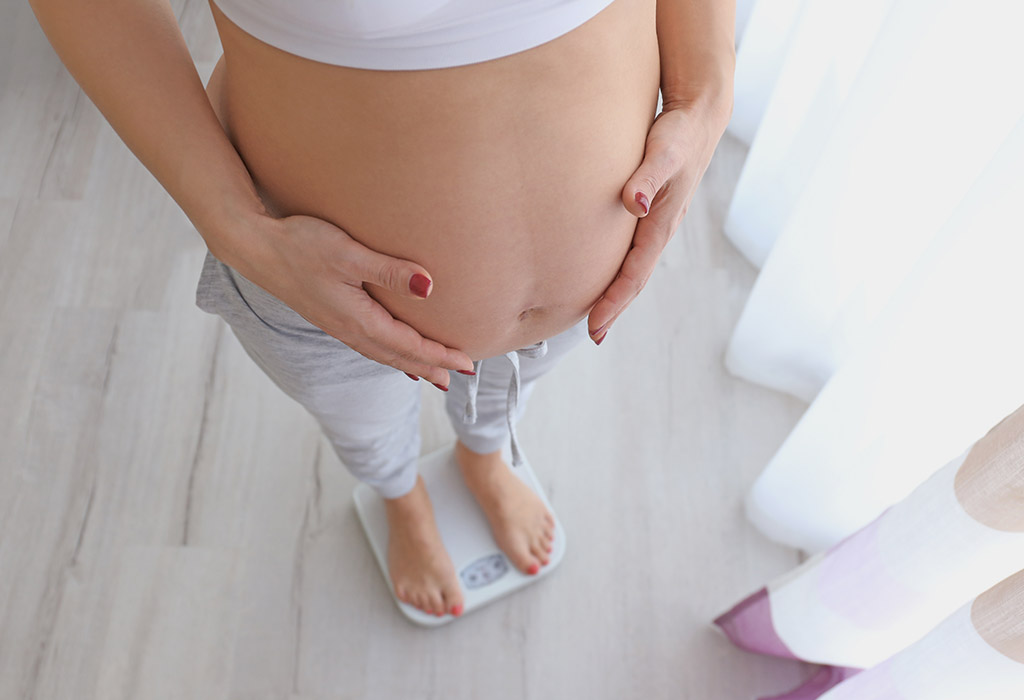
Overweight and Pregnant – Risks & Tips to Manage Your Weight
Not all women are built the same. Some of us are naturally thin, while others are more on the heavy side. However, when you get pregnant, you can expect a rapid weight gain irrespective of your body type. Pregnancy being a tricky time already, it is prudent that you do not lose or gain too much weight as it could jeopardise your pregnancy. If you are overweight or obese during your pregnancy, don’t despair. You can still have a happy pregnancy as long as you follow a set of healthy habits. The most important thing you need to do is to consume a balanced diet, exercise regularly, and listen to your doctor. The medical dangers of obesity should not be ignored as they concern your baby, your health, and both your lives.
Being Overweight During Pregnancy
Obesity and pregnancy is a dangerous combination. There are multiple complications associated with being an overweight pregnant lady, especially during labour and birth. You now need to start paying careful attention to nutrition, daily activities, and any sudden weight gains. It is safe, however, for overweight and obese women to lose weight during pregnancy. Your doctor will be able to help you, or you could take the advice of a nutritionist if you feel you want to. Feel free to get help from your family as it concerns the health of both you and your child.
How Much Weight Should One Gain During Pregnancy?
Normal weight gain during pregnancy depends on your pre-pregnancy weight. Obstetricians around the world have recommendations for normal weight gain during pregnancy. Surpassing these recommendations could have serious consequences on the outcome of your pregnancy. The proposed gain in weight will depend on your Body Mass Index or BMI. The BMI is a formula that calculates the weight range you belong to, based on your height and weight. You can use an online BMI calculator online to find out which category you fall into.
If you are underweight
The BMI of an underweight person is below 18. If this is you, you may gain up to 18 kg during your pregnancy without fear of complications.
If you are a healthy weight
If your BMI is between 18 and 25, you are healthy and can afford to add between 11 and 15 kg during your pregnancy with no issues.
If you are overweight
If your BMI is between 25 and 30, you are overweight and should take care not to gain more than 7 to 11 kg until your baby is born.
If you are obese
The BMI of an obese person is over 30. In this scenario, it is very critical you do not gain more than 5-9 kg during your pregnancy.
Complications of Being Overweight During Pregnancy
Being overweight during pregnancy can pose several challenges both to the mother and to the child. Here are a few of them.
Risks to the Mother
Most overweight women will give birth without any difficulties. However, the higher your BMI, the greater the risk of complications. You can learn about these risks from your doctor. Some of them include:
Blood clots
Pregnancy itself increases the chances of developing blood clots, and a BMI above 30 increases the risk further.
Gestational diabetes
Obesity increases the risk of a special type of diabetes known as gestational diabetes by 300%.
Miscarriage
In the first trimester, a healthy woman has a 20% risk of miscarriage, while for an obese woman the risk is 25%.
Post-partum haemorrhage
It is likelier that a heavy blood loss will begin after giving birth if your BMI is 30 or above. This can increase your risk of postpartum haemorrhage.
Risks to the baby
Stillbirth
The chance of stillbirth increases from 0.5% for a woman of healthy weight to 1% for an obese woman.
Developmental abnormalities
The risk of having a baby with severe birth defects, such as spina bifida, is much greater in an obese woman.
Premature birth
Having your baby before its due date could cause serious problems in later life. Premature babies are underweight and need extra antenatal care as well.
Later life problems
Children who are born to obese mothers tend to have a higher chance of getting heart disease, diabetes and obesity.
Dieting While Pregnant to Lose Weight – Is It Okay?
It is perfectly fine to lose weight during pregnancy when under the supervision of a trained dietitian. However, getting into weight-loss diets on your own could have a negative impact, as restricting your nutrient intake could hamper the development of the foetus inside you. Also, pregnant women tend to feel hungry more often as their blood sugar is low. This can make them cheat on their diets and indulge in unhealthy snacks between meals. The key is knowing what foods should and should not be eaten.
Ways to Control Your Weight During Pregnancy If You Are Obese
During overweight pregnancy, you will face a lot of difficult choices. You will have to make a conscious effort to protect both your and your baby’s well-being. Here are some tips that will help you in managing weight gain during pregnancy.
Visit the doctor regularly
Your doctor will do a prenatal screening to find out how your baby is doing in your womb. It is imperative you do this regularly, as you face greater challenges in your pregnancy as an obese lady.
Exercise
Exercise is probably one of the most important things you should do. Some ideal exercises are swimming, jogging, running and stationary cycling. If nothing else, at least try walking for 30-40 minutes per day to keep your cardiovascular system fit.
Eat healthy
Make sure you eat more fruits, whole grains, lean meat, veggies and dairy. Discard the notion of consuming soft drinks, alcohol, and fried food, as this greatly increases the risk of obesity in your child. Your first trimester does not require you to eat any more than usual, and your second and third trimesters only demand the addition of 300 calories per day. This is the amount found in a single banana.
Eat smaller meals more often
Eating frequent, small meals a day is a safer bet than the usual two full square meals that might make you feel nauseous. Smaller meals can also help you control how much you eat.
Don’t forget your prenatal vitamins
Pregnant women are prescribed vitamin supplements in any case. But if you are obese, you will need to control your weight without missing out on the nutrients. Ask your doctor if you want to take more than the prescribed amount of these vitamins.
Track your diet
It might help to use an app or a diary to keep a tab on your caloric intake, so you don’t go overboard and eat more or less than is necessary. Hire a dietitian if you feel that is necessary.
Drink enough water
Remaining hydrated throughout your pregnancy is a no-brainer. Also, drinking enough water has the fringe benefit of keeping you full between meals. The recommended amount of water per day for pregnant women is around 2.5 – 3 litres.
Accept yourself
It might sound like a new age mantra, but accepting the changes your body is going through is immensely healthy for both you and your child. Gaining extra weight during pregnancy is completely normal, even if you are obese. As long as you manage your weight, there is no reason not to have a successful pregnancy.
Conclusion: One of the most important aspects of carrying a baby as an obese woman is stress. As much as you fear for the health of your child, stress and anxiety are only going to worsen those fears. Also, scientific evidence shows that mothers who went through pregnancy stress had children born with health risks. Meditate, do yoga, and spend time relaxing and pampering yourself. It is very crucial that you don’t pay heed to the old wives’ tale of eating for two, as healthy foetal development requires a balanced, wholesome diet, not just food in higher amounts. Managing your weight with a few habit changes and a good support network is all you need to expect a healthy, happy baby.
Also Read: Losing Weight During Pregnancy – Safe Ways & Effects
Read more
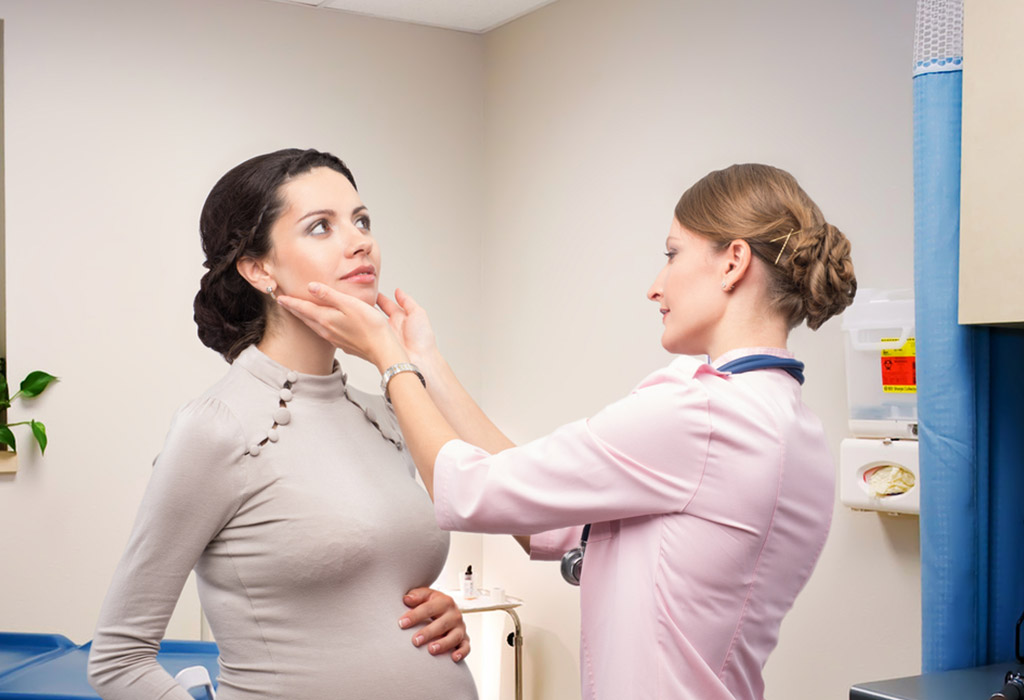
Thyroid Disease in Pregnancy
As soon as your pregnancy is confirmed by your gynaecologist, you will be asked to take a thyroid test. You may also have to take one if you are planning to conceive. Although thyroid during pregnancy is a common condition, there is a possibility of confusing it with other regular pregnancy symptoms due to its similarities. Symptoms like weight gain, feeling tired, getting moody or forgetful and even swelling up are common to pregnancy and thyroid condition. Thus it is all the more important to identify any symptoms of thyroid in advance to treat or manage the situation in ways that don’t affect the pregnancy. Read on to know more.
What Is Thyroid Disorder?
The H-shaped thyroid gland is placed at the front of our neck, right below the voice box. It is about two inches long and is almost weightless (less than an ounce). It forms an integral part of the endocrine system, which does the vital job of producing hormones for your body. The thyroid gland produces two major hormones, T3 (triiodothyronine) and T4 (thyroxine). The hormones created by your thyroid control your body’s metabolism and many other vital bodily functions like weight, brain development, breathing functions, body temperature and cholesterol levels. It is important to monitor thyroid levels in pregnancy since it can have a telling impact on the baby inside the womb (including the neuron intellectual abilities).
Thyroid during pregnancy is common when a woman is in her prime childbearing age, but if it is not diagnosed in time, its impact can extend well beyond pregnancy. The condition is classified as – hyperthyroidism and hypothyroidism. While hyperthyroidism is caused due to high levels of hormones in the blood, hypothyroidism is caused due to decreased levels of thyroid hormones in the blood.
How Does Pregnancy Affect Thyroid Function
During pregnancy, two hormones, oestrogen and human chorionic gonadotropin (hCG) are responsible for enhancing your thyroid levels. These thyroid hormones play a vital role in the development of the baby’s brain and nervous system, and your health when you are pregnant.
The placenta makes hCG, which is similar to TSH (thyroid-stimulating hormone) and stimulates the thyroid to create more hormones. Increase in oestrogen levels produces thyroid-binding globulin, a protein that helps thyroid hormone to travel in the blood. In the first trimester, your baby is dependent on you for its thyroid hormone needs, which come through the placenta. This will go on until the 12th week, after which the baby’s thyroid will begin functioning on its own.
It is necessary to conduct a thyroid function test to detect any pregnancy problem due to thyroid. The thyroid does increase in size during pregnancy, but that is not enough to conclude the test. Thyroid related issues may be difficult to diagnose during pregnancy because many pregnancy signs seem similar to the symptoms of thyroid disorders, such as an increase in the thyroid hormone level, fatigue and increase in the size of the thyroid.
Let’s take a look at both the conditions a little in detail.
Hyperthyroidism in Pregnancy
When an overactive organ produces thyroid hormone in large quantities, the condition is known as hyperthyroidism. Read on to know the causes, symptoms, diagnosis, treatment, etc. of the condition in pregnancy.
1. Causes of Hyperthyroidism in Pregnancy
Hyperthyroidism is usually caused by Grave’s Disease, which is an autoimmune disorder in which the immune system attacks its cells and organs instead of protecting it. Toxic Adenomas is also another cause of hyperthyroidism, wherein nodules that grow in the thyroid gland begin secreting hormones. This disturbs the body’s chemical balance.
2. Who Is at Risk?
Women who have been diagnosed with hyperthyroidism before their pregnancy and those with a family history of hyperthyroidism are most likely to experience it during their pregnancy.
3. Symptoms
Fatigue, Nausea, vomiting, fast heart rate, change in appetite and growth of thyroid levels and thyroid size are the typical symptoms of hyperthyroidism. One can also notice changes in appetite and lower tolerance to heat.
4. Diagnosis
By carrying out three major tests to diagnose hyperthyroidism, it is possible to diagnose the condition in pregnant women:
TSH Test – This test is capable of detecting meagre amounts of TSH (thyroid-stimulating hormone) in the blood and is known to be ultra-sensitive. TSH test is one of the most accurate tests for measuring thyroid activity.
T3 & T4 Test – If the TSH test shows that the levels are low, it is mandatory to carry out T3 (triiodothyronine) & T4 (thyroxine) tests. If free T4 (the part of thyroid hormone unattached to thyroid-binding protein) levels are found to be elevated, the diagnosis is confirmed.
TSI Test – TSI (thyroid-stimulating immunoglobulin) test is conducted if a pregnant woman has had radioactive treatment or surgery or has been diagnosed with Graves’ disease. This test confirms the presence of TSI antibodies in a pregnant woman’s body.
5. Treatment
Treatment is not required for mild hyperthyroidism where TSH levels are low, but free T4 is normal. In case of a severe thyroid disorder, the doctor prescribes propylthiouracil (PTU), in low doses during the first trimester. Anti-thyroid medication, methimazole is prescribed after the first trimester if necessary. In rare cases where the patient does not respond to medication, surgery may be suggested to remove a portion of the thyroid. Radioactive iodine treatment is not recommended for pregnant women since it can damage the baby’s thyroid gland.
Can Hyperthyroidism Affect the Mother and the Baby?
Yes, hyperthyroidism can affect the mother and the baby. There are high chances of the condition leading to preeclampsia, premature birth, miscarriage and sudden worsening of hyperthyroid symptoms in the mother. Also, a newborn can suffer from rapid heart rate leading to heart failure, poor weight gain, low birth weight, irritability and enlarged thyroid causing breathlessness.
Hypothyroidism in Pregnancy
The deficiency of thyroxine, the thyroid hormone, which occurs due to an underactive thyroid gland, is known as hypothyroidism.
1. Causes of Hypothyroidism in Pregnancy
A low level of thyroid hormones in the blood causes this condition, where the thyroid gland functions inadequately. Removal of the thyroid, endemic goitre, iodine deficiency, radiation therapy and diseases related to the pituitary gland are its other causes. Hypothyroidism in pregnancy is also caused due to Hashimoto’s disease, which is a form of inflammation of the thyroid.
2. Who Is at Risk?
Women who have a family history of hypothyroidism or have been diagnosed with this condition in the past are at risk of developing this condition during pregnancy.
3. Symptoms
Common symptoms of hypothyroidism include a swollen face, fatigue, intolerance to cold, weight gain, lower concentration levels, skin tightening or stretching and abdominal discomfort. Decreased levels of T4 and high TSH levels are indicators of hypothyroidism, too.
4. Diagnosis
To confirm the condition, your doctor will check if you show any of the above-mentioned symptoms and ask you to get FT3 (free T3) and FT4 (free T4) tests done in pregnancy as they have high chances of being accurate.
5. Treatment
During pregnancy, hypothyroidism is treated by starting on thyroxine, a synthetic thyroid hormone. Thyroxine is beneficial for the mother and the child and is safe for them, too. Women who have developed this condition before pregnancy should increase their dosage after speaking to their doctor, to maintain thyroid function.
Can Hypothyroidism Affect the Mother and the Baby?
Hypothyroidism can cause preeclampsia, anaemia, stillbirth, miscarriage, and in rare cases, congestive heart failure. Thyroid hormones are essential for the growth and development of the baby’s brain and nervous system. Hypothyroidism can affect their development, especially if it occurs in the first trimester.
Is it Safe to Consume Thyroid Medications During Pregnancy?
Yes, it is safe to consume thyroid medications during pregnancy. In fact, it is unsafe to keep hypothyroid or hyperthyroid conditions untreated while one is pregnant. Medication should be taken and should be monitored closely. Levothyroxine is a synthetic form of thyroid hormone that is baby-safe and is commonly used to treat this condition.
Diet, Nutrition and Dietary Supplements for Hypothyroidism
The body demands high amounts of nutrients during pregnancy as it needs to balance the mother and baby’s health. During this period, doctors recommend the mother-to-be to follow a balanced diet and derive the necessary nutrients from prenatal vitamins and iodine-based mineral supplements.
Pregnant women diagnosed with hypothyroidism should ensure that they get the recommended dose of iodine through daily food and replacing iodised salt with normal salt is one way of doing it. Eating greens like spinach, fenugreek and lettuce leaves provide magnesium, which is necessary for the functioning of the thyroid. Blueberries and strawberries are great for the immune system and contain antioxidants, so make sure they are a part of your diet. Include eggs, walnuts, mushrooms and fish like salmon in your diet to get Omega 3 fatty acids and selenium to regulate hormones the natural way. Vitamin B6 is especially beneficial in pregnancy.
How to Avoid Thyroid Complications During Pregnancy
Your thyroid controls every cell in your body, and without its presence, the body slows down resulting in fatigue, weight gain, hair loss and much more. Here is how you can prevent thyroid and pregnancy complications from affecting your body and the baby:
Stay away from diets that recommend starvation for long periods. Fasting results in a huge reduction of T3 levels which enhances metabolism.
The thyroid gland is susceptible to x-rays. Make sure you ask for a thyroid shield whenever you undergo radiation during pregnancy.
If you are pregnant and have been smoking, it is time to stop. Those with a predisposition for thyroid are at higher risk. A study suggests that smoking increases the risk of hypothyroidism, especially for patients with Hashimoto’s thyroiditis.
To reduce the effect of thyroid on pregnancy, women with borderline hypothyroid should begin with a low dose thyroid hormone at the beginning of pregnancy.
It is necessary to keep reviewing the symptoms of hyper and hypothyroidism during pregnancy, for which repeated testing of TSH levels is needed. Speak to your doctor if you observe any symptoms so that precautionary measures can be taken. By checking your thyroid levels, you can look forward to a safe and hassle-free pregnancy.
Also Read: 22 Infections That Can Affect Your Pregnancy
Read more

Sleep on the Left Side While Pregnant: Benefits & Tips
“Sleep more often” – this is something a mother-to-be hears often when she is expecting. Just a simple piece of advice to moms-to-be to make sure the child can grow properly. However, only a pregnant woman knows the reality of how difficult it can be to get some sleep. Sometimes it is the baby kicking; on other occasions, the pressure on the belly causes pain and keeps the mom-to-be awake. Even if she manages to catch a few minutes of a precious nap, how to sleep is her next concern. Mostly, women prefer sleeping on their back or belly. But it is a strict no-no during pregnancy. When you are carrying a child, you’ll need to take some extra care – even if it is about simple things such as whether you should be sleeping on the left or right side.
Why Do Sleeping Positions Matter During Pregnancy?
The liver is on the right side of our body. So, if you sleep by pressing down on your right side, the posture mounts pressure on the organ. This can choke the liver and curb its natural functioning. Letting the body function at its highest potential is all we want, and it becomes a priority when you are pregnant. You would want nothing to come between your child and his nutrition. Hence, you should make more space for your organs to function normally. Sleeping on the left would obviously then become the option where the liver would get ample space to function optimally.
The prenatal stage has several steps where the foetus grows in size with each passing day. With each passing day, the growing baby starts putting pressure on the organs and blood vessels. Then, when the child starts moving, he needs more space. The cramped up belly would not offer much space for the baby to relax, and he starts kicking the bladder and headbutting into the mom’s intestines. Many find this amusing, especially those who are not experiencing it. But it is really painful. It becomes even more painful when it’s time to snooze.
The Inferior Vena Cava or IVC is one of the many body parts that get affected by these daily changes. In a woman’s body, the IVC runs along the right side of the spine and goes down to bring back blood from the lower part of the body. Sleeping on the right can constrict these blood vessels.
The mother-to-be’s health is incredibly important during pregnancy. Avoiding putting pressure on the organs is a step that should be taken to maintain good health. When you put pressure on the IVC, then the vein passage gets choked, and blood passes in small amounts only. The lack of supply of the oxygenated blood to the heart and brain can make you feel a little woozy. If you sleep on your back, the child puts pressure directly on the IVC. Your child’s nutritional state depends totally on you. So, if you get less oxygen, then the child would get less oxygen as well.
To maintain optimal nutrition, what you can do is avoid putting pressure on the organs as well as the veins to let them function to their fullest capacity. Your sleeping body should lie on your left side to allow more space for the IVC. Researchers are yet to find anything conclusive on which side is the best, but ideally, it should be the left.
Why Do Doctors Recommend Sleeping on the Left Side During Pregnancy?
When the bloodflow to the heart decreases, the heart pumps less blood. And when that happens, a slight fall in blood pressure may occur. The IVC can receive pressure not just from the baby’s weight but from uterine muscle, amniotic fluid, placenta, increased blood volume, etc. This fall in blood pressure is also known as hypotension. Many mothers are safe from it, and they may not notice much variance. But you should always avoid such situations.
A healthy mother may not realise such a difference, and the child may cope up with such irregularities; but why give it a chance? It becomes all the more important if the mother has breathing complications or if she is suffering from blood pressure. Slight irregularities then can cause a ripple, and the child can get affected by that. That is why sleeping on your left side during pregnancy becomes important.
The significance of sleeping on the left side becomes paramount if the pregnant woman suffers from asthma or sleep apnea. It means the baby receives less oxygen than the optimum level. Sleeping on your back can only curb the child’s oxygen intake even more. Many studies have shown that the chances of stillbirth grow invariably with the supine posture of the mother during sleep. Records published in the PLOS One journal in 2017, show that the chances of stillbirth are 3.7 times higher when the mother sleeps on her back. One study in The BMJ has found a slightly higher rate of stillbirths in mothers who slept on their right side.
But whether you’re lying on your left or right side, sleeping on one side for ten long months is not at all a great idea. This can affect the mother’s body structure and can trigger body aches and pains. So, the best way to stay in healthy shape is to keep switching sides. At the same time, babies prefer comfort. If you are sleeping on the left, then the baby would invariably move to the right more to have ample space. But if you keep on doing this often, then this can trigger a condition that is called ‘right-sided babies’, which can cause back labour. Right-sided babies do tend to take refuge in the back, which can cause such a problematic situation. This would be uncomfortable, and the long labour caused by this can cause inconvenience.
How to Sleep on the Left Side During Pregnancy
Well, there is no particular way to suggest how to sleep on your left side. While sleeping, finding a comfortable posture is more important. Having a sound sleep is what you should look for. Switching sides would allow the baby to explore the pelvic landscape better. But while sleeping on the left or right side, you can always try the exaggerated side-lying position. This particular posture requires you to lay a bit forward and rest mainly on the frontal part of your hipbone than on the belly. It would relax the belly and assist the baby in finding a comfortable position. For better support, rolling down a towel under the upper leg or the hip bone can allow the mother and the baby optimum movement. The bottom leg should be straight down, and the top one bent on the towel. This is to open up the hip area more while allowing the baby to rest in the pelvic region. Lying down more on the hip bone can cause sciatica where the nerves can get affected. This is a common type of lower back pain that can affect pregnant women and cause discomfort.
As far as when to start sleeping on the left side is concerned, it has no clear time frame. It is better to avoid sleeping in a supine posture as soon as the mom-to-be gets to know of her pregnancy.
The more the mother cares for her unborn child, the better the chances are for the baby to be born healthy. Little tricks such as sleeping on the left or right side while being pregnant can help. What matters the most is having a sound sleep.
Also Read:
How to Sleep during Second Trimester of Pregnancy
Sleeping Position during Third Trimester and Safety Tips
Sleeping on the Floor during Pregnancy – Is It Safe?
Read more
Can You Donate Plasma While Pregnant?
Key Takeaways
Plasma donation is generally not recommended during pregnancy for the safety of the mother and baby.
Pregnancy-related HLA antibodies in plasma may pose a risk to transfusion recipients.
Donating plasma may cause temporary dizziness, dehydration, bruising, or citrate reactions.
Eligibility to donate again after delivery depends on donation guidelines and individual circumstances.
No, you generally should not donate plasma while pregnant. Plasma donation involves removing part of your blood, and although your body replaces plasma relatively quickly, pregnancy already places additional demands on your blood circulation, fluids, and nutrients. For this reason, pregnant people are typically deferred from plasma donation to avoid unnecessary health risks.
So, when can you safely donate again? This article explains why pregnancy affects plasma donation eligibility, what happens if you try to donate, and when you may be able to return to donating after childbirth.
What Is Plasma Donation?
Plasma is usually known as the forgotten part of blood. Blood comprises three components, namely red blood cells, white blood cells, and platelets. The yellow fluid called plasma carries these blood components in the whole body. So, this way, plasma is the largest part of your body. To be precise, it is 55% of your body. It also transports essential salts, enzymes, nutrients, hormones, and water in the complete body. The cellular waste product is also disposed of by the plasma (1). So now you know how important plasma is to your body!
Plasma donation involves donating that yellow colour liquid. First, the blood is drawn out of the donor. Then the blood is passed through a machine that separates and collects the plasma. The plasma donation process can be time-consuming as the left-out blood cells are returned to the donor. AB group plasmas have huge demand. It is because AB plasmas are universal ones. These can be transfused to any blood type (2).
Who Is Eligible to Donate Plasma?
The following points should hold in your case if you want to donate plasma (3):
You should be at least 18 years old.
Must clear a medical examination.
You should at least be weighing 50 kg or 110 pounds.
You should clear an extensive medical history examination.
You should not have undergone a tattoo or piercings in the last 4 months.
If you have recently recovered from COVID-19, you should donate after 14 days of symptom clearance.
Blood Donation vs. Plasma Donation
The process for blood and plasma donation is the same. However, in plasma donation, blood is usually returned to the donor. Also, the needle used for blood donation is generally smaller in size. Another difference is that a machine is used to separate blood and plasma in plasma donation, while blood donation does not involve any machine (4).
Can You Donate Plasma if Pregnant?
Now the question remains, can pregnant women donate plasma? The answer to the question is no. Plasma donation while pregnant is not recommended due to potential health risks for the donor and baby.
Is Plasma Donation Safe for the Baby During Pregnancy?
Plasma donation by pregnant ladies has been completely stopped owing to some TRALI cases reported in the past. However, there is not much research on whether or not plasma donation is safe for the baby.
But if we think logically, there are already various physiological changes happening in the body when a woman becomes pregnant. A little human grows inside the body that needs vital nutrients and minerals to grow. If you take out plasma, you take away nutrition too. Also, a pregnant woman needs to have enough blood in her body for both mother and child. It is also a stressful process, and stress is not good for both the mother and the child during pregnancy.
Why Should You Avoid Plasma Donation During Pregnancy?
Each body has a protein called Human Leukocyte Antigens or HLA. These HLAs are unique to a body and are attached to each cell, making your body recognize that these cells belong to you (5). When a baby is conceived, they get half the HLAs from the father and half from the mother. Since the father’s HLAs are foreign to the mother’s body, it develops antibodies against them, which flow in the plasma. So, when this plasma with HLA antibodies is transfused, the receiver’s body may experience a shock. This shock is called a transfusion reaction and may even lead to death. This condition is called transfusion-related acute lung injury or TRALI (6). As per a retrospective case-control study done on the pediatric population, it was concluded that maternal blood should be avoided, especially in the pediatric population (7).
Risks of Donating Plasma While Pregnant
Wondering what happens if you donate plasma while pregnant? Possible side effects include (8):
1. Dizziness
Plasma is the carrier of vital nutrients, minerals, and salts. These help the baby grow. Some of the nutrients are donated if you donate plasma in pregnancy. It may cause a void of nutrients for you and the child. It will further cause electrolyte imbalance and lead to dizziness and fainting, followed by fatigue.
2. Dehydration
Plasma is 90% water. So, the mother will most likely feel dehydrated post-donation. The child will get dehydrated, too, which can lead to developmental issues.
3. Citrate Reaction
Plasma is separated from the blood through a machine. Inside the machine, an anticoagulant is used to prevent the blood from clotting at the time of donation. Often, the machine retains this substance. When the plasma is separated and blood is pushed back into your body, there is a possibility that the anticoagulant substance gets into the bloodstream. This can cause temporary calcium loss and be risky for the expecting woman.
4. Bruising
Certain expecting mothers may have blood disorders. A needle can puncture the vein and cause excessive blood loss in such women. This can also lead to bruises as the blood gets into soft tissues. Blood loss can be dangerous for pregnant women.
5. Miscarriage
There are chances of miscarriage when you donate plasma during pregnancy. The amniotic fluid (which protects the baby) is made of plasma. If the plasma is taken out of amniotic fluid, it can pose a risk to the pregnancy.
When Can I Resume Donating Plasma After Pregnancy?
The question is still under research; however, as per American Red Cross it is recommended to wait for at least 6 weeks after delivery to donate plasma. WHO recommends delaying the blood donation for the same number of months as the duration of pregnancy. As a precautionary measure, the plasma donation agency will do the necessary test on your plasma before transfusion. Until your tests continue detecting HLA antibodies, you cannot donate plasma.
It is also important to understand that you and your child still require the essential vitamins and minerals that plasma carries to support each other. Donating plasma won’t be a good idea post-delivery.
Also, some doctors suggest not to donate plasma when you are breastfeeding. Plasma donation affects milk production. Breast milk production is related to hydration, and plasma donation takes away water from your body. It would be best not to donate plasma as long as you feed your baby.
What Are Safe Alternatives to Plasma Donation During Pregnancy?
If you have been a regular donor, it might feel sad not to donate. But there are always other ways to help people in need. The alternatives can be:
You can choose to donate your time. Try to volunteer at a plasma or blood donation centre.
Encourage, educate, and motivate eligible people around you for plasma donation.
If you are financially sound, you can donate funds that can help the needy.
You can also host a blood or plasma donation camp.
FAQs
1. Is it safe to donate plasma before pregnancy?
As per a 2019 study, donating blood more than once before pregnancy is safe and does not induce harmful maternal or fetal outcomes. Apparently, if you are trying to conceive and have missed your latest period, then donating plasma should be delayed until your pregnancy is confirmed.
2. Will donating plasma cause a miscarriage?
Donating plasma during pregnancy is not known to directly cause a miscarriage, but plasma donation is generally avoided during pregnancy because it can temporarily lower fluid levels and cause dizziness, dehydration, or low blood pressure.
Pregnancy causes many changes in the physiological aspects of your body. When you conceive, you take responsibility for delivering a healthy baby. And you can ensure the health of the child only if you refrain from plasma donation. Also, you should eat well, maintain good health, and remain stress-free. Not only you and your child, but your donated plasma can also cause major health risks to the receiver as well. So, for everyone’s good, it is advised that you take your doctor’s advice before getting involved in any donation while pregnant.
Also Read:
High & Low Haemoglobin Levels in Pregnancy
CBC (Complete Blood Count) Test during Pregnancy
Pregnancy-Associated Plasma Protein-A (PAPP-A) Level
Read more

Can You Do Sit Ups or Crunches While Pregnant?
Key Takeaways
Sit-ups and crunches may be possible in early pregnancy, but may need modification as pregnancy progresses.
Avoid exercises that cause pain, dizziness, breathing difficulty, bleeding, or unusual discomfort.
Walking, swimming, prenatal yoga, and modified core exercises can be suitable alternatives.
Yes, you may be able to do certain abdominal exercises during pregnancy, but traditional sit-ups and crunches may need to be modified or avoided as your pregnancy progresses. Changes in your abdominal muscles, growing belly, and comfort level can all affect which exercises are suitable for you.
If you’re wondering, “can you do crunches or sit ups while pregnant,” the answer depends on your stage of pregnancy and individual health. This article explains when they may be safe, when to avoid them, and which gentle core exercises can be better alternatives.
Can Pregnant Women Do Sit-Ups or Crunches?
Yes, sit-ups and crunches may be possible during early pregnancy, but they are generally not recommended as pregnancy progresses (1). If you’re wondering, “Is it safe to do sit-ups while pregnant?”, speak with your doctor before continuing, especially during the second and third trimesters.
As your belly grows, traditional abdominal exercises can become uncomfortable and may cause dizziness or nausea when lying on your back (2). Stop if you feel discomfort and consider pregnancy-friendly core exercises instead.
How Can Sit-ups Be Done?
Sit-ups, also known as abdominal crunches, require no equipment or gym membership. You can do them in the comfort of your own room (3).
Place a mat on the floor and lie on your back flat against it.
Bend your legs at the knees, keeping your soles firmly against the floor.
Put your hands behind your head to begin.
First, breathe out and lift your entire torso towards your knees.
Breathe in and return back to your starting position. This counts as one rep.
Perform the exercise in three sets of ten reps each.
Remember, there is no rest time between each rep, but around two minutes before each set.
Over time, you can increase the number of sets or reps.
Things to Remember While Doing Sit-ups When Pregnant
When it comes to crunches and pregnancy, it’s important to modify your routine as your body changes and consult your doctor about suitable exercises. Here is a list of things to remember when performing crunches during pregnancy.
As a rule, drink enough water and have a balanced diet to avoid any physical weakness or muscle cramps.
Don’t wear any items of clothing that can cut off circulation or breathing.
Do your workouts indoors and out of the harsh sunlight, if possible.
Remember that you don’t have to be strict about your workout routine during your pregnancy. It is alright to miss out now and then.
Keep the exercises light so your body temperature does not get too high, as this could cause complications.
Don’t exercise if you are ill, tired, or if you experience any unexpected symptoms.
Work out only when you feel like it; your body is an excellent judge of its own ability, listen to it.
A twin pregnancy absolutely precludes abdominal crunches, please do not attempt them.
Avoid doing more than twenty reps in a single set.
When to Stop Doing Sit-Ups While Pregnant?
Here are five reasons to stop doing crunches or sit-ups while pregnant:
If you are feeling dizzy or lightheaded.
If you are experiencing any headaches.
If you are feeling any strange pain or discomfort in the abdomen.
If you are finding it difficult to breathe.
If you are experiencing any bleeding or discharge from the vagina.
Why Should You Avoid Doing Sit-Ups During the Second and Third Trimester?
As mentioned earlier, sit-up exercise during pregnancy should be avoided during the second and third trimesters. Here are some reasons why (4):
The weight of the baby will lower the blood flow towards the foetus, depriving it of nutrients and oxygen.
There is an increased risk of falling due to a loss of balance when getting into position.
Crunches during the later months of pregnancy can increase the likelihood of developing a hernia. This is because your abs might get overstretched, i.e., they can get thinner.
Pregnancy Exercises to Try Instead of Sit-Ups
Staying active during pregnancy is very important. Research shows that exercise during pregnancy helps with appropriate maternal and fetal weight gain, reduction in Cesarean section rates, and managing gestational diabetes. Moderate exercises during pregnancy improve the mood, promote muscle tone and strength, and helps pregnant sleep better. Listed below are some safe and effective exercises for pregnancy:
1. Walking
Walking is one of the best mild exercises pregnant women of all trimesters can do. It does not strain joints or muscles and keeps you healthy. Plus, it is great for relaxation (5).
2. Prenatal Yoga and Pilates
Prenatal yoga and pilates exercises designed for pregnancy are safe and effective. During pregnancy, it is best to have an instructor next to you, and the instructor should be informed about your pregnancy so they can customise the exercises based on your condition (6).
3. Stationary Bike
Instead of riding a regular bicycle that has a risk of falling, you can ride a stationary bike that does not risk falling or harming your baby in the process (7).
4. Wall Pushups
Wall Pushups are easier and safer than regular pushups. They fine-tune the triceps muscles in the back of the upper arms and the pectoral muscles in the front of the chest wall.
5. Squats With a Fitness Ball
Squatting is an effective exercise to help you through the labour process. With the help of a birthing ball or a fitness ball, you can try squatting and allow room for the baby to easily pass through the birth canal.
6. Ball Wall Squat
This is another exercise you can do with a fitness ball. A ball wall squat is a squat against the wall using the birthing ball. It helps strengthen the leg and buttock muscles.
7. Swimming
Swimming is another exercise suitable for pregnancy to maintain your fitness without putting on extra stress on the body. In fact, water helps easily support your bump and does not strain the back while swimming. You can look for certified aqua natal classes for your pregnancy (8).
FAQs
1. Can doing sit-ups lead to miscarriage?
There is no evidence that sit-ups on a moderate level and for a limited amount could cause miscarriage. Although traditional sit-ups do not threaten your baby’s health, they might cause diastasis recti. Therefore, any exercise during pregnancy should only be done after a doctor’s consultation.
2. What are the alternatives to sit-ups during pregnancy?
You can swap crunches and sit-ups for safe and moderate exercises like prenatal yoga, pelvic tilts, and plank variations.
3. Are planks safer than crunches during pregnancy?
Modified planks may provide a way to strengthen the core without repeatedly flexing the abdomen. However, they should be adapted as pregnancy progresses and stopped if they cause discomfort, abdominal pressure, or visible doming.
The standard myth about sit-ups exerting pressure on the baby is false. In fact, it is important to improve core abdominal strength during pregnancy to remain healthy and have a successful delivery. However, crunches are not the only exercises you can do in this regard. Other exercises include planks, exercise ball workouts, breathing exercises and so on. Ensure you add a bit of flavour to your daily routine so you don’t get bored.
Also Read:
Butterfly Exercise while Pregnant
Pelvic Tilt Exercises when Pregnant
Abdominal Exercises to Do in Pregnancy
Weight Lifting Exercises during Pregnancy
Read more
Metallic Taste in Mouth In Pregnancy: Causes & Remedies
Key Takeaways
A metallic taste in the mouth during pregnancy is called dysgeusia and is often linked to hormonal changes.
It is more common during early pregnancy and may gradually improve as pregnancy progresses.
Morning sickness, acid reflux, dry mouth, oral health changes, and iron-containing supplements may make the taste more noticeable.
Drinking water, maintaining good oral hygiene, and trying sour or refreshing flavours may help ease the metallic taste.
A metallic taste in mouth in pregnancy, known as dysgeusia, is usually caused by hormonal changes that can alter how you perceive flavours. This taste disturbance is particularly common in early pregnancy; one study found that 92.8% of pregnant women experienced some change in taste during pregnancy (1).
Although dysgeusia can make foods taste bitter, metallic, or unusually strong, it is generally temporary. This article explains everything you need to know about metallic taste in mouth and pregnancy, including its possible causes, remedies that may provide relief, and when you should consult a healthcare professional.
What Is Dysgeusia or Metal Mouth During Pregnancy?
A metallic taste in the mouth is an early symptom of pregnancy. The changing pregnancy hormones may trigger certain sensory changes in a pregnant woman that can leave a foul taste in the mouth. Many pregnant women may feel a metallic, burnt, sour or rancid taste in their mouths. Many pregnant women have described the metallic taste in pregnancy as having a mouthful of old coins or lapping on a handrail (2).
Dysgeusia is a condition in which a person experiences foul, salty, rancid, or metallic taste in the mouth. Dysgeusia will not result in food aversions or cravings during pregnancy, but it can cause the food to taste bitter or leave a bad taste after eating. Sometimes the metallic taste in the mouth in pregnancy may persist even without having eaten anything. Dysgeusia in pregnancy can make the condition of morning sickness worse in some pregnant women (3).
Is it Normal to Have a Metallic Taste in the Mouth During Pregnancy?
Yes, having a metallic taste in mouth during early pregnancy is common, particularly during the first trimester. Hence, you may not find a metallic taste in your mouth in 3rd trimester of pregnancy as it must have already vanished (4).
When Do You Experience Metallic Taste in the Mouth During Pregnancy?
Dysgeusia generally manifests during the first trimester of pregnancy and usually fades away as the pregnancy advances or after childbirth (5). In most cases, the metallic taste sensation improves by the second trimester when the hormones start to settle down a little. Some pregnant women may experience it from time to time throughout their pregnancy, especially after having heartburn or eating something with artificial sweeteners or anything with onions.
There might be other reasons for the metallic taste in your mouth that are not related to pregnancy, such as diabetes, gingivitis, kidney or liver disease, cancer or cancer treatments, or having certain dental appliances or fillings. But if you do not have any of these issues, then the metallic taste is simply because of the fluctuating hormones during pregnancy. However, if you are facing other issues along with the metallic taste, it is wise to consult your doctor.
What Are the Causes of Metallic Taste in the Mouth During Pregnancy?
The real cause of a metallic taste in the mouth during pregnancy is unknown. But here are some of the probable causes (6):
Pregnancy Hormones and Dysgeusia: The connection between dysgeusia and pregnancy is often linked to hormonal changes. Rising and fluctuating levels of hormones, particularly oestrogen, may affect how the brain perceives different tastes, causing foods and drinks to taste metallic, bitter, or unusually strong (7).
Changes in the Sense of Smell: Smell and taste are closely connected. Pregnancy can heighten the sense of smell (8), so certain odours that previously seemed neutral may suddenly become unpleasant and contribute to an unusual or metallic taste.
Changes in Taste Perception: Pregnancy can temporarily alter the way the taste buds respond to sweet, salty, sour, and bitter flavours. These changes in gustatory function may make familiar foods taste different and can contribute to a metallic sensation.
Possible Nutritional Adaptation: Some theories suggest that pregnancy-related changes in taste may influence food preferences and encourage the intake of nutrients needed during pregnancy, including iron and sodium. However, this proposed explanation is not firmly established.
Morning Sickness and Vomiting: Frequent nausea or vomiting can leave stomach acid in the mouth, which may create a sour, bitter, or metallic taste. Dehydration following repeated vomiting may also make the sensation more noticeable.
Prenatal Vitamins and Iron Supplements: Iron-containing prenatal vitamins and supplements can sometimes leave a metallic aftertaste. If the taste started after beginning a new supplement, it may be worth discussing the timing with your healthcare provider before making any changes (9).
Dry Mouth and Dehydration: Hormonal changes, vomiting, reduced fluid intake, or simply not drinking enough water can cause dry mouth. Reduced saliva can affect taste perception and make an unpleasant or metallic taste more noticeable.
Oral Health Changes: Pregnancy can increase the risk of swollen or bleeding gums because of hormonal changes. Blood in the mouth can have a metallic taste, so gum inflammation or other oral health problems may contribute to the sensation.
Acid Reflux: Heartburn and acid reflux are common during pregnancy. When stomach acid moves back into the mouth, it can produce a sour, bitter, or metallic taste, particularly after meals or when lying down.
How Long Does Metallic Taste Last During Pregnancy?
Different women have different experiences during their pregnancy. Some women may have dysgeusia, while others may not. Know how long it lasts:
Some pregnant women may not develop dysgeusia or a metallic taste at all, while some may experience it right from the start of their pregnancy.
More often than not, the condition of dysgeusia gets better with the progression of pregnancy.
The intensity of the metallic taste in the mouth in pregnancy’s second trimester will greatly reduce and completely vanish by the third trimester, just like morning sickness.
But in some cases, the metallic taste may linger on throughout the pregnancy.
Dysgeusia during pregnancy is not a worrisome condition, provided it doesn’t interfere with eating habits and leads to extreme nausea.
It normally doesn’t require any medical treatment.
It can be difficult to prevent the incidence of dysgeusia during pregnancy though it may be possible to ease some of the discomfort caused by.
Generally, foods that intensify the flow of saliva may help in washing away the metallic taste.
How to Get Rid of a Metallic Taste When Pregnant
Some helpful tips to lessen the effects of early pregnancy metallic taste or dysgeusia are (9):
Certain dietary changes, like snacking on saltine crackers, may help in reducing the metallic taste.
Chewing on sugarless gum can prove useful.
Taking mint can also aid in expelling the metallic taste.
You can try eating spicy food to numb the metallic taste as long as it doesn’t aggravate acidity.
Colder fluids like popsicles and ice may help too.
Try and avoid tasting new food, as it can, at times, worsen the metallic taste in the mouth during the third trimester of pregnancy.
Maintaining oral hygiene like frequent brushing, cleaning your tongue, flossing your teeth, and using a gentle mouthwash can help keep the metallic taste at bay.
Drinking water often, preferably with a lemon squeezed in it, may prove beneficial.
Eating green apples can purge any lingering metallic taste.
You may find gargling with a little baking soda solution or salt is effective in dealing with the metallic taste.
Use of ginger in the form of ginger tea or ginger ale can be an effective remedy to get rid of the metallic taste in the mouth.
Eating foods marinated in vinegar may also be helpful in getting rid of metal mouth.
Sour flavours like pickles, citrus juices, etc., can help banish the metallic taste.
FAQs
1. Can I experience a bitter taste in my mouth during pregnancy?
Yes, it is possible to have a bitter taste in your mouth in the first trimester during pregnancy due to hormonal changes.
2. Can I have a metallic taste in my mouth but not pregnant?
The metallic taste in the mouth is not just because of pregnancy. It can occur due to gum disease, sinus or cold infection, indigestion, certain medications, and cancer treatments.
3. Does a metallic taste mean you are having a boy or a girl?
No. A metallic taste is not a reliable way to determine your baby’s sex. It is more likely related to changes in hormones and taste perception during pregnancy.
Dysgeusia or metallic mouth is usually not a cause of concern during pregnancy. Like other pregnancy symptoms, dysgeusia tends to go away in the course of time. In case the metallic taste in the mouth is causing considerable distress or if you notice other symptoms along with the metallic taste in your mouth, refer to your doctor for dietary changes and other suitable remedies in order to cross off any other problems that might be lurking.
Also Read:
Mouth Ulcers while Pregnant
Dry Mouth during Pregnancy
Excessive Saliva in Pregnancy
Bleeding Gums when Pregnant
Read more
Bloody Show in Pregnancy: Signs, Causes & What It Means for Labour
Key Takeaways
A bloody show is blood-tinged mucus released as the cervix softens and begins to dilate.
It may appear as pink, brown, or red streaks mixed with thick, jelly-like mucus.
A bloody show can happen hours or days before labour and does not always mean labour has started.
Heavy, bright-red bleeding or bleeding before 37 weeks needs prompt medical attention.
A bloody show in pregnancy is the passage of blood-tinged mucus from the cervix as it begins to soften, thin, or open in preparation for labour. Although it can be a normal labour sign, it does not always mean that labour will start immediately. During pregnancy and bloody show, the discharge may look pink, brown, or streaked with red.
This article explains its causes and symptoms, how to recognise other labour signs, and when bleeding may need prompt medical attention.
What Is a Bloody Show?
A bloody show occurs when your cervix (the neck-like narrow passage constituting the uterus’s lower part) undergoes crucial changes and initiates your body into labour (1). The cervix may start expanding to let the baby pass through it. The cervix essentially has a lot of blood and thus may bleed easily.
When the cervix begins to dilate, some of the blood vessels may burst as the cervix softens. Blood vessels usually rupture immediately after the release of the mucus plug. Eventually, you may notice a bloody show, which is simply the blood from the cervix mixed with the mucus passing out of the vagina.
What Causes Bloody Show When Pregnant?
Soon after the fertilised egg gets implanted in the uterus, a mucus plug is formed in the cervix, which blocks the cervix’s opening. The mucus has anti-microbial properties that protect the growing baby from possible infections (2). When the body goes into labour, the cervix dilates, loosening the mucus plug. In due course, the mucus plug flows out of the vagina along with some blood. This accompanying blood is from the blood vessels of the cervix, which hold the plug in place. The blood vessels get ruptured when the mucus plug is released, causing a bloody show (3).
What Are the Signs of Bloody Show During Pregnancy?
Some of the apparent signs of bloody show during pregnancy can be (4):
1. Cramps
Cramps are one of the most common signs of a bloody show. However, you may get cramps before you experience the bloody show.
2. Mild Contractions
Contractions usually indicate the start of labour, but bloody show and contractions may also be related. Some pregnant women can feel contractions during the dilation of the cervix, which may be a sign that a bloody show is likely to follow.
3. Reddish Mucus
The most vital sign of a bloody show is seeing mucus coming out of the vagina, tinted with blood. You may spot a sticky, thick discharge, which may be either dark brown or bright red.
How Much Bloody Show Is Considered Normal?
A bloody show is usually a small amount of blood mixed with thick, jelly-like mucus. It can come out all at once or in several small amounts. Cleveland Clinic notes that a typical bloody show should not be more than about 1-2 tablespoons of discharge (1).
Difference Between Mucus Plug and Bloody Show
A bloody show is not very different from a mucus plug. They are closely linked, although they may be two separate occurrences. Both the bloody show and the mucus plug are signs of early labour.
As the body readies itself for labour, it releases hormones that stimulate the cervix to dilate. The ripening of the cervix causes the mucus plug to dislodge and slip out of the vagina. The mucus plug is jelly-like and is usually streaked with blood (2). The appearance of the blood-tinged mucus, which can be slightly pink, bright red, or darkish brown, is called bloody show (4).
Is Any Kind of Bleeding a Sign of Bloody Show?
Bleeding of any kind may not be a sign of a bloody show while pregnant (5). In case of an internal examination by a doctor, some bleeding may take place afterwards because the cervix tends to bleed easily. You may also experience a little bleeding after sexual intercourse.
Is Bloody Show a Sign of Impending Labour?
Yes, the release of the mucus plug, which is often followed by a bloody show, is the early sign of impending labour. But different women can have different experiences. Some pregnant women may experience a bloody show a few days before labour starts, while some women don’t get a bloody show up until they are truly in labour (6). In some cases, pregnant women may not even have a bloody show and can move right into active labour. Women who are first-time moms have higher chances of experiencing a bloody show before labour begins than women who have had kids in the past.
How Long After the Bloody Show Does Labour Start?
The experience of every woman can vary as there is no definitive sequence of events or a set time frame to experience a bloody show and for labour to begin. A bloody show can occur within a few minutes or several days before labour starts (6). Some pregnant women may already be in active labour when a bloody show occurs. All in all, you may have enough reaction time when you have a bloody show so that you don’t have to rush to the hospital immediately.
How Long Does the Bloody Show Last?
A bloody show usually doesn’t last very long, but it may vary from person to person. Some women may experience bloody show in bits, which may last a couple of days, while some may get it all out in one go. Also, some pregnant women may not even notice or experience any bloody show and can go straight into active labour.
Is It Safe to Have Sex If You Have Had a Bloody Show?
If you have had a bloody show, odds are you may not be in the mood to have sexual intercourse. In case you still feel like indulging in sex, it is wise to consult a doctor first. The doctor may like to check whether your cervix has dilated or not. In case your cervix has dilated, the doctor may advise you against sex because sexual intercourse can rupture your water bag or increase the chances of an infection.
When to Consult a Doctor?
You may like to consult a doctor in the following instances (6):
If you experience heavy bleeding.
If you notice any bleeding before 37 weeks of pregnancy.
If the vaginal discharge suddenly turns bright red.
You experience severe cramps or tummy aches.
You feel that the water bag has ruptured.
If you do not experience contractions for 48 hours after a bloody show.
FAQs
1. What should I do if I experience bloody show?
In case you experience a bloody show, you should monitor the bleeding, the colour of the discharge, and the rate and duration of contractions, if any. This will establish if you are going into labour. If you are still in the first or second trimester of your pregnancy and you notice a bright red discharge, contact your doctor immediately, as it may imply some serious issues. If you are 39 weeks pregnant with a bloody show but still have no contractions, try not to get too worked up. It won’t be long before the contractions start.
2. Is it a light bleeding or bloody show?
It is difficult to ascertain whether bleeding is light or bloody show. Women cannot independently distinguish between a bloody show and light bleeding. Even though a bloody show may coincide with early labour signs like slight contractions, it’s possible for women to experience the bloody show without any accompanying pain or contractions.
3. Does every pregnant woman experience bloody show?
No, not every woman experiences bloody show when pregnant. Some women experience this symptom for several days, while others may not experience anything. Since every pregnancy is unique, the intensity of symptoms and body changes vary from pregnancy to pregnancy, making it unlikely to certain the static of bloody show in pregnant women.
4. Is 37 weeks pregnant bloody show normal?
It may indicate that your cervix is beginning to prepare for labour. However, because bleeding during pregnancy can have other causes, contact your maternity care provider if the bleeding is more than light spotting, becomes bright red, or is accompanied by pain or other concerning symptoms.
5. How long after a bloody show does birth happen?
There is no fixed timeframe between a bloody show and birth. Labour may begin within hours, but it can also take several days.
The bloody show and labor are closely connected, as the appearance of blood-tinged mucus can indicate that the cervix is beginning to prepare for childbirth. Even after the bloody show, you may have some time before the baby is delivered. So, try to remain calm and let things progress naturally.
Also Read:
Rectal Bleeding in Pregnancy
Vomiting Blood during Pregnancy
Blood Clot in the Uterus when Pregnant
Read more
Nightmares During Pregnancy: Causes and Tips to Manage Them
Key Takeaways
Nightmares during pregnancy can be common and may become more vivid because of hormonal changes, stress, anxiety, and disrupted sleep.
Pregnancy nightmares do not predict your baby’s health or future events and are usually not a cause for concern.
Follow a healthy sleep routine by going to bed at a regular time and avoiding heavy meals before bedtime.
Relax before bedtime by trying meditation, gentle exercise, reading, or listening to calming music.
Nightmares during pregnancy can become more frequent or vivid as sleep patterns change and worries about pregnancy, childbirth, and the baby affect your nights. Research has found that pregnant women may experience more disturbed dreams, with one study reporting that 21% of women in their third trimester had nightmares more than once a week, compared with 7% of non-pregnant women (1).
If you’re having bad dreams while pregnant, understanding the possible causes can make them feel less alarming. This article explains why nightmares and pregnancy can go hand in hand and shares practical tips to support more restful sleep.
What Are Nightmares and Are They Normal During Pregnancy?
The human mind is very complex, and it keeps storing memories in it. Many studies are going on to understand and interpret human dreams. However, no substantial proof has been found that clearly states why we have certain kinds of dreams. But it has been observed that these ethereal images that you see while sleeping may be a result of your thoughts, memories, anxieties etc., and may pop up in your mind in the form of a dream or nightmare. When it is a positive or happy experience, it is termed a ‘dream’, and when it is a negative or disturbing experience, it is termed a ‘nightmare’ (2).
If you are pregnant, then you must be thinking if nightmares are common during pregnancy or not. Well, there is no doubt that your body goes through many physical and emotional changes during pregnancy, and sometimes these changes lead to various kinds of disturbances in your sleep. Hence, these disrupted sleeping schedules and sleep patterns may make you more prone to having bad dreams in pregnancy (3).
What Causes Nightmares During Pregnancy?
Following are some of the reasons which may lead to nightmares during pregnancy:
1. Changing Hormones
It may sound a bit strange, but your changing pregnancy hormones may make you have nightmares (4). This may happen because of the hormone called cortisol. The level of this hormone starts increasing as you become pregnant, and it may reach its peak during labour. This particular hormone may be responsible for triggering that part of your brain that may make you see weird or scary images during sleep. Hence, you may have nightmares.
2. Stress
It is extremely normal for a pregnant woman to feel stressed. There are so many reasons to be stressed about during pregnancy. For example, you will be concerned about your baby’s health and well-being, the birthing process, your health, etc. But stressing or being anxious won’t help. Anxiety issues may affect your sleep and result in disrupted sleep. This may lead to negative thoughts and emotions, which may culminate in nightmares (5).
3. Sleep Issues
If you face sleep issues during pregnancy, you are likely to have nightmares. Sleep issues occur due to changing hormones, increasing weight, pressure on your abdominal region, etc. All these problems may increase your chances of waking up at night and thus may lead to sleep troubles (6). Therefore, you may have more chances of having nightmares in the second trimester of your pregnancy.
4. Rapid Eye Movement (REM) Sleep
During pregnancy, you are most likely to experience more REM than non-REM sleep. This is because your sleep is continuously interrupted by different things like discomfort or frequent urination. It is at this stage that an expecting mother dreams a lot and the dreams seem very real.
5. Anxiety About Birth and All That Follows
Most pregnant women fear the birthing process, labour pains and what will happen once the baby arrives. They also start thinking about their identity as a new mom and feel a lack of support. These negative emotions are major contributors to nightmares.
If you forget these nightmares after waking up, then it is not a problem. However, if you reminisce about them, it may lead to stress and anxiety. Any kind of stress or anxiety is not good for you or your unborn child. Therefore, you may have to look for ways and means to control your negative emotions and feelings that make you experience nightmares in the first place.
How to Prevent Nightmares During Pregnancy?
If you are looking for ways to prevent the occurrence of nightmares during pregnancy, here are some suggestions that may help you. Take a peek into the following tips and minimise the occurrence of bad dreams during pregnancy (5):
1. Try to Find Out the Reason
Believe it or not, knowing the reason that may have caused a bad dream may help you deal with it. You need to understand why you may be having such negative thoughts. It could be because of health issues, fear, worries, or other such issues that may bother you during pregnancy. Talk to your doctor about the same and get over your fears and worries.
2. Take Charge of Your Health
If you suffer from any health ailment during pregnancy, it may make you tense and worried. You need to understand your condition and learn about various ways to cope effectively to have a healthy and hassle-free pregnancy. Eat good food, take enough rest, and have an active lifestyle. This will keep you upbeat during pregnancy and keep health problems at bay. If you exercise, eat well, and follow your daily schedule, you will fall asleep quickly and sleep peacefully. Thus, the chances of a nightmare would be reduced.
3. Think Positive and Be Happy
Your state of mind has a lot to do with the kind of dreams you may have. If you remain positive and happy, it will keep negative feelings and thoughts away from your mind, ultimately preventing bad dreams at night.
4. Sleep Well
The importance of ‘rest’ during pregnancy cannot be undermined. You should have at least 7 to 8 hours of interrupted sleep at night. A well-rested body means no stress or tension, which in turn makes you happy and keeps you away from any negative thoughts and emotions.
5. Do Not Snack Late at Night
You may have unusual food cravings in the wee hours during pregnancy, but don’t give into those weird cravings. If you like, you can find something healthy and light before going to bed. Anything that you eat just before dozing off may not get digested easily and may lead to heartburn, nausea, or other digestive problems. These problems may hamper your sleep and thus lead to negative emotions.
6. Be Realistic
Sometimes no matter how hard you and put sense into things, your mind fails to understand the logical aspects of it. The same may hold true in the case of nightmares, too. All said and done, nightmares during pregnancy- the first, second and third trimesters, are nothing but your interpretations, and they may not be true, so why worry? Don’t stress yourself by thinking about it. Let it go. However, if you have the same dream regularly, talk to your doctor about it.
7. Meditate
Meditation is one of the most effective ways to calm your mind. No matter how hard your day was or what negative thoughts crop in your head, all you have to do is, sneak out a few minutes from your schedule to meditate a couple of times a day. Plan one session right before you retire for the day so that your mind is calm and relaxed (7).
8. Relax
Relaxing your mind and body during pregnancy is essential, as stress and anxiety are not good for your baby’s and your health. The best way to relax is exercises, yoga, meditation, listening to music, reading a good book or doing what you like. You can also spend some time with your friends or family members to unwind after a hectic day. Talking to your loved ones is also one of the best therapies that helps soothe your mind.
What Tools Can Help Reduce Nightmares During Pregnancy?
Nowadays there are many tools which you can use to promote healthy sleep and prevent bad dreams. You can try the following:
Specially made soundwaves that tweak the way your brain functions, while you fall asleep. Make use of these to have peaceful dreams, and relax deeper.
Lucid dreaming, this is what happens when you’re aware that you’re dreaming and can control the narrative of your dream (8).
Meditation music apps register the kind of music that appeals to you and will present those sounds during sleep.
If you incorporate the tips mentioned above in your life, you can get a good sleep and relax at night. However, it is important to understand that dreams, whether good or bad are just the manifestations of your mind, and you may have no control over them. Therefore, if you struggle with sleeping because of recurrent nightmares, seek medical assistance at the earliest.
FAQs
1. Can bad dreams affect an unborn baby?
Sleepless nights and vivid dreams could affect a pregnant woman’s sleep schedule. This could lead to stress and anxiety further creating problems like heart disease and high blood pressure. Too much stress especially during the final trimester increases the chances of delivering a premature baby.
2. Do bad dreams and pregnancy have a connection?
Pregnancy-related changes in sleep and emotional well-being may contribute to vivid or unpleasant dreams. However, the content of a nightmare does not necessarily predict what will happen during pregnancy. Dreams are often influenced by your thoughts, experiences, and emotions.
3. What should I do after waking up from a pregnancy nightmare?
Take a few slow breaths and remind yourself that the dream was not a prediction of what will happen. Getting out of bed briefly, drinking some water, practicing relaxation, or talking to your partner may help you settle before returning to sleep. Avoid repeatedly replaying or analysing the dream if it increases your anxiety.
If you incorporate the tips mentioned above in your life, you can get a good sleep and relax at night. However, it is important to understand that dreams, whether good or bad are just the manifestations of your mind, and you may have no control over them. Therefore, if you struggle with sleeping because of recurrent nightmares, seek medical assistance at the earliest.
Also Read:
Anger during Pregnancy
Effective Pregnancy Sleep Tips
Mood Swings while Pregnant
Read more
Can You Get a Piercing While Pregnant? Risks and Precautions
Key Takeaways
Wait until after pregnancy to get a new piercing, as healing can be more difficult during this time.
Piercing the belly button or nipples can be especially uncomfortable as pregnancy changes these areas.
Existing healed piercings usually don’t need to be removed unless they become uncomfortable or irritated.
Any signs of infection, such as worsening pain, swelling, redness, or discharge, should be checked by a healthcare professional.
Getting a new piercing during pregnancy may seem like a simple beauty choice, but it comes with some safety considerations. Healthcare professionals generally recommend postponing a new piercing until after pregnancy because of infection and healing concerns. Unsterile piercing equipment can also increase the risk of blood-borne infections such as hepatitis B and C (1).
If you’re wondering, can you get a piercing while pregnant, this article covers the potential risks of piercing in pregnancy, healing concerns, piercings that may need extra caution, and safer alternatives until after delivery.
Can You Get Your Body Parts Pierced While Pregnant?
It’s best to avoid getting a piercing while pregnant. Although the procedure may seem minor, piercing breaks the skin and creates an open wound, which can increase the risk of infection and make healing more difficult. Pregnancy-related changes in the body can also affect how your skin responds and heals.
That doesn’t mean you need to remove piercings you already have. Fully healed piercings can generally stay in place during pregnancy, but some may become uncomfortable as your body changes. For example, a belly button piercing may need extra attention as your abdomen grows.
Can You Get an Ears Piercing While Pregnant?
It’s recommended to wait until after pregnancy before getting your ears pierced. While an earlobe piercing is usually a simple procedure, cartilage piercings take longer to heal and can be more prone to irritation (2).
Is Nose Piercing Safe During Pregnancy?
A nose piercing is best left until after delivery. The nose can be sensitive to swelling and irritation, and a new piercing requires consistent cleaning while the tissue heals. If you’re planning to get one, waiting until your pregnancy is over can make the healing process easier to manage.
Is It Safe to Get Nipples Pierced While Pregnant?
Nipple piercing and pregnancy may not go well, as during pregnancy, breasts and nipples become sore and swollen, which may eventually discomfort you. Plus, nipple piercing may impair breastfeeding, in a way, by clogging one of the milk ducts that allow milk to express (3).
Can You Get a Belly Piercing While Pregnant?
A belly button piercing should be avoided during pregnancy. The woman’s belly stretches to accommodate the growing baby, making it difficult to keep the belly button piercing in place, which can also cause scarring in later pregnancy (4).
Piercing Gun or Needle Piercing – Which Is Safe to Use During Pregnancy?
There is a higher risk of trauma to skin tissue if a gun is used for piercing. A sharp disposable needle is far less painful and hygienically safer than a piercing gun which can malfunction and cause injury. However, you must sterilise the equipment to prevent cross-contamination and infection.
When Can You Get Your Body Parts Pierced in Pregnancy?
It is best to wait until you deliver to get any piercing done. There are health risks associated with pregnancy piercing. If proper care is not taken, you may be prone to infections and, eventually, may even contract Hepatitis B, Hepatitis C or HIV/AIDS by using non-sterile instruments or supplies (1). Another possibility is that your body may reject the piercing as a foreign object, and the wound won’t heal.
Risks Associated With Piercing in Pregnancy
Getting your body pierced during pregnancy has its share of risks. You will be prone to infection no matter how careful you are. The chances of risks increase in a pregnant woman because of the physical changes and developing foetus. The major risks associated with piercing in pregnancy are as follows:
Localised infection
Blood loss
Inflamed skin
Bacterial infection
Infection with a transmittable disease
Allergic reaction
Precautionary Measures to Take While Piercing When Pregnant
As stated above, getting your body parts pierced is not recommended during pregnancy. But if you still want to go ahead with it, do check with your doctor. If your doctor gives approval for the same, you must take certain precautions while getting your body parts pierced. Listed below are some precautions to take while piercing when you are pregnant (4):
Wear surgical stainless steel, 18-carat gold, or titanium if you’re getting a piercing done on any body part.
Do not change your jewellery during the healing period.
Once you have got a body part pierced, do not clean it using chemicals like hydrogen peroxide, as it affects the healing area.
Avoid bodily fluids like blood, semen, saliva, sweat and vaginal secretions from contacting the spot of the piercing.
If there is blood loss, immediately remove the jewellery.
Avoid getting pierced at the end of the second trimester.
Medical help should be sought if you have a fever or any pain after piercing.
FAQs
1. Can I pierce my nose while breastfeeding?
Yes, you can get your nose pierced after delivery and during breastfeeding. However, that comes with great caution. You must be very careful about the hygiene and safety of the piercing procedure and the sterility of the tools used during the piercing. Otherwise, it could lead to infections and wounds.
2. Can I wear my old piercing while pregnant?
If you have a piercing done way before your pregnancy, it can stay until it shows no signs of infection. Unless there is any infection, there is no need to remove piercings.
3. What should you do if a piercing gets infected during pregnancy?
Contact your doctor if you notice increasing redness, swelling, warmth, pain, pus, or fever around a piercing. Avoid trying to treat a suspected infection on your own, as some treatments may not be suitable during pregnancy.
Pregnancy is a delicate phase, so don’t take any risks. If you prefer getting your body parts pierced, you can always do so after you welcome your baby into this world. Until then, stay safe, don’t take any risks, and have a healthy pregnancy.
Also Read:
Microblading when Pregnant
Belly Button during Pregnancy
Getting a Tattoo in Pregnancy
Is Taking Botox Treatment Safe during Pregnancy
Read more
Sex During Third Trimester – Positions and Safety Tips
Key Takeaways
Sex during the third trimester is generally safe in an uncomplicated pregnancy.
Try comfortable positions such as spooning, being on top, or side-by-side to avoid pressure on your growing belly.
Avoid sex if your doctor has advised pelvic rest or you have certain pregnancy complications.
Sex during the third trimester is generally safe for most people with an uncomplicated pregnancy, but comfort and positioning become more important as your belly grows. Finding a sex position during third trimester that feels comfortable and avoids pressure on your abdomen can help you maintain intimacy while keeping discomfort to a minimum.
That said, every pregnancy is different, and your doctor’s advice should take priority. In this article, we’ll cover comfortable positions to consider, important safety tips, situations where sex may need to be avoided, and signs that mean you should contact your doctor.
Is It Safe to Have Sex in Third Trimester?
Can you have sex in the third trimester? Yes, sex during pregnancy in the third trimester is perfectly safe if you have a healthy pregnancy throughout (1). By using the recommended positions, sex can continue right until the last month of the pregnancy. It is suggested that you avoid anal sex during pregnancy, as haemorrhoids can cause rectal bleeding and make sex uncomfortable and painful.
How Your Sex Life Changes in the Last Trimester?
In the last trimester, your belly grows large, and as a result, you might not find sex exciting (2). Other factors that can dampen the excitement in the previous trimester are swollen feet, back pain, exhaustion, leaky breasts, varicose veins, swollen vagina, and pelvic pressure.
But if you wish to continue making love, you can experiment with different positions. For instance, you can ask your partner to penetrate you from behind with both of you in the spoon position. As this requires minimal movement on your part, it is safer. Find out the positions you’re comfortable with before taking the plunge.
Benefits of Having Sex During the Third Trimester
Many couples wonder about the safety and comfort of engaging in 3rd-trimester sex. Having sex during pregnancy third trimester has a lot of benefits, such as:
Improved bonding between partners and intimacy is kept alive.
Semen contains a particular hormone called prostaglandin, which softens the cervix during sex and causes contractions (3).
Women release a happy hormone called oxytocin during sex, which helps in arousing contractions.
Orgasms strengthen the pelvis and prepare the body for pregnancy.
As long as your water doesn’t break, it is beneficial as well as safe to have sex in the last trimester.
When Should You Avoid Sex During the Third Trimester?
Consult your doctor before you indulge in sex during pregnancy. Be aware of the status of your pregnancy and ask the doctor whether you should stay away from sex. If you suffer from the following conditions, the doctor may advise refraining from sex in the third trimester.
If you suffer from placenta praevia, the placenta is in the anterior spot of the baby’s head, and sex may cause bleeding in the placenta and, in turn, may harm the baby (4).
If your water breaks prematurely, then the mucus plug that protects your cervix will also get dislodged, exposing both you and your baby to a lot of infections. To avoid any sexually transmitted diseases, you may have to do away with sex during the final stages of pregnancy.
If you’ve undergone premature labour in the past, your doctor will counsel you to refrain from lovemaking during the last trimester (5). This is because the hormones released during sex may put you in danger of premature labour.
Also, if you are expecting twins or multiples, you will be advised against sex in the last trimester (6). Twins usually arrive early, and sex may cause the twins to be delivered prematurely.
Can Sex During These Months Harm You and Your Baby?
3rd trimester sex does not harm the foetus (7). Your baby is securely placed in the amniotic sac that puts it out of harm’s way. The mucus plug around the cervix protects your baby from infections. So you don’t have to worry about her safety.
However, women feel uncomfortable having sex during the third trimester for various reasons (8). One of the reasons is that the baby’s head may drop down during the last trimester and cause a certain amount of discomfort and pressure during intercourse.
Also, the hormones secreted by both partners during sex can cause the muscles to contract to induce labour. Hence, a woman with a history of premature delivery will be advised against sex during the last trimester.
Orgasms during the last three months may cause Braxton Hicks contractions. During these contractions, your womb and the baby bump become hard. This lasts for some time but does not threaten your health.
Sex Positions During Third Trimester
Exploring comfortable and safe third-trimester sex positions can enhance intimacy for expecting couples. Here are a few of the best sex position for pregnant woman in 3rd trimester that you may want to try for safe and comfortable intercourse (9).
Spooning: Lie on your side while your partner enters from behind, keeping pressure off your belly.
You on top: Lets you control the pace, depth, and movement based on your comfort.
Edge of the bed: Lie near the edge while your partner stands or kneels beside the bed (10).
Supported standing: Stand while leaning against a sturdy surface for support and comfort.
If you are uncomfortable with penetration, you both can always opt for oral sex or mutual masturbation.
Sex Positions to Avoid
While most sex positions are considered safe during an uncomplicated pregnancy, some may become uncomfortable or carry additional risks in the third trimester. To make things easier and more comfortable, here are a few positions and practices you may want to avoid:
Missionary position: Avoid lying flat on your back, particularly later in pregnancy, as it may cause discomfort.
Deep penetration: Communicate with your partner and avoid deep penetration, which can cause discomfort or bleeding.
Forceful oral sex: During oral sex, your partner should never blow air into the vagina, as this can cause a potentially dangerous air embolism.
Does Sex During the Third Trimester Induce Labour?
Sex at third trimester can initiate labour pain if your cervix and uterus are ready. But if the cervix is not prepared, then sex may not do this. If you don’t experience labour pain even after the 42nd week of your pregnancy, avoid making love.
Does Libido Increase During the Third Trimester?
Yes, libido can increase during the third trimester, although it varies widely from person to person. Hormonal changes, increased blood flow to the pelvic area, and feeling more comfortable with your body and sexuality can sometimes boost sexual desire. For others, a growing belly, fatigue, back pain, or anxiety about labour may reduce interest in sex.
So, there’s no single “normal” level of libido during late pregnancy. Your desire may even fluctuate from day to day, and that’s completely normal.
Precautions for Safe Sex During the Third Trimester
While sex is typically safe during pregnancy, there are some third trimester sex tips to consider.
Avoid positions that put pressure on your abdomen.
Communicate openly with your partner about what feels comfortable.
Stop or change positions if you experience pain or discomfort.
When to Consult a Doctor?
Talk to your doctor or midwife if you experience:
Vaginal bleeding after sex
Severe or persistent abdominal pain or cramps
Fluid leaking from the vagina
Regular contractions or signs of preterm labour
Pain during intercourse that does not improve with a change in position
FAQs
1. Can penetrative sex during the third trimester hurt or poke the baby?
No. Penetration doesn’t affect the baby as she is safe and snug in her sac, which prevents everything from passing. The uterus will move around a bit, but that’s normal. Unless you’ve been instructed pelvic rest, sex is okay during these months.
2. Can sex during pregnancy cause a miscarriage?
Absolutely not! Miscarriages are, more often than not, caused by the abnormal development of the foetus rather than making love during pregnancy. It also doesn’t induce early labour in a low-risk pregnancy. So, if you’ve had a healthy pregnancy till now, you can safely go ahead and get cosy under the sheets.
3. Is bleeding after sex during the eighth month of pregnancy normal?
Pregnancy makes a woman’s body and her sexual organs very sensitive. So, you might have spotting after sex and for a few days after (11). This might have happened due to your cervix getting irritated. Going for a check-up is best if the bleeding doesn’t stop.
Sex during pregnancy is not only safe but may also be recommended. Besides its physical benefits, it also strengthens your relationship with your spouse, who may find it hard to adapt to the changes.
Also Read:
Orgasm in Pregnancy
Sex Drive while Pregnant
Amazing Benefits of Sex during Pregnancy
Things to Do and Avoid in Third Trimester of Pregnancy
Read more
Recurrent Pregnancy Loss – Reasons & Treatment
Recurrent pregnancy loss is not uncommon, and the person who deals with it goes through a lot of emotional trauma. However, in many cases, there has been no known cause to explain why recurrent miscarriages take place.
Having one miscarriage after another can drain a person emotionally. Often, the person has no hope of becoming a mother in the future. However, it has been seen that most women go on and have babies even after experiencing recurrent miscarriages. This is most likely when there is no identifiable cause for the miscarriage.
One in every 100 women is likely to experience recurrent miscarriage. The chances of another miscarriage increase a little as you grow in age. In general, a person who has experienced three miscarriages one after the other has a 40% chance of having another miscarriage. This means that six out of ten women will have a successful pregnancy after recurrent miscarriages.
Video : Recurrent Pregnancy Loss – Reasons & Treatment
What Is Recurrent Pregnancy Loss?
When someone experiences three or more miscarriages in a row, it is termed recurrent miscarriage or recurrent pregnancy loss. If you have experienced this, it is important that you visit a gynaecologist immediately. The doctor will be able to find out the probable cause/s behind it.
Causes of Recurrent Miscarriage
Studies have not been able to identify a direct cause for spontaneous abortion. While certain health conditions are thought to be responsible for miscarriages, the exact relation between these conditions and miscarriage is still under research.
Some of the probable causes that lead to recurrent miscarriages could be:
Antiphospholipid syndrome or APS: This is a condition when your blood clots easily and without outside stimuli. This is also known as Hughes syndrome or sticky blood syndrome. This cause has been found to be responsible for 15-20% of the recurrent miscarriage cases. Other risks include premature delivery or stillbirth.
Genes: Your genes can also be responsible for the series of miscarriages. If there is an abnormality in your or your partner’s chromosomes, it can lead to miscarriages. In most cases, this abnormality is diagnosed once the baby is born and he/she inherits it. About 5% of the couples experiencing recurrent miscarriages have a chromosomal abnormality.
Thrombophilia: This can also be one of the causes of recurrent miscarriages. This is a genetic blood-clotting disorder that leads to the clotting of blood in the blood vessels.
Physical anomalies: If you have cervical weakness or the shape of your uterus is abnormal or it has fibroids, this can lead to recurrent miscarriages. A malformed uterus is responsible for 15% of recurrent miscarriages.
Septate uterus: This is a condition where your uterus has a septum that divides the uterus into two cavities. This can also be a probable cause for miscarriage.
Vaginal infection: Infections like bacterial vaginosis can also increase the risk of miscarriages. They can also lead to premature birth. Unfortunately, the exact role of the bacteria is still not clear in the case of miscarriages. Other infections like listeriosis, toxoplasmosis, herpes, measles, etc., can also be responsible for miscarriages.
Hormonal problems: These can be one of the causes of recurrent miscarriages. Problems like polycystic ovaries are linked to miscarriages though the reason behind it is not clearly understood.
Endocrine disorders: Disorders like hypothyroidism can lead to the untimely loss of the foetus. Diabetes mellitus, if untreated, can cause miscarriages too.
Luteal phase defect: This is when there is an insufficient release of the hormone progesterone. It can also lead to miscarriages.
Your age can also be the reason behind this occurrence. The older you are, the higher is the risk for miscarriages. Your partner’s age also has an important role to play when it comes to recurrent miscarriages.
As you turn 35, the number of eggs and their quality will start to decline, and this intensity will increase with your age. There is a chance of the genetic material going wrong at the time of fertilisation. This can lead to a chromosomal abnormality in your baby and increase the chance of a miscarriage. Lifestyle factors like smoking, consuming alcohol, or exposure to toxins can also lead to recurrent miscarriages.
While there are many causes that are linked to recurrent miscarriages, in most cases, no verifiable cause can explain why recurrent miscarriages take place.
Diagnosis
Thorough and proper clinical examinations are conducted to find out the actual cause of recurrent miscarriages. An ultrasound scan will be recommended to you to assess your ovaries and uterus. Blood tests for recurrent miscarriage can also be recommended to see if you or your partner have any chromosomal abnormalities. Genetic counselling will be prescribed if the above-mentioned test reveals any abnormality.
TORCH is a specialised test that reveals viral or bacterial infections. It can be recommended by your doctor to diagnose the cause of miscarriage. Tissues from the placenta can also be tested to find out the probable cause.
If none of these tests yields any result, chances are high that the next pregnancy will be successful, and you will become a mother.
What Treatment Is Available for Recurrent Pregnancy Loss?
The treatment depends on the causes that have been diagnosed. There is, of course, no treatment in the cases of unexplained recurrent miscarriages. Let’s look at some of the treatments available for the known causes:
Genetic Counselling: The primary objective of abortion counselling is to empower you and make you feel positive. It involves encouraging the couple to take a mutual decision about conception. Rigorous activities and too much exercise are restricted. Sexual intercourse is also not recommended when you are expecting and more so during the first and third trimester.
Medicines and Injections: Many gynaecologists prescribe progesterone injections, though there is a lot of doubt as far as this line of treatment is concerned. Progesterone is known to relax the muscles and increase the risk of an abnormal pregnancy. It can also lead to incomplete abortion.
If you have APS, your doctor might recommend heparin administration as this is known to increase the chances of birth by more than 70 per cent. The administration of metformin can also be helpful, according to some experts, and more so if the woman has polycystic ovaries.
Surgical Treatment: Cervical cerclage or McDonald’s stitches is a common recurrent miscarriage treatment option for patients who have cervical problems. In this procedure, stitches are given to close your cervix. This prevents premature birth or miscarriage. This involves risk and can induce uterine contractions. This can help only those women who have less than 25 mm cervix.
Chances of Having a Healthy Baby After Recurrent Miscarriage
Doctors have observed that the chance of a successful pregnancy right after a recurrent miscarriage is at its peak. Your pregnancy will be closely monitored, and the fact that you will get close attention and care will reduce the risk of anything going wrong. If there are chromosomal defects involved, then it is hard to predict the chances of you conceiving a healthy baby. If there is a treatment for the genetic disorder, then you should ideally be able to conceive.
Conclusion: There is no single explanation behind why recurrent miscarriages take place. There are some strict rules such as not smoking during pregnancy. However, there are many women who have not touched a cigarette and still have a miscarriage. It is natural for a recurrent miscarriage to make you feel emotionally drained out. Bearing the pain of losing another baby can be very tough. Make sure to seek support from your friends and family. Support groups and counsellors are also great options that you can try out. It is important that you stay optimistic and have a positive mind. Both of these will be essential to help you have a normal pregnancy and give birth to a healthy baby.
Read more

Varicose Veins in Pregnancy – Symptoms & Treatment
Pregnancy is a wonderful phase, yet the health issues that you may experience during the nine months could be troublesome. Such issues can range from minor inconveniences to even serious, sometimes fatal, complications. One specific health problem is the development of varicose veins in pregnancy. These swollen, visible veins can be a serious issue or a minor inconvenience, depending on the situation and their severity. If you’re pregnant, read on to learn more about varicose veins, why do they develop during pregnancy, their symptoms and more, and helpful management tips for expectant mothers.
What Are Varicose Veins?
Varicose veins, which are also called varicosities or varicoses, refer to bulged, dilated, blood-filled and painful veins that may appear on the surface of your skin (1). Legs and feet are the most likely body parts to have varicose veins. Many women get varicose veins during pregnancy, but they may also appear due to menopause, old age, standing for extended periods of time, obesity and heredity.
When the varicose veins may appear will depend on how her veins are working. Blood veins have valves that stop blood from flowing backwards. When these valves become weaker, your blood does not get pumped back to the heart properly. It may get collected, especially in the lower parts of your body, farthest from the heart.
Why Do Pregnant Women Develop Varicose Veins?
There are many changes taking place at once in a pregnant woman’s body. The increased levels of the hormone progesterone relax the walls of your veins, causing the valves to weaken. Also, there is an increased amount of blood in your body to be passed on to the baby via the placenta.
The burden of the increased amount of blood, the baby and the placenta bear down on your lower body. It puts excessive pressure on certain parts, such as legs and genitals, where you may get varicose veins. Particularly, the inferior vena cava that runs through the right-hand side of your body is under a lot of pressure. This vein supplies blood from your lower limbs back to your heart (2).
What Are the Symptoms of Varicose Veins in Pregnancy?
Symptoms of varicose veins during pregnancy are just slightly different from varicose veins developed otherwise. Though just the sight of swollen, blood-filled veins may be a sign of varicose veins, other common symptoms are (3):
Swollen blue and purple veins near the surface of the skin
Soreness, itchiness, or a burning sensation around affected veins
Tired and achy legs
Discomfort and bulge in the vulva, labia, rectum, and perineum
Swollen feet due to fluid accumulation
Muscular cramps
Skin diseases such as eczema and ulcers (might develop in extreme cases)
Spider vein clusters of tiny blood vessels on the surface of the skin (both spider and varicose veins appear in similar cases, but they signify different problems)
Superficial blood clots in veins, also known as phlebitis (blood clots associated with varicose veins during pregnancy must be differentiated from deep vein thrombosis or DVT and pulmonary embolism, which are much more dangerous)
What Causes Varicose Veins While Pregnant?
Not every pregnant woman will develop varicose veins; certain factors make pregnant women prone to getting varicose veins. And the reasons for varicose veins may vary from woman to woman.
The main reason why pregnant women get varicose veins is the burden their pelvic region and lower limbs experience due to the weight of their uterus, with vein-relaxing hormones worsening the situation. While these things happen in every pregnant woman’s body, there are particular cases where weak valves or weak vein walls might occur, causing varicose veins.
You are more likely to get varicosity in pregnancy if you have had the same problem during previous pregnancies. Also, carrying multiple babies, being obese or standing for extended periods of time adds to the burden on your lower body, making you more prone to this condition.
A family history of varicosities might also cause them to come up during your pregnancy. Varicosities also tend to get worse with successive pregnancies. Veins become weaker and weaker due to ageing, as well as the pressure exerted on them before (4).
Risk Factors for Pregnancy Varicosities
Several key factors can increase the likelihood of developing varicose veins during pregnancy.
Genetics: A family history of vein issues significantly raises your risk.
Multiple Pregnancies: Carrying more than one baby increases abdominal pressure.
Mother’s Age: Pregnancy at an older age can contribute to weaker vein walls.
Prolonged Standing: Occupations or activities involving long periods on your feet.
Excess Weight: Higher pre-pregnancy BMI or excessive gestational weight gain.
Prior Pregnancies: Each subsequent pregnancy can increase susceptibility.
Hormonal Changes: Increased progesterone relaxes the vein walls, leading to swelling.
Lack of Movement: Extended sitting or general physical inactivity impairs circulation.
Diagnosis of Varicose Veins in Pregnancy
Diagnosing varicose veins during pregnancy is typically a straightforward, non-invasive process.
Physical Examination: A visual and manual inspection of the legs by a healthcare provider to assess the appearance and feel of the veins.
Symptom Review: A detailed discussion of symptoms like aching, heaviness, swelling, or discomfort.
Duplex Ultrasound: In some cases, this imaging test may be used to check blood flow and rule out more serious conditions like deep vein thrombosis.
How to Prevent Varicose Veins During Pregnancy?
Taking measures to prevent varicosities can save you a lot of trouble later. The following practices can help with preventing varicose veins while pregnant (5):
1. Sleep on Your Left Side
As mentioned before, the inferior vena cava, which carries blood from your limbs, is situated on the right-hand side of your body. Sleeping on your left can ease the pressure and help balance the blood flow. Also, it is desirable that you change positions throughout the day when sleeping.
2. Exercise
Exercising increases blood flow and prevents the blood from collecting. Moderate exercise during pregnancy is safe and actually recommended by experts. The experts at the American College of Obstetricians and Gynaecologists advise that regular, moderate exercise for 30 minutes or more keeps blood flow healthy. Pelvic floor exercises are most helpful in preventing varicosities, though regular brisk walks are also good.
3. Keeping Your Legs Elevated
Doing this helps weak veins improve blood circulation in your lower body. It is advised that you sit down and rest your legs every three hours and never cross your legs. Even while standing, keep shifting your weight from one leg to the other.
4. Manage the Burden on Your Body
Gaining weight is important to support the foetus. However, weight gain during pregnancy also exerts excessive pressure on your veins. You should check with your doctor to know how much weight is good for both you and your baby. To keep added pressure from fluid retention at bay, also consider decreasing your salt intake.
5. Keep a Check on Constipation
Constipation increases the chances of varicosities and can also cause haemorrhoids. Drinking lots of water, having a low-salt diet and eating high-fibre foods can help keep constipation at bay.
6. Use Compression Stockings
It’s recommended to use special stockings for varicose veins in pregnancy. Graduated compression stockings are tight towards the feet and loose towards the thighs, which helps in maintaining the blood circulation upward. They are helpful in the prevention of varicosities as well as providing relief from them.
It is advisable that you consult your doctor before using special compression stockings, as they may totally restrict blood flow to lower legs, especially if you are obese. It is important to make sure that they make for a comfortable fit and keep your feet snug.
As a prevention measure, one can also use regular but tighter pantyhose. For genital varicoses, tight-fitting biking shorts are helpful. Make sure you avoid tight clothing on the waist, though.
Even in the case of serious varicosities, compression stockings might not provide a complete cure, but they can stop them from worsening further.
Can Varicose Veins Cause Complications for Pregnant Women?
Sore and painful varicose veins might cause a lot of inconvenience for a pregnant woman, but they do not have any serious repercussions. They do not bring complications in childbirth. Even if a woman develops varicose veins up to her vulva (the vaginal passage), it might cause bulging and pain, but it does not impact vaginal birth.
There have also been cases of Deep vein thrombosis (DVT) during pregnancy – a serious condition where a blood clot forms in a vein deep inside your body. However, the likelihood is very low. Please note that DVT is not caused due to varicose veins. If you do have DVT, you need immediate treatment as it can otherwise even be fatal.
Apart from that, some women may not get rid of varicose veins even after childbirth, and they might become a permanent ailment.
Treatment for Varicose Veins in Pregnancy
For relief and minor treatment of varicose veins in pregnancy, all the points mentioned under preventive tips would also work. You can use some compression stockings or resort to exercises that are known to improve blood circulation for treating varicose veins. Developing simple habits like elevating your legs, improving your diet, etc., can also prove to be helpful.
You must not go through any surgery while pregnant, especially if injections or incisions are involved. For more detailed advice and treatment, you can visit a phlebologist or vein specialist.
For the permanent treatment of varicose veins, you should wait till you have decided not to have babies anymore. This is because varicoses might appear again with another pregnancy despite extensive treatment.
For permanent relief, treatments like endovenous therapy, microphlebectomy, and sclerotherapy are used. In such treatments, a small incision is made in the veins, and they are treated with either laser treatment, heat therapy, or chemicals delivered through injections or fibre devices that are inserted through a small opening made in the vein, which is later closed.
Such treatments are very expensive and require expertise. Side effects may vary according to what kind of treatment you use, but generally include allergic reactions, swelling, clotting, etc.
Home Remedies for Pregnancy Varicose Veins
As medical treatments are known to be expensive, you can resort to home remedies to seek relief. Most remedies are effective during as well as after pregnancy. Here are some popular home remedies for varicose veins during pregnancy. Note: The home remedies for Varicose veins given below are not backed by science; hence, you must check with your doctor before trying out any remedy for varicose veins.
1. Apple Cider Vinegar
Apply concentrated apple cider vinegar on the affected area and massage gently. Massage your legs regularly every morning and before going to bed. Massaging with apple cider vinegar helps because it is known for its blood-cleansing properties, and it also improves blood flow. It can help reduce the pain and swelling in your veins by aiding blood flow and circulation. Remember, while pregnant, if you develop varicose veins and want to use apple cider vinegar, it should be used only for massage. Topical application of apple cider vinegar is okay, but it is best used after checking with a doctor.
2. Olive Oil
Massaging with olive oil stimulates blood circulation. Massaging with warm oil is always desirable since it can help in reducing itching. Olive oil is also beneficial in combating pigmentation. Mix equal amounts of Vitamin E oil and olive oil for better results.
4. Garlic
Garlic is known for stimulating blood circulation and relieving inflammation. It can also break up the harmful toxins which get accumulated in your veins and on the surface of your skin due to restricted blood flow. Garlic can be used for massage during pregnancy.
For using garlic to relieve varicose veins, you need:
Six garlic cloves
A clean glass jar
Juice of three oranges
Two tablespoons of olive oil
Instructions:
Slice the garlic cloves, put them in the jar, add orange juice and olive oil and let the mixture sit for 12 hours.
Shake well before massaging it onto your veins.
Wrap the area with a cotton towel and leave it overnight.
This must be repeated daily for good results.
5. Parsley
Parsley is rich in vitamin C, which is a powerful antioxidant and increases collagen production. It helps in repairing and forming new cells.
For using parsley for massaging the affected areas, boil a handful of chopped fresh parsley in one cup of water for five minutes.
Allow it to cool down and strain out the water.
Add one drop of rose and marigold essential oil each.
Refrigerate it and massage after some minutes using a cotton ball.
When to See a Doctor
Understanding varicose veins in pregnancy and when to worry is crucial for your health. While varicose veins are often a normal part of pregnancy, you should consult your doctor or a vein specialist if you experience any of the following:
The veins cause persistent aching, throbbing, or cramping that interferes with daily life or sleep.
The skin over or near the vein becomes discolored (red, purple, or brown), thick, hardened, or inflamed.
Any open wounds, sores, or signs of infection develop on the leg, particularly near the ankle.
One leg becomes markedly more swollen, painful, or warm than the other, which could signal a blood clot (DVT).
A vein near the skin’s surface bursts and bleeds, which can be difficult to control.
Symptoms rapidly progress or cause you significant distress or concern.
You have a history of blood clots or severe venous insufficiency.
FAQs
1. Will varicose veins affect my newborn baby?
No, varicose veins do not affect a newborn. It might be very inconvenient and painful for you when you get varicose veins, but it would neither cause any complications during childbirth nor harm your baby in any way.
2. Do varicose veins go away after pregnancy?
Varicose veins start disappearing within three to four months of pregnancy, but sometimes, it might even take longer. If you have had severe varicosities, multiple pregnancies or haven’t been careful enough with varicose veins during pregnancy, your veins might not shrink to their pre-pregnancy size. Even if varicoses disappear after pregnancy, they are likely to appear again during subsequent pregnancies. In some rare cases, varicose veins become permanent and persist even after the pregnancy is over.
3. Can I get varicose veins in places other than my legs during pregnancy?
Yes, it is possible to develop varicose veins in the pelvic or vulvar area, known as vulvar varicosities, which can cause a feeling of pressure or discomfort.
Varicose veins are a distressing challenge that many pregnant women confront. It is important for you to be aware of various problems and aspects related to varicose veins for your own safety and your baby’s health.
To navigate your health during this important time, it is essential to understand the connection between varicose veins and pregnancy, including when they are a common discomfort and when they may signal a need for medical attention. There is nothing to worry about if you develop varicosities, but even if you find them troublesome, you now have enough knowledge about them to deal with this problem and make the right decision for yourself and your baby.
Disclaimer: The information given in this article is not intended or implied to be a substitute for professional medical advice, diagnosis, or treatment. We urge readers to seek the advice of a physician before trying any home remedy or preventive tips mentioned in the article.
Also Read:
Swelling in Pregnancy
Spider Veins during Pregnancy
Crossing Legs while Pregnant
Read more
Blood Test in Pregnancy: Essential Tests Explained
The moment you see those two lines on the pregnancy test, your entire life changes. According to the American College of Obstetricians & Gynecologists (ACOG), as pregnancy progresses, your body goes through several physical and hormonal changes, so regular prenatal check-ups become an important part of ensuring that you stay on track and find any health issue sooner rather than later (1). Blood tests during pregnancy are among the routine checks your doctor may recommend to assess your overall health and look for any underlying conditions that could affect you or your baby. Depending on your pregnancy’s requirements and medical history, recommendations for blood tests for a pregnant woman may include checking your blood group, haemoglobin levels, immunity and certain infections. This article explains the common blood tests, when they are performed, and what their results may reveal.
Why Do You Need to Do Plenty of Blood Tests During Pregnancy?
It can be overwhelming to take so many tests during pregnancy, especially if you are going through morning sickness or are very tired, but they are important. Getting them done is a part of the routine checkup. There are many reasons why you will be asked to take blood tests during your pregnancy. The important ones are (2):
A blood test is done to confirm your blood group. It is also done to identify any infections or diseases you may have. The test also indicates if the foetus is at risk of any abnormalities.
It throws light on your overall health and whether there is a possibility of any issues later during your pregnancy.
Doctors check if you are Rh-positive or negative through a blood test.
What Details Do Pregnancy Blood Test Results Show?
All blood tests are done to determine whether the foetus is growing well and is healthy. Blood tests during pregnancy reveal if there are any problems or complications at present or if they could arise as the pregnancy progresses. Some important results that the first, second and third trimester screening blood tests confirm are:
The blood group and type of the mother.
If there are any diseases like Rubella, Syphilis, or Hepatitis B affecting the mother.
If she has gestational diabetes or is suffering from any other infectious illness.
If the foetus is healthy and growing well without any birth defects.
Which Blood Test Will the Doctor Prescribe in First Appointment?
With that one prick during your first prenatal appointment, your doctor can gather a lot of information about your body and health.
Your first blood test looks for:
HCG levels in your bloodstream; this will help your gynaecologist to determine your due date since HCG levels increase as the pregnancy progresses.
Blood group and Rh factor test.
Sexually Transmitted Diseases.
Vitamin and iron deficiencies.
Genetic risks like cysts or fibroids.
Blood sugar levels.
Since all the blood tests are not done at one go, some awareness about it can help you prepare yourself for when the time comes to get a blood test done. Read on to know the blood tests that you are likely to get done in each trimester.
Blood Test in the First Trimester
The first trimester is the start of a wonderful journey into motherhood. You will be required to take good care of yourself and follow a healthy lifestyle. During your first antenatal checkup, your doctor will recommend certain tests to be done, which will give more insight into your pregnancy and foetus. The 10-week blood test during pregnancy are:
1. Blood Group Test
This is simply to confirm which blood group you belong to, i.e. A, B, AB or O.
2. Rhesus Factor Test
Once your blood group is confirmed, the next step is finding out your Rh type. This is done to determine whether you have the ‘D’ antigen on the surface of your red blood cells. If you do, then you are Rh-positive, and if you don’t, then you are Rh-negative. If your baby’s blood group is positive and so is yours, there isn’t any problem, but if your blood group is negative and that of your baby is positive, then your body may produce antibodies against your baby’s blood. This won’t affect the current pregnancy but may affect any future pregnancies. If the Rh types of the parents do not match, the doctor administers a shot of Rh immunoglobulin, which will prevent the mother’s body from producing antibodies now or even for future pregnancies (3).
3. Anaemia
A blood test can show whether you are anaemic, i.e. whether your haemoglobin levels are low, and if it is due to iron deficiency. If so, you will be prescribed iron supplements and advised to eat iron-rich foods. The test can also check your platelet count; increased white blood cells could be signs of an infection.
4. Rubella Test
The rubella virus, if contracted during pregnancy, can cause serious issues like miscarriage, preterm birth, stillbirths and also a variety of birth defects. This test checks the level of antibodies, if present, against the rubella virus in your blood and whether you are immune to it. Usually, women are immune to it, either because they were vaccinated or because they had contracted rubella as a child. If you aren’t immune, then you will need to avoid exposure to anyone who has a Rubella virus infection or avoid travelling to places where the virus is prevalent. Do note that one can’t be vaccinated during pregnancy but only after conception.
5. HIV Testing
One of the most important and mandatory tests is for Human Immunodeficiency Virus that causes AIDS. If you do test positive, you can get the treatment that will help you stay healthy and also reduce the chances of your baby becoming HIV positive (4).
6. Hepatitis B
Hepatitis B is a disease that affects the liver. Many women don’t even realise they have it and unknowingly pass it to their baby during labour. This blood test will check if you are a carrier of Hepatitis B. If so, your doctor will give your baby a Hepatitis B Hepatitis B Immune Globulin (HBIG) injection and the first shot of Hepatitis B vaccine within 12 hours of birth (5). Later on, your baby will need to take the second shot in the first month and the third shot in the sixth month.
Blood Test in the Second Trimester
Typically, pregnant women see their doctors once a month for regular checkups. During your second trimester, apart from your routine checkup, there will be a few blood tests to be done as well. Some tests include:
1. Triple Screen Test
All pregnant women over the age of 35 will be offered the Triple Screen Test. This is also known as the “multiple marker screening” or “AFP plus”. The mother’s blood will be tested for (6):
AFP – a protein produced by the fetus.
HCG – a hormone that’s produced by the placenta.
Estriol – produced by both the mother and the foetus.
These screening tests will check for abnormal levels of these substances. Later, these results are considered along with other factors like the mother’s age, health history, and ethnicity. The triple screen test can detect abnormalities in the foetus like Down syndrome, trisomy 18 syndrome and spina bifida.
2. Gestational Diabetes
Gestational Diabetes is caused by high levels of sugar (glucose) in the blood. This usually happens during the 28th week of pregnancy and disappears once the baby is born. With a blood test, it can be diagnosed, and your doctor can treat you appropriately.
3. Cell-Free Foetal DNA Test
Cell-Free Foetal DNA Test is a relatively new test. It helps to assess the risk of the foetus having chromosomal abnormalities. The genetic material released from the placenta is called Cell-Free DNA, which can be detected in the mother’s blood. This will reveal if the foetus has any chromosomal disorders (7).
Blood Tests in the Third Trimester
The final trimester brings mixed emotions; you are almost there, and in a few months, you will be ready to see your little munchkin in your arms. The blood tests in pregnancy at 28 weeks are:
1. Glucose Testing
You will need to check your blood sugar levels again and determine if it’s normal. You will be given a sugary liquid, and an hour later, a blood test is done (8). If the sugar level is excessive, then an additional blood test for gestational diabetes will be done.
2. Hematocrit
This test is done to check for iron deficiency in the mother. If the test shows low levels of iron in the expectant woman, the doctor will prescribe iron supplements (9).
3. Sexually Transmitted Disease (STDs)
A blood test will be done to check for STDs like HIV that can cause AIDS. Although a test for HIV is usually prescribed during the first trimester, you could have to get it done for other diseases like syphilis. A mother can have syphilis even without her knowing and pass it on to the baby during birth. If she tests positive for the bacteria, she can be treated with antibiotics while pregnant, and the baby can receive the antibiotic just after birth.
Pregnancy can be a roller-coaster ride for most mothers. There’s no alternative to blood tests because your and your baby’s health is a priority. Luckily, several pathology labs offer home pick-up of blood samples. But is it safe for you to use such services? Let’s find out.
Where Is It Safe to Get Blood Tested – At Home or a Collection Centre?
Taking a blood test at home these days isn’t an issue. It is quite convenient, especially if you are pregnant and don’t want to venture outside. But make sure you select a reputed diagnostic centre that has trained and experienced staff who know how to collect and store blood appropriately without contaminating it.
But, heading out will give you a change of scene, especially during the last trimester; a trip to the diagnostic centre may just prove to be a welcome change.
For some, blood tests could be a cause of worry. The pregnancy could also elevate anxiety, fears and concerns. These tips given below can help you manage your worries and get the blood tests without stressing yourself too much.
Blood Tests During Pregnancy – Tips and Precautions
Now, we know it can be quite daunting for some to get blood tests done. But there isn’t an alternative when it comes to you and your baby’s health. These tips and precautionary steps can help you ease into the routine blood tests and manage your anxiety.
Check with the doctor and the lab if you should get the test done before or after meals.
Carry a snack and a bottle of water, especially if you are required to fast for a few hours before giving the blood sample.
Ensure you have someone with you in case it is a long commute to the laboratory.
Wear comfortable clothing and footwear.
Read or listen to music to relax.
Make sure the technician removes a syringe in front of you from a brand new package.
FAQs
1. What blood tests are commonly done during pregnancy?
Common blood tests while pregnant may include a complete blood count, blood group and Rh typing, and screening for infections such as HIV, hepatitis B, hepatitis C and syphilis. Additional tests may be recommended based on your health, family history or pregnancy risk factors.
2. When should I have my first blood tests during pregnancy?
Many routine blood tests are performed during the first prenatal visit or early pregnancy. Some screening tests have specific time windows. Your obstetrician will chart your schedule accordingly.
3. Can blood tests during pregnancy detect problems with the baby?
Some blood-based screening tests estimate the chance of certain genetic or developmental conditions, but screening does not provide a definite diagnosis. Further tests, then, may be recommended. An abnormal screening result may lead to additional testing or evaluation (10).
4. Does having a blood test during pregnancy hurt the baby?
No. A routine maternal blood test involves drawing a small amount of blood from the pregnant woman’s vein. It does not involve taking blood directly from the baby and does not harm the baby in any way.
5. What if my blood test result is abnormal during pregnancy?
An abnormal result does not always mean that you or your baby has a serious problem. Your doctor may repeat the test, order additional investigations or recommend treatment depending on what the result shows.
6. Do I need blood tests again in the later months of pregnancy?
Some tests may be repeated later in pregnancy, particularly when any condition or the risk of a condition is there which requires close monitoring. For example. Some women may need repeat screening for infections during the third trimester.
The blood tests and other pregnancy-related tests are recommended to check the well-being of both the baby and the mother. Many of these tests are mandatory, and all pregnant women must take them. These blood tests are harmless and can give a clear picture of your baby’s growth and can allow medical intervention if any defects are discovered.
Also Read:
Pregnancy Test
Nonstress Test in Pregnancy
Genetic Testing during Pregnancy
Read more

20 Cool Halloween Pregnancy Announcements Ideas
Expecting a new member of the family is the most thrilling moment for any parent. They are very excited to tell the family and friends their good news. It’s their exciting moment, and they want to say it in a unique way, different from others. The traditional ways of announcing your pregnancy are outdated. With the increased use of Instagram, Facebook etc. has given new avenues to announce the news uniquely with the help of pictures, text, email etc.
The would-be parents have the excellent opportunity of Halloween inspired pregnancy announcement if they find about the pregnancy during Halloween. Halloween inspired announcements are not only unique but have a lot of creativity too. They are cute and at the same time spooky, so they have the perfect elements of mystery and surprise in them. So, the would-be parents are getting more and more inspired by Halloween to make their special announcement.
20 Brilliant Halloween Pregnancy Announcements
So here are some spectacular or ‘spooktacular’ Halloween-themed pregnancy announcement ideas. They also include Halloween costume pregnancy announcement ideas to get inspiration from. Choose one of these to tell your good news to the world.
1. Chalkboard Message
This simple and cute announcement idea is for the couple who want a Halloween-themed pregnancy announcement but don’t want to go over the top. It’s subtle, yet creative. The couple can arrange a Halloween themed party and invite all their family and friends. At the entrance or in the centre of the venue, there would a large blackboard or floor-to-ceiling chalkboard with the pregnancy announcement written with colourful chalks. The board can be decorated with spooky graffiti too and have some pumpkin scattered around it for added effect. The pumpkin symbolizes the baby bump and can be decorated with scary faces or just left plain.
If the couple doesn’t want to throw a party, they can opt for just a photograph taken with the chalkboard as their backdrop and post it on social media or just mail it. The idea is cute and has the elements of Halloween.
2. Treat Basket
A treat basket is a creative idea where the couple can make a cute treat basket with all the Halloween inspired objects like a small pumpkin, candies, witch hat, treats, cookies, etc. The basket can have a spooky ribbon and veil to give the perfect mysterious touch. Once the receiver lifts the veil, they see the cute pregnancy announcement on a card or small handmade poster. The receiver will enjoy the treats with the announcement. These treat baskets are perfect for sending to family and close friends. If the number of people is large, then instead of the basket, a small packet can be done with some candies and other treats. This is the sweetest way to tell your family about your good news.
3. A Spooky Surprise
If you are an ardent Halloween fan, then this is the perfect idea for you. Just pick full-on scary costumes from the market or online shopping portal and get a scary photo-shoot done. Couples also opt to make their own costumes as per their ideas. It all depends on them, what they want to wear.
The pictures of the couple dressed in scary costumes can be photo-shopped with the pregnancy announcement and be posted on social media or mailed to the family and friends.
4. The Cute Pumpkin Sibling Announcement
This announcement is perfect for couples who already have a child and are expecting another one. The little one can pose with a big pumpkin costume and another smaller pumpkin can be placed on the side announcing that he/she is expecting a sibling. The parents can either make the little one wear a pumpkin costume or can take a big pumpkin and clean it from inside to make the costume or seat for the little one. The parents can click the pictures themselves or get a photo shoot done and send the picture to the family or post it online. This cute pregnancy announcement will surely melt everyone’s heart and the pictures can be displayed in the home too.
5. Jack-O-Lantern Pregnant Pumpkin
No other Halloween pregnancy announcement idea is better than this pumpkin pregnancy announcement idea. The would-be parents can make a big decorative Jack-O-Lantern or purchase one. They just need to choose a big pumpkin symbolising the expecting mother. In the big pumpkin, a smaller and cuter pumpkin will be placed inside it to symbolise the little bun inside mommy. For more effects, dress up the bigger pumpkin with some accessories the mother-to-be likes or wears. The cute little one will be accessories with things for a baby like small mittens, ribbons, etc. There can be another big pumpkin for the daddy, completing the family. Make sure to place a placard announcing the arrival, otherwise people might miss the announcement.
The couple can then post the pictures of these pumpkins online or mail them or just keep them at their Halloween party. The guests who see the pumpkins will know about their good news.
6. Mummy-to-Be
This spooky Halloween inspired pregnancy announcement is not for the light-hearted. The would-be mother will be dressed as an Egyptian mummy, covered in gauge or toilet paper and with spooky make-up and the daddy-to-be can be in any costume. He has the liberty to dress as an ancient king or just a commoner or anything. Just the would-be-mother needs to ensure the baby bump is visible; otherwise, the whole get-up would go to waste. The announcement is a witty pun, where the mother announces “going to be a mummy” while dressed up like a mummy.
7. Skeleton Mother and Baby
Another cool and creepy pregnancy announcement idea for the Halloween loving would-be parents. The mother can wear an expendable black outfit and draw a skeleton on her belly or get an iron-on skeleton sticker. There are even costumes available with skeleton print. Make sure the baby bump is visible or just tuck a pillow or cushion inside to make the bump. The mother can pose in her creepy costume and post the picture to her family and friends. For added effect, the daddy-to-be can also wear a similar costume and get the picture clicked.
8. Pumpkin Mother
What better way to announce the pregnancy and celebrate Halloween together! This is a cute and simple idea. The mother wearing all orange dress just needs to tie a big bow at her protruding belly, looking like a pumpkin. For added effect, if the belly is so not prominent tuck in a cushion to make the baby bump prominent. Dressing up as a pumpkin is a cute and fun way to announce the pregnancy. Post or mail the pictures or wear it to your Halloween party.
9. Pumpkin Family
Making a pumpkin family for your Halloween party is also a cute idea to announce the pregnancy. The would-be parents just need two big pumpkins and one small pumpkin. Then dress these pumpkins in woven bags or any other way you want. The couple can also paint them to make the bow, ties and dress for a colourful effect. There will be mom pumpkin, dad pumpkin and baby pumpkin. Keep these pumpkins at a prominent location in your house for everybody to see or just click the pictures and send to family and friends.
10. Pumpkin Photo-Shoot
Want to make your big fall pregnancy announcement but don’t want to go overboard with a Halloween theme, then this is the ideal option for you. The would-be parents can get a photoshoot done in some park or forest with trees as their fall backdrop. Lots of pumpkins will be stacked with messages painted or written about their announcement. The pumpkins can be painted in different colours for vibrancy. The couple just needs to pose with them for the cute pregnancy announcement pictures. Mail the pictures to the family for announcing the good news.
11. Not a Trick, Just a Treat!
Next, we have a very cool Halloween theme reveal shoot. You can put up a sign that reads “No tricks, just a treat. Our family is growing by two little feet”. Place a pumpkin, some flowers, and a scan around it. This is a witty way to reveal your pregnancy at your Halloween party, as this sign can be used as decor and everyone will understand at once. And in case it’s a virtual party, you could also use this idea as a photo reveal to share with your friends and family online.
12. We Have Something Special Brewing!
Our next idea is definitely one of our favorites! Here you can have a baby onesie that reads “This Halloween, something special is brewing.” The due date can be mentioned underneath. It is such an amazing idea and it’s perfect, especially if it’s a witch-themed announcement. This idea is very easy to pull off as you can buy this suit online. To add in a special touch, you can add a scan photo, a pumpkin and some brilliant Halloween decorations.
13. Hocus Pocus
Last, but not least, this pregnancy announcement theme is based on one of the classic Halloween movies – Hocus Pocus. You can include a Hocus Pocus sign, a pumpkin, a scan photo and a baby onesie that reads “Winnie I Smell a Child” with the baby’s due date. This is a spooky and fun idea and is perfect for everyone who is a fan of Hocus Pocus.
14. Haunted House Announcement
Create a chillingly enchanting haunted house tableau. Amidst the eerie shadows, strategically place baby bottles, pacifiers, and other pregnancy-related paraphernalia. At the heart of this spectral abode, hang a sign illuminated with ghostly light, bearing the message “Our Little Boo is on the Way!” The ethereal ambiance captures the excitement of a new chapter in our hauntingly beautiful tale.
15. Bewitched Bookshelf
In a whimsical display, baby books come alive with a touch of magic. Watch as a broomstick hovers mid-air, suspended by an invisible force, while a wizard’s hat perches precariously on a shelf corner. The air thrums with anticipation as pages rustle, whispering secrets of enchanting tales to come. Beneath this spellbinding sight, a sign proclaims, “A New Chapter Begins!”
16. Nesting Pumpkins
This charming idea uses a large pumpkin to represent the mom and a smaller pumpkin placed inside or beside it as the “baby pumpkin.” It’s a simple and seasonal way to visually announce the pregnancy, capturing the spirit of fall and Halloween with an adorable twist.
17. X-Ray Baby Halloween Costumes
Parents-to-be can dress as skeletons with a creative twist—the mom’s costume can have an “x-ray” effect or painted baby skeleton on the belly to reveal the pregnancy. This spooky yet fun idea blends Halloween’s iconic imagery with pregnancy news.
18. “Bun in the Oven” Costume
A playful way to announce the pregnancy is by wearing a cooking-themed costume that highlights the baby bump, such as “bun in the oven” outfits. It’s cute, clever, and sure to get smiles and congratulations.
19. Baby Scan Photo with Pumpkins
Arrange seasonal pumpkins alongside the ultrasound scan photo for a sweet, thematic pregnancy reveal photo. This combines meaningful baby news with the visual appeal of fall and Halloween decor.
20. Matching Family Skeleton Costumes
Get the whole family involved by dressing everyone as skeletons, including a special costume for the mom-to-be that highlights the baby bump. This idea is both festive and inclusive, making for memorable group photos.
Tell the world about your good news with these Halloween-inspired pregnancy announcement ideas. These ideas are innovative and cute and perfect for the Halloween theme. So, take inspiration and announce your good news in your own unique way.
Also Read:
Pregnancy Announcement Ideas
Pregnancy Halloween Costume Ideas
Pumpkin Pregnancy Announcement Ideas
Pregnancy Announcement on Thanksgiving
Read more
Hernia and Pregnant – Risks, Symptoms, and Treatment
Key Takeaways
A hernia can occur during pregnancy when pressure inside the abdomen increases, often causing a noticeable bulge around the belly button or groin.
Most pregnancy hernias are not emergencies and can be monitored by a doctor throughout pregnancy.
Pain, tenderness, swelling, or a bulge that cannot be pushed back can signal a serious complication and needs prompt medical attention.
Hernia in pregnancy is usually not an emergency, but it should be evaluated by a doctor because pregnancy can increase pressure inside the abdomen and make a hernia more noticeable or uncomfortable. A study of 20,714 pregnant women found primary ventral hernias in 0.08% and groin hernias in 0.12%, with no emergency repairs required during pregnancy in that cohort (1).
This article explains the symptoms and potential risks of being pregnant with hernia, when urgent medical care is needed, and how doctors manage hernia during pregnancy and after delivery.
What Is a Hernia?
A hernia is basically a medical anomaly wherein an internal organ or a part of it begins to push out through a hole or tear in the musculature of the body. It is quite common to expect hernias in the lower torso, abdominal and groin areas of the body. Hernias do not disappear once they are formed, however many hernias don’t need to be fixed if they are not resulting in any problems. Pregnancy involves the growing uterus exerting pressure on the abdominal walls, which can cause hernias (2).
Does a hernia affect pregnancy? Not really. However, if left untreated for too long, the likelihood of developing dangerous complications increases.
Common Types of Hernia During Pregnancy
Pregnancy hernias are of two main kinds. They include:
1. Umbilical Hernia
Umbilical hernias, also called navel hernias, do not have anything to do with your foetus, the uterus or the amniotic sac. The name comes from the fact that the hernia develops in the region of the navel, which was the location of your own umbilical cord. As this region has a natural opening, the stretching of the uterus can cause it to tear and open further. Umbilical hernia while pregnant cause tender but a lasting pain in the belly button area. This kind is only going to be mildly inconvenient and will not cause excessive discomfort (3).
2. Inguinal Hernia
Unlike belly button hernias, Inguinal hernias occur when the muscular tissue in your groin area is torn or ripped. They are common during pregnancies as the expanding uterus pushes downwards on the pelvic floor, which further weakens the abdominal walls. Inguinal hernia when pregnant appears as a small bulge or expansion in the groin (4).
3. Paraumbilical Hernia
These hernias occur around the naval, above or below the location of the umbilical cord. They are usually caused due to weak muscles in the abdomen and are common in obese women. They have a tendency to induce severe swelling and appear very large. Surgical intervention is necessary, without which there may be a risk of strangulation (5).
4. Diaphragmatic Hernia
A diaphragmatic hernia occurs when abdominal organs, such as the stomach or intestines, push through an opening in the diaphragm into the chest cavity. This condition can be potentially dangerous as it can compress the lungs and interfere with their function. Prompt diagnosis and intervention are crucial to prevent complications for both the mother and the baby (6).
5. Obturator Hernia
An obturator hernia is another type of hernia that may occur during pregnancy. It happens when a part of the intestine protrudes through the obturator foramen, a small bony opening in the pelvic area. This type of hernia can be difficult to diagnose as its symptoms, including inner thigh or groin pain, may mimic normal pregnancy discomforts. Timely recognition and appropriate management are necessary to prevent bowel obstruction or other complications (7).
What Causes Hernia in Pregnant Women?
Hernias can occur in unexpected ways in people of any age. However, they are likelier in people who are born with weak muscles, older people or highly active people. Other conditions are known to worsen muscular weakness, leading to hernias. Here are a few common causes for pregnancy hernias (8):
A slow increase in the pressure exerted by the uterus on the abdomen.
Lifting heavy weights.
Increase in abdominal fluid.
Putting on excess weight.
Exerting too much while urinating or passing stools.
Continuous sneezing or coughing.
Signs and Symptoms of Hernia
Here are some of the signs of hernia in pregnant women (9):
1. Bulges or protrusions
The most common sign of a pregnancy hernia is a sore bulge or protrusion through the abdominal area which does not resolve by itself. The increase in pregnancy weight adds extra stress on the abdominal wall which is already weak, increasing the size of the tear in the muscle.
2. Tenderness
Women who have been under abdominal surgical procedures are especially tender in that region, leading to potential hernias. This hernia is likely in obese pregnant women as well. The cause is due to the scar tissue stretching due to the weight of the pregnancy. These hernias can be painful in the area of the scar even if you cough, lift heavy items or run.
3. Difficulty of movement
A hernia in the thigh area, or femoral hernias, can cause a drop in mobility, especially as the pregnancy continues into its later trimesters. You can see it as a small protrusion in the upper thigh area, near the groin. Femoral hernias can seriously impede movement, with discomfort depending on how big it is. It is considered to be the most dangerous hernia when it comes to pregnant women as it can block the femoral artery. This, in turn, can slow down or stop the blood supplied to the intestinal organs, leading to a dangerous bacterial infection called gangrene.
4. Strangulation
One of the rarest but most severe symptoms of a hernia is strangulation. When a hernia becomes trapped or incarcerated, its blood supply may be compromised, leading to strangulation. This condition can cause severe pain, tenderness, and a visible bulge that cannot be pushed back into place. Strangulated hernias require immediate medical attention as they can lead to tissue damage, infection, and, in severe cases, tissue death.
5. Obstructed Bowel
Another rare symptom of a hernia is an obstructed bowel. When a hernia becomes trapped or obstructed, it can cause abdominal pain, bloating, constipation, and inability to pass gas. Obstructed hernias require urgent medical intervention to relieve the blockage and prevent complications.
Complications of Hernia During Pregnancy
There are several complications associated with hernias. Risks of hernias during pregnancy include:
1. Increase in hernia size
Hernias in their initial stages might be hardly noticeable, but they will slowly grow larger as your pregnancy progresses. Any strain in the area can cause its size to increase further.
2. Pain or soreness
Pain is a common symptom of hernias, and it is usually constant, but can occasionally occur in phases. Please contact a doctor if the pain becomes unbearable.
3. Racing heart
Pregnancy hernias are known to alter the rhythm of the heartbeat, causing racing and palpitations. This is quite dangerous and requires treatment.
4. Blood flow reduction
The hernia area will not receive any circulation, causing your skin tone to change and become paler. This is very critical and requires emergency surgery.
5. Obstruction
A hernia can sometimes lead to bowel obstruction during pregnancy. This occurs when a portion of the intestine becomes trapped or blocked within the hernia sac, preventing the normal flow of food and waste through the digestive system.
6. Preterm Labour or Premature Rupture of Membranes
In certain cases, a hernia during pregnancy can put pressure on the uterus or surrounding areas, potentially leading to preterm labour or premature rupture of membranes (water breaking) before the pregnancy has reached full term.
Who Is at Risk for Hernia During Pregnancy?
Not every pregnant woman will develop a hernia, but certain conditions can put extra pressure on the abdominal wall or make it more vulnerable. If you’re wondering whether you may be at higher risk, these are the key factors to consider (10):
Previous hernia: A past hernia may recur or become more noticeable as the abdomen expands during pregnancy.
Previous abdominal surgery: Surgical scars can leave areas of the abdominal wall weaker and more prone to herniation.
Multiple pregnancies: Repeated pregnancies can stretch the abdominal muscles and connective tissues, potentially increasing the risk.
Being overweight or obese: Extra abdominal pressure may place additional strain on the abdominal wall.
Chronic coughing or constipation: Frequent coughing or straining during bowel movements can repeatedly increase pressure inside the abdomen.
Diagnosis of Hernia in Pregnancy
Here’s what you can expect during the evaluation (1) (8):
Physical examination: The doctor examines the bulge while you are standing or lying down and may ask you to cough or strain to see whether it becomes more prominent.
Medical history: Your doctor may ask about previous hernias, abdominal surgeries, pregnancies, pain, and when you first noticed the swelling.
Ultrasound: An abdominal or groin ultrasound is generally considered a safe imaging option during pregnancy and can help identify a hernia.
MRI: If the diagnosis remains unclear, an MRI without contrast may be considered to provide more detailed images when clinically necessary.
Assessment for complications: Severe or persistent pain, vomiting, tenderness, or a bulge that cannot be pushed back may require prompt evaluation for an incarcerated or strangulated hernia.
How Is Pregnancy Hernia Treated?
Treatment methods include the use of hernia support bands to stop its growth, avoiding lifting heavy weights and taking copious amounts of rest. However, surgery is truly the only effective way to fix a hernia. Generally, surgeries are recommended for at least three months the baby is born, allowing you to recuperate. Surgical procedures to remove hernias include laparoscopy, which involves the creation of small incisions and the introduction of a camera. This avoids the need for an invasive technique (11). Generally, hernias are fixed using a mesh-like material which is stitched around the area, strengthening the muscles.
Can Hernia Be Prevented?
Hernia prevention is not really easy, as it can occur at any time for a host of reasons. The great thing is the being pregnant does not worsen the hernia itself. Ensuring you are well supported in the hernia region, especially when laughing, coughing or sneezing can reduce any pain or soreness. This can be as simple as supporting your hernia with your hand when performing any of the activities mentioned above.
When Should You Be Concerned?
Hernias are not dangerous during your pregnancy in most cases, but it is important to have them repaired after you give birth, especially if you want to have another baby. Hernia surgery while pregnant is also suggested in rare cases if the pain is too much. However, this procedure is fraught with risks, increasing the likelihood of miscarriages, premature delivery and so on. Your doctor will mostly recommend a second-trimester surgery as the growing baby will make the procedure tricky after this period.
FAQs
1. Can hernia harm my unborn baby?
Typically, hernias themselves do not directly harm the unborn baby. However, certain complications associated with hernias, such as incarceration or strangulation, can pose risks to both the mother and the baby.
2. Can you get hernia while giving birth?
While it is uncommon, developing a hernia while giving birth is possible. The physical strain and exertion during delivery can put pressure on abdominal muscles or surgical scars, potentially leading to hernia development.
3. Can you have a vaginal delivery with a hernia?
The feasibility of having a vaginal delivery with a hernia depends on several factors, including the hernia’s type, size, location, and overall health of the mother and baby. In some cases, vaginal delivery may be possible if the hernia does not pose significant risks or complications.
4. Can a hernia be treated without surgery during pregnancy?
Yes. If the hernia is small and does not cause significant symptoms, doctors may recommend observation, avoiding activities that worsen discomfort, and treating contributing issues such as constipation. Any supportive measures should be discussed with your doctor.
5. Will a hernia go away after pregnancy?
Some pregnancy-related abdominal wall changes may improve after delivery, but a true hernia does not always disappear on its own.
Hernias are common conditions that don’t really have a lasting impact. However, if you develop a hernia during pregnancy, you might experience a few complications, such as difficulties with labour. Please make sure you don’t overexert your body if this is the case. Ignoring a hernia is never a good idea. It is absolutely essential to get the hernia repaired after pregnancy in order to avoid later complications.
Also Read:
Umbilical Hernia after Pregnancy
Cystic Fibrosis (CF) and Pregnancy
Retroverted Tilted Uterus in Pregnancy
Bacterial Vaginosis (BV) during Pregnancy
Read more
Sort By
 Latest
 Most Popular
 Trending
Please select atleast one Filter