

















.svg)
.svg)
.png)


Pregnancy



Suggested articles for you

Saffron in Pregnancy: Benefits, Side Effects & more
Pregnancy can potentially transform your physical and mental well-being to a great extent. Maintaining good health is paramount for the mother and the developing baby. Kesar, also known as saffron, has been cherished for centuries for its distinct flavour, aroma, and potential health benefits. But, is it safe to use saffron for pregnant women? It helps cope with feelings of anxiety, stress, and stomach pain and is often recommended during pregnancy. Kesar for pregnant women is beneficial, but like most things, kesar in pregnancy may also pose problems if not taken in moderation. Read on to understand the benefits, risks, and proper usage of saffron during pregnancy.
What Is Saffron?
Saffron is the dried stigma of the crocus sativus flower. It is a thread-like structure that contains pollen located at the centre of the flower. The saffron plant bears four flowers, from which the styles and crimson-coloured stigmata are collected and dried. A single flower contributes only three strands of saffron, and it takes approximately 14,000 strands to produce one pound of saffron. A lot of effort and labour go into harvesting these saffron threads, thus making it one of the most expensive spices in the world.
It is cultivated mostly in the Middle East and Mediterranean regions, and in India, this flower is only grown in Jammu and Kashmir. This exotic spice is known by different names in various Indian languages, such as saffron, kesar, koung, zaffron, or kumkumapoovu.
Also Read: Consuming Fennel Seeds During Pregnancy
Saffron is regarded as ‘The Golden Spice’ because it not only adds a unique aroma and flavour to food but also aids in health issues like digestion by forming a protective coating in the digestive tract. The yellow-orange colour imparted to the food containing saffron results from the carotenoid pigment crocetin.
It is used in many beauty treatment creams, as it has specific medicinal properties and soothing effects on the skin. It helps the skin regain radiance and glow, while maintaining an even texture. Additionally, due to its antioxidant properties, it effectively slows down the aging process. A common myth is that consuming saffron during pregnancy helps the baby have a fairer complexion.
Is Saffron Safe for Pregnant Women?
Is kesar good for pregnancy? The safety of consuming saffron during pregnancy can depend on various factors, including the trimester and the quantity consumed.
1. First Trimester
While saffron during pregnancy’s first trimester is generally considered safe in small amounts as a cooking spice, there isn’t enough research on its effects on fetal development. Therefore, it’s best to err on the side of caution and avoid consumption, especially in the early stages. It’s advisable to consult with a doctor before incorporating saffron into your diet during the first trimester. Since the risk of miscarriage is high in the first trimester and saffron is known to cause uterine stimulation after excessive use, it is preferred to avoid taking any risk.
2. Second Trimester
You can consume recommended doses of saffron from the second trimester of your pregnancy because of its numerous benefits. Saffron is believed to improve digestion, relieve stress, aches and pains, mood swings, and pregnancy discomforts. However, it’s essential to consult with your doctor before doing so to ensure it’s safe for you and your baby.
3. Third Trimester
As the due date approaches in the third trimester, many women are curious about saffron’s potential to aid labour. Traditionally, saffron during pregnancy’s third trimester has been used in some cultures to stimulate contractions and ease childbirth. However, scientific evidence supporting this use is limited, and the safety of using saffron specifically for inducing labour has yet to be established (1).
Is Saffron Extract Safe in Pregnancy?
Saffron extract is highly concentrated and has been used in some Asian countries for various purposes, including depression, weight loss, fat burning, and reducing sugar cravings. However, there’s limited scientific research on its safety during pregnancy. Due to the lack of sufficient evidence, avoiding saffron extract during pregnancy is generally recommended, especially considering its high concentrations of crocin and safranal. Pregnant women need to prioritise safety and consult with their doctor before using any supplements or herbal remedies.
Benefits of Saffron for Pregnant Women
Saffron is essential and highly recommended during pregnancy because of its medicinal nature. Its primary advantage is that it helps digestion by forming a protective coating in the digestive tract. When consumed in moderation, the benefits of kesar in pregnancy include the following:
1. Reduces Mood Swings
Pregnancy triggers several hormonal changes in your body, and that has a profound effect on your feelings. You may go from being cranky at one moment to being impulsive or emotional in another. For such times, saffron can come to your rescue. It acts as an antidepressant and boosts the blood flow to your brain (2). Consuming saffron results in the production of the hormone serotonin, which elevates your mood. It also reduces the stress hormone cortisol.
2. Manages Blood Pressure
A woman’s heart rate can increase by 25% during pregnancy, resulting in fluctuations in blood pressure. Saffron contains potassium and crocetin, which help lower blood pressure (3). This feature can be beneficial during pregnancy.
3. Calms Morning Sickness
Morning sickness often leaves you feeling dull and lethargic. Anecdotal evidence suggests that saffron-infused tea typically helps alleviate nausea and dizziness.
4. Aids in Digestion
The majority of women suffer from stomach aches during pregnancy. Digestion slows down during pregnancy, and an expectant mother may require some stimulating agents to ease the process. Saffron is known to boost blood flow to the digestive system, thereby helping to enhance metabolism. This, in turn, aids in better digestion (4). Saffron causes the formation of a protective coating in the digestive tract. This extra layer helps soothe gastrointestinal acidity and also reduces bloating.
5. Gets Rid of Cramps
A pregnant woman experiences cramps ranging from mild in the beginning to near severe before delivery. Throughout the pregnancy, the bones and muscles stretch and shift to accommodate the growing baby, which can cause pains and cramps in the stomach and pelvic joints. Saffron is a natural painkiller. It relaxes the muscles, which helps to relieve stomach pain and soothe cramps (5).
6. Protects Against Heart Disease
Saffron possesses the magical property of protecting against heart disease (6). During pregnancy, women tend to consume more than the required amount of fatty foods to satisfy their increased appetite. This can have a detrimental effect on their cardiovascular system. The antioxidants, crocetin and potassium in saffron, help reduce triglyceride and cholesterol levels.
7. Cures Respiratory Illness
Saffron possesses anti-inflammatory properties that help dilate the nasal airways. It also reduces the swelling and inflammation in the lungs. As a result, you can breathe clearly. Saffron can also aid pregnant women with asthma by removing any blockage in their lungs and trachea.
8. Reduces Hair-Fall
Hormonal fluctuations during pregnancy often result in increased hair loss. A common practice among many pregnant women is applying a paste made from milk, saffron, and liquorice to help reduce hair loss. The antioxidants in saffron nourish the hair, making it stronger.
9. Aids in Better Sleep
As the pregnancy progresses, sleeping becomes a challenge, with the mother tossing and turning all night to comfortably accommodate the growing belly, deal with the effects of hormonal surges, and reduce the discomfort of stretched bones. All these factors together cause cramps, pain, and discomfort. During such times, you can have saffron-infused milk. Saffron contains mild soothing properties that help promote sleep and relax you (7). Drinking saffron with milk is known to enhance the quality of your sleep.
10. Heals Skin Problems
Many women claim that consuming saffron helps them fight common skin problems. These include pimple breakouts, melasma, and acne that arise during pregnancy. Saffron is a blood purifier and an effective solution to skin problems caused by impurities in the blood (8).
11. Helps Avoid Congestion Due to Allergies
Often, your immune system is compromised during pregnancy. You become vulnerable to infections and allergies, as it has anti-inflammatory properties. Saffron helps ease your cough, asthma, allergies, and nasal congestion. Additionally, applying a paste of saffron and sandalwood helps reduce fever.
12. Helps Experience the Movement of the Baby
According to Ayurvedic scriptures, saffron increases body heat, resulting in a rise in body temperature. This, in turn, results in the baby’s movement inside you. It’s always a pleasure to feel your baby move in your womb.
When to Consume Saffron During Pregnancy?
Saffron is believed to boost appetite and help with digestion. However, you should consult your OB-GYN and dietitian before consuming saffron during pregnancy.
Consuming saffron during the second trimester is recommended and considered safe, mainly from the fifth month onwards. Healthcare providers should instruct expecting mothers on when to consume saffron during pregnancy, ensuring they consume it in the correct amounts.
Eating saffron during pregnancy increases body heat, which raises the frequency of uterine contractions. Having it at night is ill-advised, as your body will be running many processes during this time.
Saffron is believed to induce contractions and, in extreme cases, may cause spontaneous miscarriage. Doctors recommended that a dose of not more than one strand per day, as any more than that may prove to be risky and affect your baby, causing preterm labour or even miscarriage. Although it has high nutritional value, it is advisable to be aware of when to eat saffron during pregnancy to avoid harm or adverse reactions.
How Much Saffron Can Pregnant Women Safely Consume?
If you are looking for a safe saffron quantity during pregnancy, you are at the right place. Taking less than 1.5 grams, essentially a small pinch, of saffron per day during pregnancy is considered safe for most pregnant women (9).
In another study, it is suggested that pregnant women may consume 0.5 to 2 grams of saffron per day to maintain uterine elasticity, but only after the first trimester (1).
Please remember that consuming more than enough amounts of saffron can lead to potential pregnancy complications, such as miscarriage. Large doses, more than 5 grams of saffron, should be avoided by pregnant women, as they could stimulate the uterus (10).
How to Eat Saffron During Pregnancy?
You now know that saffron is safe to be used in pregnancy, but in limited amounts. Expectant mothers must be well informed about how to use saffron during pregnancy. Saffron is primarily consumed in two forms:
1. Soaked Saffron
This is the most common way of using saffron at home or by commercial cooks. The saffron threads are gently crushed and transferred into water, milk, or broth. They are left to infuse for 10 to 15 minutes before being consumed or added to a recipe.
2. Crumbled Saffron
This form of saffron is best used in nutritious soups and salad dressings. You can crumble the saffron strands with your fingers and use them directly in different preparations.
Once you have prepared the saffron, the next step is to utilise it in dishes. If you’re wondering how to eat saffron during pregnancy, worry not, as there are plenty of ways to consume it. Saffron is an important ingredient in Indian cuisine, used in dishes such as kheer, lassi, biryani, and many other traditional sweets. Here’s how to use saffron during pregnancy:
3. Saffron With Milk
Calcium is an essential mineral for the growth and development of your baby. On entering the fifth month of pregnancy, you may add saffron strands to your milk. Otherwise, you may grind the almonds, pistachios, and saffron strands and add the paste to your milk. You can drink the saffron milk in the morning.
4. Saffron in Rice Preparations/ Soup
Saffron may be added to soups and rice dishes to enhance the flavour. One to two strands will impart colour and flavour.
5. Saffron With Water
You can put a strand of saffron in your glass of water and drink it. It will help in your digestion.
Side Effects of Saffron During Pregnancy
Saffron for pregnant ladies can be beneficial, but it has its share of side effects. Consumption of saffron in high doses can be hazardous for expectant mothers, as it leads to uterine contractions (10) and can cause the following issues:
1. Miscarriage
Saffron increases body heat and temperature, leading to increased uterine contractions. This can result in miscarriage during the early weeks of pregnancy (11). You should start consuming saffron only in your second trimester and after consulting your gynaecologist.
Also Read: Amazing Benefits of Eating Ragi during Pregnancy
2. Hypersensitivity
In many cases, pregnant women complain of experiencing anxiety, dry mouth, nausea, and headaches after consuming saffron. If you are facing such problems, it is best that you avoid saffron.
3. Vomiting
Saffron can also lead to vomiting in some women. Vomiting doesn’t just make you feel miserable but also deprives you and your baby of essential nutrients. Therefore, ensure that you do not experience an adverse reaction to saffron. If you do, you must avoid consuming it.
4. Saffron Poisoning
Saffron poisoning may occur when a person consumes high doses of saffron, equal to or more than 12g. This is characterized by yellowing of the skin, eyes, and mucus membranes, numbness, bloody diarrhea, nosebleeds, bleeding gums, and more.
Also Read: Eating Radish during Pregnancy
5. Contractions
Increased intake of saffron stimulates the uterus, increasing the frequency of contractions. This can lead to premature labour.
6. Dizziness
Owing to the sedative property of saffron, consuming it in higher doses can result in a feeling of dizziness.
7. Allergies
Women who are sensitive to certain foods and have a history of being allergic to Olea, Lolium, and Sasola plants are at risk of developing further allergies when eating saffron.
8. Bleeding From Eyelids, Nose, or Lips
Depending on the stage of pregnancy you are in and your experience of allergies and saffron consumption, there are possibilities of complications like bleeding from the nose, lips, or eyelids.
9. Numbness
A high intake of saffron may also cause numbness in some women. Numbness is a tingling sensation in the hands and feet that can also occur in the eyelids and lips.
10. Jaundice / Diarrhoea / Haemorrhaging
Taking in a large amount of saffron often causes toxic reactions in the body, resulting in conditions like jaundice, bleeding, and diarrhoea.
11. Blood in Urine or Stool
Discharge of blood in urine or stools can be a frightening sight for a pregnant woman. However, it could be a possible side effect of high saffron intake.
Also Read: Eating Pickles During Pregnancy – Health Benefits and Risks
Alternatives to Saffron While Pregnant
During pregnancy, some women may seek alternatives to saffron due to personal preferences, dietary restrictions, or concerns about its safety. Exploring alternative options can provide variety while ensuring nutritional needs are met. Here are some alternatives to saffron for pregnant women:
Red Raspberry Leaf: Red raspberry leaf tea, brewed from dried raspberry leaves, is believed to strengthen the uterus and potentially reduce labour pains (12).
Ginger: Whether consumed as tea, added to meals, or taken in capsule form, ginger is renowned for its ability to alleviate nausea and aid digestion during pregnancy.
Peppermint: Peppermint tea, brewed from fresh or dried leaves, offers soothing relief from nausea and helps ease digestive discomfort. While generally safe, caution is advised with peppermint oil capsules, as they may exacerbate symptoms of heartburn or GERD in some pregnant women (13).
Other Things to Remember
Saffron is often sold in adulterated forms and can be harmful to pregnant women and their babies. It is essential to get original saffron and only from trusted sources. Some precautions or things to remember for consuming saffron safely during pregnancy are:
1. Buy Packaged Saffron
Local shops may sell these saffron strands in loose form. However, buying only packaged ones is best for preventive measures during pregnancy.
2. Go Through the Label
Before buying saffron, check the expiry date on the packet and ensure it is from a certified brand.
3. Check for Originality
You can differentiate between pure and impure saffron by the colour itself. Pure saffron is a deep crimson red and has a soft, orange-red tip. If you find the saffron completely crimson, it is probably fake or adulterated.
4. Saffron Grades
The grading of saffron is done based on its colour. The highest-grade saffron has the deepest tone and is the most expensive. Additionally, the higher grade of saffron has the most pronounced aroma. You may enquire about the grade of saffron to select the best available one.
5. Artificial Colouring
Ensure that the saffron you buy does not have any yellow or white threads. If it does, it means that the pack is adulterated, made up by mixing it with other parts of the flower.
Also Read: Eating Jackfruit During Pregnancy – Is it Safe?
6. Choose Saffron Strands Over Powder Form
Buy fresh saffron strands rather than in powdered form, as they may lose some of their antioxidant properties when powdered. Additionally, it becomes easier to verify their authenticity. To check for authenticity, you may immerse a few saffron strands in warm water. Original saffron takes about 10 to 15 minutes before its colour bleeds, whereas fake ones bleed colour the moment you immerse them in any liquid or food.
7. Storage Techniques for Saffron
Storing saffron properly is crucial to preserving its nutritional properties for an extended period. You will certainly want to store the saffron in a way that preserves its properties, as it is expensive. It must be stored in an airtight container in a cool, dark place, out of direct sunlight. This helps the saffron preserve its flavour for at least six months. You can wrap the saffron in foil to provide additional protection. It is best to keep this airtight container in the refrigerator. You can add a ground sugar cube to prevent saffron from absorbing atmospheric moisture. As described above, you can store saffron strands for up to three years if they are stored properly.
FAQs
1. Can saffron help with pregnancy-related mood swings?
Saffron is believed to have mood-enhancing properties and may help alleviate pregnancy-related mood swings for some women. However, individual responses may vary; consulting with a doctor for personalised advice is essential.
2. Can saffron consumption affect the colour or flavour of breast milk?
Some women may wonder whether kesar use in pregnancy can impact the colour or flavour of their breast milk. While there’s limited research on this topic, it’s advisable to consume saffron in moderation and monitor for any changes in breast milk composition.
3. Are there any precautions to consider when using saffron in pregnancy-friendly recipes?
When incorporating saffron into recipes during pregnancy, it’s essential to use it in recommended amounts and avoid recipes containing unsafe ingredients, such as unpasteurised dairy or raw eggs.
Saffron is a treasure trove of benefits, making it a valuable addition to your pregnancy diet. However, it’s essential to consult a dietitian or doctor to determine the right amount for consumption and to avoid any potential side effects. Enjoy kesar during pregnancy in moderation, and let its benefits enhance your health! Well, that’s it for today about saffron and pregnancy!
If you have any questions or any interesting facts about the use of saffron during pregnancy, let us know in the comments below.
Also Read:
Dry Fruits and Nuts in Pregnancy
Is Eating Raisins in Pregnancy Safe
Eating Pista (Pistachios) when Pregnant
Intake of Ginger Tea during Pregnancy
Consuming Figs (Anjeer) while Pregnant
Read more





Overcome Your Miscarriage Fears
It is said that with pregnancy, a woman completes all her roles. The ability to give birth to a child is a special and life-changing experience. Unfortunately, due to certain unforeseen factors, some pregnancies terminate spontaneously.
Sometimes, pregnancy can go awfully wrong. When this occurs, it is called a miscarriage. Approximately 15% of known pregnancies conclude with a miscarriage. In a majority of these cases, 80% of them occur in the first trimester and are least likely to occur past the 20th-week mark.
What Is a Miscarriage?
A miscarriage is a medical condition that is termed spontaneous abortion. However, it is not an abortion, as it is commonly understood. It is the loss of an unborn baby, which occurs prior to the 20th week of gestation. If the miscarriage occurs past the 20th week of gestation, then it’s called a late miscarriage. This type occurs in very rare circumstances.
There are some common symptoms women experience while having a miscarriage. These are:
Severe abdominal pain
Cramping
Bleeding that systematically progresses to heavy
Passing of tissue
If you are pregnant and experience such symptoms, please contact your obstetrician/gynaecologist immediately or visit your local emergency room.
Currently, the actual cause of miscarriage is not completely understood. Miscarriages that occur in the first twelve weeks of pregnancy are usually caused by chromosomal abnormalities within the infant. Chromosomes are minute cellular structures, which carry the body’s genetic information. Genes are responsible for determining an infant’s physical attributes such as hair and eye colour, gender and blood type. These chromosomal problems are a chance occurrence and are unrelated to the parents’ health.
In some cases, miscarriages may also occur due to the following factors:
Hormonal problems
Uterine bleeding
Infection.
Exposure to the workplace or environmental hazards such as toxic agents or radiation
Kidney disease
Incompetent cervix
Lifestyle choices such as drinking alcohol, smoking, consuming drugs
Radiation
Thyroid disease
Congenital heart disease
Medications such as Accutane
Severe malnutrition
Uncontrolled diabetes
Currently, there is no evidence which suggests that sexual or physical activity leads to a miscarriage.
How Are Miscarriages Diagnosed and Treated?
Your obstetrician/gynaecologist will request for an ultrasound test and also perform a pelvic exam to confirm that a miscarriage has occurred. If the uterus has cleared, no treatment is required. Sometimes, the uterus does not completely empty out, in which case dilation and curettage is performed. In this procedure, dilation is induced and any placental or fetal tissue left behind is removed. Medications may be administered as an alternative dilation to perform the same procedure.
What Are Some Ways to Avoid Miscarriage?
In most cases, the miscarriage cannot be prevented because the cause is difficult to determine. However, most women can lower their risk of a miscarriage by taking the following precautionary measures:
Not smoking while expecting
Not consuming illegal drugs or alcohol while pregnant
Eating a well-balanced and healthy diet which includes at least 5 servings of fruits and vegetables
Preventing certain infections such as rubella
Being at a healthy weight before becoming pregnant
Your Weight and Preventing Miscarriage
Women who have a body mass index (BMI) of more than 30 are at an increased risk of miscarrying. The best method of protecting your health and that of your unborn child is to lose the excess weight BEFORE becoming pregnant. A healthy weight is the best to reduce your risk of miscarrying. Even during pregnancy, it is absolutely vital that you maintain some level of activity just as swimming or walking. Perform all exercises only after consulting with your physician.
Learning that you are expecting can be an elating experience but then finding out a few weeks later that you have miscarried can throw you into an emotional tailspin. For many women, dealing with a miscarriage often sends them into depression. Some develop a fear of miscarriage and feel they won’t be able to carry a baby to term. Others may feel inadequate and feel a deep sense of loss. It is at this time that women need a lot of support and comfort from their family and friends. Speaking to a doctor about getting pregnant again and how to avoid miscarriage in the future can also help.
Read more

Sleeping Positions for Third Trimester Pregnancy
Nursing your newborn and sleepless nights go hand in hand. But, the truth is that your rendezvous with sleepless nights begins way before your baby is born, somewhere around the third semester to be precise. Your baby is growing, and with that, is your tummy. This means that your body is going to face some physical restrictions, even while sleeping.
Video: How to Sleep During Pregnancy in Third Trimester – Positions & Safety Tips
During pregnancy, your body needs a lot of love and care, and most of all – good rest. Sleep is vital for you and your baby’s health. This is why you need to be aware of the importance of sleep and have some knowledge about different sleeping positions, which we shall talk about in this article. Read on to know more.
Problems Women Face While Sleeping During Pregnancy
Pregnancy is not always smooth sailing, more so when it is your first time. As mentioned earlier, sleep is vital, and when something affects your sleeping routine, it is bound to affect you negatively. A few sleeping problems that women face during pregnancy include the following:
One of the most common issues that women in the third-semester face, is the fact that their belly is growing bigger, which makes it uncomfortable for them to sleep.
Backache is a common complaint most women have during pregnancy. With the size of your stomach becoming more significant, the pressure on your back, especially your lower back, increases. This causes a backache – one of the most common complaints of pregnant women.
You tend to snore a lot during this stage.
Many women complain of restless leg syndrome during pregnancy. Here, the legs (and sometimes other parts of your body) experiences uncomfortable sensations. This causes you to keep moving your legs or the affected part of your body. This, in turn, makes it difficult for you to fall asleep.
Heartburn is another common problem that affects your sleep cycle.
A lot of women experience vivid dreams and nightmares during pregnancy. This is another common factor that ruins sleep.
It may be difficult to get a sound sleep during pregnancy, especially during the third trimester, when your tummy is growing substantially. You may try the sleeping positions given below to reduce the discomfort and get some sound sleep.
Sleeping Positions for Women in Their Third Trimester
As mentioned earlier, the third trimester of pregnancy can be hard, considering that your baby is growing. Your sleeping posture must be taken into consideration during this time to avoid discomfort. Here’s what you must keep in mind.
Sleeping on your side, especially the left side. This sleeping position is one of the best as it ensures proper flow of blood, oxygen and nutrients to your baby. Sleeping on the right side is good too, but you must sleep on your left side once in a while.
Sleeping on your back is not the best option, as it may impede the flow of blood to your uterus due to the growing weight of the baby. This obstructs the supply of nutrients and oxygen and can be potentially harmful.
At all costs, try to avoid sleeping on your stomach. This can be uncomfortable for you and harmful to the baby.
If you happen to be someone who sleeps on your stomach or back, try to cultivate the habit of sleeping on your side. This will work in your favour and for your baby as well. If you roll over to your back in your sleep, simply turn on your side as soon as you are aware of it. You could even place pillows around yourself to prevent turning in your sleep.
We have some more tips that can help you sleep appropriately to ensure your body rests well and doesn’t hamper the health of the little one inside your womb.
Sleeping Tips for Women in the Third Trimester
Getting good rest is vital, so here are a few tips that will come in handy, and ensure that you get some much-needed rest.
Most of us get into bed along with our phones, working or surfing on it till we fall asleep. Try to avoid this as much as possible. Your mind needs to be conditioned to realise that the bed is meant for sleeping. Getting your phone into bed and staying awake for hours is not going to help you. Keep your phone aside as soon as you get ready to hit the sack.
Get some mild exercise. This will help you get rid of mental stress, improve blood circulation and help you sleep better.
You know what they say – have breakfast like a king, lunch like a prince, and dinner like a pauper. And there’s a good reason for this. Make sure the last meal of the day is light. This will ease digestion and allow you to sleep comfortably.
Sleep on your sides, preferably on your left with a pillow wedged between your legs to make yourself more comfortable. You may use a pregnancy pillow which is designed for this purpose.
The kind of clothing you wear can help too. Wear clothes that are loose and comfortable. Also, make sure you wear skin-friendly fabrics.
Drink a glass of warm milk or warm water before going to bed. It has a calming effect and can soothe your nerves.
Avoid foods that are too spicy. Too much spice can cause you to have heartburn, which in turn can hinder your sleep.
Since your baby is growing, your womb tends to press against the bladder, and you will find yourself making a number of trips to the restroom. While it is important to hydrate yourself through the day, during the night, lower your water intake just a little bit. Also, empty your bladder before you go to sleep, so you will not have to wake up in the middle of the night to ease yourself.
Avoid coffee. We’re all aware of the fact that coffee helps keep you awake, so the last thing you need is a stimulant that refuses to entertain a good night’s sleep.
Maintain a consistent sleep routine. Try to fall asleep at the same time every night.
A nice warm water bath can help you sleep better too. It helps calm the nerves and loosen any tight muscles. You’ll also feel cleaner and fresh.
Negative thoughts can keep you awake all night, affecting your positivity. Ensure you keep your focus on positive thoughts at least during pregnancy. You may read a good book or listen to some calming music to relax and sleep better.
No alcohol. Your drinking habit should go out of the window once you know you’re pregnant – Drinking alcohol during pregnancy can cause miscarriage, stillbirth, and a range of lifelong physical, behavioural, and intellectual disabilities. A lot of people turn to alcohol for sleep, but this isn’t something that a pregnant woman should consider. You could unconsciously sleep in positions that could affect your baby.
Make sure the environment around you calm and quiet. Too much noise can disturb you. The same goes for light as well. The room you sleep in must be well ventilated, free from excess noise and free from excess light.
If you cannot sleep, do something that will keep your mind occupied, like writing, reading, knitting, etc. When you start feeling sleepy, ensure you clear the bed and only then lie down.
Pregnancy can surely brew a storm of emotions, and the physical changes that you go through can scare you. But, nothing changes the fact that you are strong, and all of it will be worth it when you see your little one. Use the above tips to get yourself some rest – you will need a lot of it. If you happen to be suffering from sleep disorders or have trouble falling asleep, then consult your medical practitioner, as it could be a sign of an underlying issue.
References and Resources:
Sleepfoundation
Healthline
Also Read: Sleeping on Back During Pregnancy – Is It Harmful?
Read more
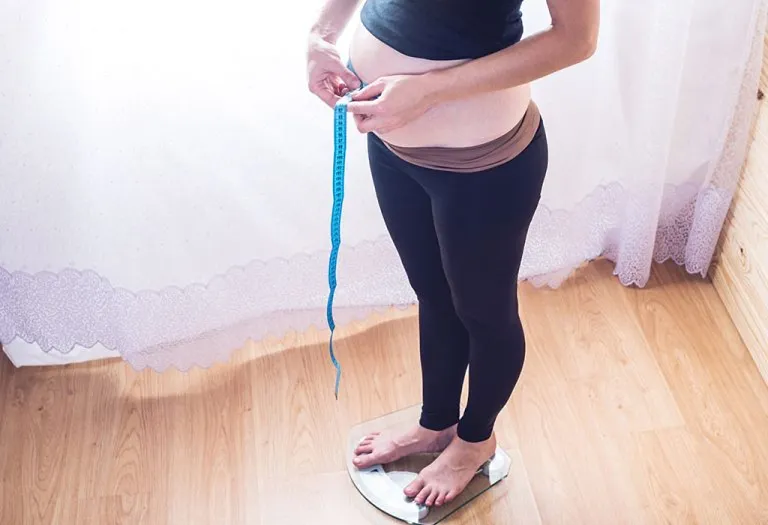
Losing Weight While Pregnant – Safe Ways & Effects
Weight gain during pregnancy is a normal phenomenon. But if a woman is overweight before pregnancy, then additional weight gained during pregnancy can make her journey difficult in more ways than one. This could be because of gestational diabetes or any other complication. That is why maintaining a healthy weight during pregnancy is of utmost importance during pregnancy. But, many times, we tend to react over the weight gain and compare it with magazine models, finally asking ourselves – ‘Is it safe to lose weight during pregnancy?’ Well, while losing weight during pregnancy with the help of daily exercise and smaller portions is possible, doing so is not advisable. And why is it so – we’ll learn everything in the following post.
Can You Lose Weight While Pregnant?
Usually, pregnant women are not encouraged to lose weight or follow a weight-loss diet during pregnancy. Women who are obese can reduce the risk of certain complications, such as gestational diabetes and preeclampsia, by maintaining weight during pregnancy. In one study, it has also been noted that maintaining weight may provide the lowest risk for obese pregnant women, but losing weight during pregnancy could prove dangerous to perinatal outcomes (1). Hence, a weight management program for obese pregnant women should be monitored by a doctor or medical professional.
Losing Weight in the First Trimester
It is normal for a pregnant woman to lose weight during the first trimester naturally because of morning sickness or loss of appetite, but then again, she would gain it and perhaps more in the next two trimesters (2). Therefore, losing weight in the first trimester is possible, but if it seems unusual, you should immediately consult your healthcare provider. The baby’s nutritional needs in these early weeks are minimal, so the focus should be on your well-being: staying hydrated and eating whatever nutrient-rich foods you can tolerate.
Pregnancy Weight Gain Chart
The recommended weight gain during the different stages of pregnancy varies depending on the individual. During the first trimester, you will not gain much weight as the baby is still tiny. On the other hand, morning sickness and loss of appetite in the first trimester can make you shed a few pounds. Your weight gain will really pick up in the second trimester, as this is the time when your baby will start growing in size. By the third trimester, your baby will continue to grow, but your weight gain should stabilise since your abdomen can get quite cramped and eating food can become difficult.
Take a look at the chart below to understand how much weight you need to gain throughout the nine months of your pregnancy (3):
Pre–Pregnancy BMI
Category
Recommended Weight Gain
18.5 – 24.9
Normal
11-16 kg
<18.5
Underweight
13-18 kg
25 – 29.9
Overweight
7-11 kg
>30
Obese
5-9 kg
Source: American Pregnancy Association
If yours is a case of multiple pregnancies (twins or more), then the ideal weight gain should be somewhere between 16.5 kg and 24.5 kg.
Distribution of Weight During Pregnancy
If you are wondering where all that pregnancy weight goes, then you are not alone in asking this question. The amount of weight gained is fairly distributed. Here’s a breakdown of the weight you gain during pregnancy (4).
The baby weighs around 3 to 3.5 kg by the end of the pregnancy.
The placenta and amniotic fluid make up about 1.5 kg.
An enlarged uterus and engorged breasts can mean an additional 2 kg.
Bodily fluids and blood can weigh up to 4 kgs, while fat and other nutrients constitute nearly 3 kgs. So the total weight gained could be anywhere between 10 to 15 kilos.
Can You Follow a Weight Loss Diet During Pregnancy?
It is not advisable for pregnant women to go on crash diets or lower their calorie intake during pregnancy. A maternity weight loss diet can lead to mental retardation or respiratory and neurological issues due to the unavailability of nutrients and micronutrients, which are necessary from early pregnancy. Cutting down on calories during pregnancy can increase the risk of obesity in a child in the later years of his life.
A healthy diet which constitutes of whole foods and fibre-rich foods is essential during pregnancy. Consult with your doctor about the dietary changes you need to incorporate to lead a healthy lifestyle. Include fruits, vegetables, and lean protein in your diet and avoid consuming processed food, sugary foods, and liquid calories.
How to Lose Weight Safely During Pregnancy?
Being obese during pregnancy can lead to many health issues and can also cause complications during labour and delivery. But losing too much weight too fast while pregnant can prove dangerous for your health as well as your baby’s health. This is why you should know how you can manage weight without harming the baby. Here’s what you can do (5).
1. Find out how much weight you need to gain.
Even if you are overweight, you will gain some kilos during pregnancy for the well-being of your child. Measure your current weight, and with the help of a pregnancy chart, calculate how much weight you need to gain. Aim to stay within that limit. Be sure to weigh yourself at the same time each day and on the same scale. Limit your weight watching to once a week as fluctuations are normal and weighing yourself daily will only lead to unwanted stress and anxiety.
2. Cut down on calories.
Here again, you will need to calculate how many calories your body needs every day for you and your baby to stay healthy. It is recommended that pregnant women get at least 1,700 calories every day. By keeping a track of what you eat daily, you can figure out if your calorie intake is within the limit or more. It will also help you understand whether you are eating more than what your body needs.
3. Exercise daily.
Moderate exercise is recommended during pregnancy irrespective of your weight as it provides relief from pain during pregnancy when your body goes through so many changes.
At least half an hour of physical activity is recommended every day and you can also do this in blocks of 10 or 15 minutes. Swimming, walking, and yoga are some of the physical activities you can engage yourself in.
4. Stay hydrated.
Staying hydrated during pregnancy is of utmost importance and more so if you are indulging in exercises. Drinking one to two litres of water daily can make you feel full and prevent excessive eating.
5. Eat healthy snacks.
Avoid eating junk food and switch to healthier options such as fruits and vegetables. Choose whole-grain cereals and bread along with low-fat milk and dairy products. Look for foods which are a rich source of folate such as strawberries, spinach, and beans. Have a healthy breakfast daily and eat high-fibre foods such as whole grains, fruits, vegetables, and beans as they aid digestion and prevent constipation, which is a common problem in pregnancy.
6. Opt for smaller meals.
If you find yourself feeling hungry all day long, then go for six smaller meals instead of three big ones. This will help control the calories you consume in one sitting. Having big meals can lead to heartburn and indigestion. So have small but frequent meals.
7. Take prenatal vitamins.
Be sure to take your prenatal vitamins regularly as suggested by your doctor. Taking prenatal vitamins daily will help you meet your nutritional needs without having to consume more calorie-rich foods than required.
But remember that supplements are not a substitute for actual food, and you must eat healthy food to ensure that these nutrients are absorbed by your body.
What Are the Side Effects of Being Overweight During Pregnancy?
Being overweight or obese during pregnancy can pose risks for you and your baby. The following are the complications that you or your unborn child may face if you are overweight (6).
1. Risks to the Foetus
Possibility of a miscarriage.
The child may be born larger than the average size; this can lead to obesity later in life.
The baby is at an increased risk of having heart disease or diabetes as an adult.
The baby might be born with neural tube defects.
2. Risks to the Mother
Higher chances of developing gestational diabetes, which can result in a larger baby causing a difficult vaginal birth.
There is a high risk of preeclampsia, which can lower the blood flow to the baby.
An overweight pregnant woman may face problems during labour and delivery.
Difficulties in monitoring foetal development.
Increased risk of sleep apnea, which can bring on fatigue and lead to disorders like high blood pressure.
High risk of urinary tract infections (UTIs) during pregnancy and in the postpartum period.
Blood clotting, which can complicate delivery.
In the case of a C-section, greater chances of infection or excessive blood loss.
Labour might have to be induced.
High blood pressure.
Effects of Weight Loss on the Mother-to-be and the Baby During Pregnancy
Losing too much weight can prove counterproductive and can have a negative impact on your well-being and your child. Unhealthy weight loss for pregnancy, which mainly occurs due to morning sickness or loss of appetite, can start in the first trimester of pregnancy and may last up until the end of the first trimester. Weight loss during pregnancy is not always healthy, as it might affect the health of the pregnant woman and her baby. Mentioned below are some complications of weight loss during pregnancy:
The baby may be born underweight because of a lack of nutrition.
There is an increased chance of a miscarriage in the first trimester due to anorexia.
Lower levels of amniotic fluid.
The baby will have poor cognitive function.
You might feel tired all the time and be prone to infections.
A Word of Caution
As mentioned above, your weight can affect your health as well as your baby’s health significantly. Having a healthy weight before pregnancy is considered ideal, but if you are obese or overweight, you don’t need to cut down your calorie intake drastically or exercise too much. Feeling sick or losing appetite during pregnancy is very common, especially in the first few months. Consult your doctor before you decide on anything. Instead of weight loss, you should focus on weight management.
FAQs
1. Do I lose weight right before labour?
Yes, it is possible that you lose weight naturally right before your labour. However, the weight loss is insignificant, usually between 2-10 kg.
2. Why do some women lose weight during the third trimester?
Losing weight while pregnant in the third trimester naturally is possible if your baby is large in size. This is because the baby takes up the space, and your amniotic fluid starts to decrease.
3. Could losing weight in my first trimester mean I’m carrying twins?
Not necessarily. While severe morning sickness can be more common with multiple pregnancies, first-trimester weight loss alone isn’t a reliable indicator. An early ultrasound is the only way to confirm twins.
4. If I lose weight early on, will my postpartum bounce back be easier?
This is a risky assumption. Losing weight now doesn’t guarantee easier postpartum weight loss and can compromise your nutrient reserves for later pregnancy and breastfeeding. Healthy, steady gain supports both your recovery and your baby’s growth.
This was all about losing weight in pregnancy. Pregnancy is a phase when you should take good care of yourself for the well-being of your child. If you are obese or overweight while pregnant, you can lose weight. But you should aim to lose weight by healthy means. There is no better time than pregnancy to make significant changes in your lifestyle. But remember, these changes shouldn’t affect your health negatively.
Also Read:
Ideal Weight to Get Pregnant
Underweight and Pregnancy
Ways to Increase Fetal Weight in Pregnancy
How Much Weight you Should Gain during Pregnancy
Read more
How to Deal With Amniotic Band Syndrome (ABS)
The amniotic sac is a thin but tough membrane that surrounds the baby while it develops inside the mother. It functions as a safe house that allows the embryo to grow undisturbed by external shocks, as the sac is filled with amniotic fluid. This fluid acts as a cushion and also provides the foetus with space to move around during its early development.
What is Amniotic Band Syndrome?
While the amniotic sac is relatively safe, there are instances when this sanctuary for the foetus becomes dangerous. This is because there are instances when the fibrous strands present in the sac entangle the foetus, and this is known as ABS. Unfortunately, there is no definitive cause that has been discovered for ABS. However, there are multiple theories that have been put forward, two of which have gained traction.
Alternative Names of ABS Disease
Some of the other names that the disease is known as include:
Annular band constriction
Intrauterine amputation
Amniotic deformity, adhesions and mutilations
Limb-body wall complex
Streeter’s amputation
Aberrant tissue bands
How Common is It?
The likelihood of ABS is rare with an incidence rate of 1 in 1200 live births to 1 in 15000 live births. As genetics is ruled out, the possibility of a second pregnancy leading to ABS is minimal, making it even rarer.
Causes of ABS
There are several causes of ABS. Here are some you should be aware of
Extrinsic Theory: This is the widely popular theory. The amniotic sac is composed of an outer and inner layer; sometimes, without any damage to the outer layer, the inner wall linings tear and start floating in the amniotic fluid. This presents a dangerous situation for the foetus as the bands of the membrane can get entangled on its fragile and growing body.
Intrinsic Theory: The above theory, however, does not explain all ABS conditions, such as cases where the amniotic sac is intact, but ABS persists. This theory suggests that it is poor blood flow that causes the deformities but fails to explain the reason for the poor blood flow.
Signs and Symptoms
Some of the probable ways of knowing if your child has ABS include:
Crease marks on your child’s body, such as the hands, legs or fingers
A gap on the head or torso
The size of the limbs is unequal
Swelling of different parts of the body due to the wrapping of the bands
Complications
The effects of amniotic band syndrome vary from case to case. Below are some of the issues that the baby would have if they have ABS:
The limbs are of different length
The fingers or toes are webbed
The fingers or toes are fused together
Nails are deformed
When the band gets wrapped around the umbilical cord or the head, resulting in the death of the foetus.
The band can get entangled around one of the legs and restrict its mobility, which can lead to clubbed feet.
The bands can get tightly wrapped around one of the limbs to an extent where the blood flow is constricted. This can lead to possible amputation of the limb.
There are crease marks on the skin due to the entanglement
The baby is born with the bands still attached to his body.
Cleft lip and palate
How is the Diagnosis Done?
To diagnose amniotic band syndrome, an ultrasound is conducted around the third month of pregnancy. The bands themselves are fine and it may be difficult for the obstetrician to spot them. A deduction is made by looking at any deformities that are associated with ABS.
Treatment
The treatment for ABS depends on a host of factors such as area affected, the extent of damage and the stability of the child.
Clubfeet: This can be corrected with the help of casts
Cleft Lip And Palate: Reconstructive surgery when the child is 3-6 months old. Other factors, such as the extent of damage and the infant’s feeding capabilities also need to be taken into consideration.
Webbed Fingers: Amniotic band syndrome hand surgery after birth is the preferred option for those with webbed fingers.
Missing Limbs: Prosthetics can be used for those who lose a large part of their legs or hands. 3D printing has also become very popular as models can be made with anyone with a 3D printer and an internet connection.
Management of ABS During Pregnancy
Once it has been established that stray bands of amnions are present, the situation must be monitored closely. If the bands are not touching the foetus, there is no intervention that is required. However, if the bands are life-threatening or can cause deformity, a surgery called foetoscopy is recommended. The surgery involves a small incision in the abdomen, through which a tiny camera is inserted to look inside the amniotic sac. A laser is then used to cut the entangled bands to reduce pressure and allow the healthy development of the foetus. Special Consideration During Childbirth with Amniotic Band Syndrome
Due to the possible complications involved, below are some of the precautions that must be taken if your baby is under the risk of ABS.
A caesarean section is the preferred method of delivery to avoid further entanglement. Have multiple sessions with your doctor in advance to educate yourself on the risks involved for you and the child.
Some hospitals may not be equipped with the requisite facilities to take care of the afterbirth needs of a baby with ABS. For instance, surgeries are conducted on newborns as early as three days after birth to remove the bands.
It would be unwise to request for inducing an early delivery for every case of ABS. This form of delivery is only applicable when the bands get entangled with the foetus towards the end of the pregnancy and pose a health risk.
Knowing that your unborn baby has ABS may be a little frightening at first. However, once the syndrome is understood it becomes apparent that it can be managed through continuous monitoring.
Also Read: Polyhydramnios
Read more

Decaf Coffee in Pregnancy – Risks and Safety
No one can deny that coffee tastes great first thing in the morning. Without that cup of much-needed coffee, most people tend to feel dull and lifeless. Unfortunately, what makes coffee so energising is caffeine, and caffeine is best avoided when pregnant due to a few adverse health risks that could be caused as a result of it (1).
Women in the habit of consuming coffee tend to shift to decaf coffee when pregnant, as its taste can help give them a sense of comfort and familiarity first thing in the morning. But what is it, and is decaf coffee safe during pregnancy? Read on to know more about decaf coffee and pregnancy.
What Is Decaf Coffee?
Decaffeinated coffee, or decaf coffee, is the same as regular coffee, except that it has 97% of the caffeine removed. This takes place right at the start, with the unroasted, green coffee beans having their caffeine extracted by immersing them in liquid.
Most decaf coffee is made using the Swiss Water Process (2). This method was developed in 1979 and is an efficient way to remove caffeine from coffee without using any solvents. Coffee beans are soaked in a caffeine-free green coffee extract, in which most of the caffeine seeps out. Once this is complete, the beans are then dried and packaged.
What Is the Caffeine Content in Decaf Coffee?
Though decaf coffee goes through an entire process of removing the caffeine, it is impossible to remove every single milligram of it. This means that there is still a small amount of caffeine in decaf coffee, but the amount will vary depending on the method used to decaffeinate it.
Decaf coffee has a minimum of three per cent caffeine compared to regular coffee. For example, the amount of caffeine in a regular cup of coffee is 97 mg, while the same cup of decaf coffee will have only around 2 mg.
On average, every 8oz of coffee could have anywhere between 3mg and 15mg of caffeine present. A regular cup of coffee has between 70mg and 140mg of caffeine in it.
The amount of caffeine present in decaf coffee varies based on the type of coffee and the method used to make it (3). It would be best to check the amount of caffeine present in the decaf coffee you consider before consuming any when pregnant.
Can You Drink Decaf Coffee While Pregnant?
Since there is a significant reduction in the amount of caffeine present in decaf coffee, it is generally safe to consume while pregnant. However, consuming in moderate amounts is important. You can enjoy a cup of decaffeinated coffee for pregnancy now and then if you really crave a cup, but it still contains caffeine, so always be careful with how much you consume. Remember that other food items, such as chocolate, soft drinks, tea, and energy drinks, contain small amounts of caffeine. If you consume any of these on the same day as you consume coffee, your caffeine intake will increase, resulting in consuming more caffeine than you intend to.
How Much Decaf Coffee Can a Pregnant Woman Drink Per Day?
The best quantity to consume for a pregnant woman is up to two to three cups of decaffeinated coffee. Ideally, the amount should be no more than 200mg per day (4). This means it is important for you to check the amount of caffeine present in the decaf coffee that you buy for your home or when you buy it from the coffee shop. This also means that you need to be mindful when consuming other edibles containing caffeine to maintain the appropriate caffeine intake per day.
Benefits of Decaf Coffee for Pregnant Women
For those who still enjoy the flavour and comfort of coffee, decaf coffee for pregnant women can offer a gentler alternative and the following benefits.
1. Lower Caffeine Intake
One of the main advantages of decaf coffee is its significantly reduced caffeine content. While regular coffee can contain high levels of caffeine, decaf typically has only a small amount. This helps pregnant women stay within recommended daily caffeine limits, which many health experts suggest keeping below about 200 mg per day during pregnancy.
2. Helps Reduce Pregnancy-Related Risks
Excess caffeine intake during pregnancy has been associated with risks such as low birth weight or miscarriage in some studies. Switching to decaf coffee allows women to enjoy the flavour of coffee while minimising caffeine exposure, which may help lower these potential risks.
3. Supports Comfort and Routine
Many people have a daily coffee routine that can be difficult to give up during pregnancy. Decaf coffee provides a way to maintain that comforting habit without consuming large amounts of caffeine. It can also be easier on sleep patterns and reduce issues like jitters or heart palpitations.
Side Effects of Drinking Decaf Coffee When Pregnant
Though decaf coffee contains so much less caffeine than regular coffee, drinking too much of it still poses a problem while you are pregnant. While your liver may be able to break caffeine down, your baby’s body will not be able to do the same. Here are some of the side effects that could result from too much caffeine in both mother and child:
Dizziness or light-headedness
Heartburn
Upset stomach
It is a diuretic, which means it causes dehydration
Can interfere with your sleep cycle
Could cause an increase in blood pressure
Can cause an increase in heart rate
Caffeine can accumulate in the tissues of an unborn baby
May cause baby to have a low birth weight
May be responsible for preterm birth
Caffeine is believed to be linked to miscarriages
It is believed to contribute to stillbirth
It is addictive
Decaf Coffee Alternatives During Pregnancy
During pregnancy, some women prefer to limit even small amounts of caffeine found in decaf coffee. In such cases, exploring decaf coffee alternatives during pregnancy can be a great way to enjoy warm, comforting beverages without worrying about caffeine intake.
1. Herbal Teas
Herbal teas such as ginger, peppermint, or rooibos are popular caffeine-free options. They provide a soothing and flavourful drink while also offering potential benefits like aiding digestion or reducing nausea during pregnancy.
2. Chicory Coffee
Chicory root coffee is a well-known coffee substitute made from roasted chicory root. It has a slightly bitter, coffee-like taste and is naturally caffeine-free, making it a suitable alternative for pregnant women who enjoy the flavour of coffee.
3. Warm Milk with Spices
A comforting drink made with warm milk and mild spices such as cinnamon or cardamom can be a great alternative. It not only replaces the habit of drinking coffee but also provides calcium and nutrients beneficial during pregnancy.
4. Golden Milk (Turmeric Milk)
Golden milk, made with milk, turmeric, and mild spices, is another caffeine-free option. It is often enjoyed for its warm taste and potential anti-inflammatory properties, making it a nourishing beverage choice.
5. Grain-Based Coffee Substitutes
Beverages made from roasted grains like barley or rye can mimic the flavour of coffee without containing caffeine. These drinks are commonly used as coffee alternatives and can be a good option for those looking to completely avoid caffeine during pregnancy.
FAQs
Coffee is so well-loved that it can be very difficult to say goodbye, even if it is only for a little while during pregnancy. These are the most frequently asked questions on decaf coffee during pregnancy:
1. Decaf coffee vs. regular coffee: which is good during pregnancy?
We have already seen how caffeine is not the best thing to add to your body while pregnant, but opting for decaf is the way to go if you need to have your daily cup of coffee.
It has 97% less caffeine than regular coffee, so while it may not be as energising as regular coffee, it is best to stick to decaf coffee during pregnancy.
2. Can decaffeinated coffee cause miscarriage?
A very high intake of caffeine may increase the risk of having a miscarriage. On the other hand, there have also been studies that have proven the exact opposite, claiming that they could not find any such link.
Despite this, all studies have shown that very high levels of caffeine consumption have the possibility of resulting in miscarriages (5). However, this would depend on various factors such as the type of coffee, brand, method of decaffeination, brewing method, and individual caffeine tolerance.
3. Can you drink decaf coffee in early pregnancy/first trimester?
Yes, you can drink decaf coffee while pregnant, as the actual caffeine content in it is very low. However, make sure that you do not overdo it and avoid having multiple cups in a day.
While it is best to avoid coffee altogether while pregnant, the best compromise would be to have decaf coffee if you are hit with a strong craving for it. Speak to your doctor before you make any solid decisions to be sure you are taking the right course of action for yourself and your child.
Also Read:
Black Tea During Pregnancy
Drinking Iced Tea While Pregnant
Is Chamomile Tea Safe When Pregnant
Read more

Depression After Miscarriage – Signs and Tips to Deal With It
Having a healthy baby is every pregnant mother’s dream, but sometimes this dream may turn into a nightmare when there is an unexpected abortion or miscarriage. While some women may be able to cope with this mental and physical trauma, others may slip into depression after miscarriage. How would you know that you are dealing with post-miscarriage depression? Well, this and other facets related to the topic will be discussed in the following post!
Is Depression After Miscarriage Common?
Depression after undergoing a miscarriage is very common among women. Where most women may come out of the depressive state within a year, others may experience it for a longer duration and sometimes may experience depression even after a healthy child is born to such mothers. Not only mothers but fathers may feel depressed too, but men often come to this state sooner than women do.
What Are the Symptoms of Postpartum Depression After Miscarriage?
Depression can adversely affect a woman in many ways, and therefore, it is important to establish it and take measures to overcome it. If you are going through any of the below symptoms, there are chances that you may be suffering from postpartum or postnatal depression after miscarriage:
If you lose interest in regular day-to-day activities;
If you become too frustrated or irritable;
If you feel hopeless, sad or empty;
If you experience a lack of energy or feel extremely tired;
If you feel distressed, anxious or restless;
If you experience extreme changes in your appetite, you may have too much or too little;
If you are not sleeping well or sleeping too much;
If you experience difficulty in recollecting or remembering things, focusing or can’t make decisions on your own;
If you feel extremely guilty or worthless;
If you get thoughts of committing suicide;
If you feel pains and aches that do not seem to go away, even with treatment.
If you feel any of the signs or symptoms mentioned above, there are chances that you may be experiencing depression after missed miscarriage or depression after an early pregnancy.
How to Differentiate Grief From Depression?
It is very normal for a woman who has gone through a miscarriage to grieve, and sometimes this grief may last a long period of time. However, sometimes, it may become difficult to establish whether the woman is undergoing grief or depression. One determining factor could be the time frame, but if someone is grieving for a long, it does not necessarily mean that she is undergoing depression. While for some women, grieving can last a few months, for others, it may be a lifelong experience.
The best way to differentiate between grief and depression is by observing how it may be affecting your regular life. Though you may experience difficulty coping with your daily life initially or soon after your loss, however, you may get back to your normal life after a while. But if you are experiencing difficulty in coping with your regular life, you may need help!
How to Overcome Depression After Miscarriage?
There is no doubt that it may take some time for a woman to come out of a depression after miscarriage. Here are some ways of overcoming depression:
In order to cope with your emotions and grief in a better way, you may be offered to undergo psychotherapy sessions.
Your doctor may prescribe anti-depressant medications to alleviate the symptoms of depression and balance the chemicals in the brain to help you feel better.
If a patient does not respond well to medications or psychotherapy, ECT or electroconvulsive therapy may be administered. The therapy involves giving mild electric shocks to the brain. However, this method of treatment is only followed under severe cases of depression that usually do not respond well to other resorts.
Whatever treatment plan your doctor chooses for you, it is important to stick to it to feel better. You should also pay heed to proper nutrition by eating a well-balanced diet and also invest in a good exercising routine. Getting ample rest and sleep is also equally important to get over a depressive state of mind. No matter whether you are suffering from grief or depression, it is always a good idea to seek professional help to feel better. Talk to your therapist, counsellor or psychologist and get the required help. Sometimes treatment may require medication but joining support groups, non-drug therapies, attending a counselling session with your partner, and other such options may help a great deal. Also, give yourself enough time to grieve and them slowly come out of it.
All women respond to grief differently. Take the help of your partner and loved ones to get over this difficult phase of life. Share and communicate your emotions and find effective ways of handling depression on a personal level, too.
References/Resources:
1. National Institute of Mental Health; Depression; National Institute of Mental Health; https://www.nimh.nih.gov/health/topics/depression#part_2255, September 2022
2. Kong, G. W. S., Chung, T. K. H., Lai, B. P. Y., & Lok, I. H.; Gender comparison of psychological reaction after miscarriage—A 1-year longitudinal study. BJOG, 117(10), 1211-1219, onlinelibrary.wiley.com/doi/10.1111/j.1471-0528.2010.02653.x/full, September 2010
3. Bardos J, Hercz D, Friedenthal J, Missmer SA, Williams Z; A National Survey on Public Perceptions of Miscarriage; Obstetrics & Gynecology, https://journals.lww.com/greenjournal/Abstract/2015/06000/A_National_Survey_on_Public_Perceptions_of.8.aspx, June 2015
4. Adolfsson, A.; Meta-analysis to obtain a scale of psychological reaction after perinatal loss: Focus on miscarriage. Psychology Research and Behavior Management, PubMed Central, ncbi.nlm.nih.gov/pmc/articles/PMC3218782/, March 2022
5. Mayo Clinic Staff; Depression (major depressive disorder); Mayo Clinic,
mayoclinic.org/diseases-conditions/depression/basics/definition/con-20032977, July 2015
6. After a miscarriage: Surviving emotionally; American Pregnancy Association,
americanpregnancy.org/pregnancy-loss/miscarriage-surviving-emotionally/, August 2015
Also Read:
Late Miscarriage
Bleeding After Miscarriage
Miscarriage Risks During Pregnancy
Read more

26 Fun Coed Baby Shower Games Everyone Will Love
Coed baby showers are becoming increasingly popular as they offer a unique opportunity for parents-to-be to celebrate their impending arrival with family and friends. Incorporating fun and engaging games into your coed baby shower can be welcoming for all guests. Whether you opt for classic baby shower games or more modern options, there are plenty of ways to get everyone involved. Involving the father-to-be and the couple in the baby shower is a fantastic way to make the party fun and interactive. Women have been enjoying traditional baby shower parties, but men generally are not part of such parties. If you are considering inviting men and the father-to-be to enjoy the experience of a baby shower, you must include some interesting coed baby shower games at the party. This way, you can involve guys without making anyone feel uncomfortable.
What Is a Coed Baby Shower?
Baby showers are organised to announce the arrival of the little one traditionally. It has been seen that modern dads remain very excited for their young ones. With this enthusiasm of men, a coed baby shower is very popular nowadays. A coed baby shower simply means co-educational, a baby shower where both men and women are invited to participate.
Fun and Interactive Coed Baby Shower Games
Everybody loves a blooming baby, but doesn’t like traditional games in the baby shower party. If you want decidedly fresh and fun games, scroll down to see the options.
1. Parent Trivia Coed Baby Shower Game
Parent trivia is an easy game but full of fun. This will involve all the guests at the party.
What You Need
Questionnaire
Paper
Pen
How to Play
Ask the parents-to-be to leave the room while the game is being played.
Then, give the questionnaire and a pen to all the guests.
Ask them to write the answers on paper and invite the parents-to-be back into the room when this is complete.
Now, give the answers.
The couple with the most correct answers will win.
Some examples of the questions are here:
Where did they meet?
What colour shoes is the dad-to-be wearing?
Is the mom-to-be wearing earrings?
Which colour dress is the mom-to-be wearing?
2. Change the Baby Coed Baby Shower Game
Mainly, couples will get involved in this game. So, if you want to involve a couple’s baby shower games at the party, then this is a great option. This game can be hilarious for the parents-to-be anticipating a baby’s arrival.
Image Credit: Pinterest
What You Need
Baby doll
Diaper
Pins
Bodysuits
Socks
Pants/ Skirt
Shirt
How to Play
Ask the couples to form a team. Ask them to stand side by side.
Tie their hand in a way that one person can use only the left hand and the other person can use only the right hand.
Give them the baby doll and all the necessary items required for getting a baby ready.
Set the timer, and whoever readies the baby first will win the game.
3. Don’t Drop the Baby Coed Baby Shower Game
This game can be played by a couple or any two people. This can be a little messy. People looking for games for a large coed party can definitely include this one.
What You Need
Water-filled balloons
How to Play
Ask people to form a pair as a couple or as they like, and pass one water-filled balloon to each pair.
The pair will toss the balloon back and forth.
The last pair to have the balloon with them will win the game.
4. My Water Broke Coed Baby Shower Game
This one is not exactly like the drinking game that guests are normally used to, it is super fun.
Image Credit: Pinterest
What You Need
Plastic babies
Ice cubes
How to Play
Before the party begins, drop the plastic babies in the ice tray, fill the tray with water and freeze it.
When the party begins, plop the ice cubes into their beverages.
Let them know about the game that whoever’s ice melts first and releases the baby, will have to shout “my water broke”.
The first one to yell will collect the prize.
5. Blow and Pop Baby Bump Coed Baby Shower Game
This is an easy coed baby shower game for men and women. But the easy game does not mean it will skimp on the fun.
What You Need
Balloons
How to Play
Give one balloon to each guest and ask them to form a group of 4-5 people.
On the count of three, the first person from each team will blow their balloon and stick it under their t-shirt.
The rest of the team members will follow suit and so on.
Once each member of the team has their baby bump, the first member will have to figure out how to pop the balloon.
When it pops, the next person will do so, and the team popping the baby bump first will win.
6. Guess Who Coed Baby Shower Game
Playing an IRL throwback of the guests at your baby shower party will be a really interesting idea.
Image Credit: Pinterest
What You Need
Baby pictures of all the guests coming to the shower.
Pen
Paper
Posterboard
How to Play
While inviting your guests, request that they send you a childhood picture of themselves before the shower.
Assign a number to each image and arrange the photos on the poster board.
Hand out a paper and a pen to the guests to write down who they think the baby is.
The guest with the most correct answers will be crowned as a champion.
7. Baby Gift Bingo Coed Baby Shower Game
Level up the excitement of opening the gift, and the parents-to-be and other guests will enjoy this too. Simply by adding a bit of Bingo gameplay, gift opening can be more fun for everybody.
What You Need
Blank/written bingo cards
Pens
How to Play
There are two ways to carry out this game.
The first way is to hand out the blank bingo cards to the guests just before parents-to-be start opening the gifts.
Guests have to fill in the square with the things they think parents are going to receive.
In a second way, the host can make the Bingo cards in advance, and as the parents unwrap the gift, the guest has to cross off items received.
The first one to guess the five answers in a row will get a prize. Bingo!
8. Don’t Say Baby Coed Baby Shower Game
Is it really possible to resist saying baby at a baby shower function? Probably not. But for this baby shower game idea for a coed party, you will have to figure out how not to speak this word.
Source: Pinterest
What You Need
Diaper pins or clothespins
How to Play
Hand all the guests a pin (diaper pin or clothespin) and ask them to wear it on their shirts.
Tell your guests they are not allowed to say “baby” until all the gifts are opened.
If any of the guests hear the word being said by anyone, he/she can steal the pin of the offending guest.
Once the unwrapping is done, the guest with the most pins will win the game.
9. Baby Drink Coed Baby Shower Game
If it’s a party, then there must be a game that includes drinking.
Image Credit: Pinterest
What You Need
Baby bottles filled with drinks
Music
How to Play
Ask the guest to sit around, and as the music plays, pass the baby bottles filled with different drinks (beer, wine or vodka).
Start with 3 different starting points; as the music stops, the one holding the bottle will have to drink it.
To add more fun, seal one bottle and capture the effort the person will put into opening the bottle.
10. Spill the Secret Coed Baby Shower Game
The games in the coed baby shower shouldn’t embarrass anyone, but how about embarrassing the guest of honor.
What You Need
Paper
Pen
How to Play
Before playing, ask 20-25 questions (revolving around the baby) to the mom-to-be and dad-to-be separately.
Write down their answers and then bring them in front of the guests.
For each question, ask the couple to guess their partner’s answer.
Poll the guests to see if they think the answer is right and then reveal the answer.
11. Guess the Baby Bump Coed Baby Shower Game
Isn’t asking the father-to-be to guess the real baby bump interesting?
What You Need
Air-filled balloons
How to Play
Ask the guest to build a fake pregnant belly using a balloon or craft supplies.
Dad-to-be needs to be blindfolded and ask him to feel the belly to judge the mum-to-be’s belly.
12. Feed the Baby Coed Baby Shower Game
Feeding the baby is a tough job. Let the guest try it out at the party in the funniest way.
Source: Pinterest
What You Need
Large bib
Apple sauce in a jar
Spoons
How to Play
Give a large bib to each person and make a team of two. Each team will be given a jar of applesauce and two spoons.
Each one in the pair will be blindfolded.
The pair will have to feed the applesauce to one another simultaneously.
The fastest duo to finish the full jar of applesauce without spilling any will take the crown.
13. Spin the Bottle Baby Challenge Coed Baby Shower Game
Think you’re lucky? Give the bottle a spin and let it decide your fate! With hilarious baby-themed tasks waiting on the board, this game guarantees laughs, surprises, and a little friendly embarrassment.
Image Credit: Pinterest
What You Need
A wall-mounted board with a bottle cutout (that can spin)
Pre-written tasks on the board
How to Play
Set up the circular board on the wall with different funny baby-related tasks written all around it.
Attach a bottle cutout in the center that can spin freely.
Gather guests in front of the board and take turns spinning the bottle.
When the bottle stops, the player must perform the task it points to on the board.
Tasks should be lighthearted, silly, and quick to keep the energy high.
Continue until everyone has had a few turns or until the group can’t stop laughing.
14. Tick the Timer Coed Baby Shower Game
Watching the couple unwrapping the gifts can be a little snoozy and boring. With this coed baby shower game, let all party attendees enjoy the gift unwrapping session.
What You Need
Timer
How to Play
Set the timer for 15 minutes or less and start it as the guests start arriving.
Whoever brings the gift to the mother-to-be at the time when the timer stops will win goodies. (Condition is that either of the parents-to-be should be holding the gift at that time)
Now the parents-to-be have to unwrap that particular present at the same time.
15. Baby Perfect Picture Coed Baby Shower Game
Can you draw a recognisable picture of nursing undies or a breast pump? How about drawing a diaper rash? Sounds fun, right? This will be funny and hilarious.
What You Need
Cardstock (shape like a playing card)
Chalkboard
Chalk
How to Play
Before the shower begins, write phrases or funny words related to the baby and mother onto each card. Be creative in thinking for words or phrases.
Something like sleepless nights, diaper blowouts, messy poop, and leaky boobs will add more fun to the game.
Divide the guests into two teams, and one member from each team will pick a card and draw a related picture.
Whoever’s team correctly identifies the picture in time will get the point.
The team earning 10 points first will be the champion.
16. Stroller Race Coed Baby Shower Game
It is really fun to watch the guests racing to safely get the baby from one place to another. For those craving for an action-packed and amusing game for the baby shower, this one is what you are looking for.
Source: Pinterest
What You Need
Two umbrella strollers
Two baby dolls
Household/any objects for obstacles
How to Play
Collect household items like a ladder, a hose or even toys and use them as obstacles for the race.
Set up the racecourse. It should be big enough to navigate two stroller-pushers at a time.
Strap a baby doll in each stroller before the race begins.
Ask one person to count the points that will be deducted for crashing the stroller, running outside the racecourse, and making the baby fall off.
The one who completes the race fastest will win the game.
17. Guess the Name Coed Baby Shower Game
Whether all the guests are parents or not, guessing the useful items of the baby can be exciting.
Image Credit: Pinterest
What You Need
Diaper bag
Pen
Paper
Baby essential things
How to Play
Make the guests sit around each other and give them a piece of paper and a pen.
Fill the diaper bag with useful things that a baby needs, like a bib, a nipple, or a diaper, along with several other goodies.
Pass the bag to the guest; they have to touch and feel the things inside the bag and write them down on paper.
Whoever writes the most correct answers in two minutes will win the game.
18. Baby in the Cake Coed Baby Shower Game
You must have seen something like this in marriages. Here, it will be about next in queue to get the baby.
What You Need
Cupcakes
Plastic baby miniature
Cake decoration items
How to Play
Bake a batch of cupcakes before the shower and randomly put the miniature in a mould.
Bring the undecorated cake and provide the frosting and other items to decorate the cake.
After the decoration is done, ask the mom-to-be to choose her favourite and then distribute the rest to the guests.
Whoever finds the pregnant cupcake is next in line to have her own!
19. Diaper Pong Coed Baby Shower Game
Think you’ve got good aim? This hilarious baby shower twist takes the classic pong game vertical—making it even more fun (and a bit trickier). Get ready for lots of misses, lucky shots, and big laughs!
Image Credit: Pinterest
What You Need
A vertical board or wall setup
Clean diapers attached to the board (open side facing out)
Ping pong balls
How to Play
Attach the diapers to a vertical board or wall, arranging them in a fun pattern like rows or a triangle.
Make sure each diaper is open enough to catch a ping pong ball.
Divide guests into two teams and have them stand a few feet away from the board.
Players take turns tossing ping pong balls, aiming to land them inside the hanging diapers.
Each successful shot scores points.
The team with the most points or the most successful shots at the end wins.
20. Decorate a Block Coed Baby Shower Game
Get creative and leave a sweet memory for the baby! This fun and meaningful activity lets guests design something special that the little one can cherish for years to come.
Image Credit: Pinterest
What You Need
Plain wooden blocks
Non-toxic paints, markers, or pens
Brushes and decorating supplies (stickers, stencils, etc.)
Paper towels or wipes
How to Play
Give each guest a wooden block to decorate however they like.
They can draw cute designs, write messages, or add the baby’s name or initials.
Encourage creativity while keeping designs simple and baby-friendly.
Once finished, let the blocks dry completely.
Collect all the blocks to create a personalized set for the baby to play with and remember the special day.
21. Diaper Changing Relay Coed Baby Shower Game
Changing diapers is crucial, so why not make it fun?
What You Need
Baby dolls
Diapers
Baby wipes
A timer
How to Play
Divide your guests into teams of two or three.
Each team will have a baby doll, a diaper, and wipes.
When the game starts, the first team member must put the diaper on the baby doll, wipe it clean, and then hand it to the next team member.
The next team member repeats the process until all team members have had their turn.
The team that completes the relay in the shortest amount of time wins.
22. Baby Food Tasting Coed Baby Shower Game
Tasting yummy foods is a unique way to conduct a baby shower. Let’s hold a game and make it fun.
Image Credit: Pinterest
What You Need
A variety of baby foods
Spoons
Blindfolds
Paper and pen for each guest
How to Play
Blindfold each guest and give them a spoonful of baby food to taste.
Each guest then writes down what they think the flavor of the baby food is.
The guest with the most correct answers wins.
23. Baby Name Race Coed Baby Shower Game
It’s fun to write baby names; let’s make it interesting and play a game at the baby shower.
What You Need
Paper
Pen for each guest
How to Play
Give each guest a piece of paper and a pen.
Set a two-minute timer and have each guest write down as many baby names as they can think of that start with each letter of the alphabet.
The guest with the most names wins.
24. Guess the Age of the Parents-to-Be Coed Baby Shower Game
Think you can tell how old someone is just by looking at their childhood photos? Get ready for some wild guesses, surprising reveals, and lots of laughter as guests try to figure out the ages of the parents-to-be!
What You Need
Printed photos of each parent-to-be at different ages
A display board or wall space
Number labels or markers
Answer sheet for the host
How to Play
Display a mix of childhood photos of both parents-to-be on a board or wall, without revealing their ages.
Label each photo with a number so guests can easily identify them.
Ask guests to write down how old they think each parent is in every picture.
Once everyone has made their guesses, reveal the correct ages one by one.
The guest with the most correct answers (or closest guesses) wins the game.
25. Pacifier Hunt Coed Baby Shower Game
Enjoy the hunt!
Image Credit: Pinterest
What You Need
Pacifiers
A timer
How to Play
Hide pacifiers around the party space.
Set a timer for five minutes and have guests search for as many pacifiers as they can find.
The guest who finds the most pacifiers wins.
26. Baby Photo Booth Coed Baby Shower Game
Create a lifetime of memories!
Image Credit: Pinterest
What You Need
Baby bottles
Pacifiers
Onesies
Baby hats
A camera or smartphone
How to Play
Set up a photo booth area with props related to babies.
Encourage guests to take photos with props and have fun posing for the camera.
You can create a hashtag for the event and ask guests to share their photos on social media.
At the end of the party, you can award a prize for the best photo or the most creative use of props.
Tips for Hosting a Coed Baby Shower
Here are three tips for hosting a coed baby shower that will ensure everyone has a great time:
1. Plan Fun Coed Baby Shower Games
When hosting a coed baby shower, planning fun and engaging activities for both men and women is important. Consider including games both genders can participate in, such as a diaper changing relay or baby food tasting. You can also set up a photo booth area with baby-themed props where guests can take fun photos together. Including activities everyone can enjoy will create a more inclusive and enjoyable experience for all guests.
2. Provide Food and Drinks That Appeal to Everyone
Just as important as the activities are the food and drinks you serve. Make sure to provide a variety of options that appeal to all guests. You can include sweet and savoury snacks, non-alcoholic beverages, and perhaps some beer or wine for those who choose to drink. Offering a range of options ensures that everyone feels comfortable and well-catered.
3. Emphasise the Celebration of Both Parents-to-be
When hosting a coed baby shower, it’s essential to remember that both parents-to-be are equally important. Ensure that the decorations and activities you plan to celebrate the mother and father-to-be, and avoid making the event overly feminine. You can include games and activities that involve both parents, such as “Guess the Baby Photo” or “Baby Name Race”. By keeping both parents in mind when planning the shower, you’ll create a welcoming and enjoyable environment for all guests.
FAQs
1. How do you keep the humor fun without making anyone uncomfortable?
Keep the jokes simple, friendly, and easy for everyone to enjoy. Avoid anything too personal or embarrassing. Stick to light, everyday humor so both men and women can laugh together without feeling awkward.
2. What works best for keeping large groups entertained?
Choose activities that are quick, easy to follow, and involve many people at once. Group-based fun works better than long turns. This is especially important for coed baby shower games for large groups, where everyone should stay involved and not feel left out.
3. How do you help guests who don’t know each other have fun?
Pick activities that get people talking and laughing right away. Simple group interactions or funny prompts can help break the ice so guests feel comfortable and start connecting quickly.
Throwing a baby shower is very exciting. Sit down to plan the baby shower, consider the above co-ed baby shower games, and choose some to make the party more interesting. And, of course, keeping prizes for coed baby shower games is a fun idea. Options for the prizes are coffee cups, personalised bottle openers, beer mugs or gourmet food gifts. Enjoy your coed baby shower, and have a happy pregnancy journey.
Hope you liked the ideas about the games you can play at your little one’s baby shower.
Also Read:
Best Baby Shower Gift Ideas
Fabulous Baby Shower Theme Ideas
Modern and Fun Baby Shower Games
Read more

Foetal Anaemia – Causes, Diagnosis, and Treatment
A woman needs to undergo many tests when she is pregnant which can leave her slightly baffled. If you are pregnant, then perhaps you can relate to this. “Your doctor recommends you certain tests and you readily agree for it without really knowing what these tests are for and their purpose.” In the midst of all this, if the doctor asks you to carry out a test to rule out foetal anaemia, you will be confused even more. Don’t be confused, find out what is foetal anaemia, its causes, and how it is diagnosed.
What Is Foetal Anaemia?
The condition where the foetal circulatory system has a reduced number or quality of red blood cells is known as foetal anaemia. Red blood cells carry out the job of transporting oxygen to organs and cells in our body which means that foetal anaemia can cause several complications to the foetus. Foetal anaemia can be mild or severe depending on the condition. If the tests reveal severe anaemia, it will result in added pressure on the pumping of the foetal heart. The heart does this to compensate for the reduced red blood cells. This is why during foetal anaemia heart rate increases drastically, leading to foetal heart failure.
What Causes Foetal Anaemia
Foetal anaemia complications can occur when sufficient red blood cells are not produced by the foetus or when they are being destroyed faster than they are produced. Let us understand the causes that can lead to foetal anaemia:
1. Parvovirus Infection
This disease generally affects young children and toddlers, though adults too can be infected by parvovirus infection or the fifth disease as it is commonly known. Parvovirus B19 which affects the production of red blood cells is the cause of it. When the mother is infected by the fifth disease, the red blood cells developing in the bone marrow of the foetus get infected too. If the infection happens before the pregnancy enters the 20th week, it can prove to be fatal if the condition isn’t monitored closely.
2. Placenta Sharing
During a twin pregnancy, the placenta is shared between two fetuses. Due to reduced blood flow, it is most likely that one of the babies could suffer from foetal anaemia.
3. Tumour
A rare tumour known as Sacrococcygeal Teratoma can affect the tailbone of the foetus. This causes the foetus to develop very large blood vessels and heart may be overworked due to extra pumping. Since the RBC formed in the bone marrow is insufficient, the body produces more RBC, thus affecting its quality. This causes foetal anaemia.
4. Maternal RBC Alloimmunization
This condition happens when the red blood cells of the mother and foetus are incompatible. The unborn baby carries some of the paternal blood antigens which the maternal antibodies do not recognize. Foetal anaemia is developed when the mother’s body develops antigens to attack the “foreign” bodies and destroys them.
5. Rh(D) Alloimmunization
When an Rh-positive baby is conceived by an Rh-negative mother, it causes Rh(D) alloimmunization, leading to foetal anaemia. Fortunately, this is rare nowadays as Rh(D) immune globulin shots are being administered well on time.
6. Metabolic or Genetic Disorder of the Foetus
When the foetus undergoes metabolic or genetic disorders like G-6 PD deficiency, Gaucher’s disease or Down’s Syndrome, foetal anaemia is observed.
Effects of Foetal Anaemia on the Unborn Baby
A foetus has a fully-developed and functional circulatory system just like adults. During foetal anaemia, the RBC (Red Blood Cells) count drops below normal. The main function of RBC is to carry oxygen to the organs and cells of the developing foetus. During foetal anaemia, the oxygen supply to the foetus is reduced. Severe anaemia can lead to the risk of heart failure. It is also possible that an abnormal volume of fluid is built up in the foetus’s body parts which is called hydrops. The organ functions of the foetus can be severely affected due to the heavy swelling. If this condition isn’t treated quickly, it can lead to the death of the child.
How a Foetus at the Risk of Foetal Anaemia Can Be Identified
Identification of a foetus that carries the risk of developing foetal anaemia is possible through tests and close monitoring of the mother and foetus. ISO-immunization screening is a standard part of regular prenatal tests nowadays. In case the tests are positive, the antibody is identified and the antibody level (titer) is determined through further tests. These tests can be repeated every 3-4 weeks.
Since not every maternal antibody leads to foetal anaemia, the risk level can be identified using a reference table. The father’s blood test is carried out to understand if the foetal RBC will produce the antigen. The foetus is at no risk if the test results are negative. If the pregnant woman is exposed to the parvovirus for the first time, she will need close monitoring for foetal anaemia signs.
How Is Foetal Anaemia Diagnosed
Diagnosis of foetal anaemia is done in the following ways:
1. Prenatal ultrasound
Foetal anaemia ultrasound is carried out to detect the signs of hydrops or foetal heart failure. The swelling of foetal tissues and fluid collection can lead to hydrops. Foetal heart failure is caused due to the reduced number of RBC and lack of oxygen, which makes the heart pump faster.
2. Amniocentesis
An amniocentesis test is carried out in order to obtain the amniotic fluid sample and check the level of bilirubin. It is carried out by inserting a needle through the mother’s abdomen to reach the amniotic sac. In this manner, a small fluid sample is obtained.
3. Foetal Blood sampling
Just like amniocentesis, a needle is inserted into the mother’s abdomen but directed into the foetal umbilical vein. This is done using ultrasound to visualize and guide the entire procedure. The foetal blood count is then checked by obtaining a small blood sample.
4. Maternal Blood Sample
By conducting a mother’s blood sample, it is possible to check if there are certain antibodies that can cause foetal anaemia.
How Is Foetal Anaemia Treated
Foetal Anaemia treatment includes frequent monitoring of the foetus and measuring the blood flow in the MCA (Middle Cerebral Artery). The doctor may also ask for a foetal blood sampling and transfusion in case of moderate or severe anaemia. During this procedure, using ultrasound visualization, compatible red blood cells are transferred into the umbilical vein. Depending upon the foetal condition, the doctor may ask for this procedure to be repeated once every 1-4 weeks.
Are There Any Effects of Foetal Anaemia After Birth
Post delivery, the baby may contract jaundice which could be severe. This happens when the baby’s bilirubin levels increase drastically. Jaundice will need to be carefully monitored by carrying out regular tests. In the case of mild jaundice, the baby’s health has to be observed carefully. Your doctor will speak to you about bringing down the bilirubin levels in the newborn if it is too high. Breastfeeding too can be done and the baby can remain and spend time with his parents in a normal manner. For any future pregnancies, the mother will have to be checked to avoid foetal anaemia.
Foetal anaemia can be difficult to handle for parents. Your baby will, as in most cases, be fine but it is important to remain in touch with your doctor. He will recommend ways to help you look after the newborn after delivery.
Also Read: What is Foetal Echocardiogram?
Read more

Vitamin A in Pregnancy: Benefits, Dosage, & Food Sources
Vitamin A is popularly known as the perfect antioxidant. It is integral to a healthy pregnancy due to its abilities to prevent anaemia, encourage metabolism, and promote facets of foetal development such as cell growth and vision. It is also known as an immune-enhancing nutrient. This is why Vitamin A in prenatal care is often closely monitored and included in balanced prenatal nutrition plans.
However, too much of anything is not a good thing, and the same is true with Vitamin A, especially when you are pregnant. Careful attention to Vitamin A during pregnancy is important because both deficiency and excess intake can affect maternal health and fetal development. Here’s all you need to know about this essential vitamin to ensure moderate intake throughout your pregnancy.
What Is Vitamin A & Why Is It Essential?
It is important to get just the right amount of Vitamin A for pregnant women, and this can be a tricky feat. Crucial in ensuring the visual health of your baby as well as his immune function, Vitamin A can be found in two forms. Though the two types have different chemical properties, both offer unique health benefits (1).
Retinol – Meat and fish contain this in high levels, while dairy products and eggs have this in moderation.
Beta carotene – This is found in fruits and vegetables. Your body uses this to make Vitamin A.
Benefits of Vitamin A for Pregnant Women
Taking Vitamin A while pregnant in the right amounts ensures proper foetal growth and development. The health of bones, teeth, skin, and vision in the foetus is ensured when there are adequate levels of this vitamin present. Risk of Vitamin A deficiency arises in the third trimester ,which is a time when the baby’s growth is at a fast pace and there is increase in blood volume (2).
Signs of Vitamin A Deficiency During Pregnancy
Vitamin A deficiency during pregnancy can have a direct impact on both maternal health and fetal development. The following are the key signs to watch for during pregnancy (3):
Night blindness: Difficulty seeing in low light or at night is one of the earliest and most common signs.
Dry eyes and skin: Lack of Vitamin A in pregnancy can cause dryness, irritation, and discomfort in the eyes and skin.
Frequent infections: Reduced immunity may lead to more frequent colds, respiratory infections, or delayed recovery.
Poor fetal development risks: Severe deficiency may affect normal organ development, especially vision and immune system formation in the baby.
Fatigue and weakness: Low Vitamin A levels can contribute to overall tiredness and reduced energy levels during pregnancy.
How Much Vitamin A Can You Consume During Pregnancy?
It is important to plan your diet in a way that ensures you consume a safe amount of Vitamin A during pregnancy. Consuming too much or too little can have side effects, and may even lead to birth defects. The amount of Vitamin A is measured with a unit known as RAE (retinol activity equivalent). Another unit of measurement is IU (international unit), and 3.3 IU is equal to 1 mcg RAE (4).
The recommended dose of Vitamin A in pregnancy for women over the age of 19 is up to 770 mcg RAE, or 2565 IU, daily. The upper limit is set at 2800 mcg RAE, or 10,000 IU, per day, through various sources such as supplements, meat, and fortified food items.
What If You Do Not Get Enough Vitamin A?
The lack of Vitamin A in an expecting mother can lead to issues such as anaemia, weak immunity, and vision problems, especially related to night vision. Vitamin A deficiency during pregnancy can lead to a condition called xerophthalmia, where the cornea thickens, and this causes failure to produce tears (5). Severe deficiency of Vitamin A can also prove fatal in some instances for both mother and child.
Vitamin A-Rich Food Sources
Ideally, a well-balanced diet should ensure that you get your daily quota of Vitamin A, since fruits and vegetables as well as dairy products are rich in this essential nutrient.
Some food items have a high level of Vitamin A, while others carry it in moderation. Here is a list to help you figure out what to include in your daily meals (4).
Food Products
Vitamin A Content
Baked sweet potato – 1
1,096 mcg (21,909 IU)
Cooked carrot slices – 1/2 cup
665 mcg (13,286 IU)
Pumpkin pie – 1 slice
596 mcg (4,567 IU)
Boiled spinach – 1/2 cup
573 mcg (11,458 IU)
Cooked butternut squash – 1/2 cup
572 mcg (11,434 IU)
Medium-sized raw carrot- 1
509 mcg (10,191 IU)
Boiled kale – 1/2 cup
443 mcg (8,853 IU)
Non-fat milk – 1 cup
338 mcg (1,131 IU)
Oatmeal cooked in water – 1 portion
329 (1,099 IU)
Scrambled egg – 1 large
87 mcg (321 IU)
Cheddar cheese – 1 ounce
75 mcg (284 IU)
Frozen peas – 1/2 cup
84 mcg (1,680 IU)
Cantaloupe cubes – 1 cup
270 mcg (5,411 IU)
Raw spinach – 1 cup
141 mcg (2,813 IU)
What If You Get Too Much of Vitamin A in Pregnancy?
Your body needs only a certain amount of Vitamin A during pregnancy. According to the American Pregnancy Association, if you ingest too much of Vitamin A, especially in the first trimester, there is a risk of birth defects in the foetus. In this event, the baby is likely to be born with complications in the head, heart, brain, or spinal cord (6).
Other side effects of Vitamin A in pregnancy can be chronic toxicity in the mother. Symptoms of excess Vitamin A in pregnancy can range from blurred vision to hair loss, joint pain, liver damage, and chronic headaches (1).
Is It Safe to Take Vitamin A Supplement When Pregnant?
Ideally, no. The World Health Organization (WHO) recommends supplementation for pregnant women only in areas where Vitamin A deficiency is considered a severe public health problem. Most prenatal vitamin supplements contain some amount of Vitamin A, and together with the intake of retinol or beta carotene from your daily food, there is a possibility of Vitamin A levels in your body rising quite high (7). Consulting your doctor is the best option when it comes to consuming supplements of any kind.
Tips for Consuming Vitamin A in Pregnancy
Fruits, vegetables, fortified cereals, milk, dairy products, and meat are all rich sources of Vitamin A. Orange, yellow, and green vegetables such as carrots, spinach, sweet potatoes, apricots, and oranges are great sources of beta carotene. Chopping, grating, cooking, or juicing makes it easier for the body to absorb beta carotenes.
Ensure that any supplements you take do not contain Vitamin A, to prevent excess consumption. Non-pregnancy supplements such as cod liver oil are also best avoided during pregnancy.
Steer clear of liver (from beef, chicken, etc.), and dishes where liver is the main ingredient, as it contains high amounts of preformed Vitamin A. Just one serving of liver can contain more than twice the daily limit of Vitamin A recommended during pregnancy!
During the first two months of pregnancy, make sure that your daily intake of Vitamin A does not exceed 6000 IUs.
Recipes for Vitamin A to Consume in Pregnancy
Vitamin A-rich foods are an important part of a balanced pregnancy diet as they support healthy vision, immunity, and fetal development. Below are some easy and nutritious recipe ideas you can try during pregnancy:
1. Carrot and Spinach Soup
Ingredients
2 medium carrots (chopped)
1 cup fresh spinach leaves
1 small onion (chopped)
2 cloves garlic (minced)
1 tsp olive oil
Salt to taste
2 cups water or vegetable stock
How to Make
Heat olive oil in a pan and sauté onion and garlic until soft.
Add chopped carrots and cook for 5-7 minutes.
Pour in water or vegetable stock and let it boil until carrots become tender.
Add spinach leaves and cook for 2-3 minutes.
Blend the mixture into a smooth soup and serve warm.
2. Sweet Potato Mash
Ingredients
2 medium sweet potatoes
1 tsp butter or olive oil
A pinch of salt
A pinch of black pepper (optional)
How to Make
Boil sweet potatoes until soft and fully cooked.
Peel the skin and mash them in a bowl.
Add butter, salt, and pepper.
Mix well until smooth and creamy.
Serve as a side dish with lunch or dinner.
3. Mango Yogurt Bowl
Ingredients
1 ripe mango (diced)
1 cup fresh yogurt
1 tsp honey (optional)
A few chopped nuts (optional)
How to Make
Take fresh yogurt in a bowl.
Add diced mango pieces on top.
Drizzle honey if needed.
Sprinkle chopped nuts for added nutrition.
Mix gently and serve chilled.
4. Pumpkin Curry
Ingredients
2 cups pumpkin (cubed)
1 onion (chopped)
2 tomatoes (chopped)
1 tsp cumin seeds
1 tsp oil
Salt and spices as per taste
How to Make
Heat oil in a pan and add cumin seeds.
Add onions and sauté until golden brown.
Add tomatoes and cook until soft.
Add pumpkin pieces, salt, and spices.
Cook until pumpkin becomes tender and serve hot.
FAQs
1. What foods should be avoided due to high Vitamin A content?
Liver and liver products should be limited because they contain very high levels of preformed Vitamin A, which may be unsafe in pregnancy.
2. Is Vitamin A intake different in each trimester?
Yes, nutritional needs may vary. Vitamin A during pregnancy first, second and third trimester should always be balanced carefully, as requirements change slightly with fetal growth stages and overall maternal health.
3. Can too much Vitamin A during pregnancy harm the baby?
Yes, excessive intake, especially from supplements or animal liver sources, can increase the risk of birth defects. This is why monitoring intake is very important throughout pregnancy.
Since this important nutrient can be found in a variety of edible items, getting your required dosage of Vitamin A through food is the best option during pregnancy. Avoiding Vitamin A supplements brings down the chances of overdosing to negligible. Whenever you are concerned about your diet or health during this important phase of life, be sure to consult your doctor at the earliest.
Disclaimer: This information is not intended as a substitute for medical advice from a qualified professional.
Also Read:
Vitamin B in Pregnancy
Vitamin C while Pregnant
Vitamin D during Pregnancy
Read more
Pregnancy Supplements: What’s Safe and What to Avoid
Pregnancy increases a woman’s need for several micro- and macronutrients to meet the fetus’s nutritional requirements, and pregnancy supplements play a crucial supporting role in nutritional development, alongside a healthy pregnancy diet. Taking supplements during pregnancy does not mean relying on them solely and neglecting nutrition from food. Instead, it provides nutrients that are usually lost or present in small amounts in food compared to the requirements during pregnancy. But are all supplements safe during pregnancy? Since pregnancy is a delicate phase, it is important to exercise high caution when taking supplements during pregnancy. One, supplements for pregnant women should be prescribed only by the doctor after consultation, and two, they should be pregnancy safe and taken in moderation. Consuming more than prescribed can be dangerous for the mother and the baby.
Why You Need to Take Supplements in Pregnancy?
Here’s why supplements may be essential during pregnancy.
Every woman has unique dietary requirements and specific nutritional needs. With all the variation that is possible, getting a good amount of vitamins and minerals on a daily basis is an absolute necessity for a pregnant woman.
Due to nutritional deficiencies, the reduced nutrient density of food, and the higher intake of nutrient-poor processed foods, supplement use in pregnancy may be beneficial in some instances and may reduce the risk of adverse outcomes (1).
Proteins are extremely necessary throughout the entire duration of pregnancy since it’s a complete period of growth of another life form, and that requires lots of protein. Most of it can be acquired from meat, eggs, and other sources. But if that consumption is not up to the mark, or if you are a vegetarian, then you may need to supplement your intake of protein with something else.
Vegetables, on the other hand, have a lot of minerals in them. Green leafy vegetables, especially, come with tons of nutrients associated with them, such as folate and iron, that are integral to the healthy growth of the foetus. However, their percentage in the vegetables may not be as much as required for you, and that might need an additional source of vitamins and minerals, too.
Fat is not bad; moreover, pregnant mothers are advised to consume healthy amounts of healthy fats, not trans fats. Fats are key to organ growth in the baby, brain development, and breast milk production in the mother. Fats can be consumed from a bunch of sources, but if you are facing issues of milk production or your doctor doesn’t seem to be happy with the baby’s growth, you might be lacking in fat consumption.
Safe Pregnancy Supplements
If you are considering supplements during pregnancy, here are some safe and best pregnancy supplements (2):
1. Folate
Folic acid supplementation in pregnancy is highly recommended, especially in the very early stages of pregnancy. It is one of the most prioritised pregnancy supplements in the first trimester of pregnancy (3). In the initial weeks, your baby’s growth consists of the formation of the spinal cord. Folic acid has been known to be instrumental in the formation of the cord in a proper manner. This supplement could be a part of a multivitamin, too. It is recommended to take at least 600 micrograms (mcg) of folic acid per day to prevent complications in the fetus, including neural tube defects and congenital abnormalities like cleft palate and heart defects (4).
2. Prenatal Vitamins
These supplements are generally recommended to all mothers by most doctors everywhere. It’s good to take prenatal multivitamins, as they ensure adequate intake of the crucial nutrients required for both the pregnant mother and the fetus to grow healthily. These are supplements to an originally balanced and nutritious diet and cannot be the sole source of nutrition ever. Doctors advise taking prenatal vitamins 1-3 months before trying to conceive or starting as soon as you get to know that you are pregnant because some common birth defects in babies develop before some women get to know they are pregnant (5).
3. Omega-3 DHA
Omega-3 is one of the essential fatty acids that are vital in the journey of pregnancy. There are a number of supplement sources that can provide you with omega-3 nutrition, but the most popular and safe is cod liver oil. It has been scientifically observed that cod liver oil supports brain development and growth during the foetal stage and is known to make the baby smarter in life. The acids in the oil, such as DHA and EPA, are known to maintain low levels of mental stress in the mother and cope with post-pregnancy depression, too. DHA is one of the important third trimester supplements as it is primarily found in the brain and the retina, and it builds up most significantly during the third trimester of pregnancy (2).
4. Iron
The demand for iron significantly increases during pregnancy as the mother’s blood volume increases by about 45% (6). It is one of the essential supplements to take while pregnant. Iron is essential for transporting oxygen and the growth and development of the fetus. Moreover, anaemia, caused by low levels of iron, is a common health issue among pregnant women. Anaemia during pregnancy can lead to maternal depression, infant anaemia, and even preterm delivery. While the iron requirement is met by most prenatal vitamins, which provide about 27 milligrams, women who are iron-deficient must take additional iron to meet the requirement (7). Iron pregnancy supplementation can be started as early in pregnancy, right after conception (8).
5. Vitamin D3
With the current indoor-oriented lifestyle, most of us are deficient in vitamin D3 due to reduced exposure to the morning sun and a diet that does not focus on vitamin D at all. Vitamin D3 is extremely important in having a good and healthy bone structure, which is formed only by absorbing calcium and phosphorus in the body. Beyond bones, it also improves immunity, cell growth, muscle function, and much more. During pregnancy, vitamin D3 helps prevent premature labour, gestational diabetes, and other infections. The child, too, gains a good bone mass, making him healthier ahead in life. 10-15 micrograms (mcg) of vitamin D per day is recommended during pregnancy (9) (10).
6. Calcium
Calcium is one of the essential pregnancy supplements in the second trimester, as the bone development of the fetus happens at a rapid rate. Synonymous with bone growth and teeth strength, calcium is also responsible for improving blood clotting mechanisms and preventing high blood pressure. The foetus requires a lot of calcium to develop the baby’s bones. In case the requirement falls short, it will start absorbing it from the mother’s bones, causing further complications later on, such as leg cramps during pregnancy. It’s best to take a calcium supplement in pregnancy on an empty stomach since it absorbs into the body easily and quickly.
7. Magnesium
Magnesium is synonymous with one of the most important requirements during pregnancy: sleep. The right dose of magnesium helps reduce cramping of legs and provides a good amount of sleep, which is directly related to the production of breastmilk in the mother. Certain calcium supplements may or may not have magnesium present in them already.
8. Coconut Oil
Combining good saturated fat with lauric acid, this is a double whopper that provides nutrients to both the mother and the baby simultaneously. On one hand, it helps develop the fat stores in your body necessary for pregnancy and breastfeeding, while maintaining good energy levels. On the other hand, it also builds antiviral and antibacterial properties in the mother’s milk that are extremely crucial in building immunity in the baby.
9. Probiotics
Not all bacteria are bad. There are some good bacteria that need to be present in your gut in the right amount. These bacteria are essential in fighting off illnesses and keeping the digestive process going well. Babies do not have any bacteria when they are born, and their first exposure to bacteria is while they are emerging from the birth canal. Therefore, it is essential to have these good bacteria present in the right quantity, in the gut as well as in the breastmilk.
Taking probiotics during pregnancy is safe and does not pose any harmful side effects (11). As with all supplements, choose probiotics carefully by reading their genus and strains.
Which Supplements to Avoid When Pregnant?
Apart from the list of supplements that are beneficial for pregnancy, there are certain that should definitely be avoided. Many unsafe herbal supplements during pregnancy need to be avoided completely since they may cause complications further.
1. Vitamin A
Yes, vitamin A is a vital nutrient necessary during pregnancy. The development of the baby’s eyes and their immune function relies heavily on it. However, excessive vitamin A intake can be more harmful than beneficial. The solubility of vitamin A in fat results in the liver storing large amounts of it. This storage can become toxic and damage the liver. It could also be the reason for various birth defects in the baby (12). Most multivitamins and healthy diets contain a good amount of vitamin A. Therefore, using supplements for it is generally not advised.
2. Vitamin E
This vitamin, too, is extremely important in ensuring that many bodily processes function smoothly. Moreover, some crucial ones, such as the functioning of the immune system and gene expression, rely on it, too. But supplementing it additionally with external sources is ill-advised. Such supplementation barely has any positive effects on the mother or her baby, but is known to aggravate pain in the abdomen as well as rupture the amniotic sac inside the mother prematurely.
3. Black Cohosh
Many people advise using the black cohosh plant for a large variety of reasons. Most of them revolve around control of hot flashes as well as relief from menstrual cramps. But black cohosh is a known factor in causing liver damage in people. Moreover, in the case of pregnant women, there is a possibility of black cohosh resulting in contractions of the uterus that could trigger premature labour.
4. Goldenseal
This plant is rather well known to be a part of people’s diets as a supplement that takes care of infections in the respiratory tract, as well as relief from diarrhoea. However, there are doubts about its side effects on pregnancy. The goldenseal plant is known to have a substance called berberine. This has been single-handedly responsible for causing extreme cases of jaundice in babies, as well as causing a rare brain-damaging condition termed kernicterus, which is known to be fatal.
5. Dong Quai
Dong Quai is one of those exotic roots that has been used by people for a thousand years. It is quite popular in China with its traditional medicinal treatments. This, too, has been known to bring relief from menstrual cramps as well as control high blood pressure to a great degree, although conclusive proof for the same has not been obtained. However, taking this herbal supplement during pregnancy may cause stimulation in the uterus, resulting in contractions that could lead to an unfortunate miscarriage.
6. Yohimbe
This supplement hails from the faraway land of Africa. It is said to be derived from the bark of a tree that is native to the continent. A popular constituent in a number of herbal remedies of the area, it is rumoured to treat conditions of erectile dysfunction as well as reduce obesity in people. However, for pregnant women, this is absolutely a strict no-no since this herb is highly known to have adverse effects on the body, such as increasing blood pressure, triggering heart attacks and even seizures.
7. Multiple Others
Apart from the ones mentioned above, there are many other herbal supplements that are termed as being extremely helpful during pregnancy but are not completely safe for consumption. Some of them are – saw palmetto, tansy, red clover, angelica, yarrow, wormwood, blue cohosh, pennyroyal, ephedra, mugwort, and many more.
FAQs
1. Are herbal supplements safe during pregnancy?
No, not all herbal supplements are safe to consume while pregnant. While some herbal supplements work well during pregnancy, some should be strictly avoided. It is best to consult your doctor and determine the need and safety of herbal supplements, and take the discussion further.
2. What are some herbal supplements considered unsafe during pregnancy?
The following herbs and their supplements should be avoided during pregnancy, as they could pose health risks for the health of the mother and the baby:
mugwort
red clover
blue cohosh
pennyroyal
saw palmetto
tansy
angelica
yarrow
wormwood
ephedra
3. Are there any side effects of prenatal vitamins during pregnancy?
Reported side effects of prenatal vitamins during pregnancy include nausea and constipation (5).
4. If I don’t take prenatal vitamins, will my baby be born with birth defects?
Not taking prenatal vitamins does not guarantee birth defects in the baby. But doctors advise these vitamins as it reduces the risk of pregnancy complications, including birth defects in the baby, ensuring a healthy child.
A healthy life and a nutritional diet have to be at the apex of all factors during pregnancy without a doubt. Certain supplements are absolutely necessary and beneficial for good growth, but not every supplement is. These are meant as a support system to the existing diet and should not be completely relied on. A good lifestyle, exercise, meditation, relaxation, deep sleep, and healthy food cannot be beaten by the consumption of a few supplements. As with anything out of the ordinary, it is good to run them by your doctor and get their professional opinion specific to your case, so that you always stay safe and healthy, no matter what.
Also read:
Vitamin B1 in Pregnancy
Vitamin E during Pregnancy
Iron Supplements while Pregnant
Read more
Rib Pain During Pregnancy – Causes, Remedies & Prevention
When the baby begins growing during pregnancy, it starts putting pressure on different parts of a woman’s body. Many complain of back, hip and joint pain as the pregnancy progresses. In the second or third trimester, you may start experiencing soreness near the rib cage. Not just baby growing, it could also result from the baby stretching and kicking near the ribs. The good news is that rib pain when pregnant can be relieved with correct posture, stretching, and exercise. The following post talks about rib pain during pregnancy in easy detail, how to manage it, and how not to let it discomfort you until delivery.
When Does Pregnancy Rib Pain Occur?
Most women experience rib pain in the 26th week of pregnancy; some may experience this pain during early pregnancy, too. But if you think ribs hurt in the first trimester, then you are mistaken. The baby is too small in the first trimester to put pressure on the rib. The pain can be experienced in the second and third trimesters as the baby continues to grow. Rib pain on the left side or the right side can happen either way.
Symptoms Accompanying Rib Pain During Pregnancy
The symptoms that may accompany rib pain during pregnancy are:
1. Pain in the Underside of Breasts
The pain originates directly under the breasts, to the side of the baby’s position. The pain will intensify while sitting.
2. Shortness of Breath
You may experience shortness of breath, which can result from the expanding uterus, which puts pressure on the rib cage and the diaphragm. You will find it tougher to breathe normally.
3. Shoulder Ache
You might suffer from aches in the shoulders. This is also a side effect of the pressure on the diaphragm since several nerves connect the shoulders to the diaphragm.
4. Indigestion
There is limited space in your body before it begins to get congested. As the uterus begins to expand against the abdominal organs like the stomach and intestines, you might experience indigestion.
Rib Pain During Each Trimester of Pregnancy
Rib discomfort evolves throughout pregnancy, with distinct causes in each trimester.
1. 1st Trimester
While less common, early rib pain is often linked to hormonal changes, bloating, and constipation, which can cause abdominal distension and referred discomfort under the ribs.
2. 2nd Trimester
As the uterus rises, rib pain typically begins. It is often caused by the expanding uterus putting pressure on the lower ribs and by hormonal changes that loosen rib cage ligaments.
3. 3rd Trimester
This is the most frequent time for significant rib pain, usually due to the baby’s position (especially with breech or transverse lie), their feet pressing upwards, and the fully expanded uterus lifting and splaying the rib cage.
What Causes Rib Pain in Pregnant Women?
An increase in body size can cause rib pain when pregnant. A common concern for many expectant mothers is understanding the specific causes of left side rib pain during pregnancy, which often relates to the baby’s position or digestive changes. Here are other common causes of rib pain during pregnancy (1):
1. Expanding Uterus
The growing uterus is the most common cause of rib pain. As the baby becomes bigger, the muscles on the ribs are forced apart, creating a strain. This can cause mild discomfort to sudden bolts of pain (2).
2. Position of the Baby
As the second trimester comes to an end, the foetus turns upside down so that its head faces towards the vaginal canal and its feet point toward the mother’s ribs. This puts pressure on the ribs. Arm and leg movements, especially kicks and stretches from the baby, might hit your rib once in a while, causing aches and pains in the ribs. You will feel this type of rib pain just under the breast on the side where the baby is.
3. Heartburn
During pregnancy, the hormone relaxin is released to prepare the mommy-to-be for birth. This causes pain around the pelvis and under the ribs (3).
4. Increase in Breast Size
Growing breasts cause agony, tired shoulders and a backache. They also put pressure on the rib muscles.
5. Hormonal Changes
The hormone progesterone, which is essential for uterine contractions, can soften the rib muscles and ligaments, making them prone to soreness. The rise in oestrogen levels can increase the chances of gallstones forming, which can occasionally become big enough to induce pain (4).
6. Stress
Stress can cause pain and aches all over the body. Pregnant women suffer from anxiety and tension that can make them prone to rib pain.
7. Inflammation
During pregnancy, the cartilage attached to your ribs can expand and cause inflammation in that part of the body. This could be another reason for you to feel rib pain during pregnancy.
8. Gallstones
The risk of gallstone diseases during pregnancy increases because of slower emptying of the gallbladder and biliary ducts and higher estrogen levels in the body (5). Many times, gallstones don’t cause any symptoms. But they can cause pain in the upper right abdomen in serious cases. Some women may even require the removal of them with surgery after delivery.
Diagnosis of Rib Pain in Pregnancy
Your doctor will conduct a physical examination and ask questions about your symptoms, due date, etc. She’ll also check your blood pressure. Depending on the stage you’re in, a foetal check-up may be recommended. This can help diagnose the cause of rib pain during pregnancy. If you experience pain in the upper right side of your rib by your liver, it could be a sign of gallstones, kidney infection, preeclampsia, or pancreatitis. Remember to talk about the area of the extreme rib pain you are experiencing with your doctor.
What Can Exacerbate Pregnancy Rib Pain?
Sitting at a desk or car for a long time can put a strain on your rib cage. Doctors recommend moving and stretching every 45 minutes and using an exercise ball at work.
Ways to Prevent Rib Pain While Pregnant
Although body aches cannot be avoided, there are some things you can do to prevent them from becoming unbearable.
1. Exercise Regularly
Staying active with yoga can keep rib pain at bay. According to your BMI (Body Mass Index), maintaining an ideal weight will contribute to a more comfortable pregnancy (6).
2. Eat Healthily
A high-fat diet can lead to the formation of gallstones and cause excess weight gain (7). Try including lean meats, fresh vegetables, fruits, and nuts in your diet to balance your gestational weight and avoid gallstones.
Remedies for Rib Pain During Pregnancy
Here are a few remedies that can provide relief to your ribs hurting during pregnancy:
1. Visit a Chiropractor
A chiropractor has specialist knowledge about the skeletal system. Visiting one regularly will prevent your bones from undue stress during pregnancy.
2. Adjust Your Posture
In the later stage of pregnancy, a drooping spine will worsen the pain in your ribs. Keep your body upright and lean back while sitting and walking to prevent muscular tension in your rib cage. Sleeping towards the painful side can provide temporary relief.
3. Use Exercise Balls
Invest in an exercise ball. Lean against the ball and perform a few rolls. This will stretch your rib muscles and relieve pain. Ensure you do it correctly.
4. Place a Warm/Cold Compress
Placing a warm or cold compress against the sore parts of your abdomen will give you some much-needed comfort. This will gradually ease out the knots in your muscles. Taking a warm shower will also help.
5. Support Your Body
Nothing is as important as supporting your body during pregnancy. There are several supportive products that support your body and keep your baby safe. For example, nursing bras, maternity pillows, and lumbar support products allow you to maintain the right posture. You can also use a pregnancy belt.
6. Wear Loose Clothing
Avoid wearing tight clothing that compresses your breasts. Loose clothing will allow you to breathe more comfortably and avoid pain.
7. Try Massage
Massaging your body is a simple and effective way of getting relief. You can find simple massage techniques online or hire a skilled masseur.
8. Apply Some Warmth
A warm bath has the power to ease many sore muscles and aches of pregnancy. If you think you can’t safely climb out of the bath, then applying warmth to the rib area using a heating pad is a good option.
Exercises for Rib Pain Relief When Pregnant
Gentle exercises can significantly alleviate pregnancy-related rib discomfort by improving posture and mobility.
1. Seated Chest Opener
Sit upright, interlace fingers behind your head. Gently draw elbows back to open the chest and relieve pressure on the rib cage. Hold for 20-30 seconds. This stretch directly counters the forward slump that compresses the ribs. For a deeper stretch, lean back slightly in a sturdy chair. Repeat several times a day to maintain upper back openness.
2. Wall Angels
Stand with your back against a wall. Slowly slide arms up and down the wall in a “snow angel” motion. This strengthens upper back muscles to improve posture and reduce rib strain. Keep your lower back, head, and arms in contact with the wall throughout the movement. Performing 10-15 repetitions daily helps build the muscle memory for a better, more supportive posture.
3. Cat-Cow Stretch
On hands and knees, alternate between arching your back upward (Cat) and dipping it downward (Cow). This movement promotes spinal flexibility and can create space in the rib cage. Coordinate the motion with your breath, exhaling into Cat and inhaling into Cow. Focus on the expansion of the ribcage during the Cow position to specifically ease tightness.
4. Supported Side Stretch
While seated, raise one arm overhead and lean gently to the opposite side. Avoid compressing the belly. This stretches the intercostal muscles along the ribs. Hold for 20-30 seconds on each side, breathing deeply into the stretch. You can perform this in a chair or on the floor, ensuring you feel a gentle pull along the side of your body without any pain.
5. Diaphragmatic Breathing
Sit comfortably, place your hands on your ribs. Inhale deeply through your nose, feeling your ribs expand sideways. Exhale slowly. This encourages full rib cage movement and can ease tension. Practice for 5-10 minutes daily to help relax the diaphragm and intercostal muscles, which often become tight. This technique also promotes relaxation and stress relief.
6. Prenatal Swimming or Water Aerobics
The buoyancy of water supports your weight, relieves pressure on joints and ribs, and allows for gentle, full-body movement that can decrease discomfort. The water’s resistance provides a safe strength workout without impact. Aim for sessions of 20-30 minutes, focusing on smooth movements like walking in water, gentle strokes, or specific prenatal water exercises.
When to Visit a Doctor
In most cases, rib pain is the result of body changes during pregnancy. However, unbearable pain may have an underlying cause, such as:
Preeclampsia: Right-side rib pain in pregnancy is another indication of preeclampsia. This is a condition that happens during pregnancy. Its symptoms are extreme abdominal pain, excess protein in the urine, high blood pressure, and rib pain (epigastric pain) (8).
HELLP Syndrome: The symptoms of HELLP include intense rib pain (epigastric pain), nausea, vomiting, dizziness, and headaches. You need to go to a doctor immediately if you experience these symptoms.
Budd-Chiari Syndrome: This is a rare condition which makes blood clots develop in the veins that lead to the liver, causing liver damage and rib pain (epigastric pain). Although it is extremely rare, pregnancy tends to exacerbate the condition.
Liver Cancer: There is some evidence that pregnancy can promote liver growth for women who either have liver cancer or are at high risk of liver cancer. The tumour that develops due to this might push the liver upwards, causing pain. Severe pain on the right side of the rib cage may require a doctor’s checkup.
Excessive Pain: There seems to be no improvement in rib pain with the help of home remedies, and it continues to increase.
FAQs
1. Why does rib pain sometimes worsen at night or when lying down?
This often occurs due to posture and fluid dynamics. Lying flat can increase pressure from the uterus on the diaphragm and rib cage, while also causing subtle fluid redistribution that may increase swelling and discomfort. The lack of daytime distractions can also make you more aware of the pain. Propping yourself up with pillows to sleep in a more reclined position can significantly relieve this nighttime pressure.
2. Is sharp, shooting rib pain different from a constant ache, and what does it indicate?
Yes, the character of the pain offers clues. A constant, dull ache is typically from mechanical pressure and stretching of ligaments. A sharp, shooting or burning pain that follows a band-like pattern could indicate intercostal neuralgia, where a nerve running between the ribs is compressed or irritated. Sudden, stabbing pain with breathing may be from a rib subluxation or severe muscle spasm. Describing the exact quality of pain to your provider helps pinpoint the cause.
Around the 36th week of pregnancy, your baby will drop under the breastbone into the pelvic cavity to get ready for birth. This will provide you with relief from your nagging rib aches. But until that happens, make sure you research and learn as much as you can about this problem so that you can prepare yourself for the risks.
This was all about rib pain and pregnancy. It’s possible to get relief from pregnancy rib pain. Visit your gynaecologist regularly and keep her informed about any uncomfortable developments. Remember, a healthy mother means a healthy baby.
Also Read:
Knee Pain When Pregnant
Stomach Pain in Pregnancy
Joint Pain During Pregnancy
Read more

Travelling During Pregnancy – Safety Tips & When to Avoid
Pregnancy can be a tiring and overwhelming time to engage in travel. Many people think it is best not to travel during pregnancy. But, life is unpredictable, and you may be forced into a situation where you have to travel. Most pregnant women are worried about the safety of the baby, especially during long-distance travel.
If you cannot put off travelling in pregnancy, you should discuss your travel plans with your doctor and take the necessary precautions to ensure the journey is as safe and comfortable as possible. Meanwhile, this article will provide you with all the information you need about travelling in each trimester by road, rail and airways.
Can You Travel While Pregnant?
It is safe to travel throughout most of your pregnancy unless you have pregnancy complications that need special attention. If that is not the case, the best time to travel is in the second trimester when you are past your morning sickness (1). Travelling during the third trimester is also possible, but you could be prone to fatigue and discomfort. Due to the risk of labour, air and boat travel after the 34th week is not recommended.
Travelling in the First Trimester
Travelling during early pregnancy, although possible, is generally not advised due to the various risks it carries. The first trimester is when you experience most of the pregnancy symptoms like morning sickness, nausea, vomiting, etc. Also, you may be at a higher risk of miscarriage during the first trimester (2). Trauma during pregnancy could also affect foetal development. Hence, long-distance travel by road and air is not recommended. However, you may consult your doctor to evaluate your pregnancy, and your doctor may permit travel if your pregnancy is stable.
Travelling in the Second Trimester
If you have to travel, the second trimester is your best bet. This is when the risk of miscarriage is considerably low. You will also notice that your pregnancy symptoms like nausea and morning sickness will have reduced, which can make it much more comfortable to travel (3). However, if you have any serious complications like placenta previa, you must avoid travelling. It is best to consult your doctor and discuss your travel plans ahead of time, even during the second trimester.
Travelling in the Third Trimester
While travelling in the third trimester is not problematic, you are likely to experience fatigue due to the weight of the growing baby. This can increase discomfort and make travel physically stressful for you. Also, if you have conditions like oligohydramnios or polyhydramnios, it is recommended that you do not travel and prevent complications. If you have to travel, you will also need to check with the airlines before you book the ticket. Most airlines do not permit women past 35 weeks to travel due to the possibility of labour (4).
Now let’s take a look at how the different travel options could affect you if you happen to travel during pregnancy. We have also provided some tips that could make travelling easier for you. Read on to know more.
Road Travel During Pregnancy
Travelling by road during pregnancy can be convenient, especially for short distances. Driving in a car allows you to make as many stops as you require in order to stretch and walk. You can also avoid the high altitude sickness that may occur in air travel.
Things to Remember
If you wish to travel by road, you need to keep in mind the following things before you hit the road (3).
1. Before Travelling
Keep your medical and prenatal records in the car.
Carry a mobile phone for emergencies.
Keep some homemade snacks in the car to avoid eating from random places.
Keep enough bottled water in the car to stay hydrated.
If you are travelling alone, keep a family member or a close friend informed about your travel. Sharing location is a good idea to reduce the number of incoming calls from worried family members or friends.
Research on the route you will be taking. You need to know all the possible places where you can find a restroom to relieve yourself when needed.
2. During Travel
Keep your seat belt latched below your belly at all times.
If you’re in the passenger seat, push your seat back completely so that you have enough room to stretch.
If you’re driving, push the seat back as much as possible for a comfortable seating position.
Stay hydrated by drinking plenty of water on the road.
Eat healthy snacks to avoid nausea.
Keep a cushion or a small pillow between the seat and your back to avoid back pain.
Stop as often as possible to stretch and walk to keep your blood circulating.
3. What to Avoid
Try to avoid long road trips.
Avoid eating street food.
Avoid wearing restrictive or tight clothing.
Avoid taking routes that have bumpy roads.
As long as possible, avoid travelling alone.
4. When You Disembark
Get plenty of rest.
Re-hydrate and eat.
Do not go on another long journey without getting ample rest.
If required, check with a local doctor and ensure you are good to carry on with your travel plans.
Air Travel During Pregnancy
Air travel can be a safe option for many pregnant women, as there are no sudden movements involved. It is especially convenient for long-distance travels. However, flights can get cramped up and cause inconvenience, especially when you need to stretch.
Things to Remember
With proper precautions, air travel can be made as hassle-free as possible to avoid any discomfort for you (4).
1. Before Travelling
Pack light and carry all your medications.
Wear comfortable and loose clothing.
Wear roomy shoes to prevent any discomfort due to possible swelling.
Request for an aisle seat near the exit to get more leg space.
Request to be searched by a wand or manually instead of the scanning machine.
2. During Travel
Always keep your seat belt on.
Drink enough fluids to keep yourself hydrated.
Stretch your ankles and legs regularly, especially on long flights, in order to avoid swelling or blood clots due to high cabin pressure.
Try to take a walk often to keep your blood circulating.
Seek help from the stewards if you feel any discomfort.
3. What to Avoid
Avoid smaller private planes and travel on major airlines with pressurised cabins.
If you do ride in smaller planes, avoid altitudes above 7000 feet.
Avoid travelling by air after 36 weeks of pregnancy to avoid preterm labour.
4. When You Disembark
Stretch your legs and ankles to loosen your muscles.
If you feel any discomfort on landing, contact your doctor for advice.
Take rest and get plenty of sleep.
Sea Travel During Pregnancy
Unless you suffer from seasickness or have other pregnancy complications, sea travel during pregnancy should be safe for you.
Things to Remember
Here’s what you should remember if you plan to travel by sea during pregnancy (5).
1. Before Travelling
Pack your medication and ensure that it lasts you throughout the voyage.
Carry your medical and prenatal records.
Get a diet chart from your doctor with the things you can and cannot eat.
Keep track of the safety measures on the cruise.
Check the schedule and know how much time you have at each port.
Verify with the relevant offices to ensure that the ship has cleared all the inspections. This will ensure no delays, and you should reach your destination as per the schedule.
2. During Travel
Eat healthy and nutritious food. As long as possible, stick to your diet chart.
Drink plenty of water and stay hydrated.
Utilise the walking space and take regular walks.
3. What to Avoid
Avoid spending a lot of time on the deck to prevent sunburn and overheating.
Keep track of the seafood and fish that you eat. Some of them contain mercury which can hamper brain development in the foetus. Check with your doctor beforehand about what you can and cannot consume.
Don’t walk on slippery surfaces to prevent falls.
Avoid eating local food at the ports.
Avoid common pool areas to prevent infections. Instead, opt for a private pool or Jacuzzi.
Avoid water and adventure sports.
4. When You Disembark
If you feel any discomfort that you are unable to handle, it is best to disembark midway and contact a medical practitioner immediately.
Eat nutritious food, stay hydrated and rest well.
Train Travel During Pregnancy
Travelling by train can be more convenient that other forms of travel during pregnancy and it is less likely to trigger nausea. You also get more legroom and enough space to walk around and stretch throughout the journey. However, not every pregnant lady will have the same experience; the stress of travelling could get to you.
Things to Remember
Here’s how you can prepare for a train journey during your pregnancy (6).
1. Before Travelling
Book a direct train ticket with the least number of stops.
Carry a pillow to support your back.
Reserve a lower birth for convenience.
Get a porter to carry your luggage onto the train.
Request for a seat near the washroom.
Wear comfortable clothes and shoes.
Pack enough healthy, homemade snacks and water for your trip.
2. During Travelling
Rest your legs and put up your feet as often as you can.
Take walks regularly inside the train with proper support.
3. What to Avoid
Avoid buying food from vendors. Carry homemade food instead.
Try to avoid moving between coaches or using the washroom when the train is moving.
Avoid travelling alone and travel with at least one person to support you.
Do not board the train when it is moving.
4. When You Disembark
Be careful of slippery steps while getting off the train.
Wait until the other passengers have disembarked to avoid a rush.
Hire a porter to carry your luggage.
So now you know how each mode of transport could affect you during your pregnancy and how you need to be prepared to ensure you reach your destination without much inconvenience. Here, we shall talk about when you should completely avoid travelling. Read on to know more.
When Should Pregnant Women Avoid Travelling?
Although travel is generally considered safe for most pregnant women, there are certain reasons not to travel while pregnant. Here are a few situations in which travelling may not be recommended (7) (8).
History of Miscarriage or Preterm Birth: If you or anybody in your family have had prior miscarriages or preterm labour, it is best to avoid travel.
Multiple Pregnancies: If you are pregnant with twins or more, your doctor may advise against travel. This is because multiple pregnancies make you more prone to preterm labour.
Placental Abnormalities: Conditions like placenta previa and placental abruption can pose a significant risk to you and the baby. Bleeding may also be common if you suffer from these conditions. Travelling in this condition is not advised as it can increase the risk of pregnancy-related complications.
Gestational Diabetes: Women with gestational diabetes require adequate rest and care as severe cases may lead to complications during childbirth. Hence, travel should be avoided if you have gestational diabetes.
Incompetent Cervix: A weak cervix increases your risk of preterm labour, and heavy movement may trigger a break of the membrane, causing labour. Plenty of bed rest is recommended in order to rule out these complications.
Heavy Bleeding During Pregnancy: Some bleeding during pregnancy is common. However, if you have experienced heavy bleeding, it is wise to cancel your travel plans to avoid any complications and discomfort.
Ectopic Pregnancy: Ectopic pregnancy is a serious risk to the mother. If it is an ectopic pregnancy, especially along with preeclampsia, it is best to avoid travel to reduce complications.
Safety Tips for Travelling During Pregnancy
Travelling during pregnancy can be safe and comfortable if you take the right precautions. Here are a few important safety tips to keep in mind before and during your trip (7) (8).
Stretch Your Muscles: It is important that you keep your blood circulating through your body all through your travel. Therefore, whenever possible, exercise or take breaks, walk and stretch your legs often. This will prevent the risk of deep vein thrombosis (DVT), which can lead to potentially dangerous blood clots.
Pack a Travel Kit: Carry a travel kit with compression socks, prenatal vitamins, haemorrhoid cream, medical documents, your doctor’s contact details, healthy snacks, hand sanitiser, medication (pregnancy appropriate), etc.
Hydrate: Remember to stay hydrated throughout the travel. Avoid drinks with caffeine and excessive sugar.
Consult Your Doctor: Discuss your travel plans with your doctor, including where you will be travelling. Your doctor will be able to provide all the necessary advice and suggest required medical precautions. You will also need to go for routine check-ups to ensure that you are in optimal health for travel.
Eat and Drink Wisely: As far as possible, avoid consuming outside food, but if you have to drink only bottled water and ensure the food is cooked properly. If you need to drink some milk, ensure it is pasteurised or boiled.
Get Travel Insurance: Make sure that your travel insurance covers your pregnancy and medical bills if you go into labour.
Check With the Airline: If you are travelling by air, ensure that the airline permits travel, as most airlines do not permit pregnant women beyond 36 weeks to travel. Once you do book a ticket, request for a seat with more legroom for you to stretch your legs.
Stay Comfortable: Dress in comfortable clothes, protect yourself from the sun and ensure that you listen to the cues of your body. If you feel any discomfort, contact the nearest medical practitioner and get plenty of rest.
Do Not Rush: Be patient when you board off. Allow the other passenger to move ahead to prevent any pushing.
Exercise Hygiene: Ensure proper hygiene when using washrooms and toilets. If you have the choice, use a squat toilet instead of a western toilet to avoid getting an infection. If you are travelling with a spouse or a friend, ask them to wait for you outside the washroom for safety reason.
FAQs
1. When can you travel during pregnancy?
The safest time for travelling during pregnancy is usually during the second trimester, between weeks 14 and 28. During this period, morning sickness and fatigue are often reduced, while the risk of miscarriage or premature labour is generally lower compared to the first and third trimesters.
2. Is bus travel during pregnancy safe?
Bus travel during pregnancy may be safe for short distances, but long journeys on rough roads can sometimes cause discomfort and fatigue. Pregnant women should choose comfortable seating, stay hydrated, and avoid overcrowded or extremely bumpy travel conditions whenever possible.
3. What precautions should be taken for car travel during pregnancy?
Car travel during pregnancy can be comfortable and safe if proper precautions are followed. Pregnant women should wear the seat belt correctly, avoid sitting continuously for long hours, and take regular breaks to stretch and relax during the journey (3).
4. Can travelling increase the risk of premature labour and miscarriage?
For most healthy pregnancies, occasional travel does not significantly increase the risk of premature labour or miscarriage. However, certain modes of travel, travel conditions, and pre-existing pregnancy complications can raise the risk for some women.
Although travelling during pregnancy is not recommended, it is possible with the right precautions and care. You consult your doctor for approval before engaging in any long-distance travel. Also, go for routine check-ups to rule out any complications that may prevent you from travelling. Safe travel requires a good amount of planning and precautions. This is especially true when you are pregnant to ensure the safety of both you and your developing baby.
Also Read:
Pregnancy Travel Insurance
Two Wheeler during Pregnancy
Airport Scanner while Pregnant
Read more
Contraction Calculator: What It Is and How It Works?
A contraction is synonymous with every woman who is in the family way. One of the most prominent and reliable signs is that of experiencing contractions. A pregnant woman starts experiencing them from about the fourth month of her pregnancy. During a contraction, a woman experiences the tightening and relaxing activity of her uterus muscles. Contractions are known to become more frequent as you approach the date of giving birth. The intensity of each contraction indicates how actively your body is working towards dilating the cervix for a smooth passage of the baby. If you are about to go into labour, a contraction timer is more precise than a clock or stopwatch and helps calculate contractions to determine whether or not you should go to the hospital for delivery.
What Is Contraction Calculator?
A contraction calculator, or a labour contraction timer, gives insight into all contractions which pregnant women experience starting from the fourth month of pregnancy. These details enable the women to understand the right timing for visiting a hospital.
What Is Contraction During Labor?
A contraction calculator is also popularly referred to as a tracker or timer. It provides you with accurate measurements and timing of the contractions you experience. Measuring the time frame and the frequency indicates the precise stage of pregnancy labour. This is easy to operate and can be used by every expectant mother within the comfort of her home. A majority of first-time-to-be mothers get confused with the type of contractions they experience. Most women begin to experience irregular contractions in the fourth month of pregnancy. These are pain-free but make the abdomen feel quite tight, which can cause discomfort. These are false contractions and are the result of fatigue or dehydration. Better known as Braxton-Hicks contractions, a woman can drink a lot of water, rest, and have a frequent change of position (1).
What Are Preterm Labor Contractions?
Preterm labour contractions are often experienced after the fifth month or 20th week of pregnancy. These enable the cervix to expand and stretch before the mother reaches the normal time frame of nine months (40 weeks). A woman often experiences a contraction every ten to twelve minutes in an hour. Cramps, pelvis pressure, lower backache, and various digestive issues are some of the conditions experienced by a woman with such contractions. The woman’s abdomen undergoes a tough texture (2).
Preterm labour can induce the woman in question to give premature birth before nine months, which impacts the baby’s health (3). A woman begins to experience real contractions in the 40th week of her pregnancy. Real contractions occur at intervals of four to five minutes and tend to get more painful and intense as the time of delivery approaches.
How Does a Contraction Calculator Work?
A pregnancy contraction tracker can be an accurate tool to measure and track the length of contractions and how apart they occur. But how does it work? Let’s find out!
It would be best to hit the start button as soon as you experience the start of a contraction and hit the stop button when it subsides.
The time difference between the two activities provides you with the correct measurement of your contraction.
Using a contraction calculator lets you understand if the contractions follow a specific pattern.
How to Time Contractions?
The benefits of timing contractions clarify whether the contractions are false or real labour ones. False ones are irregular, and you will not find their frequency increasing over time. True labour contractions happen at regular intervals, increase in frequency, grow more intense, last longer, and continue even if you change positions like straightening up or lying down. Timing of contractions plays a key role as it helps you understand which stage of labour you are experiencing, and it gives you an insight into how well your labour is progressing.
Timing contractions have become very easy with the various handy devices explicitly created.
The simplest way to time labour contractions is to jot down the details, and you can record the information on a writing pad.
You can note down the exact time of the start of a contraction, its duration, and when it ends. Once you have availed of measurements of at least two contractions, the device showcases the frequency of your contractions.
Once you start monitoring your contractions, you can also identify if they are following a specific pattern.
Contractions lasting between 45-60 seconds at intervals of three to five minutes indicate medical attention, and you must consult your doctor or visit the hospital at the earliest.
FAQs
1. How do Braxton-Hick’s contractions differ from real contractions?
Braxton Hicks’ contractions are irregular, occur only in the belly, and usually feel like something hardening in the tummy. They are not painful and often occur four to five in a row and then disappear.
True contractions, on the other hand, occur at regular intervals and get stronger and painful with time. Additionally, they start at the back and gradually spread in the abdomen area (4).
2. How to determine I am in labour based on contractions?
If your pregnancy contraction timer is concluding your contractions at three to four minutes apart at regular intervals, which don’t seem to diminish even when lying, walking, or changing position, it could indicate the onset of labour. It is a good time to visit the hospital or contact your gynaecologist (5).
3. What are the signs of going into labour?
The beginning of labour could feel like period pain, ranging from mild to severe. The intensity of pain varies with women. You may have cramps, backache, heaviness or pain in the lower belly, your water breaks, or have a bloody show (5).
A contraction calculator is a handy device that apprises a pregnant woman about the false and real contractions she experiences. It also aids your family doctor in assessing the situation better and guides you on the timing of heading to the hospital.
Also Read:
Reverse Due Date Calculator
Calculating Pregnancy Due Date
Contraction Stress Test while Pregnant
How To Calculate Pregnancy By Weeks, Months, & Trimesters?
Read more
28 Weeks Pregnant – Symptoms, Baby Size, Belly & Care
At 28 weeks gestation, you are entering the third and final trimester of your pregnancy, which is expected to last until week 40, when you are most likely to give birth. Isn’t that an amazing feeling? The third trimester typically lasts from the 7th month to the 9th month of pregnancy, and there is a high chance that labour pains may start a couple of weeks before the due date. At this crucial juncture of the 28th week of pregnancy, your doctor may ask you to visit at least once every 2 weeks, depending on your pregnancy progress. In this article, we’ll discuss everything you need to know about the 28th week of pregnancy, including key symptoms, your baby’s growth, dietary tips, and self-care recommendations.
Your Baby’s Growth During Pregnancy – Week 28
By week 28, your baby can blink her eyes, and her eyesight is developing. She is able to see the faint light entering your womb. Her little brain is also developing billions of neurons and can perform tasks such as blinking, dreaming, and controlling her body’s temperature (5).
The biggest transformation in the third trimester is the development of your baby’s bones from cartilage, which happens in the 7th and 8th months. Make sure that you eat a lot of calcium-rich foods, as your baby requires all the calcium for bone development.
Your baby will also develop all her five senses during the third trimester. This would include the development of her touch receptors (around week 29 or 30), along with other sensory signals like light perception, tasting what you eat, and listening to your voice, all of which happen by week 31.
28 Weeks in Pregnancy Is How Many Months?
At twenty-eight weeks pregnant, you are in the seventh month of pregnancy. With only about 12 weeks to go, this is an exciting and crucial time as you prepare for the arrival of your baby (4).
What Is the Baby’s Size?
When you are 28 weeks pregnant, the baby’s size is around the size of a large eggplant, and it will weigh around 2.25 pounds (approximately 1.02 kg). The baby is now about 14.25 to 14.80 inches long (1).
The third trimester is also the fastest period of growth for babies, as they grow from 16 inches to around 19-22 inches by the 40th week of pregnancy. Along with height, the weight of your baby also increases at 28 weeks gestation. From about 1 kilogram at the beginning of the 28th week to between 2 and 4 kilograms by the 40th week, your tiny human grows bigger by the day!
Measurement
Progress
Length (crown to heel)
About 14.80 inches
Weight
About 2.22 pounds (1 kg)
Skills
Can hiccup, suck, kick, blink, roll, and grasp
Common Body Changes
With all the baby development happening inside your 28 weeks pregnant belly, you are going to experience more body changes during pregnancy in this final trimester.
Common body changes that occur during this pregnancy period can include:
The appearance of stretch marks on your baby belly: These are tiny tear marks that appear on your belly skin and are caused by the skin being stretched during the final phase of your pregnancy. This could also be genetic in nature, so if your mother had them during her pregnancy, you are also likely to develop stretch marks.
Lack of sleep at night: This is a common occurrence in this trimester, and is caused by factors like your baby’s kicking, the large belly, frequent trips to the bathroom, and several other reasons.
Swelling of your feet: Also known as oedema, this is caused by water retention as well as the increase in weight.
Other common body changes during the third trimester can include leaking breasts and bulging of veins in your lower body (5).
Symptoms of Pregnancy at Week 28
Other than the body changes, 28 weeks pregnant woman may experience a few mild or severe symptoms during the third trimester (1) (2):
Pain in the abdomen: You may experience cramping or sharp pain in your lower abdomen as it stretches to accommodate your growing baby bump.
Fatigue: In the third trimester, your pregnancy demands a lot from your body, resulting in regular fatigue. You must eat well and be active to avoid excessive fatigue.
Backache: The growing belly will put a lot of pressure on your backbone, thus causing backache. It is essential to keep both your feet up to reduce the stress on your back.
Restless leg syndrome: Some pregnant women may experience a creepy sensation in their lower limbs, resulting in an urge to keep moving their legs, even when sleeping or relaxing. Stretching or massaging your legs can help relieve restless leg syndrome, or you can consult your doctor for iron supplements.
Preeclampsia: This occurs in women with high blood pressure after 20 weeks of pregnancy. Common symptoms of preeclampsia include significant swelling on your face or puffiness around your eyes, rapid weight gain, persistent headaches, nausea, or vomiting. Severe preeclampsia can lead to life-threatening problems; hence, it is best to consult your doctor if you have any of these symptoms.
Leaky breasts: By now, your body is preparing food for your baby; however, you may have to deal with some milk leaking out of your breasts.
Shortness of breath: As your baby continues to grow and your belly expands, it puts immense pressure on your lungs, because of which you may feel you need to catch your breath from time to time.
Other common symptoms that you may experience include dizziness, bloating or gas problems, stuffy nose, and bleeding gums.
Belly at 28 Weeks of Pregnancy
At 28 weeks, your baby should get in the right position (head downwards) inside your belly in preparation for labour. The fundal height of your belly, which is the distance from the pubic bone to the top of your uterus, should measure around 26 to 30 centimetres. If you are expecting twins, the measurement of your fundal height may not be possible.
You must now start keeping tabs on whether your baby is moving consistently through the day. Check how long your baby takes to reach ten foetal movements in a day. Ideally, it should be less than 2 hours.
28 Weeks Ultrasound
After 28 weeks of pregnancy, your baby is developing more fat, so her skin is starting to get smoother. Your baby’s lungs are mature enough to begin the process of breathing.
Unless there are any pregnancy-related complications, a 28-week ultrasound would not be recommended by any doctor. You would probably start seeing your doctor more often, every 2 weeks or twice a month.
Tests and Checkups Around 28 Weeks
Around 28 weeks of pregnancy, antenatal care becomes increasingly important as you enter the third trimester. Your doctor will monitor your health and your baby’s growth, and recommend tests depending on your medical history, previous test results, and pregnancy complications, to check for conditions that can affect pregnancy and delivery.
Common checks around this stage may include (9):
Blood pressure and weight: These are routinely monitored during antenatal visits and can help identify problems such as high blood pressure and preeclampsia.
Blood glucose screening: Screening for gestational diabetes is commonly performed between 24 and 28 weeks of pregnancy. A glucose screening test may be followed by a diagnostic test if the initial result is elevated (8).
Anaemia testing: Your doctor may check haemoglobin levels, particularly if you have risk factors or symptoms suggesting anaemia. WHO includes haemoglobin testing among routine antenatal blood investigations (9).
Rh status and anti-D care: If you are Rh-negative, your doctor may discuss anti-D immunoglobulin around 28 weeks to reduce the risk of Rh sensitisation.
Baby’s growth and fundal height: After 24 weeks, fetal growth and fundal height are generally monitored during antenatal contacts.
Fetal movements: Your doctor may discuss monitoring your baby’s movements as part of third-trimester care.
What to Eat?
As your baby experiences the fastest growth during this trimester, your 28th-week pregnancy food will help supplement her growth. However, due to the size of your baby’s belly and regular nausea, you may not feel like eating a lot. So, instead of quantity, opt for quality foods that are rich in essential nutrients. Instead of large meals, opt for six or more mini-meals or snacks throughout the day.
Doctors also recommend eating fish during the third trimester, as fish provides a lot of health benefits to your baby. Avoid fish like king mackerel and swordfish, as they contain high quantities of mercury.
Tips & Care
As you approach delivering your baby, here are essential tips and do’s and don’ts (6).
Dos
Listed below are some pointers that you should keep in mind during the third trimester of your pregnancy.
Ensure that you schedule and go for your 28-week prenatal appointment.
Keep a regular count of the foetal kicks.
Make sure you get lots of sleep.
Maintain your daily exercise schedule.
Don’ts
Listed below are some things you should not do at any point in your pregnancy.
Avoid smoking as it can lead to lower baby weight and respiratory problems.
Don’t consume alcohol, as it can significantly impact your baby’s overall development.
Do not eat raw or undercooked meat or eggs.
Avoid deli meat such as hot dogs and sausages.
Avoid sitting in a sauna or a hot tub.
What You Need to Shop For?
The rapid growth of your baby belly can create a lot of discomfort in the abdominal area, and this puts pressure on your backbone. A maternity bra is an absolute must-have item during pregnancy. As the rib cage expands because of the growing baby, you’ll need to find a good, comfortable wireless bra. Also, check out the maternity nighties from Bella Mama. These are knee-length nighties with concealed zippers that provide good access for nursing. You can shop for a maternity belt if you are experiencing severe pain in the hip and pelvic area. A belly wrap would also be an excellent buy to reduce the strain on your back. Knee-high maternity compression socks might also be a worthy purchase to provide you relief from your leg muscle ache and varicose veins.
Questions to Ask Your Doctor
Your 28-week appointment is a useful time to discuss your baby’s growth, upcoming tests, nutrition, symptoms, and preparations for the final trimester. These questions will help get an overall picture of your current pregnancy status:
Is my baby’s growth and development appropriate for 28 weeks?
How should I monitor my baby’s movements, and what changes should prompt me to contact you?
What foods, nutrients, or supplements should I focus on during the third trimester?
How much weight should I expect to gain during the remainder of my pregnancy?
What warning signs should make me contact you or seek urgent medical care?
What should I start preparing for as I approach the third trimester and delivery?
When to Consult a Doctor?
You should consult your doctor immediately at 28 weeks if you notice reduced fetal movement, signs of preterm labour (regular contractions, fluid leakage, or bleeding), or symptoms of preeclampsia like severe swelling, persistent headaches, vision changes, or sudden weight gain. Other red flags include severe abdominal pain, unusual vaginal discharge, shortness of breath, chest pain, high fever, or signs of gestational diabetes such as excessive thirst and fatigue (5).
FAQs
1. Can I exercise at 28 weeks?
Yes, light to moderate exercises like walking, swimming, or prenatal yoga are beneficial for maintaining fitness, reducing stress, and preparing for labour. However, avoid high-impact or risky activities (3).
2. Should I start preparing for labour and delivery at 28 weeks?
It’s a great time to start planning. Consider taking a childbirth class to learn about labour, delivery, and newborn care. Discuss your birth plan with your doctor or midwife, and start packing a hospital bag with essentials like clothes, toiletries, and important documents.
3. Should I get vaccinated during the third trimester?
Certain vaccinations, such as the Tdap vaccine, are recommended during the third trimester to protect your baby from illnesses like whooping cough. Discuss your vaccination schedule with your doctor to ensure you and your baby are protected (7).
In the third trimester, you may be excused for feeling just a little tired of the discomforts that have been plaguing you for some time now. The good news is that delivery is almost around the corner, and soon the struggle of the last few months will be rewarded with the miracle of birth.
Previous Week: 27 Weeks Pregnant
Next Week: 29 Weeks Pregnant
Read more

8 Weeks Pregnant: Ultrasound, Symptoms, & Belly Size
You’re eight weeks pregnant. Congratulations! You really must be looking forward to experiencing and flaunting your baby bump, but there’s some time for that! You may still not be able to flaunt your baby bump at this point, but rest assured because your baby is growing real soon. Your baby’s arms and legs must be growing, and their facial features will start to form. Yes, things are revving up now. At 8 weeks of pregnancy, your doctor may suggest your first ultrasound scan. You will be able to hear your baby’s heartbeat for the first time during the ultrasound scan. There’s a lot that will happen with you and your baby this week. Keep reading to learn about pregnancy at 8 weeks.
Baby’s Growth at 8 Weeks of Pregnancy
Your baby has made substantial progress since week 7. The baby is growing almost at a rate of 1mm per day. Your baby, which was called an embryo till now, is called a foetus (1). The formation of bones, spinal cord, and intestines will have begun, too. Around this time, the retina starts to develop its pigment. The foetus looks more defined, and you can see where your baby’s limbs will be. Your baby would have also begun to develop a nose, lips and eyelids. The little protrusion in the spine or the tail is almost lost by week 8. Your baby’s heart rate will be 150 to 170 times per minute.
Twin Development at 8 Weeks of Pregnancy
If you are 8 weeks pregnant with twins, you are likely to feel more nauseous or tired as your body’s hormones are in overdrive to support the growth of twin babies compared to singleton mothers. Your twin babies are likely to be around half an inch long. By the eighth week, they are starting to look like real babies, with arms lengthening, ears forming, and upper lip and nose sprouting out. With twins, you’ll also need more nutrients to support your twins’ growth and development compared to moms carrying singletons.
Some expecting mothers may develop intense symptoms or complications. Thus, it is best to discuss any unusual symptoms you may experience with your doctor.
Size of the Baby at 8 Weeks of Pregnancy
At week 8, the baby is still tiny, but rapid growth and development will take place with each passing day. At 8 weeks of pregnancy, your baby will be almost two centimetres long. The skin at this stage is still very transparent. Various internal and external organs will begin to form, too.
Common Bodily Changes
Your body changes during pregnancy, and you may notice the following changes in your body by this time, as noted by the American Pregnancy Association (2):
Your breasts will grow and prepare for lactation.
Your uterus is growing and pressing against your bladder, resulting in frequent urination.
Your growing uterus may also cause cramping around your abdominal area.
Increased blood supply to your breast may increase your breast size. Your areola may become darker than usual because the hormones oestrogen and progesterone cause an increase in pigmentation.
The nipples become prominent and may secrete high-octane milk, which is also called colostrum.
Symptoms of Pregnancy at Week 8
You may experience the following symptoms at 8 weeks of pregnancy (3):
1. An increased sense of smell
You may experience a heightened sense of smell as more blood rushes into your brain, making your responses extra sharp. However, the odours or smells you may have never paid heed to might bother you now and could also trigger nausea.
2. Nausea and morning sickness
You may feel nauseous around this time because of various factors such as stress, oestrogen, or a sensitive stomach.
3. Breast soreness
You may feel soreness and tenderness in your breasts as they are becoming bigger and getting ready for breastfeeding.
4. Constipation
Constipation is very common during this time of pregnancy as progesterone slows down the digestive process, making bowel movement difficult. Have lots of fluids to keep constipation at bay.
5. The feeling of fatigue
Due to fluctuating hormones in pregnancy, you may feel fatigued and tired. Adequate rest is very important for an expecting mother (4).
6. Cramps
You may experience cramping at around 8 weeks of pregnancy. It is very common as your abdominal muscles and uterus are expanding.
Your Belly at 8 Weeks of Pregnancy
Your belly may show a little or not show at all; it depends on many factors. If you are carrying twins or more babies, then your belly may show by 8 weeks. However, in a single pregnancy, you may have a slight or no belly bump at all visible until after 16 weeks. The uterus and abdominal muscles are expanding, so this time, a mommy-to-be is expected to gain around half a pound (0.2 kg) per week. This means by the end of week eight, you may have gained 4 to 6 pounds (1.8 – 2.7 kg). But if you are experiencing nausea and morning sickness, then you may not have gained this much weight. If you feel concerned about your weight gain or belly size, it is recommended to get in touch with your doctor.
Ultrasound Scan at 8 Weeks of Pregnancy
At around 8 weeks of pregnancy, your doctor may recommend your first ultrasound scan. You will get to see your baby for the first time during this eight-week ultrasound. It will be a little difficult for you to figure out your baby, as it is too tiny at this juncture. But you may be able to listen to the heartbeat of your baby. Your baby is moving in your belly; little hands and toes are forming, too.
What to Eat?
If you are battling with morning sickness, then you may develop an aversion to food. But it is very important to pay heed to your diet and nutrition in pregnancy. You should opt for small, frequent meals rather than filling your tummy in one meal. It is also recommended to include loads of fluids in your diet to protect yourself from getting dehydrated. Your 8th-week pregnancy food should include the following:
Your diet should include 3 to 4 servings of fresh fruits and vegetables as they have high fibre content and can prevent constipation. Do not eat preserved or packed fruits and vegetables as they have high sugar and salt content.
Cereals and grains should be added to your diet. It is recommended to opt for whole grains instead of refined ones. Include starchy food such as rice in your diet, as it will provide you with the energy needed to fuel your baby’s growth.
You should also include protein-rich foods as they are the building blocks that will be needed to make the baby grow. These foods include chicken, lean meat, fish and eggs. Vegetarian moms-to-be can opt for pulses to compensate for their daily protein intake.
It is important to add dairy products to meet the growing calcium demand in pregnancy. Milk, curd, cheese, etc., should also be included in your diet.
You should also take any vitamin supplements that may be recommended by your doctor. Usually, calcium and folic acid supplements are recommended (5).
Care Tips
It is important for the mom-to-be to be careful about her health all the time. Following are some dos and don’ts that are recommended in week 8 of pregnancy:
Dos
Have light and frequent meals to avoid nausea.
Keep yourself well hydrated by having plenty of fluids.
Don’ts
Don’t eat spicy food as it could cause heartburn.
Don’t take medicines without a prescription from your doctor, as this could have an adverse reaction in your body.
What You Need to Shop For?
There might be a few things that you need to shop for around this time, such as:
Pregnancy books to keep yourself updated on each stage of pregnancy.
Comfortable bras for breast tenderness and increased breast size.
Good moisturisers to ease the increasing dryness.
Comfortable pants for increasing belly size. You can opt for loose, stretchable pants and trousers to accommodate the constantly changing size of your belly.
Questions to Ask Your Healthcare Provider
Eight weeks is an excellent time to schedule your prenatal appointment. These prenatal appointments usually increase in frequency as you get close to your labour. These visits are a perfect opportunity for you to clear your doubts and dilemmas with your doctor. As you get ready for your appointment, you may ask your doctor the following questions:
Is it normal to have weird dreams during pregnancy?
What is the best way to sleep during 8 weeks of pregnancy?
Can I travel during pregnancy? What is the best time to travel during pregnancy, and when should I consider not traveling?
What kind of prenatal tests should I look forward to in the course of my pregnancy?
How should I contact you if I encounter some immediate concerns between appointments?
When to Consult the Doctor
A sudden shift or loss of symptoms may scare you a bit, but it doesn’t always mean any grave issues with the pregnancy. It could also be hormonal fluctuations at play (4). Symptoms like sore breasts and nausea usually come and go.
However, if you feel anything unusual suddenly or if your motherly instincts feel something is off, then it is better to consult a doctor. Signs of miscarriage can include anything from vaginal bleeding or spotting to passing tissue from the vagina. Apparently, there are also cases where many women don’t even experience miscarriage symptoms but get to know about it during their ultrasound appointment. The situation can be drastic, but remember that you are not alone in this. Apparently, an estimated 15% of pregnancies end in miscarriage just in the third trimester (6).
Consult a healthcare provider as soon as you notice unusual symptoms to prevent any complications.
FAQs
1. Can your belly show at 8 weeks pregnant?
According to the NHS, you may feel bloated or constipated and even have swollen breasts, but 8 weeks is a bit early to show a baby bump (7). Rest assured, your 8-week foetus is growing steadily.
2. What are some uncomfortable symptoms you may feel at 8 weeks of pregnancy?
Puffy ankles, heartburn, indigestion, and back pain due to extra weight are some possible symptoms that may trouble you around 8 weeks of pregnancy.
3. Is diarrhoea normal when 8 weeks pregnant?
Similar to constipation as the common pregnancy symptom, diarrhoea at 8 weeks is possible. Many pregnant even alternate between constipation and diarrhoea. If your diarrhoea is excessive and feels unusual, reach out to your doctor without any delay. Remember to stay hydrated when having diarrhoea during pregnancy.
With each passing day, you will experience new feelings and emotions. You will cross new pregnancy benchmarks each week. Your baby is growing and making remarkable developmental changes by 8 weeks of pregnancy. So enjoy every single moment and every little change, and have a healthy and safe pregnancy!
References/Resources:
1. You and your baby at 8 weeks pregnant; NHS; https://www.nhs.uk/pregnancy/week-by-week/1-to-12/8-weeks/
2. 8 Weeks Pregnant; American Pregnancy Association; https://americanpregnancy.org/healthy-pregnancy/week-by-week/8-weeks-pregnant/
3. Pregnancy at week 8; Pregnancy Birth & Baby; https://www.pregnancybirthbaby.org.au/pregnancy-at-week-8
4. 8 weeks pregnant: baby’s development, symptoms and your first midwife appointment; Tommy’s; https://www.tommys.org/pregnancy-information/im-pregnant/pregnancy-week-by-week/8-weeks-pregnant-whats-happening
5. Vitamins and supplements in pregnancy; NHS; https://www.nhs.uk/start-for-life/pregnancy/vitamins-and-supplements-in-pregnancy/
6. Cohain. J. S, Buxbaum. R. E, Mankuta. D; Spontaneous first trimester miscarriage rates per woman among parous women with 1 or more pregnancies of 24 weeks or more; BMC Pregnancy Childbirth.; PubMed Central; https://pmc.ncbi.nlm.nih.gov/articles/PMC5741961/; December 2017
7. Week 8; NHS; https://www.nhs.uk/start-for-life/pregnancy/week-by-week-guide-to-pregnancy/1st-trimester/week-8/
Previous Week: 7 Weeks Pregnant
Next Week: 9 Weeks Pregnant
Read more
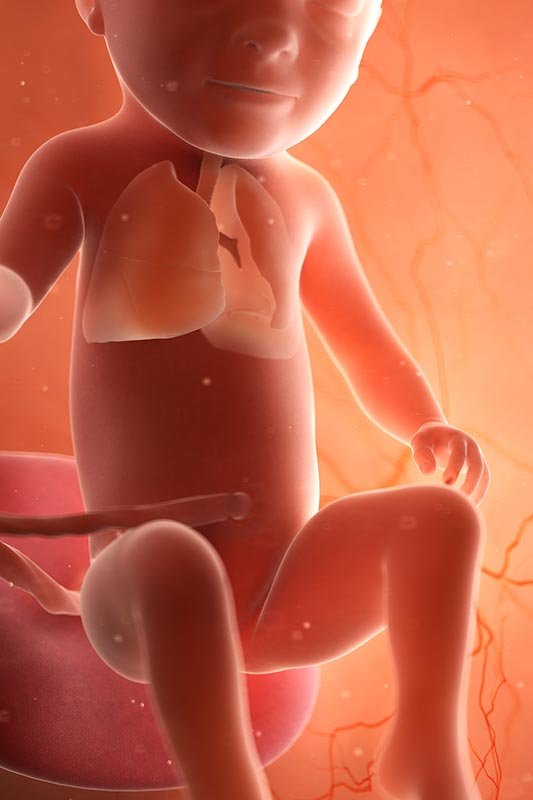
5 Phases of Foetal Lung Development
A baby growing inside your womb is miraculous, and it is indeed quite astonishing to see how a small group of cells transforms into a beautiful baby. However, the process of formation of various organs is very intricate and begins as soon as you conceive. One of the most important developments that help your baby sustain outside the mother’s womb is the development of lungs. Browse through the following article to know how foetal lung development takes place and more.
What is Foetal Lung Development?
If you are wondering when a foetus’ lungs start to develop, well, your baby’s lungs begin to develop at around four weeks of gestational age – that is around the embryonic phase. In the initial stages of development, your baby may only have some undifferentiated cells. However, as time passes, these undifferentiated cells start separating into unique layers, and thus, foetal lungs begin to develop.
What Are the Foetal Lung Development Stages?
The foetal lung development can broadly be classified into five stages. We shall be discussing all these stages briefly in the following paragraphs:
1. Embryonic Phase
This phase begins around the fourth to the fifth week of gestational age. In this stage, there are two buds that branch off. One of it helps in the formation of the right part of the lung; the other helps in forming the left part. Also, during this phase only, the voice box (larynx) and windpipe (trachea) start developing from the foregut.
2. Pseudo Glandular Phase
This phase begins somewhere around the sixth week and extends up to sixteenth week. During this phase, the lung buds further branch out into several tiny units to grow into an independent respiratory unit. This includes various capillary vessels and bronchiole, which transport blood to the lungs for oxygen.
3. Canalicular Phase
This phase begins around the 17th week and lasts till the 25th week of gestation. The main development that happens during this phase involves developing an important barrier within the lungs. This barrier aids oxygen to supply blood to respiratory capillaries, and it also facilitates carbon dioxide to escape from the respiratory capillaries. As time passes, it may be easy to distinguish between gas-carrying tissues and air-carrying tissues.
4. Saccular Phase
This phase begins at around 25th week to 36th week of pregnancy. The formation of surfactant begins, which is a soapy fluid that keeps lung tissues from sticking to each other, tearing away during the process of exhalation, or damaging themselves in case of compression. Babies who are born with the inadequate formation of surfactant may develop respiratory issues and other breathing problems.
5. Alveolar Phase
This marks the last phase of foetal lung development and this phase begins before the birth and continues until early childhood. In this stage, more surfactant and alveoli (air sacs) are formed, which helps the tissues to carry gas to the lungs. This helps in making the lungs more proficient in the movement of more air, as the baby grows.
Factors That Affect An Unborn Baby’s Lung Development
There are factors that may affect the development of the lungs of your unborn baby, and some of the reasons are as follows:
It is also observed that male babies are more prone to lung developmental issues in comparison to female babies.
The ethnicity of the parents also plays a role. Thus, South East Asian and black babies are more at risk of having lung developmental issues.
If a mommy-to-be smokes during pregnancy, it will adversely affect her foetus.
How to Know If Foetal Lung Development is Appropriate for Safe Delivery
In cases where a baby may have to be delivered early or due to some complication that the mother may be experiencing, the doctor may recommend tests, such as a foetal lung maturity test, to understand your baby’s lung health. In most cases, the doctor will weigh the risk of severity of the complication with delivering the baby early. However, if the baby is to be born before 32 weeks, then the test may not be helpful because the baby’s lungs may not be mature enough to withstand the test. The test involves measuring the levels of surfactant; a high amount of this substance is indicative of matured lungs, and lesser amounts indicate otherwise.
What if Foetal Lungs Remain Undeveloped?
Sometimes, the foetal lungs may remain undeveloped; in such situations, your doctor may advise administering steroids into the mother’s blood while she is still pregnant. Injecting the steroids may help in speeding up the lung development in your baby. The foetal lung development at 36 weeks is fairly mature; as your baby moves into the 37th week, he may have fully-developed lungs. However, doctors may like to wait till 39 weeks of pregnancy before they induce pains in the mother, in case tests conducted show that the baby’s lungs have fully developed. Every baby develops differently, and thus, every day of pregnancy makes a difference in your baby’s lung development.
If you have any queries about foetal lung development, we recommend you get in touch with your doctor to get a thorough insight into the topic.
Also Read: Foetal Growth Chart Week by Week-Length
Read more
Fish Oil During Pregnancy – Benefits, Risks & More
There are many benefits of consuming fish oil as a supplement. It contains Omega-3 fatty acids, which are highly beneficial when fighting heart disease. But is fish oil good for you when you are pregnant? Fish oil, rich in omega-3 fatty acids like DHA and EPA, is often recommended during pregnancy for its potential benefits to both mother and baby. These essential nutrients play a crucial role in fetal brain and eye development, support maternal heart health, and may even help reduce the risk of preterm birth. However, concerns about side effects raise important considerations for expectant mothers. In this article, we’ll take a closer look at the benefits of fish oil in pregnancy, the possible risks, and how to use it safely to support both mom and baby’s health.
Can You Take Fish Oil While Pregnant?
The short answer is that yes, fish oil is safe during pregnancy. Not only is it safe, but it is also beneficial to you and your baby. Fish oil is usually consumed either in the form of supplements or directly by eating a fish-rich diet. The supplements are also enriched with Vitamin E to make it last longer. Research has indicated that omega-3 fish oil and pregnancy are closely linked, and mothers who take fish oil supplements have children with better brain development (1).
Benefits of Fish Oil for Pregnant Women
There are many reasons why you must incorporate fish into your diet or take fish oil supplements rich in Omega-3 fatty acids during pregnancy. These include:
Immunity: When pregnant women take fish oil supplements, the child is usually observed to have a more robust immune system (2).
Mood: It has been observed that children whose mothers had taken fish oil supplements during pregnancy are generally more stable and are not prone to mood swings or tantrums (3).
Nutrition: Fish oil supplements are a well-known source of nutrients like Omega-3 fatty acids, Vitamin A and D.
Reduces the Risk of Preterm Birth: Studies suggest that taking fish oil during pregnancy may help lower the chances of premature delivery (4).
Supports Baby’s Brain Development: The DHA in fish oil plays a key role in the growth and development of the baby’s brain and nervous system (5).
Consult your doctor if you have any further doubts regarding the consumption of these supplements. While it is true that not all women take this supplement, new research is bringing out the benefits of Omega-3 fatty acids, especially for pregnant women.
Ideal Dosage for Pregnant Women
If you are already consuming fish on a regular basis, then there is no need for supplements. Just make sure that you are having between two to three servings of fish every week. If you do not have access to fish during your pregnancy, then the daily recommended dosage will be around 300 mg per day (1). You can get this taking fish oil supplements.
Risks of Consuming Fish Oil in Pregnancy
Some of the risks of consuming fish oil during pregnancy are:
Too much fish oil will affect your body’s ability to clot blood (6).
If you are getting your recommended levels of fish oil from fresh water, then you must make sure of the source. Many types of freshwater fish have high mercury levels which could affect the health of the baby.
Fish that you must avoid are shark, swordfish, and tilefish (7).
Check to see where the supplement is extracted from. If it is extracted from the liver of the fish, then avoid the supplement as it contains Vitamin A which can be harmful to the baby.
Foods Containing Omega-3
The most obvious choice for Omega-3 fatty acids comes from cold-water fish. These include salmon, anchovies, tuna, and sardines. However, with the awareness of mercury poisoning and the increase in pollution levels of the oceans, most people will recommend that you take fish oil through supplements. Make sure that this is extracted from the body of the fish and not from the liver of the fish.
It is commonly believed that flax seeds, chia seeds, walnuts and so on, also contain Omega-3s. However, fish oil has the most beneficial form of Omega-3s.
Fish Oil Supplements
Fish oil supplements in pregnancy are one of the best ways to get Omega-3s into your body. They are perfectly safe and are recommended by most doctors as most of us do not have access to a fresh supply of seafood.
There are two varieties of fish oil available in the market today. You must take the one known as Omega-3 supplements as they are made from the body of the fish and are completely safe to be consumed during pregnancy.
Fish oil supplements made from the liver of the fish such as cod liver oil should be avoided during pregnancy. They contain Vitamin A and can be harmful to your baby.
Buying Tips
When buying Omega-3 supplements, it will do you some good to investigate a bit further into the brand apart from just reading the label. Learn how the brand extracts the oil and if the manufacturing process meets that of international levels.
You should also check for the smell. While you might think that fish oil must smell like fish, it will only do so once the oil is turning rancid. If the supplement smells fishy or rancid, then it is well past its expiration date and you must avoid it.
The taste of the supplements should also be neutral. It should not have any strong taste whether that of a fish or otherwise.
Precautions and Safety Concerns
While you might be tempted to go out and buy a pack of Omega-3 supplements, you must take the following precautions:
It is imperative that you talk to your doctor regarding the dosage of fish oil that you will require during pregnancy. In fact, your doctor will be able to prescribe the brand of the supplement along with the dosage. This way, your doctor will also stay updated on your nutrition.
It is important that you check if you have any allergies to fish oil before you consume any supplement. You can get a simple allergy test done if you are not sure. This is especially true for vegetarians who have never consumed fish before and do not know. In case of an allergic reaction to the supplement, you must seek immediate medical advice.
You must always remember to stick to the prescribed dosage. Just because the supplement is good for you, doesn’t mean that it won’t be harmful if taken in excessive amounts.
Buy only reliable brands. It is best that you try to get the brand recommended to you by your doctor. You must also read up on the ingredients and check the mercury levels in the oil. High mercury levels can be harmful to the development of the baby (8).
FAQs
1. Can I get enough omega-3s from food alone?
It is possible, but many pregnant women struggle to eat enough omega-3-rich fish due to food aversions or concerns about mercury. In such cases, a high-quality fish oil supplement can help meet daily DHA needs.
2. Can I continue taking fish oil while breastfeeding?
Yes! DHA is essential for a baby’s brain and eye development, and breastfeeding mothers can pass these beneficial nutrients to their babies through breast milk.
3. Is it safe to take fish oil during the first trimester of pregnancy?
Yes, taking fish oil during pregnancy first trimester is generally safe and beneficial. Omega-3 fatty acids, especially DHA, support early brain and eye development in the baby.
Fish oil and pregnancy go hand in hand, as they have many benefits derived from long-chain Omega-3 fatty acids. When you are pregnant, this nutrient is also beneficial to the development and health of your baby.
References/Resources
1. PubMed Central – Omega-3 Fatty Acid Supplementation During Pregnancy
2. PubMed – Does fish oil supplementation in pregnancy reduce the risk of allergic disease in infants?
3. PubMed Central – Omega-3 Polyunsaturated Fatty Acids in Prevention of Mood and Anxiety Disorders
4. PubMed Central – Marine Omega-3 Fatty Acids, Complications of Pregnancy and Maternal Risk Factors for Offspring Cardio-Metabolic Disease
5. PubMed Central – Fetal and Neonatal Levels of Omega-3: Effects on Neurodevelopment, Nutrition, and Growth
6. ResearchGate – Importance of maintaining a low omega-6/omega-3 ratio for reducing platelet aggregation, coagulation and thrombosis
7. Colorado State University – Omega-3 Fatty Acids
8. March of Dimes – Mercury and pregnancy
Also Read:
Doxinate Oral in Pregnancy
Vitamins Intake during Pregnancy
Taking Vitamin E when Pregnant
Taking Vitamin B2 (Riboflavin) while Pregnant
Benefits & Risks of Eating Walnuts in Pregnancy
Read more
Thalassemia in Pregnancy – Types, Causes, Risks, and Treatment
If a pregnant woman has a genetic disorder, then it is quite likely that she may pass it on to her baby. Thalassemia is one such genetic disorder that may be passed on to the baby. It is a condition that affects your haemoglobin levels, potentially leading to anaemia and other health problems. Thalassemia in pregnancy may also pose some serious complications. However, with proper care and diet, thalassaemia and pregnancy can possibly go together. In this article, we shall discuss in detail what causes this condition, how thalassaemia is diagnosed, thalassaemia testing in pregnancy, and how a woman may effectively manage your pregnancy if she has thalassaemia.
What Is Thalassemia?
Thalassemia is a genetic blood disorder that impairs the normal production of haemoglobin in the body. This malfunction may cause severe anaemia. These abnormal or deformed genes may be transferred from the parents to their children (1).
If you are pregnant, you should contact your doctor to learn more about thalassemia and pregnancy.
Types of Thalassemia
Haemoglobin in our blood comprises of matching protein chains, alpha chains and beta chains. The severity or the extent of complications associated with thalassemia varies, depending upon the number of mutated genes in these protein chains. The two main types of thalassemia are alpha and beta-thalassemia.
1. Alpha Thalassemia
Alpha thalassemia occurs when there is a gene mutation in the alpha protein chains. The alpha thalassemia trait in pregnancy usually causes no health issues for the mother besides mild anaemia.
This may happen in the following ways:
In a case where only one gene is affected or mutated: Not very substantial symptoms may be noticed.
In a case where two genes are mutated: Mild anaemia may be seen; this condition is also known as thalassemia trait.
In a case where three genes are mutated: It may lead to haemoglobin H or HbH disorder. This condition requires a regular blood transfusion to deal with the severe case of anaemia.
In a case where all four genes are mutated: This may cause a life-threatening condition called alpha thalassemia major or Hb Bart’s syndrome. Babies who are affected by this genetic disorder rarely survive pregnancy or birth.
2. Beta Thalassemia
Beta thalassemia results from a gene mutation in the beta protein chains. Beta thalassemia trait in pregnancy ranks second to iron deficiency as the most frequent cause of anaemia of pregnancy (2). According to a study, people with beta thalassaemia trait do not experience clinically significant morbidities besides mild anaemia (3).
This gene mutation may occur in the following ways:
In a case where one gene is mutated: This mutation may cause mild (thalassemia trait) as well as severe (thalassemia intermedia) cases of anaemia.
In a case where the mutation occurs in both the genes: This mutation causes a serious condition known as beta-thalassemia major or Cooley’s anaemia.
Sub Types
Alpha and Beta-thalassemia have been further categorised into two sub-categories:
1. Thalassemia Minor
When the defective genes are inherited or transferred only from a single parent, then you may have a condition called thalassemia minor. People who have this condition are called carriers of the disease. If you have this condition, you may not have any health complications, but you may pass this defective gene to your baby.
2. Thalassemia Major
When the defective genes are inherited from both parents, it may lead to a life-threatening condition called beta-thalassemia major. Thalassemia major causes serious complications in unborn babies. Most babies with alpha thalassemia major do not make it up to the pregnancy or birth. Beta thalassemia major is more common in babies and children than alpha thalassemia major.
What Causes Thalassemia in Pregnancy?
You may have thalassemia in pregnancy in the following cases:
If you inherit the defective gene from either of your parents.
If you inherit the deformed genes from both your parents.
You are more likely to inherit the defective genes if you belong to Asian, African, Middle Eastern or Mediterranean ethnicities.
Symptoms of Thalassemia in Pregnancy
A majority of the symptoms of thalassemia are linked to anaemia, including:
constant weakness
fatigue
pale skin
fainting
dizziness or lightheadedness
shortness of breath
heart palpitations
headaches
How Is Thalassemia Diagnosed During Pregnancy?
When a woman goes for a pregnancy test, and it is confirmed that she is pregnant, the doctor prescribes a series of blood tests during that first antenatal visit. These tests also include the thalassemia test. The thalassemia test will determine whether a woman has thalassemia or not during pregnancy.
The thalassemia test can be conducted even before pregnancy. If a couple is planning to start a family, they may get this test done. The couple can get this test done to know if either one of them has thalassemia.
You may not know that you are suffering from thalassemia if you have alpha or beta minor thalassemia; your blood tests will help you determine it.
How to Know If Your Unborn Baby Has Thalassemia?
Thalassemia is an inherited disease; if either you or your partner or both have thalassemia, there is a great possibility that your unborn baby may have it too.
In case a single parent is a defective gene carrier, the chances of the unborn baby getting this gene are one in two. However, if both parents are carriers of deformed genes, then the baby has the following chances of inheriting thalassemia (4):
25% chances that your baby has a severe case of thalassemia
25% chances that your baby is neither the carrier nor has any associated disease
50% chances that your baby is an asymptomatic carrier
In a case where you or your partner has thalassemia trait, the following tests may be prescribed by your doctor for prenatal diagnosis of thalassemia:
Your doctor may test your amniotic fluid after fifteen weeks of pregnancy. This test to check the amniotic fluid around your baby is known as amniocentesis.
Your doctor may take a sample of your placenta at around eleven to fourteen weeks of pregnancy. The placenta is taken for DNA testing and this test is known as chorionic villus.
Your doctor may do foetal blood sampling. This test may be done around eighteen to twenty-one weeks of pregnancy. The blood for the umbilical cord is taken for testing.
In a case where the unborn baby is diagnosed with alpha thalassemia major, there are very few chances of survival. The doctor may recommend terminating the pregnancy as the baby may not survive until delivery or birth.
How Does Thalassemia Affect Pregnancy and the Baby’s Birth?
Thalassemia traits slightly but notably raise the likelihood of hypertensive disorders and maternal anaemia. Moreover, the physiological changes that occur during pregnancy can exacerbate the severity of anaemia in pregnant women with thalassemia traits (5).
If you have thalassemia, you will be closely monitored by your midwife and doctor throughout your pregnancy. Your doctor may prescribe you folic acid as it would reduce the risk of your baby getting neural tube defects (spina bifida). The dosage may vary according to your condition.
In case you have beta-thalassemia minor, your doctor may keep a regular tab on your iron levels in the body. You may be prescribed iron tablets to replenish the body’s iron requirement in pregnancy.
In case you are an alpha thalassemia minor, you may have a mild or severe case of anaemia. You may require a blood transfusion to ward off anaemia.
If you have beta-thalassemia major, you may have severe complications in your pregnancy. You may require constant monitoring, medication and blood transfusion to sustain a healthy pregnancy.
Thalassemia may cause complications during birth. Therefore, it is recommended to go in for hospital delivery. In case you have beta-thalassemia major, which may affect your bones severely, vaginal delivery may not be possible and may require a C-section in the hospital.
There are several different haemoglobin conditions that your baby could inherit from you or your partner, inlcuding serious and non-serious ones. Ther severity of them will depend upom the types of haemoglobin genes you and your baby’s biological partner have. Thalassaemia major and sickle cell disease are among the major serious conditions (6).
Treatment for Thalassemia During Pregnancy
The treatment options for thalassemia vary according to the severity and complexity of each case. However, the following are some of the common treatment options that may be suggested to you by your doctor (7):
You may be prescribed supplements and medicines, including vitamin D supplements and folic acid (should be started at least three months before getting pregnant).
You may be advised to update your hepatitis B vaccination.
You may be advised for blood transfusion.
You may be recommended to go in for a bone marrow transplant.
You may be advised for surgery (in severe cases) to remove your gallbladder or spleen.
Will Your Baby Have Thalassemia?
Here’s how you will know if your baby will have thalassemia or not:
If you or your spouse is a thalassemia minor, There are equal chances of your baby either inheriting your defective genes or not inheriting the defective genes at all. However, your baby will not be thalassemia major in this case.
If you and your spouse both have thalassemia minor, The chances are one in four that your baby will not inherit the defective genes at all. Though your baby has the same amount of chances to be born with thalassemia major. However, the chances are one in two that your baby is born with thalassemia minor.
The above-mentioned possibilities remain the same in each case of pregnancy, of the same couple. This means no matter how many kids the couple has, the above-mentioned possibilities will apply in each case.
Tips to Remember for Thalassemia During Pregnancy
1. Don’t Miss Your Regular Blood Tests
Frequent blood tests help monitor the haemoglobin levels, iron overload, and overall maternal health during pregnancy, which helps diagnose and treat things early on.
2. Follow Your Supplement Plan Carefully
Take folic acid and prescribed medications regularly. Avoid taking iron supplements unless specifically advised by your doctor.
3. Schedule Frequent Prenatal Checkups
Women with thalassemia may need extra scans and fetal monitoring to track the baby’s growth and maternal complications.
4. Exercise Regularly
Moderate and regular exercise, such as biking, running, and walking, is super important when having thalassemia. If you have joint pains, low-impact activities like yoga, swimming, or water aerobics can help (8).
4. Consider Genetic Counselling
If both parents carry thalassemia traits, prenatal testing and genetic counselling can help assess the baby’s risk (9).
FAQs
1. Can thalassemia affect fertility?
Yes, thalassemia’s effect on pregnancy cannot be ignored. It may influence fertility in some individuals. The condition can affect hormone levels related to reproduction, which may make it harder to conceive. In some cases, associated health conditions such as diabetes or thyroid disorders can also contribute to fertility challenges.
2. What happens if a baby is born with thalassemia?
The impact of thalassemia in babies depends on how severe the condition is. Children with mild thalassemia may require little to no treatment and can live normal lives. However, babies with moderate or severe thalassemia may need ongoing care, including regular blood transfusions and treatments to manage excess iron in the body.
3. What is the life expectancy of someone with thalassemia?
Life expectancy in people with thalassemia can vary depending on the type and severity of the condition. Individuals with mild forms of thalassemia often lead a normal and healthy life. In more severe cases, especially transfusion-dependent thalassemia, regular medical care is essential. With improved treatments and monitoring, many people with severe thalassemia are now living well into adulthood and beyond.
If your pregnancy tests show that you have thalassemia, then you may have to undergo various other tests to determine the presence of this genetic disorder in your unborn child. In case it is established that your unborn baby is affected with thalassemia, your doctor may advise you to go in for genetic counselling. The counsellor will help you understand your situation and also recommend various treatment options that you may consider. The prompt and timely action will ward off any major complications that may arise because of this genetic disorder.
Also Read:
Jaundice in Pregnancy
Fibromyalgia and Pregnancy
Triple Marker Test during Pregnancy
Uterine Tachysystole during Pregnancy
Read more

24 Old Wives Tales About Pregnancy & Gender Prediction
It is safe to say that pregnancy and gender predictions have been complementing each other since the beginning of time. Old wives tales of gender prediction have been analyzed, shunned, and debunked, only for them to keep making a comeback. Old wives’ pregnancy beliefs have sparked curiosity and fueled conversations across generations. Whether one believes in them or not, these stories are quite entertaining to behold, offering a glimpse into the folklore and traditions surrounding pregnancy. Their persistence highlights the human fascination with finding clues about the unknown, even in the modern era.
What Is “Old Wives Tale”?
An “Old Wives Tale” refers to a traditional belief or superstition passed down through generations, often without scientific basis. These tales usually revolve around health, parenting, pregnancy, or daily life and are presented as wisdom from the past. An example is the old wives tale about gender, where certain physical signs or cravings during pregnancy are believed to indicate if the baby will be a boy or a girl. While many of these tales have been debunked, they remain a fascinating part of cultural traditions and storytelling.
How Do Old Wives Tales Predict Gender?
Old wives’ tales predict gender based on various physical and behavioral signs observed during pregnancy. For instance, one common old wives’ tale about gender suggests that carrying the baby high means it’s a girl, while carrying low means it’s a boy. Other tales involve cravings, with a preference for sweet foods pointing to a girl and salty or sour foods indicating a boy. Additionally, some believe the baby’s gender can be predicted by the severity of morning sickness, the shape of the pregnant belly, or even the appearance of the mother’s skin and hair. While these tales are entertaining, they are not scientifically proven and should be taken lightly.
Old Wives Tales About Gender & Pregnancy
Here is a compilation of some of the best old wives tales about pregnancy.
1. High or Low
How you carry your belly is one of the most widespread old wives tale for baby boy gender prediction. If you are carrying low, it is said that you can expect a boy and if you are carrying high it is said that you’ll have a girl.
In truth, how you carry depends on your muscle tone, strength, and the shape of your belly. Women who have had previous pregnancies also tend to carry lower due to increased elasticity of the muscles in the stomach.
2. Sweet or Salt
This, too, is a popular old wives tale for pregnancy. If you crave sweets like chocolates or desserts, it is said that you’ll have a girl. If you are more inclined to salty flavours, it is believed that you will have a boy.Pregnancy cravings are normal and the kind of food you crave has absolutely no link to the sex of your child.
3. Baby’s Heart Rate
A heart rate of over 140 bpm indicates a girl and if it’s below 140 bpm it indicates a boy.The foetal heart rate is between 120 to 160bpm for a healthy baby and is not determined by the sex of the baby.
4. Extra Weight Measure
A woman with extra weight out front is believed to be carrying a boy. A woman with extra weight around the hips and bottom is believed to be carrying a girl.Where a pregnant woman carries extra weight is based on her anatomy and not on the sex of the baby.
5. Linea Nigra and the Colour of the Nipples
A dark line called Linea Nigra extending from the pubic bone to the navel region means that you will be having a girl. If the line extends from the rib cage to the pubic bone then you are likely to have a boy. Likewise, if your nipples are getting darker, you may have a boy, if not, a girl.The dark line is a result of hormones, so is the darkness of the areolas and have no bearing on the sex of your baby.
6. It’s All in the Hair
Another popular Indian old wives tales is that if your hair has gained volume, looks lustrous and you simply can’t stop admiring it, then you may be having a boy. Dull, thin hair is said to be courtesy a girl child.There is no scientific backing to this. Some women see a boost in keratin that improves hair and nail quality during pregnancy; others seem to get a slightly worse end of the deal.
7. The Bigger Breast
It is said that a bigger right breast means that you will have a boy. If your left breast is bigger you are more likely to have a girl.Increase in breast size is natural during pregnancy and there has been no evidence to prove this link.
8. Girl Steals Beauty
If you are having a girl, it is said that your looks may take a turn for the worse! It is also said that if you have an acne breakout, you’ll have a girl. However, if you feel more attractive, then you may be having a boy.There is no evidence to prove this tale.
9. Morning Sickness
Do you have the worst morning sickness? Old wives say that you may have a girl. If you face no bitter moment of morning sickness, then you are likely to have a boy. Morning sickness is a common symptom of pregnancy and the excess or lack of it does not indicate the sex of the baby.
10. Your Sleeping Position
If you prefer sleeping on your left side, you can expect a baby boy, if you feel like sleeping on your right, you may have a girl.While this has no true backing, sleeping on the left is deemed to be the best position during pregnancy as it increases the blood and nutrient flow into the placenta.
11. Mood Swings
Recurrent and severe pregnancy mood swings are linked to having a girl. If you have a generally pleasant pregnancy, you may have a boy.
Mood swings are caused due to hormonal changes in the body due to pregnancy, which has no relationship with the sex of the baby.
12. The Cause of Your Heartburn
If you experience a lot of heartburn during pregnancy, it is said that you’ll have a girl. Heartburn is also linked to the baby having a lot of hair.While the link between heartburn and sex of the baby has no real scientific backing, researchers at John Hopkins Hospital in Baltimore may have surprising found a link between heartburn and hair growth. Although not completely confirmed, the researchers believe that excessive pregnancy hormones are the reason for gastric reflux which causes heartburn and is also responsible for hair growth in the baby.
13. Partner’s Weight Gain
This one is definitely one of the most entertaining out of all gender reveal old wives tales. If your partner puts on some extra weight during the course of your pregnancy, it is believed that you will have a girl.As expected, this theory has no scientific backing to it.
14. A Long, Strenuous Labour
It is believed that if you have a long and painful labour you will be having a boy.While not entirely proven to be true, it is found in an Irish study that women who gave birth to baby boys had a longer labour time, saw more complications and needed emergency C-sections. This is attributed to the larger head size and the heavier weight of baby boys at births, in comparison to girls.
15. Cold Feet
If your feet are always cold during your pregnancy, then you may be having a boy. If you enjoy warm and cosy feet during pregnancy, it may be a girl.There is no evidence to prove the validity of this statement.
16. The Colour of Your Urine
Bright yellow urine indicates that you are carrying a girl. Clear coloured urine can indicate a boy.The colour of your urine has no link to the sex of your baby. Light coloured or clear urine may be the result of a good amount of water.
17. Pupil Dilation
Do your pupils dilate when you stare into the mirror for over a minute? You may be having a boy as per the old wives tale.Pupils dilate in low light or are aroused by something we see. It has no correlation with the sex of the baby.
18. Ring on a String
If you tie a ring to a string and dangle it over your belly, the movement is believed to predict the gender. If it swings in a circle, it’s a girl; if it moves back and forth, it’s a boy.This is purely a superstitious practice with no scientific validity.
19. Garlic Test
It is said that if you eat garlic and the smell seeps through your skin, you are likely carrying a boy. If there’s no strong smell, you might be having a girl.This belief is based on personal perception and lacks scientific backing.
20. Fork or Spoon
Hiding a fork and a spoon under cushions and having the pregnant woman sit without knowing which is where is another tale. Sitting on the fork signifies a boy, while the spoon means a girl.This is purely a game of chance and has no logical basis.
21. Coughing and Sneezing
If you experience frequent sneezing or coughing during pregnancy without being sick, it is said you’re more likely to have a boy.There’s no scientific evidence linking sneezing or coughing to the baby’s sex. These are often related to seasonal allergies or common colds.
22. The Shape of Your Face
If your face looks rounder and fuller during pregnancy, some believe you’re having a girl. If your face looks slimmer, it’s thought to be a boy.The shape of your face changes due to weight gain or fluid retention and is unrelated to the baby’s sex.
23. Eating the Ends of Bread
If you avoid eating the ends of the bread loaf during pregnancy, it’s believed you’re having a girl. Eating the ends supposedly indicates a boy.This has no scientific basis and is likely rooted in cultural food habits or personal preferences.
24. The Shape of Your Nose
If your nose appears to get wider or “spread” during pregnancy, it’s said that you’re carrying a boy. If your nose remains the same, you’re supposedly having a girl.
Old Wives Tale Tests
Pregnancy and gender prediction tests have always been a fascinating topic of discussion for expecting parents. While they are not scientifically proven, they add excitement to the pregnancy journey.
1. Baking Soda Test
Mix a tablespoon of baking soda with your urine. If it fizzes, it’s believed you’re having a boy. If there’s no reaction, it indicates a girl.
2. The Drano Test
Mix Drano with your urine (be cautious, as this involves chemicals). A color change is said to predict the baby’s gender—greenish indicates a girl, and bluish indicates a boy.
3. Key Test
Pick up a key. If you grab it by the narrow end, it’s thought to be a boy. If you pick it up by the round end, it’s believed to be a girl.
4. Chinese Gender Chart
This ancient chart matches the mother’s age and the month of conception to predict the baby’s gender. It’s a popular pregnancy and gender prediction test worldwide.
5. The Skull Theory
Based on ultrasound images, this theory claims that the shape of the baby’s skull can indicate gender. A square jawline indicates a boy, while a rounder skull suggests a girl.
6. The Cabbage Test
Boil red cabbage and mix the cabbage water with your urine. If the color turns pink or red, it’s believed to be a boy. If it turns purple, it’s thought to be a girl.
7. The Hand Test
Show someone your hands without thinking. If you present them palms up, it’s said you’re having a girl. If your palms are down, it’s believed you’ll have a boy.
FAQs
1. Why are old wives tales about gender prediction so popular?
Old wives tales are popular because they add an element of mystery and fun to pregnancy. They serve as an engaging way for families and friends to guess the baby’s gender and bond over shared experiences.
2. Can old wives tales be harmful if taken seriously?
While most old wives tales are harmless, relying on them for serious decisions can lead to misinformation or unnecessary stress. It’s important to treat them as entertainment rather than factual guidance.
3. Why do old wives tales vary across cultures?
Old wives tales differ across cultures because they reflect unique traditions, beliefs, and practices specific to each region or community. These variations make them a fascinating insight into cultural heritage.
This was all about old wives tales and pregnancy. Old wives tales have been around for a really long time. While none of them has been proven scientifically, some of them have been considered to be possible based on research. True or false, it sure does make for an interesting ensemble of predictions that you can enjoy while waiting for your baby.
References/Resources:
1. Young. N, La Rosa. M, Mehr. S, Krasnow. M; Does greater morning sickness predict carrying a girl? Analysis of nausea and vomiting during pregnancy from retrospective report (Maternal-Fetal Medicine); Springer Nature Link; https://link.springer.com/article/10.1007/s00404-020-05839-1; October 2020
2. Orloff. N, Hormes. J; Pickles and ice cream! Food cravings in pregnancy: hypotheses, preliminary evidence, and directions for future research; Frontiers; https://www.frontiersin.org/journals/psychology/articles/10.3389/fpsyg.2014.01076/full; September 2014
3. Mitsuda. N, Eitoku. M, Maeda. N, Fujieda. M, Suganuma. N; Severity of Nausea and Vomiting in Singleton and Twin Pregnancies in Relation to Fetal Sex: The Japan Environment and Children’s Study (JECS) (Journal of Epidemiology); National Library of Medicine; https://pmc.ncbi.nlm.nih.gov/articles/PMC6680056/; September 2019
4. Navara. K; Low Gestational Weight Gain Skews Human Sex Ratios towards Females; PLOS One; https://journals.plos.org/plosone/article?id=10.1371/journal.pone.0114304; December 2014
Also Read:
Myths and Facts about Pregnancy
25 Surprising & Interesting Pregnancy Facts
Common Pregnancy Problem and Solutions
Read more
Tools And Trackers


Sort By
 Latest
 Most Popular
 Trending
Please select atleast one Filter