

















.svg)
.svg)
.png)


Planning And Preparing
Suggested articles for you

Prolactin Levels for Pregnancy – What Is Normal to Conceive
Every hormone in our bodies has a specific purpose, and it is usually when these hormones go haywire that we find ourselves with problems. A woman experiences hormonal changes throughout her life, and these changes are magnified during pregnancy. A hormone called prolactin is one that plays an important role in fertility and conception. The level of prolactin in pregnancy is high. If your prolactin levels are abnormal, you are most likely to have trouble conceiving. In this comprehensive guide, we will delve into the realm of prolactin levels for pregnancy, exploring the implications of high, low, and normal levels.
What Is Prolactin?
Originating from the pituitary gland, prolactin is a hormone that helps in the production of breast milk. Both men and women have prolactin in their blood. In women, prolactin plays an important role in fertility, menstruation and sex drive. In men, prolactin plays a major role in the production of testosterone, which thus stimulates the production of sperm.
What Are the Normal Prolactin Levels to Get Pregnant?
For women who are not pregnant, the average prolactin levels should be between 2 and 29ng/ml (nanograms per millilitre). Women whose prolactin levels fall in this range have a better chance of conceiving.
Can You Get Pregnant With Low Prolactin Levels?
If your pituitary gland is not working properly, your prolactin levels will be low. This is known as hypopituitarism. A severe case of hypopituitarism can also lead to hypothyroidism. However, this is not considered to be a problem, as conceiving a child is possible even with low prolactin levels.
Can You Get Pregnant With High Prolactin Levels?
High prolactin levels in the blood (known as hyperprolactinemia) may make it difficult to conceive. Hyperprolactinemia is also a cause of infertility in some people. Hyperprolactinemia as a result of a successfully established pregnancy is normal. As a woman’s body starts to produce more breast milk to feed her child, her prolactin levels may spike. However, having high levels of prolactin at any other time is not good.
Symptoms of High Prolactin Levels
You will be advised to have your prolactin levels checked if you have the following:
Producing breast milk when you are neither pregnant nor a new mother
Low sex drive
Impotency
Infertility
Lack of menstrual period or irregular menstrual cycle
Anovulation (i.e. absence of ovulation)
Weight gain
Vision problems
Headaches
Breast tenderness
Hot flashes or vaginal dryness
Causes of High Prolactin Levels
There are many things that can cause high levels of prolactin. Some of these are:
Medication that falls into the category of anti-convulsants, anti-hypertensive drugs and opiates
Hypothyroidism
Anorexia (eating disorder)
Lack of sleep
Extreme stress
Strenuous exercise
Tumour in the pituitary gland
Polycystic Ovarian Syndrome (PCOS)
How Is High Prolactin Diagnosed?
A blood test can determine whether or not the above-mentioned symptoms are a result of high prolactin levels. If not, these symptoms can also be a result of prolactinoma (i.e., the presence of a tumour). Prolactinoma is a benign tumour in the pituitary gland that causes an increased secretion of prolactin.
The first thing your doctor will ask you with regard to infertility issues or irregularity in your menstrual cycle is if you are taking medication. Along with this, your thyroid function will be tested. In some cases, an MRI or CT scan can be used to diagnose the problem.
Medical Treatment for High Prolactin Levels
Medication such as bromocriptine is commonly prescribed to treat high prolactin levels as it can help the brain to produce dopamine. It can also shrink the prolactinoma tumours if present. Cabergoline is a newer drug for prolactinoma that is meant to have fewer side effects. If you find yourself sensitive to the other drugs, this one may work best.
In other instances, radiotherapy may be suggested as a way to increase your prolactin levels or to treat prolactinoma.
How to Lower Prolactin Levels to Get Pregnant Naturally?
While there are medicinal remedies to reduce the levels of prolactin in the body, there are pros and cons to this method. While some women find that medication works for them, it doesn’t work for others. Further, once the woman stops the medication, her prolactin levels may go back to being high. This is why natural ways of treating prolactin levels are preferred. Here are a few of them:
1. Vitamins and Supplements
Consuming vitamin and mineral supplements such as vitamin B6, vitamin E and SAM-e (s-adenosyl methionine) can be beneficial in reducing the prolactin levels in the body. Vitamin B6 is associated with the metabolism and production of neurotransmitters like dopamine; vitamin E prevents the prolactin levels from rising, and SAM-e strengthens the joints, detoxifies the liver and boosts mood and brain functioning.
2. Herbal Teas
Drinking teas with ingredients such as white peony, peppermint, chaste berry, sage and others are very helpful as these ingredients have been used to treat disorders in women for hundreds of years as they all help in regulating a woman’s menstrual cycle.
3. Lifestyle Changes
As always, your lifestyle plays a huge role in helping your body function well. Habits like smoking, consuming alcohol and not getting enough exercise lead to problems while trying to conceive due to the changes and imbalances they cause to your hormones. Including a healthy diet is vital as it will improve the health of all your organs, especially the liver. A healthy diet will also help keep all the hormones in check, including prolactin. If you have thyroid, it can cause hyperprolactinemia. Hence, lowering stress levels, cutting back iodine intake, and refraining from a goitrogenic diet, etc., can aid in lowering the condition.
Many couples today have problems conceiving due to the high levels of prolactin being high. The biggest contributing factor to this is the lack of exercise, stress, overwork and unhealthy eating. Even a slight drop in prolactin levels can improve the chances of a couple conceiving a child.
FAQs
1. Can I Undergo IVF With High Prolactin?
Before starting with In Vitro Fertilization (IVF) treatments, it is highly recommended to assess your prolactin levels. High levels of prolactin can significantly hinder the success of IVF treatment. Not only do high prolactin levels hinder proper embryo development and implantation, but they can also negatively impact sperm function, leading to reduced reproductive capacity. Therefore, before initiating IVF treatments, it becomes imperative to have normal prolactin levels to get pregnant and ensure successful outcomes.
2. Does High Prolactin Lead to Miscarriage?
Elevated levels of prolactin can disturb the usual development of the uterine lining, potentially leading to inadequate growth. This inadequate growth of the uterine lining can contribute to the occurrence of miscarriages
If you notice that you have any of the symptoms mentioned here, it is worth visiting a doctor so you can get your prolactin levels checked immediately. Opting for natural treatment is a better option as it is a more permanent solution.
References/Resources:
1. Prolactin Levels; MedlinePlus; https://medlineplus.gov/lab-tests/prolactin-levels/
2. Majumdar. A, Mangal. N. S; Hyperprolactinemia; J Hum Reprod Sci.; PubMed Central; https://www.ncbi.nlm.nih.gov/pmc/articles/PMC3853872/; July 2013
3. HYPERPROLACTINEMIA (HIGH PROLACTIN LEVELS); American Society for Reproductive Medicine; https://www.reproductivefacts.org/news-and-publications/fact-sheets-and-infographics/hyperprolactinemia-high-prolactin-levels/
4. Prolactinoma; URMC; https://www.urmc.rochester.edu/neurosurgery/services/pituitary-program/conditions/prolactinoma.aspx
5. Prolactin blood test; UCSF Health; https://www.ucsfhealth.org/medical-tests/prolactin-blood-test
6. Prolactin (Blood); University of Rochester Medical Center; https://www.urmc.rochester.edu/encyclopedia/content.aspx?contenttypeid=167&contentid=prolactin_blood
7. Prolactinoma; UCLA Health; https://www.uclahealth.org/medical-services/neurosurgery/pituitary-skull-base-tumor/conditions/pituitary-adenomas/prolactinoma
8. Al-Chalabi. M, Bass. A. N, Alsalman. I; Physiology, Prolactin; In: StatPearls [Internet].; NCBI; https://www.ncbi.nlm.nih.gov/books/NBK507829/; January 2023
9. Snyder. P. J; Patient education: High prolactin levels and prolactinomas (Beyond the Basics); UpToDate; https://www.uptodate.com/contents/high-prolactin-levels-and-prolactinomas-beyond-the-basics
Also Read:
DIY Pregnancy Tests
When and How to Take Pregnancy Tests
Blood Test for Pregnancy Confirmation
Read more




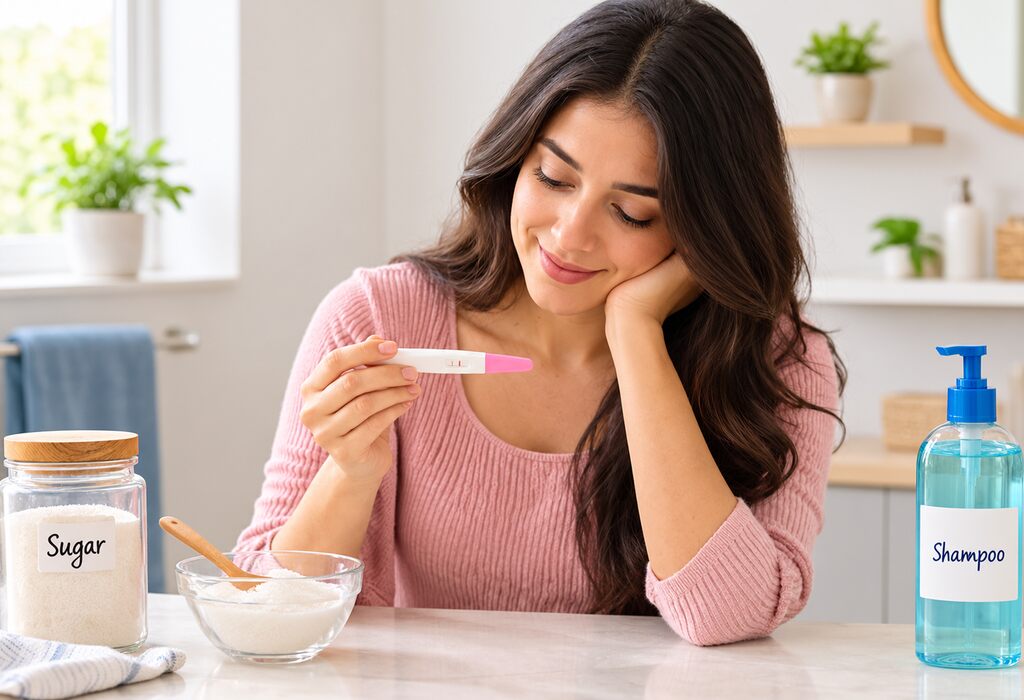
How to Check Pregnancy at Home Naturally: 16 Homemade Pregnancy Tests
If you’re wondering how to check pregnancy at home naturally, you may have heard about homemade methods using ingredients such as salt, sugar, toothpaste, or baking soda. While these methods are often shared as traditional ways to detect pregnancy, there is no scientific evidence that they can accurately confirm whether you’re pregnant. This may leave you wondering which methods are worth trying and which are better left as myths.
In this article, we’ll discuss 16 commonly mentioned DIY test for pregnancy, how they are believed to work, and what science says about their accuracy. We’ll also explain which methods can give you a more reliable answer when you want to check for pregnancy at home.
What Are Homemade Pregnancy Tests?
Homemade pregnancy tests are traditional DIY methods that claim to indicate pregnancy using common household ingredients such as salt, sugar, baking soda, toothpaste, or soap. These methods are generally based on the belief that pregnancy hormones in urine will cause a visible change, such as fizzing, clumping, foaming, or a change in texture (1).
Benefits of Natural Pregnancy Tests
There are some obvious and some not-so-obvious benefits of natural way of checking pregnancy at home. Here are some of them:
A natural pregnancy test is useful in case of an unplanned pregnancy.
You don’t need to buy a pregnancy test kit. So, you can keep your pregnancy a secret.
These tests can be done using the ingredients available at home.
They are cheaper as compared to kits.
You do not need to worry about the expiry date of the test.
How to Check Pregnancy at Home?
A visit to a gynaecologist is the most reliable way of checking for pregnancy. You can also use a DIY pregnancy test, though it’s not very reliable.
Most DIY pregnancy tests analyse the urine, so make sure you collect the urine as soon as you wake up in the morning. Drink plenty of water and wait till your bladder feels full before collecting (2).
Note that the sample should be sufficient to perform the test a second time.
Homemade Pregnancy Tests You Can Try
Here are 16 DIY pregnancy test using home remedies (3):
1. Sugar Pregnancy Test
Sugar has been used to check for pregnancy since time immemorial. It’s the most common natural pregnancy test among women.
What You Need:
A clean bowl
Sugar
A sample of urine collected as soon as you wake up in the morning
Method:
Add one tablespoon of sugar to a bowl and pour the collected urine sample on it. Now, wait and watch.
Positive Sign:
The urine of a pregnant woman contains the hormone hCG (Human chorionic gonadotropin). This hormone prevents sugar from dissolving. If the sugar doesn’t readily dissolve and forms clumps instead, it is a clear sign of pregnancy.
Negative Sign:
If the sugar readily dissolves in the urine, it means that the urine does not contain hCG. You aren’t pregnant.
Caution:
This test is relatively harmless, and no special safety measures need to be followed.
2. Toothpaste Pregnancy Test
For a toothpaste pregnancy test, only white toothpaste should be used.
What You Need:
A clean bowl
Toothpaste – 2 tbsp
A sample of urine collected as soon as you wake up in the morning
Method:
Take two tablespoons of toothpaste in a bowl, and add a tablespoon of the collected urine sample. Wait and observe.
Positive Sign:
In the case of pregnancy, the toothpaste will react with the urine to become blue in colour. It may also turn frothy.
Negative Sign:
In the case of a negative result, the toothpaste will not react with the urine at all.
Caution:
While this test is useful and can be easily done at home, it has certain drawbacks. One, there are no prescribed guidelines on how much urine needs to be added to the toothpaste. Secondly, the time it takes for the reaction to happen can vary from woman to woman.
3. Soap Pregnancy Test
This test can be easily done at home. Almost any soap can be used regardless of the brand, colour or addition of fragrance.
What You Need:
A clean bowl
A bar of soap
A sample of urine collected as soon as you wake up in the morning
Method:
Place the soap in a bowl, and pour two tablespoons of urine on the soap.
Positive Sign:
If the soap froths and bubbles appear, then it’s likely that you are pregnant.
Negative Sign:
If you aren’t pregnant, there won’t be a reaction between the soap and the urine sample.
Caution:
None
4. Mustard Powder Pregnancy Test
If you’ve missed your periods and suspect that you’re expecting, consider the mustard powder test for pregnancy.
What You Need:
Warm water in a bath tub
Mustard powder – 1/2 – 3/4 cup
Method:
Add mustard powder to the water in the bathtub, and immerse yourself in it for twenty-five minutes. Wait for two to three days.
Positive Sign:
Since mustard induces a period, you should get your periods in two to three days. If the periods don’t kick in, then it’s likely that you’re pregnant.
Negative Sign:
The onset of periods within three days of this test would indicate that your periods were delayed for reasons other than pregnancy.
Caution:
None
5. Shampoo Pregnancy Test
This test is as convenient as the toothpaste and soap pregnancy tests. The results can be observed instantly.
What You Need:
A clean bowl
Two drops of shampoo
Water
A sample of urine collected as soon as you wake up in the morning
Method:
Put two drops of shampoo in a clean bowl, add some water to form a soapy solution, and whisk gently. Now add a few drops of the collected urine and observe.
Positive Sign:
If the shampoo solution froths or forms bubbles, it’s a sign of pregnancy.
Negative Sign:
If there’s no reaction, you can safely assume that you are not pregnant.
Caution:
Mixing shampoo and water to form a soapy solution without frothing is tricky as the presence of froth can interfere with the results.
6. Dettol Pregnancy Test
Dettol is a commercially available mild antiseptic for treating minor cuts and bruises at home. This product may also be used to conduct a natural pregnancy test. Here’s how.
What You Need:
A clean glass
Dettol – 1 tbsp
A sample of urine collected as soon as you wake up in the morning
Method:
Pour one tablespoon of Dettol into a glass, and add 3 tablespoons of urine such that Dettol and urine are in the ratio of 1:3. Sit back and observe for five to seven minutes.
Positive Sign:
If the urine forms a separate layer on top, it means you are pregnant.
Negative Sign:
If the solution mixes, then the result is negative.
Caution:
None
7. Salt Pregnancy Test
Table salt can also be used to check for pregnancy. It’s one of the cheapest and most reliable tests (4).
What You Need:
A clean glass
A pinch or two of salt
A sample of urine collected as soon as you wake up in the morning
Method:
Pour some urine sample into a glass, add a pinch or two of salt, and observe for at least three minutes.
Positive Sign:
If you’re carrying a baby, creamy white clumps will form.
Negative Sign:
If there’s no reaction, the result is negative.
Caution:
None
8. Vinegar Pregnancy Test
Vinegar can also be used to test for pregnancy. You can use plain white vinegar which is low priced and readily available in grocery stores.
What You Need:
A clean glass
White vinegar
A sample of urine collected as soon as you wake up in the morning
Method:
Pour some vinegar into a glass and add the urine sample to it. Let the solution sit for 5 minutes and observe the results.
Positive Sign:
Any change in the colour of vinegar is an indication of pregnancy.
Negative Sign:
If there is no visible change in the colour, it means there’s no pregnancy.
Caution:
Add the urine sample slowly to the vinegar to avoid frothing. Bubbles and frothing would affect the accuracy of the test.
9. Pine-Sol Pregnancy Test
Pine-sol is a common household antimicrobial agent. It’s made from needle-like leaves and other parts of the pine tree. A pine-sol pregnancy test is considered accurate.
What You Need:
A clean glass
Pine-sol
A sample of urine collected as soon as you wake up in the morning
Method:
Pour some pine-sol into a glass, add the urine sample and observe.
Positive Sign:
In the case of pregnancy, the pine-sol will change to a bluish-green colour.
Negative Sign:
No change in the colour means that you aren’t pregnant.
Caution:
For this test, unscented, regular golden-brown pine-sol should be used.
10. Wheat & Barley Pregnancy Test
An ancient recipe holds that wheat and barley seeds germinate three times faster in a pregnant woman’s urine than water. This test is based on the above theory.
What You Need:
A bowl
Wheat and barley seeds
A sample of urine collected as soon as you wake up in the morning
Method:
Put some wheat and barley seeds in a bowl, add the urine sample and wait for a couple of days.
Positive Sign:
If the seeds germinate in a couple of days, you could be pregnant.
Negative Sign:
No germination of seeds means no pregnancy.
Caution:
None
11. Bleaching Powder Pregnancy Test
Bleaching powder is also an effective substance to check for pregnancy. The advantage of this test is that the results can be observed quickly.
What You Need:
A clean glass
Bleaching powder
A sample of urine collected as soon as you wake up in the morning
Method:
Add bleaching powder to a glass, pour the urine sample into it and observe.
Positive Sign:
If there is a fizzing sound, lots of bubbles and frothing, it’s an indication of pregnancy.
Negative Sign:
If the solution settles down with no bubbles, then there is no pregnancy.
Caution:
Fumes produced by the reaction of urine and bleaching powder are toxic, so avoid inhalation.
12. Baking Soda Pregnancy Test
Baking soda or sodium bicarbonate is an ingredient that can also be used to test pregnancy at home.
What You Need:
A clean bowl
Baking soda
A sample of urine collected as soon as you wake up in the morning
Method:
Put some baking soda in a bowl, pour the urine sample over it and observe.
Positive Sign:
If there’s a reaction with bubbles and fizz, then you’re pregnant.
Negative Sign:
If there are no bubbles, then there is no pregnancy.
Caution:
This test is relatively safe and the reaction of baking soda with urine will not produce any fumes or harmful gases.
13. Storing Urine Pregnancy Test
The urine in a jar test has been used for centuries. You can predict whether you’re pregnant by just storing and observing your urine.
What You Need:
A clean glass jar
A sample of urine collected as soon as you wake up in the morning
Method:
Collect a sample of urine in a glass jar and let it stand for a day.
Positive Sign:
If you observe a thin film or layer on the surface after twenty-four hours, then there is a strong likelihood of pregnancy.
Negative Sign:
If there is no such layer, then you’re not pregnant.
Caution:
None
14. Tuna Juice & Vinegar Pregnancy Test
Considered to be one of the most accurate do-it-yourself tests at home, the tuna and vinegar pregnancy test has the highest probability of yielding accurate results.
What You Need:
A clean glass jar
White vinegar
Canned tuna
A sample of urine collected as soon as you wake up in the morning
Method:
Strain some juice out of the canned tuna into a glass jar, and add an equal amount of white vinegar. Mix and let it sit for a day at room temperature. On the next day, add the urine sample to it.
Positive Sign:
If the mix turns dark green, it indicates that you are pregnant.
Negative Sign:
Yellow colour indicates that you’re not pregnant.
Caution:
None
15. Wine Pregnancy Test
Did you know that you can also use wine to test for conception?
What You Need:
Wine
A sample of urine collected as soon as you wake up in the morning
Method:
Take half a cup each of wine and urine, and mix them. Wait and observe.
Positive Sign:
If the colour of the wine changes, it is a sign of pregnancy.
Negative Sign:
If there’s no change in colour, you may not be carrying a baby.
Caution:
None
16. Dandelion Leaves Pregnancy Test
This is one of the homemade pregnancy test that actually works.
What You Need:
Dandelion leaves
A plastic sheet
Urine sample collected early in the morning
Method:
Take a sheet and place a few dandelion leaves on it. Make sure that it is not directly under the sunlight. Pour your urine sample over the leaves and wait for 10 minutes.
Positive Sign:
If the leaves turn reddish-brown or bubble formates, assume you are pregnant.
Negative Sign:
If there are no changes in the leaves, then you are not pregnant yet.
Caution:
None
Tips to Increase the Accuracy of Homemade Pregnancy Tests
In general, DIY pregnancy tests are a good way to determine the presence of hCG in the urine. To enhance the accuracy of the tests, do these things.
Keep all the bowls, jars, cups and other utensils that you use for these tests clean and free from germs.
The sample of urine should be taken when you first visit the restroom in the morning. That’s because this urine sample has a greater concentration of the hCG, which is crucial for accuracy (2).
Ideally, the test should be done in the morning, as soon as you wake up.
Drink enough water the previous night to ensure that you have sufficient urine to conduct multiple tests, if necessary.
Some tests may take longer to show a reaction.
Use a plastic container and spatula to maintain hygiene during the test. Avoid metal containers as they may interact with chemical ingredients and reduce the accuracy of the result. Use disposable containers for the bleach and pine sol tests.
Don’t shake or disturb the sample while waiting for a reaction.
Are Homemade Pregnancy Tests 100% Accurate?
The simple answer is no! DIY pregnancy tests are never 100% accurate. Though these tests are similar to pregnancy test kits, the results could be inaccurate for various reasons.
There are no clear guidelines about the tests. Some tests don’t mention the ratio in which the ingredients should be added. Furthermore, the quantity and quality of ingredients could delay the time taken for a reaction.
DIY pregnancy tests should always be followed by a visit to the doctor, regardless of the results.
When Should You Take a Homemade Pregnancy Test?
If you’re wondering when you should take a DIY pregnancy test, we have the answer! As missed periods are a reliable sign of conception, you can use these tests a day or two after your missed period date. Some signs you can also look out for before taking the test are nausea, vomiting, tender and sore breasts, frequent urination, fatigue and bloating.
FAQs
1. Which homemade pregnancy test is more reliable?
The wine pregnancy test is one of the most accurate homemade pregnancy tests.
2. Can you perform a home pregnancy test at night?
Yes, DIY pregnancy tests can be done anytime at home. But it is recommended to do the test early morning urine to increase the accuracy of results.
3. Can a home pregnancy test detect one week pregnancy?
Home pregnancy test DIY may not be able to detect one-week pregnancy since the placenta begins to make the hCG hormones ten days post fertilisation.
4. What should I do if a home pregnancy test is negative but my period is late?
A negative result from a homemade pregnancy test does not reliably mean you are not pregnant, as these DIY methods have not been scientifically validated. If your period is late, use a medically approved home pregnancy test that detects hCG in urine. If the result is negative but your period remains absent, repeat the test as recommended on the product instructions or consult a healthcare professional.
These tests are very useful if you want to keep your pregnancy a secret. The ease of conducting these tests and the ready availability of ingredients makes them very convenient for women who wish to know whether there’s good news.
Also Read:
When to Take a Pregnancy Test?
How to Confirm Pregnancy at Home
Digital Pregnancy Test: How it Works?
Easy Ways to Confirm Pregnancy without doing a Test
Read more

Pregnancy After a LEEP Procedure: Chances & Risks Involved
LEEP surgery and pregnancy can go hand in hand, and having had a LEEP does not usually prevent you from getting pregnant. However, the procedure may slightly increase the risk of certain pregnancy complications, particularly preterm birth. Research published in Obstetrics & Gynecology found that preterm birth occurred in 7.2% of women with a previous LEEP, compared with 4.6% of women without one (1).
So, what should you know before planning a pregnancy after LEEP? This article covers your chances of conceiving, possible risks during pregnancy, factors that can affect those risks, and what you can expect from prenatal care after the procedure.
What Is LEEP?
LEEP or Loop Electrosurgical Excision Procedure is a procedure that is done to treat a pre-cancerous cervix. The doctor will use an electrically charged wire loop to remove the affected cells from your cervix while you are under local anaesthesia (2). Although it might sound daunting, it is not a major medical operation, and if there are no complications, your doctor will discharge you the same day.
Can You Get Pregnant After a LEEP Procedure?
Many women usually wonder (and get anxious) whether LEEP affects their chances of getting pregnant in the future. The fact is that although there is a slight increase in the potential for pregnancy complications after LEEP, most women do not face any trouble getting pregnant. If an excision during LEEP leads to some scarring, it can affect a future pregnancy, but the good news is that there are various treatment options for women to still get pregnant and deliver a healthy baby (3).
Since LEEP is done to remove pre-cancerous lesions, people think that getting pregnant will be difficult after getting the procedure done. However, you must prioritise your health and even if there are some disadvantages, the risk of cancer is bigger than the benefits of not getting the procedure done.
When You Should Start Trying to Conceive After LEEP?
There isn’t a single waiting period that applies to everyone after a LEEP. Your cervix needs time to heal before you start trying to conceive. ACOG notes that cervical healing takes a few weeks, and sexual intercourse is generally avoided during this period (4).
Some specialists recommend waiting around six months before attempting pregnancy to allow the cervix to heal fully, particularly after a deeper excision (3). However, the ideal timing can depend on how much cervical tissue was removed, your healing, and whether you need follow-up testing after the procedure.
Risks Associated With Pregnancy After a LEEP
There are certain risks associated with the recovery period of a LEEP procedure. There is no reason to believe that you will definitely undergo them, but it is still important to keep them in mind as precautions.
1. Cervical Incompetence
Cervical incompetence means when your cervix becomes ‘incompetent’ or unable to stay closed during pregnancy. It can sometimes result in a miscarriage of preterm labour (5). However, cervical cerclage is a procedure that can be done to sew the cervix during the pregnancy and ensure that it stays closed. But only a small number of women who have had a LEEP will require a cervical cerclage.
2. Cervical Stenosis
This term is used to refer to the narrowing or tightening of the cervix. This condition can make it hard for the cervix to dilate during the delivery.
3. Miscarriage
A study showed that women who become pregnant within a year of having a LEEP procedure are slightly more at the risk of having a miscarriage.
4. Difficulty Conceiving
Little research has been done on the odds of getting a pregnant post a LEEP procedure, but there can be a slight risk for some women to conceive after undergoing a LEEP procedure (6). Your gynaecologist will be able to guide you through it.
5. Premature Birth
There is a 10% chance of giving birth prematurely (prior to 37 weeks) linked to LEEP (loop electrosurgical excision procedure). Nonetheless, this correlation is also observed in individuals who have experienced cervical dysplasia (7). This implies that factors other than LEEP might contribute to the risk of preterm delivery.
Questions to Ask Your Doctor
If you are trying to conceive after a LEEP procedure, there are several things you want to make sure of by consulting with your doctor. Here are a few questions you should remember to ask:
1. Is LEEP the Only Option of Treatment Available to Me?
This question is to rule out every other treatment option, as the doctor may in some cases suggest an alternative method.
2. How Soon Can You Get Pregnant After LEEP Procedure?
If you are planning to start a family soon after undergoing the LEEP procedure, we suggest that you check with your doctor about how long you should wait before trying to get pregnant. This will help you avoid any complications, if they may occur.
3. How Can LEEP Affect My pregnancy?
You need to know each and every effect that a LEEP can have on your pregnancy, and you should check with your doctor for the same. In the procedure, a cervical excision is done, so it can cause preterm birth. And whether or not it will affect your pregnancy in other ways will depend on how much cervical tissue has been removed and any other surgical procedure was performed previously. If you have any concerns, you should check with your doctor.
4. How Long Will My Cervix Take to Recover?
The answer to this will help you not only wait a bit to get pregnant until your cervix heals but also not place undue pressure on it with vigorous movements or exercise.
5. When Can I Start Having Sex Again?
Sexual intercourse is a physical activity which may hurt your cervix, especially when it is healing after the LEEP procedure. The optimal time to wait before having sex is 4 to 6 weeks, depending on how much cervical tissue is removed.
FAQs
1. Can I give a natural birth after LEEP process?
Yes, it does not affect the mode of delivery in the subsequent pregnancy and you can have a successful pregnancy after LEEP.
2. Is LEEP painful?
Local anaesthesia is typically used to numb the cervix, minimising discomfort during the procedure. Some people may experience mild cramping or discomfort afterwards, which is usually manageable with over-the-counter pain relievers.
3. Can you have more than one LEEP and still get pregnant?
Yes, pregnancy is still possible after multiple LEEP procedures. However, repeated procedures may remove more cervical tissue, which can increase certain pregnancy risks. Discuss your individual history with your gynecologist before trying to conceive.
4. Does LEEP affect fertility?
LEEP usually does not significantly affect your ability to become pregnant. Since the procedure removes abnormal cells from the cervix rather than affecting the ovaries or uterus, fertility is generally preserved.
There are various screenings and tests available which can help a doctor detect precancerous abnormalities in a woman’s cervix. These abnormalities can be taken care of before they develop into a condition as cervical cancer develops through procedures like LEEP. So, if you are diagnosed with the condition that requires a LEEP procedure, don’t worry, just go through with it, ask the necessary questions, practice the precautions, and soon you’ll be pregnant again, on the way to having a healthy baby!
Also Read:
Getting Pregnant with One Ovary
How to Get Pregnant Fast after Depo Shot?
Chances of Getting Pregnant after Hysterectomy
Read more
Digital Pregnancy Test – How It Works, Results and Accuracy
A digital pregnancy test can detect the pregnancy hormone hCG in urine and display a clear result, but its accuracy depends largely on when and how you take the test. The CDC notes that most FDA-approved qualitative urine pregnancy tests detect hCG at concentrations of about 20-25 mIU/mL, although detection can vary with timing (1).
So, when should you take the test? Let’s break down how accurate digital pregnancy tests are, how to use them correctly, and what to do after you get your result.
What Is Digital Pregnancy Test?
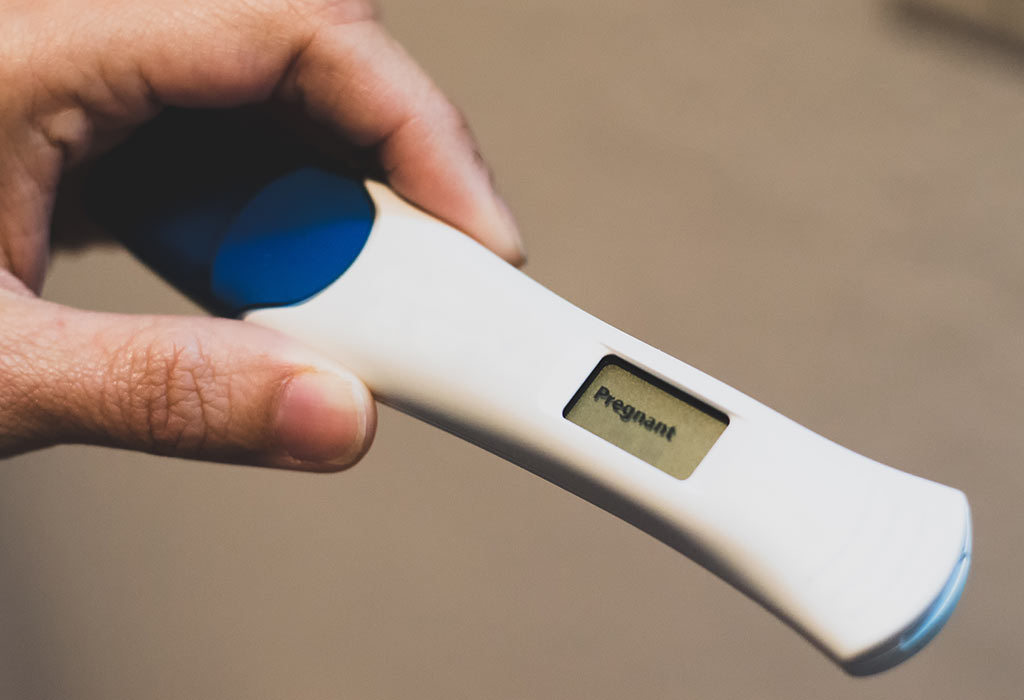
A digital pregnancy test is a home pregnancy test that detects the hormone human chorionic gonadotropin (hCG) in urine and shows the result on a small digital screen, usually as words such as “Pregnant” or “Not Pregnant.” Unlike traditional tests that require you to interpret lines, digital tests provide a more straightforward result (2).
How Do Digital Pregnancy Tests Work?
The principle on which the digital pregnancy test kits work is the same as that of any other pregnancy kit available in the drug store.
For the kit to provide the right result, a strong sign of pregnancy needs to be present. The fertilisation of the egg in the woman needs to successfully take place by the sperm, which gives rise to a zygote ultimately to form a healthy embryo. Travelling down the tubes, the embryo attaches the uterus and causes implantation bleeding, which is generally one of the initial signs of the presence of a pregnancy (3). But this cannot be detected by the kit. It is only when the placenta forms that the human chorionic gonadotropin hormone (hCG) is secreted. This is precisely what is detected by the pregnancy kits.
The hCG can be detected in the urine and makes its presence there only when the secretion reaches a certain threshold. The pregnancy sticks contain specific chemicals that react to the presence of hCG (4). Simple sticks normally show a blue line but the digital pregnancy sticks display clear information.
How Soon Does a Digital Pregnancy Test Show Results?
If you’re wondering how long does a digital pregnancy test take, check the instructions included with your specific test and wait for the test to display the final result before interpreting it. Most digital pregnancy tests show a result within a few minutes, although the exact waiting time varies by brand and model.
Avoid reading the test too early, as the result may not be ready yet. If the screen shows an error or remains blank, follow the manufacturer’s instructions for what to do next.
Digital Pregnancy Test Results
Just like other pregnancy sticks, the result time of a digital pregnancy stick also has a limited lifetime. The test results cannot stay present forever. Every stick has a specific symbol to depict the result of the test, and that is shown only for some time. Other sticks up showing text or animated icons, too.
1. Positive Result
If you conduct the test in an appropriate manner and you are, in fact, pregnant, then the digital pregnancy stick will show you a sign to indicate the presence of a pregnancy.
Most sticks end up showing an arithmetic plus sign to indicate a positive result of the test, meaning that you are pregnant. Fewer advanced sticks may choose to display the word “pregnant” or even show animated icons to make the message clear. Most of the times, these messages are present on the screen only for a minute or so, before disappearing completely.
2. Negative Result
Thankfully, the digital pregnancy sticks are much clearer at indicating an absence of pregnancy or a negative result, as compared to the usual pregnancy sticks.
In a normal stick, if your urine does not contain the hCG hormone in the required quantity, the stick does not display any line or change in any way. However, a digital pregnancy stick will clearly state a negative result on the screen. This can either be in the form of an arithmetic negative sign, or the word “none” or similar methods.
An improved messaging of such sorts makes it crystal clear about the result and provides a better result than normal sticks.
How Accurate Are Digital Pregnancy Tests?
On a generic level, digital pregnancy tests are comparatively more accurate than the other pregnancy sticks. However, their accuracy can differ based on the brand of the stick that is being used.
Certain sticks are powerful enough to detect the presence of a pregnancy within six days from the date you have missed your period. Most of the common sticks do require a week or more to pass from your period to be able to detect good levels of hCG in your urine. A few of these sticks can even detect pregnancy as early as you miss your periods, if they have been regular so far. The threshold of hCG that most digital pregnancy sticks function at is approximately around 25mlU per millilitre of urine. The moment the amount of hCG crosses this value, the stick displays the result to be positive (5).
Can Digital Pregnancy Tests Show False Results?
The chances of a digital pregnancy stick showing false results are minimal as compared to the usual pregnancy sticks since there is no possibility of faint line visibility or late development of a line in these cases.
Most of the false results are a result of human error. The stick might have experienced external substances that have caused it to provide a wrong result, or you might have taken the test quite early where the hCG levels might still be below the threshold.
Can a Digital Pregnancy Test Give a False Positive Result?
A false positive result is quite the rarity when it comes to using a digital pregnancy kit for the test. Handling the pregnancy stick improperly could trigger it to show a false positive on the display. These kits are rarely faulty or give wrong results.
Are Digital Pregnancy Tests More Sensitive?
Most women wonder whether digital pregnancy tests are more accurate or sensitive as compared to their counterparts. While the increment in accuracy might not be present to a huge degree, there are different sticks available in the market that can detect the presence of hCG at lower thresholds as well.
FAQs
1. What is the best time of day to take a digital pregnancy test?
Using first-morning urine can be helpful, particularly when testing early, because it is often more concentrated. However, follow the instructions for your specific test for the best results (6).
2. What should I do after a positive digital pregnancy test?
If your early digital pregnancy test shows “Pregnant,” arrange an appointment with a healthcare professional to confirm the pregnancy and discuss the next steps. If the result is unexpected or you have concerning symptoms, seek medical advice promptly.
3. Why does my digital pregnancy test show an error?
An error message can appear if the test was not used correctly, there was insufficient urine, or the test malfunctioned. Check the instructions and use a new test if recommended.
4. Can I reuse a digital pregnancy test?
No. Digital pregnancy tests are designed for single use only. If you need to test again, use a new test and follow its instructions carefully.
Checking whether you are pregnant and confirming it is one of the toughest things for a woman when she’s trying hard to conceive successfully. Using a digital pregnancy test for a second confirmation can help you put your mind to ease and make the right decision.
Also Read:
Pregnancy Test
Urine Pregnancy Test
Homemade Pregnancy Test with Shampoo
Read more
Genetic Testing Before Conception: Cost, Pros & Cons
Genetic testing before pregnancy can give couples planning to conceive useful information about certain inherited conditions. One option is genetic carrier screening, which checks whether you carry a gene variant associated with particular inherited disorders. Being a carrier usually does not mean that you have the condition yourself, but if both partners carry variants for the same recessive condition, there may be a risk of passing it on to a child. Preconception genetic testing can therefore give couples more time to understand their reproductive options and discuss them with an obstetrician or genetic counsellor. However, not everyone needs the same tests, and screening is a personal choice based on factors such as family history, previous pregnancy history and individual risk.
What Is Genetic Testing?
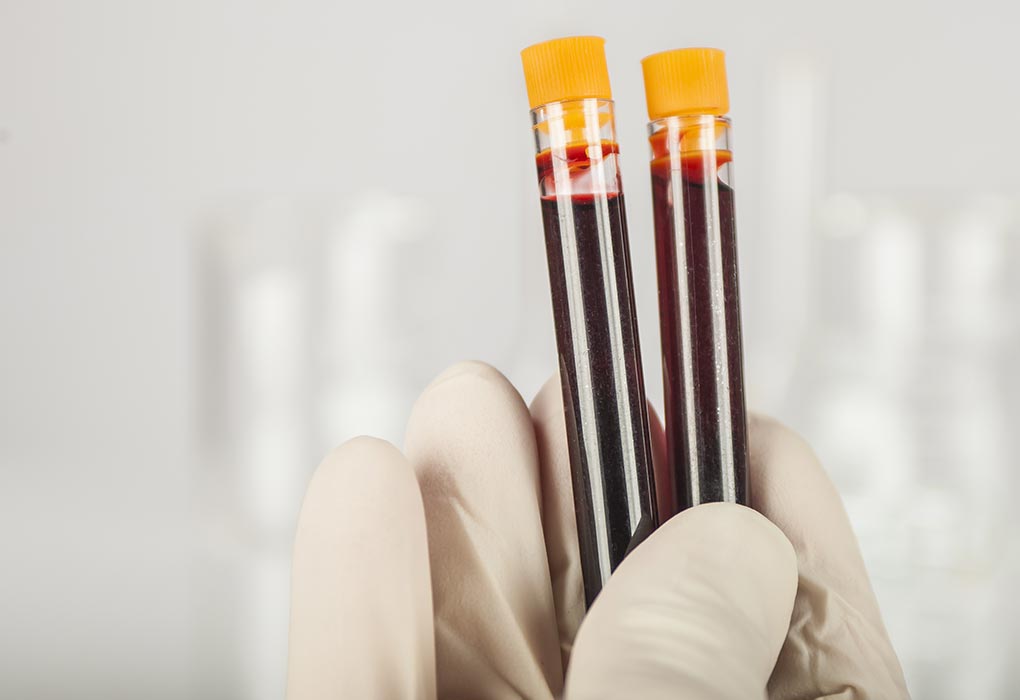
Genetic testing, or carrier screening, involves a blood test of prospective parents when they are planning to get pregnant or are already pregnant. According to MedlinePlus, it is done to check for any faulty or abnormal genes that may be passed on to the baby and lead to genetic disorders (1). You may be screened using your blood sample, saliva, cheek swab, skin, hair, or other body tissue (2).
In most cases of genetic disorders, the baby is affected if both the parents pass on faulty genes to the baby. This means that if you test positive and your partner tests negative, your baby may not be affected by any genetic disorder. If both of you test positive, then the possibility of your baby being affected by any genetic ailments may be 25%.
Types of Genetic Screening
You may have to undergo the following types of genetic screening:
You may be screened to check for any kind of gene mutation, also known as genotyping.
If you test positive, your partner may be required to undergo sequencing (which may involve more comprehensive and elaborate testing).
What Are the Common Genetic Diseases?
Some of the genetic disorders that may result from abnormal gene mutations are as follows (3):
Alpha Thalassemia is a common genetic disease; this condition may lead to bone abnormalities, liver problems, and anaemia in a baby. In some cases, a baby with this disorder may not even survive (4).
Cystic fibrosis is a genetic disorder that may cause severe lung damage and even lead to complications of the digestive system in a baby (5).
Sickle cell disease is a severe blood disorder that may cause damage to the immune system, anaemia or lead other serious health complications in a baby.
Fragile X syndrome is a genetic disease that may cause developmental delays in a baby, which may lead to mental retardation or learning disabilities.
Who Should Get Genetic Testing Before Pregnancy?
Are you thinking of getting genetic testing done before pregnancy? The Cleveland Clinic suggests the following people can also benefit from genetic testing before pregnancy (6):
Couples planning a pregnancy
Have a certain family history of genetic conditions
Have a history of miscarriage
Received an irregular result of a genetic screening test
Planning pregnancy after the age of 35
What to Do If Both You and Your Partner Are the Carriers?
As discussed in the previous section, even if both the prospective parents are tested positive, there is only a one-in-four chance that the baby may be affected by any kind of genetic disorder. However, your doctor may like to discuss all the possible options with you. You may go in for an IVF procedure, which may help your doctor determine whether or not the foetus may be affected because of the faulty genes before it is implanted in your uterus. The other option that you have is to get pregnant the natural way and get your baby screened for any genetic abnormalities once you are 10 to 12 weeks pregnant. However, if any deformity is found, it may become difficult for the parents to take a call to terminate or go ahead with the pregnancy.
How Does Genetic Screening Work?
When bad genes are inherited from both parents, it may cause genetic deformities. However, if you have a faulty gene, then you may not have any problems, but you may be a carrier of the faulty gene. This won’t be a problem for your baby unless your partner has a faulty gene, too. In this case, there is a likelihood that your baby may have some kind of genetic disorder.
If you are a carrier, your blood or saliva samples may be taken to detect the possible diseases you may pass on to your baby. Nowadays, genetic screenings may be able to detect as many as 400 genetic disorders.
What Are the Pros and Cons of Preconception Genetic Testing?
Genetic testing may offer both pros and cons for you. Some of these are:
Pros
It may help prospective parents make the decision well in time.
Sometimes the prospective parents may not be aware that they may be carriers of a genetic disease, and the test results may help them learn about it.
Cons
It may be disheartening for the parents to find out that their baby may have some kind of genetic deformity.
It may require the couple to make a tough decision about keeping or terminating the pregnancy.
What to Expect From the Pre-Pregnancy Genetic Carrier Test Results?
You may expect the following results:
Neither you nor your partner may be the carrier of the disease.
If one of you is the carrier, then this does not put your baby at any kind of risk of having any genetic disorders.
If both of you carry faulty genes, there are only 25% chances of your baby having any kind of genetic disorder.
Things to Consider Before Making Any Decision Based on the Test Results
Genetic testing may give you immense information about you and your partner’s health condition. But this certainly does not mean that genetic testing is for everyone. You may have to consider some of the following aspects before you make the tough decision of undergoing genetic testing:
If your screening test shows a positive result, there are chances of passing the faulty genes to your baby. Hence, make an informed decision if you want to go ahead with the pregnancy.
Think about how you will disclose the results to your family as it may lead to a lot of worries.
You may become anxious about handling the test results and charting your further course of action.
FAQs
1. When should you get tested for preconception screening?
The best time to get tested for genetic conditions is before planning to conceive. Testing beforehand gives couples ample time to review and assess results with a counsellor and take action accordingly.
2. How long does it take to receive results of pre-pregnancy genetic testing?
It typically takes about 3 to 4 weeks to get the results for genetic screening tests before pregnancy.
3. Where to get genetic testing before pregnancy?
You can get pre-conception carrier screening done through specialised direct-to-consumer diagnostic labs, fertility and IVF centres, or professional genetic counsellors. You may also ask your local women’s health clinic or gynaecologist to refer you to a specialist.
4. How to do genetic testing before pregnancy?
You can undergo carrier screening via a simple blood test or saliva test to see if you carry genes for inherited disorders. You can talk to a doctor or genetic counsellor and discuss your family medical history to find out which screening tests is required. You can visit the clinic or lab or get an at-home kit as per availability and review the results with the doctor.
We know that anything like genetic testing can get pretty intimidating for you and your partner. However, sometimes it may be a good idea for the prospective parents to undergo this testing to establish if they can bring a healthy baby into this world. If you are still jittery, you may also seek a genetic counsellor’s help.
Also Read:
Exercise to Get Pregnant
Pre-Pregnancy Check-Up & Tests
Ways to Prepare your Body for Pregnancy
Read more

Pregnancy After 35: Chances, Risks, and Fertility Tips
Pregnancy after 35 is absolutely possible, although your chances of conceiving naturally gradually decrease with age. According to Johns Hopkins Medicine, female fertility begins to decline around age 35 and drops more rapidly after age 37, but many women in their late 30s and early 40s go on to have successful pregnancies with the right medical care (1).
In this guide, you’ll learn how age affects fertility, your chances of getting pregnant after 35, the possible risks for both mother and baby, warning signs to watch for, fertility-boosting tips, and when it’s the right time to consult a fertility specialist. Whether you’re planning your first pregnancy or expanding your family, this article will help you make informed decisions.
Does Age Factor Affect Fertility?
Yes, age affects fertility levels in both men and women. Age plays an important role in conception. It can affect a woman’s chances of conceiving and having a healthy baby. Furthermore, as one ages, their chances of being exposed to different medical conditions and chronic diseases like diabetes and high blood pressure are also higher (2). Medical conditions can also affect the fertility levels in a couple.
Complications of Pregnancy After Age 35
While many women have healthy pregnancies later in life, the risks of pregnancy after 35 can be higher due to age-related factors and certain medical conditions. Below are some possible complications to be aware of (3) (4).
Chances of giving birth to a low-birth weight baby or a premature baby are higher. There could also be a chance of the baby being born with genetic disorders.
There’s a risk of multiple pregnancy (twins, triplets, and quadruplets) because of ART procedures.
Fertility problems could arise, including having trouble getting pregnant due to fewer eggs in the ovulation phase.
In the case of pre-existing diabetes, which damages different internal organs, can cause fertility problems.
There’s a risk of gestational diabetes and medical conditions like preeclampsia, hypertension, etc.
There’s a chance of stillbirths (when babies die inside the womb after 20 weeks of pregnancy), miscarriage, and birth defects (like babies being born with Down syndrome and chromosomal abnormalities).
What Tests Need to Be Done to Have a Healthy Pregnancy After 35?
Getting a prenatal test and healthcare evaluation are priorities for pregnant mothers. Do not wait until the last moment and make sure you do the following tests before and after your pregnancy.
Before Pregnancy Test
The two main issues that arise during this time are fertility problems or need diet/mental health issues. In these cases, it is imperative that you converse with your local medical professional and get an updated evaluation of your health. A before-pregnancy test will reveal whether or not you’re fit for pregnancy.
Get preconception counselling done and a medical evaluation. Talk to your doctor regarding your medical history. These include genetic health conditions that run in the family. This will be useful in figuring out whether or not your baby will be at risk of having birth defects and chromosomal abnormalities.
In case you are suffering from chronic medical ailments like diabetes, high blood pressure, or depression, you must seek treatment for them before choosing to get pregnant.
Overweight and obese women are at a higher risk of developing pregnancy complications like gestational diabetes and preeclampsia (5). Lose your weight and go on a nutritional diet plan (combined with exercise regimes) to shed those pounds and prepare for a safer pregnancy.
400 mcg folic acid multivitamin supplements are recommended for women who are planning on becoming pregnant. Folic acid promotes proper cell and tissue growth in the body and prevents birth and neural tube development defects in babies (6).
Avoid smoking, overdosing on prescription drugs or using illicit drugs. These not only harm you but can put the health of the foetus at risk. Some of the issues that can crop up because of this include premature and underweight babies (7).
Avoid exposure to unsafe chemicals at home and outdoors, including chemicals from certain cleaning products and detergents. These may lead to birth defects in babies.
After Pregnancy Test
Once you find out you are pregnant, you should get the following tests done.
Go to all your prenatal tests and get a healthcare evaluation even if you feel fine. We recommend cell-free DNA foetal screening and maternal blood screening for mothers who recently became pregnant. Diagnostic tests like chorionic villus sampling and amniocentesis will uncover whether or not your baby is at risk of developing certain birth defects if blood tests are abnormal (8). Ask your trusted health professional whether you need any vaccinations. Women are usually expected to have a flu shot after getting pregnant.
Check with your healthcare provider or doctor regarding any existing medications you take and their dosages after the pregnancy. You may need to alter dosages or change medications depending on how they affect your baby and the overall pregnancy.
Your emotional state matters during a pregnancy. Practice yoga, meditation and participate in stress-free activities which make you feel good and happy. Get plenty of rest and keep yourself mentally and emotionally healthy.
You will need to gain weight during pregnancy. Ask your doctor how much you need to gain and consult with your dietician regarding adding specific supplements and foods to your diet. Make sure you’re not sedentary and stay moderately active for a healthy delivery.
How Can You Lower the Risk of Pregnancy Problems?
If you’re trying to conceive after 35 years of age, here’s what you can do to lower your risk of pregnancy complications (9).
Avoid illicit drugs, caffeine, smoking, and alcohol consumption.
Stay healthy by being active and living on a healthy, nutritionally-balanced diet.
Take care of your emotional and mental wellbeing by being stress-free through yoga, meditation, and regular exercise.
Give it time. Ideally, it takes between 1 to 2 years for older women to conceive, so stay positive and do not expect results immediately.
Maintain a healthy weight since being overweight or underweight affects hormonal functions.
Consider shopping for fertility screening instruments and over-the-counter at-home fertility screening tests. These can be used for checking your basal body temperature, state of cervical fluids and identifying whether your partner has any fertility problems. This will make things go a lot smoother as they will help pinpoint the ideal time for regular intercourse for conception.
Consider taking a supplement that contains DHEA. This will bolster the quality of your eggs during ovulation and increase the chances of fertilisation.
In some instances, you may have tried every method stated above and still can’t seem to conceive after a period of six months. If this is so, then it’s time to visit your healthcare provider or a doctor for undergoing medically-diagnosed fertility tests.
What Women Can Do If They Are Having Trouble Getting Pregnant?
If you’re looking for tips for conceiving after 35, there are several lifestyle changes and medical strategies that can improve your chances of getting pregnant. Here are some practical tips to help increase your chances of conception.
Follow a Healthy Lifestyle: Maintaining a healthy weight, avoiding drugs, and alcohol and eating a healthy diet are everyday choices that you need to make. It can treat your fertility problems and make it easier getting pregnant after 35 naturally. Make sure you’re physically active and that your partner is too.
Rest and Relax: Life can be hectic for you but that shouldn’t stop you from spending the time to relax mentally and emotionally. These are natural therapies for any woman who wishes to have a healthy pregnancy after 35. You can try attending yoga classes, Tai Chi, Qi Gong and try out Art therapy for a dose of relaxation and everyday holistic well-being.
Medical Methods: You can try artificial insemination, IVF and variations including ICSI if you’re having trouble getting pregnant. Hormone therapy is recommended as well. However, keep in mind that none of these methods will guarantee successful conception or pregnancy since success rates vary with age and individual profiles.
The best thing you can do is speak to a doctor you trust to understand what you can do to increase your chances of conception if you are 35 years of age or above.
Things to Remember
Before you lose heart, please remember that it takes time to conceive naturally if you’re 35 years of age or older. Changing your lifestyle and habits into healthier ones are things every woman should strive for before deciding to conceive or have a baby. Discuss with your partner any fertility problems and attend couples’ therapy (if you’re having relationship issues) to make sure that you are both on the same page. After that, make sure to follow up with a fertility specialist before getting pregnant and you’ll be good to go.
FAQs
1. How long should I try to conceive after 35 before seeing a doctor?
If you’re 35 or older and have been trying to conceive for six months without success, it’s recommended that you consult a fertility specialist. Early evaluation can identify any underlying issues and improve your treatment options.
2. Does pregnancy after 35 always require a C-section?
No. Being over 35 does not automatically mean you’ll need a cesarean delivery. Many women have safe vaginal births, although your doctor may recommend a C-section if medical complications arise.
3. Should I take prenatal vitamins before getting pregnant?
Yes. Doctors recommend starting prenatal vitamins at least one month before trying to conceive. Folic acid is especially important because it helps reduce the risk of neural tube defects in the developing baby.
It’s not impossible to get pregnant after 35. In fact, if you live healthily and take good care of yourself, your chances of getting pregnant after 35 might increase. Start preparing early, and you’ll thank yourself down the line.
Also Read:
Full-Term Pregnancy
Unexpected Pregnancy
In Vitro Fertilisation for Infertility Treatment
Read more
How Long Does It Take to Get Pregnant?
The question, “How long does it take to get pregnant?” is one of the common and haunting ones that couples trying to conceive often wonder. Infertility is a huge strain on any relationship; the anxiety caused by not knowing if you are pregnant or if you can become pregnant when you’re trying to can lead to major psychological and emotional problems. Learning about pregnancy, how long it can take to get pregnant and what the signs of infertility are can help you identify and possibly treat it before the burden becomes too hard to bear. Always remember that not being able to conceive is not the end of the world. There are always other options for adoption, surrogacy, and even IVF treatments to try to improve your chances of fertility.
How Common Are Fertility Problems?
Infertility is a very common problem for a lot of couples around the world; it can be caused by numerous issues such as polyps, birth defects, scars and fibroids. Statistics from the CDC show that anywhere between 6% and 12% of women in the United States have trouble with fertility. Some studies indicate the worldwide percentage of couples that are infertile can be close to 15%.
Here are some stats:
One in eight couples finds trouble in getting or maintaining a pregnancy.
9% of women do not opt for any fertility service or treatment in their lifetime.
One-third of infertility cases are attributed to the female partner, one-third to the male partner and the remaining third is attributed to both partners or remains unexplained.
20% of couples will conceive within the first month of trying. 72% will conceive within the first 6 months. 84% will conceive within the year, while 92% will conceive within two years.
9% of men have sought out advice or treatment or testing for infertility in their entire lifetime.
How Long Will It Really Take to Conceive?
People often ask how long on average does it takes to conceive. The time it takes for a couple to conceive a child is dependent on various factors such as body weight, emotional health, diet, the frequency of sex and many others. This is why some couples can conceive on the first try, whereas others can take about two years.
According to Tommy’s, women under the age of 35 or in a heterosexual relationship have a good chance of getting pregnant naturally within 1 year of engaging in regular, unprotected sex. That said, the person has to have vaginal sex every 2 to 3 days without using contraception (1).
1. How Long Does It Take to Get Pregnant After Sex?
Most couples will get pregnant within a year of trying, though it is not uncommon for many couples to take up to two years. There are many factors for this and this includes your age and sperm health. Some couples have high monthly fertility, and they have a higher chance of getting pregnant quicker.
2. How Long Will It Take to Conceive a Baby After Depo?
Depo is a type of injectable contraceptive used by women and has a success rate of 99 per cent. As the shots are needed every 3 months, the effects usually wear off within the same time frame. However, women have been known to be unable to conceive for as long as one year for which the cause is unknown.
What Is the Average Time to Get Pregnant?
When it comes to fertility and conceiving, here’s something you need to know:
The best age of conceiving if during your 20s, when you have an excellent egg supply, and at its highest. The suppy and quality of eggs decrease with further age.
Moreover, the likelihood of getting pregnant within a three-month window for women aged 35 is 12%, which falls to 7% at the age of 40. A similar graph follows men’s fertility as their risk of genetic abnormalities in the sperm with age.
If you engage in frequent unprotected sex, couples may get pregnant within a year. On avergae (2):
30% get pregnant within one month.
60% get pregnant within three months.
80% get pregnant within six months.
85% get pregnant within one year.
92% get pregnant within four years.
Why Does It Take Longer to Get Pregnant?
There are many reasons for delayed pregnancy with a couple. The cause may be due to the female or male partner. The following reasons are attributed to the female partner:
Polycystic Ovarian Syndrome (PCOS): This is a condition where there is the growth of cysts along with enlarged ovaries. Women with this condition produce high levels of androgen that interfere with the body’s ability to produce a healthy egg (3).
Diminished Ovarian Reserve (DOR): Some women’s reserve of eggs diminishes more rapidly than others and find it harder to conceive (4).
Improper Functioning of the Hypothalamus or Pituitary Gland: These glands are responsible for the optimum conditions for conceiving.
Premature Ovarian Insufficiency (POI): Some women’s ovaries fail before they turn 40. This condition is known as early menopause.
The following reasons are attributed to the male partner with regard to delayed pregnancies:
Varicoceles condition is when the testes overheat due to their large size, which affects the number and health of the sperm produced (5).
Trauma to the testes can result in a lowering of the sperm count.
Certain medications and/or supplements can reduce the sperm count in men such as heart medication, steroids and antidepressants.
Cancer treatments can affect the ability of the testes to produce healthy sperm.
Improper functioning of the hypothalamus or the pituitary gland which are responsible for producing hormones that ensure that the sperm produces is healthy and viable.
Benign or malignant tumours in the male reproductive system.
Pre-existing genetic conditions may also be a cause of male infertility.
How Can Age Affect Pregnancy?
Many women are now choosing to have children later in life due to many reasons such as wanting to have a successful career, financial reasons and establishing a healthy relationship. However, having children after the age of 35 decreases a woman’s chances of having a baby. The following reasons are why this happens:
The ovaries lose their ability to release eggs.
There is a lesser number of eggs available.
The health of the eggs is compromised.
The chances of having other health conditions at this age are higher.
Treating Infertility
There are many ways in which your doctor will recommend treating infertility in both partners. A combination of medications that regulate hormones, procedures to correct any pre-existing conditions and lifestyle changes to enable fertility will be pursued by your doctor.
You must discuss the same with your doctor and explore the different options available and choose a plan that suits both your and your partner’s needs best. A shift in lifestyle may prove to be more difficult than you might think.
Tips to Improve Your Chances of Getting Pregnant
There are many tips most fertility experts will agree on when you are trying to conceive a baby. Some of them include (6):
Have regular unprotected sex, at least 2 to 3 times a week (7).
Keep track of your menstrual cycle to ensure that you have sex when you are ovulating.
Keeping you and your partner stress-free can be the key to getting pregnant, as stress can affect the ovulation cycle in women and lower testosterone levels in men.
Stop smoking, drinking alcohol, and using any recreational drugs.
Consult a fertility specialist for supplements to improve the chances of conceiving.
Maintain a healthy weight.
FAQs
1. How long after intercourse does it take to get pregnant?
The likelihood of conceiving after intercourse varies from couple to couple. For people aged 39 or younger who have regular sex without contraception every 2–3 days, pregnancy is likely to occur within one year.
2. Should I worry if I have not become pregnant after a few months?
Not necessarily. Taking several months to conceive can be completely normal. If you are unable to conceive after a year of regular unprotected sex, then you should definitely consult a fertility specialist.
3. Does having sex every day increase the chances of getting pregnant?
Not necessarily. You do not need to have sex every day to conceive. Having sex every 2–3 days right in the ovulation period can improve the chances of becoming pregnant.
4. When should I see a doctor if I am struggling to conceive?
If you are under 40 and have been trying for about a year without success, speak with your doctor. Seek advice sooner if you have concerns about your fertility or circumstances that could affect your chances of conception.
While there are many factors that contribute to conceiving, staying patient and stress-free is key to your efforts. Ensure that you consult with a good fertility expert for guidance on the issue and explore the various options available now.
Also Read:
Chances of Getting Pregnant on PCOS
What are the Common Causes of Infertility
Assisted Reproductive Technology – Infertility Treatment
Read more

Getting Pregnant With Diabetes – Risks and Prevention
Diabetes for pregnant ladies is a major cause of worry. Although diabetes can occur at any age in any person, the risks are slightly increased when getting pregnant with diabetes since it also involves a developing baby in the equation. If you have diabetes before you become pregnant, your risks of complications during pregnancy depend on how long diabetes has been present and whether complications of diabetes, such as high blood pressure and kidney damage, are present. It is important to note that while pregnancy tends to make diabetes a little difficult to manage, it does not trigger or worsen its complications. In this article, we discuss everything related to what to do and how to manage type 1 and type 2 diabetes when pregnant.
Can a Diabetic Woman Get Pregnant?
Diabetes and pregnancy are not mutually exclusive. So the presence of diabetes doesn’t affect pregnancy in any way. However, one does need to take a bunch of precautionary measures so that the baby stays safe. Keeping sugar levels in check is one of the prime ones in this regard. Your doctor will ask you to repeat certain tests and check-ups regularly so that various factors involving your pregnancy are monitored appropriately.
What Are the Types of Diabetes?
There are three types of diabetes that are classified as follows:
1. Type 1 Diabetes
This is an autoimmune disorder in which the body’s immune system damages the cells in the pancreas that make insulin. In this case, the pancreas produces little to no insulin. If you are diagnosed with type 1 diabetes before becoming pregnant, it is called pregestational diabetes mellitus (1). Insulin is considered very important to treat type 1 diabetes during pregnancy. Pregnancy doesn’t cause type 1 diabetes. However, hormonal fluctuations can lead to challenges in the management of blood glucose.
2. Type 2 Diabetes
Type 2 diabetes is a condition in which the body does not use insulin effectively or use it normally. Over time, it may not produce enough insulin to maintain normal blood glucose levels. Stanford Medicine states that it is not an autoimmune disease (2).
When type 2 diabetes is present before pregnancy, it is very important to control it because uncontrolled blood glucose can increase the risk of complications in the mother, such as high blood pressure and preeclampsia and the baby’s risk of excessive growth, premature birth and other complications (3).
The American Diabetes Association suggests insulin is the ideal and preferred medication to manage type 2 diabetes during pregnancy (4). Along with medication, the doctor may also suggest glucose monitoring, changes in the diet, and physical activity.
3. Gestational Diabetes
In gestational diabetes mellitus (GDM), a person who did not have any history of diabetes develops diabetes during pregnancy. MSD Consumer Manual provides a simple explanation of why this happens: pregnancy hormones, including estrogen, cortisol, and human placental lactogen, can block insulin and make the body more resistant to insulin. Now the glucose can’t go into the cells; instead, it stays in the blood, raising the blood sugar levels (5). According to Stanford Medicine, about 3 to 9% of pregnant women develop gestational diabetes (2).
Unlike type 1 or type 2 diabetes, GDM may disappear after delivery, although having it increases the mother’s future risk of developing type 2 diabetes.
How Does Diabetes Affect Pregnancy?
Getting pregnant with type 2 diabetes can result in many risks and complications, making it difficult for both the mother and the child throughout pregnancy. Since diabetes affects important organs, it poses a greater risk if it continues to be undetected and uncontrolled.
For Mothers, this can then result in:
Presence of an infection in the urinary tract causing fever and an increase in body temperature.
A build-up of various ketone bodies that are harmful to the pregnancy (6).
Hypertension and elevated blood pressure, resulting in fluid retention.
Numbness in the hands accompanied by tingling, similar to carpal tunnel syndrome
Swollen limbs and facial features.
Traces of protein being present in the urine.
Preterm delivery or the need to carry out an emergency cesarean (6).
For Developing Babies
While these risks primarily affect the mother, the baby is not spared from its effects and would face many conditions. The NHS states that a child is at a higher risk of (6):
Developing obesity later on in life
Developing diabetic
The immune system takes a hit, with chances of the newborn contracting jaundice easily
Developing the risk of high blood sugar and low blood sugar levels, requiring immediate glucose to be given
Baby being born with birth defects, especially heart and nervous system abnormalities
Stillbirth
Ways to Prevent Complications and Risks During Pregnancy
While getting pregnant with diabetes type 1 or even type 2 involves its set of risks, there are a few ways you can reduce these possibilities:
1. Supplementing Diet With Folic Acid
Whether a woman has diabetes or not, the inclusion of folic acid in her diet is a priority that cannot be compromised. In most cases, doctors advise taking folic acid supplements since the requirement of the foetus in the initial stage of development is quite high. Although the normal requirement is around 400 mcg, in the case of a diabetic woman, this jumps up to as much as 5mg at a time. Therefore, supporting this demand for folic acid with supplements is required for the first 3 months of pregnancy so that the child is not born with any defects (7).
2. Take the Appropriate Medicines
Medication and pregnancy rarely go hand-in-hand. Numerous medicines are meant to be avoided during pregnancy, since they can affect the mother and child quite adversely. The presence of diabetes might make it necessary to take medication; however, it should never be self-administered. Make sure you get your doctor’s go-ahead on any medicine you take, and never stray from the dosage amount.
3. Maintain a Good Exercise Schedule
In the case of a diabetic woman, an increase in weight can give rise to numerous difficulties or even cause an onset of obesity, resulting in more complications. Although weight gain is a necessity, keeping it within a healthy limit is possible by opting for simple exercises. Refer to your doctor with a list of exercises and make sure they are safe for you while you are pregnant. Engaging in movements like walking or going for a gentle swim are all good choices for you (8).
4. Choose a Healthy Diet Plan
The dietary needs of a diabetic pregnant woman differ slightly from those of a non-diabetic woman, since she also needs to maintain proper blood sugar levels along with balanced nutrition. Eat a good amount of whole fruits and vegetables, moderate amounts of healthy fats, lean proteins, and whole grains. Avoid excessive sugary foods and drinks like sweets, soft drinks, fruit juices, cookies, and cakes (9).
A dietitian can help you on this front and chart out the right food items to be included and excluded to maintain your health throughout.
5. Constant Monitoring of Blood Sugar Levels
For a pregnant mother suffering from diabetes, insulin intake might be a necessity based on the degree of diabetes. This results in random fluctuations of blood sugar levels, which can be too high or even too low. In case of a low sugar attack, it is necessary to keep a snack or a sweet item with you so that you can quickly set your sugar levels to a normal state.
6. Undertake Regular Checkups
Every pregnant woman is given a general schedule she needs to adhere to, which involves checkups that consider the growth of the baby, the state of the mother, and various biochemical elements. For a diabetic mother, these aspects tend to change quite a lot, which makes it necessary to have an increased frequency of checkups. This ensures that any complications are nipped in the bud.
7. Be Prepared in Advance
If you are aware of your diabetes, make sure to get in touch with your doctor before you decide to get pregnant. Your doctor might help you understand if you are in peak health condition to bear a baby and carry it to a full-term pregnancy. Furthermore, this gives you a good time to plan out the rest of the journey, keeping a diet plan in place, and having the chance to reduce your weight in order to prepare for the increased weight during pregnancy.
Management of Type 1 Diabetes in Pregnancy
First and foremost, close monitoring of the individual is required for managing type 1 diabetes during pregnancy. This is because insulin requirements can change substantially as pregnancy progresses
Monitor Blood Glucose on Time: Glucose monitoring for fasting, pre-meal and post-meal is very important to track glucose patterns and identify highs or lows. ADA guidance recommends a fasting glucose of 70–95 mg/dL, with either a 1-hour post-meal level of 110–140 mg/dL or a 2-hour level of 100–120 mg/dL, although targets may be individualised to avoid significant hypoglycemia.
Take Insulin: Insulin is the most important treatment for managing type 1 diabetes during pregnancy. The prime treatment options include multiple daily injections and insulin pump therapy.
Eat Accordingly: A dietitian or diabetes care team can help you meet increased nutritional needs while keeping glucose levels within your individualised range.
Watch for Low Blood Glucose: Insulin treatment can sometimes drop blood glucose levels too much, which may increase the risk of hypoglycemia.
Regularly Attend Prenatal and Diabetes Appointments: Blood pressure, kidney health, eye health and fetal growth may require additional monitoring.
Management of Type 2 Diabetes in Pregnancy
Type 2 diabetes management during pregnancy can be easily managed by maintaining safe blood glucose levels while supporting the nutritional and developmental needs of both mother and baby. Here’s what your doctor may suggest:
Plan Your Pregnancy Well: If you have diabetes before pregnancy and are planning to conceive, it is best to consult your doctor before getting pregnant so that your doctor can review your glucose control, medications, blood pressure, kidney function and other diabetes-related complications.
Review Diabetes Medicines: Some medicines used to control type 2 diabetes generally may not be suitable during pregnancy. Thus, it is very important that your doctor has your medical history.
Monitor Blood Glucose Regularly: Fasting and post-meal monitoring helps determine whether treatment is keeping glucose within the pregnancy-specific range.
Have a Balanced Diet Plan: Make sure your daily meals are perfectly balanced with protein, carbs, and fats to keep glucose levels within the optimal range.
Stay Physically Active: Regular moderate physical activity, such as walking, swimming, Kegel exercises, and prenatal yoga, can help support glucose management. Consult your doctor for pregnancy-safe exercises.
Which Tests Should You Expect With Diabetes in Pregnancy?
Your doctor may recommend diabetes tests during pregnancy depending on whether you have type 1, type 2 or gestational diabetes, or other health conditions.
Before Pregnancy or at the First Prenatal Visit
1. HbA1c Test
HbA1c provides an estimate of average blood glucose over the previous few months and is particularly useful when assessing diabetes control before conception.
2. Blood Glucose Testing
Fasting or other appropriate glucose tests may be performed to assess current control and, when relevant, to identify previously undiagnosed diabetes.
3. Kidney Assessment
People with pre-existing diabetes may have kidney involvement without obvious symptoms. Doctors recommend a renal assessment during pregnancy for women with pre-existing diabetes if one has not been performed within the previous three months.
4. Eye Examination
Diabetic retinopathy can worsen during pregnancy. NICE recommends retinal assessment for women with pre-existing diabetes, with additional examinations in certain circumstances.
5. Blood Pressure Assessment
Blood pressure is checked regularly because diabetes is associated with an increased risk of hypertensive disorders, including preeclampsia.
During Pregnancy
1. Regular Blood Glucose Monitoring
You may be asked to check fasting, pre-meal and/or post-meal glucose. CGM may be recommended for people with type 1 diabetes and can provide additional information about glucose patterns.
2. Gestational Diabetes Screening
If you do not already have diabetes, screening is generally performed at 24–28 weeks. Depending on the healthcare system and screening approach, this may involve a glucose challenge test and/or an oral glucose tolerance test (OGTT). People at higher risk may be tested earlier.
3. Urine and Kidney Tests
These may be used to check for protein leakage and assess kidney health, particularly when pre-existing diabetes is present.
4. Retinal Examination
People with pre-existing diabetes may need repeat eye assessments during pregnancy, particularly if diabetic retinopathy is present.
5. Ultrasound and Fetal Assessment
Because pre-existing diabetes can increase the risk of fetal complications, your obstetric team may arrange detailed ultrasound assessment and later monitoring of fetal growth and wellbeing according to your individual risk.
When to Consult a Doctor?
If you have diabetes and are planning to become pregnant, it is best to make a preconception appointment before you get pregnant. Contact your doctor if:
You are considering pregnancy and have type 1 or type 2 diabetes.
You have recently discovered that you are pregnant and have pre-existing diabetes.
Your blood glucose readings are repeatedly above or below your recommended range.
You are vomiting or unable to keep food or fluids down.
You have symptoms that could indicate diabetic ketoacidosis, such as persistent vomiting, abdominal pain, rapid or deep breathing, unusual drowsiness or confusion.
You develop symptoms or signs of high blood pressure or preeclampsia, such as a severe headache, vision changes, sudden swelling or significant upper abdominal pain.
FAQs
1. Can I get pregnant if I have diabetes?
Yes, you can get pregnant with diabetes. Diabetes does not prevent pregnancy, but it is great to consult with your doctor to bring your blood glucose into the recommended range before conception.
2. Can diabetes lead to birth defects?
Poorly controlled diabetes around conception can increase the risk of birth defects, particularly because the baby’s organs begin developing during the first weeks of pregnancy. Improving glucose control before conception can help reduce this risk.
3. Should I stop my diabetes medicine before trying to conceive?
No. Do not stop or change diabetes medication on your own. Some medicines may need to be changed before pregnancy, while insulin is commonly used when medication is needed during pregnancy. Your doctor should guide any medication changes.
4. Can gestational diabetes be prevented?
Gestational diabetes can’t always be prevented, but the risk may be reduced. Thus, it is important to maintain a healthy weight with a balanced meal plan and stay physically active.
Although pre-existing diabetes and pregnancy are not a great combination, it also isn’t a reason to negate the idea of conceiving. It is necessary to know that the presence of diabetes can affect the delivery of your child. Earlier, most babies of diabetic women would be delivered prematurely, leading to precautions for the newborn child. Nowadays, with the right conditions and medications, one can easily attain a full-term pregnancy. Following the delivery, the mother can also adjust the insulin levels to return to normal.
While breastfeeding your child, most doctors do recommend taking insulin shots instead of oral tablets. The latter has a higher chance of entering the breast milk and, hence, being passed on to the baby. Insulin shots can help you keep your diabetes under control, which also allows you to continue breastfeeding, leading to joyful motherhood.
Also Read:
How to Deal with Swelling during Pregnancy?
Foods to Eat while Suffering from Gestational Diabetes
Ways to Increase Chances of Getting Pregnant
Read more

Getting Pregnant at 20: Benefits & Things to Know
The 20s are often regarded as the best time to be pregnant. At the same time, there are several other factors, apart from age, that determine what constitutes a healthy pregnancy. Hence, if you are trying to get pregnant while you are in your 20s, there are some aspects that you must be aware of. Pregnancy at any age means numerous changes in your body, as well as life. There are some bodily changes that will continue forever, and some that differ from woman to woman. So, before you plan to get pregnant while in your 20s, do consider these different factors and facts related to pregnancy.
Conceiving in Your 20s
Many women have this question in mind – what is the right age to get pregnant? The 20s can be considered to be best for pregnancy because there are fewer health complications at this time. This improves the chances of smooth delivery and faster recuperation. As the body is younger, it can bounce back to health and shape faster. The bodily systems work well, so the healing also takes place faster in case of a young mother. In older women, there are issues that come with ageing which means the time taken to overcome pregnancy-related issues can be longer.
It is also true that it is easier to conceive at this age than at a later age. Women in their 20s mostly succeed in getting pregnant within just two months of trying, if they don’t suffer from any health complications.
The chance of miscarriage in the 20s is low as compared to pregnancy at an older age. Further, babies from older mothers may have a higher likelihood of having chromosomal abnormalities. It is for this same reason that babies born to mothers in their twenties tend to be healthier and have a lower risk of birth defects.
Again, the results may vary from person to person. There are cases of women in their 20s having suffered from preeclampsia, which leads to high blood pressure in women. In some cases, babies can be born with low birth weight due to the nutritional defects or poor eating habits of the mother.
All women wishing to conceive at this age should see a doctor before getting pregnant. They must lead a healthy life, eat well, and follow the gynaecologist’s advice throughout the three trimesters.
Advantages of Getting Pregnant in Your 20’s
From the biological point of view, the 20s are the ideal age to get pregnant, as this is the age when a woman’s fertility is at its peak. Their bodies are healthier, the uterus is younger, the eggs are healthier, and the body systems are working at optimum capacity. This is also the time when the number of eggs produced is at its height. The more the eggs released during ovulation, the better are the chances of getting pregnant. Hence the 20s is the “golden pregnancy age.”
As one gets older, the chances of chromosomal defects in eggs increase, and this is the reason there is a probability of genetic anomalies in babies born to older mothers.
Miscarriages usually do not occur in young mothers. The risk is higher in older women because older women are likely to have more health issues compared to a younger woman.
The other advantage is that early motherhood helps one to be on their toes all the time and enables the mother to keep pace with the baby’s routine. The body is healthier and can cope with the stress and responsibilities of motherhood more effectively than an older woman.
Of course, the earlier you become a mother, the better the chances of becoming a grandmom earlier as well. There is no better gift to grandkids than healthy grandparents who play with them and help them deal with life’s challenges.
Drawbacks of Getting Pregnant in Your 20’s
Well, as there are advantages of being a mother in your 20s, there are certain cons as well. For starters, the 20s are the best years for one to discover their potential and to work at it, in terms of professional as well as personal life. These are the years when you can chalk out a great career path. Though there are women who balance both well, there are many jobs that are quite challenging and would require a woman to prioritize her goals. This means that pregnancy could force them to take a break from their career by which time they may be replaced by someone else.
There are also financial aspects when a baby comes along. Unless one is born into money, the twenties is when someone has just started earning. Having a baby can be expensive and would add enormous financial strain for some couples.
There are also relationship issues that may crop up when a couple shoulders the responsibilities of a child when they themselves are so young. Also, not many women have the emotional maturity to be a mother at such a young age.
Though physical disadvantages are fewer if you conceive in your 20s, each pregnancy is different. Even in their twenties, the mother must be in perfect health to bear a healthy child.
Chances of Getting Pregnant in Your 20s
In the 20s, the uterus is strong and the eggs produced are plentiful. Thus, women in their 20s have a better chance of getting pregnant as soon as they start trying. Having sex a couple of days before ovulation gives them a 33 percent chance of getting pregnant. That means, at each cycle, depending on the correct method of trying, the chances of getting pregnant are higher than in any other age. The chances of conceiving by age mean that the chances of delivering a healthy baby are high and not just the act of getting pregnant alone.
What to Do If You Want to Get Pregnant Now?
Those who wish to get pregnant at this stage should first prepare their body and life for pregnancy. Start by leading a healthy and active life. Go for regular exercising, reduce extra fat, and try to bring your weight to the right Body Mass Index or BMI. Include more vegetables and fruits in your diet and increase the intake of lean meat. Avoid alcohol and smoking. Consume more water. Try to be cheerful and happy, and avoid all matters of stress.
Try to conceive naturally for at least three cycles. You can use ovulation predictor kits or other methods such as tracking cervical mucus and basal body temperature to find out the exact day you are ovulating. Have sex on these days to maximise your chances of getting pregnant.
Even after trying, if you are unable to get pregnant, then you should consult a gynaecologist. She will study your cycle, and find out if there are any problems that prevent conception. Follow her advice and you will soon see results.
How to Avoid Getting Pregnant in Your 20s
If you do not wish to be pregnant in your 20s, there are many ways of birth control you can try. Remember, there are also natural ways to prevent pregnancy, but it is best to take a doctor’s advice on this. You can also freeze your eggs when you are in your 20s so that you can use them later when you are ready for motherhood. This is a good option for women who want to wait till their 30s to get pregnant and attain more emotional, financial and psychological maturity. You can take the course of assisted reproductive technology and conceive as and when you wish to.
Biologically, the twenties are the ideal time for a woman to get pregnant as the health of a woman is at its optimum at this age. However, this too has its risks and complications. Every individual is different, and being young reduces the complications but doesn’t eliminate them.
One of the hardest choices women make is perhaps deciding when they want to get pregnant. Do they want to have a potentially safer pregnancy by conceiving in their twenties, or wait for stability at the risk of increasing the complications involved? Ultimately, the choice rests with the individual. Whatever decision you take, it is best to go for a final say on the matter after due consultation with a doctor.
Also Read: Getting Pregnant in Your 30’s
Read more

Negative Pregnancy Test But No Period – Know the Possible Causes
Negative pregnancy results but no period can leave a woman wondering whether she tested too early or whether something else is affecting her menstrual cycle. The experience of a negative pregnancy test but no period can be both confusing and distressing. If your pregnancy test is negative and no period has arrived, then pregnancy is not the only possible explanation. Stress, changes in weight or exercise, hormonal contraception, breastfeeding, and more could all contribute to a late or missed period. Home pregnancy tests are generally reliable when used correctly, but testing too early can produce a negative result even when pregnancy is present. These issues can cause great concern for women, and here we will touch on some of the reasons why a woman’s period might be late, even if their pregnancy test is still negative.
Is There a Possibility of Pregnancy If Your Period Is Late but Pregnancy Tests Are Negative?
It is possible that you are pregnant if your period is late and your at-home pregnancy tests continue to be negative, although it is unlikely. Normally, the cause of the late period will be something else besides a pregnancy. Most pregnancy tests are highly reliable.
It is more likely that your period is late than that a pregnancy test is negative, meaning that a late or missed period in combination with a negative pregnancy test often means you are not pregnant, though not always. Common reasons for a late or missed period include anxiety and stress, fertility treatments, imbalanced hormones, and medication and thyroid problems, among others. In some cases – such as a delayed positive, misuse of a pregnancy test, a faulty test or low-sensitivity test or other rare reasons –you can be pregnant and have the test be wrong. If you are late on your period by more than one or two weeks, it is recommended you follow up with your doctor.
Reasons for No Period and Negative Pregnancy Test
The reasons for having no period and a negative pregnancy test are complicated and can include both situations where you are pregnant and where you are not pregnant at all.
The following lists provide reasons for why you might have no period but a negative test in both situations:
1. If You Are Pregnant
These could be the reasons for your negative pregnancy test if you’re pregnant:
Low-Sensitivity Pregnancy Test : This means that the pregnancy test you purchased from the store is only capable of detecting pregnancy when hCG levels are quite high. Such a test will not be able to detect pregnancy at a very early stage. Sometimes, even when pregnant, the hCG levels may not be high and this could lead any low-sensitivity test give a negative test result (1).
Drinking a Lot of Fluids Before the Test : This can dilute the hCG levels in the urine. In these cases, try to avoid drinking a lot of fluids before your test. Holding urine for several hours before collecting a sample, or testing a sample collected in the morning, can ensure pregnancy (2).
Carrying Twins or Triplets: In some cases, carrying twins or triplets can produce high levels of hCG and will result in at-home pregnancy tests not working well. This is known as the “high-dose hook effect”.
Misusing the Test : Make sure you are reading and properly following the instructions of the pregnancy test, particularly with respect to “reaction time” (3).
Ectopic Pregnancy: This is rare but occurs when the fertilised egg implants itself somewhere other than the uterus (such as the fallopian tube), delaying the production of hCG and causing abdomen pain (4).
Faulty Test: In very rare cases, there may be anti-hCG antibodies in the test reagent which do not bind well with the hCG hormone composition of a woman, resulting in a delayed positive.
Test Taken Too Early: If you take the pregnancy test too early, your body might not yet be producing enough hCG hormone to detect pregnancy. Normally, hCG can only be detected in the urine two weeks after conception (5).
Too Far Along in Pregnancy: At-home pregnancy tests are normally designed to detect early molecular forms of hCG, and being too far along in the pregnancy can sometimes lead to problems with detection.
Gestational Trophoblastic Disease (GTD): This is a very rare disease wherein tumours in the layer of cells (known as the trophoblast) surround the embryo.
2. If You Are Not Pregnant
These could be the reasons for your negative pregnancy test if you’re pregnant:
Thyroid Problems: Women with thyroid problems can experience abnormalities in their menstrual cycles, including late or missed periods. In cases of hyperthyroidism, there can be infrequent or light periods, and in cases of hypothyroidism, there can be too frequent or heavy periods.
Too Much Prolactin: This usually happens in breastfeeding mothers. Prolactin is a hormone that enables breast milk production, but it can simultaneously suppress the hormones associated with a menstrual cycle.
Medication: Some medications – such as implants, antidepressants, thyroid medications, chemotherapy drugs, and antipsychotics – can cause late periods or abnormal menstrual cycles and activity.
Stress and Anxiety: Too much stress and anxiety in everyday life can, in some cases, lead to a delayed – though very rarely missed – period.
Uterine Abnormalities: Physical defects or problems with the uterus – such as cysts, fibroids or polyps – can lead to late periods or other menstrual abnormalities.
Too Much Exercise: Intense exercise or high-interval exercise regimens can stress the reproductive system, leading to late periods or fertility issues.
Imbalanced Hormones: Underlying hormonal imbalances can lead to late periods. For example, with Polycystic Ovary Syndrome (PCOS), women often experience irregular ovulation and late or missed periods (6).
Fertility Treatment : If you normally have a short menstrual cycle, fertility drugs like Clomid can extend the cycle length. Also, if you went through IVF, IUI, an injectable cycle or other related treatment, it can throw you off your expected period date.
Are Pregnancy Tests Accurate?
The Mayo Clinic states that home pregnancy tests are 99% accurate (7). The results will depend upon the following factors:
Ovulation period and how quick the implantation takes place
Whether the instructions are followed closely
The pregnancy test’s sensitivity
The gap between conception and taking the test
When Should a Late Period With a Negative Pregnancy Test Be Taken Seriously?
A late period in combination with a negative pregnancy test should be taken seriously when there are problems with the thyroid gland or when the brain produces too high levels of prolactin. In both cases, a doctor can prescribe medications which can help you with these symptoms.
If you have a late period that is accompanied by any of the following symptoms, you should contact your doctor immediately and/or go to the emergency room:
Abdominal/pelvic pain
Nausea or vomiting
Fainting
Shoulder pain
Extreme dizziness
What Should You Do When You Have Missed Your Period, but There Is a Negative Pregnancy Test?
If you are frequently late for one to two weeks and/or miss more than three periods in a row with the tests remaining negative, you should consult your doctor for evaluation. In most cases, there is a simple explanation for a pregnancy test being negative but still not having a period.
Often, a missed period with no pregnancy symptoms and with a negative pregnancy test may not require you to see a doctor at all. However, when diagnosing the problem, it can sometimes be difficult to separate what might have caused your period to be late, for which seeing a doctor will be useful.
Tips to Get an Accurate Pregnancy Test Result
1. Read the instructions carefully
It’s very important to follow the instructions on the pregnancy test carefully. Because different tests have different sensitivities. There are some tests which have a wait time of 1 minute and some more than a minute. Some tests tell you to tilt the test upwards for accurate results and to avoid spills. It’s important to follow these so as to get accurate results.
2. Don’t rush
We know it’s difficult to be patient as you’re eager to see the results. But it helps to be patient as the test needs to detect the HCG levels to show results.
3. Wait a day after your expected period date
It’s possible that your period may get slightly delayed. Also, it’s possible that the HCG levels may not be high enough to detect. In order to prevent disappointment and to see clear results, it helps to wait till the expected period date passes and then take the test.
When Should You Consult a Doctor?
Consult your doctor:
If you get a positive pregnancy test to know the next steps to be taken.
If you notice pregnancy symptoms but are still getting negative results. It’s best to visit the doctor, who may recommend a blood test, which will be able to detect even the lowest levels of HCG.
There could be a chance of a false negative if you take the test too early. To prevent anxiety and get accurate results. Wait till the expected period date passes and then take the test.
FAQs
1. Can recent weight loss surgery affect a negative pregnancy test and missed period?
Yes, recent weight loss surgery can lead to drastic hormonal changes, affecting your menstrual cycle. Additionally, changes in nutrient absorption after surgery may disrupt ovulation, leading to a missed period and potential confusion with pregnancy symptoms.
2. Is it possible for a recent miscarriage to cause a delayed period and a negative pregnancy test?
Yes, after a miscarriage, hCG levels can take time to normalise, potentially leading to a delayed period. Once levels drop below detectable limits, pregnancy tests may appear negative, even if your cycle hasn’t resumed.
3. Can I be 5 months pregnant and still get a negative test?
As impossible and rare as it sounds, you can still get a negative test result and still be 5 months pregnant.
4. Can a twin pregnancy give a negative test result?
Yes, it is possible to get a negative test result in the case of a multiple twin pregnancy, especially twiplets and quadruplets (8).
In conclusion, experiencing a delayed period can be unsettling, especially when you’ve tested negative for pregnancy but still no period has arrived. While there are numerous potential reasons for this, ranging from hormonal imbalances to lifestyle changes or underlying medical conditions, it’s important not to panic. Monitoring your cycle, repeating the test after a few days, and consulting with a healthcare provider can provide clarity and peace of mind. Understanding your body and seeking timely advice will help address any concerns effectively.
Infographic: Reasons for No Period and Negative Pregnancy Test If Pregnant
Also Read:
Expired Pregnancy Tests
False Negative Pregnancy Test
Baking Soda Test for Pregnancy
Simple Homemade (DIY) Pregnancy Tests
Ways to Calculate Safe Period to Avoid Pregnancy
Read more
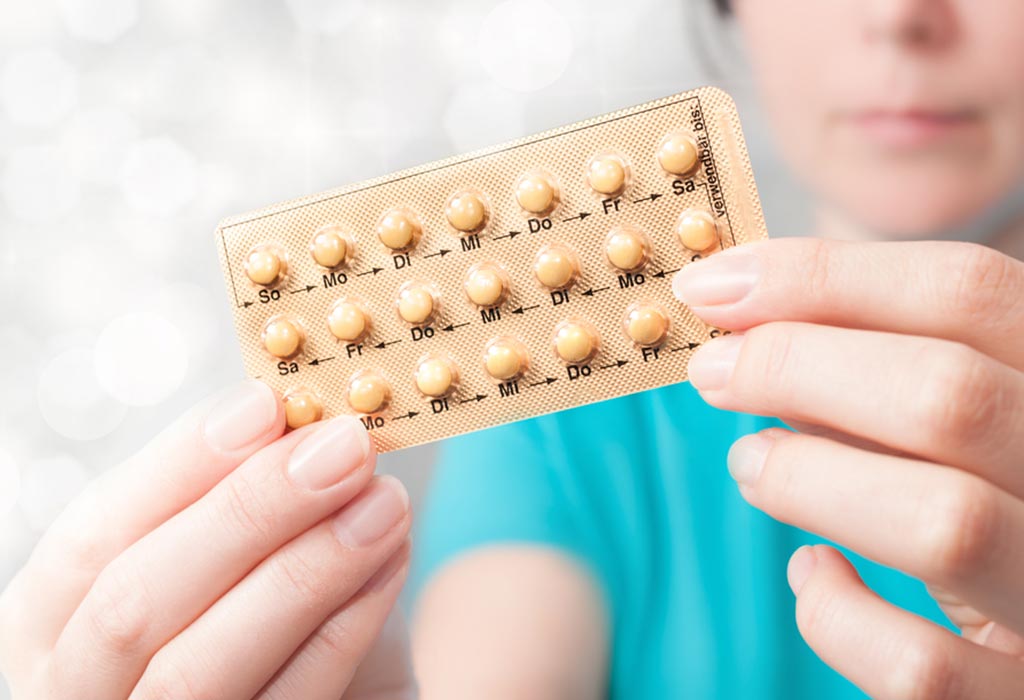
Can You Become Pregnant While on Birth Control Pill?
Yes, you can become pregnant while taking birth control pills, but the risk is low when they are used correctly. According to the U.S. Centers for Disease Control and Prevention (CDC), birth control pills are about 93% effective with typical use, meaning around 7 out of 100 users may become pregnant within a year due to missed pills or other factors affecting effectiveness (1). If you’re worried about being pregnant while on the pill, you’re not alone. In this article, we’ll explain how birth control pills work, why pregnancy can still occur, the factors that increase the risk, and the signs that may indicate pregnancy.
Can You Get Pregnant on Birth Control?
Will you get pregnant on birth control if you take it perfectly? The chances are very low, but no birth control method is 100% effective. If taken exactly the way the doctor prescribed, it is very effective in preventing pregnancy (2). How you take the pill depends on what kind of pill it is.
There are 2 types of birth control pills, the combined pill and the progesterone-only pill. The combined contraceptive pill is taken for 21 days and then stopped for 7 days. In these 7 days, you will have your menstrual period. Combined pills should be taken in the right order at around the same time each day. If you forget to take one, you have a 24-hour window to make it up and still be protected against pregnancy. The effectiveness decreases only if you miss 2 or more pills (3).
The progesterone-only pill should be taken in the order specified on the pack. They have to be taken without fail within 3 hours of the same time each day. If you miss it, you will not be protected from pregnancy (4).
What Affects the Effectiveness of Birth Control?
Following are the reasons that can reduce the effectiveness of birth control pills:
1. Not Taking It at the Same Time Every Day
Birth control pills contain a low dose of the hormones oestrogen and progestin that work together to prevent pregnancy. For this to be effective, the pills have to be taken at the same time every day. Missing a dose can render the pill ineffective (5).
2. Medication
Certain medications affect the ability of the body to absorb the birth control pill. These include antibiotics, neurological medication, herbal supplements, and antidepressants (6).
3. Vomiting and Diarrhoea
If you vomit within 2 hours of taking a birth control pill, it should be treated as a missed pill, and you have to take another one. If not, you could get pregnant. It is the same if you have diarrhoea or loose stools for 24 hours. The pill is not absorbed, and birth control becomes ineffective.
4. Exposing Them to Heat and Sunlight
If you leave your birth control pills exposed to heat and direct sunlight, the pills start to degrade and become ineffective. Store them away from direct sunlight in temperatures less than 25 degrees Celsius (7).
5. Missing a Dose
Missing a dose of the pill reduces its ability to prevent pregnancies. If you forget to take more than two pills, you should use a backup method of birth control such as spermicide or condoms and ask your doctor for advice.
6. Alcohol
Alcohol is metabolised by the liver. Anything that affects the liver can alter the way the pill is absorbed by the body. The more alcohol you consume, the less effective the birth control pill will be (8).
Tips to Prevent Birth Control Failure
Here are some tips to prevent birth control failure:
Take the pills at the same time every day without fail. Combine this activity with something that you do every day at the same time, such as brushing your teeth or having breakfast. That way, you will not forget to take it at the same time each day.
Use backup methods of birth control. If you miss one pill, take it as soon as you remember, but also use a backup contraceptive like spermicide to be safe. If you miss 2 or more pills, talk to your doctor for advice about missed doses, and use backup contraception for at least a week.
If you just started taking birth control pills, many doctors recommend using backup contraception for a week to a month after starting the pills.
Take the placebo pills. Birth control pill packs contain 3 weeks of active pills and 1 week of placebos, or inactive pills. If you do not take the placebo pills, you may forget and get late in starting the next pack. This can make the pills less effective (6).
Do not mix medications. Do not mix over-the-counter and prescription medications while taking the pills. Always ask the doctor if you need a backup contraception if you have been prescribed any other medication. Do not use herbal supplements while taking pills. All this can make pills ineffective in preventing pregnancy.
Signs You Might Be Pregnant While on Birth Control
Sometimes, things may go wrong, and you may get pregnant while on the birth control pills. If you suspect that you are pregnant, take a home pregnancy test and confirm it with a blood test to make sure. Look out for these pregnancy symptoms while on birth control (9):
1. Tender Breasts
Tender or swollen breasts are an early symptom of pregnancy which is due to hormonal changes.
2. Morning Sickness
Morning sickness is a symptom of pregnancy characterised by nausea, vomiting, and fatigue.
3. Aversion to Specific Foods
If you have any sudden food cravings or feel an aversion to specific foods unexpectedly, it may be a sign that you are pregnant.
4. Missed Period
A late or missed period is the first indicator of pregnancy for most women. However, some women do not have periods while on birth control. So, this is not a good indicator of pregnancy for them.
What to Do If You Are Pregnant While Taking Birth Control?
Getting pregnant on birth control pills can be highly unexpected. If you discover that you are pregnant while on birth control pills, you should consult a doctor right away. You should stop taking the birth control pills immediately. If you decide to keep the pregnancy, you have to start eating healthy and taking folate supplements and prenatal vitamins right away (10).
If you decide to terminate the unplanned pregnancy, it is important to act as soon as possible because the laws in your city may prevent medical termination of pregnancy after a certain point depending on where you live.
Can Birth Control Be Harmful for Your Baby?
You can get pregnant on birth control pills. Research has shown links between birth control during early pregnancy and abnormal urinary tract, premature delivery, and low birth weight. However, these have not been proven beyond doubt. It is still very important to stop taking birth control pills immediately after you realise that you are pregnant (11).
FAQs
1. What’s the chance of getting pregnant with birth control?
With typical use, the pill is about 93% effective, which means approximately 7 out of 100 users may become pregnant within a year. The risk is generally higher when pills are missed, taken inconsistently, or affected by certain medications and health conditions. When taken exactly as directed every day, the pill becomes much more effective, reducing the likelihood of pregnancy to less than 1% per year.
2. How soon can I get pregnant after stopping birth control pills?
Fertility can return quickly after discontinuing birth control pills. Some people may become pregnant within weeks, while others may take a few months for their menstrual cycles to regulate.
3. Can I get pregnant if I take my birth control pill at different times each day?
Taking combination pills a few hours late occasionally is usually not a major concern. However, taking pills inconsistently can reduce effectiveness, especially with progestin-only pills, which require stricter timing.
Birth control pills are a highly effective way of preventing unplanned pregnancies if taken correctly. These pills also help in treating other conditions like painful menstrual cramps and acne. If not taken correctly, the pills become ineffective. Being well informed about all the reasons that can make the pills ineffective can help you avoid birth control failure.
Also Read:
How to Prevent Pregnancy
Can Birth Control make you Infertile
How Soon you Get Pregnant after Stopping the Pill
Is it Safe to Take Birth Control Pills during Pregnancy
Read more

Salt Pregnancy Test – How Accurate It Is?
Pregnancy test using salt is a popular home remedy that many people come across on social media or through family traditions. But whether it is safe is a queston. The pregnancy salt test claims to detect pregnancy by mixing urine with salt and observing changes in the mixture. Although it may seem like a quick and inexpensive alternative to a home pregnancy test, there is no scientific evidence that proves this method can accurately detect pregnancy. The commercially available pregnancy tests detect the hormone human chorionic gonadotropin (hCG), but what does the salt test detect? You can find out everything about pregnancy test using salt in this article. If you suspect you are pregnant, using an approved home pregnancy test or getting a laboratory blood test remains the most reliable way to confirm pregnancy.
What Is Pregnancy Test Using Salt?
Home pregnancy tests are non-medical methods of testing for pregnancy and were formulated when pregnancy testing kits are not available. As mentioned earlier, people use pregnancy tests with salt, sugar, bleach and many other ingredients to check for conception. All tests work on one principle – they detect the level of hCG hormone in urine. The salt pregnancy test involves a homemade approach using just two ingredients: salt and urine, mixed in a transparent and sanitized container. Advocates of this method suggest that if pregnancy is present, the salt may interact with human chorionic gonadotropin (hCG), a hormone that becomes detectable in both blood and urine following embryo implantation in the uterus. Notably, this hormone is also targeted by commercial home pregnancy tests available in stores.
Let’s look at DIY pregnancy tests with salt in this article. How does salt help detect the hCG hormone in urine? Read on.
When Should You Do the Test?
If you are opting to try the salt and pee pregnancy test, you also need to also when it would be most effective. To get the most accurate results with this home pregnancy test with salt, you need to try it on the fifth day of ovulation. Since you will already be tracking your ovulation dates, this should not be a problem to figure out. However, before you try this method out, let’s look at exactly what the process is and how do you go about testing for pregnancy using salt.
How Accurate Is Pregnancy Test by Salt?
The pregnancy test using salt is not scientifically reliable or accurate. This DIY method, which involves mixing urine with salt to observe any reactions, lacks scientific validation and has no standardized procedure. There’s no evidence to support that the interaction between salt and the pregnancy hormone hCG can accurately indicate pregnancy. For reliable results, the Office on Women’s Health suggests using commercially available pregnancy tests that are specifically designed to detect hCG or consult with a healthcare provider for confirmation and guidance (1).
How to Check Pregnancy at Home with Salt?
Before we read about homemade pregnancy tests, we were surprised to know what reactions urine and common household supplies may cause! We know you are too. And while it’s tough to believe the authenticity behind a pregnancy test using salt, it could be a fun try!
So, how to check pregnancy at home with salt? The procedure for doing this homemade test is simple.
Materials Needed – Gather some table salt, a transparent container (preferably glass), and an alarm to ensure the use of the first morning urine, which contains the highest concentration of the pregnancy hormone hCG (if present).
Collecting the Sample – Upon waking, use the alarm as a reminder to collect the first urine of the day. This sample is believed to have the highest concentration of hCG.
Adding Salt – To the collected urine in the transparent container, add roughly three-quarters of a teaspoon of table salt.
Observation Period – Wait for about one to two minutes to observe any reactions within the mixture.
Interpreting Results – A milk-like curdling appearance or the presence of white, crumb-like particles in the mixture is interpreted by proponents of this method as a positive sign of pregnancy. You can follow up with another test to be sure!
In case you are still unsure about the procedure and what a positive result looks like, here’s a video with examples of both positive and negative test results using this salt pregnancy test!
Try this test with the first urine of the day, as chances of pregnancy detection are more accurate then.
The urine curdles and foams if you are pregnant and remains unchanged if you are not.
The high HCG levels in the urine of a pregnant woman react with the salt, forming the foam.
How to Read the Results of Pregnancy Test Using Salt?
Reading the results of a pregnancy test using salt involves observing the reaction between the salt and the urine after mixing them. Here’s an explanation of how the results are typically interpreted, bearing in mind the scientific accuracy of such a method is highly questionable:
Pregnancy Tests
Positive Results (Claimed by Home Test Believers)
Negative Results (Claimed by Home Test Believers)
Observation of Reaction
The mixture appears milky or cloudy after a few minutes.
The urine remains clear with little or no visible change without curdling or foaming.
Interpretation Nuances
Some people report a creamy, cheese-like texture forming on the surface.
Salt dissolves normally without forming clumps.
Interpretation Nuances
Small white clumps or curd-like particles are believed to indicate pregnancy.
No noticeable thickening or precipitation is seen.
Interpretation Nuances
A thick layer is sometimes claimed to develop at the top of the mixture.
The mixture looks similar to plain urine mixed with salt.
Claims
Different online sources describe different “positive” appearances, which shows that there is no standard interpretation.
Results vary with every individual’s claim because there is no scientific procedure or validated reading method.
Important Notice
None of these observations have been scientifically validated and should not be used to diagnose pregnancy
A negative-looking result does not rule out pregnancy. Only an hCG-based urine or blood test can accurately confirm or exclude pregnancy.
It’s suggested to perform this test with the first urine of the morning. The rationale is that the first urine is more concentrated and, if pregnant, would contain higher levels of the hCG hormone, which is believed to increase the test’s chance of detecting pregnancy.
Despite these instructions, it’s crucial to remember that the presence of hCG is what over-the-counter pregnancy tests are designed to detect (2), but they do so with specific chemical markers and controlled reactions that have been scientifically validated. The idea that hCG would cause salt to curdle or foam lacks a scientific foundation, and the salt pregnancy test results could be influenced by many factors, including the concentration of the urine and the type of salt used.
Expectations From a Salt Pregnancy Test
With the salt pregnancy test, you can expect to get early results of pregnancy by a cheap and effective method.
However, most couples feel like store-bought kits may provide a more accurate answer. The truth is much like these homemade pregnancy tests, the store-bought ones too do not give you a guarantee of accuracy. These tests must be done at your and your partner’s own discretion. Know that these can only satiate your curiosity and give you some hope as you wait to conceive. Eventually, an appointment with your doctor and an ultrasound will give you the most accurate result, you’ll just have to wait a little longer.
Alternative Options to Check Your Pregnancy at Home
Home-based pregnancy testing can be an early step in discovering if you might be pregnant. While over-the-counter pregnancy tests are the most common method, there are several alternative ways to check for pregnancy at home, each with varying degrees of reliability. Remember, for a definitive confirmation, consult a healthcare provider.
1. Commercial Over-the-Counter Pregnancy Tests
The most reliable alternative for home pregnancy testing involves using commercial over-the-counter pregnancy tests. These tests are designed to detect the presence of the human chorionic gonadotropin (hCG) hormone in your urine, which is produced after a fertilized egg attaches to the lining of your uterus. Over-the-counter tests are highly accurate when used correctly and after the missed period (3). They come with instructions, and results are usually easy to read, often showing lines, plus or minus signs, or digital readings to indicate if you’re pregnant or not (4).
2. Pregnancy Test Apps With Smart Technology
Some newer technologies involve apps that claim to work with traditional urine tests to help interpret the results more accurately using your smartphone camera. These apps can reduce the uncertainty of reading a traditional pregnancy test by providing clearer digital results. Users take a picture of their test strip, and the app analyzes the results. However, the accuracy of these apps largely depends on the quality of the traditional test used and the correctness of the test-taking process. While these apps can offer a modern convenience, the reliability of the results should be considered as variable as the tests they interpret.
3. Monitoring Basal Body Temperature (BBT)
Another method involves tracking your basal body temperature (BBT) over time to detect early signs of pregnancy. Your BBT is your lowest body temperature in a 24-hour period. After ovulation, if you’re pregnant, there will typically be a slight increase in your basal body temperature, sustained for more than two weeks. You’ll need a basal thermometer to accurately measure these small changes. This method requires daily measurements over time to establish a baseline and identify the slight increase in BBT that can suggest pregnancy. While tracking BBT can indicate potential pregnancy, it’s not definitive and can be influenced by many factors, such as illness, sleep patterns, and alcohol consumption.
When to Consult the Doctor?
If you think you might be pregnant, it’s advisable to seek medical advice. Early signs of pregnancy, like abdominal discomfort, exhaustion, changes in appetite, nausea, increased need to urinate, and a darkening of the areolas, can indicate potential pregnancy. Furthermore, if you’ve skipped your menstrual cycle for two straight months and still receive a negative result from an at-home pregnancy test, it’s important to consult with a healthcare provider.
FAQs
1. Is there a specific type of salt that should be used for a salt pregnancy test?
No specific type of salt is recommended for a salt pregnancy test because the method itself lacks scientific validation. Table salt is commonly used in anecdotal descriptions of the test, but there is no evidence to suggest that different types of salt would affect the outcome differently.
2. Can the salt pregnancy test detect early pregnancy?
The salt pregnancy test is not a reliable method for detecting early pregnancy or any pregnancy stage due to its lack of scientific basis. Over-the-counter pregnancy tests and medical consultations are the most reliable ways to determine early pregnancy.
3. How long should I wait for a salt pregnancy test?
If you are performing a salt and urine pregnancy test, you should wait about 3 to 10 minutes for the mixture to react. Do remember that there is no scientific evidence that salt reacts with the pregnancy hormone hCG.
4. How often should you repeat the salt pregnancy test for accurate results?
Given the salt home pregnancy test’s unreliability and lack of scientific backing, repeating the test is not likely to provide accurate results. For those seeking confirmation of pregnancy, using a clinically validated home pregnancy test or visiting a healthcare provider is recommended.
In the meantime, enjoy spending time together and enjoy each moment of baby making, after all these intimate moments may be harder to find when you have a little bundle of cuteness crying his eyes out all night!
Have a happy baby-making phase and a happier pregnancy!
Also Read:
Taking a Pregnancy Test at Night
Baking Soda Test for Pregnancy
Urine Pregnancy Test – At Home and Clinic
Digital Pregnancy Test – How Does It Works?
Read more

Exercise to Get Pregnant (Conceive) Fast
When the decision for starting a family starts becoming a reality, many women think about hitting the gym or going through an intense regimen. This is primarily aimed to get their weight under control since pregnancy is going to shift them up on the scale by more than a few kilos. The awareness of having a healthy body to give birth to a healthy child is good learning, but that is usually held up to a pedestal without realising its effects on the conception itself. Exercising is necessary, but so is knowing how far you should push yourself for it.
Is Exercise Good When Trying to Get Pregnant?
Women often wonder if it is safe to exercise while planning for a baby or is it best to take a break from it. The answer doesn’t sway on either side, but exercising does help you with your pregnancy for sure. The body will be going through numerous physical changes, and being in shape can help make the transition more comfortable for you. At the same time, it is necessary to keep your body rested and free from stressing it needlessly, in the pursuit of perfection.
What Are the Advantages of Exercising While Trying to Conceive?
Exercising keeps your body fit and regulates numerous internal bodily processes as well. But in the realm of pregnancy and the ability to conceive, exercise helps your body in a few significant ways.
1. Sleep Cycles
On the surface, sleeping might have nothing to do with the fertility of a person or the ability to conceive a child. But deep down, sleep has a deeper connection with the very functioning of the body. This is the time when all the maintenance activities of the body are at full speed and that period is necessary for appropriate hormonal regulation and body development. Exercising helps set the circadian rhythms back to normalcy and allows for better sleep.
2. Weight Regulation
Weight plays a crucial role in the success of conceiving a child. There are established connections of hormonal problems, miscarriage, and infertility with the tendency to be overweight. Not only does exercising help in resolving these conditions by keeping your weight in check, but it also streamlines numerous other bodily processes, which prepare the body to take care of the baby.
3. Stress Reduction
The connection of mental health with the state of the physical body has been documented for the longest time. That connection also makes itself evident when you are trying to conceive. Anxiety and depression, combined with unhealthy activities such as drinking alcohol or smoking can reduce your fertility considerably. Exercising releases the feel-good hormones in the body, reducing your stress levels, consequently keeping all these activities at bay.
Body Weight and Exercise
At times, the links of weight with the chances of getting pregnant might seem exaggerated. But that honestly isn’t so. There have been various studies that have shown a marked improvement in the possibility of conceiving a child with just a 5% reduction in the weight of a woman. The same affects men as well, regarding their sperm health.
If your weight is below the ideal, the ability to conceive a child successfully takes a hit, making it twice as difficult to do so. The presence of healthy body fat in the body is a necessity, without which the menstrual cycles can start getting disturbed, which consequently affects the frequency of ovulation, ultimately making the production of eggs a complication altogether.
On the flip side, being higher than the ideal weight possess a massive barrage of problems for the woman herself, right from hypertension to a propensity for diabetes and so on. All of these affect the chances of conception as well since the various bodily process might interfere with the regular fertilisation cycle.
Which Are the Best Exercises for Women Trying to Get Pregnant?
When wondering about an exercise to get pregnant fast, there is generally no way set in stone to achieve that. A few exercises are usually termed the best ones since they help you achieve your goal healthily, as well as prevent you from over stressing your body.
1. Lifting Weights
You don’t have to go to the heavy barbell ones to compete at the Olympics. It is very easy to go overboard with these and affect your periods, leading to even more problems. Go for simple weight lifting exercises that focus on your upper abdomen and legs, since this will make those areas stronger, giving the muscles the strength they would need to support your pregnant body.
2. Pilates
Quite a fancy exercise word used these days; pilates essentially does two functions well. Firstly, it helps in increasing the flexibility of your muscles, which helps in maintaining their strength even after your body grows in size. Secondly, the focus stays on the core of your body by working on your mind as well, allowing you to establish a good posture by a balance of mental health and physical fitness.
3. Yoga
There is a reason yoga is quintessentially popular amongst everyone. Various yoga exercises have been deemed to be useful not just before pregnancy, but during pregnancy, as well as after your delivery. All the asanas that fall under yoga work towards establishing a healthy connection of your mind with your body.
4. Swimming
The safest exercise to be undertaken during pregnancy has its benefits before it as well. Swimming a couple of laps in the pool works its wonder on the core of your body, without any stress of disproportionate impact elsewhere. This flexibility and muscular strength go a long way in staying fit even while pregnant.
5. Cycling
Why remain restricted to a single location when you can pretty much move around your city on your cycle and get the benefits of exercise as well? Get your friends together and try to go on cycle rides daily, if not regularly. The muscles get the workout they need, and you can get the fun of cycling all over again.
6. Running
Running is one essential quick-fix exercise that can kick off your fitness regimen in the appropriate manner. The only time when you should avoid running is if your menstrual cycle is irregular and you are tired. Otherwise, running a short distance on a daily basis can boost the circulation of blood within the body, benefiting various muscles in parallel, too.
7. Walking
The safest of them all. The only thing you need is a good pair of shoes. Walking is rarely harmful since everybody has a good idea of what their walking limit is. Stick to it and walk as much as you can daily. Choose appropriate times for it, and you will be benefitting mentally as well as physically from it.
How to Exercise Through the Cycle to Maximise Pregnancy Chances?
Your exercise programme needs a few tweaks and adjustments based on your phase of conception. Adhering to it can prevent you from ruining your chances of conceiving a baby while keeping your fitness on track.
1. Menstruation
When you are on your periods, it is best to stick to simple exercises and avoiding the cardio ones. Yoga is your best bet in this regard.
2. Pre-Ovulation
This stage requires the right stimulation for the body. Spending about half an hour every day on exercises that get your blood flowing is a good choice.
3. Ovulation
Increased blood circulation is necessary at this stage but so is safety from hard impacts. Opt for swimming or brisk walking that can get your heart rate up without any risks.
4. Implantation
Avoid any high impact exercises at this stage. Stick to swimming or yoga and keep a check on whether implantation has been successful. If not, you can resume your regular programme.
Can You Exercise While Undergoing IVF?
Wondering whether you can exercise while trying to conceive naturally is one thing, but a similar question might arise when opting for IVF as well. Regular exercise is usually fine until you start approaching the phase when the stimulation hormones have been completely administered, and egg production is at its highest. Rigorous training could cause discomfort or even ovarian torsion. Once the transfer of eggs or embryos is complete, you should avoid very high-intensity exercises.
Are There Any Exercises You Should Avoid While Trying to Conceive?
Along with conception friendly exercise options, it is necessary to remember that certain exercises ought to be avoided, too. Any intense weightlifting, kickboxing, or any other forms that can be intensely aerobic or expose your body to a multitude of impacts should be avoided at all costs.
Essential Tips to Follow While Doing Exercise for Conception
Adhering to a few tips when you choose to create an exercise programme can help you stick to your goal and keep safe as well.
It is best to have your regimen created by a professional and approved by your doctor.
Choose to exercise with a partner if you can to stay motivated.
Cardio exercises are a better choice to boost your blood circulation.
Don’t diet in parallel with an exercise programme.
Stick to moderate intensity while exercising.
Focus on your core muscles and get them strong.
Adopt regularity without letting laziness get in the way.
Begin your exercise programme as soon as you can.
The right diet and exercise to get pregnant are essential to be healthy as well as safe. It is best to avoid unrealistic goals and high-intensity exercise programmes when you are attempting to conceive a child. A general fitness usually does the trick pretty well.
Also Read: Common Signs & Symptoms of Ovulation
Read more

How to Prepare Your Body for Pregnancy?
If you’ve decided to get pregnant, chances are that you would want your body to be well prepared to nurture a new human being. Preconception planning is common among many women who want to increase their chances of a healthy pregnancy.
Also, the healthy lifestyle changes that you make during pregnancy may last even after pregnancy and become a part of your life.
12 Tips for Preparing Your Body for Pregnancy
Here are a few tips that you can keep in mind in the process of getting your body ready for pregnancy.
1. See Your Doctor
The first thing you will need to do is get an appointment with a doctor for both you and your partner. The doctor can analyse your family’s’ medical history and rule out the possibility of complications. In case there are complications, you will be provided with remedies. The doctor will also check if you are immunized against major diseases. You will need to be vaccinated against chickenpox and rubella, and you will have to take these shots three months before you try to conceive.
Your doctor can also screen you for sexually transmitted diseases and suggest that you follow the necessary precautions and treatments to improve your chances of a healthy pregnancy.
On the other hand, if you have any underlying medical conditions that require you to take regular medication, like epilepsy, diabetes, high blood pressure or asthma, you will need to visit a doctor to make any necessary changes to your course of treatment before trying to conceive.
2. Stop Birth Control
You will need to discontinue the use of any form of birth control that you have been using. If you have an IUD, you can have it removed by a gynaecologist. While some women tend to get pregnant within the next two weeks after stopping birth control, others may take longer.
3. Fix Your Diet
Cut out the unhealthy food items from your diet, prepare your body for a pregnancy with healthier and organic food choices, and drink plenty of water. Switching those carbs and junk with healthy snacks like nuts and fruits can do you good and lower your exposure to toxins. Also, avoid eating raw eggs or undercooked meat to rule out the risk of salmonella. It is especially important to get to a healthy diet if you have a BMI over 30 and are obese. Being underweight can also be a problem as it can affect your menstrual cycle and can cause you to have missed periods. This essentially means that you will not be ovulating every cycle. It is best to get to a healthy BMI range of 19 to 25 in case you are trying for a healthy pregnancy.
4. Include Exercise
You will need to incorporate moderate work out sessions of about 30 minutes for at least four to five days every week. If you are starting from scratch, a 20-minute walk should help you get moving before you try more vigorous workouts. If you exercise regularly, you can try and squeeze in about 45 minutes of exercise five or six days a week.
5. Stack up on Multivitamins
Most doctors advise women to take multivitamins to make up for the lack of certain vitamins in their body. These prenatal vitamins can help bridge any nutritional deficiency that you may have right before getting pregnant. You will need to boost your intake of iron and calcium-rich foods items as well.
6. Folic Acid
You may need to add folic acid on top of your vitamin supplements. Folic acid helps prevent the possibility of neural tube defects during pregnancy. Although it is available over the counter, you can check with your doctor about these supplements. 400 to 800 micrograms of folic acid is recommended on a daily basis during preconception. Once you are pregnant, your doctor may change the dosage accordingly.
7. Lay off Smoking, Alcohol, and Drugs
All three activities are undoubtedly detrimental to both you and your baby. Smoking can expose you both to a lot of toxins and reduce your blood flow. It also affects fertility and may cause preterm delivery, miscarriage or even stillbirth. Alcohol can have long-term problems and developmental issues in the baby, and can also put your baby at the risk of foetal alcohol syndrome. Using drugs is illegal and can lead to miscarriage, stillbirth, etc. Drugs like heroin and cocaine can even lead to drug-dependent babies. It is wise to ask your partner also to quit smoking in case he does, as smoking is also related to low sperm count. Exposure to smoke is also not ideal, especially during pregnancy. It is also best if you limit your intake of caffeine every day as pregnant women are recommended only 300 ml of caffeine each day.
8. Try Stress Relief Measures
Trying to conceive can be quite stressful. But managing your stress is vital as stress can shoot up your cortisol levels, preventing ovulation and lowering your sex drive. You can try out various stress relief measures like yoga, meditation, music, reading, etc.
9. Get Plenty of Sleep
A good night’s rest every day can put your body on track to work the way it is supposed to. Lack of sleep can cause stress, lower your sex drive and make your more tired.
10. Get a Dental Check-up
Gum disease is linked to preterm labour and low birth weight in babies. Ensure that you schedule a visit to your dentist and have the issue resolved before you get pregnant.
11. Get All the Information
Understand how conception works. Talk to your doctor and get all the information you need before you begin conceiving. It is also important that you read as much as possible to know what you have in store for the following months. Also, track your cycle. Knowing when you are ovulating can increase your chances of pregnancy significantly. You can use ovulation kits for this purpose.
12. Involve Your Partner
Conceiving and preparing to conceive is as much his responsibility as it is yours. You can ask him to start taking folic acid too as it helps with the sperm count. He should also make an effort to stay fit and healthy and give up on smoking, alcohol, or other drugs. It is important for both of your to have a healthy lifestyle to facilitate a healthy pregnancy.
It is also recommended that he visit a doctor and get checked too, as about 30 percent of the infertility cases are the result of male infertility.
As you get ready to welcome a new human being into your home , it is important that you prepare yourself mentally for the task too. You will need to care for and nurture the baby and provide it the best possible atmosphere to grow up in. Making a few fundamental lifestyle changes can contribute very well towards that task.
Also, remember that conceiving may be easy for some and equally difficult for others. Do not lose hope if you don’t conceive immediately. You will need to give it time and have patience, and most importantly, enjoy the process. In case you face serious problems, do check with your doctor about the possible reasons and ways in which you can rectify them.
Also Read: Pregnancy Planning: Things To Do Before Getting Pregnant
Read more
Can You Get Pregnant With Hypothyroidism?
Getting pregnant is not easy, not at least for all women out there. There are many problems that a woman may face while trying to conceive. One of the most common problems that can make it harder for a woman to conceive is hypothyroidism. Hypothyroidism, or an underactive thyroid, especially when not diagnosed or treated, can make it difficult for a woman to get pregnant. One in ten women have some form of thyroid problem before or during pregnancy, but most of the time it goes undetected. This often raises the question of whether can you get pregnant with hypothyroidism and how it affects fertility. Read on to learn everything about hypothyroidism and its link with infertility in women.
What Is Hypothyroidism?
Firstly, let us understand what exactly the condition is. We all have a thyroid gland located under our voice box, near the neck. This gland produces the thyroid hormone which regulates metabolism in the body (1).
Sometimes, the thyroid gland does not function correctly and as a result, this hormone is produced in low amounts. Such a condition is known as hypothyroidism. Alternatively, hyperthyroidism can occur when the thyroid gland produces thyroid hormones in excess (2). It is safe to say that the thyroid gland is vital for major functions in your body to carry on seamlessly.
Causes of Hypothyroidism
The main cause of hypothyroidism is the improper functioning of the thyroid gland. However, few other causes may also be at play:
Iodine is an essential mineral that keeps the thyroid gland in check to produce the right quantity of thyroid hormones (3). When there is too little iodine in the body, hypothyroidism can occur. Vice versa, too much iodine can also cause the same.
If the thyroid gland gets infected or inflamed (thyroiditis), it can leak its hormones into the bloodstream. This causes hyperthyroidism, which can turn into hypothyroidism after a few months (4).
When you are too stressed, your adrenal glands get activated and produce a hormone called cortisol in excess (5). Cortisol interferes with the normal production of the thyroid hormone and may be a cause of hypothyroidism.
Exposure to heavy metals like mercury can also trigger hypothyroidism.
Hashimoto’s disease, an autoimmune disease that inflames the thyroid gland and affects thyroid hormone production (6). It is one of the most common causes of hypothyroidism.
Surgical removal of the thyroid gland during treatment of diseases like goitre, thyroid cancer etc., can affect the functioning of the thyroid gland and cause hypothyroidism.
How Does It Affect Conception and Pregnancy?
If a woman has an abnormally low (or high) level of thyroid hormone in her body, it can cause fluctuations in her menstrual cycle. This can also affect her ability to ovulate which may make it difficult to get pregnant or in worse cases, may result in infertility. On the other hand, if you are considering pregnancy with hypothyroidism, do remember that miscarriage is a risk. It could also lead to congenital disabilities in the child (7). We know it sounds daunting, but don’t worry, there are many ways to treat the condition and have a baby as normally as possible.
When Do I Go for a Thyroid Function Test?
If you are thinking of having a baby, first, you will have to schedule a thyroid function test. Your doctor will advise you to undergo a few tests before you start trying to get pregnant. Here are the two times when you can consider going for a thyroid function test.
1. Thyroid Profile Test Before Trying to Conceive
You should go to your doctor, if:
Your family has a history of thyroid disorders.
You’ve been trying to get pregnant for six months, but still, are unsuccessful.
You experience symptoms like joint pain, muscle pain, hair loss, constipation, fatigue and lethargy, decreased libido, reduced heart rate and development of a goitre.
You are intolerant to cold.
Your menstrual cycles are irregular, and you experience severe period pain.
You have already had more than two miscarriages.
You gain weight rapidly and find it hard to shed the extra kilos even after exercising and following a healthy diet.
The doctor will take your blood test to determine the levels of two thyroid hormones – thyroid-stimulating hormone (TSH) and thyroxine (T4) in your body. If your T4 levels are low and TSH levels are high, then you might have hypothyroidism (8). If the vice versa occurs, then that might mean irregular or no ovulation.
2. Thyroid Profile Test After Conceiving
You should take the thyroid function test during the initial stages of your pregnancy, if:
If you have any of the above symptoms.
Your family has a history of thyroid disease.
You have an autoimmune disease like type 1 diabetes or lupus.
If you have had radiation to any part of your neck.
If you are above 30 years of age (as the chance to get hypothyroidism increases with age).
How Can Hypothyroidism Affect the Mother and the Baby?
If you have hypothyroidism during pregnancy and you fail to get it treated, then complications like preeclampsia (rapid rise in blood pressure in later stages of pregnancy), miscarriage, premature birth, heart failure, anaemia, and post-birth depression can occur (9).
Likewise, your baby could be born with birth defects. He may have problems like low birth weight, thyroid conditions, mental retardation, etc. Chances of premature birth and stillbirth will also be high (10).
Measures to Take Before Conception
If you have hypothyroidism and you want to get pregnant soon, it is imperative that you seek medical help immediately. You should get the condition treated or in control before you conceive. The reason being that your unborn baby’s thyroid gland will start to function only after the first 12 weeks of pregnancy. Till then, the baby will depend on you for thyroid hormone. So it is essential to have your thyroid functioning properly and thyroid hormone levels stable before attempting to conceive.
The most common treatment for hypothyroidism is given in the form of a pill which your doctor will prescribe. The tablet contains synthetic thyroxine (identical to T4 produced by the thyroid gland) and is meant to substitute its deficiency in your body (11). Your doctor will advise you how often to take it and check your thyroid hormone levels every four weeks during the first three months, gradually adjusting the dosage till your thyroid function is back to normal again.
The treatment is safe, however, it may have minimal side effects. But you can try to get pregnant as soon as you are free of the condition. However, if your thyroid hormone levels remain low, plan a visit to a specialist.
What Is Subclinical Hypothyroidism?
This is a mild form of hypothyroidism which may go unnoticed due to its apparent lack of symptoms. A TSH test can detect it, but in case it is found during pregnancy, undergoing hypothyroidism treatment is still the best option (12).
Measures to Take During Pregnancy
If you get pregnant while you are still being treated for hypothyroidism, go to your doctor immediately. He will suggest the following measures (11):
Increasing the dosage of the pill (synthetic thyroxine) as you will be already under the treatment.
Checking the thyroid function every six to eight weeks during pregnancy.
Monitoring the levels of the thyroid-stimulating hormone (TSH) to maintain steady hormone levels in the blood. Your doctor may also adjust medication according to these levels during each check.
Here’s what you can do on your part:
Don’t be alarmed if your doctor increases medication up to 50% in the dosage of the pill. During pregnancy, your body needs double the amount of thyroid hormone as you are providing it to your unborn baby as well.
Never switch suddenly from generic medicine to a brand or vice versa during your pregnancy. Stick to what you had been taking before getting pregnant and continue with it until your doctor says otherwise.
Make sure to take the exact dose prescribed by your doctor—not more, not less. Each little action you take may have a huge consequence on your baby, so be very careful.
Lastly, don’t worry. The medication is entirely safe, and it won’t harm you or your baby.
FAQs
1. Is it possible to get pregnant with hypothyroidism?
Yes, many women with hypothyroidism can get pregnant. However, it may be harder if the condition is not treated. Proper medication and hormone balance can improve fertility.
2. Can hypothyroidism cause miscarriage?
Uncontrolled hypothyroidism can increase the risk of miscarriage. Proper treatment lowers this risk significantly.
3. How long does it take to get pregnant after treating hypothyroidism?
It varies for each woman. Many women notice improved fertility within a few months after thyroid levels are controlled.
Hypothyroidism is a condition that can develop in a woman any time. If you are trying to get pregnant and have hypothyroidism, it is best to get the condition treated or controlled. Talk to your doctor and follow her instructions, and you will be fine! Do what your doctor suggests you and you will deliver a healthy and happy baby!
Also Read:
Thyroid Disease in Pregnancy
TSH Levels during Pregnancy
Thyroid and Risk of Miscarriage
Read more

Pregnancy After Vasectomy – Possibility and Options
A vasectomy is one of the most effective ways to prevent pregnancy; it is basically a permanent birth control solution for men. It is reported that after the male partner has a vasectomy, a couple has a less than 1% chance of getting pregnant, but are there any loopholes at all through which the couple can conceive a child? Like any other contraceptive, no birth control method, including vasectomy. So, is there any chance of getting pregnant after a vasectomy? Let’s find out everything about vasectomy, its effect on pregnancy, the efficacy of the test, and whether vasectomy is reversible.
What Is a Vasectomy?
A vasectomy is a surgical intervention that involves tying off the reproductive tubes of a man. In other words, the vas deferens are tied off and severed, thus hampering the sperm from reaching the egg. This is not a temporary form of birth control but a permanent one (1).
The recovery period in the case of a vasectomy is quite short – most men can resume routine activities in just 2 or 3 days, and physical activity in 3 to 7 days (2).
Can you Get Pregnant After a Vasectomy?
Yes, pregnancy after vasectomy is possible but uncommon. A vasectomy is highly effective, though failures can happen if sperm remain in semen after surgery or if the tubes reconnect naturally over time. Semen analysis after the procedure helps confirm success (3).
Chances of Getting Pregnant After Vasectomy
As discussed above, a vasectomy is a permanent method of birth control and is considered to be one of the best ways to avoid an unwanted pregnancy. However, just as all other birth control methods do not have a 100 per cent success rate, having a vasectomy doesn’t guarantee that a couple cannot become pregnant (4). This means there may be a chance of pregnancy after vasectomy even if the husband has undergone a vasectomy. Here’s the good news, though – the chances of getting pregnant after a vasectomy are extremely low. It is observed that in the first year after surgery, the chances of pregnancy may be 1 in 1000, and this may increase from 2 to 10 in the next five years after the surgery.
How Can a Couple Get Pregnant After a Partner Has Had a Vasectomy?
How to get pregnant after vasectomy? Well, there are no surefire ways to make a man or a woman sterile; it is possible that a woman may get pregnant after her partner has had a vasectomy. Here are a few ways this can happen.
1. Having sexual intercourse before the man’s sperm count is confirmed to be zero
Even if a man has had a vasectomy, the sperm may still be present in the semen for up to 2 to 3 months. If a couple has unprotected sex during this time, they may face the possibility of becoming pregnant. Therefore, in the case where pregnancy needs to be avoided, the doctor may recommend that the man undergo sperm analysis to confirm the sperm count is zero before he can have unprotected sex with his partner.
2. Vasectomy reversal
If a couple wishes to conceive after the male partner has had a vasectomy, he can go for reversal surgery. The surgical procedure is performed under anaesthesia, and the vas deferens is reconnected. The vasectomy reversal surgery may bring back the sperm into the semen (5).
3. Recanalisation (natural reversal)
Sometimes, natural reversal or recanalisation may occur when the sperm are able to escape from the microscopic channels that may be present at the cut end of the vas deferens. These channels may form due to some medical complications, such as sperm granuloma and other such conditions. Usually, the doctor will be able to establish this problem while doing the post-semen analysis after the vasectomy, and it may only be present in less than one per cent of cases. However, in rare cases, which are 1 in 4000, late recanalisation may occur too.
4. Surgical errors
Sometimes, a vasectomy may fail due to surgical errors. In case there is a surgical error, it may increase the couple’s odds of pregnancy after the male partner has had a vasectomy. While this is a very rare phenomenon and may seldom happen, it is also a reason to go for a post-semen analysis to establish the success of the vasectomy. Therefore, it is very important that the surgery is done by an expert in the field.
Is a Vasectomy Reversible?
Vasectomy reversal reconnects sperm pathways and may restore fertility in selected cases.
Vasovasostomy : This procedure reconnects the cut ends of the vas deferens to allow sperm flow again.
Vasoepididymostomy : This surgery connects the vas deferens directly to the epididymis when blockage prevents normal sperm flow.
FAQs
1. Can pregnancy happen after a vasectomy?
Although rare, pregnancy can happen after a vasectomy if the tubes reconnect naturally or the procedure fails. The risk is very low after confirmation testing.
2. How soon after a vasectomy is pregnancy still possible?
Pregnancy can still happen until semen testing confirms there are no sperm present. Doctors usually recommend backup contraception for several weeks after the procedure.
3. Can a vasectomy be reversed successfully?
Yes, vasectomy reversal is possible through microsurgery. Pregnancy success rates depend on age, fertility health, and how long ago the vasectomy was performed.
4. How long does it take to get pregnant after vasectomy reversal?
Some couples conceive within months, while others may take a year or longer, depending on sperm quality and reproductive health.
A vasectomy is one of the most preferred forms of birth control, and it also has a very high success rate. However, as discussed above, no form of birth control is a hundred per cent safe. Therefore, in case you want to know more about your options on birth control, you should get in touch with your doctor. Also, if you and your partner wish to have a baby after the vasectomy surgery, it may be possible too. You should get in touch with your doctor and find out about the various ways to increase your chances of getting pregnant after a vasectomy.
Also Read:
Pregnant after Stillbirth
Pregnancy after C-section
Pregnancy after Miscarriage
Stopping Birth Control & its Effects on Conceiving
Read more
Can You Get Pregnant After Menopause? – Chances and Risks
Can a woman get pregnant after menopause? Hmm..quite a question exploring pregnancy after menopause. If you have wondered this question, you are not alone. Menopause marks the end of a woman’s natural reproductive years and natural pregnancy. It refers to a stage which marks the end of a woman’s menstrual cycle and natural pregnancy. It signals a drastic change in the hormones which are responsible for managing fertility in women. So, does that mean a woman can’t get pregnant after menopause? No, she can with the right medical assistance and guidance. Read on for information about the possibility of post menopause and pregnancy.
What Is Menopause?
Menopause can be explained as the absence of menstrual periods for a year, when a woman’s ovaries stop functioning. The term is used to describe the changes a woman experiences prior to the end of her menstrual cycle. It also marks the end of her capacity to reproduce and conceive a baby. It is a normal condition which every woman experiences at an advanced age.
A woman’s ovaries are a storehouse for a massive amount of eggs. The menstruation and ovulation cycles are controlled by hormones like oestrogen and progesterone, which are produced in the ovaries. When the ovaries are unable to release the eggs, menstruation comes to an end, and menopause begins (1).
Difference Between Menopause and Perimenopause
The primary distinguishing factor between menopause and perimenopause is menstruation. Women in perimenopause are capable of producing oestrogen and have regular periods, while women in menopause haven’t had a period for 12 months or more. Perimenopause is a time period the body needs to prepare for menopause, rather than a physical condition itself, while menopause is a medical diagnosis where menses are absent for a minimum of 12 months (2).
Perimenopause is defined as a transition time when your body produces less oestrogen and progesterone. Your periods become irregular in terms of frequency and length, while your hormone levels will fluctuate, leading to hot flashes and sweating at night. During menopause, however, LH and FSH levels are high, and ovulation stops. A common question asked by women is how long it takes for menopause to end. The answer is obvious- Never. This is when postmenopause starts. Please note that it is possible to get pregnant during perimenopause (3).
Is It Possible to Get Pregnant After Menopause?
A common and natural doubt arising amongst menopausal women is “Can a woman get pregnant after menopause?” Once you have received a confirmation from the doctor that menopause has begun, there is no chance of you becoming pregnant (4). Once you reach the menopause stage, there will be no eggs in your ovaries that can be released, hence there is zero possibility of pregnancy too. You can enjoy your sex life to the fullest at this time, since you and your partner won’t have to worry about a surprise.
Although an unplanned pregnancy is not possible, menopause does not protect one against STDs. Hence, practising safe sex using contraceptives is always advised (5). You are also likely to hear tales about women who got pregnant even during their 60s and 70s, but they are more rumours than the truth. During menopause, a pregnancy test will always yield a negative result and is a fruitless effort.
How Common Is Pregnancy After Menopause?
Pregnancy after menopause is uncommon because the ovaries stop releasing eggs permanently. However, pregnancy can still occur during perimenopause when ovulation happens irregularly. Some women may also conceive after menopause through IVF using donor eggs or frozen embryos. However, there is no guarantee that the IVF will be 100% effective in pregnancy after menopause (6).
Signs of Pregnancy After Menopause
The following are the symptoms of pregnancy after menopause:
Missed periods
Nausea or vomiting
Breast tenderness
Fatigue
Frequent urination
Mood swings
Bloating
It is important to remember that these symptoms can sometimes overlap with menopause symptoms, making pregnancy testing important.
Chances of a Woman Getting Pregnant After Menopause With IVF
IVF post menopause has been carried out quite successfully in women who wanted to get pregnant after menopause. A woman can get pregnant using IVF in two ways despite the non-viability of her eggs. Her own eggs that were frozen earlier can be used, or donor eggs can be used, too. You would have to undergo hormonal therapy so that your body is ready for implantation and to nourish a baby for the entire term. However, your doctor will be the right person to decide if your health is good enough for IVF after menopause, as postmenopausal women can experience certain complications after IVF. It is best to consult with a fertility expert in case you have decided to undergo IVF after menopause.
How to Reverse Menopause and Get Pregnant?
The answer to “Can a woman get pregnant after menopause?” is no. However, modern science has found answers to many seemingly impossible questions and there is a lot of research work going on. Use of the mother’s platelet-rich plasma (PRP) is one line of treatment that has caught the attention of clinical researchers. PRP is rich with cytokines and hormones. Ovarian activity restoration is possible for a temporary period, but clinical trials for the same are going on.
What Are The Risks of Getting Pregnant Post Menopause?
As age increases, the health risks in pregnancy increase correspondingly. As compared to younger women, you could face risks of certain kinds if you are above 35. The risks associated with pregnancy during menopause are as follows (7):
Multiple pregnancies, especially if you have chosen IVF-In Vitro Fertilisation as your preferred method. This could lead to low birth weight, pre-term birth and difficult delivery.
Stillbirth or miscarriage
Gestational diabetes, affecting both the mother and the child
Caesarean birth
High blood pressure which needs proper monitoring and medications to prevent future complications
Low birth weight or premature delivery
Placenta praevia (low-lying placenta), which causes severe bleeding and needs medications
Tips for Conceiving After Menopause
A question that haunts most women keen on conceiving is how to get pregnant after menopause. A woman needs to be careful if she decides to conceive post menopause and should emphasize on minimizing risks to the lowest possible levels. The following tips can help you to boost fertility levels and enhance your chances of getting pregnant:
The first step is to bring your body to a high level of wellness before becoming pregnant, whether you are menopausal or not. Three months before trying to get pregnant, you should consume prenatal vitamins and folic acid supplements. You could also start taking vitamin D and calcium to boost your wellness, but check with your doctor before doing so.
Ensure that your Body Mass Index or BMI is between 18.5 and 24.9 before trying to conceive. Obesity is considered to be a critical risk factor in normal pregnancies, especially so with post-menopause pregnancies. Consider a high-protein, low-calorie diet to maintain a healthy weight and BMI. Avoid foods containing saturated fats and white sugar. Avoiding processed foods is advisable.
Visit your doctor to have tests such as a mammogram, a Pap smear, Haemoglobin, Lipid profile, STD tests, and blood tests for diabetes. These preliminary tests are useful for identifying any issues associated with your pregnancy so that necessary steps can be taken.
It is necessary for menopausal women to take the FSH test to check if they are still ovulating. Check for post menopause pregnancy symptoms to be doubly sure. Women cannot produce their own eggs if the test results are 11.4 or above, and medication is rarely helpful in such cases. Fertility centres can be approached to help with pregnancy in such cases.
Menopause Myths
Myth 1: Menopause begins at 50.
Fact: Although the average age for menopause is 52 years, you could begin in your late 30s or even late 60s. If you haven’t had your period for a full 12 months, then you are in menopause for sure.
Myth 2: Weight gain is mandatory during menopause.
Fact: While unwanted weight gain is common in menopause, it isn’t completely unavoidable. Due to rapidly lowering oestrogen levels, there is a hormonal imbalance in your body, and it tries to protect itself by storing fat, thus leading to weight gain. However, through a controlled diet and exercise regimen, it is possible to balance your hormones and maintain weight.
Myth 3: Menopause leads to weakened bones.
Fact: The weakening of bones in a woman’s body has no direct correlation to menopause. Women lose 10% of their bone mass during menopause, which is a normal process around that age. However, when coupled with a family history of weak bones, poor diet and an unchecked lifestyle, the bone loss can be doubled. By reducing stress, undertaking bone-strengthening exercises and getting enough nutrients, you can make sure that your bones stay strong.
Myth 4: Menopause has a huge impact on your sex life.
Fact: Women are blessed to have an active sex life at any age, be it 30 or 90. However, due to hormonal imbalance, a gradual decrease in sex life is possible. Also, factors like vaginal dryness, tiredness and irritability can lead to infrequent sexual activity. The physical symptoms can be addressed through various channels, and the sex drive during menopause can be restored to its former glory.
Myth 5: The later you start menstruating, the later you will start with menopause.
Fact: As a matter of fact, it is the opposite that’s true. If you have started menstruating at a later-than-average age, you are more likely to start menopause earlier. Check for the following clues if you want to predict your menopause age:
Smoking leads to earlier menopause
Alcohol consumption and more pregnancies can mean delayed menopause
Your mother’s menopause age is one of the best indicators of knowing when you will start.
Myth 6: Hot flashes are the first signs of menopause.
Fact: Menopause is usually associated with hot flashes, but there are many other symptoms which can signal the beginning of your menopause. These include difficulty in sleeping, weight gain, hair loss, food cravings, irritability and anxiety, among many others. Due to this wide variety of signs of menopause, it is difficult for women to pinpoint and therefore understand that these are the first signs of menopause or hormonal imbalance.
Are There Any Alternative Options to Conceive Naturally?
Yes, there are several natural methods that you can try to conceive naturally during your menopause stage. The following are practical methods that may help:
1. Maintaining a Healthy Weight
Balanced nutrition and healthy body weight may support hormone balance and ovulation during perimenopause. Make sure to take a good amount of protein, lean meat, healthy fats, such as nuts and olive oil, fresh fruits and colourful vegetables in your plate, and green leafy vegetables.
2. Tracking Ovulation Carefully
Ovulation kits and cycle tracking may help identify fertile windows during irregular cycles.
3. Improving Lifestyle Habits
Reducing smoking, alcohol, and stress helps with the reduction in hot flashes and may improve overall reproductive health (1). Reducing these not only helps with hot flashes, but limiting alcohol also helps reduce the risk of liver disease, type 2 diabetes, heart disease, osteoporosis, and certain types of cancer, including breast cancer (8).
4. Discussing Fertility Preservation
If you are thinking of planning a delayed pregnancy, considering egg freezing before menopause can also help in future.
5. Exploring Hormonal Support
Doctors may recommend fertility medications during perimenopause in selected cases.
6. Consider Assisted Reproductive Techniques
IVF is the most preferred when planning pregnancy during menopause (9). That becomes possible with donor eggs as one of the most common fertility options after menopause.
When to Consult A Doctor?
Consult a doctor if you have missed periods, unusual bleeding, menopause symptoms with possible pregnancy signs, or difficulty conceiving after age 40. Medical advice is also important before attempting pregnancy later in life due to higher health risks.
FAQs
1. Can you get pregnant after menopause naturally?
Natural pregnancy after confirmed menopause is extremely rare because ovulation stops permanently. However, pregnancy may still happen during perimenopause if ovulation continues occasionally. Pregnancy after menopause is only possible using assisted fertility methods, like IVF; however, there’s no guarantee of efficacy.
2. How common is pregnancy after menopause?
Pregnancy after menopause is uncommon without fertility treatments. Most pregnancies in older women occur during perimenopause or through assisted reproductive technologies like IVF.
3. What are the risks of pregnancy after menopause?
Pregnancy later in life carries higher risks of gestational diabetes, high blood pressure, miscarriage, premature birth, and chromosomal abnormalities. Medical supervision is important throughout pregnancy.
4. Can IVF help after menopause?
Yes, IVF using donor eggs or previously frozen eggs may help women conceive after menopause. Success depends on overall health, uterine condition, and medical history.
Now that you understand how menopause can affect your life, you can be better prepared to manage this important phase of your life. It will be easier to face the situation as you can differentiate between myth and reality and understand the role menopause plays in your life. You will also be able to overcome its distressing symptoms confidently and look and feel your best during these trying times.
Also Read:
Pregnancy after D&C
Pregnancy after Stillbirth
Pregnancy after C-section
Premature Ovarian Failure
Read more

Pregnancy in Your 30s: Chances, Risks, and Tips
This health content has been medically reviewed by qualified experts and follows the FirstCry Parenting editorial policy to ensure accuracy and reliability.
Is pregnancy in your 30s successful? Many women consider that 30s is the right time to get pregnant because they have settled in their career, have financial stability, and are wise enough to deal with the challenges of motherhood. And thanks to increased financial independence, job security, and late marriages, women are considering having children later rather than earlier nowadays. However, the chances of getting pregnant after turning 30 begin to reduce due to biological changes. If you have been thinking about delaying your pregnancy, you may want to consider the pros and cons, and only then make a decision. In this article, we have tried to address all the possible concerns you would have about getting pregnant in your 30s. Read on to know more.
Chances of Getting Pregnant at 30
A woman’s chances of a successful pregnancy after the age of 30 (30-34) are as high as 86%. But on the downside, the risk of miscarriage also rises to 20%. In most cases, couples don’t need fertility treatment in their early 30s. But doctors suggest that a woman should still visit a gynaecologist for a check-up when planning for a baby.
If you plan to get pregnant in your late 30s, you should know that the chances of pregnancy during the late 30s (35-39) are considerably higher, but still lower than those in their early 30s. Research suggests that about 78% of women in the late 30s conceive, particularly if they are under 37. However, the risks of miscarriage, Down syndrome or abnormal pregnancy increase.
While most women trying for a baby have a 15-20% chance of conceiving in a month, some (around 30%) may take a year or more. A visit to a specialist is recommended if you have been trying for 6 months. In most cases, getting pregnant in your thirties may require In Vitro Fertilization (IVF).
If you are not ready to get pregnant even in your late 30s, don’t worry. Thanks to medical advancements, you can freeze your eggs up until age 40 and have a good chance of pregnancy even in your mid-40s.
Pros and Cons of Conceiving in Your 30s
If you are considering putting off your decision to start a family, you may wonder ‘is it harder to get pregnant in your 30s’ here are some facts that may help you make an informed decision:
Pros
The pros of having a baby after age 30 include the following (3):
Financial Stability – This is perhaps the biggest reason why women choose to have children in their 30s. Most women are settled in their careers in 30s. In your 30s, you will be older, wiser, capable of saving money and making better financial decisions. Expensive baby items, diapers, nannies won’t make you break out in a sweat.
Relationship Stability – By the time you are in your 30s, chances are, you will be in a stable, healthy relationship. Most women prefer to wait for a couple of years after marriage to get to know their husbands and discover themselves. Just think how stressful the initial few years of marriage would be with its difficulties and adjustments and throw a baby in the mix! Too much to handle, right?
More Experienced – Just think back to what you were when you were 23. Barely more mature than a child! By the time you are in your 30s, you will have travelled, worked, lived and gained more experience. You will be wiser, calmer and can provide more support for your child.
Having a Support Group – If you have a baby at 25, chances are you will be the only mom among your friends, as most women wait to get pregnant until they turn 30 or something. You will find yourself running to your parents or to other much older women for advice. When you have a baby in your 30s, your support group will consist mostly of mothers of the same age and like-minded.
You’ll Look and Feel Younger – Most mothers admit that having children made them age faster. If you are having a baby at twenty-four, then by the time you are 30 years old, you will have a 6-year-old on your hands. Most of your friends will just start having babies, making them appear much younger.
Understanding Your Body – As you get older, the better you get at caring for your body and understanding what it needs. This will help you nourish your baby and stay healthy during pregnancy.
Cons
Although the pros might convince you to have a baby after age 30, there may be certain tough situations you will have to deal with. It is better to bear these in mind so that you are prepared for them and can manage them properly. Here are some common pregnancy complications after age 30 (1):
Take Longer to Conceive – After age 30, some women may find it difficult to conceive. It is mainly because ovulation becomes more erratic as the female body matures. The number of eggs goes down considerably, and the quality of eggs released also starts diminishing. All these factors result in infertility, which makes it harder to conceive in your thirties (2).
Lifestyle Diseases – As you grow older, many medical problems, such as thyroid, diabetes, obesity, and high blood pressure, start to creep in and affect you and your baby’s health. These conditions increase the risk of premature delivery.
Develop Pregnancy Complications – You are at a higher risk of developing gestational diabetes or high blood pressure during pregnancy. You will need to follow a strict diet plan, exercise, and visit your gynaecologist.
Need for a C-section – Pregnancy complications in the 30s also include problems such as difficult labour and sustained labour pain because of the following issues:
The cervix isn’t opening properly.
The baby’s movements are not right.
The contractions are not powerful enough to get the baby out.
Health of Your Baby – A pregnancy in the 30s puts the baby’s health at a greater risk. Babies born to older women often run the risk of acquiring genetic problems like Down syndrome or a spinal cord defect. Gynaecologists conduct prenatal tests like amniocentesis and regular ultrasounds to make sure that the baby is healthy.
Changes in Lifestyle – As you get older, taking care of your baby gets harder. You may also be used to a certain lifestyle, which may require changes. This gets tougher in pregnancy in the late 30s and more.
How to Boost Fertility in Your 30s
Want to know how to boost fertility in your 30s naturally? Below are a few tips on preparing for pregnancy in your 30s (4):
Go Off the Pill: This one is most obvious. If you have been on contraceptive pills, stop using them for a couple of months before you start trying to get pregnant.
Stop Smoking/ Drinking: Avoid smoking and drinking while trying to conceive. Ask your partner to cut down on smoking and drinking, as it can lower sperm count in men. Some lifestyle changes are required for a healthy pregnancy and for a healthy baby.
Exercise: Exercise is highly recommended for you if you are planning to get pregnant in your 30s. It will not only help you lose weight if you are on the heavier side, but it will also raise your fitness levels, making it easier for you to get pregnant. For beginners, we recommend yoga. Upon conceiving, you may enrol in exercise classes for pregnant women to make sure you are healthy enough to bear the child and lower any chances of pregnancy complications.
Ensure Your Partner is Healthy Too: Male fertility matters just as much female fertility matters. Approx 30% infertility issues arise from male factor issues. Make sure your partner’s sperm health is good. Male partners should avoid wearing tight underwears, prolonged hot baths, and exposure to laptop heat near groin. Avoiding smoking and alcohol, regular exercising, stress management will improve sperm health.
Manage Your Stress: After a certain point in life, there is no running away from stress. If you are trying to get pregnant and are in your 30s, several factors might raise your stress levels and take a toll on your body. They might delay your pregnancy or develop pregnancy-related complications. It is, therefore, very important to manage physical and mental stress. You may seek help from your husband or family to take care of some of your tasks so that you can rest or exercise a little. Also, do not forget to meditate as it helps calm jittery nerves and make better decisions.
Visit Your Doctor: Many experts recommend visiting a gynaecologist before you start trying to get pregnant to rule out any chronic illness, like asthma or diabetes. After pregnancy, regular check-ups will help monitor your and your baby’s health, and address any medical problems immediately.
Be Careful About Medicines: If you take medicines for existing medical conditions, be sure to consult your doctor, as many medicines are not suitable for pregnant women. You may complete the dosage, or ask the doctor to prescribe alternative medicines that will not affect your pregnancy. Self-medication is also a big no-no.
Maintain a Healthy Diet: Don’t forget to eat healthy foods. Ensure your diet includes all the nutrients required by your body for a healthy pregnancy and childbirth. So, eat fresh fruits, vegetables, and drink lots of water.
Maintain a Healthy Weight: Did you know that excess weight gain or being underweight interferes with ovulation and hormone balance (5)? Thus, a BMI between 18.5-24.9 is generally considered optimal for fertility, though individual variation exists.
Improve Egg Quality: An anti-inflammatory diet is a great marker in improving egg quality. Since you can’t reverse ageing, you can for sure create an ideal place for the egg to fertilise. An anti-inflammatory diet consisting of whole grains, healthy fats (nuts, olive oil, fatty fish, avocados), lean proteins (fish, legumes, poultry), colourful vegetables and fruits, and limited red meat (once weekly or less).
Start with the Right Micronutrients: Before you even conceive, supplementing your body with the right nutrients will ensure healthy egg development and prevent birth defects. Folic acid is one of the essential supplements that reduces miscarriage risk by up to 50% and supports healthy fetal development.
Essential supplements for women 30-35:
Folic acid: 400-800 mcg daily (start 3 months before trying to conceive)
Vitamin D: 1,000-2,000 IU daily (low levels linked to reduced fertility)
Iron: 18 mg daily (supports oxygen transport to eggs)
Calcium: 1,000 mg daily (works with vitamin D for hormone regulation)
Other Facts Related to Pregnancy in the 30s
Other than the factors mentioned above, here are some facts regarding getting pregnant in the 30s that you must know. These may or may not help you get pregnant after age 30, but it is always good to be informed.
1. Sexual Positions Don’t Affect Your Chances of Conception
It’s true! You may think that a certain sexual position may help you get pregnant faster, but that’s not true. No study can confirm that a particular position is better than the other in achieving pregnancy.
2. Men Play an Important Part Too
Pregnancy in your thirties doesn’t just revolve around female partners; male partners have a significant role, too. The age of the father also affects the time it takes to conceive. About 15% of men beyond 35 fail to impregnate their wives after a year of trying. But leading a healthy lifestyle can help a couple get pregnant faster.
3. Miscarriages Are More Common Than You Think
Around 30% of all pregnancies end in miscarriage. Unfortunately, due to the taboo associated with it, very few people talk about it openly.
When to See a Doctor?
If you are trying to get pregnant in your 30s, here are some instances in which you should consult a doctor:
If you are under 35 and have been trying to conceive for more than a year.
If you have any pre-existing conditions, such as endometriosis or PCOD.
If you are over 35 and have been trying to conceive for more than 6 months.
You have had difficulty conceiving or had miscarriages in the past.
FAQs
1. Is It Possible to Have a Normal Delivery in Your 30s?
Yes, it is indeed safely possible to have a normal delivery during your 30s if no risks have been determined by the doctor. Make sure you consult your doctor and ensure all your check-ups occur on time.
2. What Is the Safest Age to Get Pregnant?
The safest time to get pregnant is in your mid to late twenties and even early thirties if you are healthy. However, it also depends on any pre-existing conditions and lifestyle habits.
3. Is 35 too old to get pregnant?
No. Many women naturally conceive at 35 and above. However, if you have been trying for over a year, it is advised to consult a doctor.
4. What are the risks of getting pregnant in your 30s?
An increased risk of high blood pressure, gestational diabetes, preterm baby, low birth weight, miscarriage, stillbirth, multiple pregnancy, and preeclampsia is present.
Don’t fret if you are not ready to have a child in your 20s. Remember, medical science has advanced tremendously, and most women are giving birth to happy, healthy babies in their 30s and even mid-forties. If you take care of your health, eat right and exercise regularly, you can have a happy pregnancy and a healthy baby even in your 30s.
Also Read:
Getting Pregnant in Your 40’s
Getting Pregnant at 50’s
How to Get Pregnant Fast With Irregular Periods
Read more

How to Conceive Twins – Natural Ways & Medical Methods
Giving birth to a child is one of the most rewarding experiences for a woman. Some bring double happiness into their lives with twins. While most twin pregnancies are unplanned, having twins isn’t always lucky. So, how to get a twin? You can increase your chances of having twins ( or even triplets) if you take certain measures, such as consuming certain herbs and different sex positions. While genetics plays a significant role in determining the likelihood of having twins, there are various natural ways to boost the chances of conceiving twins. Nevertheless, it’s crucial to remember that having twins can increase the risk of complications during pregnancy and childbirth. Please remember that there’s no sure-shot way of conceiving twins, but ways to increase the likelihood of conceiving twins. Read more to learn more about how to have twins.
How to Get Pregnant With Twins?
There are two kinds of twins: identical and fraternal (1).
Fraternal twins, also known as dizygotic twins, are developed when the sperm fertilises two eggs. These twins are usually of opposite genders. They don’t share the same placenta or even the same genetic makeup.
Identical twins share the same placenta and the same genes. Also known as monozygotic twins, the gender of the twins is usually the same, with a few exceptions. In this case, the sperm fertilises an egg that later splits into separate embryos.
Many people searching for how to fall pregnant with twins often want to understand these differences, as the chances of conceiving identical and fraternal twins vary.
Some General Odds of Having Twins
Having twins is a fascinating phenomenon in about 1 in every 30 births worldwide. While the odds of having twins may vary depending on age, genetics, and ethnicity, general odds apply to most women.
For instance, the chances of having twins are higher for older women, particularly those over 35. Additionally, women with a family history of twins or who have given birth to twins are more likely to have twins again in subsequent pregnancies.
Furthermore, certain ethnic groups, such as African Americans and Nigerians, have a higher incidence of twinning than other populations. However, it’s essential to note that having twins comes with a higher risk of complications during pregnancy and childbirth, so it’s crucial to seek appropriate medical care and advice from a healthcare provider.
Despite the potential challenges, having twins can be a unique and rewarding experience for families, and seeing two little bundles of joy grow and thrive is immeasurable. If you’re wondering how to conceive twins naturally, read ahead to know more.
Factors That Increase Your Chances of Conceiving Twins
Studies show that women with a family history of twins are more likely to conceive twins themselves. Furthermore, the socio-environmental factors, maternal age, increase in the spontaneous abortion rate, and increase in the use of contraceptives are among other factors that could influence the twinning rate (2). Here is the detailed information for better understanding:
1. Multiple Pregnancies
If you have had a previous pregnancy, there may be a higher chance of having twins. This possibility may improve with the number of pregnancies. However, it is not certain that it will do (3).
2. Weight
Studies have shown that women with a body mass index (BMI) above 30 are more likely to conceive twins compared to women with a lower BMI (4).
3. Heredity
Genetics has a lot to do with having twins (5). If you have a twin sibling or a history of twins in your family, your likelihood of having twins is increased. If you or your mother is a twin, or your mother’s side has a history of fraternal twins, your chances of having twins are elevated, as there’s a higher probability of hyperovulation, which involves releasing two eggs during ovulation (4).
However, it’s essential to note that if your partner has a twin or a family history of twins, it won’t influence your own chances of having twins, as this genetic predisposition primarily rests with the person who produces the eggs, i.e., the mother.
4. Maternal Age
Women above the age of 35 are more likely to have non-identical twins because they produce more follicle-stimulating hormones (FSH) than younger women, and they’re more likely to release more than one egg during ovulation (6). How is this related to having twins? Let us explain. This hormone supports the release of high amounts of eggs during ovulation. The more the hormone, the more the chances of eggs being released during ovulation, which may lead to the possibility of having multiple fetuses.
5. Ethnicity
Your race plays an important role, as well. As per the University of Rochester Medical Center, African-American individuals assigned female at birth have a higher likelihood of having twins compared to other racial groups, like Asian Americans and Native Americans, who have the lowest rates of twin births. When it comes to higher-order multiple births, such as triplets or more, individuals assigned females at birth who are White in origin have the highest rates, particularly if they are older than 35 (7).
6. Fertility Treatments
Some fertility treatments, like IVF, can drastically increase your chances of becoming pregnant with twins, as more than one embryo may be transferred (8).
How to Have Twins Naturally
If you’re wondering how to increase your chances of getting pregnant with twins, try these natural ways:
1. Delay Your Next Pregnancy
A sufficient gap between pregnancies may increase the chances of conceiving twins. Please note that since there is no controlled study, there is a likelihood that this may not hold true.
2. Increase Your Consumption of Dairy Products
It is believed that the growth hormones present in milk (dairy from cows with growth hormone treatment) may help in conceiving twins. This statement is supported by a 2006 study published in the Journal of Reproductive Medicine that concluded that genotypes promoting higher IGF levels and diets rich in dairy products, particularly in regions where cattle are treated with growth hormones, seem to increase the likelihood of multiple pregnancies through ovarian stimulation. It also resulted that vegan women (who do not consume dairy) planning to conceive twins have only 1/5th of the twinning rate of vegetarians and non-vegetarian women (9) (10).
3. Ask Your Partner to Consume Zinc-Rich Foods
Since zinc-rich foods accelerate the production of sperm, your partner may ask him to consume zinc-rich foods, such as yoghurt, pumpkin seeds, and lamb (11). Increased sperm production may help with the probability of fertilising more than one egg.
4. Eat Protein-Rich Foods
Since a lot of your chances of conceiving twins depend upon hyperovulation, protein-rich foods may be helpful to promote the same. Whole grains, tofu, and especially yams may help hyper-stimulate your ovaries.
Apart from genetics, diet is another factor that is believed to have influenced the high twinning rate in southwest Nigeria, as mentioned in the 2008 study. Yam (Discorea sp.) is generally believed to have a natural hormone called phytoestrogen, which may have helped stimulate multiple ovulation in Yoruba people (2).
5. Take Folic Acid Supplements
Folic acid supplements are highly regarded for preventing neural tube defects in the fetus when supplemented during pregnancy. However, there is a common misconception around twinning and folic acid intake. Highly debated, but the association of preconceptional folate supplement intake and twinning has not yielded any significant results. It is recommended to consult your doctor for a better understanding.
Fertility Treatments That Can Result in Twins
As per the American Society for Reproductive Medicine, the risk of multiple gestation with IVF with a single embryo transfer is as low as 3% (1 in 33), whereas it is 30% (1 in 3) with gonadotropins, which boosts ovulation (12). You would have a better shot at conceiving twins if you chose fertility treatments over natural methods. Some of the treatments are:
1. IUI (Intrauterine Insemination)
This method is usually teamed with fertility drugs to boost chances. In simple terms, sperm is injected directly into the uterus, which may fertilise more eggs than in the natural method.
2. IVF (In-vitro Fertilization)
In this treatment, the number of embryos placed in the uterus may make a difference. Since multiple embryos are implanted, the likelihood of more than one embryo surviving may increase. However, it is important to remember that IVF does not always help conceive identical twins, as the chances of fertilising more than one egg through this method are purely hit-and-miss.
Fertility Supplements and Drugs to Conceive Twins
Sometimes, it’s best to combine two methods for better results. As mentioned above, IUI is an excellent example of teaming treatment and drugs to enhance the chances of conceiving twins. The basic idea behind the fertility drugs or supplements, such as Clomifene citrate (Clomid), Metformin, and Gonadotrophins, is that they will regulate hormones while also promoting a healthy reproductive system.
Listed below are fertility supplements and drugs that can help boost the process.
A) Drugs
Certain fertility drugs can increase the chances of conceiving twins.
1. Gonadotropin
Certain medications can increase the likelihood of conceiving twins by promoting the health and maturation of eggs. Gonadotropins, in particular, may stimulate the release of multiple eggs simultaneously. Although considered under Pregnancy Category C with the potential to cause fetal harm when administered to pregnant women, Chorionic Gonadotropin therapy, if done before conception, may stimulate multiple ovulations with multiple gestations (mostly twins) in about 20% of pregnancies (13). It is to be noted that gonadotrophins also pose a risk of Ovarian Hyperstimulation Syndrome (OHSS) in women (14).
2. Clomiphene or Clomiphene Citrate
Clomiphene is an oral medication that allows the body to increase the production of hormones that help the eggs mature in the ovaries, thereby increasing the chances of a multiple pregnancy.
B) Supplements
Some supplements can help support fertility and prepare the body for pregnancy.
1. Progesterone
This is also known as the pregnancy hormone and is crucial in sustaining pregnancy.
2. Folic Acid Supplements
This helps eliminate congenital disabilities, especially those related to the spine and nervous system.
Fertility Herbs for Having Twins
Here are a few useful fertility herbs that can boost your chances of conceiving twins.
1. Liquorice Root
This sweet little herb is known to be quite a champion in helping to conceive. It helps regulate the menstrual cycle while regulating hormonal levels, thereby improving fertilisation.
2. Maca Root
This herb accelerates fertility in both females and males, thereby improving the chances of conceiving twins.
3. Flaxseed Oil
This helps not just in creating a hormonal balance but also promotes better fertility in females. It also helps in regulating the menstrual cycle, thereby aiding ovulation and making conception easier.
4. Evening Primrose Oil
Evening primrose oil is known to promote the health of the cervical mucus, which might help the sperm survive within the ovary for a longer time.
5. Sweet Cassava
Sweet cassava is thought to help with hyperovulation, thereby increasing the possibilities of multiple fetuses.
6. Chaste Tree Berry
Vitex, or chaste tree berry, is believed to improve hormonal levels and promote ovulatory function, which benefits fertilisation.
7. Black Cohosh
This is another natural herb that is believed to promote fertility.
Please Note: Since these are herbs that have gone through limited scientific research, it is recommended to consult a doctor or herbalist first before taking any of the medical drugs, supplements, and herbs.
Do Specific Sex Positions Help to Conceive Twins?
While there are no guarantees when conceiving twins, some believe that certain sex positions may increase the chances of conceiving or having twins. Here are four positions on this topic:
Doggy Style Position: Some studies have found that the doggy style position may increase the likelihood of having twins. This is because it allows for deeper penetration, increasing the chances of the sperm fertilising both eggs.
Missionary Position: Another study suggests that the missionary position may also increase the chances of having twins. This position allows for closer sperm-to-egg proximity, which may increase the likelihood of fertilising both eggs.
Standing Up: The standing up position during intercourse has also been linked to an increased chance of having twins. This is because gravity can help the sperm travel faster and more efficiently towards the eggs, increasing the chances of multiple fertilisations.
Despite the studies, it’s important to note that there is no scientific evidence to conclusively prove that sex positions can determine the gender of your baby or increase your chances of having twins. Many factors contribute to the likelihood of having twins, including genetics, age, and fertility treatments. Therefore, it’s always best to focus on maintaining a healthy lifestyle and seeking medical advice if you’re trying to conceive twins.
What Are the Risks of Conceiving Twins?
Twin pregnancies come with their own risks. Some of them are (15):
Fetal Complications
Low birth weight
Twin-to-twin transfusion syndrome (TTTS)
Premature delivery
Intrauterine growth restriction (IUGR)
Stillbirth
Congenital disabilities like cerebral palsy and autism
Maternal Complications
Gestational diabetes
Hypertensive Disorders
Anaemia
Preeclampsia
Sciatica and Low back pain
Need for a C-section
FAQs
1. How common is it to have twins?
Twins are fairly uncommon, at least in India. But with fertility treatments increasing the incidence of twins, the numbers are constantly increasing.
2. I have twins in my family. Does that increase my chances?
Genetics play an important role, and you stand a good chance of conceiving twins if there is a pair in your family. However, even genetics doesn’t come with a guarantee.
3. What are the facts and myths of having twins?
Whether you are trying to conceive twins or merely exploring the possibility, you will come across several myths. Some of them are listed below:
Myth 1: Therapies, such as aromatherapy, acupuncture, naturopathy, and chiropractic procedures, increase the chances of having twins. However, this is all a myth.
Myth 2: Many people believe that men inherit their genes from their mothers, so they may pass the same genes to their daughters, who may give birth to twins in the next generation. So, twins skip a generation. However, this is all a belief and a myth.
Myth 3: Eating proteins and dairy products accelerates ovulation. However, it does not guarantee conceiving twins.
4. Can I deliver twins through natural birth?
Yes, it is possible to deliver twins through natural birth. However, it depends on various factors, such as the position of the babies in the womb, the mother’s health, and the progress of labour. In some cases, a cesarean section may be necessary to ensure the safety of both the mother and the babies.
5. Can I conceive twins if I am breastfeeding?
Breastfeeding does not increase your chances of conceiving twins. However, breastfeeding may suppress ovulation, making it less likely for you to conceive. It’s essential to remember that the chances of having twins are primarily determined by genetics and other factors, such as age and fertility treatments.
6. Are tall women more likely to have twins?
There is no strong scientific evidence that states that tall women are more likely to have twins. While genetics, maternal age, and fertility treatments significantly influence twin pregnancies, height, in particular, is not considered a determining factor.
While getting pregnant with twins can prove to be quite challenging, you can surely attempt the above-mentioned methods if you have your heart set on having twins.
Also Read:
Types of Twins in Pregnancy
Twins Delivery – All You Must Know
Healthy Diet Plan for Twin Pregnancy
Twin Pregnancy: Symptoms & Key Signs
Foods That Increase Your Chances of Conceiving Twins
Read more
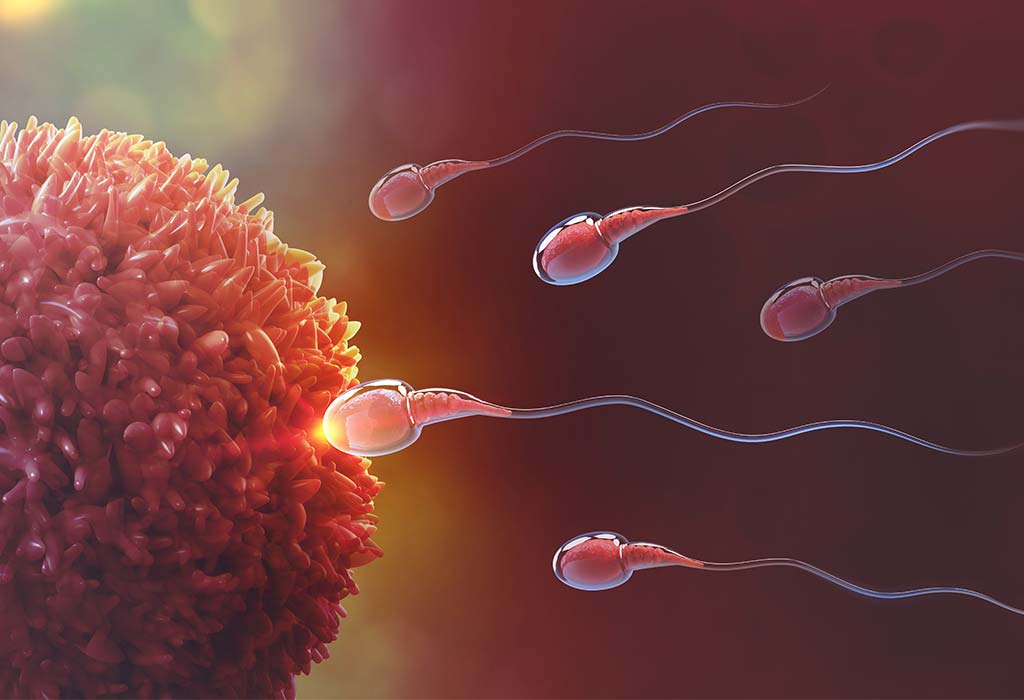
Role of Zygote in Fetal Development
The journey of human life begins with a single cell called the zygote, formed when a sperm fertilises an egg. Though microscopic, the zygote plays a monumental role in fetal development. This tiny cell holds all the genetic information needed to create a complete human being and is the foundation from which all other cells in the body will grow. From this single cell, a complex process of division and differentiation begins, setting the stage for the development of organs, systems, and the eventual birth of a baby.
Curious about how this little cell becomes a whole human being? Read on to learn all about the developing zygote and its essential role in fetal development.
What Is a Zygote?
A zygote is a fertilised egg—the very first stage of human development. In scientific terms, the zygote definition refers to this single cell that contains a complete set of genetic material from both parents, providing the blueprint for a new individual. This initial cell holds the DNA that will guide all future development as it begins to divide and grow into a multicellular organism (1).
How Is a Zygote Formed?
A zygote is formed through a process called fertilisation. Zygote fertilisation occurs when a sperm cell from the male successfully penetrates the outer surface of an egg cell from the female. This happens in the fallopian tube shortly after ovulation. During fertilisation, the sperm and egg each contribute half of the genetic material needed to create a complete set of DNA, resulting in a single cell with a complete set of chromosomes—this is the zygote. Once formed, the zygote immediately begins to divide and grow, marking the start of a new life and the earliest stages of human development (13).
How Many Days Does the Zygote Phase Last?
The zygote phase is brief, typically lasting about four days after fertilisation. During this phase, the zygote travels down the fallopian tube toward the uterus. As it moves, it undergoes rapid cell division, transforming from a single cell into a cluster of cells. Around the fourth day, the zygote becomes a structure called a blastocyst, marking the end of the zygote phase and the beginning of the next stage in early development.
Common Complications in the Zygote Stage
The zygote stage is a critical early phase of development, but complications can sometimes prevent it from progressing successfully. Here are some common complications that may arise during the zygote stage:
1. Chromosomal Abnormalities
Chromosomal abnormalities occur when there are errors in the genetic material of the zygote. This is a common cause of pregnancy loss in the first few weeks.
Chromosomal abnormalities can be numerical or structural. Numerical abnormalities occur when a chromosome is missing or extra, as seen in conditions like Down syndrome (Trisomy 21). Structural abnormalities happen when a chromosome is altered; sections may be deleted, duplicated, or rearranged (11).
2. Failure to Implant
After fertilisation, the zygote travels to the uterus and successfully implant into the uterine lining. Sometimes, due to factors like hormonal imbalances or uterine health issues, the zygote fails to implant, which prevents pregnancy from continuing.
3. Ectopic Pregnancy
In rare cases, the fertilised zygote implants outside the uterus, most commonly in a fallopian tube. This is known as an ectopic pregnancy and is a serious complication that cannot result in a viable pregnancy, often requiring medical intervention to prevent health risks to the mother (12).
How Does Assisted Reproduction Help to Create Zygotes?
Assisted reproduction techniques have revolutionised fertility treatment by helping create zygotes outside the body. These methods assist couples struggling with infertility or those seeking to achieve a pregnancy through a surrogate.
Here are some common methods used in assisted reproduction to create a zygote:
Medications: They can stimulate egg or sperm production, increasing the chances of fertilisation and zygote formation.
Intrauterine Insemination (IUI): This method involves placing sperm directly into the uterus, allowing it to reach the egg more easily and form a zygote within the body (8).
In Vitro Fertilisation (IVF): In IVF, eggs and sperm are combined outside the body in a lab. After fertilisation, the resulting zygote grows into an embryo, which can then be transferred to the uterus (9).
Embryo Cryopreservation: It enables embryos created through IVF to be frozen and stored for future use, giving patients flexibility in planning pregnancy (10).
How Does a Zygote Develop Into Twins?
Twin zygote form in the earliest stages of development. While most pregnancies begin with a single zygote that develops into one baby, certain conditions can lead to the development of twins. Here’s how a zygote can develop into two separate individuals:
1. Identical (Monozygotic) Twins
Identical twins are twins that develop when a single zygote splits into two separate cells within the first week after fertilisation. This results in two genetically identical embryos, each carrying the exact same DNA, leading to twins who look remarkably alike and are of the same sex. Depending on when the split occurs, identical twins may share the same amniotic sac and placenta (3) (5).
2. Fraternal (Dizygotic) Twins
Fraternal twins occur when two separate eggs are fertilised by two different sperm cells. In this case, each zygote develops independently, creating twins who are genetically similar like typical siblings, rather than identical, and may be of different sexes. Since they develop from separate zygotes, fraternal twins have their own amniotic sac and placenta (4).
What Is the Difference Between Embryo and Zygote?
A chromosomally normal zygote contains 23 pairs of chromosomes, combining genetic material from both the sperm and egg at fertilisation to form a single cell. Once formed, this single cell initiates a process of rapid division—first becoming two cells, then four, then eight, and so on.
As the cell division continues, the zygote develops into a morula, a compact cluster of cells that moves along the fallopian tube toward the uterus. By around day five, the morula transitions into a blastocyst, a structure with a fluid-filled cavity that contains cells to form the placenta and the future baby (14).
When the blastocyst reaches the uterus, it implants into the uterine lining, marking the start of pregnancy. At this stage, it will transform from zygote to embryo, and it will continue developing in the embryonic phase until the eighth week of gestation, after which it progresses to the fetal stage (2).
FAQs
1. Can a zygote be genetically altered?
Yes, in some cases, a zygote can be genetically altered through techniques such as gene editing. This is a subject of ongoing research and is being studied for medical applications, such as preventing genetic diseases or enhancing certain traits (6).
2. How is the sex of the baby determined?
The sex of the baby is determined at the moment of fertilisation. The egg only gives an X chromosome, whereas the sperm contributes an X or Y chromosome. If the sperm carries an X chromosome, the zygote will be female (XX). If the sperm carries a Y chromosome, the zygote will be male (XY) (7).
References/Resources:
1. zygote; Encyclopedia Britannica; https://www.britannica.com/science/zygote
2. Oliver. R, Basit. H; Embryology, Fertilization; National Library of Medicine; https://www.ncbi.nlm.nih.gov/books/NBK542186/
3. Pregnant with twins; NHS; https://www.nhs.uk/pregnancy/finding-out/pregnant-with-twins/
4. FRATERNAL TWINS; National Human Genome Research Institute; https://www.genome.gov/genetics-glossary/Fraternal-Twins
5. IDENTICAL TWINS; National Human Genome Research Institute; https://www.genome.gov/genetics-glossary/identical-twins#
6. What is genome editing?; National Human Genome Research Institute; https://www.genome.gov/about-genomics/policy-issues/what-is-Genome-Editing
7. Week 2; Nemours KidsHealth; https://kidshealth.org/en/parents/week2.html
8. Intrauterine Insemination (IUI); UCSF Health; https://www.ucsfhealth.org/treatments/intrauterine-insemination
9. IVF; NHS; https://www.nhs.uk/conditions/ivf/
10. CRYOPRESERVATION (EMBRYO, EGG AND SPERM FREEZING); University Hospitals Coventry and Warwickshire; https://www.uhcw.nhs.uk/ivf/treatments/cryopreservation/
11. CHROMOSOMAL ABNORMALITIES; National Library of Medicine; https://www.ncbi.nlm.nih.gov/books/NBK115545/
12. Ectopic pregnancy; NHS; https://www.nhs.uk/conditions/ectopic-pregnancy/
13. Khan. Y. S, Ackerman. K. M; Embryology, Week 1; National Library of Medicine; https://www.ncbi.nlm.nih.gov/books/NBK554562/
14. First Week (Days 1-7); University of Michigan Medical School; https://www.med.umich.edu/lrc/coursepages/m1/embryology/embryo/03firstweek.htm
Also Read:
Female Genital Tuberculosis
Diaphragm Contraceptive – A Birth Control Method
Low Dose Birth Control – What It is, Pros & Cons
Read more
Sort By
 Latest
 Most Popular
 Trending
Please select atleast one Filter