

















.svg)
.svg)
.png)


Postnatal Care
Suggested articles for you
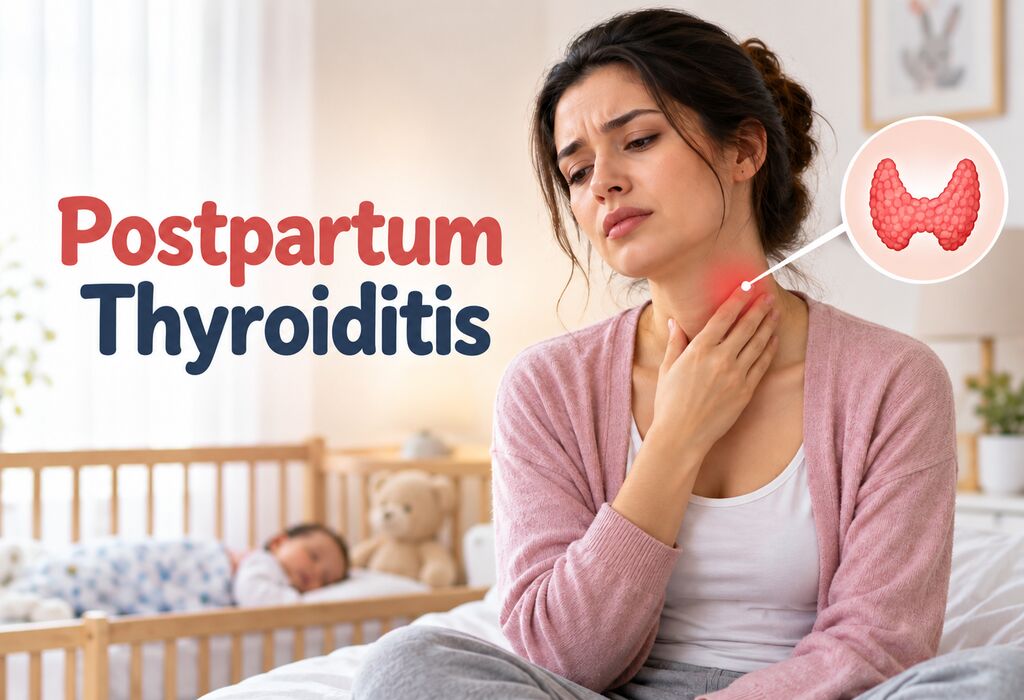
Postpartum Thyroiditis: Symptoms, Causes, Diagnosis, and Treatment
Postpartum thyroiditis is an autoimmune inflammation of the thyroid that can cause temporary overactive or underactive thyroid symptoms during the first year after childbirth. It affects about 5% to 10% of women in the postpartum period, according to the American Thyroid Association (1). Because symptoms such as fatigue, mood changes, weight fluctuations, and trouble sleeping can resemble normal postpartum changes, the condition may go unnoticed. This article covers postnatal thyroiditis symptoms and causes, along with risk factors, diagnosis, treatment options, and what to expect during recovery.
What Is Postpartum Thyroiditis?
Postpartum thyroiditis is a temporary inflammation of the thyroid gland that can develop within the first year after childbirth. It can cause the thyroid to release too much hormone at first and later produce too little hormone. The condition often follows three phases (2) (3):
Thyrotoxic phase: The thyroid releases excess hormones, which may cause anxiety, irritability, a fast heartbeat, sweating, and unintentional weight loss (4).
Hypothyroid phase: Thyroid hormone levels drop, leading to symptoms such as fatigue, feeling cold, constipation, dry skin, and weight gain (5).
Recovery phase: Thyroid function gradually returns to normal in many women. However, some may develop long-term hypothyroidism and need ongoing monitoring.
How Common Is Postpartum Thyroiditis?
Postpartum thyroiditis affects approximately 5% to 10% of women during the first year after giving birth, according to the American Thyroid Association (1). Thyroid disease after pregnancy is more common among women with certain risk factors, particularly those with thyroid antibodies, a history of thyroid problems, or autoimmune conditions.
What Causes Postpartum Thyroiditis?
Postpartum thyroiditis can develop due to several changes in the immune system and thyroid function that occur after childbirth. Some of the key factors include (6):
Postpartum immune changes: Pregnancy naturally alters immune activity. After delivery, the immune system rebounds, which can trigger inflammation against thyroid tissue.
Thyroid antibodies: Antibodies such as thyroid peroxidase (TPO) and thyroglobulin (Tg) antibodies can attack thyroid cells and are strongly linked to postpartum thyroiditis.
Previous thyroid problems: A history of thyroid dysfunction can increase the likelihood of developing postpartum thyroiditis.
Previous postpartum thyroiditis: Women who have experienced the condition after an earlier pregnancy have a higher risk of recurrence.
Personal or family history of autoimmune disease: Autoimmune conditions and a family history of autoimmune thyroid disease can increase susceptibility.
Symptoms of Postpartum Thyroiditis
The symptoms of postpartum thyroid disease vary depending on the phase and whether thyroid hormone levels are high or low.
1. Signs of Hyperthyroidism
Postpartum hyperthyroidism occurs when the thyroid releases excess hormones, which can affect several functions of the body. You may notice symptoms such as (7):
Fast or irregular heartbeat
Anxiety or irritability
Unexplained weight loss
Increased sweating
Difficulty sleeping
Trembling hands
2. Signs of Hypothyroidism
The hypothyroid phase occurs when thyroid hormone levels fall, slowing several functions of the body. This can lead to symptoms such as (5):
Persistent fatigue
Weight gain
Increased sensitivity to cold
Dry skin
Constipation
Low mood
Difficulty concentrating
Muscle or joint aches
Who Is at Risk of Postpartum Thyroiditis?
Certain health and pregnancy-related factors can increase the likelihood of developing postpartum thyroiditis. Women with the following risk factors may be more susceptible (8):
History of thyroid disease
Positive thyroid peroxidase (TPO) antibodies
Previous postpartum thyroiditis
Type 1 diabetes
Other autoimmune conditions
Family history of thyroid or autoimmune disease
History of Graves’ disease
Previous thyroid surgery
When Does Postpartum Thyroiditis Occur?
Pregnancy related thyroiditis usually develops within the first year after childbirth, and its symptoms can appear in distinct phases (1) (9).
Hyperthyroid phase: Usually occurs 1 to 4 months after delivery and may last for 1 to 3 months.
Hypothyroid phase: Often develops 4 to 8 months after delivery and may last for several months.
Recovery phase: Thyroid function commonly returns to normal within 12 to 18 months after symptoms begin, although some women may develop permanent hypothyroidism.
How to Diagnose Postpartum Thyroiditis?
Post pregnancy thyroid is diagnosed through a review of symptoms, medical history, and blood tests that measure thyroid hormone levels. Doctors may use the following (2):
Thyroid-stimulating hormone (TSH) test
Free T4 test
Thyroid antibody tests, particularly TPO antibodies
Physical examination
Medical and pregnancy history
Repeat thyroid function tests to monitor changes between phases
How Is Postpartum Thyroiditis Treated?
Postpartum thyroiditis treatment depends on the phase, severity of symptoms, and whether thyroid hormone levels are high or low (2) (10).
Managing the Hyperthyroid Phase: Beta-blockers may be used to control symptoms such as a rapid heartbeat, while corticosteroids may be considered for severe inflammation.
Treating the Hypothyroid Phase: Thyroid hormone replacement therapy may be prescribed when thyroid hormone levels are low or symptoms are significant.
Monitoring Thyroid Function:Regular blood tests help monitor thyroid hormone levels and determine whether treatment needs to continue or be adjusted.
Treatment During Breastfeeding: If you are breastfeeding, your healthcare provider can choose medications considered appropriate for you and your baby.
FAQs
1. Is postpartum thyroiditis permanent?
Usually, no. Most women recover normal thyroid function within 12 to 18 months. However, some may develop permanent hypothyroidism and require long-term treatment.
2. Can after pregnancy thyroid issues affect breastfeeding?
In most cases, women with postpartum thyroiditis can continue breastfeeding. If medication is needed, a doctor can recommend options that are appropriate during breastfeeding (11).
3. Can postpartum thyroiditis be prevented?
There is currently no reliable way to prevent thyroid after giving birth. Women at higher risk can discuss thyroid testing and monitoring with their doctor during pregnancy and after delivery.
Postpartum thyroiditis can feel concerning, especially when changes in your body are difficult to distinguish from the demands of new motherhood. However, it is usually temporary, and most women return to normal thyroid function with time and appropriate care. If symptoms continue or affect your daily life, reaching out to your doctor can provide clarity and peace of mind.
Also Read:
Postpartum Checkup
Thyroid after Pregnancy
Causes of Postnatal Cramps
Postpartum Complications & Solution
Read more




Post Pregnancy Weight Loss: Tips & Diet Plan
Diets – if followed properly, they can ensure that you lose weight and stay healthy; otherwise, they can affect your health before doing any good. A postpartum weight loss plan is something that should be planned well to focus on nourishing your body rather than rushing to lose the weight gained during pregnancy. With pregnancy, the task is not over, nor is your focus on your health. A postpartum body is super fragile, and a sensible diet plan for postpartum weight loss should therefore include nutrient-dense foods and, of course, realistic portions instead of crash diets or calorie-deficient foods. If you are thinking of dieting post-pregnancy to lose weight, there are several aspects to consider. Read this article to know more about post-pregnancy weight loss.
How Soon Can You Start Dieting After Pregnancy?
One of the most important things to consider before you start a diet after delivery (a healthy, well-balanced diet with all vital nutrients) for losing weight is first knowing whether your body has had the appropriate time to recover from the delivery itself. You should always consider the requirements of your body before starting a diet of any kind. You must ensure that your body has enough nutrition to support both you and your baby. Therefore, you must consume a well-balanced diet that consists of all vital nutrients in proper portion size.
Remember, you are responsible for the nutrition of two people at this point. Starting a diet too soon and relinquishing the nutritional requirements of either can affect your and your baby’s health. A new mother should not even consider starting a diet until her first postpartum checkup (done at six weeks). Most people say new mothers should wait for at least two months post-delivery to make any dietary changes. However, you must consult your physician or a dietician to chart a weight loss diet plan for you.
Rules You Should Follow When Starting a Weight Loss Diet
Losing weight after pregnancy should be done with care. Most women lose half of their baby weight by six weeks after childbirth. The rest most often comes off over the next several months. A healthy diet with daily exercise will help you shed the pounds. Breastfeeding can also help with postpartum weight loss. Here are a few more points you should keep in mind while starting a diet with the help of a dietician after your delivery.
Have realistic goals in mind.
Give yourself appropriate time to meet your goals.
Don’t give up as failure is a part of success. It’s okay to have a cheat day.
Don’t overcompensate; it is important to let go of the failure and move towards success.
Nutrition is the single most important part of a diet; consult a specialist and ensure that you get enough nutrients, minerals, and vitamins that are essential for you and your baby.
To lose weight post-childbirth, you can follow a diet plan, but diet alone won’t help; you will have to exercise, too. Begin an exercise regime after recovery and ensure it is not intense right when you start. Light activities after complete recovery can help you build strength and slowly move forward in your weight loss journey.
Don’t starve yourself; eat moderately and frequently.
Take it slow; don’t try losing more than a kilo a week at most; a safer goal would be 300-500 grams a week.
Guidelines to Help You Achieve and Maintain a Healthy Weight After Pregnancy
It is important to have guidelines that help you understand what kind of weight loss is healthy, especially when a woman is trying to lose weight after delivery. Here are a few guidelines that will help you shed the pounds while making sure you stay healthy and safe:
Avoid drinking aerated beverages while on a diet. They are full of sugar and have empty calories. They provide no nutrition, so they are best avoided.
Befriend fibre. Try eating meals that are rich in fibre to ensure digestive health; this makes it harder for you to put on weight and still keeps your nutritional balance intact.
Carbs are good. Eat healthy carbs, which are known as complex carbs. This is because carbohydrates are what give you energy throughout the day. They break down more slowly, ensuring you have a steady amount of energy.
Keep yourself hydrated. Drink around 2-3 litres of water in a day or when you feel thirsty (1). Water will help purify your system and will also prevent you from snacking at odd hours of the day.
Limit your caffeine. The CDC suggests limiting your caffeine intake to 300 mg or less, as caffeine could pass through breast milk to your breastfeeding baby and make them restless and jittery (2).
Remember that not all fats are bad for your health. Incorporate foods that are rich in unsaturated or polyunsaturated fats, as they can keep your body healthy. Almonds are rich in healthy fats and play an important role in cardiac health. So, do not ditch the fats completely.
Monitor your portion size. Keep your meals small, frequent, and packed with nutrition.
Snacking is important in any diet, but it has to be healthy. Therefore, munch on healthy snacks, such as almonds, carrots, or fruit, and avoid oily and sugary snacks, such as chips and candy.
Talk to a dietician to understand your body’s needs and modify your diet accordingly. You need to keep a watch on your nutritional requirements and then work around them as often as possible.
What Else Can You Do for Healthy Weight Loss After Delivery?
Diets alone won’t help you lose weight. Here are a few activities you should do to lose weight, apart from following the diet, of course.
Exercise: It is important to have a solid workout plan that makes the most of your diet and supports healthy weight loss. Whenever you exercise, do not exercise with a mindset of losing weight; exercise with a mindset of getting fit and staying healthy.
Rest: Regardless of the diet or the exercise routine, resting is what helps your body recover and adapt to the new regime. Ensure you get plenty of rest post-workouts and during the day. Make sure you sit down when you’re tired and recuperate lost energy levels.
Sleep: Get enough sleep. When you sleep, your body slows down, and that helps recovery and keeps your energy levels up.
Talk to your healthcare provider for more advice on routines you can implement to ensure healthy weight loss.
How Can You Lose Weight While Breastfeeding?
It is a known fact that women who breastfeed actually lose weight much quicker. This is because the lactation process burns a lot of calories. This should be kept in mind when making a weight loss diet while breastfeeding and additional calories should be taken for providing appropriate breast milk supply.
The CDC recommends 2,000 to 2,800 calories per day for women who are breastfeeding compared to 1,600 to 2,400 calories per day for women who are not breastfeeding (2). It is best to approach any diet while breastfeeding with some level of leniency as the amount of energy spent during a feeding session depends on how much your baby consumes during the session. Eat during regular intervals, and try to modify your diet based on your energy levels.
When Will You Get Your Pre-Pregnancy Weight Back After Delivery?
The time it takes to get back to your pre-pregnancy weight after delivering your child largely depends on your eating habits before and during the pregnancy, and your body’s metabolism. For some women, it may take as little as a few months to get back to their pre-pregnancy shape, while for others, it may take a year or two. Be patient and stay strong, stick to the routine and remember weight loss is a process.
Factors That Could Impact Weight Loss Process Negatively
Some factors that could impact your weight loss process negatively are mentioned below:
Morning sickness – morning sickness is common during pregnancy, and although rare, it is not unknown for nausea to persist after childbirth, especially if one has been severely ill. Excessive morning sickness/nausea causes lack or loss of appetite (anorexia), dehydration and excessive weight loss. More severe conditions like Hyperemesis Gravidarum (HG) may cause severe vomiting and loss of nutrients, too. Therefore, morning sickness should be addressed by a doctor immediately.
Food aversions – Food aversions also lead to inadequate nutrition and dehydration in some instances, affecting post-partum health negatively.
Delivery method – C-sections can complicate weight gain or loss.
Talk to your doctors and trainers about any concerns you may have regarding the routine or diet you are following. Consulting them for more information regarding other factors that slow down weight loss after pregnancy is also can be beneficial.
Diet Plan for Postpartum Weight Loss
Here is an example of a post-pregnancy weight loss diet plan that you may use as a starting point. You can consult your dietician to curate a postpartum weight loss meal plan for you according to your nutritional needs.
Day/Meal
Monday
Tuesday
Wednesday
Thursday
Friday
Saturday
Sunday
Early morning
1 cup low- fat or skim milk/ fresh apple juice without added sugar
1 glass of fresh carrot juice with lemon and a little honey/ 1 cup skim milk
1 cup skim milk/ 1 glass fresh, unsweetened orange juice
1 glass of dry fruits smoothie made with skim milk
1 glass of banana-strawberry smoothie made with low-fat milk
Fresh watermelon or musk melon juice/ 1 cup of skim milk
Fresh lime juice/ 1 glass almond smoothie made with skim milk
Breakfast
2 ragi-onion dosas with coconut chutney
2 slices of whole wheat bread with avocado butter and a boiled egg
1 serving of oats upma with vegetables served with tomato chutney
1 whole-wheat bread slice with an omelette
1 serving of wheat upma with vegetables
2 rava idlis with vegetable sambar
2 palak or methi parathas with plain yoghurt
Mid-morning
1 glass of buttermilk with hing, cumin powder and a pinch of salt. 2-4 oatmeal crackers with slim cheese
1 glass of jal jeera water. 1 cup of sprouts salad or sprouts bhel
1 glass of ginger lemonade sweetened with a little honey. 1 cup of sweet corn bhel or salad
1 glass of tender coconut water. 1 cup of tomato, cucumber, carrot, and onion salad.
1 glass of sugarcane juice/ watermelon juice. 2-4 low-fat crackers with slim cheese
1 glass of lassi with 1 tsp sugar. A few bajra and methi khakras
1 glass of buttermilk/ lassi/ fruit yoghurt. A cup of roasted makhanas with cucumber and tomato slices
Lunch
1 cup of rice with egg curry or 56 g grilled chicken
1 cup of rice with sambar and beetroot curry or 56 g grilled fish
56 g of meat/ dal with 1 cup rice and okra curry.
56 g of roasted chicken with mixed vegetable curry and 1 cup of rice
1 cup rice with rasam and aubergine curry
1 cup vegetable/chicken/mutton pulao with cucumber, tomato, onion, and carrot raita
1 cup beetroot or carrot rice with soya or chicken curry
Tea
Fresh fruit slices and green tea
Light masala chai with skim milk and 1 tsp sugar with low-fat biscuits
Black mint- lemon tea with khaman dhokla
Masala chai with skim milk and 1 tsp sugar. Ragi-oats crackers
Green tea with channa dal and cabbage tikki
Masala chai. paneer and corn sandwich made with brown bread
Mint and lemon tea with besan chillas
Dinner
2-3 phulkas with matar paneer
2-3 phulkas with baingan bharta
2-3 phulkas with chicken/egg/soya curry
2-3 phulkas with palak paneer
2-3 phulkas with aloo gobi masala
2-3 phulkas with fish curry/ mixed vegetable curry
2-3 phulkas with sprouts curry and pineapple raita
Bedtime
1 cup skim milk
1 cup skim milk
1 cup skim milk
1 cup skim milk
1 cup skim milk
1 cup skim milk
1 cup skim milk
Foods to Avoid When Losing Weight After Pregnancy
The basic mantra for losing weight after pregnancy is cutting down on foods that generally cause people to gain weight rapidly. For your understanding, we have listed some foods that, by cutting down on them, can help you lose weight after childbirth.
Fried food: Foods that are deep-fried in oil, like fries, namkeen, or any snacks, contain high levels of fat, mostly trans fats, that cause bloating and lethargy.
Foods containing refined sugar: Most often found in biscuits, cookies, cakes, crackers, juices, and whatnot, these refined sugar items are calorie-dense and cause energy crashes as well as weight gain.
Processed foods: Burgers, subs, cakes, pastries, chips, and other refined-flour items are not nutrient-dense but super fast in causing weight gain.
Carbonated drinks and juices: Heavily packed with sugar and preservatives, these are best avoided. You can drink homemade juice as an alternative.
FAQs
1. When should I start a weight loss diet after giving birth?
Well, there is no universal starting date. It is best to focus first on recovery and adequate nutrition, then discuss intentional weight loss with your doctor, particularly if you are breastfeeding or had delivery complications (3).
2. Should I remove all calorie-rich foods while breastfeeding in my weight loss journey?
Since breastfeeding itself is a calorie-consuming task, it is not advised to engage in aggressive calorie restriction. It is wiser to consult a doctor for a diet plan for weight loss after delivery that fulfils the adequate calorie requirement without compromising nutrition and without increasing too much weight (2).
3. Will continuing breastfeeding help me lose pregnancy weight automatically?
Not necessarily. Although breastfeeding is a calorie-consuming labour, it should not be considered a stand-alone weight-loss strategy (4) (5).
4. What foods should I eat when trying to lose weight after pregnancy?
Prioritise vegetables, fruits, whole grains, pulses, lean proteins, dairy or fortified alternatives, nuts, seeds, and healthy fats. These foods provide nutrients and fibre while supporting overall recovery.
Losing weight can be a challenge, especially after giving birth to a child. It is not easy; it is a tiring process. Remember to stay strong and follow the diet religiously. If you veer away from your diet for a day or two don’t be too hard on yourself and overcompensate; just get back to your schedule. Working on a diet with other mothers or your spouse or partner can help make the process less of a grind. See if there are others around you to work with you on the weight loss and remember, the work you put in will see results with time. Therefore, give yourself the time for those results to sink in.
Also Read:
Diet to Follow after C- Section
Indian Foods to Eat after Pregnancy
Tips to Lose Weight after C- Section
Read more
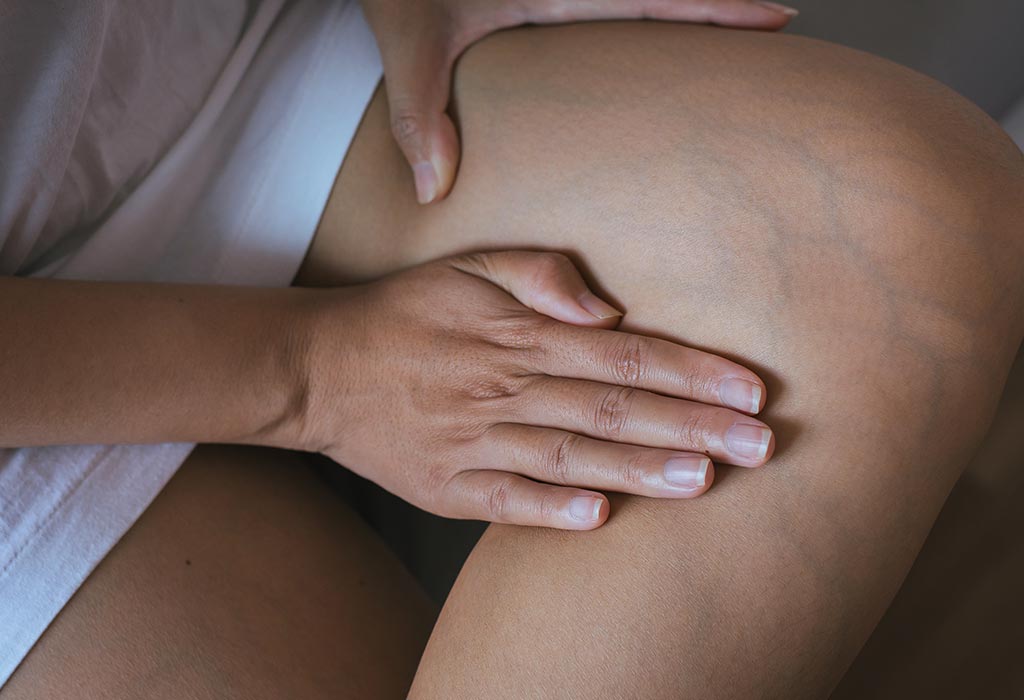
Varicose Veins After Pregnancy: Causes, Signs, & Treatment
Varicose veins after pregnancy are like that persistent itch that neither dulls nor goes away. According to the Mayo Clinic, varicose veins are enlarged, bulging veins that cause aching pain and discomfort. It mostly affects the veins in the legs due to excessive standing or walking, which puts pressure on the veins of the lower body (1). While varicose veins reduce after childbirth, in many cases, they remain or persist even during postpartum. In this article, we aim to discuss in detail postpartum varicose veins, why they reappear, and what you can do to get relief as well as prevent them. Stay tuned.
What Are Postpartum Varicose Veins?
Many women have varicose veins during pregnancy, but sometimes this problem may stay after pregnancy, too. In some cases, there may be an improvement in the condition after childbirth. However, even if the condition may get better, the damage that your veins may have suffered remains irreversible.
Causes of Varicose Veins After Childbirth
The following are the causes of varicose veins in women post-pregnancy:
1. Number of Pregnancies
It is observed that the chances of developing varicose veins increase with the number of pregnancies. This means if you suffered from this condition in your first pregnancy, then the chances are that you may suffer from it in your subsequent pregnancies, too.
2. Genes
If you have a family history of varicose veins, then you may suffer from it, too.
3. Extra Damage to the Veins
If the veins are damaged too much during pregnancy, then this damage may not be fixable, and you might suffer from this condition post-pregnancy.
What Are the Signs and Symptoms of Postnatal Varicose Veins?
The Cleveland Clinic lists some signs and symptoms of varicose veins (2):
You may experience pain in your legs.
There may be swelling in your feet and legs after standing for too long.
Your legs may feel heavy, sore, or tender.
You may notice blue blood vessels on your legs and feet.
You may have a burning sensation in your legs.
You may have skin ulcers around your ankles.
You may experience itching on these veins.
How to Treat Varicose Veins After Delivery?
Varicose veins may lead to discomfort and pain, and thus it is important to treat them. If you wish to treat varicose veins after pregnancy, the following suggestions may help (3):
1. Keep your legs and feet elevated
Make sure that every time you sit, you keep your legs and feet elevated. You may use a stool while sitting, and pillows while lying down, to elevate your legs and feet. Also, as far as possible, refrain from standing for long durations.
2. Exercise for better blood circulation
Your condition can improve if there is proper blood circulation. Therefore, it will be a good idea to take out some time for exercising, as it will improve your blood circulation and thus reduce the symptoms of varicose veins.
3. Try sclerotherapy for persistent varicose veins
If the symptoms of varicose veins do not improve after several months postpartum, a doctor may recommend sclerotherapy. The minimally invasive procedure involves the use of a solution, which is injected into the affected veins, causing it to collapse and gradually fade. However, it may take time for this treatment to show effective results. It is commonly used for both spider veins and small-to-medium varicose veins.
4. Wear support hose
Supportive pantyhose, tights or compression socks are effective in providing relief from varicose veins by improving blood circulation. and reduce pain and discomfort (4).
5. Your doctor may suggest endovenous laser or radiofrequency ablation
For larger or symptomatic veins, doctors may use laser or radiofrequency energy to seal the affected vein from the inside. These outpatient procedures are less invasive than traditional vein surgery and usually involve a shorter recovery period (5).
Effective Home Remedies for Postpartum Varicose Veins
Some home remedial measures may prove to be effective in treating this condition, such as:
Honey is a great remedy to relieve pain and puffiness. You may apply a thin layer of honey, cover it with polythene for some time and wash.
Take high doses of vitamins and minerals by drinking carrot, beet, or spinach juice. All these juices may help in removing swelling and extra fluid.
You may use chamomile-infused bandages to wrap the affected area to reduce the symptoms.
Apply a mixture of olive oil and beeswax to the affected area two times a day to provide relief.
How Can You Prevent Varicose Veins After Pregnancy?
Here are some ways that may help in the prevention of varicose veins:
Exercise regularly.
Follow a healthy diet.
Drink ample amounts of water.
Wear comfortable shoes.
Maintain proper hygiene.
Maintain a healthy weight.
When to Consult a Doctor
Consult your doctor if you experience:
Severe pain or swelling in one leg
Redness or warmth around the vein
Skin changes
Ulcers
Symptoms are not improving after giving birth
FAQs
1. Will my varicose veins go away after pregnancy?
Many pregnancy-related varicose veins improve within a few months after delivery as hormone levels normalise and pressure on the veins decreases. However, some varicose veins may not disappear after pregnancy. They may remain visible, especially if you have a family history of vein problems or have multiple pregnancies.
2. What if my varicose veins don’t go away after delivery?
If your symptoms do not subside within 3 to 6 months after the birth of your baby, we recommend that you opt for varicose vein treatment. However, in most cases, your doctor may recommend that you wait until your body recovers from childbirth, and in some cases, until you stop breastfeeding your baby.
3. How long does it take for varicose veins to improve after childbirth?
For many women, symptoms start improving within the first 3–6 months postpartum. In some cases, complete improvement may take longer, while persistent veins may require medical treatment.
4. Do the chances of varicose veins increase or worsen with future pregnancies?
Yes. Varicose veins are often more noticeable with each pregnancy because of repeated pressure on the veins and changes in circulation.
If you suffer from the condition of varicose veins after pregnancy, you can try various home remedies and other treatment options. However, first, get your doctor’s approval for the same!
Also Read:
Postpartum Swelling
Postpartum Psychosis
Loose Skin after Pregnancy
Back Pain after Pregnancy
Read more
Thyroid Problem After Pregnancy – Causes and Remedies
The postpartum phase is not easy for all moms. It’s common to experience fatigue and back pain after childbirth, but some women may also develop thyroid problems after pregnancy, which is also called postpartum thyroiditis. The risk of developing postpartum thyroid is higher in women who have Type 1 diabetes. In fact, women who have experienced postpartum thyroiditis (PPT) are 50% to 70% more likely to develop it again in subsequent pregnancies (1). This article will help you understand the causes, complications and treatment methods to combat postpartum thyroid.
What Is Thyroid?
The thyroid is a small butterfly-shaped endocrine gland located in the anterior of the throat. Endocrine glands are those that produce hormones essential to the body; in this case, thyroid hormones, T3 and T4. These hormones are essential in metabolism, which is in the cellular production of energy. They are also important in regulating body temperature and organ function (2).
The symptoms of postpartum thyroid disease may vary with the type of thyroid issue. However, common symptoms may include fatigue, weight changes, hair loss, anxiety, rapid heartbeat, mood changes, or sensitivity to heat and cold.
How Can Childbirth Affect a Woman’s Thyroid Condition?
The thyroid after pregnancy can often be overlooked and remain undiagnosed for a long time. This condition can develop and affect in the following ways, and each requires different treatments.
1. Hypothyroidism
Hypothyroidism is due to the thyroid gland functioning at low levels, producing less thyroid hormone than required. Symptoms include fatigue, weight gain, constipation and body aches.
Hypothyroidism can be controlled by administering the synthetic hormone, levothyroxine, which can make up for the lack of thyroid hormones. Levothyroxine has minimal to no side effects and can be taken indefinitely without any long-term complications (3). Approximately half the women with postpartum hypothyroidism develop a more severe case called Hashimoto’s Thyroiditis, which can be treated by increasing the medication dose.
2. Hyperthyroidism
Hyperthyroidism occurs when the thyroid gland overproduces hormones. It affects less than one per cent of pregnant women. An autoimmune disease known as Graves’ disease is often the cause of hyperthyroidism (4). During pregnancy, this condition can cause preterm labour, hypertension, placental abruptions, uterine tearing, preeclampsia, and fetal thyroid dysfunction (5).
Treating hyperthyroidism involves a range of antithyroid medications, such as propylthiouracil and methimazole. The risks associated with these medications are rare, but they can sometimes lead to birth defects. In order to avoid this, doctors may recommend a minor surgery known as a thyroidectomy. In this case, the surgical procedure removes part of or the entire thyroid gland in order to avoid the symptoms of hyperthyroidism.
3. Postpartum Thyroiditis
Postpartum thyroiditis is a rare disease wherein a perfectly functional thyroid gland undergoes inflammation within the first few months after giving birth. It can take a few weeks to several months or even years to subside. This condition is tricky to diagnose as the signs are often confused with postpartum depression and stress that most new mothers go through after childbirth. While most mothers have their thyroid glands back to normal within a year or so after birth, some women might end up having complications for the rest of their lives.
Postpartum thyroiditis occurs in around five to seven per cent of new mothers. Since the immune system attacks the thyroid during this condition, it first causes hyperthyroidism, which then leads to hypothyroidism. This results in an increase in thyroid hormone concentrations in the bloodstream, leading to thyrotoxicosis. Its symptoms include stress, irritable behaviour, inability to tolerate heat, rise in appetite, sleeplessness, anxiety, increased heart rate or palpitations, and body tremors (6). In time, the hyperthyroidism abates due to a depletion of thyroid hormone levels. After this, the symptoms of hypothyroidism set in. These are tiredness, dry skin, mood problems, reduced appetite, inability to bear cold, and so on. Postpartum thyroiditis hair loss is another common symptom that affects many women.
Since these symptoms match those of postpartum depression, also known as the baby blues, this condition is often misdiagnosed (7). Treatment during the first phase of hyperthyroidism is often not required as the symptoms are tolerable and temporary. If they are unbearable, your doctor will prescribe you beta-blocker drugs, which can calm anxiety and reduce your heart rate. Hypothyroidism requires hormone replacement therapy with levothyroxine, as already mentioned before.
Can Thyroid Medication Affect Milk Supply?
Thyroid medication—whether synthetic hormones or antithyroid drugs—does not affect the milk supply if given in low doses. According to the La Leche League International, treatment using propylthiouracil (PTU) is the preferred medication for breastfeeding mothers with hyperthyroidism. It transfers only in minimal amounts into breastmilk and does not affect the baby’s thyroid function. Methimazole is also a viable alternative, but the baby should be monitored closely (8). The medication is prescribed keeping in mind the breastfeeding status of a new mother.
On the contrary, the lack of medication can certainly have a negative impact on the function of the thyroid post-pregnancy. This is because both hypothyroidism and hyperthyroidism can affect the milk supply. In both of these conditions, there is an influx of certain hormones, such as FIL, the feedback inhibitor of lactation. This results in the reduction of lactation, which subsequently leads to the reduction or stoppage of the milk supply entirely. A simple treatment technique involves massaging the breasts slowly downwards while moving towards the nipples. This has been known to stimulate the production and release of breast milk.
Can Thyroid Medication Pass Into the Breast Milk and Affect a Child?
Hypothyroidism medication, levothyroxine, and hyperthyroidism medication, including propylthiouracil, are completely safe, as they are found in breastmilk at negligible levels or not at all, and do not affect the fetus (8). The Breastfeeding Network, however, states that hyperthyroid drugs like carbimazole require monitoring of the baby’s thyroid function (9). This is because it can cause neonatal hypothyroidism in infants.
Radioactive iodine treatment is not recommended while breastfeeding a baby.
How Common Is Congenital Hypothyroidism and Hyperthyroidism in Newborns?
1. Congenital Hypothyroidism
In most cases, congenital hypothyroidism is due to an underdeveloped thyroid. This condition is extremely rare, occurring in less than one per cent of all babies. Some of the causes include:
Iodine-deficient Diet: When a new mother does not include enough iodine in her diet, which is an essential requirement for the foetus’s thyroid gland in the production of the thyroid hormones, a baby may have hypothyroidism. It is common in regions of the world which lack iodine in their diet. Babies born with hypothyroidism usually receive treatment to fix this condition.
Thyroid Medicines: Sometimes thyroid drugs can cause temporary congenital hypothyroidism, but this condition usually subsides a few days after childbirth.
Genetic Causes: In rare instances, congenital hypothyroidism can be caused by genetic defects in certain genes. This leads to malfunctions in the synthesis of the thyroid hormones.
The symptoms of congenital hypothyroidism include puffy faces, inflamed tongues, dull appearance, constipation, dry skin and hair, jaundice, fatigue, refusal to eat, delayed fusion of fontanelle, improper weight gain, and so on.
2. Congenital Hyperthyroidism
This disease is uncommon in newborns. It can be caused by maternal Graves’ Disease, in which the thyroid-promoting antibodies enter the placenta and affect the baby’s thyroid gland development. In other cases, the condition can be temporary and is known as transient gestational hyperthyroidism. It’s known to affect around five per cent of babies.
FAQs
1. What causes thyroid problems after pregnancy?
The most common cause is postpartum thyroiditis, a condition in which the thyroid gland becomes inflamed during the first year after childbirth.
2. What are the symptoms of postpartum thyroid problems?
Common symptoms of postpartum thyroid problems include unusual tiredness, mood changes, weight changes, hair loss, and sensitivity to heat or cold. Some women may also notice a fast heartbeat, anxiety, constipation, or difficulty concentrating.
3. Can postpartum thyroid problems go away on their own?
Yes. Many women recover normal thyroid function within 12 to 18 months, although some may develop permanent hypothyroidism (10).
4. How are thyroid problems after pregnancy treated?
Treatment depends on symptoms and thyroid hormone levels. Some women need medication to control symptoms or replace thyroid hormones temporarily.
5. Who is at higher risk of postpartum thyroiditis?
Women with a history of thyroid disease, autoimmune conditions, or Type 1 diabetes have a higher risk of developing postpartum thyroiditis.
While most mothers recover from post-pregnancy thyroid conditions, around thirty per cent of women tend to experience thyroid problems permanently. This might mean being on medication for long. If you have recovered from postpartum thyroiditis, it is recommended that you go test every three months in the first year followed by yearly testing. It is important to have a support system during this time, especially since the postpartum period comes with a host of potential problems in addition to thyroid diseases. Make sure your family, partner and friends are aware of your condition, so that they can help you whenever you need it.
Also Read:
Postpartum Psychosis
Postpartum Depression
Postpartum Haemorrhage
Fatigue after Postpartum
Read more
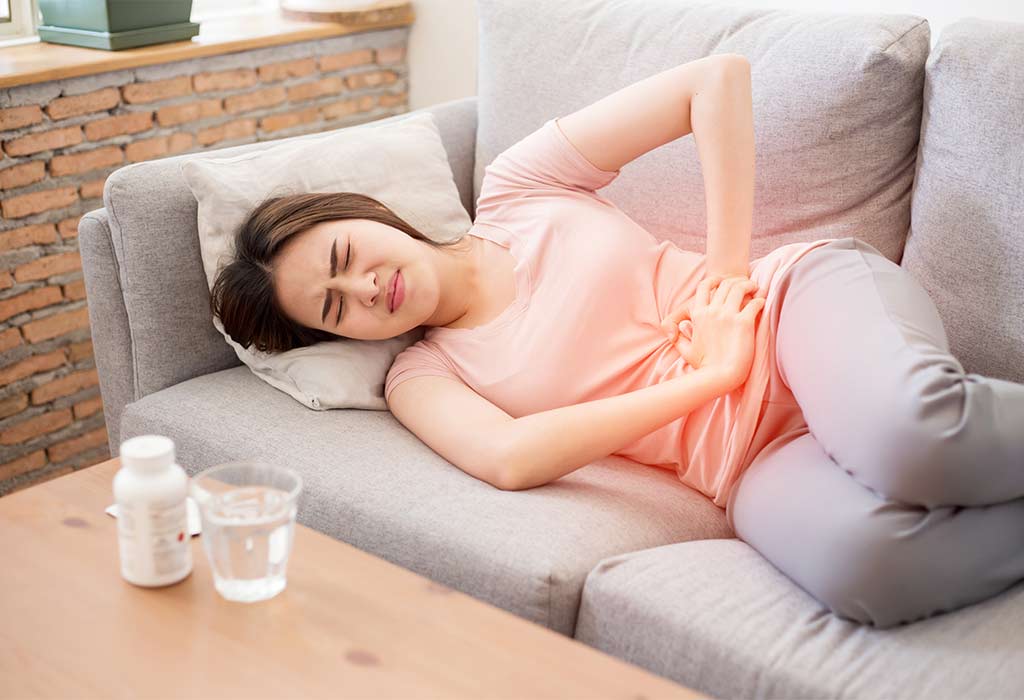
Postpartum Cramps: Causes & Treatments
Childbirth is a miraculous journey filled with moments of joy, anticipation, and challenges. When you think the most arduous part is behind you, your body might surprise you with postpartum cramps. These aches, often reminiscent of menstrual pains, are a natural aftermath of giving birth. After birth cramping is your body’s way of contracting the uterus back to its pre-pregnancy size, which is an essential part of recovery. While they might catch many new mothers off guard, understanding the causes and available treatments can offer much-needed relief. In this guide, we’ll delve deep into postnatal cramps, offering insights, remedies, and tips to navigate this often-overlooked aspect of motherhood.
What Are Postpartum Cramps?
Postpartum cramps are the uterus’s contractions as it returns to its pre-pregnancy size (7), often feeling like intense menstrual pains. For many mothers, especially those with multiple pregnancies, these post pregnancy cramps can escalate to severe cramping, reminiscent of labour contractions. This discomfort is a natural response following childbirth and is exacerbated during breastfeeding due to the hormone oxytocin.
What Are the Causes of Cramping After Birth?
Cramping after birth, while discomforting, is a natural phenomenon that plays a vital role in post-pregnancy recovery. New mothers need to understand what’s happening inside their bodies and why. Let’s delve into the primary causes of these postpartum cramps.
1. Uterine Involution
As previously stated, the uterus undergoes involution following childbirth, a natural process in which it contracts and returns to its original size. This contraction and tightening of the uterine muscles leads to the cramping sensations experienced by new mothers (1).
2. Breastfeeding
When a mother breastfeeds her newborn, her body releases oxytocin. This hormone facilitates milk production and induces uterine contractions (8). As a result, mothers might notice more pronounced cramps during or shortly after nursing sessions.
3. Blood Clot Expulsion
After birth, the body removes extra tissue and blood from the uterus. As the uterus contracts, it helps push out blood clots formed inside, which can cause cramping sensations.
4. Previous Pregnancies
Mothers who’ve had multiple pregnancies often report more intense postpartum cramps. With each successive pregnancy, the uterus becomes more efficient at contracting and returning to its pre-pregnancy size, leading to more potent cramping sensations.
5. Healing of the Placental Site
Once the placenta is delivered, the area where it was attached to the uterus begins to heal. As it heals, the uterus contracts to reduce the size of the blood vessels at this site, which can contribute to the overall cramping sensation.
How Long Will the After-Delivery Cramps Last?
The journey of motherhood begins with many challenges, and new mothers often ask about the duration of cramps after giving birth. Although discomforting, these postpartum contractions indicate that the body is healing and reverting to its state before pregnancy.
For most women, cramps after giving birth usually last for 2 to 3 days post-delivery (5). However, the intensity and duration can vary based on several factors:
1. First-time vs. Subsequent Deliveries
Mothers delivering for the first time often experience milder cramps that diminish faster. In contrast, mothers with subsequent deliveries might experience more intense contractions that last longer, sometimes up to a week or more.
2. Breastfeeding
As mentioned earlier, breastfeeding triggers the release of oxytocin, which can lead to increased cramping. Therefore, mothers who breastfeed might notice these cramps more frequently, especially during nursing sessions.
3. Natural Birth vs. C-Section
While both types of deliveries can lead to postpartum contractions, some mothers who’ve had C-sections report slightly milder cramps. However, this isn’t a strict rule, and many factors, including individual pain tolerance, play a role.
4. Physical Activity
Engaging in physical activity soon after delivery might prolong the cramps for some women. It’s crucial to find a balance, listen to your body’s cues, and not overexert yourself.
Ways to Treat Postpartum Cramps
Experiencing cramps after childbirth can be a jarring contrast to the joy of welcoming a new life into the world. However, these pains are a natural part of the recovery process. Thankfully, there are several methods mothers can adopt for postpartum cramp relief, making the healing journey smoother and more comfortable.
Over-the-Counter Pain Relievers: Consult your healthcare provider about taking pain relievers like ibuprofen or acetaminophen (4). These can effectively reduce the discomfort from postpartum cramps and are often safe for breastfeeding mothers.
Warm Compress: A heating pad on the lower abdomen can soothe the muscles and alleviate cramping after childbirth (3). It’s essential to ensure that the heat is not too intense to prevent any risk of skin burns.
Hydration: Drinking plenty of water can help ease muscle contractions. Being well-hydrated also aids in milk production for breastfeeding mothers.
Gentle Massage: A gentle massage in the abdominal area can relieve postpartum cramps. It helps relax muscles and enhances blood circulation.
Posture and Rest: Maintaining a good posture, especially during breastfeeding, can help reduce the strain on abdominal muscles. Also, ensure you get adequate rest; lying down often eases the pressure on the uterus, providing relief.
Warm Bath: Immersing oneself in a warm bath can be therapeutic. It helps relax the entire body and specifically targets and eases postpartum cramps.
Home Remedies to Relieve Afterbirth Pains
After birth cramping can be uncomfortable, but it’s a natural part of the postpartum recovery process as your uterus returns to its original size. Thankfully, several home remedies can help ease these pains, offering relief and comfort during this phase.
1. Use a Warm Compress
Applying a warm compress or heating pad to your lower abdomen can help relax the uterine muscles and reduce cramping. The heat improves blood flow to the area, soothing discomfort effectively. Use a heating pad for 15-20 minutes at a time or a warm towel for a similar effect.
2. Practice Deep Breathing
Engaging in slow, deep breathing exercises helps alleviate pain by relaxing your body and calming the nervous system. Breathe in slowly for four counts, hold for a few seconds, and exhale for six counts. Doing this regularly can help manage cramping more effectively and improve overall relaxation.
3. Stay Hydrated
Drinking plenty of water keeps you hydrated, which is essential for postpartum recovery. Dehydration can worsen uterine cramps, so aim to drink at least 8-10 glasses of water daily. Herbal teas like chamomile or ginger can be particularly helpful due to their anti-inflammatory and soothing properties.
4. Massage Your Abdomen
Gently massaging your lower abdomen in circular motions can help stimulate blood flow and reduce the intensity of uterine contractions. Use light pressure and, if you prefer, a natural oil like coconut or olive oil to make the massage more soothing.
5. Take a Warm Bath
A warm bath provides overall relaxation while targeting abdominal discomfort. Add Epsom salts or a few drops of essential oils like lavender for added pain relief. Spend 20-30 minutes soaking to feel the full benefits of the warm water.
6. Use Essential Oils
Essential oils like lavender or peppermint have pain-relieving and anti-inflammatory properties. Dilute a few drops with a carrier oil like almond or coconut oil, and gently massage it onto your abdomen. Alternatively, use a diffuser to inhale the calming aroma.
7. Breastfeed Frequently
Although breastfeeding can initially intensify cramps due to the release of oxytocin, it helps your uterus shrink back to its pre-pregnancy size faster. This process reduces the overall duration of cramping, making it a beneficial, though temporary, discomfort.
8. Rest and Elevate Your Feet
Postpartum recovery demands ample rest. Lying down with your feet elevated improves circulation, reduces swelling, and helps minimise afterbirth pains. Use pillows to prop up your legs while you relax.
9. Opt for Over-the-Counter Pain Relief (if needed)
If the pain becomes too intense, consult your doctor about safe over-the-counter options like ibuprofen or acetaminophen. These medications can provide temporary relief while you continue using other natural remedies to support healing.
When to Visit a Doctor
While cramping after delivery is a standard part of the postpartum experience, it’s vital to differentiate between typical cramps and symptoms that may signal a more severe condition. Continuous pain or cramping three months postpartum and beyond is uncommon and might warrant a medical check-up. Let’s delve into the signs suggesting a doctor visit might be necessary.
Persistent Pain: If you’re still experiencing severe cramping after the initial postpartum weeks, especially cramping 3 months postpartum or later, it’s essential to seek medical advice. Prolonged pain could be indicative of an underlying issue.
Foul-smelling Discharge: Any discharge with a foul odour could be a sign of an infection. Coupled with cramping, this is a clear indication that medical intervention is needed.
High Fever: A high fever accompanying cramping after delivery is a red flag. This could suggest an infection or another medical complication.
Heavy Bleeding: While some bleeding after delivery is standard, passing large clots or soaking through a pad within an hour is not. If heavy bleeding accompanies your cramps, it’s crucial to see a doctor (2).
Painful Urination: Experiencing a burning sensation while urinating and postpartum cramps might indicate a urinary tract infection (6).
Pain in One Specific Area: If the cramping is localised to one area and doesn’t seem to subside, it could indicate a retained placenta or another complication.
Motherhood is undoubtedly rewarding, but it also comes with challenges. Being vigilant about unusual symptoms and opting for regular postpartum check-ups can ensure that any potential complications are addressed timely. Always prioritise your health; a healthy mother is fundamental to a happy family.
FAQs
1. Are there any long-term effects of postpartum cramps?
In most cases, postpartum cramps resolve within a few weeks after childbirth and do not have any long-term effects. However, for some women, especially those who experience severe or persistent cramping, there may be a lingering impact on their physical and emotional well-being.
2. How do postpartum cramps influence postnatal recovery?
Postpartum cramps are part of the overall postnatal recovery process. While they can be uncomfortable, they are a natural and necessary part of the body’s healing after childbirth. The contractions help the uterus return to its pre-pregnancy size and expel any remaining tissue or blood.
Navigating the postpartum period requires patience, understanding, and self-care. While cramps after delivery are a natural part of the recovery journey, knowing when they’re typical and when they might signal a more significant concern is vital. Always prioritise your well-being, and remember that seeking help or clarification when in doubt is a sign of strength and wisdom, ensuring the best for both you and your baby.
References/Resources:
1. Deussen. A. R, Ashwood. P, Martis. R, Stewart. F, Grzeskowiak. L. E; Relief of pain due to uterine cramping/involution after birth; Cochrane Library; https://www.ncbi.nlm.nih.gov/pmc/articles/PMC8094397/; October 2020
2. Warning signs of postpartum health problems; March of Dimes; https://www.marchofdimes.org/find-support/topics/postpartum/warning-signs-postpartum-health-problems
3. Pain Management; University of Rochester Medical Center; https://www.urmc.rochester.edu/ob-gyn/obstetrics/after-delivery/pain-management.aspx
4. Gopman. S; Prenatal and Postpartum Care of Women with Substance Use Disorders; Obstetrics and Gynecology Clinics of North America; https://www.sciencedirect.com/science/article/abs/pii/S0889854514000114; June 2014
5. Your body after the birth (the first 6 weeks); Tommy’s; https://www.tommys.org/pregnancy-information/after-birth/your-body-after-birth
6. Recovering From Delivery; Nemours KidsHealth; https://kidshealth.org/en/parents/recovering-delivery.html
7. Your body after baby: The first 6 weeks; March of Dimes; https://www.marchofdimes.org/find-support/topics/postpartum/your-body-after-baby-first-6-weeks
8. Nursing Cramps; American Academy of Pediatrics; https://www.healthychildren.org/English/ages-stages/baby/breastfeeding/Pages/Nursing-Cramps.aspx
Also Read:
Postpartum Fatigue
Stomach Pain After Delivery
Joint Pain After Pregnancy
Back Pain After Pregnancy
Read more

Empowering Postpartum Depression Quotes to Share With New Moms
Welcoming a new life into the world is a beautiful journey marked by intense emotions and profound transformations. However, it’s also a period that can be challenging for many new mothers, who might experience feelings of sadness, anxiety, or isolation, commonly known as postpartum depression (PPD). It’s crucial during these times to offer support and understanding. This article aims to provide empowering quotes that resonate with those experiencing PPD, serving as gentle reminders that they are not alone in their journey. Each quote is selected to uplift, inspire, and bring comfort to new mothers navigating this delicate phase of life.
Inspirational Postpartum Depression Quotes
Navigating the tender period following childbirth can be a formidable challenge for many. Here, we share thirty inspirational quotes for postnatal depression, carefully chosen to provide strength and solace. These words from various thinkers, writers, and survivors shine a light on the path to recovery, reminding every mother that her feelings are valid and she is not alone.
1.”You are not alone. You are seen. I am with you. You are not failing. You are not failing. You are not failing.” – Olivia Wilde
2. “Sometimes the strength of motherhood is greater than natural laws.” – Barbara Kingsolver
3. “There’s no way to be a perfect mother and a million ways to be a good one.” – Jill Churchill
4.”Birth is the epicenter of women’s power.” – Ani DiFranco
5. “The very fact that you worry about being a good mom means that you already are one.” – Jodi Picoult
6. “Motherhood is a choice you make every day to put someone else’s happiness and well-being ahead of your own.” – Donna Bell
7. “Healing takes time, and asking for help is a courageous step.” – Mariska Hargitay
8. “Do not confuse my bad days as a sign of weakness. Those are actually the days I am fighting my hardest.” – Unknown
9. “Being a mother is learning about strengths you didn’t know you had.” – Linda Wooten
10. “Speak to your children as if they are the wisest, kindest, most beautiful humans on earth, for what they believe is what they will become.” – Brooke Hampton
11. “It’s okay not to be okay as long as you are not giving up.” – Karen Salmansohn
12. “To the world, you may be one person, but to one person you may be the world.” – Dr. Seuss
13. “Life does not come with a manual, it comes with a mother.” – Unknown
14. “Sometimes, the strength within you is not a big fiery flame for all to see; it is just a tiny spark that whispers ever so softly, ‘You got this. Keep going.'” – Unknown
15. “You don’t have to control your thoughts; you just have to stop letting them control you.” – Dan Millman
16. “There is no way to be a perfect mother, but a million ways to be a good one.” – Jill Churchill
17. “A mother’s arms are more comforting than anyone else’s.” – Princess Diana
18. “When you feel like you’re drowning in life, don’t worry—your Lifeguard walks on water.” – Unknown
19. “What good mothers and fathers instinctively feel like doing for their babies is usually best after all.” – Benjamin Spock
20. “The days are long, but the years are short.” – Gretchen Rubin
21. “Sometimes the smallest step in the right direction ends up being the biggest step of your life.” – Naeem Callaway
22. “Just because you are struggling does not mean you are failing. Every great success requires some kind of struggle to get there.” – Unknown
23. “Being a mother is an attitude, not a biological relation.” – Robert A. Heinlein
24. “You are not just a mother, you are the all-around handywoman who keeps the wheels greased, the engine running, and the car on the road.” – Unknown
25. “Acceptance, tolerance, bravery, compassion. These are the things my mom taught me.” – Lady Gaga
26. “Remember that behind every successful woman is a basket of dirty laundry.” – Sally Forth
27. “Every day may not be good, but there is something good in every day.” – Alice Morse Earle
28. “The most important thing a father can do for his children is to love their mother.” – Theodore Hesburgh
29. “There is no such thing as a perfect parent. So just be a real one.” – Sue Atkins
30. “One of the most important things you can do on this earth is to let people know they are not alone.” – Shannon L. Alder
Each of these quotes serves as a beacon of hope and strength, offering a moment of peace and the reminder that recovery is within reach.
Quotes on Overcoming Postpartum Depression During Difficult Times
The road to recovery from postpartum depression can feel isolating, but it’s filled with collective voices of encouragement and empowerment. Below are fifteen quotes aimed at inspiring resilience and providing comfort during the more challenging days. These words from various authors, mental health advocates, and mothers themselves underscore the power of perseverance and the importance of seeking support.
1. “Recovery is not one and done. It is a lifelong journey that takes place one day, one step at a time.” – Unknown
2. “You don’t have to see the whole staircase, just take the first step.” – Martin Luther King Jr.
3. “Sometimes, asking for help is the bravest move you can make. You don’t have to go it alone.” – Demi Lovato
4. “The only journey is the journey within.” – Rainer Maria Rilke
5. “You are stronger than you think, and the future holds good things for you.” – Unknown
6. “Even the darkest night will end and the sun will rise.” – Victor Hugo
7. “Resilience is knowing that you are the only one that has the power and the responsibility to pick yourself up.” – Mary Holloway
8. “The human spirit is more powerful than any drug and that is what needs to be nourished.” – Robin Williams
9. “Start by doing what’s necessary; then do what’s possible; and suddenly you are doing the impossible.” – Francis of Assisi
10. “When we face our deepest pain, it can lead to our greatest triumphs.” – Unknown
11. “Your current circumstances do not determine where you can go; they merely determine where you start.” – Nido Qubein
12. “It’s not about ‘snapping out of it’ but stepping out into the light, even if it’s only a sliver.” – Unknown
13. “Through the blur, I wondered if I was alone or if other mothers felt the same way I did – that everything was harder than I thought it would be and that maybe I was not the right woman for the job. But then I realized no one else was going to do it. The job was mine if I wanted it, and who cares if I hated every minute of it? No one said it was easy, just that it was worth it.” – Ali Fazal
14. “Do not wait for someone else to come and speak for you. It’s you who can change the world.” – Malala Yousafzai
15. “Believe in yourself and all that you are. Know that there is something inside you that is greater than any obstacle.” – Christian D. Larson
These poignant quotes aim to serve as a gentle nudge towards healing and hope, reminding every mother that her resilience is powerful and her journey is shared by many.
Quotes on Seeking Support for Postnatal Depression
The path through postnatal depression often requires a network of support. Recognising when to seek help is a sign of strength, not weakness. This section compiles ten deep postpartum depression quotes from individuals who have emphasized the importance of reaching out, sharing struggles, and accepting help during such pivotal times.
1. “Asking for help does not mean that we are weak or incompetent. It usually indicates an advanced level of honesty and intelligence.” – Anne Wilson Schaef
2. “No one will understand your journey. That’s fine. It’s not their journey to make sense of, it’s yours.” – Unknown
3. “Sometimes, the people around you won’t understand your journey. They don’t need to; it’s not for them.” – Joubert Botha
4. “One of the most significant things friends and family can do is just listen.” – Bob Filbin
5. “A problem shared is a problem halved.” – Dorothy Rowe
6. “Everyone you meet is fighting a battle you know nothing about. Be kind. Always.” – Robin Williams
7. “Help doesn’t just walk up to you; sometimes, you have to ask for it.” – Unknown
8. “It’s okay to not be okay as long as you are not giving up.” – Karen Salmansohn
9. “If you want to conquer the anxiety of life, live in the moment, live in the breath.” – Amit Ray
10. “We can do anything we want to if we stick to it long enough.” – Helen Keller
These quotes underscore the importance of compassion, understanding, and the courage to seek and offer help, encouraging mothers experiencing postnatal depression to embrace support and know they are never alone.
Quotes About Motherhood During Postpartum Depression
Motherhood intertwines joy with challenge, and during times of postpartum depression, this balance can feel overwhelmingly tipped. This section is dedicated to postpartum depression sayings that capture the essence of motherhood during such trials—offering solace and understanding to those who might feel alone in their struggles.
1. “Motherhood is a great honor and privilege, yet it is also synonymous with servanthood. Every day women are called upon to selflessly meet the needs of their families. Whether they are awake at night nursing a baby, spending their time and money on less-than-grateful teenagers, or preparing meals, moms continuously put others before themselves.” – Charles Stanley
2. “There is no role in life that is more essential than that of motherhood.” – Elder M. Russell Ballard
3. “Sometimes the strength of motherhood is greater than the world’s natural laws.” – Barbara Kingsolver
4. “Motherhood: All love begins and ends there.” – Robert Browning
5. “The natural state of motherhood is unselfishness.” – Jessica Lange
6. “Becoming a mother makes you the mother of all children. From now on each wounded, abandoned, frightened child is yours. You live in the suffering mothers of every race and creed and weep with them. You long to comfort all who are desolate.” – Charlotte Gray
7. “A mother’s love for her child is like nothing else in the world. It knows no law, no pity, it dares all things and crushes down remorselessly all that stands in its path.” – Agatha Christie
8. “Motherhood is more than bearing children, it’s the essence of who we are as women.” – Unknown
9. “Moms are as relentless as the tides. They don’t just drive us to practice, they drive us to greatness.” – Steve Rushin
10. “Motherhood has the greatest potential influence in human life.” – Unknown
These sayings reflect the profound impact of motherhood and acknowledge the intense, often conflicting emotions that come with it during the postpartum period.
Quotes to Embrace Strength and Find Comfort During Postpartum Depression
During the challenging times of postnatal depression, finding words that resonate can be profoundly comforting. This collection of postnatal depression quotes offers a beacon of strength and reassurance, reminding new mothers of their resilience and the universal nature of their experiences.
1. “Remember, you have been criticizing yourself for years and it hasn’t worked. Try approving of yourself and see what happens.” – Louise L. Hay
2. “This too shall pass.” – Persian Adage
3. “You are braver than you believe, stronger than you seem, and smarter than you think.” – A.A. Milne
4. “Sometimes, the bravest thing you can do is to keep going when you really feel like giving up.” – Unknown
5. “I am not what happened to me, I am what I choose to become.” – Carl Jung
6. “You may have to fight a battle more than once to win it.” – Margaret Thatcher
7. “Healing doesn’t mean the damage never existed. It means the damage no longer controls our lives.” – Unknown
8. “It’s not about perfect. It’s about effort.” – Jillian Michaels
9. “Strength doesn’t come from what you can do. It comes from overcoming the things you once thought you couldn’t.” – Rikki Rogers
10. “Every day begins with an act of courage and hope: getting out of bed.” – Mason Cooley
These quotes are chosen to inspire hope and courage in mothers dealing with postnatal depression, emphasizing that their strength is greater than their struggle.
In the journey through motherhood, particularly during the turbulent times of postpartum depression, these quotes serve as gentle reminders of strength, hope, and community. They underscore the importance of seeking support, acknowledging personal struggles, and celebrating the small victories each day. Let these words be a source of comfort and a reminder that no mother walks this path alone; there is light, understanding, and immense strength to be found in shared experiences.
Also Read:
Postpartum Depression – Causes, Symptoms and Treatment
Tips for Self-Care After Delivery
Is It Baby Blues or Postpartum Depression?
Your Postnatal Examination
Read more
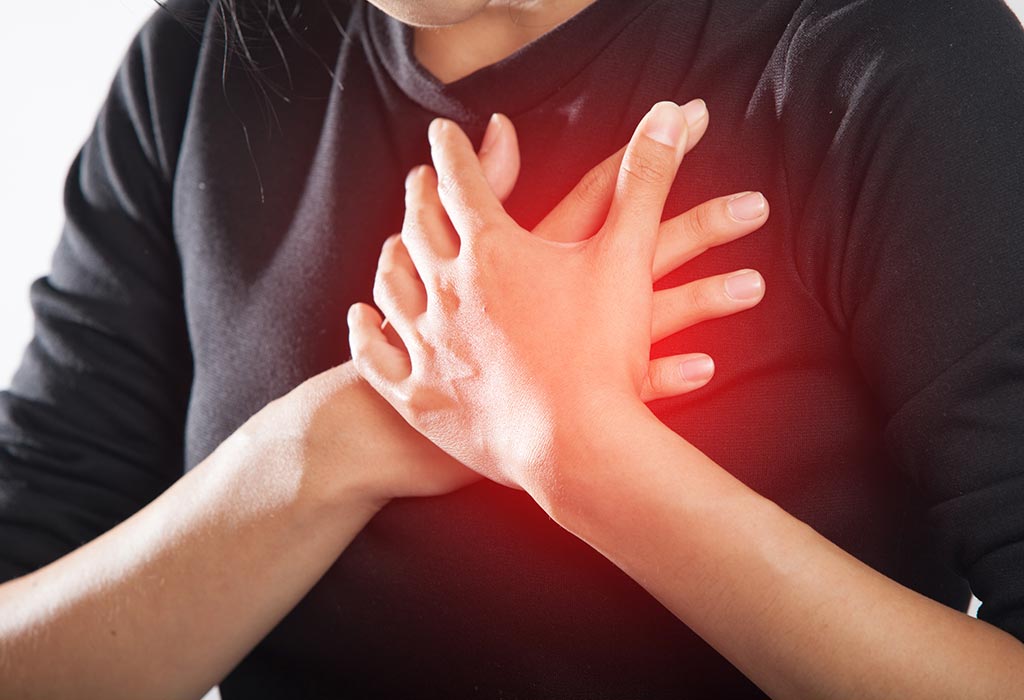
Stroke During and After Pregnancy – Causes, Symptoms, and Risks
Stroke during pregnancy is a rare but potentially life-threatening medical emergency that requires immediate diagnosis and treatment to protect both the mother and baby. According to the American Heart Association, pregnancy-associated stroke affects approximately 30 out of every 100,000 pregnancies, with the highest risk occurring during late pregnancy and the first few weeks after childbirth (1). Although uncommon, the condition can lead to serious complications if warning signs are missed or treatment is delayed. This article explains everything you need to know about pregnancy and stroke, including its causes, symptoms, risks, diagnosis, treatment, and prevention.
What Is Stroke?
A stroke is a medical emergency that occurs when the blood supply to part of the brain is interrupted or when a blood vessel in the brain bursts. Without a steady supply of oxygen and nutrients, brain cells begin to die within minutes, which can lead to permanent brain damage, disability, or even death if not treated promptly (2).
Is Stroke During or After Pregnancy Common?
While stroke in pregnancy isn’t common, the bodily change that goes on slightly increases the chances. Young women in their childbearing age have a lower risk of stroke. However, the hormonal changes brought about by pregnancy can make some women susceptible to blood clots. The risk also continues into the postpartum period, several weeks after delivery. The risk of stroke is higher in women with blood clotting problems, high blood pressure, heart disease, and autoimmune conditions.
Causes of Stroke During or After Pregnancy
Stroke during or after pregnancy can occur due to a combination of pregnancy-related physiological changes and pre-existing health conditions. Some of the most common contributing factors are explained below.
1. Increased Blood Clotting (Hypercoagulable State)
Pregnancy naturally increases the blood’s ability to clot to reduce excessive bleeding during childbirth. However, this protective mechanism can sometimes lead to the formation of blood clots that block blood flow to the brain, resulting in an ischemic stroke (3). The risk remains elevated for several weeks after delivery.
2. High Blood Pressure and Preeclampsia
Hypertensive disorders such as gestational hypertension and preeclampsia are among the leading causes of stroke during pregnancy. Severely elevated blood pressure can damage blood vessels in the brain, increasing the risk of bleeding (hemorrhagic stroke) or reducing blood flow to brain tissue (4).
3. Heart and Blood Vessel Disorders
Certain underlying cardiovascular conditions, including congenital heart disease, heart valve disorders, atrial fibrillation, and blood vessel abnormalities, can increase the likelihood of blood clots reaching the brain (5). Women with these conditions require close monitoring throughout pregnancy and the postpartum period.
4. Other Medical Conditions and Lifestyle Factors
Several additional factors can increase the risk of stroke during or after pregnancy, including diabetes, obesity, smoking, inherited clotting disorders (thrombophilia), autoimmune diseases such as lupus, severe infections, and excessive bleeding after childbirth. Advanced maternal age and a previous history of stroke or transient ischemic attack (TIA) can also significantly raise the risk (4).
What Are the Symptoms of Stroke During and After Pregnancy?
The symptoms are similar to any other stroke, whether it is a mini-stroke during pregnancy or a major one. Here are ten signs of a stroke during pregnancy:
1. Neurological Deficits
These are the most common signs of a stroke, such as loss of sensation, trouble speaking, trouble comprehending, loss of coordination and weakness on one side of the body. They may occur simultaneously and mean that either a stroke is imminent or is happening (6).
2. Headaches
Intense headaches that feel different from the others and last longer are common when caused by cerebral venous thrombosis (CVT). It could also be accompanied by weakness, numbness or double vision. The thunderclap headache is another form of intense headache which needs immediate emergency care. If you have cerebral venous thrombosis (CVT), any signs like headache or blurry vision should not be ignored, and you must get emergency medical attention (7).
3. Blurred Vision
High blood pressure in women can affect the occipital lobe, which is located in the back of the brain. It is responsible for processing vision and can indicate a stroke before it happens (8).
4. Seizures
Seizures are one of the first signs of a stroke. A brain injury caused by a stroke can trigger a seizure. It can be a symptom of haemorrhagic strokes or RPLS. They are both triggered by very high blood pressure that can occur in a high-risk pregnancy.
5. Dizziness
Dizziness is also an important symptom to look out for. When it is accompanied by blurry vision, vomiting, slurred speech or loss of balance, they are symptoms of a stroke and require immediate medical attention.
6. Feeling Lethargic
Bleeding or swelling inside the brain can also lead to the sudden onset of sleepiness or lethargy. These happen commonly in cases of high blood pressure, cerebral venous thrombosis (CVT), reversible posterior leukoencephalopathy syndrome (RPLS), and other forms of stroke during pregnancy.
7. Breathing Difficulty
Sometimes breathing difficulty is also accompanied by other symptoms of a stroke. However, it is also a common symptom of stress and anxiety. Frequent episodes of shortness of breath are a sign of a serious health problem and must not be ignored.
8. Numbness
Different parts of the body might feel numb or have an unusual burning sensation during a stroke due to the compression of nerves. When numbness is associated with weakness in the limbs, drooping of the face, difficulty in speaking or confusion, it could be a stroke, and medical attention should be sought immediately.
9. General Weakness
While some might experience weakness in certain limbs or parts of the body, others might experience weakness in the full body. It could be accompanied by dizziness, breathing problem, and irregular heartbeat.
10. Hallucinations
Hallucinations are when you begin to see or hear things that don’t exist or even feel sensations without an external stimulus. Hallucinations can sometimes be side effects of medications, but they can also be felt during a stroke.
What Are the Risk Factors for Stroke During or After Pregnancy?
The risk of stroke during and after pregnancy depends on a number of factors which we will discuss below. Here are some known stroke and pregnancy risks:
1. High Blood Pressure
Women who have had normal blood pressure before pregnancy can develop high blood pressure during pregnancy, so it’s not always the case that if you have had high blood pressure before pregnancy, then only you will have high blood pressure during pregnancy. Anyone can be susceptible to it. High blood pressure remains the leading cause of stroke in pregnant women and those who have given birth recently (9).
2. Preeclampsia
Preeclampsia is a condition characterised by dangerously high levels of blood pressure during pregnancy. It can cause headaches, vision problems, swelling in the face and hands, low birth weight, and even premature delivery. In its most severe form, it can cause seizures (eclampsia) and stroke (10).
3. Gestational Diabetes
Some women develop high blood sugar and gestational diabetes during pregnancy. It leads to high blood pressure and chances of heart disease or stroke further down the line (11).
4. Blood Clots
Pregnancy naturally increases the likelihood of blood clots which raises the chances of a stroke. Swelling in parts of the body, such as the legs, slows down the blood flow, and clotting is more likely to happen when blood doesn’t circulate well. During the third trimester, the body also produces a compound which helps with blood clotting to protect women from excessive bleeding during childbirth. This could also be one of the reasons for blood clotting.
Key Points to Remember About Stroke in and After Pregnancy
Here are some important points every expectant and new mother should know to better understand the condition and its impact.
Stroke is a life-threatening condition that can lead to permanent brain damage, long-term disability, or even death if not treated promptly.
Pregnancy itself does not cause a stroke, but the physical and hormonal changes during pregnancy and the postpartum period can increase the likelihood of developing one in women with certain risk factors.
Preeclampsia and other pregnancy-related high blood pressure disorders are among the strongest risk factors and should be diagnosed and managed without delay.
Watch for warning signs such as a sudden severe headache, weakness or numbness on one side of the body, trouble speaking, vision changes, dizziness, or confusion, and seek emergency medical care immediately.
Brain imaging, such as a CT scan or MRI, is essential to determine the type of stroke, as ischemic and hemorrhagic strokes require different treatment approaches.
Managing stroke during pregnancy requires a multidisciplinary team, including neurologists, obstetricians, emergency physicians, and other specialists, to ensure the best possible care for both the mother and the baby.
A stroke during pregnancy does not always affect future pregnancies or delivery options. With appropriate treatment, rehabilitation, and medical guidance, many women go on to have healthy pregnancies and may still be able to deliver vaginally, depending on their individual condition.
How to Reduce the Risk of Stroke and Have a Healthy Pregnancy?
The effects of stroke during pregnancy can be just as dangerous for the baby as it is to you. Therefore, it’s important to reduce the risk as much as possible. Here are some tips to help (12):
1. Quit Smoking
Smoking constricts the veins and increases blood pressure hence significantly increasing the chances of a stroke. If you’re pregnant, do not smoke. If you are already in the habit, learn how to quit.
2. Keep Your Weight Within Healthy Limits
Although it’s normal to gain weight during pregnancy, maintaining a healthy weight helps better regulate blood sugar levels and blood pressure. Eat nutritious food and cut down on junk.
3. Eat Healthily
Include whole grains, healthy fats, nuts, fruits, and vegetables in your diet and cut down on processed foods and high salt intake. Keep your sugar intake small as well to maintain healthy blood pressure.
4. Exercise or Stay Physically Active
It is recommended that pregnant women get 30 minutes of moderate physical activity every day. If you cannot maintain an exercise schedule, compensate for it with some physical activity.
5. Work With Your Doctor
If you have concerns about high blood pressure or sugar, talk to your doctor about how to better manage your risk of a stroke. Schedule regular visits to have yourself monitored.
When to Consult a Doctor?
Consult a doctor or call emergency medical services right away if you notice (2):
Sudden weakness or numbness in the face, arm, or leg, especially on one side of the body.
Difficulty speaking, understanding speech, or sudden confusion.
A severe, unexplained headache that comes on suddenly.
Sudden vision loss, blurred vision, or double vision.
Trouble walking, dizziness, loss of balance, or poor coordination.
Seizures or loss of consciousness.
Sudden difficulty swallowing or unexplained facial drooping.
FAQs
1. How is stroke diagnosed during pregnancy?
Doctors may use imaging tests such as a CT scan or MRI to determine the type of stroke. These tests are performed when medically necessary, as early diagnosis is critical for timely treatment.
2. Can stroke during pregnancy affect the baby?
It can, particularly if the mother’s condition is severe or treatment is delayed. Prompt medical care helps improve outcomes for both the mother and the baby.
3. Can stroke during pregnancy be treated?
Yes. Treatment depends on whether the stroke is ischemic or hemorrhagic and may include medications, blood pressure management, surgery in some cases, and rehabilitation. Care is tailored to protect both mother and baby.
Post pregnancy stroke is a serious medical emergency, and immediate help should be sought to minimise the damage. Call the emergency number if you notice any of the symptoms of a stroke.
Also Read:
Health Benefits of Laughing during Pregnancy
Reasons for Sleeping on Left Side during Pregnancy
Why Mental Health Care Is Important in Pregnancy
Read more
Breastfeeding in the First 24 Hours – Benefits and Tips
Congratulations! You are a proud mommy to a beautiful baby now. You may be thinking that probably motherhood may be a cakewalk for you. Well, ladies, we hate to burst the bubble but this beautiful phase comes along with oodles of responsibilities and challenges, and the very first in the line may be breastfeeding after birth. You may have heard that how important it is to breastfeed your baby within 24 hours after birth. And here in the following article, we shall be discussing breastfeeding in the first 24 hours, its various benefits and we shall throw some light on various tips on how to go about it.
What Happens During the First 24 Hours After Child Birth?
So, what exactly happens as soon as you deliver your baby? Well, if you are intrigued to know, then we shall share with you what a mom and her baby may experience on the first day after birth. Following are some of the things a mommy and her baby may experience:
1. To Mom
As a mommy, you may experience some of the following on your first day after birth:
Whether you had a normal (vaginal) delivery or a c-section, you may experience pain. However, you may be given medicines to overcome this pain.
You may experience stomach cramping and bleeding, which is very normal and will subside soon.
You may find it difficult to sit and feeding may seem like a humongous task.
In spite of all this, you may still want to begin breastfeeding your baby.
2. To Baby
Your little bundle of joy may go through some of the following experiences:
Your baby experiences a massive transition from a dark and cosy environment to bright and shiny surroundings.
He was in a quiet and slow-moving world and here everything may seem to be noisy and chaotic.
The most important thing that your little munchkin may experience is hunger.
It is important that you make efforts to feed your baby before he starts crying as it may get difficult to feed a cranky and crying baby.
What Are the Benefits of Breastfeeding Immediately After Birth
Breastfeeding your baby soon after birth is not only good for the baby but is also beneficial for the mother. Following are some benefits of breastfeeding immediately after birth:
Breastfeeding is very important for building your newborn baby’s immunity, which will help your baby fight against many ailments and infections.
As soon as you begin breastfeeding your baby your body releases a hormone called oxytocin, which helps in contracting your uterine muscles.
As your baby begins to suckle, it helps in more production of milk for your baby and also gets your milk supply going.
It helps in building a better breastfeeding bond between the mother and her baby as the baby is more alert during this time.
Skin-to-skin contact aids your baby to latch correctly.
It may calm and soothe your baby as sucking helps in providing comfort to babies.
Coming in close contact with the mother helps the baby to stay warm by using the mother’s body heat and warmth.
It is also seen that mothers who start breastfeeding within a few hours after birth tend to breastfeed their babies successfully for a longer period of time.
How Much Breast Milk Does a Newborn Need on the First Day?
Your newborn baby has a very tiny tummy, it is as small as the size of a cherry. This small tummy may only be able to hold about 5 to 7 ml of colostrum (thick yellow milk); because of this very reason, you may have to feed your baby approximately 10 to 15 times on the first day after birth. Your baby may breastfeed every 1.5 to 3 hours. If your baby sleeps most of the time and does not get up to feed for 2.5 to 3 hours, we recommend that you wake up your baby and breastfeed.
Essential Tips for Breastfeeding in First 24 Hours
Here are some tips that may help you to for breastfeeding your baby within 24 hours after birth:
Sit in a comfortable position, you may still be hurting from the birthing process and thus you may make use of pillows to give you support. Avoid stooping or bending forward, sit upright and comfortably.
Make sure your baby latches correctly by taking most part of your areola (the dark part around the nipple) inside his mouth. Improper latching may not only lead to pain for the mother but it may also result in lesser milk intake by the baby.
Refrain from force-feeding your baby. You should feed only when you feel your baby is hungry.
Prepare yourself mentally to feed your baby 10 to 15 times a day. This is because your baby has a small tummy with a small appetite and may require regular feeding.
Make sure you keep your baby close to your skin as you feed. Skin-to-skin contact is beneficial for you and your baby.
Newborn babies usually sleep a lot after birth but you should try to feed your baby every three hours to get your breast milk supply going.
You may take 45 minutes or more to breastfeed your baby for the first few times and it may tire and exhaust you. But the first milk or colostrum is very important to build immunity for your baby.
In case you face any difficulties in first-night breastfeeding or generally, you are facing troubles in breastfeeding your baby, you should get in touch with the lactation consultant for assistance.
Things That May Interfere With Nursing After Child Birth
Breastfeeding is a process that usually comes naturally to a mother. However, sometimes certain complications may arise that may interfere with this process. Following are some complications that may interfere with nursing after childbirth:
If you have had an epidural delivery, this may make your baby extremely sleepy and drowsy and thus he may not be able to suckle.
If you had a C-section, this may make you tired and exhausted.
If you have a premature or preterm baby, this may hamper your breastfeeding. You should get in touch with a lactation expert to know more about how to feed a preterm baby.
Narcotics may create problems in breastfeeding your baby.
If your baby has to be kept in a neonatal or intensive care unit then it may cause troubles with breastfeeding. However, you may be told to express the milk and feed it to your baby.
It is very normal for a newbie-mommy to experience various breastfeeding challenges and there is no need to worry and panic. With proper guidance and medical help, you may be able to share a great breastfeeding experience with your little bundle of joy.
Also Read:
Newborn’s Breastfeeding Habits
Breastfeeding Production after Delivery
Tips to Consider while Breastfeeding a Newborn
Read more
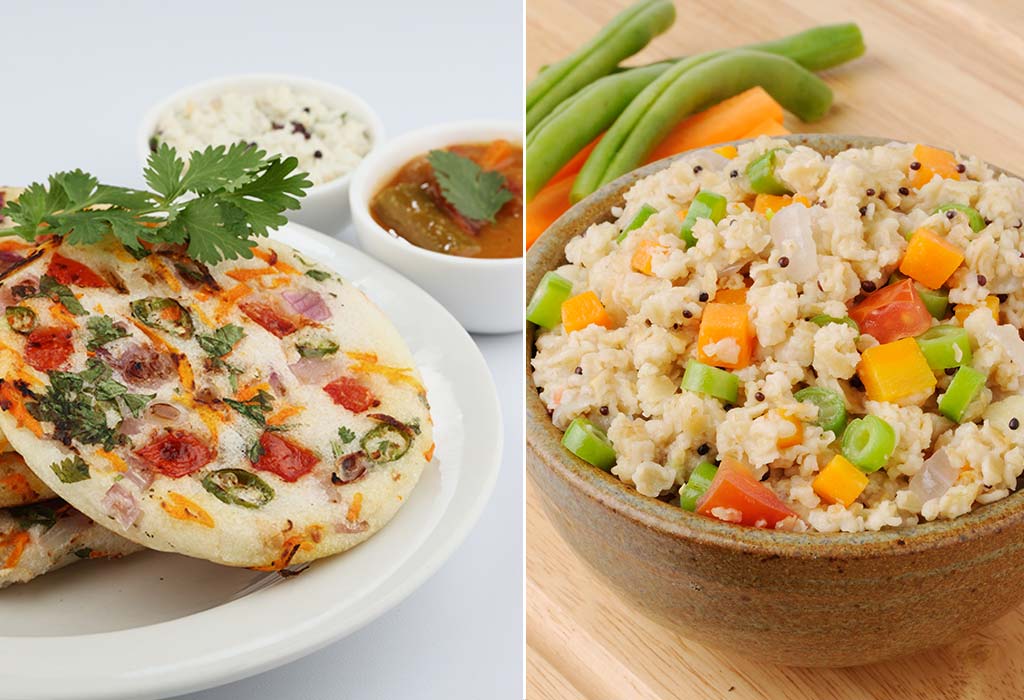
Healthy Indian Breakfast for Weight Loss After Pregnancy
Let’s be honest – we Indians love to eat! A lot of our social gatherings and functions are based around food – we never celebrate a festival without cooking up a feast to go with it. However, obesity is fast becoming a significant health concern in modern India. Under such circumstances, it is imperative that you take care of your health, especially after just delivering a baby. Pregnancy often marks a period of immense change for the body, during which we put on several extra kilos. While this is healthy and essential when expecting, losing the extra weight after delivery becomes a major concern for many of us.
Food has always been a major part of the Indian culture, and different parts of the country have a variety of tastes, textures, and ingredients to offer. When we talk about the day’s meals, breakfast is often said to be the most important meal of the day. And no, this is not a cliché! What you choose to have for breakfast does have long-lasting effects on your entire day, your lifestyle, and your weight loss plans.
Traditional Indian Breakfast to Include in Your Postpartum Weight Loss Plan
Presenting 12 Indian breakfast ideas for you to lose weight after delivering your baby, but without compromising on health and taste! Remember, you can customise these recipes according to your tastes and preferences and based on any instructions your doctor may have given you regarding your postpartum diet.
1. Sprouts
Rich in proteins, Vitamin B-complex, and Vitamin C, sprouts have always been a part of the traditional Indian diet. They do the body a world of good. However, the most important fact to know here is that the body burns more calories in the process of eating and digesting sprouts than it derives from a serving of sprouts. Sprouts, thus, create a calorie deficit in the body. That’s why sprouts make you lose weight. You can consume sprouts in the form of a salad or bhel. You can also grind them, add salt and spices, and make delicious moong dal cheelas. These delicious ‘Indian pancakes’ form the ideal breakfast for weight loss.
2. Paneer
Paneer is one of the few vegetarian sources of a good amount of protein, calcium and Vitamin B12. Cottage cheese is one of the foods that have a high satiety level; it means it keeps you full for a longer period of time. This means you will be able to control your snacking urges quite efficiently. Not only that, but paneer will also keep you strong through the lactation phase, which is a big concern for all new moms! Paneer can be had in grilled form, like a sandwich. Try this grilled paneer sandwich recipe that will be ready in less than 15 minutes. This is one of the best and tastiest Indian breakfasts for weight loss.
3. Ragi
Packed with iron, calcium and vitamins, ragi helps maintain healthy levels of insulin in the blood, which in turn aids weight loss. There is a good reason why ragi is sometimes called the ‘wonder grain’. The most significant benefit of ragi comes from the fact that it is too small to be polished. Ragi, hence, retains the outer covering or ‘chhilka‘, which contains a lot of good dietary fibre. It is also loaded with calcium and has just the right amount of carbohydrates. Ragi uttapam can make a light, yet fulfilling and nutritious breakfast.
4. Spinach
Spinach is one of the top low-calorie foods that are also rich in fibre. Much like sprouts, spinach is another food that is very low in calories. There are only about 7 to 8 calories in 1 cup of spinach! It is, hence, an ideal option to include in your post-pregnancy weight loss diet. Finally, the nutrient value of spinach is very high – spinach is one of the best sources of iron; it also contains other essential minerals like magnesium and calcium (which are beneficial for a nursing mother), and is also rich in antioxidants. Palak paratha is a traditionally renowned Indian breakfast for weight loss. It can be a healthy and yummy way to include spinach in your diet. You can even add a stuffing, like mashed paneer, to make a healthier and more filling dish.
5. Beetroot
Beetroot is loaded with antioxidants, which helps speed weight loss. It also makes for a great low-calorie snack. It has a nice crunch which satiates your snacking pangs, and keeps you well-hydrated, because of its high water content. Beetroot also has an excellent number of carotenes, folic acid, and Vitamin B-complex (B1, B2, B3 and B6) – all of which present plenty of benefits for your body, especially in keeping strength during lactation. Beetroot can be consumed raw in sliced form, or as a salad. If you want something healthy and fulfilling, give this delicious beetroot hummus a try. The best part about this hummus is that it can be used as a yummy spread for sandwiches. So skip the sugar-laden jam sandwiches for breakfast and spread some healthy hummus onto your slices of bread!
6. Bananas
High in calcium and fibre, bananas are the ideal pre-workout snack. Many mommies would want to get back to their exercise routines after having been close to inactive for several months. If you’re going to hit the floor, make bananas your best friend. This fruit can make a great pre-workout snack. Bananas are rich in calcium and magnesium, which will not only benefit you but also your child through your breast milk. While bananas can be had as a meal by themselves, you can increase their nutrient content by making this banana milkshake with a twist.
New-age Indian Breakfasts to Lose Weight
Indian breakfasts and the overall Indian diet itself has undergone a lot of changes. Indians now have better exposure to the world than never before, and one of the offshoots of globalisation has been the diversification of our diet and our palate. The following breakfast items are not traditionally Indian; however, they are now a standard part of the Indian kitchen. What’s more, they are great to include in an Indian diet plan to lose weight after pregnancy.
1. Eggs
Eggs make for a quick-fix breakfast that is nutritious and energy-packed. Did you know that one egg contains about 6g of protein? This makes eggs an ideal high-protein breakfast that is bound to keep you full for an extended period of time. What’s more – several studies indicate that having eggs for breakfast makes you feel so satiated that you will have fewer urges to binge or snack through the day. The period right after giving birth to a baby is emotionally and physically taxing for the mother. Eggs will help you maintain your strength during this period, while also helping you with your post-pregnancy weight loss. There is no limit to how you can have eggs – boiled eggs, scrambled eggs, poached eggs, sunny-side-up, etc. However, if you want to try something different, we recommend you give this fluffy omelette a try! Don’t worry if it looks a bit too large for you to finish by yourself, we’re sure there will be plenty of takers for this yummy dish. Just ensure that the eggs are cooked thoroughly and that you do not get any raw portions.
2. Muesli
Muesli will keep you feeling full for a long time. It is the favourite breakfast item of many people because it provides instant energy – perfect to have during the first meal of the day, especially if your days are going to be activity-intensive. Muesli typically contains up to 5 different grains – oats, barley, corn flakes, wheat flakes, rye flakes, and other ingredients like nuts, dry fruits, honey, etc. Muesli is the ideal breakfast for the busy mom – it requires no cooking time. All you have to do is dunk it in a bowl, add milk, and voila! Your healthy nutritious breakfast is ready! You can make a bowl of this Bircher Muesli (a Swiss recipe) additionally healthy by adding fresh fruits to it.
3. Rolled Oats / Steel Cut oats
The high fibre content in oats will keep your system clean and healthy. One essential and oft-neglected aspect of weight loss is having a robust digestive system that is clean and can absorb all the nutrients from the food you consume, in its fullest. To this effect, oats make a very healthy breakfast item. Not only will they keep your system clean, but they will also help you shed those post-pregnancy pounds real fast! Oats are another versatile breakfast item that can go into a lot of recipes – cakes, muffins, cookies and what not! To get your foodie-fix in time, give this delicious oats upma a try.
4. Tofu
Tofu is leaner than cottage cheese and cooks quickly. Made from soya milk, tofu in itself has a lot of benefits. However, tofu is recommended over soya milk, especially when it comes to weight loss. It looks exactly like paneer but is a healthier, low-fat alternative. Tofu can replace paneer in any paneer recipe, to bring down the calorie content of the recipe significantly. You can roast tofu or add a twist to the traditional Indian breakfasts for weight loss. This tofu sandwich can be a leisurely, quick-fix breakfast that is nutritious, filling and healthy.
5. Multigrain Flour
Multigrain flour makes up for deficiencies of all kinds. Crepes and pancakes have been a part of the Indian breakfast for a long time. However, you can give them a twist to make them more nutritious by adding more than just one ingredient. The critical thing to remember is that while making the flour, the proportion of cereals to pulses has to be 2 is to 1; i.e. 2 cups bowls of cereal and 1 cup pulses. You can include bajra, jowar, whole moong, ragi, rice and wheat in the flour. Multigrain flour can be used to make parathas, rotis, pancakes, crepes, and a host of different breakfast recipes. This multigrain dosa can turn out to be a delicious breakfast item and will help speed up your weight loss.
6. Yoghurt
Yoghurt requires no preparation time and it packs all the goodness of milk. It is better (and safer) to make curd at home because store-bought yoghurt is low on the good bacteria – or probiotics – which are the primary ingredient that makes yoghurt healthy. Yoghurt can be had as it is. However, it also makes for a very versatile base ingredient for smoothies. If you want to try something unique, give this fruit-yoghurt smoothie a try!
Soups: An Underrated Breakfast Item
Perhaps one of the most underrated foods that will help speed up your post-pregnancy weight loss is soups. There are several ‘magic soups’ like Chicken Noodle Soup, Lentil Soup With Rice Balls, etc. that you can try that will improve your metabolism and help you lose weight fast. Here are some more reasons to include soups in your post-pregnancy weight loss diet:
Soups are not time-consuming to cook.
Soups are versatile; they can be made very healthy with the right additives and ingredients.
They can be carried easily in a shaker and can be consumed on-the-go.
They can be incredibly filling and allow for a no-mess breakfast.
Being fluid, they also keep you well hydrated through the day.
Soups can be consumed without heating too. In fact, some soups – like gazpacho – are meant to be had cold!
Why You Should ‘Breakfast Like a King’ to Lose Weight
We all grew up hearing our elders and teachers say that one must ‘breakfast like a king’, and for the more substantial part of our childhood, we followed this (or at least our mothers saw to it that we did!). However, come adulthood, women get conscious of their bodies, and start cutting down on the food they eat. But it is a known fact that you must indeed breakfast like a king if you want to lose weight!
According to the study published in the Journal of Behavioral Medicine, increasing the amount of food consumed during breakfast, while keeping the frequency of eating through the rest of the day same led to better weight-loss in people than that observed in people eating less during breakfast.
Not only that, but it was also observed that reducing the frequency of eating throughout the day led to additional weight-loss when combined with a filling breakfast. Isn’t that great news? This is especially important for breastfeeding moms, as producing breast milk is a calorie-intensive process that drains a lot of energy from the body. Mothers can now have a sumptuous breakfast, guilt-free!
So there you have it – a list of healthy Indian breakfasts that will help you lose weight after pregnancy. Why wait? Give them a try and spice up your daily meal.
Also Read:
Effective Tips for Losing Weight After Pregnancy
Indian Foods to Eat After Delivery
Diet After Cesarean Delivery: Foods to Eat and Avoid
Read more
Why Postpartum Is a Catch-up Opportunity for HPV Prevention
Disclaimer: This information is intended for awareness purposes only and should not be considered a substitute for professional medical advice. Please consult your doctor.
In India, nearly one person dies of cervical cancer every 5 minutes (1), even though this cancer is largely preventable (2). Caused by the human papillomavirus (HPV) (3), cervical cancer can be prevented through timely HPV vaccination (2).
After childbirth, your body undergoes multiple changes. While you focus on your baby’s care, it’s just as important to prioritise your own health.
*Data as of 2022
For most people, HPV clears on its own. But for those who don’t clear the virus, it can cause certain HPV related cancers and diseases.
Cervical Cancer: A Preventable Threat
Most people don’t realise they’ve been infected with HPV because it often shows no symptoms (4). Cervical cancer is primarily caused by a persistent HPV infection (3). Cervical cancer in some cases may start in the 30s, and the incidence can peak in the 50s (5).
But HPV doesn’t just cause cervical cancer; persistent infections can also lead to vaginal, vulvar, and anal cancers (3). That’s why global health organisations, such as WHO, recommend HPV vaccination for eligible women, starting from 9 years of age (6).
For most people, HPV clears on its own. But for those who don’t clear the virus, it can cause certain HPV related cancers and diseases.
Postpartum: The Ideal Window to Protect Yourself
Your postpartum check-up is more than just a recovery milestone; it’s an opportunity to prioritise preventive care. This is the perfect time to consult your gynaecologist about HPV prevention, including vaccination and regular screenings.
Why Now?
Almost all cervical cancer cases can be prevented through timely HPV vaccination (2).
HPV vaccination can help prevent cancers caused by HPV, including cervical, vaginal, vulva and anal cancers (2).
The cost of HPV vaccination is a fraction of potential cervical cancer treatment costs (2).
For most people, HPV clears on its own. But for those who don’t clear the virus, it can cause certain HPV related cancers and diseases.
The HPV vaccine is not intended to be used for treatment and may not result in protection in all vaccine recipients. Vaccination does not eliminate the necessity for women to continue HPV relevant cancer screening recommended by HCP.
HPV Vaccination While Breastfeeding: Is it Safe?
According to the CDC (Centers for Disease Control and Prevention), HPV vaccination given to lactating women does not affect the safety of breastfeeding for mothers or infants (7). The Federation of Obstetric and Gynaecological Societies of India (FOGSI) also agrees that breastfeeding is not a contraindication for HPV vaccination. Available evidence does not indicate an increased risk of adverse events linked to the vaccine in either the mother or their babies after administration of the HPV vaccine to lactating females (8).
So, if you’re breastfeeding, recently delivered, or planning to complete your postpartum care checklist, this is a convenient window to talk to your doctor about HPV vaccination.
For most people, HPV clears on its own. But for those who don’t clear the virus, it can cause certain HPV related cancers and diseases.
Just like any other vaccine, the HPV vaccine may cause side effects which may vary from person to person, and its side effects are mild and temporary.
Protect Your Health to Protect Your Legacy
When we think of legacy, we often think of financial security or values passed on. But being healthy and present in every chapter of your child’s life.
More than 270 million doses of HPV vaccines have been distributed globally since licensure in 2006 (9). So, as a mother and a woman, take the step towards prevention.
Talk to your gynaecologist today about HPV vaccination for cervical cancer prevention.
For most people, HPV clears on its own. But for those who don’t clear the virus, it can cause certain HPV related cancers and diseases.
IN-GSL-01239 | 17/06/2025 – 13/03/2027
Also Read:
Cervical Cancer and Fertility
HPV and Cervical Cancer
Early Signs of Cervical Cancer to Look Out For
Read more
The New Mom’s Guide to Cervical Cancer Prevention: Why Postpartum Is the Right Time to Talk HPV
Welcoming a new baby into your life brings joy, excitement, and, yes, a lot of responsibility. As a new mom, your health might take a backseat while you focus on caring for your baby. However, the postpartum period is an ideal time to reflect on your health and take proactive steps to help protect it (1).
For most people, HPV clears on its own. But for those who don’t clear the virus, it can cause certain HPV related cancers and diseases.
Understanding HPV and Its Link to Cervical Cancer
Human Papillomavirus (HPV) is a viral infection of the reproductive tract, which is the main cause of cervical cancer and also vaginal, vulvar and anal cancers (2). In fact, cervical cancer is primarily caused by persistent infection with high-risk types of HPV (3). While most HPV infections clear on their own within a couple of years, some strains can linger and, over time, lead to the development of certain cancers (4).
Every 5 minutes, nearly one person loses her life to cervical cancer in India* (5). The good news is that cervical cancer is largely preventable with the help of HPV vaccination and regular cervical screenings (1).
The postpartum period is the perfect time for new mothers to prioritise their health and discuss HPV prevention with their healthcare providers.
*Data as of 2022
For most people, HPV clears on its own. But for those who don’t clear the virus, it can cause certain HPV related cancers and diseases.
Why Postpartum Is the Right Time for HPV Vaccination
Many new moms may wonder if they can get vaccinated while breastfeeding. According to FOGSI (The Federation of Obstetric and Gynaecological Societies of India), breastfeeding is not a contraindication for HPV vaccination. Available evidence does not indicate an increased risk of adverse events linked to the vaccine in either the mother or their babies after administration of the HPV vaccine to lactating females (6).
For most people, HPV clears on its own. But for those who don’t clear the virus, it can cause certain HPV related cancers and diseases.
HPV Vaccination: The First Step Towards Prevention
Cervical cancer is preventable with the help of HPV vaccination (1). As a new mother, you have the chance to take charge of your health, discuss with your gynaecologist, and learn about HPV prevention and HELP protect yourself against certain HPV-related cancers. Discuss HPV vaccination with your gynaecologist.
For most people, HPV clears on its own. But for those who don’t clear the virus, it can cause certain HPV related cancers and diseases.
The HPV vaccine is not intended to be used for treatment and may not result in protection in all vaccine recipients. Vaccination does not eliminate the necessity for women to continue HPV relevant cancer screening recommended by HCP,” to be mentioned with all the claims around vaccine efficacy and effectiveness.
IN-GSL-01239 | 17/06/2025 – 13/03/2027
Also Read:
HPV and Cervical Cancer
Cervical Cancer and Fertility
Postpartum for HPV Prevention
Human Papillomavirus and Pregnancy
Human Papillomavirus (HPV) in Children
Read more
30+ Must-have Postpartum Essentials for Mom & Baby
Bringing a newborn into the world is a life-changing experience filled with joy, love, and, of course, plenty of adjustments. The postpartum period, often called the “fourth trimester,” is a time of healing, recovery, and bonding with your baby. As exciting as it is, it can also be overwhelming without the right support and essentials in place. A well-prepared postpartum essentials checklist can make all the difference in ensuring a smooth transition into motherhood. In this guide, we’ve compiled a list of postpartum must-haves that every new mom and baby needs.
Postnatal Essentials List for Mom
Recovering from childbirth takes time, and having the right postpartum must-haves for moms can make the process easier.
Recovery Essentials
1. Perineal Spray
It soothes soreness and provides cooling relief after vaginal birth. A gentle, natural formula helps reduce swelling and speeds up healing.
2. Disposable or Mesh Underwear
Soft, breathable, and designed for postpartum bleeding. These keep maternity pads in place and provide extra comfort.
3. Maternity Pads
Highly absorbent pads help manage postpartum bleeding. Choose extra-long and soft ones to prevent leaks and irritation.
4. Sitz Bath
A warm soak soothes discomfort and promotes healing. It helps reduce swelling and provides relief from perineal pain.
5. Belly Support Band
It provides gentle compression for abdominal muscles and lower back support. It helps new moms feel more comfortable while moving around.
6. Stool Softener
It prevents strain and discomfort during bowel movements. It is essential for smoother digestion, especially after a C-section.
7. Cooling Pads
It helps reduce swelling and discomfort in the perineal area. These provide instant relief and promote faster healing.
Comfort Must-Haves
1. Postpartum Robe
Soft, lightweight, and perfect for lounging or nursing. A good robe keeps you comfortable during recovery at home. It’s a must-have postpartum clothing essentials.
2. Slip-On Slippers
Easy to wear and comfortable for walking around. Look for non-slip soles for added safety.
3. Eye Mask
It blocks out light and helps with much-needed rest. Perfect for daytime naps when adjusting to a newborn’s schedule.
Nursing Essentials
1. Nursing Bras
It provides support and makes breastfeeding easier. Choose soft, wireless options for extra comfort.
2. Nipple Cream
It soothes and protects sore or cracked nipples. A lanolin-based formula helps with healing.
3. Breast Pump
It helps maintain the milk supply and provides flexibility. A good pump makes feeding more convenient for moms on the go.
4. Nursing Pads
It absorbs leaks and keeps clothing dry. Disposable or washable options help prevent discomfort.
Skincare Must-Haves
1. Stretch Mark Cream
It keeps skin hydrated and improves elasticity. It helps fade stretch marks over time.
2. Hydrating Lip Balm
It prevents dry, chapped lips, especially during nursing. A natural, fragrance-free balm is the best choice.
3. Gentle Face Cleanser
It removes dirt and oil without drying out the skin. A mild, hydrating formula is ideal for postpartum skincare.
4. Moisturiser with SPF
It protects the skin from dryness and sun damage. Choose a lightweight, non-greasy formula for daily use.
Having these postpartum clothing essentials and self-care products will help moms feel comfortable and supported as they recover. Take the time to care for yourself while adjusting to life with your baby.
Postpartum Necessities for Baby
Having the right postpartum necessities for mom and baby makes the transition into parenthood smoother. Stock up on essentials that keep your little one healthy, comfortable, and well-cared for.
Health Essentials
1. Digital Thermometer
It is a must-have for checking your baby’s temperature quickly and accurately. Choose a gentle, baby-safe thermometer that provides fast readings for peace of mind.
2. Nasal Aspirator
It helps clear mucus and congestion, making breathing easier for your baby. A good nasal aspirator is gentle and easy to use, especially during colds.
3. Infant Pain Reliever
Safe, doctor-approved pain relievers help soothe fever or teething discomfort. Always consult your paediatrician before giving any medication to your baby.
Diapering Must-Haves
1. Newborn Diapers
Soft, absorbent, and gentle on your baby’s delicate skin. Choose hypoallergenic diapers to prevent irritation and keep your baby comfortable.
2. Fragrance-Free Wipes
Mild and chemical-free wipes keep your baby’s skin clean without causing rashes. It is ideal for diaper changes, messy hands, and gentle face cleaning.
3. Diaper Rash Cream
Prevents and soothes diaper rashes caused by moisture and friction. Look for a cream with zinc oxide to create a protective barrier on the skin.
4. Changing Pad
A waterproof, easy-to-clean pad makes diaper changes more convenient. Choose a portable one for hassle-free diaper changes at home or on the go.
Sleep Essentials
1. Swaddle Blankets
Soft and breathable swaddles help your baby sleep better by reducing the startle reflex. They also provide warmth and comfort during naps and bedtime.
2. Bassinet or Crib
A safe and cosy sleeping space is essential for your newborn. Choose a firm mattress and fitted sheets for a comfortable sleep environment.
3. White Noise Machine
Creates a calming atmosphere by blocking out background noise. Many babies sleep better with soothing sounds that mimic the womb environment.
4. Baby Monitor
It allows you to keep an eye on your baby while they sleep. Video or audio monitors provide peace of mind, especially for first-time parents.
Skin Care Must-Haves
1. Gentle Baby Wash
A mild, tear-free cleanser keeps your baby’s skin soft and healthy. Avoid harsh chemicals or artificial fragrances that may irritate sensitive skin.
2. Baby Lotion
Lightweight and hypoallergenic lotion helps prevent dryness. Newborn skin can be delicate, so moisturising regularly keeps it smooth and hydrated.
3. Diaper Area Balm
Protects against diaper rashes and soothes irritation. Natural shea butter or coconut oil balms create a moisture barrier for sensitive skin.
4. Sunscreen for Babies
A baby-safe SPF 50 sunscreen protects delicate skin during outdoor trips. Choose a mineral-based formula that is gentle and free from harmful chemicals.
Baby Gear Essentials
1. Infant Car Seat
It’s a must-have for safe travels from day one. Choose a rear-facing, safety-certified seat that provides maximum protection and comfort.
2. Stroller
A lightweight and easy-to-maneuver stroller makes outings more convenient. Look for one with adjustable seating and a sunshade for added comfort.
3. Baby Carrier
A hands-free way to keep your baby close while moving around. Ergonomic carriers provide back and shoulder support for both parents.
4. Diaper Bag
A spacious, well-organised bag makes carrying baby essentials easier. Look for one with multiple compartments to store diapers, wipes, and extra clothes.
Preparing these mom essentials after birth ensures you and your baby stay comfortable and well-cared for during the postpartum phase.
Tips to Choose Postnatal Essentials
Choosing the right postnatal essentials makes recovery easier and more comfortable. Whether you had a natural birth or need C-section postpartum essentials, these tips will help you pick the right items.
Prioritise comfort.
Soft, breathable fabrics and loose-fitting clothes help with healing and movement.
Stock up on recovery items.
Essentials like pads, perineal sprays, and belly support bands aid postpartum healing.
Choose nursing-friendly products.
If breastfeeding, invest in nursing bras, nipple cream, and a good breast pump.
Pick easy-to-use baby gear.
For convenience, look for simple, practical items like a baby carrier, diaper bag, and stroller.
Consider skincare needs.
Hydrating lotions, gentle cleansers, and stretch mark creams keep your skin healthy.
Having the right C-section postpartum essentials and recovery items will help you feel more at ease as you adjust to life with your newborn.
FAQs
1. What are the must-have post-pregnancy essentials?
Postpartum recovery needs vary, but key items include maternity pads, comfortable clothing, belly support bands, and nursing supplies. For C-section recovery, a supportive pillow and easy-to-wear clothing help with healing.
2. How long do I need postpartum essentials?
Most moms use post-birth essentials for the first six to eight weeks. Items like nursing bras, stretch mark creams, and perineal sprays can be useful for longer, depending on recovery and personal needs.
3. What should I pack in my hospital bag for postpartum recovery?
Include comfortable postpartum clothing, nursing bras, heavy-duty pads, a peri bottle, and personal care items. If you’ve had a C-section, loose-fitting clothes and an abdominal binder can help with comfort.
Having the right post-pregnancy essentials makes recovery easier and helps you focus on your baby.
Recovering after childbirth takes time, and having the right post-birth essentials can make the journey smoother. Prioritising comfort, hygiene, and convenience will make everyday tasks easier. Stock up on the essentials before your due date to avoid last-minute stress. Taking care of yourself is just as important as caring for your newborn, so give yourself the time and support you need.
Also Read:
Postnatal Infections
Postnatal Depression
Postpartum Vitamins for Breastfeeding Mom
Postpartum Complications and Solutions
Read more
Postpartum Rage – Causes, Symptoms and Treatment
Bringing a new baby into the world is often painted as a time of pure joy and cuddles, but let’s be real; it can also come with a whirlwind of unexpected emotions. Feeling sad or anxious is often talked about, but what about anger? One of the lesser talked about experiences some new moms face is postpartum rage, and it can be really hard to deal with. This isn’t just regular frustration or sleep-deprived irritability; it’s intense, sudden anger that can feel scary and overwhelming. In this article, we’ll break down what causes postnatal anger, the common symptoms, and how to manage it because, no, you’re not just “being dramatic.”
What Is Postpartum Rage?
Postpartum rage is something many new moms experience, but few talk about. It’s that sudden wave of anger that seems to come out of nowhere. You might feel irritated by things that never used to bother you, and afterwards, you’re left wondering, Why did I get so mad? Then comes the guilt, the shame, and the feeling that something just isn’t right.
This kind of anger isn’t just about having a short temper. It’s often a mix of physical and emotional stress: your hormones are shifting, your body is healing, you’re sleep-deprived, and you’re trying to care for a tiny human who needs you 24/7. It’s a lot. Add in the pressure to be a “perfect mom” and the lack of time for yourself; it’s no wonder things can boil over (1).
What makes postpartum anger tricky is that it’s often brushed off or hidden. It’s also sometimes linked to other postpartum conditions like depression or anxiety (2). Society expects new parents, especially moms, to be joyful and nurturing, so when intense anger shows up, it can feel confusing or even scary. But having these feelings doesn’t mean you’re a bad parent. It means you’re human, and your body and mind are going through a huge shift.
How Common It Is?
Postpartum rage is more common than most people realise. While there’s no exact number for how many parents experience rage specifically, studies show that about 1 in 7 women experience postpartum depression (3), which can often include or trigger feelings of intense anger or rage.
Causes of Postpartum Rage
Postpartum rage doesn’t just appear out of nowhere; it’s often the result of several emotional, physical, and mental factors coming together during an incredibly intense time. Here are some common causes of postpartum rage (2):
1. Hormonal Changes
After childbirth, your hormone levels drop dramatically, especially estrogen and progesterone. These shifts can affect your mood, making you more prone to irritability, anxiety, and sudden emotional reactions, including anger (4).
2. Sleep Deprivation
Newborns don’t exactly stick to a sleep schedule, and that chronic lack of rest wears down your patience fast. Exhaustion makes it harder to manage emotions, and when you’re running on empty, even small frustrations can feel overwhelming.
3. Overwhelm and Mental Load
From feeding schedules to constant crying to managing the household, the mental load of parenting can be crushing. Feeling like everything is on your shoulders can lead to burnout, and rage can be the breaking point when it all feels too much.
4. Underlying Postpartum Depression or Anxiety
Postpartum rage is often a symptom of deeper mental health struggles. Both postpartum depression and anxiety can include irritability or rage as key signs, even if sadness or worry aren’t as noticeable.
Symptoms of Postpartum Rage
Postpartum rage can show up in ways that feel intense, confusing, and sometimes even frightening. While every parent’s experience is different, there are some common signs of postpartum rage to look out for (5).
Yelling, swearing, or aggressive behaviour
Feeling constantly irritated or on edge
Overreacting to minor frustrations
Guilt or shame after losing your temper
Trouble calming down once triggered
Feeling withdrawn or hopeless
Negative thoughts toward baby or family
Trouble sleeping
Heightened anxiety
Feeling powerless or out of control
Difference Between Postpartum Rage and Postpartum Depression
Postpartum depression is more commonly known and usually involves feeling really sad, hopeless, or numb. Moms going through it might cry a lot, lose interest in things they once enjoyed, or feel disconnected from their baby (6).
On the other hand, postpartum rage shows up as intense anger, irritability, or sudden outbursts, sometimes over small things that wouldn’t normally bother you. While postpartum depression feels more like sinking into sadness, postpartum rage feels like being on fire with frustration.
Risks and Complications of Postpartum Rage
Postpartum rage isn’t just about feeling constantly irritated or overwhelmed; it can also have serious consequences. Feeling that level of anger all the time is exhausting and can trap you in a loop. The more irritated you get, the more likely it is to turn into anger, which only builds more frustration and keeps the cycle going.
If not addressed, this kind of rage can grow more intense and, in some cases, may develop into postpartum psychosis or lead to aggressive behaviour. Beyond the emotional toll, chronic anger can also put a strain on your physical health, increasing the risk of conditions like heart problems, type 2 diabetes, and even disordered eating habits (7).
Diagnosis of Postpartum Rage
Postpartum rage isn’t something doctors can diagnose with a test, but that doesn’t mean it’s not real. It’s often a sign of something deeper like postpartum depression or anxiety and can be just as serious.
A doctor will usually start by asking questions about your mood, sleep, energy levels, and how you’ve been feeling emotionally since giving birth. They may use screening tools like the Edinburgh Postnatal Depression Scale (EPDS) or other mental health questionnaires to help understand what you’re going through (8).
How Is Postpartum Rage Treated?
Postpartum rage can feel overwhelming, but you don’t have to keep struggling with intense anger or guilt on your own. Here are some common postpartum rage treatment options (2):
1. Therapy
Talking to a therapist, especially one who understands postpartum mental health, can help you process emotions, identify triggers, and learn healthy ways to cope with anger.
2. Medication
Postpartum rage medication often includes Selective Serotonin Reuptake Inhibitors (SSRIs) and Serotonin-Norepinephrine Reuptake Inhibitors (SNRIs). These medications help by boosting levels of brain chemicals that stabilise mood, improving emotional balance and reducing symptoms of anger and irritability (9).
3. Support Groups
Connecting with other moms going through similar experiences can be comforting. It reminds you that you’re not alone and gives you a safe space to share.
4. Lifestyle Changes
Small changes like getting more sleep, eating regular meals, asking for help, or taking short breaks can make a big difference in how you feel (10).
How Long Does It Last?
How long postpartum rage lasts can vary from person to person. For some, it may only last a few weeks during the early postpartum period, especially as hormones start to balance out and routines settle. For others, it can continue for several months or even longer, especially if it’s linked to untreated postpartum depression or anxiety.
Tips to Cope Up With Postpartum Rage
Postpartum rage can be hard to deal with, especially when you’re already tired, stressed, and trying to adjust to life with a new baby. Here are a few tips that may help you to help calm the anger and feel more in control (11):
1. Take a Break When You Can
Step away for a few minutes when things start to feel too heavy. Even a short walk, a shower, or a moment alone in a quiet room can help reset your emotions.
2. Talk to Someone
Don’t keep it all bottled up. Share what you’re feeling with a friend, partner, or therapist. Just being heard can be a big relief.
3. Get Some Rest
Lack of sleep can make everything feel worse. Try to rest when you can; even short naps can help your mood feel more manageable.
4. Be Kind to Yourself
Make time, even in small ways, to care for yourself, eat well, rest when you can, move your body, and do something you enjoy.
When to Call a Doctor?
It’s important to know that asking for help is a sign of strength, not weakness. If you’re experiencing postpartum rage and it’s starting to affect your daily life, relationships, or overall well-being, it may be time to reach out to a doctor or mental health professional (2).
FAQs
1. Can postpartum rage return with future pregnancies?
It’s possible. If you’ve experienced postpartum rage once, you might be more likely to deal with it again. However, knowing the signs early and having a support plan in place can help you manage them more effectively the next time around.
2. Can postpartum rage lead to more serious mental health issues?
If left untreated, postpartum rage can escalate into more severe conditions, such as postpartum depression, anxiety, or even postpartum psychosis. It’s important to address the symptoms early to prevent complications.
3. How can I prevent postpartum rage from ruining my relationship with my partner?
Be honest about what you’re feeling and ask for understanding and patience. It’s also important to share the responsibilities, give each other breaks, and ensure that both of you get emotional and physical support.
Postpartum rage can feel scary and isolating, but it doesn’t mean you’re a bad parent; it just means you’re going through a tough time. Asking for help, whether it’s talking to a therapist, joining a support group, or simply being kinder to yourself, is a step in the right direction. You don’t have to go through this alone; with the right support, things can get better.
References/Resources:
1. The University of Arizona – Postpartum rage: What new moms need to know
2. Cleveland Clinic – Postpartum Rage
3. National Library of Medicine – Perinatal Depression
4. PubMed Central – Estrogen withdrawal increases postpartum anxiety via oxytocin plasticity in the paraventricular hypothalamus and dorsal raphe nucleus
5. Gidget Foundation Australia – Postpartum rage
6. Cleveland Clinic – Postpartum Depression
7. PubMed Central – Anger frequency and risk of cardiovascular morbidity and mortality
8. Journal of Affective Disorders – The Edinburgh Postnatal Depression Scale: validation for an Italian sample
9. Cleveland Clinic – SNRIs (Serotonin and Norepinephrine Reuptake Inhibitors)
10. National Institute of Diabetes and Digestive and Kidney Diseases – Keep Active & Eat Healthy to Improve Well-being & Feel Great
11. PubMed Central – Seeing Red: A Grounded Theory Study of Women’s Anger after Childbirth
Also Read:
Postpartum Cramps
Postpartum Fatigue
Stomach Pain After Delivery
Postpartum Complications & Their Solutions
Read more

All You Need To Know About 6 Week Postpartum Checkup
The postpartum period is a crucial time for new mothers as they adjust to the physical and emotional changes that come with childbirth. One important milestone during this time is the 6-week postpartum checkup. This medical appointment plays a significant role in ensuring the well-being of both the mother and the baby. In this article, we will explore what the 6-week postpartum checkup entails, why it is important, how to prepare for it, the procedures followed, questions to discuss with your doctor, when to contact your doctor before the checkup, and address some frequently asked questions.
What Is 6th Week Postpartum Checkup?
The 6th week postpartum checkup is a medical examination that typically takes place around six weeks after giving birth. It is an opportunity for healthcare providers to assess the physical recovery of the mother, monitor the healing of any incisions or tears, and ensure that any complications or concerns are addressed. This checkup also allows for discussions about family planning, contraception, and mental health.
Why Is The Sixth Week Postpartum Checkup Important?
The sixth week postpartum checkup is important for several reasons. Firstly, it allows healthcare providers to evaluate the mother’s physical well-being and ensure that she is healing properly after childbirth. This is particularly crucial if the mother had a cesarean section or experienced any complications during delivery. Secondly, the checkup provides an opportunity to address any concerns or issues the mother may be experiencing, such as postpartum depression, breastfeeding difficulties, or changes in weight. Thirdly, this visit allows healthcare providers to discuss contraception options and family planning, helping the mother make informed decisions about her reproductive health.
How To Prepare For the Checkup?
To make the most of your 6-week postpartum checkup, it’s essential to prepare in advance. Here are a few steps to follow:
Schedule the 6 week postpartum appointment: Contact your healthcare provider or midwife to schedule the checkup. It’s advisable to do this well in advance to secure a convenient date and time.
Gather necessary documents: Collect any relevant medical records, including prenatal records, ultrasound reports, or hospital discharge summaries, to bring with you to the appointment.
Write down questions: Take some time to note down any questions or concerns you may have for your healthcare provider. This will ensure that you address all your queries during the visit.
Arrange childcare: If possible, make arrangements for someone to care for your baby during the appointment. This will allow you to focus on the discussion with your healthcare provider and undergo any necessary examinations without distractions.
Procedures Followed At Sixth Week Postnatal Checkup
During the 6-week postpartum checkup, several procedures and assessments may be conducted. These can vary depending on individual circumstances, but some common procedures include:
Physical examination: Your healthcare provider will perform a physical examination, which may involve checking your blood pressure, heart rate, and general physical health. They will also examine your abdomen, breasts, and any incisions or tears you may have had during childbirth.
Pelvic examination: A pelvic examination is often conducted to check the healing of the vaginal tissues, uterus, and cervix. This examination helps healthcare providers identify any signs of infection or abnormal healing.
Breast examination: Your healthcare provider may examine your breasts for signs of engorgement, mastitis, or other breastfeeding-related issues. They can provide guidance and support if you are experiencing any difficulties with breastfeeding.
Mental health assessment: The postpartum period can be emotionally challenging for some women. During the checkup, your healthcare provider may ask you about your mental well-being and screen for postpartum depression or anxiety. This assessment is crucial for identifying and addressing any mental health concerns.
Contraception counseling: Family planning and contraception are important topics to discuss during the 6-week postpartum checkup. Your healthcare provider can guide you in selecting a suitable contraceptive method based on your individual needs, future pregnancy plans, and medical history.
Questions To Discuss With Your Doctor At the Visit
The 6-week postpartum checkup is an excellent opportunity to have an open discussion with your healthcare provider. Here are some questions you may consider asking:
How is my recovery progressing, and are there any signs of complications?
What birth control options are suitable for me at this stage?
When can I safely resume sexual activity?
How can I manage any breastfeeding challenges I am facing?
Are there any exercises or activities I should avoid during the postpartum period?
What signs or symptoms should I watch out for that may indicate a problem?
When To Contact Your Doctor Before The 6 Week Postpartum Checkup?
While the 6-week postpartum checkup is designed to address most concerns, there are situations where contacting your doctor before the scheduled visit is necessary. It is important to reach out to your healthcare provider if you experience any of the following:
Excessive bleeding: If you are soaking through more than one pad per hour or passing large blood clots, contact your doctor immediately.
Severe pain: If you are experiencing severe abdominal pain, pelvic pain, or pain at the site of an incision that is not relieved by over-the-counter pain medication, it is important to seek medical attention.
Fever or flu-like symptoms: A fever of 100.4°F (38°C) or higher, along with flu-like symptoms such as chills, body aches, or a sore throat, should be reported to your doctor.
Worsening mental health: If you are experiencing persistent feelings of sadness, anxiety, or hopelessness, or having thoughts of self-harm or harming the baby, seek immediate medical help.
Breast issues: If you notice signs of mastitis, such as a red, painful breast accompanied by flu-like symptoms, or if you have concerns about your baby’s feeding or your milk supply, contact your healthcare provider.
FAQs
1. Is 6 Week Postnatal Checkup Painful?
The 6-week postnatal checkup is generally not a painful experience. The procedures involved, such as physical and pelvic examinations, may cause mild discomfort or pressure but should not be excessively painful. It’s important to communicate any discomfort you experience with your healthcare provider, who can adjust their approach accordingly.
2. What Happens If You Miss Your 6 Week Checkup?
While it is best to attend the 6-week postpartum checkup as scheduled, missing it does not mean you can’t receive necessary care later on. It’s recommended to contact your healthcare provider to reschedule the appointment at the earliest convenience. Delaying the checkup may result in a missed opportunity to address any issues or concerns promptly, so it’s important to prioritize attending the appointment.
3. Can You Bring Baby To the Checkup?
In most cases, it is acceptable to bring your baby to the 6-week postpartum checkup. In fact, it can be beneficial for your healthcare provider to assess the baby’s growth, feeding, and overall well-being. However, it’s advisable to check with your healthcare provider in advance to confirm if they prefer babies to be present during the appointment or if separate arrangements should be made for childcare.
4. How Much Weight Can I Lose In 6 Weeks After Giving Birth?
Weight loss after giving birth varies for each woman. It’s important to approach weight loss with patience and realistic expectations. While some women may lose a significant amount of weight within the first six weeks, others may find it takes longer. Factors such as individual metabolism, breastfeeding, and lifestyle choices play a role in postpartum weight loss. It’s best to focus on a healthy diet, regular exercise (once cleared by your healthcare provider), and self-care rather than obsessing over numbers on the scale.
In conclusion, the 6-week postpartum checkup is a crucial milestone in a mother’s journey toward recovery and well-being after childbirth. It provides an opportunity for healthcare providers to assess the physical and emotional health of both the mother and baby, address any concerns or complications, and provide guidance on contraception and family planning. By preparing for the visit, discussing important questions with your doctor, and knowing when to seek help before the scheduled checkup, you can make the most of this important medical appointment. Remember to prioritize your health and seek support when needed, as the postpartum period is a time of immense change and adjustment for new mothers.
Also Read:
Tips for Self Care After Delivery
Postpartum Doula – Importance and Role
Postpartum Cramps – Causes And Treatment
Postnatal Diet – Foods To Eat and Avoid After Delivery
Read more
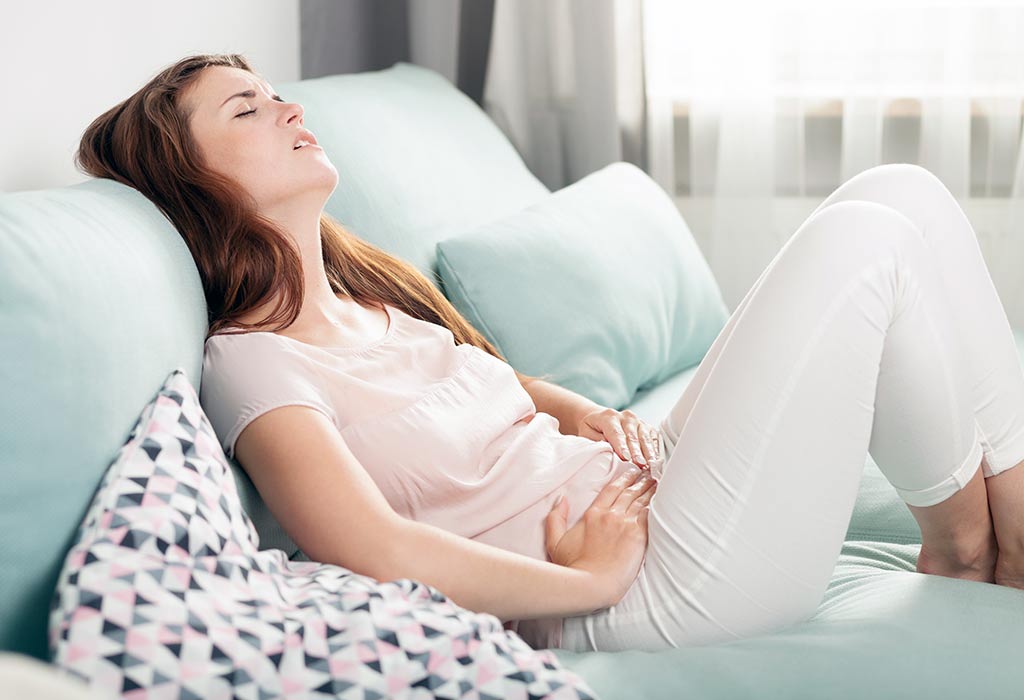
Gas After C-Section – Causes and Remedies
Pregnancy is a tough time for moms because it’s challenging physically and emotionally and takes a lot out of them when delivering a baby. Be it through vaginal birth or C-section, gastric pain is something many mothers worldwide can relate to. In the following article, we will dive deep into the gas problem after a C-section, whether it is normal, its causes, and what could be done to relieve such an issue. If you have planned a C-section with your doctor ahead of time or are just curious about it, learning in advance about gas trouble after a C-section will help you mitigate the problem if, in any case, it arrives.
Is Having Gastric Problems After C-Section Normal?
Yes, gastrointestinal or gastric problems are general postoperative complications after a C-section and are normal. This is because when your abdominal region gets surgically cut up under general anaesthesia and stitched back, it causes pain and swelling. Your bowel movements cease to function temporarily like before for some time which leads to bloating and distension, and difficulty in passing gas (1).
Possible Causes of Getting Gas After C-Section Delivery
Are you very gassy after a C-section? We’ve listed the most common ones that cause gas pain after a C-section below:
1. Diet
The food you eat and the choices in your diet will either improve or worsen your gastric pain. Foods that worsen gastric problems include dairy products, whole grains, prunes, Brussels sprouts, and carbonated beverages. Not eating high-fat items and foods with high amounts of fibre is a good idea.
2. Crohn’s Disease
Women with Crohn’s disease or any similar digestive medical conditions like Irritable Bowel Syndrome (IBS) will be more prone to cases of gastric pain. These conditions may heighten the sensations of pain and cause their gastric issues to worsen (2).
3. Infections
Infections of various sorts are also known to contribute to gastric pain. It is best to have a thorough medical evaluation to determine the underlying causes of gastric pain if they are tied to these. Infections may occur from vaginal discharge, nausea, and vomiting as well (3).
4. Episiotomy
Episiotomy is a special surgical procedure where a surgical incision is made between the vagina and anal opening to prevent cases of tearing (4). Sometimes this leads to gastric pain because the pelvic floor muscles get weakened due to this procedure.
5. Constipation
Constipation is a common cause of gastric pain after a C-section delivery. Usually, this leads to hard and lumpy stools followed by irregular bowel movements. The bloating and pain in the abdomen seem to contribute to the gastric pain. In addition, some medications make patients feel constipation, while other cases of constipation stem from diet and lifestyle choices (5).
6. Pelvic Floor Injuries
If you’ve had trauma to the pelvic floor muscles or any injuries there, it leads to the weakening and losing control over your gas. That causes gastric issues since you also lose control of your bowel movements in the process (6).
Home Remedies to Get Relief From Gas Pain After C-Section
Looking for home remedies on how to relieve gas after a C-section? Try these out (5) (7) (8)!
1. Drink More Water
Staying hydrated will help your bowels move regularly, prevent constipation, and clear up the gas.
2. Don’t Smoke or Drink
Smoking and drinking alcohol make gastric pain worsen. Refrain from such activities.
3. Change Your Diet
Add green veggies and fruits to your diet and reduce the fat intake. If your stools are too hard, you may ask your doctor to prescribe a stool softener.
4. Don’t Use a Straw
Drinking from a straw can cause more air bubbles in your stomach and worsen your gastric woes. So, refrain from drinking from one. Also, avoid carbonated beverages and chew your food thoroughly so it gets digested well.
5. Rocking in a Chair
No, we’re not kidding. Rocking in a chair will help stimulate your bowels or at least help them eliminate the gas. Rocking in a reclined chair will help immensely.
6. Move Often
Walking is one of the best ways to eliminate gas problems after a C-section. If you’re feeling lethargic or don’t feel like going for frequent walks, at least move often within your room. This could be as simple as changing your position throughout the day and not lying on the floor or bed too often. Consult your doctor about the best and safest time to start moving often and for what duration to ensure the stitches are not harmed.
Exercises to Help You Get Rid of Gas After C-Section
Many new moms wonder how to pass gas after a C-section safely and comfortably without straining their incision area. Here are a few exercises you can do to relieve or even eliminate gas pains three weeks after a C-section:
1. Pelvic Floor Exercises
Any range of exercises which strengthen and target your pelvic floor muscles will work towards reducing your gastric problems (9).
2. Abdominal Exercises
Abdominal exercises are also known to lessen gastric problems after a C-section. A good exercise is to lie down on your side and bend your knees a little. Breathe in slowly using your abdomen and hold your abdominal and pelvic floor muscles both for 10 seconds. Release, breathe out, and repeat this technique up to 10 times every day.
3. Knee-Lifts
Knee lifts is a good exercise for relieving or eliminating gastric pain. Start off by lifting your knee up a little and working your way up to your chest level. This will help break down the case. You can do knee lifts while lying down on the floor too.
4. Cat Pose
Yoga poses are fantastic for eliminating constipation, bloating, and gastric problems in pregnant women. The cat pose is one of our favourite poses that works and gives results. It doesn’t hurt your wound and gently lifts your stomach, helping you release gas and giving you adequate relief. It’s perfect for fixing your gas problem after cesarean delivery.
5. Shoulder Rolls
If the gas affects your shoulders and travels all the way up, try a couple of shoulder rolls. Back and forth. Take your time with this, and be gentle. It helps.
Before performing any exercise after delivery, it is important to consult your doctor and take their advice, as they will be able to guide you better based on your recovery.
FAQs
1. What are some positions to help pass gas after a C-section?
Lying on your left side, sitting upright with knees bent, or gently rocking back and forth while seated can help relieve gas after cesarean. You can also try the “knee-to-chest” position while lying on your back, but only if it’s comfortable. Walking frequently and practising deep breathing can further aid digestion.
2. When should I see a doctor for gas problems after a C-section?
If gas pain is severe, persists beyond a week, or is accompanied by fever, vomiting, or constipation, seek medical advice. It could indicate an underlying issue like an intestinal blockage.
Gastric problems after a C-section are common in women, but the good news is that they are temporary and completely treatable. Do these exercises, try out the home remedies, and lead a healthier lifestyle. That way, you’ll get the relief you want, and the pain will also go away eventually. However, if the gas issue or constipation persists for longer or is recurring after every few weeks of your C-section delivery, consult your doctor without any delay.
References/Resources:
1. PubMed Central – Effect of Early Post Cesarean Feeding on Gastrointestinal Complications
2. Cleveland Clinic – Crohn’s Disease
3. Cleveland Clinic – Gas and Gas Pain
4. The Johns Hopkins Medicine – Episiotomy
5. Tommy’s – What happens after a c-section (caesarean)?
6. Cleveland Clinic – Pelvic Floor Dysfunction
7. BRIGHAM AND WOMEN’S HOSPITAL – Gas: Beat The Bloat
8. Cleveland Clinic – Bloated Stomach
9. Cleveland Clinic – Kegel Exercises
Also Read:
Climbing Stairs after Caesarean Delivery
Causes of Leg Pain After C-section Delivery
Ways to Reduce Weight After Caesarean Delivery
Precautions to be Taken While Bathing After C-section Delivery
Read more
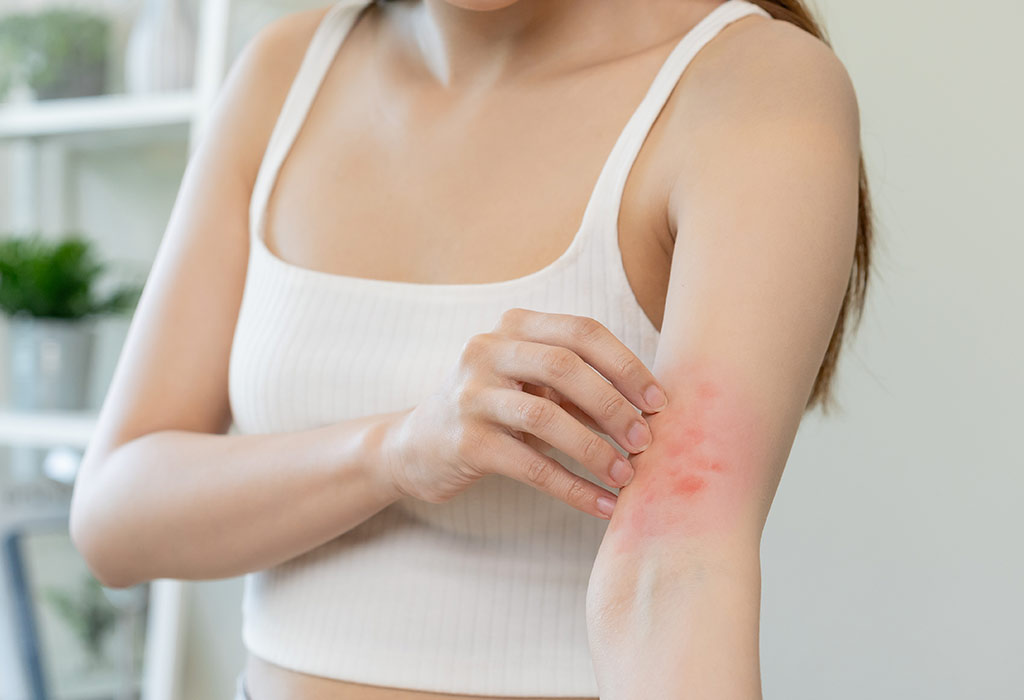
Postpartum Eczema – Causes and Tips to Handle It
Congratulations! After encountering nine months of body changes and various ups and downs in hormonal levels, you now have a lively bundle of joy in your life. But for some of you, this happiness is still a far-fetched dream owing to the attack of post pregnancy eczema. Because of hormonal and skin changes that took place during your pregnancy, eczema can make a comeback after delivery as well. In this article, we’ll walk you through why this happens and share practical, gentle tips to help you manage postpartum eczema—so you can focus on recovery, comfort, and enjoying this new chapter with your baby.
What Is Postpartum Eczema?
Postpartum eczema is a flare-up or new onset of eczema that occurs after childbirth. It usually appears in the weeks or months following delivery and is marked by dry, itchy, inflamed, and sometimes irritated skin.
It can affect different parts of the body, such as the face, neck, hands, or the folds of the elbows and knees. While it isn’t contagious, it can be uncomfortable and may require proper care to keep symptoms under control (1).
What Causes Eczema After Childbirth?
Pregnancy is the most beautiful time in a woman’s life, but it can also be a tough time for those who have already faced a bout of eczema earlier in their lives. The physical stress of having a baby and the hormonal changes associated with it can contribute to unexpected conditions, like eczema, to flare up. Let’s see in detail the whats and whys of eczema after giving birth:
1. Changes in the Immune System
Pregnancy brings a lot of changes in the body and the immune system. The immune system generally becomes weaker to accommodate the baby so that it cannot reject the baby as a foreign object (2). After the delivery, your immune system will start recovering and can, at times, overreact, leading to inflammation of the body and the skin, causing the eczema condition (1).
2. Changes in the Hormones
After your delivery, your body will start figuring out the correct balance of your hormones again (3). Hormonal eczema after pregnancy can cause your skin to get dry, making it itchy and flaky.
3. Stress
Post-pregnancy stress is one of the major reasons for eczema after delivery. Sleep deprivation can increase your anxiety levels which in turn can lead to eczema condition (4).
4. New Allergies
During and after pregnancy, many mothers develop new allergies. A quick allergy test can help you know the triggers to it so that you can avoid them and get relief from eczema.
5. Weakened Skin Barrier
The skin barrier may become more sensitive and less effective at retaining moisture after pregnancy, making it prone to dryness and irritation (5).
6. Exposure to Irritants
Frequent handwashing, baby products, detergents, or soaps can irritate sensitive skin and trigger flare-ups (6).
7. Lack of Sleep
Sleep deprivation can impact your immune system and skin health, making it harder for your body to repair and maintain healthy skin.
How to Deal With Post Pregnancy Eczema?
Eczema can develop after normal delivery as well as after c-section. The most important thing to avoid or contain eczema is to know the possible causes of getting it after delivery. Once you’re aware of these triggers, you can take the right steps to manage it. Here are a few effective postpartum eczema treatment options to help soothe your skin and reduce flare-ups.
1. Environmental Factors
Environmental triggers are the most common reasons that can accelerate eczema after pregnancy. Pet dander, sensitivity to a certain food, lotions, harsh soaps, or even detergent powders could cause your eczema to worsen (4). Staying away or practising caution can be very helpful in controlling this skin condition.
2. Keep Your Skin Moisturised
Avoid using any harsh soaps on your body so that your skin does not dry out. Frequent hand washing should also be avoided as it strips away natural body oils and leaves the skin dry for eczema to develop. Apply moisturiser right after bathing or washing hands to lock in the moisture and prevent eczema (6). Always pat dry the skin instead of rubbing it to avoid triggering facial eczema or anywhere on the body.
3. Apply Aloe Vera Gel
The application of aloe vera gel or calendula can provide relief to the skin affected by eczema (7).
4. Black Currant Oil
Include black currant oil in your diet, approx 500 mg twice daily. It is rich in gamma-linolenic acid which is known to promote healthy growth of hair, skin and nails.
5. Avoid Dairy Products
Dairy is commonly known to flare up eczema. You can try avoiding dairy products and products that have hydrogenated oils and trans-fatty acids to check whether or not it is making any difference.
6. Tepid Baths
To alleviate your symptoms, you can use warm tepid baths, followed by an application of emollients and topical steroids. It is recommended that you consult a doctor before applying topical medicated creams to prevent any potential risk during breastfeeding.
7. Managing Stress
Practising yoga also helps in reducing your stress after delivery, thereby successfully combating eczema attacks.
Can You Breastfeed With Eczema?
The most uncomfortable area where a woman might get eczema is the areola or nipples. Nipple eczema can be an unusual case of eczema, resulted by some food the baby is eating that the mother is intolerant to (8). However, you can surely continue to breastfeed your baby with eczema. With eczema, breastfeeding can only stop if it hurts the mother. Breastfeeding actually helps to prevent other issues like plugged milk ducts and mastitis.
Here are a few tips for breastfeeding when you have eczema (9):
You can apply an emollient and topical steroid on the affected areas immediately after feeds.
Take utmost care to wipe off the topical medicines thoroughly from the nipples and areolas before nursing the baby.
Avoid wearing tight-fitting bras, and wash off any moisture around your breasts with breast pads.
You can also apply some breastmilk over the affected area. The fat present in breast milk will reduce dryness by retaining moisture in the cracked nipples.
Can Having Eczema Affect the Baby?
Eczema can be hereditary. If you or any of your family members have eczema, allergies, and autoimmune disorders like asthma, then your baby is more likely to be affected by eczema. However, if neither the parents nor the siblings have eczema, asthma, or hay fever, then the chances of the baby developing this condition are slim, like 1 in 10.
One important thing to note here is that there’s no way of knowing for sure whether or not the baby will develop eczema if the parents have had (or not) a history of eczema. Also, there is no clear scientific evidence that could state that any change or control in the lifestyle before conceiving or during pregnancy will prevent eczema.
When to Consult the Doctor?
While postpartum eczema can often be managed with basic care and lifestyle adjustments, certain symptoms may indicate the need for professional guidance. If you notice any of the following signs, it’s best to consult a doctor:
If your eczema symptoms are severe or spreading rapidly.
When itching becomes intense and starts interfering with your sleep or daily routine.
If you notice signs of infection such as redness, swelling, oozing, or pain.
When over-the-counter creams or home remedies do not provide relief.
If the condition keeps recurring or does not improve over time.
FAQs
1. How long does postpartum eczema last?
The duration varies from person to person. For some, it may settle within a few weeks, while for others, it can persist for several months depending on skin care and treatment.
2. Is postpartum eczema harmful to the baby?
No, eczema postpartum is not contagious and does not pose any direct risk to your baby. However, managing symptoms is important for your own comfort and well-being.
Eczema sometimes heals on its own. Keep your skin moisturised and try to figure out your eczema triggers to be able to manage them successfully. Focus on getting enough rest and sleep to avoid any stress build-up.
Also Read:
How to Deal with Postpartum Hives?
Ways to Take Care of your Skin after Pregnancy
Pimples after Pregnancy – Reasons, Prevention and Treatment
Read more

After Delivery Care in Ayurveda – Essential Tips for New Mothers
Now that you are holding your little newborn baby, it is true that you might forget all your emotionally strained and tiresome pregnancy period. But don’t let the attitude of vigilance and care you showed regarding your health during the pregnancy fade away. After delivery care in Ayurveda is given a lot of importance as it paves the future for a mother as well as her baby. A dedicated and informed approach to postpartum care for the mother and the baby does wonders to their health and secures their future.
Postnatal Care in Ayurveda
After delivery, a mother changes both mentally and physically. The 6 to 8 weeks from the day of the delivery are considered highly sensitive, and a mother should get postnatal care as much as possible. However, things like lack of sleep, anxiety over the baby’s health, taking care of the baby, hormonal changes, and other physical discomforts like cramps, vaginal discharges, etc., can possibly affect you during this period. Therefore, she needs special care for her body to regain energy and strength.
1. Daily Routine
A new mother can expect her daily routine (dinacharya) to shift significantly for the first few months as she will have to respond to the baby’s changing needs and her role as a parent. Mothers can take a few minutes during and before morning breastfeeding to relax using energetic imagery, deep breathing, or meditation. The mother should avoid forms of extended physical exercise for the first 42 days but could take short walks with her baby. Newbie moms could also apply a small amount of Brahmi oil on the top of their heads every morning as a part of aromatherapy and sleep with a light scarf around their heads and ears to prevent airflow.
2. Diet Tips
1) North Indian Style of Postpartum Diet
In the North Indian tradition, the foods given during the confinement period are rich in ingredients that promote digestion, lactation, and resistance against infections.
The confinement period diet mainly includes parathas, ladoos, and kheers, prepared with ajwain, millet, broken wheat, methi, besan, gond, fennel, dry fruits, semolina, sesame, turmeric, aliv seeds, and fenugreek.
Ghee is an important addition to almost every food of the mother.
Turmeric milk is given every morning. This is easily prepared by adding a pinch of turmeric to boiling milk.
Lactation is increased by consuming garlic milk.
Broken wheat porridge is given to reduce the chances of suffering from constipation.
Roti is made with millet as it helps digestion because it is a rich source of fibre.
Khichdi made with moong dal or different forms of rice are included as they are rich sources of carbohydrates.
Since ajwain is a traditionally-known galactagogue, ajwain parathas are served for proper lactation. Ajwain is also believed to clean the uterus, so it’s a win-win for a mother’s body.
Another recipe to increase breast milk production is water boiled with fennel seeds. When mothers consume this water, it enhances their breast milk production.
Water boiled with jeera seeds (cumin) helps fight against the gas formation and infection.
Kheer made from aliv seeds is given to increase breast milk.
2) South Indian Style of Postpartum Diet
Most South Indian states follow the postpartum diet given below.
Certain foods are avoided during postpartum in South India. They include pickles, chillies, oily food, spices, sour curd, and fruits like grapes. Toor dal is better to avoid as it can gas problems. A good alternative is this is using moong dal.
Food is prepared using garlic, ginger, mustard, cumin seeds, turmeric, caraway seeds, fenugreek, and fresh curd that are not sour.
Fenugreek seeds, bottle gourds, bitter gourds, and drumsticks are used in the food preparation.
Turmeric water is also consumed daily to increase the healing of internal wounds.
In many places, beetle leaves are given to the mother to speed up digestion.
Dry ginger powder in lukewarm water or with jaggery is given to a new mother.
Steamed foods like idiyappam and idly are eaten for breakfast. It is usually taken with homemade ghee and, if required, some sugar.
Rice porridge, along with manathakali vathal (black nightshade) fried in ghee and flame-roasted appalam, is given for dinner.
Satvik Foods to Eat Post Pregnancy
Here are some sattvic food tips or ideas that can prove beneficial if consumed post-pregnancy:
Foods, such as honey, yam, milk, and basmati rice can be used to add a little quality.
Vegetables, such as carrots, beets, and green beans, are great and healthy. You should avoid gassy vegetables like cauliflower, potato, and okra.
In India, except for apples and pears, fruits are completely avoided for the first 21 days. Apples and pears are eaten because they have less sugar and are not very juicy to increase the body’s water content. Satvik foods are mostly chosen to avoid discomfort for the mother.
Foods like fenugreek leaves and seeds are also consumed for lactation.
Consumption of salads might cause constipation. It is assumed that greens and raw vegetables are high on fibre. You could diminish the “Agni” (fire) by consuming a warm porridge of oats or rice along with ghee, as it is more soothing to the digestive system.
For a minimum of 48 days, anything cold out of the refrigerator, like ice water or ice cream, must be avoided. Sipping warm water after waking up is also good for an easy bowel movement.
Postpartum Massage (Abhyanga) Tips for Baby and Mother
Abhyanga is a self-oil massage that can be done daily for the baby and the mother. This type of massage is not a deep tissue massage that promotes bleeding but is a soothing and relaxing 90 minutes repetitive massage that can be given during the confinement period. Abhyanga helps the body remove stored waste from the muscles and tissues. Repetitive, soothing strokes also help increase lactation and enhance peace of mind, promoting peaceful sleep. Kuzhambu and Dhanvantharam kuzhambu can be used for body massage, while coconut oil could be a great alternative for head massage. To release tension and pain from the body, mothers can take hot showers (not scalding ones).
Ayurvedic Herbs and Medicines for Postpartum Care
Dashamoolarishtam: It is extremely effective in keeping infections at bay and boosting your immunity. It is usually prescribed for the first few months to reduce pain and inflammation.
Shatavari Gulam: Consuming Shatavari Gulam achieves overall hormonal balance and improves lactation.
Jeerakarishtam: This is well known for inducing normal lactation and is usually prescribed to mothers during the winter and monsoon seasons. Owing to its hot nature, it keeps the body warm.
Pulileham: It is administered to new mothers from the beginning of the third week for about a month and a half.
Musta: Musta herb are good at relieving clogs in milk ducts and inflammation and is good for improving breast milk production.
Shatavari: The Shatavari herb is mixed with boiling milk to avoid postpartum depression. Owing to its tons of benefits, it improves the production of breast milk and is also good for the normal involution of the uterus.
Additional Post-Delivery Care Tips in Ayurveda
Incorporate moist, warm, and oily influences, both externally and internally.
Bring restful, soothing, and supporting influences into your routine, like listening to soft music, humming, walking, etc.
Increase the sour, sweet, and salty taste foods in your diet.
Make time to connect with the baby in a joyful manner, like gentle dancing or singing.
Avoid raw foods for at least the first six weeks.
Positive health paves the way for a healthy mind. It is also important to keep the energy surrounding the baby positive as if the mother is not well physically or mentally, it can affect the baby, too. In the postpartum period, get ample sleep whenever you get the chance and eat fresh and warm food. Mothers should also be aware of the belly wrapping post-pregnancy thing. You can consult elders of the house or trained professionals like doulas to understand how to do belly wrapping post-pregnancy.
Also Read:
Postnatal Diet: Foods to Eat After Delivery
How to Take Care of Yourself Post Delivery?
Precautions You Need To Take After Delivery
20 Common Postnatal Complications You Must Be Aware Of
Read more
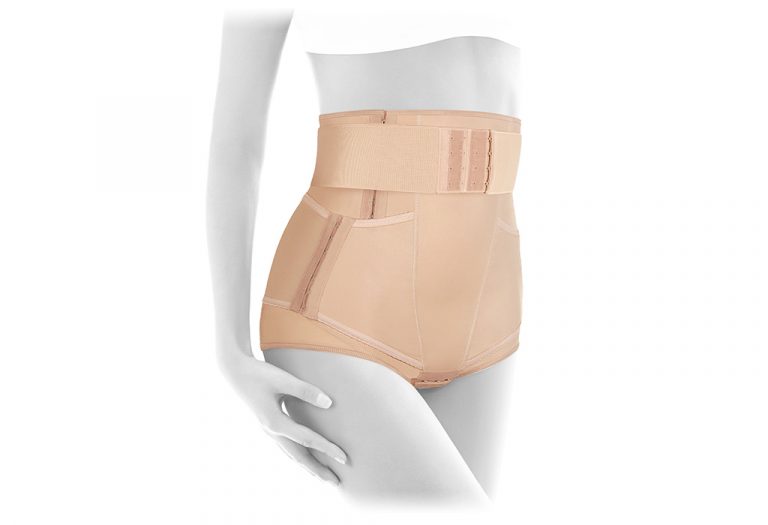
Postpartum Waist Trainers: Types, Benefits, Risks & Safety Tips
It’s not uncommon to see celebrity moms and many other people back in perfect shape within months of giving birth. So, what’s the secret? Using postpartum waist trainers is believed to do the magic here! In today’s world, where many aim for the “perfect” body, this age-old method of waist training has become a popular way to help slim down the postpartum belly. These trainers can offer benefits like better posture, core support, and a boost in confidence. However, it’s important to use them carefully to avoid any health risks. In this article, we’ll look at the benefits of using a waist trainer after giving birth and the precautions new moms should keep in mind.
What Is Waist Training?
Waist training is an old method of tightly binding or wrapping the body’s midsection from the bottom of your ribs to the lower waist with a supportive band or a corset to gradually decrease the natural waistline. The process is thought to reshape the waist leading to slimming in women looking for a perfectly shaped waist. There are also claims that waist trainers promote heat in the abdomen, which causes perspiration and fat loss (1).
After birth, the changes in hormones and fluid content in the body can cause water retention in the abdomen. The accumulated water takes about two weeks to dissipate and two more weeks for the rest to subside. Meanwhile, it can take up to six weeks for the uterus to shrink from the size of a watermelon to its normal size (2). All this occurs naturally along with belly shrinkage whether women wear waist trainers or not. However, waist training is thought to speed up the process and help women shrink their bellies sooner.
The rationale behind waist training after delivery is that during pregnancy, the body releases a hormone called relaxin that softens the ligaments and cartilage. It helps during the final weeks of pregnancy to allow for increased flexibility to help with the baby’s passage through the birth canal. Wearing belly support such as a wrap or a band helps to stabilise the pelvis and keep it steadily in shape so that it stops shifting and heals. The advantage of this is that women can resume exercise sooner to return to their normal function and pre-pregnancy shape.
Different Type of Postnatal Waist Trainer
Post-baby waist trainers come in many designs, and they are made of different types of materials, such as spandex, and latex, with cotton, nylon and lycra added to the fabric. Here are some of the types:
1. Belly Wraps
Belly wraps are the simplest of the waist trainers and are usually a wide adjustable elastic band that wraps around your abdomen from below the ribs to the top of the waist. They provide gentle compression, which can often be adjusted with a Velcro tightener, and several designs are available for pregnant women. These are not as intense as corsets or waist trainers but offer excellent support right after birth for the first week or two until you’re ready to upgrade.
2. Abdominal Compression Binder
Abdominal compression binders are commonly used after surgery to stabilise the abdomen. They feature no-frills bands with adjustable compression that generally work with Velcro. Although it’s a general medical device not specific to postpartum mothers, it can be used as a support for the abdomen as part of waist training. A study conducted in 2019 found that women who wore abdominal binders after their c-sections were able to cover longer distances and had less feeling of distress than those who did not wear binders after 48 hours of operation. Since the incisions of c-sections stay fresh after such a short time, you should wait for 2-4 weeks and consult your doctor before using belly bands or wraps.
3. Waist Trainers/Cinchers
Waist trainers are tighter and designed to apply more pressure on the abdomen using zippers or hook-and-eye closures. These are the ones commonly seen by celebrities, and they can be worn under a regular dress or when you’re at home working. They cover the midsection of your body from under the breasts to the top of the hips. Cinchers are often made of latex-like stiff materials reinforced with plastic or metal boning. Their purpose is to apply extra firm compression and drastically reduce the waist size. They can be worn a month after giving birth anywhere from one to eight hours a day, depending on your comfort. They are believed to show results in about a month if worn for eight hours a day along with following a healthy diet. Cinchers can also be worn while working out.
4. Corsets
Corsets apply a much stronger compression than waist trainers or belly wraps. They contain steel bones in them, which are tightened using laces. Corsets are meant for body sculpting using high compression. They would feel uncomfortable in the beginning. Therefore, they should only be used in later stages when you’re ready to upgrade from all of the above. They can be worn for an hour or two a day until you get used to them, and then move to eight or twelve hours over the months.
Benefits of Using Waist Trainers After Pregnancy
Using a waist trainer after delivery has a number of benefits for postpartum women. Here are some:
1. Improves the Shape of Your Waist
Most new moms wish to lose their baby pouch as soon as possible. Wearing a waist trainer belt can help you lose all the fluid and fat fast to achieve a shapely waist. The waist training works by cinching the waistline to make the stomach take the shape of the waist trainer.
2. Improves Your Posture
Waist training corsets use materials such as plastics or metal bones that keep your back straight for as long as you wear them. Hence wearing these will enhance the posture of your back, keeping the spine straight and firm. If you tend to slouch or have back pain post-pregnancy, waist trainers can help improve your posture (3).
3. Eases Back Pain
Maintaining a good posture with the help of waist trainers can help you go a long way in fixing your upper and lower back pain problems. Maintaining a good posture while you sit and walk helps to take the stress off the back and reduce back pain. In a comprehensive study, it was found that belly bands can decrease distress and offer lower back support to those who had c-sections (4).
4. Makes You Eat Less
The waist trainer wrapped tightly around your abdomen won’t allow you to stuff yourself with food. As a consequence of less eating, you lose weight faster and get into shape sooner.
5. Soothes Menstrual Cramps
Some women find that cinchers help ease menstrual cramps. The pressure applied to the peritoneal organs can result in lesser contractions in the uterus and blocks during the period.
Side Effects of Post-Pregnancy Waist Trainers
Although post-pregnancy waist trainers are popular for helping new moms feel more supported and slim, they can also come with some unwanted side effects. Here are a few side effects that should be considered before using a postpartum belly wraps (1) (5).
Some manufacturers use latex rubber as the band material, which can cause allergies in some women.
Waist trainers that are too tight can cause breathing difficulties and lightheadedness.
Tight waist trainers early during breastfeeding can make the mother eat less, which is bad for both her and the baby.
Precautions to Take While Using Postnatal Weight Trainers
While postpartum waist trainers can offer support and help new moms feel more confident, they should be used with care. Wearing them incorrectly or for too long can lead to discomfort or even health issues. Below is a list of important precautions every new mother should consider before using a postnatal waist trainer.
If you plan to wear a waist trainer after a c-section, you must consider the area of the incision, which is still delicate. Start with simpler ones, such as belly wraps and abdominal compression binders, before moving to cinchers or corsets.
Waist trainers should feel tight but not cause pain.
Poor-quality trainers can cause more harm than good, so it’s better to buy a premium-quality waist trainer.
Women with infections at the stitches or conditions, such as amnionitis or preeclampsia, should avoid them completely.
Some Alternatives for Waist Trainers
While waist trainers may work for some women, they aren’t the only option for postpartum recovery and support. There are several safer and more comfortable alternatives that can help new moms regain their strength and feel confident after childbirth. Here are a few options to consider:
1. Healthy Diet and Exercise
Eating a balanced diet and staying active are essential for getting back in shape after childbirth. It’s a good idea to talk to a doctor or fitness expert to create a plan that fits your body’s needs (6).
2. Core Strengthening Exercises
Doing exercises that focus on your core can naturally help tighten and tone your waistline without the risks that can come with waist trainers (7).
3. Postpartum Belly Bands
These bands gently support your belly and lower back after birth. They’re an easy alternative to waist trainers and can help your body heal comfortably.
4. Yoga and Pilates
Both yoga and Pilates are great for improving posture, flexibility, and core strength. They support your overall recovery while helping you feel more balanced and strong (8).
5. Waist-Targeted Workouts
Try workouts that combine cardio, strength training, and core exercises to help slim your waist in a healthy and lasting way.
FAQs
1. When should I start using post-pregnancy waist trainers?
The gentler trainers, such as belly wraps, can be used a few hours after you deliver, provided your doctor gives you an all-okay. Do confirm with your doctor before using it.
2. For how long should I wear a waist trainer?
Start with what feels comfortable; it could be one or two hours a day initially, and wear it for up to 8 or 12 hours. Most manufacturers recommend wearing it all day and night except when taking a bath for 30 to 60 days postpartum.
3. How can I choose the right size of waist trainer for me?
Measure the waistline five centimetres above your navel. Pick a waist trainer that is four inches smaller than your measured waistline. The hooks can be adjusted as your stomach shrinks.
4. Who should avoid using a postpartum waist trainer?
Women with high blood pressure, breathing problems, hernias, or recent C-sections (until fully healed) should avoid waist trainers unless their doctor approves it. Always consult a doctor before starting to use one.
5. What’s the difference between a waist trainer and a belly band?
A belly band offers gentle support and is designed for comfort and healing, while a waist trainer provides firmer compression and is more focused on shaping the waistline.
Waist trainers can help you shed that baby pouch and get back to your perfect figure in a short time. It’s essential that you also maintain a good diet and exercise routine to go with it for maximum benefits.
References/Resources:
1. Cleveland Clinic – Why Waist Trainers Aren’t the Same as Shapewear (and Other Things You Should Know)
2. The Health Care Authority of the City of Anniston – When Will “Pregnancy Belly” Go Away?
3. Cleveland Clinic – Postpartum Belly Wraps: Purpose, Types, Benefits & Risks
4. International Journal of Environmental Research and Public Health – Effectiveness, Feasibility, and Acceptability of Dynamic Elastomeric Fabric Orthoses (DEFO) for Managing Pain, Functional Capacity, and Quality of Life during Prenatal and Postnatal Care: A Systematic Review
5. AMERICAN BOARD OF COSMETIC SURGERY – 4 Reasons to Throw Your Waist Trainer in the Trash
6. Cleveland Clinic – How To Lose Weight While Breastfeeding
7. Harvard Health Publishing – Waist trainers: What happens when you uncinch?
8. National Childbirth Trust – Postnatal exercise: how soon can I start again after a baby?
Also Read:
Exercises to Do After Delivery
Weight Loss Diet Plan after Delivery
Home Remedies to Reduce Belly Fat After Delivery
Read more
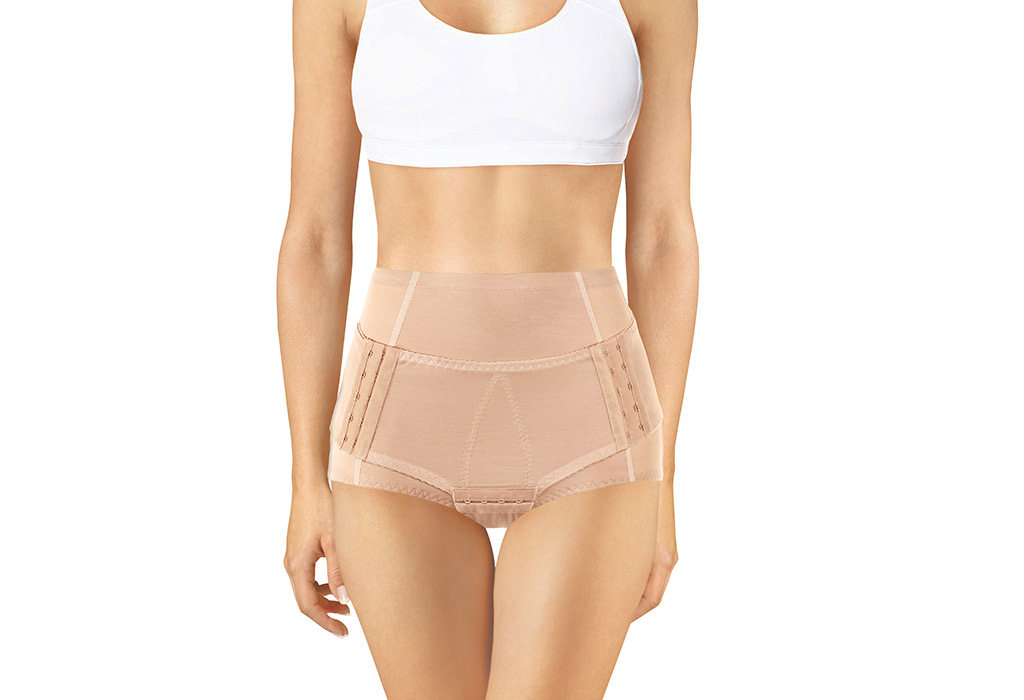
C-section Underwear – Benefits and Tips to Choose the Right One
If you have had a C-section recently or going to have a planned one, then learning about the benefits of C-section panties is going to thrill you! After waiting for nine long months to hold your baby in your hands, finally, you start preparing for the most important day of your life! One can only imagine the excitement and emotions going through your mind. While you pack the hospital bag heading for the C-section surgery, you’ll need to consider buying the appropriate panties you can wear post the caesarean incision. Wondering what underwear to wear after a C-section? Yep, you guessed it right, C-section panties. Scroll for more information.
What Are C-Section Underwears?
It’s obvious that you cannot wear your regular panties after a C-section; you need a special kind of C-section brief. C-section recovery panties expedite your recovery and also reduce the post-baby tummy. Basically, it is the complete solution for your postpartum surgery that will help you throughout the recovery process (1).
Why Should You Use C-Section Panties?
A specially designed C-section support underwear for women who have had a caesarean delivery offers the following benefits:
1. Speeds Up Your Post-C-Section Recovery
A comfortable C-section panty provides compression, which reduces the swelling around the incision and provides support to the tissues that were weakened due to the surgery.
It helps reduce and shrink the uterus and removes excess fluids.
It also reduces the itching sensation as the incision heals. It contains FDA-approved silicon, which minimises the C-scar appearance.
2. Helps in Postpartum Weight Loss
C-section panties offer a gentle compression which supports the body to return to its normal shape and size post-delivery.
It supports the abdomen region without adding unnecessary pressure.
It can be easily worn under any clothing.
3. Recover in Comfort
C-section panties are super comfortable to wear throughout the healing process compared to other regular panties, which tend to rub or irritate the incision area (2).
The additional support makes it more convenient and less painful to move around.
It helps you recover in comfort so that you can happily take care of your baby without any worries.
Different Types of C-section Underwear
The right post-C-section underwear can provide support, reduce swelling, protect the incision, and enhance comfort during healing. Below are the key types of C-section underwear designed to aid recovery, each offering unique benefits for new mothers.
1. High-Waisted Underwear
High-waisted styles are the most recommended for C-section recovery because they sit above the incision, preventing irritation and providing gentle compression to reduce swelling. These panties often feature soft, stretchy fabrics like cotton or modal to ensure breathability and comfort. Some designs also include absorbent gussets to manage postpartum bleeding (lochia) while keeping the incision area protected.
2. Compression Underwear
Designed to offer targeted abdominal support, compression underwear helps reduce swelling, stabilise weakened muscles, and promote faster healing. Some brands incorporate medical-grade silicone panels to minimise scarring, while others use adjustable Velcro or elastic bands for a customisable fit. This type is ideal for moms who need extra support during movement, but should be introduced only after initial healing.
3. Seamless Underwear
Seamless designs minimise friction against the sensitive incision area, reducing irritation and discomfort. Made from smooth, stretchy materials like micromodal or nylon-spandex blends, these panties are ideal for early recovery when the skin is most tender. They also work well under clothing without creating visible lines.
4. Disposable Postpartum Underwear
For convenience during the first few days of heavy bleeding, disposable options like mesh panties (often provided in hospitals) or boutique-style disposable briefs are popular. They are breathable, leak-proof, and eliminate laundry hassles. Some brands offer soft, high-waisted versions that are more comfortable than traditional hospital mesh.
5. Belly Wraps or Binder-Style Underwear
Though not traditional underwear, these hybrid designs combine high-waisted support with firm compression to flatten the abdomen and stabilise the core. They often feature corset-like structures or adjustable bands, making them useful for both C-section recovery and long-term postpartum abdominal support.
How to Choose the Right C-Section Panties?
Choosing the right postpartum underwear after a C-section is crucial for comfort, support, and proper healing. Below are key factors to consider when selecting the best C-section panties for your needs.
1. Prioritise High-Waisted Designs
Opt for underwear that sits above the C-section scar to avoid irritation. High-waisted styles provide gentle compression, support the abdominal area, and help reduce swelling. Look for soft, stretchy fabrics like cotton or bamboo for breathability.
2. Choose Soft, Non-Irritating Fabrics
Avoid rough materials that can rub against the incision. Seamless, moisture-wicking fabrics like micromodal, bamboo, or cotton-spandex blends minimise friction and keep the area dry, reducing the risk of infection.
3. Consider Compression for Extra Support
If you need additional abdominal support, compression panties can help stabilise muscles and reduce swelling. However, ensure they are not too tight—opt for adjustable or medical-grade options designed for postpartum recovery.
4. Look for Breathable & Moisture-Wicking Properties
Postpartum bleeding (lochia) and sweat can cause discomfort, so moisture-wicking fabrics help keep the area dry. Avoid synthetic materials that trap heat, as they may increase irritation.
5. Check for Seamless or Flat Seams
Seams can dig into sensitive skin, especially near the incision. Seamless or laser-cut panties prevent chafing and provide a smoother fit under clothing.
6. Decide Between Disposable or Reusable Options
Disposable panties (like mesh hospital panties or boutique brands) are convenient for the first few days of heavy bleeding. Reusable high-waisted panties are better for long-term comfort and eco-friendliness.
7. Ensure Proper Fit & Adjustability
Avoid underwear that’s too tight (can restrict circulation) or too loose (won’t provide enough support). Adjustable waistbands or postpartum-specific brands often offer the best fit for fluctuating postpartum bodies.
FAQs
1. Is it safe to wear C-section underwear with silicone scar panels immediately after surgery?
Some specialised underwear includes medical-grade silicone panels for scar support. However, these should only be used once the incision is fully closed (typically 2+ weeks post-op) and approved by your doctor to avoid irritation or infection.
2. How do I clean C-section underwear stained by postpartum bleeding or incision fluids?
Hand-wash with cold water and mild detergent first to prevent stains from setting. For stubborn stains, some brands recommend a hydrogen peroxide soak. Avoid bleach or fabric softeners, as they can degrade elasticity and irritate healing skin.
3. Can C-section underwear help with diastasis recti (abdominal separation) after delivery?
Some high-waisted C-section underwear with targeted compression may provide mild support for diastasis recti by gently bringing the abdominal muscles closer together. However, they are not a substitute for physical therapy or medical treatment. For severe cases, consult a pelvic floor specialist and pair underwear with approved exercises.
C-panties are available in different styles and varieties, so find the recovery panty suitable for you and your body. Moving around to speed up the recovery process is highly recommended, and the best-suited C-section underwear will support your movements without causing any pain or irritation.
Also Read:
How to Recover After a C-section Birth
How to Sleep After Cesarean Delivery
How to Lose Weight After a C-Section Birth
Read more
Vaginal Dryness After Giving Birth: Causes and Treatments
There appear to be a million things no one taught you about pregnancy and childbirth. Postpartum dry skin down there is typical after delivery, although many women are unaware of it. Vaginal dryness postpartum is a common issue. You must be aware of this scenario to restore natural vaginal moisture and make intercourse more pleasurable. Here, we talk about the condition, why it happens, steps you can take to treat it, and how, if at all, it affects breastfeeding. Additionally, we will explore some natural remedies and lifestyle changes that can help alleviate this discomfort, ensuring a smoother recovery period.
What Causes Vaginal Dryness?
Postpartum thyroid, an infection of the thyroid gland, can also induce postpartum vaginal dryness. When your thyroid is inflamed, it generates hormones that are essential to many body activities, including metabolism; however, when your thyroid is inflamed, it may produce too much or not enough thyroid hormones. The symptoms of postnatal vaginal dryness are as follows:
Sensitivity to cold
Depression
Dry skin
Irritability
Difficulty sleeping
Weight gain
Shakiness
Apart from this, some other hormone-induced reasons specific to women include:
1. Menstrual cycle
During your menstrual cycle, they also cause the formation of a lining in your uterus. If a fertilized egg isn’t implanted in this lining, estrogen and progesterone levels fall, and the uterine lining sheds as part of your menstruation.
2. Pregnancy
When you’re pregnant, your estrogen and progesterone levels skyrocket. The uterine lining grows into a placenta instead of being removed. In addition, the placenta begins to produce estrogen and progesterone.
3. After delivery
After giving delivery, the estrogen and progesterone levels plummet drastically. They recover to their pre-pregnancy levels within 24 hours after giving birth. Since estrogen can interfere with milk production, your body reduces estrogen even further when nursing. Postpartum vaginal dryness develops due to hormones, specifically estrogen and progesterone. They are mostly generated by your ovaries, which cause puberty, which includes breast growth and menstruation.
Estrogen is vital for sexual desire because it promotes blood flow to the genitals and vaginal lubrication. Many of the postpartum symptoms that women experience, such as hot flashes, night sweats, and vaginal dryness after birth, are caused by a shortage of estrogen. To combat this, some women opt to take an estrogen supplement. Others prefer not to take one since it raises the chance of cancer and other complications, such as blood clots.
How Common Is Vaginal Dryness After Pregnancy?
If you are experiencing any of these or other symptoms, you may find some solace in knowing that you are not alone. Up to 10% of women get postpartum thyroiditis.
Your therapy will be determined by the type of postpartum thyroiditis you have. In the case of an overactive thyroid, your doctor may recommend beta-blockers to alleviate symptoms. If your thyroid is underproducing, your doctor may offer thyroid hormone replacement medication. But how long does postpartum dryness last? If postpartum thyroiditis is the source of your vaginal dryness, be comforted that for 80 per cent of women, thyroid function returns to normal within 12 to 18 months.
Other causes, like tiredness or postpartum depression, might contribute to the feeling of dryness if a patient is not nursing. If a patient doesn’t feel right, she should have her thyroid checked. Thyroid issues might affect up to ten per cent of postpartum mothers.
Effect of Childbirth on Vagina
Childbirth and dryness after having a baby can cause your vaginal tissue to shrink, become less elastic, and become more prone to damage. The vaginal canal can also become irritated, causing burning and irritation.
Because of these changes, postpartum intercourse may be unpleasant, or you may suffer from internal dryness down there after childbirth. Take heart, though, because these symptoms should go away as your estrogen levels return to normal.
How to Help Vaginal Dryness Postpartum?
Despite postpartum vaginal dryness, you can still have a satisfying sexual life. The following suggestions can help you improve your postpartum sexual experience:
Douches and personal hygiene sprays, which can irritate delicate vaginal tissues, should be avoided.
Discuss your worries with your partner.
When having sex, use a lubricant. (If your partner wears a condom, avoid petroleum-based lubricants, which can cause condom degradation.)
Applying a vaginal moisturizer every few days is a good idea.
Drink plenty of water. Maintain a healthy level of hydration in your body!
Discuss with your doctor the use of an estrogen vaginal cream, such as conjugated estrogens or estradiol.
Increase foreplay and experiment with new techniques and positions.
Postpartum Vaginal Dryness and Breastfeeding
Some women endure a lack of vaginal lubrication throughout their nursing experience, which may be irritating and even painful. The amount of estrogen, a feminine hormone, is reduced after birth and when breastfeeding. Breastfeeding your kid might lower your estrogen levels even further and promote vaginal dryness after delivery.
Fortunately, after we stop breastfeeding, this dryness disappears. This causes vaginal tissue thinning, similar to menopause. Patients are advised to use vaginal moisturizers, and if the patient’s symptoms persist, vaginal estrogen cream is another possibility. If something seems wrong with your body, always consult a healthcare expert.
When to Consult the Doctor?
If your postpartum symptoms linger despite home remedies, cause significant discomfort, or are accompanied by unusual discharge, bleeding, or unbearable pain, or you are worried in any way, consult your OB-GYN and midwife. Infections, diabetes, and vaginismus (involuntary contractions) may all cause painful intercourse, so it’s critical to be open and honest with your healthcare practitioner about your symptoms.
FAQs
1. Can vaginal dryness postpartum affect my mental health?
Yes, experiencing vaginal dryness postpartum can affect your mental health. Discomfort and pain during intercourse may lead to feelings of frustration, anxiety, and decreased libido. Open communication with your partner and seeking professional help if needed can alleviate these emotional impacts.
2. Are there any specific exercises that can help alleviate vaginal dryness?
Yes, pelvic floor exercises, also known as Kegel exercises, can help improve blood flow to the vaginal area, potentially reducing dryness. These exercises strengthen the pelvic muscles, which can enhance overall vaginal health and lubrication.
3. Can certain foods help with postpartum vaginal dryness?
Yes, a diet rich in omega-3 fatty acids, vitamin E, and phytoestrogens can support vaginal health. Foods like flaxseeds, walnuts, avocados, and soy products may help improve natural lubrication and reduce dryness.
Vaginal dryness can cause pain in the vaginal and pelvic areas. While several factors can cause this syndrome, vaginal dryness is seldom significant, and there are various medications available to aid with its treatment. There are additional steps you may take to avoid it. However, if you have persistent vaginal dryness, talk to your doctor about it so they can help you discover the correct solution.
References/Resources:
1. O’Malley. D, Higgins. A, Begley. C, Daly. D, Smith. V; Prevalence of and risk factors associated with sexual health issues in primiparous women at 6 and 12 months postpartum; a longitudinal prospective cohort study (the MAMMI study); BMC Pregnancy and Childbirth; https://bmcpregnancychildbirth.biomedcentral.com/articles/10.1186/s12884-018-1838-6; May 2018
2. Vaginal dryness (Women’s Health Concern); British Menopause Society; https://www.womens-health-concern.org/wp-content/uploads/2023/11/25-WHC-FACTSHEET-VaginalDryness-OCT2023-B.pdf
3. Alligood-Percoco. N, Kjerulff. K, Repke. J; Risk Factors for Dyspareunia After First Childbirth (Obstetrics & Gynecology); National Libary of Medicine; https://www.ncbi.nlm.nih.gov/pmc/articles/PMC4993626/; September 2017
4. Postpartum Dyspareunia Resulting From Vaginal Atrophy; National Libary of Medicine; https://clinicaltrials.gov/study/NCT01319968
5. Abraham. C; Experiencing Vaginal Dryness? Here’s What You Need to Know; American College of Obstetricians and Gynecologists; https://www.acog.org/womens-health/experts-and-stories/the-latest/experiencing-vaginal-dryness-heres-what-you-need-to-know
6. Bachmann. G, Pinkerton. J; Patient education: Vaginal dryness (Beyond the Basics); UpToDate; https://www.uptodate.com/contents/vaginal-dryness-beyond-the-basics
Also Read:
Vagina Changes After Childbirth
Hormonal Changes After Pregnancy
Common Body Changes After Childbirth
Recovery Ideas for Vagina After Pregnancy
Read more
Sort By
 Latest
 Most Popular
 Trending
Please select atleast one Filter