

















.svg)
.svg)
.png)


Care
Suggested articles for you
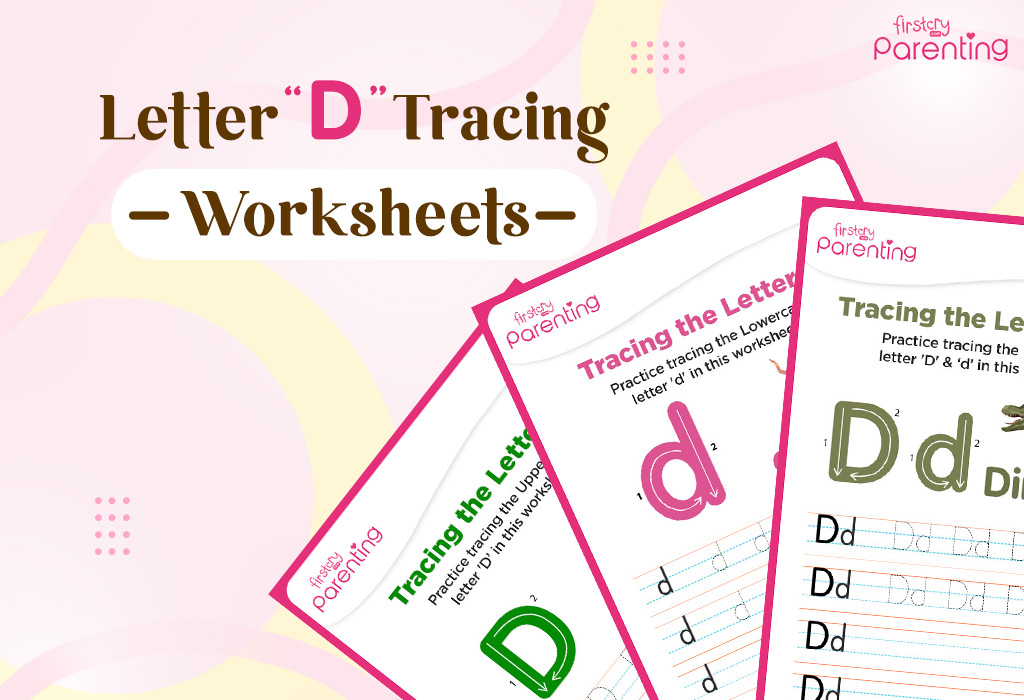
Letter D Tracing Worksheets – Free Printables To Learn
Letter D worksheet for preschoolers is a fun and easy way to help kids learn how to write and recognize the letter D.These worksheets include both lower and upper case versions, making it simple for little learners to understand the difference between the two. Each activity is made to suit tiny hands, with big lines and guided tracing paths.Using a letter D for tracing helps children build writing confidence while improving hand control and focus. These free printable sheets are playful, engaging, and great for at-home learning. Let’s start a joyful learning journey with the letter D!
Uppercase Letter D Tracing Worksheets
Capital letters are often introduced first as they are easier to identify and write. These worksheets focus on tracing the uppercase D, helping children get comfortable with its shape and size.A printable letter D tracing sheet is a perfect way to start practising at home.You can also use capital letter D tracing worksheets to give kids a solid foundation in writing uppercase letters confidently.
D for Dustbin Worksheet
D for Deer Worksheet
D for Dog Worksheet
D for Donkey Worksheet
D for Duck Worksheet
Lowercase Letter d Tracing Worksheets
Lowercase letters can be trickier for young kids, especially regarding the letter d. These worksheets offer a guided path to writing it correctly. Practising small letter d tracing builds the fine motor skills necessary to form this curved letter, giving children the confidence they need to write independently.
“d” for dance worksheet
“d” for doll worksheet
“d” for drum worksheet
“d” for door worksheet
“d” for dolphin worksheet
Upper and Lowercase Dd Tracing Worksheets
When children recognize both letter versions, it helps them read and write more effectively. Combining uppercase and lowercase Dd on one worksheet allows kids to see the difference and learn to trace both. Using mixed lowercase and uppercase versions in a single activity keeps them engaged and reinforces letter recognition in a balanced way.
Fun Activities To Trace and Learn Letter D
Worksheets don’t have to be boring! Adding fun activities can turn letter practice into an enjoyable learning adventure. Here are some exciting ways to help your child learn the letter D.
Dot-to-Dot Letter D : Let kids connect the dots to form the letter D. This improves focus and coordination.
Color and Trace : Have them colour pictures that start with D (like dog, drum, duck), then trace the letter below.
Letter D Maze : A simple maze where kids follow the correct D path to reach the end is fun and educational.
Playdough Letter D : Roll out playdough to form the letter D on a d tracing sheet. It’s hands-on and builds motor strength.
Rainbow Tracing : Using different crayons to trace the same letter multiple times makes it colourful and fun.
Letter Hunt : Hide letter D cards around the room and have your child find and match them with the letter D dotted worksheets.
Glue and Glitter D : After tracing, add glue and glitter over the letter D for a sparkly twist.
Dry Erase Fun : Laminate the worksheet and use dry-erase markers so they can practice again and again.
Blank Lines Printable Worksheets For Practising Tracing Letter D
Once children are familiar with how the letter D looks and feels, it’s time for them to try writing it independently. Blank line worksheets provide space to practice independently while still offering some guidance.A d traceable worksheet download helps children transition from tracing to writing without assistance.Parents and teachers can also access free worksheets to print multiple copies and encourage more writing practice at home or school.
FAQs
1. What is included in a Letter D worksheet for preschoolers?
Letter D worksheets usually include tracing activities, coloring pages, and fun exercises to help children recognize and write both uppercase and lowercase D.
2. How can I help my child use the letter D worksheet effectively?
Sit with your child and guide them as they trace the letter D. Use a finger to show the correct direction first, then let them try using a pencil or crayon.
3. Can I print and reuse these worksheets?
Absolutely. You can print multiple copies or laminate the sheets to use them with dry-erase markers for repeated practice.
4. How often should my child practice tracing the letter D?
Consistent, short practice sessions (5-10 minutes) several times a week are effective. This frequency helps reinforce learning without causing fatigue.
Learning the letter D can be fun and educational for kids with the proper worksheets and a little creativity. These activities help children feel proud of their progress while building skills they’ll use every day. Let your little learners shine as they trace, write, and learn with the letter D!
Also Read:
Letter A Tracing Worksheets
Letter B Tracing Printable Sheets
C Letter Tracing Free Worksheets
Read more




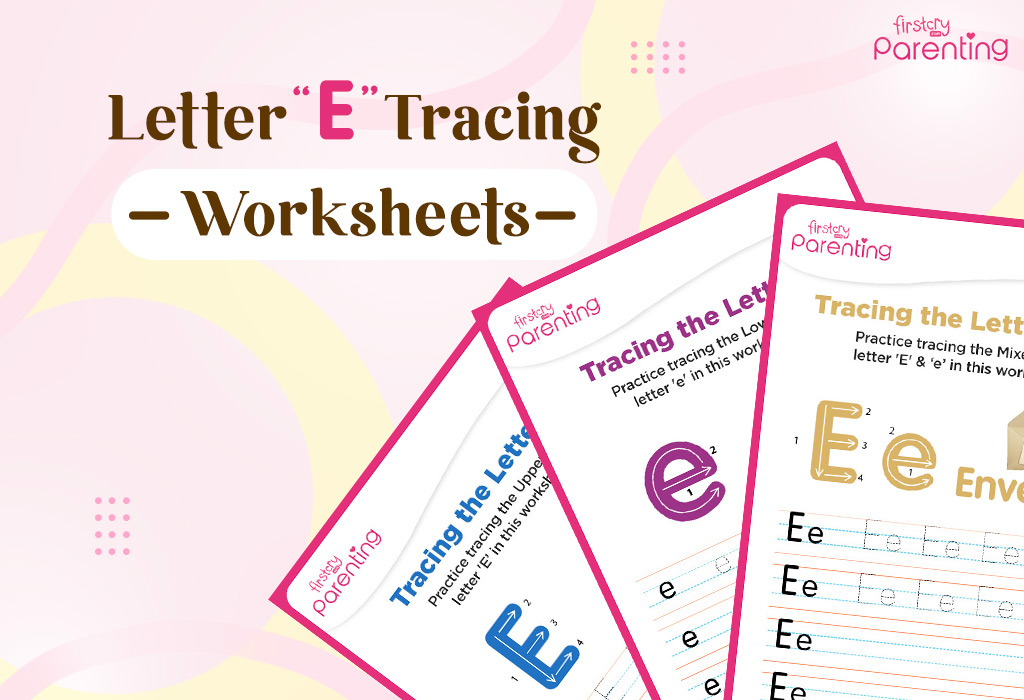
Letter E Tracing Worksheets – Free Printables To Learn
Learning the alphabet is an exciting part of every child’s early education, and tracing letters is a fun way to start! Letter E tracing helps children to recognize and write the letter E with confidence. With easy-to-follow lines and fun pictures, these letter E tracing worksheets for preschoolers are perfect for helping little learners to practice their writing skills. Kids will enjoy tracing both in uppercase and lowercase and learn new words.These worksheets are great for use at home, in preschool classrooms, or during homeschooling sessions. Whether your child is just starting with letters or needs extra handwriting practice. Our letter E tracing sheets offer a simple and playful way to improve. Grab your pencil or crayons and let’s start tracing the letter E together.
Uppercase Letter E Tracing Worksheets
These printable letter E tracing sheets are perfect for introducing the shape and strokes of the letter E. Capital letter E tracing worksheets help young learners become familiar with writing the uppercase version of the letter. These worksheet include uppercase letter “E” with its related things like Earth 🌎, Elephant, Engine to boost letter recognition and word knowledge.
E for Earth Worksheet
E for Ear Worksheet
E for Eyes Worksheet
E for Egg Worksheet
E for Elephant Worksheet
Lowercase Letter e Tracing Worksheets
Small “e” can be a bit tricky for beginners, but with regular tracing practice, kids will master it in no time! Lowercase letter e tracing worksheets are designed to guide students in forming the rounded and looped shape of the letter “e”.
These small letter e tracing sheets often include simple and relatable words like eagle 🦅, elbow, eggplant 🍆, and eraser. Perfect for preschoolers and kindergarten students, these worksheets encourage focus, hand-eye coordination, and letter formation skills.
“e” for eraser Worksheet
“e” for eleven Worksheet
“e” for elbow Worksheet
“e” for eagle Worksheet
“e” for eggplant Worksheet
Upper and Lowercase Ee Tracing Worksheet
Combining both Upper and Lowercase Ee tracing worksheets are ideal for telling the differences and similarities between “E” and “e”. These mixed lowercase and uppercase versions allow kids to practice transitioning smoothly between the two forms.
This type of worksheet is great for reviewing letter recognition and developing the ability to write words that begin with or include both versions of the letter.
“Ee” for Envelope Worksheet
Fun Activities To Trace and Learn Letter E
There are many engaging activities that can help children learn to trace and recognize the letter E. Here are some fun and educational ideas:
E is for Elephant Craft : Have kids create an elephant 🐘 using cut-out shapes and then trace the letter “E” on the elephant’s ear or trunk. It’s a creative way to associate the letter with a familiar animal.
Letter E Sand Tray : Fill a shallow tray with sand and let children trace uppercase and lowercase E with their finger. This sensory activity reinforces the shape of the letter in a hands-on way.
Dot-to-Dot Letter E : Use dot-to-dot puzzles that outline the shape of the letter E. Kids can connect the dots and then trace over the finished letter to reinforce recognition and motor control.
Egg Hunt with E Words : Hide paper eggs around the room with words like “egg,” “engine,” and “elbow” written on them. Each time a child finds an egg, they must trace the letter E and read the word.
Alphabet Song and Dance : Sing the alphabet song with a special verse focused on the letter E. Incorporate dance moves that mimic tracing the letter in the air to combine movement and learning.
Blank Lines Printable Worksheets For Practicing Tracing Letter E
Help your child master the alphabet with our blank letter E worksheets designed for preschoolers, kindergarteners, and early learners. These engaging letter E dotted worksheets make it easy and fun to practice writing skills while improving letter recognition and fine motor control. Whether you’re teaching at home or in the classroom, tracing the letter E has never been more enjoyable.
FAQs
1. Are these worksheets free to use?
Absolutely! You can find free worksheets online that are printable and ready to use at home or in the classroom.
2. How can I download E letter worksheets?
You can easily download E letter worksheet sets in PDF format and print them for your child’s practice.
3. What skills do kids develop from tracing the letter E?
Children develop fine motor skills, hand-eye coordination, letter recognition, and early writing confidence by tracing the letter E regularly.
4. Can I use these worksheets for homeschooling?
Yes! These worksheets are excellent resources for homeschooling and can be included in daily literacy or handwriting practice.
Whether you’re a teacher, parent, or homeschooler, these free worksheets are a great resource to support early learning.Tracing the letter E is a fun and important step in helping children learn to write and recognize letters.With a little daily effort and the worksheets, your child will be writing the letter E with confidence in no time. Don’t forget to download E letter worksheet sets for both uppercase and lowercase tracing practice.
Also Read:
Letter A Tracing Worksheets
B Letter Tracing Worksheets
Letter C Tracing Worksheets
Read more
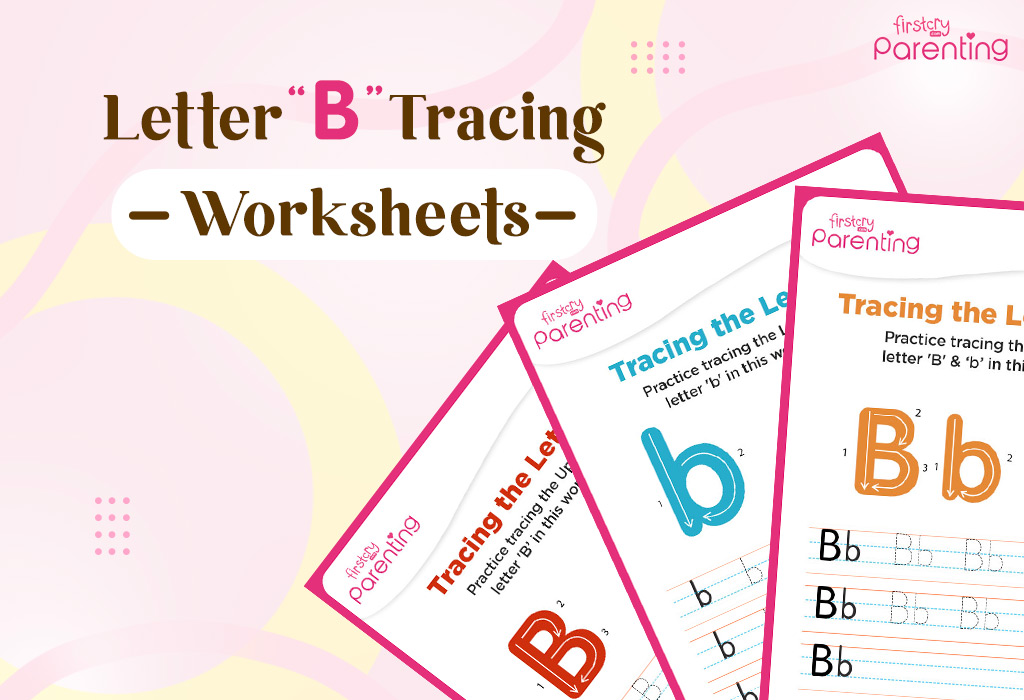
Letter B Tracing Worksheets – Free Printables To Learn
Learning the alphabet is a big step for young children, and tracing helps make it fun and easy. This traceable letter B worksheets is a great way to help kids recognize and write the letter B with confidence. With clear lines and guided arrows, each letter B tracing sheet gives little learners the support that they need to build the strong writing skills.These letter B worksheets for preschoolers is helpful to practice both uppercase and lowercase letter B.
You can download and print these worksheet to use at home or in the classroom 🏫 , giving kids a hands-on way to learn. With regular practice, children will start identifying and writing the letter B with ease. Let start to trace and enjoy the learning time with these engaging sheets.
Uppercase Letter B Tracing Worksheets
If you are looking to write letter B in simple steps then these capital letter ‘B’ tracing worksheets make it easy and fun for kids. By tracing big, bold letters, children begin to understand the shape of the letter B. Words like Bus 🚎 , Boy, and Ball 🏀 are used in these sheets to help students connect the letter B with everyday things they see and know. Each printable letter B tracing worksheets includes four lines, guiding strokes, and pictures that keep learning interesting. These sheets are great for improving pencil grip, hand control, and letter recognition. Whether at school or home, kids can enjoy tracing, coloring, and learning in a playful way. Just download, print, and let your little learners explore the world of uppercase B with confidence.
B for Bus Worksheet
B for Boy Worksheet
B for Ball Worksheet
B for Bear Worksheet
B for Bat Worksheet
Lowercase Letter b Tracing Worksheets
Introduce kids to the world of writing with these easy-to-use small letter b tracing worksheets. These worksheets created for students, preschoolers, and kindergarten to practice writing the lowercase ‘b’ in a smooth and structured way. The focus is on helping children develop confidence as they trace and repeat the letter.
These writing letter b worksheets activities encourage focus, improve writing rhythm, and help build early language skills. As children repeat the strokes, they start remembering the shape and flow of the letter more naturally. Teachers and parents can download and use these worksheets anytime for extra practice. With regular use, kids gain confidence and start writing the small letter ‘b’ on their own.
“b” for bell Worksheet
“b” for bunny Worksheet
“b” for butterfly Worksheet
“b” for banana Worksheet
“b” for book Worksheet
Upper and Lowercase “Bb” Tracing Worksheet
These Worksheets help students and young children to learn the alphabet b in both form. Each sheet includes mixed lowercase and uppercase versions of the letter B, helping children spot the difference and trace both forms correctly. With simple dotted lines and clear letters, kids can enjoy practicing upper and lowercase ‘Bb’ tracing worksheets at their own pace. By tracing alphabet B in both big and small letters, children improve their hand strength, focus, and letter recognition. You can easily download and print these worksheets for learning at home or school.
“Bb” for Bird Worksheet
Fun Activities To Trace and Learn Letter B
Tracing the letter ‘B’ can be both fun and educational when paired with creative activities. These hands-on ideas help kids learn the shape, sound, and strokes of letter ‘B’ while keeping them engaged and excited.
Finger Tracing with Sand or Salt : Let kids trace the letter B using their finger in a tray filled with salt or sand for a sensory experience.
Playdough Letter B : Form the letter B using colorful playdough to improve hand strength and letter recognition.
Letter B Coloring Sheets : Use themed coloring pages featuring objects like ball, banana, or butterfly to connect sounds with the letter.
Dot Marker Tracing : Give kids dot markers to trace over a dotted letter B outline, combining coloring and tracing.
Craft with Letter B Cutouts : Create a collage using magazine pictures of things that start with B and glue them around a big letter B.
Rainbow Tracing: Encourage kids to trace the letter B multiple times using different crayon colors to form a rainbow effect.
Letter B Song and Dance: Sing a song about things starting with B and let kids dance or act them out for memory-building.
Trace and Match Game: Pair tracing with a matching game for kids trace the letter B and match it to objects that start with the same letter.
Blank Lines Printable Worksheet For Practicing Tracing Letter B
Once kids are familiar with guided tracing, a blank lines printable worksheet offers the next step toward independent writing. This sheet provides empty lines where children can practice tracing and writing the letter B without dotted guides.With space to write both uppercase and lowercase B, kids get a chance to apply what they’ve learned.You can download and print them for extra writing practice at home or in the classroom.
Perfect for review sessions or daily handwriting drills, this letter B worksheet for preschoolers supports a smoother transition from tracing to freehand writing.
FAQs
1. Can my child practice both uppercase and lowercase B on the same sheet?
Yes, most worksheets include space for both uppercase (B) and lowercase (b) tracing.
2. How do I introduce the letter B before tracing?
Start by showing the letter B, saying its sound, and pointing out objects like ball or banana that start with B.
3. Are these worksheets free to download?
Yes, many letter B tracing sheets are available as free printables for home or classroom use.
4. How often should my child use the worksheet?
Practicing 5–10 minutes a day is enough to help your child improve without getting tired.
Practicing the letter B becomes enjoyable and effective with the right tools. A well-designed b tracing sheet helps children strengthen their handwriting skills while learning to recognize the letter with ease. These letter B tracing worksheets for kindergarten offer the perfect mix of structure and fun, making early writing practice stress-free. From guided lines to letter B dotted worksheets, each format supports skill development at your child’s pace. Use them regularly to build confidence, improve fine motor control, and prepare kids for more advanced writing activities.
Also Read:
Beach Coloring Pages
Letter A Tracing Worksheets
Step by Step Guide to Draw Bird for Kids
Read more
Letter A Tracing Worksheets – Free Printables To Learn
Welcome to the exciting world of learning letters!Learning the alphabet is an exciting milestone for preschoolers, and tracing activities make it both fun and education that help children recognize and write letters correctly. Our printable worksheets are perfect for helping young learners or students to practice writing the letter A in uppercase and lowercase.These worksheets are designed to enhance fine motor skills, improve hand-eye coordination, improves vocabulary and build a strong foundation for early writing.
These engaging letter A worksheets for preschoolers will make learning enjoyable and interactive. Our worksheets provide a creative approach to letter recognition and formation. Download our letter a for tracing today and watch your preschooler master the alphabet one step at a time!
Uppercase Letter A Tracing Worksheets
These capital letter A tracing worksheets are perfect for little learners or students to practice their writing skills and building confidence in forming the uppercase letter. Let’s grab your pencils and get ready to trace the letter ‘A’ and improve your vocabulary with words starting with letter ‘A’—like Apple, Ant, Alligator,Arrow and Angel.
A for Apple Worksheet
Download
A for Alligator Worksheet
Download
A for Angel Worksheet
Download
A for Arrow Worksheet
Download
A for Ant Worksheet
Download
Lowercase Letter a Tracing Worksheets
Small letter ‘a’ tracing worksheets are a fun and engaging way for kids and students to learn how to write the lowercase letter ‘a’ with an ease.Make your learning easy with acorn, aeroplane, anchor, astronaut and avocado themed worksheets. Jump start with these worksheets offering with 4 rows for practice to build the confidence.
“a” for avocado Worksheet
Download
“a” for astronaut Worksheet
Download
“a” for anchor Worksheet
Download
“a” for airoplane Worksheet
Download
“a” for acorn Worksheet
Download
Upper and Lowercase Aa Tracing Worksheet
Upper and Lowercase Aa Tracing Worksheet are perfect for helping students and kids to practice writing the letter ‘A’ in both forms. These worksheet include mixed lowercase and uppercase versions for letter recognition. Grab those pencils and get ready to trace and practice the strokes.
“Aa” for Alarm Worksheet
Download
Importance Of Using Printable Letter A Traceable Worksheets
Printable Letter A traceable worksheets are an excellent tool for young learners to master handwriting skills and letter recognition. They offer a hands-on and interactive way for children to practice writing the letter ‘A’.
Enhances Fine Motor Skills: Repeated tracing of the letter helps children strengthen their hand muscles for better control.
Builds Letter Recognition: Helps kids easily recognise and distinguish between uppercase and lowercase ‘A’.
Boosts Writing Confidence: Regular practice helps children gain confidence in their writing ability.
Improves Focus and Concentration: Tracing worksheets encourage children to focus on their work, enhancing attention span.
Supports Early Literacy Development: Learning letters early on supports overall literacy skills.
Makes Learning Fun: Engaging, printable worksheets make learning exciting and enjoyable for kids.
Guided Learning Approach: The worksheets provide structured, step-by-step guidance, making the process of learning to write fun and easy for young learners.
Fun Activities To Trace and Learn Letter A
Using a tracing sheet for children can practice proper letter formation while enjoying hands-on activities that make learning fun and memorable.
Trace the Alphabet Adventure: Create a simple treasure map where each “X” marks a place to trace the letter A. As children trace, they can follow the map to unlock new areas and discover fun surprises along the way!
Pair the Letter A: Pair each letter A that starts with A (like ant, alligator, or apple). Have kids trace the letter while coloring the object next to it, making the activity fun and educational.
Sticker A Fun: Use colorful stickers or stamps to mark the points on a letter A and let kids connect the dots while tracing. This adds a tactile, interactive element to the learning process.
A for Art: After tracing the letter A, have children turn the shape into something creative, like turning it into a mountain for “adventure” or a house for “apple.” This sparks imagination while reinforcing the letter’s shape.
A Race: Time how fast your child can trace a series of uppercase and lowercase letter A’s on a worksheet. Challenge them to beat their time while making sure the letters are formed correctly.
Letter A Sensory Tray: Fill a tray with rice, sand, or even shaving cream. Encourage children to trace the letter A with their fingers, creating a sensory experience that reinforces letter formation in a fun and tactile way.
Playdough A’s: Roll out play dough into thin ropes and help your child form the letter A by arranging the play dough into the correct shape. This adds a hands-on, creative approach to learning!
How To Use These Worksheets?
These printable letter A traceable worksheets are designed to make learning fun and engaging for young children. By following simple steps, you can effectively use these worksheets to help children master the letter. Let’s start to learn how to use these letter a dotted worksheets in simple steps.
Download the Worksheets: Click on the provided links or images to download the printable for uppercase and lowercase letter tracing worksheets.
Print the Worksheets: Print the worksheets at home, in the classroom.These worksheets are designed to look great in both color and black-and-white prints.
Gather Supplies: Prepare pencils, crayons, markers, or even coloured pens to make tracing fun and colourful for kids.
Introduce the Worksheets: Show the worksheets to your child or students and explain the activity. Highlight any fun characters, patterns, or images included to keep them excited.
Demonstrate Tracing Techniques: Model how to trace the letters by following the dotted lines and using the correct stroke order for uppercase and lowercase Aa.
Provide Guidance and Encouragement: Offer gentle support as kids trace each letter. Praise their effort and help correct mistakes in a positive way to build confidence.
Practice and Review Progress: Go through the completed worksheets together, celebrating achievements and encouraging additional practice to reinforce learning
Blank Lines Printable Worksheet For Practising Tracing Letter A
Blank lines printable worksheets help kids and students to practice tracing and writing the letter ‘A’ in both uppercase and lowercase forms. These free worksheets provide the space for learners to trace the letter multiple times, gradually building their confidence and improving muscle memory. As children progress, the blank lines encourage them to write the letter ‘A’ independently.
Download
FAQs
1. At what age can kids start using letter A tracing worksheets?
Kids as young as 3 years old can start using tracing worksheets to develop pre-writing skills, but worksheets can be adapted for older children too.
2. How many times should a child practice tracing the letter A?
Repetition is key. Encourage daily practice until they can write the letter ‘A’ confidently without tracing guides.
3. How can I track my child’s progress with these worksheets?
You can track progress by saving completed sheets and observing improvements in handwriting and letter recognition over time.
Letter A tracing worksheets are a fun and effective way to help kids build essential handwriting skills. Whether practicing uppercase or lowercase ‘A’, these worksheets provide guidance and engaging activities to make learning enjoyable. Download these a traceable worksheet, so parents can easily access and support early literacy development. Get our free worksheets today and watch your child gain confidence as they master the letter A!
Also Read:
Fruits Coloring Pages
How to Draw an Apple
Read more

Living With In-Laws – Is It a Boon or a Bane?
It is actually a boon if the in-laws can understand at least 10% compared to what our parents understand us. I would like to categorise in-laws as –
Educated
Uneducated But Understanding
Now, the first category is for the in-laws who are educated. It is definitely a big boon to a girl. Here are some more pros:
If you are working, then they can understand your goals and dreams, and will definitely support you in your future plans.
If you are working and have kids, they can take care of your kids’ studies, also care for their own health.
If you had to attend something important other than work, they are understanding, and you can just go ahead and be rest assured that somebody is there to take care of your kids.
If you want to spend some quality time with your partner, they know its importance and respect your privacy.
If both you and your partner were occupied with something important and had to reach home late, everything will be taken care of at home, including your kids.
If you have any misunderstandings between you and your partner, they will definitely help you solve the problem. They actually are the backbone for your family.
Some of your kids’ responsibilities can be shared by the in-laws if you are a working woman.
Let’s take a look at the second category – Uneducated but Understanding.
All of the above pros apply even though the in-laws are not educated. But only one thing is you have to put some extra effort into your kids’ studies.
Believe me; it’s a boon. More importantly, kids can learn so many valuable things from elders at home.
There will be a difference between kids who grow with their grandparents and parents, than those who grow only with parents, or those who are raised by their grandparents alone.
However, in my opinion, educated understanding in-laws make for the best parents and grandparents. Whoever is reading this whether it’s a married woman or unmarried, please make decisions maturely and wisely. Give equal importance to your in-laws as you give to your parents.
Disclaimer: The views, opinions and positions (including content in any form) expressed within this post are those of the author alone. The accuracy, completeness and validity of any statements made within this article are not guaranteed. We accept no liability for any errors, omissions or representations. The responsibility for intellectual property rights of this content rests with the author and any liability with regards to infringement of intellectual property rights remains with him/her.
Read more

Kids Can Be Anything They Want to Be – Don't Judge them!
My family and I recently went to a silver jubilee occasion of one of my relatives. My son is 2.5 years old. He ran to my brother on seeing him and sat with him in the front row. Guests started greeting the couple on the dias. As soon as a wealthy, educated, old man began his speech, my son screamed at my brother for not getting what he had asked for.
The old man looked at my son and said “Hey boy! Arent your parents with you?”
To which my son said ‘ahhh’ (randomly while playing with my brother).
The old man said, “Look at this. If you raise the child like this, imagine who he will be when he grows up.”
My husband stood from his chair and said, “It is my son, and he will be like me.”
The old ignored my husband and got busy with his speech. Later, he left the dias to sit in his place.
Once the occasion was done, the old man started to walk out of the hall. On seeing him, I followed him to the parking and asked him to stop.
I said, “Hello sir! It’s my son whom you spoke about on the dias. Well, to appreciate someone, you need not judge others.” and I walked back to my family.
Speak a word of affirmation at the right moment in a child’s life, and it’s like lighting up a whole room of possibilities.
Take a stand for your child and never let others degrade them.
A child can be anything they want. Words are powerful. They can tear someone down; they can build someone up. And for children, speaking positively to them will nourish their mental health.
Protect your child from such dangerous educated people who always degrade others.
Disclaimer: The views, opinions and positions (including content in any form) expressed within this post are those of the author alone. The accuracy, completeness and validity of any statements made within this article are not guaranteed. We accept no liability for any errors, omissions or representations. The responsibility for intellectual property rights of this content rests with the author and any liability with regards to infringement of intellectual property rights remains with him/her.
Read more

Why My Child Keeps So Much Importance in My Life
The truth is this, that I felt isolated when she didn’t exist in my life. Everything was stuck in a fixed routine of daily activities, and nothing seemed important and on priority. Life was going from home to work, and then from work back home, where the next destination was my room. The big decisions were what to wear the next day, the big thoughts were about how my superiors behave. That’s all; there was no one next to me, who behaved positively and was a passive listener to me.
My husband was residing in another town because of his job, and I was with my in-laws. Life was going smoothly, as there were no worries of changing diapers, and the stress of what to cook next was much less than that of actually feeding someone!
There were numerous things I was used to carrying around in my mind related to work, little fights with my husband, and the usual bit of bickering with my in-laws. I knew that this is the story of every household, but it does require patience.
But, life took a new turn when she came to my life. I had no time for people’s behaviour and nonsense. I became bound to one special person and her daily needs, and dreamt of being the perfect mother. I started enjoying changing her diapers, was happy to cook anything to impress her, and built up my stamina to sit next to her till she finishes her meals. The word “worries” related to the present, past, and tomorrow instantly vanished from my life. All I need is her.
Although life did become a bit exhausting because of all the times I forgot to eat my own meals, was awake for long hours without consistent sleep, and had no time to groom myself, I managed! Only I understand how I am doing it all.
This is the cycle of a woman, which is always recycled!
Disclaimer: The views, opinions and positions (including content in any form) expressed within this post are those of the author alone. The accuracy, completeness and validity of any statements made within this article are not guaranteed. We accept no liability for any errors, omissions or representations. The responsibility for intellectual property rights of this content rests with the author and any liability with regards to infringement of intellectual property rights remains with him/her.
Read more
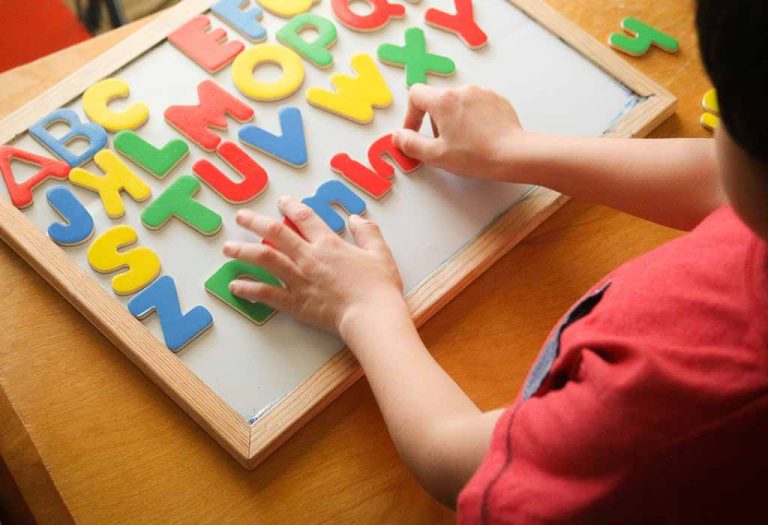
11 Best ABC Songs for Children to Learn the Alphabet
The educational journey begins by grasping the phonetic sounds and identifying and remembering all the 26 alphabets of the English language. Just as ABC nursery rhymes for their children can help develop an ear for the language, ABC music can help channel their energy, enhance sensory skills, and experience letters entertainingly and lyrically. ABC super simple songs also help maintain a gradual pace in the learning process of different concepts. Moreover, combining the beats of music while memorizing the alphabets of ABC songs for preschool can be a great activity to catch the instant attention of young kids.
Along with the traditional alphabet songs for preschoolers, the New alphabet song brings the alphabet to life for preschool, kindergarten, and early elementary/primary-aged children. ABC goodnight songs can be special lullabies to help families transition to a quiet bedtime. Parents looking to have fun teaching ABC songs for kids can include movement, craftwork, games, and puppetry while teaching them to children. Here is a list of great alphabet songs that can enrich your child’s learning experience.
Most Popular Alphabet Songs for Kids
ABC songs for kindergarteners are a fun and engaging way to help kids learn their ABCs while developing early literacy skills. Whether sung in classrooms or at home, these alphabet songs remain a beloved tool for teaching children the building blocks of language.
1. Learning Letter Sounds
Learning letter sounds A to Z
Learning letter sounds, you and me
Chorus Clap three times, 1 – 2 – 3
Letter sounds can help me read and write
a says / a/ /a/ alligator
b says /b/ /b/ baby
c says /c/ /c/ caterpillar
d says /d/ /d/ dinosaur
e says / e/ /e/ egg
f says /f/ /f/ family
g says / g/ /g/ gorilla
h says /h/ /h/ hippopotamus
Learning letter sounds A to Z
Learning letter sounds you and me
Chorus Clap three times, 1 – 2 – 3
Letter sounds can help me read and write
I says / i/ /i/ insect
j says /j/ /j/ jet
k says / k/ /k/ kite
l says / l/ /l/ lion
m says / m/ /m/ monkey
n says /n/ /n/ nickel
o says / o/ /o/ octopus
p says / p / /p/ pumpkin
Learning letter sounds A to Z
Learning letter sounds you and me
Chorus Clap three times, 1 – 2 – 3
Letter sounds can help me read and write
q says /q/ /q/ quarter
r says /r/ /r/ rainbow
s says /s/ /s/ snake
t says /t/ /t/ turtle
u says /u/ /u/ umbrella
v says /v/ /v/ violin
w says /w/ /w/ woodpecker
x says /x/ /x/ like in fox
y says /y/ /y/ yo-yo
z says / z/ /z/ zebra
2. A-B-C-D-E-F-G
H-I-J-K-LMNOP
LMNOP-Q-R-S-T
U-V-W-X-Y-Zed
X-Y-Zed
Sugar on your bread
Eat it all up
before you are dead.
3. The Alphabet Song
Aa is for apple /a/ /a/ apple
Bb is for ball /b/ /b/ ball
Cc is for cat /c/ /c/ cat
Dd is for dog /d/ /d/ dog
Ee is for egg /e/ /e/ egg
Ff is for fish /f/ /f/ fish
Gg is for goat /g/ /g/ goat
Hh is for hat /h/ /h/ ha
The alphabet A to Z
The alphabet will help me learn to read
Ii is for igloo /i/ /i/ igloo
Jj is for jelly /j/ /j/ jelly
Kk is for kite /k/ /k/ kite
Ll is for lamb /l/ /l/ lamb
Mm is for mouse /m/ /m/ mouse
Nn is for nest /n/ /n/ nest
Oo is for octopus /o/ /o/ octopus
Pp is for pumpkin /p/ /p/ pumpkin
The alphabet A to
The alphabet will help me learn to read
Qq is for queen /q/ /q/ queen
Rr is for rainbow /r/ /r/ rainbow
Ss is for sun /s/ /s/ sun
Tt is for tiger /t/ /t/ tiger
Uu is for umbrella /u/ /u/ umbrella
Vv is for van /v/ /v/ van
Ww is for wagon /w/ /w/ wagon
Xx like in fox /x/ /x/ fox
Yy is for yo-yo /y/ /y/ yo-yo
Zz is for zebra /z/ /z/ zebra
4. A Was An Apple Pie
B bit it;
C cut it;
D dealt it;
E eat it;
F fought for it;
G got it;
H had it;
J joined it;
K kept it;
L longed for it;
M mourned for it;
N nodded at it;
O opened it;
P peeped in it;
Q quartered it;
R ran for it;
S stole it;
T took it;
V viewed it;
W wanted it;
X, Y, Z, and ampersand,
All wished for a piece in hand.
5. A – APPLE
B – BABY
C – CANDY
D – DIAMOND
E – ELEPHANT
F – FAIRY
G – GLASSES
H – HAND
I – IGLOO
J – JELLY
K – KEYBOARD
L – LADYBUG
M – MONKEY
N – NEEDLE
O – ORANGE
P – PONY
Q – QUEEN
R – RAINBOW
S – SPIDER
T – TIGER
U – UMBRELLA
V – VIOLIN
W – WHALE
X – XYLOPHONE
Y – YO-YO
Z – ZEBRA
6. Apple Starts With A, A-A Apple
Bear starts with B, b-b bear.
Cat starts with C, c-c cat.
Dog starts with D, d-d dog.
And Egg starts with E, e-e egg.
Fish starts with F, f-f fish.
Goat starts with G, g-g goat.
Hat starts with H, h-h hat.
Igloo starts with I, i-i igloo
And jacket starts with J, j-j jacket.
Kite starts with K, k-k kite.
Lion starts with L, l-l lion.
Monkey starts with M, m-m monkey.
Nose starts with N, n-n nose.
And ostrich starts with O, o-o ostrich.
Pig starts with P, p-p pig.
Queen starts with Q, q-q queen.
Rabbit starts with R, r-r rabbit.
Sun starts with S, s-s sun.
And turtle starts with T, t-t turtle.
Umbrella starts with U, u umbrella.
Van starts with V, v-v van.
Wagon starts with W, w-w wagon.
X-ray starts with X, x-x X-ray.
Yo-yo starts with Y, y-y yo-yo.
And Zebra starts with Z, z-z zebra.
7. A /a/ Alligator
B /b/ bear
C /c/ cougar
D /d/ deer
E /e/ elephant
F /f/ falcon
G /g/ gorilla
H /h/ hippopotamus
I /i/ iguana
J /j/ jaguar
K /k/ koala
L /l/ lion
M /m/ monkey
N /n/ newt
O /o/ otter
P /p/ penguin
Q /q/ quail
R /r/ rhinoceros
S /s/ seal
T /t/ tiger
U /u/ umbrella
V /v/ viper
W /w/ walrus
X /x/ like in fox
Y /y/ yak
Z /z/ zebra
Animal Alphabet, learn the letters.
Animal alphabet and their sounds
8. A – Apple – A, A, Apple
B ball – b, b, ball
C cat – c, c, cat
D dog – d, d, dog
A, a, apple
B, b, ball
C, c, cat
D, d, dog
E elephant – e, e, elephant
F frog – f, f, frog
G guitar – g, g, guitar
H hat – h, h, hat
E, e, elephant
F, f, frog
G, g, guitar
H, h, hat
I igloo – i, i, igloo
J jump – j, j, jump
K kangaroo – k, k, kangaroo
L lion – l, l, lion
I, i, igloo
J, j, jump
K, k, kangaroo
L, l, lion
M monkey – m, m, monkey
N nurse – n, n, nurse
O octopus – o, o, octopus
P pumpkin – p, p, pumpkin
M, m, monkey
N, n, nurse
O, o, octopus
P, p, pumpkin
Q queen – q, q, queen
R rocket – r, r, rocket
S snake – s, s, snake
T train – t, t, train
Q, q, queen
R, r, rocket
S, s, snake
T, t, train
U umbrella – u, u, umbrella
V violin – v, v, violin
W watch – w, w, watch
X box – x, x, box
Y yellow – y, y yellow
Z zebra – z, z, zebra
Y, y yellow
Z, z, zebra
9. I’ve Been Working On My Letters
All the livelong day
I’ve been working on my letters
Just to pass the time away
The Alphabet Train is coming
26 cars long
Every car has its own letter
So come and sing along
ABC
DEF
GHI
JKL
MNO
PQR
STU
VW
XY and Z
I’ve been working on my letters
All the livelong day
I’ve been working on my letters
Just to pass the time away
The Alphabet Train is coming
26 cars long
Every car has its own letter
So come and sing along.
ABC
DEF
GHI
JKLM
NOP
QRS
TUV
WXYZ
10. A,B,C,D,E,F,G,H,I,J,K,L,M,N,O,P,Q,R,S,T,U,V,W,X,Y,Z
I can sing my ABC’s Next time won’t you sing with me A,B,C,D,E,F,G,H,I,J,K,L,M,N,O,P,Q,R,S,T,U,V,W,X,Y,Z I can sing my ABC’s
Next time won’t you sing with me
A,b,c,d,e,f,g,h,i,j,k,l,m,n,o,p,q,r,s,t,u,v,w,x,y,z
I can sing my ABC’s
Next time won’t you sing with me
A,B,C,D,E,F,G,H,I,J,K,L,M,N,O,P,Q,R,S,T,U,V,W,X,Y,Z
I can sing my ABC’s
Next time won’t you sing with me
Aa, Bb,Cc, Dd, Ee ,Ff, Gg, Hh, Ii, Jj, Kk, Ll, Mm, Nn, Oo, Pp, Qq, Rr, Ss, Tt, Uu, Vv, Ww, Xx, Yy, Zz
I can sing my ABC’s Next time won’t you sing with me
11. A Says a, a, Apple and Alligator
B says b, b, bubbles, and ball
C says c, c, cupcake and cobra
D says d, d, dinosaur and doll
E says e, e, egg and elephant
F says f, f, fairy, fish, fan
G says g, g, goose girl and go
H says h, h, happy and hello
I says i, i, itch and igloo
J says j, j, jet and jeep
K says k, k, kite and kangaroo
L says l, l, lion and leap
M says m, m, mouse and motorcycle
N says n, n, nine nest and nap
O says o, o, octopus and on
P says p, p, penguin and pawn
Q says qu, qu, quiet and queen
R says r, r, rhino and rain
S says s, s, soccer and sunny
T says t, t, tiger and tummy
U says u, u, umbrella and up
V says v, v, volcano and violin
W says w, w, whale and watch
X says x, x, fox and box
Y says y, y, yellow, and you
Z says z, z, zebra and zoo
Benefits of ABC Songs for Kids
ABC songs are a fun and effective way to introduce young children to the alphabet while laying the foundation for early literacy. Below are some key benefits of using ABC songs in early childhood education.
1. Enhances Letter Recognition
ABC songs help children become familiar with the shapes and names of letters through repetition and visual reinforcement. By singing along, kids associate each letter with its place in the sequence, making it easier to recognize them in books and everyday print. Over time, this strengthens their ability to identify both uppercase and lowercase letters.
2. Improves Phonemic Awareness
Many modern ABC songs, such as phonics-based versions, emphasize the sounds each letter makes rather than just their names. This helps children understand the connection between letters and their corresponding sounds, a crucial skill for early reading. By hearing and repeating these sounds in a musical context, kids develop stronger pre-reading abilities.
3. Boosts Memory & Recall
The rhythmic and repetitive structure of alphabet songs makes them easy to remember, helping children retain the order of letters effortlessly. Music activates multiple areas of the brain, enhancing memory retention and making recall faster. This foundational knowledge becomes a building block for more advanced literacy skills later on.
4. Encourages Language Development
Singing ABC songs exposes children to new vocabulary and proper pronunciation in an engaging way. The playful nature of these songs encourages kids to practice articulation and speech patterns. Over time, this strengthens their verbal communication skills and prepares them for reading and writing.
5. Makes Learning Fun & Interactive
Unlike rote memorization, ABC songs turn learning into an enjoyable activity. Many versions include animations, gestures, or call-and-response elements that keep children engaged. This positive association with learning fosters a love for language and education from an early age.
6. Supports Multisensory Learning
ABC songs often incorporate visuals, movements, or hand gestures, allowing children to learn through multiple senses. Kinesthetic learners benefit from actions like clapping or pointing, while auditory learners thrive on the musical component. This inclusive approach ensures that different learning styles are accommodated.
7. Builds Confidence
Mastering the ABC song gives children a sense of achievement, boosting their self-esteem and motivation to learn more. As they successfully sing along or recognize letters, they gain confidence in their abilities. This early success encourages them to explore reading, writing, and other educational challenges with enthusiasm.
FAQs
1. Can ABC songs help children with speech delays?
Research suggests that the rhythmic patterns and repetitive nature of ABC songs can support speech development in children with delays. The musical structure helps with articulation and pacing, while the predictable lyrics allow children to anticipate and practice sounds. However, it’s best to combine these songs with targeted speech therapy for optimal results.
2. Can too much repetition of ABC songs hinder learning?
Excessive repetition without variation may cause some children to disengage or memorize the song as one “chunk” without understanding individual letters. To prevent this, educators recommend alternating between different versions (phonics songs, backwards alphabet) and pairing songs with hands-on letter activities.
Music is a great stress-relieving tool that helps calm the mind and enhance concentration, while knowledge of letters plays a key role in mastering children’s reading, writing, and speaking skills. Therefore, every alphabet song helps a child to manage their feelings better and express them through language.
Also Read:
Easy Piano Songs for Children
Counting Songs for Kids
Good Morning Songs for Children
‘Hello’ Songs for Preschoolers and Kids
Read more

Top 15 Feeling Books for Toddlers, Preschoolers & Kids
Every day children experience and deal with various kinds of emotions, but when they are little, it’s hard for them to express their feelings and emotions. If your child is sad or upset, for instance, he or she may or may not be able to pinpoint the cause of the same. They may experience a certain emotion, but may not be able to communicate with you the reason for that emotion. And sometimes, certain unfamiliar feelings can disturb your child, that’s why it’s important for parents to help children express their feelings. And what better way to teach them to express themselves than books?
In this article, we will tell you about some books on feelings and emotions, that will enable your child to express and talk about his feelings from early. Reading these books will help your child to identify a particular emotion, situations that trigger it, and an effective emotion coping mechanism to deal with it.
Interesting Books on Feelings for Toddlers
These 5 best books about emotions for toddlers will introduce your child to a wide range of emotions. Children in the age group of 1-3 years will learn with board books better. So here is the list of our top picks for them.
1. Duck & Goose, How Are You Feeling?
Author- Tad Hills
What makes it interesting
This colourful board book teaches toddlers about various things. This third release helps the toddlers learn about their feelings. The book has one word per page that explains toddlers about feelings. The emotions are explained using colourful portrayals and facial expressions of the characters.
2. Grumpy Bird
Author- Jeremy Tankard
What makes it interesting
This particular board book deals with grumpy emotion. This hilarious story is of a bird that wakes up grumpy and feels like doing nothing. He does not want to eat or play or even fly. So he walks and finds many friends like sheep, rabbit, raccoon, beaver, and fox along the way. Each meeting made the bird even grumpier. But soon he realizes that friendship and little exercise elevates his mood. This cute story will help your child laugh off his/her grumpiness too!
3. The Feelings Book
Author- Todd Parr
What makes it interesting
This vibrant board book‘s each page has a different emotion explained in a simple sentence. Each emotion is also explained through colourful illustrations. It includes all types of feelings(both negative and positive) felt by a child every day. Young children who have just started to read can read this book on their own and explain his/her emotions better. Todd Parr has been the best-selling author for more than 40 books so far.
4. Baby Happy, Baby Sad
Author- Leslie Patricelli
What makes it interesting
In this book, the author has put in so much effort to make the child understand emotions through real-life situations. For example, the baby gets happy when he sees a cone of ice cream stands upright. But the next second the ice cream falls and the baby gets sad instantaneously. Each page has a picture and just a line of text telling about the emotion. The motive behind this book is to explain to the child how different situations turn our mood.
5. Calm Down Time
Author- Elizabeth Verdick, Illustrator- Marieka Heinlen
What makes it interesting
This is an amazing board book to be read to children who need regulation of emotions when they feel angry or sad. It uses rhythmic text and beautiful illustrations to explain an emotion. Along with it the method of expression is also taught. And at last, how to calm a particular negative emotion is also provided.
Fun Feelings Books for Preschoolers & Kids
Now we will be sharing 10 feelings books for the age group 3 to 8 years which is called preschool books about feelings. Get, set, and go!
1. I Can Handle It!
Author- Laurie Wright, Illustrator- Ana Santos
What makes it interesting
The title of this book is so powerful in itself. It imbibes in kids a feeling of confidence that they can deal with anything that might come their way. Each page of this book explains difficult situations that the child might face, and gives suggestions to deal with the emotions that accompany the situation. Positive self-talk in this book helps in developing a fighting spirit in the child in adverse situations.
2. The Way I Feel
Author- Janan Cain
What makes it interesting
This top-rated book uses colourful, expressive, and strong pictures along with easy verses to let the child connect with a word and its particular emotion. Just like we need a name to address somebody, similarly the child gets a name to address a particular emotion and talk about it.
3. How Are You Peeling? Foods With Moods
Author- Saxton Freymann, Joost Elffers Illustrator- Saxton Freymann
What makes it interesting
Looking for some books about feelings for 5-year-olds? This hilarious book is sure to make every child laugh. In this book, vegetables and fruits are given a face and are used to express different emotions. The vibrant photographs of various food items are accompanied by easy text. Mostly the text is in form of questions about how one feels when dealing with a particular emotion. It is an apt book on emotions for kindergarten.
4. A Little Book About Feelings
Author- Abbie Schiller
What makes it interesting
This book explains briefly the biological aspects of emotions. It tells about how our brain sends signals to our body, which produce different feelings inside. You can comprehend what someone’s feeling by looking at their face or they can use words to express their feelings. The book also talks about the transitory nature of emotions through beautiful pictures and text.
5. The Feel Good Book
Author- Todd Parr
What makes it interesting
This is a classic children’s book about feelings and emotions by Todd Parr. The book uses vibrant colours and silly scenes to run the child through various emotions. The book also essentially inspires the child to feel great about everything they do throughout the day and to celebrate various emotions that make them feel happy and content.
6. One Monday When it Rained
Author- Cherryl Kachenmeister, Illustrator- Tom Berthiaume
What makes it interesting
Straightforward text and real-life pictures of a boy are a perfect combination to explain emotions to a child. The author and illustrator have put together the thoughts and feelings of a little boy at a particular point in time. Through the pictures in the book, feelings of loneliness, excitement, fear, and pride are explained to the child in a simple way!
7. Sometimes I Feel Like a Storm Cloud
Author- Lezlie Evans
What makes it interesting
The book incorporates the big similes of a young and very expressive girl. The book also uses a real-life analogy to explain various emotions. Like her excitement is compared to a balloon that is growing until it pops. Her sadness is similar to a big and dark storm cloud. Kids will love these vivid descriptions and understand how to explain their feelings better through this book.
8. F is for Feelings
Author- Goldie Millar, Lisa Berger Illustrator- Hazel Mitchell
What makes it interesting
Each one of us deals with vivid emotions every day, but children are sometimes, unable to express their feelings. This children’s book can help your child identify and express his emotions. Through this book, your child will have words to describe their feelings. It also explains that all emotions are important and natural.
9. The Great Big Book of Feelings
Author- Mary Hoffman, Illustrator- Ros Asquith
What makes it interesting
This book opens with the question, “How are you feeling today?” And leads to different pages that explain to children about emotions. Each page of this book deals with emotion with different ideas that might trigger that particular emotion. This book covers a wide range of emotions. The book also uses different characters from vivid ethnic and racial backgrounds to promote social causes.
10. The Invisible String
Author- Patrice Karst
What makes it interesting
This book is designed for children who feel lonely or scared quite often. This book is often recommended to adults too. This book helps kids and adults cope with separation anxiety, loss, and grief. This book is a story of a mother and her two children, to whom she explains that they are connected by an invisible string. She explains to them that a string of love always connects the loved ones, even if they are not in front of your eyes. This book offers a simple approach to overcoming loneliness and loss through a simple story.
Helping your child to identify emotions and regulate them is a necessity these days, and we hope that the books about feelings that we have mentioned in this article will help you teach your child all about emotions!
Also Read:
Classic Books for Toddlers, Preschoolers and Kids
Interesting Animal Books for Toddlers, Preschoolers and Kids
Read- Aloud Books for Toddlers, Preschoolers and Kids
Read more
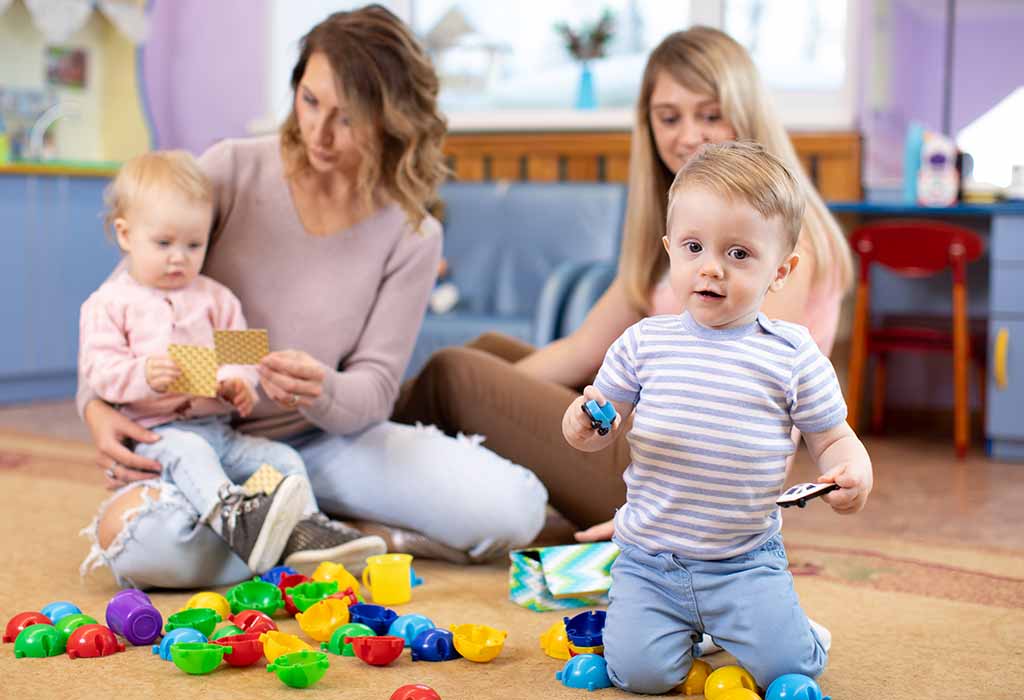
25 Effective Ways to Save Money on Childcare
Childcare is a major concern for working parents as sending children to daycare is expensive. And most parents tend to trim down their other expenses in order to give their children the best of best. If you and your spouse are a working parent and looking to send your child to a good daycare, which is under your budget, we’ve some tips that will help you choose the best (and perhaps the most affordable) daycare for your child. Taking responsibility of children is not easy and childcare will be expensive, but then there are some smart tricks that you can try to save your money without compromising on the quality of childcare service for your child.
Helpful Tips to Make Child Daycare Affordable
Good childcare is an important need for every working parent. For parents who can afford expensive childcare, the cost is of no concern. For parents who have to think of their budget and other expenses, childcare is a huge concern. But there are ways to afford it if few things are explored and planned in advance. The first step for the parent is to know how much they can afford for the childcare. The childcare budget is the basis of evaluating and finalising the type of childcare one wants. After knowing the budget, be creative and use these helpful tips on how to afford daycare.
1. Start Looking Early for Childcare
The best childcare options are in high demand, so start looking early and seize the day (or the daycare). Most childcare work on first come first serve basis and have better plans for early bookers. So start exploring early and finalise the childcare in advance rather than waiting for the last minute.
2. Explore Your Options
While selecting a daycare for your child, look for as many options as you can. Consider your needs and budget. There are many daycare options such as in-home daycare, nanny-share, part-time babysitter or community childcare centres, etc. Choose the option which perfectly fits your childcare needs.
3. Research Your Area
The childcare costs differ from one area to another. In some localities, the cost of living is higher, so the childcare facilities also cost more. In some areas, nannies cost more than in-home childcare. So you must do thorough research in your area and other areas, and compare the different childcare costs before finalising one for your child.
4. Look for Stay-at-Home Mothers
Every locality has a few stay-at-home moms, who don’t mind taking care of an additional child along with their own children. They can be in your neighbourhood, so check with fellow parents. As they are not a licensed childcare provider, they may charge fewer rates. As parents, you can be sure of good care and not worry about your child if you come home late from work.
5. Find a Home-Based Daycare
Home-based or family childcare centres are daycare centres where the caregivers operate from their home. These home-based daycare centres are not very fancy and have a small number of children, so the care given is more at a lower cost. Just be sure to choose the facility which has a license.
6. Check for Flexible Spending Account (FSA)
Some employers have the facility of a Flexible Spending Account (FSA) for its employees. This enables the employee to set aside a certain tax-free amount from their paycheque for childcare. The FSA covers various expenses such as daycare, summer day camps, and preschool. This amount might not be enough to cover full-time daycare expenses but as it is tax-free, it provides a big help in the overall expense.
7. Avail the Childcare Tax Credit
In case your employer doesn’t have the facility of Flexible Spending Account (FSA), you can apply for the child and dependent care tax credit (CDCTC). CDCTC is helpful in claiming a percentage of your child care expenses as a tax benefit, which can help reduce your childcare expense. One can even apply for a tax credit if availing FSA. In such scenario FSA money is first applied to tax credit slab.
8. Structure the Payroll of Your Caregiver Strategically
There are many benefits which a family can give to their child-caregiver which come under non-taxable compensation forms. These benefits are counted in their pay that has Medicare, Social security or income tax withheld.
9. Enquire About Employers Benefits for Childcare
Many companies have special benefits for working parents towards childcare. Talk to your company’s HR to know about the schemes your company has for child care. Apart from a dependent care account, the employer offers other benefits such as child care reimbursement or discounts with local childcare providers.
10. Take Benefit of On-Site Child Care
Several companies have the facility of on-site child daycare. It’s best to use this facility as they are more affordable than outside childcare centres and your child can always be near to you. You can check up on them whenever you get free time.
11. Host an Au Pair
Au pairs are mostly foreign students who come to your country under the au pair program. They stay at the home of the host family and take care of their kids. In exchange, the host family provides them with lodging and boarding and a stipend. Au pairs are the best option to get cheap childcare.
12. Make a Shift in Your Work Schedule
In case you can’t afford childcare for every day, talk to your employer about shifting your work schedule. In a flexible work schedule, you can work for alternate days or go to the office for a few days a week.
13. Coordinate Work Schedule With Your Partner
Both parents can have alternate shifts or coordinated work schedules, which ensures one parent is with the child always or on certain days.
14. Nanny-Share With Friends
If you have friends or neighbours who have kids then you can together hire one nanny for your children. The same nanny can look after the kids of both families. This way your child care expense gets split and with the same expense, you afford daycare for two kids.
15. Childcare Swap With Neighbours or Friends
If you and your friend or neighbour have a flexible work schedule, then you can work out a schedule for cooperative childcare. This is cost-free and reliable childcare with each friend taking care of kids on scheduled days.
16. Employ a Teenager for After-School Childcare
If you have older kids and need someone to look after your kids for a few hours, hiring a teenager for after-school care is best. Teenagers who are looking to earn pocket money won’t charge you a lot of money and your kids will have fun with them.
17. Work Out Week vs Daily Childcare Rates
It is always cheaper to pay for childcare service for a week or month than paying on a day-to-day basis. Sometimes full-time weekly childcare expense is lesser than part-time care. Do enquire to get the best deals.
18. Take Family Members Help
If you’re living near your family, take help from them with regards to taking care of your children. You can ask the grandparents or aunts or uncles taking care of their kids to take care of your child too. Having a family member look after your child is always better than asking someone else whom you barely know to take care of your child.
19. Explore Free or Low-Cost Childcare Options
Certain localities have options for free or non-profit child care in the local church, community centre or YMCA or by other non-profit establishments. Enquire about such facilities and avail their benefit.
20. Look Into Government-Funded Childcare and Development Fund
Each state or federal government has childcare and development fund for low-income group parents. Enquire about this childcare assistance program and take benefit of such a scheme.
21. Work Remotely From Home
If your job is of nature where you can work remotely from home and going office every day is not necessary, then you can take care of your child by yourself. If you have a full workload, then you can hire someone to take care of your kid and you can save money on transportation, clothing, etc and use it for childcare. Ask your employer to avail such opportunity.
22. Work Part Time
If you are financially sound and wish to work, you can work part-time and give the rest of your time to your child. Working part-time will let you take care of your kid for most time and you can hire a part-time nanny or take service of a childcare centre for the hours you have to work.
23. Adding More to Your Nanny’s Services
You pay different people to do your household work. If you have a nanny, then you can ask her to do the additional household tasks for additional pay. She can do your grocery shopping, cleaning, etc for a bit of additional money. This way you won’t save on childcare expenses directly but the saved money will help in the overall expenses.
24. Choose a Mix of Summer Child-Care Programs
There are many summertime child-care options such as camping, crafts camps, etc. Some are expensive than others as they specialise in things to keep your kid engaged in learning for the duration of the program. It’s better to choose a mix of specialised and traditional summer care activities to reduce the cost.
25. Consider Other Expenses Too While Choosing Childcare Services
Often parents while choosing the childcare facility neglect the additional expenses. These expenses include commuting to the day-care. A child care centre near your home or office might be expensive than an inexpensive daycare located at some distance. If that’s the case, you should choose the daycare which is near your home or office, or on the way to your work. This way, you will save time and gas money in travelling to and fro from that inexpensive daycare centre.
As a parent, you don’t want to scrimp on childcare. Your kid’s care and well-being are paramount to you. But at times, childcare expenses can be a bit and may not come under your budget. So it is best to be flexible with childcare and explore a variety of options before finalising daycare. Invest in good quality service with an experienced and responsible caregiver who is also suitable for your budget.
Also Read: Should You Choose Gym With Childcare for Your Children?
Read more

20 Best Read-Aloud Books for Kids
Parents read books to their kids from the time they are toddlers. Kids love to hear stories with loud and silly sounds. It makes them imagine the characters and also learn about new words. Most parents make it a habit to read a storybook to their kids at bedtime as they curl up with them. Reading aloud to the kids is also rewarding for the parents as it helps in the cognitive development of the child, grows their vocabulary and language, and induces reading and writing skills.
If you’re looking for books that entertain, educate, and make story time truly special, we’ve got you covered. In this article, we’ve curated a list of the 20 best read-aloud books for toddlers, preschoolers and kids that captivate young listeners and make reading aloud a joy for everyone involved.
Top Read-Aloud Books for Toddlers and Preschoolers
Reading aloud storybooks to toddlers and preschoolers is the best gift their parents can give them. The silly sounds, pace, and high-low tone variation along with facial expressions create a dramatic effect, and are well-loved by the kids! Here are some of the best read-aloud books for kindergarten:
1. The Night Before Christmas
Image Credit: Pinterest
Author – Clement C. Moore
Genre – Christmas, Classic, Fiction
Why It’s Great
It is a kid’s book telling the classic tale of Christmas. The story is about how St. Nicholas climbs down the chimney to stuff stockings.
2. The Little House
Image Credit: Pinterest
Author – Virginia Lee Burton
Genre – Realistic Fiction, Classics
Why It’s Great
The Little House is a classic book telling the simple story about a big heart and happy endings. The story is about how a country cottage is overshadowed and taken over by the big city surrounding it.
3. Diary of a Fly
Image Credit: Pinterest
Author – Doreen Cronin, illustrated by Harry Bliss
Genre – Humour, Fiction, Friendship, Bugs
Why It’s Great
The story is about a young fly who dreams of being a superhero and the daily tasks of the fly along with the encounters on the way to becoming a superhero.
4. Dear Zoo
Image Credit: Pinterest
Author – Rod Campbell, illustrated by Rod Campbell
Genre – Fiction, Animals
Why It’s Great
Dear Zoo is a story about a young boy who writes letters to many zookeepers to send him an animal for his pet. The books have flap pages which when lifted reveal a variety of animals that were sent by the zoo.
5. Everywhere Babies
Image Credit: Pinterest
Author – Susan Meyers
Genre – Fiction, Children
Why It’s Great
This is a cute book about babies of all sizes and different shapes doing many things in everyday life. The book is perfect to read aloud to infants and toddlers.
6. A Hat for Minerva Louise
Image Credit: Pinterest
Author – Janet Morgan Stoeke
Genre – Humour, Fiction, Animals
Why It’s Great
The book tells the story of a chicken, Minerva Louise, and her cute antics. She loves snow and often mistakes things for something else, like she mistook pair of mittens as hats, and wore one on her head.
7. I Went Walking
Image Credit: Pinterest
Author – Sue Williams, Illustrations by Julie Vivas
Genre – Farm Animals, Realistic Fiction, Colours
Why It’s Great
I Went Walking is a kid’s book with catchy rhymes, which is a perfect and classic read-aloud book for kids. The book tells about things one sees when they go walking with catchy rhymes such as “ I went walking/what did you see? I saw a black cat/looking at me” and many more.
8. Z Is for Moose!
Image Credit: Pinterest
Author – Kelly Bingham, illustrated by Paul O. Zelinsky
Genre – Spelling, Animals
Why It’s Great
The book is a spin-off on the classic ABC tale with the center spotlight on Moose. Moose has a friend Zebra who is well organised and has well-laid alphabetic plans and Moose keeps interrupting his plans.
9. Fox Tale Soup
Image Credit: Pinterest
Author – Tony Banning, illustrations by Sally Hobson
Genre – Fairy Tales, Animals
Why It’s Great
Fox Tale Soup is the charming re-telling of the classic story of sly Fox and Stone soup.
10. Peek-a-Who
Image Credit: Pinterest
Author – Nina Laden
Genre – Games, Halloween
Why It’s Great
This is a cute book with colourful pictures and simple rhyming texts which make a favourite read-aloud for young kids. The book has taken inspiration from guessing games for kids and toddlers.
Best Read-Aloud Books For Kids
Parents want to inculcate the habit of reading and learning new things in their kids. To do so, parents should read out loud books to the kids, for the best activity. This involves the kids in the story and makes them learn new things. For young kids, read-aloud picture books are the best, as cute illustrations along with parents reading the story helps them to imagine more vividly.
Here are some of the best read-aloud books for kids:
1. The One and Only Ivan
Image Credit: Pinterest
Author – Katherine Applegate
Genre – Fiction, Animals, Friendship
Why It’s Great
The cute book tells the story of a captive gorilla and is inspired by a true story. The book has an inspiring tale with beautiful illustrations about monkey business – literally!
2. The Adventure of Captain Underpants
Image Credit: Pinterest
Author – Dav Pilkey, illustrated by Dav Pilkey
Genre – Comedy, Action & Adventure, Humour
Why It’s Great
This is the first book in the series of funny books telling the adventures of an outrageously funny character, Captain Underpants.
3. Clementine
Image Credit: Pinterest
Author – Sara Pennypacker, illustrated by Marla Frazee
Genre – Fiction, Comedy, Humour
Why It’s Great
This is a funny book with cute illustrations that narrates the antics of Clementine. The antics are outrageous and crazy, but the humorous story makes both the parent and kid laugh out loud.
4. Ivy Bean
Image Credit: Pinterest
Author – Annie Barrows
Genre – Fiction, School, Friendship
Why It’s Great
A lovely book for kids telling the tale of friendship between two different types of kids- Ivy and Bean. The series of books is about how Ivy and Bean who at first don’t like each other but later become best friends.
5. Betsy-Tacy
Image Credit: Pinterest
Author – Maud Hart Lovelace
Genre – Fiction, Realistic Fiction, Growing Up
Why It’s Great
This is a series of historical fiction books about two friends- Betsy and Tacy. The books trace the journey of the two best friends from elementary school to adulthood. The book is based on the real-life experiences of the author.
6. The Lion, the Witch, and the Wardrobe
Image Credit: Pinterest
Author – C. S. Lewis
Genre – Fiction, Fantasy
Why It’s Great
This kids’ book tells the story of young siblings and the events that happen when they find a wardrobe. The journey to Narnia begins when the kids are transported from the old country cottage to the magical land. There they have secret adventures and see exciting battles.
7. Molly’s Pilgrim
Image Credit: Pinterest
Author – Barbara Cohen, illustrated by Daniel Mark Duffy
Genre – Historical Fiction, Thanksgiving
Why It’s Great
The book teaches the kids about different kinds of Thanksgivings in the world, along with all kinds of pilgrims. It tells the story of a student who, during a Thanksgiving lesson, is teaching a class about Thanksgiving and pilgrims.
8. Yertle the Turtle and Other Stories
Image Credit: Pinterest
Author – Dr. Seuss, illustrated by Dr. Seuss
Genre – Fiction, Animals
Why It’s Great
The book has many fun stories with zany illustrations and meaningful stories. The main story is about a young bird who doesn’t like herself but later starts to like herself.
9. Ish
Image Credit: Pinterest
Author – Peter H. Reynolds, illustrations by Peter H. Reynolds
Genre – Realistic Fiction
Why It’s Great
The book teaches an amazing freeing lesson for everybody and especially for kids that one should never stifle creativity.
10. Salsa Stories
Author – Lulu Delacre, illustrations by Lulu Delacre
Genre – Realistic Fiction, Holidays, Multicultural
Why It’s Great
This book is a collection of many short stories with illustrations. The book is centred on Latin American holidays and celebrates the family warmth of storytelling.
FAQs
1. Why is reading aloud to kids important?
Reading aloud helps children develop language, listening, and comprehension skills. It also fosters imagination, strengthens the parent-child bond, and builds early literacy by exposing kids to the rhythm and structure of language.
2. Can audiobooks replace read-aloud time?
Audiobooks are a great supplement but not a replacement. Hearing a familiar adult’s voice, making eye contact, and sharing reactions together adds emotional value and deeper learning that audiobooks alone can’t provide.
Reading a good book to your kids is the best activity for their cognitive development. It also helps them in imagining new things and learn new words. Books with engaging stories teach them good life lessons. Reading aloud to the kid also serves as a great means for parent-child bonding.
Also Read:
Best Shape Books for Children
Thanksgiving Books for Toddlers, Preschoolers and Kids
Most Popular Halloween Books for Toddlers, Preschoolers and Kids
Best Classic Books for Toddlers, Preschoolers & Kids to Read
Read more

20 Best Thanksgiving Books For Kids
Early memories of holidays are long-lasting for all of us, and on a day like Thanksgiving, reading to your little ones or gifting them a book that they will cherish forever can help them build a great habit of reading books. Thanksgiving has always been about traditions, rituals, and family – what better way to instil these in your children than with books that convey a message with not only words but with bright and colourful illustrations as well. From an ever-growing list of Thanksgiving reads, we have collated for you, some of the best books available – listed according to your child’s age.
Thanksgiving Books for Toddlers
Below is a list of 15 books, divided into three age-categories for you to choose from for making Thanksgiving more fun and memorable for your children.
1. Thankful
Image Source : Pinterest
Why Is It Good
Author Eileen Spinelli in this award-winning picture book has spun words into a rhythmic poem, which reminds children how precious and blessed they are with examples of everyday things they can be thankful for.
2. Llama Llama Gives Thanks
Image Source : Pinterest
Why Is It Good
Storyteller Anna Dewdney’s board book Llama Llama Gives Thanks is a perfect Thanksgiving book for 3-year-olds because of its short and sweet rhythmic text, durable pages, and small size that’s perfect for a child’s small hands.
3. My Thanksgiving Prayer
Image Source : Pinterest
Why Is It Good
This oversized die-cut picture book is a delight for toddlers because of its excellent illustrations by Claudine Gevry and snappy rhymes by Crystal Bowman. It features a child who is thankful for life and all the big and small joys.
4. Baby’s First Thanksgiving
Image Source : Pinterest
Why Is It Good
Though the name suggests it’s for a one-year-old, this is a fun Thanksgiving book for 3-year-olds as well. The illustrations of all the trimmings of turkey, fall leaves, turkey handprints, etc., make it an excellent choice for your “handsy” little ones.
5. Where Is Baby’s Turkey?
Image Source : Pinterest
Why Is It Good
This lift-the-flap board book by bestselling author Karen Katz is one of the most interactive books for toddlers with easy-to-lift flaps that reveal animals stuffed in a turkey.
6. Twas the Night Before Thanksgiving
Why Is It Good
A humorous and compassionate twist on the holiday, as children rescue turkeys from a farm.
Thanksgiving Books for Preschoolers
Thanksgiving books for preschoolers are a delightful way to introduce young children to the themes of gratitude, family, and the festive spirit of the holiday
1. Thank You, Thanksgiving
Image Source : Pinterest
Why Is It Good
In this book, author David Milgrim imparts value of being thankful for the things that are often taken for granted – an excellent Thanksgiving book for 4-year-olds who are just starting to recognise the English alphabet.
2. P for Pilgrim
Image Source : Pinterest
Why Is It Good
This book by Carol Crane is a great choice for those preschoolers who have a predisposition for history and stories. It explores the origins of Thanksgiving and folklores associated with it, with the help of brightly coloured illustrations.
3. Thanksgiving is for Giving Thanks!
Image Source : Pinterest
Why Is It Good
Like most festive days, the most exciting aspect of Thanksgiving is the food served; however, this book is a great reminder for children of this age group that the most important tradition of this day is to be thankful for the life they have.
4. I Know an Old lady Who Swallowed a Pie
Image Source : Pinterest
Why Is It Good
A humorous take on the Thanksgiving feast, author Alison Jackson captures the larger-than-life nature of Thanksgiving festivities in this picture book in her rhymes coupled with the chaotically funny illustrations by Judy Schachner.
5. Fancy Nancy: Our Thanksgiving Banquet
Image Source : Pinterest
Why Is It Good
New York Times’ bestselling author Jane O’Connor’s ‘Fancy Nancy’ series is a big hit among children who enjoy ‘fancy’ words. Notably, the Thanksgiving book is a great gift for this age group, as it teaches them about family values and to accept people as they are.
6. Bear Says Thanks
Why Is It Good
This warm story explores the power of gratitude and friendship as Bear hosts a dinner for his forest friends
7. Turkey Trouble
Why Is It Good
A funny story about a clever turkey trying to disguise himself to avoid becoming Thanksgiving dinner — great for sparking creativity.
Thanksgiving Books for Big Kids
These Thanksgiving books for big kids capture the spirit of the holiday, offering engaging stories that blend history, culture, and heartwarming tales of togetherness
1. 10 Fat Turkeys
Image Source : Pinterest
Why Is It Good
This wacky story written by author Tony Johnston in rhymes is an exceptional pre-k Thanksgiving book as it teaches children how to count backwards starting with 10 turkeys sitting on the fence. Bright, colourful illustrations take most of the space on the pages making it visually captivating.
2. One is a Feast for Mouse : A Thanksgiving Tale
Image Source : Pinterest
Why Is It Good
An excellent book by Judy Cox this book teaches young kids about appreciating the luxuries of life they enjoy by narrating the struggles of a mouse on holiday. It doesn’t stop there. It also guides children to limit their consumption according to their needs and not be greedy.
3. The Berenstain Bears Thanksgiving Blessings
Image Source : Pinterest
Why Is It Good
From the series of Berenstain Bears books started by his parents, Mike Berestain’s Thanksgiving book is yet another creation aimed at teaching young kids values of life, and how holidays are not always just about the feast, but to be appreciative of what you receive without asking.
4. The Thankful Book
Image Source : Pinterest
Why Is It Good
Like all Todd Parr books, The Thankful Book is yet another life lesson for young children containing a list of all the things (in rhymes of course) that they can be grateful for. Even though the lines talk about very obvious things in life, if not pointed out, these can very easily be taken for granted.
5. Rice & Rocks
Image Source : Pinterest
Why Is It Good
This award-winning book by author Sandra L. Richards teaches children to be proud of their roots and be thankful and appreciative of the diverse world we live in by taking them on a magical ride with her words.
6. An Old-Fashioned Thanksgiving
Why Is It Good
Offers a classic tale about siblings preparing their own Thanksgiving dinner, teaching about family teamwork and sharing a glimpse into history.
7. The Crayons Give Thanks
Why Is It Good
A delightful story where beloved crayons express gratitude in funny and relatable ways, encouraging kids to think about what they appreciate
Why Thanksgiving Books Are Good for Children?
Reading Thanksgiving books gives children a festive way to develop gratitude, connect with family traditions, and learn lessons that last well beyond the holiday.
Promote Gratitude: These stories encourage children to reflect on things they are thankful for, building stronger emotional awareness and resilience.
Celebrate Family and Friendship: Many Thanksgiving books highlight the importance of spending time with loved ones and working together, reinforcing positive social values.
Teach History and Diversity: Books like “Squanto’s Journey” provide a more nuanced look at the origins of Thanksgiving and introduce cultural awareness.
Inspire Imagination and Joy: Readers can enjoy lighthearted, fun stories (like “Turkey Trouble”) that also reinforce problem-solving and creativity.
We hope that with the help of this list of Thanksgiving books, you will either add reading as a holiday activity for your kids or inspire them to read more by gifting them one of these masterpieces.
Also Read:
Thanksgiving Stories for Kids
Thanksgiving Movies for Kids
Poems on Thanksgiving for Children
Read more
13 Best Cartoons For Kids that They Will Love To Watch
When the discussion revolves around children watching cartoons for kids, it is always considered a sheer waste of time. It isn’t easy to believe that their downtime boosts their learning and increases their IQ. All kids love to watch cartoons, which is one of the biggest concerns of today’s parents. But let all parents be assured that some incredible cartoon shows enhance learning and make their screen time worthwhile. Some educational cartoons for toddlers strengthen their essential learning, be it science, maths, general awareness or language building. Some shows focus on enhancing values and life skills so the child can safely navigate life.
Best Educational Cartoon Shows for Kids
Kids immensely love watching cartoon shows based on values like friendship and sharing. They are most impressed watching some conflict, any antagonist and otherworldly characters like aliens, superheroes and mystic dragons. Some educational animated shows can be excellent entertainment time for the whole family. Some animated shows take children out of the confines of the classroom and teach them when relaxed so they can absorb the desired knowledge. Some children have even proved to perform better by gaining ample knowledge and have developed sensitivity towards others by imbibing the values and morals imparted by TV shows. A list of educational cartoons for kids is here for you to use to teach your child a concept through entertainment.
1. Dora and Friends: Into The City
Dora and Friends: Into the City is a popular series whose themes revolve around problem-solving, community service, and friendship. Dora and her friends are portrayed as hardworking and ideal role models who desperately try to transform their hometown into a better place by doing so in their own small way. Kids relate to the series better, as Dora is shown in her school-age years, and children love to emulate her in real life.
Suitable For
5 Years and above
2. Elena of Avalor
These stories highlight the value of friends and family. Elena is the ideal Latina role model, depicted in the stories as kind and feisty and upholds the values of friends and family. When the kids watch Elena go off on her adventures, they infer the values of honesty and kindness and learn them passively. The children learn about Latin culture through the dances and songs they watch and the Spanish language.
Ultimately, it helps in expanding the concept of diversity in young minds.
Suitable For
4 Years and above
3. Arthur
The show Arthur is appropriate for kids above five to understand sibling arguments presented lightly. It is a fun-filled and charming cartoon that shows how social situations are tackled. It imparts a lot of education when kids see how the titular character, Arthur, navigates friendships and overcomes fears. It is also learning when the titular character, Arthur, speaks about his anxieties openly and finds creative ways to solve his problems, remaining determined all along.
Suitable For
5 Years and above
4. Nutri Ventures
Another popular animated series is Nutri Ventures, which emphasises good nutrition and healthy eating habits. Children understand the significance of good health and a love for good food. At a very early age, kids can be taught how to avoid fast food and junk food, which reign supreme in their reference options, and to prefer healthy food over it. Health and nutrition awareness helps the child grow in the most disciplined way.
Suitable For
4-10 Year olds
5. Sid the Science Kid
Kids as young as four find discovering and learning about the world around them fascinating. The animated series Sid, the Science Kid is recommended for that age group to arouse curiosity and wonder. This urge and curiosity further change their love for science in their later age. The humour and music heighten the impact and make the child interested, making them think while having fun. It hones their creativity, too. So, the time spent watching it is finally a win-win situation.
Suitable For
4 Years and above
6. Word Girl
This animated series is created to strengthen different subjects. The Word Girl enhances the vocabulary of the kids. The heroine outsmarts the villain with the power of her vocabulary and thus saves the day. The series helps widen the horizons and helps kids pronounce words correctly, which is very helpful at this stage. Parents like to allow their children to watch the show, which, in a way, improves their speaking skills.
Suitable For
4-9 Year olds
7. Daniel Tiger’s Neighbourhood
Children love to learn in a fun and gentle manner. An important life skill that children ought to know is to handle their emotions. According to their age, kids should know how to embrace their feelings and deal with social strategies. If learnt in a fun and joyful way, this life skill will help strengthen their bonds with family and friends and maintain a balance. Daniel Tiger’s Neighbourhood also belongs to the same category of shows.
Suitable For
2 Years and above
8. Mister Rogers’ Neighborhood
It is a well-loved classic tale. The show teaches the children to manifold values and skills required in modern times. It teaches them social skills, which we need to exercise daily. This leads to finer values such as social responsibility and self-respect. It allows children to empower their imagination through music and make-believe situations. The tales teach children the higher values of overcoming fear, friendship, honesty, and complex feelings about losing a loved one.
Suitable For
2-5 Year olds
9. Sesame Street
It is one of the shows that depicts memorable characters and has unforgettable episodes. Generations of children have grown up watching, enjoying, and learning simultaneously. Children for ages have expanded their vocabulary and turned into voracious readers. Moreover, they scored higher grades in science, too. Watching this children’s show also sparks their creativity.
Suitable For
2 Years and above
10. Blaze and the Monster Machines
This is a kid’s cartoon narrating a story of nine friendly trucks gifted with varied abilities. Each episode is genuinely educational and interactive, and the learning thus acquired is deeply embedded in the mind. The show teaches everything worthwhile as the children learn about STEM (Science, Technology, Engineering and Mathematics). It is an American English Cartoon
Funny and Entertaining Cartoon Shows for Kids
While learning is a crucial part of a child’s life, having a laugh and enjoying themselves as much as possible is important because you only get to be a child once! Here is a list of the best children’s cartoons that are light-hearted, funny, and entertaining!
1. Shape Island
Based on the award-winning children’s book, ‘Triangle, Circle, and Square’ by Mac Barnett and Jon Klassen, this quirky cartoon is set on a fantasy island and tells the story of Circle, Triangle, and Square, 3 anthropomorphic shapes that have vastly different personalities. It uses humour and fun to show how they navigate life and their differences while going on adventures and having fun. It is an adorable cartoon that teaches children friendship, kindness and honesty.
Suitable For
1 Year and above
2. Bossy Bear
An endearing Koreatown-inspired cartoon, Bossy Bear is the story of extroverted Bossy, a Bear and introverted Turtle, who have silly, fun, and sweet adventures that impart some valuable lessons about communication, teamwork, understanding and navigating differences, and friendship!
Suitable For
3 Years and above
3. Pingu
An adorable cartoon catered to all ages, Pingu is a young penguin who lives in Antarctica and has hilarious encounters with his family, his sister Pinga and his best friend Robbie the Seal. While Pingu and Robbie get into misadventures occasionally, he also learns some valuable lessons along the way. Pingu speaks “Pinglish,” so look for quirky words your child might pick up!
Suitable For
2 Years and above
FAQs
1. Do educational cartoons improve academic performance?
Research shows that children who watch educational cartoons and are taught using traditional teaching methods tend to do better academically than children who are simply taught using the latter (1). This is because educational cartoons teach complex Science, Technology, Engineering, and Math (STEM) concepts in a simple and entertaining manner, making them more memorable. They also help improve cognitive and learning skills.
2. How much cartoon time should be allowed per day?
A study published by the American Academy of Paediatrics indicates that children 2 years and above should only be exposed to high-quality programming for 1 hour a day or less (2).
3. What are some common themes found in educational cartoons?
Cartoons for children’s educational development do more than teach language, STEM and other academic concepts. They also delve into topics that aid emotional and interpersonal skills development. Such cartoons often touch upon subjects of understanding and embracing feelings, respecting diverse cultures and differences, the value of teamwork, family, and friendship, concepts like kindness, patience, honesty, and empathy, and learning from our mistakes.
Many parents call the TV set an ‘idiot box’,’ not realising that some cartoons and kid shows hone the children’s innate faculties and keep them up-to-date with their times. There is an abundance of cartoons for 1, 2, 4 and 5-year-olds, which, if viewed with the proper perspective, can improve the reasoning faculties of a child. Many parents feel that playing outside, reading, solving a jigsaw puzzle, and creating artistic things are the only productive activities. But we are here to show you that TV shows can be educational, too. This list of best cartoons for kids is a starting point for parents to promote holistic development in their little ones while having fun!
References/Resources:
1. Kathiah, R., Daya A. P., Mp, S., & Selvakumar, S.; Evaluating the Impact of Cartoon-Based Learning on Student Performance and Engagement in Medical Education: An Experimental Study; Cureus; https://www.ncbi.nlm.nih.gov/pmc/articles/PMC10960565/; 2024
2. Radesky, J., Christakis, D.; Media and Young Minds; American Academy of Paediatrics; https://publications.aap.org/pediatrics/article/138/5/e20162591/60503/Media-and-Young-Minds?autologincheck=redirected; November 2016
Also Read:
Animated Movies for Kids
Best Educational Movies All Kids Should Watch
Positive and Negative Effects of Cartoons on Children
How to Choose the Best Movies for Kids to Watch?
Read more

How to Choose the Best Child Insurance Plan
Every parent hopes that the future of their child should be free of worries, primarily those pertaining to money. This is why many wish to choose the best child insurance plan that can take care of everything. However, every plan comes with certain benefits and risks. Understanding your own needs can help you make the right choice in this regard.
Why Should You Have A Child Insurance Plan?
Getting a good insurance plan, for your child has a good payoff in the long run. This is not simply as a protection mechanism in case of an untoward incident, but can also be looked at as an investment opportunity for the child’s benefit.
1. Spaced Out Investments for Child’s Future
The premium for a child’s insurance plan is minimal and can be spaced out over a large period to reduce the amount even further. An annual payment of a small amount can help create a corpus of sorts, which helps in investing an amount that grows and can be utilised by the child later in life.
2. Advanced Planning for A Child’s Wedding And Married Life
Even when your child grows up, gets educated and married, he would still require some support and an impetus to set up his new life. By taking an insurance plan that has the right period of maturity, you can find yourself with funds that can take care of the wedding as well as provide a good foundation for the couple’s life.
3. Protection for The Child after The Death of Parents
The major factor that comes into play is to ensure that the life of their child continues to be unhindered and proceed unabated without any dependencies on you. A proper insurance plan can help your child continue living and taking care of expenses even in your absence so that he can continue to live and move ahead in life.
4. Support for Higher Education With Financial Ease
While an education loan might help take care of higher studies abroad, having an insurance policy in place that matures at the right time, can help fill the remaining gap. This allows your child to study without any worries about family finances and create wonders.
5. A Total Package to A Secured Future
Rather than be caught unaware and helpless by unexpected hurdles in life, a bunch of insurance policies can help you stay secure no matter what the troubles might be. Even if they don’t, the maturity amounts can be put to better use, or a repeat investment for better protection as well.
Types of Child Insurance Plans
Many insurance companies offer child insurance plans, with various additions and tweaks to it to suit your needs. There are a few of them that are quite common based on the general needs of the people.
1. Child Endowment Plans
Your investments are put into multiple debt products based on the decisions made by the company. While the returns on such an investment are not big, there is guaranteed security for your money due to low risk.
2. Unit-Linked Investment Plans
It allows your investment to be divided among debt as well as equity products. The percentage of the amount is higher for the high-risk equity products, but that is precisely what gives you a higher return for your money, making it great for your child’s future.
3. Single Premium Insurance Plans
At times, some parents may not want to be stuck with an annual premium payment because they may not want to be under the pressure of remembering the dates or keeping aside money for the premiums. In such cases, a one-time major payment can be opted for as well, which might even get you discounts for the same benefits.
4. Regular Premium Insurance Plans
Parents often like to choose what benefits they would like for their child and might forego on others. This also provides them with a facility of not paying premiums annually, but monthly or even quarterly. These payment cycles are suitable for many as well as come with different benefits customised to the schedules.
Best Child Insurance Plan Riders
Riders act as additional benefits on the base insurance plan that you take, and these are highly recommended. There are a few great riders that should be opted for, but it is necessary to know that your choice of insurance plan may govern the riders that are available to you.
1. Income Benefit Rider
This is one of the highly recommended riders for your child’s insurance plan, especially if you have a fast-paced life. By opting for an additional premium amount, your child can get a specific percentage of the policy amount every month as income. This usually triggers if the parent passes away, meets with an accident, or is diagnosed with a critical illness.
2. Critical Illness Rider
Similar to the one mentioned above, if a parent is diagnosed with a high-risk illness or undergoes a specific medical procedure, the child can receive a specified amount from the rider. The premium for this depends on the age of the parent, amongst other factors.
3. Disability Benefit Rider
This rider usually comes in variants of partial to total disability of the parent. If the parent gets disabled either by an accident or a disease, the child receives a benefit of a large amount from the rider.
4. Accidental Death Rider
Death caused by accident may not always be covered by the insurance policy terms. Therefore, this rider helps your child remain safe and secure, as well as provide him with financial support in the event such a tragedy does occur.
5. Premium Waiver Rider
Even if your child receives a monetary benefit after your death, he still needs to pay the remaining premiums of his policy to prevent it from lapsing. This rider takes care of that, where any future premiums are waived if the parent were to pass away.
Tips to Select A Child Insurance Plan
Choosing a proper insurance plan for your child is not as easy as it seems once you go through all the possible scenarios. Therefore, when making a decision, it is best to keep a few tips in mind that can help you bring closer to choosing the right one.
1. Plan the Stages
Make sure the insurance plan you pick up has the premiums and period panned out to a specific milestone of your child’s growth. This helps you receive the financial benefit for major decisions of his life.
2. Paying Capabilities and Frequencies
Once a plan is in motion, the premiums need to be paid on time. These amounts also depend on the final maturity amount of the insurance cover. Know your financial standing and choose the amounts accordingly.
3. Waiver of Premium
The repetitive nature of premiums is what gets most parents worried if they can pay them on time and if their child would still be protected after their death. A waiver rider is an option to choose for. Also, going for a single premium plan could also be beneficial.
4. Estimate the Inflation
You might require a specific amount for a good life now, but that number is going to increase in future for a similar lifestyle. Make sure you take that into account when specifying a maturity amount for the insurance plan.
5. Start Early
Most companies create insurance plans for children in such a way that their benefits start paying out after a child becomes an adult legally. The later you begin, the higher the premium amount starts to get. Therefore, start young and start soon.
What Documents are Required for Child Insurance Plan?
The documents required for starting an insurance plan depending on the requirements as per the company policies as well as the coverage of the plan itself. Nevertheless, there are a few standard documents that are invariably required, no matter what.
Policy form- This is where all your proposal details and information is entered.
Proof of address- Anything from your passport, driving license, aadhar card, electricity bill can be used.
Proof of income- The person buying the policy for the child needs to show that he has a source of income to pay the premiums.
Proof of identity- PAN card, aadhar card, driving license, voter ID, are common identity proofs you can use.
Proof of age- A copy of the passport, birth certificate, or 10th and 12th mark sheets can be used for this.
Figuring out the best child health insurance plan is a subjective decision since requirements vary from family to family. Understand where you currently are and the future you are planning for your child, can help you pick the right plan for him.
Also Read: Important Tips for Financial Planning
Read more
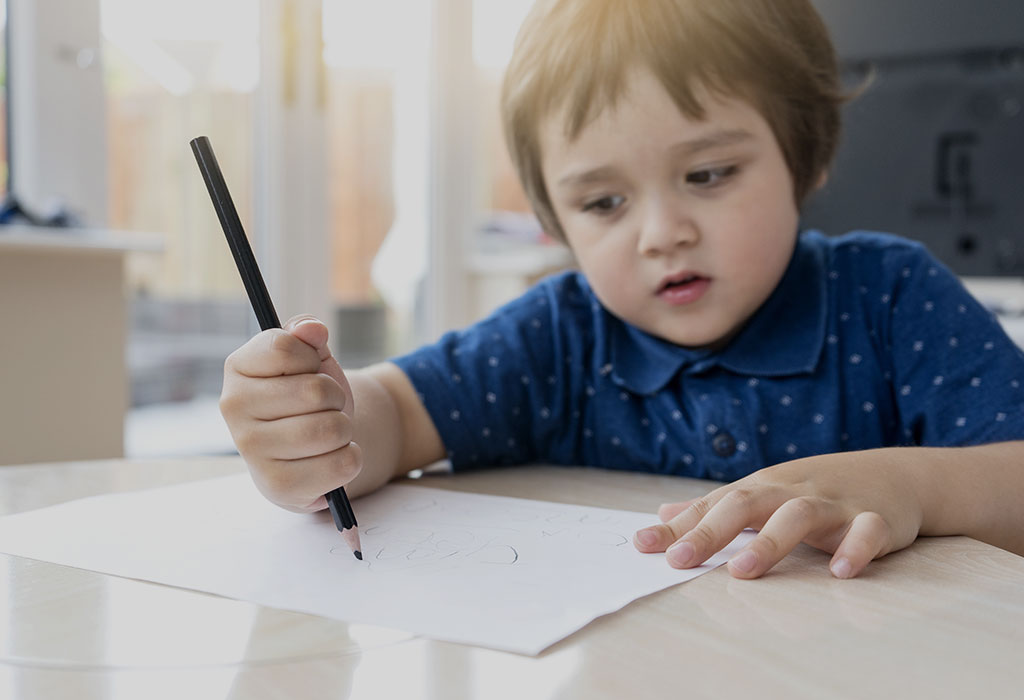
How To Teach Your Child To Write His Name – 10 Fun Ways
Teaching a child to write his name should not be done just for fun but to prepare him for school. By teaching your child to write his name, you develop his motor skills, preparing him for school and even give him a concrete identity all in one swoop. It is also a fun activity for parents to teach the child how to write his name before he goes to kindergarten.
Let us look at a few ways to teach 3-year-olds to write their names:
How to Teach a Kid to Write His Name
Here’s how you can teach your children to write their names in a fun way:
1. Use an outline
You can print his name as an outline so that it will be easier for him to understand how to write his name. In a Word document, select a large font and type his name, choose the outline option, and print it. Print out multiple copies of the same for your little one. Hold your child’s hand and make him write on the outline using a pencil. With enough practice, your child will master the art of writing his name.
2. Fingerpaint
The movements required to write a name can be hard for your child, and this is where finger painting comes in as a fun activity. You can use salt, shaving cream, or even pudding on a tray, and make your child trace his name on it either using his finger or a writing tool. This has the advantage that it can be used as much as possible without much of a mess.
3. Teach him outdoors
You can always try to teach him outdoors in the midst of nature. Write his name on your driveway with a chalk in a large font and then ask your child to write it as large. Eventually, you can reduce the size of the letters and make it suitable for a paper.
4. Trace over highlighter
This is another cost-effective and easy-to-do method. Trace out your child’s name on a paper using a thick highlighter. All now that your child has to do is practice by keeping his pencil marks within the colour of the highlighter and gradually his motor skills will develop.
5. Slate and chalk
There is a reason why slates still remain the age-old method for teaching a child to write. Also using slate and chalk to teach a child is a cost-effective method. Just give your child a chalk or slate pencil, and sit with him so that you can guide him as to how to spell his name on the slate.
6. Sign up and sign in
Once your child learns to write his name, do not stop at that. Practice makes a man perfect, so make sure that he is practising enough. To make it fun, make your child ‘sign up’ if he wants something. For example, if he wants a snack, he has to write his name; if he wants to play with his favourite electronic gadget, he will have to sign in. This could be fun for a child.
7. Dry erase markers on a window
Children love scribbling on the windows and walls and no matter what you do to stop them from scribbling on your beautifully painted walls, they won’t listen to you. So, why not make this scrawling productive? Channel their energy into a positive experience by providing some dry erase markers to your child and making him have fun by practising his name on a window or wall.
8. Cut-outs
Initially, you may have to teach your children to identify letters. This can be made fun by searching through old magazines for the letters in his name and cutting it out specifically to make a collage of his name.
9. Spaghetti
This is the only time when you will encourage your child to play with food, but if it does good to your child, then why not? You can give your child spaghetti or noodles, and encourage him to spell out his name using the strands. This can be a fun experience for your child.
10. Make a song
In order to get your child to learn the spelling of his name, you can make up a silly song which spells it out and sing it. Your child is sure to sing it himself, and he will gradually learn the spelling of his name without much effort.
There are many ways as to how to teach your pre-schoolers to write their name- however, try to make it as fun as possible for your child.
Also Read: Motor Skills Development in Childhood
Read more
How to Choose a Daycare: Checklist to Follow
Are you searching for a suitable daycare for your little one and find yourself paranoid even after hours of research? What do parents look for in a daycare? Well, picking the right one can be a tricky decision that only compounds the anxiety you already feel about being away from your baby!
Sending your little one off to daycare is a difficult time for parents. However, it is often inevitable, especially in nuclear families where both spouses have full time jobs. While nanny care is also popular among some families, it evokes strong feelings of anxiety in others. After all, they are leaving their baby alone with someone they know little about, even though she probably comes with references.
Daycare can be the perfect balance of safety and peace of mind, coupled with your kid’s growth and development. Use this choosing a daycare checklist and make sure all pointers are covered in your final pick!
10 Important Things to Look for in a Daycare
1. Convenient Location
It goes without saying that a daycare centre close to your home or workplace is your best bet. If your child is very young, proximity will ensure you can drop by to breastfeed or meet him every couple of hours. Some workplaces now offer corporate daycare solutions so working mothers can return to their jobs. KLAY Schools, for instance, that successfully runs 35 day care facilities across India, provides on-site daycare facility in the office premises.
2. Optimum Teacher Child Ratio
To ensure your child gets sufficient individual attention, make sure the teacher to child ratio at the daycare is not too low. A ratio of 1:3 is healthy for kids up to sixteen months of age. This implies there is one dedicated teacher or childcare professional for every batch of 3 children. As kids get older and start Pre-KG (kindergarten) and KG, a ratio of 1:8 to 1: 15 is good.
3. Mandatory Childcare Facilities
Irrespective of whether you are looking at a large or mid-sized establishment, there is an essential child care checklist for parents to refer to:
Adult supervision at all times and places
Trained staff and childcare professionals
Toys, books, playthings and creative activities (and no, TV is not a substitute!)
Medical facilities available, as well as the capacity to handle potty accidents
Clean bed linen, furniture and furnishings
Power backup
Open spaces and playgrounds for sports activities
4. Positive References and Reputation
It is imperative to do your research when selecting a daycare. Ask around in your social circles – family, friends, neighbours and colleagues. Go on the Internet and browse through classifieds listings on daycares. Go ahead only when you are convinced that the daycare you are choosing has a good reputation, is well established, safe, and preferred by fellow moms in the community.
5. Adequate Health and Medical Facilities
Bad health and accidents come without notice. The daycare you choose must have up to speed healthcare services. Check whether the staff is trained in First Aid and observes basic hygiene such as hand-washing, disinfecting floors and toys, and using eco-friendly products. Cross ventilation and supervised open spaces are telling signs of a good daycare center.
6. Compassionate and Dedicated Staff
Since your child will be spending a considerable amount of time in the daycare everyday, it is important that his environment is positive. Have conversations with the staff, childcare professionals and teachers in service. As a parent, it will be easy for you to gauge the team’s level of dedication and training in child development.
7. Holistic Growth & Learning Facilities
The first decade of life is considered the key period for mental and physical growth. In your child’s formative years, it is crucial to check whether the daycare provides an environment conducive to learning. Inquire about the hobby classes available, activities organised, daily routine for children, interactive sessions, and disciplinary measures observed.
8. Transportation Facilities & Ease
If you are unable to zero down on a daycare close to your home or workplace, you need to check on transportation. Figure out if the daycare has a provision to pick and drop kids, or whether it will be possible for you to commute to and fro every day.
9. Healthy and Clean Eating
If you manage to send off your child with home-cooked food, great! If not, daycare centres usually have the provision of meal times. Check on the menu served, how healthily it is prepared, and portion sizes. Also discuss any allergies or food-related tantrums your child has been known to throw.
10. Child-Approval is a Plus
Finally, to seal the decision among your shortlisted choices, take your child along for a visit. It’s best to select a daycare he seems the most comfortable in. Remember, what seems right to a mother’s heart is the ultimate answer to what to look for in a childcare center! Another thumb-rule is to make sure the daycare has an open-visit policy where parents can come in unannounced at any time.
Does your little one go to daycare? How did you go about selecting it? Please share your tips with us in the comments below.
Read more
Teaching Days of the Week to Children – Simple and Easy Ways
You might wonder how to teach the days of the week to kids. Learning them is through memorization, but coming up with creative activities can help greatly. You can start by repeating the names of days frequently and following up with playing a few fun games.
Teaching the days of the week to children can be quite tricky, especially if they haven’t yet started to read. To learn the days of the week, a child needs to memorise them. Once he does, he’ll find it much easier to understand the concept of time, too. The age of 3 to 4 years, when children begin to understand and comprehend things, is a good time to start teaching them about days and weeks.
What Is the Importance of Teaching Days of the Week to Children?
As children grow, they observe the people and things around them and learn. Teaching your little one the days of the week is like laying foundational learning for your little one to understand time and be included in the conversations. Moreover, learning the days of the week will support the language development of your little one, as children encounter these terms in various contexts, including songs, stories, and conversations.
When Should You Teach Days of Week to Children?
Learning the days of the week is not very difficult, and young children are like sponges, so they learn things very fast. You can start teaching them days of the week once they attain 3 to 4 years of age. This is a must activity of Kindergartners and is typically included in their curriculum.
Tips for Teaching Days of the Week to Children
Are you looking for the best way to teach days of the week to your little one? We have got some amazing ideas on how to teach days of the week to your little bunny!
1. Explain in Simple Terms
Explain to your child that there are seven days in a week. When one week is over, another one starts. You can explain that each week has five school days and two play days too. You should also explain the difference between night and day and that after every night comes a new day.
2. Tell Him the Day and His Schedule
Start your day by telling your child what day of the week it is, and what’s on his schedule for the day. For example, you can say, “It’s Monday today, and you have playgroup”, or “It’s Sunday today, and Grandpa is coming over”.
3. Break Down Yesterday, Today and Tomorrow
Teaching yesterday, today, and tomorrow to a 2-year-old is important to make him learn about the days of the week. Explain to your child that yesterday is the day before today. Name the day and connect it with an activity that he did yesterday. Do the same to explain the concept of today and tomorrow.
4. Introduce the Calendar
Show your child a calendar and point out how the days and weeks are marked on it. Show him which days his favourite festivals fall on. Show him when his birthday is and when yours and Daddy’s fall on as well.
5. Play Games
Plan interesting ‘days of the week’ games for your child. Write the days on different pieces of paper and mix them up. You can even make a ‘ days of the week’ chart for your child and schedule his activities on it using crayons and coloured pencils. Stick a few of his favourite cartoon or storybook characters to make it an even more attractive activity.
6. Make a Week Caterpillar
An engaging ‘days of the week’ activity for children is to get them to create a week caterpillar. Cut one large circle for the face and seven smaller colourful circles for the body. Write the days of the week on the smaller circle and paste them one behind the other to form the body of the caterpillar.
7. Use Poems to Teach
You can make use of poems or jingles to teach your little one day of the week in a fun way. or instance, you can create your own poem:
Mary ate eggs on Monday,
Mary ate muffins on Tuesday,
Mary ate pancakes on Wednesday,
Mary ate chocolate on Thursday,
Mary ate sandwich on Friday,
Mary ate fruits on Saturday.
And Mary slept on Sunday!
FAQs
1. Who named the days of the week?
Well, there isn’t a single person who named the days of the week; the names of the days of the week have their origins in ancient civilisations, from the Romans to the Norse. The Romans named the days after celestial bodies and gods, such as Sunday (Sun), Monday (Moon), and Saturday (Saturn). The Norse, influenced by their mythology, named the days after Norse gods and celestial bodies, which were later adapted into English. Over time, these names passed down through various cultures and languages, embracing changes little by little and shaping the modern calendar.
2. What are some tricks to help children remember the days of the week?
The tricks are aplenty! You can take the help of visual aids like YouTube videos, rhymes, card games, flashcards, puzzles, and activities to teach young ones the days of the week. You can even create a mnemonic song and have a special dance prepared for children where each week day has a special dance move, helping children remember days of the week.
3. What if my child struggles to learn the days of the week?
It is okay if your child struggles with learning the days of the week in th initial days. There is nothing to worry about; each child is unique, and they may take individual time to learn. So, be patient and keep trying with a gentle approach.
To learn the names of the days of the week, your child will have to memorize them by rote, but understanding the concept of day and night will make it easier. Repetition is the key, while fun activities that teach the days of the week to your child help him understand the concept better.
Also Read:
How to Teach Kids Alphabets?
How to Teach a Child to Share?
Teaching Young Kids About Everyday Objects
Helping Your Child Learn Name, Age and Gender
Read more

Daycare Centre for Children – Pros and Cons
So, you have been enjoying motherhood to the hilt by spending time with your little one, taking care of him and tending to his various needs too. But if you are a working mom then this rosy period may have to end soon and you may have to go back to work.
The sheer thought of leaving your baby behind can be daunting for a mother. However, the daycare centre is a good option for parents who, due to work constraints or other reasons, cannot be with their babies. But have you weighed in the pros and cons of daycare yet? In this article, we shall discuss various advantages and disadvantages of a daycare centre and various tips that may help you choose a daycare centre for your child.
What Are the Advantages of Daycare Centres?
Various studies have shown that children benefit greatly from going to a daycare centre, and this holds true for babies and toddlers from 6 months to 4 years of age. Here are some advantages or pros of a daycare centre for children (1) (2) (3) (4):
1. Kids Learn to Socialise
Socialising is one of the great benefits of daycare. Daycare centres are great places for kids to meet other kids; some of the kids may be of the same age, and others may be younger or older. Your child will interact with them on a day-to-day basis, which may help him to master his socialising skills. Your kid may understand and learn the art of making friends, too.
2. Kids Learn to Follow Schedule
Though daycare centres may not impart any formal education, the various activities planned for the children are executed in a structured manner. Your kid may learn how to do things according to the schedule, and this is amongst one of the many benefits of daycare for toddlers.
3. Kids Begin Learning at an Early Age
Daycare centres not only take care of your child but also plan various activities for your kids. These activities help your kid to learn various educational concepts at a young age. There are many daycare centres that may adopt play and learn the concept. Therefore, the importance of daycare in child development cannot be undermined.
4. Smoother Transition to Formal Schooling
Kids who start going to daycare centres may find it easier to adjust to the formal schooling atmosphere. This is because, by the time they are ready to go to kindergarten, they may already be aware of being with same-age group children, following a schedule and other things that may make the transition easier for them.
5. Kids Develop Better Immunity
This is one of the many benefits of daycare for infants. Home is a protected environment and a safe place for your child, but not exposing him to rowdy environmental conditions may not be good for your child’s immunity. A daycare centre is a place where your kid would be interacting with many children. The more the child gets exposed to various strains of flu and cold, the better it is for his immunity.
6. Contentment for the Parents
Every parent wants to be with his/her child, but due to various constraints, this may not always be possible. Therefore, when parents leave their children in a trusted environment where they are assured that their baby will be taken care of and thus they may feel contented and happy.
7. There Is Consistency in Care
When a daycare worker is sick, instead of closing, the facility hires a substitute for the day. This ensures parents have reliable care without disruptions. Seeing the same caregivers every day is beneficial for children. As a parent, you won’t need to worry about finding last-minute care arrangements if someone gets sick. This makes managing your schedule and responsibilities easier.
8. Children Perfect Langauge and Speech
Daycare centers have skilled teachers who know just how to help kids talk better and learn words. They teach kids things like letters, numbers, shapes, and colors. Children are able to practice their language and speech under the orderly guidance. Parents might be busy, but daycare teachers are really good at this stuff.
Now that we have gone through the benefits of daycare for toddlers, here comes the disadvantages.
What Are the Disadvantages of Daycare Centres?
A daycare centre is a great option for your child. However, everything may have some pros and cons. So, is daycare bad for kids? No, daycare is not bad for children, but there are some cons or disadvantages of a daycare centre that are worth looking into:
Daycares are not cheap. As you go up with the facilities provided, the cost of daycar service increases, too.
You may have to spend extra money for an extended stay at a daycare centre.
Some daycare centres may not be functional on holidays; you may have to look for alternate arrangements.
Sometimes, daycare centres may not permit a sick child.
Along with other things, your child may be sharing germs, too. This means your kid is more susceptible to catching various kinds of infections and diseases at a daycare centre.
Daycare is a place where kids from various families and backgrounds may come. Your kid may be learning good things but he is also exposed to various bad habits of other children . Your kid may pick up bad words or habits from other children.
Daycare centres follow a routine, and sometimes your kid may not adjust well to it, and it may create problems for you, too.
Your child may be in a noisy atmosphere, and he may not like it.
Spending time in a daycare centre provides for a less personalised experience in comparison to the services of a nanny.
Reputed daycares providing the best of care and services often accept limited applications, soaring the competition and waitlisting.
The above-mentioned are some of the drawbacks that you may like to consider before you plan to put your kid in a daycare centre.
Things to Consider While Choosing Daycare for Your Child
How you choose a daycare for kids is important, too. Once you make up your mind about sending your kid to a daycare centre, it is important that you pay heed to the following aspects before choosing a daycare centre for your child (5):
A daycare centre is not only for taking care of your child; therefore, choose one that may involve your kid in various interactive and educational activities, too.
Choose a daycare centre that may allow flexibility in terms of time and days.
It will be a great idea to opt for a centre that may be close to your house so that picking and dropping may become convenient for you.
Make sure you check the child-caretaker ratio before putting your kid in any daycare centre, the lower the ratio, better it is.
Make sure the centre is registered or licensed and follows the rules and regulations of a daycare centre.
There are many options for daycare facilities to choose from, you should choose the one best suited to your family requirements.
FAQs
1. Can I homeschool my child instead of sending them to a daycare?
Yes, you can homeschool your child, but this might not be the one-size-fits-all solution for all parents, as every family has different schedule and needs. If you can provide personalisation to your child, then homeschooling can work out. However, if you are unable to provide highly personalised education all the time, then daycare facility is ideal.
2. What is the major benefit of daycare for children?
One of the major benefits for children is independence. Children learn to be independent and learn to stay away from their primary caregivers, which is usually not in the case of children with no daycare. The need for constant care from parents reduce and children learnt to open up their circle to bring in more people in their trustworthy circle (2).
Sending your kid to a daycare centre can be a tough call for the parents to take. However, there are many good options available too. Make deliberate efforts to choose the daycare centre for your little one.
References/Resources:
1. Daycare Pros and Cons: What Parents Should Know; WonderBaby.org; https://www.wonderbaby.org/articles/daycare-pros-and-cons
2. 5 Benefits of Daycare For Your Child; YMCA; https://lafayettefamilyymca.org/5-benefits-daycare-your-child/
3. Benefits of childcare for your toddler; Professional Association for Childcare and Early Years (PACEY); https://www.pacey.org.uk/parents/the-best-care-for-your-child/benefits-of-childcare-for-your-toddler/
4. Daycare Benefits for Parents and Childeen; Mandio Montessori of Geneva; https://genevamontessori.org/daycare-benefits-for-parents-and-children/
5. Five steps to choosing childcare; Coram Family and Childcare; https://www.familyandchildcaretrust.org/five-steps-choosing-childcare
Also Read:
Importance of Preschool Education
Preschool Vs Daycare: Which Is Good for Your Child?
Should You Choose a Family Daycare for Your Child
At What Age Can Your Child Go to a Daycare/Childcare Centre?
Read more
Body Parts for Kids: Teaching Your Child About Parts of the Body
As babies grow, their curiosity about their bodies blossoms. They begin to notice their hands, feet, and all the little bits in between. This natural exploration is crucial for their development. As toddlers and preschoolers, they’re like eager explorers, soaking in information about themselves and the world around them. That’s why activities that focus on body parts for children are so important. These body parts activities for preschoolers can be super fun and interactive, like singing catchy songs about body parts or playing games where they get to touch different parts of their bodies. Through these activities, kids not only learn the names of their body parts but also start to understand how their bodies work. This understanding helps them feel more at ease and confident in their own skin, which is essential for their overall growth and development. So, whether they’re wiggling their fingers, tapping their toes, or pointing to their noses, every little movement is a step towards self-discovery and empowerment. Read on to understand how to teach about body parts to little ones.
When Can You Start Teaching Your Child About Body Parts?
There’s no specific age to start teaching your child about the parts of the body. Sometimes, your baby might tend to know the parts himself by listening to body parts songs for children. These can be established in him making attempts to touch his nose when you touch your own. Babies learn a lot through mimicking sounds and gestures, and they will be able to identify many parts, even if they can’t name them on their own. Many kids learn to clap on their own, so associating that action with the phrase “clap your hands” can help them make the connection of which body part is used for which action.
Benefits of Teaching Your Child About Body Parts
Teaching your child about body parts not only educates them about their own body but also promotes body positivity and self-awareness. Here are some benefits of teaching your child about body parts:
Promotes Body Positivity: Learning about their body parts helps children develop a positive attitude towards their own bodies.
Encourages Self-Care: Knowing about body parts enables children to understand the importance of taking care of themselves, such as washing hands or brushing teeth.
Enhances Communication Skills: Being able to identify and articulate body parts improves a child’s communication skills, enabling them to express themselves more effectively.
Facilitates Safety Awareness: Teaching children about body parts also empowers them with the knowledge to recognize and communicate discomfort or potential dangers to trusted adults.
Fosters Respect for Diversity: Learning about different body parts and their functions fosters an understanding and appreciation of diversity among people.
Ways to Teach Kids about Body Parts
In order to teach about body parts for kids, there are multiple fun-filled activities and body parts games for kids that you can make use of and help your little one begin taking tiny steps in understanding them.
1. Refer to Animals
Sometimes, kids may not respond to addressing their own body parts or somebody else’s due to repetition. You can opt for using animal soft toys or images and point out that even they have legs and eyes and noses. You can start showing the difference between some animals having a tail but not us. If you have a pet in the house, then nothing like it.
2. Make Use of Props
Give your child a small toy which he can use to point at. So when you say nose, ask him to point at his nose in the mirror or your nose. This can also be combined with a game using stickers. Give him a sticker and ask him to put it on your hand and see if he can do it the right way.
3. Describe Various Functions
Children learn a lot from first-hand examples. Make use of sensory perceptions to help them understand it better. Close your baby’s eyes and say out loud “eyes closed”, “eyes open” and so on. This will help them associate the act of seeing with eyes. Same can be repeated for other senses, especially for the nose, which can help him smell and identify different aromas.
4. Use Visual Aids
The visual perception of kids is the highest and they glean a lot of information from what they see. Use large posters of a human body or even cartoons and use those to tell him about different parts of the human body. As your child grows up, you can make the activity even more interactive. Get a large paper and draw the outline of a human body on it. Let your toddler then draw eyes in the right place, fingers on the hand, and so on.
5. Riddle Me This
You don’t learn much the first time as much as you learn when you need to recall it. Do the same with your kids as well and engage them in simple activities where you ask them questions related to their body parts. Simple things such as “wipe your nose” accompanied by your act of wiping your own nose, can help him understand what needs to be done.
6. Bring on the Music
If nothing else helps, memorization and repetition can break the barrier that’s holding your kid back from understanding body parts. If your kid likes a particular nursery rhyme or any popular song, replace the words with parts of the body and dance to the rhythm while pointing at those body parts and saying the words out loud in the tune of the song. You don’t need to be a lyricist to make it sound good. The aim is to use the tune as a tool for memorization and recall of various actions and body parts.
Body Part Chart for Children
Introducing children to a body part chart can be a fun and educational way to teach them about their anatomy. These charts like the one below, typically feature colorful illustrations and simple labels that make learning engaging and accessible for young minds.
Games to Teach Parts of Body to Kids
Introducing games to teach parts of the body to kids can make learning fun and interactive. These games engage children in hands-on activities that help them identify and remember different body parts while promoting movement and creativity. Here are eight exciting games to consider:
1. Simon Says
In this classic game, one person plays “Simon” and gives commands like “Simon says touch your nose” or “Simon says wiggle your toes.” Kids must only follow commands preceded by “Simon says,” reinforcing body part recognition while encouraging listening skills.
2. Body Part Bingo
Create Bingo cards featuring various body parts instead of numbers. Call out body parts, and children cover the corresponding pictures on their cards. This game enhances visual recognition and reinforces vocabulary.
Source: Pinterest
3. Musical Body Parts
Similar to musical chairs, but instead of chairs, use images or cutouts of body parts placed on the floor. When the music stops, children must identify and stand on a body part called out by the facilitator.
Source: Pinterest
4. Body Part Drawing Challenge
Give children paper and markers, and challenge them to draw a person. Encourage them to label as many body parts as they can, such as eyes, nose, hands, and feet. This game stimulates creativity, fine motor skills, and reinforces body part recognition through hands-on engagement.
5. Body Part Charades
Children take turns acting out different body parts while others guess which part they’re portraying. This game encourages creativity, communication, and reinforces body part recognition.
6. Body Part Memory Game
Create pairs of cards with images of various body parts. Place them face down and take turns flipping over two cards, trying to find matching pairs. This game enhances memory skills while reinforcing body part identification.
Source: Pinterest
7. Body Part Puzzle
Provide children with puzzles featuring illustrations of the human body. As they assemble the puzzle, they can identify and learn about different body parts. This game promotes problem-solving skills while reinforcing body part recognition.
Source: Pinterest
8. Body Part Scavenger Hunt
Hide pictures or toys representing various body parts around the play area. Children search for the hidden items and name the body parts as they find them. This game promotes exploration and reinforces body part identification skills.
How Can You Teach Kids About Private Body Parts?
Teaching body parts to preschoolers is usually restricted to the usual ones that we see. Rarely do parents teach kids about their own private parts. Most of the times these are replaced by nicknames so that they can easily tell us when they need to go pee or have any problems with it. However, it is majorly due to these nicknames that kids start developing a perception of shame and guilt when it comes to addressing the private organs they have themselves.
You don’t need to undertake sex education or teach them the difference between genitals of each gender at this age. But as your child begins to start saying words properly, you can teach the proper words of genital parts, such as “penis” and “vagina” appropriate to the child. Let him address the part by its right name. It is necessary for parents to be comfortable with it as well. If you cringe at the mention of a name that is absolutely normal and is the right word for it, your child will start developing an attitude of looking at private parts with disgust. As your kid starts growing and starts noticing general differences between genders, such as clothing styles, hair length, and so, you can then introduce them to the genital parts of a different gender and keep it at that.
Teaching body parts to toddlers or young kids brings its own set of challenges. Many kids do learn to point to the right parts or indicate their presence in different ways. It is necessary to bundle up private parts along with these as well, so as to not build up any sense of confusion or doubt in the child’s mind about the existence of a body part he does not understand. The less awkward you make it for yourself, the better your child will develop as a well-rounded individual.
FAQs
1. My child seems disinterested in learning about body parts. How can I make it more engaging?
Try to make learning about body parts fun and interactive by incorporating play-based activities that cater to your child’s interests. Use toys or props that involve body parts, incorporate movement and music into lessons, and be patient and encouraging as your child explores and learns at their own pace.
2. Are there any potential concerns I should be aware of when teaching about body parts?
When teaching about body parts, it’s important to use age-appropriate language and ensure that the information is presented in a positive and respectful manner. Additionally, be mindful of cultural or familial norms regarding body awareness and modesty, and approach the topic sensitively based on your child’s individual comfort level.
3. Should I use anatomically correct terms when teaching body parts to young children?
It’s generally recommended to use anatomically correct terms for body parts when teaching children, as it promotes accurate understanding and helps prevent confusion or misconceptions later on. However, the decision ultimately depends on your family’s values and cultural norms.
This was all about body parts for kindergarten kids. As your child grows older, it’s essential that he have some knowledge about different things he may come across in the world and also develops different skills that help him along the way. A great way to do this is by subscribing to an activity box, like Intellikit, which integrates fun with learning. Based on a unique theme each month, each box has interactive activities that involve various types of play, keeping your child occupied for hours on end, while learning something. Subscribe today by entering your child’s age, and receive a box of fun learning right at your doorstep each month!
References/Resources:
1. Waugh. W, Brownell. C; Development of Body Part Vocabulary in Toddlers in Relation to Self-Understanding (Early Child Development and Care); National Library of Medicine; https://www.ncbi.nlm.nih.gov/pmc/articles/PMC4505369/; July 2015
2. Milestones During The First 2 Years; American Academy of Pediatrics; https://www.healthychildren.org/English/ages-stages/toddler/Pages/Milestones-During-The-First-2-Years.aspx
3. Activities to Encourage Speech and Language Development; American Speech-Language-Hearing Association; https://www.asha.org/public/speech/development/Activities-to-Encourage-Speech-and-Language-Development/
4. Learning Body Parts; NHS Oxford University Hospitals; https://www.ouh.nhs.uk/patient-guide/leaflets/files/43709Pparts.pdf
5. How do I talk with my preschooler about their body?; Planned Parenthood; https://www.plannedparenthood.org/learn/parents/preschool/how-do-i-talk-my-preschooler-about-their-body
6. Witt. A, Cermak. S, Coster. W; Body Part Identification in 1- to 2-year-old Children; Research Gate; https://www.researchgate.net/profile/Sharon-Cermak/publication/20978498_Body_Part_Identification_in_1-_to_2-Year-Old_Children/links/0fcfd504e5a86be0ae000000/Body-Part-Identification-in-1-to-2-Year-Old-Children.pdf
7. Nienow. S; Seven Steps to Teaching Children Body Autonomy; Rady Children’s Specialists of San Diego; https://www.rchsd.org/2019/12/seven-steps-to-teaching-children-body-autonomy/
Also Read:
Teaching Your Kids to Write
How to Teach Toddler to Brush Teeth
Ways on How to Teach Your Toddler to Speak
How to Teach Colours to Toddlers and Preschoolers
Helping Your Child Learn Name, Age and Gender
Read more
Top 20 Nursery Rhymes List for Toddlers and Preschoolers
If there is one aspect of education that hasn’t changed for the longest time, it’s the preschool nursery rhymes. Even the earlier generation learnt nursery rhymes in their native languages, and nearly all English medium schools employ their usage in the earlier classes. But what exactly are nursery rhymes, and why have they been so popular over the years?
Nursery rhymes hold a special place in childhood memories, their timeless melodies weaving into the fabric of early learning and imagination. These charming verses, often passed down through generations, have an enchanting quality that transcends time and culture. Let’s learn about some of the popular nursery rhymes for children.
What Are Nursery Rhymes?
In the simplest terms, nursery rhymes are an interesting tool to enhance early memory development in children and prime them to be receptive to the schooling experience. A lot of things that are repeated in the childhood tend to stay with us for the longest time. Which is why, even if you don’t use nursery rhymes on a daily basis, if you come across a small kid, you will automatically begin to teach him one. That is the power of learning things early in life since they get embedded in your memory and stay there for long.
20 Best English Rhymes for your Young Children to Begin Learning
1. Humpty Dumpty sat on a wall, Humpty Dumpty had a great fall
Humpty Dumpty sat on a wall,
Humpty Dumpty had a great fall;
All the king’s horses and all the king’s men
Couldn’t put Humpty together again. (x3)
2. Old Macdonald had a farm, ee ya ee ya oo
Old MACDONALD had a farm
E-I-E-I-O
And on his farm he had a cow
E-I-E-I-O
With a moo moo here
And a moo moo there
Here a moo, there a moo
Everywhere a moo moo
Old MacDonald had a farm
E-I-E-I-O
Old MACDONALD had a farm
E-I-E-I-O
And on his farm he had a pig
E-I-E-I-O
With a oink oink here
And a oink oink there
Here a oink, there a oink
Everywhere a oink oink
Old MacDonald had a farm
E-I-E-I-O
Old MACDONALD had a farm
E-I-E-I-O
And on his farm he had a duck
E-I-E-I-O
With a quack quack here
And a quack quack there
Here a quack, there a quack
Everywhere a quack quack
Old MacDonald had a farm
E-I-E-I-O
Old MACDONALD had a farm
E-I-E-I-O
And on his farm he had a horse
E-I-E-I-O
With a neigh neigh here
And a neigh neigh there
Here a neigh, there a neigh
Everywhere a neigh neigh
Old MacDonald had a farm
E-I-E-I-O
Old MACDONALD had a farm
E-I-E-I-O
And on his farm he had a lamb
E-I-E-I-O
With a baa baa here
And a baa baa there
Here a baa, there a baa
Everywhere a baa baa
Old MacDonald had a farm
E-I-E-I-O
Old MACDONALD had a farm
E-I-E-I-O
And on his farm he had some chickens
E-I-E-I-O
With a cluck cluck here
And a cluck cluck there
Here a cluck, there a cluck
Everywhere a cluck cluck
With a baa baa here
And a baa baa there
Here a baa, there a baa
Everywhere a baa baa
With a neigh neigh here
And a neigh neigh there
Here a neigh, there a neigh
Everywhere a neigh neigh
With a quack quack here
And a quack quack there
Here a quack, there a quack
Everywhere a quack quack
With a oink oink here
And a oink oink there
Here a oink, there a oink
Everywhere a oink oink
With a moo moo here
And a moo moo there
Here a moo, there a moo
Everywhere a moo moo
Old MacDonald had a farm
E-I-E-I-OOOOOOO………
3. Incy wincy spider climbed up the spout
Incy Wincy Spider climbed up the water spout,
Down came the rain and washed poor Incy out,
Out came the sunshine and dried up all the rain,
So Incy Wincy Spider climbed up the spout again !(x2)
4. The wheels on the bus go round and round, round and round, round and round
The wheels on the bus go round and round,
round and round,
round and round.
The wheels on the bus go round and round,
all through the town.
(Roll hands around each other)
The wipers on the bus go Swish, swish, swish;
Swish, swish, swish;
Swish, swish, swish.
The wipers on the bus go Swish, swish, swish,
all through the town.
(“Swish” hands in front of you like windshield wipers)
The horn on the bus goes Beep, beep, beep;
Beep, beep, beep;
Beep, beep, beep.
The horn on the bus goes Beep, beep, beep,
all through the town.
(Slap palm in front of you like honking a horn)
The doors on the bus go open and shut;
Open and shut;
Open and shut.
The doors on the bus go open and shut;
all through the town.
(Push hands back and forth in front of you)
The Driver on the bus says “Move on back,
move on back, move on back;”
The Driver on the bus says “Move on back”,
all through the town.
(Point thumb over your shoulder)
The babies on the bus says “Wah, wah, wah;
Wah, wah, wah;
Wah, wah, wah”.
The babies on the bus says “Wah, wah, wah”,
all through the town.
(Rub fists in front of eyes)
The mommies on the bus says “Shush, shush, shush;
Shush, shush, shush;
Shush, shush, shush.”
The mommies on the bus says “Shush, shush, shush”
all through the town.
(Hold index finger in front of mouth as if saying shhh)
5. Twinkle twinkle little star, how I wonder what you are
Twinkle, twinkle, little star,
How I wonder what you are!
Up above the world so high,
Like a diamond in the sky.
When this blazing sun is gone,
When he nothing shines upon,
Then you show your little light,
Twinkle, twinkle, through the night.
Then the traveller in the dark
Thanks you for your tiny spark;
He could not see where to go,
If you did not twinkle so.
In the dark blue sky you keep,
And often through my curtains peep,
For you never shut your eye
Till the sun is in the sky.
As your bright and tiny spark
Lights the traveller in the dark,
Though I know not what you are,
Twinkle, twinkle, little star.
6. Row, row, row your boat, gently down the stream
Row, row, row your boat
Gently down the stream,
Merrily merrily, merrily, merrily
Life is but a dream
Row, row, row your boat
Gently down the brook,
If you catch a little fish
Please let it off the hook
Row, row, row your boat
Gently down the creek,
If you see a little mouse
Listen to it squeak
Row, row, row your boat
Gently down the river,
If the river gets you wet
Don’t forget to shiver
Row, row, row the boat
Gently to the shore,
If you see a lyin’ bear
Don’t forget to roar
Row, row, row your boat
Watch the water flow,
Rowing’s fun but rowing’s hard
That is what I know
Row, row, row your boat
Gently down the lake,
Don’t stand up and rock the boat
That’s a big mistake!
Row, row, row your boat
See the water run,
Rowing here and rowing there
Oh we’re almost done
Row, row, row your boat
Gently down the stream,
Ha ha fooled ya all
I’m a submarine
Row, row, row your boat
Gently down the stream,
Merrily merrily, merrily, merrily
Life is but a dream
7. Rock a bye baby, on the treetop
Rock-a-bye, baby, in the tree top
When the wind blows the cradle will rock
When the bough breaks the cradle will fall
Down will come baby, cradle and all
Baby is drowsing, cosy and fair
Mother sits near in her rocking chair
Forward and back, the cradle she swings
Though baby sleeps, he hears what she sings
Rock-a-bye baby, do not you fear
Never mind, baby, mother is near
Wee little fingers, eyes are shut tight
Now sound asleep – until morning light
8. Mary had a little lamb, whose fleece was white as snow
Mary had a little lamb
Little lamb, little lamb
Mary had a little lamb
It’s fleece was white as snow
Everywhere that Mary went
Mary went, Mary went
Everywhere that Mary went
The lamb was sure to go
It followed her to school one day
School one day, school one day
It followed her to school one day
Which was against the rules
It made the children laugh and play
Laugh and play, laugh and play
It made the children laugh and play
To see the lamb at school
And so the teacher turned it out
Turned it out, turned it out
And so the teacher turned it out
But still it lingered near
Why does the lamb love Mary so?
Love Mary so, love Mary so
Why does the lamb love Mary so?
The eager children cry
Why, Mary loves the lamb, you know
The lamb, you know, the lamb, you know
Why, Mary loves the lamb, you know
The teacher did reply
Mary had a little lamb
Little lamb, little lamb
Mary had a little lamb
It’s fleece was white as snow
Everywhere that Mary went
Mary went, Mary went
Everywhere that Mary went
The lamb was sure to go
9. London bridge is falling down, falling down, falling down
London Bridge is falling down
Falling down, falling down
London Bridge is falling down
My fair lady
Build it up with iron bars
Iron bars, iron bars
Build it up with iron bars
My fair lady
Iron bars will bend and break
Bend and break, bend and break
Iron bars will bend and break
My fair lady
Build it up with god and silver
Gold and silver, gold and silver
Build it up with gold and silver
My fair lady
London Bridge is falling down
Falling down, falling down
London Bridge is falling down
M-y-y f-a-i-r l-a-d-y
10. Little Bo Peep has lost her sheep and doesn’t know where to find them
Little Bo Peep has lost her sheep
And doesn’t know where to find them
Leave them alone
And they’ll come home
Wagging their tails behind them
Little Bo Peep she searched for her sheep
But didn’t quite know how to find them
She looked everywhere
From here and to there
But still couldn’t think where to find them
Little Bo Peep began to weep
And lay down to rest for a while
She fell fast asleep
While counting her sheep
Then dreamt they came home with a smile
Little Bo Peep had fallen asleep
And dreamt that she was all alone
But when she awoke
And pulled back her cloak
She saw that her sheep had come home
Little Bo Peep had lost her sheep
And didn’t know where to find them
She left them alone
And they came home
Wagging their tails behind them!
11. Ring a ring of roses, a pocketful of posies
Ring a-ring o’ roses,
A pocketful of posies.
A-tishoo! A-tishoo!
We all fall down!
Fishes in the water,
Fishes in the sea
We all jump up with a
One, two, three!
12. Jack be nimble, Jack be quick, Jack jump over the candlestick
Jack be nimble, Jack be quick
Jack jump over the candlestick
Jack be faster, Jack be cool
Jack jump over the paddling pool
Jack be quicker, Jack be fast
Jack jump over the ship’s tall mast
Jack bounce higher, Jack bounce far
Jack jump over the planets and stars
Jack be nimble, Jack be quick
Jack jump over the candlestick
Jack be nimble, Jack be quick
Jack jump over the candlestick
Jack be faster, Jack be cool
Jack jump over the paddling pool
Jack be quicker, Jack be fast
Jack jump over the ship’s tall mast
Jack bounce higher, Jack bounce far
Jack jump over the planets and stars
Jack be nimble, Jack be quick
Jack jump over the candlestick
13. I’m a little teapot, short and stout
I’m a little teapot
Short and stout
Here is my handle
Here is my spout
When I get all steamed up
Hear me shout
“Tip me over
and pour me out!”
I’m a clever teapot,
Yes it’s true
Here let me show you
What I can do
I can change my handle
And my spout
Just tip me over and pour me out!
14. Jack and Jill went up the hill to fetch a pail of water
Jack and Jill went up the hill
To fetch a pail of water;
Jack fell down and broke his crown,
and Jill came tumbling after.
15. Here we go round the mulberry bush, the mulberry bush, the mulberry bush
Here we go round the mulberry bush
The mulberry bush, the mulberry bush
Here we go round the mulberry bush
So early in the morning
This is the way we bale the hay
Bale the hay, bale the hay
This is the way we bale the hay
So early Monday morning
This is the way we feed the chicks
Feed the chicks, feed the chicks
This is the way we feed the chicks
So early Tuesday morning
This is the way we sweep the porch
Sweep the porch, sweep the porch
This is the way we sweep the porch
So early Wednesday morning
This is the way we paint the fence
Paint the fence, paint the fence
This is the way we paint the fence
So early Thursday morning
This is the way we groom the horse
Groom the horse, groom the horse
This is the way we groom the horse
So early Friday morning
Oh, this is the way we milk the cows
Milk the cows, milk the cows
This is the way we milk the cows
So early Saturday morning
Here we go round the mulberry bush
The mulberry bush, the mulberry bush
Here we go round the mulberry bush
So early Sunday morning
16. Little Miss Muffet sat on a tuffet, eating her curds and whey
Little Miss Muffet
Sat on a tuffet,
Eating her curds and whey;
Along came a spider,
Who sat down beside her,
And frightened Miss Muffet away.
17. Pat a cake, Pat a cake, baker’s man
Pat-a-cake, pat-a-cake, baker’s man.
Bake me a cake as fast as you can.
Roll it, and pat it, and mark it with a “C”
Put it in the oven for Carlos and me!
Pat-a-cake, pat-a-cake, baker’s man.
Bake me a cake as fast as you can.
Roll it, and pat it, and mark it with a “A”
Put it in the oven for Amy and me!
Pat-a-cake, pat-a-cake, baker’s man.
Bake me a cake as fast as you can.
Roll it, and pat it, and mark it with a “K”
Put it in the oven for Kayla and me!
Pat-a-cake, pat-a-cake, baker’s man.
Bake me a cake as fast as you can.
Roll it, and pat it, and mark it with a “E”
Put it in the oven for Evan and me!
18. Rain, rain, go away, come again another day
Rain, rain, go away.
Come again another day.
Daddy wants to play.
Rain, rain, go away.
Rain, rain, go away.
Come again another day.
Mommy wants to play.
Rain, rain, go away.
Rain, rain, go away.
Come again another day.
Brother wants to play.
Rain, rain, go away.
Rain, rain, go away.
Come again another day.
Sister wants to play.
Rain, rain, go away.
Rain, rain, go away.
Come again another day.
Baby wants to play.
Rain, rain, go away.
Rain, rain, go away.
Come again another day.
All the family wants to play.
Rain, rain, go away.
19. Pussycat, pussycat, where have you been?
Pussycat pussycat where have you been?
I’ve been up to London to visit the Queen!
Pussycat pussycat what did you there?
I frightened a little mouse under the chair!
20. One, two, buckle my shoe
One, Two. Buckle my shoe
Three, Four. Open the door
Five, Six. Pick up sticks
Seven, Eight. Lay them straight
Nine, Ten. Do it again!
One, Two. Buckle my shoe
Three, Four. Open the door
Five, Six. Pick up sticks
Seven, Eight. Lay them straight
Nine, Ten. A big fat hen?!?!
One, Two. Buckle my shoe
Three, Four. Open the door
Five, Six. Pick up sticks
Seven, Eight. Lay them straight
Nine, Ten. Do it again!
One, Two. Buckle my shoe
Three, Four. Knock on the door
Five, Six. Pick up sticks
Seven, Eight. You’re doing great!
Nine, Ten. And that’s the end
Some Other Nursery Rhymes for Toddlers and Preschoolers
Here are some more fun and musical nursery rhymes for kids:
1. Five Little Ducks
Five little ducks went out one day,
Over the hills and far away.
Mother duck said, “Quack, quack, quack, quack.”
But only four little ducks came back.
2. Baa, Baa, Black Sheep
Baa, baa, black sheep, have you any wool?
Yes sir, yes sir, three bags full.
One for the master, one for the dame,
And one for the little boy who lives down the lane.
3. If You’re Happy and You Know It
If you’re happy and you know it, then your face will surely show it.
If you’re happy and you know it, clap your hands. (Clap! Clap!)
4. Head, Shoulders, Knees, and Toes
Head, shoulders, knees, and toes, knees and toes,
Head, shoulders, knees, and toes, knees and toes,
And eyes, and ears, and mouth, and nose,
Head, shoulders, knees, and toes, knees and toes.
5. Hickory Dickory Dock
Hickory dickory dock, the mouse ran up the clock.
The clock struck one, the mouse ran down,
Hickory dickory dock.
6. Five Little Monkeys Jumping on the Bed:
Five little monkeys jumping on the bed,
One fell off and bumped his head.
Mama called the doctor and the doctor said,
“No more monkeys jumping on the bed!”
7. Hey Diddle Diddle
Hey diddle diddle, the cat and the fiddle,
The cow jumped over the moon.
The little dog laughed to see such fun,
And the dish ran away with the spoon.
8. This Little Piggy
This little piggy went to market,
This little piggy stayed home,
This little piggy had roast beef,
This little piggy had none,
And this little piggy went “wee, wee, wee” all the way home.
9. Little Miss Muffet
Little Miss Muffet sat on a tuffet,
Eating her curds and whey.
Along came a spider,
Who sat down beside her,
And frightened Miss Muffet away.
10. Three Blind Mice
Three blind mice, three blind mice,
See how they run, see how they run!
They all ran after the farmer’s wife,
She cut off their tails with a carving knife.
Did you ever see such a thing in your life,
As three blind mice?
11. To Market, To Market
To market, to market, to buy a fat pig,
Home again, home again, jiggety-jig.
To market, to market, to buy a fat hog,
Home again, home again, jiggety-jog.
12. Simple Simon
Simple Simon met a pieman,
Going to the fair.
Says Simple Simon to the pieman,
“Let me taste your ware.”
13. The Queen of Hearts
The Queen of Hearts she made some tarts,
All on a summer’s day.
The Knave of Hearts he stole the tarts,
And took them clean away.
14. Goosey, Goosey Gander
Goosey, goosey gander, where shall I wander?
Upstairs and downstairs and in my lady’s chamber.
There I met an old man who wouldn’t say his prayers,
So I took him by his left leg and threw him down the stairs.
15. Sing a Song of Sixpence
Sing a song of sixpence, a pocket full of rye,
Four and twenty blackbirds baked in a pie.
When the pie was opened, the birds began to sing,
Wasn’t that a dainty dish to set before the king?
The king was in his counting-house, counting out his money,
The queen was in the parlour, eating bread and honey.
The maid was in the garden, hanging out the clothes,
When down came a blackbird and pecked off her nose.
Nursery Rhyme Activities for Toddlers and Preschoolers
Engaging in nursery rhyme activities for kindergarten not only sparks their imagination but also nurtures their language development and cognitive skills. Here are six delightful activities centred around beloved nursery rhymes, each complete with what you’ll need and step-by-step instructions to make learning and play an enchanting experience.
1. Twinkle, Twinkle Little Star Craft
What You Will Need:
Black construction paper
Glitter or star-shaped stickers
Glue
Child-safe scissors
Hole punch (optional)
How to Perform:
Cut out a star shape from the black construction paper.
Apply glue all over the star and sprinkle with glitter or attach star-shaped stickers.
Allow the glue to dry, then punch a hole near the top if you’d like to hang it.
Recite “Twinkle, Twinkle Little Star” while admiring your sparkling creation.
2. Wheels on the Bus Sensory Play
What You Will Need:
Small toy bus or make one from cardboard
Various small toy animals or figures
Sensory bin or tray
Blue-water beads or rice (to mimic water)
How to Perform:
Fill the sensory bin or tray with blue water beads or rice to represent water.
Place the toy bus in the “water” and arrange the figures inside.
Sing “The Wheels on the Bus” while moving the bus and figures around, mimicking the actions in the song.
3. Old MacDonald’s Farm Animal Match
What You Will Need:
Pictures of farm animals (printed or drawn)
Farm animal figurines or stuffed toys
A large piece of paper or a poster board
Glue
How to Perform:
Spread out the pictures of farm animals and the corresponding figurines.
Encourage your child to match the figurines to the pictures and glue them in place.
Sing “Old MacDonald Had a Farm” while exploring the animal matches.
4. Itsy Bitsy Spider Finger Puppet Play
What You Will Need:
Finger puppets or make your own with felt
Small container with water (optional)
How to Perform:
Put on the finger puppets to represent the spider and the rain.
Use your fingers to act out the motions of the spider climbing up and the rain coming down.
Optionally, dip your fingers in water for added sensory engagement.
5. Humpty Dumpty Egg Carton Craft
What You Will Need:
Empty egg carton
Paints or markers
Construction paper
Glue
Cotton balls (optional)
How to Perform:
Cut out a section of the egg carton to resemble Humpty Dumpty’s wall.
Paint or decorate the egg carton section.
Create a Humpty Dumpty face using construction paper and glue it onto the egg carton.
Optionally, use cotton balls to represent the cushioning for Humpty Dumpty’s fall.
6. Hickory Dickory Dock Clock Craft
What You Will Need:
Paper plate
Paints or markers
Small clock hands (can be made from paper or craft sticks)
Brad fastener
How to Perform:
Paint or decorate the paper plate to resemble a clock.
Attach the clock hands using a brad fastener at the centre.
Move the clock hands to different positions while reciting “Hickory Dickory Dock.”
Amazing Benefits of Rhymes for Toddlers and Preschoolers
Here are some of the benefits of rhymes.
1. Verbal Skill Development
Each child needs a good bit of learning and practice in being able to express their thoughts, emotions, and opinions in the right way that can be understood by anyone. Reciting nursery rhymes helps them speak and recite from the memory, which builds the muscle memory required for repeating words and helps in developing their internal confidence of expression.
2. Hearing Skill Enhancement
There is a reason why nursery rhymes have a sense of repetition to them. In the first stages of listening to the rhyme, your child tries very hard to understand and process it as a narrative. As he does it, he will try to make sense of it by repeating for himself and tweak it by listening to you better.
3. Memory Skill Boost
Nursery rhymes are structured in such a way that they are entertaining. The key to memorising them is to not restrict their usage only in school or only with the parents. You will notice kids break into rhymes by themselves and sing along unbeknownst to them. This is the final goal of the rhyme since this is a clear sign of it being embedded in the unconscious memory.
4. Motor Skill Development
Action rhymes for preschoolers are meant for a very specific reason, and that is movement. By using hands, feet, and faces to express the various aspects of the poem, children start associating the words and tonalities, with their actual meanings and non-verbal cues. This, indirectly, helps in their eye-to-limb coordination and enhance fine motor movement in a better way.
5. Language Skill Sculpting
Certain words in the nursery rhymes can be quite complex to speak independently by themselves. Which is why they are usually accompanied by a rhyming word so that your kid gets a vague idea of what the word might sound like. With enough repetition, the new word becomes a frequently used one and gets added to their mental vocabulary, improving their language.
6. Cognitive Skill Enhancement
The initial years are full of understanding the concepts of space, shape, size, colour and so on. Many of these ideas are usually discrete and stay independent. The inclusion of nursery rhymes allows this components to be strung together and create meaning, which helps in grasping these concepts in a strong solid manner. This also shapes the learning attitude within kids as they begin to pick up new things by associating them with what they know.
7. Reading Skill Development
A great way to complement the repetition of nursery rhymes is to use a book that goes with it. Once the rhyme is memorized by your kid, you can repeat it while pointing to the words in the book. This helps him understand the way a word is written and it is pronounced, allowing him to recognize alphabets easily, too. It acts as a boost to reading and helps your child in the later stages of his life.
8. Social Bonding Improvement
Nursery rhymes are usually learnt and performed in groups. As the teacher guides along, each child tries to repeat it and observes other kids as well to learn from them. Not only does this help in learning the rhyme, but it creates a sense of camaraderie between kids since they all share the memory of learning the rhyme, as well as begin to bond over it.
9. Imagination Skill Boost
Nursery rhymes barely make rational sense and that’s specifically done so for a reason. The creative capacities of young children are extremely strong and these rhymes allow them to delve into those imaginative worlds in a better way. That internal visualization is key to developing creative skills and different ways to express ideas.
10. Auditory Skill Shaping
Have you noticed that not a single rhyme is without a tune or a melody? All the tunes that rhymes have are extremely simple and catchy, which flow well with the rhyming words. This taps into various sensory portions of the brain, where certain patterns help in building learning blocks of the other regions. The music and tonalities assist in learning the words of the rhyme.
How Can You Help Your Child to Learn Nursery Rhymes?
Repetition is key. Don’t be embarrassed to behave like a child. Recognize the fun in it. If you see your kid liking a particular nursery rhyme, feel free to start singing it yourself and your kid will love you for it.
Bring out the musical nature of the rhyme. Sing along with your little one and don’t forget to clap or dance to the beat.
Your hands are not the only instruments. If you’re cooking and your kid waltzes in singing his rhyme, use the spoon to tap on the bowl and the kitchen platform to add musical flourishes.
Reinforce the actions that flow along with the words of rhyme. This helps your kid visualize the words in the poem and remember the meaning even better. It also is quite a funny feeling to be a child for a change.
Turn it into a game. Try singing a line and let your kid follow up the next. Or sing half the line and let your kid sing the other half. This further strengthens the structure of their memory.
Mix the nursery rhymes with other hobbies they might have. If the rhyme is about a particular character, ask them to draw the character as described by the rhyme.
Once they are used to one rhyme, introduce a newer one that might connect to the first or be a totally different story. Know their interests and plan accordingly.
Learning is not a process in silo. You can use nursery rhymes to educate your child about the alphabet, numbers, colours, animals and so on. The association of various domains and senses brings a holistic sense of learning.
Nursery rhymes have been a strong tool for teaching for the longest time. As your child progresses ahead in class, the subjects tend to be separate and the overlap of teaching starts to reduce. Studies have strongly depicted that associative learning that crosses over domains tends to have a strong tendency of being memorized. English rhymes for toddlers are the easiest and the quickest way to develop a learning methodology for your child. The sooner you begin, the better it is for your child. Don’t force this as a subject to be learnt for an examination. Let it stay in the way of fun-frolic that it has been created as, and your child will fall in love with them right away.
FAQs
1. What Is the Origin and History of Nursery Rhymes?
Nursery rhymes have ancient roots, evolving from oral traditions. They gained popularity in the 18th century as educational tools. Their origins, however, often remain unattributed, blending folklore and historical events.
2. How Many Nursery Rhymes Should Your Child Be Familiar With?
There is no specific number of nursery rhymes for kindergarten to learn. However, familiarizing them with a diverse selection aids in language development and cultural awareness.
Teaching nursery rhymes to your little one is an interesting approach to foster good memory in him from an early age. When your child learns and recites these easy nursery rhymes, his reading, verbal, and hearing skills develop, too. However, you can go a step ahead by focusing on overall intelligence with Intellikit, an activity subscription box that focuses on the theory of multiple intelligence. Each box has a unique theme, with fun, interactive activities that promote all-round development in your child, keeping him engaged all month-long.
Also Read:
Types of Play for Overall Child Development
How to Teach Colours to Toddlers and Preschoolers?
Ways to Teach about Body Parts to Toddlers & Preschoolers
Read more
Sort By
 Latest
 Most Popular
 Trending
Please select atleast one Filter