

















.svg)
.svg)
.png)


Breastfeeding
Suggested articles for you

Is Extended Breastfeeding Beneficial For You
Committing to breastfeeding is a crucial job in a mother’s life. While there are many advantages of breastfeeding, providing vital nutrients required to protect a child from illness being one of them.
Video: Extended Breastfeeding – Is It Beneficial?
What is Extended Breastfeeding?
The act of breastfeeding your baby beyond a year is considered extended breastfeeding. This includes breastfeeding toddlers in the age of 2-4. If a woman can produce the milk required for their baby, they can always opt for extended breastfeeding.
Benefits of Prolonged Breastfeeding
Apart from preventing illnesses, prolonged breastfeeding has been proven to increase IQ and EQ levels of a toddler, thereby stimulating mental growth and development. Studies have shown that mothers feel more content by breastfeeding without worry and help feel a strong connection to their baby.
1. Benefits for Toddler
Breastfeeding toddler benefits include:
One of the biggest benefits of breast milk are the various nutrients it provides to keep your child’s immunity robust.
It fosters a great emotional connection and bond with a mother and becomes a source of support for your toddler who is becoming independent day after day.
If a mother is travelling to unfamiliar places, the comfort of a bosom can be reassuring for a child.
It helps maintain a healthy weight for your child.
Breast milk can adapt to provide for the growing needs of the child with the right amount of nutrition.
It can lower risks of diseases which a child may get when he/she becomes older.
It can make them more independent, especially if they wean off on their own time.
It can help keep the toddler hydrated and full lessening the chances of dehydration.
2. Benefits for Mother
Your child may be gaining great immunity from breast milk, but even mothers have a ton of benefits from breastfeeding. Here are a few:
It increases bonding time and builds a stronger connection to the baby.
It can help in losing the weight gained during pregnancy.
The time spent breastfeeding can have a calming effect on the mother and take away the demands of a career and other commitments.
It can reduce the risks of breast, ovarian cancer and also lower the rate of cardiovascular diseases.
Delayed periods is also a common side effect of breastfeeding thereby reducing cramps and bloating that come with it.
A mother’s body produces oxytocin to continue breastfeeding which is great for healing after delivery.
It makes mothers feel empowered as they can watch their baby grow into a healthy child.
A mother does not have to worry about what formula will work for her baby by customizing it for the needs of an individual baby.
Problems Associated with Extended Breastfeeding
A lot of young mothers are in conflict when it comes to extended nursing, but it is vital to know the prolonged breastfeeding disadvantages in order to be better prepared.
Hindering of a mother’s freedom
Breastfeeding is a big commitment, and after a certain amount of time, it may start intervening with a mother’s lifestyle and schedule. Planning around your baby’s feeding schedule, pumping sessions can all become tougher once life returns to normal.
2. Pain
Many women experience a lot of pain due to sore nipples, cracks and cuts and engorgement and blocked ducts. Discomfort becomes a constant companion and can cause annoyance to a young mother.
3. Public opinion
Many mothers will face a lot of criticism and backlash if they feed for a long time, even though breastfeeding has become widely accepted in public spaces. Mothers can feel upset or troubled due to this as many believe a child who is walking and talking should not be nursing.
4. Difficulty in weaning off
Some mothers may find it difficult to wean off their toddler from breastfeeding after a long period of time.
5. Fussy eaters
If a mother has only been breastfeeding and not introducing different kinds of food to their child, they may not take to many solid foods and become fussy eaters and prefer breast milk over other food.
6. Obesity and weight gain
As mothers have to continue to produce milk for their hungry child, they may be eating a lot more to keep up leading to weight gain.
7. Exhaustion
Being a new parent is demanding in itself, and extended nursing can make the mother even more tired.
8. Sleeplessness
Toddlers who breastfeed at night can have difficulty going to sleep.
Is Nursing Your Toddler Possible during Pregnancy?
Mothers can continue to nurse safely even during pregnancy to their toddler. The body will be able to determine the ample amount of nutrition that is required for your toddler, you and your growing baby as long as you follow a well-balanced diet and eat on a schedule. The most important thing to do is to listen to the body’s cues during this time.
Tips for Making Extended Breastfeeding Work for You
Invest in a nursing necklace and sturdy nursing bras.
Ensure that you surround yourself with supportive people when you breastfeed to avoid feeling criticised.
Give your toddler the time to wean off on their own.
Do not get discouraged by the biting, instead redirect that attention of your toddler somewhere else and continue to feed after a break.
A mother can never run out of milk, usually, when they continue to nurse, so be generous and patient with your toddler.
Plan ahead for nursing in public.
Extended breastfeeding has its obvious benefits such as improved immunity and a closer bond between you and your baby. On the flipside, it has disadvantages such as physical pain and dealing with the attached social stigma. We’ve provided you with the information on how to go about it. It is your prerogative if you want to extend breastfeeding and it should be done based on what you feel is right.
Also Read: Breastfeeding for Beginners
Read more





Breastfeeding in the First 24 Hours – Benefits and Tips
Congratulations! You are a proud mommy to a beautiful baby now. You may be thinking that probably motherhood may be a cakewalk for you. Well, ladies, we hate to burst the bubble but this beautiful phase comes along with oodles of responsibilities and challenges, and the very first in the line may be breastfeeding after birth. You may have heard that how important it is to breastfeed your baby within 24 hours after birth. And here in the following article, we shall be discussing breastfeeding in the first 24 hours, its various benefits and we shall throw some light on various tips on how to go about it.
What Happens During the First 24 Hours After Child Birth?
So, what exactly happens as soon as you deliver your baby? Well, if you are intrigued to know, then we shall share with you what a mom and her baby may experience on the first day after birth. Following are some of the things a mommy and her baby may experience:
1. To Mom
As a mommy, you may experience some of the following on your first day after birth:
Whether you had a normal (vaginal) delivery or a c-section, you may experience pain. However, you may be given medicines to overcome this pain.
You may experience stomach cramping and bleeding, which is very normal and will subside soon.
You may find it difficult to sit and feeding may seem like a humongous task.
In spite of all this, you may still want to begin breastfeeding your baby.
2. To Baby
Your little bundle of joy may go through some of the following experiences:
Your baby experiences a massive transition from a dark and cosy environment to bright and shiny surroundings.
He was in a quiet and slow-moving world and here everything may seem to be noisy and chaotic.
The most important thing that your little munchkin may experience is hunger.
It is important that you make efforts to feed your baby before he starts crying as it may get difficult to feed a cranky and crying baby.
What Are the Benefits of Breastfeeding Immediately After Birth
Breastfeeding your baby soon after birth is not only good for the baby but is also beneficial for the mother. Following are some benefits of breastfeeding immediately after birth:
Breastfeeding is very important for building your newborn baby’s immunity, which will help your baby fight against many ailments and infections.
As soon as you begin breastfeeding your baby your body releases a hormone called oxytocin, which helps in contracting your uterine muscles.
As your baby begins to suckle, it helps in more production of milk for your baby and also gets your milk supply going.
It helps in building a better breastfeeding bond between the mother and her baby as the baby is more alert during this time.
Skin-to-skin contact aids your baby to latch correctly.
It may calm and soothe your baby as sucking helps in providing comfort to babies.
Coming in close contact with the mother helps the baby to stay warm by using the mother’s body heat and warmth.
It is also seen that mothers who start breastfeeding within a few hours after birth tend to breastfeed their babies successfully for a longer period of time.
How Much Breast Milk Does a Newborn Need on the First Day?
Your newborn baby has a very tiny tummy, it is as small as the size of a cherry. This small tummy may only be able to hold about 5 to 7 ml of colostrum (thick yellow milk); because of this very reason, you may have to feed your baby approximately 10 to 15 times on the first day after birth. Your baby may breastfeed every 1.5 to 3 hours. If your baby sleeps most of the time and does not get up to feed for 2.5 to 3 hours, we recommend that you wake up your baby and breastfeed.
Essential Tips for Breastfeeding in First 24 Hours
Here are some tips that may help you to for breastfeeding your baby within 24 hours after birth:
Sit in a comfortable position, you may still be hurting from the birthing process and thus you may make use of pillows to give you support. Avoid stooping or bending forward, sit upright and comfortably.
Make sure your baby latches correctly by taking most part of your areola (the dark part around the nipple) inside his mouth. Improper latching may not only lead to pain for the mother but it may also result in lesser milk intake by the baby.
Refrain from force-feeding your baby. You should feed only when you feel your baby is hungry.
Prepare yourself mentally to feed your baby 10 to 15 times a day. This is because your baby has a small tummy with a small appetite and may require regular feeding.
Make sure you keep your baby close to your skin as you feed. Skin-to-skin contact is beneficial for you and your baby.
Newborn babies usually sleep a lot after birth but you should try to feed your baby every three hours to get your breast milk supply going.
You may take 45 minutes or more to breastfeed your baby for the first few times and it may tire and exhaust you. But the first milk or colostrum is very important to build immunity for your baby.
In case you face any difficulties in first-night breastfeeding or generally, you are facing troubles in breastfeeding your baby, you should get in touch with the lactation consultant for assistance.
Things That May Interfere With Nursing After Child Birth
Breastfeeding is a process that usually comes naturally to a mother. However, sometimes certain complications may arise that may interfere with this process. Following are some complications that may interfere with nursing after childbirth:
If you have had an epidural delivery, this may make your baby extremely sleepy and drowsy and thus he may not be able to suckle.
If you had a C-section, this may make you tired and exhausted.
If you have a premature or preterm baby, this may hamper your breastfeeding. You should get in touch with a lactation expert to know more about how to feed a preterm baby.
Narcotics may create problems in breastfeeding your baby.
If your baby has to be kept in a neonatal or intensive care unit then it may cause troubles with breastfeeding. However, you may be told to express the milk and feed it to your baby.
It is very normal for a newbie-mommy to experience various breastfeeding challenges and there is no need to worry and panic. With proper guidance and medical help, you may be able to share a great breastfeeding experience with your little bundle of joy.
Also Read:
Newborn’s Breastfeeding Habits
Breastfeeding Production after Delivery
Tips to Consider while Breastfeeding a Newborn
Read more

25 Breastfeeding Questions and Answers
Everyone is aware that breastfeeding a child is important and beneficial for the child’s health. However, for some, particularly first-time moms, it can pose certain challenges. The initial days of nursing can be a baffling time, with lots of queries abound. Learning the concept and process of breastfeeding can help you gain more confidence, which can help you tackle the many challenges of breastfeeding. While there are infinite breastfeeding FAQs, we have tried to answer the most important and frequently asked questions about breastfeeding. Join us as we bust some myths around breastfeeding and answer the top and most suitable lactation questions and answers.
25 Common Breastfeeding Questions and Answers
Decoding breastfeeding through some commonly asked questions on breastfeeding may help you gain some useful insight into the matter:
1. When will the breastmilk come in?
It’s common to hear the phrase – “the breastmilk hasn’t come in”. But the use of the phrase is incorrect. In most cases, women produce colostrum, or first milk, during the initial days following childbirth (1). Colostrum is a thick, milky substance rich in antibodies, which precedes the production of actual breast milk. The body usually starts to produce breastmilk in a couple of day’s time after giving birth.
2. Does the size of the breast affect milk production?
No, the size of the breast does not affect milk supply. Most women produce enough milk as per their baby’s needs, irrespective of their breast size. Small-breasted women can produce an oversupply of milk, while some large-breasted women may have a tough time producing plentiful.
3. Why do some lactating moms yield more breastmilk than others?
According to doctors, different breasts can have diverse storage capacities. Moreover, the quantity of milk supply is subject to mammary tissue. But moms need not worry unnecessarily. Normally, lactating mothers are capable of producing what their baby requires. The supply of breast milk is also stimulated by breastfeeding and pumping. The more you breastfeed or pump breast milk, the more you’ll stimulate your breasts to produce milk (2). However, if you suspect your milk supply is low, seek expert guidance to prevent the reduction of milk production.
4. Shouldn’t breastfeeding be easy?
Breastfeeding is considered the most natural thing. But it may not be easy for everyone, mainly in the first few weeks after delivery. It is an acquired skill which nursing moms are required to learn with patience and practice. While for some moms, it may come as an easy affair, others may take some time to get used to it (3). For some, the initial stages can be uncomfortable and painful, especially when they may be coping with postpartum issues. Breastfeeding usually does become easier with time and experience.
5. Is my baby truly drinking?
A baby may remain in the breast sometimes, but not just for nutritional reasons. Some babies seek comfort from suckling the breast. They may nurse for long periods and use the breast as a pacifier. In case you are unsure whether your baby is truly nursing, check for certain things, such as his jaw moving up and down when he sucks, whether he’s pausing for swallowing, if the breast is feeling lighter after feeding, and so on, as suggested by the NHS (4). You can learn whether your baby is feeding properly by checking their diapers. The more the baby feeds, the more they soil the diapers with pee and poo (5).
6. Am I producing sufficient milk for my baby?
Most women commonly worry if they are producing enough milk. You can take note of a few signs from the American Pregnancy Association (6):
If your newborn has 7 to 8 wet nappies per day
If your breasts feel full between feeds and drain after nursing
If your baby is steadily gaining weight each week
If your baby appears to require his next feed after a realistic gap (about 2 to 3 hours)
If your baby seems content and sleepy after feeds
If your baby’s cheeks look filled while swallowing instead of sucked in
Please note – Breasts feeling full between feeds and draining after nursing will be dependent from mother to mother. Similarly, a baby requiring his next feed after a realistic gap will depend from baby to baby. Some babies also cluster feed during growth spurts.
7. How can I enhance my low supply?
Milk supply can be short for several reasons. In case you are worried you are not producing adequate milk, try some things like (7):
Feeding your baby frequently- the more you nurse, the more you may produce.
Attempt pumping for a few minutes right after your baby finishes feeding.
Make sure you consume a balanced diet. Drink lots of healthy fluids.
Remember to take a suitable rest and get quality sleep.
8. How to avoid and soothe engorged breasts?
Some women may experience painful breasts because they are too full. Breast engorgement usually happens when a mom produces more milk than what a baby can use or if a baby abruptly starts feeding less than normal and milk is not entirely emptied (8). Breasts may also swell up due to blocked ducts. In such instances, you can try cold compresses or cabbage leaves to reduce the swelling. The Cleveland Clinic suggests using a breast pump or a hand express technique to release a bit of milk (9).
9. How to prevent colic while breastfeeding?
In case your baby gets colicky while nursing, consider looking into what you are eating. Your baby can be intolerant to certain foods like cow’s milk, cauliflower, chocolate, broccoli, onions, and spicy foods which may be making him colicky. Consult your paediatrician about eliminating foods from your diet. You can try doing so one by one and then wait to notice whether your baby’s colicky signs improve or not.
10. How to cure sore nipples?
While curing is a reactive measure to avoid sore or cracked nipples, one must practise the deep latch technique. Sore or cracked nipples can make nursing painful. You can contemplate changing your regular breastfeeding positions. Allow your nipples to air dry after feeding. Avoid tight-fitting bras and shirts. Go for soft cotton fabric nursing bras with drop-down cups that make breastfeeding easier (10). As per La Leche League, breastfeeding moms should have at least at least three nursing bras. Regularly change your nursing pads. You can also rub some manually expressed breast milk on your sore nipples to help them heal.
11. Can I breastfeed if my nipples are bleeding?
Sometimes, cracked nipples can give way to bleeding. But you can still breastfeed, although it may be quite uncomfortable. A slight measure of blood in breast milk may not harm the baby. Nevertheless, cracked nipples can be the result of improper latching. You may like to take a few sessions to educate yourself about appropriate latching techniques. However, it is important to avoid breastfeeding with cracked or bleeding nipples if you have hepatitis B or hepatitis C, as it could infect the baby (11).
12. How to obtain a good breastfeeding latch?
Breastfeeding shouldn’t involve any pain. You can experience a stinging or tingling sensation while nursing. But any pain may indicate that the baby is not latching correctly. Open his mouth wide (pull down gently on his chin) so that he may take in as much of the areola and breast as possible. In case his mouth doesn’t open up enough, the latch may not be proper, causing him to nurse off the nipple which can lead to a cracked nipple.
13. Are painful lumps in the breast normal?
Plugged or blocked ducts can trigger the development of painful lumps or mastitis, as they prevent the milk from properly draining out of the breast (12). The condition can improve if you feed more often. Other treatments can include applying a warm compress or massaging the affected breast to encourage the milk flow. Always ensure your breasts are drained suitably after a nursing session.
14. What to eat or drink when breastfeeding?
Moderation should be the guiding principle when it comes to eating food while breastfeeding. The Mayo Clinic suggests opting for a well-balanced diet rich in protein, like eggs, lean meat, fish and seafood low in mercury, dairy, beans, etc., whole grains, and fresh fruits and vegetables (13). Refrain from food items that are likely to prompt bloating, as they can make your baby colicky. Drink ample amounts of water, fresh juices, and soups.
15. When to go for a nipple shield?
Your doctor may recommend the use of nipple shields to help you deal with certain underlying breastfeeding issues, such as flat nipples, engorgement, sore nipples, or if the infant has trouble latching (14). However, they should not be used on a long-term basis and only under the supervision of an expert.
16. When should I start pumping?
There are no set rules to it. Many moms may prefer pumping as it gives them the convenience of someone else feeding their baby if they’re unable to at the time. Some may choose to pump to increase their milk supply. In case you adopt pumping, trying doing it right after a feed, about two times a day, to accumulate sufficient stored milk for a nursing session.
17. What is breastfeeding jaundice?
Newborn babies, at times, become jaundiced due to high bilirubin levels, causing a yellow tinge to appear in their eyes and skin. In some cases, jaundice can get worse owing to poor breastmilk supply or insufficient nursing during the baby’s early weeks after birth. This leads to extreme weight loss and dehydration. In the case of such instances, nursing moms should seek a doctor’s help to make their breastfeeding more effective.
18. For how long should I breastfeed?
The WHO proposes about six months of absolute dedicated breastfeeding before introducing other foods (15). Subsequently, the baby may receive other complementary solids with continual breastfeeding until about 2 or more years of age. However, it is more of a personal choice.
19. Should I stop breastfeeding if I am sick?
Breastfeeding moms need not stop nursing even when they fall sick. Certain situations may warrant discontinuation, like active tuberculosis, HIV, untreated brucellosis, chemotherapy for cancer, taking illicit drugs, herpes lesions on the breast, etc (16). But simply having a fever or cold should not be a cause to stop nursing unless a doctor advises you to do otherwise (17).
20. How much should a newborn be feeding every day?
Ideally, a newborn should be feeding about 8 to 12 times every day for the initial months. Your baby will possibly feel hungry after 2 to 4 hours, consuming around 50 ml every feed (18). Gradually he may progress to about 120 ml towards the end of the early months. Expect to increase approximately 30 ml every month until the baby is 6 months of age.
21. Is it okay for the colostrum, which comes first out of the breastmilk, to come in low quantity?
In the early days of breastfeeding, moms produce small amounts of colostrum, a protein-rich, yellowish milk that helps protect newborns from infections. This milk is bright yellow due to its high beta-carotene content and immunoglobulins (19). In the early days of breastfeeding, moms produce small amounts of colostrum. So, there is nothing to worry about. During the first few days, you may expect the amount of colostrum from a few drops to a few teaspoons. As breastfeeding or pumping continues, the milk begins to change, becoming what’s known as transitional milk.
22. For how long can I store my pumped breast milk?
As per the CDC, if you are pumping breast milk to store for future use, you can store it in a refrigerator for up to four days, in a basic freezer for 3-6 months, and for 6-12 months in a deep freezer (20). Once you take out stored breast milk, it is good for 24 hours at room temperature, and it is ideal to thaw the amount you want to consume and leave the rest in the freezer. Most moms date the breast milk packets with time and date to maintain the accuracy of storage.
23. Should I wake my baby to breastfeed if he is sleeping?
Babies, in their initial days of birth, sleep for long stretches and wake up only for feeding, peeing, and pooping. Many experts recommend occasionally waking the babies for feeding in the first few days after their birth, if they sleep at a stretch of more than four hours, to feed them timely to ensure their proper nutrition and stimulate breast milk production (21). As they grow, it is not necessary to wake them up for feeding; they can wake up on their own when they get hungry.
24. Are medications and vaccinations safe while breastfeeding?
Although most medications and vaccinations are safe during breastfeeding, some may transfer into breast milk, so it is necessary to consult a doctor before taking any medication, dietary supplement, herbal medicine, vitamins, or vaccination (22). Decongestants can impact the milk supply, so it is wise to inform the doctor before the vaccination and medication. Similarly, do not consume any OTC medicine without a doctor’s consultation.
25. How long does it take for periods to surface after childbirth?
Moms who choose not to breastfeed may have their menstruation returned about six to 12 weeks after childbirth. However, if you’re exclusively breastfeeding, your period might not come back for several months or until you stop breastfeeding or start them on solids (23). It’s important to know that even without your period, you can still get pregnant while breastfeeding, as ovulation occurs before menstruation. Once it’s safe to resume sexual activity (typically four to six weeks postpartum after a vaginal delivery), you can discuss birth control options with your doctor that are compatible with breastfeeding unless you’re planning for another baby.
Breastfeeding helps both the mother and the baby as it can safeguard the mother and infant from many diseases. Therefore, nursing moms should continue to breastfeed their babies for as long as possible.
Also Read:
One Breast Produce more Milk
Breastfeeding with Small Breasts
Breastfeeding with Large Breasts
How to Breastfeed a Baby at Night?
Breastfeeding Frequency by Age Chart
Most Common Breastfeeding Problems & Their Solutions
Read more

Breastfeeding Your Baby: How to Get Started
Breastfeeding is a natural, extremely essential, and instinctual habit, but it also is a learning process for both mothers and babies. Breastfeeding helps build a special bond between you and your baby, besides providing protection from illnesses and ensuring adequate physical as well as mental growth for the baby.
Why Breastfeeding Is Best?
Breast milk is certainly the healthiest food for the newborn. It is the best and safest meal your child can get. Here are a few reasons why breastfeeding is recommended exclusively for the first 6 months:
Breast milk is nutrient-rich and provides a well-balanced diet for your baby’s needs.
It consists of dozens of essential vitamins and minerals, multiple important hormones, and immunity-boosting substances that are lacking in supplementary feeds or formula milk.
Breastfeeding a newborn also has certain beneficial effects on the neurological development of the baby.
Exclusive breastfeeding also protects the baby from various illnesses in early life, including respiratory infections like pneumonia and gastric diseases like enteritis.
Breastfeeding can be beneficial to the mother and help her lose postpartum weight. It may also help in lowering the risk of various cancers like breast cancer and cervical cancer.
When to Start Breastfeeding?
You should start breastfeeding as soon as the baby is born, as the milk or colostrum that you produce during the first time of breastfeeding, in the first hour after giving birth, is rich in nutrients. The baby is naturally inclined to suck well in the initial hours of life and hence early feeding has a positive impact. It helps develop a good feeding relationship between the mother and the baby. It is a good idea to keep your baby in close skin contact, as often as possible after birth. Babies tend to exhibit actions like sucking, rooting, and searching the nipple when they are laid close to the breast. When the baby has nursed a couple of times, she will learn to demand milk more often. Normal active babies will need to be fed almost hourly, including at midnight and dusk. Once your baby’s hunger is satisfied, she will be less irritable and will sleep soundly.
Preparation for Breastfeeding
Before starting to feed it is important that both you and the baby are in a comfortable position. There are several positions to choose from, and your nurse or health care provider is sure to help you pick one which suits you best. A comfortable position is one in which you can stay for some time. You should also be able to make eye contact with the baby while she nurses
Here are a few of the most common breastfeeding positions
Laid-back breastfeeding: This permits you to recline so that the baby rests upon your torso.
The Cradle Hold: You may also prefer the cradle hold, wherein you hold the baby against your chest.
The side-lying technique: This suits women whose breasts are large in size.
It is important to keep an eye on the baby as she feeds and ensures she sucks as much of the areolar tissue as possible.
How to Start Breastfeeding a Newborn?
A good understanding of how to breastfeed a baby makes the job easier.
Hold your baby close to you so that the baby is facing your breasts. Touch your nipple to her upper lip and as soon as she opens the mouth, pull her onto the breast. Make sure the baby’s mouth covers most of the darker areola surrounding the nipple.
Once feeding is initiated, make sure it is not too painful. Pay attention to any tenderness after the feeds. If the baby is properly latched, a maximum part of the areola will be in the baby’s mouth and your nipples will feel the sucking.
If it hurts when the baby latches, interrupt the feeding process by sliding a finger between the mouth and the breast, detaching the baby. Once comfortable and rightly positioned, you may begin the feeding again.
Comfortable Positions for Breastfeeding
You can try out different breastfeeding positions to find one that suits your needs. Here are a few that you could consider:
1. Cradle Holding Technique
This is a common position that’s comfortable for babies who have good neck control.
Position your baby on your lap with your tummies against each other and your elbow supporting its head
The position should be such that the baby’s mouth stays near your breast and the arm fits in your underarm.
Support your breast with your other hand with your thumb on the areola. Your fingers will lie beneath your breast.
Gently let your breast touch the baby’s lower lip. Your baby will open its mouth in response and try to hold the nipple by rooting.
Support the baby over your body and permit it to latch on
Laid back feeding, is one variation in which the mother lies reclines with her baby on the torso facing the breast. The baby might take some time to learn and latch onto the breast.
2. Cradle Cross Holding Technique
This is also called the crossover hold, wherein the mother can support the baby with one of her hands.
Hold your baby with your arm supporting her neck
Bring her mouth close to your breast such that the arm doesn’t come in the way
Use your hands vice versa as explained in the previous position.
Support your breast with the free hand with your fingers placed under the breast tissue, your thumb will be on the areola.
Gently let your breast touch the baby’s lower lip.
Baby will open her mouth in response and try to hold the nipple by rooting.
Support the baby over your body and permit it to latch on.
Instead of leaning over, pull the baby over your body
3. Football Holding Technique
This is advisable for mothers who have had a Caesarean-section or those who have large breasts. It is also recommended for feeding premature babies.
Place the baby such that your arm lies over its torso and let your hand support the baby’s neck.
Pull the baby close to your breast and allow it to latch. Now support the baby’s head while her nose and chin touch the breast.
Once latched and feeding, ensure that the baby’s shoulders are relaxed.
4. Modified Football Holding Technique for Twins
Mothers of twins can feed them either separately or at the same time. In the latter case, you may choose this position to allow your babies to latch onto each breast.
With partially bent elbows hold one in each arm.
Let your palms support their necks.
Now allow them to attach and start sucking.
5. Side Lay Technique
This position offers comfort to the mother while feeding her newborn. It requires some skill, but once learned and practiced, it usually is the position of choice for most mothers. It is also suitable for mothers who have had a Caesarean-section.
Lie side by side with your tummies facing each other.
Flexing the upper leg will help you get a comfortable position.
Position the breast with your fingers and assist the baby to latch and start feeding itself.
How Long to Breastfeed a Baby?
Various studies and international guidelines suggest continuous exclusive breastfeeding without offering water, food supplements, fruit juices, dairy, or food for the initial six months of age. Extended breastfeeding up to a period of twelve months has also been safe and recommended.
How to Know If Your Baby Is Getting Enough Milk
The first feed after birth usually contains colostrum instead of milk, which is a watery yellow fluid rich in antibodies that boost the baby’s immunity. It is followed by milk in a few days of regular feeding. A common concern is whether the baby is being adequately fed or not. If you are feeding her on demand and if she’s passing timely urine and about 7-8 stools/day which are yellow and semi-solid, be assured that she is well-fed.
However, if the baby shows the following signs, you should consult your paediatrician:
Baby feeds for just ten minutes or less
You notice lethargy and frequent fussiness in the baby
Yellowish discoloration of the skin
Dark or greasy stools
How Many Times Should You Nurse Your Baby?
There is no fixed newborn breastfeeding schedule, but usually, a healthy baby feeds eight or more times a day. It is a good practice to feed whenever your baby demands. Overfeeding can be harmful and should be avoided.
A baby that’s hungry, will usually be restless, cry excessively, and suck his finger or thumb, or exhibit rooting. These signs are actually important breastfeeding tips for a newborn baby which can help you know when your baby needs to be fed.
Breastfeeding After a C-Section
Breastfeeding need not be affected by a Caesarean section. Although the physical stress of surgery and medications administered might hamper your nursing care, it is advisable that you begin frequent feeding after a few hours of birth, roughly six to twelve hours. Once begun, milk letdown will ensue and feeding shouldn’t be a problem. You can take help from your partner to position your baby. Cradle holding, side-lay technique, or the football holding positions can be chosen for comfort.
1. What Food Should Breastfeeding Mothers Eat?
A breastfeeding mother requires nothing special but a well-balanced diet that includes:
Starch items, bread, rice, and potato
Prefer whole wheat products for added fiber and extra nutrients
Dairy products like, milk and yogurts
Protein-rich foods like, meat, eggs, and fish
Fresh fruits and clean vegetables
Adequate intake of water and fluids
Under all circumstances, a breastfeeding mother should refrain from smoking and alcohol consumption.
What to Buy for Breastfeeding?
Nursing bras are advisable, as they support your breasts well. With zips and hooks, it becomes comfortable for frequent feeding. Ensure you use well-fitted bras with completely opening flaps. In case, the breast is inadequately exposed or the pads are pressing on the breast it may block the ducts causing mastitis (inflammation of the breast tissue).
Your breasts may leak due to oxytocin response. Carry reusable breast pads when travelling, to keep yourself dry and comfortable. Nightwear light bras are also available. A breast pump can be helpful in cases where expressed milk is required.
Problems You May Face While Breastfeeding Your Baby
Breastfeeding can be difficult in the following circumstances:
You may develop a breast infection(mastitis) or plugged ducts.
Improper ‘latching on’ of the baby.
Breast engorgement or painful nipples, especially in the initial weeks. Remember breastfeeding should be painless.
The baby is days to weeks old but does not require 7-8 diapers a day.
The baby is drowsy or excessively lethargic, feeding only less than 8 times a day.
Medical conditions like prematurity, failure to thrive, pathological jaundice, congenital defects like cleft palate or lip, or neurodevelopmental problems.
With proper help and support from your doctor, these problems can be resolved and help you continue breastfeeding for your baby’s good health.
Breastfeeding is an essential art for a new mother. With patience, practice, and awareness, feeding your baby can be accomplished in a hassle-free way. Once you get used to it, you will find that breast milk is the best thing a mother can give her newborn baby, since it ensures the pink of health.
Also Read:
Breastfeeding or Pumping
Breastfeeding as a Working Mom
Breastfeeding Problems & Solutions
Read more
World Breastfeeding Week 2026 – History, Significance & Themes
The World Alliance for Breastfeeding Action (WABA) organises the annual event of World Breastfeeding Week from August 1st to August 7th. The idea behind organising such an event is solely to promote, support, and encourage breastfeeding amongst new mothers throughout the world.
Why Is World Breastfeeding Week Celebrated?
The World Breastfeeding Week is organised and celebrated every year to protect, promote, support and encourage breastfeeding mothers everywhere across the globe. World Breastfeeding Week was celebrated for the first time in the year 1992, and since that time, it has been recognised by organisations and institutions worldwide. The WABA had decided to dedicate an entire week to increase awareness and spread more information about breastfeeding to communities worldwide, which gave birth to the World Breastfeeding Week (WBW). The World Alliance for Breastfeeding Action designs a new theme and slogan for the World Breastfeeding Week every year. The World Breastfeeding Week 2026 theme is “Breastfeeding for a Sustainable Start in Life: Strengthen What Works”.
History of World Breastfeeding Week
The importance of breastfeeding was globally recognised back in 1990, when the World Health Organization (WHO) and United Nations International Children’s Emergency Fund (UNICEF) created a memorandum known as the Innocenti Declaration to protect, promote and support breastfeeding. The Innocenti Declaration is a formal document that was created to achieve goals including:
Creating a national breastfeeding committee and appointing a national breastfeeding coordinator across countries.
Facilitating the provision of maternity care practice and taking measures to ensure that women are adequately nourished to feed their children and remain healthy themselves.
Formulating and enforcing laws to protect the breastfeeding rights of women.
Formulating an act to implement all the articles of the International Code of Marketing of Breast Milk Substitutes and WHO resolutions.
Enabling women to exclusively breastfeed their babies up until 4-6 months of age.
The World Alliance for Breastfeeding Action (WABA) was formed in the year 1991 to execute all the goals outlined in the Innocenti Declaration. WABA is responsible for spreading the awareness and importance of breastfeeding at a global level. Some of the important initiatives of WABA include:
Supporting and encouraging mothers to continue to breastfeed
Baby-friendly hospital initiatives
Guiding and educating the fathers to support the mothers, health care workers, and the community
Framing of laws and policies to protect and support breastfeeding mothers
How to Celebrate World Breastfeeding Week?
The World Breastfeeding Week (WBW) celebrations are meant to unite the breastfeeding community all around the world, enhance public support towards breastfeeding, and achieving the goals of the Innocenti Declaration. In the first year of its celebration, around 70 countries were involved in the celebration of WBW, but today this number has grown to 170 countries. There are many ways to celebrate the WBW; you can do any one or more of the following things.
1. Breastfeed Your Little One
The best way to celebrate World Breastfeeding Week is, of course, by starting to feed and nourish your little one! While we all know a mother is always there to feed her baby irrelevant of any dates or celebrations, if you are in that phase of your life where you’re nursing your baby, then you must definitely do so with gusto during this week!
2. Attend Events, Lectures, or Walks Sponsored by Various Agencies
Many institutions sponsor walks, seminars, etc. to create awareness during WBW. They provide tees with logos, bracelets, etc., to show their support towards the cause.
3. Go for a Breastfeeding Vacation
Take some time off from your routine life and go on a vacation with your family. Enjoy the bliss of nursing your baby during this time, without being bogged down by the tasks and worries you deal with daily. Take some time to unwind and relax, indulge in yoga, meditation or any activity that rejuvenates your mind, body and soul. And while planning for the vacation, make sure to include ‘shop for the perfect bra’ in your to-do list, as the right bra can definitely help maintain the health of your breasts, especially during this crucial time. If certain conditions don’t permit you to travel, you can plan a small vacation at home. After all, home is the perfect place to unwind and spend quality time with your little one and your spouse!
4. Post Your ‘Brelfie’
A trend started by the World Health Organisation (WHO) encourages moms to share their breastfeeding selfies or ‘brelfies’ on social media. It was a move to break the stigma regarding breastfeeding in public and also to spread the importance of breastfeeding for the physical and mental development of the child. So when World Breastfeeding Week rolls around, you too can post your brelfie on social media platforms.
5. Share Your Breastfeeding Experience
Breastfeeding is a natural phenomenon, and your experience with your baby is something that you must share with nursing mothers or expecting mothers. In spite of so many efforts to spread awareness regarding the importance of mother’s milk, only 50% of the population of babies are nursed beyond six months of age, and only half of them make it to one year of age. In many underdeveloped countries, mothers are not given any support when it comes to them nursing their babies; there may be issues and problems they’re facing that they don’t have information about. The more you talk about your experiences, the more you can reach out to such people and help them throughout their journey of motherhood.
6. Say Thanks to a Nursing Mom
Take this as an opportunity to say thanks to a nursing mother or a nursing caretaker whom you know. A small word of appreciation and a smile can create a big difference in the lives of many people. If you are one of them, then just take a moment to appreciate yourself for the wonderful gift you’re giving your baby!
7. Breastfeeding Book Club
Start a breastfeeding-themed book club where participants can read and discuss books related to breastfeeding, motherhood, and child development. This initiative can foster a sense of community among book club members and promote awareness about the importance of breastfeeding.
8. Breastfeeding Picnic in the Park
Organize a family-friendly breastfeeding picnic in a local park or public space. This casual gathering allows breastfeeding mothers to connect, share experiences, and enjoy a relaxed time with their babies. Participants can also invite friends and family to support and participate in the event.
9. Breastfeeding Themed Crafts
Host a crafting session for kids and parents to create breastfeeding-themed crafts, such as painting pictures of breastfeeding mothers and babies or making breastfeeding awareness bracelets. This activity can help children understand the natural process of breastfeeding and promote acceptance from a young age.
10. Breastfeeding Storytime
Organize a special breastfeeding-themed storytime event at local libraries or community centers. Invite storytellers to read books that celebrate breastfeeding, motherhood, and the bond between mothers and babies. This event can be engaging for children and informative for parents.
Themes of World Breastfeeding Week
The World Alliance for Breastfeeding Action designs a new theme and slogan to represent World Breastfeeding Week every year. They are specially designed to focus on a particular aspect of breastfeeding. After finalising the theme, the marketing materials such as brochures, posters, banners, advertisements, and websites are designed by the WABA to spread the topic of the year.
These themes, slogans, and materials can be used by government organisations, breastfeeding communities, hospitals, healthcare institutes, pharmaceuticals and other organisations to host seminars, events, lectures, and spread awareness about breastfeeding locally and internationally. The theme for World Breastfeeding Week in the year 2026 is “Breastfeeding for a Sustainable Start in Life: Strengthen What Works.” Some of the past themes of WBW include:
Protecting Breastfeeding: A Shared Responsibility
Support breastfeeding for a healthier planet
Breastfeeding – It’s Your Right
Breastfeeding in the Information Age
Breastfeeding – Education for Life
Breastfeeding – Nature’s Way
Breastfeeding – a Vital Emergency Response
Breastfeeding: Healthy Mothers and Healthy Babies
Mother-Friendly Workplace Initiative (MFWI)
It’s Right of all: Breastfeeding
Breastfeeding: Empowering Women
Breastfeeding and work. Let’s make it work.
Talk to Me! Breastfeeding – a 3D experience
Breastfeeding, a winning goal for life!
Discussing breastfeeding in public, and spreading awareness about it is still considered a taboo subject in many places in India. However, as educated individuals, we must come forward and work towards removing the social stigma surrounding this topic. As an enlightened and responsible citizen, your participation in local celebrations and events will make a significant difference.
Also Read:
Myths and Facts About Breastfeeding
How to Get Started With Breastfeeding
Different Breastfeeding Positions and Tips
Benefits of Breastfeeding for Both Mother and Baby
Read more

Baby Fussy or Crying While Breastfeeding – Causes and Solutions
Breast milk is one of the best sources of nutrition for babies. Breastfeeding not only provides nourishment to your baby, but it is also one of the best ways to bond with your little one. This pleasant and comforting experience may become a nightmare when you see your baby crying while breastfeeding or after nursing sessions. Addressing any issues requires patience and observation. Remember, while it may be challenging at times, the bond formed during breastfeeding is invaluable for both you and your baby’s overall well-being. In this article, we’ll tell you the causes of babies crying while nursing and also give you some solutions.
Causes of Crying During Breastfeeding
All these factors can make your baby fuss during feeding:
1. The Flow of Breast Milk
Many babies cry while breastfeeding due to the flow of milk. If your baby coughs or gags after you begin breastfeeding, you may be having an over-reactive let-down. On the other hand, if immediately after you begin feeding, your baby pulls off, arches his back and kneads against your breast, this means you have a slower let-down. You may try breast compression to ease the flow.
2. Your Baby Needs to Pass Wind
If your baby is crying while nursing, it may also signal their urge to burp or pass gas. While shifting your baby from one breast to the other, gently rub his back. However, once your baby is six months or older, he may burp on his own. You can even change his nappy to expel the trapped gas.
3. He Feels Distracted
Babies who are three months or older easily get distracted by their environment. If your curious baby hears a loud noise, your efforts to get him back to the breast may irritate him.
4. He Is Teething
Some babies cry and fuss when they’re teething. As their gums become sore, sucking causes pain and discomfort.
5. Your Baby is Stressed
If you’re worried and stressed, your baby may get stressed, too. This may lead to your newborn crying while breastfeeding.
6. Your Baby Feels Tired
Sometimes, due to inadequate sleep, babies cry or fuss while feeding. However, babies feel more settled and start sticking to a routine after three months of age.
7. He Isn’t Hungry
If your baby isn’t hungry or has had his fill, he may refuse to feed. If this is the case, don’t force your baby, and try feeding him later.
8. He Has Thrush
Some babies may suffer from oral thrush. This is a painful condition where a baby has a cottage-cheese-like material inside his mouth and experiences pain while sucking.
9. Your Baby Prefers One Breast Over the Other
There are also babies who prefer feeding on a particular breast. If they’re shifted to the less preferred breast, they may start crying. This may sometimes be due to some health problem, such as an ear infection or pain, that may lead to breast preference.
10. Your Baby Has a Tongue-Tie
Some babies are born with a tongue-tie, a condition where the lower part of the tongue is not fully detached. This condition hampers their ability to latch on to the breast properly. The shallow attachment may make their tongue slip and lose the grip on the breast. This can make babies irritable and cry during the feeding sessions.
11. Your Baby’s Nose is Blocked
If your baby’s nose is blocked due to a cold or an incorrect feeding posture, he may refuse to feed.
12. Your Baby is Getting Too Much Milk
Some moms have an oversupply of breast milk, which makes them overfeed their infants. Overfeeding not only makes babies gassy and unsettled but can also discourage them from feeding.
13. Your Baby Has Acid Reflux
Acid reflux is a condition wherein the food travels back up into the oesophagus from the stomach. The discomfort and pain that comes with reflux make them cry and fuss.
14. He Has Food Sensitivity
Food sensitivity is rare in exclusively breastfed infants. Nonetheless, if your baby develops food sensitivity, you may notice gas, tummy pain or discomfort. Ask your paediatrician if you need to stop consuming certain foods.
15. It May Be a Growth Spurt
When babies grow through growth spurts, they tend to become irritable and fussy. This may be the reason your baby cries during a nursing session.
16. Your Baby Smells Something Unusual
A new soap, perfume or lotion may have put your baby off from breastfeeding.
17. Your Breast Milk Tastes Different
The texture of your breast milk can change due to new foods, periods, or second pregnancy. This can trigger a breastfeeding strike.
18. Incorrect Breastfeeding Position
Baby fussy at the breast? It could be due to a poor breastfeeding position leading to discomfort for both you and your baby. Ensure a proper latch and a comfortable position to avoid any potential discomfort during feeding.
19. Nipple Confusion
If your baby is introduced to artificial nipples, such as bottle nipples or pacifiers, too early, they might experience confusion between breast and artificial nipples. This confusion can lead to frustration during breastfeeding, causing your baby to cry. Ensure a consistent approach to nipple introduction to avoid this issue.
If your baby fussy while breastfeeding, it could be either of these problems or a combination of two or more. As your infant can’t speak yet; it’s up to you to assess the symptoms and figure out the cause.
Things You Can Do to Calm Your Newborn While Nursing
Here are some things you can try to calm your baby:
1. Take Him Outdoors
Take your baby out for a stroll in the park. It’s a good idea to feed your baby after an outing.
2. Nurse Your Baby When He’s Sleepy
Feed your baby when he’s drowsy. A sleepy baby is calm and collected, making breastfeeding easier.
3. Ask Your Spouse to Carry Your Baby
Babies are good at sensing emotions. If you’re feeling stressed out or depressed, ask your spouse/grandparent to calm the baby.
4. Refrain From Giving Formula
If your baby doesn’t take to the breast, express your milk and give it in a bottle. Refrain from giving formula milk if your breast milk is sufficient for your baby.
5. Don’t Compel Him
If your baby refuses to feed, leave him be. Forcing him to drink will only make him crankier.
6. Try Nursing in a Dark Room
To prevent your baby from getting distracted by his surroundings, try feeding in a dark/dimly lit room.
7. Switch the Breast
If your baby is fussy about one breast, try offering the other one.
8. Try Different Feeding Positions
Sometimes, your baby may fuss or cry because he feels uncomfortable in a certain feeding position. Experiment with different feeding positions until you find a suitable one.
9. Squeeze Your Breasts
If your baby is upset with the slow flow of milk, squeeze or massage your breasts.
10. Burp Him
Burp the baby after a feeding session. This helps to release the trapped gas.
11. Play Soothing Music
Another way to calm and soothe your baby is to sing to him or play soft music.
12. Increase Skin-to-Skin Contact
Babies enjoy the proximity and skin-to-skin contact with their mothers. Cuddle, snuggle and hold your baby close while breastfeeding.
13. Pre-empt Your Baby’s Crankiness
If you know that your baby gets cranky at the same time every day, you may start a soothing ritual to help your baby feel comfortable and relaxed.
14. Keep Calm
If your baby fusses while feeding, keep calm and take deep breaths.
15. Use a Breastfeeding Pillow
A specially designed breastfeeding pillow can provide additional support, making the nursing process more comfortable for both you and your baby.
16. Utilize Aromatherapy
Introduce calming scents, such as lavender or chamomile, during breastfeeding. Aromatherapy can have a soothing effect on both you and your baby, contributing to a more relaxed and enjoyable nursing experience.
FAQs
1. How Can I Identify Whether My Baby Cries Due to Hunger While Breastfeeding?
If your baby exhibits hunger cues such as rooting, sucking on fingers, or making smacking sounds, it is likely they are crying due to hunger. Additionally, monitoring your baby’s feeding schedule and ensuring they are gaining weight appropriately can help confirm if hunger is the cause.
2. Can My Baby Cry Due to Overstimulation While Breastfeeding?
Yes, overstimulation can cause babies to cry during breastfeeding. If your baby seems fussy, agitated, or easily distracted during feeding, it could be a sign of overstimulation. Creating a calm and quiet environment, as well as minimizing external stimuli, can help alleviate this issue.
So, while it may be a little tedious to deal with crying babies while breastfeeding, the above tips go a long way in keeping things under control.
References/Resources:
1. Colic and breastfeeding; NHS UK; https://www.nhs.uk/start-for-life/baby/feeding-your-baby/breastfeeding/breastfeeding-challenges/colic/
2. Signs Your Child is Hungry or Full; Centers for Disease Control and Prevention; https://www.cdc.gov/nutrition/infantandtoddlernutrition/mealtime/signs-your-child-is-hungry-or-full.html
3. Newborn Crying; University of Rochester Medical Center ; https://www.urmc.rochester.edu/encyclopedia/content.aspx?contenttypeid=90&contentid=P02648
4. Why is my baby crying?; Australian Breastfeeding Association; https://www.breastfeeding.asn.au/resources/why-baby-crying
5. Jonas. W, Bisceglia. R, Meaney. M, et. al.; The role of breastfeeding in the association between maternal and infant cortisol attunement in the first postpartum year (Acta Paediatrica); Wiley Online Library; https://onlinelibrary.wiley.com/doi/10.1111/apa.14256
6. Kim. P, Feldman. R, Mayes. L, Eicher. V, et. al.; Breastfeeding, Brain Activation to Own Infant Cry, and Maternal Sensitivity (Journal of Child Psychology and Psychiatry); National Library of Medicine; https://www.ncbi.nlm.nih.gov/pmc/articles/PMC3134570/; April 2011
7. The Unhappy Breastfed baby; La Leche League GB; https://www.laleche.org.uk/unhappy-baby/
Also Read:
Baby Choking while Breastfeeding
Infants Crying After Feeding
How to Use Nipple Shield for Breastfeeding Baby?
Read more

HPV and Cervical Cancer – Myths and Facts That Are Important to Know
Issued by MSD in the public interest for awareness purposes only.
People often synonymise HPV with cervical cancer. It’s easy to get overwhelmed by the misinformation around the subject, especially with all the fear and uncertainty associated with cancer. We’re here to change that and give you the facts.
In this article, we aim to bust some long-standing myths about the human papillomavirus (HPV) and cervical cancer so you can take steps towards its prevention.
HPV Infection
HPV infection is a viral infection caused by human papillomavirus (HPV) (1), which is a group of around 100+ viruses. Some types of HPV can cause cancer. The infection can affect the skin and genitalia.
Disclaimer: For most people, HPV clears on its own. But for those who don’t clear the virus, it can cause certain HPV related cancers and diseases.
Cervical Cancer
Despite being the second most commonly occurring cancer among women in India, there’s still not enough education around it (2). Cervical cancer is the growth of abnormal cells that begin in the cervix, the lower part of the uterus connecting to the vagina. When exposed to HPV strains, the immune system tries to fight it and prevent it from spreading. However, in a small percentage of people, the virus may survive for years and eventually turn the cervical cells into cancer cells (3). This causes cervical cancer.
Myths and Facts Around HPV and Cervical Cancer
There are ways to stay informed and protect yourself. The first step is to understand what information is science-backed and what counts as misinformation. Let’s bust some myths, shall we?
Myth 1: If you have HPV, then you will have cervical cancer.
Fact: Having HPV does not guarantee cervical cancer. Although it is true that HPV can cause cervical cancer (1), it takes persistent infection of certain HPV strains to ultimately lead to cervical cancer (4). HPV vaccination is a crucial step in helping reduce the risk of cervical cancer. HPV vaccination can help prevent certain HPV-related cancers, depending on the HPV vaccine types (5).
Myth 2: Only women who have multiple partners have HPV.
Fact: The truth is, women, irrespective of their relationship status, are susceptible to contracting the HPV virus (6). It is a common virus that transmits from people who do or do not present any symptoms (7). So, to think that women who have multiple partners can get HPV is inaccurate. HPV can still be contracted even with one partner (6). Eligible sexually active women can benefit from the HPV vaccine, especially against strains they haven’t been exposed to yet (8).
Myth 3: You don’t need to get vaccinated for cervical cancer as you don’t have symptoms, nor do you have a family history of cervical cancer.
Fact: Cervical cancer is most often caused by long-standing, high-risk HPV infection. Lack of symptoms or no family history of cervical cancer is not enough to avoid the vaccination (7).
HPV Vaccination helps reduce the risk of certain HPV-related cancers, but regular check-ups and screenings are just as important (9). Being proactive with your health allows for early detection and timely action.
Consult a healthcare provider if you notice any unexplained symptoms in your body. Remember, cervical cancer is preventable when vaccination is administered.
Myth 4: There is nothing you can do to prevent cervical cancer other than HPV testing or Pap testing.
Fact: You CAN help prevent cervical cancer by HPV vaccination and timely Pap smear tests. HPV vaccination can help provide protection against common HPV strains responsible for causing genital warts and certain HPV-related cancers (10).
You can also minimise the chances of developing cervical cancer by using protection. Remember to consult a medical expert about HPV vaccination for cervical cancer prevention.
Myth 5: Cervical cancer is contagious.
Fact: Cervical Cancer is not contagious.
Myth 6: HPV vaccine causes infertility.
Fact: That is not true. There is no evidence of HPV vaccines causing infertility, premature labour, miscarriage, or any other pregnancy complications in future pregnancies among women who are immunised with HPV vaccines.
In fact, globally acclaimed organisations, including the ACOG and FOGSI, support HPV vaccination in breastfeeding women.
Myth 7: Cervical cancer is not curable, and someone who gets it will die.
Fact: Cervical cancer is treatable if detected in its early stage (6). The doctor will recommend treatment options depending on the condition of the patient, stage of cancer and other related factors.
When and How to Receive the HPV Vaccination
Women are advised to get cervical cancer counselling for HPV prevention through vaccination and routine tests to help prevent the risk of certain HPV related cancers (11).
Consult your doctor to understand the recommended age and eligibility for HPV vaccination.
Currently, in India, the quadrivalent HPV vaccine and nonavalent HPV Vaccine are available.
Quadrivalent HPV Vaccine helps offer protection against HPV types 6, 11, 16, and 18.
Nonavalent HPV Vaccine covers HPV types 6, 11, 16, 18, 31, 33, 45, 52, and 58.
Cervical cancer is the second most common female cancer in India among women aged between 15 and 44 years (12).
It is wise to stay informed when it comes to your health!
IN-GSL-01058 | 17/06/2025 – 01/10/2026
Also Read:
Cervical Cancer and Fertility
HPV Vaccination for Girl Child
Cervical Cancer during Pregnancy
Human Papillomavirus and Pregnancy
Human Papillomavirus (HPV) in Children
Read more

Keeping Your Milk Supply Up While Travelling for Work or Vacation
Planning a work trip or a much-needed vacation? Sounds great unless you’re breastfeeding. Then it’s not just packing your suitcase; it’s packing your breast pump, cooler, storage bags, and a whole lot of planning around your pumping schedule. Between packing bags, catching flights, and having your baby adjust to new routines, pumping and storing milk can feel like a full-time job.
If you’re worried you milk supply will take a hit with an erratic travel schedule, we’ve got you.
How Do You Keep Your Milk Supply Up While Travelling?
Travelling and pumping is not always glamorous, but it is 100% possible. Here’s how to keep your milk supply steady while you’re away.
1. Stick to Your Pumping or Breastfeeding Schedule
Breast milk is produced based on supply and demand. The more often you pump or nurse, the more milk your body will make (1).
Try to pump around the same times your baby would normally feed, usually every 2 to 4 hours. Yes, that might mean pumping during airport layovers or between meetings. Is it fun? Not really. Is it worth it? Absolutely.
If you’re travelling across time zones or have a busy schedule, set reminders on your phone so you don’t forget a session.
2. Pack the Right Equipment
Having the right gear with you can make travelling and pumping a lot easier. Here’s your quick must-have list (2):
A portable, lightweight breast pump
Extra pump parts, flanges, and tubing
Milk storage bags or bottles
A cooler bag with ice packs to keep milk cold
Breast pads for leakage
Microwave sterilising bags
Cleaning wipes or a small bottle brush and dishwashing soap
A battery pack or car adapter, especially for long days or outdoor trips
Pro Tip: Consider the Medela Freestyle Hands-Free Breast Pump. It’s small, lightweight, and has a built-in rechargeable battery, which makes it ideal for moms on the go. The hands-free collection cups fit inside your bra, very discreetly, so you can pump even during meetings or airport layovers with ease.
3. Store Your Milk Safely
Keeping your milk at the right temperature is important, especially when you’re not near a fridge. Here’s a quick guide (3) (4) (5):
Room temperature: Up to 4 hours
In a cooler with ice packs: Up to 24 hours
In a fridge: Up to 4 days
In a freezer: Up to 6 months
4. Adjust for Time Zone Changes
If you’re changing time zones, try to keep the same number of pumping sessions each day. You don’t need to pump at the exact same hour; just try not to skip sessions. Your body will adjust in a day or two.
5. Stay Hydrated and Eat Well
It’s easy to forget to drink water or eat balanced meals when you’re on the move, but both are important for maintaining milk production.
Keep a refillable water bottle with you and stash healthy snacks like nuts, granola bars, or fruit in your bag to keep your energy up (6).
6. Be Kind to Yourself
Here’s the truth: things might not go perfectly. Maybe you miss a pump session. Maybe you spill some milk. Maybe your supply dips a little.
It’s OK. Take a deep breath.
And remember, even a short break in your usual routine won’t ruin your supply forever. Just get back on track when you can, with best pumping practices like double pumping (7), and don’t forget to take care of you while you’re taking care of the baby.
Travelling while breastfeeding isn’t exactly a walk in the park, but it’s totally doable with the right mindset, a little planning and the right tools.
We know that the sheer thought of all the work that goes into travelling with a baby can sometimes take away the entire purpose of relaxing and making memories with your little one; you’re doing so well!
References/Resources:
1. Journal of Obstetric, Gynecologic & Neonatal Nursing – Principles for Maintaining or Increasing Breast Milk Production
2. Medela – Travel with your breast pump: Expressing on the go
3. Centers for Disease Control and Prevention – Breast Milk Storage and Preparation
4. American Academy of Pediatrics – Tips for Freezing & Refrigerating Breast Milk
5. Medela – How to store, freeze and thaw breast milk
6. The American Journal of Clinical Nutrition – Impact of maternal nutrition on breast-milk composition: a systematic review
7. Breastfeeding Medicine – Simultaneous Breast Expression in Breastfeeding Women Is More Efficacious Than Sequential Breast Expression
Also Read:
How to Breastfeed Your Baby while Travelling
What Do Breastfeeding Moms Really Want?
Healthy Recipes for Breastfeeding Moms to Try
Read more
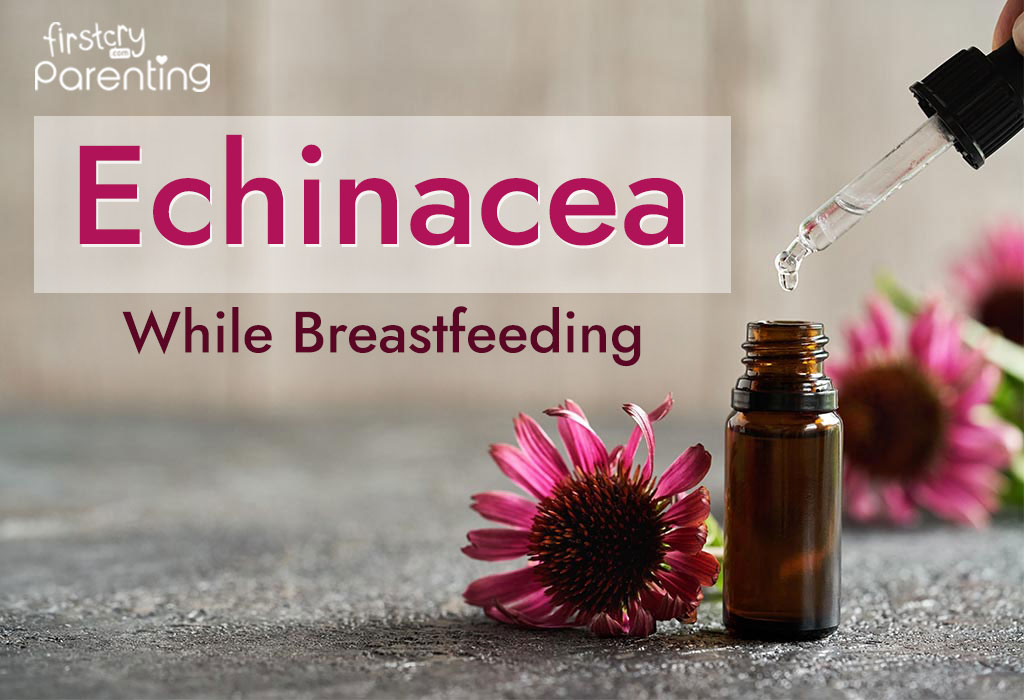
Consuming Echinacea During Breastfeeding – Is It Safe?
When pregnant or nursing, women need to be especially careful of what they put into their bodies since it has a chance of affecting the little one. When nursing mothers catch colds or the flu, it can become quite a bother since most of the medications that are required for such occasions tend to pass through to the milk, affecting it negatively. At times like this, mothers often turn to herbal remedies since they have been used for generations without causing too many side effects. Echinacea during breastfeeding is one such example—this herb is commonly used as a natural remedy for colds and flu due to its long-standing reputation and minimal side effects.
What is Echinacea?
A flowering herb bearing pink or purple flowers that hail from North America and that are known to have antimicrobial properties is essentially what an Echinacea is. Though there are many species, only Echinacea Pallid, Echinacea Angustifolia and Echinacea Purpurea are used for their medicinal properties as they have chemicals present in them that provide therapeutic effects. The part of the plant that grows above ground gives different chemicals than the roots, and it is only when they are combined do they provide healing benefits.
When consumed, Echinacea triggers certain chemicals in the body to help reduce inflammation as well as any symptoms of either a cold or the flu. It is because of these chemicals that Echinacea is used for various purposes such as treating symptoms of the cold and the flu; fighting against yeast infections and fungi, urinary tract infections, herpes, malaria, typhoid, warts and swine flu; helps to enhance the immunity system and also eases pain. This healing herb can also be used to treat topical ailments such as skin diseases, wounds, burns, bee stings, haemorrhoids and mosquito bites.
Can Breastfeeding Mothers Take Echinacea?
While Echinacea is not considered to be toxic to nursing mothers, there has not been much research done on Echinacea and breastfeeding nor on the effects that it can have on breast milk and infants, so it is often advised that nursing mothers do not take this herbal treatment. Those who suffer from autoimmune disorders will find it disagreeable as it boosts the T-Cell activity in the body, which cause inflammation. There have been some reports of Echinacea triggering asthma attacks and allergies in some people, making it risky for nursing mothers.
How Much Echinacea is Safe to Consume While Breastfeeding?
If you have decided to consume Echinacea during your nursing period you should stick to a few specific doses. When taking the pills, it is best to take 300mg three times a day. If you want to take the tincture, then 1-3ml thrice a day is enough. You can also drink Echinacea tea while breastfeeding by mixing ½ a teaspoon of dried and crumbled Echinacea leaves and flowers and mixing it with one cup of boiling water. Do not consume this for more than a week.
Precautions To Take Before Having Echinacea When Breastfeeding
When considering taking Echinacea during breastfeeding, it is best to consult with your doctor about if it is alright to take this herb at this time. Bring up any medication that you are taking so that your doctor will be able to tell you if the two will mix well together or cause problems. If you have the green light, it is best to purchase your Echinacea from a good company so that you are sure of good quality.
Though herbal remedies are often seen as good, not everything that is natural is good for you. In the case of Echinacea, there is not enough research done so if possible, avoid consuming it while you are nursing.
Also Read :
Foods You Should Avoid While Breastfeeding
Diet Tips to Include While Breastfeeding
Should You Take Vitamin C While Breastfeeding
References:
https://www.organicfacts.net/health-benefits/herbs-and-spices/echinacea-tea.html
http://cold.emedtv.com/echinacea/echinacea-and-breastfeeding.html
https://www.safeinbreastfeeding.com/echinacea/
https://www.livestrong.com/article/471600-is-it-safe-to-take-echinacea-goldenseal-while-breastfeeding/
https://www.momjunction.com/articles/echinacea-while-breastfeeding_00399526/
Read more

25 Funny Breastfeeding Memes That Every Mom Can Relate To!
Motherhood is a concoction of challenges and beautiful moments. Along the journey, breastfeeding is one of the most rewarding yet demanding experiences for new moms. From endless late-night feedings to the hilarious moments of baby-latching struggles and their love-filled adorable faces, every mom has a story to tell. Allow us to share with you some magical and memorable moments of breastfeeding all moms can relate to with the help of breastfeeding memes!
Whether you’re dealing with the constant hunger of a newborn, the struggle of pumping at work, or just the joy (and pain) of breastfeeding, these memes capture it all. So, grab a snack, find a comfy spot (probably where you spend most of your time nursing), and get ready to laugh at these spot-on funny breastfeeding moments that every mom will recognise!
Hilarious & Funny Breastfeeding Memes to Brighten Every Mom’s Day!
Breastfeeding is a mix of love, exhaustion, and endless hunger—for both mom and baby. Some moments are heartwarming, others are pure chaos, but one thing is certain: every breastfeeding mom has a funny story to tell. To bring some laughter to your day, here are some funny breastfeeding memes every mom can relate to.
1. The “Human Pacifier”
Image Credit: Pinterest
You thought you were just feeding your baby, but now you realize you’ve become their personal pacifier. The second you try to unlatch, they wake up and start rooting like they haven’t eaten in hours. Moms know this struggle all too well. You sit there, trapped, unable to move while your little one uses you for comfort. It’s sweet but also exhausting. This is a classic funny breastfeeding meme that every mom will understand.
2. The Never-Ending Snack Bar
Image Credit: Pinterest
Babies act like they’re starving, then take two sips and fall asleep. Five minutes later, they’re hungry again. It’s a never-ending cycle. You start to wonder if you’ve turned into a 24/7 snack bar. It’s even worse at night when you’re half asleep, and they keep waking up just to nurse for a few seconds. Breastfeeding moms everywhere know this struggle. You can never predict when your baby will decide to take a full meal or just a tiny sip.
3. The “Hunger Strikes at 3 AM”
Image Credit: Pinterest
You finally settle into bed, exhausted, and just as you start drifting off, the wailing begins. Your baby is hungry again. You look at the clock—3 AM. There’s no choice but to sit up, latch them on, and hope they fall asleep quickly. But they don’t. Instead, they stare at you like you’re their personal midnight buffet. You wonder how such a tiny human can eat so much. Every breastfeeding mom meme collection needs one about these sleepless nights.
4. The “Milk Machine”
Image Credit: Pinterest
Before having a baby, you were just a regular person. Now, you’re a full-time milk machine. Your baby sees you and immediately starts rooting, no matter what. You try to eat, but they need milk. You try to shower, but they need milk. You just sit down to relax—guess what? They need milk. Sometimes, you feel less like a person and more like a walking breast milk dispenser.
5. The “One Side Is Always Favoured”
You try to keep things even, but your baby clearly prefers one side. The other side feels neglected and forgotten. You keep offering, but they act like it’s not even an option. You can literally feel the imbalance happening. One side is always full and ready, while the other is constantly in demand. It’s a struggle every breastfeeding mom knows.
6. The “Pumping Struggle”
Image Credit: Pinterest
You sit down, hook up the pump, and wait. You expect to see a full bottle after all that effort. But after 30 minutes, there’s barely an ounce. How is that possible? Your baby drinks nonstop, but when you pump, it’s like your body forgets how to make milk. Pumping struggles are real, and every breast milk meme reminds us of how precious each drop really is.
7. The “Cluster Feeding Chaos”
Image Credit: Pinterest
Just when you think you have a break, your baby decides to cluster feed. Hours go by, and they are still latched on. You start questioning if you will ever have free time again. Cluster feeding is exhausting, and you can’t even snack in peace. One second, they’re calm; the next, they’re frantically searching for milk again. Every breastfeeding mom meme should include this never-ending cycle.
8. The “Leaking at the Worst Time”
You finally put on a nice outfit and step out of the house. Then you feel it. That warm, wet sensation spreads through your shirt. You forgot the breast pads, and now you’re leaking everywhere. You try to cover it up, but it’s too late. Another classic breast milk meme moment.
9. The “Baby Sees Boobs, Baby Attacks”
Image Credit: Pinterest
Your baby could be half asleep, but the second they spot your chest, they wake up like it’s Christmas morning. They latch on with full enthusiasm as if they haven’t eaten in days. It’s a sight that makes you laugh and cry simultaneously.
10. The “Husband’s Confusion”
Image Credit: Pinterest
Your partner wonders why you’re always so tired. You just give them a look. They don’t understand the energy it takes to nurse all day and night. You try to explain, but unless they’ve breastfed a baby, they’ll never fully get it.
11. The “Toddler Gymnastics”
Image Credit: Pinterest
Breastfeeding a newborn is one thing. Breastfeeding a toddler is a whole different experience. They twist, turn, and try out new yoga poses while still latched. They treat your body like a jungle gym; somehow, you just go along with it.
12. The “Milk Drunk”
Image Credit: Pinterest
That adorable, sleepy face your baby makes after a full feeding is priceless. They look like they’ve had the best meal of their life. Their eyes roll back, they sigh in satisfaction, and you know they’re completely milk-drunk.
13. The “Silent But Deadly Latch”
Image Credit: Pinterest
Sometimes, your baby latches so quietly you don’t even realize they’re drinking. Other times, they latch on so aggressively that you jump in surprise. Its unpredictability keeps things interesting.
14. The “Dairy Queen”
Image Credit: Pinterest
Your home has officially turned into a 24/7 dairy bar. Your baby is the VIP customer, and you have no say in the business hours.
15. The “Baby’s Favourite Comfort”
Breastfeeding isn’t just for food. It’s for comfort, sleep, and sometimes, just because they feel like it. Your baby treats you like their personal security blanket.
16. The “Biting Phase”
Image Credit: Pinterest
Everything is fine until teething starts. Then, out of nowhere, your baby decides to bite. You scream, they laugh, and now you’re scared every time they latch.
17. The “Breastfeeding in Public”
You try to be discreet, but your baby has other plans. They yank off the cover, exposing you to the world. You give up and just hope no one is looking.
18. The “Pumped Milk is Gold”
Image Credit: Pinterest
Spilling breast milk is a tragedy. You worked hard for that milk, and now it’s wasted. Every mom knows the heartbreak of watching a few precious ounces go to waste.
19. The “Late-Night Hunger Struggles”
Image Credit: Pinterest
You’re starving at 2 AM, but your baby is latched, and you can’t move. You just sit there, dreaming of snacks, hoping they’ll fall asleep soon.
20. The “Boob Radar”
Image Credit: Pinterest
You think your baby is asleep, so you try to sneak away. Within seconds, they sense your absence and wake up looking for milk. How do they always know?
21. The “Multitasking Mama”
Image Credit: Pinterest
Breastfeeding while eating, scrolling your phone, and holding a conversation at the same time. Moms have great multitasking skills.
22. The “My Baby, My Boss”
Image Credit: Pinterest
Your baby controls your schedule. When they’re hungry, everything else stops. They are the real boss in the house.
23. The “Nap Trap”
Image Credit: Pinterest
Your baby falls asleep nursing, and now you’re stuck. You don’t dare move because you know they’ll wake up instantly.
24. The “Breastfeeding vs. Bottle Debate”
At the end of the day, fed is best. Whether it’s breast or bottle, as long as the baby is happy, that’s all that matters.
25. The “End of Breastfeeding Journey”
One day, you realize your breastfeeding journey is coming to an end. It’s bittersweet, but you know you’ll always cherish these moments.
FAQs
1. Why do breast pumps feel like a medieval torture device?
Every mother who has used a breast pump knows the struggle. You just sit there, hooked up like a dairy cow, hoping for a full bottle while thinking over your life’s choices. After all that effort, you barely get an ounce. It’s no wonder the breast pump meme is so relatable. Although pumps are helpful, they sure don’t make you feel glamorous.
2. Do babies really hate breastfeeding covers?
Babies don’t hate breastfeeding covers. They simply play with it and, sometimes, grab it and even yank it off when they feel it as a hindrance. It’s no surprise that breastfeeding cover-up meme posts are everywhere. Babies just don’t care about privacy.
3. Why do babies act like they haven’t eaten in days?
Even if they just nursed, they’ll act like they’re starving five minutes later. You start to wonder if your milk has some kind of disappearing effect. One minute, they’re full; the next, they’re in full meltdown mode. It’s one of those mysteries every mom just has to accept.
Breastfeeding is a beautiful but challenging journey that comes with plenty of laughs, struggles, and unforgettable moments. Whether you’re dealing with midnight feedings, a baby who refuses a cover, or the never-ending pumping struggle, you’re not alone. Every mom has been there, and sometimes, all you can do is laugh about it. Memes help capture the ups and downs in the funniest way, making the experience feel more relatable. No matter how tough it gets, remember that you’re doing an amazing job. Your baby loves and depends on you, and that’s what truly matters. Keep going, mama—you’ve got this!
Also Read:
Pregnancy Jokes
Funny Mom Memes
Funny Pregnancy Memes
Read more

Salicylic Acid During Breastfeeding – Is it Safe
Skincare during breastfeeding can feel like a maze, especially when certain ingredients come with warnings and mixed advice. One such ingredient is salicylic acid, a popular choice for treating acne and exfoliating the skin. But as a nursing mom, your baby’s health always comes first, leaving you wondering: Can breastfeeding and salicylic acid coexist in your skincare routine without worry?
The good news is you’re not alone in these concerns, and we’re here to help. In this article, we’ll break down everything you need to know about the safety, recommendations, and expert insights on salicylic acid and nursing. Keep reading to find out how to keep your skin glowing while keeping your little one safe!
What Is Salicylic Acid?
Salicylic acid is an odourless, colourless organic acid belonging to the beta hydroxy acid (BHA) group. It is naturally derived from willow bark and is widely used in skincare for its exfoliating and anti-inflammatory properties (1). It penetrates deep into the skin to remove excess oil, dead skin cells, and impurities. This makes it especially effective for treating blackheads, whiteheads and mild acne.
Is Salicylic Acid Safe During Breastfeeding?
Topical salicylic acid and breastfeeding can be a safe combination, especially when applied in small amounts to the skin. Since topical salicylic acid is minimally absorbed into the bloodstream, it is unlikely to affect your baby (2). Most experts agree that low concentrations, such as those found in over-the-counter skincare products (usually 2% or less), pose little to no risk during breastfeeding.
Benefits of Salicylic Acid When Breastfeeding
Using salicylic acid while breastfeeding can offer several skin benefits without compromising safety. Here’s a quick look at the top benefits of topical salicylic acid for your skin during breastfeeding:
1. Helps Treat Acne
Hormonal changes during breastfeeding can often lead to acne or breakouts. Salicylic acid works by unclogging pores, reducing inflammation, and fighting acne-causing bacteria (3). It can be a gentle yet effective way to manage postpartum acne without the need for harsh oral medications.
2. Reduces Skin Inflammation
Salicylic acid has anti-inflammatory properties, which can help calm irritated or inflamed skin. This is especially helpful for treating conditions like acne, rosacea, or other skin sensitivities that might flare up during breastfeeding.
3. Treats Warts and Calluses
Salicylic acid is also effective in treating common skin issues like warts and calluses (4). It can help soften and remove these growths with consistent application.
4. Treats Dandruff
Dandruff can be a common issue for breastfeeding mothers due to hormonal changes and scalp dryness. Salicylic acid helps exfoliate the scalp and reduce the flaking of dead skin cells (5).
Safety Consideration While Using Salicylic Acid During Breastfeeding
Salicylic acid can be a helpful skincare ingredient, but if you’re breastfeeding, it’s important to use it carefully to avoid any risk to your baby. Here are some safety tips to keep in mind:
Stick to Low Concentrations: Use products that contain no more than 2% salicylic acid. This amount is typically safe for topical use and less likely to be absorbed into your bloodstream in large amounts.
Avoid Leave-On Products: Try not to use products that stay on the skin for long periods, like peels or masks, unless approved by your doctor.
Avoid Areas of Contact With the Infant: Don’t apply salicylic acid to areas that might come into direct contact with your baby’s skin or where it could be ingested by your baby through licking (2).
Skip Oral Forms: Oral salicylic acid (like aspirin) should generally be avoided during breastfeeding unless prescribed, as it can pass into breast milk and may affect your baby (6).
Some Alternatives to Use While Breastfeeding
Caring for your skin while breastfeeding doesn’t always require special products or treatments. Sometimes, the most effective solutions come from your everyday habits. Here are a few natural ways to support healthy, glowing skin from the inside out.
1. Stay Hydrated
Drinking enough water is one of the easiest and most powerful ways to keep your skin clear and balanced. Breastfeeding can leave you dehydrated, which may reflect dry, dull skin. Aim for at least 8-10 glasses daily, and more if you often feel thirsty (7).
2. Eat a Balanced, Skin-Friendly Diet
What you eat can have a big impact on your skin. Include foods rich in omega-3s like flaxseeds and salmon, antioxidants like berries and leafy greens, and healthy fats like avocados and nuts to nourish your skin from within. Limit sugar and highly processed foods, which can trigger breakouts (8).
3. Get Enough Rest (When You Can)
Sleep might be a luxury right now, but even short periods of quality rest help your skin repair and regenerate (9). Try to nap when your baby does or ask for help so you can catch up on sleep when needed.
When to Call a Doctor?
Taking care of your skin during breastfeeding is important, but it’s just as important to know when something might need medical attention. Here’s when you should reach out to your doctor:
You have a skin reaction like redness, swelling, or a rash.
Your baby shows signs of irritation after skin contact.
A skin issue like acne or eczema doesn’t get better with care.
FAQs
1. Can I use salicylic acid products with other skincare ingredients while breastfeeding?
Yes, but it’s important to be cautious when combining salicylic acid with other active ingredients, such as retinoids or strong exfoliants. Always check the product labels and avoid using too many harsh treatments at once.
2. Can I use salicylic acid if I have a skin condition like eczema or psoriasis?
If you have a skin condition like eczema or psoriasis, it’s important to consult with a doctor before using salicylic acid. While it can help with exfoliating, it might cause irritation on sensitive skin.
3. How often can I use salicylic acid while breastfeeding?
To avoid skin irritation, it’s best to start by using salicylic acid once or twice a week and gradually increase the frequency if needed. Stick to a moderate amount and keep track of your skin’s response.
Motherhood doesn’t come with a pause button, and neither should your self-care. You’ve got enough on your plate; your skin shouldn’t be one more thing to worry about. Salicylic acid can be a reliable ally in your skincare routine, and there’s no reason to shy away from it (as long as you’re using it safely). Keep it simple, listen to your body, and enjoy the journey!
References/Resources:
1. National Library of Medicine – Salicylic Acid
2. National Library of Medicine – Salicylic Acid
3. Narayana Hrudayalaya – Salicylic Acid: Its Uses, Popular Brands & Potential Interactions
4. MotherSafe – Royal Hospital for Women – Skin Care, Hair Care and Cosmetic Treatments in Pregnancy and Breastfeeding
5. PubMed – Effects of sulfur and salicylic acid in a shampoo base in the treatment of dandruff: a double-blind study using corneocyte counts and clinical grading
6. National Library of Medicine – Aspirin
7. PubMed Central – Water, Hydration and Health
8. Cleveland Clinic – 23 Foods To Eat for Healthier Skin
9. Sleep Foundation – Beauty Sleep: Why Rest and Relaxation Impact Appearance
Also Read:
Are Medications Safe while Breastfeeding?
Apple Cider Vinegar during Breastfeeding
Can You Take Vitamin C While Breastfeeding?
Is It Safe to Have Protein Powder during Breastfeeding?
Read more

Supplemental Nursing System (SNS): Benefits, Types & How to Use
Breastfeeding is a beautiful way to bond with your baby, but it doesn’t always go as smoothly as we hope, and that’s completely okay! If you’re facing challenges like a low milk supply or have a baby who needs a little extra help feeding, a Supplemental Nursing System (SNS) might be just what you need. This simple yet powerful tool allows your baby to get extra milk, whether it’s formula or expressed breast milk, while still nursing at your breast. Confused? Don’t be! Keep reading; in this article, we’ll break it all down for you: what an SNS is, how it works, the different types available, and how to use it.
What Is Supplemental Nursing System?
A Supplemental Nursing System (SNS) is a special feeding device that helps babies receive extra milk like breast milk or formula while they breastfeed at the breast. It typically consists of a small container or bottle that holds the milk and thin, flexible tubes that are taped near the mother’s nipple. As the baby latches and suckles, they draw milk from both the breast and the tube at the same time (1).
Benefits of Using an SNS System
Using a Supplemental Nursing System (SNS) can be a game-changer for parents and babies who need a little extra support during breastfeeding. Here are a few benefits of using SNS feeding:
1. Supports Breastfeeding and Milk Supply
An SNS encourages the baby to suck at the breast, which stimulates the mother’s milk production. This is especially helpful for mothers with low milk supply or those trying to re-lactate (2).
2. Provides Adequate Nutrition for Baby
With an SNS, your baby can receive extra milk, either formula or expressed breast milk, while breastfeeding. This ensures they’re getting enough to grow and thrive without having to switch to bottle feeding entirely.
3. Strengthens the Mother-Baby Bond
Because the baby is still feeding at the breast, an SNS allows for skin-to-skin contact, eye contact, and the comfort that comes with nursing, helping maintain a strong emotional connection.
4. Useful for Adoptive or Surrogate Mothers
An SNS offers a way for adoptive, surrogate, or non-birth mothers to experience breastfeeding by supplying milk through the system while the baby suckles at the breast, encouraging bonding and sometimes even stimulating milk production (3).
When Is It Used?
A SNS breastfeeding can be a helpful tool for parents who want to support or continue breastfeeding when challenges arise. Here are a few situations where a supplemental nursing system might be helpful:
To Boost Milk Supply: If your baby isn’t getting enough from breast milk alone, a nursing supplementer device can help. It lets your baby feed at the breast while also getting extra milk. This is helpful if you have a low milk supply or have had breast surgery, which makes it harder to produce enough milk (3).
When Trying to Start Lactation: If you’re hoping to begin producing milk without having been pregnant, such as in cases of adoption or surrogacy, a supplementing system can support this process. Having your baby suckle at the breast, even with supplemental milk, may help trigger your body to start making milk and deepen your emotional connection.
If Your Baby Started on Bottles Due to Medical Issues: Babies born prematurely or with certain health concerns may start with bottle feeding. A supplemental nursing system can help shift toward breastfeeding or preserve that bond while your baby gains the strength to nurse directly (4).
Types of Nursing Supplemental System
Not all Supplemental Nursing Systems (SNS) are the same; different types are designed to suit different needs and comfort levels. Whether you’re looking for a reusable option or something quick and simple for short-term use, there’s a system out there that can help support your breastfeeding goals. Here are some common types of SNS devices:
1. Homemade or DIY Systems
For those just starting out with supplemental nursing, a homemade version can be a simple and cost-effective way to try it out. You can use a baby bottle fitted with a rubber nipple and a small infant feeding tube, which many nurses or lactation consultants have readily available. To set it up, gently cut a slit in the nipple and guide the tube through so it reaches the milk inside the bottle. A vent or extra hole in the nipple helps milk flow more easily for your baby.
2. Disposable Bag System
This system includes pre-sterilised disposable bags that hold milk or formula. The bags are lightweight and hang from a loop worn around your neck, keeping them close to the breast during feeding. A thin tube connects from the bag to the baby’s mouth, allowing milk to flow only when the baby is actively nursing.
3. Bottle System
The reusable bottle option includes one or two bottles with feeding tubes, which makes switching sides during feeding easier. These bottles and tubes can be washed and reused, making them a more environmentally friendly choice. Tubes often come in different sizes, so you can adjust the milk flow based on your baby’s needs. Small clamps let you pause and restart milk flow when needed, giving you more control during feeding sessions.
How to Use Breastfeeding Supplemental Nursing System?
Using a Supplemental Nursing System (SNS) may feel a little tricky at first, but with a bit of practice, it becomes a natural part of your feeding routine. Here’s a simple step-by-step guide to get you started (1):
Start by filling the SNS container with expressed breast milk, formula, or a mix of both, depending on your baby’s needs and your feeding plan.
Attach the thin feeding tube to the container, and carefully tape or place the other end near your nipple so that it runs along your breast. The tip should be just at the end of your nipple where the baby latches.
Make sure the container is positioned slightly above the baby’s mouth (such as clipped to your clothing) so the milk flows easily through the tube. Some systems use gentle suction instead.
Gently help your baby latch onto the breast with the tube in place. It may take a few tries, so stay patient and calm; your baby will get the hang of it.
If the milk isn’t flowing or the baby unlatches, reposition the tube or adjust the angle of the container. A lactation consultant can help with troubleshooting if needed.
After each use, wash all parts of the SNS with warm, soapy water and follow the manufacturer’s cleaning instructions to keep everything safe and hygienic for your baby.
How to Create SNS at Home?
If you’re looking for a temporary or cost-effective solution, you can create a DIY Supplemental Nursing System at home using simple, safe materials. DIY SNS breastfeeding can be a helpful way to supplement feeding while still breastfeeding (5).
What Will You Need?
A small, clean container
A thin feeding tube (No. 5 or 6 French catheter works well)
Tape or medical adhesive
Nipple with a small hole
Instructions
Make sure the bottle, tube, and any tools are clean and sterilised before each use to keep the system safe for your baby.
Pour the expressed breast milk or formula into the bottle or container you’re using.
Place one end of the feeding tube into the milk container, making sure it reaches the bottom so milk flows easily.
Tape the other end of the tube along your breast so the tip sits just past your nipple, where your baby will latch.
Hold or clip the container slightly above your breast level to allow milk to flow through the tube.
Help your baby latch onto the breast with the tube in place.
Tip: DIY systems are best used under the guidance of a lactation consultant to ensure safety and proper technique.
FAQs
1. When should I start using a supplemental nursing system?
You can begin using an SNS as soon as it’s clear your baby needs extra milk, and you want to continue breastfeeding. This might be in the first days after birth if your supply is low or later on if you’re working to increase supply or resume breastfeeding. It’s best to get guidance from a lactation consultant to know the right time.
2. Will using an SNS confuse my baby?
Unlike bottle feeding, an SNS allows babies to continue suckling at the breast, which helps maintain their natural latch and feeding behaviour. This reduces the risk of nipple confusion and supports the transition back to full breastfeeding if that’s your goal.
3. Can I reuse the feeding tubes in an SNS?
That depends on the type of system you’re using. Tubes from commercial reusable systems can be cleaned and sterilised according to the manufacturer’s instructions. However, tubes used in homemade systems (like hospital-grade feeding tubes) aren’t designed for multiple uses and should be replaced when they become stiff or discoloured.
Trying a supplemental nursing system might seem tricky at first, but it’s just another tool to help you feed your baby in a way that works for both of you. There’s no one “right” way to breastfeed, and what matters most is that your baby is fed, growing, and loved.
References/Resources:
1. Kaiser Permanente – Using the Supplemental Nursing System (SNS) at the Breast
2. La Leche League GB – Nursing Supplementers
3. International Journal of Advances in Nursing Management – A Supplemental Nursing System (SNS)
4. PubMed – Effects of Oral Stimulation and Supplemental Nursing System on the Transition Time to Full Breast of Mother and Sucking Success in Preterm Infants: A Randomized Controlled Trial
5. THE BREASTFEEDING CENTER – How to DIY a Supplemental Nursing System at home
Also Read:
Nursing Pillow
Breastfeeding With Flat or Inverted Nipples
Myths & Facts About Breastfeeding Your Baby
Comfort Nursing: How Beneficial It Is for Your Baby?
Breastfeeding With Hypoplastic (Tubular) Breasts
Read more
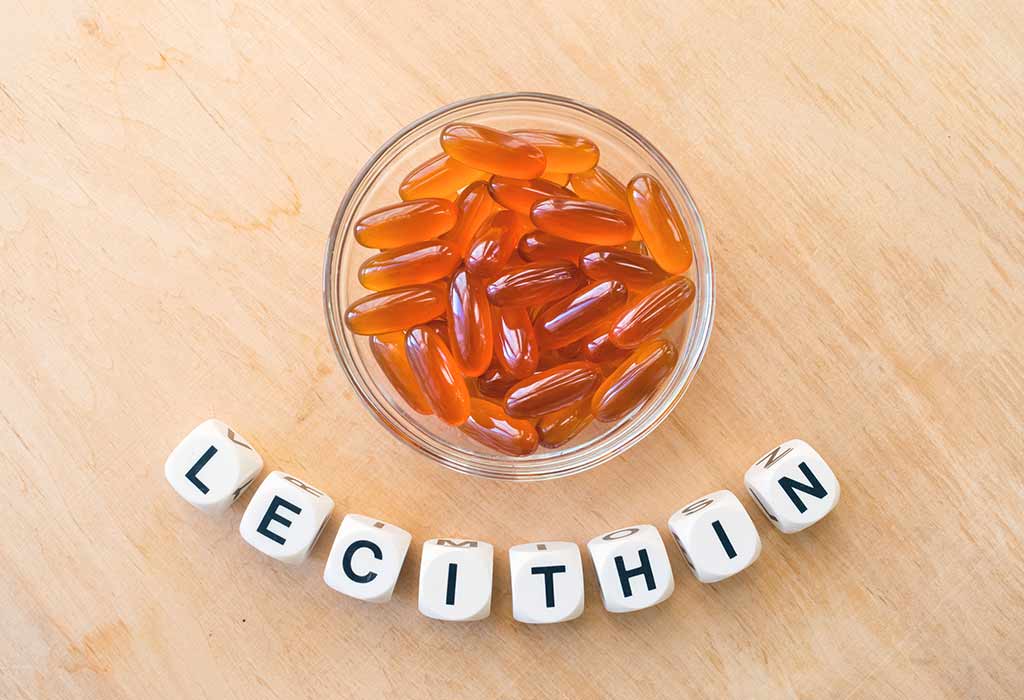
Sunflower Lecithin For Breastfeeding – Benefits And Side Effects
Every mother wants to ensure her baby gets the best nourishment possible during the beautiful breastfeeding journey. However, challenges like clogged milk ducts can decrease milk supply, causing discomfort and potential issues. This is where sunflower lecithin, a natural supplement, comes into play. In this article, we’ll explore the benefits and side effects of sunflower lecithin for breastfeeding and shed light on its potential to alleviate clogged ducts and support lactation.
What Is Sunflower Lecithin?
Sunflower lecithin is a natural fat found in sunflower seeds. It is a source of phospholipids (1) that can aid in various bodily functions. When it comes to breastfeeding, sunflower lecithin is gaining popularity for its potential to support lactation and provide relief from clogged ducts.
Is it Safe for Breastfeeding Mothers to Take Sunflower Lecithin?
Sunflower lecithin and breastfeeding go hand in hand. It can help prevent blocked milk ducts and promote smoother milk flow (2). It is an FDA-approved food additive and is recognised as safe for consumption. Use it as directed for managing breastfeeding-related issues.
Benefits of Sunflower Lecithin During Breastfeeding
1. Clogged Duct Relief
Sunflower lecithin alleviates clogged ducts in breastfeeding mothers, offering relief and promoting continued milk flow. This natural supplement helps to emulsify fats in breast milk, making it flow more smoothly and reducing the likelihood of blockages.
2. Increased Milk Supply
Sunflower lecithin increases milk supply by promoting better milk flow and reducing obstructions. It allows your baby to feed more efficiently and signals your body to produce more milk.
3. Improved Milk Composition
Sunflower lecithin can improve milk quality (4). It contains essential fatty acids that benefit your baby’s development, including brain health.
4. Reduced Mastitis Risk
Mastitis is an infection that occurs when milk is trapped in the breast due to a clogged duct (5). Sunflower lecithin’s ability to prevent duct blockages can reduce the risk of developing mastitis (3).
Side Effects of Sunflower Lecithin While Breastfeeding
While sunflower lecithin is generally safe, some women may experience minor side effects. These side effects are usually mild and may include gastrointestinal discomfort, such as diarrhoea or nausea (7). However, these reactions are relatively rare.
How Often Should You Take Sunflower Lecithin When Breastfeeding?
The correct usage of sunflower lecithin during your breastfeeding journey is essential to ensure its effectiveness while avoiding unnecessary complications. Here are some essential tips to help you determine how often and when to take sunflower lecithin:
1. Start With a Low Dosage
Begin with a conservative approach: Take a low dosage of sunflower lecithin, typically one capsule (1200 mg) per day. This will allow your body to adjust to the supplement gradually.
2. Increase Dosage When Needed
If you continue to experience clogged ducts or other breastfeeding issues, you can safely increase the dosage to two or three capsules per day. This escalation can help address persistent problems effectively.
3. Take it With Meals
For optimal absorption and to minimise potential gastrointestinal discomfort, take your sunflower lecithin supplement with meals. This ensures that the lecithin is adequately metabolised alongside other nutrients.
4. Monitor and Adjust
Pay close attention to how your body responds to sunflower lecithin. If your breastfeeding challenges improve, you can gradually decrease the dosage. However, consult a doctor for personalised guidance if symptoms persist or worsen.
These tips can help you tailor your sunflower lecithin usage to your needs, ensuring a smoother breastfeeding experience for you and your baby.
Recommended Usage of Sunflower Lecithin for Breastfeeding Moms
Establishing a consistent and effective usage routine is essential to maximising the benefits of sunflower lecithin for breastfeeding. Here are four key points to consider when incorporating sunflower lecithin into your breastfeeding regimen:
Choose a High-Quality Supplement: Choose a reputable sunflower lecithin supplement with no unnecessary additives or fillers. Look for products specifically formulated for breastfeeding support. Quality matters when ensuring the supplement’s safety and effectiveness.
Follow Dosage Instructions: Always adhere to the dosage instructions provided by your doctor. It is expected to start with a low dosage and gradually increase it as needed. However, individual needs may vary, so consult a healthcare professional for personalised guidance.
Proper Storage: Store your sunflower lecithin supplement away from direct sunlight. Maintaining the supplement’s integrity ensures that it remains effective and safe for consumption. Check the product label for storage recommendations.
Support with a Healthy Lifestyle: Sunflower lecithin can benefit your breastfeeding routine, but it’s essential to complement its use with a healthy lifestyle. Stay well-hydrated, eat nutritious food, and exercise regularly to support your overall lactation journey.
Following these suggestions in your daily routine can help you get the most out of sunflower lecithin for breastfeeding. Consistency and personalised care are crucial to ensuring a comfortable and successful breastfeeding experience for you and your baby.
FAQs
1. How does sunflower lecithin differ from soy lecithin when it comes to breastfeeding?
While soy and sunflower lecithin can prevent clogged ducts, many breastfeeding mothers prefer sunflower lecithin. This plant-based alternative may be safer for those with soy allergies or concerns about genetically modified organisms (GMOs) (6).
2. How long will it take to show results?
The time it takes to experience sunflower lecithin’s benefits can vary. Some women may notice relief from clogged ducts within a few days, while others may take a week or more. It’s essential to be consistent with your usage and consult a healthcare provider if issues persist.
Sunflower lecithin supports lactation for breastfeeding mothers by aiding in milk production and flow regulation. While it is generally safe with minimal side effects, personalised advice must be sought from a doctor. With the right approach and usage, sunflower lecithin can help you navigate breastfeeding challenges comfortably and confidently, ensuring the best nourishment for your precious little one.
References/Resources:
1. Lecithin; Drugs and Lactation Database; https://www.ncbi.nlm.nih.gov/books/NBK501772/
2. Newman. J; Treatments for Problems; Canadian Breastfeeding Foundation; https://www.canadianbreastfeedingfoundation.org/basics/lecithin.shtml; January 2005
3. Management of Mastitis; University of Iowa Hospitals & Clinics; https://uihc.org/educational-resources/management-mastitis
4. Chan. M. M, Nohara. M, Chan. B. R, Curtis. J, Chan. G. M; Lecithin decreases human milk fat loss during enteral pumping; PubMed; https://pubmed.ncbi.nlm.nih.gov/12717084/
5. Common breastfeeding problems; NHS; https://www.nhs.uk/conditions/baby/breastfeeding-and-bottle-feeding/breastfeeding-problems/common-problems/
6. Ezzat. S. M, Salem. M. A, El Mahdy. N. M, Mahfouz. M. M; Lecithin; Antioxidants Effects in Health; https://www.sciencedirect.com/science/article/abs/pii/B9780128190968000604
7. Lecithin; University of Rochester Medical Center; https://www.urmc.rochester.edu/encyclopedia/content.aspx?contenttypeid=19&contentid=lecithin
Also Read:
Ways to Increase Fat in Breast Milk
Breastfeeding Latching Problems and Ways to Deal with It
Read more

Taking Antifungals in Pregnancy and Breastfeeding – Is It Safe?
Fungal infections come in all shapes and sizes, from an itchy scalp to vaginal yeast infections. Unfortunately, pregnant women are also susceptible to these infections, which can cause significant discomfort. When discussing antifungals and pregnancy, it’s important to note that while antifungal medications are commonly used to treat such conditions, not all are considered safe during pregnancy or while breastfeeding, as some may pose risks to both the mother and the developing baby.
Fungal infections are usually of two types- yeast infections or mould infections. Yeast infections occur in moist environments such as at skin folds, the vagina, or anus. Mould infections can infect any part of the body, including the hair and nails. Medications for these two types of fungal infections are different. In the following post, we discuss the safety and recommendations regarding the use of antifungal drugs during gestation.
Are Antifungals Safe for Pregnant and Lactating Women?
There are two types of antifungals you can take – oral and topical creams. Both these types of medications use different ingredients to combat the infection. However, not all ingredients are safe for pregnant women and using antifungal creams during pregnancy must be done with caution. Why? Because antifungal medications, like many other drugs, may cross the placenta and affect fetal development (1).
Hence, your safest bet for using antifungal medication is to consult your doctor first. She will be able to tell you if they are safe for you to use and if you can use the same after birth, during lactation. Mostly, topical antifungal treatments are preferred during pregnancy and breastfeeding because they have lower chances of entering the bloodstream.
Topical Antifungals That Are Safe to Use During Pregnancy and Breastfeeding
Some antifungal medications are considered safe for pregnant and breastfeeding women, while others carry higher risks of complications. Below is a list of antifungal safe in pregnancy.
1. Clotrimazole: A Trusted Choice
Clotrimazole is a commonly recommended antifungal for pregnant and breastfeeding women. It’s used to treat various fungal infections, including yeast infections. Since a very minimal amount is absorbed into the bloodstream, it poses little risk to the baby and is deemed safer during pregnancy (2).
2. Nystatin: A Go-to Option
Nystatin is considered safe because it’s poorly absorbed in the gut. It is often prescribed to treat oral thrush in babies and nipple thrush in breastfeeding mothers. Nystatin is no risk to the foetus in the first trimester, plus the possibility of fetal harm appears very negligible (3).
3. Miconazole: Balancing Effectiveness and Safety
Miconazole is another antifungal option that can effectively treat fungal infections. Studies suggest that it’s unlikely to harm the baby when used topically. However, it’s advisable to avoid miconazole during the first trimester (4).
4. Terbinafine: Consultation Required
Terbinafine was approved for use in dermatophytic infections in the late 90s. It is considered safe to use topically during pregnancy and lactation under the guidance of a healthcare provider (1). Topical Terbinafine is used to treat jock itch, athlete’s foot, ringworm, and other fungal infections.
5. Ciclopirox Oleamine: Consultation Required
Ciclopirox Oleamine is an antifungal agent commonly used in topical formulations to treat a range of fungal infections. While topical medications generally have a lower risk of systemic absorption, there is limited research specifically focusing on its effects on pregnant individuals and developing foetuses (5). Similar to pregnancy, limited information is available on its effects during breastfeeding. Consult your healthcare provider to make an informed decision. Healthcare providers should only prescribe Ciclopirox Olamine Cream during pregnancy if the potential advantages outweigh the potential risks to the developing foetus.
6. Selenium Sulfide: Limited Use Only
Selenium sulfide is a common agent in over-the-counter products like shampoos and treats conditions like seborrheic dermatitis. No animal or human studies have been conducted to assess this agent’s safety in pregnant women. The current recommendations state that it is safe to use in very local areas for a limited time (6). It is likely safe to use during lactation. Still, only one case reported breast milk production suppression in a woman who used selenium disulfide to treat a condition called tinea versicolor.
Topical Antifungal
Pregnancy
Lactation
Clotrimazole
Safe to use
Safe to use
Nystatin
(vaginal) – Safe to use
Safe to use
(topical) – Safe to use
Terbinafine
Safe to use
Generally safe to use
Miconazole
Physicians generally consider it safe to use
Most likely safe to use during breastfeeding
Ciclopirox
Safe to use but not first-line
Limited data; avoid if possible
Selenium Sulfide
Use in local areas for a short time
It can lead to milk suppression (reported in one study) though doctors believe it to be safe during lactation
Disclaimer: When you have a fungal infection, never self-medicate. This is one of the most dangerous things you can do when pregnant, as some over-the-counter antifungal creams come with steroids which can cause premature labour.
Oral Antifungals That Are Safe During Pregnancy and Nursing
In case the topical antifungals are not enough, or your body reacts in an adverse and ill manner to the topical creams, your doctor may decide to put you on a course of oral tablets or capsules. Oral antifungals come in numerous doses, so be sure to talk to your doctor and ask them for advice on dosages before going on these medications.
Since antifungals need time to treat infections, around 6–12 weeks, this makes all oral antifungal agents to be strictly avoided in 1st trimester, especially in mild to moderate derma infections (1). Below are the two antifungal agents we can consider during pregnancy and breastfeeding, but with caution:
1. Terbinafine
Terbinafine is the safest oral antifungal choice in case of recurrent dermatophytosis. In a Danish study spanning 20 years, it was found that oral or topical terbinafine use in pregnancy is not associated with major malformations or spontaneous abortion (7).
2. Low-Dose Fluconazole
Low-dose fluconazole (up to 150 mg) may be used in vaginal candidiasis. But it is important to avoid higher doses in pregnancy strictly. It is better to wait to use it after pregnancy or use it briefly during breastfeeding, both only after a doctor’s consultation (8).
Oral Antifungal
Pregnancy
Lactation
Griseofulvin
Limited data; should not be used by pregnant women
Limited data, try to avoid
Fluconazole
Avoid in pregnancy
Likely to be safe to use
Ketoconazole
Avoid in pregnancy
Likely to be safe; avoid it if you can
Itraconazole
Limited study; avoid in pregnancy
Limited study; avoid in breastfeeding
Terbinafine
Wait to use after pregnancy
Use for a short time
A 2009 study reported that infants exposed to itraconazole during the first trimester did not show an elevated risk of significant congenital abnormalities. However, the group exposed to itraconazole exhibited higher rates of both spontaneous and induced abortion compared to the control group. Larger studies are needed to validate and substantiate these findings.
Disclaimer: Never attempt to self-prescribe oral antifungals during pregnancy. Many over-the-counter antifungal tablets come with high doses of anabolic steroids. This type of steroid can be very harmful to your body, and its side effects might range from premature labour and miscarriages to lowered blood pressure and delayed labour. Some over-the-counter antifungals may cause hormonal changes if taken without care. Talk to your doctor, follow up on appointments and complete the dosage prescribed; if you don’t, the chances of a recurrence of the infection are higher. The only time that it is considered okay to not finish the course is if you experience any side effects or allergic reactions due to the medication, in which case, your healthcare professional will switch chemical bases for the antifungals.
FAQs
1. Can untreated fungal infections harm the baby?
Most superficial fungal infections do not directly harm the baby, but they can cause discomfort and complications for the mother if left untreated. In some cases, infections may worsen or spread, making timely treatment important.
2. Can antifungal medications pass into breast milk?
Some oral antifungal medications can pass into breast milk in small amounts. While not all pose a significant risk, it’s important to use them only under medical supervision.
The use of antifungals during pregnancy can be dangerous when done without caution; this is because most antifungal medications and creams also contain substances like powerful steroids. When using antifungals, always do so with the supervision and consultation of your trusted medical welfare professional. It is essential that your caregivers and partners all understand the need and complications of antifungals during this very sensitive time in your life. Make sure that you go to your medical care appointments with caregivers and partners. If the fungal infection is extremely bad, your doctor may decide to put you on a combination of oral and topical antifungal medication. Remember to follow the dosage to the letter and never over-medicate or under-medicate. Avoid self-medication and self-prescription of drugs during pregnancy, and avoid over-the-counter medication altogether unless your doctor has explicitly told you it is safe.
Also Read:
Hair Removal Cream Usage in Pregnancy
Hydrocortisone Cream during Pregnancy
Using Calamine Lotion while Pregnant
Read more

Nursing Vacation – Does it Really Helps Breastfeeding Mothers
Most babies take to suckling naturally and have no problem breastfeeding, but there are others who are a bit fussier and who do not like to suckle on the breast, making breastfeeding a lot harder for mom. If your infant falls into the latter category, and you feel you have tried everything but are not getting any results, it may be time for you to take a nursing vacation!
What Is a Breastfeeding Vacation?
A breastfeeding vacation, also known as a nursing vacation or the pump-in weekend, is spending at least thirty-six hours cuddling and relaxing with your baby while you try to breastfeed. A nursing vacation does not require you to be trapped in bed, but you can spend the time doing things you find relaxing, such as reading, watching movies or series, knitting, or just napping. The aim of the nursing vacation is to allow you to spend as much time alone with your baby, ensuring that there is a lot of skin contact and no distractions so that your baby gets as much time as they need to learn how to feed.
Should You Go on a Breastfeeding Vacation?
Not everyone needs to go on a nursing vacation, but if your baby is refusing to suckle no matter what method you try, this may be something you should do. Mothers with a weak or slow flow of milk will also benefit from this vacation promoting breastfeeding. Nursing vacations require a mother and child to spend a lot of time together, strengthening the bond. It also helps to keep up the milk supply and will help to relax your baby and help to improve development.
What Should You Do on a Breastfeeding Vacation?
When your baby isn’t nursing as well as he should, your milk supply can suffer since your body assumes your baby doesn’t need the milk. One of the main aims of the breastfeeding vacation is to trick your body into thinking that your baby needs more milk due to a growth spurt so that your milk supply keeps flowing.
While on your nursing vacation, the point is to spend as much of those three days simply spending time with your child and nursing. You will need to be prepared to pump as well since your baby will need time to learn. Ensure that there is a lot of skin-to-skin contact between you and the little one so that certain hormones start to get produced in both of you.
What Are the Benefits of a Nursing Vacation?
Here are some benefits of a nursing vacation:
1. Releases Necessary Hormones
Hormones, such as oxytocin, prolactin, norepinephrine, opioids and pheromones, are released during the breastfeeding vacation. These hormones help promote maternal caregiving behaviour, increase milk production, improve mother-baby bonding, reduce pain, and perform many other responsibilities that benefit you and your baby.
2. Increases the Production of Milk
The more your baby nurses and the more you pump, the more milk you will produce. This is because your body will feel like your baby needs more milk if more is being used. Comfort nursing is common during breastfeeding vacations and is a way for your baby to take comfort from you, even if he won’t get much nutrition out of it. This also helps to improve the production of milk.
3. Helps Bonding
Nursing is one of the most intimate activities between mother and child, and it improves the bonding between the two. Even adoptive mothers of babies have been known to comfort nurse their babies, though they do not produce any milk. This releases hormones like opioids and oxytocin and helps mother and child bond.
4. Relaxation
Nursing a newborn child is a challenging task, and it can put a lot of stress on you. Babies also feel stressed if they are already struggling to nurse, so a nursing vacation takes the two of you away from what is going on outside and helps you both relax and focus on the task. When you are relaxed, you will also feel less anxiety and will be better able to nurse your child.
Tips to Follow While You Are on a Breastfeeding Vacation
Here are a few tips that you may find useful:
Make sure that any activity you choose to do is relaxing.
Rest as much as you can.
Sleep with your child.
Ensure you have someone to look after other children or the home if you need it, so you won’t need to worry.
Eat healthily and prepare for your vacation by freezing food or having someone prepare meals for you.
Prepare a nursing basket for yourself that includes everything you will need, including distractions like a book or some snacks.
Try your hand at power pumping.
If your baby only ends up suckling for a few minutes before giving up, let it be and try again later. Do not force them to keep drinking.
What If Your Baby Doesn’t Support Your Nursing Vacation?
Not all babies make your breastfeeding vacation easy, and some even refuse to support it by continuing to fuss. The key here is not to give up but to gently try to coax your baby into drinking from the breast. Never force your baby to drink, as this will have the opposite effect. You should always ensure that your little one is clean and comfortable and that you engage with him whenever he awakens. You do not need to always play with him, but any contact and communication that supports learning are encouraged. You can show your baby some attractive patterns or different colours to keep his mind engaged.
While it can be challenging for mothers who struggle with breastfeeding, nursing vacations have been known to help, so go ahead and try it.
Also Read:
Tandem Breastfeeding
What Does Wet Nursing Mean?
Is Comfort Nursing Beneficial for Babies?
Read more

What Do Breastfeeding Moms Really Want?
Hands up if you thought breastfeeding would be easy – but then struggled! To mark World Breastfeeding Week in August this year, Australian breastfeeding brand, Lactamo, decided to check in on how breastfeeding mums are doing and carried out an extensive survey.
The brand already knew mums needed more help and support during the breastfeeding phase, but didn’t think that the results would be as eye-opening as they were. The results were shocking: 92% of mums reported negative experiences as part of their breastfeeding journey, and a huge 49% of mums got mastitis (an extremely painful inflammation of the breast tissue).
As if new mums didn’t have enough on their plates already.
Leading lactation consultants are raving about Lactamo, calling them a “game-changer” in breastfeeding. But what is it? Multi-award-winning, Lactamo is a breastfeeding aid designed and developed by leading breastfeeding experts, addressing common breastfeeding problems. Common breastfeeding problems include an oversupply (too much milk), an undersupply (not enough milk), pain, blocked milk ducts, engorgement and mastitis.
Now, for the exciting news for mums in India: Lactamo is doing a limited release, in partnership with FirstCry.com, with the launch of its breastfeeding ball in India.
International Board Certified Lactation Consultant Kate Barry has commented, “I’m so excited for Lactamo’s expansion into India. Lactamo is such a breakthrough in breastfeeding, helping mums in such a clever and cohesive way.”
The product was recently independently tested by an Australian University and Health Partnership: 100% of women in their clinical trial said that they would recommend it to other mothers, reporting that it benefitted their lactation, and the authors concluded that Lactamo was indeed a “valuable breastfeeding aid”. The clinical trial has just been published in the International Breastfeeding Journal. Lactamo is the first and only product in the world with the ability to address the common breastfeeding problems both proactively and reactively, combining temperature, movement and compression to the breast. This combination has the ability, in particular, to help clear blocked milk ducts, relieve breast swelling and pain, fight off infection and milk supply and flow and aid the let-down reflex.
There is a lot going on in the postpartum period, and society often places a huge expectation on new mums. But when a baby is born, so is the mother, and it’s important to support that mum. Let’s empower mums who are struggling, not just with breakthrough new product innovation, but also by giving them more help and support: this can be practical support (bringing food and helping to care for the baby while mum has a break) and emotional support and help.
We looooved @diipakhosla normalising breast pumping on the red carpet last year – let’s cut the judgement and scrutiny and join together to support mums at the start of motherhood.
What are you waiting for – stop struggling and go and grab a limited release Lactamo at FirstCry.com while you can!
Also Read:
How to Breastfeed a Baby
When and How to Stop Breastfeeding a Baby
Benefits of Breastfeeding for Babies and Mothers
Read more

Dancer Hold Breastfeeding – Benefits and How to Do It
New mothers usually lack knowledge about caring for their infants, yet they try to manage everything very well. However, there are some crucial steps in a baby’s upbringing, and breastfeeding is one of them.
Many mothers do not know effective breastfeeding techniques. Breastfeeding involves many factors, and none should be ignored for the healthy growth of the baby and the well-being of the mother. Breastfeeding babies in any random comfortable position is not correct and should be avoided. Mothers can use different prescribed positions instead. In this section, we will discuss the breastfeeding dancer hold position, which is a proper technique for breastfeeding kids. Let’s understand this position in brief.
What Is Dancer Hand Position for Breastfeeding?
Dancer hand position, also known as dancer hold position, is a breastfeeding technique for mothers of newborn babies. This technique is very beneficial for those mothers whose kids are born prematurely or with conditions similar to Down syndrome.
It is a position that should be taught to every mother out there so that they can use it effectively and help other new mothers (7).
When and Why Should You Use This Position?
We talked about the dancer hand position, but why and when should a mother use this breastfeeding position?
Mothers always face issues in holding their babies correctly while breastfeeding; this position can be used to have a great grip over the baby and give proper support to their back while breastfeeding. It is very beneficial for mothers whose babies are born before the expected date and/or who have Down syndrome (2).
Benefits of Dancer Hand Position
Both mother and baby must be comfortable during breastfeeding. The following are some of how the dancer hand position can be beneficial:
It helps preterm babies by simplifying the feeding process.
Babies with improper feeding skills can get nourishment through the dancer hand position (3).
The position can be used if the gagging reflex is weak in babies.
When muscle tones are weak in babies, the dancer hand position will be easier for them to feed (6).
If illness obstructs proper feeding of the baby, the dancer hand position can be helpful.
Disabled babies might not be able to suck the milk without help; this position can assist them.
Babies with cleft lips will also be helped to feed through this position (5).
Down syndrome interrupts the general capacities of the baby. In such a situation, the dancer hand position can be ideal for their proper feeding (4).
How to Use Dancer Hand Position for Breastfeeding?
The dancer position breastfeeding is one of the simplest among all breastfeeding positions. This can easily be done with the help of the following steps by a mother (1) (7):
Put your hand under your breasts and support it with three fingers.
Create a U shape using your thumb and forefinger to hold your baby’s chin and press your baby’s cheeks from your thumb and forefinger.
This way, your baby would be in a fine position to press onto your nipples and suck milk.
For a better hold, keep your baby close to you in the same position; this will help in better nursing.
What Is Two Finger Dancer Hand Position?
A slightly varied breastfeeding technique can be used when the baby does not require chin support but their cheek tone is low. The prone posture shall be ideal for feeding the baby. The mother is supposed to lie down on her back with the baby on her belly. The mother uses her index and middle fingers to support the easy and efficient supply of milk to the baby. She curls both the fingers inward at the second joint, and the flat portion is inserted within the mouth of the baby.
When to Use This Position?
As we have already mentioned, breastfeeding positions should be comfortable for the baby and the mother.
The two-finger dancer hand nursing position ensures an easy milk supply to the baby. Premature babies or babies with certain types of weakness cannot suck the milk from the breast as effectively as other babies, impacting their health. Hence, mothers should pay attention to the special requirements of the baby and use the right breastfeeding technique.
How to Try Two-Finger Dancer Hand for Breastfeeding?
The two-finger dancer hand position is quite similar to a three-finger position, but in this, your baby should be prone over your belly so that it doesn’t need chin support. Mothers can easily try this breastfeeding method and ensure proper baby feeding.
FAQs
1. Is the dancer hand position comfortable for long feeding sessions?
While the dancer hold can be very effective for shorter feeds, it might become uncomfortable over time due to the hand positioning. You can switch to another hold once the baby has latched securely or use pillows to support your arm for longer sessions.
2. What if my baby seems uncomfortable in this position?
If your baby appears uncomfortable, check their positioning. Ensure their head is supported and that they can breathe easily. Adjust their body to be closer to you and encourage them to latch again. Each baby is different, so it may take some experimentation to find the most comfortable position.
3. When should I transition from the dancer hold to another position?
Transitioning from the dancer hold may depend on your comfort and baby’s feeding abilities. If you find the position becoming uncomfortable or your baby grows stronger and more adept at latching, you can explore other positions that provide better support and comfort for both of you.
It is a wonderful experience to become a mother for the first time; however, this happiness comes with several challenges, and feeding the infant properly is one of them. Use the right breastfeeding technique according to your baby’s needs and give your baby a healthy and happy life.
References/Resources:
1. POSITIONING A PRE-TERM BABY AT THE BREAST; La Leche League International; https://llli.org/breastfeeding-info/premies-positioning/
2. BREASTFEEDING AN INFANT WITH DOWN SYNDROME; Children’s Minnesota;
https://www.childrensmn.org/educationmaterials/childrensmn/article/15844/breastfeeding-an-infant-with-down-syndrome/
3. Breastfeeding Your High-Risk Baby; Stanford Medicine Children’s Health; https://www.stanfordchildrens.org/en/topic/default?id=breastfeeding-your-high-risk-baby-90-P02386
4. Breastfeeding a baby with Down Syndrome; The Breastfeeding Network; https://www.breastfeedingnetwork.org.uk/breastfeeding-information/diversity-in-breastfeeding/breastfeeding-a-baby-with-downs-syndrome/
5. BREASTFEEDING AN INFANT WITH CLEFT LIP; Children’s Minnesota; https://www.childrensmn.org/educationmaterials/childrensmn/article/15843/breastfeeding-an-infant-with-cleft-lip/
6. My new baby was born with special needs. Can I still breastfeed?; La Leche League International; https://llli.org/breastfeeding-info/special-needs/
7. Management of breast conditions and other breastfeeding difficulties; National Library of Medicine; https://www.ncbi.nlm.nih.gov/books/NBK148955/
Also Read:
Breastfeeding at Work
Detox during Breastfeeding
Breastfeeding a Infant at Night
Breastfeeding From One Side
Breastfeeding with Small Breasts
Breastfeeding with Hypoplastic (Tubular) Breasts
Read more

9 Amazing Beautiful Breastfeeding Poems for Nursing Moms
Breastfeeding is a very selfless act that helps babies with nourishment and growth for the first six months of birth. Most mothers cannot put down their thoughts of feeding their kids with their milk. However, a few mothers are able to capture and pen down this beautiful experience in the form of an inspirational poem that resonates with every mother. These poems about breastfeeding often reflect the intimate bond formed between mother and child during this time, the challenges overcome, and the deep sense of fulfillment and love that accompanies this nurturing act. By expressing these emotions in poetry, they preserve their personal memories and provide comfort and encouragement to other mothers on similar journeys.
9 Best Poems About Breastfeeding That Nursing Moms Can Relate To
Here is a list of nine breastfeeding poems by mothers who were able to pour down their funny and emotional experiences of breastfeeding on a paper.
1. A Short Breastfeeding Poem – By Cristina Dimuro Trnik
The softness of the blanket
You asleep on my breast
There is nothing better than…
The calm, the quiet, the rest
Your beautiful face in the dark…
This warm, snuggly feeling…
It’s simply the best
I love you.
2. Let Them Judge – By J. Kontos at Counseling Mama
Mama, let them judge.
They are going to “unapprove” anyways.
Some people will just be critical no matter what you say.
What does your heart say?
Mama, what does your heart say?
You know your baby from the inside out.
Do not let those from the outside instill their doubt.
3. Milky Valentine – By Gráinne Evans
Lying cosy in my arms, eyes gazing into mine,
Love flowing from my breast as peacefully you dine,
On milk made from kisses, Mother Nature’s sweet design.
Connecting in these moments, hearts and souls align.
Blissfully I fall in love with my Milky Valentine.
4. A Funny Breastfeeding Poem – By Rebecca Skermer
Don’t use my tits as a teether!
My nipples and I need a breather
They’re being misused
And I’m not really amused
I don’t find it cute, either.
You will not get milk with your gnawing
Your gnashers are piercing and scoring
One day you’ll draw blood
And that’ll be no good
I’ll get you a dummy, and that’s boring!
5. Poem About Pumping in the NICU – By Grainne Evans at The Breast of Rhymes
A photo sits beside me, a machine plugged in.
The whirl of suction motors, tissues in the bin.
Milk drips into plastic, ounce after precious ounce.
Arms longing for my baby, to kiss and hold and bounce.
Wall clocks tick-tock and cold plumps hum low.
Through endless NICU days and nights painfully slow.
A voice within me whispers, ‘Keep going, don’t you stop.”
I’m pumping for my baby and there’s love in every drop.
6. Poem About Realities of Daily Breastfeeding – By Carla Molina at All Of Me Now
Ringlet on arm,
Lips on breast.
Toes
Scratch, scratch,
Scratching my thigh.
Your body curling into mine.
Breakfast.
In bed.
7. Breastmilk – By Gráinne Evans
Some say it’s nature’s “Liquid Gold”,
A gift more precious than anything sold.
Some say it forms a bond like no other,
Of connection and trust between baby and mother.
Some say the milk babies get from their mamas,
Is the super food you can make in your pyjamas.
Some say it’s unique and cannot be matched,
Its secrets imparted when baby is latched.
Some say, from Hera’s breast, the spray,
Formed what we still call, The Milky Way.
Some say it’s a powerful healing elixir,
A mysterious, milky, all around fixer.
Maybe it’s a little of all of the above,
Or maybe it’s simply Liquid LOVE.
8. Cuddle Them – By Gráinne Evans
Cuddle them while you pace the floor
Cuddle them though your back hurts sore
Cuddle them when they’re clingy and hot
Cuddle them more when you’re frazzled and fraught
Cuddle them as they nurse from left to right
Cuddle them to sleep and all through the night
Cuddle them while you binge your favourite TV
Cuddle them close as you drink your cold tea
Cuddle them in a sling as you go about your day
Cuddle them at the cafe, park or soft play
Cuddle them when you don’t know what else to try
Cuddle them while one or both of you cry
Cuddle them so they’re never afraid or alone
Cuddle them because you’re their safe place, their home
Cuddle them ‘cos it’s what your heart needs too
Cuddle them now so they learn what to do
Cuddle them as long as they’ll allow you to,
And someday when they’re grown,
They’ll cuddle you.
9. Silver Boobies – By Gráinne Evans
Congratulations Mama on getting to month 6!
For fueling all baby’s rolls, giggles and tricks,
With milk tailor made and lovingly fed,
Through good times and tough, you’ve come out ahead,
‘Cos half a year breastfeeding, means you’re not newbies,
And earns you the coveted “Silver Boobies”!
It’s no mean feat and no small thing,
All the love and protection and joy it can bring,
To nurse your baby, watch them thrive and grow.
Just think that first feed was 6 months ago!
So be proud and celebrate what you’ve done,
And look forward to new messy mealtime fun!
You’ve learned so much on this journey together,
And if you choose to continue it only gets better,
‘Cos the gift of breastfeeding is something to treasure.
With memories you’ll cherish forever and ever.
FAQs
1. How can breastfeeding poems help new nursing moms?
Breastfeeding poems can provide emotional support and a sense of connection for new nursing moms. They can help validate their experiences, offering comfort and understanding during challenging times. These poems can also inspire and uplift mothers, reminding them of the beauty and significance of their nurturing role.
2. Can writing breastfeeding poems benefit the mothers themselves?
Yes, writing breastfeeding poems can be therapeutic for mothers. It provides an outlet for expressing their thoughts, emotions, and experiences related to breastfeeding. This creative process can help mothers process their feelings, reduce stress, and foster a deeper appreciation for their breastfeeding journey.
This collection of beautiful poems can inspire other mothers, help them overcome postpartum depression, and love their babies even more. Breastfeeding is a beautiful act of love that creates an amazing connection between the infant and the mother.
Also Read:
Breastfeeding Quotes for New Mothers
Tips on How Breastfeed a Newborn Baby
How Breastfeeding Will Change as With Your Infant’s Age?
Read more

Is It Safe to Have Protein Powder While Breastfeeding
Protein boosts milk production, making it crucial for breastfeeding mothers. Mothers can meet their protein needs through eggs, dairy, pulses, nuts, legumes, meat, and paneer. However, managing newborn, work, and home can be challenging. Ready-to-mix protein powders offer a quick, convenient solution to these dietary challenges. Some of the questions that often arise are – are protein powders safe to consume? And is raw protein powder safe while breastfeeding? They are safe for breastfeeding mothers and provide a swift, healthy way to fulfill protein requirements. What powders are safe when choosing a protein powder during breastfeeding? Read on to know more!
Can You Have Protein Powder While Breastfeeding?
Consumption of protein powders while breastfeeding is usually not a threat to you and your child. Most powders contain healthy portions of calcium, protein, and other essential vitamins and nutrients. Protein powders are generally used for building muscle mass. Hence, in the market, you will find protein powders that contain preservatives, unnatural chemicals, synthetic vitamins, artificial sweeteners, artificial flavors, and harmful fillers. These additives are known to pose health issues in the mother and cause developmental issues in the child. So, yes, raw protein powder is safe while breastfeeding, but it is vital to pick the right one for your child!
How Much Protein Should a Breastfeeding Mother Have Per Day?
The protein requirements for breastfeeding mothers are higher than those for non-pregnant, non-nursing women. Generally, it’s recommended that breastfeeding mothers consume about 1.1 to 1.3 grams of protein per kilogram of body weight per day. For example, a woman weighing 68 kilograms (150 pounds) would need approximately 75 to 88 grams of protein daily. This increased intake helps support milk production and the mother’s overall health.
What Are the Benefits of Protein Powder During Breastfeeding?
Every mother wants to give the best nutrition to their child. For some, it gets fulfilled with natural sources only. But some might require additives like protein powders. Protein powders are generally bad for your health, even though you are not pregnant. Some rumors are floating about it. But if you are mindful in picking one for yourself, it can’t be bad. Just be sure of your needs and make a perfect choice that will benefit you in the long term. To make you even more confident about it, here are a few benefits of consuming protein powders while breastfeeding:
1. Macro-nutrient
Protein is a macro-nutrient that ensures that the mother and the child relish optimal health. Carbohydrates give you an instant energy boost but are unhealthy fats. It isn’t easy to shed the weight gained through carbohydrates post breastfeeding. But proteins keep you healthy in the long term. It builds a strong foundation for you and your baby by repairing and building tissues.
2. Building blocks
Proteins are made up of amino acids. Hence, it forms the building blocks of your and your child’s body’s cells. Our bodies use amino acids to build muscles, bones, skin, hair, and nails. Now you know how important it is for your growing child!
3. Nutrient and Oxygen Transportation
Some proteins are classified as transport proteins. These help in carrying minerals, oxygen, and vitamins throughout the body. This process ensures that your body is getting the right energy supply. Some proteins are also used to store iron.
4. Protection against Infection
A good amount of protein intake keeps infections at bay. The protein helps make antibodies that fight off infections and keep you and the child healthy.
5. Milk Production
Protein boosts breast milk production, which helps nourish the newborn. Find out the best protein for you and see the difference in a few days.
6. Some Regulating Hormones
A few of the body’s regulating hormones, such as glucagon, insulin, and human growth hormone, are made from chains of amino acids.
7. Fiber content
Good protein powders contain a good amount of fiber in them. Fiber keeps the liver, metabolism, and digestion healthy. It also helps in stabilizing blood sugar levels.
8. Healthy Fats
Some protein powders contain beneficial nutrients such as conjugated linoleic acids or CLAs. These are known as healthy fats, which decrease body fat.
Side Effects of Consuming Protein Powder While Breastfeeding
Protein powders can be a practical solution for breastfeeding mothers to meet their increased protein needs. However, choosing the right type and being mindful of potential side effects is crucial for the health of both mother and child. Here are some of the possible side effects:
1. Digestive Issues
Protein powders, especially those derived from dairy such as whey or casein, can lead to digestive discomfort. Some individuals may experience symptoms like bloating, gas, and constipation due to the high protein concentration or added fibers and sweeteners that are not well-tolerated.
2. Allergic Reactions
Ingredients commonly found in protein powders, such as whey, casein, soy, or nuts, can trigger allergic reactions in some people. Symptoms might include skin rashes, itching, or more severe reactions such as difficulty breathing, which necessitate immediate medical attention.
3. Heavy Metals Contamination
A less commonly known risk associated with some protein powders is the presence of heavy metals like lead, arsenic, or cadmium. These contaminants can occur due to the sourcing and processing of ingredients and can be particularly harmful to a developing baby when passed through breast milk.
4. Impact on Milk Flavor
The ingredients and flavorings in protein powders can change the taste of breast milk. While not harmful, this change might sometimes lead to the baby being fussy or reluctant to breastfeed, which can disrupt their feeding routine and nutrition.
5. Nutritional Imbalance
Relying heavily on protein powders at the expense of a varied diet can lead to a nutritional imbalance. Important nutrients that come from whole foods might be under-consumed, which could affect both mother’s and baby’s health.
Does Protein Powder Help With Weight Loss During Breastfeeding?
There are multiple reasons to weight loss by consuming protein powders. The foremost reason is protein shakes made from protein powders can substitute for a meal. Although protein shakes carry some calories, they are considerably less than a meal. Secondly, as discussed above, protein powders contain beneficial nutrients like CLAs, which help reduce weight. Thirdly, some protein powders contain minerals like vitamin B12, chromium, magnesium, and folate. The deficiency of these minerals results in sugar cravings. So, if you are consuming the protein powder, you will not observe frequent sugar cravings. And lastly, proteins keep you full for a longer time.
What Are the Best Protein Powders That Are Safe for Lactation?
It is always good to ingest proteins from real foods. But if you are short on time or have some additional protein requirements, you can always switch to protein powders. Many brands are in the market, but Majka’s lactation protein powder has different variants for different needs. These powders boost your milk supply and keep you energetic and in your best mood. Here are the variants:
1. Majka Fruit Greens
It is packed with more than 25 veggies and fruits in it. This powder will help reduce the chances of developing diseases in the future.
2. Lactation Blend
It contains magical ingredients like turmeric root extract, fennel seed, sesame seeds, organic ginger root, clove flower, fenugreek seeds, and caraway seed. These ingredients help in fighting digestive issues in both mother and child.
3. Prebiotic and Probiotic
There are multiple reasons to switch to this particular blend. It helps in the digestion of the nourishing lactation powder. Additionally, it flushes out harmful toxins and has anti-inflammatory properties.
4. The plant-based digestive enzyme
It is known to prevent colic issues, food allergies, and inflammation in infants. It also helps in food breakdown and absorption of useful nutrients.
Things to Consider and Avoid Having Protein Powder While Breastfeeding
Protein powders are safe to consume while pregnant and while breastfeeding. But still, there are a few considerations for the consumption of protein powder for breastfeeding mums. The powders should be consumed with care. The following pointers will help you chuck out the harmful ones and pick the right one for you and your child. So, let’s get started!
Artificial Sweeteners: Consuming a lot of artificial sweeteners can cause adverse effects on your body. The side effects include bloating, acid reflux, headaches, gastric distress, and weight gain. Avoid powders containing sweeteners like polydextrose, aspartame, and acesulfame potassium.
Presence of heavy metals: Most protein powders available in the market these days have traces of heavy metals. Vegetarian proteins have higher heavy metal traces. Unlike animals, proteins have lower counts. Especially the whey and whey isolate protein.
Fillers: Inulin, Xanthan Gum, and Guar Gum are the most common fillers found in protein powders. You must have observed thick consistency in protein shakes. It comes from these ingredients. Some low-quality proteins contain a lot of such fillers. These tend to cause digestive issues and bloating in the mother and child.
Additives: Protein powders are generally used to build muscle mass in gym enthusiasts and athletes. To make this possible, powders are loaded with additives. These additives might be risky for lactating mother and their child. Do not forget to check the label and ingredients of the protein you are buying. It should not contain additional stimulants and herbs.
Hydrogenated Fats: These fats generally mean trans fats produced by the harsh chemical process known as hydrogenation. The addition of these fats increases the richness of the product. But trans fats are harmful to the mother and the child. It can cause type-2 diabetes, inflammation, and insulin resistance.
Consultation: You should consult your doctor before including protein powders in your diet.
Hormone-free: At this stage, you and your child do not require hormones now.
Certified ones: Look for certified protein powders by agencies like USDA. It would be great if the product were non-GMO. This makes sure the product does not have industrial and environmental contaminants.
Fat burning blends: Please stay away from powders that claim to reduce weight easily. These might contain harmful ingredients.
When to Start Adding Protein Powder to Your Diet?
When you become pregnant, your doctor might have advised you to increase your protein intake. It is because protein helps you to put on a healthy weight. Also, excessive carbohydrate and fats intake might contribute to other diseases like gestational diabetes. Also, proteins are the building blocks. Hence, if you consume a good amount of protein since the start of your pregnancy, both the child and the mother will be healthy.
Also, it will be great if you avoid junk food, low-nutrient food high sugar foods during pregnancy. Consume fibrous food and lean proteins. Protein with a smart mix of carbohydrates and fats is an ideal diet for an expecting mother. Such a diet will not let you put on a lot of weight; hence, lactation will be an easy process!
So, to conclude, you should start taking protein powders right from the pregnancy phase. But it would help if you researched properly for a protein powder suitable for pregnancy and breastfeeding. It is seen that protein intake during pregnancy helps the mother recover soon after delivery. Remember, we had discussed proteins helping in the building and repairing tissues. So if you had extended labor or a cesarean section or had significant damage to the pelvic floor, your consumption of protein powder from the start will benefit you in greater ways!
Ways to Include Protein Powder in Your Daily Routine
Breastfeeding mothers are often asked to stop eating certain foods due to the side effects they produce like indigestion, bloating, etc. And if the mother feels bloated, the child relying on breast milk feels colic. But somehow, the mother has to fulfill the body’s nutritional requirements to keep herself and the child healthy.
It is always great to consume protein from natural sources. Look for breastfeeding-safe protein powders. But every pregnancy is different due to the different types of bodies. Your body might require some extra protein, or maybe your body cannot retain protein from natural sources. Or you might be allergic to some food items. It is completely fine to include protein powder in your diet in such cases. So, here we are sharing some interesting ways to include protein powders in your diet:
1. Baked items
You can add the protein powder as a filling in baked items like pancakes, muffins, brownies, etc., to enhance the protein content of your simple food.
2. Meal Replacement
Being a breastfeeding mother, you cannot skip meals. Also, you might have lesser time to cook something while taking care of your child. So, prepare a quick protein shake or smoothie for yourself. Take your shaker, and add in a scoop of protein powder and either milk or water. Drink it with a platter of fruit alongside.
3. Snacking
Keep the powder along with you whenever you go out. Grab some in-between meals to keep yourself energetic.
4. Oatmeal
Another nutritious way to consume protein powder would be to add it to oatmeal. Mix one cup of oats with a scoop of protein powder to cook a sumptuous meal.
5. Mashed Potatoes
To lower the carbohydrate content of potatoes, add flavorless protein powder to a bowl of mashed potatoes. And enjoy the meal.
6. Yogurt
Mix a scoop of protein powder into a bowl of Greek yogurt. Add in your favorite fruits. You can replace a meal with this delicious dessert, aka meal.
7. Fruit Salad
Prepare a fruit bowl with your favorite fruits. Sprinkle protein powder over it. Do not mix a lot of protein powder, and it might spoil the taste.
8. Scrambled Eggs
You can mix a flavorless protein powder with scrambled eggs. It will boost the protein content even further without much difference in taste.
FAQs
1. Can protein powder consumption affect the composition of breast milk?
While protein powders while nursing are generally safe, excessive intake could alter breast milk’s protein content. Maintaining a balanced diet is important to ensure that both mother and baby receive a variety of nutrients without overconcentration of any single nutrient, such as protein.
2. Is there a risk of passing artificial sweeteners or additives to my baby through breast milk?
Yes, certain components in protein supplements while breastfeeding, like artificial sweeteners and additives, can pass into breast milk. Choosing powders with natural or minimal ingredients is essential to avoid exposing the baby to these unnecessary chemicals, potentially affecting their health or development.
3. Can using protein powder help with postpartum weight loss?
Protein powders can be a part of a postpartum weight loss diet, helping to satisfy protein needs without adding excessive calories. However, they should be used as part of a balanced diet with adequate exercise. Focus on gradual weight loss and maintaining good nutrition, particularly while breastfeeding, to support your recovery and your baby’s health.
4. Are plant-based protein powders a better option during breastfeeding?
Plant-based protein powders, such as those derived from peas, rice, or hemp, can be a good alternative for mothers who are vegan or have allergies to dairy or soy. These powders tend to have fewer allergens and are easier on the stomach. However, it’s important to check that they provide a complete protein profile, ideally by combining different plant sources.
It is important to have proper nutrition once you become pregnant and postpartum. It is always wise to increase your protein intake from natural sources. But since everybody is different, hence is their ability to consume protein. So yes, consuming protein powder is an efficient way to satisfy the body’s increased demand for protein and nutrition. And now you know how protein helps a pregnant and lactating woman in amazing ways. The only bottom line is that you pick the right one for yourself. We hope our write-up has helped you in this regard to chuck out harmful ingredients. It will be great to consult your doctor before opting for any brand. And do keep in mind the right protein powder is safe and best for breastfeeding. Do take proper care of yourself, and Happy Parenting!
References/Resources:
1. Gridneva. Z, Tie. W, Rea. A, Lai. C, et. al.; Human Milk Casein and Whey Protein and Infant Body Composition over the First 12 Months of Lactation (Nutrients); National Library of Medicine; https://www.ncbi.nlm.nih.gov/pmc/articles/PMC6164442/; September 2018
2. Rasmussen. B, Ennis. M, Pencharz. P, Ball. R, et. al.; Protein Requirements of Healthy Lactating Women Are Higher Than the Current Recommendations (Current Developments in Nutrition); National Library of Medicine; https://www.ncbi.nlm.nih.gov/pmc/articles/PMC7257931/; June 2020
3. What to Eat While Feeding Your Child Breast Milk; Northwestern Medicine; https://www.nm.org/healthbeat/healthy-tips/nutrition/breastfeeding-nutrition
4. Nutrition Tips for Breastfeeding Mothers; UCSF Health; https://www.ucsfhealth.org/education/nutrition-tips-for-breastfeeding-mothers
5. Breastfeeding and your diet; Better Health Channel; https://www.betterhealth.vic.gov.au/health/healthyliving/breastfeeding-and-your-diet
6. The scoop on protein powder; Harvard Health Publishing; https://www.health.harvard.edu/blog/the-scoop-on-protein-powder-2020030918986
7. Pasiakos. S, McLellan. M; The Effects of Protein Supplements on Muscle Mass, Strength, and Aerobic and Anaerobic Power in Healthy Adults: A Systematic Review (Sports Medicine); Research Gate; https://www.researchgate.net/publication/265175365_The_Effects_of_Protein_Supplements_on_Muscle_Mass_Strength_and_Aerobic_and_Anaerobic_Power_in_Healthy_Adults_A_Systematic_Review; August 2014
Also Read:
Green Tea while Breatfeeding
Benefits of Detox in Pregnancy
Coffee or Caffeine during Breastfeeding
Read more

Drinking Kombucha While Breastfeeding – Is It Safe?
Kombucha the name is familiar to many, but not everyone knows much about what Kombucha is or why there is so much hype around it. Kombucha is a health drink that originated in Manchuria, ancient Northeast China, as far back as 220 B.C. When Kombucha first reached the United States, it was not very popular, nor did it hit the markets. Instead, Kombucha had very humble beginnings in the United States, where it was initially only brewed in homes for personal use before becoming more widespread and in demand.
So, what is so special about Kombucha, and what are the health benefits that have made it so popular around the world? Despite all the positive reviews, Kombucha and breastfeeding are not recommended to mix due to the drink’s alcohol content, caffeine, and for harmful bacteria. Here, we discuss all this and more.
What Is Kombucha?
Kombucha is a sweet and sour fizzy drink made with a base of black tea. Yeast and sugar are mixed into the tea, and the mixture is then kept aside for around a week to ferment. A little alcohol, acid, and bacteria are formed during the fermentation process.
A film made up of acid and bacteria is formed on top of the liquid. This is called SCOBY, which stands for “Symbiotic Culture of Bacteria and Yeast,” It can be used to ferment new Kombucha (2).
The health benefits of Kombucha come from the bacteria, which is lactic-acid bacteria. This bacterium can work as a probiotic, which is healthy for the gut. Kombucha is also rich in B Vitamins, which are also beneficial to health (1).
Components of Kombucha to Consider Before Consuming It While Breastfeeding
Whether or not Kombucha while nursing is safe to drink should be discussed with your doctor, but here are a few components present in Kombucha that may help you make the decision much more accessible.
1. Contains Alcohol
Kombucha that has been fermented naturally contains a small amount of alcohol produced during the fermentation process. When the yeast consumes the sugar in the tea, carbon dioxide and alcohol are produced. The bacteria that form in the SCOBY consume the produced alcohol, resulting in healthy acids being formed (4).
Unlike wine or beer, the alcohol content in Kombucha does not increase the longer it is left to ferment. When the yeast produces alcohol, the bacteria in the culture convert it into acid. This cycle goes on, causing the level of alcohol in Kombucha to remain limited.
2. Unpasteurised/Raw
Unpasteurised food can pose a risk to specific people, such as the elderly, young children, and pregnant or breastfeeding mothers. Raw Kombucha is very acidic, which prevents harmful pathogens usually present in raw or unpasteurised foods such as salmonella, listeria, E. Coli, and others from thriving. This is why raw Kombucha is not considered risky to health as other unpasteurised or raw food.
3. Contains Caffeine
As the base of Kombucha is black tea, a certain amount of caffeine is present in Kombucha. However, the fermentation process tends to remove most traces of caffeine, so the amount of caffeine present in Kombucha after fermentation is equivalent to decaf coffee, meaning it is only around 8-15 mg of caffeine in each serving.
4. Contains Probiotics
Probiotics are very good for health, and breastfeeding mothers are often encouraged to include them in their diet. Food like miso, kefir, kimchi, yogurt, and Kombucha are well known for being rich in probiotics. Probiotics are great at helping to maintain smooth digestive functioning, even amidst all the hormonal changes that come with pregnancy and breastfeeding (3).
Can You Drink Kombucha While Breastfeeding?
“Is Kombucha safe while breastfeeding?” is something you may have asked yourself many times. Despite the many health claims associated with Kombucha, most medical professionals would advise breastfeeding mothers to avoid consuming it. Though it is a good source of probiotics, breastfeeding mothers are encouraged to consume it. The low levels of alcohol and caffeine present in Kombucha are best avoided during this time.
Though the alcohol in Kombucha is self-limiting, Kombucha is still considered to carry a slight risk with it when consumed by women who are pregnant or breastfeeding. This is because the acidity levels in Kombucha are very high, which is why the alcohol level never increases. This high acidity level is not suitable for your baby and could cause digestive problems as they grow.
Can Kombucha Be Safe for Babies?
As Kombucha has caffeine in it, it is not considered the best drink for babies. Babies cannot break down caffeine as well as adults, meaning it will take around 2 to 3 days for your baby’s body to break down only half of the caffeine consumed.
How much caffeine can transfer into breastmilk based on what a mother consumes will vary from individual to individual, so there is no proper standard for how much can be consumed. If you find that your baby is a bit irritable after you have finished Kombucha, it is most likely not having a good effect on your baby. The same goes for the level of acidity in Kombucha.
Though the amount of alcohol and caffeine in Kombucha is very minimal, it is not easy to measure or keep a standard for the level of content in this fermented drink. Another concern that medical professionals have with Kombucha is that it is raw. While the acidity levels keep harmful bacteria from growing, it is still not a risk most would recommend taking for your child (6).
Benefits of Drinking Kombucha During Breastfeeding
The information related to the health benefits of consuming Kombucha is limited in itself, so understanding the true benefits of Kombucha while breastfeeding is even rarer. Some believe that consuming Kombucha while breastfeeding may be beneficial to the mother’s immune system. This will benefit a nursing child as well. Some of the immunity-boosting qualities are likely to be transferred to the baby through the breastmilk.
Does Kombucha Help You to Detox?
Kombucha is a wonderful way to detox, as with most fermented things. The state of the bacteria in the gut is altered, which is what triggers the detox. Though some say that only a little of the detox passes through to the breastmilk, even that little can be too much for your baby. Those who find that their babies are slightly fussy or irritable after consuming Kombucha are likely a result of the caffeine or the detox that takes place due to the Kombucha.
Precautions to Take While Drinking Kombucha
As there are mixed reviews on whether or not breastfeeding mothers should consume Kombucha, there are a few precautions that you can take if you are still interested in trying it:
1. Avoid Home-Made Kombucha
Since Kombucha is a raw, fermented drink, trying to understand how hygienic it is or the level of alcohol and caffeine present in it is difficult to tell when it is made at home. Drinking store-bought Kombucha when breastfeeding is a better alternative (5).
2. Read the Labels
As with any product, you should read the label on the brand of Kombucha that you are considering purchasing. This will enable you to understand the levels of alcohol and caffeine that are present in it. Opt for the brands that have the least amount of both.
3. Consume in Moderation
When consuming Kombucha, make sure that you drink it in moderation not to increase the level of caffeine or alcohol in your system, as this could get transferred to your baby through breastmilk.
4. Consult Your Doctor
If you are still not confident or have a few issues with your gut health, it is best to consult with your doctor before consuming Kombucha while nursing.
Safe Alternative for Kombucha
The probiotics in Kombucha are what make this drink so desirable. Still, if you decide that you would rather be cautious and not consume Kombucha as a means to gain the benefits of probiotics, there are other safer alternatives for you:
Probiotic supplements are available on the market, so it is a good option if you want to ensure that you are consuming the right amount of probiotics that your body needs.
Fermented foods such as Kimchi and sauerkraut are great options to include probiotics in your meals.
Consume Kefir or Yogurt to add safe probiotics to your meals. Both are made from milk and are also an excellent way to gain the right calories needed during this delicate time.
FAQs
1. Is pasteurised Kombucha safer for breastfeeding moms?
Pasteurised Kombucha for breastfeeding is a slightly safer option as it eliminates the risk of harmful bacteria. However, it still contains caffeine and trace alcohol, so moderation is key.
Kombucha and breastfeeding do not always go hand in hand. When you are pregnant or breastfeeding, it is better to always consult with your doctor to find out if it is safe for your situation. Remember, what is suitable for one person may affect another in a completely different way. By ensuring you speak to your doctor, you can be sure that you will not be consuming anything that could negatively affect your baby.
References/Resources:
1. Kombucha: What is it, and what are its health benefits?; UNIVERSITY of NEBRASKA–LINCOLN; https://health.unl.edu/kombucha-what-it-and-what-are-its-health-benefits
2. Kombucha; Encyclopedia Britannica; https://www.britannica.com/topic/kombucha
3. Alexander. H; What are the benefits of drinking kombucha?; The University of Texas MD Anderson Cancer Center; https://www.mdanderson.org/cancerwise/what-are-the-benefits-of-drinking-kombucha.h00-159542901.html
4. Peyton. A; The Do’s and Don’ts of Kombucha; Colorado State University; https://www.chhs.colostate.edu/krnc/monthly-blog/the-dos-and-donts-of-kombucha/
5. Is kombucha safe for kids?; Le Bonheur Children’s Hospital; https://www.lebonheur.org/blogs/practical-parenting/is-kombucha-safe-for-kids
Also Read:
Green Tea while Breastfeeding
Drinking Alcohol and Breastfeeding
Lemon Water during Breastfeeding
Apple Cider Vinegar during Breastfeeding
Read more
Sort By
 Latest
 Most Popular
 Trending
Please select atleast one Filter