

















.svg)
.svg)
.png)


Health & Wellness
Suggested articles for you

HPV and Cervical Cancer – Myths and Facts That Are Important to Know
Issued by MSD in the public interest for awareness purposes only.
People often synonymise HPV with cervical cancer. It’s easy to get overwhelmed by the misinformation around the subject, especially with all the fear and uncertainty associated with cancer. We’re here to change that and give you the facts.
In this article, we aim to bust some long-standing myths about the human papillomavirus (HPV) and cervical cancer so you can take steps towards its prevention.
HPV Infection
HPV infection is a viral infection caused by human papillomavirus (HPV) (1), which is a group of around 100+ viruses. Some types of HPV can cause cancer. The infection can affect the skin and genitalia.
Disclaimer: For most people, HPV clears on its own. But for those who don’t clear the virus, it can cause certain HPV related cancers and diseases.
Cervical Cancer
Despite being the second most commonly occurring cancer among women in India, there’s still not enough education around it (2). Cervical cancer is the growth of abnormal cells that begin in the cervix, the lower part of the uterus connecting to the vagina. When exposed to HPV strains, the immune system tries to fight it and prevent it from spreading. However, in a small percentage of people, the virus may survive for years and eventually turn the cervical cells into cancer cells (3). This causes cervical cancer.
Myths and Facts Around HPV and Cervical Cancer
There are ways to stay informed and protect yourself. The first step is to understand what information is science-backed and what counts as misinformation. Let’s bust some myths, shall we?
Myth 1: If you have HPV, then you will have cervical cancer.
Fact: Having HPV does not guarantee cervical cancer. Although it is true that HPV can cause cervical cancer (1), it takes persistent infection of certain HPV strains to ultimately lead to cervical cancer (4). HPV vaccination is a crucial step in helping reduce the risk of cervical cancer. HPV vaccination can help prevent certain HPV-related cancers, depending on the HPV vaccine types (5).
Myth 2: Only women who have multiple partners have HPV.
Fact: The truth is, women, irrespective of their relationship status, are susceptible to contracting the HPV virus (6). It is a common virus that transmits from people who do or do not present any symptoms (7). So, to think that women who have multiple partners can get HPV is inaccurate. HPV can still be contracted even with one partner (6). Eligible sexually active women can benefit from the HPV vaccine, especially against strains they haven’t been exposed to yet (8).
Myth 3: You don’t need to get vaccinated for cervical cancer as you don’t have symptoms, nor do you have a family history of cervical cancer.
Fact: Cervical cancer is most often caused by long-standing, high-risk HPV infection. Lack of symptoms or no family history of cervical cancer is not enough to avoid the vaccination (7).
HPV Vaccination helps reduce the risk of certain HPV-related cancers, but regular check-ups and screenings are just as important (9). Being proactive with your health allows for early detection and timely action.
Consult a healthcare provider if you notice any unexplained symptoms in your body. Remember, cervical cancer is preventable when vaccination is administered.
Myth 4: There is nothing you can do to prevent cervical cancer other than HPV testing or Pap testing.
Fact: You CAN help prevent cervical cancer by HPV vaccination and timely Pap smear tests. HPV vaccination can help provide protection against common HPV strains responsible for causing genital warts and certain HPV-related cancers (10).
You can also minimise the chances of developing cervical cancer by using protection. Remember to consult a medical expert about HPV vaccination for cervical cancer prevention.
Myth 5: Cervical cancer is contagious.
Fact: Cervical Cancer is not contagious.
Myth 6: HPV vaccine causes infertility.
Fact: That is not true. There is no evidence of HPV vaccines causing infertility, premature labour, miscarriage, or any other pregnancy complications in future pregnancies among women who are immunised with HPV vaccines.
In fact, globally acclaimed organisations, including the ACOG and FOGSI, support HPV vaccination in breastfeeding women.
Myth 7: Cervical cancer is not curable, and someone who gets it will die.
Fact: Cervical cancer is treatable if detected in its early stage (6). The doctor will recommend treatment options depending on the condition of the patient, stage of cancer and other related factors.
When and How to Receive the HPV Vaccination
Women are advised to get cervical cancer counselling for HPV prevention through vaccination and routine tests to help prevent the risk of certain HPV related cancers (11).
Consult your doctor to understand the recommended age and eligibility for HPV vaccination.
Currently, in India, the quadrivalent HPV vaccine and nonavalent HPV Vaccine are available.
Quadrivalent HPV Vaccine helps offer protection against HPV types 6, 11, 16, and 18.
Nonavalent HPV Vaccine covers HPV types 6, 11, 16, 18, 31, 33, 45, 52, and 58.
Cervical cancer is the second most common female cancer in India among women aged between 15 and 44 years (12).
It is wise to stay informed when it comes to your health!
IN-GSL-01058 | 17/06/2025 – 01/10/2026
Also Read:
Cervical Cancer and Fertility
HPV Vaccination for Girl Child
Cervical Cancer during Pregnancy
Human Papillomavirus and Pregnancy
Human Papillomavirus (HPV) in Children
Read more





5 Things Every Couple Needs to Know About HPV
Issued by MSD in the public interest for awareness purposes only.
One of the biggest contributors to fear and potential harm around health and caring for your body would have to be the plethora of myths and misconceptions surrounding HPV.
If you’ve clicked on this article hoping to find the truth behind HPV and what you can do to prevent and keep HPV and certain HPV-related issues at bay, you’ve come to the right place.
Just in case you didn’t already know, human papillomavirus (HPV) is a group of viruses infamous for affecting millions of people globally.
HPV can stay dormant in your system for years and surface unexpectedly, so there’s no way to detect when you got it or who you got it from (1).
Given how common HPV is worldwide, it’s important for couples to move past misconceptions and learn about it.
What Is HPV?
According to the WHO, human papillomavirus (HPV) refers to a group of 100 known viruses that can affect the skin and genital area. The virus usually transmits from direct skin-to-skin contact (genital, oral, anal) during sexual intimacy with an HPV-infected individual (2).
However, there are more factors at play.
Lesser-Known Things About HPV That Can Surprise You
1. Symptoms
Most HPV infections are asymptomatic and may go unnoticed, so couples usually remain oblivious to them until the symptoms surface (1).
2. Certain HPV Types Have a Link With Cervical Cancer
Out of about 100 types of HPV, only a dozen are associated with cervical disease. In fact, the most dreaded genital warts are actually a form of low-risk HPV infection and do not cause cancer (1). Most HPV infections often clear up on their own if the individual presents strong immunity. Ones that cause cervical cancers are persistent high-risk HPV types that may take about 10 to 15 years to develop into cervical cancer.
3. HPV Vaccination Can Help Protect Against Certain HPV-Related Cancers
WHO and Indian Medical bodies recommend that HPV vaccination can be given to eligible women/girls starting at age 9 years, as it can help prevent certain HPV-related cancers (3).
4. HPV Vaccination & Family Planning
Studies show no documented association between the HPV vaccine and reproductive problems. Couples considering future pregnancies can consult their healthcare provider for more information.
5. Can Condoms Prevent HPV?
A condom may not protect you against HPV in all cases. Since a condom does not cover all areas where HPV can be transmitted, to say it is effective in preventing HPV infection might not be entirely accurate.
What’s the Treatment for HPV?
There is no treatment for HPV infection itself, but there are symptomatic treatments available for warts. The virus is usually dealt with by the immune system itself in individuals within 1-2 years. The HPV vaccine is a key tool in helping prevent certain HPV-related cancers, but it’s just as important to have regular check-ups and screenings (4).
How Can You Prevent HPV Transmission?
HPV vaccination is one of the effective ways to help prevent certain HPV-related cancers & diseases (5). In India, two HPV vaccine types are available.
Quadrivalent HPV Vaccine helps offer protection against certain HPV-related cancers and diseases caused by HPV types 6, 11, 16, and 18.
Nonavalent HPV Vaccine helps offer protection against certain HPV-related cancers and diseases caused by HPV types 6, 11, 16, 18, 31, 33, 45, 52, and 58. It is advisable to consult your doctor for the exact age, type, and recommended doses of HPV vaccination.
Regular health check-ups, including HPV screening, can help prevent certain HPV-related infections and diseases (4). Consult your healthcare provider for more guidance related to HPV vaccination.
What’s Next?
You can have a one-on-one conversation with your partner, but if you are worried about their reaction, ask them to join you at a medical appointment. The doctor can offer solutions and help you plan better, but do educate yourself and focus on strengthening your immune system.
HPV vaccination, along with regular screenings, is an effective form of protection against certain HPV-related cancers and diseases (4). We suggest consulting your doctor for HPV vaccination.
FAQs
1. What do I do if my spouse has HPV?
Consult the doctor for proper guidance and HPV vaccination.
2. Do HPV vaccines affect fertility or future pregnancies?
Studies show no documented association between the HPV vaccine and reproductive problems (6). Couples considering future pregnancies can consult their healthcare provider for more information.
3. Can women planning to conceive get the HPV vaccination?
There is no approved HPV testing for men. The HPV vaccine is not recommended during pregnancy (6).
HPV vaccination helps provide an added layer of protection against the virus, helping reduce the risk of infections. Consider scheduling a vaccination appointment for yourself to help prioritise your well-being.
IN-GSL-01058 | 19/06/2025 – 01/10/2026
Also Read:
HPV and Cervical Cancer
HPV Vaccination for Girl Child
Human Papillomavirus (HPV) in Children
HPV Vaccination – Answering All Your Questions
Human Papillomavirus Infection (HPV) During Pregnancy
Read more
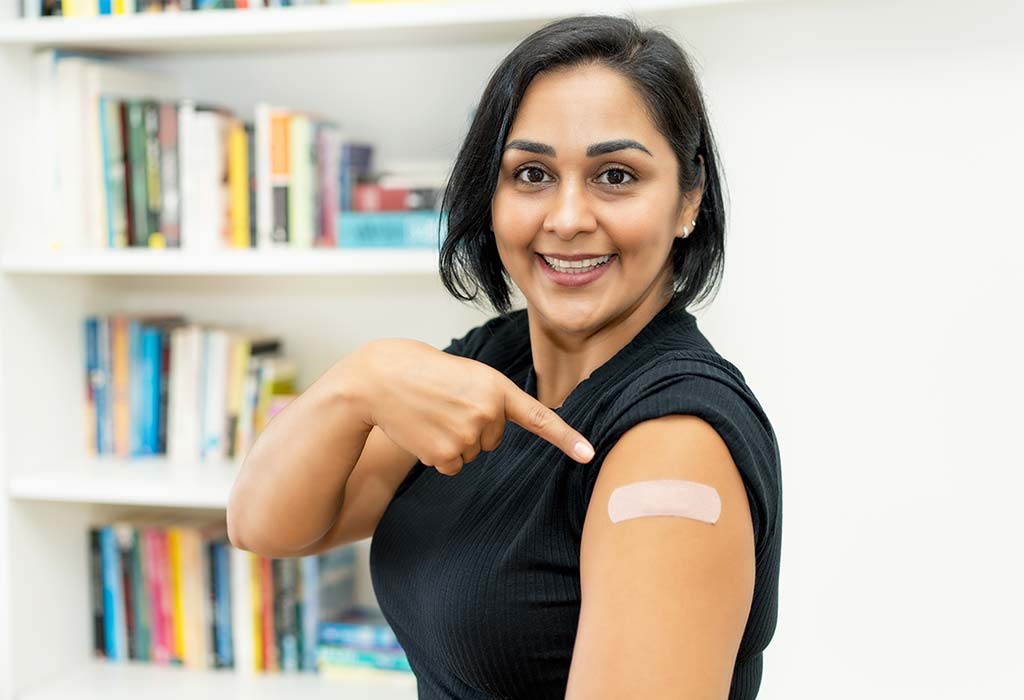
HPV Vaccination – Answering All Your Questions
Human papillomavirus, or HPV, is a group of viruses, more than 200 types (1). HPV vaccination is supported in eligible females from 9 to 45 years of age by FOGSI, CDC, WHO, and ACOG (2) (3) (4) (5).
There must be hundreds of questions bubbling in your mind around HPV vaccination. In this article, we’ll answer some of the most frequently asked questions about HPV vaccination.
Frequently Asked Questions Around HPV Vaccination
Let’s quickly dive into the commonly manifested questions about HPV vaccination.
1. Is the HPV vaccination safe for breastfeeding mothers?
HPV vaccines may be administered to lactating (breastfeeding) women.’ For more information, consult your doctor. (3) (4) (5).
2. How many months must postpartum women wait before getting the HPV vaccine?
Please consult your doctor to determine the right timing based on their health circumstances.
3. How many HPV vaccine types are available in India?
The quadrivalent HPV vaccine and nonavalent HPV Vaccines are available in India.
The Quadrivalent HPV Vaccine protects against HPV strains 6, 11, 16, and 18. (6).
The Nonavalent HPV Vaccine covers against the strains HPV 6, 11, 16, 18, 31, 33, 45, 52, and 58. (7).
4. How is the HPV vaccine administered?
To learn more about HPV vaccination doses, speak to your doctor.
5. Are there any side effects of the HPV vaccine in breastfeeding moms or breastfed babies?
HPV vaccines, like any other vaccine, can cause mild & temporary side effects. Some common side effects can include:
Mild pain, swelling, or redness at the site of injection
Dizziness
Fever, mild
Muscle or joint pain
Headache
Tiredness
Disclaimer: This message is for awareness only. Please consult your paediatrician for more details on HPV prevention. Issued in the public interest by MSD Pharmaceuticals.
HPV vaccine is not intended to be used for treatment and may not result in protection in all vaccine recipients. Vaccination does not eliminate the necessity for women to continue HPV relevant cancer screening recommended by HCP.
IN-GSL-01115 | 06/06/2025 – 29/11/2026
Also Read:
HPV and Cervical Cancer
HPV Vaccination for Girl Child
Human Papillomavirus (HPV) in Children
Human Papillomavirus Infection (HPV) During Pregnancy
Read more

Early Signs of Cervical Cancer to Look Out For
Cervical cancer is a type of cancer which can be prevented, yet it remains a major concern for women all over the world. It often doesn’t show obvious symptoms until it has advanced, making it all the more important to know what to look for early on. This article is designed to inform women, about early signs of cervical cancer, risk factors, and preventive measures like HPV vaccination.
What Is Cervical Cancer?
Cervical cancer begins in the cells lining the cervix, the neck of the uterus that connects to the vagina. It usually develops gradually over several years and can be treated if detected early. The human papillomavirus (HPV), a common sexually transmitted infection, is the cause of nearly all cases of cervical cancer (1) (2).
Causes of Cervical Cancer
Human papillomavirus (HPV) is the main cause of cervical cancer. However, not all infections result in cancer. In most cases, the immune system eliminates the infection on its own. However, if the virus persists, it can cause changes in cervical cells, leading to cancer over time (3) (4).
Who Is at Risk?
Every woman with a cervix is at risk of developing cervical cancer, but certain factors can increase this risk. These include (5):
HPV Infection: Women with Human Papillomavirus (HPV) infection are at high risk, as persistent infection with certain HPV types is a leading cause of the disease.
Women Aged 30 Years to 55 Years: Cervical cancer in some cases may start in the 30’s and the incidence can peak in the 50s (6).
Weakened Immune System: Women with conditions such as HIV/AIDS, those on immunosuppressive medications, or those with autoimmune diseases (4) (7).
Disclaimer: For most people, HPV clears on its own. But for those who don’t clear the virus, it can cause certain cancers and diseases.
Common Early Symptoms of Cervical Cancer
Cervical cancer often develops gradually, and its early signs and symptoms can be subtle or easily mistaken for other health issues. It often doesn’t show symptoms till its too late. Here are a few signs of cervical cancer:
1. Abnormal Vaginal Bleeding
One of the most common signs of cervical cancer is abnormal vaginal bleeding. This may include bleeding after sex, between periods, or bleeding that occurs after menopause. If you notice unexpected bleeding, seek medical advise (8).
2. Unusual Vaginal Discharge
Women may notice an increase in discharge that is different in colour, consistency, or odour from what is typical. The discharge may become thicker, watery, or foul-smelling. It may also appear blood tinged (9).
3. Pain During Intercourse
Pain during intercourse, known as dyspareunia, can be a symptom of cervical cancer. This pain may be sharp, deep, or uncomfortable, often causing anxiety or reluctance to engage in sexual activity. While dyspareunia can result from various emotional or physical factors, it is essential to seek medical advice if it is new or significantly worsens (10).
4. Frequent Urination
Increased urinary frequency, urgency, or discomfort while urinating can also be early signs of cervical cancer (11) (12) (13).
How Can You Prevent Cervical Cancer?
Risk of cervical cancer can be prevented with the help of vaccination, routine screenings, and leading a healthy lifestyle. Here are some effective preventive measures:
1. HPV Vaccination
HPV vaccination can help reduce the risk of cervical cancer by protecting against the types of HPV that most commonly cause the disease (14). There are two types of HPV vaccines available in India:
Quadrivalent HPV Vaccine protects against HPV types 6, 11, 16, and 18 (15) (16).
The Nonavalent HPV Vaccine protects against HPV 6, 11, 16, 18, 31, 33, 45, 52, and 58. (17).
Organisations like the World Health Organization (WHO), the American College of Obstetricians and Gynecologists (ACOG), and the Centers for Disease Control and Prevention (CDC) recommend HPV vaccination for eligible women up to 45 years of age (18) (19).
2. Regular Pap Smears and HPV Testing
Routine Pap smears (or Pap tests) can detect abnormal cells on the cervix before they become cancerous. Consult your doctor for more information (20).
In addition to vaccination, regular Pap smears, and HPV testing, other steps to help reduce your risk of HPV and its related cancers like cervical cancer include:
Practising Safe Sex: It can reduce the risk of HPV and STIs that can lead to cervical cancer. This includes using condoms and having mutually monogamous relationships.
Quitting Smoking: It can reduce your chances of developing various cancers, including cervical cancer.
Having a Healthy Diet: Consuming whole grains, fruits, vegetables, and lean meats can boost immunity.
With HPV vaccination, routine screenings, and awareness of the warning signs and symptoms, cervical cancer can be preventable. Please consult with your doctor to know more.
Disclaimer: This message is for awareness only. Please consult your paediatrician for more details on HPV prevention. Issued in the public interest by MSD Pharmaceuticals.
HPV vaccine is not intended to be used for treatment and may not result in protection in all vaccine recipients. Vaccination does not eliminate the necessity for women to continue HPV relevant cancer screening recommended by HCP.
IN-GSL-01115 | 03/06/2025 – 29/11/2026
Also Read:
HPV and Cervical Cancer
Cervical Cancer and Fertility
Cervical Cancer during Pregnancy
Read more

Sleep – An Underrated Routine That Makes Kids Smarter and Sharper
Kids tend to be active throughout the day. It’s a task to have them sit down quietly for different engagements. Had they been quieter, as we parents so dearly wish at times, we may have saved ourselves the tedious task of clearing up the mess every time these little tornados leave behind.
But, alas! Contrary to what we hope for, their love of physical pursuits never stops short. Their minds are always on the lookout to process new information, and this curiosity makes them examine everything they can lay hands on. It is hard to speculate what their next to-do assignment will be. Mostly, our concern for our child’s safety urges us to stop them from undertaking many physical pursuits.
However, it is believed that the more kids participate in such tasks, the more they acquire knowledge and learn the basics. Physical activities are instrumental in teaching them to assimilate failure and subsequently work toward overcoming shortcomings. Their curiosity compels them to look out for new arenas to gather new experiences. The more their engagements are, the more they challenge their capabilities to broaden their mental abilities and multitasking horizons.
As kids explore areas that nurture their ever-growing mental capacities, their cognitive abilities unfurl. A major portion of a kid’s mental growth happens by the time they reach the age of five. Thus, our responsibility is to nurture them in the best possible ways to facilitate the best outcomes.
Apart from food and nutrition, another daily activity that is instrumental in their all-around growth is sleep. Our heart, lungs, brain, kidneys work continuously throughout the day. Sleep at night gives them the time to re-energise. Our bodies need ample sleep for the growth of sound mental health. Sleep deprivation can lead to inalterable conditions, resulting in mental health issues.
Similarly, our little ones need to get the desired hours of sleep every day. The younger the kid is, the longer he needs to sleep. During sleep, the brain not only rests but also processes all information through memory consolidation. That’s how they develop memories for smell, touch, view, sound, vocabulary, incidences, dangers, good moments, etc. The better their everyday routine is, the healthier they grow up to be. However, it is at times a struggle to put kids to sleep at regular hours.
Every kid responds differently; while some are subtle, others turn out to be quite naughty. Kids seem to hate losing out on playtime that keeps them awake and thus ensues a conflict of interest between the child and the caregiver.
I, too, used to find it hard to persuade my kid to sleep at regular timings. He is now five years old, and reasoning with him is a lot easier. However, as a toddler, it was a perpetual struggle. The ritual of tucking him to bed and getting him to sleep began with cuddling him on my lap and singing a lullaby while taking a stroll in the room. The tactic worked well most of the time, though, on several occasions, I used to fall asleep before him. It was exhausting to see him wide awake, gazing intently at the dim light, smirking, and enjoying his victory on me. With compromised sleep, I, too, felt exhausted and irritated most mornings that lasted throughout the day.
That’s when I started researching techniques to achieve better sleep. A few ways helped me get some good sleep for my child and me.
1. Maintain a sleep routine.
Having a pre-determined time for waking up and bedtime every day helps set our biological clock. Practising the habit every day from an early age proves beneficial in the long run.
Besides, family members too may plan their day accordingly as kids tend to follow habits that they observe around themselves. A disciplined timetable not only comforts them as they internalize the chronology of their daily chores but also ascertains predictability. The schedule is to be maintained even on weekends, family events, etc., to prevent disruption in routine. Moreover, a sleep routine ensures meeting the child’s daily sleep requirement, essential for their overall development. It also facilitates kids to remain active throughout the day.
2. Make sleep a priority.
Parents need to plan food and sleep intake. As soon as a child comes into our lives, delicate planning and scheduling become an indispensable part. It saves parents from overlooking fundamental tasks. It consequently gives us time to rest to keep anxiety and tiredness at bay. It is vital for us as, more often than not, unavoidable work piles up suddenly and needs our urgent attention.
Sticking to a set bedtime helps children feel secure because it offers them predictability. They start reciprocating accordingly as it allows them to get used to their surroundings promptly.
3. Limit socialising.
Unexpected family events, parties, festivals, etc., crop up in our lives, and it’s lucrative to include kids in these ceremonies, but their participation must be limited. Often, we fail to maintain this and let kids’ routines be disrupted at the cost of losing sleep time, compromising on meals, etc.
This leads to a disruption in their Circadian Rhythm (a natural, internal process that regulates the sleep-wake cycle and repeats roughly every 24 hours), which often leads to slouching, restlessness, and sickness. Kids tend to get into a sense of discomfort due to such unexpected fluctuations in their routine.
Our parents too limited socializing during our childhood to give quality time to us. They took it upon themselves to let us feel their absolute dedication in giving us the best. This additionally ensured a peaceful atmosphere, which is essential for a good sleep. Kids need to spend quality time with parents or caregivers to grow up healthily.
4. Ensure ample sleep as per age.
It is a well-researched fact that mental development in kids occurs the most from birth until five years of age. As the brain works non-stop, it must be given good rest to perform to its best ability. Also, the brain processes all information gathered during the day while at sleep. Infants need to sleep for around 16 hours, and with the advancement of age, the duration reduces. By the age of five, kids need to have 8 to 10 hours of sleep, including nap time and night sleep. Insufficient sleep makes them feel groggy, and they may get cranky, deterring their daytime activities.
5. No screen time before bed.
This point has been all over the internet given that kids nowadays have access to mobile and the internet. Also, the pandemic has forced us to impart education through the internet. Prolonged exposure to mobile screens is detrimental to their eyes and also limits their creativity. Watching shows on mobile phones takes no mental and physical effort than reading a picture book or colouring. It also makes them lazy, detached from the real world and prevents them from being involved in daily chores. If unaddressed, this can result in childhood obesity as they cannot burn out their natural physical energy. Watching cartoons, etc., before heading to the bed coils up their thoughts, and they find it difficult to settle down on the bed. This can give kids nightmares.
6. Bed and clothing.
A clean bed looks inviting for a good sleep. Keep the bed clutter-free from toys, stuffed animals, extra cushions, etc. Change bed linen weekly to ensure cleanliness and keep it free from odour, dust mites, bed moths, etc. Cotton bedsheets and cotton pillow covers should be used for their quality and comfort.
Besides using pillows, one may also place bolsters on both sides to give kids a sense of security. A clean and pretty blanket can help keep them warm. You can use nappies at night to avoid sleep interruption due to bedwetting. Older toddlers are to be brought into a habit to attend nature’s call before heading to sleep. Parents should also assist kids in relieving themselves at least once during the night sleep time. Likewise, clothing is to be given priority. A change into a set of clean, fresh, and loose-fitting cotton nightwear is necessary to ward off any discomfort during sleep.
7. Pre-bedtime activities.
It is not about the quantity but the quality of time a parent spends with their kids. Gone are the days when we had ample time after work to spend with our extended family. With nuclear families, the responsibilities of each family member increase. Children often feel ignored if we do not spend quality time with them during their growing years, which may impact their personality and development.
It is important to contribute to building moments that shall be etched as beautiful memories during their childhood. Do take out as little as half an hour before sleep to focus on the child. Engage in conversations about the day, their fears, anxieties, happy moments, etc. Be sure to be a good listener.
Storytelling is a good way to engage with kids. It lets them settle down before bedtime, helps them learn vocabulary, and improves their creative thinking. Kids, too, face insecurities; they too have moments of stress. This is also a great way to let them know that they have your support when things aren’t working fine.
8. Calm them down with touch therapy.
As kids are active, helping them calm down is essential before settling them down to bed. Human touch can comfort human beings, which specifically works wonders with kids. A bear hug, a peck on the cheek, soft ruffling of their hair – all have one thing in common, i.e., comfort and love offered through touch. Every child has a different choice, and the caregiver has to anticipate the best way to show their love for them. A gentle kneading massage for the tired little hands and legs can prove to be a boon for many. A warm sponge bath works great to level down the temperament of the kids. Strolling with them in your lap is one activity that never ceases to calm kids. Few like to get caressed on their belly and back. Understanding what they prefer shall assist parents in delivering a beautiful experience to their kids.
We cannot control every aspect of our environment. Loudspeakers, horn honkers, bright light, traffic, loud chats, electricity disruption, and many more are beyond our scope to evade. However, we can change our habits and routines and adjust to the environment around us. A mix and match of the above techniques have been a blessing to me, and today it is a part of my daily routine. A persistent commitment towards maintaining a rhythm ensures good health too. However, in some rare cases, counselling is worthwhile in dealing with sleep difficulties, insomnia due to big changes in life, death, separation, health issues, etc.
Disclaimer: The views, opinions and positions (including content in any form) expressed within this post are those of the author alone. The accuracy, completeness and validity of any statements made within this article are not guaranteed. We accept no liability for any errors, omissions or representations. The responsibility for intellectual property rights of this content rests with the author and any liability with regards to infringement of intellectual property rights remains with him/her.
Read more

Monsoons and the Risk of COVID-19 – Preventive Measures for Kids and Adults
Each year, monsoons bring in different vibes. They can be glorious and uplift one’s mood, while they can also set in apprehension. The seasonal rains pouring upon us can increase the chances of infections in kids as well as adults. One of the major concerns this year, too, is the risk of contracting the COVID-19 infection. To ensure nothing breaks the delightful experience that the seasonal showers bring, we’ve put together a list of preventive measures that can help you prepare your body for the rainy season and reduce the risks of COVID-19.
Ways to Prevent the Risks of COVID-19 for Kids and Adults
It is still uncertain as to what could safeguard us against COVID-19. However, some simple tips can surely help us stay fit and prevent the risks of this infection.
1. Consume Healthy, Freshly Cooked Food
This one’s a no-brainer. Simple, healthy, and freshly cooked food will provide you with the nutrients you need to keep your body functioning at its best. Try to consume a balanced, home-cooked diet; this way, you can control the ingredients and taste. If you cook for the day at one go, refrigerate the food and reheat it properly to avoid bacterial hazards. Don’t forget to enjoy each morsel thoroughly. The rains will accompany you and double the fun! On some occasions, you can even make snacks, like samosa or bhajiya, and have them with a piping hot cup of ginger tea. Just have it all in moderation; the key is to enjoy everything guilt-free.
2. Keep Moving!
Being active will help you balance your serotonin levels and uplift your spirits. Inactiveness will eventually lead to sleep and appetite issues, which can cause havoc on your health. But if you include physical activities in your routine, you will see a considerable improvement in your health. So, stretch your body and shake off the lethargy by doing any form of exercise you like, be it yoga, walking, jogging, or dancing.
3. One for Mental Health
Mental and emotional health are important to maintain physical health. If the mind is stressed and filled with negative thoughts, health issues will manifest. Some of us struggle through mental health issues, and many, including kids, are being affected as we speak. Therefore, it is imperative that we proactively indulge in activities that provide mental and emotional stability. This is where techniques such as meditating, deep breathing, journaling, practising positive affirmations, or other stress-relieving activities, such as reading, painting, spending time with a pet, performing an act of kindness, etc., can help.
4. Maintain Personal Hygiene
Basic hygiene practices, such as maintaining personal hygiene, wearing a mask, washing hands thoroughly with soap and clean water, sanitising surfaces and objects that you often come in contact with, maintaining social distancing, etc., will go a long way this monsoon, too. These will help you keep your surroundings clean and cut down the risks of viral and bacterial infection. If you have older kids, include them in the cleaning activities. Make it fun by putting on some music and get going; it could just be a fabulous bonding experience for the family!
5. Keep Yourself Engaged
Long hours of idleness can lead to boredom and even set in anxiety and depression. They will eventually affect emotional and mental health. Therefore, keep yourself and your kids engaged in a fair bit of healthy activities. For kids, one might think that online schools are enough to keep them engaged, but that’s not true. Kids need to have their share of fun, too. So, let them loosen up a bit, play with their toys, indulge in family activities, and enjoy some screen time. Adults can keep in touch with their family and friends, spend time with their kids if they have any, watch frivolous movies or series, and calmly enjoy their time with each other.
6. Watch Out for Symptoms and Keep Your Medical Appointments
Keep all your medical appointments, and get the necessary health check-ups done even if you or your kids don’t feel like it. These will help diagnose any health issues before they escalate. Also, watch out for the symptoms of COVID-19, such as cold, fever, runny nose, congestion, breathing issues, conjunctivitis, nausea, diarrhoea, etc. If you notice these, get a COVID-19 test, isolate yourself, and get immediate medical attention to treat these symptoms.
7. First Aid Readiness
Prepare a first aid kit and stock it with necessary medical supplies that are well within their expiry, and educate yourself on how to provide basic first aid to treat minor injuries at home. This will help you avoid unnecessary trips to the hospital and reduce your exposure to the virus. The knowledge will also come in handy to stop bleeding in severe cases, reduce the chances of infection, or keep the victim breathing and alive until they get appropriate medical attention.
This season of wondrous rains may not be the same as when you could just step out and enjoy it without worry. The precautionary measures provided in this article will help you reduce the risk of COVID-19 and ensure you and your family have a safe and healthy monsoon this year.
Also Read:
COVID-19 in Children – Symptoms, Risks and Prevention Tips From a Doctor
How Is Multisystem Inflammatory Syndrome in Children (MIS-C) Related to COVID-19?
Mucormycosis (Black Fungus Infection) in COVID Patients – Causes, Symptoms & Treatment
Read more

Best Family Friendly Sunday Dinner Ideas
Sundays are the one day in the week that the whole family gets together and spends quality time. The best way to do so is over a delicious meal that makes Sundays memorable. However, all family members want something special for Sunday dinner. So cooking the same old dishes is out! The whole family loves dishes that are delicious and comforting as they make the family gathering more intimate and meaningful. Prepare a special Sunday dinner for your family and spend a memorable time with them as you wind up the week.
Mouthwatering Sunday Dinner Ideas for Family
Sunday dinners are special, but cooking elaborate dishes leaves little time to spend with family. These unique yet easy-to-cook Sunday family dinner ideas require less preparation time and are loved by the whole family.
Have a look at them and give it a whip:
1. Chicken Pot Pie with Homemade Biscuits
Make this delicious chicken casserole with homemade bacon and cheddar biscuits. This comforting dish is perfect for a family Sunday dinner.
Prep Time: 1 hour 30 minutes
Servings: 6 to 8
Ingredients
Butter- 1/2 cup
All-purpose flour- 1/3 cup
Chicken broth- 1 ½ cup
Milk – 1 ½ cup
Creole seasoning- 1 ½ teaspoon
Sweet Onion – 1 large (diced)
Mushroom – 1 packet (8 oz) (sliced)
Cooked chicken- 4 cups (shredded)
Frozen Hash Browns (cubed)- 2 cups
Matchstick Carrots -1 cup
Frozen Sweet peas- 1 cup
Fresh Parsley- 1/3 cup (chopped)
Cold, bitter cubes- ½ cup
Self-rising flour- 2 cups
Cheddar cheese – ¾ cup (shredded)
Cooked bacon – ¼ cup (chopped)
Fresh chives – 2 tablespoons (chopped)
Whipping cream – 1 cup
Butter (melted)- 2 tablespoons
Instructions
To prepare the fill- Preheat your oven to 425°. Keep a large saucepan on medium heat and melt 1/3 cup of butter.
Add all-purpose flour to the butter and cook for 1 minute with constant whisking.
Add chicken broth with milk gradually and cook for 6 to 7 minutes. Keep whisking till it turns thick.
Remove the saucepan from heat and add Creole seasoning.
In a Dutch Oven, melt 2 tablespoons of butter over medium heat.
Add mushroom and onions and sauté for 10 minutes till they turn tender.
Add chicken with the next four ingredients and sauce.
Spoon-fill the mixture in a lightly greased baking dish.
Mix self-rising flour with butter cubes with a fork or pastry blender till it is crumbly and resembles small peas.
Add bacon, cheese, chives, and whipping cream to it and keep stirring till the dry ingredients are moistened.
Knead the dough a few times on a lightly floured surface.
Roll the dough in ¾ inch thickness. Cut round biscuits with a 2 ½ inch cutter.
Bake the chicken pie filling in the oven for 15 minutes.
Take out from the oven and arrange the biscuits on the chicken mixture.
Bake the pie for 25 to 30 minutes till the biscuits turn golden brown.
Take out from the oven.
Brush the biscuits with melted butter,, and your dish is ready.
2. Italian Meatloaf
Make this delicious meatloaf with Italian flavors for a special Sunday night dinner.
Prep Time: 1 hour 45 minutes
Servings: 12
Ingredients
Ground beef- 2 lb
Crusty Italian bread- 6 slices
Whole milk- 1 cup
Grated Parmesan – 1 cup
Large eggs- 4
Minced Parsley- 1/3 cup
Italian Seasoning- 1 tablespoon
Salt- 1 teaspoon
Black pepper- ½ teaspoon
Thin Pancetta (sliced)- 12
Diced tomatoes (drained)- 2 cans
Brown Sugar- ¼ cup
Dry Mustard- 1 teaspoon
Cayenne Pepper- 1 pinch
Worcestershire Sauce- 5 dashes
Instructions
Preheat your oven to 350 degrees.
Soak the bread in milk.
Take a large bowl and add ground beef, parmesan, soaked pieces of bread, eggs, Italian seasoning, parsley, pepper, and salt,, and knead with your hands to mix well. Let it rest.
In another bowl, add tomatoes, brown sugar, cayenne, mustard, and Worcestershire sauce and mix well to make the sauce.
Make a loaf shape out of the meat mixture and place it on a drip pan.
Arrange the pancetta slices on it in an overlapping pattern.
Spread the tomato mixture over it.
Cover the pan with foil.
Bake for 40 minutes.
Remove the foil and bake for another 30 to 40 minutes.
Take out of the oven.
Cut in into thick slices and serve.
3. Chicken Pierogi Supper
Frozen Pierogi combined with chicken, onion, and cheese makes a quick and delicious skillet dinner.
Prep Time: 30 minutes
Servings: 4
Ingredients
Frozen Pierogi – 1 package (16 ounces)
Boneless Chicken Breasts (strips of 2 inches)- 1 pound
Salt- ¼ teaspoon
Pepper- 1/8 teaspoon
Butter- 2 tablespoon
Sweet Onion (thinly sliced)- 1 large
Cheddar Cheese (shredded)- ½ cup
Instructions
Cook Pierogi as per the instructions mentioned on the package and drain.
Mix salt and pepper in chicken.
Heat a large skillet on medium-high flame. Melt 1 tablespoon of butter in it.
Sauté chicken and onion in the skillet. Remove from the skillet.
Heat remaining butter in the same skillet. Sauté pierogi till it turns light brown.
Add chicken mixture to pierogi.
Sprinkle cheese and cover the skillet.
Remove from flame.
Serve when the cheese melts.
4. Turkey Tortillas
Tortillas are simple and easy to make. Make this Sunday dinner with your favorite turkey and tortillas.
Prep Time: 20 minutes
Servings: 4
Ingredients
Ground Turkey- 1 ½ pound
Tortillas- 1 packet
Black beans (drained and rinsed)- 1 can
Jarred salsa- 1 can
Chipotle Chilli in Adobo(chopped)-1
Adobo Sauce- 1 tablespoon
Tomatoes (chopped)- 1 large
Avocado (chopped)- 1
Radishes(thinly sliced)- 1
Queso Fresco (crumbled)-1
Fresh Cilantro leaves
Sour Cream- 1 cup
Chili Powder- 1 teaspoon
Ground Cumin- 1 teaspoon
Salt- to taste
Pepper- to taste
Instructions
Over an open flame, lightly char all the tortillas.
Cool them and then tear them into pieces.
Over a medium-high flame, heat a large skillet.
Add ground turkey to the skillet and season it with cumin, chili powder, pepper, and salt. Stir, breaking the meat.
Cook for about 5 minutes until it is lightly browned.
Add beans, chipotle chile, salsa, and adobo sauce to the turkey and cook till it thickens.
Add water if you want a bit of sauce—Cook for about 5 minutes after adding water.
When serving, add tortilla chunks with tomatoes, avocado, radishes, Queso fresco, cilantro leaves, and sour cream fixings.
5. Spinach Stuffed Chicken
Simple and comforting chicken bundle filled with spinach and feta. Serve this with green beans and wild rice.
Prep Time: 30 minutes
Servings: 2
Ingredients
Fresh Spinach- 10 cups or 8 ounces
Skinless Chicken Thighs (boneless)- 2
Chicken Seasoning- ½ teaspoon
Feta Cheese (crumbled)- 3 tablespoons
Cider Vinegar- 1 ½ teaspoon
Sugar- ½ teaspoon
Pepper- 1/8 teaspoon
Olive Oil- 1 teaspoon
Chicken broth (reduced-sodium)- ¾ cup
Butter- 1 teaspoon
Instructions
Preheat your oven to 375 degrees.
On a medium-high flame, heat a large skillet. Add spinach and cook till they wilt.
Add in sugar, vinegar, and pepper. Lower the flame to cool slightly.
Flatten the chicken thighs with a mallet. Sprinkle chicken seasonings on them.
Cover the chicken with spinach mixture with cheese.
Roll and secure the chicken with kitchen string.
Over medium-high flame, heat oil in an ovenproof skillet.
Add chicken and cook till it turns brown.
Transfer the skillet to the oven.
Roast for 13 to 15 minutes till the thermometer inserted in the chicken shows 170 degrees.
Take out the pan. Transfer the chicken to a dish.
On a medium-high flame, heat butter and broth in a skillet till it comes to a boil.
Cook till the broth thickens.
Add the broth to the chicken and serve.
6. Root vegetables With Salmon
This delicious and full of protein dish is a popular and healthy Sunday dinner recipes.
Prep Time: 25 minutes
Servings: 6
Ingredients
Sweet Potatoes(peeled and cut in cubes)- 2 medium size
Salmon fillet (6 ounces each)- 6
Red potato (cut in cubes)- 2 medium
Turnip (peeled and diced)- 2 medium
Carrot (peeled and diced)- 2 medium
Olive Oil- 2 tablespoons
Sea salt- 1 teaspoon
Chili powder- 1 teaspoon
Pepper- ¾ teaspoon
Ground Cinnamon- ½ teaspoon
Instructions
Preheat your over to 400 degrees.
Over medium-high flame,, heat oil in a large skillet.
Add all the vegetables to it.
Sprinkle chili powder, ½ teaspoon salt, ½ teaspoon pepper, cumin, and cinnamon on the vegetables. Cook and stir for 15 to 20 minutes till the vegetables turn tender.
Place the salmon with its skin down in a foil-lined baking pan. Sprinkle pepper and salt over it.
Bake for 10 to 12 minutes.
Preheat the broiler.
Broil the fish in it for 2 to 5 minutes till it starts to flake.
Serve vegetables with salmon.
7. Chicken With Red Wine Sauce
Chicken with red wine sauce is a special yet simple dish to cook for Sunday dinner.
Prep Time: 30 minutes
Servings: 4
Ingredients
Chicken breast halves (boneless and skinless)- 4 (8 ounces each)
Dry Red Wine- 2/3 cup
Salt- ¼ teaspoon
Pepper- ¼ teaspoon
Butter- 7 tablespoons
Sugar- 1 tablespoon
Pitted dark cherries- ½ cup
Instructions
Preheat your over to 350 degrees.
Sprinkle pepper and salt on the chicken.
On a medium-high flame, heat 2 tablespoons of butter in a large ovenproof skillet or pan.
Add chicken to the butter and cook till it turns brown.
Bake the chicken for 12 to 15 minutes till the thermometer reads 165 degrees.
Keep a saucepan on flame and add sugar and wine to it. Bring them to a boil.
Reduce the wine to half.
Lower the flame and add the remaining butter. Whisk well to blend completely.
Add cherries—switch of the flame.
Serve this sauce with chicken.
8. Sweet Onion with Turkey Sausage Spaghetti
Add rich flavor to your wholesome pasta dish with sweet onion and turkey sausages. This dish is perfect for a quick and delicious Sunday meal.
Prep Time: 30 minutes
Servings: 4
Ingredients
Whole wheat spaghetti- 6 ounces
Italian Turkey Sausages links with casings removed- ¾ pound
Sweet onion (thinly sliced)-1
Olive Oil- 2 teaspoons
Cherry Tomatoes (halved)- 1 pint
Fresh basil leaves (thinly sliced)- ½ cup
Half-and-half cream- ½ cup
Parmesan cheese (shaved)- optional
Instructions
Cook spaghetti as per the directions mentioned on the package. Drain and keep aside.
Over medium heat, heat oil in a large skillet.
Cook sausages in the skillet for 5 minutes.
Add onions and cook for 8 to 10 minutes till onions turn tender and meat is not pink.
Add basil and tomatoes. Stir for some time.
Add cream and bring the mixture to a boil.
Toss spaghetti in the mixture.
Garnish with cheese when serving.
9. Peppery Flavoured Turkey Tenderloin
Cook this full-flavored turkey tenderloin in a rich sauce for a snug Sunday dinner.
Prep Time: 25 minutes
Servings: 6
Ingredients
Turkey breast Tenderloins- 2 pounds
Apple Juice- 1 cup
Green Onions (chopped)- 3
Fresh Parsley (chopped)- 3 tablespoons
Olive oil- 6 teaspoons
Garlic (finely chopped)- 1 tablespoon
Dried rosemary (crushed)- ¾ spoon
Dried Thyme- ¾ spoon
Ground pepper – 1 teaspoon
Salt- ¾ teaspoon
Corn-starch- 4 teaspoons
Chicken broth (reduced- sodium)- 1 cup
Instructions
Pat dry and flatten the tenderloins.
Take a bowl and combine apple juice, parsley, onions, garlic, 4 teaspoon oil, thyme, and rosemary to marinate.
Pour ¾ cup of marinade in a shallow dish with turkey and coat. Cover the dish.
Refrigerate for 4 hours.
Refrigerate the remaining marinade too.
Drain the turkey.
Sprinkle pepper and ½ teaspoon salt on turkey.
On medium flame,, heat a large skillet and cook the turkey for 5 to 6 minutes.
Remove from heat.
Take a small bowl. Add cornstarch, remaining marinade, broth, and remaining salt. Mix till a smooth paste is formed.
Heat a skillet on medium flame. Add the corn-starch mixture and cook till it boils and thickens.
Slice the turkey and serve with sauce.
10. Pork Chops with Mushrooms
This quick-to-make delicious recipe of mushrooms with pork chops is a unique recipe for your special Sunday dinner.
Prep Time: 25 minutes
Servings: 4
Ingredients
Boneless pork loin chops – 4 (6 ounces each)
Fresh Mushrooms (sliced)- ¾ pound
Salt- ¾ teaspoons
White pepper- 1/8 teaspoon
Butter- 3 teaspoons
Chicken broth (reduced sodium)- ½ cup
Dried Tarragon- ½ teaspoon
Instructions
Sprinkle pepper and salt on pork.
Heat 2 teaspoons of butter in a large skillet.
Add pork chops and cook for 5 to 6 minutes. Remove from pan.
Heat remaining butter in the same skillet.
Add mushrooms and cook for 6 to 8 minutes till they are tender.
Add broth, tarragon, and salt and bring to boil. Cook till reduced to half.
Add the chops and cook.
11. Shrimp with Warm Coleslaw
German-style coleslaw with shrimp is an easy and tasty dinner recipe for Sunday nights.
Prep Time: 30 minutes
Servings: 4
Ingredients
Bacon strips- 6
Shrimp (peeled and deveined)- 1 pound
Canola oil- 2 tablespoons
Green cabbage (shredded)- 3 cups
Carrot (shredded)- ½ cup
Red Cabbage (shredded)-1 cup
Green onion(finely chopped)- 6
Fresh parsley (minced)- 3 tablespoons
Dried tarragon- 2 teaspoons
Pepper- 1/8 teaspoon
Salt- ¼ teaspoon
Red Wine vinegar- ¼ cup
Cooked rice- 3 cups
Instructions
Cook bacon till crisp in a skillet over medium heat.
Remove from pan and keep on paper towel to drain. Crumble the bacon.
Keep 2 tablespoons of drippings and discard the rest.
In the same skillet,, heat 1 tablespoon of oil with 1 tablespoon of drippings. Add carrot and cabbages and stir till vegetables turn tender.
Take out in a bowl.
Add parsley, green onions, tarragon, pepper, and salt, and toss with vinegar.
To the skillet, add the remaining oil and drippings.
Add shrimp and cook till it turns pink.
Remove from heat.
Serve rice in a bowl with coleslaw. Top with shrimp and crumbled bacon.
12. Spiced Salmon
Looking for an easy Sunday meal idea? Prepare this delicious and moist fish in a jiffy for your family.
Prep Time: 20 minutes
Servings: 8
Ingredients
Salmon Fillet- 1 (2 pounds)
Brown sugar- 2 tablespoons
Soy sauce- 1 tablespoon
Butter (melted)- 1 tablespoon
Olive Oil-1 tablespoon
Garlic powder- ½ teaspoon
Ground Mustard – ½ teaspoon
Paprika-1/2 teaspoon
Pepper- ½ teaspoon
Dill weed- ¼ teaspoon
Salt- to taste
Dried Tarragon- a pinch
Cayenne powder- a pinch
Instructions
Mix all spices and ingredients except salmon in a bowl.
Brush them over the salmon.
Keep the salmon on an oiled grill rack. Cover it.
Grill it for 10 to 15 minutes over medium heat till it begins to flake.
Serve warm.
Make your Sunday dinners special by cooking any of these family-friendly dishes. Relax and wind up your week with your family over a delicious meal.
Also Read:
Quick Family Dinner Recipe Ideas
Budget-Friendly Meal Ideas for Large Families
Foods Myths Which Needs to be Broken
Read more
Here’s What You Need to Know About Meningitis
The coronavirus (COVID-19) pandemic has made us realise the importance of vaccines. Vaccines are vital to contain the spread of an infectious disease. Vaccinations stimulate the immune system against a particular microbe and can provide protection against life-threatening diseases by using the body’s natural defence system.
Much like pneumococcal pneumonia, many other diseases spread by viruses and bacteria can be prevented with the help of vaccines. One such disease is meningococcal meningitis. Meningococcal meningitis is associated with a high fatality rate. It predominantly affects small children and can cause severe brain damage if left untreated.
Here’s everything you need to know about this severe infection!
Understanding Meningitis
Meningitis is a serious infection that affects the protective layer around the brain and spinal cord. Meningococcal meningitis is caused by the Neisseria meningitidis bacteria, which has the potential to cause a epidemic. It can be transmitted from one person to another through respiratory droplets. It can also be caused by viruses and fungi.
This bacterial infection can prove fatal for people, as there have been cases when people have died within 24 to 48 hours of the onset of symptoms. Even among those who survive, 1 in 5 may experience lifelong complications such as hearing loss, brain damage, mental disabilities, or loss of limbs.
Although the meningococcal disease can affect anyone of any age, it can be mostly observed in children under five years of age, immunocompromised individuals, adolescents, and young adults.
But there have been major improvements in the field of medicine, and there are ways to prevent a disease or an infection (or to lower the complications caused by it.). One such measure is a vaccine, as it can prevent the spread of infection, reduce complications, and eventually, save lives. Good hygiene and maintaining social distance, especially from infected individuals can also prevent the spread of infection.
As this infection is common in children, it is natural for parents to worry and have questions about it. Find out how meningococcal meningitis spreads. Also, learn about its symptoms and how it can be treated!
Does Meningococcal Meningitis Spread and What Are Its Symptoms?
Meningococcal meningitis is contagious and can spread through coughing, sneezing, and sharing food and drinks. Living in close quarters with a child who is infected can also result in contracting meningococcal meningitis, as the virus thrives in the nose and throat of the infected person, and whenever that person coughs or sneezes, it could pass to another person in close proximity.
The symptoms of meningitis are common such as a common cold and flu, but these symptoms can quickly progress to high fever or chills, confusion, cold hands and feet, severe aches or pain in the muscles, dark purple rashes, sensitivity to light and neck stiffness.
How to Prevent Meningitis
An effective way to protect your child against meningococcal disease is by getting them vaccinated.
There are different types of vaccines for different types of meningococcal disease. The meningococcal ACWY vaccine, which’s available in India, can help protect against four major types of meningococcal disease, and which is you must get your child vaccinated in time.
Meningococcal disease is a severe condition and poses numerous risks, but with timely vaccination in children, it is possible to protect them. If your child has not been administered a vaccine for the same, consult your doctor, and get your child vaccinated. If children get vaccinated in time, we can fight and win the war against meningitis.
Also Read:
Meningitis in Children
Meningitis in Babies: Causes, Symptoms & Treatment
Read more
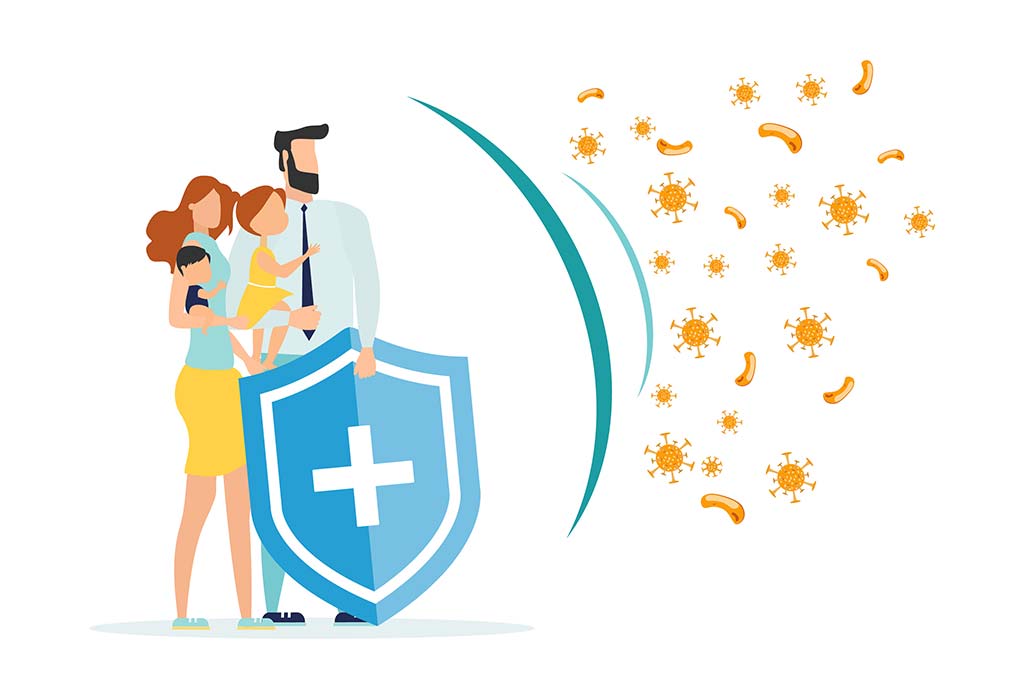
7 Ways to Boost Your Immunity and Stay Healthy in These Uncertain Times
Having a healthy immune system is essential when it comes to protecting our bodies from germs and viruses that could lead to serious illnesses. Boosting immunity and maintaining are some of the many measures we can take to ensure good health, especially during the ongoing COVID-19 pandemic.
So, what can you do to boost your immunity and stay healthy during these uncertain times? Firstly, understand what your body needs with the help of your doctor, who will be the right person to guide you through this, and secondly, adopt a healthy lifestyle. You might think it’s easier said than done, but not really! Here are some ways you can boost your family’s and your immunity to fight through these trying times.
7 Ways to Boost Your Immunity and Stay Healthy
Some of these recommendations have been tried for ages, and many would vouch for them. They are what our mothers and grandmothers always had us follow when we were young. Now is the time to recollect all that free knowledge we received, and put it to good use!
Here are some things you can do:
1. Watch Your Diet
Improving your diet is one of the many effective ways of boosting your immunity. Go for fresh seasonal vegetables and fruits, which will nourish your body with good amounts of macro and micronutrients. Decrease the intake of sugars and deep-fried foods. Alternatively, you can use jaggery or honey, and bake your snacks instead of frying them, if you cannot do without them!
As much as possible, avoid crash diets or trending diets to lose weight. Remember that some diet plans may help you lose weight quickly at the cost of your immunity. Also, reconsider intermittent fasting unless your doctor recommends it, and never skip a meal. Most importantly, have a healthy breakfast every day. It will help you gain the energy you need to get through the morning.
Add probiotics to your meals. It is a great way to maintain your gut health, which is essential to boost immunity. A bowl of curd without sugar, or a glass of buttermilk after a meal, will do the trick.
These stressful times also call for comfort food. When a craving hits, go for healthy options such as soups, fruits, juices, herbal teas, wholewheat bread, wholewheat cookies, etc., instead of fried foods, desserts, and highly processed foods.
Your choice of beverages also needs to be reconsidered and replaced with healthy options if needed. Avoid sugary drinks, sodas, excessive coffee or tea, and replace them with fresh juices, herbal brews, healthy shakes, etc. Or, just stick to water!
It is also recommended that you avoid alcohol, as it impairs immune cells, compromises the body’s immune system, and makes you more vulnerable to diseases. It also adversely affects mental health – and poor mental health consequently impacts your physical health.
2. Stay Hydrated
Staying well-hydrated is equally imperative for a healthy immune system. Adults should consume about 2.7 to 3.7 litres of water, kids aged 9-13 years should consume 1.3 to 1.7 litres, while teenagers should have 1.7 to 3 litres of water every day to remain hydrated.
Albert Szent-Gyorgyi, M.D., discoverer of Vitamin C, once said, “Water is life’s matter and matrix, mother and medium”. But, some would find its simplicity boring. To make it enjoyable, one can flavour it with healthy fruits, make herbal brews, soups, etc. Try to avoid sugar, though, as that will defeat the purpose of consuming a healthy drink. It is better to avoid vitamin water and energy drinks, too, as they have added sugars.
3. Get Regular Checkups
Regular checkups will help you ensure your health is on the right track, especially if you have pre-existing conditions such as diabetes, blood sugar and blood pressure issues, heart conditions, etc. They will also help you get timely treatment as and when required. Having said that, heading to the hospital for a regular checkup might seem next to impossible for many, since the number of COVID-19 cases is spiking all over the country. In that case, you must stay in touch with your doctor, and follow their guidance to the T to prevent any health complications.
4. Take Prescribed Supplements
Sometimes, the food you consume may not provide you with enough nutrients. Supplements may come in handy to meet your micronutrient needs and keep your immunity up. There are a number of supplements available over the counter, but it is recommended that you consult with your doctor for multivitamin and mineral supplements that can meet your unique needs and benefit your immune system.
5. Exercise, Exercise, Exercise!
There is absolutely no alternative to exercise, especially when we are quarantining and confining ourselves to safer indoor spaces. If you are a gym go-er, you might find it difficult to maintain your fitness with the sudden change to an indoor setting. Well, all you need to do is remind yourself that you don’t need a gym to stay fit!
The Physical Training (PT) exercises, the dance lessons, and the upbeat aerobics sessions you enjoyed so much once upon a time can become a part of your routine once again. You can also include a good mix of yoga and other exercises that involve natural body movements, such as walking in the balcony or garden.
Two yoga asanas that are making news during the pandemic for all the good reasons are Anulom Vilom (alternate breathing technique) and Kapalbhati (breath of fire). They facilitate the proper functioning of the lungs, thus strengthening the respiratory system, boosting brain-oxygen levels, improving cardiovascular health, and helping to relieve stress and anxiety.
Other techniques that may help you maintain your general respiratory and mental health are lying in the prone position (self proning), singing, humming, Omkar Pranayama (Omkar chanting) and meditation. Proning especially helps provide breathing comfort and oxygenation if one has tested positive for COVID-19 and is isolating at home.
Source: Proning for Self Care
6. Avoid Smoking
Smoking, just like alcohol, also compromises the immune system. It can deplete your immune response to pathogens and increase the risk of diseases, such as allergies, respiratory, cardiovascular, and autoimmune diseases, as well as cancer.
7. Sleep and Rejuvenate!
When we were kids, our parents have always insisted on us getting a good night’s sleep, because it helps maintain overall health and wellbeing. It also helps the body recover faster from ailments and diseases. Adults should get about 7 hours of sleep, while kids should sleep for about 9 to 12 hours every day. When you sleep better, you’ll feel better, and experience a positive and happy vibe all day long.
Boosting immunity can be a tricky thing. While most of the tips provided above ensure general wellbeing, some, such as diet, may have to be revisited and modified to suit your health requirements. Therefore, consulting your dietician and doctor is recommended. With just a little bit of effort, you can be on your way to living a healthy life even during these uncertain times!
Also Read:
Coronavirus Vs the Common Flu – This Is What Doctors Want You to Know
With COVID-19 Coronavirus on the Rise, Here’s How You Can Keep Yourself (And Your Family) Safe!
What is Social Distancing and Why It’s Necessary During the Coronavirus Outbreak
Read more

45+ Best Quarantine Quotes to Sum-Up Your Social Distancing Life
Apart from taking a toll on your physical health, facing something as challenging as a pandemic can take a big toll on your mental well-being. And more than anything, it is your willpower and positivity that can get you sailing through these tough times. So, if you, too, are struggling to keep your sanity intact and looking for some fun ways to stay motivated and entertained during quarantine times, here are some inspirational quotes during quarantine that can help!
31 Motivational Quotes For Quarantine and Social Distancing
Here are some positive quotes during quarantine to help you feel motivated and empowered:
“You cannot be lonely if you like the person you’re alone with.” – Wayne Dyer
“Life imposes things on you that you can’t control, but you still have the choice of how you’re going to live through this.” – Celine Dion
“Everything will be okay in the end. If it’s not okay, it’s not the end.” – John Lennon
“Nothing in life is to be feared, it is only to be understood. Now is the time to understand more, so that we may fear less.” – Marie Curie
“I think it’s very healthy to spend time alone. You need to know how to be alone and not be defined by another person.” – Oscar Wilde
“In the midst of chaos, there is also opportunity.” – Sun Tzu
“Opportunities to find deeper powers within ourselves come when life seems most challenging.” – Joseph Campbell
“Without great solitude, no serious work is possible.” – Pablo Picasso
“We must accept finite disappointment, but we must never lose infinite hope.” – Martin Luther King, Jr.
“If you’re going through hell, keep going.” – Winston Churchill
“To lose patience is to lose the battle.” – Mahatma Gandhi
“Obstacles don’t have to stop you. If you run into a wall, don’t turn around and give up. Figure out how to climb it, go through it, or work around it.” – Michael Jordan
“Doing the best at this moment puts you in the best place for the next moment.” – Oprah Winfrey
“One moment of patience may ward off great disaster. One moment of impatience may ruin a whole life.” – Chinese Proverb
“Just when the caterpillar thought the world was ending, he turned into a butterfly.” – Proverb
“Home is a shelter from storms — all sorts of storms.” – William Bennett
“You are braver than you believe, stronger than you seem, smarter than you think, and loved more than you’ll ever know.” – A.A. Milne
“Reading gives us someplace to go when we have to stay where we are.” – Mason Cooley
“I learned there are troubles of more than one kind. Some come from ahead, others come from behind. But I’ve bought a big bat. I’m all ready, you see. Now my troubles are going to have trouble with me.” – Dr Seuss
“One day this will be over and we will be grateful for life in ways we never felt possible before.” – Matt Haig
“If you don’t like something, change it. If you can’t change it, change your attitude.” – Maya Angelou
“Every adversity brings new experiences and new lessons.” – Lailah Gifty Akita
“There’s a great big beautiful tomorrow, shining at the end of every day.” – The Sherman Brothers for Walt Disney
“Be thankful for what you have; you’ll end up having more. If you concentrate on what you don’t have, you will never, ever have enough.” – Oprah Winfrey
“Some people look for a beautiful place. Others make a place beautiful.” – Hazrat Inayat Khan
“Hard times don’t create heroes. It is during the hard times when the ‘hero’ within us is revealed.” – Bob Riley
“If plan A doesn’t work, the alphabet has 25 more letters – 204 if you’re in Japan.” – Claire Cook
“Going through challenging things can teach you a lot, and they also make you appreciate the times that aren’t so challenging.” – Carrie Fisher
“A problem is a chance for you to do your best.” – Duke Ellington
“It’s OK to not be OK.” – Ed Sheeran
“Challenges are what make life interesting and overcoming them is what makes life meaningful.” – Joshua J. Marine
16 Funny Quotes About Quarantine and Social Distancing
Whether you are looking for quirky quarantine quotes for Instagram posts or some funny social distancing quotes, to put your quarantine life into context, some of these quarantine captions and quotes can do the trick for you:
“I figure I’d have time alone with my thoughts. But it turns out I don’t have as many thoughts as you think.” – Joey Tribbiani (F.R.I.E.N.D.S)
“Life is a menu, so remember whatever you order for your life is what’s gonna be delivered to your table.” – Tyrese Gibson
“So many books, so little time.” – Frank Zappa
“Today was good. Today was fun. Tomorrow is another one.” – Dr Seuss
“There’s never enough time to do all the nothing you want.” – Bill Waterson (Calvin and Hobbes)
“I was reading the dictionary. I thought it was a poem about everything.” – Steven Wright
“There is a difference between solitude and isolation. One is connected and one isn’t. Solitude replenishes, isolation diminishes.” – Henry Cloud
“Try to be like the turtle – at ease in your own shell.” – Bill Copeland
“I’m happy. Which often looks like crazy.” – David Henry Hwang
“Life isn’t how to survive the storm, it’s about how to dance in the rain.” – Taylor Swift
“Optimist: Someone who figures that taking a step backward after taking a step forward is not a disaster, it’s more like a cha-cha.” – Robert Brault
“Change is not a four-letter word… but often your reaction to it is!” – Jeffrey Gitomer
“People often say that motivation doesn’t last. Well, neither does bathing – that’s why we recommend it daily.” — Zig Ziglar
“Near, far, wherever you are… make sure you’re practicing social distancing!” – Celine Dion
“Some people have a way with words, and other people…oh, uh, not have way.” – Steve Martin
“Life is a shipwreck, but we must not forget to sing in the lifeboats.” – Voltaire
We hope that these quotes helped bring a smile to your face and some hope in your life! Remember to take one day at a time and keep your spirits high, and this too shall pass!
Also Read:
Quotes Reflecting Mother and Son’s Beautiful Bond
Amazing Father-Son Quotes that Reveal Love
Touching Family Quotes and Sayings
Read more
How to Safely Isolate or Quarantine at Home When You Have Kids in the Family
The novel coronavirus, or COVID-19 is no more novel. It has hit millions of people, affecting their physical and mental health. It has taken lives, and it has instilled fear. The symptoms of COVID-19 such as a fever, cough, loss of smell or taste, fatigue, and breathlessness are common, but no two people may have the same symptoms.
If you or someone in your family has tested positive, were potentially exposed to the virus, or are experiencing a few symptoms, you can quarantine yourself at home if your symptoms are not severe (and if your blood oxygen levels are higher than 95%). But, if you have a child in the family, isolating yourself will be easier said than done, especially when you have to explain to them why you’re keeping them at a safe distance (quite literally!). Nevertheless, it’s the only option to keep your family safe!
Before we tell you how to safely quarantine or isolate yourself, let’s understand the meaning of the two terms, and when a person needs to do so.
What Is Quarantine and Isolation?
The two words ‘quarantine’ and ‘isolation’ are being used interchangeably during the coronavirus pandemic, but they are not the same.
Quarantine takes place when a person who has been potentially exposed to the virus or has come in contact with a person who has tested positive for coronavirus, but has no symptoms and isn’t fully vaccinated, needs to stay home for a period of 7 to 14 days.
Isolation takes place when a person is infected with the virus (and is contagious) and needs to stay home, avoiding physical contact with their family members and pets for at least 10 days or more (or as advised by the doctor) after symptoms appear or after having tested positive.
When Do You Need to Quarantine?
If a person has tested positive or is experiencing the symptoms of the coronavirus, they need to isolate themselves to prevent spreading the virus. But, when do you need to quarantine if you have no symptoms?
As per the CDC guidelines, you need to quarantine yourself if you’ve been in close contact with someone who has tested positive in the following conditions:
If you were within 6 feet of that person for at least 15 minutes over a period of 24 hours;
if the infected person sneezed or coughed on you or near you;
if you had direct physical contact with that person, i.e., you hugged, kissed, or touched them;
if you cared for that person at home;
if you shared dishes, cups, forks, or spoons with that person.
You should also quarantine for a few days if you have a fever or experience bouts of coughing, breathlessness, or other such symptoms despite staying at home and not coming in contact with an infected person, until you’re sure that you don’t have the infection.
Here’s How You Can Isolate or Quarantine at Home With Your Kids and Family Members
Let us help you understand everything you need to know about quarantining or being in isolation at home.
Maintain a distance of at least 6 feet from the people in your family, and from pets. If you have kids, they are likely to feel sad and wonder why you’re keeping yourself away. Your little one may assume something worse than what is, and think that you’re not kissing them or hugging them like always because they did something wrong. Thus, you must talk about the situation with them gently, and explain to them what this virus is and its implications on a family and community using simple examples or by sharing anecdotes. Make sure your child takes it positively, and is not afraid.
If you don’t have a separate room where you can stay in quarantine, wear a mask when you are around people and when you can’t remain six feet apart from them.
Use a separate bathroom if possible. If not, sanitise the bathroom after every use.
Whether you’re in quarantine or in isolation, sleep in a separate room. If that’s not possible, sleep on different beds, and keep as much distance as possible. In case you have to share the bed, you can sleep head to toe.
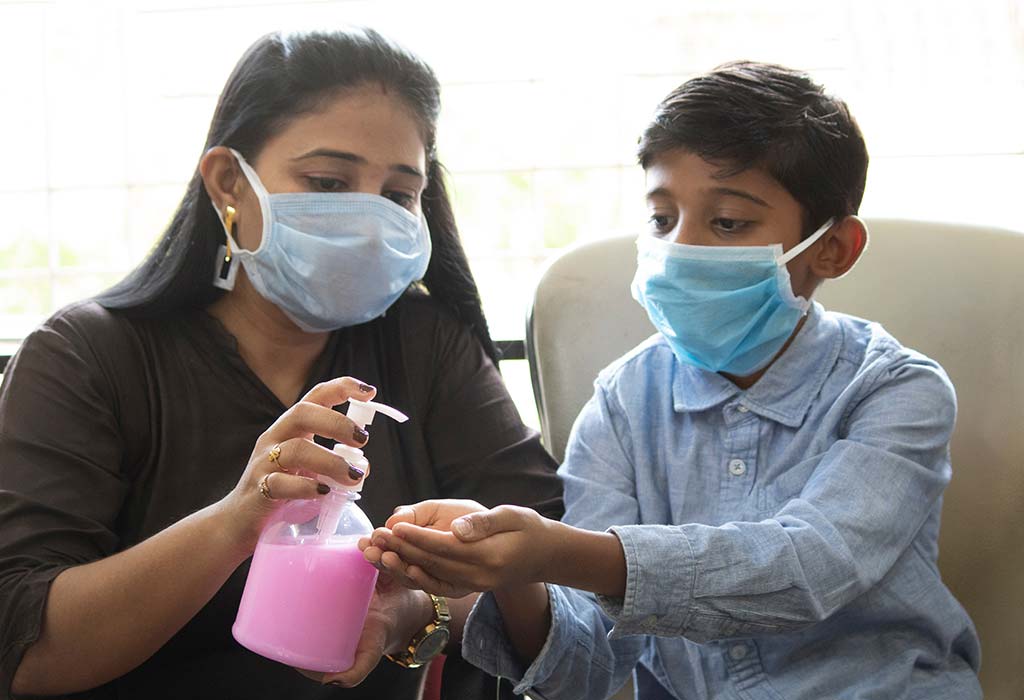
Use a tissue when sneezing or coughing, and discard the tissue immediately after use. Also, wash your hands right away. By now, you must be aware of the handwashing guidelines. If not, note that you need to follow the 20-second rule while washing your hands, i.e., washing your hands with soap and water for 20 seconds.
As a general hygiene practice, make it a habit of washing your hands after using the toilet, before and after eating, after coughing or sneezing, after blowing your nose, and right after entering your home (once you are better and restart your normal routine). You can also use an alcohol-based sanitiser.
Eat in your room, and use separate utensils. If you share the room with other members of your family, eat away from them, and wash your utensils separately.
Similarly, after using your personal items like clothes, towels, water bottle, and toothbrush, wash and keep them away in your room, and not in their usual places, to avoid spreading any germs.
Keeping away from your kids and other loved ones will be emotionally taxing for you, especially in these times of uncertainty, but it’s the only way of keeping everyone safe, especially yourself. If you need to be in quarantine or isolation at home, keep at it positively. Be grateful for the fact that your loved ones are around and that you can talk to them through video calls and within four walls of your home, and the time will pass quickly!
Also Read:
Coronavirus Vs the Common Flu – This Is What Doctors Want You to Know
With COVID-19 Coronavirus on the Rise, Here’s How You Can Keep Yourself (And Your Family) Safe!
What is Social Distancing and Why It’s Necessary During the Coronavirus Outbreak
Read more
Once Bitten Twice Shy: COVID Story Retold. Is My Child Safe in 2021?
With the onset of a second wave much faster than expected, are our children safe now?
Since no vaccine is yet available for people under 18, as a parent I am more concerned about how the second wave might affect my preschooler.
Numerous evidence is now showing that young children and adolescents are equally affected as adults during the second peak. India’s version of the story is likewise: 15,000 children under 10 years of age have so far been tested positive.
It is still unclear whether schools are the reason for the emergence of COVID in kids. Yet many schools are being closed in South India as a precautionary measure.
With more socialisation, young ones contract the virus from adults when they accompany them to crowded places like weddings and shopping malls where social distancing is seldom practised. Not to forget the outdoor group play which is also a potential risk factor.
Children have a mild disease to being asymptomatic but they are in fact the super spreaders taking infection at a rapid pace to the family elders. Common symptoms which the children exhibit are low-grade fevers ranging up to 100-102, cold, cough, vomiting, loose stools, etc. A rare and dangerous complication called MISC- Multi-System Inflammatory Syndrome related to COVID in children is on the rise as more and more kids are turning positive. Even though most children are asymptomatic, those at risk are those are under treatment for chronic illness like liver and kidney diseases, and the ones taking immunosuppressants who can experience a little more severe disease.
When fever lasts for more than five days and the child starts to develop a rash, redness of eyes, painful swelling in the neck, altered level of consciousness, you must meet your paediatrician to confirm if your child is developing a severe inflammation or not.
As the age-old saying goes, prevention is better than cure: self-discipline to follow the COVID safety guidelines still remains the only sure way to keep COVID at bay.
Teaching children and adolescents the importance of following S.M.S is the need of the hour.
Social distancing
Mask usage
Sanitising
3 feet / 1 metre: a magic number that every child and adolescent must be made to realise. Distancing ourselves is given paramount importance as it seems to be the only Bhrahmastra against COVID. Whether this weapon is lethal to the virus or not, it still keeps our loved ones safe, that is for sure. Playdates and play mornings in closed premises must be strictly discouraged. Visiting friends and relatives, attending family get-togethers can be made virtual. Outdoor play in the ground while maintaining social distancing can be permitted as the risk of transmission in open spaces is proved to be less if SMS is followed.
The use of masks in children is still a grey area. It is quite a challenging task for the parents to persuade their wards to use masks correctly as improper usage is again harmful. WHO recommends the use of masks in adolescents similar to that in adults. For the schooling 6-11-year-old kids, masks may be recommended if the risk of transmission is very high in the locality if there are adequate adult supervision and the chance of getting elders at home developing a serious illness. WHO does not recommend the use in under 5 as they may not be able to use the masks properly. The other consensus body in the US- CDC forbids mask usage for kids who are less than 2 years of age. Indian authorities have not yet proposed any specific guidelines. Hence we can adapt to any of the two as per our risks involved or as directed by your doctor.
Next comes the question of which type to use. Fabric masks serve as good source control hence preferred in kids. But if ur ward is immunocompromised and suffering from any chronic illness you must choose a medical mask that should be used under adult supervision.
The sanitizing of hands is one successful preventive step that is easily adopted by kids courtesy of their love for water play. Kids must be encouraged to wash their hands after returning from the outdoors or touching high contact surfaces like doorknobs, lift buttons, etc. Washing with hand soap for 40 seconds following the six steps of handwashing works effectively. Alcohol rub use must come with a forewarning that it might be an irritant to
the eyes when it comes in close contact.
Lastly, it is pertinent to clear the kids of their innumerable doubts regarding COVID and the related morbidity and mortality that comes along. Age-wise education to keep them well informed about the new normal needs no say because,
‘A healthy mind is a growing mind’.
– A doctor in the eyes of a mom.
Disclaimer: The views, opinions and positions (including content in any form) expressed within this post are those of the author alone. The accuracy, completeness and validity of any statements made within this article are not guaranteed. We accept no liability for any errors, omissions or representations. The responsibility for intellectual property rights of this content rests with the author and any liability with regards to infringement of intellectual property rights remains with him/her.
Read more

Cold vs Flu 101: Essentials to Help You Fight Through the Flu Season
With the fall season in full swing, you may already have started noticing a nip in the air. If you’ve begun removing the sweaters stored at the back of the cupboard and gotten out thick blankets and shawls to keep the family warm, it’s also time to stock up on essentials to help prevent and treat a flu. This is important now more than ever, with COVID-19 looming over our heads, making children and the elderly more susceptible to falling ill during this time. But, avoid panicking if you notice your little one or anyone else in the family having the sniffles and mistake it for the coronavirus, as chances are it could just be a seasonal cold. In this article, we will discuss how to differentiate between a cold and flu, and make note of which essentials to keep on hand to prevent and treat the first instance of any illness.
Difference Between a Cold and Flu
Even after taking preventative measures, if you feel under the weather, the first step is diagnosing what exactly you have. So, is it a cold or flu? Find out!
Symptoms of a Cold
Stuffy or runny nose
Slight headache, in case of sinusitis
Sneezing
Coughing or sore throat
Feeling low
Symptoms of Flu
Runny or stuffy nose
Mild to severe headache
Sore throat and dry cough
Moderate to high fever
Muscle and body ache
Chills
Extreme fatigue
As seen above, a cold is a symptom of flu, but the flu brings along with it other distinguishing symptoms such as a fever, fatigue, body pain and more. Keeping a note of any rises in temperature can indicate that you have the flu, which an accurate and easy-to-use thermometer will help you with. The Exergen Temporal Artery Thermometer is proven accurate by over 87 published clinical studies and comes with a host of features that make it user-friendly and a breeze to track temperature. With a digital LCD display that holds memories of up to 8 readings, all it needs is a gentle swipe across the forehead, and you have the result in 3-5 seconds. The soft glow display makes it easy to check your little one’s temperature in the night, without switching on the light and waking her up. Moreover, it is non-invasive and measures arterial temperature accurately, for a faster and smoother diagnosis. Knowing the right temperature is important, and accuracy matters in order to start the right treatment.
Essentials to Keep On Hand During Flu Season
Having the right items at home will allow you to focus on helping yourself, your little ones or your family members feel better, rather than running to the store at the last minute. Here are some essentials to stock up on during flu season to stay prepared and fight off the infection!
1. Tissues
Colds can spread through the household and infect family members, without proper care. It’s best to hoard up to tissues beforehand and make sure you use and dispose of them immediately to contain the infection. A handkerchief or rough paper towel may cause abrasions over time, so buy soft tissues to minimise chafing.
2. Heating Pad
A heating pad will provide relief to sore muscles and body pain, helping you combat chills and aches that are common symptoms of flu. Plus, warming up your body will also help fight off the infection faster, so invest in a good quality heating pad.
3. Separate Water Bottles
Many households often have a common water jug or bottle that everyone drinks from. But make sure that each family member gets a separate water bottle to drink from. Also, buy 1-litre bottles and make everyone drink at least 3-4 bottles of water a day to stay hydrated and get well faster.
4. Thermometer
A thermometer is a must-have, irrespective of the season. But this is the time when a thermometer can be your saving grace and detect any rises in temperature at the first instance. Track temperature twice a day, as rises in body temperature often happen in the evening due to the body’s circadian rhythm. It’s best to go for a non-invasive thermometer, as in-ear or rectal thermometers will only make the unwell person more irritable and uncomfortable. The Temporal Artery Thermometer by Exergen is perfect in such cases, as it is non-invasive and easy to use. It measures arterial heat balance and gives an accurate reading in 3-5 seconds, making sure that external factors like climate or consumption of hot beverages do not interfere with the reading. All it requires is a gentle swipe across the forehead, and you can immediately see the result on its digital LCD display. Its memory feature gives you some respite from writing down or remembering previous readings, so you can easily track temperature without much effort. With this thermometer in your arsenal, you can rest assured that any indication of fever will be detected at the earliest.
5. Sanitiser
This one product has proven to be very effective in preventing the transmission of viruses, especially during the COVID-19 pandemic. Stock up on sanitiser and make sure everyone disinfects their hands regularly, especially if they are feeling unwell. In case of dryness due to alcohol in the sanitiser, pick up a tub of cream and use it regularly.
6. Disinfectant Sprays
It’s only a matter of time for the virus to spread across the household once someone falls sick, and the culprit is often common surfaces around the house that everyone touches. Buy a disinfectant spray and regularly use it around the house to kill any lingering germs and keep everyone safe.
7. Medication
It is hard to sleep comfortably when sick. Decongestants, pain relievers and cough drops relieve some symptoms accompanying the flu, so the patient can rest comfortably. But don’t take this lightly, especially for children. Consult your doctor beforehand for a list of medicines and their usage and keep two separate kits- one for adults and one for kids. Always check with the doctor before administering any medication!
8. Humidifier
Humidifiers add moisture to the air and ease cold and chest congestion. Plus, they don’t allow your skin to dry out. Buy a humidifier for the room and clean it regularly, so that you can rest comfortably and recover faster.
Tips to Prevent a Cold and Flu
If you’re worried about catching a cold during this season, here are some tips and tricks to increase immunity and stay safe!
1. Maintain Hygiene
Wash and sanitise your hands regularly and avoid stepping outside unless absolutely needed, especially during the pandemic. Don’t share any utensils or glasses with anyone in the family and disinfect surfaces in the house from time to time. Make sure every family member follows the same hygiene practices, no matter the age.
2. Eat Nutritious Food
Eat nutritious food throughout the day, making sure you cover all the food groups and have a balanced diet. Stick to home-cooked food using simple ingredients, and you’ll see the family’s immune systems stay strong!
3. Track Temperature Regularly
Temperature tracking has proven highly effective in diagnosing many infections, most importantly, the flu. Track temperature twice a day, if not more, for anyone who is feeling sick or prone to infection, especially kids. Exergen’s Temporal Artery Thermometer is the most preferred by doctors and nurses in the USA for temperature tracking. It requires minimal contact and shows readings after only a gentle swipe across the forehead. Its memory feature ensures you can detect any sudden rise in temperature that may be a cause for concern, and the soft LCD display makes it a breeze to check temperature at night. If your little one dislikes rectal or in-ear thermometers, the temporal artery thermometer will be her best friend, as it is non-invasive and takes under five seconds for a reading, so she can sleep or play comfortably. With accurate readings and easy usage, this one is a go-to thermometer for every household.
4. Stay Active
Exercise and stay active every day, even if you cannot go outdoors. Allotting an hour daily for the entire family to exercise together can help you motivate each other and makes for some fun bonding time too.
With flu season just beginning, it’s time to amp up your immunity game and take measures to stay safe. Eating healthy, tracking temperature and staying active, among others, work wonders to prevent cold and flu, and even recover quickly from illnesses. If you notice any symptoms worsening, make sure to contact your doctor immediately, who can give you the right advice. To health and happiness!
Also Read:
Considering buying a thermometer? Here’s what you should know!
How to Check Your Child’s Temperature the Right Way
Read more
My Stressful Journey of Balancing Parenthood While Testing Positive for COVID-19
Neither our generation nor our parents’ generation had faced a pandemic before. It’s quite an unusual and terrifying state of mind that we are undergoing. We have all heard about epidemics like EBOLA, SARS, MERS, etc., and we thought this too would pass without touching us. Then on March 25, the entire country went under lockdown, and since then the journey has been terrible.
To stay positive and strong, I would thank this pandemic for providing the entire family with an opportunity to spend quality time with our baby girl. At times, I would break down thinking about the uncertainties we have in store. I was always engulfed with the fear of a microorganism infecting my baby! I would not let anyone touch her without proper sanitisation; I would hold her close to me, praying to return to our normal lives. Even taking her out to get her vaccinations was scary for me. I would imagine how the car seat, the hospital door, the sitting area in the hospital, the feeding room, the nurse and even the doctor might be carrying the virus. My hubby and I took utmost care and sanitised each and every surface that we touched, or that might touch us. I stayed with my parents during my maternity leave period, and I cannot thank my stars for giving me the opportunity to bring up my baby under their supervision. Thus, months rolled with that unknown fear haunting us like hell! We tried to keep our baby safe inside the house with us. We didn’t step out of the house (unless there was an emergency) and were not inviting anyone inside the house.
The journey went on until one fine morning, I felt a terrible backache followed by mild fever, and I had a body ache by the evening. It was July 20 2020. After dinner, I took medicine, and I thought it might be the usual seasonal fever. Then, the next day, I was perfectly fine. I didn’t have any fever or pain. But, since I was a bit paranoid about the pandemic going on, I tried to isolate myself by separating my utensils and keeping them in the room where I would eat and drink. I wore masks even while I slept etc. On July 22, it was my birthday and also our baby girl’s weaning ceremony. I tried to stay away from the kitchen and even my daughter. My sister made the entire lunch arrangements single-handedly. That day I felt that I could not smell or taste the food! By now, I was a bit worried because I had read that this was an early symptom of COVID-19. I didn’t tell anyone but simply isolated myself. I hadn’t kissed my baby since June 20.
My hubby tried to persuade me by saying its a normal cold. But I knew deep inside me that this could not be a typical cold as I didn’t have a runny nose nor any blockage. I just could not smell. I couldn’t even smell the strong alcohol sanitiser. I couldn’t smell the menthol I was inhaling. The next day, I was perfectly fit. I did my regular workout, and there was no fever, body ache, or any weakness. But I still couldn’t smell or taste. On July 24, keeping in mind the safety of my 7-month baby and diabetic father, I decided to get tested for COVID-19.
Then came the most dreadful report of my life ever; I tested positive for COVID-19.
I was immediately shifted to a COVID care centre nearby. Words fail when I try to explain the pain I was going through—the pain of the separation from my baby and my family. I just could not stop my tears and cried uncontrollably. I felt as if a huge mountain crashed over my head! At the point, I made the decision of keeping myself strong. I decided to keep my baby back home with my husband and my parents as I did not want to expose her to the world of infection. I consoled myself that it was the matter of just nine days and it will pass.
Many criticised me for keeping my 7-month-old baby away from me. Many questioned me as to why I kept her away. But I ignored all their questions with a smile because I believed if God has brought me down into this trouble, he will definitely help us and get us out of this too.
I stopped looking at my photo gallery since the day I was admitted because each time I saw a picture of my baby, my heart cried out loud! I somehow made up my mind that I must stay positive so that I can recover as soon as possible. My family continuously supported me. I counted the days, trying to keep myself positive and busy in all imaginable ways. In my mind, I just kept chanting “Everything will be fine, be patient, I will test negative.” A second final rapid antigen test was done on a ninth day, and by the blessings of the Almighty, I tested negative and was discharged the next day, which was August 2 2020.
I just want to tell everyone who is reading this that whenever you find your friends or family in tough times, give them a call and encourage them. Please don’t stay away from them and don’t keep questioning them about stuff that can hurt them. They need your support, blessings, and prayers.
Disclaimer: The views, opinions and positions (including content in any form) expressed within this post are those of the author alone. The accuracy, completeness and validity of any statements made within this article are not guaranteed. We accept no liability for any errors, omissions or representations. The responsibility for intellectual property rights of this content rests with the author and any liability with regards to infringement of intellectual property rights remains with him/her.
Read more

Meet the Team Behind the Group, ‘Breastfeeding Support for Indian Mothers (BSIM)'
Breastfeeding your baby may feel strange at first, downright painful, but when you see your little one latched on properly and filling his tummy, your heart swells with pride. The decision to breastfeed is a personal matter and a mother can choose to formula-feed her baby, which is completely normal.
However, breastfeeding, especially for first-time moms can be quite a daunting experience and the lack of right guidance and correct information around breastfeeding can lead to incorrect methods, uninformed decisions and a whole lot of stress. Thankfully, there is access to forums and groups that provide support and guidance to those who need it.
Breastfeeding Support for Indian Mothers, a Facebook support group, formed in 2013, by a Pune mom Adhunika Prakash (now a certified Lactation Educator and Counsellor), was started with the intention of empowering breastfeeding parents and parents-to-be with the right information on breastfeeding. The Facebook support group has helped many breastfeeding parents in the past seven years and it presently has more than 1,25, 000 members.
Adhunika Prakash leads a dedicated team of 20+ members, who share a common purpose of empowering women by providing them with support and information during their breastfeeding journey. This #WorldBreastfeedingWeek, we at FirstCry, decided to connect with Adhunika Prakash and the team of BSIM, to learn more about the group, the positive difference it has made, and more. Here’s edited excerpts of the interview:
1. What inspired you to start the BSIM group?
Adhunika- I thought of starting this group when I became a mother. I felt lonely in my breastfeeding journey. Even though I was well-educated about the importance of breastfeeding, I did not have a network of other breastfeeding women I could rely on – women who were in a similar journey like mine. Meanwhile, when I spoke with my friends and acquaintances, I realised that their breastfeeding journey would have turned out very differently if they had accurate information on breastfeeding and support for them to reach their goals. When my son was 7 months old, I had joined an Irish breastfeeding support group, as I was in Ireland at the time, and felt that a group like this can help people who don’t live in communities and lack guidance. From there, emerged the idea of starting Breastfeeding Support for Indian Mothers to empower breastfeeding moms and couples with the right knowledge on breastfeeding.
Initially, I used to share lesser-known facts about breastfeeding to keep the group active. I also responded to the questions posted on the group. But then more people joined they added more moms.
Now we are a team of 20+ members who have willingly joined and are working towards the same goal of helping breastfeeding parents and empowering them with reliable information.
2. What’s the objective of BSIM?
Adhunika- We have been working voluntarily over the last few years. But when we got recognized in the Facebook Community Leadership Programme, and our Community was selected in top 5 communities in the world, at that point of time, we started thinking about becoming self-sustainable, so that we could pay some of our staff and hopefully turn it into an opportunity for women to support their families. If more women work in lactation support, the more women will get supported in their breastfeeding journey. So we are hoping we can increase our impact and empower women. That’s what we are working on currently!
3. BSIM support group now has more than 1,25, 000 members. How did you manage to build such a strong community for moms on Facebook, meanwhile maintaining a safe space on the Internet?
Adhunika- There has been a lot of bullying and it has not been easy. While it was stressful, what really kept me going and look beyond trolls and bullying that comes along with online work, were the answers to “Why am I doing this?” and “Why do I get up in the morning?”
The fact that we are helping mothers and babies and we are impacting the health of so many families, keeps us going. We are not limited to sharing information on breastfeeding, we want to empower women. We also raise awareness about nursing in public. When we started the group, we received a lot of queries on nursing. New parents may feel the need for a nursing room and that’s up to them, but we do believe that a woman doesn’t need a nursing room to breastfeed a baby. Breastfeeding is a biological phenomenon. And I have friends who breastfeed, and they feel empowered on doing so. We are empowering women and sharing the right knowledge, that’s what matters the most!
4. Since you brought up nursing in public, can you tell us about your campaign #FreedomtoNurse?
Adhunika- We did #FreedomtoNurse campaign in 2018. There was a woman in Kolkata who wanted to breastfeed her baby but couldn’t find a nursing room. She was a new mother and was not used to breastfeeding in public. She asked around and was told to breastfeed in a toilet, and it wasn’t clean.
A mother shouldn’t be told where to breastfeed or to stay home because she has to breastfeed. A new mother should be able to breastfeed wherever she likes, be it a mall or a vegetable market. She should have a regular life. The whole incident was appalling and that’s when we came up with the campaign #FreedomtoNurse. We conducted events in 3 cities: Delhi, Bengaluru, and Coimbatore around this campaign. We were all led by volunteers. We also started an online campaign where we shared why we should encourage women to breastfeed in public and not shame them. We believe that women should feel free to breastfeed in public, that’s what the campaign was all about.
5. BSIM is now a 7-year-old organisation. Can you tell us about the positive difference you have seen in these last 7 years?
Adhunika- We support women empowerment and breastfeeding in public places. We talk about going back to work while continuing breastfeeding. We share information on so many aspects of breastfeeding that nobody really knows about. We have come from a place where we were educating people on breastfeeding to a place where more and more people are now aware of it and know why it is important. When we see pictures of mothers breastfeeding in public on our group, we know we have made a positive difference.
We also talk about how women should not feel the need to introduce breast milk substitutes to their babies just because they are going back to work. A lot of women feel educated and informed through our platform, so I believe we have come a long way from where we started!
6. What are the most common queries you have received on the group?
Adhunika- One of the most common queries we receive from breastfeeding parents is regarding weaning their babies off the formula milk. If a mother is formula-feeding her baby, we ask her if she wishes to wean her baby off formula. If she is happy with a combination of formula-feeding and breastfeeding, we don’t intervene because we don’t intend to hurt her. We respect a mother’s choice. But if a new mother wants to breastfeed her baby and feels misinformed, and is looking for the right guidance, we are there to give her that.
We provide information on breastfeeding and why it is important, but then again, we accept a mother’s choice. We don’t look down upon formula-feeding mothers. We don’t say that we as breastfeeding moms are superior, we accept a mother’s wish and appreciate diverse parenting styles. And we are very proud of that.
Other than weaning the baby off formula milk, we also get a lot of queries around expressing breast milk.
7. Can you tell us more about your team?
Adhunika- When we started off this work, we were all working voluntarily. I don’t come from a social service background, so I was not aware that some people need to be paid. Most people are working voluntarily and with time we are trying to expand our team and pay them. There’s only so much you can do as a volunteer and you’re likely to look for a job. As of now, we are trying to have a partially paid team, but we still have volunteers and they are a big part of our team who are working selflessly. These volunteers are mostly breastfeeding mothers, who have experienced breastfeeding struggles. They know how difficult it can be, so they are helping other moms who are in a similar situation once they were in.
These members are spread across the globe: we have members from the US, the UK, Europe, and India. And that’s why we are able to respond to queries 24*7.
8. Many new mothers must have shared their doubts/fears in times of the Covid-19 pandemic. How do you reassure these moms?
Adhunika- One of the common issues that moms are posting on our group is that they are being separated from their babies because one of them has tested positive. So we are trying to inform more and more people that a mother and baby need not be separated. We conducted a Facebook live video on the group to inform mothers that they can continue breastfeeding their babies even if one of them has tested COVID-19 positive. And we are not saying this alone, many health organisations have said that mothers can continue breastfeeding their babies. Breast milk has antibodies that can help a baby fight off infections and breast milk can protect the baby. So we are continuously trying to spread awareness about breastfeeding during this pandemic along with that we also share basic hygiene one needs to follow during this time.
9. Can you share one of the most rewarding experiences of being a part of this group?
Adhunika- When I see mothers sharing stories of their NICU (premature) babies, who once weighed 800 gms or 900 gms and now are in their toddler years, it inspires me to continue what I am doing. They talk about how the information on expressing breast milk and breastfeeding their babies saved their babies’ lives in their stories, and we feel happy that we could help them. When we read how breast milk saved their babies’ lives and their survival stories, we feel we have served our purpose.
10. What would you like to tell new moms or moms-to-be about breastfeeding and parenting?
Adhunika – The best advice that I can give to new moms or moms-to-be is to learn and prepare for breastfeeding before the baby comes along because once a woman has a baby, she is likely to be exhausted, and it’s hard for a woman to educate herself about breastfeeding at that time.
To educate women, we have now started conducting webinars and we have received a fairly good response. From our experiences as breastfeeding mothers and the queries that we respond to daily, we know what issues moms deal with. Through our webinars, we educate women about the basics of breastfeeding and how to continue breastfeeding when returning to work. We are conducting these sessions to support mothers in other ways outside of our group.
This has been a learning experience for us and we have received a positive response which serves as an encouragement. In fact, we are looking to do more of these. We are looking to do these webinars for corporates as we want to reduce barriers for their women employees who are planning to return to work.
Breastfeeding is a natural phenomenon and an experience that moms cherish for life and feel proud of. It’s okay to have doubts and be afraid initially, but with the right support of educated people, who are helping women in their breastfeeding journeys, there’s a whole world of bonding with your baby that is out there!
Read more
Wondering How to Breastfeed Your Baby As You Go Back to Work? Here Are Some Real Moms’ Experiences
After spending weeks or months with your little one, going back to work can be challenging, especially if you’re exclusively breastfeeding your baby. While the transition may take some time and effort, you can still continue to breastfeed your baby, if you choose to.
Breastfeeding has a multitude of benefits for both the mother and the child, and yet it is riddled with misconceptions and inaccurate information. As a new mother going back to work, learning and unlearning a lot of what you’ve seen and heard will be a part of successfully reaching your goal — breastfeeding your little one.
While it may seem like you’re doing this all alone, there are so many moms who have gone through this stage and come out stronger. Here are some of the challenges Shruti Kanchan, a mom from Mumbai, faced in the process of figuring out how to continue breastfeeding her twins while she goes to work.
Finding the Right Breast Pump– Although many brands claim that their breast pump is the best, no one really talks about the frustrating trial and error process a mother has to go through to find the right one for her.
Adapting to the Pumping Process– If you’re a mom who has only breastfed her child, it will take some time for your body to adapt to the process of pumping. Shruti explains, “A baby’s suckling action is quite different from how the breast pump works. Hence, your body needs time to adjust to the breast pump.” She has also shared a few tips to help you pump, and we’ll get to it in a moment.
Limited Resources at Work– Not every organisation has a separate room for moms to express milk or a refrigerator to store the milk, and this is just the tip of the iceberg. Shruti shared how she would carry a cooler along with all the breast pump gear because of the limited resources at work. It’s a good idea to speak to the HR department and figure out how they can make the transition smoother for you!
Hand Expressing Technique- A lot of mothers prefer expressing their breast milk by hand over using a breast pump as finding the right pump can be a challenging and expensive affair. Also, some women have experienced a higher yield when they’re hand expressing the milk. Learning the right technique can help you express your milk by hand and store it for when you’re away for your baby.
Finding Caretakers or a Daycare– You might live with family members who can take care of your little one while you’re at work. However, if you’re living away from family, then finding a caretaker or a daycare centre where your baby is comfortable is another obstacle you might face.
Although every mother faces her own set of challenges when going back to work, knowing what’s coming your way and looking for possible solutions can help make your journey a bit easier. Two moms, who have been where you are, have generously shared some tips and tricks that helped them with the transition.
Ask for Help– Mothers often hesitate in asking for help from their workplace whether it’s asking the company to arrange for a room where they can express milk or asking their superiors to schedule a meeting around their breastfeeding breaks. Akanksha Sharma encourages women to ask for the facilities they need, even if it means getting some rejection. She says that if mothers keep asking for these reforms, they will become the norm and help the future moms-to-be.
Don’t Skip Meals– Shruti says a good snack equals a good milk supply. Since your body uses the calories you consume to produce milk, eating a high-calorie meal before pumping milk will help you have a good supply. However, if you’ve missed a meal, grabbing a snack before you have a milk pumping session will help your body produce milk. Also, don’t forget to drink lots of water!
Before and After a Pumping Session– Before you start pumping milk, make sure you massage your breasts. A massage will help open up the ducts and ensure that you don’t develop any lumps in your breasts. Similarly, when you’re done pumping the milk, hand express for a while to maximise the output of milk, as the pump doesn’t always get all the milk.
Understand the Breastfeeding Laws– Educating yourself about your rights when it comes to breastfeeding and your company’s policy on breastfeeding at work is an essential step in your transition. According to the Indian constitution, employers have to provide nursing breaks for new mothers to breastfeed their baby. Instead of feeling guilty about expressing milk at work for your little one, understand your rights and educate others as well.
Avoid the Misinformation Coming Your Way– Right from the time people got to know about your pregnancy till now, you would have experienced an information overload, and a lot of it is often incongruous and incorrect. Shruti talks about the pressure to shift your baby to solids once they turn six months old and stopping breastfeeding earlier than a mother or baby might want. Remember, whether you choose to breastfeed or give formula to your little one, it should be your decision and not one made due to the pressure from family or colleagues.
Educate Your Caretakers– A big worry for a lot of mothers who switch from exclusively breastfeeding to pumping and giving their baby a bottle is the possibility of nipple confusion or their baby favouring the bottle over being breastfed. One way to avoid this is by adopting the paced bottle feeding method. While feeding a baby from the bottle, the milk moves in a steady flow, and this isn’t the case in breastfeeding. Using the paced bottle feeding method allows the baby to drink the milk at his pace and hence, not develop a preference for the bottle over being breastfed. Tell your caretakers to use this method when feeding the baby too!
Involve Your Partner– When a baby is exclusively breastfed, fathers can feel left out of this bonding experience. However, fathers can be involved in the process by feeding the baby from the bottle, and also help you out by sterilising the bottles and storing the milk.
Find Your Community– There will be times when you will feel lost or need to talk to someone who has been in the same position as you. With all of us living in nuclear families, finding that support system can be hard. But there are many support groups where you can get your queries addressed and form connections with other moms. BSIM is one such group that is a wonderful resource of information and a strong community that you can depend on to get through the tough times.
Going back to work and making sure your baby is taken care of may seem overwhelming right now. But it’s important to understand that there are ways you can do both successfully. Let these experiences of real moms help you navigate your own, and give yourself permission to make mistakes and learn from them. With the world coming to a halt due to the coronavirus pandemic, working from home will give you the opportunity to figure out the logistics and work towards creating a path you want to choose. Don’t forget to reach out to your family and friends to make this journey a part of the future you see for yourself.
Written with inputs from members of the group Breastfeeding Support for Indian Mothers (BSIM).
Read more
The Reality of Breastfeeding During Covid-19: Stories of Bravery and Love
The COVID-19 outbreak is a stressful time for everyone, particularly breastfeeding mothers who have not just their health to worry about, but their baby’s as well. Breastfeeding is known to have several benefits for babies, and in many instances has even proven to be lifesaving. However, what happens when a mother is declared COVID positive? Does she have to be separated from her baby? Can she still breastfeed? How big is the risk of transmitting the virus to the infant? These are just a few of the many stress-inducing questions that float around the family’s head. But the reality is far from these myths and misconceptions. The coronavirus may be highly infectious, but not enough to separate a mother from her child. Here’s what you should know about breastfeeding your baby with COVID-19!
We, at FirstCry Parenting, along with BSIM (Breastfeeding Support for Indian Mothers), a peer to peer support group, for breastfeeding women, on Facebook, bring you stories from COVID-19 positive women who broke stereotypes and shied away from norms, making the best choice for themselves and their babies. With inputs from a renowned lactation consultant, Shyamala Sathiaseelan, let’s look at the what’s, why’s, and how’s of breastfeeding during the COVID-19 pandemic.
Is It Safe for COVID- Positive Women to Breastfeed Their Child?
Breastmilk is a powerhouse of nutrients for the baby, but you’re probably wondering if there’s a risk of transmitting the virus through breastmilk. The answer is no. When asked about the safety of breastfeeding at this time, Shyamala Sathiaseelan strongly mentions, ‘It is perfectly safe to breastfeed your child if you have COVID-19, as long as you maintain proper hygiene and wear a mask.’ The benefits of breastmilk far outweigh the risk of transmission which can be further curbed by simply taking proper measures. Since the virus has not been found in breastmilk, babies can safely consume breastmilk and mothers can rest assured that proper feeding is strengthening their infant’s immunity and ensuring growth even in these harsh times.
Ruchi R Chand, a mother to 3-month-old twins took to the BSIM platform to share her experience. Though the entire family, including herself, tested positive for the virus, one baby did not. She continued to breastfeed her babies and, miraculously, the second twin who also suffers from a congenital heart defect recovered in the first report itself. ‘This is the power of breastmilk’ she says, which rings true, especially in these times.
Though we have established that breastmilk does not contain the virus, there’s also the fear of paracetamols and medication given to a COVID- positive mother affecting the child by entering breastmilk. ‘Most doctors know to give breastfeeding-safe medication, and provide alternate medicines.’ says Shyamala Sathiaseelan. So, make sure you let your doctor know that you would like to continue breastfeeding your child, and all will be well.
The Benefits of Breastfeeding With COVID-19
There is much talk about why mothers should pause breastfeeding while recovering, lest they transmit the virus to their baby. However, doctors actually encourage mothers to breastfeed their baby.
Nikita Wable, BSIM member and mother to a 5-month-old baby girl, found that her entire family tested positive despite having taken all the necessary precautions, and more. Though she initially panicked, worrying about her daughter, her paediatrician assured her that breastfeeding would help her baby recover sooner. ‘I was symptomatic and had lost sense of smell and taste. I was nauseous and weak, and was yet advised to continue breastfeeding, as my body was generating antibodies to fight the virus, and they’d be passed on to my baby.’ Despite the virus taking a toll on her health, she used gloves, wore a mask and breastfed her baby, making sure she got the best of nutrition.
Another option that COVID- positive mothers can look into is pumping milk, which can be then fed to the baby by a non-affected family member. This is viable if you are extremely concerned about transmitting the virus to your baby. However, Shyamala Sathiaseelan stresses the importance of directly breastfeeding, as latching has benefits for both the mother and baby and also helps provide an adequate milk supply.
Tips to Breastfeed With COVID-19
Though the COVID-19 virus cannot be spread through breastmilk, it is important to take the necessary precautions to ensure that your baby remains safe and healthy! Here are some insider tips to keep in mind!
1. Wear a Mask at All Times
Whenever you feed your baby or are even around your baby, wear a mask to ensure you don’t pass on the virus to your little one. You can even invest in disposable masks to take that extra-cautious step. Nivedita Karthik, a healthcare worker with a 2-year-old daughter, tested positive for the coronavirus during a routine checkup conducted at her workplace. She was asymptomatic and chose to self-quarantine at home, taking precautions to ensure that her family did not get infected. ‘As usual, I looked up to BSIM for providing all the required info. I knew I would do more good than harm’, she says. She wore a mask during every feed, making sure her little one stayed free from harm!
2. Isolate During the Day
Though the separation of mother and child is not suggested, you can choose to smartly bend the rules. If you have family members who are close to the child and not affected by the virus, hand over babysitting duties to them, while you take rest and recover. On asking Nivedita Karthik if her baby noticed any difference, she says, ‘My baby was outside the room with my family members. Though she knew something was different, she was okay because she knew I was still around.’ Nivedita also added that her baby slept next to her during the night due to night-feedings, but with the proper hygiene, the virus remained contained and she was able to build her baby’s immunity through breastfeeding.
3. Maintain Proper Hygiene (Even in Your Surroundings)
Using a hand sanitiser, regularly washing your hands and wearing a mask is second nature to us now. But what is even more important is disinfecting any surfaces around you. Regularly clean anything you touch, more so if your baby is nearby. Whether it’s a bedpost, your phone, sheets, towels etc., everything should be cleaned and sanitised regularly to prevent infection. Especially, your mask!
4. Observe Milk Supply
It may be hard to keep up milk supply if you are too weak and your body is battling the infection. Check for signs of your milk supply going down. Directly breastfeeding can release enzymes that promote milk production, but if you still have a hard time with breastfeeding your child, consult a lactation consultant who can advise you on what to do!
Breastmilk is a powerhouse of nutrients for babies and helps build immunity, which is crucial during this time. Reading about success stories of super-moms breastfeeding their babies despite being infected is inspiring and shows that you don’t have to be separated from your child. So, get in touch with your doctor, and stay healthy and happy!
Read more
What Is the Role of Saliva in Your Body?
Do you really know the importance of saliva? It plays such an important role in our body.
Saliva composes of 99% water and approximately 1% of inorganic ions and secretary proteins etc.
Functions of Saliva:
1) It helps in lubrication of the oral mucosa.
2) It helps in buffering as it maintains pH balance and also neutralizes acids.
3)It has an antimicrobial activity.
4) It helps in digestion as well, it acts mainly on digestion of carbohydrates and triglycerides.
5) It helps in tissue repair or wound healing of oral mucosa.
6) It also helps in the maintenance of taste buds.
There are others so many secondary functions as well.
Did you know? An individual secretes approximately 600-1000 ml of saliva per day.
But with age, especially in older persons, gradually we can see a decrease in the production of saliva. The condition which leads to a decrease in secretion or production of saliva is known as Dry mouth (Xerostomia)
What Is Dry mouth (Xerostomia)?
Reduction in the volume of secreted saliva leads to the sensation of dryness of mouth and is known as Xerostomia.
Reasons for Dry Mouth:
– It is most commonly seen as a side effect of any medication taken by the patient
– Radiation therapy or chemotherapy in head and neck cancer is the most common reason leading to dryness of the mouth.
– Any destruction of salivary gland tissue also could be a reason (submandibular, parotid and sublingual are the glands which basically secrete saliva)
Treatment of Xerostomia
Temporary relief can be achieved by frequent sipping of water and artificial saliva solutions are also available, that is instilled into the mouth to coat the mucosa.
Water is the main constituent of saliva which aids 99%. So drinking water is very important to stay healthy.
Conclusion:
Saliva basically maintains the well being of the mouth and most importantly protects the oral mucosa. So stay hydrated, stay healthy.
Disclaimer: The views, opinions and positions (including content in any form) expressed within this post are those of the author alone. The accuracy, completeness and validity of any statements made within this article are not guaranteed. We accept no liability for any errors, omissions or representations. The responsibility for intellectual property rights of this content rests with the author and any liability with regards to infringement of intellectual property rights remains with him/her.
Read more

Stuck at Home During the Covid-19 Outbreak? Here Are 10 Fun Activities to Do With Your Family
Concerns about the spread of the novel coronavirus have led to most of us having to spend days at home. Though a grim situation, you can’t deny the fact that this offers an opportunity to finally catch up on some quality family time you’ve been postponing for a while. But for families with kids, the current situation also means the absence of many fun opportunities outside such as museums, parks, and those activity classes you may have signed up for that are now cancelled.
It’s true that after spending ample time together, you will reach a point where you’re left wondering about what to do next, and you’ll slowly but gradually be leaning towards frustration. But not if you’re armed with the right set of fun activities!
Video: Fun Activities to Do With Your Family During Coronavirus Quarantine
10 Fun Activities to Do With the Family
Being stuck at home doesn’t mean you have to turn slaves to boredom. There are many fun activities to do with the family, which can be advantageous for everyone, as they can learn and have fun! Plenty of the items found at home can be used to explore the scientific and artistic side of you and your loved ones.
Staying home can be a lot more fun—if you know the right activities like the ones below:
1. Game Time
Board Games
If you’d prefer your family spends a screen-free time, try a classic board game. Whether you’re acquiring some real estate in Monopoly or hoping to land on a triple-word score in Scrabble, playing board games are a great way to spend a leisurely day at home.
Card Games
Card games are amazing for challenging young minds and creating hours of indoor fun. A single deck of cards can lead to hours of entertainment for everybody. Teach your kids to play, or suggest a card game they’d like to play. We all know that some of the best memories of quality time with family come from late nights playing cards!
2. Story-telling
Here’s a trick you can use to lend a new twist to the plain old story-telling activity and to give new life to old stories. Start reading one of your children’s favourite books. When you get to a critical point in the story, challenge them to take charge of the tale and to add their own twist. It teaches kids to think on their toes. For the adults, you can discuss real-life people who’re similar to the characters in storybooks that you’ve come across! We guarantee, your kids will not want you to stop!
3. Cooking Together
As long as everyone’s stuck indoors, why not spend the day together making a family-favourite recipe? Make cooking fun by assigning responsibilities to your little assistant chefs. While one kid may like to mix, the other may like to measure the ingredients involved. Assign tasks according to their interests. They’ll feel proud they helped make something. Additionally, you’ll get some cooking done for the day!
4. Movie Marathon
There’s nothing better than cosying up with your kids, and a table full of snacks for a family movie marathon! Everyone loves the opportunity to gorge on their favourite snacks and watch a full-length movie. Turn the family room into your very own personal theatre. Choose a movie the whole family will like, settle in and enjoy the show! And once the movie is over, move on to the next movie on the most-requested list!
5. Art and Craft Session
When you’re stuck at home with the children and have nothing to do, don’t worry! It’s easier than you think to grab the crayons, paint, and glitter and let everyone’s creativity shine. Give your kids a chance to embrace their artistic side. There’s no limit to what can come out of a simple art and craft idea. Try out some ideas that are easy, DIY, and can mostly be done with everyday items at your disposal. And since everyone’s doing their part for the environment while keeping themselves occupied at the same time, it’s a win-win situation for all! What’s that you hear? It’s probably the sound of laughter, fun and concentration, and certainly not a child yelling, “I’m bored!”
6. Dance Party
Who doesn’t love a family dance party? It’s fun, it gets everyone up and moving, and takes zero planning time. Help release some of everyone’s unlimited energy with some amazing tunes. Dancing around the house will help burn off that pent-up energy while getting in some exercise done, and the heavier the music beat, the better! Turn it into a dance challenge for a little friendly competition.
7. Science Experiments
Teaching your kids about science may seem like a Herculean task. But the good news is that there are a lot of fun, simple, and hands-on science projects, families can do together to understand and learn and some of the basic principles of the natural world. We bet you didn’t know that you could make a self-peeling egg with just a boiled or raw egg, a cup, and some vinegar! Sounds simple, fun, and enlightening, right? Without a doubt, the whole family can have a truckload of fun by just working together on any of the fun science experiments!
8. Gardening
The best kind of activity is the one that is engaging and encourages natural curiosity and self-expression. Take gardening, for example. Whether you’re simply planting seeds in a flower pot, tending to your existing herb or vegetable garden or something small like caring for a tiny little succulent, gardening with the family has many benefits like encouraging healthy eating, teaching responsibility, teaching patience, and last but not the least- encouraging family bonding.
9. Family Photo Shoot
All the best and most heart-warming memories we have are those that are with the family. And each of us holds on to these sweet memories in the form of family photographs. Now that the entire family is at home- why not make the most of this opportunity, and conduct your very own indoor photoshoot? You don’t need a professional photographer to make it possible. All you need is some great outfits, props, and a whole lot of fun! So go on, pose in the goofiest of poses, set the camera on self-timer and say ‘cheese’!
10. Indoor Gym
Source: https://in.pinterest.com/pin/75787206213544752/
Yes, most gyms have been closed, and it’s also not recommended for your kids to play or interact with the other kids. But that doesn’t mean you can’t encourage exercising and agility at home. Finding ways to keep your family active indoors can seem like a challenge, but there are many easy props you can use around your house to help everyone burn off a little energy. You could place a rope on the floor to indicate a balance beam. Have the kids walk along the rope while carrying fun props on their heads like a small box or a stuffed animal. Kids also love playing ‘The floor is lava’, something that can be easily arranged with a handful of cushions or towels on the floor that you have to run and jump on to avoid the pretend fiery pit.
Source: https://in.pinterest.com/pin/269582727682635642/
For the adults, you can burn calories with donkey kicks, which you can do with a chair by placing it against a wall. Use water-bottles as weights and use chairs to work on your squats.
With a large variety of activities for the family, keeping them engaged during the current lockdown won’t be much of a problem. Beyond that, these activities will ensure that everyone ends up learning something new and picking up a skill that they might not have had earlier!
Also Read:
With COVID-19 Coronavirus on the Rise, Here’s How You Can Keep Yourself (And Your Family) Safe!
Coronavirus Vs the Common Flu – This Is What Doctors Want You to Know
Read more
Juice Fasting – Should You Try It?
Juice fasting is also known as juice cleansing. A juice cleanse can help you get rid of harmful toxins from your body and provide your body with vitamins, enzymes, antioxidants, and other essential nutrients.
What Is Juice Fasting?
Juice fasting or juice cleanse has become popular in recent years. Many people are opting for a juice cleanse in order to lose weight. When a person drinks juices of fruits and vegetables instead of the usual solid food for a time period of 3-10 days, he is on a detox diet or on a juice fast. This diet helps detox the body.
Health Benefits of Juice Fasting
Listed below are some of the health benefits of juice fasting.
The digestive system in our body gets time to recuperate from all the unhealthy eating that we do. Drinking juices cleanses the system, and as a result, all the toxins in the body get eliminated.
It helps you lose weight rapidly in a healthy manner since you get all the necessary nutrients that your body requires through the juices.
The elimination of toxins from the body takes away the lethargy, and you feel charged up once again.
Routine juice fasting may help in curing chronic diseases that are caused due to unhealthy eating and poor lifestyle. Toxins in the bloodstream may even cause nasal congestion but the phytonutrients in the juices help get rid of the toxins from the body.
The goodness of nutrients in the fresh juices can clean your entire system which results in glowing skin. Water retention is a result of excess sodium in the body. Taking juices which are high on potassium helps in eliminating the sodium from your body.
How to Do Juice Fasting
Here are the ways in which you should do juice fasting.
As soon as you wake up, drink two glasses of lukewarm water. You could also add a dash of lime and a spoon of honey. This will help clear the bowels.
Prepare fresh juice. In case of leftovers, keep it in airtight jars in the refrigerator.
Drink as many times as you want to or whenever you feel hungry.
Keep your body hydrated and to make the elimination of toxins smooth, drink plenty of water throughout the fasting period. You may even drink a few cups of herbal tea.
Do some light exercises, yoga, and deep breathing exercises like pranayama.
Take an afternoon nap to store your energy.
Continue the entire procedure for the next two days (or more number of days). Do not get deterred from your goal and get tempted by the food around you.
A Sample 3-Day Juice Fasting Plan
Here is a systematic and routine-wise representation of what and when to drink. You may change the juices according to your choice. However, be sure to include a variety of fruit and vegetable juices so that your body gets all the necessary nutrients, minerals, and vitamins.
Time of The Day
What to Drink
When you wake up
2 glasses of lukewarm water or lukewarm water with a splash of lime or lemon juice
8:00-9:00 am
A glass of orange juice/beetroot juice/spinach-kale-cucumber/green apple juice
10:30-11:30 am
Coconut water/a bowl of vegetable soup/smoothie with strawberries and apple slices/ Smoothie of leafy greens like lettuce and cabbage
1:00-2:00 pm
Kale-watermelon juice/Kale-pineapple juice/Apple-carrot-celery juice
3:00-4:00 pm
Sweet lime juice/peach-orange-apple-lettuce juice
5:00-6:00 pm
Herbal tea
7:00-8:00 pm
Spinach soup/almond or cashew nut milk
9:30 pm
Herbal tea
What Type of Juices Should You Consider for Juice Fasting?
It is important that at least fifty per cent of the juices consumed should come from green vegetables. Remember not to drink too much of fruit juices as fruit juices can increase your sugar levels. Try and stick to low-sugar fruit juices like grapefruit juice, green apple juice, and berry juice. You may also include lots of lemon and lime since they are low on sugar and will leave you feeling fresh and your stomach cool.
Side Effects of Juice Fasting
Although juice fasting is an amazing way to detox your entire system, it may have its share of side-effects. Below mentioned are the symptoms that may be apparent during juice fasting.
Headaches are a common occurrence during juice fasting. It could be more in people who are into coffee or tea. The other reason why you may have a headache is dehydration. It is important to stay hydrated. Remember to take 6-7 glasses of water throughout the day.
Nausea is another common side effect of juice fasting. This happens due to the intake of just one type of food or taking something in more quantity which you have never done before. However, with time you will get used to the process. To prevent nausea, go easy on green vegetable juices, or you may take them in the form of soup or broth instead of in the juice form.
Since there is very little or no fibre intake during juice fasting, you may experience constipation.
Some people may also experience diarrhoea while on a juice cleanse. In such a case, replace the fruit or vegetable juice with some other juice. You can also decrease the amount of fruit juice you drink. Keeping your body hydrated by drinking lots of water and the juice of tender coconut will provide you with electrolytes.
Like headaches, back pain can be a side effect when a person stops drinking tea or coffee while on this detox diet. To eliminate the back pain, you may drink a little coffee or tea for some time then gradually stop the caffeine intake.
Some people may experience fatigue or weakness. Take rest whenever you feel so. It is also a good idea to take an afternoon nap while you are on a juice diet. Also, get a full 8-9 hours of sleep during the detox period.
At times people following this diet may feel feverish. In such cases, drink lots of water and tender coconut water. They may even experience bad breathe or skin rashes. However, all of these are side-effects of being on a juice fast, and with time all these will go away.
Many people may experience muscle cramps or cramps in their legs. Drinking lots of water or tender coconut will take care of the electrolytes and provide relief from cramps.
FAQs
Here are answers to some frequently-asked-questions on juice fasting.
1. For How Many Days Should One Do Juice Fasting?
For beginners, a 3-day juice fasting is best. As you adapt yourself to the process, you may increase the number of days.
2. What Should I Eat Right After Juice Fasting?
The day you finish your juice cleanse diet program, eat very light food which will be easy on your stomach. Opt for fruit slices, juices, soups, broths, or boiled vegetables. Gradually you can start eating normally.
3. How Much Juice Should I Drink While on a Juice Fast?
You may drink as much juice, water or soups/broths while on a juice cleanse. Drink juice whenever you feel hungry or thirsty. However, according to experts, you should include at least fifty per cent of green vegetable juices in your juice cleanse diet.
4. How Can I Start Juice Fasting?
People usually do juice fasting to lose weight or for some health reasons. It cleanses your entire system and nourishes your body with nutrients. However, going without food for days is not easy. Therefore, the most important thing before someone starts juice fasting is to make up your mind for it. Then you have to set realistic goals – a three-day of juicing is good for beginners. After you complete your detox diet, you may then continue it with one day of juice fasting every week. Some even do it for seven days a month. However, it is advisable to go slow initially.
5. Who Must Avoid Juice Fasting?
Although juice fasting is a good way to get a healthy body, there are some people who should avoid it.
First and foremost juice fasting for diabetics is a complete no-no since most fruit juices contain quite a good amount of sugar.
Women who are pregnant or are nursing a baby should avoid it since these people require more calories in their daily diet which they cannot obtain from juices.
To heal and repair your body, one must take adequate proteins which are not present in juices. Therefore, people suffering from chronic diseases should avoid juice fasting.
Now that you know what juice fasting is all about and its pros-cons, decide for yourself and do what you think will suit you best.
Also Read:
Water Fasting: Benefits and Dangers
Amazing Health Benefits of Fasting & Precautions to Take
How to Adopt an Intermittent Fasting Diet
Read more
Sort By
 Latest
 Most Popular
 Trending
Please select atleast one Filter