

















.svg)
.svg)
.png)


Development
Suggested articles for you

I Am a Supermom, and My Kids are SUPER Kids!
A mother is the first teacher, first friend, and first companion of her child. She is the first inspiration for her child! When a child is born, a mother is also born. A new mother may experience discomfort initially, not knowing what’s the right thing for her baby, but she soon learns, because she is a mother.
Before becoming a mother, a woman is an individual with her values for life. When she becomes a mother, she can’t change herself but she decides to be a better version of herself for her kids!
I am a single mom, but I prefer to address myself as a supermom, as I believe if I cannot be the best mom to my kids how will they become the best kids?! I am in process of turning my kids into two super kids!
I have faced enough difficulties in my life, but I can proudly say that I have overcome them. That time was difficult and painful, but instead of giving up, I decided to move on. I didn’t try to hide or protect my kids from those difficulties, rather I made them understand our situation and problems and guided them!
My son and daughter are my family, my special family and I make them believe that we are extraordinary and can do all that others can’t even think of. I am happily sharing that both the kids are doing well in studies and I believe I have set an example for them.
After separation, I started studying and earning certificates and degrees. And I believe, watching me earn certificates and degrees made them realise that learning and education is an ongoing process and a good thing because their mom is doing so.
As I said, I didn’t hide anything from my kids. I made them see the difficulties I was facing, and I did so because I believe that it makes kids understand that difficulties are also a part of lives, just like happiness and that they should not give up when faced with an unwanted situation. I made them understand that there will be problems in lives and things will seem impossible, but we can overcome any situation or at least try to by giving our 100 per cent!
All parents want that their kids should be happy and well-settled in life, but I want my kids to be successful also. They should be independent, but at the same time, they should be good and sensitive.
Kids should be taught not spoon-fed! Being a parent, I believe I have a great responsibility, just like other parents. As parents, we need to raise children who make our society, our country, and the world, a better place to live!
Disclaimer: The views, opinions and positions (including content in any form) expressed within this post are those of the author alone. The accuracy, completeness and validity of any statements made within this article are not guaranteed. We accept no liability for any errors, omissions or representations. The responsibility for intellectual property rights of this content rests with the author and any liability with regards to infringement of intellectual property rights remains with him/her.
Read more





Why My Child Keeps So Much Importance in My Life
The truth is this, that I felt isolated when she didn’t exist in my life. Everything was stuck in a fixed routine of daily activities, and nothing seemed important and on priority. Life was going from home to work, and then from work back home, where the next destination was my room. The big decisions were what to wear the next day, the big thoughts were about how my superiors behave. That’s all; there was no one next to me, who behaved positively and was a passive listener to me.
My husband was residing in another town because of his job, and I was with my in-laws. Life was going smoothly, as there were no worries of changing diapers, and the stress of what to cook next was much less than that of actually feeding someone!
There were numerous things I was used to carrying around in my mind related to work, little fights with my husband, and the usual bit of bickering with my in-laws. I knew that this is the story of every household, but it does require patience.
But, life took a new turn when she came to my life. I had no time for people’s behaviour and nonsense. I became bound to one special person and her daily needs, and dreamt of being the perfect mother. I started enjoying changing her diapers, was happy to cook anything to impress her, and built up my stamina to sit next to her till she finishes her meals. The word “worries” related to the present, past, and tomorrow instantly vanished from my life. All I need is her.
Although life did become a bit exhausting because of all the times I forgot to eat my own meals, was awake for long hours without consistent sleep, and had no time to groom myself, I managed! Only I understand how I am doing it all.
This is the cycle of a woman, which is always recycled!
Disclaimer: The views, opinions and positions (including content in any form) expressed within this post are those of the author alone. The accuracy, completeness and validity of any statements made within this article are not guaranteed. We accept no liability for any errors, omissions or representations. The responsibility for intellectual property rights of this content rests with the author and any liability with regards to infringement of intellectual property rights remains with him/her.
Read more

Speech on Patriotism in English for Students and Children
Patriotism, a sentiment that binds us to our land and heritage, is a profound and personal feeling that resonates deeply within each of us. Today, I am here to share my thoughts on this topic, especially focusing on delivering a speech for school students. This speech in English aims to connect with young minds, inspiring a sense of belonging and pride in their country. Patriotism is not just about the grand gestures or the loud proclamations; it is also found in the small, everyday actions that contribute to the nation’s progress and unity. As we embark on this journey of understanding what it truly means to be patriotic, let us open our hearts and minds to the essence of loving our country.
Points to Remember for Preparing a Speech on Patriotism
Preparing a speech on patriotism is a unique opportunity to inspire and educate. Whether it’s for a school event or a community gathering, the goal is to strike a chord with your audience, evoking a sense of pride and connection to their homeland. Here are some key points to consider when crafting your speech:
1. Understand Your Audience
Knowing who you are speaking to is crucial. Curate your speech to resonate with your audience, whether they are young students, community members, or a diverse group. Understanding their perspectives and backgrounds can help make your speech more relatable and impactful.
2. Incorporate Historical References
Include references to key historical events or figures that have shaped your nation. This not only educates the audience but also helps in drawing a connection between the past and present, emphasizing the continuous thread of patriotism through generations.
3. Highlight Personal Stories
Sharing personal anecdotes or stories of real people can greatly enhance the emotional appeal of your speech. It makes the concept of patriotism more tangible and relatable, especially to younger audiences.
4. Use Inspirational Quotes
Incorporate quotes from renowned patriots or leaders. These quotes can help you elevate your speech and convey your message more effectively and memorably.
5. Emphasize the Importance of Unity and Diversity
Patriotism is about unity in diversity. Highlight how the strength of a nation lies in its diverse cultures, languages, and traditions coming together under a single flag.
6. Address Contemporary Issues
Link the concept of patriotism with current issues. Show how patriotic actions can contribute to resolving contemporary challenges, whether they are environmental, social, or political.
7. End With a Call to Action
Conclude your speech by encouraging your audience to act in ways that demonstrate their patriotism. This could be through community service, being informed citizens, or actively participating in civic duties.
10 Line Speech on Patriotism
Crafting a short yet impactful speech on patriotism can be a rewarding challenge. This section provides a concise, 10-line speech ideal for young students, especially for classes 1, 2, and 3. It’s a perfect fit for a 1-minute speech on Patriotism, tailored to engage and inspire young minds about the love for their country.
1. “Good day to everyone; today, I want to talk about something very special – our love for our country, which is called patriotism.”
2. “Patriotism is like a great big hug we give our nation, showing how much we love and care for it.”
3. “It’s about respecting our flag, which waves high in the sky, representing our country’s pride and history.”
4. “We show patriotism when we sing our national anthem, standing tall and proud, with our hands on our hearts.”
5. “It’s also about being kind to everyone because every one of us is a valuable part of this country.”
6. “We can be patriotic by helping to keep our surroundings clean, showing that we care for our land.”
7. “Patriotism means learning about the heroes of our country who worked hard to make it a better place.”
8. “We show love for our country by being good people, doing good things, and helping others.”
9. “Remember, even as young students in classes 1, 2, and 3, we can do a lot to show our love for our country.”
10. “So let’s all promise to be the best we can be and show our patriotism every day in every way!”
Short Speech on Patriotism
A short speech on patriotism is a powerful way to express love and respect for one’s country, especially in a school setting. These speeches, designed for primary class students, are perfect for a duration of 2 to 3 minutes. They encapsulate the essence of patriotism in a simple yet profound manner, making it accessible and engaging for young minds. Below are two samples of such speeches:
Sample 1
Good morning to everyone present here today. I stand before you to speak about a feeling that unites us all – patriotism. Patriotism is not just a word; it’s a feeling of love, respect, and pride for our country. It’s about cherishing the heritage, culture, and values that our nation stands on. As students, our patriotism shines when we learn about our history, respect our national symbols, and stand united regardless of our differences. It’s in the little things we do every day, like keeping our surroundings clean, helping our fellow citizens, and being good students and kind people. Remember, every small act of kindness and responsibility is a step towards a stronger, more united country. Let’s pledge to be the best version of ourselves for our nation’s brighter future.
Sample 2
Good morning to one and all present here. Today, I am here to talk about something that binds us together – our love for our country and our patriotism. Patriotism is about loving and taking care of our country. It means respecting our flag, singing our national anthem with pride, and learning about the great people who made our country what it is today. For us, as primary class students, being patriotic can be as simple as studying well, helping our friends, and being respectful to everyone. It’s about doing our part to make our country a better place, not just for us but for everyone. Our small actions can make a big difference. Let’s show our love for our country by being responsible, kind, and caring citizens.
Long Speech on Patriotism
Delivering a long speech on patriotism provides an opportunity to delve deeper into the concept, its importance, and how it shapes our society. This section includes two samples of speeches, each with a different approach and depth, suitable for a 5-minute delivery. These speeches aim to inspire, inform, and evoke a sense of national pride and responsibility.
Sample 1
Ladies and gentlemen, esteemed guests, and fellow citizens,
Today, I stand before you to discuss a subject close to our hearts – patriotism. This deep-rooted emotion is more than just love for our country; it’s a commitment to our nation’s values and a dedication to its progress.
Patriotism is the invisible thread that binds us all despite our diverse backgrounds. It’s a feeling that encourages us to look beyond our individual needs and work towards the greater good of our nation. But what does it truly mean to be patriotic? Is it just about singing the national anthem or flying the flag? No, it goes much deeper.
True patriotism is about active participation in the nation’s development. It’s about being informed citizens who are aware of our rights and responsibilities. It’s in the way we respect our laws, protect our environment, and help our fellow citizens. Patriotism is the commitment to contribute positively to society and to uphold the principles of justice, freedom, and equality that our forefathers fought for.
Moreover, patriotism is about embracing our country’s diversity. It’s about understanding that each culture, language, and tradition adds a unique colour to the national mosaic. It’s about celebrating these differences, not just tolerating them.
In conclusion, patriotism is an all-encompassing love for our country that transcends all barriers. It’s about making our country a better place for future generations, just as our ancestors did for us. Let us pledge to be true patriots, not just in words but in our actions and decisions.
Thank you.
Sample 2
Good afternoon to everyone gathered here. Today, I am honoured to talk about a sentiment that defines us as a nation – our patriotism. In this speech, we will explore various facets of patriotism and its significance in our lives.
The Essence of Patriotism
Patriotism is the love and loyalty we hold for our nation. It’s a powerful force that motivates us to work towards the betterment of our country. This deep affection goes beyond mere emotional attachment; it’s about understanding and upholding the ideals upon which our nation was built.
Patriotism in Action
True patriotism manifests in our actions. It’s in the way we contribute to our community, respect our fellow citizens, and participate in democratic processes. It’s about being responsible citizens who strive for social justice, environmental conservation, and economic prosperity.
Unity in Diversity
One of the greatest strengths of our nation is its diversity. Patriotism involves celebrating this diversity and fostering a sense of unity. It’s about respecting and learning from different cultures, religions, and languages, which enrich our national tapestry.
Looking Forward
As we move forward, let’s remember that our actions today shape the future of our nation. Patriotism is about building a legacy of peace, progress, and prosperity. It’s about leaving a nation that future generations will be proud of, just as we are proud of the legacy left by those before us.
In conclusion, let’s rekindle our patriotic spirit every day. Let us work together to create a nation that stands as a beacon of hope, unity, and progress. Let’s make patriotism not just a feeling but a way of life.
Thank you.
FAQs
1. What is the True Meaning of Patriotism?
Patriotism is the profound love, respect, and loyalty towards one’s country, coupled with a sense of shared responsibility for its welfare and heritage.
2. How Can We Show Patriotism in Our Daily Lives?
We can show patriotism daily through civic responsibilities like voting, respecting national symbols, community service, and promoting unity and respect for diversity.
3. Why is Patriotism Important for a Country?
Patriotism is crucial as it fosters national unity, inspires citizens to work towards the common good, and helps build a stronger, more cohesive society.
Patriotism is an enduring and unifying force that nurtures a deep-seated love and responsibility towards one’s country. It transcends mere sentiment, influencing our actions and decisions towards the betterment of our nation. Embracing patriotism in our daily lives ensures a legacy of unity, progress, and respect for the diverse tapestry that makes up our society.
Also Read:
Independence Day Slogans
Tips to Draw Indian National Flag
Independence Day Crafts for Kids
Independence Day (15th August) Speech
Activities for Independence Day for Children
Read more
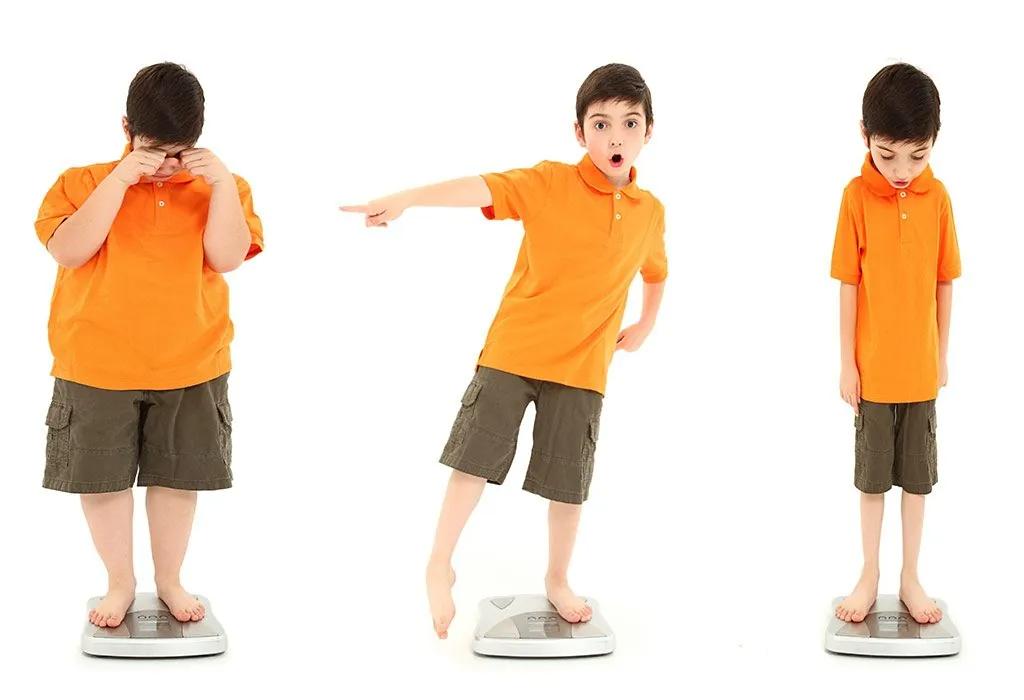
Body Mass Index (BMI) for Children
Obesity is a growing cause of concern for parents all over the world today. A healthy weight during childhood is needed for healthy functioning of the heart and for the prevention of any cardiovascular diseases. Heart disease is not the only risk related to obesity. According to the American Heart Association, obesity can also cause other lifestyle illnesses like Type 2 diabetes, asthma, sleep apnea, and psychological problems owing to the social stigma of appearance (1). Therefore, it is very important to keep the BMI of children in check. There are several percentiles of BMI for kids of different ages. You can check which BMI percentile is ideal for your children, observe, and take action accordingly.
What Is BMI?
Body Mass Index (BMI) is the measure of the weight of the person in kilograms divided by the square of the height measured in metres. The calculation helps doctors determine whether the child is healthy, underweight, or overweight (2). For children and teenagers, BMI is age and gender-specific and referred to as BMI-for-age. Being overweight and underweight during childhood can pose a risk and can lead to health issues.
How Is BMI Calculated for Kids?
Body Mass Index is a calculation of a child’s weight in relation to their height to assess body fat and diagnose any potential weight-related issues. Calculating the BMI for children involves tracking the BMI of other children of the same gender and age in charts to present a detailed picture over a period of time. A smooth curve reflects healthy growth. Track the progress, but make sure to consult your doctor to take regular BMI measurements. Once you finish calculating, use the BMI chart to track children’s progress. How to calculate BMI for kids? It’s quite easy. Follow the below table.
Body-Mass Index Formula
How to Calculate?
Example
Multiply their weight (in pounds) by 703
184 × 703 = (A) 129,352
Multiply their height (in inches) by itself
69 × 69 = (B) 4,761
Divide (A) by (B)
129,352 ÷ 4,761 = 27.2 (BMI Score)
Source: American Academy of Paediatrics (2)
Below is the BMI chart for kids, provided separately for the girl child and the boy child.
BMI-for-age and Growth Chart for Girls
Source: CDC (3)
BMI-for-age and Growth Chart for Boys
Source: CDC (4)
You can also look at the Revised IAP growth charts and Body Mass Index (BMI) for 5 to 18-year-old Indian children here at the Indian Paediatrics website (5). Here, the BMI chart for children by age is presented for easy understanding.
How to Track Your Child’s BMI?
Your doctor will determine routine BMI check-ups starting from when your child is 2 years old. These measurements will be plotted on a chart to compare them with kids of the same sex and age. Doctors plot BMIs of kids on standard growth charts, separate ones for boys and girls. This helps to account for differences in growth rates and the amount of body fat as age matures.
The information recorded on your child’s medical record will be monitored and tracked to see the progress over several visits. This information helps to identify kids and adolescents at risk of being overweight as they grow older. By closely monitoring these kids, doctors can take the required action needed to prevent any issues that may arise in future.
What Is BMI Percentile and How Should It Be Interpreted?
BMI calculated for children and teens is expressed as a per centile, plotted on the growth charts to obtain a percentile ranking. Percentiles are commonly used as an indicator to assess the size and growth patterns of children. The percentile is a comparative yardstick to other kids of the same age and sex. Weight and height change during growth and development, and so does their relation to body fat.
What Is Normal BMI for Children?
BMI numbers for different ages and genders have different interpretations. A comparison with other children is mandatory as children develop muscles with age, and boys tend to have more muscle than girls. A healthy BMI for children in the percentile lies between the 5th percentile and the 85th percentile. Normal child BMI range for boy’s ranges from 13.8-16.8 for a 5-year-old, 14.2-19.4 for a 10-year-old and 6.5-23.4 for a 15-year-old. Normal BMI range for girls ranges from 13.6-16.7 for a 5-year-old, 14-19.5 for a 10-year-old and 16.3-24 for a 15-year-old. So, what is the healthy BMI for kids? Let’s learn.
As per the CDC, BMI percentiles are divided into distinct weight categories (6):
Below 5th Percentile >> Underweight
5th to 85th Percentile >> Healthy Weight
85th to 95th Percentile >> Overweight
Above 95th Percentile >> Obese
How Is BMI Used for Kids?
BMI is not a diagnostic tool for kids but a screening measure for any weight-related issues. Suppose a child’s graph indicates a high BMI. In that case, doctors will recommend further direct measures like skinfold thickness measurements, diet evaluations and other health screening to determine if excess fat is a problem.
Is BMI Interpreted the Same Way for Children As It Is for Adults?
Although BMI is calculated based on weight and height and their relation to body fat, it needs to be expressed in relation to other children of the same sex and age. It needs to be done on a comparative basis with children as they develop and mature with age. For adults, BMI is interpreted as a category of weight status that is independent of sex and age. The BMI calculator for children and teenagers should not be used for children aged 18 years and above. There are different calculators for adults and children to measure the BMI (7) (1).
Weight Categories for Kids
As soon as a child’s BMI is ascertained, it can be seen where it falls within the expected range. The weight categories are mentioned below:
Underweight – A category where the BMI is less than the 5th percentile.
Normal Weight – A category where the BMI is between the 5th percentile to the 85th percentile.
Overweight – A category where the BMI is more than the 85th percentile to below the 95th percentile.
Obese – A category where the BMI is greater than or equal to the 95th percentile.
Health Risks of Having a High and Low BMI Percentile
There are several health problems in a child if the BMI is not in check. Some of the health issues children could face in case of overweight and underweight are (1):
Risks associated with obesity
High blood pressure
High Cholesterol
Type 2 diabetes
Sleep apnea and asthma
Liver diseases
Problems in joints and muscles
Stress, depression and other behavioural problems owing to low self-esteem
Risks associated with being underweight:
Respiratory disorders
Weak Immune system
Prone to injuries
Nutritional deficiencies
FAQs
1. How can I ensure a healthy BMI for my child?
As parents, you should always ensure that your child receives the necessary nutrients from their meals rather than supplements, which should include leafy green vegetables and rich-protein sources like eggs and lean meat, and hydration and minerals from fruits. Additionally, it is also important to reduce giving them highly processed or sugary items as snacks. Add at least one hour of physical activity to their daily routine.
2. How to reduce weight in overweight children?
The first and foremost thing to remember while controlling overweight children’s weight is that you must NOT cut off their diet altogether. You need to reduce their portion slightly. For example, instead of 10 crackers, give them seven or eight. Focus on hydration more. Additionally, do not reward them with food. Many children also do not release when they are full. Teach them signs to notice when the tummy has had enough.
3. What do I do in case of an underweight child?
Cleveland Clinic suggests adding nut butter with fruits and vegetables like peanut butter with apple sticks, starchy foods like potatoes, and heart-healthy oils like olive oil to an underweight child’s diet (8). You can also include high-calories drinks and meals like milkshakes or smoothies, porridge with milk, cheese, yoghurts; sandwiches, etc., as per the NHS (9).
BMI cannot be used to diagnose a health issue but is an effective screening tool to delve deeper to probe any underlying issues. It provides a glimpse to determine any weight-related issues that a child may have or could be prone to in the future.
References/Resources:
1. Body Mass Index in Children; American Heart Association; https://www.heart.org/en/healthy-living/healthy-eating/losing-weight/bmi-in-children
2. Body-Mass Index (BMI) in Children; American Academy of Pediatrics; https://www.healthychildren.org/English/health-issues/conditions/obesity/Pages/Body-Mass-Index-Formula.aspx
3. 2 to 20 years: Girls, Body mass index-for-age percentiles; CDC; https://www.cdc.gov/growthcharts/data/set1clinical/cj41l024.pdf; May 2000
4. About Child & Teen BMI; CDC; https://www.cdc.gov/healthyweight/assessing/bmi/childrens_bmi/about_childrens_bmi.html
5. Khadilkar. V, Yadav. S, Agrawal. K. K, etc.; Revised IAP Growth Charts for Height, Weight and Body Mass Index for 5- to 18-year-old Indian Children; Indian Pediatrics; https://indianpediatrics.net/jan2015/jan-47-55.htm
6. BMI Percentile Calculator for Child and Teen; CDC; https://www.cdc.gov/healthyweight/bmi/calculator.html
7. Calculate your body mass index (BMI) for children and teenagers; NHS; https://www.nhs.uk/health-assessment-tools/calculate-your-body-mass-index/calculate-bmi-for-children-teenagers/
8. A Dietitian’s Best Advice If Your Child Is Underweight; Cleveland Clinic; https://health.clevelandclinic.org/dietitians-best-advice-child-underweight; September 2020
9. How to help your child gain weight; NHS; https://www.nhs.uk/live-well/healthy-weight/childrens-weight/how-to-help-your-child-gain-weight/
Also Read:
How to Lose Weight for Kids
How to Increase Height in Kids?
How to Calculate Height in Children?
Best Foods to Increase Height in Children
Healthy Foods for Brain Development in Kids
Read more

Moral Development in Children – Stages and Concepts
Nurturing children to evolve into individuals who not only recognize and celebrate the goodness in others but also actively denounce wrongdoing is an indispensable endeavor for fostering a better world. By immersing them in environments that emphasize ethical principles and modeling virtuous behavior, parents and caregivers play a pivotal role in shaping their moral compass. Cultivating a keen awareness of right and wrong from a young age equips children with the tools to navigate complex moral landscapes with empathy and integrity. Consequently, promoting childhood moral development emerges as a fundamental strategy for nurturing compassionate, resilient, and socially responsible individuals. Delve deeper into the multifaceted journey of moral development in children to appreciate its profound implications for the future of humanity.
What Is Morality?
Morality is the ability to draw a line between right and wrong. A person’s morality is what guides their actions, thoughts, attitude, and behaviour towards others. It can be based on the environment that the person has grown up in, along with the emotional intelligence and cognitive skills of the person.
What Is Moral Development?
Moral development in early childhood is the comprehension and the evolution of morality in an individual right from infancy to adulthood, and beyond. Many psychologists have tried to analyse the idea of moral development in children by observing changes in their approach and understanding of morality.
Stages of Moral Development in Children
There are 5 major stages of moral development in children.
1. Infancy (0 to 2 years)
At this age, infants do not have the ability to moralise. Their idea of right and wrong stems from what feels comfortable and what does not. It is important to understand that in the womb, the baby was never alone, never hungry and was in constant contact with the mother. If this fails to happen in the outside world, the infant perceives this as something ‘wrong’. Being fed, held and cuddled is what feels naturally right for the baby.
2. Toddlerhood (2 to 3 years)
Although at this age your toddler may not yet be able to differentiate between right and wrong, he will have learnt the concept of ‘others’ and will begin to take people into account before taking any action. While he can’t tell why he can’t take his sibling’s toys away or why he can’t hit others, he will learn not to do so because he understands that he will be punished or reprimanded in some form. At this age, your toddler will play by your rules in order to avoid reinforcement.
3. Preschoolers (3 to 7 years)
These are the formative ages of moral development. This is when your child internalises the values taught in the family and with what he can see around him. He looks for constant acknowledgement from you and as such will need you to direct him and take charge of the rules. Your child will also understand that being considerate towards others is important as people are affected by actions. He will draw a link between action and reaction, which necessarily means that if he misbehaves, he’ll face some form of reinforcement. Children also tend to have an empathy-based morality that rationalises that if they hurt somebody, that person will feel bad.
4. Pre-Teens (7 to 11 years)
This is the age when children begin to understand that adults probably don’t have everything figured out! Although they still obey authority, they are capable of judging the fairness of rules and identify the concept of equality. At this age, they will have a strong idea about what should be done and what needs to be shunned. They will also come to believe that children have opinions that need to be heard, too.
5. Adolescents
Teens are largely influenced by peer pressure. However, they do understand that their actions have consequences and may sometimes negatively affect others. Their sense of morality is more abstract, and they find it negotiable to suit their needs. Since they are driven by peer pressure, they may resort to morally wrong ways to impress their peers. At this age, parents become more like advisors and consultants to them than authoritative figures.
Several studies have been made on moral development in children. Let’s take a look at them, too.
Freud’s Concept of Moral Development
Freud’s concept of moral development is based on his theory of id, ego and the superego. Through these theories, he proposed that there is a tension between the needs of the individual and the needs of the society at large.
The id is associated with the part of the mind that is self-preserving and is only interested in self-gain. However, the superego stems from the moral centre and is more concerned with what’s right for society.
Freud believed that a child would have achieved moral development if the child is able to make the transition from the id to the superego keeping in mind the societal interests.
Skinner’s Concept of Moral Development
Skinner laid emphasis on the idea that the environment that the child grows up in, or is primarily subjected to, lays a foundation of the child’s morality. It translates to how the behaviour and the attitude of the parents and the caretakers shape the child’s moral standing.
Piaget’s View on Moral Development
Piaget drew parallels between the intellectual development of a child and his moral development. He also said that a child’s morality is best developed through interactions with groups and exposure to decision-making. At a very young age, the child’s behaviour is guided by how he will be affected by an action. At this age, rules are very important and are deemed as something that cannot be altered, and children are only concerned with the outcome of an action. As the child matures intellectually, he begins to realise the need to examine the motive behind an action and not just the consequences. At this age, the child also begins to analyse the fairness of the rules and will allow negotiation to ensure fairness to all parties involved.
Kohlberg’s Theory of Moral Development
Kohlberg was in congruence with Piaget in the belief that cognitive and intellectual development was necessary to progress through the stages of moral development. His six stages (grouped under three levels) of moral development were based on the response of a group of children to a story posing questions and moral dilemmas.
Level 1: Preconventional Morality
This applies to children under the age of ten. Here, the children are concerned with avoiding punishment and ensuring that their needs are met. It has two stages.
– Stage 1: Obedience and Punishment Orientation
Children obey parents or adults in authority for the sole reason of avoiding punishment.
– Stage 2: Exchange, Individualism, and Instrumentation
Children, at this stage, begin to believe that the concept of rightness can be subjective and viewed from an individual’s viewpoint. They also base their actions on moral reciprocity and may tend to internalise an eye for an eye judgment method. They also learn to make deals and accept payoffs for positive behaviour.
Level 2: Conventional Morality
This stage begins at the age of ten and can stretch well into adulthood, with certain adults. It may remain the same throughout their lives. Children gravitate towards acceptable behaviour and the actions of adult role models.
– Stage 3: Interpersonal conformity
Children engage in good deeds in order to be viewed as good people within a set social group.
– Stage 4: Social System and Law and Order
Rules are followed out of respect for authority and to maintain general order in society.
Level 3: Post-Conventional Morality
Only about 10 to 15 per cent of adults achieve this stage, wherein their morality is based on reasoning and principles that they have chosen for themselves. Most people don’t achieve this stage as they take moral values from people around them.
– Stage 5: Social contract and individual rights
Although rules are made for the benefit of the majority, there can be individual exceptions.
– Stage 6: Universal principles and ethics
People in this stage are guided by their individual principles that are applicable universally, like equality and human rights. They conform to rules that abide by these principles and shun others.
Albert Bandura’s Concept of Moral Development
Albert Bandura’s concept of moral development, rooted in social cognitive theory, elucidates how individuals learn moral standards through observation, self-regulation, and cognitive processes. This framework emphasizes the role of influential figures and environmental influences in shaping moral behavior, while also exploring mechanisms of moral disengagement.
1. Observational Learning
Albert Bandura’s concept of moral development emphasizes the significant role of observational learning in shaping moral behavior. Children learn by observing the actions and consequences of others, particularly influential figures such as parents, peers, and media personalities.
2. Social Cognitive Theory
Bandura’s social cognitive theory posits that individuals acquire moral standards through a dynamic interaction between personal factors (such as cognition and emotions), behavior, and environmental influences. This theory underscores the importance of cognitive processes in moral development, including attention, retention, reproduction, and motivation.
3. Self-Regulation
Bandura highlights the concept of self-regulation as central to moral development. This involves individuals monitoring their own behavior, evaluating it against internalized moral standards, and making adjustments as necessary. Through self-regulation, individuals gradually internalize moral principles, becoming more autonomous and responsible agents in their moral decision-making.
4. Moral Disengagement Mechanisms
Bandura also explores the phenomenon of moral disengagement mechanisms, which are cognitive processes that allow individuals to justify or excuse their unethical actions. By understanding these mechanisms, such as moral justification, euphemistic labeling, and displacement of responsibility, researchers gain insights into how individuals rationalize immoral behavior and how to counteract these tendencies in moral education and intervention efforts.
Parents’ Role in the Moral Development of Kids
You have an active role in shaping the foundation of morality in your child and can utilise it to help your child grow up to become a considerate human being. Here are a few guidelines on how to promote moral development in children.
1. Set Rules and Utilise Teaching Opportunities
It is essential that your child has a clear demarcation between what can be done and what needs to be avoided. Take time to explain to your child why certain behaviours like lying or hurting someone are wrong. Use this as an opportunity to teach a moral lesson to your child.
2. Be a Good Role Model
Children are very impressionable and mimic adults to the T sometimes. This is why it is important to exercise kindness and compassion in the way you deal with others and your children.
3. Positive Reinforcement
Reward a morally right behaviour with positive reinforcement so that your child knows that he is being appreciated for doing the right thing.
4. Community Participation
Tasks like volunteering can instil a strong sense of community and the idea of giving back to your child. Working side by side with your children as you clean up parks or help out at senior homes can help your child grow into a socially and emotionally skilled individual.
What Are Some Best Moral Development Activities for Kids?
Fostering moral development in children is essential for nurturing empathy, integrity, and social responsibility. Engaging children in meaningful activities that promote ethical reasoning and moral decision-making can greatly contribute to their character development. Here are some of the best moral development activities for 2, 3, 4 and 5-year-olds:
1. Role-Playing Scenarios
Encourage children to act out various scenarios that involve moral dilemmas, such as sharing toys, telling the truth, or standing up to bullying. This allows them to practice empathy, perspective-taking, and problem-solving skills in a safe and supportive environment.
2. Storytelling and Discussion
Read age-appropriate books or stories with moral themes and engage children in discussions about the characters’ actions and their consequences. Encourage them to reflect on ethical principles such as honesty, kindness, and fairness, and how they apply to real-life situations.
3. Community Service Projects
Involve children in volunteering activities or community service projects where they can make a positive impact on others’ lives. This fosters empathy, compassion, and a sense of social responsibility as they learn to recognize and address the needs of others in their community.
4. Ethical Dilemma Games
Play games or activities that present children with ethical dilemmas and require them to make moral decisions. This could involve scenarios where they must choose between competing values or navigate conflicting interests, helping them develop critical thinking skills and moral reasoning abilities.
FAQs
1. What are the advantages of developing moral behavior in children?
Developing moral behavior in children fosters empathy, integrity, and social responsibility. It equips them with essential skills for navigating complex social situations, building positive relationships, and contributing to a more compassionate and ethical society.
2. How can schools contribute to the moral development of children?
Schools play a crucial role in moral development by providing a conducive environment for ethical learning and modeling virtuous behavior. They can integrate moral education into the curriculum, promote character education programs, foster a culture of kindness and respect, and offer opportunities for service learning and moral reflection.
3. At what age does moral development begin in children?
Moral development begins in infancy through basic emotional responses and gradually progresses through childhood and adolescence. By the age of 2 or 3, children start to exhibit rudimentary moral behaviors such as empathy and cooperation, with more complex moral reasoning developing in later years under the influence of social interactions and guidance from caregivers and educators.
Moral development in children is a necessary part of their growth process and can help steer them in the right direction. You must take the opportunity to help your child understand and internalise positive and good values right from childhood.
Also Read:
Major Stages of Child Development
Importance of Play in Your Child’s Development
Social And Emotional Development In Children
Read more

Role of Parents in Child Development
Parents play the most important role in the overall development of their child. It is the right guidance of parents that develops the character of the child. Parenting is an ongoing job. It is not something you can get away from once the time comes because children need their parents, from time to time, to stay on the right track. Here’s all that you need to know about the role of parents in the development of their child. We have covered information on how parenting influences child development and some tips on parent’s role in development of child below. Let’s read!
Importance of the Role of Parents in Child Development
Parenting and child development go hand in hand. The proverbs that the apple does not fall far from the tree and that the branch grows as the twig grows can well-describe the effects of parenting styles on child growth and development.
All development is interrelated and cannot be defined under water-tight categories. So let us focus on how parents can actively participate to ensure that the child’s growing years are worthy. The role of parents in child development is responsive, responsible and never-ending. It governs responses, actions, thinking and decision making of a child in the following areas.
1. Cognitive Development
When children are growing up, positive parenting improves their cognitive, social and problem-solving skills. Positive parenting also affects their responses and helps them grow up to be better humans. Interaction and stimulation are very important in the early years. It is all about recognising problems, handling all situations well and picking up the traits of discipline, time management and effective problem-solving through simple routines at home.
2. Socio-Cultural Development
Children observe spousal interaction and how arguments are settled in the family. It teaches them a variety of good values that are imbibed and crucial to growing up. The child learns how to behave with others, playing to a common goal, team spirit, picking the right friends and a lot more.
3. Physical Development
Reaching age-related milestones is not the only goal. Children learn about being healthy, exercising regularly, being a team player, having the right diet and growing in a conducive environment through play-and-learn. The right guidance from parents can inculcate in children a good regimen of exercise and diet to achieve ideal physical development. Parents should remember that children lead by example.
4. Mental Development
Parenting styles help the child learn innovatively, accepting failures and overcoming them, understanding discipline, accepting feedback and the award-and-punishment concept. It governs their response to stimuli, thus moulding their minds.
5. Spiritual Development
Understanding religion, prayer, knowing right from wrong, being empathetic, having the right ethical values, valuing your parents and strengthening goal-setting liberates the free spirit in children. Teaching your children to be more accepting and believing in the greater good can help them gain a sense of purpose. Try not to conform them to any particular religion and let them explore spirituality on their own.
Some Useful Parenting Tips to Make Your Child’s Growing Years Worthy
Children naturally turn to the father to play and to the mother if they sense stress, fear, etc. But, gone are the days when fathers were bread providers, and mothers did all the nurturing and interaction.
The role of a father in child development is very important. Children will always look up to their father for motivation. Similarly, the role of a mother in child development has moved on and is not restricted to nurturing and caretaking alone. From that first touch and look, to later years, a parent is responsible for making the tiny infant into a well-grown, responsible and caring adult. This list of child development tips is not gender-specific and is equally applicable to both parents.
1. Be Positive
Children can easily sense negativity. No matter how young your child is, discuss your problems with him and how you handle them. Encourage your child to participate with you in different small household tasks. Teach him how to be creative and how to solve problems with a positive attitude.
2. Be Sensitive to Your Child’s Needs
Irrespective of how small your child’s needs are, understanding and fulfilling them is very important to help your child realise that you are there for him at all times and that his needs never go unheard.
3. Be Emotionally Present
Encouragement and love yield good fruit only when they are cultivated, worked on, nurtured & pruned. Show your child that he is loved all the time and that you are always there for him, no matter what.
4. Communicate Effectively
Talk to the child and hear what he has to say before jumping to conclusions. In every conversation, make sure you think from your child’s perspective and let him express himself. Remember, positive feedback is always better than negative punishment or blames.
5. Be Affectionate to All
Children pick up what they see/hear at home. To a child, using harsh words, quarrelling loudly, constantly fighting, incorporating bad habits, and swearing feels absolutely normal if he sees the same at home.
6. Set Routines for Play, Eating and Sleep
A good routine can help set good habits for the future. If you stick to a fixed routine, eat and sleep on time, refrain from watching the television during meals, then your child too will pick up these lessons and follow a routine.
7. Make Family Outings a Part of Your Routine
Remember, the family that eats and prays together stays together! Encourage your child to have family meals together and teach him the importance of spending quality time with family members.
8. Talk to the Child Even When Tired
Hard work gives immense satisfaction, and the reward for you is watching your child learn how to deal with problems, how to deal with financial insecurities, how to interact with others and how to be a little like you. So talk to your child no matter how tired you are at the end of the day. He will learn the same and be there for his family, just like you.
9. Build Trust, Love and Fair-Play in Relationships
Best examples are between the parents, in dealing with siblings and especially in quarrels. If you behave rationally with all the family members, then your children will learn the same and will end up loving and caring for all without discriminating.
10. Help Your Child Understand The Importance of Speaking Right and Honestly
Make sure your child values honesty, especially when it comes to matters that involve relationships and money. Teach him that no matter what, he should speak the truth and stick to what he says. Also, inculcate in your child a sense of responsibility.
11. Assure Your Unconditional Love and Support
If your child fails at something, make an effort to understand why and what to do before you criticise him. But over that, tell him that mistakes do not reduce the love between people.
12. Respect Your Child’s Feelings
Accept your child’s feelings, whether good or bad—and let them come out of them in their own way. It is the emotions in a person that guide them to take either the right or the wrong actions. But, as a parent, you should be there for your child to listen to them calmly and let them vent out their feelings.
Parents must remember that supportive families encourage each other to learn and offer the possibility to be better. Therefore, you must create an environment that motivates your child to participate, educate, and practise all the good habits you want him to inculcate.
Also Read:
Important Tips on How to Be a Good Father
Impact of Working Parents on Child Development
Parents Role in Child’s Education at Home and School
Read more
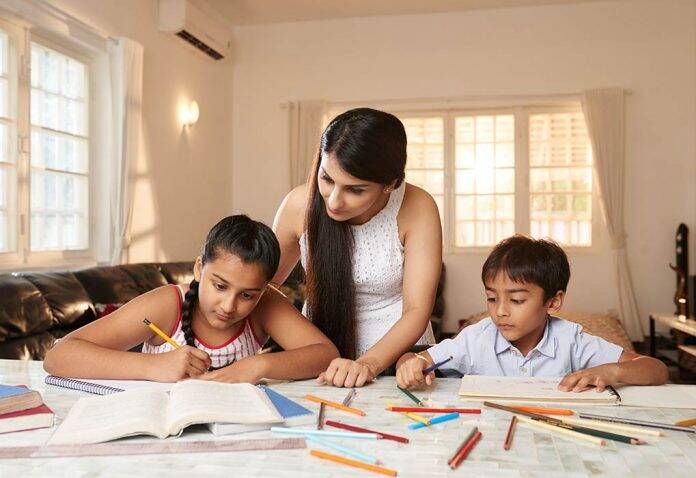
12 Most Effective Ways to Improve Your Child's Concentration
As grown-ups, it is easy for us to use different techniques to improve our concentration levels, but it becomes difficult for a child to focus on a task for more than a few minutes. This happens primarily because of their natural exuberance and high curiosity levels. But as they grow older, they will need to focus on their studies and other essential tasks. To help your child in improving his concentration, you can adopt various strategies and see which one works best for him.
Video: How to Improve Your Child’s Concentration (10 Best Ways)
How to Improve a Child’s Concentration?
If you want to know how to make a child concentrate on studies and focus better, check out these 12 proven methods:
1. Divide Large Tasks Into Smaller Ones
Since a big task needs better focus and discipline, try dividing it into smaller, manageable tasks. This can be helpful while doing homework, learning new skills, and doing housework. Small projects need lesser time to complete and provide the satisfaction of having made progress. This makes focussing on the task a lot easier. As compared to this, a bigger chore can seem daunting to the child since it takes more time, and you can expect some reluctance from your child to take it on.
2. Mix Pleasure With Work
Young kids can get overwhelmed if they are involved in a number of tasks at the same time. Too many tasks can tire their little brains, so give them enough time to enjoy themselves and have fun. This way, they do not get pressurised and are open to work or study without any fuss. Any activity that has the potential to tire them out quickly or seems uninteresting for their age should be avoided.
3. Reduce Distractions
As parents, it is crucial to create an environment where children can learn or carry out their tasks with minimum distractions. Unless kids are engaged in activities they really like, it is difficult for them to keep even tiny distractions away. Television, loud music, noise, and mobile phones are major distractions for a child. Keep them from reading messages or browsing the internet while studying. These precautions can help improve a child’s focus as the concentration deterrents are reduced.
4. Set Time Limits for Goal Completion
Make sure you set a time limit for completion of a specific goal as this will make your child complete the task in the given time. However, ensure that the time limit you have set is not too short or too long as this could make kids anxious. Setting rigid time limits could also affect their ability to focus. Time limits of 15 minutes or 20 minutes will keep them focused on the task, and their attention will not waver too much. A longer time limit may promote inattentiveness and distraction, and the purpose could be defeated.
5. Provide Enough Physical Activity
Kids are full of energy and are bursting with life. In order to help them vent out additional energy, you should plan for playtime that includes running or playing some sports. It helps in focusing better, reduces boredom, and restlessness in a child.
6. Repeat the Same Activity At the Same Time
Ask your child to get down to studies and do his homework every day at the same time. This will help him to build a habit since the activity is repeated, and he will not need to make an effort to focus. Consistency helps our children’s mind to prepare for the homework or study when that time of the day comes, and they are more willing to study.
7. Provide a Time Gap Between Activities
While your child is engaged in carrying out one task, inform him that there is another one coming up. However, give him some time in between two chores before he begins the next activity. Usually, if a kid is doing something that he loves, he will probably be reluctant to move on to a new task.
8. Get Games That Need Focus
There are many games available in the market that require focus and make kids think. These concentration games for kids are great to help you build and strengthen your child’s capability to focus for longer time periods. Check online or in your nearby toy store for such games. By providing them with games that need detailed planning and use of memory, you can help them to have fun along with a good dose of concentration and focus.
9. Encourage Rest
Ensure that your child does not stay up too late during weekdays, and is getting enough sleep during the night. Resting the energetic body and brain is vital if you want to improve the child’s concentration. Encourage rest during the day too as he might be busy the entire day with a host of activities, and taking a nap will improve his concentration levels.
10. Breathing Exercises
If the brain receives adequate amounts of oxygen, it helps the brain to function at its optimum level. Ask your child to perform some basic breathing exercises to help his mind, and if he seems uninterested, you can join him too. Blowing soap bubbles or playing musical instruments like the harmonica are fun ways of making breathing exercises more fun.
11. Give Daily Tasks or Responsibilities
Give your child a few daily chores to carry out to help improve your child’s focus. Parents often worry about how to increase their child’s concentration, but often the answer lies in many of our daily activities. Ask him to arrange his storybooks or your book collection in alphabetical order. Sorting out his cupboard, making an ice lolly, or helping you in preparing a sandwich are a few examples that will help.
12. Read Out Stories
This is an excellent way of helping your child focus on one task at a time. Get some interesting storybooks appropriate for his age and read the stories aloud while your child is resting. Keep introducing new books as his interest grows. This will enhance his listening skills and encourage him to focus. Ask simple questions at the end of every session to ensure he is listening carefully, but keep it fun and interactive. Remember to keep your volume low and read slowly, as it helps the child to focus on listening and also promotes concentration.
Lack of concentration, absence of a routine, and wavering attention are the cause of many problems a child may experience when he starts attending school. By including simple activities in your child’s daily routine, you can help your kid to enhance his attention levels. Keep him motivated through appreciation, and this will allow him to do well at school and in the future too.
Also Read: How to Develop Good Habits in Children
Read more

Role of the Family in a Child's Development
Humans are social animals, and, thus, social structure plays a pivotal role in their development. The initial social interactions a baby experiences typically occur within their family circle, making immediate family members the primary social group. So, what role does a family play in a child’s development? The family plays multifaceted roles in a child’s development, serving as the primary source of emotional support, moral guidance, and cultural transmission. Additionally, family dynamics significantly influence cognitive and behavioral patterns, shaping the individual’s worldview and interpersonal skills from an early age. Thus, the family unit serves as the cornerstone of a child’s social and psychological development.
How Does the Family Influence a Child’s Development?
Family members are the first few people that a child interacts with and, thus, the role of the family in the socialization of a child cannot be undermined. It is because of these interactions that may help a child to have a better understanding of himself and of people around him. The way a child is loved, cared and nurtured at home provides the opportunities for a child to thrive better in his life. A family’s impact on child development is like a foundation, which may help in shaping up the future of a child. Here are some ways a family may influence a child’s development:
1. Values
A child is like a sponge and absorbs whatever he may notice or observe. This leaves a big onus on the parents because the child may eventually learn from the parents. Therefore, if you respect a certain section of society or give more preference to some people, your kid may be making his opinions in a similar manner. When you may behave in a disrespectful manner with somebody, your kid may be observing that too. The best way to teach a child is to lead by example, more than preaching it is what you may be practising that your child is more likely to follow.
Also, it will be a good idea to start inculcating good values from a younger age only. Many believe that a younger child may not be able to appreciate or understand the importance of learning good values, but that may not be true. Kids understand better when you make them understand the consequences of their actions. Help them know what may happen if they do things a certain way and vice-a-versa. Therefore, it is very important for a family to inculcate good values in their child.
2. Socialisation and Social Development
The family is your baby’s first social group. This means whatever your kid may be learning, he may be learning by observing the family members. It is observed that happy families or families that treat each other with love and respect help in giving a positive outlook of a family with their kid or share a positive example of social interaction. If your family spends quality time by having meals together, watching television together or spends time doing other such things together, it may help in fostering healthy social development.
Also, your interactions with your child help him in learning about interaction with others. It is the way a family interacts with a child that may help a child to understand relationships better. He may learn how to feel comfortable, make friends or trust people from his own family only. Relationships are very important for human survival, and your kid may learn to make and sustain relationships from his family. The foundations of good social skills are laid at home, which may help your kid to have better social skills and help him socialise better as he grows.
3. Developmental Skills
It is very important for a child to learn various developmental skills such as motor skills, cognitive skills, emotional skills and language skills for his optimal growth and development. For helping your child polish his motor skills, you should involve your kid in various kinds of physical activities that may help him tune his motor skills. What may seem ordinary or comes naturally to you as an adult may be a task for your little one. In order to help his motor skills help your kid to learn to sit, walk, crawl, run and do other such physical activities.
To help your kid with the language, it is important that you talk, read, sing or engage in other such activities that involve the use of language. It has been observed that parents or family members who spend more time talking to younger children have better hold over language. It is very important for a child to learn various emotional skills and a family plays an important part in that. It is from a family that a kid learns about various emotions such as love, compassion, sympathy etc. In lack of proper emotional skills, your child may not be able to express himself better emotionally, which may lead to making destructive choices later in life.
4. Security
A child understands security from his family because it is the family only that tends to all his basic needs such as food, clothing and shelter. Apart from taking care of these basic survival needs of a child, a family provides a child with emotional security that he may not find anywhere else. This is because when your kid is outdoors, he may be required to behave in a certain manner or be social because he may be expected to behave as per the social norms. However, at home, he may express openly and. thus. it becomes important that a safe and secure environment is created at home for a child to express freely. A child who feels secure and safe may grow and develop better than a child who may be living in an unsecured environment, where he may be scared to express himself freely. Security is of utmost importance for a child, and it may help your kid to grow better emotionally, physically and cognitively.
5. Spiritual Nurturing
Encouraging an understanding of spirituality, fostering prayerfulness, promoting moral discernment, cultivating empathy, instilling ethical values, fostering appreciation for parental guidance, and encouraging goal-setting all contribute to nurturing children’s spiritual essence. By instilling a sense of purpose and encouraging belief in benevolence, parents can empower their children’s spiritual growth. It’s essential to allow children the freedom to explore spirituality autonomously rather than imposing rigid religious beliefs upon them.
6. Mental Development
Parenting styles can help a child learn in new ways, accept setbacks and overcome them, understand discipline, receive criticism, and understand the concept of reward and punishment. It shapes their thoughts by governing their responses to stimuli.
Some Effective Parenting Tips to Make Your Child Grow Better
Parenting is a challenging yet rewarding journey that significantly impacts a child’s growth and development. Effective parenting involves providing love, guidance, and support while fostering independence and resilience in children. Here are some valuable tips to help parents navigate this journey and promote their child’s optimal growth:
1. Foster a Loving and Supportive Environment
Create a nurturing atmosphere at home filled with love, encouragement, and support to promote emotional well-being and security in your child.
2. Set Clear and Consistent Boundaries
Establishing clear rules and boundaries helps children understand expectations and develop self-discipline while promoting a sense of safety and structure.
3. Encourage Open Communication
Create an environment where your child feels comfortable expressing their thoughts, feelings, and concerns. Listen actively and validate their emotions to foster trust and strengthen your bond.
4. Lead by Example
Demonstrate positive behaviors and values you want to instill in your child through your actions. Be a role model they can look up to and emulate in their own lives.
5. Provide Opportunities for Independence
Allow your child to make age-appropriate decisions and take on responsibilities to foster independence, self-confidence, and problem-solving skills.
6. Prioritize Quality Time Together
Make time for meaningful interactions and activities as a family to strengthen bonds, create lasting memories, and support your child’s social and emotional development.
7. Support Learning and Exploration
Encourage curiosity, creativity, and a love for learning by providing opportunities for exploration, discovery, and hands-on experiences.
8. Practice Positive Discipline
Use positive reinforcement, praise, and constructive feedback to encourage desired behaviors while teaching important life lessons and values.
9. Be Flexible and Patient
Recognize that parenting is a journey filled with challenges and setbacks. Stay flexible, patient, and adaptable as you navigate the ups and downs of raising a child.
10. Take Care of Yourself
Remember to prioritize self-care and maintain your physical, emotional, and mental well-being. By taking care of yourself, you’ll be better equipped to meet the needs of your child and family.
FAQs
1. What is the role of parents in children’s education?
The role of parents in child’s life is crucial when it comes to education. They help by providing support, encouragement, and resources. They act as primary influencers, setting expectations, motivating learning, and reinforcing educational values. Additionally, parents collaborate with educators to create a conducive learning environment and monitor their child’s progress.
2. How do parents foster a child’s independence?
Parents foster a child’s independence by gradually granting age-appropriate responsibilities, encouraging decision-making, and promoting problem-solving skills. Providing opportunities for autonomy, allowing children to experience natural consequences, and offering guidance rather than dictating outcomes all contribute to nurturing independence.
3. What is the significance of a stable and nurturing home environment in child development?
A stable and nurturing home environment is essential for fostering healthy child development. The role of family in child development is a vital one. It provides emotional security, promotes positive relationships, and cultivates a sense of belonging and self-worth. Such an environment supports cognitive, emotional, and social development, laying the foundation for a child’s overall well-being and future success.
So, this was all about the role of family in character development of a child and many more avenues. Nurturing a child is not a cakewalk, and it requires great effort on the parent’s part. However, it is an extremely rewarding experience to see your child turn into a responsible and caring human being. It is not only important to inculcate good values and habits in your child, but it is also important to provide a conducive and secure environment to make sure that your child is able to abide by what you have taught him. Also, perfection may not always be feasible, and there is no harm in making mistakes, and the same goes for bringing up children. Parents are humans and may make mistakes but what is more important is to register the mistake and make amends. Do not be too harsh on yourself or your child. A family is a child’s first source of learning and thus make sure it is a good one. No one is perfect, but you can surely strive to make efforts to do the right things so that it may help in the optimal growth and development of your child.
Also Read:
Personality Development Tips for Children
Stages of Child Growth & Development
Importance of Play in Your Child’s Development
Factors Affecting Growth and Development in Child
Read more
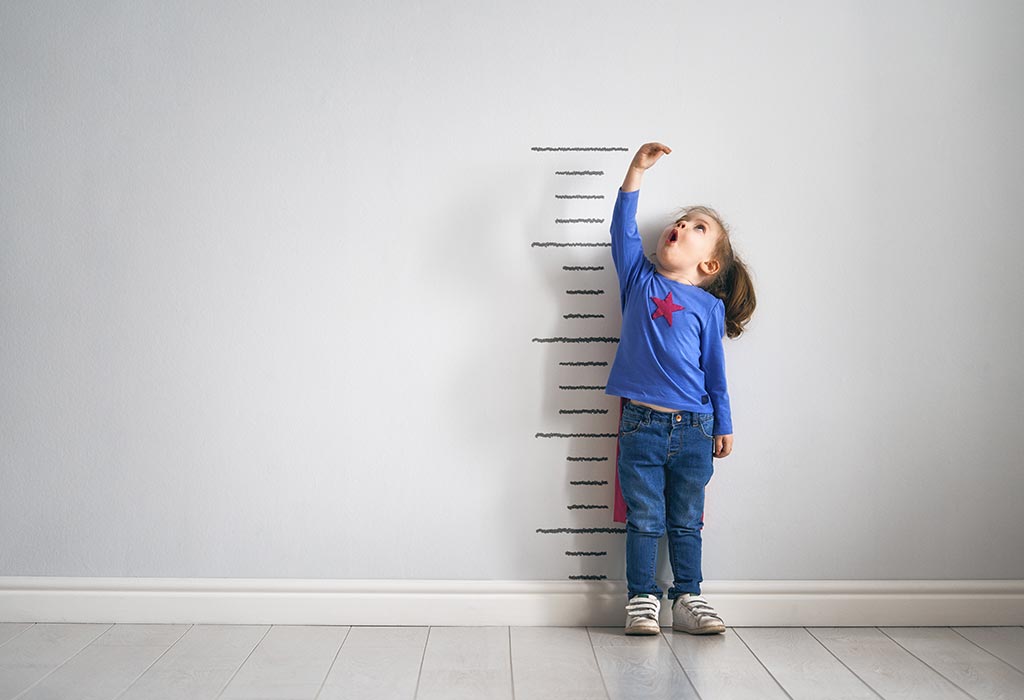
Factors Affecting Child Growth and Development
From the moment a child is born, they embark on a journey of growth and development influenced by many factors. How children grow and develop depends on internal and external environmental factors, some of which we have no control over. They can significantly impact the child’s physical, cognitive, and socio-emotional development. While genetics play a role in determining a child’s growth trajectory, environmental and socio-cultural factors significantly influence their development. Having a good understanding of factors affecting growth and development helps us raise them better. This article explores critical factors affecting child growth and development, including nutrition, physical activity, family dynamics, cultural beliefs, and access to education and healthcare.
Video: Factors That Influence the Growth and Development of a Child
How Are Growth and Development Defined?
Although growth and development are synonymous, they have different meanings biologically. Growth refers to the incremental changes in physical characteristics such as height, weight, size, etc. In contrast, development refers to qualitative changes to growth in an orderly and meaningful fashion, resulting in maturity. Growth and development contribute to each other, are inseparable, and co-occur.
For example, by the time they grow to be 8 months, most babies can weigh around 8 to 10 kilograms and sit up. Understanding the definition of growth and development accurately is paramount to your efforts for your child’s welfare.
Why Is the Proper Development of a Child Important?
The proper development of a child is of utmost importance as it lays the foundation for their future success and well-being. During the early years of a child’s life, their brain undergoes rapid development, and their experiences during this critical period shape the trajectory of their cognitive, emotional, and social development.
Proper development in children is essential as it enables them to reach their full potential in all areas of life. Children who receive adequate nutrition, love, and care, have access to education, and are provided with opportunities to learn and explore the world around them, are more likely to develop the skills and abilities necessary to thrive as adults.
Moreover, proper development in children sets the stage for healthy relationships and social connections. Children with positive experiences in their early years are likelier to have more vital social skills, empathy, and emotional regulation, enabling them to form meaningful connections with others and navigate social situations effectively.
In contrast, children who experience neglect, abuse, or trauma during their early years are at risk of developing a range of developmental and behavioural issues. As a result, these children may struggle with cognitive and emotional regulation, have difficulty forming healthy relationships, and may be more prone to mental health issues such as anxiety and depression.
10 Factors That Influence the Growth and Development of a Child
Nature and nurture both contribute to the growth and development of children. Although what’s endowed by nature is constant, nurture tends to make a big difference too. Here are a few factors affecting children’s growth and development.
1. Heredity
Heredity is the transmission of physical characteristics from parents to children through their genes. It influences all aspects of physical appearance such as height, weight, body structure, the colour of the eye, the texture of the hair, and even intelligence and aptitudes. Diseases and conditions such as heart disease, diabetes, obesity, etc., can also be passed through genes, thereby affecting the growth and development of the child adversely. However, environmental factors and nurturing can bring the best out of the already present qualities in the genes.
2. Environment
The environment plays a critical role in the development of children and it represents the sum total of physical and psychological stimulation the child receives. Some of the environmental factors influencing early childhood development involve the physical surroundings and geographical conditions of the place the child lives in, as well his social environment and relationships with family and peers. It is easy to understand that a well-nurtured child does better than a deprived one; the environment children are constantly immersed in contributes to this. A good school and a loving family builds in children strong social and interpersonal skills, which will enable them to excel in other areas such as academics and extracurricular activities. This will, of course, be different for children who are raised in stressful environments.
3. Sex
The sex of the child is another major factor affecting the physical growth and development of a child. Boys and girls grow in different ways, especially nearing puberty. Boys tend to be taller and physically stronger than girls. However, girls tend to mature faster during adolescence, while boys mature over a longer period of time. The physical structure of their bodies also has differences which make boys more athletic and suited for activities that require physical rigour. Their temperaments also vary, making them show interest in different things.
4. Exercise and Health
The word exercise here does not mean physical exercise as a discipline or children deliberately engaging in physical activities knowing it would help them grow. Exercise here refers to the normal playtime and sports activities which help the body gain an increase in muscular strength and put on bone mass. Proper exercise helps children grow well and reach milestones on time or sooner. Exercise also keeps them healthy and fights off diseases by strengthening the immune system, especially if they play outside. This is because outdoor play exposes them to microbes that help them build resistance and prevent allergies.
5. Hormones
Hormones belong to the endocrine system and influence the various functions of our bodies. They are produced by different glands that are situated in specific parts of the body to secrete hormones that control body functions. Their timely functioning is critical for normal physical growth and development in children. Imbalances in the functioning of hormone-secreting glands can result in growth defects, obesity, behavioural problems and other diseases. During puberty, the gonads produce sex hormones which control the development of the sex organs and the appearance of secondary sexual characteristics in boys and girls.
6. Nutrition
Nutrition is a critical factor in growth as everything the body needs to build and repair itself comes from the food we eat. Malnutrition can cause deficiency diseases that adversely affect the growth and development of children. On the other hand, overeating can lead to obesity and health problems in the long run, such as diabetes and heart disease. A balanced diet that is rich in vitamins, minerals, proteins, carbohydrates and fats is essential for the development of the brain and body.
7. Familial Influence
Families have the most profound impact in nurturing a child and determining the ways in which they develop psychologically and socially. Whether they are raised by their parents, grandparents or foster care, they need basic love, care and courtesy to develop as healthy functional individuals. The most positive growth is seen when families invest time, energy and love in the development of the child through activities, such as reading to them, playing with them and having deep meaningful conversations. Families that abuse or neglect children would affect their positive development. These children may end up as individuals who have poor social skills and difficulty bonding with other people as adults. Helicopter parenting also has negative effects as they render children dependent on the parents even as young adults and unable to deal with difficulties in life on their own.
8. Geographical Influences
Where you live also has a great influence on how your children turn out to be. The schools they attend, the neighbourhood they live in, the opportunities offered by the community and their peer circles are some of the social factors affecting a child’s development. Living in an enriching community that has parks, libraries and community centres for group activities and sports all play a role in developing the child’s skills, talents, and behaviour. Uninteresting communities can push some children to not go outside often but play video games at home instead. Even the weather of a place influences children in the form of bodily rhythms, allergies and other health conditions.
9. Socio-Economic Status
The socio-economic status of a family determines the quality of the opportunity a child gets. Studying in better schools that are more expensive definitely has benefits in the long run. Well-off families can also offer better learning resources for their children and they afford special aid if the kids need it. Children from poorer families may not have access to educational resources and good nutrition to reach their full potential. They may also have working parents who work too many hours and cannot invest enough quality time in their development.
10. Learning and Reinforcement
Learning involves much more than schooling. It is also concerned with building the child up mentally, intellectually, emotionally, and socially building the child up so they operate as healthy, functional individuals. This is where the development of the mind takes place, and the child can gain some maturity. Reinforcement is a component of learning where an activity or exercise is repeated and refined to solidify the lessons learned. An example is playing a musical instrument; they get better at playing it as they practice playing the instrument. Therefore, any taught lesson must be repeated until results are obtained.
FAQs
1. Which Is the Biggest Factor Affecting Child Development?
No single factor has the most significant impact on child development. Rather, it combines several factors, including genetics, nutrition, physical activity, environmental factors, sociocultural factors, and access to education and healthcare. Each of these factors plays a unique role in shaping a child’s growth and development.
2. Can the Factors Be Improved to Encourage Growth in Children?
Yes, many factors that affect child growth and development can be improved to encourage healthy growth and development in children. For example, parents can provide a nutritious diet for their children, encourage regular physical activity, provide a safe and nurturing environment, and support their children’s education and social development to see them nurture well.
Although nature contributes much to child growth and development, nurture contributes much more. As mentioned earlier, some of these factors may not be controllable, and you’ll have to make do with what you have. But there are certain things you can ensure for your child. This includes ensuring that your child gets enough rest every day because his development heavily depends on how much sleep he gets. In addition, pay close attention to your child’s nutritional and exercise levels, as these, too, play an essential role in promoting your child’s timely and healthy growth and development.
References/Resources:
1. Hussain. A; Growth and Development of Children; Folklore Research Department, Gauhati University; https://papers.ssrn.com/sol3/papers.cfm?abstract_id=3771757; January 2021
2. Dabar. D, Das. R, Nagesh. S, et al.; A Community-based Study on Growth and Development of Under-Five Children in an Urbanized Village of South Delhi; Journal of Tropical Pediatrics; https://academic.oup.com/tropej/article/62/6/446/2453234; December 2016
3. Butchon. R, Liabsuetrakul. T; The Development and Growth of Children Aged under 5 years in Northeastern Thailand: a Cross-Sectional Study; Journal of Child and Adolescent Behaviour; ResearchGate; https://www.researchgate.net/publication/314225308_The_Development_and_Growth_of_Children_Aged_under_5_years_in_Northeastern_Thailand_a_Cross-Sectional_Study; January 2017
4. Child Development and Early Learning; National Library of Medicine; https://www.ncbi.nlm.nih.gov/books/NBK310550/
5. Environmental factors contributing to child vulnerability;oecd-ilibrary.org
https://www.oecd-ilibrary.org/sites/6a006a25-en/index.html?itemId=/content/component/6a006a25-en
Also Read:
Stages of Child Growth & Development
Role of the Family in Child’s Development
Personality Development Tips for Children
Read more
How Social and Emotional Development in Early Childhood Prepares Kids in the Virtual World
In collaboration with Nestlé Start Healthy Stay Healthy.
Early childhood is a stage of dynamic changes for children. Till the age of five, children acquire several emotional and social skills that they will use throughout their life to respond to the world.
Social and emotional skills help kids perceive technology in the virtual world to a great extent. Now that technology has found its way in every home, children, from the age of two, start learning to recognise technological devices and operate phones, computer screens, and other technical objects soon after they learn to walk. While these skills begin to develop at an early stage, it is important that they lay a stronger foundation and make children confident and future-ready.
What Are Social-Emotional Skills?
Social-emotional skills are those skills that help children connect to their environment through sensory emotions. Parents and caregivers play a primary role in the development of socio-emotional skills right from the moment they start interacting with kids. They influence children’s beliefs and cultural values through their daily interactions and humble attitude. This helps kids develop healthy relationships with friends and family members, empathise with others, resolve conflicts, make appropriate decisions, follow instructions, manage stress and anxiety, and so on.
Benefits of Social and Emotional Development
Several studies, including the American Journal of Public Health, have found that social and emotional learning in early childhood can increase the chances of getting college degrees that pave the way to a brighter future. Let’s check out some of its benefits.
Children with strong socio-emotional skills tend to be happier and have the ability to resolve life challenges easily.
Children tend to have a positive attitude towards foreign situations and are eager to participate in classroom activities. They also show excellent academic performance.
Children who are emotionally healthy are able to establish healthy relationships and are more prosocial. It means they show qualities of being kind, emphatic, calm, etc.
Socio-emotional learning helps reduce anxiety and stress build-up in children, and at the same time, increase confidence and a positive attitude.
The ability to make sound decisions and resist negative social pressure also improves.
These skills also make children aware of their emotions and feelings and help them regulate wisely.
The Importance of Socio-Emotional Skills in the Virtual World
From learning to playing, everything is going digital. Audio-visual storybooks, 2D and 3D graphical environments, animated characters, etc., have the potential to engage your child’s different senses at a time. Since the changes in your child’s brain are happening rapidly, it is essential that these skills are imparted at the right time to help him function effectively in academics, work, and life.
Otherwise, the lack of socio-emotional skills can lead to poor mental health, withdrawn and impulsive behaviour, inability to adapt to new situations or lack of grasp of technology and academics. Hence, the importance of social and emotional development is for a child to test out his imagination, abilities, and self-control.
How Nutrition Plays a Vital Role in Social and Emotional Development
Nutrition is one of the crucial pillars in the development of mental and socio-emotional skills right from the period of infancy to childhood. Nutrients, such as phospholipids, folic acid, DHA, ARA, choline, iron, and sphingomyelin, are essential in your baby’s diet to establish brain connections and nurture his flexible thinking.
As a parent, you might encounter situations when your baby fusses about certain foods. In this case, you can try to use social and emotional activities while feeding him. For example, while feeding your child, you can make funny faces, read a storybook to him, or play games like puzzles. This way you will not only be able to feed him but also help him develop his socio-emotional skills.
Early childhood is a golden phase for the development of social and emotional skills. The quality of skills and experiences a child gets in his childhood shapes his future. It is also important to remember that every child has his own pace of learning. Some may be on the constant run to explore things around them, while some may love to observe the world silently. It is important that parents be supportive and encouraging and nurture their kid’s natural inclinations towards learning.
Be sure to consult your paediatrician or a child psychologist in any case of clarifications regarding your baby’s nutrition or social and emotional development.
Also Read:
Moral Development in Children
Physical Development in Early Childhood
Read more
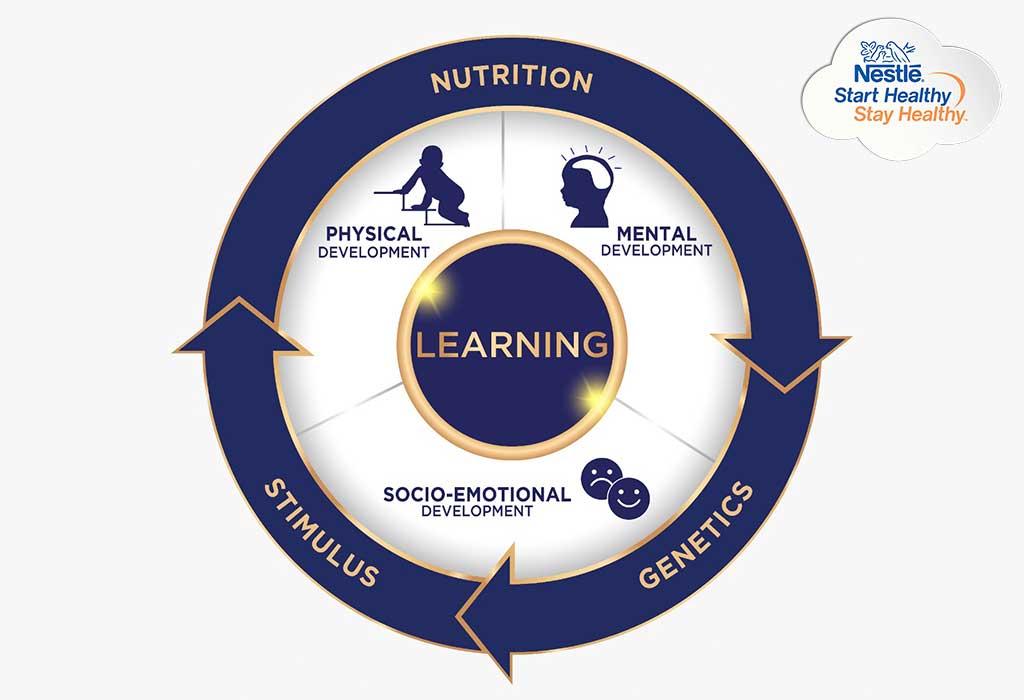
What Is Connected Learning and How Does It Benefit Your Child
How fascinating it is to watch your child learn new words, actions, and gestures as he grows from a tiny fetus into a healthy child. All of this development happening in a being is as exciting as it is worth nurturing. Because of cutting-edge technologies coming into play, the standard of learning is slowly changing, and a child’s future is beginning to depend upon factors, like creativity, adaptability, and critical thinking, rather than on standardised academic knowledge. Therefore, learning requires new perspectives to make children more future-ready.
Young children are like clay. They take the shape of whatever they are moulded into via external stimuli and life experiences. Here’s where the parent’s role comes in. If more parents adopt ‘connected learning’, there will be more future-ready generations of children. But what exactly is it?
What Is Connected Learning? The Pillars of Connected Learning
Connected Learning is a concept of nature and nurture which reiterates the fact that LEARNING abilities of a child can be nurtured from birth itself if the child is provided with the right nutrition and stimulus.
Connected Learning is the interplay of the right stimulus, proper nutrition, and genetics. These three variables promote the child’s ability to learn and thrive in the competitive world. Since genetics are inherited and, to a major extent non-modifiable, it is the stimulus and nutrition that can be modified for connected learning. Nutrition is responsible for building the blocks of the brain and body of a child. Proper nutrition leads to improved mental, physical, and social and emotional development. Proper stimulus, on the other hand, is required to enhance the process of learning in a child, starting from birth.
How a Nutritious Diet Influences a Child’s Connected Learning
Nutrition is directly proportional to a child’s mental, socio-emotional and physical development. It has the potential to influence the child’s academic performance and behaviour. Therefore, a diet rich in nutrients is said to do well in the context of the child’s growth. Nutrients, such as phospholipids (generally found in breast milk), lipids, folic acid, DHA, ARA, iron, choline etc., are important to be present in a child’s daily intake.
To summarise, children with better nutrition intake are said to excel academically, solve complex issues, and show positive behavioural outcomes, including empathy and self-control. And since nutrition is one of the modifiable factors for connected learning, parents and caregivers can take care of it by providing children with healthier choices.
Stimulus: Connected Learning Activities for Children
Children learn social and academic skills easier when they are in a connected and supported environment. This is because they get confident when they engage socially. The following activities are certainly fun and inexpensive and designed to boost your child’s motor, communication, and socio-emotional skills.
1. Counting in the Kitchen
Make cooking fun by including some mathematics. While you prep the meals, you can ask your child to count the number of ingredients or utensils you use while cooking. You can also get creative by asking your child to recognise the things present in the kitchen and name them or ask him to check whether all the plates have an equal amount of serving or not.
2. Creativity Corner
You can make your child enhance his imagination and creativity by giving him colouring books, colour pencils, markers, crayons, erase boards, blank sheets, etc. To boost his imagination skills, you can give your child a dedicated creativity corner, like a separate chair and desk in his room. When he sees new colourful objects, he will definitely want to use them.
3. Encourage Role Play
Role play has significantly proven to tap the creative side in a child. You can start a make-shift restaurant in your kid’s playroom and ask him to choose roles either of a chef, a customer, or a helper. You can also start a departmental store in the playroom using basic things at home like a comb, tissue box, and torch. You can ask him to choose a role and act accordingly.
4. Caregiving Play
Children can learn to care and nurture by focusing on their feelings and practising caring behaviour. You can set up a crib full of stuffed toys, water, toy food, etc., so that your child practice the exact behaviour of caring with his toys as he watches you caring for him. This will enhance his social and emotional skills.
5. Bedtime Fun
Storytime session is an effective activity to boost your child’s recognition skills. While reading a storybook or an ABC book, you can ask your child to recognise the images, letters and their meanings at frequent intervals. This activity will help him enhance his vocabulary as you name and define each letter and image in the book.
6. Set up an Imaginary World
Sit with your child in his playroom and ask him to pretend that he is a magical land, a zoo, school bus, underwater, or a beach. You can drive the participation by asking your child basic questions like what he sees in his imaginary world: “Can you see a zebra in the zoo?” “Can you see the fish in the water?” “What is it doing? Is it eating or playing?” “What are you? Are you a fish or octopus?” This way you can encourage his communication skills and see his capability of imagination.
Connected learning can be called the new paradigm as it customises education to the needs and interests of the child using a supported network. It incorporates values of social belonging, empathy, creativity, and participation for your child’s future-readiness.
If you have any questions regarding connected learning or your child’s nutrition, make sure you connect to your child’s paediatrician or a child psychologist.
Also Read:
Fun Learning Activities for Kids
Read more
5 Ways You Can Guarantee Your Child Will Be a Quick Learner
In collaboration with Nestlé Start Healthy Stay Healthy.
In a world where exams, tests, deadlines are the norm, it only seems fair that a lot of parents want their kids to be quick learners. However, with such a fast-paced, high-pressure environment, the school-going phase can be stressful for both the parent and the child. Even with the best intentions, school can then become more about keeping up rather than excelling.
But, what if we told you that raising a quick learner didn’t have to be stressful? What if there were ways in which you could gradually and almost naturally hone the ability to grasp information quickly in your child?
Before we look at how you can help your child become a quick learner, let’s understand how children learn during their early years.
How Children Learn
Babies are born ready to learn, and their brains keep developing through use over time. So what your child really needs from day 1 is a stimulating environment and the right nutrition with many different ways to learn and play. He also requires plenty of chances to put into practice what he’s learning.
Babies and young kids learn best when they have engaging, warm, and responsive relationships with their primary caregivers. So you as a parent have a vital role to play in helping your little one learn through these early formative years. Remember, you are your child’s first teacher, and your child will keep learning from you at every opportunity as he gets older.
Most of the time spent interacting and playing with you and other people enables your child to learn life skills – like thinking, communicating, problem-solving, and interacting with other people.
How to Make Your Child a Quick Learner
1. Make it fun.
If you think your child might have trouble learning, introducing them to games and activities on the subject might be a good way to stimulate their minds and also help them develop an interest in the subject. You might need to observe your child’s learning habits for a while to understand when to step in.
Some children might be afraid to ask for help. If you think your child is holding back, gently teach him that asking for help doesn’t make him unintelligent. Moreover, it’s important to ask for help when he is stuck so that he can overcome the problem at hand and move forward. The more your child understands this concept, the better he will become with getting clarity on a task he is unsure of in the future, making him more efficient.
2. Take special care of your child’s nutrition.
Your child’s nutritional status can directly affect his mental capacity. Good nutrition improves cognition and mental concentration, perception, intuition, and reasoning. Having a balanced diet also helps your child stay prepared and ready to learn. Ensure that your child is getting age-appropriate nutrition from a young age, especially in the first few years of his life, as that’s when a major chunk of brain development takes place.
Another aspect to consider is brainpower fuelled by the right nutrition.
Think about this – you know that energy slump on your binge-eating days? Eating food that’s processed or does not contain adequate nutrients can cause a loss of energy or focus. The problem surfaces when these treat foods aren’t the occasional treat but more of an everyday habit. This is when the learning consequences can get seriously affected.
Research says that a diet high in saturated fats can seriously impair memory and learning. The link between brainpower and diet is the production of glucose and sugar. A diet higher in glucose can cause major energy slumps, directly impacting your child’s energy levels and ability to retain information.
3. Remain focused.
It’s a known fact that better focus leads to more structured learning. Keep your child’s learning environment a distraction-free zone. Developing focus on tasks at a young age is a skill that sets the tone for your child’s future.
4. Exercise regularly.
Exercise keeps one not only physically but mentally active, as many research studies have shown. In a study published in The Journal of School Health in 2015, the authors noted that getting kids to exercise enhanced their learning outcomes.
By encouraging your child to take part in regular physical exercise, you can help him become a more active and quick learner.
5. Take breaks.
Even for us adults, it’s not easy to work on something for hours on end, nor is it recommended. So even though it might seem unreasonable to you, taking breaks can help your little one learn faster. When you notice that your child is having trouble focusing after a while, teach him that it is okay to take short breaks. A break can help his mind relax and regroup to finish the task at hand. A tired mind is rarely productive.
By putting these above tips into practice, your child can become a quicker and better learner. But, if he hits a roadblock or is unable to understand a certain subject matter, ensure you yourself understand what the issue is and bring in expert help if needed. Whatever you do, do not force him to learn faster but instead encourage him to help him fall in love with learning.
In case of any questions or clarifications regarding your baby’s nutrition or development, do get in touch with your paediatrician.
Also Read:
Language Development Activities for Toddlers
How to Make Your Child Interested in Studying
Read more

Sleep – An Underrated Routine That Makes Kids Smarter and Sharper
Kids tend to be active throughout the day. It’s a task to have them sit down quietly for different engagements. Had they been quieter, as we parents so dearly wish at times, we may have saved ourselves the tedious task of clearing up the mess every time these little tornados leave behind.
But, alas! Contrary to what we hope for, their love of physical pursuits never stops short. Their minds are always on the lookout to process new information, and this curiosity makes them examine everything they can lay hands on. It is hard to speculate what their next to-do assignment will be. Mostly, our concern for our child’s safety urges us to stop them from undertaking many physical pursuits.
However, it is believed that the more kids participate in such tasks, the more they acquire knowledge and learn the basics. Physical activities are instrumental in teaching them to assimilate failure and subsequently work toward overcoming shortcomings. Their curiosity compels them to look out for new arenas to gather new experiences. The more their engagements are, the more they challenge their capabilities to broaden their mental abilities and multitasking horizons.
As kids explore areas that nurture their ever-growing mental capacities, their cognitive abilities unfurl. A major portion of a kid’s mental growth happens by the time they reach the age of five. Thus, our responsibility is to nurture them in the best possible ways to facilitate the best outcomes.
Apart from food and nutrition, another daily activity that is instrumental in their all-around growth is sleep. Our heart, lungs, brain, kidneys work continuously throughout the day. Sleep at night gives them the time to re-energise. Our bodies need ample sleep for the growth of sound mental health. Sleep deprivation can lead to inalterable conditions, resulting in mental health issues.
Similarly, our little ones need to get the desired hours of sleep every day. The younger the kid is, the longer he needs to sleep. During sleep, the brain not only rests but also processes all information through memory consolidation. That’s how they develop memories for smell, touch, view, sound, vocabulary, incidences, dangers, good moments, etc. The better their everyday routine is, the healthier they grow up to be. However, it is at times a struggle to put kids to sleep at regular hours.
Every kid responds differently; while some are subtle, others turn out to be quite naughty. Kids seem to hate losing out on playtime that keeps them awake and thus ensues a conflict of interest between the child and the caregiver.
I, too, used to find it hard to persuade my kid to sleep at regular timings. He is now five years old, and reasoning with him is a lot easier. However, as a toddler, it was a perpetual struggle. The ritual of tucking him to bed and getting him to sleep began with cuddling him on my lap and singing a lullaby while taking a stroll in the room. The tactic worked well most of the time, though, on several occasions, I used to fall asleep before him. It was exhausting to see him wide awake, gazing intently at the dim light, smirking, and enjoying his victory on me. With compromised sleep, I, too, felt exhausted and irritated most mornings that lasted throughout the day.
That’s when I started researching techniques to achieve better sleep. A few ways helped me get some good sleep for my child and me.
1. Maintain a sleep routine.
Having a pre-determined time for waking up and bedtime every day helps set our biological clock. Practising the habit every day from an early age proves beneficial in the long run.
Besides, family members too may plan their day accordingly as kids tend to follow habits that they observe around themselves. A disciplined timetable not only comforts them as they internalize the chronology of their daily chores but also ascertains predictability. The schedule is to be maintained even on weekends, family events, etc., to prevent disruption in routine. Moreover, a sleep routine ensures meeting the child’s daily sleep requirement, essential for their overall development. It also facilitates kids to remain active throughout the day.
2. Make sleep a priority.
Parents need to plan food and sleep intake. As soon as a child comes into our lives, delicate planning and scheduling become an indispensable part. It saves parents from overlooking fundamental tasks. It consequently gives us time to rest to keep anxiety and tiredness at bay. It is vital for us as, more often than not, unavoidable work piles up suddenly and needs our urgent attention.
Sticking to a set bedtime helps children feel secure because it offers them predictability. They start reciprocating accordingly as it allows them to get used to their surroundings promptly.
3. Limit socialising.
Unexpected family events, parties, festivals, etc., crop up in our lives, and it’s lucrative to include kids in these ceremonies, but their participation must be limited. Often, we fail to maintain this and let kids’ routines be disrupted at the cost of losing sleep time, compromising on meals, etc.
This leads to a disruption in their Circadian Rhythm (a natural, internal process that regulates the sleep-wake cycle and repeats roughly every 24 hours), which often leads to slouching, restlessness, and sickness. Kids tend to get into a sense of discomfort due to such unexpected fluctuations in their routine.
Our parents too limited socializing during our childhood to give quality time to us. They took it upon themselves to let us feel their absolute dedication in giving us the best. This additionally ensured a peaceful atmosphere, which is essential for a good sleep. Kids need to spend quality time with parents or caregivers to grow up healthily.
4. Ensure ample sleep as per age.
It is a well-researched fact that mental development in kids occurs the most from birth until five years of age. As the brain works non-stop, it must be given good rest to perform to its best ability. Also, the brain processes all information gathered during the day while at sleep. Infants need to sleep for around 16 hours, and with the advancement of age, the duration reduces. By the age of five, kids need to have 8 to 10 hours of sleep, including nap time and night sleep. Insufficient sleep makes them feel groggy, and they may get cranky, deterring their daytime activities.
5. No screen time before bed.
This point has been all over the internet given that kids nowadays have access to mobile and the internet. Also, the pandemic has forced us to impart education through the internet. Prolonged exposure to mobile screens is detrimental to their eyes and also limits their creativity. Watching shows on mobile phones takes no mental and physical effort than reading a picture book or colouring. It also makes them lazy, detached from the real world and prevents them from being involved in daily chores. If unaddressed, this can result in childhood obesity as they cannot burn out their natural physical energy. Watching cartoons, etc., before heading to the bed coils up their thoughts, and they find it difficult to settle down on the bed. This can give kids nightmares.
6. Bed and clothing.
A clean bed looks inviting for a good sleep. Keep the bed clutter-free from toys, stuffed animals, extra cushions, etc. Change bed linen weekly to ensure cleanliness and keep it free from odour, dust mites, bed moths, etc. Cotton bedsheets and cotton pillow covers should be used for their quality and comfort.
Besides using pillows, one may also place bolsters on both sides to give kids a sense of security. A clean and pretty blanket can help keep them warm. You can use nappies at night to avoid sleep interruption due to bedwetting. Older toddlers are to be brought into a habit to attend nature’s call before heading to sleep. Parents should also assist kids in relieving themselves at least once during the night sleep time. Likewise, clothing is to be given priority. A change into a set of clean, fresh, and loose-fitting cotton nightwear is necessary to ward off any discomfort during sleep.
7. Pre-bedtime activities.
It is not about the quantity but the quality of time a parent spends with their kids. Gone are the days when we had ample time after work to spend with our extended family. With nuclear families, the responsibilities of each family member increase. Children often feel ignored if we do not spend quality time with them during their growing years, which may impact their personality and development.
It is important to contribute to building moments that shall be etched as beautiful memories during their childhood. Do take out as little as half an hour before sleep to focus on the child. Engage in conversations about the day, their fears, anxieties, happy moments, etc. Be sure to be a good listener.
Storytelling is a good way to engage with kids. It lets them settle down before bedtime, helps them learn vocabulary, and improves their creative thinking. Kids, too, face insecurities; they too have moments of stress. This is also a great way to let them know that they have your support when things aren’t working fine.
8. Calm them down with touch therapy.
As kids are active, helping them calm down is essential before settling them down to bed. Human touch can comfort human beings, which specifically works wonders with kids. A bear hug, a peck on the cheek, soft ruffling of their hair – all have one thing in common, i.e., comfort and love offered through touch. Every child has a different choice, and the caregiver has to anticipate the best way to show their love for them. A gentle kneading massage for the tired little hands and legs can prove to be a boon for many. A warm sponge bath works great to level down the temperament of the kids. Strolling with them in your lap is one activity that never ceases to calm kids. Few like to get caressed on their belly and back. Understanding what they prefer shall assist parents in delivering a beautiful experience to their kids.
We cannot control every aspect of our environment. Loudspeakers, horn honkers, bright light, traffic, loud chats, electricity disruption, and many more are beyond our scope to evade. However, we can change our habits and routines and adjust to the environment around us. A mix and match of the above techniques have been a blessing to me, and today it is a part of my daily routine. A persistent commitment towards maintaining a rhythm ensures good health too. However, in some rare cases, counselling is worthwhile in dealing with sleep difficulties, insomnia due to big changes in life, death, separation, health issues, etc.
Disclaimer: The views, opinions and positions (including content in any form) expressed within this post are those of the author alone. The accuracy, completeness and validity of any statements made within this article are not guaranteed. We accept no liability for any errors, omissions or representations. The responsibility for intellectual property rights of this content rests with the author and any liability with regards to infringement of intellectual property rights remains with him/her.
Read more
Is Your Child Intelligent? Think Before You Judge a Child's Intelligence!
When we were children, many a time, we have come across elders saying something like this, “My son is very intelligent; he scored 100% in Math”, or, “Her daughter always tops the class; she is very intelligent”. In our schools and colleges, we tend to see the professors admiring the class/ university toppers because you know, they are “intelligent”.
I agree that these high scorers get placed well, earn a lot of money and get settled faster. But what I can’t agree is that these adults have generalised the term “intelligence” with merely the academic scores of the children. Isn’t the child who paints well intelligent? Isn’t the child who learns different languages intelligent? Isn’t the child who sings melodiously or plays football/cricket really well intelligent?
According to Howard Gardner, a psychologist and professor at Harvard University’s Graduate School of Education, intelligence is the ability to create an effective product or offer a service that is valued in a culture. It is
a set of skills that makes it possible for a person to solve problems in life; potential for finding or creating solutions for problems, which involves gathering new knowledge.
Gardener developed the theory of Multiple Intelligences (MI). According to the MI Theory, identifying each student’s intelligence has strong ramifications in the classroom. If a child’s intelligence can be identified, then teachers can accommodate different children more successfully according to their orientation to learning.
Teachers in traditional classrooms primarily teach verbal/linguistic and mathematical/logical intelligence.
The nine intelligence are:
1. VISUAL/SPATIAL – children who learn best visually and organising things spatially. They like to see what you are talking about in order to understand. They enjoy charts, graphs, maps, tables, illustrations, art, puzzles, costumes – anything eye-catching.
2. VERBAL/LINGUISTIC – children who demonstrate strength in the language arts: speaking, writing, reading, listening. These students have always been successful in traditional classrooms because their intelligence lends itself to traditional teaching.
3. MATHEMATICAL/LOGICAL – children who display an aptitude for numbers, reasoning and problem-solving. They constitute the other half of the children who typically do well in traditional classrooms where teaching is logically sequenced, and students are asked to conform.
4. BODILY/KINESTHETIC – children who experience learning best through activity: games, movement, hands-on tasks, building. These children were often labelled “overly active” in traditional classrooms where they were told to sit and be still!
5. MUSICAL/RHYTHMIC – children who learn well through songs, patterns, rhythms, instruments and musical expression. It is easy to overlook children with this intelligence in traditional education.
6. INTRAPERSONAL – children who are especially in touch with their own feelings, values and ideas. They may tend to be more reserved, but they are actually quite intuitive about what they learn and how it relates to themselves.
7. INTERPERSONAL – children who are noticeably people-oriented and outgoing, and do their learning cooperatively in groups or with a partner. These children may have typically been identified as “talkative” or ” too concerned about being social” in a traditional setting.
8. NATURALIST – children who love the outdoors, animals, field trips. More than this, though, these students love to pick up on subtle differences in meanings. The traditional classroom has not been accommodating to these children.
9. EXISTENTIALIST – children who learn in the context of where humankind stands in the “big picture” of existence. They ask “Why are we here?” and “What is our role in the world?” This intelligence is seen in the discipline of philosophy.
Once I understood the MI theory, I understood that the children in India are categorised as “Intelligent” based on type 3, i.e. Mathematical/Logical intelligence.
When I was a student, I was bad at math. However, I found it very easy to learn different languages, I maintained a personal diary to jot down my inner emotions, and I loved spending time with pets and in nature. I may not have had the mathematical intelligence, but I had a mix of linguistic, intrapersonal and naturalistic intelligence.
Children, from kindergarten, are moulded to give most importance to their academics than anything else. In my schooling days, I observed my friends’ parents were unwilling to send them outside to play sports as it would take away their time from studying their academic subjects. Instead of spending money or time in following their passion which may be singing or painting, parents and teachers would force their children to channelise their efforts into academics as that is what would help them get a “well-paid-job”.
Parents and teachers in this country lack the understanding of helping children develop an All-Round-Personality. The child must spend a few hours a day studying his academics. I do not deny the importance of education. However, it is also necessary to understand which type of intelligence of the MI theory the child falls under. The child can study hard and get a decent job. At the same time, the child can also become a poet, a painter, a sports person, an environmentalist or an interior designer. These jobs get paid well too.
I have spent one year in a school that forced children to study from 8 AM to 8 PM, as you know, to become “intelligent”. The school had even divided the students into different sections based on their scores (all the top scorers in section A and the least scorers in section D). Didn’t the Principal of the school understand how demoralised the students of section-D felt? Thankfully this hell lasted only for one year, after which I changed to another school that promoted an all-round development of the students (phew!).
So next time you see a parent or a teacher pointing at a class topper and calling him/her “intelligent”, just give them a smile and a sigh at the same time.
Disclaimer: The views, opinions and positions (including content in any form) expressed within this post are those of the author alone. The accuracy, completeness and validity of any statements made within this article are not guaranteed. We accept no liability for any errors, omissions or representations. The responsibility for intellectual property rights of this content rests with the author and any liability with regards to infringement of intellectual property rights remains with him/her.
Read more
Asynchronous Development in Gifted Children
The term ‘asynchronous development,’ is used to describe an uneven physical, intellectual, and social-emotional development. In gifted children, the development in those areas could be out of ‘sync’ or asynchronous. These kids may be extremely talented and may do better than kids their age.
But the problem with asynchronous growth in children could be that sometimes, asynchronous development in a child can keep a child from not being able to connect with kids his own age. He may feel out of sync when doing group activities. Want to know more about asynchronous development in gifted kids? Read on!
What is Asynchronous Development?
Asynchronous development is when a child’s intellectual development is ahead of their emotional and physical traits. Children who are asynchronously developed can feel out of sync with other kids. Sometimes adults may be surprised by the depths of their knowledge. Common asynchronous development characteristics include impulsiveness, sudden outbursts, lack of empathy on struggling to learn the subject matter, and high levels of expectations when it comes to their own learning and overall performance when factoring their chronological age.
What Does Asynchronous Development Look Like in a Gifted Child?
When a child gets too ahead of their peers in class or progresses at unprecedented rates, his parents may find it difficult to understand their child or connect with him. Asynchronous children develop at much faster rates when it comes to their intellectual and creative capabilities. This results in stunted growth in the emotional area and as for their physical growth, a child may feel frustrated that he’s not growing fast enough.
For example, an asynchronous child may be smart and know everything there is to learn about drawing and painting. However, their fine motor skills may not be developed to that extent, which means they won’t be able to draw and paint like adults.
The other issue that gifted asynchronous children may not develop so much in other areas. High IQ scores do not correlate with high skill levels in different subjects for various grades. It’s important to note that not all asynchronous kids are the same and teachers cannot take a ‘one-size-fits-all’ approach when it comes to their overall learning and development.
How Does it Affect the Gifted Child?
Here is how asynchronous children may develop. Do read this with a pinch of salt, as not all gifted children with asynchronous development may have issues concerning emotional or physical development.
Emotional Development
Classic emotional development traits for asynchronous kids are listed below.
Stunted emotional growth – This is a common factor presented among asynchronous kids. Since they are very skilled in a few areas.
Frustration and stress – Children may get stressed too easily or snap back at their friends for simple problems or issues. They may get angry if they don’t get something right.
Emotional detachment – Feelings of a lack of empathy, not being able to connect with others or understand what they’re going through, these are sometimes common among gifted children.
Physical Development
The physical development traits of a gifted child with asynchronous development are explained below:
Uneven physical development – An asynchronous child may show signs of stunted physical growth. The child may love reading or spending time indoors studying rather than going outside and playing with kids his age. If the child is extremely extroverted, they might be very talented in sports and neglect their academics.
Impaired metabolism and tendency to fall sick – Some asynchronous kids are prone to this. They may not develop at good rates, have a lack of appetite from being too busy and neglect themselves.
Tips for Parents of Asynchronous Kids
Given below are some for parents to raise their gifted child who is asynchronous developed.
Comfort your child when he is struggling: Your 10-year-old child may have a lot of knowledge on various subjects and he may know about the universe, but at the end of the day, he is still a ten-year-old child who needs to behave like a child and not like a grown-up. If you see your child struggling with anything due to physical limitations like fine motor skills, comfort him and tell him it’s okay to fail. Don’t dissuade him but gently encourage and ask him not to beat himself over it.
Create high-level intellectual activities for your child: Regular grade-school learning material won’t be enough for your gifted child. Asynchronous children learn at a faster rate than synchronous children, and you can make this out from their performance in schools. You will need enough and more activities to keep your child busy. Create an environment at home that is conducive to learning. Buy the books they want and design challenging projects for your child to work on.
Speak to a counsellor regarding your child’s development: There is special counselling available for asynchronous kids and parents can use it for their child’s well-being. If you can, find a child counsellor who can help your child.
Encourage your child: If your child wants to pick up a new skill, encourage him. Whether he is interested in art activities or scientific experiments, do not try to dissuade. Be positive and show support as a parent. Your emotional contributions will mean a lot to them when they grow up.
Help him socialize with other kids: As parents, you have to understand that asynchronous kids may not get along with kids their age. It is important to provide a holistic learning and playful environment where they can interact with others and even older kids. Children should be given the opportunity to explore their interests, participate in discussions and voice their thoughts.
Give guidance: Your child will always turn to you for support and guidance whenever he feels stuck. It’s important to keep an open mind and understand his problems. Take the time to talk to him and ask him if needs any help. You can ask him what’s on his mind or what is bothering him if he looks troubled. Getting to know your child better on an emotional and psychological level will help you provide better guidance and support as a parent.
Your child may be intellectually developed well-ahead of his age, but his emotional and physical development may still be taking place. As a parent, you have to take this into account and make sure they spend enough time socializing and participating in simple group activities with other kids.
That said, you should also give space to your kids for their learning. Don’t interfere with their learning, rather support and stimulate their minds and make sure to strive for a balance when it comes to their emotional and physical growth.
Also Read:
Dysgraphia in Children
Social Anxiety and Phobias
Developmental Delay in Kids
Read more

Playing Dress Up – Benefits for Kids
We have all found ourselves wondering if we could just be someone else, even for a little while. Children achieve this by playing dress-up games and role-playing their favourite superheroes, careers, or characters from books or movies. When they don that costume, they are able to create their own realities and find their happy place. Besides imaginative play and passing time, dress-up play actually has several benefits for children. Developmentally appropriate play is vital to a child’s cognitive, emotional, physical, and social development, and dress-up play is one of the activities that help children scale up in vocabulary, life skills, and creative imagination; the social and emotional benefits of dress-up play are immeasurable (1).
Read on to learn more about dress-up play for kids and how you can enhance your child’s social and emotional levels.
What Is Dress Up Play?
Children love to dress up as professionals, like doctors or astronauts; superheroes, like Batman; princesses, like Cinderella and Jasmine; or their favourite movie and television show characters, like Moana or Dora the Explorer.
Dress-up play involves wearing costumes of particular characters and role-playing their actions or persona.
They may make make-shift costumes with blankets, scarves, shawls, paint or makeup, or they can make props and use different voices and accents.
When children put on costumes, they use it as a means to express themselves and their aspirations. They use their creativity and transform into a different person while playing dress-up.
Benefits of Dress-Up Play for Kids
Playing dress-up fosters creativity and has been known to have cognitive, physical, emotional and social benefits in the development of children. Here is how dress-up play benefits kids.
1. Self-Exploration
Children playing dress up often represent their career aspirations or role models and ideals. This can be vital to their understanding of themselves and their dreams and goals. When children imagine themselves to be someone else, they learn about their likes, dislikes, preferences and how they like to interact with others.
2. Imagination
While playing dress-up, a child’s imagination knows no bounds. Kids create their own universes and realities, make up scenarios and explore how they would perform in them. They can even get creative with their costumes, like when playing fashion dress-up games. Rudolf Steiner, who founded Waldorf education, said that imaginative play in a child’s early years is instrumental to the development of creative thinking in their adult years.
3. Socialisation
When children play dress-up games together, they learn to communicate and socialise. These games promote cooperation and children often have to figure out how to take turns, negotiate and agree on rules and stories. This will also teach them to respect others’ choices and opinions.
4. Empathy
When children play dress up, it gives them an opportunity to step into another’s shoes, see life from their perspective, emulate their emotions and understand their situation. For instance, when your child roleplays as a doctor, it can teach him to care for and help other people. Dramatic characterisation can be very useful in developing empathy.
5. Brain-Building
Dress-up play may seem perfectly simple, but it engages your little one’s memory and brain. It requires your child to remember how they have seen the person they are representing behave, the way they speak and other details of their life, whether they are imitating a real person or any fictional character. They have to recall details of their lives and act them out.
6. Motor Skills
Role-playing and dress-up can help refine your child’s motor skills, as they will be imitating the actions of the character they are representing. They will jump and run like their favourite superheroes, dance like princesses and fight like warriors. Dressing up and putting on buttons, pinning capes, tying laces or attaching velcros on costumes will also improve coordination.
7. Vocabulary-Building
When children role-play their characters and act out scenarios, they have to imagine what their characters would say. This helps expand their vocabularies as they will try to recollect words or phrases they have heard their character use, whether it be from reality or books, television shows, or movies.
8. Emotional Development
When children are imagining and acting out scenarios that their characters are a part of, they are able to imagine how they would behave in that situation and how they would process it. While acting out an operation as a doctor or a rescue as a firefighter, they are able to overcome fears and feelings of helplessness and become emotionally mature.
9. Gender Exploration
Children are not limited by gender roles while playing dress-up. Girls can dress up as warriors or princesses, and boys can dress up as fairies or superheroes. When children explore other gender roles, they obtain a better understanding of gender identities and behaviour.
10. Problem Solving
There are always problems before and while playing dress up, like deciding which story to enact, who plays which character, and the various problems that the characters encounter in the story. This helps develop a child’s problem-solving ability and analytical thinking.
How to Encourage Kids for Dress-Up Play
Dress up play has so many benefits for the development of your child’s mental and physical growth. Here are some ways in which you can promote fun role-plays and dress-up games at home:
1. Have a Designated Dress Up Bin in Your Child’s Playroom
You can have a laundry basket or box filled with costumes, dress-up play clothes for toddlers, accessories like socks, scarves, hats, sunglasses, aprons, and some costume jewellery in your little one’s playroom. This makes their dress-up items easily accessible.
2. Budget Costumes
If you want to encourage your little ones to make their own pretend-play dress-up clothes, you can get some items from thrift shops or stores that are not too expensive and give your little ones the opportunity to use their creativity and make their costumes by cutting or painting.
3. Take Your Kids Out in Their Costumes
Your child has put in a lot of effort dressing up and you can take them out in their costume while you’re running errands or take them for a ride or to the park. They can have ample space to play and people that they can role play with.
4. Take Pictures
Take cute pictures of your child when they’re all dressed up, or take fun selfies with them to make some long-lasting memories that you can look back on and cherish forever.
Collection of Items You Should Include in Your Kid’s Dress-Up Play
To encourage dress-up play, there are some items like scarves, spectacles, props and spare clothes that you should keep at home. Here is a list of items you could get:
Costumes of your child’s favourite characters. Girls’ dress-up play clothes can even be found online.
Towels or scarves that can be used as capes
Spectacles and sunglasses
Costume jewellery
Belts
Gloves
Hats
Old bags like briefcases
Aprons
Shoes
Purses
Ropes
FAQ
1. What are some tips and tricks to help you and your child play dress-up?
To support dress-up play, keep the supplies readily accessible so you don’t have to waste time and energy in finding things and settling up for some costume or character based on the found supplies, frequently change out items of dress-up and bring uniqueness so the children don’t get bored and have space for more creativity. Also, make sure to play with your children whenever possible to build and refresh bonding with your children, even if it is 15 minutes of play.
You can always keep more items at home for your kids to play dress up. You can even have doll houses like Barbies or castles, depending on the character your child likes. Dress-up play is really helpful for enhancing children’s emotional and physical capabilities, and it is important for you to help and encourage them.
References/Resources:
1. American Academy of Pediatrics – The Power of Play: A Pediatric Role in Enhancing Development in Young Children
Also Read:
Hobby Ideas for Kids
Dance Games for Kids
Learning Activities for Children
Listening Activities,Exercises and Games for Children
Read more
Crossing the Midline – Importance and Activities for Kids
Adults are crossing the midline all the time. From flipping the pages across the centre of the book, bending over to tie their shoelaces or even reach across the other side to fasten our seat belt in the car. This biological phenomenon comes spontaneously to kids. Crossing the midline displays flexibility and the importance and activities for kids can really help them make their bodies more flexible.
Occupational therapists often look for this aspect in babies, toddlers and kids. Crossing the midline is one of the key sensory integration yardsticks that occupational therapists look for when working with children. It is a skill that is easy to miss. Extremely subtle, it can have a negative impact on your child’s ability to learn, play, develop their fine motor skills and even their vision if they are not crossing the midline. Basically, the midline is an imaginary line that goes vertically across the body and therapists look at how effectively kids or babies cross over to perform routine tasks.
Difficulties in crossing the midline specifically do not indicate a medical problem. But it is a sign of a neurodevelopmental issue and one among several abnormalities seen in children. It is important and without this ability, a child will not be able to get enough practice to use both hands and legs.
You child will establish their preference to use any one hand to perform tasks early on. But the ability to use the dominant hand will be affected if your child is not able to cross the midline. Without this, your child may experience delayed fine motor skills. A delay in the development of fine motor skills will manifest itself in poor handwriting, poor performance in sports and low self-esteem.
Crossing the midline means using both sides of the body which takes extra time to process. By engaging your child in activities to cross the midline you are not just helping them coordinate their bodies but also train their brain to work simultaneously.
Read on to find out more about what crossing the midline is and how it affects your child’s development. Learn more about therapeutic crossing midline activities that you can practice with your child at home and help them gain essential skills.
What Is ‘Crossing the Midline’?
Visualize a cut out of a paper doll. Fold that in half. Imagine the left half lying over the right half. Now open the cutout and the fold that goes down right through the center of the body is the midline. Crossing the midline is when your child moves their hand or foot across this line to work on the other side of their body.
Prior to using the midline, a child will use only one side of their body at a time. For eg: they may use their left arm to reach an object on their left. Once they cross the midline they could use the right arm to reach the object too.
A key building block to a child’s development of fine motor skills, crossing the midline is a milestone that many parents tend to miss. This is essentially because kids tend to find a way to do something they want. One needs to keenly note if a child is using both sides of their body and involving in bilateral coordination to reach out to objects and becoming independent.
When Do Babies Start Crossing the Midline?
When exactly do babies start to master this art of crossing the midline? Well, the answer is pretty soon. As soon as your baby starts to reach out to objects with two hands- when they are of 4–5 months of age, they have started their journey. But if your baby is not there yet, there is nothing to worry. This range could differ in babies.
Some infants reach this milestone at about 2 months while others may get there only when they are 6 months old. This is a continuously evolving process that develops until your child is 8-9 years old. By this age, they have the stability that is strong enough to use both sides of the body. By the time they are 8-10 years old, crossing the midline is a fully integrated skill.
How Do Babies Learn to Cross the Midline?
Most children cross the midline as they get to know more about their body through play and activities in daily life. As babies begin to reach their toys, feeding bottles and other objects with their hands they have begun to start crossing the midline. Even the skill of rolling over requires the ability to cross the midline to get the body to create the motion to rotate and roll.
Everyday routine tasks, like putting their clothes, shoes and cardigans requires them to cross the midline. Children need to develop bilateral integration skills that help them use both sides of the body in coordination to perform movements. This skill is called bilateral coordination. They need core stability to get their trunks to rotate, move the body from side to side and moving the limbs across the midline.
Most kids have the tendency to use the left hand for the left side of the body and the right for the right side, they develop bilateral coordination as they understand spatial perception. This helps to develop crossing the midline spontaneously.
How Important Is Crossing the Midline in Baby’s Development?
Why is crossing the midline important and why is crucial for a child to cross it successfully? It is key building block is developing pre-reading and pre-writing skills that form an important aspect to a child’s development. It helps a child to be more independent and interact with the environment. A child who is able to cross the midline will find it easier to dress themselves, pour themselves a drink, use cutlery and feed themselves.
During play children who cross the midline are able to reach across their body to grab objects or play with both hands. This expands their opportunities to play.
How to Know Your Child Has Trouble in Crossing the Midline?
It is not uncommon for children to have delays or impediments to cross the midline. Children often find a way to compensate for things that they cannot do. So if they do not happen to cross the midline, it could well be that you never get to notice it. Some signs you can look out for :
In Babies
Some babies cannot put skills together to crawl. They find it difficult to coordinate their hands and leg movements and will, later on, have trouble with gross motor skills like jumping or skipping. Some babies may crawl late and not crawl at all. This does not necessarily indicate there is an issue.
Babies who consistently reach out to things using only one side of the body.
Babies who rotate their entire trunk to reach out to an object on the other side of their body.
In Big Kids
Children who fail to perform self-care tasks like changing, brushing their hair. Most children who show lesser signs of independence to perform daily routine tasks.
Children who lean over to one side when writing or drawing to avoid crossing the midline. Alternatively, they shift the task to the other side to reach easily.
Children who constantly switch sides and hands to complete an activity.
Children who kick a ball with their dominant foot have crossed the midline. Children who have not will switch between feet.
When children have trouble crossing the midline they may avoid using the pencil. One could also notice behavioural issues in children as they tend to become angry and frustrated when engaging in tasks that involve fine motor skills. Children tend to be less independent in performing self-care tasks and will have lesser coordination skill in comparison to their peers. Children who do not cross the midline may have difficulties reading and copying drawings or notes.
Age-wise Development of Crossing Midline – Signs to Watch Out For
As babies develop they cross the midline to perform various activities from rolling over, crawling, pushing, pulling etc. Unless you keep a close eye, you may miss that milestone. A few signs that will help you spot the milestone in your baby- age-wise are listed below:
At 4 Months
Try holding their rattle or coloured toy slightly away from the centre. If they cross the midline to reach it then they are developing.
Hold your hand high a little away from the centre and see if your child tries to grab your hand reaching over to the other side.
At 9 Months
At this stage, infants are crawling, rolling, trying to stand up. Toys, clips, vegetable peels will never miss their sight. They will instantly try to cross the midline to reach out for these things.
If you are playing with your child and holding toys, try to have toys in both your hands. If they have one in their hand, see if they try to cross the midline to reach for the other one in your hand.
At 10-12 Months
By this age, children will start using their pincer grasp to eat finger food. If they have food in one hand, they will try to cross the midline to reach something with their other.
Crossing the Midline Activities for Children
Crossing the midline is something that happens naturally with kids. As they interact with the environment and are exposed to more things, they will start exploring the flexibility levels of their body and naturally build their skill. There are a few crossing midline exercises to encourage them to build their skills.
For Babies
Crossing the midline activities for infants could be very simple and it is best to set up activities that will create the right scenario. You could set the activities up without letting them know your real intention. Crossing the midline is a skill that develops by itself in children.
Using a musical toy: Get your child to bang on a musical toy like a tambourine, rattle to reach across your midline.
Tummy time: Make use of your babies tummy time. Scatter their toys, give them sensory objects spread across to reach out touch and feel. Scatter the toys across like an arc so that they can reach from all sides
Reach the other side of the body: Get your baby to lie on their backs. Help them to use their hands to reach to the toe on their opposite foot. Keep trying it until they are able to do so.
Peel off stickers: Put stickers on the back of your hand. Place your hand slightly off the center and get them to use their opposite sides to peel them or even touch them.
Simple games: Play games like auctioning nursery rhymes. A few good ones are: Wheels on the Bus, Row Row Row Your Boat. Try playing Patty Cake to get them to use their hand alternatively on either side.
Reach out to objects: Hold a large colourful ball a little off the centre. Encourage your child to use both hands to reach for the ball. It is clinically proven that getting a child to use both hands helps them to learn to cross the midline.
For Toddlers and Kids
Crossing midline activities for toddlers is like natural activity. Babies tend to develop this skill when they roll over and start crawling. As they get exposed to the environment they tend to learn more and develop this skill. It increases their flexibility and also helps them become more independent and self-reliant.
Simon Says: An excellent game to get them to not just follow instructions but also learn to cross the midline. Make sure you give instructions that will require them to reach out to the other side of the body.
Figure 8: Draw a large figure of 8 across a horizontal paper. Get your toddler to run their fingers across the lines. Get them to run their cars across the lines. You can even do it at the beach by asking them to draw it in the sand. Occupational therapists find this activity to be very useful and encourage kids who have crossed the midline to follow it to increase their attention span.
Aim for the target: Play bowling with miniature pins and a ball. Alternatively, you can draw circles on a large card paper, stick to a wall and then get your child to use small bean bags to aim at the circle.
Football: Stand by the corner of a goal and get your child to use their opposite foot to hit a goal. This could also form the base for their soccer training.
Finger puppets: Place finger puppets in fingers on one hand and get your child to remove them with the opposite hand.
Craft activities: Threading beads, folding paper, cutting paper across lines are great activities to encourage crossing the midline.
A game of Twister: Twister is a classic game that has probably been invented to cross the midline. Just get them to switch positions to reach the target.
Marching games: Get kids to march with their legs and hands to a piece of music. It is a fantastic activity that involves a lot of concentration and coordination.
Apart from this, encourage your child to perform routine tasks like putting toothpaste on their brush, scrubbing parts of the body, putting their buttons on the shirt which will help them use their skill. Doing any of these activities on a regular basis will go a long way in developing core skills in a child. It will also have a positive impact on their reading and writing skills. These activities do not just help to cross the midline but also help to work both sides of the brain to become more skilful.
Crossing the midline is something that therapists believe happens as a natural process. What starts off at the age of months gets perfected by the age of, making children independent and self-reliant to perform their routine tasks. It is hard to gauge from the cherubic look on your child’s face that crossing the midline is such an important milestone. It definitely is an important milestone to reach, and if you believe that your child is lacking this skill then speak to your paediatrician. Occupational therapists could help you with activities that will train your child in this aspect.
Also Read:
Free Activities for Children
Creative Activities for Children
Trust Building Activities for Children
Read more
Building a Sensory Room On a Budget for Your Child
Sensory rooms may seem like these complex mazes designed for kids but they’re not. In fact, they’re very easy to make. If you like going the DIY route, keep reading, and we’ll tell you what you’ll need to build one.
What Is a Sensory Room?
A sensory room is a dedicated quiet space that’s designed for calming down children and helping them engage with their senses. It’s a safe and playful environment that lets kids be themselves and enjoy exploring different sensations. These rooms are therapeutic by nature and help children learn how to manage and regulate their emotions without feeling isolated or ignored. Low lighting, soft toys, mirrors and bubble tubs are a few of the various elements found in these rooms.
Is Sensory Room Needed for Your Kid?
Kids are like little bundles of energy. They love to run around, play with their hands and bump into furnishings. These are some of the reasons why most parents end up building sensory rooms and give them sensory experiences. If you have a child that gets overstimulated by lights, sounds and his surroundings, building a sensory room will help him calm down. Your sensory room doesn’t have to be complicated, and it doesn’t take a lot to build one.
What Are the Benefits of Having a Sensory Room for Your Child?
Sensory rooms aren’t just for decor; they are designed to aid kids in their learning and holistic development. Here are some of the benefits:
1. It Calms Them Down
For children who tend to throw tantrums and have issues with anger or anxiety, sensory rooms work wonders to calm them down. It improves their attention span too.
2. Improves Learning and Communication Skills
By exposing children to different sensory experiences and environments, different parts of their brains light up, and new neural pathways are made. This ends up making them smarter and boosts overall learning skills.
3. Builds Gross Motor Skills and Hand-Eye Coordination
Kids learn how to work with their hands when they’re engaging with their senses. Sensory rooms work on their gross and fine motor skills. It makes their hand muscles work and builds up dexterity.
4. Teaches Kids How to Regulate Their Emotions
About 1 in 100 kids fall on the autism spectrum in the UK, and difficulty processing sensory information is one of the challenges these kids face. Sensory rooms teach kids how to regulate and work through their emotions instead of repressing them. It gives them a healthy outlet to express how they feel and learn more about themselves.
5. Fosters Creativity
Artistic activities like drawing, painting and making crafts in sensory rooms enhances a child’s creative skills, the more they spend time in them.
6. Improves Signs of Developmental Delays
For kids who are falling back on their classes or have special needs, sensory rooms can help in preventing any developmental delays. Various senses are stimulated gently in these rooms, and kids are exposed to different experiences, thus engaging all parts of their brains.
Items That You Must Keep In a Sensory Room
Are you thinking of building your very first sensory room? You don’t need a lot to build one. Here’s some of the stuff you’ll need.
1. Trampolines
Trampolines will work on your kid’s proprioception and vestibular system. There are models with folding legs available that save space.
2. Landing Mats
Landing mats are designed for kids who jump on trampolines. They prevent accidents on the floor by providing sufficient cushioning.
3. Climbing Structures
Free-to-move climbing structures are great for kids who are constantly on the move. They can be paired with suspension equipment to turn sensory rooms into indoor home gyms.
4. Tunnels
Having tunnels in the room will encourage kids to crawl around and notice how the lighting changes outside when they come out of them.
5. Balls
Softballs can be moved or rolled around and help in promoting focus and attention. Kids can sit on them and enjoy the postural benefits provided at the same time.
6. Tactile Props
Tactile props like a vertical surface made from plywood, mirrors, or chalkboards can help kids work with their hands. They encourage fine motor control. Prop up various elements like fridge magnets, artistic mediums for drawing and painting and more to stimulate your child.
Building a Sensory Room
Creating your very own sensory room design and bringing it to life isn’t difficult. You have to take the following points into consideration.
Step 1: Identify Your Child’s Sensory Needs
Observe your child for a few minutes every day. Is he sensitive to different lights or has a tendency to run around the house? Such little nuances can give you clues on multi-sensory room ideas. If your child jumps around a lot and is hyperactive, a sensory room that has a lot of textured toys and porch swings might do the trick.
Step 2: List the Supplies as Per the Pricing
Before you go out shopping for sensory toys or supplies, be sure to list out what you need. If you’re building a small sensory room, you won’t need a lot. 3-5 items will suffice for small sensory rooms, but for larger rooms, you’re going to have to bump up the numbers. Go for higher-quality items instead of quantity, if your budget permits.
Some examples of supplies under $25 are:
Sensory bins
Lamps
Yoga balls
Sensory bottles
Scooter boards and fidget spinners
Sensory items that are above $25 and under $150 would be:
Porch swing
Floor tiles
Fibre optic lighting systems
Monkey bars
Rodi bouncers
Step 3: Getting the Space Ready for a Sensory Room
Clear out the clutter from the room and get ready to organise your space. Once you’ve gathered your supplies, it’s time to segment the room into different zones your child can explore. Keep even spacing and place cushions in front of the swing or trampoline. Use the different areas of your home to your advantage.
Sensory Room Ideas for Home
When it comes to children’s sensory room ideas, you’ll have to look at the various elements involved in building the room. From the lighting, flooring, walls and sensory room themes, here’s what to focus on.
1. Lighting Ideas
If you’re trying to build a sensory room on a budget, lighting will play a key role. Here are some good ideas.
Adjustable Fibre Optic Curtain Lights – Fibre optic curtain lights let you adjust the brightness and contrast of your overall lighting. These come in different colours, and most brands design them with children’s sensory requirements in mind.
Bubble Tubes – Bubble tubes are large tanks that children stare at for hours. It’s a type of sensory stimulation where bubbles change colours and elements, like fish, float around. They are pretty tall and may also have built-in LED lamps.
Light Projectors – You can get a few lighting projectors to change up the lighting of the room. There are calming light projectors found in stores that create smooth projections on ceilings. You can create a wide variety of effects with dotted lights and different lighting patterns.
2. Flooring Ideas
The flooring has to be soft and gentle so your child doesn’t get injured when he’s playing along with his friends. Here are a few flooring ideas for your sensory room.
Add Padding Where Needed – Your child is going to fall on the floor, slide, skid, and bump into it a lot. You don’t want a fractured clavicle, and by adding some padding, you can make sure your child is safe.
Use Foam Tiles – Foam tiles are resilient and give excellent resistance when it comes to intense physical exercises and movements. They’re moisture-resistant and easy to clean up after use.
Try Out Sensory Room Tiles – Sensory room tiles are safe and non-toxic. They can be used as playmats, are not prone to slipping and are available in different colours and sizes.
3. Wall Ideas
There are several sensory décor ideas for your walls. Here are a few:
Wobble Boards – Wobble boards can be used for sitting on, balancing, jumping and just moving around. You can prop them near walls.
Swings and Glow in the Dark Panels – You can prop up swing sets and create interesting structures for your sensory room. If you don’t like swings, you can create glow-in-the-dark panels on the walls by using special paints.
Mirror Tiles – Mirror tiles that are self-adhesive and not made from glass are absolutely safe for kids. You can place these on walls for your child to see themselves on the mirror and get surprised with their own reactions.
4. Toys and Fidgets
You can use toys and fidgets if you’re looking for sensory room ideas for autism spectrum children. Here are a few examples.
Colourful Puzzles – Colourful puzzles could involve blocks or tiles filled with various letters, shapes and numbers. Kids can try to fit the pieces in and complete them.
Fidget Spinners – Fidget spinners are great for kids who constantly love to play with their hands. They’re fantastic for ADHD and calm down young minds.
Touch and Feel Books – Touch and feel books have textured pages and tell a story. They encourage children to interact with them and find out more by turning and feeling.
5. Décor Ideas
When you’ve got your toys, lightning and wall items in place, it’ll be time to bring them together and wrap up the room. The final touches of a sensory room are done by using room décor. Here’s what you can use.
Wall Posters – There are various wall posters marketed for kids. Some of them involve themes like breathing calmly and taking relaxing breaths.
Wall Paints – Painting your walls navy blue or in a colour that complements your lighting setup will accentuate the mood. This will improve the overall sensory experience.
Floor mats – You can use floor mats or carpets to style the flooring. These can be found in different colours, shapes and patterns. If you’re already using soft foam tiles, you can skip this, but it wouldn’t hurt to fill up any empty space using them.
That’s pretty much all the info you need to get started on creating a sensory room for your child. Be sure to exercise your creativity and have lots of fun. You don’t have to stick to these rules but pay attention to your child’s natural traits when you’re building the room. The sensory room should adapt to your child’s needs and work on helping him out, not work against him. And since you know your child’s behaviour best, you can shop and build accordingly.
Also Read:
Sensory Bags for Kids
DIY Sensory Board Ideas for Kids
Fun Sensory Activities for Kids
Read more
Executive Functioning Skills in Children – Why They Are Important
Executive functioning skills are more of an umbrella term that is used for describing neurological-based skills that include mental control as well as self-regulation. In simple words, these skills are controlled by the frontal lobe of the brain that helps you do tasks. If these skills are not properly developed, it may hamper a child’s ability to do some basic things such as going or working in a school, maintaining relationships, doing things independently, etc. Let us find out more about executive functioning skills, why are they important and other associated aspects of the topic.
What Is Executive Functioning?
In layman’s terms, executive functioning in a child’s brain refers to the brain’s management system. These skills assist an individual in setting goals, planning, and getting things done. If these skills do not develop properly then kids may find it difficult to perform executive functions and it can impact their life at home as well as in school.
Types of Executive Functioning
Executive functioning can be broadly categorized into the following three types:
1. Working Memory
This skill helps to keep the information in the mind and then use it in some or the other way. For example, a child can use this skill to read a chapter to gain information and later answer the questions based on the retained knowledge.
2. Flexible Thinking Or Cognitive Flexibility
This skill helps in thinking about something with multiple perspectives or more than one way. For example, a child may use a concept learned in math in various other fields.
3. Inhibitory Control
This skill helps the child to exercise control over temptations and ignore various distractions. For example, this skill can help a child to control himself from acting impulsively when he may see a chocolate cake and thus regulate his emotions.
Importance of Executive Functioning for Kids
Here are some benefits of executive functioning in kids:
1. Initiation
This helps the child to start or initiate a task, which means to generate independent ideas, responses, and associated problem-solving strategies.
2. Inhibition
This helps the kid to stop himself at the right time, which includes both thoughts as well as actions. Lack of inhibition can make the child impulsive.
3. Emotional Control
This helps the child in modulating his emotional responses by keeping in mind the rationale of feelings and thoughts in mind.
4. Working Memory
This helps in holding or retaining memory to complete any task or related task.
5. Self-Monitor
This helps in checking or monitoring one’s performance or actions after completing any specific or related task.
6. Shift
This helps the child to effectively move from one situation to another and also to think flexibly as per the demand of the situation.
7. Plan
This helps the child to carry out current and future activities by anticipating any future events, setting targets, and developing strategies beforehand, to carry out a specific activity.
8. Organize
This executive functioning skill for kids helps them in maintaining or establishing order in a place or while doing an activity. In other words, it helps the kids in systematically doing various tasks or activities.
EF Milestones For Kids
Environment and genetics have a significant role to play in terms of how executive functioning skills or higher cognitive skills develop in kids. Apart from these factors, gender and age factor also play an important part. Here’s how these skills start developing in kids:
1. By One Year of Age
Babies around this age start showing signs of selective attention, however, external distractions may not be as predominant at this stage.
2. By Two Years of Age
As kids acquire language skills by this age, their problem solving improves and they start using the language for regulating their behavior. At this stage kids also learn to follow verbal directives, rules, and requests.
3. By Three Years of Age
By this age, kids may no longer respond impulsively but more flexibly and deliberately with a conscious plan in mind.
4. Between Three To Five Years of Age
By this age, kids demonstrate a substantial gain in their working memory and inhibition. They are more capable of developing a more complex set of rules to regulate or guide their actions and behavior. Rather than just responding, kids may start thinking about the intention of doing the act.
5. By Primary School Years
As kids grow, they keep on developing more control over their attention capabilities and inhibitory control. However, during this age, the main changes that happen are their ability to consider variables and then act accordingly.
Reasons for Issues With Executive Function
Here are some reasons that may cause issues with executive function in kids:
1. Heredity or Genes
If you or your partner has issues with executive functions, there are chances that your kid or kids may have it too.
2. Differences in the Way Brain Development Take Place
It has been observed that such issues may occur in people with slow brain development in certain parts of the brain in comparison to other people. These parts are usually responsible for emotional control and working memory. Problems with executive functioning are also seen in children with autism.
Signs of Troubled Executive Functioning
Here are some evident signs or symptoms that may help you in establishing troubled executive functioning in your child:
Your child has difficulty in memorizing.
Your child finds it difficult to tell stories (in writing or verbally).
Your child has issues in planning projects.
Your child experiences problems in focusing on a single task.
Your child faces problems in starting any task.
Your child faces issues in estimating how long a certain task may take to complete.
Your child experiences problems if plans shift or situations change.
Your kid is unrealistic about his abilities or has low self-esteem.
Your child becomes rigid from being impulsive when there may be a sudden increase in anxiety.
Your kid lives only in the present moment and does not worry or think about future consequences.
Your child needs to be prompted to be considerate towards other’s feelings and emotions.
Your kid experiences difficulty in shifting perspective.
Skill Test to Diagnose Executive Functioning Disorder
The executive functioning disorder is not categorized as an illness and thus there are no definitive diagnostic techniques that can help in establishing this condition. However, there are a few tests that can help in establishing how well your child’s executive functioning skills work. Here are some of these tests:
1. BDEFS or Barkley Deficits in Executive Functioning Scale
This test acts as a tool in ascertaining executive functions that include time management, motivation, organization, self-restraint, and emotional control. This test unlike other tests that provide in-the-moment information, provides information on how a child would behave over some time.
2. CEFI or Comprehensive Executive Function Inventory
This test is effective in testing the executive functioning skills in the age group from 5 to 18 years old children. The teachers, parents, and kids, everyone can take this test.
3. Conners 3-Parent Rating Scale
This test that is usually applicable for kids in 6 to 18 years age bracket help in establishing specific learning problems such as issues in learning spellings, reading, math and it also takes into account issues with the memory.
Possible Treatments For Executive Functioning Issues
Here are some treatment options for dealing with executive functioning issues:
1. CBT Or Cognitive Behavioral Therapy Or Behavioral Therapy
Sometimes behavioral and cognitive behavioral therapy helps in replacing negative thoughts with the positive ones. This kind of executive functioning therapy is a great way of helping the kids to manage their emotions and feel effective.
2. Services Provided By The School
If the school offers the facility of school psychologists, it will be a good idea to work with the therapist in helping your kid with behavior management and fine-tuning his social skills. The school may also provide special educators that help the child in building better organizational, social, and academic skills.
3. Organizational Coaching
As parents, you can hire professionals who can help build organizational and time management skills or help in teaching executive functioning skills to your child. Though they are not like academic tutors, however, they may also help in building academic skills in your child.
4. Medicines
Unfortunately, there are no medicines available for enhancing or fine-tuning executive functioning skills in kids. However, there are medicines available for treating ADHD, if it is impacting your kid’s executive functions.
Other Strategies and Activities to Manage Executive Functional Problems
Here are some activities and strategies that can help in managing executive functioning problems in kids:
1. Games
Make your kids play games that involve planning and problem solving, such as playing Jigsaw puzzles.
2. Building Blocks
Give a set of building blocks and ask your kid to make a structure. You can give your child a picture of a structure than he can copy from.
3. Multi-Tasking
Involve your child in activities that require him to shift his focus from one activity to another at the same time. This is a great way of teaching a child to effectively shift his focus.
4. Memory Or Recall Games
Indulge your child in playing games that make him recall or memorize stuff. Place a few articles on a tray and show it to your child for a few seconds then ask him to pen down or name the articles he saw.
5. Drawing
Draw an object on a paper and then draw half on it on another one. Ask your child to draw the missing part by looking at the picture that is complete.
6. Mind Mapping
Ask your child to strategically pen down his ideas as you also assist him with it.
7. Cut and Paste Activities
A very fruitful activity concerning fine-tuning executive functioning in preschoolers, kids can be involved in cutting and pasting pictures in a sequential manner.
8. Make Use of Calendars
You can ask your kid to use calendars to keep a tab on long-term activities, projects, due dates, etc.
9. Use Aids
Make use of aids such as alarms, watches, computers, etc. to keep a tab of activities.
10. Outline The Steps
Help your child by defining the task or activity ahead of time as it will make the child better prepared and make the task more achievable.
11. Follow a Routine
Make routines for what requires to be done by consolidating memory and skills.
12. Provide More Comprehensive Information
Try and give visual as well as written instructions to the child.
If you feel that your child is exhibiting any signs of executive functioning problems, you should seek the help of a professional in guiding you better and offering you the best-suited treatment option for your child.
Also Read:
Basic Life Skills to Teach Your Children
Communication Skills for Children
Leadership Skills in Children
Read more
Whole Child Approach – What Does It Involve
Children of today’s age are often stressed out by modern methods of education. In the pursuit of academic excellence, creativity, fun, and engagement are sacrificed. Whole child development tackles this by focusing on molding children into well-rounded individuals. The concept was first introduced by the Association for Supervision and Curriculum Development (ASCD) and since gaining awareness around the world, many schools have begun implementing this system of learning.
What Is the Whole Child Approach?
The whole child learning approach is truly a unique style of the education system. It believes that students are able to reach their full potential when they are taken care of emotionally, physically, and given a safe yet secure environment that encourages creativity and independent thinking. From targeted nutrition to physical healthcare and a holistic approach to learning, it caters to different learning styles and even caters to challenged children. Some of the activities involved in this approach are educational trips, interactive quizzes, personalized curriculums, art events, and much more.
Benefits of the Whole Child Approach
The whole child approach stands out from traditional methods of education and rightly so. It doesn’t just focus on academic excellence but other areas of the child’s development. A kid’s emotional well-being and happiness are given priority and extra efforts are paid to ensure they get the freedom to explore and indulge in their curiosity when it comes to learning.
Here are some of the benefits of whole-child education systems:
Creatively nurturing the whole child – Creativity is one of the biggest perks and kids are encouraged to think outside the box. They are given the freedom to explore lessons beyond the boundaries of the classroom.
Promotes Independence – Children are given the freedom to decide how much time they want to indulge in their hobbies and interests. They can customize their Schilling schedule and curriculum based on the direction they want to go in life.
Very Well-rounded Curriculum – Since these types of systems don’t just hinge on academics, it tends to become more well-rounded. Kids become all-rounders in different areas such as sports, arts, drama, theatre, social debates, languages, etc.
How Is the Whole Child Strategy Implemented?
Whole child teaching strategies are being implemented in schools through tracking attendance and other metrics such as extra-curricular activities. Studies’ interest in the classroom is being measured by assessing their happiness and emotional levels. Traditional classrooms are making the shift to flexible learning where students decide how much they want to focus on the main topics and how much time they want to invest elsewhere.
The whole child strategy is implemented by taking the student’s emotional and social well-being into consideration. Policies are drafted in terms of what’s acceptable behavior or not both inside and outside the classroom. The goal of implementing these strategies is to make sure the learning environment is safe and caters to everyone who enters and becomes a part of it.
As Per Association for Supervision and Curriculum Development
A teacher’s role in the whole child approach to parents is helping the child unlock their true potential and guiding them towards their goals. By creating a safe haven for learning and imbuing them with the confidence to grow and follow their interests, children become creative and independent thinkers who go on to do big things in the future.
Here is a list of elements which go towards that:
1. Health
Students are taught the basics of exercise and nutrition. Lessons about abstaining from alcohol and drugs, counting calories, and eating clean unprocessed foods are implemented in the classrooms. Exercise lessons are also factored into their learning curriculum.
2. Security
No child wants to live through the trauma of bullying. This is why teachers who follow this system of learning do their best to enforce anti-bullying laws. Rude behavior is not tolerated and students are encouraged to be friends and be open-minded about sharing thoughts and ideas with each other.
3. Support
Students get the support they need from teachers in the classrooms. Educators make sure that the new kids feel warm and welcome in the classroom. Additionally, they motivate children to collaborate with their peers on projects and indulge in their creative side when it comes to hands-on projects and activities.
4. Engagement
Students become very engaged and motivated in classroom environments since the lessons are taught in a way that’s relatable to them. From fun science experiments, interacting quizzes, video media, and more, learning turns into a fun game, and soon enough, they’re craving to explore.
5. Challenge
The final piece of the puzzle or the element that makes this system truly innovative is its mode of challenges. Once students acquire a flair for their interests, they are challenged with creative projects that stretch their muscles and make them want to start over again.
As Per Holistic Learning
What’s notable about this system of learning is that it’s holistic by nature. Some of the key features implemented by it into classroom environments are:
1. Safety and Concern
Children become emotionally volatile during their growing years. It’s crucial to have a strong support system to help them out and this network comprises volunteers, involved parents, teachers themselves, and community members. Together, they work toward encouraging, motivating, and inspiring children to be the best version of themselves when they grow up.
2. Challenged Students
Some students are simply unable to do what you do because of what happened to them in the past. A disabled child or someone who is autistic would require a different approach/style of learning. Whole child education teachers take their challenges into consideration and design personalized lessons for them. They are made to feel welcome in the learning community and not like outcasts.
3. Healthy Students
A student whose diet is poor often ends up malnourished and being unable to think clearly. A healthy child is able to better perform in the classroom and outside. Care goes into handcrafting their school children and hygiene is also paid attention to. Recess breaks and physical counseling programs look into other aspects of the child’s wellbeing besides nutrition.
4. Engaged Students
Engaged students are far more attentive in the classroom and bring a different perspective to learning. The whole child approach uses project-based learning and experiential-learning techniques to work on their projects and studies. This makes them critically think about the subject and evaluate their understanding. Arts and creative topics are a part of this learning process.
5. Community Practices
Institutions like The Myrin Institute who are taking on this approach of learning are putting an emphasis on engaging with the outdoor communities. Students gain an awareness of their surroundings beside themselves in the process.
How Can the Whole Child Approach Be Applied at Home?
The first step to implementing the whole child approach at home is by analyzing their nutrition and making changes to it. By far, that’s the biggest change to make for parents and by encouraging healthy dietary and eating habits, children will begin feeling emotionally a lot healthier. Health is equated to better physical and cognitive performance. The second aspect to consider is how the child learns as an individual and to take their learning style into consideration. This will involve speaking to their teachers and administrators a bit and finding out.
If you think your child is better student learning at home then school, then homeschooling or online schooling options would serve them well. This new approach to learning takes time but once you have the foundations in place, you open up the road to a healthier and higher-quality of life. When kids look back after growing up, they realize that they didn’t just receive high-quality education but skills that assist them through whatever they want to pursue in life.
Also Read:
Social And Emotional Development In Kids
Factors Affecting Growth and Development of Children
Stages and Concepts of Moral Development in Children
Read more
Sort By
 Latest
 Most Popular
 Trending
Please select atleast one Filter