

















.svg)
.svg)
.png)


Trying To Conceive
Suggested articles for you
Bleach Pregnancy Test – Procedure, Accuracy & Risk
Key Takeaways
A bleach pregnancy test is a DIY method that uses urine and household bleach to look for a reaction.
Bubbling, fizzing, or foaming is commonly considered a possible positive result, while no reaction is considered negative.
The bleach pregnancy test is not scientifically proven and its results cannot reliably confirm or rule out pregnancy.
Mixing bleach with urine can produce irritating fumes and may pose health risks.
A bleach pregnancy test is a simple DIY method that some people use at home to look for a possible sign of pregnancy. The method involves mixing urine with bleach and observing changes such as fizzing, bubbling, or foaming. While these reactions are often discussed online as possible pregnancy indicators, the method has not been scientifically proven to confirm pregnancy.
In this article, we’ll look at how the bleach pregnancy test is performed, what different results are commonly believed to mean, how accurate it may be, and which pregnancy tests offer a more dependable way to confirm pregnancy.
Note: The results from the bleach powder pregnancy test are not 100 % accurate. As this test can prove to be dangerous when handled incorrectly, it is advisable that someone else perform the test for you to avoid any harm to you or the baby.
What Is a Bleach Pregnancy Test?
Bleach Pregnancy Test is an easy homemade pregnancy test using bleach as the testing indicator. Pregnancy can be easily detected without spending too much money on this method. The Bleach Pregnancy test is a good method to try as a precursor to another pregnancy test.
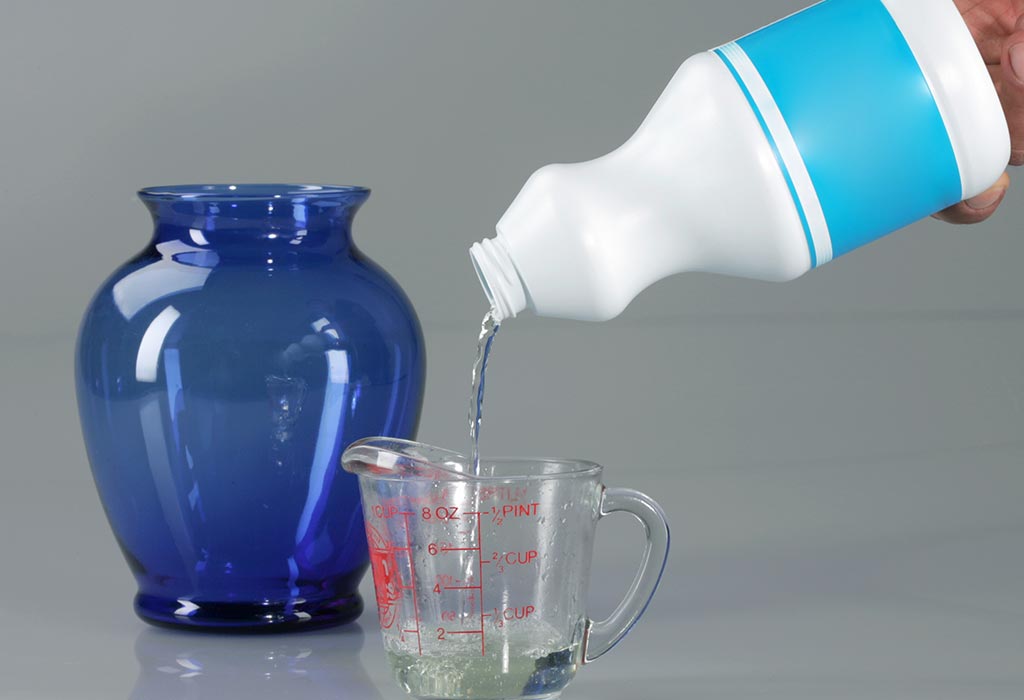
Bleach and pee pregnancy test is possible due to the highly reactive nature of bleach. The reaction between the bleach and urine indicates the result of this test. If the reaction produces fizz, bubble or froth, this could mean that you are pregnant. If you don’t see any visible reaction, it suggests that you are not pregnant.
Is a Bleach Pregnancy Test Safe?
Although a DIY bleach pregnancy test is cost-effective and easy to perform, it is by no means accurate as it cannot detect the pregnancy hormone. The bleach pregnancy test raises several safety concerns. Handling bleach improperly can lead to health risks. Plus, there are very limited studies on the efficacy and safety of bleach pregnancy tests. Since bleach is a corrosive chemical, it can be dangerous if it comes in contact with the skin, eyes, mouth, or throat or if someone inhales its fumes (1). Therefore, it is important to be highly cautious when conducting a pregnancy test and leave the room if you begin to have eye or lung irritation.
How Does a Bleach Pregnancy Test Work?
Pregnancy tests are based on the ability of a substance to identify a hormone called Human Chorionic Gonadotropin (HCG) in the urine. Your placenta starts producing HCG early when you are pregnant. The level of HCG production continues to rise each day during most of the first trimester. After crossing a certain threshold concentration, HCG starts coming out along with the urine (2).
The bleach and pee pregnancy test works when the bleach reacts with the pee. In the Bleach Pregnancy test, when HCG is present in urine, it reacts with bleach to produce fizz. This is an indication that HCG is present in the urine and you are pregnant.
If there is no noticeable change when urine and bleach are mixed together, then it indicates that HCG is not present in the urine and you are not pregnant.
What Do You Need for a Bleach Pregnancy Test?
For the Bleach Pregnancy test, you will need the following items:
Two clean cups – Mark them as cup 1 and cup 2.
Standard household bleach
Fresh urine sample (try to conduct the test in the morning since the concentration of HCG in urine is maximum at that time)
What Type of Bleach Is Needed for This Test?
To perform the bleach pregnancy test, you do not require any expensive industrial bleach. You can use standard household bleach that is generally used for cleaning purposes. Try to use normal bleach rather than scented or coloured bleach, as these might disrupt the reaction between the bleach and urine.
How to Perform a Bleaching Powder Pregnancy Test?
Following are the steps to perform the bleach powder pregnancy test (3):
1. Prepare the Urine in Cup 1
Urinate in the cup directly. Try to fill one-fourth of the cup with urine. It is advised to perform the test in the morning since the concentration of Human Chorionic Gonadotropin (HCG) is highest at this time. Hence, it will give you better results (4).
2. Prepare the Bleach in Cup 2
Put some bleach into the Cup 2. There is no specified measurement for this, but it is advised to take one-fourth cup of bleach.
3. Add Your Urine to Cup 1
Pour the fresh urine sample from cup 1 to cup 2. You will be able to see the reaction immediately.
4. Observe The Reaction
After mixing, if the reaction produces fizz, bubble or froth, it could mean that you are pregnant. While if you don’t see any visible reaction, it suggests that you are not pregnant.
What Does the Reaction Mean in a Bleach Pregnancy Test?
If you cannot see any reaction after bleach and urine is mixed, then you are not likely not to be pregnant. However, you should not conclude that you are not pregnant since the bleach and pee pregnancy test is not 100% conclusive. You should try another standard pregnancy test to find out for sure.
Bleach Pregnancy Test Result
The bleach powder pregnancy test will need your patience for interpretation of results. Froth will be generated as soon as you add urine to bleach. You will have to be observant as the reaction lasts for a few seconds.
1. Positive Result
If the solution produces fizz, bubble or froth, this is the positive pregnancy test with bleach and urine. If the mixture foamed within a few seconds, there is a very high chance that you are pregnant. A positive bleach pregnancy test indicates that you are pregnant. However, it is not 100% accurate.
A false positive pregnancy result is when the pregnancy test shows positive, but you are not actually pregnant. If you leave the mix for too long, it will froth due to other reasons. It will be considered as a false positive pregnancy result.
2. Negative Result
If the mix doesn’t produce any frothing or effervescence, then you are not likely not to be pregnant. But this result is not 100 % conclusive. You should try another standard pregnancy test to find out for sure. A negative bleach pregnancy test suggests that you are not pregnant.
A false negative pregnancy test is when you are pregnant and the pregnancy test gives a negative result. However, a false negative pregnancy test is very uncommon. A false pregnancy result can be observed if you take a bleach pregnancy test before a missed period.
How Accurate Is a Bleach Pregnancy Test?
The pregnancy test with urine and bleach is a homemade pregnancy test. You cannot expect it to be 100% conclusive. The pregnancy test conducted by hospitals and nursing homes is far superior to bleach and urine pregnancy tests.
Why Should You Take Bleach Pregnancy Test?
Well, you should not. Experts are of the opinion that bleach pregnancy tests should be avoided because of several health hazards. Inhaling the fumes could have any serious effect on your little one or yourself if you happen to be pregnant (1). Plus, there are several safe-to-use at-home pregnancy tests available.
Risks of Taking Pregnancy Test Using Bleach at Home
Bleach and urine should be combined with utmost care. When bleach and urine are combined, a very toxic fume called chloramine gas is created that can be risky for you and your baby if you inhale even a small amount of it. Depending on the amount of chloramine gas you inhale, you could experience minor symptoms such as difficulty breathing, nausea, throat irritation and skin irritation, or you could even possibly lose consciousness if you inhale too much (5). Hence, it is necessary to perform this test in an open area with a lot of ventilation. Also, it is preferable that someone else perform the mixing part of the test without you in the room so that there is no risk of harm to you or the baby. All in all, if you believe you are pregnant, it is always advisable to buy a pregnancy test from a pharmacy, as it is safer and more accurate.
Can Supplements Affect Pregnancy Test Results?
The FDA has approved HCG as a prescription medication for fertility treatment (6). You may get a false result if you get a pregnancy test after taking an approved fertility prescription drug that contains HCG.
However, if you are taking simple health supplements that do not contain Human Chorionic Gonadotropin (HCG), which is the main factor for this test, you do not have to worry about false results due to health supplements.
Another important piece of information to note here is that if the health supplement prescribed to you has a diuretic effect (which causes more urination than normal), the concentration of HCG in your urine might not be sufficient for the test, and it might produce false results.
Note:- If you drink too much water, the concentration of HCG in your urine might be lower than required for the test, and this might produce false results.
What Should You Know Before Trying a Bleach Pregnancy Test?
It is very important to take safety precautions while doing the bleach powder pregnancy test. Here are some precautions you should take:
Do not directly pee inside the bleach container, as it may cause a reaction that could be dangerous.
Use the normal bleach rather than the scented or coloured bleach as these might disrupt the reaction between bleach and pee.
The fumes caused by mixing bleach and urine may cause watery eyes, nausea, suffocation and chest pain. The fumes from the bleach and pee pregnancy test can be toxic to your unborn baby if you inhale them.
The observation has to be made in the first few seconds. If you leave the mix for too long, it will froth due to other reasons. It will be considered as a false positive pregnancy result.
Ensure that the room where the testing is done has proper ventilation. Never inhale the gases that come out during the test.
Do not allow the bleach to come in contact with your skin. Bleach is corrosive in nature. It can cause irritation and burns.
Do not shake the mixture of urine and bleach. The froth seen after shaking the mixture will not be the proper indicator of pregnancy. The foam or froth might have been caused due to the stirring action.
FAQs
1. Are there any alternatives for bleach pregnancy tests?
While the bleach pregnancy test may be appealing for its simplicity, it cannot match the reliability of medical-grade tests. The best alternative to a home pregnancy test with bleach is an at-home pregnancy test kit. It is one of the reliable methods to check pregnancy without worrying about any safety hazards. Plus, it is easily available at drugstores, supermarkets, and even online at reasonable prices. You may also try a sugar pregnancy test, and for a clear confirmation, you can have a blood or urine test at the doctor’s office.
2. What are the safe methods to check pregnancy?
Over-the-counter available at-home pregnancy tests and blood tests done at a healthcare facility are the safest methods to check pregnancy, as they do not risk the individual to any harmful substances.
3. What should I do after a positive bleach pregnancy test?
A bleach pregnancy test positive and negative results should not be considered confirmation of pregnancy. If the test appears positive, take a standard home pregnancy test according to its instructions, ideally after a missed period. If the result is positive, unclear, or you continue to have pregnancy symptoms, consult a healthcare professional for confirmation and guidance on the next steps.
4. Can urine react with bleach even when you are not pregnant?
Yes. Urine can produce bubbling, foaming, or other changes when mixed with bleach even when a person is not pregnant. This is one reason why interpreting the reaction as a positive or negative pregnancy result can be misleading (7).
The bleach and pregnancy test can be a very useful home-based test to check pregnancy. However, the results of this test are not 100% conclusive. It is highly recommended that you get a standard pregnancy test done at a hospital for confirmed results.
Also Read:
Digital Pregnancy Test
Baking Soda Pregnancy Test
Easy Homemade Pregnancy Tests
How to Know Pregnancy Without Doing Test?
Read more




Can You Get Pregnant with One Ovary? Chances and Facts
Key Takeaways:
Ovary removal is a surgical process which may happen due to health conditions like ovarian cysts, ovarian cancer, endometriosis, or abscess.
You can get pregnant with one ovary as long as your remaining ovary is healthy.
The production of an egg with one ovary every month is as usual with two ovaries.
Women with age above 40 might have a little difficulty in conceiving with one ovary.
Maintaining health, ideal weight, stress, sleep cycle, and balanced nutrition help conceive faster
Can you get pregnant with one ovary? For most women, the answer is yes. In many instances, getting pregnant with one ovary is as normal as getting pregnant with two ovaries. Due to medical reasons, some women may have an ovary surgically removed, while others may be born with a single ovary. If the ovary removal procedure damages a woman’s fallopian tubes or leads to the removal of one or both fallopian tubes, a woman may have difficulty in getting pregnant. In this case, you should talk to your doctor. But if the fallopian tubes are fine, then a woman with a single ovary may respond well to fertility treatments and will not have any fertility issues.
What Are the Reasons for Ovary Removal?
Unilateral oophorectomy is a surgical procedure for the removal of one or both ovaries (1). Fallopian tubes are also removed in many cases. Most of the time, oophorectomy and hysterectomy are done together. The removal of both ovaries is not necessary if at least one of the ovaries is functioning correctly. But in the following conditions, your one ovary might be removed (2).
1. Ovarian Cysts
Fluid-filled sacs on the surface or in an ovary is called ovarian cysts. Many women having ovarian cysts show no symptoms, but women with large cysts or polycystic ovarian syndrome (PCOS) might show signs other than pain. In such a case, your ovary might be removed (3).
2. Ovarian Cancer
Ovarian cancer begins in the ovary when the cells are mutated and multiply in an uncontrolled manner. Women with a family history of breast cancer or ovarian cancer are more susceptible to ovarian cancer. Thus, ovarian cancer may make a woman consider removing her ovaries (4).
3. Endometriosis
During the menstrual cycle, the lining inside the uterus sheds and emerges out of the vagina, which is termed as period. However, this does not happen if a woman has endometriosis. In endometriosis, the uterine lining or the uterus tissues grow out of the uterus. If the uterine tissue reaches the ovaries, women experience pain, which may lead to the removal of the ovaries (5).
4. Abscess
In many cases, due to infection, a pocket of pus gets formed in the ovary – this is called an abscess. In such a case, a woman’s ovary might have to be removed.
Can Women Get Pregnant With One Ovary?
Women with one ovary, either because of birth or surgery for ovary removal, can still get pregnant. As long as the ovary still in the body is producing healthy eggs for the fusion of healthy cells, the chances of getting pregnant with one ovary are the same as with two. In fact, you can still get pregnant if you have one fallopian tube and one ovary (6). Another factor pregnancy depends upon is the age of the mother. Women with age above 40 might have a little difficulty in conceiving with one ovary.
Effects on Fertility With One Ovary
Can a woman with one ovary get pregnant? Yes, the chances of getting pregnant with one ovary are equal to the chances of getting pregnant with two ovaries. What plays an important role in fertility is the reason for the removal of the ovary. Pregnancy with one ovary risks the chances of fertility. Yes, if the ovary had to be removed due to serious conditions, then it lowers the chances of fertility.
The most significant aspect of getting pregnant with one ovary is that it should be next to a healthy fallopian tube. Fallopian tubes hang near the ovaries and are not attached to them. Their primary role is to catch the egg when it is released from the ovaries. If the egg can reach the uterus through the tube, then there is no fertility problem.
Every month the ovaries release the egg alternatively. If only one ovary is present, an egg is still normally released every month. If the ovary is not adjacent to the fallopian tube, as long as it is healthy, the egg can reach the tube. Through this tube, the egg reaches the uterus. However, this increases the chances of an ectopic pregnancy.
How to Get Pregnant With One Ovary?
One ovary pregnancy can seem tricky but it is certainly not impossible. Ovulation takes place normally in most women with a single ovary, and these women have no other problems in getting pregnant, although some women might have some fertility issues because they ovulate less frequently. When a woman with one ovary who wishes to conceive a child has concerns about her condition, she should talk to a doctor. Follow these steps to get pregnant.
Step 1
Visiting your doctor is the first step. Your doctor may suggest an ultrasound to check whether the single ovary is functioning properly. With the help of an ultrasound, your doctor will confirm if the ovary is releasing eggs at the right time or not. Other tests will also be done to make sure that you don’t face any other complications that might impair fertility.
Step 2
Keep a calendar handy while trying to get pregnant. Mark in your days of ovulation. Women usually ovulate between days 11 and 21 of their menstrual cycle, counting from the first day of their last menstrual cycle.
Step 3
Look for the signs of ovulation. You will experience a change in cervical mucus. During ovulation, your basal body temperature may increase. So, do not miss these signs.
Step 4
The sperm can survive in a woman’s body for several days while the eggs can survive only less than 24 hours after ovulation. So, have sexual intercourse when you are ovulating or even before that, this will increase the chances of getting pregnant.
Step 5
Yes, it will be hard for you to wait to see those blue lines on a pregnancy stick but wait a little more. Take pregnancy tests two weeks after ovulation. If the result is negative, repeat the process in the next menstrual cycle. It may take you several months to conceive but don’t get disheartened; keep trying. However, if you cannot get pregnant within 6 to 12 months, visit a doctor again.
Fertility Treatment Options For Women with One Ovary
When the pregnancy is delayed due to several medical factors, pregnancy treatment options can be employed. The following are the known assisted treatment options for women with one ovary:
1. Ovulation Induction
This process is usually the starting point for women whose remaining ovary isn’t releasing eggs regularly. Oral medications such as clomiphene citrate or letrozole, or injectable gonadotropins (FSH-based drugs), are used to stimulate the ovary to mature and release an egg on a predictable schedule. These medications stimulate the ovaries to produce eggs during the treatment cycle.
2. Intrauterine Insemination (IUI)
Intrauterine insemination (IUI), often combined with ovulation induction, is a common next step. IUI can be paired with medications to help stimulate ovulation and improve the chance of pregnancy.
3. In vitro fertilization (IVF)
IVF is recommended when ovulation induction and IUI haven’t worked or when the when the cause of infertility is advanced (tubal blockage, severe male-factor infertility, or diminished ovarian reserve), requiring more advanced intervention (1).
How to Improve the Chances of Getting Pregnant With One Ovary?
To improve your chances of conceiving with one ovary, here are some suggestions to follow (7):
Eat food rich in antioxidants and folic acid. Make sure your diet is rich in foods containing folic acid, non-dietary fatty acids, vitamins, low-pesticide fruits and vegetables, whole grains, seafood, and dairy (8).
Quit alcohol consumption, smoking, and recreational drugs.
Exercise regularly.
Maintain a healthy weight.
Have vaginal intercourse by tracking your fertility window.
Avoid direct contact with pesticides and harmful chemicals and pollutants.
If you have a doubt or dilemma regarding your pregnancy, speak freely to your obstetrician.
Maintain your pre-pregnancy weight (9). Stay away from overeating or excess junk food.
Keep your stress levels low. You can meditate, do yoga, or pursue your hobby to keep your stress low.
Sleep well on time and for a minimum of 8 hours.
What Is the Success Rate of Pregnancy with One Ovary?
There is no “fixed” success rate of pregnancy with one ovary as it the chances of conception vary significantly depending on whether we’re talking about natural conception or assisted reproduction. Also, the number of eggs is not the second factor; hormonal balance, age, fertility, and reproductive health also matter.
Women undergone ovarian surgery for cysts or endometriosis have a slightly reduced chance of getting pregnant, depending on the severity of the scarring or damage inside.
When to Consult a Doctor?
The following cases require you to consult a fertility specialist if you are trying to get pregnant with one ovary:
You are under the age of 35 and have been persistently trying for pregnancy for the last 12 months without any success.
You are 35 years or older and have been planning for pregnancy for the last 6 months or more.
You have irregular or absent menstrual cycles.
You have a history of recurrent miscarriages.
You have a history of pelvic surgery or infection, or endometriosis.
Your one fallopian tube is either blocked or damaged.
Suspected male partner’s fertility issues are affecting the chances of pregnancy
FAQs
1. Can I get pregnant without ovaries?
No, you cannot conceive naturally without ovaries. To conceive without both ovaries present, you can opt for the in-vitro fertilisation method.
2. What is left ovary pregnancy, and how can I conceive a baby from the left ovary?
If the egg released from the left side of the ovary gets fertilised in the uterus, it is called left ovary pregnancy. Although there is a higher chance of getting pregnant from the right ovary than the left one when both ovaries are intact, a left ovary pregnancy is also possible in case one ovary is left (10).
3. Is it hard to get pregnant naturally with one ovary?
Yes, it is possible to conceive naturally with one ovary, but one may or may not experience some delays or difficulties, depending on the health of the ovary. If the ovary is fine, there might be no problem, and vice versa.
4. If I have one ovary, will it continue to produce eggs monthly?
Yes, the remaining ovary will typically release the eggs every month.
See your OBGYN or fertility specialist about possible treatments if you have been trying to get pregnant without success for more than 6 months. Your doctor may suggest that you go for fertility treatments, but the good news is that you will get pregnant. So, don’t lose hope and keep trying!
Also Read:
Do Ovary Size Matter To Get Pregnant?
Ovarian Follicle and Its Role in Fertility
Chances of Pregnancy Before, During and After Periods
Read more
Can You Get Pregnant After a Hysterectomy?
Key Takeaways
A hysterectomy removes the uterus, so carrying a pregnancy afterwards is not possible.
If the ovaries remain, they may continue to release eggs and produce hormones.
IVF may allow the use of your eggs with a gestational carrier, depending on medical factors.
Rare ectopic pregnancies have been reported after hysterectomy and require urgent medical attention.
No, you cannot carry a pregnancy after a hysterectomy because the procedure removes the uterus, where a pregnancy develops. However, whether you can still produce eggs depends on whether your ovaries were removed. In the U.S., 14.6% of women aged 18 and older had undergone a hysterectomy in 2021, according to the CDC’s National Health Interview Survey (1).
If you’re wondering can you become pregnant after a hysterectomy, this article explains how the surgery affects fertility, what happens when the ovaries are preserved or removed, and whether options such as surrogacy may allow you to have a biological child after the procedure.
What a Hysterectomy Is and Why You Need it?
Hysterectomy refers to the permanent removal of one or more organs of the female reproductive system in order to treat an underpinning gynaecological condition. It is usually done to treat conditions like fibroids, uterine prolapse, heavy bleeding, endometriosis, adenomyosis, cancer, etc. A partial hysterectomy which involves the removal of the uterus and a complete hysterectomy which involves the removal of both the uterus and the cervix, are the most common surgeries that women across the world undergo to treat a number of reproductive disorders (2).
As it is irreversible, it is usually performed after evaluating other treatment options, the age of the patient, the number of offerings, etc. This treatment usually reduces the childbearing chances for the woman to zero. Therefore, doctors usually consider it as a treatment option for women in their fertile years, only when it is absolutely needed. The procedure does not affect the sex life or the overall health of the woman and in fact, relieves her from the pain and discomfort that she experienced previously. However, it can affect the health of a woman, depending on when it is done and whether the ovaries were left in situ or not
Different Types of Hysterectomy
Hysterectomy is a surgical procedure involving the removal of a woman’s uterus. There are several types of hysterectomy, each with varying degrees of invasiveness and implications for future reproductive and overall health. The choice of which type of hysterectomy to perform depends on the patient’s specific medical condition and the extent of the procedure needed. Here are four common types:
1. Total Hysterectomy
In a total hysterectomy, the entire uterus, including the cervix, is removed. This type of hysterectomy is performed for various reasons, including uterine fibroids, endometriosis, and certain cancers. It eliminates the possibility of future pregnancies (3).
2. Partial or Subtotal Hysterectomy
Also known as a supracervical hysterectomy, this procedure involves the removal of the upper part of the uterus while leaving the cervix intact. Women who undergo a partial hysterectomy may experience fewer changes in pelvic support and sexual function compared to a total hysterectomy (4).
3. Radical Hysterectomy
A radical hysterectomy is typically performed when there is cancer involving the cervix or nearby structures. It involves the removal of the entire uterus, cervix, tissue around the cervix, and possibly the upper part of the vagina. Lymph nodes in the pelvis may also be removed for cancer staging (5).
4. Hysterectomy With Bilateral Salpingo-Oophorectomy
In addition to removing the uterus, this type of hysterectomy involves the removal of both fallopian tubes and ovaries. It is often recommended for women with ovarian cancer, significant risk of ovarian cancer, or certain hormone-related conditions. Removal of the ovaries induces menopause if the woman has not reached it already (6).
How Is It Performed?
A hysterectomy is performed through one of several methods, depending on the patient’s specific medical condition, anatomy, and the surgeon’s preference. The main approaches to performing a hysterectomy include:
1. Abdominal Hysterectomy
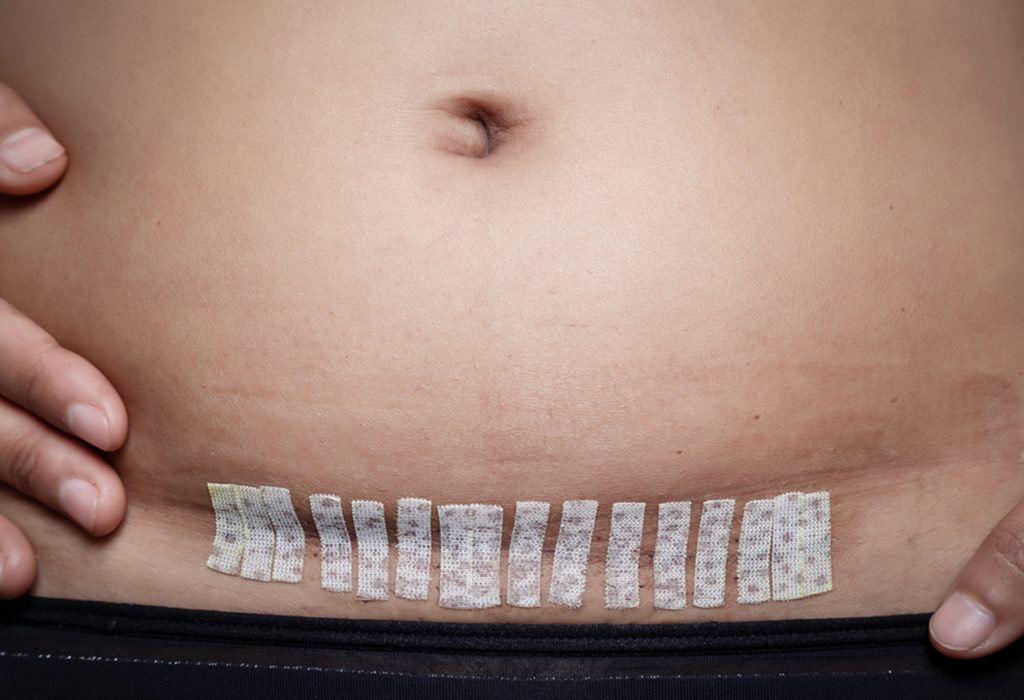
This involves making an incision in the abdominal wall, either horizontally (horizontal abdominal incision) or vertically (vertical abdominal incision), to access and remove the uterus. Abdominal hysterectomies are typically used for larger uteri, cancer cases, or when other approaches are not feasible (7).
2. Vaginal Hysterectomy
In a vaginal hysterectomy, the uterus is removed through the vaginal canal. No abdominal incisions are made. This method is suitable for certain uterine conditions and when the uterus is of a manageable size (8).
3. Laparoscopic or Minimally Invasive Hysterectomy
Minimally invasive approaches include laparoscopic (keyhole) and robotic-assisted procedures. Small incisions are made in the abdomen, and specialised instruments, including a camera, are used to guide the surgeon in removing the uterus. These approaches typically result in shorter recovery times and less scarring compared to abdominal hysterectomy (9).
Can You Get Pregnant if You Do Not Have a Uterus?
‘Getting pregnant after a hysterectomy’ is a topic that often comes up. The uterus is a very critical reproductive organ. During the conception of a baby, the egg and the sperm fuse to form an embryo, the uterus serves as comfortable bedding for the embryo to attach and grow. The unformed foetus attaches to the wall of the uterus and anchors itself for further growth and development (10). In women who have undergone a hysterectomy, this uterus is unavailable for the embryo to anchor. Therefore, the answer to the question, ‘can you get pregnant after a hysterectomy’ is a simple no.
Can You Ovulate After a Partial Hysterectomy?
After a partial hysterectomy, where only a portion of the uterus is removed, it may still be possible to ovulate. The ovaries, which produce eggs and hormones, are typically left intact in a partial hysterectomy. However, without a complete uterus, the fertilised egg cannot implant and develop into a pregnancy. It’s important to note that while ovulation may continue, the ability to conceive and carry a pregnancy to term is significantly reduced or eliminated, depending on the extent of the surgery and the specific circumstances.
What Are the Chances of Pregnancy After a Hysterectomy?
It is not possible for a woman to get pregnant after a hysterectomy. However, with advances in medical sciences today, a couple can still have a baby after undergoing a hysterectomy (11). Delegating the crucial step of the growth and development of the embryo inside the womb to surrogacy can help an issueless couple have a baby. When a woman is preparing to undergo the surgery, the doctor usually harvests the egg for freezing and using later. If the ovaries are left intact, then the egg is harvested as and when required for fertilisation. The fertilised egg is introduced into the uterus of the surrogate mother, for attachment and growth.
What Are Some Risks and Complications of Hysterectomy?
Hysterectomy is a common surgical procedure, but like any surgery, it carries certain risks and potential complications. It’s crucial for individuals considering this procedure to be aware of these factors. Here are 10 potential risks and complications associated with hysterectomy:
Infection
Bleeding
Anesthesia-related issues
Blood clots
Damage to nearby structures
Urinary issues
Bowel issues
Pelvic pain
Surgical menopause
Vaginal vault prolapse
Emotional and psychological effects
Ectopic Pregnancy After a Hysterectomy
An ectopic pregnancy is an extremely rare possibility immediately after the surgery if it is performed during the luteal phase of the menstrual cycle. In some rare situations, the egg gets fertilised at the time of the surgery and due to lack of uterine surface for anchoring, it attaches itself elsewhere. An ectopic pregnancy, unlike a normal pregnancy, does not result in a healthy baby (12).
How to Diagnose and Treat an Ectopic Pregnancy Post a Hysterectomy?
The occurrence of ectopic pregnancy after hysterectomy is very rare, making the diagnosis of it very challenging. Usually, women who undergo the surgery assume that they do not stand a chance of becoming pregnant. Therefore, they tend to ignore the symptoms of a tubular pregnancy in the initial stages. An ectopic pregnancy that occurs as a result of the presence of a fertilised egg in the body at the time of the surgery, triggers abdominal pain after a hysterectomy. This is usually mistaken as post-operative pain and is ignored. The abdominal pain and bleeding that usually accompanies an ectopic pregnancy should be taken seriously and brought to the notice of the doctor. The doctor usually performs a simple ultrasound scan or pelvic examination of the lower abdomen or other plausible locations of embryo implantation to detect the condition.
Emergency surgery is usually done to remove the embryo, especially in abdominal pregnancy after a hysterectomy. Based on the extent of damage, the treatment can vary from medications to surgical removal of the organs. Early detection of ectopic pregnancy, greatly reduces the extent of the damage.
When to Consult a Doctor?
Consult your doctor if you experience:
Heavy or persistent vaginal bleeding after a hysterectomy.
Severe or worsening abdominal or pelvic pain.
Fever, chills, or signs of infection.
Unusual or foul-smelling vaginal discharge.
Difficulty urinating or significant changes in bowel movements.
FAQs
1. Does a hysterectomy shorten my life?
Hysterectomy itself typically does not shorten a person’s life expectancy. However, the underlying medical conditions that may have led to the need for a hysterectomy can impact overall health and longevity. It’s essential to address any concerns about life expectancy with your healthcare provider, considering your specific situation.
2. What is the age limit of doing a hysterectomy?
There is no strict age limit for undergoing a hysterectomy. The decision to have a hysterectomy is based on medical need and individual circumstances rather than age. Factors such as overall health, the presence of specific medical conditions, and the patient’s preferences play a more significant role in determining when a hysterectomy may be appropriate.
3. Can you still ovulate after hysterectomy?
Yes, you can still ovulate after a hysterectomy if your ovaries were not removed. The ovaries may continue releasing eggs and producing hormones even though the uterus is no longer present.
4. Can IVF be done after a hysterectomy?
Yes, IVF may still be possible if your ovaries are working and can provide eggs. However, because the uterus has been removed, you cannot carry the pregnancy yourself. The eggs can be fertilised in a laboratory to create an embryo, which may then be transferred to a gestational carrier.
Hysterectomy is a very crucial surgery that impacts the lives of women greatly. Awareness about the postoperative lifestyle, possibility and symptoms of ectopic pregnancy and the other external contraceptive methods can go a long way in maintaining good reproductive health after the surgery.
Also Read:
Getting Pregnant after Tubal Ligation
Pregnancy after Hysterosalpingogram Test
Is it Possible to Get Pregnant after Vasectomy
Read more

Sugar Pregnancy Test: Procedure, Accuracy & Results
Numerous DIY methods claim to offer insights into pregnancy status. Some involve using everyday items like shampoo or sugar to test pregnancy. While these methods require minimal preparation and may offer preliminary indications of pregnancy, they lack the precision of medical tests. The sugar pregnancy test, for example, suggests that a reaction occurs when sugar is added to urine if pregnancy is present. Having said that, if you are keen on knowing if pregnancy can be tested using sugar and how, read through the article once before you speak to your medical practitioner. It’s vital to consult with a healthcare professional for accurate and reliable information on your pregnancy status. So read on to learn all about sugar pregnancy tests.
What Is Sugar Pregnancy Test?
Testing for pregnancy using sugar is done with the help of simple sugar crystals and your urine. As with many other tests, it relies on the presence of the hCG hormone (human chorionic gonadotropin). It is generated by the placenta, and the presence of it is known as a conclusive sign of being pregnant.
Let’s take a quick look at what you will need to conduct this test and how to perform it.
Science or Theory Behind Sugar Pregnancy Test
The sugar pregnancy test, a popular DIY method, is based on the premise that pregnancy hormones, such as hCG, can interact with sugar in a way that causes a reaction. According to advocates of this test, the idea is that when a pregnant woman’s urine is mixed with sugar, it will clump or form a precipitate if pregnancy is present. However, it’s crucial to note that the scientific validity of such home tests is widely debated. Always consult healthcare professionals for accurate pregnancy confirmation.
What Will You Need for a Home Pregnancy Test With Sugar?
As mentioned earlier, you will need only three items to perform the test:
Simple white sugar that does not have any impurities.
Two sterilized and dry bowls that can be discarded after use.
Your first urine of the day.
Benefits of Sugar Pregnancy Test
The sugar pregnancy test has gained attention as a DIY method claiming to detect pregnancy by observing reactions between sugar and urine. While this test may appeal to those seeking alternative methods, it’s essential to understand its benefits and limitations.
1. Cost-Effective
Conducting a sugar pregnancy test is economical as it requires only basic household items. This affordability makes it accessible to individuals who may be constrained by financial considerations.
2. Ease of Conducting
The test is relatively simple to perform, involving the mixing of urine and sugar. This simplicity can be advantageous for those who prefer a convenient at-home option and may not have immediate access to professional testing.
3. Quick Results
The sugar pregnancy test often claims to provide rapid results, with some proponents suggesting that reactions, such as clumping, occur within a short timeframe. This quick turnaround may appeal to individuals seeking immediate insights.
4. Low Environmental Impact
Compared to traditional pregnancy tests that involve plastic components, the sugar pregnancy test relies on common household items. This could be seen as a more environmentally friendly option, reducing the use of disposable materials.
Concerns About Sugar Pregnancy Test
While the sugar pregnancy test has gained popularity as a DIY method for detecting pregnancy, concerns exist regarding its accuracy and reliability. It’s essential to be aware of potential drawbacks before relying on such tests for crucial health information.
The sugar pregnancy test lacks extensive scientific validation, and its accuracy is questioned by healthcare professionals. The absence of standardized procedures raises doubts about its reliability.
Results of the sugar pregnancy test may be subjective and open to misinterpretation, as reactions can vary based on individual perceptions. This introduces a risk of false positives or negatives.
Users have reported inconsistent outcomes, with some experiencing clumping or precipitation unrelated to pregnancy. This variability raises concerns about the test’s consistency and effectiveness.
Unlike medical tests with clear thresholds for positive or negative results, the sugar pregnancy test lacks standardized criteria for interpretation, making it challenging to establish definitive outcomes.
While proponents claim quick results, some users report delayed reactions, leading to uncertainty and potential anxiety during the waiting period.
The safety of using sugar in pregnancy tests is not guaranteed, and concerns about hygiene and contamination may pose risks to users. Professional medical tests adhere to strict safety standards.
Even if the sugar test indicates pregnancy, it provides no insights into the health of the pregnancy or potential complications. Professional prenatal care is crucial for monitoring and ensuring a healthy pregnancy.
Relying solely on the sugar pregnancy test may offer a false sense of assurance or concern. It cannot replace comprehensive medical assessments that consider various factors for accurate results.
How to Perform This Test?
The test works best with the first early morning urine since it has the most chances of having a higher proportion of hCG hormone in it (1).
Here’s how you can perform the test:
Take a tablespoon of sugar in a sterilized bowl.
Take another bowl and collect your first-morning urine in it.
Pour one tablespoon of your urine into the bowl with the sugar.
Let it stay for 4 to 5 minutes.
So, what outcome are we expecting from the test? Read on to know more.
How Does the Sugar Pregnancy Test Work?
The most important property of sugar is its solubility. And that’s the principle based on which the pregnancy test works as well. When a woman is pregnant, her urine contains a good amount of the human chorionic gonadotropin hormone or hCG. When the first urine of a pregnant woman comes in contact with sugar crystals, the hCG hormone reacts with the sugar, preventing it from being assimilated into the fluid of the urine. Therefore, the sugar will fail to dissolve and will form clumps instead. It is highly necessary to use fresh sugar for the test and not old sugar.
How to Interpret the Results of the Test?
The pregnancy sugar test results depend on the reaction the sugar has with the urine, and whether or not the sugar is visible in the bowl after the reaction. The test can either be positive or negative.
1. Positive Sugar Pregnancy Test
On adding urine to the sugar in the bowl, if at the end of the sugar pregnancy test, the sugar stays at the bottom, in the form of clumps, then there is a good chance that you are pregnant. This scenario is termed as a positive sugar pregnancy test. Often the clumps form within five minutes of coming into contact with the urine.
2. Negative Sugar Pregnancy Test
If on coming in contact with your urine, the sugar dissolves within no time, it indicates that your urine does not contain the hCG hormone that prevents the sugar from dissolving. Hence, it is a sign that you are not pregnant, and such a scenario is termed as a negative sugar pregnancy test.
Now you know how to conduct the sugar pregnancy test, but you must have some more questions regarding the test. In the rest of the article, we have tried to address most of them.
What Is the Best Time to Do the Sugar Pregnancy Test?
When it comes to a pregnancy test, be it homemade or with a store-bought pregnancy test kit, everything depends on the possibility of detecting the presence of hCG in your urine. hCG is the first and foremost sign that can confirm pregnancy in a woman, and that’s all that matters in the initial stages.
Throughout the day, the urine can get contaminated or diluted with many other constituents, leading to a quantity of hCG in it, that may not be detected easily. Therefore, the best time to carry out the test is early in the morning, with a fresh sample of the first urine of the day. This has the highest chance of having hCG hormones in it, which can then be detected by the sugar. This would lead to clumping of sugar, and the chances of a clear result would increase.
What Is the Difference Between Sugar and Traditional Pregnancy Tests?
The primary difference between sugar pregnancy tests and traditional pregnancy tests lies in their methodology and reliability. Sugar tests claim to detect pregnancy based on reactions between urine and sugar, often lacking scientific validation and standardized interpretation criteria. In contrast, traditional pregnancy tests use specialized antibodies to detect the presence of hCG, a hormone produced during pregnancy, providing more accurate and reliable results. Always consult healthcare professionals for the most accurate and trustworthy pregnancy confirmation.
How Accurate Is the Sugar Pregnancy Test?
As with any homemade pregnancy tests, there is no benchmark or rulebook that states the generalized accuracy level for sugar pregnancy tests. Most tests are quite dependent on the environmental factors, the constituents used, the hygiene levels, the presence of impurities, the time of tests, and so on.
There might be chances of the bowl not being completely clean and sterile, with impurities in it, that could drastically affect the test. If the urine is not the first fresh urine of the day, the result could vary by a large degree, causing the sugar to dissolve easily, and giving you a false negative pregnancy test result.
The sugar that is being used also needs to be fresh and should have been stored properly in an airtight container. Any sugar that is not stored properly or is quite old can be extra sensitive and hygroscopic in nature. This could cause it to form lumps even before it has a chance to interact with the urine. In such a case, the visibility of lumps might prevent it from dissolving in the urine, causing you to believe that you are pregnant when, in fact, it is a false positive pregnancy test result.
Therefore, it is highly recommended that a homemade pregnancy test is reconfirmed using a professional kit after a few days, irrespective of whether you are expecting the same result or a different one.
Homemade pregnancy tests are a quick and inexpensive way to address the question in your mind related to your pregnancy. Most of the tests are fine since they do not make use of any toxic substances. However, they do not have medical approval since they depend on multiple factors. Therefore, complementing these tests with a clinically-proven pregnancy test kit is your best bet.
Another factor to keep in mind is the understanding of your own body and whether or not you are expecting to get pregnant. Mostly, pregnancy tests are conducted when you end up missing your period. However, there might be a chance that your periods are simply delayed due to stress and other factors in your life. But, if you are consciously trying your best to get pregnant and would like to keep checking for the results every couple of days, you can opt for this homemade pregnancy test, or better instead, go for affordable hCG strips. These are quite inexpensive compared to the usual pregnancy kits and have quite a good accuracy rate, too.
When to Consult a Doctor?
If your menstrual cycle is overdue or you’ve engaged in unprotected intercourse, it’s advisable to consult a healthcare professional to explore potential early signs of pregnancy. Indications may encompass a delayed menstrual cycle, morning sickness, constipation, bloating, abdominal cramps, fatigue, and increased sensitivity or tenderness in the breasts (2).
FAQs
1. Can Pregnancy Test Using Sugar Determine Ectopic, Chemical, Molar Pregnancy or Miscarriage?
No, a test for pregnancy with sugar cannot reliably determine specific types of pregnancies or potential complications such as ectopic, chemical, molar pregnancy, or miscarriage. These tests are not designed to provide detailed information about the nature or health of a pregnancy. For accurate diagnosis and information on pregnancy health, consult with a healthcare professional and rely on medical tests.
2. How Frequently Should I Perform Pregnancy Test With Sugar?
The frequency of testing pregnancy with sugar is not standardized, and there is no established guideline. However, it’s important to note that the scientific validity of sugar pregnancy tests is debated, and their accuracy is uncertain. For reliable results and confirmation of pregnancy, it is recommended to use established medical tests and consult with a healthcare professional.
In any respect, the possibility of sugar clumping cannot be contested with the results of a pregnancy kit. Therefore, it is best to keep a ‘pregnancy test with sugar at home’ only as a preliminary orientation and go for a conclusive one after a few days.
References/Resources:
1. Signs of Pregnancy/The Pregnancy Test; Children’s Hospital of Philadelphia; https://www.chop.edu/conditions-diseases/signs-pregnancythe-pregnancy-test
2. Symptoms of pregnancy: What happens first; Mayo Clinic; https://www.mayoclinic.org/healthy-lifestyle/getting-pregnant/in-depth/symptoms-of-pregnancy/art-20043853
3. Pregnancy; U.S. Food & Drug Administration; https://www.fda.gov/medical-devices/home-use-tests/pregnancy
4. Tomlinson. C, Marshall. J, Ellis. J; Comparison of accuracy and certainty of results of six home pregnancy tests available over-the-counter (Current Medical Research and Opinion); Taylor & Francis Online; https://www.tandfonline.com/doi/full/10.1185/03007990802120572; May 2008
5. Home pregnancy tests: Can you trust the results?; Mayo Clinic; https://www.mayoclinic.org/healthy-lifestyle/getting-pregnant/in-depth/home-pregnancy-tests/art-20047940
6. Bouatra. S, Aziat. F, Mandal. R, Guo. A; The Human Urine Metabolome; Plos One; https://journals.plos.org/plosone/article?id=10.1371/journal.pone.0073076; September 2013
7. Am I Pregnant?; Cleveland Clinic; https://my.clevelandclinic.org/health/articles/9709-pregnancy-am-i-pregnant
Also Read:
DIY Pregnancy Tests
Digital Pregnancy Test
Homemade Pregnancy Test with Shampoo
How to Confirm Pregnancy Without Taking a Test?
Read more
Late Ovulation: Causes, Symptoms, and Treatment
Key Takeaways
Late ovulation occurs when an egg is released later than expected in the menstrual cycle.
Common causes include stress, PCOS, thyroid disorders, breastfeeding, weight changes, and excessive exercise.
Symptoms may include changes in cervical mucus, spotting, pelvic pain, and a rise in basal body temperature.
Late ovulation does not mean you cannot get pregnant, but it can make your fertile window harder to predict.
Treatment depends on the underlying cause and may include lifestyle changes, medication, or fertility treatment when needed.
Late ovulation happens when an egg is released later than usual in your menstrual cycle. It can be linked to factors such as stress, hormonal changes, illness, lifestyle changes, or certain health conditions. Because ovulation determines when you are most fertile, delayed ovulation can shift your fertile window and make cycle tracking less predictable.
In this article, we’ll cover everything you need to know about late ovulation and pregnancy, including the common causes and symptoms of delayed ovulation, how it may affect fertility, and the treatment options available when an underlying issue needs attention.
What Is Late Ovulation?
Late ovulation happens if you ovulate anywhere between the Day 21 and Day 35 mark. Ovulating late in the cycle doesn’t mean you’re infertile, but it does say that you don’t know when your next menstrual cycle will happen (1).
If you’re stressing yourself wondering if there are chances of getting pregnant after delayed ovulation, worry no more. There are chances of conceiving even when a woman experiences delayed/ late ovulation. Most of the time, tracking the menstrual and ovulation cycle can help you figure out the days you’d ovulate. In some instances, a fertility expert can help diagnose the underlying cause of late ovulation and address the issue. Let’s take a look at what these causes could be.
What Are the Causes of Late Ovulation?
There are several causes linking late ovulation in women. Here we talk about some of the most common late ovulation reasons:
1. Stress
Stress is one of the leading causes of menstrual disorders in women (2). Be it physical, emotional, or mental, stress is bad for you, and it’s not just with regards to fertility or hormonal health.
2. Thyroid Disorders
The pituitary gland is responsible for creating hormones that make a woman fertile and ready for conception. Thyroid disorders like hyperthyroidism or hypothyroidism affect this natural process, thus causing problems with ovulation. Hyperprolactinemia (excessive secretion of hormone prolactin) can also result in irregular periods which may affect your ovulation cycle (3).
3. Breastfeeding
Breastfeeding lowers fertility in women since the body is busy producing prolactin for more breast milk. It’s normal for nursing moms not to have any periods or undergo menstrual cycles when they breastfeed (4).
4. Polycystic Ovary Syndrome (PCOS)
Polycystic Ovary Syndrome affects the ovaries and alters its functioning. It is characterised by high levels of male hormones in women, enlargement of the ovaries, insulin resistance, weight gain, and irregular menstrual cycles. Women with PCOS do not experience periodic ovulation and face problems getting pregnant. 1 in 10 women is prone to PCOS. In short, PCOS is characterised by an imbalance in hormonal levels in women, sometimes even leading to the buildup of small cysts in the ovaries (5).
5. Medication and Substance Abuse
Medications like non-steroidal anti-inflammatory drugs, steroids, anti-psychotic substances, and drugs like marijuana and cocaine influence the menstrual cycle in women, thus tampering with the ovulation phase and halting it.
6. Excessive Physical Activity
Excessive physical activity, particularly running, can disrupt hormonal equilibrium. This is not solely attributed to weight loss but emphasises the importance of maintaining a harmonious balance in all aspects of life (6).
7. Changes in Body Weight
Significant weight loss or weight gain can affect the hormones involved in ovulation. Being underweight may reduce reproductive hormone production, while excess weight can contribute to hormonal imbalances, including those associated with irregular ovulation. Maintaining a healthy weight can help support a more regular menstrual cycle.
Each of these causes will show different signs. Read on to learn about the common symptoms of late ovulation.
What Are the Symptoms of Late Ovulation?
Your body may show several subtle clues when ovulation occurs later than expected. Some of the signs of late ovulation in women include (7):
1. Vaginal Discharge
Change in vaginal discharge is a common occurrence in the case of late ovulation. The cervical mucus would appear to be clear and stretchy, like an egg white.
2. Spotting
Other than a change in the vaginal discharge, some women may also experience light spotting when the ovulation is late ovulation.
3. Heightened Basal Body Temperature
Basal body temperature is your default body temperature when you’re at rest or asleep. This will increase when you’re close to the ovulation phase or already underway. Monitor your temperature before you get out of bed and track it to identify if you’re ovulating.
4. Pain in the Lower Abdomen
Pain on the sides of the abdomen or the pelvic region could indicate that you will ovulate soon. Sometimes, the pain feels one-sided and sharp, and in other cases, breakthrough bleeding follows.
5 Hypogonadotropic Hypogonadism
This is a lesser-known cause of delayed ovulation, which can be a condition known as hypogonadotropic hypogonadism, which is a hormonal disorder that affects the pituitary gland’s ability to produce the necessary hormones for ovulation. This condition can result from various factors, including certain medications, tumours or genetic abnormalities. However, it’s important to emphasise that this is an uncommon cause (8). If you suspect you have delayed ovulation, it’s best to consult a healthcare professional for a thorough evaluation and diagnosis of reasons for late ovulation.
So you know what late ovulation is and what its causes and symptoms are. But does it affect fertility? Let’s find out more about late ovulation on pregnancy success.
How Does Late Ovulation Affect Fertility and Conception?
Late ovulation affects fertility and conception in the following ways (1):
One of the known effects of late ovulation on pregnancy is that you have a difficult time anticipating your menstrual cycles. This creates a challenge when you want to know the days you’d ovulate.
You’ll also have a harder time getting pregnant, and it may require multiple attempts by your partner to conceive successfully.
What Are the Possible Consequences of Delayed Ovulation?
Some of the possible consequences of delayed ovulation include:
A heightened sex drive and increase in breast sensitivity.
Difficulty in tracking your menstrual cycles.
Immature eggs may get released, which may not get implanted into the uterus.
Late maturity of eggs can cause the hormonal levels to go out of balance.
You may have to wait longer for the sperm to fertilise the egg since ovulation could happen around day 20 or beyond.
Many times, in spite of late ovulation, it is possible for a couple could get pregnant. Other times, women may have to track their ovulation, predict a window and try to get pregnant. You may consider using ovulation predictor kits to track your ovulation cycle. Follow the instructions provided along with the kit and do the tests early in the morning since that’s when the concentration of luteinizing hormone (LH) is most likely to be highest in the urine.
If you are still not able to conceive, there could be other factors affecting conception. Several couples delay consulting an expert because they don’t know when they should consult one. The next section should help you figure that out.
When to Consult a Fertility Expert for Medical Treatment?
You should consult a fertility expert for one of the following reasons if you are not able to conceive even after somehow tracking your ovulation cycle and trying to conceive several times (9):
You’ve been trying to conceive for a whole year without using any birth control pills.
You suspect your partner to be infertile.
You have been taking certain drugs, supplements, or medications.
You have any existing medical condition that is related to delayed ovulation.
You notice abnormal bleeding every few hours.
You experience excruciating pain in the abdomen during periods.
You haven’t had a period since the last 90 days.
Your menstrual cycles are shorter than 21 days or longer than 35 days.
You suspect you’re infertile or cannot conceive.
Your ultrasound scans turn out abnormal.
You have a history of tuberculosis endometriosis or any medical comorbidity.
All the information may seem daunting, but there are ways the condition can be managed to help you conceive. There are also treatments available to treat infertility due to late ovulation. Read on to know more.
How Is Late Ovulation Treated?
Treatment for delayed ovulation involves treating the medical issue that leads to late ovulation and also boosting reproductive health. Here are some ways late ovulation can be managed or treated.
1. Medication
If you have existing medical conditions like thyroid disorders or PCOS, your medical expert will likely create a treatment plan to treat them first. The medical expert may prescribe medication like Clomiphene (Clomid), letrozole, and human chorionic gonadotropins (10).
2. Beat Stress
Stress is one of the topmost causes of late ovulation. To tackle stress, you can take up some yoga, join a hobby class, and get those creative juices flowing. You can also practise relaxation or therapeutic routines like Tai Chi and Qi Gong if you feel stressed out a lot.
3. Get Enough Sleep
Too little sleep, insomnia, and sleep deprivation are known to mess with your hormonal levels, thus impacting your quality of life and ovulation cycle. Make sure to get enough sleep and take power naps throughout the day.
4. Avoid Pushing Yourself Too Hard
This means no vigorous exercise. Moderate exercise is fine if you’re overweight or obese but don’t be sedentary either. Strike for a good balance and stay active.
5. Healthy Diet
This means meeting your nutritional RDA and consuming plenty of fruits and vegetables. Add nuts and seeds, legumes and lentils and grass-fed meat to your diet. When eating healthy, be sure to take your supplements like folic acid and your prenatal vitamins. And lastly, don’t forget to stay hydrated.
6. Say “No” to Alcohol and Cigarettes
Excessive alcohol consumption and smoking may lead to late ovulation. They could thus impact your fertility and delay your chances of getting pregnant (11).
FAQs
1. Can late ovulation lead to miscarriage?
Late ovulation can be associated with a slightly higher risk of miscarriage, particularly if the fertilised egg has less time to implant correctly in the uterus before a woman’s menstrual cycle begins. However, it’s essential to remember that many factors can contribute to miscarriage, and late ovulation is just one potential factor among many.
2. Can I ovulate late and still get pregnant?
Yes, it is possible for a delayed ovulation and successful pregnancy. Sperm can survive in the female reproductive tract for several days, so if you have unprotected intercourse before or shortly after ovulation, there is still a chance of fertilisation.
3. Can late ovulation affect a pregnancy test?
Yes. Late ovulation and pregnancy test timing are closely connected because pregnancy tests detect hCG after implantation. If you ovulated later than expected, testing based only on your usual cycle date may be too early and could result in a false-negative test.
4. Can you ovulate late and still have a regular period?
It is possible, particularly if ovulation is only slightly delayed and the cycle varies naturally. However, consistently late ovulation may lead to longer or irregular cycles and should be discussed with a healthcare professional if it happens frequently.
Not ovulating or being unable to get pregnant is a disheartening experience for many women, but don’t lose hope. Wait patiently and follow your medical expert’s treatment plan, things may work out in the end. Every woman is different, which means sometimes, you just have to be patient before you see good results. There are cases where women start ovulating after a whole month, so remember that delayed ovulation doesn’t necessarily mean a woman is infertile. It may take some time, but if you follow what your doctor says, you will be fine.
Also Read:
Bleeding during Ovulation
Can You Get Pregnant without Ovulation
Can You Ovulate More Than Once a Month?
Chances of Pregnancy Before, During and After Periods
Read more
Implantation Dip – Meaning & Is It a Sign of Pregnancy
Key Takeaways
An implantation dip is a temporary drop in basal body temperature (BBT) that may occur during the luteal phase.
Not everyone experiences an implantation dip, and similar temperature changes can also occur in cycles without pregnancy.
An implantation dip does not confirm that implantation has occurred or that you are pregnant.
A pregnancy test is more reliable than BBT changes for confirming pregnancy, especially around the time your period is due.
An implantation dip is not a reliable sign of pregnancy; it refers to a brief, one-day drop in basal body temperature (BBT) that some people notice during the luteal phase. Although it may occur around the time implantation could happen, temperature fluctuations can happen for several reasons and do not confirm pregnancy.
If you’re tracking your BBT and notice a dip, it’s understandable to wonder whether it means an embryo has implanted. In this article, we’ll look at when an implantation dip may happen, what it actually means, how common it is, and whether it can be considered an early sign of pregnancy, so you can better understand what your BBT chart with implantation dip is telling you.
What Is Implantation Dip?
An implantation dip is a brief, one-day drop in basal body temperature (BBT) that may occur during the luteal phase, sometimes around the time an embryo implants in the uterus. People who track their BBT may notice their temperature fall slightly and then rise again the following day.
Despite its name, an implantation dip does not confirm that implantation has occurred or that you are pregnant.
When Does Implantation Dip Occur?
Implantation can occur anywhere from 6 to 12 days after ovulation, but in most cases, it occurs around 8 to 10 days, as per one of the researches. In a study conducted in 1999, the implantation timings of approximately 200 women were monitored and the majority of the pregnancies were implanted from 8 to 10 days after ovulation (1). Where some women registered light-spotting and cramping as some of the implantation dip symptoms, the ones tracking their basal body temperatures attributed the dip in the temperature or implantation dip in pregnancy as another reliable indicator.
What Causes Implantation Temperature Dip?
Well, we do not know for sure, but, the surge in estrogen is one of the reasons for the dip. The higher amounts of estrogen are directly related to low body temperatures (2). This surge is notable two times during your cycles, once before the ovulation, and then again, somewhere midway through the luteal phase.
What Happens After the Implantation Dip?
After the implantation dip, the size of the basal body temperature resumes until it reaches the stationary phase of the escalated body temperature that’s constant throughout the pregnancy. If you miss your period, you may take a pregnancy test to confirm whether the implantation has taken place.
Relation of Basal Body Temperature and Implantation Dip
Monitoring your basal body temperature can help you in getting more information about your monthly cycles (periods) and fluctuating hormones, and it may also help in knowing whether or not implantation has occurred. Implantation dip BBT is one of the many other options for monitoring fertility and also one of the cheapest ways to know what is happening with your monthly cycles. In order to have more accurate results, one should monitor the basal body temperatures and basal body temperature implantation dip for almost three months at a stretch (3).
Keeping a tab on the early pregnancy BBT chart for implantation dip can help you know more about your biphasic chart or the two phases. In the first phase, the temperatures show a low trend because of hormones preparing for ovulation. In the second phase, there is a slight increase in temperature, which results from the ovulation. However, sometimes the chart may indicate a 1-day implantation dip, which happens 7 to 10 days after ovulation.
Does Implantation Temperature Dip Indicate Pregnancy?
If you are wondering whether an implantation dip below the cover line is indicative of pregnancy then we would like to share some valuable insight on it! Women who registered positive results by monitoring their BBT endorsed this as one of the definitive parameters of pregnancy but the ones who didn’t get the positive results felt otherwise. We cannot shrug away from the fact that human anatomy works in unusual ways sometimes and just acknowledging some temperature variations in the body as probable signs of pregnancy, which otherwise can occur too, cannot alone act as a viable determiner of the same.
Also, your body temperature changes or dips for many reasons and it can be difficult to establish why these fluctuations are taking place. You may notice a dip in your temperature if your period is approaching or due to other biological changes happening inside your body. This means that dip may not be a sign of implantation.
There are also not many studies or research available that support implantation dip as a positive sign of pregnancy. According to one of the analyses, it was observed that dip usually occurs around 7 or 8 days, however, in most cases, implantation took place anywhere from 8 to 10 days after ovulation. Also, as many as 11 per cent of women with the dip were not pregnant but 23 per cent were (1). These numbers are indicative that implantation dip cannot be the only parameter to determine your pregnancy. You may consider it as one of the probable signs of pregnancy rather than a definitive indicator.
Reliability of Implantation Dip to Confirm Pregnancy
Every woman who is trying to get pregnant would want to have some clear signs and indications about whether or not she is pregnant. However, relying on basal body temperature as sure short proof of pregnancy may not be the most reliable way! You can have a more accurate readout if you combine your readings with other kits such as an ovulation kit. Here are some ways to establish an early pregnancy (4):
If you are late with your period for more than a week.
If your home pregnancy test kit shows a positive result.
By taking a blood test (after you have missed your period).
If you are experiencing pregnancy symptoms such as nausea, morning sickness, bloating, headaches, breast tenderness, constipation, etc.
By getting an early ultrasound scan.
FAQs
1. Do all pregnancies have implantation dip?
It is possible to become pregnant even without experiencing a major BBT implantation dip. Therefore, do not worry if you don’t witness a dip in your BBT chart. You could still be pregnant. So, it is recommended to confirm this with a healthcare provider.
2. When does hCG begin to rise after the implantation dip?
hCG levels begin to rise and may be detected in the blood about eight to ten days after fertilisation or conception has taken place. Do take a medical test to confirm the result.
3. How I can boost the chances of successful implantation?
You cannot guarantee or directly control successful implantation, but you can support your reproductive health by taking folic acid, eating a balanced diet, maintaining a healthy weight, avoiding smoking and recreational drugs, limiting caffeine, and avoiding alcohol while trying to conceive (5).
4. How soon after implantation dip can I test?
You can take a home pregnancy test around the day your period is due, rather than testing based on an implantation dip. Pregnancy tests detect hCG (6), which rises after implantation, but a dip in basal body temperature does not confirm that implantation has occurred.
When you have been trying to have a baby, the wait to find out something positive can sometimes be too frustrating and exhausting. So, does that mean that you can simply rely on anything that shows even the slightest of the positive hint, well, you can but it is not a foolproof way of knowing! The best thing to do is wait patiently for two weeks after you register such a dip or wait to take a home pregnancy test after you miss your period.
Also Read:
Signs of Implantation Cramps
Useful Guide on Implantation Bleeding
How Late Implantation Affects Pregnancy
Read more

Can You Get Pregnant Without Having Sex? Find Out Here
Without intercourse, is pregnancy possible? Although sexual intercourse is the most common way pregnancy occurs, it isn’t the only possibility. There are certain circumstances where conception can happen without penetrative sex, making this a topic that often raises questions and confusion. If you’re wondering, can you get pregnant without having intercourse, you’re in the right place.
In this article, we’ll explore the different situations where pregnancy may be possible, the factors that can influence the chances, and what you should know before jumping to conclusions.
Can You Get Pregnant Without Sex?
Yes, pregnant without intercourse is possible, although the likelihood depends on how sperm reaches the egg. Conception requires sperm to fertilise an egg, but intercourse itself is not always necessary for this to happen (1).
Pregnancy without intercourse may occur through assisted reproductive procedures or, in some circumstances, when fresh semen comes into contact with or is introduced near the vaginal area.
What Are the Common Myths About Getting Pregnant Without Sex?
Many misconceptions exist about pregnancy without sexual intercourse, which can create unnecessary worry. Let’s clear up some of the most common myths and separate fact from fiction.
1. Can Kissing Cause Pregnancy?
No. Kissing does not cause pregnancy because sperm cannot reach the reproductive tract through kissing or saliva (2).
2. Can You Get Pregnant From a Toilet Seat?
No. Sperm cannot cause pregnancy from a toilet seat. Once exposed to the environment, sperm quickly loses the conditions needed to fertilise an egg (3).
3. Can Swimming Together Cause Pregnancy?
No. Swimming or sharing a swimming pool with someone who has ejaculated does not result in pregnancy. Sperm cannot travel through pool water and reach the reproductive tract in a way that causes conception (4).
4. Can Oral Sex Cause Pregnancy?
No. Oral sex by itself cannot cause pregnancy because sperm in the mouth cannot travel to the uterus. Pregnancy would only become a possibility if semen were transferred to the vaginal area in a way that allowed sperm to enter the reproductive tract (5).
How to Get Pregnant Without Having Sex?
Some of the ways to get pregnant without sex mentioned below can help you have your baby by becoming pregnant in a ‘different’ way.
1. In-vitro Fertilisation
In a few cases, the woman might be healthy enough to carry the baby to term, but fertilisation itself might be an issue. This is where IVF plays a vital role. IVF is available in numerous infertility clinics across the country, and the process is quite straightforward. Medication is administered to boost the woman’s egg production, which is then extracted. The eggs are then placed in conditions where they can be fertilised with the sperm of the woman’s choice. Once an embryo is successfully formed after the fertilisation, a catheter is used to open the uterus and place the embryos inside. Some women tend to feel a little pain and cramping in their abdomen as the embryos attempt to get implanted inside the uterus (6). This is one of the greats ways to conceive without intercourse, but the process can get expensive.
2. Opting for the ‘Turkey Baster’ Technique
Very few people might be aware of this technique, while numerous others might think of this as a quick and easy method. Mostly adopted by couples of the same gender, this can be compared to artificial insemination. And no, you don’t use an actual turkey baster for this technique!
The steps are rather simple. Sperm needs to be procured from a known person or the sperm bank. An insemination syringe is then used to collect the sperm, which is then inserted inside the vagina of the woman, letting the sperms inseminate within. This is rather painless, and there is no recovery time since this isn’t a medical procedure. Having the pelvic portion tilted upwards for some minutes to stop the sperm from spilling outside is recommended.
Bear in mind that there are some very important points to know when attempting at-home insemination. Before you go through with it, speak with your doctor to understand safety precautions that you must adhere to, do’s and don’ts, and your chances of conception through this method.
Track your period and ensure the dates you are working with are in your fertile period, i.e., close to your ovulation date.
Do not attempt to insert the sperm into the uterus or cervix, as this can be extremely dangerous. Sperm should be inserted only into the vagina.
Use a new, clean, needleless disposable syringe to insert the sperm into the vagina. Collect the semen in a clean, dry receptacle, then pull it into the syringe.
Make sure that there is no air in the syringe, as the introduction of an air bubble may cause an embolism that can be fatal.
Remember that this insemination method does not protect you from sexually transmitted diseases.
3. Insemination Within the Uterus
This is a slightly advanced medical technique, termed as IUI, which is a combination of the turkey baster technique and IVF. This is usually opted for by couples where the male partner’s fertility levels are low or by single women who are fit to have a baby. During ovulation, the egg reaches the uterus, awaiting fertilisation by a sperm. In IUI, the woman chooses the sperm either from a donor or the bank. A medical professional then introduces the sperm right inside the uterus close to the egg using a catheter. The process is similar to that of a Pap smear test. Lying down by tilting the pelvis upwards can help increase the chances of fertilisation. Most women feel only minor cramps, and they can resume their usual lives within no time (7). However, this process might have to be repeated for a bunch of cycles until it is successful.
4. Splash Pregnancy
At times, a couple may fail to have proper sexual intercourse because of conditions like erectile dysfunction or vaginismus faced by a man and woman, respectively. This makes it either difficult to have intercourse or painful. However, there is still a way for the couple to try and get pregnant. Many young adults are advised to use protection because even the slightest exposure of sperm to the vagina can cause a woman to get pregnant. This is exactly what a couple can try and use to their advantage by trying to have an ejaculation as close to the vagina as possible. Some women can bear penetration up to a certain depth. This is even better since ejaculation can take place inside the vagina, and the woman can tilt her pelvis upwards to increase the chances of conception.
Success using this method is random, but you can always choose to do this before opting for any other methods.
5. Having a Surrogate Carry the Baby
In some couples, one or both partners may be infertile, or the woman might not have a uterus strong enough to hold the baby. But couples tend to want a baby of their own. This can be achieved via surrogacy. The sperm of the male and the female eggs are combined in a laboratory environment to allow fertilisation and the formation of an embryo. This embryo is then placed in the womb of a willing surrogate, who will carry the baby for the duration of the pregnancy and then hand it over to the original parents. Surrogacy, of course, is an expensive option with fees and other expenses to be taken into account.
Now, it certainly is up for debate whether you would ‘technically’ be pregnant if you have a surrogate carrying your baby. But no doubt, you will most certainly have a baby that will be your very own in every way.
Legal Precautions That Everyone Should Know
It is strongly discouraged to attempt at-home insemination with a sperm donor, whether the donor is known or unknown. In many jurisdictions, insemination without the involvement of a medical professional may not be legally recognised in court.
Even if there is a written and signed contract, the sperm donor could potentially assert parental rights, and the individual giving birth to the child might have legal grounds to pursue child support payments from the donor.
If you are considering this process with someone other than your legally married partner, seeking advice from a reproductive lawyer before proceeding is crucial. The information provided here is not intended as legal advice, and any actions taken are at your own risk.
When to Consult a Doctor?
Medical guidance is especially useful when you’re exploring assisted reproductive methods or have questions about conception. You may want to consult a doctor if:
You’re considering IVF, IUI, or another fertility treatment.
You’ve been trying to conceive and want to discuss available options.
You have concerns about fertility or reproductive health.
You want to understand which procedure may be suitable for you.
You have questions about the risks, success rates, or preparation involved in fertility treatment.
FAQs
1. How many drops of sperm is needed to get pregnant?
Only a single sperm is needed to fertilise a woman’s egg. However, it’s essential to understand that for every sperm that successfully reaches the egg, millions of others do not.
2. What causes sperm to die in female body?
Various factors can cause sperm to die in the female body. These include exposure to acidic vaginal pH, cervical mucus acting as a barrier, the immune system attacking foreign sperm, and some sperm not surviving the journey through the female reproductive tract to reach the egg.
3. Does age affect the chances of getting pregnant through fertility treatment?
Yes. Age can influence fertility and the chances of success with assisted reproductive treatments. A doctor can assess individual factors and explain how age may affect the available options.
4. How do you know which assisted reproductive method is right for you?
There isn’t one method that works for everyone. A fertility specialist considers factors such as ovulation, sperm health, reproductive health, previous treatment, and overall medical history before recommending an approach.
Now that you have read how to get pregnant without a man or without penetration, you know about the benefits and costs associated with it. Intercourse might not be a choice or a possibility in a few cases, and this is where medical science can come to your rescue. However, if none of these methods seem to work, it is best to keep yourself open for adoption as well, as that can also provide you with the joy of becoming a parent.
Also Read:
Tips to get Pregnant Fast
Best Sex Positions to get Pregnant Faster
How Many Times to Have Sex in a Day to get Pregnant
Read more
13 DPO – Symptoms and When to Take a Test
The wait to take a pregnancy test to confirm your pregnancy may seem like a never-ending wait! At 13 days past ovulation (13 DPO), you may be wondering whatever you’re feeling is PMS or actual pregnancy symptoms. While some people notice early pregnancy symptoms at this time, such as tender breasts, fatigue, nausea, and bloating, symptoms alone cannot confirm pregnancy because many can also occur before a period. A home pregnancy test is a much more reliable way to find out. So, if you’re at 13 DPO, you could benefit from a guide to all the 13 DPO symptoms you need to watch out for. Read on to know more about pregnancy symptoms 13 days past ovulation and what you can expect!
What Is 13 DPO?
13 days past ovulation, the countdown is on! Did that little egg finally get its happily ever after with a sperm? Well, let’s see what’s going on in your body. Depending on the length of your cycle, ovulation can happen anywhere from 11 to 21 days in. And when it does, boom! Your ovary releases a mature egg ready for fertilization. If all goes well, that fertilized egg will turn into an embryo and implant itself in the uterus.
But what about those pregnancy symptoms at 13 days past ovulation? Some women may be experiencing a rush of hCG (human chorionic gonadotropin) causing early pregnancy signs, while others may feel nothing at all. And let’s not forget, some symptoms can be easily confused with pre-period jitters.
13 DPO Symptoms
Here are some pregnancy signs at approximately two weeks past ovulation or 13 DPO pregnancy symptoms:
1. Cramps
You can experience mild cramping at this stage in your lower abdominal region. These cramps occur because your uterus begins changing post-implantation and, as a result, you may experience cramping. However, these cramps are not as severe as menstrual cramps. But again, we cannot undermine the fact that cramps are also associated with one of the most common PMS symptoms and, thus, this symptom in isolation cannot be termed as a pregnancy symptom.
2. Spotting or Bleeding
It is very normal to experience implantation bleeding at this juncture. 13 DPO brown discharge happens when the fertilised egg travels to the fallopian tube to implant itself in the uterine lining, and as it attaches itself, it leads to displacing some tissue from the uterine lining, which may lead to implantation bleeding, and sometimes it can also occur as 13 DPO spotting! This kind of 13 DPO light pink spotting is usually registered at 7 to 12 days after the process of fertilisation, which can also be close to the date of your period (1). Thus, this bleeding may sometimes get confused with menstrual bleeding. However, unlike menstrual bleeding, implantation bleeding is very light in flow and colour, and may last two to three days!
3. Nausea
Often called morning sickness, you can experience this pregnancy symptom at any time of the day (2). This is because as soon as the egg implants itself, the body starts producing hCG hormone, which starts doubling every 48 hours for the first few weeks and is usually linked to making pregnant women nauseous. It has also been established that women who experience more nausea usually have higher levels of hCG hormone in pregnancy. Therefore, experiencing 13 DPO nausea can be one of the pregnancy signs for you!
4. Fatigue
Fatigue can be one of the early pregnancy signs and symptoms that most women experience. Feeling more tired than usual can be attributed to the changing hormonal levels in the body. As soon as implantation happens, your body starts producing progesterone and higher amounts of this hormone in the body can make you tired and sleepy (3). Also, your blood vessels start expanding to assist the increased blood flow in the body, which may make your blood pressure drop and, thus, make you feel exhausted and tired.
5. Changes in Breasts
Your breasts may not only be tender or sore to the touch, but you may also experience the dark area around your nipples growing in size and your breasts becoming bigger too! Well, all thanks to increased amounts of progesterone in the body that make all these changes (4).
6. Food Cravings
The hormonal changes may make you crave certain foods. However, you may also start disliking or developing an aversion towards certain food items or smells. The good news is that this may not stay for the entire duration of your pregnancy!
7. Mood Swings
The increase in the levels of hormones progesterone and hCG can fluctuate moods, a common indicator of pregnancy. Fluctuating hormones can make you sensitive, irritable, and upset, even at the slightest things.
8. Frequent Urination
If you are visiting the loo more than usual and suspect that you could be expecting, then it is good to note that frequent urination is a common early pregnancy symptom. Higher levels of progesterone cause the bladder to contract more frequently (5).
Is It Too Early To Test?
Well, it’s no secret that the two-week wait after ovulation can feel like a lifetime. Every symptom, twinge, and change in bodily functions is analysed and re-analysed. So, it’s understandable that you might be eager to know if you’re pregnant or not. But when it comes to taking a pregnancy test, timing is key.
If you’re at 13 DPO (days past ovulation) and you’re getting a BFN (big fat negative) on a pregnancy test, it might be too early to test. Most pregnancy tests are designed to detect the hormone hCG in your urine, which starts to increase after implantation of the fertilised egg. Implantation usually occurs 6-10 days after ovulation, so if you’re testing before this, you’re unlikely to get an accurate result. Try to wait a few more days and test again, or consider a test that’s more sensitive to the hormone. The waiting game can be tough, but it’s better to be patient and get an accurate result than jump to conclusions too early!
Can You Take a 13 DPO Pregnancy Test?
Well, if you’re 13 DPO and counting, you’re probably itching to take a pregnancy test to find out if all those baby dreams are about to come true. The good news is, yes, you can take a pregnancy test at 13 DPO. However, it’s important to keep in mind that timing is everything when it comes to pregnancy tests. Most tests work by detecting the hormone hCG in your urine, and this hormone starts to increase after implantation of the fertilised egg. Implantation typically occurs 6-10 days after ovulation, so if you test too early, you’re likely to get a BFN (big fat negative) result. So, if you’re eager to know, it’s best to wait a few more days or consider using a more sensitive test. Remember, a little patience goes a long way!
Testing at 13 Days Past Ovulation
1. How To Check
13 DPO and still no BFP? Don’t worry, let’s take a look at how to check if you’re really “not pregnant”.
First, make sure to use a reliable and high-sensitivity pregnancy test
Take the test first thing in the morning, when your urine is the most concentrated
Follow the instructions on the package carefully to get accurate results
If the test is negative, but you still suspect you may be pregnant, repeat the test in a few days or schedule an appointment with a healthcare provider for a blood test.
Remember, a BFN (big fat negative) at 13 DPO doesn’t always mean you’re not pregnant, so don’t give up hope just yet!
Is It Possible to Get a Positive Pregnancy Test at 13 DPO?
So, you’ve taken a pregnancy test at 13 DPO and got a BFN (big fat negative) result. Don’t fret; it’s not uncommon for some women to have a negative test result at this stage and still be pregnant. According to several research studies, it’s possible to get a positive pregnancy test at 13 DPO, but it depends on several factors such as the sensitivity of the test, the levels of the pregnancy hormone (hCG) in your urine, and even how early you tested. In some cases, a positive result might not show up until a few days later. So, if you’re still feeling pregnant, don’t lose hope just yet and consider retesting in a few days or schedule a visit with your doctor for a blood test to confirm.
Can Implantation Happen at 13 DPO?
Have you heard the buzz about implantation happening at 13 DPO? Well, hold on tight because we’re about to get into the nitty-gritty details. Implantation is the process where the fertilized egg attaches itself to the uterine wall and begins to grow into a fetus. According to medical experts, implantation usually occurs 6-10 days after ovulation, so it’s possible for it to happen at 13 DPO. However, this varies from woman to woman and even pregnancy to pregnancy. So, if you’re feeling the symptoms of pregnancy but got a BFN (big fat negative) result at 13 DPO, don’t give up hope just yet. Implantation can sometimes cause fluctuations in hormone levels, leading to a false negative test result. The bottom line is, every pregnancy is unique and so is every woman’s body, so don’t let the numbers define your journey.
13 DPO and Big Fat Negative Test
If you have been trying to get pregnant, BFP or big fat positive, is something that you would expect from your pregnancy test, but a BFN or big fat negative, can be saddening! But getting a 13 DPO negative test does not mean that you should lose all hope. This is because we know that fertilisation takes place anywhere from 6 to 12 days past ovulation, but in some cases, it may take even as long as 15 days past ovulation. Also, the hCG or human chorionic gonadotropin, which gets you positive results, starts rising in the body 2 to 5 days after implantation. All this may sometimes show a BFN in your pregnancy test at 13 DPO. Therefore, it will be a good idea to wait for 5 to 6 days or until you miss your first-period post ovulation to take a pregnancy test to get a BFP!
What If You Don’t Have Pregnancy Symptoms at 13 DPO?
If you do not experience any pregnancy symptoms at 13 days past ovulation, there is no need to feel disheartened. This may happen if you have ovulated later than usual, which is a very common phenomenon in women who have irregular periods. Also, fertilisation may take longer than usual and, thus, you may exhibit no pregnancy symptoms at 13 DPO.
It is important to remember that every pregnancy is different, even for the same woman! What one woman may feel, the other may not. This means that if some women may experience pregnancy symptoms and get a BFP on their pregnancy test, others may get the same result without showing any symptoms. You can take a pregnancy test at 13 DPO as there are good chances of getting a positive result; however, it will be a good idea to take a test again after a few days to confirm your pregnancy.
The wait to get a positive sign can actually be a nerve-wracking experience. Sometimes, your body may start showing pregnancy signs as early as 13 days past ovulation because the body produces substantial amounts of HCG hormone after implantation, and at 13 DPO, your body may start producing substantial amounts for a pregnancy test to show positive results. However, if you do not feel any symptoms, it is absolutely normal, as every pregnancy is a different experience.
FAQs
1. Can I get a positive pregnancy test at 13 DPO?
Yes, you may get a positive result at 13 DPO if implantation has occurred and hCG has risen enough for the test to detect it. However, a negative result at this stage does not always rule out pregnancy, particularly if ovulation occurred later than estimated.
2. What are the most common 13 DPO pregnancy symptoms?
Possible early pregnancy symptoms include fatigue, tender breasts, nausea, bloating and increased urination. However, these symptoms can also occur before a period, so they cannot confirm pregnancy on their own.
3. Is a faint line at 13 DPO normal?
Yes, it is normal to get a faint line at 13 DPO. Implantation takes place from 6 to 12 DPO. Therefore, your hCG levels may be too low to detect at 13 DPO if the fertilised egg implants closer to the end of that window.
4. What should I do if my 13 DPO pregnancy test is negative?
If your period has not started, wait a few days and test again. Testing too early can produce a false-negative result because hCG may not yet be high enough to detect; pregnancy tests are generally most reliable from the first day of a missed period.
Whether you experience 13 DPO or not, it will be a good idea to take a pregnancy test at this juncture. There is a strong likelihood that the test results will be positive. However, if it isn’t, then it will be a good idea to wait for a few more days to conduct a test again. Meanwhile, if you have any concerns or queries related to pregnancy, you should get in touch with your doctor.
Infographic: 13 DPO Symptoms
Also Read:
Pregnancy Signs at 5 DPO
Pregnancy Signs at 8 DPO
Pregnancy Signs at 10 DPO
Read more
How Long Does It Take to Get Pregnant?
The question, “How long does it take to get pregnant?” is one of the common and haunting ones that couples trying to conceive often wonder. Infertility is a huge strain on any relationship; the anxiety caused by not knowing if you are pregnant or if you can become pregnant when you’re trying to can lead to major psychological and emotional problems. Learning about pregnancy, how long it can take to get pregnant and what the signs of infertility are can help you identify and possibly treat it before the burden becomes too hard to bear. Always remember that not being able to conceive is not the end of the world. There are always other options for adoption, surrogacy, and even IVF treatments to try to improve your chances of fertility.
How Common Are Fertility Problems?
Infertility is a very common problem for a lot of couples around the world; it can be caused by numerous issues such as polyps, birth defects, scars and fibroids. Statistics from the CDC show that anywhere between 6% and 12% of women in the United States have trouble with fertility. Some studies indicate the worldwide percentage of couples that are infertile can be close to 15%.
Here are some stats:
One in eight couples finds trouble in getting or maintaining a pregnancy.
9% of women do not opt for any fertility service or treatment in their lifetime.
One-third of infertility cases are attributed to the female partner, one-third to the male partner and the remaining third is attributed to both partners or remains unexplained.
20% of couples will conceive within the first month of trying. 72% will conceive within the first 6 months. 84% will conceive within the year, while 92% will conceive within two years.
9% of men have sought out advice or treatment or testing for infertility in their entire lifetime.
How Long Will It Really Take to Conceive?
People often ask how long on average does it takes to conceive. The time it takes for a couple to conceive a child is dependent on various factors such as body weight, emotional health, diet, the frequency of sex and many others. This is why some couples can conceive on the first try, whereas others can take about two years.
According to Tommy’s, women under the age of 35 or in a heterosexual relationship have a good chance of getting pregnant naturally within 1 year of engaging in regular, unprotected sex. That said, the person has to have vaginal sex every 2 to 3 days without using contraception (1).
1. How Long Does It Take to Get Pregnant After Sex?
Most couples will get pregnant within a year of trying, though it is not uncommon for many couples to take up to two years. There are many factors for this and this includes your age and sperm health. Some couples have high monthly fertility, and they have a higher chance of getting pregnant quicker.
2. How Long Will It Take to Conceive a Baby After Depo?
Depo is a type of injectable contraceptive used by women and has a success rate of 99 per cent. As the shots are needed every 3 months, the effects usually wear off within the same time frame. However, women have been known to be unable to conceive for as long as one year for which the cause is unknown.
What Is the Average Time to Get Pregnant?
When it comes to fertility and conceiving, here’s something you need to know:
The best age of conceiving if during your 20s, when you have an excellent egg supply, and at its highest. The suppy and quality of eggs decrease with further age.
Moreover, the likelihood of getting pregnant within a three-month window for women aged 35 is 12%, which falls to 7% at the age of 40. A similar graph follows men’s fertility as their risk of genetic abnormalities in the sperm with age.
If you engage in frequent unprotected sex, couples may get pregnant within a year. On avergae (2):
30% get pregnant within one month.
60% get pregnant within three months.
80% get pregnant within six months.
85% get pregnant within one year.
92% get pregnant within four years.
Why Does It Take Longer to Get Pregnant?
There are many reasons for delayed pregnancy with a couple. The cause may be due to the female or male partner. The following reasons are attributed to the female partner:
Polycystic Ovarian Syndrome (PCOS): This is a condition where there is the growth of cysts along with enlarged ovaries. Women with this condition produce high levels of androgen that interfere with the body’s ability to produce a healthy egg (3).
Diminished Ovarian Reserve (DOR): Some women’s reserve of eggs diminishes more rapidly than others and find it harder to conceive (4).
Improper Functioning of the Hypothalamus or Pituitary Gland: These glands are responsible for the optimum conditions for conceiving.
Premature Ovarian Insufficiency (POI): Some women’s ovaries fail before they turn 40. This condition is known as early menopause.
The following reasons are attributed to the male partner with regard to delayed pregnancies:
Varicoceles condition is when the testes overheat due to their large size, which affects the number and health of the sperm produced (5).
Trauma to the testes can result in a lowering of the sperm count.
Certain medications and/or supplements can reduce the sperm count in men such as heart medication, steroids and antidepressants.
Cancer treatments can affect the ability of the testes to produce healthy sperm.
Improper functioning of the hypothalamus or the pituitary gland which are responsible for producing hormones that ensure that the sperm produces is healthy and viable.
Benign or malignant tumours in the male reproductive system.
Pre-existing genetic conditions may also be a cause of male infertility.
How Can Age Affect Pregnancy?
Many women are now choosing to have children later in life due to many reasons such as wanting to have a successful career, financial reasons and establishing a healthy relationship. However, having children after the age of 35 decreases a woman’s chances of having a baby. The following reasons are why this happens:
The ovaries lose their ability to release eggs.
There is a lesser number of eggs available.
The health of the eggs is compromised.
The chances of having other health conditions at this age are higher.
Treating Infertility
There are many ways in which your doctor will recommend treating infertility in both partners. A combination of medications that regulate hormones, procedures to correct any pre-existing conditions and lifestyle changes to enable fertility will be pursued by your doctor.
You must discuss the same with your doctor and explore the different options available and choose a plan that suits both your and your partner’s needs best. A shift in lifestyle may prove to be more difficult than you might think.
Tips to Improve Your Chances of Getting Pregnant
There are many tips most fertility experts will agree on when you are trying to conceive a baby. Some of them include (6):
Have regular unprotected sex, at least 2 to 3 times a week (7).
Keep track of your menstrual cycle to ensure that you have sex when you are ovulating.
Keeping you and your partner stress-free can be the key to getting pregnant, as stress can affect the ovulation cycle in women and lower testosterone levels in men.
Stop smoking, drinking alcohol, and using any recreational drugs.
Consult a fertility specialist for supplements to improve the chances of conceiving.
Maintain a healthy weight.
FAQs
1. How long after intercourse does it take to get pregnant?
The likelihood of conceiving after intercourse varies from couple to couple. For people aged 39 or younger who have regular sex without contraception every 2–3 days, pregnancy is likely to occur within one year.
2. Should I worry if I have not become pregnant after a few months?
Not necessarily. Taking several months to conceive can be completely normal. If you are unable to conceive after a year of regular unprotected sex, then you should definitely consult a fertility specialist.
3. Does having sex every day increase the chances of getting pregnant?
Not necessarily. You do not need to have sex every day to conceive. Having sex every 2–3 days right in the ovulation period can improve the chances of becoming pregnant.
4. When should I see a doctor if I am struggling to conceive?
If you are under 40 and have been trying for about a year without success, speak with your doctor. Seek advice sooner if you have concerns about your fertility or circumstances that could affect your chances of conception.
While there are many factors that contribute to conceiving, staying patient and stress-free is key to your efforts. Ensure that you consult with a good fertility expert for guidance on the issue and explore the various options available now.
Also Read:
Chances of Getting Pregnant on PCOS
What are the Common Causes of Infertility
Assisted Reproductive Technology – Infertility Treatment
Read more

Can Meditation Help With Conception and Pregnancy?
The changing lifestyle and the pressure of work can make it hard for a woman to conceive. In such a scenario, opting for meditation for fertility improvement may seem like an irrelevant suggestion. Meditation has proven useful in making lives better and improving the mental health of many people. But whether it can improve the chances of your fertility or not has not been scientifically proven yet. That being said, there have been studies that have shown the effect of meditation on the body, which could indirectly help enhance the fertility of a woman.
Does Meditation Help You Conceive?
It cannot be guaranteed that meditation increases the chances of conception since successful conception depends on numerous factors. However, meditation does impact the body in various ways; it helps reduce hypertension, increases blood circulation, and keeps mental health stable. All of these together can reduce certain factors that could hinder conception and clear the pathway for a successful one.
How Does Meditation Improve the Chances of Getting Pregnant?
Unlike many other fertility treatments that make use of medicines, meditation can help reset the body to its original fertility level and bring back the possibility to conceive a child the natural way. Here is how meditation can improve the chances of getting pregnant:
1. Relaxes the Body in a Healthy State
For many women, meditation might not be an easy thing to achieve, and doing it the right way can be quite difficult for many. In such cases, it is better if you make an attempt to relax the body progressively. This is easier than other types of meditation and can bring about results almost immediately. Playing some calm music for fertility and listening to podcasts with guided meditation can help relax various parts of your body, setting into process repair functions within yourself. Try to do this with your partner in order to keep your initial motivation going on.
2. Balances the Pro-Sex Hormone
The internal processes of the body function quite differently in normal conditions, and in times of stress. The two hormones, progesterone and cortisol play a vital role in maintaining the reproductive state of a woman. Stress levels can intensely impact the production of cortisol. This leads to the body shifting progesterone into reconverting itself as cortisol so that it can be used quickly. Such a conversion causes the hormone levels to skew heavily towards cortisol with a downfall in progesterone. This combination in itself is what causes infertility since progesterone is essential in the implantation of the embryo. Meditation can help reduce stress and reset the hormone levels to optimum values.
3. Reduction in the Resistance Towards Insulin
Certain women tend to have a strong resistance towards the presence of insulin in their bodies. Such a tendency affects ovulation directly and may cause the polycystic ovarian syndrome, which has been linked to infertility. At times, stress seems to make this condition even worse, because the cortisol hormone tends to cause a negative effect on the uptake of glucose, leading to insulin-related problems. Meditation, especially of the transcendental type, can reduce the resistance the body has towards insulin, and make things better for a woman. However, this meditation practice is not clinically proven, so it is advised for you to consult your doctor before practicing this type of meditation.
4. Reduction in the Level of Cortisol
Cortisol is essential for the body in many ways since it is one of the key hormones secreted in times of distress. It helps defend the body at times, but at the cost of additional load on the endocrinal system. One of the effects it has is a massive reduction in the level of luteinizing hormone. A proper level of this hormone needs to be maintained on a monthly basis for proper ovulation in the woman, keeping prolactin levels optimal. Immense stress can cause ovulation and menstruation to stop completely and harm the reproductive system immensely. By doing meditation of a mindful nature, these stress levels can be reduced gradually and ovulation can slowly return to normal.
How to Perform Meditation?
One should meditate in a proper environment, free of distractions. Make sure you have a place to be seated comfortably, but not such that you fall asleep. Wear breathable clothing. Start by breathing deeply and clearing your head. Don’t actively try to stop any thoughts. Just observe them and let them go. This can be difficult in the beginning so don’t beat yourself up if you fail at it. Bring back your focus on your breathing every time you recognize that you have been distracted. Never judge yourself for being distracted.
Types of Meditations You Should Do to Boost Fertility
Knowing a few popular meditation techniques that can increase fertility levels works as a good starting point for women. Please note that the below-mentioned exercises are not clinically proven, so it is essential for you to consult with your doctor first before practicing these methods of meditation.
1. Breathing with Your Left Nostril
In the yogic realm, there is a type of energy termed female moon energy that helps boost a woman’s fertility. This can be acquired by closing your right nostril, maintaining a focus point in the region between the eyebrows, and breathing deeply for about ten minutes in the morning. This type of breathing soothes the body and calms the mind, reducing stress effectively and boosting fertility.
2. Chanting Meditation
Chanting is also an effective way of meditating that is helpful for people who have trouble focusing and calming their minds. Choosing words that resonate within you or powerful self-affirming mantras are a great choice for chanting. Repeating them slowly with your eyes closed and breathing deeply can affect your subconscious and work towards restoring the energy in your spirit and your body. Certain mantras geared towards pregnancy can boost fertility too.
3. Dreamy Meditation
Harnessing the power of visualization is a great way to unlock the ability to meditate successfully. In dreamy meditation or dreamscape, visualizing any thought or image that helps you maintain your focus is recommended. It also helps in instilling a feeling of happiness and contentment within the body. In advanced stages, visualizing energy or softness flowing towards your reproductive organs will work as well.
4. Burst Meditation
For modern women who are balancing their home and work, burst meditation can be an easy way to fit the activity into their busy schedules. Burst meditation makes use of small pockets of free time in the day. Be it while waiting at the bank, or at the doctor’s, or simply taking 10 minutes after lunch, all these pockets can be used to meditate quickly. A simple activity such as counting the steps from the office to the car can calm your mind rapidly.
5. Guided Meditation
Guided meditation for fertility is recommended by many. This is usually good for people who cannot meditate in the usual quiet way or find chanting a distraction. Guided meditation makes use of a guide that helps the listener carry out specific actions to meditate successfully. This is a great way for beginners to introduce themselves to meditation, and there are pregnancy-specific guides as well, which combine positive affirmations with the steps to meditate properly.
How Long to Meditate
Start meditating for a fixed duration such as 10 minutes and then increase the time to about half an hour. But remember, it is the quality and not the quantity of meditation that makes all the difference.
Preconception Breathing Technique for a Healthy Reproductive System
There is a simple breathing technique that women can opt to support the healthiness of their reproductive system.
Take a deep breath
Hold it for about 4 seconds
Exhale it slowly
Wait for 4 seconds and then inhale again
Tips for Making Meditation More Effective
Although meditation can feel challenging in the beginning, there are a few tips you can use to make it effective and easier.
Combine a physical massage or cuddle with your partner to breathe calmly.
Make use of scented candles and aromas to create a relaxing atmosphere.
Play some soothing music to set the right mood.
Does Meditating with Your Partner Boost the Chances of Getting Pregnant?
In terms of improving your fertility, meditation may be beneficial indirectly; but meditating with your partner can help reduce stress in his body too. This can work wonders in improving his sperm health and increasing the chances of conception.
What If You are Unable to Meditate?
Don’t be sad if you can’t meditate right away. Many find it difficult and some are unable to do it for a long time. Nevertheless, make use of guided meditation or calming music to relax or opt for a nice spa treatment if you can. The key is to relax and there are numerous ways to achieve that.
Making use of preconception meditation might not be the first item on your list when you think about improving your fertility. However, it is definitely a technique worth trying out. Fertility is a result of how well-balanced your body is, and meditation can help achieve that balance.
Also Read: Yoga to Boost Fertility in Women
Read more

Soap Pregnancy Test – How to Do It and Does it Work?
Pregnancy test with soap is an age-old home remedy that has been passed down through generations as a simple way to check for pregnancy using ordinary household soap. Many people still try this traditional method because it is inexpensive, easy to perform, and requires readily available ingredients. While it continues to spark curiosity, it is not medically recommended for confirming pregnancy due to the lack of scientific evidence supporting its accuracy. In this article, you’ll learn how the soap pregnancy test is performed, how its results are commonly interpreted, whether it has any scientific basis, the factors that may affect its outcome, and the reliable medical tests recommended for accurate pregnancy confirmation.
What Is a Homemade Pregnancy Test With Soap?
A soapy water pregnancy test involves mixing the soapy water with your urine to test whether you might be pregnant. You can easily make soapy water at home, so this is a simple test, and you can do it as many times as you want. Remember, this test is not medically verified, and the results are often skewed.
To find out if you are pregnant or not, use reliable pregnancy kits or go to your gynaecologist for a checkup.
How Accurate Are Soap-Based Homemade Pregnancy Tests?
Although popular beliefs, the pregnancy test at home with soap is not a reliable method of pregnancy detection. A soap can turn frothy anyway if things are added to it, and it can even likely give the same result if a non-pregnant woman tries it. For the best and most accurate results, it is always advised to use reliable pregnancy kits (do check their expiry dates before purchasing) or get a blood or urine test or ultrasound at healthcare facilities (1).
What Will You Require for a Soap Pregnancy Test?
1 small piece of soap
Water
2 tablespoons of your morning urine sample
A plastic cup
How to Perform a Soap Pregnancy Test?
Performing the test itself is extremely easy. Take a piece of soap and mix it with water till foam appears and you get a bubbly solution. Collect your morning urine, as it has high levels of human chorionic gonadotropin (hCG), also known as pregnancy hormones (1). Add the urine to the soap solution. Make sure to add more urine than soap, the soap water to urine ratio should be 1:3 to ensure best results. You will have to wait for 5-10 minutes before checking the result, so keep the mixture untouched.
How to Evaluate the Results for a Homemade Pregnancy Test With Soap?
After leaving the mixture untouched for about ten minutes, you can check the results of the soap pregnancy test for positive or negative (2).
Positive Results
In the home pregnancy test with soap, results can be noticed easily. If you are pregnant, the solution will most likely start to bubble up and also change colour to a greenish-blue colour.
Negative Results
If there is no change in the solution after 10 minutes, it means that you are not pregnant.
When to Consult the Doctor?
If you happen to have engaged in unprotected sex or missed your period, it’s best to look out for early pregnancy symptoms by getting a diagnosis from a gynaecologist. The pregnancy symptoms you may experience include morning sickness, bloating, constipation, cramps, missed periods, fatigue, and tenderness in the breasts (3).
FAQs
1. Can I reuse the same soap pregnancy test one more time?
The homemade pregnancy test using soap lacks accuracy and reliability. Additionally, the soap mixture cannot be reused because urine is already present in it. It is best to get a reliable pregnancy test or get the test done by a healthcare provider.
2. How do I throw the soap pregnancy test mixture?
If it is a liquid soap, you can flush the mixture down the toilet. However, if it is a soap bar, it is advised not to flush it as it can block the drain. Instead, wrap it in a paper or plastic wrap (like you do for sanitary pads) and throw it in the trash.
3. What can affect the results of a soap pregnancy test?
Factors such as the type of soap, urine concentration, water content, and natural chemical reactions can influence the results, making the test unreliable.
Since there is no scientific research backing the validity of these homemade pregnancy tests, it is best not to rely on their results entirely. You can try this soap pregnancy test at home for fun, but to know whether you are really pregnant or not, use reliable pregnancy kits or visit a clinic to get a blood test that will give you accurate results.
Also Read:
Torch Test Pregnancy Test
False Positive Pregnancy Test
How to Test for Pregnancy with Salt
Homemade Pregnancy Test with Shampoo
Read more

Getting Pregnant at 50 – Chances and Complications
Pregnancy at age 50 is possible, but conceiving naturally is uncommon because fertility and egg quality decline significantly with age. According to the American College of Obstetricians and Gynecologists (ACOG), by age 45, natural pregnancy is already unlikely, while the risk of miscarriage rises sharply with age (1). This does not mean pregnancy at 50 is impossible, particularly with assisted reproductive options, but it does require careful medical evaluation and monitoring. This article explains the chances of conception at 50, fertility treatment possibilities, and the potential pregnancy complications, including miscarriage, high blood pressure, gestational diabetes, and chromosomal abnormalities.
Can You Get Pregnant at 50?
The fertility levels of a woman who is above 50 years of age are low. Even the eggs left at this point, if any at all, won’t be able to support a new life. Hence, it can be very difficult for a woman to get pregnant at 50 naturally and have a healthy baby. The chances of a healthy natural conception after the age of 50 years are less than 1% (2). Even if a woman does get pregnant in her fifties, there is a high chance that the baby will be born with birth defects, or the pregnancy might end up in a miscarriage. A woman can conceive in her 50s but may not conceive naturally. A woman in her 50s can get pregnant only after undergoing extensive fertility treatments and with the help of donor eggs. However, per recent guidelines, a woman may not be given the option of IVF in her fifties.
Symptoms of Pregnancy at Age 50
Can a 50-year-old woman get pregnant? While it is undoubtedly a challenging journey, it is not impossible. Here are a few common signs and symptoms that could indicate a pregnancy at 50:
Missed Period: This is usually the first sign of pregnancy. If you have missed a period or your periods have become irregular, it could be a sign that you are pregnant.
Fatigue: Feeling tired always, even after getting a good night’s sleep, is a common pregnancy symptom.
Nausea and Vomiting: Morning sickness, nausea and vomiting can occur at any time of the day or night and last for weeks.
Breast Changes: Hormonal changes during pregnancy can cause your breasts to become sore, tender, and swollen.
Frequent Urination: Pregnancy increases the blood flow to your kidneys, causing you to urinate more often than usual.
Mood Swings: Fluctuating hormones during pregnancy can cause mood swings, irritability, and depression.
Cravings and Aversions: Changes in taste and smell can cause food cravings or aversions, which can signify pregnancy.
How to Prepare for a Pregnancy in Your 50’s?
If a woman wants to get pregnant in her 50s, she might have to resort to in vitro fertilization (IVF), where the sperm and egg will be combined in a lab, and then transferred into the uterus as a fertilized embryo. It can be difficult for an older woman to get pregnant, but not impossible. The odds of getting pregnant are only 1%, but a woman can have a child in her 50s (2). If you are above the age of 50, these tips can help. The tips mentioned below can at least help you get started (3).
1. Get Yourself Checked
Now, this is a must. If you are a 50-year-old woman or well above that age and are considering getting pregnant, you must visit a gynaecologist and ask her how to do it. Ask her whether your uterus is strong enough to carry a baby if your tubes are clear, and if you have enough eggs to support a new life. Although the chances of you being able to use your own eggs will be slim, you can confirm with your doctor.
2. Eat Healthy Foods
When a woman in her 20s or 30s plans to start a family, she is told to eat healthy foods, exercise, and follow a healthy lifestyle. But the same stands true for a woman in her 50s. If you are in your prime age, you must watch your health if you plan to get pregnant. Conceiving at this age is exceptionally difficult; hence it is even more important for you to make healthy choices. Make sure that you eat healthy foods, get enough exercise, and get lots of rest in between.
3. Quit Smoking
If you plan to get pregnant at fifty, you must quit smoking and drinking. Smoking, drinking, or using drugs can affect your chances of having a healthy pregnancy and can be detrimental to the mother’s and her baby’s health. If you have any of these habits, it’s time to quit them to increase your chances of conceiving and carrying your baby to term (4).
4. Find a Good Donor
At 50, you are unlikely to use your own eggs. Women in their fifties usually produce eggs that are mostly not viable. You might have to find a donor. The donor will be chosen based on your physical traits. A person with similar physical characteristics to yours might make a good donor, but she, too, should be healthy.
5. Take Prenatal Tests
The usual prenatal tests include blood tests, blood pressure tests, and urine tests. These tests are conducted to identify whether a woman is healthy enough to conceive and carry a baby to term. Do not skip these tests. You will also have to take certain other tests to rule out the chances of your baby being born with birth defects. So make sure you ask your doctor to schedule the necessary tests.
6. Learn to Recognise the Signs
Women in their fifties most likely reach menopause or are in their perimenopause stage of life. The signs of menopause can sometimes be similar to that of pregnancy, so you must recognise pregnancy symptoms, such as nausea, constipation, swollen breasts, and food sensitivity at 50.
Advantages of Conceiving in Your 50s
Women in their 50s may have difficulty conceiving for biological reasons, but they can conceive. Furthermore, there are some advantages of conceiving later in life. Here are some to consider (5):
1. Older Women Are More Experienced and Financially Secure
Women in their fifties are more likely to be at a place in life where they have had enough time to earn and save over the years. When it comes to all the expenses that accompany having a baby, it will not be as hard to manage as they will have saved enough. Older women are also more experienced and content with who they are.
2. Women Who Give Birth Later in Life May Live Longer
Women who give birth later in life tend to live longer. Yes, they can live from 80 to 90 years of age. The genes that allow older women to give birth also help slow the ageing rate, making them less prone to illness in old age. However, there is no proof for the same (6).
3. Emotional Maturity and Stability
Women in their 50s are often more emotionally mature and financially stable than younger women, which can provide a stable and supportive environment for a child. They may have already achieved their personal and professional goals, allowing them to focus on their children’s needs.
4. Strong Support Network
Women in their 50s may have established strong social support networks that can benefit both the mother and the child. They may have long-standing friendships, supportive family members, and a strong sense of community, which can help provide emotional support and practical help during the child-rearing years.
Risks and Complications of Having a Baby in 50s
While the number of women giving birth in the later years of their lives has increased recently, there are concerns that these women and their babies may have certain health problems. These range from heart issues to the chances of developing breast cancer. Here are some risks associated with giving birth over the age of 50 (7).
1. Cancer
Older women who resort to fertility treatments to get pregnant may get breast cancer. There are concerns that administering additional sex hormones may interfere with the natural ageing of the breast cells.
2. Heart Problems
The stress and strain women go through during pregnancy can be compared to running a marathon which is why the older a woman, the more are her chances of developing complications. Women above the age of 40 (and trying to get pregnant) are at risk of developing pregnancy-induced preeclampsia (8).
3. Placental Problems
The chances of developing placenta previa are higher in older women. This condition is where the placenta lies low in the uterus and blocks the cervix. This may result in premature labour or severe vaginal bleeding (9).
4. Risks to the Baby
Women who give birth to babies in their 50s are more likely to have premature babies. The babies may even be born with birth defects. These babies are more likely to develop heart problems.
5. Difficulty in Caring for a Child
Raising a child requires significant physical and emotional energy. Older mothers may experience fatigue, joint pain, and other age-related health issues, making it challenging to keep up with the demands of a young child. Additionally, older parents may not have the same level of social support as younger parents, making caring for a child more difficult.
6. Gestational Diabetes
This is a type of diabetes that develops during pregnancy and usually goes away after delivery. However, it can lead to complications for both the mother and baby, including premature delivery, excessive fetal growth, and a higher risk of developing type 2 diabetes later in life. Women who become pregnant in their 50s are at an increased risk of developing gestational diabetes (10).
7. Pre-eclampsia
This condition occurs when a woman has high blood pressure and protein in her urine after the 20th week of pregnancy. It can lead to serious complications for both the mother and baby, including premature delivery, placental abruption, and seizures. Women who become pregnant in their 50s are at a higher risk of developing pre-eclampsia (11).
What Are the Reasons for These Complications?
The complications associated with getting pregnant over 50 arise mainly because a woman’s natural reproductive life ends by this point. If a woman is in the perimenopause stage and gets pregnant, it will be a high-risk pregnancy. She may get pregnant, and eggs might still be left, but most likely, they won’t be fertile enough to carry the pregnancy to term.
Normal ovulation at the age of 50 is rare. Women at this age usually go through anovulatory cycles, in which no egg is released, making it very difficult for them to get pregnant with their own eggs. Those trying to get pregnant in their 50s should not confuse the signs of menopause with the signs of pregnancy, as they are very similar.
Tips for Pregnancy in the 50s
Pregnancy in your 50s can be both exciting and daunting. While there are unique risks and challenges associated with becoming pregnant later in life, there are also steps you can take to help ensure a healthy pregnancy. Here are some tips for pregnancy in your 50s:
Consult a Gynaecologist: It is essential to consult an expert and senior gynaecologist before attempting to conceive in your 50s. Your provider can help you understand the potential risks and complications associated with pregnancy at this age, and may recommend additional testing or monitoring throughout your pregnancy.
Practice Good Self-Care: Pregnancy can be physically and emotionally demanding at any age, especially for women in their 50s. It is essential to practice good self-care, including eating a healthy diet, staying active, getting enough sleep, and managing stress.
Consider Genetic Testing: The risk of chromosomal abnormalities, such as Down syndrome, increases with age. Women in their 50s may want to consider genetic testing to help identify any potential risks and make informed decisions about their pregnancy.
Stay Informed: Pregnancy and childbirth have evolved over time, and staying informed about the latest recommendations and guidelines is essential. Joining a pregnancy support group or reading credible online resources can help you stay up-to-date on the latest information.
Plan for Postpartum Support: Caring for a newborn is demanding, and it’s essential to have a plan in place for postpartum support. This may include hiring a doula or seeking assistance from family and friends.
FAQs
1. What are the chances of a woman getting pregnant at 50?
The chances of getting pregnant naturally at 50 are low due to a decline in fertility. However, it is not impossible, and there have been cases of women conceiving naturally in their 50s. According to some studies, the success rate of a natural pregnancy at 50 is less than 1% (2).
2. Is it possible to get pregnant at 50 with no period?
It is possible to get pregnant at 50 with no period, but it is unlikely. Women who have gone through menopause and have not had a period for over a year are generally considered infertile. However, it is still possible for women to become pregnant through assisted reproductive technologies like IVF or ovodonation.
3. In Vitro Fertilisation (IVF) or Ovodonation is better for women at 50?
IVF and ovodonation can be options for women in their 50s who want to conceive. However, the success rates of these methods decrease with age, and risks are associated with both. IVF involves using a woman’s own eggs, while ovodonation involves using donor eggs. The success rate of IVF declines with age, and the success rate of ova donation may be higher, but it comes with ethical, legal, and emotional implications.
4. Is IVF with my own eggs possible at 50?
IVF using a woman’s own eggs may be attempted in some circumstances, but success is generally very limited at this age because egg number and quality decline significantly. Donor eggs can overcome much of the age-related decline in egg quality.
5. Is pregnancy at 50 possible after menopause?
Pregnancy after menopause is not possible naturally because ovulation has stopped. However, assisted reproductive techniques such as IVF using donor eggs or embryos can make pregnancy possible in some women after menopause (2).
If you are in your fifties and are considering trying for a baby, it is best to know everything there is to know before you make a decision. You must prepare yourself both physically and mentally for the journey ahead because it will be difficult at this age. Remember, every pregnancy is different; what works for one woman may not work for another. The most important thing is prioritising your and your baby’s health and working closely with your healthcare provider to ensure a safe and healthy pregnancy.
Also Read:
How to Conceive Baby Fast & Easily
Getting Pregnant at 40 – How Safe is it?
What is the Best Time of the Day to Get Pregnant?
Chances of Pregnancy Before, During and after Periods
Read more
9 DPO – Symptoms, Test Accuracy & More
When you are trying to conceive, it is very normal to wish to find out if you are pregnant as early as possible. 9 DPO symptoms are often one of the first things people notice when they are hoping for a positive pregnancy test. Implantation of the fertilised egg is most likely to occur around 9 DPO (9 days post ovulation), and many people think that 9 DPO is the right time to take a pregnancy test. However, many of these early pregnancy symptoms, such as mild cramping, breast tenderness, and light spotting, closely resemble those that happen before a menstrual period, so they are not a reliable way to confirm pregnancy on their own. If your pregnancy test is negative at 9 DPO, it does not necessarily mean you are not pregnant, as hCG levels may still be too low to detect. Waiting a few more days can improve test accuracy.
Read on to find out more about what to expect after your 9 DPO and why a negative 9 DPO result should not worry you.
What Is 9 DPO?
9 Days Past Ovulation sounds like a scientific term, but it’s just a way to keep track of your cycle. So, if you’re trying to conceive, 9 days post ovulation is a key time to keep an eye on. This is because at 9 DPO, a fertilized egg may have implanted in your uterus, and your body may start producing the pregnancy hormone hCG. This is also when some women start experiencing early pregnancy symptoms like cramping or spotting. Whether you’re trying to get pregnant or just trying to stay on top of your cycle, 9 DPO is definitely a time to pay attention to. So grab a calendar, mark the date, and let the adventure begin!
Is It the Right Time to Take a Pregnancy Test at 9 DPO?
9 days past ovulation is still very early, but some people begin experiencing pregnancy symptoms at that time. However, this will be different for every pregnancy and every person. At times, even if you are pregnant, you may not experience any of the pregnancy symptoms at 9 DPO.
If you have conceived, then by 9 DPO, there will be a lot happening inside your body. A tiny embryo would have developed and will be quickly growing inside, but that does not mean you will get a positive at 9 DPO. At 9 DPO, you are still around a week early from your first missed period, and most health care providers would suggest you take the pregnancy test after at least the first day of the missed period. Though there are many pregnancy tests out there claiming that they can predict pregnancy even before that, these tests are not very accurate.
In some cases, by 9 DPO, implantation may be complete and the cells that are going to form the placenta could begin releasing the pregnancy hormone (also known as the human chorionic gonadotropin). In such cases, a positive result would be shown by an early pregnancy test. A positive result at 9 DPO could also indicate an ectopic pregnancy.
Since 9 DPO is a really early stage, the pregnancy test could also show a negative result, even when you are pregnant. In such cases, it is best to wait for a few more days to take a pregnancy test until the first day of your missed period for more accurate results. This is why many doctors suggest waiting for a few more days to get an accurate result, even though it is possible to get a 9 DPO BFP (big fat positive) result in your pregnancy test.
How Do You Take a Pregnancy Test?
Taking a pregnancy test can be an exciting and nerve-wracking experience! BetterHealth Channel and UNC School of Medicine offer guidance with the steps to make it as easy as possible (1) (2):
Acquire a pregnancy test from a drugstore or pharmacy.
Read and follow the instructions on the test carefully.
Typically, you’ll need to collect urine in a cup or directly on the test stick.
Hold the test stick in the urine for the recommended time as specified in the instructions.
Wait for the specified time, usually a few minutes, for the results to appear.
Read the results. A positive result typically appears as two lines, while a negative result appears as one line.
It’s that simple! Just remember to be patient, follow the instructions carefully, and wait for the recommended time before reading the results. Good luck!
Pregnancy Symptoms at 9 DPO
Pregnancy tests at 9 DPO are usually not very accurate, but some people may still experience a few symptoms at this stage. Since these are very mild, many women do not notice them or even mistake them for premenstrual symptoms. However, a few symptoms you could look out for are:
1. Exhaustion or Fatigue
Unexplained fatigue or exhaustion is one of the most common symptoms of early pregnancy. This is because when the fertilised egg implants into the uterine lining, in order to maintain a healthy pregnancy, the body will begin creating extra progesterone. This process usually takes place between 6 and 10 DPO, and fatigue is one of the most common side effects of progesterone.
2. Gas
Even during the first few days, pregnant women can experience many gastrointestinal symptoms. As early as 9 DPO, pregnancy hormones can cause increased gas by slowing down the process of digestion. Many also experience pregnancy constipation, but since an upcoming period can also cause constipation, this may go unnoticed.
3. Bloating
Since digestion is slowed down by the hormones and food takes a long time to go through the stomach and intestines, you may experience bloating.
4. Cramps
Cramps are another common symptom of pregnancy and can be experienced as early as 9 DPO. These are usually caused by implantation – when the fertilised egg tries to burrow itself into the uterus – and the cramps are usually very mild. Implantation may also cause implantation bleeding or spotting (3).
5. Headache
During the first trimester, hormonal fluctuations are very common and these can cause migraines and headaches. However, these are symptoms that are easily confused with the symptoms of an upcoming period.
6. Tender Breasts
Even at 9 DPO, your hormones will be working too hard, causing swelling or breast tenderness. In some cases, areolas can become larger and darker.
7. Back Ache
At 9 DPO, your body will begin making room for the baby, even though it is early in the pregnancy. Your uterus will begin preparing to become large for the growing baby. This can cause mild back pain, along with the implantation cramps. However, many women may not notice this since both 9 DPO and period cramps may seem the same.
8. Nausea
During the first trimester, one of the most common symptoms is morning sickness. However, it is perfectly normal to not experience this symptom at 9 DPO, and it does not mean that you are not pregnant.
However, note that a lot of these symptoms can occur even if you are not pregnant. Usually, at 9 DPO, the symptoms experienced by a pregnant woman and a non-pregnant woman are almost the same. This is because, in both situations, progesterone would be high, and this hormone is responsible for both premenstrual and early pregnancy symptoms. If that is the case, these symptoms will alleviate within a few days as the progesterone levels decline when your period dates get closer. If you are pregnant, the progesterone levels will continue to increase, and these symptoms will come and go during the first trimester.
Is It Common to Have No Symptoms at 9 Days Past Ovulation?
Yes absolutely. It is common to experience no symptoms at 9 DPO even when pregnant. Pregnancy is unique from person to person, and while some have early pregnancy signs, some don’t. The hormone progesterone is responsible for causing early pregnancy symptoms, but progesterone is elevated whether you’re pregnant or not.
Thus, it is normal and common to have no symptoms at 9 DPO when you are pregnant.
Can Implantation Happen at 9 DPO?
Sure thing! Implantation is the process by which a fertilized egg attaches to the lining of the uterus, and it’s definitely possible for it to happen at 9 DPO. In fact, implantation typically occurs 6-10 days after ovulation, so 9 DPO is definitely within the realm of possibility. If you’re experiencing symptoms like cramping or spotting, it’s possible that you’re experiencing implantation. However, it’s also important to remember that these symptoms can be caused by other things as well, so it’s always a good idea to check in with your doctor to be sure. Regardless of what’s happening, the most important thing is to take care of yourself and stay positive. Good luck!
Positive Test at 9 DPO?
Congratulations! If you got a positive pregnancy test at 9 DPO, it’s a good sign that you might be expecting. Of course, it’s always a good idea to follow up with your doctor to confirm the results along with 9 dpo positive pregnancy test and make sure everything is going smoothly. In the meantime, try to relax and enjoy the exciting news. Remember to take care of yourself, eat well, and get plenty of rest. Pregnancy is a wild ride, but it’s also an incredible adventure. So sit back, relax, and get ready to embark on a journey like no other!
Negative Test at 9 DPO?
Oh no, a negative test at 9 DPO can be disappointing, but it doesn’t necessarily mean that you’re not pregnant. As mentioned before, pregnancy tests detect the hormone hCG in your urine, and hCG levels can take a few days to build up. If you still suspect that you might be pregnant because of your 9 DPO negative pregnancy test result, it’s a good idea to wait a few days and take another test. It’s also important to check in with your doctor to make sure everything is okay. In the meantime, try not to stress too much and take care of yourself. Whether you’re pregnant or not, your health and well-being are what’s most important. So take a deep breath, stay positive, and let the chips fall where they may!
Is It Possible to Get a Negative Pregnancy Test at 9 DPO and Still Be Pregnant?
Absolutely, it’s possible to get a negative pregnancy test at 9 DPO and still be pregnant! In fact, it’s more common than you might think. Pregnancy tests work by detecting the presence of the hormone human chorionic gonadotropin (hCG) in your urine, which is produced when a fertilised egg implants in the uterus (4). However, hCG levels can vary greatly from person to person and can take a few days to build up enough to be detected by a pregnancy test. So, even if you’re experiencing pregnancy symptoms like cramping or a missed period, it’s possible to get a negative test result.
If you suspect that you might be pregnant and get a negative test result at 9 DPO, it’s a good idea to wait a few days and take another test. It’s also a good idea to check in with your doctor, who can provide you with more information and guidance. The bottom line is, don’t let a negative test result discourage you! Trust your instincts and take care of yourself, and don’t hesitate to reach out to your doctor if you have any concerns.
Are 9 DPO Pregnancy Tests Reliable?
9 DPO tests are not always reliable. Getting a negative result at your 9 DPO pregnancy test does not always mean you are not pregnant. It could be because the amount of pregnancy hormone produced by the placenta is not enough to be detected by the pregnancy test. A fertility tracking app, in an analysis of over 93000 menstrual cycles, found that less than 10 per cent of pregnancy charts show a positive in pregnancy tests taken at 9 DPO. However, this does not mean that the pregnancy test you take days later will surely show positive. Therefore, it is best to wait a few more days, until the first period is missed, and then take a pregnancy test.
FAQs
1. Is 9 DPO too early to test for pregnancy?
Yes, 9 DPO is considered quite early to test for pregnancy, and there are high chances of getting false negatives. The best time to take a pregnancy test is 12 DPO, which provides 80-90% accuracy or 14 DPO/missed period, which provides 99% accuracy.
2. Why do I have cramps 9 days after ovulation?
Cramps 9 days after ovulation could be due to a few reasons. It’s possible that you’re about to start your period, as cramping is a common pre-menstrual symptom. However, it’s also possible that you could be pregnant, as some women experience implantation cramping as the fertilised egg implants in the uterus.
3. What if you are using an IUD and start experiencing 9 DPO pregnancy symptoms?
If you’re using an IUD and experiencing 9 DPO pregnancy symptoms, it might be time to take a double take! While IUDs are highly effective in preventing pregnancy, they aren’t foolproof. If you think you might be pregnant, the first step is to take a pregnancy test. If the test comes back positive, it’s important to reach out to your doctor as soon as possible.
4. How to distinguish between 9 DPO cramps and PMS symptoms?
Period cramps and implantation can start quite similarly and can easily be confused. While period cramps start 1-2 days before your period and can often grow into intense cramps, implantation cramps are usually milder and last for a shorter period.
Even though you do not know you are pregnant at 9 DPO, there will still be a lot happening inside your body. Most 9 DPO symptoms are easily confused with premenstrual symptoms since these are very mild. Therefore, to get a reliable result, it is best to wait for a few more days.
Though you can take a pregnancy test at 9 DPO, it is best to wait until 12 DPO for more accurate results. At 9 DPO, you are more likely to get a negative result, since it is simply too early for most women to test positive.
Infographic: 9 DPO Pregnancy Symptoms and Negative Pregnancy Test
Also Read:
8 DPO Symptoms
Pregnancy Symptoms at 10 DPO
Is it Possible to Get Pregnant without Ovulation
Read more

How to Get Pregnant Fast After an Ectopic Pregnancy: A Complete Guide
If you’re wondering how to get pregnant fast after ectopic pregnancy, you’re not alone. Finding pregnancy chances after ectopic pregnancy is one of the most common concerns among women recovering from this condition. In an ectopic pregnancy, the fertilised egg implants outside the uterus, most often in a fallopian tube, putting both the mother’s life and the baby at serious risk. If you’ve had an ectopic pregnancy, you would naturally have a lot of questions related to your pregnancy, the health of the baby and yours, whether or not you can get pregnant after ectopic pregnancy again, or if it is possible to have a normal pregnancy after an ectopic pregnancy. The good news? Research shows that 65.5% of women became pregnant again within an average of five months after an ectopic pregnancy (6).
Can You Get Pregnant After an Ectopic Pregnancy?
It is possible to have a normal pregnancy even if you have a history of ectopic pregnancy. As per a study evaluating the fertility potential in women treated for ectopic pregnancy, 51 (48.6%) eventually became pregnant and produced 63 viable pregnancies, 18 abortions and one repeat ectopic pregnancy (1).
According to the NHS, you can get pregnant after an ectopic pregnancy tube is removed as long as you have one fallopian tube (2). However, the HSE says that if both of the tubes are removed, then it may not be possible to get pregnant through the natural process unless you opt for IVF (3).
Many women worry whether fertility increases or decreases after an ectopic pregnancy episode. So, are you more fertile after ectopic pregnancy? Well, no. You are not more fertile after an ectopic pregnancy, as an ectopic pregnancy doesn’t boost your overall ability to get pregnant. In fact, it can sometimes make future conception harder depending on tube damage or treatment.
What Are the Odds of Having an Ectopic Pregnancy Again?
If your last pregnancy was an ectopic one, it’s highly likely that the next one will be, too. These factors increase the chances of ectopic pregnancy:
1. Infertility
If you have a medical history of infertility, the odds of ectopic pregnancy increase.
2. Oddly Shaped Fallopian Tubes
Fallopian tubes that are not typically shaped prevent the sperm from reaching the uterus. Thus, they increase the chances of ectopic pregnancy.
3. Age
Age is another factor which is strongly linked with ectopic pregnancy. Its odds are high for women above 35 years of age.
4. History of Ectopic Pregnancy
As per the Mayo Clinic, if you have a history of ectopic pregnancy, then there is a 10% chance for you to have an ectopic pregnancy again (4).
How Long Should You Wait to Conceive After an Ectopic Pregnancy?
Doctors generally advise waiting for at least three months or two full menstrual cycles before trying for pregnancy. But how long you should wait will also depend on the complications of your previous pregnancy.
This timeframe is recommended so that the doctor can be clear about the Last Menstrual Period (LMP) date. This date plays a major role in preventing an ectopic pregnancy. Usually, the first period after an ectopic pregnancy has a heavier flow. However, you will have a normal period from the second period.
As per Tommy’s, if you have had medical management, you must wait for at least 3-6 months before trying again. It is best to check with your doctor, as the recommended time can sometimes vary.
If you had surgical management, you’ll have to wait until you have had two periods. Your doctor will be able to guide you better (5).
Can Ectopic Pregnancy Be Prevented?
There’s no way to prevent ectopic pregnancy, but there are chances of lowering the risk or serious complications associated with it. Early diagnosis and treatment and maintaining good reproductive health can help. By maintaining good reproductive health and lowering your chances of catching STIs, the chances of an ectopic pregnancy may be reduced. Going for regular check-ups with your gynaecologist, getting essential tests done, and leading a healthy lifestyle may help reduce the risk of ectopic pregnancy. But you must remember that there’s no sure-shot way to prevent an ectopic pregnancy. You must follow a healthy lifestyle before and during pregnancy and go for regular pregnancy check-ups. Sometimes, early diagnosis can help in the treatment.
What Are Some Tips to Get Pregnant After Ectopic Pregnancy?
Getting pregnant after an ectopic pregnancy is not impossible. Want to know how to get pregnant fast after an ectopic pregnancy? With these tips, you can ensure to have a healthy pregnancy again:
1. Care for Yourself
Ectopic pregnancy can be stressful on the mind and the body, so it is important to acknowledge your feelings, however, you feel without any guilt. Self-care is most important. Don’t be afraid to seek help from certified counsellors. Let your family members know how you feel so they can understand you better and support you accordingly. Manage your stress by going on short walks and meditation, focus on a balanced and nutritious diet for your next pregnancy, and exercise moderately regularly.
2. Wait at Least Three Months
Ectopic pregnancies typically cause some amount of damage to the fallopian tube, which can result in scarring. Methotrexate, which is administered for initial post-treatment bleeding, can linger in the system and pose a risk to a future pregnancy if conception occurs too soon after an ectopic pregnancy. Plus, a scarred fallopian tube can make conceiving difficult and increase the likelihood of another ectopic pregnancy. This is why waiting for a minimum of two to three full menstrual cycles allows your body to naturally restore its fertility rhythm and heal the damaged fallopian tube and any methotrexate residual trauma.
If the fallopian tube is severely damaged, then IVF is a solution to future pregnancies. In a population-based study on 328 women with a history of ectopic pregnancy who were trying to get pregnant again, around 65% conceived after 5 months, and some had a normally progressive pregnancy at 1 year (6).
3. Seek a Fertility Specialist
If you are under the age of 36, it is advisable not to seek consultation with a fertility specialist until you have diligently timed intercourse for a continuous period of 12 months without achieving pregnancy. However, if you have previously experienced an ectopic pregnancy and do not achieve pregnancy within the initial nine months of trying, getting in touch with an obstetrician would be the ideal way of going forward.
If tubal blockage is not an issue for not conceiving sooner, you can continue trying for pregnancy for 12 to 15 months before considering consultation with a fertility specialist. If you are close to 38 years or older, then you should not delay consulting a specialist.
FAQs
1. Is there any chance of having twins after an ectopic pregnancy?
Yes, the chances of having twins after an ectopic pregnancy are likely low, but not impossible. That, too, depends on certain factors. If your family has a history of conceiving twins or you are older, then there are chances of having twins. Additionally, if you undergo an IVF treatment, your chances of having twins get slightly higher, as they transfer multiple embryos to increase the conception rate.
2. Is it possible to have a normal delivery after an ectopic pregnancy?
If you have had an ectopic pregnancy, your chances of having another ectopic pregnancy are there. But that doesn’t mean you can’t have a healthy pregnancy. You can also have a normal full-term delivery of a normal pregnancy after an ectopic pregnancy.
3. Will there be chances of a second ectopic pregnancy?
As we explained in the last question, there are chances of developing a second ectopic pregnancy after the first.
4. Is it possible to get pregnant if I have only one fallopian tube?
Yes. Many women with one healthy fallopian tube can conceive naturally. The remaining tube is capable of collecting an egg released from either ovary, and ovulation does not always occur on alternating sides each month. As long as the remaining tube is healthy and ovulation is occurring, pregnancy is still possible
Pregnancy is a wonderful experience, but it comes with its share of complications. Ectopic pregnancy shouldn’t be ignored as it poses a risk to two lives – that of the mother and the baby. For safe and smooth delivery, consult your gynaecologist.
Also Read:
Pregnancy After a Vasectomy
Conceiving Naturally After Failed IVF
Pregnancy Symptoms after Hysterectomy
Conception After an Abortion – Is It Possible?
Read more
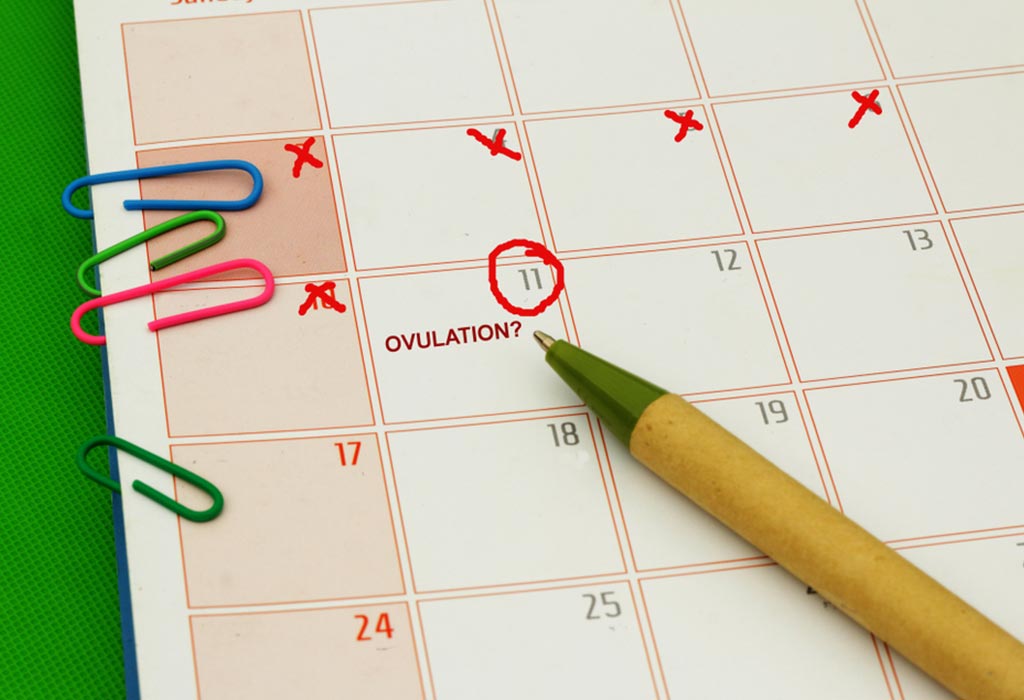
LH Surge and Ovulation: Importance, Test & Levels
An LH (luteinizing hormone) surge is a sudden rise in luteinizing hormone that signals ovulation is likely to occur within the next 24-36 hours, marking the most fertile time in the menstrual cycle. If you’re wondering about the luteinizing hormone meaning, LH is a reproductive hormone that helps trigger ovulation. Since the timing of the LH surge and ovulation is closely linked, tracking this hormonal change can help identify your fertile window and improve the timing of intercourse when trying to conceive.
In this article, you’ll learn how an LH surge works, when it occurs, how to detect it, what factors can influence its timing, and why it matters for increasing your chances of pregnancy.
What Is Luteinizing Hormone?
If you want to define luteinizing hormone, it is a hormone produced by the pituitary gland that regulates key processes in the female reproductive system (1). It stimulates the final maturation of ovarian follicles and triggers ovulation through a sharp rise in hormone levels known as the LH surge. Because of this, tracking LH levels can help identify the fertile window for couples trying to conceive.
What Are Normal Luteinizing Hormone Levels?
Luteinizing hormone (LH) levels vary based on sex, age, and the stage of the menstrual cycle. In women, LH levels fluctuate throughout the cycle and peak just before ovulation, while men typically maintain relatively stable LH levels. The table below outlines the normal LH ranges for different groups (1).
Sex and Factors
Normal LH Levels (IU/L)
Women (Weeks 1-2 of the menstrual cycle)
1.37-9 IU/L
Women (Week 2, before ovulation)
6.17-17.2 IU/L
Women (Weeks 3-4 of the menstrual cycle)
1.09-9.2 IU/L
Women (After menopause)
19.3-100.6 IU/L
Men
1.42-15.4 IU/L
What Is LH Surge?
An LH surge is a rapid increase in the level of luteinizing hormone (LH) that occurs approximately 24-36 hours before ovulation (2). This hormonal spike signals the ovary to release a mature egg, marking the start of the most fertile period in the menstrual cycle.
Source: https://www.ncbi.nlm.nih.gov/books/NBK279054/
Importance of LH Surge
Timing the efforts to conceive a baby, based on the LH surge, has been found to be a better alternative to trying blindly, in most couples. The LH surge itself occurs so as to trigger the release of the egg or facilitate the process of ovulation in the females who are fertile (3). By measuring the levels of LH in the female, couples can time their efforts better in order to have a higher chance of conceiving a child.
When Does LH Surge Occur?
The LH surge to ovulation time is typically 12-48 hours, with ovulation occurring after a sharp rise in luteinizing hormone (LH). On average, the LH surge begins about 36 hours before ovulation, although the exact timing can vary from one woman to another.
What Does It Look Like?
An LH surge doesn’t always appear as a single sharp spike. Research shows that LH levels can rise in different patterns from one menstrual cycle to another, and each pattern can still be considered normal if ovulation occurs.
Source: https://www.ncbi.nlm.nih.gov/books/NBK279054/
1. Rapid Spike (Single Peak)
A rapid spike is the classic LH surge pattern, where LH levels increase sharply and then decline within a short period. Although this is the pattern most people associate with ovulation, it occurs in fewer than half of ovulatory cycles.
2. Double Peak
Some women experience two separate LH surges within the same cycle, often a few days apart. While the first surge may not always lead to ovulation, the second surge can trigger the release of the egg. This pattern is generally considered a normal variation.
3. Biphasic Peak
In a biphasic pattern, LH levels rise, dip briefly, and then increase again the following day. The second peak may be higher or lower than the first, and this two-step surge is commonly seen in ovulatory cycles.
4. Plateau Peak
Instead of rising and falling quickly, LH levels may remain elevated for two to three days before declining. Because the hormone stays high for longer, ovulation predictor kits may show positive results over multiple consecutive days.
5. Multiple Peaks
Some menstrual cycles show more than two LH rises before ovulation. In many cases, this is a normal hormonal variation. However, frequent multiple peaks may sometimes be associated with conditions such as polycystic ovary syndrome (PCOS) or cycles where ovulation does not occur, especially if accompanied by irregular periods or other symptoms.
Does It Occur in All Women?
The surge of LH levels does not occur in all women, but this is often an indication of an underlying condition that causes lower-than-normal levels of the hormone in the female body. Common conditions that contribute to and cause low levels of LH in females are – the Kallmann Syndrome, eating disorders, and hypothalamic suppression. However, higher than normal LH levels in females can also cause problems with fertility and LH surge, and this might be caused due to conditions like premature menopause, Swyer syndrome and polycystic ovary syndrome (4).
How Is the LH Surge Detected?
Luteinizing Hormone tests are available in the market and can be used to measure the levels of LH in the body of a female. These require you to urinate on a stick, and the indicator of a positive result is when you have a certain level of LH in your urine. A positive test means that you are in the midst of your LH surge, so you can try to conceive in a more planned manner.
How Is LH Test Performed?
It is commonly performed using a urine-based ovulation predictor kit (OPK) at home or a blood test, depending on the reason for testing. Here’s how each method works:
1. Urine LH Test (Ovulation Predictor Kit)
A urine LH test is the most common method for detecting an LH surge at home. You collect a urine sample or place the test strip directly in your urine stream, following the manufacturer’s instructions (5).
2. Blood LH Test
A blood LH test is performed by a healthcare professional, who draws a small blood sample from a vein in your arm. The sample is then analysed in a laboratory to measure the exact LH level. This test is often recommended when evaluating fertility issues, irregular menstrual cycles, or hormonal disorders (4).
How Frequently Should You Test for LH Surge?
Ovulation usually occurs around two weeks before your periods, so you can start testing for the LH surge around two or three days before you start ovulating, which equates to around 16 days before your period occurs. The LH surge is supposed to occur at that time, and you will see a marked spike in your LH levels.
How Long Does Surge in Luteinizing Hormone Last?
The surge itself may last around 12-24 hours, right before ovulation occurs. There may be an increase of at least up to 5 times the normal levels of LH in the female body.
Things to Remember
To increase your chances of conception, start on the day you get a positive result, and continue for the next three days.
LH is usually produced in the morning, so test your levels during the afternoon or the evening.
You should remember to hold your urine for around 4 hours before testing for the surge.
Test twice a day, since the surge is short and sudden in some women.
What are the Causes of No LH Surge?
Ovulation does not take place if LH surge doesn’t occur, and this might happen due to several causes.
1. No Follicular Development
Sometimes, the LH surge is caused by rising levels of estradiol, which in turn are due to developing follicles. If there is a lack of follicular development, it can result in low levels of estradiol, which in turn prevents the occurrence of an LH surge.
2. Poor Follicular Growth
The growth of the follicle may sometimes stop abruptly, but the follicle may still continue to produce oestrogen for the body. However, this might not be enough for an LH surge to occur, so the egg remains unreleased.
3. LH Suppression With Medication
Assistive reproduction technology, like In Vitro Fertilization techniques, use many medications which can prematurely release follicles before the egg retrieval. This results in the LH surge not occurring in the female.
LH Surge Chart
Source: https://www.ncbi.nlm.nih.gov/books/NBK279054/
Is There Any Relation Between FSH and LH?
FSH (follicle-stimulating hormone) and LH (luteinizing hormone) are reproductive hormones that work together to regulate ovulation. FSH helps an egg grow and mature inside the ovary, while LH triggers the release of that mature egg during ovulation. Because these hormones act one after the other, a healthy balance of both is important for regular menstrual cycles and successful conception (6).
FAQs
1. Can I ovulate even if I get a negative LH test result?
The LH surge is often short and sudden in women, so it may be possible that you missed the surge entirely. This means that you will still ovulate, regardless of the test results at times. To ensure the reliability of the test, you can ensure that you test only in the afternoons or evenings.
2. Is it possible to get a positive test result and not ovulate?
This is rare, but it is still possible to not ovulate after a positive result. You can use ultrasonography or fertility chart methods to predict ovulation if you are doubtful as to whether ovulation is occurring.
3. How accurate is the kit used for detecting LH Surge?
Although the tests are highly accurate, the kits are still not foolproof – ovulation can still occur with or without the egg being released. Therefore, they must never be used as a planning method for contraception.
4. Can you have an LH surge in pregnancy?
No. An LH surge in pregnancy does not occur because ovulation stops once pregnancy begins. After conception, LH levels naturally decrease, and the luteinizing hormone normal range during pregnancy is generally less than 1.5 IU/L.
LH surge plays a huge role in triggering the release of the unfertilised egg, and therefore, can help families increase their chances of conceiving a child. Kits are available to detect LH surge in the female body, but make sure to follow the instructions and understand the drawbacks of using them.
Also Read:
Pregnancy Planning
How to Get Pregnant Fast
How Long Does it Take to Get Pregnant
Read more

Salt Pregnancy Test – How Accurate It Is?
Pregnancy test using salt is a popular home remedy that many people come across on social media or through family traditions. But whether it is safe is a queston. The pregnancy salt test claims to detect pregnancy by mixing urine with salt and observing changes in the mixture. Although it may seem like a quick and inexpensive alternative to a home pregnancy test, there is no scientific evidence that proves this method can accurately detect pregnancy. The commercially available pregnancy tests detect the hormone human chorionic gonadotropin (hCG), but what does the salt test detect? You can find out everything about pregnancy test using salt in this article. If you suspect you are pregnant, using an approved home pregnancy test or getting a laboratory blood test remains the most reliable way to confirm pregnancy.
What Is Pregnancy Test Using Salt?
Home pregnancy tests are non-medical methods of testing for pregnancy and were formulated when pregnancy testing kits are not available. As mentioned earlier, people use pregnancy tests with salt, sugar, bleach and many other ingredients to check for conception. All tests work on one principle – they detect the level of hCG hormone in urine. The salt pregnancy test involves a homemade approach using just two ingredients: salt and urine, mixed in a transparent and sanitized container. Advocates of this method suggest that if pregnancy is present, the salt may interact with human chorionic gonadotropin (hCG), a hormone that becomes detectable in both blood and urine following embryo implantation in the uterus. Notably, this hormone is also targeted by commercial home pregnancy tests available in stores.
Let’s look at DIY pregnancy tests with salt in this article. How does salt help detect the hCG hormone in urine? Read on.
When Should You Do the Test?
If you are opting to try the salt and pee pregnancy test, you also need to also when it would be most effective. To get the most accurate results with this home pregnancy test with salt, you need to try it on the fifth day of ovulation. Since you will already be tracking your ovulation dates, this should not be a problem to figure out. However, before you try this method out, let’s look at exactly what the process is and how do you go about testing for pregnancy using salt.
How Accurate Is Pregnancy Test by Salt?
The pregnancy test using salt is not scientifically reliable or accurate. This DIY method, which involves mixing urine with salt to observe any reactions, lacks scientific validation and has no standardized procedure. There’s no evidence to support that the interaction between salt and the pregnancy hormone hCG can accurately indicate pregnancy. For reliable results, the Office on Women’s Health suggests using commercially available pregnancy tests that are specifically designed to detect hCG or consult with a healthcare provider for confirmation and guidance (1).
How to Check Pregnancy at Home with Salt?
Before we read about homemade pregnancy tests, we were surprised to know what reactions urine and common household supplies may cause! We know you are too. And while it’s tough to believe the authenticity behind a pregnancy test using salt, it could be a fun try!
So, how to check pregnancy at home with salt? The procedure for doing this homemade test is simple.
Materials Needed – Gather some table salt, a transparent container (preferably glass), and an alarm to ensure the use of the first morning urine, which contains the highest concentration of the pregnancy hormone hCG (if present).
Collecting the Sample – Upon waking, use the alarm as a reminder to collect the first urine of the day. This sample is believed to have the highest concentration of hCG.
Adding Salt – To the collected urine in the transparent container, add roughly three-quarters of a teaspoon of table salt.
Observation Period – Wait for about one to two minutes to observe any reactions within the mixture.
Interpreting Results – A milk-like curdling appearance or the presence of white, crumb-like particles in the mixture is interpreted by proponents of this method as a positive sign of pregnancy. You can follow up with another test to be sure!
In case you are still unsure about the procedure and what a positive result looks like, here’s a video with examples of both positive and negative test results using this salt pregnancy test!
Try this test with the first urine of the day, as chances of pregnancy detection are more accurate then.
The urine curdles and foams if you are pregnant and remains unchanged if you are not.
The high HCG levels in the urine of a pregnant woman react with the salt, forming the foam.
How to Read the Results of Pregnancy Test Using Salt?
Reading the results of a pregnancy test using salt involves observing the reaction between the salt and the urine after mixing them. Here’s an explanation of how the results are typically interpreted, bearing in mind the scientific accuracy of such a method is highly questionable:
Pregnancy Tests
Positive Results (Claimed by Home Test Believers)
Negative Results (Claimed by Home Test Believers)
Observation of Reaction
The mixture appears milky or cloudy after a few minutes.
The urine remains clear with little or no visible change without curdling or foaming.
Interpretation Nuances
Some people report a creamy, cheese-like texture forming on the surface.
Salt dissolves normally without forming clumps.
Interpretation Nuances
Small white clumps or curd-like particles are believed to indicate pregnancy.
No noticeable thickening or precipitation is seen.
Interpretation Nuances
A thick layer is sometimes claimed to develop at the top of the mixture.
The mixture looks similar to plain urine mixed with salt.
Claims
Different online sources describe different “positive” appearances, which shows that there is no standard interpretation.
Results vary with every individual’s claim because there is no scientific procedure or validated reading method.
Important Notice
None of these observations have been scientifically validated and should not be used to diagnose pregnancy
A negative-looking result does not rule out pregnancy. Only an hCG-based urine or blood test can accurately confirm or exclude pregnancy.
It’s suggested to perform this test with the first urine of the morning. The rationale is that the first urine is more concentrated and, if pregnant, would contain higher levels of the hCG hormone, which is believed to increase the test’s chance of detecting pregnancy.
Despite these instructions, it’s crucial to remember that the presence of hCG is what over-the-counter pregnancy tests are designed to detect (2), but they do so with specific chemical markers and controlled reactions that have been scientifically validated. The idea that hCG would cause salt to curdle or foam lacks a scientific foundation, and the salt pregnancy test results could be influenced by many factors, including the concentration of the urine and the type of salt used.
Expectations From a Salt Pregnancy Test
With the salt pregnancy test, you can expect to get early results of pregnancy by a cheap and effective method.
However, most couples feel like store-bought kits may provide a more accurate answer. The truth is much like these homemade pregnancy tests, the store-bought ones too do not give you a guarantee of accuracy. These tests must be done at your and your partner’s own discretion. Know that these can only satiate your curiosity and give you some hope as you wait to conceive. Eventually, an appointment with your doctor and an ultrasound will give you the most accurate result, you’ll just have to wait a little longer.
Alternative Options to Check Your Pregnancy at Home
Home-based pregnancy testing can be an early step in discovering if you might be pregnant. While over-the-counter pregnancy tests are the most common method, there are several alternative ways to check for pregnancy at home, each with varying degrees of reliability. Remember, for a definitive confirmation, consult a healthcare provider.
1. Commercial Over-the-Counter Pregnancy Tests
The most reliable alternative for home pregnancy testing involves using commercial over-the-counter pregnancy tests. These tests are designed to detect the presence of the human chorionic gonadotropin (hCG) hormone in your urine, which is produced after a fertilized egg attaches to the lining of your uterus. Over-the-counter tests are highly accurate when used correctly and after the missed period (3). They come with instructions, and results are usually easy to read, often showing lines, plus or minus signs, or digital readings to indicate if you’re pregnant or not (4).
2. Pregnancy Test Apps With Smart Technology
Some newer technologies involve apps that claim to work with traditional urine tests to help interpret the results more accurately using your smartphone camera. These apps can reduce the uncertainty of reading a traditional pregnancy test by providing clearer digital results. Users take a picture of their test strip, and the app analyzes the results. However, the accuracy of these apps largely depends on the quality of the traditional test used and the correctness of the test-taking process. While these apps can offer a modern convenience, the reliability of the results should be considered as variable as the tests they interpret.
3. Monitoring Basal Body Temperature (BBT)
Another method involves tracking your basal body temperature (BBT) over time to detect early signs of pregnancy. Your BBT is your lowest body temperature in a 24-hour period. After ovulation, if you’re pregnant, there will typically be a slight increase in your basal body temperature, sustained for more than two weeks. You’ll need a basal thermometer to accurately measure these small changes. This method requires daily measurements over time to establish a baseline and identify the slight increase in BBT that can suggest pregnancy. While tracking BBT can indicate potential pregnancy, it’s not definitive and can be influenced by many factors, such as illness, sleep patterns, and alcohol consumption.
When to Consult the Doctor?
If you think you might be pregnant, it’s advisable to seek medical advice. Early signs of pregnancy, like abdominal discomfort, exhaustion, changes in appetite, nausea, increased need to urinate, and a darkening of the areolas, can indicate potential pregnancy. Furthermore, if you’ve skipped your menstrual cycle for two straight months and still receive a negative result from an at-home pregnancy test, it’s important to consult with a healthcare provider.
FAQs
1. Is there a specific type of salt that should be used for a salt pregnancy test?
No specific type of salt is recommended for a salt pregnancy test because the method itself lacks scientific validation. Table salt is commonly used in anecdotal descriptions of the test, but there is no evidence to suggest that different types of salt would affect the outcome differently.
2. Can the salt pregnancy test detect early pregnancy?
The salt pregnancy test is not a reliable method for detecting early pregnancy or any pregnancy stage due to its lack of scientific basis. Over-the-counter pregnancy tests and medical consultations are the most reliable ways to determine early pregnancy.
3. How long should I wait for a salt pregnancy test?
If you are performing a salt and urine pregnancy test, you should wait about 3 to 10 minutes for the mixture to react. Do remember that there is no scientific evidence that salt reacts with the pregnancy hormone hCG.
4. How often should you repeat the salt pregnancy test for accurate results?
Given the salt home pregnancy test’s unreliability and lack of scientific backing, repeating the test is not likely to provide accurate results. For those seeking confirmation of pregnancy, using a clinically validated home pregnancy test or visiting a healthcare provider is recommended.
In the meantime, enjoy spending time together and enjoy each moment of baby making, after all these intimate moments may be harder to find when you have a little bundle of cuteness crying his eyes out all night!
Have a happy baby-making phase and a happier pregnancy!
Also Read:
Taking a Pregnancy Test at Night
Baking Soda Test for Pregnancy
Urine Pregnancy Test – At Home and Clinic
Digital Pregnancy Test – How Does It Works?
Read more
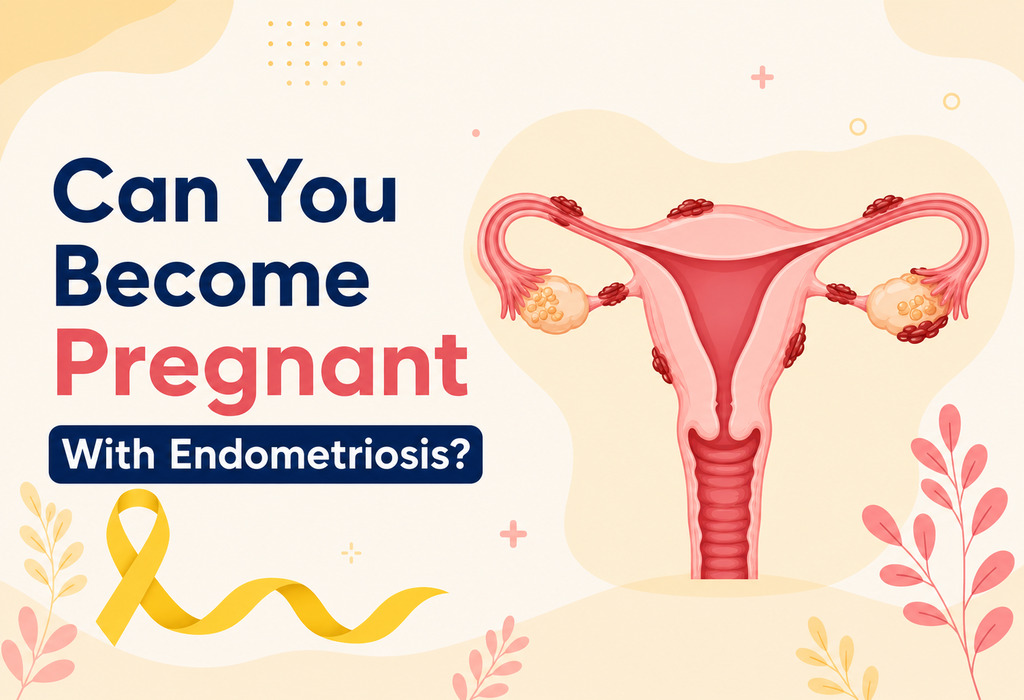
How to Get Pregnant With Endometriosis?
Amongst the various bodily issues that can affect a woman, endometriosis can be termed as one of the worst conditions. Not only does it cause a lot of pain, but there is also a strong link between its presence and infertility in women. It can make it difficult to conceive or carry the child to a full pregnancy term. Many women wonder if there is any point in trying to conceive after a laparoscopy for endometriosis, or should they opt for other fertility treatments or conception approaches altogether. Getting a better idea of what endometriosis does to your body, whether you can get pregnant with endometriosis, and how you can move ahead from it can help you make a decision that’s best for you.
What Is Endometriosis?
The reproductive system inside a woman’s body is quite a complex one. The uterus is the primary organ in the body that ultimately becomes the home for the child after a successful conception. During the menstrual cycle, if there is no conception, the lining inside the uterus sheds and emerges out of the vagina, which is termed as a period.
However, in endometriosis, the lining grows outside the uterus instead of within it and begins to interact with the organs surrounding the uterus. Therefore, it also fails to be shed during the menstrual cycle and tends to stay within the body. Such a condition can make menstruation a painful process for most women. Furthermore, any tearing away of the tissue as a result of hormonal fluctuations can injure the nearby organs as well (1).
How Does Endometriosis Affect Fertility
Since the lining of the uterus remains outside it in the case of endometriosis, there is a high chance of it interacting with other organs close to it in completely unintended ways.
The main Issue with endometriosis is trouble getting pregnant, which is infertility. About half of people affected with endometriosis have trouble getting pregnant (2). However, it does not mean infertility.
The primary ones in this regard are the fallopian tubes. For fertilisation to be successful, the egg released by a woman’s ovary should travel safely from the fallopian tubes up to the uterus, be fertilised, and then implant itself inside the uterus. In endometriosis, the outer lining presents a hindrance in the egg’s path, stopping it from reaching the uterus. In a few cases, the lining itself or the chemicals released in the body as a result of endometriosis react with the egg or the sperm in a harmful way, damaging them and making conception unsuccessful.
Women suffering from endometriosis often wonder if they could get pregnant. Well, there are ways that can help them conceive. Read on to know more.
How to Get Pregnant With Endometriosis
In some cases, the endometriosis is not as severe as it seems and repeated attempts at natural conception over a year or two can bear fruit at the end. If that doesn’t seem to work, doctors might prefer to carry out a minimally invasive surgery by means of laparoscopy to treat the condition. Severe cases of endometriosis might require advanced medical treatments along with the usual surgery itself.
What Are the Chances of Getting Pregnant with Endometriosis?
Many women with endometriosis are still able to get pregnant naturally. The chances often depend on factors, such as:
Age,
Severity of the condition,
Ovarian health,
Whether the fallopian tubes are affected.
Women with mild endometriosis may have better fertility outcomes than those with severe disease. However, even moderate or severe endometriosis does not always mean infertility. With proper treatment and medical support, many women successfully conceive.
Tips to Improve Your Chances of Conceiving with Endometriosis Naturally
For parents wondering how to get pregnant with endometriosis naturally, there are a bunch of useful tips you can try to increase your chances of having a child in a natural way.
1. Check Your Thyroid Levels
One of the key steps you can take to start improving your fertility and increase chances for conception is by taking a quick look at your thyroid levels. Various medical studies have established conclusive links between the presence of endometriosis and a reduction in the levels of thyroid hormone. If your thyroid gland is not as active as it needs to be, you can support it by taking iodine supplements and prescribed thyroid medication. They can work as corrective measures to balance your thyroid levels and help restore your health.
2. Take Fish-based Oil Supplement After Prescription
Usually, fish-based oils are also recommended in good quantities, as they positively influence a woman’s fertility. These oils are extracted from fish that are free from mercury pollution and are stabilised properly with the presence of vitamin E within them, keeping them safe from any kind of oxidation. Endometriosis causes intense inflammation within the body, leading to a lot of pain for the woman. Fish oil helps reduce this pain and improve the chances of a fertilised egg implanting successfully in the uterus. Opting for about 3g of fish oil every day is a good practice, to begin with. You may check with a gynaecologist, too, to confirm the amount.
3. Exercise Regularly and Moderately
Keeping your body in its peak health condition works tremendously in your favour to improve fertility and make it easier for you to conceive a child. Exercising has numerous benefits, including strengthening your muscles and bones by preparing them to cope with the changes your body will undergo when you get pregnant. The heart gets a workout as well, improving blood circulation and facilitating toxin removal and waste flushing in a highly effective manner. Your body’s endocrine function, which regulates the functioning of hormones, is highly stimulated by exercise and begins to work the way it should. All of these work in tandem to assist you with the issues surrounding endometriosis.
4. Strengthen Your Immunity With the Right Food
At times, the presence of the uterine lining that causes endometriosis can trigger the body to produce certain substances in order to handle it, which can inevitably be harmful to other parts of the body or even the eggs that need to be fertilised. Any addition of external allergic factors can further stimulate the body’s response and make it even more difficult. This can be handled by ensuring that the immune system itself is strengthened in the right manner. The inclusion of food items that are rich in probiotics, zinc, vitamin A, vitamin C and so on is essential since they provide the immune system with all the right nutrition it needs to function the way it should. Getting a medical test for allergies at this stage might work in your favour, as you can then stay away from the foods you are allergic to and keep yourself healthy.
5. Prefer Organic Produce
Be it vegetables or fruits of the healthiest variety, opting for the usual food products found in markets can expose your body to elevated levels of chemicals and substances used in pesticides and fertilisers to grow these plants. The usual ones, such as hexachlorocyclohexane or DDT, can affect the reproductive system and even cause miscarriages. Hence, it is in your favour to switch to organic food products, for the time being, to ensure that your pregnancy does not hit any needless roadblocks.
6. Cut Your Plastic Exposure
Plastic has now become ubiquitous in our way of life, quite literally invading every single aspect of our everyday being. Right from plastic water bottles, storage containers, to packed food items purchased from the market, plastic is pretty much everywhere. The most popular type of plastic (termed as soft plastic) is the most difficult to avoid nowadays. It contains PVC and other phthalates that leave traces of the chemicals in the food stored in them. If the chemicals enter the body, they end up befuddling the endocrine systems since they act as estrogen-mimicking elements and confuse the body into accepting false levels of the hormone. They could result in endometriosis, induced infertility, lowered immunity, defects in the unborn child, the development of asthma, etc. Avoiding soft plastics might deem it necessary to change your lifestyle substantially, but it is pretty much worth it.
Do Endometriosis Stages (Levels) Indicate Odds for Conception
Similar to a lot of other health-related conditions, the presence of endometriosis in your body can also be classified into various stages. These are usually defined prior to carrying out surgery and are based on the location of the endometrial lining, the amount of lining present, and the layers of deposits that have been created as a result of it. Based on these factors, a stage of endometriosis is assigned to the condition.
Beginning from Stage 1 down to Stage 4, each stage proceeds progressively in the severity of the endometrial condition. Though these stages are primarily meant for the doctor to understand the right way to treat it, there is a partial link between them and the chances of conceiving a child naturally, despite the presence of endometriosis.
Stages 1 and 2 are mild cases of endometriosis, where the organs haven’t been affected as severely as in advanced stages. Therefore, the chances of infertility in women with these stages of endometriosis are comparatively lower than those of women who might have stage 3 or stage 4 of endometriosis. Based on the severity and your doctor’s recommendation, you could either attempt to conceive naturally for a stipulated period of time or directly proceed with alternative methods of fertility treatment. That being said, it is not necessary that a woman with a lower stage of endometriosis severity will have successful fertility treatment in contrast to a woman with severe endometriosis; there is no link between that and the success of such approaches.
Can Endometriosis Increase Your Risk of Miscarriage?
The connection of endometriosis with the uterus has led many women to wonder whether there is an increased risk of miscarriage as a result of suffering from this condition. There is no evidence that endometriosis causes women to have repeated miscarriages (3).
However, several studies have certainly observed links between the two and several other pregnancy outcomes (4). However, the connection between miscarriages and the presence of endometriosis has only existed in women who have had the condition cause infertility within them. If women can successfully conceive despite suffering from endometriosis, then their chances of facing a miscarriage are minimal.
The severity of endometriosis plays an important role, as well. If 22 per cent of women tend to be at a risk of miscarriage in the absence of endometriosis, this same percentage increases up to 35 per cent in the presence of the condition. However, research into the severity of the condition has provided unconventional results. The possibility of miscarriage in women with stage 1 or stage 2 endometriosis was defined to be around 42 per cent, whereas the same for women in stages of severe endometriosis was termed to be 31 per cent. A line of thought that seems to explain this revolves around the fact that mild endometriosis has the highest chance of causing inflammation within the woman’s body. This inflammation, in fact, could be involved in a miscarriage taking place.
Fertility Treatment for Women Having Endometriosis
Doctors may recommend different fertility treatments depending on the severity of endometriosis and how long the couple has been trying to conceive.
Common fertility treatment options include (5):
Fertility medicines to stimulate ovulation
Intrauterine insemination (IUI)
Laparoscopic surgery to remove endometriosis tissue
In vitro fertilisation (IVF) for severe fertility issues
The treatment plan is usually personalised based on age, symptoms, and reproductive goals.
Will IVF Treatment Worsen Endometriosis Pain
For a large number of women looking to successfully conceive, endometriosis infertility treatment is a logical option. Amongst this, IVF remains a popular choice given its comparatively higher success rate as compared to other fertility treatments. However, there seem to be a few reasons why many women are still cautious about it.
Infertility treatments, such as in-vitro fertilisation, require women to take medication to boost the production of eggs in a short period of time so that they can be acquired successfully and then used in fertilisation with sperm. The drugs are known to influence the levels of estrogen within the body to cause enhanced egg production. But, there seems to be a cause of worry amongst people regarding the use of medication, since it might lead to increasing the layers of endometriosis as a result, and lead to even more pain in the women suffering from the condition.
Within the realm of research, a bunch of cases wherein women with the condition undergoing IVF treatment have complained about an increase in pain as a result of it. But there has been no study or any conclusive evidence to link the two together. Various medical tests have been conducted on a group of women with and without endometriosis. They have not revealed such cases to be replicated when the women opted for IVF treatment.
Facts About Endometriosis and Fertility
Here are some important facts about endometriosis and fertility:
Endometriosis can cause inflammation that affects egg quality and implantation.
Some women discover they have endometriosis only during fertility testing.
Pregnancy is possible even with severe endometriosis in some cases.
Early diagnosis and treatment may improve fertility outcomes.
Not every woman with endometriosis experiences infertility.
When to Consult a Doctor
It is best to consult a doctor if you experience:
Painful periods, along with heavy bleeding,
Difficulty conceiving for 6–12 months,
Chronic pelvic pain or painful intercourse,
Unusually heavy or irregular periods, and
Ongoing low mood or anxiety
FAQs
Given the complexity of endometriosis, many women have queries and doubts regarding various risks associated with it and the alternatives that might exist in treating the endometrial lining surgically. Below are some frequently asked questions.
1. Can you conceive with endometriosis without surgery?
Women who have mild endometriosis might choose to attempt natural conception and could try to conceive over a year’s time or so. There might be rare cases wherein conception is not successful, but on a general basis, the chances of that happening are quite low. Taking medication and pain relievers can work towards reducing the effects of endometriosis, but unless the core of it is handled medically, conception cannot take place. Whether the endometriosis is severe or mild, undergoing minimally invasive surgical procedures by means of laparoscopy can help treat the condition altogether, and substantially improve the chances of conceiving naturally.
2. Can mild endometriosis still affect fertility?
Yes, even mild endometriosis is capable of affecting fertility by causing inflammation or changes in the pelvic environment that make conception harder.
3. Is getting pregnant possible with untreated endometriosis?
For some women, the presence of mild endometriosis might be nothing more than an irritating phenomenon. They might thus delay the treatment as much as they can and attempt to get pregnant sooner. However, the pain due to the condition is not what stops them from getting pregnant. It is the presence of the outer lining itself, which can harm the surrounding organs and directly interfere with the fertilisation of the egg, or even damage the sperm. Therefore, no matter what you try, achieving pregnancy is extremely unlikely unless the endometriosis is treated properly with surgery, restoring your reproductive system to its peak fertility.
4. Can women with endometriosis conceive naturally without treatment?
Yes, many women with endometriosis conceive naturally, especially when the condition is diagnosed early and managed properly.
5. Are there chances of getting pregnant with one tube and endometriosis?
Since a woman has two fallopian tubes that release the eggs, in a few cases, the endometriosis can block one tube, rendering it ineffective, but the other tube might be completely untouched. The chances of conception remain unchanged and are not dependent on the number of tubes that are working in a woman. If one tube is able to release an egg successfully, then your chances of pregnancy remain just the same as before. In a few cases, endometriosis might block only one tube, but the severity of it might be immense. This might make it necessary to opt for IVF to have a baby, instead of going the natural way.
6. What is the risk of getting pregnant with endometriosis?
The reason most doctors advise against women getting pregnant with an existing condition of endometriosis is purely due to the possibility of it affecting the development of the child. The chances of complications in pregnancy or even during the delivery increase in the presence of endometriosis. Apart from facing miscarriage or premature birth, endometriosis can even result in hindered labour, extreme bleeding after delivery, unexpected rupturing of the uterus, displacement of the placenta, and so on. Conception might be successful even with endometriosis, but carrying the baby to a full-term and delivering successfully can face numerous roadblocks.
7. Does pregnancy cure endometriosis permanently?
No, pregnancy may temporarily reduce symptoms in some women, but endometriosis can return after delivery or when periods resume.
Endometriosis is quite a complicated condition that can affect some women at any point in their lifetime. Undertaking certain lifestyle changes or making use of home remedies for endometriosis and infertility might be effective for the time being and make it possible to conceive a child successfully. However, carrying out laparoscopic surgery and treating endometriosis is in your best interest and that of your future baby, to ensure a proper conception, a safe pregnancy, and a successful childbirth.
Also Read:
Chances of Getting Pregnant on Birth Control
Can Women Ovulate More than Once a Month?
How to Get Pregnant With an Irregular Period?
Can You Get Pregnant Before, During and After Periods?
Read more

Pregnancy After D&C: How Soon Can You Get Pregnant, Chances & Tips
Dilation and curettage (D&C) is a procedure that is used to clear the uterine lining after a miscarriage or an abortion. If you think one miscarriage is the end of your pregnancy or that you can never heal after a D&C procedure, then you are not alone in thinking this. But the good news is that pregnancy after a D&C procedure is possible. While there may be concerns, proper medical guidance and care can increase the chances of a successful pregnancy and deliver a healthy baby. We know you are bubbling up with plenty of questions, like what are the chances of falling pregnant after a D&C, how and when can you get pregnant after a D&C procedure, care tips for an after D&C pregnancy, and more.
What Is D&C?
D&C stands for dilation and curettage, a medical procedure to remove uterine tissue. The American Pregnancy Association say that it is commonly used for various reasons, including the treatment of certain gynaecological conditions, such as abnormal uterine bleeding, miscarriage management, or to obtain a tissue sample for testing (1).
What Are Your Chances of Getting Pregnant After a D&C?
As mentioned above, D&C is performed when a woman has had a miscarriage or wishes to terminate the pregnancy. It’s believed that the dilation and curettage procedure affects the pregnancy rate. After having a miscarriage, you must not lose hope, as chances of having a successful pregnancy still remain very high, and you surely can conceive and have a baby in some time (2).
How Long After D and C Can You Get Pregnant?
After going through a D&C procedure, wait for two weeks and then visit your gynaecologist to determine the extent of recovery. Once your body recovers completely, you can consult your doctor and go ahead and try for a baby (3). Most specialists suggest waiting for at least three menstrual cycles. But ensure you’re physically and mentally ready.
How to Boost Your Chances Post a D&C?
Although a D&C does affect your reproductive health, there are ways to boost your chances of pregnancy. For a healthy pregnancy, you need to be healthy. These tips will help you do just that (4)!
1. Consume Foods Rich in Folic Acid
Folic acid is a man-made form of folate. It helps in the production of red blood cells and in the development of a baby’s brain. If folic acid is consumed before and during pregnancy, it can prevent birth defects in the baby. Hence, increase your folic acid intake. You can eat foods rich in folic acid or take folic acid supplements if you like.
2. Eat Healthy Foods
Eating healthily before and during pregnancy is important. Consuming foods rich in omega-3 fatty acids can help the development of your baby’s brain. Dairy products prepare your body for pregnancy by providing calcium and proteins. A diet rich in proteins, vitamins, and minerals is essential for a healthy pregnancy; so start consuming milk, nuts, fresh fruits and vegetables and water.
3. Maintain a Healthy Weight
Being underweight or overweight can cause complications during delivery. Hence, you should maintain a healthy weight for a smooth pregnancy. If you’re overweight and want to conceive, stop eating junk foods. Exercising daily can also prepare your body for pregnancy.
4. Adopt a Healthy Lifestyle
Another thing you can do to boost your chances is giving up alcohol. Heavy drinking and smoking increase the chances of a miscarriage. Change your habits. Eat well and exercise often!
5. Reignite the Passion
It’s no mystery how babies are born! Start indulging in sex with your partner. Spending intimate time with each other regularly increases the chances of conception. If you have sex on the most fertile days, it’s easy to become pregnant.
6. Seek Medical Help
While trying for pregnancy after a miscarriage or multiple miscarriages, talk to a specialist. Consult a doctor you trust and ask her how you can get pregnant again.
7. Consider Acupuncture
Acupuncture, a traditional Chinese therapy, has been shown to promote blood flow to the uterus, regulate hormone levels, and reduce inflammation. It may be worth exploring as an adjunct treatment to enhance fertility post-Dilation and Curettage (D&C) procedures.
8. Manage Stress Levels
High levels of stress can affect fertility. Engage in stress-reducing activities like meditation, yoga, or counselling to help maintain emotional well-being and create a conducive environment for conception.
9. Monitor Ovulation
Tracking your menstrual cycle and identifying your fertile window can significantly boost your chances of conceiving after a D&C. Use methods like ovulation predictor kits or charting basal body temperature to pinpoint the most favourable time for conception.
What If You Are Unable to Conceive?
Some women have issues conceiving after a D&C procedure due to hormonal imbalance or a rare complication called Asherman’s syndrome. In that case, you need to consult a gynaecologist and have yourself evaluated with a serum prolactin level, thyroid function tests, and an ultrasound so that specific treatment can be initiated to improve the likelihood of conceiving.
FAQs
1. Is the D&C procedure painful?
The D&C procedure is typically performed under anaesthesia, meaning you will be asleep without pain. However, you may experience mild discomfort or cramping, similar to menstrual cramps, after the procedure, which can be managed with pain medications prescribed by the doctor (5).
2. Is it normal to bleed after D&C?
Yes, yes. It is normal to experience some bleeding after a D&C procedure. The bleeding can vary in intensity and duration but is similar to a menstrual period. However, if the bleeding becomes heavy or you experience severe pain, fever, or foul-smelling discharge, you must contact your doctor, as these could be signs of complications (6).
3. How soon can I get pregnant after a D&C?
You can become pregnant as soon as you ovulate, which may happen within two to four weeks after a D&C. However, most doctors suggest waiting until you have had at least one normal menstrual period before trying to conceive. This helps with pregnancy dating and allows the uterus some time to recover as well.
4. Does having a D&C reduce fertility?
In most cases, a D&C does not affect future fertility. Many women go on to have healthy pregnancies after this procedure (7). Rare complications include postpartum haemorrhage or bands of scar tissue, which may form inside the uterus, causing infertility and amenorrhea, which is known as Asherman syndrome, but these are uncommon and can often be successfully treated with surgery (8).
5. When is it safe to try for another pregnancy after a D&C?
If you have recovered well and there are no complications, then your doctor may advise you to try again after your first normal period. The right timing often varies for individuals depending on the reason for the D&C, overall health, healing speed, and emotional readiness (9).
6. Can I have a healthy pregnancy after a miscarriage and D&C?
Yes, why not! Most women who have a miscarriage followed by a D&C go on to have healthy pregnancies. A balanced diet, prenatal vitamins with folic acid, managing chronic health conditions, and following your doctor’s advice can help support a healthy pregnancy.
The thought of being unable to conceive can be scary, but you shouldn’t let it affect you. Seeking medical help promptly can help you take measures to increase your chances of getting pregnant after D&C.
Also Read:
Pregnancy after Stillbirth
Pregnancy after Abortion
Pregnancy after a Hysterectomy
Read more
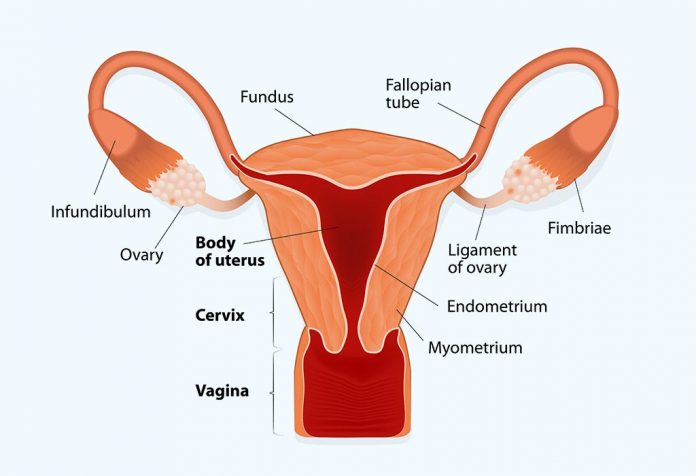
Endometrium Thickness in Pregnancy – Normal Range, Symptoms & Treatment
Thickened endometrium and pregnancy are correlated. Yes, but how? For a female body to conceive and sustain a pregnancy, a number of things need to fall into place. Fertilisation is just the tip of the iceberg; there are a ton of processes that take place in your uterus that ensure the egg stays secure, including the endometrium and the thickness of its wall. A normal endometrial thickness for pregnancy is ideal for ensuring fertility. We all must be aware of what happens inside our bodies during pregnancy. So, in this article, we shall discuss what an endometrium is and all the aspects regarding endometrial thickness for pregnancy, which is essential to help women conceive successfully. We will also look at ways to increase endometrial thickness for conceiving. Let’s begin
What Is an Endometrium?
The uterus has a lining made of mucous membranes on the inner side of its wall. This lining is called the endometrium. The endometrium has two layers – one is the functional layer that sheds itself during each menstrual cycle, and the other layer is the base that remains on the wall of the uterus permanently. It characteristically thickens in size every month throughout the fertile years of every woman. When it thickens, it serves as a nutrient-rich medium for the embryo to plant itself into. Let’s find out a little more about its thickness in the next section.
How Does It Look?
On MRI or an ultrasound, the endometrium looks like a dark line called an endometrial stripe. Let’s take a look at the points given below and understand its appearance, thickness, and changes (1).
Menstrual and Early Proliferative Phase: The endometrium is a thin and bright echogenic stripe that has a basal layer with minimal fluid.
Late Proliferative Phase: A trilaminate appearance can be seen in this phase. It comprises the basal layer, middle functional layer, and the inner echogenic stripe at the centre.
Secretory Phase: It is the thickest during this phase, and the stripe has fluid surrounding it. It looks uniformly echogenic on an ultrasound. According to Radiopaedia, endometrial thickness in the secretory phase—from days 14 to 28—may normally be up to 12-16 mm (2).
What Is the Normal Endometrial Thickness for Pregnancy to Occur?
The endometrial layer in itself is pretty thin. Towards the end of each menstrual cycle, when the upper layer has shed completely, the layer that remains is barely about 1 mm thick. As the next ovulation cycle begins, the cells start creating the new functional layer above it.
The thickness of the endometrium for pregnancy usually varies from person to person, but the normal range of endometrial thickness for conceiving is considered to be around 8 mm, which needs to go up to around 15 mm to be able to hold the fertilised egg securely.
There are three phases that affect the thickness of the endometrial lining. These are –
Early Proliferative/Menstrual Phase – This is when the endometrium is the thinnest. If seen on an ultrasound, the layers seem like a thin straight line.
Late Proliferative – This phase comes after the end of the menstrual phase and goes on till the end of ovulation. That’s when the endometrium begins to thicken.
Secretory – This phase lies between the time your body ovulates and begins another menstrual cycle. The endometrial layer is the thickest during this phase.
In some cases, the endometrium remains thin through all the phases described above and makes it difficult for women to conceive. Let’s take a look at what could cause a thin endometrial layer.
What Causes a Thin Endometrium?
A thin endometrium may be caused by several reasons.
1. Poor Blood Flow
If the uterus does not receive an adequate supply of blood, it may have trouble creating an endometrium that is thick enough for conception. The lack of adequate blood flow may be due to a tilted uterus, uterine fibroids or even a sedentary lifestyle.
2. Estrogen-Related Issues
Reduced levels of estrogen could sometimes prevent the growth of cells, which in turn inhibits the thickening of the endometrium.
3. Improper Functioning of Progesterone
When the progesterone hormone does not function in the manner it needs to, the endometrium does not thicken.
4. Side Effects of Fertility Drugs
In a cruel twist of irony, certain drugs that are used to boost fertility and trigger ovulation might inadvertently cause a side effect that results in the thinning of the endometrial layer.
5. Stressful Lifestyle
The absence of enough rest and sleep could result in stress, which can prevent the optimal growth of the endometrium.
6. Damaged Endometrial Lining
Having a thin endometrial lining can be because of a previous uterine infection, which damaged the uterine lining and caused the formation of scar tissue.
What Causes a Thick Endometrium?
Let’s look at the reasons for abnormal endometrial thickness below:
1. Pregnancy
Having an ectopic pregnancy or a woman with less than five weeks of pregnancy may show signs of a thickening endometrium.
2. Cancer
Cancer of the endometrium or the ovaries is one of the reasons for an increase in endometrial thickness.
3. Too Much Estrogen
Increased levels of estrogen could sometimes result in thickening of the endometrium (3).
4. Not Enough Progesterone
When there is too little progesterone, the uterus isn’t triggered to shed its lining (menstruation). The lining continues to get thick due to estrogen.
5. Hormonal Imbalance
Hormonal changes during the perimenopausal stage can sometimes cause endometrial thickening (4).
6. Other Disorders
Chronic disorders like obesity, diabetes, or PCOS may also be linked to thick endometrium.
Symptoms of Thick Endometrium
The following are the symptoms of thick endometrium:
Heavy bleeding during periods
Longer periods than usual
Menstrual cycle shorter than 21 days or longer than 38 days
Spotting between periods
Constant pelvic pain, cramping, or discomfort
Unexpected vaginal bleeding
How Can You Measure Endometrium Thickness?
An ultrasound or MRI can be used to measure the endometrium thickness. Talk to your gynaecologist about what method is best for you based on your health conditions.
Diagnosis for Endometrium Thickness When Pregnant
Accurate diagnosis helps identify the underlying cause and guides appropriate pregnancy management.
1. Medical History Assessment
First and foremost, the doctor reviews symptoms, menstrual history, fertility treatments, previous pregnancies, and any history of uterine conditions.
2. Physical Examination
If your doctor notices anything or your reports seem significant, your doctor may recommend a general and pelvic examination to help evaluate symptoms such as pain, abnormal bleeding, or signs of infection.
3. Transvaginal Ultrasound
This is the primary imaging test used to measure endometrial thickness, assess the uterine lining, and evaluate the developing pregnancy.
4. Blood Tests
Blood investigations may include pregnancy hormone (hCG) levels, complete blood count, and hormone tests when clinically indicated.
5. Doppler Ultrasound
Doppler imaging assesses blood flow to the uterus and placenta, especially if placental abnormalities are suspected.
6. Magnetic Resonance Imaging (MRI)
MRI may be recommended in selected cases when ultrasound findings are inconclusive or when complex uterine abnormalities are suspected.
Treatment for Endometrium Thickness in Pregnancy
Decreased endometrial thickness can hinder pregnancy progress. Therefore, it must be treated with immediate effect. The treatment includes medication, supplements for better blood circulation, oral estrogen prescription or external injection of a hormone called human chorionic gonadotrophin.
For those who wish to conceive, you’d be happy to know that there are ways to increase the thickness of the endometrium. Let’s find out how.
1. Treating the Underlying Condition
Management focuses on conditions such as hormonal imbalance, inflammation, infection, or placental abnormalities if present.
2. Hormonal Therapy
In selected situations, progesterone treatment may be recommended to support early pregnancy, particularly after assisted reproduction or recurrent pregnancy loss.
3. Lifestyle and Nutritional Support
Maintaining a healthy diet, staying hydrated, managing stress, and attending regular prenatal visits support overall maternal health.
4. Management of Pregnancy Complications
If complications such as abnormal placentation or bleeding develop, the treatment may be individualised, and you may even be put under hospital monitoring.
Ways to Increase Endometrial Thickness for Conceiving
There are a few ways in which you can improve the thickness of your endometrial layer and make it suitable for conception. Here they are:
1. A Good Diet
Consuming a diet that is balanced and nutritious affects the levels of estrogen, maintains a balance of hormones, and boosts blood flow. All of these factors together assist in the growth of the ideal endometrial thickness for pregnancy.
Consume meals throughout the day to maintain healthy levels of insulin and cortisol. Include fibre in the diet as well as food items that have the Q10 coenzyme. This is a powerful antioxidant that reduces tissue-related stress and helps cultivate a thick endometrial layer.
Items like green leafy vegetables, tomatoes, eggs, carrots, and fish contain important vitamins like vitamin C and vitamin E along with the B-complex groups, which are necessary for healthy blood circulation, so be sure to add these items in your diet. Cut down on sour food items and caffeine to improve your health.
2. Enough Rest
Good amounts of rest and sleep help bring a good balance of hormones, which affect the thickening of the endometrium. An uninterrupted sleep of at least 7-8 hours is essential for the body to conduct its repair activities and undertake tissue growth optimally. Maintain a schedule of waking up and sleeping on time on a daily basis, and avoid staying up for long hours or late at night.
3. Regular Exercise
A natural way to boost blood circulation is by exercising. Adequate blood supply to the uterus also assists in the growth of the endometrial cells, thus increasing the thickness of the endometrial layer.
Intensive exercises aren’t necessary; spending about half an hour every day should suffice. Do varied forms of exercise to prevent your body from getting accustomed to one form of activity. Exercise helps induce good sleep, thus assisting in the growth of the endometrial layer.
4. Acupuncture
Acupuncture helps in restructuring the blood supply within the body, providing a boost to fertility. This ancient practice is also known to streamline delivery and provide relief to pregnant women. Studies have shown that reinforcing blood circulation around the kidneys can promote the formation of uterine endometrial blood vessels, which in turn can make the IVF process successful.
5. Keep Your Body Warm
Keeping your body warm increases healthy blood flow, which boosts the uterine lining. You must consume warm foods and beverages to keep your body warm. Avoid all “iced” drinks and minimise cold raw foods when trying to conceive.
6. Vitamin E
Consume food rich in Vitamin E, like avocados, nuts, and seeds, as these Vitamin E-rich foods can help thicken the endometrial lining.
When to See a Doctor?
In the following cases, you must visit a doctor:
Abnormal vaginal bleeding
Spotting between periods
Unusually heavy period flow
Irregular or short blood flow
Spotting or vaginal bleeding after menopause
FAQs
1. How much endometrial thickness is too much?
Just as a thin endometrial layer is a problem, an endometrial layer that is too thick can also be an issue. According to the ACOG, endometrial hyperplasia is the medical term to define the condition when the endometrium layer becomes too thick, which usually occurs due to excessive estrogen levels. This is where the layer gets thicker than even 15 mm (5).
2. Is It possible to get pregnant with an endometrial thickness of 5 mm?
5 mm is too thin a layer to sustain a pregnancy. Ovulation induction and progesterone supplements might be required to help increase the thickness of the endometrium to support the pregnancy.
3. Is endometrial thickness a sign of early pregnancy?
Yes, it can indicate early pregnancy, be it normal or abnormal (ectopic). The normal endometrial thickness in early pregnancy is about 8 to 15 mm.
The right endometrial thickness for conception is an essential component in the entire process of getting and staying pregnant. Adhering to healthy lifestyle choices and adopting proper treatment procedures to take care of the condition can help your body maintain a great environment for a baby.
Also Read:
Uterus while Pregnant
Pregnant with Endometriosis
Can you Ovulate more than Once a Month?
Read more

How to Put Pillow Under Hips to Get Pregnant – Does It Work?
Many women find it hard to get pregnant even after multiple attempts. With so many myths about the ideal methods to conceive available out there, it may be hard to ascertain what to believe. However, if you have been trying to get pregnant, you may try the ‘pillow under your hips to get pregnant’ method during or immediately after intercourse. A few studies have indicated that keeping a pillow under the hips could increase your chances of conceiving. You may give it a try, as it wouldn’t cause any harm (1). But does it actually help, and if yes, how long should you keep the pillow under your hips?
In this article, we have provided you with the information on the ‘pillow under the hips’ to get pregnant. Read on to know more.
Can Keeping a Pillow Under the Hips Help Women Conceive?
As mentioned earlier, some studies have indicated that keeping a pillow under the hips and raising your legs against a wall can help women conceive. Here’s some information on how it could work.
1. The Vaginal pH
Your vagina has an acidic environment which is not ideal for the survival of the sperm (2). Sperm prefer an alkaline environment, and hence need to move away from the acidity of the vagina as soon as they can. The cervical mucus helps prevent damage that may be caused by the vaginal acidity until the sperm reach the egg, and fertilise it in the fallopian tube (3). Placing a pillow under your hips and raising them immediately after intercourse could speed up this process and prevent the sperm from getting affected by the acidity in the vagina.
2. Sperm Quality
Raising the legs up and placing a pillow under your hips could help increase your chances of getting pregnant if the sperm quality is not up to the mark.
3. Cervical Mucus Is Hostile
Cervical mucus is meant to protect the sperm from the acidity of the vagina. If the mucus in the cervix is hostile or you have less cervical fluid, this position could help the sperm reach the fallopian tube directly, without coming in contact with the vagina (4).
How Long Do You Need to Stay in This Position?
Since this method could help the sperm reach the fallopian tube faster, it could fertilise the egg in case you are already done ovulating. The sperm could also stay alive for 3 to 5 days in the reproductive tract. If you ovulate around this time, you could have a chance of getting pregnant. Try and stay in this position for as long as you can or at least for 30 minutes.
How to Place a Pillow Under Your Hips to Get Pregnant?
In this section, we will explore how to put a pillow under the hips to get pregnant. Let’s begin!
Lie down on your back for 15-20 minutes after sex to allow the sperm to swim toward the cervix and into the uterus.
Before getting up, place a thick comfortable pillow under your hips to elevate your pelvis.
Lie on the pillow for the next 15-20 minutes. Do not move around too much so that the sperm stays inside the vagina for long.
After 15-20 minutes, you can get up normally and go about your day as usual.
Points to Remember While Trying This Technique
Using a pillow to get pregnant can be proven to be an effective method, but there are some tips that you can follow to increase your chances of conceiving.
1. Time Your Sex Properly
To increase your chances of getting pregnant, have sex during your most fertile days, i.e. around the time of ovulation, when an egg is released from the ovary (5).
2. Use the Right Pillow
Make sure the pillow is firm enough to elevate your pelvis but not so thick that it causes discomfort. A wedge or a firm pillow can work well for this purpose.
3. Be Patient
Getting pregnant is a big thing, and conceiving can take time. Be patient and keep trying.
Alternative Positions to Get Pregnant
If you’re not comfortable placing a pillow under your hips after intercourse, there are a few other body positions you can try. While there’s no scientific evidence that these positions increase your chances of conception, many people use them for comfort or based on personal preference. Here are some commonly discussed positions that couples often consider when trying to conceive.
1. Lie Flat on Your Back
Remaining on your back for 10–15 minutes after intercourse is a common recommendation. Although research hasn’t proven it boosts pregnancy rates, it may help you relax and gives any semen near the cervix time before gravity comes into play.
2. Elevate Your Pelvis With a Folded Blanket
Instead of using a pillow, you can place a folded blanket or towel beneath your hips for gentle support. This provides a slight elevation and may be more comfortable for some people, though there’s no evidence it improves conception.
3. Rest With Your Legs Slightly Bent
Lying on your back with your knees bent and feet flat on the bed can be a comfortable resting position after sex. It reduces strain on your lower back while allowing you to remain relaxed for several minutes.
Science/Studies Behind Using Pillow Under Hips
Although placing a pillow under your hips after sex is a popular fertility tip, there is no strong scientific evidence proving that it increases your chances of getting pregnant. The practice is mainly based on biological theories about how sperm travel through the female reproductive tract. Here are the most common explanations behind this method.
1. One theory suggests that raising the hips slightly creates a gentle pelvic tilt, which may help semen stay closer to the cervix instead of leaking out immediately. Since sperm begin moving toward the cervix within seconds of ejaculation and can reach the fallopian tubes within minutes, some believe this position may support their journey, although this hasn’t been scientifically confirmed.
2. The vagina naturally has an acidic pH, while sperm survive better in a more alkaline environment. Supporters of the pillow method believe that keeping semen closer to the cervix may reduce the time sperm spend in the acidic vaginal canal, potentially helping more sperm remain viable. However, research has not shown this to improve pregnancy rates.
3. Another reason the method remains popular is that it may help reduce discomfort or lower the risk of bacteria moving toward the urinary tract.
When to Consult a Doctor?
While it can take several months to conceive naturally, certain situations warrant medical advice (6).
If you’re under 35 and have been trying to conceive for 12 months without success.
If you’re 35 or older and have been trying for 6 months without becoming pregnant.
If you have irregular, infrequent, or absent menstrual periods.
If you have a history of conditions such as PCOS, endometriosis, uterine fibroids, or pelvic inflammatory disease (PID).
If you or your partner have known fertility concerns or a history of reproductive health issues.
If you’ve experienced multiple miscarriages or recurrent pregnancy loss.
FAQs
1. Does putting your legs up against the wall improve pregnancy chances?
There is no evidence that raising your legs against a wall or keeping them elevated improves fertility. Healthy sperm are capable of reaching the cervix without the need for special positioning.
2. Is there a wrong way to use a pillow under the hips?
Avoid raising your hips too high or using multiple thick pillows, as this can be uncomfortable. A slight elevation is all that’s needed if you decide to try the method.
3. Can using a pillow under the hips increase the chances of having twins?
No. There is no evidence that elevating your hips or using a pillow after sex influences the likelihood of conceiving twins.
4. Should I use a large pillow or a small pillow under my hips?
If you choose to try this method, a small pillow or folded towel is usually enough to provide gentle support. Excessive elevation is unnecessary and has not been shown to offer additional benefits.
Your chances of conception are dependent on many factors. There are only a few cases wherein studies have proved that this method works. Therefore, avoid letting its failure affect you. Either way, it is best to consult a gynaecologist to discuss your options for treatment.
Also Read:
How to Confirm Pregnancy Without Taking a Test?
Follicular Study – Know When you are Ovulating
Can you Get Pregnant Right after Stopping The Pill?
Read more
Sort By
 Latest
 Most Popular
 Trending
Please select atleast one Filter