

















.svg)
.svg)
.png)


Health
Suggested articles for you
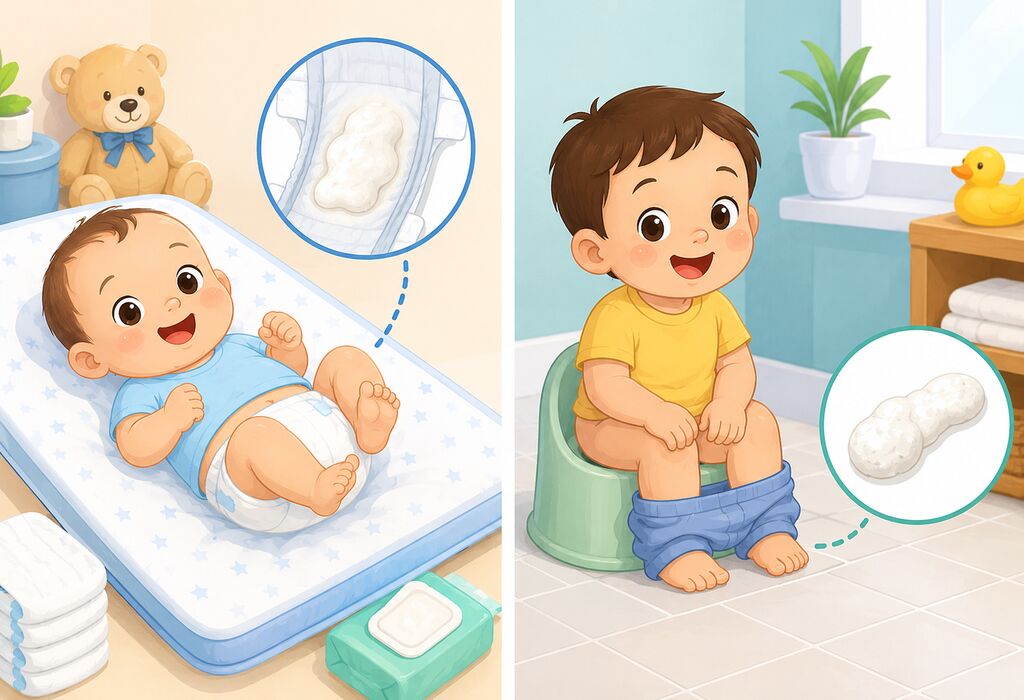
White Poop in Babies and Toddlers – What Does it Indicate?
If your baby’s poop is white, it’s not something to brush off as a harmless change; it isn’t considered normal and may be a sign of a problem with bile flow that needs prompt medical attention. According to the American Academy of Pediatrics, pale, grey, or white stools in infants may be an early sign of biliary atresia or other liver diseases and warrant prompt medical evaluation (1). The same concern applies if you notice white poop in toddlers, as this unusual stool colour can also indicate an underlying digestive or liver-related issue. In this article, we’ll explain the possible causes, symptoms to watch for, when to seek medical care, and the treatment options available so you know exactly what to do next.
What Does White Poop Mean in Babies?
While changing your baby’s soiled diaper, if you notice white poop, you’ll worry if something is wrong with your baby’s health. If it’s a one-off occurrence, it is nothing to worry about. It could be as simple as undigested food, but parents should keep checking their baby’s stools. If the stool colours remain white, it could be due to the low production of bile (bile pigments give the yellow or brown colour to the stools) or a blockage that might be stopping bile from reaching the intestine (2). If your baby’s poop colour doesn’t change and continues to be white, you must check with a doctor.
What Are the Causes of White Poop in Babies?
Since most babies are on a liquid or semi-solid diet, the consistency of the poop might differ. However, the colour should be in the normal range for you to be sure of good health. White poop is never a good sign. There could be a range of causes, but here are some reasons you might find white poop in your infant’s bowels.
Medication could sometimes be the cause of white stools. Some antibiotics for ear infections can lead to white stools. Antacids that treat the baby’s reflux issues can also lead to white spots in baby poop.
White, along with some red poop, could be a sign of constipation.
An iron deficiency leads to white stool anaemia.
It could be a sign of a liver blockage in a more extreme situation. The liver produces bile which helps break down fats in the body. If the bile can’t be drained from the liver through the body’s normal functions, it can be a problem and scar liver cells. This leads to cirrhosis which could lead to liver failure (3).
Biliary Atresia is a rare but serious liver disease that affects infants. It occurs when the bile ducts are blocked or damaged, leading to a build-up of bile in the liver. One of the symptoms of biliary atresia is white or pale-coloured stools (4).
In breastfed babies, white stools can sometimes result from feeding exclusively on foremilk, the thinner, less fatty milk that comes at the beginning of a feed. This can lead to a lack of bile in the stool, resulting in a white or light-coloured appearance.
Some medications, such as antacids or antibiotics, can cause white or light-coloured baby stools. This is because they can affect the digestive system and reduce the amount of bile released into the stool.
Genetic disorders like cystic fibrosis affect the lungs, pancreas, and other organs. In infants with cystic fibrosis, white or pale stools can be a symptom of a blockage in the pancreatic duct, which can interfere with the digestion and absorption of fats (5).
Symptoms That May Accompany White Stools in Babies and Toddlers
If your baby’s stool colour is white, you’re bound to get concerned. If you notice it once or twice, it’s not a problem. It could be simply due to the medication that your baby might be on or white spots could be the remnants of the milk that your baby is consuming. But if you notice any of the following symptoms, it’s a cause of concern, and you must check with your child’s paediatrician.
Jaundice is a disease that is caused due to an improperly functioning liver. This disease leads to a slightly yellow tinge on the patient’s skin and eyes. Jaundice can be life-threatening and must be checked out by the doctor immediately (6).
Dark-coloured urine is never really a positive sign of good health. Darker urine points towards inconsistencies in the kidney, and liver region and should be checked out by a medical health professional.
Itchy skin could be an accompanying symptom, along with white stools.
Crying more than usual could be a sign of your baby’s discomfort. You must check with a paediatrician if your baby cries incessantly.
If your baby is not gaining or losing weight, it could be a sign that they are not absorbing nutrients properly. White stools can be a malabsorption symptom, leading to poor weight gain (7).
Changes in bowel movements can also be a sign of a digestive problem. White stools and diarrhoea or constipation may indicate a problem with the liver, bile ducts, or pancreas.
If your baby is experiencing abdominal pain, it could be a sign of a digestive problem. White stools and abdominal pain may indicate a blockage in the bile ducts or pancreas.
If your baby has a fever, it could be a sign of an infection. White stools, along with a fever, may indicate a bacterial or viral infection that is affecting the digestive system.
These symptoms and chalky poop could point towards something a bit more serious and may require medical intervention. White curds in baby poop in breastfed and formula-fed babies just point towards undigested fats from the milk that did not break down well.
White Stools in Children – Is It Dangerous?
The normal colour of poop in babies and infants should be yellow, brown, green or a mix of these. A doctor must be consulted immediately if parents spot that their 1-year-old baby’s poop colour is white. Home remedies should not be tried since it has to do with a serious internal problem that needs to be sorted out with the help of a medical professional. White stools can indicate some serious problems, so checking with a doctor is a must. The cause of white stools could be a tumour preventing bile from reaching the small intestine. Gallstones form in the bile can also block the bile. These conditions could further build a fever and exacerbate other symptoms (8). Gastrointestinal complications could lead to white poop as well. Hence, you must take your child to a doctor.
Serious Conditions That Can Happen in Baby & Toddlers Because of White Poop
White poop itself is not the complication, it’s often a warning sign that bile isn’t reaching the intestines as it should. If the underlying condition is not diagnosed and treated promptly, it can lead to serious health problems, especially in babies and young children. Here are some of the potential complications:
Liver damage or liver failure: Conditions such as biliary atresia or cholestasis can cause ongoing liver injury, eventually leading to scarring (cirrhosis) and liver failure if left untreated (9).
Poor growth and delayed development: Reduced bile flow affects the absorption of fats and fat-soluble vitamins (A, D, E, and K), increasing the risk of poor weight gain, stunted growth, and developmental delays.
Vitamin deficiencies: Inadequate absorption of essential nutrients can result in weakened immunity, vision problems, poor bone health, and an increased tendency to bleed.
Severe jaundice: Persistent bile blockage can worsen jaundice, causing yellowing of the skin and eyes and increasing the risk of complications if not managed promptly.
Need for a liver transplant: In severe or advanced cases, irreversible liver damage may make a liver transplant the only effective treatment option.
When Should You Not Get Worried About White Poop in Babies?
Children’s white stool can be a cause for concern, but it may not be a serious issue in some cases. Here are some situations in which you may not need to worry about white poop in your baby:
If your baby is less than a week old: In newborns, it’s common for their first few stools to be greenish-black, called meconium (10). After that, their poop may be yellow or brown. However, in some cases, their poop may appear white or pale. This newborn white poop is usually not a cause for concern, simply because their digestive system is still developing.
If your baby is formula-fed: If your baby is formula-fed, it’s possible for their poop to be a lighter colour, ranging from yellow to light brown. This is normal and may not be a cause for concern if your baby is otherwise healthy and gaining weight.
If your baby has just started eating solids: As they start to eat solid foods, their poop may change in colour and consistency. It’s common for their poop to be different shades of brown or green; occasionally, it may appear white or pale. This is usually not a cause for concern as long as your baby is healthy and happy.
If your baby has no other symptoms: If your baby’s poop is white or pale, but they have no other symptoms such as fever, abdominal pain, or poor weight gain, it may not be a serious issue. However, it’s always best to consult your healthcare provider to rule out potential health problems.
White Substance in Poop – What’s That?
It can be concerning if you notice white substances in your baby’s poop, but it’s not always a cause for alarm. Here are some possible causes of white substances in poop:
Undigested food: Sometimes, you may notice white substances in your baby’s poop that look like pieces of undigested food, such as rice or milk curds. This is usually not a cause for concern, as babies’ digestive systems are still developing and may not fully digest all types of food.
Mucus: Mucus is a sticky substance that lines the intestines and can sometimes be present in a baby’s poop. Mucus can appear white or yellowish in colour and can be caused by various factors, including infections or inflammation in the digestive tract (11).
Worms: In rare cases, white substances in poop can indicate the presence of worms, such as tapeworms. If you suspect your baby has worms, it’s important to consult with your healthcare provider for proper diagnosis and treatment.
Medication or supplements: Some medications or supplements, such as iron supplements or antacids, can cause white substances to appear in the stool. If you suspect a medication or supplement is causing this, speak with your healthcare provider for guidance.
Infections: In some cases, white substances in the stool can signify a bacterial or viral infection in the digestive tract. If your baby has other symptoms, such as fever or diarrhoea, seeking medical attention is important.
How to Treat White Poop in Babies?
Seeing white baby poop can be a concerning and alarming experience as a parent. Feeling worried and unsure about how to help your little one is natural. White poop in babies can be a symptom of various underlying health problems, ranging from minor issues to more serious conditions that require medical attention. In this context, being proactive and seeking prompt diagnosis and treatment is essential to help your baby feel better quickly. Here are some tips on treating white poop in kids to help ease your worries and get your baby back to good health.
Consult with your paediatrician: If you notice white poop in your baby, it’s important to contact your healthcare provider for further evaluation and treatment. They can help determine the underlying cause of the white poop and recommend appropriate treatment.
Adjust your baby’s diet: If your baby is formula-fed, your healthcare provider may recommend switching to a different type of formula. If your baby is eating solid foods, they may recommend eliminating certain foods or ingredients from their diet. Following their recommendations closely ensures your baby gets the proper nutrition.
Medications or supplements: If your baby has an underlying medical condition causing the white poop, your healthcare provider may prescribe medications or supplements to help treat the problem. It’s important to follow their instructions carefully and closely monitor your baby’s symptoms.
Surgical intervention: In rare cases, white poop in babies may require surgical intervention. For example, if there is a blockage in the bile ducts or pancreas, surgery may be necessary to remove the blockage.
When to Consult a Doctor?
If your baby’s poop colour is often white, you must check with a paediatrician immediately. While it could be due to a minor cause, it could also be due to serious problems mentioned in the above paragraph. So, see a doctor if you notice anything unusual.
FAQs
1. Which food causes white poop in babies?
While no specific food causes white poop in babies, certain types of formula or changes in diet can affect the colour of a baby’s stool. If you notice white substances in your baby’s stool, it’s vital to consult with your paediatrician for proper evaluation and diagnosis.
2. Why is your toddler poop clay-coloured?
Clay-coloured or pale stools in toddlers can indicate a problem with the liver, gallbladder, or pancreas. It can be caused by various factors, such as an obstruction in the bile ducts or liver disease. If you notice clay-coloured stools in your toddler, it’s important to consult with your doctor for accurate analysis.
3. Can white poop go away on its own?
It depends on the cause. If the stool appears white because of a temporary factor, it may resolve without treatment. However, persistent or repeatedly white stools should never be ignored, as they may indicate a condition that requires medical treatment.
For new parents, discussing their baby’s pooping habits is an everyday task. And if your baby’s poop colour is white, your discussions can leave you worried. But with proper information and your doctor’s guidance, it can be treated, and your little one will be healthy again!
Also Read:
Black Poop in Infants
Watery Stool in Newborns
Abnormal Poos and Wees In Babies
How Often Should your Newborn Baby Poop?
Read more




Chandipura Virus Infection – Symptoms, Causes, and Prevention
A relatively rare but potentially life-threatening infection, Chandipura virus (CHPV) primarily affects young children and can rapidly progress from a flu-like illness to severe encephalitis (brain inflammation). Chandipura virus is spread by infected sandflies, and has been linked to multiple outbreaks across the country. First identified in India, the virus has caused multiple outbreaks over the years. In July 2026, the virus resurfaced in Gujarat, where 7 children tested positive and 3 child deaths were reported, raising fresh public health concerns.
Since the infection can worsen within hours, parents should be aware of its symptoms, causes, transmission, and preventive measures. Keep reading to learn everything you need to know about Chandipura virus infection and how to protect your child from this potentially fatal disease.
Expert Says
“Clean environment and avoiding mosquito bites are the two most important factors to prevent this illness”
– Dr. Vandan H Kumar
What Is the Chandipura Virus?
Chandipura virus (CHPV) belongs to the genus Vesiculovirus of Rhabdoviridae family, similar to the rabies virus. It was first identified in the Chandipura village in nagpur India in 1965. It is a virus that causes severe encephalitis, an inflammation or swelling of the brain. While sandflies (the ones which are also the vectors for Kala Azar and Japanese encephalitis) mainly transmit the virus, there have been occasional reports suggesting that mosquitoes, specifically Aedes aegypti, might also play a role in transmission.
It is a significant health concern, particularly in India’s western, central, and southern regions, especially during the monsoon season. While the virus has been known since 1965, it gained significant attention due to several outbreaks in various areas of India (1).
Chandipura Virus Outbreak 2026
As of mid-July 2026, Gujarat has reported 7 laboratory-confirmed Chandipura virus cases out of 19 tested samples, with 3 child deaths. Health authorities are also investigating 27-32 suspected cases, primarily from Sabarkantha and Panchmahal districts.
Whom Does the Chandipura Virus Affect?
Chandipura virus primarily affects children, particularly those under the age of 15. While adults can also be infected, children are more susceptible to the severe neurological symptoms associated with the virus. Pregnant women are also at potential risk, as infections during pregnancy can pose additional health challenges, affecting the mother and the developing fetus (3).
Why Does It Mostly Affect Children?
Chandipura virus primarily affects children for several reasons:
1. Immune System Development
The immune systems of children are still developing, which makes them less capable of mounting a strong defence against new and emerging pathogens like the Chandipura virus.
2. Behaviour and Exposure
Children are more likely to play outside and engage in activities that increase their exposure to sandflies, the primary vectors of the virus. Their behaviour and close contact with the environment where sandflies breed heighten their risk of infection.
3. Lack of Immunity
Adults might have some level of immunity either due to past mild infections or repeated low-level exposure to the virus or related pathogens, whereas children, especially in areas where the virus is newly emerging, may lack such immunity.
How Is CHPV Transmitted?
Chandipura virus (CHPV) is primarily transmitted through the bite of infected sandflies, particularly the species Phlebotomus papatasi. These sandflies become carriers of the virus after feeding on an infected host’s blood, allowing the virus to replicate within them. When an infected sandfly bites a human, the virus is transmitted through the sandfly’s saliva into the human bloodstream.
Sand flies were considered to be responsible because they inhabit cracks in walls or home parts made up of sand or mud. Transmission is more common in rural and semi-urban areas, especially during the monsoon season when sandfly populations surge due to favourable breeding conditions (4).
Animal reservoirs: various mammals, including cattle, rodents, and bats, may act as reservoirs
Notably, there is no evidence to suggest that CHPV spreads directly from person to person, with the primary mode of transmission remaining through the bite of infected sandflies.
Is CHPV Contagious?
No, Chandipura virus (CHPV) is not contagious and does not spread from person to person through casual contact, coughing, or touching. The virus is primarily transmitted through the bite of infected sandflies, although mosquitoes and ticks may also play a role in its transmission.
Symptoms of Chandipura Virus
Chandipura virus (CHPV) infection can lead to severe and rapid-onset symptoms, particularly in children. Here are some of the key symptoms to watch for (2):
High Fever (102-106F)
Severe Headache
Vomiting
Persistent Weakness
Diarrhea
Seizures
Altered Mental Status
Coma (in severe cases)
The symptoms typically surface within 2-4 days after being bitten by an infected sandfly. Usually the disease has rapid Progression from mild symptoms to severe neurological manifestation within a short period. The fatality rate of Chandipura virus infection can be high, especially in children, with death within 48 -72 hours of onset of symptoms with some outbreaks reporting mortality rates of up to 50-75% (5) (7).
Diagnosis:
Since CHPV does not present with any specific clinical picture, it may not be possible to diagnose the disease simply on the basis of physical examination.
To diagnose Chandipura viral encephalitis cases, some serological, molecular, and tissue culture-based methods are available.
What Is the Treatment of the Chandipura Virus?
There is no specific antiviral treatment for Chandipura virus (CHPV). Management primarily focuses on supportive care to alleviate symptoms and prevent complications. In severe cases, hospitalisation may be required for close monitoring and care.
Treatment typically involves using medications to manage symptoms, such as fever and pain while maintaining adequate hydration and nutrition. Early diagnosis and prompt medical attention are essential for improving outcomes and effectively managing the disease (6).
How to Prevent Your Child From Getting the Chandipura Virus?
Chandipura virus prevention in children involves taking proactive measures to minimise exposure to the virus’s primary vector, sandflies. By implementing these measures, you can help reduce the risk of infection and safeguard your child’s health.
1. Use Insect Repellent
Apply insect repellent on your child’s exposed skin and clothing to protect them from sandfly bites. Choose an insect repellent with DEET, picaridin, or other effective ingredients (8).
2. Wear Protective Clothing
Dress your child in long pants, long-sleeved shirts, and socks, especially when sandflies are most active at dusk and dawn. Light-coloured clothing is preferable, as it is less attractive to sandflies.
3. Install Bed Nets
Bed nets treated with insecticide can provide additional protection while your child sleeps. Ensure that the net is tucked in properly and free of holes.
4. Keep Indoor Spaces Secure
Sand flies inhabit cracks in walls or home parts made up of sand or mud.
Identify sandfly breeding places: Breeding sites includes holes & crevices in wall,holes in trees, dark rooms , stable & store rooms.
Keep air and ventilation in houses. Cleaning of the collected water places and garbage control. To prevent sandflies from entering the home, make sure the doors and windows have screens.
5. Maintain Clean Surroundings
Remove standing water, keep the environment clean, and dispose of garbage properly to eliminate sandfly breeding sites around your home. Also, regularly clear vegetation and debris where sandflies might thrive (9).
6. Community Awareness and Action
Participate in community efforts to control sandfly populations, such as insecticide spraying and public health campaigns. Educating neighbours and local communities about preventive measures can help reduce the overall risk of Chandipura virus transmission.
What Are Doctors Saying About This Virus?
Experts emphasise the importance of vector control, hygiene, and awareness in combating the spread of the Chandipura virus (CHPV). Dr. Atul Goel from the Directorate General of Health Services and other health specialists highlight that comprehensive studies are essential to understanding the epidemiology and environmental factors contributing to CHPV outbreaks. They stress that reducing exposure to sandflies, the primary vector, and improving public health measures and community education efforts are essential (10).
When to Consult a Doctor?
Consult a doctor immediately if you or your child experiences:
Sudden high fever
Severe headache
Persistent vomiting
Drowsiness or unusual sleepiness
Confusion or altered mental state
Seizures (fits)
Loss of consciousness
FAQs
1. What actions has the government taken to address the Chandipura virus outbreak?
The government has implemented vector control programs to reduce mosquito populations and has conducted awareness campaigns to educate the public about prevention methods. Additionally, efforts are being made through health departments to monitor and manage outbreaks.
2. Are there any vaccination options available for the Chandipura virus disease?
Currently, no specific vaccine is available for the Chandipura virus. Prevention primarily relies on reducing mosquito exposure and following protective measures.
3. What should I do if my child shows symptoms of the Chandipura virus?
If your child exhibits a high fever, rash, or seizures, seek medical attention immediately. Early diagnosis is important to manage the disease effectively.
4. Does every sandfly bite cause Chandipura virus infection?
No. Only sandflies carrying the Chandipura virus can transmit the infection. Most sandfly bites do not result in CHPV infection.
5. Is Chandipura virus the same as Japanese Encephalitis?
No. Although both can cause encephalitis, they are caused by different viruses and are transmitted by different insect vectors. Chandipura virus is mainly spread by sandflies, while Japanese Encephalitis is transmitted by infected mosquitoes.
By implementing effective preventive measures and staying informed about the latest recommendations, you can significantly mitigate the risk of Chandipura vesiculovirus. Your efforts to stay informed and act make a big difference in keeping your child healthy and safe.
Also Read:
Cold vs Flu in Children
Dengue Fever in Kids
Malaria in Children
West Nile Virus in Kids
Chikungunya in Children
Zika Virus Infection in Kids
Rubella (German Measles) in Babies and Kids
Read more
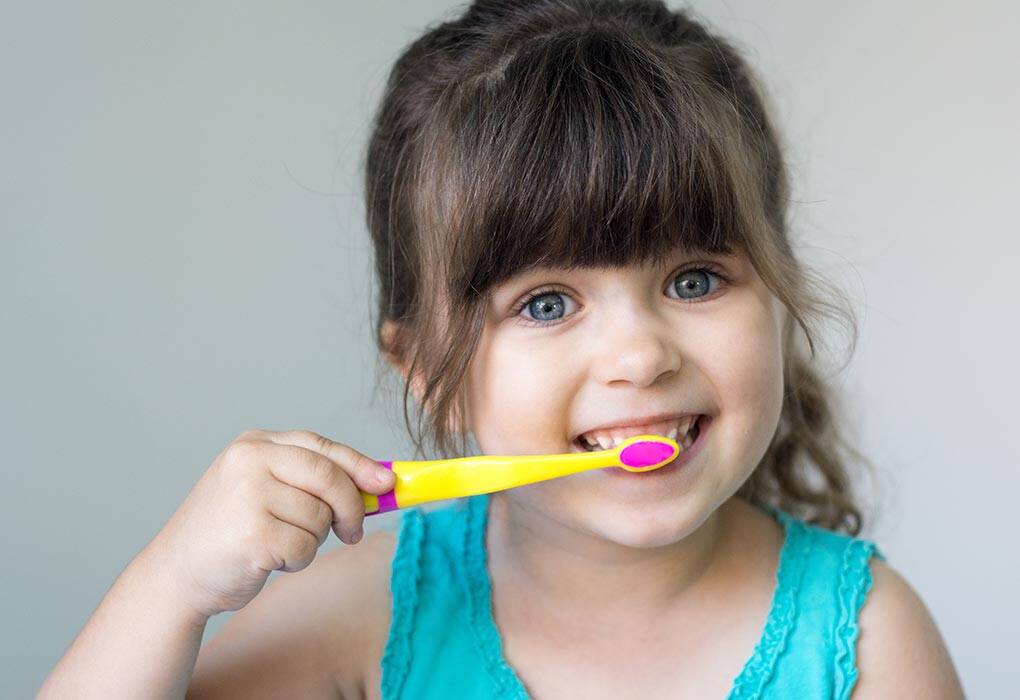
Personal Hygiene for Kids
Teaching children as they grow is a very engaging and challenging process. Those tiny little hands are always reaching out to grab everything they see. Although this may be a part of their growth and development when they are babies, it is not quite safe for children to come in contact with everything they see. Things like mud, door handles, food from outside and even toys can be unhygienic and could pose problems with transmittable diseases. Therefore, teaching healthy habits from a young age is essential to ensure your children remain safe and healthy.
In this article, we shall discuss personal hygiene for kids in detail and provide tips to help you teach your kids its importance. Let’s start with the most basic question—why is it required? Read on to learn more.
Why Is Personal Hygiene Important for Kids?
Following proper health and hygiene practices for and by children is extremely crucial and helps keep germs and diseases at bay. Whenever they touch dusty areas, deadly microorganisms can transfer onto their hands, food, and eventually into their stomachs, causing diseases.
Certain habits can be practised as a foundation to ensure health and hygiene for kids. The best way to get your child to understand this is by teaching them how to practice early. Here are some common practices that can help in teaching the best personal hygiene practices to children:
12 Best Healthy Personal Hygiene Habits for Children
Teaching children healthy personal hygiene habits is essential for their well-being and helps prevent illness. Here are 12 of the best habits to teach your child:
1. Food Hygiene for Kids
Unhealthy food habits can cause food poisoning and lead to conditions like diarrhoea, vomiting, or stomach pains. As a parent, you need to ensure hygiene is intact when preparing, serving, or feeding food to your child.
When teaching your child about food hygiene, start with the basics and tell them about the germs and bacteria that cause diseases. Let your child understand how these germs can infect their bodies and spread from their hands to their food. Also, stress upon the habits that can help them prevent diseases. Here’s what you can follow and teach your child.
Cooking Food: If you’re the one doing most of the cooking, make it a habit to follow these hygiene practices:
Always use an apron and tie your hair.
Roll your sleeves up to avoid having grease or stains on your clothes.
Don’t cough or sneeze into the food. Always turn away whenever you have to avoid contaminating the food with germs. Sanitise/wash your hands thoroughly before touching the food again.
Food Storage: Healthy food habits also include proper storage. Teach your child how to segregate and store food in the refrigerator. Also, inform them which foods can be left outside and which must go in the fridge. Don’t leave any food uncovered; keep the lids clean to avoid contracting bacteria.
Washing hands: Make sure you wash your hands thoroughly and teach your child how to wash their hands properly with soap and water. We shall talk a little more about this practice in the next point. Ensure you do this activity before and after every meal. Additionally, provide your child with a clean wiping cloth to wipe their hands. The cloth should be washed/changed frequently.
2. Hand Hygiene for Kids
Washing hands frequently can reduce the chances of contracting diseases such as diarrhoea. The simplest way to practise hand hygiene is to teach your child how to wash hands thoroughly. Show your child a step-by-step demonstration and ensure he/she gets all the steps right.
Wet your hands with water.
Apply soap to your hands and rub to form a lather.
Ensure your child cleans even between the fingers and under the nails.
Wash the soap away entirely with clean water.
Hygiene for kids includes keeping their hands clean at all times. Let your child form a habit of washing their hands every time they (3):
Use the bathroom
Play outside
Clean the house
Touch an animal
Meet a sick friend
Sneeze or cough
Are about to eat something
Are done eating their food
Come home from outside, whether at school or at the park.
3. Sleep Hygiene for Children
Sleep is essential for children and adults as the body uses this time to regenerate its cells and record memories. Sleep hygiene includes everything that helps your child get a good night’s sleep. It enables you to create an ‘awake during the day and resting during the night’ pattern so your child can fit in enough sleep at night so they can remain active during the day. You can also teach the importance of sleep to get your child more interested in learning its benefits. Following are a few ways in which you can inculcate good sleeping habits in them (7):
Avoid letting your child fall asleep at odd hours during the day so that they sleep well at night. However, some kids have a short nap in the afternoons, which is alright.
The bed should only be used for sleeping, not watching TV or doing homework.
Create a relaxed environment. You can have dim lights that let your child rest. You can also try singing a lullaby.
Keep gadgets and alarms away from children to avoid waking them up.
Put your child to bed every day at a fixed time.
Have the same sleeping hours, whether school nights or weekends.
Don’t let your child sleep hungry. A light snack like milk and cookies is good. Heavy meals within an hour or two of bedtime interfere with sleep.
Avoid products containing caffeine, like caffeinated sodas, tea, coffee, and chocolates several hours before bedtime.
Make sure your child spends time outside every day.
Keep a comfortable temperature in the room. i.e. 24-26 degrees.
Don’t use the bedroom for time out or punishment.
4. Vocal Hygiene for Children
You and your child can use these methods to help them get a modulated voice. Most children can develop a habit of shouting a lot. If they aren’t given attention and ignored, your child’s vocal cords can experience excessive stress and damage. Here’s how you can help your child understand and deal with vocal hygiene:
Keep your child hydrated by giving them enough water to drink every day.
Avoid giving your child cold drinks or ice creams often.
Encourage your child to speak in one tone during a conversation.
Kids can sometimes clear their throat, affecting the way they sound. Always discourage them from doing so.
Keep them from shouting or whispering too much, as it stresses the vocal cords.
5. Oral Hygiene
You must also take care of your child’s mouth and teeth. Without proper care, your child can develop cavities, bad breath, and other oral diseases. Although baby teeth eventually fall out, they help your child chew food and assist in speech development. Here are some ways you can keep your child’s teeth healthy (4):
Ensure your child brushes their teeth at least two times a day.
Always use a child’s toothbrush as they’re smaller and soft on the developing gums.
In the first 12 months, only wipe the child’s gums with a clean cloth. When the first set of teeth appears, wipe the surface gently with a toothbrush and some water.
Let your child start using toothpaste when they are around two years old.
Sweet food shouldn’t linger around the teeth too long as it can cause cavities.
If the child has wiggly teeth by age 6, let them wiggle the tooth so it falls off without much pain or bleeding.
If you are wondering how to teach your little one to brush their teeth, here’s some information that can help. In the beginning, brush their teeth yourself and slowly teach them the right way to do it.
Keep the brush angled at 45 degrees to your child’s gums.
Move the brush back and forth gently.
Brush all the surfaces of your child’s teeth (outer, inner and chewing areas).
To clean the inner surface thoroughly, you can hold the brush vertically and move it up and down.
Brush the tongue to remove any bacteria.
You can also include the use of dental floss to ensure that your child stays away from cavities.
Take about 18 inches of floss and wrap both ends on either of your middle fingers.
Hold the floss between your thumb and forefingers and insert the floss inside your child’s teeth.
While holding the floss in a C-shape, gently rub it while pressing it against the tooth.
Ensure you floss all the teeth and get the jaw teeth, too.
6. Hair Care
Poor hair hygiene in your child can cause problems like dandruff, lice, and scalp infections. Your child can get these when playing with their friends or other kids. Your child should be taught to care for their hair and scalp to avoid this (6).
Wash your child’s hair at least two times a week to keep it free from grease and dirt.
When your child is old enough to wash their hair, supervise or assist them in applying the shampoo and rinsing with water.
If your child has head lice, make sure you treat it immediately.
If your child has long hair, encourage her to keep it tied up mostly to prevent it from getting dirty.
Teach your child to avoid sharing their comb, pillow, hats or caps with other children.
7. Nail Hygiene
Children’s nails accumulate a lot of dirt and microbes as they play outside, in the sand, mud, or simply dirty grounds. Children and adults use their limbs extensively, which causes nails to get injured or contaminated. Use the following tips to inculcate nail hygiene in your child:
Kids tend to bite their nails. Discourage them from doing so, as they can ingest the microbes under their nails.
Cut your child’s nails frequently.
Teach your child to scrub and wash under their nails thoroughly to ensure they are always clean.
Also, pay attention to your child’s toenails and cut them regularly.
8. Bathing Hygiene
The best way to keep your child clean and healthy at all times is by bathing them regularly. Some bath hygiene habits include:
Teach your child to bathe twice a day – before they go to school and after they return.
Encourage them to scrub their armpits, groin, legs, and feet gently.
Ensure that they apply soap every time they take a shower.
Ensure your child takes extra care when cleaning their face, as the facial skin is more delicate.
9. Foot Hygiene
When bacteria acts along with sweat on your child’s feet, they can get smelly. This happens if your child wears shoes all day, especially without socks. This causes a lot of dirt and bacteria to accumulate on your child’s feet. Some personal hygiene habits for kids can help keep these smelly feet away:
Ensure that your child washes their feet every time while taking a bath.
Keep the feet clean by scrubbing them with soap and rinsing them with clean water.
Always clean between the toes, on the underside of the foot, and under the toenails to keep microbes away.
Teach your child to keep their footwear clean to avoid contracting germs.
Use a moisturiser to keep the feet soft at all times.
10. Toilet Hygiene
The bathroom or toilet is one of the places in the house that contains the most germs. As long as you keep the bathroom clean and teach your child the right toilet hygiene, you can avoid all the diseases likely to spread by using an unclean bathroom.
Teach your child to wipe or wash after passing stool.
Teach them how to flush on their own.
Remind them to wash their hands every time they use the bathroom.
A good way to help them learn is to stay with them and guide them through the whole process. Also, have your child look at the wipe every time they wipe after potty.
11. Coughing and Sneezing Hygiene
You can’t always protect your child, and a few illnesses here and there can help improve immunity, so there is an upside to illnesses, too. Sometimes, your child can get infected with a common cough or a cold. Here’s what you can do to help them heal faster and prevent the disease from transmitting to others.
Prevent your child from spreading infections by teaching him/her to cover his/her mouth and nose when sneezing or coughing.
Also, encourage your kids to use a handkerchief instead of their hands. If they do not have a handkerchief, teach them to use their sleeve or elbows instead. This avoids the spreading of germs from their hands.
Praise them subtly whenever they use their sleeve, “I saw that you used your sleeve. Thank you for doing that”.” This will help them remember to do this again in the future.
12. Home Hygiene
Apart from all the types of hygiene mentioned above, your child should also practice some hygiene at home, as this can also build up your child’s etiquette.
Teach your child to wear clean clothes every day. If your child likes a particular dress, teach them to wear it only when it is clean.
Inculcate the habit of cleanliness.
Teach your child to pick up their dish after eating, put it in the sink, and wash their hands.
If your child spills something in the house, teach them to clean it. If they are too young to do so, help them clean it.
Here are some more tips to help your kid understand personal hygiene and make it a part of their everyday life.
Tips to Teach Your Kids Personal Hygiene
You can’t teach your child all the habits mentioned above overnight. Teaching personal hygiene to kids will require patience. Some accidents might happen here and there, but avoid scolding your child as they are still learning. Here are some tips to follow when teaching your child about hygiene:
Explain the Difference: Start by explaining all the good and bad habits. You can start with something your child already knows.
Explain the Purpose: Explain to your child why they should maintain good hygiene and why something is bad.
Praise and Encourage: Praise your child when they do something good. It can be as simple as washing hands or sneezing into a handkerchief.
Start With the Basics: Have your child wash his/her hands first, and then move on to bigger things like brushing, bathing, food hygiene, etc.
Practice Before You Preach: Children are smarter than we think they are. They are observant and know when you are trying to trick them. Always ensure you practice all the hygiene habits yourself before teaching them any. Most of the time, children watch you and learn, so you won’t have to teach them the habits separately (5).
Educate Them: Tell your child about the germs and microbes that cause diseases. Also, explain what happens if he/she is affected by germs.
Make Learning Fun: This will help them remember better. Try including games and other fun activities whenever you teach them about hygiene.
Things to Avoid While Teaching Hygiene to Your Child
These are a few things you must avoid when teaching your little one hygiene. These tips will help you convey the point, inculcate a habit, and even strengthen your bond.
Do Not Scold – Do not scold your child, as it worsens the situation. Some children take more time to learn something new. Be patient but persistent when teaching hygiene to your child.
Do Not Compare – Comparing your child with someone else will make your little one feel inadequate. Let him/her take some time to adjust to the new way of life and avoid comparing him/her with anyone else.
Do Not Punish – Punishing children is another thing parents should avoid. Children appreciate it when their parents take the time to explain something and help them through it. If your child doesn’t understand or obey, do not punish him/her. You may try to seek alternatives instead to explain to your little one the same point.
FAQs
1. At what age should children start learning about personal hygiene?
Children can learn basic personal hygiene habits, like washing hands and brushing teeth, as early as age 2 or 3. It’s important to model and gradually teach these behaviours as they grow.
2. How can I help my autistic child tolerate hygiene activities they find uncomfortable?
Introduce hygiene tasks in small steps. Use sensory-friendly products like unscented soaps or soft toothbrushes to create a calming environment. Visual schedules and social stories should help them understand what to expect (2).
3. Can children use deodorant?
Deodorant is usually not necessary for young children. However, as children approach puberty, typically around age 9 or 10, it may be helpful to introduce deodorant to manage body odour (1).
Although health and hygiene for kids are better inculcated early on, children won’t pick them up at the first go; be patient and keep explaining their importance. Teaching your child about hygiene can help them care for themselves even when you are not with them.
References/Resources:
1. Deodorant Use for Kids and Teens; Nemours KidsHealth; https://kidshealth.org/en/parents/deodorant.html
2. Helping a Child with ASD Develop Good Hygiene Habits; May Institute; https://www.mayinstitute.org/news/acl/asd-and-dd-child-focused/helping-a-child-with-asd-develop-good-hygiene-habits/#
3. Personal hygiene for children; Healthdirect; https://www.healthdirect.gov.au/personal-hygiene-for-children
4. Dental health; NHS; https://cambspborochildrenshealth.nhs.uk/feeding-and-eating/dental-health/
5. Hygiene; NHS; https://cambspborochildrenshealth.nhs.uk/child-development-and-growing-up/hygiene/
6. Personal Hygiene; Nationwide Children’s Hospital; https://www.nationwidechildrens.org/family-resources-education/health-wellness-and-safety-resources/helping-hands/personal-hygiene
7. Sleep Hygiene for Children; Children’s Hospital of Orange County; https://choc.org/wp-content/uploads/2016/04/Sleep-Hygiene-Children-Handout.pdf
Also Read:
Good Manners To Teach Your Kids
Tips to Establish a Morning Routine for Children
Good Habits That Parents Must Teach Their Kids
Essential & Must-Have Healthy Habits for Children
Read more
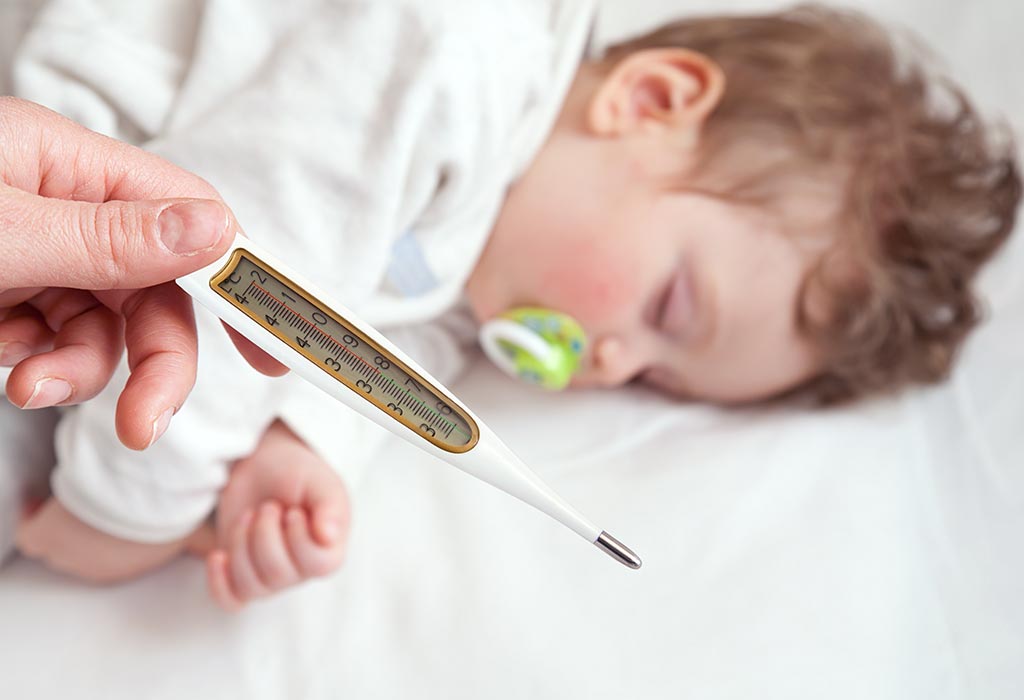
9 Effective Home Remedies for Fever in Toddlers
A moderate fever is not a matter of great concern, as this is how the body activates the defence mechanism against infection. Usually, a toddler can easily handle a body temperature of up to 100 degrees. Most often, such a mild fever can be dealt with using home remedies. If your toddler has a moderate fever, there are some effective home remedies for toddler fever you can try to treat it. As a matter of caution, it is always necessary to keep emergency contacts handy and consult a paediatrician if your toddler’s fever does not go away with the help of home remedies. So, let’s get started with the home remedies, shall we?
Home Remedies to Treat Your Toddler’s Fever
At times you may find yourself in a dilemma of whether to take your child to a doctor or not when the temperature is mild. On top of that, you may have to wake up in the middle of the night to console your baby if she is crying or in discomfort due to a fever. In either case, it’s better to be ready for the unexpected, and this is when you should know how to reduce fever in toddlers naturally. Following are some home remedies for fever in one-year-olds and above.
1. Chamomile Tea
Chamomile tea is one of the best natural remedies for fever in a toddler.
What You Need?
Chamomile tea leaves and honey.
What to Do?
Bring some water to boil and soak chamomile tea leaves in it for about a minute. Add honey to it and feed a few drops of it to your child twice a day.
2. Raisins
Raisins are a rich source of antioxidants and have antibacterial properties. They can help in fighting against infections and lowering the temperature.
What You Need?
All you need is a handful of raisins (20-25, to be precise), a tablespoon of lime juice, and ½ cup of water.
What to Do?
Soak all the raisins in a ½ cup of water for about an hour. Crush them once they become soft and strain the liquid. Add lime juice to it for better results. Feed this tonic to your child twice a day and see the magic.
3. Sponge Bath With Warm Water
Bath your toddler with lukewarm water to reduce the temperature. A sponge bath provides a soothing effect to the body, helping your child to feel at ease. However, ensure that the water is warm enough so she doesn’t shiver. If you notice your toddler shivering, then take her out of the bathtub and dry her immediately.
What You Need?
Warm water in a tub and a sponge.
What to Do?
Don’t use cold water. Prepare a tub full of lukewarm water to let your baby sit in. As soon as the water starts to evaporate through the skin, it will lower the temperature. You can even do sponging either with lukewarm water or at room temperature. It effectively reduces the temperature by 2 degrees in nearly 30 minutes.
4. Electrolyte Solutions
Sometimes, a fever may induce diarrhoea or vomiting in the toddler, causing your child to lose essential salts, minerals, and nutrients from her body. Experts advise that you make use of electrolyte solutions to replenish the lost fluids from the body. You can easily avail of these electrolyte solutions from your local drugstore.
What You Need?
A sachet of ORS solution.
What to Do?
Pour the content of the electrolyte solution into 1 litre of water or as prescribed. Ensure that you keep feeding your child this solution at frequent intervals.
5. Ginger Bath
Ginger is known for its medicinal value and can eliminate bad bacteria which are responsible for fever. Ginger bath induces sweating, which facilitates the expelling of heat and toxins.
What You Need?
2 tablespoons of ginger powder, a bathtub and warm water.
What to Do?
Add ginger powder to the bathtub filled with warm water. Stir the powder well in the water. Place your child in the bathtub and let her stay in it until she starts to sweat. Ensure that the water is not too hot. Keep it at a lukewarm temperature.
6. Mustard Oil and Garlic Massage
Mustard oil and garlic both of these are known for their medicinal properties. A mixture of mustard oil and garlic is one of the best home remedies for fever in toddlers of the 2-year-old age group.
What You Need?
2 tablespoons of mustard oil and 1 tablespoon of garlic paste.
What to Do?
Mix 2 tablespoons of mustard oil with 1 tablespoon of garlic paste. Heat the mixture, then strain and use this oil to gently massage your child’s feet, palms, neck, chest, and back just before bedtime. It will help in increasing the sweat and bring down the temperature. This oil will also provide relief from body pain.
7. Lemon Juice With Honey
Lemon is known for its immunity-boosting qualities, and honey for its antiseptic and antibacterial properties. Lemon juice mixed with honey is a powerful remedy against flu and fever. This remedy is only for children above 12 months of age. Refrain from giving honey as a home remedy for fever for a one-year-old.
What You Need?
1 tablespoon of lemon juice and 1 tablespoon of honey
What to Do?
Add a tablespoon of lemon juice to a spoonful of honey. Mix well before feeding it to your little one.
8. Onion
Onion is an integral part of the Indian kitchen, but did you know that it also has the medicinal value to reduce a fever? Onions are believed to bring down the temperature gradually. However, there are no studies to prove their efficacy, we suggest that you can first check with a specialist before opting for this remedy and consult a doctor if it fails to work.
What You Need?
A couple of thin slices of onion.
What to Do?
Rub 2-3 thin slices of onion on the back of your child’s feet. Repeat this twice a day for better results.
9. Homemade Fruit Popsicles
With high fever comes dehydration and other symptoms. In this case, experts suggest giving your children popsicles to reduce their temperature and improve their taste buds.
What You Need?
Half cup orange juice and quarter cup yoghurt
What to Do?
Blend orange juice and yoghurt nicely and freeze them in ice cream trays. Once frozen, give your toddler to suck on the popsicles.
When to Consult a Doctor?
These home remedies can do wonders for a mild fever in babies. However, the condition may get more serious in some cases when toddler fever remedies fail to work, so consult a doctor if you notice these symptoms in your child.
A temperature higher than 102 degrees Fahrenheit.
Irritable throughout the day and is unable to sleep.
A fever that lasts more than three days.
Seems to be listless, unresponsive, or has trouble maintaining eye contact with you.
Refuses or is unable to eat.
A cold and cough that lasts more than three days.
Diarrhoea
Nausea or vomiting that persists.
Convulsions or seizures
A skin rash that is unusual (not due to heat).
Weakness
Dehydration
A fever is a common occurrence among toddlers, but it might also be an underlying symptom of problems such as ear infection, teething, tonsillitis, measles, flu, etc. You can deal with a mild fever in toddlers with the help of home remedies without any complications. Home remedies are good as compared to allopathy, as most often, they don’t have any side effects on one’s body. However, if these home remedies fail to work and your child’s temperature has lasted for 5 days or more with severe dehydration and weakness, you must consult a doctor as soon as possible.
References/Resources:
1. High temperature (fever) in children; NHS; https://www.nhs.uk/conditions/fever-in-children/
2. Fever; Seattle Children’s; https://www.seattlechildrens.org/conditions/a-z/fever/
3. Fever; Nationwide Children’s Hospital; https://www.nationwidechildrens.org/conditions/fever
4. Fever in Children; Stanford Medicine; https://www.stanfordchildrens.org/en/topic/default?id=fever-in-children-90-P02512
5. Fever (High Temperature) In Kids; Nemours KidsHealth; https://kidshealth.org/en/parents/fever.html
6. Treating Your Child’s Fever; American Academy of Pediatrics; https://www.healthychildren.org/English/health-issues/conditions/fever/Pages/Medications-Used-to-Treat-Fever.aspx
Also Read:
Foods to Give During Fever to Toddlers
Home Remedies for Constipation in Toddlers
Home Remedies for Cold & Cough in Toddlers
Read more
How to Deal With Gas in Toddlers?
Young children can encounter gas issues much like adults. While it’s true that most instances of gas problems in toddlers aren’t typically a serious concern, significant pain and discomfort can be alarming. If your toddler appears to be suffering excessively or showing signs of severe distress due to gas, it is crucial to seek professional medical advice promptly. This article aims to provide comprehensive information about the nature of gas problems in toddlers, identify potential triggers, and explore effective methods for managing and alleviating these discomforts. Understanding these aspects can be useful in helping toddlers with gas.
Is It Normal for a Child to Have Intestinal Gas?
Yes, it is very normal for a child to have intestinal gas and, in most cases, it is not a matter of great concern. It is incredibly natural for your toddler to pass out gas, rather it is unavoidable. However, in cases where the gas does not pass with ease, and the child feels uncomfortable, it may lead to digestive problems. There can be many reasons that may cause a gas problem in young children and toddlers.
Causes of Gas Pain in Toddlers
What causes gas in toddlers? Here are some of the reasons that may cause a gas problem in toddlers:
Change In Diet: Sometimes, including new food items in your child’s diet may cause excessive gas formation in their tummies. This is quite a common digestion problem in children. Hence, parents should enforce a staple diet.
Antibiotic Medicines: Abdominal gas and cramping may be caused if your child is on some antibiotic medication.
Lactose Intolerance: In case your child is lactose intolerant, it means that milk or any milk product can cause the excess formation of gas or stomach discomfort in your child.
Improper Chewing: Many young children and toddlers do not chew their food properly. This leads to more gas production.
Swallowing More Air While Eating: Sometimes, toddlers may swallow more air while drinking and eating. This may lead to the formation of gas in their bellies.
Not Drinking Adequate Amounts Of Water: Drinking enough water keeps the digestion process in place and wards off any digestion-related problem at bay, but if your child is not drinking enough water, it may lead to digestive problems and formation of gas.
Certain Food Items: Certain food items such as beans, peas and vegetables like broccoli and kale may cause gas. It is important to keep the consumption of such food items to moderate levels.
Food With High Fat or Fibre Content: Sometimes, food items that are rich in fat or have high fibre content, such as cereals and french fries, may induce gastrointestinal distress in your baby.
Consuming Large Amounts of Fruit Juices: Refrain from giving more than one glass of fruit juice a day to your child. Some children cannot digest the fructose and sucrose that is present in the juice, and it may cause gas trouble in your child.
Consuming Carbonated or Aerated Drinks: Such drinks have high levels of phosphoric acid, which may cause problems of indigestion and gas in young children.
Signs and Symptoms of Gas Problems in Toddlers
If you find it difficult to establish that your child has a gas problem, the following signs and symptoms may help you know it:
If your child looks uncomfortable.
If you notice your child clenching his fists.
If you see your child burping more than usual.
If you find your child squirming.
If you feel your child is cranky and crying even after being fed.
If your child pulls up his legs towards his tummy.
If your child is facing difficulty passing stool.
If your child is grunting and writhing.
If you notice any of the symptoms mentioned above, you should seek advice from your doctor.
How to Prevent Gas Problems in Toddlers?
You may adopt the following measures to prevent a gas problem in your child:
Introduce new foods gradually to your toddler’s diet, as some can cause more gas than others. Avoid foods known to cause gas, like beans, cabbage, and broccoli.
Keeping your toddler hydrated can help reduce gas. Encourage them to drink water regularly.
Encourage your toddler to engage in age-appropriate exercises and playtime activities to keep their digestive system moving smoothly.
Consult your pediatrician about incorporating probiotics into your toddler’s diet.
Home Remedies for Gas in Toddlers
You may try the following home remedies to ease gas problems in toddlers:
Check the Fluid Intake: An adequate amount of water and other fluids prevent constipation and reduce the chances of gas problems.
Establish Good Eating Habits: Make sure your toddler chews on food nicely before swallowing.
Include More Fibrous Foods: Adding more fibrous foods will help keep your toddler’s digestive system in place, which means fewer gastric problems.
Massaging Your Child’s Belly: It is an efficient way of releasing gas from your baby’s belly. Work in clockwise motions for smooth passage of gas.
Refrain From Giving Acidic Food: Food items such as cauliflower, cabbage, peas and onions are the common culprits for causing gas. Do not feed such food items if your child experiences gas problems often.
Apply Warm Compressions: You may apply warm compression to provide relief to your baby. This not only helps expel the gas but also relaxes your baby.
Fennel: You may give fennel to your baby as it is beneficial in relieving digestive problems. If your child can chew, you may provide roasted fennel seeds or else boil some fennel seeds in water and give it to your child 2 to 3 times a day.
Though the home remedies mentioned earlier are useful in treating gas problems in toddlers, if you notice your child in pain or discomfort even after trying these measures, you should seek immediate medical help for gas relief for toddlers.
FAQs
1. Can clothing contribute to gas problems?
Yes, tight-fitting clothing can put pressure on a toddler’s stomach, potentially worsening gas discomfort. Ensure that your toddler’s clothing is loose and comfortable to avoid additional pressure on their abdomen, which could exacerbate gas problems.
2. Does the sleeping position affect gas in toddlers?
The way your toddler sleeps can impact how gas is distributed and expelled. If your toddler has gas pains at night, try laying them on their left side, as this position may help facilitate digestion and reduce gas buildup.
3. Can teething cause gas problems?
Teething can lead to increased saliva production and changes in eating habits, which might result in swallowing more air or altering digestion, contributing to gas. Keep an eye on your toddler’s teething patterns, and use teething toys or other soothing methods to minimize this potential cause of gas discomfort.
Gas problems are incredibly typical in young children, and there is nothing to worry about. However, some cases of gas problems in toddlers may be due to a serious condition. It is a good idea to get in touch with your doctor to discuss your concerns regarding the same. Timely medical intervention can ward off any severe complication that may arise.
References/Resources:
1. Controlling Intestinal Gas; International Foundation for Gastrointestinal Disorders; https://iffgd.org/gi-disorders/symptoms-causes/intestinal-gas
2. Foods Likely to Cause Gas; International Foundation for Gastrointestinal Disorders; https://iffgd.org/gi-disorders/symptoms-causes/intestinal-gas/foods-that-may-cause-gas/
3. Gas in the Digestive Tract; Children’s Hospital of Orange County; https://www.choc.org/programs-services/gastroenterology/gas-digestive-tract/
4. Intestinal Gas; Canadian Society of Intestinal Research; https://badgut.org/information-centre/a-z-digestive-topics/intestinal-gas/
5. Can I reduce belching, bloating and intestinal gas at home?; Mayo Clinic; https://newsnetwork.mayoclinic.org/discussion/home-remedies-tips-for-reducing-belching-intestinal-gas-and-bloating/
6. Antacids; NHS; https://www.nhs.uk/conditions/antacids/
7. Treatment for GER & GERD in Children; National Institute of Diabetes and Digestive and Kidney Diseases; https://www.niddk.nih.gov/health-information/digestive-diseases/acid-reflux-ger-gerd-children/treatment
Also Read:
Chronic Conditions in Toddlers
Common Genital Problems in Toddlers
Loose Motions (Diarrhoea) in Toddlers
Understanding & Treating Sore Throat in Babies and Toddlers
Read more
Dengue in Infants and Toddlers – Causes, Symptoms, and Treatment
Babies are prone to various illnesses and diseases in the early stages of their lives. Most of them are taken care of by ensuring the diet is appropriate. Therefore, infants should have enough breastfeeding sessions, and older babies/toddlers should have a balanced diet of healthy, hygienic, home-cooked food. However, certain natural aspects, such as pests and insects, cannot always be controlled. Mosquitoes are the primary suspects of these; they find their way easily into our homes and cause havoc.
They are also responsible for causing many diseases, which can be quite harmful. Dengue in babies and toddlers is a mosquito-borne illness and a heavy concern to parents, which requires extra attention and care than regular fever and cough. In this article, we shall talk about dengue symptoms in babies and the causes and treatment options for babies and toddlers. Read on to know more.
What Is Dengue?
Dengue is a mosquito-borne viral disease that spreads through the bite of Aedes aegypti (a female mosquito) (1). The virus causes hemorrhagic dengue fever, headaches, nausea, dizziness, etc. (More about the symptoms in the article below). If not treated well, dengue can manifest in a severe form, which is quite fatal.
Dengue cases are widely known around the country. Infants under one year old have more chances of contracting dengue, which causes it to become severe.
What Is Hemorrhagic Dengue Fever?
When dengue is not treated well, it begins to manifest itself in the form of a fever, which lasts for about a week or so. During this period, the body undergoes a lot of conditions, such as mild, moderate or high fever, intense bleeding, difficulty in breathing, rashes under the skin, nosebleeds, cold, clammy skin, feeling of nausea and incessant vomiting. In some cases, the blood vessels may get damaged, and the platelets drop, which can be life-threatening (2). These are together termed as having contracted haemorrhagic dengue fever.
What Are the Different Stages of Dengue?
Dengue fever typically has three stages. It may be mild for some children and severe for others. Here is the detailed information on dengue’s three stages:
1. Febrile Phase
The febrile phase is the first stage of dengue that initiates with a high fever, which lasts up to 2-7 days. In this phase, the child experiences high fever, joint and muscle pain, vomiting, diarrhoea, and rashes.
If your baby is having bleeding gums and persistently vomiting and breathing heavily, then you should seek immediate medical attention without waiting any further.
2. Critical Phase
The critical phase is one step ahead of the febrile phase with severe dengue. In this phase, you may see some dengue symptoms subsiding along with a drop in the child’s body temperature. This is a critical period that requires observance of any severe complications like blood in the stool or vomit, extreme crankiness, excessive bleeding of the gums or nose, and heavy breathing after 24-48 hours of the initiation of dengue fever (3). In such cases, hospitalisation of the child is recommended to monitor the health of the baby closely.
3. Recovery Phase
In the recovery phase, the dengue fever symptoms start subsiding gradually and the child also starts recovering in observance. However, strict observance on the symptoms are required until the child recovers entirely.
What Causes Dengue and How Does It Spread?
As mentioned earlier, the variant of the mosquito that spreads the dengue virus is Aedes aegypti. This mosquito can be easily identified by the white or silver stripes/scales on its body. The scales resemble the stripes on a tiger; therefore, it is also called a female tiger mosquito. The mosquito transmits the virus to humans when it carries the virus and bites them to drink the blood.
One of the specific tendencies of these mosquitoes is their affinity for warm and humid climate, which provides them with the ability to breed easily. This is why the onset of monsoons and the innumerable puddles of water lead to breeding of these mosquitoes quickly and risk the spread of dengue. Another behaviour to be factored in is their tendency to feed and bite other humans in the daytime. Most of the mosquitoes from other variants get active towards the evening and night and begin biting then.
Dengue is not contagious among human beings since it can infect a person only when a mosquito carrying that virus ends up biting the person (1).
Symptoms of Dengue in Babies and Toddlers
We’ve already mentioned some dengue symptoms in infants in the article above, but here is a detailed list of symptoms you must look out for if you suspect your child could have dengue fever (4) (5).
Fever that appears suddenly and reaches high temperature very soon.
The eyes start hurting a lot, especially in the region behind the eyeballs.
Frequent headaches that are quite debilitating and severe.
Constant feeling of nausea and dizziness, leading to discomfort, too.
Frequent and incessant vomiting, which is sometimes even uncontrollable.
Increasing body aches that highly affect the muscles and joints.
The appearance of dengue rashes on babies following the fever.
Nosebleeds in mild quantities.
At times, babies can also experience bleeding in the gums.
Few babies may have trouble breathing, which may cause them to wheeze or breathe rapidly.
The discomfort and irritability caused by the fever and body aches.
Sick infants become fussy and lose their appetite.
Excessive sleepiness or difficulty waking
Cold hands and feet
Absence of urine for six hours
Once babies or toddlers show signs of Dengue, you need to deal with it a tad bit differently. It is highly recommended that you visit a paediatrician immediately to get the treatment started, but you must also know how to deal with the symptoms until a diagnosis is made. We will talk more about that below.
How to Deal With Symptoms of Dengue in Infants and Toddlers?
Intensely high temperature, body rashes, body aches, crying and vomiting are all strong signs of dengue. There are a few important things you must remember that can help you deal with the symptoms of dengue in your little one.
There is no specific cure for dengue, although there are a number of medications available that help get the fever down and manage nausea. If prescribed and taken in the recommended dosages, these medicines can consequently assist in taking care of dengue, too.
In any case, no medication that is meant for inflammations should be administered. They could further reduce the platelet count of your baby and result in a condition even more severe than before.
You must take your baby to the hospital immediately to get the diagnosis made and treatment started as soon as possible.
On that note, let’s take a look at how the diagnosis is made and what the possible treatment options are for dengue in babies and kids.
What Are the Complications of Dengue Fever in Babies and Toddlers?
In worse cases, dengue fever in infants and toddlers could cause severe complications, including (6):
Liver damage
Pneumonia
Febrile seizure (7)
Cardiomyopathy (heart disorders)
Diagnosis of Dengue
One of the first things the doctor will do is to undertake a blood test of the baby. Blood samples will be acquired and sent to the lab to check for infections.
The number of platelets in the blood is another marker for dengue. Any person contracting dengue suffers a huge drop in the platelet count that results in extreme weakness in the body.
If your baby has a fever, the temperature of the baby would also be noted. An extremely high temperature that rises very quickly is a strong sign of the presence of dengue.
The paediatrician might ask you to recall how the baby fell ill, and when did you first notice the temperature and how quickly it had risen.
The paediatrician might also ask you about the surrounding conditions of your home or if you’ve recently travelled to a place where the baby was exposed to mosquitoes.
Frequent vomiting could lead to dehydration. The paediatrician might recommend undertaking certain procedures to ensure it doesn’t cause further complications.
Dengue Fever Treatment for Babies and Toddlers
As mentioned before, there is no cure for Dengue. There are, however, multiple ways to reduce the symptoms, bring relief, and help the body fight the infection.
Taking enough rest is paramount. The body undergoes a lot of stress, and it needs enough rest to be able to recover. Frequent and incessant vomiting could lead to dehydration; thus, it is important for your child to remain hydrated (8). Therefore, the breastfeeding cycles will have to be increased for infants. For older babies, the fluid intake needs to be increased. In case your baby refuses to feed or is too weak to swallow food, the paediatrician might opt for intravenous nourishment alternatives to keep the electrolytic and hydration levels on point.
In order to combat fever, acetaminophen might be given. Consult a paediatrician before giving it to your baby, though. Also, stay away from administering any form of ibuprofen or aspirin (7). At times, even after the fever goes down, your baby might vomit incessantly. This could mean the onset of haemorrhagic dengue fever, and you must take your baby to the hospital immediately.
Tepid sponge baths using water at 85 to 90°F (29.4 to 32.2°C) also helps. It is not advised to avoid cold water as it could cause the child to shiver. Also, the American Academy of Pediatrics advises to strictly avoid using rubbing alcohol to treat fever in your child as it could be absorbed or inhaled by your infant and lead to severe conditions like coma (9).
Dengue can add to the stress levels as there is no specific cure on it. However, there are ways dengue can be prevented. Read below to know more.
How to Prevent Dengue?
The UNICEF recommends a few ways you can prevent dengue (10):
Mosquitoes that spread dengue breed in fresh and stagnant water; therefore, it is important to ensure that there is zero presence of any uncovered stored water bodies in your house or in the surroundings close to your home. This includes terraces, gardens, and even your washrooms.
Mosquito activity peaks 2 hours after sunrise and just before sunset. Children should avoid outdoor activity during peak mosquito hours.
Make use of mosquito repellents in the form of mats or vaporisers indoors to keep mosquitoes at bay. Using mosquito repellent creams and sprays might also be quite effective. Creams and sprays are perfect for keeping kids safe from mosquitoes when outdoors.
Playing around with dirt and mud can make the body attract mosquitoes even more since mosquitoes tend to hover around in moist areas. Advise your kids to avoid playing certain games/sports or clean up immediately to avoid attracting the mosquitoes.
Make sure your windows have a permanent mesh or make use of sliding mesh windows to prevent mosquitoes from entering the house.
Dress your children in clothes that cover their bodies completely.
Sleeping in beds that have mosquito nets is the best way to have an undisturbed and safe sleep.
When to Consult the Doctor
If you notice the following severe dehydration signs in your child, immediately consult a doctor or visit the emergency ward of the hospital (11):
Dry mouth, lips, and tongue
Extreme fatigue
Sunken eyes
Cold hands and feet
No tears while crying
Reduce urination
Sunken soft spot on the head
FAQs
1. Are mosquito repellents safe for babies and toddlers?
Some mosquito repellents are safe for babies and toddlers. Therefore, parents must be careful while purchasing a mosquito repellent. Repellents containing upto 30% DEET is safe for babies and children over two months, while repellents having Picaridin are safe for kids over 12 months of age (12).
2. Is dengue a recurring infection?
It is possible for an individual to get dengue infection again, three to four times, from various different dengue virus strains (5). Typically, the second or subsequent infection is caused by other strains of the dengue virus, and the following infections may be more serious than the first one.
3. Is there any vaccine available for dengue?
Currently, there is no vaccine for dengue licensed to be used for infants and toddlers.
4. Should I bathe my baby during dengue fever?
Heathcare professionals advise refraining from bathing babies or toddlers until the dengue fever comes down. Apparently, you can do the tepid sponge baths with lukewarm to cool water to bring down their fever temperature (11).
5. What are platelet counts, and why are they important in dengue?
Platelets help in blood clotting, and their levels often drop in dengue, increasing the risk of bleeding. Doctors monitor platelet counts closely during dengue to detect early signs of dengue hemorrhagic fever, a serious complication that may need hospitalisation.
Dengue can very quickly cause the health of a baby to deteriorate if left unchecked. With some simple measures, it is possible to prevent dengue to some extent. However, if your kid hasn’t been keeping well, keeping an open eye for signs of dengue and taking the right actions can help your baby heal faster.
References/Resources:
1. Cleveland Clinic – Dengue Fever
2. Mayo Clinic – Dengue fever
3. NHS – Dengue
4. REAN Foundation – Dengue Alert: How to Spot Dengue Symptoms in Infants
5. WHO – Dengue and severe dengue
6. StatPearls Publishing – Dengue Fever
7. MedlinePlus – Dengue fever
8. NORD – Dengue Fever
9. American Academy of Pediatrics – Treating Your Child’s Fever
10. UNICEF – Dengue: How to keep children safe
11. CDC – Manage Dengue in Infants
12. Nemours KidsHealth – Are Insect Repellents With DEET Safe for Kids?
Also Read:
Dengue in Children
Chikungunya in Kids
Home Remedies of Dengue and Malaria for Kids
Malaria in Children – Causes, Symptoms & Treatment
Read more
Loss of Appetite in Toddlers – Reasons & Solutions
If your toddler is turning away pretty much everything that you serve on the plate, you may have a picky eater on your hands. It certainly is worrying when your little one creates a fuss about food on a regular basis. But don’t worry; according to the American Academy of Pediatrics, a loss of appetite is a common problem in little kids (1). If you’re facing the same with your child, here’s how you can tackle it. However, if you notice a sudden loss of appetite in toddlers, then there could be underlying health issues that should be diagnosed early without any delay to mitigate any health issue that may jeopardise your little sunshine’s growth and development.
What Is Loss of Appetite?
Loss of appetite refers to the lack of hunger or the desire to eat anything. This is common in children between the ages of two and six. This usually happens because a child’s growth rate slows down significantly after the first year. In the first year, your child may put on about 5 to 6 kilos. However, between one to six years of age, he may not gain this much weight. He may even go for three to four months without gaining any weight.
The child’s brain has an appetite centre that regulates the intake of food and directs the child to eat as much as he requires to grow and conserve energy. Since he isn’t growing as fast anymore, he may have a weaker appetite, which is also called as psychological anorexia.
Is Appetite Loss Common Among Toddlers?
The growth spurts and psychological development in toddlerhood can cause appetite to be irregular. This could give a child variable meal intakes per day rather than going through a fixed diet chart. However, one important thing to remember here is that if your little one is gaining weight healthily and steadily at a normal pace, there is no reason to panic about their variable or irregular appetite (2). In case your munchkin has a poor appetite and is also losing weight drastically, then reporting these instances to a paediatrician at the earliest is important (3).
What Are the Major Causes of Loss of Appetite in Toddlers?
While a slow rate of growth may be the leading cause of a loss of appetite in your child, there may also be other reasons for loss of appetite in toddlers. Let’s learn about them in detail .
1. Illness
If your child is sick and has a fever, a sore throat or other symptoms, his appetite during this period as well as during the process of recuperation may be weak (2) (4) (5).
2. Depression or Stress
Sudden changes such as the loss of a loved one can lead to stress and trigger a loss of appetite in your child. It can also lead to him becoming more anxious and aggressive towards others.
3. Eating Junk Between Meals
If your toddler has access to junk food in between meals, then his appetite is bound to drop during mealtimes. It might also lead to him developing a variety of health problems along with obesity.
4. Excessive Intake of Fluids
Drinking too many fluids, except water, in between and during meals can lead to a loss of appetite as your child’s tummy will be full (2)!
5. Anaemia
If your child has anaemia, then he may feel weak and experience a loss of appetite.
6. Lack of Physical Activity
If your toddler isn’t physically active and spends too much time in front of the TV or sitting, it can hamper his digestion, leading to a loss of appetite (2).
7. Food Preferences
Toddler loss of appetite could also be because of their taste or food preferences. As babies get into toddlerhood, they develop food and taste preferences, even for textures. If you force feed the food your toddler does not like, this could lead them to avoid eating the food, ultimately leading to loss of appetite.
How Much Food Is Sufficient for Toddlers?
Here is a chart of nutrients that your toddler needs on a daily basis.
Food Type
For 2-year-olds
For 3-year-olds
What Can Be Given?
Fruits
1 cup (100-150 gm)
1 to 1½ cups (150-200 gm)
Fresh juice
Fruit puree
Whole fruits
Vegetables
1 cup
1 to 1½ cups
Mashed or chopped vegetables
Raw green leaves
Vegetable juice
Corn
Soups
Grains
85 grams
100-150 grams
Bread
Poha
Rice or daliya (porridge)
Roti
Protein Foods
55 grams
85-100 grams
Cooked meat, chicken, seafood
Eggs
Lentils
Cooked beans or peas
Dairy
2 cup
2 ½ cups
Milk
Curd
Paneer
How to Increase a Toddler’s Appetite?
Increasing your toddler’s appetite is a process which involves a lot of patience and observation. Once you identify the reason behind sudden loss of appetite in toddlers, you can cater to the solution accordingly.
Tips to Boost Your Toddler’s Appetite
In case your child is a picky eater, you can use the following tips to try and help develop his appetite (!) (!).
Let your child decide the quantity – Rely on your child’s appetite centre in his brain and let him decide how much he wants to eat.
Limit his snacks to two per day – Do not allow more than two snacks per day between mealtimes. Loading up on snacks will decrease your toddler’s appetite.
Limit fluid intake – Put the cap on fluid intake at about 480 ml per day, as fluids (apart from drinking water) contain calories that can make the child feel full.
Serve different varieties – You can rotate the menu and add new recipes to keep your child interested and also learn about his food preferences.
Get creative with the presentation – Make food fun with creative shapes and colours or even fancy little plates and cutlery.
Serve small portions – Smaller portions are less overwhelming to look at and eat, which means your toddler can finish off his plate of food quicker than if you’d serve him large portions. He may even ask for a second serving.
Fix mealtimes – A fixed timing can regularise your toddler’s appetite and prepare him for meals.
Make mealtimes a fun family experience – Interact with the entire family during mealtime and make it fun. This can help your toddler look forward to having his food and on time, too. Do not eat your meals in front of the TV.
Try giving your child more finger foods – Finger foods are easier to get a hold of, even for kids who haven’t learned how to use a spoon.
Don’t spoon-feed – If your child knows how to eat with a spoon, don’t get tempted to feed him if he isn’t eating. It may come across as force-feeding and will further lead to a slump in his appetite.
Avoid conversation about eating – Don’t discuss or complain about your child’s eating habits in front of your child, as it may worsen the problem.
You can consider giving your child daily vitamins – If you are worried about your child’s daily food intake, you can check with a doctor about small doses of vitamins for your child.
What You Should Not Do?
In an attempt to boost your child’s appetite, do not engage in the following:
Ensure that the snack is not too filling and is also nutritious.
Do not force-feed or spoon-feed him.
Never awaken your child to feed him.
Don’t threaten your child to eat.
Don’t embarrass or make your child feel guilty.
Don’t force your toddler to sit on the high chair for a long period of time, in case he hasn’t finished his meal.
When to Consult the Doctor for a Slump in Appetite?
When to worry about loss of appetite in toddlers? If you notice the following things in your child, you may need to consult a doctor as soon as possible.
He’s losing weight.
He hasn’t gained weight in the past six months.
He’s ill with conditions like diarrhoea or fever.
He vomits when he has certain foods.
He hasn’t urinated in over eight hours.
FAQs
1. Can teething be one of the reasons for loss of appetite in children?
Yes, a stump in appetite could be because of the teething, which causes swelling and slight pain in the gums, eventually irritating the child and making him avoid any food because of pain while chewing and in general (6).
2. Are there psychological causes for loss of appetite, too?
Yes, according to the American Psychological Association and MedlinePlus, stress and anxiety can be the factors leading to various disturbances in a child’s daily life, including loss of appetite in children, headaches, sleep disturbances, changes in eating habits, mild stomach cramps, and recurrent bedwetting with no evidence of physical illness (7) (8).
3. What kind of supplements can I give to my child to combat loss in appetite?
According to Nutrition and Dietetics, children often are not able to get enough calcium and iron from their diets (9). When there is already a loss in appetite, vitamins can help. However, we advise consulting your child’s paediatrician to learn what vitamins are suitable for your little ones based on their growth requirement. Do not give our child over-the-counter supplements or multivitamins without consulting a healthcare professional.
It is possible that very often, parents can misunderstand the child’s changing needs to be due to a loss of appetite. This is when they tend to fuel the problem further by forcing the child to eat or complaining that their child doesn’t eat. It is essential that you exercise patience if your toddler isn’t consuming the normal amount of food that he usually eats. Check whether his weight and height are appropriate for his age, and you’ll usually notice that there is little to worry about.
References/Resources:
1. McGreal. N; Loss of Appetite (Chapter 174); Textbook of Pediatric Care; American Academy of Pediatrics; https://publications.aap.org/pediatriccare/book/348/chapter-abstract/5774137/Loss-of-Appetite-Chapter-174?redirectedFrom=fulltext?autologincheck=redirected
2. Appetite slump in toddlers; SickKids; https://www.aboutkidshealth.ca/Article?contentid=637&language=English
3. Leung AK, Marchand V, Sauve RS; Canadian Paediatric Society, Nutrition and Gastroenterology Committee. The ‘picky eater’: The toddler or preschooler who does not eat. Paediatrics Child Health; PubMed Central; https://www.ncbi.nlm.nih.gov/pmc/articles/PMC3474391/; October 2012
4. Sore throat and tonsillitis; SickKids; https://www.aboutkidshealth.ca/article?contentid=748&language=English
5. Sore throat and tonsillitis; SickKids; https://www.aboutkidshealth.ca/article?contentid=30&language=English
6. Teething; Healthify He Puna Waiora; https://healthify.nz/hauora-wellbeing/t/teething/
7. Identifying signs of stress in your children and teens; American Psychological Association; https://www.apa.org/topics/stress/children; September 2019
8. Stress in childhood; MedlinePlus; https://medlineplus.gov/ency/article/002059.htm
9. Does My Child Need A Supplement; American Academy of Nutrition and Dietetics; https://www.eatright.org/health/essential-nutrients/supplements/does-my-child-need-a-supplement
Also Read:
Quick & Delicious Toddler Dinner Ideas
Healthy and Tempting Finger Foods for Toddlers
Healthy Snacks You Can Give to Your Toddler When He Feels Hungry
Read more
10 Home Remedies for Stomach Pain in Toddlers
Kids have stomach pain every now and then. This is because they tend to eat anything at any time. They are often so busy playing and having fun that they forget to think of the hygiene part and eat food using their dirty hands. But besides the hygiene part, there are several other reasons which can lead to stomach ache in toddlers. The good thing is that it can be treated with some simple home remedies. Thanks to our old grannies, we have received some of the most effective natural remedies for stomach ache that can provide relief to your tot in no time. Today in this article, we talk about stomach pain in toddlers home remedies in a very simpler way!
Video: 8 Home Remedies for Stomach Pain in Toddlers
Natural Remedies for Stomach Ache in Toddlers
If you have experienced sleepless nights because your child complains of tummy pain, then don’t worry. Here are some remedies for stomach pain in toddlers. These remedies will cure his stomach pain, and soon he will feel better.
1. Keep Your Child Hydrated.
Offer any unsweetened form of tea, like mint or ginger ale tea, to your child to keep him hydrated. This will soothe the aching nerves of his stomach and help lower his stomach pain. Avoid giving him dairy products or fried/oily products until he feels better. You can give him toast or oatmeal when he feels hungry. If his stomach pain is accompanied by vomiting, do not feed him any solids; let him be on a liquid diet until the pain subsides.
2. Try a Warm Compress.
One of the safest and most effective remedies for stomach aches is a warm compress. The best thing about warm compress is that it does not have any side effects, and it provides quick relief. If you are using a heating pad, select the lowest level of heat and keep it on your child’s abdomen. But don’t place it directly. If you don’t have a heating pad, use a bottle filled with warm water; wrap it in a cloth, and your warm compress is ready. Make sure that the heating pad or the water bottle you use is warm and NOT hot. You don’t want to hurt your child. A warm compress is very effective. The heat will relax his muscles and provide relief from stomach pain.
3. Apply Asafoetida Paste.
Asafoetida or hing is also an effective remedy for stomach pain in toddlers. It eases stomach pain by aiding the release of gases from the body. Mix some hing powder in water to make a paste and apply it around the child’s belly button. Ensure that he is lying in a horizontal position while you do so to make sure that the paste does not enter the navel. Mixing hing powder with olive oil and massaging the baby’s abdominal area with it for some time can also provide him with quick relief.
4. Make Him Eat Yoghurt and Other Probiotic Foods.
Probiotic foods are also known to help soothe stomach pain. For example, yoghurt, which has probiotics in it, can provide relief from diarrhoea and cramps. Yoghurt is also full of good bacteria, which compensates for the loss of microbes in the gut. Fenugreek seeds also help treat stomach pain in toddlers. Grind a handful of fenugreek seeds, add in the yoghurt, and give it to your child if he has stomach pain. Instead of giving him any heavy food, give him khichdi or plain rice. Khichdi is light on the tummy and will soothe your child’s upset tummy.
5. Offer Herbal Teas.
Herbal teas can also are known to soothe tummy aches in toddlers. Grate some ginger and let it soak in warm water for some time. Then strain and give it to your child if he is two years or above. If he is below two years of age, you can apply ginger juice around his navel area. You can also give him a cup of tea with a few mint leaves and a few drops of lemon juice in it, as it helps ease stomach pain. Mint can help remove harmful bacteria from the gut, while lemon can help with constipation. However, before giving herbal teas to your child, do consult with a doctor.
6. Give Him Honey.
Honey is a good source of carbohydrates, sugars, and antioxidants. It can be given to babies by adding it to herbal teas or in warm water. Kids also love eating it simply. However, do not feed honey to your child if he is younger than 2 years.
7. Massage Him Gently.
The aching nerves and muscles of the stomach area can be relieved by enhancing the blood circulation around it and this can be easily achieved by giving a gentle massage. Using your palms and fingers, gently massage in circular motions in the clockwise direction around the navel area of your child. Massaging from the chin downwards to the lower portion of the abdomen can also provide relief.
8. Try Foot Reflexology.
There are many nerves in our hands and feet which, when pressed lightly, can have a therapeutic effect on specific areas of the body. Hold your child’s left foot with the palm of your right hand. With your left hand under the ball of his foot, apply steady pressure using your thumb. Apply pressure on the central arch of his left foot for a minute and repeat this 4-5 times. Do this before mealtime for an immediate effect.
9. Get Him Moving.
Although it is not a home remedy, it can help. Any action that can help stimulate the gastrointestinal tract is recommended if your child complains of a stomach ache. Moderate activities like walking and running without any twisting or turning can provide relief to your little one’s stomach.
10. Try the BRAT Diet.
If you are a parent to a toddler, you must be aware of the BRAT diet. However, if you aren’t, then find out what it is because it can provide relief from an upset stomach. Bananas, rice, applesauce, and toast (BRAT) diet can provide your kiddo much relief if he has diarrhoea. These foods do not contain any spices, hence won’t aggravate the condition. Furthermore, this bland diet is perfect for kids when they are sick and want something to eat that agrees with their taste buds.
How to Prevent Stomach Ache in Toddlers?
If your child constantly complains of stomach pain, you should not ignore it. There must be something wrong in his diet, and you need to remedy it. Here are some tips that you can follow to prevent this problem.
If your child has a stomach ache because of constipation, include fibrous foods in his diet.
Do not overfeed your child. Instead of giving him three big meals, let him have small frequent meals.
Encourage the habit of washing hands before eating right from an early age in your toddler as it will prevent your child from contracting bacterial infections.
Don’t make him eat before bedtime as it could lead to indigestion.
Stomach ache is a common problem in kids. If your tot has a stomach ache, make him lie down on the bed in a comfortable position. Lie down next to him and read out his favourite stories to divert his attention. You can also try the remedies mentioned above to provide him relief from stomach pain. However, if these remedies fail to work and your child is unable to move, or the pain is accompanied by a fever, take him to a doctor and seek medical attention at the earliest.
Also Read: How to Deal With a Gas Problem In Toddlers
Read more
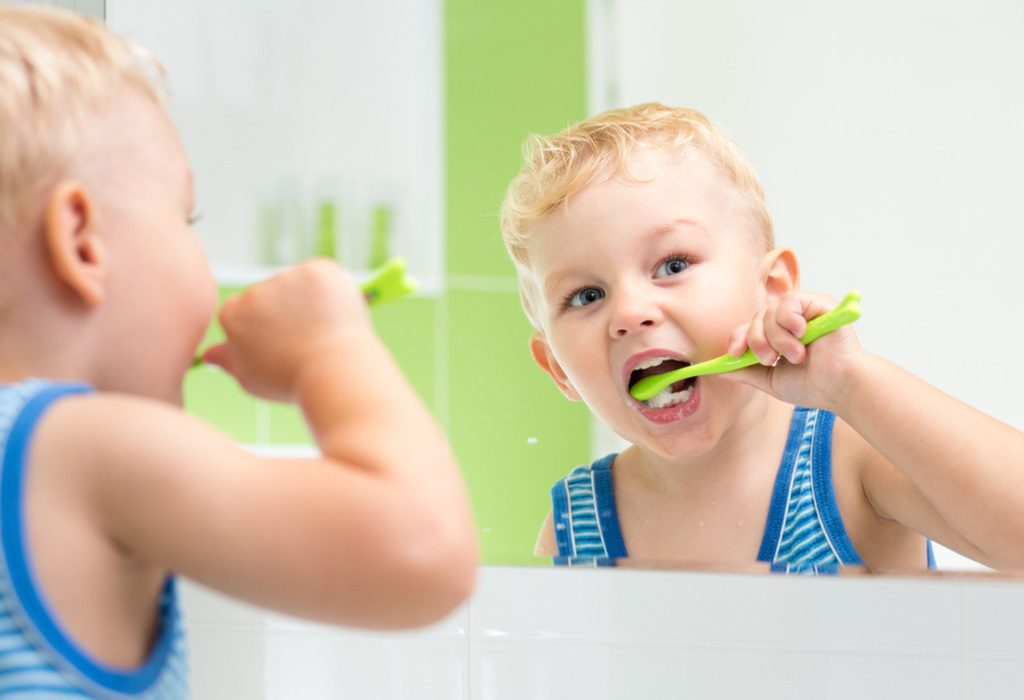
How to Brush Your Toddler's Teeth: Essential Tips for Parents
Getting children to brush their teeth is not easy. If your little one doesn’t enjoy getting his teeth brushed, establishing a morning routine and getting him to stay put while you brush his teeth will be hard. He may throw tantrums, and you may want to give up trying, but you must remember that establishing dental hygiene habits in children from early on is important. Dental hygiene habits can help them understand the importance of caring for their teeth and also alleviate any chances of unpleasant mouth odour and cavities at an early age.
Wondering how to brush a toddler’s teeth? Read on to know why you need to take care of your child’s teeth and how you can get your child to brush his teeth.
Why Do You Need to Take Care of Your Toddler’s Teeth?
Here’s why you need to maintain good dental hygiene for your child (1).
Your little one’s teeth will help him chew and speak efficiently.
Your toddler’s baby teeth prepare the gums and jaws for the eruption of permanent teeth.
Healthier gums can lead to proper teeth alignment in your kid.
It prevents cavities and also builds a dental hygiene habit that can last well into adulthood.
When to Start Brushing Your Child’s Teeth
Oral hygiene can begin at an early age. Right from when your kid is an infant you can clean his mouth after each feeding session. You can do this by cradling his head in one of your hands and use the other hand to gently wipe his mouth with wet gauze, sanitized cloth or a xylitol wipe. When you notice the first teeth appear in your baby’s mouth, you can begin the brushing routine (2).
Points to Keep in Mind While Beginning to Brush Your Child’s Teeth
As you begin the teeth brushing routine for your kid, here are a few tips on brushing your toddler’s teeth (3).
When brushing your child’s teeth, use the toothpaste in quantity as recommended. The amount of toothpaste used for children between 0 and 3 years of age should not be more than a smear or the size of a grain. For kids between the ages of 3 and 6 years, a pea-sized amount of toothpaste is recommended. When picking a toothbrush for your child, make sure it has a small head and soft bristles.
Make your child stand next to the sink. Let your child look at himself in the mirror while brushing his teeth.
Check your toddler’s mouth for any plaque build-up near the gums.
Ask your toddler to open his mouth wide to check for any cavities.
Ask your toddler to spit out the toothpaste after brushing.
Replace the toothbrush every three or four months or when it is worn out and frayed.
Encourage your kid to brush twice a day, once in the morning and once before going to bed.
How to Brush Your Toddler’s Teeth
You will need to teach your child how to brush his teeth the right way with regular suggestions. A good way to do this is to stand with your kid as he brushes and guide him. If he is too young you can brush his teeth. Keep in mind the following suggestions as you brush his teeth (4).
Brush gently in small, circular motions.
Hold the brush at a 45-degree angle toward the gum line and move it back and forth in a circular movement.
Start with the teeth at the back and move to the front.
Place the tip of the brush in an upright position while you brush the back of the front teeth on the upper and the lower jaws.
Clean the margins of the gum gently.
Brush the tongue softly to clear out any bacteria on the surface.
Encourage your toddler to spit out the toothpaste.
Help your child clean the sink once he’s done brushing his teeth.
After every use, clean the toothbrush and let it dry.
Tips for Brushing Your Toddler’s Teeth
Getting little ones to do the right thing can be hard, but brushing teeth is a habit that needs to be formed early in life. If your toddler doesn’t enjoy brushing his teeth, here’s how you can get him interested.
Let your toddler choose his own brush and toothpaste. A colourful brush and toothpaste that tastes good and has his favourite characters on it can encourage him to voluntarily brush his teeth.
Brush with your child and let him observe how you do it. You never know, he might enjoy brushing his teeth if he has some company.
Make it fun with peppy music or by humming his favourite tunes.
You can also get an attractive battery-powered toothbrush or toothbrush that play tunes until it is time to stop.
You can go a step ahead and allow your child to practice on you. Even better, you can get him a toy and help him practice brushing on it.
Create a game while brushing. You can make brushing exciting by inventing little imaginary games where your child is defeating the germs and bacteria inside his mouth.
Stand in front of the mirror and let your kid watch himself brush.
Reward him with praises or little rewards like stars for brushing.
Teeth Brushing Activities for Toddlers
Getting toddlers excited about brushing their teeth can be a challenge, but turning it into a fun and engaging activity can make all the difference. Here are some creative ways on how to get a toddler to brush their teeth (5).
1. Sing a Brushing Song
Turn toothbrushing into a musical moment by singing a short, catchy song (like “Brush, Brush, Brush Your Teeth” to the tune of “Row, Row, Row Your Boat”). This helps toddlers associate brushing with fun and ensures they brush for the recommended two minutes.
2. Use a Sticker Reward Chart
Create a colorful chart where your toddler can place a sticker every time they brush their teeth. After a week of consistent brushing, reward them with a small prize, like a new book or extra playtime.
3. Make It a Race (Parent vs. Toddler)
Kids love games, so challenge them to a “brushing race.” Brush your teeth alongside them and see who can make the most bubbles or who can brush every tooth first (while still doing a thorough job, of course!).
4. Tell a Story About “Sugar Bugs”
Make up a fun story about “sugar bugs” hiding on their teeth that need to be brushed away. Use playful voices and pretend the toothbrush is a superhero saving their teeth from the sneaky bugs.
5. Let Them Choose Their Toothbrush & Toothpaste
Take your toddler to the store and let them pick out a toothbrush with their favorite character or a fun-flavored toothpaste (fluoride-approved for their age). Giving them ownership makes brushing more exciting.
6. Use a Timer or Sand Hourglass
A visual timer, like a two-minute sand hourglass or a light-up toothbrush timer, helps toddlers understand how long they should brush. Watching the sand fall or the lights change keeps them engaged.
7. Brush a Stuffed Animal’s Teeth
Let your toddler practice brushing the teeth of a favorite doll or stuffed animal first. This helps them get comfortable with the motion and makes brushing their own teeth feel like a familiar game.
FAQs
1. What should I do if my toddler refuses to spit out toothpaste?
Many toddlers swallow toothpaste because they don’t know how to spit yet. Use a rice-sized smear of fluoride toothpaste (for under 3) or a pea-sized amount (for 3+), and encourage them to “practice spitting” by making it a game (e.g., pretending to be a fountain). If they swallow a little, don’t panic—just use less next time.
2. Is it normal for my toddler’s gums to bleed while brushing?
Occasional light bleeding can happen if gums are irritated by plaque buildup or aggressive brushing. Use a soft-bristled brush and gentle circles to clean teeth and gums. If bleeding persists, consult a pediatric dentist to rule out gingivitis or other issues.
3. Can I let my toddler brush their own teeth without help?
While independence is great, most toddlers lack the dexterity to brush thoroughly until age 6–7. Let them practice first, then “finish the job” for them (try the “you brush, I brush” method). This ensures plaque is removed while still encouraging self-care skills.
Your child’s dental health is as important as his physical and mental health. While your child may not enjoy brushing his teeth, you will have to try to make it interesting for him so that he gets into the habit of brushing his teeth daily. Try the above methods and help him brush his teeth daily for his good oral health in the long run.
References/Resources:
1. NCT – Brushing baby teeth: handy hints and how-tos
2. HSE – Looking after your child’s teeth
3. NHS – How to take care of your baby or toddler’s teeth
4. Better Health Channel – Toothbrushing – children 0-6 years
5. American Academy of Pediatrics – Let the Brushing Games Begin
Also Read:
Personal Hygiene for Kids
Fun Ways to Get Toddlers to Brush their Teeth
Growth and Development Stages of Toddlers
Boredom Busting Activities for Toddlers
Fun and Interactive Learning Activities for Toddler
Read more
15 Healthy and Tempting Finger Foods for Toddlers
Toddlers are at that age where they simply do not want to sit in one place while eating. They are too busy exploring everything; their food included. Anything and everything causes them to become distracted and lose interest in their food. Playing with their food actually helps children to develop and give them the chance to examine the different textures, tastes and colours of the food. In this situation, finger foods are the way to go!
Video: 10 Simple and Healthy Finger Food Ideas for Toddlers
15 Delicious Finger Foods That Your Toddler Will Enjoy Eating
There are plenty of healthy options for you to choose from. Fruits and vegetables are not just healthy and colourful but can be prepared in a way that makes it easy for your child to pick up and eat without much difficulty. There are many easy to make recipes that will make it fun for your children as they explore the world of food. Here are some simple and healthy finger food ideas for toddlers:
1. Steamed Veggie Salad
A soft and nutritious treat.
What You Will Need:
Steamed seasonal vegetables chopped into bite-sized pieces
Salt
How to Prepare:
Mix the vegetables and season with a little salt. Can be served on its own or with a side of meatballs and mashed potatoes.
2. Scrambled Eggs
Loaded with protein, it will help in muscle formation, stronger bones and healthy growth.
What You Will Need:
One egg
Milk
Half tomato finely chopped
Oil
How to Prepare:
Beat the egg with a teaspoon of milk. Add the tomatoes and salt. Heat one teaspoon of oil and pour the mixture into the pan. Mix as it cooks.
3. Fruit Salad
This is ideal for a hot summer day as it keeps the child hydrated and helps to clear the skin.
What You Will Need:
Watermelon
Mangoes
Papayas
Avocados or any soft fruit.
How to Prepare:
Cut into bite-sized pieces, mix and serve.
4. Peas and Beans
If you want to raise your kids as vegetarians, use this recipe to get them their daily dose of protein.
What You Will Need:
Beans of choice
Peas
Salt
How to Prepare:
Drain and wash the beans well before cooking. Wait until the beans are half cooked and then add the peas. Cook until the beans are soft.
5. Eggy Banana Bread
Laced with the goodness of banana, it aids digestion as it is high in fibre.
What You Will Need:
One ripe banana
One egg
20ml milk
Three slices of bread
Butter
How to Prepare:
Mash the banana and then add the milk and egg. Mix well. Cut the bread into slices and then dip it into the mixture and fry until golden brown on both sides.
6. Mini Pea Pancakes
High in proteins and fibre, it helps in optimising your toddler’s growth spurts as well as digestion.
What You Will Need:
One cup cooked peas
One cup rolled oats
50g Feta cheese
Half cup cottage cheese and two eggs
How to Prepare:
Blend all the ingredients in a food processor until smooth. Heat the pan over medium heat. Drop about a spoon of the mix into the pan and fry until bubbles appear on one side. Flip and fry until golden brown.
7. Turkey Breast Nuggets
High in proteins and low in fats, this delicious treat is a better option on the non-vegetarian front.
What You Will Need:
One turkey breast diced into nuggets
Two tablespoons of almond meal
Two tablespoons tapioca
Two teaspoons dry herbs
Quarter teaspoon nutmeg
Half teaspoon fine Himalayan salt,
Two eggs
Two teaspoons minced garlic
Quarter cup almond milk
How to Prepare:
Preheat the oven to 180 degrees Celsius. Mix the eggs, milk and minced garlic in one bowl and the dry ingredients in another. Dip the turkey bites into the wet ingredients and then the dry. Place them on a baking sheet on a baking tray and bake for 20-25 minutes, turning halfway, or until baked through. These make great finger foods for toddlers lunch.
8. Meatballs
Easy to munch on, these nutritious balls of protein may get cleared out within minutes!
What You Will Need:
Ground meat of choice
Rava
Eggs
Parmesan cheese
Steamed and chopped carrots
How to Prepare:
Mix all the ingredients in a bowl. Cover and refrigerate for an hour. Preheat oven to 220 degrees Celsius. Using wet hands form into balls and bake for up to 15 to 20 minutes or until cooked through.
9. Frozen Fruity Bites
A good meal packed with nutrients during a hot summer day, it helps your kid cool off and can aid digestion.
What You Will Need:
200g yoghurt
A handful of fresh fruits
How to Prepare:
Line twelve muffin cups on a tray. Spoon some yoghurt into the bottom of the cups. Take a few pieces of fruit and press them into the middle of the yoghurt. Put the tray in the fridge for a couple of hours.
10. Broccoli and Carrots
An acquired taste, this recipe is high in fibre and can be an effective substitute for laxatives. Broccoli and carrots are also rich in Vitamin A, and hence this dish is good for eyesight.
What You Will Need:
Broccoli
Carrots
How to Prepare:
Steam the broccoli and carrots well and give them to your toddler. They may take a while to get used to the taste of broccoli, but it is rich in fibre as well as vitamins C and A. The sweetness of the carrots should balance out the taste of broccoli.
11. Cucumber Strips
Cucumbers are great for soothing sore gums during the teething period.
What You Will Need:
Cucumbers
How to Prepare:
Cut the cucumbers into long and wide strips to prevent choking.
12. Mac N Cheese
Loaded with the goodness of cheese and milk, they help in strengthening the bones.
What You Will Need:
Cooked macaroni
Grated cheddar
Parmesan cheese
Two cups of milk
Quarter cup butter
Two and a half tablespoons maida
Half cup breadcrumbs
How to Prepare:
In a saucepan melt the butter, and stir in enough flour to make a paste. Slowly add milk, stirring constantly. Add the cheese to the mix and stir until it is melted and the sauce is thick. Put the macaroni in a large pot and then add the sauce. Mix well. Melt some additional butter in the pot and add the breadcrumbs. Cook until brown.
13. Potato and Butternut Squash Tots
This is packed with fibre to help aid digestion.
What You Will Need:
250g peeled white potatoes
250g peeled butternut squash
Half cup grated cheddar cheese
One and a half tablespoon maida
Half clove crushed garlic
One teaspoon mixed dried herbs
Quarter cup breadcrumbs
How to Prepare:
Chop the butternut squash and potatoes into small pieces and put them into a pan of boiling water. Cook until soft. Drain and then add back to the pan. Mash with a hand masher and add the cheese, flour, garlic and herbs and mix well. Season to taste. Put everything on a plate and let it cool for a while before shaping it into tots. Roll into breadcrumbs and then fry the tots until golden and crispy.
14. Quinoa and Fish Baby Bites
Packed with proteins and Omega 3 fatty acids, this dish can help improve eyesight and heart function.
What You Will Need:
Half cup cooked quinoa
One cup roughly chopped baby spinach
Four eggs
One small can of tuna
How to Prepare:
Preheat oven to 200 degrees Celsius. Mix everything in a bowl and add salt. Spoon mixture into mini silicone trays and bake until the egg is fully cooked; roughly 15 minutes.
15. Rainbow Omelette Cakes
High in protein, this dish can get your kids excited as soon as they hear the name.
What You Will Need:
One teaspoon olive oil
Half red pepper
Two spring onions
One small carrot
Two tablespoons sweet corn
50g cheddar cheese
Three large eggs
How to Prepare:
Preheat the oven to 180 degrees Celsius. Place cupcake cases in muffin trays. Finely chop the spring onions and the peppers. Grate the carrot and cheese, drain and rinse the sweet corn. Sautee the spring onions and the peppers over a low flame. Once they start to soften, take the pan off the flame and add the cheese and corn. Break the eggs and whisk until frothy. Add all the vegetables and the grated cheese to the eggs. Mix well. Put them into cupcake cases and bake until cooked through.
You can experiment with different ideas and come up with your own toddler finger food recipes. Always remember to cook all the vegetables and meat until everything is tender enough for your child to eat. Toddlers are learning about the world so help them experience the best food there is. Don’t forget that while some children with very sensitive taste buds may create a fuss, they can get used to any taste over time.
Also Read:
Healthy & Tasty Snacks for Kids
Calcium-Rich Delicious Food for Kids
Healthy Lunch Box Recipes for Children
Foods for Developing Kids Brain
Read more

Cow Milk vs Buffalo Milk – Which is Good For Babies & Toddlers
Mother’s milk is the best thing for a baby, as with a still-developing immune system, she would best be able to digest her mother’s milk. The World Health Organisation (WHO) also recommends and promotes breast milk as the ultimate nutrition for a baby. However, if breastfeeding is not possible, or the baby’s demand for milk cannot be met, cow or buffalo milk can also be given after the baby turns one. Cow milk contains essential nutrients for a baby’s growth, including protein, calcium, and vitamins. It is easily digestible for most infants and provides a good balance of nutrients. Buffalo milk is less commonly consumed but is prevalent in certain regions. It has a higher fat and protein content than cow milk, making it thicker and creamier. Read more about the comparative differences between cow and buffalo milk for babies and toddlers.
Video : Cow Milk Vs Buffalo Milk – Which Is Better for Babies and Toddlers?
When to Introduce Cow or Buffalo Milk to Your Child?
Infants have a developing immune system which is not strong. Hence, they may find it difficult to digest animal milk. Though cow and buffalo milk contain minerals and proteins, they are not suited for infants as they can affect their kidneys if introduced before one year. Thus, the best time to introduce them to your baby is after she turns one. In any case, you must make sure that your baby isn’t allergic to lactose or specifically to cow/buffalo milk. Always consult a pediatric dietician before feeding your child anything other than breast milk.
How to Prepare Bottle Feeds Using Cow or Buffalo Milk for Your Child?
Preparing bottle feeds using cow or buffalo milk for your child requires careful attention to hygiene and proper preparation techniques. Here are some essential points to keep in mind:
1. Sterilisation: Ensure all bottles, nipples, and other feeding equipment are thoroughly sterilised before each use. This helps prevent the growth of harmful bacteria and reduces the risk of infections.
2. Milk Selection: Choose fresh, pasteurised cow or buffalo milk from a reliable source. Avoid using raw or unpasteurised milk, as it may contain harmful bacteria that can be unsafe for your baby.
3. Dilution: If you are using cow or buffalo milk for infants under the age of one year, it is necessary to dilute the milk with boiled and cooled water. Follow the recommended ratio provided by your healthcare professional or the packaging instructions of infant formula as a guide. Ideally, cow milk should not be given to babies under a year old. So, consulting a doctor before giving your less-than-a-year-old baby cow milk is a safer way to their health.
4. Boiling: Boil the milk and water separately before preparing the feed. Allow them to cool down to room temperature before mixing them. This helps eliminate any potential bacteria present in the milk or water.
5. Mixing and Testing: Pour the required amount of boiled and cooled water into a sterilised bottle, then add the appropriate amount of diluted cow or buffalo milk. Shake the bottle gently to mix the contents. Always check the temperature of the feed on the inside of your wrist to ensure it is lukewarm and safe for your baby to consume.
Cow Milk or Buffalo Milk – Which Is Better?
1. Fat content
Cow milk has lower fat content than buffalo milk. Hence, cow milk is thinner in consistency as compared to buffalo milk. Your 1-year-old infant would find it easier to digest cow milk than buffalo milk.
2. Protein
Buffalo milk has a higher percentage of protein content than cow milk (approximately 11% more). This high protein content generates heat resistance and is difficult for babies to digest. Hence, cow milk is more soothing for a baby’s system. If you still wish to feed your baby buffalo milk, do so in small quantities.
3. Calcium
Buffalo milk is a rich source of calcium essential for the development of the bones. Children need calcium for their overall growth and to develop strength and height. Hence, as a source of calcium, buffalo milk is better for children above one year of age.
4. Calorific value
Cow milk is lower in calories than buffalo milk – thus, buffalo milk can enrich infants over one year old.
5. Constituency
The water content in cow milk is higher than in buffalo milk. Hence, consuming cow milk can be beneficial as it can keep your baby hydrated.
6. Consumption Window
Buffalo milk can be preserved naturally for longer due to high peroxidase activity, while cow’s milk should ideally be consumed within 1-2 days.
7. Digestibility
Cow milk is generally considered more easily digestible than buffalo milk. The fat globules in cow milk are smaller and easier to break down, making it lighter on the stomach. With its larger fat globules, buffalo milk may be harder to digest for some babies, especially those with lactose intolerance or digestive sensitivities.
8. Taste and Texture
The taste and texture of cow milk and buffalo milk differ. Buffalo milk is known for its richer, creamier taste, while cow milk has a milder flavour. The choice between the two depends on personal preference and the intended use. Buffalo milk’s distinct taste can be desirable in specific culinary applications.
Each baby is unique, and their digestion capabilities vary. Buffalo milk for infants may be preferred as it is richer in fat content, protein, calcium, and calorific value, making it more beneficial than cow milk. However, it may be difficult for an infant to digest it. Cow milk is easier to digest and keeps the baby more hydrated. As a mother, you can try both in small quantities and see which suits your baby better. However, for some babies, dairy milk may not be suitable due to various reasons. Some babies may digest formula milk better than cow or buffalo milk. (3)Always consult your paediatrician regarding choosing the right milk for your toddler.
Tips to Introduce Milk to Your Toddler
Start with giving your baby/toddler milk during mealtimes only.
If your baby doesn’t like the taste, mix it with breast milk or formula and see how she reacts.
Start off slow. Remember that after one year of age, milk will be a part of the toddler’s meal and not the entire meal itself.
Watch out for signs of allergy to milk. If you notice symptoms like swelling of the lips, rashes, vomiting, diarrhoea, or blood in the stools, immediately and rush to the doctor.
Consult your doctor before you start feeding your child milk regularly.
FAQs
1. Low-Fat or Fat-Free Milk- Which One Is Good for Your Toddler?
Ideally, toddlers can be fed whole milk as it can provide your baby with high-fat content that helps with weight gain. It even helps absorb vitamin A and D. Low-fat or fat-free milk is richer in proteins and minerals, which are challenging for babies and toddlers to digest and can affect their kidneys. After two years; you can feed your child low-fat or fat-free milk.
2. Organic vs Hormone-Free Cow Milk for Toddler – Which Is Best?
There is no evidence that organic milk or hormone-free milk is a better option for toddlers. However, if you introduce your baby to cow milk, you can go for the organic variant – it may pinch your pocket harder. Most importantly, the milk needs to be pasteurised before consumption. Unpasteurised animal milk contains parasites and bacteria that can harm your child. There have been incidents of children falling severely ill after consuming unpasteurised milk, which has led to the loss of life.
So, while breastfeeding is best for your child, cow and buffalo milk can be used as substitutes after your young one completes a year. While introducing animal milk, you must consider the important aspects like its effect on the kidneys, pasteurisation, and how often you clean the feeding bottle. Milk is a major source of calcium, so it must be included in your baby’s diet judiciously. While buffalo and cow milk for a newborn may have benefits, it is always important to consult your doctor before adding it to your baby’s diet.
References/Resources:
1. Infant Feeding Guide; University of Rochester; https://www.urmc.rochester.edu/encyclopedia/content.aspx?contenttypeid=90&contentid=P02694
2. Haug. A, Hostmark. AT, Harstad. OM; Bovine milk in human nutrition – a review; PubMed Central; https://www.ncbi.nlm.nih.gov/pmc/articles/PMC2039733/; September 2007
3. Why Do Infants Need Baby Formula Instead of Cow’s Milk?; healthychildren.org; https://www.healthychildren.org/English/ages-stages/baby/formula-feeding/Pages/Why-Formula-Instead-of-Cows-Milk.aspx
4. Mansson. H. L; Fatty acids in bovine milk fat; Food & Nutrition Research; https://foodandnutritionresearch.net/index.php/fnr/article/view/1134
5. Ehrlich. JM, Catania. J, Zaman. M, et al.; The Effect of Consumption of Animal Milk Compared to Infant Formula for Non-Breastfed/Mixed-Fed Infants 6–11 Months of Age: A Systematic Review and Meta-Analysis; PubMed Central; https://www.ncbi.nlm.nih.gov/pmc/articles/PMC8838240/; February 2022
6. Mayuri. M, Garg. V, Mukherji. C, et al.; Bovine milk usage and feeding practices for Infants in India; PubMed Central; https://pubmed.ncbi.nlm.nih.gov/22684180/; January 2012
7. Khattak. MMAK; Growth Performance of a Neonate Exclusively Fed on Buffalo Milk: A Case Study; ResearchGate; https://www.researchgate.net/publication/46032450_Growth_Performance_of_a_Neonate_Exclusively_Fed_on_Buffalo_Milk_A_Case_Study; January 2003
Also Read:
Benefits of Goat Milk for Babies
Benefits of Coconut Milk for Infant
Rice Milk for Toddler and Infants
Read more
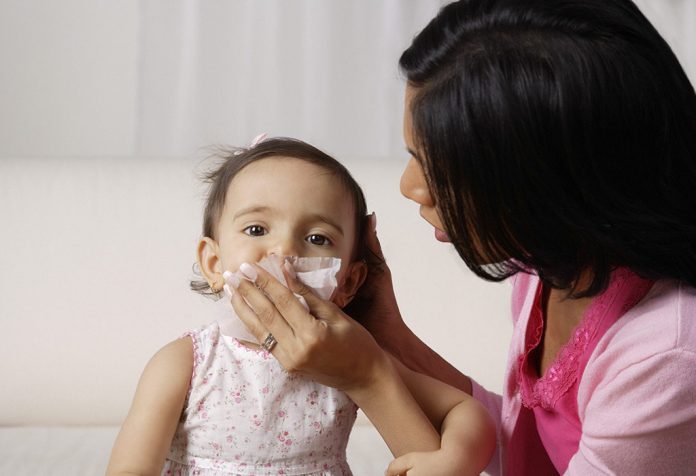
11 Home Remedies for Cold and Flu in Babies & Kids
Cold and flu are infections caused by viruses. Children under six cannot be given over-the-counter cold and flu medication so alternate home remedies can alleviate cold and flu symptoms in babies and children. Before we start with the list of home remedies for children’s colds and flu, you are advised not to try all of these remedies at once or simultaneously, and you should take care that your child does have allergic reactions to any ingredient. Also, consult with your paediatrician before trying these remedies, and remember to keep the baby’s age in mind before using any of them.
Before we move on to the remedies, you must know the symptoms of cold and cough in babies.
Video: 8 Home Remedies for Cold and Flu in Babies & Kids
Before we move on to the remedies, you must know the symptoms of cold and cough in babies.
Symptoms of Cold and Flu in Babies
Knowing the signs your baby may show when he has a cold will help you soothe the condition better. Here’s what you should look for :-
Mildly running nose
Mild cough
Sore throat
Stuffy or blocked nose
Loss or decrease in appetite
Restlessness
Mild fever
To treat the cold in babies, it is important that parents try first to comfort them so that they feel better. Fever causes dehydration, and the baby might not always feel thirsty or comfortable drinking. However, it is essential that you encourage him to consume more fluids. Look out for signs of dehydration and feed your baby fluids accordingly.
Here are some signs of dehydration in babies who are under 3 months of age:
Dry and chapped lips.
Sunken soft spots on the skin.
Baby appears less active.
Frequent urination (3 to 4 times in 24 hours).
Let’s take a look at some home remedies to treat the cold and flu in kids.
Home Remedies for Cold and Flu in Babies and Kids
These home remedies are safe, gentle and effective in helping babies feel better when they are suffering from cold or flu.
1. Breast Milk
Breast milk contains antibodies which make the body immune to all kinds of germs and viruses, including the cold and flu viruses. Along with this, breast milk also provides hydration. This is one of the best natural remedies for flu in infants. Breast milk can be fed to babies that are under 6 months of age who do not require any other medication.
2. Garlic and Ajwain Pouch
Garlic and ajwain are powerful cures for cough and cold as they contain anti-bacterial and anti-viral properties. This mixture is one of the best herbal remedies for the cold in children. Take 2 garlic cloves and 1 spoon of ajwain and dry roast them. Once cooled, put them in a muslin cloth and tie them tight. Place this pouch at a safe distance from the baby’s cot (not on the cot or under the bedding) so that the aroma provides comfort to the baby. This pouch should help clear any blockage the baby might have owing to a cold. Alternatively, you can also rub this pouch on the soles of the baby’s feet to achieve results.
3. Carrot Juice
Carrots contain essential nutrients and vitamins that help boost the immune system. This is one of the best home remedies to treat cold in toddlers. Carrots can be steamed, mashed and diluted with some room-temperature water for babies aged 6 months and above (babies who have been introduced to solids). For older kids who can digest fresh fruit juices, you can go for fresh carrot juice.
4. Saline Drops
Nasal or saline drops are a quick and safe option to provide your baby with some relief from congestion. One can use a dropper to administer the saline drops. Then use a nasal suction bulb to remove the mucus.
5. Use a Humidifier
A humidifier will help provide some relief from cough and cold by moistening dry air. A humidifier can be used in the baby’s room while he is asleep. Ensure that you clean the humidifier regularly or they begin to house mould and bacteria, which can affect your child’s health.
6. Steam Therapy
Run a hot shower and let some steam accumulate in the bathroom. Sit your baby in the steam for 10 to 15 minutes. The steam will loosen the mucus and will relieve the baby from congestion. Make sure your baby is adequately hydrated before and after the steam room treatment, as he will lose a lot of fluids.
7. Lemon Water Mixed With Honey
Lemons are rich in Vitamin C, which effectively fights a cold. Squeeze some lemon juice in warm water, and add honey for taste. This remedy is only for children above 1 year, as honey should not be given to children under 1 year.
8. Gargling
Older kids can gargle with salt water to relieve the cold and sore throat. Gargling helps in breaking down the mucus and reducing swelling. Make the baby gargle a few times during the day.
9. Raise Your Kid’s Head
Your child’s body repairs itself at night when asleep, which is why deep, uninterrupted sleep is important for the infection to subside. Raising your kid’s head will prevent the mucous from returning to his system and allow him to breathe easily. Simply take a towel and fold it. Put this towel under your child’s head to elevate his head. You can do so with a soft pillow too. Ensure that the pillow’s height is optimum, as your child may have neck trouble if the pillow is too elevated.
10. Warm Honey and Ginger Tea
A soothing and natural remedy that combines honey’s antibacterial properties with ginger’s congestion-relieving effects. Give your child 1-2 teaspoons of warm honey and ginger tea to ease cold and flu symptoms.
Please Note: If your baby is less than 1 year old, this recipe should be strictly avoided as honey is avoided for babies under 1 year old. Babies and toddlers above 1 year old can have this remedy.
11. Eucalyptus Oil Chest Rub
Create a homemade chest rub using eucalyptus oil, which has decongestant properties. Gently massage the rub onto your child’s chest to help relieve congestion and promote easier breathing during cold and flu episodes.
When you follow these remedies, you must also remember to ensure your baby doesn’t develop other issues. Let’s take a look at the precautions you must take.
Precautions to Take While Using Remedies for Cold and Flu in Babies and Kids
Avoid trying any home remedy that involves consuming an oil, herb, or medicine for babies below 6 months of age.
Ensure that the baby gets 18 hours of sleep, and toddlers or older kids get at least 8 hours of sleep when they have a cold and cough.
Do not use honey for children who are less than 1 year old. This could lead to infant botulism (a form of poisoning).
Toddlers and older kids should be encouraged to use a handkerchief and wash their hands to avoid infection.
Wash your and your baby’s hands frequently during this time to avoid infections. 80% of infections spread through touch.
Ensure that your child is not allergic to any ingredient you will be using in your home remedy.
Breastfeed as much as you can. Breast milk has a lot of antibodies that build immunity.
Do not forcefully give food to your baby. Loss of appetite is common during colds and flu.
Your baby’s clothing during a cold and flu should be in accordance with the weather. Keep your baby warm by clothing him in layers.
Keep your child away from daycare or school when he is unwell, especially if he has a fever.
Feed only boiled and cooled water to prevent any other infections in the baby.
Try the recipes on yourself before using them on the baby.
Keep your house clean so no one else falls ill. It is a good idea to disinfect objects that are used frequently.
Try to feed the baby warm fluids that will help flush out the mucus, hydrate him, and relieve him from the cold.
In case, despite trying these remedies, your baby’s health doesn’t show signs of improvement, you must take him to a paediatrician immediately. Read on to know when you must consult a doctor.
When to Consult a Doctor?
You must also observe your child for the symptoms below when using home remedies. If the symptoms persist, you must immediately take your little one to a doctor.
Runny nose and cough with thick, greenish and yellowish secretions.
Sore throat and difficulty swallowing.
Inflamed tonsils.
Increased respiratory rate.
Fever greater than 101 or 104 degrees for more than two consecutive days.
A high fever (100.4 degrees or higher) in babies under 3 months old.
Has a fever that does not subside after taking acetaminophen.
Extremely drowsy or fatigued.
Refuses to eat or drink.
Has breathing issues or is wheezing.
All the above symptoms are indicative of something other than the common cold and would require immediate medical attention.
The above-mentioned remedies will help provide your little one relief from the cold. You could take a trial-and-error approach where you can observe which treatment your baby responds to the best. You must go into prevention mode once your child recovers from the cold and flu.
References/Resources:
1. Ashkin. E, Mounsey. A. PURLs; A spoonful of honey helps a coughing child sleep; J Fam Pract.; PubMed Central; https://www.ncbi.nlm.nih.gov/pmc/articles/PMC3601686/; March 2013
2. Caring for Your Child’s Cold or Flu; American Academy of Pediatrics; https://healthychildren.org/English/health-issues/conditions/flu/Pages/caring-for-Your-childs-cold-or-flu.aspx
3. Coughs and Colds: Medicines or Home Remedies?; American Academy of Pediatrics; https://www.healthychildren.org/English/health-issues/conditions/chest-lungs/Pages/Coughs-and-Colds-Medicines-or-Home-Remedies.aspx
4. Cold medicines for kids: What’s the risk?; Mayo Clinic; https://www.mayoclinic.org/healthy-lifestyle/childrens-health/in-depth/cold-medicines/art-20047855
5. Should You Give Kids Medicine for Coughs and Colds?; USDA; https://www.fda.gov/consumers/consumer-updates/should-you-give-kids-medicine-coughs-and-colds
6. Saketkhoo. K, Januszkiewicz. A, Sackner. MA; Effects of drinking hot water, cold water, and chicken soup on nasal mucus velocity and nasal airflow resistance; https://pubmed.ncbi.nlm.nih.gov/359266/; October 1978
7. Paul. LM, Beiler. JS, King. TS, et al.; Vapor Rub, Petrolatum, and No Treatment for Children With Nocturnal Cough and Cold Symptoms; PubMed Central; https://www.ncbi.nlm.nih.gov/pmc/articles/PMC3600823/; November 2018
Also Read:
Safe Home Remedies for Cough in Children
Foods to Eat & Avoid during Cold and Cough for Babies, Toddlers and Kids
Read more
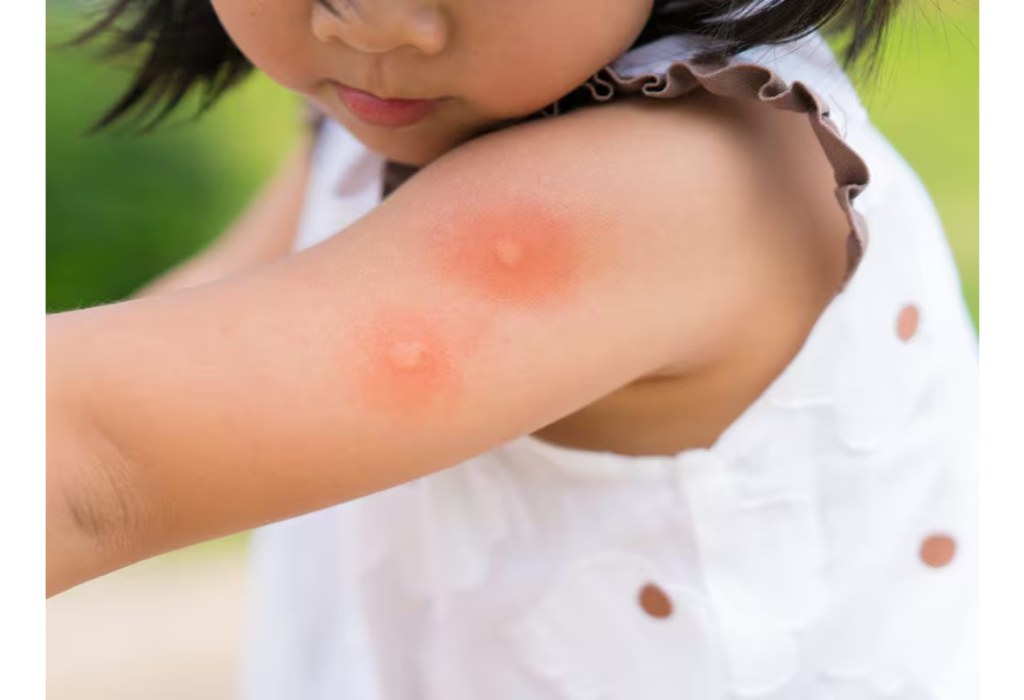
Dengue Fever in Children – Symptoms, Treatment and Prevention
More than 500 million people worldwide are affected by mosquito-borne diseases, which result in approximately 2.7 million deaths each year. Among the most dangerous and widespread illnesses transmitted by mosquitoes are malaria, Zika virus, chikungunya, yellow fever, and dengue fever. Dengue fever, in particular, is a major public health concern in tropical and subtropical regions. Fortunately, while dengue can be severe, it is often treatable with proper medical care and has a relatively low mortality rate when detected early. However, dengue fever in children tends to spike during peak transmission seasons, making it crucial for parents to recognize dengue symptoms in kids and seek prompt treatment. This article provides essential information to help you understand dengue fever, its symptoms, treatment, and prevention methods to keep your family safe.
What Is Dengue?
Dengue fever is carried by the female Aedes mosquito. This mosquito species can be identified by a striking striped pattern on its abdomen, giving them the name tiger mosquitoes. Usually found in warm, tropical and humid climates, these mosquitoes thrive in the presence of stagnant water (1). This makes dengue far more prevalent at the peak of the monsoons. Interestingly, the Aedes mosquito attacks during the day, unlike other disease-carrying mosquitoes. These mosquitoes usually bite in the early morning and the evening right before and after sunset, according to WHO (2).
It is important to note that the mosquito is simply a carrier, known as the disease vector. The cause of dengue in children as well as adults is not the mosquito itself but rather a viral pathogen known as the dengue virus. There are five strains of dengue viruses, any of which can cause the disease. However, dengue caused by one of the strains will grant total immunity to the disease caused by that particular strain but only partial resistance to the other viruses.
How Does It Spread?
The disease spreads when an infected mosquito bites an individual, transferring the dengue virus into the bloodstream. The virus then attaches itself to the white blood cells, slowly penetrating them as they are carried throughout the body. After replicating inside the white blood cells, they emerge and infect other organs such as the liver, bone marrow, skin, and so on. The disease usually passes in two to ten days as the body sets off an immune response that kills all the viruses. However, in around five per cent of all cases, a more dangerous version of dengue fever can arise, known as Dengue Haemorrhagic Fever. This case has far more complications and requires immediate treatment.
While dengue is not usually present in newborns, mothers with the disease are liable to pass the infection during labour. The virus can also be transmitted through blood transfusion and organ transplants but cannot spread from one person to another (3).
The prevalence of dengue is tricky to calculate, as most cases of the disease are unreported. According to WHO, around three million dengue people are infected with dengue every year, but the actual number might be more than 400 million.
How Long Does It Last?
Dengue fever in kids typically lasts 7 to 10 days, with symptoms like high fever, headache, body aches, and fatigue appearing 4–7 days after a mosquito bite. In mild cases, children recover within a week, but severe dengue (dengue hemorrhagic fever or dengue shock syndrome) may prolong illness and require hospitalization.
Types of Dengue in Kids
Dengue in kids can classified into four categories, including:
1. Dengue Fever
This type is one of the most commonly observed types of dengue fever. The signs and symptoms are detailed in this article. Do not ignore the warning signs of dengue fever in a child.
2. Dengue Fever With Warning Signs
This type of dengue fever accompanies warning symptoms, including severe abdominal pain, bleeding, and persistent vomiting.
3. Dengue Shock Syndrome
This is one of the most dangerous type of dengue fever where the blood pressure drops critically low, leading the individual into shock (4).
4. Dengue Hemorrhagic Fever
If not given prompt treatment, this type of dengue fever can cause shock, bleeding, and even death. It usually occurs in children below 15 years (5).
Stages of Dengue Fever in Kids
Dengue fever progresses through distinct stages in children, each with varying symptoms and risks. Recognizing these phases helps parents provide timely care and prevent complications. Below are the three key stages of dengue fever in kids.
1. Febrile Phase (Days 1-3)
The illness begins with a sudden high fever (104°F or higher), accompanied by headaches, muscle pain, joint pain, and flushed skin. Some children may also experience nausea, vomiting, or a mild rash. Proper hydration and fever management are crucial during this stage.
2. Critical Phase (Days 4-7)
The fever may drop, but this is the most dangerous stage due to the risk of plasma leakage, leading to severe dengue (hemorrhagic fever or shock syndrome). Warning signs include severe abdominal pain, persistent vomiting, bleeding gums, rapid breathing, and fatigue. Immediate medical intervention is essential to prevent life-threatening complications.
3. Recovery Phase (Days 7-10+)
If managed properly, kids gradually recover as their platelet count rises and symptoms improve. Weakness, fatigue, and a lingering rash may persist, but energy levels slowly return to normal. Continued hydration and a nutritious diet support full recovery.
Causes of Dengue in Children
Dengue fever in children is caused by the dengue virus, which is transferred to humans when the infected Aedes mosquitoes bite human flesh. Aedes aegypti and Aedes albopictus are the most common vectors known to spread the dengue virus (6).
Dengue Symptoms in Children
Dengue fever is usually asymptomatic in nearly eighty per cent of all cases, even babies and small children. However, the younger the child is, the more severe the symptoms are, which usually materialise around four days after the infection. Here is a list of dengue symptoms in babies that you should keep an eye out for (7):
1. Flu-Like Illness
In most cases, dengue fever in infants begins with the symptoms associated with viral influenzas, such as high-temperature fever, runny nose, cough, and fatigue.
2. Change in Behaviour
Your child might exhibit more agitation and irritability than usual, even without an apparent reason. He is also likely to cry often and throw tantrums. His appetite will drop, and his sleeping pattern will change drastically. This is because of the fever and flu-like symptoms that your child is experiencing.
3. Physical Discomfort
Affected children might experience muscle and joint aches, dull throbbing pain behind their eyes, back pain, splitting headaches, and so on. The pain feels like the bones are being broken. Dengue, therefore, is also known as “Breakbone Fever”.
4. Gastrointestinal Problems
Your child might complain of shooting pains in the abdomen along with nausea, vomiting, and diarrhoea, which can be mistaken for symptoms of gastroenteritis. Vomiting is an early sign that the child may develop complications; hence he needs to be closely monitored.
5. Skin Problems
A common symptom of dengue is an itchy skin rash that appears in patches. It has been described as a measles-like rash that resembles white islands in the sea of crimson. Another symptom to look out for is a constant itch that appears on the soles of the feet. However, the rash is transient and may disappear even before you see it.
6. Bleeding
Children experience bleeding from their gums or noses due to a drop in the platelet count. The virus slows down the clotting rate of blood, resulting in bleeding. At times, bleeding can also occur in the gastrointestinal tract. However, this happens in complicated cases only and is not experienced by everyone suffering from dengue.
As mentioned above, in rare cases, dengue can turn into far more dangerous conditions, such as Dengue Haemorrhagic Fever and Dengue Shock Syndrome. The symptoms associated with these diseases are listed below.
Abrupt and excess blood loss due to tears in the blood vessels.
A rapid shock that occurs due to the bleeding.
A drastic fall in blood pressure.
Possible organ failure leading to coma.
If you have observed your child showing some or all of these symptoms, you must take him to a medical practitioner immediately. However, if you can’t consult a doctor, the next sub-head should help you out.
Things to Do If Your Child Shows Symptoms of Dengue
There are several things to keep in mind if you observe any of the symptoms given below. Here’s what you must do.
Put your child to bed, so that he doesn’t get exhausted, and gets the rest that he needs. He might need to be on bed rest for a certain period of time, depending on the severity of their symptoms.
Give him whatever he likes to eat. Give more liquids than usual and check his urine. Urine should be light and clear.
If your child is still being breastfed, make sure you do not skip his feeds. Breast milk is nutritious and provides enough fluids to the baby. For older kids, you’ll need to ensure they drink enough water. Oral Rehydration Therapy (ORT) is also recommended to help balance the electrolytes. If you aren’t sure about feeding your little one ORT, you may check with a paediatrician. Oral rehydration salts, which are available at most pharmacies, can be mixed in filtered/boiled water to make the solution. You may feed it to your child all through the day to hydrate him. Other natural ways to rehydrate include tender coconut water and citrus fruit juices. All liquids help in improving the condition.
In case the baby has a high fever, in addition to paracetamol, soak a cloth in cold water and place it on his head. This will help reduce his body temperature.
Avoid medicating your child with over-the-counter painkillers like ibuprofen or similar drugs that work to reduce swelling. This is because these medications can lower the platelet count further and can potentially lead to more blood loss.
When you do consult a medical practitioner, your baby will be checked thoroughly for signs to confirm dengue. Here’s how the diagnosis will be made.
Diagnosis of Dengue in Children
As mentioned earlier, if you think your child is exhibiting any of the signs or symptoms as described above, consult a paediatrician as soon as possible. This is especially important if your child shows signs of fatigue, fever, joint pain, and rash. The doctor will conduct a physical examination and blood tests to identify the symptoms. They might ask for your child’s medical history and details about their vaccinations. Further, the paediatrician will ask about the places you have visited with your child. This is because several regions in the country and the world are known to be hotbeds for dengue. If your child has travelled in these regions, the paediatrician will be able to evaluate the situation better. Post this, your baby’s blood sample will be sent to a diagnostic lab to test for the presence of the dengue virus (8).
If dengue is confirmed, the doctor will be able to begin a treatment protocol, which we shall talk about in the next section.
Treatment of Dengue Fever in Children
When it comes to dengue treatment in kids, currently, there is no medication for dengue fever; however, dengue has a very low mortality rate and tends to resolve in a few days to a month by giving symptomatic treatment (9) (10). Only in complicated cases is the mortality rate high. However, there are ways you can reduce the discomfort caused by dengue and speed up your baby’s recovery from the illness.
Make sure your child drinks enough water and fluids along with healthy meals. He must sleep well, too, as it is important for his recovery. So, try to keep him on a sleep schedule, and ensure he doesn’t get worn out. A healthy diet and rest will help strengthen his immune system and destroy the virus.
If the muscle and joint aches get unbearable, they can cause unnecessary distress to your child. Ask the paediatrician to prescribe analgesic medications like acetaminophen, which, unlike ibuprofen, do not bring about a drop in the blood platelet count.
If your child’s symptoms do not improve even after getting enough rest, the paediatrician needs to be notified. There is a chance that it could be Dengue Haemorrhagic Fever. In that case, your child might have to be admitted to a hospital for intravenous (IV) therapy to provide fluids and salts lost due to vomiting and diarrhoea.
The paediatrician may prescribe oxygen therapy, too, and continue monitoring your baby’s blood pressure frequently.
If the symptoms of dengue do not resolve even after hospital treatment, the paediatrician might recommend a series of blood transfusions, which will compensate for the blood lost during the disease.
While most children recover when they are diagnosed with dengue, there are some cases wherein the child may suffer from complications, mainly due to dengue hemorrhagic fever.
Complications Due to Dengue Hemorrhagic Fever
Dengue, if not managed well in time, could lead to a severe condition called Dengue Hemorrhagic Fever, which further could lead to health complications such as:
Blood clots
Seizures
Damage to the heart, liver, lungs and brain
Shock due to excess blood loss
Death
Clearly, dengue can create quite a havoc, especially when it affects a baby. But there are ways you could prevent your little one from contracting the disease. Read on to know more.
Ways to Prevent Dengue Fever
Prevention is better than cure in the case of dengue fever. There are several ways you can avoid getting your baby bitten by mosquitoes that could carry the dengue virus. Here are a few ways to protect both yourself and your family from this illness:
Mosquitoes prefer stagnant water so get rid of any still water lying around your house or locality. Join forces with your neighbours if necessary as this is a public hygiene matter. This will help avoid other mosquito-borne illnesses as well.
Remove any objects that could hold water, such as mugs, buckets, basins, pots, etc. This includes draining sinks and bathtubs. Ensure you remove all the water and wipe them dry.
For standing water that cannot be removed, such as drains, fountains and ponds, you can add small amounts of kerosene to the water to prevent mosquitoes from laying eggs in it. Kerosene is toxic for mosquitoes. It floats over water and prevents oxygen from entering the water, thus killing hatched larvae, if any, in the water.
Pest control professionals could fumigate your house and neighbourhood. Take care that you and your family are not around when this is being done, as the fumes could be harmful. For a natural alternative, burning coconut husks and shells or neem leaves has been known to drive mosquitoes away.
Have your child wear clothing that covers his body entirely for personal safety. This includes long-sleeved shirts, pants, socks and even gloves if the weather permits.
Ensure your family performs basic hygiene practices such as showering, as body odour is believed to attract mosquitoes.
Use mosquito nets while sleeping, even during the day. They are a safe alternative to mosquito sprays and vaporisers, which may affect your child’s breathing and even cause problems with the functioning of his nervous system.
Mosquito-repellent creams are a good choice if protective clothing and nets are unavailable. Ensure they are safe for children before applying them on exposed skin.
You can also install screen meshes on your window and door frames to keep the mosquitoes out. Buy good quality ones that are less likely to rip as mosquitoes can enter through the smallest openings. Remember to fix any tears in the mesh as soon as possible.
Reduce his outdoor time during the rainy season; instead, introduce him to fun indoor activities like board games, video games and so on. If he does go out to play, teach him to avoid areas with bushy foliage and stagnant water.
When to See a Doctor
Dengue can progress quickly in children, making early medical care crucial. Watch for these warning signs and seek immediate help if they appear.
High fever (104°F/40°C or above) lasting more than 24–48 hours
Severe stomach pain or persistent vomiting
Bleeding (nosebleeds, bleeding gums, or blood in vomit/stool)
Cold, clammy skin or extreme fatigue/irritability
Difficulty breathing or rapid pulse
Refusal to eat/drink or signs of dehydration (dry mouth, no tears, reduced urine)
Drowsiness, confusion, or seizures (indicates severe dengue)
FAQs
1. What is the most common way of diagnosing dengue in children?
The most common and typical way to detect the incidence of dengue in children is through blood tests, which look for either the virus or the antibodies produced in response to the virus.
2. How do you differentiate between dengue and similar other illnesses?
Dengue can be distinguished from other illnesses by specific symptoms such as severe headache, eye pain, and joint pain, especially if the person has been exposed to mosquito bites in areas where dengue is common.
3. Are dengue vaccines safe for children?
There are vaccines available for dengue. However, the availability and the jurisdiction vary with the country and the requirements of the healthcare providers. It is best to consult your doctor for personal guidance on the requirements of the dengue vaccine.
4. Can dengue in children be treated at home?
Home remedies can be undertaken to mitigate and soothe the effects of dengue in children. However, it is best to consult a doctor for proper and timely treatment.
5. Are rashes severe in dengue?
Dengue rashes in kids are one of the common symptoms that come with the infection and go away with the help of treatment.
Dengue is common in tropical zones where the climate allows mosquitoes to thrive. The epidemic is also more likely to spread in third-world countries where public sanitation is given little or no importance. Therefore, it is imperative that you take the required precautions to prevent your child from contracting the disease, especially due to the lack of a cure. Interestingly, there is a vaccine available for dengue fever in some Southeast Asian and Latin American countries, but it remains only partially effective. Research to develop a vaccine for all five types of dengue viruses is still ongoing.
References/Resources:
1. Mayo Clinic – Dengue fever
2. WHO – Dengue: How to keep children safe
3. KidsHealth – Dengue Fever In Children
4. ScienceDirect – Dengue Shock Syndrome
5. National Library of Medicine – Dengue and dengue hemorrhagic fever
6. CDC – Dengue
7. Health New Zealand Te Whatu Ora – Dengue
8. Nemours Kids Health – Dengue Fever
9. WHO – Dengue and severe dengue
10. American Academy of Pediatrics – Dengue Vaccine & Kids: FAQs for Families Who Live Where Dengue Disease Commonly Spreads
Also Read:
Norovirus in Children
Measles(Rubeola) in Kids
Dengue in Babies and Toddlers
Home Remedies of Dengue for Kids
Respiratory Syncytial Virus (RSV) in Kids
Read more
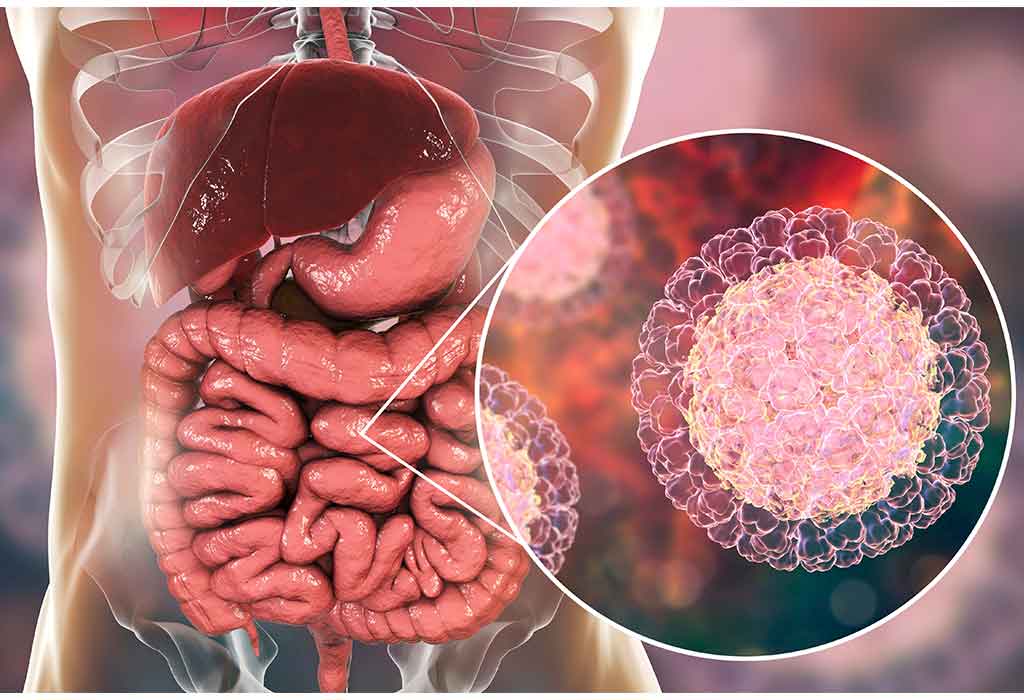
Rotavirus (RV) Vaccine – Benefits, Schedule and Side Effects
If you are a parent or about to become one, you may hear of rotavirus. A major culprit behind infants and young children’s vomiting and diarrhoea, rotavirus can lead to dehydration, hospital visits, and sometimes worse. Rotaviruses are the leading cause of dehydrating diarrhoea in children aged below 5 years worldwide. In low-income countries, about 80% of rotavirus infection can be seen in infants less than 1 year old, whereas in high-income countries, the infection can be seen until the age of 2–5 years. The good news is that delayed babies can be protected from this pesky virus by vaccinating them on time with the rotavirus vaccine.
What Is Rotavirus?
Rotavirus is a viral infection that commonly affects babies and young children and causes diarrhoea, vomiting, and fever (1). Vomiting and diarrhoea may last for 3 to 8 days. The virus is highly transmissible and is found in the stool of infected people, which spreads by coming into contact with the virus by touching contaminated surfaces, including hands, dirty diapers, changing tables, doorknobs, or toys. Thus, the disease commonly spreads in hospitals, childcare centres, and homes.
Rotavirus is a serious and tough virus. Since the virus stays viable for quite a long time until it is killed by a disinfectant, it can continue transmitting. Many times, disinfectants and hand washing aren’t able to prevent rotavirus.
Some young children get so sick that they are required to go to the hospital. Childcare outpatient centres are common sites of rotavirus outbreaks. Typically, children get better in a few days. However, in severe cases, dehydration may worsen, and children may need hospitalisation. Rotavirus can be life-threatening, but in very rare cases.
Thus, timely vaccination for babies is recommended to stop frequent infections.
What Is Rotavirus Vaccine?
The rotavirus vaccine is a routine childhood vaccination that protects against rotavirus, a frequent cause of vomiting and diarrhoea, especially among infants and young children. The rotavirus vaccine is a live attenuated vaccine. This means it contains a weakened form of the virus (2) (3).
Is Rotavirus Vaccine Safe?
Yes, the rotavirus vaccine is very safe for infants and babies in preventing rotavirus disease. Rotarix® and RotaTeq® have been tested with over 70,000 volunteers, and millions of children worldwide have been administered the vaccine safely during routine use (4). As per Health New Zealand, a government platform by the New Zealand Government, Rotarix has an excellent safety record (5).
Why Is Rotavirus Vaccination Important for Your Baby?
Rotavirus vaccine benefits are plenty for children, such as (6):
Rotavirus can cause serious diarrhoea in children, which can lead to dehydration. Extreme dehydration can result in hospitalisation, which can be very deadly, especially for infants and young babies. Administering the vaccine to babies protects them from this potentially serious disease.
Vomiting, diarrhoea, and stomach pain due to rotavirus are a nuisance and discomforting. The vaccine prevents it from happening.
Frequent illness caused by rotavirus hinders children’s childcare as well as parents’ work. The rotavirus vaccine ensures children stay safe and protected from the virus and grow healthily.
Types of Rotavirus Vaccines
There are two types of vaccines available for use in infants and young babies in the United States (6):
RotaTeq® (RV5) – Three doses required
Rotarix® (RV1) – Two doses required
While RotaTeq® (RV5) is given at the ages of 2 months, 4 months, and 6 months, Rotarix is given at the ages of 2 months and 4 months. Both rota vaccine types are administered orally by giving drops in the baby’s mouth. They are NOT given through an injection.
What Is the Schedule for Rotavirus Immunization?
What is the rotavirus vaccine time for babies? Rotavirus vaccine comes in a liquid form and is given orally, i.e., by mouth. The vaccine is administered in a series of two to three doses, starting at the age of 2 months. The first dose is administered at the age of 2 months (8 weeks old) and the second at 4 months (12 weeks old) (7). Some children might get the vaccine again at 6 months, depending on the vaccine’s brand (2).
Rotavirus Vaccine Dose
Child’s Age at Immunisation
1st dose
2 months
2nd dose
4 months
The rotavirus vaccine is safely given to children at the same time as other vaccines. If your little one has missed their rotavirus vaccinations, consult your paediatrician without any delay. The NHS suggests that if your baby’s first dose is missed, they can have it up to 15 weeks old (by the third month), and if the second dose is missed, they can have it up to 24 weeks after 5 months (8).
The requirement and schedule of rotavirus vaccination for babies varies with the brand of the vaccine and the country in which it is administered. Thus, it is suggested to consult your paediatrician about the number of doses and the schedule.
How Is the Rotavirus Vaccine Given to Babies?
The rotavirus vaccine comes in liquid form and is administered to infants and young babies by putting drops in their mouths. They are NOT injectable vaccines. The American Academy of Pediatrics suggests that the rotavirus vaccine should be included as part of the routine immunisations given to babies.
Rotavirus vaccine can be safely administered with other vaccines, like the DTaP vaccine, the Hib vaccine, the polio vaccine, the hepatitis B vaccine, and the pneumococcal conjugate vaccine.
Which Babies Can’t Get the Rotavirus Vaccine?
Generally, most babies are eligible for the rotavirus vaccine. While minor cold or other illnesses don’t prevent or delay vaccination, your doctor may reschedule the vaccine if your little one has some serious illness.
The following cases limit babies from getting the rotavirus vaccination (8):
If the child has had a severe allergic reaction to an earlier dose of the rotavirus vaccine or any ingredient in the vaccine, including latex.
If the child has a rare genetic disorder called severe combined immunodeficiency (SCID), which affects the immune system.
If the child has conditions like fructose intolerance, glucose-galactose malabsorption or sucrase-isomaltase insufficiency.
If the child has had a bowel blockage (intussusception) in the past or has any problems with bowel management, they are vulnerable to intussusception.
If the child’s mother took biological medicines during pregnancy or breastfeeding, it would weaken the immune system.
Side Effects of Rotavirus Immunization
Like any other vaccine, rotavirus vaccine side effects include:
Diarrhoea
Vomiting
Fever
Irritability, crying
With the rotavirus vaccine, the risk of serious side effects is extremely low, but possible, including (9):
Allergic reaction to the drug
Intussusception might happen within a week of administering the first or second dose, which may cause persistent vomiting, diarrhoea, and irritability.
If your child’s symptoms do not get better on their own or worsen, please get medical assistance without delay.
How to Take Care of Your Child After Rotavirus Immunisation?
If your child has a fever after getting the rotavirus vaccination, you can give your little one ibuprofen or acetaminophen only after consulting with your paediatrician.
If your child has diarrhoea or vomiting, you can give amounts of liquids (breastmilk or formula) often. Also, watch out for signs of dehydration. If your child pees less than usual, it means they are dehydrated.
When to Call the Doctor?
You should consult your doctor if:
Your child has missed their dose.
You are not sure whether to avoid or postpone the vaccination.
Your little one experiences problems after the vaccination.
Call your doctor immediately or go to the hospital if you notice any of the following signs of intussusception in your baby (2):
Vomiting
Extreme stomach pain with uncontrollable crying
Blood or mucus in the poop
Weakness, drowsiness, or fussiness
FAQs
1. How long does the rotavirus vaccine protect?
The protection coverage of the rotavirus vaccines is at least three years (10).
2. My baby is ill. Can I get him the routine rotavirus vaccination?
While mild colds or other mild illnesses don’t hinder vaccination, in some cases, doctors prefer delaying rota vaccine for newborns and children. If your child is sick, please consult your paediatrician for proper guidance (10).
3. What types of Rotavirus vaccines can be found in India?
At present, three live oral RV vaccines are approved and marketed in India: the Human monovalent live vaccine (ROTARIX), the Human Bovine pentavalent live vaccine (ROTATEQ), and a vaccine derived from Indian neonatal strains, 116E (ROTAVAC). All three vaccines have demonstrated similar levels of protection against rotavirus illness in clinical studies (4).
4. Is the rotavirus vaccine painful?
There is no rotavirus injection. Rotavirus vaccination is administered orally to children.
5. What happens if my baby misses a rotavirus vaccine dose?
If your child has missed the rotavirus vaccination, it is suggested to consult with your paediatrician and complete the vaccination schedule as early as possible. Basically, the first dose of the rotavirus vaccine must be given before your baby turns 15 weeks old, and the second dose should be administered before the baby is 25 weeks old (6). If too much time has passed, the series might not be continued. Consult with your paediatrician for proper guidance.
6. Can the rotavirus vaccine be given with other vaccines?
Yes. The rota vaccine for infants is safe to administer alongside other routine childhood vaccines.
While Rotavirus may not seem life-threatening, it quietly wreaks havoc on children’s health worldwide in the form of vomiting and diarrhoea. Thankfully, the rotavirus vaccine is a proven, safe, and effective tool to fight it. Secure your child’s health and future by making sure your child gets it right on schedule. Consult with your paediatrician for proper guidance and doses to be administered to your child.
References/Resources:
1. Mayo Clinic – Rotavirus
2. Nemours KidsHealth – Your Child’s Vaccines: Rotavirus Vaccine (RV)
3. MSD Manual – Rotavirus Vaccine
4. Immunize India – Rotavirus Vaccination
5. Health New Zealand – Rotavirus vaccine
6. CDC – Rotavirus Vaccination
7. HealthLinkBC – Rotavirus vaccine (Rotarix®)
8. NHS – Rotavirus vaccine
9. HealthHub – Rotavirus Vaccine
10. RIVM – Rotavirus vaccination
Also Read:
Polio Vaccination
Meningococcal Vaccination
Flu Vaccine for Babies and Children
Childhood Vaccinations for Various Diseases
Read more

Guillain-Barre Syndrome (GBS) in Children – Symptoms, Causes and Treatment
Imagine waking up to see your enthusiastic, playful child suddenly struggling to walk or complaining of unusual weakness. This can be scary and confusing as a parent, especially if it seems to come out of nowhere. How could this happen? What could be wrong? For many parents, this is the frightening reality of Guillain-Barre Syndrome (GBS). This rare condition can cause sudden weakness and even temporary paralysis, making it crucial for parents to know what to look for.
In this article, we’ll look at the mystery of Guillain-Barre Syndrome in children. What causes it? What warning signs should parents look out for? And most importantly, what treatments are available for GBS in infants? Please stick with us as we break it all down step by step, making sure you have the information you need to face this challenge head-on.
Expert Says
“GBS, when diagnosed on time and treatment started early, has full recovery. So keep a watch and reach out to your doctor early.”
– Dr. Gunjan Baweja
What Is Guillain-Barre Syndrome (GBS)?
Guillain-Barre Syndrome (GBS) is a rare autoimmune disorder in which the immune system mistakenly attacks the peripheral nervous system, the network of nerves outside the brain and spinal cord. The condition often develops rapidly and can cause muscle weakness, numbness, and, in severe cases, paralysis (1).
Types of Guillain-Barre Syndrome in Children
There are different types of GBS, each with unique characteristics that can affect how it develops and how it is treated. Let us take a closer look at the main types to understand them better (2).
1. Acute Inflammatory Demyelinating Polyneuropathy (AIDP)
This is the most common form of GBS in children. It happens when the body’s immune system attacks the myelin sheath, the protective covering of nerves, causing weakness, tingling, and sometimes difficulty moving.
2. Acute Motor Axonal Neuropathy (AMAN)
AMAN is a type of Guillain-Barre Syndrome that damages the axons of motor nerves, which are responsible for controlling muscle movements. This leads to sudden weakness or paralysis without affecting sensation, like numbness or tingling. It is seen more often in some parts of the world, like Asia and Central America.
3. Miller Fisher Syndrome (MFS)
Miller-Fisher Syndrome is a rarer form of GBS. It mainly affects eye muscles, causes loss of reflexes, and leads to problems with balance and coordination (3).
Is GBS Common in Children?
Guillain-Barre Syndrome (GBS) is rare in children, affecting only about 1 to 2 kids per 100,000 each year worldwide. While it can happen at any age, it is most seen in children between 1 and 5 years old (4).
Which Children Are at Risk of GBS?
Some children are more likely to develop Guillain-Barré Syndrome than others. Here are the main factors that might make a child more vulnerable to GBS.
Gender: Boys may have a slightly higher risk of developing GBS compared to girls (5).
Infections:Children who have recently had a cold, respiratory infection, or virus (such as the flu) are at increased risk of developing GBS.
Immunisations: Although extremely rare, certain vaccines may occasionally trigger GBS in children.
Causes of GBS in Children
Have you ever wondered what might cause a condition as mysterious as GBS in children? Below are some of the most common reasons for Guillain-Barre Syndrome in kids (6) (7):
Infections (Viral or Bacterial): Many cases of GBS in children are preceded by an infection, most commonly viral infections like the flu or respiratory viruses (e.g., Epstein-Barr virus, Cytomegalovirus) or bacterial infections like Campylobacter jejuni.
Vaccinations: Although rare, GBS can develop after certain vaccinations, including those for the flu. The risk remains low, but it is still monitored.
Genetic Factors: A family history of autoimmune disorders might contribute to a child’s risk of developing GBS (8).
Recent Surgery or Injury: In some cases, children who have recently undergone surgery or been injured may develop GBS afterward.
Signs and Symptoms of GBS in Children
GBS can be a frightening condition for parents, especially when it affects children. Since the symptoms can progress quickly, it is important to recognize the warning signs early. Check the list below for common GBS infant symptoms, and if you notice any of the following signs, reach out to a doctor right away (1) (9).
1. Muscle Weakness
Muscle weakness, usually starting in the legs and spreading upwards, is one of the first signs of GBS. This weakness may make it difficult for the child to walk or stand.
2. Loss of Reflexes
Children with GBS may experience reduced or absent reflexes, particularly in the knees and ankles, leading to impaired movement and coordination.
3. Tingling or Numbness
A child may report tingling or numbness in their hands and feet, which can progress to other body parts.
4. Difficulty Breathing
In severe cases, GBS can affect the muscles involved in breathing, leading to shortness of breath or respiratory distress.
5. Facial Weakness
Facial muscles can also be affected by GBS, which may make it hard for your child to smile, eat, or speak clearly.
Complications of Guillain-Barre Syndrome in Children
Guillain-Barre Syndrome can be tough for children, not just because of the symptoms but also because of the complications it may cause. It can sometimes affect the autonomic nervous system, which controls vital functions like heart rate, blood pressure, and digestion. When GBS interferes with these automatic processes, it can lead to serious and life-threatening complications. Some of the most common issues that may arise include (1):
Cardiac arrhythmias
Unstable blood pressure
Gastrointestinal issues
Bladder control issues
Are There Any Long-Term Concerns?
For most children, Guillain-Barré Syndrome is a temporary challenge, and they recover fully with time and proper care. However, some may face lingering issues such as weakness, fatigue, or difficulty with coordination that can persist for months or even years. It’s also tough emotionally, especially when a child must rely on others for everyday tasks (10). The good news is that with consistent follow-up care and rehabilitation, many children overcome these hurdles and lead active, healthy lives.
How Is GBS in Children Different from Adults?
GBS affects both children and adults, but there are some important differences in how it impacts each group. The symptoms of GBS in children are very similar to those in adults, including weakness, tingling sensations, and muscle pain. However, in children, these symptoms often start in the legs and then spread to the upper body, making it difficult to walk or move their arms.
Adults may experience these symptoms as well, but sometimes, the symptoms can be more severe, affecting their ability to breathe and requiring immediate medical care. Children tend to have a somewhat lower risk of developing severe breathing problems (4), though they still need medical attention as GBS can progress quickly.
One of the biggest differences is recovery. Children often start to improve within weeks of treatment, while adults may take months or even years to fully recover. GBS is serious for both children and adults, but kids usually have a better chance of recovering (4).
Diagnosis of GBS in Children
Diagnosing Guillain-Barre Syndrome (GBS) in children can be tricky because it is a rare condition with symptoms that can easily be mistaken for other illnesses. Here’s a look at the main steps involved in the diagnosis of GBS in kids (9) (10):
1. Physical Examination
A thorough physical examination is essential to assess the strength of the child’s muscles, reflexes, and coordination. The doctor will test for any signs of muscle weakness or difficulty with movement.
2. Nerve Conduction Studies (NCS)
This test measures how well the nerves are sending signals to the muscles. In children with GBS, the nerve signals may be slower than usual, indicating nerve damage.
3. Lumbar Puncture (Spinal Tap)
A lumbar puncture involves taking a small sample of cerebrospinal fluid (CSF) from the spinal cord to check for abnormalities. In GBS cases, the CSF may show elevated protein levels without an increase in white blood cells.
4. Blood Tests
While there is no specific blood test for GBS, blood tests can help rule out other conditions with similar symptoms, such as infections or autoimmune disorders.
5. MRI
MRI scans can be useful in ruling out conditions that may present with similar symptoms, such as spinal cord issues or other neurological disorders.
How Is Guillain-Barre Syndrome Treated?
When a child is diagnosed with GBS, it is natural for parents to feel concerned about what comes next. While there is no cure, the good news is that effective treatments for Guillain-Barre Syndrome are available to manage symptoms and support recovery. Here are a few of the treatment options that doctors use to help children through this challenging condition (11) (12) (13):
Intravenous Immunoglobulin: IVIg is one of the most common treatments for GBS. It involves administering antibodies from healthy blood donors through an intravenous (IV) infusion. This helps reduce inflammation and blocks the harmful antibodies attacking the nerves.
Plasma Exchange (Plasmapheresis): This procedure removes harmful antibodies from the bloodstream that are attacking the nervous system.
Pain Management: Medications are given to ease nerve pain or discomfort, which is common in children with GBS.
Physical Therapy: Gentle exercises and therapy help rebuild strength, improve coordination, and speed up recovery.
Breathing Support: In severe cases, ventilators may be used to help children breathe if their chest muscles are affected.
How Long Does It Take for a Child to Recover From GBS?
Recovery from Guillain-Barre Syndrome takes time and is different for every child. Children often show signs of improvement within 2 to 4 weeks after treatment, but it can take several months to a year for a full recovery (14). The good news is that children usually bounce back better.
Can Guillain-Barre Syndrome Be Prevented in Children?
Guillain-Barré Syndrome (GBS) is a rare condition, and unfortunately, it is not always preventable. While there is no guaranteed way to prevent GBS in children, there are a few steps that can help reduce the risk (1).
Wash your hands regularly, as it helps reduce the spread of infections.
Stay away from people who have infections, especially the stomach flu or respiratory illnesses.
Eating a balanced diet and exercising can strengthen the immune system, helping to fight off infections.
Ensure your child is up-to-datewith vaccinations.
When to Consult a doctor?
It is important to consult a doctor if you notice any signs or symptoms of Guillain-Barré Syndrome (GBS) in your child. Early intervention can make a big difference in treatment and recovery. You should seek medical help if:
Your child experiences sudden weakness or tingling in their legs or arms.
They have trouble walking or moving their body as usual.
They feel numbness or a loss of sensation in any part of their body.
Your child has difficulty breathing, swallowing, or speaking clearly.
FAQs
1. Is GBS contagious?
No, GBS is not contagious. It is an autoimmune condition, meaning the body’s immune system mistakenly attacks its own nerves (7).
2. Can Guillain-Barré Syndrome (GBS) occur in newborns?
GBS in newborns is extremely rare but can occur in exceptional cases. It is often triggered by factors such as maternal infections, perinatal infections, or, in rare cases, recent vaccinations (15).
3. How can parents support a child recovering from GBS?
Supporting your child emotionally, keeping up with doctor visits, and helping them with physical therapy can make a big difference in their recovery. Encouragement and a positive atmosphere at home are important to help them rebuild their strength and confidence (9).
Guillain-Barré Syndrome can be a frightening diagnosis for children and their families, but the road to recovery is often successful with the right treatment and support. Most children go on to lead healthy, active lives, and with time, the challenges of GBS become a distant memory.
References/Resources:
1. Guillain-Barré Syndrome; Cleveland Clinic; https://my.clevelandclinic.org/health/diseases/15838-guillain-barre-syndrome
2. Guillain-Barré Syndrome; Boston Children’s Hospital; https://www.childrenshospital.org/conditions/guillain-barre-syndrome
3. Cabrero. F. R, Morrison. E. H; Miller Fisher Syndrome; National Library of Medicine; https://www.ncbi.nlm.nih.gov/books/NBK507717/
4. Nasiri. J, Ghazavi. M, Yaghini. O, Chaldavi. M; Clinical Features and Outcome of Guillain-Barré Syndrome in Children; PubMed Central; https://pmc.ncbi.nlm.nih.gov/articles/PMC5904738/
5. McCombe. P. A, Hardy. T. A, Nona. R. J, Greer. J. M; Sex differences in Guillain Barré syndrome, chronic inflammatory demyelinating polyradiculoneuropathy, and experimental autoimmune neuritis; PubMed Central; https://pmc.ncbi.nlm.nih.gov/articles/PMC9780466/
6. Guillain-Barré Syndrome in Children; Cedars-Sinai; https://www.cedars-sinai.org/health-library/diseases-and-conditions—pediatrics/g/guillain-barre-syndrome-in-children.html
7. Guillain-Barré Syndrome; Centers for Disease Control and Prevention; https://www.cdc.gov/campylobacter/signs-symptoms/guillain-barre-syndrome.html
8. Khanmohammadi. S, Malekpour. M, Jabbari. P, Rezaei. N; Genetic basis of Guillain-Barre syndrome; PubMed; https://pubmed.ncbi.nlm.nih.gov/34246981/
9. Guillain-Barré Syndrome; Nemours KidsHealth; https://kidshealth.org/en/parents/gbs.html
10. National Institutes of Health; Guillain-Barré Syndrome; https://www.ninds.nih.gov/health-information/disorders/guillain-barre-syndrome#toc-how-is-guillain-barr-syndrome-diagnosed-and-treated-
11. Guillain-Barre Syndrome in Children; Children’s Hospital of Philadelphia; https://www.chop.edu/conditions-diseases/guillain-barre-syndrome-children#treatment
12. Guillain-Barré Syndrome; The Johns Hopkins Medicine; https://www.hopkinsmedicine.org/health/conditions-and-diseases/guillainbarr-syndrome
13. Guillain-Barré syndrome; NHS; https://www.nhs.uk/conditions/guillain-barre-syndrome/
14. When Your Child Has Guillain-Barré Syndrome (GBS); Saint Luke’s; https://www.saintlukeskc.org/health-library/when-your-child-has-guillain-barre-syndrome-gbs
15. Meshram. R. M, Bhongade. S. D, Gajimwar. V. S; Guillain Barre Syndrome: A Rare Cause of Floppy Neonate; PubMed Central; https://pmc.ncbi.nlm.nih.gov/articles/PMC7900717/
Also Read:
Chandipura Virus
Cold vs Flu in Children
Dengue Fever in Kids
Malaria in Children
West Nile Virus in Kids
Chikungunya in Children
Reye’s Syndrome in Children
Zika Virus Infection in Children
Read more
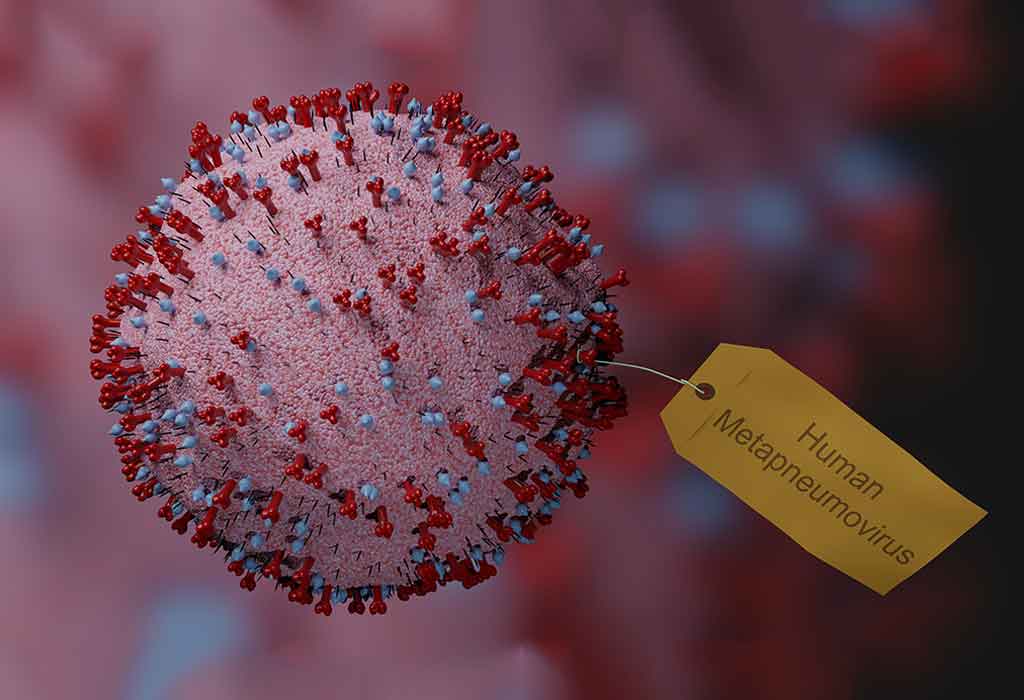
Human Metapneumovirus (HMPV) Infection – Could Your Child Be at Risk?
There are certain viruses that share similar traits but aren’t the same. Symptoms like wheezing and nasal congestion are often informally diagnosed as a cold or a flu. Human metapneumovirus, or HMPV, is a virus that causes acute respiratory infections in people similar to a common cold or RSV (1). The viral infection tends to circulate rapidly during spring and winter, coinciding with the spread of other respiratory infections, like flu or RSV. Even though the symptoms are mild and mimic flu and COVID-19, there is a difference, which makes it essential for parents to be aware of this infection.
Expert Says
“At present, there’s nothing to panic as the virus has been in circulation since long, and the symptoms are similar to other respiratory viruses. Take the precautions, especially in children below 5 years, and visit your doctor when any symptoms arise.“
– Dr. Gunjan Baweja (Pediatrician)
What Is Human Metapneumovirus (HMPV)?
Human metapneumovirus, commonly known as the HMPV virus, is a single-stranded RNA virus from the Paramyxoviridae family, which often causes upper respiratory infections, and in some cases, elevates lower respiratory infections, such as flaring up of asthma, worsening chronic obstructive pulmonary disease (COPD), or pneumonia. HMPV belongs to the same group of viruses that cause respiratory syncytial virus (RSV) and measles and mumps, but they are not the same.
HMPV infections are commonly observed in the early spring and winter. It is important to note that most individuals get HMPV infection before the age of 5. According to the Cleveland Clinic, children experiencing the HMPV infection the first time are more likely to develop severity than those getting it again. This is one of the reasons young babies and children are at a high risk of developing serious illness (5). Since it is a communicable infection, infants, young children, and adults can get it again, but the severity reduces in the subsequent infections.
How Common Is Human Metapneumovirus?
According to the Cleveland Clinic, HMPV is responsible for about 10 to 12% of respiratory diseases in children. While most cases are mild, about 5-16% of children have a chance of developing lower respiratory infections like pneumonia or bronchiolitis.
Who Is at Risk of Getting an HMPV Infection?
While HMPV infection affects both children and adults, it is commonly seen in children below the age of 5. Thus, young children, adults over the age of 65, and individuals with weakened immune systems are the most vulnerable to contracting severe HMPV infection.
Is Human Metapneumovirus Contagious?
Yes, human metapneumovirus is highly contagious, similar to cold and RSV. The incubation period of HMPV is about three to five days. This means a person may be contagious even if they don’t show any symptoms yet (7).
How Is HMPV Transmitted?
HMPV is easily transmitted in children and adults by coming in direct contact with the mucus or saliva of the infected person or touching things or surfaces contaminated with the virus (1).
Instances include:
Breathing in droplets when the infected sneezes or coughs on them
Shaking hands, kissing, or hugging
Sharing utensils or food
Touching keys, door handles, toys, sports equipment, phones, tissues, or menu cards contaminated with the virus
Risk Factors for HMPV Virus Infection
HMPV is a common virus that can infect anyone in general. Nevertheless, the quantum of risk factors in children, particularly young children and infants, is high, and it is more likely to develop into severe respiratory conditions, like pneumonia, bronchitis, or bronchiolitis. The following categories are at a high risk of developing severe illness due to human metapneumovirus:
Premature infants
Young children under 5
Elderly people above the age of 65
People with asthma or chronic obstructive pulmonary disease (COPD)
Individuals with weakened immune systems (such as those battling autoimmune disorders, cancer, or HIV, having medications that suppress the immune system, or recovering from organ transplants)
HMPV Symptoms
Metapneumovirus symptoms are usually mild and cold-like but can cause various symptoms that range in severity. Since the infection primarily infects the lungs and airways, some people may experience a flare–up due to their weakened immunities.
The symptoms of HMPV include:
Cough
Runny or stuffy nose (cold)
Fever
Sore throat
Rash
Shortness of breath (dyspnea)
Wheezing
Fever and runny nose usually begin three to five days after contracting HMPV infection. If it persists, children may develop other symptoms like wheezing, cough, and shortness of breath. For infants and young babies below the age of 6, the infection could manifest as severe respiratory distress, along with the symptoms of apnea.
Also Read: Ways to Increase Immunity in Children
HMPV Vs COVID
Human metapneumovirus and COVID-19 are respiratory illnesses with similar symptoms, like coughing, a runny nose, nasal congestion, fever, sore throat, and shortness of breath. Both are contagious and usually spread in the same fashion through close contact with people or touching contaminated surfaces or things. In serious cases, both infections could lead to hospitalization. However, there are some differences, which are as follows:
Unlike COVID-19, human metapneumovirus does not have a specific antiviral medication or vaccines.
While HMPV is seasonal and mostly prevalent during spring and winter, COVID-19 is annual due to the circulation of new variants year-round.
It has come to notice that the cases of HMPV have increased three-fold in some countries after the COVID-19 pandemic. Due to preventive measures like quarantine, the transmission of various respiratory infections was reduced, but after the ease of preventive measures, infections like HMPV surged.
Is Human Metapneumovirus Infection Same as Respiratory Syncytial Virus (RSV) Infection
HMPV and RSV belong to the same genus and can result in similar symptoms. However, they are not the same. While HMPV causes severe illness in babies aged between 6 and 12 months, RSV typically causes severe illness in infants and young babies under 6 months.
What Are the Complications of Human Metapneumovirus?
The complications and risks in kids, particularly infants and those under the age of 5, are higher than in older children and individuals. While the HMPV infections are usually mild, children and vulnerable classes may progress to more serious conditions and lead to hospitalization. The complications include (10):
Pneumonia
Bronchitis
Bronchiolitis
Acute Respiratory Distress Syndrome (ARDS)
Ear infection (otitis media)
How Long Does It Take to Recover From Human Metapneumovirus?
A majority of HMPV cases are mild and last a few days to a week. If the infection is slightly severe, it may take a little longer to recover. Symptoms like cough may linger for some time.
Also Read: Immunity Boosting Foods for Kids
Diagnosis
To diagnose HMPV infection, the doctor will take note of your physical symptoms and health history. They might take a sample from your nose or throat and order a swab test along with other lab tests to confirm the identity of the virus causing the infection. Tests are usually not done unless doctors identify the severity or the need for hospitalization. Individuals showing severe or persistent symptoms may be recommended a bronchoscopy or a chest X-ray to check the situation of airways in the lungs and detect viruses.
Treatment for HMPV Infection
There is no specific antiviral medication that offers metapneumovirus treatment. Since most HMPV cases are mild and go away on their own, doctors recommended symptomatic care to manage the symptoms and prevent flare-ups, such as:
Over the counter (OTC) medications, such as acetaminophen and ibuprofen, to control fever and pain
Decongestants for nasal congestion
Inhaler for wheezing and coughing
If the child is severely ill and experiencing breathing problems, they may be hospitalized. Healthcare professionals may provide:
IV fluids: The infection’s symptoms, like fever and cough, can cause dehydration. Doctors may recommend the administration of IV fluids to keep the patient hydrated.
Oxygen Therapy: Doctors may provide extra oxygen through a tube or mask for children or individuals having breathing difficulties.
Corticosteroids: Steroids are often used to reduce inflammation in the body.
How to Prevent HMPV?
There is no vaccine to prevent human metapneumovirus (HMPV) infection. Since it transmits like other viral infections through close contact, there are some ways to prevent its spread and reduce the getting the HMPV infection.:
Avoiding contact with infected people and maintaining distance from them.
Washing hands thoroughly with soap and water for at least 20 seconds. If soap isn’t available, an alcohol-based sanitizer can be used.
Covering the nose and mouth with a tissue, handkerchief, or your elbow—and not your bare hand — when sneezing or coughing.
Wearing a face mask when in public areas or crowded spaces.
Avoid frequently touching your face, mouth, nose and eyes with bare hands.
Refraining from sharing food or eating together in or with the same utensils with others.
Ensuring all the vaccinations are up to date.
Also Read: How to Boost Baby’s Immunity System?
Protecting Your Child From HMPV
To ensure your child remains safe and protected against the viral HMPV virus, make sure of the following:
Ensure they wash their hands thoroughly before and after eating as well as after visiting the washroom and coming from outside.
Keep them hydrated by offering them plenty of fluids, like water and electrolytes.
Refrain from taking your child to crowded places.
Limit their contact with infected people, either in the family or outside.
Make sure you take all hygiene precautions, as you could act as a silent infection spreader and infect your child even if you don’t show any symptoms.
Is There Any Case of HMPV Detected in India?
Recently, India has seen a few of HMPV incidences. Noted by the Indian Council of Medical Research (ICMR), the cases were found at Karnataka’s Bengaluru’s Baptist Hospital. The situation has been closely monitored by the Ministry of Health and Family Welfare. According to the Union Ministry, the surveillance mechanisms are in place, which currently indicates no unusual surge in cases.
The Ministry has urged people to follow basic hygiene practices and eat healthily to stay safe and fit during the winter season.
When to Seek Medical Help?
In a majority of cases, medical intervention is not needed since the infection goes away in a few days to a week with symptomatic care. However, if the symptoms worsen or your child develops the following conditions, you must seek immediate medical attention:
High fever
Shortness of breath
Wheezing
Severe cough
Bluish skin, lips, or nails
Questions to Ask Your Doctor
As an informed parent, you can ask the following questions about human metapneumovirus in kids:
How do I treat HMPV infection at home?
How long will it take for my child to feel better?
What over-the-counter medications are safe for my child?
Which severe symptoms should I be aware of?
When should I go to the emergency room?
FAQs
1. Are antibiotics required for treating human metapneumovirus (HMPV)?
No, antibiotics are not required for treating HPMV as they only treat bacterial infections. Since human metapneumovirus causes a viral infection, antibiotics won’t be of use. In some cases, infected individuals may develop secondary infections like a bacterial infection the same time they get pneumonia from HMPV. In those situations, the doctor may prescribe antibiotics to treat any secondary infections.
2. How long does it take to recover from the HMPV virus?
Mild HMPV infections take about three days to a week to recover, and symptoms like cough could last longer. If the infection persists for more than a week, please contact your doctor.
3. Can you get HMPV infection more than once?
Yes, it is possible to get HMPV infection twice or more than once. In subsequent infections, the severity reduces, and the infection gets milder as the body builds immunity to it.
People with chronic respiratory diseases, such as asthma, pulmonary fibrosis, or COPD, remain at high risk of contracting infections like HMPV or influenza.
References/Resources:
1. Human metapneumovirus fact sheet; NHMRC; https://www.nhmrc.gov.au/about-us/publications/staying-healthy-guidelines/fact-sheets/human-metapneumovirus
2. Abdullah Brooks. W, et al.; Human metapneumovirus infection among children, Bangladesh; Emerging Infectious Diseases; PubMed Central; https://pmc.ncbi.nlm.nih.gov/articles/PMC2851498/; October 2007
3. Principi. N, et al.; Human metapneumovirus in paediatric patients; Clinical Microbiology and Infection; https://www.sciencedirect.com/science/article/pii/S1198743X14615962; April 2006
4. Holzemer. N. F, et al.; Human Metapneumovirus Infection in Hospitalized Children; Respiratory Care; http://rc.rcjournal.com/content/65/5/650; May 2020
5. Human Metapneumovirus (HMPV); Cleveland Clinic; https://my.clevelandclinic.org/health/diseases/22443-human-metapneumovirus-hmpv
6. Heikkinen. T, et al.; Human metapneumovirus infections in children; Emerging Infectious Diseases; PubMed Central; https://pmc.ncbi.nlm.nih.gov/articles/PMC2600144/; January 2008
7. Human Metapneumovirus; IDPH; https://dph.illinois.gov/topics-services/diseases-and-conditions/diseases-a-z-list/human-metapneumovirus.html
8. Simon. A, Manoha. C, Müller. A, et al.; Human Metapneumovirus and Its Role in Childhood Respiratory Infections; Current Pediatrics Reports; https://link.springer.com/article/10.1007/s40124-014-0048-6; May 2014
9. Edwards. K. M, et al.; Burden of Human Metapneumovirus Infection in Young Children; The New England Journal of Medicine; https://www.nejm.org/doi/full/10.1056/NEJMoa1204630; February 2013
10. Human Metapneumovirus (hMPV) Symptoms and Diagnosis; American Lung Association; https://www.lung.org/lung-health-diseases/lung-disease-lookup/human-metapneumovirus-hmpv/symptoms-diagnosis
11. Bhatia. R; Respiratory Syncytial Virus (RSV) Infection and Human Metapneumovirus Infection; MSD Manual; https://www.msdmanuals.com/home/children-s-health-issues/respiratory-disorders-in-infants-and-children/respiratory-syncytial-virus-rsv-infection-and-human-metapneumovirus-infection
12. Kimberlin. D, et al.; Human Metapneumovirus; Red Book: 2021–2024 Report of the Committee on Infectious Diseases (32nd Edition); American Academy of Pediatrics; https://publications.aap.org/redbook/book/347/chapter-abstract/5754213/Human-Metapneumovirus?redirectedFrom=fulltext; 2021
13. About Human Metapneumovirus; CDC; https://www.cdc.gov/human-metapneumovirus/about/index.html
Also Read:
Viral Infection in Kids
Cold vs Flu in Children
Dengue Fever in Kids
Malaria in Children
West Nile Virus in Kids
Chikungunya in Children
Zika Virus Infection in Kids
Rubella (German Measles) in Babies and Kids
Chandipura Virus – How to Protect Your Child!
Read more
Seasonal Changes and Flu Risks – The Power of Annual Flu Vaccination!
It happens every year. Whenever the monsoon or winter season comes, somebody in the family gets under the weather. This is followed by headaches, uncontrollable sneezes, and medications. Children end up missing school, activities, and celebrations, while adults forfeit work and family time. Have you ever wondered why this is an annual episode?
Meet the seasonal flu!
If you’ve been scratching your head for an explanation and a solution, you are at the right place. Ahead, we discuss why and how seasonal changes compromise people’s health, what seasonal influenza is, and how to prevent it!
What Causes Illnesses Among People During Seasonal Changes?
The correlation between changes in seasons and people getting sick is very subtle. The change in temperature is not what causes people to get sick. Instead, it’s the group of viruses and allergens that flourish when the temperature shifts.
Like rhinovirus and coronavirus, the influenza virus also replicates faster and spreads when the air is cool and dry. That is the reason many people have a runny nose, cold, and flu in monsoons and winters.
What Is Seasonal Influenza or Flu?
Influenza, most commonly known as the flu, is an infectious respiratory illness that infects the host’s throat, nose, and lungs. It is caused either by the influenza A or B viruses (1). The flu is transmitted through inhaling airborne droplets containing flu viruses, being in close contact with the infected person, or touching surfaces that are contaminated with the flu virus (2).
Highly transmissible, it can lead to mild to severe illness and, at times, hospitalisation or death. The best way to reduce the risk and severity of this illness is by getting vaccinated each year (3).
Why Is It Important to Take the Influenza (Flu) Vaccination?
The WHO recommends influenza vaccination as an established and efficient tool for preventing and reducing serious outcomes caused by the influenza virus, particularly for those at high risk. Flu vaccination in pregnancy protects pregnant women and their infants until they are ready for the vaccine.
What Are the Types of Seasonal Influenza Viruses?
There are two main types of seasonal influenza viruses: Influenza A and Influenza B. Both types are known for causing outbreaks in people yearly. Influenza A virus is responsible for infecting humans and animals, whereas influenza B virus affects only humans. Both the virus types can cause mild to severe complications in all age groups (2).
Signs and Symptoms of Influenza
Unlike the common cold, flu is more sudden and has more pronounced symptoms that last for around 5-7 days. Some common symptoms of flu are (1):
Chills and sweats
Fever
Cough
Sore throat
Stuffy or runny nose
Tiredness and breathlessness
Headache
Muscle or body aches
Vomiting/Diarrhoea – it is more common in children than in adults
Remember, not everyone with flu will experience fever.
Who Is Likely to Develop Complications From Seasonal Influenza?
Influenza can affect anyone, spanning all age groups, but there are certain people who are at a high risk of contracting the flu and developing serious complications. Such people include (4):
Young children below 5 years
Elderly individuals above 65 years,
Pregnant women and their infants
Immuno-compromised individuals and those with chronic health issues, such as blood disorders, asthma, diabetes, heart disease, and liver disease.
Healthcare professionals
Complications of Influenza
A person with influenza might experience severe complications, such as bacterial pneumonia, inflammation of the heart, encephalitis, ear infections, and sinusitis. It can also exacerbate pre-existing health issues, including diabetes, asthma, multi-organ failure, and heart failure (5) (6).
For pregnant women, the potential complications can include premature labour and fetal distress.
How Can You Prevent the Influenza Disease?
One of the best forms of protection from flu is influenza vaccination (7). Flu vaccination has shown positive results in reducing flu-related illnesses and the risk of hospitalisation and death. Besides vaccination, here are a few practices that can help prevent flu (8):
Steer clear of people who are ill, particularly during the peak of flu season. Keep a distance of at least 6 feet from others.
Wash your hands frequently and thoroughly using soap and water. If water is not available, use a hand sanitiser.
Cover your nose and mouth with a tissue or a sleeve when you cough or sneeze. Do not reuse the tissue.
Refrain from touching the eyes, nose, or mouth often with unclean hands.
Avoid unhealthy street food.
If you catch the flu, stay home for at least 24 hours after your fever has gone down. Also, avoid self-medication.
How Does Annual Flu Vaccinations Help?
Influenza viruses change, and new strains circulate every year. Every year, a new vaccination formula is created to tackle the viruses that are likely to cause more harm in the current season. (9) In addition to that, the immunity from the flu vaccination reduces after a year. Hence, annual influenza vaccination is recommended even if the strains are not changed much.
Annual flu vaccination is highly recommended for children between 6 months and 5 years, those aged above 65 years, and those with comorbidities or chronic medical conditions, such as diabetes and asthma.
Types of Seasonal Influenza Vaccinations
Two types of seasonal flu vaccines are available:
Flu Shot: A flu shot or injectable vaccine uses inactivated flu virus to develop antibodies. It is given as an intramuscular injection to children 6 months and above. The vaccine causes slight pain in the injected area and mild side effects.
Nasal Spray: Nasal spray or intranasal vaccine uses live viruses that have been weakened or attenuated to develop antibodies. It is given as a spray into the nostrils of children 2 years and above. The vaccine is painless and causes mild side effects, such as runny nose and wheezing.
Where Can You Get the Seasonal Flu Vaccination?
Seasonal Influenza vaccination should be taken before the start of peak flu season. Quadrivalent vaccines are recommended by the WHO for use during the influenza season in the Northern Hemisphere, including India.
In regions where flu peaks in the monsoon season from July to September, vaccination should be given from April to May. In areas where winter is the peak season for influenza, the vaccine should be given during September-October.
Consult your doctor or the nearest immunisation provider for the influenza vaccination.
Who Should Get the Influenza Shot?
Influenza vaccination is recommended for all people aged 6 months and above who do not have a contraindication to the flu vaccine (10).
Pregnant women in their third trimester and young children are recommended to receive the vaccination as soon as it is available.
Who Should Get Annual Flu Vaccination?
Everyone aged 6 months and above (even healthy adults) is recommended to receive the annual flu vaccination. However, it is extremely important for children between 6 months and 5 years and individuals with comorbidities and chronic medical conditions to receive the annual flu vaccination (11).
Who Should Avoid Getting the Vaccination?
In general, flu shots can be given to anyone except:
Young children below 6 months of age.
People with a history of a life-threatening allergic reaction to an earlier dose of flu vaccine and any component of the vaccine.
The nasal spray vaccine should not be administered to children below 2 years, pregnant women, adults aged 50 years and above, and those with weakened immune status.
Individuals allergic to eggs should consult their doctor before getting the flu vaccination.
Are There Any Side Effects?
Not everyone taking the flu vaccination will experience side effects. However, some commonly noted side effects of the flu vaccine include:
Soreness or redness at the injection site (only in case of injectable vaccine)
Mild fever
Fatigue for a day or two
Muscle ache
Nausea
Headache
Runny nose and wheezing (only in case of the nasal spray)
When to See a Doctor
If you fall in the category of high-risk individuals and catch flu, contact your doctor as soon as possible for symptomatic treatment.
If adults experience any of the following signs and symptoms, they must see the doctor right away:
Difficulty in breathing
Seizures
Chest pain
Continuous dizziness
Severe muscle pain
Worsening of existing medical conditions
If children experience any of the following signs and symptoms, they must get medical care right away:
Difficulty in breathing
Worsening of existing medical conditions
Chest pain
Blue lips
Muscle pain
Seizures
With the help of little changes in your life, such as annual flu vaccination, a healthy diet, regular physical activity, use of a humidifier when seasons change, and being mindful of standard hygiene practices, you can succeed in keeping illnesses at bay!
References/Resources:
1. Signs and Symptoms of Flu; CDC; https://www.cdc.gov/flu/signs-symptoms/index.html
2. Influenza: Questions and Answers; Immunize.org; https://www.immunize.org/wp-content/uploads/catg.d/p4208.pdf
3. Seasonal Flu Vaccine Basics; CDC; https://www.cdc.gov/flu/vaccines/?CDC_AAref_Val=https://www.cdc.gov/flu/prevent/flushot.htm
4. People at Increased Risk for Flu Complications; CDC; https://www.cdc.gov/flu/highrisk/index.htm
5. Flu Complications: Risk Factors, Symptoms and Prevention; Nationwide Children’s; https://www.nationwidechildrens.org/family-resources-education/700childrens/2020/01/flu-complications
6. Influenza; Johns Hopkins Medicine; https://www.hopkinsmedicine.org/health/conditions-and-diseases/influenza
7. 2024-25 CT Influenza Vaccination Clinics; DPH Immunizations; https://portal.ct.gov/immunization/knowledge-base/articles/general-public/vaccine-information-by-population/2024-25-ct-influenza-vaccination-clinics?language=en_US
8. Influenza (flu); Mayo Clinic; https://www.mayoclinic.org/diseases-conditions/flu/symptoms-causes/syc-20351719
9. Recommendations announced for influenza vaccine composition for the 2022-2023 northern hemisphere influenza season; WHO; https://www.who.int/news/item/25-02-2022-recommendations-announced-for-influenza-vaccine-composition-for-the-2022-2023-northern-hemisphere-influenza-season
10. Seasonal Flu Vaccine Basics; CDC; https://www.cdc.gov/flu/vaccines/?CDC_AAref_Val=https://www.cdc.gov/flu/prevent/flushot.htm
11. Who Needs a Flu Vaccine; CDC; https://www.cdc.gov/flu/vaccines/vaccinations.html
Also Read:
Meningococcal Vaccination
Child Immunization & Vaccination Schedule
Childhood Vaccinations for Various Diseases
Flu Vaccine for Babies and Children
Should Your Child Get the Flu Shot? Top FAQs Answered
Read more
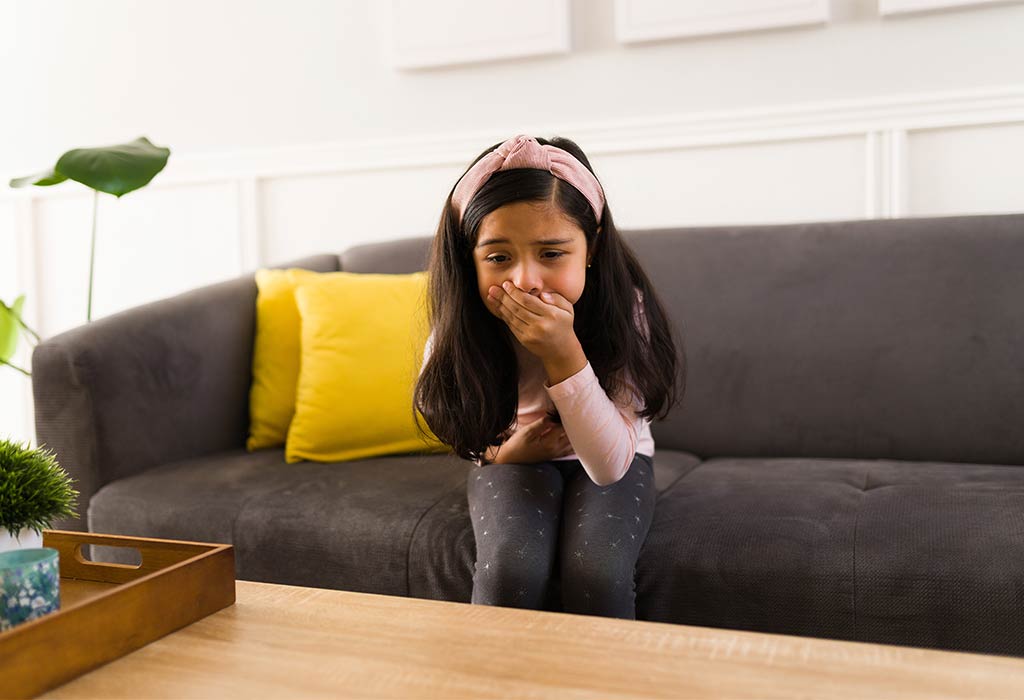
Child Is Throwing Up With No Fever – Causes and Treatment
Seeing your child throw up can be distressing, especially when there’s no fever to suggest a common illness like the flu. It leaves many parents puzzled and worried about what could be causing the sudden vomiting. Is it something they ate? A sign of stress? Or perhaps an underlying issue that needs attention? While vomiting without a fever can often be harmless and resolve quickly, understanding the causes and knowing how to manage it at home can bring much-needed peace of mind.
So, what could be causing your child’s discomfort, and how can you help them feel better quickly? Keep reading, and let’s untangle the mystery behind why your child is vomiting with no fever because a little knowledge and the right care can make all the difference.
Causes of Vomiting With No Fever in Child
While infections are a common cause of vomiting, there are many other possible triggers that don’t involve a fever. Below are some possible causes of kids throwing up with no fever to consider:
1. Gastroesophageal Reflux (GERD)
Acid reflux is common in babies but can also affect older children. Stomach acid backing up into the oesophagus can cause irritation, leading to frequent vomiting, especially after meals or at night (1).
2. Food Poisoning
Spoiled or contaminated food can cause vomiting in children, sometimes without fever. Bacteria like Salmonella, E. coli, or Staphylococcus can produce toxins in undercooked or improperly stored food. Symptoms often appear within hours of eating and may include nausea, stomach cramps, and diarrhoea (2).
3. Food Allergies and Intolerances
Some children may have an allergic reaction to proteins in foods like dairy, nuts, eggs, or shellfish. Symptoms can range from mild nausea and vomiting to more severe reactions, such as swelling or difficulty breathing. If your child has repeated vomiting episodes after eating certain foods, keeping a food diary can help identify the trigger. Severe allergic reactions require immediate medical attention (3).
4. Motion Sickness
Children who experience nausea and vomiting while travelling in cars, boats, or aeroplanes may have motion sicknesses. This occurs when the brain receives mixed signals from the inner ear and eyes. To prevent symptoms, encourage your child to look at the horizon, ensure good ventilation, and consider giving them light snacks before travelling (4).
5. Emotional Stress and Anxiety
Vomiting can sometimes be triggered by psychological factors like stress, fear, or anxiety. Children experiencing school-related stress, social pressure, or major life changes may develop nausea and vomiting as a response. Helping them relax through deep breathing, reassurance, and open conversations can reduce symptoms (5).
6. Medication Side Effects
Certain medications, such as antibiotics, pain relievers (like ibuprofen), iron supplements, or chemotherapy drugs, can cause nausea and vomiting. If your child starts vomiting after taking a new medication, check with their doctor to see if an alternative is available or if the dosage needs to be adjusted (6).
7. Ear Infections
Middle ear infections (otitis media) can cause nausea and vomiting due to pressure buildup in the ear. Symptoms often include ear pain, irritability, and difficulty sleeping. If your child has a suspected ear infection, consult a doctor for proper treatment, which may include antibiotics or pain relief medications.
8. Gastritis and Acidic Foods
Eating spicy, greasy, or acidic foods can irritate the stomach lining, causing vomiting. Gastritis can also result from viral infections or excessive use of certain medications like aspirin. Providing bland foods, keeping the child hydrated, and giving liquid antacids (if recommended by a doctor) can help relieve discomfort.
9. Intestinal Blockages
Serious conditions like volvulus (twisting of the intestine) or pyloric stenosis (narrowing of the stomach outlet in infants) can cause repeated vomiting. In such cases, vomiting is often forceful or projectile and may be accompanied by severe abdominal pain, bloating, or constipation. These conditions require urgent medical attention (7).
How Can You Help Your Child Recover From Vomiting?
Watching your child struggle with vomiting is never easy; it’s exhausting for both of you. You just want them to feel better, but figuring out what helps (and what doesn’t) can be tricky. The good news? Here’s how you can help your little one feel better faster with home remedies and, if needed, medical treatment.
Home Remedies
1. Keep Your Child Hydrated
Vomiting can quickly lead to dehydration, so it’s important to keep your child sipping fluids. Offer small amounts of water, oral rehydration solutions (ORS), or clear broths. Avoid sugary drinks or sodas, as they can make things worse. If your child refuses to drink, try giving tiny spoonfuls every few minutes (8).
2. Stick to Simple, Bland Foods
Once the vomiting settles, ease your child back into eating with gentle foods like plain toast, bananas, or rice. Stay away from anything greasy, spicy, or heavy on dairy—these can upset their stomach all over again (9).
3. Give Them Plenty of Rest
Let your child relax in a quiet, cosy space. Sleep helps the body heal, and too much movement can trigger nausea again. A comfy couch, a favourite blanket, and some quiet time can work wonders (9).
4. Try Natural Remedies
For older kids, a bit of ginger tea or peppermint may help soothe nausea (10). A spoonful of honey in warm water can also be comforting. Just be sure to check with your doctor before trying any home remedies.
Medical Treatment
1. Antibiotics (Only If Necessary)
If your child’s vomiting is caused by a bacterial infection, such as food poisoning or certain stomach infections, a doctor may prescribe antibiotics. However, antibiotics are not effective for viral infections (such as stomach flu) and should only be given if specifically recommended by a doctor.
2. Anti-Nausea Medication (If Prescribed)
If vomiting persists and your doctor recommends it, anti-nausea medication may help. However, never give your child over-the-counter medicines without consulting a healthcare professional first (9).
3. Intravenous (IV) Fluids for Severe Dehydration
If your child is unable to keep fluids down and shows severe dehydration symptoms, a doctor may recommend IV fluids. This helps restore hydration quickly and prevents complications.
When to Consult the Doctor?
While occasional vomiting is common in children, there are times when medical attention is necessary. Contact a doctor if your child experiences any of the following (8):
Persistent vomiting for more than 12–24 hours
Signs of dehydration (dry mouth, no tears, fewer wet diapers)
High fever above 102°F (39°C)
Severe stomach pain
Blood in vomit
Unusual drowsiness or confusion
Vomiting after a head injury
FAQs
1. When can my child eat normally again?
Once they go a few hours without vomiting, slowly reintroduce regular foods. Avoid greasy, spicy, or dairy-heavy meals at first.
2. What if vomiting happens only in the morning?
If a baby or toddler throws up with no fever in the morning, it could be due to acid reflux, postnasal drip, or even anxiety. If it happens frequently, consult a doctor.
3. How can I prevent vomiting in the future?
Ensure proper handwashing, avoid spoiled food, don’t let your child overeat, and identify any food intolerances or triggers that may be causing the issue (10).
4. Is it normal for a newborn to vomit?
Yes, newborn vomiting is quite common and often happens due to an immature digestive system, reflux, or overfeeding. In most cases, it’s harmless and improves as the baby grows.
Child vomiting with no fever treatment includes proper hydration, offering mild foods, and monitoring for any worsening symptoms. If you ever feel unsure, don’t hesitate to reach out to a doctor. Seeing your child unwell is never easy, but kids bounce back quickly with a little care, patience, and plenty of snuggles. Your love and attention are the best medicine, and before you know it, your little one will be back to their playful, happy self!
References/Resources:
1. Nemours KidsHealth – Gastroesophageal Reflux (GER) in Kids and Teens
2. Healthdirect – Vomiting in children
3. Nemours KidsHealth – Food Allergies
4. NHS – Motion sickness
5. Anxiety in Children – Cleveland Clinic
6. Nemours KidsHealth – Medicines: Using Them Safely
7. University of California – Volvulus (Twisting of the Colon)
8. Saint Luke’s – What to Do When Your Child Is Vomiting
9. Nationwide Children’s Hospital – Vomiting
10. Nemours KidsHealth – What to Do About Vomiting
Also Read:
Recurrent Fever in Children
Child Vomiting at Night
Effective Home Remedies for Vomiting Child
Read more
Polio Vaccination: Importance, Dosage, Side Effects and More
Polio vaccine is necessary for preventing the spread of poliovirus, which can lead to paralysis and, in severe cases, death. Recently, Tikrikilla, Meghalaya, reported a case of polio in a two-year-old child. Health experts have clarified that this case is due to a vaccine-derived strain, not the wild poliovirus, primarily affecting those with low immunity. This incident highlights the need to understand how polio vaccines work and the importance of proper dosing. Although the vaccine has successfully reduced polio worldwide, knowing its benefits, side effects, and the correct vaccination schedule is still essential.
Keep reading to learn about the different types of polio vaccines, their importance, and how to ensure complete protection against polio.
What Is Polio (Poliovirus) Vaccine?
The polio vaccine is an active immunisation agent that protects against poliomyelitis, a disease caused by the poliovirus. It works by helping the immune system produce antibodies against the virus. When a person receives polio shots, their immune system learns to recognise and fight the poliovirus if they are exposed to it in the future.
Also Read: Child Immunization & Vaccination Schedule
Is the Polio Vaccine Safe and Effective?
The vaccine is very safe, with only temporary side effects like redness and soreness at the injection site. Serious side effects are extremely rare. Years of research and use have confirmed that the vaccine is highly effective in preventing polio and has been essential in reducing and almost eradicating the disease worldwide (1).
Types of Polio Vaccine
There are two types of polio vaccines. These vaccines work differently and are used worldwide based on their effectiveness (2).
1. Inactivated Poliovirus Vaccine (IPV)
This vaccine is made from killed or inactivated polioviruses. It is administered through an injection and helps protect against polio by stimulating the immune system to produce antibodies against the virus.
2. Oral Poliovirus Vaccine (OPV)
This vaccine is made from live, weakened polioviruses and is given orally, usually as drops. It is no longer licensed or available in the United States but is still used in many parts of the world.
Between the OPV and IPV, IPV has been the only polio vaccine in the United States since 2000 (3).
Who Should Get the Polio Vaccine?
The polio vaccine is vital for various groups of people to ensure protection against poliomyelitis. These include (4):
Infants and young children should receive the polio vaccine in their routine immunisation schedule.
Travellers who travel to regions where polio is still common.
Laboratory workers who handle specimens that may contain polioviruses.
Healthcare experts who are in close contact with patients infected with poliovirus.
When Should Children Get Polio Vaccination?
The recommended polio vaccine dose includes five shots of the Inactivated Polio Vaccine (IPV) or Oral Polio vaccine (5):
First dose at 6 weeks
Second dose at 10 weeks
Third dose 14 weeks
First booster dose at 18 months
Second booster dose at 4-6 years
The schedule may vary in different countries, and you should follow as advised in your country.
How Is the Polio Vaccine Given?
The poliovirus vaccine is given in different ways depending on its type. The Inactivated Polio Vaccine (IPV) is given through an injection, typically in the leg or arm, depending on the patient’s age. On the other hand, the Oral Polio Vaccine (OPV) is given orally, usually as drops.
Who Should Avoid the Polio Vaccine?
Certain people should avoid the polio vaccine or consult their doctors before receiving it (6):
Those with a severe allergic reaction to any component of the polio vaccine.
Those who have had a severe allergic reaction to a previous dose of the Inactivated Polio Vaccine (IPV).
Risk and Side Effects of Polio Vaccine
The polio vaccine is generally safe, though it may have minor and temporary side effects like swelling and redness at the injection site. In very rare conditions, OPV can lead to vaccine-associated paralytic poliomyelitis (VAPP), a form of polio that results from the weakened virus in the vaccine mutating (7).
How to Care for Your Child After IPV Immunisation?
After your child receives the IPV immunisation, proper care can help ensure their comfort and well-being. Here are some steps to follow (8):
Check for common side effects, these are temporary and should be resolved on their own.
To alleviate soreness, you can apply a cool, clean cloth to the injection site. Medicines, such as acetaminophen or ibuprofen, may also be used, but consult your doctor for appropriate dosages.
Allow your child to rest after the vaccination, especially if they seem tired or irritable.
FAQs
1. What should I do if my child misses a scheduled polio vaccine dose?
If a scheduled polio vaccine dose is missed, it is important to get back on track as soon as possible. Contact your doctor to reschedule the missed dose and ensure your child completes the vaccination series.
2. Can the polio vaccine be given with other vaccines?
Yes, the polio vaccine for babies can be given alongside other vaccines. It is commonly given as part of a combination vaccine schedule that includes other routine immunisations for children, such as those for diphtheria, tetanus, and pertussis (DTaP) or Haemophilus influenzae type b (Hib) .
3. What are the signs that indicate a serious reaction to the polio vaccine?
Severe reactions to the polio vaccine are rare but can include high fever, severe allergic reactions, or extensive swelling at the injection site. If any of these symptoms occur or if you notice any other unusual signs, it is crucial to seek medical attention promptly.
Polio immunisation is crucial for fighting poliomyelitis and keeping us safe. The importance of timely and complete vaccination cannot be overstated, particularly in light of recent news about vaccine-derived polio cases. Stay informed about vaccinations to ensure a healthier future and contribute to the ongoing fight against polio.
References/Resources:
1. CDC – Polio Vaccine Effectiveness and Duration of Protection
2. Children’s Hospital of Philadelphia – Polio: The Disease & Vaccines
3. CDC – Polio Vaccination
4. CDC – Polio Vaccine Recommendations
5. CDC – Routine Polio Vaccination
6. CDC – Contraindications and Precautions for Polio Vaccination
7. WHO – Polio Global Eradication Inititaive
8. Nemours KidsHealth – Your Child’s Vaccines: Polio Vaccines (IPV, OPV)
Also Read:
Pneumococcal Vaccine
Typhoid Vaccine for Kids
Flu Vaccine for Babies and Children
Childhood Vaccinations for Various Diseases
MMR Vaccine – Everything You Need to Know
Meningococcal Vaccination: Types, Schedule & Side Effects
Optional & Mandatory Vaccines for Babies and Children in India
Read more
Cholera: Causes, Symptoms, Treatment, and Vaccination
According to WHO, approximately 1.3 to 4 million reported cases of cholera surface worldwide every year (1). Unsafe sanitary conditions and poor hygiene affect food and drinking water, making them unfit for consumption. Cholera disease is a severe bacterial illness primarily spread through contaminated water. Cholera is a common bacterial infection in regions where water and food are not handled hygienically. An acute diarrhoeal and intestinal disease, cholera can kill within hours if left untreated due to rapid dehydration. Although often called the cholera virus, it is actually caused by bacteria, not a virus. Clean drinking water and proper sanitation are essential to prevent outbreaks. To combat cholera, we first need to learn how it starts, its risks, and whether there is a vaccine for it.
What Is Cholera and How Common Is It?
Cholera is an acute intestinal infection known to spread through unhygienic food and water contaminated with the bacterium VIbrio cholerae (1). It does not spread from person to person but can spread through contact with the faeces of the infected person. The cholera bacterium (Vibrio cholerae) attacks the intestines of the infected individual and causes vomiting, diarrhoea, and subsequent loss of fluids. In grave cases with no treatment, it can severely dehydrate the person and lead them into shock and later death.
Cholera is common in several parts of the Caribbean, Southeast Asia, South America, Africa, and the Pacific, usually where the climate is warm or where natural disasters like hurricanes or earthquakes happen (2). If people travelling to these places don’t follow hygiene practices, the infection can be risky.
Expert Says
“Improved personal hygiene, access to clean water, and sanitation are the mainstays of cholera control.”
– Dr. Vandan H Kumar
Types of Cholera
Cholera is a severe diarrheal disease caused by Vibrio cholerae, and its occurrence can be categorised into two main types. These classifications depend on the frequency and spread of the disease in a given population.
1. Endemic Cholera
Endemic cholera refers to regions where the disease is consistently present at a baseline level, often due to poor sanitation and limited access to clean water. Countries in South Asia, sub-Saharan Africa, and parts of Latin America frequently experience endemic cholera. In these areas, outbreaks may occur seasonally but remain relatively predictable.
2. Epidemic Cholera
Epidemic cholera occurs when there is a sudden, large-scale outbreak in areas where the disease is not normally present. These outbreaks often follow natural disasters (e.g., floods or earthquakes), conflicts, or humanitarian crises that disrupt water and sanitation systems. Epidemic cholera spreads rapidly and can cause high mortality if not controlled quickly.
Causes of Cholera
The disease is linked to poor sanitation conditions affecting food and water. The primary cause of cholera disease transmission is the bacterium—Vibrio cholerae, which is found in faeces. When people ingest food or water contaminated with this bacterium, they contract the disease (3).
Poor Sanitation:- Peri-urban slums, refugee camps, and poor colonies, where proper facilities for clean water and sanitation are not available are high-risk areas.
Water:- People living in crowded conditions and sourcing water from common water sources have chances of getting cholera. Public wells with the possibility of contamination is a common example.
Raw Fruits and Vegetables:- In developing countries where cholera is common, irrigation water or uncomposted manure fertilizersfertilisers mixed with raw sewage can contaminate the fields. Hence, the raw produce, including fruits and vegetables, can be a source of cholera.
Seafood:- Seafood, mostly shellfish, contains cholera and hepatitis A virus that come from places bearing cholera. In search of food, shellfish filter litres of water and thus catch cholera bacteria and other viruses from water.
Symptoms of Cholera
The cholera bacteria symptoms generally surface between 12 hours and five days of ingestion of contaminated food and water (4). Some of the commonly observed signs and symptoms of cholera, according to Mayo Clinic are (5):
Profuse watery diarrhoea
Dehydration
Vomiting
Rapid Fluid Loss
Leg Cramps
Shock
The symptoms of cholera typically range from mild to moderate, with cases of mild dehydration and diarrhoea. However, even mild symptoms can make the person weak and irritated. In severe cases, vomiting and diarrhoea cause the person to lose body fluids faster than usual.
If left untreated, cholera can lead to shock and death within hours. Cholera can lead to premature delivery or miscarriage in pregnant women (6).
What Are the Risks and Complications of Cholera?
Cholera can be a result of a humanitarian crisis and can affect anyone working in those conditions. However, infants have fewer chances of developing this illness as they get immunity from their mother’s breast milk, who previously had cholera. Still, there linger risk factors that can make anyone susceptible to this infection.
Risks
Cholera poses serious health risks, particularly in areas with poor sanitation and limited clean water access. The disease can lead to severe dehydration, organ failure, and even death within hours if left untreated, making rapid intervention critical.
Poor Sanitation: Poor sanitary conditions harbour many bacteria and viruses, causing illnesses like cholera. Developing countries, refugee camps, and places where hygiene is still in a developing phase are most affected.
Close Exposure: If you are living with someone who has cholera, the chances of contracting this illness increases twofold.
Low Stomach Acid: The stomach acid acts as a defence system against cholera bacteria. However, people with low stomach acid content, including children, older adults, and people who usually take antacids, proton pump inhibitors, or H-2 blockers to reduce the stomach acid, are at a high risk of cholera.
Shellfish: Eating raw or undercooked shellfish from the waters of cholera-bearing places can put you at risk of developing this disease.
Type O Blood: Although the reason isn’t quite clear, people with type O blood are more likely to develop cholera than other blood types.
Complications
Cholera can be easily treated. With timely treatment, the fatality of the infection can be reduced to just 1%.
Loss of Electrolytes and Low Blood Sugar (Hypoglycaemia): Low blood sugar (glucose) due to diarrhoea and poor appetite can cause severe complications. This can result in unconsciousness, seizures, or even death.
Kidney Failure: In severe cases, cholera can cause kidney failure and cause body fluids and waste to build in the body, creating life-threatening scenarios.
Low Potassium: Rapid fluid loss and electrolytes from cholera can deplete potassium levels, potentially affecting heart and nerve functions and becoming life-threatening.
How Is Cholera Diagnosed?
Cholera is diagnosed through a combination of clinical evaluation and laboratory testing, as its symptoms can resemble other diarrheal illnesses. Here are the diagnostic methods for cholera:
Clinical Assessment: Doctors evaluate symptoms like severe watery diarrhoea, vomiting, and rapid dehydration.
Stool Culture: The gold standard—stool samples are tested for Vibrio cholerae in a lab.
Rapid Diagnostic Tests (RDTs): Dipstick tests provide quick results in resource-limited settings.
Microscopy (Dark-Field Examination): Reveals the darting motility of Vibrio cholerae under a microscope.
PCR (Polymerase Chain Reaction): Detects cholera DNA for highly accurate confirmation.
Serotyping: Identifies whether the strain is O1 or O139, the main epidemic-causing serogroups.
Antibiotic Sensitivity Testing: Determines effective treatments if drug resistance is suspected.
Environmental Testing: Checks water sources for contamination during outbreaks.
How Is Cholera Treated?
Cholera can be easily treated. With timely cholera treatment, the fatality of the infection can be reduced to just 1%.
Rehydration: The majority of cases can be treated through oral rehydration. In the oral rehydration method, oral rehydration salt (ORS) powder is taken by diluting it with water to control dehydration. It is essential for patients to drink plenty of fluids to avoid dehydration.
Intravenous Fluids: In case of severe dehydration, patients are at risk of shock and may require the administration of intravenous fluids.
Antibiotics: Antibiotics also help reduce the duration of the severity of the infection. However, this treatment is less critical than rehydration.
Zinc Supplements: Zinc supplements are effective in treating children under five years. Zinc reduces diarrhoea and shortens the episodes of acute cholera.
Breastfeeding: Breastfeeding is also encouraged to treat this illness.
How Can Cholera Be Prevented?
If you are residing in a region affected with cholera sickness or travelling to places with cholera outbreaks, these methods will help prevent you from developing cholera (7):
Practice hand hygiene: Washing hands with soap and water thoroughly before handling the food and after using the toilet is necessary. Rub your soapy hands for at least 15 to 20 seconds to remove the germs and grime. Alternative to soap and water is alcohol-based hand sanitiser.
Drink clean water: Drink only boiled or purified water. Bottled water is also good. If you are going out, drinking hot or bottled beverages is safe. Also, use ice that is made using boiled and purified water only.
Eat hot and properly cooked food: To avoid cholera, it’s best to eat hot and properly cooked food. Avoid food from street vendors as much as possible. Packaged food is preferable.
Eat fruits that can be peeled: Fruits and vegetables in cholera-affected places may carry cholera bacteria on their peels. Hence, avoid fruits that can’t be peeled. For example, consume oranges and bananas and avoid fruits like grapes and berries.
Avoid raw fish: If you are likely to be affected by cholera, avoid raw or undercooked seafood, such as sushi and shellfish.
Vaccination: Cholera vaccine is also beneficial in preventing illness.
What Is Cholera Vaccine and How Does it Work?
The cholera vaccine is a prescription vaccine used to fight against cholera bacteria. The vaccine is an inactivated vaccine made using dead cholera-causing bacteria. The vaccine instructs the host body to produce antibodies to protect against cholera bacteria. The vaccine is given orally (via mouth) to the individual. The Oral Cholera Vaccine (OCV) is a two-dose vaccine administered at an interval of at least two weeks. It is available in powder form, which is mixed with water for consumption. The vaccine is available at healthcare centres across India.
Why Should You Get Vaccinated?
Anyone can develop this illness because of unsafe drinking and eating conditions. Vaccination is one of the best lines of defence against the bacteria causing cholera. Oral Cholera Vaccine (OCV) is taken orally. Hence, it is painless and more effective.
The vaccine is highly recommended for individuals travelling to places with active cholera infections or where the disease is common.
When Should You Take the Cholera Vaccine?
Anyone above the age of one can take the cholera vaccine orally. You must notify your doctor before receiving the vaccine if you have ever had an adverse response to a vaccine. Because some medications may interact with the cholera vaccination, it is wise to tell your doctor what medications you are currently taking.
The vaccine is to be taken on an empty stomach, at least 1 hour before or 1 hour after eating. The individual must refrain from drinking, eating, or taking any other drug by mouth for an hour before and after taking the cholera vaccine.
What Are the Side Effects of the Cholera Vaccine?
The commonly observed side effects of the cholera vaccine are (8):
Fever
Vomiting
Nausea
Abdominal pain
Cough
Weakness
Rash
Itching
Dryness in mouth
Most of these side effects are common and disappear on their own. If they still persist, consult your doctor.
Can You Take the Cholera Vaccine During Pregnancy?
Because of the limited evidence of the efficacy of the non-live vaccine, including the oral cholera vaccine, in pregnant women, it is best to consult the doctor before taking the cholera vaccine in pregnancy (9) (10).
Is It Safe to Take the Cholera Vaccine While Breastfeeding?
The cholera vaccine is safe to use during breastfeeding (11) (12). Studies have shown that the vaccine does not pass into the breastmilk, making it safe for the baby.
Which Cholera Vaccine Is Available in India?
Currently, the oral cholera vaccine available to use in India is Shanchol™. Shanchol™ is a WHO-prequalified oral cholera vaccine (OCV) licensed for use in India. It is manufactured by Shantha Biotech (a Sanofi Company) in Hyderabad. Shanchol™ is a bivalent (BivWC)/whole killed cell (only) vaccine as it incorporates newly emerged O1 and O139 serogroups of V. cholerae (13).
The vaccine is administered with a gap of 2 weeks between doses and provides protection for at least three years. It can be given to all individuals over the age of one. Shanchol™ was licensed in India in 2009 and obtained WHO prequalification in 2011.
When to Call the Doctor?
Cholera is usually found in places where hygiene and sanitation are not maintained. If you have developed severe dehydration and diarrhoea after visiting such a place or eating anything unhygienic, it’s best to seek medical consultation immediately from a doctor.
FAQs
1. What should you do if you miss a dose of the vaccine?
If you miss out on the dose of cholera vaccination during the stipulated time, you can consult with your doctor for a catch-up vaccine.
2. Which things should I avoid after receiving the vaccine?
You must avoid drinking, eating, and taking any medicines for at least one hour after taking the vaccine, as it may reduce the vaccine’s efficacy.
3. Are there any drugs that affect the cholera vaccine?
Some medications may react to the cholera vaccine. Hence, it is best to consult your doctor and inform them about the medications you are taking.
Cholera can be a cause of the humanitarian crisis but can be easily treated and prevented using a multifaceted approach. Frequent checks on sanitation and hygiene, surveillance, and mobility of oral cholera vaccines can limit cholera from multiplying in society. Maintaining good personal hygiene and being careful about what you eat and drink is essential to prevent foodborne and waterborne diseases like cholera. Talk to your doctor about cholera vaccination.
References/Resources:
1. WHO – Cholera
2. Cleveland Clinic – Cholera
3. CDC – Cholera
4. European Centre for Disease Prevention and Control – Cholera
5. Mayo Clinic – Cholera
6. National Library of Medicine – Cholera Infection Risks and Cholera Vaccine Safety in Pregnancy
7. Journal of Clinical and Diagnostic Research – Why is the Oral Cholera Vaccine Underused in India?
8. CDC – Vaccine Information Statements (VIS)
9. The Lancet Infectious Diseases – Safety of a killed oral cholera vaccine (Shanchol) in pregnant women in Malawi: an observational cohort study
10. JAMA Network – Cholera Vaccine Safe During Pregnancy
11. Specialist Pharmacy Service NHS – Using vaccines during breastfeeding
12. National Institute of Child Health and Human Development – Cholera Vaccine
13. National Library of Medicine – Why is the oral cholera vaccine not considered an option for prevention of cholera in India? Analysis of possible reasons
Also Read:
Pneumococcal Vaccine
Meningococcal Vaccination
Childhood Vaccinations for Various Diseases
Here’s What You Need to Know About Meningitis
Common Monsoon Diseases in Babies and Children
Read more
Sort By
 Latest
 Most Popular
 Trending
Please select atleast one Filter