

















.svg)
.svg)
.png)


Diet & Nutrition
Suggested articles for you
10 Drinks & Beverages To Avoid During Pregnancy
Key Takeaways
Similar to foods, certain beverages may contain harmful pathogens that could threaten the health of the unborn baby during pregnancy.
Pasteurisation of certain drinks, such as milk and juices (vegetables and fruits), is very important.
Drinking raw or unpasteurised milk when pregnant can cause health issues for the developing baby.
Drinks or beverages containing excess sugar, alcohol, or artificial sweeteners should be avoided during pregnancy.
Medical experts warn about certain drinks and beverages to avoid while pregnant to safeguard the mother’s as well as the unborn baby’s health. For instance, alcohol is universally known to be harmful to a developing baby, but some lesser-known beverages might also pose risks. Energy drinks and some herbal teas contain high levels of caffeine or other stimulants that might not be safe for the baby. As per the Centers for Disease Control and Prevention (CDC), about 202 foodborne illnesses were linked to drinking raw milk from 1998 through 2018 (1). It’s essential to be cautious and well-informed when selecting what to eat and drink during this critical period to ensure a healthy pregnancy.
What Not to Drink When You’re Pregnant?
In order to get some clarity on which drink is not good for pregnancy, we have put together a list of things not to drink during pregnancy.
1. Unpasteurised Milk or Juices
Drinking good amounts of milk and having fruit juices is how most people begin their day on a good note, and for pregnant mothers, it is even more important. But milk and juices come in variants, too, especially the non-pasteurised ones. The U.S. FDA says that juices available freshly squeezed at farmer’s markets or at roadside stands may not be pasteurised and contain harmful bacteria and should be avoided by pregnant women (2). Pasteurisation is a process that takes care of various bacteria and microbes present in the substance.
If the milk that you buy or the juice box you purchased does not say “pasteurised,” the bacteria present in it could be harmful to you. And since they enter your body, they could easily find their way to the baby via the placenta and cause irreversible damage.
2. Alcohol
This might be a no-brainer, but there are still some who believe that a little consumption will not harm the child. What might be little for you might be quite a lot for the developing baby. Alcohol is one of the drinks to avoid during early pregnancy. As per the CDC, alcohol increases the risk of stillbirth, pregnancy loss, and fetal alcohol syndrome (FAS) and causes severe defects in the child, including bodily deformations and hindered brain development (3). Consuming one drink a day can still bring about a number of abnormalities in the baby.
3. Diet Soda
Diet cola or diet soda is among the top in the list of beverages to avoid during pregnancy. Although a can of diet soda does not harm the pregnancy, it is not a better choice of a drink when pregnant. Harvard Health Publishing says that in one study found that people who drank diet soda gained more weight than people who had regular soda (4). The reason is the ingredients like caffeine and artificial sweeteners. Aspartame is an artificial sweetener found in diet sodas and may also find its way through the placenta, reaching the baby with absolute ease. When consumed in excess, it can start affecting the baby’s growth and causing defects.
4. Coffee
Drinking coffee is not altogether bad, but how much you drink matters. The American College of Obstetricians and Gynecologists (ACOG) recommends limiting caffeine consumption during pregnancy to less than 200 milligrams (mg) per day (5). Excessive caffeine intake may increase the risk of stillbirth, low birth weight, pregnancy loss, and developemental issues in the fetus.
Try to keep the consumption as minimum as possible, especially in the first trimester, since the risk of caffeine causing a miscarriage is pretty high around that time.
5. Aerated Beverages or Sodas
Aerated beverages (soft drinks) or sodas contain a good amount of caffeine and sugars. These should be avoided by pregnant women to safeguard theirs and their baby’s health. Since the caffeine limit is only 200 milligrams per day, it is important to ensure the total caffeine consumption through coffee, sodas, beverages, and tea stay umder the proposed limit only.
6. Iced Tea
For women who are usually pregnant in the summers, having refreshing and cool drinks might become a craving of sorts, too. Iced tea is similar to a normal tea in terms of caffeine. But it may also contain excess sugar or artificial sweetener. The American Pregnancy Association says that an average cup of a non-herbal tea may have about 40-50 milligrams of caffeine (6). Commercial ones’ caffeine content may vary. While a glass or two doesn’t harm you, it’s important to keep track of how much caffeine you consume from all caffeinated sources (tea, coffee, iced tea, green tea). Excessive use can be harmful.
7. Juice Made From Wheatgrass
The benefits of wheatgrass are tremendous to such a high degree that most women believe that a healthy pregnancy without consuming wheatgrass is a rarity. However, very few people know about the presence of various microbes and moulds in wheatgrass. The conditions in which wheatgrass is harvested are usually damp and moist, making it a paradise for various microbes to thrive. Since wheatgrass juice is made from raw wheatgrass, these germs find their way into the juice, which, when consumed, causes a massive imbalance in the nutrients present in your body.
8. Herbal Teas with Unknown Ingredients
While some herbal teas are safe, many contain ingredients that haven’t been studied extensively for their effects during pregnancy. Certain herbs like dong quai, ginseng, pennyroyal, black cohosh, feverfew, passion flower, some chamomile types, and fenugreek are known to cause complications such as miscarriage, uterine contractions, or birth defects. It’s best to avoid herbal teas unless they’re made from ingredients known to be safe for pregnant women, like ginger or peppermint.
Here’s a quick understanding of what’s safe, unsafe, and OK under limit as suggested by the American Pregnancy Association and Pregnancy Birth and Baby (6) (7):
Safe
Avoid
OK Under Limit
Ginger tea
Herbal detox tea containing senna
Chamomile
Peppermint tea
Strong blends of black or green tea
Black tea
Rooibos tea
Dandelion tea
Green tea
Red raspberry leaf tea
Stinging Nettle tea
Fennel tea
Lemon balm tea
Rose hip tea (Insufficient information)
Alfalfa
Yellow dock tea
9. Raw Vegetable Juice
MotherToBaby notes that raw vegetable juice, particularly those made from spinach, celery, or beets, can contain harmful bacteria or parasites like E. coli or Listeria, which could cause foodborne illnesses (8). Since pregnancy can weaken the immune system, these infections could lead to complications like miscarriage or harm to the fetus. It’s safer to consume pasteurised juices or freshly washed and cooked vegetables instead.
10. Contaminated Drinking Water
Places where there are outbreaks of hepatitis, flu, or any other viral pathogenic cases should be avoided by pregnant women, especially tap water.
FAQs
1. Can I drink kombucha while pregnant?
Kombucha, a fermented tea, contains a small amount of alcohol due to the fermentation process, along with caffeine. The alcohol content in kombucha can vary, and consuming it during pregnancy can pose risks to the developing baby. Additionally, since kombucha is typically unpasteurized, it may contain harmful bacteria. It’s best to avoid kombucha during pregnancy and choose safer, non-alcoholic alternatives.
2. Are smoothies safe to drink during pregnancy?
Smoothies can be a healthy choice during pregnancy, but it’s important to ensure they are made with safe ingredients. Avoid using raw or unpasteurized dairy products and be cautious with raw eggs or protein powders, as they can contain harmful bacteria or additives. Opt for smoothies made with pasteurized dairy, fresh or frozen fruits, and vegetables to ensure safety during pregnancy.
3. Can I drink coconut water while pregnant?
Coconut water is generally safe to drink during pregnancy and can be a hydrating option. However, some commercially produced coconut waters contain added sugars or preservatives, which aren’t ideal during pregnancy. Always choose pure coconut water without added ingredients and consult your healthcare provider to ensure it aligns with your dietary needs.
4. Are non-alcoholic beers and wines safe during pregnancy?
Non-alcoholic beers and wines contain minimal amounts of alcohol (usually less than 0.5% ABV), but even small amounts can be a concern during pregnancy. Since the exact alcohol content can vary, it’s best to avoid non-alcoholic beers and wines to ensure the baby’s safety. Instead, consider non-alcoholic beverages made specifically for pregnant women or other alcohol-free alternatives like sparkling water with fruit slices.
5. What drinks should be avoided in the first trimester?
Unpasteurised milk, juices, and smoothies made with unpasteurised juices, alcohol, and excessive caffeine should be avoided in the first trimester of pregnancy.
This was all about what drinks to avoid when pregnant. While creating a diet for your pregnancy, moderation is always the key for items of guilty pleasure. However, keeping away from certain items is the best bet for your health as well as the baby’s development. Looking for healthy alternatives and developing a taste for them can ensure you have a trouble-free relaxed pregnancy throughout.
Also Read:
Indian Foods To Avoid in Pregnancy
Foods You Must Avoid Eating during Pregnancy
Toxic Chemicals you Must Avoid when Pregnant
Healthy and Refreshing Drinks to have while Pregnant
Read more




Feta Cheese and Pregnancy – Safety, Benefits & Risks
Key Takeaways
Feta cheese, made from a blend of goat’s and sheep’s milk, is a great source of calcium, protein, and minerals.
Feta cheese is safe only when it is made from pasteurised milk or thoroughly cooked.
Many experts recommend that pregnant women avoid feta cheese during pregnancy.
Listeriosis, a bacterial infection caused by the consumption of raw or unpasteurised feta cheese, can be life-threatening for the unborn baby.
Eating feta cheese during pregnancy has been a topic of discussion among many mothers and health experts. When it comes to feta cheese and pregnancy, the main concern is not the cheese itself but whether it is made from pasteurised milk and handled safely. The Food and Drug Administration (FDA) states that eating feta during pregnancy is safe only when it is made from pasteurised milk (1). Feta made from unpasteurised milk or lacking proper storage can carry harmful bacteria such as Listeria, leading to serious consequences.
Therefore, proper labelling that reads “made from pasteurized milk” and proper storage are essential. In this article, we’ll explore the conditions that make feta cheese in pregnancy safe for pregnant women and what precautions should be kept in mind.
What Is Feta Cheese?
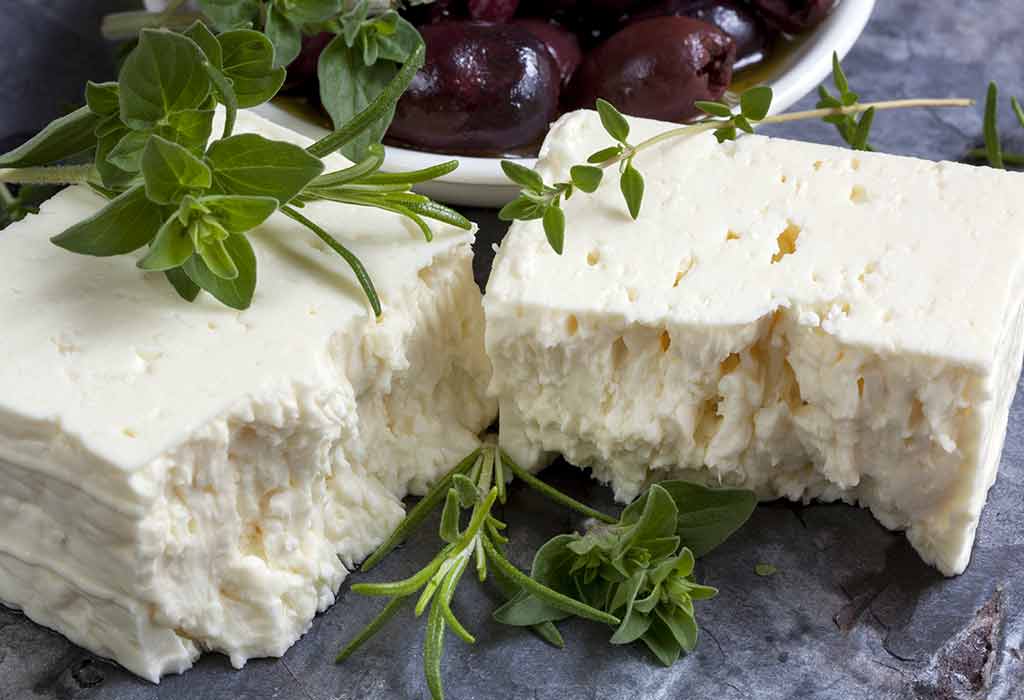
Feta cheese is cheese made from a blend of goat’s and sheep’s milk. This crumbly, coloured block of cheese is popular for being a natural source of probiotics and is easier to digest than cow’s milk. Used a lot in Mediterranean cuisine, the cheese is used as a garnish for various main dishes, appetisers, and desserts.
Nutrition You Get From Feta Cheese
Feta cheese is loaded with nutrients and known for being a good source of calcium. In terms of the nutrition profile, feta cheese has generous amounts of vitamins K, A, pantothenic acid, folate and magnesium. Unlike ricotta, mozzarella, and parmesan cheeses, feta has lots of B vitamins, protein and phosphorus – all three of which are vital for good bone health. Here’s a representation of 100 grams of whole milk, crumbled feta cheese by the USDA (2):
Nutrition
Amount
Water
51.9g
Energy
273 Kcal
Protein
19.7g
Total Fat
19.1g
Carbohydrate
5.58g
Calcium
371mg
Iron
0.07mg
Magnesium
17.7mg
Phosphorus
328mg
Potassium
105mg
Sodium
1030mg
Zinc
2.35mg
Iodine
48.4µg
Fatty acids, total saturated
11.2g
Cholesterol
58mg
Vitamin B-6
0.038mg
Vitamin A (Retinol)
147 µg
Vitamin K
1.2 µg
Can You Eat Feta Cheese When Pregnant?
Eating soft, pasteurized mild feta cheese is safe during pregnancy. Pasteurization kills harmful bacteria and renders the product safe for unborn babies. As per the CDC, pregnant women can have feta cheese in moderation as long as the label reads “made from pasteurized milk” or is cooked thoroughly at an internal temperature of 165°F (about 74°C) or until steaming hot (3).
So, to answer the question, ‘Is pasteurised feta safe during pregnancy?’ the answer is yes. The Tommy’s agrees with this statement (4).
Let’s follow a quick thumb rule:
Feta cheese available in supermarkets that is labelled “pasteurised” can be eaten cold and straight from the tub, provided it is properly refrigerated.
Feta available in the restaurant or deli counter or imported PDO Greek feta should be asked about. If the deli or restaurant is unable to verify the source or pasteurisation details, treat it as unpasteurised and harmful.
If the label says “unpasteurised,” “raw milk,” or “lait cru,” put it back on the shelf.
Feta in cooked form—feta in a hot pastry, baked feta, or grilled halloumi—is safe.
Benefits of Feta Cheese for Pregnant Women
Cheese is often the best pregnancy craving food. It not only eases the cravings but also provides ample amount of nutrition, including protein, calcium, vitamin D, and more. Here’s a quick overview of the benefits of cheese in pregnancy:
Rick calcium source: Feta is a rich calcium source that helps strengthen the bones of the mother as well as the baby.
Eases cravings: It can be paired with salad to ease hunger pangs or mood cravings.
Good source of protein: Feta is rich in protein and helps build muscle and bones.
Risks of Eating Unpasteurized Feta Cheese in Pregnancy
The Food Standards Australia New Zealand (FSANZ) advises pregnant women to avoid soft or semi-soft pasteurised white cheeses, including feta cheese (5). The main risk associated with eating unpasteurized feta cheese and pregnancy is being exposed to the bacteria Listeria monocytogenes. This is a sneaky bacterium found in a lot of animal and dairy products and thrives at refrigeration temperatures. Refrigeration does not kill this bacterium, and while the bacterium causes mild flu-like symptoms in adults, it can cause grave situations for unborn babies who have a compromised immune system (6).
Listeriosis is the term for the condition that occurs due to the bacteria. Pregnant moms who eat unpasteurized feta are at risk of having a miscarriage or newborn illnesses. There’s also the risk of abnormal baby growth and developmental deformities due to this condition (7). If you have unpasteurized feta cheese to work with, cook it thoroughly until the bacteria die. It’s a lot safer that way.
The Centers for Disease Control and Prevention (CDC) still warns pregnant women that sometimes pasteurised soft cheeses like feta still carn harbour Listeria bacteria when made or kept in factories with unsanitary conditions (7).
Other Risks of Eating Feta Cheese While Pregnant
Here are some risks associated with eating feta cheese during pregnancy:
1. High Sodium Content
Feta cheese, like many types of cheese, tends to be high in sodium as it is brined, often well over 1,000mg per 100g. Excessive sodium intake during pregnancy can contribute to conditions like high blood pressure and preeclampsia. These conditions can pose risks to both the mother and the developing fetus.
Solution: rinse the feta under cold water before you crumble it, and treat it as a side dish, not the main.
2. Potential for Excess Weight Gain
While cheese, including feta, is a good source of calcium and protein, it can also be calorie-dense. Consuming it excessively, without proper portion control, may contribute to excess weight gain during pregnancy. This can increase the risk of gestational diabetes, which in turn can lead to complications for both the mother and the baby. Additionally, excessive weight gain can make it more challenging to lose weight postpartum.
3. Digestive Discomfort
Some individuals may experience digestive discomfort, such as bloating or gas, after consuming feta cheese. This can be particularly bothersome during pregnancy when hormonal changes may already be affecting digestion. It’s important for expectant mothers to be mindful of any discomfort they experience after consuming feta cheese and adjust their diet accordingly.
Is Cooked Feta During Pregnancy Safe?
As long as the feta is pasteurized, it is safe for consumption both cooked and raw (8). The amount of protein in the feta cheese is enough to repair muscles, and for moms trying to meet their dietary requirements for iron and calcium, it’s a good addition.
How Much Feta Cheese Can You Consume During Pregnancy?
Balancing intake is crucial, especially with cheeses. While feta has lower fat content compared to other cheeses, it’s still relatively high in sodium and saturated fats. Typically, a small portion suffices due to its robust, distinctive taste.
When You Should Not Eat Feta Cheese When Pregnant?
You should not eat feta cheese if you find yourself suffering from digestive issues. If you’re struggling with lactose intolerance and get acne breakouts, you should cut out or limit the feta cheese. Where you source your feta from is important too. If you suspect that the supplier doesn’t meet the safety and hygiene standards in the manufacturing plant, it’s best to avoid buying from them. Cross-contamination and bacterial infections are a possibility during those sourcing cases. If you’re on a low-carb diet temporarily, you should limit your intake of feta cheese.
Directions for Rightly Choosing and Eating Feta During Pregnancy
If you’re getting feta cheese that’s pasteurized and straight from the farm, there’s nothing like it. Read the label and see if it says ‘pasteurized’ on it. If you’re not sure how to choose feta cheese brands when going to the grocery store, you can ask your doctor for recommendations. Consulting a nutritionist or dietician will also help too since they’re aware of popular brands for these types of cheeses.
Here’s what you should do when shopping for feta cheese:
Look at the nutrition label and see if it has any added sugars, salts or any other ingredients. If it has, avoid it. If it doesn’t, go for it.
It should say clearly on the label that it’s pasteurized. Pasteurized grass-fed feta cheese is often the healthiest, in terms of nutrition profile.
If it says it has allergens or is processed in a facility that processes nuts and other allergens, avoid it.
Feta Dishes That Are Pregnancy Safe – With Warnings
There are a million recipes you can make with pasteurized feta cheese. Feta cheese is very versatile as an ingredient for cooking, baked and raw dishes. It doesn’t matter if you’re vegetarian or non-vegetarian; feta cheese makes your life better.
If you want your baby to grow strong and healthy, it’s a no-brainer that adding feta to your diet will make a difference. Now that we’ve got that out of the way, here are some common but popular feta dishes for pregnant moms. Take what you can out of these, tweak them and enjoy the process.
1. Feta Cheese Pizza
Feta cheese pizza is one of the tastiest dishes out there for pregnant moms. You can sprinkle pasteurized feta cheese on top of the pizza as a garnish or simply cook the pizza with feta cheese added along with the toppings. If the pizza has unpasteurized feta as the topping for the end, avoid it. If you’re gluten-free, you can swap out the flour for the pizza base with a millet base or a base like coconut flour.
Image Credit: Pinterest
2. Feta Cheese in Burrito Bowls
It’s safe to have feta cheese sprinkled into burrito bowls and enjoy them as long as the cheese is pasteurized. You can play around with the ingredients, and kidney beans in burrito bowls are a good source of dietary iron for pregnant moms as well. If you’re trying to eat healthily, we suggest going with brown rice for your burrito bowel since that eases hunger and leaves you feeling satisfied.
Image Credit: Pinterest
3. Melted Feta Cheese
Who doesn’t love melted feta cheese? As long as it’s piping hot and cooked properly, you can add melted feta to your sandwiches, quiches, tarts and more. It’s a delicious way to spruce up your meals, and you will love it. Baked feta cheese is another good option for pregnant moms too. No need to go stingy with melted feta on your meals. Layer it generously, and your tastebuds will love it!
Image Credit: Pinterest
4. Feta Cheese Salad
Home-grown or garden-fresh salads with pasteurized feta cheese sprinkled on top is a good way to add veggies to your diet. You can get creative with the toppings and even add nuts like cashews and almonds, dried apricots/figs and cherry tomatoes to these. Add olive oil or vinaigrette for the dressing and you have a juicy salad that’s not just healthy but tasty as well.
Image Credit: Pinterest
5. Feta Dips
Do you eat a lot of fried or fast foods and find yourself reaching out for dips? Pregnancy triggers cravings and enjoying a feta dip with your meals is a good way to save some of it off. When you’re going for feta dips, be sure to watch out for the label. You want to make sure it specifies that the dip’s made from pasteurized feta cheese and not unpasteurized.
Image Credit: Pinterest
6. Feta in Brine
Traditional feta cheese is always stored in brine. But the important part is if it’s pasteurized or not since the brine is irrelevant to your pregnancy diet. As long as the feta in brine is pasteurized, you can safely consume it without worries.
Image Credit: Pinterest
7. Feta Tortilla Wraps
If you’re looking for an easy, quick and no-nonsense feta cheese for pregnancy dish, having a feta tortilla wrap is the way to go. As long as you have some chilli sauce, chopped veggies, meat and tortilla bases, you’ll be good. Top the wraps with these ingredients and generously sprinkle pasteurized feta cheese. You can make the wraps even more delicious by adding peanut butter or sauces along with the feta cheese. It’s delicious!
Image credit: Pinterest
Although most soft cheeses aren’t allowed during pregnancy, the feta cheese is an exception. As it’s made from goat milk, it is a valuable source of nutrition and considered very healthy. Ready-to-eat hot dogs and deli meats can be sprinkled with pasteurized feta cheese to get a good taste. Hard cheeses are also considered safe during pregnancy and if you want other options, you can try out variants like Cheddar, American cottage cheese and Buffalo mozzarella too.
FAQs
1. What to do if I accidentally eat raw feta cheese when pregnant?
If you accidentally consume raw feta cheese during pregnancy, there’s no need for immediate alarm. The risk of contracting listeriosis from commercially available feta cheeses is generally low. However, if you exhibit any symptoms of listeriosis, it’s crucial to promptly seek medical attention. Blood tests are available to confirm the presence of the infection.
2. Which types of cheese should I avoid during pregnancy?
The types of cheeses you must avoid when pregnant are soft cheeses, soft blue cheeses, fresh mozzarella, and Mexican-style cheeses.
3. How to check if feta is safe to eat while pregnant?
To make sure feta in pregnancy is safe, check the packaging to confirm if the feta cheese is pasteurized or unpasteurized. If the source of the milk is unclear, homemade, or clearly specified as made from unpasteurized milk, it is advised to avoid that type of feta cheese during pregnancy.
4. Is unpasteurized feta cheese OK to eat if it’s been baked or cooked?
As per the MotherToBaby, ff the feta cheese is not pasteurized, but has been baked or cooked thoroughly untill steam comes out of it, then there is little to no risk of any infection (9).
Have fun with your meals, prep wisely and you’ll find yourself sticking to your pregnancy diet without running into any problems. That’s pretty much it!
Also Read:
Drinking Milk while Pregnant
Consuming Butter during Pregnancy
Is Eating Cheese in Pregnancy Safe?
Can You Eat Goat Cheese when Pregnant?
Read more
20 Best Foods for Pregnancy: Eating Healthy for You and Your Baby
A pregnant woman requires approximately 300-500 extra calories daily, along with specific nutrients like 1200mg calcium, 600-800mcg folate, and 27mg iron (1). Meeting these needs is vital, making the question of what foods to eat during pregnancy especially important. The good news is that obtaining these nutrients is manageable through informed dietary choices. This guide focuses on the best foods for pregnancy, which are designed to fulfil these heightened requirements and support both maternal and fetal well-being. Read on to discover 20 essential food choices during pregnancy that make achieving this balanced nutrition simpler and more effective.
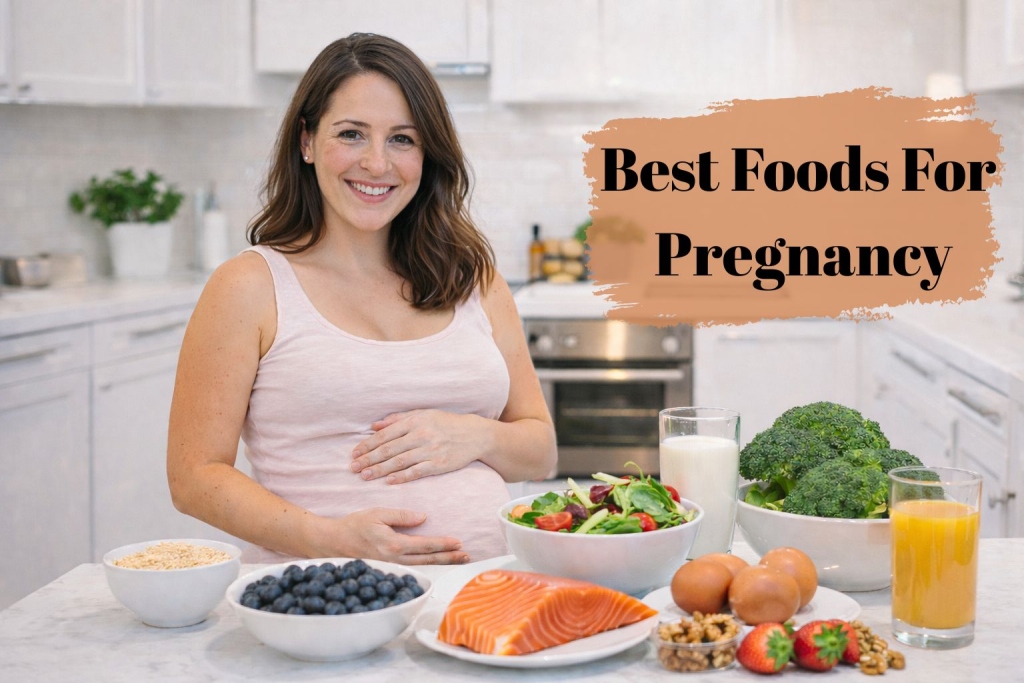
List of 20 Healthy Foods for Pregnant Women
Wondering what to eat when pregnant? Given below is a list of healthy pregnancy foods that are necessary for a healthy baby.
1. Eggs
Image Source : AI Generated Image
Eggs, considered as superfoods, provide protein, vitamins and minerals. The amino acids that make up the proteins in eggs are crucial for the regeneration and repair of cells and are particularly essential for a healthy baby.
A single large egg contains up to 80 calories besides the essential proteins, fats, vitamins and minerals that are necessary for the growth and development of babies. Additionally, a single egg also contains a hundred and twelve milligrams of choline, which is a quarter of the recommended amount of choline required for pregnant women. Choline is essential for the development of the brain and nervous system (2).
Eggs are one of the easiest available nutritious foods during pregnancy to help with the increased nutrient intake. Hence, eggs are a great health food for a pregnant woman.
Tip: It is relatively easy to whip up a tasty omelette every alternate day or three times a week using only two eggs at a time. The addition of vegetables and cheese will not only add more flavour but will also increase the nutritional value. If you wish to avoid fried food, then hard-boiling several eggs and storing them in the fridge is a handy way to incorporate them into your diet. Grab a hard-boiled egg every time you feel hungry, and have it whole; you may even consider making a boiled egg salad. Some women are known to avoid meat during pregnancy, and eggs are the best foods to substitute for meat proteins.
2. Fortified Breakfast Cereals
Image Source : AI Generated Image
The health benefits of cereals have been known and established for quite some time, especially multi-grain cereals. Fortified cereals are those cereals that are fortified with additional vitamins and minerals, including iodine.
Cereals, particularly whole-grain cereals, are rich in dietary fibre and hence very filling. They are important during pregnancy as hormonal changes can induce unexpected hunger pangs. Besides the added benefits of minerals and vitamins, fortified cereals can assist pregnant women to add milk to their diet and the benefits that come with it.
Tip: To add fortified cereals to your diet, it is first essential to choose the right kind of fortified cereals. Pregnant women should opt for cereals that have a high content of fibre and folic acid and low sugar content. The cereals you choose should also contain an optimum balance of carbohydrates, which provide the necessary fuel and energy for the body. While it is not expected of one to have cereals for breakfast every day, a bowl of cereals twice or thrice a week should suffice. Cereals can be had plain or with milk. You can also add nuts, berries, or fruits of your choice.
3. Bananas
Image Source : AI Generated Image
Bananas are one of nature’s greatest gifts and the best food for a pregnant lady. A single banana contains over one hundred calories and is a great source of folic acid, vitamin B6, calcium and potassium. Additionally, bananas are rich in antioxidants and are a fantastic energy booster (3).
Tip: A pregnant woman can consume 1 to 2 bananas per day and effectively deal with the hunger pangs that pregnancy will inevitably induce. A glass of milk accompanied by a single banana is considered a complete meal; you can also whip bananas and milk for a tasty, wholesome smoothie.
4. Sweet Potatoes
Image Source : AI Generated Image
Sweet potatoes contain fibre, folic acid, vitamin C and beta-carotene. The compound beta-carotene present in sweet potatoes is particularly important for the unborn baby. Beta-carotene is converted to vitamin A in the body, which is very important for the growth, repair and differentiation of cells and tissues. It also helps in the restoration of cells and tissues damaged during the process of giving birth.
Tip: Sweet potatoes can be eaten in various ways; one of the simplest ways to eat them is by baking them. Simply peel and slice the sweet potatoes as you would while making regular French fries, place them on a baking tray and bake for forty-five minutes or until tender. Baked sweet potatoes can be consumed after drizzling some olive oil on them or with a variety of dips and sauces.
5. Lean Meat
Image Source : AI Generated Image
Iron deficiency during pregnancy can lead to tiredness and exhaustion. Pregnant women are required to ensure ample iron intake as their bodies require twice the amount of iron to cope with increased blood volume. Lean meats are a rich source of iron and protein; chicken (without skin) is an exceptional source of protein (4). Beef and pork also provide B vitamins, choline and iron.
Tip: Processed meats and cold cuts should be avoided as they can cause infections. Grilled chicken is an excellent choice for a filling and tasty bite. Steak made from prime cuts like flank steak renders itself as a tender and flavorful meal.
6. Whole Grain Bread
Image Source : AI Generated Image
Whole grain bread has more fibre, zinc and iron compared to its white bread counterpart. The additional fibre, iron and zinc are all essential nutrients for a pregnant woman.
Tip: The recommended daily intake of fibre for pregnant women is thirty-five grams or more per day. Changing to whole-grain bread can easily assist in acquiring the required intake of fibre. A simple vegetable sandwich can easily be prepared at tea time, three to four days a week.
7. Nut Butter
Many of us would have fond memories of a peanut butter sandwich that we savoured during our school-going days. A lot of people are not aware that other nuts can be made into healthy butter, too. Almonds, coconut and Brazil nut all can be made into a healthy butter that provides the necessary unsaturated fats. The intake of fats is essential for pregnant women as they help them to feel full. Furthermore, fat intake is necessary for proper brain development of the unborn baby (5).
Tip: The daily intake of nut butter should be restricted to no more than two tablespoons on account of their high caloric value and fat content. A sandwich made quickly and easily from peanut butter, or another nut butter of your choice is an effective and healthy way to tackle unexpected hunger pangs.
8. Oatmeal
Image Source : AI Generated Image
The intake of complex carbohydrates is essential for our bodies, even more so for pregnant women. Carbohydrates provide almost instant energy to fuel our day-to-day activities. Oatmeal is not only a good source of energy but also helps lower cholesterol levels. Additionally, oatmeal is also rich in selenium, calcium, Vitamin B1, and phosphorus.
Tip: The easiest way to incorporate oatmeal into your diet is to boil it with some milk and eat it when hungry.
9. Salmon
Image Source : AI Generated Image
Salmon, rich in omega-3 fatty acids, calcium and proteins, can also be included in measured proportions in your pregnancy diet, but only after consulting your nutritionist. It consists of fatty acids such as omega-3, which are essential for the development of the nervous system and the brain of the unborn baby (6).
Tip: The easiest way to incorporate salmon into your diet is to pan sear a salmon filet in olive oil, sprinkle with salt and pepper and have it once a week if your dietitian/nutritionist deems it safe for you to have it.
10. Greek Yoghurt
Image Source : AI Generated Image
Pregnant women who do not have an adequate intake of calcium may face further depletion to provide calcium for the baby. Greek yoghurt is the best source of calcium among dairy products; as such, it will not only support the mother’s body through the pregnancy but will also help the baby develop strong bones and teeth. Furthermore, the bacteria in Greek yoghurt is known to improve digestion.
Tip: Add finely cut tomatoes and cucumber to yoghurt, mix well and have it as a quick snack daily if possible.
11. Broccoli
Image Source : AI Generated Image
Broccoli is rich in potassium, iron, folate, vitamin A, C, and K. Broccoli is also known to contain antioxidants and to strengthen the immune system (7). Pregnant women who consume broccoli frequently will reduce the chance of their babies being born of low birth weight.
Tip: Cooked broccoli can be added to pasta along with other vegetables and meats to make a tasty and healthy meal.
12. Non-Fat Milk
Image Source : AI Generated Image
While children are told to have their daily glass of milk for adequate calcium, most adults are deprived of the same. As mentioned above, calcium is essential for the growth and development of unborn babies. Non-fat milk will provide the necessary nutrient intake, and the low-fat content will prevent unnecessary weight gain.
Tip: A single glass of milk can fulfil twenty-five to thirty per cent of the daily calcium requirement. Pregnant women should try and have a glass of non-fat milk daily.
13. Beans
Image Source : AI Generated Image
Beans are a rich source of protein and fibre, and their high potassium and magnesium content can also be useful for pregnant women. Beans are known to prevent constipation, which is one of the common complaints in pregnancy (8).
Tip: Baked beans and bread are good foods for pregnancy to indulge in every once in a while. Cooked beans with rice (Rajma Chawal) are also a tasty option for pregnant women.
14. Cottage Cheese
Image Source : AI Generated Image
Cheese is again a great source of calcium and also contains milk proteins. While some types of cheese are not recommended for pregnant women, paneer or cottage cheese is a great way to add calcium to the diet.
Tip: To incorporate cheese into your diet, go for homemade paneer dishes, such as paneer tikka, palak paneer, etc.
15. Lentils and Legumes
Image Source : AI Generated Image
Lentils and legumes, including chickpeas and kidney beans, are nutritional powerhouses for pregnancy. They are an excellent source of plant-based protein, essential for fetal tissue development. Furthermore, they are rich in dietary fibre, which helps regulate digestion and prevent pregnancy-related constipation. Most importantly, they provide significant amounts of iron and folate, two nutrients crucial for preventing anaemia and supporting the baby’s neural tube development in the first trimester (9).
Tip: Incorporate lentils into your diet by preparing a hearty lentil soup or a chickpea salad. For a comforting and complete protein meal, pair cooked beans with whole-grain rice, such as in a classic rajma chawal. Adding a squeeze of lemon juice can enhance iron absorption.
16. Avocados
Image Source : AI Generated Image
Avocados are a unique fruit packed with healthy monounsaturated fats, which are vital for the development of the baby’s brain, nervous system, and tissues. They are also an excellent source of folate and potassium, even containing more potassium than bananas. This mineral helps regulate fluid balance and can help relieve leg cramps, a common pregnancy complaint. Additionally, they provide vitamins C, E, and K.
Tip: Enjoy avocado sliced on whole-grain toast for a satisfying breakfast or snack. You can also blend it into a smoothie for a creamy texture or add chunks to salads. For a quick guacamole, mash avocado with lime, cilantro, and diced tomatoes.
17. Spinach and Dark Leafy Greens
Image Source : AI Generated Image
Dark leafy greens like spinach, kale, and Swiss chard are dense with essential nutrients. They are loaded with iron and folate, supporting healthy blood volume and preventing birth defects. Their high antioxidant content, including vitamins A, C, and K, strengthens the maternal immune system and supports cellular repair. The significant fibre content also aids in maintaining healthy digestion throughout pregnancy (10).
Tip: Add a handful of fresh spinach to your morning smoothie, it blends easily with fruits like bananas and berries. Sauté greens with garlic and olive oil as a simple side dish, or incorporate them into soups, omelettes, and pasta sauces for a nutrient boost.
18. Berries
Image Source : AI Generated Image
Berries such as blueberries, strawberries, and raspberries are delicious sources of vital nutrients. They are packed with vitamin C, which helps the body absorb iron and supports tissue growth. Their high antioxidant content protects cells, while the fibre and water content promote hydration and healthy digestion, helping to manage blood sugar levels and prevent constipation.
Tip: Keep a mix of fresh or frozen berries on hand. Add them to your fortified breakfast cereal or Greek yoghurt. Blend into smoothies, or enjoy a small bowl as a sweet, antioxidant-rich snack. Frozen berries can be a refreshing treat on their own.
19. Walnuts
Image Source : AI Generated Image
Walnuts are one of the best plant-based sources of omega-3 fatty acids, specifically alpha-linolenic acid (ALA), which is important for the baby’s brain development (11). They also provide protein, fibre, and minerals like magnesium. Their healthy fat and protein content make them a satisfying snack that can help manage hunger and provide sustained energy.
Tip: Limit intake to a small handful (about 1/4 cup) per day due to their high calorie content. Add chopped walnuts to oatmeal, yoghurt, or salads for a crunchy texture. They can also be blended into smoothies or eaten as a quick, portable snack.
20. Oranges and Citrus Fruits
Image Source : AI Generated Image
Oranges, grapefruits, and other citrus fruits are renowned for their high vitamin C content, which is essential for boosting immunity and helping the body absorb iron from plant-based foods and lean meats. They are also a good source of folate, potassium, and water, contributing to overall hydration and helping to meet increased fluid needs during pregnancy.
Tip: Enjoy a whole orange as a refreshing snack or start your day with a glass of fresh orange juice (with pulp for fibre). Add citrus segments to salads, or use lemon juice as a flavourful dressing on vegetables and lean meats to enhance iron absorption.
FAQs
1. Is it safe to eat seaweed during pregnancy for its iodine content?
While seaweed is a natural source of iodine, which is crucial for fetal brain development, it can contain excessively high and unpredictable levels of iodine, posing a risk of thyroid dysfunction. Some varieties may also contain heavy metals. It is generally safer to obtain iodine from other sources, such as iodised salt, dairy products, and cooked seafood, unless your healthcare provider approves a specific, controlled portion of a low-iodine variety like nori.
2. Can consuming cinnamon in foods trigger early labour?
No, consuming culinary amounts of cinnamon in foods like oatmeal or baked goods is considered safe and will not induce labour. The concern arises only with very high, medicinal doses of cinnamon supplements or essential oils, which are not recommended during pregnancy. Using cinnamon as a regular spice in cooking poses no risk for premature labour.
3. Are fermented foods like kimchi or sauerkraut safe, given the risk of listeria?
Commercially produced, pasteurised fermented foods like sauerkraut are generally safe as the pasteurisation process eliminates harmful bacteria like Listeria. However, unpasteurised, homemade, or artisanal fermented vegetables carry a potential risk. To minimise this risk, pregnant women should opt for pasteurised versions from reputable brands or ensure any homemade ferments are prepared with strict hygiene and proper acidity levels.
The required nutrient intake considerably increases during pregnancy. The added nutrients are required both for the mother’s body to cope with the stresses and strains of pregnancy and to provide the necessary nourishment for the developing baby in the womb. The good news is that the increased nutritional requirements can be easily met by incorporating certain pregnancy foods to eat. Even more exciting is the large variety of foods that can be added for this purpose.
Infographics: Best Foods to Eat During Pregnancy
Also Read:
Foods to Avoid During Pregnancy
What Medicines to Avoid When Pregnant
Indian Foods To Avoid During Pregnancy
Foods to Eat During Pregnancy for an Intelligent Baby
Read more
Zinc in Pregnancy – Importance, Dosage, and Food Sources
Key Takeaways
Zinc during pregnancy supports your baby’s growth, cell division, DNA production, and normal development.
Pregnant women aged 19-50 generally need 11 mg of zinc daily, according to the NIH.
Zinc-rich foods include meat, lentils, chickpeas, pumpkin seeds, sesame seeds, beans, yoghurt, and cashews.
Too much zinc may cause nausea, vomiting, diarrhoea, stomach cramps, and copper deficiency.
Pregnancy and zinc go hand in hand because this essential mineral supports your baby’s growth and development while helping maintain your immune system. During pregnancy, women aged 19-50 need about 11 mg of zinc daily, compared with 8 mg before pregnancy, according to the National Institutes of Health (NIH) (1).
But getting enough zinc during pregnancy doesn’t necessarily mean taking a separate supplement. Foods such as meat, seafood, dairy, eggs, beans, nuts, and whole grains can contribute to your daily intake. This article explains the importance of zinc for pregnant woman, the recommended daily dosage, and the best food sources to include in your pregnancy diet.
What Is Zinc?
Zinc has a major role to play in body development and functioning. It is in simple words, a powerful mineral that would offer the best health benefits to the pregnant woman and her fetus. Zinc can be naturally found in certain food items or it can also be added to your diet in the form of supplements. Either way, this mineral will offer the intended benefits to a pregnant woman (2).
Can I Take Zinc While Pregnant?
Zinc is vital for crucial processes like protein synthesis, cell division, and nucleic acid metabolism, essential for development. Additionally, it supports our sense of taste and smell, aids the immune system, and promotes wound healing. While most women obtain sufficient zinc from meat, prenatal vitamins offer a reliable source. Plant-based zinc is less readily absorbed (3). Vegetarian or vegan mothers should consult their healthcare provider about prenatal vitamins with zinc, which may include forms like zinc gluconate.
Why Zinc Is Necessary When Pregnant?
Zinc is generally known to maintain a healthy immune system, boost normal body growth, helps with DNA metabolism, and also helps in speedy wound healing.
As far as the role of zinc for pregnancy is concerned, the benefits of taking zinc while pregnant are different for the pregnant woman and the fetus (4).
1. Zinc Benefits for Pregnant Women
Zinc helps maintain a strong immune system
Averts intra-uterine infection
Helps balance the hormones
Aids in the production of the placenta
2. Zinc Benefits for Developing Baby
Boosts cell growth
Boosts DNA production and functioning
Provides structural support to the proteins that make up the cells
Side Effects of Too Much Zinc During Pregnancy
Although zinc is essential for a healthy pregnancy, taking more than the recommended amount can cause unwanted side effects, including (5):
1. Nausea and Vomiting
Too much zinc can irritate the digestive system, leading to nausea, vomiting, stomach discomfort, or diarrhoea. These symptoms may be particularly unpleasant during pregnancy when morning sickness is already common.
2. Stomach Cramps and Diarrhoea
High doses of zinc may cause abdominal cramps and diarrhoea. If these symptoms continue, speak with your healthcare provider to determine whether your zinc intake is too high.
3. Copper Deficiency
Taking excessive zinc over a long period can reduce the body’s ability to absorb copper. Severe copper deficiency may contribute to anaemia and weaken the immune system.
4. Reduced Iron Absorption
Very high zinc intake may interfere with the absorption or metabolism of iron and other essential nutrients. This is important during pregnancy because adequate iron is needed to support increased blood production.
5. Lowered Immune Function
While zinc supports normal immune function, consistently consuming excessive amounts can have the opposite effect and impair immune responses.
6. Headaches and Dizziness
High doses of zinc supplements may cause headaches, dizziness, or a general feeling of discomfort. If you experience these symptoms after starting a zinc supplement, consult your doctor before continuing it.
Recommended Daily Intake of Zinc in Pregnancy
The daily and maximum zinc dose in pregnancy depends on the age factor, greatly. To get an insight into the recommended daily intake values, read the following (1):
For an 18 yr old or younger pregnant woman: 12 milligrams
For a 19 yr old or older pregnant woman: 11 milligrams
For an 18 yr old or younger breastfeeding woman: 13 milligrams
For a 19 yr old or older breastfeeding woman: 12 milligrams
What Are the Food Sources of Zinc?
The major food sources that have been found rich in zinc, include:
1. Dark Chocolate
Chocolates are loved by all. No one can resist its sweet taste. But they contain high sugar levels that can turn to be injurious to health. However, dark chocolate is quite different as it contains low sugar levels and more of essential zinc (6).
2. Lentils
Lentils have always been a rich source of vitamins and minerals. And, one such mineral that can be easily found in lentils is zinc. Lentils are also rich in proteins and fibres thus should be included in the daily diet.
3. Pumpkin Seeds
Pumpkin seeds are not only a good source of zinc but are also found to be high in omega-3 fats and magnesium. You could add pumpkin seeds to your salads or eat its roasted version (7).
4. Chickpeas
Chickpeas are a good source of protein and fibre and thus a recommended option for vegetarians. An added advantage of chickpeas is that they help in improving digestion and therefore help a pregnant woman keep away from acidity or other digestive issues (8).
5. Sesame Seeds
In 100 grams of sesame seeds, zinc concentration is about 7.8 milligrams. Sesame is also found to be a good source of phytosterols, I.e. a compound that helps control cholesterol and sesamin, i.e. a compound that helps balance the hormones (9).
6. Kidney Beans
Kidney beans are a good choice to consider if you are a vegetarian. This sumptuous food source helps in regulating blood sugar levels and also helps in providing you with a satisfactory diet.
7. Yoghurt
Yogurt is known to be a probiotic dairy product that is rich in zinc, i.e. in one cup of yoghurt, 1.4 milligrams of zinc is found. Consuming yoghurt would help you in improving immunity, controlling mood swings, and also helps boost cardiovascular health.
8. Lamb or Beef
Lamb and beef are believed to be the best sources of zinc, undoubtedly. A pregnant woman who eats meat is unlikely to develop a zinc deficiency. But it is always recommended to roast your meat perfectly as raw meat can lead to health issues in pregnant women.
9. Cashews
In one ounce of cashews, about 1.6 milligrams of zinc is found. Also, these are found to be high in unsaturated fatty acids and protein value. The consumption of cashew would help in lessening inflammation, maintain good bone health, and would keep your hunger calls satisfied as it keeps you full for longer duration (10).
FAQs
1. Can I take zinc supplements in pregnancy?
A pregnant woman who eats meat is less likely to develop a zinc deficiency whereas for the vegetarians the same cannot be said. When the normal diet is not enough for body’s zinc requirement, zinc supplement in pregnancy are recommended.
2. What happens if you consume too much zinc during pregnancy?
Excess of zinc during pregnancy in woman’s body can lead to vomiting, nausea, diarrhoea or even stomach aches. Research has stated that an adult should not be getting more than 40 milligrams of zinc intake in a day’s time.
3. What are the signs of zinc deficiency when pregnant?
The signs of zinc deficiency in pregnant women may include a weakened sense of taste and smell, lack of appetite, and reduced immunity, which can make the body more vulnerable to allergies and infections. Inadequate zinc levels may also affect the healthy growth and development of the fetus.
4. Can I take zinc for cold during pregnancy?
Research indicates that zinc lozenges and syrups have the potential to shorten the duration of a common cold by approximately one day, although they may not influence its severity. It’s important to exercise caution, as excessive consumption of zinc lozenges can lead to complications for both the expectant mother and the fetus.
Now, whenever the question “Can I take zinc while pregnant?” comes to your mind, you’ll be able to answer ‘Yes’ confidently. This ensures proper maintenance of normal health conditions of you and your foetus. Also, keep in mind to always consult a doctor for proper dietary recommendations and supplement choices when zinc is what you are concerned about.
Also Read:
Manganese when Pregnant
Taking Vitamin B12 in Pregnancy
Carbohydrates during Pregnancy
Calcium Rich Diet during Pregnancy
Read more
Vitamin E During Pregnancy – Importance and Recommended Dosage
During pregnancy, ensuring proper nutrition is paramount for the mother’s health and the development of the growing fetus. Among the essential vitamins needed during this crucial time, Vitamin E stands out for its significant role in supporting overall health and well-being. Vitamin E is a fat-soluble vitamin known as Alpha TE or Alpha Tocopherol. Adequate Vitamin E intake during pregnancy is associated with various benefits, including supporting immune function, reducing the risk of complications, and promoting healthy fetal growth. In this article, we look into the importance of Vitamin E during pregnancy, highlighting its benefits and the recommended dosage to support maternal health and fetal growth.
Benefits of Taking Vitamin E During Pregnancy
Pregnancy and Vitamin E are interlinked to each other. An adequate amount of Vitamin E is beneficial for you and your child.
Vitamin E is an antioxidant and protects the body tissues from free radicals. These free radicals can harm your cells, organs and tissues (2).
Vitamin E helps produce prostaglandins, which are chemicals whose role is to reduce the amount of prolactin production. Prolactin is a hormone that increases at the time you are ovulating. Vitamin E helps your body balance the prolactin level, which, in turn, aids the female reproductive system in functioning well.
Vitamin E maintains the structure of fats (lipids) in your body.
It also helps protect against viruses and bacteria by strengthening the immune system.
It helps widen your blood vessels, preventing blood clotting inside the vessels.
Vitamin E helps in the formation of RBC (Red Blood Cells)
It is good to have Vitamin E oil for stretch marks during pregnancy.
Vitamin E enables your body to make use of Vitamin K.
Vitamin E is used by the cells in your body to interact with each other and coordinate various important functions.
Vitamin E helps to reduce the chances of a miscarriage if consumed in the early stages of pregnancy.
How Deficiency of Vitamin E Affect the Pregnancy?
During pregnancy, maintaining adequate levels of essential nutrients like Vitamin E is crucial for the health of both the mother and the developing baby. A deficiency in Vitamin E during pregnancy can have various adverse effects on maternal health and fetal development. Here, we explore a few ways in which a deficiency of Vitamin E can impact pregnancy:
1. Increased Risk of Preeclampsia
Preeclampsia is a severe condition characterised by high blood pressure and protein in the urine after 20 weeks of pregnancy. Vitamin E deficiency may contribute to the development of preeclampsia due to its role in maintaining proper vascular function and reducing inflammation (7).
2. Compromised Immune Function
Vitamin E is crucial in supporting the immune system by acting as an antioxidant, protecting cells from damage caused by free radicals (4). A deficiency in Vitamin E during pregnancy can compromise the mother’s immune function, increasing susceptibility to infections and illnesses.
3. Higher Risk of Preterm Birth
Research suggests that Vitamin E deficiency may be associated with an increased risk of preterm birth (6). Adequate levels of Vitamin E are necessary for maintaining the integrity of the fetal membranes and preventing premature rupture, which can lead to preterm labour and delivery.
4. Impaired Fetal Growth
Vitamin E deficiency during pregnancy may impair fetal growth and development. This nutrient is essential for proper placental function and blood flow, ensuring the fetus receives adequate nutrients and oxygen for optimal growth. A deficiency in Vitamin E can hinder these processes, leading to intrauterine growth restriction (IUGR) or low birth weight (8).
5. Increased Oxidative Stress
Vitamin E is an antioxidant that protects cells from oxidative damage. A deficiency in Vitamin E can lead to increased oxidative stress, which may adversely affect maternal and fetal health. Oxidative stress during pregnancy has been linked to complications such as preeclampsia, preterm birth, and fetal developmental abnormalities (3).
6. Neurological Abnormalities in the Fetus
Vitamin E is crucial for the development and function of the nervous system. A deficiency in this vitamin during pregnancy may result in neurological abnormalities in the fetus, including impaired brain development and function. Adequate Vitamin E intake supports proper neurological development in the growing baby (9).
Role of Vitamin E in Embryo Development
Here are a few ways Vitamin E plays a role during pregnancy.
Vitamin E plays a significant role in the early development of an embryo’s nervous system.
Vitamin E is critical for developing the embryo’s eyes and head.
Vitamin E deficiency can result in poor outcomes in pregnancy for the baby and the mother.
Vitamin E deficiency can lead to anaemia.
Deficiency of Vitamin E can also result in the risk of increased infections.
Vitamin E deficiency can result in stunted growth of the embryo.
Vitamin E deficiency can cause neurological disorders, muscle deterioration, or cardiomyopathy.
Multiple studies show that children with a higher concentration of Vitamin E at birth have enhanced cognitive abilities at the age of two years.
Vitamin E improves blood circulation in the mother. When blood circulation in the mother’s body is good, blood circulation in the placenta will also be good—this implies that oxygen reaches the baby and the baby is in a healthy womb environment.
Who Should Take Vitamin E Supplements in Pregnancy?
While a balanced diet rich in Vitamin E-containing foods is the primary source of this nutrient, certain people may benefit from supplementation to meet their increased nutritional needs. Expecting women may consider taking Vitamin E supplements if they have:
High Blood Pressure
Menopausal Syndrome
Premenstrual Syndrome
Complications in late pregnancy
Cystic fibrosis
Hot flashes
Breast cancer symptoms
Recommended Dosage of Vitamin E for Pregnant Women
High Doses of vitamin E may cause complications during pregnancy. Therefore, you need to be careful regarding the dosage of Vitamin E that you consume. You can always include Vitamin E-rich food in your diet.
The recommended dosage of Vitamin E for pregnant women is 15 mg from natural sources daily during pregnancy. Always consult your doctor before taking supplements.
Suppose you are already consuming multivitamin supplements that already contain Vitamin E. In that case, you should only take an additional dose of Vitamin E if the doctor prescribes you to do so.
What if You Consume Too Much Vitamin E During Pregnancy?
Consuming very high dosages of Vitamin E supplements can increase the probability of congenital disabilities.
It can also increase your chances of bleeding with the risk of severe bleeding in your brain.
Increased consumption can increase the risk of heart defects in babies.
Vitamin E Rich Foods
Leafy green vegetables, like spinach, broccoli, cabbage, etc., are an excellent Vitamin E source.
Nuts like peanuts, hazelnuts and almonds are also a good source of Vitamin E.
Vegetable oils like sunflower, safflower, wheat germ, corn oil and soya bean are good sources (5).
Fortified food like breakfast cereals, bread spreads, margarine and fruit juices also contain good Vitamin E.
Seeds such as Sunflower seeds also contain Vitamin E. You can sprinkle the seeds on your salad or mix them into your porridge.
Eggs (boiled) are also a rich source of Vitamin E.
Can You Take Vitamin E Supplements During Pregnancy?
One of the most asked questions among expectant mothers is, “Can you take Vitamin E while pregnant?” It’s generally advised to avoid taking Vitamin E supplements during pregnancy. Research suggests that supplementation with Vitamin E, especially when combined with other supplements, doesn’t effectively prevent pregnancy-related complications such as fetal death, low birth weight, preeclampsia, or preterm birth. It could potentially lead to adverse effects, including heightened abdominal discomfort in expectant mothers. Additionally, there’s evidence indicating a possible increase in the incidence of term premature membrane rupture in women who take Vitamin E supplements (1).
FAQs
1. Can Vitamin E oil be used to prevent pregnancy stretch marks?
Vitamin E oil is often considered safe to prevent pregnancy stretch marks. Its antioxidant properties can help nourish and moisturise the skin, potentially reducing the appearance of stretch marks. However, you must consult your doctor before using Vitamin E oil during pregnancy to ensure it is suitable for you.
2. Are there any interactions between Vitamin E supplements and other medications?
Vitamin E supplements may interact with certain medications, including blood thinners such as warfarin (Coumadin) and antiplatelet drugs like aspirin. You must inform your doctor about all medications and supplements to avoid potential interactions and adverse effects.
3. Are there any risks associated with taking Vitamin E supplements during pregnancy?
While Vitamin E is generally safe when consumed in recommended amounts, excessive intake through supplements can increase the risk of bleeding disorders in both the mother and the baby. Following doctor recommendations and avoiding high-dose supplements is important unless specifically advised.
Vitamin E is necessary for your child’s development and health. An adequate dosage of Vitamin E should be achieved by consuming a well-balanced diet. You should avoid Vitamin E in prenatal vitamins unless recommended by your doctor.
References/Resources:
1. Vitamin E supplementation in pregnancy; World Health Organization; https://www.who.int/tools/elena/review-summaries/vitaminsec-pregnancy–vitamin-e-supplementation-in-pregnancy
2. Vitamin E and C supplementation during pregnancy; World Health Organization; https://www.who.int/tools/elena/interventions/vitaminsec-pregnancy
3. Siddiqui. M. A, Ahmad. U, Ali. A, Ahsan. F, Haider. F; Role of Vitamin E in Pregnancy; ResearchGate; https://www.researchgate.net/publication/350839380_Role_of_Vitamin_E_in_Pregnancy; April 2021
4. Vitamin E and your health; Healthdirect; https://www.healthdirect.gov.au/vitamin-e-and-your-health
5. Vitamin E; NHS; https://www.nhs.uk/conditions/vitamins-and-minerals/vitamin-e/
6. Chen. H, Qian. N, Yan. L, Jiang. H; Role of serum vitamin A and E in pregnancy; PubMed Central; https://www.ncbi.nlm.nih.gov/pmc/articles/PMC6257734/
7. Wang. S, Shi. M, Zhou. L, Huang. H, Mo. S; Correlation of vitamin E level during pregnancy with maternal and neonatal health outcomes: a meta-analysis and systematic review; PubMed Central; https://www.ncbi.nlm.nih.gov/pmc/articles/PMC10331675/
8. Md Amin. N. A, Sheikh Abdul Kadir. S. H, Arshad. A. H; Are Vitamin E Supplementation Beneficial for Female Gynaecology Health and Diseases?; PubMed Central; https://www.ncbi.nlm.nih.gov/pmc/articles/PMC8955126/
9. Vitamin E: necessary nutrient for neural development and cognitive function; Cambridge University Press; https://www.cambridge.org/core/journals/proceedings-of-the-nutrition-society/article/vitamin-e-necessary-nutrient-for-neural-development-and-cognitive-function/E5DD5DBAD50FBBB6E2099A546F7FF4E4; April 2021
Also Read:
Vitamin C in Pregnancy
Vitamin A when Pregnant
Doxinate Oral during Pregnancy
Taking Vitamin B2 (Riboflavin) while Pregnant
Read more
Drinking Green Tea During Pregnancy – Is It Safe?
During pregnancy, doctors recommend that women drink enough water and other fluids that are beneficial. Water helps in the proper formation of the all-important placenta and amniotic fluid, for which pregnant women should drink at least 8 to 12 glasses of water every day. At the same time, avoiding caffeinated drinks like coffee is equally important since caffeine leads to dehydration and could negate the positive effects of drinking water.
This is also why many expectant mothers look for gentler alternatives, and green tea often comes to mind. Made from the leaves of the Camellia sinensis plant, green tea has a mild, earthy flavour and is appreciated for its rich antioxidant content. But even though it’s considered a healthy beverage, there are still a few things you should know before pouring yourself a cup. Let’s take a closer look at what’s safe, what’s not, and how to enjoy green tea in pregnancy without worry.
Can You Drink Green Tea During Pregnancy?
If you love green tea, you will most likely ask, “is green tea good in pregnancy?” Well, just like any food item or beverage, if consumed beyond the recommended levels, green tea can also prove to be harmful. If you practice moderation, green tea is a fine stimulant when you are pregnant. Two cups of green tea a day is considered safe when you are expecting.
Is green tea dangerous for pregnant women? In some cases. Green tea has the potential to reduce the level of folic acid or folate in your body, and hence should be avoided in the first trimester. Even during the second and third trimesters, the intake of green tea should not exceed two cups in a day, so that you and your baby are safe (1).
Note: Remember that green tea is not a herbal tea and does contain caffeine, though in much smaller amounts than coffee. An 8-ounce cup of green tea (236 ml) typically contains about 25-45 mg of caffeine, depending on the brewing strength, while the same amount of coffee can contain 95-200 mg of caffeine. Thus, pregnant women must consume green tea in moderate amounts.
Does Green Tea Increase the Chances of Getting Pregnant?
Is green tea good for fertility? Numerous men and women who are keen to start a family ask this question to their doctor, and the answer is an emphatic yes. Green tea contains important compounds that have fertility-boosting properties:
Vitamin C: Due to its ability to curtail the oxidative harm to the reproductive cells, vitamin C plays a vital role in reigning in the harmful free radicals in the body (2). Many clinical studies have been conducted in this area. Does green tea help you get pregnant? Well, the results have shown that the chances improve dramatically.
Antioxidants: Green tea extracts produce antioxidants in abundance. Their primary purpose is to prevent the oxidative destruction of the reproductive tract cells and to destroy free radicals (3). This plays a positive role in preparing your body for pregnancy.
Minerals: Green tea leaves are packed with essential minerals like zinc, manganese, chromium, and selenium in varying quantities. In females, these minerals help in improving egg viability, and in males, they enhance sperm count and motility. As a to-be-mother or an aspiring one, you will have many doubts like, “Can green tea prevent pregnancy?” – this should put them to rest.
So will green tea help to get pregnant? Surely! The combined and synergistic effects of the natural and organic compounds in green tea improve the probability of getting pregnant, along with providing many other health benefits.
Benefits of Green Tea During Pregnancy
Is green tea healthy for pregnancy? As mentioned above, it is – there are loads of benefits that a cup of green tea can impart during pregnancy, and drinking a cup or two in a day is considered safe. Here are the prominent benefits of green tea for pregnant ladies:
A serious complication known as preeclampsia can develop in pregnant women who suffer from hypertension, and this can be dangerous for the pregnancy. Green tea can regulate blood pressure efficiently, which is beneficial for pregnant women.
Green tea is a powerful source of antioxidants that prevent free radicals from destroying vital cells in the body. Diseases like cancer, high blood pressure, heart disease, etc., can be averted by adding antioxidants to your diet (4).
The antioxidants in green tea are useful in speeding up the body’s metabolism rate which can help in countering pregnancy-related mood swings (5). According to clinical studies, green tea can enhance regulatory T-cells in the body that are responsible for keeping your immune system robust and strong. This way, you can fight off illnesses during pregnancy.
Indigestion and stomach ailments are common during pregnancy. Green tea can help by easing your digestion.
Studies have also indicated that green tea can promote oral health and enhance bone strength (6). Pregnant women may suffer from gingivitis due to fluctuating hormone levels. Green tea can ease this.
Risks of Having Green Tea While Pregnant
There are a few green tea side-effects during pregnancy, and you should be aware of them before consuming it. It is always better to consult your doctor or gynaecologist, especially if you like green tea and would want to continue drinking it during pregnancy.
Drinking green tea while pregnant can hamper the absorption of iron by the blood cells. Iron is needed for the production of haemoglobin. This can become one of the reasons for gestational anaemia, where the nutrient and oxygen intake of the body get hampered (7).
Folic acid plays a critical role in averting neural defects in the baby, and hence, its intake during pregnancy is necessary. Overconsumption of green tea hampers the absorption process of folic acid, which could lead to a congenital defect of the spinal cord known as spina bifida. Folic acid is essential for your body during the first 12 weeks of the pregnancy, and hence, green tea should be avoided during this period (8).
How Much Green Tea to Consume During Pregnancy
Pregnant women are often plagued by worrying thoughts about eating and drinking their regular foods. During pregnancy, it is best to limit the consumption of green tea and other caffeine-based drinks to less than 200 mg per day, which can be roughly translated to about two cups every day. Apart from green tea, make sure you add up your daily intake of chocolate, soft drinks, coffee or energy drinks which should remain well below 200 mg (9).
What Herbal Teas Are Safe to Have?
Herbal teas are made from various parts of a plant rather than the tea plant itself, and these parts include roots, flowers, seeds, fruits, and leaves. They help hydrate the body. Rooibos tea is good for pregnant women due to its antioxidant properties and it is caffeine-free too. Herbal teas like ginger and mint help in reducing morning sickness symptoms, while chamomile can ensure you get a good night’s sleep by acting on insomnia. Red raspberry leaf tea promotes better labour contractions (10). Discuss with your doctor before consuming any herbal tea to ascertain its safety for you and your baby.
Tips While Drinking Green Tea While Pregnant
When it comes to green tea and pregnancy, a little guidance can help you enjoy your favourite drink without any worry. Here are a few tips to remember when consuming green tea (or any caffeinated beverage) during pregnancy:
Limit green tea to 1-2 cups a day to keep caffeine intake safe.
Avoid drinking it on an empty stomach to prevent nausea or acidity.
Keep at least a 2-hour gap between your green tea and prenatal vitamins to avoid interference with iron and folate absorption.
Choose high-quality, fresh, or organic tea to reduce exposure to additives or pesticides.
Avoid bottled or ready-to-drink green tea, as it often contains added sugar or higher caffeine.
Pay attention to how your body reacts and reduce or stop drinking it if it causes discomfort.
FAQs
1. Can I drink green tea during pregnancy first trimester?
You can, but the first trimester is when folate is most crucial for fetal development. Since green tea may slightly reduce folate absorption, keeping intake low or spacing it away from prenatal vitamins is a good idea.
2. Is decaf green tea safe during pregnancy?
Yes, decaf green tea during pregnancy is a great alternative when you want to avoid caffeine while still enjoying antioxidants. Just be sure to choose a reputable brand with minimal chemical processing.
It’s always best to listen to your own body, as your daily cup of green tea may affect you in ways—positive or negative—that only you can truly notice. Most experts agree that green tea is safe during pregnancy when enjoyed in moderation and with a bit of mindfulness. If it’s causing sleepless nights, upsetting your stomach, affecting your appetite, or leaving you feeling on edge, it’s a good idea to talk to your doctor about these concerns. And if you choose to drink green tea while expecting, be sure to follow the precautions and guidelines above to make sure it remains a supportive and safe part of your routine during this sensitive time.
Also Read:
Black Tea while Pregnant
Drinking Iced Tea During Pregnancy
Consuming Chamomile Tea in Pregnancy
Is it Safe to Drink Ginger Tea in Pregnancy
Herbal Teas During Pregnancy – Which are Safe?
Is Drinking Chai/Tea Okay During Pregnancy?
Read more

Drinking Chamomile Tea While Pregnant – Is It Safe?
While tea is a popular drink, chamomile tea has a separate fan following. Nonetheless, pregnancy is a time when questions like whether chamomile tea for pregnant women is a safe choice come up. To give you a heads up, chamomile has been cherished for centuries for its soothing properties and calming aroma. But when it comes to pregnancy, it’s essential to separate herbal facts from traditional brews. Scientific information about the safety of chamomile during pregnancy remains limited, so it is important not to assume that a natural product is automatically risk-free (1). So, let’s dive in and find out if you can sip on that chamomile goodness while rocking that baby bump. Just remember, we’re here to provide some light-hearted guidance, not a prescription on whether you can drink chamomile tea in pregnancy.
What Is Chamomile Tea?
Chamomile tea is a kind of herbal tea made using the flowers of the German chamomile plant, scientifically called Matricaria recutita. This plant and its flowers are very similar to daisies. Chamomile may also be made using the flowers of the Roman chamomile (Chamaemelum nobile), although the German chamomile is the one that is more commonly used (1). The flower heads are cut, sun-dried, and then crumbled. These are best-stored in an airtight jar. The tea is made using the chamomile tea powder and boiling hot water.
Chamomile tea has its own benefits as well as risks. It is known for its calming properties, which can help ease those pregnancy jitters and bring a sense of tranquillity.
Pregnancy is a delicate stage, and herbs might not have the same effect or benefit as they do generally. Thus, questions like “Can a pregnant woman drink chamomile tea?” are essential to discuss to safeguard the health of the baby as well as the mother.
Is Chamomile Tea Safe in Pregnancy?
So many questions surface on the internet and in magazines: “Can you sip on that soothing chamomile tea while nurturing a tiny human inside?” “Is it ok to drink chamomile tea while pregnant?” The tea-ruth is: you can drink chamomile tea during pregnancy, but with a few tea-caveats, which include maintaining moderation. The American Pregnancy Association notes that there is no sufficient reliable information about its safety in pregnancy (2). Thus, limit your chamomile indulgence to one or two small cups a day to keep things brewing on the safe side. And remember, always consult with your healthcare provider for personalised advice that suits your steeping needs.
Nutritional Profile of Chamomile Tea
Let’s spill the tea on the nutritional profile of everyone’s favourite calming brew: chamomile tea! While it may not pack a punch in terms of vitamins and minerals, chamomile tea is like a cosy hug for your taste buds. It’s a guilt-free, calorie-free treat that can provide a moment of relaxation in your busy day. Sip by sip, chamomile tea delivers a delightful floral flavour with a subtle hint of apple-like sweetness. It’s the perfect companion for those tranquil moments when you want to unwind and indulge in a little self-care. So, grab your teacup, steep that chamomile goodness, and let its soothing properties take you on a blissful journey. Remember, it’s not just about the nutrients; it’s about the peaceful experience that chamomile tea brings to your cuppa!
Benefits of Having Chamomile Tea During Pregnancy
Chamomile has several health benefits, like relieving muscular pain, curing insomnia, soothing menstrual cramps, and remedying runny noses. Moderate amounts of chamomile tea can be beneficial for women during pregnancy in the following ways.
1. Cures Sleeplessness
A small cup of chamomile tea before bed can calm you down and help you sleep much better. Chamomile has a soothing effect on nerves and has a mild sedative effect, thus curing insomnia (3).
2. Improves Resistance and Immunity
Chamomile contains nutrients that help the body fight off infections and increase resistance to diseases. Drinking chamomile tea helps the body increase immunity and prevents germs from invading the body.
3. Relieves Muscular Pain
Chamomile tea helps relieve muscle pain and cramps by increasing the amount of the amino acid glycine in the body. Glycine can act as a muscle and nerve relaxant, thus soothing muscle pain and cramps. It can also calm you down by relaxing your nerves (4).
4. Cures Mouth Ulcers
Chamomile tea can cure mouth sores and ulcers when used as a mouthwash. Rinse your mouth with the tea twice a day to see a reduction in the number of mouth sores.
5. Prevents Cancer and Heart Disease
Chamomile contains polyphenols that can prevent heart disease. Chamomile is also rich in antioxidants that can reduce your risk of developing different types of cancer.
6. Aids in Digestion and Lessens Morning Sickness
Chamomile can soothe the stomach and relieve gas, bloating, and constipation. It contains anti-inflammatory agents that can reduce inflammation in the digestive tract. A small cup of chamomile tea can soothe you and help reduce nausea caused by morning sickness.
7. Keep the Stress at Bay
Pregnancy can be an emotional rollercoaster, and the occasional stress and anxiety are no strangers to expecting moms. But fear not! Chamomile tea is like a warm hug for your nerves, thanks to its potential calming effects that may help take the edge off and promote relaxation.
8. Soothe the Swelling
Swollen feet and ankles are all too common during pregnancy, but chamomile tea’s mild diuretic properties might help alleviate some of that water retention. Stay hydrated and enjoy a cup of chamomile tea to give your body a little extra support.
9. Unwind and Unplug
Pregnancy is a beautiful journey, but it can also be demanding and overwhelming. Take a moment to unwind and recharge with a cup of chamomile tea. The act of savoring this aromatic beverage can be a mindful self-care ritual that allows you to relax, embrace the present, and connect with your growing baby.
10. Contribute to Hydration
Staying hydrated is crucial during pregnancy, and sipping on chamomile tea can be a delightful way to meet your fluid intake needs. As a caffeine-free beverage, chamomile tea can be a refreshing and hydrating option to help you maintain optimal hydration levels.
Side Effects of Drinking Chamomile Tea While Pregnant
Moderation is the key to benefiting from drinking chamomile tea. Excessive consumption of chamomile tea during pregnancy can cause unpleasant and even dangerous side effects. Some of the side effects of drinking chamomile tea during pregnancy are.
1. Can Lead to a Miscarriage and Preterm Delivery
Excessive consumption of chamomile tea during pregnancy has been linked to miscarriage and premature birth. Drinking too much chamomile tea can act as an abortion-inducing drug, causing a miscarriage. It can also trigger uterine contractions much too early, resulting in preterm delivery.
2. Can Trigger Allergies
Chamomile belongs to the daisy and aster flower families. If you are allergic to these flowers, you should avoid chamomile tea, as it could trigger the same allergic reaction that these flowers do, such as nasal congestion, runny nose, and red, itchy, watery eyes (5).
3. Could Make You Drowsy
Chamomile has a mild sedative effect. So if you drink too much chamomile tea, it can make you feel very drowsy.
4. Can React with Other Medications
Chamomile has been found to affect the functioning of blood-thinning medication, sedatives, painkillers, and antimicrobial drugs. Chamomile can react with these drugs and alter their functioning.
5. Mimics the Hormone Oestrogen
Chamomile has properties similar to the female pregnancy hormone known as oestrogen. Hence, it is better to avoid chamomile if you have any risk of developing breast or uterine cancer, as chamomile may increase the chances of you developing cancer.
6. Can React With Anaesthetics Used During C-Sections
Chamomile has been known to react with anaesthetic drugs and cause adverse side effects. Hence, it is better to avoid it before undergoing a C-section.
7. Can Increase Nausea
Although chamomile can soothe morning sickness, excessive consumption can actually induce vomiting. To counter this, limit the intake to one or two small cups a day.
How Much Chamomile Tea Can Pregnant Women Drink?
When it comes to enjoying chamomile tea during pregnancy, moderation is key. Pregnant women can generally consume chamomile tea in moderate amounts, but it’s essential to exercise caution and not overdo it. As a general guideline, it is recommended to limit chamomile tea intake to one or two small cups per day. Remember, it’s always best to consult with your healthcare provider before making any significant changes to your diet or introducing new herbal teas during pregnancy. They can provide personalised advice based on your specific health needs and circumstances. So, grab your favourite teacup, steep a delightful cup of chamomile tea, and savour its soothing flavours in moderation for a pleasant and safe experience.
Precautions to Take When Drinking Chamomile Tea
First of all, it’s important to note that you do not include chamomile tea in your pregnancy diet without consulting your doctor. Ask your healthcare provider about the side effects of drinking chamomile tea during pregnancy. Also, confirm what would be a safe dosage for you and your growing baby. If you are allowed to drink chamomile tea during pregnancy, here’s what you need to know.
1. Buy the tea from a reliable source
If you buy the tea from a reputed and reliable source, you can be sure that there are no harmful extra additives in your tea.
2. Use the flower heads
Use the dried flower heads of chamomile rather than the leaves to make the tea. The leaves cause the tea to taste bitter.
3. Use in moderation
It is better to use 15 grams or less of the chamomile extract while brewing chamomile tea. If you are wondering whether you can have chamomile tea while pregnant, the answer is yes. One to two small cups a day is usually considered safe for pregnant women.
4. Be Mindful of Potential Interactions
Chamomile tea may interact with certain medications, such as blood thinners or sedatives. If you’re taking any medications, consult with your healthcare provider to ensure there are no potential interactions.
5. Check for Allergies or Sensitivities
Some individuals may have allergies or sensitivities to chamomile. If you’ve never had chamomile tea before, it’s wise to start with a small amount and monitor your body’s response. If you experience any adverse reactions, discontinue use and seek medical advice.
Does Chamomile Tea Help Induce Labour?
There is inadequate research to conclusively prove that chamomile tea can induce labour. However, drinking an excessive amount of chamomile tea has been linked to miscarriages and preterm births. Chamomile, when consumed in large quantities, can induce contractions that can cause miscarriages and premature births.
Tips to Make Chamomile Tea at Home
Making chamomile at home is a simple process. Here is the method for brewing your own chamomile tea at home:
Buy chamomile tea extract from a reliable store.
Heat a small cup of water and bring it to a boil.
Remove the water from the stove and pour it into another cup.
Add the chamomile tea bag or extract and cover the top of the cup.
Strain the water to remove the chamomile extract (if you have used the extract).
Add a teaspoon of honey to this and enjoy your freshly prepared chamomile tea.
FAQs
1. When can I consume chamomile tea while pregnant?
Chamomile tea can be consumed during pregnancy, but it’s important to exercise caution and follow certain guidelines. It’s generally recommended to wait until the second trimester to enjoy chamomile tea, as this period is considered more stable for the baby’s development. However, it’s crucial to consult with your doctor before incorporating chamomile tea into your routine.
2. Can I drink chamomile tea to conceive?
While chamomile tea is generally safe to consume, it’s important to note that there is limited scientific evidence regarding its effects on fertility and conception. While some people believe that chamomile tea may have potential benefits for reproductive health, it’s always best to consult with a healthcare provider or fertility specialist for personalised advice and guidance.
3. Can I drink chamomile tea while pregnant in the first trimester?
It is mostly advised to avoid or exercise caution when drinking chamomile tea during the first trimester. Human safety data for pregnant women is limited, and chamomile contains compounds that may have a mild uterine-relaxant/stimulant effect, so avoiding it for the time till the risk of miscarriage is high is best (6).
4. Can I drink chamomile tea in second trimester of pregnancy?
Small, occasional amounts (around one cup) are can be tolerated in the second trimester, but it should not be taken regularly. Even if you drink small amounts, having it during pregnancy does not guarantee a firm safety endorsement.
5. Can I drink chamomile tea in pregnancy third trimester?
No. you should not drink chamomile tea in the third trimester of pregnancy. A 2019 systematic review found that chamomile use in the third trimester was linked to increased rates of preterm birth, lower birth weight, and related outcomes. (7).
Although occasional chamomile tea consumption is unlikely to cause problems, evidence isn’t sufficient to call it completely risk-free, and many providers suggest waiting until after the first trimester to introduce it
Chamomile tea is beneficial for pregnant women in small amounts, like 1-2 small cups a day. However, check with your doctor before including it in your diet. Ensure that you avoid drinking too much chamomile tea during pregnancy, since there are no direct links between chamomile tea and pregnancy, but it’s better to be safe than sorry!
Also Read:
Black Tea In Pergnancy
Green Tea during Pregnancy
Ginger Tea during Pregnancy
Raspberry Leaf Tea during Pregnancy
Read more
Eating Salmon While Pregnant – Is it Safe?
Pregnant women and salmon are generally a safe and healthy combination when the fish is fully cooked and consumed in recommended amounts. In fact, the U.S. Food and Drug Administration (FDA) and Environmental Protection Agency (EPA) advise pregnant women to eat 2–3 servings (8–12 ounces) of low-mercury fish per week, and salmon is listed among the best choices due to its high omega-3 content and low mercury levels (1).
However, many expectant mothers still have questions about portion sizes, farmed versus wild salmon, and whether smoked or raw salmon is safe to eat. In this article, we’ll cover the benefits of eating salmon fish in pregnancy, potential risks to be aware of, how much salmon is considered safe, and practical tips for including it in a healthy prenatal diet.
Can You Eat Salmon While Pregnant?
We’ve established the fact that salmon is tasty and healthy, but is it advisable for pregnant women to indulge in this delicacy? The answer is yes! Salmon has a great nutritious value that can be highly beneficial for both the expecting mother and child. A low-fat fish, salmon happens to be one of the most nutritious fish available (2). In addition to this, it helps to keep a lot of diseases at bay, thereby protecting you and your baby.
Benefits of Eating Salmon in Pregnancy
As mentioned above, salmon has a lot of health benefits, here are a few (3):
1. Rich in Omega-3 Fatty Acids
Omega-3 fatty acids are known for their many benefits, including great cardiovascular health, improved eyesight, and enhanced neurological development which are the most common advantages (4). Consuming this nutrient means good health for both you and your unborn baby.
2. Rich in Proteins and Vitamins
Proteins are extremely important for muscle growth and repair, and vitamins are highly instrumental in maintaining optimal blood pressure levels, preventing heart disease, and increasing immunity (5). In addition to this, vitamins are great for the eyes, skin, and hair and work as an antioxidant, thereby fighting toxins.
3. Great for the Heart
Salmon is great for the heart as it keeps a tab on blood pressure and cholesterol and prevents blood from clotting, especially in the arteries (3).
4. Helps Prevent Premature Delivery
Fish that have a low-fat content and high omega-3 fatty acid content are great for the body, and salmon is the perfect example of this. Research suggests that this fish, in particular, helps in preventing premature delivery.
5. High DHA Content
Salmon has a high content of Docosahexaenoic acid (DHA). This will aid in the brain development of your fetus. In addition to this, it can help prevent postpartum depression for the expecting mother (6).
How Much Salmon Can You Consume During Pregnancy?
It’s vital to consume salmon in moderation. Whilst salmon is one of the fish that contains low levels of mercury, it is recommended to consume not more than 2 to 3 servings or 8 to 12 ounces per week (7). This is the quantity recommended for consumption of low-mercury fish, If this limit is exceeded, it could be a concern for the baby’s brain development.
What Is the Nutritional Value of Cooked Salmon?
A single serving of cooked salmon (that’s about three to four ounces) contains approximately 200 calories (8). Most of those calories are good for you during pregnancy. Salmon is an excellent protein source and is also low in saturated fat. Opt for salmon for extra iron, potassium, and vitamins D and B12 for you and your growing baby.
Which Types of Salmon are Safe for Pregnant Women?
There are various types of salmon dishes that can be safely consumed during pregnancy. The key to keeping salmon safe during pregnancy is selecting properly cooked dishes and avoiding raw preparations. Check this list to know the best salmon to eat while pregnant.
1. Tinned or Canned Salmon
Tinned salmon is safe to consume during pregnancy as it’s sterilised during the canning process. Just take care as tinned salmon usually consists of larger bones. So make sure you remove them before consuming.
2. Fresh, Cooked, or Frozen Salmon Steak
You can try any cooking method for the salmon, as long as it’s thoroughly cooked. You can use a cooking thermometer to make sure that the internal temperature is 145°F or 63°C. This is the temperature at which pathogens and bacteria are killed (9).
3. ‘Ready to Eat’ Salmon Pouches
Ready-to-eat pouches of salmon are completely safe to eat during pregnancy, This is because the salmon is pasteurised in a different way, but very similar to the canning process. However, stay away from ready-to-eat smoked salmon pouches.
4. Crispy Salmon Skin
Salmon skin is safe, as long as it’s thoroughly cooked similar to salmon steak. So opted for fully cooked or crispy salmon skin.
5. Cold, Cooked Salmon
Cooked salmon can be eaten at cooler temperatures if it has been stored well in a refrigerator. Make sure you consume it within a couple of days after it is cooked.
Side Effects of Consuming Excess Salmon in Pregnancy
Too much of anything is bad, and this is something you must keep in mind especially if you are in the family way. Here are a few side effects of consuming excess salmon in pregnancy –
1. Excess Mercury
Salmon is one of the types of fish that contain the least amount of mercury. However, consuming salmon in excess can increase the amount of mercury in your system, so make sure you eat this fish moderately.
2. Could Contain PCB
PCB or Polychlorinated biphenyls are harmful to the body as they are carcinogenic in nature, which means they can cause cancer (10). Excess consumption of salmon can put you at risk for this. PCB is also a causal factor in hindering the development of your foetus.
Which Is Better – Wild (Atlantic, Alaskan) or Farmed Salmon When Pregnant?
Most of the salmon we eat is farmed. On the other hand, wild salmon is becoming more scarce and due to this, expensive. If you have the budget and if the salmon is available, opt for cooked wild salmon throughout your pregnancy. However, most of the farmed salmon that’s available is produced in a safe, highly regulated, way and is safe for pregnant women to consume.
How Can You Include Salmon Fish in Your Pregnancy Diet?
There are several ways to prepare and include salmon in your pregnancy diet, but the best way to do so is by broiling, poaching or baking it. Make sure you avoid raw preparations like sushi, as this puts you at risk for bacterial infection. Consume this as a fillet with your rice and vegetables. Salmon salads filled with vegetables are a tasty option as well.
While it is best to avoid smoked seafood that has been refrigerated during pregnancy, there has been no negative correlation between smoked salmon and pregnancy as there is no evidence on why you should avoid it.
Salmon Recipe for Pregnant Women
Give your growing baby the best start and yourself too with this lovely salmon dish that’s ready in no time!
1. Honey Dijon Alaska Salmon
Ingredients
4 salmon filets (with the skin removed)
1 tbsp Dijon mustard
1 tbsp honey
2 tbsp olive oil
½ tbsp fresh ginger
Black pepper to taste
½ cup spinach leaves
4 lemon wedges
1 pinch of salt
Preparation Time: 10 minutes
Cooking Time: 15 minutes
Servings: 4
How to Make:
Preheat the oven to 200°C/395°F. Place aluminium foil on a baking tray.
In a small mixing bowl, whisk together the Dijon mustard, honey, olive oil, and fresh ginger.
Place the 4 salmon filets on the baking tray. For the seasoning, sprinkle a pinch of salt, and brush the honey Dijon glaze (prepared in the previous step) evenly over the filets.
Bake for about 12-15 minutes. Check that the flesh is tender and glaze is caramelised.
While the salmon is baking, blanch a few spinach leaves.
Plate your spinach and salmon
Sprinkle the black pepper and add a dash of fresh lemon juice. Your dish is ready!
Precautions to Take While Having Salmon When Pregnant
Here are a few precautions that you must keep in mind while consuming salmon when pregnant (9).
Firstly, make sure you buy or order the fish from a trusted source. Even if you are buying from a local vendor, ask around to see if his fish are good. Before eating at a restaurant, check to see if it has good reviews, and is clean and hygienic.
Make sure your salmon is well-cooked. Raw salmon while pregnant is dangerous as raw, uncooked food is a breeding ground for bacteria, germs, and viruses. You don’t want you or your fetus coming in contact with this.
Make sure you remove the skin of the fish. After this, make sure that the meat is cooked until it is dark.
Avoid cooking this fish with too much spice. Excessive consumption of spice is not good for you, especially if you are pregnant.
FAQs
1. Is it okay to eat pink salmon in pregnancy?
Yes, pink salmon like all varieties of salmon are considered safe to eat during pregnancy.
2. Can I eat salmon during the first trimester of pregnancy?
Yes, salmon can be safely consumed during the first trimester as long as it is fully cooked. Its protein, vitamin D, and omega-3 fatty acids can help support your baby’s early growth and development.
Taking care of yourself at this time should be high on the list of your priorities, as you are now not just responsible for yourself, but for your little unborn baby as well. Make sure you give yourself all the love and care that you truly deserve. If you’re pregnant and salmon is on your mind, do know that salmon is a great food, so go ahead and dig into this delicacy – but in moderation. Stay away from this food if you have an allergic reaction to it. Consult your doctor before consumption. If you’ve developed a reaction after consumption, make sure you go to the doctor immediately.
Also Read:
Consuming Crab in Pregnancy
Consuming Shrimp while Pregnant
Is It Safe to Eat Prawns during Pregnancy?
Health Benefits of Tuna during Pregnancy
Read more
Ice Apple (Nungu/Tadgola) in Pregnancy: Benefits, Risks, & Safety
Ice apple is good for pregnancy and is generally considered safe for most healthy pregnant women when eaten fresh, in moderation, and as part of a balanced diet. According to the World Health Organization (WHO), adults should consume at least 400 grams of fruits and vegetables daily to support overall health (1), and pregnant women are encouraged to include a variety of fruits as part of a healthy, balanced diet.
However, like any food, ice apple in pregnancy may not be suitable for everyone. Factors such as portion size, proper hygiene, underlying medical conditions like gestational diabetes, and individual tolerance can influence whether it is the right choice for you. In this article, we’ll explore the nutritional benefits of ice apple during pregnancy, its potential risks, how to eat it safely, and when you should consult your healthcare provider before adding it to your pregnancy diet.
What Is Palm Fruit / Ice Apple?
Ice apple is a fruit that is known by multiple names across India. It’s popularly known as nungu in Tamil since it is native to the south-eastern part of Asia. Traditionally, it is known to have a bunch of healing properties related to the treatment of various skin ailments, digestion-related problems, and many others. Given its high water content, it is often consumed in summers to prevent dehydration. Many even enjoy it with a small garnish of spices to bring out some flavour in it.
Nutritional Facts of Ice Apple
As natural as fruit can be, the palm fruit is completely devoid of any fats or cholesterol, making it extremely healthy and suitable for all ages (2). The table below highlights the nutritional value of ice apple per 100 grams.
Nutrient (per 100 g)
Amount
Energy
24 kcal
Water
~93 g
Carbohydrates
4.9 g
Protein
0.5 g
Total Fat
0.1 g
Dietary Fibre
2.4 g
Potassium
158 mg
Folate
24.4 µg
Vitamin B6
0.07 mg
Thiamine (Vitamin B1)
0.01 mg
Niacin (Vitamin B3)
0.46 mg
Pantothenic Acid (Vitamin B5)
0.13 mg
Biotin
2.49 µg
Vitamin K
3.6 µg
Is It Safe to Eat Palm Fruit During Pregnancy?
Ice apple is a naturally occurring fruit with tons of health benefits associated with it. It is considered safe to be consumed by pregnant women since it helps relieve many pregnancy-related issues. In any case, it’s always best to get a doctor’s recommendation for your benefit.
Health Benefits of Eating Palm Fruit When Pregnant
Wondering whether ice apple is good for pregnancy? During pregnancy, incorporating palm fruit into your diet can offer numerous health benefits for both you and your baby. From aiding digestion to providing essential nutrients, here are a few ice apple benefits in pregnancy:
1. Digestive Aid
Palm fruit contains dietary fibre, which aids in digestion and helps alleviate common issues like constipation and stomach acidity, providing relief during pregnancy (3).
2. Enhanced Breastmilk Quality
For nursing mothers, consuming palm fruit can improve the nutritional content of breastmilk, benefiting the baby’s growth and development.
3. Alleviation of Nausea and Vomiting
Ice apple’s soothing properties can help alleviate pregnancy-related nausea and vomiting, particularly during the first trimester, providing much-needed relief.
4. Natural Energy Boost
With its rich combination of minerals and salts, palm fruit serves as a natural energy supplement, helping to combat fatigue and maintain vitality throughout pregnancy (2).
5. Regulation of Glucose Levels
The nutritional composition of palm fruit assists in regulating glucose levels in the body, promoting stable energy levels and preventing fluctuations in blood sugar, essential for maternal health (3).
6. Hydration Support
Due to its high water content, consuming palm fruit helps keep you hydrated, particularly crucial during pregnancy to prevent dehydration and support overall well-being.
7. Nutrient-Rich Supplement
Palm fruit is a rich source of essential vitamins and minerals, including vitamin C, B-complex vitamins, iron, and potassium, providing additional nutritional support for both mother and baby (4).
Risks of Consuming Palm Fruit During Pregnancy
While palm fruit offers numerous health benefits, there are also potential risks associated with its consumption during pregnancy. It’s essential to be aware of these risks and to exercise caution (2):
1. Allergic Reactions
Some individuals may be allergic to palm fruit, experiencing symptoms such as itching, swelling, or difficulty breathing. Pregnant women with known food allergies should avoid palm fruit to prevent allergic reactions that could harm both mother and baby.
2. High Sugar Content
Palm fruit naturally contains sugars, which, when consumed in excess, can contribute to gestational diabetes or exacerbate existing blood sugar issues. Pregnant women with diabetes or those at risk of gestational diabetes should monitor their intake of palm fruit and consult with a healthcare provider for personalised dietary guidance.
3. Potential Contamination
As with any fresh produce, palm fruit may be at risk of contamination from pesticides, bacteria, or other harmful substances. Pregnant women should ensure that palm fruit is thoroughly washed and sourced from reputable sources to minimise the risk of foodborne illnesses or exposure to toxins (5).
4. Digestive Discomfort
While palm fruit contains dietary fibre, which can aid digestion, consuming large quantities may lead to digestive discomforts such as bloating, gas, or diarrhoea, particularly if your body is not accustomed to high-fibre foods. Pregnant women should introduce palm fruit gradually into their diet and monitor their body’s response to avoid gastrointestinal issues.
5. Potential Heavy Metal Exposure
In some regions, palm fruit may be grown in soil contaminated with heavy metals such as lead or cadmium, which can pose health risks, especially during pregnancy. Pregnant women should be cautious when consuming palm fruit sourced from areas with known environmental contamination and consider opting for organic or locally sourced varieties when possible.
6. Interactions With Medications
Certain medications or supplements commonly used during pregnancy may interact with compounds found in palm fruit, potentially affecting their efficacy or causing adverse effects (6). Pregnant women taking medication should consult with a healthcare provider before incorporating palm fruit into their diet to ensure compatibility and safety.
7. Over consumption Risks
While palm fruit offers nutritional benefits, excessive consumption may lead to an imbalance in nutrient intake or contribute to weight gain, which can increase the risk of complications such as gestational hypertension or macrosomia (large birth weight) (7). Pregnant women should practice moderation and consume palm fruit as part of a balanced diet to avoid overconsumption-related risks.
How Many Ice Apples Can You Eat During Pregnancy?
The number of ice apples or palm fruits that a pregnant woman can safely consume during pregnancy varies depending on individual factors such as overall health, dietary preferences, and any existing medical conditions. As a general guideline, it’s recommended to consume palm fruit in moderation, as part of a well-balanced diet that includes a variety of fruits and vegetables. Pregnant women should aim to incorporate a diverse range of nutrient-rich foods into their diet while avoiding excessive consumption of any single food item, including palm fruit.
Different Ways to Eat Palm Fruit in Pregnancy
It is possible to eat the fruit during pregnancy in a multitude of ways. However, it is essential that only fresh fruits are consumed. Palm fruits should be consumed within a day since they perish rather quickly. They should also be balanced with a variety of other fruits. The popular ways of eating palm fruit during pregnancy are:
Cut the fruit and garnish it with some spices or flavours, such as cardamom, to enhance its taste.
A delicious cooking preparation popular in the native areas is a dessert, called nungu kheer. Making it a part of your meal is nutritious, and turns it into a feast, too.
Add chopped palm fruit to yogurt or smoothies for a refreshing and nutritious snack.
Incorporate palm fruit slices into fruit salads or mixed fruit bowls for added texture and flavour.
Use palm fruit pulp to make homemade popsicles or ice cream for a cooling treat on hot days.
Blend palm fruit with coconut water and a splash of lime juice to create a hydrating and revitalising drink.
How to Store Ice Apple to Keep Them Fresh?
Bought fresh ice apples but not planning to eat them right away? Because they have a short shelf life, storing them properly is the best way to maintain their freshness, flavour, and soft texture. Here are a few simple tips to help you store ice apples the right way (2).
Store whole ice apples in a cool, dry place if you plan to consume them within 1–2 days.
Refrigerate peeled ice apples in an airtight container and consume them within 2–3 days for the best quality.
Keep them away from direct sunlight and heat, as they spoil quickly at room temperature.
Do not leave peeled ice apples uncovered, as they can absorb odours and become contaminated.
Avoid freezing, as it can make the fruit watery and alter its soft, jelly-like texture after thawing.
Discard any fruit with a sour smell, slimy texture, or discoloration, as these are signs of spoilage.
Ice Apple Recipes for Pregnant Women
Enjoying ice apple during pregnancy can be both delicious and nutritious. Here are a couple of simple recipes to incorporate this tropical fruit into your diet:
1. Ice Apple Smoothie
Ingredients:
1 cup chopped ice apple
1 ripe banana
1/2 cup plain yogurt
1/4 cup coconut water
4 chopped almonds
Honey or maple syrup to taste
Ice cubes (optional)
How to Make:
Place chopped ice apple, banana, yogurt, and coconut water in a blender.
Blend until smooth and creamy.
Taste and sweeten with honey or maple syrup if desired.
Add the chopped almonds.
Add ice cubes if you prefer a colder consistency.
Pour into glasses and serve immediately.
2. Ice Apple Salad
Ingredients:
2 cups chopped ice apple
1 cup diced cucumber
1/2 cup pomegranate arils
1/4 cup chopped mint leaves
Juice of 1 lime
Salt and pepper to taste
How to Make:
In a large bowl, combine chopped ice apple, diced cucumber, pomegranate arils, and chopped mint leaves.
Drizzle lime juice over the salad and toss gently to combine.
Season with salt and pepper to taste.
Serve chilled as a refreshing and nutritious salad option for pregnant women.
When to Consult a Doctor?
Tadgola in pregnancy is generally safe to eat when consumed in moderation, but certain situations call for medical advice. Seek medical advice if:
You have gestational diabetes or are concerned about your blood sugar levels before adding ice apple to your diet.
You experience symptoms of an allergic reaction, such as itching, swelling, hives, or difficulty breathing after eating ice apple.
You develop persistent stomach pain, vomiting, diarrhoea, or digestive discomfort after consuming the fruit.
You accidentally eat spoiled or contaminated ice apple and develop symptoms of food poisoning, such as severe vomiting, diarrhoea, fever, or dehydration.
FAQs
1. Does ice apple have any impact on the development of the baby’s skin and hair?
Ice apple contains vitamins and minerals that support overall health, including skin and hair. Its vitamin C content, in particular, may contribute to healthy skin development. However, specific impacts on the baby’s skin and hair development would likely depend on overall maternal nutrition and lifestyle factors.
2. Can ice apple be consumed during all trimesters of pregnancy?
Yes, ice apple can generally be consumed during all trimesters of pregnancy. However, it’s essential to consider individual dietary preferences and any potential sensitivities. If you’re thinking about consuming ice apple during early pregnancy, consulting with a healthcare provider is advisable to ensure that consuming ice apple aligns with your specific nutritional needs and health status during pregnancy.
3. Are there any cultural beliefs associated with eating ice apple during pregnancy?
In some cultures, ice apple may be associated with various beliefs or customs related to pregnancy. For example, it might be considered a cooling or hydrating food option, particularly in regions with hot climates. Additionally, it could be included in traditional recipes or rituals aimed at promoting maternal and fetal health. Cultural beliefs surrounding ice apple consumption during pregnancy may vary widely depending on geographic location and cultural practices.
This was all about ice apple in pregnancy. Ice apple is one of the many nutritious and healthy fruits that can provide tons of benefits to pregnant women. However, it is best to consume the fruit in moderation. If you are still not certain if you should consume ice apple, it is better to consult a nutritionist who has helped you prepare your pregnancy diet.
Also Read:
Kiwi when Pregnant
Wood Apple while Pregnant
Eating Apples during Pregnancy
Eating Chikoo Fruit in Pregnancy
Is Eating Green Apples Good during Pregnancy?
Read more
Onion During Pregnancy: Safety, Benefits and Side Effects
A woman can experience unusual food cravings during pregnancy, ranging from ice cream to raw vegetables. Craving onions in pregnancy is surprisingly common. Incorporating onion during pregnancy into your daily meals is generally safe and adds important antioxidants like quercetin and sulfur compounds to your diet. In fact, including onions in a pregnancy diet can offer numerous health benefits to a woman. However, some pregnant women may experience heartburn or breathing issues after consuming excess onions. If you are pregnant and want to include onions in your pregnancy diet, here’s a guide for you on onions and pregnancy!
Can I Eat Onions While Pregnant?
Onions, whether consumed raw or in cooked form, can offer various health benefits to a pregnant woman. So you can eat onions during pregnancy. However, it is suggested you eat them in moderation.
Nutritional Facts of Onions
Onions are a member of the Allium family of vegetables, which are known for their characteristic pungent aroma and taste. Onions offer great medicinal value too because of their anti-cholesterol, anti-inflammatory, and anti-cancer properties. Onions contain quercetin, a plant flavonoid, that may offer protection against psoriasis, flu, and the common cold (1).
Onions are low in calories and packed with useful nutrients like minerals, antioxidants, and vitamins C and B6. Onions are also a good source of iron, calcium, folate, phosphorus, magnesium, and potassium – all these nutrients are essential for a pregnant woman. Apart from these, onions also contain folic acid and fibre that facilitate the production of healthy new cells. The vitamins and minerals are important for good heart health, bone health, immunity and growth of the baby. These nutrients are important for glowing skin and lustrous hair too.
Benefits of Eating Onions During Pregnancy
Eating onions in moderation can prove to be very beneficial for your health during pregnancy. Read on to know some of the benefits of this vegetable.
1. Helps Strengthen the Immune System
Onions are a good source of Vitamin C which can aid in strengthening the immune system of not only the expectant mother but also the unborn child (2).
2. Helps Prevent Cancer
Onions are profuse with organic sulfur compounds that can help prevent cancer of several types particularly colorectal and stomach cancers by fighting the growth of free radicals responsible for causing cancer.
3. Improves the Health of the Hair and Skin
Onions are a good source of Vitamin A, C, and E. All these vitamins contribute to keeping the skin and hair healthy. These vitamins also help with hair fall and help prevent premature ageing.
4. Promotes Healthy Digestion
You can also benefit from eating raw onions during pregnancy as onions include dietary fibre which is known to improve digestion. Eating onions during pregnancy can lower the chances of gastric ulcers and improve your digestive health, thus providing you with relief from constipation (3).
5. Helps Combat Gestational Diabetes
The sulfur compounds and quercetin present in onions can also play a positive role in combating gestational diabetes by controlling the blood sugar levels. The fibre content of onions can also help with GDM.
6. May Help Improve Sleep
Onions have prebiotics, which can lower stress and improve sleep. Onions also consist of folate that can help fight pregnancy depression by preventing the excess formation of homocysteine in the body. Excess of homocysteine can upset the release of feel-good hormones in the body leading to mood swings, stress, and depression.
7. May Help Manage Blood Pressure
Eating onions during pregnancy may help regulate blood pressure as onions have plenty of phytonutrients and potassium that can prevent hypertension-related complications.
8. Supports Fetal Development
Onions contain essential nutrients such as folate and manganese, which play a crucial role in the proper development of the fetus. Folate is particularly important for the early stages of pregnancy as it helps prevent neural tube defects and supports the formation of the baby’s brain and spinal cord. Manganese contributes to bone formation and overall skeletal development in the unborn child, making onions a valuable addition to a pregnant woman’s diet.
9. Remedy for a Sore Throat
Onion juice is an age-old natural remedy for sore throat infections. A dash of honey can be added to the onion juice to make it taste better (4).
10. Helps Prevent Gingivitis During Pregnancy
Oral health during pregnancy gets disturbed due to increased blood flow to the gums and hormonal changes. This could cause inflammation, plaque build-up, and bleeding. The antibacterial properties of onions help keep oral health optimal (5).
11. Detoxifies Your Body
Onions contain amino acids named cysteine and methionine that help detoxify the body.
12. Prevents Excess Weight Gain
Onions are known to be a great addition to meals as they help ensure optimal weight gain during pregnancy.
13. Enhances Sleep and Mood
A good amount of folate in the body regulates mood swings and stress. Onions loaded with folate help lower stress and improve sleep.
Possible Side Effects of Consuming Onions While Pregnant
Although onions can offer various health benefits to a pregnant woman, if consumed in excess, they can lead to certain side effects. Mentioned below are the possible side effects of consuming onions in excess:
1. Diarrhoea and Heartburn
Consuming onions in large quantities during pregnancy can result in heartburn or even diarrhoea sometimes (6).
2. Allergic Reaction
Some pregnant women may be intolerant to onions and may have an allergic reaction on consuming onions in excess. Some women also have breathing problems after eating onions in large quantities.
3. Enhanced Risk of Bad Breath
Consuming onions, especially raw onions, can contribute to an increased risk of bad breath during pregnancy. Onions contain pungent compounds that can linger in the mouth and be exhaled, leading to undesirable breath odor. Pregnant women may already experience changes in taste and smell due to hormonal fluctuations, and the consumption of onions can exacerbate this effect. Maintaining good oral hygiene and moderating onion intake can help mitigate the risk of persistent bad breath during pregnancy.
4. Risk of Listeriosis
The outer surface of whole and sliced onions can harbour the bacterium Listeria monocytogenes. Thus, it is extremely important to wash onions thoroughly after cutting and peeling them and consume them fresh. Cutting them and saving them to eat later can increase the risk of Listeria, which can cause serious issues like miscarriage.
5. Increased Likelihood of Vitamin A and Chromium Toxicity
Onions contain a good amount of chromium and vitamin A. Excess of both these elements in a pregnant woman can trigger serious health issues like birth defects in the baby due to excessive vitamin A and headaches and sleep issues due to excessive chromium. Toxicity will only happen if a pregnant woman consumes onion in excess amounts. Normal consumption doesn’t cause any side effects.
Which Types of Onions Are More Beneficial During Pregnancy?
During pregnancy, choosing the right type of onions can enhance the nutritional benefits while minimizing potential risks. Various types of onions offer unique nutritional profiles, and incorporating them wisely into your diet can provide essential nutrients. Here are some types of onions, along with their specific benefits during pregnancy:
Red Onions – Very commonly used a variety of onions, famous for their spicy sharp taste. They are rich in flavonoids and also act as blood thinners. If you want to add a sharp taste to your foods and don’t mind a few tears while chopping them, you can add red onions to your regular diet.
White Onions – These are crunchy and have a strong smell. The aftertaste is not as strong as the red onions. So, if you are not very sensitive to smell but want a milder taste, you can add these white onions to your salads and other dishes. They taste best when eaten raw but taste good when cooked too.
Yellow Onions – Also known as sweet onions, these onions have a mild smell and a sweet taste. So, if you are sensitive to strong smells and tastes, you can use these onions instead.
Shallots – Though red, they are much smaller and taste less sharp than full-sized red onions. They add a good flavor to the dish and do not smell as strong as other variants.
Spring Onions – Both the onion and the green part can be used to add some great flavor to your dishes. Commonly used in Chinese and Mediterranean dishes, spring onions add a nice crunch to the dishes, making them the perfect seasoning.
How to Select and Store Onions for Pregnancy?
When choosing onions for your pregnancy diet, make sure to opt for fresh and firm bulbs without soft spots or bruises. Store them in a cool, dry place, separate from other fruits and vegetables, to prevent spoilage. Pantry or kitchen cupboards are suitable storage locations for onions, with a shelf life of up to two weeks. Refrigeration is not recommended as it can lead to quick spoilage due to onion absorption of moisture.
Raw or undercooked onions can harbor harmful bacteria like E. coli and Salmonella. Additionally, practicing good hygiene by washing hands and cutting boards thoroughly after handling onions is essential to prevent cross-contamination.
How to Include Onions in Your Pregnancy Diet?
Including onions in your pregnancy diet can be a flavorful and nutritious way to enhance your meals while providing essential nutrients. Here are some practical and delicious ways to incorporate onions into your pregnancy diet:
Enhance the flavor of your main dishes by sautéing onions as a base. They add depth and aroma to various cuisines.
Enjoy the crisp texture and mild pungency of raw onions by adding them to salads. They contribute a refreshing element to your greens.
Prepare nutritious soups with a base of sautéed onions. This not only adds flavor but also introduces the benefits of onions to your soup.
Incorporate grilled or roasted onions as a side dish. Their caramelized sweetness adds a delightful touch to your meals.
Include onions in vegetable stir-fries for a burst of flavor and added nutritional value.
Craving a crunchy snack? Consider baking or air-frying onion rings for a healthier alternative.
Create flavorful sauces and gravies by incorporating sautéed or pureed onions. They provide a rich and aromatic base.
Experiment with stuffing onions with a mix of vegetables, herbs, and spices. Baking or steaming them can result in a tasty and nutritious dish.
Add a tangy twist to your meals by including pickled onions as a condiment or side dish.
Create flavorful dips by incorporating finely chopped or caramelized onions. These can be paired with whole-grain crackers or vegetable sticks for a tasty and nutritious snack option.
FAQs
1. Can I eat stored and cut raw onions while pregnant?
Yes, you can eat stored and cut raw onions during pregnancy, but it’s important to handle them with care. Ensure onions are not stale or infected and practice good hygiene when handling cut onions to avoid the risk of bacterial contamination, like Listeria.
2. Can consuming onions lead to miscarriage, bloating and gas?
Consuming onions in moderation is generally safe during pregnancy and is not linked to miscarriage. However, excessive intake or intolerance may lead to bloating and gas in some individuals (7). It’s advisable to monitor your onion consumption and consult with your healthcare provider if you experience discomfort.
3. Can I eat spring onions during pregnancy?
Yes, you can eat spring onions during pregnancy. They are a good source of vitamins and can add flavour and crunch to your dishes. However, ensure they are properly washed, and practice moderation to avoid digestive discomfort. If you have any concerns, consult with your healthcare provider for personalised advice.
4. Does the nutritional value of onions decrease while cooking?
Cooking can reduce or eliminate certain heat-sensitive nutrients, such as vitamins A and C. The bioavailability of antioxidants, such as sulfur compounds and flavonoids, improves after cooking.
5. Why do I crave onions during pregnancy?
The actual cause of onion cravings is unknown but it cravings generally happen due to mood swings.
So, the answer to ‘Are onions good for pregnancy’ is yes! Onions are a healthy vegetable, and you can include them in your pregnancy diet. However, remember to eat them in moderation. In case of any concerns regarding allergic reactions, it is always advisable to consult a doctor. Better yet, consult a doctor or nutritionist beforehand and have a safe and healthy pregnancy!
Also Read:
Eating Garlic in Pregnancy
Eating Potatoes when Pregnant
Consuming Tomato during Pregnancy
Eating Chickpeas (Chana) when Pregnant
Read more
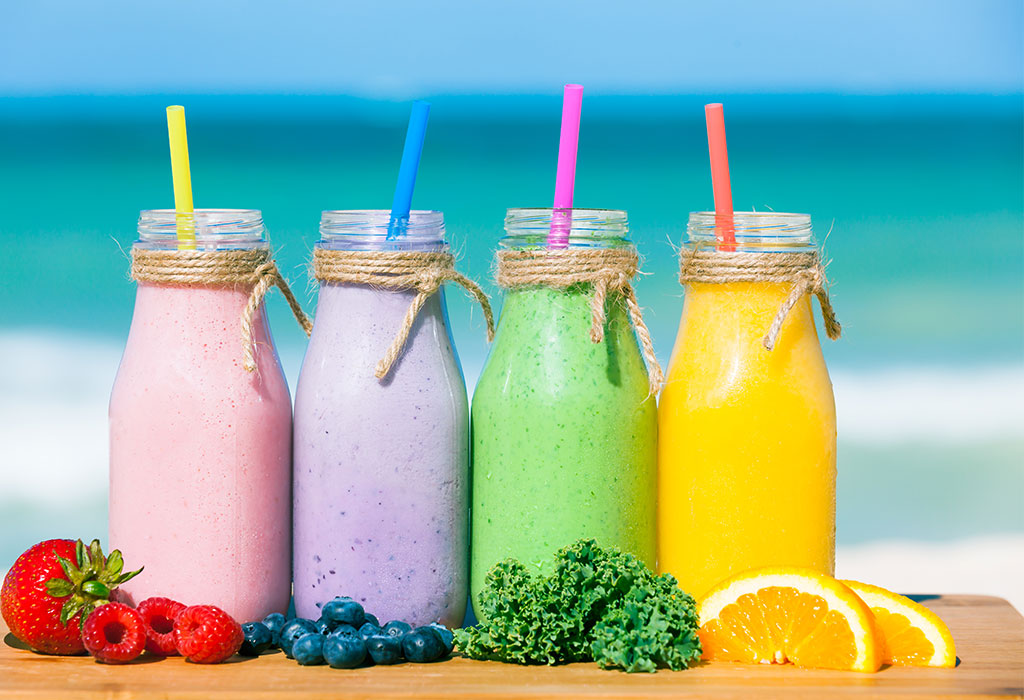
Healthy Smoothie for Pregnancy: 14 Nutritious Recipe Ideas
Doctors, nurses, relatives, friends, and nearly everyone recommend fruit smoothies for pregnant women. And for a pretty good reason. Meeting complex daily nutritional targets while managing fatigue can make elaborate meal prep overwhelming. Compared to all that, putting together quick pregnancy smoothies into your routine offers a hassle-free, highly customisable way to boost essential nutrient intake. Crafting delicious, healthy smoothies for pregnancy allows you to blend folate-rich greens, protein, and calcium into a fast, digestible format. Scroll down to find some amazing and tasty smoothie recipes for pregnancy. If you want to customise these pregnancy smoothie ideas with your favourite ingredients, go ahead and make a rich pregnancy drink!
Is It Safe to Have Smoothies During Pregnancy?
Yes, the intake of smoothies during pregnancy is completely safe and beneficial when prepared with proper food safety precautions, such as using pasteurised dairy and dairy items, maintaining sugar levels, and thoroughly washing fruits and vegetables. Let us explain why:
Pasteurised Ingredients: Always use pasteurised milk, yoghurt, or plant-based milks to prevent foodborne pathogens like Listeria (1).
Thorough Washing: Wash all fresh fruits and leafy greens under running water before blending. Thorough washing is essential to remove any pathogens sticking to the surface of fruits or vegetables (2).
Balanced Sugar Content: It is important to limit high-glycemic juices and balance fruit natural sugars with healthy fats (chia seeds, nut butter) and protein (Greek yoghurt) to prevent blood sugar spikes.
Benefits of Smoothies for Pregnant Women
Smoothies during pregnancy can be a wonderful addition to a woman’s diet, offering a convenient and nutritious way to support her health and the development of her baby. Packed with essential vitamins, minerals, and fibre, here are four key benefits of incorporating smoothies into a pregnant woman’s nutrition plan:
1. Nutrient-Rich Content
Having smoothies while pregnant can provide a concentrated source of vital nutrients such as folate, iron, calcium, and vitamin C, all of which are crucial for the health of both the mother and the developing fetus. Research shows that adding milk to your smoothie not only makes it tastier but also boosts B-12 levels, which are necessary for the fetus’ optimal brain development (3).
2. Hydration and Digestion
Pregnant women often experience increased thirst and digestive discomfort. Primarily, water-based smoothies can help maintain proper hydration and alleviate digestive issues.
3. Morning Sickness Relief
Many pregnant women suffer from morning sickness. The American Pregnancy Association agrees that smoothies can be a gentle way to introduce nutrients during pregnancy and help reduce the likelihood of nausea, making it easier to keep down essential vitamins and minerals (4).
4. Weight Management
Managing weight during pregnancy is important. Smoothies can offer a controlled way to ensure adequate nutrition without excessive calorie intake, helping women maintain a healthy weight.
5. Eases Constipation
As per the American College of Obstetricians and Gynecologists (ACOG), fibre is a great treatment for constipation, and studies show that fewer than 30 per cent of pregnant women actually meet the recommended requirement (5) (6). Fibre in the smoothies help women combat constipation and have smooth bowel movements.
It’s essential to consult with a healthcare provider or a registered dietitian to create a personalised smoothie plan that aligns with specific pregnancy-related nutritional needs and any individual dietary restrictions.
Healthy Smoothies for Pregnancy
Making sure you consume the right smoothies that provide a great balance of taste and nutrition. We have compiled a list of the top 14 best smoothies for pregnancy that can make decision-making easy for you.
1. Fuzzy Cocktail Smoothie
Start with this snazzy smoothie recipe that combines sweet and tangy flavours with a dose of nutrition.
Benefit
The various ingredients that form the smoothie are rich in a variety of minerals and vitamins, as well as a good source of omega-3 fatty acids.
Ingredients
Vanilla flavoured yoghurt
Flax seeds, ground
Spinach, frozen
Banana, frozen
Peaches, frozen
Coconut milk
Orange juice
How To Make
Take your blender container and put all the ingredients in it together. Chop down the fruits if possible to ease the blending process.
Run the blender until it reaches the desired consistency. Adjust the quantities of milk and juice accordingly.
Pour the blend into the glass and enjoy.
2. Margarita with a Twist
Who needs an alcoholic margarita when this non-alcoholic version is just as tasty and more nutritious than anything else?
Benefit
This is one of the popular smoothies for pregnancy nausea as the gorgeous taste and aroma can help reduce the feeling of morning sickness.
Ingredients
Strawberries, frozen
Mango, frozen
Banana, frozen
Broccoli
Peeled lime
Peeled and deseeded orange
Coconut water
Coconut milk
How To Make
Take the blender container and add only the coconut water and coconut milk to it. Follow it up with the oranges and lime, preferably chopped and the broccoli all into it.
Run the blender with these constituents until they are all smooth and fine.
Add the rest of the ingredients and run the blender once again until the smoothie gets the right consistency.
Pour into a nice glass and relish it.
3. The Green Healthy Smoothie
A green smoothie for pregnancy might resemble one of those bitter health drinks, but wait till you take the first sip of this one.
Benefit
As delicious and nutrition-filled as it might be, you don’t need to stick to the same ingredients and can mix and match with other alternatives.
Ingredients
Banana, frozen
Mango, frozen
Pineapple, frozen
Coconut water
Spinach or broccoli, or any other green vegetable
How To Make
Add all the ingredients into the blender until they are filled properly.
Run the blender fully at high speed to form a good texture.
Pour this into a nice mug, pop in a straw and sip away.
4. The White Nut Smoothie
Remember the nice milk-based drinks you would have at festivals? This is just as celebratory as those.
Benefit
The inclusion of various nuts and other ingredients ensures a good source of omega-3 acids. Adding avocado can provide you with the fats for building up your energy, too. If you’re looking for great smoothies for pregnancy in the first trimester and the second trimester, this might be it!
Ingredients
Flax seeds, grounded
Walnuts, grounded
Almond butter
Banana, frozen
Avocado
Almond milk
How To Make
Start by adding the fruits, then the nuts, and finally add the milk as much as needed into a blender.
Run the blender until the full mixture attains a nice thick and creamy texture.
Use a tall glass for this one, garnish with more nuts if needed, and enjoy.
5. Peanut Butter Smoothie
And you thought only sandwiches were great. It is one of the special protein smoothies during pregnancy that, with just the first sip, you’ll touch nirvana.
Benefit
For women with chocolate cravings, this is a blessing in disguise since it satiates those cravings as well as provides healthy proteins. This is also one of the best smoothies for pregnancy in the third trimester.
Ingredients
Banana, frozen
Peanut butter
Cocoa powder, unsweetened
Tofu
Soy milk
How To Make
Start by adding the solid ingredients and then add the soy milk at the end, all inside a blender.
Run the blender for some time and check the thickness. If you want a thinner shake, add some more soy milk.
Once blended well, take it out in a cup and drink it up.
6. A High Protein Tropical Smoothie
A great pregnancy protein smoothie, this one contains enough flavours to stimulate all your taste buds.
Benefit
Combining both sweet and tangy flavours, the fibres in other ingredients adds a texture to it that makes it thicker than usual.
Ingredients
Cold water
Flax seeds, grounded
Slivered almonds
Chickpeas
Peeled kiwi
Tropical fruit mix, frozen
Broccoli, frozen
How To Make
Use a coffee grinder first to put together the almonds and the flax seeds and ground them well until they are as fine as powder.
Then add this to the blender, along with the rest of the ingredients and run the blender till it all smoothens out.
Take it out in a small glass, slit a kiwi on the edge, sit back and relax with it.
7. The Iron Powered Shake
What’s more powerful than a shake that puts together two of the most important ingredients necessary in pregnancy? Nothing else. This is one of the most loved smoothies for pregnancy first trimester.
Benefit
All the ingredients make this an iron-rich smoothie for pregnancy that is balanced with vitamin C and other nutrients.
Ingredients
Honey
Dates pitted
Diced beetroot
Spinach, frozen
Water
Orange juice
How To Make
Add the fruits and other solids in the blender and top them off with honey, water and juice.
Now run the blender until they all mix together properly.
Pour this into a tall glass and enjoy!
8. The Energiser
This might sound like the name for a battery but that’s what it is – one of the best fruit smoothie recipes for pregnancy!
Benefit
Not only is this smoothie thick and dense, but it also contains a great combination of flavours that can lift your mood instantly.
Ingredients
Vanilla yoghurt
Avocado
Apple
Spinach, frozen
Mixed berries, frozen
Orange juice
Coconut milk
How To Make
Put together all ingredients one by one into a blender and close it.
Run the blender until they all mix together and become consistent.
Pour this in a mug and energise yourself instantly.
9. Peanut Butter Prune Smoothie
Yes, the combination does sound strange but this is honestly one of the healthiest smoothies to come across.
Benefit
The presence of prunes and ripe bananas in this smoothie elevates the fibre content in it, making this one of the best pregnancy smoothies for constipation relief.
Ingredients
Ripe banana, frozen
Dried plums
Peanut butter powder
Coconut milk
How To Make
Put all of this quickly in a blender and run it at full speed to blend it right away.
Pour this in a glass and enjoy the flavour while it is still cold.
10. The Nausea Treatment
Yet another easy way to counter your morning sickness with this great recipe for a smoothie.
Benefit
The sweet and sour flavours of the fruits combined with the taste of ginger make for a great balance of health and taste.
Ingredients
Mango, frozen
Ginger, grated
Lemon juice
Apples
Water
How To Make
Combine all fruits in the blender and run it thoroughly.
Follow it up with ginger and water and blend it further. Then, drink slowly.
11. Berry Bliss
Here’s another simple method to alleviate morning sickness using this fantastic, nutritious smoothie recipe designed for pregnant women.
Benefit
This smoothie is packed with antioxidants, vitamin C, and fibre, which can help support the immune system and digestive health during pregnancy.
Ingredients
1 cup mixed berries (strawberries, blueberries, raspberries)
½ cup Greek yoghurt
1 banana
1 tablespoon honey (optional)
½ cup water or coconut water
How To Make
Combine all the ingredients in a blender.
Blend until smooth.
Adjust the consistency by adding more water if needed.
Pour into a glass and enjoy.
12. Green Goddess
There’s nothing more potent than a shake that combines a few of the most crucial ingredients needed during pregnancy.
Benefit
This green smoothie is an excellent source of folic acid, iron, and calcium, providing essential nutrients for a healthy pregnancy.
Ingredients
1 cup spinach
½ avocado
½ cup pineapple chunks
½ cup plain yoghurt
1 tablespoon chia seeds
½ cup almond milk
How To Make
Place all the ingredients in a blender.
Blend until smooth and creamy.
Add more almond milk if needed for the desired consistency.
Pour into a glass and enjoy.
13. Citrus Delight
Begin with this fabulous smoothie recipe that combines delightfully sweet and tangy flavours while adding a touch of nutrition.
Benefit
This smoothie is rich in vitamin C, which is important for collagen formation and iron absorption during pregnancy and can help reduce morning sickness.
Ingredients
1 orange, peeled and segmented
½ cup mango chunks
½ cup Greek yoghurt
1 tablespoon honey (optional)
½ cup ice
How To Make
Combine all the ingredients in a blender.
Blend until smooth and frothy.
Adjust sweetness with honey if desired.
Pour into a glass and enjoy.
14. Nutty Banana Boost
Indeed, the blend may appear unusual, but truth be told, this ranks as one of the best nutritious smoothies for expectant mothers.
Benefit
This smoothie is a great source of protein, fibre, and healthy fats, helping to keep energy levels stable and support healthy weight management during pregnancy.
Ingredients
1 banana
2 tablespoons almond butter
½ cup oats
½ cup plain yoghurt
½ cup milk (of your choice)
How To Make
Put all the ingredients in a blender.
Blend until the mixture is smooth and creamy.
Add more milk if needed for your preferred consistency.
Pour into a glass and enjoy.
Remember to adjust these recipes according to your specific dietary preferences and consult with your healthcare provider or a registered dietitian to ensure they align with your unique nutritional needs during pregnancy.
FAQs
1. How Many Smoothies Can I Drink in A Day While Pregnant?
The number of smoothies you can drink in a day during pregnancy can vary depending on your individual dietary needs and overall caloric intake. Typically, one to two smoothies a day is a reasonable guideline. It’s important to ensure that your smoothies are balanced and provide essential nutrients. Consult your healthcare provider or a registered dietitian to determine the right quantity and ensure it meets your pregnancy requirements.
2. Which Ingredients Are Best for Pregnancy Smoothies?
The best ingredients for pregnancy smoothies include:
Leafy greens like spinach and kale for folate and iron.
Fresh or frozen fruits such as berries, bananas, and citrus for vitamins and antioxidants.
Greek yoghurt or a dairy-free alternative for calcium and protein.
Nut butter (e.g., almond or peanut butter) for healthy fats and protein.
Chia or flax seeds for added fibre and omega-3 fatty acids.
Milk or dairy alternatives like almond, soy, or coconut milk for additional calcium.
Honey or other natural sweeteners in moderation for added flavour.
Taking care of cravings, as well as making sure you get the right nutrition, is a tightrope walk when you are pregnant. Opting for healthy breakfast smoothies during pregnancy helps you attain that sweet spot and relieves you of many problems while providing you with a tasty experience.
Also Read:
Food Recipes for Pregnant
Breakfast to Eat during Pregnancy
Healthy Snacks to Eat in Pregnancy
Read more
Eating Peanuts During Pregnancy – Is It Safe?
Eating peanuts during pregnancy is safe for most women unless they have a peanut allergy or their healthcare provider advises against it. Rich in protein, healthy fats, folate, and other essential nutrients, peanuts can be a nutritious addition to a well-balanced pregnancy diet. However, many expectant mothers still wonder whether eating peanuts could trigger allergies in their baby or pose other health risks. With changing recommendations over the years, it’s understandable why there’s so much confusion. In this article, we’ll clear up common myths, explain the benefits and potential risks of eating peanuts during pregnancy, and share tips for including them safely in your daily diet.
Can Pregnant Women Eat Peanuts?
The fear of allergies is the main reason why many women refrain from consuming peanuts during pregnancy. About a quarter of expectant mothers experience allergies – some allergies spring up during pregnancy, while some women have allergies running in their families. So, can a pregnant woman eat peanuts? Unless the mother has a proven allergy to peanuts, there is no established evidence that eating peanuts (or any food containing them, such as granola bars, cereals, etc.) will affect you or put the baby at risk of developing an allergy.
So, you can feel free to consume peanuts during pregnancy if you don’t have an allergy yourself.
Nutritional Profile of Peanut
Despite being classified as legumes, peanuts share many characteristics with tree nuts, including a robust nutritional profile. According to the USDA, here are the key nutrients found in 100 g of peanuts (1).
Nutrients
Amount
Calories
567 kcal
Carbohydrates
16.13 g
Water
6.50 g
Protein
25.80 g
Fat
49.24 g
Fiber
8.5 g
Sugars
3.97 g
Folic acid
240 mcg
Sodium
1 mg
Potassium
332 mg
Iron
2.09 mg
Calcium
62 mg
Zinc
3.34 mg
Magnesium
184 mg
Phosphorus
336 mg
Monounsaturated fatty acids
21.41 g
Saturated fatty acids
7.32 g
Polyunsaturated fatty acids
16.5 g
Benefits of Eating Peanuts During Pregnancy
Contrary to popular belief, eating peanuts is good for pregnancy for most women. Their impressive nutritional profile makes them as nutritious as many other nuts. Here are a few benefits of eating peanuts while pregnant:
1. Antioxidant Properties
Packed with natural fats and vitamins, especially Vitamins B and E, peanuts provide the antioxidant properties needed to defend the body from flu and other common ailments (2).
2. Help Cure Skin Ailments
The oil content in peanuts helps control dermatological problems and serves as a natural cure for sores and skin irritations.
3. Bone Development
According to Mount Sinai, including manganese in the diet is essential for healthy bones (3). The manganese content in peanuts helps boost healthy bone development in the baby.
4. Aid Digestion
The fibre content in peanuts is known to relieve constipation issues. Mothers-to-be could add a small amount to their diet daily to eliminate bowel problems.
5. Cure Anaemia
During pregnancy, your body will need to produce more blood to support the baby’s growth. But if you are not getting enough iron, your body will not be able to do so effectively, leading to anaemia. To combat this risk, pregnant women must ensure they get adequate iron, and peanuts are a great source of iron (4). This makes peanuts an ideal food to treat anaemia.
Side-Effects of Peanuts in Pregnant Women
During pregnancy, consuming peanuts can sometimes have side effects. The chances of side effects are especially higher if you have an underlying health issue, which could make you intolerant to peanut consumption.
Some side effects of peanuts during pregnancy are:
1. Risk of Eating Stale Peanuts
Make sure that you do not eat stale and old peanuts. Old, stale and stored peanuts can sometimes cause food poisoning.
2. Toxic Peanuts
If peanuts are stored in hot and humid places, they can get affected by mould and become toxic.
3. Stomach Irritation
Eating peanuts could increase stomach irritation if you have gastritis (inflammation of the stomach lining).
4. Weight Gain
Peanuts contain a lot of fat that can make you gain weight. If you are overweight, it is best to avoid peanuts.
5. Cholesterol Buildup
Peanuts contain a significant amount of fats, and while they are mostly unsaturated, they do contain some saturated fats as well. Excessive consumption of saturated fats can contribute to cholesterol buildup, potentially impacting cardiovascular health.
Peanut Allergy Symptoms During Pregnancy
Some women might develop allergies during pregnancy. Here are the symptoms of a peanut allergy (5) (6):
Diarrhoea or vomiting
A cough
Wheezing and shortness of breath
Itchy throat and tongue
Itchy skin or rash
Swollen lips and throat
Runny or blocked nose
Sore, red and itchy eyes
Anaphylaxis: This is the most serious symptom that results in a drop in pulse rate. Since this symptom can be life-threatening, consult a doctor immediately if it occurs.
When to Avoid Peanuts While Pregnant?
Peanuts and pregnancy go well together for most women, but there are certain circumstances when they should be avoided to ensure the health and safety of both the mother and the developing baby. Here are some situations where you should avoid peanuts while pregnant:
If you have a known peanut allergy, it’s crucial to avoid peanuts and peanut-based products. Consuming them can lead to severe allergic reactions, which can be dangerous for both you and your baby.
If there’s a strong family history of peanut allergies or other severe food allergies, it might be wise to avoid peanuts during pregnancy. Consult your doctor to assess the risk to your baby.
Peanuts can be hard to digest for some people and may exacerbate stomach issues, such as gastritis or irritable bowel syndrome (IBS). If you experience digestive discomfort, consider avoiding peanuts.
Peanuts are high in fat and calories, which can contribute to weight gain or increased cholesterol levels. If you’re already dealing with these issues, avoiding peanuts might be a sensible choice to maintain a healthy pregnancy.
Ways to Eat Peanuts in Pregnancy
Recent studies have proved that eating peanuts during pregnancy could reduce the risk of your baby developing an allergy (7). So, if you do not have a history of peanut allergy, go ahead and try the many ways you can eat peanuts when pregnant.
Fry peanuts in a little oil as frying keeps those allergens away.
Boil peanuts with the skin on in water and salt. Boiled peanuts make for a great snack if there is a long gap between lunch and dinner.
There is no harm in consuming peanuts when the pregnant woman is craving them, but the added salt in the peanuts can lead to water retention in the body, as well as high blood pressure.
Toss a small portion of peanuts in your salad, dips, and chutneys to give them a thick, creamy texture.
FAQs
1. Can eating peanuts during pregnancy reduce the risk of peanut allergies in children?
Recent studies suggest that eating peanuts during pregnancy might lower the risk of peanut allergies in children (8). This is because early exposure to allergens in the womb might help the baby’s immune system develop a tolerance.
2. Is there a specific trimester when it’s best to eat peanuts?
There isn’t a specific trimester recommended for consuming peanuts during pregnancy. Generally, it’s safe to eat peanuts throughout pregnancy unless you have a peanut allergy or other medical conditions that suggest otherwise.
3. Do groundnut during pregnancy have any benefits beyond nutrition?
Peanuts are not only nutritious, providing protein, healthy fats, and essential vitamins and minerals, but they also contain folic acid, which is crucial during pregnancy. Folic acid helps prevent neural tube defects in the developing baby. Eating peanuts might be an enjoyable way to increase your folic acid intake, but always ensure you’re getting enough from other sources too.
4. How should peanuts be stored to ensure they are safe during pregnancy?
Peanuts should be stored in a cool, dry place to avoid mold growth and spoilage. If they are exposed to heat and humidity, they can become toxic due to mold, leading to aflatoxin contamination. To ensure safe peanuts during pregnancy, use airtight containers and avoid keeping them in warm, damp places. If you notice a musty smell or visible mold, discard them immediately.
5. Is peanut butter safe during pregnancy?
Yes. Its is safe to consume peanuts during pregnancy first, second and third trimesters. Any food containing a reasonable amount of peanut as an ingredient can be eaten as long as you enjoy the taste and do not have any history of a peanut allergy. If you are craving peanut butter, go ahead and occasionally spread it on that sandwich to relish it.
So, we have seen above that groundnut is good for pregnancy. A pregnant woman is encouraged to have a well-balanced diet – fruits, vegetables, rice, wheat, milk, nuts, pulses, and others. Peanuts can provide you with the essential nutrients that come from nuts. Consult a dietician to understand if you can eat peanuts, and confirm the quantity recommended for you as per your body weight and the overall condition of your pregnancy.
Also Read:
Eating Cashew Nuts in Pregnancy
Consuming Almonds while Pregnant
Eating Pista (Pistachios) when Pregnancy
Consuming Peanut Butter during Pregnancy
Read more
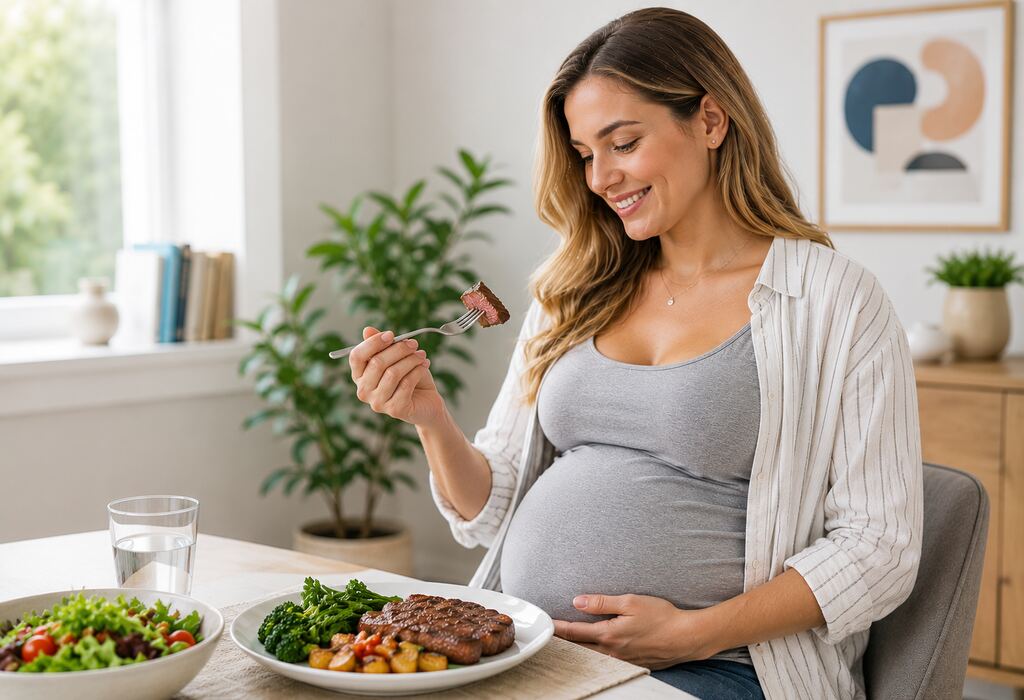
Eating Meat During Pregnancy – Is It Safe?
Craving meat during pregnancy is not new or uncommon. If you are experiencing such cravings with intensity during pregnancy, you are not alone, and there’s nothing to be ashamed of. While craving meat when pregnant is not bad or harmful, it might be problematic if you eat raw meat during pregnancy. Yes, raw meat and pregnancy are no good friends. So, if you are thinking whether you can eat meat when pregnant, then yes, you can eat meat during pregnancy as long as it is thoroughly cooked at the right temperature. It is highly important to note here that eating undercooked, half-cooked, slightly cooked, raw, or medium rare meat can bring a host of infections that can jeopardise pregnancy and the health of the baby in the womb. To learn about the right temperature and safety practices of eating meat during pregnancy, read till the end.
Can Pregnant Women Eat Meat?
Yes, pregnant women can eat meat. Meat is recommended for pregnant women owing to its high protein value. However, there is a catch. Consuming undercooked or ground meat, cured meats, liver, pâté, and game meats can harm you and the baby (1).
Benefits of Eating Meat During Pregnancy
Eating well-cooked lean meat in moderation can help meet the increased nutritional demands of pregnancy when included as part of a balanced diet. Excess consumption should be avoided. Below are some health benefits of consuming meat in pregnancy:
1. Provides High-Quality Protein
Protein supports your baby’s growth and helps build fetal tissues, organs, muscles, and the placenta.
2. Rich Source of Iron
Meat contains highly absorbable heme iron, which helps reduce the risk of iron-deficiency anaemia and supports healthy oxygen transport.
3. Supplies Vitamin B12
Vitamin B12 is essential for healthy brain development, red blood cell formation, and nervous system function.
4. Supports Healthy Brain Development
Many meats provide nutrients such as choline, zinc, and vitamin B12 that contribute to your baby’s brain and nervous system development.
5. Strengthens the Immune System
Zinc found in meat supports immune function, cell growth, and tissue repair during pregnancy.
6. Helps Meet Increased Nutrient Needs
Lean meat supplies several important nutrients, including niacin, selenium, phosphorus, and vitamin B6, which support maternal health and fetal growth.
What Are the Risks of Eating Meat While Pregnant?
Certain risks are involved when you consume excess or raw meat during pregnancy. Read on to know how it is harmful to you:
1. Listeriosis
Deli meats are highly susceptible to bacteria that may cause listeria infection. This could lead to meningitis, gastrointestinal issues, or even a blood infection. A study shows that a pregnant woman has a 17% chance of contracting listeriosis (2).
2. Toxoplasmosis
Be it lamb, pork, or venison meat, the chances of developing toxoplasmosis increases when the meat is not thoroughly cooked. Avoid eating undercooked meat as toxoplasmosis could even pass on to your baby, and that is not at all a favourable situation (3).
3. Gestational Diabetes
Pregnant women who devour red meat during pregnancy in more than desirable quantities are likely to develop gestational diabetes due to its heme iron content (4). When such a condition arises, your blood sugar levels increase consequently. If you do not pay heed to this health concern, it may result in your baby being overweight or developing type-2 diabetes.
4. Food Poisoning
Certain kinds of fish may lead to food poisoning. Non-smoked fish, shark, and raw shellfish are a complete no-no if you are pregnant (5).
Tips to Eat Meat the Right Way in Pregnancy
The following tips could help you opt for healthier eating options.
1. Cleanliness
Washing your hands before and after chopping meat, seafood, or poultry is strictly recommended. Also, wash the utensils to ensure they are bacteria-free.
2. Isolation
Meat and other food items should be kept at a safe distance. This step helps avoid transmission of any bacteria to your other food items, including vegetables, fruits, and salads. Meat should be kept on the lower shelf as drippage from it should not go into cooked foods (6).
3. Refrigeration
It is recommended to keep your meat frozen until you cook it. No matter what, refrigerate your meat to avoid adverse consequences (6).
4. Thorough Cooking
As already mentioned, raw meat is strictly not recommended for pregnant women. Therefore, always cook any form of meat (6).
5. Avoid Marinades
The ingredients that are used to soften the cutting of meat are called marinades. Avoid reusing them as they may be prone to harmful bacteria (6).
6. Keep Away From Fresh Pre-Stuffed Poultry
Fresh pre-stuffed poultry is generally prone to bacterial development due to raw meat juices. Thus, always choose a better option, i.e. frozen pre-stuffed poultry (6).
FAQs
1. How to ensure that meat is safely cooked?
Use a food thermometer to measure how well your meat is cooked. It is more than enough if your beef, pork, or lamb is about 145° F (6). You can also judge by colour whether your meat has been thoroughly cooked. It is cooked well if it does not appear pink in the middle.
2. Is it safe to eat lunch meat or smoked meat or cured when pregnant?
Deli or lunch meat and pregnancy do not go hand-in-hand until steamed to 165° F (7). The same goes for smoked meat and meats that you have cured yourself. This is because these meats are more prone to bacteria that may continue to multiply under refrigeration. Therefore, steaming is the only viable option available.
3. Can pregnant women eat blackened or grilled meat?
Eating grilled or blackened meat on an occasional basis is fine. But if you love such meat and eat it frequently, it may lead to severe diseases like cancer. This is because frying or grilling can produce cancer-laden acids called heterocyclic amines (8).
4. Is eating meat from livestock that were given antibiotics okay?
If your meat is thoroughly cooked, there is no harm in eating meat from livestock that was given antibiotics. The only harm would be that such meat may contain antibiotic-resistant bacteria.
If you want to consume meat for pregnancy, this vital information about how meat could affect you is a handy guide to understanding what is safe and what is best avoided.
Also Read:
Sea Bass when Pregnant
Chicken During Pregnancy
Consuming Fish while Pregnant
Is it Safe to Eat Shrimp in Pregnancy
Read more
Sea Bass During Pregnancy: Is It Safe to Eat?
Sea bass and pregnancy can go together safely, provided you choose low-mercury varieties, eat it in moderation, and ensure it’s thoroughly cooked. According to the U.S. Food and Drug Administration (FDA) and Environmental Protection Agency (EPA), pregnant women should eat 8-12 ounces (2-3 servings) of low-mercury seafood each week to get essential nutrients like omega-3 fatty acids, protein, iodine, and vitamin D that support a baby’s brain and eye development (1). While sea bass can be a nutritious choice during pregnancy, its safety depends on the species and how it’s prepared. This article explains the benefits of eating sea bass during pregnancy, potential risks, safe serving recommendations, and tips for enjoying it safely.
What Is Sea Bass?
Sea bass is a common name used for several species of marine fish found in coastal waters around the world. Depending on the species, sea bass can live in shallow or deeper waters in temperate and tropical regions. Many species have spiny dorsal fins and sharp gill covers, while their tails may be rounded or slightly forked (2). Sea bass is prised for its firm, creamy-white flesh and mild, buttery flavour with a subtle sweetness. Because it has a delicate taste and is less “fishy” than many other seafood varieties, it is a popular choice for people who prefer mild-flavoured fish.
Safe Types of Sea Bass Fish to Eat During Pregnancy
Varied species of sea bass include striped sea bass, black seabass, Chilean sea bass, and European sea bass (3). The Chilean species is a type of cod with the highest mercury content out of all the sea bass fish for pregnant women. Thus, Chilean sea bass should only be taken once a week during pregnancy.
While farmed fish contains a lower mercury level, it’s not entirely free from it. The fish sold and consumed as sea bass in Ireland and the United Kingdom is the European Bass, a member of the Moronidae family. Known as Mediterranean sea bass, loup de Mer, or branzino, the European sea bass is also found around Europe and North Africa. Black sea bass is considered safe for consumption at least two to three times a week during pregnancy as it contains lower mercury than the Chilean sea bass.
Mostly found on the east coast of the US in lakes and rivers, a large portion of striped sea bass is raised in fish farms. Pregnant women can consume it up to three times a week because it has a lower mercury level than black and European sea bass.
Can Pregnant Women Eat Sea Bass?
The question, “Is sea bass safe for pregnancy?” is one many expectant mothers ask. The answer is yes, as long as you choose low-mercury varieties, eat it in moderation, and ensure it is fully cooked. Sea bass is a good source of high-quality protein, selenium, and omega-3 fatty acids (including DHA), which support your baby’s growth and brain development (4). However, mercury levels vary by species. Chilean sea bass is high in mercury and should be avoided during pregnancy, while lower-mercury varieties can be included as part of the recommended seafood intake.
What Is the Mercury Level of Sea Bass?
The mean mercury level in saltwater sea bass, black sea bass, striped sea bass, and rockfish is 0.167 ppm, which is relatively low. Chilean sea bass has a mean PPM of 0.354 (5). Due to its moderate mercury level, it’s best to eat Chilean sea bass only once weekly.
Is It Safe to Eat Raw Sea Bass While Pregnant?
No, it is not safe to eat raw or undercooked sea bass during pregnancy. Raw fish may contain harmful bacteria and parasites that can cause foodborne illnesses, increasing the risk of complications for both you and your baby. To stay safe, always eat fully cooked sea bass with an internal temperature of 145°F (63°C) (6). Even if the fish has been previously frozen, freezing does not eliminate all food safety risks, so raw sea bass should still be avoided during pregnancy.
How Much Sea Bass Is Safe to Consume When Pregnant?
Sea bass may contain a similar level of pollution as oily fish. According to the 2015-2020 Dietary Guidelines for Americans, pregnant women or nursing moms can consume between 8 and 12 ounces of a variety of seafood per week from varieties with lower mercury content (1). Thus, the FDA recommends that cooked sea bass be eaten up to two to three times a week during pregnancy to get the benefits of fish without the harmful effects of mercury.
Risks of Eating Sea Bass Fish During Pregnancy
While sea bass is nutritious, certain risks should be considered during pregnancy.
Mercury exposure: Some varieties, especially Chilean sea bass, contain high levels of mercury, which can affect your baby’s developing brain and nervous system if consumed frequently.
Foodborne infections: Eating raw or undercooked sea bass may expose you to harmful bacteria or parasites, increasing the risk of foodborne illnesses during pregnancy.
Environmental contaminants: Sea bass may contain pollutants such as PCBs and dioxins, which can accumulate in the body over time with excessive consumption.
Allergic reactions: If you have a fish allergy, eating sea bass can trigger symptoms ranging from mild skin reactions to severe allergic responses.
Overconsumption: Eating sea bass too often, especially higher-mercury species, may increase mercury exposure and reduce dietary variety, making moderation important during pregnancy.
The Safest Ways of Consuming Sea Bass When Pregnant
All fish should be cooked to 145°F (63°C) before consumption during pregnancy (6). Most species of sea bass (except for Chilean sea bass) contain low levels of mercury, making it an excellent choice of fish when pregnant. Grilled sea bass that has been appropriately cooked is relatively safe during pregnancy. Any bass is generally seasoned with lemon and herbs and cooked on a well-oiled grill until the skin turns opaque and flakey. Sea bass can be pan-fried and served alongside vegetables or fresh salad. Sea bass can be baked in an oven for 25 minutes and served with peppers, pinenuts, and olives to avoid cooking with oil, which can add extra fat and calories to your diet. Overall, sea bass is a nutritious fish choice if you verify the species and ensure it’s thoroughly cooked.
Healthy Alternatives to Sea Bass While Pregnant
Several low-mercury fish provide similar nutrients and are safe during pregnancy. Here are some healthy alternatives you can include in your pregnancy diet (1):
Salmon: Rich in omega-3 fatty acids (DHA and EPA), protein, and vitamin D, salmon supports your baby’s brain and eye development.
Sardines: Low in mercury and packed with calcium, omega-3s, vitamin D, and protein, sardines are a highly nutritious choice.
Trout: A low-mercury fish that provides high-quality protein, omega-3 fatty acids, selenium, and B vitamins.
Atlantic Mackerel: Unlike king mackerel, Atlantic mackerel is low in mercury and is an excellent source of healthy fats, protein, and vitamin B12.
Tilapia: A mild-flavoured, low-mercury fish that offers lean protein, selenium, and other essential nutrients when fully cooked.
FAQs
1. Is it safe to eat black Sea Bass during pregnancy?
Eating sea bass during pregnancy is safe, but consumption should be in moderation. As their mercury levels can harm the fetus, pregnant women should limit the amount of serving (1).
2. Is consuming Sea Bass while breastfeeding safe?
Sea bass is a good source of protein that can give you energy. It is a good source of fatty acids like docosahexaenoic acid (DHA), which helps promote the baby’s brain development. Vitamin A, B, B6, and minerals like potassium, iron, and zinc in Sea Bass also benefit the nursing mothers and the growing fetus. Thus, it is safe to eat sea bass while breastfeeding, but the amount of consumption should be limited (7).
3. Can babies eat Sea Bass?
It is better to avoid feeding sea bass to small babies due to the mercury found in it. One-year-old babies and above can safely eat sea bass, but consumption should be limited. Furthermore, parents should monitor the reaction to eating sea bass as some children may be allergic to fish or seafood. Limit consumption so your children can be protected from the mercury found in sea bass and other seafood.
4. Can eating Sea Bass help with common pregnancy symptoms?
Yes, sea bass is a rich source of nutrients, including omega-3 fatty acids, which can help alleviate common pregnancy symptoms. But what sets it apart is its high protein content. This protein can be a boon during pregnancy, helping to maintain energy levels and supporting overall maternal health.
Fish recommendations have also changed constantly over the years, leaving pregnant women out of the loop on the latest guidelines. Moreover, savvy eaters should look for clean, sustainably caught or farmed seafood. Sea bass for pregnancy can be a nutritious choice, offering essential omega-3 fatty acids, high-quality protein, and vital vitamins and minerals that support fetal development and maternal health. If you are still facing health issues, consult your doctor and follow the dietary suggestions immediately.
Also Read:
Eating Shrimp while Pregnant
Consuming Crab during Pregnancy
Can You Eat Sardines when Pregnant
Is It Safe to Eat Salmon in Pregnancy
Read more

Apple During Pregnancy : Benefits and Safe Intake
During pregnancy, maintaining a nutritious diet is crucial for the optimal development of the baby. For expectant mothers, consuming a diverse and balanced array of foods, particularly an abundance of fruits and vegetables, is essential to foster both maternal and fetal well-being. Among the myriad of fruits, one noteworthy inclusion in a pregnancy diet is the apple. While widely recognized for their delicious taste and overall health benefits, the question arises: do apples specifically contribute to the well-being of pregnant women? This article delves into the nutritional aspects of apples and their potential advantages for expectant mothers, shedding light on whether this popular fruit is a valuable addition to a pregnancy diet. Explore the following paragraphs to gain insights into the potential benefits of apples during pregnancy.
Is It Safe to Eat Apples During Pregnancy?
Are apples safe for pregnancy? Apples can be consumed by pregnant women as there are no known side effects of eating apples during pregnancy. Apples are a great source of nutrition and highly beneficial for both the mother-to-be and the growing baby.
If you want to make apples a part of your pregnancy diet, you can. Just remember that before eating them, wash them thoroughly as there is a high chance that they might be contaminated by pesticides. If possible, eat organic apples as they are pesticide & Wax-free.
Avoid eating apple seeds as seeds contain cyanide, which is poisonous. The seeds, when consumed, release cyanide slowly into the stomach when they are being digested. Hence it could take a while before the symptoms of cyanide poisoning begin to show. Therefore, it is important for pregnant women to make absolutely sure that they are not ingesting the seeds while eating apples.
Nutritional Value of Apples
Is apple good for a pregnant woman? Yes! Embarking on a journey to understand the nutritional value of apples in pregnancy, it’s essential to unravel the diverse array of nutrients packed within this beloved fruit. In this exploration, we will present a comprehensive breakdown of these essential elements, shedding light on the quantities in which they contribute to the overall health of both pregnant women and their developing babies.
Nutritional value of apples per 100 grams:
Nutrients
Quantity
Carbohydrates
13.81 g
Calories
52 kcal
Water
85.56 g
Sugars
10.39 g
Fiber
2.4 g
Protein
0.26 g
Fat
0.17 g
Thiamin (Vitamin B1)
0.017 mg
Riboflavin (Vitamin B2)
0.026 mg
Niacin (Vitamin B3)
0.091 mg
Pyridoxine (Vitamin B6)
0.041 mg
Folate (Vitamin B9)
3 mcg
Retinol (Vitamin A)
54 IU
Ascorbic acid (Vitamin C)
4.6 mg
Alpha-tocopherol (Vitamin E)
0.18 mg
Phylloquinone (Vitamin K)
2.2 mcg
Potassium
107 mg
Iron
0.12 mg
Calcium
6 mg
Phosphorus
11 mg
Zinc
0.04 mg
Magnesium
5 mg
As seen in the table above, apples, primarily contain, water and carbohydrates in them. But they also have high amounts of simple sugars like glucose and fructose. They are also a rich source of insoluble and dietary fibres and contain between 1% and 3% of the daily RDA (Recommended Dietary Allowance) of B-complex vitamins like thiamine, riboflavin, niacin, pyridoxine, and pantothenic acid and folate.
Apples contain Vitamin C (8% of RDA) and Vitamin A, E, and K in small amounts. They also have trace amounts of essential minerals like iron, calcium, magnesium, potassium, and phosphorous. Apples are also a great source of phytonutrients such as beta-carotene, cryptoxanthin, flavonoids, and anthocyanin.
Potassium is the main mineral present in apples, which is known to improve the health of the heart. Apples are also rich in the fibre called pectin, which helps lower sugar levels and improves digestion.
Benefits of Eating Apples During Pregnancy
Eating apples during pregnancy has several health benefits for both the mom-to-be and the growing baby. Vitamin C and antioxidants in apples reduce damage by free radicals in the body. The B-complex vitamins in apples help in keeping the red blood cells healthy. Eating apples during pregnancy can also be beneficial for the baby as it lowers the risk of childhood allergies and asthma. Read on to know about the health benefits of eating apples during pregnancy.
1. Prevents Anaemia
Apples are a good source of iron which boosts the production of haemoglobin in the blood and prevents anaemia. Pregnant women are at an increased risk of developing iron-deficiency anaemia. To prevent its chances, eating iron-rich foods is recommended. You can include apples in your diet to combat this problem.
2. Helps in Digestion
Hormonal changes during pregnancy can slow down the digestion process and lead to constipation. But eating apples can help. Apples contain dietary fibre that softens stools but if you eat too many apples, it can have a negative effect. You can have 1-2 apples daily during pregnancy.
3. Helps Build Immunity
Apples are a good source of Vitamin C, which can help in building immune strength. So eat this crunchy food and lower your chances of catching infections.
4. Provides Energy
Apples contain simple sugars like glucose, sucrose and fructose that can provide you with energy instantly. So, it is a good idea to carry an apple in your purse when you go out, in case you get hungry or suffer from low blood sugar problems.
5. May Keep the Heart Healthy
Eating apples daily can help lower bad cholesterol levels, plaques, and inflammation within artery walls. Yes, it can keep your heart healthy. Eating apples can also provide relief from heartburn.
6. Prevents Respiratory Problems
Eating apples during pregnancy can lower the risk of developing asthma in your baby. Apples contain antioxidants that strengthen the lungs of the mom-to-be. Stronger lungs help in keeping breathing and respiratory problems at bay.
7. Helps in Bone Development
Apples contain calcium which is essential for the development of strong bones in the baby. Calcium can also help strengthen your bones during pregnancy. Apples help prevent calcium loss from the body. Being rich in antioxidants and inflammatory compounds, they help promote bone density and strength.
8. Increases Memory Power
The skin of the apples contains quercetin, an antioxidant that improves memory and cognitive function. It prevents brain cell damage and reduces the risk of Alzheimer’s disease and dementia. Apple juice is good for pregnancy. Drinking apple juice daily improves memory in the brain by stimulating a neurotransmitter called acetylcholine. It also protects the brain from oxidation damage that happens due to dietary deficiencies or genetic inadequacies.
9. Aids in Hydration
Apples have a high water content, contributing to hydration during pregnancy. Staying well-hydrated is crucial for supporting the increased blood volume and amniotic fluid necessary for the baby’s growth and development. Incorporating apples into your daily intake provides a tasty and hydrating option, complementing the importance of water consumption for expectant mothers.
How to Include Apples in Your Pregnancy Diet?
Incorporating apples into your pregnancy diet not only adds a delightful flavor but also introduces a plethora of health benefits. Below are some creative and nutritious ways to include apples in your daily meals during this crucial stage of life.
1. Fresh Apple Slices With Nut Butter
Enjoy the crisp sweetness of apple slices paired with the richness of nut butter. Whether it’s almond, peanut, or cashew butter, this combination provides a satisfying snack rich in protein, healthy fats, and essential nutrients.
2. Apple-infused Yogurt Parfait
Elevate your yogurt experience by adding diced apple pieces to create a refreshing and nutrient-packed parfait. This not only enhances the taste but also introduces additional fiber, vitamins, and minerals to support your overall well-being.
3. Baked Apple Chips as a Snack
Prepare a batch of wholesome baked apple chips for a crunchy and guilt-free snack. Sprinkle them with a touch of cinnamon for added flavor. This snack is a great alternative to processed chips, offering a satisfying crunch without compromising on nutrition.
4. Apple and Spinach Salad
Combine the goodness of apples with nutrient-rich spinach to create a vibrant and nourishing salad. Toss in some walnuts or almonds for added crunch and healthy fats. This salad provides a balance of vitamins, minerals, and antioxidants, promoting a healthy pregnancy.
5. Homemade Apple Smoothies
Blend fresh apple slices with yogurt, a splash of milk, and a hint of honey to create a delicious and nutritious smoothie. This refreshing beverage is a convenient way to increase your fruit intake, ensuring you receive essential nutrients vital for both you and your baby.
Are There Any Side Effects of Consuming Apples During Pregnancy?
Although apples are very good for you and your baby during pregnancy, you must consume them in moderation as excessive consumption of apples can lead to certain problems such as constipation, acidity, etc.
Can You Eat Green Apples During Pregnancy?
Are there any benefits of green apples during pregnancy? The health benefits offered by green apples are similar to that of red apples. You can eat green apples during pregnancy as they are healthy too. Green apples contain less sugar and more fibre as compared to red apples. They have a thicker skin and a crisp tartness. Eating green apples is especially good for a woman who is concerned about her carbohydrate and sugar intake during pregnancy. Red apples contain more antioxidants like anthocyanin that eliminate free radicals from the body and have anti-inflammatory properties but green apples are rich in antioxidants too. Green apples can also control blood pressure levels. So you can eat red as well as green apples, they are equally healthy!
FAQs
1. Can Consuming Apples While Pregnant Improve Baby’s Skin?
Consuming apples during pregnancy can contribute to the overall health of the baby, including skin health. Apples are rich in vitamins and antioxidants, such as vitamin C, which plays a role in collagen synthesis and may positively impact the baby’s skin development.
2. What Does Craving Apples During Pregnancy Mean?
If you’re craving an apple in pregnancy’s first trimester, know that craving apples during pregnancy can be a sign of the body’s need for essential nutrients present in apples, such as fiber, vitamins, and natural sugars. It could also be a response to hormonal changes or a craving for the refreshing taste and hydration that apples provide.
3. When Is the Perfect Time to Consume Apples When Pregnant?
There is no specific “perfect” time to consume apples during pregnancy. However, incorporating them into balanced meals and snacks throughout the day can provide a sustained release of energy and essential nutrients. Whether enjoyed as a snack, added to meals, or blended into a smoothie, the key is to maintain a well-rounded and nutritious diet.
Eating apples during pregnancy or otherwise is good. During pregnancy, you can eat 1-2 apples daily – consuming them in moderate amounts won’t harm you or your baby. Furthermore, follow a well-balanced diet during pregnancy and you and your baby will be fine!
References/Resources:
1. Foods rich in Iron; Grove Medical; http://www.grovedoc.com/wp-content/uploads/2013/07/Foods_high_in_iron.pdf
2. Lee. C, Smith. N; Apples: An Important Source of Antioxidants in the American Diet; New York State Horticultural Society; https://citeseerx.ist.psu.edu/viewdoc/download?doi=10.1.1.656.7556&rep=rep1&type=pdf
3. Apples; Harvard T.H. Chan School of Public Health; https://www.hsph.harvard.edu/nutritionsource/food-features/apples/
4. Willers. S, Devereaux. G, Craig. L, et al.; Maternal food consumption during pregnancy and asthma, respiratory and atopic symptoms in 5‐year‐old children (Thorax); National Library of Medicine; https://www.ncbi.nlm.nih.gov/pmc/articles/PMC2117307/; March 2007
5. Apples, raw, with skin (Includes foods for USDA’s Food Distribution Program); U.S. Department of Agriculture; https://fdc.nal.usda.gov/fdc-app.html#/food-details/171688/nutrients
6. Baby Granny Smith Apples; Wyoming Department of Education; https://edu.wyoming.gov/downloads/nutrition/informational-ffv-sheets.pdf
7. Toxoplasma – Food Safety for Moms to Be; U.S. Food & Drug Administration; https://www.fda.gov/food/people-risk-foodborne-illness/toxoplasma-food-safety-moms-be
Also Read:
Mangoes during Pregnancy
Kiwi Fruit when Pregnant
Eating Chikoo Fruit in Pregnancy
Read more
Salt Craving During Pregnancy – Causes and Safe Intake
Salt holds an important place in our diet because it is rich in sodium which helps maintain the fluid levels and pH balance of our body. This function of salt is equally important in pregnancy as it helps in the development of the baby in the womb. However, overconsumption of salt can lead to a series of health issues, especially during pregnancy. Are you curious to know how much salt intake is allowed and also our take on salt cravings during pregnancy? Well, this article will provide you with all the information you need about salt craving and intake during pregnancy. Let’s take a deeper look at why it is important to consume salt during pregnancy.
Why Is Salt Intake Important During Pregnancy?
Salt is the main source of dietary sodium for us. Did you know that low sodium during pregnancy may be dangerous for you or your baby? Here is why it is important to consume salt during pregnancy:
In the absence of salt, your nerves, muscles and organs would not be able to function properly during pregnancy, as not consuming enough salt leads to fatigue and weakness
Your body’s fluids increase in order to support your growing baby and low sodium in pregnancy plays an important role in that.
The presence of iodine in table salts is essential for the development of your baby’s brain and the nervous system.
Iodine deficiency during pregnancy may lead to stillbirths, abnormal brain development, miscarriage, and other medical complications. In a study, it was established that inadequate salt intake during pregnancy resulted in low birth weight in infants.
Therefore, salt is essential for your body during pregnancy; however, only in adequate quantities. Read on to know how much salt you can have during pregnancy.
How Much Salt Intake is Safe During Pregnancy?
In the above section we have established that salt is an important part of your pregnancy diet, but in adequate quantities, which means neither too much nor too less. The daily sodium intake of table salt during pregnancy should be around 3.8 grams per day. Bear in mind not to exceed 5.8 grams as that is the permissible upper limit for pregnant women.
Side Effects of Consuming Excessive Amounts of Salt During Pregnancy
As the famous proverb states, an excess of everything is bad, and the same holds true for the consumption of salt. Here are some side-effects of high sodium intake during pregnancy:
High salt intake may lead to water retention and may cause excessive swelling of ankles, legs, feet or face.
Increased amounts of salt in your diet may lead to high blood pressure or preeclampsia.
Consuming more amounts of salt may lead to loss of calcium (through urination) from the body.
Now, let’s take a look at some of the foods that contain excessive amounts of salt and can pose the risk of health issues during pregnancy.
Foods That Contain High Amounts of Salt
Here are some food items that contain high amounts of salt/sodium, making them unsuitable for you to have, especially during pregnancy:
1. Sweetened Beverages
It may sound strange but sweetened beverages also have a high content of sodium, which may cause complications during pregnancy. Beware of getting your hands on energy drinks or sports performance drink as they may have up to 200 mg of sodium in them.
2. Breakfast Cereals
Most breakfast cereals have high levels of sodium in them. A normal cup of cornflakes or oatmeal may easily pep your sodium intake by 200 mg.
3. Sauces
Ever wondered how much sodium you can get from your ketchup, soy sauce or barbeque sauce? All these food items have high contents of sodium (approximately 150 to 200 mg per serving). Consuming these foods in excess can easily exceed your daily sodium intake.
4. Bread and Buns
Many pregnant women love to eat bread for breakfast or sometimes as a mid-morning or an evening snack. A slice of bread can fetch you around 150 mg of sodium. So, the next time you gobble down a doughnut or bagel, be careful not to go overboard with it.
All this information may worry you a bit, but salt is not the only food item that provides you with the sodium you need during pregnancy. There are other foods that have considerable amounts of sodium and yet are healthy to consume. Let’s find out what they are.
Healthy Sources of Sodium
As mentioned earlier, salt is not the only way you can pep up your sodium levels during pregnancy. Here are some healthy sources of sodium:
Unsalted nuts, pickles, preserves
Poultry
Fish
Fruits such as apples, cranberries
Plain yoghurt
Eggs
Milk
Vegetables such as beets, celery, carrots.
It is quite normal to crave for certain foods during pregnancy. But, the mothers-to-be cannot really consume all that they want as it may not be healthy for them or their baby. Salt cravings are the same. Most of the times, it becomes difficult to cut down on the table salt. Then, what do you do? Well, we have some tips that could help you reduce your intake of salt. Let’s get on to it.
Tips to Reduce Salt Intake During Pregnancy
The following tips will help you reduce your sodium intake during pregnancy:
Read the labels of food items that you wish to consume because sometimes even sweetened snacks and drinks contain high amounts of sodium in them.
Try and eat home-cooked food. This way you will not only be eating healthy meals, but you will be able to monitor your salt consumption.
Always opt for fresh fruits and vegetables for snacking as packaged snacks may contain high amounts of sodium.
Use salt-free seasonings when preparing your food.
Now, let’s address some more questions/ concerns related to salt and its intake during pregnancy.
Can You Eat Black Salt During Pregnancy?
Yes, you can consume black salt during pregnancy as it may help in providing relief from stomach disorders, heartburns and constipation. However, if you have hypertension or any other medical condition, which requires you to restrict your salt intake, then it is advised that you consume black salt only after consulting your healthcare practitioner.
Salt Cravings During Pregnancy
As you become pregnant, you may find yourself craving for food, which you cannot even imagine. Whether you already like eating salty food or not, there are chances that craving salt while pregnant may take place. Though having a random salt craving is fine and some extra sodium may not cause harm to your baby, if you feel an excessive craving for salty food during pregnancy, it is recommended that you discuss it with your doctor before loading yourself with salty food.
Is Salt Craving Normal During Pregnancy?
Many women may crave for salt during pregnancy. It is observed that salt craving may be more prevalent in the initial stages or the first trimester of the pregnancy. It is absolutely normal to have a salt craving during pregnancy; however, the only concern is to regulate and monitor its consumption to the prescribed limits only.
What Causes Increased Salt Craving in Pregnant Women?
According to various theories, it is seen that pregnant women crave for salt because their bodies are hinting that there is a requirement of more fluids in the body to support the growing baby. The presence of sodium in salt helps in retaining the fluid in the body, which is why pregnant women may crave salty food. Also, because of increased levels of progesterone and morning sickness, pregnant women may lose sodium through urine and vomiting, and thus may crave for salty food.
What You Should Do When You Have Salt Cravings?
Craving salty foods during pregnancy is perfectly normal, but it’s essential to find healthier ways to satisfy these cravings. While processed foods can be high in sodium, there are numerous nutritious alternatives to consider. Instead of reaching for chips or pretzels, you can opt for homemade alternatives that are both tasty and beneficial for you and your baby.
One option is to roast chickpeas and season them with flavorful spices like smoked paprika and garlic. These crunchy treats provide a satisfying saltiness without the excessive sodium content found in many packaged snacks. Another delightful choice is homemade popcorn sprinkled with nutritional yeast for a cheesy and savory flavor. For a nutritious twist, you can also enjoy roasted sweet potato wedges lightly sprinkled with sea salt, providing both the satisfaction of saltiness and the goodness of vitamins and fiber.
Moreover, consider incorporating more fermented foods into your diet as a way to address your salt cravings. Fermented foods like sauerkraut, kimchi, and pickles offer a natural salty taste and provide your body with essential probiotics that promote digestive health. These options not only satisfy your craving but also contribute to your overall well-being.
FAQs
1. Can Excess Salt Intake Cause a Miscarriage?
Excess salt intake alone is generally not considered a direct cause of miscarriage. However, a diet high in sodium can contribute to health issues like high blood pressure and preeclampsia, which may increase the risk of pregnancy complications. It’s essential to maintain a balanced diet and follow your healthcare provider’s recommendations for salt intake during pregnancy.
2. Is Sendha Namak (rock salt) Good in Pregnancy?
Sendha Namak, or rock salt, can be a suitable option for seasoning food during pregnancy. It is a natural salt and is generally considered safe for consumption in moderation during pregnancy. However, it’s crucial not to overuse any type of salt, as excessive salt intake can lead to health concerns like high blood pressure. Always follow your healthcare provider’s dietary advice for a healthy pregnancy.
Salt gives food flavour, and we certainly cannot do away with it. If you are not imposed any restrictions regarding the consumption of salt during pregnancy, you may indulge in various savoury dishes. However, it is suggested that going overboard with the consumption of salt may increase your chances of having various health complications. On the other hand, if your doctor has advised you to restrict your salt intake, it is suggested that you adhere to it and make healthier dietary choices to avoid fatal health complications during pregnancy.
References/Resources:
1. Salt: Food Fact Sheet; British Dietetic Association; https://www.bda.uk.com/resource/salt.html
2. Salt in your diet; NHS UK; https://www.nhs.uk/live-well/eat-well/food-types/salt-in-your-diet/
3. Food labels; NHS UK; https://www.nhs.uk/live-well/eat-well/food-guidelines-and-food-labels/how-to-read-food-labels/
4. Dietary Guidelines for Americans 2005; U.S. Department of Health and Human Services; https://health.gov/sites/default/files/2020-01/DGA2005.pdf
5. Stanhewicz. A, Kenney. W. L.; Determinants of water and sodium intake and output; Oxford Academic: Nutrition Reviews; https://academic.oup.com/nutritionreviews/article/73/suppl_2/73/1930571; September 2015
6. Mao. C, Liu. R, Bo. L, Chen. N, et al.; High-salt diets during pregnancy affected fetal and offspring renal renin–angiotensin system; PubMed Central; https://www.ncbi.nlm.nih.gov/pmc/articles/PMC4406098/; June 2013
7. Orloff. N, Hormes. J; Pickles and ice cream! Food cravings in pregnancy: hypotheses, preliminary evidence, and directions for future research; PubMed Central; https://www.ncbi.nlm.nih.gov/pmc/articles/PMC4172095/; September 2014
8. Why Do You Crave Salt?; Cleveland Clinic; https://health.clevelandclinic.org/why-do-you-crave-salt/
Also Read:
Consuming Ajinomoto (MSG) in Pregnancy
Is it Safe to Eat Sweets Excessively in Pregnancy?
Are Artificial Sweeteners Safe for Pregnant Women?
Read more

Eating Sour Cream During Pregnancy – Is It Safe?
Sour cream is one of the most widely consumed dairy products; it is a delicious addition to any meal or snack that includes dairy products. Sour cream is frequently used to dress up soups, nachos, chilli, and other dishes, and it is commonly served with potatoes and other vegetables. Many wonder about eating sour cream for pregnancy. Even though it is a dairy product, sour cream is generally considered safe to consume while pregnant. Sour cream, a popular dairy snack among many people, is a versatile ingredient that complements nearly any meal. However, is sour cream good for pregnancy? Keep reading to know more about consuming sour cream in pregnancy.
What Is Sour Cream?
A creamy white substance made from milk and cream used in the production of ice cream is known as sour cream. It’s a refreshing treat with a tangy, tart flavour and a thick consistency. The sauce can be used for anything from topping pizza to dipping onions when it comes to applications. Due to its sensitivity to high temperatures, a common application is a topping on baked goods.
It is important to understand that there are many different types of sour cream and that we should be familiar with each one before we begin to consume it. Ordinary sour cream contains between twelve and sixteen per cent butterfat, whereas reduced and non-fat varieties contain less than half the amount of milkfat found in regular varieties.
It is necessary to add stabilisers to sour creams to make them thicker. The tangier they are, the lower the pH level of the water is going to be. Although they are unhealthy, both regular and low-fat harmful products are delicious and deserve your consideration.
Nutritional Value of Sour Cream
Using sour cream to dress your salads is a healthy choice to make. However, you must ensure that the amount of sour cream you consume corresponds to your daily calorie requirements. For calorie reduction, light and fat-free sour cream are also preferable options. If you are trying to lose weight, on the other hand, you should stay away from sour cream completely.
To achieve this, it only occasionally provides significant amounts of any nutrient. The result of a simple sour cream application is (1)—
Nutrients
Quantity per 100 g
Caloric value
59
Total Fat
5.8 g
Sat. fat
3 g
Complex carbs
1.3 g
Proteins
0.7 g
Calcium
3% of the daily value (DV)
Phosphorus
3% of the daily value
Potassium
1% of the daily value
Magnesium
1% of the daily value
Vitamin A
4 percent of the DV
Riboflavin (Vitamin B2)
4% of the Daily Value
Vitamin B12
3% of the daily value
Choline
1% of the daily value
Types of Sour Creams
Sour cream is a dairy product that combines cream with a specific type of bacteria, resulting in a thick, white product with a distinct flavour. Several parts of the world, most notably Europe and the United States, are familiar with “cocaine.” It has a smooth and creamy texture similar to that of Greek yoghurt. There are a variety of flavours available for this delicacy, including (2).
Standard
Light
Fat-Free
There are additional sour cream variations from different regions of the globe, such as
Mexican Sour Cream (mild flavour)
Sour Cream (Classic American)
Can Pregnant Women Eat Sour Cream?
Is sour cream safe for pregnancy? Sour cream and other pasteurised dairy products are perfectly safe to consume in small quantities during pregnancy. You can consume sour cream made from pasteurised milk with no problems when you’re pregnant. However, if you made your own sour cream, this would not be the case. This is due to the fact that homemade sour cream, even if made with pasteurised milk, is not pasteurised, as explained above (3).
It is more dangerous to make your fermented foods than to purchase them in a store. Because it is more challenging to regulate the home’s temperature, cleanliness, and bacterial levels, there is a greater risk of harmful bacteria growing alongside beneficial bacteria in the home environment.
When it comes to sour cream and crème Fraiche, pregnant women should avoid them, regardless of whether they make or purchase them. For the best results, store your food in the refrigerator at a temperature below 40 degrees Fahrenheit in a product that has been pasteurised to avoid spoiling it.
How Much Sour Cream Can Pregnant Women Eat Safely?
Pregnant women can safely enjoy sour cream in moderation, provided it is made from pasteurised milk. Since sour cream is high in saturated fat, it’s best to consume it as an occasional topping or ingredient rather than in large quantities. The key is moderation. For most pregnant women, a standard serving size of 1 to 2 tablespoons per day as a topping or in a recipe is considered a safe and reasonable amount.
Health Benefits of Sour Cream While Pregnant
It is the only way to get the benefits of sour cream while pregnant, and natural sour cream is the best option. When looking for a safe pregnancy sour cream, it’s good to start with the label’s list of ingredients. Calcium sulfate, sodium phosphate, maize starch, and salt are all possible ingredients in some brands. The unborn child is especially vulnerable to the toxic effects of these chemicals and stabilisers because it is still developing. In the event that you decide to indulge in sour cream while pregnant, be sure to purchase the appropriate variety.
Consider the advantages to your health. –
Along with its high calcium and low-calorie content, light sour cream is excellent for expectant mothers. Your calcium levels may drop when your body uses your resources to feed your growing baby (4).
Increasing your diet of calcium-rich foods, such as dairy, may be beneficial.
Microorganisms found in certain sour cream products may aid digestion, ease heartburn and acid reflux, and help with other pregnancy-related stomach problems (5).
Risks of Eating Sour Cream During Pregnancy
Sour cream is safe to eat in moderation as long as it is part of a well-balanced diet. To avoid the following health risks, you should monitor your sour cream consumption, especially when your diet is high in fat or when you eat a lot of it.
Weight gain that you do not want to occur – You should maintain within a set weight range for your health and the well-being of your unborn child. If you gain too much weight during pregnancy, you and your baby’s health might be in jeopardy.
High blood pressure and triglyceride levels
Pregnancy-related diabetes
Neonatology and obstetrics (macrosomia)
Deliveries are complicated by complications that need a C-section
Unpasteurised milk products, such as sour cream and cream cheese, may cause food poisoning because of harmful bacteria (6).
According to medical experts, even stillbirths may be caused by the use of toxic foods during pregnancy. Before its expiration date, pasteurised sour cream should only be bought and eaten.
Alternatives to Sour Cream for Pregnancy
During pregnancy, many women look for healthier or dairy-free alternatives to common toppings like sour cream. The good news is that there are several delicious and safe options that can add creaminess and flavour to your meals, like the ones below.
Greek yoghurt
Cottage cheese
Avocado
Hummus
Cashew cream
Things to Consider While Buying Sour Cream
If you’re expecting a kid and want to consume sour cream, follow these precautions to ensure your child’s health.
Purchase sour cream that has been pasteurised in a prepared form. The pack should be discarded if it leaks or seems puffy, indicating that it has been infected.
Consider purchasing a package of sour cream dip when pregnant that has the most recent production and packaging date on it. It’s an effective method of ensuring that the product is safe and fresh.
Refrigerate the product at 40 degrees Fahrenheit (4 degrees Celsius) or below until it is time to consume it.
As you may know, refrigeration is an excellent means of killing bacteria that are potentially harmful to human health.
If sour cream is left out for a long time, it may be contaminated with bacteria, making it unsafe for consumption.
Keep your distance from the odoriferous and runny sour cream.
Given the difficulties associated with producing properly pasteurised homemade sour cream, it presents a danger of infection by germs.
Restaurant sour cream should be avoided because it may not have been pasteurised or may include milk additives that have not been pasteurised, which is harmful to your health.
Sour Cream Recipes to Try When Pregnant
Sour cream is a popular food during pregnancy, and there are many sour cream recipes you can try. Sour-cream recipes are best made using organic and pasteurised milk. Check out some of them –
1. Cucumber Snacks With Croutons & Smoked Bacon
Image Credit: Pinterest
Total Cooking Time – 20 mins.
Servings – 8-9 servings
Ingredients
1/2 cup pasteurised sour cream
1/4 cup buttermilk
1 tbsp mixed fresh herbs (like chives or dill), chopped
1 tsp lemon juice
1 small garlic clove, minced
Salt and black pepper to taste
4 slices bacon
2 cups bread, cubed
1 head iceberg lettuce, chopped
2 large cucumbers, sliced
Method
Whisk the buttermilk, sour cream, herbs, lemon juice, and garlic until smooth in a small mixing bowl.
Season the buttermilk dressing with salt and pepper to taste.
Set a cast-iron pan on the grill grate over medium heat to begin heating.
Cook the bacon in batches for 8–10 minutes, turning once or twice until it is browned and crisp.
Place the bacon on the grill grate and cook with tongs, flipping once for approximately one minute or until browned all over.
When the bacon has finished frying, cover it with a paper towel.
Toss the bread in the bacon drippings in the same pan until thoroughly covered.
Place the bread on a grate and cook for about 2 minutes, rotating often.
Arrange the cucumber slices on a serving platter. Top each slice with a small piece of iceberg lettuce.
Drizzle with the buttermilk dressing and top with the crumbled bacon and grilled croutons.
2. A Pound Cake
Image Credit: Pinterest
Total Cooking Time – 45 mins
Servings – 5-6 servings
Ingredients
1 ½ cups all-purpose flour
1 cup sugar
1/2 cup unsalted butter, softened
1/2 cup pasteurised sour cream
3 large eggs
1 tsp vanilla extract
1/2 tsp baking powder
1/4 tsp salt
Method
Cream the ingredients together to make a light and fluffy butter and sugar combination.
The eggs should be added first, followed by dry ingredients such as flours and baking powders.
Pour the ingredients into a greased brioche pan or baking pan and bake for approximately an hour at 350°F.
3. Loaded Baked Potato Wedges
Image Credit: Pinterest
Total Cooking Time – 40 mins
Servings – 3-4 servings
Ingredients
3 large russet potatoes
2 tbsp olive oil
1/2 tsp paprika
Salt and black pepper to taste
4 slices bacon
1/2 cup pasteurised sour cream
1/2 cup cheddar cheese, shredded
2 tbsp green onions, sliced
Method
Preheat your oven to 400°F (200°C). Scrub the potatoes and cut them into wedges.
Toss the wedges with olive oil, paprika, salt, and pepper.
Arrange the wedges in a single layer on a baking sheet and bake for 30-35 minutes, flipping halfway, until golden brown and crispy.
While the wedges bake, cook the bacon until crispy, then crumble it.
Serve the hot wedges topped with a generous dollop of sour cream, shredded cheddar cheese, the crumbled bacon, and sliced green onions.
4. Zucchini & Sour Cream Muffins
Image Credit: Pinterest
Total Cooking Time – 35 mins
Servings – 10-12 muffins
Ingredients
1 ½ cups all-purpose flour
1 cup zucchini, grated and moisture squeezed out
1/2 cup pasteurised sour cream
1/3 cup vegetable oil
1/2 cup sugar
1 large egg
1 tsp baking soda
1 tsp baking powder
1/2 tsp vanilla extract (optional)
Pinch of salt
Method
Preheat oven to 375°F (190°C) and line a muffin tin with paper liners.
In a large bowl, whisk together the flour, baking soda, baking powder, and salt.
In another bowl, mix the grated zucchini, sour cream, vegetable oil, egg, and sugar (and vanilla if using).
Gently fold the wet ingredients into the dry ingredients until just combined; do not overmix.
Divide the batter evenly among the muffin cups and bake for 18-20 minutes, or until a toothpick inserted into the centre comes out clean.
Let cool in the pan for 5 minutes before transferring to a wire rack.
FAQs
1. Can the acidity in sour cream cause or worsen heartburn during pregnancy?
While sour cream is mildly acidic, its high-fat content is a more common trigger for pregnancy heartburn and acid reflux. Fat can slow down digestion and relax the oesophageal sphincter, allowing stomach acid to rise up. If you are prone to heartburn, it’s best to enjoy sour cream in very small quantities and avoid eating it close to bedtime.
2. I accidentally ate a large amount of sour cream in one sitting. Should I be concerned?
If the sour cream was commercially produced and pasteurised, there is no food safety concern from eating a larger quantity. The primary issue would be digestive discomfort, such as bloating or indigestion, due to the high fat content. The main risk from overconsumption is related to exceeding daily recommended limits for saturated fat, so it’s best to return to moderate portions with your next meal.
Many healthcare professionals confirm that consuming pasteurised sour cream during pregnancy first trimester is considered safe, provided it is stored and handled correctly. The fact that it is a dairy product makes it appealing to many pregnant women, which is understandable given its nutritional value. Even though savoury foods and the products made from them are not harmful to one’s health, excessive consumption is not necessarily recommended in all circumstances. Staying on a well-balanced diet that includes a small amount of pasteurised sour cream consumed in moderation is essential if you want to protect the health of yourself and your child.
Also Read:
Ice Cream while Pregnant
Sugarcane Juice in Pregnancy
Sunflower Seeds While Pregnant
Is It Safe to Eat Rhubarb When Pregnant
Read more
Garlic During Pregnancy – Benefits, Risks & Safety
Whether garlic during pregnancy is safe is a common question. The good news is that garlic is safe for pregnant women and a great addition, as it contains natural compounds with antioxidant and anti-inflammatory properties that regulate high blood pressure and blood circulation (1). The moderate amounts of garlic used in cooking are generally considered safe. Excessive intake, however, or garlic supplements may not be suitable for everyone, especially during pregnancy. Knowing the possible benefits, recommended intake of garlic in pregnancy, and situations where caution is needed can help you make informed dietary choices and enjoy a healthy pregnancy with greater confidence.
Is It Safe to Eat Garlic During Pregnancy?
Can pregnant women eat garlic? Garlic is safe for consumption during pregnancy as long as it is consumed moderately. This is especially true for the first trimester of pregnancy. If you want to add garlic to any dish you make, make sure you don’t add too much, as overeating garlic in the first trimester of pregnancy can negatively affect the health of the foetus.
You must also exercise caution while including garlic in your diet in the second trimester as well as the third trimester of your pregnancy, as eating excess garlic during this time could lower your blood pressure levels and thin your blood. Hence, proper guidance from a doctor is advised about the quantity of garlic suitable for you.
Nutritional Value of Garlic
Garlic is a nutritious vegetable known for its unique flavour and potential health benefits. Here’s an overview of its nutritional value per 100 grams of raw garlic:
Calories: Approximately 149 calories
Carbohydrates: About 33.06 grams
Protein: Approximately 6.36 grams
Dietary Fiber: Around 2.1 grams
Fat: Roughly 0.5 grams
Vitamins: Garlic is a good source of vitamins like vitamin C, B6, and small amounts of B1, B2, B3, and folate.
Minerals: It contains essential minerals like manganese, calcium, phosphorus, potassium, and trace amounts of iron, zinc, and selenium.
Additionally, garlic is renowned for its sulfur compounds, particularly allicin, which is believed to have various health benefits, including potential antioxidant and antimicrobial properties. Remember that the nutritional content can vary depending on factors like variety, growing conditions, and preparation methods, such as cooking or roasting.
How Much Garlic Can You Eat While Pregnant?
Pregnant women can consume about two to four cloves of fresh garlic daily. This translates to a rough 600 to 1200 mg of garlic extract. During pregnancy, you can also use about 0.03 to 0.12 ml of garlic essential oil after consulting with your doctor.
Benefits of Eating Garlic While Pregnant
Is garlic good for pregnancy? Garlic is known as a healthy add-on to a pregnancy diet for various reasons. Here are some of the benefits of eating garlic during pregnancy.
1. Lowers Cholesterol Levels and the Risk of Heart Problems
Garlic is a well-known remedy for heart problems. Eating garlic during pregnancy can lower the chances of these complications. Garlic in its crushed or chopped form has allicin compound in it, which helps balance cholesterol levels (2).
2. Helps Prevent Cancer
Consuming garlic can prevent the occurrence of cancer, especially colon cancer. Eating garlic, onions, and chives can lower the risk of stomach and oesophageal cancer (3).
3. Lowers the Risk of Infections
Eating foods with garlic in them can boost your immune system and help fight various illnesses. By including garlic in your diet, you can combat infections and colds or flu, and keep your baby healthy (4).
4. It Can Help Treat Skin Problems
The anti-microbial properties of garlic make it an ideal remedy for skin infections or even infections of the mouth. Topical application of garlic in such cases is known to provide relief.
5. It Can Help Prevent Hair Loss
Garlic is rich in allicin, a compound that is based on sulphur. Sulphur is known to prevent hair loss and also promote the growth of new hair.
6. Lowers Fatigue
Garlic is also known to lower the instances of fatigue in pregnant women. Tiredness and fatigue is a common problem during pregnancy but these can be taken care of by eating garlic. Eating garlic can even provide relief from dizziness and vomiting sensation during pregnancy.
7. Prevents Gestational Diabetes
Some research suggests that garlic may help regulate blood sugar levels. Gestational diabetes is a condition that can develop during pregnancy, causing high blood sugar levels. While more studies are needed, incorporating garlic into the diet may positively impact blood sugar control and potentially reduce the risk of gestational diabetes.
8. Reduces the Risk of Preeclampsia
Preeclampsia, or high blood pressure, affects about 10 per cent of pregnant women. Consuming garlic in moderate amounts can reduce the risk of developing preeclampsia and protein levels in the urine (5).
Side Effects of Garlic During Pregnancy
Despite its multifold benefits, garlic, when consumed in large amounts, can lead to a few side effects in pregnant women. Here are some of the side effects of garlic during pregnancy:
Garlic is a natural blood thinner and may cause bleeding (6). If you consume excessive amounts of garlic, it may lead to uncontrollable bleeding during labour or delivery, whether normal or C-section
Taking garlic as a hypertension drug can result in dangerously low blood pressure (7).
Garlic may react negatively with certain anti-coagulation medications like insulin, cyclosporine, coumadin, and saquinavir.
It can increase insulin release and lower the levels of sugar in the blood.
It may also lower one’s ability to absorb iodine and lead to hypothyroidism.
Many women believe that garlic and pregnancy don’t go well together, as eating garlic can cause a miscarriage. While garlic has specific properties that may cause a miscarriage, it happens only when a woman consumes it in large quantities.
Precautions to Take While Eating Garlic During Pregnancy
Here are precautions to take while eating garlic during pregnancy :
Consume garlic in moderation to avoid digestive discomfort.
Seek advice from your healthcare provider before making dietary changes.
Raw garlic can be substantial; consider cooking it to mellow the flavour.
Garlic may lead to increased thirst, so stay hydrated.
Ensure proper food safety when handling and cooking garlic.
Consult your healthcare provider before taking supplements.
Be aware of garlic allergies and seek medical help if you experience allergic reactions.
These precautions will help ensure safe and beneficial garlic consumption during pregnancy.
Safe Alternatives to Garlic During Pregnancy
If you are unable to handle the taste or smell of garlic but would like to boost your health during pregnancy, you can try these alternatives to garlic for pregnancy:
Ginger: It reduces inflammation and keeps digestion strong. Add it to your tea or soup.
Onion: Antioxidant-rich. Add to your curries, stews, casseroles, or consume raw in salads.
Chives: Rich in vitamins and low in calories. You can sprinkle them on dishes.
Shallot: It is known for boosting immunity and has a mild flavour. Add to your sauces, curries, or salsa.
Leek: It is high in vitamin K. Use in casseroles or stews.
Healthy Garlic Recipes for Pregnant Women
Adding a small amount of garlic in your pregnancy diet can be beneficial for both the mother and the baby. If you want to add garlic to the dishes you make, you should consult a doctor before you do so. In case your doctor approves of your garlic intake, then you can try out the recipes given below.
1. Cauliflower Soup With Garlic
Cauliflower soup with garlic in it would serve as a perfect appetiser for a healthy meal. You can make this healthy vegetarian soup in a jiffy.
Ingredients:
2 to 3 sliced garlic cloves
2 tablespoons of oil
A bowl of chopped cauliflower
5 cups of chicken broth with low sodium
Some freshly chopped thyme leaves
Black pepper and Kosher salt
How to Make:
Heat some oil in a pan and add the garlic to it. Stir it until it starts to give its distinct aroma or until it turns golden brown in colour. Turn off the flame. Transfer it to a bowl and keep aside.
Take the chicken broth in a deep vessel. Add the cauliflower, thyme, salt and black pepper to it. Let this mixture simmer for 15 minutes until the cauliflower turns tender. Allow it to cool for some time.
Transfer it to a blender and blend it to a smooth puree.
Garnish it with the roasted garlic and thyme and enjoy.
2. Snow Peas Stir-Fried With Garlic
An all-time favourite of kids and adults, snow peas can be had as a side dish. You can make it in no time and enjoy during pregnancy.
Ingredients:
3 cloves of garlic, minced
2 cups of snow peas
½ tablespoon of cooking oil
1 tablespoon of sesame oil
1 tablespoon of toasted sesame seeds
Salt as per taste
How to Make:
Boil some water in a deep vessel and add the snow peas, salt, and some cooking oil to it. Let it cook for about one minute and keep aside.
In a pan, fry the minced garlic and add the boiled snow peas to it. Sprinkle some salt and sesame oil and stir-fry.
Transfer the stir-fried peas into a plate and garnish it with toasted sesame seeds.
3. Honey Garlic Chicken Recipe
Honey garlic chicken tastes delicious and can be eaten with rice.
Ingredients:
¼ cup garlic, minced
1 cup of soy sauce
1 cup of honey
¼ cup minced ginger
4 boneless chicken thighs
How to Make:
Preheat the oven to 200 degree Celsius.
Whisk the honey, garlic, ginger, and soy sauce together until they blend well.
Take the chicken thighs in a bowl and pour the above mixture over the chicken thighs, and let them marinate for an hour or more.
Place them in the oven for about 20 minutes. Flip in between and glaze with the honey-garlic mixture and cook again.
You can eat honey garlic chicken with rice or veggies.
4. Garlic and Spinach Stuffed Bell Peppers
This delicious starter can be eaten as it is or with a main course dish.
Ingredients
4 large bell peppers (any colour)
1 cup quinoa, rinsed
2 cups vegetable broth
2 tablespoons olive oil
1 onion, finely chopped
3 cloves garlic, minced
2 cups fresh spinach, chopped
1 can (15 oz) diced tomatoes, drained
1 teaspoon dried oregano
1 teaspoon dried basil
Salt and pepper to taste
1 cup shredded mozzarella cheese (optional)
How to Make
Preheat your oven to 375°F (190°C).
Cut the tops off the bell peppers and remove the seeds and membranes. Set them aside.
In a saucepan, combine the quinoa and vegetable broth. Bring to a boil, then reduce the heat, cover, and simmer for about 15 minutes or until the quinoa is cooked and the liquid is absorbed.
heat the olive oil over medium heat in a large skillet. Add the chopped onion and garlic, sautéing until they become translucent.
Stir in the chopped spinach, diced tomatoes, dried oregano, dried basil, salt, and pepper. Cook for an additional 2-3 minutes until the spinach wilts.
Add the cooked quinoa to the skillet with the spinach mixture, combining everything well.
Stuff each bell pepper with the quinoa and spinach mixture.
Place the stuffed peppers in a baking dish and cover them with aluminium foil.
Bake for 25-30 minutes or until the peppers are tender.
If desired, sprinkle shredded mozzarella cheese on top of each pepper during the last 5 minutes of baking until it melts and turns golden.
Serve hot and enjoy your delicious and nutritious garlic and spinach-stuffed bell peppers!
FAQs
1. What if I eat too much garlic while pregnant?
Eating garlic while pregnant can be very beneficial as long as it is consumed in moderation. Eating too much garlic during pregnancy may irritate your digestive tract and upset your stomach. Excess garlic may lead to other serious issues like low blood pressure, blood thinning, etc. You should consume no more than 2 to 3 garlic cloves daily to avoid complications. If you notice any signs of complications, it is best to contact your doctor immediately.
2. What if I eat raw garlic on an empty stomach?
Eating raw garlic on an empty stomach causes no problems. It is known to help lower blood pressure and reduce the risk of catching colds or infections.
3. Can I eat garlic pills or supplements during pregnancy?
It’s essential to consult your healthcare provider before taking garlic pills or supplements during pregnancy. While garlic is generally considered safe when consumed as part of a balanced diet, supplements can be concentrated and may have different effects on your body. Your doctor can offer personalised guidance and evaluate whether garlic supplements are appropriate for you, considering your specific health needs and any potential interactions with medications.
Garlic is an age-old remedy for many health conditions. It proves to be beneficial even during pregnancy, however, only when consumed in limited amounts. You are advised to discuss with your doctor the benefits and side effects of garlic consumption during pregnancy before making it a part of your diet.
Also Read:
Cloves in Pregnancy
Consuming Ginger during Pregnancy
Sesame Seeds Intake during Pregnancy
Eating Chickpeas (Chana) when Pregnant
Read more

Vitamin K in Pregnancy: Importance & Food Sources
Vitamin K in pregnancy supports normal blood clotting and bone health, and women aged 19-50 need an adequate intake of 90 micrograms daily, according to the NIH Office of Dietary Supplements (1). Although vitamin K deficiency is uncommon in healthy adults, meeting this requirement remains important for maternal nutrition and fetal development.
Fortunately, a balanced diet can provide vitamin K through foods such as spinach, kale, broccoli, cabbage, vegetable oils, and some fruits. But what makes this nutrient important during pregnancy, how much do you really need, and which foods can help you meet your requirement? This article covers all you need to know about vitamin K and pregnancy, including, its role, daily requirement, and practical food sources.
Why Is Vitamin K Important for Pregnant Women?
Vitamin K is important during pregnancy, as it helps heal a woman’s body. Its adequate intake is all the more important during the third trimester, as it helps during labour and post-childbirth. Let’s look at some of the other benefits of Vitamin K in pregnancy.
1. Heal the Body
It helps in the clotting of blood which prevents the body from losing excess blood in case of injury (2). However, too much consumption of Vitamin K can lead to thinning of the blood, which can be potentially harmful during pregnancy.
2. Fights Tooth Decay
Pregnancy can lead to some bad dental issues such as gum disease. Vitamin K helps in bone mineralisation and prevents acids from harming the teeth (3).
3. Promotes Bone Health
Studies have shown that it helps to increase bone strength and improves bone density (4).
How Much Vitamin K Is Needed in Your Pregnancy Diet?
Our body makes Vitamin K with the help of friendly bacteria in the intestine.
Although your pregnancy diet should contain a safe level of the required levels of Vitamin K, there hasn’t been an established safe upper level. The Vitamin K pregnancy dosage will be determined by your size or weight; that would basically be around 1 mcg per kg of your body weight per day (5).
But you must check with your doctor and dietician regarding the quantity of this vitamin during pregnancy. Your diet should include this vitamin in adequate amounts. The lack of this nutrient in your body can lead to continual bleeding, which could lead to infections (2). When the wound is dressed, this nutrient helps in healing quickly.
Food Sources of Vitamin K for Pregnant Woman
Yummy and nutritious is what you will be craving during the nine months. You can stock up on essential nutrients by including the following food sources, especially for some Vitamin K (1) (6)!
Leafy veggies like spinach, kale, collard, and lettuce
Fresh vegetables such as beetroot, broccoli, celery, red cabbage, cucumber, leeks, celery, cauliflower, artichokes, peas and beans
Well cooked lean meat like beef and liver
Eggs
Fish
Dairy products like cottage cheese and cream or milk
Olive, canola and soybean oil contain the highest amount
Do You Need to Take Vitamin K Supplements During Pregnancy?
If you maintain a healthy diet, the deficiency of Vitamin K when pregnant will be rare, as you will get it through the food you eat, and it will also be produced by your body.
However, if due to some medical conditions, if your body’s chances of absorbing the nutrient are less. This can be risky as you and your baby may not get the benefits of the nutrient. This is where supplements can help. You need to watch the amount of the nutrient entering your body through food, prenatal vitamins, and supplements. Nothing in excess is ever good. However, Vitamin K injection during pregnancy is not required (7).
Unless your doctor recommends them, do not take supplements. Certain medical situations change the requirement of supplements. If you are on any anti-seizure medications, you should then have supplements for two to four weeks prior to your due date to reduce the risk of bleeding in the newborn. Supplements are also introduced in case you develop cholestasis, a liver disease that occurs during pregnancy, to avoid haemorrhaging.
FAQs
1. What happens if there is a Vitamin K deficiency during pregnancy?
Severe vitamin K deficiency can interfere with normal blood clotting and may increase the risk of excessive bleeding or easy bruising (7). Deficiency is uncommon in healthy adults, but certain health conditions or medicines can affect vitamin K absorption or metabolism.
2. Can Vitamin K deficiency affect a newborn?
Newborns naturally have relatively low vitamin K levels, which can increase their risk of vitamin K deficiency bleeding. This is why doctors commonly recommend a vitamin K injection for newborns shortly after birth (8).
3. Does Vitamin K interact with any medications?
Vitamin K can interact with warfarin and certain other blood-thinning medicines, potentially affecting how they work. Pregnant women taking medications that affect blood clotting should discuss their vitamin K intake and any supplements with their healthcare provider.
A healthy diet is important for a baby’s healthy growth and development. Vitamin K is one of the most vital nutrients that contribute to a very healthy pregnancy, so you must make sure that you get it in adequate amounts. You can check with your doctor about the quantity of the nutrient to make sure that you are getting enough of it, and not more or less!
Also Read:
Vitamin A while Pregnant
Vitamin B1 during Pregnancy
Vitamin C Intake in Pregnancy
Consumption of Vitamin B12 in Pregnancy
Read more
Taking Vitamin B5 (Pantothenic Acid) During Pregnancy
Vitamin B5 or pantothenic acid plays a vital role in helping a person lead a healthy life. It helps the body convert the food consumed into energy. It has been named ‘pantothenic’ because it is naturally found in many food sources, which means it is absorbed from everywhere. It turns carbohydrate into glucose that produces energy. This vitamin, like other vitamins and essential nutrients, is important for the health of a pregnant woman. In this article, learn more about this vitamin, its importance in pregnancy, food sources, and more.
What is Pantothenic Acid?
A water-soluble vitamin, pantothenic acid or vitamin B5, is an essential nutrient present in many varieties of foods. The term has been derived from the Greek word ‘panto’ meaning ‘everywhere’. It is used as a dietary supplement and consumed in recommended daily allowances. It helps food to convert into energy and is necessary for making blood cells. It helps in the proper functioning of the nervous system.
Recommended Daily Intake for Pregnant Women
As it is common for most nutrients, the recommended intake varies according to age. The adequate intake for adult and women including pregnant women has been set at 5mg per day. Adequate intake for lactating women has been set at 7mg per day.
Importance of Vitamin B5 in Pregnancy
A series of B vitamins, known as vitamin B complex like Vitamin B6, B9, B12 are important aspects of nutrition during pregnancy. They help in rebuilding organs, tissues, and muscles. Quality prenatal vitamins assure you of the following benefits:
help in releasing stress-relieving hormones.
aid in preventing muscle cramps, common during pregnancy.
help in metabolizing proteins, fats, and carbohydrates.
enhances the healing procedure for skin wounds.
Pantothenic Acid Deficiency
As pantothenic acid is found in almost all foods, it is extremely rare to hear about its deficiency. It can, however, happen in combination with other B vitamins deficiency. Some symptoms of the deficiency include depression, fatigue, stomach pain, insomnia, burning feet, vomiting, etc. The deficiency of the supplement is known to cause increased sensitivity to insulin.
If Vitamin B5 is taken in very high doses, it can cause diarrhoea and can also potentially increase the risk of bleeding.
Food Sources of Vitamin B5
Vitamin B5 relieves leg cramps and produces important hormones. It is invariably found in plant and animal products. It is found in meat, fish, grains, dairy products, legumes, and vegetables. Keep in mind that the quality content of the product is lost during milling, canning, freezing or boiling. Its naturally high food sources are given below:
Whole grains
Egg yolk
Brown rice
Cashew nuts
Broccoli/cauliflower
Sweet potato
Mushrooms
Chicken breast
Milk
Oranges
Bananas
FAQs
Many people have queries regarding the intake of the supplement. The most frequently asked questions are:
1. Can you take vitamin B5 supplements while pregnant?
Pantothenic acid is essential for producing cholesterol and hormones and the metabolism of fats, protein, and carbohydrates. About 6mg of the vitamin can be consumed daily. It plays a major role in the process of the baby’s growth and development. It regulates the body’s adrenal activity, produces antibodies and improves wound healing. Hence pantothenic acid and pregnancy can go hand in hand.
2. What happens while taking excessive vitamin B5 when pregnant?
There could be possible dangers of taking an excess amount of pantothenic acid than the recommended adequate intake. Anything more than 10mg is termed as high dose and may lead to diarrhoea. It is speculated that high doses can cause heartburn or nausea or dehydration. Consistent overdose of this Vitamin may lead to oedema characterized by swelling with sensitivity and itchiness.
Vitamin B5 helps the body convert food into energy and makes blood cells. If you regularly eat a healthy and balanced diet incorporating a wide variety of foods you will neither suffer from deficiency nor require supplements.
Also Read: Taking Vitamin E during Pregnancy
Read more
Sort By
 Latest
 Most Popular
 Trending
Please select atleast one Filter