

















.svg)
.svg)
.png)


Food Recipes
Suggested articles for you
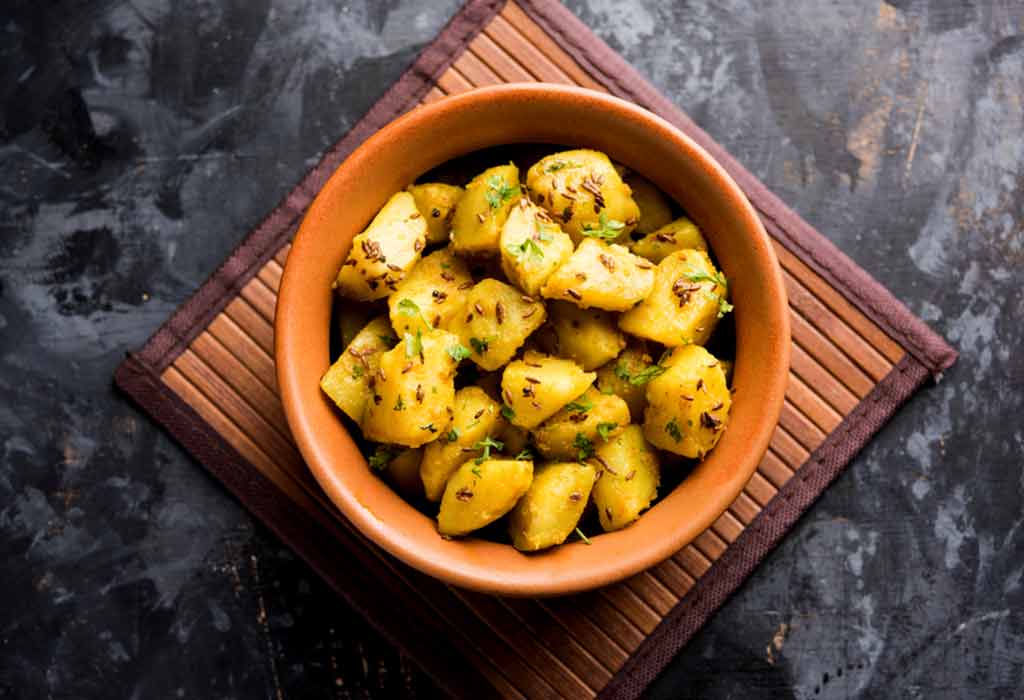
Potato Sabzi Recipe
Potatoes are considered to be one of the most nutritious vegetables for babies. They can be introduced into a six-month-old baby’s diet. They can offer ample energy to your growing baby and contribute to their healthy weight gain. Children love their soft, buttery texture and usually relish all potato dishes. Today, we will tell you how to make potato sabzi for your baby. It is easy to digest and loaded with essential minerals and vitamins, potato sabzi is the perfect dish that can be included in their child’s daily diet. Learn how to make potato sabzi in no time.
Cooking Time
Type
Time (hh:mm:ss)
Preparation Time
00:10:00
Cook Time
00:20:00
Total Time
00:30:00
Cooking Method
Gas
Type of Meal
Vegetarian
Suitable For
Babies older than 11 months of age
Meal Schedule
Lunch or dinner
Recipe Type
Side Dish
Ingredients
Type
Quantity
Potatoes (medium-sized)
3-4
Onions (medium-sized, sliced)
2
Oil
1 tbsp.
Turmeric powder
¼ tsp
Salt
As per taste
Ginger-garlic paste
1 tsp
Parsley/coriander leaves
2 tbsp
Bay leaf
1
Garam masala
1 ¼ tsp
Cumin seeds
½ tsp
Lemon juice
1 tsp
Tomatoes (medium-sized)
2
Mustard seeds
½ Tsp
Coriander powder
1 Tsp
Instructions
The step by step directions given below will guide you to dish out the tastiest potato sabzi:
Wash potatoes and pressure cook them for 3 whistles. Once they cool, peel their skin and cut them into small cubes and keep aside.
Heat oil in a pan. Add the bay leaf, cumin seeds and mustard seeds.
Once the mustard seeds crackle, add sliced onions and fry until soft. Add the ginger-garlic paste and chopped tomatoes. Sauté for 2 minutes and until the tomatoes turn mushy and oil separates.
Sprinkle some turmeric powder, salt, and coriander powder and stir everything well for another 2 minutes.
As soon as the masala turns aromatic, throw in the potato cubes in the pan. Add little water and mix well.
Cover the pan with a lid and cook the sabzi on low flame for about 10 minutes.
Check with a fork if the potatoes are tender. Add lemon juice and garam masala on top.
Garnish with chopped coriander leaves and serve warm in a bowl.
Recipe Tips
Follow the above tips to make sure that you cook delicious potato sabzi.
If your child is older, you can make it spicy, i.e., if your child likes spicy food. You can add red chilli powder or green chillies for older children.
You can add curry leaves or kasuri methi to enhance the taste of this dish.
This homemade potato sabzi baby food recipe can be served with steamed rice, chapatis, parathas, or even dosa.
Make sure you sterilize all utensils and maintain hygiene before preparing food for your baby.
Check with your paediatrician before introducing solids to your baby.
Adding curry powder gives this dish an added flavour.
Nutrition Information (Per Serving)
Type
Value
Carbohydrates
77.8gram
Calories
250kcal
Protein
7.3gram
Sodium
465mg
Fibre
2gram
Fat
16.3gram
Potassium
554mg
Calcium
53mg
Vitamin C
27.9mg
Calcium
53mg
Iron
3.9mg
Sugar
3gram
Vitamin A
550IU
Iron
3.9mg
Zinc
2.2mg
Health Benefits
Power-packed with nutrition, potato sabzi is a wholesome food that ensures that your child develops healthy eating habits.
Potato is a popular edible tuber that causes the least allergenic reactions in children. Due to the presence of carbohydrates, any potato dish is highly satiating and will keep your child energetic all day long.
The presence of a substantial amount of alkaline sugar in potatoes keeps acidity at bay, protects the liver, protects the skin, improves gastronomical health, and supplies essential vitamins and minerals that are needed for a baby’s growth.
Red fleshed potatoes contain antioxidants like anthocyanins that fight various diseases and keep infections at bay.
Buying Guide
Keep the necessary information provided by this buying guide in mind before choosing any product needed to make this dish.
Opt for organically grown potatoes if available easily.
Check the best before date before buying a branded pack of dry masala from a supermarket.
Look for the ingredient label before buying any branded edible oil.
For a child, moms are the best cooks. Hence homemade potato sabzi for babies tastes delicious when cooked with a mother’s love and care. This scrumptious potato sabzi recipe can be served to kids as well as your entire family. So go ahead and make this delicious potato sabzi for your loved ones!
Read more




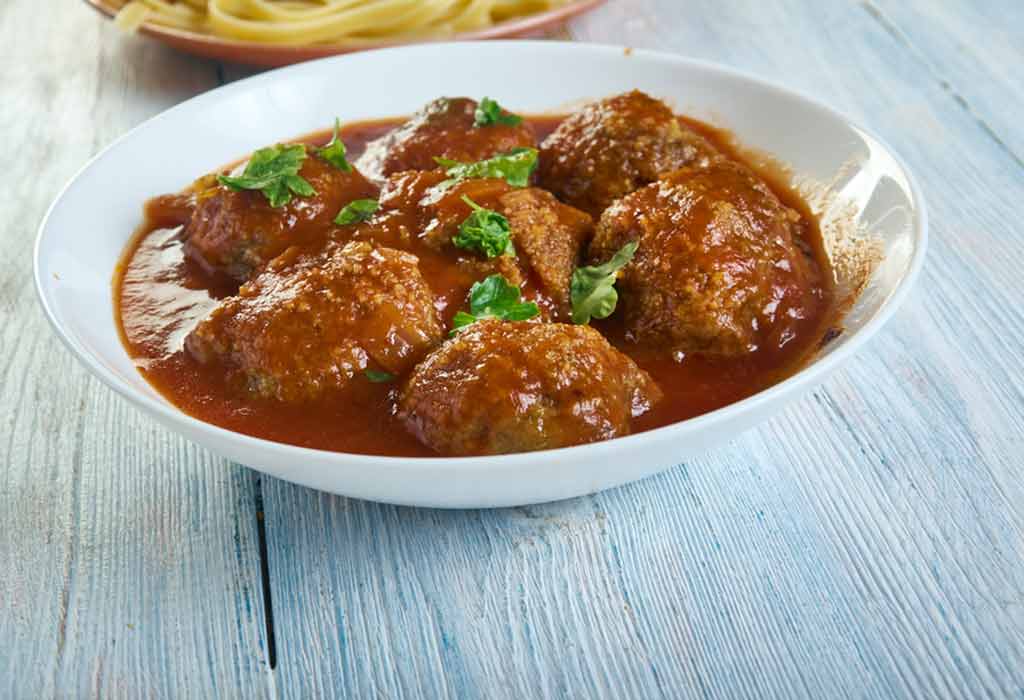
Lauki Kofta Recipe
This wholesome, quick, and easy to make main course dish, lauki kofta recipe is perfect for an everyday lunch or dinner for your little prince or princess! Lauki kofta provides a good amount of both soluble and insoluble water and fibre and is considered to be the best nutritious food for babies. Lauki helps cool down body temperature and keeps the heart-healthy. Read below to find out how to make lauki kofta for your baby.
Cooking Time
Type
Time (hh:mm:ss)
Preparation Time
00:20:00
Cook Time
00:40:00
Total Time
00:60:00
Cooking Method
Gas
Type of Meal
Vegetarian
Suitable For
Babies older than 11 months of age
Meal Schedule
Lunch or Dinner.
Recipe Type
Main Course
Ingredients
Type
Quantity
Lauki
One medium-sized
Coriander leaves
A handful
Onions
1 medium-sized
Tomato
2 medium-sized
Ginger
1 small finely chopped
Kitchen King masala (optional)
½ teaspoon
Coriander powder
½ teaspoon
Garam Masala(optional)
1 pinch
Turmeric powder
1 teaspoon
Besan
2 tablespoons
Baking soda
1 pinch
Water
3 cups
Salt
As required
Oil or homemade ghee
1 tablespoon
Cumin seeds
½ teaspoon
Instructions
Mentioned below are the step by step directions to make lauki kofta:
To begin with, wash all the veggies thoroughly under running water.
Peel and grate lauki and boil in salted water for 2 minutes.
After this let it cool and squeeze out all the water, you can use this water in the gravy later as it has nutrients.
Put the squeezed out lauki in a container and add a very little salt, turmeric powder, some garlic, coriander leaves, and a hint of garam masala and mix well.
Now add two big spoonfuls of gram flour (besan) to the mixture along with a pinch of baking soda and one spoon coconut oil and mix properly.
Add some water to the mixture and make a thick paste.
Next, you will need to grease your palms with some oil and take a small portion of the mix and make a round or oval shape.
Then prepare a small pan and add minimum oil to it and fry the koftas on medium heat and put them aside.
After this, make the gravy for koftas by frying finely chopped onions in minimum oil till they look caramelised.
You can now add grind tomatoes, turmeric powder, coriander powder and a pinch of kitchen king masala and fry it till it gives a thick paste.
Add water and salt to it and let it boil for a few minutes till the smell of raw masala is gone.
Add koftas with coriander leaves and serve with freshly made rotis or rice!
Recipe Tips
This simple lauki kofta recipe can also be made without frying in oil and just by baking them in the microwave, which is even better for babies.
The homemade lauki kofta baby food recipe is best if served hot or warm otherwise, and it may get very soft and crumble.
Make sure you pick the freshest lauki and other ingredients for better nutrition and health benefits.
For small babies, it is better to skip green chillies, ginger, garam masala, and kitchen king powder from the recipe.
Nutrition Information (Per 200 Grams or 1 cup serving)
Type
Value
Carbohydrates
16.9 grams
Calcium
42.7 milligrams
Iron
1.6 milligrams
Protein
4.9 grams
Fat
2.6 grams
Fibre
4.6 grams
Magnesium
43.4 milligrams
Phosphorous
88.1 milligrams
Potassium
248 milligrams
Sodium
89.6 milligrams
Zinc
0.5 milligrams
Health Benefits
This lauki kofta recipe is super delicious and has numerous health benefits. Read on to find out more:
The delicious lauki kofta is packed with nutritious goodness, taste, and a healthy dose of vitamins, carbohydrates, phosphorous, magnesium, calcium, and potassium.
According to the ancient Ayurveda, lauki has medicinal benefits and is used as an antidote for certain poisons as well as to treat cough, cold, and headache.
Lauki kofta is also high in dietary fibre and improves the digestive system and immunity of the baby.
Buying Guide
Below mentioned are certain buying tips while choosing the ingredients for baby food recipes:
For lauki kofta, try to buy fresh and unripe lauki as ripened lauki has more seeds and a fibre-like texture that makes it difficult to eat.
Also, it is better to use organic vegetables in making lauki kofta for babies, as they are free of harmful chemicals and pesticides.
Lauki kofta for babies can be made in very simple steps at home. It is easy to cook recipe, that goes well with kids and adults as well!
Read more
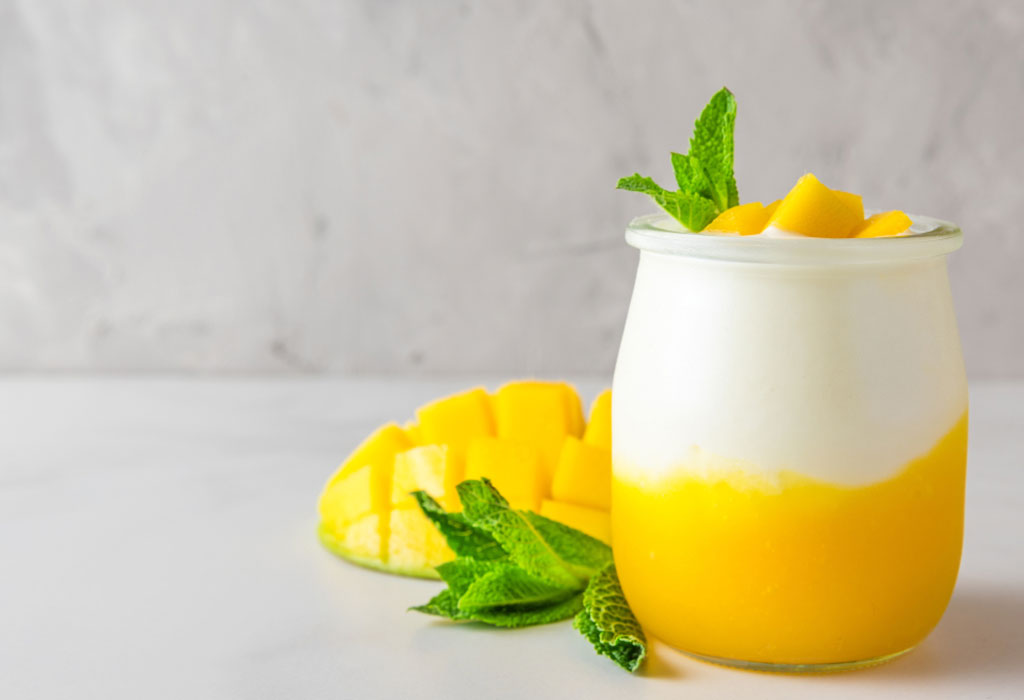
Mango Yoghurt Recipe
Yoghurt is very healthy and can help beat the sweltering heat of summers. A bowl of yoghurt can be very refreshing for kids. But if your child doesn’t like to eat plain yoghurt, you can give it a twist by adding mangoes to it. Sweet and ripe mangoes can enhance the taste of yoghurt. If you want to know, how you can add the goodness of this summer fruit to yoghurt, learn here how to make mango yoghurt. Note down the recipe of mango yoghurt and give it a try the next time you want to treat your little munchkin and cheer him up.
Video: How to Make Mango Yoghurt for Babies and Toddlers (Suitable for Babies 12 Months of Age & above)
Cooking Time
Type
Time (hh:mm:ss)
Preparation Time
00:05:00
Cook Time
00:05:00
Total Time
00:10:00
Cooking Method
No gas involved
Type of Meal
Vegetarian (contains milk)
Suitable For
Babies above 12 months of age
Meal Schedule
Breakfast, mid-morning, or evening.
Recipe Type
Beverage
Ingredients
Type
Quantity
Mangoes (chopped)
2 small-sized
Milk
2 tbsp
Sugar/honey
1 teaspoon
Cardamom powder
1/4th tsp
Saffron strands
3-4
Yoghurt
2 cups
Almonds (chopped)
5
Instructions
Follow this step-by-step guide to learn how to make mango yoghurt at home.
Take the yoghurt in a bowl and stir it well so that it is smooth.
Add the chopped mango pieces to the bowl of yoghurt and mix well.
Transfer the yoghurt and mango mixture to a blender and blend it. Add cardamom powder, honey, and almonds to it.
Blend again to get a smooth puree.
Shake the blender jar gently and pour it an air-tight glass. Refrigerate it for about 30 minutes to 1 hour.
Garnish with chopped almonds and saffron strands and give it to your child.
Recipe Tips
Follow the below tips to make sure you make the most delicious mango yoghurt.
When making mango yoghurt, choose Alphonso mangoes, which are known for their sweetness.
You can add chopped mango pieces stored in the freezer for about 20 minutes to the yoghurt before blending. Using chopped mangoes will help you make a thicker drink.
Don’t add Ice-cream or ice-cubes as your baby might catch a cold.
For the best homemade mango yoghurt baby food recipe, use mangoes with less fibre and more flavour. Canned mango pulp or frozen mango cubes can be used if fresh mangoes are not available.
You can skip the sugar and honey if mangoes are sweet enough.
Cardamom assists in digestion and lends this drink a nice flavour, so don’t forget to add it.
If you’re using curd, make sure you use which is made from cow’s milk as it is easily digestible.
Use fresh curd before it turns sour to ensure its soft taste and flavour.
Nutrition Information (Per 263 Grams or 1 Serving)
Type
Value
Carbohydrates
34grams
Calories
66kcal
Calcium
13%
Sodium
66mg
Cholesterol
16mg
Total Fat
4.5 gram
Vitamin A
22%
Potassium
361mg
Sugar
33gram
Vitamin C
57%
Iron
1.8%
Calcium
13%
Manganese
1.4%
Zinc
0.3%
Phosphorus
1.1%
Health Benefits
Here are some of the amazing health benefits of mango yoghurt for babies:
Mangoes not only has an impressive taste but a great nutritional profile. Low in calories, mangoes are rich in vitamin C and can help boost immune strength of your child. The antioxidants in mangoes can protect your child from any chronic illness.
The dietary fibre and digestive enzyme present in mangoes can smoothen the digestion process.
The lactose in yoghurt can help keep gastric problems, diarrhoea, and stomach irritation at bay.
Power-packed with vital nutrients like Vitamin A, C, B-6, D, E, K, folate, and riboflavin, yoghurt can help in the overall growth and development of a child.
Buying Guide
Note down the tips given below while buying the ingredients required for making mango yoghurt for your little one.
Pick ripe mangoes that are yellow in colour and blemish-free.
Buy organic fruits that are free from harmful pesticides.
Check the ‘use-by’ date on the milk packet if you plan to make yoghurt at home.
Buy saffron only from established brands.
Choose unsweetened or unflavoured yoghurt.
There you go – you have a simple recipe for mango yoghurt, which you can make in a jiffy. So go ahead and buy some mangoes and try this delicious mango yoghurt recipe. Your little one is going to enjoy having it. You can make this summer party dessert once or twice a week for your little one whenever he craves for sweet
Read more
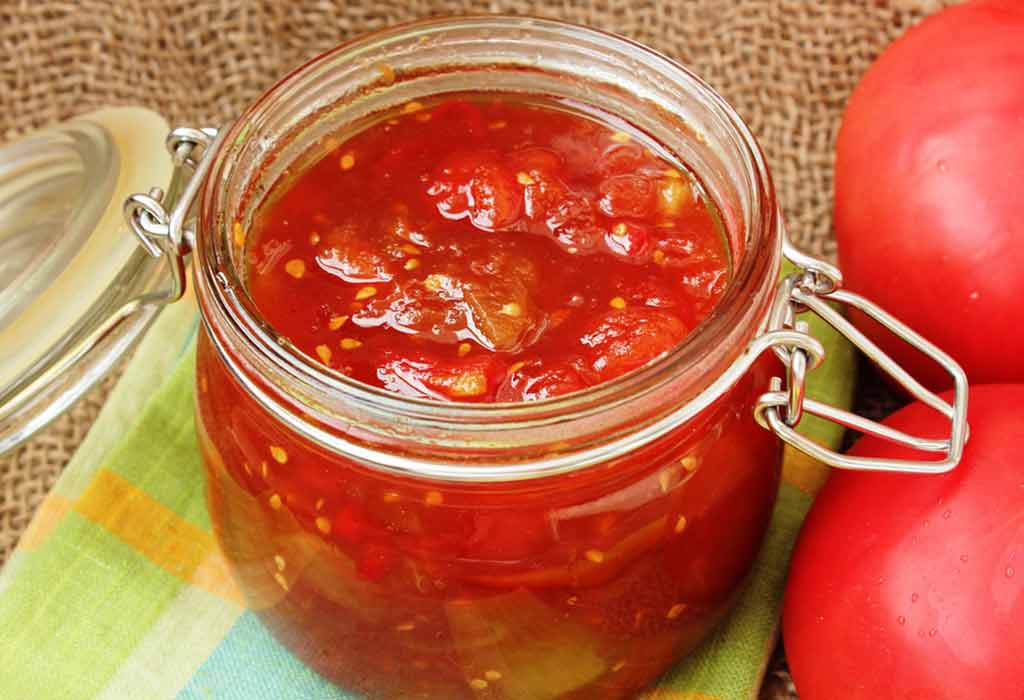
Date and Tomato Chutney Recipe
Traditionally tomato date chutney will be served after a meal as a condiment or can be relished after a soul-satisfying hearty meal. An absolute winner in both preparation and taste, there are many variations to this dish as each household makes it in their unique way. Usually, this tomato chutney is eaten with a side dish, chapati, or fried papad. Children love its sweet flavour with a hint of sourness that makes it one of their favourite treats. Find out how to make date and tomato chutney most simply and brag about your incredible cooking skills.
Cooking Time
Type
Time (hh:mm:ss)
Preparation Time
00:10:00
Cook Time
00:30:00
Total Time
00:40:00
Cooking Method
Gas
Type of Meal
Vegetarian
Suitable For
Babies older than 12 month of age
Meal Schedule
Breakfast, Lunch or dinner
Recipe Type
Main Dish
Ingredients
Type
Quantity
Mustard Oil
2 tsp
Mustard Seeds
1 Tsp
Red dry chili
2
Water
1 Cup
Salt
As Per Taste
Raisins
1 Tsp
Dates, Deseeded and cut into half
10-12
Cumin Seeds
1 Tbsp.
Instructions
The step by step directions given here will assist you in preparing the yummiest date and tomato chutney you’ve ever tasted.
Wash tomatoes and chop them into small pieces.
Dry roast a spoonful of cumin seeds and grind it in a blender. Keep it aside.
Heat oil in a heavy-bottomed pan. Add red dried chili and mustard seeds.
Once it splutters, throw in the tomatoes and stir.
Add salt and give it a good mix. Cover the pan and wait till the tomatoes turn mushy and soft.
Sprinkle sugar and cook for another 5 minutes.
Finally add the dates, raisins, and water.
Cook the chutney till it boils and thickens. Check for the desired consistency and add more water.
Add some roasted cumin powder on top and serve at room temperature or chill it in the refrigerator.
Recipe Tips
This simple date and tomato chutney recipe can be made with jaggery, brown sugar or molasses instead of sugar.
Add finely grated ginger along with mustard seeds to add an extra flavor.
Add cranberry along with dates for increasing the nutritional value of this dish.
You can make this chutney in Bengali style by using panch phoron (a combination of 5 spices)
This homemade date and tomato chutney baby food recipe can be made pulpier by adding mango leather as an ingredient.
It is advisable to wash the vessels thoroughly that are used for cooking your baby’s meal.
Nutrition Information (Per 1 Serving)
Type
Value
Carbohydrates
10gram
Calories
82
Protein
1gram
Sodium
197mg
Fiber
1gram
Fat
5gram
Potassium
150mg
Calcium
6mg
Vitamin C
6mg
Sugar
8gram
Iron
1mg
Phosphorous
16mg
Magnesium
8mg
Zinc
1mg
Vitamin A
39IU
Vitamin B1
1mg
Vitamin B2
1mg
Vitamin B3
1mg
Health Benefits
Discover the health benefits of this date and tomato chutney:
Mustard oil contains powerful antibacterial properties that kill off harmful bacteria as well as anti-fungal properties that kills fungus. Historically it soothes pains and body aches. Mustard oil decreases inflammation from chest conditions for babies.
Tomatoes have a low risk of causing any allergy in babies and hence can be introduced as early as eight to ten months. The presence of Vitamin A in tomatoes helps in good eyesight. The antioxidants in tomato help to strengthen the immune system and prevents frequent illness in children. Tomatoes also have Vitamin K that helps to build healthy bones in an infant.
Dates are a super-food with high nutritional benefits. The dietary fiber in dates relieves constipation while potassium helps in brain growth and development. Its high iron content improves hemoglobin levels in the blood. Other minerals like sodium, calcium, magnesium, and zinc boost the immunity levels and help a baby to recover from fever or smallpox.
Sugar and salt should be avoided for a baby less than one year of age.
Buying Guide
Buying good quality food products ensures value for money and the good health of your children and family. Hence this buying guide can be followed while you step out for shopping the ingredients needed to make this dish:
Buy soft meaty dates that shouldn’t feel hard. Branded dates produced in the Arab countries are best among the date varieties.
Spices need to have a strong aroma and can be bought in small quantities to maintain freshness.
It is always better to choose tomatoes that are grown organically.
Look for tomatoes with smooth skins that do not have cracks or blemish on them.
While buying oil, look for sealed packs that have an expiry date mentioned on the label.
Homemade date and tomato chutney for babies is a hot-spicy palate cleanser that can be stored in the refrigerator for about a week. A healthy substitute for packaged products, this classic dessert will surely tingle your child’s taste buds and become their favourite dish.
Read more
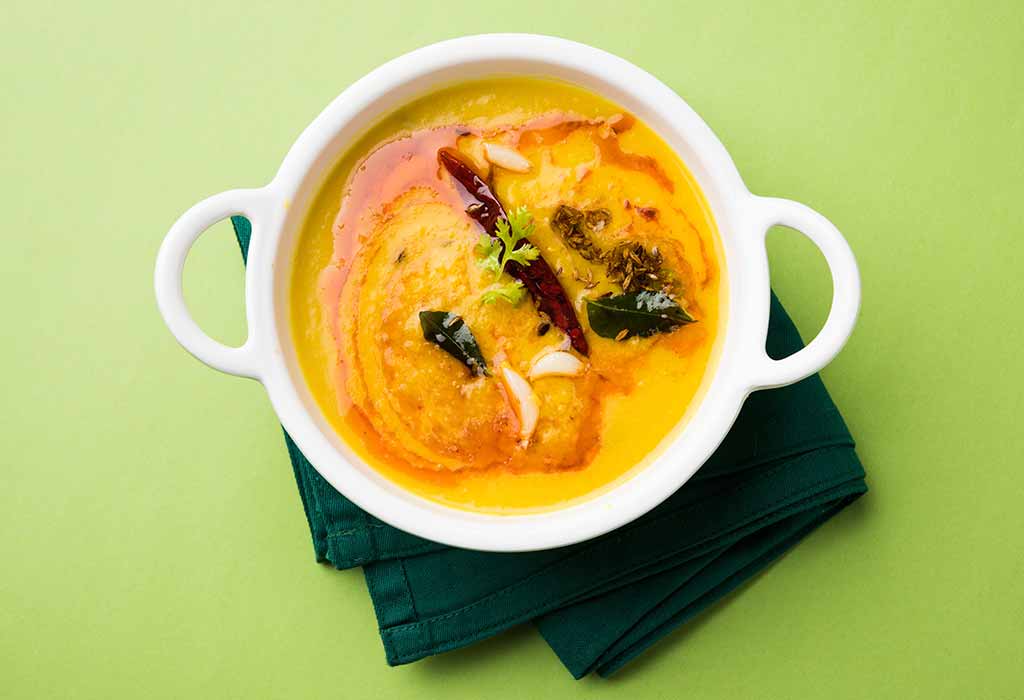
Dal Fry Recipe
Dal fry is consumed widely across the northern part of India and is also a staple food in many households. Dal fry tastes delicious and can be made in no time. But it is not to be confused with the plain dal you make every other day. If you want to learn how to make dal fry for your little one, here’s a simple dal fry recipe that you can try! Well, if you are thinking about what all goes into making this tasty dal, you will have to browse this post for the same!
Cooking Time
You can make this recipe in anytime and the time that you may require is depicted in the table below:
Type
Time
Preparation Time
00:10:00
Cook Time
00:15:00
Total Time
00:25:00
Cooking Method
Gas
Type of Meal
Vegetarian
Suitable For
Children over 12 months of age
Meal Schedule
Lunch or Dinner
Recipe Type
Main Dish
Ingredients
Type
Quantity/volume
Toor dal
¾ cup
Moong dal
¼ cup
Onion, finely chopped
1 medium-sized
Tomato, finely chopped
1 large
Ginger-garlic paste
1 teaspoon
Turmeric powder
½ teaspoon
Coriander powder
½ teaspoon
Cumin seeds
½ teaspoon
Mustard seeds (optional)
½ teaspoon
Garam masala
¼ teaspoon
Kasuri methi
½ tablespoon
Asafoetida (hing)
A pinch
Salt
As per taste
Ghee
1 tablespoon
Coriander leaves, finely chopped
1 tablespoon
Water
2 cups
Instructions
Follow this step-by-step guide to make dal fry at home:
Wash toor and moong dal together until the water runs clear.
Pressure cook both the dals with water, turmeric powder, and salt on a medium flame for 3 whistles or until cooked.
Heat some ghee in a pan, then add cumin and mustard seeds. Once the mustard seeds splutter and cumin seeds change colour, add the asafoetida and sauté for a few seconds.
Add in the chopped onions and cook until they turn translucent.
Next, add in the ginger-garlic paste and sauté for a minute or two.
Add chopped tomatoes to the pan, cook on medium flame until they turn mushy and soft.
Add coriander powder and garam masala, give it a nice stir and cook for a few seconds.
Add boiled dal to the pan and cook on a medium flame for 3 to 4 minutes.
Sprinkle some crushed kasuri methi and mix well. Let it cook for a couple of minutes.
Garnish with freshly chopped coriander leaves and serve at room temperature with boiled rice, chapati or paratha!
Recipe Tips
If you wish to learn how to make dal fry with perfection for your little one, keep in mind the following recipe tips:
Soak dal for at least 15 to 20 minutes before cooking to reduce the cooking time.
To add an extra punch of nutrition, you can add blanched and chopped spinach leaves, finely chopped carrots, bell peppers, etc to the recipe.
To make this recipe vegan, you can skip ghee and use mustard or sunflower instead for cooking.
Use freshly made ginger-garlic paste for the enhanced taste and aroma to the dish.
Nutrition Information (Serving Per 100 Grams)
Here is the nutritional content present in this dal fry for toddlers.
Type
Value
Energy
120 calories
Carbohydrates
17 grams
Protein
6 grams
Fat
3 grams
Potassium
302 milligrams
Sodium
6 milligrams
Sugar
1.5 grams
Fibre
7 grams
Vitamin C
13 milligrams
Vitamin A
240 Iu
Iron
2.2 milligrams
Calcium
20 milligrams
The above-table indicates approximate nutritional content; however, the actual figures may vary slightly.
Health Benefits
Here are some health benefits of dal fry for your little one:
As toor and moong dals are high in carbohydrates, it will keep your baby feel energized and satiated for long.
Loaded with dietary fibre, a combination of these dals is great for keeping any digestive issues and ailments at bay.
A powerhouse of protein, toor dal can be added in your baby’s daily diet to help him meet his daily requirement of protein.
Including dals such as toor and moong can keep iron deficiencies at bay in young kids as they are power-packed with iron.
Buying Guide
Here are some buying tips that you should keep in mind while shopping for ingredients for this recipe:
Buy unpolished dal, preferably organic to avoid any kind of chemicals or pesticides.
Buy fresh and organic vegetables for the recipe.
Make sure that you check the date of packaging before picking up dals for the recipe!
You can make your variations and make this recipe to suit the taste and preference of your munchkin!
Read more
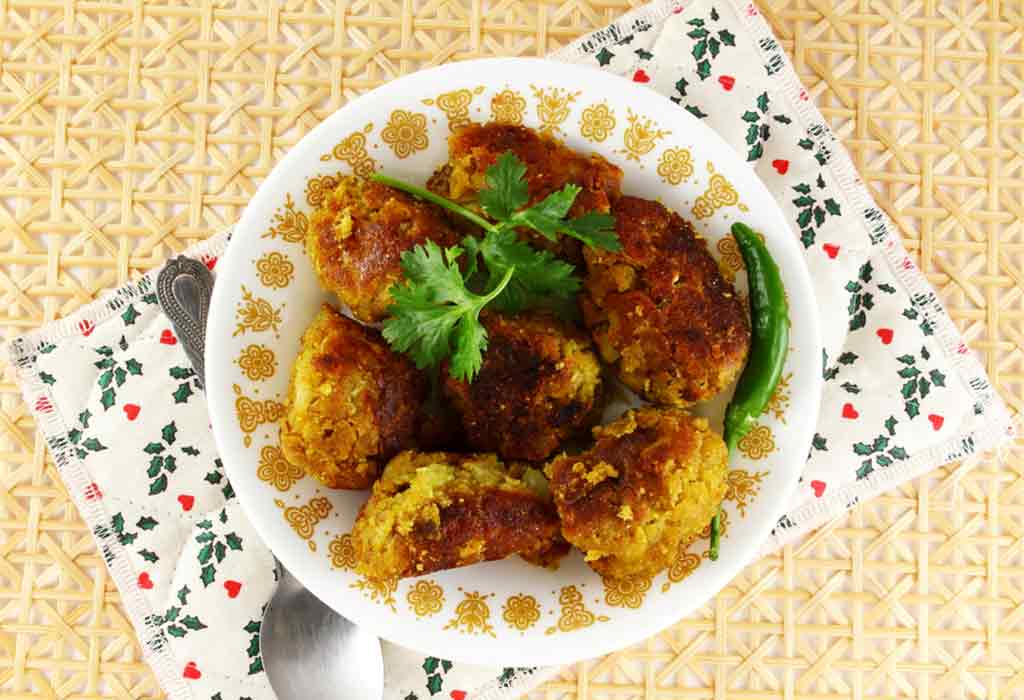
Methi (Fenugreek) Muthia Recipe
As babies grow, they may like to experiment with different flavours and textures in food. Methi muthia is a fist-shaped treat from Gujarat that offers tongue-tickling flavours for all age-groups and for your growing baby too! If you have not tried making this snack until now, you must give it a try as this is fairly simple to make and tastes divine too. Read this blog to learn easy methi (fenugreek) muthia recipe!
Cooking Time
The following table shows the amount of time you may require to make this snack:
Type
Time
Preparation Time
00:15:00
Cook Time
00:20:00
Total Time
00:35:00
Cooking Method
Frying
Type of Meal
Vegetarian
Suitable For
Any Babies above 11 months of age
Meal Schedule
Mid Morning Snack or Evening Snack
Recipe Type
Appetizers
Ingredients
The table below shows the list of ingredients that you need to make methi (fenugreek) muthia for toddlers:
Type
Quantity / volume
Fenugreek leaves
1 ½ cup
Besan
¼ cup
Whole wheat flour
¼ cup
Ginger, pounded
1 teaspoon
Sugar
1 tablespoon
Turmeric powder
¼ teaspoon
Pepper powder
¼ teaspoon
Lemon juice
1 tablespoon
Water
As required
Salt
To taste
Oil
For frying
Instructions
Here is the step by step procedure that you can follow to make this yummy muthia:
Wash fenugreek leaves nicely, drain excess water, and dry them before chopping them finely.
Sieve besan and whole wheat flour together and put in a deep bowl.
Add pounded ginger, sugar, turmeric powder, pepper powder, lemon juice, and salt. Mix all the ingredients well.
Add water slowly as you keep mixing it with the rest of the ingredients to make a soft dough.
Divide the dough into 16 to 18 equal parts. You can give an oval or round shape to the dough, as per your choice.
Heat oil in a wok.
Fry the muthias on medium flame until they turn crispy and brown.
Place fried muthias on a paper towel to get rid of excess oil.
Serve at room temperature with any homemade dip or sauce!
Recipe Tips
Keep in mind these tips when making homemade methi (fenugreek) muthia baby food recipe:
You may add a pinch of baking powder or fruit salt to make softer methi muthia.
If you wish to make crunchier muthias, you may add half a tablespoon of semolina to the dough.
Kneading dough with curd in place of water will lend more flavour to the dish.
Instead of frying the muthias, you can steam the muthias too. For tempering, you will require some oil, mustard, and sesame seeds.
You can make this recipe with dried fenugreek leaves too, however, fresh leaves are a more nutritious option.
Nutrition Information (Serving Per 100 Grams)
The table below states the approximate nutritional content present in 100 grams methi muthia:
Type
Value
Energy
410 calories
Carbohydrates
27 grams
Protein
8 grams
Fats
4 grams
Fibre
5 grams
Sugar
7.9 grams
Potassium
250 milligrams
Sodium
1190 milligrams
Table Source: https://www.spiceupthecurry.com/methi-muthia-recipe-steamed-fried-muthia/
Health Benefits
Now that you have mastered how to make methi (fenugreek) muthia, learn about some of the health benefits of this recipe:
Methi or fenugreek leaves work wonders for the digestive system because they are rich in fibre and pectin.
The anti-bacterial and anti-fungal properties of methi leaves keep skin conditions at bay by keeping the skin germ free. In many old cultures, such as Chinese cultures, these leaves have been used for its medicinal properties to cure various kinds of skin ailments.
Regular intake of these miraculous leaves may help in regulating blood sugar levels.
These leaves make a healthy eating alternative for your little one as they are loaded with iron, magnesium, fibre, and other important micro and macronutrients.
Buying Guide
Keep in mind some of these important buying guidelines when picking up ingredients for the dish:
When buying fenugreek leaves, pick up the ones that look fresh, clean, and crisp. Do not pick up the ones that look wilted and have too much dirt on them.
Buy organic vegetables from a supermarket or any trusted source to be assured that you are picking up authentic organic vegetables.
Never buy frozen or tinned products to make any recipe for your munchkin and the same rule applies when you buy ingredients for methi muthia.
Try this simple snack recipe for your little one that comes with the added goodness of fenugreek leaves!
Read more
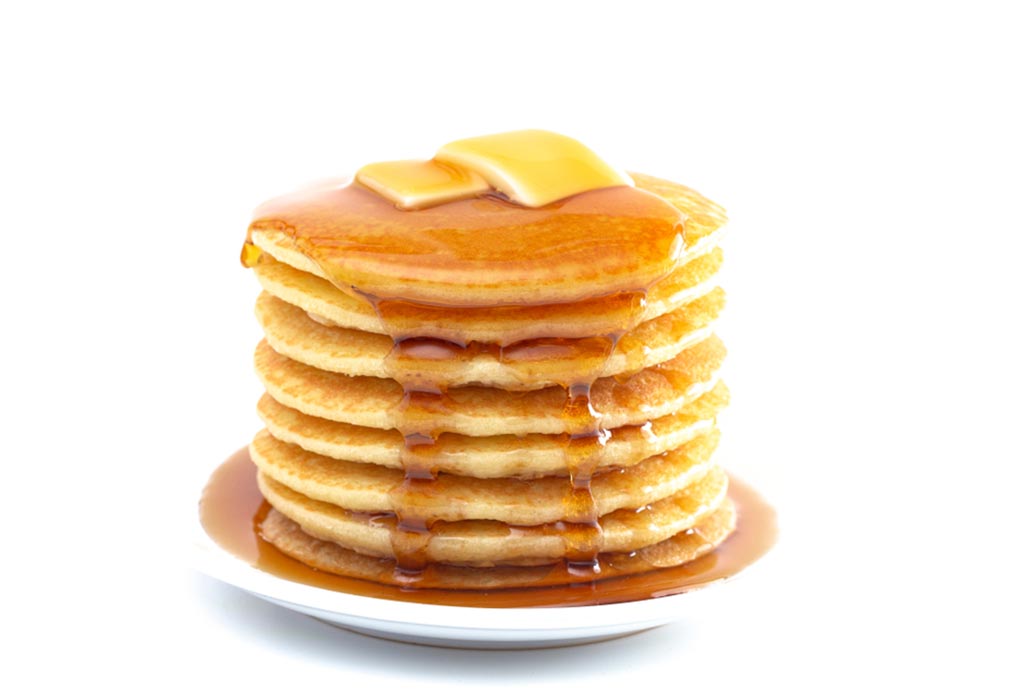
Egg White Pancakes Recipe
Pancakes are one of the best breakfast options for people of all age groups and equally loved by babies too. If you are looking for an easy to make pancake recipe for your little one, here we are to fulfil your wishes! In this post, we will be sharing a homemade egg white pancake baby food recipe that you can try for your baby!
Cooking Time
Type
Time
Preparation Time
00:10:00
Cook Time
00:15:00
Total Time
00:25:00
Cooking Method:
Gas
Type of Meal:
Egalitarian
Suitable For:
For babies over 11 months of age
Meal Schedule:
Breakfast
Recipe Type:
Main Dish
Ingredients
Here is the list of ingredients that to need for egg white pancake for toddlers:
Type
Quantity/ volume
Flour
1 cup
Egg whites
2
Banana, mashed
½ medium-sized
Milk
¼ cup
Brown sugar
¼ cup
Cinnamon powder
½ teaspoon
Walnuts, finely chopped
1 tablespoon
Butter, for cooking
2 tablespoon
Honey (Optional)
2 to 3 tablespoons
Instructions
Here are step by step instructions for making these egg white pancakes:
Whisk egg whites and brown sugar in a deep bowl.
Sieve the flour and add to the egg and sugar mixture slowly, as you keep whisking the batter.
Add mashed banana, cinnamon powder, and chopped walnuts to the batter and give a thorough mix.
Add milk to adjust consistency in case the batter is not of flowing consistency. Skip adding milk if the consistency is as desired.
Heat a flat pan. Grease with butter. Scoop out a dollop of pancake mix and spread it on the hot pan. Cook on medium flame until it turns golden brown from both sides.
Serve at room temperature topped with honey!
Recipe Tips
Here are some recipe tips that may come handy in whipping out this simple Egg white pancake recipe:
If you are making these pancakes for a baby who is less than 12 months old, skip adding honey and chopped nuts.
You can add other mashed or grated fruits such as grated apple, pureed strawberries, etc to add different flavours and texture to the recipe.
If your baby is comfortable with eating chopped nuts, you can add chopped cashews, almonds, pistachios, etc to make the pancakes crunchier.
Use whole wheat flour for added nutrition for your little one.
If brown sugar is not available, you can use jaggery, date sugar, and other such alternatives too.
Nutrition Information (Serving Per 100 Grams)
The table-below shows nutritional content present in pancakes:
Type
Value
Energy
240 calories
Carbohydrates
28 grams
Protein
6 grams
Potassium
130 milligrams
Sodium
450 milligrams
Table Source: https://www.nutritionix.com/food/pancakes
This table mentions approximate nutritional values present in 100 grams of pancakes. Sometimes values may change according to additions that you may make to the recipe.
Health Benefits
Here are some health benefits of pancakes for kids:
Phosphorous present in these yummy delights not only helps in bone and teeth development in babies but also prevents your little ones from any kind of free radical damage.
An array of B vitamins present in pancakes helps in the production of red blood cells and also promotes a healthy nervous system.
Flour is the main ingredient in pancakes, which helps in providing ample carbohydrates to your munchkin. Carbohydrates help in providing the much-needed energy for growing babies and also keep the babies feeling fuller for longer.
The presence of protein in pancakes is beneficial for muscle development.
Buying Guide
Now that you know how to make egg white pancakes, you must keep in mind following tips when buying ingredients for making pancakes:
Buy whole wheat flour from a food-grade brand. Refrain from buying locally packed products until or unless the authenticity of such products is known to you.
Always make sure that you check the best before date or date of packing, before picking up any ingredients.
If you wish to add any fruits to the recipe, make sure you buy seasonal and organic ones from your local supermarket. Do not use tinned or frozen fruits.
When buying eggs, buy the ones that are stored under refrigeration. Check for cracks and do not forget to check the sell-by or date of expiration on the carton.
This easy breakfast recipe is enjoyed by people from all over the world, so next time you are struggling with some fun ideas for breakfast for your munchkin, try making these yummy pancakes!
Read more
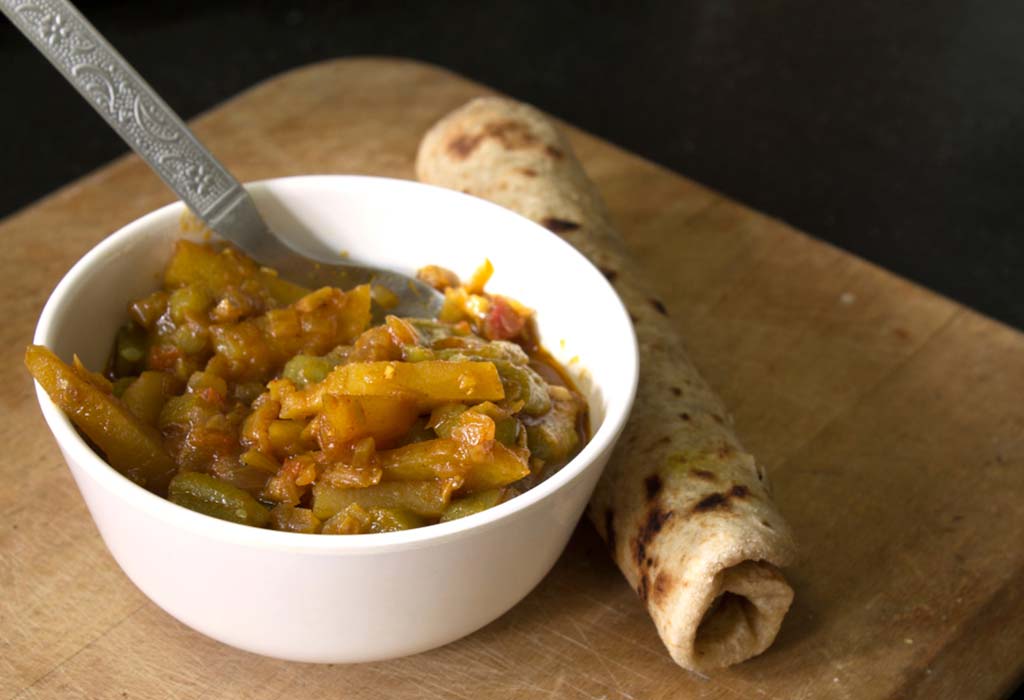
Turai (Snake Gourd) Moong Dal (Green Gram Split) Sabzi Recipe
Getting kids to eat green vegetables is a task for parents but it’s not impossible. To get your kids to eat healthy veggies and other foods, you need to try something new. Here we bring you a recipe of turai and moong dal ki sabzi, which is healthy and tastes yummy. Yes, with this recipe – your little one is sure to eat turai. It’s a nutritious sabzi and a must include in your little one’s diet. Moong is of the tastiest dals and combined with turai, the delicious sabzi you get will offer different flavours and textures to your baby. Browse this post to learn how to make this turai (snake gourd) moong dal (green gram split) sabzi recipe.
Cooking Time
Here is the amount of time that you need at hand to make this tasty recipe:
Type
Time
Preparation Time
00:20:00
Cook Time
00:20:00
Total Time
00:40:00
Cooking Method
Gas
Type of Meal
Vegetarian
Suitable For
Kids above 11 months of age
Meal Schedule
Lunch or dinner
Recipe Type
Main dish
Ingredients
Type
Volume / quantity
Moong dal
¼ cup
Turai, peeled and chopped
1 cup
Onion, finely chopped
1 medium-sized
Tomato, finely chopped
1 medium-sized
Ginger, finely chopped
¼ inch
Garlic, finely chopped
3-4
Coriander leaves, finely chopped
1 tablespoon
Turmeric powder
½ teaspoon
Coriander powder
½ teaspoon
Cumin seeds
¼ teaspoon
Asafoetida (hing)
A pinch
Salt
To taste
Oil, for tempering
1 tablespoon
Water
1 cup
Instructions
Follow these step-by-step guide on how to make turai and moong dal ki sabzi:
Wash and soak moong dal for 5 minutes then strain.
Take the chopped turai in a pressure cooker, add the soaked moong dal, turmeric powder, salt and water. Cook on a medium flame for 2 to 3 whistles or until the dal gets cooked. Keep aside.
Heat oil in a wok, add in the asafoetida and cumin seeds. Sauté until they turn brown and fragrant.
Add in the chopped ginger and garlic and sauté for about a minute.
Add chopped onions and cook until they turn brown.
Add chopped tomatoes and coriander powder. Cook until tomatoes turn mushy.
Add the cooked dal and turai and cook covered on a low flame for a few minutes.
Garnish with chopped coriander and serve at room temperature with rice or paratha.
Recipe Tips
Follow these simple recipe tips to make this recipe yummier:
Use ghee in place of oil for better flavour and aroma.
You can add a pinch of garam masala and pepper powder to enhance the flavour and make it spicy. But add these only if your kid is a little older.
If you wish to replace split green moong with yellow moong dal, you can do so.
Add a pinch of sugar to add an earthy flavour to the dish.
Mash the dish with the spoon if feeding it to younger babies.
Nutrition Information (Serving Per 100 Grams)
Type
Value
Energy
120 calories
Carbohydrates
16 grams
Protein
7.5 grams
Fibre
4.5 grams
Fat
4.4 grams
Sodium
12 milligrams
The above-mentioned values are for reference purposes only. Actual values may vary slightly.
Health Benefits
Here are some health benefits of turai (snake gourd) and moong dal (green gram split) sabzi:
Ridge gourd and moong dal are loaded with dietary fibre, which keeps digestive issues at bay and regulates bowel movements in kids.
Being a good source of beta-carotene, adding ridge gourd in your baby’s regular diet may help in ensuring better vision and eyesight.
Moong beans are loaded with antioxidants, which may help in reducing the harmful effects of free radicals in the body.
High amounts of water and cellulose in ridge gourd may help in preventing constipation.
Buying Guide
After mastering how to make turai (snake gourd) and moong dal (green gram split) sabzi, make sure you keep the following tips in mind while buying ingredients for the dish:
Make sure you pick food-grade, preferably organic dals of a well-known brand. Do not buy loose dal from any place.
Do not forget to check the date of packaging or the best before date on the label.
When buying green vegetables, prefer picking up organic ones to avoid exposure to harmful pesticides or chemicals.
This lentil and veggie combo is a wholesome meal option for your growing baby. So do try this nutritious recipe – your little one will enjoy eating it, if not today, he will develop a liking for it eventually!
Read more
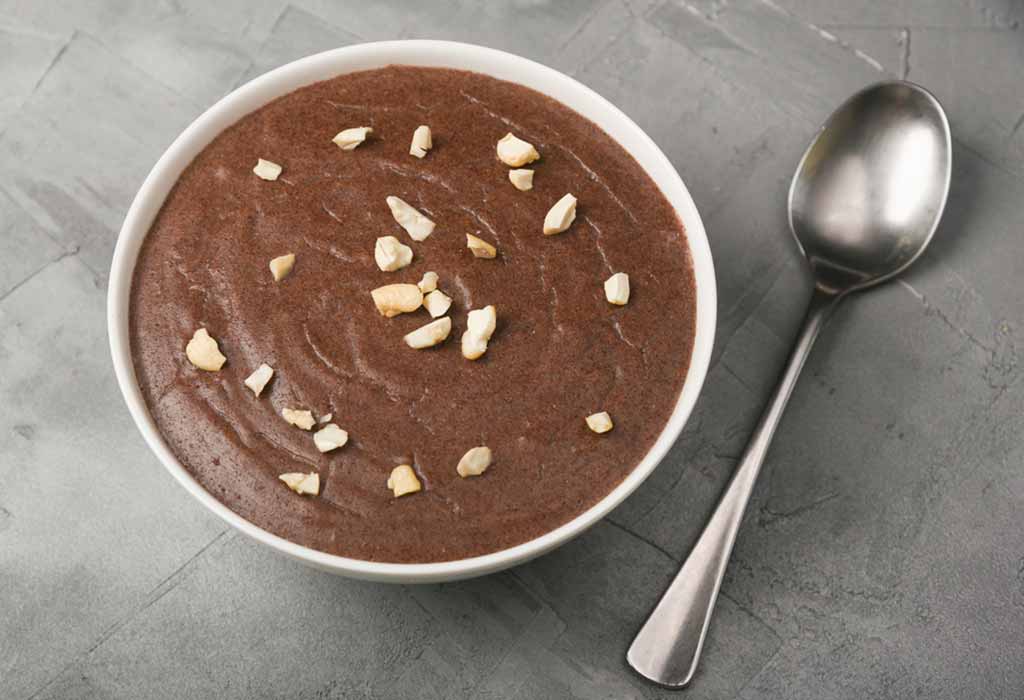
Ragi (Finger Millet) Satva Recipe
Nachni satva or Ragi satva is a sweet delicacy from the tropical land of Goa. This recipe not only tastes divine, it also contains high amounts of calcium and iron! Ragi is a healthy meal option for your munchkin, and this recipe is just the one for you if your child likes sweet delights. If you want to learn how to make a simple Ragi (finger millet) satva recipe, read ahead!
Cooking Time:
Type
Time
Preparation Time
00:30:00
Cook Time
00:15:00
Total Time
00:45:00
Cooking Method:
Gas
Type of Meal:
Vegetarian
Suitable For:
Babies over 9 months of age
Meal Schedule:
Mid-morning or evening snack
Recipe Type:
Dessert
Ingredients
You need the following ingredients to make Ragi (finger millet) satva for toddlers:
Type
Quantity / volume
Ragi
1 cup
Coconut, grated
1 cup
Jaggery
1 cup
Cashew nuts, finely chopped
2 tablespoons
Raisins, finely chopped
1 tablespoon
Cardamom powder
½ teaspoon
Salt
A pinch
Water
As required
Ghee
For greasing
Instructions
Follow these step-by-step instructions to make ragi satva for your baby:
Soak ragi pearls in enough water for at least 5 to 6 hours.
Grind the grated coconut with some water to make a fine paste. Use a fine muslin cloth to strain coconut milk from the paste by squeezing it nicely.
Mix the jaggery in coconut milk and leave it to dissolve while you make the other preparations.
Take the soaked ragi and grind into a smooth paste using some water. Use a muslin cloth to extract ragi juice by squeezing the paste. Keep the juice aside for some time. Discard any excess water that comes on top.
Mix the ragi juice into the coconut and jaggery solution.
Heat the mixture in a heavy-bottomed pan on low flame as you keep stirring the mixture continuously.
Add the chopped cashew nuts, chopped raisins, salt, and cardamom powder when the mixture begins to thicken. Mix well.
Grease a flat round dish with ghee and transfer the contents in it. Flatten the mixture using a spatula. Let it cool.
Cut into desired shapes, and serve this yummy delight to your little one!
Recipe Tips
Here are some tips that you can use if you want to make the perfect homemade ragi (finger millet) satva baby food recipe:
It is important to soak the ragi for a few hours. If possible, soak the ragi pearls overnight.
You can add other chopped nuts such as pistachios, walnuts, chestnuts, etc. to add more texture to the recipe. However, for younger babies, you can skip adding nuts to the recipe.
You can use other kinds of sweeteners such as palm sugar, brown sugar, etc. in place of jaggery.
You can store ragi satva in the fridge for a couple of days. Before serving, take out the required amount and bring it to room temperature.
Nutrition Information (serving per 100 grams)
Type
Value
Energy
320 calories
Carbohydrates
75 grams
Protein
8 grams
Fats
3 grams
Sodium
5 grams
Health Benefits
Now you know the steps to make ragi (finger millet) satva, you should also know the many health benefits of this yummy recipe:
Loaded with calcium, ragi is an excellent meal option, as it helps in the formation of bones and teeth in growing babies.
Ample amounts of nutritional content in ragi prevent malnutrition in young kids.
An excellent source of iron, feeding ragi to your baby on a regular basis can prevent iron deficiencies.
Ragi is also a good source of dietary fibre, thus keeping digestive issues at bay.
Buying Guide
Keep the following tips in mind when buying ingredients for making ragi satva for your toddler:
Make sure you check the best before and date of packaging on the label before buying ragi.
Buy organic ragi pearls for your baby, as they are without any harmful pesticides and chemicals and thus safe for your little one.
Make sure you buy branded products from renowned food-grade brands.
This sweet recipe is very easy and simple to make, and is highly nutritious at the same time. Try this ragi (nachni) satva recipe next time you want to make a sweet delicacy for your little one!
Read more
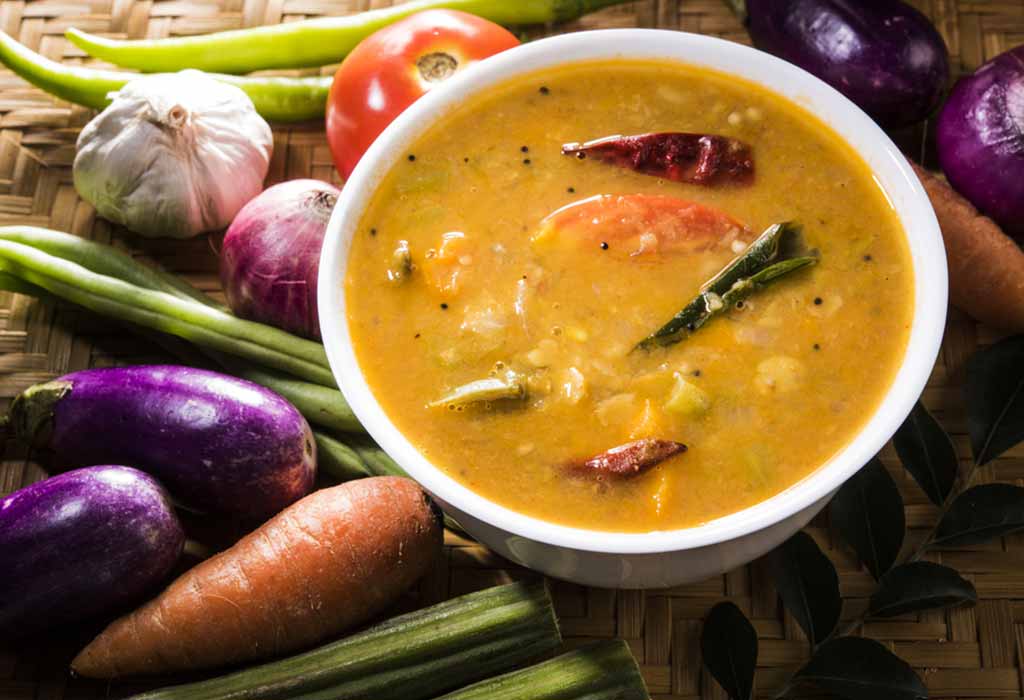
How to Make Sambar (Recipe) for Babies & Toddlers
A popular South Indian dish, sambar is something everyone is introduced to. After all, it’s the loyal companion to our beloved Idlis and Dosas. And why not! It is a perfect combination of lentils and veggies, power-packed with loads of nutrition for your little one. If you haven’t tried the household favourite sambar rice or sambar sadam meal option for your munchkin, well, you may do so now with our superbly simple and easy sambar recipe. It is an ideal meal recipe for babies above ten months of age. Read on to learn how to master the recipe of sambar for babies with a kiddie twist!
How to Make Sambar?
A delightful combination of veggies, lentils, tamarind, and spices, sambar is not something rocket science, but it sure needs dedication and devotion. This sambar recipe for babies and toddlers will be excellent for their health and to tasty that your sunshine will take no time in clearing their plate. Let’s get started, shall we?
Cooking Time
Type
Time
Preparation Time
00:15:00
Cook Time
00:20:00
Total Time
00:35:00
Cooking Method
Gas Stove
Type of Meal
Vegetarian
Suitable For
Babies above 9 months of age
Meal Schedule
Lunch or Dinner
Recipe Type
Main Dish
Ingredients
Here is the list of ingredients for making homemade sambar baby food recipe:
Type
Quantity/volume
Toor dal
½ cup
Carrots, chopped
¼ cup
Radish, chopped
¼ cup
Eggplant, chopped
¼ cup
Bottle gourd, chopped
¼ cup
Black pepper powder
½ teaspoon
Cumin seeds
½ teaspoon
Mustard seeds
½ teaspoon
Asafoetida
A pinch
Turmeric powder
1 teaspoon
Coriander powder
½ teaspoon
Curry leaves
8 to 10
Ghee
1 tablespoon
Onion, chopped
2 tablespoon
Tomatoes, chopped
2 tablespoon
Ginger-garlic paste
1 teaspoon
Water
2 cups
Salt
To taste
Instructions
Follow these step-by-step directions to whip up a perfect sambar recipe:
Boil dal in a pressure cooker for one whistle, along with chopped carrots, eggplant, radish, bottle gourd, turmeric, and salt. Keep aside while you prepare the tempering.
Heat ghee in a pan, add curry leaves and fry them until they turn crispy.
Add cumin seeds and mustard seeds, and let them splutter.
Throw in the onions and turn them golden brown.
Add ginger-garlic paste and sauté it for a minute or two.
Put chopped tomatoes and cook with the entire mixture until they cook well.
Add coriander powder and pepper powder. Mix well.
Put cooked dal and vegetables on a low flame for 4 to 5 minutes.
Garnish with finely chopped coriander leaves. Serve with rice or idli.
Recipe Tips
Here are some tips that you can incorporate to make this sambar recipe for toddlers yummier and more nutritious:
Soak dal for a few minutes for faster cooking.
You can add more vegetables like pumpkin, potatoes, snake gourd, etc., to add more nutritional value to the dish.
If you wish to make tangier sambar, you can add more tomatoes to the recipe. Alternatively, you can add tamarind pulp to the recipe.
You can add a teaspoon of jaggery to enhance the flavour of the recipe.
Serve sambar topped with a teaspoon of ghee for added flavour.
Nutrition Information (Serving Per 100 Grams)
Here’s the nutritional content present in sambar:
Type
Value
Energy
90 Calories
Carbohydrates
12 grams
Protein
4.5 grams
Fibre
2.5 grams
Fat
3 grams
Vitamin C
4 milligrams
Calcium
20 milligrams
Magnesium
20 milligrams
Iron
0.7 milligrams
Sodium
8 milligrams
The above table mentions the approximate nutritional content present in 100 grams of homemade sambar. The actual values may vary according to the ingredients.
Health Benefits
Here are some health benefits of sambar for your little one:
Sambar contains toor dal, which is a good source of protein. Protein is an essential nutrient for the development of muscles in babies.
With loads of veggies and dal, sambar acts as a fibre-rich food option for your little one. High amounts of fibre are good for your baby’s gut and can help in keeping digestion on track and digestive issues at bay.
Presence of turmeric powder, pepper, curry leaves, and other such ingredients make this yummy food option not only good for your baby’s digestion but these are also good sources of zinc, magnesium, iron, folate and other nutrients that may help in building better immunity in babies and young kids.
Ample amount of fiber and water in the dish makes it easy on your baby’s tummy. Fiber helps in adding bulk to the stool, which helps in facilitating bowel movements in babies.
Buying Guide
Now that you know how to make sambar, keep in mind the following pointers when buying ingredients for the same:
Always buy unpolished dal when picking up ingredients to make sambar for your kid.
Buy fresh vegetables and refrain from using canned or out-of-season ones.
If possible, buy organic vegetables to reduce the risk of chemical exposure through pesticides and fertilizers that are used in growing crops.
FAQs
1. When can I feed sambar to my baby?
Once your little one turns 10 months and older and has started solids, you can introduce them to sambar with very mild spices.
2. What type of sambar can I prepare at home?
There are several easy sambar recipes available to prepare at home. You can prepare drumstick and jackfruit seeds sambar, Arachuvita sambar with freshly prepared sambar masala, radish sambar, brinjal sambar, beetroot sambar, tomato sambar, and many more with any vegetable and lentil present at home.
3. Can I feed sambar idli to my baby?
Once your little one has been introduced to a variety of solid foods in the form of puree and mashes, then after they have prepared their palette for textured foods, you can feed sambhar rice or sambhar idli to your baby.
Try this sambar recipe for your baby when you wish to make something nutritious and yummy for your little one!
Also Read:
Rice Porridge Recipe for Babies
Thalipeeth for Babies & Toddlers
How to Make Idli for Babies and Toddlers?
Read more
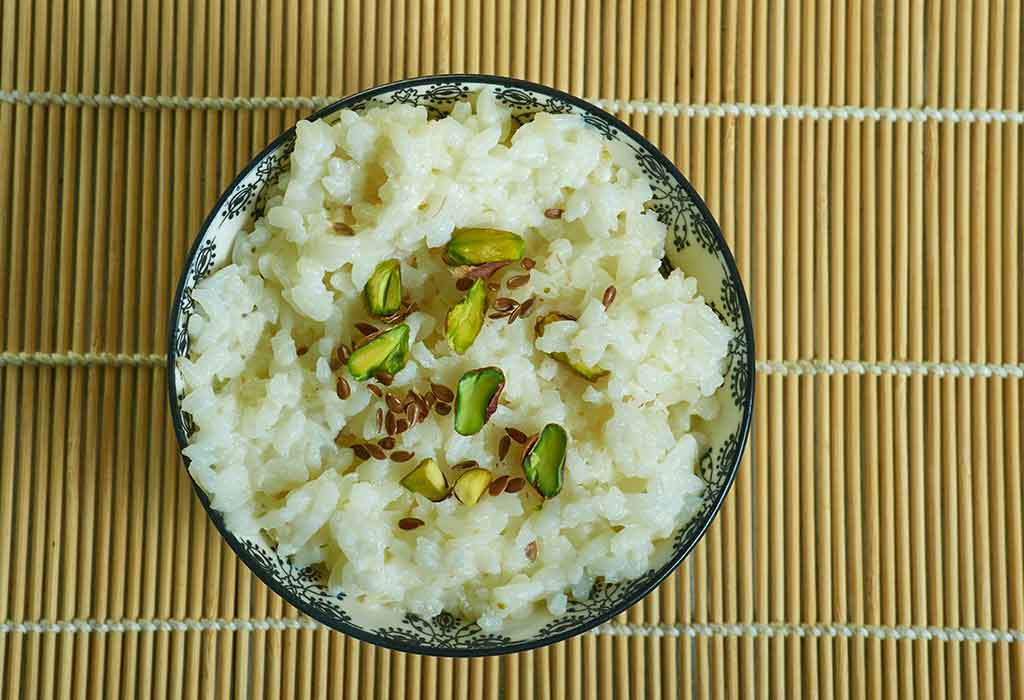
Bhagar (Millet) Cooked in Buttermilk Recipe
Bhagar, also known as Samo, is a nutritious and delicious millet that can be used to make many popular delicacies. Bhagar dishes are believed to originate from Maharashtra, and this millet is commonly cooked during the auspicious occasion of Navratri. Bhagar millet has all the benefits that are required for the growth and well-being of young babies. It is very rich in vitamins and minerals, and has a rich texture and taste very similar to rava or semolina. Read on for the recipe of how to make Bhagar Millet cooked in Buttermilk for babies at home!
Cooking Time
Type
Time (hh:mm:ss)
Preparation Time
00:05:00
Cook Time
00:15:00
Total Time
00:20:00
Cooking Method
Gas
Type of Meal
Vegetarian
Suitable For
Babies older than 9 months of age
Meal Schedule
Breakfast, lunch, mid-evening snack, or dinner.
Recipe Type
Main Dish
Ingredients
Type
Quantity
Bhagar millet
½ cup
Water
2 cups
Salt
1 teaspoon
Homemade ghee
2 teaspoons
Curd/yoghurt
1 cup
Asafoetida (hing)
1 teaspoon
Cumin seeds
¼ teaspoon
Coriander leaves, chopped
1 tablespoon
Instructions
The following step-by-step directions will guide you to prepare bhagar millet in buttermilk at home:
Wash and clean the bhagar millet, and keep it aside.
In a pan, heat 1 cup of water, add salt, 1 teaspoon ghee, bhagar, and mix well. Let it simmer for about 5-6 minutes with the lid on.
Once the bhagar is cooked, mix well and remove from flame.
Take the curd or yogurt in a bowl and beat well with a whisker for about 1-2 minutes. Now, add remaining 1 cup water to the curd, a pinch of salt, and again beat well until it turns frothy. Now, your buttermilk is ready!
Once the bhagar millet has cooled down, add it to the bowl of buttermilk and mix well.
In another pan heat 1 teaspoon ghee, add the cumin seeds and the asafoetida. Add it to the buttermilk mixture along with the chopped coriander leaves.
Your bhagar millet in buttermilk is ready to serve!
Recipe Tips
This simple bhagar millet cooked in buttermilk recipe can be quickly prepared with very few ingredients.
Make sure that the bhagar millet is cooked well before you remove it from the flame.
This homemade bhagar millet in buttermilk baby food recipe is best served immediately once prepared. Leaving it over time can cause the buttermilk to turn sour.
Make sure that you add the bhagar millet to the buttermilk only once it is completely cooled, or else it may cause the buttermilk to curdle.
The coriander leaves should be finely chopped for this recipe.
If preparing for children above two years and adults, you can also add grated ginger and green chili while tempering.
It is highly recommended to always consult with the paediatrician before you introduce any new food to your baby.
Nutrition Information (per serving of 100 ml)
Type
Value
Carbohydrates
45.9 grams
Calcium
14 milligrams
Iron
3.5 milligrams
Protein
4.3 grams
Fat
1.5 grams
Fibre
6.9 grams
Magnesium
57.4 milligrams
Phosphorous
196 milligrams
Zinc
2.1 milligrams
Vitamin B1
0.23 milligrams
Vitamin B2
0.07 milligrams
Vitamin B3
2.9 milligrams
Health Benefits
The following health benefits are associated with yummy and healthy bhagar millet:
Bhagar millet is a rich source of protein, which makes it ideal to be included in the diet of young babies, as it helps in the healthy maintenance of cells in the body.
Bhagar millet has high fibre content that helps in easy digestion of food.
It is also a very rich source of phosphorous that works closely along with calcium in the growth and development of the bones.
Bhagar millet is a rich source of iron which is a very vital nutrient for building adequate levels of haemoglobin levels. Regular intake helps prevent anaemia in young kids.
A rich source of B vitamins such as niacin, riboflavin, and thiamine, it helps in fat metabolism and also proper utilization of energy in the body.
Buying Guide
Mentioned below are certain buying tips to choose the right ingredients for baby food recipes:
If possible, buy good quality organic bhagar millet from a trusted brand source to avoid harmful chemicals.
This easy-to-make bhagar millet in buttermilk recipe is a perfect meal for your little munchkin! The buttermilk in this recipe makes it perfect for summers as it keeps the body cool and hydrated. This recipe is easy to make and is the perfect nourishing recipe, not just for your baby, but for the entire family!
Read more
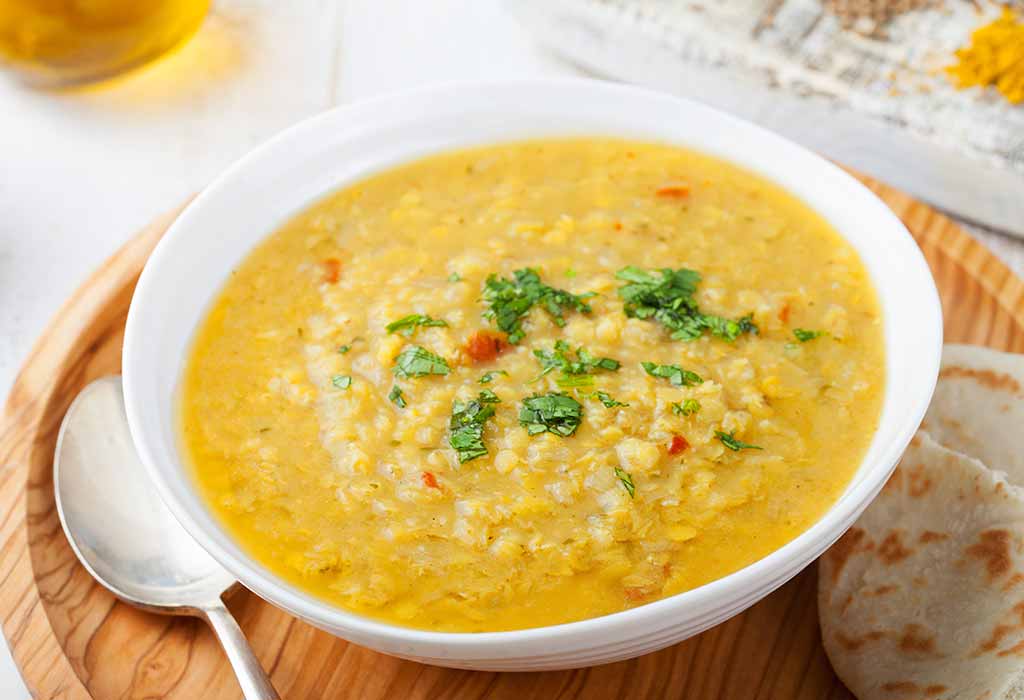
Carrot-Moong Dal (Split Green Gram) Soup Recipe
A bowl of nutritious soup is the best thing to include in the diet of babies and toddlers who are 9 months old and older. Carrot-moong dal soup is one such recipe which you can include in your baby’s diet without worrying about nutrition and taste. It will surely be a hit amongst kids. The inclusion of some veggies adds on to its nutrition value and creaminess. Read on to find out how to make carrot-moong dal soup for your little ones!
Video: Carrot-Moong Dal (Split Green Gram) Soup Recipe for Babies and Toddlers
Cooking Time
Type
Time (hh:mm:ss)
Preparation Time
00:05:00
Cook Time
00:15:00
Total Time
00:20:00
Cooking Method
Gas
Type of Meal
Vegetarian
Suitable For
Weaning babies older than 9 months of age
Meal Schedule
Lunch, mid-evening snack or dinner
Recipe Type
Main Dish
Ingredients
Type
Quantity
Moong dal
5 tablespoons
Cumin seeds
¼ teaspoons
Beans
4-5
Carrot
1 medium sized
Potato
1 medium sized
Garlic
2-3 pods
Salt
As required
Pepper powder
1-2 teaspoons
Butter or homemade ghee
1/2 teaspoon
Water
2 cups
Instructions
Follow these step-by-step directions to make yummy carrot-moong dal soup:
Wash all the veggies thoroughly under cold water.
Remove the skin from the carrot, potato, and beans. Chop all the veggies into small cubes and set aside.
Wash the moong dal thoroughly with water, and keep it soaked in the water for about 10 minutes.
In a pressure cooker, add all the veggies, the soaked moong dal, and 2 cups of water. Pressure cook for about 3-4 whistles. Remove from flame and release the pressure naturally.
Once cooled, remove the lid and blend the veggie-dal mixture into a fine paste using a mixer blender or a hand blender.
In another pan, heat the ghee and reheat the blended mixture. Add the remaining water and adjust the consistency. Bring it to a boil and season it with salt and pepper. Remove from the flame and serve hot!
Recipe Tips
This simple carrot-moong dal recipe is easy to make and can be made using any seasonal veggies of your choice. You can also store the leftovers in an airtight container and refrigerate it for 2-3 days.
You can also skip blending the veggies and dal in a blender if your baby likes to eat mashed vegetables consistency.
This homemade carrot-moong-dal soup baby food recipe thickens over time, so make sure that you add adequate water to adjust the consistency.
Make sure that the veggies you are using are already introduced to the kids before this recipe, in order to avoid any allergic reaction.
Pepper powder is purely optional for babies below one year. Instead, you can add some cinnamon powder to enhance the flavor without making it spicy.
It is highly recommended to always consult with the paediatrician before you introduce any new food to the baby. Before introducing the moong dal soup, make sure that your baby is fine with veggies.
Nutrition Information (1 cup serving or per 200 ml)
Type
Value
Carbohydrates
23.3 grams
Calcium
115.5 milligrams
Iron
1.6 milligrams
Protein
8.5 grams
Fat
1.7 grams
Fibre
4.1 grams
Magnesium
47.9 milligrams
Phosphorous
328.7 milligrams
Potassium
375.8 milligrams
Sodium
41.4 milligrams
Zinc
0.9 milligrams
Vitamin C
4.6 milligrams
Folic acid (Vitamin B9)
47 micrograms
Vitamin A
880.1 micrograms
Vitamin B1
0.2 milligrams
Vitamin B2
0.1 milligrams
Vitamin B3
0.9 milligrams
Health Benefits
The following health benefits are associated with yummy and healthy carrot-moong-dal soup:
Carrot-moong dal soup is a rich source of folic acid, which is a very essential vitamin for the growing children.
It is also a very rich source of phosphorous that works closely along with calcium in the growth and development of the bones.
The moong dal in the soup is an excellent source of protein, which is very important for children during their growth period.
It is also a rich source of vitamin B1, which helps prevent heart diseases, production of red blood cells, enhances carbohydrate metabolism, and also protects the nerve cells of the body.
Buying Guide
Mentioned below are certain buying tips while choosing the right ingredients for baby food recipes:
If possible, buy good quality organic moong dal from a trusted brand source to avoid harmful chemicals.
Go for fresh organic and seasonal veggies to make the soup. Avoid buying cold storage veggies for this recipe.
You can whip up this carrot-moong dal soup for babies at home within no time. A warm bowl of soup is like a warm hug and is perfect for those cozy winter evenings! Give it a try at home!
Read more

Paneer (Cottage Cheese) Bhurji Recipe
Paneer is a common ingredient used in most North Indian households. Paneer Bhurji is a delicious combination of paneer, onions, tomatoes, spices, and some masala to have by itself or as an accompaniment to roti or bread. This easy Paneer ( Cottage Cheese) Bhurji recipe for babies is something that you can introduce to get your child used to some spicy and tangy flavours.
Cooking Time
Type
Time (hh:mm:ss)
Preparation Time
00:10:00
Cook Time
00:10:00
Total Time
00:20:00
Cooking Method
Gas stove or induction
Type of Meal
vegetarians and non-vegetarians
Suitable for
Any baby older than 11 months of age
Meal Schedule
Breakfast, Lunch or Dinner
Recipe Type
Main Meal
Total Servings
3-4
Ingredients
Ingredients
Quantity & Volume
Paneer ( mashed)
1 cup
Oil
2 tablespoon
Cumin Seeds
1 teaspoon
Onions finely chopped
½ cup
Tomatoes finely chopped
½ cup
Pav Bhaji Masala or Garam Masala
¼ teaspoon
Turmeric Powder or Haldi
¼ teaspoon
Red Chilli Powder
½ teaspoon
Green Chillies
1 teaspoon
Coriander
1 tablespoon
Salt
As per taste
Instructions
This homemade Paneer (Cottage Cheese) bhurji recipe for babies is easy and quick if you follow this step-by-step guide:
Heat oil on a Tava and add the cumin seeds. Let them crackle on a medium flame.
Once the seeds crackle, add the onions and sauté them for about 2-3 minutes.
Once the onions are well cooked, add the tomatoes. Sprinkle some water and cook on a low flame for about 4-5 minutes till they are soft and mushy.
Add the masala of your choice, turmeric powder, red chilli powder and a tablespoon of water. Mix well, cover and cook on a low flame for about 2 minutes. Keep stirring continuously.
Now add the mashed paneer, salt, and coriander. Mix it well gently without applying too much pressure. Sprinkle some water and cook on a low flame for about 1-2 minutes.
Serve the Paneer Bhurji hot with roti or bread.
Recipe Tips
Follow these simple tips to perfect your knowledge on how to make Paneer (Cottage Cheese) bhurji recipe:
If you are using frozen paneer, make sure you defrost it before using it. Try to use a fork to mash it nicely. The paneer should be crumbled into tiny pieces for the bhurji to taste good.
Finely chop the onions and tomatoes. You can deseed the tomatoes if you do not want the dish to be very mushy.
The dish is best cooked on a Tava and a non-stick one. You can also use a cast-iron tava as it will enhance the taste.
Nutritional Facts Per Servings
Nutrient
Value
Calories
370 Kcal
Protein
10.4 gm
Carbohydrates
10.8 gm
Fibre
0.9 gm
Fat
31.7 gm
Cholesterol
0 mg
Sodium
7.2 mg
Health Benefits
Read on to find out more about the health benefits of this simple Paneer (Cottage Cheese) bhurji recipe:
Paneer is a derivative of milk and therefore a rich source of calcium. Regular consumption of paneer has proven to improve the bones and teeth.
Paneer is rich in minerals like calcium, potassium, magnesium, proteins that are essential for the healthy growth of the body. It is known to strengthen the immune system.
Tomatoes are rich in Vitamin C and rich in antioxidants. Tomatoes are rich in lycopene which is good for the health of the heart. Tomatoes are also packed with calcium and potassium.
Onions are also rich in fibre and antioxidants. They are also effective against bacterial infections.
Onions have anti-inflammatory properties and reduce symptoms of asthma. They are also useful for a stuffy nose.
Buying Guide:
Follow these useful tips when sourcing ingredients for Paneer (Cottage Cheese) Bhurji to perfect the dish when you make it:
Buy paneer sold in supermarkets. Make sure you buy packaged products and check the expiry date on the packaging. If you are using homemade paneer, make it with full-fat milk.
Make sure you buy tomatoes that are firm and ripe. Ripe tomatoes taste better with paneer.
Onions should also be ripe before being used.
Try and buy organic vegetables as they are from chemicals and pesticides.
Paneer (Cottage Cheese) Bhurji is a preparation that is loved all across India. It is served as an accompaniment to rotis in the North, whereas in the South it is used as stuffing in dosas. With a universal appeal, the dish is perfect for your kid and their nutritional needs.
Read more
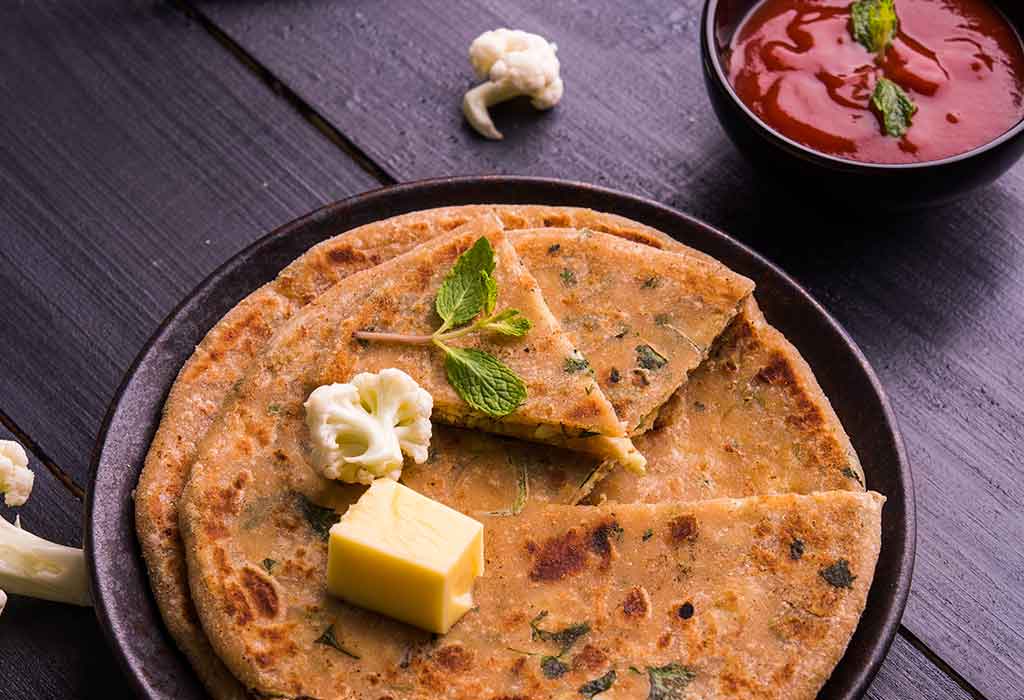
Gobi (Cauliflower) Paratha Recipe
A much loved stuffed Indian flatbread, Gobi (Cauliflower) paratha is a staple dish in most North Indian households. Such is its popularity now that every part of India has seemed to have fallen in love with the dish. That is why it has become a common dish in every household across Indian. A perfect dish to serve your toddler, this Gobi (Cauliflower) Paratha for babies is something that you can cook for breakfast, lunch or dinner.
Cooking Time
Type
Time (hh:mm:ss)
Preparation Time
00:20:00
Cook Time
00:20:00
Total Time
00:40:00
Total Servings
3-4
Cooking Method
Gas stove or induction
Type of Meal
Vegetarians And Non-Vegetarians
Suitable for
Any baby above 11 months of age
Meal Schedule
Breakfast, Lunch or Dinner
Recipe Type
Main Meal
Ingredients
For The Dough
Ingredients
Quantity & Volume
Wheat flour
1 ½ cups
Oil
1 teaspoon
Salt
As per taste
For The Stuffing
Ingredients
Quantity & Volume
Grated Cauliflower
1 ½ cups
Oil
2 teaspoon
Cumin Seeds
½ teaspoon
Onions finely chopped
½ cup
Green Chillies finely chopped
1 teaspoon
Salt
As per taste
Coriander finely chopped
¼ cup
Other Ingredients
Ingredients
Quantity & Volume
Whole Wheat Flour for rolling
10-15 tablespoons
Ghee
10-15 tablespoons
Instructions
Just follow this step-by-step procedure to learn how to make Gobi (Cauliflower) Paratha:
For The Dough
Combine all the ingredients in a bowl. Knead into a smooth dough with enough water (approximately ½ cup).
Cover and keep aside.
For The Stuffing
Heat ghee in a broad pan and add the cumin seeds.
Add the onions and green chillies when the cumin seeds crackle. Sauté on a medium flame for about a minute.
Now add the grated cauliflower and salt. Sauté on a medium flame for about 1-2 minutes.
Add about 4 tablespoons of water mix well. Cover and cook on a low flame for about 3-4 minutes. Stir occasionally.
Once cooked, add the chopped coriander and mix well.
Now divide the stuffing into six equal portions and keep aside.
For The Paratha
Divide the dough into six equal parts.
Take some portion of dough in your palm and roll out into a circle of 4 inches in diameter.
Place one of the portions of the stuffing in the centre.
Carefully bring together the sides to the centre and seal it into a stuffed ball.
Now use some wheat flour and roll this ball into a circle of about 7 inches in diameter.
Now heat a tava and cook the paratha with ghee. First, cook one side and apply ghee to it. Flip over and cook until both sides appear golden brown.
Now repeat the above steps to exhaust the portions of dough and stuffing.
Serve the gobi paratha hot with yoghurt or ketchup.
Recipe Tips
Now that you have learned to make homemade Gobi ( Cauliflower) Paratha baby food recipe, follow these tips to perfect it:
Wash the cauliflower before cutting the florets. After you separate the florets, place them in a bowl of cold water with some salt. This step will get rid of any worms that are in the vegetable.
Knead the flour into a smooth dough so that the parathas will turn out soft.
Adjust the number of green chillies as your baby’s taste.
You can also add some amchur powder or garam masala for an enhanced flavour.
Nutritional Information Per Servings
Nutrient
Value
Calories
218 Kcal
Protein
5.5 gm
Carbohydrates
30.7 gm
Fibre
5.7 gm
Fat
8.8 gm
Cholesterol
0 mg
Sodium
20.2 mg
Health Benefits
This simple Gobi (Cauliflower) Paratha recipe has its share of health benefits:
Wheat flour is good for digestion and will keep your baby’s tummy fuller for longer. It is also gluten-free and is an excellent food for kids with allergies.
Cauliflower is a good source of Vitamin C, Vitamin K, manganese and potassium. It is rich in antioxidants to boost the kid’s metabolism. The potassium helps to maintain the muscles, heart, kidneys, and muscles.
Buying Guide
Just take some care and precaution while buying ingredients for Gobi (Cauliflower) Paratha. Follow these tips:
Buy cauliflower that is white and covered within green leaves. Ensure there are no black spots on the cauliflower.
Buy atta from supermarkets that belong to reputed brands. Check the expiry date on the packaging. Alternatively, you can also buy whole wheat grains and grind them to a powder in a mill.
The combination of cauliflower, green chillies and onions make an excellent delectable meal that is wholesome and nutritious. Your kid is sure to love this paratha made generously with ghee. Serve it with a glass of buttermilk to complete a meal.
Read more
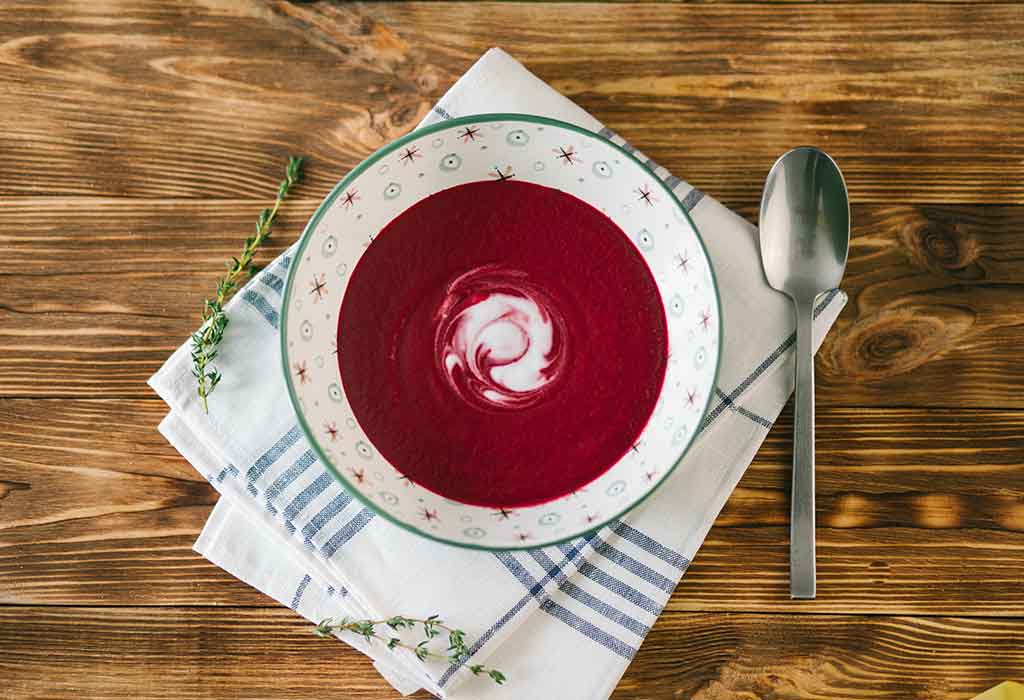
Beetroot-Broccoli-Mushroom Soup Recipe
Soups can be the ultimate comfort food during monsoon or winter. Who doesn’t like a bowl of warm creamy soup made from the choicest vegetables! Giving soup to your baby could be the best choice for keeping him hydrated and well-nourished in any weather. If you’re wondering which soup you should make, then here’s one suggestion: beetroot broccoli soup. Beetroot broccoli soup tastes delicious and is very healthy! It also has spices in it which can lower the chances of catching infections. You can serve this soup to your kid if he throws a fit about eating veggies or on days he is not well. This soup will provide essential nutrients to your growing baby. You can serve this soup with bread, salads, or as a light evening meal or as an appetizer for dinner. Here’s a simple recipe for beetroot broccoli mushroom soup.
Video: Beetroot Broccoli Mushroom Soup Recipe for Babies & Toddlers (For Babies Older than 9 Months)
Cooking Time
Type
Time (hh:mm:ss)
Preparation Time
00:10:00
Cook Time
00:15:00
Total Time
00:25:00
Cooking Method
Gas
Type of Meal
Vegetarian
Suitable For
Weaning babies older than 9 months of age
Meal Schedule
Lunch, evening meal or dinner
Recipe Type
Appetizer
Ingredients
Type
Quantity
Broccoli
3-4 florets
Mushroom
4-5 slices
Onion shallots
1 finely chopped
Minced ginger
1 tsp
Salt to taste
Butter
1 tsp
Sugar
1 tsp
Black pepper powder
A pinch
Chopped beetroot
1.5 cups
Mint Leaves
1 tbsp
Vegetable stock
2 cups
Garlic
2 cloves
Bay leaf
1
Instructions
Follow this step-by-step guide on how to make beetroot broccoli mushroom soup.
Heat 1 tsp of butter in a pressure cooker. Sauté 1 bay leaf and add ginger, garlic, and onion shallots until it all turns aromatic.
Add 1.5 cups of beetroot, washed broccoli florets, and mushrooms along with salt. Sauté for 2 minutes.
Now add 2 cups of water and pressure cook for 2 whistles. Release the pressure and drain off the water to cool down the soup.
Transfer it into a blender and grind it to a smooth paste.
Take a pan and pour in the vegetable stock along with the vegetable paste from the blender.
Add in the salt and sugar pepper powder to the soup and boil it for 2 minutes.
Garnish with mint leaves and serve warm.
Recipe Tips
This simple beetroot broccoli mushroom soup recipe can be a substantial meal for babies when prepared in the right way. Follow the below tips to make a healthy and delicious beetroot broccoli soup for your little one.
Add corn-starch if you want to make the soup thicker.
Add more water to make a soup with lighter consistency for younger babies.
You can add boiled noodles or paneer cubes to this soup to make it more tempting for older children.
This homemade beetroot broccoli mushroom baby food recipe can be made tastier with the use of exotic herbs like thyme, oregano, rosemary, and basil.
Adding lemon juice and vinegar will lend a soup a tangy taste. If your child is a little older, you can add lemon juice and vinegar to the soup.
Adding fresh cream enhances the creamy texture of the soup.
Nutrition Information (Per 1 Serving-250gm)
Type
Value
Carbohydrates
13 gram
Calories
129kcal
Protein
5.5gm
Sodium
463mg
Fibre
1.65gm
Fat
6.5gm
Cholesterol
18.5mg
Calcium
16%
Vitamin C
8%
Glucose
3.1gm
Iron
5%
Health Benefits
Soups are delicious and easily digestible. The vibrant colour of beetroot broccoli mushroom soup along with its mild sweetness and a hint of spices surely indicates the health benefits associated with all its ingredients:
Beetroot contains betanin that acts as an antioxidant against heart diseases. It is low in calories and almost fat-free. As it is loaded with fibre, it eases bowel movements.
Mushrooms are fleshy fungi that have a nutrient-rich profile. Button mushrooms are extremely low in calories and contain very less fat. The phosphorous content in them plays a pivotal role in the formation of teeth enamel while Vitamin D content facilitates the growth of bones.
Broccolis are high in vitamin C and a great source of fibre. Easy to digest, it contains macro and micronutrients like iron, calcium, vitamin A, B, C, K and folic acid that promotes brain development.
Buying Guide
This buying guide for beetroot broccoli mushroom soup will help choose the best quality ingredients.
If you’re buying broccoli make sure they are uniformly coloured in either dark green, sage or purple-green. They should not be mouldy or bruised.
Make sure that the beetroots you buy are of deep maroon colour and have unblemished skin. Their taproot should be still attached. If possible buy vegetables from an organic store.
Choose button mushrooms that are not broken or bruised. They should be firm, smell earthy and have tightly closed caps.
Homemade beetroot broccoli mushroom soup for babies is just the right dose of healthy and tasty dishes that your child needs for his physical and mental development. Its brilliant colour, texture, and flavour added with your touch of love will make it your child’s favourite appetizer and he will look forward to having it whenever he has hunger pangs!
References:
https://hebbarskitchen.com/beetroot-soup-recipe-beet-carrot-soup/
https://www.mylittlemoppet.com/broccoli-mushroom-soup-recipe-kids/
https://www.myfitnesspal.com/food/calories/beet-soup-borscht-206849108
https://www.eatthismuch.com/food/nutrition/broccoli-mushroom-soup,190882/
Read more
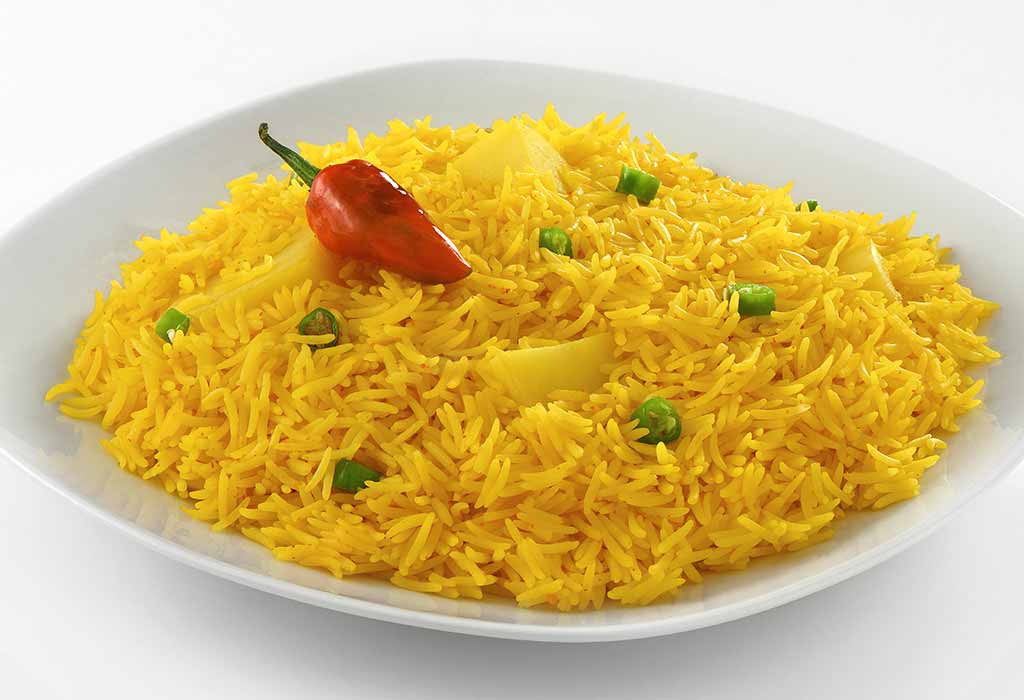
Lauki Rice Recipe
If you’re finding it a challenge to introduce vegetables in your child’s diet, lauki or bottle gourd is a healthy option to sneak it into your staple rice diet. Commonly called ‘doodhi’ or opo squash, lauki is a mild vegetable that can be prepared in a versatile way. Lauki rice is an Indian recipe that is highly nutritious and easy to digest. The mild flavor of bottle gourd mixed with rice makes a wholesome meal idea for lunch or dinner. Easy to cook, this comforting dish can be introduced between 6-8 months for weaning babies. Read on to find out how to make lauki rice most easily and serve a perfect dish that your child will finish in a jiffy.
Cooking Time
Type
Time (hh:mm:ss)
Preparation Time
00:10:00
Cook Time
00:15:00
Total Time
00:25:00
Cooking Method
Gas Stove
Type of Meal
Vegetarian
Suitable For
Babies above 7 months of age
Meal Schedule
Lunch or dinner
Recipe Type
Main Dish
Ingredients
Type
Quantity
Bottle Guard
3 Cups
Par Boiled Rice
1 Cup
Onion
1 Cup
Salt
As Per Taste
Ghee/Oil
2 Tsp
Ginger Garlic Paste
1 Tsp
Coriander Powder/Mint Leaves
1 Tsp
Turmeric Powder
¼ Tsp
Coriander Leaves
2 Tbsp.
Cumin seeds
1 Tsp
Cloves
3
Cinnamon
½ Inch Stick
Black peppercorns
3-4
Curry Leaves
A sprig
Instructions
The step by step directions given here with specific instructions will help you to make the yummiest lauki rice dish.
Wash rice and soak it for 20 minutes in clean water. Drain out the water and set aside.
Peel the skin of the bottle gourd and grate it well. Take out the seeds if possible.
Heat ghee in a pressure cooker. Add cumin seeds and let it splutter. Add whole spices like cloves, cinnamon, and peppercorns.
Sauté for a few seconds and add onions and curry leaves.
As the onions turn translucent, add turmeric powder and salt.
Throw in the bottle gourd and soaked rice. Mix it well.
Add 2 cups of water. When the water starts boiling, close the lid of the cooker.
Cook it on low heat while allowing the rice to be cooked. Lift the lid and mix it again.
Continue to cook for some more time till the rice becomes fluffy. Garnish with finely chopped coriander leaves.
Serve hot with any delectable gravy or raita.
Recipe Tips
This simple lauki rice recipe can be made spicier by using green chilies.
Add green peas, chopped carrots or sweet corns with lauki to make it more colorful and nutritious.
Using basmati rice adds an aromatic flavor to this dish while brown rice can be a healthier alternative than white rice as it is high in fiber and gluten-free.
This homemade lauki rice baby food recipe can be made tangier by adding dry mango powder or amchur.
Adjust the spice level if serving to your kid.
You can add coconut milk for adding a nice sweet taste to the pulao.
This lauki rice dish can be an integral part of a balanced diet for your baby.
Nutrition Information (Per 1 Serving)
Type
Value
Bottle Gourd
(1 Cup)
Calories
22 kCal
Carbohydrates
5.4 grams
Protein
0.9 grams
Sodium
2.9 mg
Potassium
248 mg
Vitamin C
21%
Calcium
2.7%
Iron
2%
Rice
(1 Cup)
Calories
242 kCal
Carbohydrates
53.4 grams
Protein
4.4 grams
Health Benefits
Let us consider the health benefits associated with this lauki rice dish that can be safely included in your child’s diet more than once a week.
Bottle gourd is rich in fiber which treats constipation. It is beneficial for treating urinary tract infections by removing toxins from the body.
The water content in bottle gourds keeps your child hydrated and keeps them energized all day.
Bottle gourd contains essential minerals and antioxidants that prevent heart ailments in babies. Even cold, cough and asthma symptoms can be reduced significantly with the inclusion of bottle gourd in your child’s meal.
Rice is an excellent source of carbohydrates. It boosts energy levels, manages blood sugar levels, protects against dysentery and any chronic disease. Its high mineral level protects the body from cancer.
Brown rice improves digestion and low-fat content which helps obese babies to lose weight.
Buying Guide
This buying guide is to be kept in mind when you step out for purchasing the ingredients needed for making lauki rice.
Visit an organic store to pick veggies that are free from pesticides and insecticides.
Check the age of the rice before buying. Look carefully for any stones or weevils in rice.
Buy rice from a trusted store. Pay attention to its texture and color before buying.
Branded or organic ghee is better as it is free from adulteration.
Homemade lauki rice for babies can make a soothing one-pot meal for kids when they are ill or on a hot summer day. Start with a small quantity and increase the amount until your baby gets accustomed to the new food. This delicious lauki rice dish prepared with a mother’s love will surely remain etched in your child’s memory forever.
Read more
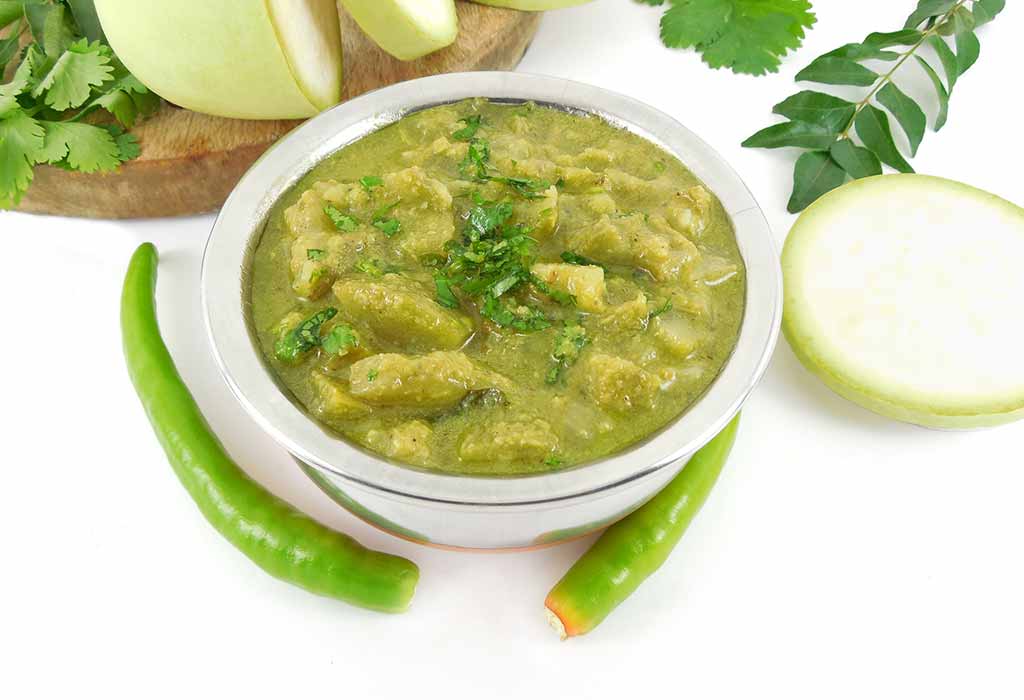
Lauki Moong Dal Soup Recipe
Soups and broths are the best way to introduce vegetables into your baby’s daily diet as they are easy to feed, gulp down and digest. If you’re looking for a bowl of healthy soup recipe that will keep your baby hydrated in all kinds of weather, lauki moong dal soup can be a good idea. The mild and soothing taste of this soup serves as an appetizer, tantalizes the taste buds and fights infections due to the presence of various nutrients present in its ingredients. This Indian style recipe is not just easy to cook but makes a substantial meal for picky eaters. Gourd adds depth to this soup, the moong dal keeps it light while the spices add flavor to this wholesome soup. Learn how to make lauki moong dal soup in a surprisingly easy way and your child would crave for this warm and creamy treat more often than you think.
Cooking Time
Type
Time (hh:mm:ss)
Preparation Time
00:10:00
Cook Time
00:20:00
Total Time
00:30:00
Cooking Method
Gas Stove
Type of Meal
Vegetarian
Suitable For
Weaning babies older than six months of age
Meal Schedule
Breakfast, Lunch or dinner
Recipe Type
Side Dish
Ingredients
Type
Quantity
Bottle Gourd
1 Cup
Moong Dal
2 Tbsp
Butter
1 Tbsp
Water
1 Cup
Salt
As Per Taste
Pepper
1 Tsp
Garlic
2 Cloves
Ginger
½ Inch
Shallots
2
Cumin Seeds
¼ Tsp
Coriander Leaves
1 Tbsp
Instructions
Refer to the step by step directions given here that will guide you to make the perfect lauki moong dal soup just the way you want.
Wash, peel and cut the bottle gourd into cubes.
Wash the moong dal and drain out the water.
Heat butter in a pressure cooker followed by cumin seeds and wait till it splutters. Throw in sliced shallots followed by chopped ginger and garlic. Stir for some time till they become translucent and gives out a nice aroma.
Add in rinsed moong dal followed by cubed bottle gourd and fry for another minute.
Add water and close the lid of the pressure cooker.
Wait for 2 whistles in medium flame.
Once the steam is released, transfer the contents of the cooker into the blender. Add more water and grind it into a smooth puree.
Add salt and pepper as needed and garnish with coriander leaves.
Pour it into a bowl and serve warm.
Recipe Tips
This simple lauki moong dal soup recipe can be made using commonly found vegetables and lentils found in your kitchen.
Add soaked and deskinned almonds to lend the soup more nutrition value.
Dilute the soup more with water for smaller babies. Avoid the salt for babies less than 1 year of age.
This homemade lauki moong dal soup baby food recipe can be made tangier by adding a few drops of lemon juice to it. Adding a tomato will also give it a sour flavor.
You can season it with roasted and powdered cumin seeds or crushed red chilies.
Olive oil can be used instead of butter. A pinch of sugar in the soup adds to the taste of older children.
Maintain proper hygiene while cooking for your baby like washing your hands or sterilizing the utensils.
Nutrition Information (Per 1 Serving)
Type
Value
Calories
16 kCal
Carbohydrates
3 grams
Protein
4 grams
Sodium
16 mg
Potassium
158 mg
Calcium
3%
Vitamin C
13%
Calcium
3%
Iron
2%
Health Benefits
This lauki moong dal soup prepared with loving care is guaranteed to rejuvenate your baby’s energy as well as meet the daily calorie requirement in the diet. Let us see what wonders it does to a baby’s health:
Soup is an effective remedy for the common cold as it contains an inflammatory agent. Bottle gourd soup normalizes the acidity of the stomach.
With about 90% water content, few calories, less fat and high fiber, bottle gourd reduces body heat by replenishes the water requirement of our body, especially during diarrhea.
As bottle gourd has Vitamin C, it induces a charming skin for babies.
The high fiber content of bottle gourd treats constipation and offers the best way to treat urinary infection by flushing out the toxins.
Moong dal is full of protein that induces growth in the weaning stage of babies.
Buying Guide
This buying guide is your ideal companion for picking the right ingredients that you need for cooking the best lauki moong dal soup for your beloved child.
If you’re buying branded moong dal, then look for its expiry date to avoid stones or insects in them.
Spices need to be bought in small quantities that have a strong aroma.
It is always better to use clarified pasteurized butter.
Freshly sourced veggies from local farmers market or organic vegetables are always a better option. Ensure the skin of the bottle gourd is pale green and smooth free from any spots.
Homemade Lauki moong dal soup for babies is a sumptuous and satiating treat for babies. It is certainly a better alternative to any readymade soup packets that have artificial flavors, thickening agents and harmful preservatives.
Read more
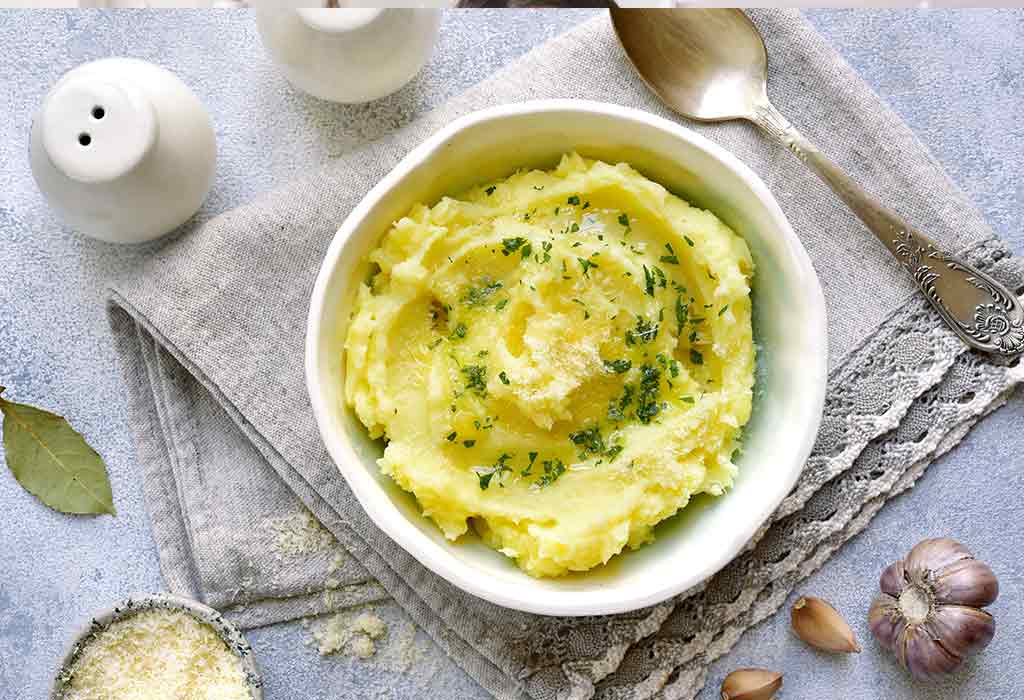
Easy To Make Mashed Potato Recipe for Babies & Toddlers
Once your baby completes six months of age, potatoes can be safely introduced into their diet. It’s one of the universally loved vegetables that helps in healthy weight gain. Mashed potato for baby is one of the safest foods for weaning babies who will love its soft, buttery texture and delicious taste. Easy to digest and loaded with minerals and vitamins, mashed potatoes are the least allergenic food that can be served almost every day during any mealtime. This recipe helps all mothers to reach their goal of including veggies in their child’s diet. Learn the most tried and true technique of how to make mashed potatoes for baby easily and make the perfect savoury side dish that your child will find hard to resist!
Video
Cooking Time
Type
Time (hh:mm:ss)
Preparation Time
00:10:00
Cook Time
00:20:00
Total Time
00:30:00
Cooking Method
Gas Stove
Type of Meal
Vegetarian
Suitable For
Weaning babies older than six months of age
Meal Schedule
Lunch or dinner
Recipe Type
Side Dish
Ingredients
Type
Quantity
Potato
1 Medium Sized
Butter
1 Tsp
Breast Milk/ Formula Milk
1 tbsp.
Salt
As Per Taste
Pepper Powder
1/8 Tsp
Parsley / Coriander Leaves
1 Tbsp
Instructions
The step by step directions listed below will guide you to dish out the finest mashed potato that tastes delicious and makes mealtimes fun.
Clean the potato thoroughly with water and peel its skin.
Cut them into cubes and pressure cook them with enough water for 2-3 whistles.
Once the potatoes are cooked and pressure is released naturally from the cooker, strain out the water and place the potatoes in a bowl.
Mash the potatoes lightly using the back of a fork or potato masher.
Heat butter in a pan. Once it is melted on medium flame, add the asafoetida and potato.
Add a pinch of salt, pepper, and milk to the mixture. Stir well until you get a creamy mash.
Pour in formula milk or breast milk to make it runny and puree.
Garnish with chopped coriander leaves and serve warm in a bowl.
Recipe Tips
This simple mashed potato recipe is utterly simple to make using basic ingredients available at home.
You can use a mixer to whip up a fluffy potato mash.
Adding salt and pepper is optional as it should be avoided for children below one year of age.
You can puree the potato with milk using a mixer for small babies.
This homemade mashed potato baby food recipe can be made tastier by adding coriander leaves.
Sterilize all utensils and maintain hygiene before preparing food for your baby.
Check with your pediatrician before giving any new solid to a weaning baby.
You can bake the potatoes in an oven before making this dish.
You can add well-fried onions to enhance the taste of mashed potatoes for older babies.
Adding homemade butter lends this recipe a rich flavor.
You can add fresh garlic, sour cream or yogurt to the potatoes for extra flavor preferably for older children.
Nutrition Information (Per Serving)
Type
Value
Energy
401 Calories
Carbohydrates
42 grams
Protein
6 grams
Sodium
468 mg
Fiber
2 grams
Fat
2 grams
Potassium
1004 grams
Calcium
81 mg
Vitamin C
13.5 mg
Calcium
81 mg
Iron
2 mg
Sugar
3 grams
Vitamin A
785IU
Iron
2 mg
Health Benefits
Packed with nutrition, mashed potatoes are a wholesome food that ensures that your child stays well-nourished and grows up with healthy eating habits.
Potato is a popular vegetable that is widely available and eaten in different forms worldwide. This edible tuber protects the liver, protects the skin, improves gastronomical health and supplies essential vitamins and minerals that are needed for a baby’s growth.
Red fleshed potatoes contain anthocyanins that stop the growth of influenza viruses.
Its healthy glow to the skin heals burns and reduces inflammations caused by insect bites.
Steaming is always a better way than boiling as the vitamins and minerals are lost by the latter process.
The dietary fiber and carbohydrates in potatoes help to keep your child’s belly full.
The vitamin C in potatoes supports the immune system and helps iron absorption.
The potassium content of potatoes helps muscles to contract and maintains normal blood pressure.
As butter is high in calories and fat, it should be added in moderation to any recipe.
Butter contains milk fat that is rich in vitamin A, Vitamin D, Vitamin E, Vitamin B12, and Vitamin K2. Its antioxidant content keeps children protected from harmful infections.
Buying Guide
Keep these helpful tips in mind while buying good quality potatoes for your mashed potato recipe.
Look for smooth, firm-textured potatoes that are free of bruises or cuts. Buying from an organic store or a farmer’s market that sell locally grown produce is always better.
Check the best before date before buying a branded pack of formula milk for your baby.
Look for a label that shows unsalted butter that is pasteurized, non-GMO or antibiotic-free.
FAQs
1. Do Babies Get Constipated After Eating Potatoes?
Babies can potentially experience constipation after eating potatoes due to their starch content and low fibre. However, individual reactions vary, and factors like overall diet, hydration, and digestive sensitivity play a role. It’s important to monitor a baby’s reactions and consult a paediatrician if constipation is a concern.
2. Which Potatoes Are Good for Babies?
Babies and sweet potatoes make an ideal combination! These provide essential nutrients that support the healthy development of a baby’s eyes and overall growth. Additionally, their rich vitamin and mineral content is crucial for helping growing infants reach their developmental goals as they progress.
Homemade Mashed potatoes for babies can be consumed daily instead of a fried or high-fat snack. It is a delicious meal option for babies once they graduate from thin porridge to solids. Read above to know how to prepare mashed potatoes for baby and make it with love and just create memorable mealtime moments while feeding your tiny tot.
References/Resources:
1. POTATO FACTS AND FIGURES; cipotato.org; https://cipotato.org/potato/potato-facts-and-figures/
2. The Nutritional Value of Potatoes; eufic.org; https://www.eufic.org/en/healthy-living/article/the-goodness-in-potatoes
3. Potatoes, raw, flesh and skin; nutritionvalue.org; https://www.nutritionvalue.org/Potatoes%2C_raw%2C_flesh_and_skin_nutritional_value.html
4. Potatoes, flesh and skin, raw; fdc.nal.usda.gov; https://fdc.nal.usda.gov/fdc-app.html#/food-details/170026/nutrients
5. Are Potatoes Healthy?; health.clevelandclinic.org; https://health.clevelandclinic.org/are-potatoes-healthy/
Also Read:
Lauki Kofta Recipe
Potato Sabzi Recipe
Read more
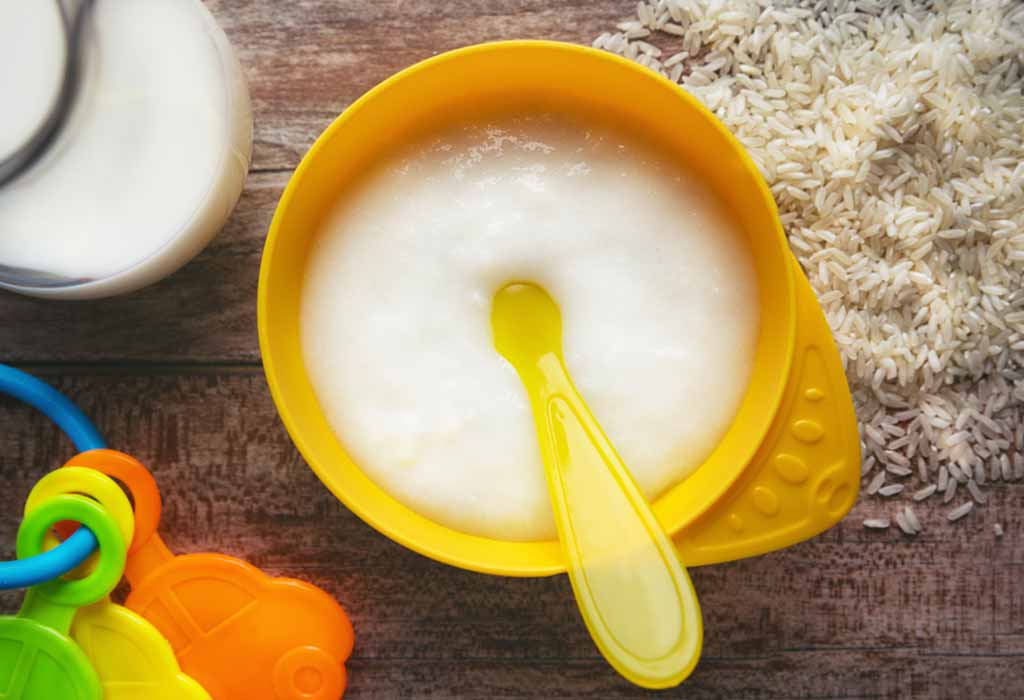
Rice Porridge Recipe for Babies
Popularly known as ‘congee’, ‘zhou’, or ‘jook’, rice porridge is an ideal first food for babies who are more than six months of age. Traditionally served in East Asian and Chinese homes for centuries, this common meal is easily digestible, highly nutritious and less likely to cause allergic reactions in babies. Homemade rice porridge powder is an amazingly versatile meal option that can be made into a quick lunch or sweet porridge. Babies find its creamy and smooth texture easy to swallow especially during fever, teething or even diarrhea. Made with parboiled rice and water, rice porridge for babies is one of the best base cereal that is tasty, inexpensive and contains the health benefits that your baby’s daily diet should contain. Find out how to make rice porridge for your weaning baby instantly as it makes a wholesome meal idea.
How to Make Rice Porridge for Babies?
Here are some simple steps to prepare a nourishing rice porridge, perfect for introducing solid foods to your baby’s diet.
Cooking Time
Type
Time (hh:mm:ss)
Preparation Time
00:10:00
Cook Time
00:15:00
Total Time
00:25:00
Cooking Method
Gas Stove
Type of Meal
Vegetarian
Suitable For
Weaning babies older than six months of age
Meal Schedule
Lunch or dinner
Recipe Type
Main Dish
Ingredients
Type
Quantity
Parboiled rice
2 Tbsp
Water
1.5 cup
Instructions
Follow the step by step directions mentioned below for preparing the yummiest rice porridge for your little munchkin.
Take 2 tbsp. of rice and wash it well. Drain out the water completely and dry it for an hour under the sun or shade.
Dry roast the dried rice in a pan until it turns light and fluffy. Grind the rice in a mixer to form a coarse powder.
Take 2 teaspoons of the coarse rice powder and one cup of water in a pan.
Cook it on low flame for about 5 minutes.
Mix it well, ensure that there are no lumps formed and the porridge gets a saucy consistency.
Switch off the flame and let it cool down. Pour it into a bowl before serving to your baby.
Recipe Tips
This simple rice porridge recipe can be made healthier by adding ¼ tsp of pure coconut oil or ghee for underweight babies.
This homemade rice porridge baby food recipe can be made tastier by using basmati rice, ponni, sona masuri rice that are more fragrant than the other varieties of rice.
You can soak the rice in water for about 6 hours before rinsing it as it gets broken down for easy digestion.
Do not add sugar or salt in the porridge for babies less than one year of age.
Introduce rice porridge in its diluted form for about a week. Once your baby is comfortable and gets no allergic reactions you can make it thicker.
It is mandatory to follow the standard instructions of sterilizing the utensils, bottles and washing your hands well before cooking or feeding your child.
You can add a pinch of ajwain, carom seeds or moong dal to add flavor to this recipe for toddlers.
Adding breast milk or formula milk can enhance the nutritional value of this recipe. Any fruit puree or mashed potato can also be added to the cereal instead of milk.
If the rice porridge thickens after cooling down adjust with warm water.
Check with your pediatrician before introducing any new food to your baby.
Nutrition Information (Per 1 Cup)
Type
Value
Energy
675 kCal
Carbohydrates
147 grams
Protein
13 grams
Sodium
9 mg
Fiber
2 grams
Fat
1 grams
Potassium
212 grams
Calcium
52 mg
Health Benefits
Rice porridge is one of the most baby-friendly foods that is recommended by most experts. It is highly sustainable and has exceptional health benefits for both babies and toddlers:
Rice water is a great source of energy for babies as it contains carbohydrates that fulfill the energy requirements for a day-long activity.
Easy to digest, rice porridge eases the bowel movements in babies.
Rice can be the best staple food containing the essential proteins and vitamins that are needed for the overall development of babies.
Brown rice is a good source of B complex vitamins that aid in brain functioning. The amino acids found in rice rejuvenate the muscles, build ligaments and tendons.
Buying Guide
Take note of the necessary guidelines while shopping for the best quality ingredients required for making rice kanji for babies.
Pay attention to the color of the rice, rice texture `and appearance before choosing rice. Organic brown rice has more nutritional value.
Make sure that the rice does not have weevil, stones or any lubricant content in them.
Buy from a trusted store that guarantees quality for its price, as sometimes old and new varieties of rice can be mixed to cheat the customers.
FAQs
1. What signs indicate that your baby is ready for rice porridge?
Signs indicating your baby is ready for rice porridge include the ability to sit up with support, showing interest in food by watching others eat, and demonstrating the ability to move food from the front of the mouth to the back and swallow.
2. How often should you feed rice porridge to your baby?
When starting rice porridge, feed your baby small amounts, around 1-2 tablespoons once a day. Gradually increase to 2-3 meals per day, adjusting based on your baby’s appetite and cues.
3. Are there alternatives to rice for baby porridge?
Alternatives to rice for baby porridge include oatmeal or other whole grain cereals, quinoa or millet, and mashed fruits or vegetables such as sweet potato or banana.
Homemade rice porridge for babies is highly recommended for babies as it is a safe baby cereal substitute than packaged products readily available in the supermarket. This delicious dry powder can be your constant companion during travel and can be served almost every day of the week.
References/Resources:
1. Rohman. A, Helmiyati. S, Penggalih. M, Setyaningrum. D; Rice in health and nutrition (International Food Research Journal); ResearchGate; https://www.researchgate.net/publication/287284991_Rice_in_health_and_nutrition; January 2014
2. How To Wean Your Baby From Breastfeeding: Do’s and Don’ts; Cleveland Clinic; https://health.clevelandclinic.org/weaning-breastfeeding
3. Feeding your baby: 6–12 months; UNICEF; https://www.unicef.org/parenting/food-nutrition/feeding-your-baby-6-12-months
4. Cusick. S, Georgieff. M; The Role of Nutrition in Brain Development: The Golden Opportunity of the “First 1000 Days” (The Journal of Pediatrics); National Library of Medicine; https://www.ncbi.nlm.nih.gov/pmc/articles/PMC4981537/; August 2016
5. Nicklas. T, O’Neil. C, Fulgoni, III. V; Nutrient intake, introduction of baby cereals and other complementary foods in the diets of infants and toddlers from birth to 23 months of age (AIMS Public Health); National Library of Medicine; https://www.ncbi.nlm.nih.gov/pmc/articles/PMC7109529/; March 2020
6. Baby Food for Thought: How Safe is Rice Cereal?; University of Rochester Medical Center; https://www.urmc.rochester.edu/news/publications/health-matters/baby-food-for-thought-how-safe-is-rice-cereal
7. Jadhavar. R, Jaiswal. S, Bornare. D; Development of Weaning Food Premixes for Infants Based on Ragi, Green Gram and Rice; ResearchGate; https://www.researchgate.net/publication/363334263_Development_of_Weaning_Food_Premixes_for_Infants_Based_on_Ragi_Green_Gram_and_Rice; August 2022
Also Read:
Soup Recipes for Baby
Cereal Recipes for Babies
Instant Porridge Recipes for Baby
Rice and Carrot Porridge Recipe for Infant
Read more
Whole Wheat Pasta Recipe
Modern lifestyle can be pretty hectic and there may not be enough time to prepare a full-fledged meal. Choosing pasta as one meal can always go-down well as an evening snack or a feel-good dinner. A staple food in Italian cuisine, pasta is a hot-favourite among kids. It is versatile, comforting, filling and best of all – easy to prepare, not to mention its deliciously creamy sauce and added veggies that packs some extra nutrition to your child’s daily diet. Made from an unleavened wheat flour dough mixed with water or eggs, they are formed into different shapes and then cooked by baking or boiling. Learn how to make whole wheat pasta and serve a sumptuous dish for your entire family.
Video: Whole Wheat Pasta Recipe for Toddlers & Kids
Cooking Time
Type
Time (hh:mm:ss)
Preparation Time
00:10:00
Cook Time
00:10:00
Total Time
00:20:00
Cooking Method
Gas Stove
Type of Meal
Vegetarian
Suitable For
Toddlers older than 13 months of age
Meal Schedule
Breakfast, Evening Snack, Dinner
Recipe Type
Snack Dish or Main Meal
Ingredients
Type
Quantity
Whole Wheat Penne Pasta
1 Cup
Olive Oil
3 Tbsp.
Salt
½ Tsp
Water
750 ML
Onion
¼ Cup
Capsicum
¼ Cup
Tomato
¼ Fine Chopped
Cilantro Leaves
1 Tsp
Pepper Powder
½ Tsp
Parmesan Cheese
2 Tsp
Sweet Tomato Sauce
1 Tbsp.
Instructions
The step by step directions given here will show you the way to make whole wheat pasta in the quickest way following the perfect technique.
Add water in a big pan and bring it to boil.
Add salt, 1 tsp of oil, pasta and mix well.
Cook on medium flame until the pasta gets tender approximately after 15 minutes.
Drain out the water and set aside.
Heat 2 tbsp. of oil in a frying pan. Add chopped onion and stir on medium flame till it becomes translucent.
Add the capsicum cubes to it and cook for 1 minute.
Add the chopped tomatoes and stir well.
Add salt and black pepper. Let it cook for 2 more minutes and then add the boiled pasta.
Add the tomato sauce, parmesan cheese, basil leaves and parsley leaves and toss everything to give it a perfect mix.
Let it cook for 2 minutes and once done, serve hot.
Recipe Tips
This simple whole wheat pasta recipe can be made from scratch. Try making pasta at home using whole grain flour.
Do not over-cook the pasta while boiling it or else it will get stuck to the pan while frying.
Try cheese varieties like mozzarella, ricotta, pecorino, cheddar or asiago.
Cheese not only seasons the pasta but adds texture and gives it a rich flavour.
This homemade whole wheat pasta baby food recipe can be made with any vegetables of your choice; chicken and mushroom that give this dish a bulk.
Nutrition Information (Per 1 serving)
Type
Value
Energy
238 Cal
Carbohydrates
48 grams
Protein
9.6 grams
Sodium
6.4 mg
Fibre
6.2 grams
Fat
2.7 grams
Potassium
154 mg
Vitamin A
0.1%
Calcium
1.6%
Iron
15%
Health Benefits
Whole wheat pasta is loved by most mothers and their kids as they enjoy a balanced diet without any mealtime drama:
Apart from adding an extra flavour, butter contains omega 3 and fatty acids that promote brain development for a child.
Wheat flour is a rich source of carbohydrates that generates energy for any physical activity. As it is easily digestible, wheat helps to reduce constipation and flatulence in children.
Whole grain contains 100 per cent of the kernel-bran, germ, endosperm which is good for the heart.
Whole wheat pasta is high in fiber which acts as a natural laxative for children. Its manganese, copper, phosphorus content helps in the overall growth and development of children.
It has a high content of carbohydrates that boosts the energy levels of children.
Olive oil reduces gastric acidity and promotes the development of bones and the nervous system.
Buying Guide
Nowadays the choice of different products can be a little too overwhelming. Make your purchasing decision based on the recommendations given below for maximum satisfaction
Compare fibre levels, look for “whole” mentioned at the top of the pack while buying pasta.
Look out for specialist cheese shops that sell branded cheese or freshly made cheese. Try before you buy.
Sealed packs with detailed nutrition information ensure good quality.
Watch out for the expiry date of all dairy products before buying.
Choose organically grown vegetables.
Buy olive oil labelled extra virgin. Look into the polyphenol levels of olive oil.
Homemade whole wheat pasta for babies is a tested recipe that helps to show how much you care for your child as it gives the meal an extra special touch of love. More so it tastes a world better to boxed varieties available at a super market. Go ahead and try your hand at this continental recipe that would establish you as an expert chef.
Read more
Sort By
 Latest
 Most Popular
 Trending
Please select atleast one Filter