

















.svg)
.svg)
.png)


Signs & Symptoms
Suggested articles for you
Menopause vs Pregnancy – Symptoms and Key Differences
Key Takeaways
Pregnancy and perimenopause can share symptoms such as missed periods, fatigue, mood changes, headaches, bloating, and sleep problems.
Nausea, food aversions, and breast sensitivity are more commonly associated with pregnancy.
Hot flashes, vaginal dryness, and declining fertility are more closely linked to perimenopause and menopause.
Pregnancy is still possible during perimenopause, so a missed or irregular period should not automatically be assumed to mean menopause.
Menopause vs pregnancy can look surprisingly similar, especially when your period is late, irregular, or suddenly different. Symptoms such as fatigue, mood swings, breast tenderness, nausea, and menstrual changes can leave you wondering what’s really happening in your body. That’s what makes telling the two apart so confusing, many of the early signs can overlap, even though they have very different causes.
So, how can you tell which one you’re experiencing? This article breaks down the symptoms of menopause versus pregnancy, the key differences to look for, and when taking a pregnancy test or speaking with a healthcare professional may be the right next step.
Symptoms Common to Both Pregnancy and Menopause
Here are the symptoms that are common to both pregnancy and menopause:
1. Changes in Menstrual Cycle
Both pregnant women and women in perimenopause will experience changes in their menstrual cycles. Missed periods are usually an indicator of pregnancy (1), while irregular periods are an indicator of the start of menopause (2). Signs of irregular periods are spotting between periods, changes in blood flow, and shorter or longer periods.
2. Mood Swings
Hormonal increases and decreases can cause mood swings in both perimenopause and pregnancy. During pregnancy, the hormonal changes may make you feel very emotional and tearful. During perimenopause, women may be irritable, gloomy or depressed (3).
3. Headaches
Both pregnant women and women in perimenopause suffer headaches. The loss of oestrogen in menopause causes headaches. The increase in levels of the hormones, such as oestrogen, progesterone, and hCG (Human Chorionic Gonadotropin), cause headaches during pregnancy (4).
4. Weight Changes
Both pregnancy and menopause cause changes in body weight. Weight gain is gradual in pregnancy, with the woman slowly gaining weight as the baby grows. During menopause, hormonal changes cause weight gain, particularly around the abdomen. A slowdown in metabolism during menopause makes it difficult for women to sustain a healthy weight.
5. Changes in Sex Drive
Changes in libido are common in both pregnancy and menopause. However, women are more likely to have a decreased libido during menopause, while their sex drive may increase or decrease during pregnancy.
6. Cramps and Bloating
Hormonal changes may cause cramping and bloating in early pregnancy. Similarly, bloating and cramping also occur during menopause. Cramping during menopause can be an indicator that the menstrual period is about to begin.
7. Night Sweats and Hot Flashes
Hot flashes and night sweats are usual symptoms of menopause (5). However, women can experience night sweats and hot flashes in early pregnancy, too. A hot flash is a rush of heat that can cause sweating and flushed, reddish skin, especially on the face.
8. Incontinence
The increased blood volume in pregnancy puts pressure on the kidneys since they have to process higher volumes of fluids. This increases the urge to urinate in most women, and you might find yourself going to the loo more often! Also, the growing uterus puts pressure on the bladder, causing incontinence in early pregnancy. During menopause, loss of muscle and tissue tone causes incontinence (6).
9. Sleep Problems and Fatigue
During pregnancy, high levels of progesterone cause fatigue which cause women to feel sleepy. In perimenopause, women have trouble falling asleep and staying asleep through the night. This leads to sleep deprivation and tiredness.
A Comparison of Common Symptoms: Perimenopause vs Pregnancy
This comparison aims to explain the difference between perimenopause and pregnancy, particularly when overlapping symptoms make it difficult to tell whether you’re experiencing early perimenopause or pregnancy.
Symptoms
Seen in Perimenopause
Seen in Pregnancy
A missed period
✓
✓
Increased urination
✓
Incontinence
✓
✓
Hot flashes and night sweats
✓
✓
Weight gain
✓
✓
Bloating and cramping
✓
✓
Constipation
✓
Nausea
✓
Headaches
✓
✓
Fatigue and sleep problems
✓
✓
Decreased libido
✓
✓
Increased libido
✓
Mood changes
✓
✓
Loss of fertility
✓
Loss of bone mass
✓
Cholesterol changes
✓
Sensitive and swollen breasts
✓
Vaginal dryness
✓
Food sensitivity
✓
Symptoms Occurring Only in Pregnancy
While there are overlapping symptoms of pregnancy and menopause, the following symptoms specific to pregnancy will make it easier to understand your own condition.
1. Nausea and Vomiting
Nausea and vomiting in pregnancy are called morning sickness. It is caused by high levels of the pregnancy hormone hCG. This takes place during the first trimester. Although it is called ‘morning’ sickness, nausea and vomiting can occur at any time of the day or night. The morning sickness usually subsides after the third month of pregnancy (7).
2. Soreness and Sensitivity in Breasts
The hormonal changes in early pregnancy make the breasts very sensitive and sore. This disappears once the body adjusts to the hormonal surges (8).
3. Constipation
An increase in progesterone levels during pregnancy relaxes the muscles throughout the body. This slows down the digestive system and leads to constipation (9).
4. Hypersensitivity to Foods
During pregnancy, women experience both food cravings as well as food aversions. This is due to high levels of the pregnancy hormone hCG.
Symptoms Occurring Only in Menopause
Some symptoms are more specific to menopause and can help distinguish it from pregnancy, including:
1. Loss of Bone Density
Reduced levels of oestrogen in the body during perimenopause cause a decrease in bone density. This leads to a risk of osteoporosis, a medical condition in which bones become fragile and brittle from loss of tissue. To prevent loss of bone mass, women in their late 40s are advised to take calcium and vitamin D supplements (10).
2. Dryness in the Vagina
Decreased oestrogen levels also cause a reduction in elasticity and lubrication of the vagina. This can cause bleeding after sex and make sex uncomfortable (11).
3. Reduced Fertility
Menopause signals the end of female fertility. Women approaching menopause stop ovulating regularly and have lower chances of becoming pregnant. However, menstruating women can still become pregnant.
4. Cholesterol Problems and Risk of Heart Disease
Lower oestrogen levels cause an increase in LDL cholesterol (low-density lipoprotein), also called bad cholesterol. This increases the risk of heart disease and stroke.
How Are Pregnancy and Menopause Diagnosed?
If you are in your 40s and are experiencing symptoms that may be caused by either pregnancy or menopause, you can follow these steps to diagnose it correctly:
1. Diagnosis of Pregnancy
If you doubt whether it is menopause or pregnancy that is causing your symptoms, take a home pregnancy test to confirm it. Make sure you confirm the result with your doctor to make sure the home pregnancy test did not give you a false positive or negative result. The doctor will confirm your pregnancy with a blood or urine test and a pregnancy ultrasound scan. The ultrasound scan is the method most doctors use to confirm a viable pregnancy.
2. Diagnosis of Menopause
Confirm with your doctor if you do not know whether your symptoms are caused by pregnancy or menopause. This confirmation is done via blood and urine tests to rule out pregnancy. The doctor will also do blood tests to determine levels of the hormones oestrogen and progesterone. He will also consider all the symptoms a woman experiences, including changes in menstruation, to diagnose menopause.
How Are Pregnancy and Menopause Treated?
Managing pregnancy and menopause involves distinct strategies. Both phases necessitate tailored approaches to ensure the well-being of women during these transformative stages.
1. Treatment for Pregnancy
Pregnancy is a natural and complex physiological process that requires careful attention to ensure the well-being of both the mother and the developing fetus. The primary approach to managing pregnancy involves prenatal care, a comprehensive strategy that includes regular check-ups, nutritional guidance, and lifestyle recommendations. Additionally, healthcare providers may prescribe prenatal vitamins containing essential nutrients like folic acid to support fetal development (12). In certain cases, medical interventions may be necessary to address complications or health concerns during pregnancy. It is crucial for expectant mothers to maintain open communication with their healthcare professionals to receive personalised guidance and ensure a healthy pregnancy.
2. Treatment for Menopause
Menopause signifies a crucial phase in a woman’s life, indicating the conclusion of her reproductive years. Managing the symptoms associated with menopause involves a combination of lifestyle adjustments, hormone therapy, and, in some cases, medications. Hormone replacement therapy (HRT) is a common approach to alleviate symptoms such as hot flashes and mood swings by supplementing declining estrogen levels (13). Lifestyle modifications, including a healthy diet, regular exercise, and stress management, play a crucial role in promoting overall well-being during menopause. It is essential for women to consult with their healthcare providers to tailor a treatment plan that addresses their specific symptoms and health considerations.
What Next?
Here’s what you can do in either situation:
1. For Pregnancy
Irrespective of age, women can adopt various measures to support a healthy pregnancy for themselves and their baby. These measures encompass (14):
Avoiding smoking and illegal substances: Pregnant women should refrain from smoking, using illegal drugs, and excessive alcohol consumption to avoid potential birth abnormalities or fetal complications.
Reviewing medication: Expectant mothers should consult with their doctors to review any medications they are taking, ensuring their safety during pregnancy.
Including healthy fruits and veggies in the diet: Consumption of fruits, vegetables, and whole grains is recommended. Some foods, such as sushi, raw meats, deli meat, high-mercury fish, raw shellfish, raw eggs, and unpasteurised milk, should be avoided as they may pose risks to the baby.
Exercising regularly: Activities like meditation, light exercise, journaling, listening to music, or reading can help alleviate stress during pregnancy.
Giving rest to the body: Sufficient rest is crucial to preserve a pregnant woman’s energy levels.
Ensuring optimal hydration: Due to the significant increase in blood volume during pregnancy, adequate water intake is essential for the well-being of both the mother and the baby. Monitoring urine colour, aiming for pale yellow, indicates proper hydration.
2. For Menopause
For women experiencing menopause, there are several measures they can adopt to maintain good health, including (15):
Maintaining balanced diet: Emphasising the consumption of fruits, vegetables, lean meats, and low-fat dairy is recommended. Adequate intake of calcium and vitamin D is particularly crucial during menopause, as declining estrogen levels may contribute to decreased bone density.
Making healthy lifestyle changes: Exercise serves to alleviate stress, maintain muscle strength, and promote heart health. It doesn’t need to be excessively strenuous; activities like walking, cycling, or participating in a 30-minute daily exercise class, such as aerobics, can contribute to overall well-being during menopause.
Building a peaceful ecosystem around you: During menopause, hormonal changes can impact mood and emotional health. Engaging in activities that promote mental well-being, such as mindfulness practices, meditation, or seeking support from friends and family, can contribute to a more balanced and positive experience during this transitional phase of life.
When to Consult a Doctor?
Consider speaking with a healthcare professional if:
Your period is unexpectedly missed or significantly different from usual.
Symptoms such as fatigue, nausea, mood changes, or breast tenderness persist or become bothersome.
You experience unusual or persistent vaginal bleeding.
You have severe abdominal or pelvic pain, heavy bleeding, dizziness, or fainting, which may require prompt medical attention.
FAQs
1. What are the chances of a woman getting pregnant after menopause?
The chances of getting pregnant after menopause are extremely low. Menopause is defined as the cessation of menstruation, indicating the end of a woman’s reproductive years. While spontaneous pregnancy is unlikely, assisted reproductive technologies such as egg donation may offer limited possibilities.
2. What are the chance of getting pregnant during perimenopause?
During perimenopause, which is the transitional phase leading to menopause, fertility declines, but pregnancy is still possible. The irregular menstrual cycles and hormonal fluctuations characteristic of perimenopause make it challenging to predict fertility accurately. Women in perimenopause should be aware of the potential for pregnancy and use contraception if they wish to avoid it.
3. Can menopause cause a positive pregnancy test?
No. Menopause itself does not normally cause a positive pregnancy test. A positive result generally indicates that human chorionic gonadotropin (hCG), the hormone detected by pregnancy tests, is present and should be discussed with a healthcare professional.
4. When should you take a pregnancy test during perimenopause?
If pregnancy is possible and your period is late or unusually different, taking a home pregnancy test can be a useful first step. If the result is negative but your period does not arrive or symptoms continue, consider repeating the test or speaking with a healthcare professional.
So is it menopause or pregnancy? This article aims to clarify your doubt. Menopause and pregnancy have several common symptoms. Due to this, women who are in their 40s may have difficulties determining if their symptoms are caused by pregnancy or menopause. The way to confirm this is by consulting your doctor, who will do diagnostic tests to determine the cause of your symptoms. If the cause is pregnancy, the woman will need to start eating healthy, taking prenatal vitamins, and preparing for childbirth. If it is menopause, the woman will have to take calcium and vitamin D supplements, exercise regularly, eat healthily, and consider hormone replacement therapy to reduce the symptoms of menopause.
Also Read:
Menopause – Stages and Symptoms
Is It Possible to Get Pregnant during Menopause?
Natural Treatments for Perimenopause and Menopause
Read more




Triphasic BBT Chart – Is It a Reliable Sign of Pregnancy?
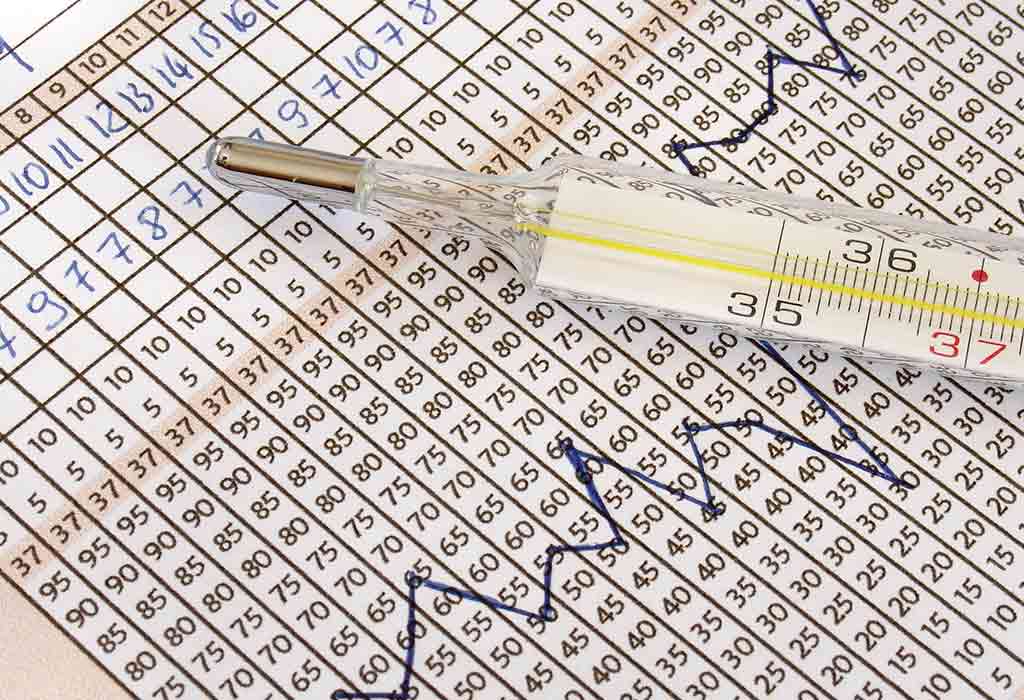
Couples who are eagerly anticipating the joys of parenthood can try one potentially telling indicator of pregnancy, which is called triphasic BBT chart, which is a basal body temperature (BBT) chart that displays three distinct temperature phases during one menstrual cycle, rather than the usual two-phase pattern associated with ovulation. But how reliable is this chart as a definitive sign of pregnancy? A triphasic pattern doesn’t guarantee pregnancy because temperature can be affected by several factors like sleep changes or illness. In this article, we will delve into the world of triphasic charts, exploring their potential significance and accuracy in detecting early pregnancy.
What Is a Triphasic Chart?
So, what exactly is a triphasic chart? Well, this chart is a Triphasic BBT chart or basal body temperature chart women use to track their body temperature during three different phases of ovulation. Ovulation is biphasic, which means the temperature variations can be seen pre and post-ovulation. However, there is a third phase in which the body temperature also changes, and that takes place around a week to ten days after ovulation. This third phase is usually associated with a rise in progesterone levels.
Also, towards the second half of the menstrual cycle (the luteal phase), progesterone is released to prepare the uterine lining for a fertilized zygote to attach or implant. Whether or not fertilization takes place, the ripening of the uterine wall will happen after each ovulatory phase. The increased amounts of progesterone hormones in the body result in increased body temperature. Therefore, triphasic basal body temperature (BBT) may not be a sure-shot sign of pregnancy. However, according to research, a chart indicating a triphasic pattern is more likely to be of a pregnant woman than a non-pregnant one.
How Common Is a Triphasic Chart?
According to a study, among the 150,000 women whose temperatures were recorded in BBT charts, 12 per cent of all women whose charts showed triphasic patterns were pregnant (1). Therefore, if your basal body temperature chart shows triphasic patterns, the chances are that you could be pregnant!
Why Do We Use the Triphasic Chart?
A triphasic chart can be used for multiple reasons, some of which include:
1. To Track Changes After Ovulation
A BBT chart can help track the temperature shift around ovulation and the menstrual phase. After ovulation, hormonal changes, especially increased progesterone, are responsible for a small rise in resting body temperature (2).
2. To Observe the Luteal Phase
Continuing to record temperatures after ovulation allows a person to observe how long the temperature remains elevated before menstruation or another significant change occurs.
3. To Understand Individual Cycle Patterns
Maintaining BBT records over several cycles can help women learn their own temperature patterns and observe what influences them.
4. To Support Fertility Awareness
BBT can provide useful information about reproductive patterns when used for interpretation alongside other signs like cervical mucus.
What Causes a Third Temperature Shift in the Triphasic Pattern?
The increase in the pattern can occur when you are pregnant, and when you are not. Let us understand how that may happen.
As per the Cleveland Clinic, your body produces progesterone that prepares your uterine lining for implantation of the embryo and also suppresses ovulation and prohibits contractions in the uterine muscles that could cause the female body to reject an egg. Also, when the embryo attaches, or the implantation takes place, there is an increased production of progesterone trimester by trimester (3), and this sudden increase can further spike the body temperature.
In case you are not pregnant, your triphasic chart may show temperature variations due to a number of other factors. A slight surge in hormonal levels, an illness that may slightly increase the body temperature (not a fever), and changes in the bedroom temperature can affect your body temperature, too.
What Is the Difference Between Triphasic Chart and BBT Chart?
Although the terms are related, they do not mean exactly the same thing. Let’s understand how.
Feature
BBT Chart
Triphasic Chart
Basics
A chart that records basal body temperature throughout the menstrual cycle. The temperature is recorded after every morning after waking up, before doing any activity, getting out of bed, or having anything to eat or drink (2)
A BBT chart that appears to contain three distinct temperature phases
Importance
Helps observe temperature changes associated with ovulation (4)
Helps observe an additional temperature rise after the initial post-ovulation shift
Pattern
Usually shows a lower-temperature phase followed by a higher-temperature phase
Appears to show a lower phase, an initial rise, and another rise
Indication of Pregnancy
Rise in temperatures may occur after ovulation but does not confirm pregnancy
A third rise may occur in some cycles, but it is not a reliable pregnancy test
Clinical Diagnosis
It is not a pregnancy diagnostic test
It is not a clinically established method for diagnosing pregnancy.
How to Identify and Diagnose a Triphasic Pattern?
Rather than calling the triphasic pattern a medical “diagnosis,” it is more accurate to use terms like “identify” or “interpret” a triphasic pattern. Here’s how the pattern is observed.
Step 1: Record Your BBT Every Morning
The first step is to diligently record your BBT. Take your temperature immediately after waking, before getting out of bed, eating, drinking, or engaging in physical activity (2). Try to measure it at approximately the same time each day.
Step 2: Establish Your Pre-Ovulation Temperature Pattern
You may notice that temperatures are generally lower during the first part of the menstrual cycle, and that’s normal. Individual temperatures naturally fluctuate, so it is more useful to observe the overall pattern rather than focus on one reading.
Step 3: Look for the Initial Temperature Rise
Following ovulation, progesterone can cause BBT to increase slightly. A sustained rise compared with earlier-cycle temperatures may indicate that ovulation has already occurred.
Step 4: Continue Charting During the Luteal Phase
Keep recording your temperature rather than stopping after the first rise. This allows you to see whether the elevated pattern remains stable or changes again.
Step 5: Look for a Possible Third Phase
A chart may be described as triphasic when, after the initial post-ovulation rise, temperatures appear to increase again and remain elevated. However, there is no single universally accepted temperature threshold that makes a chart a confirmed pregnancy-related triphasic pattern.
Step 6: Consider Other Factors
A temperature increase does not necessarily mean pregnancy. The Mayo Clinic notes that fever, illness, infections, certain medications, disrupted sleep, alcohol, stress, changes in waking time, travel, medical conditions like hypothyroidism, and measurement differences can influence BBT readings (5) (6).
Step 7: Confirm Pregnancy Separately
If your period is late and pregnancy is possible, use an appropriate pregnancy test rather than relying on a triphasic chart. A temperature pattern can be an observation worth tracking, but it cannot establish that implantation or pregnancy has occurred.
Does the Triphasic Chart Indicate Implantation?
Whether the triphasic chart indicates implantation or not, cannot be clearly stated because there is not much scientific evidence available to support it. There are just some empirical values available to support the claim. The process of implantation occurs only when there is an existing pregnancy. The important point of consideration is that the third phase of the temperature shift also starts happening when the implantation starts happening. For this very reason, there have been beliefs and claims that the triphasic chart is an indication of implantation. Sadly, there are not enough pieces of evidence on the triphasic pregnancy chart.
Is a Triphasic Chart a Sign of Pregnancy?
No, the triphasic chart is not a clear sign of pregnancy. Your triphasic chart can show temperature variations due to many causes such as the ones mentioned in the article above and not only because of pregnancy alone. You may be tempted to take an early pregnancy test if you see a triphasic pattern to confirm your pregnancy. However, we do not think that is a good idea because the pregnancy tests check for the hCG hormones and not the increased levels of progesterone.
If your progesterone levels are high, it does not mean that your pregnancy or hCG hormone levels are high too. And, if you take a test, the chances are that you may get a negative result, which may put you off. It is recommended that you wait until your period is late or until you have more high days (18 or more) on your chart to take the test. But, if you have a well-documented cycle curve, you can count days from your first high-temperature measurement to evaluate your chances of pregnancy. If you record more than 18 high days, well, it is quite likely that you are going to be a mommy!
When You Should Take the Pregnancy Test?
The most common and reliable time to take a pregnancy test is after you’ve missed your expected period. Most over-the-counter pregnancy tests are designed to detect the hormone hCG (human chorionic gonadotropin), which increases when you’re pregnant. It’s best to wait until a week from the day of your missed period or a few days afterwards for the most accurate results.
FAQs
1. Does a triphasic BBT chart mean I am pregnant?
No, not necessarily. A third temperature rise can occur for various reasons other than pregnancy, so a triphasic pattern should not be taken as a confirmation for pregnancy.
2. How long should BBT stay elevated to suggest pregnancy?
There is no “fixed” number of elevated days on a BBT chart that can confirm pregnancy. Nonetheless, sustained high temperatures can also occur during a normal luteal phase.
3. Why did my temperature rise for a third time but my pregnancy test was negative?
A third temperature rise does not always indicate pregnancy. Normal cycle variation, illness, sleep disruption, alcohol, stress, or measurement differences can affect BBT readings.
4. What is the BBT of a pregnant woman?
The Basal Body Temperature (BBT) of a pregnant woman typically remains elevated, above her normal pre-ovulation levels, due to hormonal changes. It can be used as an indicator of pregnancy when it stays elevated for an extended period. Temperature during pregnancy generally hovers between 97.7°F and 98.8°F (36.5°C–37.1°C). But your personal baseline matters more than an exact number.
The BBT chart, or your basal body temperature chart, is a great parameter to know about your menstrual cycle and ovulation days; you can find out which days are your most fertile days in a month. Many women may feel excited to find changes in their triphasic pattern as a sign of pregnancy. Well, as discussed in this post, there are chances that you have a triphasic pattern, but that is not a clear indication that you are pregnant. Again, the most accurate indicators of pregnancy are your missed period and a positive pregnancy test. Therefore, relying solely on such indicators to confirm pregnancy may not be a viable thing to do.
Some fertility trackers consider a second temperature rise after ovulation a possible early pregnancy clue. However, a triphasic pattern does not confirm pregnancy because temperature can be affected by several factors, including illness, sleep changes, alcohol, stress, and differences in measurement. BBT tracking can help identify that ovulation has occurred, but it cannot reliably diagnose pregnancy. A pregnancy test remains the appropriate way to confirm pregnancy.
Also Read:
Is Diarrhoea a Sign of Being Pregnant?
Pregnancy Symptoms You Shouldn’t Ignore
Uncommon Signs & Symptoms of Pregnancy
How To Calculate Pregnancy By Months, Weeks & Trimesters?
Read more
Second Pregnancy: What to Expect When Pregnant Again?
A second pregnancy is an interesting time in one’s life. You have experienced and cherished the first one, and you wonder how this would be as you get ready to welcome your second child.
The fact is that your second pregnancy can be exactly similar to the first one, and perhaps be very different from it as well. No one can ascertain that! However, in most cases, some indicators tend to be more intense during the second baby pregnancy as compared to the first one. The early signs of pregnancy are however the same as they were the first time and you can look out for them to confirm your pregnancy.
Video : Second Pregnancy Signs and Symptoms – What’s Different?
Early Signs of Second-time Pregnancy
While most signs of your second pregnancy are likely to be similar to your first one, you may be able to observe some minor differences.
1. Gain in weight
Most women do not gain weight in the first few weeks of getting pregnant. However, you may find the mid-section becoming a little thicker. This thickening can happen earlier than it had happened during your first pregnancy. This is because the muscle in the abdomen has already been stretched and it becomes easier for the muscles to relax when you get pregnant.
2. Pregnancy belly
You may observe that your pregnancy belly has pooched out a little earlier this time. This is not because your baby is growing faster but because of your ab-muscles that have loosened up after your first pregnancy. You’ll probably look bigger sooner because your rectus abdominal muscle has already been stretched out during your first pregnancy. According to The Mayo Clinic’s Guide to Pregnancy, your body works like a balloon which is easier to blow up the second time. On the high side, even though many second-time moms feel bigger earlier on, the growth tends to level out as the pregnancy progresses.
What Are the Symptoms of a Second Pregnancy?
Some symptoms of the second pregnancy may differ from what you experienced during your first pregnancy. Here’s a list of second pregnancy symptoms different from the first –
1. More Aches and Pain
If you had suffered from back pain in your first pregnancy, then you may tend to have severe back pain during your second pregnancy. This happens if your abdominal muscles are still not back in shape. The hormone “relaxin” (which typically increases in the first 14 weeks of pregnancy, then decreases to a plateau around 24 weeks) is said to be a lot more effective during second pregnancies. The second reason for this could be that the baby might be lying in the lower abdomen due to prior stretching. This usually heals after the delivery.
2. Severe Varicose Veins or Haemorrhoids
These symptoms are likely to show in your first pregnancy, and if they did, then it is unfortunate as this time it can be more severe and can show up sooner too. Making sure that you avoid constipation is the best way to prevent haemorrhoids. Some simple tips to avoid constipation are: eat fibre-rich fruits and veggies, drink plenty of water, don’t delay when you feel the urge to use the bathroom and avoid standing or sitting for long periods.
3. Increased Pelvic Pain and Pressure
This might not be the case with everyone but some women during a second pregnancy might feel more pelvic pain in comparison to their first pregnancy. Just think of the proverb “no pain, no gain” and bear the pain for the new life that you are carrying inside.
4. You are Mentally Prepared to Meet the Baby
Now that you have tasted the bliss of mothering a child, you will be more prepared mentally to have a second baby. This is another sign that expresses your readiness.
Here’s a rundown of the early second pregnancy symptoms week 1 through week 4-
WEEK 1
A sudden increase in appetite as you are eating to feed both the baby and you.
Minor cramps
Tiredness and fatigue
WEEK 2
Increase in thirst
abdominal or pelvic pain with the lower back pains which is more than usual
mood swings
the occurrence of pimples and acne
noticeable bloating
a major increase in appetite
joint soreness, swollen breasts and severe headaches
WEEK 3
Larger and darker areolae
Tenderness in breasts and painful sensation
Major mood swings observed and extremely sensitive emotions
Increase in the visibility of blue veins in breasts (significantly brighter)
Slightly harder stomach
WEEK 4
Contractions in the pelvic area
Random dizziness
Forgetfulness (can get worse)
A rise in body temperature
Accidentally dropping things and difficulty in speaking
Pregnancy dreams
Diarrhoea
Differences Between First Pregnancy and Second Pregnancy
Here is the comparison that tells you how some symptoms may differ over two pregnancies. Note that these differences are only indicative. You may or may not have these differences.
Symptom
First Pregnancy
Second pregnancy
Belly Growth
Grows slowly
The belly grows faster because the uterus has already got accustomed to the first pregnancy. It starts growing rapidly as soon as you get pregnant. The ab-muscles were tighter the first time, but they are loose now and cannot hold efficiently.
Contractions
Lesser contractions
There may be a rise in the Braxton-Hicks contractions, both in terms of interval and strength. Braxton-hicks contractions are intermittent uterine contractions. Since your uterine walls are already stretched out after your first pregnancy, you may tend to feel the contractions more. Since you have experienced these before, you may also be able to notice contractions much sooner this time.
Pelvic pain and pressure
Lesser pain
Most women experience more pelvic pain in the second pregnancy. There is also more pressure on the lower back. If you had lower back pain in your first pregnancy, be prepared to have more severe pain this time. If your abdominal muscles are not back to shape after your first pregnancy, you are likely to experience back pain.
Labour
Do not know beforehand when you will go into labour
You will not be able to know the onset of labour beforehand, but the cervix will dilate a little more in your second pregnancy. Labour is also likely to be much quicker than the previous time. The pushing stage is also likely to be easier, and you may also have fewer stitches than the last time.
Postpartum recovery
Postpartum pains are short-lived and very mild. This is because the uterine muscles are better toned when you get pregnant the first time. As a result, uterine muscles could stay contracted.
More intense postpartum pains. This is caused because of the uterus contracting as it shrinks to the pre-pregnancy size. The pains can get very uncomfortable. The uterine muscle tone is weaker, and it intermittently relaxes and contracts.
Complications in the Second Pregnancy
If you had a healthy first pregnancy with no complications, the chances are that your second pregnancy would also be smooth.
However, if you had complications like preeclampsia, placental abruption, preterm labour and birth or postpartum haemorrhage in your first pregnancy, there is a high risk that you may have these complications again. If you are obese, diabetic or suffering from high blood pressure, it could also lead to complications in your second pregnancy.
Your medical history is important because it tends to influence the risk in your second delivery. Let your healthcare expert know about any complications that you had before, any medication that you are on or any problem that your first baby had. If your doctor knows about your medical history in detail, he/she can manage the second pregnancy well.
How Can You Contribute Towards a Healthy Pregnancy?
Given below are certain thumb rules that you need to follow in order to have a healthy pregnancy. Yes, you would know these but just in case it’s been a while since you conceived for the first time, so here are things you must keep in mind:
Avoid alcohol, drugs and smoking.
Avoid caffeine and products with artificial colours.
Get adequate sleep to prevent frequent exhaustion.
Maintain a balanced and nutritious diet.
Include dairy products, fruits and vegetables in high amounts.
Consume prenatal multivitamins supplement. But make sure to consult a doctor prior to your consumption.
Practice yoga in order to remain stress-free.
Timely visits to your dentist also help as certain hormonal changes during this time can lead to weaker gums.
Wear comfortable clothing as tight clothing can restrict movement for both the baby and you.
Sunscreens are not only for teens and youngsters. During pregnancy your skin is more prone to sunburns so, make sure to apply sunscreens of 30SPF or higher whenever you step out in the sun.
Talk to your baby to begin bonding right from the pregnancy itself.
Feed your cravings and pamper yourself.
How Soon Can You Get Symptoms of Second Pregnancy?
Having experienced pregnancy already, mothers are already aware of a lot of what this phase entails. This is why most moms pick up on signs that they are pregnant again pretty easily. Moreover, as your body muscles have loosened and stretched, the symptoms show up sooner than your first time.
Prenatal Tests and Visit Schedule
Your prenatal tests and visits are dependent on whether you had any complications in your first pregnancy and if you have developed any medical conditions after your first baby.
It also depends on how many years have passed since you had your first baby. If it is a long gap, there may be some different screening options.
How to Have a Better Pregnancy Experience With the Second Child?
If you faced complications during your first pregnancy, then you might wish to make some changes to try and make your second pregnancy smoother. You should have a word with your gynaecologist who can guide you through the best possible ways to help you have a better experience with your second pregnancy.
For example, if you had constipation or haemorrhoid related problems the last time, you can begin by eating plenty of fibre and take a fibre supplement in the early stages of your pregnancy. Drinking water and exercising regularly can be practised as soon as you know that you have conceived and are pregnant again with your second child.
In case you had got a lot of stretch marks the last time you were pregnant, you may be more prone to them this time as well. You can thus watch your weight during the second pregnancy. This is possible by maintaining a healthy and active lifestyle and keeping a check on what you eat. A healthy diet ensures that your body and baby get the required nutrition and you do not gain unnecessary weight.
The second pregnancy is as exciting a time as your first one. This time around some of your pains may be more intense. On the brighter side, you are more equipped to handle it as you have been there, done that!
Also Read: Pregnant Again – What to Expect During Second Pregnancy
Read more
Is Nausea a Good Sign in Pregnancy?
Morning sickness or nausea during pregnancy is one of the most common symptoms of pregnancy, particularly in the first trimester. Although morning sickness or nausea is not a pleasant sensation and can be severe for some, it might actually be a sign of a sustained and well-formed pregnancy. So, is nausea a good sign in pregnancy? Yes, it is a sign of progress. But its absence doesn’t mean something is wrong with the pregnancy. Pregnancy symptoms vary with the individual. Since nausea is common, learning what triggers it, how to manage it, and when to seek medical attention can help reduce discomfort and ensure the health of both the mother and her unborn baby.
Is Feeling Nauseous a Good Sign of Pregnancy?
Is nausea a good sign in early pregnancy? Yes, the Mayo Clinic confirms that nausea during early pregnancy might indicate a healthy pregnancy. Studies reveal that the risk of miscarriage is lower in those pregnancies that have nausea and vomiting in the first trimester than those without these symptoms (1).
That said, the absence of morning sickness does not necessarily mean a bad pregnancy. According to the Cleveland Clinic, about 70% of pregnant women experience morning sickness, which includes both nausea and vomiting (2).
In pregnancy, the hormone hCG, or human chorionic gonadotropin, reaches its peak as a result of the formation of the placenta at the onset of pregnancy. These levels keep on increasing in the initial stage of pregnancy, which is primarily when the signs of nausea are the strongest (3). Furthermore, once 14-15 weeks of pregnancy are completed, these hormones plateau and their levels begin to reduce gradually as the fetus starts to sustain itself. This is also the period when many women have noted that their morning sickness has reduced or they have started handling it better.
Women who have motion sickness or multiple triggers of nausea might suffer morning sickness a bit more frequently than other women. This can get difficult while travelling to work or even taking a small holiday for yourself. On the contrary, certain women may rarely experience nausea or nothing at all. That, too, is normal and does have a good chance of proceeding to a healthy pregnancy as well.
How Does Nausea Help Pregnancy?
Only pregnant women can understand the discomfort of feeling nauseous throughout the day. But there is a brighter side to this phenomenon since morning sickness has been known to impact a woman’s health in a positive way. Here’s how morning sickness helps pregnant women:
1. Eliminates Toxins From the Mother’s Body
The tendency to throw up is the body’s natural way of cleansing itself of any toxins that might be present within and be harmful to the mother as well as the baby.
This also occurs when eating certain food items, purely because those items, too, may pose a risk to the mother’s health.
The immunity of a pregnant woman in the early stages is lowered to facilitate implantation in the uterus, which results in nausea being stronger as a defensive mechanism.
Women who primarily follow a vegetarian and light diet tend to report lower instances of morning sickness due to the same reason.
The first trimester shows the highest signs of this since the foetus is at its most vulnerable, and this keeps it protected throughout.
2. Maintains Healthy Hormone Levels
Pregnancy triggers the body to start producing hormones like estrogen and hCG to satisfy the body’s requirements.
These elevated levels can cause nausea to set in at random times, leading to morning sickness.
Conversely, having morning sickness does indicate elevated hormone levels, which are a strong sign of fetal development proceeding ahead in a healthy manner.
3. Reduces Risk of Miscarriage
Various studies have observed that women who continue having morning sickness in pregnancy tend to have extremely lowered risks of miscarriage, even down by 50% or so.
In younger women less than 25 years old, their risks reduce four-fold on experiencing nausea as compared to women who do not.
The same risks are reduced even further for women who are 35 years and older, at a level of nearly twelve-fold or more.
The duration of experiencing morning sickness plays a vital role, too. If older women tend to be nauseous for a better part of their pregnancy, their chances of miscarrying their baby are down to nearly 20% only.
Women who have strong morning sickness symptoms can be assured of the fact that their miscarriage risks are severely reduced as a result of it.
4. Indicates Nutrient Supply to Fetus
The elevated hormone levels that cause nausea in the first place are a result of the formation of the placenta.
The placenta plays a key role in providing the developing foetus with all the nutrients and blood supply that it needs to grow into a baby.
A larger placenta can provide nutrition in a good quantity, which also tends to result in more hormones being produced, causing morning sickness to be more apparent than not.
5. Results In Smarter Babies
As surprising as it might seem, a study has observed a link between mothers experiencing morning sickness throughout pregnancy and a marginally higher IQ rating in their offspring.
Though the connection might have to be conclusively established, the increase in IQ rating could be attributed to the fact that women with nausea would rarely consume food items that contain harmful substances.
This keeps the brain of the growing foetus protected from any defects or disorders, allowing it to develop to its full capacity, and resulting in a brighter and smarter child on growing up.
When to See a Doctor?
While morning sickness is common during early pregnancy, extreme cases of nausea along with other symptoms should be evaluated by a doctor without any delay. Contact your doctor immediately if you notice any of these signs (4):
Uncontrollable Vomiting: Severe and persistent vomiting (hyperemesis gravidarum) makes it hard to keep anything down in the stomach, which leads to weight loss, fluid loss, and chemical imbalances that need treatment to keep you and your baby safe.
Dehydration Signs: Dark yellow urine, lightheadedness, or feeling unusually tired indicates a drop in fluids that needs fast medical attention.
Sharp Abdominal Pain: Intense stomach pain alongside nausea may indicate urgent complications, like a potential miscarriage or tubal (ectopic) pregnancy.
Vaginal Bleeding: Light spotting is fine, but bleeding like the first or second day of your period at any point in pregnancy, particularly alongside feeling sick, always needs a quick medical checkup.
FAQs
New mothers might still have a few more queries regarding ensuring their and their baby’s health. Here are some commonly asked questions.
1. Is morning sickness a good sign in pregnancy?
Morning sickness is common in healthy pregnancies, but it cannot be used alone to determine whether a pregnancy is progressing normally.
2. Can nausea harm the baby?
Mild to moderate nausea and/or vomiting is normal, and the baby keeps developing and getting nutrients even during vomiting. The effort of retching due to vomiting does not harm your baby. However, persistent and severe nausea may worsen reflux symptoms and also increase the risk of harm to the baby (5).
2. Can the absence of morning sickness be a sign of miscarriage?
Some pregnant women have little or no nausea and vomiting, and the absence of morning sickness does not automatically indicate a problem.
3. What are the health risks of severe morning sickness?
Severe morning sickness is also termed hyperemesis gravidarum. These do increase the risks of certain health conditions, such as premature birth, risks of miscarriage, maternal and fetal morbidity, and certain vitamin deficiencies in the mother leading to brain-related issues (6).
4. Will morning sickness be worse with twins?
In a twin pregnancy, morning sickness and nausea could be stronger or more pronounced due to higher levels of hormonal secretion, and it is also a risk factor for hyperemesis gravidarum.
5. Should I worry if my morning sickness suddenly stops?
A change in symptoms does not necessarily mean something is wrong, but it’s better to contact your OB-GYN if you are concerned or notice other symptoms such as bleeding or significant pain.
6. Does severe morning sickness mean my baby is unhealthy?
According to the Royal College of Obstetricians and Gynaecologists (RCOG), mild to moderate nausea and vomiting do not harm the baby, but severe vomiting can cause dehydration, weight loss, and nutritional problems in the mother and low birthweight in the newborn baby (7).
Knowing if morning sickness is a good sign in early pregnancy brings a lot of satisfaction and relief to women, especially first-time mothers. As much as this establishes a good sign of a pregnancy proceeding normally, it is important to stick to various other precautions, diet, and exercises to keep this moving ahead in the same manner.
Also Read:
Morning Sickness in Pregnancy
False Pregnancy – All You Need To Know
How to Know Pregnancy Without Doing a Test
Read more
False Pregnancy (Pseudocyesis): Symptoms, Causes, and Treatment
A missed period is a sign of pregnancy, and so is nausea, morning sickness, or fatigue. If you experience one or more of these symptoms and take a pregnancy test, which comes back negative, you will obviously be disheartened. False pregnancy (Pseudocyesis) is a rare condition in which a person experiences some physical and emotional signs of pregnancy despite not actually being pregnant. Furthermore, if these signs are accompanied by some physical signs of pregnancy, and you are not pregnant, then you will wonder what’s wrong. Researchers believe that psychological and hormonal factors may contribute to pseudocyesis, although its exact cause is not fully understood. False pregnancy is also known as phantom pregnancy or pseudocyesis. Let’s uncover more about it in detail.
What Is False Pregnancy or Pseudocyesis?
Pseudocyesis is the medical term for false pregnancy. In the case of pseudocyesis, a woman experiences many symptoms of pregnancy, but the pregnancy is false as the foetus does not develop. According to the American Pregnancy Association, the woman experiences symptoms similar to pregnancy symptoms, such as a growing belly, morning sickness, irritability, weight gain and back pain (1). This condition is also known as phantom pregnancy. Surprisingly, this condition also occurs in men and is known as sympathetic pregnancy. It is mostly observed when a man’s partner is pregnant.
How Common Is False Pregnancy (Pseudocyesis)?
Pseudocyesis is quite rare. Although it is difficult to pinpoint the exact number, it is roughly around 1 to 6 cases per 22,000 births, as mentioned in a 2008 study published in the Indian Journal of Psychiatry (2). False pregnancy is found mostly in societies where there is pressure to conceive or places where healthcare facilities are limited.
What Are the Causes of Pseudocyesis?
While researchers have not been able to pinpoint the exact cause of pseudocyesis, there are reasons to believe that the reason could be either physical or psychological. Physical causes of false pregnancy could be ovarian cysts or tumours. Most evidence shows that pseudocyesis is common in women who have an intense desire to become mothers. The intensity sends a signal to the brain, which makes them believe that they are pregnant. The rest of the body receives signals and is prompted to behave as it would if it were pregnant. Pseudocyesis occurs with many bodily systems working in tandem. The endocrine, cortical, hypothalamic, and psychological functions work together complexly. Stress on the ‘hypothalamic-pituitary-adrenal’ axis is another reason found in relation to phantom pregnancy traits (3).
Who Is At Risk of a False Pregnancy?
It has been observed that false pregnancies occur in certain types of cases. Women who have had the following conditions are more at risk than usual:
Multiple miscarriages
Infertility
Loss of a child
Mental breakdown
Women who want a baby with intensity may experience a false pregnancy.
What Are the Symptoms of False Pregnancy?
Phantom or pseudo-pregnancy symptoms are usually typical. In such cases, women feel signs and symptoms of pregnancy or, rather, what they think the symptoms of pregnancy are, which is why they believe that they are pregnant. The Cleveland Clinic lists some false pregnancy signs and symptoms (4):
Missed periods
Swollen belly
Weight gain
Enlarged breasts
Changes in the skin and hair
Frequent urination
Morning sickness
A feeling of foetal movement
Usually, the woman will notice a false pregnancy belly and think that she is pregnant. It is advised that pregnancy is established only after the required pregnancy tests and pseudocyesis symptoms are established clearly by the doctor.
How Long Does a False Pregnancy Last?
The duration of a false pregnancy can vary from person to person. Whether phantom pregnancy lasts for days or months will vary from person to person. While some people may experience symptoms for only a few weeks or months, others may continue to have pregnancy-like symptoms for several months or even up to nine months. In rare cases, symptoms may last longer.
The symptoms generally resolve once the person understands that they are not pregnant and any underlying physical or emotional factors are addressed. The inspecting doctor may prescribe a urine or blood pregnancy test, ultrasound, and pelvic examination to confirm the diagnosis. If hormonal or other medical problems are contributing to the symptoms, those conditions may also need treatment. Emotional support or counselling can be helpful, particularly when infertility, pregnancy loss, anxiety, or a strong desire for pregnancy is involved.
We have to understand that pseudocyesis is not just a case of “imagining” pregnancy. It is genuine and has actual physical symptoms that can be distressing. Thus, plenty of emotional support and compassionate medical assistance is important in this case.
What Are the Characteristics of False Pregnancy?
The main characteristic of a phantom pregnancy is the absolute belief of the woman that she is pregnant. Irregularity with menstruation is commonly seen in women who are suffering from a false pregnancy. A majority of women with a phantom pregnancy will report that they feel foetal movement.
How Is False Pregnancy Diagnosed?
There are several ways in which a false pregnancy is diagnosed. Some of these include:
Blood test to establish pregnancy
Urine test to detect pregnancy
Though the previous two methods are commonly used to diagnose pregnancy, they are not a reliable false pregnancy test. An ultrasound test of the abdomen and pelvis area will have to be done to establish the pregnancy. In case of a false pregnancy, the ultrasound will not show up a heartbeat, neither will a foetus be seen.
Other conditions could be the cause of the symptoms of pregnancy such as obesity or ovarian cysts. Tests will have to be done to diagnose these conditions.
Treatment for False Pregnancy
There are two factors to consider when treating a false pregnancy. If the condition has been caused due to some physical or physiological reason, then this will be treated first. In the case of cystic ovaries, the treatment plan will include medication, lifestyle changes, and maybe even meditation. And if the ovarian cyst is big or harmful, then surgery will be required. If the false pregnancy is brought about by a psychological reason, then it will have to be treated with the help of psychiatrists and therapists.
In either case, the woman might have become invested in the idea of being pregnant. Apart from the pregnancy, she might have also prepared herself for raising a child. Once it is established that the pregnancy is false, the woman will need a lot of care and customised pseudocyesis treatment. The dream of having a child is a very dear one, and having those hopes unfounded can be emotionally hard for the woman. It is best that you talk to your doctor and also with a therapist to make peace with this apparent loss.
FAQs
1. What is the difference between pseudocyesis and true pregnancy?
The major difference between false pregnancy and actual pregnancy is the presence of a foetus. A real pregnancy has a real foetus, whereas a false pregnancy or pseudocyesis has a psychological belief of the presence of a foetus. A woman with pseudocyesis feels she is pregnant and experiences pregnancy symptoms, but a blood test or an at-home pregnancy test will show negative.
2. Can you get a positive pregnancy test result with a false pregnancy?
No, the possibility of getting a positive pregnancy test with pseudocyesis is NIL. This is because at-home pregnancy tests check for the pregnancy hormone hCG, which is generated only during actual pregnancy. Blood tests, urine tests, and ultrasounds will also confirm a negative result in a false pregnancy.
3. Is pseudocyesis or false pregnancy a delusion?
No, pseudocyesis or false pregnancy is not a delusion (2). Women diagnosed with delusional pregnancy do not have any pregnancy symptoms, but they believe they are experiencing it. In many cases, antipsychotics are a significant reason for the delusion of pregnancy (5). In the case of pseudocyesis, a combination of psychological and neuroendocrine factors is the reason behind having symptoms similar to pregnancy. Doctors provide different treatment options for both.
4. Can you have a baby bump during a false pregnancy?
Yes. It is possible to have a bump, abdominal enlargement, with pseudocyesis, along with weight gain and other pregnancy-like symptoms. An ultrasound can help distinguish a false pregnancy from an actual pregnancy by showing whether a fetus is present.
5. Can a false pregnancy cause a positive pregnancy test?
Generally, no. In pseudocyesis or hysterical pregnancy, pregnancy tests are negative because there is no developing pregnancy producing the expected pregnancy hormone hCG. However, healthcare professionals may recommend additional testing if symptoms continue to determine whether another medical condition is responsible.
A false pregnancy looks and feels like any other pregnancy but is, in fact, not a real pregnancy. There is no foetus, and it is caused by a number of factors. If you suspect that you’re pregnant, visit a doctor, get a blood test and have an ultrasound scan performed, as they are the most reliable tests for establishing a pregnancy.
Also Read:
Chemical Pregnancy
Uncommon Signs & Symptoms of Pregnancy
Early Pregnancy Symptoms Before Missed Period
Pregnancy Symptoms After Missed Period – Am I Pregnant
Read more

Is Diarrhea a Sign of Pregnancy?
Diarrhea can be an early sign of pregnancy, but it is not a common or reliable symptom on its own. Hormonal changes during early pregnancy can affect the digestive system, and while some women may experience diarrhea, others are more likely to notice constipation, bloating, or nausea. Because diarrhea can also result from viral infections, food intolerance, stress, or dietary changes, it should not be considered a standalone indicator of pregnancy. If it occurs alongside symptoms such as a missed period, breast tenderness, fatigue, or frequent urination, taking a home pregnancy test can help provide clarity. This article explains the possible link between diarrhea and pregnancy, other early symptoms to watch for, and when to seek medical advice.
Can Diarrhea Be a Sign of Pregnancy?
Many women wonder, “Is diarrhea a sign of early pregnancy?” While diarrhoea is not a good indicator of pregnancy, some women do experience gastrointestinal changes due to hormonal shifts, which can lead to symptoms like diarrhea. You can be sure of being pregnant only by taking a valid pregnancy test.
This is because diarrhea may be caused by various reasons, many of which have nothing to do with being pregnant. You may have changed your diet, which upset your digestive system, or you may have caught an infection in your intestine. Indigestion, digestive disorders, and urogenital disorders may also be a reason for severe loose stools.
Should You Worry?
The onset of diarrhea after a missed period does not need to be a reason for worry. As mentioned, pregnant women may experience diarrhoea, but it is not a sure indicator of pregnancy. If you notice that your diarrhea symptoms are not long-term, you have nothing to worry about. However, if you face any other symptoms like blood in the stool, high temperature, and nausea, along with diarrhea, it is best to consult a doctor to rule out any serious concerns (1).
Effective Measures to Stop Diarrhea
If you have diarrhea, there is no major concern unless it is accompanied by the symptoms mentioned above. However, this does not stop one from feeling intensely uncomfortable and annoying. While it will reduce on its own, it is better to do something from your end to expedite the process. Here are some things that you can do to get your diarrhoea under control.
Avoid eating liquid food. Don’t pick up a bowl of soup for a meal if you experience loose stools. It can worsen the bowel movements.
Water, however, is good. It will keep you from getting dehydrated.
Don’t eat spicy or excessively salty food.
Eat foods rich in probiotics, such as yoghurt and cottage cheese. This will help promote good bacteria in your intestine and normalise your gastrointestinal system (2).
Eat low-fibre foods like rice, banana, oatmeal, etc., which will help firm the stool (3).
Over-the-counter medicines like Pepto Bismal and Imodium. It is best to seek a doctor’s consent before you consume these.
Alternately, you can try home remedies like chamomile tea, orange peel tea, fenugreek seeds (powder the seeds, mix them in water, and drink them), etc., to treat diarrhea (4).
Diarrhea vs. Other Early Pregnancy Symptoms
Although diarrhea can occur in early pregnancy, it is much less common than other early pregnancy symptoms and should not be relied upon as a sign of pregnancy. Most women experience symptoms caused by rising levels of hormones such as human chorionic gonadotropin (hCG) and progesterone, which affect different parts of the body.
Here’s how diarrhea compares with other common early pregnancy symptoms (5):
Symptom
How Common Is It?
What It May Feel Like
Missed period
Very common
Often the first noticeable sign of pregnancy, especially in women with regular menstrual cycles.
Nausea or morning sickness
Very common
Feeling nauseous with or without vomiting, usually beginning around the 6th week of pregnancy.
Breast tenderness
Common
Sore, swollen, or sensitive breasts caused by hormonal changes.
Fatigue
Common
Unusual tiredness or low energy, even after adequate rest.
Frequent urination
Common
Needing to urinate more often due to hormonal changes and increased blood flow to the kidneys.
Bloating
Common
A feeling of fullness or abdominal tightness caused by slower digestion.
Constipation
More common than diarrhea
Progesterone slows the movement of food through the intestines, making constipation a frequent digestive complaint.
Diarrhea
Less common
Loose or watery stools that may occur due to hormonal changes but are more often linked to diet, stress, or an infection.
When to Consult a Doctor?
Occasional diarrhea during early pregnancy is usually not a cause for concern and often resolves on its own. However, persistent or severe diarrhea can lead to dehydration and electrolyte imbalance, which may require medical attention. You should consult a doctor if you experience:
Diarrhea lasting longer than 48 hours.
Severe abdominal pain or persistent cramping.
High fever (38°C/100.4°F or higher).
Blood or mucus in the stool.
Signs of dehydration, such as excessive thirst, dry mouth, dark-coloured urine, dizziness, or reduced urination.
Frequent vomiting that prevents you from keeping fluids down.
Diarrhea accompanied by a missed period or a positive pregnancy test, especially if you have severe pain or vaginal bleeding.
FAQs
1. How do hormonal changes during pregnancy affect the digestive system?
Hormonal changes, particularly an increase in progesterone, can slow down the digestive system, leading to constipation in some women and diarrhoea in others. These hormonal shifts can also make the digestive system more sensitive, increasing susceptibility to gastrointestinal disturbances (6).
2. Is diarrhoea during pregnancy harmful to the baby?
Mild diarrhea is usually not harmful to the baby, but it can lead to dehydration, which can be a concern for both mother and child. It’s essential to stay hydrated and consult a healthcare provider if diarrhea is severe or persistent (7).
3. Is diarrhea normal in early pregnancy?
Mild diarrhea that resolves within a day or two is usually not a cause for concern, but persistent or severe diarrhea should be evaluated by a doctor.
4. Is it safe to take anti-diarrheal medicine during pregnancy?
Do not take over-the-counter anti-diarrheal medications without consulting your doctor. Some medicines may not be recommended during pregnancy, especially during the first trimester.
Diarrhoea, although not a definitive sign of pregnancy, can be a hassle to deal with. If you experience it, do not assume that diarrhea is a symptom of early pregnancy. Instead, take a pregnancy test and confirm. You can then take measures to get much-needed relief from diarrhoea.
Also Read:
Unique Signs & Symptoms of Pregnancy
Pregnancy Symptoms after Missed Period
Early Pregnancy Symptoms before Missed Period
How to Know You Are Pregnant Without a Test?
Read more
Can You Ovulate While Pregnant? Facts Explained
Ever wondered, “Can ovulation occur during pregnancy?” If you have, then you are among the millions of women who have had this thought at least once. When keeping yourself up to date with various aspects of pregnancy, you may come across scenarios or articles in various magazines or on the internet which talk about a woman getting pregnant with another child when she was already pregnant with one. Rarely does anyone take this seriously, but it might make you wonder if ovulation occurs during pregnancy in real life. So, is ovulation in pregnancy possible? Does that mean you will have more than one baby? If the question has piqued your interest, this article on pregnancy and ovulation will be eye-opening for you. Here, we will look at the answer to the question “Can you ovulate while pregnant?” and some more factors associated with it.
Can a Woman Ovulate During Pregnancy?
If you are wondering, “Do you ovulate when pregnant?”, here is the answer for you.
A straightforward answer to the possibility of ovulation while being pregnant is a simple NO. In scientific terms, ovulation is the process by which the ovaries release an egg during a menstrual cycle. This egg then travels through the fallopian tube and, if sperm is present, it will be fertilised. A fertilised egg then finds its way to the uterus, where it awaits implantation. If the egg doesn’t get fertilised, the uterine lining is shed. This shedding of the lining is what constitutes your period (1). Simple.
Now, when you are already pregnant, the body is aware of this and does not undertake any processes to release the egg or proceed with ovulation. The uterus, tubes and ovaries all form part of the same system, so the presence of an embryo automatically triggers these processes to shut down. The uterine lining is held in its place to support the growing baby, and you won’t have any more periods during your pregnancy.
Signs of Ovulation While Pregnant (Misconceptions Explained)
Many people believe they can ovulate while pregnant, but this is largely a misconception.
During pregnancy, hormones like progesterone and hCG suppress ovulation. The body prevents the release of new eggs. Symptoms like discharge or mild cramps may mimic ovulation, but they are simply pregnancy-related.
So, basically, ovulation typically does not occur during pregnancy.
What If the Ovulation Test Shows a Positive Result?
Despite this science, you might come across various sources that claim ovulation does occur during pregnancy. Or, you might take an ovulation test and get a positive result, post which your pregnancy could be confirmed. Both the positive test results may leave you confused. However, there’s one thing you ought to remember is that, just like pregnancy tests, the ovulation tests, too, work on the presence of a hormone. These tests do not actually check whether the ovaries are releasing an egg or not. And, since the hormones undergo a substantial change when pregnancy sets in, those levels might be a little too high, triggering the test to reveal a positive result for ovulation.
Therefore, a positive result for an ovulation test might purely be a result of hormonal fluctuations or even a faulty test, for that matter. In certain cases, your body might just be on the verge of getting pregnant or, unfortunately, on the verge of a miscarriage.
What If You Had a Period While Being Pregnant?
Along with ovulation, another worry that might plague pregnant mothers is whether a period can occur while they are pregnant. This, too, has no scientific basis. Periods, as mentioned earlier, are a result of shedding the lining of the uterus since there is no fertilised egg to house it in. Once you are pregnant, the uterus lining needs to stay put so that the embryo has the support to grow safely and develop into a proper fetus. So, no, you won’t get your period once you are pregnant (2).
That being said, there are chances you might spot a few drops of blood or light bleeding while you are pregnant, which is implantation bleeding (3). But this is quite different from the blood you usually see in your menstrual cycles, and this bleeding is a result of many other factors, such as ectopic pregnancy or miscarriage. If the bleeding feels thick and unusual, it may indicate a problem, and you should let your doctor know immediately.
What Is Superfetation and How Did it Occur?
Superfetation is an extremely rare condition in which a second pregnancy occurs while a woman is already pregnant. That means the female releases another egg and gets fertilised while the previously fertilised fetus is still developing in the uterus (4). It is extremely rare in humans and has been documented only a very few times. But it is common in animals like rodents and rabbits, and some primate species.
This means that in case of superfetation in human pregnancy, the uterus of a woman will contain two different fetuses at two different growth stages, each with its own placenta. In a rare extreme situation, the placentas may also merge, but their development is dependent on when implantation happens.
The time of delivery in such cases is very challenging as both fetuses need to be delivered. With a planned cesarean section, one baby is devlivered developed, and the other one is premature.
While the phenomenon of superfetation is likely rare, the literature has recorded certain cases (5). In a 2013 study, it is suggested that superfetation fetuses are usually conceived 2 to 4 weeks apart, so it is considered that this phenomenon likely happens within a short window of the first conception (6).
Risks of Superfetation
Here are the known risks of superfetation
1. Preterm Labour
One of the biggest concerns with this type of pregnancy is the risk of preterm labour. When the older baby reaches full term, and the uterus begins contracting, those same contractions can trigger the early delivery of the younger baby as well because they share the same womb, even if they have separate placentas.
2. Preterm Birth
The younger fetus may not be fully developed when the older one is ready for delivery.
3. C-section Delivery
Doctors usually plan ahead and schedule a caesarean section at a carefully chosen date. The goal is to time it so the younger baby has had enough time to develop and is strong enough to survive outside the womb safely.
4. Nutritional Deficiency
Another challenge is nutrition. Two babies at completely different stages of growth are essentially drawing from the same source of nourishment. This competition can lead to deficiencies and may result in one or both babies being born with a lower-than-normal birth weight.
5. Monitoring of Babies
Finally, keeping a close eye on both babies throughout the pregnancy is absolutely essential, but it’s easier said than done. Monitoring can get quite tricky, as getting a clear ultrasound image of both babies at once isn’t always straightforward. How well each baby shows up on a scan often depends on where the placentas are located and how the babies are positioned in the womb at any given time.
FAQs
1. What happens to sperm when you are already pregnant?
Sperm deposited in the vagina during penetrative vaginal sex get discharged from the body through the vaginal opening. Also, it does not harm the baby as the amniotic sac, placenta, and mucus plug covering the cervix have a protection system that’s specific about what goes in and stays out.
2. Do women lose eggs during pregnancy?
Women are born with approx. one to two million eggs. But the number gradually decreases with age. Once a woman starts her menstrual cycle, one egg is ovulated, and about 1,000 eggs are lost monthly. These numbers are not influenced by anything like pregnancy, being on birth control, or otherwise not ovulating.
Ovulation while pregnant is not a possibility since our biological processes are oriented in a way to shut off the ovulation cycle once the uterus has a fertilised egg to take care of. The only way to be absolutely sure of ovulation is to undergo intensive tests that check for multiple follicles or ultrasounds that determine if an egg has been released. The usual ovulation tests measure hormonal levels, which can very easily fluctuate during pregnancy. Therefore, it is best to put this question to rest and enjoy your newfound pregnancy with zest.
Also Read:
Anovulation
Bleeding during Ovulation
Ovulation Predictor Kits (OPKs)
Read more
Implantation Cramps – Signs & When To See Doctor
Menstrual cramps are a part of a woman’s life. You know how they feel, how severe they can get, and what you should do to get through those painful hours or days. But do you know about implantation cramps? Don’t get confused between implantation cramps with menstrual cramps. It is important to understand the causes and key differences between implantation cramps and period cramps in order to recognise them. If you are a mum, you must be aware of it. But if not, then read on to know what implantation cramping is, where exactly the pain is located, and more.
Implantation cramps are not same as menstrual or period cramps – they can be one of the early signs of pregnancy. If you are experiencing cramps that aren’t similar to the usual period ones, there’s a good chance that you might be experiencing implantation cramps (and are pregnant).
What Are Implantation Cramps?
As mentioned above, implantation cramps are an early sign of pregnancy. When a woman is about to get pregnant after the conception, her body undergoes quite a few changes from within. When a fertilised egg attaches itself to the walls of the uterus of a woman, it is called implantation (3). This generally causes abdominal spasms or sharp pain, similar to cramps and are known as implantation cramps.
When Does Implantation Cramping Occur?
When the conception is successful, i.e., when the sperm fertilises the egg, the embryo is formed. In order to safeguard the embryo within the womb, it is securely implanted within the uterine walls. During this process, the body releases prostaglandins, hormones that play a vital role in reproduction. These hormones help break down the outer layer of the fertilised egg, known as the blastocyst, enabling it to implant into the uterine lining (2). Prostaglandins can sometimes cause minor muscle spasms, which may be one of the causes of implantation cramping.
Not all women experience implantation cramping, so it cannot be said for sure that you will have cramps too. Only 30 per cent of women experience implantation cramping. If the cramping pain occurs around a week to 12 days after ovulation, there is a good chance that implantation has occurred, and the pain is an indication of it (1).
Where Will You Feel the Cramps?
Since implantation is related to the uterus, you will have cramps in the lower part of your abdomen. Pain may also occur in the surrounding areas; you can expect to experience lower back pain. This pain may be typically similar to the pain experienced during ovulation or while on periods.
What Does Implantation Cramping Feel Like?
Implantation cramping is generally associated with a feeling of being tugged or pulled internally within the body, combined with pricks of pain. It occurs in brief spasms and is very mild in nature. Certain women may have light bleeding too along with cramps. This is a consequence of the implantation process itself.
How Long Does Implantation Cramping Last?
Implantation cramping timing lasts for only a short window when the implantation occurs. Given that the process lasts for a couple of days or so, it is assumed that the cramping should fade away after two to three days. In rare cases, some women may experience cramps for around 12-15 days, while others may have no cramps at all, even after having successfully conceived. Therefore, there’s no conclusive answer to this since there is a strong possibility of multiple factors governing the process and its effects.
Are There Any Remedies for Implantation Cramping?
Stress and fatigue are the major factors responsible for worsening pain. Resting for a good amount of time can help your body relax and combat the pain effectively. Lying on the bed and elevating your legs can also bring about some relief from the pain. You should also stop doing strenuous everyday tasks for a few days until the pain fades away. You can practise yoga or perform light exercises to feel better. Meditation can also have surprising effects on pain. You can also take a warm bath or shower, as the heat can help relax your uterine muscles and ease implantation cramps. Any kind of warm compress on your pelvis can also provide relief from pain. Yoga can also be helpful as it will put you in a relaxed state of mind, get your blood flowing, and alleviate your pain. So, try out these remedies to feel better.
What Are the Symptoms Associated With Implantation?
Although cramping is one of the prominent signs of implantation, there are a bunch of other symptoms that help establish the same conclusively. Certain women don’t feel the cramping at all, or the pain is extremely light but that doesn’t mean they are not implanted. The symptoms of early pregnancy may vary from woman to woman. Some women can experience implantation cramps days after being implanted, while others may not. The other symptoms of early pregnancy you can watch out for include breast tenderness, constipation, missed period, food aversions, nasal congestion, etc. If you don’t experience cramps at all, you can check for other symptoms. If you feel light-headed or tired, it could be because of pregnancy (4). Your body must be going through a complicated process internally as well. If your breasts feel sensitive, it is a sign of pregnancy. Minor signs of physical and mental conditions appear during the process which isn’t very obvious but can be felt.
Difference Between Implantation Cramps and Menstrual Cramps
Implantation cramps are not the same as menstrual cramps. Implantation cramping happens in small spasms, and at times, it is paired with light blood spots. But this bleeding is a far cry from the usual menstrual bleeding. When a woman has implantation cramps, the bleeding along with it is not intense, and the spots are brown and pinkish in colour. Menstrual cramps, on the other hand, are experienced during a period, which occurs usually once in 28 days or so. Menstrual bleeding may intensify over time and the blood will be a vivid shade of red (1).
Is Cramping a Sign of Pregnancy?
Implantation cramping can be an early sign of pregnancy but experiencing cramps alone is not enough to establish a pregnancy. As only 30 per cent of women experience implantation cramping, it cannot be taken as a conclusive sign. The embryo is barely discernible in size and needs to grow for some more time. Utilising the standard home pregnancy test is the best way to confirm a pregnancy. This way a woman can understand whether her cramps are related to implantation or not.
Is There Any Need to Worry?
Implantation is totally a natural process of pregnancy. In fact, minor cramping is a good sign as it indicated that the body is getting ready to protect the embryo and allow it to grow into a healthy baby. However, if at all, you feel that the cramping is unusual or intense and the pain doesn’t seem to subside even after a few days, it is best to get in touch with a doctor and get a professional medical opinion.
When to Call a Doctor?
You should visit the doctor if the implantation cramping on one side or both sides is sharp and radiate throughout your pelvis and abdomen. This may indicate ectopic pregnancy, which means the embryo is implanted outside of the uterus. If you experience implantation bleeding cramps and have trouble telling the difference between implantation bleeding and your regular flow, you must contact your doctor (5).
FAQs
1. Can implantation cramps occur on one side only?
Yes, you can feel implantation cramps both sides or on one side of the lower abdomen, depending on where the fertilised egg implants itself in the uterus. However, the sensation may also feel general across the lower belly.
2. Can implantation cramps occur with twins or multiples?
Implantation cramps might feel slightly more pronounced with twins or multiples, as multiple embryos implant in the uterine lining. However, the difference in sensation may not always be noticeable.
3. Can lifestyle factors influence implantation cramps?
Stress, dehydration, or a sedentary lifestyle may exacerbate cramping or make discomfort more noticeable. Staying hydrated and maintaining a balanced routine can help ease mild cramps.
Implantation cramping is common and there is nothing to worry about if you have cramps. In case you experience implantation cramps, enjoy the fact that soon you will welcome a baby into this world. And if you are not experiencing it and still waiting for the good news of pregnancy, then don’t be sad. There are other possible signs of pregnancy you can watch out for. Don’t stress yourself – stay healthy and happy, and soon you will hear the good news!
References/Resources:
1. Implantation Cramping vs. Period Cramps; Northeast Alabama Regional Medical Center; https://rmccares.org/2023/10/10/implantation-cramping-vs-period-cramps/
2. Blesson. C. S, Büttner. E, Masironi. B, Sahlin. L; Prostaglandin receptors EP and FP are regulated by estradiol and progesterone in the uterus of ovariectomized rats; PubMed Central; https://pmc.ncbi.nlm.nih.gov/articles/PMC3278370/
3. Kim. S. M, Kim. J. S; A Review of Mechanisms of Implantation; PubMed Central; https://pmc.ncbi.nlm.nih.gov/articles/PMC5769129/
4. Headaches in Early Pregnancy; Stanford Medicine Children’s Health; https://www.stanfordchildrens.org/en/topic/default?id=headaches-in-early-pregnancy-134-3
5. Stomach pain in pregnancy; NHS; https://www.nhs.uk/pregnancy/related-conditions/common-symptoms/stomach-pain/
Also Read:
Cramping Without Periods
Bleeding during Ovulation
Effective Tips to Survive 2WW (Two Week Wait) Phase
Late Implantation – How It Affects Pregnancy
Read more

Cramps But No Period: Causes and Treatment
Cramps but no period? Cramping in women is usually associated with the menstrual cycle. These cramps occur when the uterus sheds the lining created in preparation for pregnancy. However, cramps can be annoying and baffling when you have cramps without being on your period. Numerous conditions, including inflammatory bowel illnesses, endometriosis, and fibroids, could cause people to endure cramps devoid of a period. Determining the precise cause of cramps resembling menstrual periods might be challenging. In this article, find out more about the why’s and how’s of cramping but not period.
I Am Having Cramps Without Period, Am I Pregnant?
There could be many reasons why you might be experiencing cramps while not on your period. The first step you can take at home to identify the cause is to take a pregnancy test. In rare cases, a negative pregnancy test can be wrong, so ensure that you schedule a visit to the gynaecologist too.
Why Do I Have Cramps But No Period?
Some of these reasons for the cramps could be:
1. A Late Period
The cramps you are experiencing could just mean that your period is late. When your body ovulates late, you could experience cramps. You could also experience cramps if you have irregular cycles and your body is adjusting to it.
The cramps will occur on one side of the body and last from a few hours to a few days. This type of cramp is usually accompanied by gas and constipation.
2. Inflammatory Bowel Disease
When your immune system gets compromised, it may result in inflammation in parts of your digestive system due to diseases like Crohn’s disease or ulcerative colitis. This may cause you to experience severe cramps but no period may occur.
With Crohn’s disease, you might feel cramps in your belly’s lower right side or centre. In the case of ulcerative colitis, the cramps will be localized to the lower left side.
3. Ruptured Ovarian Cyst
Having cysts on your ovaries can be painful. There are many young women who are dealing with this issue in India today. When a large cyst ruptures, you can experience cramps.
A ruptured cyst doesn’t always cause pain. If you do experience pain, it will come as sharp cramps on either side of your lower abdomen, below your belly button.
4. Pregnancy Pain
Period pains but no period, could I be pregnant? Yes, The combination of ‘mild cramps, no period’ can be an early pregnancy symptom. It is caused when the fertilised egg attaches to the uterus. This is also called implantation pain.
These cramps will be slight and occur around 4 weeks into your pregnancy. Since this is usually the time you would expect your period, it is best to take a pregnancy test. You must take a pregnancy test if you have cramps but no period and white discharge.
5. Ectopic Pregnancy
An ectopic pregnancy occurs when the baby grows outside the womb. The most common place for this pregnancy is in the fallopian tubes. This condition is life-threatening to the mother and will not result in a live birth.
These cramps usually begin mildly but then become shooting pains on one side of your abdomen. The pain could even travel to your lower back and shoulders.
6. Miscarriage
The loss of the fetus before the 20th week of gestation is called a miscarriage.
You will usually experience bad cramps but no period will manifest.
7. Endometriosis
This is a serious and chronic condition where pieces of the uterus lining attach to other organs and begin to grow.
Cramps due to endometriosis feel like regular cramps but can occur anytime.
8. Pelvic Inflammatory Disease (PID)
This is a bacterial infection that’s usually spread via sex and affects all your reproductive organs.
The cramps will be felt on both sides of your stomach and you will experience lower back pain.
9. Interstitial Cysts
This is a condition that affects your bladder and is also known as painful bladder syndrome.
There will be lower abdominal cramps but no period will occur. You will experience pain in your genitals and tenderness in the lower part of your stomach.
10. Irritable Bowel Syndrome (IBS)
This disorder causes diarrhoea or constipation along with bloating and stomach pain.
The cramps associated with IBS are sudden and felt in the stomach. These cramps might improve when you take a dump. They might worsen during your period.
11. Appendicitis
The inflammation of the vestigial organ called the appendix is known as appendicitis. This condition usually requires emergency surgery.
The cramps will originate in your belly button and then move to the lower right side of your stomach. The cramps will be bad enough to wake you up if sleeping and will worsen when you move, sneeze or cough.
12. Ovarian Cancer
This cancer starts in the ovaries, which are responsible for the production of eggs.
The cramps can be easily mistaken for gas or constipation as the pain feels vague. However, the pain and pressure in your lower stomach will not subside.
13. Pelvic Floor Muscle Dysfunction
This condition involves spasms in the muscles controlling the bladder, womb, vagina, and rectum.
These cramps are severe and are felt in the lower portion of the stomach. This could also be accompanied by pain in the groin and back.
14. Menopause
Menopause is the stage in a woman’s reproductive life when the eggs are no longer released by the ovaries. She can no longer have biological children.
The cramps feel very similar to the ones you get on your periods. These are uterus cramps without a period. Doctors do not have an explanation for this and the cramps should subside in a few months.
15. Stress
If you are unable to sleep, have headaches, and feel disoriented more than usual, you could suffer from stress.
The cramps will not necessarily be in the abdominal area only – it can occur in the thighs, calves, feet, etc.
Needless to say, some of these conditions can be quite serious and require advice from your doctor on the best way to treat them.
16. Sexually Transmitted Infections (STI)
Sexual contact between two individuals can cause sexually transmitted infections (STI). These infections include HPV, gonorrhoea, syphilis, herpes, chlamydia, and HIV. Sexual contact may include oral, anal, or vaginal sex.
While some STIs may not show symptoms, some of these conditions can cause abdominal pain and cramps. If you have cramps alongside other symptoms such as foul-smelling vaginal discharge, bumps or sores around the genital area, painful urination with a burning sensation and unusual vaginal bleeding, contact your doctor immediately.
17. Fibroids
Small, non-cancerous tumours called uterine fibroids to develop inside or on the surface of the uterine walls.
Several people have fibroids but show no symptoms. Even when a person is not on their period, they might still result in bleeding and pain.
18. Thyroid Condition
As your thyroid controls how your brain functions, mood changes that you may have assumed were caused by PMS might be linked to your neurologic health.
Also, if you are not ovulating, your uterine lining may have accumulated but not shed, causing spotting or cramps.
Difference Between Pregnancy Cramping and Menstrual Cramping
Pregnancy cramping is very different from menstrual cramping. It is caused mainly by the uterus as it expands to accommodate the growing baby. This type of pain is called round ligament pain. It is a dull ache that can turn into shooting pain while walking. Round ligament pain is due to undue stretch of the round ligament and not the uterus.
Menstrual cramps are more severe than pregnancy cramps. Pregnancy cramps are accompanied by other symptoms like tender breasts, frequent urination, fatigue, mood swings, and an increased appetite.
Symptoms of Cramping Without Periods
The above-mentioned conditions are some that can cause cramps without any sign of a period. The most obvious sign of cramping without periods is the absence of menstrual bleeding, but if the pain comes with other symptoms, it is worth looking into to rule out any underlying medical condition.
How Cramping Without Periods Can Be Diagnosed?
Whether or not you are on your period, you should always call a doctor if you experience cramps that won’t go away. (If you get sudden, severe abdominal discomfort that worsens, seek medical attention right once.)
Whether your discomfort is acute or continuous, your doctor will want to know. They may be able to diagnose and treat you more quickly if you provide more information. To determine the source of your cramping, your doctor could do tests or other treatments. Common testing includes the following if your doctor thinks it may be related to your uterus or ovaries:
Pelvic examination
Ultrasound
A sort of exploratory surgery known as laparoscopy is used to view the internal organs of the pelvic region, such as the uterus, cervix, ovaries, and fallopian tubes.
If your doctor suspects that any of those conditions is the cause of your cramps, they may recommend a urologist, someone who specialises in intestine or stomach diseases, or both.
Treatment
Most of the conditions that cause cramping with no period must be brought to your doctor’s attention. If the cramping is an indicator of an underlying problem that requires medical attention, your doctor will be the person best suited for your needs. They will advise you on the treatment plan and medications your condition would require. Some of the conditions require dedicated lifestyle changes. Once you follow your doctor’s advice, you should recover entirely.
Some other conditions can be alleviated by making simple changes to your lifestyle and do not require medical attention.
PMS can be alleviated and even avoided if you ensure the following:
Exercise every day for at least 30 minutes.
Consume a balanced diet with whole grains, green leafy vegetables, and fruits.
Ensure that you get the daily recommended dose of calcium in your diet.
Avoid salt, caffeine, alcohol, and smoking.
Get adequate sleep.
Lower your stress levels by meditating or taking up yoga.
Track your moods using a journal.
Use over-the-counter drugs to manage the pain.
Take vitamin and mineral substitutes.
If you are going through menopause, it is best to talk to your doctor about your expectations for your quality of life. You can also try different remedies to ease any discomfort.
Exercise every day for at least 30 minutes.
Consume a balanced diet with whole grains, green leafy vegetables, and fruits.
Avoid salt, caffeine, alcohol, and smoking.
An estrogenic ointment is usually prescribed by the doctor.
Consider hormone replacement therapy.
Other Tips to Relieve the Pain
You can try these remedies to alleviate pain when you have cramps sans any period or pregnancy confirmation.
The best thing you can do for yourself is to lie down. Find a comfy couch or bed to lie in the most comfortable position.
Use a heat pack over the area where the cramps seem the worst.
Alternatively, you could take a warm bath. This will help your muscles relax and relieve any stress you might have.
Take a gentle stroll in your neighbourhood park. Walking helps with cramps.
Drink a warm cup of water with lemon or make some herbal tea.
Note all the symptoms accompanying the cramps, especially if you are not on your period. A host of medical conditions are accompanied by mild to severe cramping that lasts for several days. You can try the home remedies mentioned above to ease your cramps during this time. However, if you do not see a reduction in cramps after two weeks, you should see a doctor. Tell them about all your symptoms, which could help them diagnose your condition much faster.
When to Consult a Doctor
Anyone with persistent cramps that don’t coincide with their period should consult a doctor for an accurate diagnosis. Although damage to the reproductive system may be irreparable and might result in long-term consequences, early identification and treatment of PID are crucial.
A doctor may recommend a patient to a gynaecologist if they suspect they have endometriosis or uterine fibroids. The gynaecologist may perform a physical examination, an ultrasound, or a laparoscopy to diagnose these disorders.
We recommend that you do not self-diagnose or self-medicate. Consult your physician for an accurate diagnosis and treatment plan to help alleviate your cramps. Do not share medication with your loved ones, especially if they are painkillers, as they can be addictive. We strongly recommend constantly communicating with your physician regarding changes in the condition of the cramps and other side effects.
Also Read: Early Pregnancy Symptoms before Missed Period
Read more
Cervical Mucus in Early Pregnancy: Types, Appearance, & Normal vs. Abnormal
If you and your partner are planning to have a baby, then you need to keep track of certain things (or changes) as they can give you the good news well before you bring home that pregnancy kit. Here we’re talking about the changes in cervical mucus. The consistency of a woman’s cervical mucus changes during the menstrual cycle. And when a woman ovulates, the consistency of the cervical mucus is different from what it usually is. If you keep track of changes in your cervical mucus, you can find out whether you are pregnant or not. If not, you can see at least time sex to conceive soon. Read on to know about cervical mucus and early pregnancy. Find out how you can track early pregnancy with the help of cervical mucus.
What Is Cervical Mucus?
Here’s the cervical mucus meaning. Cervical mucus is a fluid secreted by the glands found in and around the cervix, located above the vaginal tunnel. Its consistency changes throughout a woman’s reproductive cycle because of hormonal changes (1). It changes before pregnancy and even throughout the pregnancy. Cervical mucus is also referred to as ‘leucorrhoea’. Although leucorrhoea is an umbrella term given to all types of vaginal discharge, it is more commonly used to describe vaginal discharge during pregnancy. Vaginal discharge performs the functions of lubrication, cleaning, and maintenance of the healthy environment of the vagina. The changes in quantity, viscosity, and appearance of vaginal discharge depend on the phase of one’s menstrual cycle. It is thus a good indicator of ovulation and fertility.
What Is the Purpose of Cervical Mucus?
Vaginal discharge, or cervical mucus, serves a number of beneficial functions (2).
1. It helps keep the vagina healthy.
Vaginal discharge contributes to the everyday maintenance of a moist and healthy vagina. Additionally, it prevents bacteria from growing, which is beneficial for avoiding vaginal infections and shielding a foetus from dangerous microorganisms.
2. It helps with pregnancy.
During specific times of your menstrual cycle, the substances in your vaginal discharge alter to have qualities that aid in pregnancy. For example, your cervical mucus will start to get moist and thin as ovulation gets closer before developing into something that resembles an egg white. The sperm may more easily reach the egg because of this change in cervical mucus consistency, which also filters and nourishes the sperm as it travels.
3. It aids in preventing pregnancy.
Your cervical mucus can obstruct sperm movement, albeit this is unquestionably not an efficient method of birth control. Considering that it also promotes pregnancy, how is this possible? The purpose of the discharge varies throughout your menstrual cycle, sometimes assisting in conception and other times serving to keep as many foreign objects out of the vagina as is practical. The cervical mucus changes after ovulation to dry and sticky, shielding the vagina from bacteria and sperm.
What Are the Types of Cervical Mucus?
Cervical mucus varies in consistency and appearance throughout a woman’s cycle, with distinct changes that can indicate different fertility stages or early pregnancy. Here are the different types of cervical mucus (3):
1. Dry and Sticky
It’s clumpy and sticky, like mucus. It is usually thick and white. The days between ovulation and your period, as well as the days right after menstruation, are when you are least fertile, and this mucus, which is the least hospitable to sperm, is produced. Additionally, it’s possible that you won’t notice any discharge throughout this time.
2. Creamy
This mucus has a slightly lotion-like consistency and is thick and sticky. It is frequently white or yellowish and may be thick and globby. This discharge happens before ovulation, at the beginning of your menstrual cycle.
3. Thin and Watery
This mucus is relatively thin and neither sticky nor flexible. Instead, it’s transparent like water. It frequently bursts out in a flash, giving the impression that your bladder is leaking. If you’re not wearing liner, it may seep through a hole in jeans. This mucous suggests ovulation.
4. Egg White and Stretchy
It is thin and elastic cervical mucus. It resembles egg whites; if you spread your thumb and fingers wide, the mucus will do the same. Between your fingertips, it feels slightly slick and opaque. This lasts one to three days and signals the beginning of the ovulation process.
Cervical Mucus That Is Normal
Healthy cervical mucus has a light odour, is thin, and is clear or white. Cervical mucus should still retain these characteristics even though it changes throughout your cycle and throughout pregnancy.
Cervical Mucus That Is Not Normal
The following discharge characteristics are unusual:
Causes itching
Swelling
Burning, or irritability and has an unpleasant odour.
Any of these characteristics in a cervical discharge could indicate an infection. Therefore, you must visit your doctor if you have any of these changes or symptoms.
How Can You Check Cervical Mucus?
Checking your cervical mucus can be an accurate way to track your menstrual cycle and pinpoint the days on which you are ovulating. There are three ways to check your cervical mucus. First, wash your hands thoroughly before and after performing the methods mentioned below (4).
Toilet Paper: Before you pee, wipe your vagina with white toilet paper. Observe the colour, consistency, and feel of the discharge on the tissue.
Underwear: In this method, you check for vaginal discharge on your underwear daily. You will notice that vaginal discharge will increase when you near ovulation. However, this method may not yield much information on other days.
Fingers: This is the method that yields the most accurate information. Clean your hands. Insert two fingers into your vagina and check the consistency, colour, and stickiness.
The following are the typical results that are found throughout a menstrual cycle:
You may notice no colour and mostly dry immediately after your period ends. However, you will have dry days for a few days; you might notice any discharge during this time.
Thick and cloudy: You will notice thick and cloudy discharge about one week into the cycle. At this point, you will be approaching ovulation.
Clear like egg white, less viscous, and abundant: This is when you will be most fertile and ovulating. This is the best time to try to conceive.
Thick, sticky, and cloudy: This resembles the discharge from right before you were ovulating. This is usually during the third week since your periods. This is usually the time when one is trying to figure out whether they have indeed conceived or not, but the only way they can try is by checking for any changes in the cervical mucus.
How Cervical Mucus Will Help You to Get Pregnant
Monitoring your cervical mucus can help you determine when you are most fertile, which can help you and your partner time the intercourse to maximise your chances of getting pregnant.
The hours just before and right after ovulation is the best times for having sex. This is because an egg only survives for around 24 hours after ovulation, whereas sperm can remain in the fallopian tubes for days, sometimes even up to seven (5).
Cervical Mucus During Pregnancy
Some women report increased vaginal discharge in the early days of pregnancy. This discharge, in the days after conception, appears creamy or clear and sticky. However, it isn’t a foolproof sign of pregnancy. Even when it is accompanied by other changes like breast tenderness and frequent urination, which are also the early signs of pregnancy, it is not a sure-fire way to confirm pregnancy.
The amount of cervical mucus during pregnancy varies. The production of cervical mucus increases during pregnancy due to increased estrogen and blood flow to the vaginal area; however, it is not noticeable until the eighth week. Tracking changes in cervical mucus after ovulation if pregnant can reveal thicker, creamier discharge due to rising progesterone levels, unlike the drying pattern seen in non-pregnant cycles. As the pregnancy progresses, cervical mucus increases too and forms into a mucus plug, forming a barrier to the uterus. This prevents any chances of infection. The vaginal discharge tends to decrease after the plug is formed during the course of pregnancy. However, it doesn’t stop altogether and again increases during the later stages of pregnancy. At the end of the pregnancy, the mucus plug breaks down when the cervix starts dilating and prepares you for labour and delivery. It comes out of the vagina in large clumps or small quantities.
What If You Notice Pink or Brown Cervical Discharge?
Some women have pink or brown spotting sometime between the 6th and 12th day of pregnancy. This is termed “implantation bleeding”. It is thought to be triggered by the action of the fertilised egg sticking onto the uterus wall (6). However, it isn’t clear if that is the reason. Brown discharge is usually noticed when the period ends, and it is usually a cleaning mechanism which involves getting rid of old blood. A pinkish-brown discharge could be because of various reasons, and pregnancy is one of them.
What If You Notice an Increased Discharge Before Periods?
Usually, vaginal discharge is less after ovulation, so many women trying to conceive take increased discharge after ovulation as a sign of pregnancy. However, it can be caused by various other factors. If it is watery and clear, it is just your body preparing for menstruation. However, your cervical mucus after ovulation will not be clear and runny if you are pregnant. The absence of discharge or dry cervical mucus in early pregnancy is rare. If conception was successful, you are more likely to notice thick, clear or creamy cervical mucus after and before ovulation.
Can Birth Control Affect Your Cervical Mucus?
Your cervical mucus won’t be a trustworthy predictor of fertility or potential pregnancy if you’re currently on chemical birth control. The reason for this is that because your body believes it is already pregnant as a result of the synthetic hormones, the normal changes that occur during your menstrual cycle do not occur.
Birth control thickens the cervical mucus explicitly and prevents ovulation (7).
This transformation doesn’t occur when you don’t ovulate since ovulation initiates the thinning of your discharge into the egg-white, sperm-friendly consistency. Your cervical mucus becomes thicker when you use birth control, making it a more effective sperm barrier.
You probably won’t notice any notable differences in the volume or consistency of your cervical mucus as you would if you weren’t on birth control because of these modifications.
When to Consult a Doctor
If you have been keeping track of your cervical cycle for months to get pregnant but notice abnormal discharge, you should seek a doctor immediately. An abnormal discharge could be a symptom of an infection, and do know that it would only come in your way of conception. So consult a doctor in the following situations:
If you notice yellow or green mucus discharge
If you have a smelly discharge
If there is a burning sensation in your vagina
FAQs
1. Can you observe cervical mucus to prevent pregnancy?
When you know the many kinds of cervical mucus and how to use it to check your fertility, you can also utilise this knowledge to an extent to avoid getting pregnant.
2. Can cervical mucus disappear completely in early pregnancy?
While increased cervical mucus during early pregnancy is common, some women notice a temporary decrease due to hormonal fluctuations. A sudden absence isn’t always a concern, but consult a doctor if accompanied by other symptoms.
3. Can cervical mucus mimic a yeast infection in early pregnancy?
Yes! Hormonal shifts may cause thicker, whitish discharge resembling a mild yeast infection. However, itching or odour suggests an infection—pregnancy alone shouldn’t cause discomfort.
4. Can cervical mucus help detect a chemical pregnancy before a missed period?
Some women notice abrupt changes in mucus (e.g., sudden dryness or a return to fertile-like mucus) before a positive test or early loss. However, this isn’t a reliable indicator, as hormones fluctuate rapidly in early pregnancy.
This was all about cervical mucus and fertility. If you have been tracking the changes in your vaginal discharge over the course of your cycles for some months and have found it to be more or less consistent, then you may be able to observe changes in cervical fluid during early pregnancy. However, changes in cervical mucus are not a clear sign of pregnancy and are by no means reliable. Therefore, it is prudent to wait until you have missed your period and conduct a pregnancy test to confirm conception.
References/Resources:
1. MDPI – The Cervicovaginal Mucus Barrier
2. Cleveland Clinic – Cervical Mucus
3. UNC School of Medicine – Cervical Mucus Monitoring
4. Planned Parenthood – What’s the cervical mucus method of FAMs?
5. ACOG – Trying to Get Pregnant? Here’s When to Have Sex
6. American Pregnancy Association – What is Implantation Bleeding?
7. Cleveland Clinic – Birth Control Pills
Also Read:
Yellow Discharge During Pregnancy
Green Vaginal Discharge During Pregnancy
Jelly-like Discharge During Pregnancy
Watering Discharge While Pregnant
Early Pregnancy Symptoms before Missed Period
Read more
21 Early Signs of Pregnancy Before Missed Period to Watch For
A missed period is definitely the most obvious sign of pregnancy, but it isn’t the only sign of pregnancy. An egg is fertilized and implants in the uterus wall, well before you miss your period. Essentially, you are pregnant the moment the implantation happens. When you are a few days or weeks into pregnancy, the body begins to give indications about pregnancy, even before the menstrual date. The symptoms of pregnancy generally appear during the first week of conception. However, an excited and anxious expectant mother can fail to notice them. If you’ve been asking yourself, “Am I pregnant?” even before missing your period, it’s important to know there are early clues to look out for. Read on to find out the early signs of pregnancy before a missed period.
Signs and Symptoms of Pregnancy Before a Missed Period
A pregnancy test is undoubtedly the most accurate way to assess if you are pregnant. However, experiencing a few common symptoms could reveal those first signs of pregnancy, much before a missed period. Here are some common early pregnancy symptoms before a missed period, which could help gauge if you are pregnant, prior to the agonising wait to take the tests.
1. Cramps
Menstrual cramps are an early and evident sign of pregnancy. You may experience light or mild cramping if you’re pregnant. These cramps will feel similar to the ones you experience before your period, but they will be in your lower stomach or lower back (1).
2. Elevated Basal Body Temperature
Often more accurate than the rest of the symptoms, basal body temperature (your body temperature at complete rest) should be monitored for months to figure out a noticeable change. Prior to ovulation, the body temperature increases and comes back to normal after your period cycle. However, during pregnancy, the basal body temperature tends to stay elevated throughout. This is due to high levels of progesterone during pregnancy, which causes basal body temperature to rise. If your body temperature has been on the rise for over 20 days post-ovulation, it marks the onset of a new journey (2).
3. Sore, Tender, and Heavy Breasts
This is a prominent sign that you may be pregnant before a missed period. Sore, tender, heavy breasts or darker areolas are noticeable pregnancy symptoms, a week before the missed period. With rising oestrogen levels after conception, women feel sore and full and experience acute pain in the breasts. Nipples begin to look darker and feel itchy, tingly or prickly. Then again, these symptoms are not very different from pre-menstrual breast signs, but they will last after you have missed your period too (3).
4. Exhaustion and Fatigue
Hormonal changes leave you feeling tired and fatigued all the time. Exhaustion and sleepiness are early signs of being pregnant. It is normal to feel tired after doing even small chores during pregnancy (4). Progesterone levels are to blame for an increased tendency to sleep, and this will last through the entire first trimester. The body also starts producing more blood to support the growing foetus, which results in increased exhaustion. This can be countered with a healthy diet, rich in minerals, vitamins, iron, and plenty of fluids.
5. Nausea
Nausea or vomiting, a very common symptom, often called ‘morning sickness‘, is a prominent symptom and could indicate that you are pregnant. You might start feeling uneasy and may experience nausea, 4-6 weeks after conception. Due to a rise in the levels of oestrogen and progesterone, you could wake up every day and feel the need to vomit. Nausea need not necessarily happen in the morning. It could appear anytime, last throughout the day, and stick around through all the trimesters (5). About 80% of pregnant women are afflicted with nausea in the initial weeks of pregnancy before a missed period. The severity of morning sickness or nausea symptoms varies in different women, but 50% of pregnant women feel nauseated within six weeks of pregnancy or even earlier.
6. Food Cravings, Aversions, and Sensitivity to Smells
Pregnancy hormones play a major role in making you crave your favorite food and may also cause an aversion to certain smells. Sudden and heightened sensitivity to smells, pungent tastes, and food aversions occurs during the initial weeks after conception and may or may not last through the entire pregnancy (6). Some mothers-to-be even lose their appetite before they miss their periods.
7. Bloating and a Feeling of Tightness
One of the most commonly experienced symptoms of pregnancy before a missed period is bloating or stomach twinges and pulls. These are a result of an increase in progesterone. The increased level of hormones impedes digestion, trapping gas in the intestines. A protruding stomach could tighten clothes around the waistline and result in discomfort. Bloating could also lead to unpleasant farts and burps. Healthy eating and controlled portions of food intake could help in dealing with any discomfort.
8. Urge to Urinate
The frequent urge to urinate is another prominent sign of pregnancy. This tendency will only increase throughout your pregnancy, when the growing uterus starts pushing the bladder. With hormonal changes and extra production of blood, frequent urination is a common symptom that will last throughout the entire pregnancy. Kidneys work overtime to filter blood, thereby causing an urge to urinate often. Almost all pregnant women experience this urge, which is one of the earliest signs of pregnancy. It starts occurring closer to when your periods are due (7).
9. Mood Swings
Changes in hormones can make you either feel upbeat or very low. Another early sign before you miss your period, mood swings work in mysterious ways, and will have you sobbing over the smallest or trivial issues. The imbalance in hormones affects the neurotransmitters in the brain, causing enhanced spells of emotions, ranging from anger to sudden emotional outbursts. Take some time to relax and rest if you don’t feel normal.
10. Dizziness
Dizziness and a feeling of lightheadedness are early symptoms of pregnancy, which occur in several expecting mothers. Blood vessels dilate, thereby causing a reduction in blood pressure, which leads to a feeling of dizziness and imbalance. The symptom lasts during the first trimester and gradually decreases in the other phases. However, if dizziness is accompanied by vaginal bleeding and abdominal pain, you should consult a doctor at the earliest.
11. Constipation
The progesterone hormone tends to constipate bowels, and if you find yourself unable to poop, it could be an early sign of pregnancy. Bowel movements harden due to the spurt in hormones and reduce the pace at which food passes through the digestive system. If you feel constipated for over a week after you have missed a period, you should consider taking a pregnancy test (8).
12. Headache
Headaches are the most common premenstrual symptom. However, with conception, oestrogen and progesterone hormones work overtime to prepare the uterus for the baby. The hormones cause a dip in blood sugar levels, causing headaches, as the brain cells struggle to keep pace with low levels of sugar supply (7).
13. Aches and Pains
Hormones do the task of making space for the new life inside you, and this impacts the ligaments, which need to stretch. Stretching of ligaments and joints could result in pain in the spinal area before you miss your period (8).
14. Strange Taste in the Mouth
Hormones could play strange games during pregnancy, and you may find yourself having a strange, awkward taste in your mouth, also called Dysgeusia. You could feel like you have swallowed some unsavoury metal. This metallic taste could well be an early sign to tell you that you have started your journey to motherhood. The symptom generally disappears after the first trimester, but could last longer in some women (9).
15. Excessive Thirst or Ravenous Pecking Tendencies
Don’t be surprised if you find yourself downing gallons of water. An increase in blood volume could make you feel excessively thirsty, even before you miss your period. You may also tend to feel hungry all the time, with the surge in hormones during pregnancy.
16. Cervical Mucus Change
An increase in cervical mucus is an early detector of pregnancy. After conception, the cervical mucus will appear thicker and creamier, and will stay that way till you have missed your period. You may also experience a stinging feeling when you pee, or itchiness and soreness around your vagina.
17. Shortness of Breath
Shortness of breath could be an early sign of pregnancy, since the body starts requiring more oxygen and blood to breathe for two lives. This continues throughout all trimesters as the baby grows. Slowly increasing the need for more oxygen and nutrition, as days pass (8).
18. Drooling or Salivating
Although not a very common symptom, some women do produce excess saliva before they miss their period. This condition, primarily known as ptyalis gradidarum, is related to morning sickness and heartburn. Nausea pangs build up extra liquid in the mouth, resulting in drooling (10).
19. Hot Flashes
A very common occurrence when your periods are due or even when menopause sets in, hot flashes could also be an early indication of pregnancy. If you experience frequent flushes of heat that last several seconds or minutes, there may be a good chance of you being pregnant.
20. Spots, Acne, and Bumps
An occasional occurrence of pimples and zits is common during the premenstrual phase. Sudden sprouts could be the result of an increase in hormone levels after conception. Well, the opposite could happen too. Pregnancy could reverse the occurrence of acne before your period, and it could be a sign that a baby is on the way (8).
21. Bizarre Dreams
Vivid dreams could be prevalent during the early weeks of pregnancy, even before you have missed your period. A peculiar pregnancy symptom, many women experience strange feelings a week or two after conception. Pregnancy hormones work in a baffling manner, causing inexplicable dreams and illusions in an expectant mother.
How Soon Can You Experience Pregnancy Symptoms Before a Missed Period?
The occurrence of symptoms varies from woman to woman. Tender breasts, nausea, fatigue, sleepiness, sensitivity to smell, and bloating are commonly experienced symptoms, which start to surface about a week or ten days before your period is scheduled to arrive. The tendency to urinate frequently generally occurs a few days before the period. Other symptoms like vaginal discharge, change in colour of cervical mucus, darkened areolas take some time to make their appearance, and need to be closely monitored.
Causes of a Period Delay
Period delays could be caused by several factors. There could be a chance that you are pregnant. However, hormonal changes, weight gain, weight loss, medication, eating disorders, stress, polycystic ovary syndrome, thyroid, birth control pills, or drug use could cause a delay in periods, too.
What Is the Difference Between PMS and Pregnancy Symptoms?
Pregnancy symptoms and the effects of premenstrual syndrome (PMS) are very similar, and hence, you need to wait a little longer to confirm your pregnancy. A constantly elevated basal body temperature, creamy vaginal discharge, and darkening areolas are some consistent signs of conception. However, none of them is foolproof, and the only way to confirm if you are pregnant or not is by taking a pregnancy test. These symptoms can give you an inkling of pregnancy, prompting you to take a test.
Is It Possible to Miss a Period and Not Be Pregnant?
A missed period does not necessarily mean that you’re pregnant. There could be several reasons for a delayed period, such as hormonal changes or stress, and until a pregnancy test confirms it, a missed period cannot be assumed to be a sign of pregnancy.
Is It Possible to Be Pregnant and Get Your Period?
It is not uncommon for newly expectant mothers to experience bleeding during the early stages of pregnancy. Implantation bleeding occurs 6 to 12 days after conception. It is possible to have light spotting, medium pink or light brown discharge that lasts for a few hours or a few days. However, if you have an irregular period cycle, spotting could be a mid-cycle glitch, leading to your monthly period. To confirm that you are pregnant, head to the nearest pharmacist and grab a home pregnancy kit or visit your gynaecologist for a definite answer.
How Long Should You Wait to Take a Home Pregnancy Test?
Early pregnancy symptoms show up weeks before your period, but an average waiting period of two weeks is recommended from the date of ovulation to take a home pregnancy test. Human Chorionic Gonadotropin (hCG) is a placenta-produced hormone that enters the urine once an embryo is implanted in the uterus. This takes place about 6 to 12 days after fertilisation. hCG levels are picked up by the test, only closer to when periods are due. The ideal time to take a home pregnancy test is a week after your periods are due. There are 90% chances of an accurate result when the test is taken after the due date for the period has passed (11).
When Does One Start Experiencing Pregnancy Symptoms?
The earliest pregnancy symptoms are revealed 6 to 14 days after conception. Once you have sex during the ovulation period, the body starts preparing itself for the growing foetus. After fertilisation, the embryo implants itself in the uterine wall. You get pregnant around ten days before your periods are due. That is when you start experiencing the early signs of pregnancy, such as fatigue, nausea, and tiredness. However, the pregnancy test gives the best results only after a week or two of a missed period, as the level of pregnancy hormone in the urine is up to a reasonable level by then.
How Reliable Are the Pregnancy Symptoms?
Many early pregnancy symptoms overlap with other medical conditions and the normal menstrual cycle. Premenstrual symptoms can resemble pregnancy symptoms. Thus, telling the difference is difficult. It is also possible to miss a period without being pregnant. This can happen if you exercise excessively, lose or gain a lot of weight, or are stressed.
Pregnancy tests are the most reliable way to determine whether you are pregnant. Consider getting a pregnancy test if you have missed your period and suspect you might be pregnant.
Are Home Pregnancy Tests a Foolproof Indicator of Pregnancy?
During pregnancy, the body produces human chorionic gonadotropin (hCG), which can be detected in the urine. A Home Pregnancy Test checks for the presence of this hormone and declares a positive or negative result. While most home pregnancy tests are considered accurate, it is also dependent on the brand of pregnancy test you choose, as well as the timing of the test. Each pregnancy test brand recognises varying amounts of hCG in the urine. Moreover, hCG levels are low during the initial stages and gradually increase as the pregnancy progresses. In many instances, you may take the test too early or use a less accurate test, prompting a negative result even when you may be pregnant, also called a false negative result. In some cases, certain drugs, medications, or proteins in the body may cause a false positive result. Hence, it is always best to confirm pregnancy with a doctor, via a blood test.
When to Call a Doctor
The following pregnancy symptoms should be reported to your doctor right away:
Cramping that is unusual or severe.
Abdominal pain.
Changes in your baby’s movement after 28 weeks of gestation (if you notice fewer than ten movements in 2 hours) while sitting or lying down.
Breathing difficulties or shortness of breath that appear to be worsening.
Consistent tightening or pain in the lower abdomen or back
Any bleeding in the second or third trimester (which may be normal after a vaginal exam or intercourse).
A fluid leak
Severe pelvic or vaginal pressure (Pressure is normal in the 2nd and 3rd trimesters).
Fever more than 100 degrees Fahrenheit and Severe or long-lasting vomiting.
FAQs
1. Can you have no symptoms and still be pregnant?
Absolutely. Some women experience no noticeable symptoms before a missed period and still have a perfectly healthy pregnancy. Every woman’s body reacts differently to early pregnancy.
2. How soon after stopping birth control can you get pregnant?
Some women can conceive immediately after stopping birth control, while others may take a few months for their cycles to regulate. It varies based on individual health and the type of contraception used.
3. Are sudden nasal congestion or nosebleeds related to early pregnancy?
Yes. Increased blood flow and hormone shifts can swell and dry out your nasal membranes. This can cause unexplained stuffiness, a runny nose, or even minor nosebleeds, mimicking allergy symptoms.
4. Is feeling a ‘pulling’ or ‘heavy’ sensation in my pelvis normal?
Yes, this is often due to increased blood flow and the uterus beginning to change. It can feel like a dull ache, heaviness, or a sense of “fullness” different from typical menstrual cramps.
We hope we have provided the answers to your question – before a missed period, what are the signs of pregnancy? Symptoms and stages of pregnancy have never been known to be common among all women. Some symptoms you experience may be due to a medical condition of which you may not be aware. The symptoms listed above do not necessarily confirm a pregnancy. The indicators mentioned above are just signs to watch out for if you are planning to start a family. It is also possible to not go through any of these symptoms and still be pregnant with a perfectly normal baby. Pregnancy can be confirmed only when you miss your period, or by a pregnancy test kit, and in all cases, by a blood test conducted by a certified health practitioner.
Infographic: Early Pregnancy Symptoms Before a Missed Period
Also Read:
Weird Early Pregnancy Symptoms
Positive Pregnancy Test But No Symptoms
Pregnancy Symptoms After a Missed Period
Pregnancy Symptoms You Should Never Ignore
Read more

Can You Be Pregnant Without Any Symptoms? Know the Facts
You tested positive on your pregnancy kit and were expecting all the pregnancy symptoms to start kicking in. Morning sickness, breast tenderness, fatigue, and nausea seemed to be on the way. If you’re reading this, it’s likely that the above symptoms haven’t made their appearance just yet. However, you shouldn’t assume that something is wrong. It is just that you are pregnant with no symptoms. The signs of early pregnancy can vary from pregnancy to pregnancy. One may feel their body making changes before they know they’re pregnant, or one may not notice any symptoms at all. So, can you be pregnant without symptoms? Let’s learn more about pregnancy with no symptoms with the help of this article.
Can You Be Pregnant With No Symptoms?
Many women who test positive and see no symptoms often wonder, “Can I be pregnant without any symptoms?” The answer is yes. A positive pregnancy test but no symptoms are common, and no, it does not mean your baby is in trouble.
Every woman goes through a different experience during pregnancy, and as such, no two pregnancies are similar. Some women reach up to 7 weeks of pregnancy with no symptoms. After this, they begin experiencing symptoms like an increase in appetite, nausea, soreness, etc.
When the fertilised embryo gets implanted in the uterus 6 to 12 days after ovulation, most women are not aware of the changes (1). Even if you don’t see any symptoms in the early stages, you may suddenly experience nausea or morning sickness a few weeks into your pregnancy.
Why There Is a Positive Pregnancy Test and No Symptoms?
Pregnancy without symptoms is common, and there is no need to worry if no sign in your body indicates pregnancy. Here are some of the common reasons why there are no symptoms when the pregnancy test is positive:-
1. Missed the Early Signs
It is possible that you may have experienced the early symptoms but mistaken them for menstrual symptoms. You might have mistaken implantation bleeding with the regular period flow (2).
2. Too Early to Experience
Every pregnancy is different, and so are the symptoms. Sometimes, a pregnant woman may not feel a thing until the second half of their first trimester or even later. You should probably wait for a little while to feel the signs if you have just conceived.
3. Don’t Get Symptoms
Some pregnant women have reported having no signs or symptoms apart from a growing belly. But you must mention the absence of signs to your doctor.
4. Attributing Symptoms to Something Else
You may be attributing the signs of pregnancy to something else, like feeling tired more than usual. Now you may assume that it’s because of the long working hours instead of pregnancy symptoms. Mood swings could be blamed on routine stress rather than your bun in the oven.
5. Expecting More Dramatic Symptoms
If you are trying to conceive, you probably have read all things related to pregnancy, including information about pregnancy symptoms, like throwing up as soon as you are pregnant. But this isn’t always the case. It’s not necessary that you may also experience pregnancy symptoms at extreme levels like other pregnant women.
6. PCOS
It is difficult for women with PCOS to get pregnant as they don’t release eggs regularly (3). But when they do successfully conceive, they may only experience subtle symptoms and sometimes none.
7. False Pregnancy
If you have only taken your test at home and it is not confirmed by the doctor, there are chances that it’s just a false pregnancy. Although most of the home pregnancy sticks are accurate, that doesn’t mean getting a false positive is impossible.
What If You’re Uncertain About Your Pregnancy?
If you’ve taken an early pregnancy detection test at home, you may have got a positive result but not experienced any symptoms.
Early pregnancy detection strips measure the level of hCG in the urine to determine pregnancy. The level of hCG hormone is very low during the early stages (4). Hence, if you’ve taken a test and are uncertain of your pregnancy, it’s best to visit a gynaecologist and get your blood and urine tested to determine pregnancy.
What If the Doctor Confirms Your Pregnancy, but You Don’t Have Any Symptoms?
Even if a gynaecologist has confirmed your conception, you may not experience any symptoms. This means that you are among the lucky ones who experience little to no symptoms during pregnancy. Or you may not have noticed slight changes like an increase in your appetite, fatigue or a rise in your energy level.
Despite the lack of symptoms, we recommend that you keep up your routine checkups to track fetal development. If you feel unusual pain or cramps, visit the doctor immediately.
Conditions That Can Mimic Symptom-free Pregnancy
A symptom-free pregnancy is actually possible—but there are also several conditions that can mimic pregnancy or make it seem “silent.” Here are the most important ones to know:
1. Polycystic Ovary Syndrome (PCOS)
PCOS is a hormonal disorder that can cause irregular or missed periods, making it difficult to tell whether a delay is due to pregnancy; it may also lead to symptoms like bloating, mild weight gain, acne, and changes in hair growth, which can either resemble early pregnancy signs or mask them entirely, especially in people who already have unpredictable cycles.
2. Thyroid Disorders
Thyroid conditions, whether hypothyroidism (underactive) or hyperthyroidism (overactive), can disrupt menstrual cycles and hormone balance, leading to missed or delayed periods, fatigue, mood swings, and weight changes; these symptoms often overlap with pregnancy-related changes, making it harder to distinguish between the two without testing (5).
3. Stress & Hormonal Imbalance
High levels of stress can significantly affect hormonal balance by increasing cortisol, which in turn may suppress ovulation and delay periods; along with missed cycles, stress can also cause nausea, fatigue, appetite changes, and emotional fluctuations, creating a situation where pregnancy seems possible even when it isn’t (6).
4. Pseudocyesis (False Pregnancy)
Pseudocyesis is a rare psychological condition in which a person strongly believes they are pregnant, and this belief can trigger real physical symptoms such as missed periods, abdominal enlargement, breast changes, and even sensations resembling fetal movement, despite there being no actual pregnancy (7).
5. Ovarian Cysts or Tumours
Ovarian cysts or, less commonly, tumours can interfere with normal ovarian function, leading to delayed or missed periods, pelvic discomfort, bloating, and in some cases visible abdominal swelling; these physical changes can sometimes be mistaken for pregnancy, particularly if cycles are already irregular.
6. Medication Side Effects
Certain medications, especially hormonal contraceptives, fertility treatments, antidepressants, or other hormone-influencing drugs, can cause side effects such as nausea, breast tenderness, fatigue, and changes in menstrual timing, all of which can closely resemble early pregnancy symptoms or make cycles unpredictable (8).
7. Early or Cryptic Pregnancy
In some cases, a real pregnancy may present with very minimal or no noticeable symptoms, often referred to as a cryptic pregnancy, where hormone levels rise more slowly, or the body doesn’t react strongly; this can result in little to no nausea, fatigue, or breast changes, causing the pregnancy to go unnoticed for a longer period (9).
Emotional Impact of Symptom-free Pregnancy
A symptom-free pregnancy can feel very different from what most people expect, especially when common signs are missing. This can lead to a mix of emotions as the experience feels less obvious or harder to trust.
Doubt and uncertainty: Without typical symptoms like nausea or fatigue, it’s common to question whether the pregnancy is real or progressing normally.
Increased anxiety: The absence of signs can lead to overthinking and worry that something might be wrong, even when everything is fine.
Emotional disconnect: Some people may find it harder to feel connected or “pregnant” in the early stages due to the lack of physical changes.
Relief with mixed feelings: Not having uncomfortable symptoms can feel like a blessing, but it may also come with guilt when comparing to others’ experiences.
Need for reassurance: There may be a stronger desire for confirmation through tests, doctor visits, or ultrasounds.
Feeling misunderstood: Others might minimise the experience, which can make someone feel isolated or not taken seriously.
Overall, these feelings are normal, and reassurance usually builds over time as the pregnancy progresses and becomes more tangible.
Is There Any Treatment Available When You Are Pregnant With No Symptoms?
After your doctor has determined the cause of your no-symptoms pregnancy, you can ask them for treatment options. If you have an ectopic pregnancy, you may require surgery (10). If you have a molar pregnancy, you may need to terminate the pregnancy (11). In case you have an infection, it may be treated with antibiotics. The treatment will be based on the causes of no-symptoms pregnancy.
Does This Happen to Women With PCOS?
Polycystic Ovary Syndrome (PCOS) is a hormonal disorder that causes the ovaries to develop cysts. Many women who have PCOS find it difficult to get pregnant.
Those who do get pregnant experience minor or no symptoms at all, making PCOS one of the most common causes of pregnancy without symptoms. A pregnant PCOS woman would feel mild hunger pangs or soreness, but not as much as a woman without PCOS.
So, if you have PCOS and aren’t experiencing any symptoms, it’s likely nothing wrong with your baby. You can consult your doctor for a better understanding of pregnancy with PCOS.
What If the Pregnancy Symptoms Stop Suddenly?
Most women miscarry within the first 12 weeks of pregnancy as the body is more likely to eliminate a pregnancy in case something goes wrong (12). Only a few miscarriages occur after this point.
However, in case you’ve been experiencing symptoms of early pregnancy and they’ve stopped abruptly, it’s wise to consult a gynaecologist, as it may indicate a miscarriage.
Some signs of miscarriage include:
Intense abdominal pain
Regular painful contractions
Bleeding
Sometimes, miscarriage happens without the expecting mom even realising it; hence it’s important to keep a check on your pregnancy at all times.
Note: Some women have delayed pregnancies in which the embryo and pregnancy sac develop a little later even though the pregnancy test result is positive. In such cases, please contact your doctor to rule out unusual or tubal pregnancies.
When to Call a Doctor?
If you’ve got a positive pregnancy test at home, your next step will be to call your healthcare provider, irrespective of symptoms or no symptoms (13). They might ask you to get a pregnancy test done in order to confirm the same. During this visit, your doctor will discuss any current medical conditions, as well as your general health before pregnancy or recommend tests to find the reason behind the no-symptom pregnancy.
FAQs
1. Can you get a positive pregnancy test at 4 weeks?
Most pregnancy tests are able to detect hCG in your urine on the first day your period is due. Therefore, when you’re four weeks pregnant, there are usually high chances that you’ll get a clear positive on a urine pregnancy test.
2. Is it possible to be pregnant without getting a positive test?
Yes. When pregnant, you can get a negative test result from a home pregnancy test kit. This is known as a false negative. The false-negative may be because you are taking the test too early, or you missed the test directions and checked the test result too soon.
3. Can hormone levels be normal even if I have no pregnancy symptoms?
Yes, it’s completely possible to have normal and healthy hCG levels without experiencing noticeable symptoms, as the intensity of symptoms depends more on how your body responds to hormones rather than the hormone levels themselves; some people are simply less sensitive to these changes.
4. Does a symptom-free pregnancy increase the risk of miscarriage?
Not necessarily, as the presence or absence of symptoms is not a reliable indicator of pregnancy health; many people with strong symptoms can still experience complications, while others with no symptoms go on to have perfectly healthy pregnancies, so medical confirmation is more important than symptom tracking.
The key to a successful pregnancy is staying informed and taking all the necessary precautions. Every woman goes through a different experience. If you’re experiencing pregnancy without any symptoms, you can consider yourself a lucky mother-to-be and enjoy your pregnancy a little more.
Also Read:
Digital Pregnancy Test
False Positive Pregnancy Test
How to Test for Pregnancy With Salt
Early Pregnancy Symptoms Before Missed Period
Read more

Can You Get Pregnant While Breastfeeding? All You Need to Know
You might have heard people say that breastfeeding is a great natural contraceptive and wondered if it is true. While many women do not menstruate while they are breastfeeding, this does not mean that they are not fertile during this time. The absence of periods can create a false sense of security, leading some to believe they cannot conceive. However, ovulation can still occur before your first postpartum period, meaning pregnancy is possible even without menstruation. Using some means of contraception is essential if you are keen on avoiding pregnancy during your breastfeeding days. So, can you get pregnant while breastfeeding? Read on to find out!
Can You Get Pregnant While Nursing?
Yes, it is possible to be breastfeeding and get pregnant at the same time. Another question that looms around mothers is that how soon after birth can you get pregnant while breastfeeding. Well, a mother whose infant is under the age of six months and is exclusively breastfed might not menstruate during this period. However, if you re not breastfeeding exclusively, you have chances of getting pregnant three weeks after giving birth.
But there is no way of determining when her body might release an egg, leading to ovulation. So, the chances of becoming pregnant during breastfeeding do exist, though it might be marginally lower (1).
What Are the Chances of Getting Pregnant During Breastfeeding?
The probability of getting pregnant while breastfeeding depends on a few factors, including your baby’s age, whether you’re exclusively breastfeeding, and if your period has returned.
In the early months of breastfeeding—especially if you’re nursing frequently—pregnancy is less likely. However, it’s not impossible. Some women have even gotten pregnant as early as three weeks after giving birth, though this is uncommon.
Exclusive breastfeeding (meaning no formula or solid foods) can delay ovulation and keep your period from returning, reducing fertility. This natural form of birth control is called the Lactational Amenorrhea Method (LAM). When followed perfectly, LAM is about 98% effective at preventing pregnancy (2).
But for LAM to work, three key conditions must be met: Your baby must be under six months old, you must breastfeed at least every 4–6 hours (including overnight), and your period must not have returned. If any of these change—such as introducing formula, spacing out feeds, or getting your period back—your fertility can return quickly.
So while breastfeeding lowers the chances, pregnancy is still possible.
Can You Get Pregnant While Breastfeeding and Have No Period?
Yes, you can still get pregnant while breastfeeding even if you haven’t gotten your period back, because ovulation (when your body releases an egg) often happens before your first postpartum period (3). Many women assume they can’t conceive while breastfeeding without a menstrual cycle, but breastfeeding isn’t a foolproof form of birth control.
How Does Breastfeeding Affect Pregnancy?
There is increased production of the hormone prolactin in your body as a result of the nipples being stimulated during breastfeeding (4). Higher levels of prolactin mean a decrease in your fertility. This hormone prevents ovulation and keeps menstruation from happening. Prolactin levels are at their highest during nighttime and soon after you wake up. But, it is important to remember that there can be ovulation even if you do not experience any menstrual flow yet.
Baseline Prolactin Levels in Women
The amount of prolactin in a woman’s body will vary depending on whether she is pregnant or not, as well as the postpartum period and whether she’s lactating. Here is a sample table to give you an idea of normal prolactin levels (5)(6):
Your Condition
Prolactin (mg/ml)
Not pregnant and not lactating
<25
Pregnant (Full Term)
200
Postpartum (7 days) and lactating
100
Postpartum (3 months) and lactating
100
Postpartum (6 months), lactating, no menstruation
110
Postpartum (6 months), lactating, menstruating
70
Postpartum (9 months) and lactating
50
Common Signs of Pregnancy While You Are Breastfeeding
If you become pregnant while breastfeeding, there are some pregnancy symptoms while nursing that you might experience (7):
1. Excessive Thirst
You might start to feel quite thirsty frequently, and this is common during breastfeeding as your baby will be consuming a major chunk of the fluids you take in. But if you are pregnant while breastfeeding, it could heighten your thirst as the new baby will also require fluids and will be drawing this from your body.
2. Fatigue
Being fatigued is one of the common symptoms of pregnancy while breastfeeding. Just as you think you are getting your energy levels back to normal, you are likely to feel exhausted at the slightest effort. Simply doing the laundry or washing the dishes might prove to be too much for you. While fatigue usually sets in towards the end of the first trimester, with breastfeeding mothers, this can happen early on.
3. Tender and Painful Breasts
This is one symptom that you are likely to attribute to breastfeeding your baby. However, if you suddenly experience increased nipple sensitivity or find your nipples extra painful and sore after breastfeeding, then you might want to take a pregnancy test.
4. Reduced Milk Production
If you feel that your milk production has significantly decreased and your baby remains hungry even after a normal feed, then it might be due to pregnancy. This usually occurs after about two months of pregnancy but cannot be completely ruled out in the early stages of your pregnancy either. Also, the taste of your breast milk is likely to change if you are pregnant and this might become evident when your baby refuses to feed or seems to feed with some hesitation. Some babies might also start weaning themselves from breast milk as a result of these changes.
5. Cramping
The cramping that occurs if you are pregnant can be quite severe. It might feel as if your period is about to start, but that never happens, and only the cramping persists. This could be a strong indicator of the possibility of pregnancy especially if it is accompanied by spotting while breastfeeding.
6. Nausea or Morning Sickness
If you are pregnant while breastfeeding, it is likely that nausea and morning sickness will be greater this time around. Hence, it is important that you ensure it does not prevent you from eating well as you will need to provide nourishment to two babies simultaneously as well as sustain your own energy and health.
7. Increased Levels of Hunger
As a breastfeeding mother, your hunger is bound to have increased significantly. But if there is a sudden spike in your hunger levels accompanied by some of the other symptoms of pregnancy, then there is a good chance that you have conceived once again.
8. Lumps in Your Breasts
Pregnancy, as well as the many hormonal changes that occur postpartum, can lead to the formation of different types of lumps in your breasts. These can range from blocked milk sacs known as galactoceles to fluid-filled cysts and fibrous tissue also known as fibroadenoma.
Health Tips for a Breastfeeding Mother, Unborn Child, and Newborn Baby
If you find out that you are pregnant while you are still breastfeeding your infant, there is nothing to be anxious about. Just following a few simple tips will help ensure that your infant, your unborn baby, and you all stay healthy and well.
1. Eat a Balanced Diet
It is important to eat well and plan your diet properly to ensure that your daily nutrition requirements are fulfilled. You have to nourish not just yourself, but two other growing individuals at the same time. Besides eating a balanced diet, you must take a prenatal vitamin and add at least 500 calories to your daily dietary intake. This is because the foetus will need at least 300 calories to grow adequately. The rest is essential to prevent any interruption in your milk supply for your infant.
2. Rest Well
Your energy levels are likely to be much lower than it would be during a regular pregnancy. This is because your body is involved in nurturing a foetus while it is also nourishing a newborn. This will result in double the effort on your part, and you will be prone to fatigue without doing much. Resting well will help you cope with it all much better.
3. Choose a Comfortable Position
You can choose to either lie down or sit up in a comfortable position when you’re breastfeeding. This will help you catch up on some well-deserved rest, something that you’ll need in abundance while taking care of an infant, that too with a new baby on the way. However, if you do choose to lie down, make sure you don’t fall asleep while breastfeeding your baby.
4. Stay Hydrated
Breastfeeding can rob your body of fluids, and it is important to stay hydrated at all times. When pregnant, this becomes even more important as dehydration can lead to spells of dizziness and prove detrimental to the growth of the foetus. So, make sure you drink lots of water, fruit juices, milkshakes, and other such healthy fluids every day, especially in summer.
5. Ensure Appropriate Nipple Care
The increase in hormone levels, especially of oestrogen and progesterone, can make your nipples sore. Add to this the breastfeeding, and there are higher chances of your nipples becoming dry or cracking. This can lead to bacterial infections if the nipples don’t get adequate care. Using a nipple shield or specific ointments intended for the purpose might give you some relief. The soreness might decrease as the pregnancy progresses and you might feel better in a few weeks’ time.
6. Wean If Required
If you find your pregnancy symptoms worsening or causing you extreme discomfort and having an adverse impact on your health, you might want to consider weaning your child off breastfeeding. You could reduce the number of feeds and supplement with formula the rest of the time. If your child is more than half a year old, you can slowly start increasing the intake of solids and thus, gradually stop breastfeeding altogether. Some children might have an emotional attachment to breastfeeding rather than it being a nutritional need. In this case, increase emotional bonding with your child in other ways to make up for the lack of breastfeeding. Hugs and cuddles aside, make sure to spend more time with your child doing fun activities that will help the two of you bond, thus meeting his emotional requirements.
Is It Safe to Breastfeed While You Are Pregnant?
You might wonder about the safety of breastfeeding while pregnant as it is common knowledge that breastfeeding can cause uterine contractions. Uterine contractions can induce preterm labour in some instances. But you don’t have to worry much about this as it is not a problem in a healthy pregnancy. Breastfeeding releases the hormone oxytocin, which is what leads to uterine contractions. However, since the hormone is released in very small amounts, it is highly unlikely to lead to contractions that can induce preterm labour. Such mild contractions are harmless to the unborn baby and also unlikely to cause a miscarriage (8).
However, there are some cases in which your doctor might advise you to stop breastfeeding. These are as follows:
In the case there is a risk of suffering a miscarriage
If there is documented cervical incompetence
After the second trimester of pregnancy, when the needs of the unborn baby increase significantly and can easily tire you out
During the last trimester of pregnancy when nipple stimulation can lead to contractions
What Are the Benefits of Breastfeeding During Pregnancy?
Being pregnant while nursing may feel more challenging when you are already jumping up with pregnancy hormones, but it is, in fact, beneficial for a mother and her baby. Here’s how:
Breastfeeding supplies the baby with essential nutrients and immunity boosters for their growth as long as they breastfeed.
Breastfeeding can be a great relaxing way to spend time with your baby when you are fatigued or nauseous, as it will divert your mind off of it.
Breastfeeding will reduce the chances of breast engorgement after you deliver the baby.
Breastfeeding will not only relax you but also your little one during times of change in your life.
How to Avoid Getting Pregnant While Breastfeeding
To avoid getting pregnant while breastfeeding, you should use contraception even if your period hasn’t returned, since ovulation can happen unexpectedly. Barrier methods like condoms are safe while nursing, and progestin-only options (mini-pill, IUD, or implant) won’t affect milk supply. Avoid estrogen-containing birth control until breastfeeding is well established, as it may reduce milk production. For long-term protection, consider a hormonal IUD or implant, which are highly effective and low-maintenance. Always consult your doctor to choose the best option for your body and breastfeeding goals.
FAQs
1. How do I know if I am ovulating while breastfeeding?
There are certain signs that you can follow to know if you are ovulating while breastfeeding Some of the common signs are experiencing cramping and getting a period, later on, a slight rise in the body temperature (nothing concerning), having light and clear cervical mucus that makes you feel wet, a libido boost – an urge for sexual intercourse, and tender breasts.
2. When should I take a pregnancy test if I am breastfeeding?
Pregnancy symptoms may feel similar to PMS symptoms, so they should not be missed. Usually, if you are not sure of your cycles, you can take the test 19 days after having sex.
If in doubt, take a pregnancy test with the help of a medical expert for clear results.
3. How long can I breastfeed while pregnant?
You can breastfeed your baby throughout the course of your pregnancy. You may even tandem feed, which is breastfeeding both children after the delivery. If you have any doubt, feel free to ask this question to your doctor.
4. Can breastfeeding cause miscarriage in early pregnancy?
High-risk mothers are in extreme danger of miscarriage due to breastfeeding during pregnancy. Women with a history of uterine pain, bleeding, or preterm labour are recommended not to breastfeed as a precautionary measure. If a mother is not high-risk, nursing while pregnant is not harmful.
If you get pregnant while breastfeeding, it’s important to weigh the needs and requirements of your nursing child and your unborn child against each other. The decision of whether it is best to continue with breastfeeding or not is something that you must make after evaluating all aspects. Your individual circumstances will also play a crucial role in the decisions you take and the choices you make. Ultimately, it is important not to have any guilt or regrets about any of these later in life.
References/Resources:
1. Harvard Health Publishing – Can breastfeeding really prevent pregnancy?
2. Planned Parenthood – Breastfeeding
3. American College of Obstetricians and Gynecologists – FAQs: Postpartum Birth Control
4. Cleveland Clinic – Prolactin
5. National Library of Medicine – Effect of suckling on serum prolactin, luteinizing hormone, follicle-stimulating hormone, and estradiol during prolonged lactation
6. UCSF Health – Prolactin blood test
7. Better Health Channel – Pregnancy – signs and symptoms
8. UT Southwestern Medical Center – Can I breastfeed during pregnancy?
Also Read:
How to Breastfeed a Baby
Breastfeeding Your Baby: How to Get Started
Essential Tips to Consider While Breastfeeding a Newborn
Breastfeeding during Pregnancy : Is It Safe or Unsafe?
Read more

Pregnancy Symptoms After Missed Period – Am I Pregnant?
Undeniably, pregnancy is one of the most beautiful and exciting phases in a woman’s life. Reasonably, the hope starts as soon as a woman misses her periods, But it is important that you identify certain symptoms beforehand to confirm the news. Although missed periods are a sign of pregnancy, there are other noticeable symptoms as well which you should look for before taking a pregnancy test.
Video: Pregnancy Symptoms After a Missed Period
How Soon Can I See the Pregnancy Symptoms?
Doctors say that in some cases, symptoms can be seen as early as one day after conception. How soon you notice the symptoms also depends on how aware you are of your body and the situation. It takes about 6 days for the egg to travel up to the fallopian tubes and get implanted in the uterus, but the body starts sending signals as soon as the egg is fertilised.
This phase is a little painful, especially for first-timers, and feeling anxious is perfectly normal.
One of the common symptoms of pregnancy is a missed period after sex. However, a missed period is not necessarily a sign of pregnancy, but it is possible that you may have conceived. At such times, it is helpful to take a home pregnancy test to confirm the news.
Most Common Symptoms of Pregnancy After a Missed Period
Here are the most commonly experienced early symptoms of pregnancy:
1. Nausea and Digestion Problem
Nausea is one of the most common signs of pregnancy. Nausea or morning sickness varies from individual to individual. In some cases, it starts two-three weeks after conception while in other cases, it may start after a month or two. A woman can experience it anytime – be it morning, afternoon, evening or night. For some, nausea continues throughout the pregnancy while for others, it lasts only for the first few months. There may also be a few who don’t face it at all.
Nausea and other digestion related problems like acidity and constipation usually occur because of changes in the hormones and belly structure of the body. To prevent or reduce morning sickness, doctors prescribe medicines that are free from side-effects. It is advisable to not consume alcohol or tobacco during this period. If you are experiencing morning sickness, it is better to increase your fluid intake as it will prevent the formation of acid in the stomach.
Also, staying away from oily, spicy, heavy and fried foods or foods with a strong aroma can help. Take small meals and keep snacking in between. Ginger and Vitamin B6 supplements may also help reduce morning sickness.
2. Tender Breasts and Sore Nipples
Breasts show significant changes even in early pregnancy, like:
Developing varicose veins
Enlargement
Tenderness and pain
Protruding nipples and darker, bigger and spotted areolas
Because of changes in hormones like oestrogen and progesterone,the supply of blood to the breasts increases,making them very sensitive.
Sometimes, the breasts may become itchy and develop stretch marks in the later stages of pregnancy.You may also notice bumps around the areola.
As your breast size goes on increasing, it is advisable to go for bigger-sized bras.You should always wear bras that provide good support and are made of breathable material, like underwire and cotton bras.
3. Mood Swings and Irritability
A woman’s body undergoes many hormonal changes during pregnancy, making her mood fluctuate frequently. Other effects of pregnancy include nausea, physical discomfort, stress, pain, and difficulty in sleeping, which can also add to the pregnant woman’s irritability.
To avoid this Problem, you should:
Get adequate sleep and rest
Eat healthy
Live stress-free
Breathe fresh air
Do light exercises
Stay positive
4. Frequent Urination
Due to hormonal changes and increase in blood circulation, the rate of blood flowto the kidneys increases, causing the filling up of the bladder frequently. The frequency of urination and blood flow to the pelvis increases as the pregnancy progresses.
Another reason for frequent urination during the later stages of pregnancy is the baby applying pressure on the urinary bladder. In addition to this, the ligaments of a pregnant woman stretch and the uterus expands because of which less space is left for the bladder.
5. Food Cravings and Aversions
While some women develop food cravings during pregnancy, others develop strong food aversions. Sometimes, pregnant women start hating foods they used to love and do not even want to look at it. This is believed to be due to the rapidly changing hormones that have an impact on appetite and outlook towards food.
6. Fatigue
One of the most common pregnancy signs after a missed period is fatigue. If you start getting exhausted or feeling tired all the time, you should take some rest The first trimester is very risky so do not overexert or carry heavy weights. Learn to relax, call for help, and let go of the stressful things.
In the first three months, the development of the placenta consumes a lot of energy, which causes fatigue. Moreover, the blood sugar level decreases, making the body lethargic. However, you should not worry about being tired because it is completely normal to feel that way all the time in the first trimester.
7. Increase in Body Temperature
You will notice an increase in your body temperature like it does before your periods. You will also feel hot all the time. It is the hormonal changes in the body that cause the rise in body temperature – the level of progesterone and the rate of metabolism increase considerably. So, if you notice a rise in body temperature for two consecutive weeks, it’s probably good news.
8. Lower Back Pain
There are many factors that lead to pain in the lower backduring early pregnancy. Some of thefactors are the increasing weight and expansion of the uterus. The ligaments of the body loosen up, because of which the torso and posture change considerably, leading to back pain.
You need to be very careful with your posture during pregnancy because many women end up harming their back, which alters their body structure permanently. Take care to prevent getting droopy shoulders,a sagging neck or a double chin. Not all women face this problem, but many do, which makes it essential to be careful.
9. Implantation Bleeding
Some women face the issue of slight bleeding and spotting when the fertilised egg starts to implant itself in the uterus. Usually, this sort of bleeding occurs three to six days after the fertilised egg has been implanted.
You will also notice that the colour of your vaginal discharge is light pink and not the usual dark red colour of menstruation. Some women might face an increase in discharge as well as stomach cramps because of the egg implantation. However, if the bleeding persists, it is advisable to consult a doctor.
10. Bloating
Hormonal changes and nausea cause gastric problems,making many women feel bloated all the time. The muscles in the digestive tract begin to relax as the pelvis stretches and prepares itself for delivery. The implantation of the egg may also cause swelling in the uterine wall, leading to a bloated feeling.
When to Take a Pregnancy Test?
If you are wondering when to take a pregnancy test after a missed period, just wait for a week after missing one. For that, all you need to do is to buy a pregnancy kit from a trusted brand and collect your urine in a bottle. Using a dropper, place some urine on the stick and wait for some time to check the results. Most kits ask you to wait five minutes for the results. If it shows a positive result (two pink lines), then your pregnancy is confirmed.
HCG (human chorionic gonadotropin), which is a hormone produced by the placenta after implantation, is high in a pregnant woman’s urine. It is because of this that you get a positive result. When the test is confirmed, it is time to see a doctor for pre-pregnancy testing and begin the journey to a fulfilling pregnancy.
Also Read: Early Pregnancy Symptoms before Missed Period
Read more

12 Uncommon Signs & Symptoms of Pregnancy
When you’ve decided to have a baby, signs and symptoms of pregnancy are much awaited and often closely monitored. Common pregnancy symptoms such as missed periods, morning sickness, and sore breasts are well-known, but there are also several uncommon or unusual pregnancy symptoms that can signal you’re expecting. These lesser-known signs might include changes in taste or smell, frequent headaches, or even mood swings that seem out of the ordinary. Some women also experience nasal congestion, dizziness, or a metallic taste in their mouth. If you’re intrigued to learn more about these unusual pregnancy symptoms and how they might manifest, we suggest you read this article for a deeper understanding of what to expect during early pregnancy.
12 Unusual Pregnancy Signs and Symptoms
The human body is a complex system, and pregnancy brings many changes to it. Thus, as soon as you become pregnant, your body starts showing specific symptoms. Sometimes pregnant women tend to show strange signs of pregnancy. So, if you notice any of these happening to you, it could be the sign of a tiny being growing inside you.
1. Insomnia or Reduced Sleep
If you’re finding it difficult to go to sleep at bedtime or waking up at night, it may be a hint that you’re pregnant (1). We suggest that you stay calm and relaxed, exercise and reduce your caffeine intake to get better sleep.
How to Get Relief
To alleviate insomnia or sleep disturbances during pregnancy, try practicing relaxation techniques like deep breathing or meditation before bed. Creating a comfortable sleep environment by keeping your room cool, dark, and quiet can also help. Additionally, avoid screen time at least an hour before sleeping to reduce mental stimulation and promote better rest.
2. Nasal Stuffiness or Bleeding From the Nose
As strange as it may sound, some pregnant women experience nasal stuffiness or nose bleeding early into pregnancy (2). This may occur due to lack of moisture in the body. You can either use natural remedies to provide moisture or talk to your doctor about it.
How to Get Relief
For relief from nasal stuffiness or nosebleeds, stay hydrated by drinking plenty of water throughout the day. Using a humidifier in your bedroom can help maintain moisture in the air, preventing dryness in your nasal passages. Avoid blowing your nose too hard to prevent further irritation, and consider using saline sprays for additional comfort.
3. Excessive Passing of Gas
If you’re feeling all gassy and bloated, it may be a sign of pregnancy. Yes, it’s possible! Pregnancy takes a toll on your gastrointestinal tract and leads to gas (3). If you’re burping more than usual and it’s not because of something you’ve eaten, you should get a pregnancy kit and check for yourself. Stay away from gas-inducing foods to avoid putting your stomach under too much distress.
How to Get Relief
To manage excessive gas during pregnancy, eat smaller, more frequent meals to aid digestion. Incorporating probiotics like yogurt into your diet can promote gut health and reduce bloating. Taking short walks after meals can also stimulate digestion and help alleviate discomfort caused by gas buildup.
4. Increased Vaginal Discharge
Vaginal discharge is normal during pregnancy, and if you notice that it has increased of late, it may be an indication that you’re pregnant (4). However, if your vaginal discharge is foul-smelling or has a changed colour than before, it’s best to consult your gynaecologist.
How to Get Relief
To manage increased vaginal discharge, wear breathable cotton underwear to reduce moisture buildup and prevent irritation. Avoid using scented products or douches in the vaginal area, as they can disrupt the natural balance. Maintaining proper hygiene by washing with mild, unscented soap can also help keep you comfortable.
5. Changed Bowel Movements
Pregnancy hormones tend to make the organs slow and sluggish. So, a change in bowel movements is also a sign of pregnancy, though an uncommon one. Slower functioning intestines mean difficulty in passing stools and, thus, constipation. We recommend that you add a lot of fibre to your diet and drink adequate water to keep your bowel movements smooth.
How to Get Relief
To relieve constipation or irregular bowel movements, include fiber-rich foods like fruits, vegetables, and whole grains in your diet (5). Staying hydrated by drinking at least 8-10 glasses of water daily can also help soften stools. Engaging in light exercises like walking or prenatal yoga can stimulate digestion and promote regular bowel movements.
6. Metal Taste in the Mouth
This is a weird sign of pregnancy. Some pregnant women feel that they’re chewing on something made of metal. This occurs due to the surge in estrogen and progesterone in the body and is called dysgeusia (6). It’s a condition which leads to a distortion of the sense of taste. You can relieve this by sipping on cold drinks, eating sugarless gum products or even trying out some spicy food.
How to Get Relief
To alleviate the metallic taste in your mouth, rinse your mouth with a mild saltwater solution to refresh your palate. Snacking on citrus fruits like oranges or lemons can also help counteract the metallic sensation. Avoid using metallic utensils and opt for plastic or wooden ones instead to minimize the taste.
7. Heartburn
Pregnancy hormones affect the valve between the oesophagus and the stomach, causing leakage of stomach acid into the oesophagus and further leading to heartburn (7). You can reduce the severity by consuming small and regular meals. Refrain from eating heavy, spicy and fatty food items and caffeinated and aerated beverages.
How to Get Relief
To reduce heartburn during pregnancy, eat small, frequent meals and avoid lying down immediately after eating. Sleeping with your head elevated can prevent stomach acid from leaking into the esophagus. Drinking a glass of milk or eating a few almonds can also help neutralize stomach acid and provide relief.
8. False Period
Experiencing bleeding even when the period isn’t due may be another sign of pregnancy. Bleeding happens when the implantation process takes place, that is, when the embryo attaches itself to the uterine lining. However, sometimes a false period could be a sign of ectopic pregnancy, cervical irritation or other pregnancy-related complications (8). Get immediate medical help if you experience heavier bleeding, a piercing backache, excessive cramping or other such unusual symptoms.
How to Get Relief
If you experience light bleeding or spotting, rest and avoid strenuous activities to allow your body to recover. Use a panty liner to monitor the amount and color of the discharge, and stay hydrated to support your body during this time. If the bleeding is heavy or accompanied by severe pain, seek medical attention immediately.
9. Changes in the Breasts
If your breasts have started becoming bigger and you’ve also been experiencing breast tenderness or soreness, it’s probably good news. The areola or the dark part around the nipples may also become darker for some pregnant women. This happens because the body prepares for breastfeeding (9).
How to Get Relief
To relieve breast tenderness or soreness, apply a warm or cold compress to soothe the discomfort. Wearing a well-fitted, supportive bra can also help reduce pain and provide additional comfort. Gently massaging your breasts with coconut or olive oil can improve circulation and alleviate soreness.
10. Changes in Libido
Pregnancy does all sorts of weird things to your body, so changes in your libido are also possible. Some women who’re carrying a tiny one may show a drastic rise, while others may see a considerable fall in their sex drive (10). However, this is normal and shouldn’t cause any worry or concern.
How to Get Relief
To manage changes in libido, communicate openly with your partner about your feelings and needs. Engaging in activities that help you relax and reduce stress, such as reading or listening to music, can also improve your mood. If you have concerns about sexual activity during pregnancy, consult your doctor for guidance.
11. Frequent Headaches
Headaches are a lesser-known pregnancy symptom caused by hormonal changes, increased blood volume, or stress (11). Staying hydrated and getting enough rest can help reduce their frequency.
How to Get Relief
To relieve frequent headaches, apply a cold or warm compress to your forehead for immediate relief. Practicing relaxation techniques like yoga or meditation can help reduce stress, which may be contributing to the headaches. Avoiding triggers like bright lights or loud noises can also help prevent headaches from occurring.
12. Skin Changes
Pregnancy can lead to various skin changes, such as acne, dark patches (melasma), or a pregnancy glow. These occur due to hormonal fluctuations and increased blood flow (12).
How to Get Relief
To manage skin changes like acne or dark patches, use gentle, pregnancy-safe skincare products to avoid irritation. Staying hydrated and maintaining a healthy diet can promote glowing skin and reduce breakouts. Wearing sunscreen daily can also prevent dark patches from worsening due to sun exposure.
When to Call a Doctor
While many uncommon pregnancy symptoms are normal and harmless, some may indicate underlying complications that require medical attention. It’s important to stay vigilant and consult your healthcare provider if you experience any of the following:
Severe Itching – Persistent itching, especially on the palms and soles, could indicate cholestasis of pregnancy.
Blurry Vision or Eye Floaters – Sudden vision changes might be a sign of preeclampsia.
Severe Headaches – Frequent or intense headaches that don’t improve with rest may indicate high blood pressure.
Persistent Leg Swelling or Pain – Unusual swelling in one leg or pain while walking could signal a blood clot.
Unexplained Weight Loss – Losing weight instead of gaining can indicate nutritional deficiencies or other complications.
Continuous Dizziness or Fainting – Could be a sign of anemia, dehydration, or low blood sugar.
Persistent Vomiting Beyond the First Trimester – Severe nausea and vomiting (hyperemesis gravidarum) can lead to dehydration.
Sharp Abdominal or Shoulder Pain – May indicate an ectopic pregnancy or placental issues.
Sudden Decrease in Baby’s Movements – If baby’s kicks reduce significantly, immediate medical advice is needed.
Burning Sensation While Urinating – Could be a sign of a urinary tract infection (UTI) or kidney infection.
FAQs
1. Can unusual symptoms affect the baby’s health?
Most unusual pregnancy symptoms, such as heartburn, nasal congestion, or mood swings, do not directly affect the baby’s health. However, symptoms like severe dehydration, high fever, or reduced fetal movement could pose risks. Always consult your doctor if you’re unsure about any symptom’s impact on your baby.
2. Are uncommon pregnancy symptoms the same for everyone?
No, odd signs of pregnancy can vary widely from person to person. Some women may experience unusual symptoms like a metallic taste in the mouth or nasal congestion, while others may not. Each pregnancy is unique, and symptoms depend on individual hormonal changes and body responses.
3. Why do some pregnant women experience a vibrating or buzzing sensation in the pelvis?
Some women report a strange buzzing or vibrating feeling in their pelvic area, possibly caused by nerve compression or increased blood flow to the uterus.
The human body is very complex, and when any change takes place, signals are noticeable. As soon as you get pregnant, your body starts showing all strange pregnancy symptoms that act as cues. As soon as you register any of the common or uncommon pregnancy symptoms, we suggest that you take a pregnancy test or meet your doctor to confirm the good news and have a healthy pregnancy and childbirth.
References/Resources:
1. Pregnancy Insomnia Cleveland Clinic
2. Wiley Online Library – Piccioni. M, Derme. M, Salerno. L, Morrocchi,. E, et al.; Management of Severe Epistaxis during Pregnancy: A Case Report and Review of the Literature (Case Reports in Obstetrics and Gynecology) January 2019
3. American Pregnancy Association – Pregnancy Gas
4. NHS – Vaginal discharge in pregnancy
5. National Library of Medicine – Trottier. M, Erebara. A, Bozzo. P; Treating constipation during pregnancy (Canadian Family Physician)
6. American Pregnancy Association – Dysgeusia Symptoms and Remedies
7. Cleveland Clinic – Heartburn During Pregnancy
8. Cleveland Clinic – Bleeding During Pregnancy
9. American Pregnancy Association – Breast Changes During Pregnancy
10. National Library of Medicine – Changes in Sexual Desire in Women and Their Partners during Pregnancy (Journal of Clinical Medicine)
11. NHS – Headaches in pregnancy
12. Johns Hopkins Medicine – Pregnancy and Skin Changes
Also Read:
Symptoms of Twin Pregnancy
Pregnancy Symptoms Come and Go
Pregnancy Signs Before Missed Period
Pregnancy Signs After Missed Period
Read more
Can Pregnancy Symptoms Come and Go? Here's What You Should Know
During pregnancy, a woman may experience a host of symptoms, and they may vary in each woman. However, it has been observed that with time, most of the symptoms may disappear over the course of the pregnancy term to re-appear later. In some cases, some symptoms may not re-appear at all while some may persist till delivery. Naturally, this inconsistency leads many expectant mothers to wonder, “do pregnancy symptoms come and go?” The answer is yes, and it is absolutely normal. However, it is but obvious for any pregnant woman, more so for first-time mothers, to get anxious and worried. To be on the safer side, it is always best to talk to your doctor about it. But, before that, you may read this article to know when the symptoms are normal and when they are concerning.
When Are Changes in Pregnancy Symptoms Normal?
It is said that all pregnancies are not the same, which means that every pregnant woman will not have the same symptoms. Some may experience extreme nausea in the first trimester, some, till the time of delivery, and few may not suffer from nausea throughout their pregnancy. But, usually, a pregnant woman will experience the following symptoms in each trimester:
The first trimester, according to most women, is the most challenging time during pregnancy. It is the period when women (especially first-time mothers) are trying to cope with the changes happening in their bodies. It is the time when they start dealing with pregnancy symptoms like nausea, tender breasts, dizziness, headaches, and cramps (1).
The second trimester is supposed to be the “honeymoon” period in pregnancy since most of the symptoms seem to disappear, and most pregnant women are at ease with their pregnancy. However, for some women, it may not be that pleasant a period as they might experience most pregnancy-related symptoms like backaches, bloating, heartburn, depression, anxiety, constipation, etc., which may have started way back in the first trimester. They would also have cravings for certain food items, which at other times might have been non-existent. For a few women, it may be a period when they start disliking a certain food or even the smell of it (2).
In the third trimester, women may experience oedema due to water retention, or frequent urination as the uterus increases in size and presses upon the bladder (3).
All the symptoms in each of the trimester may vary in time, recurrence, and severity. On some days, all symptoms may seem to have disappeared, and the very next day, they may be back with more intensity. For most women, some of the early pregnancy symptoms may fade away or become less intense in the last few weeks; some may become even more prominent.
Why Do the Pregnancy Symptoms Come and Go?
Pregnancy symptoms come and go largely due to the natural hormonal fluctuations that occur as your body adjusts to support a growing baby. Hormones like hCG (human chorionic gonadotropin), progesterone, and estrogen play a major role in triggering symptoms such as nausea, fatigue, breast tenderness, and mood swings (4). However, these hormone levels don’t remain constant, they rise and fall at different stages of pregnancy, which can cause symptoms to appear, disappear, or change in intensity.
Is it Normal if Pregnancy Symptoms Come and Go?
Yes, it is completely normal for pregnancy symptoms to come and go. Many women experience fluctuating symptoms, especially in the first trimester, when hormone levels are rapidly changing. One day you might feel extremely nauseous or tired, and the next day feel almost back to normal. This doesn’t necessarily mean something is wrong. In fact, it’s often a sign that your body is adjusting to the pregnancy.
When Are the Changes in Pregnancy Symptoms Concerning?
People often wonder whether pregnancy symptoms come and go before a missed period. Well, it is common for symptoms to appear and disappear from the beginning of pregnancy. And, it is also normal not to experience the same symptoms every single day during the pregnancy term.
To be a little more precise, it is common for pregnancy symptoms to come and go in the first 8 weeks. Symptoms may vary trimester-wise, week-wise, or even day-wise. However, it has been observed that if symptoms disappear all of a sudden, or they fade away, it could signal a risk to your pregnancy. The most alarming symptom some women might notice is no fetal movement (5).
So, which pregnancy symptoms should you be looking out for to know if they are normal or concerning? Well, most symptoms may disappear and re-appear anytime as the pregnancy progresses. But, the movement of the foetus (which starts somewhere around the 5th month of gestation) should continue until the time of delivery. Apart from this, vaginal bleeding, along with abdominal pain, could also mean an emergency. This could be a sign of ectopic pregnancy, which requires immediate medical intervention (6). However, it is not always that a sudden end to symptoms during pregnancy is of concern. Talking to your gynaecologist and undergoing tests to rule out problems would be a wise move.
FAQs
1. When does a woman has no pregnancy symptoms at all?
It is possible for a woman to be pregnant and experience no pregnancy symptoms at all, but that is not quite common. The progress of pregnancy is never the same in two women. In the case of a cryptic pregnancy, the symptoms are so subtle that women don’t recognise them. And some even don’t realise they are pregnant until 20 weeks or labour. Having no or fewer symptoms does not reflect on the health of the pregnancy.
2. What does it means when sore breast come and go in pregnancy?
The phrase sore breasts come and go means that as pregnancy progresses, many symptoms come and go. With the transition from the first trimester to the second trimester, many symptoms like nausea and bloating subside but then return later in the pregnancy. It may look like the ongoing symptoms disappear, but in fact, they just are replaced by new other symptoms as the pregnancy progresses.
3. Does having no pregnancy symptoms mean i’ll have a miscarriage?
No, having no pregnancy symptoms does mean or guarantee a miscarriage. Every pregnancy progresses differently; with or without symptoms do not indicate any miscarriage. However, if the usual symptoms suddenly go away, especially during the first trimester, it may be a sign of miscarriage. For any doubts, consult your doctor before coming to any conclusion.
4. Why did my pregnancy symptoms come and go away at 5 weeks?
It is quite common for many women at 5 weeks pregnant to have symptoms that come and go. In fact, only half of the women have pregnancy symptoms during this period. Swollen breasts, frequent need to urinate, and morning sickness may come and go, and it is normal.
5. Do early pregnancy cramps come and go?
Yes, and this is usually completely normal. These mild, intermittent cramps are often caused by the uterus stretching and hormonal changes as the body prepares to support the growing baby.
Remember that every pregnancy is different, and so the symptoms will also vary. Sometimes, a pregnancy without any symptoms is as normal as one with severe and intense pregnancy symptoms. The best person to walk you through your pregnancy is your gynaecologist. Therefore, it is important that you consult him/her before drawing any conclusions.
References/Resources:
1. Cleveland Clinic – First Trimester
2. Cleveland Clinic – Pregnancy: Second Trimester
3. Cleveland Clinic – Third Trimester
4. University of Utah Health – NAVIGATING PREGNANCY SYMPTOMS IN THE FIRST TRIMESTER
5. Tommy’s – Baby movements in pregnancy
6. Cleveland Clinic – Ectopic Pregnancy
Also Read:
Weird Signs & Symptoms of Pregnancy
How to Know Whether You are Fertile or Not
Early Pregnancy Signs Before Missed Period
Read more

Six Tips to Know if You Are Fertile
Changes in the cervical mucous, raised basal body temperature, mood swings and abdominal cramps are some of the signs that can certify you are fertile. There are many women who may not be aware of some facts about fertility.
From the knowledge of your periods to the days of ovulation and diseases that can cause infertility, a woman must be aware of all the elements that can contribute to fertility. These can be a major indicator for successful conception and should be a part of every woman’s basic knowledge.
1. Regular Periods
You are ovulating normally if your menstrual cycle lasts for 28 to 35 days. Having a regular cycle is a good sign of being fertile, as it is safe to assume that your hormones are working properly, and your uterus has a normal blood lining.
2. Tracking Ovulation Cycle
Apart from knowing about your cycle length and predictability, it is good to be able to predict your ovulation days. This is basically helpful for those who are trying for pregnancy. Note that you may ovulate for 14 days before your next period in case you have a 28-day cycle. On the other hand, those who have a 32-day cycle are likely to ovulate on the 18th day. If you are not able to track it on your own, you can use an ovulation predictor kit (OPK) to determine when you will actually ovulate.
3. Charting BBT (Basal Body Temperature)
Taking your basal body temperature first thing in the morning, even before you get out of the bed, is a good way of tracking your ovulation. Your BBT usually dips by half a degree about 24 hours before you ovulate, and it spikes again by a half or one degree after you ovulate.
4. Observing Cervical Mucus Changes
As your body gears up towards ovulation, estrogen and other hormones affect the cervical mucous produced by the vagina. The mucous becomes abundant, more watery clear and slippery in texture. It can take place starting anywhere between one week to two days prior to ovulation. If you become a pro at observing these changes in cervical mucous, you can take a pretty good guess as to when you will ovulate.
5. Having Normal Weight
If you are overweight or underweight, you may be at the risk of having fertility problems, though the chances of pregnancy still prevail. If you are overweight, the excess body fat disrupts the balance of hormones needed for ovulation and embryo development. On the other hand, if you are underweight, your body is on an energy-conserving mode to keep the rest of the body functioning, further holding off the ovulation. It is recommended for women planning for a baby to have an ideal weight for successful conception.
6. No Fibroids, Endometriosis or STDs
Nowadays, fibroids and endometriosis are problems that are commonly found in women. Pelvic pain or extremely painful, heavy, or long periods are symptoms of fibroids or endometriosis. Though fibroids or endometriosis increase the risk of infertility, your doctors can advise you about the treatments available to help you conceive.
Pelvic inflammatory disease (PID) caused by any sexually transmitted disease (STD) can put you at the risk of infertility. Get tested for STDs sooner than later. If you are not affected by any of the conditions mentioned above, you can safely assume that you are most likely fertile.
The tips here should help you and your partner in planning a baby. Focus on the solution by addressing any problem you may have with fertility. Do not allow everyday tensions to create stress for you and partner, as stress can play a major role in reducing the chances of conception for women. Follow the tips here, eat well, stay happy and visit a specialist in case of fertility problem, and you may soon have a healthy, smiling baby in your arms.
Read more
First Month of Pregnancy – Symptoms, Precautions, and Care
Being pregnant is one of the biggest joys in the world. If you are pregnant for the first time, you will wonder how your body will change and what all symptoms will you experience. Being newly pregnant can be confusing: nausea and mood swings can make you feel low. But there is no need to worry. Be informed about how your pregnancy will progress and you will be fine! In this article, we will discuss the various symptoms, precautions and care tips that will help you sail smoothly through the first month of your pregnancy.
What Will You Experience in the Early Stages of Pregnancy?
In the early stages of pregnancy, most women experience nausea, fatigue, breast soreness, etc. However, not all women will experience these symptoms as these symptoms are very mild during this time. Most women suspect (or come to know) that they are pregnant once they miss their periods.
Some women may notice spotting in the first month of pregnancy, which is considered normal in most cases. If you notice spotting in the first month of pregnancy, you must consult a gynaecologist if spotting is noticed in the first month and avoid any complications.
First Month of Pregnancy Symptoms
You may experience certain signs and symptoms in the first month of pregnancy. However, these may appear more like pre-menstrual symptoms and may confuse you. But you must know what these common symptoms are(1):
1. No Periods
Missed periods is one of the major indications of pregnancy. As soon a woman conceives, her body stops releasing progesterone hormones. These hormones are responsible for stopping the periods also. Missing periods is one of the first signs of pregnancy.
2. Slight Spotting
When the egg attaches itself to the uterus in the process of fertilisation, some amount of cramping and spotting may be experienced. Mostly, it may be noticed while washing or wiping your genitals. Though most cases of the first month of pregnancy bleeding or spotting are considered normal if you notice any abnormal amount of blood or spotting, then you should seek immediate medical help (2).
3. Breast Tenderness
Your breast may feel sore or tender to touch. This symptom is quite similar to pre-menstrual symptoms. Your areola may become darker, and you may even notice veins on your breasts (3).
4. Mood Swings
Due to the major hormonal changes happening in your body, you may feel your moods to change quickly. One moment you may feel happy, and the very next moment may invoke the feeling of despair. You may find yourself snap for no reason. These are all very normal symptoms of pregnancy.
5. Frequent Loo Trips
Hormonal changes will be rapid in the first month of pregnancy, and as a result there will be more blood flow around the pelvic region. This aids in thickening the uterine lining for optimal foetal growth and development. To handle the increased body fluids, the kidneys are required to work more. Hormonal changes and the changes in the kidneys plus the growing uterus may put pressure on the bladder which may lead to increased urination (4).
6. Tiredness
In the initial months of pregnancy, you may feel tired and low on energy more than usual. The feeling of being tired and exhausted may lead to sleeplessness too.
7. Change in Food Habits
You may develop a liking towards certain food items, and you may despise some food items. It is very normal for you to have an aversion to your favourite food and you may crave the ones which you disliked.
8. Morning Sickness
Most pregnant women may experience nausea or vomiting in the initial stages of pregnancy. This can be experienced within three weeks after conception. Some women may feel nauseous all through the day whereas others may feel this around a particular time of the day (5).
9. Heartburn
Heartburn is very common during pregnancy. The various changes happening inside the body are responsible for acid reflux and heartburn at the onset of the pregnancy. Heartburn is also very common in the later stages of pregnancy when the growing baby pushes the stomach itself and the stomach acid makes its way back to the oesophagus (6).
10. Heightened Sense of Smell
Many women experience heightened sense of smell in pregnancy. You may like certain smells and may not be able to stand the other few.
11. Irregular Bowels
The increased levels of progesterone in the body make changes in the way various muscles function. This changed hormonal level makes the muscles to work slowly, and thus the food may pass slowly through the intestine, leading to irregular bowel movement or constipation.
12. Giddiness
The presence of progesterone may cause blood pressure to become low and may make you feel giddy or dizzy.
13. Back Pain
The ligaments covering the pelvic region loosen up during pregnancy as a result of increased levels of progesterone in the body. These loosened ligaments in your rear may cause back pain (7).
14. Hunger Pangs
Diet plays an important role in pregnancy, and your body may also guide you towards the same. You may find yourself hungrier than usual and may crave for food more than often.
15. Headaches
At the beginning of your pregnancy journey, a lot will change inside your body. The increased hormones, blood volume and stress, may cause random headaches.
16. Bloating
Bloating is a common symptom during the first month of pregnancy, and it can be one of the more uncomfortable early signs. It occurs when there is a sensation of fullness or tightness in the abdomen, often accompanied by visible swelling. This feeling can be similar to what some people experience before or during their menstrual period, but it tends to be more noticeable and persistent during early pregnancy.
These are the initial symptoms in 1st month of pregnancy that you may experience. Along with these symptoms, you may also notice many changes in your body.
Changes in the Body During the Initial Months of Pregnancy
During the initial months of pregnancy, the body undergoes numerous physical changes to support the developing baby and prepare for childbirth. Here are a few of the most common body changes in 1st month of pregnancy that many women experience (8).
Your breast size may increase due to hormonal changes in the breast tissue.
You may feel bloated, and your clothes may feel little tight around the waist.
Your nipples and areola may turn bigger and darker.
You may experience increased vaginal discharge.
You may experience occasional spotting (however, not all women experience this).
You may feel giddy and dizzy.
You may feel lethargic and tired.
You may notice skin changes, such as acne or a “pregnancy glow.”
These are some of the changes that you may experience in your first month of pregnancy. It may take a few more months for your baby bump to show, because in most cases your first month of pregnancy belly will not show that you are pregnant.
Development of Your Baby in the First Month
When you become pregnant, this is how your baby will develop in the first month (9):
1. The Process of Fertilisation
The process of fertilisation may happen anytime within forty-eight to seventy-two hours after sexual intercourse. Your baby comes into existence as soon as ovum and spermatozoa unite with each other. At this stage, your baby can aptly be called as a zygote. The zygote multiplies very fast, and this is how your unborn baby’s growth and development starts.
2. The Process of Implantation
The zygote thus formed starts to travel through the fallopian tubes towards the uterus. The zygote then divides into morula – a solid cluster of cells, by around the fourth day. In the next few days, the morula divides into the blastocyst and tries to attach itself to the uterine wall for nutrition. As it implants itself, the embryo gets surrounded by the yolk sac and some blood vessels to obtain nutrition until the placenta is formed.
3. The Process of Development
Around the third to the fourth week, your baby’s heart will start beating. Though your baby will be just the size of a pea, the arms, legs and lungs will begin to form. The baby’s face will start forming too, which will include ears, eyes, mouth and nose.
Diagnosis and Tests Involved in the First Month of Pregnancy
You must visit a gynaecologist the moment you suspect that you are pregnant. Your doctor may suggest the following diagnosis and tests to establish your pregnancy:
1. Medical History and Physical Examination
You will be asked to share your last menstruation’s duration, flow and frequency.
Your doctor may want to know about the method of contraception, if you used any.
You may need to take a physical examination to find out any pregnancy-related complications that you may have faced in the past, such as ectopic pregnancy, tubal disease, tubal ligation, tubal manipulation, and inflammatory disease.
You may be asked about your conception methods in detail, in case you underwent any fertility treatment.
2. Lab Tests
Your urine sample will be taken to establish the presence of the hCG hormone. A blood test may be suggested in case the results are not convincing.
The hCG hormones are monitored closely to check if they are growing slowly or at a lower rate, which could indicate an ectopic pregnancy.
The higher levels of hCG can mean chromosome abnormality, molar pregnancy or multiple gestations.
To establish any kind of abnormality or risk in pregnancy, serum progesterone will be measured.
To establish the progesterone levels in the body dipstick, ELISA will be used.
3. Ultrasound Scan
Ultrasound scans are very effective in establishing a pregnancy. The transvaginal ultrasonography is very beneficial in establishing intrauterine pregnancies. The vaginal scans are better than the normal abdominal scans because of higher frequency and better resolution of the image.
First Month of Pregnancy – Tips to Take Care of Yourself
Once your doctor confirms your pregnancy, the following tips for care during the first month of pregnancy may come in handy:
1. Prenatal Care
You may start with your prenatal care routine, which should include taking your vitamin supplements. Folic acid is the most important supplement that you may start taking as soon as you plan to get pregnant until the conception. Folic acid will help you have a healthy pregnancy and also lower your baby’s risk of developing any neural tube defects.
2. Prenatal Appointments
You may start planning for your prenatal appointments with your doctor. You may choose and compare various options available and narrow down to the one best suited to your requirements. Choosing the right doctor whom you can trust is very important. You may also take references from family and friends for the same.
3. Choosing a Caregiver
You may also like to choose a caregiver carefully. Take recommendations from friends and family for the same.
4. Refrain from Self-medication
It is suggested that you do not take any over-the-counter medicine before consulting your doctor. When in doubt, consult your doctor to avoid any probable complications.
5. Health Insurance
Most workplaces have health insurance plans for their employees that cover the cost of prenatal care and delivery. It is suggested to get in touch with the human resources department to know in detail about your maternity perks.
Making a journal and keeping it up-to-date is a good idea to monitor any pregnancy. This way, not only you but your caregiver will be able to keep a tab on your progress and overall health.
Precautions to Take During the First Month of Pregnancy – Do’s and Don’ts
For a healthy pregnancy and birth, you must make some lifestyle changes. These changes may include do’s and don’ts to help you progress smoothly in your pregnancy. Here are a few essential precautions in 1st month of pregnancy.
What You Should Do
Following are a few of the things that you should do –
1. Increase Your Fluid Intake
It is very important to stay hydrated during pregnancy as dehydration may lead to complications. The best way to stay hydrated is by increasing your daily water intake. You may put an alarm that reminds you to drink water. Alternatively, you may drink fruit juices, vegetable juices or soups to up your fluid intake.
2. Eat More Fibrous Foods
The changing hormones may lead to constipation. Therefore, it is suggested that you include more fibrous foods in your diet. Legumes, leafy vegetables, cereals and sprouts are good ways of eating fibrous foods (10).
3. Exercise
It is important to exercise in order to stay healthy and fit. The same applies to pregnancy as well. You should do mild exercises to help your body function properly during pregnancy. Walking is the ideal way to exercise without causing any unnecessary exertion to the body. However, it is best to get in touch with your doctor before following any exercising routine (11).
4. Get Adequate Sleep
Your body is undergoing a lot of changes in pregnancy, and this may make you very tired and exhausted. Therefore, it is very important to get ample rest and sleep when you are pregnant, in order to regain your lost energy.
5. Stay Positive
Both your physical and mental health can impact your unborn child. Listening to good music, reading a good book or any activity that makes you happy should be followed religiously.
6. Maintain Vaginal Hygiene
With your hormonal levels taking a jolt in pregnancy, you may become more prone to vaginal infections such as vaginal candidiasis. Therefore, it is important to maintain good vaginal hygiene to keep any such infections at bay.
What You Should Not Do
Here are some things that you should refrain from doing in pregnancy:
1. Drinking Caffeinated Beverages
Do not consume caffeinated beverages such as tea, coffee or cola in pregnancy. The caffeine may cause insomnia, heartburn and anxiety in mommies-to-be and it may also cause risk to your baby’s health. You may have preterm labour, or your baby may have low birth weight.
2. Eating Unhealthy Food
Eating unhealthy or junk food can increase your chances of unhealthy weight gain and thus, increases your risk of gestational diabetes and high blood pressure during pregnancy. Fried and oily food too can affect your immune system, and unhealthy fats are also not good for you or your baby. Thus, these are food items to avoid in the first month of pregnancy.
3. Drinking Alcohol
Mothers who consume alcohol during their first month of pregnancy are more likely to give birth to babies with birth defects. There is a higher risk of a baby having congenital birth defects at birth (12).
4. Smoking
Smoking may cause severe health complications in your unborn baby. Mothers who smoke during pregnancy are at risk of delivering babies with low birth weight or breathing problems. Not only active smoking but passive smoking can also be fatal for your unborn baby’s health.
5. Wearing Tight Clothes
Your body will go through many physical changes in pregnancy. In order to keep your body comfortable, you should wear loose clothes that help your body relax. Refrain from wearing tight fitted clothes, especially around your abdominal area.
6. Doing Strenuous Chores
Bending or lifting heavy weights is strictly prohibited in pregnancy. Such activities may put unnecessary pressure on your abdominal region, which may harm your baby.
7. Going on Long Journeys
The first month of pregnancy is very critical, and thus, you should refrain from putting your body under any kind of stress. Long travels should be avoided in the first trimester.
8. Taking Sauna and Hot Baths
You should avoid taking a sauna or hot water baths in your first month of pregnancy. Exposing your body to temperatures that is more than your body’s temperature can be fatal for your unborn baby. High temperatures may affect foetal growth and development.
Some Other Precautions to Take in the First Month of Pregnancy
Apart from the above-mentioned do’s and don’ts, you may follow some of the following precautions too:
Refrain from having sexual intercourse in the initial two months of pregnancy or else follow safe methods (talk to your doctor about the same).
Do not expose yourself to harsh chemicals.
It is very important to keep your blood pressure and blood sugar levels in check. Therefore, you must eat right.
Avoid coming in contact with the poop of pets such as cats, dogs, birds, etc.
Exercise caution while working in your kitchen garden or lawn. It is advisable to wear gloves.
Avoid exposure to video terminal displays.
Tips for Fathers-To-Be
Just the way a mother-to-be needs to be careful about her unborn baby’s well being so does the dad-to-be. Here are some tips for the father-to-be:
1. Know About Prenatal and Postnatal Care
It is very important for a father-to-be to learn about pregnancy. The best way to muster up pregnancy knowledge is through books by well-renowned authors. However, you may also browse the internet about the same. Talking to your doctor about your various concerns and worries is also a good way of learning about pregnancy.
2. Dealing With the Paperwork
Pregnancy may involve paperwork, especially when insurance is sought. You may help your partner with all the paperwork, and handling her financial aspects will be very helpful.
3. Be Patient
Pregnancy may make women emotional, irritable or cranky. This is very normal because there is a great hormonal upheaval going inside her body. You may find her food cravings unreasonable too. But it is recommended to keep your calm and be patient with your partner. Taking the high road and being compassionate in such situations would be a great idea.
FAQs
1. What should I eat during the first month of pregnancy?
A balanced diet is essential during the first month of pregnancy. Focus on nutrient-dense foods like fruits, vegetables, lean proteins, whole grains, and dairy. Folic acid is particularly important, so foods like leafy greens, beans, and fortified cereals can help ensure you get enough of this vital nutrient.
2. How much weight should I gain during the first month of pregnancy?
In the first month, weight gain is usually minimal. On average, women gain about 1-5 pounds in the first trimester, depending on their starting weight and overall health. It’s important to focus on healthy eating rather than weight gain, as the body needs extra nutrients to support the growing baby.
You are at the onset of your pregnancy journey in the first month of pregnancy, and you have eight more months to go. Though you may get tired and exhausted, holding your baby for the first time in your arms will make you forget all your pain. So be patient, take care and have a healthy pregnancy!
References/Resources:
1. Week 4; NHS; https://www.nhs.uk/start-for-life/pregnancy/week-by-week-guide-to-pregnancy/1st-trimester/week-4/
2. Bleeding and spotting from the vagina during pregnancy; March of Dimes; https://www.marchofdimes.org/find-support/topics/pregnancy/bleeding-and-spotting-vagina-during-pregnancy
3. First Trimester; Cleveland Clinic; https://my.clevelandclinic.org/health/articles/9699-first-trimester
4. Pregnancy and Bladder Control; Cleveland Clinic; https://my.clevelandclinic.org/health/diseases/16094-pregnancy-and-bladder-control
5. Morning sickness; March of Dimes; https://www.marchofdimes.org/find-support/topics/pregnancy/morning-sickness
6. How Can I Deal With Heartburn During Pregnancy?; Nemours KidsHealth; https://kidshealth.org/en/parents/heartburn.html
7. Back Pain in Pregnancy; The Johns Hopkins Medicine; https://www.hopkinsmedicine.org/health/conditions-and-diseases/staying-healthy-during-pregnancy/back-pain-in-pregnancy
8. The First Trimester; The Johns Hopkins Medicine; https://www.hopkinsmedicine.org/health/wellness-and-prevention/the-first-trimester
9. Conception; Cleveland Clinic; https://my.clevelandclinic.org/health/articles/11585-conception
10. Nutrition During Pregnancy; The Johns Hopkins Medicine; https://www.hopkinsmedicine.org/health/wellness-and-prevention/nutrition-during-pregnancy
11. Exercise in pregnancy; NHS; https://www.nhs.uk/pregnancy/keeping-well/exercise/
12. Alcohol during pregnancy; March of Dimes; https://www.marchofdimes.org/find-support/topics/pregnancy/alcohol-during-pregnancy
Also Read:
3rd Month of Pregnancy
4th Month of Pregnancy
Symptoms of 5th Month of Pregnancy
Symptoms and Body Changes at Sixth Month of Pregnancy
Read more
Twin Pregnancy – Types, Signs & Complications
Many women who are pregnant suspect that they might be carrying more than one baby, but there are some women who are surprised when they come to know that they are expecting twins. If you are pregnant and you suspect that you are carrying twins through some twin pregnancy symptoms, you will get to know that through an ultrasound scan when you go for your prenatal appointment. However, there are several signs and symptoms of twin pregnancy that could help you figure out whether it is a singleton pregnancy or multiple pregnancies. If you want to know whether you are carrying twins or not, read on to know the early signs of twin pregnancy. But do remember that the signs of twin pregnancy often overlap with the signs of a singleton pregnancy, so checking with a doctor is a must.
What Is a Twin Pregnancy?
A twin pregnancy is a type of pregnancy in which a woman carries two babies simultaneously in her uterus (1). Twin pregnancy is not rare, but also not so common. It can happen in two ways: either when one fertilised egg splits into two or two separate eggs are successfully fertilised in the uterus.
How Soon You Can Know That You’re Pregnant With Twins?
Double the trouble, double the joy! If you’re hoping for twins, there are some signs and symptoms you can look out for. While ultrasound is the most reliable way to confirm a twin pregnancy, some tell-tale signs include an elevated level of the hormone human chorionic gonadotropin (hCG), extreme fatigue, and morning sickness that hits harder than a freight train. Additionally, a mother carrying twins may experience more intense symptoms than those carrying a single baby, such as severe nausea, back pain, and increased appetite. So, if you’re feeling like you’re dealing with double the symptoms, it may be time to get excited about the possibility of twins!
Types of Twins
There are two types of twins in pregnancy (2):
1. Fraternal Twins (Dizygotic twins)
Fraternal or dizygotic twins occur when two different eggs are fertilised by two different sperm. The twins are genetically like regular siblings and may look different. It is one of the more commonly seen types in twin pregnancy. The twins can be the same or of different sexes (1).
2. Identical Twins (Monozygotic twins)
The less common types—identical or monozygotic twins—arise from a single fertilised egg that splits into two embryos (3). The twins share the same genetic material and usually look very similar. Identical twins always have the same sex.
A zygote normally grows into an amnion that forms the amniotic membrane, or the water bag, and the chorion that forms the placenta and the embryo that grows into a foetus. Depending on when monozygotic divides, there are different types of monozygotic twins:
If zygotes divide within the first 72 hours after fertilisation, two embryos, two amnions, and two chorions develop, and a dichorionic diamniotic twin pregnancy happens. Two distinct placentas or a single fused placenta may develop.
If division occurs between the fourth and eighth day, it results in a monochorionic twin pregnancy.
After 8 days of fertilisation, the chorion and the amnion have already differentiated, and division results in two embryos within a common amnionic sac. This is termed a monoamniotic monochorionic twin pregnancy.
Pregnant With Twins
As you know, there are identical twins who look exactly the same and are always of the same sex, and there are fraternal twins who do not exactly resemble each other and could be a boy and a girl. But what are the chances of conceiving twins, and what factors determine this?
The chances of a twin pregnancy depend on the nationality, race, and age of a woman and whether or not she has had infertility treatment. Some other factors include the use of oral contraceptives, heredity, and nutritional factors. Here’s a bit more detail (4):
Maternal Age: Women in their 30s and 40s show high levels of the sex hormone estrogen compared to younger women. This means increased stimulation of the ovaries and the simultaneous release of multiple eggs.
Previous Pregnancies: A woman’s likelihood of having twins rises with the number of pregnancies she has experienced.
Genetics: A woman is more prone to having fraternal twins if she herself is a fraternal twin, has previously given birth to fraternal twins, or has siblings who are fraternal twins. Such women are considered hyper-ovulators, enabling them to release more than one egg at a time.
Ethnicity: The chances of twins are highest among African women and lowest among Asian women.
Fertility treatments: Assisted reproductive methods, like fertility drugs, can also influence the chances of conceiving twins by producing multiple eggs per ovulation.
Weight: Overweight women have a higher chance of conceiving twins.
IVF: In in-vitro fertilisation, multiple embryos are transferred to a woman’s uterus so that at least one embryo fertilises. many times, more than one fertilises, resulting in a twin or multiple pregnancy.
Signs & Symptoms of Twin Pregnancy
The symptoms of a twin pregnancy will vary from woman to woman, but most pregnant women have similar pregnancy symptoms from a very early stage. The stages of twin pregnancy are similar to singleton pregnancy. Some of the symptoms of twin pregnancy, which may also be similar to those of a singleton pregnancy, are mentioned below (2).
Experiencing heightened fatigue, stronger morning sickness, or rapid weight gain could be signs you’re pregnant with twins, as the body works harder to support two babies.
1. Higher Levels of hCG
Blood and urine levels of β-hCG are generally high in the case of a twin pregnancy, which is one of the early signs of twin pregnancy. hCG is the hormone which is responsible for the implantation and development of the zygote and is understandably higher when twins are conceived. If you have higher levels of hCG in the first 2 weeks, chances are that you might be expecting twins. Twin pregnancy, however, will be confirmed by a transvaginal ultrasound scan by the 8th week of pregnancy.
2. Extreme Morning Sickness
A pregnant woman with twins experiences exaggerated symptoms of pregnancy – experiencing extreme morning sickness is one such symptom. It is also called hyperemesis gravidarum, which begins in the first trimester of pregnancy and is associated with higher serum β-hCG levels. Women with multifetal gestation often have nausea and vomiting in excess as compared to women who have a singleton pregnancy. The morning sickness may also last for a long time in case of a twin pregnancy. However, the exaggerated symptoms may fade at the beginning of the second trimester.
3. Intuition
Women carrying twins may be initially totally asymptomatic or may have normal signs and symptoms of pregnancy, including breast tenderness, fatigue, nausea, vomiting and cramping. It is, however, possible that these symptoms will be exaggerated. But to feel what is exaggerated, you need to first feel what is normal. So such intuition-based feelings are more common in a mother who has experienced a singleton pregnancy earlier.
4. Extreme Fatigue
Carrying twins puts extra stress on your body, causing extreme fatigue in the early stages of pregnancy. If you’re experiencing extreme exhaustion that you can’t explain, it might be worth checking with your healthcare provider.
5. Increased Uterine Size
Pregnancy twinning often results in a larger uterus early on in the pregnancy. This may lead to an increased feeling of pressure or fullness in the abdomen.
6. Early Fetal Movement
Women carrying twins may feel fetal movements earlier and more frequently than those carrying singletons. This is due to the fact that twins have less room to move around in the uterus, so their movements are more noticeable (2).
Some Other Symptoms of a Twin Pregnancy
The symptoms of a twin pregnancy are not very different from the symptoms of a singleton pregnancy; the only difference is that they are more pronounced and occur in extreme cases. Read on to learn some other common multiple pregnancy signs:
Excess Weight Gain – Weight gain in pregnancy is common, but in the case of multiple pregnancies, women tend to gain more weight. The approximate weight gained is 9 kg. However, the amount of weight a woman gains will also depend on her height, body type, and the amount of weight gained in a singleton pregnancy.
Uterus Larger Than Date – Twin gestation may be suspected if the abdominal size is greater than expected during the time of menstrual cycles. The uterus and its non-foetal contents may achieve a volume of 10 L or more, and the fundal height might be 5 cm higher than expected for singletons of the same foetal age.
High Blood Pressure – Women carrying twins may also have high blood pressure. In the initial stages of twin pregnancy, the diastolic blood pressure is generally low, but it increases to a greater degree (2.5 times) at term. Also, there is an increased incidence of pregnancy-induced hypertension (PIH) and its related complications.
High AFP (Alpha-fetoprotein) Test Result – Alpha-fetoprotein is a blood test performed during the second trimester of pregnancy. It is also known as maternal serum alpha-fetoprotein (MSAFP) or multiple marker screening test, and is conducted to identify birth defects in children. In case of a twin pregnancy, the result of the test could be positive or unusually high. And the doctor may recommend an ultrasound scan for further tests.
Extreme Fatigue – A large uterus, excess weight gain, and extra nutrition and energy required to sustain a twin pregnancy may lead to more fatigue.
Early Foetal Movement – Many women experience foetal movements from quite early on in their pregnancies. And sometimes, these movements are frequent, too.
Breathlessness – For women who expect monozygotic twins, excessive amounts of amnionic fluid may rapidly accumulate in their bodies, and the larger uterus occupies more space in the abdomen. The maternal abdominal organs and lungs may get compressed and displaced by the expanding uterus, leading to breathlessness. While this is a common symptom of pregnancy in general, a woman pregnant with twins may be more prone to breathlessness.
Digestion Issues – Digestion problems are common with singleton pregnancies as well as multiple, adding to your discomfort. In a twin pregnancy, as the uterus is larger, a woman may experience digestion problems even more due to the pressure on the excess pressure on the digestive system.
Insomnia – Multiple factors, internal and external, can deprive you of a good night’s sleep. The discomfort, improper position, pain, increased breathlessness on lying down, and various psycho-social factors are responsible for poor sleep.
Extreme Breast Tenderness – It is an early symptom seen commonly from week 4 to week 7. It may last longer. In the case of a twin pregnancy, a woman may also have increased pigmentation of the areola around the nipple.
Frequent Urination – During early pregnancy, increased blood flow to the kidneys tends to increase the urine output. In the later stages of pregnancy, there is an increase in pressure on the bladder due to the larger uterus. This impairs the complete filling of the bladder and, hence, the increase in urination.
Cramping – As the embryo implants on the inner lining, there will be some cramping during menses. However, in the case of twin pregnancy, with two embryos implanting, the discomfort will be slightly more.
Fast Heartbeat – An increase in the heartbeat is secondary to changes in the blood pressure and blood volume. It is maximum in the last trimester.
Complications of Twin Pregnancy
Here are some risks of twin pregnancy:
Premature labour
Anemia
Gestational diabetes
Congenital conditions, including spina bifida
High blood pressure during pregnancy (preeclampsia)
Low amniotic fluid (oligohydramnios)
Too much amniotic fluid (polyhydramnios)
Intrauterine growth restriction (IUGR)
Placental abruption
Twin-to-twin transfusion syndrome – A condition in which one of the twins receives a more proper blood supply in the womb than the other (5)
Besides being in a twin pregnancy, premature twin babies also face the risk of certain complications, such as:
Low birth weight
Feeding problems
Breathing issues due to underdeveloped lungs
Difficulty in staying warm
Vision issues
Brain bleed
How to Confirm Your Twin Pregnancy?
Here’s how a twin pregnancy can be confirmed:
1. Clinical Evaluation
Careful examination with a foetal stethoscope can identify the heartbeats of the twins between 18 and 20 weeks of pregnancy. Palpating (feeling by pressing gently over the abdomen) two foetal heads can also help detect a twin pregnancy.
2. Ultrasound Scan
A prenatal ultrasound scan is the most reliable method for the diagnosis of twin pregnancy (2). The optimal time for diagnosis is in the first trimester or early second trimester. If two separate placentas are seen, dichorionic gestation is diagnosed. It is important to know the chorionicity as soon as possible during pregnancy because it can affect future management decisions.
3. Doppler Heartbeat Count
In the later stages of the first trimester, the foetal heartbeat may be detected with a Doppler ultrasonography. It is then possible to identify two foetal heartbeats if their rates are clearly distinct from each other and from that of the mother.
4. Magnetic Resonance Imaging
In rare circumstances when the diagnosis is not possible through an ultrasound scan, an MRI may aid the diagnosis. However, an MRI uses a magnetic field and pulses of radiofrequency, and there is some apprehension that it may not be advisable in pregnancy. An MRI can be performed in the first trimester of pregnancy, but it is advisable to consult a doctor about any possible side effects before opting for it.
Things to Keep in Mind If You Are Having Twins
Having twins is an exciting and unique experience, but it can also come with its own set of challenges. From the moment you find out you are expecting twins, there are some important things to keep in mind to ensure a healthy and successful pregnancy. Here are five tips for twin pregnancy:
Monitoring and managing your weight gain is crucial – With twins, it is common to gain more weight than with a singleton pregnancy, so it’s essential to work closely with your doctor to maintain a healthy weight and avoid any potential complications.
Prenatal care is a must – Twin pregnancies require more monitoring and care than singleton pregnancies, so make sure you have a healthcare provider who is experienced in managing twin pregnancies and can closely monitor you and your babies throughout your pregnancy.
Prepare for an earlier delivery – According to Johns Hopkins Medicine, a little more than half of twin pregnancies are likely to result in preterm delivery, so it’s essential to be prepared for an earlier arrival of your little ones (6). Make sure you have a plan in place for premature birth, and talk to your healthcare provider about any potential complications.
Get support from family and friends – Having twins can be overwhelming, and you may need more help than you would with a singleton pregnancy. Don’t be afraid to ask for help from family and friends, and consider joining a support group for parents of multiple babies.
Be prepared for the unique challenges of raising twins – From sleep deprivation to managing double feedings, raising twins can be challenging. It’s essential to have a plan in place for how you will manage the demands of caring for two infants and to be prepared for the unique joys and challenges that come with having twins.
How You Can Deal With Twin Pregnancy Stress?
Growing and carrying two babies at the same time can be a wonderful experience, but it can also be stressful and overwhelming. Twin pregnancy stress can arise due to various reasons, such as physical discomfort, financial concerns, anxiety over the babies’ health, and more. To help you cope with this stress, here are some useful tips to keep in mind.
Stay active and exercise regularly, but don’t overdo it.
Prioritize self-care activities such as taking a warm bath, getting a massage, or practising meditation.
Build a support system with friends, family, or a support group for parents of multiple.
Communicate your feelings and concerns with your partner, healthcare provider, or therapist.
Prepare for the arrival of your babies by creating a birth plan, setting up the nursery, and organizing the household.
How Can You Stay Healthy During a Twin Pregnancy?
A twin pregnancy requires relatively more antenatal visits than a singleton pregnancy.
To sustain a twin pregnancy healthily, the calorie intake should be optimal, neither too low nor too high. It also does not mean that you have to eat for two now that you are carrying two. Pregnant women should ideally consume an extra 300 calories for each baby.
Because twin pregnancy carries a higher risk than a singleton pregnancy, physical health should also be taken care of through light and moderate prenatal exercises as suggested by the doctor.
Make sure not to skip on prenatal folic and iron supplements as prescribed by the doctor. They are quintessential for every fetus’s growth.
Keeping your hydration levels optimal is also necessary for a healthy twin pregnancy and smooth labour.
Choose a healthcare provider carefully and discuss your concerns and doubts with them. This will ensure less stress and a smooth pregnancy journey.
When to Consult a Doctor
You should seek immediate medical advice if you notice:
Severe abdominal pain or cramping
Vaginal bleeding or fluid leakage
Sudden swelling in face/hands (possible preeclampsia)
Reduced fetal movement
Persistent headaches or blurred vision
Signs of preterm labour (back pain, contractions before 37 weeks)
Twin pregnancies have higher risks, so don’t delay your consultation.
FAQs
1. Is it normal to bleed during the 1st week of a twin pregnancy?
While some women may experience light spotting during the early stages of pregnancy, bleeding can be a cause for concern, especially if you’re carrying twins. Bleeding during the first week of a twin pregnancy can occur due to a variety of reasons, such as implantation bleeding, subchorionic haemorrhage, or infection. It’s important to consult your doctor immediately if you experience any vaginal bleeding or spotting, cramping, or abdominal pain (7). Keep in mind that not all women experience the same signs of twins or signs that they’re having twins, so it’s best to trust your instincts and seek medical attention if you have any concerns.
2. Can you get a false negative pregnancy test with twins?
It’s a common misconception that you might get a false negative pregnancy test if you’re pregnant with twins. However, the truth is that pregnancy tests work by detecting the presence of the hormone human chorionic gonadotropin (hCG) in your urine or blood, and this hormone level doubles every 48 to 72 hours in the early weeks of pregnancy. So, if you are pregnant with twins, your hCG levels will be higher, and you are more likely to get a positive pregnancy test result sooner. However, if you take a pregnancy test too early, you might get a false negative result, regardless of whether you’re having twins or not. If you’re experiencing signs you’re having twins, such as severe morning sickness or a larger-than-normal belly, you should talk to your healthcare provider to confirm your pregnancy status and discuss any concerns.
3. What activities can you do and avoid during twin pregnancy?
Congratulations, you’re having twins! Now that you know you’re carrying two little bundles of joy, you might be wondering what activities are safe for you to do and which ones to avoid during your twin pregnancy. Firstly, it’s important to note that every pregnancy is unique, so it’s best to consult with your doctor about any specific concerns you have. However, there are some general guidelines to keep in mind. Activities that are generally safe to do during a twin pregnancy include light exercise, prenatal yoga, and swimming (8). It’s important to avoid high-impact activities, like aerobics, jogging, weight training, or resistance exercises or anything that puts you at risk for falls or injury (9). If you are under a fever or if it is quite hot or humid outside, you should avoid any type of exercise and keep your body calm and cool as much as possible (10). As always, listen to your body, and if something doesn’t feel right, don’t push yourself. With these tips in mind, you can enjoy a safe and healthy twin pregnancy!
4. At what stages do twins form, and what will be the position of twins in the womb?
If you’re wondering at what stage twins form, the answer is during the early stages of pregnancy. Identical twins are formed when a single fertilized egg splits into two embryos, and fraternal twins occur when two eggs are fertilized by separate sperm. Signs of twins can include a higher level of hCG (pregnancy hormone) in your blood, severe morning sickness, and a larger-than-usual uterus size. As for the position of twins in the womb, this can vary. Twins can be positioned side by side or one on top of the other. In some cases, one twin may be in a breech position (feet first) while the other is in a head-down position. Your doctor will monitor the position of your twins throughout your pregnancy to ensure a safe delivery.
If you suspect that you are carrying twins, the above symptoms will help you find out whether you are right or wrong. But we suggest that you check with a doctor to confirm whether or not you will be welcoming two bundles of joy in your family. Besides keeping a note of the above-mentioned symptoms, if you notice anything new or unusual, it should be brought to your doctor’s attention. As with other pregnancies, don’t forget to have a proper intake of nutrition and hydration to keep yourself and your twin cuties healthy (11)!
Also Read:
Types of Twins in Pregnancy
Twins Delivery – All You Must Know
Healthy Diet Plan for Twin Pregnancy
Twin Pregnancy Precautions & Care Tips
Read more
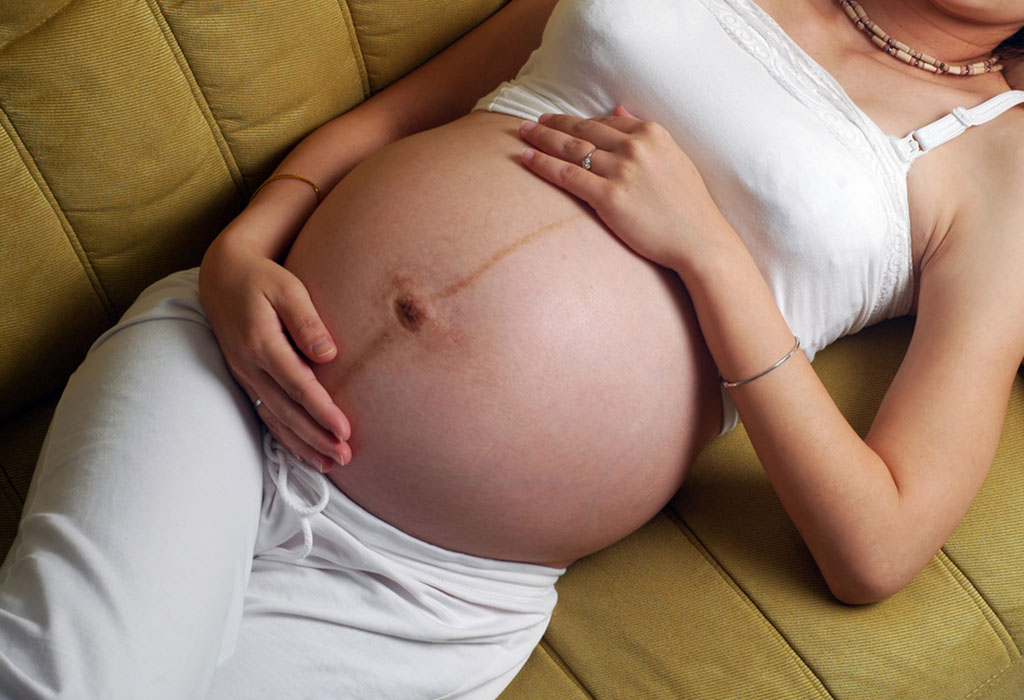
Linea Nigra: Causes, Myths, Facts & Prevention
Pregnancy can bring about some beautiful and some unusual changes in your body. Your breasts and belly will enlarge, you will have a glow on your face, and you may even notice a dark line running down your navel right to the pubic area. This is known as the abdominal line during pregnancy, medically referred to as the linea nigra or the pregnancy line. It’s no cause for alarm – the linea nigra may always have been there, but it often goes unnoticed before pregnancy because of its light colour. Hormonal changes trigger increased pigmentation, causing the pregnancy line to darken during pregnancy. The linea nigra, which means “black line,” typically appears more pronounced in the second or third trimester.
What Is Linea Nigra?
Linea nigra or the black line is a dark line that appears or becomes visible during the fifth month of pregnancy (1). It is actually a pale line, which is almost invisible prior to pregnancy, hence remains unnoticed. It is called the linea alba (white line). It gets a bit darker when a woman is expecting, but it should not be a cause of concern. Linea nigra is perfectly normal and harmless.
When Does the Linea Nigra Appear?
Linea nigra is actually the darkened linea alba, which is already present on a woman’s belly but remains invisible until a woman gets pregnant and the line darkens. The dark vertical line known as linea nigra typically becomes visible during the second trimester (approximately at the 20-week mark of pregnancy) (2). If you can see linea nigra on your belly while expecting, you might wonder how it appeared. Linea nigra though known as the black line is more of a browner shade. In some women, this line may start from the ribs too. There isn’t a particular time when this appears. It can begin to appear as early as the pregnancy is detected and get darker as the pregnancy progresses.
What Causes Linea Nigra?
Linea alba is the place where the connective tissues of the abdomen muscles meet. Initially, it is very pale and unnoticeable. It darkens due to the hormonal changes in a woman’s body during pregnancy (3). The line on the belly during pregnancy darkens during the second trimester as the oestrogen levels increase, causing extra melanin to be secreted. This melanin causes darkening of the skin and hence linea nigra becomes noticeable. It darkens gradually as the pregnancy progresses. The dark line on the pregnant belly is about ½ -1 centimetre wide. If you have any dark patches or any existing scars on your skin, they might turn darker because of the increased melanin.
Common Myths and Facts About Linea Nigra
While linea nigra is a completely normal occurrence, several myths surround its causes and implications. Understanding the facts can help expectant mothers feel more at ease about this natural change in their bodies.
1. Myths
Linea nigra means something is wrong with the pregnancy.
Only women with darker skin tones get linea nigra.
Rubbing certain oils or creams can prevent or erase linea nigra.
The length of the line predicts the baby’s gender.
2. Facts
It’s caused by hormonal changes.
It usually fades after childbirth.
Sun exposure can make it darker.
It’s not harmful to the baby or mother.
Reasons Why It’s Okay to Have Linea Nigra
Some women might be worried about the linea nigra, but there are some reasons to not mind it.
1. It’s natural – The appearance of linea nigra during pregnancy is perfectly normal. It just indicates that there is more melanin in your body now. You will also notice that the areolas and clitoris darken during this period too. This is not a sign of worry, so just sit back and enjoy this beautiful phase. The pregnancy line is a wonderful reminder of life within you.
2. It’s harmless – The pregnancy line is harmless for your baby. It occurs due to a natural phenomenon in your body during pregnancy. There is nothing to worry about and certainly no reason to prevent it from occurring. It is best to avoid applying any cream to prevent linea nigra as it might cause other problems. Instead of worrying, you can embrace it and feel proud of your ability to nurture life.
3. It disappears on its own – You can be assured that the pregnancy line will disappear on its own a few months after childbirth. After delivery, your hormones begin to stabilise, and so will the melanin, getting you back your original skin colour.
4. You can always cover it up – Although the linea nigra is unavoidable, you can always prevent it from darkening further. If possible avoid going out in the sun. If you do, apply a good sunscreen when outdoors. This might prevent it from becoming darker. It is believed that the linea nigra is related to low folic acid levels. Therefore, you can also try consuming a good quantity of folic acid from natural sources such as spinach to lighten it.
What Can You Do About the Pregnancy Line?
Linea nigra cannot be prevented but you can try and minimise its appearance. As mentioned earlier, some simple measures such as avoiding going out in the sun, applying sunscreen & covering your tummy can help reduce melanin production, thereby preventing the line from turning darker. Research indicates that adequate folic acid intake may help minimize the appearance of linea nigra. Excellent dietary sources of this essential nutrient include dark leafy greens, citrus fruits, and whole grain products (4). There is no specific treatment for linea nigra, it is better to avoid using any topical creams or medication after checking with your doctor.
How to Prevent Getting Linea Nigra?
There is no specific remedy or way to prevent getting linea nigra. Doctors advise moms-to-be not to try any remedies to prevent it as it will only cause harm to the baby. There might be some claims of preventing the pregnancy line but in reality, there is no way to prevent it.
What Happens to the Pregnancy Line After Delivery?
After childbirth, the body begins to get back to normal, which means that the hormonal changes will become normal too. The pregnancy line should disappear on its own in a couple of months post-childbirth. But if it still persists, then you might consult a doctor for some topical ointment that might help the line fade away. Note: Do not use over-the-counter creams or medicines during pregnancy and while breastfeeding.
When to Consult the Doctor
Linea nigra is a harmless and common pregnancy-related skin change, but in rare cases, unusual symptoms may require medical attention. Here’s when you should consider consulting your doctor:
If the line becomes extremely dark, raised, or itchy: This could indicate a skin condition unrelated to normal pigmentation.
If it appears suddenly with other skin changes: Such as rashes, peeling, or discolouration in other areas.
If it doesn’t fade months after delivery: While it usually lightens over time, persistent darkness may need evaluation.
If you notice pain, swelling, or inflammation around the line: This could signal an underlying issue.
If you have concerns about melanoma or skin cancer: Though rare, any rapidly changing or irregularly shaped dark patch should be checked.
FAQs
1. Does a pregnancy line predict the gender of the baby?
There are some myths related to the gender prediction based on the pregnancy line but those should be taken with a pinch of salt. As per the old wives’ tale, if the linea nigra runs from the pubic bone to the belly button and stops there, the pregnant woman might be having a boy. And if the line continues further up to the rib cage, then the woman might be having a girl. But as mentioned, take this with a pinch of salt; gender prediction is never reliable and there are equal chances of conceiving a boy or a girl. Remember, what matters is a healthy baby.
2. Can Linea Nigra affect the health of the baby?
Linea nigra is completely harmless. It is restricted only to external cells and in no way connected to the baby. So there’s no need to concern yourself!
3. Is it normal not to have a pregnancy line?
It is perfectly normal not to have a pregnancy line because, in some cases, if the melanin content is less, the line doesn’t darken.
For some pregnant women, the appearance of linea nigra may be embarrassing and they might try to cover it up. But they must remember that it is just a dark line that appears during the course of pregnancy and won’t cause any harm to the baby. Pregnancy brings many changes in a woman’s body, and the appearance of linea nigra is just one of them. Women should be proud of themselves for creating and nurturing a new life and linea nigra should be least of your concerns as it is perfectly normal and safe!
References/Resources:
1. American Pregnancy Association – Linea Nigra: Pregnancy Line
2. Cleveland Clinic – Linea Nigra
3. Pregnancy, Birth & Baby – Linea nigra
4. DermNet – Linea nigra
Also Read:
Stretch Marks during Pregnancy
Stomach Tightening in Pregnancy
Round Ligament Pain while Pregnancy
Read more
Sort By
 Latest
 Most Popular
 Trending
Please select atleast one Filter