

How to Know You Are Pregnant Without a Test: Early Signs to Watch
Learn the early signs and symptoms that may indicate pregnancy before taking a test





Medically Reviewed By
Dr. Aruna Kalra
(Gynaecologist)

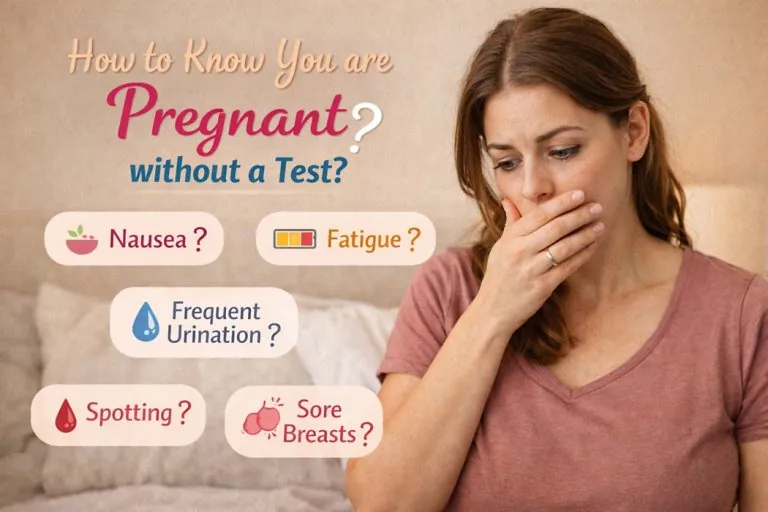
Image Credit : AI Generated Image
In this Article
- 22 Easy Ways to Confirm Pregnancy Without Taking a Test
- Some Home Pregnancy Tests Without a Test Kit
- Warnings to Consider
- FAQs
- Infographic: 10 Signs to Know If You Are Pregnant Without Doing a Test
View More
This health content has been medically reviewed by qualified experts and follows the FirstCry Parenting editorial policy to ensure accuracy and reliability.
You missed your period; you think you might be pregnant, but you’re not sure how to know you are pregnant without a test! Don’t worry; we’ve got you! There might be many pregnancy signs that indicate you are pregnant from the day of conception, but you may not notice them. While pregnancy tests are the sought-after option, there are many other ways by which you can know with reasonable certainty that you are pregnant. So, if you are willing to learn how to know you are pregnant without a test, then this article is just what you need!
Missed periods and nausea are the primary indicators of any pregnancy, but there is a lot more to it. While all these are the signs and symptoms of pregnancy, it is always advised to come to a conclusion only after valid proof, like a blood test or by consulting a doctor. For now, we will look at how to confirm your pregnancy without a test in this article for the benefit of expecting parents.
22 Easy Ways to Confirm Pregnancy Without Taking a Test
There are a lot of ways to confirm pregnancy without tests – some involve observing the functions of the body, and others involve understanding how the mother is feeling. Let us take a look at a few ‘symptoms’ of pregnancy.
1. Missed Periods
In most cases, this is the reason women suspect that they are pregnant. When fertilisation occurs in the uterus, it stops releasing eggs; consequently, the woman stops menstruating. Even though missed periods may also be caused by overeating, stress, and sudden weight changes, it is worth taking a look at if you have been trying to conceive a baby (1).
2. Spotting
Spotting is the phenomenon in which bleeding occurs between menstrual cycles. When the fertilised egg implants itself in the wall of the uterus, light bleeding occurs through the vagina. This is usually a couple of weeks after the woman’s last period. Spotting is usually a concrete sign of pregnancy, so it is best to consult the doctor if you observe blood at a different time than expected.
Spotting can also be accompanied by mild cramping, which indicates that the egg has implanted in the uterine lining. Since spotting and cramping can be easily mistaken for the start of another period, here is how you can assess if your cramps are a result of implantation occurring in your uterus:
- Your cramps might feel like pricks
- Your cramps might feel like pulls
- Your cramp may come with a tingling feeling
Implantation cramps may occur 6-10 days after ovulation, which is usually when a period begins, so make sure you assess what your cramps feel like (2). Remember that these cramps are not severe; if you feel severe cramping in your abdomen, call a doctor immediately.
3. Vomiting
Another common sign of pregnancy is morning sickness. It is when a woman gets sick right after waking up and ends up vomiting for the slightest reason. Morning sickness affects at least 70% of pregnant people in their first trimester. It is caused by the rising levels of pregnancy hormones, including human chorionic gonadotropin (HCG) or estrogen, in the woman and starts as early as the sixth week of pregnancy. However, the exact timing may vary. Morning sickness can also result from stress, low blood sugar, or a change in metabolism (3).
4. Feeling Full or Bloating
Very early in pregnancy, women might feel unusually full even without having eaten a small amount of food. This feeling may be accompanied by excessive belching, flatulence and intestinal cramps. As progesterone levels in the body rise, they affect the digestive tract, resulting in bloating (4).
5. Sensitive Breasts
Another early sign of pregnancy is sore and sensitive breasts. They become tender and swollen, and the nipples become tingly at the lightest touch. The colour of the nipple might also darken, and there may be small spots in the area. These spots are usually white in colour. Sensitve and sore breasts are not a definitive sign, but are indicative when you are doing pregnancy confirmation without a test.
6. Urination
Hormonal changes occur in a woman’s body when she is pregnant, which they feel the need to urinate at a much higher frequency than normal. A pregnant woman might have to rush to the washroom every half hour due to increased blood circulation and higher water retention in the body (4).
7. Pain in the Back
Periods are commonly accompanied by pain in the small of the back, which also happens during the early stages of pregnancy. The cause of this pain might be stress, posture changes, and hormonal changes, which result in the loosening of ligaments, so it does not go away despite rest and massages. However, you can reduce this pain with light exercises and yoga as the pregnancy progresses (5).
8. Headaches
Headaches by themselves do not indicate pregnancy, but you have to be alert if they come with any of the other symptoms mentioned here. Headaches and the feeling of lightheadedness are common as the first trimester progresses and continue throughout the second trimester (6). The main cause is usually hormonal changes in the body, increasing blood volume, and stress. Plenty of rest if advised to reduce this symptom.
9. Mood Swings
Mood swings become common when a woman is pregnant. The change in your mood is sudden and quick- you might be feeling happy at one moment, and irritable the next. These occur due to rising levels of hormones in the bloodstream and can be reduced by consciously maintaining a cheery disposition (7).
10. Changes in Food Patterns
This can go both ways; you might feel cravings towards a particular type of food and aversions towards others. This occurs due to the rise in the levels of estrogen in the blood and can happen at any time throughout the pregnancy. Food cravings can be satisfied, provided that the items are safe and that you do not overeat (4).
11. Fatigue
Expectant mothers go through a lot of changes in terms of their bodily functions, and all of this can result in loss of sleep and fatigue. This is caused by rising levels of progesterone in the blood, which makes the person sleepy and tired (7). The fatigue usually subsides by the second trimester, but comes back during the third trimester.
14. Nasal Congestion
When blood and hormone levels in the bloodstream increase, the nasal membranes become swollen and dry. This leads to nasal congestion in pregnant women, and the nose might start to feel stuffy or runny (6).
15. Basal Body Temperature
Basal body temperature is a great way to check if you are ovulating. Most couples who are trying to conceive chart the woman’s body temperature so that they can ascertain when she is ovulating. However, if the temperature remains high for around two weeks after ovulation, it almost always means that the woman is pregnant.
19. Acne
The hormonal changes and blood volume production that take place in the body during pregnancy are similar to puberty, so it is no surprise that acne makes a reappearance during pregnancy. Some people may get a pregnancy glow, while others may get pimples or acne (6). The woman’s skin becomes oily and patchy, and pimples start appearing all over her face. If the condition worsens when using sensitive skin products, talk to your doctor.
20. Itching
When a woman is pregnant, she might feel itchy on some parts of her skin. This occurs because the amount of blood supplied to the skin increases during pregnancy, making the skin more sensitive. To combat the feeling, you can wear comfortable clothing and maybe use a few types of pregnancy creams – if it becomes unbearable, you may have to pay a visit to your doctor.
21. Spider Veins
Pregnancy increases estrogen levels in the bloodstream, which can lead to the formation of spider veins on the skin. However, spider veins are not a definitive diagnostic sign of pregnancy on their own in the beginning. These usually fade away after the baby is born- talk to your doctor if they do not go away.
22. Dry Skin
This occurs due to a combination of factors like the hormonal changes, fatigue and the lack of sleep that occurs during pregnancy. Speak to your doctor about how it can be treated if the condition worsens. Remember to be hydrated at all times, and keep your skin moisturised so that it does not affect you.
Some Home Pregnancy Tests Without a Test Kit
Home pregnancy tests have been passed down through generations and usually involve common household ingredients. However, it is important to remember that these tests are not scientifically proven and should not replace a medical pregnancy test or a doctor’s consultation.
1. Sugar Pregnancy Test
The sugar pregnancy test is one of the most commonly known home pregnancy tests. Take a clean bowl and add a few spoons of sugar. Pour a small amount of your first-morning urine over the sugar and wait for a few minutes.
If the sugar starts dissolving quickly in the urine, it is generally considered a negative result. If the sugar forms small clumps instead of dissolving, some believe it may indicate pregnancy. The idea behind this belief is that the hCG hormone in pregnancy may react with sugar, preventing it from dissolving easily./
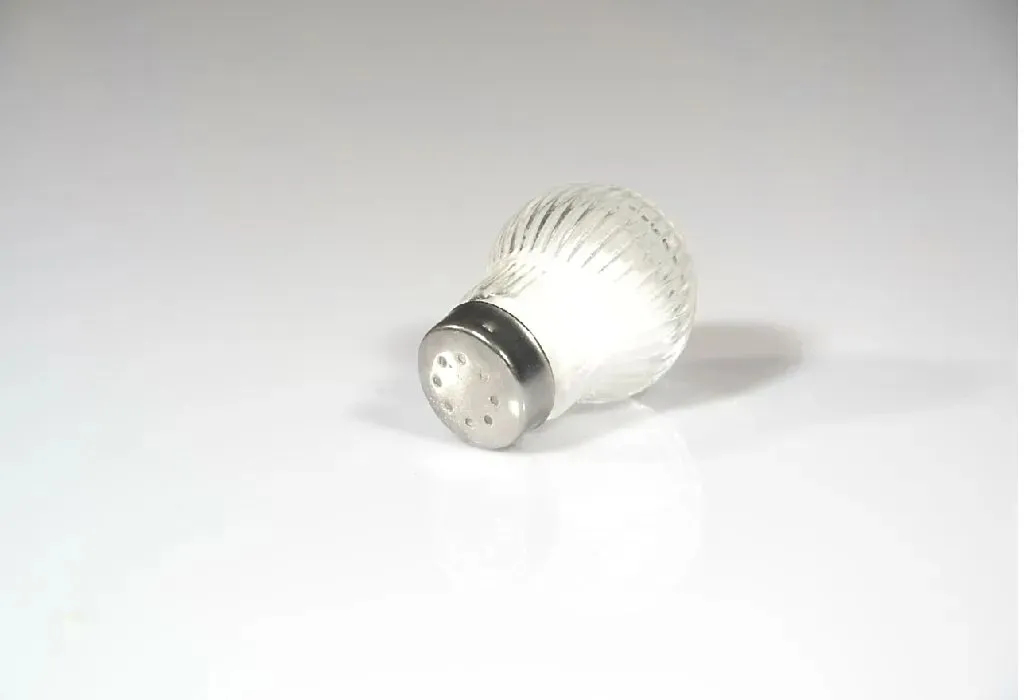
2. Salt Pregnancy Test
Salt is another household ingredient that is often used in traditional pregnancy tests. Place a small amount of salt in a clean container. Add a few drops or a small quantity of your morning urine to the salt and leave it undisturbed for a few minutes.
If the mixture develops a creamy or milky texture, some believe it suggests pregnancy. If there is no noticeable change, it is usually interpreted as a negative result. Like other home methods, there is no medical evidence supporting the reliability of this test.
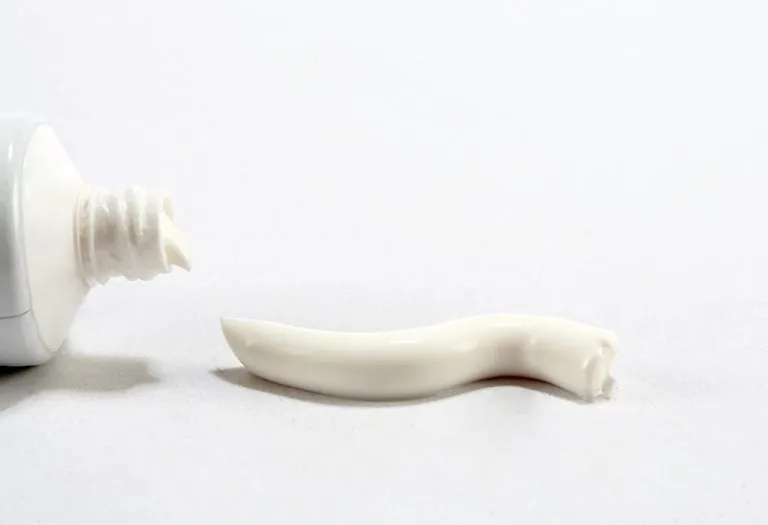
3. Toothpaste Pregnancy Test
The toothpaste pregnancy test has gained popularity in recent years because toothpaste is easily available in every household. Take a small amount of plain white toothpaste in a clean container. Add a few drops of urine to it and wait for a reaction.
If the toothpaste turns bluish in colour or becomes foamy, some believe it may indicate pregnancy. If there is no visible reaction, it is usually considered a negative result. However, the reaction may simply be a chemical response between toothpaste ingredients and urine, not necessarily pregnancy hormones.
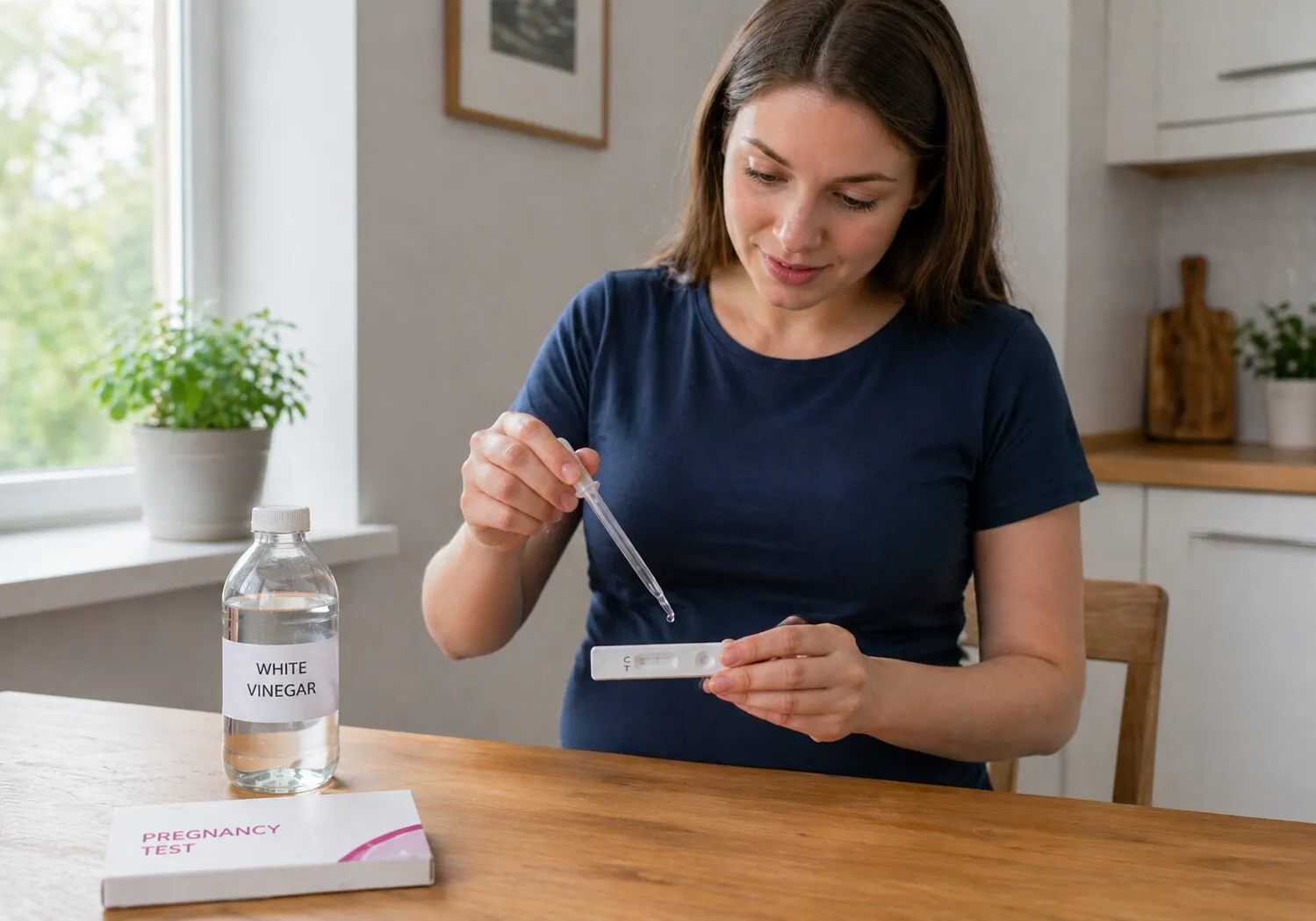
4. Vinegar Pregnancy Test
The vinegar pregnancy test is another traditional method people sometimes try at home. Pour some white vinegar into a clean glass container. Add a small amount of urine and observe the mixture for a few minutes.
If the mixture changes colour or shows a noticeable reaction, some believe it could indicate pregnancy. If there is no change, the result is generally considered negative. However, vinegar reactions can vary depending on their acidity, making the results unreliable.
5. Bleach Pregnancy Test
Bleach is sometimes used as a home pregnancy test because it reacts strongly with many substances. Add a small amount of bleach to a disposable container and carefully pour a small quantity of urine into it.
If the mixture begins to fizz or foam, some believe it may indicate pregnancy. If there is little or no reaction, it is usually interpreted as negative. However, bleach naturally reacts with urine and can produce fumes, so this method can be unsafe and should be avoided.
Note: While these home pregnancy tests are widely discussed online and in traditional practices, none of them is medically reliable. The most accurate way to confirm pregnancy is by using a home pregnancy test kit that detects hCG hormone or by consulting a doctor.
Warnings to Consider
When checking for pregnancy signs and indicators, it is always recommended to consider warning signs simultaneously in the other hand. Here are some warning signs you should know:
- Pregnancy symptoms work differently. It may not be possible for all women to experience the same or all of the symptoms. Sometimes, at the beginning of the pregnancy, many women don’t experience any symptoms at all, even when they get pregnant. So, worrying over ‘why I am not experiencing any symptoms’ is not good for my health as it is absolutely normal. The best way to confirm your pregnancy is by taking a test.
- If any pregnancy symptom becomes unbearable or occurs in excess, consult your doctor to find the root cause and effective measures.
- Many pregnancy symptoms can also indicate underlying medical conditions, like sore breasts or stomach cramps. It is advised to seek medical care to find out what’s causing it and whether it will have any impact on the pregnancy.
FAQs
1. When can pregnancy be confirmed?
You can confirm your pregnancy 1-2 weeks after a missed period using a home pregnancy test. The test checks the levels of hCG hormone in the urine, as it increases substantially when she becomes pregnant.
2. When should you visit the doctor to confirm pregnancy?
If you suspect that you might be pregnant, you can buy a home pregnancy test and check for yourself. Once the result comes positive, you should schedule an appointment with a doctor to confirm the pregnancy medically and take further actions. However, if you have a history of problems with your previous pregnancy, it is best to consult a doctor as early as possible.
3. Can you use non-medical ways to confirm that you are pregnant?
Many people try home pregnancy tests using items such as soap, vinegar, toothpaste or bleach to confirm pregnancy. However, these methods are not scientifically reliable and should not be considered accurate. A medical pregnancy test or consultation with a doctor is the only dependable way to confirm pregnancy.
4. How accurate are the natural signs of detecting pregnancy?
Early pregnancy symptoms such as nausea, fatigue, breast tenderness, or missed periods may suggest pregnancy. However, these symptoms alone cannot confirm it, as they can occur for other reasons. If you experience several of these symptoms together, it is best to take a pregnancy test or consult a doctor.
5. Do sudden behavioural changes indicate pregnancy?
If the woman goes through a lot of mood swings and is not menstruating, pregnancy may be a possibility. However, it cannot be taken as a single reliable sign to confirm pregnancy. You will have to consult the doctor to confirm.
6. Can you confirm pregnancy from changes in the sleep pattern?
During early pregnancy, rising progesterone levels can affect sleep patterns and may cause fatigue or increased sleepiness. However, sleep disturbances can happen for many other reasons as well, such as stress or lifestyle changes. Therefore, changes in sleep alone cannot confirm pregnancy.
A combination of the above-mentioned signs can indicate that you are pregnant – if only one or two affect you, you are most likely not pregnant. However, do pay the doctor a visit to confirm that you are going to have a baby if you experience some of these symptoms.
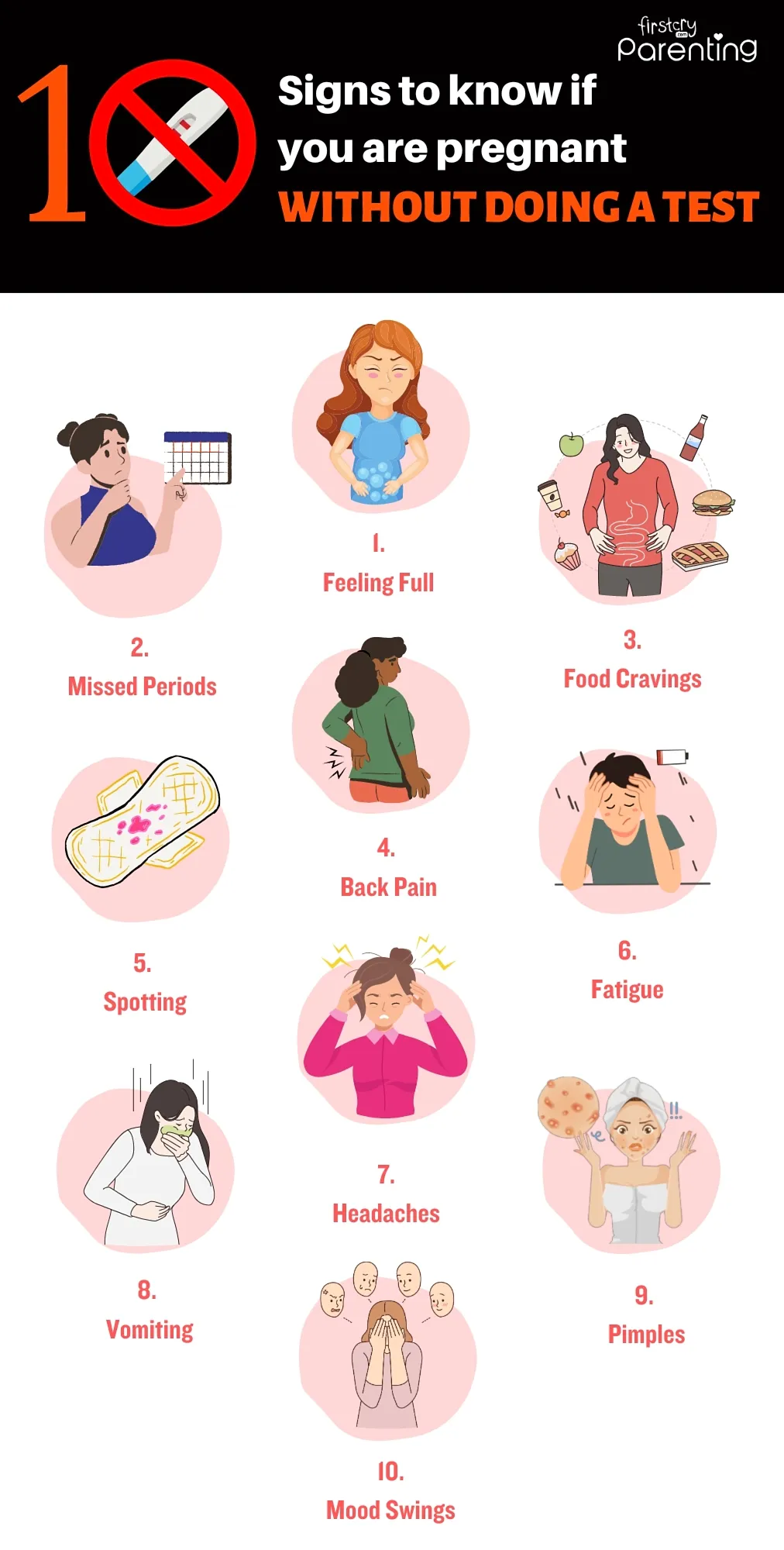
Infographic: 10 Signs to Know If You Are Pregnant Without Doing a Test
Also Read:
List of DIY Pregnancy Tests
Baking Soda Pregnancy Test
How to Take Pregnancy Test at Home
Was This Article Helpful?
Parenting is a huge responsibility, for you as a caregiver, but also for us as a parenting content platform. We understand that and take our responsibility of creating credible content seriously. FirstCry Parenting articles are written and published only after extensive research using factually sound references to deliver quality content that is accurate, validated by experts, and completely reliable. To understand how we go about creating content that is credible, read our editorial policy here.
1. Tommy’s – Early signs and symptoms of pregnancy
3. Cleveland Clinic – Morning Sickness
4. Johns Hopkins Medicine – 10 Early Signs of Pregnancy
5. BetterHealth Channel – Pregnancy – signs and symptoms
6. Cleveland Clinic – Am I Pregnant?
7. American Pregnancy Association – Early Signs of Pregnancy
- Author
- Expert Reviewer


Related Articles
-
Toothpaste Pregnancy Test: How It Works, Effectiveness, & Accuracy
-

Homemade Pregnancy Test With Shampoo
-

Baking Soda Pregnancy Test: How to Do It, Results, & Accuracy
-
Progesterone after IUI – Risks & Side Effects
-
Pregnancy After Miscarriage: Tips & More
-

Billings Ovulation Method - How Does It Work, Pros & Cons