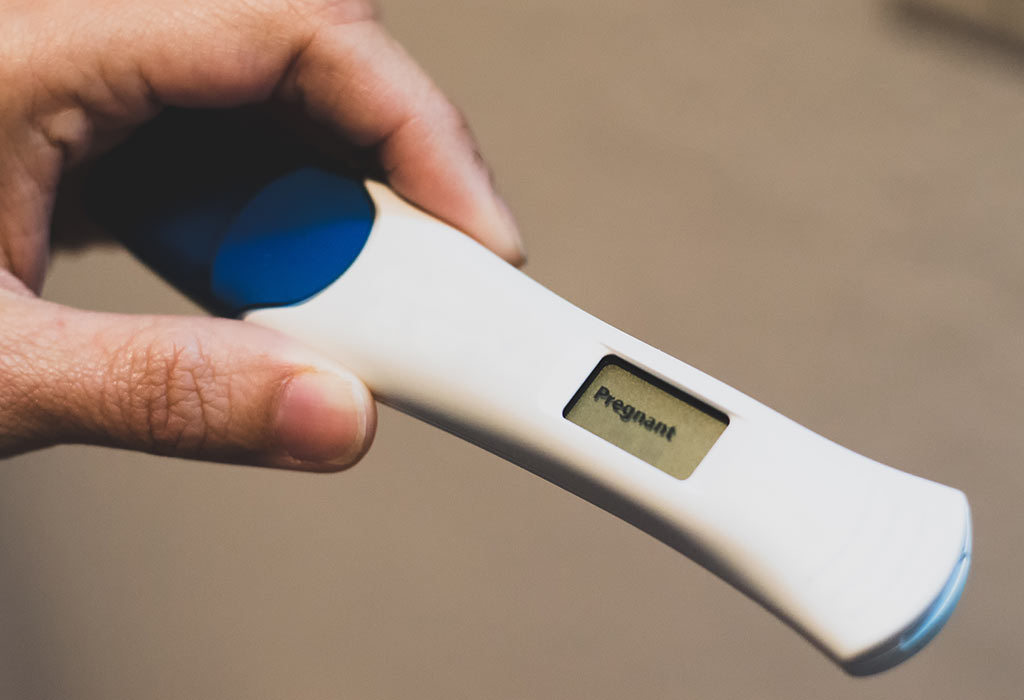

Can You Get Pregnant Without Having Sex? Find Out Here





Without intercourse, is pregnancy possible? Although sexual intercourse is the most common way pregnancy occurs, it isn’t the only possibility. There are certain circumstances where conception can happen without penetrative sex, making this a topic that often raises questions and confusion. If you’re wondering, can you get pregnant without having intercourse, you’re in the right place.
In this article, we’ll explore the different situations where pregnancy may be possible, the factors that can influence the chances, and what you should know before jumping to conclusions.
Can You Get Pregnant Without Sex?
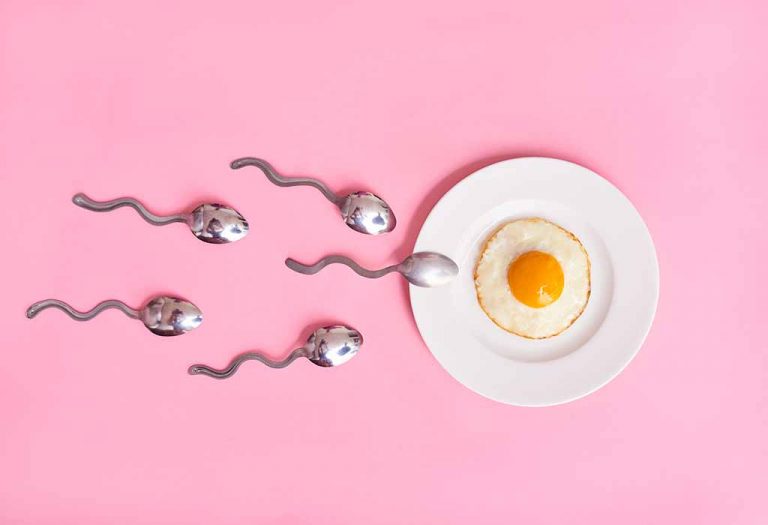
Yes, pregnant without intercourse is possible, although the likelihood depends on how sperm reaches the egg. Conception requires sperm to fertilise an egg, but intercourse itself is not always necessary for this to happen (1).
Pregnancy without intercourse may occur through assisted reproductive procedures or, in some circumstances, when fresh semen comes into contact with or is introduced near the vaginal area.
What Are the Common Myths About Getting Pregnant Without Sex?
Many misconceptions exist about pregnancy without sexual intercourse, which can create unnecessary worry. Let’s clear up some of the most common myths and separate fact from fiction.
1. Can Kissing Cause Pregnancy?
No. Kissing does not cause pregnancy because sperm cannot reach the reproductive tract through kissing or saliva (2).
2. Can You Get Pregnant From a Toilet Seat?
No. Sperm cannot cause pregnancy from a toilet seat. Once exposed to the environment, sperm quickly loses the conditions needed to fertilise an egg (3).
3. Can Swimming Together Cause Pregnancy?
No. Swimming or sharing a swimming pool with someone who has ejaculated does not result in pregnancy. Sperm cannot travel through pool water and reach the reproductive tract in a way that causes conception (4).
4. Can Oral Sex Cause Pregnancy?
No. Oral sex by itself cannot cause pregnancy because sperm in the mouth cannot travel to the uterus. Pregnancy would only become a possibility if semen were transferred to the vaginal area in a way that allowed sperm to enter the reproductive tract (5).
How to Get Pregnant Without Having Sex?
Some of the ways to get pregnant without sex mentioned below can help you have your baby by becoming pregnant in a ‘different’ way.
1. In-vitro Fertilisation
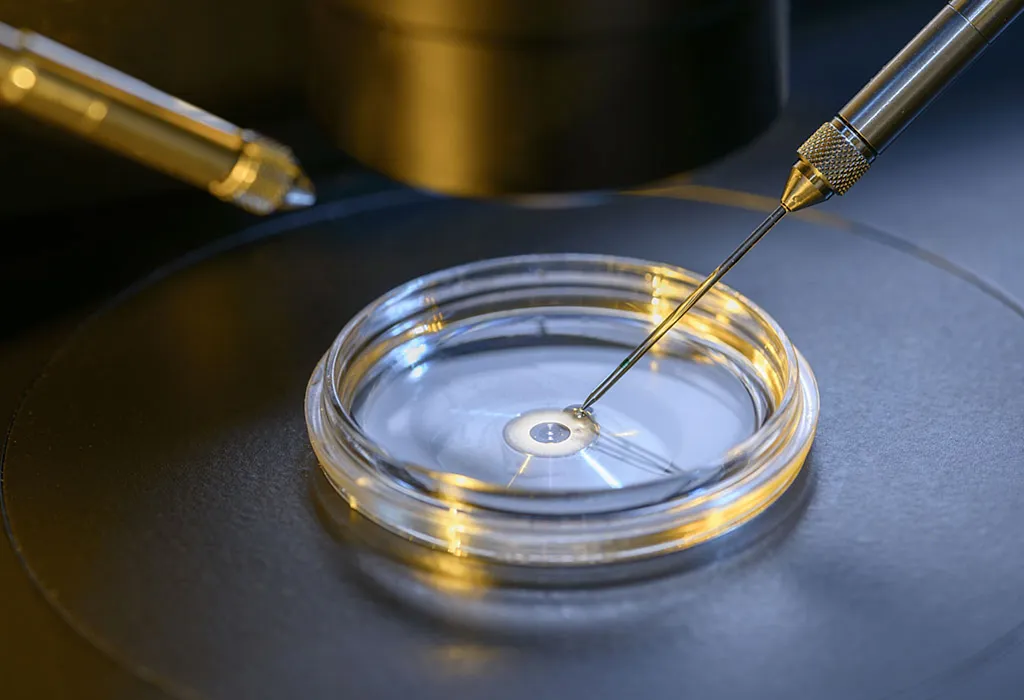
In a few cases, the woman might be healthy enough to carry the baby to term, but fertilisation itself might be an issue. This is where IVF plays a vital role. IVF is available in numerous infertility clinics across the country, and the process is quite straightforward. Medication is administered to boost the woman’s egg production, which is then extracted. The eggs are then placed in conditions where they can be fertilised with the sperm of the woman’s choice. Once an embryo is successfully formed after the fertilisation, a catheter is used to open the uterus and place the embryos inside. Some women tend to feel a little pain and cramping in their abdomen as the embryos attempt to get implanted inside the uterus (6). This is one of the greats ways to conceive without intercourse, but the process can get expensive.
2. Opting for the ‘Turkey Baster’ Technique

Very few people might be aware of this technique, while numerous others might think of this as a quick and easy method. Mostly adopted by couples of the same gender, this can be compared to artificial insemination. And no, you don’t use an actual turkey baster for this technique!
The steps are rather simple. Sperm needs to be procured from a known person or the sperm bank. An insemination syringe is then used to collect the sperm, which is then inserted inside the vagina of the woman, letting the sperms inseminate within. This is rather painless, and there is no recovery time since this isn’t a medical procedure. Having the pelvic portion tilted upwards for some minutes to stop the sperm from spilling outside is recommended.
Bear in mind that there are some very important points to know when attempting at-home insemination. Before you go through with it, speak with your doctor to understand safety precautions that you must adhere to, do’s and don’ts, and your chances of conception through this method.
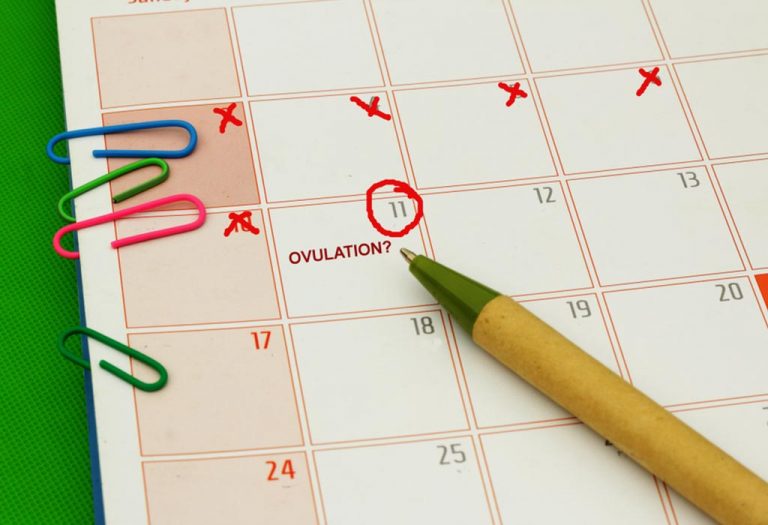
- Track your period and ensure the dates you are working with are in your fertile period, i.e., close to your ovulation date.
- Do not attempt to insert the sperm into the uterus or cervix, as this can be extremely dangerous. Sperm should be inserted only into the vagina.
- Use a new, clean, needleless disposable syringe to insert the sperm into the vagina. Collect the semen in a clean, dry receptacle, then pull it into the syringe.
- Make sure that there is no air in the syringe, as the introduction of an air bubble may cause an embolism that can be fatal.
- Remember that this insemination method does not protect you from sexually transmitted diseases.
3. Insemination Within the Uterus
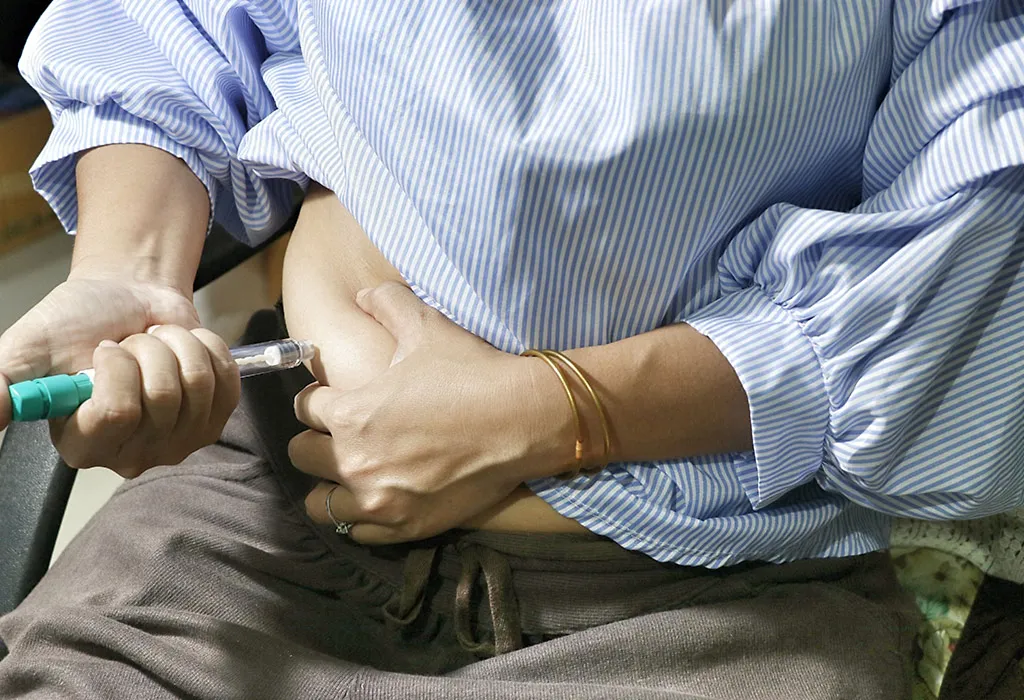
This is a slightly advanced medical technique, termed as IUI, which is a combination of the turkey baster technique and IVF. This is usually opted for by couples where the male partner’s fertility levels are low or by single women who are fit to have a baby. During ovulation, the egg reaches the uterus, awaiting fertilisation by a sperm. In IUI, the woman chooses the sperm either from a donor or the bank. A medical professional then introduces the sperm right inside the uterus close to the egg using a catheter. The process is similar to that of a Pap smear test. Lying down by tilting the pelvis upwards can help increase the chances of fertilisation. Most women feel only minor cramps, and they can resume their usual lives within no time (7). However, this process might have to be repeated for a bunch of cycles until it is successful.
4. Splash Pregnancy

At times, a couple may fail to have proper sexual intercourse because of conditions like erectile dysfunction or vaginismus faced by a man and woman, respectively. This makes it either difficult to have intercourse or painful. However, there is still a way for the couple to try and get pregnant. Many young adults are advised to use protection because even the slightest exposure of sperm to the vagina can cause a woman to get pregnant. This is exactly what a couple can try and use to their advantage by trying to have an ejaculation as close to the vagina as possible. Some women can bear penetration up to a certain depth. This is even better since ejaculation can take place inside the vagina, and the woman can tilt her pelvis upwards to increase the chances of conception.
Success using this method is random, but you can always choose to do this before opting for any other methods.
5. Having a Surrogate Carry the Baby

In some couples, one or both partners may be infertile, or the woman might not have a uterus strong enough to hold the baby. But couples tend to want a baby of their own. This can be achieved via surrogacy. The sperm of the male and the female eggs are combined in a laboratory environment to allow fertilisation and the formation of an embryo. This embryo is then placed in the womb of a willing surrogate, who will carry the baby for the duration of the pregnancy and then hand it over to the original parents. Surrogacy, of course, is an expensive option with fees and other expenses to be taken into account.
Now, it certainly is up for debate whether you would ‘technically’ be pregnant if you have a surrogate carrying your baby. But no doubt, you will most certainly have a baby that will be your very own in every way.
Legal Precautions That Everyone Should Know
It is strongly discouraged to attempt at-home insemination with a sperm donor, whether the donor is known or unknown. In many jurisdictions, insemination without the involvement of a medical professional may not be legally recognised in court.
Even if there is a written and signed contract, the sperm donor could potentially assert parental rights, and the individual giving birth to the child might have legal grounds to pursue child support payments from the donor.
If you are considering this process with someone other than your legally married partner, seeking advice from a reproductive lawyer before proceeding is crucial. The information provided here is not intended as legal advice, and any actions taken are at your own risk.
When to Consult a Doctor?
Medical guidance is especially useful when you’re exploring assisted reproductive methods or have questions about conception. You may want to consult a doctor if:
- You’re considering IVF, IUI, or another fertility treatment.
- You’ve been trying to conceive and want to discuss available options.
- You have concerns about fertility or reproductive health.
- You want to understand which procedure may be suitable for you.
- You have questions about the risks, success rates, or preparation involved in fertility treatment.
FAQs
1. How many drops of sperm is needed to get pregnant?
Only a single sperm is needed to fertilise a woman’s egg. However, it’s essential to understand that for every sperm that successfully reaches the egg, millions of others do not.
2. What causes sperm to die in female body?
Various factors can cause sperm to die in the female body. These include exposure to acidic vaginal pH, cervical mucus acting as a barrier, the immune system attacking foreign sperm, and some sperm not surviving the journey through the female reproductive tract to reach the egg.
3. Does age affect the chances of getting pregnant through fertility treatment?
Yes. Age can influence fertility and the chances of success with assisted reproductive treatments. A doctor can assess individual factors and explain how age may affect the available options.
4. How do you know which assisted reproductive method is right for you?
There isn’t one method that works for everyone. A fertility specialist considers factors such as ovulation, sperm health, reproductive health, previous treatment, and overall medical history before recommending an approach.
Now that you have read how to get pregnant without a man or without penetration, you know about the benefits and costs associated with it. Intercourse might not be a choice or a possibility in a few cases, and this is where medical science can come to your rescue. However, if none of these methods seem to work, it is best to keep yourself open for adoption as well, as that can also provide you with the joy of becoming a parent.
Also Read:
Tips to get Pregnant Fast
Best Sex Positions to get Pregnant Faster
How Many Times to Have Sex in a Day to get Pregnant
Was This Article Helpful?
Parenting is a huge responsibility, for you as a caregiver, but also for us as a parenting content platform. We understand that and take our responsibility of creating credible content seriously. FirstCry Parenting articles are written and published only after extensive research using factually sound references to deliver quality content that is accurate, validated by experts, and completely reliable. To understand how we go about creating content that is credible, read our editorial policy here.
1. NHS – Can I get pregnant if I have sex without penetration?
2. Be in the KNOW – Busting the myths on pregnancy
3. The University of New Mexico – Can I Get Pregnant from…?
4. HOWUKNOW – HIT OR MYTH: POOL PREGNANCIES
5. Nemours KidsHealth – Can I Get Pregnant From Oral Sex?
- Author