
18 Water Experiments for Kids to Try at Home
Spark curiosity with water experiments that let kids explore science at home through fun, safe, and hands-on activities.




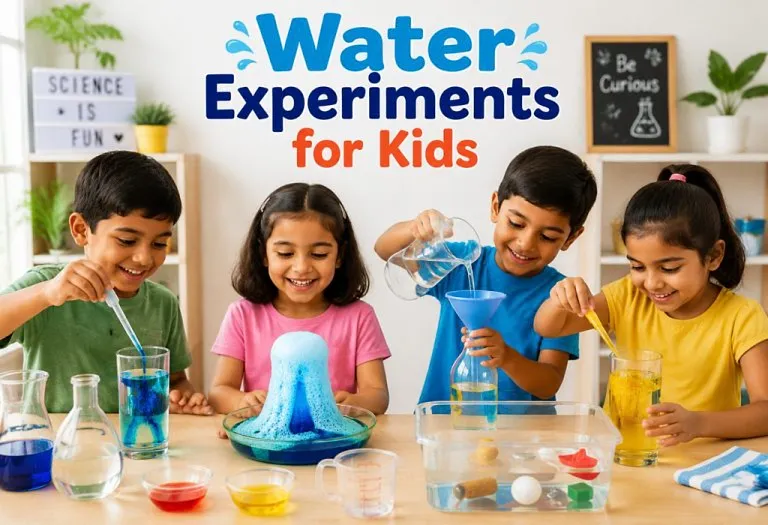
Image Source: AI-Generated Image
Children are naturally curious, especially when it comes to something as simple and fascinating as water. A glass of water can quickly turn into a mini science moment when the right ideas are introduced. That is exactly why water experiments for kids are not just about fun splashes or colourful reactions; they quietly build observation skills, patience, and problem-solving abilities. For younger learners, especially those in early years, water experiments for preschoolers & kids can become a gentle introduction to science without pressure or complexity. You do not need fancy tools or a lab setup. Most of these activities can be done right in your kitchen with everyday items!
As a parent or caregiver, watching a child’s face light up when something unexpected happens is truly rewarding. This collection brings together a variety of hands-on experiments that are easy, safe, and genuinely exciting.
Benefits of Water Experiments for Kids
Spending time with simple water activities can do much more than keep children busy and these moments often become quiet opportunities for learning without pressure. A good water experiment does the following:
- Builds natural curiosity as children begin to ask questions on their own and show interest in how things work around them.
- Improves observation skills as they learn to notice small changes such as colour changes, floating objects, or bubbles forming.
- Encourages problem-solving as kids start thinking about why something happened and what they can change next time.
- Supports early science learning by making basic ideas like density, surface tension, and absorption easier to understand through play.
- Boosts confidence as trying something and seeing results helps children feel proud and more willing to try again.
- Strengthens parent-child bonding as these activities create relaxed moments where conversations and laughter happen naturally.
- Develops patience and focus as waiting for results teaches children to slow down and stay engaged with the process.
Water Experiments for Preschoolers
Little children learn best when they can touch, feel, and play with what they are exploring. Water activities feel safe, familiar, and exciting, which makes them perfect for early learning. These simple ideas are designed to match short attention spans while still keeping curiosity alive. Many parents find that science experiments for preschoolers with water become a calm and joyful way to introduce basic concepts at home.
1. Pouring and Transferring Water
Give small cups, bowls, and spoons, and let children move water from one container to another. This builds coordination and control while keeping them happily engaged.
2. Colour Mixing Fun
Add a few drops of food colour to water and let children mix different shades. Watching new colours appear feels exciting and helps them understand simple changes.
3. Floating Toys Play
Place a few toys in a tub of water and let children see which ones float. This simple activity often brings surprise and laughter.
4. Ice Cube Melting
Hand over a few ice cubes and let them watch and feel how they slowly melt. It is a gentle way to notice changes over time.
5. Sponge Squeeze Activity
Give a sponge and a bowl of water, and let children soak and squeeze. This helps build hand strength and keeps them focused.
6. Bubble Making Fun
Add a little soap to water and let children create bubbles using straws or their hands. The joy of watching bubbles grow never fades.
7. Water and Sand Play
Mix water with sand and let children explore textures. They quickly notice how wet sand feels different from dry sand.
8. Sink and Float Basics
Offer simple objects like leaves or small blocks and let children drop them in water. They begin to notice patterns without needing explanations.
9. Water Painting
Give a brush and a bowl of water, and let children paint on walls or outdoor surfaces. The disappearing marks keep them curious and engaged.
10. Drip Drop Fun
Use a dropper or spoon and let children create drops in a bowl of water. Watching ripples form is calming and holds their attention.
Water Experiments for Kids
Children between five and eight years old begin to ask deeper questions and enjoy understanding why things happen. At this stage, simple activities can become meaningful learning moments when explained well. Hands-on play helps them connect what they see with real-world ideas. That is why water science experiments for kids work so well, as they combine fun with gentle learning that actually stays with them.
1. Magic Pepper Run
This simple activity creates a strong reaction and keeps children curious from start to finish as they watch something move without being touched.
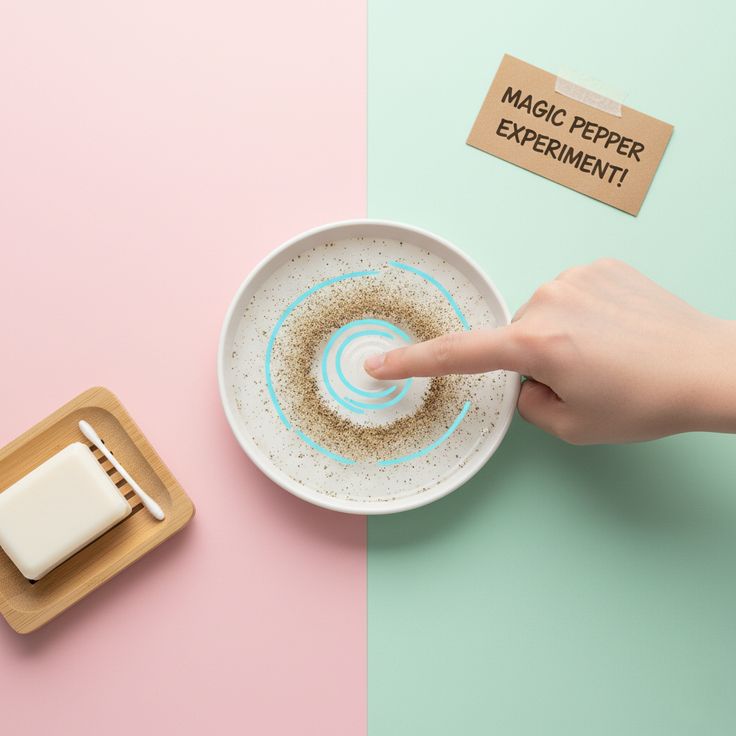
Image Credit: Pinterest
Supplies You Need
- A shallow bowl
- Water
- Black pepper
- Liquid soap
Instructions
- Fill the bowl with water.
- Sprinkle pepper across the surface.
- Ask your child to touch the water.
- Now dip a finger in soap and touch again.
How Does It Work?
Soap breaks the surface tension of water, which causes the pepper to move away quickly, and this shows how invisible forces can create visible changes
2. Rising Water Candle
This experiment feels almost like magic and helps children understand how air and heat can affect water movement.
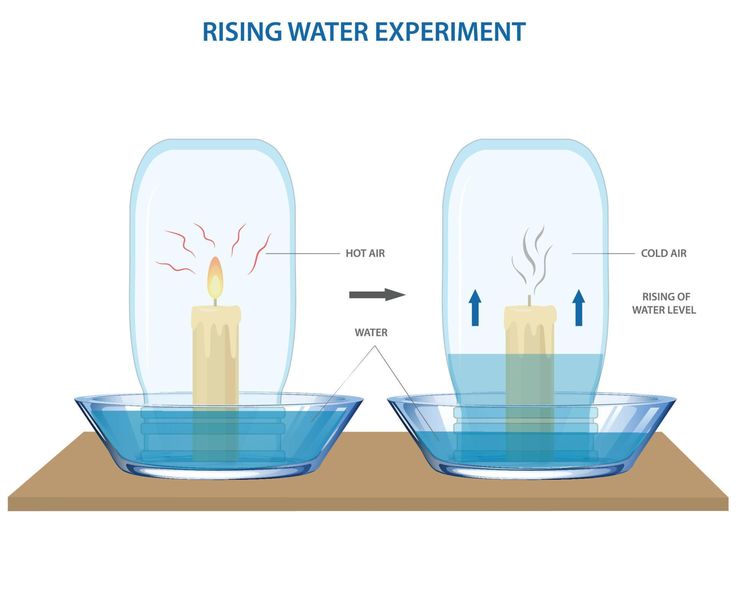
Image Credit: Pinterest
Supplies You Need
- A candle
- A plate
- Water
- A glass
Instructions
- Place the candle in the centre of the plate.
- Pour some water around it.
- Light the candle carefully.
- Cover it with a glass and watch.
How Does It Work?
As the flame uses oxygen, the air pressure inside the glass changes, and this pulls the water upward into the glass.
3. Balloon in a Bottle
This activity surprises children because it goes against what they expect when trying to inflate a balloon.
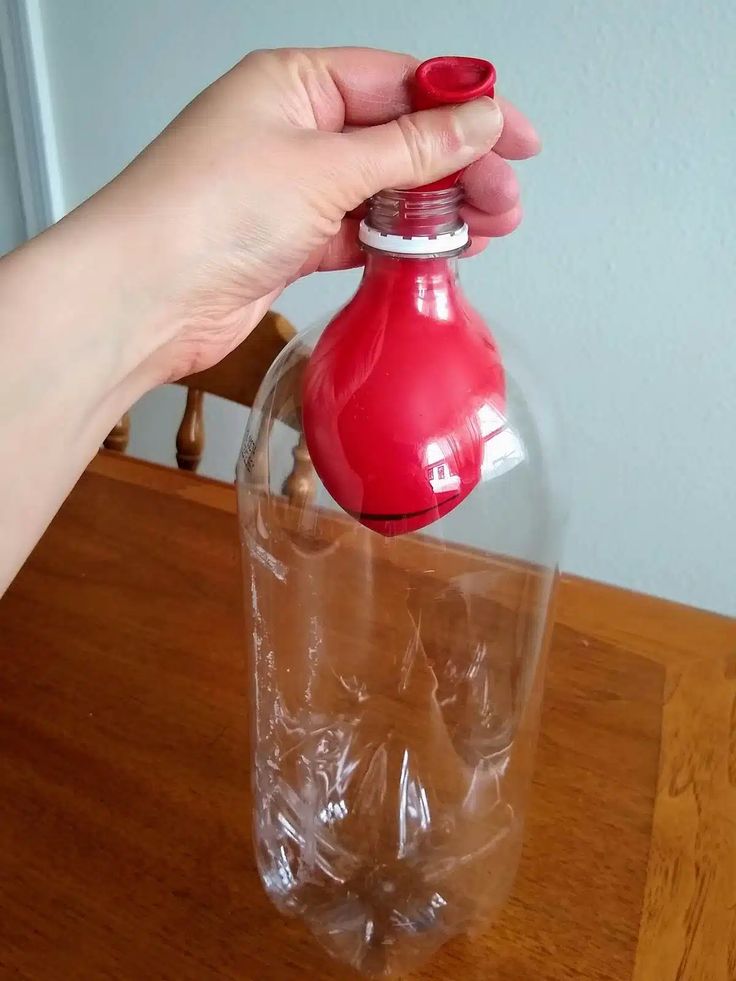
Image Credit: Pinterest
Supplies You Need
- A plastic bottle
- A balloon
Instructions
- Place the balloon over the mouth of the bottle.
- Try to blow air into it.
- Notice what happens.
- Make a small hole in the bottle and try again.
How Does It Work?
Air already inside the bottle takes up space, and when there is no room for it to escape, the balloon cannot expand until a path is created
4. Dancing Raisins
This fun experiment keeps children watching closely as something simple starts moving in an unexpected way.
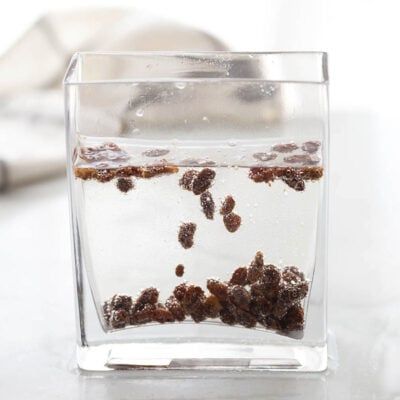
Image Credit: Pinterest
Supplies You Need
- A clear glass
- Water
- Soda
- Raisins
Instructions
- Fill the glass with soda.
- Drop in a few raisins.
- Watch them closely for a few minutes.
How Does It Work?
Gas bubbles stick to the raisins and lift them up. When the bubbles pop, the raisins sink again, creating a dancing effect
5. Leak-Proof Bag
Children often react with surprise when water does not spill even after the bag is poked.
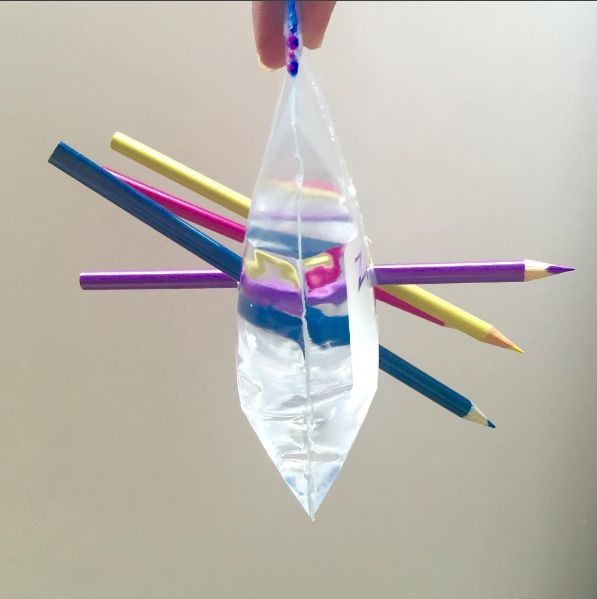
Image Credit: Pinterest
Supplies You Need
- A ziplock bag
- Water
- Sharpened pencils
Instructions
- Fill the bag with water and seal it.
- Hold it over a sink or bowl.
- Carefully push pencils through the bag.
How Does It Work?
The plastic stretches tightly around the pencil, which prevents water from leaking and shows how flexible materials can create seals
6. Ice Fishing Trick
This playful activity turns a simple idea into a small challenge that children enjoy repeating.
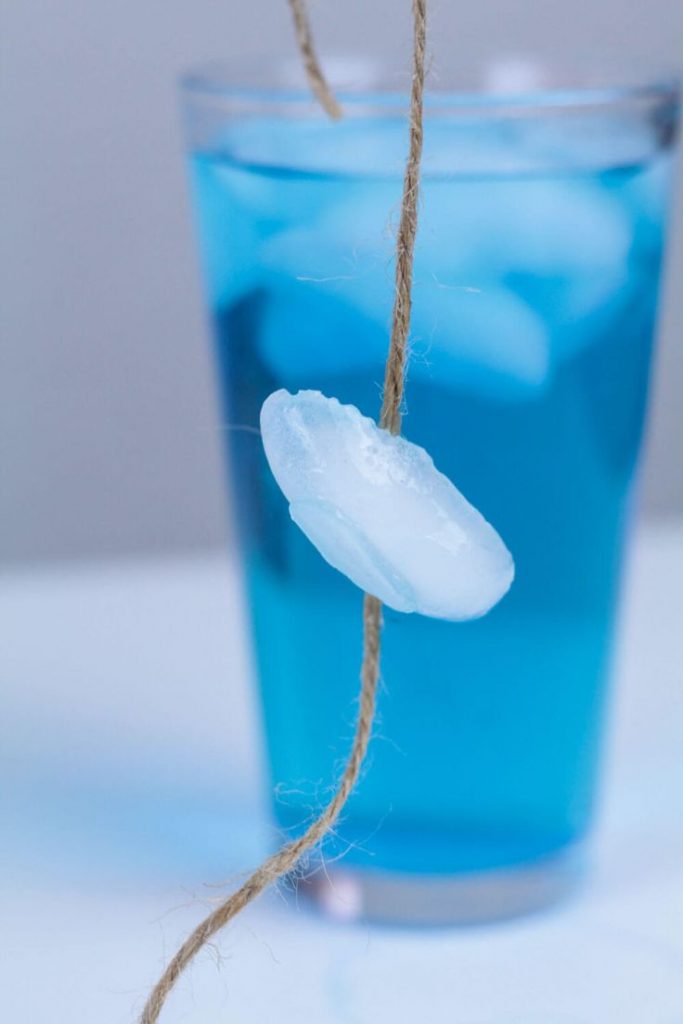
Image Credit: Pinterest
Supplies You Need
- Ice cubes
- A bowl of water
- Salt
- A piece of string
Instructions
- Place an ice cube in water.
- Lay the string over the cube.
- Sprinkle salt on top.
- Wait a few seconds and lift the string.
How Does It Work?
Salt lowers the freezing point, which causes the ice to melt slightly and then refreeze around the string, making it stick.
7. Rainbow Density Jar
This colourful activity keeps children engaged while helping them notice how liquids behave differently.
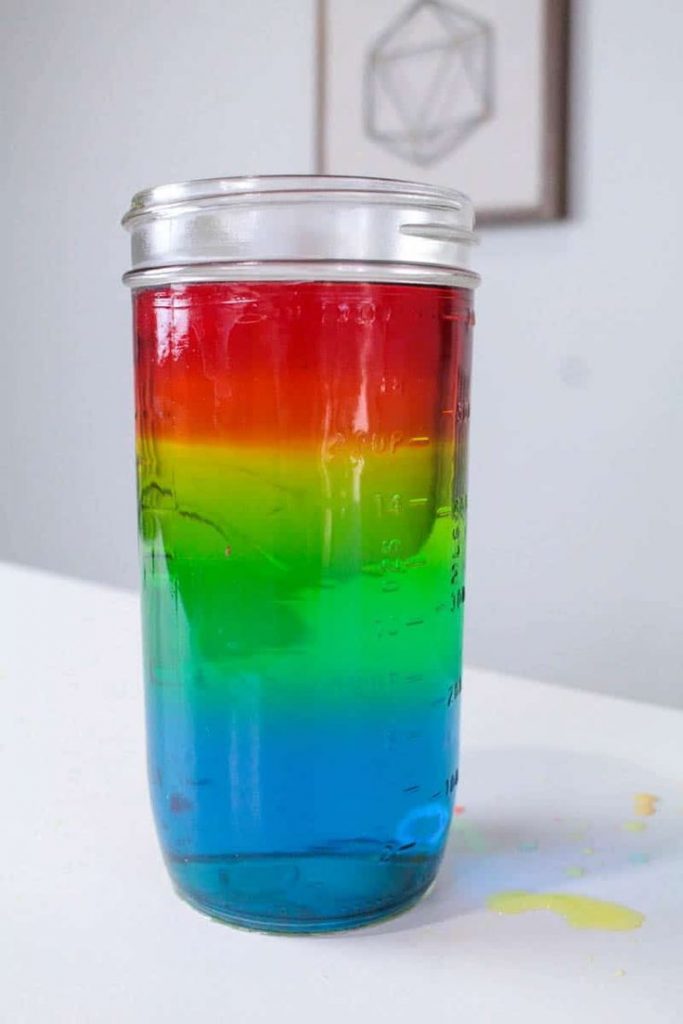
Image Credit: Pinterest
Supplies You Need
- A clear jar
- Water
- Sugar
- Food coloring
Instructions
- Make sugar solutions with different amounts of sugar.
- Add different colours to each.
- Slowly pour them into the jar, starting with the heaviest.
How Does It Work?
Liquids with more sugar are denser and settle at the bottom, while lighter ones stay on top, creating visible layers
8. Floating Egg Test
This experiment feels simple, but it often surprises children with how the same egg can behave differently.
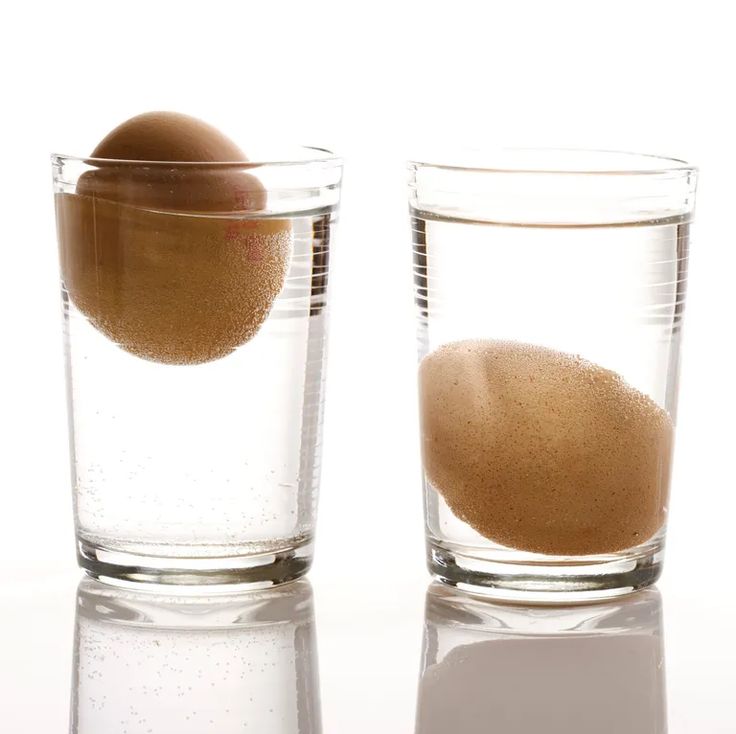
Image Credit: Pinterest
Supplies You Need
- Two glasses
- Water
- Salt
- An egg
Instructions
- Fill both glasses with water.
- Add salt to one glass and mix.
- Place the egg in both glasses.
How Does It Work?
Salt water becomes denser than plain water, which allows the egg to float while it sinks in regular water.
FAQs
1. Are water experiments safe for kids?
Yes, most water activities are safe when done with simple materials and adult supervision. It is always good to stay nearby, especially when using small objects or items like candles.
2. At what age is it best for water experiments?
Children as young as preschool age can enjoy simple activities, while older kids can handle slightly more detailed ones. The key is to match the activity with their understanding and comfort level.
3. Do I need special materials for these experiments?
No, most experiments use items already available at home, like cups, spoons, food colour, and basic kitchen supplies. This makes them easy to try without extra preparation.
4. How often should kids do these activities?
You can include them once or twice a week or whenever your child shows interest. Even short sessions can create meaningful learning moments.
5. What do kids actually learn from water experiments?
Children learn basic science ideas along with observation and problem-solving skills. They also become more confident as they try new things and see results.
Simple activities with water can turn everyday moments into meaningful learning experiences for children. These small experiments help build curiosity while keeping the process light and enjoyable. Children do not just watch but actively take part, which makes the learning stay with them longer. Over time, these playful moments support confidence and independent thinking. Parents also get a chance to connect with their children in a relaxed and natural way. What matters most is not perfection but the willingness to try and enjoy the process together. Even a few minutes of shared exploration can create lasting memories and a love for learning.
Also Read:
Easy to Do Science Experiments for Kids
Cloud in a Jar Experiment for Kids
Science Project Ideas for Kids
Was This Article Helpful?
Parenting is a huge responsibility, for you as a caregiver, but also for us as a parenting content platform. We understand that and take our responsibility of creating credible content seriously. FirstCry Parenting articles are written and published only after extensive research using factually sound references to deliver quality content that is accurate, validated by experts, and completely reliable. To understand how we go about creating content that is credible, read our editorial policy here.
- Author







.svg)