
How to Clean Baby Car Seats Safely at Home – Step-by-Step Guide
Keep baby car seats fresh and hygienic with simple, safe, and effective cleaning tips you can easily do at home.




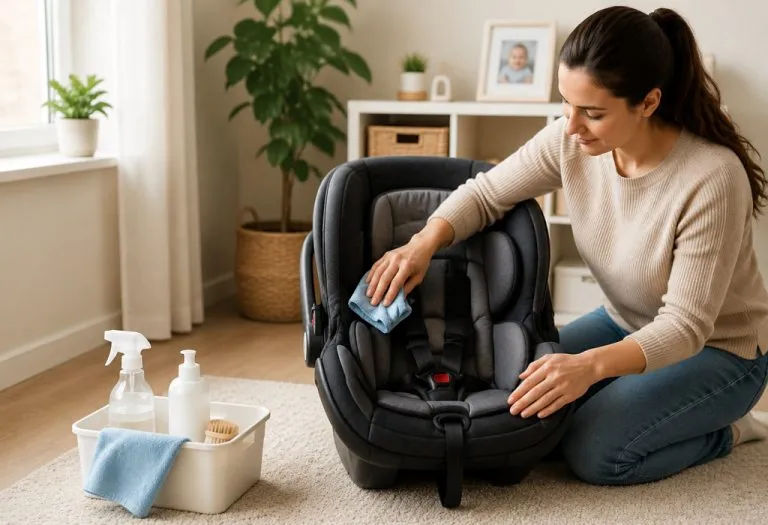
Image Source: AI-Generated Image
Every parent knows how quickly a baby car seat can go from spotless to messy. One snack spill turns into sticky straps, mystery stains, and that lingering smell nobody wants trapped inside the car. Between milk leaks, diaper accidents, and muddy shoes, cleaning becomes less about appearance and more about hygiene and safety. Many parents worry about damaging the fabric, weakening the harness, or using harsh products around their child, which is why learning how to clean baby car seats properly matters so much. A safe cleaning routine not only keeps the seat fresh but also helps maintain its protective features. The good news is that you do not need expensive tools or professional services for regular upkeep. With the right approach and a few household supplies, you can clean your child’s car seat thoroughly at home without risking safety or comfort.
How Frequently Should You Clean a Baby Car Seat?
Baby car seats go through a lot every single week. Spilt milk, crumbs, sticky fingers, and muddy shoes can make contact with the car seat when least expected. A quick wipe after small messes can keep the seat fresh and make deep cleaning much easier later. Many parents find that giving the car seat a proper clean once every few weeks helps their baby stay comfortable and keeps unpleasant smells away.
Easy Steps to Clean a Baby Car Seat
Cleaning a baby car seat can feel like a big task, especially when you are already busy with everyday parenting. A gentle and careful approach also helps keep the seat safe and comfortable for your child.
1. Remove the Car Seat From the Vehicle
Take the seat out of the car and place it on a clean surface. This gives you enough space to clean properly without missing hidden crumbs or stains.
2. Check the Instruction Manual
Before using soap or water, read the manufacturer’s instructions. Some parts can be machine-washed while others need gentle hand cleaning.
3. Take Off Removable Covers and Pads
Remove the seat cover, head support, and small inserts carefully. Keeping the pieces together makes reassembly much easier later.
4. Vacuum Loose Dirt and Crumbs
Use a vacuum with a small attachment to clean corners, seams, and buckle areas. Parents are often surprised by how many tiny crumbs hide inside the seat.
5. Wash the Fabric Cover Gently
Clean the cover using mild detergent and warm water. If machine washing is allowed, use a gentle cycle to avoid damaging the fabric.
6. Wipe Down the Harness Straps
Use a soft cloth with mild soap and water to clean the straps. Avoid soaking them because strong cleaning can weaken the material over time.
7. Clean the Plastic Shell
Wipe the hard plastic areas with a damp cloth. Sticky drink spills and snack marks usually come off easily with gentle cleaning.
8. Let Everything Dry Completely
Allow all parts to air dry fully before putting the seat back together. Even slight moisture can create musty smells later.
9. Reassemble the Seat Carefully
Put the covers, straps, and pads back in place using the manual if needed. Double-check that the harness works smoothly and fits properly before using the seat again.
Cleaning Methods for Different Types of Infant Car Seats
Different baby car seats need different cleaning methods because every design is made a little differently. Some seats have extra padding, while others have more straps, clips, or moving parts. Parents often worry about damaging the fabric or cleaning the wrong area too harshly. Knowing the right way to clean each type of seat can help keep your baby safe, comfortable, and happy during every ride.
1. Infant Car Seats
Infant car seats are made for newborns and usually include soft inserts and padded support. Since babies often sleep, feed, and rest in these seats, they can accumulate milk stains, crumbs, and spit-up very quickly.
Tips for Cleaning
Remove the inserts gently and, if allowed, wash them with mild detergent. Wipe the shell and straps carefully and let every part dry completely before use.
2. Convertible Car Seats
Convertible seats are used for several years, so they accumulate everyday dirt and hidden crumbs over time. The deeper shape of the seat can also trap food in small corners.
Tips for Cleaning
Vacuum around the buckle and seams regularly. Spot-clean the harness and wash the removable covers according to the manual instructions.
3. All-in-One Car Seats
These seats are designed to grow with the child from the baby stage to the booster stage. Because they stay in use for many years, they often need more frequent cleaning.
Tips for Cleaning
Do quick cleanups every week to prevent buildup. Gently wash fabric covers and check hidden corners for snack crumbs and spills.
4. Booster Car Seats
Booster seats are commonly used by older children who may eat and drink during car rides. This often leads to sticky marks, crumbs, and drink spills.
Tips for Cleaning
Wipe down the seat after trips and clean cup holders often. A small handheld vacuum works well for removing loose crumbs.
5. Travel System Car Seats
Travel system seats move between the stroller and the car many times during the day. Because of this, they can pick up outdoor dust, dirt, and stains more easily.
Tips for Cleaning
Clean the handles, lower edges, and fabric areas regularly. Use gentle soap and avoid strong cleaning sprays on soft materials.
6. Lightweight Portable Car Seats
Portable car seats are easy to carry and store, but they are often placed on different surfaces during travel. This can cause dirt and dust to collect quickly.
Tips for Cleaning
Shake out loose dirt before wiping the seat. Always let the fabric dry fully before folding or storing the seat.
7. Rotating Car Seats
Rotating car seats have moving bases that help parents place the baby inside more comfortably. Dust and crumbs can collect around the rotating parts over time.
Tips for Cleaning
Use a soft brush or vacuum around the base area. Keep water away from moving parts to help the seat rotate smoothly.
Tips to Keep a Baby Car Seat Clean and Maintained
Keeping a baby car seat clean does not always require deep cleaning every week. Small habits during daily use can make a big difference over time. Many parents search for how to clean infant car seats after stains and odours become difficult to manage, but regular care can help prevent that stress. A little attention here and there keeps the seat fresher, safer, and more comfortable for your child.
• Wipe Small Messes Right Away
Cleaning spills quickly helps prevent stains and sticky buildup. Even a simple wipe with a damp cloth can save time later.
• Vacuum the Seat Every Week
Tiny crumbs often hide under the padding and around the buckle area. A quick vacuum keeps dirt from collecting over time.
• Avoid Eating Messy Foods in the Car
Snacks like chocolate yoghurt or chips can leave difficult stains. Choosing less messy snacks during travel can help keep the seat cleaner.
• Keep a Small Cleaning Cloth in the Car
Having a soft cloth nearby makes it easier to handle sudden spills or sticky hands during trips.
• Use Mild Baby Safe Cleaners
Strong chemicals can irritate sensitive skin and damage seat materials. Gentle soap and warm water are usually enough for regular cleaning.
• Let the Seat Dry Fully After Cleaning
Moisture trapped inside the fabric can create unpleasant smells. Air drying completely helps keep the seat fresh.
• Check the Harness Often
Straps can collect sweat, milk, and dirt over time. Gentle spot cleaning helps keep them comfortable and safe for daily use.
• Wash Removable Covers Regularly
If the manufacturer allows machine washing, clean the fabric covers every few weeks to remove hidden dirt and odours.
• Store Extra Clothes or Bibs During Long Trips
Accidents and spills happen often with babies. Keeping extra clothes, bibs, or burp cloths nearby can help reduce bigger messes inside the seat.
Common Mistakes to Avoid When Cleaning a Baby Car Seat
Many parents try their best to keep the car seat fresh and safe, but a few common cleaning mistakes can accidentally damage the seat. It is easy to rush when dealing with sticky spills, straps, or strong odours, especially after a long day with a baby. Some people even try to deep-clean baby car seat parts completely without realising that certain materials need gentle care. Knowing what to avoid can help protect both the seat and your child’s safety.
• Using Harsh Cleaning Chemicals
Strong bleach sprays or heavy cleaners can damage the fabric and irritate a baby’s sensitive skin. Mild soap and warm water are usually the safer choice.
• Soaking the Harness Straps
Many parents think soaking straps removes stains faster, but too much water can weaken the material over time. Gentle spot cleaning is much safer.
• Reassembling the Seat Before It Dries
Putting the seat back together while parts are still damp can cause musty odours and hidden moisture in the padding.
• Scrubbing Fabric Too Hard
Aggressive scrubbing can damage stitching and labels, as well as soft padding. Slow, gentle cleaning usually works better and keeps the fabric in good condition.
• Ignoring the Instruction Manual
Every car seat has different cleaning rules. Skipping the manual can lead to accidental damage or improper reassembly.
• Forgetting to Clean Hidden Areas
Crumbs and spills often collect under the seat pad and around buckles. These hidden spots can create odours and sticky buildup if ignored for too long.
FAQs
1. How often should I clean a baby car seat?
Small messes should be cleaned right away, while a deeper cleaning every few weeks helps keep the seat fresh and hygienic.
2. Can I machine wash the car seat cover?
Some covers are machine washable, but others need hand washing. Always check the manufacturer’s instructions before washing.
3. Is it safe to use strong disinfectants on a baby car seat?
Harsh chemicals can damage the material and may irritate your baby’s skin. Mild soap and warm water are usually the safer option.
4. Why does my baby car seat still smell after cleaning?
Moisture trapped inside the padding or hidden crumbs under the cover can cause lingering odours. Let the seat dry completely and clean hidden areas carefully.
5. Can I wash the harness straps in water?
Most manufacturers recommend only spot cleaning the straps. Soaking them may weaken the material over time.
Keeping a baby car seat clean is not only about appearance but also about your child’s comfort and safety during every ride. Small cleaning habits can prevent stains, odours, and hidden dirt from building up over time. Using gentle cleaning methods helps protect the fabric straps and the seat’s important safety features. Every car seat is a little different, so checking the manufacturer’s instructions always makes cleaning easier and safer. Even a few minutes of regular care can make daily travel more pleasant for both parents and babies. A fresh, clean car seat creates a healthier and more comfortable space for your little one wherever the journey goes.
Also Read:
Infant Spits Up Through the Nose – Causes & Solutions
Baby Rubbing Eyes – Reasons, Risks and Prevention
Mosquito Bites on Babies – Causes and Treatment
Was This Article Helpful?
- Author


Related Articles
-

Baby Rubbing Eyes – Reasons, Risks and Prevention
-
How to Keep Your Bathroom Safe for Your Child
-
Tips to Choose a Safe Bug Spray for Babies and Kids
-
9 Everyday Things Causing Infections in Babies & How to Prevent This
-
Are We Keeping Our Kids TOO Clean? Experts Find Dirt is Actually Good For Them!
-
Is It Safe to Give Bottled Water to Babies?






.svg)