

15 Brain Break Activities for Kids to Recharge Their Minds
Quick and engaging brain break activities that help kids reset, stay active, improve concentration, and return to learning with fresh energy.




In this Article
- What Are Brain Break Activities?
- Why Kids Need Brain Breaks?
- 15 Ways to Help Kids Recharge and Refocus
- How to Choose the Right Brain Break Activity
- Common Mistakes to Avoid
View More
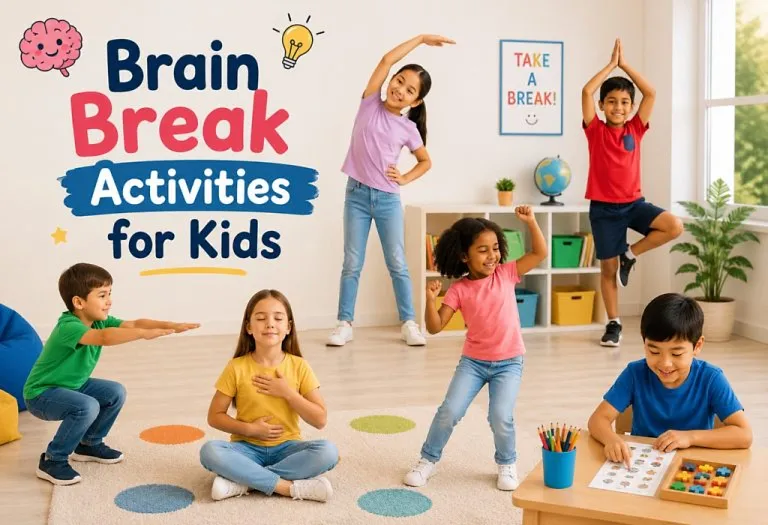
Every parent and teacher hits the same wall by midmorning: a child who was engaged ten minutes ago is now staring out the window, fidgeting, or sliding out of their chair. That’s not defiance. It’s a brain that has run out of gas. Brain break activities for kids give young minds a short, intentional pause so they can come back to the task at hand with more focus, not less. This article walks you through what brain breaks actually do, why they matter more than most parents realise, and fifteen activities organised by age, from preschool wiggles to strategies that work for older elementary students.
What Are Brain Break Activities?
A brain break is a short, deliberate pause from focused work, typically lasting anywhere from thirty seconds to ten minutes, designed to reset a child’s attention and energy before returning to a task. These breaks typically involve simple, low-prep activities like stretching, jumping jacks, a quick breathing exercise, a song, or a hands-on sensory activity that shifts a child out of mental fatigue and back into a state where they can actually absorb what’s in front of them.
Brain break activities aren’t the same as recess, and they aren’t a reward for finishing work. Instead, they’re a tool used during work, often every fifteen to thirty minutes for younger children and every thirty to forty-five minutes for older ones, to prevent the attention crash before it happens rather than trying to recover from it afterwards.
This idea works because young children aren’t wired to stay focused for long, uninterrupted stretches. Their brains are still developing the skills needed for sustained attention and self-control. So when a five-year-old starts squirming after sitting still for forty-five minutes, they aren’t being stubborn. Their brain is simply doing what developing brains naturally do.
Why Kids Need Brain Breaks?
Attention is a limited resource, and it depletes faster in children than in adults. Teachers who build regular brain breaks into their lesson plans often notice fewer behaviour interruptions, because the wiggles get released on purpose instead of leaking out mid-lesson as disruption.
There’s also a physical piece to this. Movement increases blood flow and oxygen to the brain, which supports the kind of alert, ready-to-learn state that sitting still for long periods actually works against. A short burst of jumping jacks or a stretch sequence isn’t just a fun interruption. It’s doing real cognitive work.
For parents managing homework time at home, the same logic applies. A child who’s been staring at a worksheet for twenty minutes without a break isn’t building stamina. They’re often just getting more frustrated and less productive. A two-minute reset can save the next fifteen minutes of actual progress.
15 Ways to Help Kids Recharge and Refocus
Below are fifteen activities grouped by age, since attention spans and physical coordination differ significantly between a four-year-old and a nine-year-old. Feel free to mix and match.
Brain Break Activities for Preschoolers & Kindergarten
Younger children respond best to brain break activities that involve big movement, imitation, and simple sensory input. Attention spans at this age are naturally short, so these breaks should be quick and highly physical.
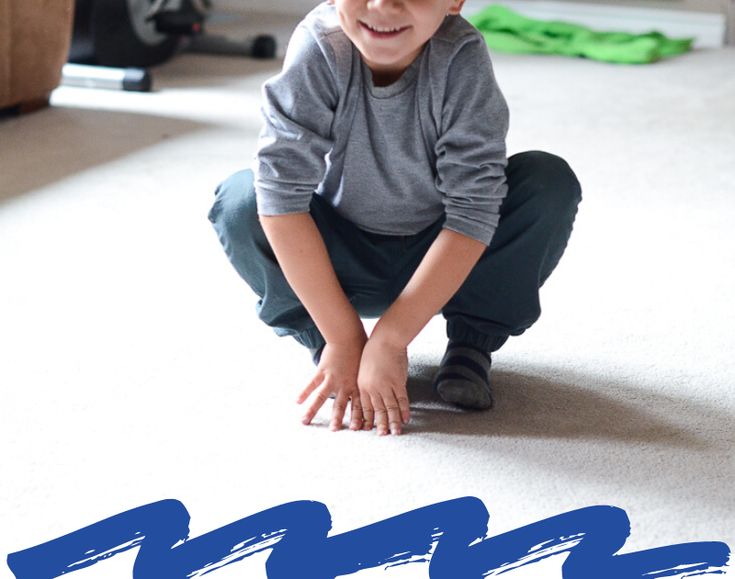
1. Animal Walk Parade
Source: Pinterest
Have kids move across the room like different animals, crab walk, bear crawl, bunny hop, for thirty seconds each. It builds gross motor coordination while giving them full permission to be loud and silly for a minute.
2. Freeze Dance

Source: Pinterest
Play music, let them dance freely, then pause it without warning so everyone freezes mid-move. It’s simple, requires zero setup, and reliably gets even reluctant kids moving.
3. Sensory Bin Scoop
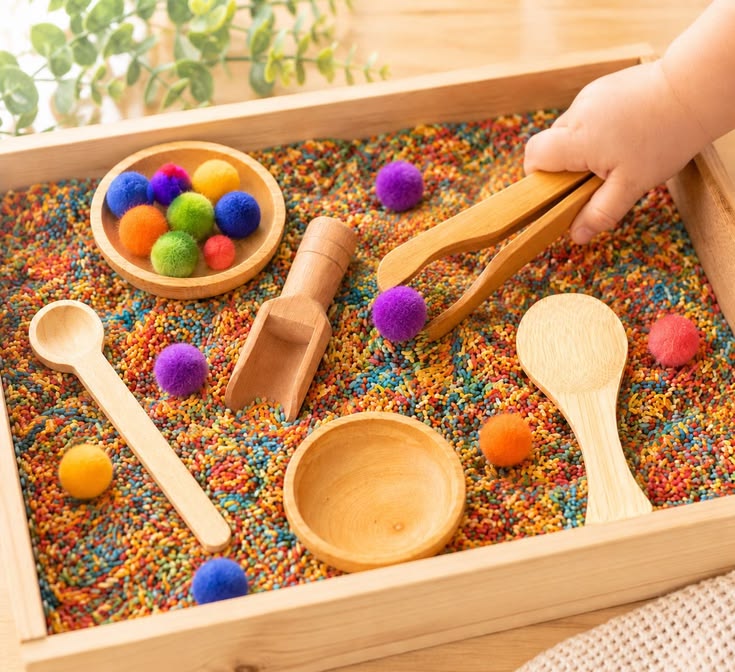
Source: Pinterest
A small bin of dried rice, beans, or sand with a few hidden toys inside gives fidgety hands something calming to do. This works especially well for a child who needs a quieter reset rather than a high-energy one.
4. Balloon Keep-Up

Source: Pinterest
Bat a balloon back and forth or try to keep it off the ground for as long as possible. It’s low-impact but keeps eyes and hands actively engaged.
5. Simon Says (Preschool Edition)
Simple commands like “touch your toes” or “spin around twice” combine listening skills with movement, which is exactly the kind of dual engagement young brains need after sitting still.
Brain Break Activities for First Graders
By first grade, kids can handle slightly more structure and a bit of friendly competition. Brain break activities for first graders can start layering in coordination challenges and simple rules without losing the fun factor.
1. Cross-Crawl Marching
Marching in place while touching the opposite elbow to the opposite knee activates both sides of the brain and body together. Thirty seconds is usually enough to shift a restless classroom.
2. Two-Minute Stretch Sequence

Source: Pinterest
A simple guided stretch, reaching for the sky, touching toes, side bends, gives kids a calm reset without ramping up energy right before they need to settle back into quiet work.
3. Would You Rather
Ask a quick, silly “would you rather” question and have kids move to one side of the room or the other based on their answer. It gets them up and moving while also sparking a bit of conversation.
4. Balance Beam Line
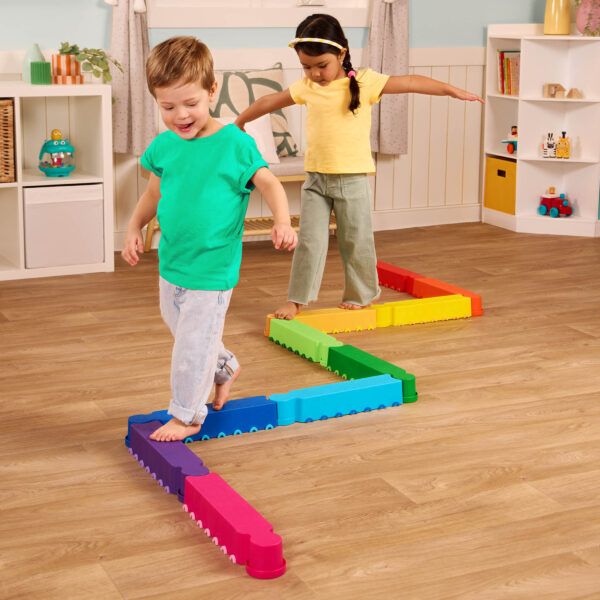
Source: Pinterest
Use tape on the floor or a real balance beam if available, and have kids walk heel-to-toe across it. Balance challenges demand focus, which naturally quiets a busy mind.
5. Draw Your Feelings

Source: Pinterest
A ninety-second free-draw where kids sketch how they’re feeling right now offers a quieter brain break that still shifts mental gears completely.
Brain Break Activities for Students
Older elementary students, generally ages eight and up, often respond well to brain break activities for students that include a bit more strategy, humour, or independence, since they’re less motivated by purely physical silliness alone.
1. Desk Yoga Poses
Simple seated stretches, like reaching arms overhead or gentle neck rolls, work well for kids who’d rather not draw attention to themselves with big movements but still need a physical reset.
2. Quick Riddle or Brain Teaser
A short logic puzzle or riddle shifts kids into a different kind of thinking entirely, which can feel just as restorative as movement for students who’ve been doing heads-down academic work.
3. Four Corners Trivia
Label four corners of the room with answer choices and call out a quick trivia question. Kids run to the corner matching their guess. It combines movement with a mental challenge older kids tend to enjoy.
4. One-Minute Breathing Reset

Source: Pinterest
A slow four-count inhale, four-count hold, four-count exhale pattern helps students who seem overstimulated or anxious rather than just physically restless. This one is especially useful before a test or presentation.
5. Partner High-Five Pattern
Kids pair up and create a simple repeating clap-and-high-five sequence with a partner. It requires just enough coordination and memory to fully occupy the brain for a minute or two.
How to Choose the Right Brain Break Activity
Not every brain break suits every moment. A few questions help narrow down the right choice quickly:
- Is the child under-stimulated or overstimulated? A restless, low-energy child usually benefits from movement, like the animal walk or freeze dance. An overstimulated, wound-up child often does better with a calming option, like breathing exercises or a sensory bin.
- How much time is available? Thirty-second options like cross-crawl marching fit into tight schedules, while a two-minute stretch sequence suits a more relaxed transition.
- Is this happening in a classroom or at home? Group games like four corners trivia shine with several kids, while solo options like desk yoga or drawing work well for one-on-one homework sessions.
- What comes next? A calming activity works better right before a task requiring focus, while a high-energy option suits a longer gap, like a transition between subjects.
Common Mistakes to Avoid
Brain breaks are simple, but a few common mistakes can make them less effective. Keeping these in mind can help ensure children get the full benefit of every break.
- Making them too long: A brain break that stretches past ten minutes stops being a reset and starts becoming a distraction that’s hard to pull back from. Keep most breaks under five minutes, especially for younger kids.
- Skipping them when things feel fine: The most effective use of brain breaks is preventive, built into the schedule at regular intervals rather than saved for when a child is already melting down. By the time frustration is visible, a break helps, but a proactive rhythm helps more.
- Choosing high-energy breaks right before quiet work: Jumping jacks two minutes before a spelling test can leave kids more wound up than focused. Match the intensity of the break to what’s coming next.
- Treating every child the same: Some kids recharge through movement, others through quiet sensory input, and forcing a wiggly activity on a child who needs calm (or vice versa) can backfire.
Brain breaks aren’t a break from learning so much as a built-in part of it, giving developing minds the short reset they need to actually absorb what comes next. Whether it’s a freeze dance for a preschooler, a balance beam challenge for a first grader, or a quick breathing reset before an older student’s test, the right activity at the right moment can turn a restless, unproductive stretch into renewed focus. Start with two or three options from this list, notice which ones your child responds to best, and build them into the rhythm of homework time, classroom transitions, or any stretch where attention starts to fade.
Also Read:
Sensory Activities for Children
After-School Activities for Kids
Five Senses Activities for Children
Was This Article Helpful?
Parenting is a huge responsibility, for you as a caregiver, but also for us as a parenting content platform. We understand that and take our responsibility of creating credible content seriously. FirstCry Parenting articles are written and published only after extensive research using factually sound references to deliver quality content that is accurate, validated by experts, and completely reliable. To understand how we go about creating content that is credible, read our editorial policy here.
- Author










.svg)