10+ Critical Thinking Games & Activities for Kids
Critical thinking games and activities make learning fun while encouraging kids to solve problems, think creatively, and make better decisions.




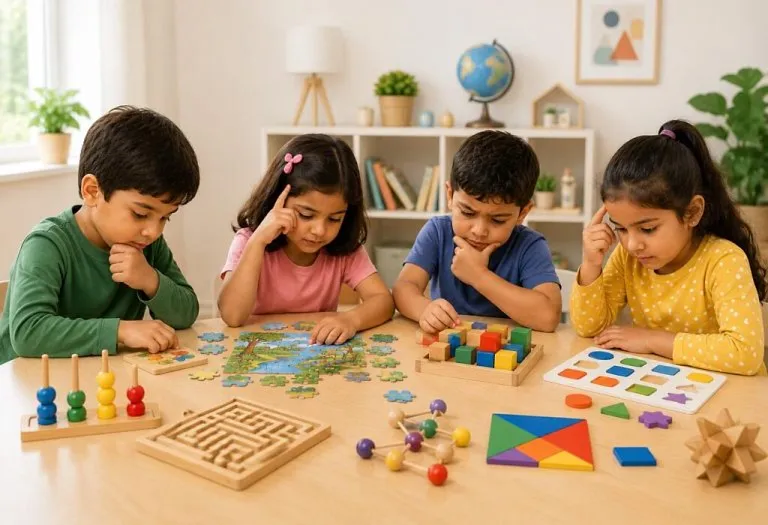
Every parent has watched a child stare at a puzzle piece, turn it over three times, and finally find where it fits. That small moment, quiet, focused, a little frustrating, is critical thinking in action. It is not a skill kids are born with fully formed. It develops through repeated chances to question, compare, predict, and problem solve, and the good news is that those chances are everywhere in ordinary family life.
This guide walks through more than ten critical thinking activities & games for kids that fit naturally into afternoons, car rides, and rainy weekends. Each one is built around a real cognitive skill, so you will know exactly what your child is practicing and why it matters, without turning family time into another lesson plan.
Why Critical Thinking Matters for Kids
Critical thinking is the ability to look at information, weigh it, and make a reasoned decision instead of reacting on impulse or guesswork. For young children, this shows up in small, practical ways: figuring out why a tower of blocks keeps falling, deciding which route gets them to the swing set fastest, or explaining why they think a story character made a certain choice.
Here’s why developing critical thinking from an early age can have a lasting impact on a child’s growth and everyday life.
- Researchers who study early childhood development consistently point to the same pattern. Kids who get regular practice with open ended questions and low stakes problem solving tend to become more confident decision makers as they get older. They also tend to handle frustration better, because they have learned that a wrong first guess is just information, not failure.
- There is also a social side to this that often gets overlooked. Kids who practice reasoning through problems tend to get better at negotiating with siblings, resolving disagreements on the playground, and explaining their point of view to a teacher instead of shutting down. Thinking clearly and communicating clearly tend to grow together.
When Should You Start Building These Skills?
The best time to start building critical thinking skills is during the preschool years, when children’s natural curiosity is at its peak.
Parents often ask whether critical thinking activities for preschoolers actually work, given how short a three or four year old’s attention span can be. The answer is yes, as long as the activity is short, hands on, and framed as play rather than instruction.
Preschoolers are already natural scientists. They test gravity by dropping spoons off high chairs and study cause and effect by pressing every button they can reach. The trick for parents is to channel that curiosity into structured moments, a sorting game, a simple sequencing task, a “what do you think will happen” question before an experiment, so the thinking becomes a little more deliberate without losing the fun.
At this age, keep instructions to one step at a time and expect wandering attention. A five minute activity that ends with a giggle has done its job. Trying to stretch a preschool activity past its natural stopping point usually backfires, turning a fun challenge into a battle of wills that teaches nothing about reasoning at all.
12 Fun Critical Thinking Activities for Kids
Start with these fun ideas to turn ordinary moments into meaningful learning opportunities. None of these activities require a shopping trip or a special curriculum. Most use things already sitting in a toy bin, a kitchen drawer, or a bookshelf. What they do require is a small shift in how a parent responds when a child hits a snag, trading the instinct to fix the problem for the patience to ask one more question.
1. Open Ended Building Challenges
Source: Pinterest
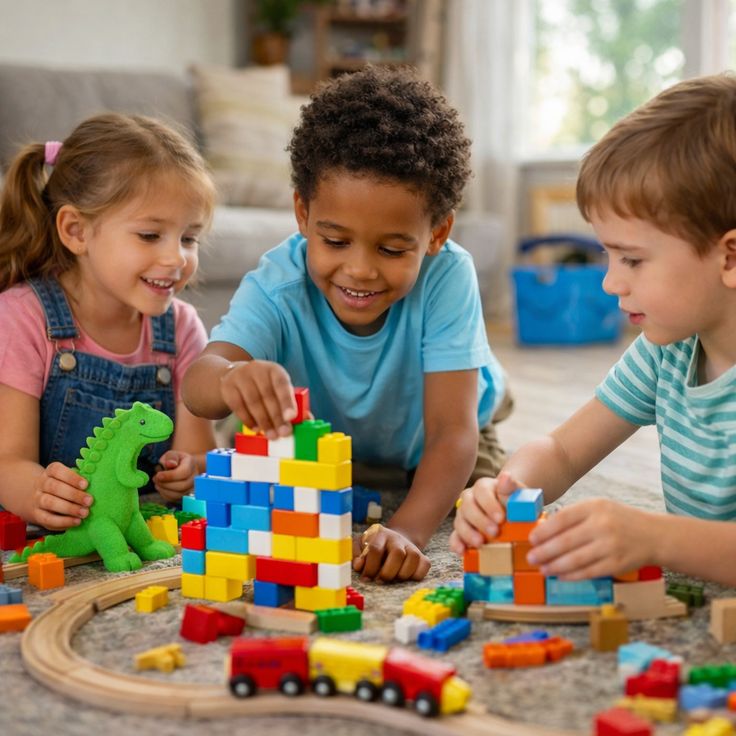
Hand your child a pile of blocks, LEGO bricks, or even cardboard boxes and give them a loose goal: build something that can hold a small toy, or something taller than a water bottle. Resist the urge to show them how. The trial and error of testing what stands and what topples is where the reasoning happens.
2. Would You Rather Debates
Ask playful dilemmas like “Would you rather have a pet dinosaur or a pet dragon, and why?” The answer matters far less than the explanation. Push gently for reasons: “What would be hard about having a dinosaur at home?” This builds the habit of backing up an opinion with evidence, a core reasoning skill.
3. Sorting and Classifying Games
Source: Pinterest
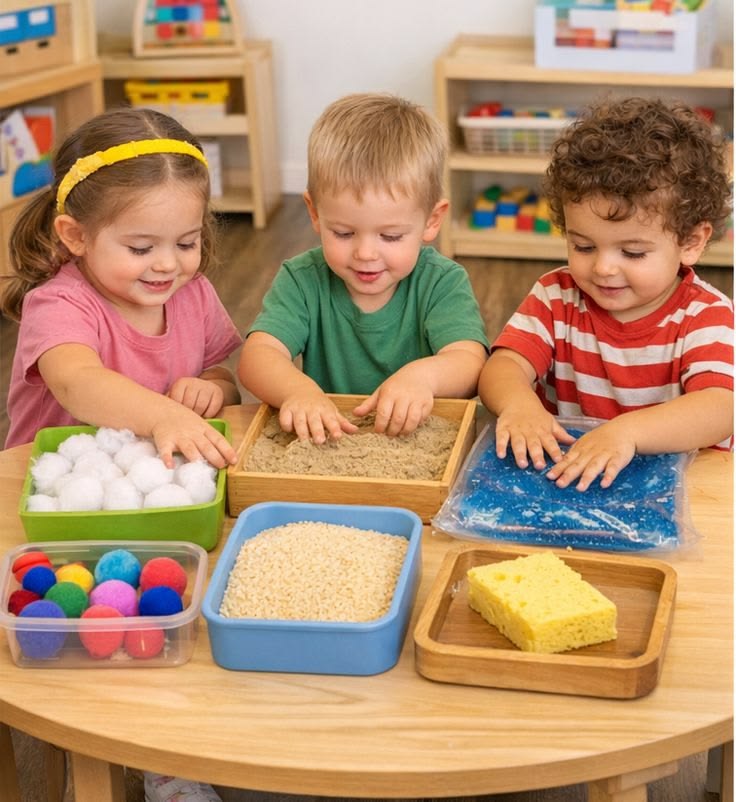
Dump a mixed pile of household objects, buttons, spoons, toy animals, and ask your child to sort them into groups. Then ask them to sort the same pile a different way. This simple shift teaches kids that categories are not fixed; the same objects can be grouped by colour, size, function, or material depending on the question being asked.
4. Simple Riddles and Brain Teasers
Age appropriate riddles (“What has a face but no eyes and hands but no arms?”) give kids a low pressure way to practice working through clues logically. Keep a small stack on hand for car rides or waiting rooms, and let your child make up their own riddles once they get the hang of it.
5. Prediction Games Before Reading
Source: Pinterest
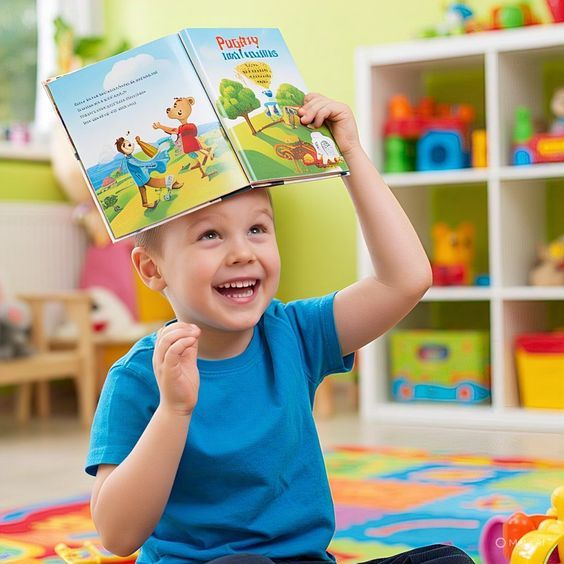
Before turning the page of a picture book, pause and ask, “What do you think happens next?” This encourages kids to use context clues and prior knowledge to make an informed guess, then compare it against what actually happens. Over time this habit transfers directly to reading comprehension.
6. Twenty Questions
The classic guessing game where one player thinks of an object and others ask yes or no questions to narrow it down is a genuine logic exercise. It teaches kids to eliminate possibilities systematically rather than guessing randomly, and to build on information from earlier answers.
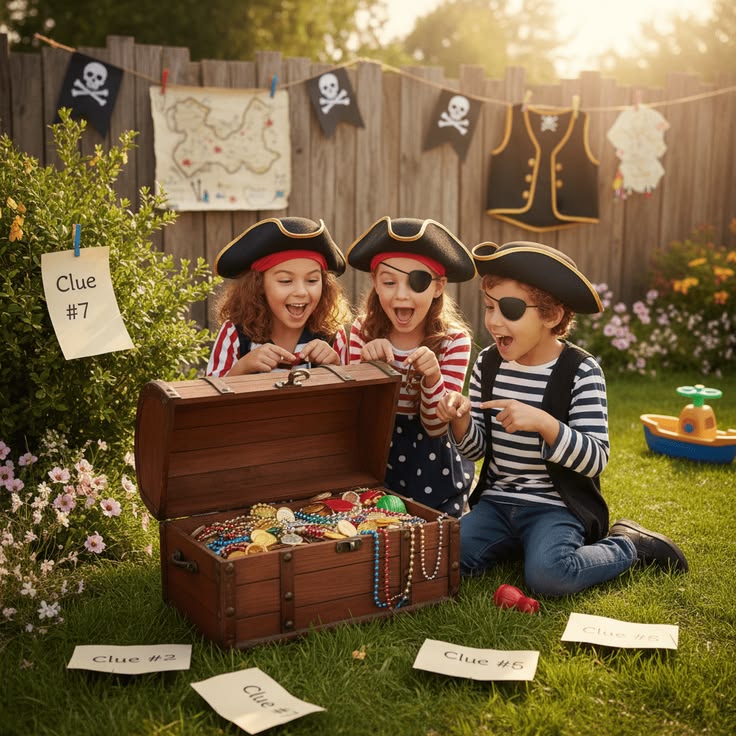
7. Scavenger Hunts With Clues
Source: Pinterest
Instead of a simple list, write clues that require a small deduction to solve, “You will find this where we keep things cold.” Scavenger hunts combine spatial reasoning with sequential problem solving, and kids of nearly any age enjoy the treasure hunt feel.
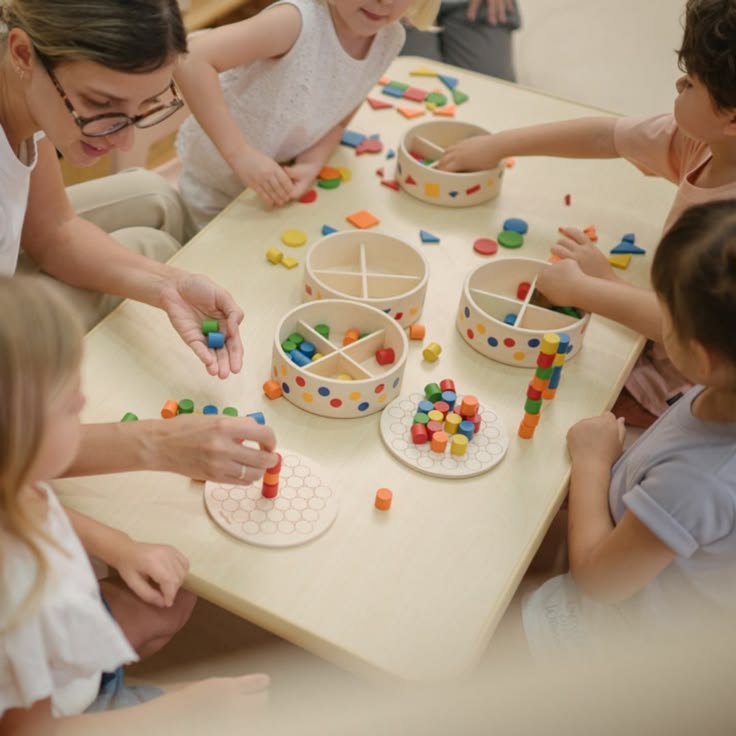
8. Pattern and Sequence Play
Source: Pinterest
Use beads, blocks, or stickers to start a pattern (red, blue, red, blue) and ask your child to continue it, then invite them to create their own pattern for you to solve. Recognising and extending patterns is foundational to both maths reasoning and logical thinking.
9. “What Went Wrong” Story Time
Read or tell a short story where a character makes a decision that backfires, then ask your child what they would have done differently and why. This activity builds cause and effect reasoning and gentle perspective taking without feeling like a lecture.
10. Simple Science Experiments With a Guess First
Before any kitchen or backyard experiment, whether it is mixing baking soda and vinegar or testing which objects float, ask your child to guess the outcome first. Comparing the prediction to the result teaches the basic structure of scientific reasoning: hypothesise, test, observe, adjust.
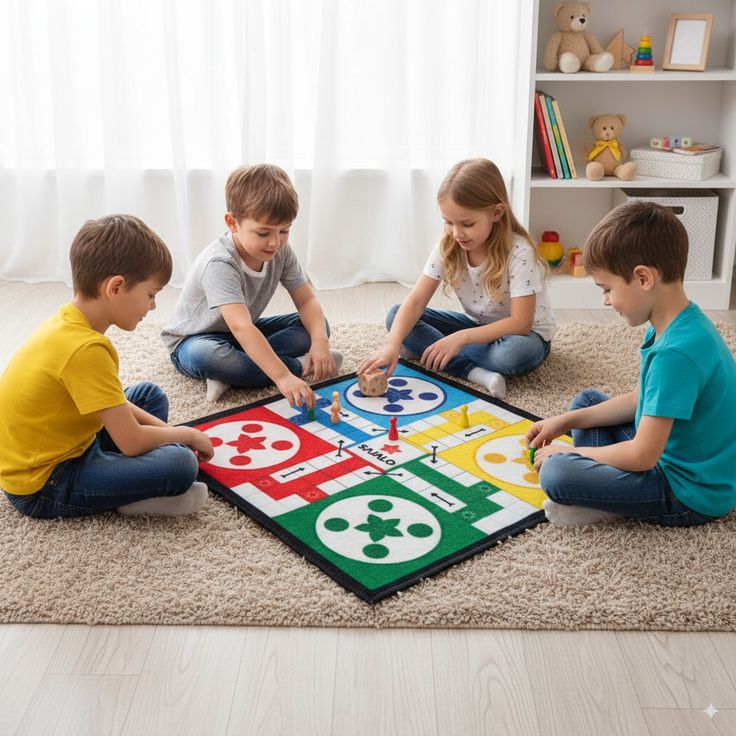
11. Board and Strategy Games
Source: Pinterest
Games like checkers, tic tac toe, or simple card games such as Go Fish require kids to think a step or two ahead and adjust their strategy based on what an opponent does. Losing a round is part of the learning, since it prompts kids to think about what they might try differently next time.
12. Debate Club at the Dinner Table
Pick a light, low stakes topic, “Is cereal a soup?” or “Should recess be longer than lunch?” and let each family member argue a side for a few minutes. This playful format teaches kids to organise their thoughts, listen to a counterargument, and respond to it, skills that carry directly into school debates and essay writing later on.
Common Mistakes Parents Make
Even well meaning parents can accidentally short circuit critical thinking practice. A few patterns show up often:
- Jumping in too fast: Giving the answer the moment a child looks stuck removes the productive struggle where reasoning actually develops.
- Praising the answer instead of the process: “You’re so smart” tells a child the goal is being right. “I like how you tried three different ways” tells them the goal is thinking it through.
- Choosing activities that are too structured: Worksheets with a single correct answer leave little room for the open ended reasoning that games and free play naturally invite.
- Skipping the follow up question: The learning often lives in the “why do you think that” question after the game, not in the game itself.
Tips for Making Critical Thinking Practice Stick
Here are a few simple ways to make critical thinking a natural part of your child’s routine.
- Keep activities short and consistent. A few minutes of practice several times a week is often more effective than one long session.
- Look for opportunities during everyday routines, such as car rides, bath time, mealtimes, or walks to school, to ask questions and encourage problem-solving.
- Switch between different games and activities to keep things fresh and maintain your child’s interest.
- Let your child choose the activity occasionally. Giving them a sense of control can increase their motivation and engagement.
- Talk through your own thought process when making everyday decisions. Hearing how you weigh options and solve problems helps children understand how critical thinking works in real life.
- Encourage your child to explain their reasoning instead of focusing only on getting the “right” answer. Discussing their thought process builds confidence and strengthens problem-solving skills.
Critical thinking is less a single skill than a habit of mind, built one small question and one small guess at a time. The activities in this list are simple on purpose, because the goal is not to add another item to a packed schedule but to bring a little more intention to the play that is already happening. Pick two or three that fit your child’s age and interests, try them for a few weeks, and notice how naturally the questions start turning into your child’s own idea, that is usually the clearest sign the habit is taking root.
Also Read:
Time Games and Activities for Kids
Beach Games and Activities for Kids
Group Games and Activities for Children
Was This Article Helpful?
- Author







.svg)