

15+ Guessing Games for Kids to Boost Thinking Skills
Boost kids’ thinking skills with fun guessing games that challenge their minds, spark creativity, and keep learning playful.




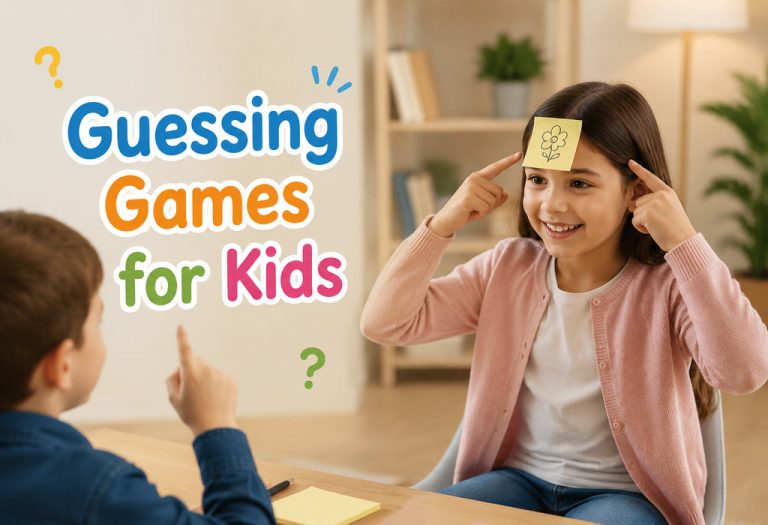
Image Source: AI-Generated Image
Children learn best when they are laughing, moving, and trying to solve small challenges without even realising they are learning. That is one reason parents and teachers continue to rely on simple games that spark curiosity and encourage conversation. A well-designed activity can strengthen memory, improve focus, and help children think through problems calmly. Over the years, many families have discovered that guessing games for kids create those moments naturally.
Whether it happens during a road trip, in a classroom after lunch, or around the dinner table before bedtime, these playful challenges teach children how to observe details, connect ideas, and trust their own thinking. The best part is that most of these games require almost no preparation. A child only needs imagination, attention, and a willingness to participate. When adults join in with genuine enthusiasm, the experience becomes even more meaningful and memorable.
Benefits of Guessing Games for Kids
Children learn best when they feel relaxed and involved in the activity. Simple games that make them think can turn everyday moments into learning opportunities. Many parents notice that even quiet children become more active and curious during these activities. A classic guess who game for kids can help children build important life skills while still having fun with family and friends.
1. Improves Thinking Skills
Guessing games teach children how to think carefully before answering. They learn to connect clues and make smart decisions instead of random guesses. Over time this improves problem solving and logical thinking.
2. Builds Better Communication
Kids learn how to ask questions clearly and explain their ideas in a simple way. These games also encourage listening which is an important social skill. Children slowly become more confident while talking with others.
3. Strengthens Memory
Many guessing activities require children to remember clues details and answers from earlier rounds. This helps improve focus and memory naturally. It is a fun way to train the brain without making children feel pressured.
4. Encourages Patience
Children often want quick answers but guessing games teach them to slow down and think. They learn that good answers take time. This small habit can help them in school and daily life.
5. Boosts Creativity
Kids love imagining different possibilities while solving clues. They begin creating their own ideas stories and questions during the game. This kind of creative thinking helps children become more expressive and curious.
6. Creates Strong Family Bonds
Some of the best childhood memories come from simple moments spent together. Guessing games bring laughter conversation and teamwork into the home. They help children feel connected valued and emotionally secure.
Fun Guessing Games for Kids
Guessing games help children stay curious, think carefully and enjoy quality time with family and friends. These games are simple to play and work well at home in classrooms or during travel. A fun guess the game for kids activity can improve focus and communication and keeps children excited through creative clues and smart thinking.
1. Mystery Box Game
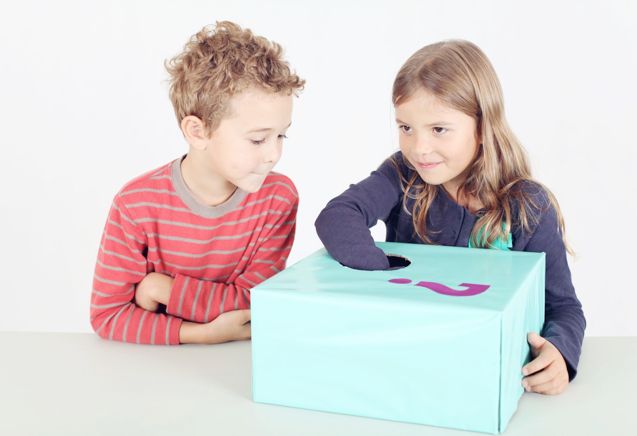
Children love touching hidden objects and trying to identify them using clues. This game improves observation and helps kids describe textures shapes and sizes more clearly. It also teaches patience because children must think carefully before answering. Even quiet children usually become more involved during this activity.
Source: Pinterest
Suitable Age
4 to 10 years
How to Play
Place an item inside a box or bag. Children touch the object without looking and try to guess what it is by asking questions.
2. Animal Sound Game
This game brings lots of laughter especially with younger children. Kids enjoy making silly sounds while learning about different animals. It helps improve listening skills memory and quick thinking in a relaxed way.
Suitable Age
3 to 8 years
How to Play
One child makes an animal sound while others try to guess the animal correctly.
3. Guess the Food
Children become very curious when using taste and smell to solve clues. This activity improves sensory awareness and encourages children to notice flavours more carefully. It also creates fun family moments during gatherings or playtime.
Suitable Age
5 to 12 years
How to Play
Blindfold the child and give small food samples. The child tastes or smells the item and guesses what it is.
4. Shadow Guessing Game
Kids enjoy watching shadows turn into mystery shapes on the wall. This activity encourages imagination and visual thinking. It feels especially exciting during evening play sessions or sleepovers.

Source: Pinterest
Suitable Age
4 to 10 years
How to Play
Use a flashlight to create shadows with objects or hands. Children guess what is making the shadow.
5. Who Am I Game
Children love pretending to be different people animals or characters. This what am I guessing game for kids improves logical thinking and questioning skills naturally. It also teaches children how to ask better questions step by step.

Source: Pinterest
Suitable Age
6 to 12 years
How to Play
Place a name card on a child’s forehead. The child asks yes or no questions to discover the identity.
6. Guess the Toy
This simple game works very well for younger children. Familiar toys help kids feel comfortable while improving memory and attention. Parents often use this game during quiet indoor playtime.
Suitable Age
3 to 7 years
How to Play
Hide a toy and give clues about its colour size or use until the child guesses correctly.
7. Sound Detective
Children learn to focus deeply while listening to everyday sounds. This game strengthens concentration and helps kids notice details they normally ignore. Teachers also enjoy using it during classroom activities.
Suitable Age
5 to 10 years
How to Play
Create sounds using objects like keys paper or cups. Children close their eyes and guess the sound source.
8. Picture Zoom Game
Kids enjoy the challenge of identifying pictures from tiny details. This activity improves observation and encourages careful thinking. It also helps children stay focused for longer periods.
Suitable Age
6 to 12 years
How to Play
Show a zoomed in image section and ask children to guess the complete object or picture.
9. Riddle Guessing Game
Riddles help children think beyond obvious answers. Kids enjoy the feeling of solving tricky clues after careful thinking. This game supports creativity vocabulary and reasoning skills naturally.
Suitable Age
7 to 14 years
How to Play
Read a simple riddle aloud and allow children time to think before answering.
10. Treasure Hunt Clues
Children love searching for hidden surprises around the house or classroom. This game keeps them active while encouraging teamwork and problem solving. The excitement grows with every clue they solve.

Source: Pinterest
Suitable Age
5 to 12 years
How to Play
Hide clues in different places. Each clue leads children closer to the final hidden treasure.
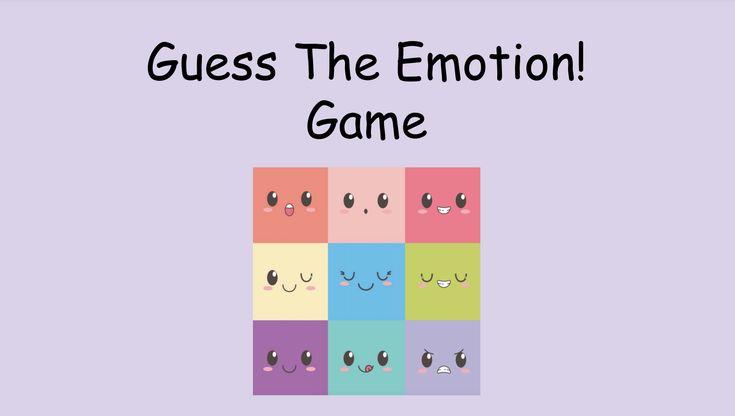
11. Guess the Emotion
This game helps children understand feelings in a gentle and playful way. Kids learn to notice facial expressions body language and emotional reactions more clearly. It can also improve empathy and communication.
Source: Pinterest
Suitable Age
4 to 10 years
How to Play
One child acts out an emotion silently while others try to guess the feeling.
12. Number Guessing Game
Maths becomes much more enjoyable when introduced through games. Children practice logical thinking while learning number patterns and clues. It is especially helpful for kids who dislike worksheets.
Suitable Age
6 to 12 years
How to Play
Think of a number and provide clues like bigger smaller odd or even until children guess correctly.
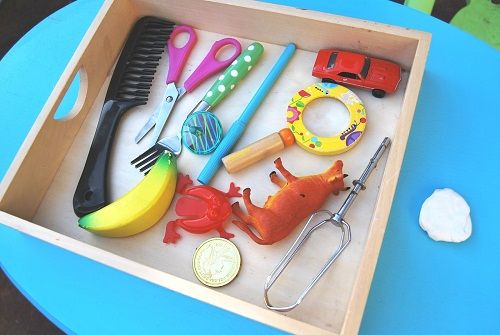
13. Memory Tray Game
This game improves concentration and visual memory in a simple way. Children enjoy challenging themselves to remember more objects each round. It also helps strengthen attention skills gradually.
Source: Pinterest
Suitable Age
5 to 11 years
How to Play
Place several objects on a tray and let children study them briefly. Cover the tray and ask them to recall the items.
14. Guess the Voice
Children usually find this game funny and exciting. It improves listening skills while encouraging social interaction in groups. Kids become more aware of familiar voices and sounds around them.
Suitable Age
4 to 9 years
How to Play
One child speaks from behind a curtain or with covered eyes while others guess who is talking.
15. Story Prediction Game
Children love imagining what might happen next in a story. This activity encourages creativity and helps improve comprehension naturally. Many kids become deeply involved while sharing ideas.
Suitable Age
6 to 13 years
How to Play
Start telling a story and stop before an important moment. Children predict what will happen next.
16. Guess the Place
Kids enjoy identifying places through simple clues and descriptions. This game improves memory and helps children notice details about everyday surroundings.
Suitable Age
5 to 12 years
How to Play
Describe sounds objects or activities connected to a place and let children guess the location.
17. Shape Guessing Game
This activity is perfect for younger children learning shapes and patterns. It supports touch based learning and helps children recognise shapes more confidently.
Suitable Age
3 to 6 years
How to Play
Hide shape cutouts inside a bag. Children feel the shapes and try to identify them correctly.
18. Reverse Guessing Game
Children enjoy becoming the clue giver instead of the guesser. This role reversal helps improve communication and confidence. Parents also learn how children naturally think and describe objects.
Suitable Age
6 to 12 years
How to Play
A child thinks of an object and gives clues while others try to guess the answer.
Even a few minutes of daily play can create meaningful learning experiences for children of different ages. Small games filled with laughter curiosity and conversation often leave the biggest impact on a child’s growth and thinking skills.
Also Read:
5-Minute Crafts for Kids That Are Fun, Easy, and Creative
Cooking Games for Kids to Learn and Have Fun
Minecraft Jokes for Kids That Spark Big Laughs
Was This Article Helpful?
Parenting is a huge responsibility, for you as a caregiver, but also for us as a parenting content platform. We understand that and take our responsibility of creating credible content seriously. FirstCry Parenting articles are written and published only after extensive research using factually sound references to deliver quality content that is accurate, validated by experts, and completely reliable. To understand how we go about creating content that is credible, read our editorial policy here.
- Author









.svg)