
Pregnancy Symptoms Not to Ignore: 15 Danger Signs to Look For
Know which pregnancy symptoms not to ignore and when to call your doctor before it becomes an emergency.




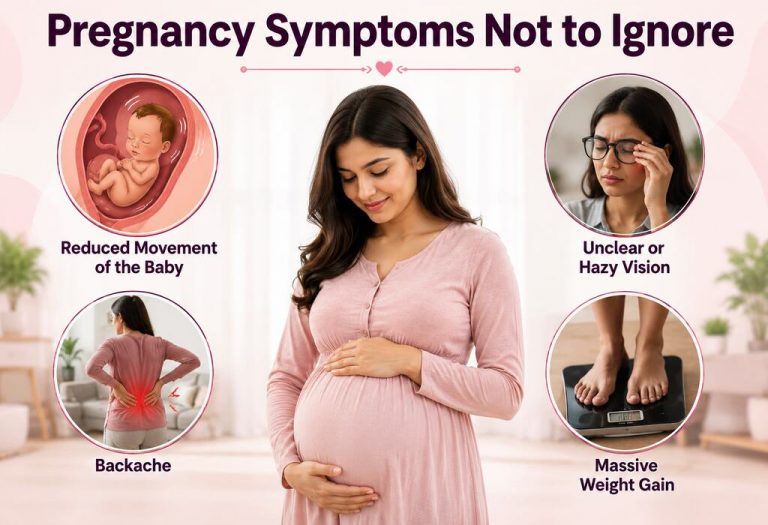
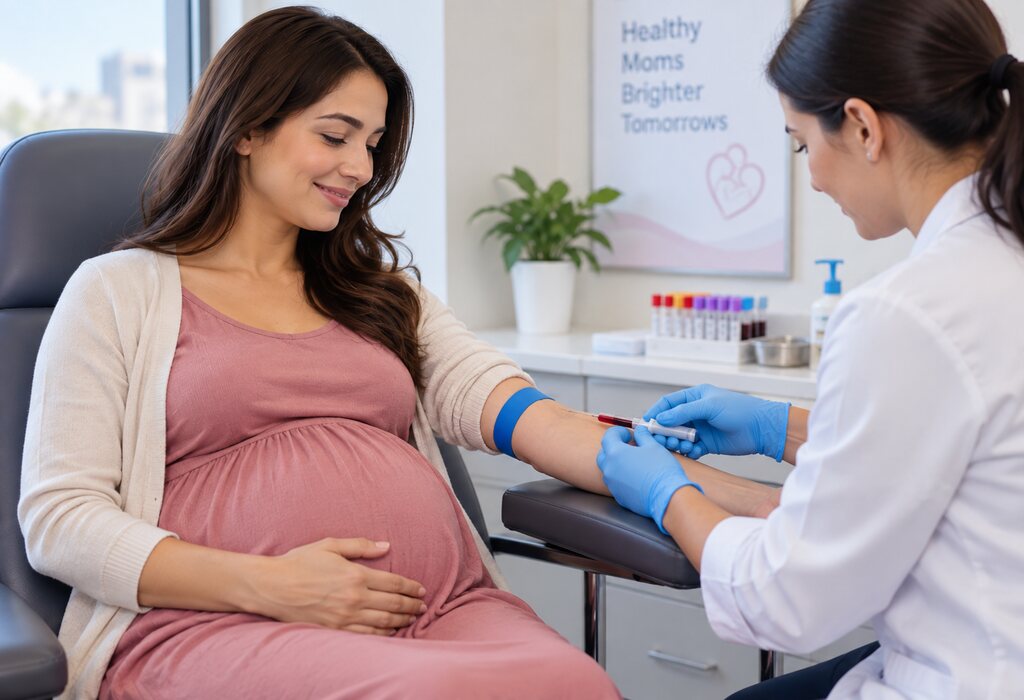
Image Credit : AI Generated Image
Pregnancy is a wonderful experience that a woman’s body goes through. It is one of the things that brings us the closest to our primal instincts. The number of changes occurring in the body of a pregnant woman is endless. All of these give rise to various signs and symptoms. However, there are a few third-trimester symptoms not to ignore or even when they appear at any juncture of the pregnancy. These symptoms are indicative of a severe problem and ought to be ruled out as soon as possible. However, do not panic and remain calm. If you are experiencing some symptoms, go visit a doctor as soon as possible. Here are some signs not to ignore while pregnant:
Pregnancy Symptoms You Should Never Neglect
Whether you are at 28 weeks or 37 weeks pregnant, symptoms can arise at any point in time, which may not always be a good sign. While most symptoms are not as dangerous as they seem, there are a bunch of pregnancy symptoms you should never ignore.
1. Fluid Expulsion From the Vagina
The vagina is typically on an overtime duty during your pregnancy, emitting discharge on a regular basis. There might be a constant feeling of wetness in that area, but observing a fluid leakage that trickles out or even gushes out could mean something else altogether. Such signs usually indicate that your water has broken, and labour might begin to set in at any moment (1). No matter how the fluid resembles, it is important to let a doctor take a look at it and make a decision accordingly.

2. Reduced Movement of the Baby
The moment a baby starts kicking around and punching within you, it’s a huge relief as well as a sign of excitement for you that your little one is all good inside. More than that, the strength and frequency of kicks are also good markers to keep track of the baby’s health in a non-invasive way. Marking down kicks is essential because it can give you a good idea if his kicks start reducing in number or intensity. The latter stages of pregnancy might make it difficult for the baby to kick around like before, so that’s normal. But if there’s a presence of an erratic pattern in his behaviour that doesn’t seem right, it needs to be brought to your doctor’s notice as soon as you can (2). Thus, decreased fetal movement, vaginal bleeding, leaking fluid, and severe headache/vision changes are some significant 37 & 38 weeks pregnant symptoms not to ignore by pregnant couples.

3. Fever Lasting Beyond a Day
Pregnancy is a time when a woman’s immunity is at its weakest, allowing the body to support the baby better and focus on its growth. This also opens up an opportunity for the common germs to infect women and result in frequent bouts of cold, cough or flu of various sorts. Most of the time, these infections result in a fever, which usually stays for a few hours and fades away. While this might be fine, a fever that raises your body temperature considerably over 101°F and sticks around for a couple of days or more can be harmful to the baby and might even indicate a serious illness (3). Get this checked out immediately since the infection could find its way to the growing child as well.
4. Unclear or Hazy Vision
Remember that feeling of a weird head rush when you have been sitting down for quite some time, and suddenly stand up? Dizziness of a similar kind is quite frequent during pregnancy, especially in the later stages of pregnancy. Most of the blood supply and energy is shifted towards the womb to keep it in proper condition. These may also result in small instances, where your vision may not be clear, and you’d see things hazily. However, if such a condition stays persistent and is accompanied by weight gain, headache or swelling, it could be a strong sign of pregnancy-induced diabetes or eclampsia, which needs medical attention (4).

5. A Backache That Doesn’t Seem to Go Away
Body aches are not at all new for pregnant women. Even so, backache is a frequent occurrence due to many reasons. Not only is the belly expanding, which is causing the centre of gravity within the body to shift and increase the load on the back, but the body itself makes numerous physical adjustments within, causing postural changes that are tough on the back (5). While there are small phases where a backache seems to be omnipresent, an intense backache that doesn’t fade away, even after any remedies, might not be normal. A doctor can check you for signs of an infection of the bladder or the kidney, or even a possible miscarriage, too.

6. Itching That Gets Nastier Over Time
The skin that has stretched to a great limit and the removal of healthy moisture within the body make itching a common symptom throughout pregnancy. Women do complain of itching, but in a few cases, it can manifest as a rash that can become severe and appear as red spots all over (6). At times, these are only restricted to a particular region, but if the itching starts spreading across your body, it is best to get it checked by a doctor. Such itches are indicative of a disorder of the liver or even the presence of cholestasis in pregnancy.

7. Sudden and Massive Weight Gain
Weight gain is quite natural in pregnancy. After all, a child is growing within a woman, so healthy weight gain should never be a matter of concern. However, if the increase in weight seems to cross beyond 1.8 to 2 kilograms within a week, it may not be a healthy one. Extreme weight gain in a small amount of time can point towards the possibility of preeclampsia. You can have your doctor examine this.
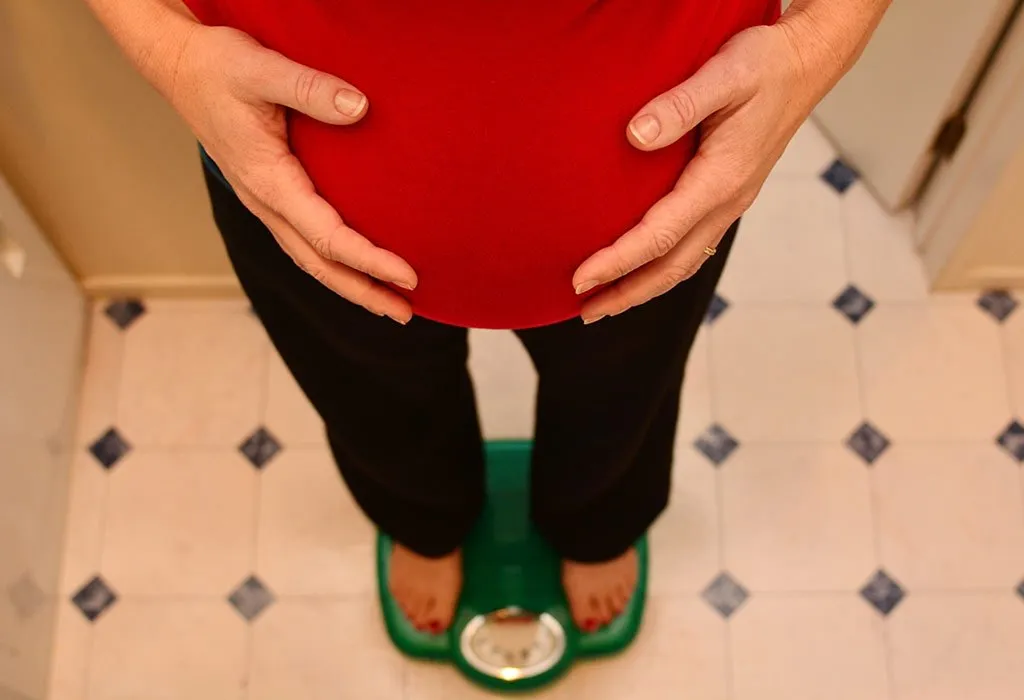
8. Major Swelling of the Face and the Hands
Pregnant women have a very different definition of swelling, and with good reason. First of all, the belly itself is getting larger day by day. Secondly, the pressure that the engorging uterus has on other parts of the body does result in conditions where swelling is commonly observed in the feet and calves and so on. Slight puffiness is usually normal. But the areas of the face and hands need extra care. However, if you notice a sudden increase in swelling in your face, hands or feet, you should contact your doctor (7). The chances of hypertension due to pregnancy and even pre-eclampsia are pretty high (8).

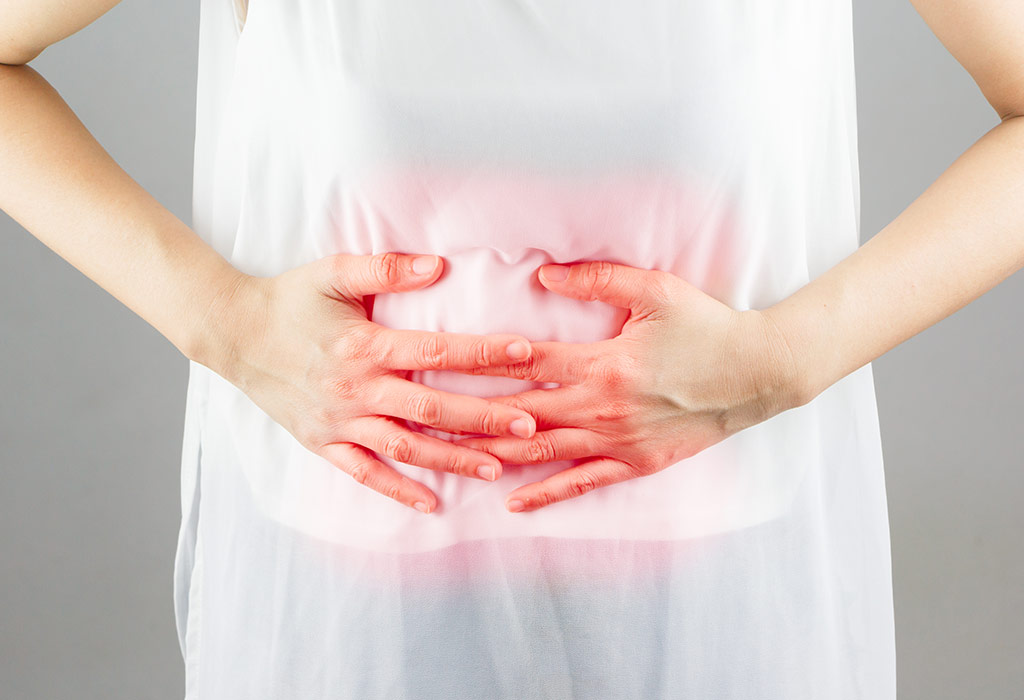
9. Intense Pain in the Abdomen
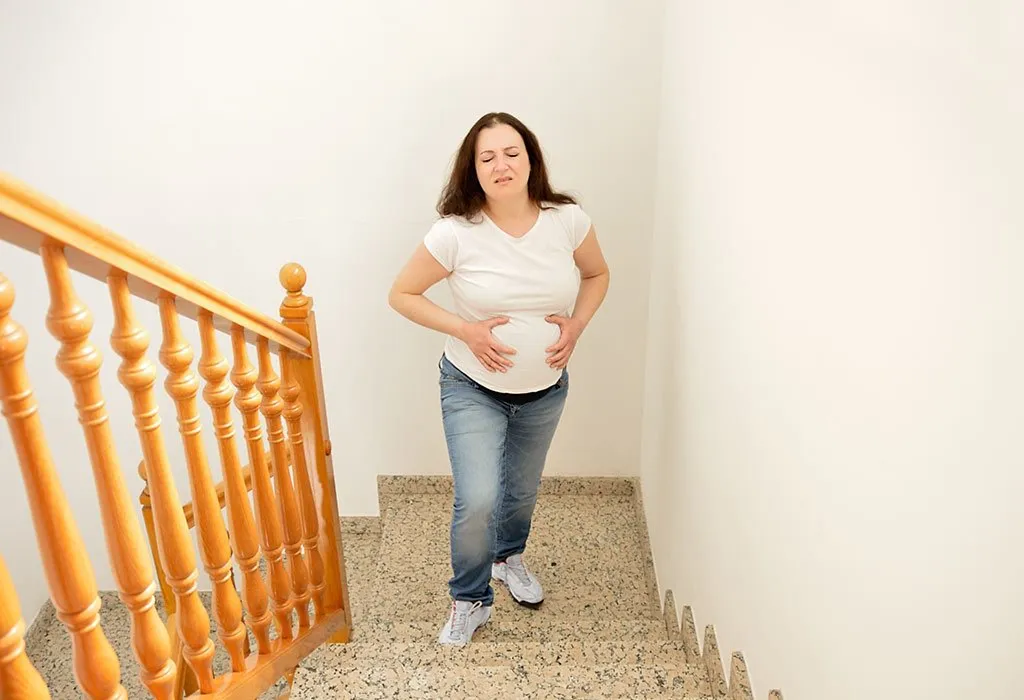
The largest changes that take place in the body are all in the abdominal region. A lot of stretching and pushing of internal organs begins as the uterus expands to accommodate the growing baby. This does cause abdominal pains to arise occasionally, some of which could be sharp spikes as well. This pain is usually due to over-stretching of the ligaments and is not a cause for worry. But any pain that is intense, constant, and is followed by bleeding or other symptoms needs medical attention. Sudden and sharp abdominal pain is among the second-trimester symptoms not to ignore. Miscarriage or the possibility of an ectopic pregnancy cannot be ruled out (9).

10. Substantial or Inexplicable Vaginal Bleeding
A discharge is not the only thing that seems to emerge from your vagina during pregnancy. Any presence of blood could lead you to imagine the worst, but most of the time, there’s nothing to worry about. Tiny spots of blood are a result of an irritated cervix, especially if you’ve indulged in sex. However, any bleeding that’s out of the ordinary should not be ignored, especially if it is accompanied by cramping or pain of any sort (10). Abruption of the placenta or a miscarriage can be a reason behind the bleeding as well, and your obstetrician needs to examine it appropriately (11).

11. Extreme Exhaustion
Your body will ensure that your baby stays safe and healthy at all times. This means that your energy reserves are being tapped into considerably, which can cause you to feel more exhausted than ever before. However, tiredness that is extremely strong could indicate an improper level of thyroid hormones as well. Any instance of hyperthyroidism in a pregnant woman is dangerous for the child since it can lead to premature childbirth. Similarly, if the levels are too low, developmental problems could emerge in the child as well.

12. Contractions That Begin Prematurely
The final stages of pregnancy are the most confusing ones. This is also the time that Braxton Hicks contractions set in motion. These are meant to be a dress rehearsal of sorts, as your body begins to prepare itself for the actual delivery, by checking out whether contractions can be carried out in the right way. These are very different from any kind of cramps you have experienced earlier and fade away once you start moving. Premature contractions are among the third-trimester pregnancy symptoms not to ignore. But if your contractions resemble menstrual cramps or tend to start occurring at a specific frequency, your baby may be on his way earlier than you thought.
13. Gums That Bleed Quite Often
The numerous hormonal changes that occur within the pregnant woman’s body, combined with enhanced blood flow to different regions within it, can cause the gums to be highly sensitive and softer than before. At times, these can swell up and lead to gingivitis. Though it isn’t harmful, constant bleeding could result in periodontal disease that can reduce dental hygiene and open up the gateway to other infections.

14. Extended Bouts of Vomiting and Nausea
The very definition of pregnancy is governed by the presence of vomiting sensations and a feeling of nausea. While these are strongest in the first trimester, they can continue throughout the pregnancy as well. On a general note, there is no reason to worry about these, unless they start getting excessive and debilitating to a limit where you can’t have food properly without feeling like throwing up.
So, if you are not able to keep water or other fluids in your stomach and aren’t able to drink for more than 8 hours or eat for more, you should not delay and contact emergency. It could be a case of food poisoning, a problem with the liver or pancreas, or a viral infection (12).

15. Breathing Becomes Shorter and Difficult
The expanding uterus can put pressure on your diaphragm and lungs, making it difficult to breathe properly or even take deep breaths. This feeling is normal as you progress ahead in your pregnancy. But if it sets in earlier in the journey, shortness of breath could be associated with a problem of the lungs or the heart, which need to be checked by your doctor.

When to Call a Doctor
If you experience any of the above symptoms, you should immediately consult your doctor. However, here are some more symptoms you must not ignore and should immediately visit a doctor.
- Bleeding
- Abdominal Pain
- Swollen Hands or Face
- Rapid Weight Gain
- Itching
- A Persistent Headache
- Persistent Back Pain
- Blurry Vision
FAQs
1. Is bleeding during pregnancy always considered negative?
Mild spotting can take place in the early stages, but any bleeding should not be overlooked. Seeking medical advice is essential to rule out miscarriage, placental problems, or infections.
2. When should a decrease in the baby’s movements alarm me?
Any significant reduction in fetal movement after 28 weeks warrants attention. A decrease in movement could indicate fetal distress and requires immediate evaluation.
3. Can high blood pressure during pregnancy harm the baby?
Untreated high blood pressure can decrease blood circulation to the placenta. This can influence fetal development and heighten the likelihood of preterm delivery.
4. Can intense headaches during pregnancy be a sign of something serious?
Indeed, a headache that doesn’t go away can indicate high blood pressure or preeclampsia. Timely diagnosis and preventive care are very important to prevent severe complications for both the mother and the baby.
5. What is the significance of consistent prenatal check-ups?
Consistent check-ups identify issues before symptoms emerge. They greatly lessen the chances of avoidable pregnancy complications.
Being fully aware of any third trimester or second-trimester symptoms is a good way to be in control of your pregnancy. You don’t need to worry about the slightest issues, but understanding when a doctor’s intervention is needed is essential for a safe delivery.
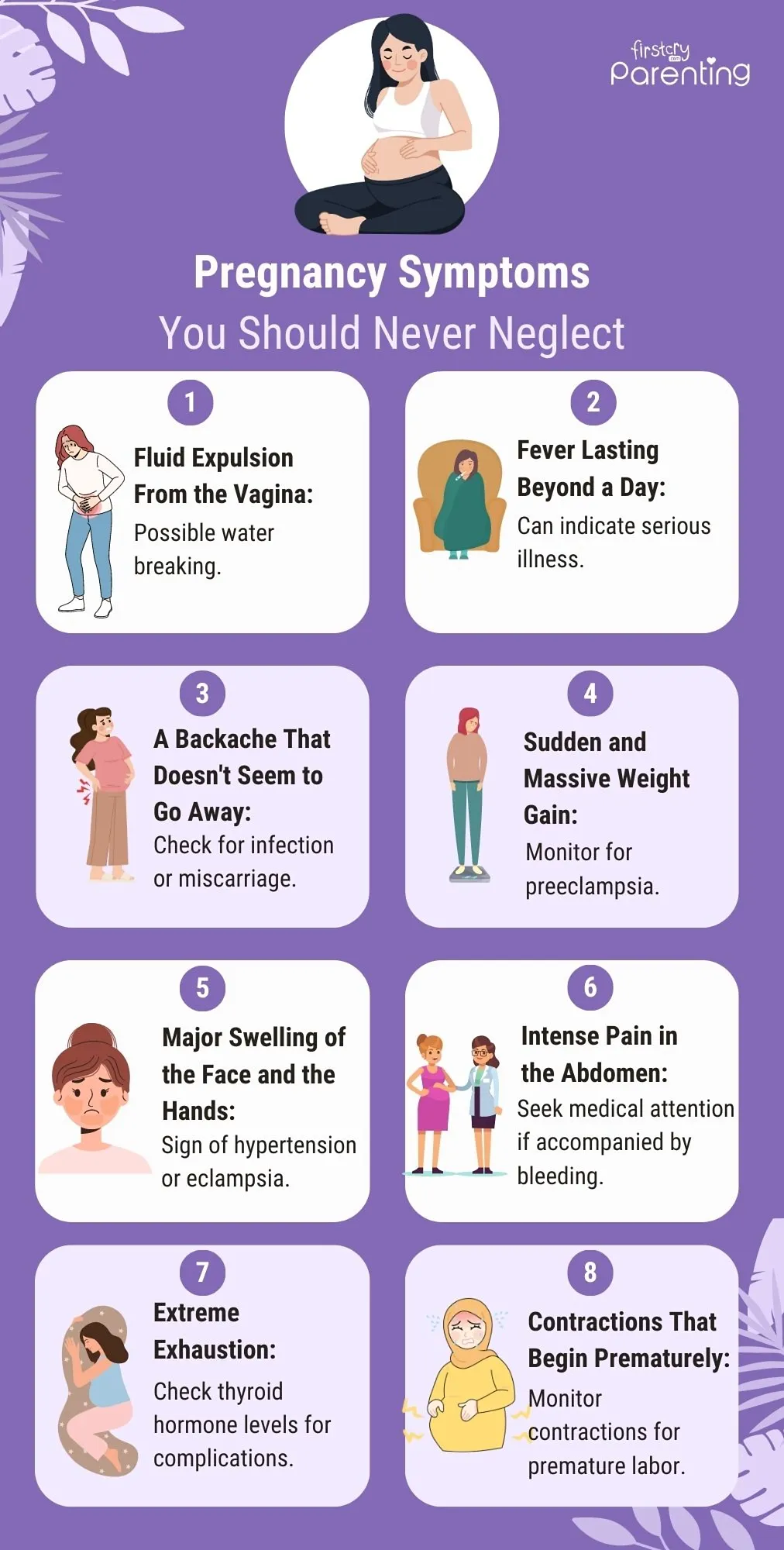
Infographic: Pregnancy Symptoms You Should Never Neglect
Also Read:
Uncommon Symptoms of Pregnancy
Pregnancy Symptoms after Missed Period
Signs in Pregnancy you should be Aware of
Was This Article Helpful?
Parenting is a huge responsibility, for you as a caregiver, but also for us as a parenting content platform. We understand that and take our responsibility of creating credible content seriously. FirstCry Parenting articles are written and published only after extensive research using factually sound references to deliver quality content that is accurate, validated by experts, and completely reliable. To understand how we go about creating content that is credible, read our editorial policy here.
1. NHS – Vaginal discharge in pregnancy
2. CDC – Urgent Maternal Warning Signs and Symptoms
3. Rochester Regional Health – Don’t Ignore These Pregnancy Symptoms
4. NHS – Gestational diabetes Overview
5. Tommy’s – How can I reduce irritable back pain?
7. Healthdirect – Warning signs during pregnancy
8. NHS – Swollen ankles, feet and fingers in pregnancy
9. NHS – Stomach pain in pregnancy
10. NHS – Vaginal bleeding in pregnancy
11. NHS – What complications can affect the placenta?
12. Texas Health and Human Services – Urgent Maternal Warning Signs
- Author


Related Articles
-

How to Stay Active and Fit During Pregnancy
-
Mumps in Pregnancy - Causes, Symptoms and Vaccination
-
Urinary Tract Infection (UTI) in Pregnancy – Causes, Symptoms & Treatment
-
Pregnancy Brain - When it Starts & How to Deal
-
Choline in Pregnancy - Importance, Sources, and Recommended Intake
-
When Is the Best Time to Have a Baby Shower?