
Jamun in Pregnancy – Benefits, Risks & Precautions





Medically Reviewed By
Gayatri Dawda
(Nutritionist)


This health content has been medically reviewed by qualified experts and follows the FirstCry Parenting editorial policy to ensure accuracy and reliability.
If you have always been a lover of jamun, you might wonder, Is jamun fruit good for pregnancy? You will be surprised to know that, in addition to being delicious and low in calories, consuming jamun during pregnancy holds a treasure trove of health benefits for expectant mothers, making jamun and pregnancy an excellent pair. Fruiting once a year, jamun has a comparatively higher amount of antioxidants, vitamins, tannin and anthocyanins than other seasonal fruits like papaya, sapota, and guava (3). Due to the delicateness of pregnancy, you may not be able to consume everything you want, but consuming jamun in pregnancy is considered safe. But here comes a caution, moderation. Read on to find out its numerous benefits and when it’s suitable to eat black jamun during pregnancy.
Can You Eat Jamun in Pregnancy?
Yes. It is safe to eat the jamun fruit during pregnancy. Jamun contains a lot of antioxidants and boasts a dense nutrient profile, which is beneficial for foetal development and well-being.
Nutritional Value of Jamun
Jamun, also known as Java plum or black plum, not only delights the taste buds but also boasts impressive nutritional value. Packed with essential nutrients, this Indian berry contributes to overall health and well-being. Below is a tabular representation of the nutritional content of jamun (Java-plum, (jambolan), raw) per 100 grams:
| Nutrients | Value per 100 grams |
| Energy | 60 kcal |
| Carbohydrates | 15.6 g |
| Protein | 0.72 g |
| Total lipid (fat) | 0.23 g |
| Calcium | 19 mg |
| Magnesium | 15 mg |
| Phosphorus | 17 mg |
| Potassium | 79 mg |
| Sodium | 14 mg |
| Iron | 0.19 mg |
| Vitamin C | 14.3 mg |
| Thiamine | 0.006 mg |
| Riboflavin | 0.012 mg |
| Niacin | 0.260 mg |
| Vitamin B6 | 0.038 mg |
Source: USDA (4)
Health Benefits of Eating Jamun During Pregnancy
Here are the health benefits of eating jamun (black plum) when you’re pregnant. Listed below are some known jamun benefits in pregnancy that might interest you for good.
1. Nutrient Profile
Jamun boasts of a nutrient profile that comprises calcium, vitamin C, iron, potassium, and antioxidants (1). These vitamins and minerals strengthen the bones and boost immunity.
2. Improves Digestion
Consuming jamun regularly helps with diarrhoea and ulcers (6). It also helps in dealing with Irritable Bowel Syndrome. These ailments will improve naturally, and you’ll feel the benefits of having a healthy stomach pretty soon.
3. Reduces the Risk of High Blood Pressure
Since jamun is high in potassium and antioxidants, you’ll be surging with energy throughout your pregnancy. It will also help reduce the risk of high blood pressure. If you’re wondering how much potassium jamun has, you get 50 mg of potassium from a 100g serving of jamun.
4. Improves Immunity
Since jamun boosts immunity and is rich in antioxidants, your body is protected against infections and diseases (2). The RBC (red blood cell) count also increases, thus preventing diseases like anaemia.
5. Develops Baby’s Vision
Jamun is popular for its high vitamin A content. Vitamin A is an essential nutrient required for promoting the development of the baby’s vision.
6. Maintains Oral Health
Jamun is well known for its anti-bacterial properties and is effective in preventing various dental problems. Eating jamun during pregnancy helps maintain your oral health.
7. Promotes Cardiovascular Health
Let’s not forget the heart-healthy benefits of eating jamun. It regulates blood pressure levels, which in turn, substantially lowers your risk of heart attacks in the future. Jamun also reduces inflammation, thus protecting the heart vessels.
8. Prevents Premature Delivery
Jamun has high magnesium content, which is essential for avoiding premature deliveries, thus ensuring complete foetal growth and development.
9. Gestational Diabetes Management
Jamun is known for its ability to regulate blood sugar levels. The presence of bioactive compounds in jamun seeds helps in managing gestational diabetes, a condition that some pregnant women may experience. Jamun for pregnancy can assist in maintaining stable blood glucose levels (7).
10. Rich in Dietary Fibre
Jamun is a good source of dietary fibre, which aids in preventing constipation, a common issue during pregnancy (5).
Risks of Consuming Jamun During Pregnancy
While jamun offers numerous health benefits, it’s essential to be aware of the potential risks associated with the consumption of jamun fruit in pregnancy. Although generally safe in moderate amounts, excessive intake may lead to certain side effects. Here are some potential risks:
1. Blood Sugar Fluctuations
Jamun is known to lower blood sugar levels. Pregnant women with existing low blood sugar or gestational diabetes should monitor their levels closely to prevent hypoglycemia.
2. Allergic Reactions
Some individuals may be allergic to certain compounds in jamun. Allergic reactions can manifest as skin rashes, itching, or swelling. If you experience such symptoms, consult a healthcare professional immediately.
3. Digestive Issues
Excessive consumption of jamun may lead to digestive discomfort, including diarrhoea or stomach cramps. Pregnant women, already prone to digestive issues, should moderate their intake.
4. Interference With Medications
Jamun’s potential to lower blood sugar levels may interfere with diabetes medications. Pregnant women on medication should consult their healthcare provider to ensure compatibility.
5. Overconsumption of Antioxidants
While antioxidants in jamun are beneficial, excessive intake may lead to an imbalance. This could affect the body’s natural processes and, in rare cases, may have adverse effects on pregnancy.
6. Calcium Absorption Interference
Jamun contains oxalates, which can interfere with calcium absorption. Pregnant women relying on a calcium-rich diet should be cautious about the oxalate content in jamun.
How Much Jamun Can You Eat Daily During Pregnancy?
Having a serving of jamun every day will help you and your baby gain all its health benefits. Do not eat more than two servings a day or aim to eat moderate portions daily, exceeding no more than 2 bowls of these berries. Consult your dietician or healthcare specialist to confirm your dietary requirements before adding jamun portions to your diet.
What Precautions Should You Take While Eating Jamun During Pregnancy?
Although jamun is safe to eat during pregnancy, there are a couple of precautions one must take.
- Do not drink milk immediately after consuming this fruit.
- If you have diabetes, don’t eat too much jamun, as it has a hypoglycemic effect and causes clotting of blood.
- While jamun is generally safe, excessive intake may lead to side effects. Stick to recommended serving sizes to ensure you enjoy the benefits without any adverse reactions.
- Ensure that you wash jamuns thoroughly before eating. This precaution helps remove any potential contaminants or pesticides, safeguarding both you and your baby from unnecessary risks.
- Before adding jamun to your diet, especially if you have underlying health conditions, consult with your healthcare provider.
When Should Pregnant Women Avoid Jamun?
Jamun is often collected by shaking trees and picked from the ground. If the jamun is too damaged, not fresh, or not packed properly, please do not consume it.
How to Select Jamuns?
We come across jamun growing on trees in our surroundings quite often. It might be tempting for you or your kids to pick these up and bring a few home. As pregnancy makes you vulnerable, you need to avoid anything that can cause too much damage. Here are some guidelines for selecting handpicked jamun for consumption during pregnancy.
- Avoid damaged, deformed, discoloured, or ‘odd-looking’ jamun.
- Do not buy this fruit if it hasn’t ripened or if it has a hard texture.
- Jamun has a short shelf-life of two days at room temperature. Make sure to pack them in mesh bags and refrigerate them. Refrigeration extends its shelf life up to two weeks.
- If available, opt for organic jamuns. Organic fruits are grown without synthetic pesticides and fertilisers, reducing the risk of chemical residues.
How to Consume Jamun During Pregnancy?
Like any other fruit, jamun can be consumed raw. Make sure you properly wash the fruit before eating it. Another way you can include this nutritious fruit in your diet is by making delicious jamun recipes. Here are some simple recipes, including one for making a jamun smoothie that can be prepared in a few minutes.
1. Jamun Smoothie
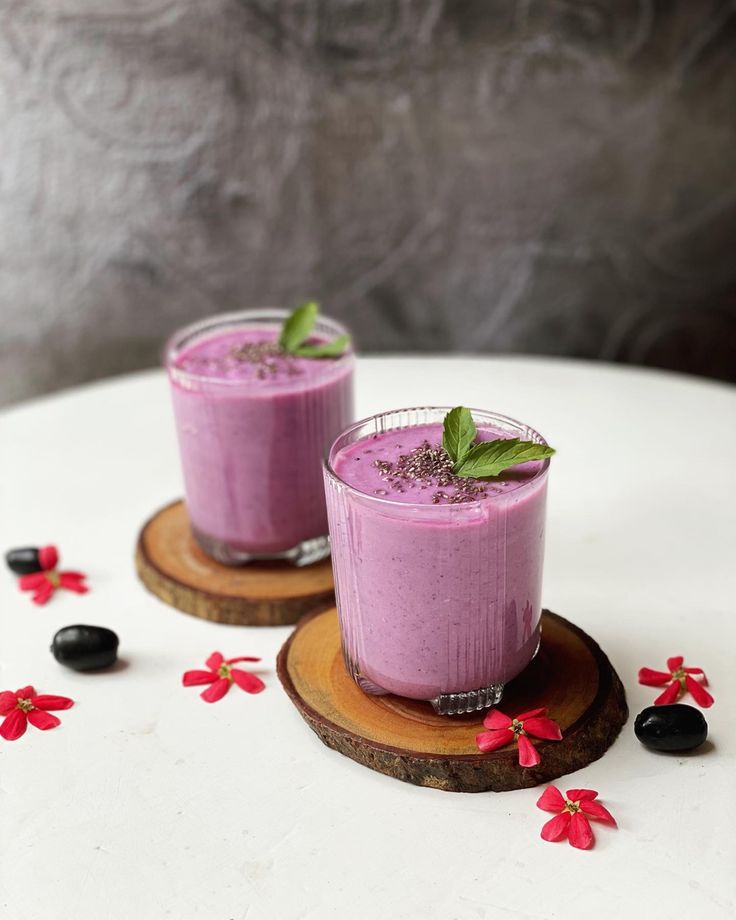
Image Credit: Pinterest
Ingredients
- 3/4 cups jamun (deseeded)
- 2 cups yoghurt
- Honey- as per taste
- A few ice cubes
Recipe
- In a blender, add the jamun, yoghurt, and honey and blend it well.
- In a glass, add a few ice cubes and pour the delicious jamun smoothie.
2. Jamun Salad With Mint Dressing
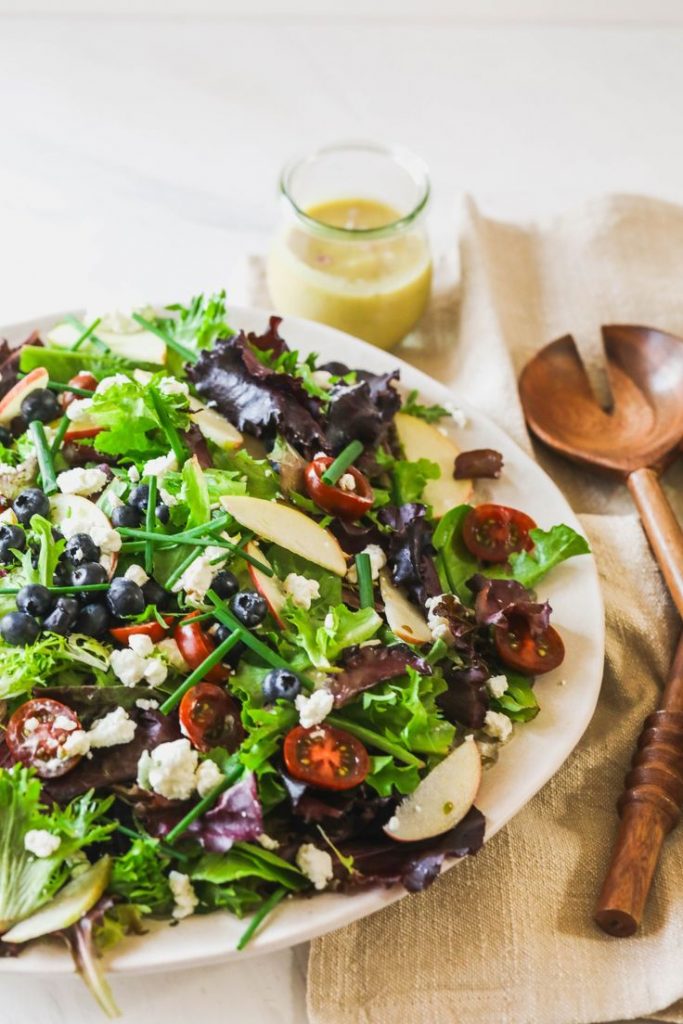
Image Credit: Pinterest
Ingredients
- 2 cups mixed salad greens (spinach, arugula, or lettuce)
- 1 cup jamun berries, halved and deseeded
- 1/2 cup cherry tomatoes, halved
- 1/4 cup feta cheese, crumbled
- 2 tablespoons chopped walnuts
- Fresh mint leaves for garnish
Mint Dressing
- 2 tablespoons olive oil
- 1 tablespoon balsamic vinegar
- 1 teaspoon honey
- Salt and pepper to taste
Recipe
- In a large bowl, combine salad greens, jamun berries, cherry tomatoes, feta cheese, and walnuts.
- In a small bowl, whisk together olive oil, balsamic vinegar, honey, salt, and pepper to create the mint dressing.
- Drizzle the mint dressing over the salad and toss gently to coat evenly.
- Garnish with fresh mint leaves and serve as a refreshing and nutritious salad during pregnancy.
3. Jamun Sorbet

Image Credit: Pinterest
Ingredients
- 2 cups ripe jamun berries, deseeded
- 1/2 cup water
- 1/4 cup sugar (adjust to taste)
- 1 tablespoon lemon juice
Recipe
- In a blender, combine deseeded jamun berries, water, sugar, and lemon juice.
- Blend until smooth.
- Pour the mixture into an ice cream maker and churn according to the manufacturer’s instructions.
- Once churned, transfer the sorbet to a container and freeze for a few hours until firm.
- Scoop and enjoy this delightful jamun sorbet as a healthy and cooling treat during pregnancy.
FAQs
1. Can the consumption of jamun assist in managing bleeding gums in pregnant women?
Jamun, rich in vitamin C and antioxidants, may contribute to gum health. However, it’s essential to maintain overall oral hygiene, including regular brushing and dental check-ups, for managing bleeding gums during pregnancy.
2. Can jamuns cause acidity in pregnancy?
While jamuns are generally considered low in acidity, individual reactions may vary. Eating them in moderation is unlikely to cause acidity. However, if you have a history of acid reflux or sensitivities, it’s advisable to monitor your body’s response.
3. Is it safe to eat jamuns as a snack during pregnancy?
Yes, eating jamuns as a snack during pregnancy is generally safe and can be a nutritious choice. Jamuns provide essential vitamins and minerals. However, moderation is key, and it’s advisable to consult with your healthcare provider to ensure it aligns with your dietary needs.
4. Can you eat jamuns at night during pregnancy?
Yes, consuming jamun at night during pregnancy is safe, especially if it’s part of a well-balanced and healthy diet. However, be mindful of portion sizes and avoid overeating close to bedtime to promote better digestion. Always consider your individual health needs and consult with your healthcare provider for personalised advice.
A high nutrient profile, zero calories, and packed with antioxidants, jamun is good for pregnancy. Pregnancy requires eating foods that provide nourishment to the little one, and if you have a disciplined diet, you can consider adding Java plum to your meals during pregnancy.
Also Read:
Pear while Pregnant
Consuming Guavas in Pregnancy
Eating Ice Apple during Pregnancy
Is it Safe to Eat Peaches during Pregnancy
Was This Article Helpful?
Parenting is a huge responsibility, for you as a caregiver, but also for us as a parenting content platform. We understand that and take our responsibility of creating credible content seriously. FirstCry Parenting articles are written and published only after extensive research using factually sound references to deliver quality content that is accurate, validated by experts, and completely reliable. To understand how we go about creating content that is credible, read our editorial policy here.
- Author
- Expert Reviewer


Related Articles
-

Tomatoes During Pregnancy - Benefits, Risks, and Tips
-
Eating Corn Flakes During Pregnancy: Benefits and Side Effects
-
Taking Vitamin B3 (Niacin) During Pregnancy - Importance, Food Sources and Dosage
-
Fish Oil During Pregnancy – Benefits, Risks & More
-
Eating Grapefruit during Pregnancy – Is It Healthy?
-
Eating Avocado in Pregnancy - Benefits and Precautions