

Bread in Pregnancy – Safe Types, Benefits, and Side-Effects
Find out which breads are safe and nutritious in pregnancy and which ones to limit for a healthy diet.





Medically Reviewed By
Dr. Sabiha Anjum
(Gynecologist/Obstetrician)


In this Article
- Is it Safe to Eat Bread During Pregnancy?
- What Nutrients Does Bread Contain?
- Benefits of Eating Bread During Pregnancy
- Side Effects of Having Bread While Pregnant
- What Type of Bread Is Best to Eat During Pregnancy?
- How Much Bread Can You Eat While Pregnant?
- When to Consult a Doctor?
- FAQs
View More
This content has been reviewed by a qualified expert and follows the FirstCry Parenting editorial policy to ensure accuracy and reliability.
Bread in pregnancy is generally safe and can be a healthy part of your daily diet when you choose nutritious varieties such as whole grain bread for pregnancy. Whole-grain bread is rich in fibre, B vitamins, and essential minerals that support maternal health and healthy fetal development. Good nutrition during pregnancy is especially important because the World Health Organization (WHO) estimates that 37% of pregnant women worldwide were affected by anaemia, making nutrient-dense food choices a key part of prenatal care (1).
In this article, you’ll learn everything you need to know about bread and pregnancy, including which types are safest to eat, their nutritional benefits, potential side effects, and simple tips for including bread as part of a healthy, balanced pregnancy diet.
Is it Safe to Eat Bread During Pregnancy?
The general white bread that is available in the markets is made using common all-purpose flour (maida). This usually contains high proportions of gluten. Having this bread on a constant basis during pregnancy can aggravate constipation, which is already a problem for pregnant women. All the gluten ends up settling in the stomach, leading to a feeling of fullness and bulginess in the stomach, which can restrict the proper absorption of nutrients (2).
On the other hand, brown bread is prepared from flour, based on wheat. This is much better than white bread because it contains a ton of proteins and vitamins that are not present in the white bread (3). These are essential in providing the strength and energy that a mother needs during pregnancy.
What Nutrients Does Bread Contain?
Bread usually contain multiple ingredients, out of which there are a few primary ones.
1. Wheat Germ
The bread that is made from whole wheat contain substantial about of wheat germ. These are elements that have quite a lot of nutritional constituents in them, including Vitamin E, omega-3 acids, folate, and many others. These have a direct impact on the health of the heart (4).
2. Carbohydrates
Carbohydrates form a primary part of the bread. This vital nutrient is extremely important since it is quite a powerhouse of energy to be drawn from for pregnant women. The carbohydrates in bread also have a substantially lower glycemic index. It is a healthy option due to lowered risks of diabetes (5).
3. Protein
Wheat gluten is the major protein present in wheat bread. This gluten is a core provider of proteins, which are necessary for carrying out the healthy and continued development of the baby in the pregnant mother’s foetus.
4. Fibre
Surprisingly, bread is known to be a good food item that contains gracious amounts of dietary fibres, including bran. These not only impact the heart and keep it healthy but also bring about a reduction in lipoprotein cholesterol, which helps attain a healthy state for the mother as well as the child (6).
Benefits of Eating Bread During Pregnancy
The various nutritional constituents of the bread help provide a ton of benefits for the budding mother, some of which are:
1. Prevention of Gallstones
Bread is an easy-to-obtain food item that contains good amounts of fibre. Consuming such items that have whole wheat, which also include cereals, work on improving the digestive system and prevent the formation of gallstones (7).
2. Reduction in Risk of Asthma
If a mother has breathing issues or is at a higher chance of getting them, having whole wheat bread as a part of the diet can help in cutting down the chances of any discomfort in respiration and signs of getting asthma as well (8).
3. Metabolism Maintenance
Along with other nutrients, bread that is made from whole wheat contains a rich quantity of vitamin B, riboflavin, niacin and thiamin. All of these elements belonging to the B-complex vitamin group play a key role in streamlining the body processes and regulating your metabolic activities (7).
4. Good Source of Vitamin C
Bread generally has a great calcium content, but it also contains Vitamin C in good quantities, too (9). These help in strengthening the immune system and reducing the chances of deficiencies. However, not all types of bread contain Vitamin C. If vitamins or ascorbic acid powder is mixed in bread, then you may get Vitamin C.
5. Provides Enough Calcium
Calcium is a core element necessary for a pregnant woman and the development of the baby. Whole wheat bread contains a great amount of calcium (10), which is beneficial for pregnant women.
6. Regulation of Sugar
Gestational diabetes is a standard cause of worry for many pregnant women. The high proportion of fibre present in bread made from whole wheat plays a key role in regulating the levels of blood sugar and keeping any sudden increases in check (11). You can eat whole grain bread during pregnancy.
7. Controlling Blood Pressure
Anxiety and stress during pregnancy can lead to an increase in blood pressure through the body, which is not good for both the mother as well as the baby. Cholesterol and triglycerides, two major culprits for this, are kept in check by consumption of whole wheat bread. But before buying any bread, you must check that it is devoid of salt. As salt content in bread can increase your blood pressure.
8. Reduction in Cholesterol
The dietary fibre present in bread made from whole grains is essential for keeping the heart healthy, as it takes care of the cholesterol levels in the blood, keeping them in the safe range (7).
9. Stimulates Digestion
The fibres in food items play a key role in providing the roughage content necessary for a digestive system to function well. The fibres in the bread act strongly in streamlining bowel movements and reduce the occurrences of constipation and diarrhoea (12).
10. Improved Energy Levels
The carbohydrates in bread provide a sustained source of energy, combating fatigue commonly experienced during pregnancy and supporting overall vitality and well-being.
Side Effects of Having Bread While Pregnant
Although bread has a lot of nutritive value, which provides multiple benefits, there are a few side effects one might experience in eating bread during pregnancy.
- The presence of amylopectin A in bread made from wheat is known to boost the sugar levels present in the blood.
- The presence of gluten in bread can be a matter of concern for certain women since their bodies are unable to process and digest a protein as complex as it. Women with celiac disease (gluten intolerance) should avoid eating bread (13).
- Excessive consumption of bread, especially varieties high in refined carbohydrates, can contribute to unnecessary weight gain during pregnancy, potentially leading to complications such as gestational hypertension and macrosomia (large birth weight) (14).
- Relying heavily on bread as a dietary staple may lead to a dilution of essential nutrients in the overall diet, potentially compromising maternal and fetal health.
- Certain types of bread, particularly those made from refined grains, lack sufficient dietary fibre which can lead to constipation, a common issue during pregnancy due to hormonal changes and pressure on the digestive system.
What Type of Bread Is Best to Eat During Pregnancy?
During pregnancy, choosing the right type of bread is essential to ensure adequate nutrition and support overall health. Opting for breads that are rich in whole grains, fibre, and essential nutrients can provide numerous benefits for both the mother and the developing baby. Here are some of the best types of bread to eat during pregnancy (8):
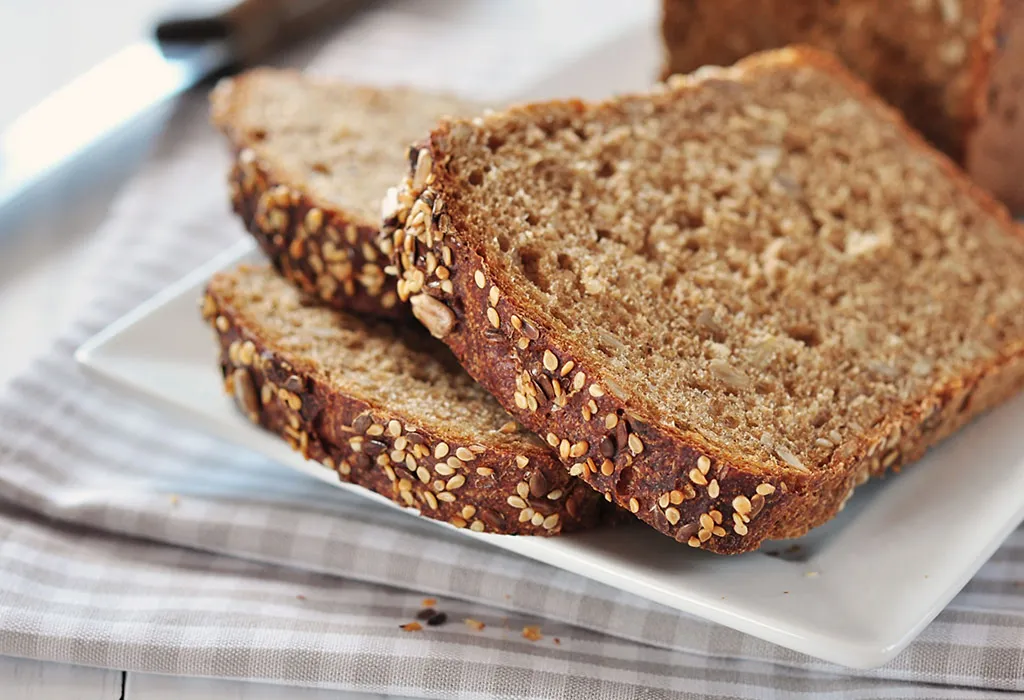
1. Whole Wheat Bread
Whole wheat bread for pregnant women is a nutritious choice because it is rich in fibre, vitamins, and minerals that support healthy digestion and help maintain stable blood sugar levels.
2. Multigrain Bread
Combining various grains like wheat, barley, oats, and seeds, multigrain bread offers a diverse array of nutrients and supports overall health during pregnancy.
3. Rye Bread
Low in gluten and high in fibre, rye bread can aid in digestion and promote satiety, making it a healthy choice for pregnant women.
4. Oat Bread
Packed with fibre, protein, and antioxidants, oat bread supports digestive health, regulates blood sugar levels, and provides sustained energy.
5. Quinoa Bread
Gluten-free and rich in protein, quinoa bread is a nutritious option that offers essential amino acids and minerals, promoting overall well-being during pregnancy.
6. Sprouted Grain Bread
Made from germinated grains, sprouted grain bread is easier to digest and contains increased levels of vitamins, minerals, and antioxidants, making it a nutritious choice for pregnant women.
7. Whole Grain Sourdough Bread
Fermented sourdough bread made from whole grains offers probiotics, which support gut health and immunity during pregnancy. Its lower glycemic index compared to regular bread can also help stabilise blood sugar levels.
How Much Bread Can You Eat While Pregnant?
Determining how much bread to consume during pregnancy depends on various factors, including individual dietary needs, overall health, and weight management goals. Generally, it’s advisable to focus on consuming whole grain and nutrient-dense bread varieties in moderation as part of a balanced diet. The American College of Obstetricians and Gynecologists recommends incorporating about 6-11 servings of grains per day during pregnancy, with each serving equivalent to one slice of bread. However, it’s essential to listen to your body’s hunger cues and consult with your healthcare provider for personalised dietary recommendations.
When to Consult a Doctor?
While bread is good for pregnancy, you should consult your doctor or a registered dietitian if:
- You have gestational diabetes and are unsure which type or how much bread you can safely eat.
- You have celiac disease, a gluten allergy, or gluten sensitivity and need guidance on safe bread options.
- You experience persistent bloating, abdominal pain, diarrhoea, or other digestive symptoms after eating bread.
- You have been diagnosed with iron-deficiency anaemia or other nutritional deficiencies and need a personalised pregnancy diet.
- You have food allergies or medical conditions that require dietary restrictions.
FAQs
1. Is it safe to consume toasted bread or rusks during pregnancy?
Yes, toasted bread or rusks are generally safe to consume during pregnancy. However, it’s important to opt for whole-grain varieties to ensure adequate nutrition.
2. Can you eat sourdough bread while pregnant?
Yes, sourdough bread can be safely consumed during pregnancy. Opting for whole-grain sourdough varieties can provide additional nutritional benefits.
3. Are there any guidelines for selecting healthier bread options during pregnancy?
Yes, when selecting healthier bread options during pregnancy, it’s recommended to choose whole-grain varieties that are high in fibre and nutrients. Avoid breads with added sugars or excessive salt.
4. Is it safe to consume bread while breastfeeding?
Yes, consuming bread while breastfeeding is generally safe. However, it’s important to choose nutritious varieties and maintain a balanced diet to support both maternal health and milk production.
So, this was all about bread during pregnancy first trimester, second and even third trimester. If bread forms an essential part of your daily diet, it is best to reduce it to a normal level and replace it with alternatives. Opting for brown bread during pregnancy instead of white bread is making a healthier choice that can benefit your body in the long run, as well as keep your dietary schedule convenient, too. We hope you’re question – ‘Is bread good for pregnant woman? has been answered!
Also Read:
Pizza during Pregnancy
Junk Food while Pregnant
Consuming Burger in Pregnancy
Eating Pepperoni when Pregnant
Was This Article Helpful?
Parenting is a huge responsibility, for you as a caregiver, but also for us as a parenting content platform. We understand that and take our responsibility of creating credible content seriously. FirstCry Parenting articles are written and published only after extensive research using factually sound references to deliver quality content that is accurate, validated by experts, and completely reliable. To understand how we go about creating content that is credible, read our editorial policy here.
1. World Health Organization – Anaemia
2. PubMed Central – The Role of Gluten in Gastrointestinal Disorders: A Review
3. Tommy’s – Food swaps to help you eat well in pregnancy
5. Harvard T.H. Chan School of Public Health – Carbohydrates
6. PubMed Central – The Health Benefits of Dietary Fibre
7. Grain Foods Foundation – Is Bread Healthy? The Benefits of Bread in a Balanced Diet
8. Cleveland Clinic – Which Bread Is Best For You — Whole-Grain, Multigrain or Whole Wheat?
10. PubMed Central -Separating Myths From Facts About Bread and Health
11. PubMed Central – Health Benefits of Dietary Whole Grains: An Umbrella Review of Meta-analyses
12. Nemours Kids Health – Eating During Pregnancy
- Author
- Expert Reviewer