
Zinc in Pregnancy – Importance, Dosage, and Food Sources
Learn why zinc matters during pregnancy, how much you need, and the best food and supplement sources, medically reviewed by a gynecologist.





Medically Reviewed By
Dr. Prerna More Patel
(Gynecologist/Obstetrician)

This health content has been medically reviewed by qualified experts and follows the FirstCry Parenting editorial policy to ensure accuracy and reliability.
Key Takeaways
- Zinc during pregnancy supports your baby’s growth, cell division, DNA production, and normal development.
- Pregnant women aged 19-50 generally need 11 mg of zinc daily, according to the NIH.
- Zinc-rich foods include meat, lentils, chickpeas, pumpkin seeds, sesame seeds, beans, yoghurt, and cashews.
- Too much zinc may cause nausea, vomiting, diarrhoea, stomach cramps, and copper deficiency.
Pregnancy and zinc go hand in hand because this essential mineral supports your baby’s growth and development while helping maintain your immune system. During pregnancy, women aged 19-50 need about 11 mg of zinc daily, compared with 8 mg before pregnancy, according to the National Institutes of Health (NIH) (1).
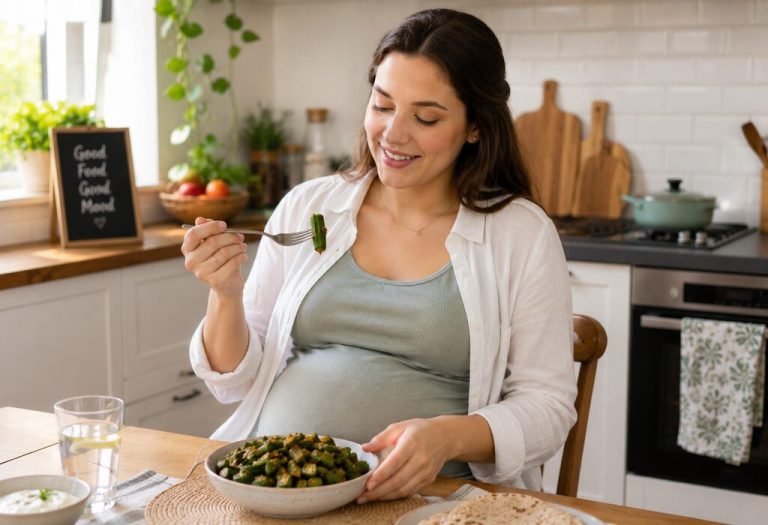
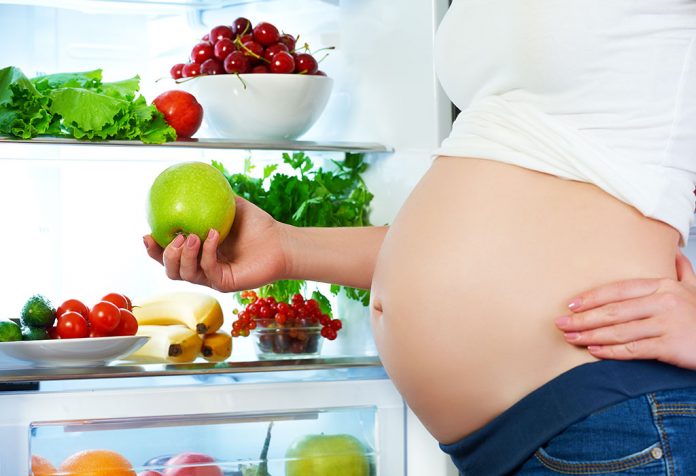
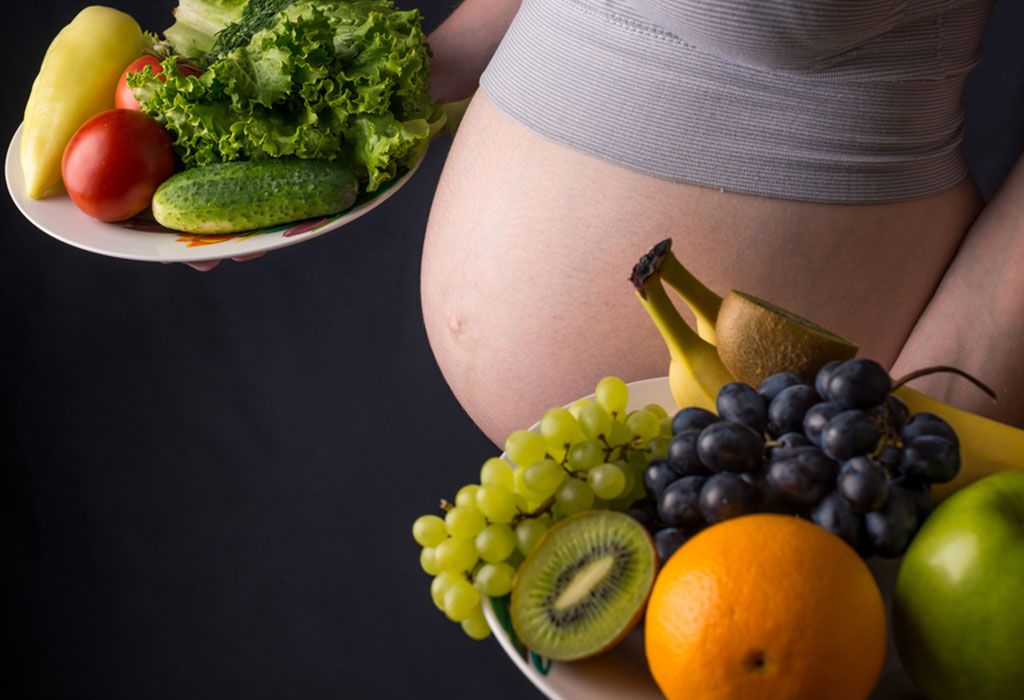
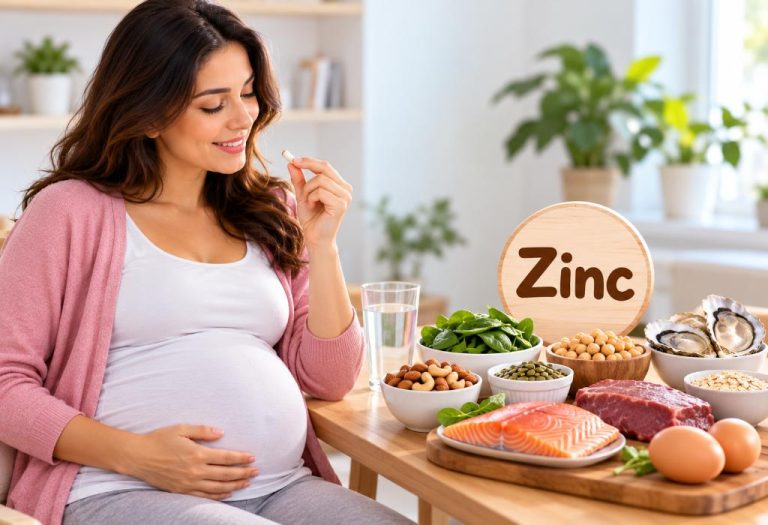
But getting enough zinc during pregnancy doesn’t necessarily mean taking a separate supplement. Foods such as meat, seafood, dairy, eggs, beans, nuts, and whole grains can contribute to your daily intake. This article explains the importance of zinc for pregnant woman, the recommended daily dosage, and the best food sources to include in your pregnancy diet.
What Is Zinc?
Zinc has a major role to play in body development and functioning. It is in simple words, a powerful mineral that would offer the best health benefits to the pregnant woman and her fetus. Zinc can be naturally found in certain food items or it can also be added to your diet in the form of supplements. Either way, this mineral will offer the intended benefits to a pregnant woman (2).
Can I Take Zinc While Pregnant?
Zinc is vital for crucial processes like protein synthesis, cell division, and nucleic acid metabolism, essential for development. Additionally, it supports our sense of taste and smell, aids the immune system, and promotes wound healing. While most women obtain sufficient zinc from meat, prenatal vitamins offer a reliable source. Plant-based zinc is less readily absorbed (3). Vegetarian or vegan mothers should consult their healthcare provider about prenatal vitamins with zinc, which may include forms like zinc gluconate.
Why Zinc Is Necessary When Pregnant?
Zinc is generally known to maintain a healthy immune system, boost normal body growth, helps with DNA metabolism, and also helps in speedy wound healing.
As far as the role of zinc for pregnancy is concerned, the benefits of taking zinc while pregnant are different for the pregnant woman and the fetus (4).
1. Zinc Benefits for Pregnant Women
- Zinc helps maintain a strong immune system
- Averts intra-uterine infection
- Helps balance the hormones
- Aids in the production of the placenta
2. Zinc Benefits for Developing Baby
- Boosts cell growth
- Boosts DNA production and functioning
- Provides structural support to the proteins that make up the cells
Side Effects of Too Much Zinc During Pregnancy
Although zinc is essential for a healthy pregnancy, taking more than the recommended amount can cause unwanted side effects, including (5):
1. Nausea and Vomiting
Too much zinc can irritate the digestive system, leading to nausea, vomiting, stomach discomfort, or diarrhoea. These symptoms may be particularly unpleasant during pregnancy when morning sickness is already common.
2. Stomach Cramps and Diarrhoea
High doses of zinc may cause abdominal cramps and diarrhoea. If these symptoms continue, speak with your healthcare provider to determine whether your zinc intake is too high.
3. Copper Deficiency
Taking excessive zinc over a long period can reduce the body’s ability to absorb copper. Severe copper deficiency may contribute to anaemia and weaken the immune system.
4. Reduced Iron Absorption
Very high zinc intake may interfere with the absorption or metabolism of iron and other essential nutrients. This is important during pregnancy because adequate iron is needed to support increased blood production.
5. Lowered Immune Function
While zinc supports normal immune function, consistently consuming excessive amounts can have the opposite effect and impair immune responses.
6. Headaches and Dizziness
High doses of zinc supplements may cause headaches, dizziness, or a general feeling of discomfort. If you experience these symptoms after starting a zinc supplement, consult your doctor before continuing it.
Recommended Daily Intake of Zinc in Pregnancy
The daily and maximum zinc dose in pregnancy depends on the age factor, greatly. To get an insight into the recommended daily intake values, read the following (1):
- For an 18 yr old or younger pregnant woman: 12 milligrams
- For a 19 yr old or older pregnant woman: 11 milligrams
- For an 18 yr old or younger breastfeeding woman: 13 milligrams
- For a 19 yr old or older breastfeeding woman: 12 milligrams
What Are the Food Sources of Zinc?
The major food sources that have been found rich in zinc, include:
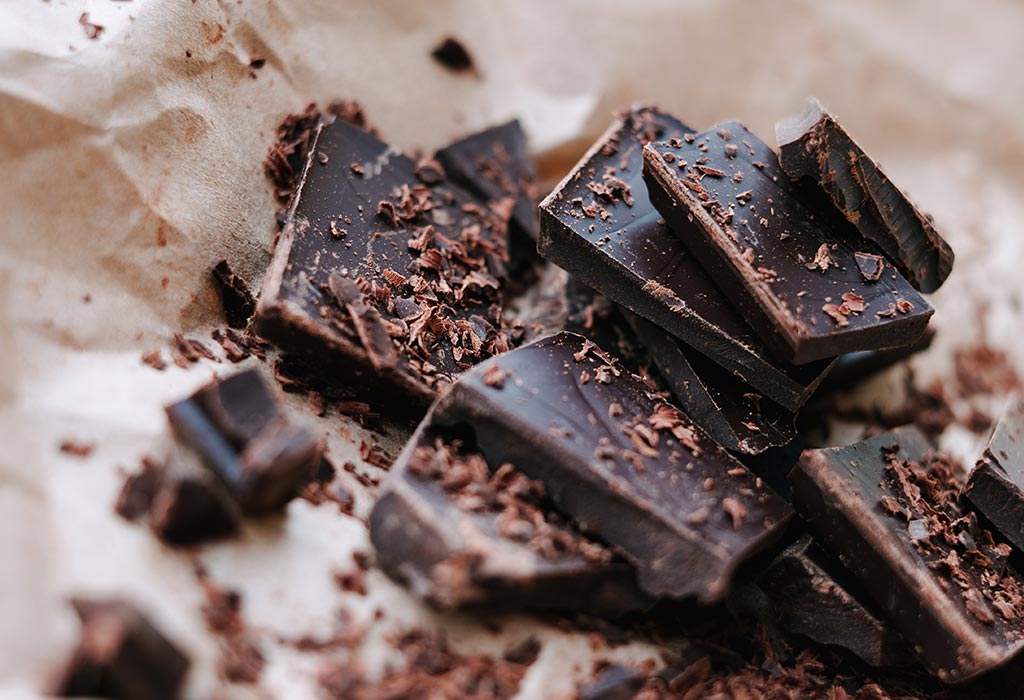
1. Dark Chocolate
Chocolates are loved by all. No one can resist its sweet taste. But they contain high sugar levels that can turn to be injurious to health. However, dark chocolate is quite different as it contains low sugar levels and more of essential zinc (6).
2. Lentils
Lentils have always been a rich source of vitamins and minerals. And, one such mineral that can be easily found in lentils is zinc. Lentils are also rich in proteins and fibres thus should be included in the daily diet.

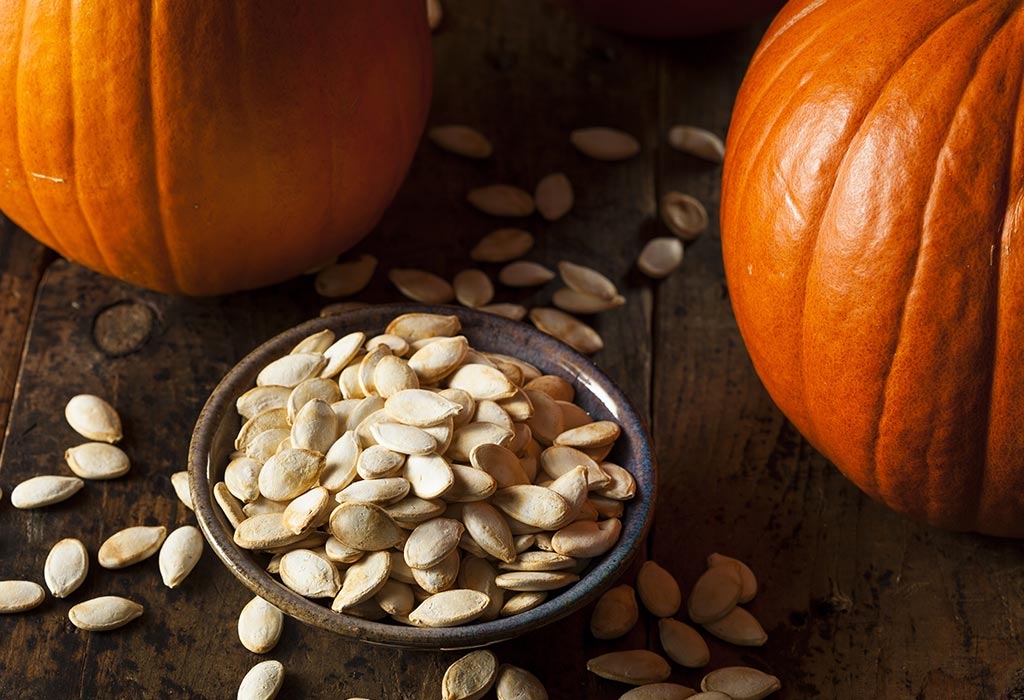
3. Pumpkin Seeds
Pumpkin seeds are not only a good source of zinc but are also found to be high in omega-3 fats and magnesium. You could add pumpkin seeds to your salads or eat its roasted version (7).
4. Chickpeas
Chickpeas are a good source of protein and fibre and thus a recommended option for vegetarians. An added advantage of chickpeas is that they help in improving digestion and therefore help a pregnant woman keep away from acidity or other digestive issues (8).

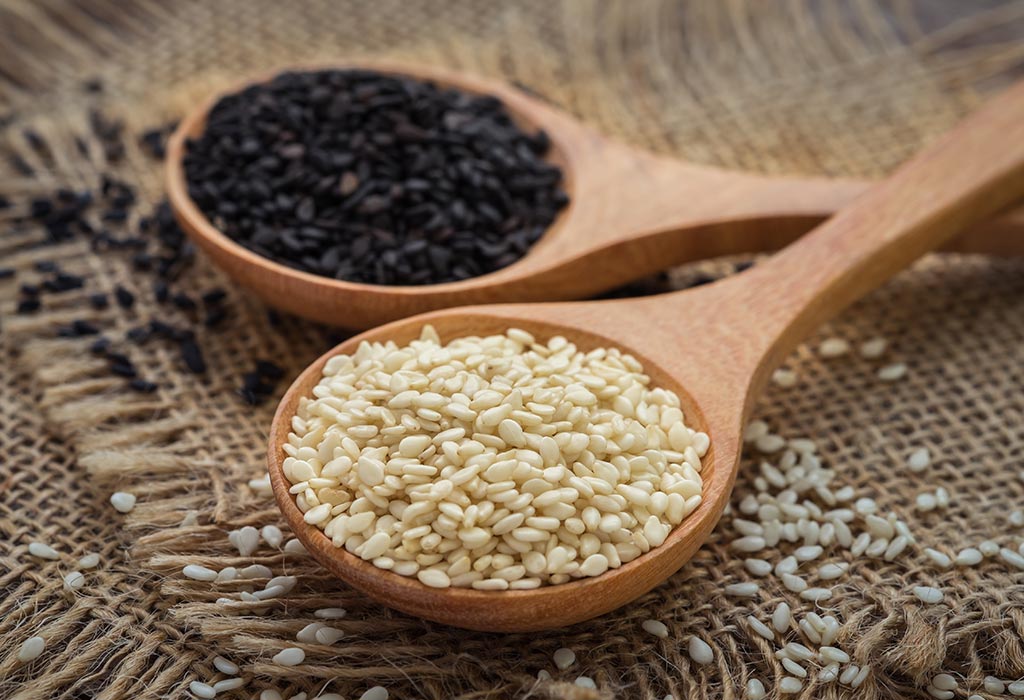
5. Sesame Seeds
In 100 grams of sesame seeds, zinc concentration is about 7.8 milligrams. Sesame is also found to be a good source of phytosterols, I.e. a compound that helps control cholesterol and sesamin, i.e. a compound that helps balance the hormones (9).
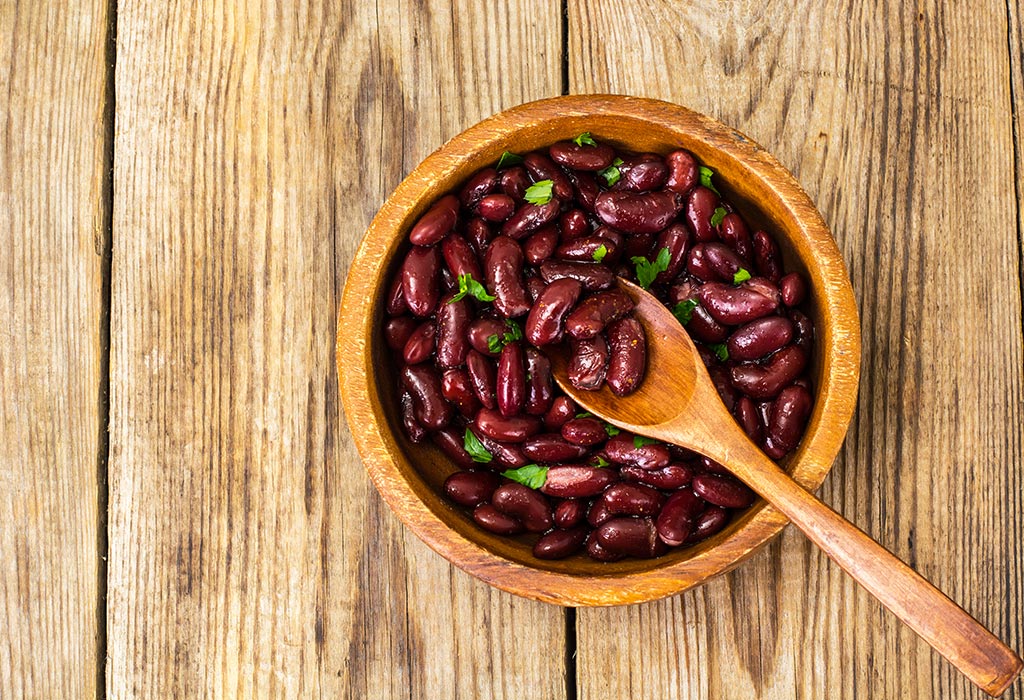
6. Kidney Beans
Kidney beans are a good choice to consider if you are a vegetarian. This sumptuous food source helps in regulating blood sugar levels and also helps in providing you with a satisfactory diet.
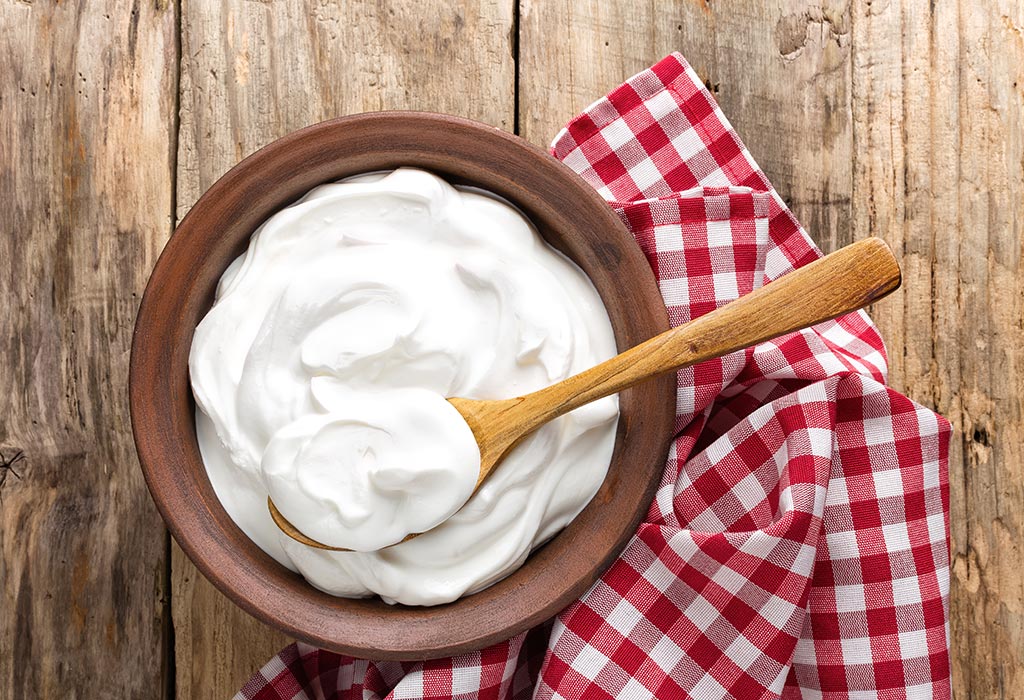
7. Yoghurt
Yogurt is known to be a probiotic dairy product that is rich in zinc, i.e. in one cup of yoghurt, 1.4 milligrams of zinc is found. Consuming yoghurt would help you in improving immunity, controlling mood swings, and also helps boost cardiovascular health.
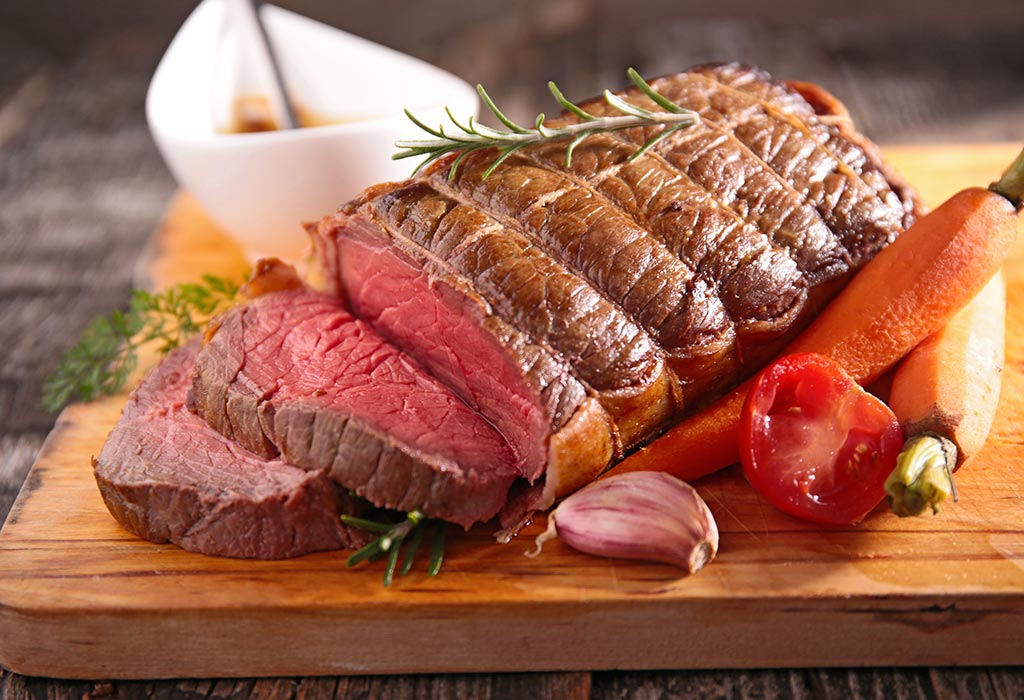
8. Lamb or Beef
Lamb and beef are believed to be the best sources of zinc, undoubtedly. A pregnant woman who eats meat is unlikely to develop a zinc deficiency. But it is always recommended to roast your meat perfectly as raw meat can lead to health issues in pregnant women.
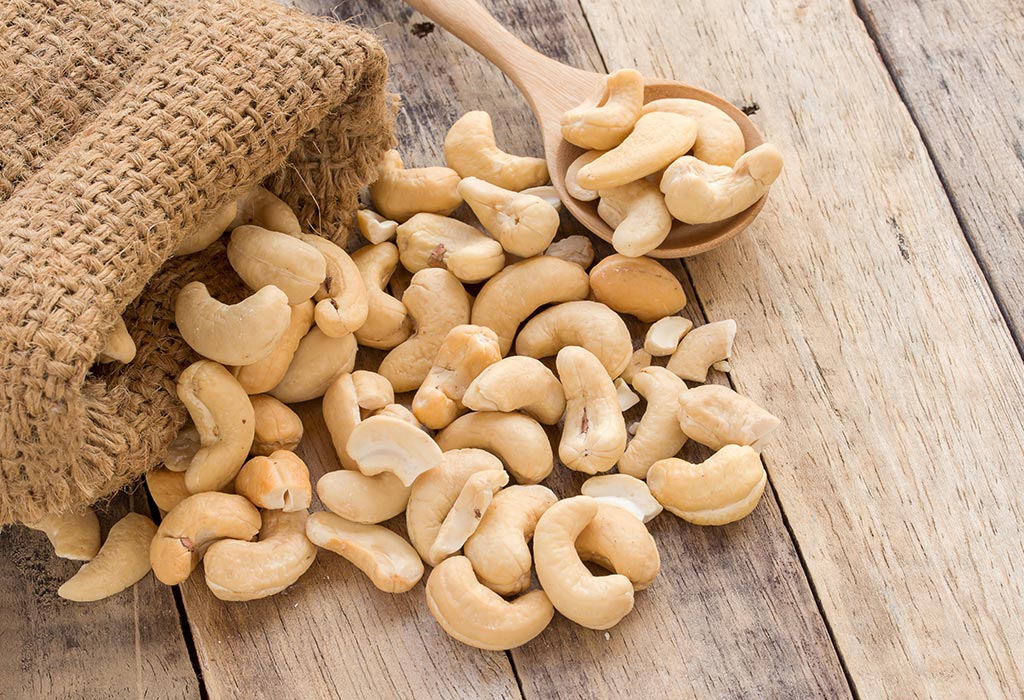
9. Cashews
In one ounce of cashews, about 1.6 milligrams of zinc is found. Also, these are found to be high in unsaturated fatty acids and protein value. The consumption of cashew would help in lessening inflammation, maintain good bone health, and would keep your hunger calls satisfied as it keeps you full for longer duration (10).
FAQs
1. Can I take zinc supplements in pregnancy?
A pregnant woman who eats meat is less likely to develop a zinc deficiency whereas for the vegetarians the same cannot be said. When the normal diet is not enough for body’s zinc requirement, zinc supplement in pregnancy are recommended.
2. What happens if you consume too much zinc during pregnancy?
Excess of zinc during pregnancy in woman’s body can lead to vomiting, nausea, diarrhoea or even stomach aches. Research has stated that an adult should not be getting more than 40 milligrams of zinc intake in a day’s time.
3. What are the signs of zinc deficiency when pregnant?
The signs of zinc deficiency in pregnant women may include a weakened sense of taste and smell, lack of appetite, and reduced immunity, which can make the body more vulnerable to allergies and infections. Inadequate zinc levels may also affect the healthy growth and development of the fetus.
4. Can I take zinc for cold during pregnancy?
Research indicates that zinc lozenges and syrups have the potential to shorten the duration of a common cold by approximately one day, although they may not influence its severity. It’s important to exercise caution, as excessive consumption of zinc lozenges can lead to complications for both the expectant mother and the fetus.
Now, whenever the question “Can I take zinc while pregnant?” comes to your mind, you’ll be able to answer ‘Yes’ confidently. This ensures proper maintenance of normal health conditions of you and your foetus. Also, keep in mind to always consult a doctor for proper dietary recommendations and supplement choices when zinc is what you are concerned about.
Also Read:
Manganese when Pregnant
Taking Vitamin B12 in Pregnancy
Carbohydrates during Pregnancy
Calcium Rich Diet during Pregnancy
Was This Article Helpful?
Parenting is a huge responsibility, for you as a caregiver, but also for us as a parenting content platform. We understand that and take our responsibility of creating credible content seriously. FirstCry Parenting articles are written and published only after extensive research using factually sound references to deliver quality content that is accurate, validated by experts, and completely reliable. To understand how we go about creating content that is credible, read our editorial policy here.
1. National Institutes of Health – Zinc
2. Cleveland Clinic – How Zinc Benefits Your Body — and How Much You Need Each Day
3. Harvard Health Publishing – Zinc: What it does for the body, and the best food sources
5. PubMed Central – Zinc Toxicity: Understanding the Limits
6. Harvard Chan School – Dark Chocolate
8. PubMed Central – Chickpeas and gut microbiome: Functional food implications for health
- Author
- Expert Reviewer


Related Articles
-

Eating Mayonnaise During Pregnancy - Is It Safe?
-
Okra (Lady Finger) in Pregnancy - Benefits, Precautions and Recipes
-
Eggs In Pregnancy: Benefits, Risks and Daily Intake
-
Foods to Eat & Avoid During First Trimester of Pregnancy
-
Jaggery (Gur) During Pregnancy - Benefits, Safe Amount and Side Effects
-
Paleo Diet During Pregnancy - Is It Safe?