
Salt Craving During Pregnancy – Causes and Safe Intake
Wondering why you are craving salt during pregnancy? This dietitian reviewed guide covers the causes and safe intake.





Medically Reviewed By
Trishita Nalvath
(Diabetologist/Nutritionist/Dietitian)

This content has been reviewed by a qualified expert and follows the FirstCry Parenting editorial policy to ensure accuracy and reliability.
Key Takeaways
- While moderate sodium intake is essential, high salt intake is associated with an increased risk of hypertension and cardiovascular health problems.
- The WHO recommendation for adults, as well as pregnant women, is less than 5 g of salt per day (about 2,000 mg sodium) (1).
- Salt and sodium are not the same. Sodium is a mineral, while salt is a compound made of sodium and chloride.
- Pregnant women should not restrict their salt intake during pregnancy; they can continue as usual.
- Excess consumption of salt should be avoided.
Salt in pregnancy holds an important place, as the sodium present in it fluid levels and pH balance, as well as, supports the development of the baby in the womb. While sodium is needed for normal body functions during pregnancy, consuming too much salt can affect your blood pressure and overall health. you are curious to know how much salt intake is safe to consume, especially when you get hit with salt cravings during pregnancy. This article will provide you with the facts and figures you need about salt cravings and intake during pregnancy and how to safely navigate pregnancy and salt intake.
Why Is Salt Intake Important During Pregnancy?
Salt is the main source of dietary sodium for us. Did you know that low sodium during pregnancy may be dangerous for you or your baby? Here is why it is important to consume salt during pregnancy:
- In the absence of salt, your nerves, muscles and organs would not be able to function properly during pregnancy, as not consuming enough salt leads to fatigue and weakness.
- Your body’s fluids increase in order to support your growing baby, and low sodium in pregnancy plays an important role in that.
- The presence of iodine in table salt is essential for the development of your baby’s brain and the nervous system.
- Iodine deficiency during pregnancy may lead to stillbirths, abnormal brain development, miscarriage, and other medical complications (2). In a study, it was established that inadequate salt intake during pregnancy resulted in low birth weight in infants.
Therefore, salt is essential for your body during pregnancy; however, only in adequate quantities. Read on to know how much salt you can have during pregnancy.
How Much Salt Intake is Safe During Pregnancy?
The daily sodium intake through table salt during pregnancy should be no more than 2 to 3 grams (2000 to 3000 mg) per day (3). Bear in mind not to exceed 5.8 grams, as that is the permissible upper limit for pregnant women.

Side Effects of Consuming Excessive Amounts of Salt During Pregnancy
As the famous proverb states, an excess of everything is bad, and the same holds true for the consumption of salt. Here are some side effects of high sodium intake during pregnancy:
- High salt intake may lead to water retention and may cause excessive swelling of ankles, legs, feet or face.
- Increased amounts of salt in your diet may lead to high blood pressure or preeclampsia.
- Consuming more amounts of salt may lead to loss of calcium (through urination) from the body.
- High salt intake during pregnancy can increase the risk and potentially affect the renal development of the fetus (4).
Now, let’s take a look at some of the foods that contain excessive amounts of salt and can pose the risk of health issues during pregnancy.
What Is the Difference Between Sodium and Salt?
Although sodium and salt are used interchangeably, they are not the same. Sodium is a naturally occurring mineral that the body needs to ensure fluid balance, help muscles function properly, and support nerve signalling. Salt, on the other hand, is a compound made of a combination of sodium and chloride. This is why sodium’s chemical formula is Na and salt’s chemical formula is NaCl (5).
Fun fact: 1 gram of salt provides approximately 400 mg of sodium (6). Thus, if you check packaged food labels, you’ll find that the sodium amount is not the same as the total salt amount.
Foods That Contain High Amounts of Salt
Here are some food items that contain high amounts of salt/sodium, making them unsuitable for you to have, especially during pregnancy:
1. Sweetened Beverages
It may sound strange but sweetened beverages also have a high content of sodium, which may cause complications during pregnancy. Beware of getting your hands on energy drinks or sports performance drink as they may have up to 200 mg of sodium in them.
2. Breakfast Cereals
Most breakfast cereals have high levels of sodium in them. A normal cup of cornflakes or oatmeal can easily can easily add 200mg to your sodium intake.
3. Sauces
Ever wondered how much sodium you can get from your ketchup, soy sauce or barbeque sauce? All these food items have high contents of sodium (approximately 150 to 200 mg per serving). Consuming these foods in excess can easily exceed your daily sodium intake.
4. Bread and Buns
Many pregnant women love to eat bread for breakfast or sometimes as a mid-morning or an evening snack. A slice of bread can fetch you around 150 mg of sodium. So, the next time you gobble down a doughnut or bagel, be careful not to go overboard with it.
All this information may worry you a bit, but salt is not the only food item that provides you with the sodium you need during pregnancy. There are other foods that have considerable amounts of sodium and yet are healthy to consume. Let’s find out what they are.
Healthy Sources of Sodium
As mentioned earlier, salt is not the only way you can maintain your sodium levels during pregnancy. Here are some healthy sources of sodium:
- Unsalted nuts, pickles, preserves
- Poultry
- Fish
- Fruits such as apples, cranberries
- Plain yoghurt
- Eggs
- Milk
- Vegetables such as beets, celery, carrots

It is quite normal to crave for certain foods during pregnancy. But, the mothers-to-be cannot really consume all that they want as it may not be healthy for them or their baby. Salt cravings are the same. Most of the times, it becomes difficult to cut down on the table salt (7). Then, what do you do? Well, we have some tips that could help you reduce your intake of salt. Let’s get on to it.
Tips to Reduce Salt Intake During Pregnancy
The following tips will help you reduce your sodium intake during pregnancy (8):
- Read the labels of food items that you wish to consume because sometimes even sweetened snacks and drinks contain high amounts of sodium in them.
- Try to eat home-cooked food. This way, you will not only be eating healthy meals, but you will be able to monitor your salt consumption.
- Always opt for fresh fruits and vegetables for snacking, as packaged snacks may contain high amounts of sodium.
- Use salt-free seasonings when preparing your food.
Now, let’s address some more questions/ concerns related to salt and its intake during pregnancy.
Can You Eat Black Salt During Pregnancy?
Yes, you can consume black salt during pregnancy as it may help in providing relief from stomach disorders, heartburn, and constipation. However, if you have hypertension or any other medical condition which requires you to restrict your salt intake, then it is advised that you consume black salt only after consulting your healthcare practitioner.
Salt Cravings During Pregnancy
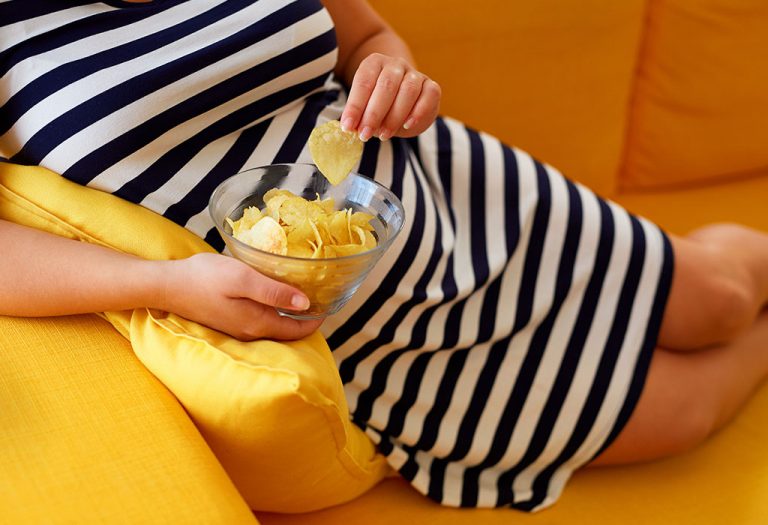
As you become pregnant, you may find yourself craving food which you cannot even imagine. Whether you already like eating salty food or not, there are chances that craving salt while pregnant may take place. Though having a random salt craving is fine and some extra sodium may not cause harm to your baby, if you feel an excessive craving for salty food during pregnancy, it is recommended that you discuss it with your doctor before loading yourself with salty food.
Is Salt Craving Normal During Pregnancy?
Many women may crave for salt during pregnancy. It is observed that salt craving may be more prevalent in the initial stages or the first trimester of the pregnancy. It is absolutely normal to have a salt craving during pregnancy; however, the only concern is to regulate and monitor its consumption to the prescribed limits only.

What Causes Increased Salt Craving in Pregnant Women?
According to various theories, it is seen that pregnant women crave salt because their bodies are hinting that there is a requirement of more fluids in the body to support the growing baby. The presence of sodium in salt helps in retaining the fluid in the body, which is why pregnant women may crave salty food. Also, because of increased levels of progesterone and morning sickness, pregnant women may lose sodium through urine and vomiting, and thus may crave salty food.
What You Should Do When You Have Salt Cravings?
Craving salty foods during pregnancy is perfectly normal, but it’s essential to find healthier ways to satisfy these cravings. While processed foods can be high in sodium, there are numerous nutritious alternatives to consider. Instead of reaching for chips or pretzels, you can opt for homemade alternatives that are both tasty and beneficial for you and your baby.
One option is to roast chickpeas and season them with flavorful spices like smoked paprika and garlic. These crunchy treats provide a satisfying saltiness without the excessive sodium content found in many packaged snacks. Another delightful choice is homemade popcorn sprinkled with nutritional yeast for a cheesy and savoury flavour. For a nutritious twist, you can also enjoy roasted sweet potato wedges lightly sprinkled with sea salt, providing both the satisfaction of saltiness and the goodness of vitamins and fibre.
Moreover, consider incorporating more fermented foods into your diet as a way to address your salt cravings. Fermented foods like sauerkraut, kimchi, and pickles offer a natural salty taste and provide your body with essential probiotics that promote digestive health. These options not only satisfy your craving but also contribute to your overall well-being.
What Happens If We Don’t Eat Salt During Pregnancy?
If you stop adding salt to your food, you may still get sodium from naturally occurring sources such as milk, eggs, vegetables (spinach, carrot, beets, lady finger), meat, and other foods. Many packaged foods also contain sodium, sometimes in considerable amounts. Therefore, simply avoiding table salt does not necessarily mean that your sodium intake will become too low.
However, salt restriction is not recommended to prevent pre-eclampsia. WHO guidelines do not recommend restricting dietary salt during pregnancy specifically to prevent pre-eclampsia, although avoiding excessive salt remains part of healthy eating.
FAQs
1. Can excess salt intake cause a miscarriage?
Excess salt intake alone is generally not considered a direct cause of miscarriage. However, a diet high in sodium can contribute to health issues like high blood pressure and preeclampsia, which may increase the risk of pregnancy complications. It’s essential to maintain a balanced diet and follow your healthcare provider’s recommendations for salt intake during pregnancy (9).
2. Is sendha namak (rock salt) good in pregnancy?
Sendha namak, or rock salt, can be a suitable option for seasoning food during pregnancy. It is a natural salt and is generally considered safe for consumption in moderation during pregnancy. However, it’s crucial not to overuse any type of salt, as excessive salt intake can lead to health concerns like high blood pressure. Always follow your healthcare provider’s dietary advice for a healthy pregnancy.
3. Can sodium levels drop during pregnancy even if you consume salt in moderate amounts?
Yes, low blood sodium, medically known as hyponatremia, can occur during pregnancy, although it is not usually caused simply by avoiding table salt. It occurs when the sodium concentration in the blood becomes abnormally low, often due to an imbalance between water and sodium.
4. Should you completely avoid salt during pregnancy?
No. There is generally no need to follow a completely salt-free diet during pregnancy unless your doctor has specifically recommended it for a medical reason. The relationship between salt and pregnancy is very important as salt helps the body maintain fluid balance, support nerve impulses, and ensure muscles function properly. At the same time, excessive salt consumption is not advisable.
Salt gives food flavour, and we certainly cannot do away with it. If you are not imposed any restrictions regarding the consumption of salt during pregnancy, you may indulge in various savoury dishes. However, it is suggested that going overboard with the consumption of salt may increase your chances of having various health complications. On the other hand, if your doctor has advised you to restrict your salt intake, it is suggested that you adhere to it and make healthier dietary choices to avoid fatal health complications during pregnancy.
References/Resources:
2. National Library of Medicine – The effects of iodine deficiency in pregnancy and infancy
3. University of Washington Medical Center – Eating the Right Amount of Sodium
6. World Health Organization – Salt Factsheet
8. Cleveland Clinic – Why Do You Crave Salt?
9. ScienceDirect – Salt and miscarriage: Is there a link?
Also Read:
Consuming Ajinomoto (MSG) in Pregnancy
Is it Safe to Eat Sweets Excessively in Pregnancy?
Are Artificial Sweeteners Safe for Pregnant Women?
Was This Article Helpful?
Parenting is a huge responsibility, for you as a caregiver, but also for us as a parenting content platform. We understand that and take our responsibility of creating credible content seriously. FirstCry Parenting articles are written and published only after extensive research using factually sound references to deliver quality content that is accurate, validated by experts, and completely reliable. To understand how we go about creating content that is credible, read our editorial policy here.
- Author
- Expert Reviewer


Related Articles
-

“How Much Should I Eat During my Pregnancy?” and other Pregnancy Diet FAQs answered!
-
Can You Drink Non Alcoholic Beer While Pregnant?
-
Consuming Cloves during Pregnancy - Is It Harmful?
-
Protein During Pregnancy - Importance and Food Sources
-
Eating Duck When Pregnant - Is It Safe?
-
Pumpkin in Pregnancy - Benefits, Side Effects & How to Eat