
Eating Liver During Pregnancy : Benefits, Risks and Safe Intake
Learn if liver during pregnancy is safe, its iron and folate benefits, and how much liver you can safely eat.




Key Takeaways
- Liver, sourced from animals and poultry, is a rich source of vitamin A and can be potentially harmful for pregnant women.
- Eating liver during pregnancy may potentially cause birth defects and miscarriages.
- Women are advised to avoid liver if they are trying to conceive or are in their first trimester of pregnancy.
- A small portion of a cow’s liver is likely to have more than seven times the RDA of vitamin A for pregnant women.
- Ensure your prenatal supplement or multivitamin contains no more than 5,000 IU (international units) of preformed vitamin A.
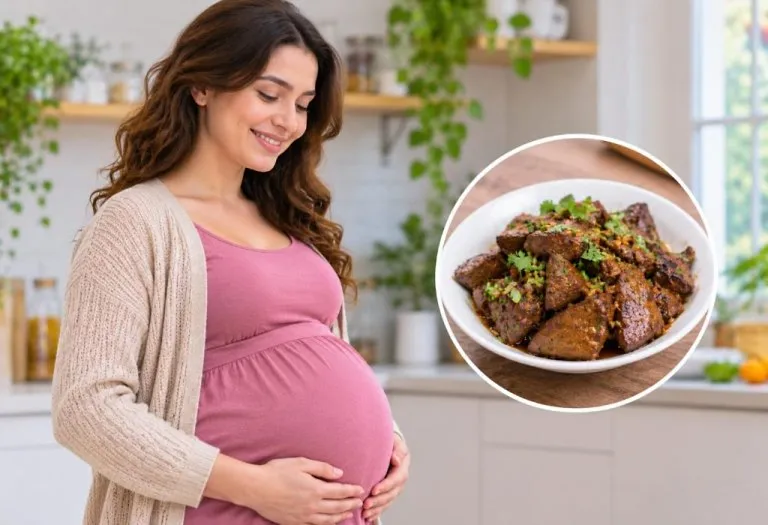
While well-cooked meat preparations contribute richly to pregnancy diet due to their protein, iron, and fat content, not every meat preparation is suitable for expectant mothers. Liver, for instance, is the highest source of vitamin A (1), which may seem like a great addition to your pregnancy diet, especially if you are concerned about anaemia during pregnancy. But excess vitamin A can harm your baby’s development, and consuming liver in pregnancy could surpass the recommended limit of vitamin A. In this article, we round up facts and figures around eating liver during pregnancy, answer expectant mothers’ most pressing questions, like “Is it safe to eat liver during pregnancy?”, potential risks, and things to know before including liver in your pregnancy diet.
Can Pregnant Women Eat Liver?
According to the NHS, pregnant women are generally advised to avoid eating liver and liver-based products, such as pâté, liver sausage, or cod liver oil (2). This is because liver contains high amounts of preformed vitamin A, or retinol, which increases the risk of foetal malformations.
However, consumption of liver is not forbidden for pregnant women. The liver is known to contain a variety of substances that can be quite beneficial for the mother as well as the growing child. Therefore, the portions need to be maintained according to the RDA, as excessive consumption of liver can be harmful to foetal health. The Royal Women’s Hospital advises limiting liver consumption to very small amounts, which is “no more than 50 grams a week.” (3)
While excess vitamin A during pregnancy is a no-no, deficiency of vitamin A needs to be avoided to support the baby’s eye and bone development (4). To get enough vitamin A during pregnancy, take prenatal vitamins or consume foods rich in provitamin A (5).
Different Types of Livers and Their Safety During Pregnancy
During pregnancy, it’s crucial for expectant mothers to be mindful of their diet to ensure the safety and well-being of both themselves and their developing baby. The consumption of liver, a nutrient-rich food, can be a subject of concern due to the varying types of liver and their potential impact on pregnancy. In this article, we’ll explore different types of livers and their safety during pregnancy.
1. Chicken Liver

Chicken liver in pregnancy is an unsafe choice. Although chicken liver It is a good source of iron, vitamin B12, and other nutrients, it should be avoided to prevent excessive vitamin A intake.
2. Beef Liver

Beef liver in pregnancy is another liver option that should be avoided. It is also high in iron and other nutrients. Beef liver is best avoided during pregnancy as it contains large amounts of vitamin A.
3. Pork Liver

Pork liver is not safe to consume during pregnancy. It is also a source of essential nutrients but should be part of a balanced diet to avoid excessive vitamin A intake.
4. Cod Liver

Cod liver is known for its exceptionally high vitamin A content, and excessive vitamin A intake can be harmful to the developing fetus. It’s advisable to avoid eating cod liver and consult a healthcare professional before including cod liver in your diet while pregnant.
Benefits of Eating Liver During Pregnancy
The liver contains some vital nutrients that are considered essential for individuals. Here are some of them:
- Folic acid – It plays a key role in the protection of the child in the womb. It also boosts the foetus’ neurological development.
- Proteins – They are necessary for body building and strength and are important for foetal development. And a woman can get enough protein by consuming liver in moderate proportions.
- Vitamin A – Liver is a good source of vitamin A, which not only provides all-around nutrition but also directly impacts the development of eyesight and immunity in the nascent child.
- Iron – Presence of iron in the liver is one of the main reasons why pregnant women are recommended liver consumption since it reduces risks of anaemia and keeps the blood healthy.
Risks of Eating Liver During Pregnancy
Meat is generally beneficial for a mother, but if consumed in large quantities, it might affect foetal health. Read on to know the risks associated with eating liver.
- The nutrient proportions in chicken liver vary as compared to those in beef or mutton liver. That needs to be taken into account when planning the diet if you are keen on eating liver during pregnancy.
- Vitamin A is present in large proportions in the liver. As beneficial as it might be, consuming a lot of it can be harmful to the baby as it is present in the liver in the form of retinol, which is a precursor to the actual vitamin. Retinol, when consumed in high quantities, is risky. Overconsumption of vitamin A has been linked with birth defects or developmental defects in the child and cancer in the mother (6).
- Along with retinol, a higher proportion of cholesterol makes liver a bad choice for a pregnant woman who has problems related to hypertension.
- Liver, especially beef and mutton liver, is high in purines. Excessive purine intake can lead to elevated uric acid levels, increasing the risk of conditions like gout and kidney stones. These conditions can be particularly problematic during pregnancy.
You must also know that retinol is present in some products we use in our daily lives. Therefore, you must avoid some liver products too, as they could harm your baby.
What Is the Amount of Liver That Is Safe to Consume During Pregnancy?
The recommended dietary allowance (RDA) of vitamin A during pregnancy is 770 mcg RAE in pregnant adults (7). It is safe to consume 50 grams of well-cooked liver per week to gain health benefits; however, the portion may vary because the liver coming from different sources have different levels of retinol. Some might be advised to reduce the quantity and frequency of eating liver while pregnant to avoid health complications. It is generally in your best interest to keep its consumption restricted to once a week or twice a month.
So, in what forms can you eat liver during pregnancy? Read below to know more.
Different Ways to Consume Liver in Pregnancy
Pregnant women are advised to avoid all types of animal livers, including beef, chicken, lamb, and pork liver, as well as liver-based products such as liver pâté and liver sausage (8). If you are looking for iron-rich foods to help prevent or manage anaemia, ask your doctor about safer alternatives and whether you need an iron supplement.

How to Cook Liver Safely During Pregnancy?
Although liver can be cooked thoroughly to eliminate the risk of foodborne infections, it is recommended that pregnant women avoid liver and liver products altogether. Cooking does not remove the high levels of preformed vitamin A (retinol) from the liver. Excessive retinol intake during pregnancy can interfere with fetal development.
Liver Products to Avoid During Pregnancy
You might be abstaining from consuming any liver directly, but there are certain products that ought to be avoided as well, which contain liver constituents in their preparation, or derivatives of the same. These usually are:
- Nutrition supplements that contain retinol as a way to deliver Vitamin A.
- Cod liver oil or shark oil along with certain spreads or dips that can contain liver traces within them.
- Foie gras, a delicacy made from the liver of fattened ducks or geese, should be avoided during pregnancy due to concerns about the quality of the liver and potential exposure to harmful substances.
Alternative Sources of Vitamin A
Vitamin A is absolutely essential for babies. You don’t need to depend purely on the liver for it since it can be easily obtained from numerous other sources. Vegetables are a much safer choice in this regard, since vitamin A is present in the form of beta-carotene, instead of retinol. Some of these are:
- Turnip greens
- Spinach
- Pumpkin
- Sweet potatoes
- Carrots
- Kale
- Butternut squash
- Apricots
- Mangoes
- Red bell peppers
- Cantaloupe
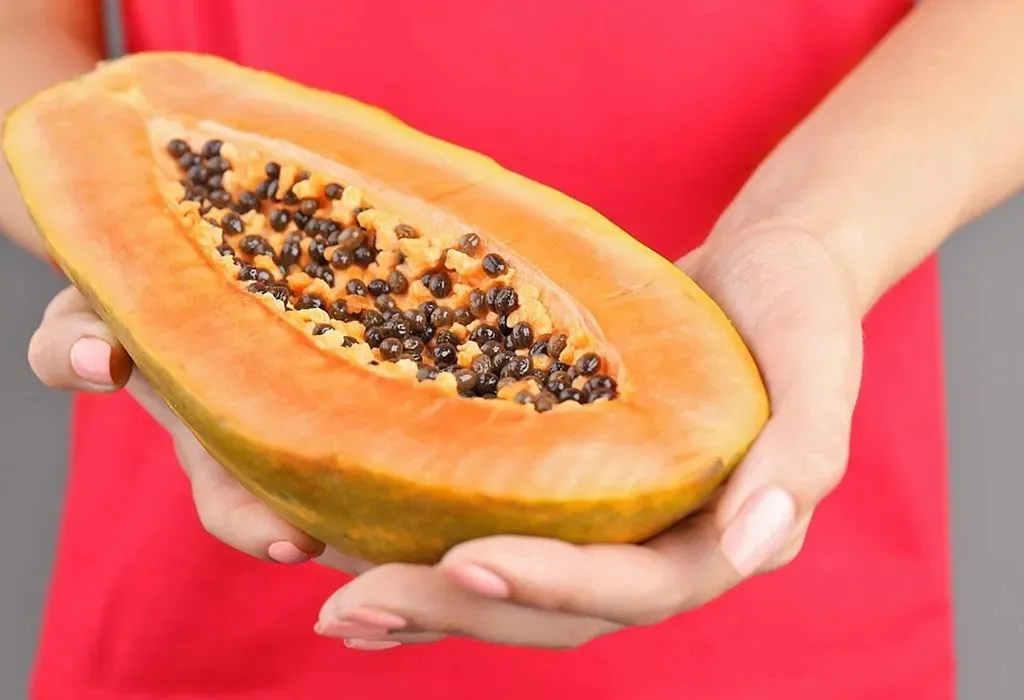
- Papaya
- Eggs
- Salmon
- Fortified foods like cereals and dairy products
FAQs
1. Can pregnant women eat liver sausage or chopped liver?
It’s best for pregnant women to avoid liver sausage or chopped liver during pregnancy due to potential bacterial contamination and concerns about the quality of the liver used in these products.
2. Is it safe to eat liver in every trimester?
While liver can be a good source of nutrients, it’s not safe to eat in excessive amounts during pregnancy. Consult with your doctor for guidance on appropriate intake in each trimester to ensure the safety of both the mother and the developing baby.
3. How much vitamin A is too much?
As per the National Library of Medicine, the recommended daily intake (RNI) of vitamin A for women during pregnancy is 800 mcg retinol equivalents (RE)/day (9). So, even if you try to consume 100 grams of beef liver in pregnancy, you may end up having toxicity, as even100 grams of beef liver contains over 6,000 mcg (22,000 IU), which is way beyond the safe limit.
4. Can I take cod liver oil during pregnancy?
Pregnant women are advised to avoid cod liver oil and cod liver oil products during pregnancy as it contains high amounts of preformed vitamin A. For any confusion, you should consult your doctor.
5. Can I have chicken liver during pregnancy?
No. Pregnant women should avoid chicken liver during pregnancy. It contains high amounts of preformed vitamin A (retinol). Excessive retinol intake during pregnancy can be harmful to the developing baby and may increase the risk of birth defects.
6. Can I eat cooked liver while pregnant?
No, cooked liver is not recommended during pregnancy either. Cooking liver properly can help kill harmful bacteria, but it does not eliminate the vitamin A (retinol) present in it. Since excess preformed vitamin A can harm the baby’s development, pregnant women are advised to avoid liver even when it is well-cooked.
Eating liver during pregnancy when you have cravings for it isn’t harmful to you. Preparing it the right way and restricting its consumption to the occasional luxury can help you enjoy the taste of it while keeping you safe from its possible harmful consequences.
References/Resources:
1. National Library of Medicine – Vitamin A
2. NHS – Foods to avoid in pregnancy
3. The Royal Women’s Hospital – Food safety in pregnancy
4. National Library of Medicine – Vitamin A and Pregnancy: A Narrative Review
5. Mayo Clinic – Prenatal vitamins: Why they matter, how to choose
6. MSD Manual – Vitamin A Excess
7. National Institutes of Health – Vitamin A and Carotenoids
9. National Library of Medicine – Guideline: Vitamin A Supplementation in Pregnant Women.
Also Read:
Eating Fish when Pregnant
Eating Duck in Pregnancy
Eating Chicken during Pregnancy
Eating Burgers During Pregnancy – is it Safe?
Was This Article Helpful?
Parenting is a huge responsibility, for you as a caregiver, but also for us as a parenting content platform. We understand that and take our responsibility of creating credible content seriously. FirstCry Parenting articles are written and published only after extensive research using factually sound references to deliver quality content that is accurate, validated by experts, and completely reliable. To understand how we go about creating content that is credible, read our editorial policy here.
- Author


Related Articles
-
Nettle Tea in Pregnancy: Safety, Benefits, Side Effects, and Recipe
-
Magnesium Supplementation in Pregnancy - Is It Safe?
-
Eating Rajma (Kidney Beans) During Pregnancy: Benefits and Risks
-
Panchamrut During Pregnancy - Benefits and Recipe
-
Radish in Pregnancy - Benefits, Risk, and Safety Measures
-

Eating Food Cooked With Alcohol During Pregnancy - Is It Safe