
19 Foods That Can Cause Miscarriage





Medically Reviewed By
Dr. Sabiha Anjum
(Gynecologist/Obstetrician)

This health content has been medically reviewed by qualified experts and follows the FirstCry Parenting editorial policy to ensure accuracy and reliability.
There’s a good amount of scare among pregnant women about foods that cause miscarriage. Since the chances of miscarriage are higher in the first trimester of pregnancy, navigating the nuances of a safe pregnancy means making the right food choices and ensuring you avoid specific foods during pregnancy. Before you start eliminating everyday foods from your diet, let us stop you there. The greater concern is foodborne illnesses from contaminated, raw, undercooked or unpasteurised foods, which can sometimes lead to serious complications during pregnancy. Certain fish also need to be limited or avoided because of their high mercury content. There’s so much to explore in this topic, and this guide explains which foods deserve extra caution and how to make safer choices during early pregnancy.
Foods That Lead to Miscarriage
Learning what foods cause miscarriage can help you prevent this unfortunate and avoidable condition. Here’s a quick list of foods that induce miscarriage.
1. Raw/Unripe Pineapple
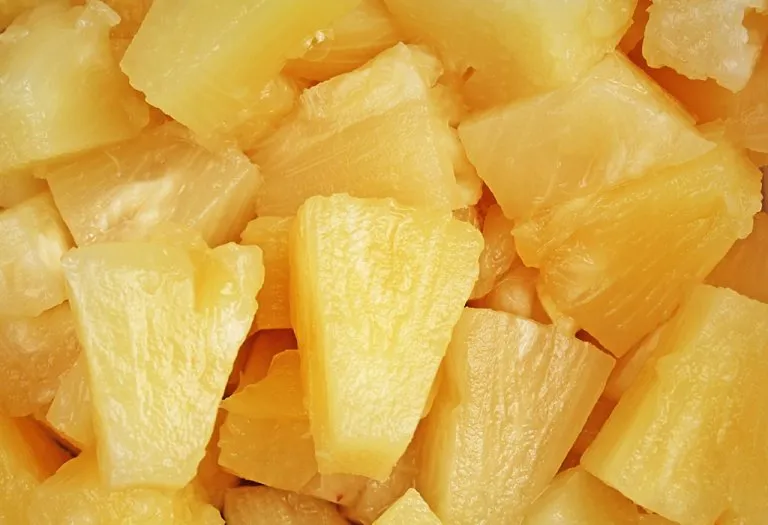
Raw pineapple contains bromelain, which can soften the cervix and start untimely labour contractions, which is certainly not ideal for early or mid stages of pregnancy (1). Eating raw pineapple in early stages of pregnancy could increase the risk of miscarriage. Pregnant women can take moderate amounts of pineapple during the early stages of pregnancy. When raw pineapple is consumed in heavy amounts (7 to 10 whole fruits), it might cause bleeding. Remember to consult your medical practitioner for more queries.
2. Raw/Unripe Papaya
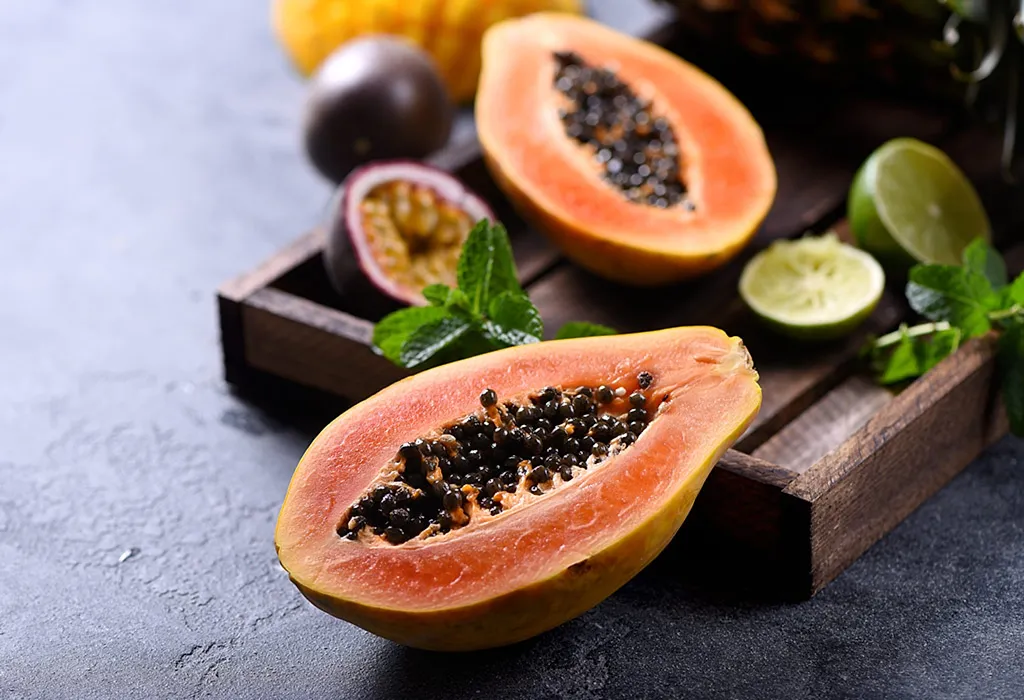
Among foods that lead to miscarriage, unripe papaya is a known food that mostly all doctors advise against. Unripe papayas or green papayas have components that act as laxatives, can lead to uterine contractions, and bring on premature labour (2). Papaya seeds are also rich in enzymes that cause contraction of the uterus, resulting in a miscarriage.
3. Unpasteurised Dairy Products
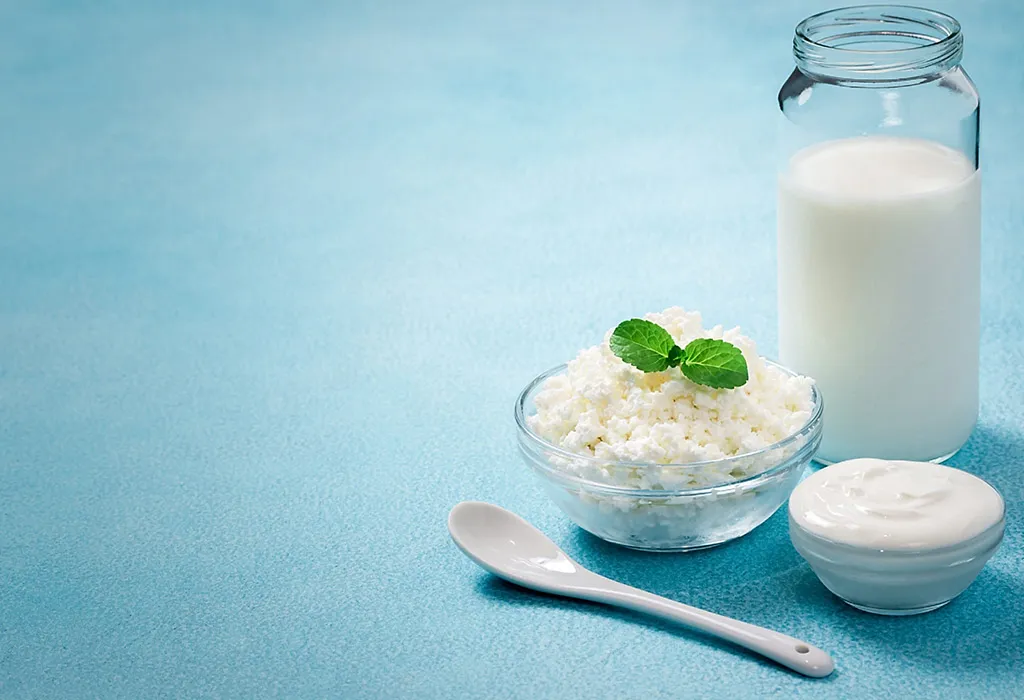
According to the US FDA, unpasteurised milk, curd, and varieties of cheese like gorgonzola, mozzarella, feta, and brie contain several dangerous germs such as Salmonella, E. coli, Listeria, Campylobacter, and more. One of the most prominent bacteria is Listeria monocytogenes, which can cause listeriosis, one of the known pregnancy complications. Listeriosis can lead to miscarriage or even death of the newborn baby (3).
4. Excessive Caffeine

According to a study published in the British Medical Journal, drinking more than five cups of coffee a day during pregnancy is linked with increased risk of miscarriage or an underweight baby (4). The American College of Obstetricians & Gynecologists (ACOG) advises that moderate caffeine consumption during pregnancy of less than 200 milligrams per day does not cause miscarriage or preterm birth during pregnancy. Please remember that caffeine is not just in coffee; it is also found in tea, chocolate, energy drinks, and soft drinks (5).
5. High Mercury Fish
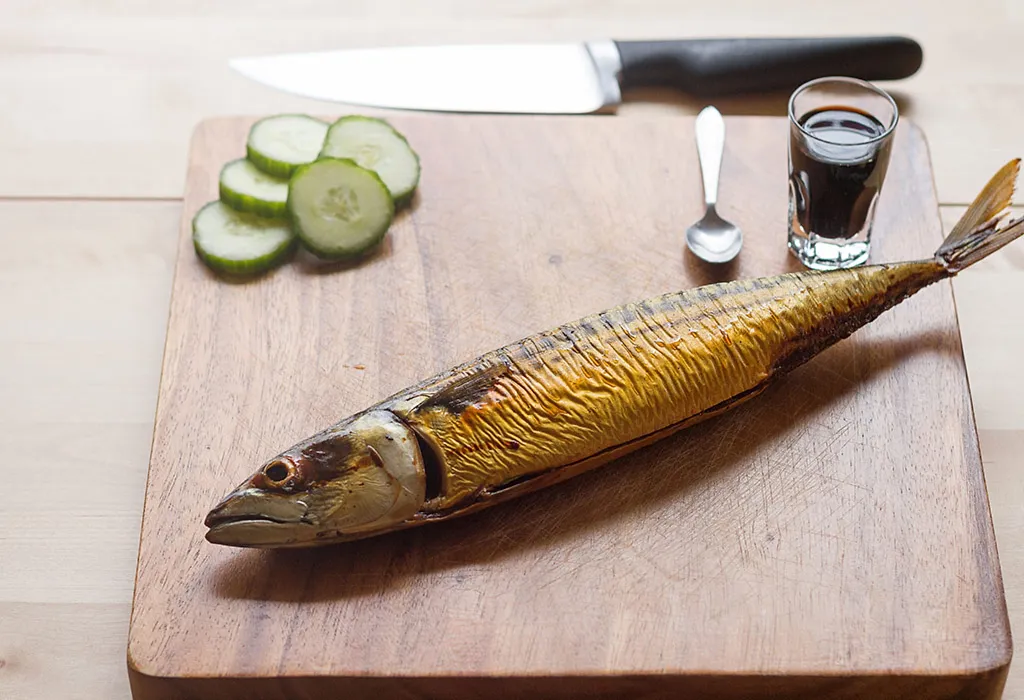
Consuming fish is super healthy during pregnancy, but not those with high mercury content in them. Avoid varieties having high mercury content like king mackerel, orange roughy, marlin, shark, tilefish, swordfish, and bigeye tuna. Excessive mercury intake can adversely affect the baby’s developing brain and nervous system.
6. Raw or Undercooked Eggs and Poultry
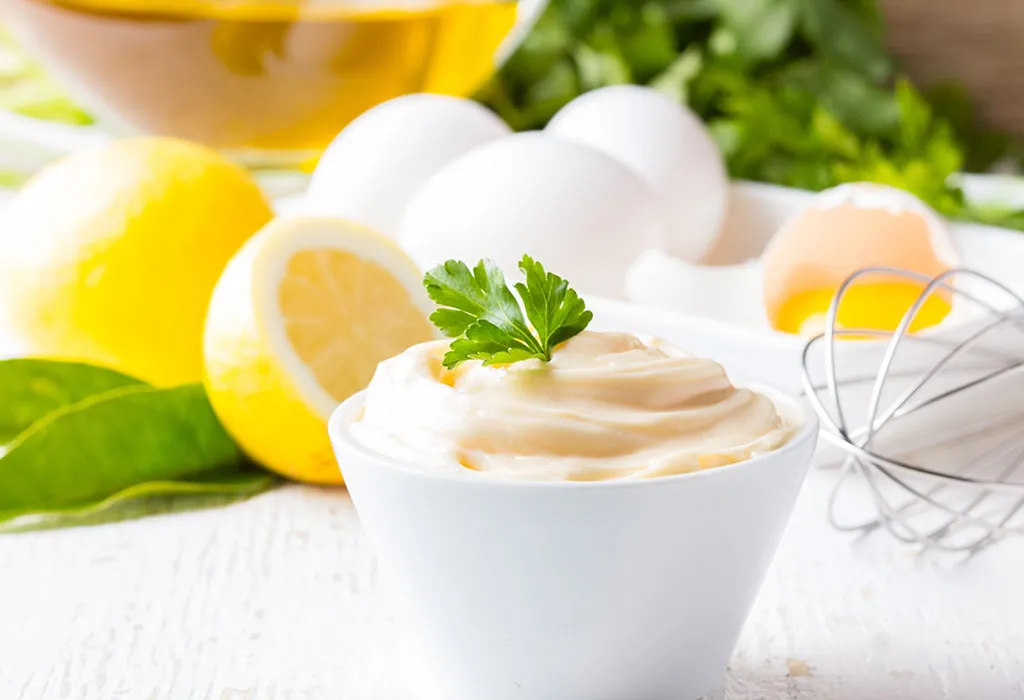
Care should be taken while consuming eggs and poultry products during pregnancy. That’s because raw or undercooked eggs and poultry carry the Salmonella bacteria that can lead to problems like food poisoning, diarrhoea, fever, intestinal pain and even a miscarriage (6). Cook the eggs thoroughly until the whites and yolk become solid. This helps in killing the bacteria and makes it safe to consume.
Pregnant women should also refrain from having eggnog, homemade mayonnaise, mousse, soufflé, and smoothies containing raw eggs.
7. Unwashed and Unpeeled Vegetables
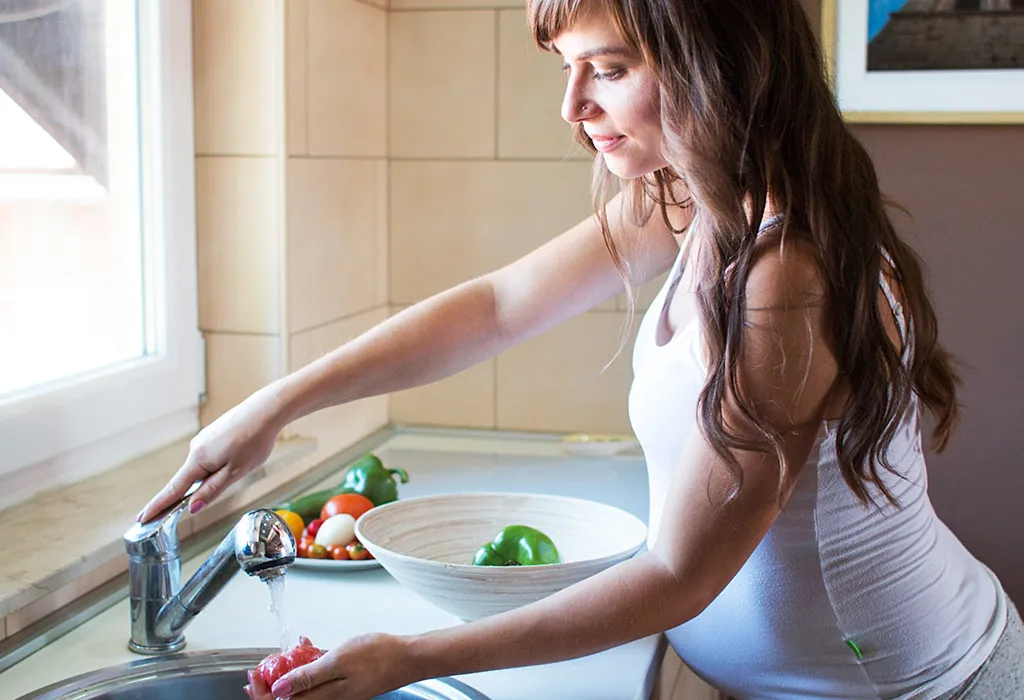
Green leafy vegetables are beneficial for pregnant women. However, the US FDA states that raw or unwashed vegetables can contain Toxoplasma gondii, a common parasite which causes toxoplasmosis. A pregnant woman, if infected, can pass it to her unborn child (7). It is, therefore, imperative to soak vegetables in clean salt water and wash them beneath running water before consuming. Pregnant women should rinse, peel and cook the vegetables well. Also, ensure that the used cutlery has been washed and wiped clean.
8. Seafood
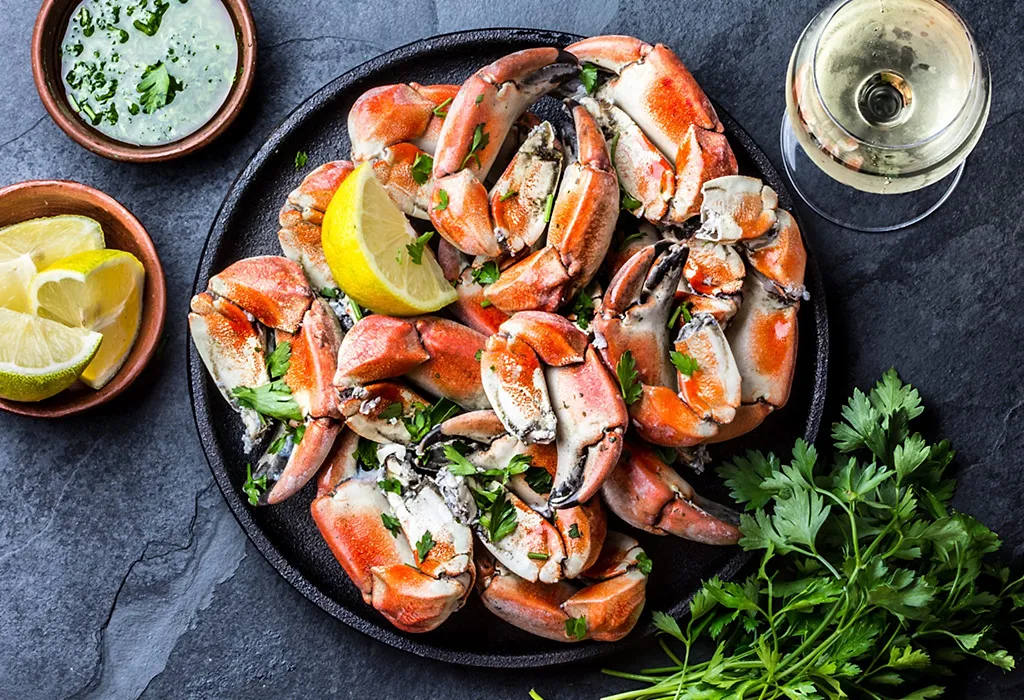
Most seafood, like shellfish, oysters, sashimi, sushi, and prawns, may be polluted with listeria that can result in pregnancy problems like preterm labour or miscarriage. It’s advisable to consume only well-cooked seafood. If you’re dining in a Japanese restaurant, be cautious as the seafood may be raw on the inside.
9. Aloe Vera
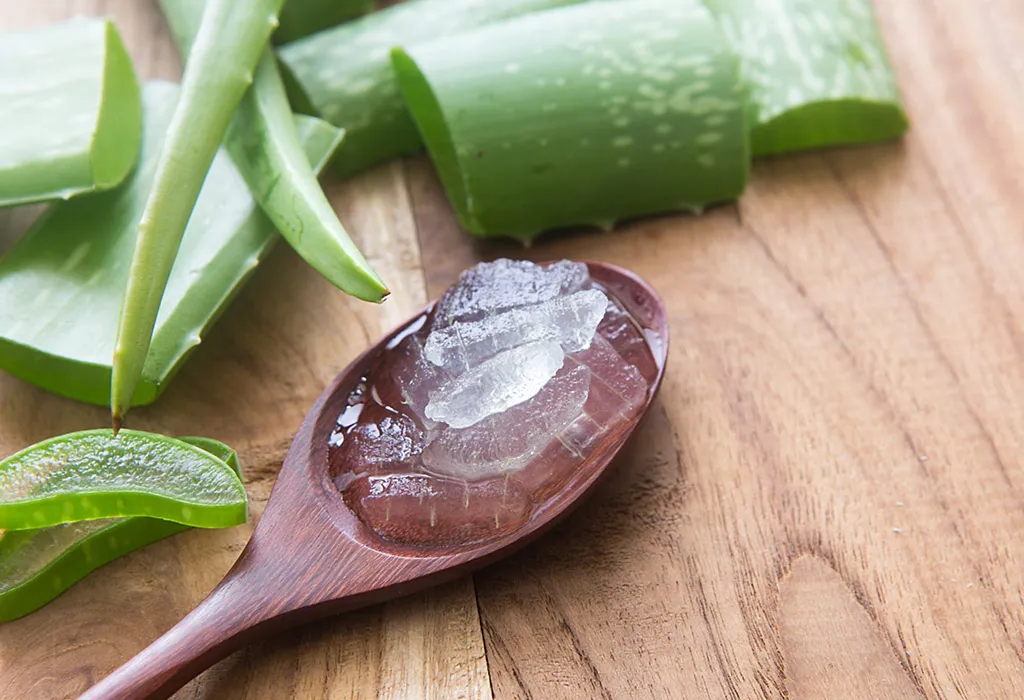
Aloe vera is known for its numerous health benefits. There are instances of pregnant women deliberately eating aloe vera during pregnancy. This is a wrong thing to do, as aloe vera comprises anthraquinones, a kind of laxative that induces contractions of the uterus and pelvic bleeding. This, in turn, leads to a miscarriage. That said, aloe vera gel, when applied to the face, is not unsafe during pregnancy.
10. Excess Vitamin A Consumption
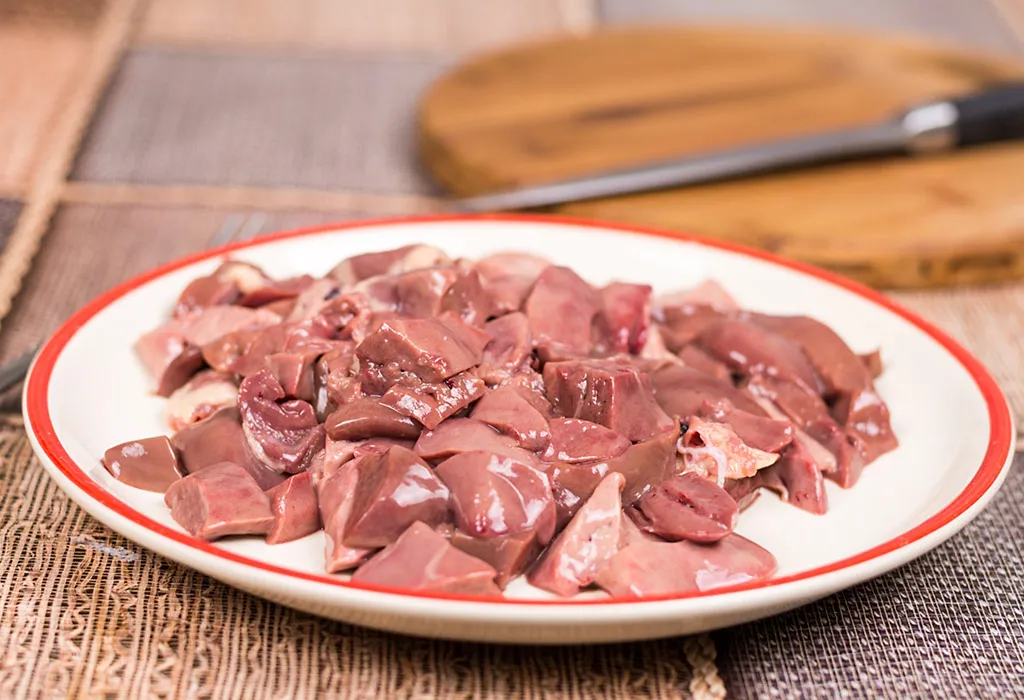
Excess vitamin A intake during pregnancy’s first trimester can result in central nervous system derangements, cardiovascular issues in the fetus, or miscarriages. Thus, pregnant women must limit this vitamin’s intake, as excess retinoic acid, one of the three forms of vitamin A, could interfere with genes essential for the development of the fetus (8). Animal liver is full of vitamin A. So, having it twice a month is not that harmful and does not cause miscarriage.
11. Raw Sprouts
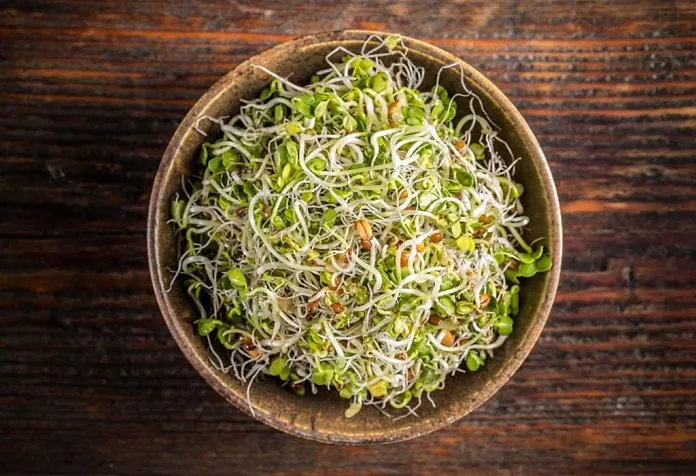
Sprouts are a favourite with many in India. But raw sprouts like clover, alfalfa, radish and mung bean sprouts carry Salmonella bacteria and other pathogens. That said, cooked sprouts can be safely consumed by pregnant women (7).
12. Alcohol

Women who drink alcohol may have to give it up once they get pregnant. Alcohol negatively impacts the brain development of the foetus; at the same time, it increases the chances of miscarriage and stillbirth. Even a small amount may result in a baby born with facial deformities, heart defects and intellectual disabilities.
13. Junk Food
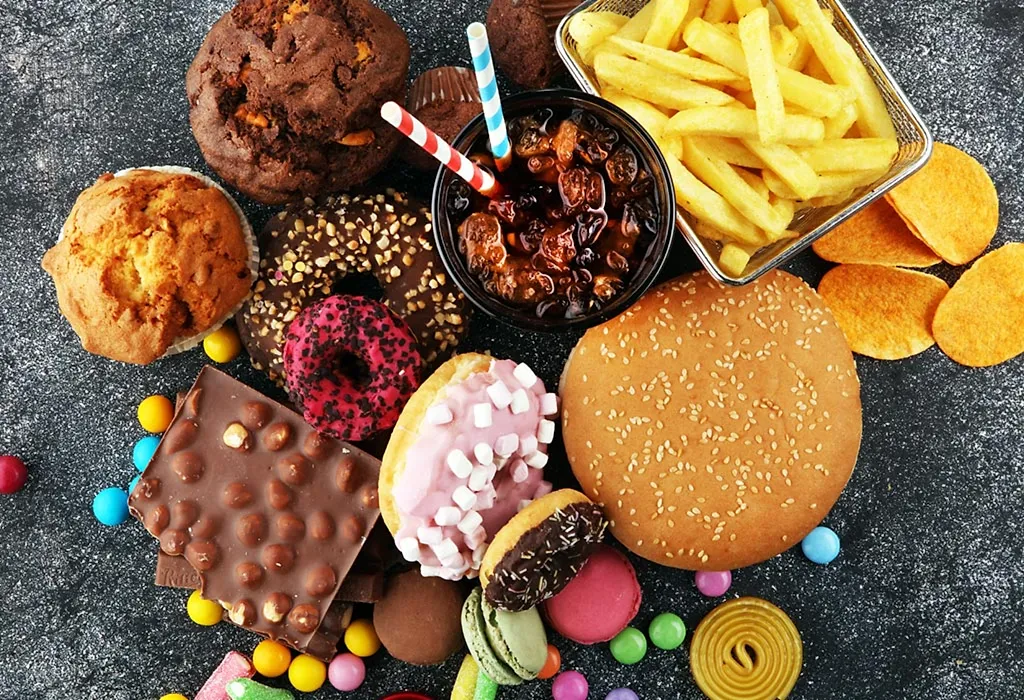
Junk food doesn’t provide any nutrients, but rather high calories, fats and sugars. Consuming too much sugar during pregnancy has been linked to gestational diabetes, weight gain and heart ailments. It can also increase the chances of an overweight baby.
14. Processed Meat
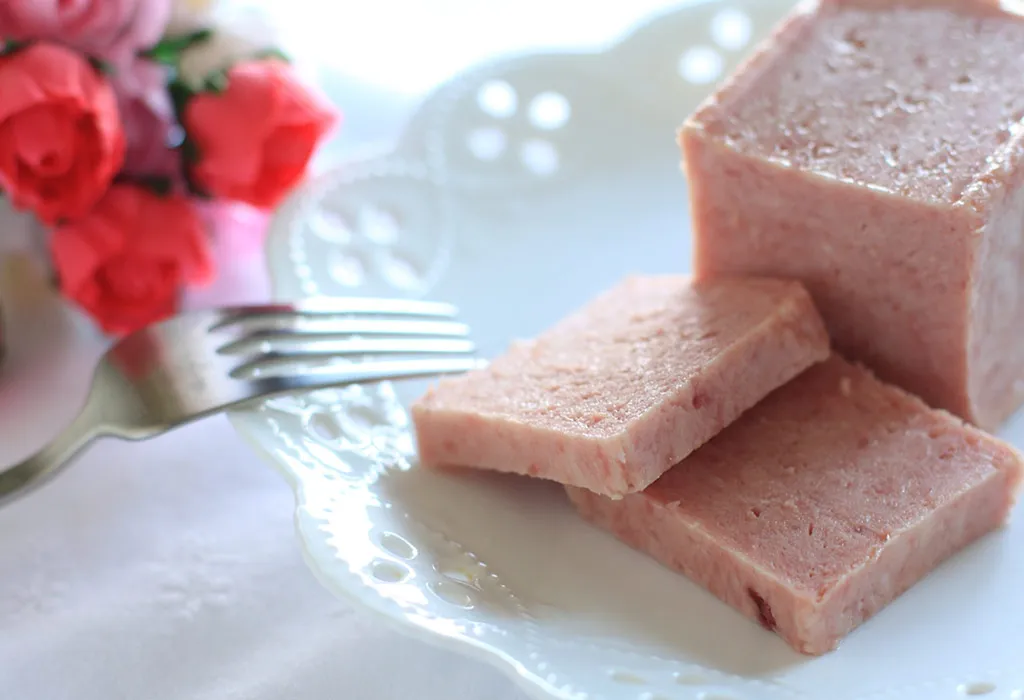
Consuming processed meats like sausages, stuffed meat, pate, minced meat, salami, deli meat, and pepperoni during pregnancy is deemed unsafe. This is because these meats harbour bacteria like Toxoplasma gondii, Listeria or Salmonella, which can cause food poisoning. Pregnant women should particularly avoid eating undercooked or raw meat because the bacteria present can cause severe problems like miscarriage, premature delivery or stillbirth. Therefore, it’s essential to cook the meat properly and rewarm it thoroughly before consuming.
15. Herbs
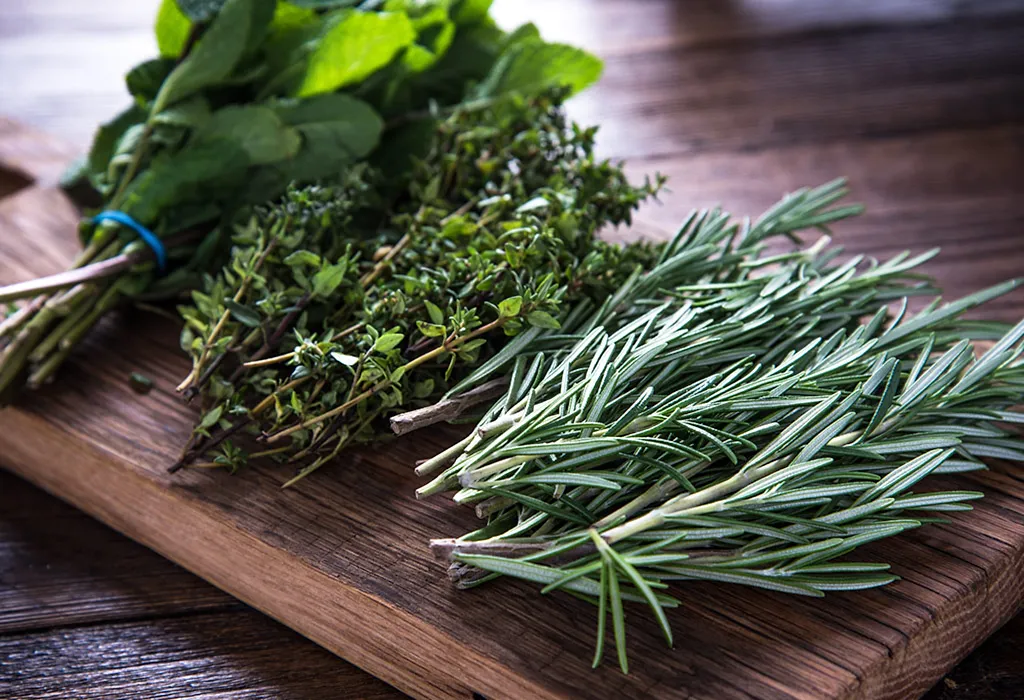
Not all but certain herbs adversely affect the baby’s growth during pregnancy, such as those containing steroids. Centella is a herb that can cause harm to the liver, resulting in severe jaundice and damaging the baby’s brain. Dong Quai contains agents that can initiate a miscarriage or premature delivery. It’s sensible to consult a doctor before consuming any herbs.
16. Wild Apples
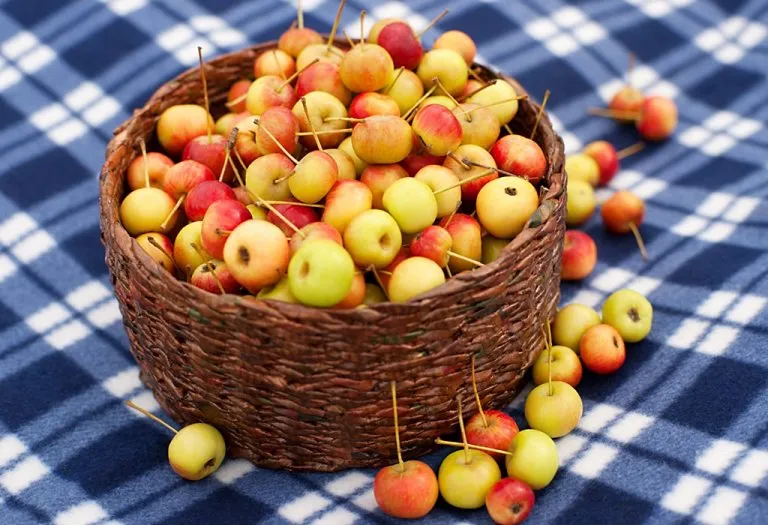
Among the foods that can cause miscarriage in the first trimester and other trimesters. there’s wild apples. Pregnant women should avoid having wild apples during pregnancy. Their acidic and sour properties may induce the uterus to contract and lead to premature labour or a miscarriage.
17. Sprouted Potatoes
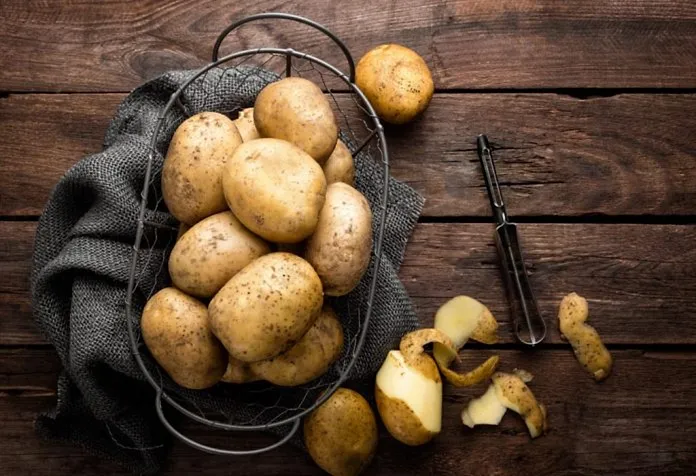
When potatoes remain unused for too long, they develop little green sprouts. Sprouted potatoes can develop high levels of a toxic compound called solanine, which can cause solanine poisoning (symptoms of vomiting and diarrhoea) and is associated with birth defects when eaten in large amounts during early pregnancy. Although there’s no direct evidence of it triggering a miscarriage in humans, green or sprouted potatoes are best avoided in pregnancy.
18. Saffron
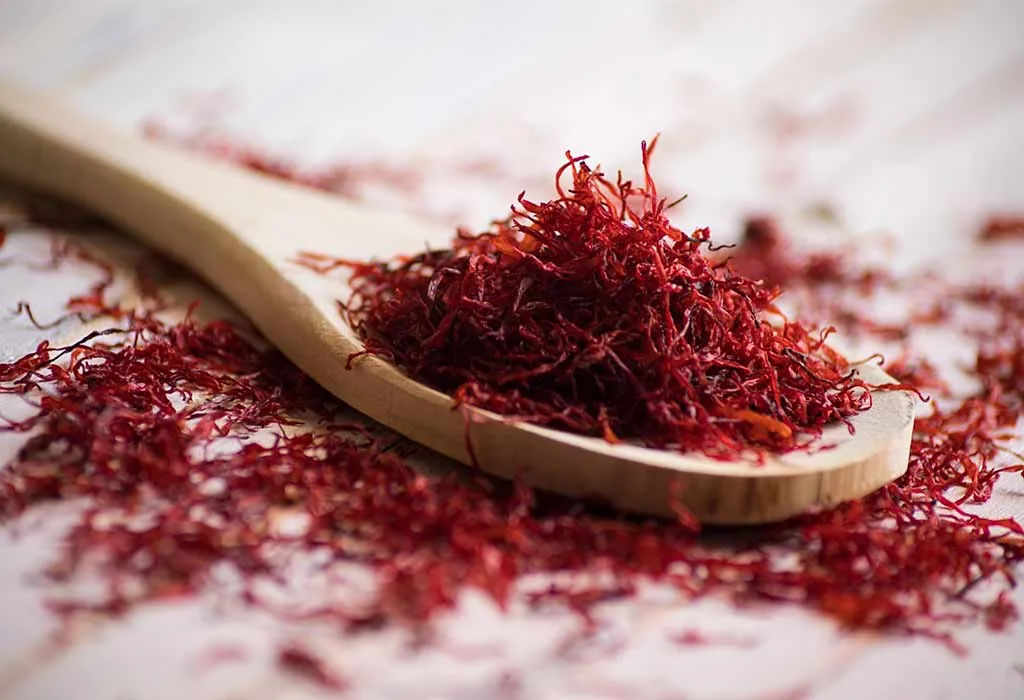
Excessive consumption of saffron during early pregnancy can stimulate the uterus and lead to contractions, potentially resulting in a miscarriage. Thus, it is best used in small amounts.
19. Licorice
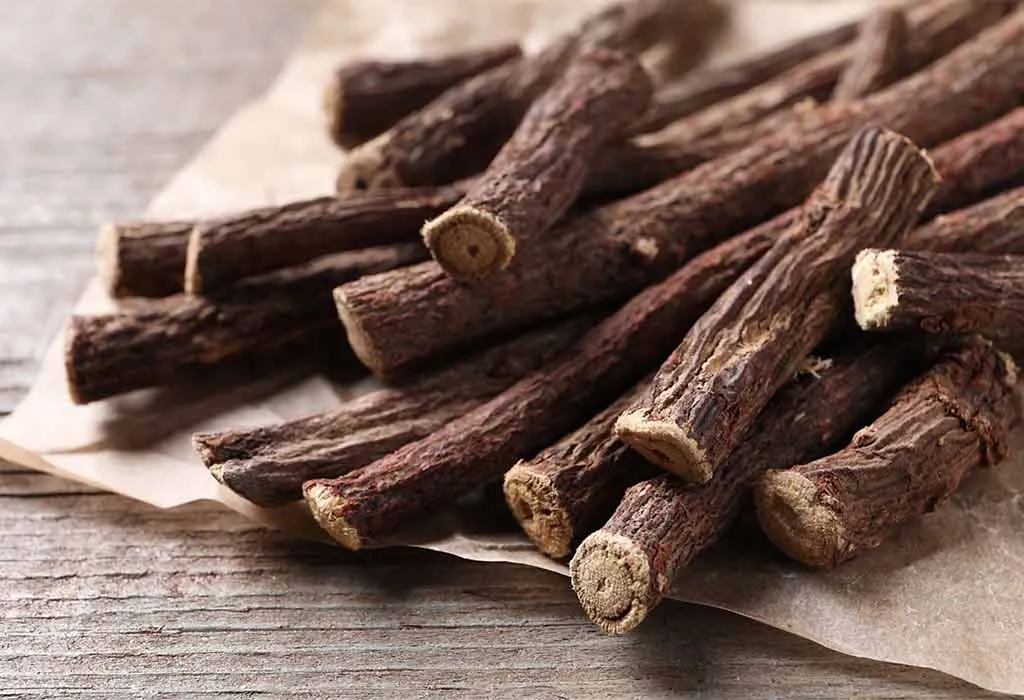
Licorice contains glycyrrhizin, which can disrupt hormonal balance and potentially lead to miscarriage. Pregnant women should avoid consuming licorice candies or supplements containing licorice extract to minimise the risk (9).
Things to Avoid During Pregnancy That Cause Miscarriage
Apart from foods that trigger miscarriage, there are certain activities that can increase the risk of miscarriage. Below are some things that you can avoid to ensure a healthy pregnancy and possibly eliminate the chances of miscarriage.
- Stress: High stress during pregnancy can imbalance hormone levels and increase the risk of several health issues and pregnancy complications, including miscarriage.
- Smoking: Smoking is equally significant in increasing the risk of pregnancy complications, including preterm birth, miscarriage, and placental abruption. The best way to reduce stress is by calming down and focusing on positive things, and by indulging yourself in endorphin-inducing activities.
- Heavy Lifting: Lifting heavy objects can put pressure on your abdomen, increasing the risk of pregnancy loss. Thus, it is important to avoid tasks that include lifting heavy objects and delegating such tasks to someone else in the house.
- Sauna and Hot Baths: Hot baths, jacuzzis, hot tubs, and saunas are dangerous for pregnancy as they can raise the body temperature to extreme levels. This could jeopardise the health of the fetus. Thus, it is advised to avoid all of these.
- Exposure to Chemicals: It is ideal to stop indulging in activities that involve exposure to toxic fumes or chemicals. Chemicals can hinder the baby’s development and increase the risk of birth defects and miscarriage. If you still want to still and use chemicals, opt for non-toxic cleaning agents, like bleach and vinegar.
- Self-medicating: Pregnancy is a time to stay cautious, as this time you have a baby growing inside. Self-medicating can expose the child to medications that could have a negative impact.
FAQs
1. Can eating pineapple cause a miscarriage in early pregnancy?
No. Eating normal amounts of pineapple as part of a balanced diet is not considered a proven cause of miscarriage. The bigger food-related concerns during pregnancy involve infections, such as listeriosis, and exposure to high levels of mercury.
2. Can papaya cause miscarriage during early pregnancy?
There is no good evidence that eating normal dietary amounts of ripe papaya causes miscarriage. However, pregnancy diets should focus on well-washed fruits and vegetables and overall food safety rather than avoiding individual fruits without a medical reason.
3. I accidentally ate a food that is not recommended during pregnancy. Will I miscarry?
Not necessarily. Accidentally eating a higher-risk food does not mean that a miscarriage will occur. If you develop symptoms such as fever, vomiting, diarrhoea, or flu-like symptoms after a possible foodborne exposure, contact your healthcare professional for advice.
Maintaining a healthy and balanced diet is essential during pregnancy. This implies including food items from all food groups so that you can derive the necessary vitamins and nutrients. Moderation is key. Anything eaten in excess can be harmful to pregnancy. We suggest that you consult your gynaecologist and nutritionist regarding foods that cause miscarriage in early stages, foods that cause miscarriage in second trimester and the third trimester.
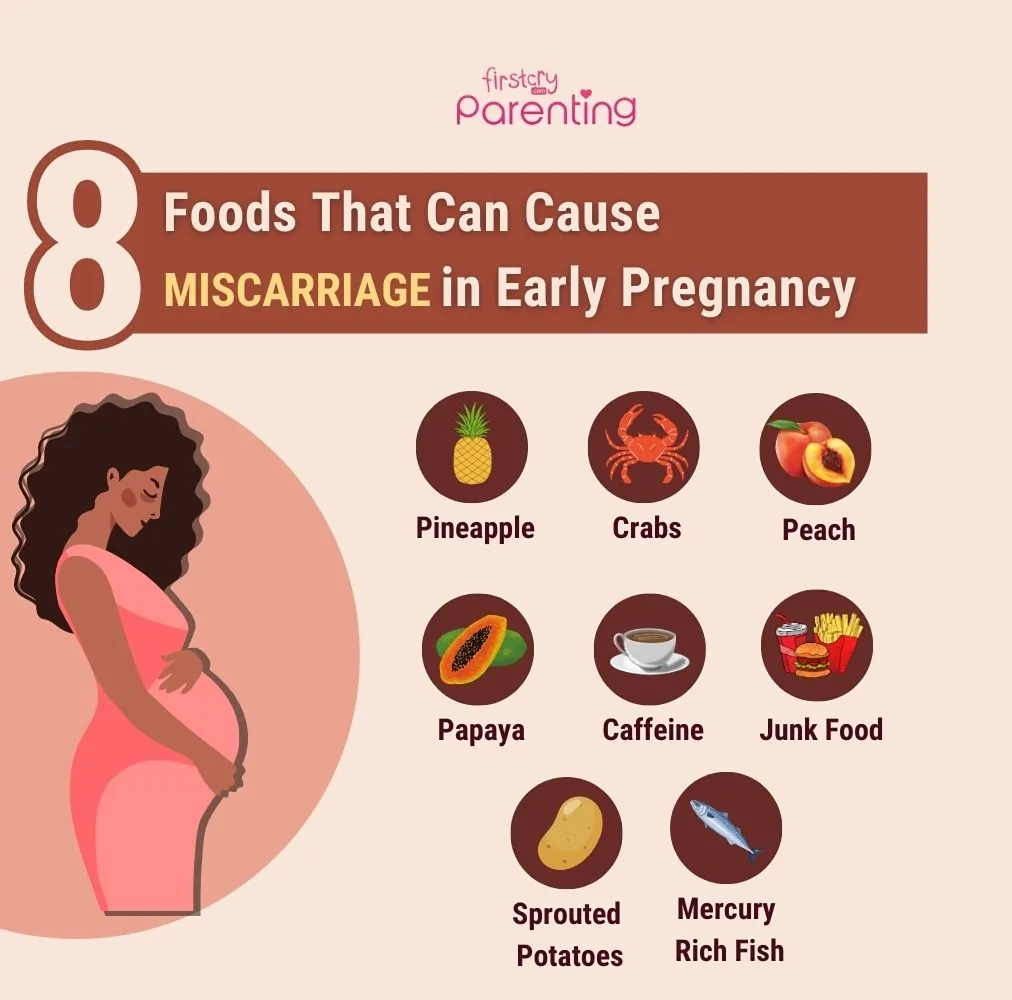
Infographic: 8 Foods that Can Cause Miscarriage in Early Pregnancy
Also Read:
How to Prevent Miscarriage
Can Stress causes Miscarriage
Best Ways to Have Natural Miscarriage
Was This Article Helpful?
Parenting is a huge responsibility, for you as a caregiver, but also for us as a parenting content platform. We understand that and take our responsibility of creating credible content seriously. FirstCry Parenting articles are written and published only after extensive research using factually sound references to deliver quality content that is accurate, validated by experts, and completely reliable. To understand how we go about creating content that is credible, read our editorial policy here.
3. US FDA – The Dangers of Raw Milk: Unpasteurized Milk Can Pose a Serious Health Risk
4. National Library of Medicine – High coffee intake increases risk of miscarriage
5. American College of Obstetricians & Gynecologists – How much coffee can I drink while I’m pregnant?
6. National Library of Medicine – Food-borne illnesses during pregnancy
7. US FDA – Fruits, Veggies and Juices (Food Safety for Moms-to-Be)
8. National Library of Medicine – Vitamin A-Mediated Birth Defects: A Narrative Review
- Author
- Expert Reviewer


Related Articles
-

Lychee (Litchi) During Pregnancy - Benefits, Risks & Precautions
-

Can You Eat Pepperoni When Pregnant?
-
Drumstick During Pregnancy – Benefits, Safety & Side Effects
-

Eating Watermelon in Pregnancy - Benefits and Risks
-

Lemon Water During Pregnancy - Benefits, Risks, and Safety Tips
-

Chikoo (Sapota) in Pregnancy: Benefits & Risks