
Eating Fish While Pregnant: Benefits, What to Eat & Avoid
Can pregnant women eat fish? Learn the benefits, which fish are safe, which to avoid and safety tips in this nutritionist reviewed guide.





Medically Reviewed By
Gayatri Dawda
(Nutritionist)

This content has been reviewed by a qualified expert and follows the FirstCry Parenting editorial policy to ensure accuracy and reliability.
Key Takeaways
- Eating fish during pregnancy is safe as long as they have low mercury levels.
- Eating 2-3 servings a week of a variety of fish is benefits for pregnant women.
- Raw or undercooked fish can also pose food safety risks.
- Fish are a rich source of two Omega-3 fatty acids, namely EPA and DHA, that are essential for a baby’s growth and development.
Can pregnant women eat fish without putting their baby’s health at risk? Eating fish during pregnancy can be safe when the right varieties are chosen and prepared safely. Fish and pregnancy go hand in hand as it provides protein, omega-3 fatty acids, iodine, iron, and other nutrients that support fetal growth and development, including brain development. However, some fish contain high levels of mercury, which can harm a baby’s developing nervous system when exposure is excessive. In this article, we discuss everything from safe fish that pregnant women can eat, ones to avoid, and why.
Can You Eat Fish While Pregnant?
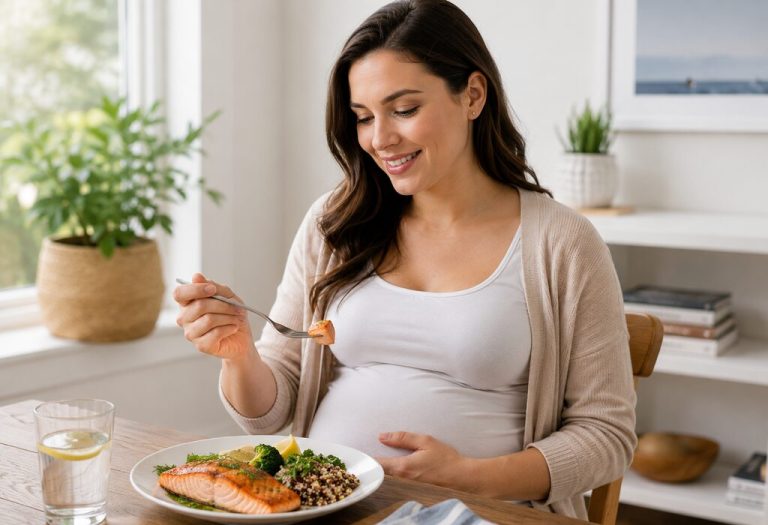
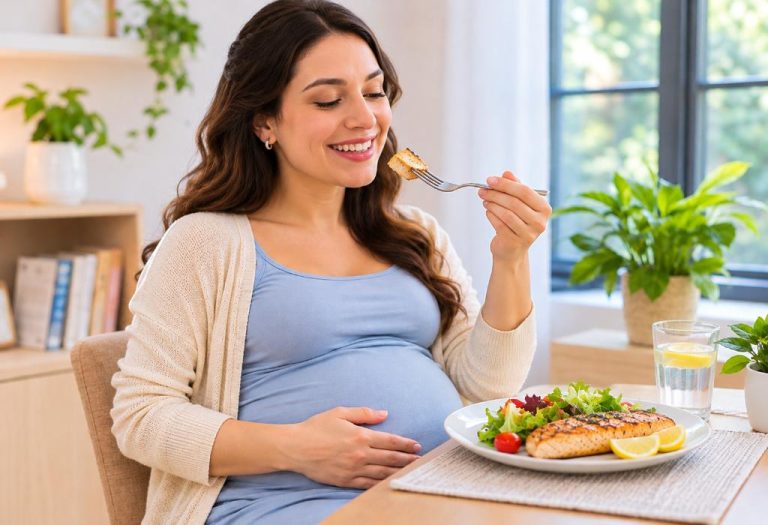
Yes, you can safely eat fish during pregnancy, given you choose the fish carefully and limit your portion. A pregnant woman eating fish should prioritise options low in mercury.
Fish has low levels of saturated fat but high levels of nutrients, such as Vitamin D and protein, which are necessary for the developing baby. Fish also helps promote a healthy pregnancy. Your medical practitioner will also encourage eating fish, especially during the first trimester of the pregnancy. Moreover, fish has two essential Omega-3 fatty acids, namely EPA and DHA, which are difficult to find in other foods but essential for the baby’s development. Hence, fish is considered a welcome addition to your diet during pregnancy.
But first, let’s discuss some common concerns before you get going to the market to get some fish!
Mercury in Fish
Fish are a storehouse of many vital nutrients which a pregnant woman needs to foster a healthy fetus. However, many toxins and pollutants from the water bodies find their way into the fish that we eat and these fish, when ingested, can affect human health. Although small amounts of mercury may not have a major impact on our health, fish containing high mercury levels can affect the neurological development of babies. Methylmercury, a neurotoxin, when consumed in high quantities, can cause damage to the nervous system. Thus, pregnant women should stick to low-mercury fish during this period.
Now, let’s take a look at the quantity of fish you can eat because, like any other foods, eating fish in excess also has consequences.
How Much Fish Should You Eat When Pregnant?
International agencies like the Food and Drug Administration (FDA) and Environmental Protection Agency (EPA) recommend two or three servings, i.e., 8 to 12 ounces (226 to 340 grams), of low-mercury fish every week (1) (2). Breastfeeding mothers should also follow the same instructions to give their babies the necessary nutrients. Also, ensure the fish is fresh and, where possible, ask for organically farmed fish.
Consuming fish in excessive quantities can lead to severe developmental risks in the fetus. And, as a mother-to-be, you must know about the potential dangers of eating fish. Let’s also take a look at what you could do in case you consume high-mercury fish accidentally.
Risks of Consuming Excessive Mercury During Pregnancy
The methyl-mercury from fish is absorbed by our body upon consumption, and it moves across the placenta to the baby. Even low levels of methyl-mercury can have an impact on the baby’s brain and nervous system. Important areas like vision, language, motor skills, and cognitive skills like attention and memory may be impacted. Therefore, it is important for pregnant women to monitor the kind of fish they are eating.
What to Do if You’ve Eaten High Mercury Fish?
If you have unknowingly eaten fish that has high mercury levels, do not panic. The first step is to stop any further consumption and inform your doctor about it. Your doctor could suggest chelation therapy by administering chelating drugs to help eliminate the metal from your organs. Chelation therapy will help your body to relieve itself of mercury and reduce its effects too.
Now that you know how high-mercury fish could affect you and your baby’s health, let’s take a look at some health benefits that fish has to offer. Bear in mind that to reap these benefits, it is essential for you to consume only no-mercury or low-mercury fish.
Health Benefits of Eating Fish During Pregnancy
Including fish in pregnancy diet is recommended for its nutritional benefits. Here are some reasons why eating fish during pregnancy is an excellent idea for you and your baby:
- Fish are powerful sources of lean protein, which is an essential amino acid that supports fetal growth. It helps to create the baby’s cells for hair, bones, skin, and muscles (3).
- Fish like salmon are a great source of DHA, an Omega-3 fatty acid, which is known to boost the development of the baby’s brain. A good supply of Omega-3 is helpful for pregnant women to enhance their baby’s memory development and improve brain activity. Also, the baby’s growth is highly accelerated during the third trimester and it is especially important to consume fish during this duration.
- The increased intake of DHA and Omega-3 fatty acids through consumption of fish is also recommended post-pregnancy to battle mood swings and bouts of depression (4).
- If the would-be-mother suffers from hypertension, eating fish can lower blood pressure. A fish-rich diet reduces blood clotting and blood fat levels, which may lower the risk of cardiac arrest in pregnant women (5).
- Pregnant women who have a high fish intake along with adequate Omega-3, either through fish or other supplements, have lower risks of preterm birth (5).
So, which fish can you eat during pregnancy or which fish should you avoid? Let’s find out!
Fish You Can Eat During Pregnancy
Halibut, shrimp, and snapper are safe fish that pregnant women can eat, but should not be consumed in more than 1 serving per week (6), while other safe fish can be eaten 2-3 servings per week.
While eating out at restaurants or when cooking at home, you should keep in mind the list of safe fish during pregnancy.
| Safe Fish to Eat | |||
| Anchovy | Cod | Crab | Crawfish |
| Atlantic croaker | Flounder | Haddock | Herring |
| Atlantic mackerel | Hake | Lobster (American and spiny) | Mullet |
| Black sea bass | Oyster | Pacific chub mackerel | Squid |
| Clam | Tuna (canned light) | Perch (freshwater and ocean) | Tilapia |
| Butterfish | Trout (freshwater) | Whitefish | Smelt |
| Pollock | Salmon | Pickerel | Skate |
| Catfish | Scallop | Plaice | Whiting |
| Sardine | Shrimp | Shad | |
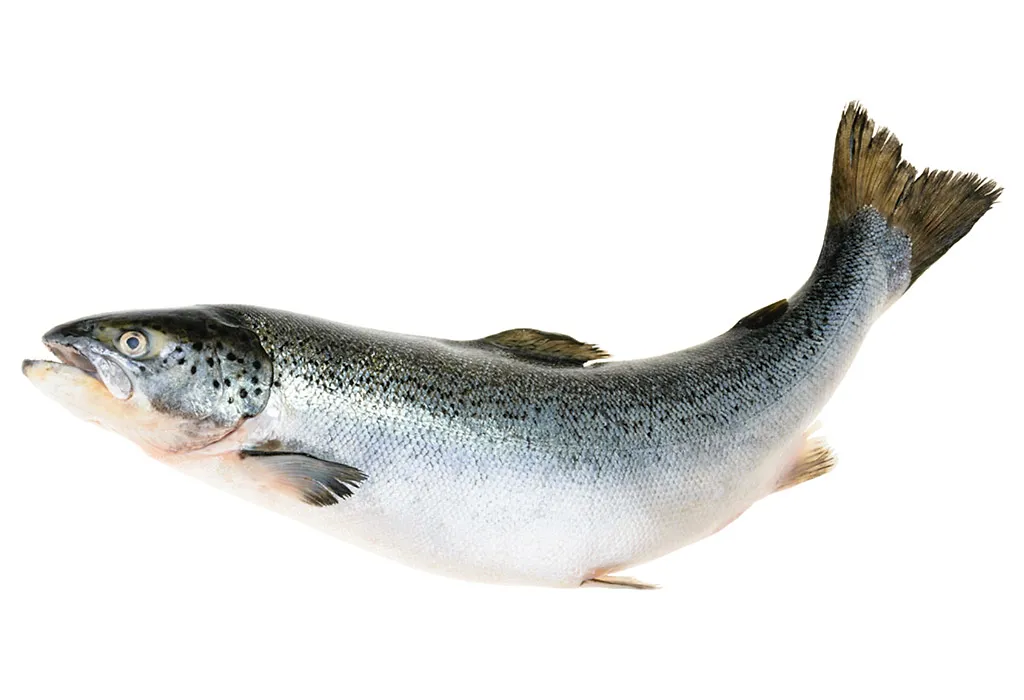
Recently, there have been conflicting reports about salmon and the high levels of PCBs (polychlorinated biphenyls) found in farmed salmon. PCBs are toxic chemicals that have also been linked to cancer. To be safe, consume wild salmon or organically-farmed salmon.
Fish You Should Avoid When Pregnant
The presence of mercury in fish is a great deterrent for fish lovers. During pregnancy, fish like shark, king mackerel, swordfish and tilefish should be a complete no-no. Here’s a complete list (7):
| Unsafe Fish to Avoid | |
| King mackerel | Shark |
| Marlin | Swordfish |
| Tilefish from the Gulf of Mexico | Bigeye tuna |
| Orange roughy | |
↪ Quick Tip
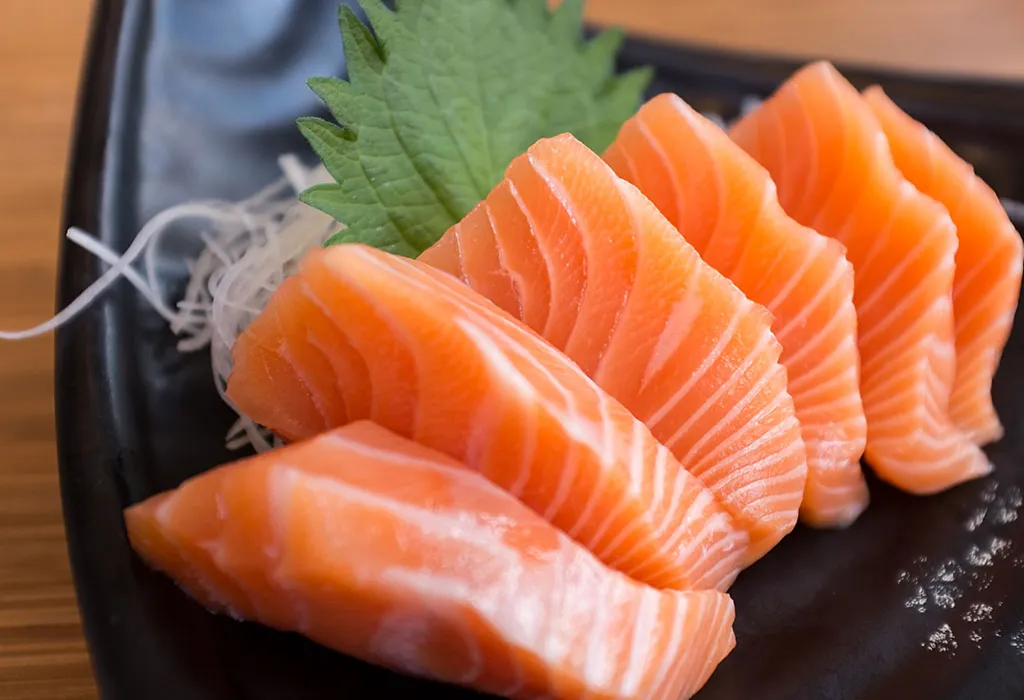
You should also avoid all kinds of raw fish, including sushi, ceviche, and sashimi, as they could cause food poisoning. Similarly, refrigerated smoked fish carries the risk of Listeria (a serious bacterial infection) and should be on the list of fish to avoid during pregnancy.
The commercial fishing industry is well regulated, and therefore, canned fish which is available at restaurants and supermarkets, is usually safe for consumption during pregnancy. It is best to weigh the risks and benefits before eating any kind of fish or check with your doctor if you are worried about your baby’s health and safety.
Ways to Include Fish in Your Pregnancy Diet
Introducing fish into your pregnancy diet can be an excellent way to ensure you get essential nutrients like omega-3 fatty acids and lean protein. Here are some ways to incorporate fish into your meals during pregnancy:
1. Grilled or Baked
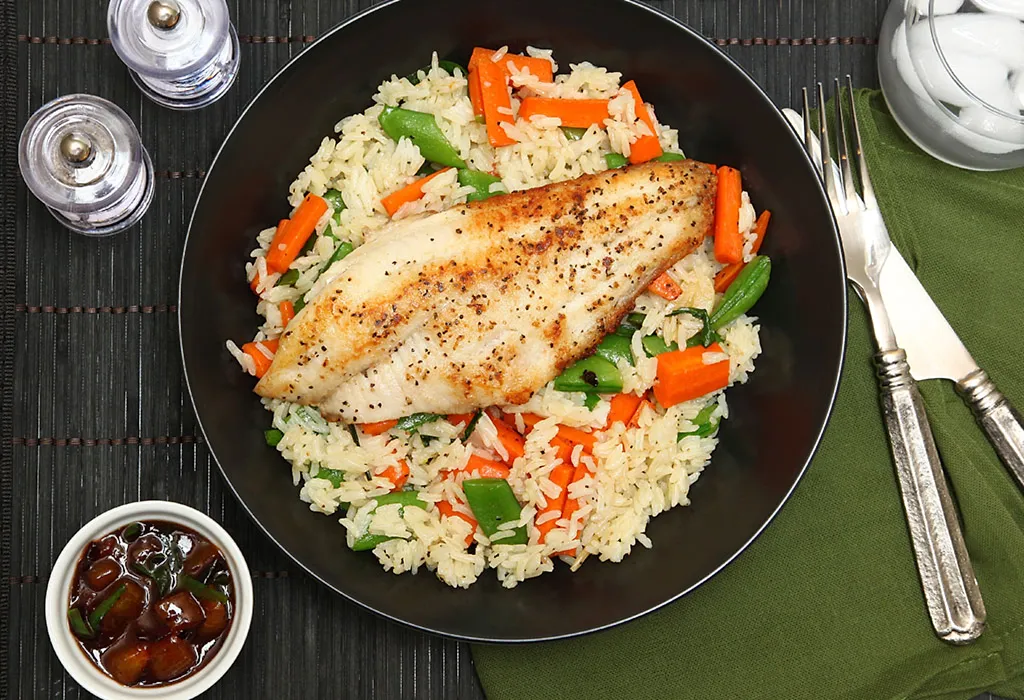
Grill or bake fish fillets with a light seasoning of herbs and spices. This cooking method retains the fish’s natural flavours without adding excess oil or unhealthy fats, making it a nutritious choice for expecting mothers.
2. Fish Tacos or Wraps
Use grilled or baked fish to create delicious fish tacos or wraps. Load them with fresh vegetables like lettuce, tomatoes, and avocado for added nutrients and flavour. Use whole-grain tortillas or wraps for extra fibre, which is beneficial during pregnancy.
3. Fish Salads
Prepare a nutritious salad featuring flaked fish on a bed of leafy greens, such as spinach or kale. Add colourful vegetables, nuts, and seeds for texture and nutrients. For a flavourful and satisfying meal option, consider drizzling with a homemade vinaigrette made with healthy oils like olive oil.
Are There Alternatives for Fish, to Get the Omega-3s?
If you are amongst the people who do not consume fish for taste or religious reasons and therefore worry about the intake of omega-3 fatty acids during pregnancy, you need not worry. Apart from fish and fish oils, you can eat the following food items to compensate naturally:
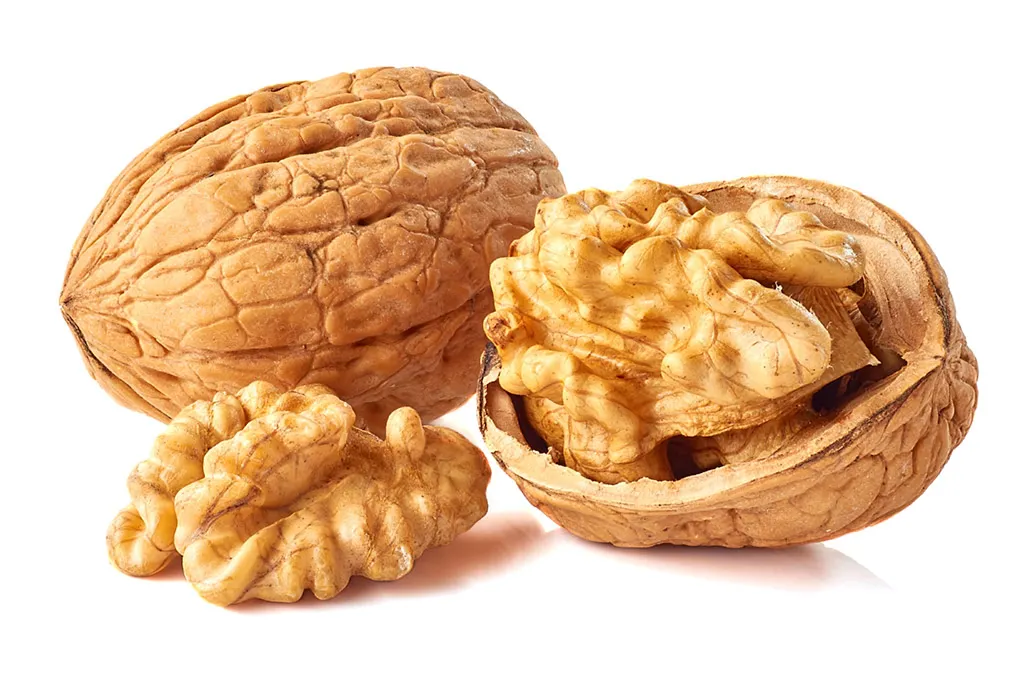
- Walnuts are a rich source of Omega-3 fatty acids, and a handful of walnuts is great as an afternoon snack during pregnancy.
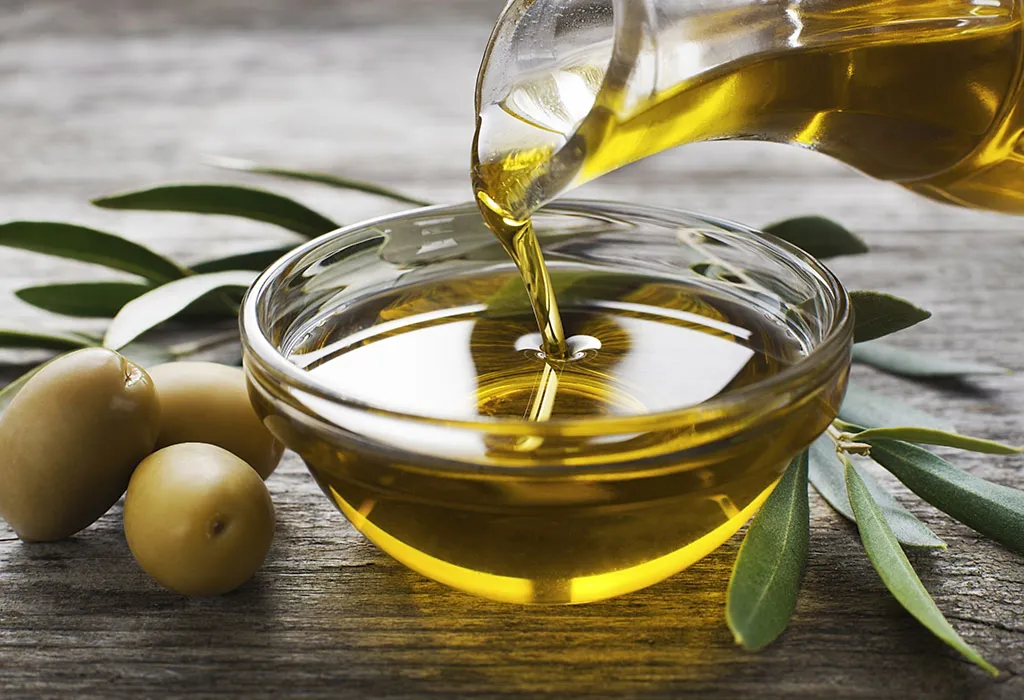
- Use olive oil while cooking food, especially for stir-fried or sautéed dishes, to balance your intake of Omega-3 fatty acids. However, do not overuse it since it is a calorie-rich oil.
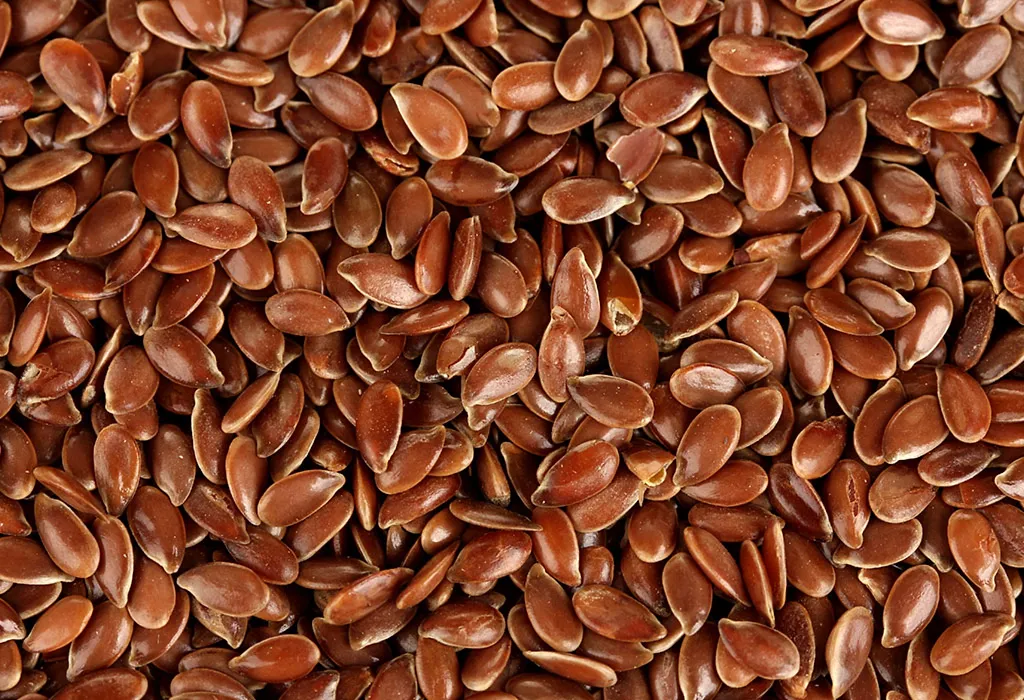
- Flax seeds are another valuable source of Omega-3s. Crushed flax seeds can be added to yoghurt or oats while having breakfast or an evening meal.
- Hemp seeds are rich in omega-3 fatty acids and can be easily incorporated into your diet. Sprinkle them over salads, yogurt, or oatmeal, or blend them into smoothies for a nutritious boost.
For those who can eat fish, here are some useful tips to ensure they eat safe and nutrient-rich fish.
Tips to Prepare Fish Properly
Cooking fish in the right manner helps reduce the consumption of potential contaminants that could cause harm to you or your baby. Here are a few tips to prepare fish delicacies in a nutritious and tasty way:
- All seafood, including shrimps, lobsters, and oysters, should be cooked until they reach an internal temperature of 75°C to eliminate any contaminants (8).
- Oysters, clams, and mussels are cooked perfectly if their shells open. If not, do not consume them.
- Buying fresh, well-refrigerated seafood is always advised. Seal the fish in an airtight container and refrigerate it if you do not plan to use it immediately.
- Use different cutting boards for veggies and meat & fish for hygiene purposes.
- Raw food should be completely avoided as there is a higher possibility of contamination. Keep sushi and other raw fish out of your kitchen for a while, at least during pregnancy (9).
FAQs
1. Is canned tuna safe to eat during pregnancy?
Canned tuna is termed as a high-risk fish. However, it can be eaten by pregnant women if it is not their main or only source of food, and the quantity is limited. An occasional serving of tuna will not cause harm to your baby. However, avoid albacore tuna (also known as white tuna) since it is known to have higher quantities of mercury. Prefer light tuna over its other varieties.
2. Is it safe to eat sushi during pregnancy?
No, pregnant women should strictly avoid sushi during pregnancy as it contains raw fish and could cause food poisoning, which can be detrimental to the baby’s health. Stick to the cooked types of fish and meat during pregnancy.
3. Can you eat fish caught in local waters?
Fish that are caught in local waters has been flagged unsafe. This is because the contamination of rivers and seas has grown with time and industries are known to release untreated chemicals into them. During pregnancy, it is best to avoid fish caught at places where there is little or no monitoring of the extent of mercury contamination (10).
4. How can pregnant women ensure that the fish they consume is fresh and safe?
Pregnant women should purchase fish from reputable sources and ensure it is properly stored and refrigerated. Fresh fish should have a mild odour and firm, shiny flesh. If buying frozen fish, ensure it is properly thawed in the refrigerator before cooking.
5. Can eating fish during pregnancy help with fetal development?
Yes, consuming fish during pregnancy can aid in fetal development due to its high content of omega-3 fatty acids, which are crucial for brain and eye development in the growing fetus.
6. Is there mercury in all fish?
Yes, nearly all fish have small traces of methylmercury as they absorb methylmercury from the food they eat. It is typically found more in larger fish that eat other fish and those fish that live longer compared to smaller fish that survive on zooplankton or other tiny fish (11).
7. Can cooking or cleaning eliminate the traces of mercury from fish?
No, thorough cooking or cleaning does not reduce the amount of mercury in fish as it is mercury is present in throughout the tissues of fish. The safe way is to avoid high-mercury fish during pregnancy.
When considering a diet during pregnancy, it’s crucial to focus on fish safe for pregnant women, such as salmon and tilapia, to ensure optimal health for both the mother and the baby. It is best to eat recommended portions of fresh fish cooked to perfection during pregnancy without overdoing it. Speak to your doctor and check if it is okay to eat certain fish in your condition. Remember, you and your baby need various nutrients at this time and fish can certainly provide them in abundance, as long as the necessary caution is observed.
Also Read:
Sardines in Pregnancy
Salmon Fish during Pregnancy
Eating Flounder during Pregnancy
Consuming Sea Bass while Pregnant
Was This Article Helpful?
Parenting is a huge responsibility, for you as a caregiver, but also for us as a parenting content platform. We understand that and take our responsibility of creating credible content seriously. FirstCry Parenting articles are written and published only after extensive research using factually sound references to deliver quality content that is accurate, validated by experts, and completely reliable. To understand how we go about creating content that is credible, read our editorial policy here.
1. U.S. FDA – Advice about Eating Fish
2. United States Environmental Protection Agency – EPA-FDA Advice about Eating Fish and Shellfish
3. National Library of Medicine – Milk and Protein Intake by Pregnant Women Affects Growth of Foetus
4. ScienceDirect – Omega-3 fatty acids and the treatment of depression: a review of scientific evidence
5. University of Rochester Medical Center – Omega-3 Fatty Acids and Coronary Heart Disease
6. American Academy of Pediatrics – Fish & Pregnancy: What is Safe to Eat?
8. Michigan State University Extension – A guide to safely cooking meat
9. March of Dimes – Foods to avoid or limit during pregnancy
10. United States Environmental Protection Agency – Should I Eat the Fish I Catch?
- Author
- Expert Reviewer