




Key Takeaways
- Emotional regulation is the skill of managing big feelings in healthy ways, and kids learn it through practice.
- Simple emotional regulation activities for kids, such as breathing and movement, work well at home or in class.
- Keep activities short, playful and age appropriate.
- Practice when your child is calm so the skills are ready during tough moments.
- Your own calm responses are the strongest example for your child.
Every child has meltdowns, frustrations and moments of overwhelming excitement. Learning to handle these feelings takes time, patience and plenty of practice. The good news is that emotional regulation activities for kids can turn this learning into something fun and natural. From breathing games to calm down jars, these simple ideas help children name their feelings and respond with confidence. This article shares easy activities you can try today.
What Is Emotional Regulation in Kids?
Emotional regulation is a child’s ability to notice, understand and manage their feelings and reactions. It does not mean hiding emotions. It means expressing them in safe ways, such as talking, breathing deeply or taking a break. Young children are still developing this skill, so they need adult guidance. Child emotional regulation activities give kids practical tools they can use again and again.
Why Is Emotional Regulation Important for Children?
Strong emotional skills support nearly every part of a child’s life. Here is why they matter:
- Fewer meltdowns: Kids who can calm themselves have shorter and less intense outbursts.
- Better friendships: Managing feelings helps children share, take turns and resolve conflicts.
- Improved focus: A calm mind finds it easier to pay attention and learn.
- Stronger confidence: Handling hard feelings helps children feel capable and proud.
- Healthy coping habits: Early skills build a foundation for managing stress later in life.
- Easier school transitions: Children who regulate emotions adjust better to classroom routines.
Effective Emotional Regulation Activities for Kids
These activities work for different ages and settings. Many double as emotional regulation games for kids, so children enjoy learning without feeling pressured. Pick a few that suit your child and rotate them often.
1. Balloon Breathing

Source: Pinterest
A simple breathing exercise where kids imagine filling a balloon in their belly.
How to Do It
Ask your child to place their hands on their belly. Have them breathe in slowly through the nose as the “balloon” grows, then breathe out through the mouth as it shrinks. Repeat five times.
How It Helps
Slow breathing signals the body to relax, lowering stress and slowing a racing heart.
2. Feelings Faces Chart
Source: Pinterest
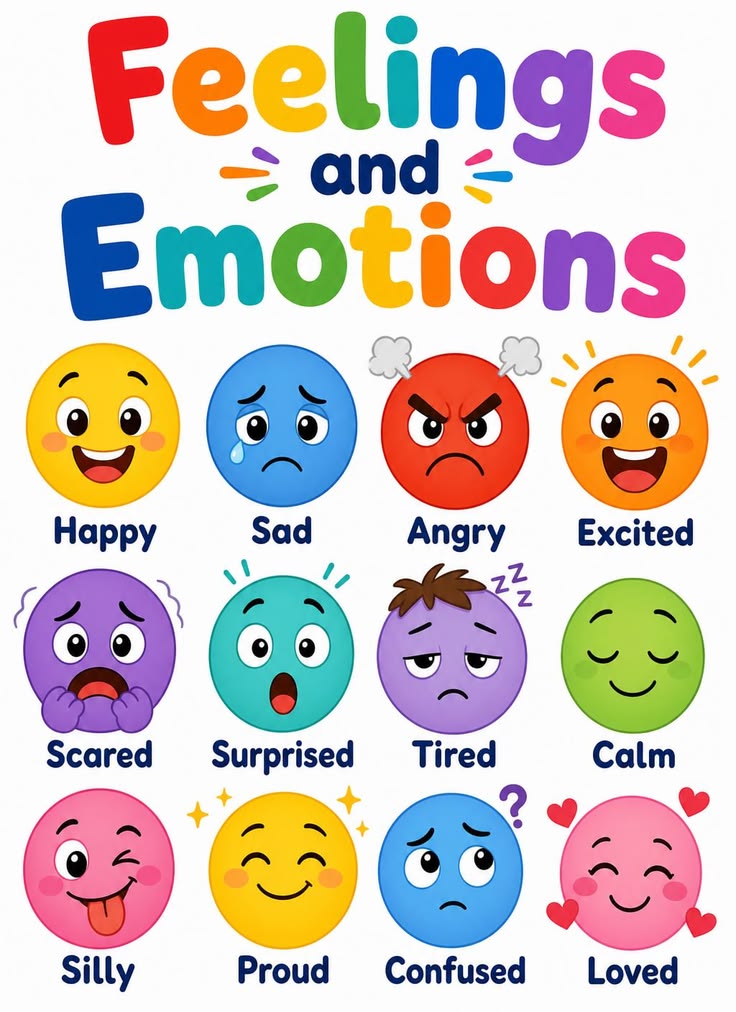
A chart of faces showing different emotions helps kids put words to feelings.
How to Do It
Display the chart at eye level. When emotions run high, ask your child to point to the face that matches how they feel, then talk about it together.
How It Helps
Naming emotions is the first step to managing them. This is a great pick among emotional skills regulation activities for preschoolers.
3. Calm Down Jar

Source: Pinterest
A sealed jar filled with water, glitter and glue that swirls like a snow globe.
How to Do It
Shake the jar and ask your child to watch the glitter settle while breathing slowly. Encourage them to stay calm until all the glitter reaches the bottom.
How It Helps
The visual focus gives busy minds something soothing to follow, making it ideal for emotional regulation activities for 2 & 3 year olds.
4. Emotion Charades
A playful game where kids act out feelings without using words.
How to Do It
Write emotions on cards. Each player picks one and acts it out while others guess the feeling.
How It Helps
Kids learn to recognise body language and facial cues, building empathy along with self awareness.
5. Kids Yoga Poses
Source: Pinterest
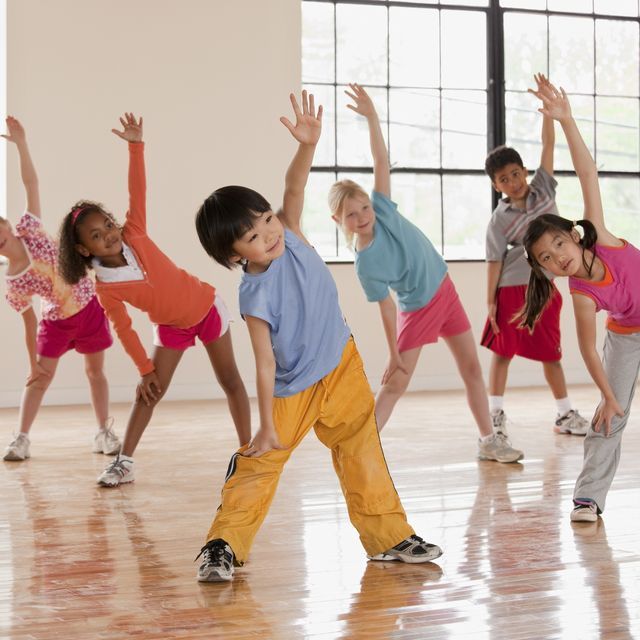
Easy poses like tree, cat and child’s pose combine movement with calm.
How to Do It
Guide your child through three or four poses, holding each for a few breaths. Add animal sounds to keep it silly.
How It Helps
Gentle stretching releases tension and teaches kids to settle their bodies, which suits activities for 4, 5 and 6 year olds.
6. Calm Corner
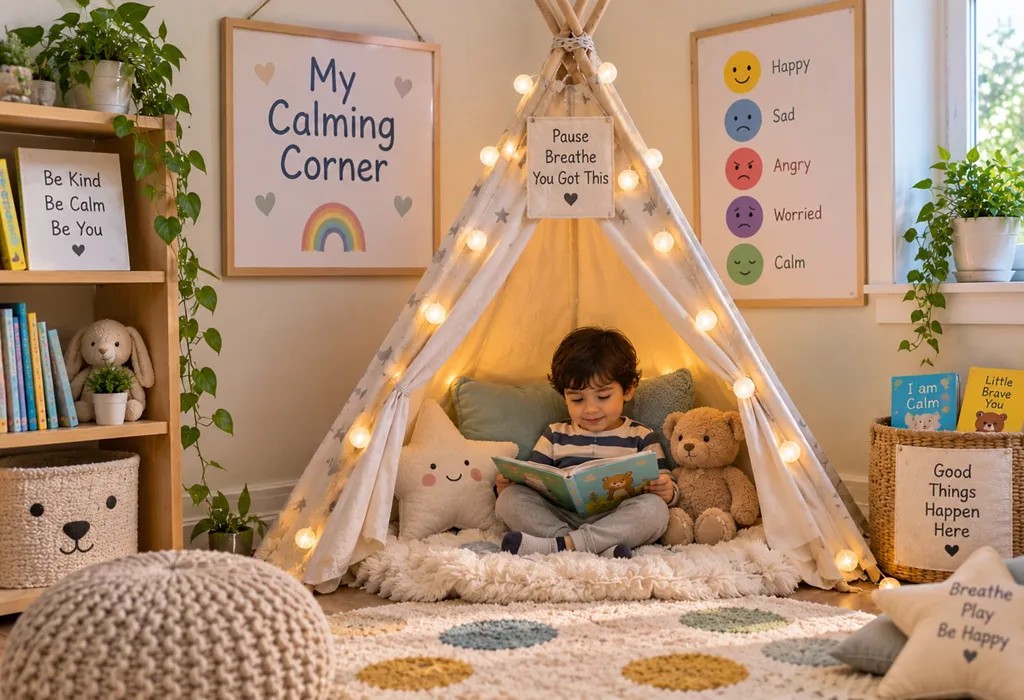
A cosy, quiet spot where children can go to reset.
How to Do It
Set up a corner with soft pillows, books and a few sensory toys. Introduce it as a safe place, never as a punishment.
How It Helps
Kids learn that stepping away is a healthy choice, which builds independence.
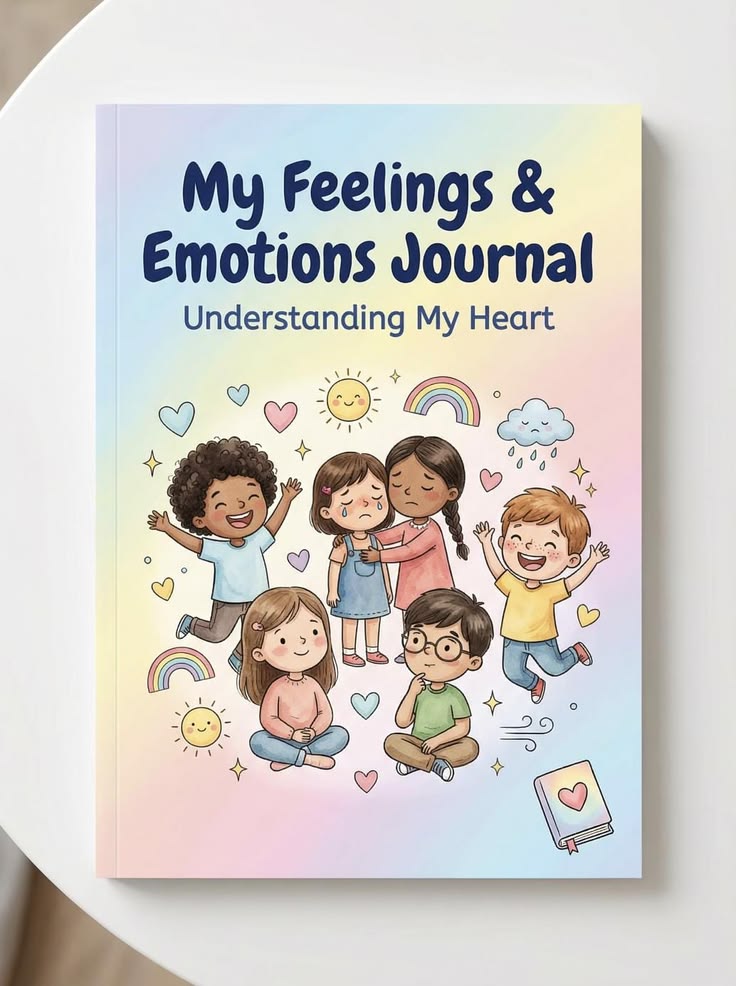
7. Feelings Journal or Drawing
Source: Pinterest
Kids draw or write about their emotions at the end of the day.
How to Do It
Offer paper and crayons. Ask your child to draw how they felt today and what caused it.
How It Helps
Creative expression gives feelings a safe outlet, especially for children who struggle to explain them aloud.
8. Five Finger Breathing
A breathing trick that uses the hand as a guide.
How to Do It
Have your child trace one hand with a finger of the other. Breathe in while moving up a finger and out while moving down.
How It Helps
The touch and rhythm give kids a portable calming tool they can use anywhere.
9. Sensory Bins

Source: Pinterest
Bins filled with rice, beans, sand or water beads for hands on play.
How to Do It
Hide small toys in the bin and let your child dig and sort. Keep a quiet tone and let them explore freely.
How It Helps
Sensory play soothes the nervous system, which makes it one of the best activities for toddlers.
10. Mindful Listening Walk
A short walk focused on noticing sounds.
How to Do It
Walk outside or around the house and ask your child to name every sound they hear, from birds to footsteps.
How It Helps
Paying attention to the present moment pulls kids away from overwhelming thoughts.
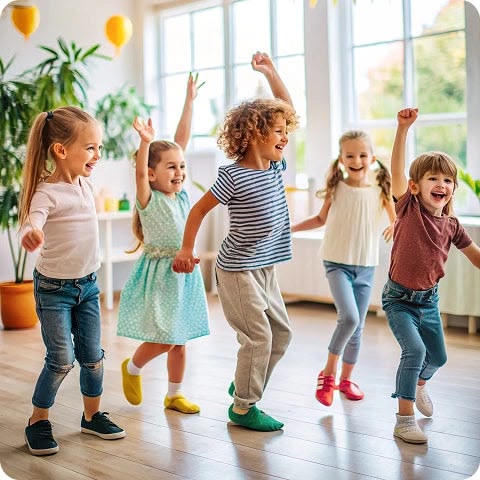
11. Freeze Dance
Source: Pinterest
A fun movement game that teaches stopping and starting.
How to Do It
Play music and let kids dance. When the music stops, everyone freezes and takes a deep breath.
How It Helps
Kids practice controlling their bodies and impulses, making it one of the most fun emotional regulation activities.
12. Storybook Feelings Talk
Reading stories about emotions and discussing them.
How to Do It
Pick a book where a character feels angry, sad or nervous. Pause to ask, “How do you think they feel? What could they do?”
How It Helps
Characters give kids a safe way to explore feelings, a helpful approach for emotional regulation activities for kindergarten.
13. Squeeze and Release
A relaxation game that tenses and relaxes muscles.
How to Do It
Ask your child to squeeze their fists like they are holding lemons, count to five, then let go. Repeat with shoulders and toes.
How It Helps
Kids feel the difference between tension and calm, which teaches them how relaxation feels.
Tips for Using Emotional Regulation Activities
Activities work best when they fit naturally into daily life. These tips can help them stick:
- Practice when calm: Try activities during relaxed moments so kids can use them when upset.
- Keep it short: Five minutes is enough for young children.
- Model the skills: Let your child see you breathe deeply or take a break.
- Validate feelings first: Say “I see you are upset” before suggesting an activity.
- Follow your child’s lead: Offer choices so they feel in control.
- Celebrate effort: Praise attempts, not perfection.
FAQs
1. At what age can kids start emotional regulation activities?
Children can begin as toddlers with simple activities like sensory play and breathing games. Skills grow with age, so keep activities simple and playful for younger kids.
2. How often should I practice these activities?
Daily practice for a few minutes works well. Regular, short sessions help skills become habits.
3. What if my child refuses to take part?
Never force an activity. Try a different one, join in yourself or turn it into a game. Calm moments are best for introducing new ideas.
Teaching emotional regulation is a gift that supports children for life. The activities above offer gentle ways to help kids understand and manage their feelings. Start with one or two ideas that suit your child’s age and personality. Stay patient, because progress comes through steady practice and kind guidance. With time, your child will gain the confidence to handle big emotions in healthy ways.
Also Read:
Self Awareness Activities For Kids
Social And Emotional Development In Children
Self Regulation Of Emotions In Toddlers