
Not Eating Enough During Pregnancy – Risks, Causes and Tips to Fix It
Is not eating enough during pregnancy risky for your baby? This guide covers its causes, symptoms, and tips to eat well.




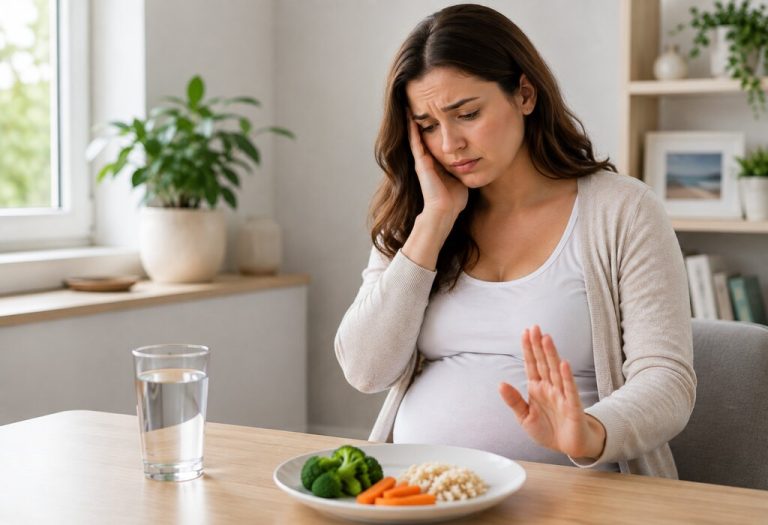
Stumbled here while searching for ‘symptoms of not eating enough while pregnant’? You’re not alone. Appetite loss during pregnancy is a common concern with several pregnant women. Though they don’t wish for it voluntarily, they can’t simply avoid it. Nutrition is one of the key factors involved in ensuring the well-being of a baby and a mother. And if a pregnant woman does not eat well, the effects of not eating enough during pregnancy could be adverse, leading to several complications during delivery or after the baby’s birth. If you wish to understand why this happens, what the risks are associated with not eating properly during pregnancy and how you should manage to get optimum nutrition when you do not eat properly, we recommend taking a look at this post.
Reasons You Might Not Feel Like Eating in Pregnancy
So, why, during such a delicate time, do some pregnant women act all funny and do not wish to eat? Well, scientifically speaking, it is actually not in their hands. Let us take a look at the following points and learn why women don’t feel like eating:
- The body becomes hypersensitive to taste and smell, thus making you dislike food (1).
- Sometimes, women may experience a metallic taste in their mouths that sticks to the palate, making them not want to eat.
- Morning sickness and nausea can take a toll on the appetite, and you may fear that as soon as you eat, you will start feeling sick again (2).
- Not eating too much is also the body’s mechanism for avoiding the possible consumption of any harmful food that may affect the growing fetus.
- The hormonal imbalance in the body may take a toll on your appetite, too.
What Are the Symptoms of Not Eating Enough While Pregnant?
When a pregnant woman does not consume enough food, it can lead to various symptoms and complications that may affect her well-being and the growth of her baby. Here are some common symptoms of not eating enough in pregnancy:
1. Fatigue
When you don’t consume enough calories during pregnancy, your body lacks the energy needed to support your own needs as well as your baby’s growth. This can result in persistent fatigue, making it difficult to carry out daily tasks. Your body may start conserving energy, leading to feelings of exhaustion even after minimal activity.
2. Dizziness
Inadequate nutrition can cause fluctuations in blood sugar levels, leading to hypoglycemia (low blood sugar). This can result in frequent episodes of dizziness or light-headedness, especially when standing up quickly. Pregnant women need a steady supply of nutrients to maintain stable blood sugar levels and prevent these symptoms.
3. Weight Loss or Lack of Weight Gain
During pregnancy, a healthy weight gain is essential to support the growing baby. If you’re not eating enough, you may experience weight loss or fail to gain the recommended amount of weight. This can be concerning as it may indicate that both you and your baby are not receiving adequate nutrition for healthy development.
4. Nutrient Deficiencies
Not eating enough can result in deficiencies in critical vitamins and minerals such as iron, calcium, and folic acid. These deficiencies can lead to various health issues, such as anemia (characterized by fatigue and pale skin), brittle nails, hair loss, and even more severe complications like neural tube defects in the baby.
5. Headaches
When you don’t eat enough, your blood sugar levels can drop, leading to headaches. Dehydration, often caused by inadequate fluid intake, can also contribute to frequent headaches. These headaches can be persistent and may become more severe if nutritional intake isn’t improved.
6. Mood Swings
Hunger and lack of essential nutrients can have a significant impact on your mental and emotional well-being. You might experience irritability, anxiety, and mood swings as your body and brain struggle to function properly without sufficient energy and nutrients. Stable blood sugar levels and adequate nutrient intake are vital for maintaining emotional balance during pregnancy.
7. Constipation
A diet lacking fibre-rich foods, such as fruits, vegetables, and whole grains, can lead to constipation. Constipation is already a common issue during pregnancy due to hormonal changes, and insufficient fibre intake can exacerbate the problem, leading to discomfort and digestive issues.
8. Poor Immune Function
Not consuming enough food can weaken your immune system, making you more susceptible to infections. A weakened immune system during pregnancy can increase the risk of illnesses, potentially affecting you and your baby. Proper nutrition is crucial for maintaining a strong immune response.
9. Trouble Concentrating
Low-calorie intake and poor nutrition can affect cognitive function, leading to difficulty concentrating, focusing, and remembering things. This can be particularly challenging during pregnancy when mental clarity is needed to manage daily responsibilities and prepare for your baby’s arrival.
10. Slow Fetal Growth
Inadequate nutrition during pregnancy can lead to intrauterine growth restriction (IUGR), where the baby does not grow at the expected rate. This can result in lower birth weight and may increase the risk of complications during delivery and after birth. Ensuring that you eat enough to support your baby’s growth is essential for a healthy pregnancy.
11. Feeling Cold Always
A healthy body with enough nutrition has a strong metabolism that can regulate its core temperature well. But if you don’t eat enough, your body won’t get enough fuel to maintain the optimal body temperature, and thus you may feel cold.
Insufficient calories to burn will disrupt the temperature regulation of the body. This could result in the fall of the core temperature and make you feel cold continuously.
12. Trouble Sleeping Properly
Going to bed wth insufficient food will only trouble you with hunger pangs in the middle of the night, causing interrupted sleep. This also puts your body in a restless state, making you feel constantly fatigued.
Risks of Not Eating Enough While Pregnant
What happens if you don’t eat enough during pregnancy? If you do not eat well during pregnancy, some many complications or problems may crop up. Here are some known risks and effects of not eating enough during pregnancy:
1. It May Cause Neurological Disorders
Improper nutrition may lead to neurological disorders in unborn babies. Sometimes, the spine or brain may not develop fully, which may lead to learning disabilities as babies grow. However, if vitamin B12 and folate supplements are consumed, such kinds of defects or complications can be avoided.
2. It May Lead to Foetal or Infant Death
A nightmare for a would-be-mother, but if pregnant women do not eat properly and do not get ample nutrition, it may lead to fetal death. There is also the possibility of fetal death after birth. Severe malnutrition can cause complications that may cause infant or foetal deaths. However, general malnutrition may not lead to such dire consequences, but the baby may be born with neurological or physical defects or malnutrition.
3. It May Lead to Slow Growth or Insufficient Growth
Mothers who do not eat well during pregnancy may have slower-developing fetuses or insufficient growth. Growth issues may lead to further, more complicated conditions after the birth of the baby.
4. It May Cause Low Birth Weight Infants
Babies who are born with low birth weight often result when mothers eat poorly during pregnancy or don’t get proper nutrition (3).
Lack of proper nutrients in the body may lead to some of the above conditions in your unborn child. However, it also does not mean that you eat unhealthy food, such as potato chips or cola, to gain weight. Well, gaining healthy weight and getting enough calories is important for your growing fetus, but that should come from a healthy source, such as fruits, vegetables, dairy, meat, etc.
Tips to Get the Nutrients When You Under-Eat During Pregnancy
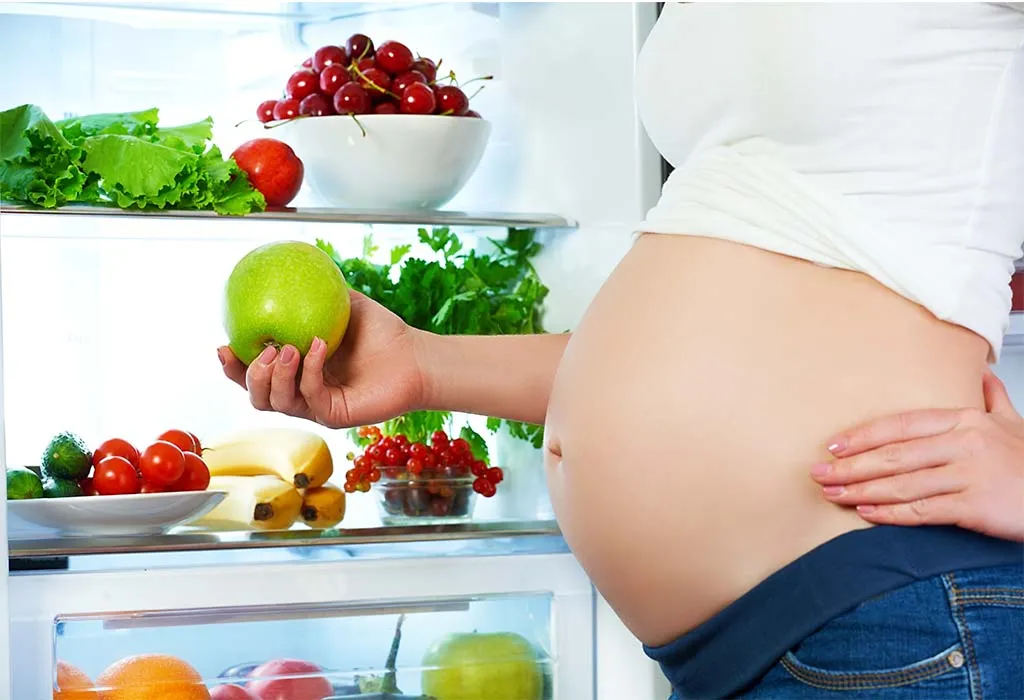
Now that you are aware of the adverse effects of not eating enough during pregnancy but are still struggling to eat food, here are some tips and tricks that may help you get important nutrients that are required for your unborn baby’s growth and development:
1. Check Your Portion Size
It is understood that you have to increase your calorie intake to meet your body’s increased needs to support your baby’s growth and development, but that does not mean that you have to gobble down big portions in one go. It will be a better idea to eat a balanced diet, including a balance of protein, carbs, and healthy fats, keep your meal portions smaller and have them at frequent intervals (4). So, you can go for three small and nutritionally balanced meals along with about three to four snacks in a day (5).
2. Stay Well Hydrated
Keep a tab on your fluid intake because, more than your calorie intake, it is the amount of fluids that you take in a day that matters. Include pasteurised fruit juices, milk, vegetable juices, and other kinds of fluids along with water to compensate for your body’s requirements.
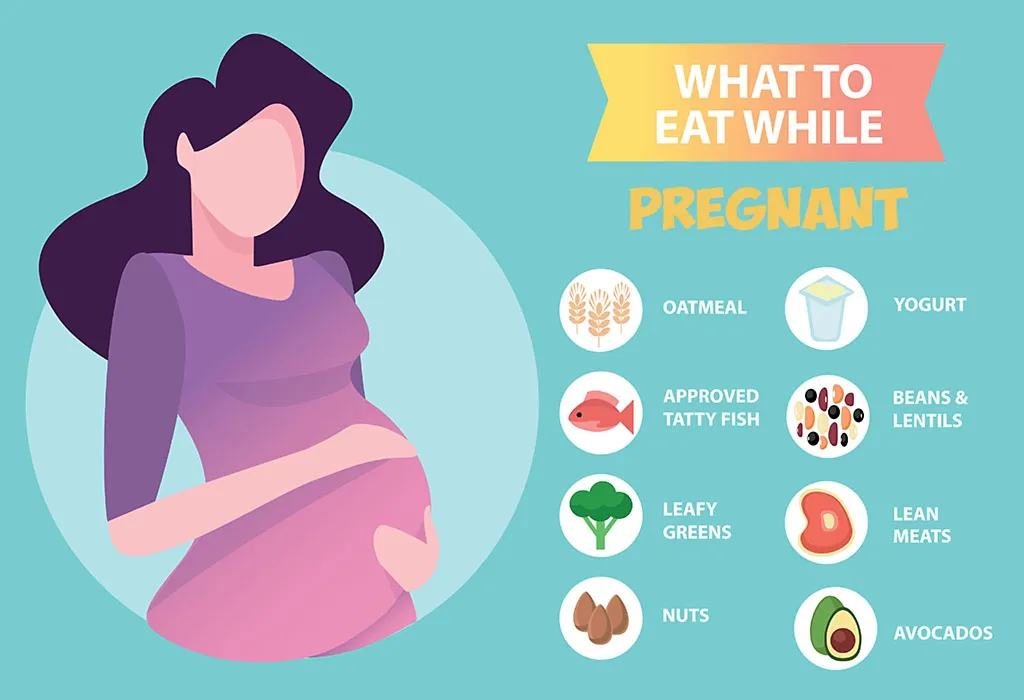
3. Include Lighter Meal Options
Eating a heavy meal that is laden with fats, such as oil, cream, or butter, can make anyone feel uneasy (6). Therefore, you should aim to have lighter meals that are cooked with minimum fats. Roasted, grilled, stir-fried, etc., are better options than deep-fried or other calorie-laden dishes.
4. Refrain From Adding Too Many Spices
There is no doubt that spices add a lovely flavour and aroma to the dishes, but too many spices, such as pepper, chilli, etc., can make a pregnant woman sick by giving her heartburn or acidity. Try to avoid using spices, and if you need to use them, make sure that you add them in moderation.
5. Never Skip Meals
We understand that eating food can sometimes become a struggle for a pregnant woman. However, never go without your meals for long durations, as it can prove to be detrimental for you and your baby. A pregnant woman not eating enough will impact both the mom and the baby adversely. Therefore, try and eat smaller meals frequently and never skip your meals.
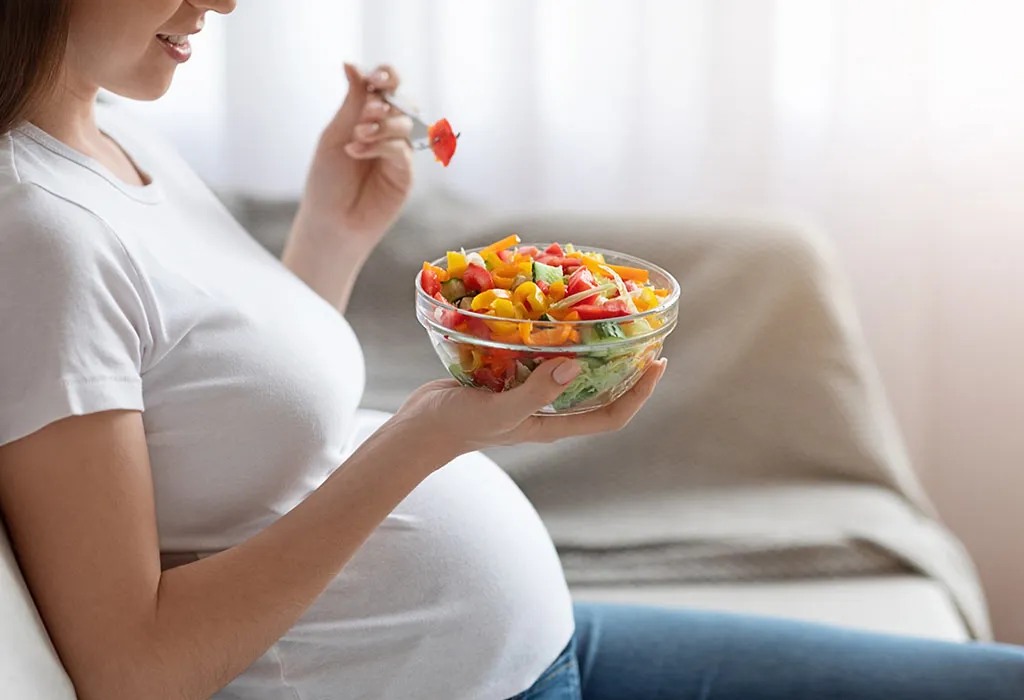
6. Include Foods That Do Not Cause Nausea
It is understood that a pregnant woman needs different kinds of fruits, vegetables and other kinds of foods in her daily diet for proper nutrition. However, if you are comfortable eating only a few, then so be it because getting some nutrition is better than getting none at all. If you like eating a banana while other fruits trigger nausea, then eat a banana until the feelings of nausea subside (7).
7. Include Foods at Different Temperatures
Because of changes in taste preferences during pregnancy, in some cases, pregnant women may start preferring cold foods and despise hot foods or vice versa. Please note that it is totally normal for you to crave a food you despised before your pregnancy, and now you like it. So, include healthy food at whatever temperature suits you best by taking care of its shelf life and pasteurisation in the case of dairy products.
8. Make Sure You Take Your Supplements
In pregnancy, your doctor gives you prenatal vitamins and other supplements to make up for your body’s increased demand for certain vitamins and minerals. Make sure you take these regularly to prevent any nutritional deficiency.
FAQs
1. Is it possible to experience gestational diabetes from not eating enough?
While gestational diabetes is typically associated with high blood sugar levels, not eating enough can also contribute to irregular blood sugar levels. Skipping meals or not consuming enough calories can lead to blood sugar fluctuations, which may complicate the management of gestational diabetes or increase the risk of developing it.
2. Can not eating enough cause premature labor?
Yes, not consuming enough calories and nutrients can increase the risk of preterm labour. Inadequate nutrition can lead to complications such as placental insufficiency, where the placenta fails to provide enough nutrients to the baby, potentially triggering premature labour.
3. How does not eating enough affect my postpartum recovery?
Insufficient nutrition during pregnancy can lead to weakened physical health, making postpartum recovery more challenging. A lack of essential nutrients can result in lower energy levels, delayed healing, and a weakened immune system, which can all prolong the recovery process after childbirth.
4. Can not eating enough lead to miscarriage?
There’s no current evidence that not eating enough when pregnant could cause miscarriage. However, it could decline the mother’s and the baby’s health. Not eating enough could increase the risk of premature delivery and low birth weight.
This was all about not eating enough in the first trimester, second, and even third trimesters. Your baby gets all his nutrition from you. So, your under-eating will impact not only you but also your baby. Make sure you replenish the reservoir of nutrients in your body by opting for the best possible eating options.
Also Read:
Appetite Loss during Pregnancy
Pregnant Woman’s Daily Diet
Not Gaining Enough Weight when Pregnant
Harmful Effects of Overeating during Pregnancy
Was This Article Helpful?
Parenting is a huge responsibility, for you as a caregiver, but also for us as a parenting content platform. We understand that and take our responsibility of creating credible content seriously. FirstCry Parenting articles are written and published only after extensive research using factually sound references to deliver quality content that is accurate, validated by experts, and completely reliable. To understand how we go about creating content that is credible, read our editorial policy here.
1. Pregnancy, Birth & Baby – Appetite changes and food aversions during pregnancy
2. National Library of Medicine – Nausea and Vomiting of Pregnancy
3. Queensland Health – Healthy weight, diet and physical activity during pregnancy
4. CDC – Tracking Your Weight for Women Who Begin Pregnancy at a Normal Weight
5. BetterHealth Channel – Pregnancy and diet
- Author


Related Articles
-
Soy Sauce in Pregnancy – Benefits & Risks
-
Iced Tea During Pregnancy - Health Benefits and Risks
-
Fruits to Avoid During Pregnancy - Full List and Reasons
-
Vitamin B Complex in Pregnancy – Importance and Food Sources
-
Bread in Pregnancy - Safe Types, Benefits, and Side-Effects
-
How Much Water Does a Pregnant Woman Need to Drink?