
Omega-3 Fatty Acids During Pregnancy: Benefits, Sources, & Safety





Omega 3 fatty acids and pregnancy go hand in hand because these essential fats support your baby’s brain and eye development while also promoting your own health throughout pregnancy. As your body cannot make enough omega-3 on its own, it must come from foods such as low-mercury fish, nuts, seeds, or, in some cases, supplements. Getting the right amount is important, but so is choosing safe sources. This article explains the benefits of omega 3 fatty acids in pregnancy, daily requirements, the best dietary sources, when supplements may be recommended, and safety tips to help you make informed decisions.
What Are Omega-3 Fatty Acids?
Omega-3 fatty acids are essential polyunsaturated fats that your body needs to function properly but cannot produce in adequate amounts. Because they are “essential,” you must get them through your diet or supplements. These healthy fats support cell structure, brain function, heart health, eye health, and normal inflammatory responses throughout life (1).
There are three main types of omega-3 fatty acids:
- DHA (Docosahexaenoic Acid): Primarily found in fatty fish and algae, DHA is a major structural component of the brain and retina (2).
- EPA (Eicosapentaenoic Acid): Also found in fatty fish and seafood, EPA supports heart health and helps regulate the body’s inflammatory response (3).
- ALA (Alpha-Linolenic Acid): Found in plant foods such as flaxseeds, chia seeds, walnuts, and canola oil, ALA can be converted into DHA and EPA, although only in small amounts (4).
Can I Take Omega 3 While Pregnant?
If you’re wondering, “Is omega 3 good for pregnancy?” the answer is yes. Omega-3 fatty acids, particularly DHA, play an important role in your baby’s brain and eye development while also supporting your health during pregnancy.
Benefits of Omega 3 in Pregnancy
Omega-3 fatty acids support both maternal health and your baby’s development throughout pregnancy. Here are the key benefits of getting enough omega-3 during this stage:
- Supports fetal brain development: DHA is a major building block of the developing brain and is especially important during the third trimester when brain growth accelerates (5).
- Promotes healthy eye development: DHA contributes to the formation and normal function of the retina, supporting your baby’s vision.
- Supports nervous system development: Omega-3 fatty acids help with the healthy development of your baby’s nervous system (6).
- Reduce the risk of preterm birth: Adequate omega-3 intake, particularly DHA, has been associated with a lower risk of early preterm birth in some pregnancies (5).
- Supports maternal heart health: Omega-3s help maintain healthy triglyceride levels and support normal cardiovascular function.
- Supports a healthy birth weight: Adequate omega-3 intake has been linked to healthy fetal growth and birth weight (7).

How Much Omega-3 Is Needed During Pregnancy?
Omega-3 requirements increase during pregnancy to support your baby’s growth and development. While there is no single recommended intake for total omega-3 fatty acids, health organisations generally recommend that pregnant women consume at least 200 mg of DHA daily, along with adequate amounts of other omega-3 fatty acids (8).
Best Sources of Omega-3 During Pregnancy
Here are some of the best foods rich in omega 3 for pregnancy (9).
- Salmon: Rich in DHA and EPA while being low in mercury, making it one of the best choices during pregnancy.
- Sardines: Provide high amounts of omega-3 fatty acids, calcium, vitamin D, and protein.
- Trout: A nutritious, low-mercury fish that supplies DHA, EPA, and other essential nutrients.
- Herring: Contains beneficial omega-3 fats along with vitamin D and vitamin B12.
- Anchovies: A good source of DHA and EPA and can be added to salads, sandwiches, or pasta dishes.
- Flaxseeds: One of the richest plant-based sources of ALA. Ground flaxseeds are easier to digest and can be added to yogurt, smoothies, or oatmeal.
- Chia seeds: Packed with ALA, fibre, protein, and antioxidants, making them a nutritious addition to meals.
- Walnuts: A convenient snack that provides plant-based omega-3 fatty acids along with healthy fats and antioxidants.
- Canola oil: Contains ALA and can be used for cooking or salad dressings.
- Algae: The only plant-based source of DHA, making it a suitable option for vegetarians and vegans.
FAQs
1. Why fish oil quality matters during pregnancy?
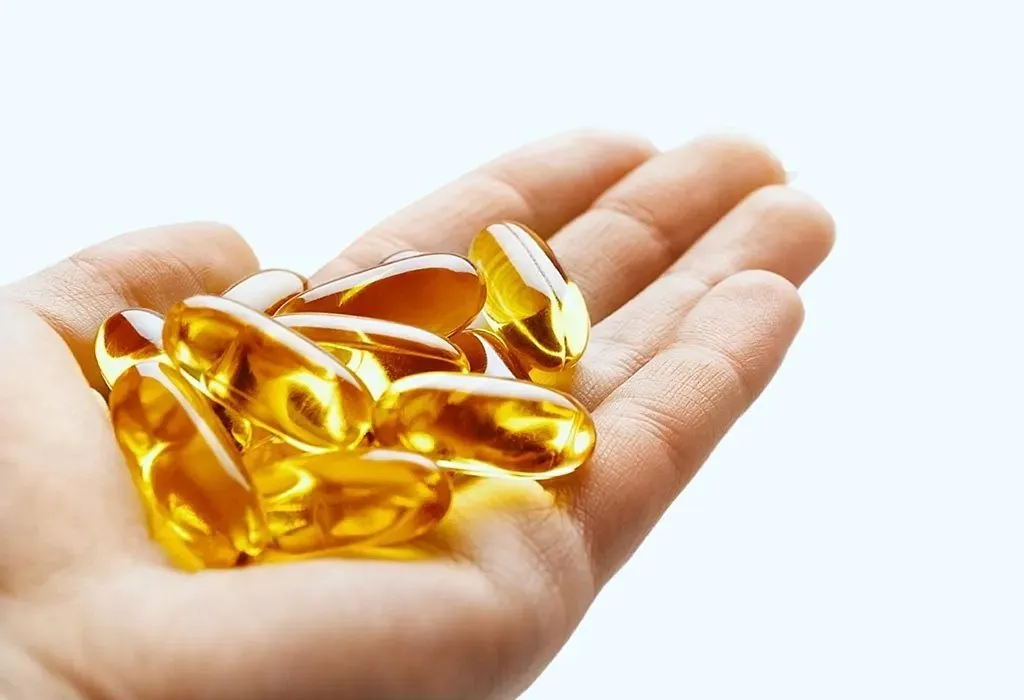
Fish oil taken during pregnancy should be of good quality. Most women prefer eating fresh fish, but that can increase the amount of mercury in their bodies. Manufacturers of fish oil supplements process the fish oil to refine it and remove traces of mercury from it. So, it is better to meet the omega-3 requirement by consuming supplements.
2. Who should avoid omega-3 fatty acids during pregnancy?
Most pregnant women can safely consume omega-3-rich foods. However, women with a fish or shellfish allergy, bleeding disorders, or those taking blood-thinning medications should consult their healthcare provider before increasing their omega-3 intake.
3. When Is the right time to stop omega-3 while pregnant?
There is generally no need to stop consuming omega-3-rich foods during pregnancy, as they support your baby’s brain and eye development until birth. Unless your healthcare provider advises otherwise because of a specific medical condition or treatment, you can continue including safe, low-mercury sources of omega-3 throughout your pregnancy.
4. Are plant-based omega-3 sources as effective as fish?
Plant-based foods provide ALA, but the body converts only a small amount into DHA and EPA. While they are a healthy part of the diet, direct sources of DHA from fish or algae are more effective for meeting pregnancy needs.
5. Which fish are safest to eat during pregnancy?
Low-mercury fish such as salmon, sardines, trout, herring, and anchovies are among the safest and most nutritious choices during pregnancy. They provide omega-3 fatty acids without the high mercury levels found in certain larger fish (10).
In a nutshell, it is very important for the mom to follow the nutritional guidelines for pregnancy diligently. A little slip or negligence could result in setbacks for the fetus in terms of developmental parameters, which is the last thing a mom would want.
Also Read:
Folic Acid during Pregnancy
High Fibre Foods for Pregnancy
Vitamin B Complex in Pregnancy
Was This Article Helpful?
Parenting is a huge responsibility, for you as a caregiver, but also for us as a parenting content platform. We understand that and take our responsibility of creating credible content seriously. FirstCry Parenting articles are written and published only after extensive research using factually sound references to deliver quality content that is accurate, validated by experts, and completely reliable. To understand how we go about creating content that is credible, read our editorial policy here.
1. Cleveland Clinic – Omega-3 Fatty Acids
2. PubMed Central – Health benefits of docosahexaenoic acid and its bioavailability: A review
5. PubMed Central – Omega-3 Fatty Acids and Pregnancy
8. National Institutes of Health – Omega-3 Fatty Acids
9. Harvard Health Publishing – Omega-3 foods: Incorporating healthy fats into your diet
10. U.S. Food and Drug Administration – Advice about Eating Fish
- Author


Related Articles
-

Eating Junk Food During Pregnancy - Is It Safe for You & Baby?
-
Can You Eat Oysters During Pregnant? Safety, Risks & Benefits
-
Salt Craving During Pregnancy - Causes and Safe Intake
-
Vegan During Pregnancy: Benefits, Risks, and Nutrition Tips
-
Eating Parsley While Pregnant – Is It Harmful?
-
Black Gram (Urad Dal) in Pregnancy - Benefits and Precautions