

Yoghurt in Pregnancy – Benefits, Side Effects, and Precautions





Medically Reviewed By
Megha Gupta
(Paediatric Nutritionist)


This health content has been medically reviewed by qualified experts and follows the FirstCry Parenting editorial policy to ensure accuracy and reliability.
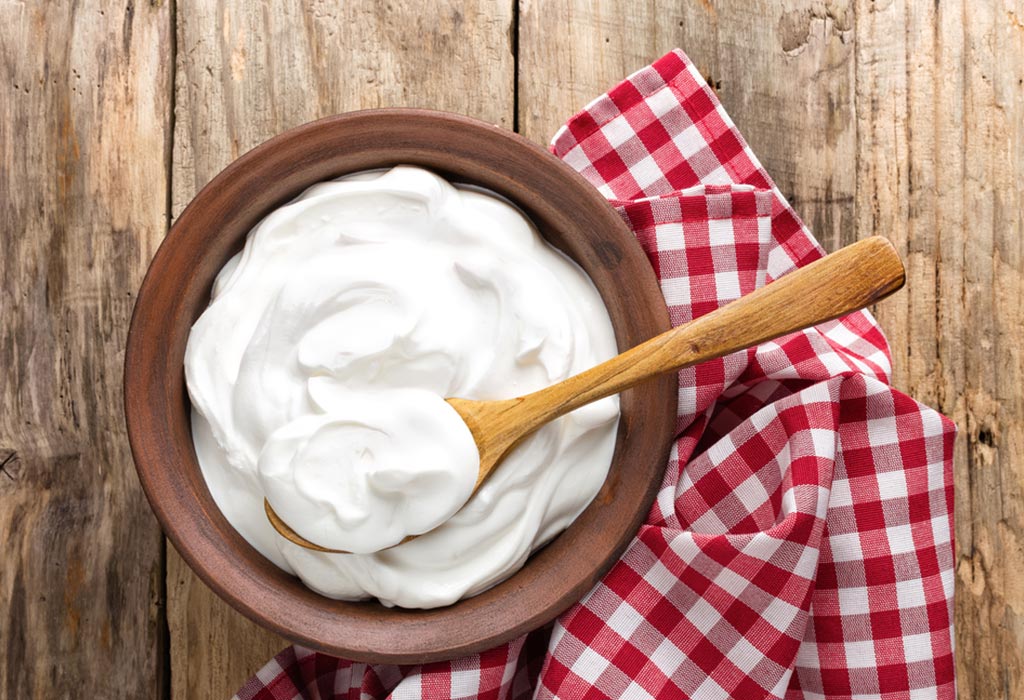
Yoghurt in pregnancy can be a wholesome addition to a balanced diet, providing essential nutrients that support both maternal health and your baby’s growth. Rich in calcium, protein, probiotics, and several vitamins, yoghurt helps meet the increased nutritional demands of pregnancy while supporting bone health and digestion. Choosing pregnancy yoghurt made from pasteurised milk and consumed within the expiry dates is important to minimise the risk of foodborne infections. Whether enjoyed as a snack, breakfast, or part of a meal, yoghurt is a filling and refreshing option when consumed safely and in moderation. Read further to learn more about the benefits of yoghurt during pregnancy.
Is Yoghurt Safe for Pregnant Women?
Yoghurt can be made with pasteurised or raw milk. Women often wonder if yoghurt is good for pregnancy. The answer is ‘yes’, as long as it is made with pasteurised milk.
Nutritional Value of Yoghurt
Yoghurt is made from milk, so it has the same nutritional value. Below is the nutrition from a serving of yoghurt. The percentage values indicate how much of the recommended dietary intake a serving has. Nutritional information per 100 grams of yoghurt.
| Nutrient | Amount | % |
| Total Fat | 0.4g | 0% |
| Saturated Fat | 0g | 0% |
| Trans Fat | 0g | 0% |
| Cholesterol | 5mg | 1% |
| Dietary Fiber | 0g | 0% |
| Protein | 15g | 30% |
| Potassium | 210mg | 6% |
| Sodium | 55mg | 2% |
| Total Carbs | 6g | 2% |
| Calories | 80kcal | 4% |
| Sugars | 4g | 16% |
| Vitamin A | 0g | 0% |
| Vitamin C | 0g | 0% |
| Calcium | 300mg | 15% |
| Iron | 0g | 0% |
| Calories from Fat | 0 | 0 |
How Much Yoghurt Should Pregnant Women Eat in a Day?
To get all the necessary nutrients from yoghurt, it is good to eat about 600 grams of yoghurt a day, divided into three servings of 200 grams each.
Benefits of Eating Yoghurt During Pregnancy
Here are nine benefits of eating yoghurt during pregnancy:
1. Improves Digestion
Yoghurt is full of beneficial bacteria that the body needs to maintain the health of the intestines. It also improves the overall digestion of food and the absorption of nutrition by the digestive tract. It contains probiotic bacteria that help in good digestion (1).
2. Cools the Body
Anytime you eat something spicy, add a little yoghurt to your food. It reduces the effects of spicy foods and avoids acidity and heartburn. It’s common to crave spicy foods during pregnancy, so having probiotic yogurt when pregnant
on the side is always a good idea.
3. Aids Bone Growth
Yoghurt is full of calcium; three servings daily is enough to meet half the recommended daily dietary intake. Calcium is essential in forming bones and teeth of the foetus, and it plays a vital role in a range of other bodily functions. Calcium is also necessary for Vitamin D absorption in the body (2).
4. Improves Immunity
It fights stomach upsets and infections due to the presence of good bacteria. Yoghurt increases the population of probiotics that restore the intestine’s bacteria flora and ease any diseases while improving digestion (3).
5. Helps Prevent High Blood Pressure
High blood pressure is a common risk during pregnancy, which can have adverse effects on both the mother and the baby. Yoghurt intake is known to calm down the body and lower blood pressure (4). It also decreases cholesterol levels and is suitable for the heart.
6. Eases Stress and Anxiety
Anxiety is common during pregnancy, and many pregnant females have stress. Yoghurt is a calming, healthy food and an excellent substitute for other comfort desserts such as ice creams and cake (5).
7. Fights Dry Skin and Pigmentation
Hormonal changes and imbalances during pregnancy can lead to uneven skin tone and dry spots for many women. Rich in Vitamin E, yoghurt can keep the skin healthy and prevent pigmentation. It also lowers the risk of skin conditions like eczema arising in the infant (6).
8. Maintains Body Weight
Although weight gain is a healthy sign of pregnancy, excessive weight can pose a problem. Yoghurt prevents the increase of the stress hormone cortisol in the body, which can cause weight gain in both the mother and the baby in the long term. Yoghurt is a healthy alternative to help maintain weight gain during pregnancy (7).
9. Supports Muscle Development
Yoghurt is rich in protein, which is essential for muscle development. Calcium is also needed to contract muscle fibres properly; yoghurt is excellent for maintaining muscle health (8).
10. Aids Foetal Brain Development
Yoghurt is rich in folates and Vitamins B5, B6, and B12, vital for developing your foetus’s brain (9).
11. Prevents Vaginal Yeast Infections
The probiotics in yoghurt ensure that good bacteria are cultivated in the vagina, which prevents the growth and multiplication of yeast in the genital regions, thus preventing or alleviating yeast infections (10).
12. Reduces Risk of Malnutrition
Because yoghurt aids digestion, facilitates the absorption of nutrients from the food, and contains easily absorbed nutrients, it reduces the risk of malnutrition during pregnancy (11).
13. Reduces Risk of Preeclampsia
Research indicates that the magnesium content of yoghurt helps reduce or prevent uterine contractions that can cause preeclampsia and premature birth (3).
14. Forms Allergy Defenses in Your Baby
Yoghurt is a fermented food, which means it contains bacteria that can affect your gut health. Research indicates that these gut microbes can interact with the foetus’s immune system, and good bacteria can help develop their defences against allergies, boosting the immune system (12).
Side Effects of Eating Curd During Pregnancy
While Greek yoghurt in pregnancy comes with many health benefits, making it a beneficial source of nutrition during pregnancy, it also comes with specific side effects that can occur if the right kind of curd in the correct quantity is not consumed. Here are some risk factors to look out for:
1. Food Poisoning and Food-Borne Illnesses
Raw, unpasteurised milk often contains harmful bacteria like Salmonella, Listeria, E.Coli, and Campylobacter, which can cause food-borne illnesses. Symptoms like nausea, vomiting, diarrhoea, abdominal pain, or flu-like symptoms like fever, body aches, and headaches accompany food poisoning. Yoghurt made from unpasteurised milk increases the risk of such illnesses (13).
2. Gestational Diabetes
Store-bought fruit or other flavoured yoghurt has a high sugar content, which, if consumed during pregnancy, can increase blood sugar levels and cause gestational diabetes (14).
3. Weight Gain
Full-fat or sweetened yoghurt, when consumed regularly during pregnancy, can lead to unhealthy weight gain that is not caused by the pregnancy itself,
Probiotic Yoghurt in Pregnancy
Our intestines contain hundreds of different types of probiotic bacteria that are critical to maintaining the proper functioning of our digestive system. During pregnancy, the ability to digest food drops, increasing the risk of constipation. Yoghurt is rich in probiotics, which makes it highly useful for the health of the digestive tract. Thus, consuming probiotic yoghurt when pregnant might be beneficial.
What Types of Yoghurt Are Good to Consume?
Any yoghurt made from pasteurised milk is good and safe to consume. Many commercially available ingredients use all-natural ingredients and are made from pasteurised low-fat milk. Those types are ideal.

Types of Yoghurt to Be Avoided in Pregnancy
Two types of yoghurt are to be avoided during pregnancy. The first is yoghurt made out of raw, unpasteurised milk. It should be avoided since it carries the risk of diseases such as listeria. The second to avoid is full-fat yoghurt, which can lead to unhealthy weight gain.
Is Flavoured Yoghurt Safe to Eat?
There is no harm in eating flavoured yoghurt in general. If it is low-sugar, low-fat, and contains natural ingredients, there is no reason not to eat it. But if you are concerned about weight gain or added chemicals, you can get creative and add your flavours to yoghurt. Adding berries, fresh fruit, honey, or a natural sweetener to your homemade yoghurt is ideal.
Things to Remember
- Consuming yoghurt or curd during pregnancy made out of pasteurised milk is a beneficial addition to your diet, supplying plenty of vital nutrients.
- Low-fat yoghurt is better; to prevent unnecessary weight gain, avoid yoghurt with too much sugar.
- If you want to avoid flavoured yoghurt, make your own yoghurt using fruits and natural sweeteners.
Healthy and Tasty Smoothie Recipe Using Yoghurt
Smoothies are a delicious way to get your fill of nutrients per day. The best part is adding whatever ingredients you prefer, such as nuts, dry fruits, fruits, and even leafy vegetables, to suit your tastes and nutritional requirements. Here is an easy yet tasty smoothie recipe to get you started.
Ingredients:
- ½ cup yoghurt
- 1 cup strawberries
- ½ banana
- 4-5 almonds
- 2 tsp flax seeds
- 2 tsp pumpkin seeds
- ½ tsp vanilla extract
- Pasteurised milk (if required)
How to Make:
- Blend the flax and pumpkin seeds until you get a fine powder.
- Add the yoghurt, vanilla extract, and almonds, and blend until smooth
- Add the bananas and strawberries and blend until you get a consistency in the smoothie. Add milk if required.
- Serve with a few slices of strawberry on top.
FAQs
1. Can you eat yoghurt instead of milk when pregnant?
Yoghurt is an excellent alternative to milk during pregnancy. It contains beneficial probiotics and nutrients that aid digestion and immunity while pregnant and help meet calcium requirements.
2. Is it safe to eat yoghurt every day during pregnancy?
Yes. Eating pasteurised yoghurt daily is generally safe during pregnancy and can help meet your calcium, protein, and probiotic requirements. However, choose varieties that are low in added sugar and consume them as part of a balanced diet.
3. Which type of yoghurt is best during pregnancy?
Plain, unsweetened yoghurt made from pasteurised milk is usually the healthiest option. Greek yoghurt is also a good choice because it contains more protein, while probiotic yoghurt may support digestive health.
4. Can you eat yoghurt in the first trimester of pregnancy?
Yes, absolutely. You can have yoghurt in any trimester of pregnancy as long as it is made from pasteurised milk and is eaten in moderation.
5. Can you have yoghurt drinks during pregnancy?
Yoghurt drinks like lassi or yoghurt-based smoothies are safe to consume during pregnancy. Opt for homemade yoghurt drinks sweetened with natural sweeteners like honey or jaggery. Avoid store-bought drinks and added sugars.
6. Can yoghurt help relieve constipation during pregnancy?
Yoghurt containing live probiotic cultures may support a healthy gut microbiome and improve digestion, which can help reduce constipation in some pregnant women when combined with adequate fibre and water intake.
Yoghurt can be a highly nutritious and safe addition to a pregnant woman’s diet. Eat it plain or make delicious concoctions, and enjoy!
Also Read:
Eating Ghee while Pregnant
Eating Cheese in Pregnancy
Consuming Peanut Butter in Pregnancy
Is It Safe to Consume Butter during Pregnancy
Was This Article Helpful?
Parenting is a huge responsibility, for you as a caregiver, but also for us as a parenting content platform. We understand that and take our responsibility of creating credible content seriously. FirstCry Parenting articles are written and published only after extensive research using factually sound references to deliver quality content that is accurate, validated by experts, and completely reliable. To understand how we go about creating content that is credible, read our editorial policy here.
2. Johns Hopkins Medicine – 5 Snack Foods to Eat While Pregnant
7. Better Health Channel – Pregnancy and diet
9. National Library of Medicine – Maternal Nutrition and Neurodevelopment: A Scoping Review
10. Cleveland Clinic – Do Home Remedies Actually Work for Yeast Infections?
14. NHS United Lincolnshire Hospital – Healthy Eating for Gestational Diabetes
- Author
- Expert Reviewer

Related Articles
-

Salads in Pregnancy: Safety, Benefits, & Precautions
-

Moong Dal During Pregnancy – Benefits, Side-effects & Tips
-

Barley Water During Pregnancy: Benefits, Safety and How to Prepare
-

Eating Food Cooked With Alcohol During Pregnancy - Is It Safe
-

Chikoo (Sapota) in Pregnancy: Benefits & Risks
-

Figs in Pregnancy - Benefits & Ways to Eat It