
Barley Water During Pregnancy: Benefits, Safety and How to Prepare
Barley water in pregnancy is rich in fibre and folate. Explore its key benefits, how much is safe to drink and simple preparation methods.





Medically Reviewed By
Dr. Sabiha Anjum
(Gynecologist/Obstetrician)

This content has been reviewed by a qualified expert and follows the FirstCry Parenting editorial policy to ensure accuracy and reliability.
Barley is good for pregnant women when consumed in moderation, and barley water can be a refreshing way to stay hydrated while gaining some important nutrients. Many expectant mothers turn to barley water to help with common pregnancy concerns such as dehydration, digestive discomfort, and overall wellness. Its fibre, vitamins, and mineral content make it a popular addition to a healthy pregnancy diet. However, while barley water offers several potential benefits, it may not be suitable for everyone and should be consumed with certain precautions. In this article, we’ll discuss the benefits of barley water during pregnancy, its possible risks, and the precautions you should take to enjoy it safely.
What Is Barley Water?
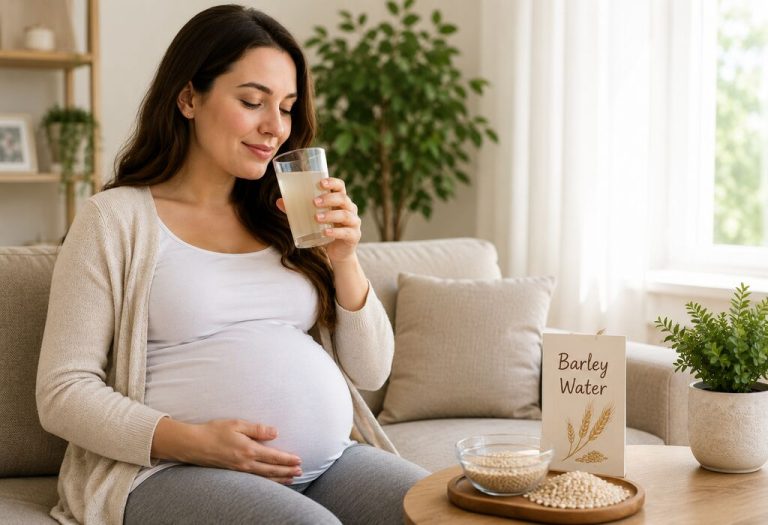
Barley water is a beverage made by boiling barley grains in water and then straining the liquid. Known for its mild, nutty flavour, it has been consumed for centuries in many cultures as a refreshing drink and a traditional remedy for supporting hydration and digestion.
Is it Safe to Drink Barley Water During Pregnancy?
Barley kanji or barley water is a healthy drink made using pearl barley. Barley is good for pregnancy. Barley has a nutty flavour, and barley water for pregnant ladies is beneficial as it helps maintain their health during pregnancy.
According to a study, drinking barley water regularly helps prevent many potential health issues and provides nourishment to the body (1). Additionally, you can add it to your salads, stews, and steamed vegetables.
However, there are many conflicting views around the intake of barley water in pregnancy, due to certain conditional risks which we will address in this article.
Nutritional Value of Barley
There’s a reason barley has been valued as a nutritious grain for centuries. Beyond its mild flavour and versatility, it contains a range of nutrients that can support overall health, making it a worthwhile addition to a balanced diet during pregnancy. The table below provides a closer look at the nutritional composition of 100 g of cooked barley (2).
| Nutrient | Amount |
| Energy | 123 kcal |
| Carbohydrates | 28.2 g |
| Protein | 2.3 g |
| Total Fat | 0.44 g |
| Dietary Fibre | 3.8 g |
| Calcium | 11 mg |
| Iron | 1.33 mg |
| Magnesium | 22 mg |
| Phosphorus | 54 mg |
| Potassium | 93 mg |
| Sodium | 3 mg |
| Selenium | 8.6 mcg |
| Folate | 16 mcg |
| Niacin (Vitamin B3) | 2.1 mg |
| Vitamin B6 | 0.12 mg |
How Much Barley Water Is Safe Per Day During Pregnancy?
While there is no official recommended intake, drinking 1-2 glasses (250-500 ml) of barley water per day is generally considered safe for most pregnant women. Moderate consumption can help you enjoy its potential benefits while maintaining a balanced and varied diet.
Health Benefits of Drinking Barley Water
A barley drink during pregnancy can be a refreshing addition to your daily routine, offering both hydration and nutritional value. Let’s take a look at some of the potential benefits this traditional beverage may offer during pregnancy.
- Barley is a source of calcium, potassium, magnesium, and iron, which are essential for the development of the foetus.
- It is rich in dietary fibre, which helps in preventing some common medical conditions in pregnant women (constipation and haemorrhoids) (3).
- Barley has niacin, which helps with digestion. Niacin also helps in blood clotting which is helpful during caesarean or vaginal delivery.
- The low glycaemic index of barley maintains blood sugar levels and prevents gestational diabetes.
- According to the University of Rochester Medical Center, barley grains are rich in folic acid, which prevents neural tube defects like cleft lip and Spinal Bifida (4).
- The copper present in barley helps in maintaining the flexibility of blood vessels, bones, and joints during pregnancy.
- Barley is a diuretic agent, which makes it safe for consumption and provides relief from yeast infections and urinary tract infections (5).
- It reduces stomach inflammation and flushes toxins out of the body, thus safeguarding it from various infections.
- Having barley water helps with nausea and offers relief from stomach cramps and irritation.
- While your belly grows, barley aids in tissue repair and growth of cells, which is helpful for the belly.
- Barley has lactogenic properties which help in the secretion of more breast milk.
- It lowers cholesterol levels, thus reducing the chances of cardiovascular diseases.
- Barley can help relieve swelling in the legs, which is one of the most common problems pregnant women face.

Common Risks of Barley Consumption
Barley water, when consumed by pregnant women, rarely causes any side effects. However, some women may experience the following:
- According to the University of Manchester, some women may be allergic to barley, and its consumption could trigger itchiness, shortness of breath, and rashes (6).
- Barley dust could cause sinus irritation, pain in the eyes, or nasal congestions in some women.
- If the barley consumed is infected with fungi, you might suffer from Kashin Beck disease, a medical condition related to the bones.
- Those who are intolerant to gluten should not consume barley.
Precautions to Take When Consuming Barley Water During Pregnancy
When consuming barley water during pregnancy, it’s important to take certain precautions to ensure both the mother’s and baby’s health:
- Before adding barley water to your pregnancy diet, it’s crucial to consult with your healthcare provider. They can provide personalised advice based on your individual health needs and any specific concerns.
- While barley water can offer nutritional benefits, it’s essential to consume it in moderation. Excessive intake of any food or beverage during pregnancy can lead to unwanted effects.
- When preparing barley water, ensure proper hygiene practices. Wash barley grains thoroughly before cooking and use clean utensils and equipment to avoid contamination.
- Refrain from adding unnecessary additives, such as sugar or artificial flavourings, to barley water. Opt for natural sweeteners like honey if needed, but be cautious and use them sparingly.
- Some individuals may have allergies or sensitivities to barley. If you have a history of food allergies or intolerances, monitor your body’s response closely when introducing barley water into your diet.
- While barley water can contribute to hydration, it’s essential to maintain a balanced intake of fluids during pregnancy. Drink plenty of water and incorporate other hydrating beverages as well.
- Barley water’s high fibre content may cause gastrointestinal discomfort, such as bloating or gas, in some individuals. Monitor your body’s response and adjust your intake accordingly.
- Opt for whole barley grains or minimally processed barley products to maximise nutritional benefits. Avoid highly processed barley products that may contain added sugars or unhealthy additives.
How to Prepare Barley Water?
Barley kanji or barley water made at home is way healthier than the packaged version, which is often laden with added sugar and preservatives. If you’d like to prepare it yourself, check out the simple homemade barley water recipe below.
- Rinse the barley under running water and soak it in water for at least 3 to 4 hours.
- Strain and mix 1 cup of the barley with 3-4 cups of water.
- Leave the mixture to boil. Once it starts boiling, cover it with a lid. Leave it to simmer for 45 minutes to 1 hour, until the grains are properly cooked and soft.
- Give enough time for the mixture to cool.
- Once it’s cool, strain the barley mixture through a fine-mesh strainer or pour it into a cup and let the grains settle at the bottom.
- Consume 1 or 2 cups of this water daily. You may enhance the taste by adding some lemon juice or honey.
- The excess barley water can be stored in the refrigerator for a maximum of 3 days.
The barley grains can also be used for thickening soups or stews and can be added to smoothies.
FAQs
1. Is barley water safe during third trimester?
Yes, barley water during pregnancy third trimester is generally safe when consumed in moderate amounts. It may help support hydration and digestive health during the later stages of pregnancy, but it should not replace water or other nutrient-rich beverages.
2. Can barley water help with pregnancy-related discomforts?
Yes, barley water may help alleviate certain pregnancy discomforts. Its fibre content can aid in preventing constipation and regulating bowel movements. Additionally, its diuretic properties may reduce the risk of urinary tract infections (UTIs), which are common during pregnancy (5). However, moderation is key, and pregnant individuals should consult their healthcare provider before incorporating barley water into their routine.
3. Is barley water good for urine infection during pregnancy?
Some people use barley water for urine infection because it may help increase fluid intake and support urinary health. However, barley water is not a treatment for urinary tract infections (UTIs). If you experience symptoms such as burning during urination, fever, or pelvic pain, seek medical attention promptly.
This was all about barley and pregnancy. Both barley water and barley grains are beneficial for pregnant women. The abundance of nutrients in barley ensures a healthy pregnancy. However, one should be cautious when purchasing it, and ensure that the barley picked is fresh. Barley in pregnancy should not be consumed in excess and one should always adhere to the instructions of a doctor in case of any discomfort.
Also Read:
Alcohol during Pregnancy
Coconut Water when Pregnant
Drinking Sparkling Water in Pregnancy
Is it Safe to Drink Warm Water while Pregnant
Was This Article Helpful?
Parenting is a huge responsibility, for you as a caregiver, but also for us as a parenting content platform. We understand that and take our responsibility of creating credible content seriously. FirstCry Parenting articles are written and published only after extensive research using factually sound references to deliver quality content that is accurate, validated by experts, and completely reliable. To understand how we go about creating content that is credible, read our editorial policy here.
- Author
- Expert Reviewer


Related Articles
-

Consuming Milk During Pregnancy - Benefits & Precautions
-
Can You Eat Tuna During Pregnancy?
-
Gluten Intolerance During Pregnancy - Signs, Complications and Food Recommendations
-
Taking Vitamin B3 (Niacin) During Pregnancy - Importance, Food Sources and Dosage
-
Paneer During Pregnancy - Benefits, Side Effects & Precautions
-
Lemongrass in Pregnancy - Benefits & Side Effects