

20 Bear Facts for Kids That Will Surprise You
Fun bear facts for kids packed with surprising traits, habitats, and behaviors that make learning about these amazing animals exciting.




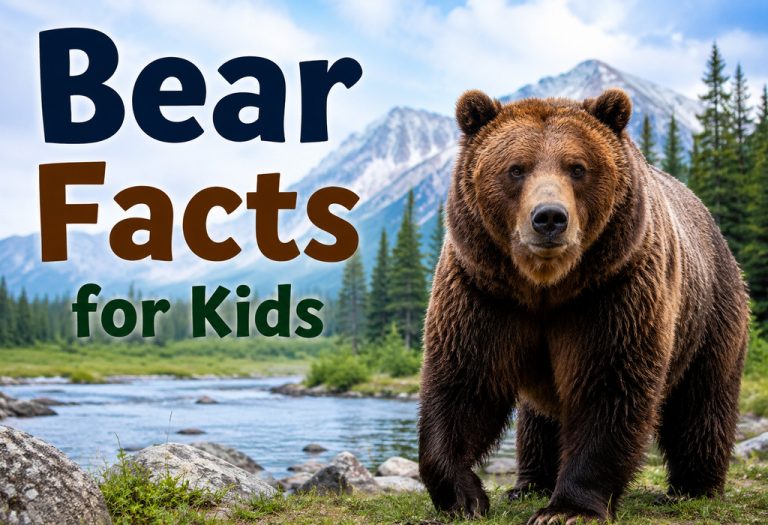
Image Source: AI-Generated Image
Bears are among the most exciting animals children can learn about because they are strong, intelligent, playful, and full of surprises. Some bears live in freezing Arctic regions, while others relax in warm forests filled with berries and honey. They can run faster than many people expect, climb trees with ease, and even communicate using sounds, smells, and body language. Learning interesting bear facts for kids helps children understand nature while making wildlife education fun and memorable. Bears may look slow and sleepy in cartoons, but real bears are skilled survivors that have adapted to many different environments around the world. From giant polar bears to tiny sun bears, every species has something unique about it. Once kids start discovering how bears hunt, sleep, eat, and care for their cubs, they usually want to learn even more about these amazing animals.
What Is a Bear?
A bear is a large wild animal with thick fur, strong legs, sharp claws, and great power. Bears live in forests, mountains, icy regions, and grasslands across different parts of the world. Even though they look big and powerful, many bears spend a lot of time quietly searching for food or caring for their cubs. Children often find bears fascinating because they can seem both gentle and strong at the same time.
How Many Types of Bears Are There?
There are eight main types of bears found in different parts of the world. Some live in snowy Arctic regions while others stay in warm forests and mountains. Each type of bear has its own size, colour, habits, and favourite foods. Learning about the different bears helps children understand how animals adapt to the places where they live.
1. Polar Bear
Polar bears live in the Arctic, where the weather is extremely cold. They have thick white fur and strong bodies that help them swim in icy water. They are called the largest land carnivores on Earth. Also, they rely mostly on Arctic sea ice to hunt seals. Polar bears can live about 25 to 30 years in the wild.
Fun fact: Despite their thick, snowy white fur, polar bears have jet-black skin under their fur!
2. Grizzly Bear
Grizzly bears are large brown bears found mostly in North America. They are powerful animals that enjoy eating fish berries and plants. They are strong swimmers and can even cross large rivers. Their colour profile ranges from color from very light tan to dark brown. With rounded ears and a large shoulder hump, grizzly bears can weigh up to 700 pounds (315 kilograms) or more. They can be found in various habitats, such as forests, woodlands, alpine meadows, prairies, and areas close to rivers and streams.
They are not to be messed with!
3. American Black Bear
Black bears are one of the most common bear species. Even though they are called black bears, some can also be brown or cinnamon in colour.
4. Giant Panda
Giant pandas are loved around the world for their black and white fur. They spend most of their day eating bamboo and resting peacefully.
5. Sloth Bear
Sloth bears are found mainly in India and nearby countries. They have shaggy fur and long claws that help them search for insects and termites.
6. Sun Bear
Sun bears are the smallest bears in the world. They have short black fur and a light colored patch on their chest that looks like a rising sun.
7. Asiatic Black Bear
These bears are also called moon bears because of the white crescent shape on their chest. They are good climbers and spend a lot of time in trees.
8. Spectacled Bear
Spectacled bears live in South America. They get their name from the light markings around their eyes that look like glasses.
Where Do Bears Live?
Bears live in many different places around the world. Some bears stay in cold, snowy regions, while others live in forests, mountains, or grassy areas. They usually choose places where they can easily find food, water, and safe shelter for their cubs. Children who enjoy nature activities like bunny crafts for kindergarten often become curious about wild animals and the habitats they call home.
Polar bears live in the icy Arctic near frozen seas and snow-covered land. Black bears are commonly found in forests across North America, where there are plenty of trees and berries. Giant pandas live in bamboo forests in China and spend most of their time eating and resting quietly. Kids who love learning activities, such as bunny rabbit crafts for preschoolers, often enjoy discovering how different animals survive in different environments.
What Does a Bear’s Home Look Like?
A bear’s home is usually called a den. Bears choose quiet places where they can rest, stay warm, and protect their cubs. Some dens are inside caves, while others are made under trees, rocks, or thick bushes. Even though bears are strong animals, they still seek comfort and safety, just like people do.
In cold regions many bears dig dens into hillsides or snowy ground before winter begins. Mother bears often stay inside these dens with their baby cubs during the cold months. Black bears sometimes use hollow trees as shelter because they feel hidden and secure there. Polar bears build snow dens that help keep warmth inside during freezing Arctic weather.
What Do Bears Eat?
Bears eat many different kinds of food depending on where they live. Most bears are omnivores, which means they eat both plants and animals. They spend a lot of time searching for food because large animals need plenty of energy to stay healthy and strong. Watching how bears eat in the wild helps children understand how animals survive in nature.
Many bears enjoy berries, nuts, roots, and honey. Grizzly bears and black bears also catch fish, especially salmon, during certain seasons. Polar bears mainly eat seals because very few plants grow in the icy Arctic. Giant pandas are different from other bears because they eat bamboo for most of the day
Why Do Bears Hibernate?
Bears hibernate to help their bodies survive during cold winter months. In winter, it becomes harder to find food, so resting helps them save energy. Before hibernation, bears eat large amounts of food and store fat in their bodies. This long sleep also gives mother bears a safe, quiet place to care for their newborn cubs.
During hibernation, a bear’s heart rate becomes slower, and its body uses very little energy. Bears can stay inside their dens for several months without eating or drinking. Even though they sleep for a long time, they can still wake up if they feel danger nearby. When spring arrives, and food becomes easier to find, bears leave their dens and become active again.
Do Bears Sleep All Winter?
Many bears spend most of the winter resting inside their dens. During this time, they become much less active and use stored body fat for energy. Even though people often call it a long winter sleep, bears are not completely unconscious the entire time. Their bodies stay alert enough to react if they feel unsafe or disturbed.
Some bears may wake up for short periods during warmer days. Mother bears often wake to care for and feed their tiny cubs inside the den. Bears living in places with milder winters may not hibernate for very long at all. Polar bears are also different because many of them remain active during winter while searching for food.
What Threats Do Bears Face?
Bears are strong animals, but they still face many dangers in the wild. Changes in nature and human activity can make survival difficult for some bear species. Many bears lose safe places to live when forests are cut down or ice begins to melt. Learning about these threats helps children understand why protecting wildlife is so important.
Polar bears are affected by melting Arctic ice because they depend on it for hunting seals. Some bears also struggle when food becomes harder to find in damaged habitats. Hunting and pollution can create problems for bear populations in different parts of the world. Wildlife groups and conservation workers are working hard to protect bears so that future generations can continue to see these amazing animals in nature.
Fun Facts About Bears for Kids
Bears are full of surprises and children often enjoy learning new things about them. Some bears are giant swimmers, while others are excellent tree climbers. These bear fun facts for kids can make learning about wildlife more exciting and memorable. The more children discover about bears, the more they understand how smart and adaptable these animals really are.
1. Bears can run very fast, and some species can move quicker than a horse over short distances.
2. Polar bears are excellent swimmers and can travel through icy water for many hours.
3. Giant pandas spend most of their day eating bamboo because it is their favourite food.
4. Bears have a very strong sense of smell, which helps them find food from far away.
5. Baby bears are called cubs, and they stay close to their mothers for safety and learning.
6. Sun bears are the smallest bears in the world, and they have long tongues for eating insects and honey.
7. Polar bears have black skin underneath their white fur, which helps them stay warm in cold weather.
8. Black bears are skilled tree climbers, and young cubs often climb trees to stay safe.
9. Many bears enjoy catching salmon during fish migration seasons near rivers and streams.
10. Bears use their strong claws to dig for insect roots and comfortable resting places.
11. Some bears stand on two legs for a short time so they can smell the air and look around better.
12. Bears are intelligent animals, and they can remember places where they previously found food.
13. Sloth bears use their long snouts to suck termites and insects from tiny holes.
14. Bears communicate using sounds, body movements, and scent markings in the wild.
15. Many bears sleep inside dens during winter to help save energy when food is harder to find.
16. Giant pandas have a special wrist bone that works almost like a thumb to help them hold bamboo.
17. Polar bears are the largest land carnivores, and adult males can grow extremely heavy.
18. Bears can be playful animals, and young cubs often wrestle and roll around together while learning new skills.
19. Some interesting facts about bears for kids include that bears can swim, climb, run, and even open simple containers with their paws.
20. Bears may look slow from far away, but they are powerful animals that move quickly when needed.
Bears are some of the most amazing animals children can learn about. They are strong, intelligent, and perfectly adapted to many different environments around the world. From climbing trees to swimming in icy water, bears have many skills that help them survive in nature. Learning about bears also helps kids understand why protecting forests, mountains, and Arctic habitats is important. Many people feel connected to bears because they care deeply for their cubs and spend much of their lives searching for food and safety. Exploring facts about wildlife can inspire children to respect animals and become more curious about the natural world. The more we learn about bears the more we realize how special and important these beautiful creatures truly are.
Also Read:
Spring Songs for Preschoolers and Kids to Celebrate the Season
Amazing Health Benefits of Cycling for Kids
Fascinating Facts About Camels for Kids
Was This Article Helpful?
Parenting is a huge responsibility, for you as a caregiver, but also for us as a parenting content platform. We understand that and take our responsibility of creating credible content seriously. FirstCry Parenting articles are written and published only after extensive research using factually sound references to deliver quality content that is accurate, validated by experts, and completely reliable. To understand how we go about creating content that is credible, read our editorial policy here.
- Author








.svg)