
Velcro Baby: What It Is, Characteristics, & Parenting Tips
Understand the signs of a Velcro baby, possible causes, and practical ways to help your baby feel safe and secure.




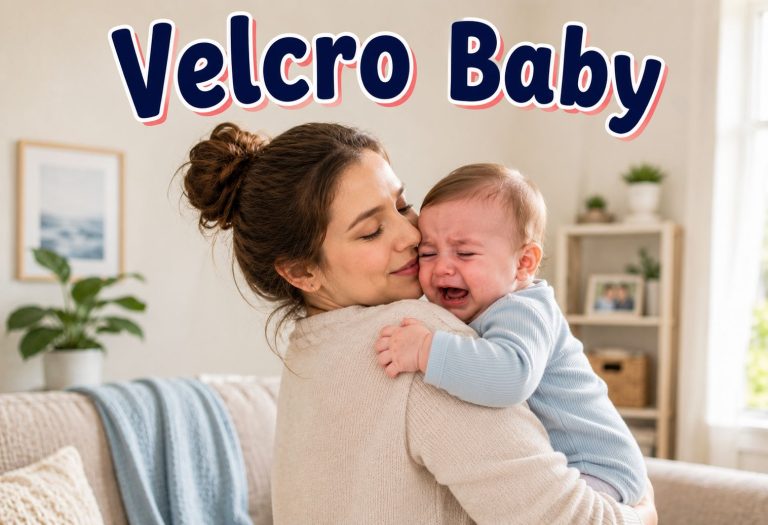
Does your baby want to be held all day and seem upset the moment you put them down? If so, you may have what many parents call a “Velcro baby.” These babies crave constant closeness and often prefer being in a parent’s arms rather than playing or resting on their own. While this behaviour can be exhausting at times, it is usually a normal part of a baby’s development and attachment. In fact, research suggests that around 65% of infants develop secure attachments with their primary caregivers, and seeking comfort, reassurance, and physical closeness is a natural part of building those bonds (1).
Read on to learn what a Velcro baby is, the common signs to look for, and helpful parenting tips to make this stage easier for both you and your little one.
What Is a Velcro Baby?
If you are wondering about the Velcro baby meaning, it refers to a baby who seems to “stick” to a parent like Velcro, often wanting to be held, carried, or kept within sight throughout the day. These babies may become upset when separated from their caregiver, even for short periods.
A Velcro baby is not a medical condition or a sign that something is wrong. Instead, it is often linked to a baby’s natural need for comfort, security, and emotional connection. This behaviour can be especially common during periods of rapid development, growth spurts, or when babies begin to experience separation anxiety.
What Age Does the Velcro Baby Stage Start and Finish?
The Velcro baby stage can appear at different times during infancy and toddlerhood, depending on what is causing the clingy behaviour. For many babies, clinginess becomes more noticeable around 8 months of age as separation anxiety begins to develop. This stage often peaks between 10 and 18 months and gradually improves by around 3 years of age as children gain confidence and become more comfortable spending time away from their caregivers (2). Since every child is different, the timing and duration of the Velcro baby stage can vary.
Stages of a Velcro Baby
A Velcro baby doesn’t stay equally clingy forever. Here’s how clingy behaviour typically evolves from infancy to the preschool years.
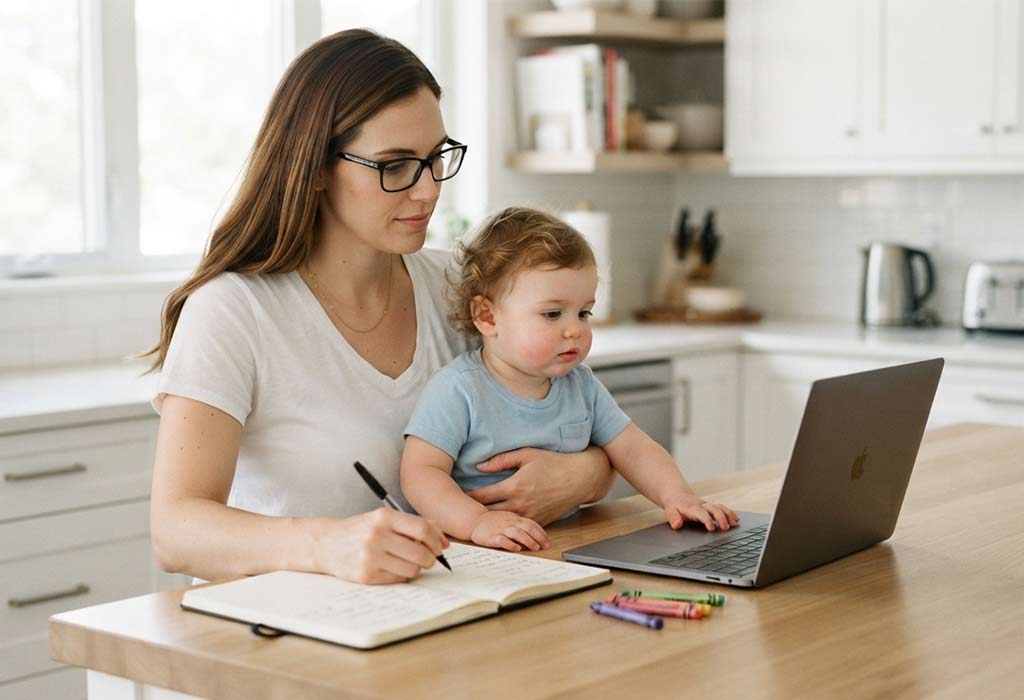
Infancy (0-12 Months)
During infancy, babies depend almost entirely on their caregivers to meet both their physical and emotional needs. They feel safest when they are being held, cuddled, or kept close, which is why many Velcro babies become fussy when put down.
Toddlerhood (1-3 Years)
Clinginess often becomes more noticeable during toddlerhood as children develop a stronger awareness of separation. Your toddler may want to follow you from room to room, ask to be carried frequently, or become upset when you leave, even for a short time. While this behaviour can be challenging, it’s a normal part of emotional development.
Preschool Age (3-5 Years)
By the preschool years, many children begin balancing their need for closeness with a growing sense of independence. They are more willing to explore new environments, interact with other children, and participate in activities on their own, although they may still seek comfort from their parents during unfamiliar or stressful situations.
What Are the Characteristics of a Velcro Baby?
Velcro babies often have a strong need for closeness, comfort, and reassurance from their caregivers. While every child is different, certain behaviours are commonly seen in babies who prefer constant connection and attention.
1. Constant Desire to Be Held
A Velcro baby often wants to be carried or held throughout the day and may become upset when put down.
2. Difficulty With Separation
These babies can become distressed when a parent leaves the room or is out of sight, even for a short time.

3. Preference for One Caregiver
Many Velcro babies show a strong attachment to one parent or primary caregiver and may resist being comforted by others.
4. Frequent Need for Reassurance
They often seek comfort through cuddling, physical contact, or staying close to a trusted caregiver, especially in unfamiliar situations.
What Are the Benefits of Having a Velcro Baby?
While a Velcro baby may need extra time, attention, and cuddles, this close attachment can support healthy emotional and social development. Here are some important benefits of raising a Velcro baby.
1. Builds a Strong Emotional Bond
Responding to your baby’s need for comfort helps create a secure attachment, making them feel safe, loved, and supported (3).
2. Encourages Healthy Emotional Development
Babies who receive consistent care and reassurance often develop better emotional regulation and trust in their caregivers (4) (5).
3. Promotes Greater Confidence Over Time
Feeling secure during infancy can help children become more confident and independent as they grow and explore the world (6).
4. Strengthens Parent-Child Communication
Spending more time together helps parents understand their baby’s cues, needs, and emotions, making it easier to respond effectively.
Common Challenges of Raising a Velcro Baby
A Velcro baby’s constant need for closeness can make even simple daily tasks feel more challenging. Here are some of the most common struggles parents face during this stage.
1. Limited Personal Time
A Velcro baby often wants to be held or stay close, leaving parents with little time for household tasks, work, or self-care.
2. Difficulty Sleeping Independently
Many Velcro babies struggle to fall asleep or stay asleep without a parent nearby, which can lead to disrupted sleep for the whole family.
3. Separation Anxiety
Babies may become upset when a caregiver leaves the room or when someone else tries to comfort them, making daily routines more challenging.
4. Physical and Emotional Exhaustion
Constant carrying, soothing, and responding to a baby’s needs can leave parents feeling physically tired and emotionally drained, especially without enough support.
Parenting Tips for Dealing with a Velcro Baby
Helping a Velcro baby feel secure doesn’t mean holding them all day. These simple Velcro parenting tips can make daily life more manageable.
1. Respond to Your Baby’s Needs
Offer comfort and reassurance when your baby seeks closeness. Consistent responses help build trust and emotional security.
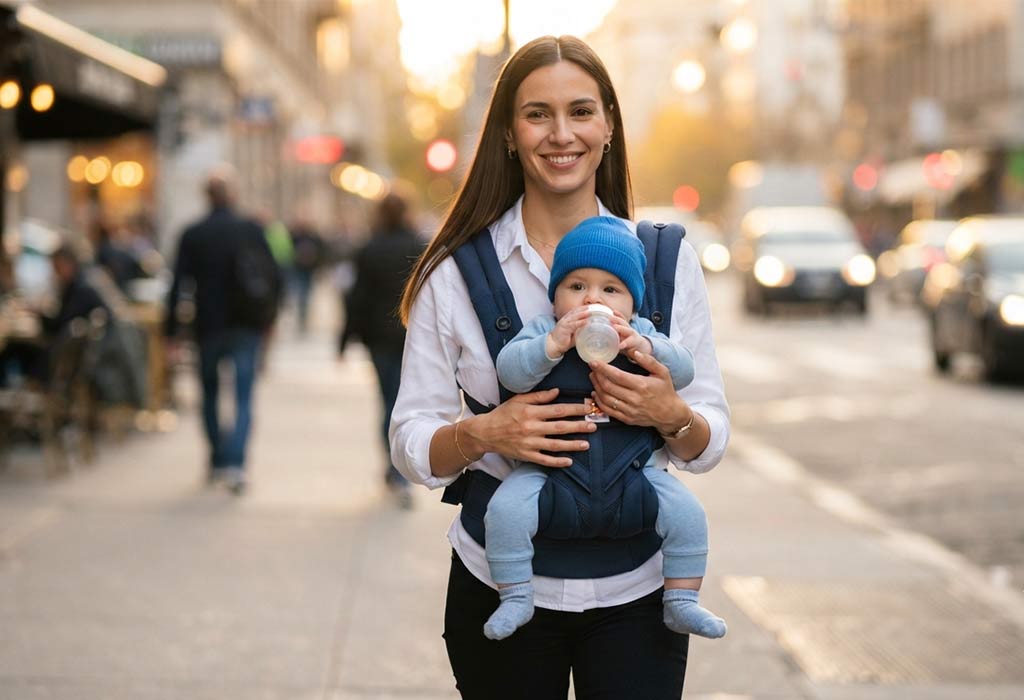
2. Use a Baby Carrier
A baby carrier or wrap lets your baby stay close while keeping your hands free for everyday tasks.
3. Encourage Independent Play Gradually
Start with short periods of independent play while staying nearby, then slowly increase the time as your baby becomes more comfortable.
4. Create Predictable Routines
Consistent routines for feeding, naps, and bedtime help babies feel secure and reduce anxiety.
5. Practice Short Separations
Leave your baby with a trusted caregiver for brief periods and gradually extend the time to build confidence.
6. Be Patient and Stay Consistent
Remember that the Velcro baby stage is usually temporary. Responding with patience and consistency can help your baby feel safe as they gradually become more independent.
FAQs
1. Are Velcro babies more common with firstborn children?
Not necessarily. A baby’s personality, temperament, and developmental stage play a much bigger role than birth order.
2. Can a Velcro toddler attend daycare?
Yes. With a gradual transition and supportive caregivers, most Velcro babies adjust well to daycare over time.
3. Will responding to my baby’s cries make them more clingy?
No. Responding to your baby’s needs helps build trust and a secure attachment. As they grow, this sense of security often supports greater independence.
Every baby is unique, and what works for one child may not work for another. If you ever have concerns about your child’s clinginess or overall development, don’t hesitate to consult your paediatrician. Have a Velcro baby at home or tips that worked for you? Share your experience in the comments below. We’d love to hear from you!
Also Read:
Causes of Baby Crying
Baby Wants to Be Held All the Time
Importance of Letting Baby Play on the Floor
Was This Article Helpful?
Parenting is a huge responsibility, for you as a caregiver, but also for us as a parenting content platform. We understand that and take our responsibility of creating credible content seriously. FirstCry Parenting articles are written and published only after extensive research using factually sound references to deliver quality content that is accurate, validated by experts, and completely reliable. To understand how we go about creating content that is credible, read our editorial policy here.
1. Assistant Secretary for Planning and Evaluation – Infant Attachment: What We Know Now
2. Cleveland Clinic – Separation Anxiety in Babies
3. UNICEF – What you need to know about parent-child attachment
4. St. George Mini School & Infant Care – How Consistent Caregivers Help Infants Feel Secure
5. American Psychological Association – How to help kids understand and manage their emotions
6. Center for Health and Safety Culture at Montana State University – Confidence
- Author


Related Articles
-

Hygiene Tips for a Healthy Baby
-
Almond Oil for Baby Massage - Benefits and Precautions
-
6 in 1 Vaccination for Babies - Why It's Worth Considering for Every Mom
-
12 Tips to Take Care of Premature Baby at Home
-
Handy Baby Care Tips That Will Make Your First Month With Baby Much Easier
-
6 Completely Different Needs of Boy and Girl Babies






.svg)