

Mom Rage – Causes & Ways to Manage It
Parenting stress and emotional overload can trigger mom rage. Learn healthy ways to cope and regain balance.




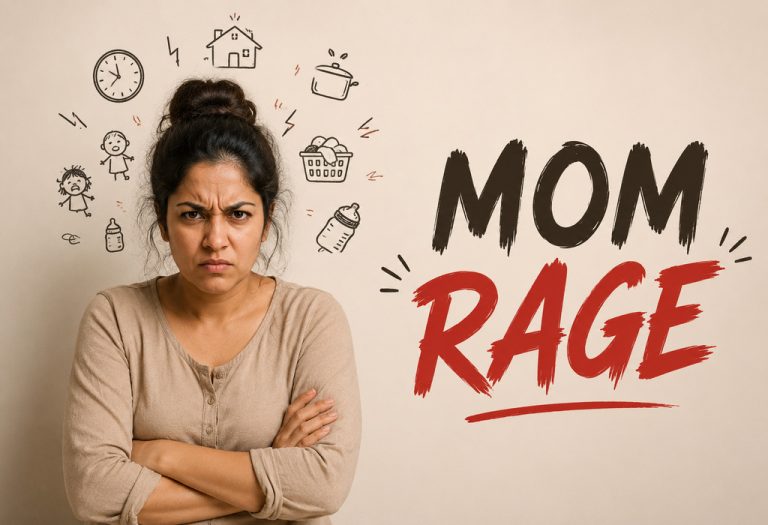
Have you ever found yourself suddenly snapping at your kids over something small and then feeling guilty about it later? Parenting can be beautiful, but it can also feel overwhelming, exhausting, and emotionally draining at times. When stress, lack of sleep, mental load, and constant responsibilities build up, many mothers experience what is often called “mom rage.” It is more common than most people think, yet many moms struggle to talk about it openly. In this article, we will explore the causes of mom rage, its signs, and simple ways to manage it in a healthier way. Read on to learn more.
What Is Mom Rage?

Mom rage meaning refers to the intense feelings of anger, frustration, or emotional overwhelm experienced by mothers, often as a result of stress, exhaustion, mental overload, and the constant demands of parenting. Although it is not a medical diagnosis, the phrase is commonly used to explain emotional outbursts, irritability, or resentment that can build up when a mother feels unsupported, overstimulated, or burned out (1).
How Does Mom Rage Feel?
While every experience is different, there are some common signs that can help you recognise when mom rage may be building up (2).
1. Sudden Anger Over Small Things
One of the most common mom rage symptoms is becoming extremely upset over minor situations, like spills, noise, or repeated interruptions. Small triggers may feel much bigger when stress has been building for a long time.
2. Feeling Constantly Irritated
Moms experiencing rage often feel annoyed or emotionally exhausted throughout the day. Even normal parenting demands can start to feel overwhelming and frustrating.
3. Yelling or Emotional Outbursts
Mom rage may lead to shouting, snapping, or reacting more harshly than intended. These emotional outbursts are usually followed by guilt, sadness, or regret.
4. Physical and Mental Exhaustion
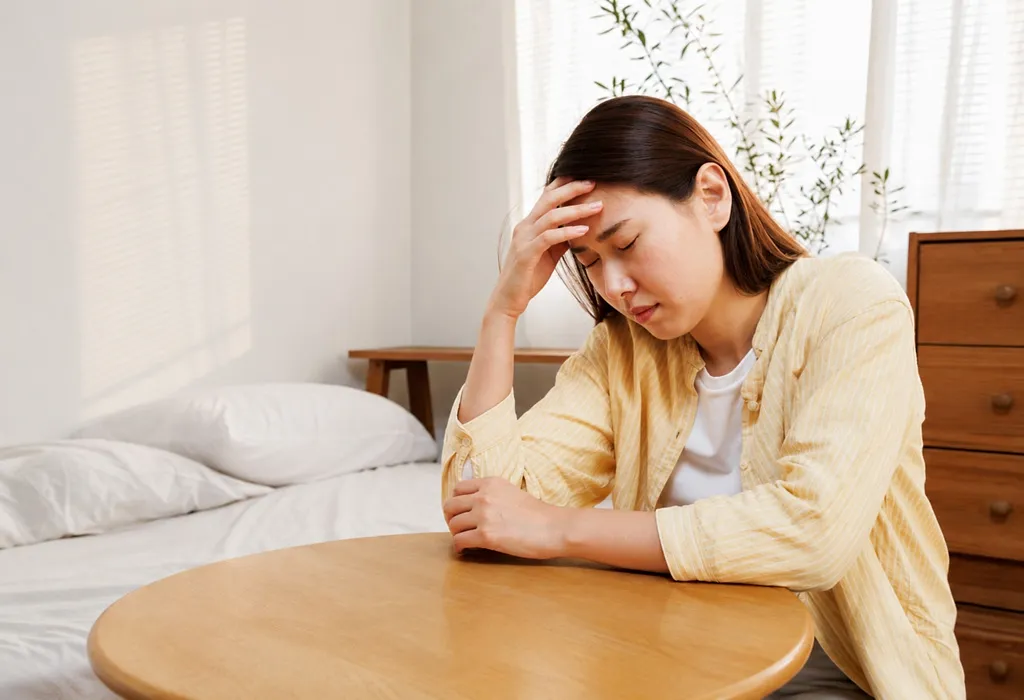
Another common mom rage symptom is feeling mentally drained and physically tired all the time. Lack of sleep, nonstop responsibilities, and little personal time can make emotions harder to control.
What Causes Mom Rage?
Mom rage doesn’t usually come from one single moment; it often builds slowly through ongoing stress, exhaustion, and the emotional demands of parenting. Here are some common causes of mom rage (1) (3).
1. Lack of Sleep
Sleep deprivation is one of the biggest causes of mom rage. When moms are constantly tired, it becomes harder to stay patient, think clearly, and manage emotions calmly.
2. Overthinking
Many mothers carry the invisible responsibility of planning schedules, managing household tasks, remembering appointments, and caring for everyone’s needs. This constant mental pressure can become overwhelming over time.
3. Feeling Unsupported
A lack of emotional or practical support from partners, family members, or friends can leave moms feeling alone and frustrated. Handling everything without help often leads to emotional burnout.
4. Constant Stress and Overstimulation
Loud noise, messy spaces, nonstop interruptions, and busy routines can overstimulate the mind. When stress builds up daily without a break, small situations can quickly trigger anger.
5. Unrealistic Expectations
Many moms feel pressure to be perfect parents while also managing work, relationships, and household duties. Trying to meet unrealistic expectations can create frustration and emotional exhaustion.
6. Hormonal Changes
Hormonal shifts during pregnancy, postpartum recovery, or menstrual cycles can affect mood and emotional control. These changes may increase irritability and emotional sensitivity.
7. Lack of Personal Time
When moms rarely get time to rest, relax, or focus on themselves, emotional fatigue can build up. Having no personal space or downtime can make stress feel even more intense.
Ways to Cope With Mom Rage
Now that you know the signs and common causes of mom rage, let’s talk about mom rage treatment and ways to cope with those overwhelming moments in a healthier and more manageable way (3).
1. Take Deep Breaths Before Reacting
Pausing for a few deep breaths can help calm your nervous system and prevent an immediate emotional outburst. Even a short pause can make a big difference during stressful moments (4).
2. Get Enough Rest
Lack of sleep often increases irritability and emotional exhaustion. Prioritising rest whenever possible can improve patience and emotional control.
3. Ask for Help
You do not have to handle everything alone. Sharing responsibilities with your partner, family members, or friends can reduce stress and mental overload.
4. Take Short Breaks During the Day
Even a few quiet minutes alone can help reset your mind. Simple breaks can reduce feelings of overwhelm and help you feel calmer.
5. Identify Your Triggers
Pay attention to situations that often lead to anger, such as noise, clutter, or exhaustion. Recognising triggers can help you prepare and respond differently.
6. Practice Self-Care Regularly

Self-care is an important part of mom rage treatment. Activities like walking, reading, exercising, or enjoying a hobby can help reduce stress and improve mood (5).
7. Lower Unrealistic Expectations
Trying to do everything perfectly can create unnecessary pressure. Accepting that not every day will go smoothly can ease emotional stress.
8. Talk About Your Feelings
Keeping emotions bottled up can make frustration worse. Talking to someone you trust can help you feel supported and emotionally lighter.
9. Create a Calming Routine

Simple routines like listening to music, journaling, meditating, or drinking tea quietly can help manage stress levels throughout the day (4).
10. Spend Time Away From Screens
Constant phone use and social media comparisons can increase stress and emotional pressure. Taking breaks from screens can help improve mental clarity.
11. Focus on Healthy Habits
Eating balanced meals, staying hydrated, and moving your body regularly can support emotional health and reduce mood swings.
12. Consider Professional Support
If mom rage feels intense, frequent, or difficult to control, speaking with a therapist or mental health professional can help. Professional guidance can provide healthy coping strategies and emotional support.
Effects of Mom Rage on Children and Partner
Mom rage can affect the entire family, not just the mother experiencing it. When stress, frustration, and emotional overwhelm build up over time, they can influence communication, emotional connection, and the overall atmosphere at home. Here’s a closer look at how mother rage can impact children as well as partners and relationships (6).
Impacts on Children
Children are highly sensitive to the emotional environment around them. Constant exposure to anger or emotional outbursts may make them feel anxious, scared, or emotionally insecure. Some children may become withdrawn, while others may start copying aggressive behaviour or struggle to express their own emotions in healthy ways. Over time, repeated tension at home can also affect a child’s confidence, behaviour, and sense of emotional safety.
Impacts on Partner & Relationship

Mom rage can also create stress within a relationship or marriage. Frequent arguments, frustration, or emotional distance may lead to misunderstandings and communication problems between partners. In some cases, feelings of resentment, lack of support, or emotional exhaustion may contribute to moments of mom rage at husband, affecting connection and understanding between partners. Without open communication and mutual support, ongoing emotional stress can slowly affect trust, connection, and overall relationship health.
FAQs
1. Is mom rage linked to postpartum depression or anxiety?
Yes, mom rage can sometimes be linked to postpartum depression, postpartum anxiety, or chronic stress after childbirth. While many people associate postpartum conditions with sadness or worry, they can also show up as irritability, anger, emotional outbursts, or feeling constantly overwhelmed.
2. When should someone seek professional help for mom rage?
If anger feels uncontrollable, happens frequently, affects relationships, or causes emotional distress, it may be time to seek professional support. Getting mom rage help through therapy, counselling, or support groups can help mothers better understand their emotions and develop healthier coping strategies.
Motherhood asks so much from women every single day, often without pause, appreciation, or enough time to recover. Behind many moments of anger is usually a mother who is exhausted, emotionally stretched, and trying her best to hold everything together. Recognising those feelings with compassion instead of guilt is an important step toward healing, balance, and emotional well-being.
Also Read:
Postpartum Rage
Common Parenting Issues and Their Solutions
Was This Article Helpful?
Parenting is a huge responsibility, for you as a caregiver, but also for us as a parenting content platform. We understand that and take our responsibility of creating credible content seriously. FirstCry Parenting articles are written and published only after extensive research using factually sound references to deliver quality content that is accurate, validated by experts, and completely reliable. To understand how we go about creating content that is credible, read our editorial policy here.
1. Postpartum Support International – Mom Rage: Causes, Ways to Cope, and Reasons for Hope
2. PubMed Central – “A Fire in my Belly:” Conceptualizing U.S. Women’s Experiences of “Mom Rage”
3. Laura Hans Therapy – Understanding ‘Mum Rage’
4. University of Colorado Law School – 25 Quick Ways to Reduce Stress
6. PubMed Central – Seeing Red: A Grounded Theory Study of Women’s Anger after Childbirth
- Author










.svg)