Multiple Pregnancy: Signs, Precautions & FAQ’s
Learn the early signs of multiple pregnancy, essential precautions, and answers to common questions for a healthier twin or multiple pregnancy.





Medically Reviewed By
Dr. Deepinder Kaur
(Gynaecologist)


This content has been reviewed by a qualified expert and follows the FirstCry Parenting editorial policy to ensure accuracy and reliability.
Finding out that you’re expecting twins, triplets, or more can be exciting and surprising at the same time. While multiple pregnancies bring double or even triple the joy, they also come with some extra care and health considerations. Knowing what causes multiple pregnancies, the possible risks, and how to stay healthy during multiple birth pregnancy can help you feel more prepared for the journey ahead.
Read on to learn about multiple pregnancy week by week, including its causes, potential risks, and the care needed for a healthy outcome.
What Is Multiple Pregnancy?
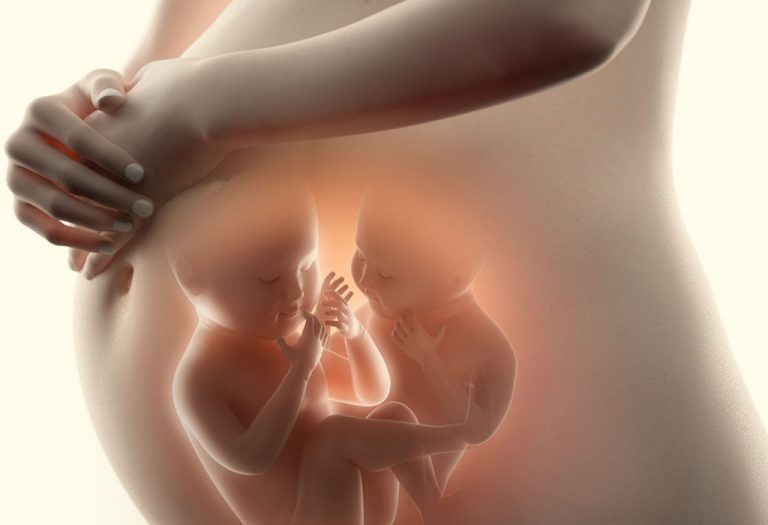
Multiple pregnancies, as the name suggests, is a pregnancy in which the mother carries more than one foetus in the uterus. The most common type of multifetal pregnancy is twins, where there are two babies developing simultaneously in the womb. Rarely, there are three or four foetuses developing in a single pregnancy (1).
Multiple Pregnancy Types
Multiple pregnancies are mainly classified based on how the babies are conceived and develop in the womb. Here are the main types of multiple pregnancies:
1. Fraternal Multiples (Dizygotic)
Fraternal multiples occur when two or more eggs are released during the same ovulation cycle and each egg is fertilised by a different sperm. Since they develop from separate eggs and sperm, these babies are genetically different, just like regular siblings. They may be the same sex or different sexes and often do not look identical (2).
2. Identical Multiples (Monozygotic)
Identical multiples develop when a single fertilised egg divides into two or more embryos during the early stages of pregnancy. Because they come from the same egg and sperm, the babies share the same genetic makeup. They are usually very similar in appearance and are always of the same sex (3).
Causes of Multiple Pregnancy
The formation of identical twins is a natural process that happens by chance. However, there are a couple of factors that influence your chances of having multiple pregnancies (4).
- Age: If the age of the mother is 35 or above, the chances of having multiple pregnancies are reportedly high.
- Heredity: Researchers have discovered that the probability of having fraternal twins has a genetic predisposition to it.
- Previous History: A history of multiple pregnancies in the family increases the chances of it repeating.
- Ethnicity: Historically, women belonging to certain ethnicities stand a higher chance of having multiple pregnancies.
Besides these natural causes, there are some other reasons for multiple births.
- Medications for Ovulation: Doctors generally prescribe ovulation-stimulating medications to women who have irregular ovulation cycles. Follicle-stimulating hormone (FSH) and Clomiphene citrate are generally prescribed by doctors to enhance egg production (5). These medications can sometimes result in the production of more than one egg, which when fertilised leads to the formation of dizygotic or fraternal twins.
- In-vitro Fertilization: In in-vitro fertilisation, the process of zygote formation happens outside the body. To increase the chances of fertilisation, multiple eggs are exposed to the sperms. This gives rise to a higher probability of more than one egg getting fertilised leading to twin or triplet pregnancy (6).
Multiple Pregnancy Symptoms
There are some early signs of multiple pregnancies that women can look for if they suspect that they are carrying twins (7).
- Morning sickness: Although morning sickness is a very usual feature of the first trimester of pregnancy, women carrying twins or more, tend to experience an increased level of nausea and vomiting. The tenderness of breast is also relatively high.
- Weight gain: Women with multiple pregnancies, tend to gain a couple of more kilograms as compared to those carrying a single baby. However, this is not an early indication of having twins, as the weight gain becomes prominent only after the second trimester.
- Bigger bump: The uterus expands to a larger size while accommodating two or more babies, making the baby bump visibly larger.
- Increase in appetite: Due to the doubled nutritional needs of the growing foetus, a woman carrying twin babies generally tend to have a sudden increase in their appetite. It is a natural mechanism of the body to increase nutrient uptake.
These symptoms are very subjective and can differ from one person to the other.
Diagnosis of Multiple Pregnancy
The diagnosis of multiple pregnancies is possible during the initial stages of pregnancy itself with the help of the necessary technologies. Some of the techniques that doctors use to check for multifoetal pregnancy are (8):
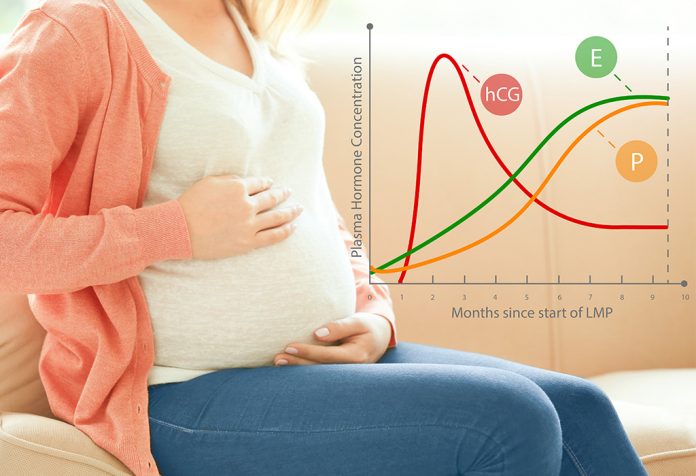
- HCG Levels: The hormone human chorionic gonadotrophin is generally elevated in a pregnant woman. These levels are comparatively higher for those carrying more than one foetus. Therefore, the level of HCG hormone in the blood is a clear indicator of multiple pregnancies.
- Ultrasound Scan: The regular ultrasound scan will give conclusive evidence on multiple pregnancies. A woman carrying more than one foetus can come to know of it as early as 20 weeks of her pregnancy, through a simple ultrasound scan.
- Blood Test: During pregnancy, the foetus secretes a protein called Alpha-fetoprotein (AFP) from its liver, which integrates into the bloodstream of the mother (9). A measurement of the level of AFP is usually done during the 15th and 17th week of pregnancy. A higher level of AFP is one of the early signs of the woman carrying more than one foetus.

Mode of Delivery
The position of the baby inside the womb, vertex or breech, majorly decides the mode of delivery. The baby is delivered either vaginally or through C-section, depending on factors like the position of the foetus, health of the mother and the babies, stage of pregnancy, etc.
1. Vaginal Delivery
Usually, a vaginal delivery is done only when there are no complications. In the case of twins, if both babies are in a head-down (vertex) position, normal vaginal delivery is possible. However, a normal vaginal delivery also is performed in an operation theatre for catering to any kind of emergency.
2. Operative Delivery
If the foetuses are delivered pre-term, they are usually delivered through C-section to avoid causing any risk to mother and the baby. In the case where one or both the babies are in the breech position, a caesarean is preferred to minimise the risk of any complications. For mothers carrying three or more foetuses, a C-section is always the choice of delivery.
Multiple Pregnancy Risks
It is very important for couples who are expecting multiple babies, to have a clear picture of the various risks associated with it. The general complications that can arise in a multifetal pregnancy are,
Risks to mother
- Miscarriage: Sometimes babies in a multiple pregnancy, do not survive long enough to complete the full term. A medical condition called ‘vanishing twin syndrome’ occurs when one of the two babies in a twin pregnancy fail to survive (10).
- Pre-eclampsia: Pre-eclampsia is a condition that leads to hypertension and increased blood pressure in the mother. Chances of having preeclampsia are elevated in multifetal pregnancies and can lead to further complications that can even cause the detachment of the placenta (11).
- Postpartum haemorrhage: Due to the sheer size of the placenta and the uterus in a multifetal pregnancy, the chances of the mother experiencing a haemorrhage inside the uterus are high (12).
- Anaemia: In multifetal pregnancies the nutritional needs of the baby are increased twice or thrice more than a singleton pregnancy, thereby making the mother prone to anaemia.
- C-section: The chances of having a C-section delivery are very high with a multiple pregnancy.
- Risk to mother’s life: The maternal mortality rates with multiple pregnancies are comparatively higher than singleton pregnancies owing to a number of risk factors like anaemia, haemorrhage, pre-eclampsia, etc.
Risks to foetus
- Premature babies: Multiple birth babies are at a higher risk of being born prematurely owing to the space and nutritional constraints inside the uterus. Babies born before 28 weeks of pregnancy, have underdeveloped internal organs, leading to postnatal complications. These babies are usually given life support in the neonatal care units until considerable growth is achieved.
- Congenital defects: Multiple birth babies have a two times higher chance of having birth defects such as neural tube defects, cardiac defects and gastrointestinal defects, compared to single birth babies.
- Twin-Twin transfusion: This is a condition in which monozygotic identical twins who share the placenta do not get an equal share of blood and nutrients. In some rare cases, the blood vessels form in such a way that one of the foetuses gets more blood compared to the other. This condition can lead to growth defects in the undernourished baby (13).
- Intrauterine growth restrictions or IUGR: These are very likely to occur with twins or more, due to the lack of space for the foetus to grow. In such cases, babies appear smaller and do not gain sufficient weight inside the womb (14).
Precautions to Be Taken in Case of Multiple Pregnancy
Once you have been diagnosed with multiple pregnancies, there are some precautions that you can take to avoid any associated complications.
- Higher nutrient intake: As the nutritional demands of the growing foetuses are double, a conscious increase in the consumption of nutrients can go a long way in reducing the risk of undernourishment both for the babies and the mother.
- Continuous monitoring: Women carrying more than one foetus are often advised to visit the doctor more frequently to carry out a continuous assessment of the health of the baby and the mother. Regular ultrasound scans are done to check for any kind of anomaly at every stage of the pregnancy.
- Rest: Multiple pregnancies of a higher order like triplets or quadruplets warrant a lot of bed rest as these pregnancies are associated with a lot of complications. Depending on the risk factors, doctors even advice women with twin pregnancies to take adequate bed rest.
- Stitching of the cervix: Many women who carry multiple babies have increased chances of cervical incompetence. In order to avoid the opening up of the cervix before the completion of the full term, doctors stitch the mouth of the cervix in a process termed as cervical cerclage.
- Medications: Doctors often prescribe nutritional supplements in the form of medicines and other hormones like corticosteroids for ensuring a safe delivery.
Complications of Multiple Pregnancy
Many times when multiple birth babies are born prematurely, they are observed and cared in incubators in the neonatal care units (NICUs). After the babies develop the ability to survive without assistance, they are removed from the incubator support. Some common complications with multiple babies are,
- Breastfeeding of two or more babies at a time can be a very challenging task for the new mother. Lactation and feeding are very much possible with multiple babies and a lactation consultant can be very helpful in establishing a feeding routine.
- A pregnant woman with triplets may face greater emotional and physical challenges during and after pregnancy. Having supportive family and friends can go a long way in staying positive and happy.
- Premature babies may have some developmental complications in future. Regular postnatal checkups are required to ensure the well being of the babies, especially if they are born with some birth defects.

FAQs
1. Why is multiple birth a matter of concern?
Multiple births are usually associated with some risks and complications for both the mother and the babies. Special care and monitoring are required for mothers who are carrying more than one baby to keep a check on their health and well being.
2. Do I need to gain extra weight in case of multiple pregnancy?
As per the standard medical recommendation, the mother’s weight gain is an indicator of the baby’s growth. In the case of multiple pregnancies, the weight gain of the mother is doubled or tripled to reflect the growth of the foetus inside.
3. Will multiple pregnancy affect foetal growth?
Yes. Multiple pregnancies affect the growth of the foetus due to lack of enough space for the growth of the babies. Lack of proper nutrition also can slow the growth process. Sometimes, placental defects or conditions like TTTS can affect the growth of one of the foetus.
4. Should I exercise if I am pregnant with multiples?
Exercising is very good during pregnancy and practising light exercises for at least 30 minutes in a day can be very helpful in staying active and fit. Only in conditions where the doctor has advised complete bed rest, exercising should be avoided.
5. Can implantation bleeding be heavier with twins or multiples?
Implantation bleeding with multiples may be slightly more noticeable in some pregnancies because more than one embryo is attaching to the uterine lining. However, the amount of bleeding can vary widely from one person to another, and experiencing heavier implantation bleeding does not necessarily mean you are carrying twins or higher-order multiples.
A multi pregnancy is a magical event for a couple and can be the source of unfettered joy and trepidation simultaneously. As with a single pregnancy, it is sure to progress smoothly is the expectant mother is well-cared for.
Also Read:
Abdominal Pregnancy
Heterotopic Pregnancy
What is Chemical Pregnancy?
List of 10 Different Kinds of Pregnancy
Was This Article Helpful?
Parenting is a huge responsibility, for you as a caregiver, but also for us as a parenting content platform. We understand that and take our responsibility of creating credible content seriously. FirstCry Parenting articles are written and published only after extensive research using factually sound references to deliver quality content that is accurate, validated by experts, and completely reliable. To understand how we go about creating content that is credible, read our editorial policy here.
1. Cleveland Clinic – Expecting Twins or Triplets
2. National Human Genome Research Institute – FRATERNAL TWINS
3. National Human Genome Research Institute – IDENTICAL TWINS
4. Stanford Medicine Children’s Health – Overview of Multiple Pregnancy
5. AMERICAN SOCIETY FOR REPRODUCTIVE MEDICINE – MEDICATIONS FOR INDUCING OVULATION
6. National Library of Medicine – In Vitro Fertilization
7. Mass General Brigham – Signs of Multiples in Early Pregnancy
8. Johns Hopkins Medicine – Multiple Pregnancy
9. Stanford Health Care – Alpha-Fetoprotein (AFP)
10. Cleveland Clinic – Vanishing Twin Syndrome
11. Cleveland Clinic – Preeclampsia
12. Cleveland Clinic – Postpartum Hemorrhage
- Author
- Expert Reviewer


Related Articles
-

5 Weeks Pregnant With Twins or Multiples - What to Expect
-
28 Weeks Pregnant with Twins
-
Twins with IVF - Chances, Symptoms and Risks
-
15 Weeks Pregnant With Twins: Symptoms, Baby Size & Ultrasound
-
Superfoetation: Can You Get Pregnant While You Are Already Pregnant?
-
9 Weeks Pregnant With Twins: Symptoms, Baby Development & Ultrasound