
Overeating In Pregnancy – Risks and How to Stop It
Overeating when pregnant raises risks of diabetes, pre-eclampsia & complications. Here's what to watch for and how to eat right.





Medically Reviewed By
Dr. Sanjana Sainani
(Gynecologist/Obstetrician)


This health content has been medically reviewed by qualified experts and follows the FirstCry Parenting editorial policy to ensure accuracy and reliability.
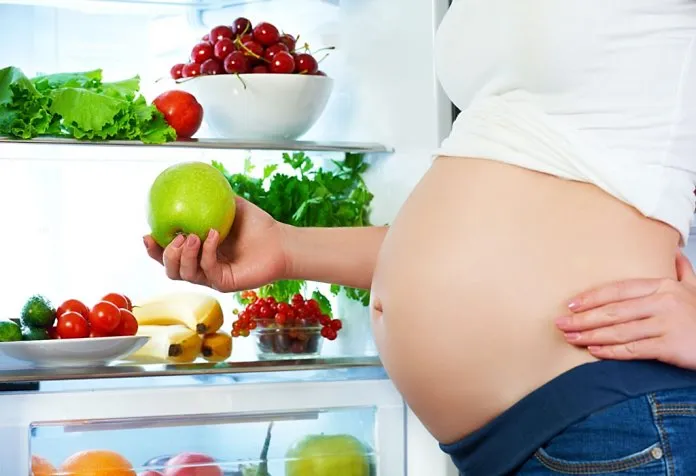
Overeating and pregnancy can go hand in hand, but regularly eating more than your body needs may contribute to excessive weight gain and pregnancy-related health risks. According to the CDC, most pregnant women need about 340 extra calories per day during the second trimester and 450 extra calories during the third trimester, rather than “eating for two (1).” Understanding the difference between increased hunger and overeating can help you make healthier choices without feeling restricted. In this article, we’ll look at the possible effects of overeating in first, second and third trimester, why increased appetite and cravings happen, and practical ways to manage portions, cravings, and meal habits safely.
Is It Normal to Overeat in Pregnancy?
It is normal for some women to experience increased appetite and consume more calories during pregnancy. However, overeating excessively is not recommended. It’s essential to focus on nutrient-dense foods and maintain a balanced diet to support both the mother’s and baby’s health (2). Consulting with a healthcare provider for personalised advice is advisable.
Causes of Overeating During Pregnancy
Feeling hungrier than usual during pregnancy is normal, but several factors can make it easy to eat more than your body needs. From increased hunger and hormonal changes to cravings and emotional eating, here are some common reasons overeating may happen during pregnancy.
1. Increased Hunger and Energy Needs
As your pregnancy progresses, your body needs additional energy and nutrients to support your baby’s growth. This can naturally increase hunger, but it may also make it easy to eat larger portions than necessary.
2. Hormonal Changes
Pregnancy hormones can influence appetite, cravings, and feelings of fullness. These changes may make certain foods especially appealing and encourage more frequent eating (3).
3. Food Cravings
Strong cravings for sweet, salty, or high-calorie foods are common during pregnancy. Giving in to cravings frequently or eating large portions can contribute to excess calorie intake (4).
4. Emotional Eating
Stress, tiredness, mood changes, or anxiety may lead some pregnant women to use food for comfort. Eating when you’re not physically hungry can gradually contribute to overeating (5).
Why Should You Avoid Excessive Eating in Pregnancy?
Eating too much during pregnancy can adversely affect the well-being of a pregnant woman. Some of the reasons for avoiding excessive eating in pregnancy are:
1. Excess Weight Gain
Lack of controlled eating during pregnancy can result in undue weight gain. Gaining excessive weight during pregnancy may adversely affect a pregnant woman physically like increased leg pain, back pain and unwarranted pressure on the joints. It can also intensify the risk of developing varicose veins and haemorrhoids (6).
2. Gestational Diabetes
Overeating when pregnant and disproportionate weight gain can expose a pregnant woman to a greater risk of developing gestational diabetes. A pregnant woman’s increased sugar levels can raise the baby’s insulin levels and blood sugar levels which his body may store as fat thus putting him at risk of obesity and type 2 diabetes (7).
3. Emergency Caesarean Sections
Consuming too many calories during pregnancy can affect the unborn baby’s weight. The possibility of giving birth to a large baby increases which can heighten the chances of a caesarean section and plausible complications.
4. Heartburn
Heartburn is a common complaint during pregnancy. As pregnancy advances, the growing uterus can crowd the digestive tract putting more pressure on the stomach and intestines. Eating excessively during this time may worsen the instances of indigestion and heartburn.
5. Problems for the Unborn Baby
A baby will possibly be born too big in case the mother gains excess weight owing to overeating. At the time of delivery, a larger baby may injure his shoulders or the mother’s birth canal. Large babies are also prone to experience respiratory distress, low blood sugar, the danger of obesity and heart disease after birth.
6. Pre-eclampsia
Overindulgence during pregnancy may cause pre-eclampsia or high blood pressure in pregnant women which can jeopardise the mother and baby’s health. Pre-eclampsia can become a reason for preterm delivery. Usually, in such cases, complete bed rest or even medicines will be advised (8).
7. Post-baby Weight Loss
A pregnant woman may easily be able to shed her expected weight gain after delivery. But in case she gains more than usual weight, it can require extra effort. If you overeat, you will have a tough time losing your pregnancy weight.
8. Bad Habits
By constantly binge-eating, you may be establishing a new bad habit. You may not be able to turn off the overeating switch even after delivery which can result in additional health issues.
How to Control Over-Eating When Pregnant?
Most pregnant women may wish to ask how to stop overeating during pregnancy. Some of the possible ways to do so can be (9):
1. Light Exercises
Engaging in light exercises, such as walking, can help control overeating during pregnancy. Physical activity not only supports overall health but also helps regulate appetite.
2. Adequate Hydration
Maintain proper hydration levels as dehydration can sometimes be mistaken for hunger. Drinking enough water can help curb unnecessary cravings and control overeating.
3. Stick to a Healthy Diet
Prioritise a balanced and nutritious diet throughout pregnancy. Avoiding junk food is crucial, as it provides little nutritional value and may contribute to excessive calorie intake.
4. Identify Emotional Triggers
Recognise emotional triggers that lead to overeating. Emotional eating is common during pregnancy, and finding alternative ways to manage stress, such as meditation or listening to soothing music, can help prevent excessive food consumption.
5. Practice Mindful Eating
Be mindful of your eating habits. Pay attention to hunger and fullness cues, savour each bite, and avoid distractions during meals. Mindful eating promotes a better connection with your body’s natural signals.
6. Small, Frequent Meals
Opt for smaller, more frequent meals instead of large, infrequent ones. This approach can help maintain steady blood sugar levels and prevent extreme hunger, reducing the likelihood of overeating.
7. Plan Healthy Snacks
Keep nutritious snacks readily available to avoid reaching for unhealthy options. Planning and preparing healthy snacks in advance can help you make better food choices throughout the day.
When to Consult a Doctor?
Occasional overeating during pregnancy is usually not a reason to panic, but persistent overeating or rapid changes in weight may need medical guidance. Speak with your doctor if you’re struggling to control your eating, experiencing rapid or excessive weight gain, or have symptoms such as severe swelling, persistent vomiting, unusual thirst, or significant changes in blood sugar levels.
FAQs
1. Are there any specific foods you should avoid in pregnancy to prevent overeating?
To prevent overeating, steer clear of processed foods, raw/undercooked seafood, high-mercury fish, and unpasteurised dairy, prioritising a balanced and nutritious diet (10).
2. What should you do if you have been overeating throughout your pregnancy?
If overeating is a concern, consult your healthcare provider for personalised guidance. Focus on healthier eating habits, stay physically active, and consider seeking emotional support if overeating is linked to emotional factors.
3. Should you skip the next meal after overeating?
No. Skipping meals to compensate can leave you extremely hungry later and may encourage another episode of overeating. Instead, return to your usual balanced eating routine at your next meal.
Now that you’ve read about overeating and pregnancy, you know that added weight gain than normal is not recommended. However, it does not mean that you don’t eat if you are hungry. Eat healthily and exercise in moderation and avoid binge eating. Be aware of the risks of overeating in early pregnancy so that you can have a healthy and smooth pregnancy.
Also Read:
Overeating of Sugar in Pregnancy
Standing for Long Period during Pregnancy
Risk of Not Eating Enough while Pregnant
Was This Article Helpful?
Parenting is a huge responsibility, for you as a caregiver, but also for us as a parenting content platform. We understand that and take our responsibility of creating credible content seriously. FirstCry Parenting articles are written and published only after extensive research using factually sound references to deliver quality content that is accurate, validated by experts, and completely reliable. To understand how we go about creating content that is credible, read our editorial policy here.
1. Centers for Disease Control and Prevention – Weight Gain During Pregnancy
2. University of New Mexico Health – Are Pregnant Women Really Eating for Two? Not Quite
3. PubMed Central – Eating Behaviors during Pregnancy: A Cross-Sectional Study
4. Tommy’s – Pregnancy cravings and food aversions
6. NHS – Weight gain in pregnancy
7. Cleveland Clinic – Gestational Diabetes
9. NHS – Obesity and pregnancy
10. March of Dimes – Foods to avoid or limit during pregnancy
- Author
- Expert Reviewer


Related Articles
-

Can I Eat Pani Puri During Pregnancy?
-
Is Consuming Mint During Pregnancy Safe?
-
Carbohydrates During Pregnancy - Benefits, Intake, and Dietary Sources
-

Sausage During Pregnancy - Safety, Benefits and Risks
-
Healthy Smoothie for Pregnancy: 14 Nutritious Recipe Ideas
-

Eating Betel Leaf (Paan) During Pregnancy - Is It Safe?