
Taking Folic Acid Before Pregnancy: Dosage & Sources
Planning a pregnancy? Get the right folic acid dosage, understand its benefits, and include folate-rich foods in your daily diet.





Medically Reviewed By
Archana Shah
(Diabetologist/Nutritionist/Dietitian)


This health content has been medically reviewed by qualified experts and follows the FirstCry Parenting editorial policy to ensure accuracy and reliability.
Taking folic acid before pregnancy is one of the most effective ways to reduce the risk of serious birth defects affecting a baby’s brain and spine. According to the World Health Organization (WHO), daily folic acid supplementation before conception and during early pregnancy significantly lowers the risk of neural tube defects (1). Because a baby’s neural tube develops within the first 28 days of pregnancy—often before a woman realises she’s pregnant—experts recommend starting folic acid while planning to conceive rather than waiting until pregnancy is confirmed.
In this article, you’ll learn why folic acid intake before pregnancy is essential, the recommended daily dosage, when to start taking it, the best dietary and supplement sources, and practical tips to ensure you’re getting enough of this vital nutrient before and during early pregnancy.
What Is Folic Acid?
Folic acid, which is also known as vitamin B9, is one of the B vitamins that come under the classification of Folate. It is a synthetic form of vitamin B9 which is essential for the body’s development and to ensure good health. They are critical compounds required for the process of production and maintenance of cells along with the synthesis of DNA and RNA. They are instrumental in preventing changes to the DNA and thus, preventing cancer (2). Therefore, folic acid is especially important during periods of cell division and rapid growth such as pregnancy and infancy.
Why Do You Need Folic Acid Before Getting Pregnant?
One of the key advantage of folic acid before pregnancy is that it supports healthy cell division and DNA replication, both of which are essential for your baby’s early growth and development. It also helps support the formation of the baby’s brain and nervous system during the earliest stages of pregnancy (3). In addition, adequate folic acid intake reduces the risk of neural tube defects (NTDs), including spina bifida, a condition in which the spinal cord does not develop properly and can lead to lifelong complications (4).
When to Start Taking Folic Acid Before Pregnancy?
Healthcare experts recommend starting folic acid at least one month before conception, although beginning three months before trying to conceive is often advised to build adequate folate stores (2).
How Much Folic Acid to Take Before Pregnancy?
The recommended dosage of folic acid before pregnancy is 400 micrograms (mcg) per day before the pregnancy. Folic acid supplements should be continued 12 weeks into the pregnancy to prevent a range of NTDs (5). For women who have health problems such as diabetes, epilepsy, and coeliac disease, the doctor might recommend a higher dose in the range of 5 milligrams (mg) a day. At the time of pregnancy, folic acid intake should be around 600 mcg from four to nine months and 500 mcg during breastfeeding.
Benefits of Folic Acid Before Getting Pregnant
Since the folic acid consumption before pregnancy is low in most women, supplements are the best way to guard oneself against deficiency during pregnancy. It is best to start folic acid supplements a few months prior to conception to help protect the baby. Here’s how folic acid may benefit a woman:
- Taking folic acid supplements can lower the chances of neural tube defects in the baby and anencephaly (incomplete development of the brain) by at least 50% along with lowering other congenital anomalies (6).
- It shields the baby from risks of cleft lip palate, poor growth in the womb and low birth weight.
- It lowers the risk of miscarriages and preterm delivery. The deficiency of folic acid increases homocysteine levels in the blood which lead to complications and unprompted abortions.
- Folic acid is necessary for the health, growth, and development of the body’s cells (7).
- It helps protect the DNA from damage which may result in cancer.
- Folic acid helps in the production of red blood cells and prevent a certain type of anaemia (8).
- It is useful in the production and functioning of the genetic map and the basic building blocks of the body’s cells (6).
- Folic acid is also vital in helping the rapid cell growth in the placenta of the baby.
Foods Rich in Folic Acid
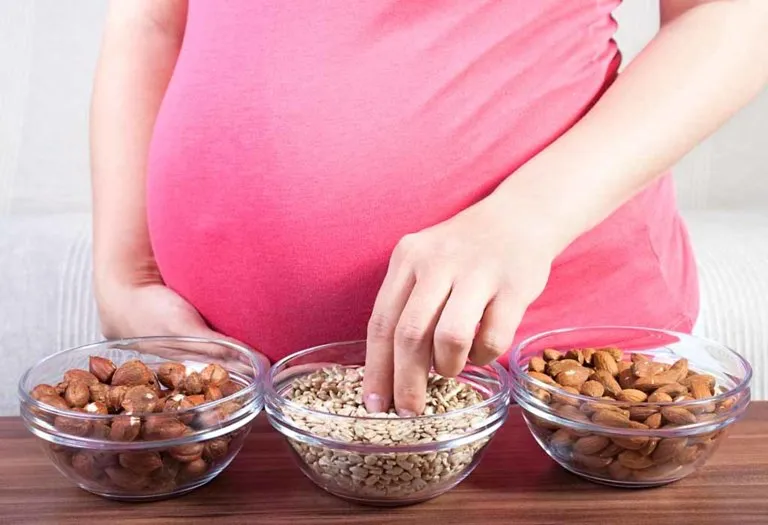
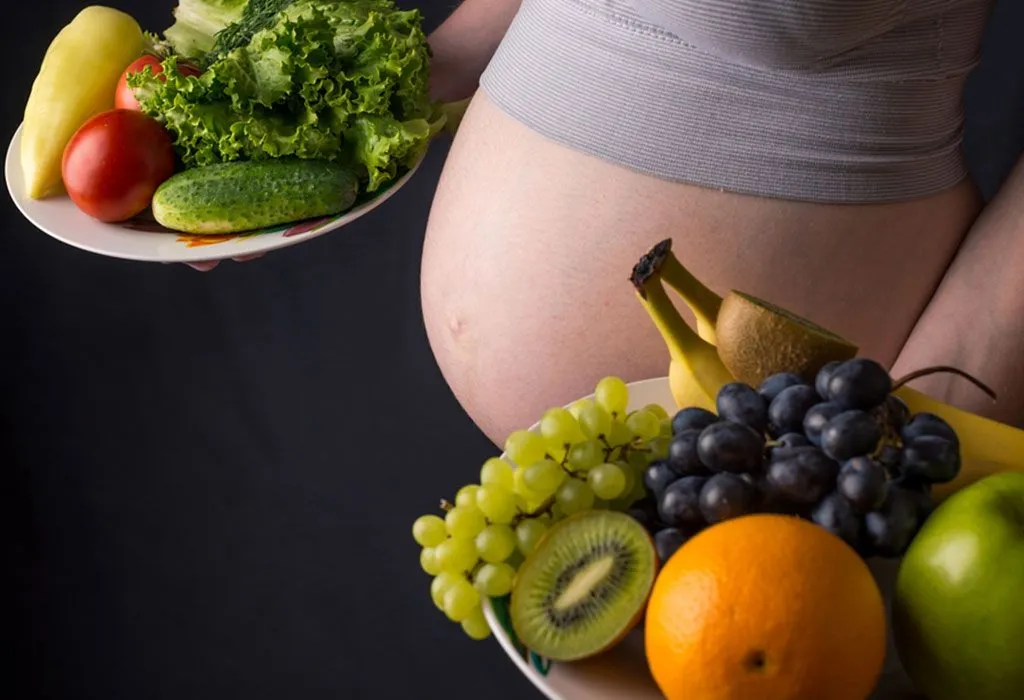
Since folic acid is a synthetically produced supplementary product, it is advisable to obtain some fraction of the total daily requirement of folates from natural dietary sources. Here are 15 folate-rich foods that you can consume (9). Note: 1 cup is 125 g.
- Dark green leafy vegetables such as spinach (263 mcg per cup), turnip greens (170 mcg per cup) collard greens (177 mcg per cup)
- Citrus fruits such as oranges; each medium-sized orange contains 50 mcg of folic acid
- 1 medium-sized papaya (115 mcg)
- 1 medium-sized broccoli (104 mcg)
- Asparagus (263 mcg per cup)
- Lentils (358 mcg per cup)
- Black beans (256 mcg per cup); Kidney beans (229 mcg per cup)
- Avocado (110 mcg per cup)
- Brussels Sprout (100 mcg per cup)
- Peanuts (352 mcg per cup)
- Flax Seeds (54 mcg in 2 tablespoons)
- Cauliflower (55 mcg per cup)
- Beets (148 mcg per cup)
- Almonds (54 mcg per cup)
- Corn (34 mcg per cup)

What Happens If There Is Less Folic Acid in the Body?
Less amount of folic acid in the body can lead to folate deficiency. The symptoms, though subtle, include:
- Anaemia
- Diarrhoea
- Weight loss
- Loss of appetite
- Weakness
- Sore tongue
- Heart palpitations
- Irritability
- Headaches
In pregnant women, it can have adverse effects. A deficiency of folic acid can lead to low birth weight in babies, premature infants, and neural tube defects (NTDs). The NTDs occurs when the neural tube fuses incorrectly during embryogenesis and causes defects. These include (7):
- Spina Bifida: Incomplete development of the spinal cord which leads to babies being permanently disabled.
- Anencephaly: Incorrect developments of the major parts of the brain which leads to disability and short lifespan of the baby.
Lesser folic acid is also related to pregnancy complications, pre-eclampsia, and miscarriage. It also increases the chances of heart disease, stroke, Alzheimer’s disease and certain types of cancers in women.
Do You Need Any Supplements?
To lower the risk of neural tube defects (NTDs) and congenital birth defects, supplements of folic acid are a must-have. Studies indicate that they reduce the chances of those disorders by 50%. There is also a reduced risk of pre-eclampsia in the second trimester with the intake of regular folic acid supplements (10).
Natural dietary sources of folate are incapable of delivering the full required amount a day. Since they dissolve easily in water; washing and cooking destroy some of the folates present in sources such as vegetables and meats. Steaming and microwaving can help retain some of it but large quantities of food need to be consumed to meet the required amount.
The body absorbs folic acid better when taken as a supplement than folate that occurs in foods. Since the neural tube of the foetus develops very early in the pregnancy, many women might not even be aware of their conception at that stage. Hence folic acid vitamins before pregnancy in the body can prevent any congenital anomalies.
FAQs
1. Can I get enough folic acid from food alone?
While foods such as leafy green vegetables, citrus fruits, beans, lentils, and fortified cereals are good sources of folate, it can be difficult to meet the recommended intake through diet alone. This is why folic acid supplements are generally recommended before pregnancy.
2. Are there any side effects of taking folic acid supplements?
Folic acid is generally safe when taken in the recommended dose. Side effects are uncommon but may include mild nausea, bloating, or a bad taste in the mouth in some individuals (11).
Taking folic acid before pregnancy is a simple yet essential step that can have a lasting impact on your baby’s health. Along with a balanced diet and a healthy lifestyle, following the recommended dosage can support healthy fetal development and reduce the risk of neural tube defects. If you’re planning to conceive, speak with your healthcare provider to ensure you’re getting the right amount of folic acid for a healthy pregnancy.
Also Read:
Folic Acid for Fertility
Importance of Prenatal Vitamins
Folic Acid Rich Foods during Pregnancy
Was This Article Helpful?
Parenting is a huge responsibility, for you as a caregiver, but also for us as a parenting content platform. We understand that and take our responsibility of creating credible content seriously. FirstCry Parenting articles are written and published only after extensive research using factually sound references to deliver quality content that is accurate, validated by experts, and completely reliable. To understand how we go about creating content that is credible, read our editorial policy here.
2. Centers for Disease Control and Prevention – About Folic Acid
3. Johns Hopkins Medicine – Folic Acid for a Healthy Baby
4. Tommy’s – Benefits of taking folic acid and vitamin D before pregnancy
5. March of Dimes – Folic acid
6. UCLA Health – Why every woman needs folic acid
7. Nemours KidsHealth – Folic Acid and Pregnancy
8. National Library of Medicine – Folic Acid
9. Harvard T.H. Chan School of Public Health – Folate (Folic Acid) – Vitamin B9
10. National Institutes of Health – Folate
11. NHS – Folic acid
- Author
- Expert Reviewer


Related Articles
-

Eggnog While Pregnant – Is It Safe to Drink?
-
Mussels During Pregnancy - Safety, Benefits, and Risks
-
Almond Milk During Pregnancy - Benefits, Side Effects, and Precautions
-
Potatoes in Pregnancy – Benefits, Risks, and Tips
-
Eating Sunflower Seeds in Pregnancy – Benefits and Risks
-
Figs in Pregnancy - Benefits & Ways to Eat It