
Frequent Urination During Pregnancy – Reasons and What to Do
Understand the causes of frequent urination during pregnancy, easy remedies to manage it, and signs that need medical attention.





Medically Reviewed By
Dr. Rima Sonpal
(Gynecologist/Obstetrician)


Image Credit : AI Generated Image
This content has been reviewed by a qualified expert and follows the FirstCry Parenting editorial policy to ensure accuracy and reliability.
Frequent urination during pregnancy is a common pregnancy symptom many expecting mothers experience (1). It starts in the first trimester from week 1 to week 12, and the frequency may increase as the pregnancy progresses (2). However, it’s never a pleasant experience to visit the loo every few minutes.
Going through pregnancy can get a little confusing with the amount of information made available on which remedies to try and which ones to avoid. Don’t fret; we have gathered trustworthy information to help clear your doubts. In this article, we’ll address all corners of the topic—frequent urination during pregnancy—and bring you the information you should know during your pregnancy.
What Are the Causes of Frequent Urination?
The reason for frequent urination during pregnancy in the early stages is the hormone hCG, which increases the blood flow to the woman’s kidneys by up to 35 to 60%. The kidneys produce up to 25% more urine after conception due to the extra blood flow. The excess production of urine peaks for about 9 to 16 weeks, only after which it settles down.
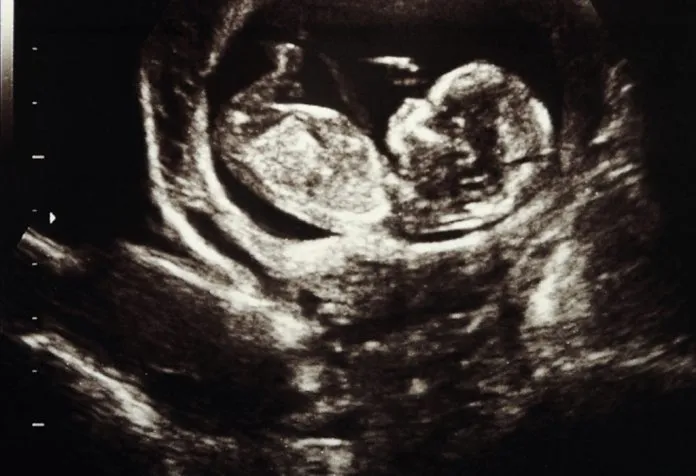
While the increased blood flow is one of the main reasons for frequent urination, it can also be affected by the increasing pressure on the woman’s bladder due to the growing uterus in the later stages of pregnancy. This pressure is the primary cause of rather frequent urination by pregnant women during their final three months of pregnancy. This increase in pressure is caused as the baby grows in size and moves down into the mother’s pelvis just weeks before the birth (3) (4).
When Does Frequent Urination Start in Pregnancy?
Frequent urination is one of the most common early signs of pregnancy. It begins in the first couple of weeks after conception (5).
The urgency builds around 10 to 13 weeks of pregnancy when the uterus starts putting pressure on the urinary bladder.
Is Frequent Urination an Early Sign of Pregnancy?
The early symptoms of frequent urination are quite common among other multiple symptoms of pregnancy. Frequent urination is bound to occur during the first and third trimesters of pregnancy. The increase in hCG hormone levels, along with the increase in body fluids, will push every pregnant woman to run towards the toilet day and night.
Urination In Each Trimester
A woman’s urinary system will go through various changes during the nine months of pregnancy. These changes are explained below for each trimester:
First Trimester
One of the first signs of pregnancy is frequent urination, and the increased hormone levels are the primary cause. The expansion of the uterus, which presses into the bladder, contributes to the cause, too.
Second Trimester
You might get some relief from frequent urination during pregnancy in the 2nd trimester. This is because the uterus, which continues to expand, will rise higher in the abdomen and away from the bladder, thereby reducing the pressure on the bladder. Remember, this is temporary!
Third Trimester
You will see a spike in this symptom during the third trimester. Frequent urination during the 8th month of pregnancy is mainly because the baby drops lower in the woman’s pelvis in preparation for delivery. This, in turn, puts pressure on the bladder, resulting in frequent visits to the bathroom.
I Leak Urine While Laughing or Sneezing. Why Does This Happen?
Leaking urine when you sneeze, exercise, cough, or even laugh during your pregnancy is a common symptom and occurs especially during the eighth month of pregnancy. This urinary incontinence, or unintentional passage of urine, is a result of stress inertia. Stress incontinence occurs during any physical activity (mentioned above) that puts stress or pressure on your bladder.

Diagnosis
Health experts diagnose frequent urination in pregnancy based on the individual’s symptoms. Besides a physical examination, your doctor may ask you a series of questions to determine the nature and severity of pregnancy incontinence. The questions could be like how often the person visits the loo or how much they urinate at every visit.
They may also ask you about:
- the pattern of frequency (what time of the day the symptoms increase, and when they started)
- your fluid consumption in a day
- any changes in the colour, smell, or consistency of the pee
If non-pregnancy symptoms are detected, your doctor may recommend some tests, including:
- urinalysis
- cystoscopy
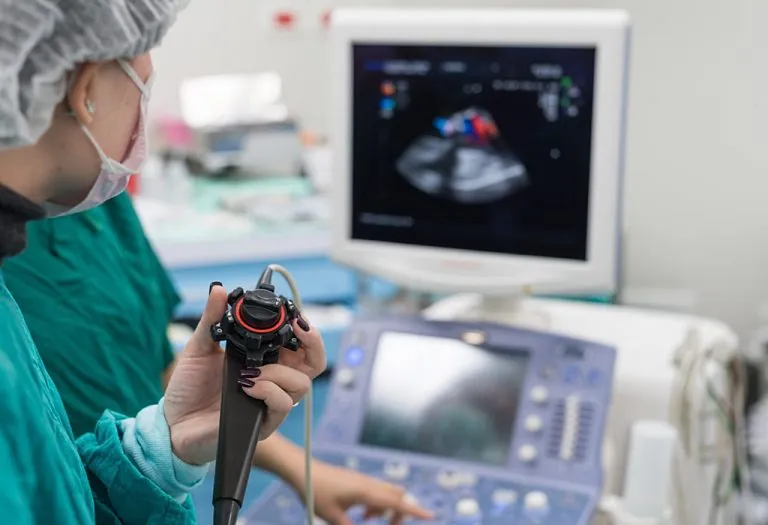
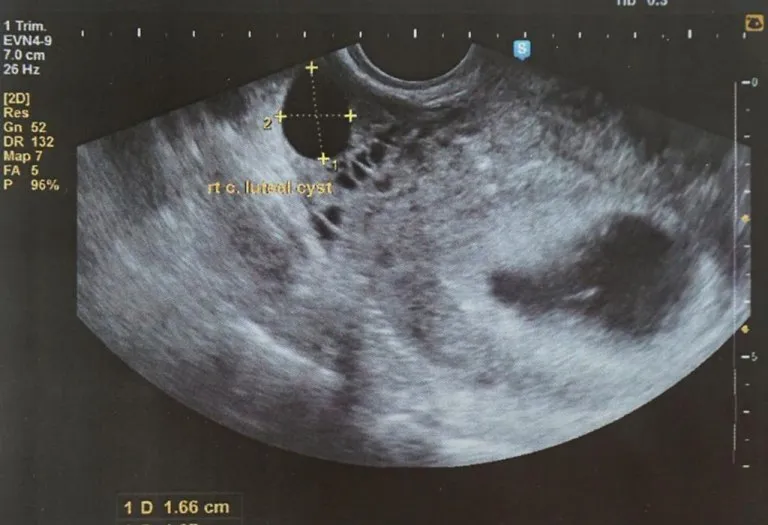
- ultrasound
- STI test
- bladder stress test
How to Ease Frequent Urination During Pregnancy?
Every pregnant mother out there is looking for a remedy to reduce their urination frequency. We have mentioned below some remedies that will certainly help (6):
- Leaning forward during urination will help empty out the bladder. If you ensure that your bladder is empty each time you pee, your frequency of trips to the bathroom might reduce.
- Beverages with a diuretic effect, such as coffee, tea, and soft drinks, can be avoided. These will only increase urination and the number of trips you take to the bathroom!
- Kegel exercises strengthen the muscles of the urethra and help gain control over the organ. This will, in turn, help you have better control over your urination. The exercise can be done about three times a day. Keep your muscles contracted for about 10 seconds, and do this 10 to 20 times in a row.
- A Urinary tract infection can occasionally be the cause of frequent urination. This will need medical attention. Visit your doctor to rule out this possibility (7).
- Urinary incontinence pads can be used by pregnant women to reduce the number of trips to the bathroom. These can be used during workout times and if you have a cough.
Is Frequent Peeing a Sign of Worry?
Frequent urination is a common symptom during pregnancy, mainly owing to changes in hormone levels and urinary incontinence. However, other factors could also be involved. A urinary tract infection can also lead to frequent urination. It is better to consult with your doctor to rule out the possibility.
Urinary Tract Infection During Pregnancy
UTIs are common during pregnancy as the baby puts pressure on the bladder, causing bacterial growth. Additionally, the urethra expands during pregnancy, causing an increased volume of urine to accumulate and, therefore, more bacteria to grow. UTIs result in symptoms such as painful urination, frequent urination, burning sensation when peeing, nausea and vomiting, fever, lower back pain, abdominal pain, cloudy or bloody urine, and a frequent feeling to urinate. If you experience any of the above symptoms along with frequent urination, it’s best to consult a doctor to rule out or treat a UTI that could be causing it (8).
When Will You Get Relief From Frequent Urination in Pregnancy?
Pregnancy and urination go hand in hand and are a subject discussed quite often by pregnant mothers. Even after delivery, the body continues to eliminate excess fluid that was gained during pregnancy. The urge to urinate frequently will not reduce for at least the first few days after the delivery. Only after the elimination of the extra fluid will you get some relief as your system reverts to normalcy.
When to Consult a Doctor
Although frequent peeing in early pregnancy and in later stages is common, it could also be a sign of an underlying health condition warranting medical treatment before it worsens. If you notice symptoms of UTI, such as painful urination, itching while peeing, or blood in the urine, you should book a priority appointment with your doctor.
FAQs
1. Can I prevent frequent urination during pregnancy?
In addition to emptying your bladder properly during your every loo visit, skip diuretics like caffeine as they cause you to pee often, and don’t drink too much fluid before bed.
2. Will frequent urination continue after delivery?
You may continue to urinate frequently for a while after your delivery since your pelvic muscles are weakened right now and will take some time to strengthen. It usually takes 3 to 6 months to recover from frequent urination after childbirth (3).
3. Does it seem normal to urinate every 5-6 minutes?
Although frequent urination is a common thing during pregnancy, peeing every five minutes is not considered normal and should be checked with a doctor. It could be anything from hormonal to underlying health issues.
Do remember that these urinary inconveniences are just minor issues that are sure to fade away when the baby is born.
Also Read:
Diarrhoea during Pregnancy
Urine Culture while Pregnant
Constipation during Pregnancy
Urinary Incontinence in Pregnancy
Was This Article Helpful?
Parenting is a huge responsibility, for you as a caregiver, but also for us as a parenting content platform. We understand that and take our responsibility of creating credible content seriously. FirstCry Parenting articles are written and published only after extensive research using factually sound references to deliver quality content that is accurate, validated by experts, and completely reliable. To understand how we go about creating content that is credible, read our editorial policy here.
1. Mayo Clinic – Symptoms of pregnancy: What happens first
3. Pregnancy, Birth and Baby – Frequent urination during pregnancy
4. BetterHealth Channel – Pregnancy – signs and symptoms
5. Cleveland Clinic – Frequent Urination
6. Cleveland Clinic – Pregnancy and Bladder Control
7. Bladder & Bowel Community – Urinary Tract Infection (UTI)
- Author
- Expert Reviewer