High Blood Pressure (Hypertension) While Pregnant
Get clear insights into hypertension during pregnancy, including symptoms, possible complications, and effective treatment options.





Medically Reviewed By
Dr. Sabiha Anjum
(Gynecologist/Obstetrician)

This health content has been medically reviewed by qualified experts and follows the FirstCry Parenting editorial policy to ensure accuracy and reliability.
High blood pressure during pregnancy shouldn’t be ignored because it can increase the risk of complications for both the mother and baby if left untreated. According to the World Health Organization (WHO), hypertensive disorders affect about 5% to 10% of pregnancies worldwide and remain a major cause of maternal and newborn illness and death (1).
The good news is that if you have hypertension while pregnant, early diagnosis, regular prenatal care, and appropriate treatment can help support a healthy pregnancy. In this article, we’ll explain why your blood pressure is high during pregnancy, its symptoms and potential risks, available treatment options, and practical ways to manage blood pressure for a safer pregnancy.
What Is High Blood Pressure in Pregnancy?
Pregnancy hypertension can be defined as the force exerted by the blood while flowing through the walls of your arteries. Every heartbeat indicates the process wherein the heart pumps the blood through the arteries to the rest of the body. Normally, the blood flows through the artery at a certain rate. When this normal rate is disrupted due to rapid changes occurring in your body during pregnancy, it causes an increase or decrease in the blood pressure level. When blood flows through an artery at a rate higher than the normal, it causes high blood pressure (2).
How Common Is High Blood Pressure in Pregnant Women?
High blood pressure is not uncommon among pregnant women. It is seen that about 5% to 10% of women experience high blood pressure during pregnancy (1).
Different Types of High Blood Pressure During Pregnancy

It is strongly recommended that a pregnant woman keeps a regular check on her blood pressure levels and discusses any abnormal reading with her doctor. There are four categories of hypertensive disorders:
1. Chronic Hypertension
The blood pressure usually drops during the initial weeks of pregnancy. So, if a pregnant woman is diagnosed with high blood pressure in the first 20 weeks of her pregnancy, it is considered pre-existing hypertension. This is a case of chronic hypertension, and the doctor immediately puts the mother on blood pressure medication (3).
2. Gestational Hypertension
Gestational hypertension can develop around the 20th week of pregnancy. Note that it mostly gets resolved after delivery and it doesn’t have proteinuria. The most common complication associated with this hypertension is that it can lead to pre-term, induced labour (4).
3. Chronic Hypertension With Superimposed Preeclampsia
Superimposed preeclampsia is said to be the preeclampsia that develops when a pregnant woman already has high blood pressure. The risk is high among women suffering from severe chronic hypertension or pre-existing renal and cardiovascular disease. Around 20% of women with chronic hypertension develop superimposed preeclampsia (5). The diagnosis is clear when one finds abnormal levels of liver enzyme, or there’s a sudden increase in proteinuria (protein levels in urine) or blood pressure.
4. Preeclampsia
Preeclampsia during pregnancy can be defined as the presence of hypertension along with the presence of proteinuria (protein levels in the urine), which usually develops after 20 weeks of gestation. This can be differentiated from gestational hypertension through the fact the gestational hypertension is not accompanied by the presence of protein in the urine (6). It is often associated with damage to other organs such as liver, kidney or brain. It requires immediate medical care as leaving it untreated can lead to fatal complications to the mother and the child.
Causes of High Blood Pressure in Pregnancy
Pregnancy-induced hypertension is the most common in women experiencing their first pregnancy, as well as those whose siblings or parents have had the same condition. Though the exact cause of high BP in pregnancy is not known, there are some possible factors leading to high blood pressure during pregnancy (7):
- Inactive lifestyle
- Obesity or overweight
- Smoking
- First-time pregnancy
- Drinking alcohol
- Conception at an age above 40
- Carrying twins or multiples
- Family history of pregnancy-induced hypertension
- Conceived through assisted technology like IVF
Sign and Symptoms of Hypertension in Pregnancy

Apart from elevated blood pressure readings, there are several other signs of high BP during pregnancy that you should watch out for, including (8):
- Swelling in hands or feet
- Headaches
- Nosebleeds
- Flushed skin
- Changes in vision
- Vomiting
- Nausea
- Anxiety
- Irritability
- Shortness of breath
Diagnosis of High BP During Pregnancy
The blood pressure level is determined by two values – systolic and diastolic. The systolic value is the upper number that determines the pressure when the heart is actively pumping blood through the arteries. The diastolic value is the bottom number that indicates the pressure in arteries when the heart is at rest between the beats.
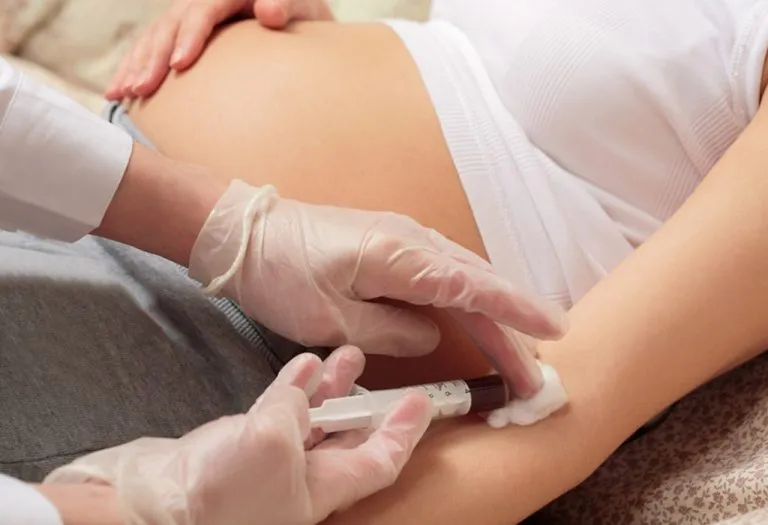
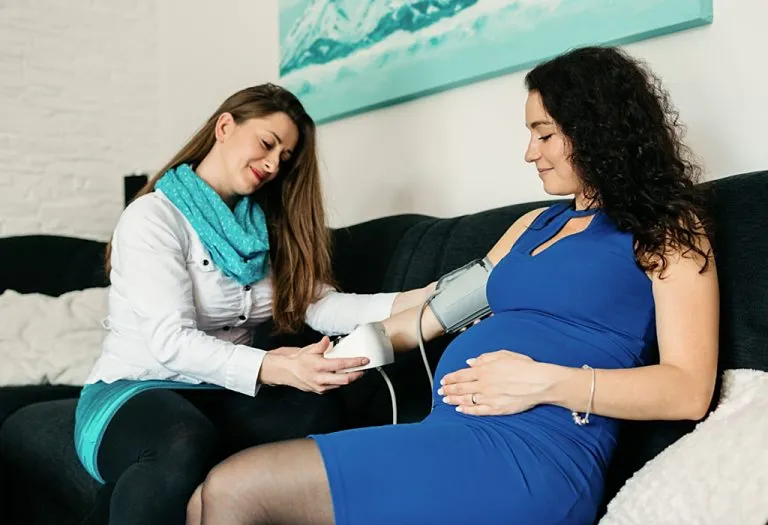
As per the American Heart Association (AHA), 120/80 mmHg indicates a normal blood pressure reading. Readings above 140/90 mmHg are considered to be high blood pressure or hypertension (9). You shall have your blood pressure monitored at every appointment during pregnancy. If you are diagnosed with high blood pressure, your doctor may suggest that you take several readings at different times in the day to keep a check on the rise or fall of your blood pressure level.
What Are the Risk Factors for High Blood Pressure During Pregnancy?
When it comes to hypertension, remember that prevention is better than cure. This is because hypertension poses many risks. The probable risk factors for hypertension in pregnancy include (10):
- Family history of hypertension
- Chronic disease like diabetes
- Too old (more than 40) or too young (less than 20) at the time of conception.
- Obese or overweight
- First-time pregnancy
- Carrying multiples
- Hypertension during the earlier pregnancy
- High blood pressure prior to getting pregnant
Complications of High BP During Pregnancy
Women with mild high blood pressure, ranging from 140/90 to 149/99 mmHg, can have a normal pregnancy. However, they need to monitor their blood pressure levels regularly. The more severe hypertension, the greater is the risk of developing complications. Some of the consequences of high blood pressure levels are as follows (11):
1. Placental Abruption
This is a condition where the placenta gets detached from the uterus prematurely. It may cause heavy bleeding, which can be life-threatening for both the mother and the baby (12).
2. Decreased Blood Flow to Placenta
It is often seen that severe hypertension results in less blood flow to the placenta. As a result, the baby gets less oxygen and nutrients. It can lead to slow or restricted growth of the foetus (intrauterine growth restriction). This may even cause premature birth, wherein the child is born prior to 37 weeks of pregnancy, or low birth weight. It can also cause other complications, such as stillbirth in extreme cases.
3. Injury to Organs
If hypertension is left untreated, it can affect organs such as the brain, lungs, kidney, liver and heart.
4. Future Cardiovascular Disease
Preeclampsia may increase your risk of being affected by heart disease in the future.
How to Treat High Blood Pressure While Pregnant?
Treatment for high blood pressure in pregnancy is given mainly through BP medications that are ranked safe. You can also consider the following natural remedies to control your high blood pressure (13):
1. Reduce Your Salt Intake
Consuming high amounts of sodium or salt can raise your blood pressure. It is recommended that you limit your intake to 1 teaspoon of salt per day.
2. Know Your Blood Pressure Level Before Getting Pregnant
Make it a point to get your blood pressure checked during your primary visit to the doctor. Being aware of your BP levels well in advance will guide you adopt a healthy lifestyle and help to go through pregnancy in a safer way.
3. Know Your Medications
Ensure you do not consume any over-the-counter medications that cause a rise in the blood pressure. You can check the medicine with your doctor to confirm what’s safe. In case you are already on medication for high BP, you need to discuss with your doctor about continuing them during your pregnancy. You may be prescribed safer meds for the same.
4. Get off the Couch
The moment you decide to become a mother, follow a healthy lifestyle and start an exercise regime. Get moving as being sedentary can cause increased weight gain and elevate the risk of hypertension during pregnancy. It is recommended that you plan your pregnancy when you have a healthy body mass index.
5. Don’t Smoke or Drink Alcohol
Smoking and drinking alcohol are unsafe for your well-being and that of your unborn child, too. They do not have any positive effect on your blood pressure either.
4. Attend Regular Prenatal Checkups
You should regularly go for your prenatal checkups so that you are well-aware of any sudden increase in your blood pressure.
How to Prevent High Blood Pressure While Pregnant?

It is essential to start following a good healthcare regime prior to getting pregnant or when you plan to have a child. You should keep a check on your weight as well as on the intake of vitamins and other nutrients. Developing high BP can further instigate a risk of developing many other serious health problems such as stroke or kidney diseases. Ensure that you follow a healthy lifestyle by:
- Maintaining a healthy weight.
- Eating a balanced diet.
- Exercising regularly.
- Cutting down on your salt intake.
- Monitoring your blood pressure regularly.
- Quitting smoking and alcohol consumption.
- Cutting caffeine intake.
- Reducing stress.
Is It Safe to Take Blood Pressure Medication During Pregnancy?
Any medication taken during pregnancy affects both the mother and the foetus. There are certain medications considered safe for use when treating high blood pressure in expectant mothers. Using any other over-the-counter medicines may harm the baby. Consult your doctor as soon as you are aware of your hypertension (14).
When Should You Call the Doctor?
You should monitor your blood pressure at home, and if you observe any elevated levels repeatedly, you should call your doctor. If you face any of the following symptoms of preeclampsia, you should immediately seek medical care:
- Pain or tenderness in the belly, especially in the upper right section.
- Increase in weight by 2 pounds (0.9 kg) or more in a day.
- Blurred vision or other problems in vision like light sensitivity, double vision, seeing spots or flashing lights, or temporary loss of vision.
- Frequent headaches that get worse or persistent headaches that do not lessen over time.
- Neck, shoulder or other upper body pains (these usually start in the liver.)
- Swelling accompanied by any of the above-listed assumptions.
- Sudden acute pain in the abdomen with or without vaginal bleeding.
FAQs
1. Can I breastfeed if I have high BP?
Yes, you should breastfeed your baby even if you have high blood pressure. Although BP medications may pass through the mother’s milk, there are certain medicines that are considered safe while breastfeeding. Consult your doctor for the same.
2. Can hypertension or preeclampsia during pregnancy cause long-term heart and blood vessel problem?
As per the National High Blood Pressure Education Program (NHBPEP), preeclampsia generally does not increase the woman’s risk of developing any heart-related problems or chronic hypertension. However, there are cases where preeclampsia has known to double the risk of stroke, high blood pressure and other heart diseases later in life. It is recommended that you obtain timely prenatal care for your safety and that of your baby.
3. Who is at a higher risk of developing hypertension during pregnancy?
Women with chronic hypertension, obesity, diabetes, kidney disease, multiple pregnancies (twins or more), or a history of preeclampsia are at a higher risk. First-time pregnancies and pregnancies after age 35 may also increase the likelihood.
Hypertension and pregnancy can be a challenging combination, but early diagnosis and proper treatment can help ensure a healthy outcome for both mother and baby. It is recommended that you start following a healthy lifestyle even when you are planning a pregnancy. Monitor your BP regularly and watch out for the symptoms of high blood pressure. Consult your doctor to make sure high blood pressure does come in the way of your and your baby’s health.
Also Read:
Low BP in Pregnancy
Blood Pressure in Pregnancy
Foods to Reduce High Blood Pressure in Pregnancy
Was This Article Helpful?
1. PubMed Central – Hypertensive Disorders of Pregnancy
2. National Library of Medicine – Hypertension In Pregnancy
3. Stanford Medicine – Chronic Hypertension
4. Cleveland Clinic – High Blood Pressure (Hypertension) During Pregnancy
5. PubMed – Chronic hypertension and superimposed preeclampsia: screening and diagnosis
6. Cleveland Clinic – Preeclampsia
7. University of Utah Health – WHAT CAUSES HIGH BLOOD PRESSURE?
8. Cleveland Clinic – Hypertension (High Blood Pressure)
9. American Heart Association – Understanding Blood Pressure Readings
10. Centers for Disease Control and Prevention – High Blood Pressure During Pregnancy
11. PubMed Central – Pregnancy Complications and Later Development of Hypertension
12. Cleveland Clinic – Placental Abruption
13. American Heart Association – How to Manage High Blood Pressure
14. Yale Medicine – Hypertension (High Blood Pressure) During Pregnancy
- Author
- Expert Reviewer


Related Articles
-

Loss of Appetite During Pregnancy – Causes & Treatment
-
Cycling in Pregnancy – Safety, Benefits, and Risks
-
Pregnancy Face: Causes, Symptoms & How to Deal with It?
-
Using Coconut Oil for Stretch Marks During Pregnancy
-
Quadruple Marker Test - Purpose, Procedure, Results & Risks
-
Reading Stories to a Baby in the Womb - Reasons & Benefits