

Vegetables to Eat & Avoid During Pregnancy
Learn which vegetables to eat and avoid during pregnancy for better nutrition and healthy fetal development.





Medically Reviewed By
Megha Mukhija
(Paediatric Nutritionist)

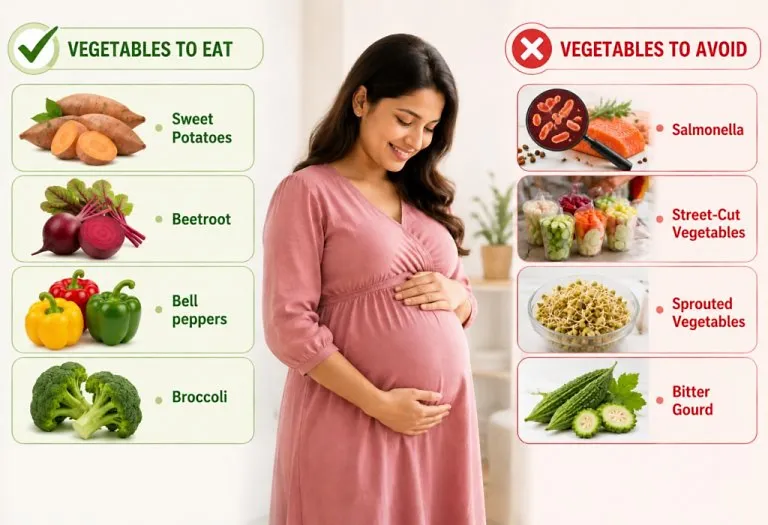
Image Credit : AI Generated Image
In this Article
- Importance of Vegetables in Pregnancy
- Best Vegetables for Pregnancy
- Vegetables to Avoid During Pregnancy
- How Many Vegetables Should a Pregnant Woman Have?
- Simple Tips to Add Vegetables to Your Diet
- Some Other Foods That You Can Include in Your Pregnancy Diet
- Delicious Vegetable Soup Recipe
- Common Myths About Vegetables During Pregnancy
View More
This content has been reviewed by a qualified expert and follows the FirstCry Parenting editorial policy to ensure accuracy and reliability.
One of the first things a mother-to-be starts watching as soon as she sees the two lines on the pregnancy test is her diet. The correct intake of vegetables during pregnancy plays a humongous role in keeping the pregnancy journey healthy and secure. The quest for required nutrition leads to questions such as, ‘Are vegetables good for pregnancy?’ What vegetables should I eat?’ Questions like these are common. That is why here we are with an amazing guide on the best vegetables to eat during pregnancy, along with insights on any vegetables to avoid in pregnancy to ensure complete safety and well-being for both mother and baby.
Importance of Vegetables in Pregnancy
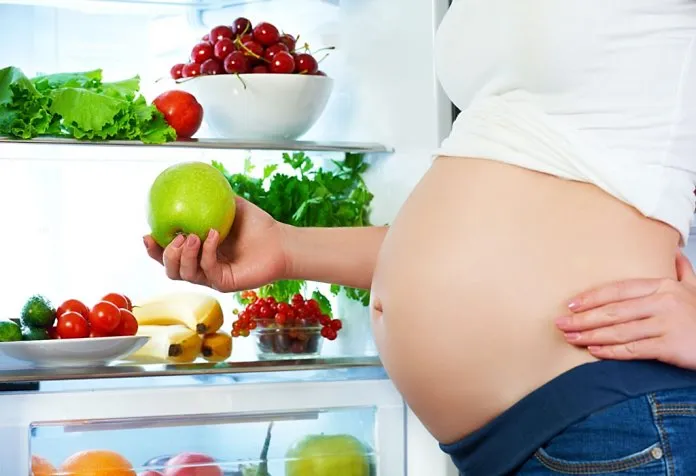
During pregnancy, it is important to maintain a healthy diet. For this, you should choose the right kind of food and eat it in the right quantity and at the right time. Anything unhealthy can cause harm and lead to complications for both the mother and baby. A healthy diet that is rich in vegetables can help avoid complications such as gestational diabetes and nutritional deficiency, as they contain vitamins such as beta carotene, Vitamin C and folic acid, apart from the much-needed fibre. Eating vegetables also helps the baby develop a healthy birth weight, reduces the risk of anaemia, controls blood pressure, and leads to healthy weight gain in the mother (1).
Monitoring food habits during pregnancy is essential because it will help you lose the weight that you gain during pregnancy.
Best Vegetables for Pregnancy
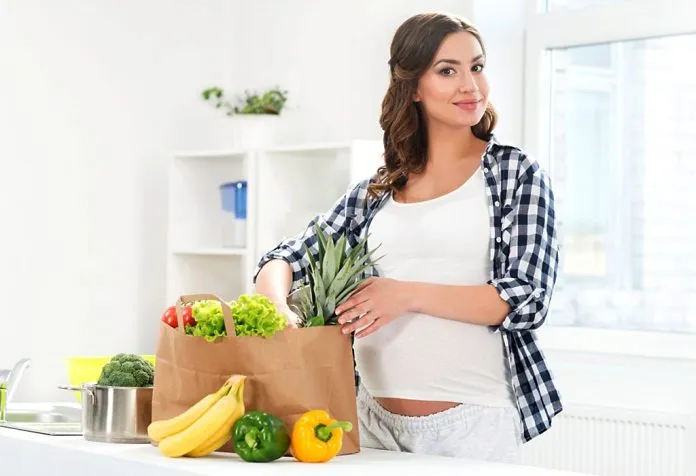
There are many vegetables that ensure your body continues to receive a perennial supply of nutrients. Wondering what are the best vegetables for a pregnant woman? Here are the top 10 vegetables good for pregnancy that you should not forget:
1. Sweet Potatoes
These are excellent sources of Vitamins A, B, and C (2).
2. Beetroot
Beetroots are high in vitamins and fibre. They also help strengthen the immune system.
3. Bell peppers
They are high in vitamins and dietary fibre.
4. Broccoli
This is one of the best vegetables to eat while pregnant. High in Vitamin C, K, and folate, they also prove beneficial for easing constipation (3).
5. Green peas
They are rich in Vitamins C and K, as well as fibre.
6. Dark leafy greens
High in fibre, carotenoids, and folate.
7. Parsley
They are high in protein, Vitamin E, and riboflavin.
8. Tomatoes
Rich in Vitamins C and K and biotin.
9. Cucumber
Rich source of water and fibre.
10. Asparagus
Excellent source of fibre, folate and Vitamins A, C, E and K (4).
This was our list of vegetables that are good for pregnancy.
Vegetables to Avoid During Pregnancy
Among a whole lot of vegetables, there are some that could jeopardise the health of a mother and her baby during pregnancy. Here is the list of vegetables to avoid during pregnancy.
1. Raw or Unwashed Vegetables
Raw or improperly washed vegetables can carry harmful bacteria like Salmonella and E. coli, which may pose risks during pregnancy. It’s important to thoroughly rinse all vegetables under running water before consumption. Foods like raw radishes, leafy greens, and vegetables can sometimes be contaminated if not handled properly. Always ensure proper cleaning and, when possible, opt for cooked versions to reduce risk.
2. Fermented or Street-Cut Vegetables
Fermented vegetables or those sold freshly cut by street vendors may not always meet hygiene standards. Exposure to open environments increases the risk of contamination from dust, polluted water, or unclean utensils. While homemade fermented foods can be safe if prepared hygienically, it’s best to avoid street-cut vegetables during pregnancy to prevent foodborne illnesses.
3. Sprouted Vegetables (Raw)
Raw or undercooked sprouts, including mung beans, clover, radish, and alfalfa, are particularly prone to bacterial growth due to the warm, moist conditions required for sprouting (5). These can harbour pathogens like Salmonella and E. coli. If you wish to consume sprouts, ensure they are thoroughly cooked to eliminate potential risks.
4. Bitter Gourd, Eggplant in Excess
While bitter gourd (karela) and eggplant (brinjal) can be nutritious, consuming them in excessive amounts during pregnancy is sometimes discouraged. Bitter gourd may influence blood sugar levels, and eggplant has been traditionally associated with stimulating uterine activity when eaten in large quantities. Moderate, well-cooked portions are generally considered safe, but it’s best to consult a healthcare provider for personalised advice.
5. Prepackaged and Ready-to-Eat Salads
Prepackaged salad mixes and ready-to-eat salads may contain bacteria if not stored or handled correctly. Even when labelled as “washed” or “ready to eat,” there is still a slight risk of contamination. It’s safer to wash such vegetables again at home or prepare fresh salads yourself.
6. Refrigerated Leftover Vegetables
Cooked vegetables that have been stored for long periods in the refrigerator can develop bacterial growth if not reheated properly. Always store leftovers in airtight containers and consume them within a safe time frame. Reheat thoroughly before eating.
7. Excessively Processed Vegetable Products
Vegetables that are heavily processed, canned, or preserved with high amounts of salt or additives should be consumed in moderation. These may not provide the same nutritional benefits as fresh produce and can contribute to excess sodium intake, which is not ideal during pregnancy.
How Many Vegetables Should a Pregnant Woman Have?
It is likely that a pregnant woman can feel hungrier than usual as she is supplying nutrients to a fast-growing foetus. It is recommended that you have meals in small portions to avoid feeling hungry. Eating small portions frequently also helps relieve digestive problems, which are common symptoms of pregnancy. Avoid the consumption of canned vegetables; opt only for those which are in season.
It is recommended that you have 2.5 to 3 cups (about 500 grams) of vegetables a day (6). They can be consumed either raw or cooked. Vegetables are a rich source of energy, vitamins, minerals, and fibre. One may take supplements for vitamins, but vegetables cannot be substituted by pills alone, as the need for fibre cannot be fulfilled by a vitamin supplement.
Apart from eating healthy, it is also essential that you exercise and sleep well.
Simple Tips to Add Vegetables to Your Diet
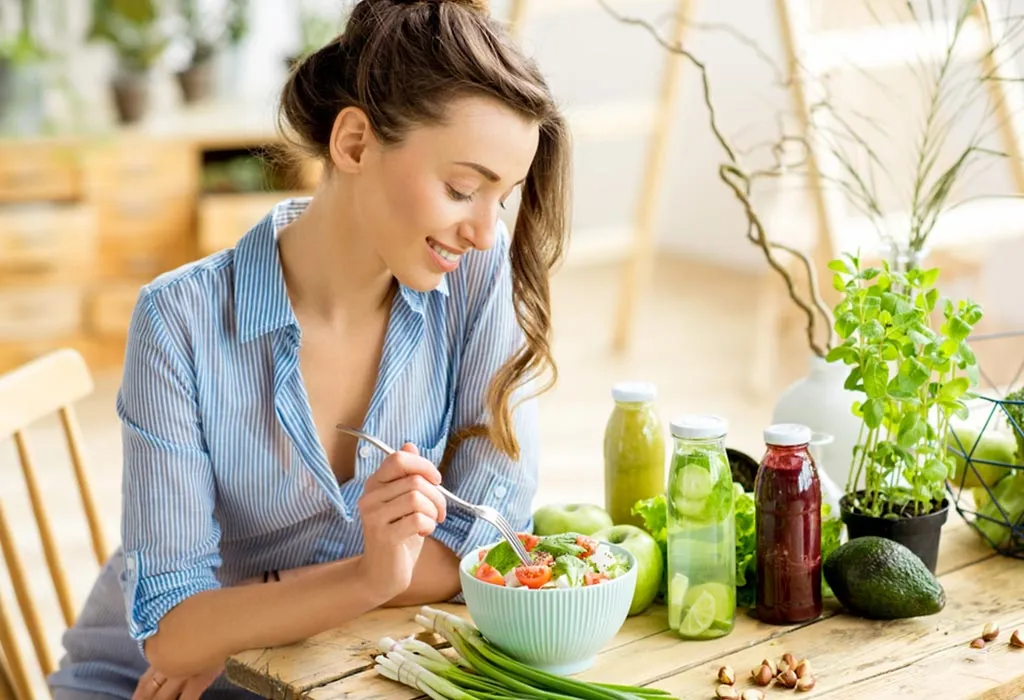
Here are a few methods by which you can incorporate veggies into your diet to make them interesting and tastier:
- Mix and cook vegetables that you like along with the ones that you do not, and pour a sauce of your choice.
- If you like spicy food, vegetable curries are your best bet. The level of spice in your food depends on your preferences, as spices do not harm the baby, but if you are experiencing heartburn, it is advisable to keep the spice levels low. Tomatoes or spinach pasta are also good options.
- You can try making baked beans with sauce.
- Vegetables can be baked and consumed with a choice of sauce or dip.
- Homemade vegetable soups are also a good option to have more vegetables.
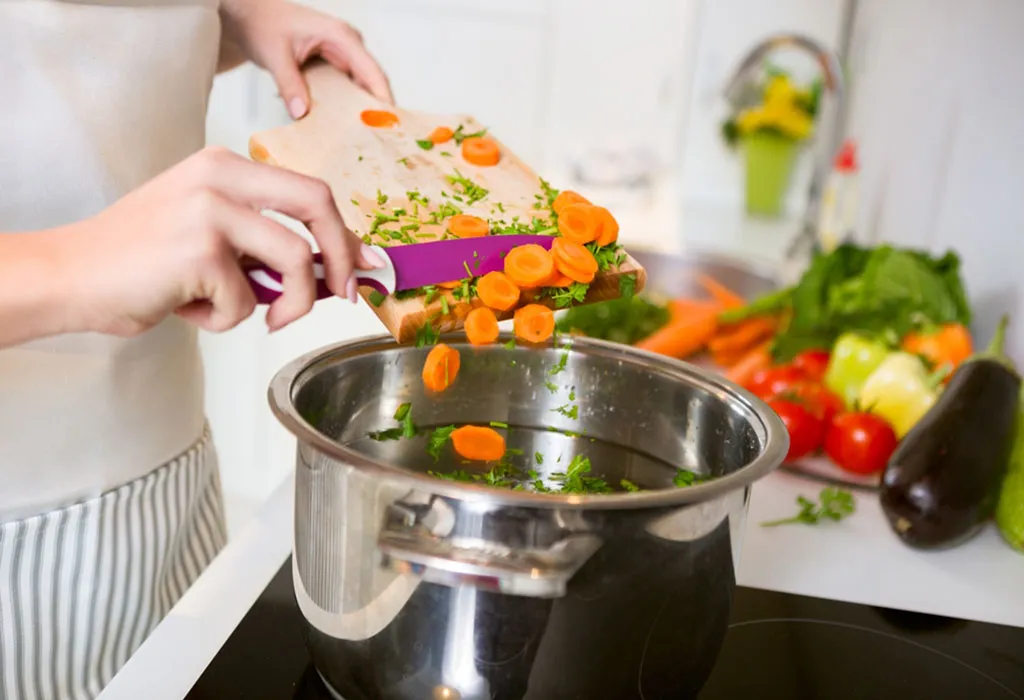
- If chewing vegetables makes you nauseous, try making soup with carrots, pumpkin, tomatoes, etc. These soups are tasty and nutritious, so include them in your diet.
- There is a huge choice of unusual vegetables, such as sweet potato and bok choy, available. Give them a shot; who knows, you might just end up liking them. However, make sure you discuss this with your gynaecologist before consuming any new food during pregnancy.
- Try uncooked/raw vegetables if you do not like cooked vegetables. Grated carrots, coleslaw (with shredded cabbage and carrots) or raw vegetables with dips are great ways to add vegetables to your diet. However, it is important to remember that unwashed fruits and vegetables may be contaminated by Toxoplasma, a parasite that is harmful to both the mother and the baby. Make sure fruits and vegetables are washed well and preferably peeled before consumption.
- You should remember that during this time, your tastes will change. Hence, trying new vegetables will increase the range of foods in your daily diet.
- To enhance flavours, roast or grill your veggies and season them with herbs and spices such as basil, thyme, coriander and oregano.
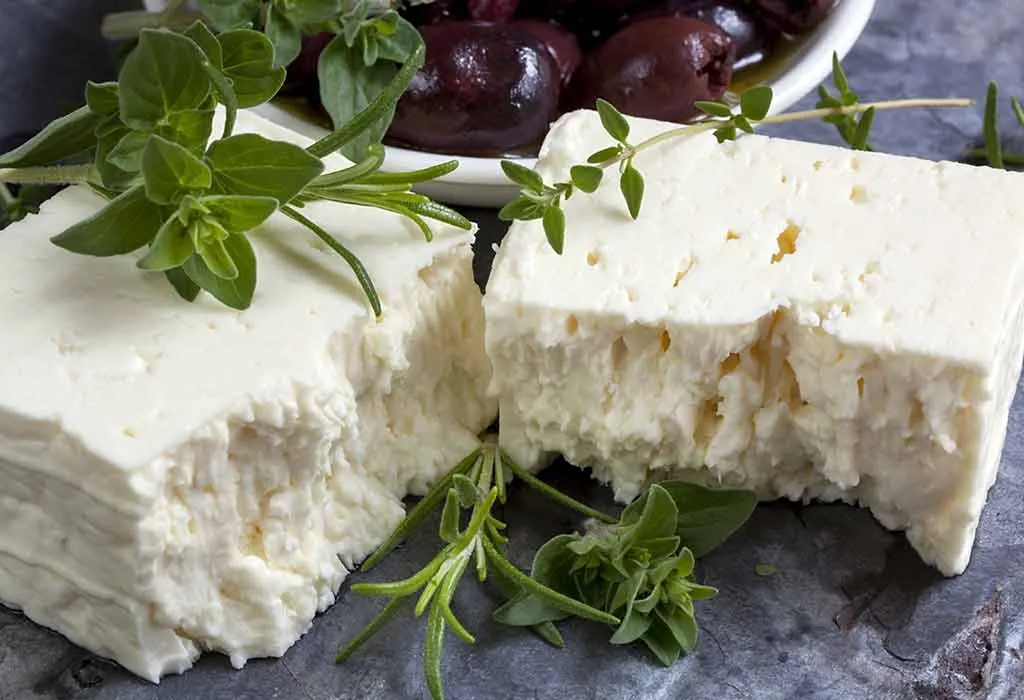
- Keep in mind that soft cheese, blue-veined cheese, and mould-ripened cheese may contain listeria, a bacterium which may cause health issues for the unborn baby, so avoid these.
Some Other Foods That You Can Include in Your Pregnancy Diet
Apart from the above vegetables, care should be taken while incorporating different foods into your diet. While there are some to avoid at all costs, the following foods can be beneficial during your pregnancy:
- Dairy products, like yoghurt, are a great choice to have during pregnancy. They help meet protein and calcium needs. Probiotics help reduce complications such as bacterial vaginosis and indigestion.
- Legumes are rich in folate, fibre and a lot of other nutrients. Folate is an essential nutrient for pregnancy, as it helps lower the risk of birth defects.
- Salmon contains fatty acids DHA and EPA. They are important for the development of the eye and brain in the growing baby. It is also a natural source of Vitamin D.
- Eggs are nutritious and can increase overall nutrient consumption. They contain choline, which is essential for the development of brain health.
- Lean meat is very rich in protein. Beef and pork, which are also rich in iron, choline, and vitamin B, are important nutrients required during pregnancy.
- Fish or cod liver oil can provide a substantial requirement of omega-3 fatty acids, Vitamin A, and Vitamin D. This may be useful for women who do not consume seafood.
- Berries are rich in water, Vitamin C, fibre, carbs, antioxidants, vitamins, and plant compounds. They may help you increase your water and nutrient intake.
- Foods like whole grains come packed rich in vitamins, fibre and plant compounds.
- Avocados contain high quantities of monounsaturated fatty acids, fibre, folate, and potassium.
- Dried fruits are also very high in nutrients.
While having food that is nutrient-dense is very important, water consumption is equally important.
The food you consume during pregnancy affects your energy and well-being, as well as the health of the baby. So, it is essential that the type of food you consume is high in nutrients. Vegetables rich in vitamins, minerals, and fibre are an essential addition to a pregnancy diet. In addition, they ensure a healthy weight during pregnancy.
Delicious Vegetable Soup Recipe
This soup is nutritious and a great dish to have in between meals. You can even add your choice of vegetables depending on the flavours you’re craving.
Ingredients:
- 1 onion (sliced)
- 1 carrot (sliced)
- 1 sweet potato (sliced)
- 1 cup of French beans
- 1 beetroot (sliced)
- 1/2 cup broccoli (cut into small florets)
- 1/2 cup green peas
- 1 tomato (sliced)
- 2 tablespoons of butter
- Parsley (to garnish)
- Salt to taste
- Pepper to taste
How to Make:
- Thoroughly wash all the vegetables and cut them as required. Try to ensure all the vegetables are cut to the same size so they cook at approximately the same time.
- Heat the butter in a pressure cooker, add all the vegetables and sauté for two to three minutes.
- Add 5 cups of water, along with the salt and gently stir.
- Close the lid and pressure cook for one whistle.
- Allow the steam to escape, and open the lid.
- Pour into a bowl, garnish with pepper and parsley, and serve.
Common Myths About Vegetables During Pregnancy
Many pregnancy food rules are confusing. When it comes to vegetables, some common myths can make you worry unnecessarily or miss out on important nutrients. Let’s clear up the most frequent misconceptions so you can eat your veggies with confidence.
1. Myth: All raw vegetables are dangerous during pregnancy
Fact: Only raw sprouts (like alfalfa or mung bean) are risky. Most raw veggies are safe if you wash them thoroughly under running water to remove dirt and germs.
2. Myth: Eating dark leafy greens causes gas, so avoid them
Fact: Greens like spinach are packed with folate and iron, which are vital for your baby. Cooking them lightly reduces gas, so don’t skip them—just introduce them slowly.
3. Myth: Frozen vegetables have fewer nutrients than fresh ones
Fact: Frozen veggies are often more nutritious because they’re frozen at peak freshness. Fresh produce loses nutrients over time during transport and storage.
4. Myth: Eating bitter gourd can cause miscarriage
Fact: Cooked bitter gourd in small amounts is generally safe, but avoid its juice or supplements. There’s no strong proof that normal portions trigger miscarriage.
5. Myth: Avoid broccoli and cabbage to prevent a baby’s colic
Fact: Gas from these veggies does not pass to your baby or cause colic. They are full of fibre and vitamins, so eat them freely unless they bother your own stomach.
6. Myth: Spicy peppers will harm the baby or start early labour
Fact: Spicy vegetables are perfectly safe for your baby. They might give you heartburn, but they won’t trigger labour or cause birth defects.
7. Myth: Only organic vegetables are safe during pregnancy
Fact: Non-organic veggies are fine after washing or peeling them. Eating any vegetables is far more important than buying organic.
8. Myth: Potatoes are unhealthy and should be avoided
Fact: Potatoes are good for you—they have potassium and vitamin B6. Just avoid green or sprouted potatoes, and eat them in moderation with the skin on.
This was all about pregnancy and vegetables. Now you know which vegetables are safe for consumption during pregnancy, go ahead and add them to your pregnancy diet. However, do check with your doctor if you feel uncomfortable after eating a particular veggie twice or thrice. Your doctor or nutritionist will be able to guide you the best!
Also Read:
Fruits to Avoid in Pregnancy
Fruits to Eat during Pregnancy
Raw Vegetables while Pregnant
Was This Article Helpful?
Parenting is a huge responsibility, for you as a caregiver, but also for us as a parenting content platform. We understand that and take our responsibility of creating credible content seriously. FirstCry Parenting articles are written and published only after extensive research using factually sound references to deliver quality content that is accurate, validated by experts, and completely reliable. To understand how we go about creating content that is credible, read our editorial policy here.
1. Family Health Centers of San Diego – An Essential Guide on What to Eat During Pregnancy
2. Harvard T.H. Chan – Sweet Potatoes
5. Mayo Clinic – Pregnancy nutrition: Foods to avoid during pregnancy
6. American Institute for Cancer Research – How many vegetables should I be eating? What about my kids?
- Author
- Expert Reviewer


Related Articles
-
Ragi In Pregnancy - Benefits, Risks and Safety
-

Pregnancy Supplements: What’s Safe and What to Avoid
-
Eating Corn Flakes During Pregnancy: Benefits and Side Effects
-
Diet Plan for Gestational Diabetes: What Should You Follow?
-
Eating Grapefruit during Pregnancy – Is It Healthy?
-

Eating Cashew Nuts During Pregnancy - Benefits & Side Effects