
10 Drinks & Beverages To Avoid During Pregnancy
Find out what not to drink when pregnant and which beverages may pose risks to you and your baby.





Medically Reviewed By
Dr. Archana Dhawan Bajaj
(Gynecologist/Obstetrician)


This content has been reviewed by a qualified expert and follows the FirstCry Parenting editorial policy to ensure accuracy and reliability.
Key Takeaways
- Similar to foods, certain beverages may contain harmful pathogens that could threaten the health of the unborn baby during pregnancy.
- Pasteurisation of certain drinks, such as milk and juices (vegetables and fruits), is very important.
- Drinking raw or unpasteurised milk when pregnant can cause health issues for the developing baby.
- Drinks or beverages containing excess sugar, alcohol, or artificial sweeteners should be avoided during pregnancy.
Medical experts warn about certain drinks and beverages to avoid while pregnant to safeguard the mother’s as well as the unborn baby’s health. For instance, alcohol is universally known to be harmful to a developing baby, but some lesser-known beverages might also pose risks. Energy drinks and some herbal teas contain high levels of caffeine or other stimulants that might not be safe for the baby. As per the Centers for Disease Control and Prevention (CDC), about 202 foodborne illnesses were linked to drinking raw milk from 1998 through 2018 (1). It’s essential to be cautious and well-informed when selecting what to eat and drink during this critical period to ensure a healthy pregnancy.
What Not to Drink When You’re Pregnant?
In order to get some clarity on which drink is not good for pregnancy, we have put together a list of things not to drink during pregnancy.
1. Unpasteurised Milk or Juices
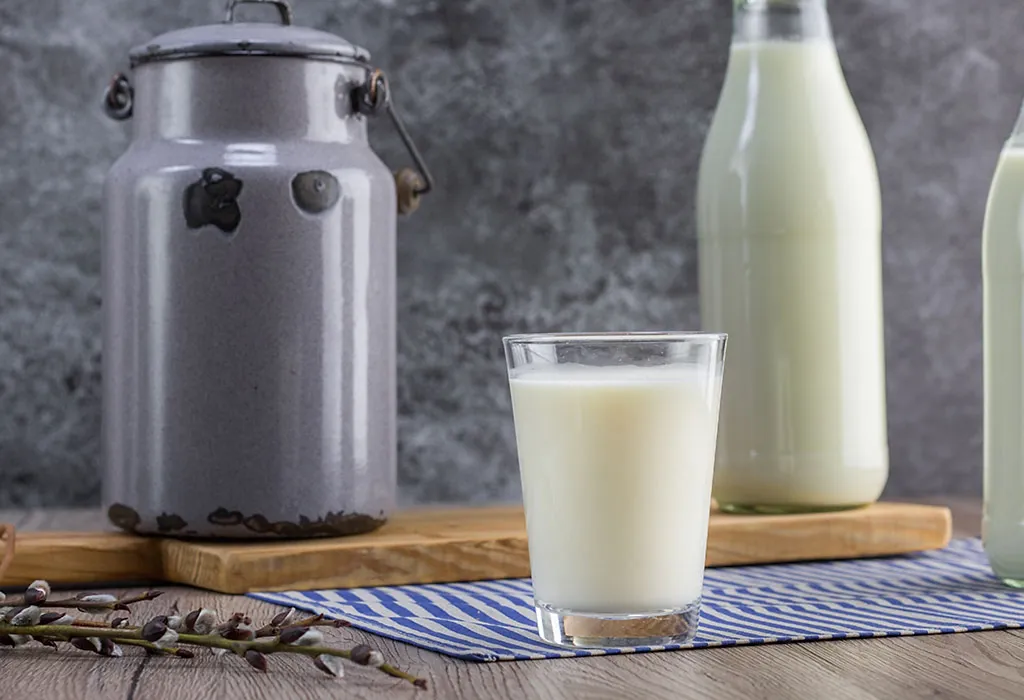
Drinking good amounts of milk and having fruit juices is how most people begin their day on a good note, and for pregnant mothers, it is even more important. But milk and juices come in variants, too, especially the non-pasteurised ones. The U.S. FDA says that juices available freshly squeezed at farmer’s markets or at roadside stands may not be pasteurised and contain harmful bacteria and should be avoided by pregnant women (2). Pasteurisation is a process that takes care of various bacteria and microbes present in the substance.
If the milk that you buy or the juice box you purchased does not say “pasteurised,” the bacteria present in it could be harmful to you. And since they enter your body, they could easily find their way to the baby via the placenta and cause irreversible damage.
2. Alcohol
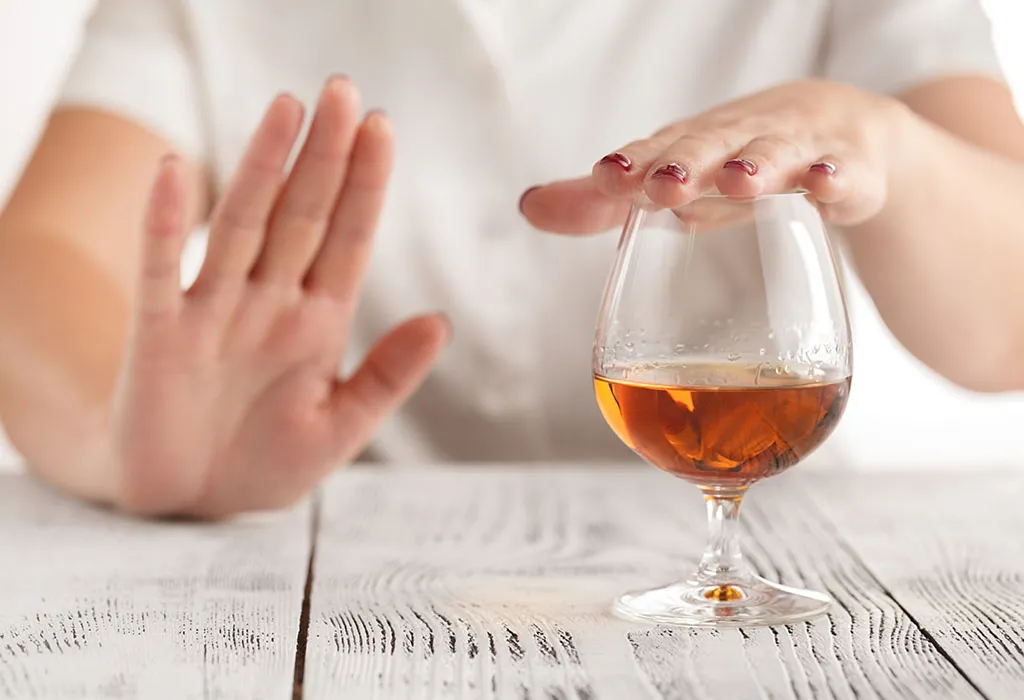
This might be a no-brainer, but there are still some who believe that a little consumption will not harm the child. What might be little for you might be quite a lot for the developing baby. Alcohol is one of the drinks to avoid during early pregnancy. As per the CDC, alcohol increases the risk of stillbirth, pregnancy loss, and fetal alcohol syndrome (FAS) and causes severe defects in the child, including bodily deformations and hindered brain development (3). Consuming one drink a day can still bring about a number of abnormalities in the baby.
3. Diet Soda
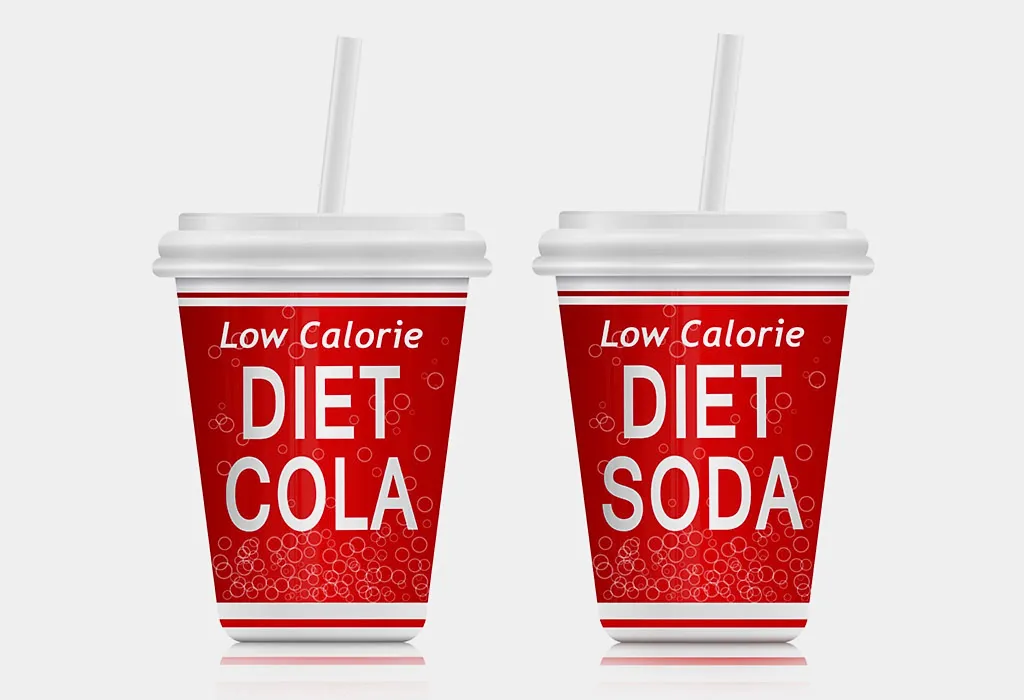
Diet cola or diet soda is among the top in the list of beverages to avoid during pregnancy. Although a can of diet soda does not harm the pregnancy, it is not a better choice of a drink when pregnant. Harvard Health Publishing says that in one study found that people who drank diet soda gained more weight than people who had regular soda (4). The reason is the ingredients like caffeine and artificial sweeteners. Aspartame is an artificial sweetener found in diet sodas and may also find its way through the placenta, reaching the baby with absolute ease. When consumed in excess, it can start affecting the baby’s growth and causing defects.
4. Coffee
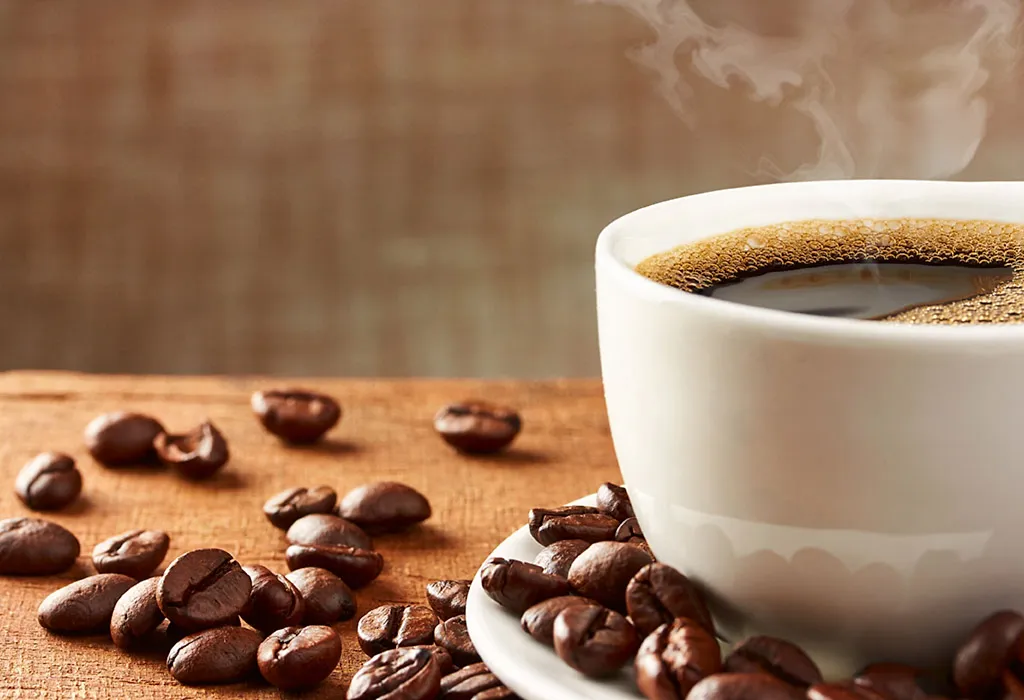
Drinking coffee is not altogether bad, but how much you drink matters. The American College of Obstetricians and Gynecologists (ACOG) recommends limiting caffeine consumption during pregnancy to less than 200 milligrams (mg) per day (5). Excessive caffeine intake may increase the risk of stillbirth, low birth weight, pregnancy loss, and developemental issues in the fetus.
Try to keep the consumption as minimum as possible, especially in the first trimester, since the risk of caffeine causing a miscarriage is pretty high around that time.
5. Aerated Beverages or Sodas
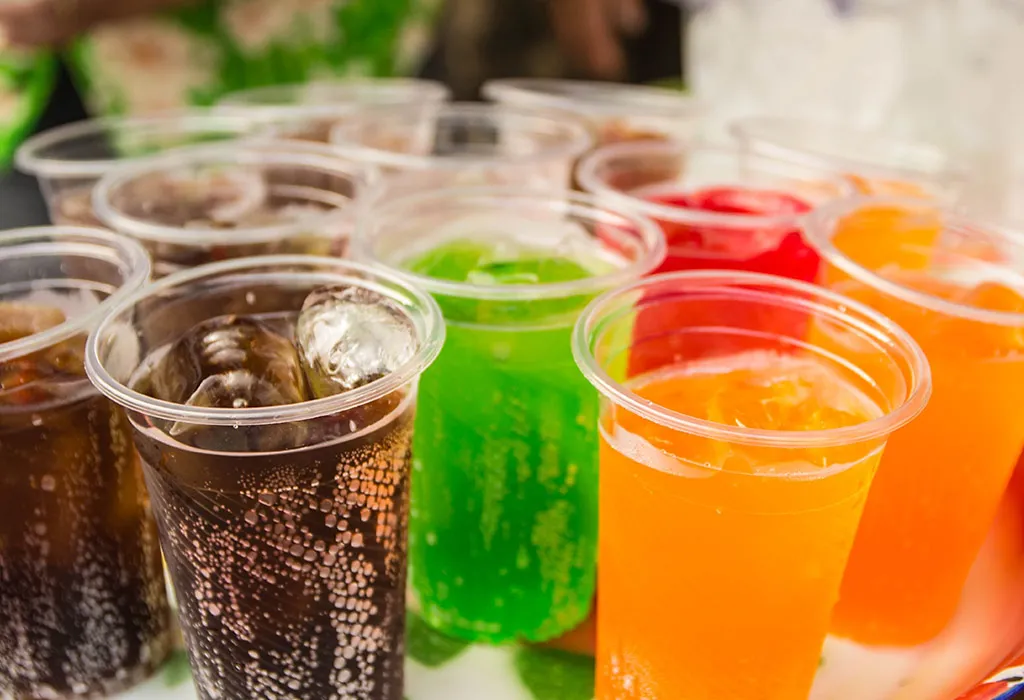
Aerated beverages (soft drinks) or sodas contain a good amount of caffeine and sugars. These should be avoided by pregnant women to safeguard theirs and their baby’s health. Since the caffeine limit is only 200 milligrams per day, it is important to ensure the total caffeine consumption through coffee, sodas, beverages, and tea stay umder the proposed limit only.
6. Iced Tea
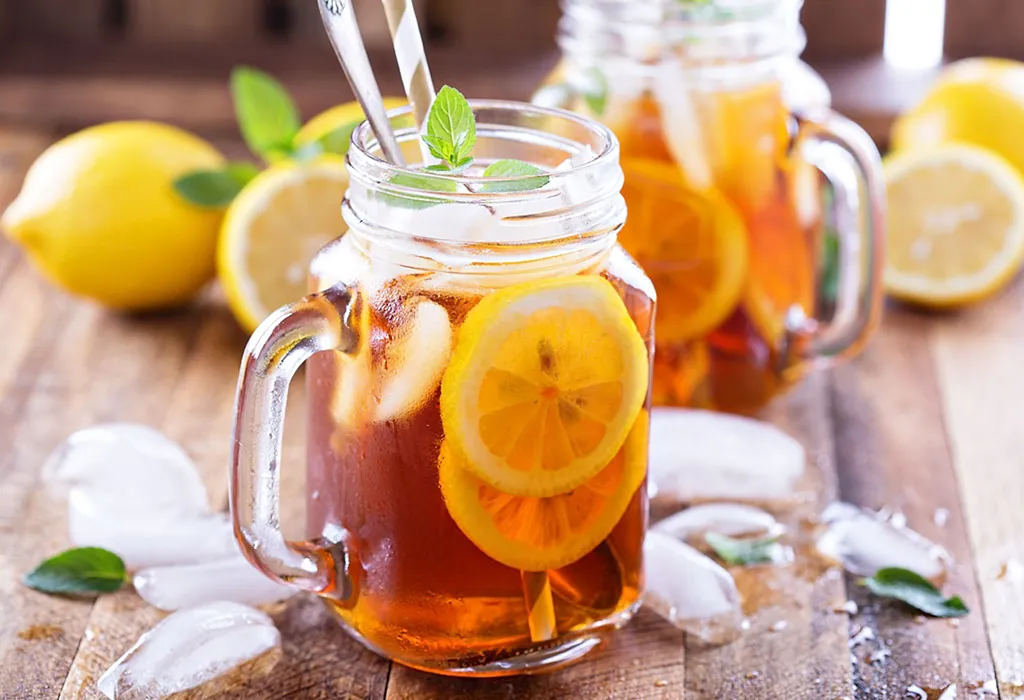
For women who are usually pregnant in the summers, having refreshing and cool drinks might become a craving of sorts, too. Iced tea is similar to a normal tea in terms of caffeine. But it may also contain excess sugar or artificial sweetener. The American Pregnancy Association says that an average cup of a non-herbal tea may have about 40-50 milligrams of caffeine (6). Commercial ones’ caffeine content may vary. While a glass or two doesn’t harm you, it’s important to keep track of how much caffeine you consume from all caffeinated sources (tea, coffee, iced tea, green tea). Excessive use can be harmful.
7. Juice Made From Wheatgrass
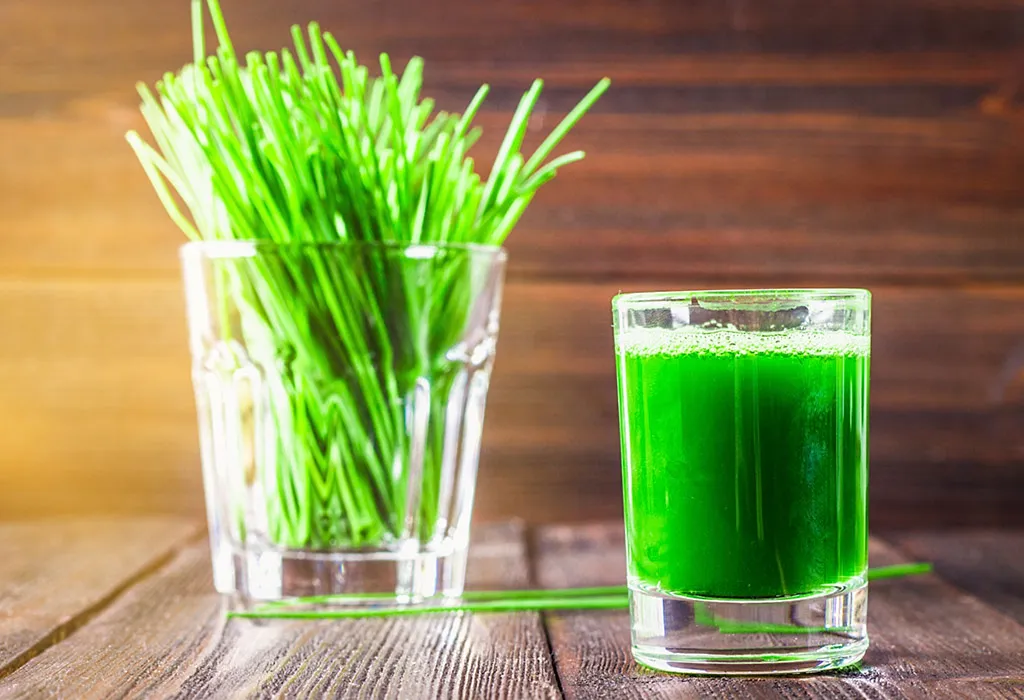
The benefits of wheatgrass are tremendous to such a high degree that most women believe that a healthy pregnancy without consuming wheatgrass is a rarity. However, very few people know about the presence of various microbes and moulds in wheatgrass. The conditions in which wheatgrass is harvested are usually damp and moist, making it a paradise for various microbes to thrive. Since wheatgrass juice is made from raw wheatgrass, these germs find their way into the juice, which, when consumed, causes a massive imbalance in the nutrients present in your body.
8. Herbal Teas with Unknown Ingredients
While some herbal teas are safe, many contain ingredients that haven’t been studied extensively for their effects during pregnancy. Certain herbs like dong quai, ginseng, pennyroyal, black cohosh, feverfew, passion flower, some chamomile types, and fenugreek are known to cause complications such as miscarriage, uterine contractions, or birth defects. It’s best to avoid herbal teas unless they’re made from ingredients known to be safe for pregnant women, like ginger or peppermint.
Here’s a quick understanding of what’s safe, unsafe, and OK under limit as suggested by the American Pregnancy Association and Pregnancy Birth and Baby (6) (7):
| Safe | Avoid | OK Under Limit |
| Ginger tea | Herbal detox tea containing senna | Chamomile |
| Peppermint tea | Strong blends of black or green tea | Black tea |
| Rooibos tea | Dandelion tea | Green tea |
| Red raspberry leaf tea | Stinging Nettle tea | Fennel tea |
| Lemon balm tea | Rose hip tea (Insufficient information) | |
| Alfalfa | ||
| Yellow dock tea |
9. Raw Vegetable Juice
MotherToBaby notes that raw vegetable juice, particularly those made from spinach, celery, or beets, can contain harmful bacteria or parasites like E. coli or Listeria, which could cause foodborne illnesses (8). Since pregnancy can weaken the immune system, these infections could lead to complications like miscarriage or harm to the fetus. It’s safer to consume pasteurised juices or freshly washed and cooked vegetables instead.
10. Contaminated Drinking Water
Places where there are outbreaks of hepatitis, flu, or any other viral pathogenic cases should be avoided by pregnant women, especially tap water.
FAQs
1. Can I drink kombucha while pregnant?
Kombucha, a fermented tea, contains a small amount of alcohol due to the fermentation process, along with caffeine. The alcohol content in kombucha can vary, and consuming it during pregnancy can pose risks to the developing baby. Additionally, since kombucha is typically unpasteurized, it may contain harmful bacteria. It’s best to avoid kombucha during pregnancy and choose safer, non-alcoholic alternatives.
2. Are smoothies safe to drink during pregnancy?
Smoothies can be a healthy choice during pregnancy, but it’s important to ensure they are made with safe ingredients. Avoid using raw or unpasteurized dairy products and be cautious with raw eggs or protein powders, as they can contain harmful bacteria or additives. Opt for smoothies made with pasteurized dairy, fresh or frozen fruits, and vegetables to ensure safety during pregnancy.
3. Can I drink coconut water while pregnant?
Coconut water is generally safe to drink during pregnancy and can be a hydrating option. However, some commercially produced coconut waters contain added sugars or preservatives, which aren’t ideal during pregnancy. Always choose pure coconut water without added ingredients and consult your healthcare provider to ensure it aligns with your dietary needs.
4. Are non-alcoholic beers and wines safe during pregnancy?
Non-alcoholic beers and wines contain minimal amounts of alcohol (usually less than 0.5% ABV), but even small amounts can be a concern during pregnancy. Since the exact alcohol content can vary, it’s best to avoid non-alcoholic beers and wines to ensure the baby’s safety. Instead, consider non-alcoholic beverages made specifically for pregnant women or other alcohol-free alternatives like sparkling water with fruit slices.
5. What drinks should be avoided in the first trimester?
Unpasteurised milk, juices, and smoothies made with unpasteurised juices, alcohol, and excessive caffeine should be avoided in the first trimester of pregnancy.
This was all about what drinks to avoid when pregnant. While creating a diet for your pregnancy, moderation is always the key for items of guilty pleasure. However, keeping away from certain items is the best bet for your health as well as the baby’s development. Looking for healthy alternatives and developing a taste for them can ensure you have a trouble-free relaxed pregnancy throughout.
Also Read:
Indian Foods To Avoid in Pregnancy
Foods You Must Avoid Eating during Pregnancy
Toxic Chemicals you Must Avoid when Pregnant
Healthy and Refreshing Drinks to have while Pregnant
Was This Article Helpful?
Parenting is a huge responsibility, for you as a caregiver, but also for us as a parenting content platform. We understand that and take our responsibility of creating credible content seriously. FirstCry Parenting articles are written and published only after extensive research using factually sound references to deliver quality content that is accurate, validated by experts, and completely reliable. To understand how we go about creating content that is credible, read our editorial policy here.
2. U.S. Food & Drug Administration – Fruits, Veggies and Juices (Food Safety for Moms-to-Be)
3. CDC – About Alcohol Use During Pregnancy
4. Harvard Health Publishing – Why pregnant women should avoid artificially sweetened beverages
5. American College of Obstetricians and Gynecologists – Moderate Caffeine Consumption During Pregnancy
6. American Pregnancy Association – Herbal Tea & Pregnancy
7. Pregnancy Birth and Baby – Herbal teas during pregnancy and breastfeeding
8. MotherToBaby – Foods and Beverages during Pregnancy and Breastfeeding
- Author
- Expert Reviewer

Related Articles
-

Artichoke in Pregnancy – Benefits, Risks and Precautions
-
Aloe Vera During Pregnancy - Benefits, Risks, and Tips
-
Spices to Eat & Avoid During Pregnancy - A Compete Guide
-
Taking Vitamin B3 (Niacin) During Pregnancy - Importance, Food Sources and Dosage
-
Vitamin E During Pregnancy - Importance and Recommended Dosage
-
First Month Pregnancy Diet - Foods to Eat & Avoid