
Baby Bouncer Buying Guide: How to Choose a Safe, Comfortable Seat
This baby bouncer buying guide covers essential safety features, comfort factors, and practical tips to help you choose the right seat for your baby.




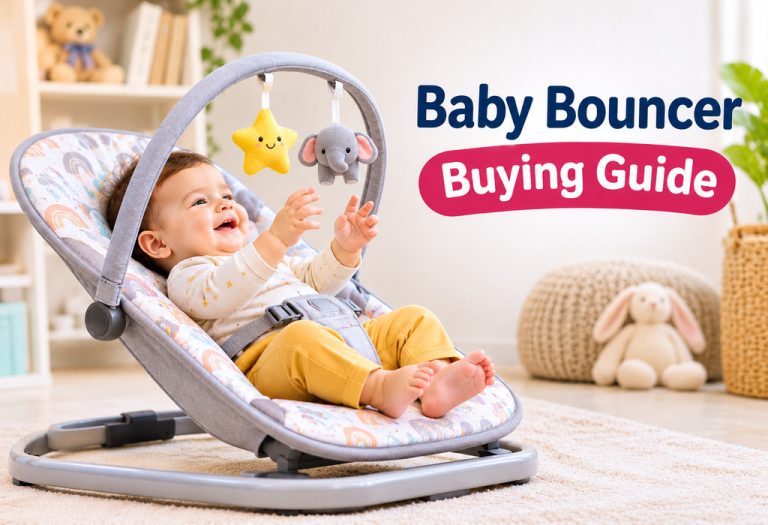
Key Takeaways
- A baby bouncer suits awake, supervised time for babies who cannot yet sit up, so most families use one for the first few months.
- Check the stated age range, weight limit and harness before comparing extras such as vibration or toys.
- Choose a wide, non-slip base and a snug restraint before extra features.
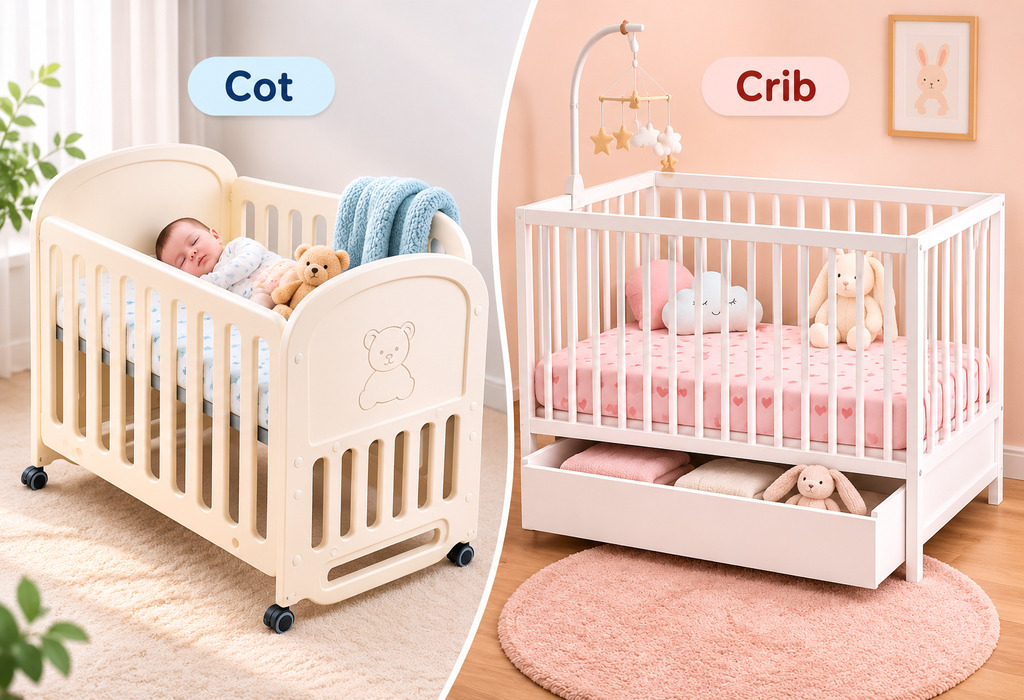
- Place the bouncer on the floor only, and move a sleepy baby to a flat cot or crib.
- Keep sessions short so floor play and tummy time still fill most of the day.
This baby bouncer buying guide starts with the answer: choose a seat with a clearly stated weight limit, a wide non-slip base and a snug harness, and use it only for awake, supervised time. Bouncers suit babies who cannot yet sit up, which often means the first few months. The main trade-off is simple. A bouncer gives you a safe spot to set your baby down, yet long sessions take time away from floor play. This guide covers bouncer types, features to check, benefits, safety limits and ten common shopping questions.
|
Key Facts Standard to look for: In the US, infant bouncer seats must be tested to ASTM F2167, and seats made after 19 December 2022 must meet the F2167-22 edition. Stop point: US warning labels tell caregivers to stop using a bouncer when the baby tries to sit up or reaches the maker’s maximum weight, capped at 20 lb. Play, not sleep: The AAP says bouncers are safe for play when used as directed, but not for sleep. |
What Is a Baby Bouncer and How Does It Work?
A baby bouncer is a freestanding, reclined seat that lets a baby bounce with their own kicks or a caregiver’s gentle nudge. The seat holds the head and back in a semi-reclined position, so your baby can watch the room, bat at a toy bar and settle while you stay close. Some models add vibration or music. Bouncers are made for awake time, which keeps them different from a cot, crib or bassinet.
Types of Baby Bouncers
Baby bouncers come in a few main types, and the right one depends on your space, how settled your baby is and how long you want to use the seat. This table compares them.
|
Type |
How it moves |
Suits |
Check before buying |
|
Natural bouncer |
Moves with the baby’s own kicks on a spring or flexible frame |
Families who prefer no batteries and a simple seat |
Frame feels sturdy and the base does not tip easily |
|
Vibrating bouncer |
Gentle vibration, sometimes with music, powered by batteries or a plug |
Babies who settle with soft vibration |
Speed and volume controls, and a battery cover that stays closed |
|
Bouncer and rocker combination |
Bounces or rocks, depending on the frame position |
Parents who want one seat for both motions |
Lock positions and the weight limit for each mode |
|
Convertible seat |
Changes from a bouncer into a rocker or a toddler seat |
Parents who want a longer period of use |
Age and weight limits listed for every mode |
|
Foldable travel bouncer |
Folds flat for storage and carrying |
Small homes and families who move between rooms |
Folding catch locks firmly and the base stays stable when open |
Baby Bouncer vs Swing and Rocker: What Is the Difference?
A bouncer moves with the baby’s own kicks, a swing usually moves by motor and a rocker rocks on a curved base. Bouncers often take up less floor space than swings, so they suit smaller rooms. Swings and rockers can suit babies who prefer steady, rhythmic motion. All three are for awake, supervised time and never for sleep.
Benefits of Using a Baby Bouncer
A bouncer can make daily routines easier for parents and give babies a comfortable spot to watch and play.
- A safe place to set baby down: A bouncer gives you a few hands-free minutes while your baby stays in view.
- Gentle, soothing motion: The soft bounce or vibration can help some babies settle during fussy spells.
- Play and kicking: A toy bar can encourage a baby to reach, bat and kick.
- Easy to move: Lightweight seats travel from room to room, so you can keep your baby close while you work.
How to Choose a Baby Bouncer: What to Check on the Label
Five checks on the label or product page tell you most of what you need to know.
1. Age range and weight limit: Look for a stated minimum age and a maximum weight, and plan to stop when your baby tries to sit up or reaches the limit, whichever comes first.
2. Harness and restraint: Choose a seat with a restraint you can adjust to fit snugly, and check that the buckle closes easily and stays fastened.
3. Base and frame: Pick a wide base with non-slip feet and a frame that feels sturdy when you press down on it.
4. Seat fabric and head support: Look for soft, breathable fabric, a removable washable cover and a seat shape that supports your baby’s head, back and thighs.
5. Weight and folding: A foldable baby bouncer with a lock that clicks firmly into place suits small homes, and the base should still feel stable when the seat is open.
Baby Bouncer Safety and Limitations
Bouncers work well for supervised play when used as directed, and the main risks come from where and how the seat is used.
1. Everyday Safety Rules
A bouncer is safest on the floor, fastened in and watched, because CPSC incident reports link the main risks to falls, soft surfaces and unrestrained babies.
- Floor only. Place the seat on the floor, never on a table, counter, bed or sofa.
- Restraint every time. Adjust the straps to fit snugly, even if your baby falls asleep.
- Stay close. Watch your baby while the seat is in use.
- Stop at the right time. Stop when your baby can sit up or reaches the weight limit.
2. Sleep and Bouncers
Bouncers are not sleep spaces. The AAP explains that an inclined seat can let a sleeping baby’s head fall forward or sideways, which makes breathing hard. If your baby dozes off, move your baby to a firm, flat cot or crib. Sleep pods, wedges and nests are not alternatives to a bouncer, and the AAP lists them among products to avoid.
3. Time in the Bouncer and Head Shape
Long stretches in any seat can add pressure to the back of a baby’s head. The AAP advises limiting long periods in car seats, bouncy seats, swings and similar carriers, and recommends supervised tummy time during the day. Use the bouncer for short breaks, then switch to floor play, holding or tummy time.
4. Standards and Labels to Look For
The product listing should name its standard, such as ASTM F2167. Check the exact standard number instead of a general line such as meets international standards, and ask the seller if the listing names none. Avoid seats with loose parts, a damaged harness or missing instructions.
5. When Another Option May Suit Better
A bouncer has done its job once a baby can sit up, rolls over or reaches the weight limit, and a floor mat, play gym or high chair may suit better then. Ask your paediatrician before using any inclined seat for a premature baby or a baby with feeding or breathing concerns.
FAQs
1. At what age can a baby start using a bouncer?
A baby can start at the minimum age printed on the label, which differs between models. Bouncers are made for babies who cannot yet sit up unassisted. Ask your paediatrician about very small or premature babies.
2. When should I stop using a baby bouncer?
CPSC advises stopping when your baby can sit up alone or reaches the maker’s stated maximum weight, whichever comes first. Check the label for your model’s limit, then move to floor play.
3. How long can a baby stay in a bouncer?
No single time limit suits every baby, so keep sessions short and supervised. The AAP advises limiting long periods in seats such as bouncers and encourages tummy time while awake. Take breaks for holding and floor play.
4. Is a baby bouncer for newborn babies safe?
Some bouncers list a newborn minimum, so check the label for age, weight limit and head support. Always use the restraint, stay close and keep the seat on the floor. Ask your paediatrician about very young babies.
5. Can a baby sleep in a bouncer?
No. The AAP says bouncers are for play and not for sleep, because the inclined position can let a sleeping baby’s head fall forward and restrict breathing. Move a sleepy baby to a firm, flat cot or crib.
6. Is a vibrating bouncer better than a natural one?
Neither type suits every baby. A natural bouncer needs no batteries and moves with your baby’s kicks, while a vibrating model offers soft vibration some babies enjoy. Check battery covers, speed controls and weight limits first.
7. Which features matter most when buying a bouncer?
The weight limit, a snug adjustable restraint, a wide non-slip base and breathable washable fabric matter most. Extras such as toys, music and vibration are useful, and they come after these safety basics.
8. Which is the best baby bouncer for my baby?
No single brand or model suits every baby, so compare features first: age range, weight limit, harness, base and washable fabric. Then check that the listing names a standard such as ASTM F2167. Finally, shortlist two or three models from reputable sellers and read their safety instructions.
9. Is it safe to buy a second-hand bouncer?
A second-hand bouncer can work if every part is present and undamaged. Check that the harness, buckle and base work properly, read the maker’s instructions and look for recall notices from the maker or regulator before use.
10. How do I clean a bouncer?
Follow the care label for your model. Removable seat covers can usually be washed as directed, while frames and toy bars often need a wipe with a damp cloth. Let every part dry fully before use.
A bouncer is a short-term, awake-time seat, and each type suits a different home. Use it on the floor with the restraint fastened, and move a sleepy baby to a flat cot or crib. Before buying, check the age range, weight limit, harness, base and named standard. Mix bouncer time with tummy time, holding and floor play. If you are unsure whether a bouncer suits your baby, ask your paediatrician or doctor.
Was This Article Helpful?
- Author